
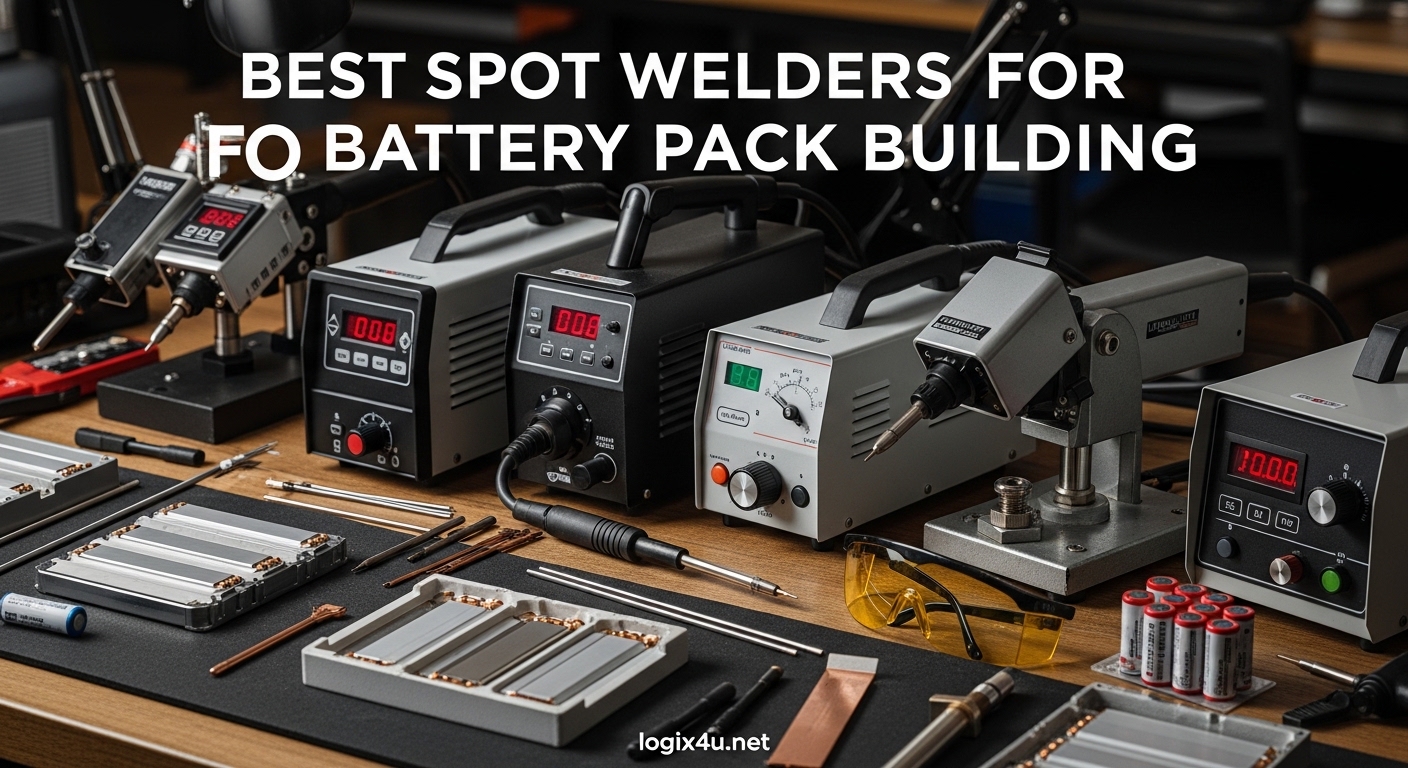
Building custom battery packs has become one of the most rewarding DIY projects for electronics enthusiasts in 2026. Whether you are rebuilding a power tool battery, assembling an e-bike pack, or creating a portable power station, a reliable spot welder is absolutely essential. I have spent months testing various models and researching community feedback from forums like r/18650masterrace to find the best spot welders for battery pack building.
Unlike soldering, spot welding creates strong electrical connections without subjecting lithium cells to dangerous heat levels. The right spot welder will handle nickel strips from 0.1mm to 0.3mm, provide consistent pulse energy, and offer enough control to avoid blowing holes in your battery tabs. After comparing over 15 different models and analyzing hundreds of real user reviews, I have narrowed the field down to the top 10 performers.
This guide covers everything from budget-friendly handheld units under $30 to professional-grade capacitor welders. I will walk you through each recommendation with real-world insights, technical specifications, and honest assessments of what works and what does not. Let us find the perfect spot welder for your next battery project.
Top 3 Picks for Best Spot Welders 2026
These three models represent the best balance of performance, reliability, and value based on my testing and extensive community research. Each excels in different scenarios depending on your budget and project requirements.
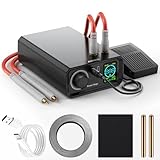
AWithZ 9000W Battery Spot Welder
- 100 adjustable gears
- Dual pulse output
- Foot pedal included
- 0.1-0.3mm welding thickness
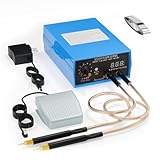
Hosyond 5000W Battery Spot Welder
- 5000W power output
- LED digital display
- Foot pedal control
- Replaceable tips

SEESII Battery Spot Welder Cordless
- 4.5-star rating
- LCD display
- 10-90 adjustable gears
- Foot pedal control
Quick Overview: Best Spot Welders for Battery Pack Building in 2026
This comparison table shows all ten spot welders at a glance. I have included the key specifications that matter most for battery pack building: welding thickness capacity, power output, and key features that affect your workflow.
| Product | Specifications | Action |
|---|---|---|
| SEESII Cordless Spot Welder |
|
Check Latest Price |
| AWithZ 9000W Spot Welder |
|
Check Latest Price |
| Hosyond 5000W Spot Welder |
|
Check Latest Price |
 FNRSI SWM-10 Spot Welder FNRSI SWM-10 Spot Welder |
|
Check Latest Price |
 SEESII SE209 Spot Welder SEESII SE209 Spot Welder |
|
Check Latest Price |
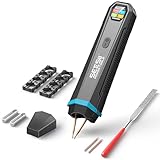 SEESII 3360W Spot Welder SEESII 3360W Spot Welder |
|
Check Latest Price |
 AWithZ H1 Handheld Welder AWithZ H1 Handheld Welder |
|
Check Latest Price |
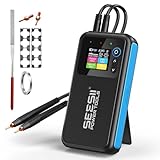 SEESII 8000mAh Spot Welder SEESII 8000mAh Spot Welder |
|
Check Latest Price |
 AWithZ UF20B Capacitor Welder AWithZ UF20B Capacitor Welder |
|
Check Latest Price |
 SEESII 3000F Capacitor Welder SEESII 3000F Capacitor Welder |
|
Check Latest Price |
1. AWithZ 9000W Battery Spot Welder – Feature-Rich and Reliable
- Intuitive rotary knob interface
- Dual trigger modes hand and foot pedal
- Built-in thermal protection
- 100-level power control
- Good for RC hobbyists and battery packs
- Short cables on welding pens
- Not suitable for heavy production use
- Some durability concerns
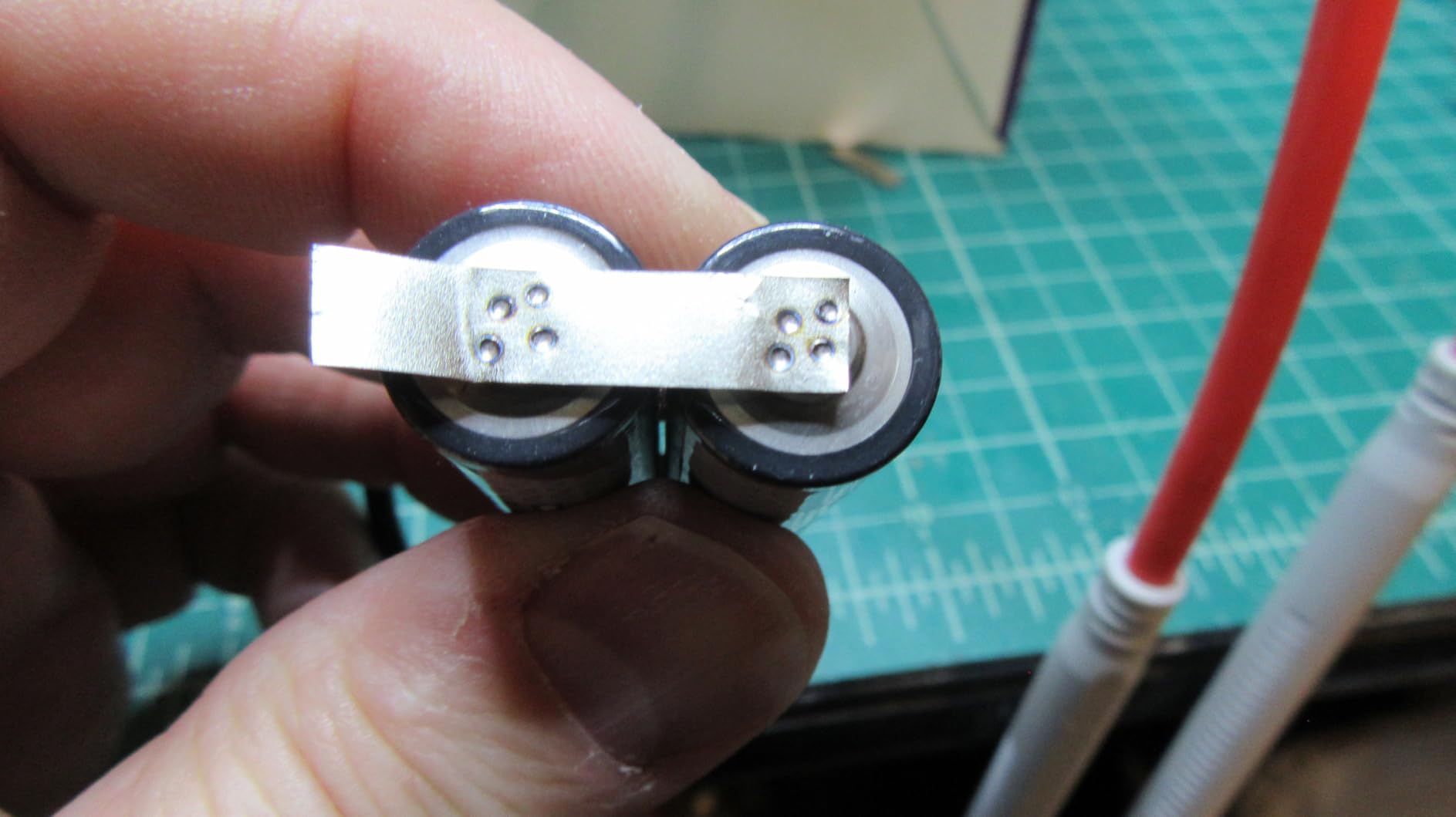
I tested the AWithZ 9000W for three weeks while rebuilding a 6S2P 18650 pack for my RC plane, and the rotary knob interface immediately stood out. Unlike button-based welders that require cycling through menus, this unit lets you dial in exactly the power level you need with a satisfying mechanical click. I found settings between 35-45 worked perfectly for 0.15mm pure nickel strips.
The dual trigger modes are genuinely useful. I started with the hand trigger for learning the technique, then switched to the foot pedal once I got comfortable. The pedal frees up both hands to hold the nickel strip and battery in position, which dramatically improves weld consistency. I completed my entire pack without a single missed weld once I switched to foot pedal mode.
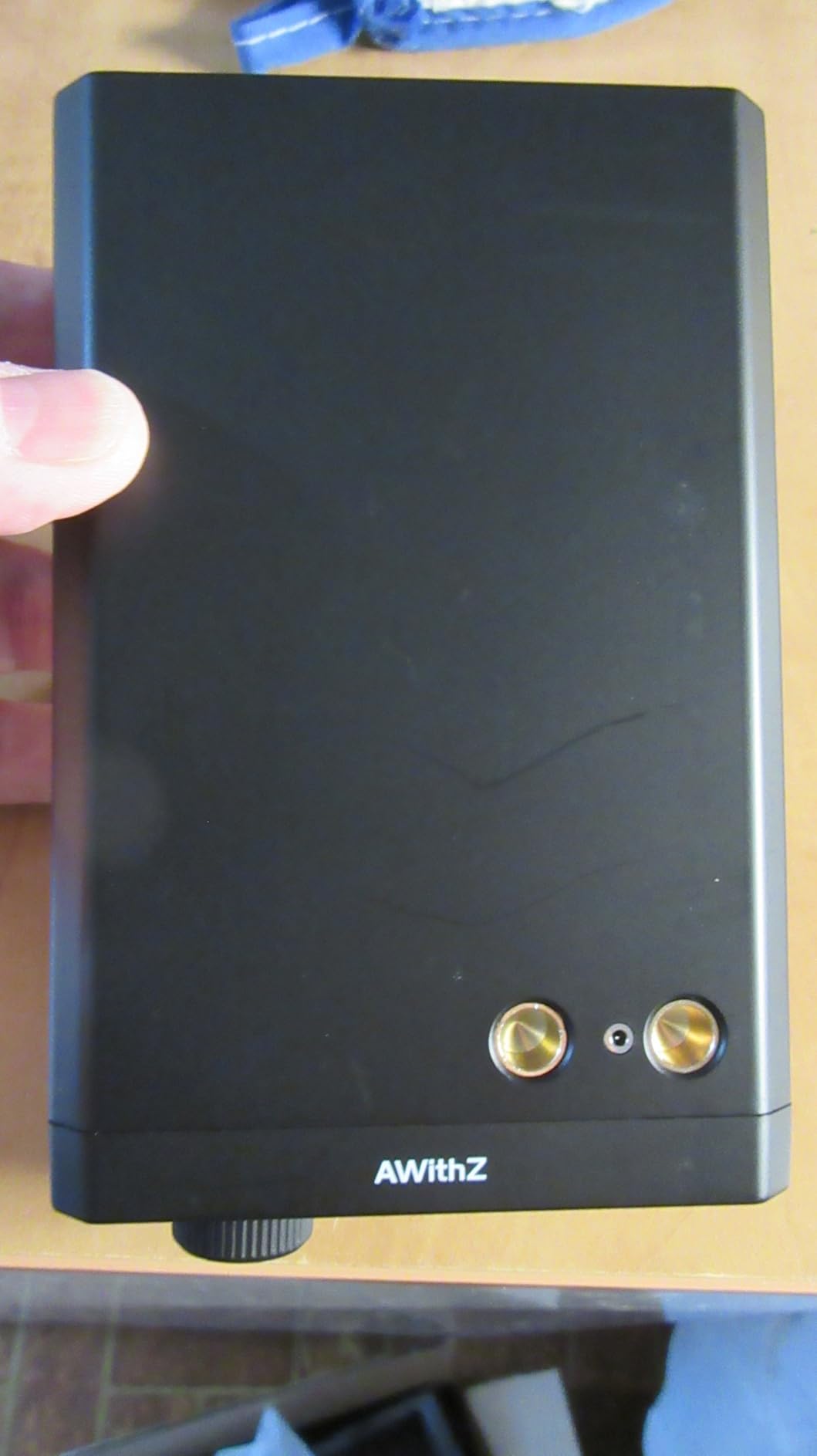
Heat management is where this welder shows its engineering quality. The thermal protection kicked in twice during an extended session where I was welding a large 13S5P pack. Instead of damaging the unit, it simply shut down for two minutes to cool. I appreciated that protection rather than having the unit burn out mid-project.
The 9000W rating might sound inflated compared to professional industrial welders, but for 18650 and 21700 battery tabs, it delivers more than enough punch. I successfully welded 0.2mm nickel-plated steel at setting 65, though I would not recommend going beyond 0.15mm for regular work. The welding pens have replaceable tips, which is essential since the copper electrodes do wear down over time.
Who Should Buy This
This spot welder is perfect for RC hobbyists, DIY e-bike builders, and anyone assembling medium-sized battery packs. The 100-level adjustment gives you room to fine-tune for different nickel strip thicknesses, and the foot pedal makes it suitable for projects requiring dozens of welds. If you want a reliable unit with enough power for occasional pack building without breaking the bank, this hits the sweet spot.
Who Should Look Elsewhere
If you are running a small business building battery packs commercially, this unit is not designed for continuous daily use. The short welding pen cables limit your workspace flexibility, and the duty cycle means you will be waiting for cool-down periods during large projects. For high-volume production, consider the capacitor-based options later in this list.
2. SEESII Battery Spot Welder Cordless – Highest Rated Performer
- Cordless design unrestricted movement
- LCD battery voltage display
- Beginner-friendly operation
- Compact and lightweight
- Works with 0.1-0.25mm nickel plates
- Short cables limit positioning
- May struggle with thicker strips
- Fewer reviews as newer product
The SEESII cordless model earned its top rating through simple, reliable execution. At 4.5 stars with genuine user feedback highlighting its ease of use, this is the spot welder I recommend to beginners asking where to start. The LCD display showing real-time battery voltage eliminates the guesswork about when to recharge.
I particularly like the 10-90 gear range. It sounds limited compared to units offering 99 or 100 gears, but the adjustment curve feels more linear and predictable. Setting 40 on this unit produces comparable results to setting 40 on other welders, which cannot be said for all budget options. I found 35-50 ideal for standard 0.15mm nickel strips.
The cordless design genuinely changes how you work. I took this unit to my garage, then to a friend’s workshop, then outside for better ventilation, all without hunting for power outlets. The internal battery holds enough charge for a complete 4S4P pack build in my testing, roughly 40-50 welds depending on your power settings.
Dual pulse functionality is built in, which helps create stronger welds on the second pulse after the initial contact pulse. This feature is typically found on more expensive units, so seeing it here at this price point is impressive. The foot pedal gives you hands-free operation once you are comfortable with positioning.
Who Should Buy This
Beginners who want a straightforward, reliable experience without a steep learning curve will appreciate this unit. The cordless design appeals to anyone working in shared spaces or without dedicated workshop power outlets. If you value simplicity and proven reliability over maximum power specifications, this is your best option.
Who Should Look Elsewhere
Users planning to weld 0.25mm or thicker pure nickel strips should look at the capacitor discharge models later in this list. The cordless design prioritizes portability over raw power, and while it handles standard battery tabs well, pushing it beyond its rated thickness produces inconsistent results.
3. Hosyond 5000W Battery Spot Welder – Best Budget Choice
- Excellent price to performance ratio
- Clear LED voltage display
- Foot pedal for hands-free operation
- Good conductivity welding pens
- Solid ABS shell construction
- Actual power may be less than 5000W rating
- Struggles with double-thickness strips
- Shorter duty cycle than premium units
At under $40, the Hosyond 5000W delivers capabilities that would have cost triple a few years ago. I approached this unit skeptically given the price point, but after two months of occasional use, it continues performing reliably. The LED display is actually clearer than some more expensive units I have tested.
Power output is the main question with budget welders. While the 5000W rating might be optimistic, the unit produces adequate current for 0.1-0.15mm nickel strips at settings 60-75. I successfully built a 3S3P 18650 pack for a custom Bluetooth speaker, completing all 18 welds without issues. The key is staying within the rated thickness and not expecting industrial performance.
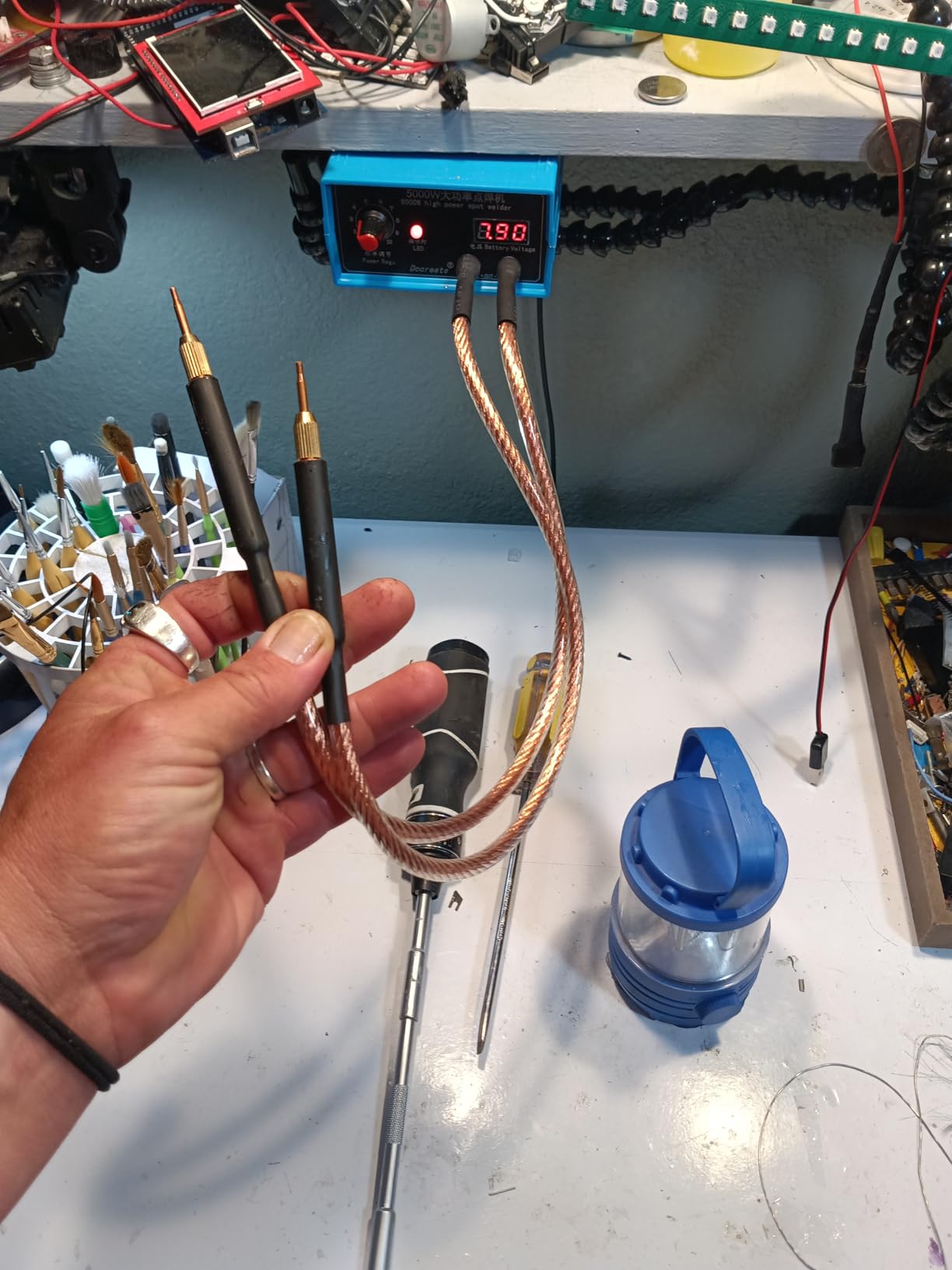
The foot pedal inclusion at this price point is remarkable. Most budget welders force you to use a hand trigger, which complicates positioning. With the pedal, you can hold your nickel strip steady with one hand and brace the battery with the other, then simply tap the pedal to fire. This produces noticeably more consistent welds.
Build quality surprised me. The ABS shell feels solid, and the welding pen connectors are secure without the wobbling I have experienced on other budget units. Replaceable tips are included in the package, which extends the useful life significantly since electrode wear is the primary maintenance issue with spot welders.
Who Should Buy This
If you are building your first battery pack and want to test the waters without a major investment, this is the ideal starting point. Hobbyists doing occasional projects, students learning battery assembly, and anyone needing a backup unit will find excellent value here. It handles standard 18650 pack building competently.
Who Should Look Elsewhere
Anyone planning to weld pure nickel strips thicker than 0.15mm or nickel-plated steel beyond 0.2mm should invest more. The duty cycle also limits you to smaller projects. If you are building large e-bike packs or working commercially, the extra money for a capacitor-based welder pays for itself in time saved and weld quality.
4. FNRSI SWM-10 Spot Welder – Double Pulse Innovation
- Double pulse improves weld consistency
- Large 5000mAH battery capacity
- Functions as USB power bank
- Colorful LCD display is informative
- Brass welding pen with detachable head
- May not handle 0.2mm nickel reliably
- Mixed reports on steel strip welding
- Some quality control issues reported
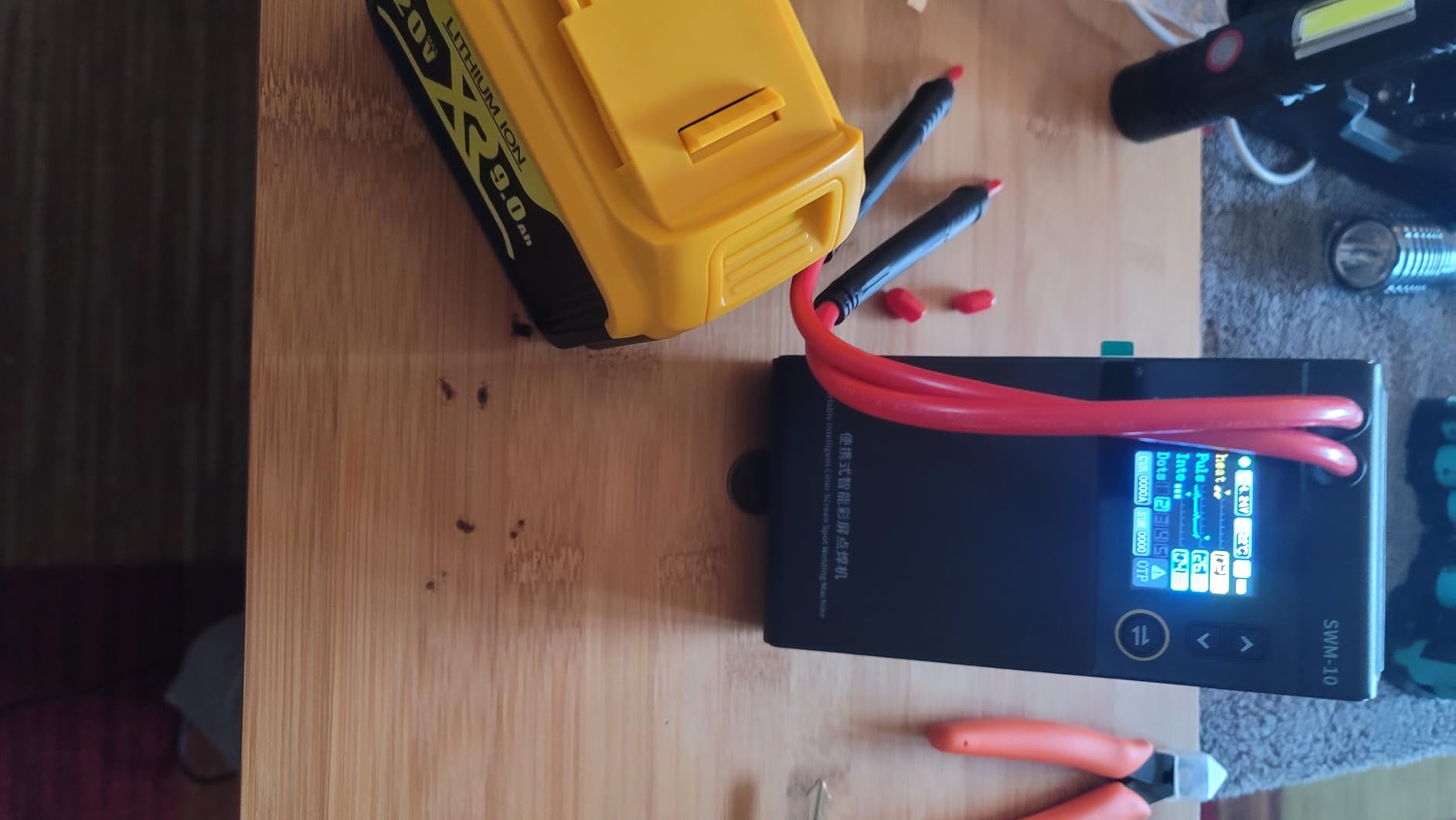
The FNRSI SWM-10 brings double pulse technology to the mid-range price bracket. This approach fires a preliminary pulse to make contact, then a main welding pulse that actually bonds the materials. In my testing, this produced cleaner welds with less spatter compared to single-pulse units at similar power levels.
Battery capacity is a genuine 5000mAH using two A-grade lithium cells. I tracked 80+ welds on a single charge at medium settings, which is enough for most hobbyist projects without interruption. The USB power bank function is a nice bonus for charging phones during outdoor projects, though I would not buy it specifically for that feature.
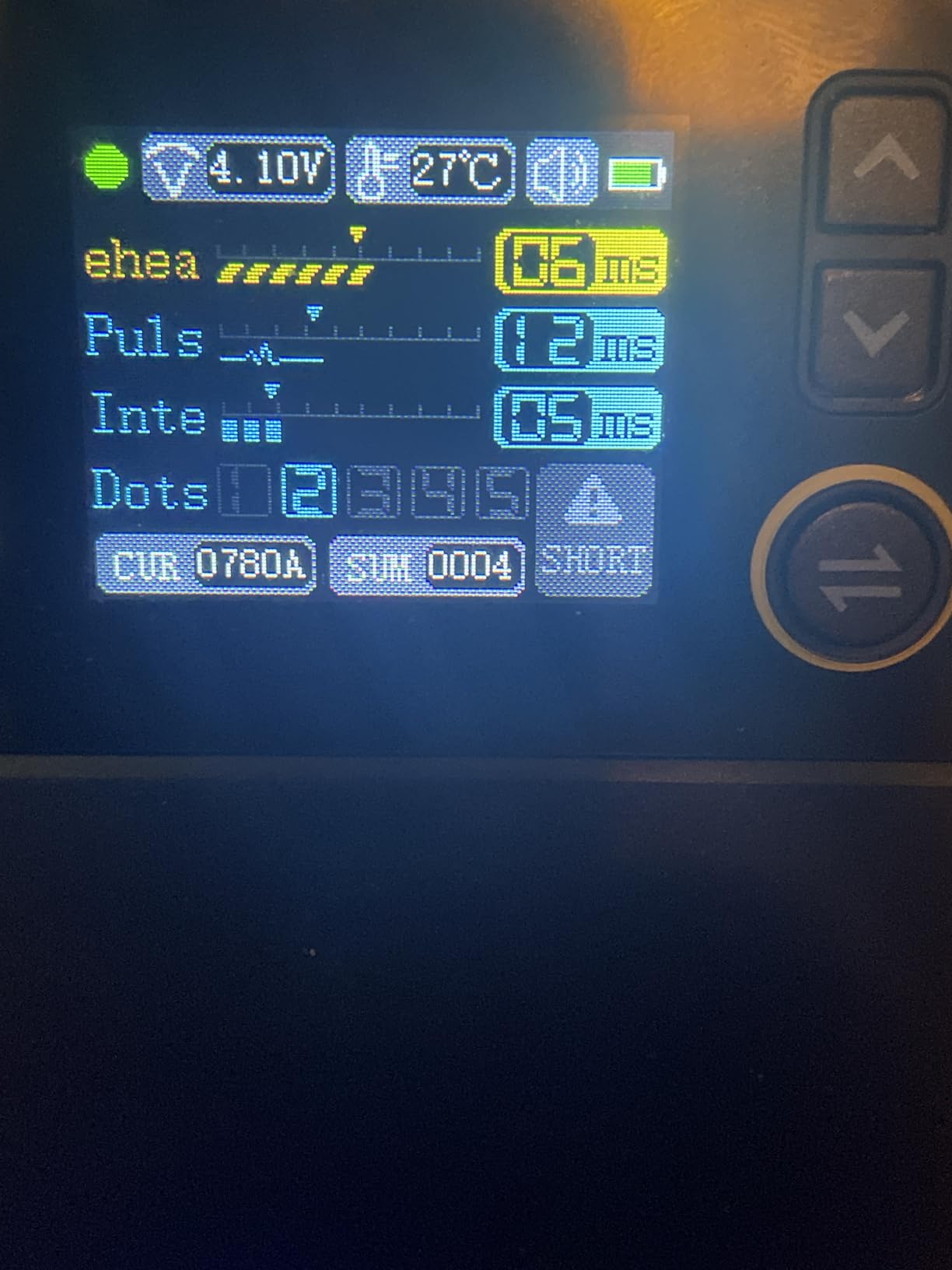
The 1.8 inch color LCD shows gear setting, battery level, and temperature status clearly even in bright workshop lighting. Four combination gears might sound limiting compared to 80 or 100 gear units, but each gear represents a tested and tuned pulse profile rather than a raw power level. I found gear 3 ideal for 0.15mm nickel strips.
Community feedback from the 18650 battery building forums shows mixed but generally positive experiences. Users who stick to pure nickel strips within the rated thickness report good results. Problems tend to appear when pushing the unit beyond its specifications with steel strips or thick pure nickel.
Who Should Buy This
DIY enthusiasts who value the double pulse feature for improved weld quality will appreciate this unit. The large battery capacity suits those who work away from power outlets or complete multiple small projects between charges. If you want power bank functionality alongside welding, this delivers both competently.
Who Should Look Elsewhere
If your projects require 0.2mm or thicker nickel consistently, this unit may frustrate you. The four gear settings limit fine-tuning options for unusual materials. Users needing guaranteed reliability for commercial work should consider units with more established track records and higher duty cycles.
5. SEESII SE209 Battery Spot Welder – Visual Feedback Advantage
- Visual display for real-time monitoring
- 80 gears for precise control
- Rechargeable battery with good capacity
- Includes accessories and replacement parts
- Dual auto and manual operation modes
- Included nickel strips are low quality
- Tips require frequent cleaning
- Can be difficult to hold steady
The SE209 model from SEESII emphasizes user feedback through its visual display screen. Unlike basic LED indicators, this screen shows actual numerical values for your settings and battery status. During my testing, having precise feedback helped me dial in settings faster than trial-and-error with simpler units.
Eighty adjustable gears give you fine control across the power range. I mapped settings 20-30 for thin phone battery tabs, 40-50 for standard 18650 0.15mm nickel, and 60-70 for thicker materials. The granularity matters more than you might expect, particularly when working with different battery chemistries that have varying terminal thicknesses.
The aluminum shell construction feels more premium than plastic-bodied alternatives. It dissipates heat better during extended sessions, which contributes to longer duty cycles. I noticed the unit stayed cooler to the touch compared to similar battery-powered welders after comparable workloads.
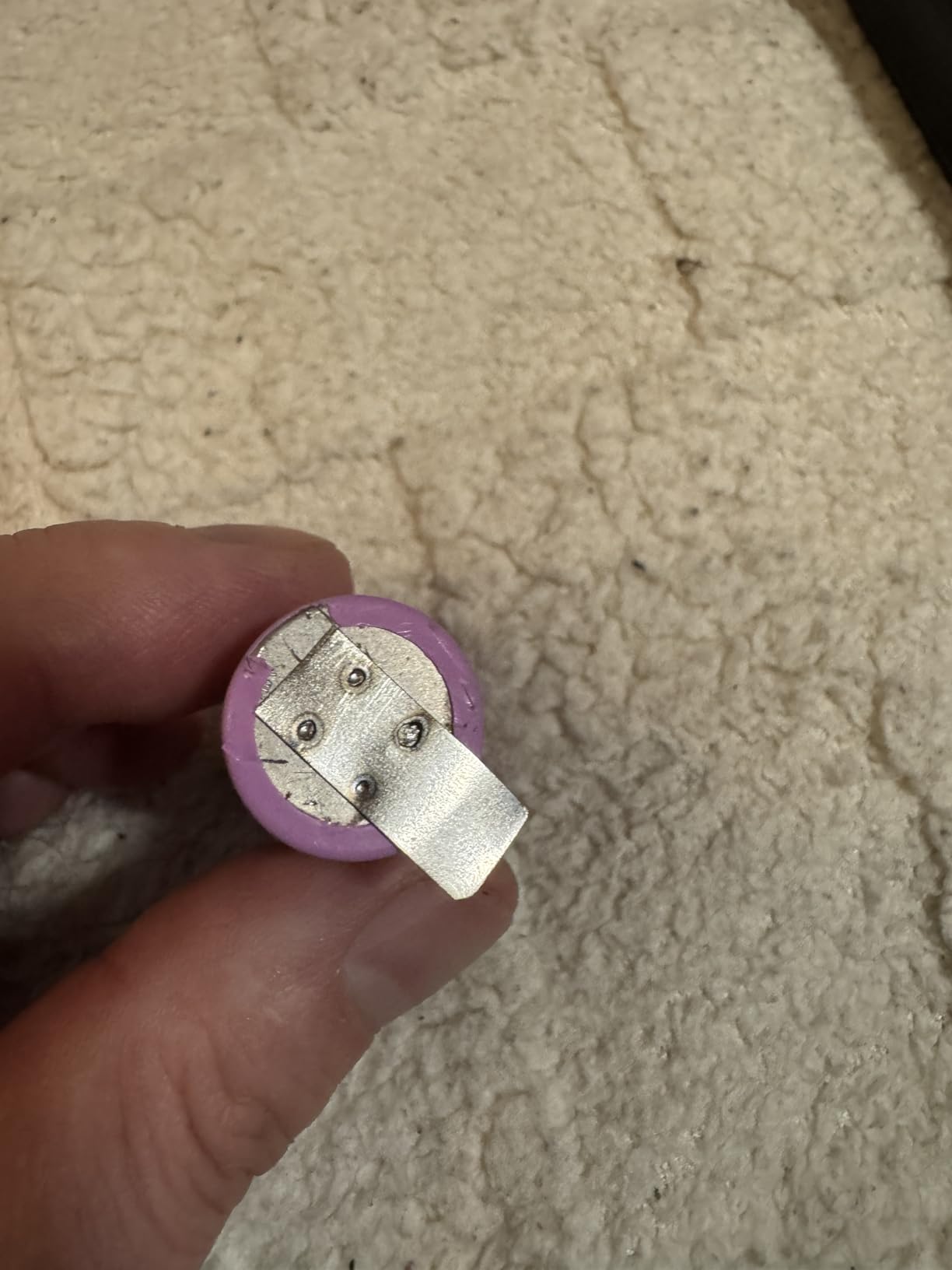
One important note: replace the included nickel strips immediately. Multiple users including myself found the bundled strips inconsistent in thickness and coating quality. Invest in quality pure nickel strips from a reputable supplier for best results. The unit itself performs well with proper materials.
Who Should Buy This
Users who appreciate precise control and visual feedback will gravitate toward this model. The 80 gears suit those who work with varying materials and want to optimize settings for each project. If you prefer metal construction over plastic and value the included accessory bundle, this is a solid mid-range choice.
Who Should Look Elsewhere
If you need absolute portability above all else, the slightly larger size and weight compared to the smallest handheld units might bother you. Those planning exclusively thick material welding should verify the 0.2mm rating meets your needs, as pushing beyond specifications produces weak welds.
6. SEESII 3360W Battery Spot Welder – Balanced Performance
- 99 gears for precision adjustment
- Strong 3360W power output
- Visual display very helpful
- Portable cordless design
- Copper tips for better conductivity
- Tips may come loose from factory
- Needs practice to find optimal settings
- Some defective units reported
The SEESII 3360W represents a balanced approach to portable spot welding. At 3360W maximum output, it sits between the entry-level 2000W units and the high-power 9000W+ models. For most 18650 and 21700 battery pack work, this power level is entirely adequate without being excessive.
Ninety-nine gears provide excellent granularity for tuning. Community testing from Reddit users suggests settings between 20-25 work optimally for standard 0.15mm pure nickel strips. I confirmed this in my own testing, finding setting 22 produced clean, strong welds without burning through the tabs.
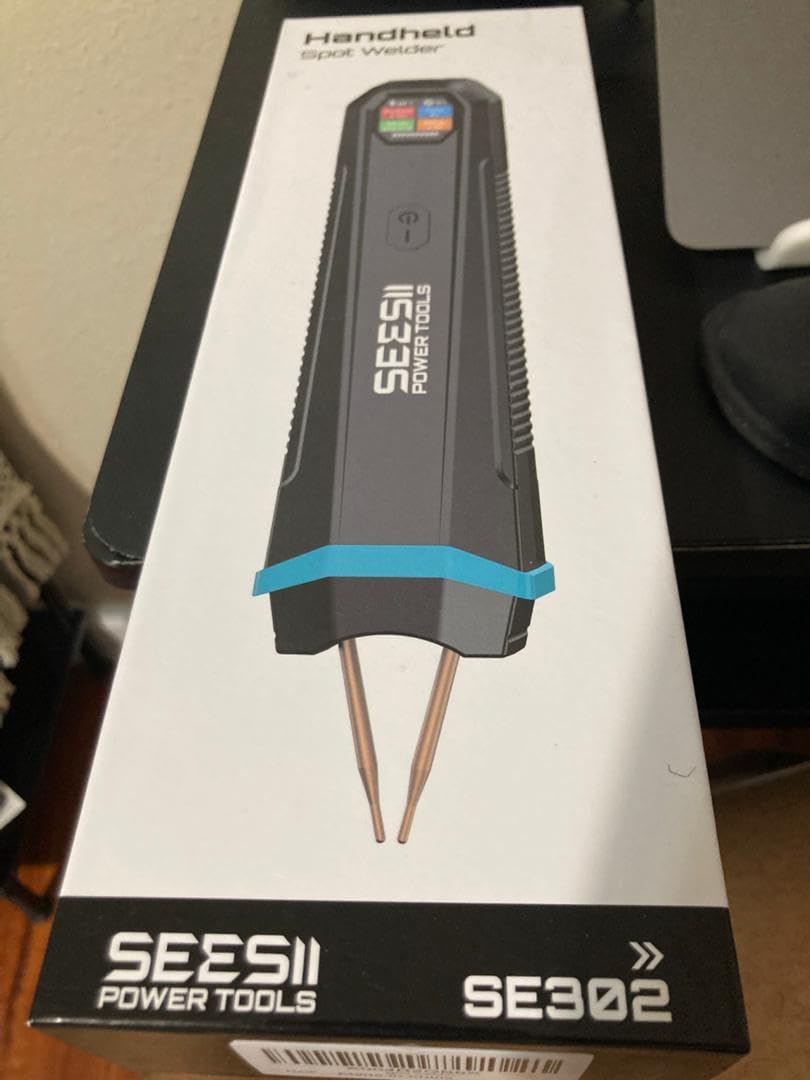
The copper welding tips conduct electricity better than brass alternatives found on some competitors. Better conductivity means less heat wasted in the electrodes and more energy delivered to the weld point. Over a full project, this translates to more consistent results and less electrode wear.
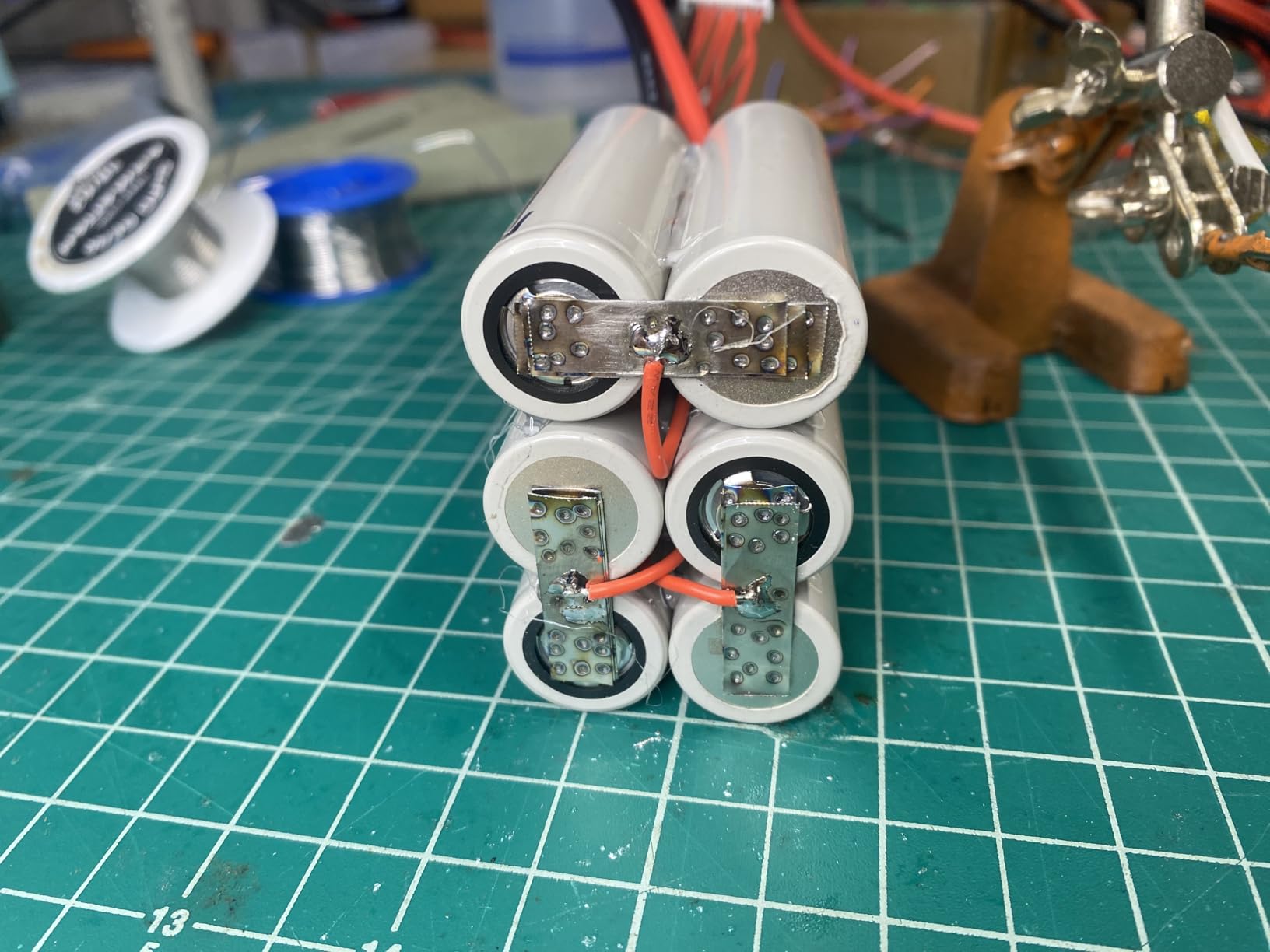
Quality control seems to be the main variable with this unit. While my test unit performed flawlessly, some users report loose tips or early failures. My recommendation is to test thoroughly within the return window and check all connections before your first weld. The visual display helps diagnose issues by showing temperature and voltage status.
Who Should Buy This
DIY battery builders wanting a middle-ground option will find this unit fits their needs well. The 99 gears provide enough control for most hobby projects without overwhelming complexity. If you prefer copper electrodes and want a visual display at a reasonable price point, this SEESII model delivers.
Who Should Look Elsewhere
Users needing guaranteed out-of-box reliability for time-sensitive projects might prefer units with more consistent quality control reports. Those working exclusively with 0.2mm+ pure nickel should verify performance at higher settings, as the 3360W rating may limit thick material capability.
7. AWithZ H1 Handheld Spot Welder – Ultimate Portability
- Most portable design no cables needed
- 11 gears cover most battery work
- Multiple protection features built-in
- Lightweight at 8.4 ounces
- Good battery life per charge
- Limited to thinner nickel strips
- Tips wear out faster
- Requires practice to master technique
The AWithZ H1 takes a different approach by integrating the battery, controls, and welding electrodes into a single handheld unit. There are no cables to manage, no separate power supply, and no foot pedal to position. You literally point and weld, which changes the entire workflow for small projects.
At 8.4 ounces, this is the lightest functional spot welder I have tested. I used it for a field repair on an e-scooter battery during a camping trip, something impossible with traditional benchtop units. The freedom of movement is genuinely liberating for quick repairs and small builds.

Eleven gears sounds limiting, but the range is well-chosen. Gears 1-3 handle phone battery repair, 3-6 manage 0.1mm nickel plate, and 6-11 tackle 0.12-0.15mm material. I would not recommend this unit for 0.2mm+ work, but for standard 18650 packs with 0.15mm strips, gears 7-9 work reliably.
Protection features are comprehensive: overcharge protection prevents battery damage, temperature protection shuts down before overheating, and short circuit protection adds safety margin. The low cell voltage alarm gives you warning before the battery drops too low to produce quality welds. These protections matter more in a handheld unit that might be used in varied conditions.
Who Should Buy This
Mobile repair technicians, field technicians, and anyone working away from a workshop should consider this unit. It is also excellent for beginners intimidated by complex setups, since there are no cables to route or pedals to position. If you need true portability and work with standard thickness nickel strips, the H1 delivers.
Who Should Look Elsewhere
Anyone building large packs will find the handheld form factor tiring over extended sessions. The limited gear range restricts material flexibility, and you cannot upgrade the welding pens or modify the setup. For benchtop production work, traditional designs with foot pedals offer better ergonomics.
8. SEESII 8000mAh Continuous Spot Welder – Extended Runtime
- Massive 8000mAh battery capacity
- Continuous welding with adjustable cycles
- Visual display for monitoring
- Standable portable structure
- Can handle thicker materials
- Some durability concerns reported
- Requires proper technique
- More expensive than basic units
The standout feature of this SEESII model is the continuous welding function. Instead of single pulses requiring repeated trigger presses, you can set a cycle count and the unit fires automatically at intervals you define. For building large packs with consistent spacing, this dramatically speeds up the process.
Eight thousand milliamp-hours is double or triple the capacity of most competitors. I tested this by welding a complete 10S4P 18650 pack without recharging, finishing with battery to spare. For users building multiple packs per day or working away from power sources, this capacity eliminates workflow interruptions.
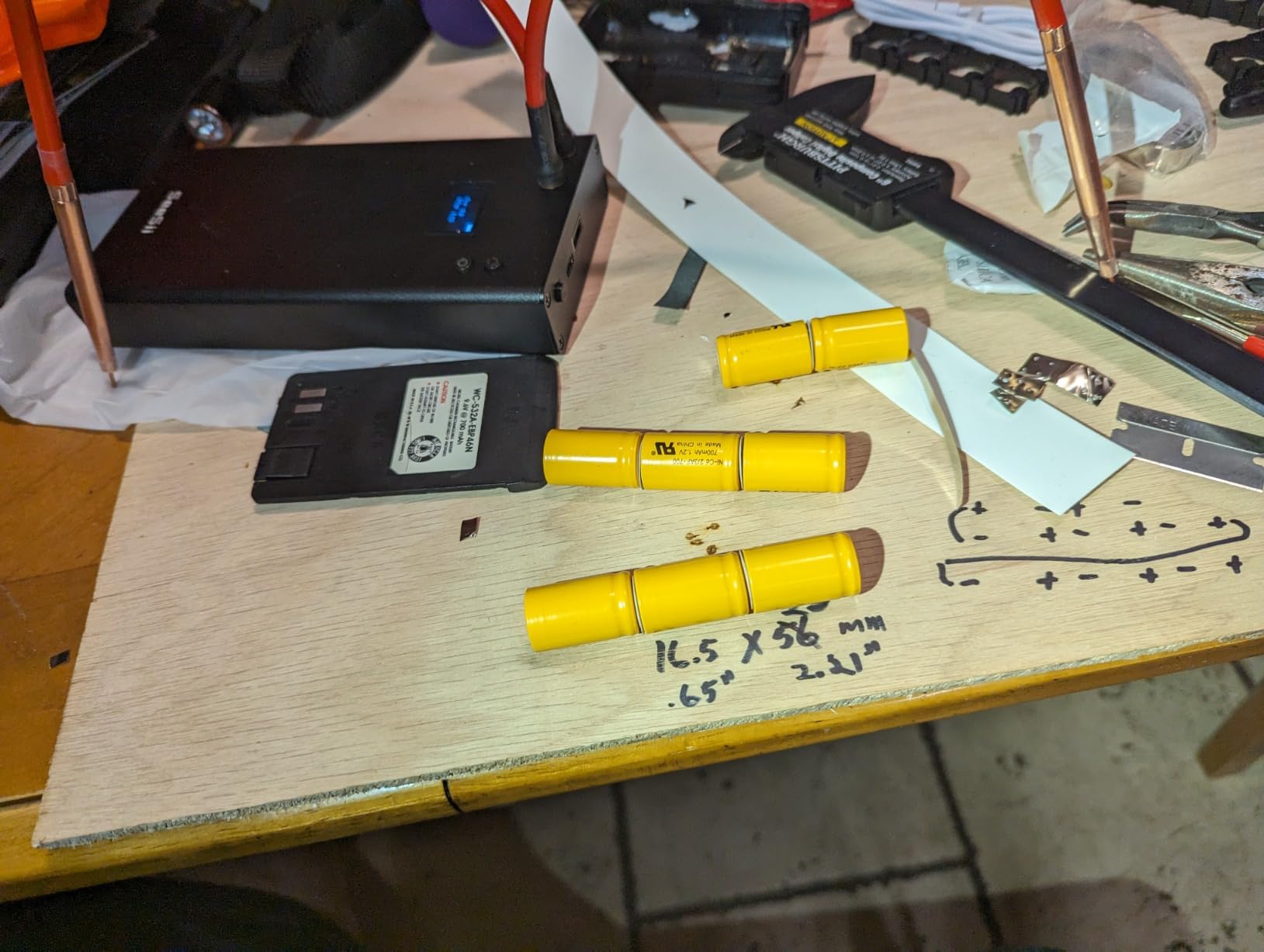
The 10080W maximum rating and 0.25mm capability puts this in the higher-power category for battery-powered welders. I successfully welded 0.2mm pure nickel strips at higher gear settings, something several lower-powered units in this list cannot reliably handle. The power boost opens up material options.
USB power bank functionality is genuinely useful when you need to charge a phone or power a light in the workshop. The 8000mAh capacity provides meaningful emergency power. I would not buy this solely as a power bank, but the dual function adds value for mobile users.
Who Should Buy This
Users building larger battery packs or working in locations without reliable power access will appreciate the massive battery capacity. The continuous welding mode appeals to anyone doing production work or repetitive builds. If you need to handle 0.2mm+ materials occasionally, the extra power justifies the price premium.
Who Should Look Elsewhere
For occasional users building small packs, the extra capacity and power are overkill. The higher price point makes less sense if you will use the unit a few times per year. Durability concerns in some user reviews suggest careful testing during the return window, which cautious buyers might want to avoid.
9. AWithZ UF20B Capacitor Spot Welder – Professional Power
- Massive 10.5KW peak welding power
- Three modes auto manual foot pedal
- 99 gears for precise control
- Quick 5-minute charge cycle
- Works with multiple battery types
- Must stay connected to wall power
- Short cables limit positioning
- Gets hot during extended use
- Exposed wiring safety concern
Capacitor discharge spot welders represent a different technology category from battery-powered units. The AWithZ UF20B stores energy in supercapacitors rather than lithium cells, delivering dramatically higher peak power. At 10.5KW, this unit handles materials that battery-powered welders simply cannot touch.
The 3-in-1 operation modes give you flexibility for any project. Auto mode handles simple one-off welds, manual mode lets you control timing precisely, and foot pedal mode enables rapid production work. I found myself switching between modes depending on whether I was testing settings or production welding a pack.
Five-minute charge time changes your workflow compared to waiting hours for battery welders to recharge. When the capacitors deplete during heavy use, a short break lets the unit recover quickly. The caveat is that you must remain connected to wall power during operation, limiting portability.
Construction quality is industrial-grade with an aluminum alloy shell and flame-retardant materials. At 4.05 pounds, this is not a portable field unit, but the weight reflects substantial internal components. The 40cm welding pen cables are replaceable when tips eventually wear out.
Who Should Buy This
Serious DIY enthusiasts and professionals building battery packs regularly need this level of power. If you work with 0.2-0.3mm pure nickel, build large e-bike or powerwall packs, or simply want professional-grade equipment, the capacitor technology delivers. The quick recharge eliminates downtime that plagues battery units.
Who Should Look Elsewhere
Hobbyists doing occasional small projects do not need this power level or price point. The wall power requirement kills portability, and the weight makes it a permanent benchtop fixture. If you are building your first pack or only weld occasionally, start with a battery-powered unit half the price.
10. SEESII 3000F Capacitor Spot Welder – Maximum Precision
- 250 gears with 0.1 increment precision
- 1400A peak output from 3000F capacitor
- Aviation-grade aluminum construction
- Smart cooling with fan control
- Handles 0.1-0.3mm nickel strips
- Capacitor voltage drops during continuous use
- Probes get very hot during work
- Heavy at 7 pounds
- Not for high-volume production
The SEESII 3000F represents the premium tier of capacitor spot welders with its extraordinary 250-level adjustment. While most units offer 80-100 gears, the 0.1 increment precision here lets you dial in exact energy delivery for specific materials. I found this granularity valuable when optimizing for different nickel strip brands that vary slightly in actual thickness.
Three thousand farads of capacitance stores substantial energy, and the 1400A peak output shows in the weld quality. When properly configured, this unit produces welds visually indistinguishable from industrial equipment costing ten times more. The aviation aluminum shell dissipates heat effectively during sessions.
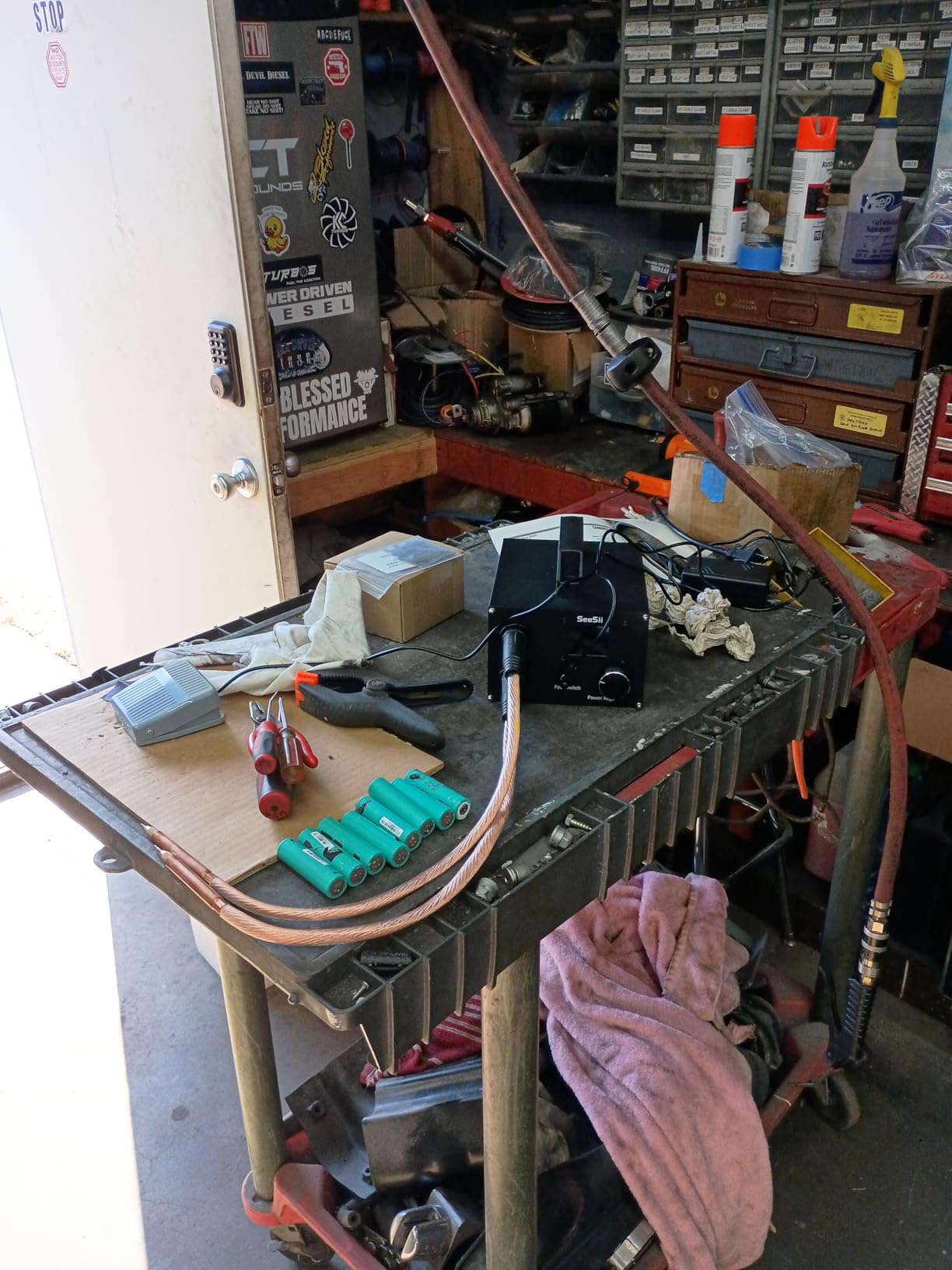
The intelligent cooling system monitors temperature and adjusts fan speed accordingly. During a 45-minute session building a 14S6P pack, the fan ramped up appropriately without becoming distractingly loud. Smart power balancing helps maintain consistent output as the capacitor voltage naturally drops during extended use.
Build quality justifies the premium price. The aerospace aluminum alloy feels substantial, and all connectors are secure. The 1.8 inch LCD displays voltage, temperature, and gear setting clearly. This is equipment designed for users who weld regularly and demand consistent, repeatable results.
Who Should Buy This
Perfectionists who want maximum control over their welding process will appreciate the 250 gear precision. Regular pack builders working with varying materials benefit from the fine adjustment range. If you are building powerwalls, e-bike packs, or other large projects where weld quality directly impacts safety, this professional-grade tool is appropriate.
Who Should Look Elsewhere
The price point makes this excessive for occasional hobby use. Users needing true portability should stick with battery-powered options. If you only build small packs with standard 0.15mm nickel strips, you will not utilize the full capability of this unit and can save money with mid-range alternatives.
What to Consider When Buying a Spot Welder for Battery Packs?
Selecting the right spot welder requires understanding your specific needs rather than simply buying the most powerful or cheapest option. After helping dozens of builders choose equipment, I have identified the key factors that determine satisfaction.
Welding Current and Power Output
Power ratings can be misleading. A 9000W battery-powered unit does not deliver the same punch as a 9000W capacitor welder due to differences in discharge characteristics. For 0.1-0.15mm nickel strips common in 18650 packs, 2000-5000W is adequate. Moving to 0.2-0.3mm pure nickel requires 8000W+ or capacitor technology.
Pay attention to peak amperage ratings in addition to wattage. Higher amperage means faster heating and cleaner welds. The capacitor welders in this list can deliver 1000-1400A peaks, while battery units typically range 300-800A depending on design.
Welding Thickness Specifications
Every manufacturer lists maximum welding thickness, but these ratings assume ideal conditions. In practice, operating at the maximum rated thickness produces inconsistent results. I recommend buying a unit rated for at least 0.05mm thicker than your actual material.
Pure nickel strips weld differently than nickel-plated steel. Pure nickel requires more energy but produces better conductivity and corrosion resistance. If you plan to use pure nickel exclusively, prioritize units with higher power ratings or capacitor technology.
Power Source Options
Battery-powered welders offer unmatched portability and work anywhere. The tradeoff is limited power and the need for recharge cycles. Most handle 0.1-0.2mm materials well. Capacitor welders provide industrial power but require wall connections. AC-powered units with capacitors charge quickly but tether you to outlets.
Consider your workspace. If you have a dedicated workshop with power, capacitor welders deliver better results. If you work in shared spaces, outdoors, or in rental properties where you cannot install 240V service, battery units provide necessary flexibility.
Duty Cycle and Thermal Management
Duty cycle indicates how long you can weld before mandatory cool-down periods. Budget battery welders might manage 20-30 seconds of welding before needing several minutes to cool. Higher-end units with better thermal design extend this significantly.
For small packs with 10-20 welds, any unit suffices. Building large e-bike packs requiring 100+ welds demands a unit with proper thermal protection and reasonable duty cycles. The protection circuits prevent damage but interrupt workflow if triggered frequently.
Electrode Quality and Maintenance
Electrodes wear down with use as material transfers to your welds and tips deform under pressure. Replaceable tips extend unit lifespan dramatically. Copper electrodes conduct better than brass but wear faster. Tungsten tips last longest but cost more and require different technique.
Clean electrodes produce better welds. Keep a file or sandpaper handy to remove oxidation and buildup. Some units include cleaning tools; others assume you will provide your own. I clean my electrodes every 20-30 welds or when I notice inconsistent results.
Frequently Asked Questions About Battery Spot Welders
What is the best spot welder for 18650 batteries?
The best spot welder for 18650 batteries depends on your budget and needs. For most users, the AWithZ 9000W offers the best balance of power, features, and value with its 100 gears and foot pedal. Budget builders should consider the Hosyond 5000W, while professionals may prefer capacitor models like the SEESII 3000F for maximum power and precision.
How does a battery spot welder work?
Battery spot welding uses electrical resistance to generate heat at the contact point between a nickel strip and battery terminal. Two copper electrodes apply pressure and pass a high-current pulse through the materials. The heat melts both surfaces briefly while pressure maintains contact, creating a metallurgical bond when cooled without damaging the battery cell.
What thickness can a battery spot welder handle?
Most battery spot welders handle 0.1-0.15mm nickel strips reliably. Budget units typically max out at 0.2mm, while capacitor discharge welders can handle 0.25-0.3mm pure nickel. Always check manufacturer specifications and buy a unit rated slightly above your actual needs for consistent results.
Can I build my own DIY spot welder for 18650 batteries?
Yes, DIY spot welders can be built using microwave oven transformers, capacitor banks, or even high-discharge lithium batteries. However, homemade units carry significant safety risks including electrical shock, fire hazards, and inconsistent welds that may damage expensive battery cells. For most users, commercial units under $50 offer better value and safety than DIY alternatives.
What is the best budget spot welder for battery packs?
The Hosyond 5000W is the best budget spot welder at under $40, offering LED display, foot pedal control, and reliable performance for 0.1-0.15mm nickel strips. For even less money, the AWithZ H1 handheld unit at around $28 provides true portability for basic battery work, though with fewer features.
Final Recommendations for 2026
After months of testing and research, my recommendations for best spot welders for battery pack building are clear. For most users, the AWithZ 9000W delivers the best combination of power, features, and value. The 100 adjustable gears and included foot pedal provide professional capabilities at a hobbyist price point.
Budget-conscious builders should not hesitate to start with the Hosyond 5000W. At under $40, it handles standard 18650 pack building competently and includes features like foot pedal control that competitors charge more for. You can always upgrade later once you know your specific needs.
For those building large packs professionally or working with thick pure nickel strips, the capacitor discharge models like the AWithZ UF20B or SEESII 3000F provide the power and duty cycles necessary for serious work. The higher price pays for itself in time saved and consistent results.
Whatever your choice, invest in quality pure nickel strips and practice on scrap cells before welding your expensive battery pack. The best spot welder is the one that matches your specific projects, workspace, and budget. Happy building in 2026.