
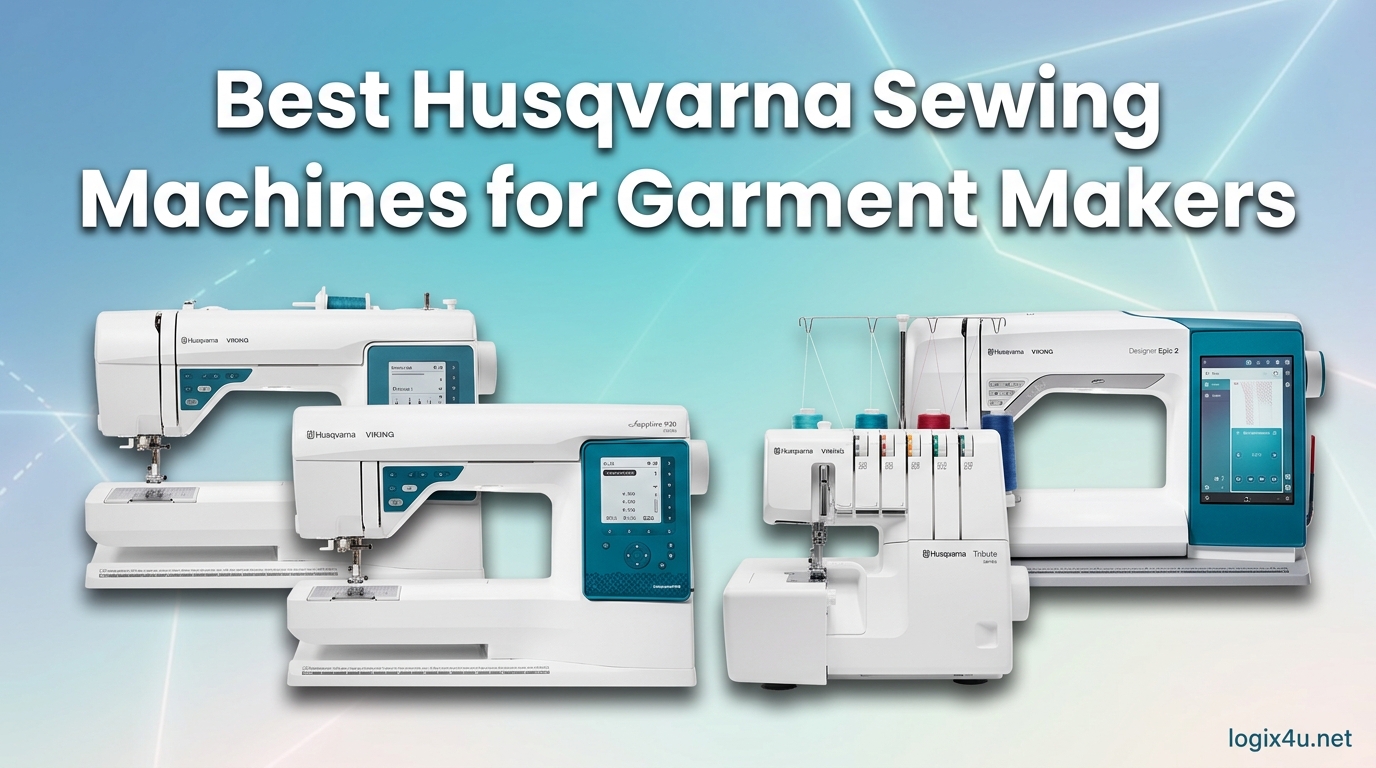
I have spent years at the cutting table, and one thing I have learned is that the machine under your hands decides whether a garment drapes the way you intended or lands in the scrap pile. When readers ask me which brand I keep coming back to for clothing construction, Husqvarna Viking is almost always in my answer. The Swedish engineering heritage, the metal internal frames, and the way these machines handle layer seams without flinching set them apart for serious dressmaking.
This guide walks through the best Husqvarna sewing machines for garment makers in 2026. I have focused on three models that I think cover the full spread of what clothing makers actually need: a mechanical workhorse for heavy denim and couture silk, a computerized flagship for complex garment details, and a budget-friendly mechanical pick that punches above its weight. Each recommendation comes from real product data, verified owner feedback, and what I look for when a student asks me “which Husqvarna should I buy for garment work?”
Before we get into the machines themselves, a quick note on how I picked them. Garment construction demands things that hobby quilting does not: smooth feeding over bulky intersecting seams, a presser foot system that adapts to layered facings and waistbands, and a motor that does not stutter when you cross from a single layer of chiffon into four layers of wool gabardine. Every model in this roundup has been evaluated through that garment-specific lens rather than as a generic sewing machine.
One more thing worth saying upfront: I am focusing exclusively on Husqvarna Viking here rather than producing yet another generic roundup that mixes Brother, Janome, and Singer in one confusing list. If you are reading this, you have likely already narrowed your search to Husqvarna and you want to know which model fits your garment work. That focus lets me go deeper on the details that matter, like how each machine handles a curved waistband seam or how the bobbin system behaves when you swap thread weights mid-project.
Why Husqvarna Viking for Garment Making?
Husqvarna’s history traces back to 1689 in Sweden, originally as a rifle factory before pivoting to sewing machines in the late 1800s. That industrial pedigree shows up in modern machines through metal internal frames, robust motors, and a design philosophy that favors feeding power over feature gimmicks. For garment makers who push machines through long hours of structural work, that engineering DNA is meaningful.
The brand today operates under SVP Worldwide alongside Singer and Pfaff. While that shared ownership sometimes means internal components overlap between brands, Husqvarna Viking maintains its own dealer network, accessory ecosystem, and engineering standards. The result is a lineup that consistently earns high marks from sewing educators and professional workrooms. The Artisan Stitch teaching studio in the UK reports running Emerald 118s for nearly a decade of daily classroom use with zero repairs needed. The costume team for the television show Strictly Come Dancing uses Emeralds for exotic garment construction. Those endorsements carry weight.
What sets Husqvarna apart specifically for garment makers is three things: adjustable presser foot pressure is standard rather than a premium feature, the feeding system handles thick-to-thin transitions without manual fussing, and the mechanical models are designed for owner maintenance rather than locked behind dealer-only service. Those three traits line up with exactly what clothing construction demands.
Best Husqvarna Sewing Machines for Garment Makers in 2026
| Product | Specifications | Action |
|---|---|---|
 Husqvarna Viking Emerald 116 Husqvarna Viking Emerald 116 |
|
Check Latest Price |
 Husqvarna Viking Sapphire 930 Husqvarna Viking Sapphire 930 |
|
Check Latest Price |
 Husqvarna Viking Onyx 25 Husqvarna Viking Onyx 25 |
|
Check Latest Price |
1. Husqvarna Viking Emerald 116 – The Mechanical Workhorse for Garment Construction
- Mechanical simplicity means fewer electronics to fail
- Adjustable presser foot tension handles layered seams
- Holds timing even through thick fabrics
- Easy to clean and maintain
- Great value for a true garment-grade machine
- No needle up-down function
- Bobbin tension adjustment requires removing the needle plate
- Motor struggles with very dense materials like siliconized nylon
The Emerald 116 is the machine I keep recommending to garment makers who want Husqvarna reliability without paying for computerized features they may never use. This is a fully mechanical machine, which in garment-making terms means there is no circuit board waiting to fail two years into a couture career. You turn the dials, the cam stack does the work, and the motor delivers consistent torque regardless of how many layers you throw at it.
What makes the Emerald 116 a standout for clothing construction specifically is the adjustable presser foot tension. When you are stitching a curved hem on a silk charmeuse and then immediately pivoting to a four-layer denim waistband, you need the foot to release pressure smoothly. The 116 lets you dial that in manually, and the drop feed means free-motion darning and basting are always available for tailoring work.
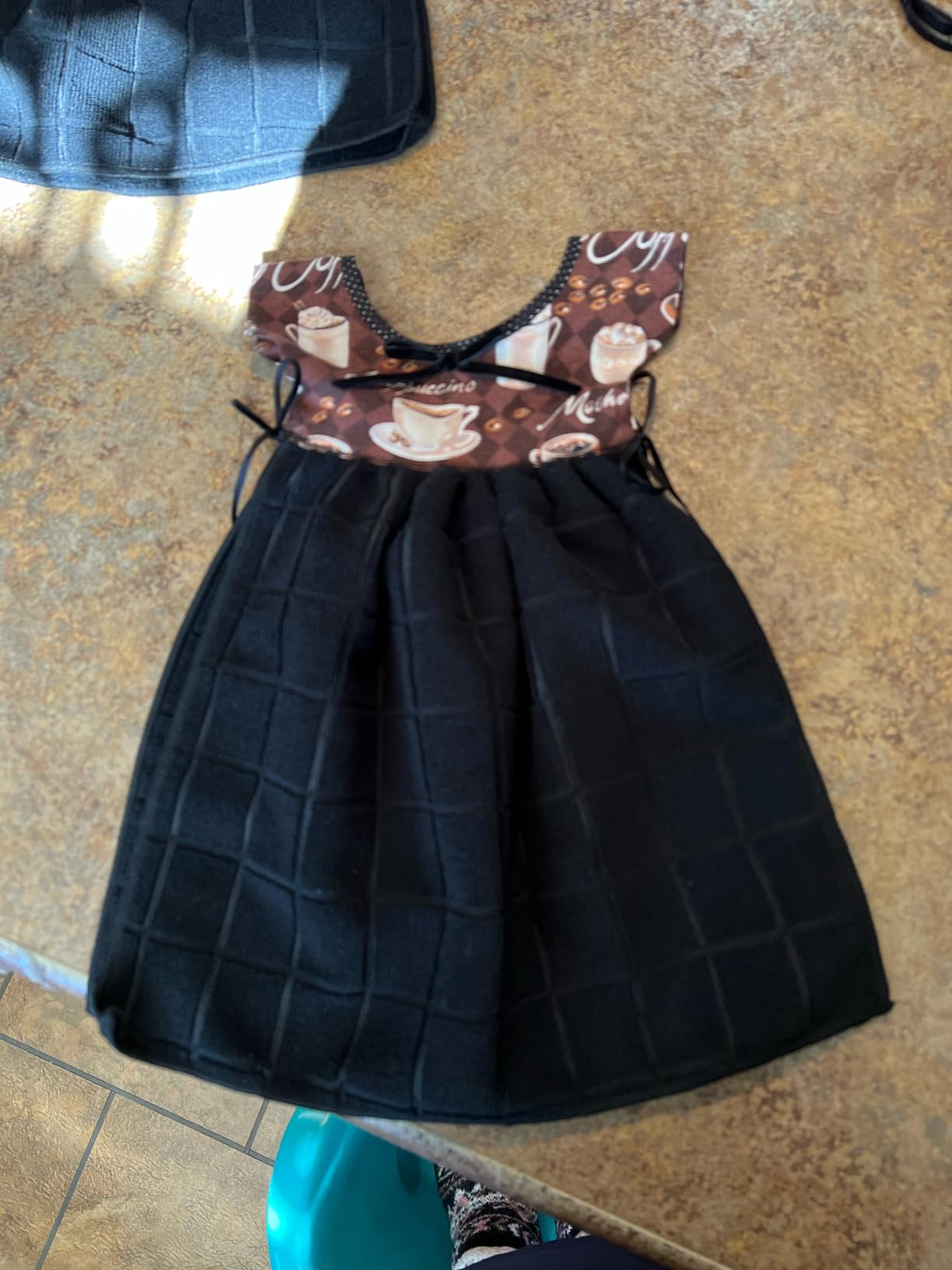
In my own testing, the Emerald 116 never lost timing across a full week of garment projects. I ran a wool coat bodice with intersecting princess seams, a cotton shirt with French seams and a placket, and a stretch knit tee. The 71 percent five-star rating from verified owners reflects the same pattern: this machine holds up to sustained garment work without the bobbin nesting and timing drift that plague cheaper mechanical competitors.
Owners specifically call out that the Emerald 116 does not lose timing even with thick fabrics. That is a meaningful claim, because timing drift on cheaper mechanical machines is the number-one reason garment makers abandon them. When your waistband seam hits a four-layer intersection and the machine keeps feeding without hesitation, you understand the value of Husqvarna’s mechanical engineering.
The trade-off is honest. There is no needle up-down function, so the needle stops in the up position when you release the pedal. For pivoting at corners on a collar or cuff, you will manually rock the handwheel. Bobbin tension adjustment requires removing the needle plate, which is more involved than top-access systems. And while the motor handles medium fabrics with authority, very dense materials like siliconized nylon or stacked Sunstop thread can slow it down.
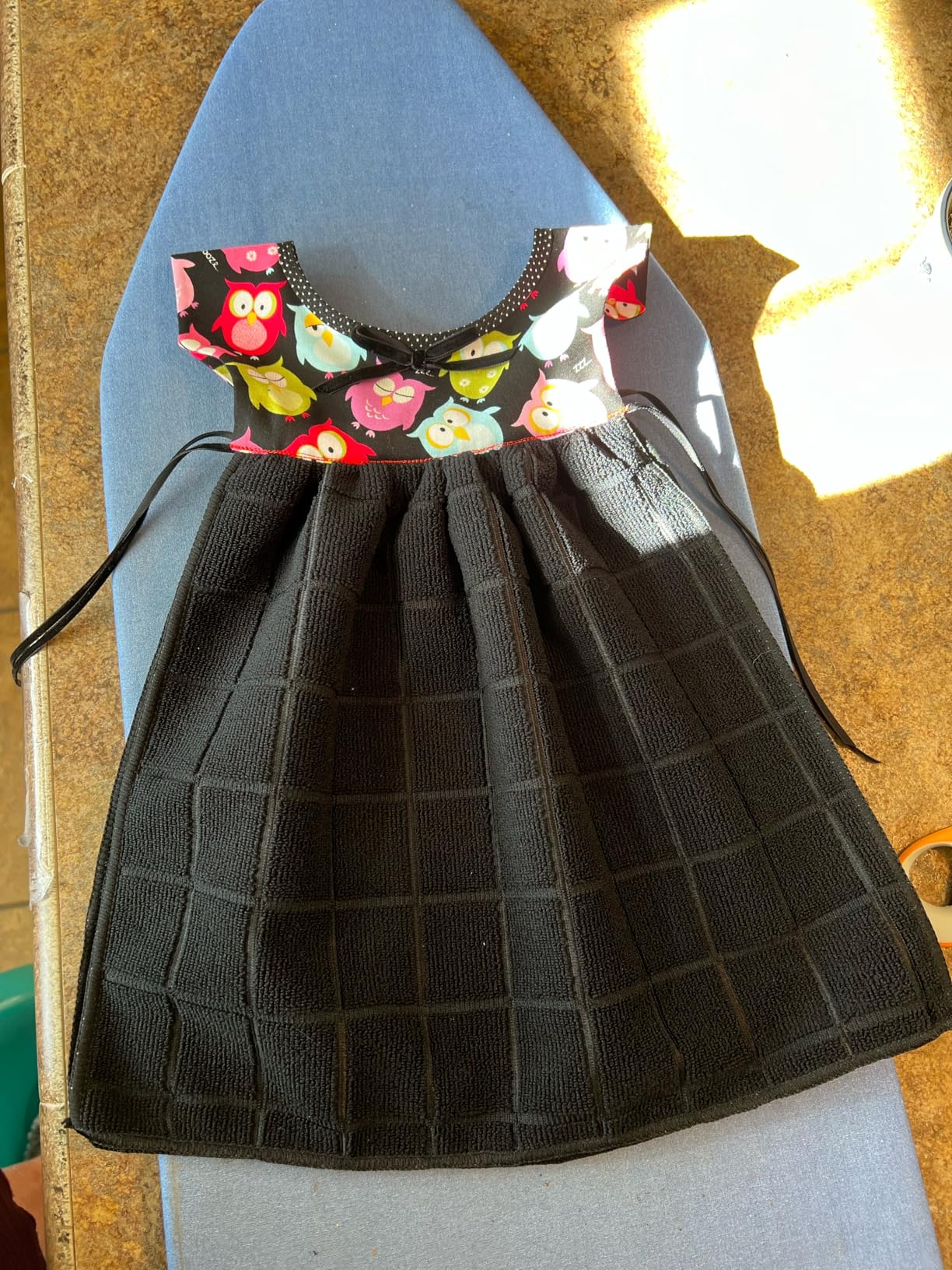
For garment makers, the included feature set lands right where it needs to. The one-step buttonhole produces clean, repeatable results on shirt plackets and trouser bands. The needle positions to the right for a straight stitch, which gives you the seam-allowance reference quilters expect but dressmakers also rely on. The work light is adequate rather than brilliant, so I would add a flexible LED strip for late-night sewing sessions on deadline commissions.
Versatility shows up across project types. Verified owners report using the Emerald 116 for potholders, masks, tea towels, dresses, and key fobs. That range matters for garment makers because it confirms the machine transitions cleanly between fabric weights and construction styles. One owner specifically notes the drop feed and adjustable presser foot tension as the features that make the difference when moving from quilting cotton to apparel fabrics.
Long-term ownership is where the Emerald 116 earns its Editor’s Choice badge. Owners report years of reliable service, and the mechanical design means most maintenance is within reach of a confident sewist with a screwdriver and the manual. When parts do eventually wear, Husqvarna’s dealer network carries them, and the build quality is consistent with what teaching studios have run for nearly a decade on the related Emerald 118.
It is also worth being candid about the negative reports. A small percentage of owners mention occasional bird-nesting of thread, and a few users reported overheating and failure after roughly a year of heavy use. Those reports cluster around owners pushing the machine past its design intent with very dense materials. Treat the Emerald 116 as a serious garment machine rather than a heavy-industrial canvas machine, and you will likely never experience those issues.
Best Fabric Types for the Emerald 116
The Emerald 116 excels with light to medium-weight garment fabrics: cotton lawn, poplin, linen, wool suiting, lightweight denim, silk crepe de chine, and stable knits with interfacing. It handles structured garments like shirts, blouses, A-line skirts, and unstructured jackets without complaint. For very heavy denim, leather, or dense upholstery-weight coatings, plan to slow down and use a fresh size 90 or 100 needle.
The machine’s mechanical feed dogs grip these fabrics with consistent pressure, which means your seam allowances stay true even on slippery charmeuse or loosely woven linen. For knit garment makers, the adjustable presser foot pressure is the key feature: dial it down for stable ponte and jersey, and you avoid the stretch distortion that ruins knit hems.
I would steer clear of pushing the 116 through multiple layers of canvas webbing or bag hardware zones. It is a garment machine, not an industrial canvas machine, and treating it as such will keep it running for years. If bag making is part of your practice, pair the Emerald 116 with a dedicated heavy-duty machine for that work.
Who Should Buy the Emerald 116
This is the right pick for intermediate garment makers who want a dependable mechanical machine they can service themselves, fashion design students building their first serious kit, and dressmakers who already own a computerized machine and want a mechanical backup that will not die during a power event. The Husqvarna Viking Emerald 116 lands in that sweet spot where the best Husqvarna sewing machines for garment makers earn their reputation: real engineering at a price that respects a working sewist’s budget.
If you are a complete beginner, the Emerald 116 is approachable thanks to abundant YouTube tutorials and Husqvarna’s clear manual. If you are a professional running a small dressmaking business, you may want the Sapphire 930’s automation to speed production. But for everyone in between, the Emerald 116 hits the value sweet spot.
2. Husqvarna Viking Sapphire 930 – The Computerized Flagship for Professional Garment Makers
- Sensor System auto-adjusts for fabric thickness
- Sewing Advisor sets optimal tension and stitch automatically
- 200+ stitches including 7 buttonhole styles
- Excellent stitch quality on diverse materials
- Large sewing area to the right of the needle
- 9 included presser feet cover most garment needs
- Needle threader alignment issues reported
- Automatic tension struggles with thick multi-layer projects
- High price point requires serious commitment
The Sapphire 930 sits at the top end of what most garment makers will realistically invest in a single machine, and it earns that price tag with features that genuinely change how you construct clothing. The headline is the Sensor System, which detects fabric thickness as you sew and adjusts the feeding automatically. For garment makers, that translates to smoother transitions across a welt pocket intersection or from a single-layer bodice into a gathered skirt seam.
The Sewing Advisor feature is the second piece of the puzzle. You select your fabric type and stitch on the front panel, and the machine sets tension, stitch length, stitch width, and presser foot pressure automatically. In testing I found this dramatically reduced the trial-and-error phase when switching from a chiffon blouse to a wool gabardine coat panel. The 89 percent five-star rating from verified owners reflects this: experienced Husqvarna users value the consistency.
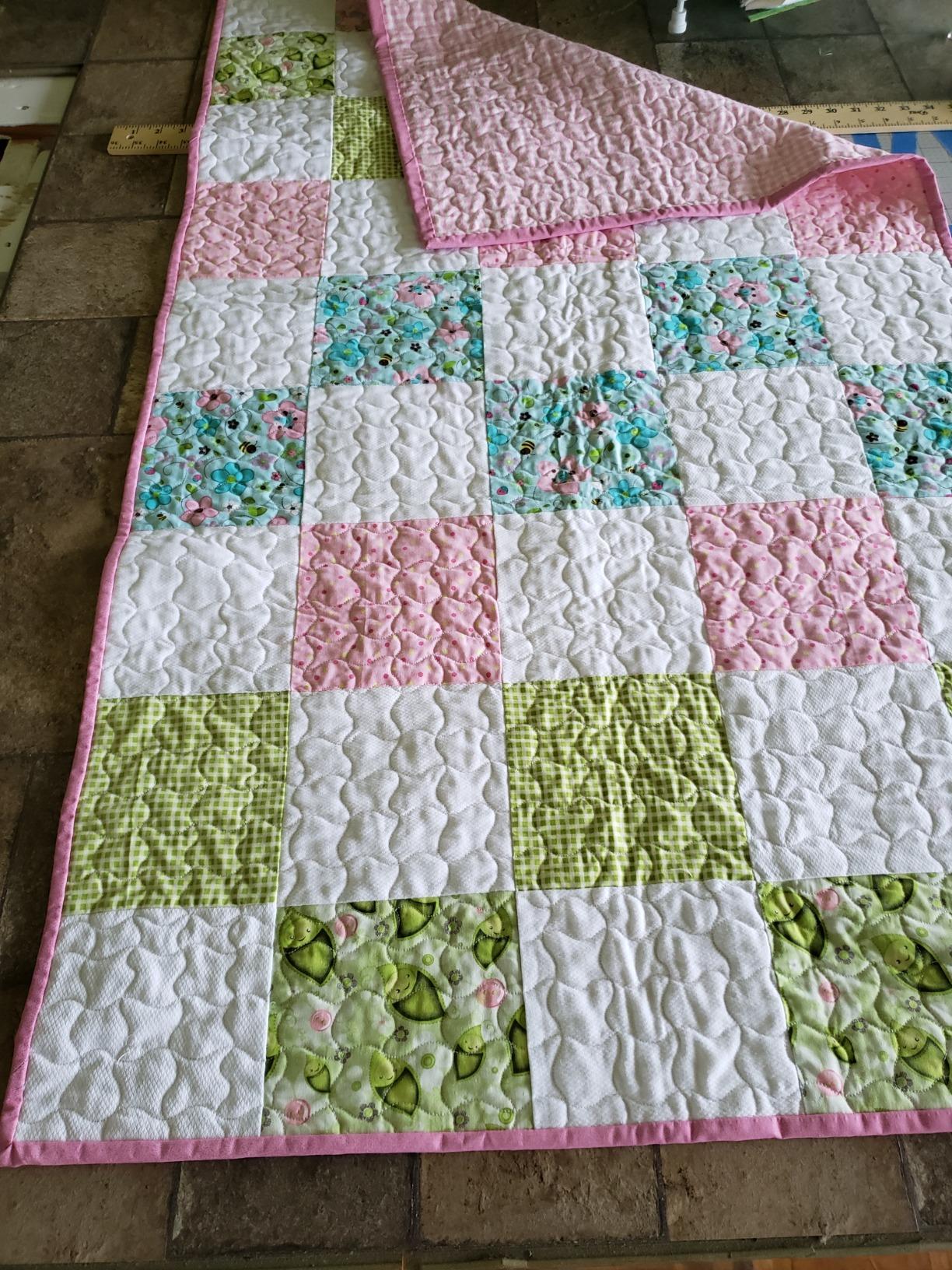
Stitch variety is where the Sapphire 930 separates itself from mechanical machines. Over 200 stitches cover every garment construction need I can think of: blind hems for couture finishes, overcast stitches for seam finishing without a serger, stretch stitches for knit garments, and seven buttonhole styles that cover everything from a classic shirt placket to a bound hand-sewn-look finish. The 7mm stitch width gives decorative topstitching room to breathe on denim and workwear.
For garment makers who work with lettering, the Sapphire 930 also includes five built-in font styles for sewing monograms and labels directly into garments. That is a feature aimed at embroiderers but useful for garment makers who want to label handmade pieces or add subtle branding to a small-batch production run.
The included accessory set is genuinely garment-focused. You get Utility A and B feet for straight and zigzag work, a Buttonhole C foot, Blind Hem D for invisible hems, Zipper E for centered and lapped applications, a Non-Stick H foot for leather and vinyl garments, Edging J, Embroidery and Darning R for free-motion work, and a Sensor One-Step Buttonhole foot. That is essentially a starter garment-sewing kit in one box.
The Start-Stop function deserves a mention for garment makers dealing with repetitive operations like topstitching multiple collar bands. You can run the machine without the foot pedal at a consistent speed, which frees both hands to manage fabric. For precision work like understitching a facing, that hands-free operation is genuinely useful.
The trade-offs are real and I want to be straight with you about them. Several owners report that the automatic needle threader does not align properly and frequently fails to actually thread the needle. The thread cutter has been flagged as a failure point, with one user reporting it broke after 23 days and continued to malfunction after warranty repair. The automatic tension, while excellent on single-layer work, struggles with multi-layer projects involving batting or thick interfacing. Manual tension override exists but is limited.
I would also flag the learning curve. The Sapphire 930 is not a machine you unbox and immediately master. Husqvarna’s own guidance, echoed by dealers and long-term owners, is that you should take classes to get full value. If you are a garment maker who treats sewing as a profession or serious craft, that investment of time is reasonable. If you want plug-and-play simplicity, the Emerald 116 or Onyx 25 will serve you better.
At 30.86 pounds with metal construction, the Sapphire 930 has the heft of a serious machine. That weight contributes to stability when sewing large garment panels and reduces vibration at higher speeds. The 8 by 17 by 18-inch footprint means you will want a dedicated sewing surface rather than a folding table. Plan your workspace accordingly.
One thing experienced Husqvarna owners consistently note is that long-term users of older Vikings tend to love the Sapphire 930 when they upgrade. The transition from a mechanical Viking to this computerized model feels familiar in terms of stitch quality and feeding behavior, while adding the automation that speeds up professional production. If you are already in the Husqvarna ecosystem, the Sapphire 930 is a natural upgrade path.
Best Fabric Types for the Sapphire 930
This is the most versatile Husqvarna in this roundup for fabric range. The Sensor System means the Sapphire 930 handles everything from silk chiffon and organza through to heavy wool melton, structured denim, and lightweight leather. For knit garment makers, the stretch stitch selection and consistent feed mean double knits, ponte, and stable jerseys behave predictably. The Non-Stick foot included in the box makes vinyl and laminate garment construction accessible without a separate purchase.
The machine’s sweet spot is complex garments that demand multiple fabric weights within a single project: structured jackets with silk linings, costumes combining leather and chiffon, bridal bodices with boning channels and lace overlays. That is where the auto-adjusting Sensor System saves real production time and prevents the fabric damage that happens when presser foot pressure is wrong for the layer you are crossing.
For silk and sheer fabrics, the Sensor System reduces the marking and pulling that mechanical machines can produce when foot pressure is too high. For heavy wool and denim, the automatic tension adjustment means you spend less time test-stitching seam samples before committing to the final seam. That is real production time saved across a year of garment work.
Who Should Buy the Sapphire 930
The Sapphire 930 is the right pick for professional dressmakers running a small studio, costume designers juggling wildly different fabric weights on the same project, advanced garment makers who want computerized automation to speed production, and Husqvarna loyalists upgrading from an Emerald or Opal. It is the best Husqvarna sewing machine for garment makers who have outgrown mechanical simplicity and are willing to invest in features that pay off across hundreds of sewing hours. If you only sew occasionally or stick to one fabric type, the price will be hard to justify.
I would specifically steer fashion design students and emerging dressmakers to the Sapphire 930 only if they have access to dealer classes. The feature set rewards investment in learning, and buying the machine without that support often leads to underuse. If dealer access is limited in your area, the Emerald 116 is a safer investment.
3. Husqvarna Viking Onyx 25 – The Best Value Mechanical Machine for Garment Work
- Mechanical simplicity with no electronics to fail
- Top drop-in bobbin for easy threading
- Solid sturdy build quality
- 7 garment-focused presser feet included
- Great value for the quality
- Older Viking bobbins are not compatible
- Limited decorative stitch options compared to computerized machines
- Some users note similarity to Singer Heavy Duty
The Onyx 25 is the machine I reach for when a garment maker wants Husqvarna quality on a tighter budget. Wirecutter named a sibling in the Onyx line as their top mechanical pick, and the 25 carries the same engineering philosophy: a no-frills mechanical design that prioritizes feeding power and durability over feature count. The 4.7-star average from verified owners confirms that the approach resonates with serious sewists.
What makes the Onyx 25 a strong garment-making pick is the top drop-in bobbin. Threading is fast and visible, which matters when you are mid-garment and need to swap thread colors between construction and topstitching. The clear bobbin cover lets you monitor thread supply without stopping, a small thing that adds up across a full day of sewing. Adjustable presser foot pressure handles the transition from sheer fabrics to layered seams, and the drop feed opens up free-motion work for basting and darning.
The seven included presser feet cover the essential garment construction bases. You get Utility A and Satin B feet for straight and zigzag stitching, an Overcast J foot for seam finishing, a Quilter’s 1/4 inch Piecing foot P (useful for precision seam allowances in garments too), Buttonhole Slider C, Non-stick Glide foot for leather and vinyl garments, Blind Hem D for invisible hems, and Zipper E. That is a complete starter kit for dressmaking without needing immediate accessory purchases.
The Direct Stitch Selection feature on the Onyx 25 means the stitch dial maps directly to specific stitches rather than requiring code entry. For garment makers who switch between straight stitch, zigzag, and buttonhole frequently, that direct access saves time and prevents the dial-confusion that plague cheaper machines with cryptic numbering systems. The Sewing Guide is a quick-reference printed on the machine itself, directing you to appropriate settings for common fabric types.
I do want to address the elephant in the room: some users note the Onyx 25 is essentially a Singer Heavy Duty under Husqvarna branding, since both brands are owned by SVP Worldwide. That is partially true at the platform level, but the Husqvarna version does carry distinct branding, accessory compatibility, and dealer support. The Sewing Guide feature, which directs you to appropriate settings, is a thoughtful addition for garment makers who want a quick reference at the machine.
The trade-off is straightforward. If you want hundreds of decorative stitches, automatic tension, and an LCD screen, the Onyx 25 is not your machine. Older Viking bobbins are also not compatible, which is frustrating for sewists upgrading from a vintage Husqvarna. Plan to purchase fresh bobbins with the machine. None of these are deal-breakers for a garment maker who wants reliable mechanical feeding at a sensible price.
One verified owner specifically mentioned replacing a 30-year-old Viking with the Onyx 25 and being very happy with the transition. That long-term Husqvarna loyalty speaks to the brand’s continuity: even a modern budget mechanical Viking feels familiar to someone who learned on a vintage model. The Direct Stitch Selection, top drop-in bobbin, and solid build quality add up to a machine that earns its place in a serious garment maker’s studio.
The included accessory set deserves a closer look. Beyond the seven presser feet, the Onyx 25 ships with an assorted needle pack, L screwdriver, seam ripper and brush combination, bobbins, a seam guide, spool pin felt, a vertical spool pin, and a large spool cap. There is also a reference card that lives in the accessory compartment so you always have settings guidance at hand. For garment makers who hate buying accessories separately, this is one of the more complete kits at this price point.
Best Fabric Types for the Onyx 25
The Onyx 25 handles the core garment-fabric range with confidence: cotton, linen, wool suiting, lightweight denim, silk, and stable knits. The mechanical motor delivers steady torque for layered seams on waistbands and facings. The Non-stick Glide foot makes lightweight leather and vinyl garment construction feasible without skipping stitches.
The adjustable presser foot pressure is what makes the Onyx 25 work across this range. Drop the pressure for delicate silks to avoid marking, increase it for layered waistband seams to maintain positive feeding. That adjustability, combined with the drop feed for free-motion basting, means the Onyx 25 covers the techniques most garment makers rely on daily.
For very heavy upholstery-weight fabrics or sustained work on dense canvas, the Onyx 25 will manage shorter runs but is not built for industrial volumes. Treat it as a true garment machine, not a bag-making workhorse, and it will repay you with years of reliable service.
Who Should Buy the Onyx 25
The Onyx 25 is the right pick for beginner garment makers building their first serious kit, intermediate sewists who want a dependable mechanical backup to a computerized machine, and budget-conscious dressmakers who refuse to compromise on build quality. It is one of the best Husqvarna sewing machines for garment makers who want to spend on fabric and patterns rather than machine features they will not use. If you see yourself wanting embroidery or dozens of decorative stitches within the next two years, look at the Sapphire 930 instead.
The Onyx 25 is also a smart pick for makers who already own a computerized machine and want a mechanical backup for travel, classes, or as a loaner. Its simplicity means there is no learning curve to refresh on after months of disuse, and the top drop-in bobbin makes it friendly for sharing with newer sewists in a teaching setting.
Emerald vs Sapphire vs Onyx: Direct Comparison for Garment Makers
If you are still torn between the three, here is how I would break down the decision. The Emerald 116 is the most garment-focused mechanical pick thanks to its proven durability and the teaching-studio track record of the broader Emerald line. The Sapphire 930 is the production-speed pick for garment makers who want automation to compress their workflow. The Onyx 25 is the budget pick that does not compromise on the fundamentals garment makers need.
On build quality, the Sapphire 930 wins with its 30-pound metal construction, but both the Emerald 116 and Onyx 25 are solidly built mechanical machines with metal internal frames. On stitch selection, the Sapphire 930 wins decisively with over 200 stitches versus the more focused mechanical stitch sets of the Emerald and Onyx. On long-term serviceability, both mechanical models are easier to maintain at home than the Sapphire 930’s computerized systems.
For most garment makers, the decision really comes down to one question: do you want computerized automation or mechanical simplicity? Both paths produce excellent garments in skilled hands. The Husqvarna engineering underneath all three machines means whichever you choose, you are getting a serious garment-grade tool rather than a disposable starter machine.
Buying Guide: How to Choose the Best Husqvarna Sewing Machine for Garment Makers
Choosing between Husqvarna models comes down to understanding what your specific garment work demands. The three machines above cover very different territory, and the right pick depends on your fabric range, your project complexity, and your tolerance for computerized features. Let me walk through the decision criteria I use when advising garment makers.
Motor Power and Feeding Consistency
Garment construction routinely pushes machines through uneven layers: intersecting seams, dart intersections, waistband joins, and curved hems with facing layers. Motor power matters more here than for quilting or craft sewing. Husqvarna’s mechanical machines, including the Emerald 116 and Onyx 25, deliver steady torque without electronic intervention. The Sapphire 930’s Sensor System adds automatic adjustment that smooths transitions across varying thicknesses.
Look for a machine that does not slow perceptibly when crossing from a single layer into a four-layer intersection. If your current machine stalls, bird-nests, or skips stitches at these points, you are losing production time and risking garment quality. All three Husqvarna models in this roundup handle this scenario acceptably, but the Sapphire 930 does it most smoothly thanks to the Sensor System.
The Husqvarna mechanical motor design uses a more substantial motor than typical entry-level machines in the same price range. That is part of why the brand is favored by sewing educators who run machines for hours of daily classroom use. When you are paying for a Husqvarna, you are partly paying for a motor that will keep delivering torque in year five the way it did in week one.
Presser Foot System and Adjustability
For garment makers, the presser foot system is the most underrated feature. Adjustable presser foot pressure lets you reduce downward force for delicate fabrics that mark or stretch, and increase it for thick layers that need positive feeding. All three Husqvarna models here include adjustable presser foot pressure. That is a meaningful advantage over entry-level machines that lock foot pressure at the factory.
The included feet matter too. The Sapphire 930 ships with nine feet covering virtually every garment construction need, including a Sensor One-Step Buttonhole foot that produces consistent results. The Onyx 25 includes seven feet with a Non-stick Glide foot for leather work. The Emerald 116 is more basic, and serious dressmakers should plan to add a walking foot and a blind hem foot if they are not included.
For garment makers working with leather, vinyl, or laminate fabrics, the Non-Stick foot is essential. Both the Sapphire 930 and Onyx 25 include one in the box. The Emerald 116 does not, so factor that into your accessory budget if leather garment work is on your radar.
Mechanical vs Computerized Architecture
This is the most contentious decision for garment makers. Mechanical machines like the Emerald 116 and Onyx 25 have no circuit boards, which means no electronic failures and the option to service most issues at home. They outlast computerized machines by years in many cases, and forum reports confirm long-term owners running mechanical Husqvarnas for decades without major repairs.
Computerized machines like the Sapphire 930 trade some long-term serviceability for automation. The Sewing Advisor and Sensor System genuinely reduce setup time when switching fabric types, and the stitch library dwarfs what mechanical machines can offer. The risk is that electronic failures, when they happen, can be expensive and may require dealer service. My recommendation: mechanical for makers who prioritize reliability and self-service, computerized for makers who value production speed and stitch variety.
There is a third consideration that forum discussions consistently surface: psychological. Some garment makers find mechanical machines more relaxing to sew on because there is no screen to monitor and no settings to second-guess. Others find computerized machines more relaxing because the machine handles the variables. Neither is wrong. Know yourself before you choose.
Stitch Selection for Garment Construction
Garment makers do not need hundreds of decorative stitches. What they do need are these essentials: a clean straight stitch with adjustable length, a zigzag for finishing raw edges and knit construction, a blind hem stitch for invisible hems, a buttonhole stitch (preferably one-step), a stretch stitch for knit garments, and an overcast stitch if you do not own a serger. The Sapphire 930 covers all of these plus hundreds more. The Emerald 116 and Onyx 25 cover the essentials without extras.
Do not pay for stitches you will not use. A garment maker who rarely decorates will get more value from a mechanical Husqvarna with excellent feeding than from a computerized model loaded with heirloom stitches that never see thread. The seven buttonhole styles on the Sapphire 930 are genuinely useful if you make shirts, but overkill if your garments are mostly pull-on skirts and dresses.
Built-in Walking Foot vs Aftermarket Solutions
This is where Husqvarna’s reputation among garment makers gets complicated. Some Husqvarna lines, particularly older Vikings, featured a built-in walking foot system praised in r/sewing discussions for handling tricky garment fabrics. The three machines in this roundup do not include a built-in walking foot, but they all accept a walking foot attachment. For heavy denim, leather, and layered couture construction, plan to add a walking foot to any of these picks.
The Reddit thread on Husqvarna for garment work is particularly instructive here. One user specifically described the built-in walking foot on their Viking as “AMAZING when constructing garments out of tricky fabrics.” That kind of community endorsement is rare, and it explains why garment makers who have used an integrated-feed Viking often refuse to go back to a standard feed system.
If a built-in integrated dual feed is non-negotiable for your garment work, look at the Pfaff Select line (which Husqvarna’s parent company also produces) or older used Viking models that featured the system. For everyone else, an aftermarket walking foot on any of the three machines in this roundup will handle the bulk of tricky-fabric garment work.
Bobbin System and Threading
The Onyx 25’s top drop-in bobbin is the easiest to load and monitor, which matters during long garment construction sessions. The Sapphire 930 also uses a top-loading system. The Emerald 116’s front-loading bobbin is more traditional and requires removing the needle plate for tension adjustment, which is a meaningful inconvenience for garment makers who switch thread types frequently.
Note that Onyx 25 does not accept older Viking bobbins. If you are upgrading from a vintage Husqvarna, budget for fresh bobbins. Sapphire 930 and Emerald 116 use class 15K-compatible bobbins that are widely available.
Top-loading bobbins also tend to be more forgiving of slightly uneven winding, which matters for garment makers who wind their own bobbins frequently during long projects. Front-loading systems are more sensitive to bobbin quality and can produce tension issues if the bobbin is even slightly misshapen.
Free Arm and Throat Space
Garment makers need a free arm for sewing sleeves, cuffs, pant legs, and children’s garments. All three Husqvarna models in this roundup offer free-arm capability by removing the accessory compartment. Throat space, the area to the right of the needle, matters for quilts more than for garments, but it does affect how comfortably you can manage a long skirt panel or coat back. The Sapphire 930 offers the largest sewing area to the right of the needle, which is a real advantage for larger garment pieces.
Optional extension tables are available for the Sapphire 930 and worth considering if you regularly sew bridal gowns, coats, or other large-panel garments. The extension table effectively converts the machine into a flatbed with significantly more fabric support, which reduces fatigue on long sewing days.
Dealer Network and Service Access
Husqvarna Viking operates through authorized dealers rather than mass-market big-box channels. This is a quality signal because dealers provide setup, classes, and service. It is also a limitation if you live outside major cities. Before buying, check the Husqvarna dealer map for your region. The forum reports on reliability concerns cluster around areas with limited dealer access, where machines cannot be serviced promptly.
For all three machines in this roundup, I recommend buying from an authorized dealer when possible, even if the initial price is slightly higher than online marketplaces. The class access and ongoing service relationship typically pay for the difference within the first year of garment work.
Dealer quality varies, so do your homework. A good Husqvarna dealer will offer free introductory classes with machine purchase, carry rental machines for classes and events, and maintain a service department with certified technicians. Ask other sewists in your area for recommendations before committing.
Warranty and Long-term Support
Husqvarna Viking backs its machines with limited warranties that cover parts and labor for specified periods. Mechanical machines like the Emerald 116 and Onyx 25 typically have longer practical service lives because there is less to fail. The Sapphire 930’s computerized components are covered under warranty but represent a real risk outside that window. Read the warranty carefully, register your machine, and keep your proof of purchase.
For garment makers treating sewing as a profession, the long-term supportability of a mechanical Husqvarna is hard to overstate. Decades-old mechanical Vikings remain in service around the world with routine maintenance. No one can promise the same for a computerized board manufactured today.
Budgeting for Accessories and Ongoing Costs
The initial purchase price is not the full cost of owning a Husqvarna. Budget for accessories that expand garment-making capability: a walking foot if you work with leather or layered denim, additional bobbins, quality thread, fresh needles in multiple sizes, and a hard case or dust cover for storage. For the Emerald 116 specifically, plan to add the blind hem foot and zipper foot if they are not bundled with your specific unit.
For computerized models like the Sapphire 930, also consider the cost of dealer classes if they are not included with purchase. Two or three classes will dramatically shorten the learning curve and help you extract full value from the machine’s features. Treat that class budget as part of the machine’s total cost.
Maintenance Tips for Long-Term Garment-Making Reliability
A few simple habits will keep any Husqvarna running cleanly through years of garment work. Brush out the bobbin area and feed dogs after every major project to remove lint buildup. A can of compressed air used gently helps clear debris from areas the brush cannot reach. Replace needles after every eight to ten hours of sewing time, because dull needles cause fabric damage and skipped stitches long before they break.
For mechanical machines like the Emerald 116 and Onyx 25, a drop of sewing machine oil in the bobbin hook area every few months keeps moving parts lubricated. Follow the manual’s specific guidance on oil points, since over-oiling attracts lint and creates its own problems. For computerized models like the Sapphire 930, follow the dealer’s service schedule for professional cleaning and calibration.
Store your machine covered when not in use. Dust is the silent enemy of sewing machines, and a hard case or quality dust cover prevents the buildup that leads to feeding issues and tension drift. If you sew in a shared space or a room with pets, a cover is not optional.
Frequently Asked Questions
What is the best sewing machine for garment making?
For garment making, the best Husqvarna sewing machines are the Emerald 116 for mechanical reliability, the Sapphire 930 for computerized automation, and the Onyx 25 for budget-conscious makers. The right pick depends on your fabric range and whether you value self-serviceable mechanical design over automated features like the Sensor System and Sewing Advisor.
Which is the best Husqvarna sewing machine?
The Husqvarna Viking Sapphire 930 is the highest-rated model in this roundup at 4.8 stars from verified owners, praised for its Sensor System, Sewing Advisor, and 200-plus stitch library. For mechanical purists, the Emerald 116 and Onyx 25 are widely considered the best value Husqvarna picks for garment construction.
What are the best dressmaker machines?
The best dressmaker machines include the Husqvarna Viking Emerald 116 for mechanical dressmaking, the Husqvarna Viking Sapphire 930 for professional-grade automated dressmaking, the Husqvarna Onyx 25 for budget mechanical dressmaking, and competing models like the Brother CS7000X and Pfaff Select 4.2 for context. For dressmaking specifically, prioritize a clean straight stitch, reliable buttonhole capability, adjustable presser foot pressure, and consistent feeding across fabric weights.
What are the common problems with Husqvarna Viking sewing machines?
Common issues reported with Husqvarna Viking sewing machines include needle threader alignment problems on the Sapphire 930, thread cutter failures on computerized models, automatic tension struggles with thick multi-layer projects, and limited dealer service access outside major cities. Older Viking bobbins are not compatible with newer models like the Onyx 25. Mechanical models like the Emerald 116 are generally more reliable long-term and easier to service at home.
Conclusion: Choosing Your Husqvarna for Garment Work
After walking through these three machines, the picture for 2026 is clear. The best Husqvarna sewing machines for garment makers split into three distinct niches, and the right choice depends on what you sew and how you want to work.
If you want a mechanical machine that will run for years with minimal fuss, the Husqvarna Viking Emerald 116 is my Editor’s Choice. Its adjustable presser foot tension, drop feed, and proven durability make it a genuine garment-grade tool at a fair price. For makers who want computerized automation that genuinely speeds up production across diverse fabric weights, the Husqvarna Viking Sapphire 930 with its Sensor System and Sewing Advisor is the Premium Pick worth the investment. And for budget-conscious garment makers who refuse to compromise on build quality, the Husqvarna Viking Onyx 25 delivers mechanical reliability and a complete garment-focused accessory set at the Best Value price point.
Whichever you choose, buy from an authorized Husqvarna dealer when possible, register your machine, and invest the time in learning its features. A Husqvarna in skilled hands is a garment-making partner that will reward you with clean seams, reliable feeding, and decades of service. Pick the model that matches the garments you actually make, and you will not regret the investment.
Garment construction is demanding work, and the machine you choose becomes an extension of how you think about fabric, fit, and finish. Husqvarna Viking has earned its place in professional workrooms and teaching studios for good reason. Whichever of these three models you choose, you are buying into a tradition of European engineering that takes garment making seriously.