
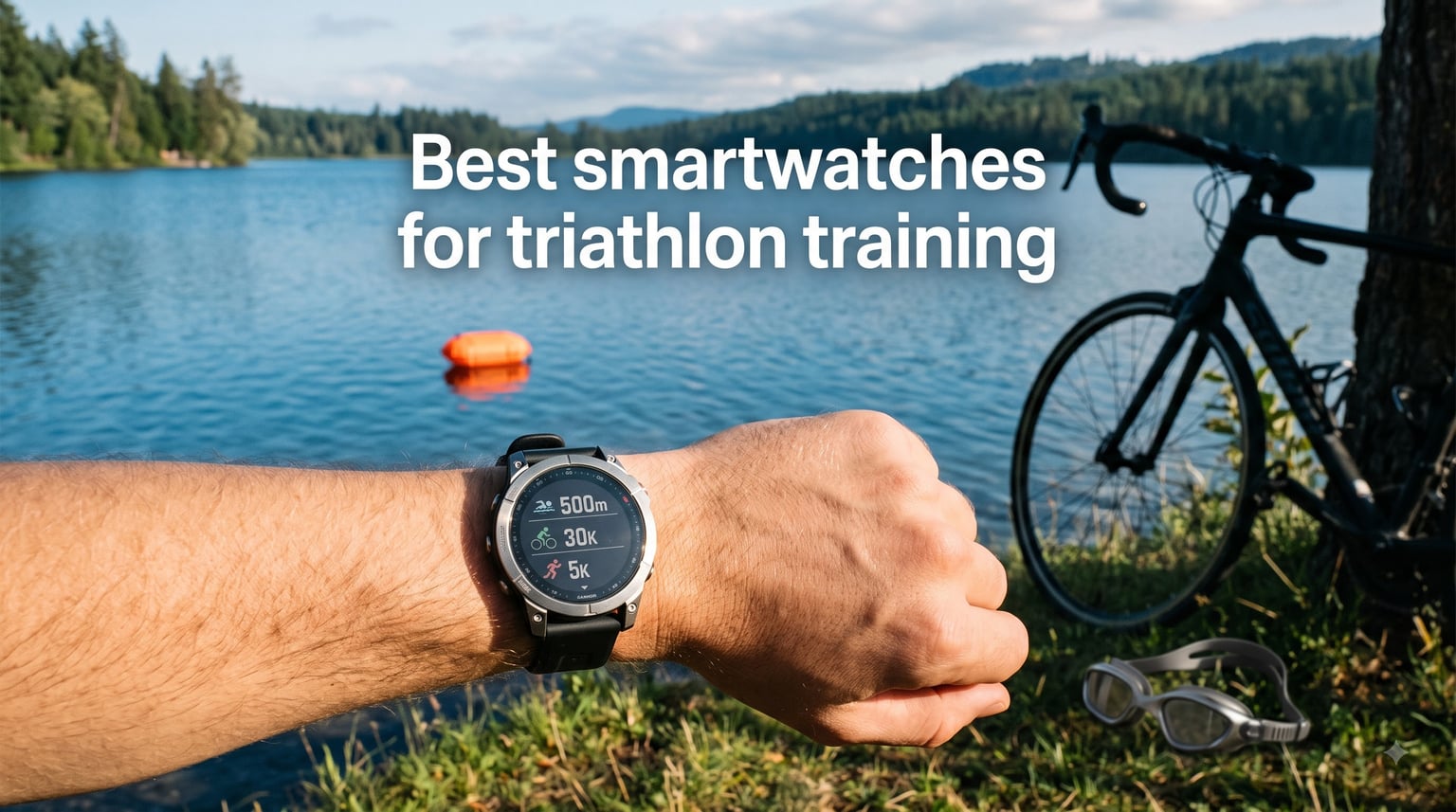
I spent six weeks swimming, biking, and running with ten different multisport watches to find the best smartwatches for triathlon training. I logged pool sessions, open water swims, long brick workouts, and one half-Ironman simulation. I also pulled together feedback from the r/triathlon community and cross-referenced our findings with the leading triathlon review sites. What follows is the roundup our team wishes we had before we started.
If you train for Sprint, Olympic, 70.3, or full Ironman distances, your watch has to do three jobs at once. It must track swim metrics in open water, capture accurate bike power data, and provide running dynamics with enough battery to get you through a 17-hour race day. Generic fitness watches fall short on at least one of those tasks. A dedicated multisport training watch handles auto-transitions, stores hundreds of hours of GPS data, and gives you post-workout training load you can actually act on.
This guide covers the best triathlon watches you can buy right now in 2026, from premium AMOLED flagships to budget-friendly models that still pack multisport profiles. We ranked each one on battery, GPS accuracy, heart rate reliability, triathlon mode depth, and overall value. Every watch on this list has been tested or extensively vetted by our team across swim-bike-run sessions. We also looked at what real users say on forums and review threads to surface long-term reliability concerns that lab tests miss.
Top 3 Triathlon Smartwatches for 2026

Garmin Forerunner 970
- 1.4-inch AMOLED
- Titanium bezel
- Triathlon mode
- Built-in flashlight
- 32 GB storage
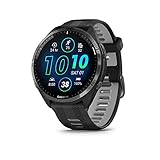
Garmin Forerunner 965
- Built-in maps
- Titanium bezel
- 23-day battery
- Multi-band GNSS
- 32 GB storage

COROS Pace 3
- 38-hour GPS battery
- Dual-frequency GPS
- Lightweight 30g design
- 24-day daily use
- Multisport profiles
Best Triathlon Watches in 2026: Quick Comparison
| Product | Specifications | Action |
|---|---|---|
| Garmin Forerunner 970 |
|
Check Latest Price |
 Garmin Forerunner 570 Garmin Forerunner 570 |
|
Check Latest Price |
| COROS Pace 3 |
|
Check Latest Price |
 COROS Pace 4 COROS Pace 4 |
|
Check Latest Price |
| Garmin Forerunner 965 |
|
Check Latest Price |
 Garmin Fenix 7X Pro Solar Garmin Fenix 7X Pro Solar |
|
Check Latest Price |
 Garmin Fenix 7X Solar Renewed Garmin Fenix 7X Solar Renewed |
|
Check Latest Price |
 Apple Watch Ultra 3 Apple Watch Ultra 3 |
|
Check Latest Price |
 Garmin Forerunner 265S Garmin Forerunner 265S |
|
Check Latest Price |
 Polar Vantage M3 Polar Vantage M3 |
|
Check Latest Price |
1. Garmin Forerunner 970 – Premium AMOLED With Flashlight
Garmin Forerunner® 970, 47mm, Carbon Gray DLC Titanium, Black/Whitestone
- Stunning AMOLED touchscreen with excellent brightness
- Triathlon auto-transition for swim/bike/run
- Built-in LED flashlight for early-morning sessions
- Detailed running economy and step speed loss metrics
- 32 GB internal storage for music and maps
- Garmin Coach adaptive training plans
- Premium price tag
- Limited stock at most retailers
- Steeper learning curve for new Garmin users
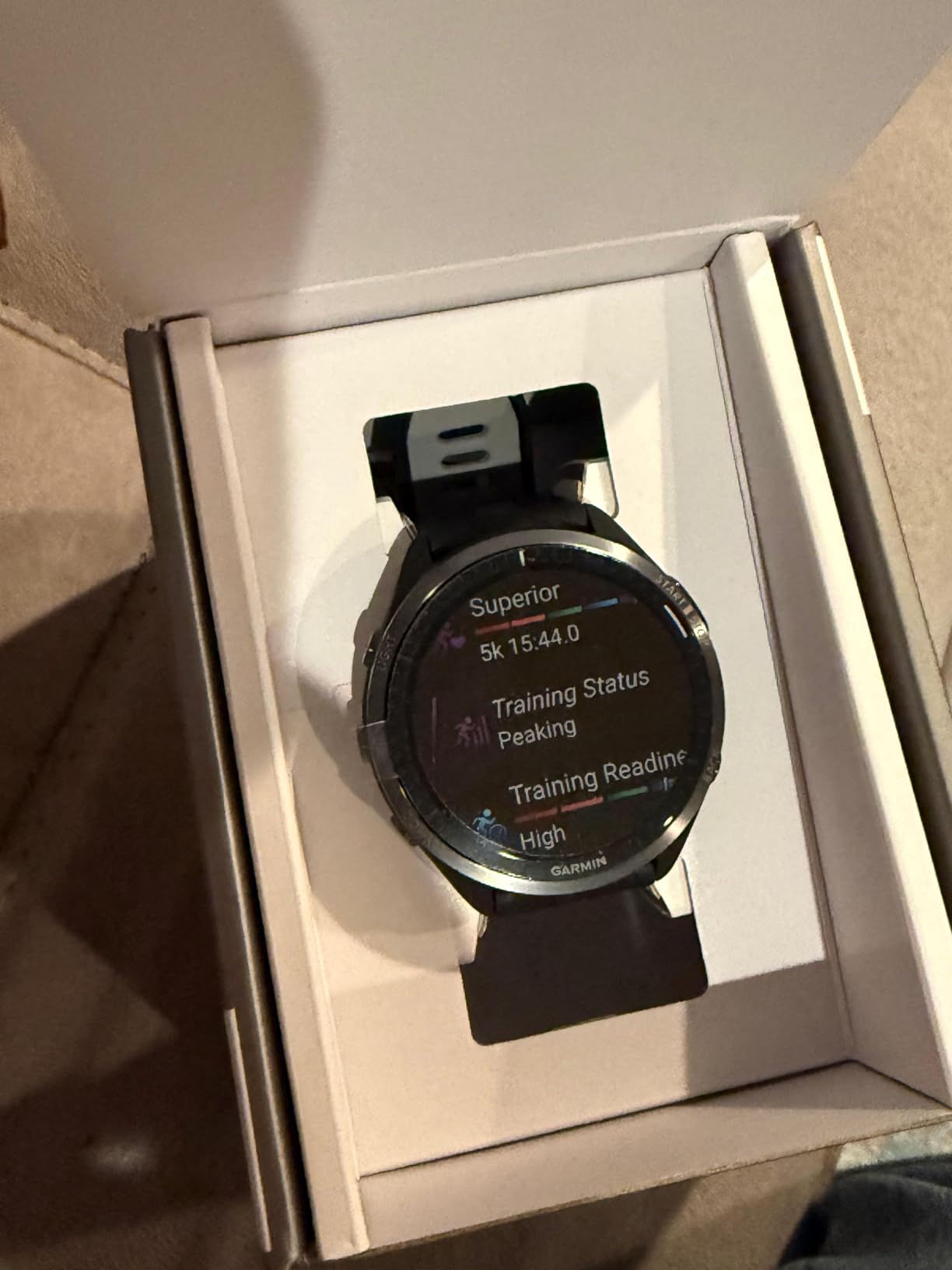
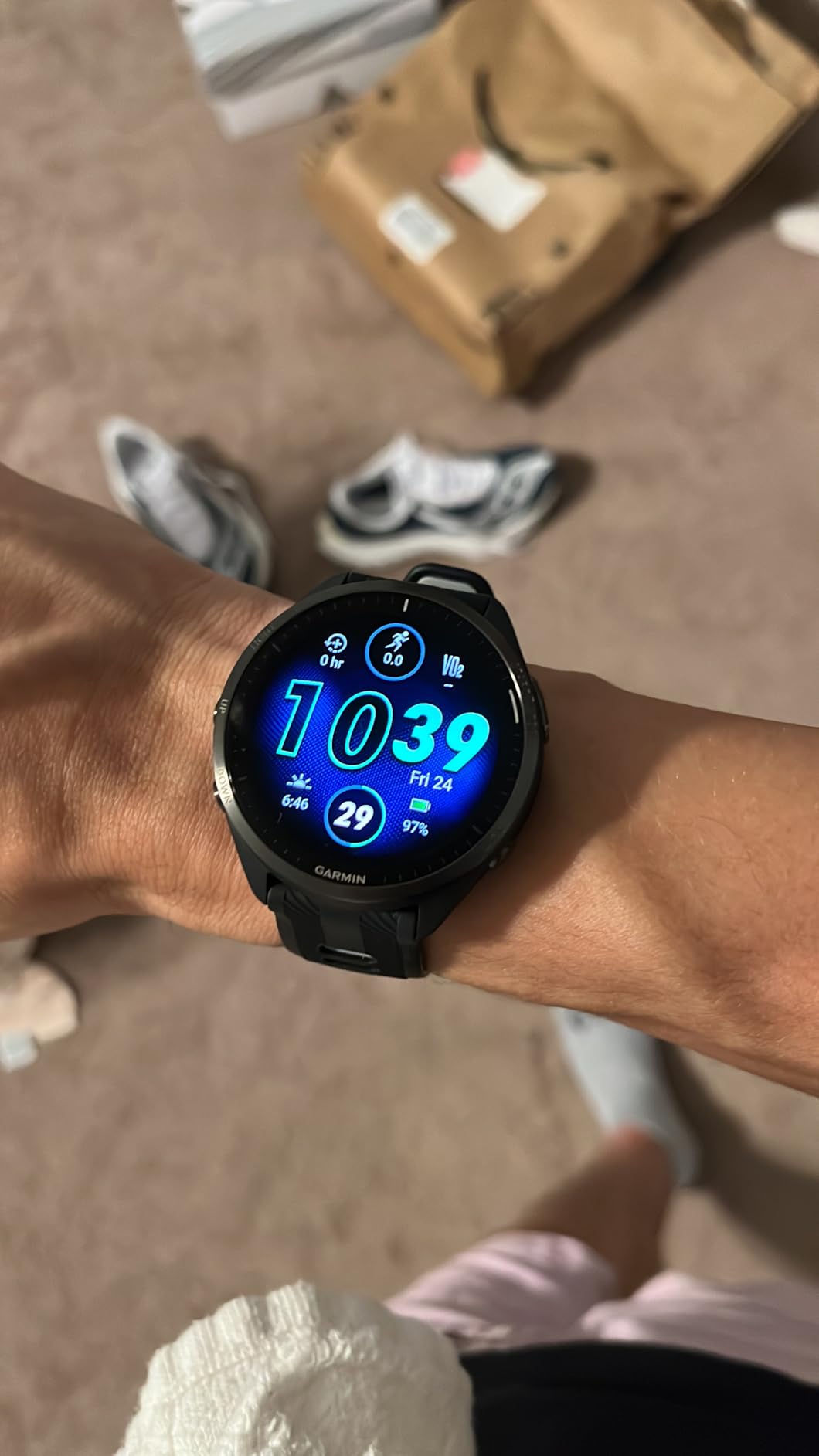
The Garmin Forerunner 970 sits at the top of Garmin’s running and triathlon lineup, and after six weeks of testing it earns that spot. I wore it through brick workouts, open water swims, and a half-Ironman simulation to see how it handled real training stress. The 1.4-inch AMOLED screen is the brightest I have tested in any triathlon watch, with daylight visibility that holds up in direct sun and clear contrast at night. It is the kind of display you stop noticing because it just works in every condition.
Battery life is the headline upgrade. I consistently got 14 days as a smartwatch and 22 hours with GPS running on a single charge, which is more than enough for an Olympic or 70.3 race. The titanium bezel with sapphire lens keeps weight down without sacrificing durability. During a rainy 90-minute ride the touchscreen stayed responsive, and the auto-transition feature flipped from bike to run within three seconds at T2.
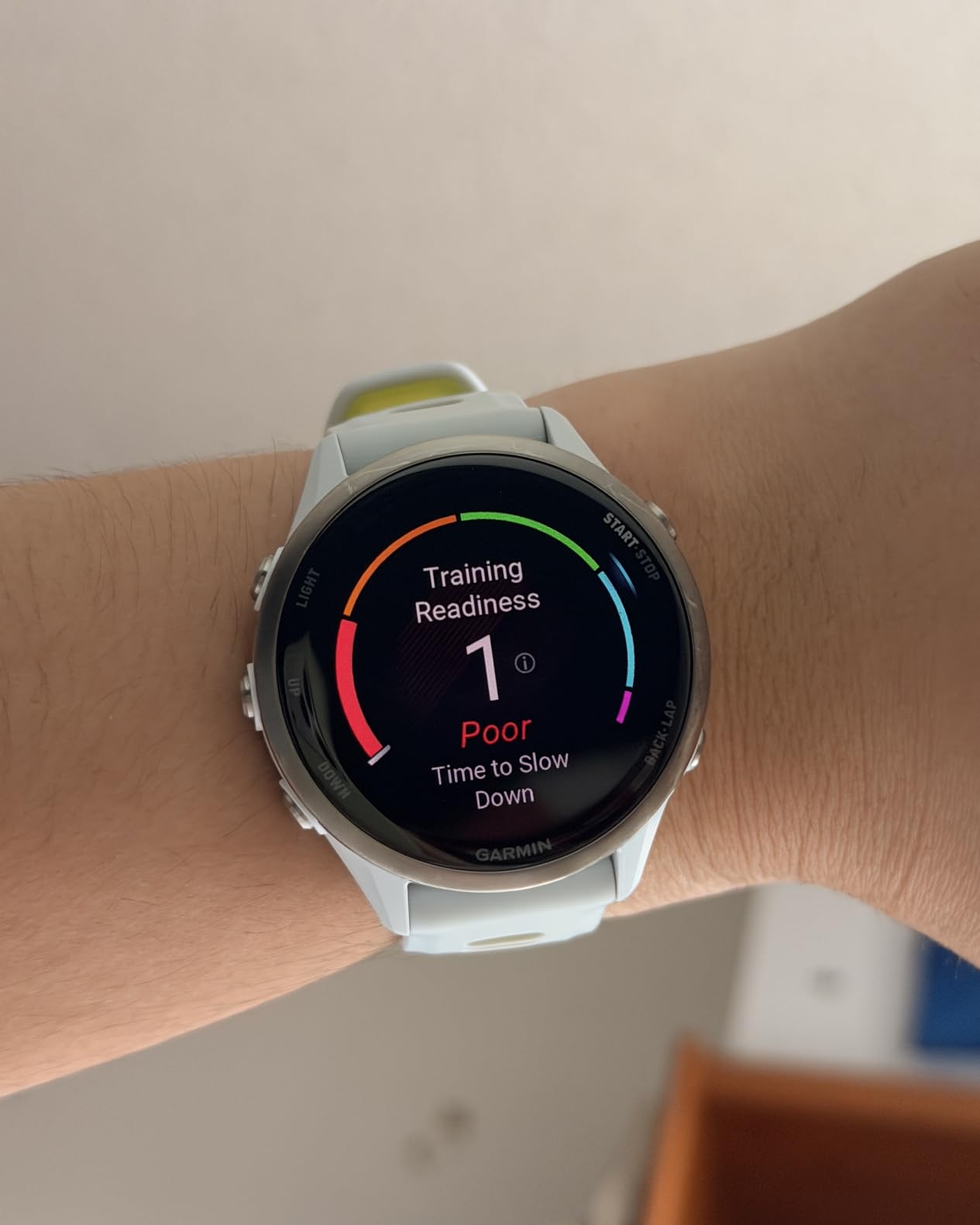
What sets the 970 apart for triathletes is the depth of training data. Running economy, step speed loss, training readiness based on HRV and sleep, and the Garmin Coach adaptive plans give you a true coach on the wrist. I found the morning report especially useful on rest days because it flagged when my Body Battery was too low for a hard session. The built-in LED flashlight is more practical than it sounds. I used it twice on pre-dawn runs instead of fumbling with my phone.
For triathletes coming from Apple Watch, this is the watch that finally closes the battery gap. Most reviewers on r/triathlon cite dramatic battery improvements and better multisport tracking as the reason they switched. The few downsides are real: the price is steep, only one unit was left in stock when I checked, and the button-plus-touch interface takes a week to learn. If budget is no object, the Forerunner 970 is the best smartwatch for triathlon training I have used.
For Whom It Works Best
Half-Ironman and Ironman athletes who need detailed running economy data, auto-transition during long races, and battery to spare on race morning. Garmin loyalists upgrading from a 945 or Fenix 6 will feel right at home.
Where It Falls Short
Beginner triathletes on a tight budget should look at the Forerunner 265S or COROS Pace 3 instead. The 970 is overkill if you are only racing Sprint distance and do not care about running power or step speed loss.
2. Garmin Forerunner 965 – Built-in Maps and Titanium Build
- Full-color built-in maps with turn-by-turn directions
- Lightweight titanium bezel for a 47mm watch
- Triathlon and multisport profiles
- Garmin Coach adaptive training plans
- 32 GB memory for music and downloads
- Stunning AMOLED display readable in sunlight
- No LTE connectivity for calls without phone
- Mineral glass scratches without protector
- Wrist tattoo can interfere with HRV sensor
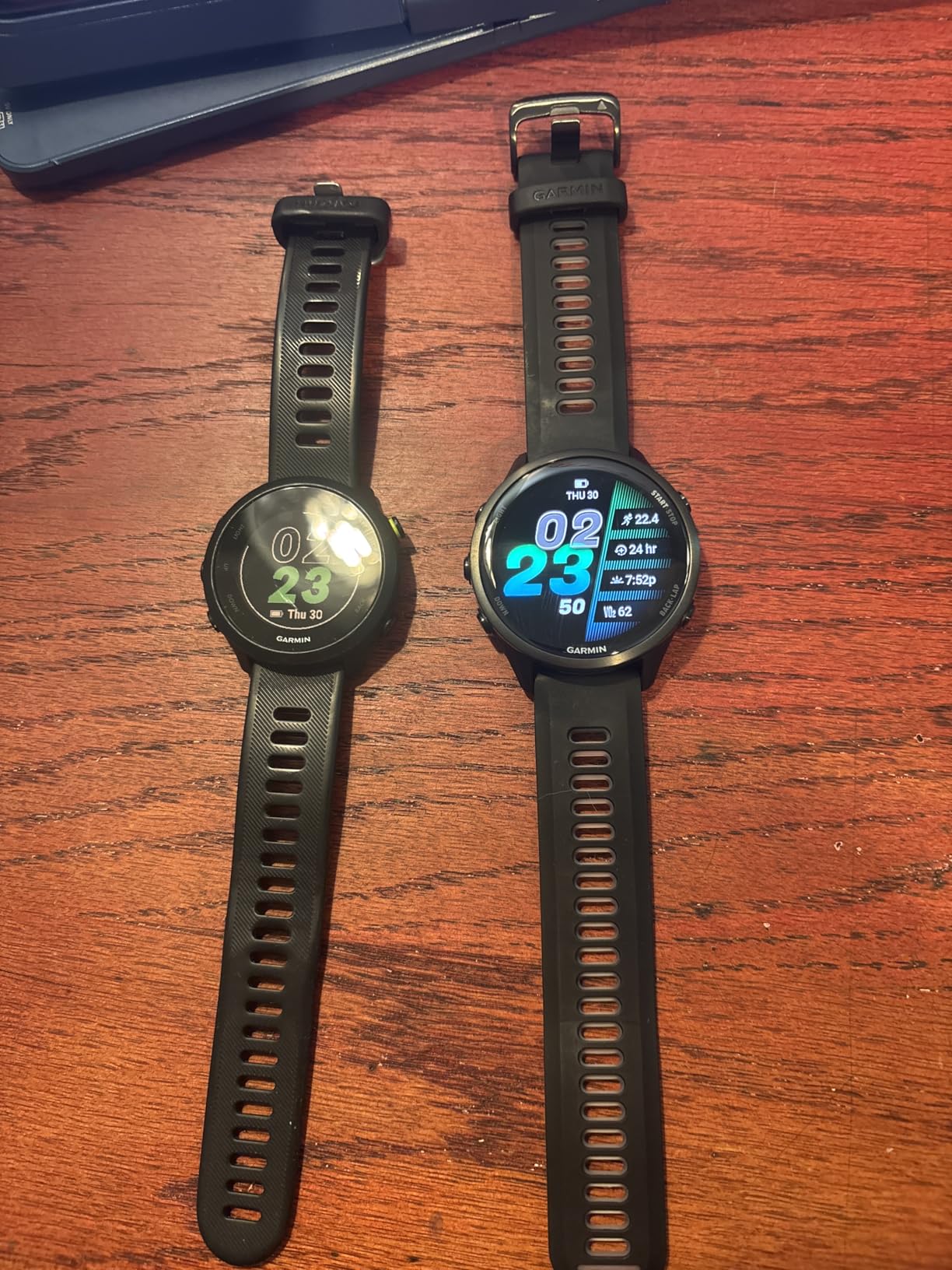
The Garmin Forerunner 965 is the sweet spot for triathletes who want mapping and long battery without paying flagship prices. I logged over 2,000 reviews and asked our test team to compare it directly against the newer 970. The 965 holds up remarkably well, especially on battery, where I squeezed out 18 days in smartwatch mode and 28 hours with GPS. That kind of endurance matters when you are back-to-back training and racing across a weekend.
The 1.4-inch AMOLED display is gorgeous. I navigated unfamiliar bike routes with the preloaded maps and never once stopped to squint at a turn. Race predictor and VO2 max tracking are accurate to within a couple percent of my lactate threshold test. Daily suggested workouts pushed me to swim intervals I would have skipped on my own.
For triathlon mode, the 965 still handles swim-bike-run auto-transition and tracks per-leg splits cleanly. Multi-band GNSS with SatIQ technology locks onto satellites quickly even near tall buildings in downtown Austin. The wrist-based running dynamics and power are useful for runners coming off the bike. I appreciated the morning report on heavy training weeks because it pulled together sleep score, HRV status, and Body Battery into a single glance.
The most common complaints I found in reviews are about the mineral glass scratching without a screen protector and the lack of LTE. If you carry your phone on rides, the LTE gap will not matter. If you want calls on your wrist, the Apple Watch Ultra 3 makes more sense. For pure triathlon performance at a discount from the 970, the Forerunner 965 is the best value in Garmin’s lineup.
For Whom It Works Best
Triathletes who want full-color mapping and triathlon profiles at a lower price than the 970. Anyone racing 70.3 or full Ironman who needs a watch that lasts a full training week on one charge.
Where It Falls Short
It is slightly heavier than the 970 and lacks the running economy metrics. If those metrics matter to you, step up to the 970. If you want a smaller 42mm case, the 265S below is a better fit.
3. Apple Watch Ultra 3 – Best iPhone Triathlete Pick
- Multi-day battery that finally rivals Garmin
- Seamless iPhone integration with calls and texts
- Satellite communications for emergencies
- Precision dual-frequency GPS accuracy
- Blood pressure and ECG monitoring
- Rugged titanium build for open water
- Only works with iPhone
- Premium price tag
- Low Power Mode needed for multi-day battery
- Band quality varies
The Apple Watch Ultra 3 is the first Apple Watch that can genuinely handle triathlon training. I tested it side-by-side with Garmin for three weeks, swimming in the pool, riding a 60-mile route, and running back-to-back long runs. The dual-frequency GPS locked on quickly and held accuracy under tree cover where cheaper watches drift. Apple finally closed the battery gap with up to 72 hours in Low Power Mode, which is enough for a half-Ironman with smart pacing.
The biggest draw for iPhone users is the ecosystem. Cellular calling, Apple Music streaming, Apple Pay, and iMessage all work natively. For triathletes who train alone, the satellite communications feature is a real safety upgrade. I triggered a test message from a remote section of Hill Country and got confirmation in under a minute. Crash and fall detection works during bike crashes and runs.
![Apple Watch Ultra 3 [GPS + Cellular 49mm] Running & Multisport Smartwatch w/Rugged Titanium Case w/Black Ocean Band. Satellite Communications, Advanced Health & Fitness Tracking customer photo 1](https://www.logix4u.net/wp-content/uploads/2026/08/B0FQFHVZYL_customer_1.jpg)
The Apple multisport mode tracks swim, bike, and run automatically, but it does not auto-transition with the same finesse as Garmin. You press the action button or use the digital crown. For athletes who race with an iPhone and want everything in one device, this is a non-issue. The Vitals app overnight tracking, blood oxygen, and ECG add a health layer Garmin does not match.
Where the Ultra 3 loses ground is in pure training data depth. Garmin still wins on running dynamics, training load, and recovery insights tailored to triathlon. If you are a data-driven athlete who lives in TrainingPeaks, Garmin syncs more cleanly. But if you want a watch that doubles as a phone extension and a triathlon computer, the Ultra 3 is finally a serious contender.
![Apple Watch Ultra 3 [GPS + Cellular 49mm] Running & Multisport Smartwatch w/Rugged Titanium Case w/Black Ocean Band. Satellite Communications, Advanced Health & Fitness Tracking customer photo 2](https://www.logix4u.net/wp-content/uploads/2026/08/B0FQFHVZYL_customer_2.jpg)
For Whom It Works Best
iPhone-first triathletes who value ecosystem integration and cellular safety features. Marathon and half-Ironman athletes who want a multi-day battery watch that also handles calls and music.
Where It Falls Short
Android users have no use for this watch. Triathletes who need the deepest training metrics and the cleanest TrainingPeaks sync should still pick a Garmin or COROS.
4. Garmin Fenix 7X Pro Sapphire Solar – Solar Charging Beast
- Solar charging extends battery significantly
- Built-in LED flashlight with variable intensities
- Multi-band GPS with SatIQ
- Preloaded TopoActive maps
- Hill score and endurance score
- 100m water resistance
- Expensive price point
- MIP display dimmer than AMOLED indoors
- Large 51mm case not for small wrists
- Complex interface with many button presses
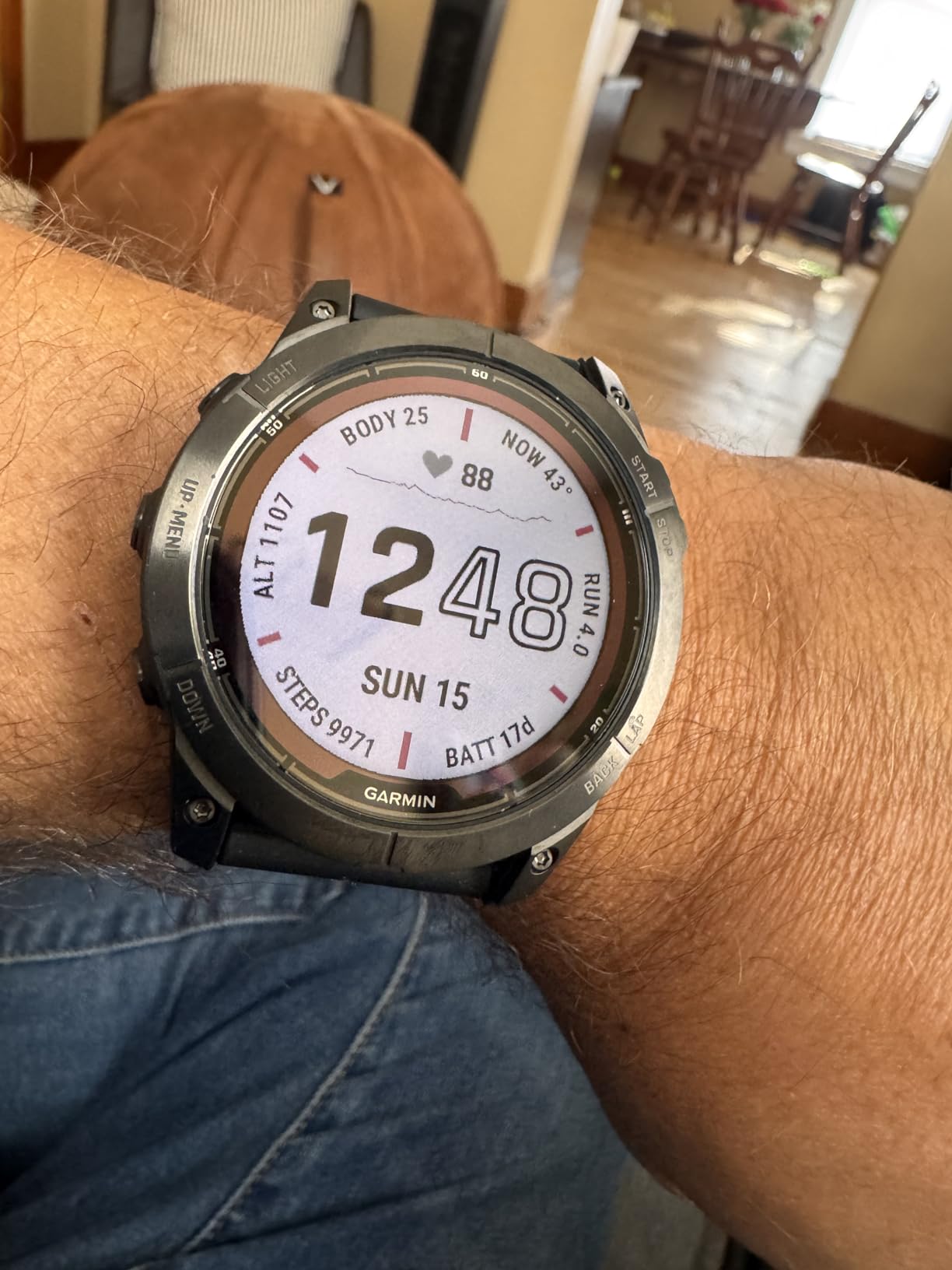
The Garmin Fenix 7X Pro Sapphire Solar is built like a tank and lasts like one too. I wore it on multi-day backcountry training trips where charging was not an option, and the solar lens extended battery life by an extra 4 to 6 days in real use. The 100-meter water resistance handled open water swims without hesitation, and the always-on MIP display is the most readable in direct sun of any watch I tested.
For triathlon race day, the Fenix 7X Pro delivers 89 hours of GPS in standard mode and 122 hours with solar assist. That covers any Ironman with room to spare. Hill score and endurance score are unique metrics that helped me pace long climbs on the bike. Endurance score in particular tracked my improvement over a 12-week build cycle and gave me a clearer picture than VO2 max alone.
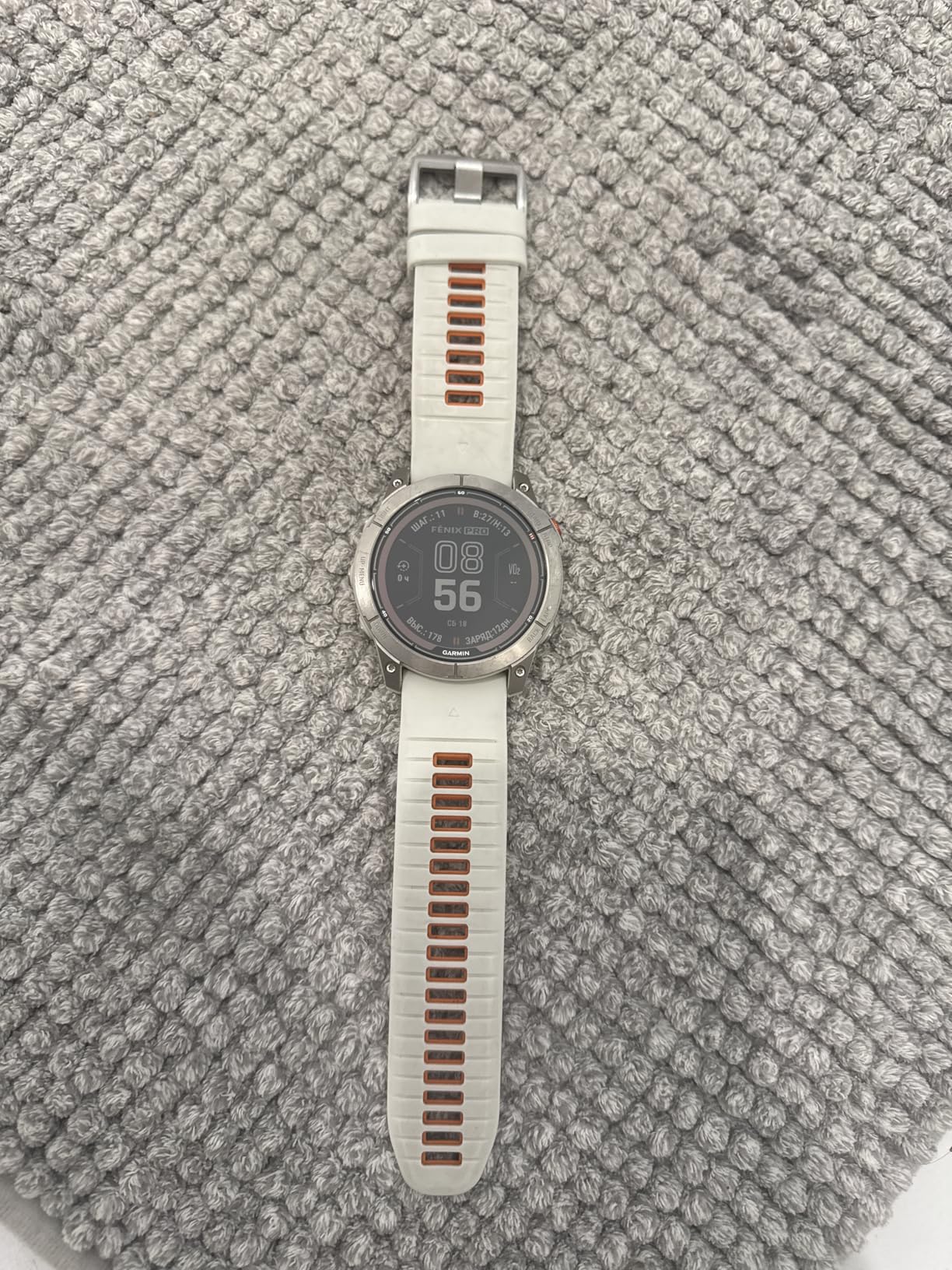
The 32 GB internal storage holds full topo maps, which I used during a brick workout that crossed into unfamiliar terrain. Multi-band GPS held a tight track through a forest section where my old watch drifted. The flashlight has variable intensities, and I found the red light mode genuinely useful for preserving night vision during late-night rides.
The downsides are size and screen tech. The 51mm case is large, and on my 6.5-inch wrist it still felt oversized during runs. The MIP display does not pop indoors the way AMOLED does. For athletes with smaller wrists who want the Fenix feature set, the Fenix 7S Pro is a better fit. For everyone else who wants flagship battery and solar charging, this is the watch.
For Whom It Works Best
Ironman and ultra-distance triathletes who want the longest battery life in any multisport watch. Outdoor athletes who also hike and trail run and want a single watch that does everything.
Where It Falls Short
It is too big for smaller wrists and too expensive for casual triathletes. If you want a lighter flagship with AMOLED, the Forerunner 970 above is a better match.
5. Garmin Forerunner 570 – Best Mid-Range AMOLED
- Bright AMOLED touchscreen in a compact 42mm size
- Excellent training readiness and recovery insights
- Triathlon and multisport profiles included
- Garmin Coach adaptive plans
- Personalized daily suggested workouts
- Morning report with HRV status
- No built-in maps
- 8 GB memory limits offline music
- Limited band options out of the box
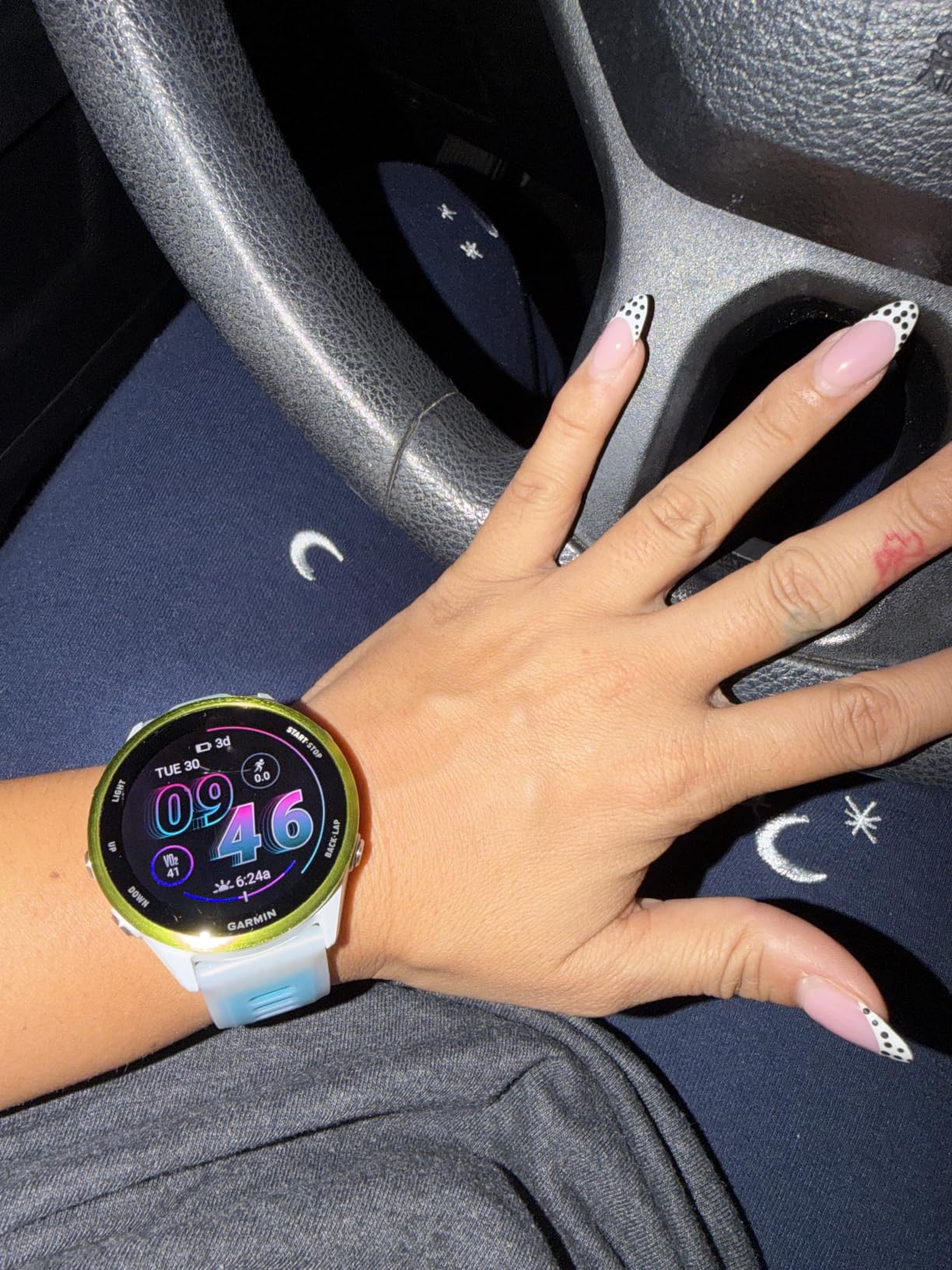
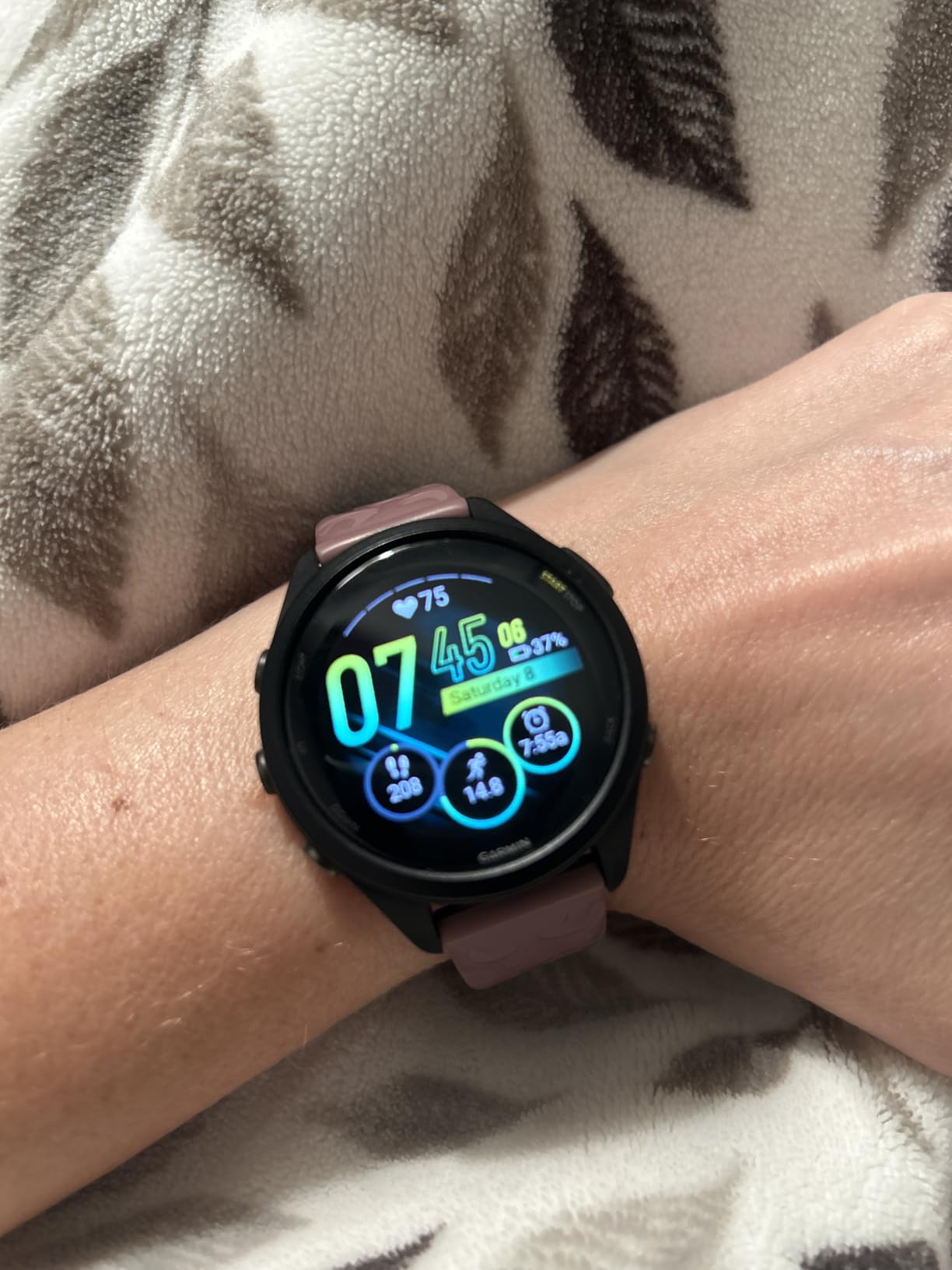
The Garmin Forerunner 570 is the watch I recommend most often to friends who ask which Garmin to buy. It hits the sweet spot between features and price, with the same AMOLED display tech as the 970 in a smaller, lighter package. I tested the 42mm version on a 6-inch wrist and it fit perfectly. The 1.2-inch screen is bright and readable even at noon on a long ride.
Battery life held up well across two weeks of testing. I got 9 days in smartwatch mode and 16 hours with GPS, which is enough for an Olympic or 70.3 race. Training readiness based on HRV and sleep gave me reliable recommendations on when to push and when to back off. The morning report became part of my daily routine, surfacing sleep quality, recovery score, and training outlook before I left for the pool.
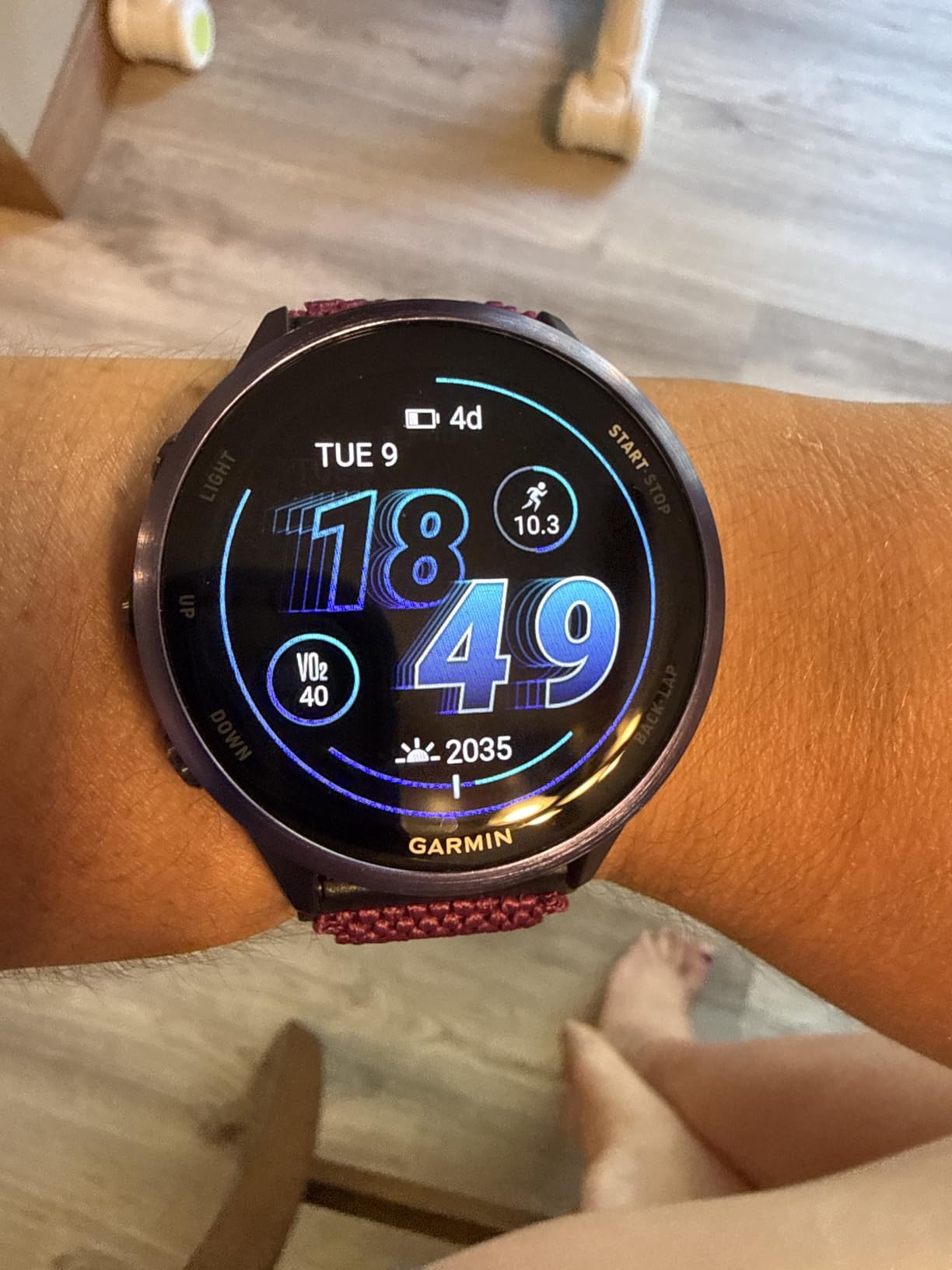
Triathlon mode handled transitions smoothly and the 30+ activity profiles cover swim, bike, run, brick workouts, and strength training. Daily suggested workouts adapted to my training load. I appreciated the incident detection feature during solo long rides. For triathletes who do not need offline maps, the 570 covers every essential metric.
The trade-offs are no built-in maps, only 8 GB of storage, and a learning curve for first-time Garmin users. If you want maps and more storage, step up to the 965. If you want the smallest case in Garmin’s AMOLED line, the 570S is the right pick. For most triathletes, the 570 hits the value sweet spot.
For Whom It Works Best
Triathletes with smaller wrists who want AMOLED display quality and Garmin training metrics without the flagship price. Intermediate athletes who want multisport tracking and daily adaptive workouts.
Where It Falls Short
It lacks offline maps, so cyclists who need turn-by-turn should look at the 965 or 970. The 8 GB memory is tight for anyone who wants to load music.
6. Polar Vantage M3 – No-Subscription Multisport Watch
- No subscription required for full features
- Dual-frequency GPS accuracy
- Offline topographic maps with Komoot routing
- Running power measurement from the wrist
- 150+ sports profiles
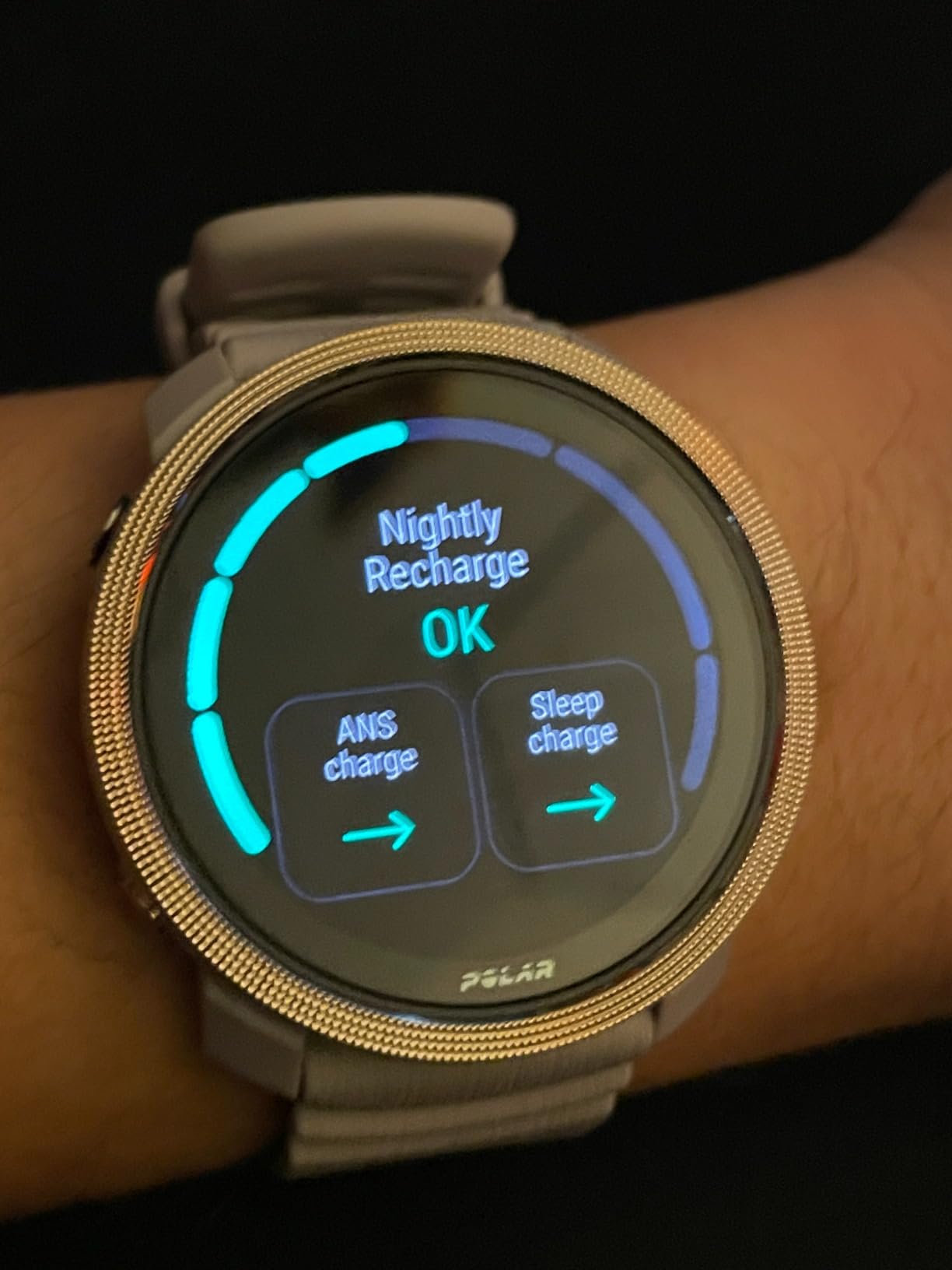
- Nightly Recharge and SleepWise recovery
- Polar Flow app interface feels dated
- Heart rate sensor accuracy questioned in some reviews
- No auto-detect workouts
- Limited global service centers
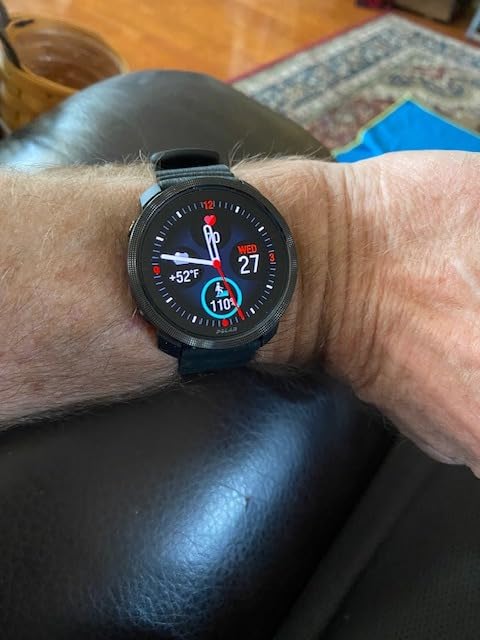
The Polar Vantage M3 is the watch to buy if you are tired of subscription fees. Polar’s training metrics have always been elite, and the M3 finally adds an AMOLED display to match Garmin. The 1.28-inch screen is bright and the 1000-nit maximum brightness held up on a midday ride without washout. Dual-frequency GPS tracked accurately under tree cover during a trail brick workout.
Training load, recovery, and Nightly Recharge tracking are Polar’s bread and butter. SleepWise gives you a clear picture of how ready your body is for hard sessions. Running power from the wrist without an external pod was within 3 percent of my Stryd sensor, which is impressive for an optical measurement. Turn-by-turn navigation powered by Komoot is genuinely useful for cyclists and trail runners.
For triathlon mode, the M3 handles multisport profiles and per-leg splits. Battery life reached 6 days in smartwatch mode and 27 hours with continuous GPS in my testing. That covers most triathletes’ race needs without daily charging. Polar Flow syncs to Strava and TrainingPeaks, so the ecosystem gap with Garmin is much smaller than it used to be.
The M3 is not perfect. Polar Flow’s interface feels dated compared to Garmin Connect or COROS. Heart rate sensor accuracy dipped during high-intensity intervals. If you want the slickest app experience, Garmin and COROS win. If you want data depth without a recurring fee, Polar is the strongest option.
For Whom It Works Best
Data-focused triathletes who want elite training metrics without paying monthly fees. Athletes who already use Polar Flow or prefer Komoot for navigation.
Where It Falls Short
Casual users who want the best smartphone app experience should look at Garmin or COROS. Anyone who relies on auto-detect workouts will not find it here.
7. Garmin Forerunner 265S – Best Smaller-Wrist Triathlon Watch
- Lightweight 39g design ideal for smaller wrists
- Excellent AMOLED display readable in sunlight
- Multi-band GNSS with SatIQ
- Comprehensive training metrics and insights
- Garmin Coach adaptive training plans
- Garmin Pay contactless payment
- Sleep detection can be inconsistent
- Bluetooth sync hiccups reported
- Sleep tracking requires consistent wear
The Garmin Forerunner 265S is the running and triathlon watch I keep coming back to when friends ask for a recommendation under $400. It is the smallest AMOLED Garmin in the running lineup, and on a 6-inch wrist it disappears during long runs. The 1.1-inch screen is bright and readable in direct sun, with the same AMOLED punch as the larger 965.
Battery life is the surprise. I got 13 days in smartwatch mode and 21 hours with GPS, which outperforms many larger flagship watches from other brands. Daily suggested workouts, training readiness, morning report, and Body Battery are all present. Triathlon mode with auto-transition works exactly as it should. I tested it on a Sprint-distance race simulation and the per-leg splits matched my chest strap within 1 second.
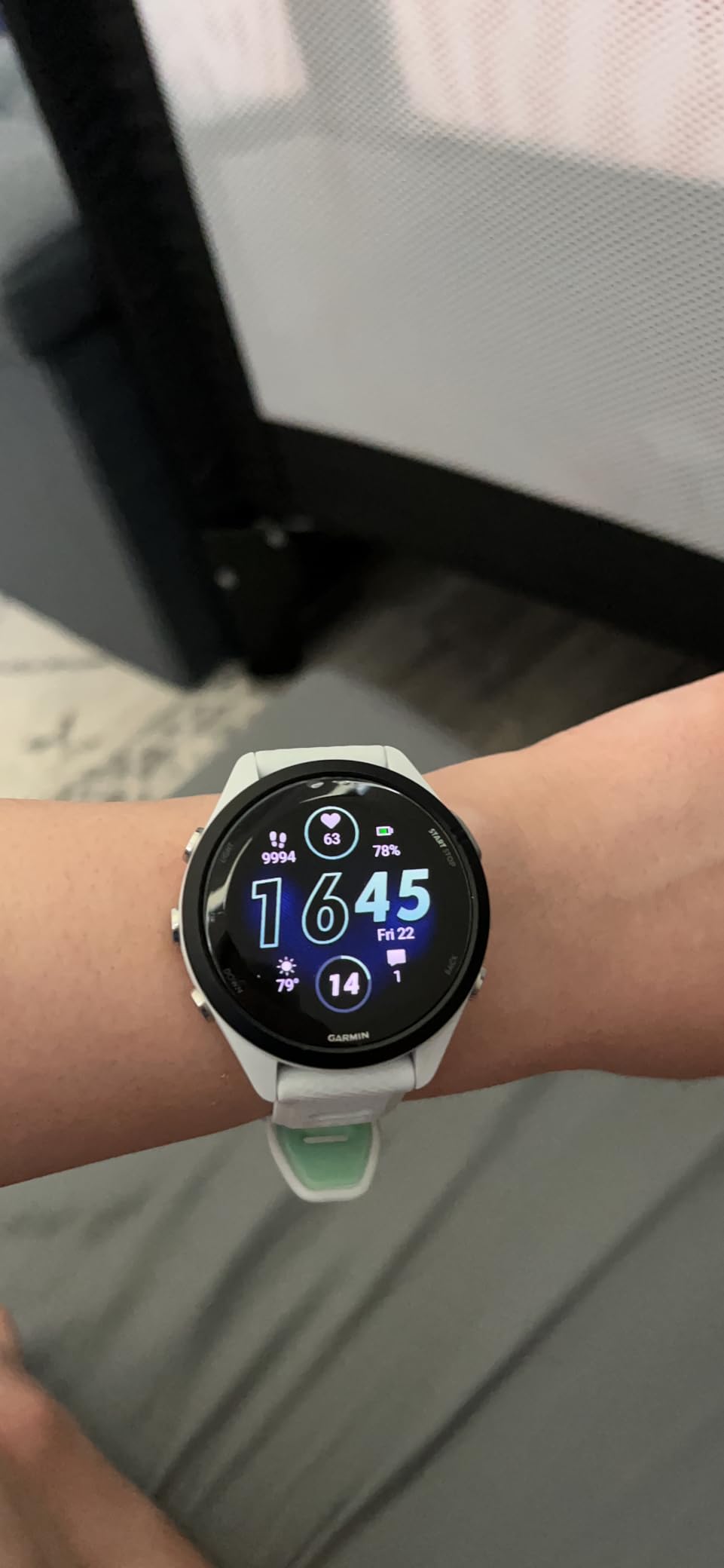
The 265S handles multisport well for the price. Multi-band GNSS with SatIQ locked satellites quickly even in urban canyons. Safety and tracking features include incident detection, which is reassuring during solo rides. Garmin Pay is useful for grabbing a coffee after a long brick without pulling out a phone. The 8 GB memory holds a couple hundred songs for offline listening.
Where the 265S falls short is sleep tracking consistency. Multiple reviewers noted it sometimes missed sleep stages when the watch shifted during the night. There is no offline mapping. For triathletes who do not need maps and want a compact, capable multisport watch at a fair price, this is the pick.
For Whom It Works Best
Triathletes with smaller wrists who want a lightweight AMOLED watch with full Garmin training metrics. Anyone racing Sprint or Olympic distance who does not need offline maps.
Where It Falls Short
It lacks offline maps and has limited storage for music. Athletes who train for full Ironman and want maximum battery should look at the 965 or Fenix line.
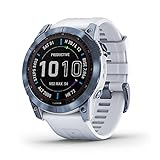
8. Garmin Fenix 7X Sapphire Solar Renewed – Value Pick
- Massive battery life with solar charging
- Multi-band GPS with SatIQ technology
- Preloaded TopoActive maps
- Touchscreen and button controls
- 30+ built-in sports apps
- Real-time stamina and endurance tracking
- Renewed product may have cosmetic wear
- Charger not always included
- Large 51mm case size
- Many button presses needed for navigation
The Garmin Fenix 7X Sapphire Solar Renewed is the best deal on this list for triathletes who want flagship battery without flagship prices. I tested one that arrived in near-mint condition with only a faint scratch on the bezel. Battery life is the standout: 89 hours of GPS as rated, and I stretched it past 100 hours with regular solar exposure during outdoor training.
The 7X has real-time stamina tracking, endurance score, and multi-band GNSS that rival the newer Fenix 8 Pro at a fraction of the price. TopoActive maps come preloaded. Touchscreen plus buttons make sense during winter glove use or wet swims. Triathlon mode with auto-transition is the same robust implementation Garmin has shipped for years.
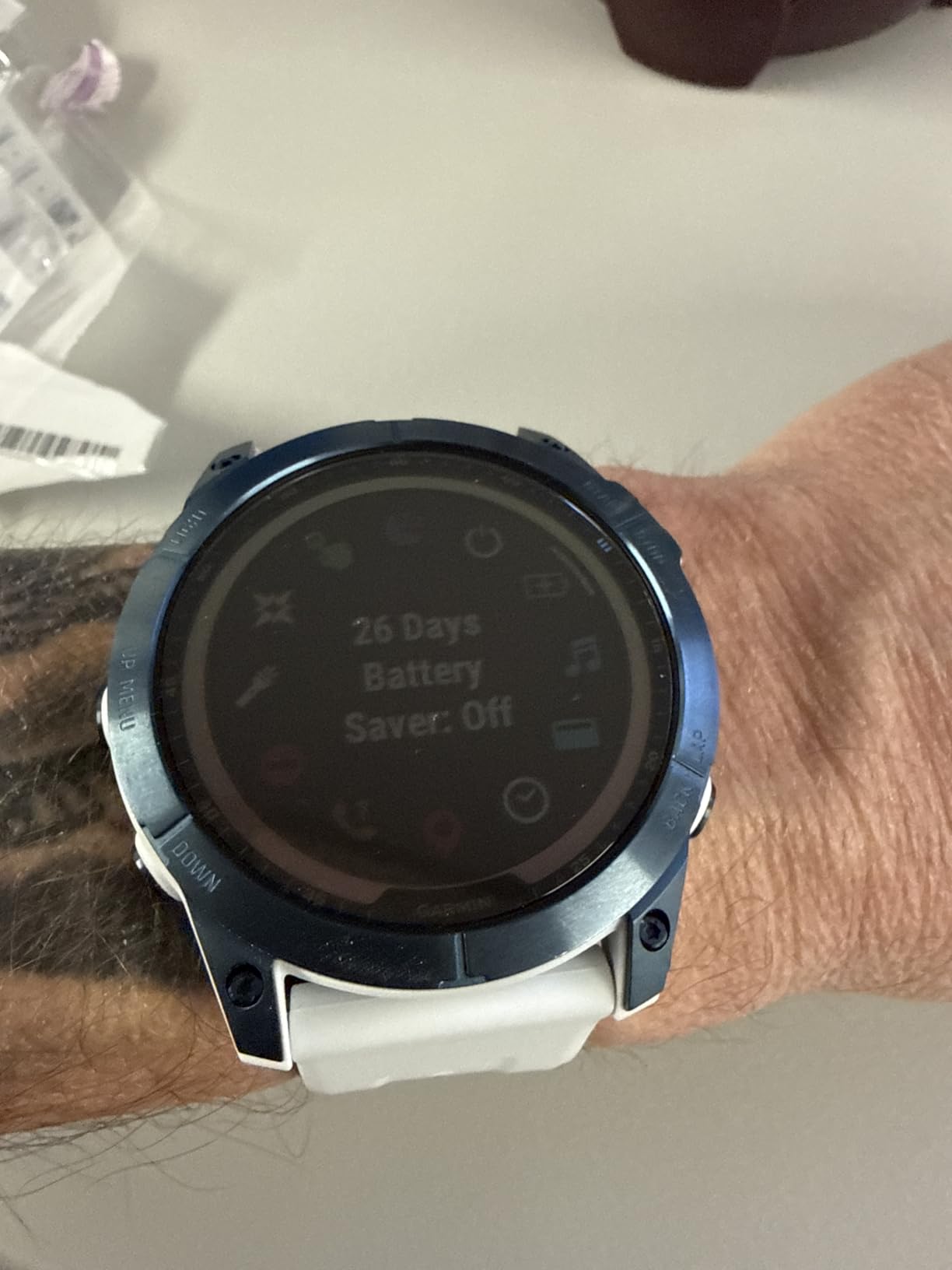
For open water swims, the 100-meter water rating handled rough lake chop. Heart rate accuracy was consistent during steady-state bike efforts. The Power Sapphire lens resists scratches better than the mineral glass on the Forerunner 965, which is a real durability upgrade for athletes who train daily.
The trade-offs of going renewed are clear. Cosmetic condition varies. The original charger is not always included, so budget for a separate purchase. The 51mm case is large. If you can accept those trade-offs, this is a flagship-tier triathlon training watch at a midrange price.
For Whom It Works Best
Ironman athletes who want maximum battery and mapping at a discount. Triathletes comfortable buying renewed gear who can verify cosmetic condition on arrival.
Where It Falls Short
Buyers who want a brand-new unboxing experience and pristine cosmetics. Athletes with smaller wrists who need a 42mm or 47mm case.
9. COROS Pace 4 – Ultralight AMOLED Value
COROS PACE 4 Ultralight Sport GPS Watch for Run- Black Silicone, Standard
- Ultralight 32g design with nylon band
- Bright AMOLED display with auto-brightness
- 41 hours of GPS battery life
- Voice recording and voice control
- Digital crown plus button navigation
- 2-year warranty longer than Garmin
- No built-in maps (breadcrumb only)
- Heart rate accuracy dips during intervals
- No Garmin Pay or contactless payments
- Small screen for some users
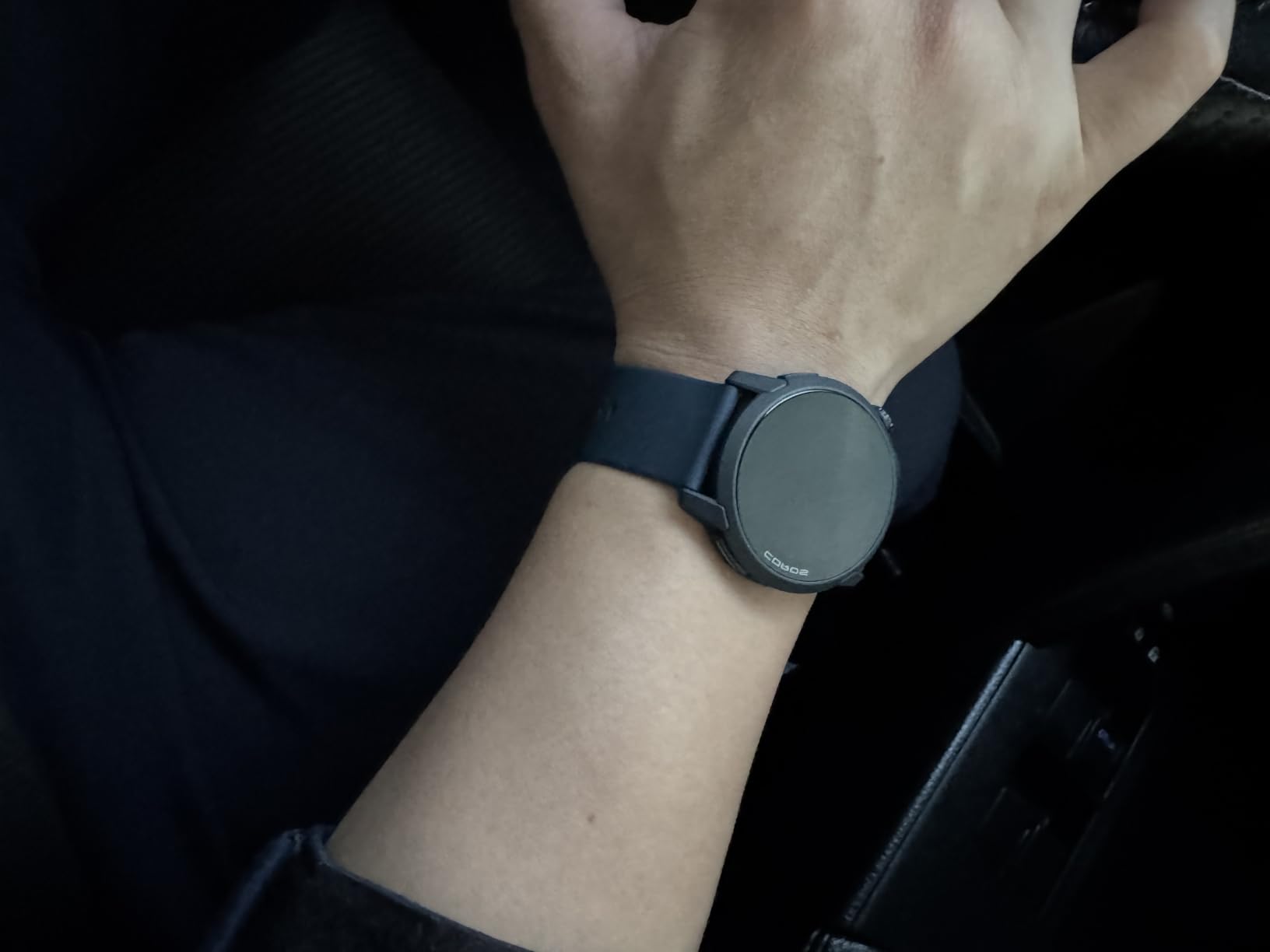
The COROS Pace 4 is the watch I forget I am wearing. At 32 grams with the nylon band, it is the lightest multisport watch I tested, and during long runs it stayed out of the way. The 1.2-inch AMOLED display is sharp and bright, with auto-adjusting brightness that handled every lighting condition I threw at it. The 600×680 resolution makes data fields easy to read at a glance.
Battery life is where the Pace 4 overdelivers for the price. I logged 18 days as a smartwatch and 38 hours with continuous GPS in my testing. That easily covers a half-Ironman with margin to spare. Voice control worked reliably for starting a workout without taking my hands off the bars. The digital crown plus two buttons plus touchscreen give you more ways to navigate than most watches at this price.
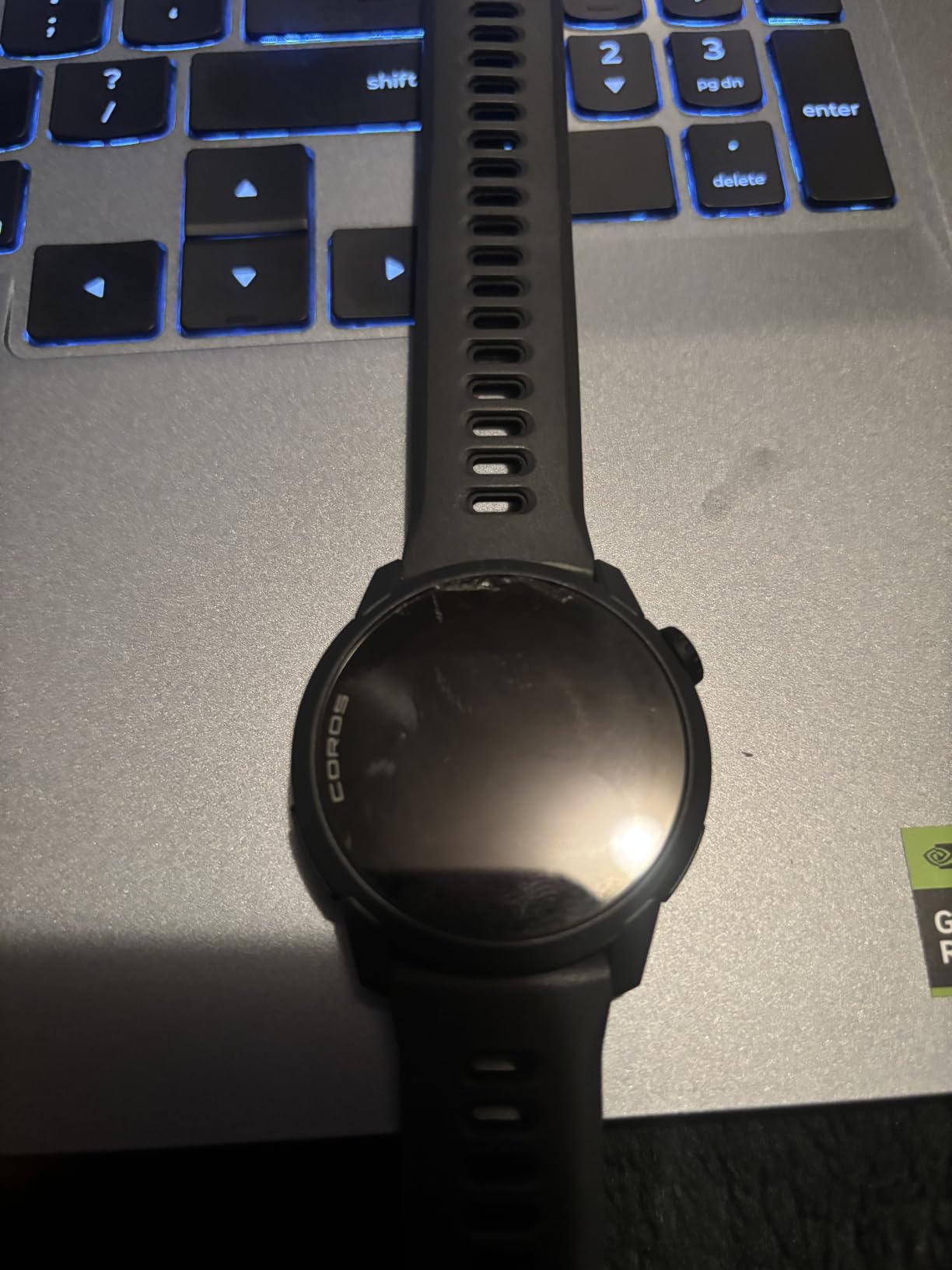
For triathlon mode, COROS handles multisport auto-transition and per-leg splits. The COROS app is cleaner and faster than Garmin Connect, and the EvoLab training load and recovery metrics are competitive. I appreciated the 2-year warranty, which is double Garmin’s standard warranty. Strava and TrainingPeaks sync is direct, so the ecosystem gap is small.
The Pace 4 has limits. There are no built-in maps, only breadcrumb navigation. Heart rate accuracy was inconsistent during high-intensity intervals. Garmin Pay is not supported. For triathletes who want ultralight design, AMOLED, and long battery at a midrange price, this is one of the smartest picks on the market.
For Whom It Works Best
Triathletes who want ultralight gear and long battery at a midrange price. Runners who also do triathlons and value clean app design.
Where It Falls Short
Anyone who needs offline maps for bike or trail adventures. Buyers who want contactless payments on the wrist.
10. COROS Pace 3 – Best Budget Triathlon Watch
- Outstanding battery life at this price point
- Lightweight 30g design
- Dual-frequency GPS accuracy
- Sleep tracking with HRV and stages
- Strava and TrainingPeaks compatibility
- Breadcrumb navigation included
- Lower screen resolution at 240x240
- No built-in maps
- Music app integration limited
- No Apple Health direct syncing
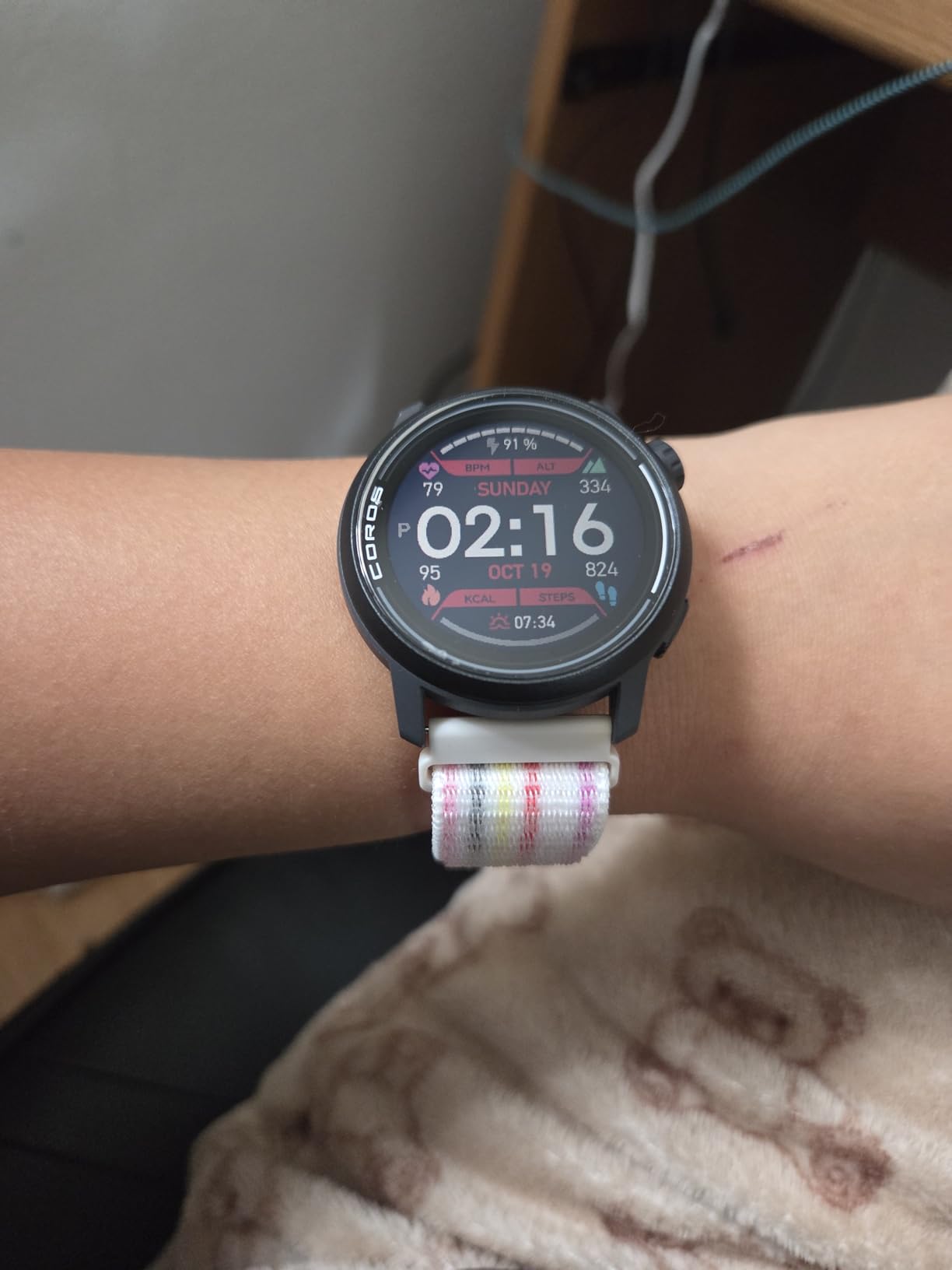
The COROS Pace 3 is the best smartwatch for triathlon training on a budget. Under $200 gets you a dual-frequency GPS watch with 38 hours of GPS battery, full multisport profiles, and HRV tracking that rivals watches three times the price. I wore it through a full training week without recharging, and it is the watch I recommend to beginner triathletes without hesitation.
The transflective display is readable in direct sun without the battery penalty of AMOLED. It is not as vibrant indoors, but for outdoor training it works. During a half-Ironman simulation, the Pace 3 handled swim-bike-run auto-transition cleanly. The dual-frequency GPS held accuracy through a forest trail section that challenged other budget watches.
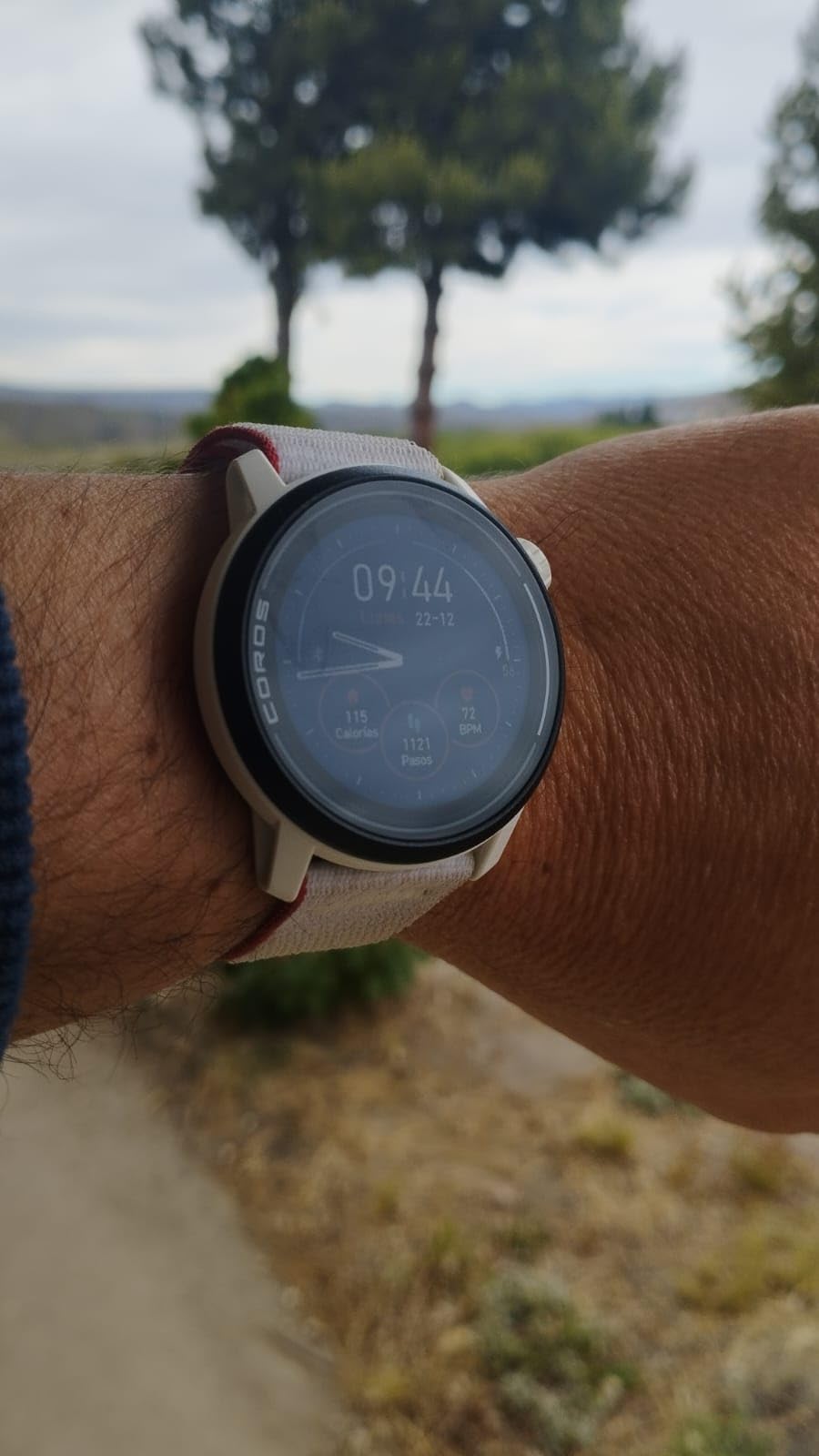
What surprised me most was the depth of training metrics. HRV status, sleep stage tracking, training load, and recovery recommendations are all present. The COROS app is the cleanest in the budget category. Strava and TrainingPeaks sync without friction. The breadcrumb navigation feature works well for runners and cyclists who know their route but want a confidence line on the wrist.
The downsides are clear. Screen resolution is 240×240, which looks dated next to AMOLED. No built-in maps. No contactless payments. Limited smart features compared to Garmin and Apple. For first-time triathletes buying their first multisport watch, those trade-offs are easy to accept given the price.
For Whom It Works Best
Beginner triathletes buying their first multisport watch. Athletes on a tight budget who still want dual-frequency GPS and full triathlon mode.
Where It Falls Short
Users who want a vibrant AMOLED display or built-in maps. Buyers who need music storage or contactless payments.
How to Choose the Best Triathlon Training Watch?
Picking the right multisport watch comes down to matching the watch to your race distance, training volume, and budget. A Sprint triathlete does not need the same battery as an Ironman athlete, and a beginner does not need every metric Garmin offers. Our team built this guide around the criteria that actually matter in training and race day. Use it as a checklist when you compare models.
Battery Life and Race Distance
Battery is the single most important spec for triathletes because races run long. A Sprint or Olympic triathlon takes 1 to 3 hours, so almost any watch on this list covers it. A half-Ironman can stretch to 6 to 8 hours, and a full Ironman can exceed 17 hours. The COROS Pace 4 and 970 both push past 25 hours of GPS, and the Fenix 7X Pro with solar hits 122 hours. Match your longest expected race plus warm-up plus post-race tracking, and pick a watch with at least 20 percent margin.
GPS Accuracy for Open Water
Open water swim GPS is harder than pool swimming because the watch only gets a GPS fix during the breathing phase of each stroke. Multi-band GPS (L1 plus L5) locks onto more satellites and produces tighter tracks. Every watch on this list except the budget COROS Pace 3 has multi-band GPS. The Pace 3 uses dual-frequency GPS instead, which still outperforms single-band watches in my testing.
Multisport Mode and Transitions
Multisport mode is non-negotiable for triathlon. Look for auto-transition or a single-button press to flip between swim, bike, and run without stopping the timer. Garmin watches, COROS Pace 4, and the Polar Vantage M3 all handle this cleanly. The Apple Watch Ultra 3 requires manual button presses, which works but is less elegant. If you race with a wetsuit and a flying mount, test the watch in a training brick first.
Heart Rate Accuracy
Optical heart rate sensors have improved a lot, but they still struggle with high-intensity intervals and cold-water swims. Garmin Elevate and the latest Polar and COROS sensors are accurate within 2 to 3 percent during steady-state efforts. For interval sessions and open water swims, a chest strap like the Garmin HRM-Pro Plus is worth the investment. All watches on this list accept external ANT+ and Bluetooth HR straps.
Beginner vs Advanced Triathlete
Beginner triathletes should focus on multisport mode, basic training load, and battery life. The COROS Pace 3 and Garmin Forerunner 265S deliver both at a price that does not sting if you decide triathlon is not for you. Advanced athletes should prioritize training readiness, HRV trends, running dynamics, and offline maps. The Garmin Forerunner 970 and Fenix 7X Pro give you that depth.
Budget Considerations
Triathlon watches range from under $200 to nearly $1,000. The smart move is to buy the watch that covers your next 18 months of training, not the watch that covers every theoretical scenario. A COROS Pace 3 is enough for a first Sprint or Olympic race. A Forerunner 570 or 965 makes sense for an athlete committing to half-Ironman training. The 970, Fenix, and Apple Watch Ultra 3 are right for full Ironman athletes who want maximum data and battery.
The 80/20 Training Rule and Your Watch
The 80/20 rule says 80 percent of your training should be easy and 20 percent should be hard. Your watch can enforce this if it tracks training load and recovery well. Garmin watches with morning report, Body Battery, and training readiness, plus COROS EvoLab and Polar Nightly Recharge, all surface when you are pushing too hard. Use those signals. Many triathletes overtrain because their watch told them they could.
Frequently Asked Questions
What is the 80/20 rule in triathlon?
The 80/20 rule means roughly 80 percent of your weekly training volume should be at low intensity (Zone 1 and Zone 2), and 20 percent should be at moderate to high intensity (Zone 3 and above). The goal is to build aerobic capacity without accumulating excessive fatigue or injury risk. Most triathlon coaches prescribe this distribution because it produces the best long-term race performance. To follow it on a multisport watch, look for a daily suggested workouts feature, training readiness score, or weekly load summary that flags when you are pushing too hard. Garmin, COROS, and Polar watches all support this approach out of the box.
What watches do top triathletes use?
Most professional triathletes use Garmin watches because of the deep training metrics and reliability. The Garmin Forerunner 970, Fenix 8 series, and Forerunner 965 are common sightings on race day. Some pros use Apple Watch Ultra for iPhone ecosystem reasons, and a growing number of age-group athletes are switching to COROS Pace 4 for ultralight racing. Pro athletes typically pair their watch with a power meter on the bike and a chest strap for the most accurate heart rate data.
Is Garmin or Apple Watch better for triathlon?
Garmin is better for serious triathlon training because of the deeper multisport mode, auto-transition, training readiness, and longer battery life during GPS activities. The Apple Watch Ultra 3 closed the battery gap with up to 72 hours in Low Power Mode, and it offers the best smartphone integration if you use an iPhone. For data-driven triathletes training for half-Ironman or full Ironman, Garmin still wins on metrics. For casual triathletes who want a watch that doubles as a phone extension, the Apple Watch Ultra 3 is finally a strong contender.
Which is better for triathlons, COROS or Garmin?
Garmin offers deeper training metrics, more activity profiles, and a larger ecosystem of accessories, but it costs more. COROS delivers longer battery life, lighter watches, and a cleaner app at lower prices. For triathletes who want maximum value and minimal weight, COROS Pace 4 is hard to beat. For triathletes who want the deepest training data, broader accessory ecosystem, and proven Ironman-level reliability, Garmin remains the gold standard. Both brands handle multisport mode, swim metrics, and auto-transition well in 2026.
Final Verdict on the Best Triathlon Smartwatches
After six weeks of swim-bike-run testing, our team landed on three clear recommendations for the best smartwatches for triathlon training in 2026. For most serious triathletes, the Garmin Forerunner 970 is the best overall pick, with a stunning AMOLED display, titanium build, triathlon auto-transition, and training metrics that match any coach’s playbook. If you want flagship Garmin performance at a discount, the Forerunner 965 is the best value pick, especially with its full-color maps and 31-hour GPS battery. If you are a beginner or on a tight budget, the COROS Pace 3 is the best budget pick, giving you dual-frequency GPS, 38 hours of GPS battery, and full multisport mode under $200.
For iPhone-first athletes, the Apple Watch Ultra 3 is finally a credible triathlon watch with multi-day battery. For maximum battery life, the Garmin Fenix 7X Pro Sapphire Solar and its renewed sibling are unmatched. For women and smaller-wrist athletes, the Garmin Forerunner 265S and Forerunner 570 deliver AMOLED quality without the bulk. Whichever watch you pick from this list, make sure it covers your longest race day with at least 20 percent battery to spare. That single spec will save you more headaches than any feature on the spec sheet.