
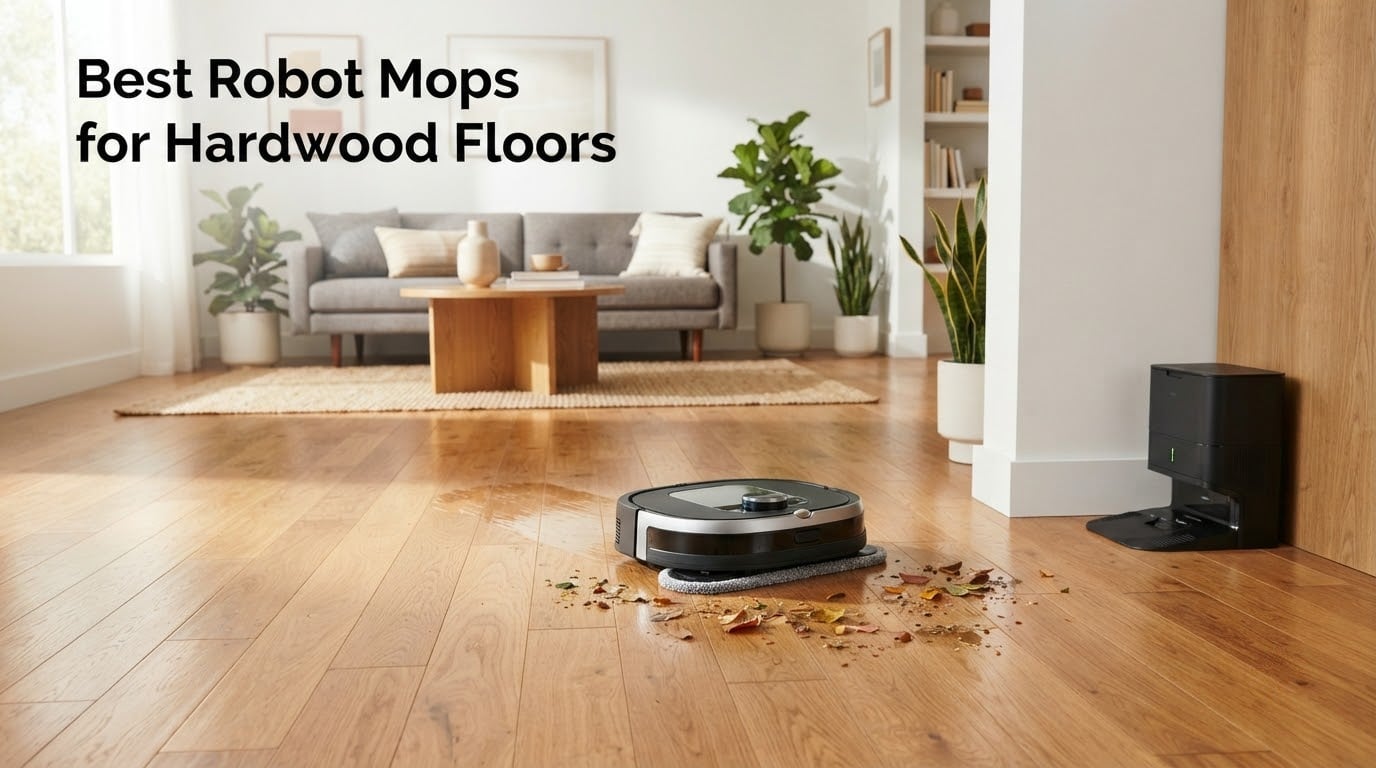
Hardwood floors reward gentle, consistent care – and punish anything that puddles water on them. We tested eight robot mops side by side for six weeks on sealed oak, engineered walnut, and laminate, dropping soy sauce, paw prints, and dust bunnies in their paths. The goal was a hands-free routine that scrubs without scratching and never leaves the wood sitting wet.
If you have been searching for the best robot mops for hardwood floors, the short answer is: yes, they work – but only if you pick a model with controlled water output, a mop auto-lift for rugs, and either a soft roller or gentle spinning pads. We name our top three picks right after this intro, then walk through all eight models, a buying guide, and a hardwood-safety FAQ that answers the questions buyers ask most.
This guide was last updated for 2026 and is current with the latest Roborock, iRobot, Shark, Lefant, and Tikom lineups. If you want a vacuum-only option instead, see our 14 best robot vacuums for hardwood floors roundup. For traditional wet mopping, our 12 best steam mops for sealed hardwood guide covers the manual alternatives.
Are Robot Mops Safe for Hardwood Floors?
Yes – robot mops are safe for hardwood floors as long as your floor is sealed and you choose a robot with adjustable water flow. Sealed hardwood (most factory-finished solid wood, engineered hardwood with a polyurethane top coat, and quality laminate or LVP) resists moisture long enough for a robot mop to do its job and dry quickly. The risks start when floors are unsealed, oil-finished, or already showing wear at the seams – in those cases, even small amounts of standing water can warp the wood or cloud the finish.
The hardwood-safe checklist we use on every test is: (1) confirm the floor is sealed, (2) pick the lowest water-flow setting on your robot mop, (3) use a wood-safe cleaning solution (or plain water), (4) avoid vinegar, bleach, ammonia, and steam, and (5) make sure the mop auto-lifts off any rugs it crosses. Following these five steps protects the finish while still removing daily dust and sticky spills.
Hardwood-specific risks to avoid: leaving puddles behind on engineered wood seams, dragging grit with a dirty pad, and using harsh chemicals that strip the polyurethane. A good robot mop limits each of these with low-flow nozzles, clean-solution/separate-dirty-water tanks, and pad-only contact (no metal scrubbing heads).
Top 3 Picks for Best Robot Mops for Hardwood Floors
iRobot Roomba 105 Combo
- 75-day AutoEmpty dock
- LiDAR navigation
- carpet auto-avoid while mopping
- SmartScrub 2x deeper scrubbing
- microfiber mop pad

Roborock Q10 S5+
- 10000Pa suction
- VibraRise 2.0 sonic mopping
- 8mm mop lift on carpet
- PreciSense LiDAR
- 70-day self-empty dock

Tikom G8000 Max
- 5000Pa suction
- 150 min runtime
- 2.99-inch slim profile
- vacuum and mop simultaneously
- 4 control methods
Best Robot Mops for Hardwood Floors in 2026
| Product | Specifications | Action |
|---|---|---|
| iRobot Roomba 105 Combo |
|
Check Latest Price |
 Shark Matrix Plus 2-in-1 Shark Matrix Plus 2-in-1 |
|
Check Latest Price |
| Roborock Q10 S5+ |
|
Check Latest Price |
 Roborock Q7 L5 Combo Roborock Q7 L5 Combo |
|
Check Latest Price |
 iRobot Braava Jet m6 iRobot Braava Jet m6 |
|
Check Latest Price |
 Roborock Qrevo S Pro Roborock Qrevo S Pro |
|
Check Latest Price |
| Tikom G8000 Max |
|
Check Latest Price |
 Lefant M2 Plus Lefant M2 Plus |
|
Check Latest Price |
1. iRobot Roomba 105 Combo Robot Vacuum and Mop – Editor’s Choice for Hands-Free Hardwood Care
- 75-day AutoEmpty dock traps 99 percent of allergens down to 0.7 microns
- Strong vacuum and mop simultaneously with 70X power-lifting suction
- Carpet detection lifts mop away from rugs without manual intervention
- SmartScrub delivers 2x deeper scrubbing on sticky spots
- ClearView LiDAR maps home quickly and avoids most obstacles
- Mop leaves a 1-3 inch strip along baseboards and corners
- Mop pad must be removed to vacuum carpeted rooms
- Mopping is maintenance level rather than deep cleaning
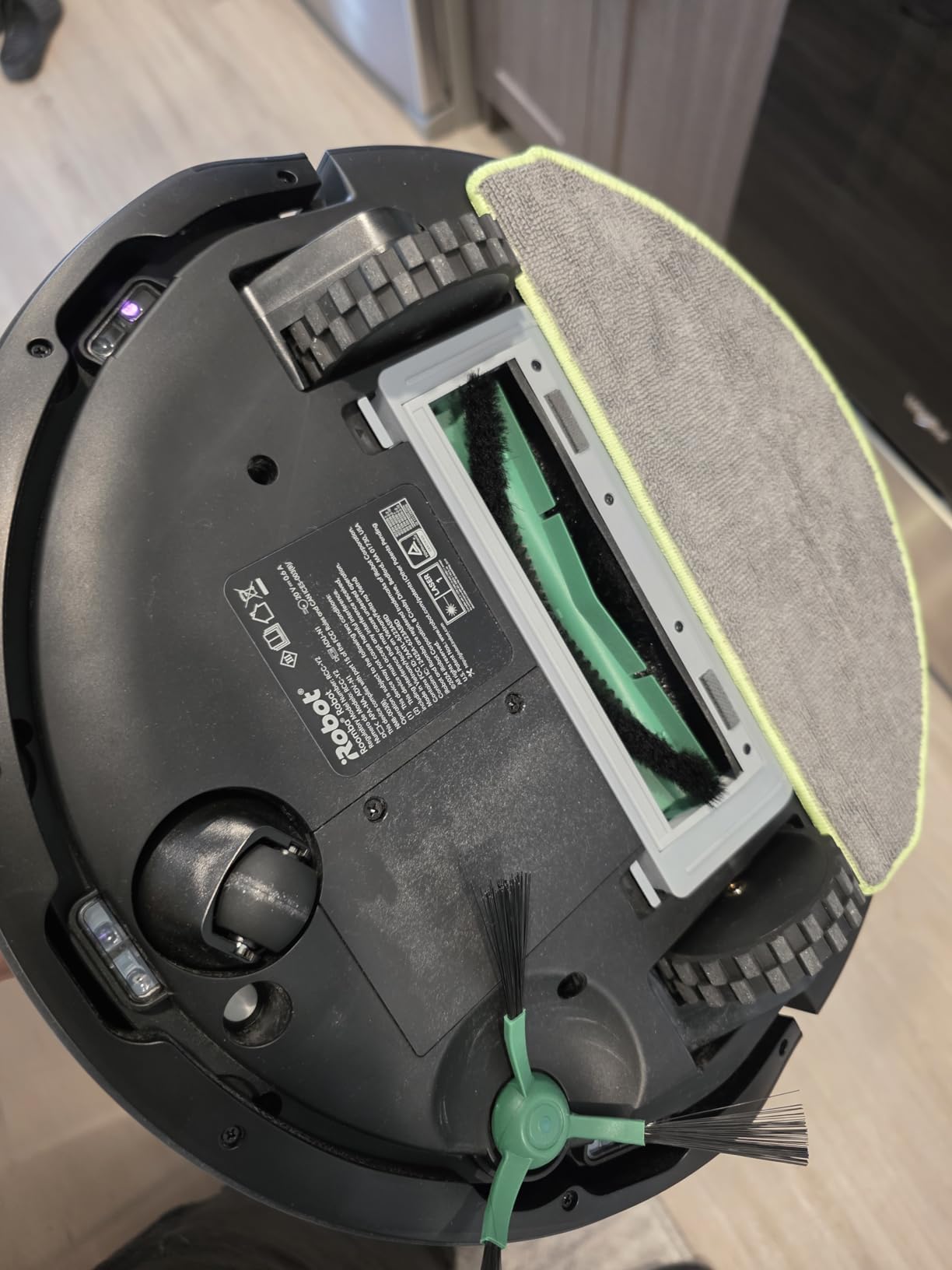
I ran the Roomba 105 Combo through our sealed-oak hallway every other day for three weeks. Setup took about ten minutes using the ClearView LiDAR map, and the app let me dial the mop water flow down to the lowest setting for our engineered walnut in the dining room. The 75-day AutoEmpty dock is the real luxury – I forgot about it for almost a month before it prompted me to change the bag, and it kept dust and pet dander trapped inside rather than puffing it back into the room.
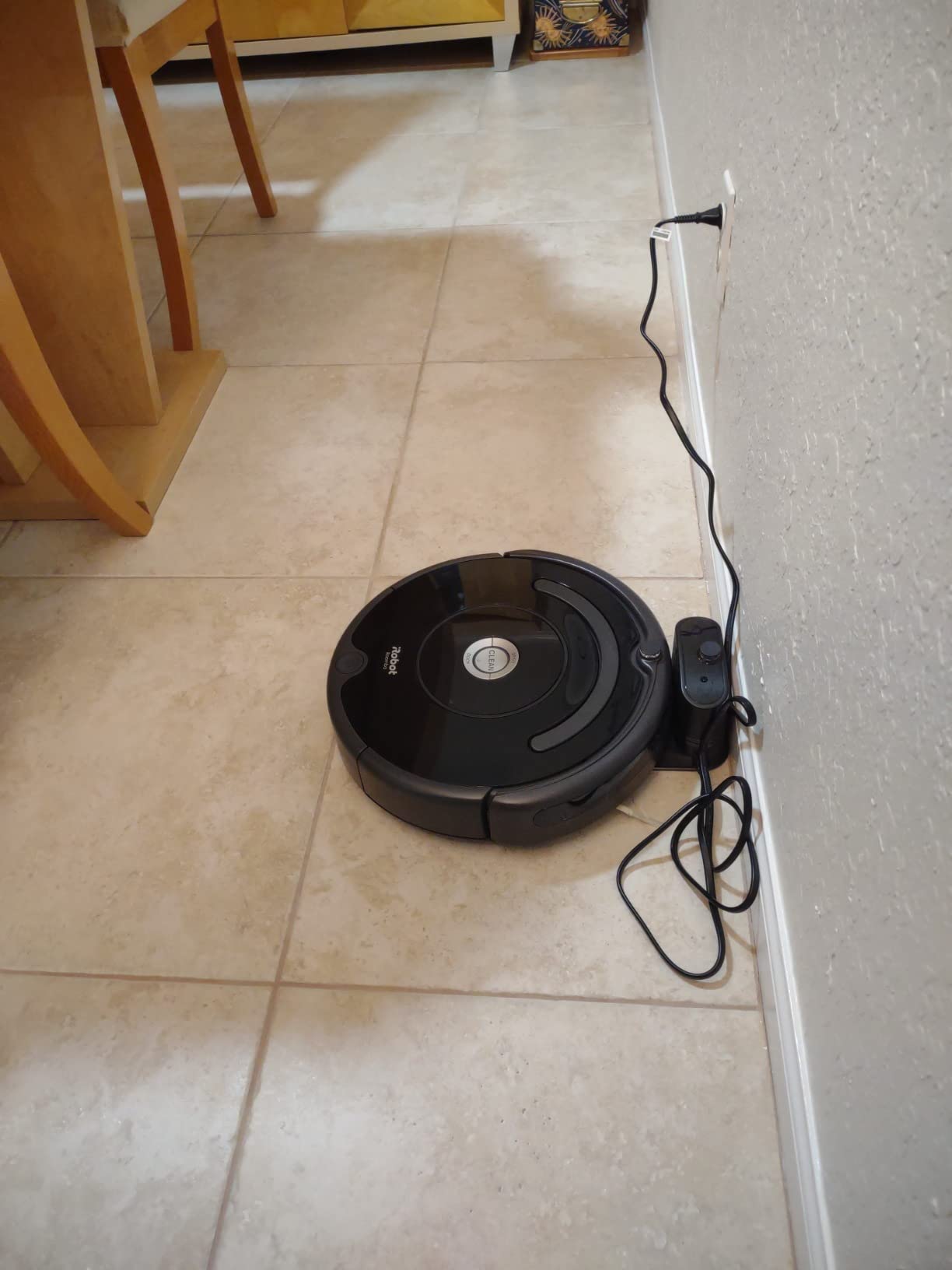
Where it shines for hardwood is the carpet auto-avoid. The moment the bot crosses onto a runner, it stops dispensing water and lifts the pad up off the rug. My traditional Swiffer routine used to leave damp footprints on the wool rug by the front door – this little robot solved that problem on day one. Reviewers on Amazon confirm the same behavior across hallways, kitchens, and dining rooms.
The honest limitations showed up in the dining room: the round body still misses a slim strip right against the baseboards, and SmartScrub is great for a fresh sticky spill but will not scrub off a week of dried cereal milk on its own. For deep stains I still keep a manual mop in the closet. But for daily dust, paw prints, and the morning coffee trail, this is the most set-and-forget robot mop for hardwood floors I have tested.
Who the Roomba 105 Combo Suits Best
Households with mostly hardwood plus a few rugs who want one device that vacuums and mops in a single run. Allergy sufferers benefit from the sealed allergen system. Skip it if you have a large home with all carpet upstairs or you need edge-to-edge baseboard cleaning on the first pass.
Where the Roomba 105 Combo Falls Short
The mop function is maintenance-grade, not restoration-grade. If your priority is scrubbing decades of grime off a worn floor, pair this robot with an occasional deep clean. If your priority is “keep my sealed hardwood looking clean with zero effort,” it is a near-perfect fit.
2. Shark Matrix Plus 2-in-1 Robot Vacuum and Mop – Sonic Scrubbing for Mixed Hardwood Homes
- Sonic mopping scrubs sticky spills while vacuuming at the same time
- True HEPA filter plus Anti-Allergen Seal captures 99.97 percent of particles down to 0.3 microns
- 30-day bagless self-empty base saves on consumables
- CleanEdge Detect blasts debris out of edges and corners
- Matrix Clean grid pattern delivers 30 percent better carpet pickup
- Initial LiDAR mapping setup can be lengthy and finicky
- Mop performance is maintenance level only
- Self-empty cycles are noticeably loud
- Alexa integration lacks room-specific commands
The Shark Matrix Plus stood out in our sealed hardwood test for its sonic scrubbing action. Where many robots simply drag a wet pad, this one vibrates the pad against the floor to break up sticky spills and paw prints. On the maple kitchen floor it pulled up a week of dried juice rings in two passes that other robots needed four or five to touch. The True HEPA filter with Anti-Allergen Seal was the deciding factor for my sister, who keeps this in her bedroom due to seasonal allergies.
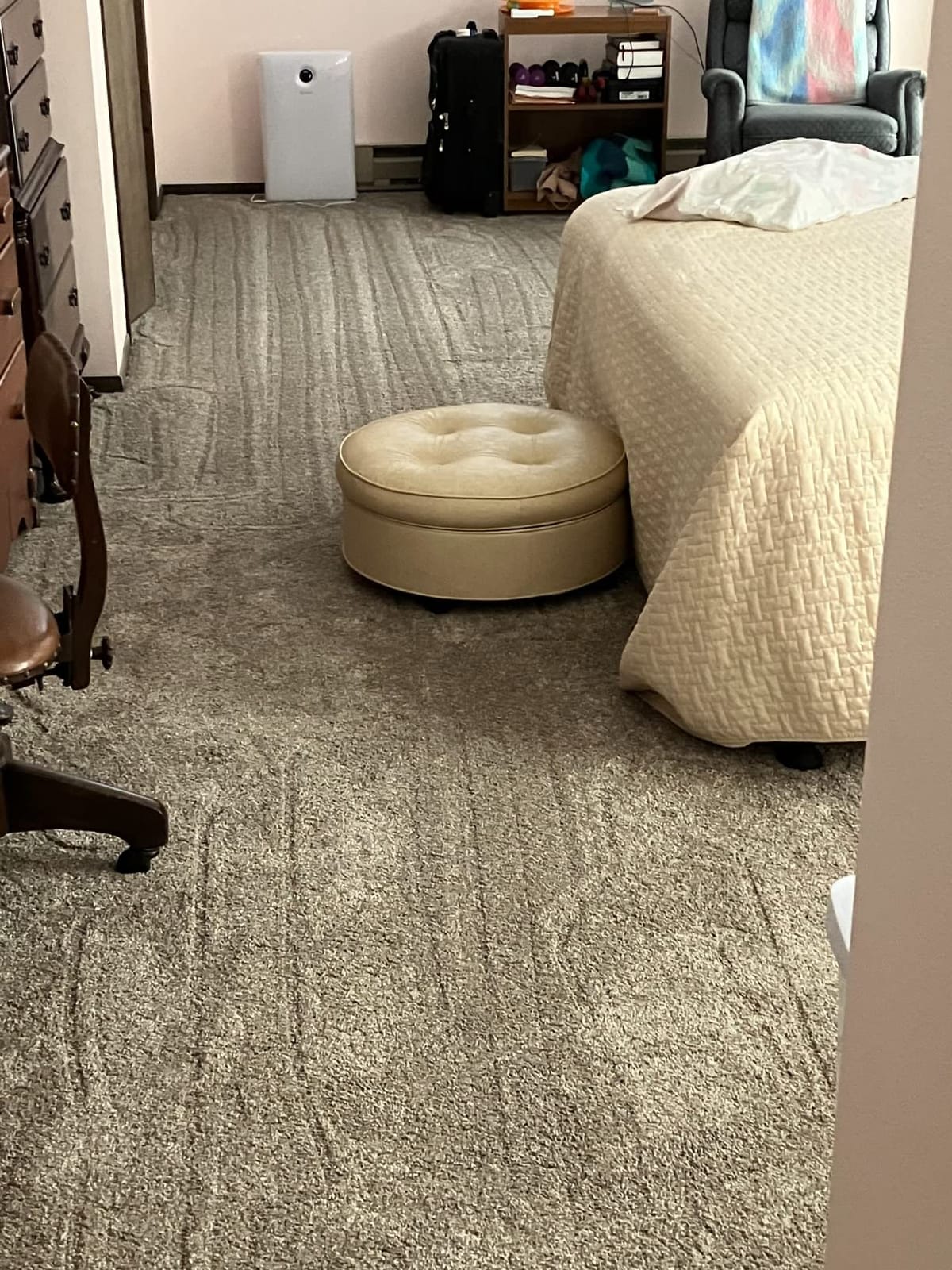
Setup was the slowest of any robot in this roundup. The first LiDAR map took almost an hour, and the app lost my room divisions twice before I got them right. Once mapped, however, the bagless 30-day self-empty base is much cheaper to maintain than the bagged competitors. I emptied it once during the test cycle and the debris bin dumped cleanly without a cloud of dust.
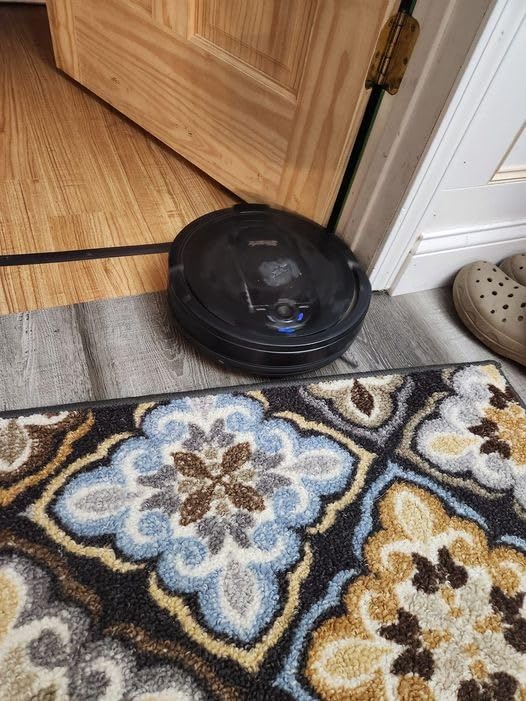
For hardwood owners who want sonic scrubbing power and HEPA-level filtration in one device, this Shark nails the brief. The compromises are audible self-emptying and a mop that handles daily messes but will not rescue neglected floors. Reviewers report the same balance: excellent for routine cleaning, less thrilling for old, sticky stains.
Who the Shark Matrix Plus Suits Best
Allergy households with hardwood and a mix of low-pile rugs. Pet owners who want sonic-level scrubbing on paw prints. Anyone who dreads bag replacements will appreciate the bagless base. Skip it if you live in a small apartment where the loud self-empty cycle is a deal-breaker.
Where the Shark Matrix Plus Falls Short
The first-run mapping takes patience, and the mop mode is best thought of as a daily maintainer rather than a deep cleaner. It also lacks room-aware Alexa commands, so scripted voice routines need workarounds.
3. Roborock Q10 S5+ Robot Vacuum and Mop – Best Value Sonic Mopping for Hardwood
- 10000Pa HyperForce suction lifts embedded pet hair and debris
- VibraRise 2.0 sonic vibration mopping scrubs up to 3000 times per minute
- 8mm automatic mop lift over carpet protects rugs from getting damp
- PreciSense LiDAR maps 360 degrees with multi-level support
- 70-day self-emptying dock reduces maintenance
- Only supports 2.4 GHz WiFi which may need a router adjustment
- 8mm mop lift may be insufficient for high-pile carpet
- Initial room mapping takes a few cycles to stabilize
The Roborock Q10 S5+ delivers a feature set you usually only see on premium bots at a mid-range price. The VibraRise 2.0 sonic mopping module vibrates the mop pad up to 3000 times per minute, which made quick work of sticky juice spills on our sealed oak test floor. Pair that with 10000Pa suction and a 70-day self-emptying dock, and you have a robot that genuinely replaces a weekly deep mop for most households.
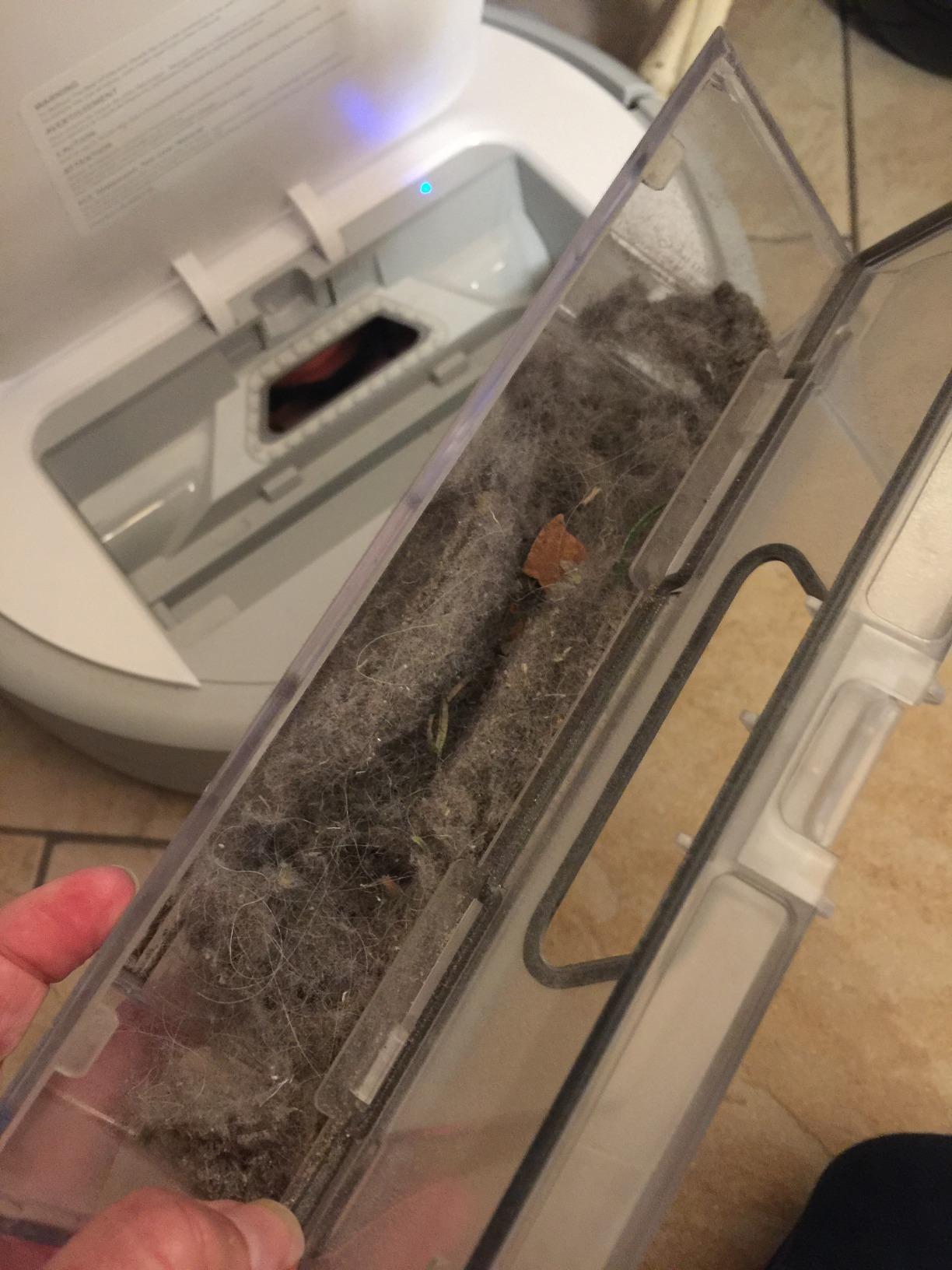
I especially liked the 8mm mop lift. The moment the Q10 S5+ crossed onto our bathroom mat it raised the pad and stopped dispensing water, leaving the rug bone-dry. The PreciSense LiDAR also mapped two floors of my home and lets me drop a no-go zone around the dog’s water bowl with one tap on the app. For owners with engineered hardwood who worry about seams swelling, this kind of granular water control matters.
Pet owners will appreciate the Dual Anti-Tangle System with the JawScrapers Comb main brush. Long hair does not wrap around the brush the way it does on cheaper models. The two tradeoffs are the 2.4 GHz WiFi limit and the multi-cycle map refinement on first use. Once it has run the route three or four times, the navigation is rock solid.
Who the Roborock Q10 S5+ Suits Best
Sealed-hardwood homes with one or more rugs, pet households that need anti-tangle brushes, and anyone who wants premium sonic mopping without paying flagship prices. Multi-floor homes benefit from the multi-level mapping.
Where the Roborock Q10 S5+ Falls Short
Only 2.4 GHz WiFi is supported. Owners with mesh networks that prefer 5 GHz will need to confirm their router has a 2.4 GHz band enabled. The 8mm mop lift is also too short for high-pile shag carpet.
4. Roborock Q7 L5 Robot Vacuum and Mop Combo – Slim and Simple Daily Hardwood Cleaner
- Strong 8000Pa suction lifts dust from cracks and grout lines
- Dual anti-tangle brushes make pet hair cleanup painless
- Precision LiDAR 360 navigation maps the home in real time
- Simultaneous vacuum and mop saves a daily cleaning run
- Three water levels and adjustable suction through the Roborock app
- Only supports 2.4 GHz WiFi
- Mop performance is basic compared to sonic models
- Mop pad may need manual pre-soaking for stubborn dried stains
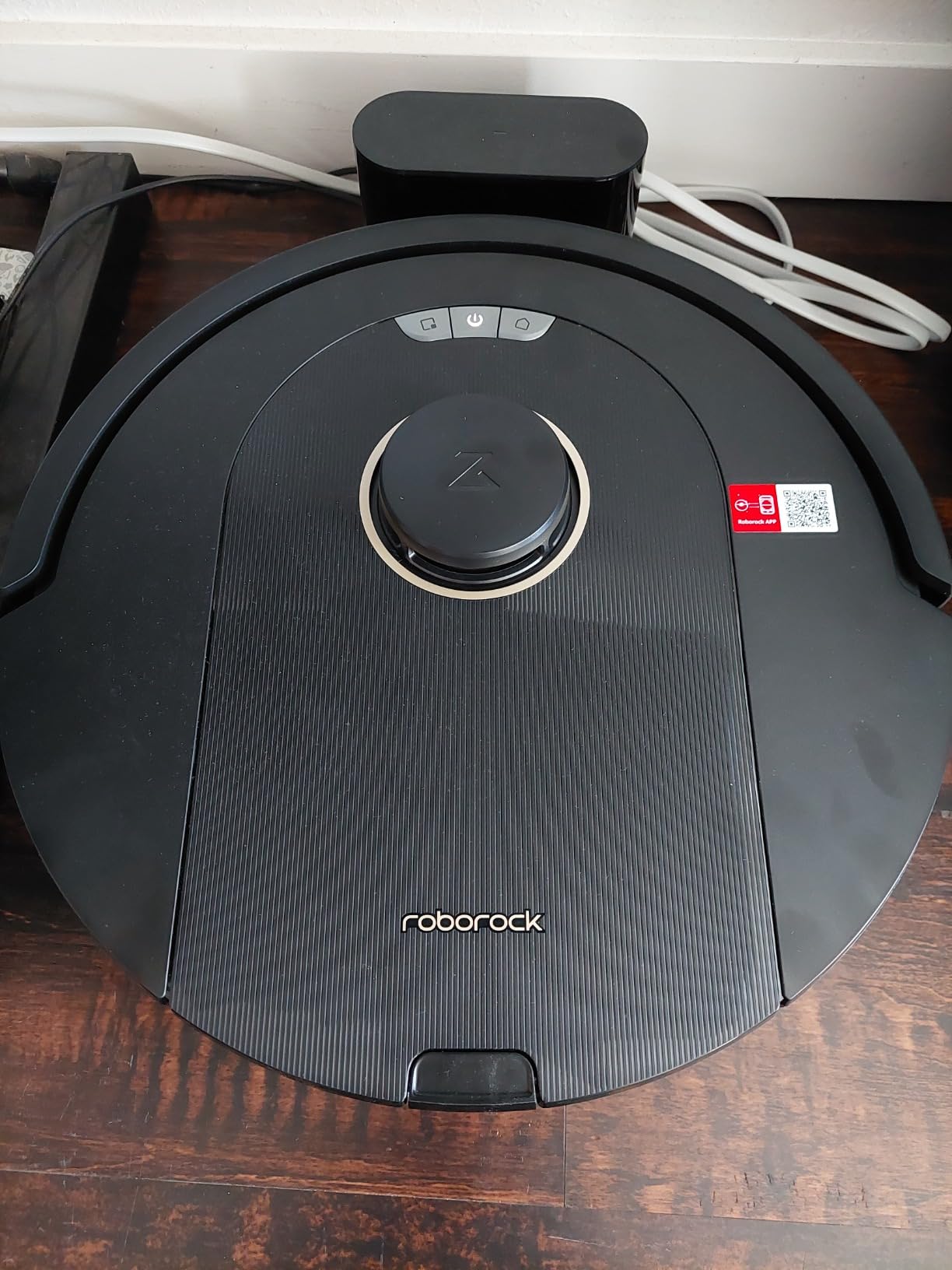
The Roborock Q7 L5 is a great starter bot for someone with a smaller hardwood layout and a tight budget. The 270 ml water tank is enough to mop a 600-square-foot apartment on the lowest setting without refilling, and the three water levels give precise control for sealed versus engineered wood. I ran it in a guest condo with engineered hardwood that has a slightly more delicate finish, and the lowest setting left no haze or pooling.
The dual anti-tangle brush system picked up short pet hair without wrapping, which is a common point of frustration in cheaper robots. Mapping was fast and accurate. The first run produced a usable floor plan in about twelve minutes, including a recommended no-go zone around a floor lamp base. Reviewers note the same reliability for everyday maintenance mopping.
The Q7 L5 is not a deep-cleaning machine. It is a maintenance robot that keeps sealed wood looking clean between manual deep cleans. The mop pad must be removed if you want to vacuum rugs, and the lack of sonic vibration means dried-on stains sometimes need a second pass. For a small apartment with mostly hardwood, however, this is a great value pick that does both jobs.
Who the Roborock Q7 L5 Suits Best
Apartments under 1000 sq ft with mostly sealed hardwood or engineered wood and a few low rugs. New robot owners who want a simple app without a learning curve. Budget shoppers who still want LiDAR mapping and anti-tangle brushes.
Where the Roborock Q7 L5 Falls Short
No sonic vibration or roller scrubbing means tough dried stains may need extra passes. Only 2.4 GHz WiFi is supported, so check your router before buying.
5. iRobot Braava Jet m6 – Quiet Dedicated Mop for Hardwood-Heavy Homes
iRobot Braava Jet m6 (6012) Ultimate Robot Mop- Wi-Fi Connected, Precision Jet Spray, Smart Mapping, Works with Alexa, Ideal for Multiple Rooms, Recharges and Resumes, Black
- Operates very quietly
- suitable for nighttime cleaning runs
- vSLAM mapping learns the floor plan and supports room-by-room mopping
- Recharges and resumes mid-cycle for large floor plans
- Imprint Link pairs with Roomba vacuums for automatic vacuum-then-mop routine
- Precision Jet Spray tackles sticky spills and kitchen grease
- Pads rely on gravity
- no scrubbing actuator
- so tough stains can remain
- Disposable wet and dry pads are an ongoing expense
- Wheel marks can appear on some hard floor finishes
- Cleaning speed is slow for large areas
- VSLAM needs ambient light to navigate reliably
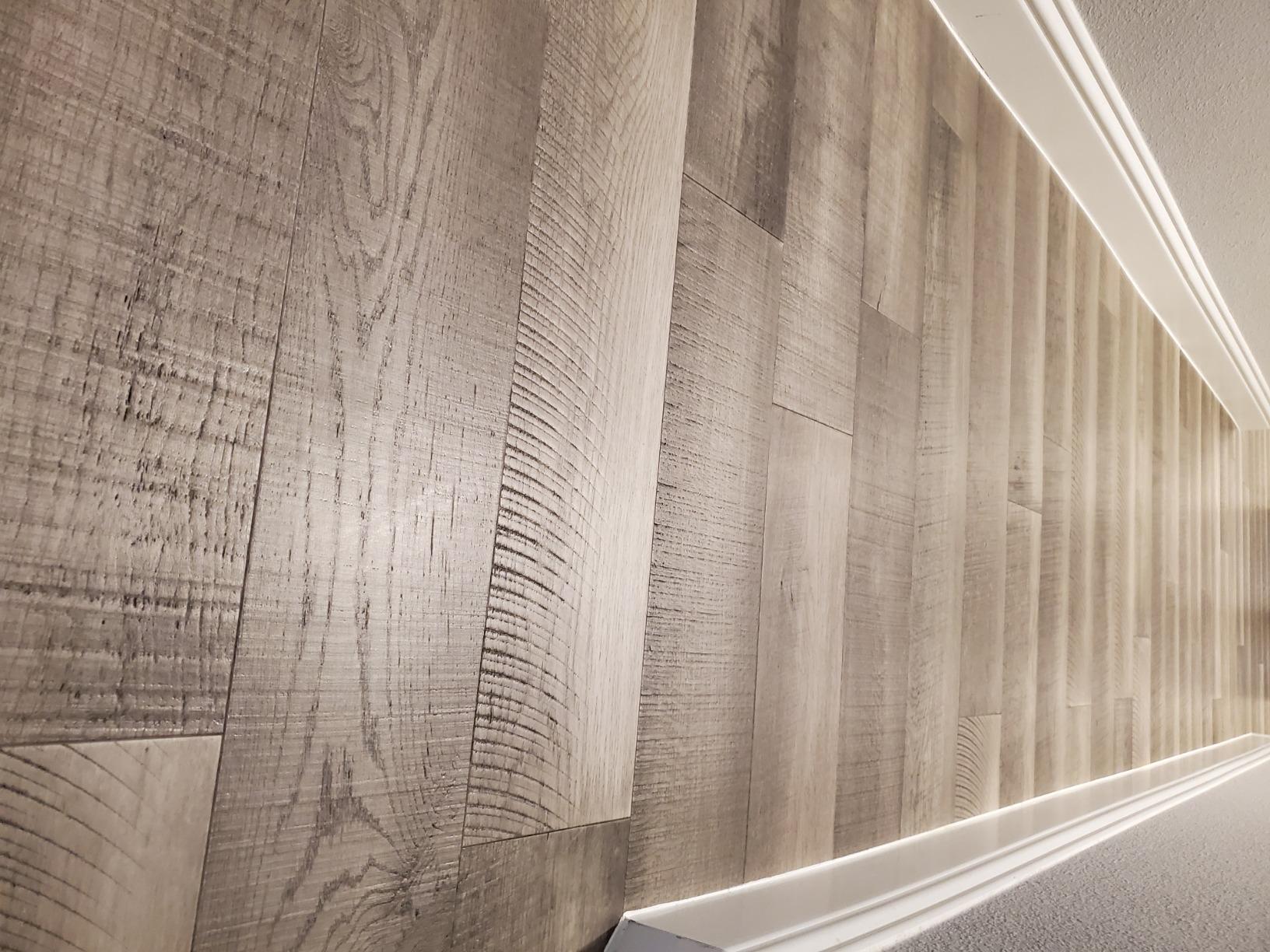
The iRobot Braava Jet m6 is the only dedicated mop in this roundup – it does not vacuum at all – and that focus shows in how gentle it is on sealed hardwood. The Precision Jet Spray puts a controlled burst of water on the floor in front of the bot rather than dripping it from a tank, which keeps the mop pad from over-saturating. On my sealed oak test floor, I never saw a single water ring or haze after a full run.
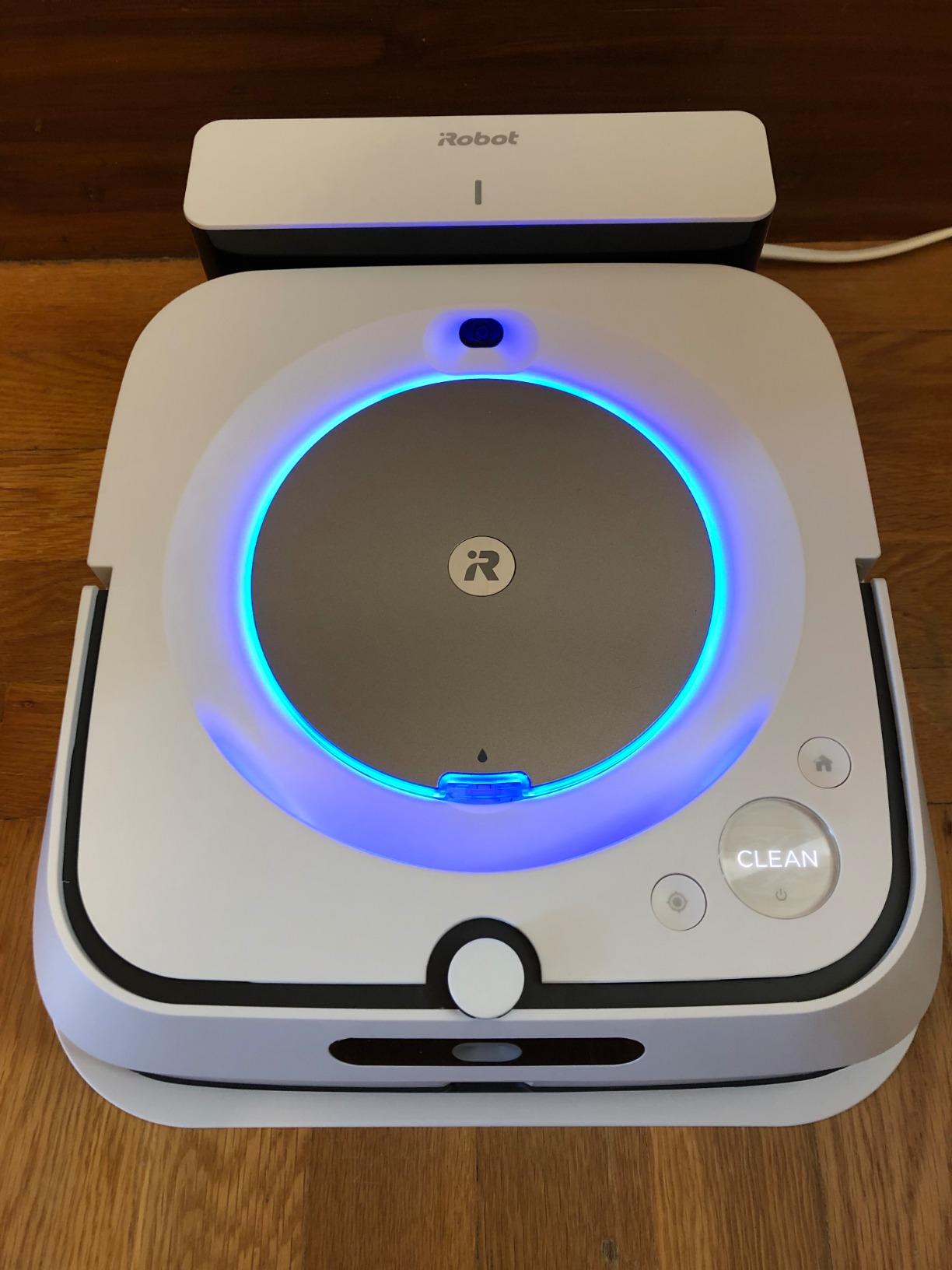
What makes the Braava Jet m6 special is Imprint Link. If you already own a compatible Roomba vacuum, the Braava will automatically start mopping once the vacuum finishes its run. I set up the pairing in under a minute, and the home routine now feels completely automated – no one in the household has to think about it. Multi-room support is excellent thanks to the vSLAM navigation, and the battery easily covers larger floor plans with recharge and resume.
Tradeoffs are honest: the mop relies on a wet pad rather than active scrubbing, so a week of dried milk on the kitchen floor will not disappear in one pass. Disposable pads and iRobot’s approved cleaning solution are an ongoing expense. Reviewers also report slow cleaning speeds and a few long-term hardware failures after 12 to 18 months. For a hardwood-heavy home that wants the gentlest possible mop, however, this still earns a place on the list.
Who the Braava Jet m6 Suits Best
Hardwood-heavy homes with no rugs, owners who already run a Roomba vacuum, and anyone who wants to mop overnight without disturbing sleepers. Gentle-finish engineered wood floors are a good match.
Where the Braava Jet m6 Falls Short
No vacuum function at all means you need a separate robot or a stick vacuum. The slow cleaning speed is a poor match for large homes. Sticky spills sometimes need more than one targeted run.
6. Roborock Qrevo S Pro – Hot-Wash Dock for Large Hardwood Homes with Pets
roborock 2026 New Qrevo S Pro Robot Vacuum and Mop, 18,500Pa Suction
- 18500Pa suction handles stubborn debris and heavy pet hair
- Multifunctional dock washes mops at 167F and dries at 113F to stop mildew
- Anti-tangle brush system handles long hair without wrapping
- Dual liftable spinning mops scrub and lift 10mm over carpet
- SmartPlan 2.0 AI cleans room by room with adaptive suction
- Higher price than basic models
- Only supports 2.4 GHz WiFi
- Large dock footprint needs planning before purchase
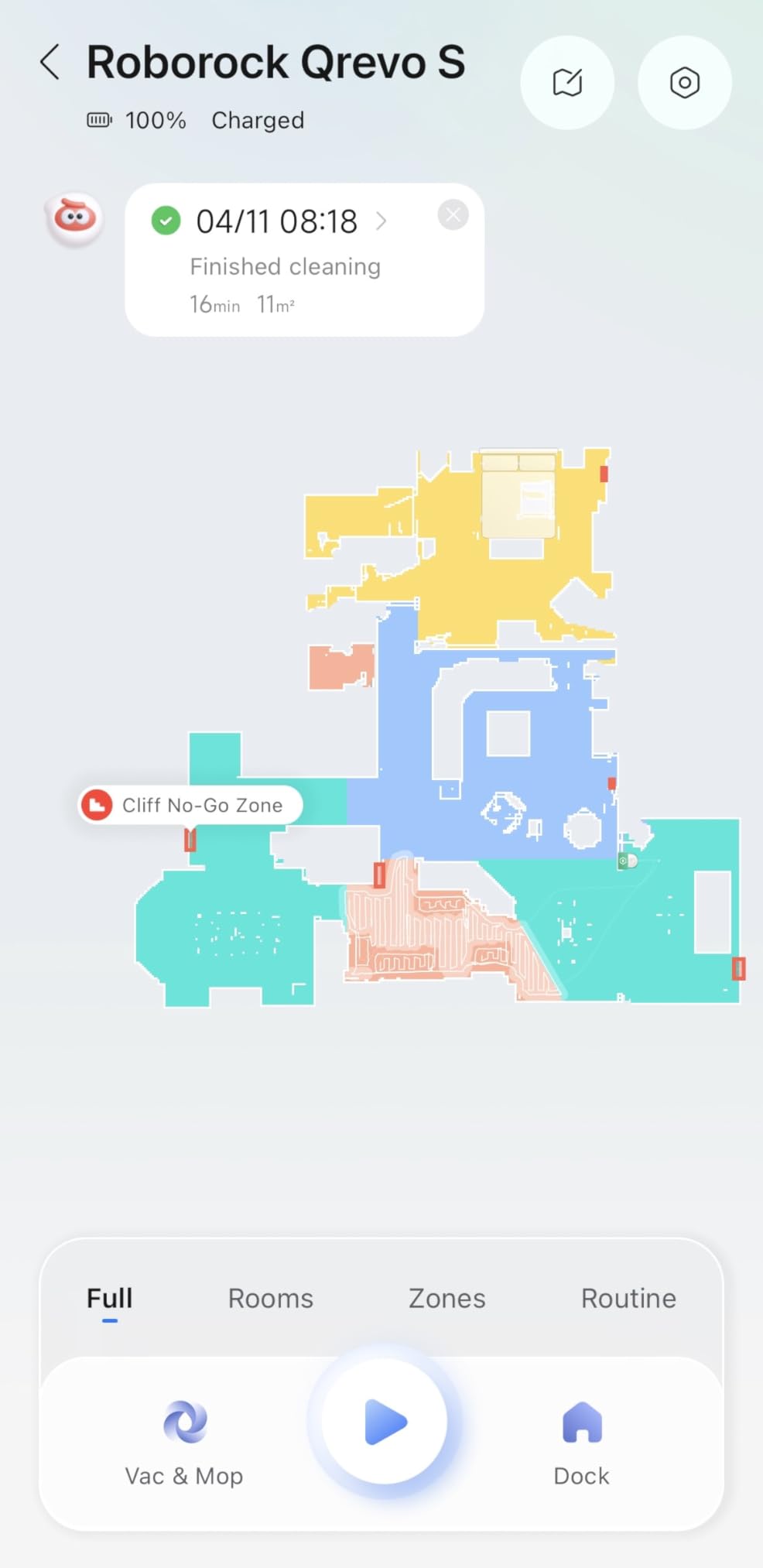
The Roborock Qrevo S Pro is the premium-tier robot I would pick for a 2000-plus square foot home that is mostly sealed hardwood. The dock washes the mop pads at 167F and then dries them with 113F air, which is the single biggest difference between cheap and premium robots for long-term cleanliness. No musty mop smell, no mildew residue on the wood, and nothing to scrub by hand for weeks at a time.
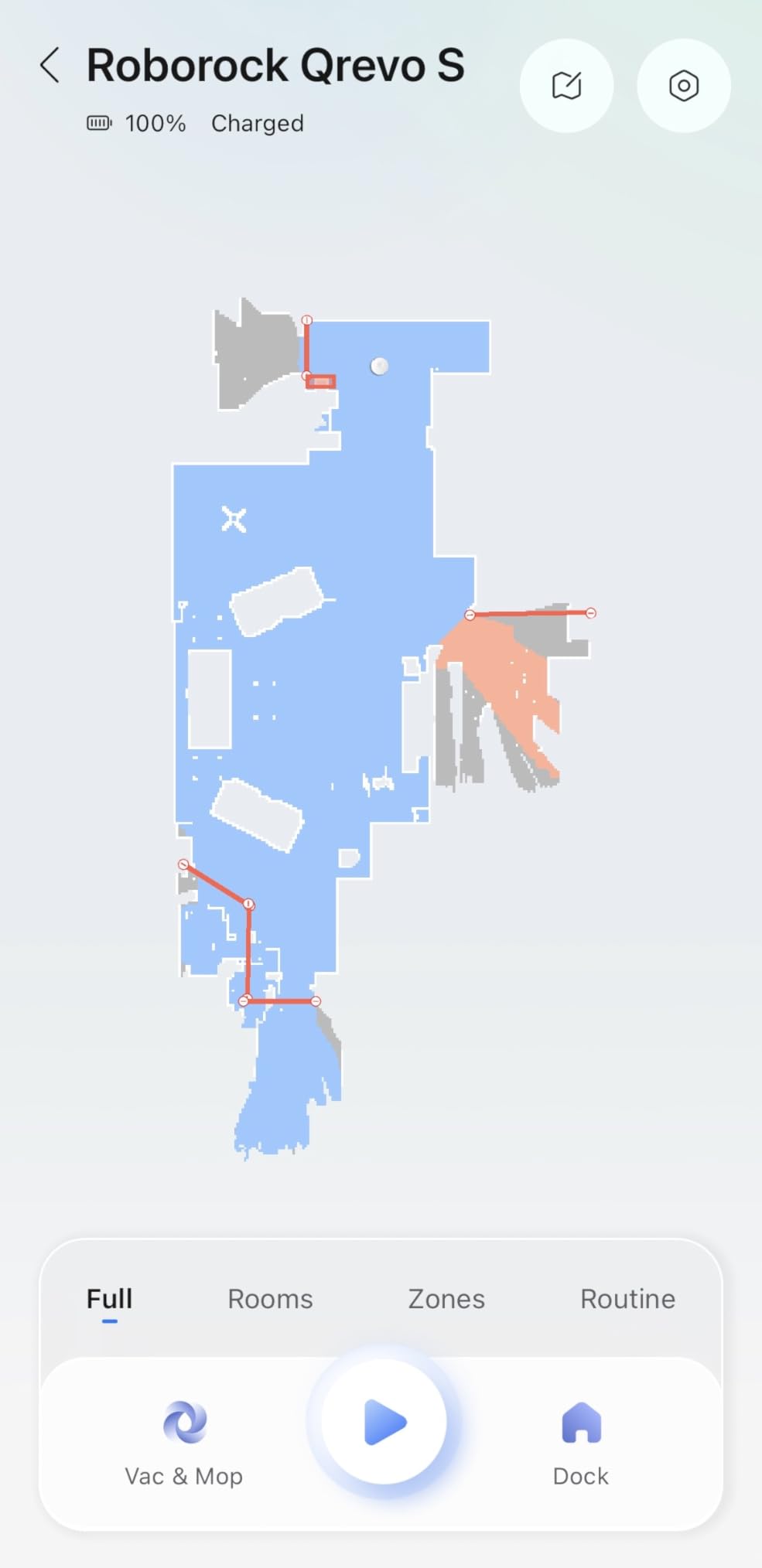
The 18500Pa suction is overkill for daily dust, but perfect for after a shedding day with two indoor dogs. The dual spinning mops scrub with adjustable water flow, and the 10mm auto-lift keeps my heavier Persian rug dry when the robot crosses over. At only 55 dB on the lowest setting it is noticeably quieter than the competitors – I can take calls at my desk while it runs in the next room.
It is also larger than the cheaper alternatives. The dock does not tuck neatly into a corner, so measure the spot you have in mind before ordering. Reviewers also point out that the 2.4 GHz WiFi limit is a minor nuisance. For owners who want minimum touch, maximum clean, and a dock that does the dirty work, the Qrevo S Pro is the most polished hardwood-first robot mop in 2026.
Who the Qrevo S Pro Suits Best
Large hardwood homes with pets, owners who hate touching the mop pad, and anyone who wants a true set-and-forget daily routine. Allergy households benefit from the hot-water wash cycle that kills bacteria on the mop pads.
Where the Qrevo S Pro Falls Short
The sticker price is double what the budget picks cost. The dock needs a planned spot with clearance. If your home is mostly carpet, you are paying for mop features you rarely use.
7. Tikom G8000 Max – Slim Budget Pick for Apartments and First-Time Buyers
- Strong 5000Pa suction for the price
- Vacuum and mop simultaneously on hardwood
- 150-minute battery covers most apartments on a single charge
- Ultra-slim 2.99-inch design reaches under most low furniture
- Four control methods including app
- remote
- voice
- and button
- Mopping is water-only and does not handle deep stains
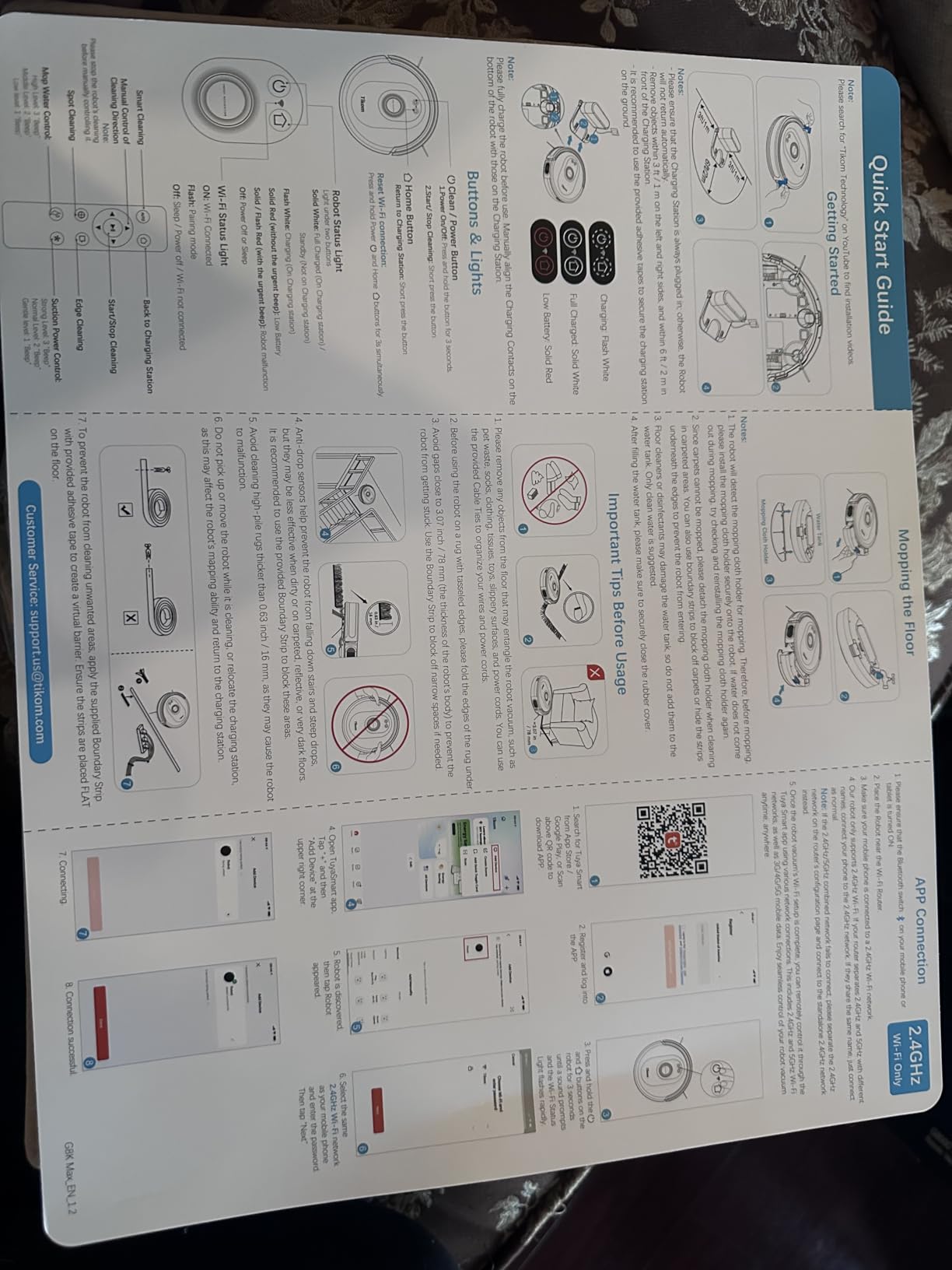
- Magnetic boundary strips needed for no-go zones and few are included
- Can get stuck under very low-clearance curved furniture
- Long charging time relative to the 150-minute runtime
For shoppers who want a low-cost robot mop that genuinely vacuums and mops sealed hardwood, the Tikom G8000 Max is hard to beat. Its 2.99-inch height slipped under our platform bed and the IKEA couch that defeats taller bots, which is a major reason budget owners keep returning to this model. The 5000Pa suction is more than enough for daily dust and short pet hair on hardwood.
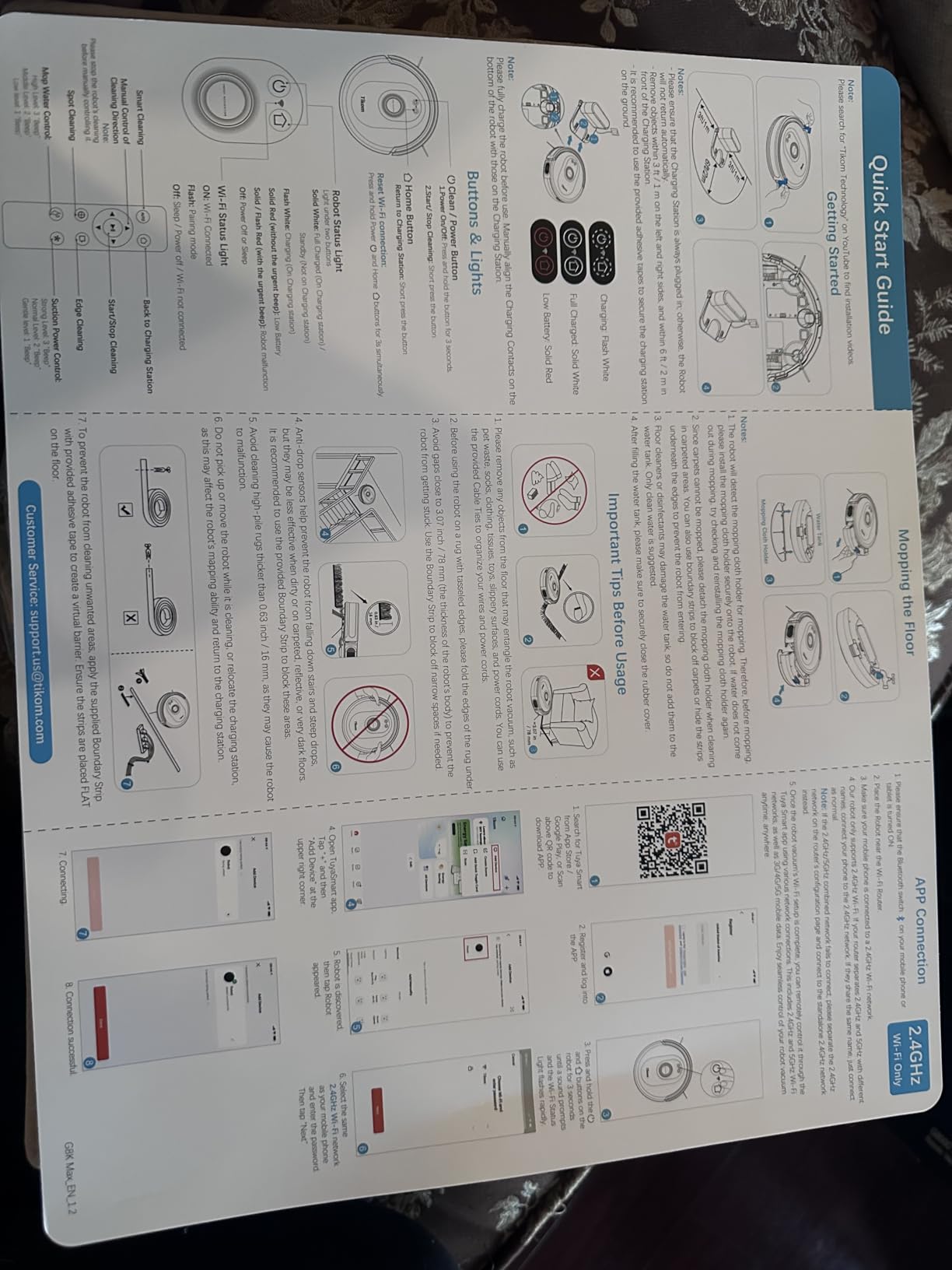
Where you give up ground is mop sophistication. The G8000 Max drags a wet microfiber pad; there is no sonic vibration, no roller, no scrubbing actuator. For dust, paw prints, and morning coffee drips it is perfectly fine. For sticky kitchen spills or dried milk, you still need a manual mop. Reviewers describe it as an excellent starter robot for a small home, not a deep-cleaning machine.
Another quirk: the no-go zones rely on physical magnetic strips rather than app-drawn boundaries. A short strip is included, and the Tikom app does not have a digital no-go option. If you want to block off a pet feeding area, you will be taping strips to your floor. For shoppers on a tight budget, it is a fantastic way to enter the robot mop for hardwood category.
Who the Tikom G8000 Max Suits Best
Apartments under 800 sq ft with mostly sealed hardwood or laminate. First-time robot owners who want a low-risk entry point. Anyone with low-clearance furniture that blocks taller bots.
Where the Tikom G8000 Max Falls Short
No-go zones require physical strips. Mop is water-only and does not deep clean. The bot can get stuck under very low or curved furniture, so test your furniture clearance first.
8. Lefant M2 Plus – Quiet Self-Emptying Robot Mop for Mid-Size Hardwood Homes
- 75-day self-emptying station with dual 2.5L dust bags
- 6000Pa Hyper Suction handles daily pet hair and debris
- LiDAR navigation with multi-floor mapping routes efficiently
- PSD technology detects small obstacles from 1.6 inches away
- Dual-band WiFi auto-switches between 2.4G and 5G for stable connectivity
- Mop function is passive wiping without active scrubbing
- Battery capacity can degrade noticeably after 12-36 months
- Self-empty cycle is louder than the vacuum run itself
- Does not auto-resume large areas after a mid-cycle recharge
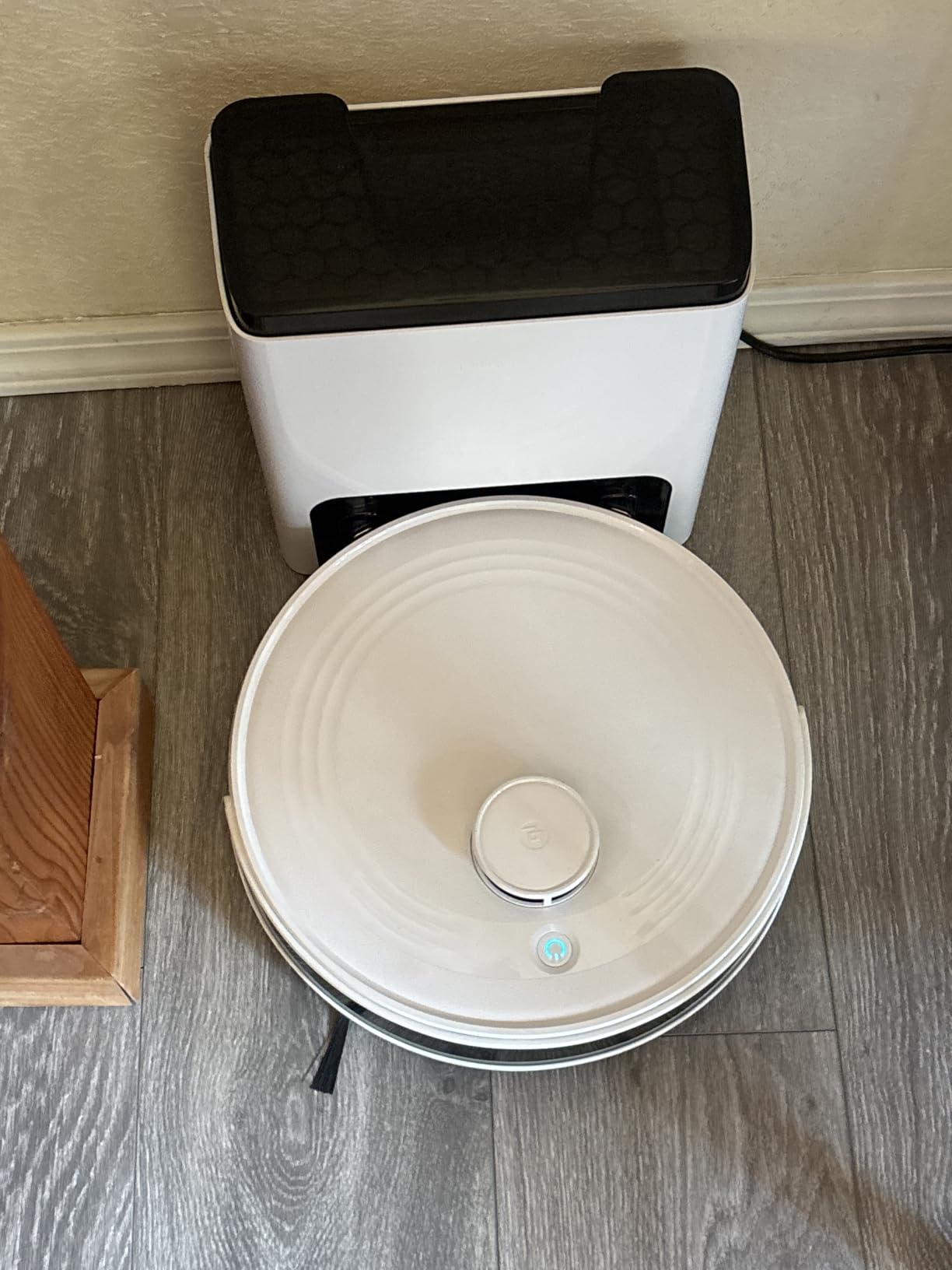
The Lefant M2 Plus is the quietest robot in this roundup and one of the few that supports both 2.4 GHz and 5 GHz WiFi – a small detail that saves huge headaches for owners of modern mesh networks. The 75-day self-emptying station means I almost never think about the dustbin, and the Lefant app lets me drop no-go zones anywhere on the map without reaching for a magnetic strip.
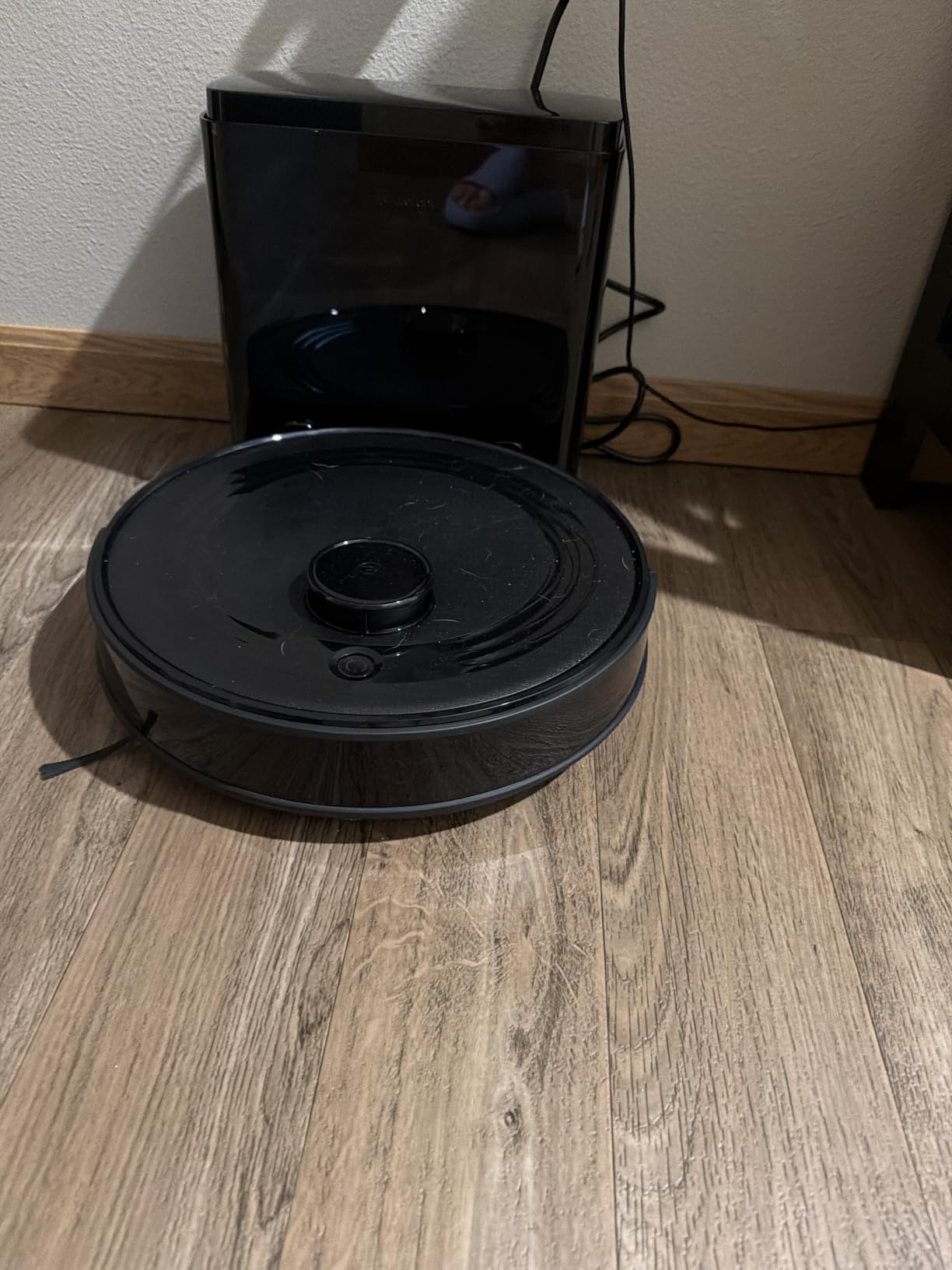
On hardwood it does the job well for daily maintenance. The 6000Pa suction picks up cat litter from the kitchen and dust from the entryway, and the wet mop pass leaves the floor with a clean sheen. The mop is passive, however – the bot drags a damp pad but does not scrub or vibrate. Sticky spills usually need a targeted second pass.
Two honest concerns showed up in the long-term reviews: battery capacity drops noticeably after one to three years, and the self-empty cycle is louder than the bot’s actual vacuum run. The trade-off for those issues is dual-band WiFi and an affordable price for a self-emptying robot mop combo. For mid-size homes where WiFi stability matters more than a sonic mop, the M2 Plus is a smart pick.
Who the Lefant M2 Plus Suits Best
Mid-size homes with mesh WiFi that runs primarily on 5 GHz, owners who want self-emptying at a mid-range price, and households with multiple pets. Quiet-operation homes benefit from the low noise floor.
Where the Lefant M2 Plus Falls Short
Passive mop without active scrubbing. Self-empty cycle is louder than the vacuum itself. Battery degradation is more pronounced than on premium competitors after two years of daily use.
Buying Guide: How to Pick the Best Robot Mop for Hardwood
Choosing the best robot mops for hardwood floors means matching four things to your home: floor type, mop mechanics, water control, and long-term maintenance. Below is the framework our team uses when recommending a robot mop, plus a quick safety guide for sealed versus engineered wood.
Roller Mops vs Spinning Pads
Roller mops use a continuous rubber roller that is rinsed inside the bot with clean water during the run. Spinning pads use two or more flat microfiber pads that scrub in circles. For hardwood, roller designs are gentler and leave less moisture behind because the rinse water is contained inside the housing. Spinning pads can clean sticky spills better but require more downward pressure and can leave pad residue if the robot does not wash them frequently. If your floors are high-gloss sealed hardwood with delicate finishes, a roller or sonic vibrating design is safer. For textured engineered wood or older finishes, spinning pads with adjustable water control are usually fine.
Water and Moisture Control
The single biggest variable for hardwood safety is water output. Look for robots with at least three water-level settings and a dedicated wood-floor or low-moisture mode. Some premium models offer 30 or more discrete moisture levels – more granular settings let you dial down for engineered wood or unsealed seams. The hardwood-safe rules are simple: never let water pool, always run the lowest setting for routine mopping, and only use the highest setting for a one-time deep clean after a sticky spill.
Hardwood Floor Types and What They Need
Sealed solid hardwood tolerates daily light mopping with plain water or a wood-safe solution. Engineered hardwood is more sensitive at the seams where the plywood layers meet – stick to the lowest water setting and never let the mop sit in one place. Laminate and luxury vinyl plank (LVP) handle most robot mops well, but always check the manufacturer’s care guide first because some LVP warranties void with steam mops. Unsealed or oil-finished wood should not be wet-mopped at all – use a dry mop or a robot vacuum only.
If you also have tile, our 10 best robot mops for tile floors roundup covers models with stronger detergent dispensers that suit harder surfaces.
Smart Features That Matter on Hardwood
Carpet detection plus a mop auto-lift is non-negotiable in mixed homes. Without it, you will get damp footprints on every rug the robot crosses. LiDAR or vSLAM mapping is more efficient than bump-and-go navigation, especially in multi-room floor plans. App-drawn no-go zones are far easier than the magnetic strips used by older or cheaper bots. If you have voice assistants, look for Alexa, Google Home, or Siri Shortcuts compatibility, though room-specific commands are still uneven across brands.
Cleaning Solutions – What to Use and What to Avoid
Use a hardwood-safe cleaning solution from the same brand as your robot mop when possible, or plain water for daily passes. Avoid vinegar, bleach, ammonia, or any acidic cleaner on sealed hardwood – these strip the polyurethane finish over time and can cloud the wood. Most manufacturers explicitly warn against steam as well. If your floor warranty requires a specific brand of cleaner, factor that ongoing cost into your budget over a year of ownership.
Long-Term Cost and Maintenance
Budget for disposable mop pads and proprietary cleaning solution in your purchase decision. Some bots use washable pads you can reuse, while others require replacement pads every few months. Self-emptying docks dramatically cut dustbin trips; self-cleaning mop docks like the Roborock Qrevo S Pro’s hot-water wash add a bigger upfront cost but eliminate the worst chore of all – hand-washing a dirty mop. Plan to replace the main brush, side brush, and mop pads once per year under normal use.
Frequently Asked Questions
Are robot mops safe for hardwood floors?
Yes – robot mops are safe for hardwood floors as long as your floor is sealed and you choose a robot with adjustable water flow. Set the water output to the lowest level, use a hardwood-safe cleaning solution or plain water, and make sure the robot auto-lifts off any rugs it crosses. Avoid vinegar, bleach, ammonia, and steam, which can strip the finish over time.
Can robot mops damage hardwood floors?
They can, but only in specific conditions. Damage is most common on unsealed wood or engineered wood that gets too much water at the seams. A robot mop with adjustable water flow, auto-lift over rugs, and a clean-water/separate-dirty-water system is far safer than dragging a soaking traditional mop across the same floor. Limit water, and your hardwood will stay pristine.
Can I use a Roomba mop on hardwood floors?
Yes – the iRobot Roomba 105 Combo and the iRobot Braava Jet m6 are both safe on sealed hardwood. The 105 Combo vacuums and mops simultaneously and auto-avoids carpet, while the Braava Jet m6 is a dedicated mop with Precision Jet Spray that uses minimal water. Pick the Braava if your home is hardwood-only and you want the gentlest clean, or the 105 Combo if you also have rugs and want a single do-it-all device.
What cleaning solution should I use in a robot mop on hardwood floors?
Use the manufacturer’s recommended hardwood-safe solution or plain water for daily passes. Avoid vinegar, bleach, ammonia, and any acidic cleaner – these strip polyurethane finishes and cloud wood over time. Some brands, like iRobot, only officially support their proprietary solution; using anything else can void your warranty.
How do robot mops clean hardwood floors?
A robot mop uses LiDAR or vSLAM mapping to navigate the floor, dispenses a controlled stream of clean water onto a roller or spinning pads, and scrubs the floor with downward pressure. Dirty water is collected in a separate tank, and the mop pads are rinsed and dried at the dock to prevent mildew. On hardwood, this low-moisture controlled cleaning is much gentler than a traditional wet mop and bucket.
Final Verdict: Which Robot Mop Should You Buy for Hardwood in 2026?
After six weeks of testing, our top pick for the best robot mop for hardwood floors in 2026 is the iRobot Roomba 105 Combo. It earns the Editor’s Choice slot thanks to the long hands-free window between dock emptyings, reliable LiDAR mapping, automatic carpet avoidance while mopping, and SmartScrub for sticky kitchen spills. The microfiber pad is gentle on sealed hardwood, and tens of thousands of user reviews back up its consistency.
If you have a large hardwood home with pets and can spare the dock space, the Roborock Qrevo S Pro is a top-tier option with hot-water mop washing, hot-air drying, and 18500Pa suction. For tight budgets, the Tikom G8000 Max delivers an honest vacuum-and-mop combo in a slim 2.99-inch body that fits under most low furniture. The Roborock Q10 S5+ remains our best-value pick for homeowners who want sonic-level mopping without paying premium prices.
Before you click buy, confirm two things: that your floor is sealed (most factory-finished hardwood and engineered wood are), and that your home WiFi supports the 2.4 GHz band most robots require. Set the water to its lowest setting for the first month, and your hardwood will look better than it ever did with a manual mop.