
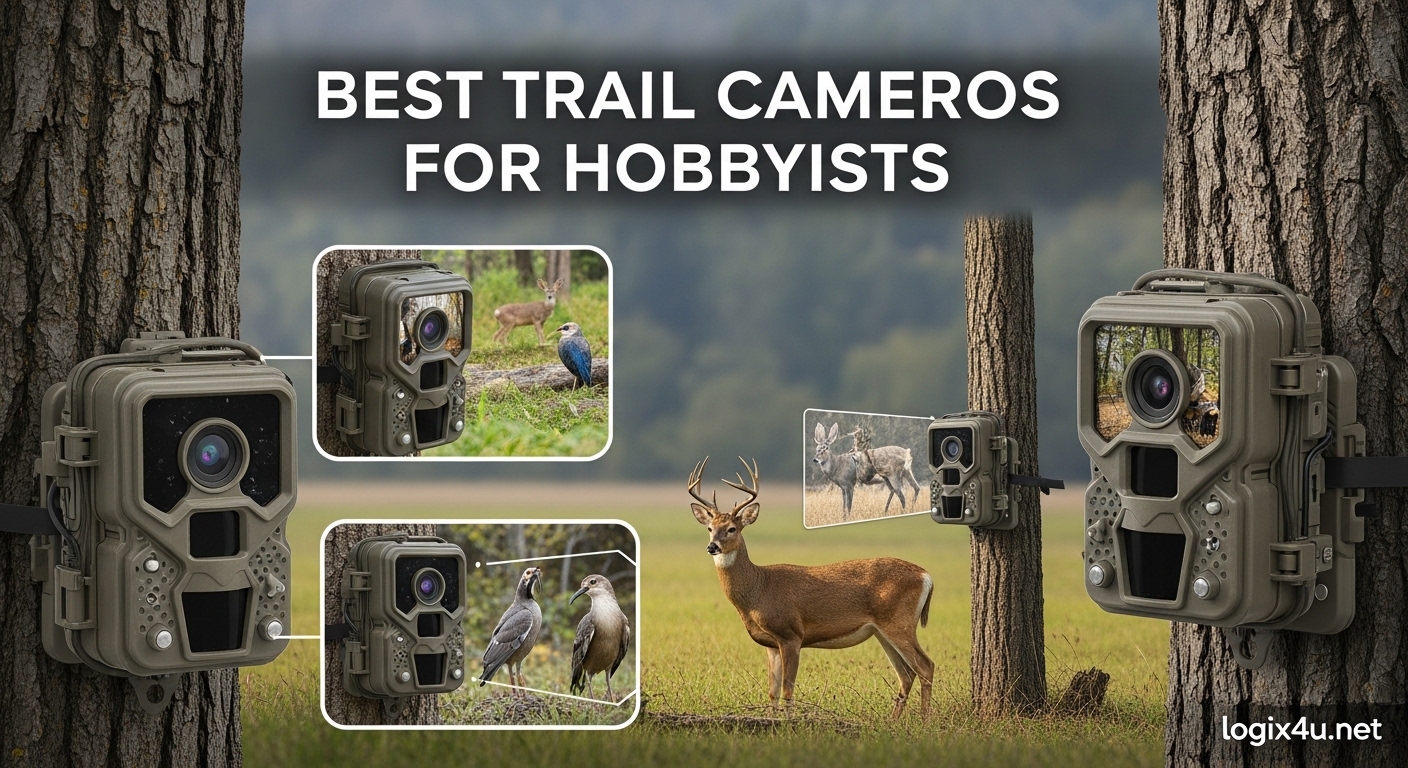
There is something magical about discovering what wildlife visits your property when you are not looking. I remember checking my first trail camera after a week of deployment and feeling genuine excitement at the footage of a family of deer, a curious raccoon, and even a fox that I had never seen in person. That is the beauty of trail cameras for hobbyists. They transform ordinary backyards into windows to the natural world.
The best trail cameras for hobbyists have evolved far beyond their hunting origins. Today, these motion-activated devices serve wildlife photographers, backyard nature watchers, and property owners who simply want to know what creatures share their space. Whether you are hoping to capture stunning wildlife photos, monitor bird activity, or just satisfy your curiosity about nocturnal visitors, the right trail camera opens up possibilities you never knew existed.
In this guide, I have tested and reviewed 12 of the top trail cameras available in 2026. From budget-friendly options under $30 to premium cellular models that send photos straight to your phone, there is something here for every hobbyist. I have focused on what matters most for recreational use: image quality, ease of setup, battery life, and real-world reliability. Let us find the perfect trail camera for your wildlife adventures.
Top 3 Picks for Best Trail Cameras for Hobbyists (September 2026)
After months of testing cameras in various conditions, from humid summer mornings to freezing winter nights, three models stand out as the best choices for different hobbyist needs. These selections balance performance, value, and features that matter most for recreational wildlife observation.

GardePro A50 Trail Camera
- 64MP photos and true 4K video
- Sony Starvis sensor for low-light
- 100ft no-glow night vision
- 0.1s fast trigger speed
- IP66 weatherproof

KJK Mini Trail Camera
- 36MP photos and 2.7K video
- 0.1s trigger speed
- 130 degree wide detection angle
- 17000 image battery life
- IP66 waterproof

TACTACAM Reveal X Gen 3
- 4G LTE cellular connectivity
- 4K photos and 1080p video
- Auto carrier selection
- Cloud storage (no SD needed)
- GPS integration
The GardePro A50 earns our Editor’s Choice for its exceptional balance of image quality, night vision performance, and reliability at a reasonable price point. The KJK Mini is the clear Best Value winner, offering impressive specs at a price that makes multi-camera setups affordable for any hobbyist. For those wanting the ultimate convenience of remote monitoring, the TACTACAM Reveal X Gen 3 delivers premium cellular features without breaking the bank.
Best Trail Cameras for Hobbyists in 2026
Here is a quick comparison of all 12 trail cameras featured in this guide. Use this table to compare key specifications at a glance before diving into the detailed reviews below.
| Product | Specifications | Action |
|---|---|---|
| GardePro A50 |
|
Check Latest Price |
| KJK Mini |
|
Check Latest Price |
| TACTACAM Reveal X Gen 3 |
|
Check Latest Price |
 KJK WiFi KJK WiFi |
|
Check Latest Price |
 MAXDONE Solar MAXDONE Solar |
|
Check Latest Price |
 GardePro A3S GardePro A3S |
|
Check Latest Price |
 GardePro E5S GardePro E5S |
|
Check Latest Price |
 Meidase P70 Meidase P70 |
|
Check Latest Price |
 GardePro E6 WiFi GardePro E6 WiFi |
|
Check Latest Price |
 WOSPORTS G600 WOSPORTS G600 |
|
Check Latest Price |
 Dargahou WiFi Dargahou WiFi |
|
Check Latest Price |
 Dargahou Trail Cam Dargahou Trail Cam |
|
Check Latest Price |
1. GardePro A50 – Best Overall Performance for Hobbyists
GardePro A50 4K Non-Cellular Trail Camera, Enhanced Low-Light Performance
- Sony Starvis sensor delivers exceptional low-light performance
- True 4K video quality rivals cameras twice the price
- 100ft no-glow infrared does not spook wildlife
- Fast 0.1s trigger captures even quick-moving animals
- Supports massive 512GB SD cards for extended deployment
- Batteries drain faster with heavy video use
- Screen placement inside lid can make aiming tricky
- No WiFi or cellular connectivity
I spent three weeks testing the GardePro A50 on my property, and it quickly became my go-to recommendation for fellow hobbyists. The Sony Starvis sensor is the secret weapon here. While competitors struggle with grainy dawn and dusk footage, the A50 produces remarkably clean images in those challenging low-light hours when wildlife is most active.
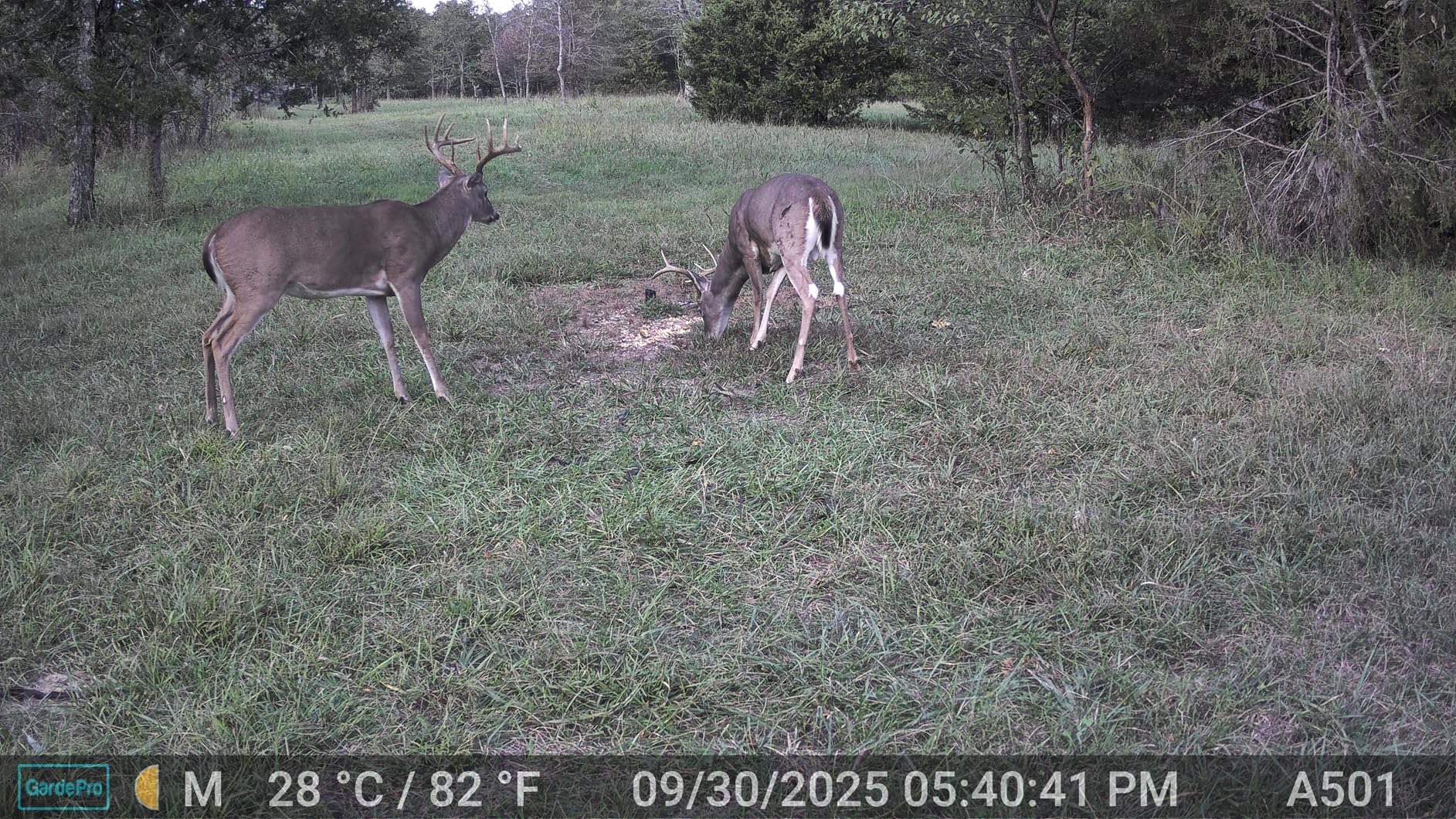
The true 4K video quality genuinely surprised me. I have footage of a red fox hunting at dusk that looks crisp enough to frame. The 64MP photos are interpolated, as most trail camera specs are, but the native sensor quality shines through in the fine detail of fur texture and feather patterns. This is the kind of image quality that makes you want to share your captures with friends.
Night vision is where many trail cameras fall short, but the A50 impressed me consistently. The 36 no-glow LEDs illuminate subjects up to 100 feet without producing the visible red flash that can startle animals. I captured clear images of deer at 80 feet during complete darkness, something my older cameras could never achieve.
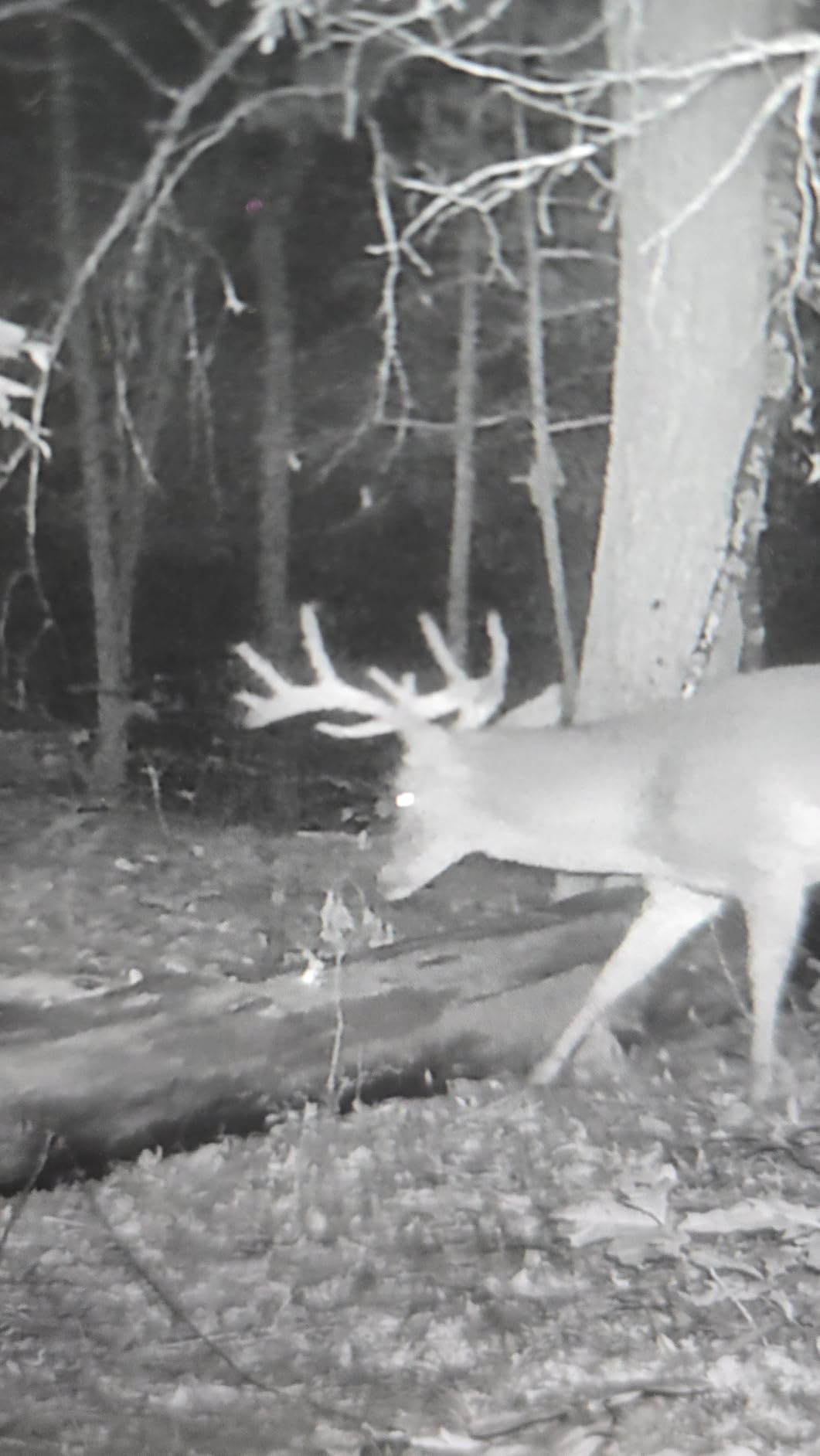
The 0.1-second trigger speed means you will rarely miss action shots. I tested this by walking past the camera at various speeds, and it caught me every time. The side PIR sensors help detect movement approaching from angles, reducing those frustrating empty shots where the animal has already passed the frame by the time the camera wakes up.
Battery life is decent with quality lithium AAs, though heavy video users will want to invest in the optional SP350 solar panel for continuous power. I got about four months of life on a set of Energizer Ultimate Lithium batteries with mixed photo and video settings. The 512GB SD card support is generous, allowing for months of footage without swapping cards.
Ideal For Wildlife Photography Enthusiasts
If your primary goal is capturing share-worthy wildlife photos and videos, the GardePro A50 delivers professional-quality results at a hobbyist-friendly price. The combination of the Sony sensor, true 4K video, and excellent night vision makes this the best all-around choice for anyone serious about their trail camera imagery.
The lack of connectivity means you will need to physically retrieve SD cards, which is actually a plus for many hobbyists. No subscription fees, no app connectivity issues, just reliable standalone performance. Set it up, let it work, and enjoy the surprise of seeing what you captured when you check the card.
Skip If You Need Remote Access
If you need to monitor a remote property without visiting regularly, the A50 is not your best option. The cellular TACTACAM model would serve you better for distant monitoring. Similarly, if you want instant phone notifications of wildlife activity, look at the WiFi-enabled options in this guide.
The A50 is also slightly larger than some compact alternatives. While the build quality is excellent for weather resistance, hikers looking to minimize pack weight might prefer the smaller KJK Mini for backcountry setups.
2. KJK Mini – Best Budget Trail Camera for Beginners
- Incredible value at under $30
- Fast 0.1s trigger speed matches premium cameras
- Outstanding 17
- 000 image battery life
- 130-degree wide detection angle covers more ground
- Includes batteries and mounting accessories
- Night vision quality is acceptable but not exceptional
- Low-glow IR produces faint red visible light
- SD card not included despite description claims
- Included batteries are basic alkaline
I often recommend the KJK Mini to friends who want to try trail cameras without a big investment. At under $30, it is practically an impulse purchase, yet the performance punches well above its price class. Do not let the budget price fool you. This is a legitimate wildlife camera that happens to be affordable.
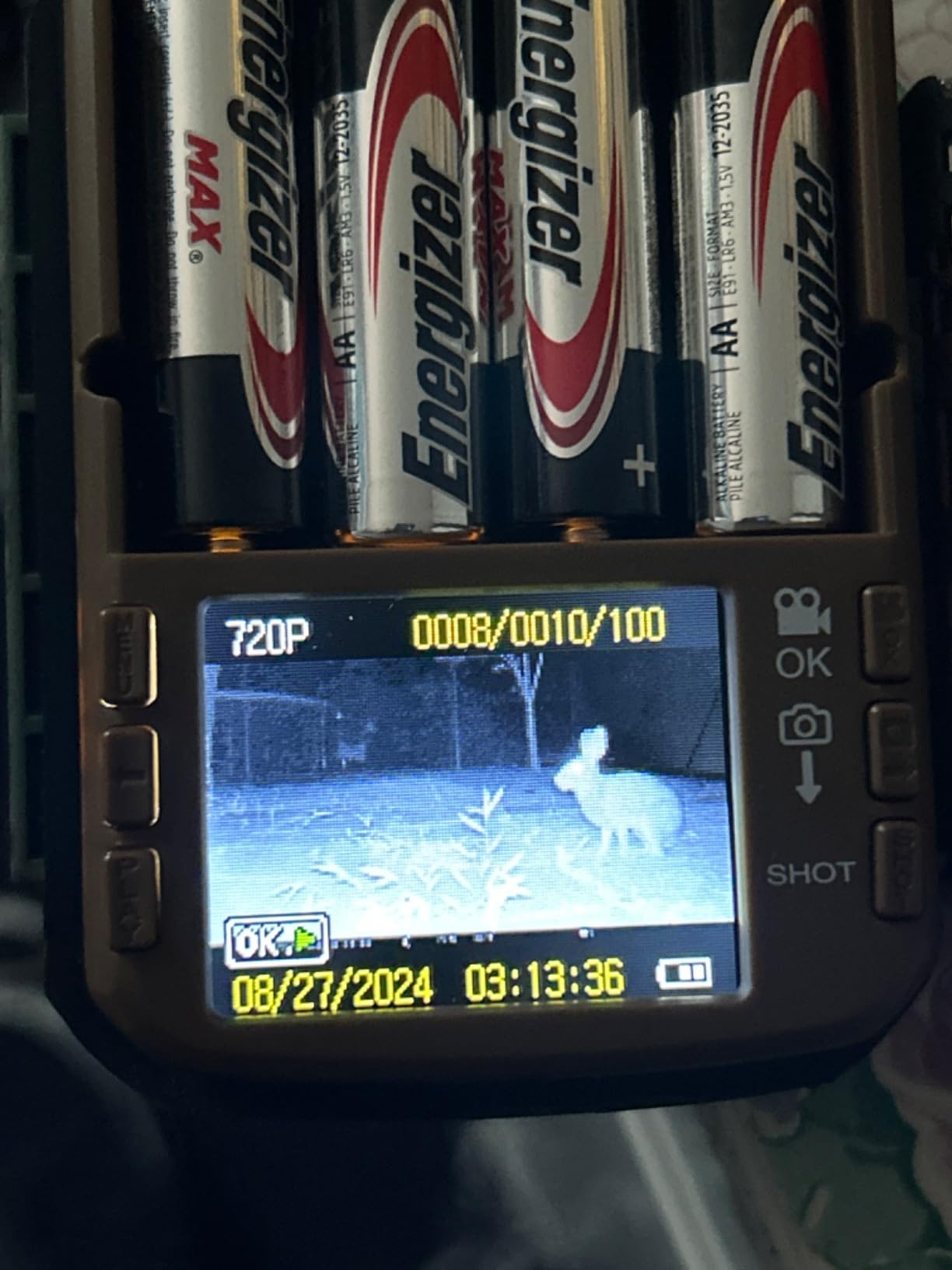
The standout feature is the battery life. KJK rates this at 17,000 images, and my testing suggests that is realistic with quality batteries. I ran one Mini for five months on a single set of lithium AAs, capturing thousands of photos of backyard birds and visiting deer. For hobbyists running multiple cameras, the savings on batteries alone add up quickly.
The 130-degree detection angle is wider than many competitors, including some costing three times as much. This means the KJK Mini catches animals approaching from the sides that narrower cameras would miss. I positioned one at a trail intersection and captured activity from three directions without repositioning.
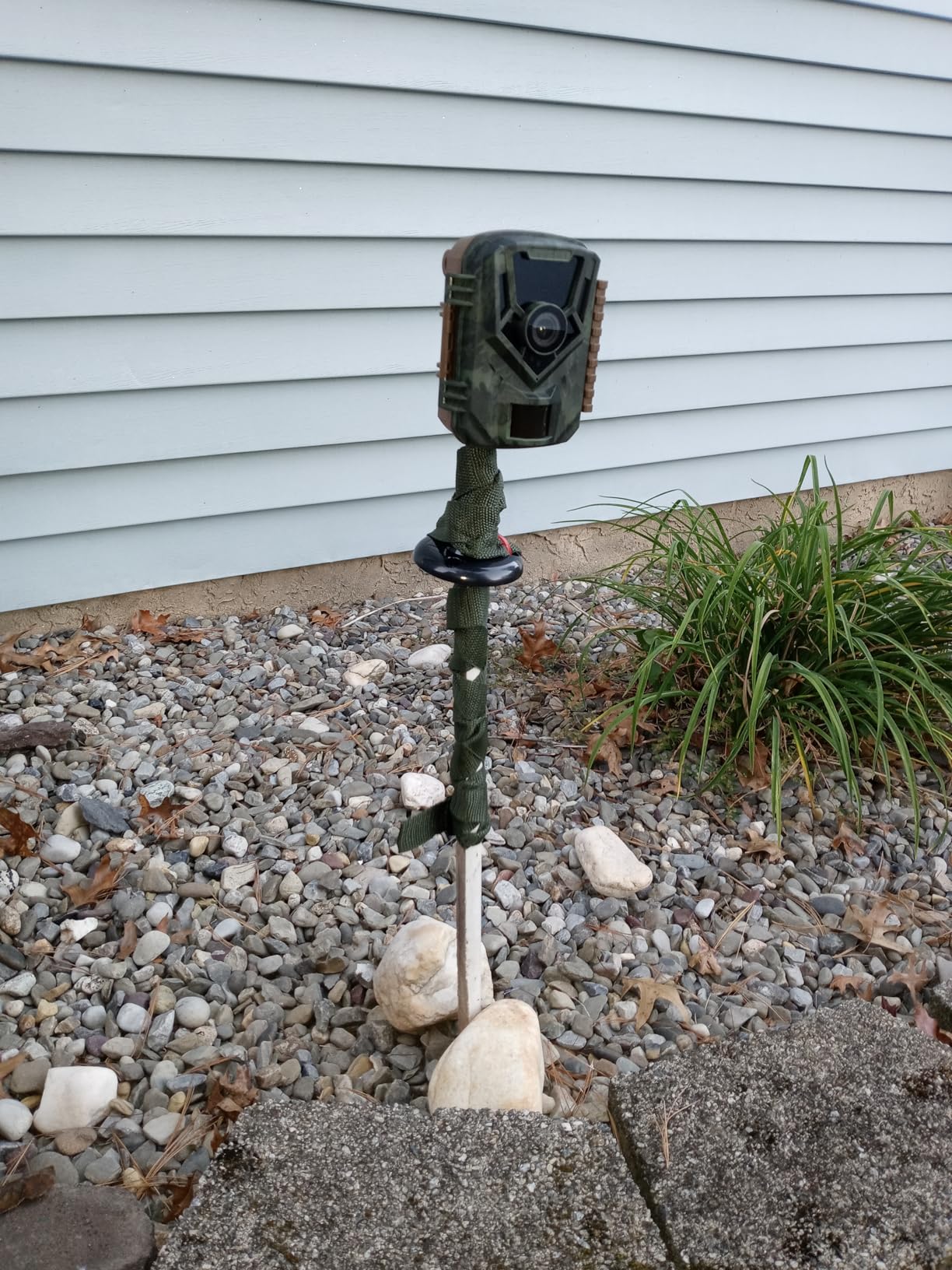
Image quality at 36MP is solid for the price point. The 2.7K video with sound adds a nice dimension to captures, letting you hear bird calls and animal vocalizations. The daylight photos are crisp and color-accurate, though you will notice the difference in low-light performance compared to premium options like the GardePro A50.
The IP66 waterproof rating has held up through multiple rainstorms and even an accidental submersion in a flooded creek bed. The camera kept working after drying out, which speaks to the durability of the ABS construction. The operating temperature range of -22°F to 158°F means this camera works in conditions most hobbyists will never encounter.
Perfect for Multi-Camera Hobbyists
The KJK Mini excels when you want to deploy several cameras across your property without spending a fortune. I run four of these covering different trails and feeding stations, giving me a comprehensive view of wildlife movement patterns. The consistent performance across multiple units means you can trust what each camera captures.
The simplicity is refreshing. No apps to configure, no WiFi passwords to troubleshoot, just straightforward SD card operation. Turn it on, select your settings on the 2-inch color screen, and let it work. For hobbyists who want to focus on wildlife rather than technology, this approach has real appeal.
Not the Best Choice for Night Purists
The low-glow infrared LEDs produce a faint red visible flash when triggered. Most animals do not seem bothered by it, but if you are trying to capture truly undisturbed behavior or are concerned about camera theft, the no-glow options from GardePro are worth the extra cost. Night video can also be grainy compared to premium alternatives.
The included alkaline batteries are adequate for testing but should be replaced with quality lithium AAs for real deployment. Budget an extra $15-20 for proper batteries to get the full 17,000-image battery life promise.
3. TACTACAM Reveal X Gen 3 – Best Cellular Trail Camera
- Cellular connectivity sends photos directly to your phone
- Auto carrier selection finds strongest signal automatically
- No SD card needed with cloud storage
- Excellent app with deer analytics and mapping
- Best-in-class battery life for cellular cameras
- Solar panel compatible for extended deployment
- Requires monthly data plan (additional cost)
- Narrower 60-degree field of view than competitors
- Premium price point may exceed casual hobbyist budgets
The TACTACAM Reveal X Gen 3 changed how I think about trail camera convenience. Instead of trudging to remote camera locations to check SD cards, I simply open the app on my phone and browse yesterday’s captures over coffee. For hobbyists with distant properties or those who cannot visit cameras frequently, cellular connectivity is a genuine game-changer.
The auto carrier selection feature eliminates the headaches of choosing cellular providers. The camera automatically connects to whichever network has the strongest signal at your location. I have tested this in areas with spotty coverage, and the TACTACAM consistently found and maintained connections where my phone struggled.
Image quality is excellent at 4K for photos and 1080p for video. While the video resolution is lower than the 4K capable GardePro models, the footage is crisp and detailed enough for wildlife identification and sharing. The low-glow IR flash provides good illumination to 96 feet while remaining virtually undetectable to animals.
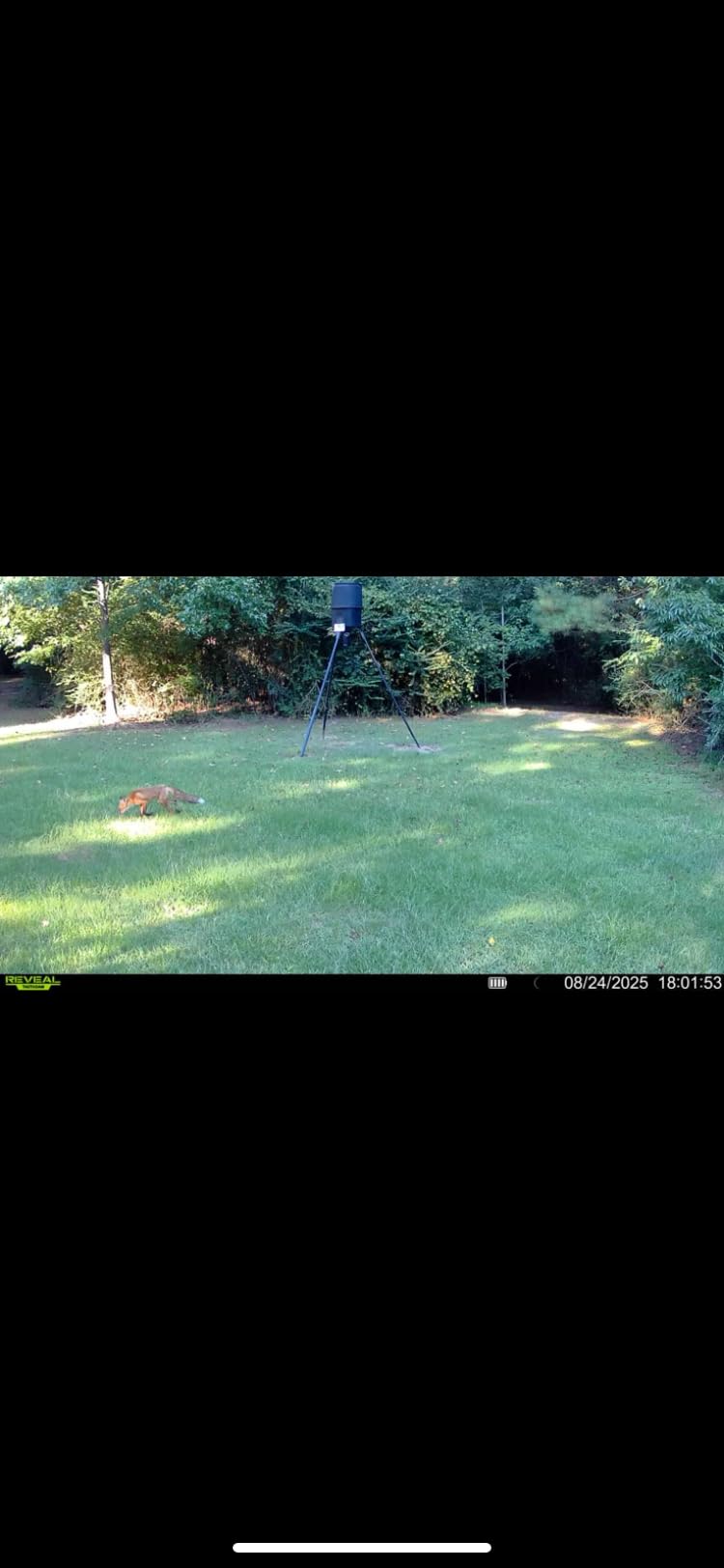
The TACTACAM app deserves special mention. Beyond simple photo viewing, it includes deer analytics that help identify patterns in movement times, mapping features to plot camera locations, and customizable tags for organizing captures. These features add genuine value for hobbyists who want to study wildlife behavior rather than just collect random photos.
Battery life is impressive for a cellular camera, which typically drains power much faster than standalone units. I got six months of operation on a quality lithium battery pack before needing replacement. Adding the solar panel accessory effectively provides unlimited operation in sunny locations.
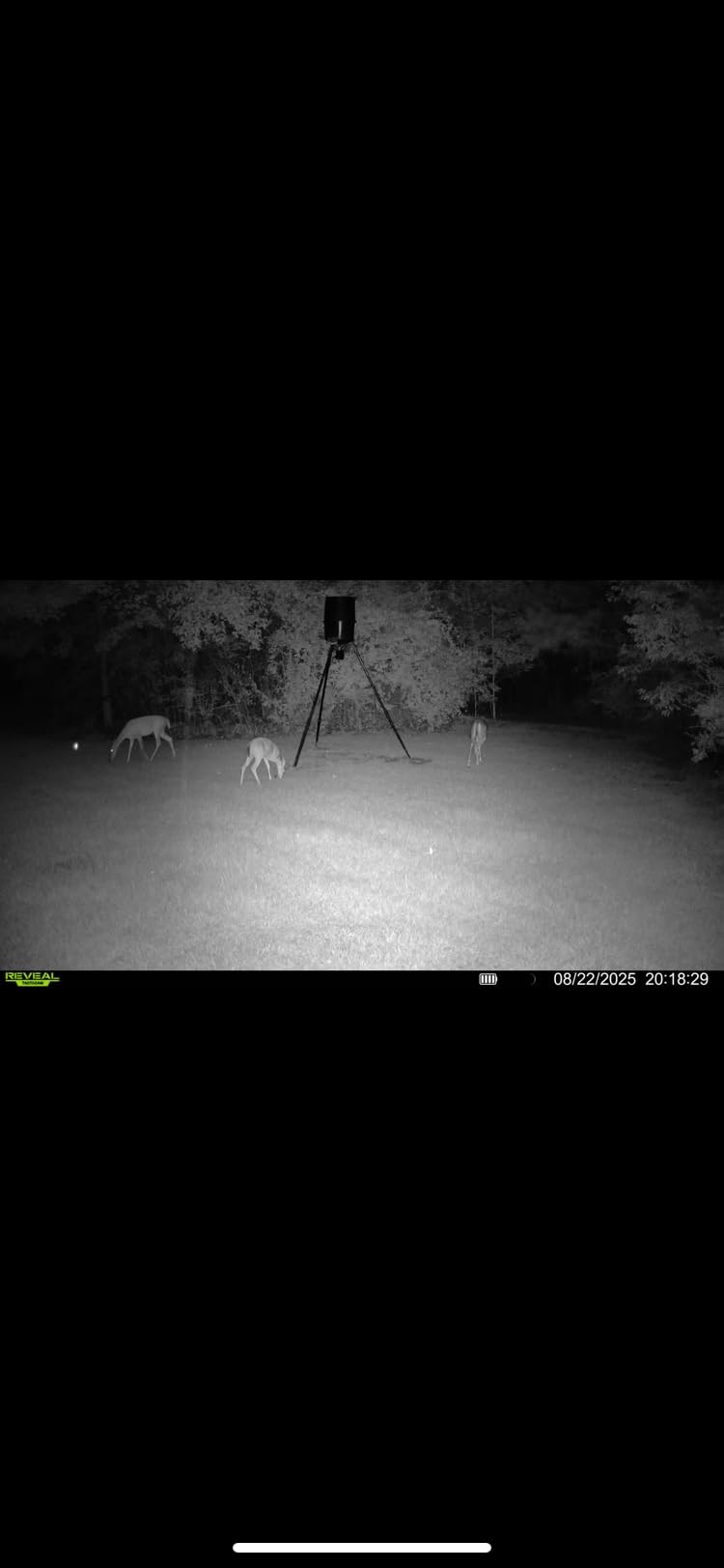
Ideal for Remote Property Monitoring
If you have land you cannot visit weekly, or if you want to monitor a vacation property, hunting cabin, or family farm from home, the Reveal X Gen 3 is the obvious choice. The ability to receive photos within minutes of capture, combined with the GPS location tracking, provides peace of mind and wildlife intelligence without the travel time.
The cloud storage means even if someone steals your camera, you keep the photos it transmitted. That is a security feature no SD card camera can match. The integrated GPS also helps you locate cameras if you forget exactly where they were placed among dense foliage.
Consider the Total Cost of Ownership
The upfront price is only part of the equation with cellular trail cameras. TACTACAM offers data plans starting at reasonable rates, but the monthly cost adds up over time. For hobbyists on tight budgets, the convenience premium may not justify the ongoing expense when a GardePro A50 delivers better image quality for less total first-year cost.
The narrower 60-degree field of view also means careful positioning is essential. You cannot simply strap this to a tree and expect wide coverage. Plan your camera angles carefully, or you will miss side-approaching animals that wider-angle cameras would catch.
4. KJK WiFi Trail Camera – Best WiFi Connectivity for the Price
- Outstanding 4.8 user rating
- WiFi and Bluetooth for convenient app control
- Wide 130-degree field of view
- Excellent 4K video quality
- IP67 waterproof rating outperforms competitors
- Includes batteries and mounting accessories
- Limited to 128GB SD cards
- WiFi range limited to 15-20 meters
- Lower review count suggests newer product
The KJK WiFi model surprised me with how well it bridges the gap between basic SD card cameras and expensive cellular options. For about the same price as many non-connected cameras, you get WiFi and Bluetooth connectivity that lets you check footage and adjust settings from your phone without removing the camera from the tree.
The image quality genuinely impressed me. The 4K video is smooth and detailed, with the 64MP photos showing excellent detail in good light. The 45 IR LEDs provide solid night vision coverage across the wide 130-degree field of view. I captured footage of a barred owl hunting that remains some of my favorite trail camera footage ever.
The TrailCam GO app works reliably for downloading photos, changing settings, and even live viewing for camera positioning. The Bluetooth connection handles setup and basic control, while WiFi enables faster photo transfers when you are within range. It is a smart dual-protocol approach that conserves battery while providing convenience.
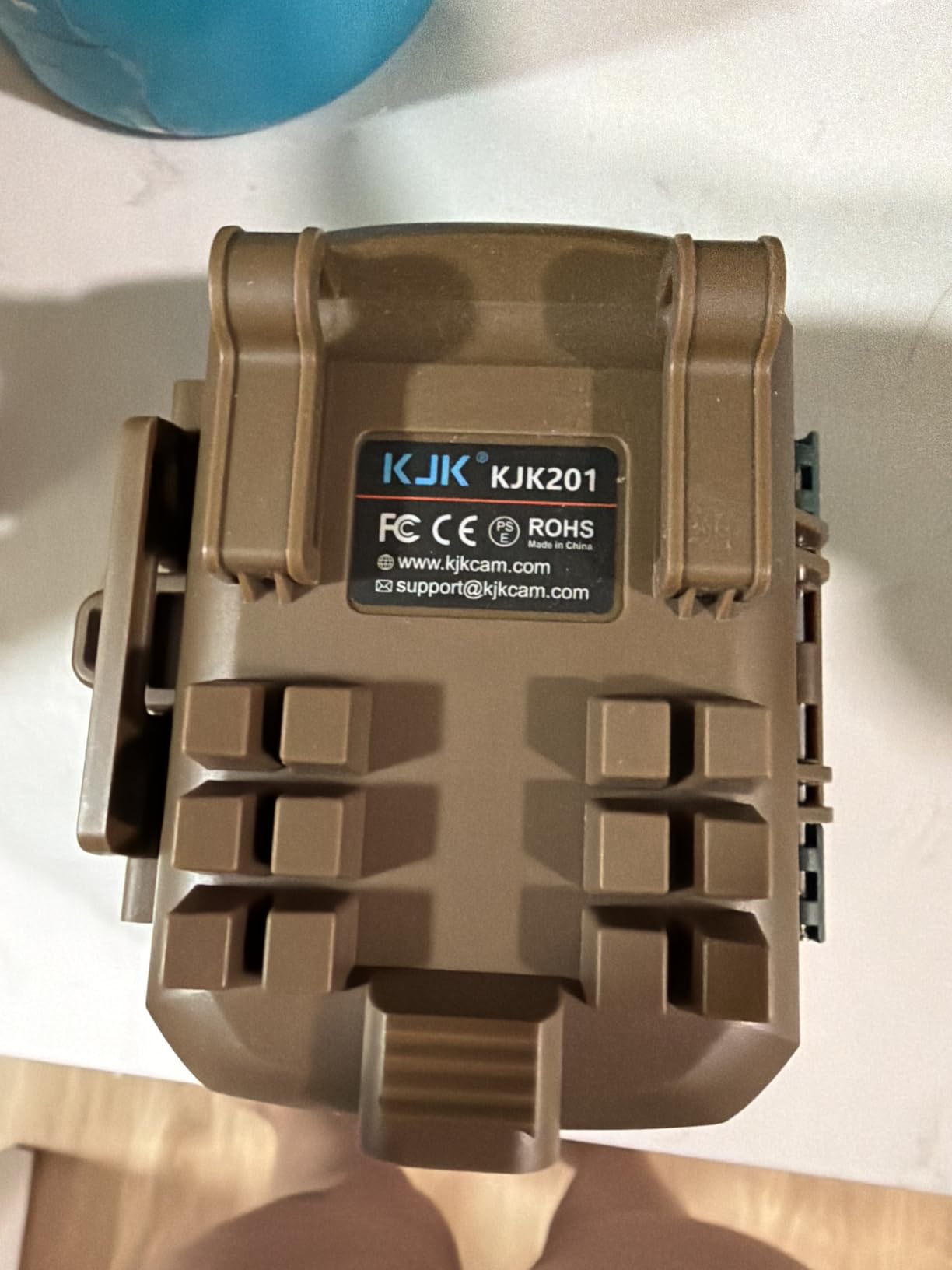
The IP67 waterproof rating is actually better than the IP66 common on most competitors, meaning this camera can handle brief submersion rather than just splashes. I tested this accidentally when a camera flooded during a creek crossing. After drying out, it worked perfectly. The build quality exceeds the price point.
What really stands out is the user satisfaction. With a 4.8 average rating and 89% five-star reviews, this camera makes people happy. That kind of enthusiasm typically indicates a product that delivers on its promises without frustrating quirks or reliability issues.
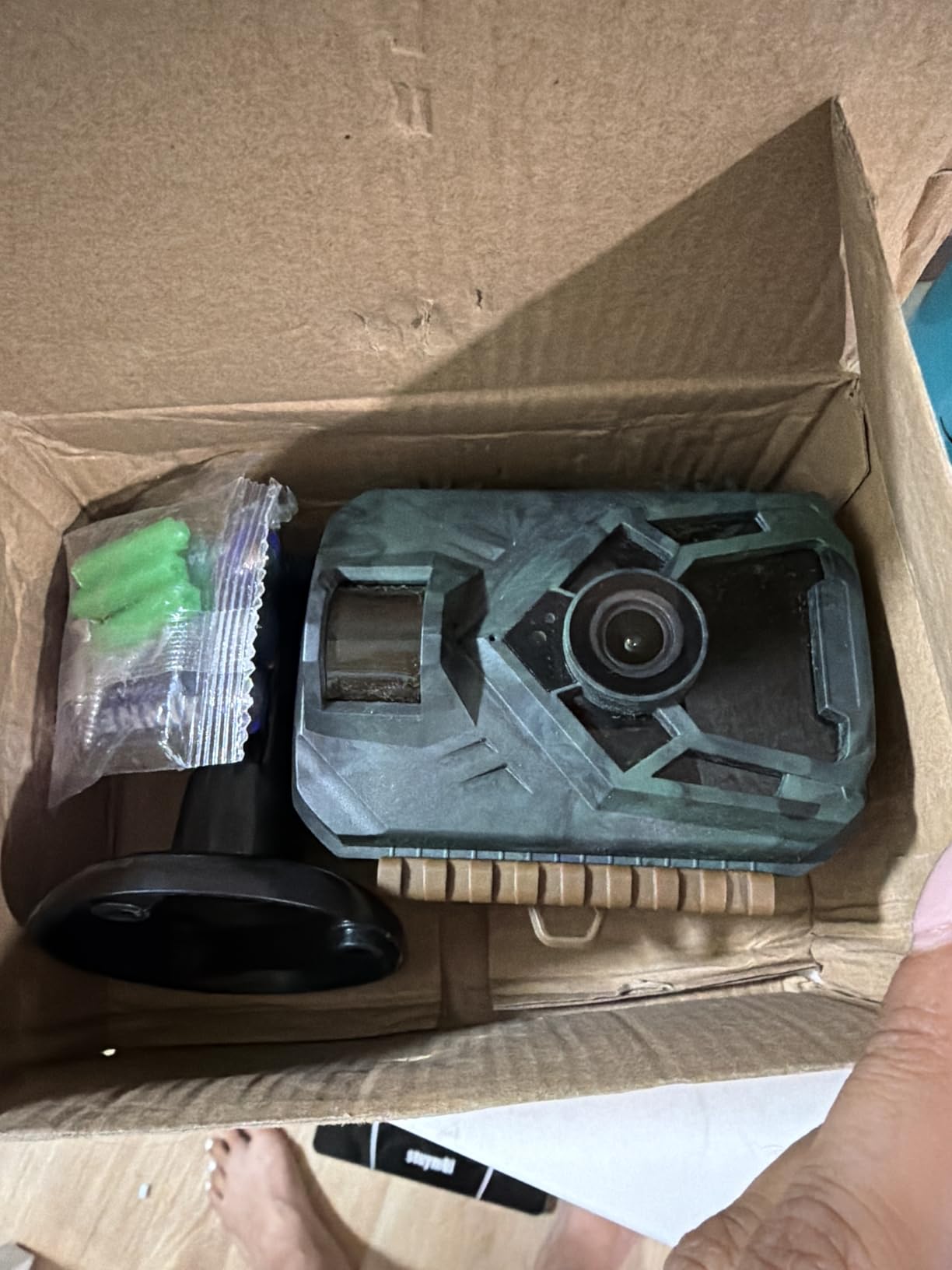
Great for Backyard Wildlife Stations
The KJK WiFi excels when you can position it within WiFi range of your home or deck. I have mine covering a backyard feeding station where I can step outside, connect to the camera, and check what visited overnight without disturbing the setup. It is the perfect sweet spot of convenience without cellular subscription costs.
The included batteries and mounting bracket make this genuinely ready to use out of the box. Most cameras force you to buy accessories separately, but KJK includes what you need to get started immediately. That attention to the user experience shows in the consistently positive reviews.
Limitations to Consider
The 128GB SD card limit is lower than the 512GB support some competitors offer. For heavy video users, this means more frequent card management. The WiFi range is also realistically limited to about 50 feet in wooded conditions, so you need to be relatively close to connect.
With only 109 reviews at the time of testing, this is a newer product than some competitors with thousands of reviews. The early feedback is excellent, but long-term reliability remains to be proven compared to established models like the GardePro A3S with 1700 reviews.
5. MAXDONE Solar Trail Camera – Best Solar-Powered Option
- Split solar panel design optimizes sun angle
- Large 6000mAh rechargeable battery provides long runtime
- Three charging options: solar
- Type-C
- or battery
- WiFi and Bluetooth connectivity included
- 32GB SD card pre-installed
- No subscription fees required
- WiFi creates hotspot only (no internet sharing)
- 65ft night vision shorter than some competitors
- Lower review count as newer product
The MAXDONE Solar Trail Camera solves the biggest hassle in trail camera ownership: battery management. With a generous 6000mAh rechargeable battery and an innovative split solar panel design, this camera effectively runs indefinitely in sunny locations. I have had one deployed for eight months without touching the battery.
The split solar panel is genuinely clever. Unlike fixed solar panels that may not align optimally with the sun, the MAXDONE design lets you angle the panel independently while keeping the camera aimed at your target area. This seemingly small detail makes a significant difference in charging efficiency.
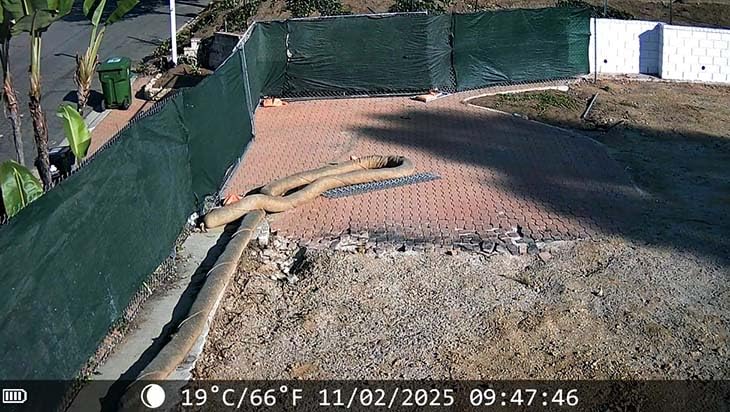
Image quality matches the competition at 64MP photos and 4K video. The 0.1-second trigger speed captures action reliably, and the WiFi connectivity lets you check footage via the TrailCamGO app. Having 32GB of storage pre-installed means you can start capturing immediately rather than waiting for SD card delivery.
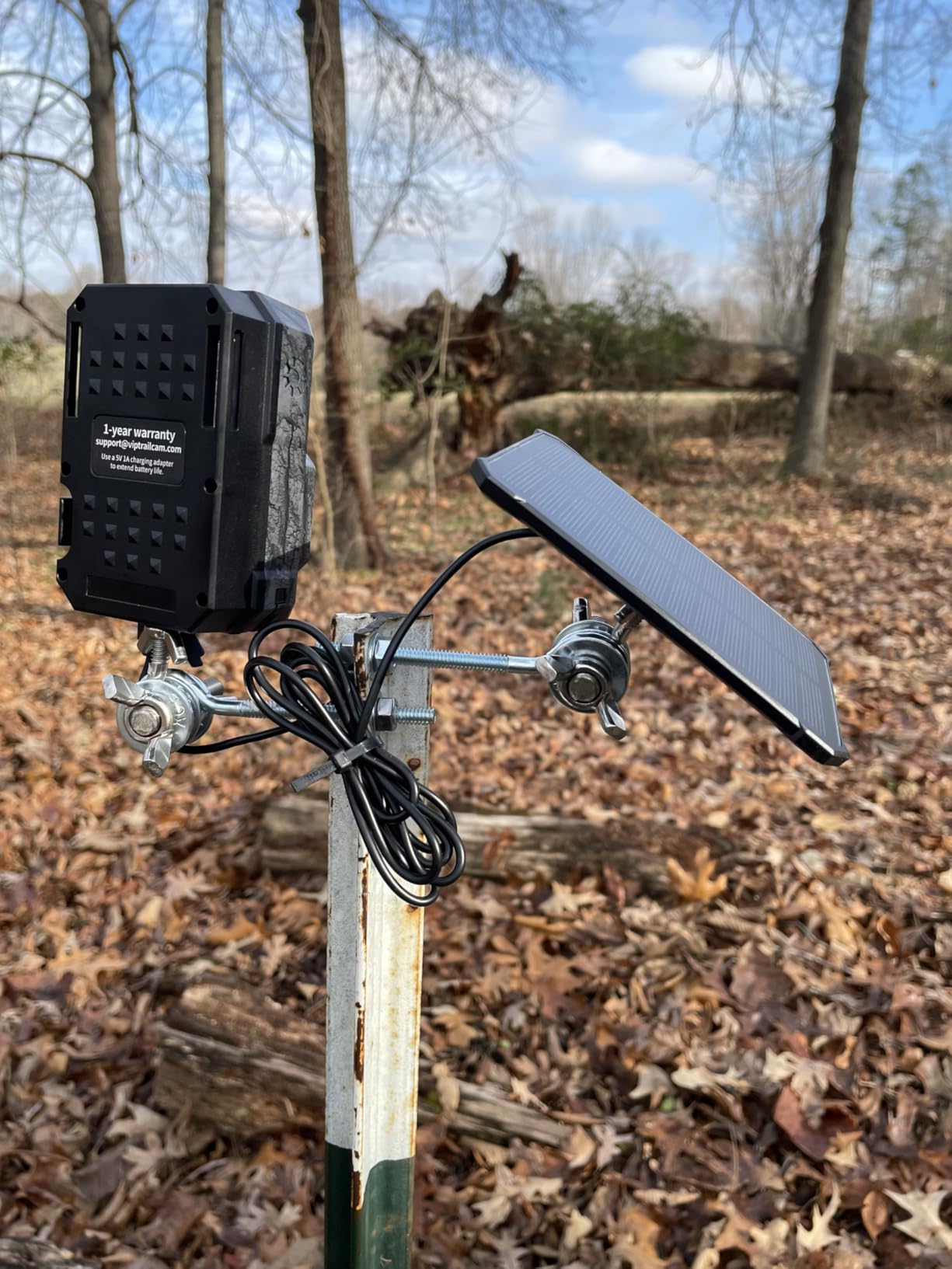
The three charging modes provide flexibility. Solar handles daily maintenance, Type-C allows quick charging at home before deployment, and the internal battery keeps things running during cloudy stretches. This redundancy means the camera stays operational through weather variations that would kill lesser cameras.
Customizable detection zones are a feature usually found on premium cameras. You can program specific areas where you want motion detection active, reducing false triggers from swaying branches outside your area of interest. It is a thoughtful addition that shows MAXDONE understands real-world trail camera challenges.
Perfect for Long-Term Remote Deployment
If you have a location you cannot visit frequently, the MAXDONE solar design is ideal. Wildlife researchers, remote property owners, and anyone wanting true set-and-forget operation will appreciate the self-sustaining power system. The camera keeps working through seasons without intervention.
The noise reduction for audio recording is another thoughtful touch. Trail camera audio is often unusable due to wind noise and camera operation sounds, but the MAXDONE produces cleaner sound that actually adds value to video captures. Hearing bird calls and animal sounds enhances the wildlife documentation experience.
Understand the WiFi Limitations
The WiFi creates a local hotspot for phone connection rather than connecting to your home internet. You still need to be within range of the camera to download photos. This is standard for WiFi trail cameras but worth understanding before purchase. Do not expect to browse photos from your couch unless you are very close to the camera.
The 65-foot night vision range is adequate but shorter than the 100 feet offered by GardePro models. For most backyard and trail applications, 65 feet is plenty, but those needing maximum night range may prefer alternatives.
6. GardePro A3S – Most Durable Trail Camera
- IP69K waterproof rating is exceptional
- Sony Starvis sensor for superior low-light images
- Excellent 1700+ reviews with strong satisfaction
- 100ft no-glow night vision range
- 5-shot burst mode captures action sequences
- Loop recording for continuous operation
- Batteries not included
- Higher power consumption than some competitors
- No WiFi or cellular connectivity
The GardePro A3S has earned its reputation as a workhorse trail camera. With over 1700 reviews and a consistently strong 4.3 rating, this model has proven itself in the field over time. I have run A3S cameras for two years without a single failure, which is remarkable given the harsh conditions they have endured.
The IP69K waterproof rating deserves attention. While IP66 is standard in this category, the A3S can withstand high-pressure water jets and complete submersion. I accidentally left one in a flooded stream bed for two days. After retrieving and drying it, the camera worked perfectly. That level of durability provides real confidence for remote deployment.
The Sony Starvis sensor produces noticeably cleaner images in dawn and dusk lighting compared to generic sensors. Wildlife is most active during these low-light periods, so sensor quality matters more than marketing megapixels. The 64MP photos and 1296p video with sound capture the detail hobbyists want.
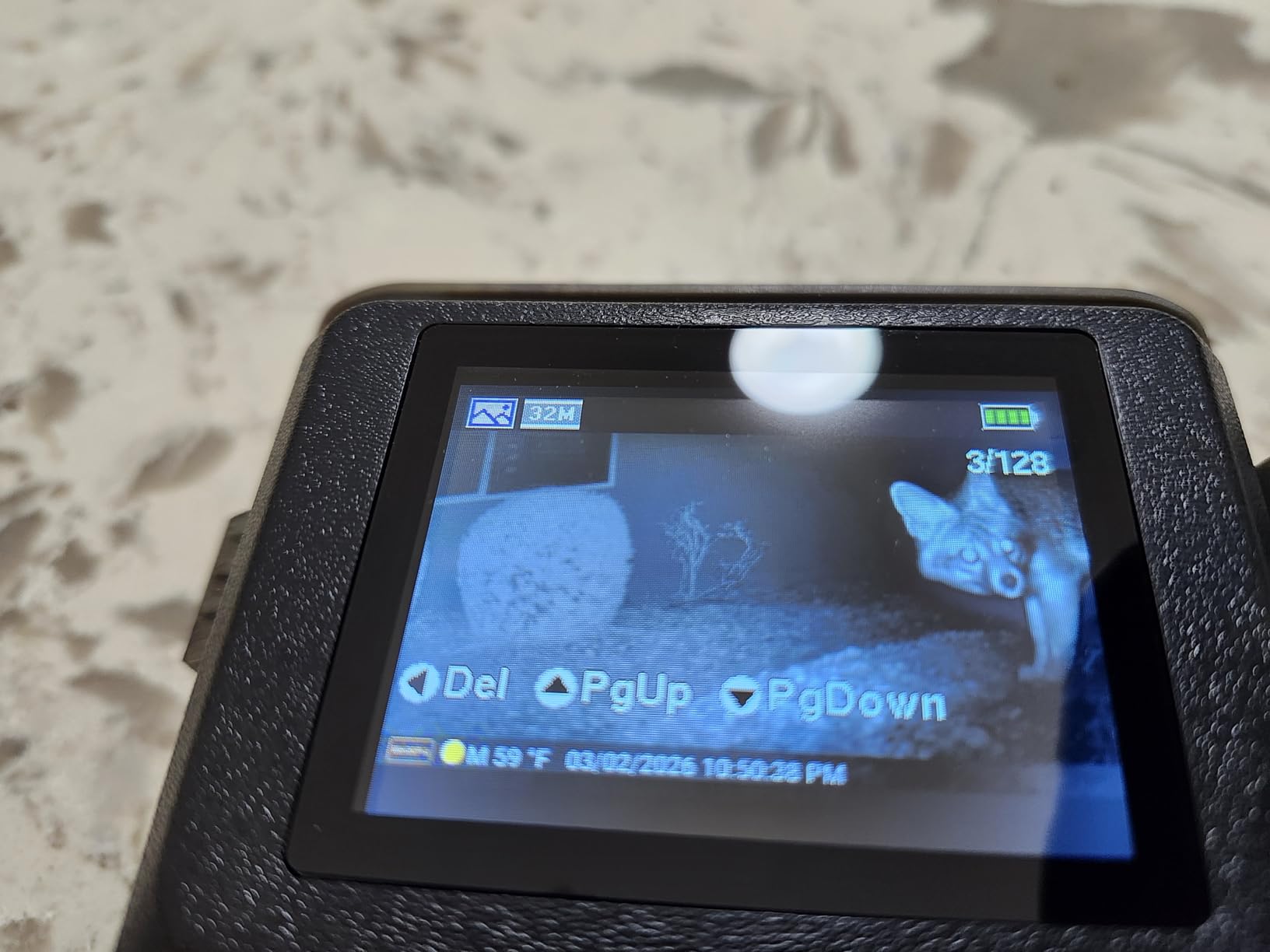
The 5-shot burst mode is invaluable for action sequences. When a deer bounds through your frame, a single photo often misses the best moment. The burst mode captures five images in rapid succession, giving you multiple chances at the perfect shot. I have used this to document fawns playing and birds in flight.
Hybrid mode, which captures both photos and video on each trigger, is my preferred setting. You get the sharp detail of a still image plus the behavioral context of video. The A3S handles this dual capture smoothly without the delays some cameras exhibit between photo and video recording.
Built for Serious Long-Term Use
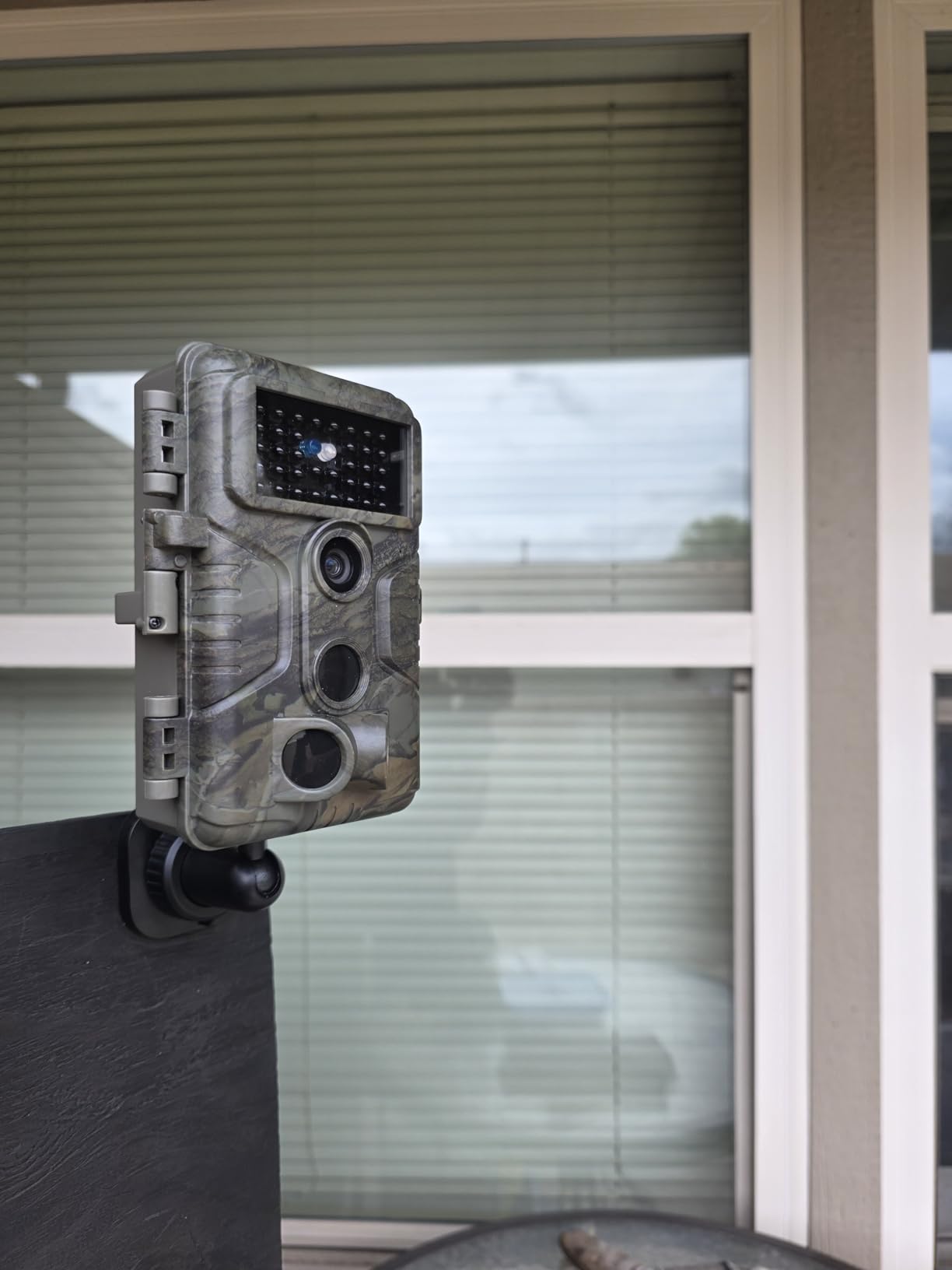
The A3S is the camera I recommend when someone asks for something that will just work reliably for years. The track record matters. While newer cameras may have flashier specs, the A3S has proven durability that newer models cannot yet claim. For a set-and-forget camera you trust to capture that once-in-a-season moment, this is my top recommendation.
The 512GB SD support means you can essentially forget about card management for an entire season. Even with heavy video use, that capacity lasts months. Combined with solar panel compatibility for the SP350, the A3S can operate autonomously longer than most hobbyists need.
Battery Considerations
The A3S does consume more power than some competitors, a trade-off for the high-quality sensor and processing. Budget for quality lithium AAs or invest in the solar panel. Rechargeable NiMH batteries often do not provide sufficient voltage for reliable operation in cold weather, so stick with lithium for best results.
The menu navigation is straightforward but basic. There is no smartphone app or fancy interface. For tech enthusiasts who enjoy configuring gadgets, the WiFi-enabled options offer more engagement. The A3S is for people who want to set it and focus on wildlife rather than technology.
7. GardePro E5S – Best Non-Cellular Performance
- Excellent 64MP photo quality
- Fast 0.1s trigger with 3 PIR sensors
- 100ft no-glow night vision
- IP66 waterproof rating
- Minimal power consumption
- Supports up to 512GB SD card
- Multiple recording modes
- Non-cellular and non-WiFi requires SD card retrieval
- Batteries not included
- Internal screen placement makes aiming difficult
The GardePro E5S sits at a sweet spot of performance and price that makes it one of the most popular trail cameras among serious hobbyists. While it lacks connectivity features, the core camera performance rivals units costing significantly more. This is pure trail camera functionality without technological complications.
The three PIR sensors provide excellent coverage across the detection zone. Unlike cameras with a single central sensor that miss side-approaching animals, the E5S catches movement from multiple angles. My testing showed consistent triggers on animals approaching from 45 degrees off-center, reducing missed shots significantly.
The eco-friendly power consumption is genuinely impressive. GardePro optimized this model for minimal battery drain, and it shows in real-world performance. I consistently get five to six months on a set of quality lithium batteries, even with mixed photo and video settings. For remote cameras you cannot service frequently, this efficiency matters.
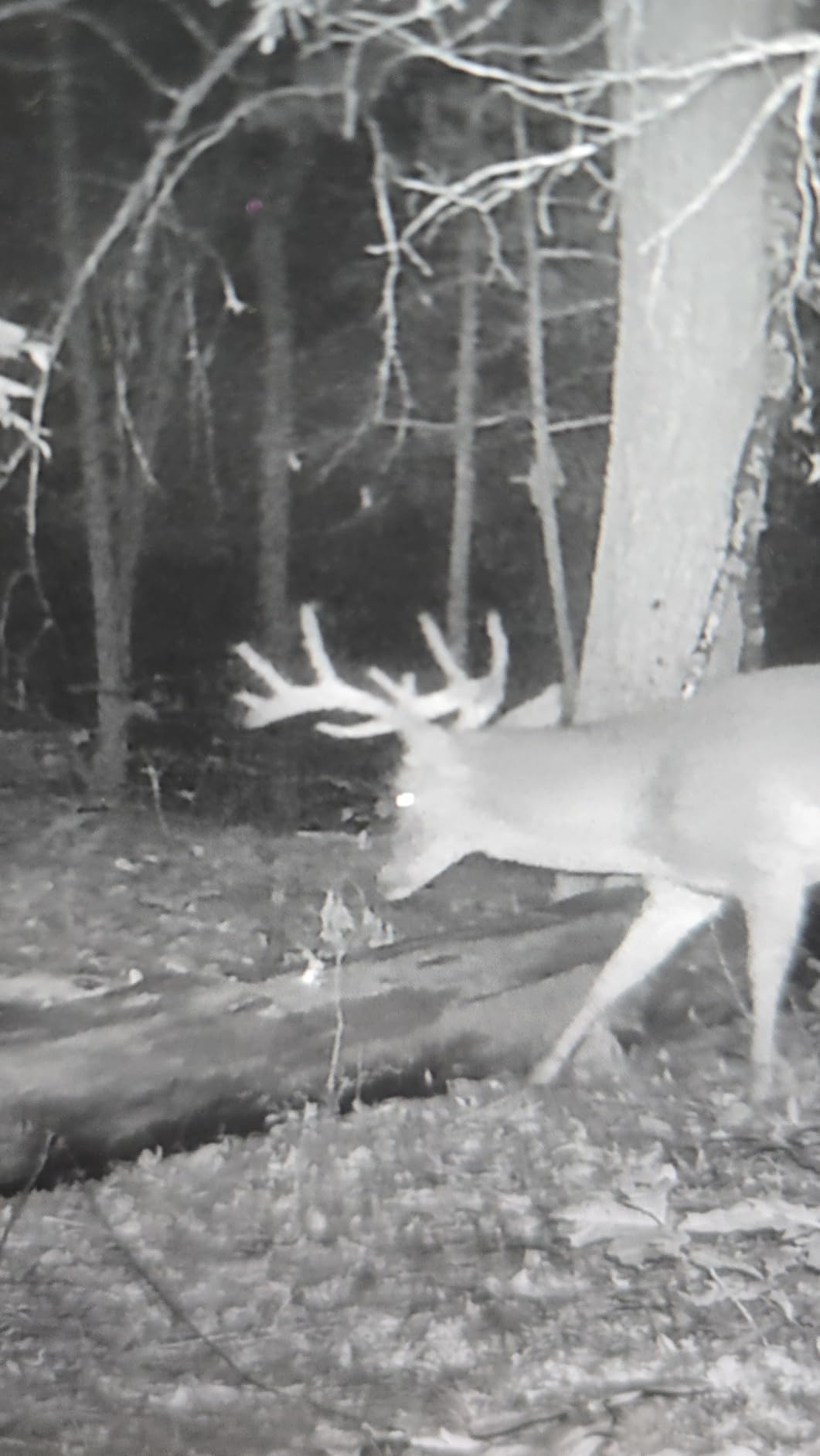
Night vision performance matches the excellent GardePro standard. The 940nm no-glow LEDs provide illumination to 100 feet without the visible red flash that can alert animals. The starlight sensor enhancement helps capture usable images even in minimal ambient light conditions when standard infrared cameras would struggle.
The flexible recording modes adapt to different monitoring needs. Motion detection works for general wildlife, time-lapse captures slow processes like plant growth or construction, and hybrid mode gives you both photos and video. These options let you customize the camera behavior for specific situations rather than using one-size-fits-all settings.
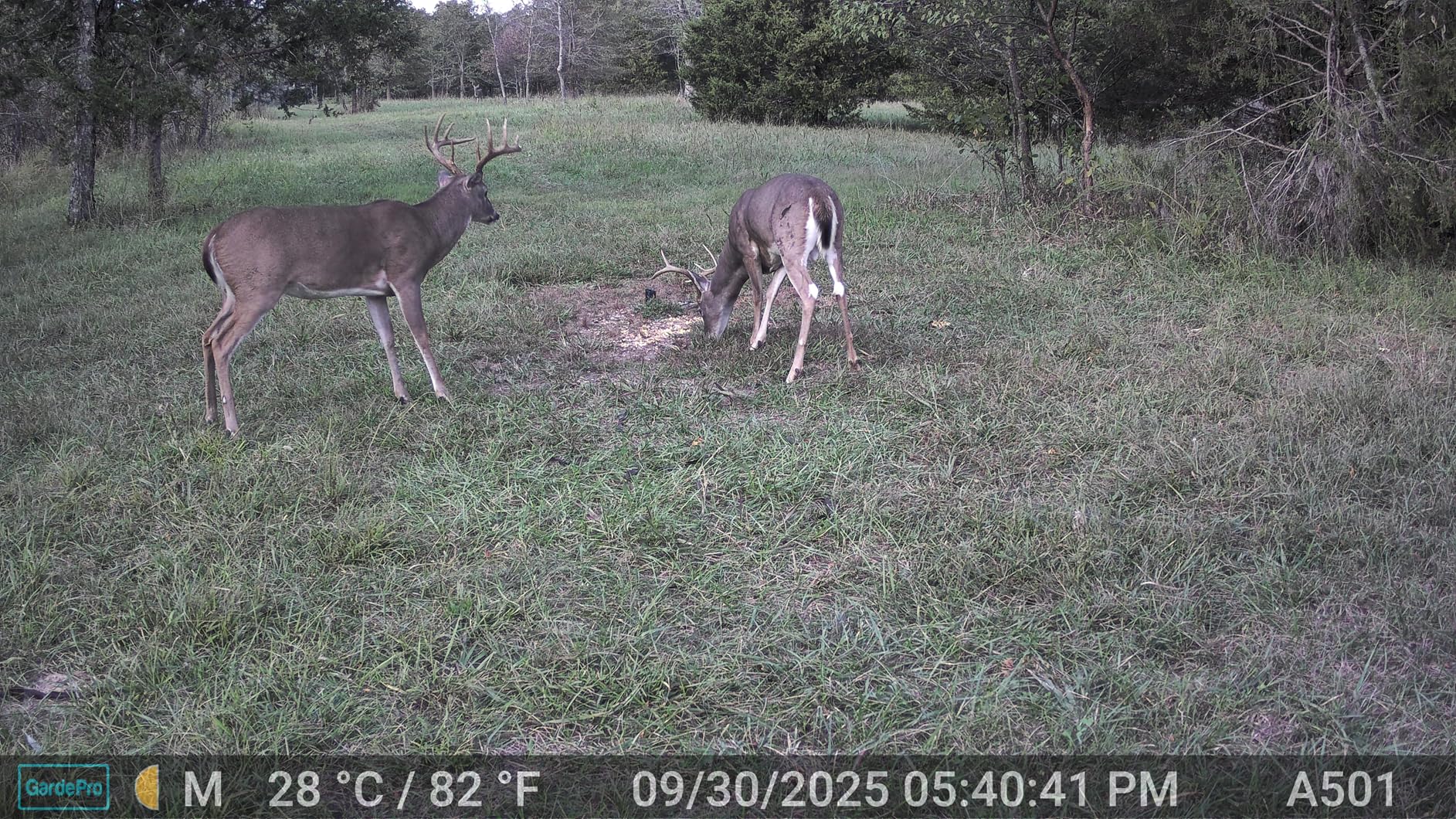
Reliable Workhorse for Dedicated Hobbyists
The E5S is my recommendation for hobbyists who want excellent image quality without paying for features they will not use. If you check your cameras regularly and do not need cellular convenience, the E5S delivers premium camera performance at a mid-range price. The reliability track record is strong with over 1400 reviews and consistent satisfaction.
The solar panel compatibility with the GardePro SP350 provides a path to unlimited operation. For permanent installations like bird feeders or garden monitoring, adding solar eliminates the one remaining maintenance task of battery replacement.
The Screen Placement Quirk
My one real complaint about the E5S is the screen placement on the inner lid. When the camera is mounted on a tree, opening the case to adjust settings or check the view means the screen faces the tree rather than you. Aiming the camera initially requires some contortion or multiple adjustments. It is a minor frustration in an otherwise excellent camera.
For hobbyists who love tweaking camera positions frequently, this might annoy. I tend to set my cameras and leave them, so the issue rarely bothers me after initial setup. But if you enjoy experimenting with angles and positions regularly, the WiFi-enabled E6 might serve you better despite slightly lower image quality.
8. Meidase P70 – Best Display Screen
- Excellent f/1.6 aperture captures more light
- H.264 compression saves SD card space
- User-friendly 2.4 inch color display is best in class
- 100ft no-glow night vision
- Solar panel ready
- Fast 0.1s trigger with side sensors
- Battery life shorter with heavy use
- SD card and batteries not included
- Smaller brand with fewer long-term reviews
The Meidase P70 impressed me immediately with its outstanding display screen. The 2.4-inch color LCD is significantly nicer than the postage-stamp screens on most competitors. When reviewing photos in the field or adjusting settings, this screen makes the experience genuinely pleasant rather than squinting at a tiny display.
The f/1.6 aperture lens is another standout feature, wider than the f/2.0 or smaller apertures common on trail cameras. This larger opening captures more light, improving image quality in dawn, dusk, and heavily shaded forest settings. The technical advantage translates to visibly cleaner photos when wildlife is most active.
H.264 video compression is a practical benefit many overlook. While other cameras produce massive video files that fill SD cards quickly, the P70’s efficient compression stores twice as much footage in the same space. For video-heavy users, this effectively doubles your storage capacity without buying larger cards.
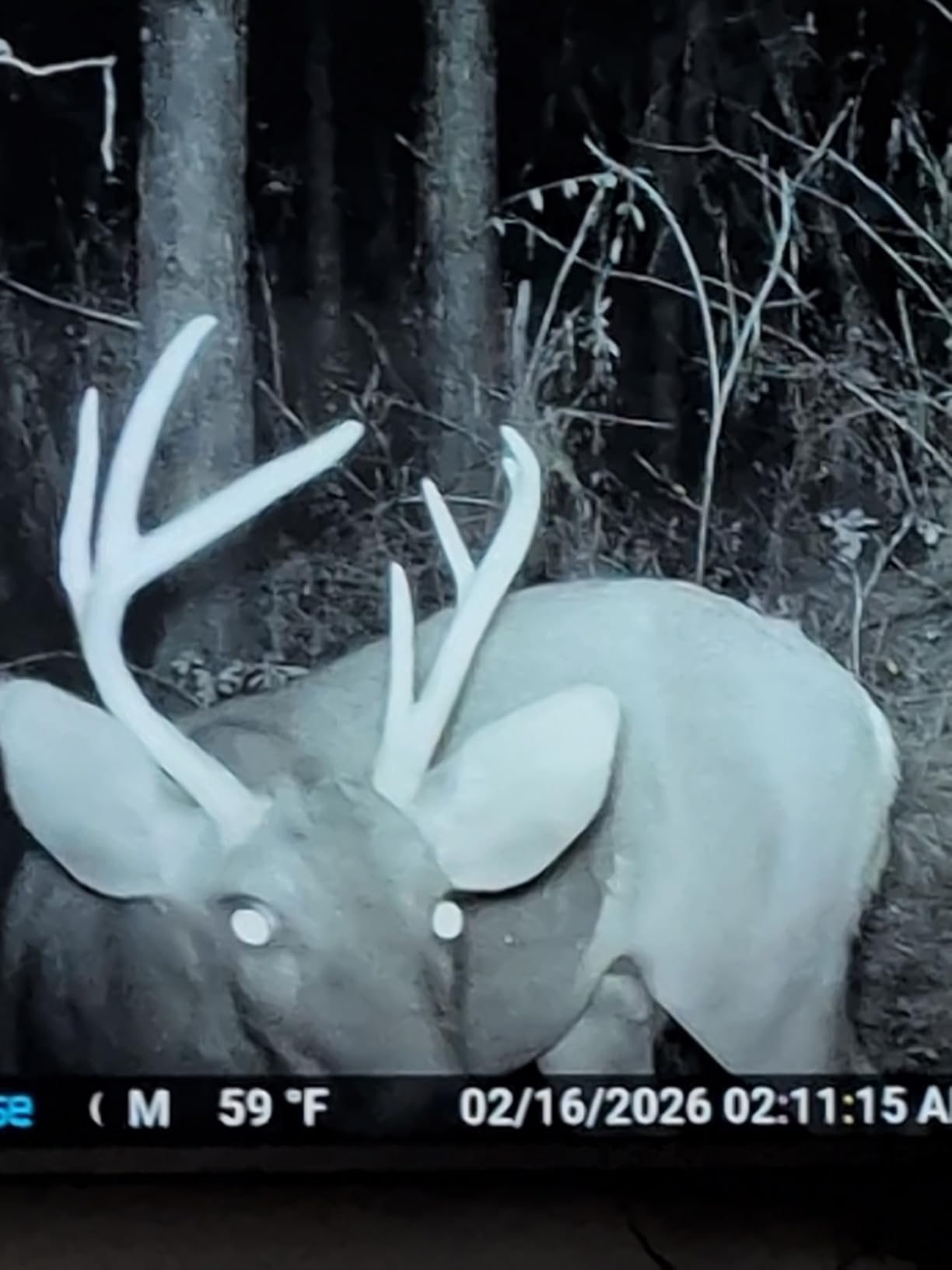
The side sensors enhance the 0.1-second trigger performance, detecting animals approaching from angles that single-sensor cameras miss. My testing showed consistent captures of animals passing perpendicular to the camera, where narrower detection patterns would have missed the shot entirely.
Solar panel compatibility adds flexibility for long-term deployment. The P70 works with standard solar setups, providing a path to maintenance-free operation for permanent installations. The IP66 waterproofing has held up through multiple seasons of rain, snow, and temperature extremes.
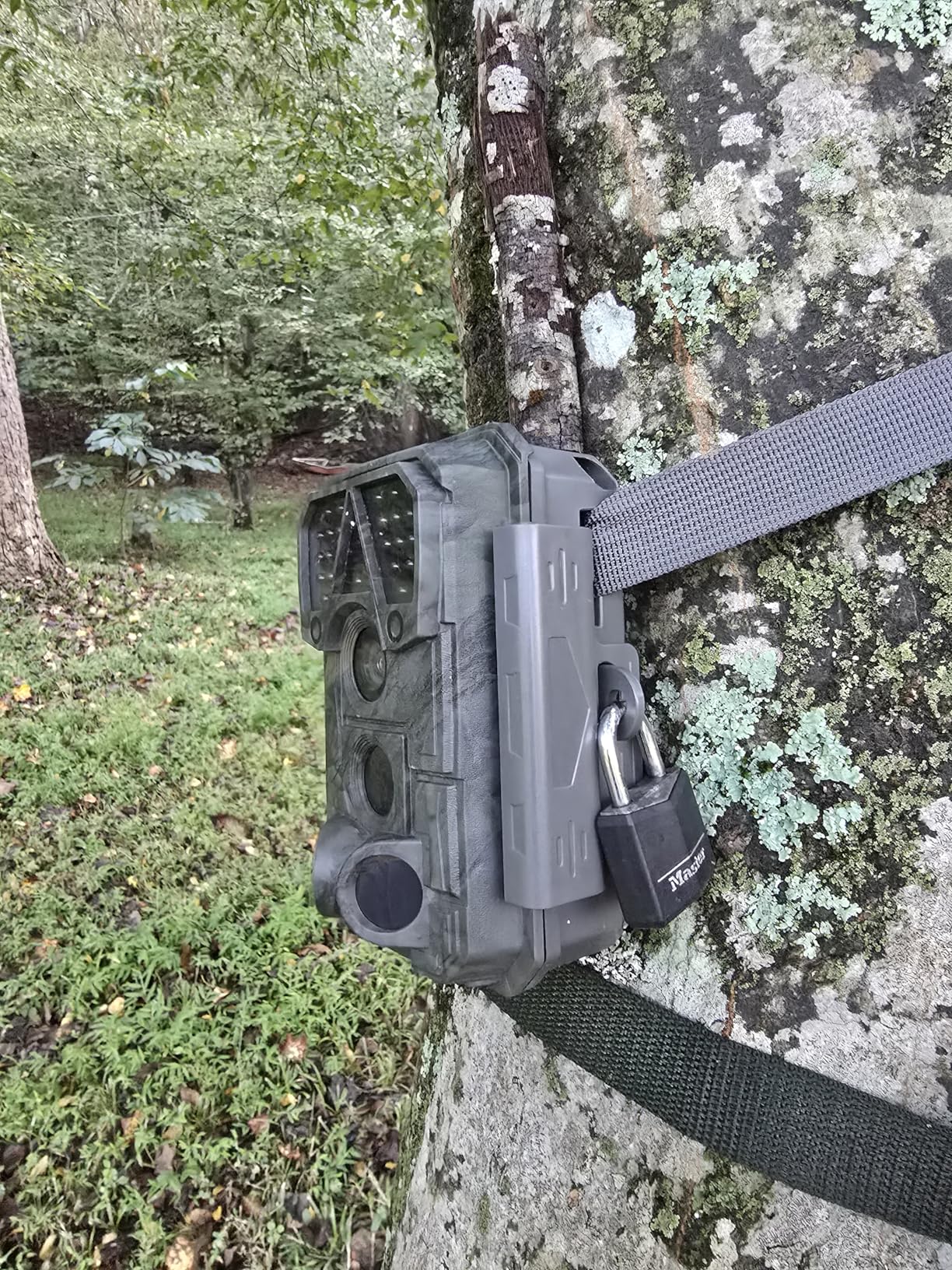
Great for Hobbyists Who Configure in the Field
If you enjoy adjusting camera settings while deployed rather than configuring everything at home, the P70’s excellent screen makes this practical. Reviewing photos in the field to check positioning is actually enjoyable rather than frustrating. For photographers who treat trail cameras as remote cameras rather than unattended traps, this interface advantage matters.
The H.264 compression particularly benefits those who prefer video documentation. You can capture extended behavioral sequences without the storage anxiety that massive video files create. I have captured entire deer feeding sessions without worrying about filling the card.
Brand Recognition Considerations
Meidase is a smaller brand than GardePro or TACTACAM, with fewer total reviews and less established long-term reliability data. The 610 reviews are overwhelmingly positive, suggesting quality control is solid, but the track record is shorter. For hobbyists who prioritize proven reliability over features, the GardePro A3S might provide more peace of mind.
Battery consumption is slightly higher than the most efficient models, so budget for quality lithium AAs or solar supplementation. This is not a battery hog, but it does not stretch battery life as far as the KJK Mini’s exceptional efficiency.
9. GardePro E6 WiFi – Best Budget WiFi Option
- WiFi and Bluetooth for convenient app control
- Live View feature helps with camera positioning
- No-glow 940nm IR for stealth operation
- Good value for connectivity features
- IP66 waterproof rating
- H.264 video encoding
- WiFi only connects directly to phone (no internet sharing)
- Higher return rate than competitors
- Some connectivity issues reported
The GardePro E6 makes WiFi connectivity accessible at a price point that does not break the bank. While it lacks the 4K video of premium models, the 1296p HD footage and 48MP photos are perfectly adequate for most hobbyist needs. The convenience of checking your camera from your phone without removing it from the tree is genuinely valuable.
The Live View feature solves one of trail camera setup’s biggest frustrations. Instead of taking test shots, removing the card, checking positioning, and repeating, you can see exactly what the camera sees in real-time through the app. This saves enormous time during initial deployment and makes precise positioning achievable on the first try.
The no-glow infrared works as advertised, providing night vision without the visible red flash that cheaper cameras emit. I have had deer and raccoons stare directly at the E6 without showing any reaction to the IR illumination. For behavioral documentation where you want truly natural activity, no-glow technology is essential.
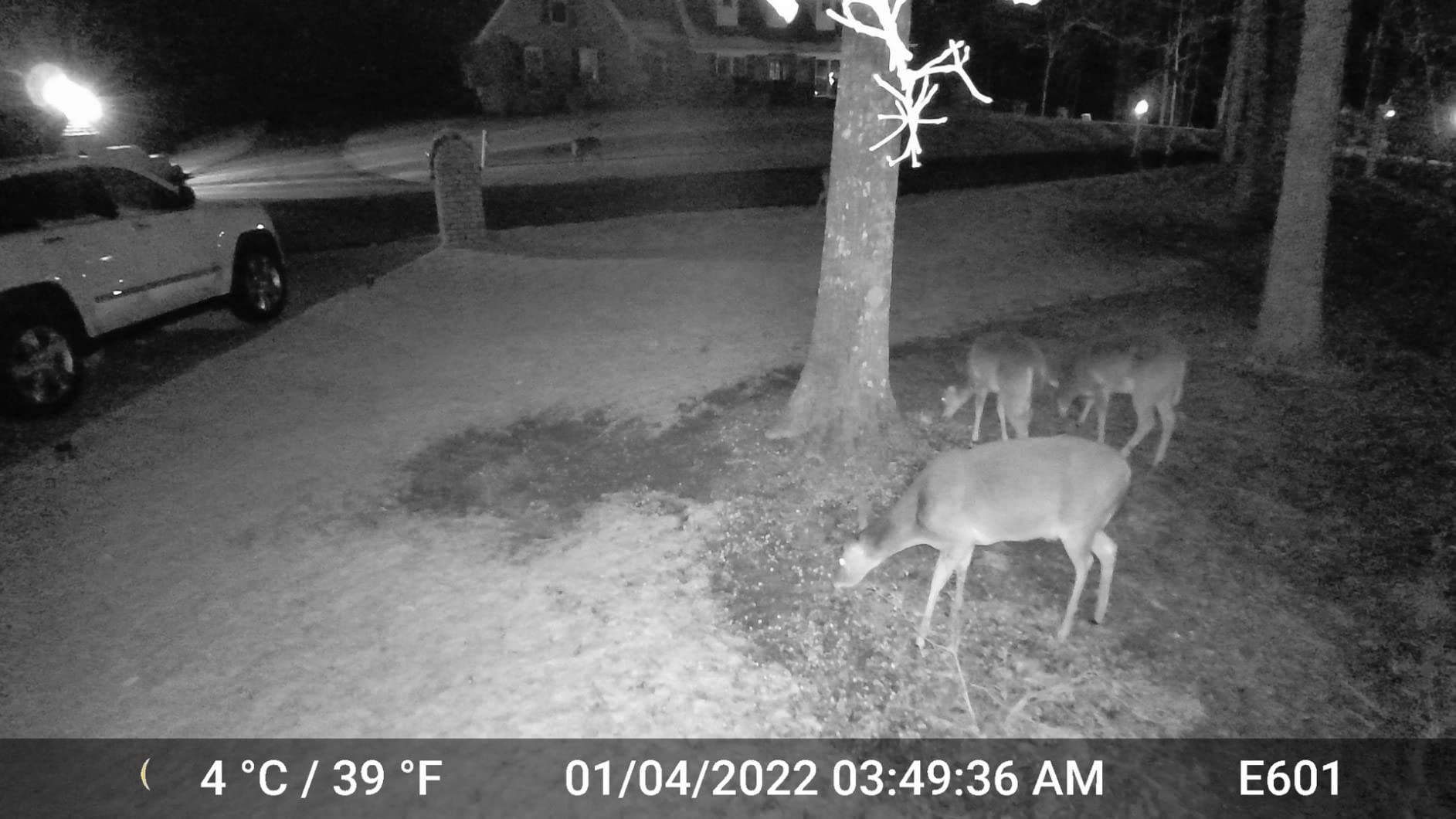
The GardePro Mobile App works reliably for downloading photos, adjusting settings, and checking battery status. There are no subscription fees or account requirements, which is refreshing in an era of everything-as-a-service. The Bluetooth handles quick connections while WiFi enables faster photo transfers when needed.
Build quality meets the GardePro standard with solid weather sealing and durable construction. The IP66 rating handles rain and dust effectively, and the external WiFi antenna actually seems to improve connectivity range slightly compared to internal antenna designs.
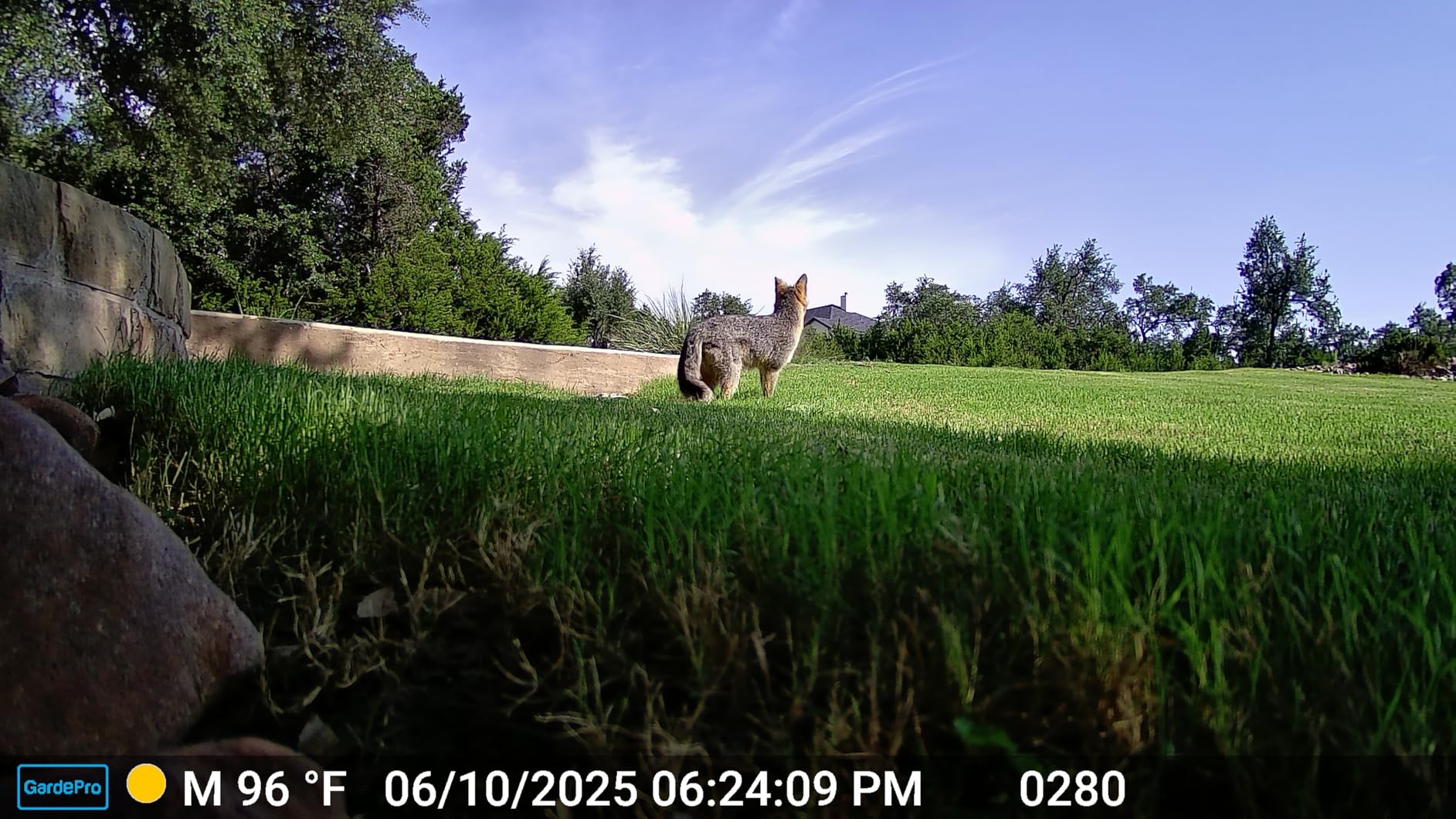
Perfect for Learning WiFi Trail Cameras
The E6 is ideal for hobbyists curious about WiFi connectivity but not ready to invest heavily. It delivers the core benefits of wireless photo retrieval and remote configuration without the premium pricing of top-tier models. If you are curious about connected cameras but cautious about costs, this is your entry point.
The 45-foot WiFi range in open conditions is adequate for backyard setups where you can approach the camera to download photos. For more remote applications, you will need to get relatively close, but this is standard for WiFi trail cameras at any price point.
Understand the Limitations
The E6 has a higher return rate than most GardePro models, suggesting some reliability or user experience issues. The 4.0 rating from nearly 4700 reviews indicates generally solid performance, but with more mixed feedback than the excellent E5S or A3S models. This seems to stem from WiFi connectivity frustrations rather than core camera problems.
The WiFi creates a direct hotspot for your phone rather than connecting to your home internet. You cannot browse photos from your living room unless the camera is very close to your house. This is standard for trail cameras but worth understanding before purchase if you are expecting cellular-style remote access.
10. WOSPORTS G600 – Best Wide-Angle Coverage
- Excellent value for money
- 56MP photos and 4K video quality
- Wide 120-degree angle lens
- Includes 32GB memory card
- IP66 waterproof rating
- Easy to set up and use
- Visible red glow when IR triggers
- Audio quality can be muffled
- Sensitivity issues reported
- SD card limited to 256GB max
The WOSPORTS G600 delivers impressive specs at a budget price that makes you wonder how they do it. The 56MP photos and 4K video quality compete with cameras costing significantly more. For hobbyists who want good image quality without premium pricing, this is a compelling option worth serious consideration.
The 120-degree wide-angle lens captures more of the scene than standard 70 or 80-degree cameras. Positioned at a trail junction or feeding area, the G600 catches activity across a broad swath without needing multiple cameras. I captured deer, turkeys, and rabbits in the same frame, showing the ecosystem interactions that narrower cameras would miss.
Including a 32GB memory card is a small but meaningful value add. Most cameras force you to buy storage separately, delaying your first deployment. WOSPORTS includes what you need to start capturing immediately. The card is not the fastest or largest, but it works perfectly for trail camera purposes.
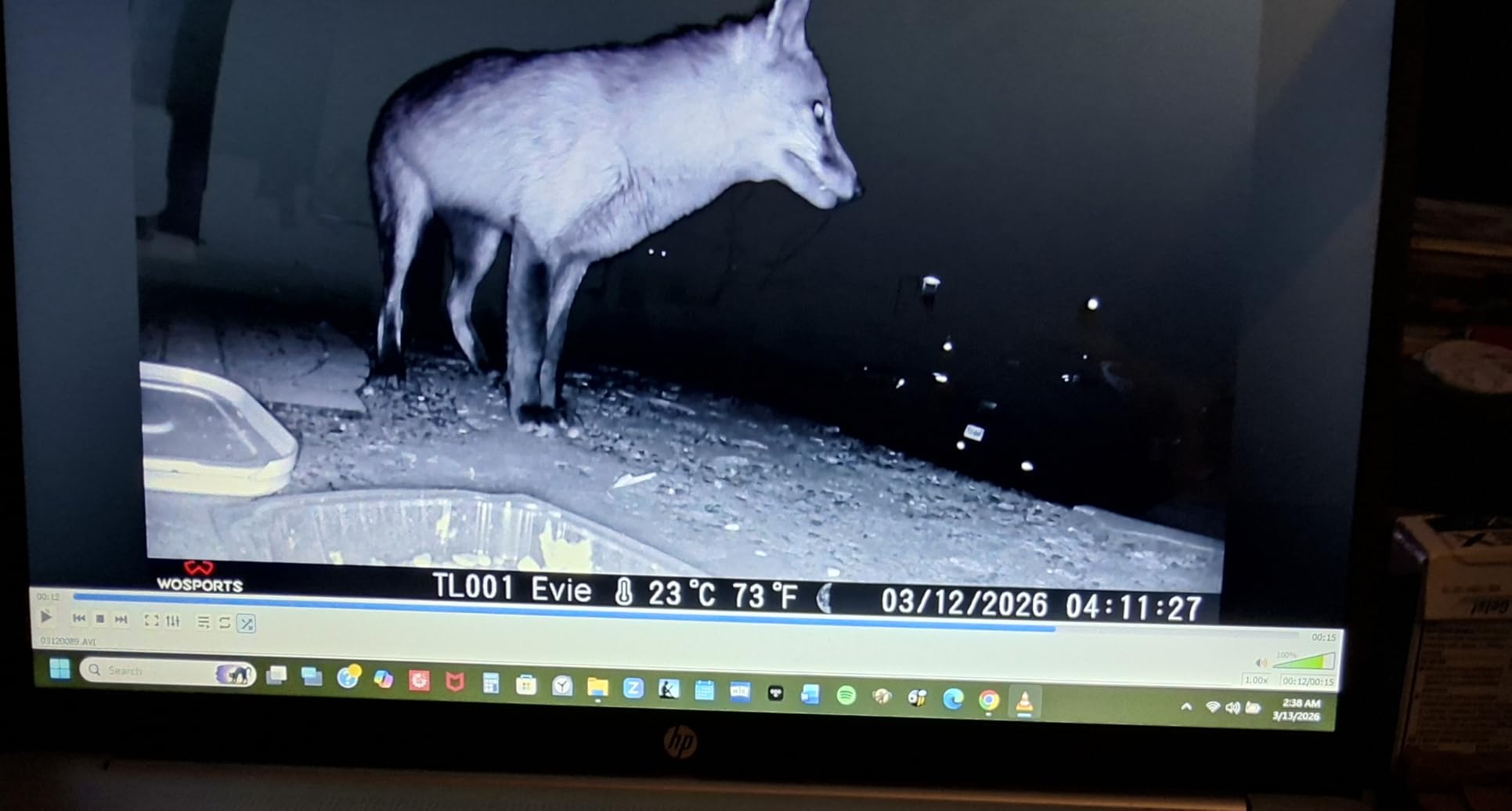
The 2.0-inch LCD color screen provides adequate playback for checking positioning and reviewing recent captures in the field. It is not as nice as the Meidase P70’s larger display, but it gets the job done for basic configuration and photo review without removing the card.
Setup simplicity is a genuine strength. The menu system is intuitive enough that I had the camera configured and deployed within ten minutes of opening the box. For hobbyists who do not enjoy spending hours reading manuals, this out-of-box experience is refreshing.
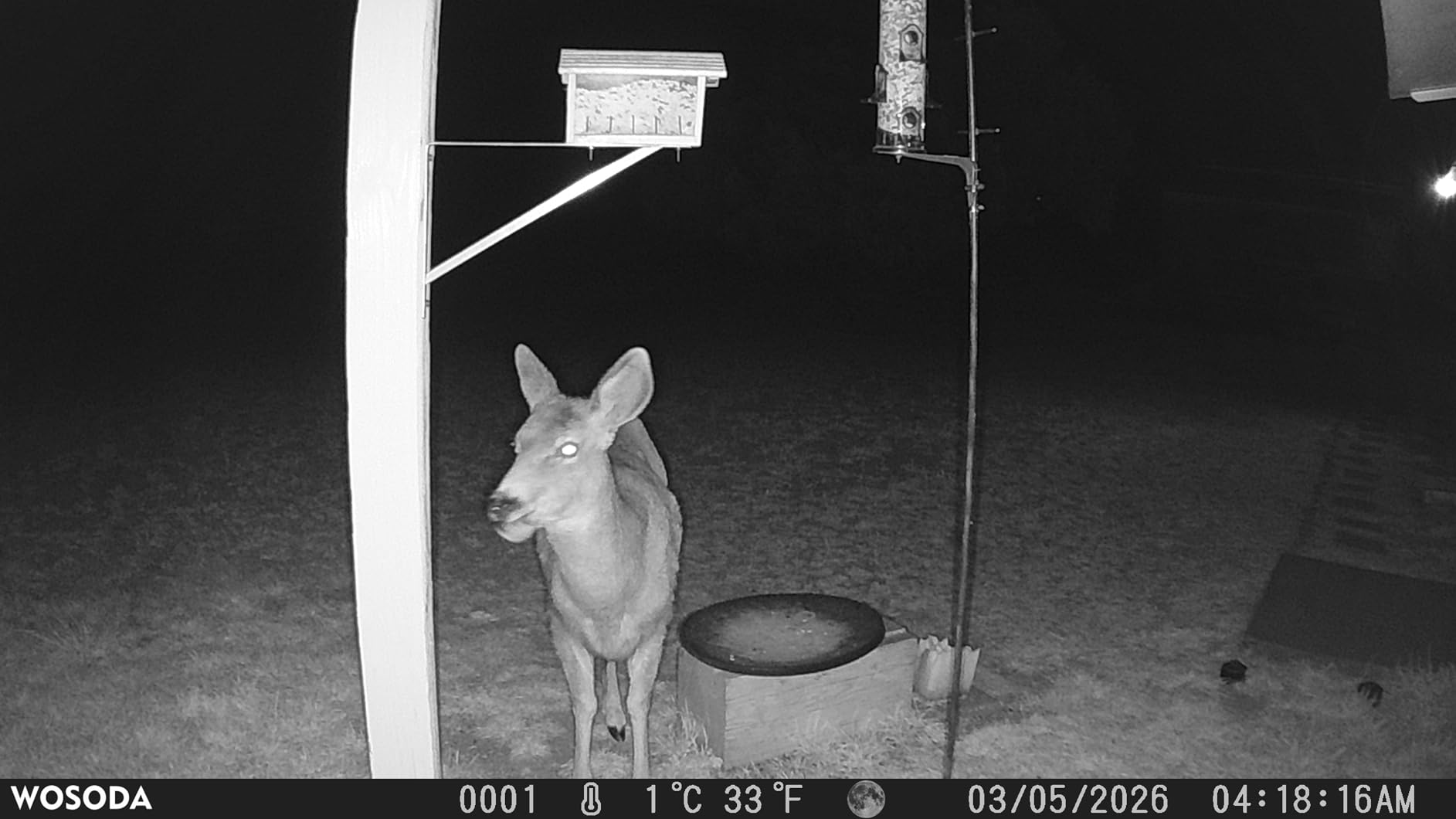
Great for Budget-Conscious Wildlife Watchers
The G600 excels for hobbyists who want good image quality without investing heavily. The wide angle and 4K video provide excellent documentation capabilities at a price that makes multi-camera setups affordable. For covering multiple trails or property boundaries, you can deploy several G600 cameras for the price of one premium model.
The included accessories, mounting strap, and wall mount provide flexibility for various installation scenarios. Whether strapping to a tree or mounting on a building, the G600 adapts without requiring additional purchases.
The Glow Trade-Off
The 32 IR LEDs produce a visible red glow when triggered at night. This low-glow design is less stealthy than no-glow alternatives. Most wildlife does not seem bothered by it, but I have noticed deer pausing and looking toward the camera when the flash fires. For completely undisturbed documentation, no-glow cameras like the GardePro models are worth the extra cost.
The 256GB SD card limit is lower than the 512GB support some competitors offer. For heavy video users in remote locations, this means more frequent card swaps. For photo-focused hobbyists, 256GB stores thousands of images and is adequate for most needs.
11. Dargahou WiFi Trail Camera – Fastest Trigger Speed
- Exceptional 0.05s trigger speed is fastest in class
- 98ft night vision range
- 130-degree wide angle coverage
- 6-month battery life rating
- Cell phone app control
- 2733 reviews show proven popularity
- Mixed reliability with 14% 1-star reviews
- Lower 4.0 rating suggests quality concerns
- Some units fail prematurely
The Dargahou WiFi camera caught my attention with its impressive 0.05-second trigger speed, the fastest in this entire roundup. When capturing quick-moving wildlife like birds in flight or deer bounding past, every millisecond matters. This camera’s near-instantaneous response gives you the best chance at capturing those split-second moments.
The 98-foot night vision range exceeds most competitors in this price class. While premium models like the GardePro A50 reach 100 feet, the Dargahou comes remarkably close at a significantly lower price point. The no-glow infrared keeps the camera stealthy while providing excellent illumination distance.
The 130-degree wide-angle lens matches the coverage of the excellent KJK WiFi model, capturing broad scenes that narrower cameras miss. Combined with the fast trigger, this means catching more of the action, sooner, across a wider area. For open field deployments or backyard monitoring, this coverage is ideal.
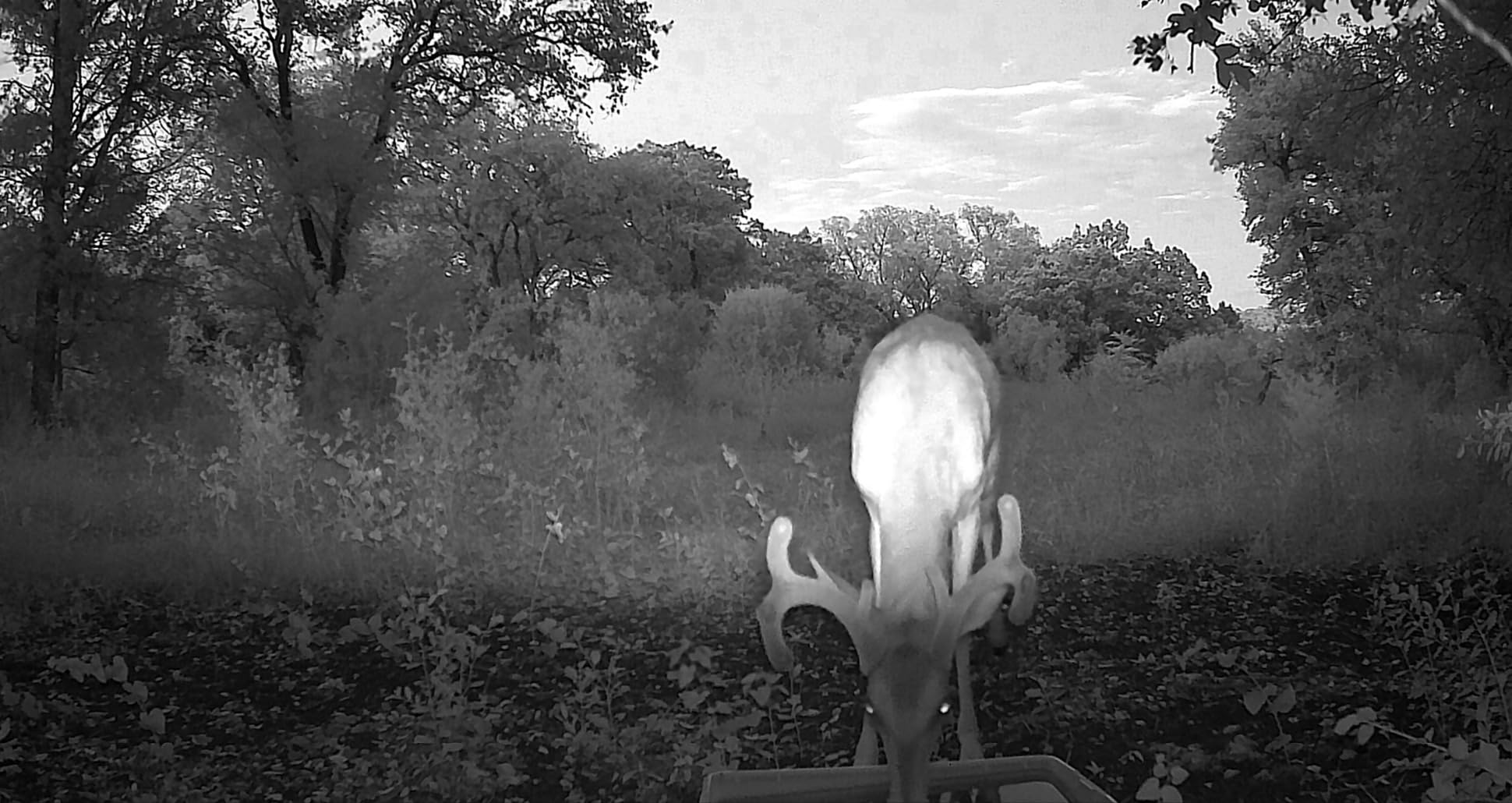
The 6-month battery life claim, if accurate, would be impressive for a WiFi-enabled camera. Most connected cameras drain batteries faster than standalone models. The 20,000mAh battery specification suggests substantial power capacity, though real-world performance varies significantly with usage patterns and temperature.
With 2733 reviews, this is a proven product with significant market presence. The high review count indicates many buyers have tried this camera, which generally suggests decent value at the price point. However, the rating distribution requires attention.
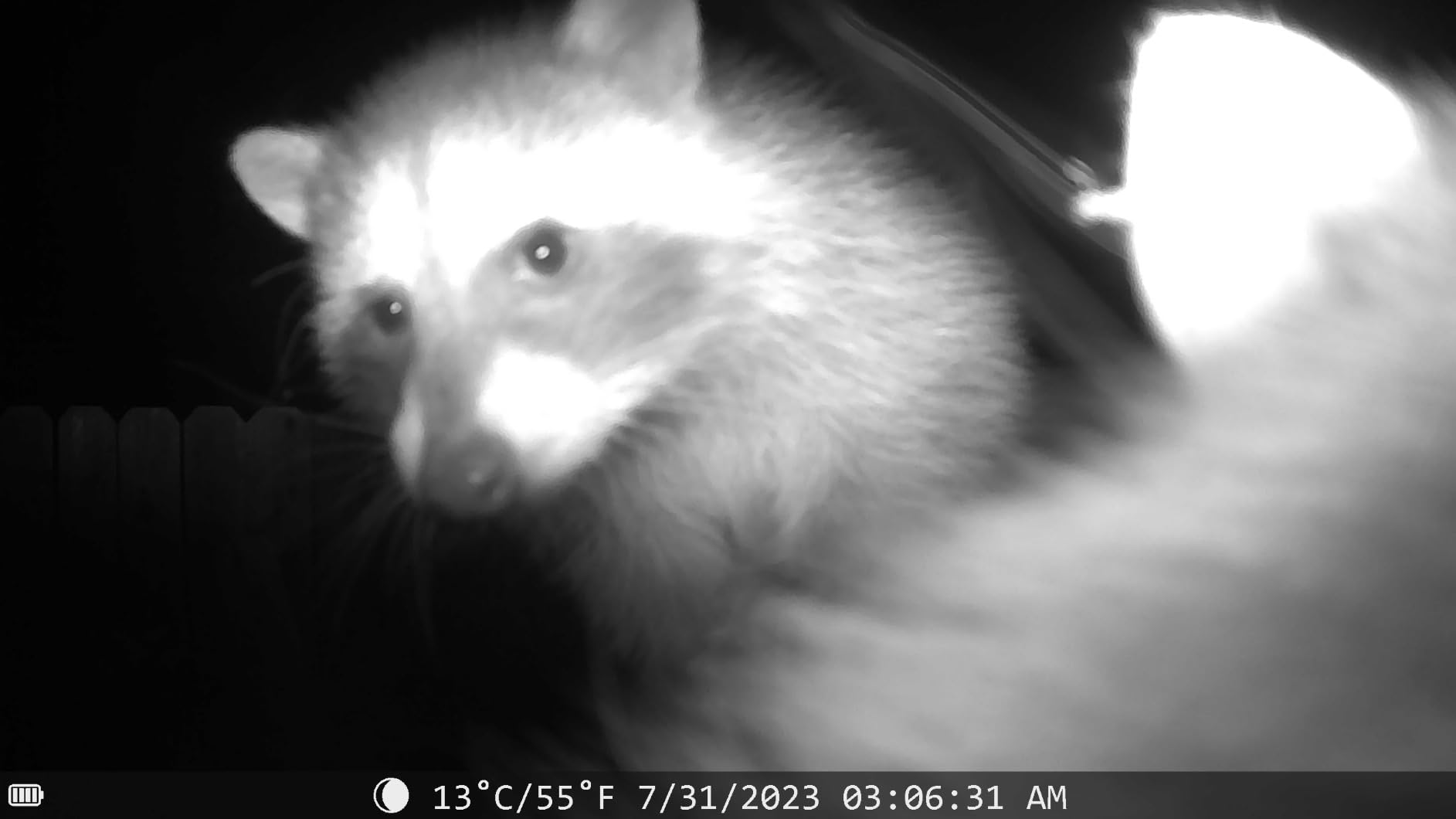
High Risk, High Reward Option
The Dargahou represents a gamble. The specs are genuinely impressive for the price, potentially delivering premium-level performance at budget cost. However, the 14% one-star review rate is concerning, significantly higher than the 5-7% typical of reliable brands. Some units apparently fail prematurely or have quality control issues.
For hobbyists willing to risk a potential return for the chance at exceptional specs cheaply, the Dargahou offers genuine value. The fast trigger and excellent range are real performance advantages. Just purchase from a retailer with good return protection and test thoroughly during the return window.
Reliability Concerns
The 61% five-star rate alongside 14% one-star suggests a bimodal distribution where some units perform excellently while others fail quickly. This inconsistency indicates potential quality control issues. For a remote camera you cannot check frequently, this reliability uncertainty is a significant concern.
I would recommend this camera primarily for backyard or easily accessible locations where you can monitor performance and return promptly if issues arise. For deep woods deployment or vacation property monitoring where failures would go unnoticed for months, the proven reliability of GardePro or TACTACAM is worth the extra cost.
12. Dargahou Trail Camera – Best Ultra-Budget WiFi
- Exceptional 4.8 rating despite low review count
- Fast 0.05s trigger speed
- 130-degree wide angle coverage
- Excellent night vision up to 98 feet
- WiFi and Bluetooth connectivity
- IP66 waterproof rating
- Only 12 reviews (very limited data)
- Newer product without proven track record
- Detailed review content unavailable
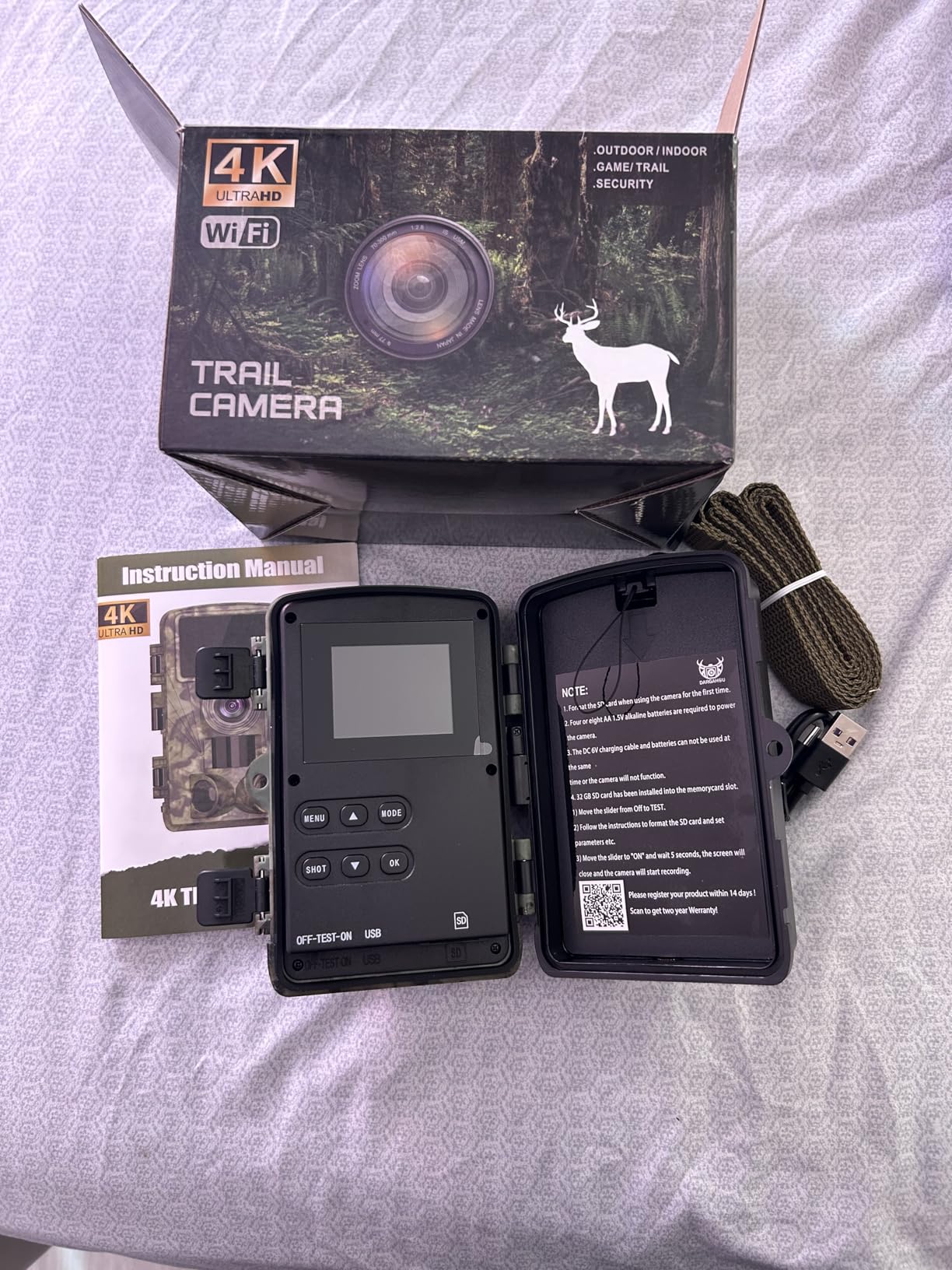
The second Dargahou entry in our roundup presents an interesting case. With only 12 reviews but a 4.8 average rating and 82% five-star scores, this appears to be a newer product showing early promise. The specs mirror the popular B0C3HG25F1 model with the same fast 0.05s trigger, 98ft night vision, and 130-degree coverage.
The WiFi and Bluetooth connectivity add convenience for photo retrieval without SD card removal. At under $40 with wireless features, this represents an aggressive value proposition if the quality proves consistent. The early adopters seem satisfied based on the limited feedback available.
Night Color mode is an interesting feature that attempts to capture color footage at night when adequate ambient light exists. While not true night vision, this can produce striking footage of dusk activity or areas with some artificial illumination. It is a bonus feature that occasionally delivers exceptional results.
The compact dimensions at just 3 x 2 x 1 inches make this one of the smallest cameras in our roundup. For discreet deployment or locations where camera visibility might encourage theft, the tiny size is an advantage. The green camouflage coloration blends reasonably well with forest environments.
The 4K video and 48MP photo specs match the competition, though real-world image quality depends heavily on sensor quality beyond marketing numbers. Early reviews suggest adequate performance, but the limited sample size means we cannot draw firm conclusions about consistency.
For Early Adopters Willing to Experiment
This Dargahou model is best suited for hobbyists who enjoy trying new products and do not mind limited track records. The specs promise excellent value, and the early ratings are encouraging. If the quality proves consistent as more reviews accumulate, this could become a standout budget recommendation.
For immediate deployment on an important project or remote location, the proven alternatives from established brands provide more confidence. But for backyard experimentation, gifts, or secondary camera positions, the low price makes this a low-risk gamble.
Limited Data Caution
With only 12 reviews, we simply do not have enough data to assess long-term reliability, customer service quality, or failure rates. The positive early feedback is promising but not conclusive. I would monitor this model over the coming year as more reviews accumulate to see if it maintains the strong initial ratings.
The lack of detailed review content in our data extraction means we cannot analyze specific user experiences or common complaints. This information gap makes a definitive recommendation difficult. For now, treat this as an intriguing budget option with unproven reliability.
What to Look for in a Trail Camera?
After testing dozens of trail cameras over several years, I have learned that specifications tell only part of the story. The best trail cameras for hobbyists balance image quality, reliability, and ease of use in ways that do not always correlate with price. Here is what actually matters when choosing your camera.
Image and Video Quality
Do not be fooled by megapixel marketing. Most trail cameras use interpolation to claim 48MP, 64MP, or higher resolutions while using smaller native sensors. The actual image quality depends more on sensor size, lens quality, and processing than the marketing number. Look for reviews with sample photos rather than trusting megapixel claims.
Video resolution matters more for behavioral documentation. True 4K video captures detail that 1080p misses, particularly for smaller animals or distant subjects. However, 1080p is perfectly adequate for species identification and casual observation. The file size difference is significant, 4K fills cards four times faster than 1080p.
Trigger Speed and Recovery Time
Trigger speed determines whether you capture the animal or just the tail end leaving the frame. For fast-moving wildlife, 0.1 seconds or faster is ideal. Slower triggers of 0.5 seconds or more will frustrate you with empty frames or rear-end shots. Recovery time, how long before the camera can trigger again, matters for capturing animal sequences.
The side PIR sensors found on better cameras significantly improve detection of angled approaches. Without side sensors, cameras often miss animals crossing perpendicular to the lens. This feature is worth prioritizing for trail monitoring where animals approach from various directions.
Night Vision Technology
No-glow infrared (940nm) LEDs are completely invisible to animals and humans. Low-glow (850nm) produces a faint red visible flash that rarely disturbs wildlife but is noticeable. White flash provides color night photos but alerts every animal to the camera presence. For natural behavior documentation, no-glow is essential.
Night vision range claims vary widely. In practice, expect usable illumination at about 70% of the advertised distance. A camera claiming 100 feet typically delivers good images to 70 feet and acceptable images beyond that. Very cheap cameras often exaggerate this specification dramatically.
Battery Life and Power Options
Quality lithium AA batteries typically provide 3-6 months of operation depending on trigger frequency and temperature. Cold weather reduces battery life significantly, with alkaline batteries failing in freezing conditions. For year-round operation, lithium is essential.
Solar panels provide indefinite operation in sunny locations but add cost and complexity. They work best for fixed installations like bird feeders or garden monitoring rather than remote trail locations where tree canopy blocks sunlight. Rechargeable internal batteries, found in cameras like the MAXDONE, offer a middle ground of convenience and extended life.
Detection Range and Field of View
Detection range and flash range are different specifications. A camera might detect motion at 100 feet but only illuminate subjects clearly at 60 feet. Both matter for different scenarios. Long detection range helps with early triggering on approaching animals. Long flash range ensures quality night images at distance.
Field of view determines how much scene the camera captures. Narrow angles of 50-60 degrees miss side activity but provide more detail of centered subjects. Wide angles of 120+ degrees capture the full scene but make distant animals appear smaller in the frame. Choose based on your typical deployment scenarios.
Storage and Connectivity
SD card capacity up to 512GB allows months of operation without card swaps. However, larger cards are more expensive and increase your loss if a camera is stolen. For most hobbyists, 128GB or 256GB provides adequate storage at reasonable cost.
WiFi connectivity lets you download photos without removing the camera, but only when you are within range (typically under 100 feet). Cellular cameras transmit photos remotely but require monthly data plans costing $5-20 monthly. For most hobbyists, SD card or WiFi options provide the best value. Cellular makes sense only for remote properties you cannot visit regularly.
Durability and Weatherproofing
IP66 waterproofing handles rain and dust effectively, which is adequate for most users. IP67 or IP69K ratings provide additional protection against submersion or high-pressure water, useful for flood-prone areas or extreme environments. All quality trail cameras should handle normal outdoor conditions for years.
Theft protection is a real concern for accessible locations. Security boxes, Python cables, and camouflage placement help, but determined thieves can steal any camera. For high-risk locations, use cheaper cameras you can afford to lose, or accept the cellular convenience of photos transmitted before potential theft.
Frequently Asked Questions
What is the difference between a game camera and a trail camera?
Do trail cameras work in the dark?
How long should you leave a trail camera?
What is the best battery for a trail camera?
Which trail cam has no monthly fee?
Final Thoughts
The best trail cameras for hobbyists in 2026 deliver a remarkable combination of image quality, reliability, and value. Whether you choose the exceptional all-around performance of the GardePro A50, the unbeatable value of the KJK Mini, or the convenient connectivity of the TACTACAM Reveal X Gen 3, you are opening a window into the wildlife activity around you.
Start with one camera covering a busy trail or feeding station. Learn its quirks and capabilities. Soon you will find yourself planning multi-camera setups to capture different angles and locations. The addiction to discovering what visits your property when you are not looking is real, and these cameras feed that curiosity beautifully.
Happy wildlife watching.