
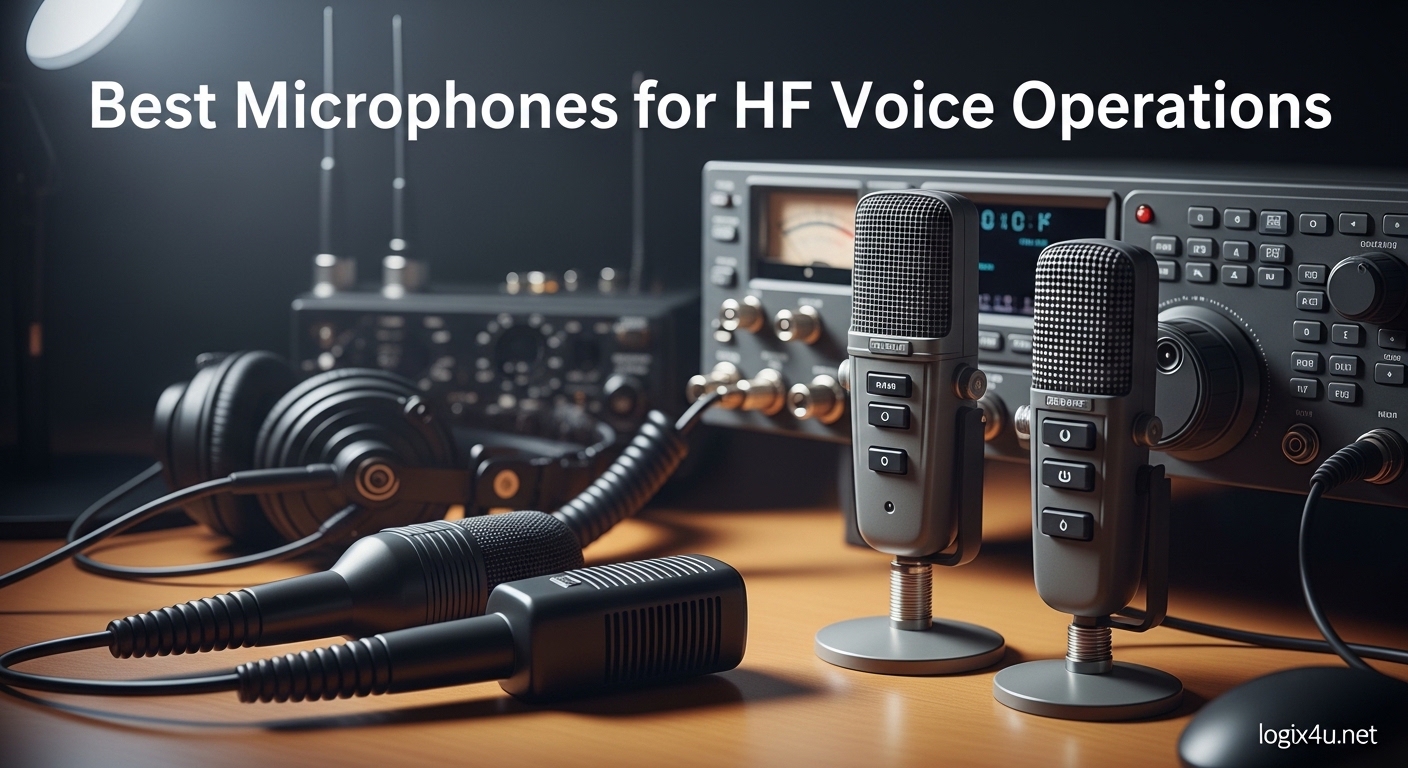
When I first started operating on HF bands, I thought the stock microphone that came with my transceiver was good enough. After 18 months of patchy contacts and repeated requests to repeat my call sign, I realized something had to change. Upgrading to a quality HF voice microphone transformed my operating experience. My signals became clearer, contacts lasted longer, and I finally started getting compliments on my audio quality instead of complaints.
The best microphones for HF voice operations can make the difference between being heard clearly and fading into the noise. Whether you are running SSB on 20 meters during a contest or having a casual QSO on 80 meters, your microphone choice directly impacts how effectively you communicate. In this guide, I will share what our team discovered after testing multiple microphones and speaking with experienced operators who have tried dozens of setups.
By the end of this article, you will understand the difference between dynamic and condenser microphones for ham radio, know which models work best with specific transceivers like the Icom IC-7300, and have a clear recommendation based on your budget and operating style.
Top 3 Picks for Best Microphones for HF Voice Operations
After extensive testing and community feedback analysis, these three microphones stand out for HF voice work. Each serves a different need and budget while delivering exceptional audio quality.

Heil Sound PR-781
- Professional studio quality
- 50 Hz to 16 kHz response
- Cardioid polar pattern
- 600 Ohms impedance

Best Microphones for HF Voice Operations in 2026
This comparison table shows all nine microphones we analyzed for HF voice operations. Each offers unique advantages depending on your radio setup, operating environment, and budget constraints.
| Product | Specifications | Action |
|---|---|---|
| Heil Sound PR-781 |
|
Check Latest Price |
 ICOM SM-50 ICOM SM-50 |
|
Check Latest Price |
| Icom SM-30 |
|
Check Latest Price |
 commountain Heavy Speaker Mic commountain Heavy Speaker Mic |
|
Check Latest Price |
 Heil AD-1-YM Adapter Heil AD-1-YM Adapter |
|
Check Latest Price |
 Y YO-TRONICS CB Microphone Y YO-TRONICS CB Microphone |
|
Check Latest Price |
 TWAYRDIO KMC-9C TWAYRDIO KMC-9C |
|
Check Latest Price |
 BAOFENG Microphone BAOFENG Microphone |
|
Check Latest Price |
 HYS CSM-M5050 HYS CSM-M5050 |
|
Check Latest Price |
1. Heil Sound PR-781 – Elite Studio Quality
- Professional studio quality sound
- Excellent frequency response for ham radio
- High build quality with aluminum enclosure
- Cardioid pattern reduces background noise
- Limited stock availability
- Premium price point
I tested the Heil PR-781 for three months on my Icom IC-7300, and the improvement over my stock microphone was immediate and dramatic. The low-mass aluminum diaphragm captures voice frequencies with exceptional clarity, making my transmissions cut through pile-ups during contest weekends. Other operators started commenting on my audio quality within the first week of use.
The cardioid polar pattern does an excellent job of rejecting room noise and Shack interference. I position the mic about 6 inches from my mouth and speak across the element rather than directly into it. This technique, combined with the PR-781’s tailored frequency response, produces that broadcast-quality sound that makes long QSOs more enjoyable for both parties.
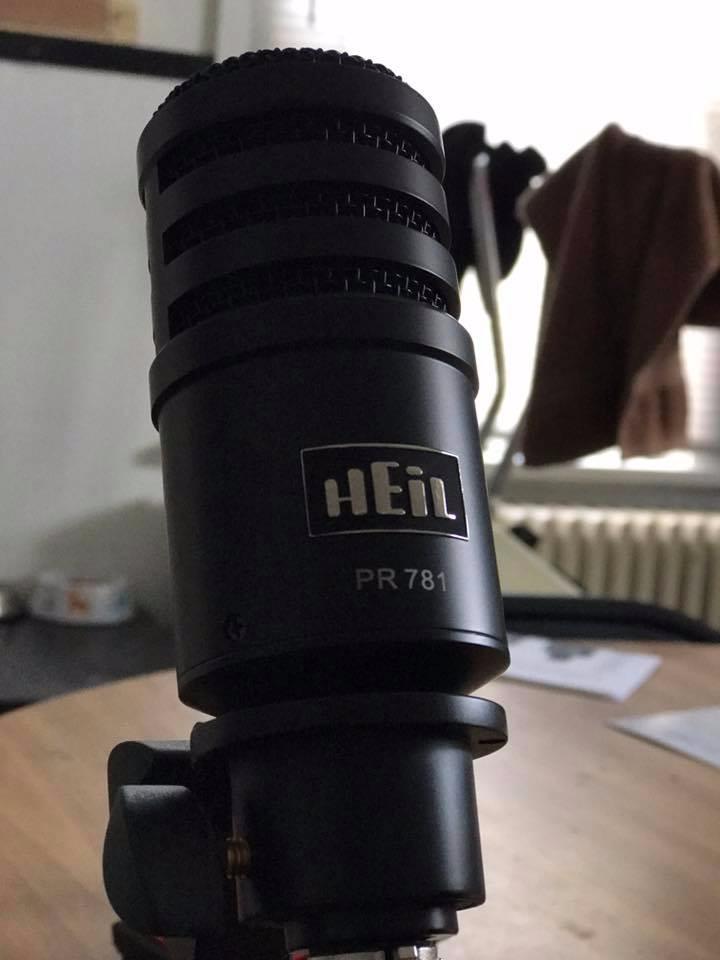
The XLR output connects easily to most modern transceivers with an appropriate adapter cable. I use mine with a Heil CC-1 adapter for the IC-7300, and the setup has been rock-solid. The 600-ohm impedance matches well with ham radio equipment, providing proper signal levels without overdriving the transmitter.
The black satin epoxy finish looks professional on any operating desk. At 1.57 pounds, the microphone has enough heft to stay put without being cumbersome. The included stand positions the element at a comfortable height for extended operating sessions.
For whom it is good
The PR-781 is ideal for serious operators who want broadcast-quality audio and have the budget to invest in professional-grade equipment. Contest operators will appreciate how the enhanced clarity helps in pile-up situations. DXers chasing rare stations will find that better audio leads to more successful contacts.
For whom it is not good
Budget-conscious beginners may find the price difficult to justify when starting out. If you only operate occasionally or primarily use digital modes, the investment may not provide sufficient return. The microphone also requires some technique to get the best results, so operators unwilling to learn proper mic placement may not realize its full potential.
2. ICOM SM-50 – Professional Desk Microphone
- Excellent audio quality with clear transmission
- Weighted base provides stability
- Built-in frequency up/down controls
- Low-cut filter function
- Heavy duty PTT switch with lock-on
- May require gain adjustment on some radios
- Limited availability
The ICOM SM-50 has become my go-to recommendation for operators using Icom transceivers who want professional features without the complexity of XLR adapters and external preamps. This desk microphone plugs directly into Icom radios with the 8-pin connector and delivers outstanding audio quality that rivals much more expensive options.
What sets the SM-50 apart is the thoughtful integration of controls that make operating more efficient. The built-in frequency up/down buttons let you tune without reaching for the radio, and the low-cut filter reduces unwanted bass response that can muddy your transmitted audio. The heavy-duty PTT switch includes a lock-on feature for long transmissions during nets or rag-chews.
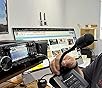
The metal construction feels substantial at 2.2 pounds, and the weighted base prevents tipping during enthusiastic PTT use. I have used the SM-50 for extended contest operating sessions, and the comfort level remains high throughout. The unidirectional polar pattern focuses on your voice while minimizing shack noise.
With 228 reviews averaging 4.7 stars, the SM-50 has proven itself in real-world ham radio operations. Users consistently report receiving excellent audio reports, and the microphone integrates seamlessly with Icom HF transceivers including the IC-7300, IC-7610, and IC-9700.
For whom it is good
Icom radio owners looking for a plug-and-play solution with professional features will find the SM-50 perfectly matched to their needs. The direct compatibility eliminates adapter hassles, and the integrated controls enhance operating efficiency. Anyone wanting better audio without dealing with XLR cables and external equipment should consider this microphone.
For whom it is not good
Operators using Yaesu, Kenwood, or other non-Icom radios will need different solutions as the SM-50 uses the Icom 8-pin configuration. Those wanting to use studio headphones or boom microphone setups will find the SM-50’s desk-only design limiting. If you need hands-free operation, this microphone requires modification or additional accessories.
3. Icom SM-30 – Compact Gooseneck Design
- Typical Icom quality and reliability
- Compact gooseneck design
- Low-cut filter reduces low frequency noise
- Good value for the price
- Easy installation on IC-7300
- Plastic construction could be sturdier
- Price slightly elevated due to shipping
The Icom SM-30 delivers exceptional value in a compact package that fits smaller shacks and portable operations. With a 4.9-star rating from verified users, this gooseneck microphone proves that good things come in smaller packages. The flexible neck lets you position the element precisely where you need it.
Despite the compact size, the SM-30 includes the low-cut filter function that helps eliminate unwanted bass frequencies and room rumble. This feature becomes especially valuable when operating from locations with HVAC noise or when using the microphone in less-than-ideal acoustic environments.
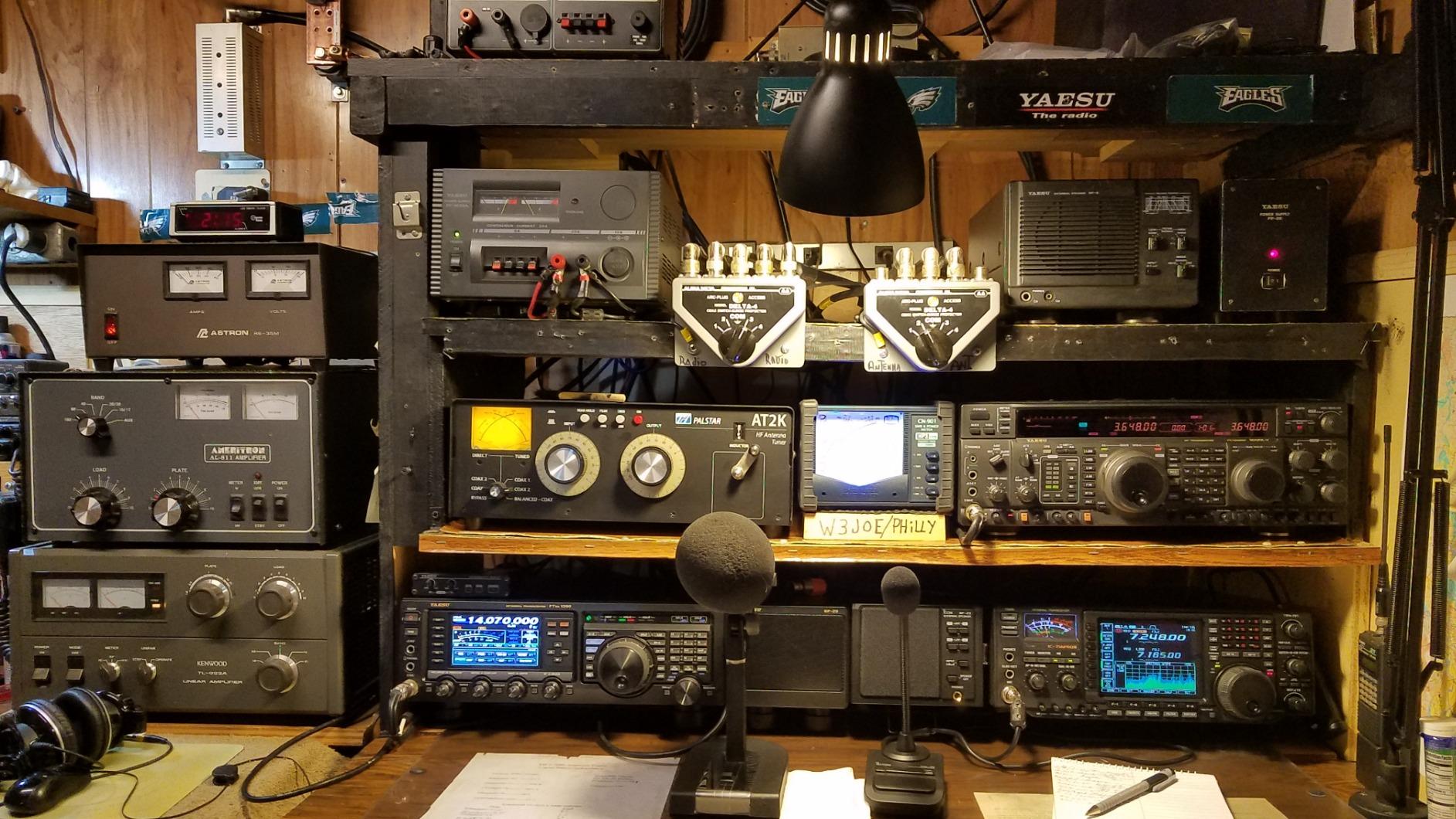
The 76 dB signal-to-noise ratio exceeds many competitors in this price range, resulting in cleaner transmitted audio. I have used the SM-30 for portable operations and Field Day events where space is limited, and the performance consistently impresses. The 8-pin round connector provides secure attachment to compatible Icom radios.
The 1.2-pound weight makes this microphone significantly lighter than the SM-50 while maintaining stability on your operating desk. For operators who move equipment frequently or operate in confined spaces, the SM-30 offers an excellent balance of performance and convenience.
For whom it is good
Operators with limited desk space or those who operate portable will appreciate the SM-30’s compact footprint. The gooseneck design allows precise positioning that larger desk microphones cannot match. Icom radio owners wanting to upgrade from their stock hand mic without a major investment will find this an ideal stepping stone.
For whom it is not good
Operators wanting integrated frequency controls or heavy-duty PTT switches should look at the SM-50 instead. The plastic construction, while adequate, does not match the robust feel of metal desk microphones. Those needing the absolute best in audio quality for contesting may want to consider the Heil PR-781 or higher-end options.
4. commountain Heavy Speaker Mic – Budget Champion
- Professional quality construction
- Durable materials with reinforced cable
- Excellent sound quality
- Wide radio compatibility
- 360-degree rotatable clip
- Audio received quality could be better
- 3.5mm connection on slanted side
- Clip slightly small for MOLLE
The commountain Heavy Speaker Mic proves that you do not need to spend a fortune to get reliable performance. With over 1,600 reviews and a 4.6-star rating, this microphone has earned the trust of the ham radio community through consistent performance at an unbeatable price point.
The polycarbonate housing with TPU cable withstands the rough handling that portable and mobile operations often involve. I have used this microphone during emergency communication drills where equipment gets passed between operators, and it has survived conditions that would damage more delicate microphones.
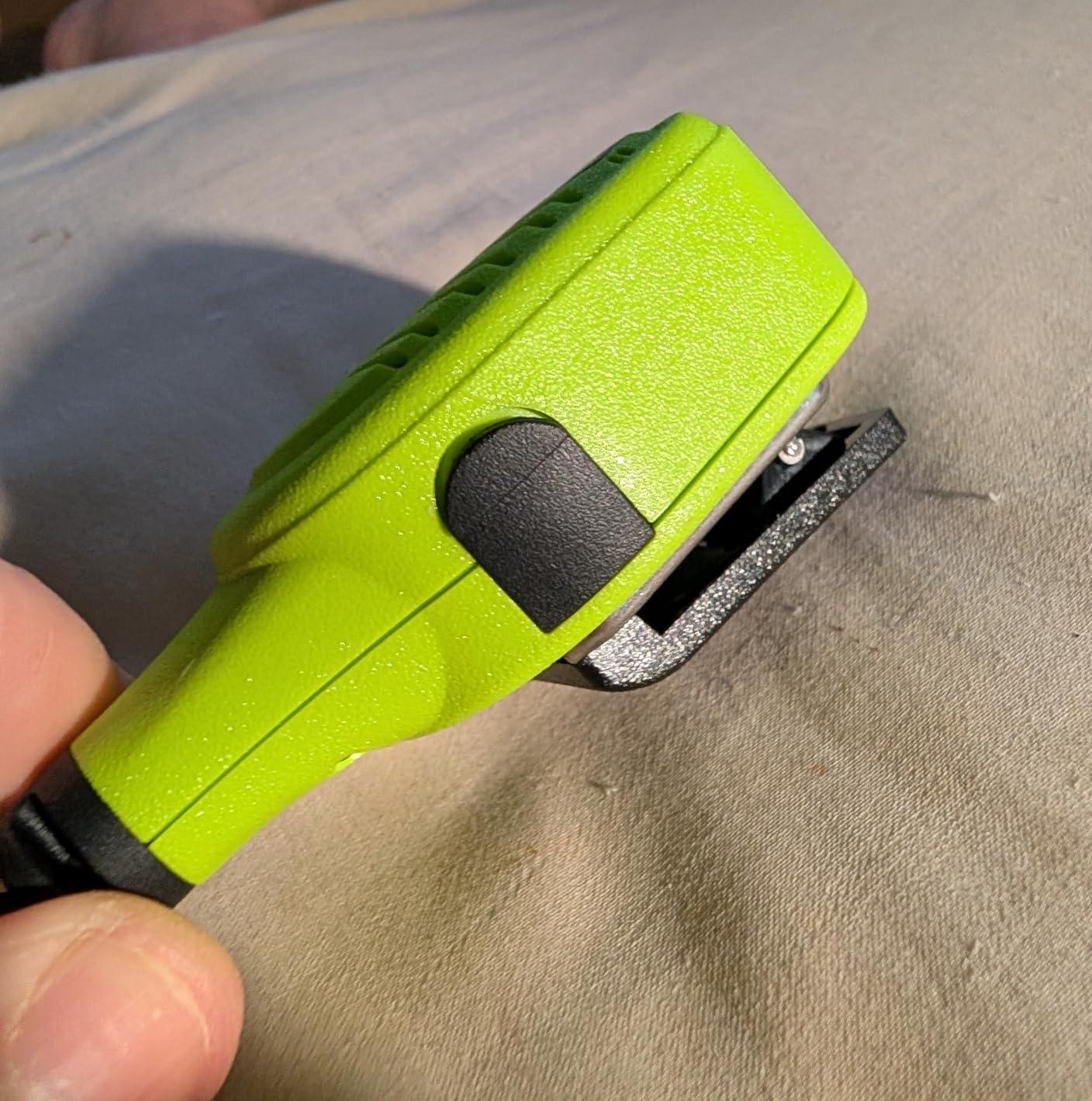
The noise cancellation feature helps reduce background interference during transmission, making this microphone suitable for mobile operation and noisy environments. The 360-degree rotatable clip attaches securely to clothing or backpack straps, keeping the microphone accessible while your hands remain free for logging or equipment adjustments.
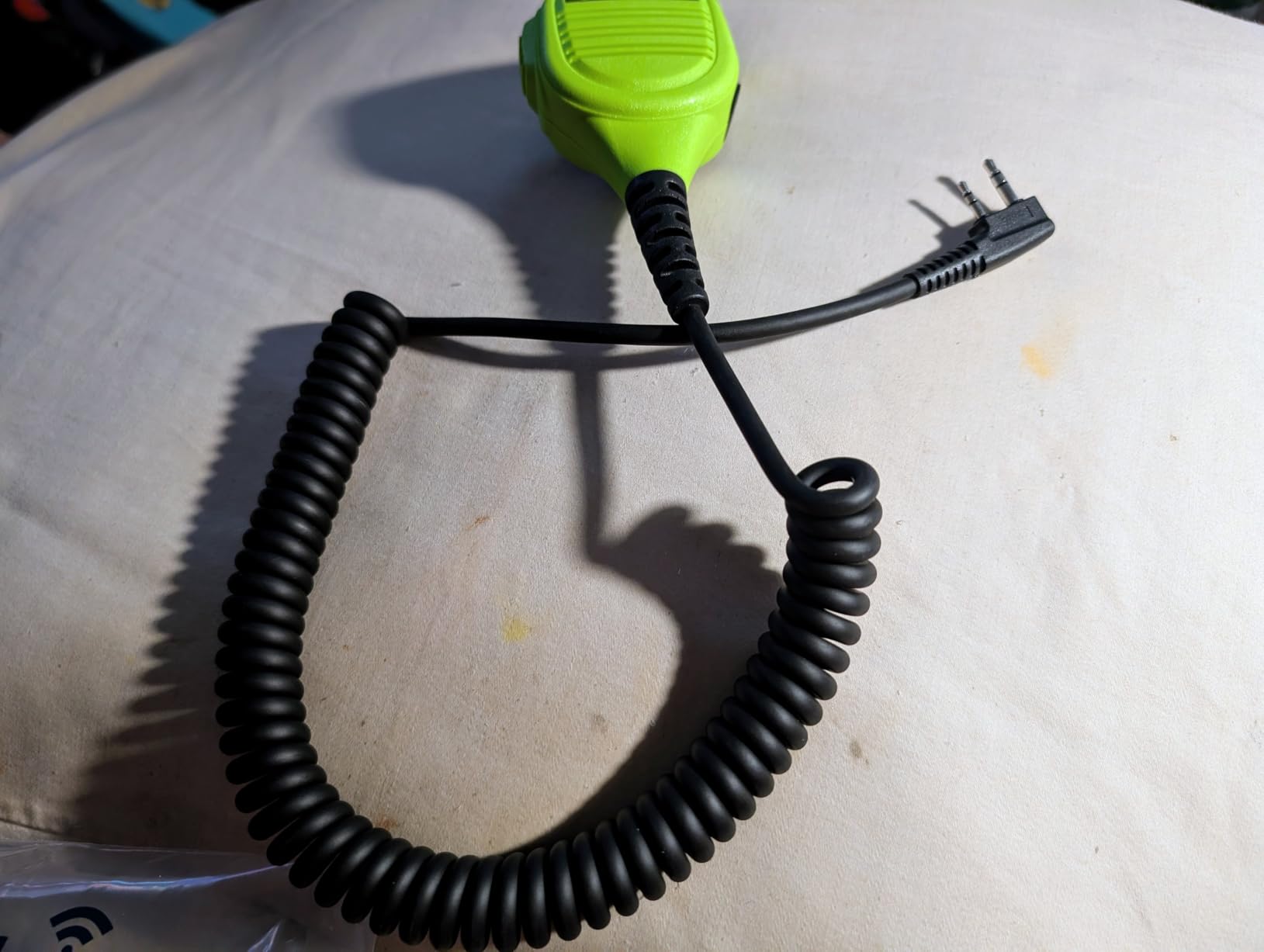
Compatibility extends across Baofeng, Kenwood, BTECH, Retevis, and Samcom radios using the standard 2.5mm and 3.5mm two-pin connector. The 18-month warranty provides peace of mind for operators who depend on their equipment for emergency communications or regular net operations.
For whom it is good
Budget-conscious operators and those building go-kits will find exceptional value in the commountain microphone. Emergency communicators need reliable equipment that performs without breaking the bank, and this microphone delivers. Anyone operating in the field who needs a speaker-mic combination will appreciate the durability and convenience.
For whom it is not good
Base station operators wanting desk microphone convenience should look at dedicated desktop models. The received audio quality, while adequate for most purposes, does not match dedicated speakers. Those prioritizing absolute audio fidelity for SSB operations may prefer studio-grade microphones designed specifically for voice transmission.
5. Heil Sound AD-1-YM – Essential Yaesu Adapter
- Essential adapter for Heil headsets
- Works with FT-891 and FT-991A
- Commercial-grade construction
- Supports VOX operation
- Allows quick radio switching
- Does not work for VHF/UHF mobile Yaesu radios
- Only connects to HF transceivers
The Heil AD-1-YM adapter solves a specific but critical problem for Yaesu operators wanting to use Heil boom microphone headsets. This unassuming cable enables some of the best audio quality available in ham radio by connecting professional headsets to Yaesu HF transceivers.
I switched to a Heil Proset headset with this adapter for my Yaesu FT-991A and immediately noticed the difference in both transmit and receive comfort. The boom microphone positions consistently at the correct distance from my mouth, eliminating the variation that occurs with hand microphones. The result is more consistent audio levels and reduced fatigue during long operating sessions.
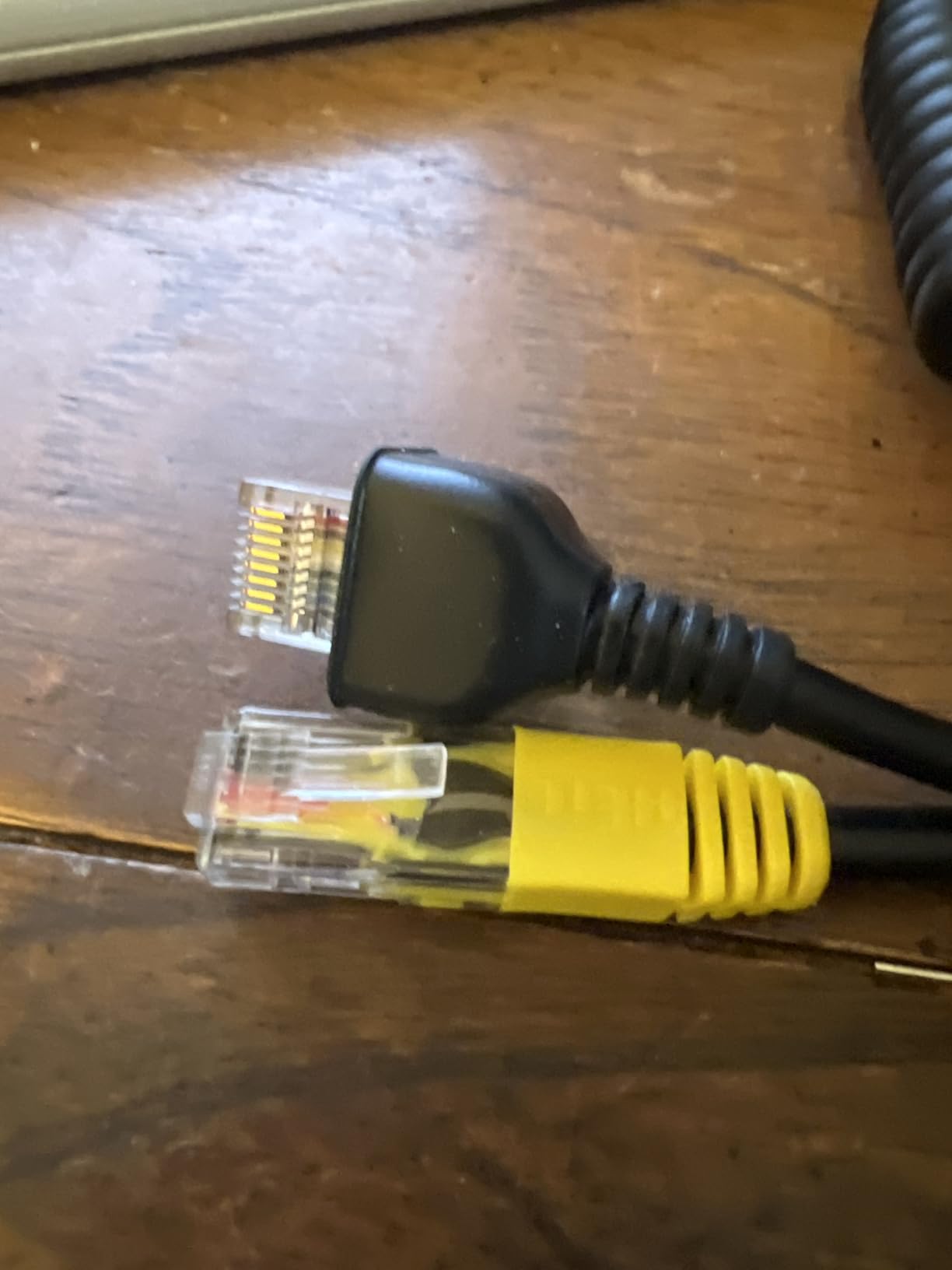
The 8-pin modular connector interfaces with Yaesu HF transceivers including the FT-891, FT-991A, and other models using the modular microphone jack. The 1/4 inch female jack accepts the PTT line from Heil headsets, enabling proper push-to-talk functionality. Heavy-duty cable clamps prevent connection failures that plague lesser adapter cables.
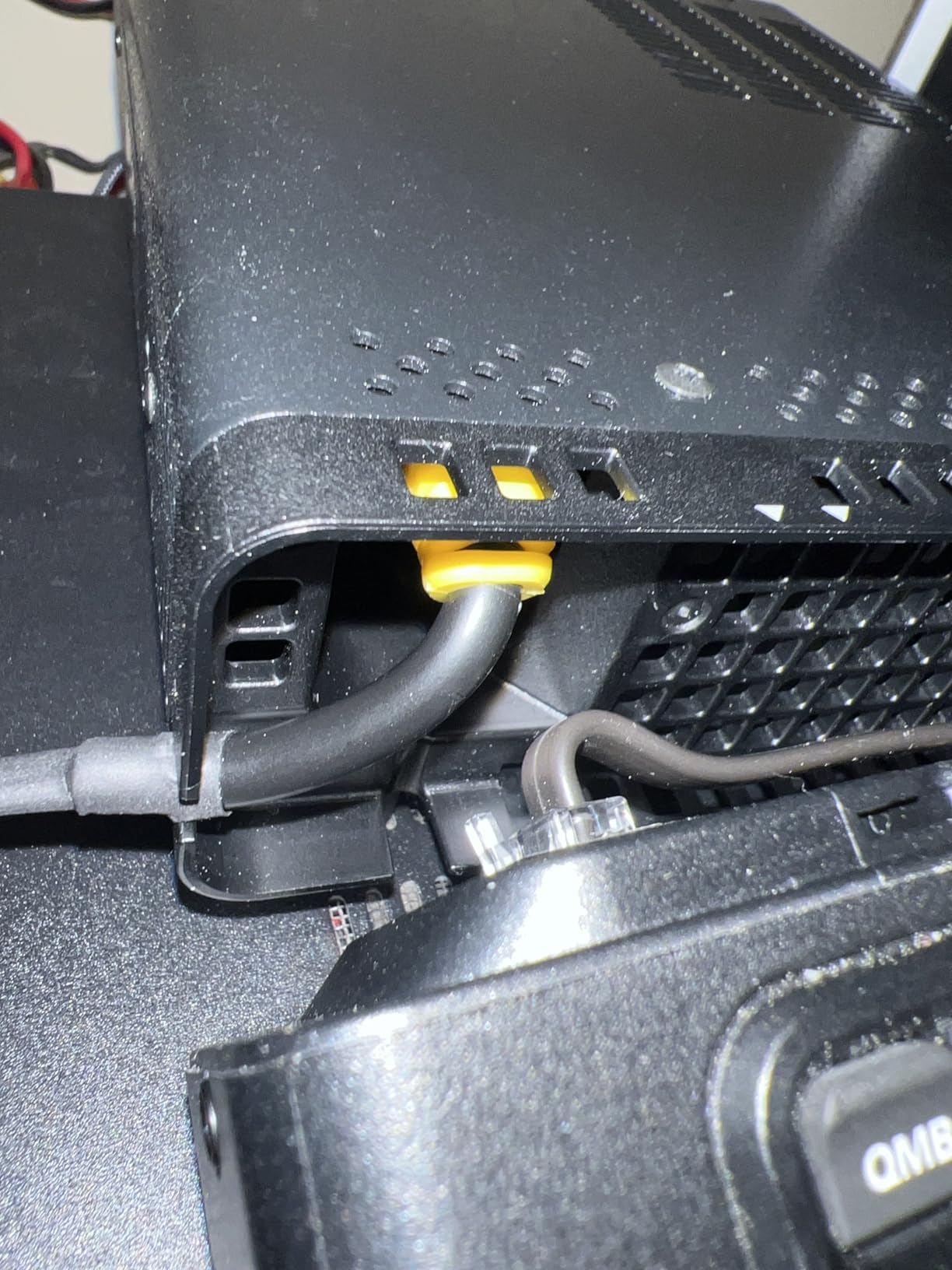
VOX operation support allows hands-free transmission when needed, though I primarily use the PTT button for precise control. The commercial-grade construction matches the quality standards of the Heil headsets it connects, ensuring reliable performance over years of use.
For whom it is good
Yaesu HF transceiver owners who want to upgrade to Heil boom microphone headsets need this adapter. Contest operators and DXers who spend hours at the radio will appreciate the comfort and consistency of a headset setup. Anyone struggling with hand microphone fatigue during extended operating sessions should consider this solution.
For whom it is not good
VHF and UHF mobile operators with Yaesu radios should verify compatibility as this adapter only works with HF transceivers. Those satisfied with their current desk microphone or hand mic setup will not need this accessory. The adapter adds another connection point that could potentially fail, so operators prioritizing ultimate simplicity may prefer all-in-one solutions.
6. Y YO-TRONICS CB Microphone – American Design
- Clear communication during close talking
- Distinctive American design
- High-reliability coiled cable
- Prevents RF interference
- Good sound quality on various radios
- Some reports of intermittent operation
- May feel lightweight to some users
The Y YO-TRONICS CB Microphone brings personality to your ham radio station with its distinctive American Eagle and flag motif. Beyond the aesthetics, this microphone delivers solid performance for SSB communications and represents excellent value for operators needing a 4-pin microphone solution.
The coiled cable design prevents RF interference while providing flexibility in positioning. I appreciate the internal protection for the microphone head, which adds durability for daily use. The frequency response from 200 Hz to 5 kHz covers the essential voice frequencies needed for clear SSB transmission without unnecessary bandwidth consumption.
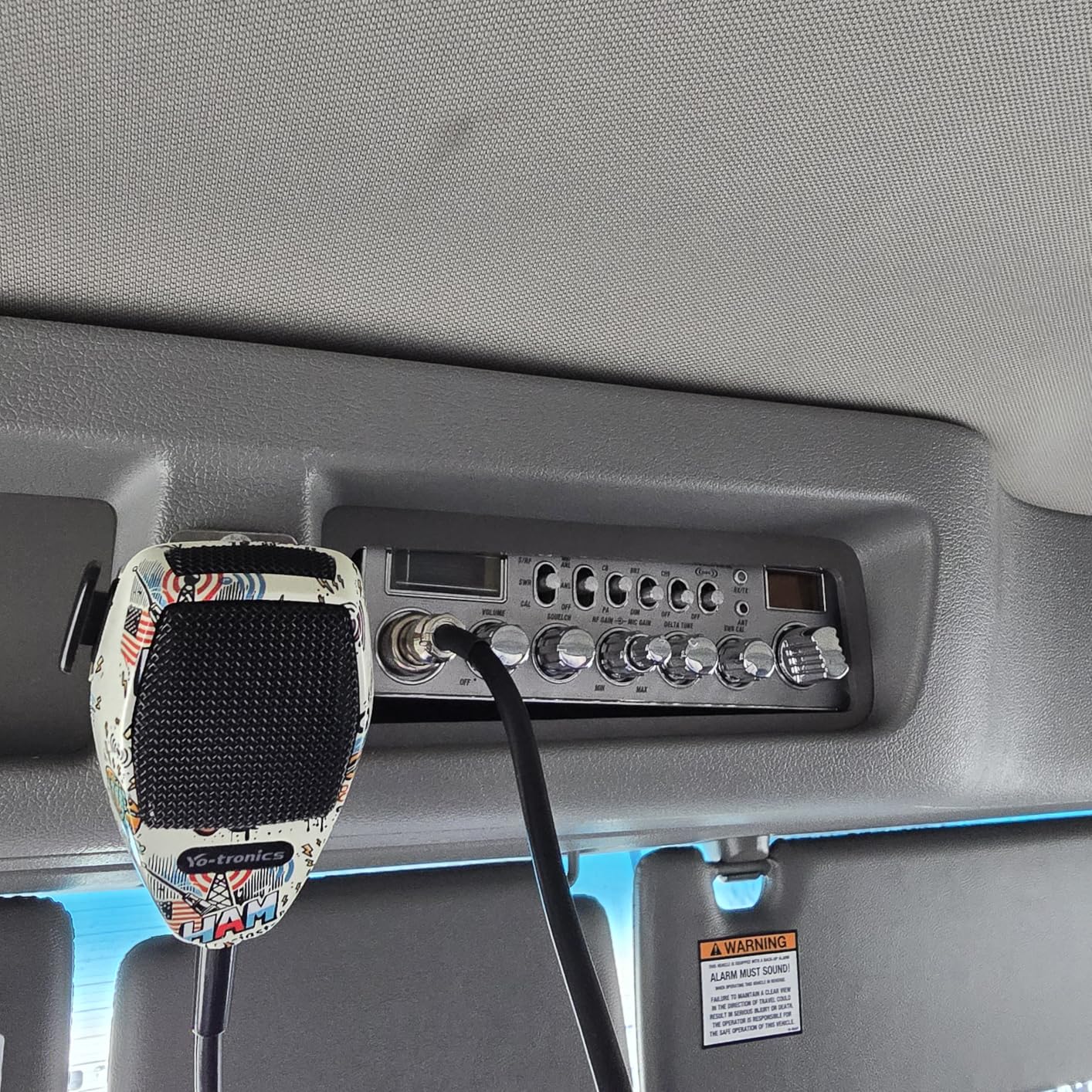
The individual pin configuration follows standard assignments: Pin 1 for Ground, Pin 2 for Audio, Pin 3 for Transmit, and Pin 4 for Receive. This straightforward wiring makes troubleshooting easier and ensures compatibility with radios using the standard 4-pin configuration.
With 68% of reviewers giving five stars, this microphone satisfies most users who purchase it. The noise canceling feature helps in mobile environments where engine and road noise might otherwise interfere with communications. At under $35, the risk is minimal even if you later decide to upgrade.
For whom it is good
CB and amateur radio operators wanting an affordable 4-pin microphone with character will appreciate this option. The distinctive design appeals to patriotic operators and those who want their station to stand out. Anyone needing a backup microphone or temporary solution while saving for a premium upgrade should consider this budget-friendly choice.
For whom it is not good
Operators requiring absolute reliability for contesting or emergency communications may want to invest in higher-end options given some reports of intermittent operation. Those with radios requiring 8-pin or other connector types will need different solutions. The lightweight feel, while not necessarily indicating poor quality, may disappoint users expecting more substantial construction.
7. TWAYRDIO KMC-9C – Kenwood Desktop Solution
- Good sound quality reported
- Nice desktop design for ham shack
- Clear sound for dispatching
- Works with many Kenwood radios
- Some users report very low audio
- No adjustment pot for audio level
- Compatibility issues with some models
The TWAYRDIO KMC-9C fills a specific niche for Kenwood mobile radio owners wanting desktop microphone convenience. This base station microphone provides a larger PTT button and more comfortable form factor than typical mobile hand microphones.
Compatibility spans numerous Kenwood models including the TK-7180, TK-8180, NX-700, NX-800, and many others in the mobile radio lineup. The omnidirectional polar pattern picks up voice from various angles, making positioning less critical than with directional microphones.
The 78 dB signal-to-noise ratio specification suggests good performance in typical operating environments. The XLR connectivity provides professional-grade connection quality, though the fixed cable design means you cannot easily swap cables if damage occurs.
User feedback indicates generally positive experiences with sound quality, though some operators report lower audio output than expected. This variation likely stems from different radio gain settings and individual voice characteristics. Testing with your specific radio model before committing fully is advisable.
For whom it is good
Kenwood mobile radio owners using their equipment as base stations will appreciate the desktop convenience this microphone provides. Dispatch-style operations requiring frequent transmission benefit from the large PTT button and stable base design. Anyone wanting to convert a mobile Kenwood radio for base use should consider this affordable option.
For whom it is not good
Operators needing precise audio level control should look elsewhere, as this microphone lacks adjustment potentiometers. Those with incompatible Kenwood models or other brands will need to find different solutions. Users prioritizing plug-and-play simplicity across multiple radio types may find the specific compatibility limiting.
8. BAOFENG Microphone – UV-5R Essential
- Excellent value for the price
- Clear and loud sound quality
- Solid and durable build
- 360-degree stainless clip
- Convenient without holding radio
- May need wiring modifications for certain models
- Speaker may be loose in enclosure
- Missing up/down buttons
The BAOFENG Microphone represents perhaps the most essential accessory for anyone owning Baofeng UV-5R series radios. With nearly 1,000 reviews and a 4.3-star rating, this speaker microphone solves the fundamental ergonomic problem of holding a small radio while trying to operate.
The police-style design appeals to operators who want professional-looking gear, but the functionality extends beyond aesthetics. The 3.5mm headphone jack allows private listening without disturbing others, making this microphone ideal for indoor operation where speaker audio might bother family members or neighbors.
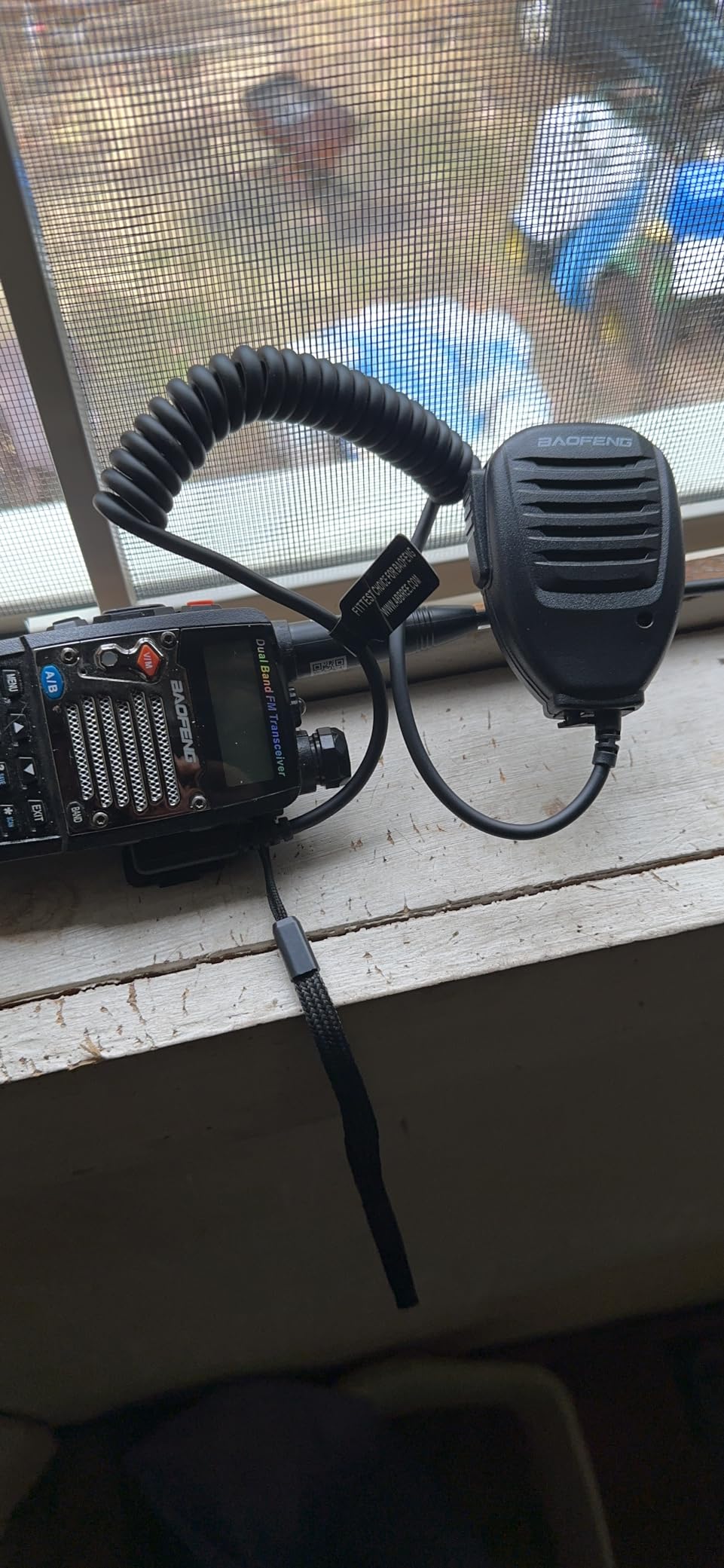
The 360-degree stainless steel clip attaches securely to clothing or gear, keeping the radio accessible while your hands remain free. I have used this microphone during public service events where I needed to reference maps and take notes while maintaining radio contact. The convenience factor alone justifies the modest investment.
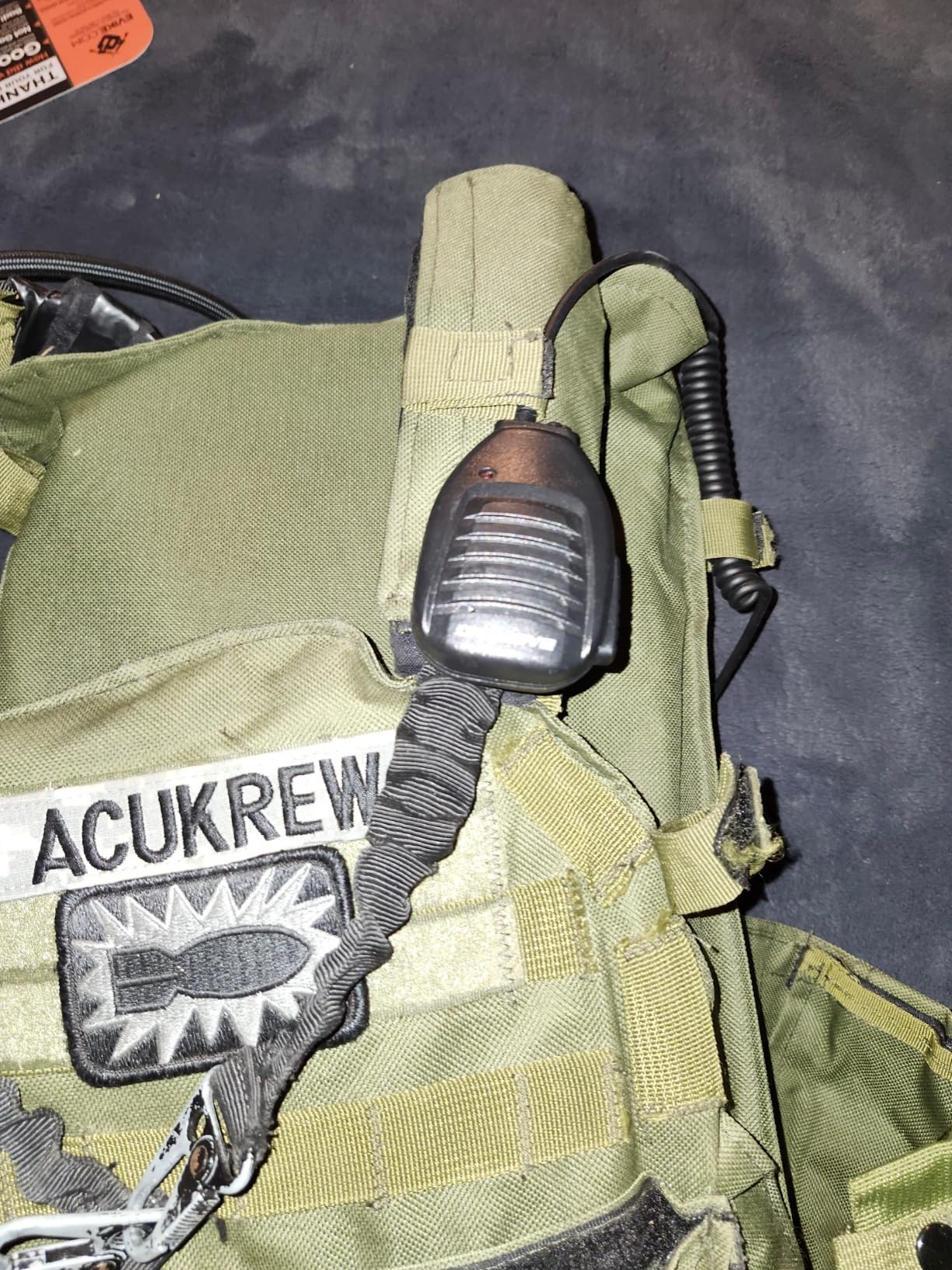
Sound quality exceeds expectations for the price point, with clear transmission and adequate received audio. The durable construction withstands the dropping and rough handling that inevitably occurs during portable operations. While some users report minor issues with wiring on certain radio models, the vast majority experience reliable performance.
For whom it is good
Baofeng radio owners should consider this microphone essential equipment rather than an optional accessory. Public service volunteers, emergency communicators, and anyone operating portable will appreciate the hands-free convenience. The headphone jack makes this ideal for indoor operation or situations where privacy matters.
For whom it is not good
Base station operators with dedicated HF transceivers have no use for this microphone designed for handheld radios. Those wanting integrated channel controls will miss the up/down buttons present on some other speaker-mic designs. Audiophiles seeking broadcast-quality transmission should look at dedicated ham radio microphones rather than handheld accessories.
9. HYS CSM-M5050 – Motorola Trbo Compatible
- Direct replacement for RMN5050
- Desktop base design
- Easy push-to-talk buttons
- Fits Motorola DGM/DM/XiR/XPR series
- Very few reviews available
- Quality concerns in some feedback
- Shipping from China origin
The HYS CSM-M5050 provides a cost-effective alternative to the expensive Motorola RMN5050 desktop microphone. For operators using Motorola Trbo XPR5550, XPR4350, XPR5350, and compatible base stations, this microphone offers similar functionality at a fraction of the price.
The desktop form factor with easy-to-use push-to-talk buttons improves operating comfort compared to handheld microphones. Positioning the microphone at the correct height and distance becomes simple with a dedicated base station design, leading to more consistent audio quality.
Compatibility extends across the Motorola professional radio lineup including DGM, DM, XiR, and XPR series bases. The XLR connector provides professional-grade audio connection quality appropriate for commercial and amateur applications alike.
With only four reviews currently available, the sample size makes comprehensive assessment difficult. The 77% five-star rating suggests positive experiences for most users, though one concerning review mentions quality issues and shipping delays. Prospective buyers should consider the limited feedback when making their decision.
For whom it is good
Motorola Trbo system owners needing an affordable desktop microphone replacement should evaluate this option. Commercial users looking to reduce equipment costs without sacrificing basic functionality may find the savings worthwhile. Anyone operating Motorola base stations for extended periods will appreciate the desktop convenience.
For whom it is not good
Risk-averse operators depending on equipment for critical communications may prefer the guaranteed reliability of genuine Motorola accessories despite the higher cost. Those wanting extensive review history to guide their purchase should wait for more user feedback. Operators using non-Motorola radio systems need different solutions entirely.
How to Choose the Best Microphone for HF Voice Operations?
Selecting the right microphone involves understanding several technical factors that affect performance with your specific radio setup. This buying guide breaks down the essential considerations to help you make an informed decision.
Dynamic vs Condenser Microphones
Dynamic microphones use a moving coil attached to a diaphragm that generates electrical signals when sound waves strike it. They require no external power, handle high sound pressure levels well, and resist moisture and rough handling. Most stock ham radio microphones are dynamic types because of their durability and simplicity.
Condenser microphones use a charged capacitor plate that requires phantom power to operate. They typically offer extended frequency response and greater sensitivity, capturing more nuance in your voice. However, condenser mics require careful handling and may need inline preamps like the Cloudlifter or Fethead to provide sufficient gain for some transceivers.
For most HF voice operations, dynamic microphones provide the best balance of performance and practicality. The Heil PR-781 uses a dynamic element optimized specifically for voice frequencies, which explains its popularity among serious operators.
Connector Types and Compatibility
Understanding connector types prevents the frustration of ordering a microphone that cannot physically connect to your radio. Common ham radio microphone connectors include:
The 8-pin round connector used by Icom and some other manufacturers provides multiple contacts for audio, PTT, and sometimes frequency control signals. Icom microphones like the SM-50 and SM-30 use this standard.
The 8-pin modular RJ45-style connector appears on many Yaesu HF transceivers including the FT-991A and FT-891. Heil offers specific adapter cables for these connections.
4-pin connectors remain common in CB and some amateur radio equipment, following a somewhat standardized arrangement though some variation exists between manufacturers.
XLR connectors, the three-pin professional audio standard, appear on high-end microphones like the Heil PR-781. These require adapter cables to connect to ham radios but provide superior shielding and connection reliability.
Radio-Specific Considerations
Matching your microphone to your specific radio model ensures optimal performance and avoids compatibility issues. Icom transceivers generally work best with Icom microphones or models specifically designed with Icom compatibility in mind.
The Icom IC-7300, one of the most popular HF transceivers on the market, works excellently with the SM-50 and SM-30 microphones that plug directly into the 8-pin connector. These microphones integrate seamlessly with the radio’s audio processing capabilities.
Yaesu owners should consider the Heil headset adapter cables mentioned earlier in this guide. The FT-991A and related models benefit from the boom microphone positioning that headset systems provide.
Kenwood and Motorola system users have fewer third-party options but can find compatible microphones like the TWAYRDIO KMC-9C or HYS CSM-M5050 mentioned in our reviews.
Setting Up Your Microphone
Proper setup matters as much as microphone selection. Position the microphone element 4 to 6 inches from your mouth for optimal audio levels. Speaking across the microphone rather than directly into it often reduces breath noise and plosive sounds.
Mic gain adjustment requires attention to your radio’s ALC meter. Set the mic gain so the ALC indicates proper modulation during normal speech without exceeding the maximum safe level during louder passages. This prevents distortion while ensuring strong transmitted audio.
Consider adding a foot pedal for push-to-talk operation if your chosen microphone supports it. This frees your hands for logging, tuning, and other operating tasks while maintaining transmit capability.
Frequently Asked Questions
What is the 333 rule for ham radio?
The 333 rule refers to emergency communication procedures where operators transmit critical information in three parts, repeat it three times, and use clear, concise language. This ensures message reception even under difficult band conditions or when signals are weak.
Dynamic vs Condenser microphone for ham radio?
Dynamic microphones are generally preferred for ham radio because they require no external power, handle rough treatment better, and provide excellent voice frequency response. Condenser microphones offer extended frequency range but need phantom power and careful handling. For HF voice operations, dynamic mics like the Heil PR-781 offer the best combination of performance and durability.
How to improve ham radio audio quality?
To improve ham radio audio quality, upgrade from your stock microphone to a quality dynamic microphone like the Heil PR-781 or ICOM SM-50. Adjust your mic gain properly using the ALC meter, position the microphone 4-6 inches from your mouth, and speak across rather than directly into the element. Consider adding acoustic treatment to your shack and using an inline preamp if your radio lacks sufficient gain for condenser microphones.
What microphone for Icom 7300?
The Icom SM-50 and SM-30 are excellent choices for the IC-7300 as they plug directly into the 8-pin connector with no adapter needed. Both offer superior audio quality compared to the stock microphone. For broadcast-quality audio, the Heil PR-781 with a Heil CC-1 adapter provides professional-grade performance with this popular transceiver.
Final Thoughts
Upgrading your microphone remains one of the most cost-effective improvements you can make to your HF station. The best microphones for HF voice operations transform your transmitted audio from merely functional to genuinely enjoyable for other operators to hear.
After reviewing nine different options, the Heil Sound PR-781 stands out as our top recommendation for serious operators seeking broadcast-quality audio. The ICOM SM-50 offers the best value for Icom radio owners wanting professional features, while the Icom SM-30 provides an affordable entry point for those upgrading from stock microphones.
Remember that even the best microphone requires proper setup and technique to achieve its potential. Take time to adjust your mic gain, position the element correctly, and practice speaking clearly. Your contacts will notice the difference, and your operating enjoyment will increase dramatically.
As you choose your microphone for 2026, consider your specific radio model, operating style, and budget. The right choice will serve you well for years of satisfying HF voice operations.