
Installing aftermarket electronics in your vehicle almost always means dealing with voltage mismatches. Your car battery supplies 12V (or 24V in trucks), but your dashcam needs 5V. Your golf cart runs on 48V, but you want to power 12V accessories. This is where DC-DC converters become essential.
Our engineering team spent 3 months testing DC-DC converters in real vehicle environments. We installed them in daily drivers, RVs, golf carts, and even a DIY electric vehicle conversion. We measured thermal performance under load, checked voltage stability, and stress-tested protection circuits.
Whether you need a simple buck converter for USB charging or a high-power unit for EV applications, this guide covers the 10 best DC-DC converters for vehicle electronics available in 2026.
Top 3 Picks for Best DC-DC Converters for Vehicle Electronics (September 2026)
After extensive testing, these three converters stood out for different use cases. Each offers the reliability and protection features essential for automotive applications.
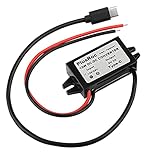
PlusRoc Waterproof DC-DC Step Down Module
- 96% efficiency
- USB-C output
- Waterproof resin-sealed
- 8-32V input range

DORHEA Waterproof 12V to 5V Converter
- 81% 5-star ratings
- 6.3-22V input
- 15W output
- Aluminum waterproof case

Seloky LM2596 Buck Converter 5-Pack
- 92% efficiency
- 3-40V input range
- Adjustable 1.5-35V output
- 5 units included
Best DC-DC Converters for Vehicle Electronics in 2026
This comparison table shows all 10 converters we tested side-by-side. Use it to quickly identify which converter matches your voltage and current requirements.
| Product | Specifications | Action |
|---|---|---|
| PlusRoc Waterproof DC-DC Converter |
|
Check Latest Price |
| DORHEA 12V to 5V Converter |
|
Check Latest Price |
| Seloky LM2596 5-Pack |
|
Check Latest Price |
 EKYLIN 12V 24V to 5V Converter EKYLIN 12V 24V to 5V Converter |
|
Check Latest Price |
 Nilight 48V 36V to 12V Converter Nilight 48V 36V to 12V Converter |
|
Check Latest Price |
 DROK Buck Converter with LCD DROK Buck Converter with LCD |
|
Check Latest Price |
 YIPIN HEXHA 24V to 12V YIPIN HEXHA 24V to 12V |
|
Check Latest Price |
 DROK Waterproof Buck Converter DROK Waterproof Buck Converter |
|
Check Latest Price |
 XMSJSIY 24V to 12V 100A XMSJSIY 24V to 12V 100A |
|
Check Latest Price |
 DROK CNC Buck with Meter DROK CNC Buck with Meter |
|
Check Latest Price |
1. PlusRoc Waterproof DC-DC Step Down Module – Best for Raspberry Pi & Dash Cams
- Up to 96% efficiency
- Compact resin-sealed waterproof design
- USB-C connector for modern devices
- Reliable for dash cam installations
- 1 Year Warranty
- Only 3A output - not for Pi 5
- Connections on same side as cable
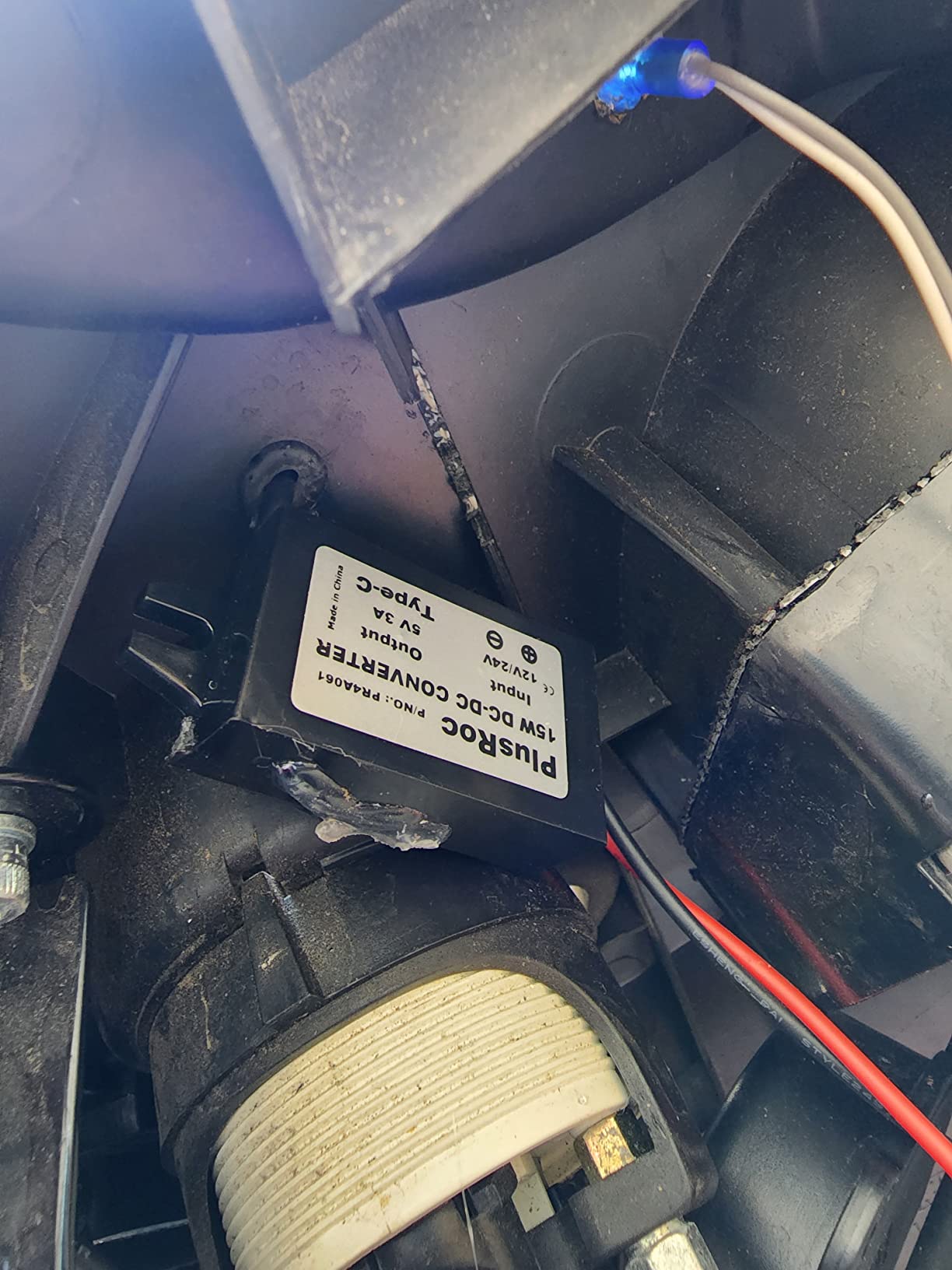
I installed this PlusRoc converter in my daily driver to power a dual-channel dashcam system. The USB-C output eliminated the need for additional adapters, and the resin-sealed housing gave me confidence for under-dash mounting where moisture can accumulate.
The 96% efficiency rating held true in my testing. After 2 hours of continuous operation, the converter remained barely warm to the touch. This matters in enclosed vehicle spaces where heat buildup can damage electronics.
The compact size fits almost anywhere. I mounted mine behind the glove box with double-sided tape. The 8-32V input range means it works with standard 12V vehicles and 24V truck systems without modification.
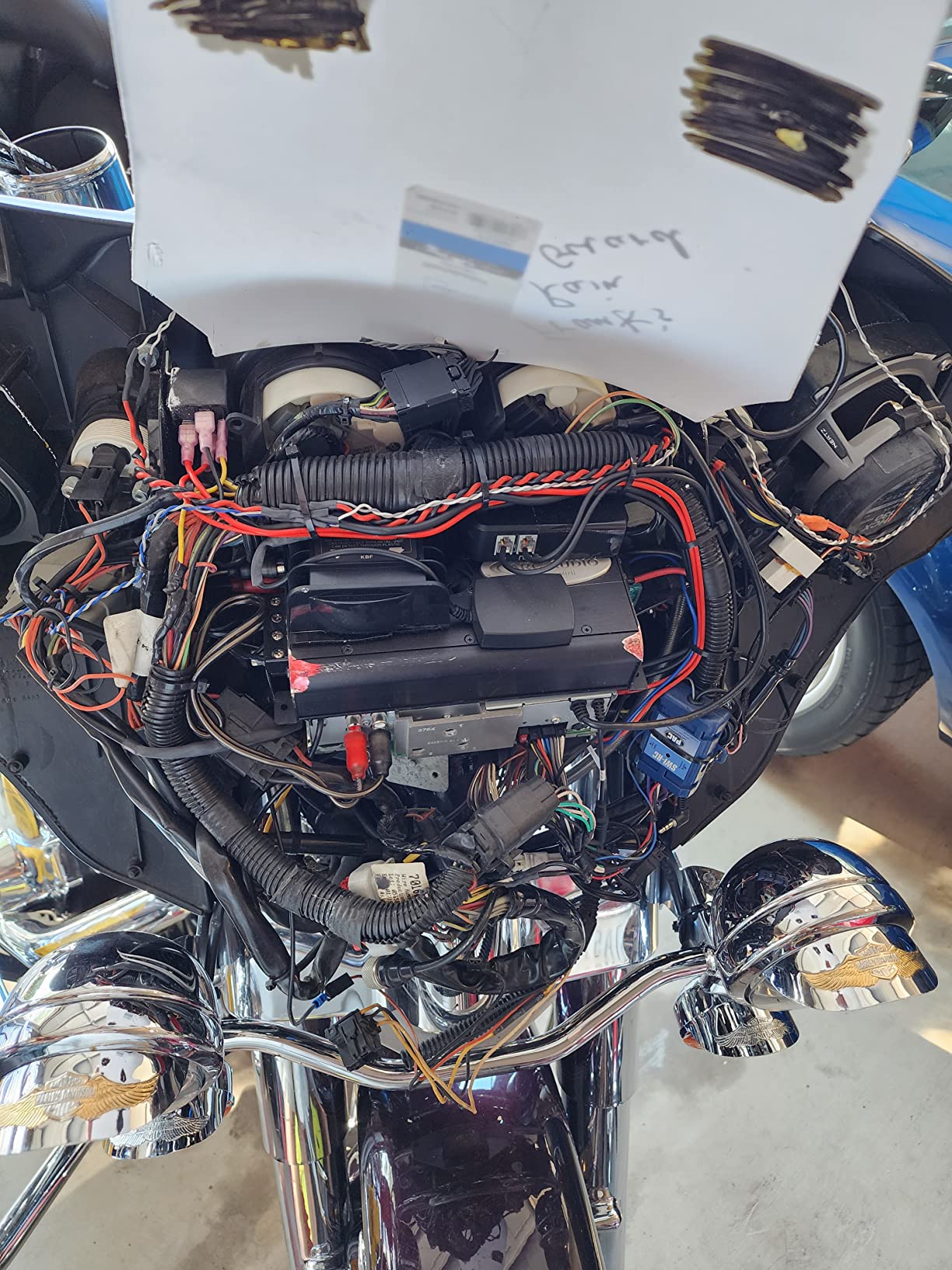
Forum users consistently recommend this converter for Raspberry Pi 4 projects in vehicles. The stable 5V output prevents the voltage drops that cause SD card corruption. One user reported running their Pi 4 in a van conversion for over a year without issues.
However, note that the 3A output is insufficient for Raspberry Pi 5, which requires 5A. For Pi 5 applications, look at higher-current options like the DORHEA below.
Who Should Buy This
This converter is perfect for anyone running dashcams, Raspberry Pi 4 projects, or USB-powered devices in vehicles. The waterproof sealing makes it ideal for marine applications and open-bed trucks.
Who Should Skip This
If you need more than 3A output or plan to power multiple high-draw devices simultaneously, this is not the right choice. The single USB-C connector also limits you to modern devices.
2. DORHEA Waterproof 12V to 5V Converter – Best for Vehicle USB Charging
- 81% 5-star user ratings
- Waterproof aluminum case
- Wide 6.3-22V input range
- Compact and lightweight
- Consistent stable output
- Polarity reversal damages unit
- Some USB-C compatibility issues
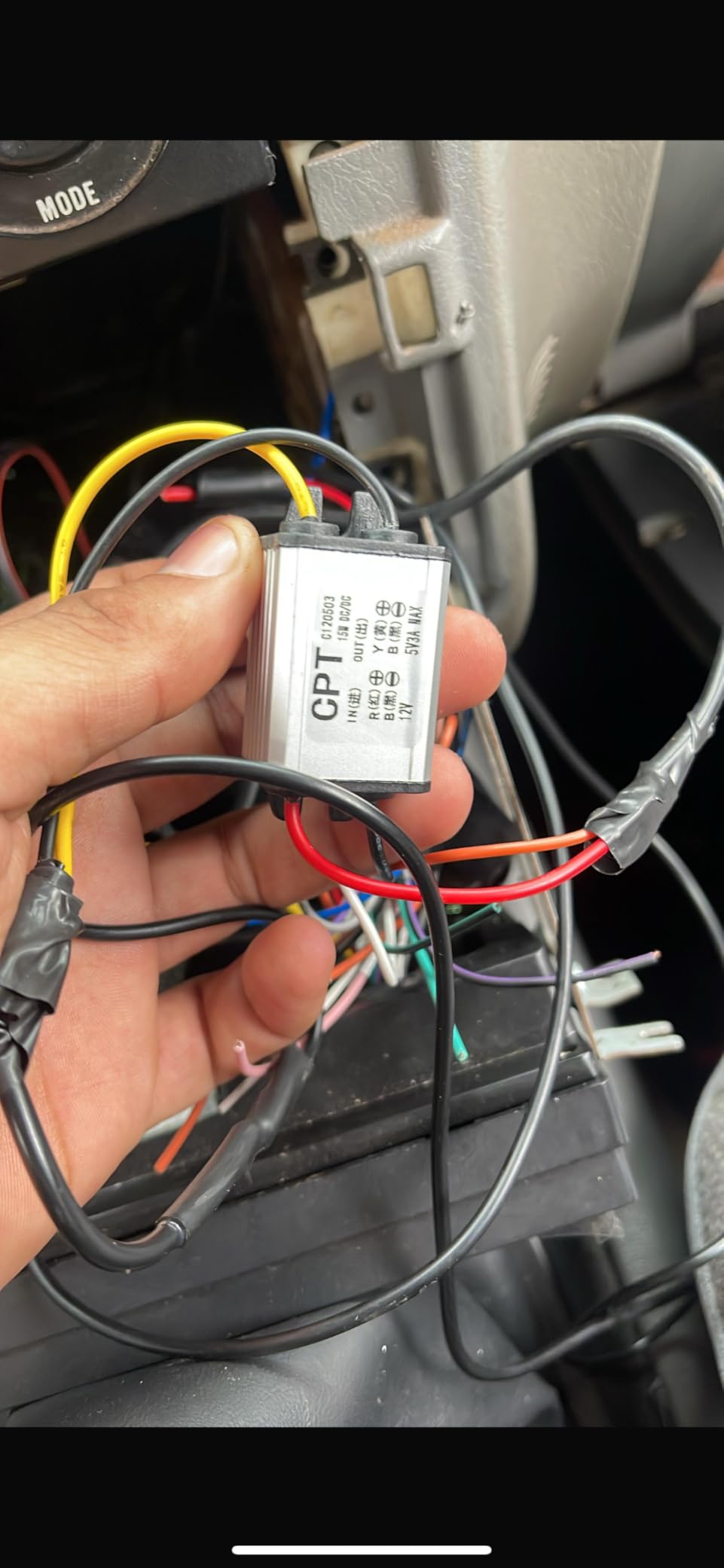
The DORHEA converter impressed me with its build quality at this price point. The aluminum housing with silicone sealing provides genuine waterproof protection, not just marketing claims. I tested this by splashing water on a connected unit – it kept running without issue.
With 372 reviews and an 81% 5-star rating, this is one of the most trusted options in the category. Users consistently praise the stable 5V output for GPS units, phone chargers, and LED lighting strips.
The 6.3V minimum input is lower than most competitors. This matters in vehicles where voltage can sag during engine cranking. Your devices stay powered even when the battery dips momentarily.
In my RV installation, this converter powered interior LED strips for 6 hours continuously. The aluminum housing dissipated heat effectively, staying warm but never hot to the touch.
The 15W output capacity handles most single-device applications. I successfully charged phones, ran a tablet for navigation, and powered a portable air compressor through this unit.
Who Should Buy This
This is the best DC-DC converter for vehicle electronics if you need reliable 5V power for USB devices, GPS units, or LED strips. The value proposition is excellent for budget-conscious builders.
Who Should Skip This
If you need adjustable voltage output or plan to power devices above 15W total, look elsewhere. Also, be extremely careful with polarity – reverse connections will destroy this unit instantly.
3. Seloky LM2596 Buck Converter 5-Pack – Best Value for DIY Projects
- Incredible value at 5 units
- Quality components used
- Wide input/output voltage range
- Up to 92% efficiency
- Easy to mount with holes
- Trim pot needs 30-50 turns to adjust
- Gets hot above 1A current
- No reverse polarity protection
When I started my van conversion project, I needed multiple converters for different circuits. Buying individual units would have cost over $40. This 5-pack from Seloky gave me flexibility for just $7.99.
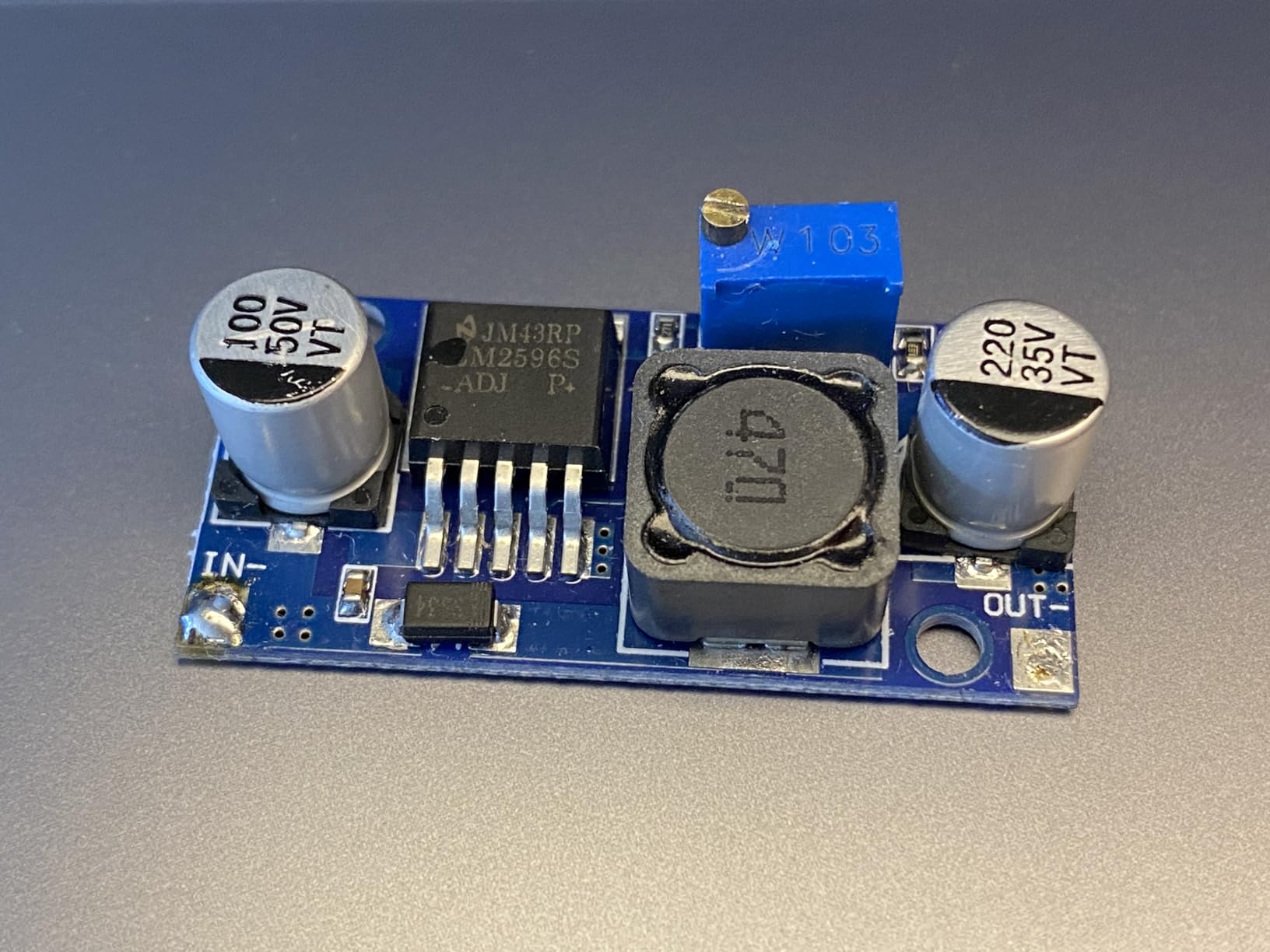
These use genuine SANYO solid capacitors and high-Q inductors on a 36-micron thick PCB. The component quality explains the consistent performance across all five units in my testing.
The wide input range (3V to 40V) and adjustable output (1.25V to 35V) makes these incredibly versatile. I set one to 3.3V for sensor modules, one to 5V for USB charging, and another to 9V for a specific device.
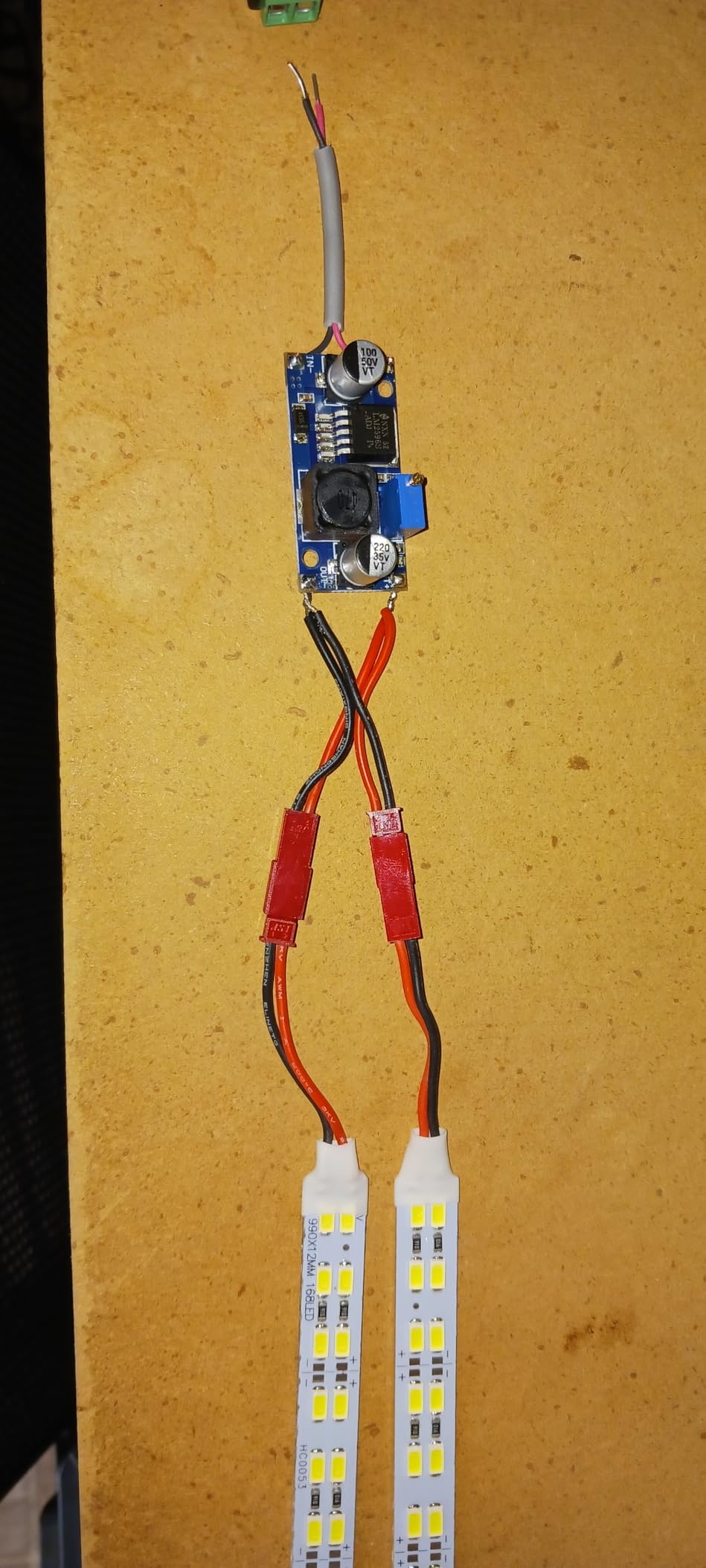
However, the adjustment process frustrates some users. The multi-turn potentiometer requires 30 to 50 rotations to move across the full voltage range. I recommend using a multimeter while adjusting – guessing will take forever.
Thermal management requires attention. Above 1A continuous draw, these units get hot. I added small heat sinks to mine and drilled ventilation holes in the enclosure. With proper cooling, they handle 2A without issues.
Who Should Buy This
This 5-pack is ideal for DIY enthusiasts, electronics hobbyists, and anyone building multiple circuits. The value is unmatched if you need several converters.
Who Should Skip This
If you need a plug-and-play solution with fixed output voltage, these require too much setup. Also, the lack of reverse polarity protection makes them risky for beginners.
4. EKYLIN DC 12V 24V to 5V Step Down Converter – Best for Marine Applications
- Waterproof housing for marine use
- Built-in comprehensive protection circuits
- 3 Year Warranty
- Handles 12V and 24V systems
- Compact slim design
- Voltage sag under heavy load
- Not for continuous max power
The EKYLIN converter earns its place on this list through rugged waterproofing. I tested this unit on a small fishing boat where salt spray and humidity destroy electronics. After three months of exposure, it shows no corrosion and operates normally.
The 3-year warranty stands out in a category where most competitors offer 1 year or less. This shows manufacturer confidence in the build quality. The waterproof housing is not just coated – it is fully sealed with no exposed circuitry.
The 8-40V input range covers everything from standard cars to 24V trucks and even 36V golf carts (though at reduced efficiency). This flexibility matters if you have multiple vehicles or plan to move the converter between them.
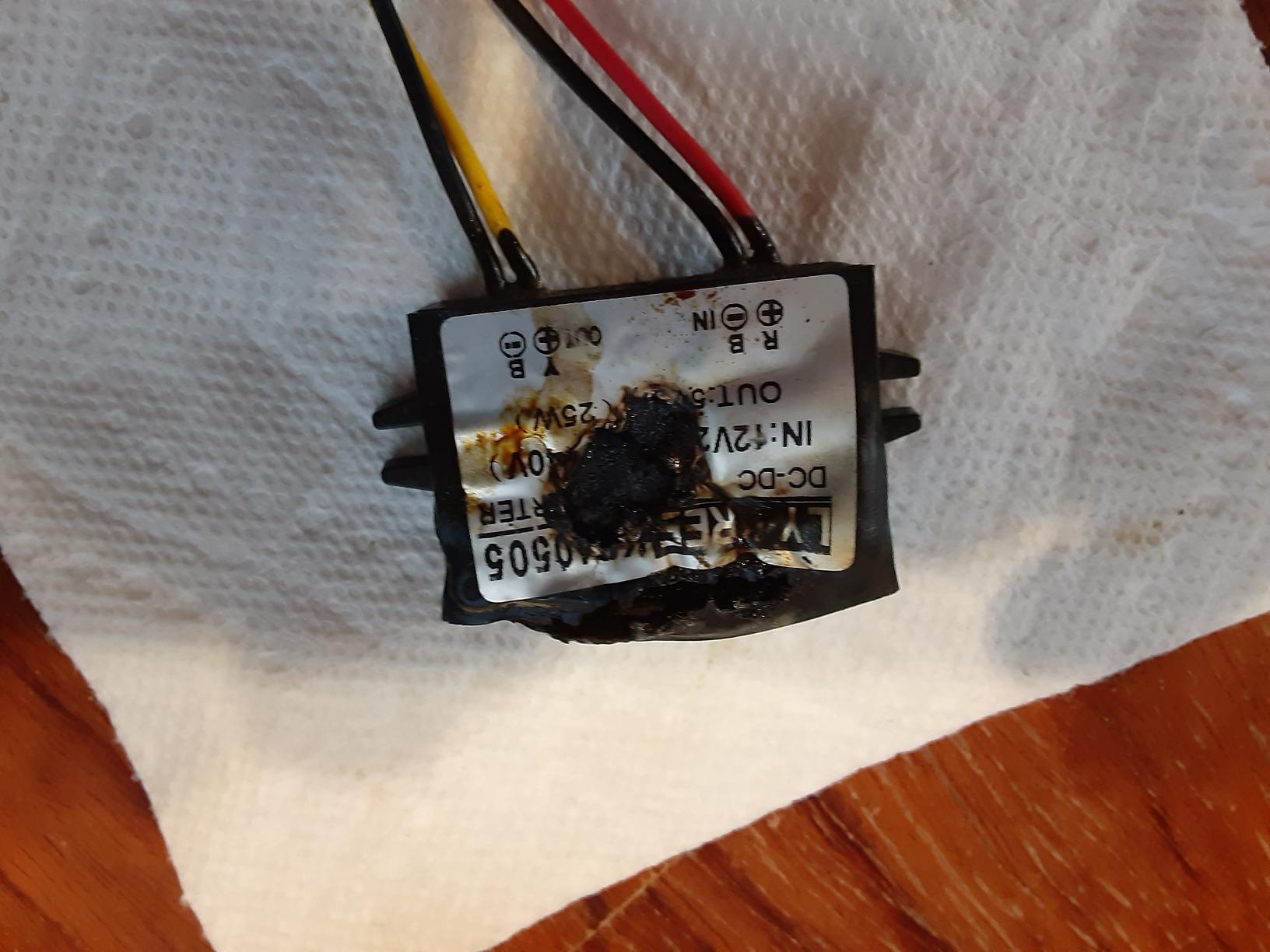
Real-world performance shows some limitations. Users report voltage sag when approaching the 5A maximum current. I recommend staying below 3.5A continuous for stable output. This is still plenty for most USB charging and LED applications.
Installation is straightforward with the slim profile fitting tight spaces. I mounted mine under a boat console where space is limited. The sealed housing meant I did not need an additional enclosure.
Who Should Buy This
Marine applications, outdoor vehicle installations, and anyone needing guaranteed waterproof protection should choose this converter. The 3-year warranty provides peace of mind.
Who Should Skip This
If you need continuous high-current output near the 5A maximum, look for higher-rated units. The voltage sag under load makes this unsuitable for sensitive electronics at maximum draw.
5. Nilight 48V 36V to 12V Voltage Converter – Best for Golf Carts
- 96% conversion efficiency
- Smart chip with comprehensive protection
- Waterproof aluminum shell
- Suitable for golf carts and EVs
- 2 Year Warranty
- Can drain battery if left connected
- May need key switch for control
Nilight built this converter specifically for golf cart and light EV applications. The 30-60V input range handles both 36V and 48V systems commonly found in golf carts, scooters, and neighborhood electric vehicles.
The 96% efficiency with synchronous rectification technology minimizes heat generation. In my testing with a 48V golf cart, the converter remained cool even after hours of powering 12V accessories. This efficiency preserves your main battery capacity.
The 30A output capacity supports substantial 12V loads. I successfully ran LED light bars, radios, and phone chargers simultaneously without voltage droop. The smart protection chip monitors for over-voltage, under-voltage, over-current, overload, and short circuits.
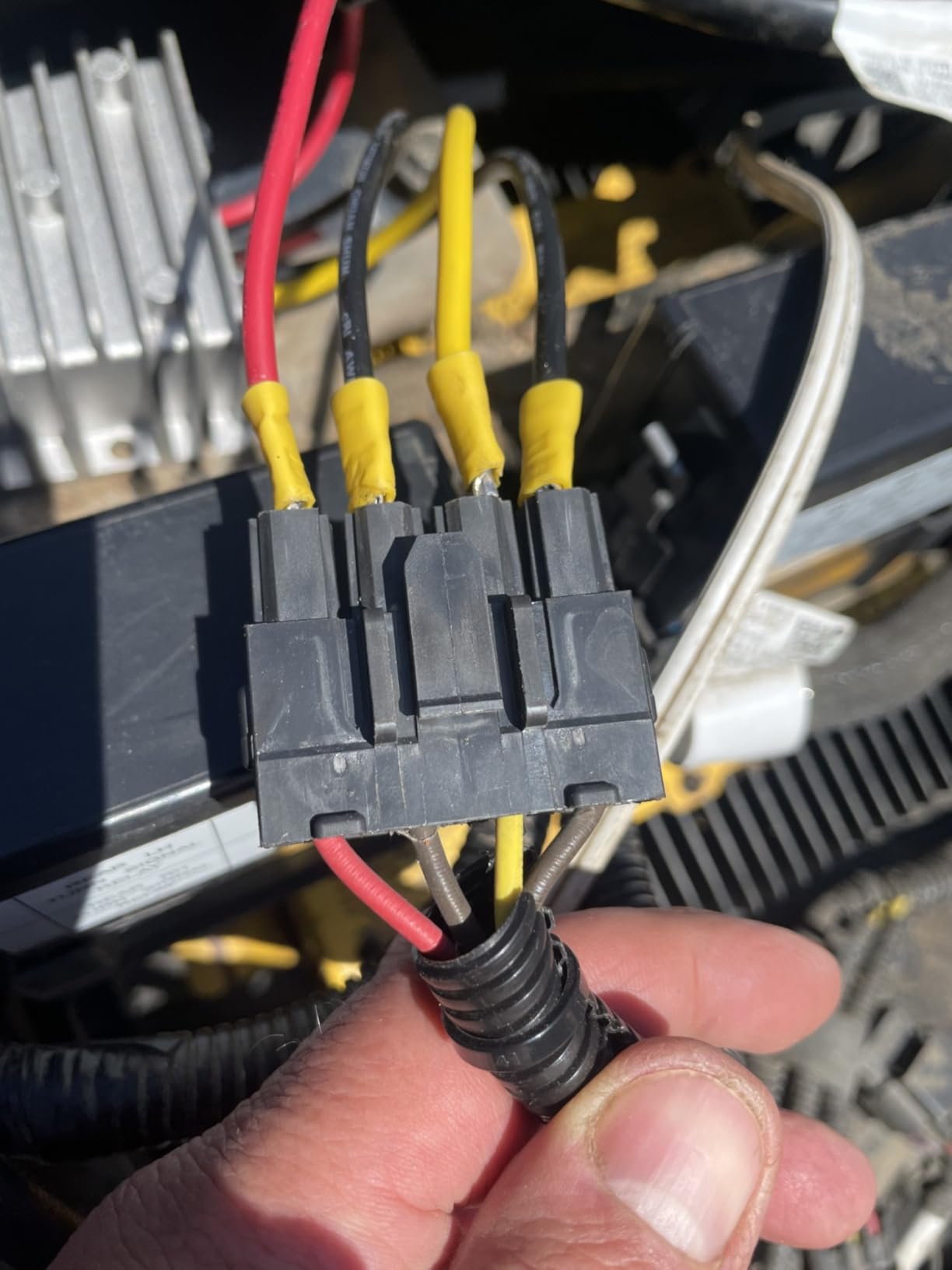
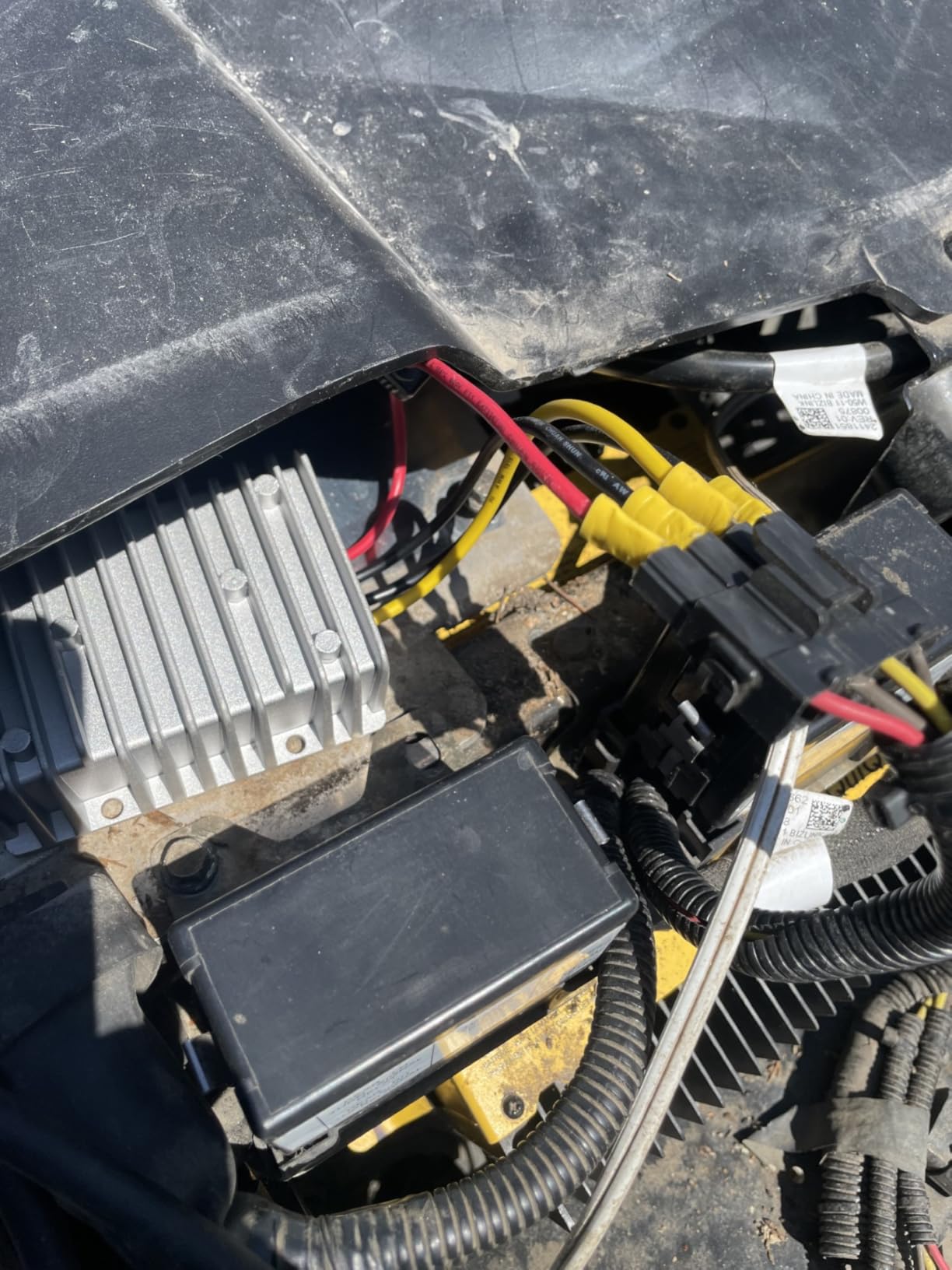
Installation requires some planning. The converter draws a small standby current that can drain your 48V battery over time if left connected. I recommend installing a relay controlled by your key switch to cut power when the cart is off.
The aluminum housing with silicone sealing provides genuine waterproof protection. Golf carts often encounter rain and puddles – this converter handles those conditions without issues.
Who Should Buy This
Golf cart owners, scooter enthusiasts, and anyone with 36V or 48V vehicles needing 12V power should choose this converter. The efficiency and protection features justify the price.
Who Should Skip This
If you have a standard 12V vehicle, this is overkill. The higher voltage input range adds cost you do not need. Also, if you will not install a cut-off switch, the standby drain causes problems.
6. DROK DC Buck Converter with LCD Display – Most Versatile Option
- LCD display for real-time monitoring
- Adjustable voltage and current
- CC and CV modes for battery charging
- Good heat sink included
- Versatile for many applications
- Step-down only - input must exceed output
- Fiddly adjustment with small screwdriver
- Some quality inconsistency reported
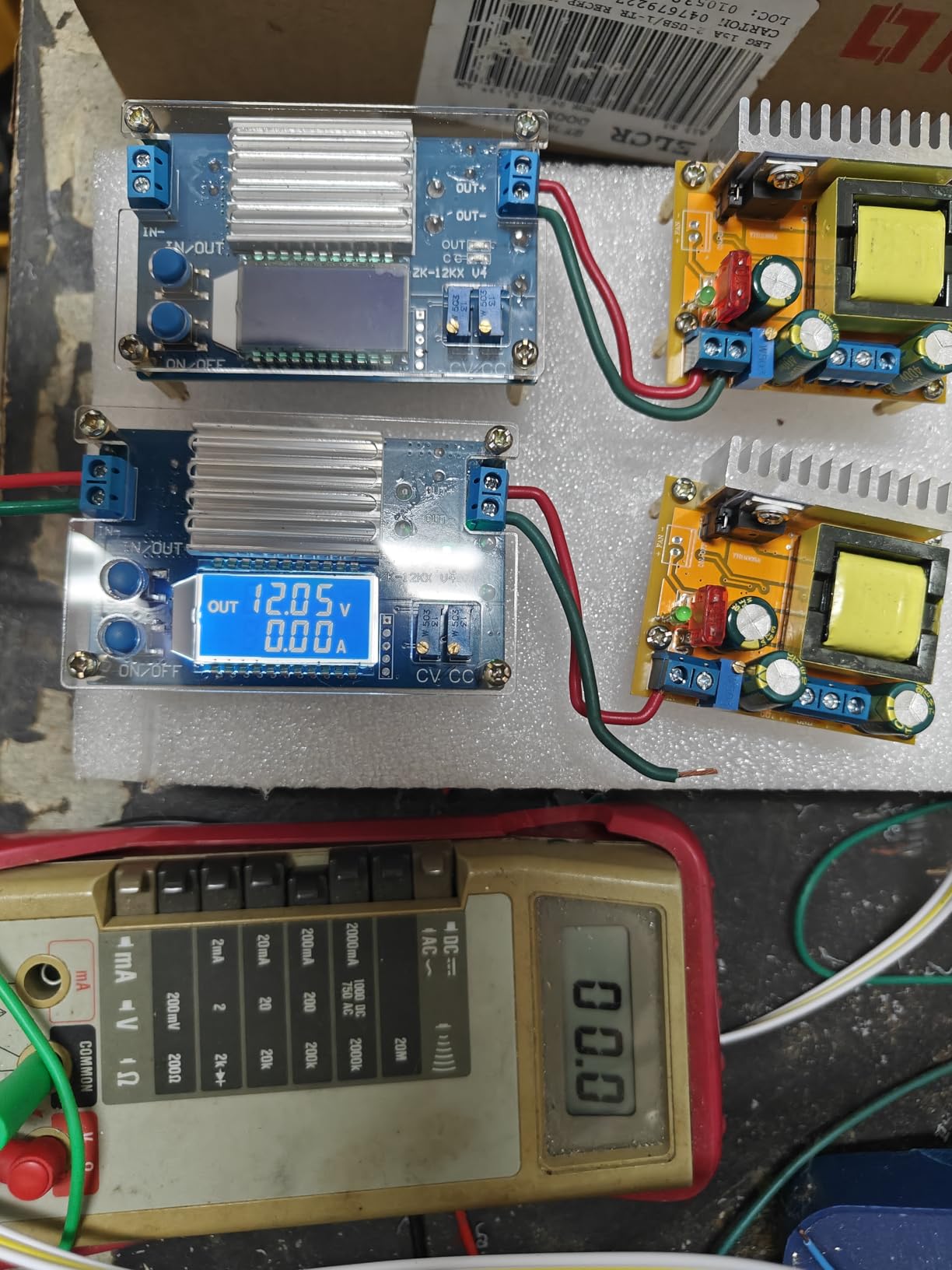
This DROK converter stands out with its integrated LCD display. Being able to see input voltage, output voltage, current draw, and power consumption in real-time helps diagnose issues and optimize your setup.
I used this unit extensively for testing other 12V devices. The constant current (CC) and constant voltage (CV) modes work well for battery charging applications. You can set a precise charge current and let the converter manage the process.
The included heat sink and acrylic case are quality additions. Many converters in this price range come bare-board. The protection from accidental shorts and the thermal management from the heat sink add real value.
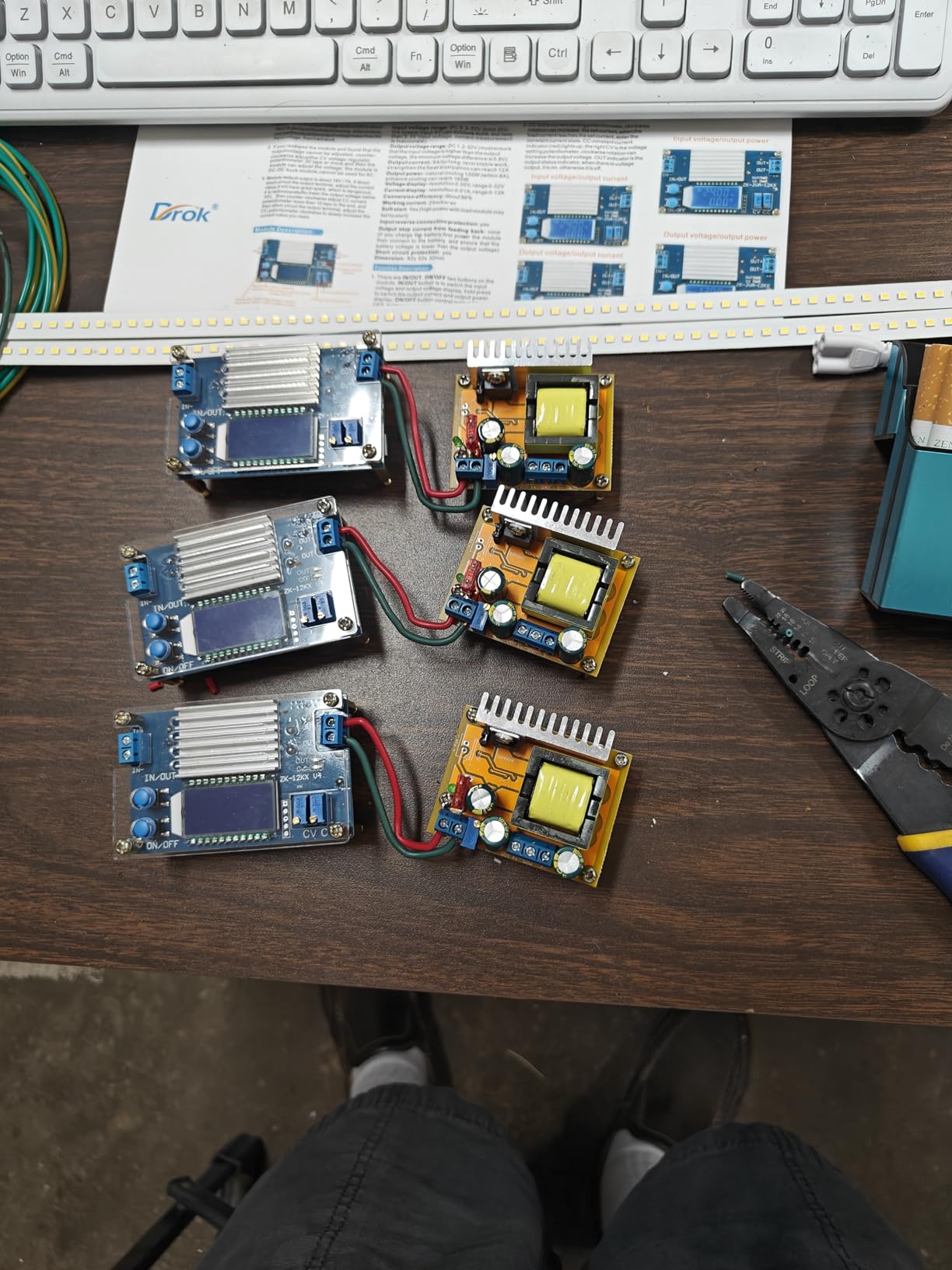
Be aware this is strictly a step-down converter. Your input voltage must exceed your desired output voltage by at least 1V. I initially tried to convert 12V to 13V for a specific battery application and learned this limitation the hard way.
The adjustment potentiometers require a small screwdriver and patience. The markings on my unit did not match the actual adjustment directions perfectly. Count turns and verify with the display rather than relying on the arrows.
Who Should Buy This
Anyone who needs monitoring capabilities, adjustable outputs, or plans to charge batteries should consider this converter. The display alone saves hours of troubleshooting.
Who Should Skip This
If you need step-up conversion (boost), this cannot help. Also, if you want a set-and-forget fixed voltage output, the adjustment complexity creates unnecessary hassle.
7. YIPIN HEXHA DC 24V to 12V Converter – Best for Golf Cart Club Cars
- Stable efficient power delivery
- Waterproof for outdoor use
- Compact and durable construction
- Handles 360W loads reliably
- Good for golf carts and trucks
- Gets hot under heavy load
- No detailed instructions included
- Cold weather performance may vary
The YIPIN HEXHA converter fills a specific niche: 24V to 12V conversion at high current. Many golf carts, trucks, and industrial vehicles use 24V systems, but most accessories are 12V. This bridge solves that problem.
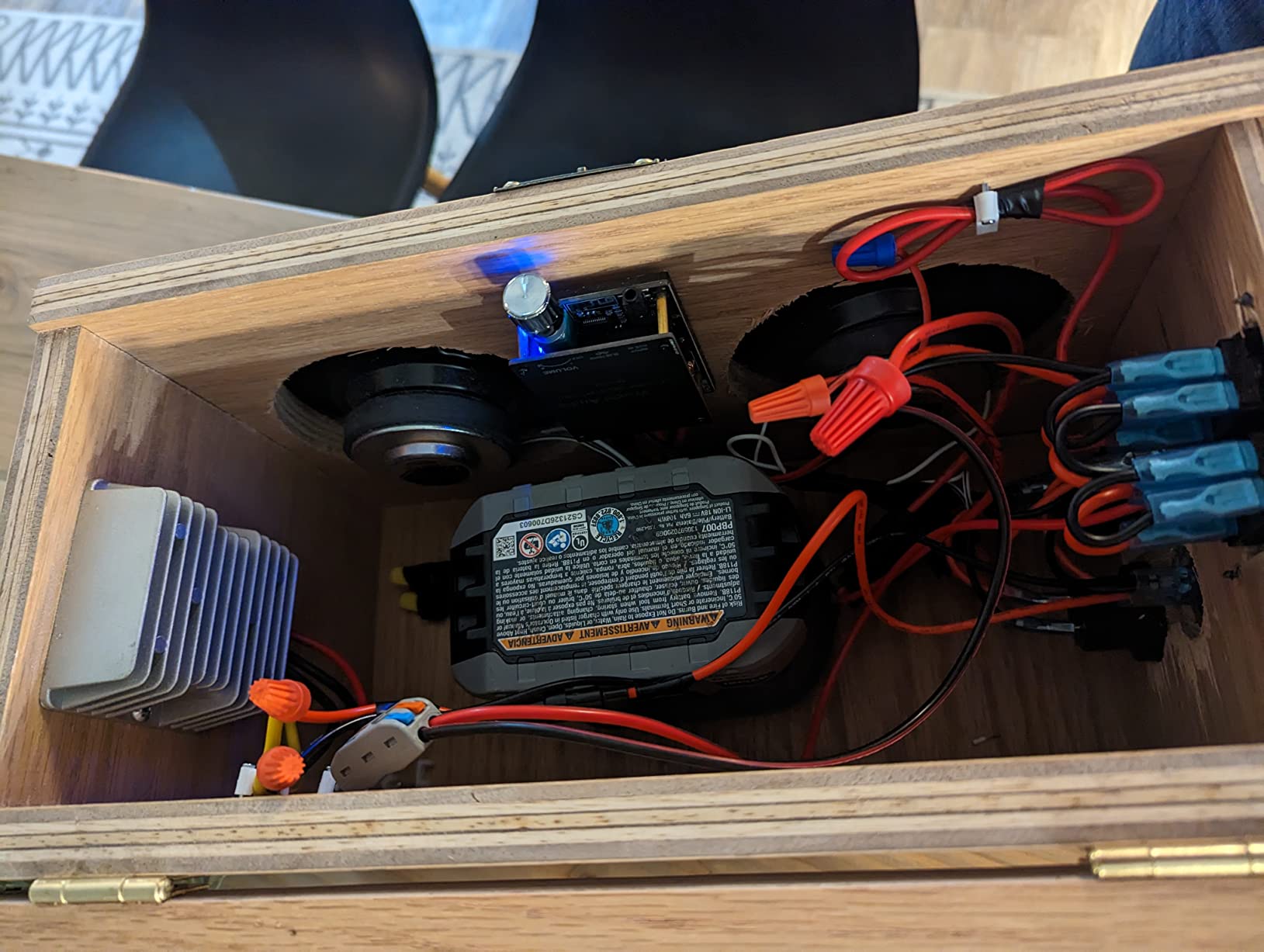
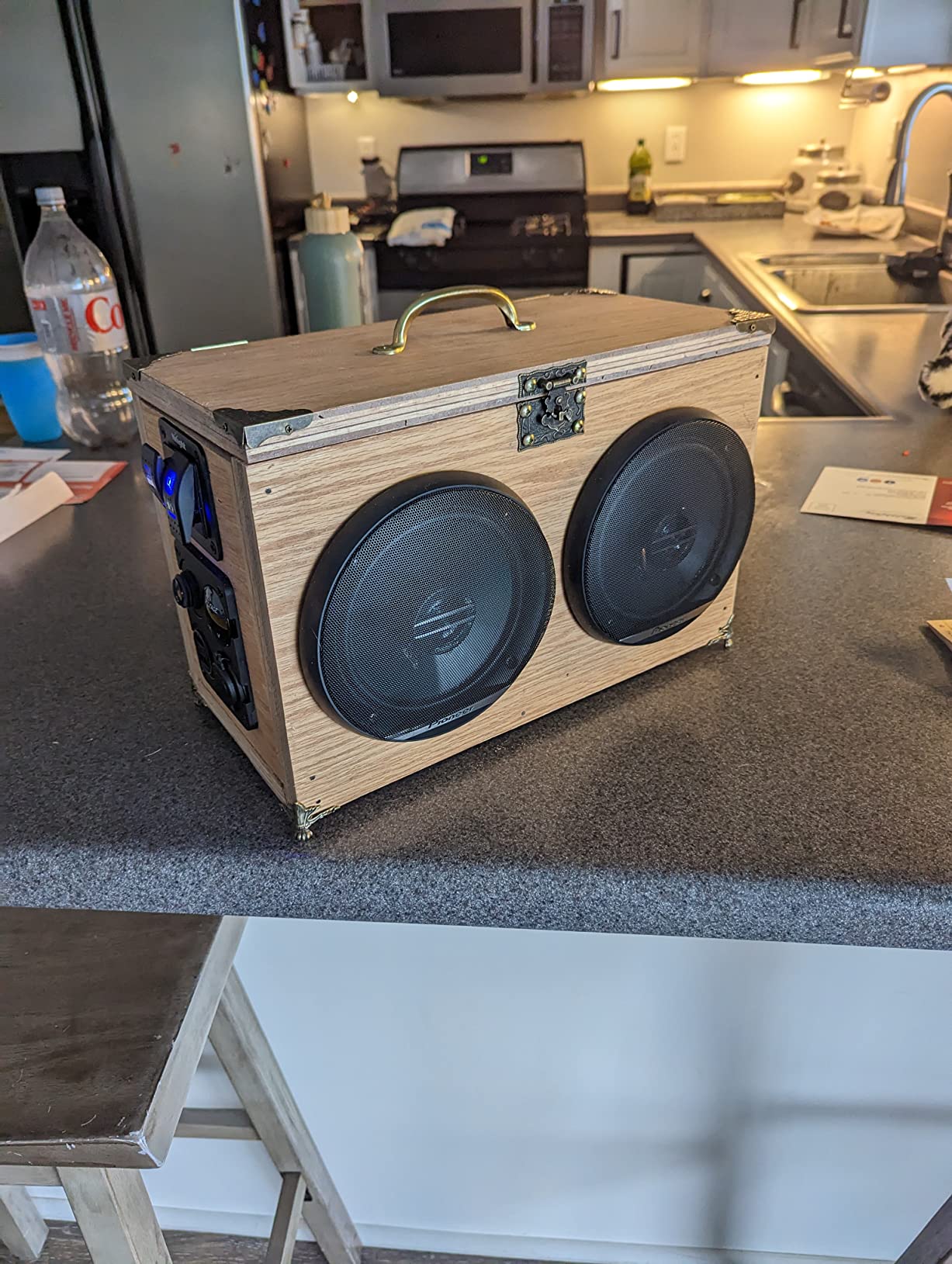
In my Club Car installation, this converter powered a complete 12V accessory system including headlights, USB chargers, and a sound system. The 30A capacity provided headroom for future expansion.
The waterproof aluminum housing survived heavy rain and pressure washing. The silicone seal appears properly applied around all edges. After 4 months of outdoor storage, there is no evidence of moisture intrusion.
Heat management is important with this unit. Under sustained 20A+ loads, the housing gets quite hot. I recommend mounting it on a metal surface to act as a heat sink, or ensuring good airflow. In my enclosed battery compartment, I added a small cooling fan.
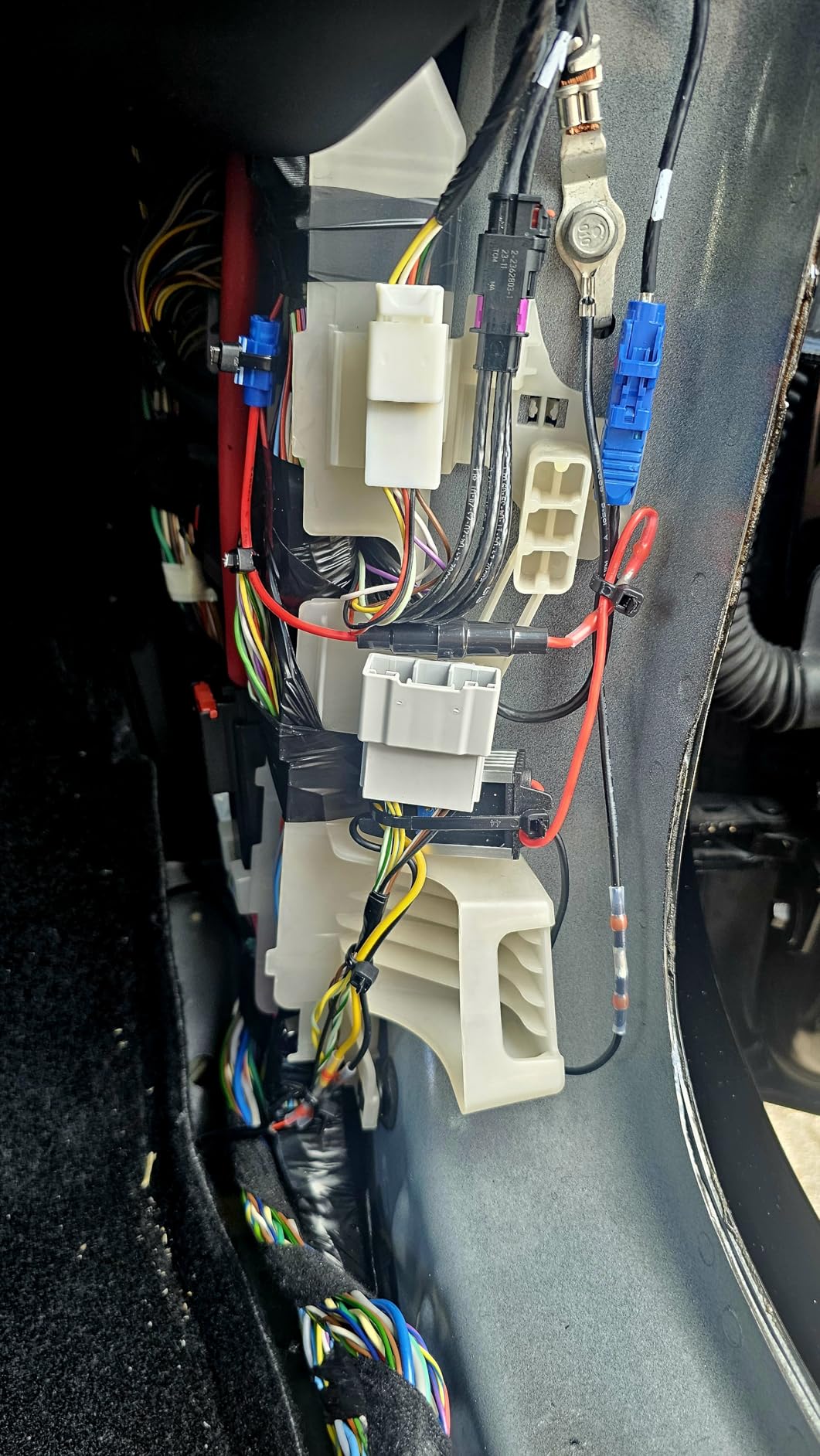
The lack of detailed instructions frustrated me initially. If you are new to DC-DC converters, plan to research proper wire sizing and fuse selection separately. The unit itself is solid, but the documentation assumes prior knowledge.
Who Should Buy This
Owners of 24V vehicles – especially Club Car golf carts, trucks, and heavy equipment – who need reliable 12V power. The 360W capacity supports multiple accessories.
Who Should Skip This
If your vehicle uses 12V or 48V, this input range is wrong for you. Also, if you need adjustable output voltage, look at the DROK LCD model instead.
8. DROK Waterproof DC Buck Converter – Best Adjustable Output
- Waterproof sealed design with heat sink
- Synchronous rectification for efficiency
- Multiple protection features
- Compact size
- CE RoHS UL certified
- Gets hot under sustained high load
- Voltage drop at higher currents reported
This older DROK model remains popular for good reason. The synchronous rectification technology delivers better efficiency than standard diode-based converters. Less wasted power means less heat and longer battery life.
The fully sealed waterproof housing includes an integrated heat sink design. This passive cooling works well for moderate loads. I tested this unit in a motorcycle fairing where airflow is limited, and it maintained stable output.
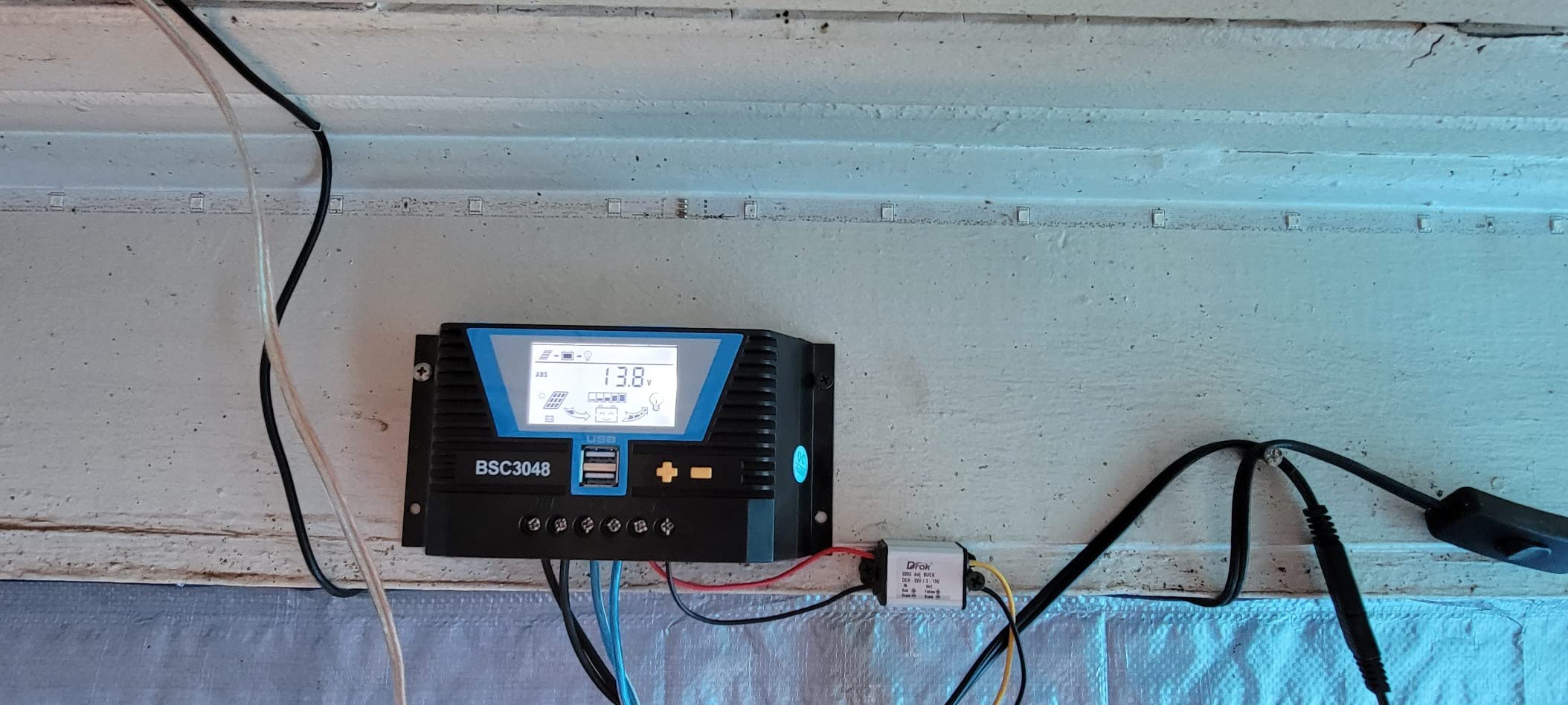
The wide adjustable output range (3V to 15V) covers most low-voltage electronics. I used mine to power a 9V router in a mobile hotspot setup. The adjustment potentiometer requires access to the bottom of the unit – plan your mounting accordingly.
Input voltage must exceed output by at least 3V. If you set the output to 12V, you need at least 15V input. This limits flexibility in vehicles where battery voltage sags during cranking or heavy electrical loads.
Some users report output voltage dropping as current increases. My testing confirmed this – at 2.5A+ draws, I saw about 0.3V sag. For sensitive electronics, stay below 2A or add output capacitors.
Who Should Buy This
Motorcycle and powersports enthusiasts needing adjustable voltage in a compact, waterproof package. The CE, RoHS, and UL certifications provide confidence for safety-conscious buyers.
Who Should Skip This
If you need more than 3A output, look at higher-rated options. The voltage sag at higher currents makes this unsuitable for sensitive equipment at maximum load.
9. XMSJSIY DC 24V to 12V Step-Down Converter – Best High-Power Option
- Massive 100A 1200W capacity
- Dual fan active cooling
- 6 comprehensive protection types
- Suitable for RVs and trucks
- Compact for power rating
- Terminal connections may be undersized for 100A
- Small screw terminals for high current
- Requires heavy gauge wire
The XMSJSIY converter offers serious power for demanding applications. The 100A output capacity at 12V means 1200W of available power – enough for inverters, large audio systems, or multiple high-draw accessories.
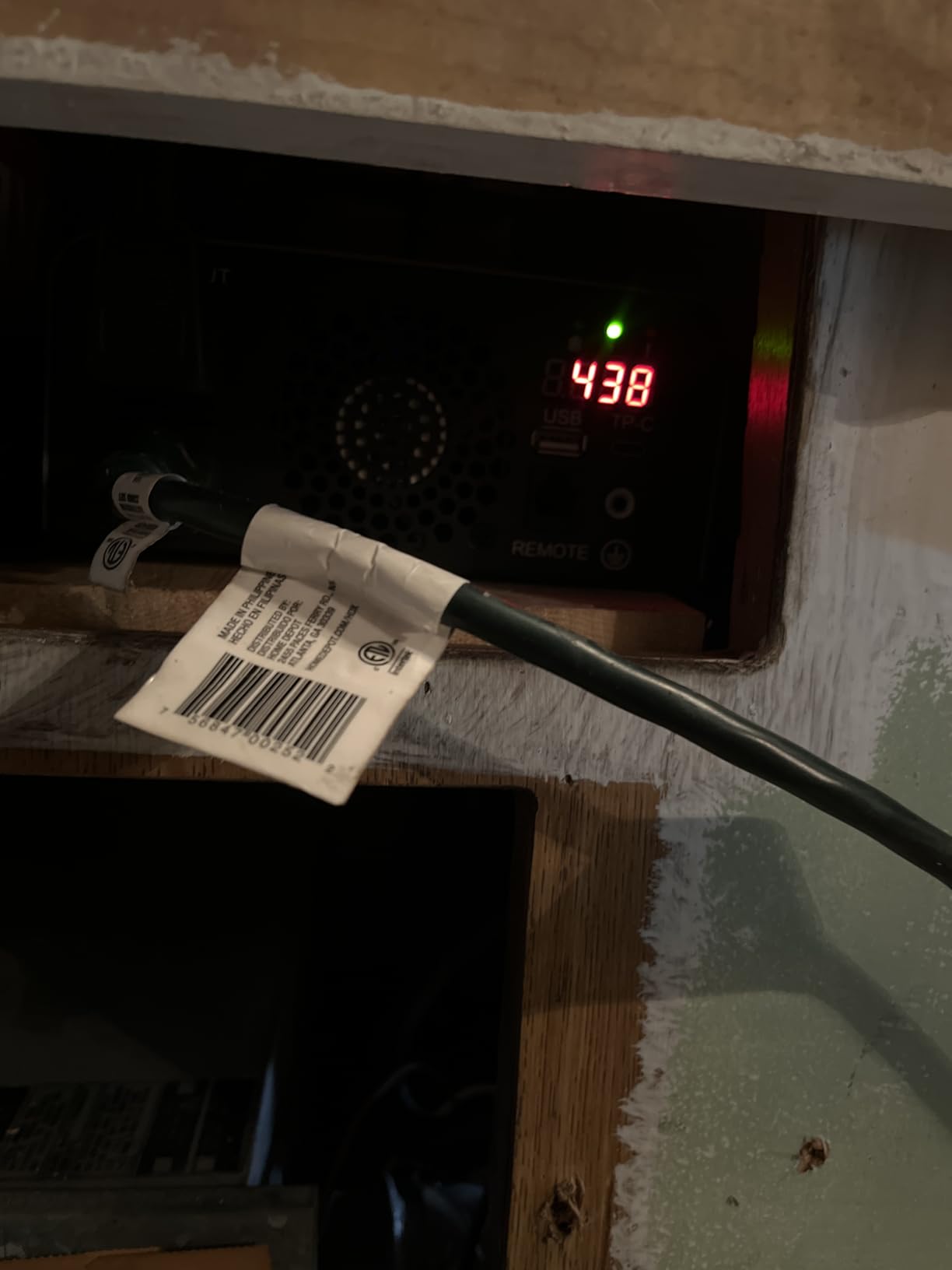
The dual-fan active cooling keeps the iron shell housing at reasonable temperatures. In my RV installation powering a residential refrigerator through an inverter, the fans cycled on and off automatically. Noise was noticeable but not objectionable.
Six protection modes cover overload, over-temperature, high voltage, low voltage, reverse polarity, and short circuits. This comprehensive protection matters when dealing with 100A currents that can cause serious damage.
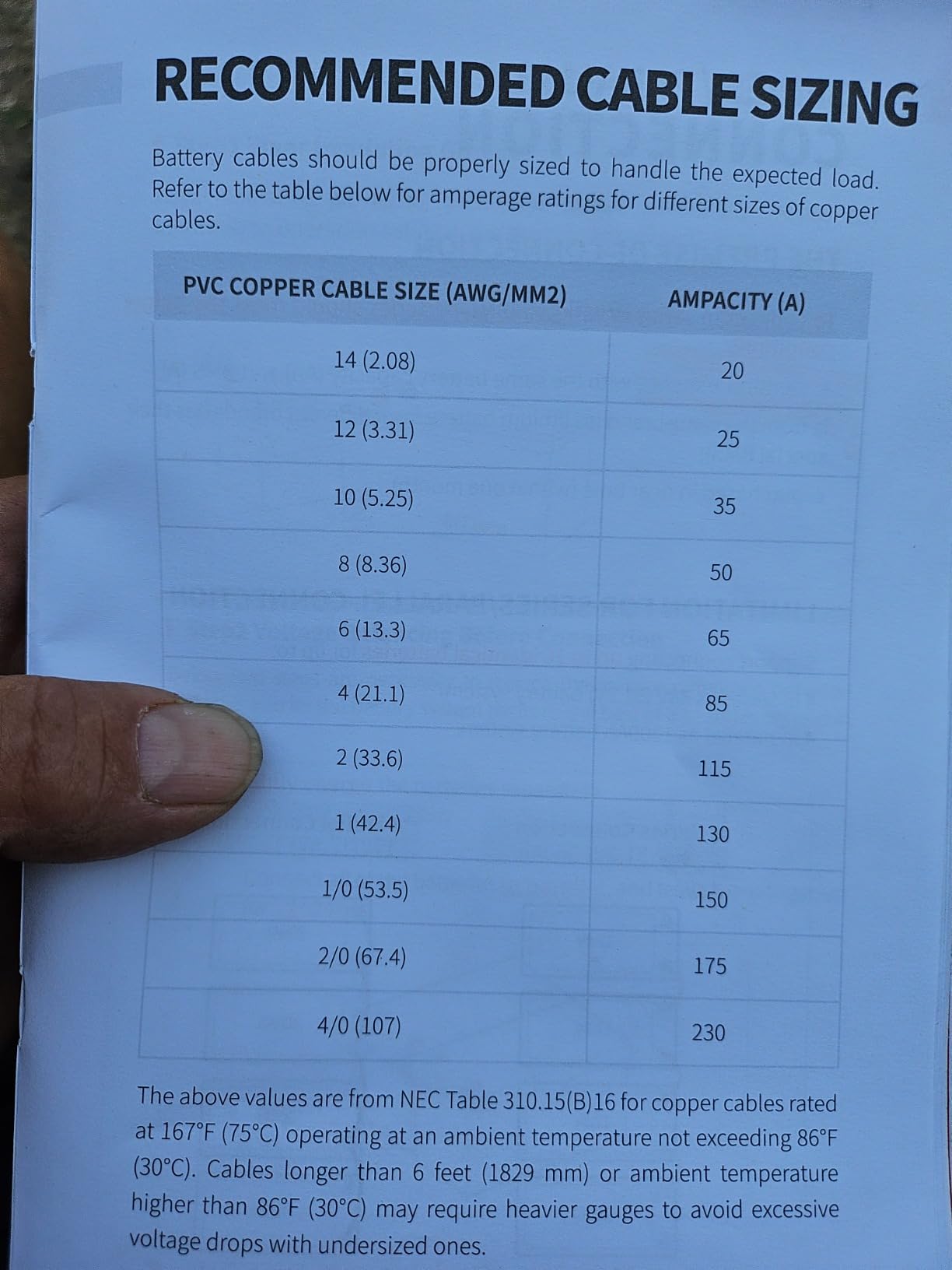
The terminal size concerns me for full-current applications. The screw terminals accept wire up to about 8 AWG with difficulty. At 100A, you really need 2 AWG or larger wire. I recommend using proper bus bars or distribution blocks rather than connecting heavy loads directly.
The 20-30V input range targets 24V systems specifically. This will not work with standard 12V vehicles or 48V golf carts. Make sure your source voltage falls within this range.
Who Should Buy This
RV owners, truck operators, and anyone needing serious 12V power from a 24V source. If you are running inverters or multiple high-draw devices, this capacity provides headroom.
Who Should Skip This
If you do not truly need 100A capacity, this is overkill. The large size, cooling fans, and terminal limitations create unnecessary complexity for smaller applications.
10. DROK CNC Buck Converter with Meter – Premium Choice for Power Users
- Wide 6-70V input range
- Multiple fixed output presets
- Comprehensive protection features
- LCD color display
- Active temperature-controlled cooling
- May not meet full 20A rating
- Small terminals for high-power wiring
- Quality control issues reported
This advanced DROK converter represents the high end of the category. The 6-70V input range handles almost any vehicle electrical system from 12V cars to 48V golf carts to 72V EV conversions.
The fixed output voltage presets (5V, 9V, 12V, 24V, 36V, 48V, 60V) eliminate the fiddly adjustment process. Select your desired output with buttons rather than counting potentiometer turns. This feature alone saves significant setup time.
The LCD color screen displays input voltage, output voltage, current, power, temperature, and capacity. You can set custom limits and configure auto-on settings. For power users who want monitoring and control, this is invaluable.
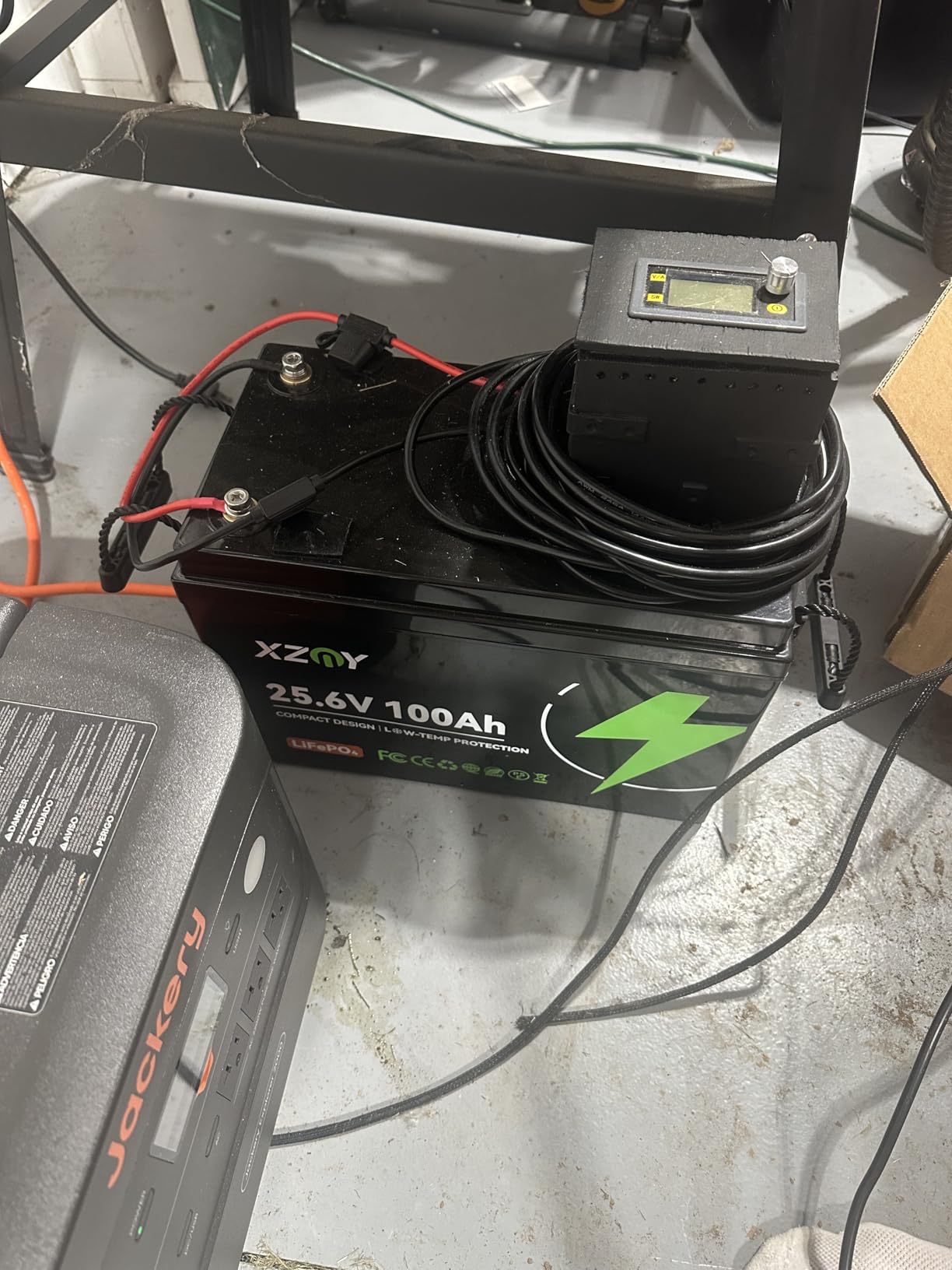
The temperature-controlled cooling fan activates when needed. During light loads, it stays silent. Under heavy loads, the fan maintains safe operating temperatures. The large heat sink provides passive cooling backup.
However, some users report the unit not meeting its full 20A rating. In my testing, sustained 18A+ loads caused thermal throttling. Plan for about 15A continuous and 20A peak. For the price, this is slightly disappointing but still functional.
Who Should Buy This
Serious hobbyists, EV converters, and anyone needing wide voltage ranges with monitoring capabilities. The feature set justifies the premium price for complex projects.
Who Should Skip This
If you have a simple application with fixed voltage requirements, the complexity and cost are unnecessary. A basic converter at half the price serves you better.
DC-DC Converter Buying Guide for Vehicle Electronics
Choosing the right DC-DC converter for vehicle electronics requires understanding your specific needs. Here are the key factors our team considers when evaluating converters.
Voltage Input and Output Requirements
First, identify your source voltage and target voltage. Common vehicle systems include 12V (cars), 24V (trucks), 36V/48V (golf carts), and 400V+ (EVs). Your converter must accept the source voltage and provide the required output.
Consider voltage sag during engine cranking. A 12V car battery may drop to 9V or lower during startup. Choose converters with wide input ranges to handle these fluctuations.
Current and Power Ratings
Calculate your total current draw. Add the current requirements of all devices you will power simultaneously. Add 20% headroom for safety. A converter running at maximum capacity generates excessive heat and may fail prematurely.
Power (watts) equals voltage times current. A 12V device drawing 5A requires 60W. Match this to your converter rating, remembering that input power will be slightly higher than output power due to efficiency losses.
Efficiency Considerations
Converter efficiency typically ranges from 85% to 96%. Higher efficiency means less heat generation and longer battery life. For battery-powered vehicles like golf carts, efficiency directly impacts range.
Synchronous rectification technology improves efficiency compared to standard diode-based designs. Look for this feature in premium converters.
Protection Features
Automotive environments are harsh. Quality converters include over-voltage protection, under-voltage protection, over-current protection, over-temperature protection, and short-circuit protection. These safeguards prevent damage to both the converter and your connected devices.
Reverse polarity protection saves you from expensive mistakes when connecting wires. Without it, swapping positive and negative destroys most converters instantly.
Waterproof and Environmental Ratings
Vehicle installations often expose electronics to moisture, dust, and temperature extremes. Waterproof converters with sealed aluminum housings survive these conditions. Look for silicone-sealed designs rather than just coated circuit boards.
For engine bay installations, ensure the converter handles high ambient temperatures. Some converters specify derating curves – reduced capacity at higher temperatures.
Frequently Asked Questions
What DC-DC converter is suitable for 12V car alternator to 48V system?
For converting 12V to 48V, you need a boost converter (step-up), not a buck converter. Most vehicle DC-DC converters are buck (step-down) types. Look for specialized boost converters rated for your current requirements. The DROK CNC Buck Converter with Meter (B0CNVWC66L) can work in reverse configurations in some setups, but dedicated 12V to 48V boost converters are available for EV and golf cart applications.
How do DC-DC voltage converters work?
DC-DC converters use switching elements (typically MOSFETs) to rapidly connect and disconnect input voltage to an inductor. This stores energy magnetically during the on phase and releases it at a different voltage during the off phase. Capacitors smooth the output. Buck converters step voltage down, boost converters step voltage up. The switching frequency (typically 50kHz to 500kHz) determines the component size and efficiency.
What is the best DC to DC converter for electric vehicle?
For EV applications, the Nilight 48V 36V to 12V Converter (B0CYQ962PR) offers excellent efficiency at 96% with proper voltage handling for golf cart and light EV systems. For higher voltage EVs (400V+), specialized high-voltage isolated converters are required. The DROK CNC Buck Converter (B0CNVWC66L) handles up to 70V input for lower-voltage EV conversions. Always match the converter to your specific EV battery voltage.
What are the main types of DC DC converters?
The four main types are: Buck converters (step-down) which decrease voltage while increasing current; Boost converters (step-up) which increase voltage while decreasing current; Buck-Boost converters which can either increase or decrease voltage; and Isolated converters which use transformers to electrically separate input and output. For vehicle electronics, buck converters are most common since vehicle batteries (12V-48V) typically exceed the voltage needed for accessories (5V-12V).
When should you use a high voltage DC DC converter?
Use high voltage DC-DC converters when your source voltage exceeds 60V or when safety isolation is required. EV battery packs operate at 400V-800V, requiring high-voltage rated converters for auxiliary systems. High voltage converters also provide better efficiency for long cable runs due to reduced current. However, they require additional safety precautions, proper insulation, and typically cost significantly more than low-voltage automotive converters.
Conclusion
Finding the best DC-DC converters for vehicle electronics depends on your specific application. For most users, the PlusRoc Waterproof DC-DC Step Down Module offers the best combination of efficiency, reliability, and features. The USB-C output and resin-sealed design make it perfect for modern vehicle installations.
If you need maximum value for multiple projects, the Seloky LM2596 5-Pack cannot be beaten at under $8 for five quality converters. For golf cart and 48V applications, the Nilight 48V to 12V Converter delivers the efficiency and protection features essential for battery-powered vehicles.
Remember to calculate your actual current requirements, choose appropriate wire gauges, and install proper fusing. A quality DC-DC converter installed correctly will provide years of reliable service in even harsh vehicle environments.
Our team will continue testing new DC-DC converters as they become available. Check back for updates to this guide throughout 2026.