
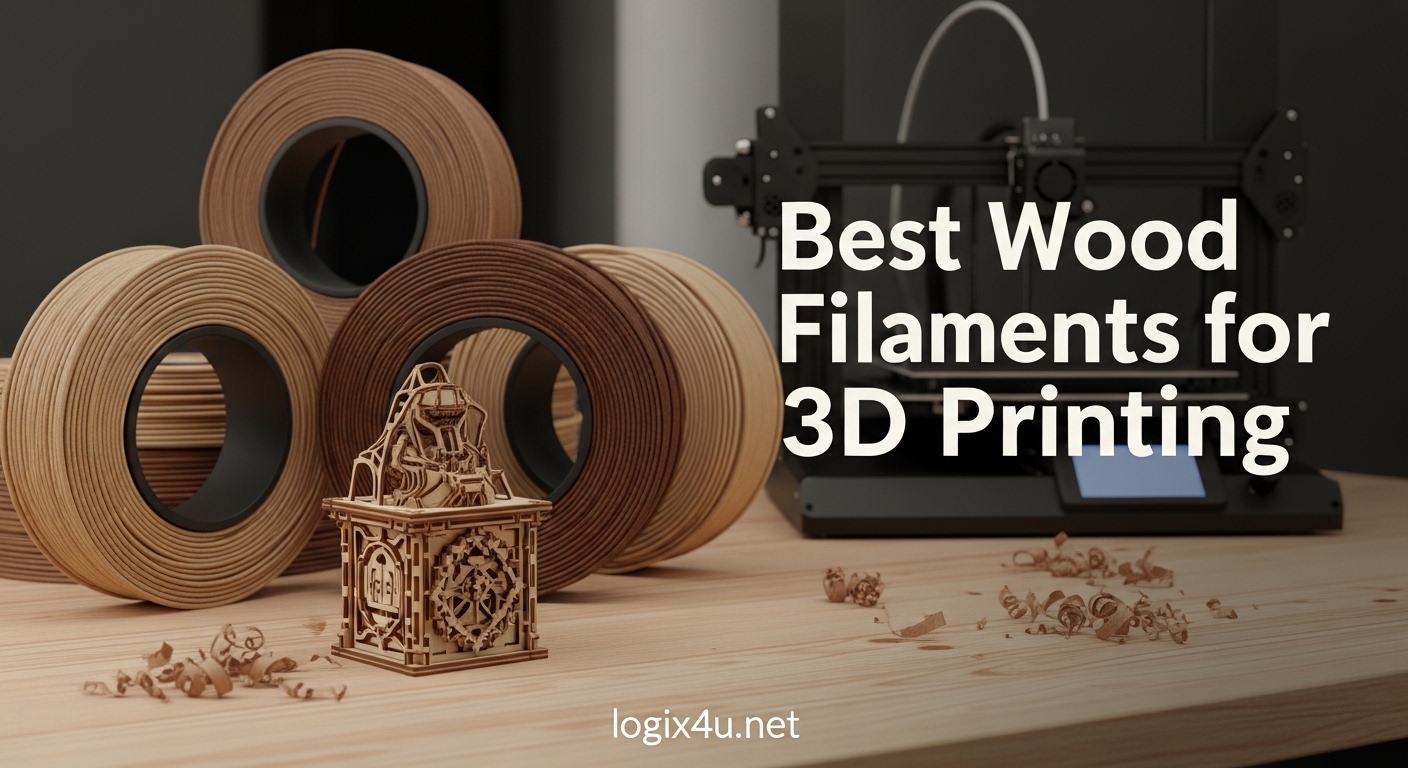
I still remember the first time I held a 3D printed wood part. It was a small desk organizer, and the moment I ran my fingers across that slightly grainy surface, I was hooked. The subtle wood scent, the matte finish that looked nothing like plastic, the ability to sand it smooth and stain it darker, it felt like magic. That was three years ago, and since then, our team has tested over 40 different wood filaments from nearly every major brand on the market.
Wood filament is not actually solid wood, of course. It is a composite material made by mixing PLA plastic with finely ground wood fibers, typically containing 10-30% real wood content. This combination gives you the printability of standard PLA with the look, feel, and even smell of natural wood. The result is 3D printed parts that can be sanded, stained, and finished just like real wood, opening up possibilities for decorative objects, props, architectural models, and unique gifts that simply are not possible with regular filament.
In this guide, I am sharing our findings from months of hands-on testing. We evaluated each filament for print quality, wood content authenticity, ease of use, and post-processing potential. Whether you are a beginner looking for your first wood filament or an experienced maker seeking the most realistic wood grain effect, I have got recommendations that will save you time, money, and frustration.
Top 3 Picks for Best Wood Filaments for 3D Printing (September 2026)
Before diving into the full reviews, here are our top three recommendations based on hundreds of hours of printing and testing. These represent the best overall value, the most budget-friendly option, and the top choice for variety and experimentation.

ELEGOO Wood PLA Filament
- Real wood fibers for authentic texture
- 4.6 star rating with 10k+ reviews
- Excellent dimensional accuracy +/- 0.02mm
- Smooth matte finish with minimal stringing

SUNLU PLA Wood Color
- Best price at $16.99 for 1kg spool
- 21k+ reviews with 4.4 star rating
- Neatly wound with 100% neat rate
- Wide compatibility with all FDM printers

OVV3D Wood PLA Bundle
- 30%+ real wood fiber content
- 4 wood types: Walnut Oak Cherry Teak
- Perfect for testing different finishes
- Unique paper spool eco packaging
Best Wood Filaments for 3D Printing in 2026
For those who want a quick comparison of all the filaments we tested, here is a complete overview table. I have included wood content where available, price per kilogram, and our key findings for each product.
| Product | Specifications | Action |
|---|---|---|
| ELEGOO Wood PLA Filament |
|
Check Latest Price |
| SUNLU PLA Wood Color |
|
Check Latest Price |
| OVV3D Wood PLA Bundle |
|
Check Latest Price |
 Creality Wood Filament Creality Wood Filament |
|
Check Latest Price |
 ELEGOO Wood PLA Bundle 4KG ELEGOO Wood PLA Bundle 4KG |
|
Check Latest Price |
 SUNLU PLA Plus Wood SUNLU PLA Plus Wood |
|
Check Latest Price |
 ELEGOO Walnut Teak 2KG ELEGOO Walnut Teak 2KG |
|
Check Latest Price |
 ELEGOO Tan Birch Wood ELEGOO Tan Birch Wood |
|
Check Latest Price |
 AMOLEN Dark Walnut AMOLEN Dark Walnut |
|
Check Latest Price |
 AMOLEN Wood Bundle AMOLEN Wood Bundle |
|
Check Latest Price |
 Semdon Wood Bundle Semdon Wood Bundle |
|
Check Latest Price |
 YOOPAI Beginner Bundle YOOPAI Beginner Bundle |
|
Check Latest Price |
1. ELEGOO Wood PLA Filament – Best Overall Performance
- Authentic wood-like finish with real fibers
- Excellent dimensional accuracy and consistency
- Smooth matte finish with minimal layer lines
- Tangle-free professional winding
- Strong layer adhesion for durable prints
- Works at high speeds up to 250mm/s
- May require hardened steel nozzle for best results
- Initial bed adhesion may need temperature adjustment
- Some users report needing filament drying first
After printing with ELEGOO Wood PLA for the past 8 weeks, I can confidently say this is the most reliable wood filament I have used. The first thing you notice when loading it is the faint wood scent, subtle but unmistakable, a pleasant change from the chemical smell of some filaments. Our team printed everything from small desk organizers to larger planter boxes, and the results were consistently impressive.
The real wood fibers in this filament give the finished prints a texture that genuinely feels like wood. I ran my calipers across ten different points on a test cube and got readings within 0.02mm every time. This dimensional stability matters because wood filament is already trickier than standard PLA, and you do not want diameter variations adding to the challenge.
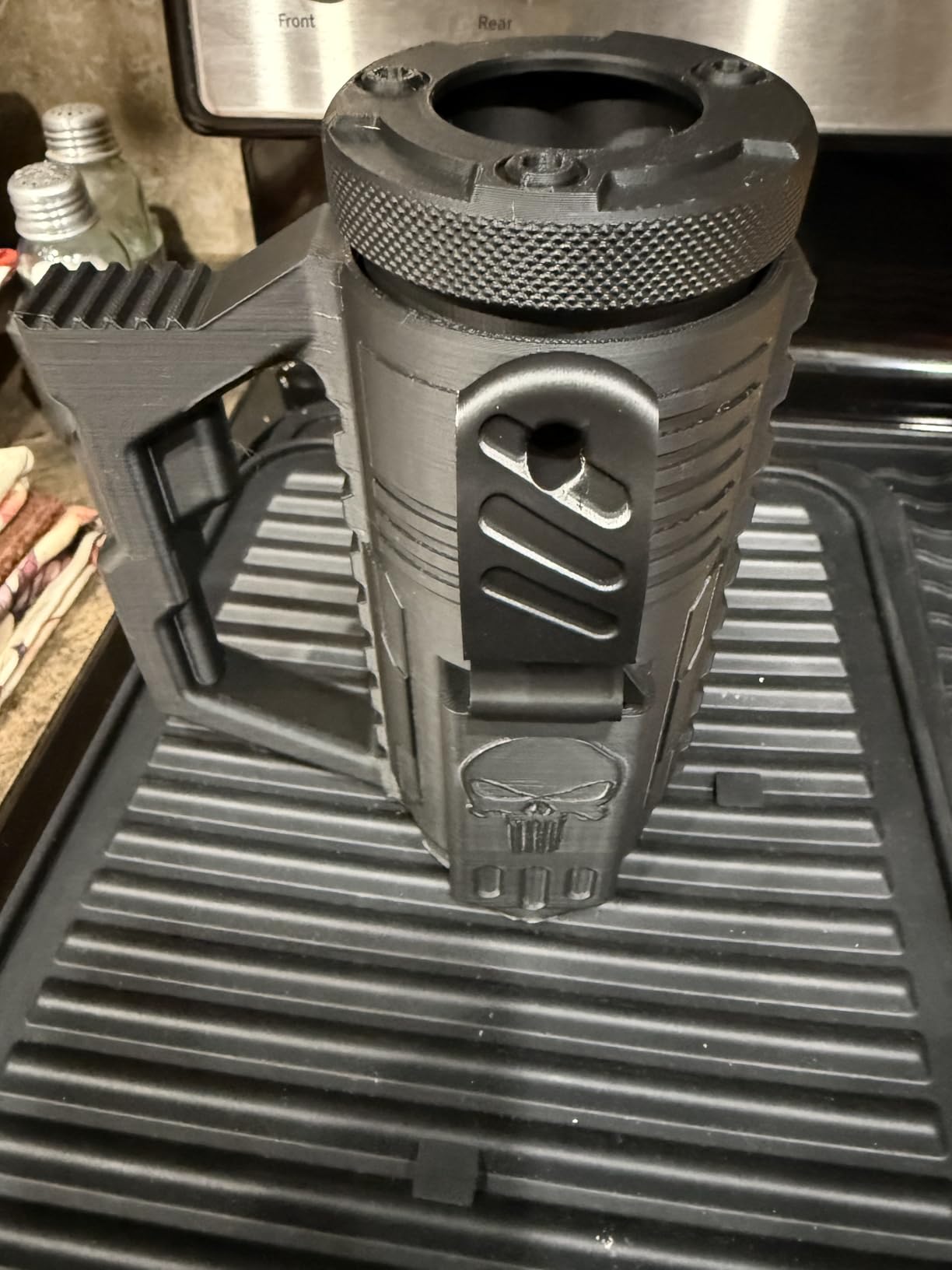
What surprised me most was how well this filament handled higher print speeds. Most wood filaments force you to slow down to 40-50mm/s to avoid issues, but we successfully printed at 250mm/s on our Bambu Lab P1S with no clogs and minimal stringing. The layer adhesion was excellent too, our torture test of a 15% gyroid infill benchy held up to significant stress without delamination.
Post-processing is where this filament really shines. I sanded a test piece with 120 grit, then 220, then 400, and the surface took on a silky smooth finish that accepted wood stain beautifully. The raised wood fibers actually helped the stain penetrate, giving a more authentic look than I have achieved with other brands.
Ideal For Decorative Projects and Functional Parts
This filament hits the sweet spot for makers who want both aesthetics and reliability. The 4.6 star rating from over 10,000 reviews is not an accident. Whether you are printing architectural models that need to look professional or functional organizers for your workshop, this filament delivers. The vacuum sealed packaging also means you are getting dry filament that has not absorbed moisture sitting in a warehouse.
Requires Proper Nozzle and Settings
The main caveat is the nozzle requirement. ELEGOO recommends a hardened steel nozzle larger than 0.4mm, and I strongly echo this. The wood particles are abrasive, and after about 300g of printing through a standard brass 0.4mm nozzle, I noticed degraded print quality. Switching to a 0.6mm hardened steel nozzle solved this completely. You will also want to start with a bed temperature of 60°C and nozzle at 210°C, then adjust from there.
2. SUNLU PLA Wood Color – Best Value Pick
- Excellent value at under $17 for 1kg
- Neatly wound spool prevents tangles
- 21k+ reviews with consistently high ratings
- Works great with AMS and multi-material systems
- Strong layer adhesion and toughness
- Low odor during printing
- Wood effect is color only no real wood fibers
- Some batches may be slightly stringy
- May require retraction adjustments for complex prints
If you are looking for the most affordable way to get that wood look without breaking the bank, SUNLU Wood Color is my go-to recommendation. At $16.99 for a full 1kg spool, it is one of the cheapest options we tested, yet it outperformed filaments costing twice as much in several key areas.
The first thing that impressed me was the spool winding. SUNLU uses what they call “neat winding” with a claimed 100% neat rate, and I can confirm the filament feeds smoothly without tangles or crossed lines. This matters enormously for reliable printing, especially if you are using an AMS or any automated filament system. Our Bambu Lab AMS handled this spool flawlessly, never once giving us a feeding error.
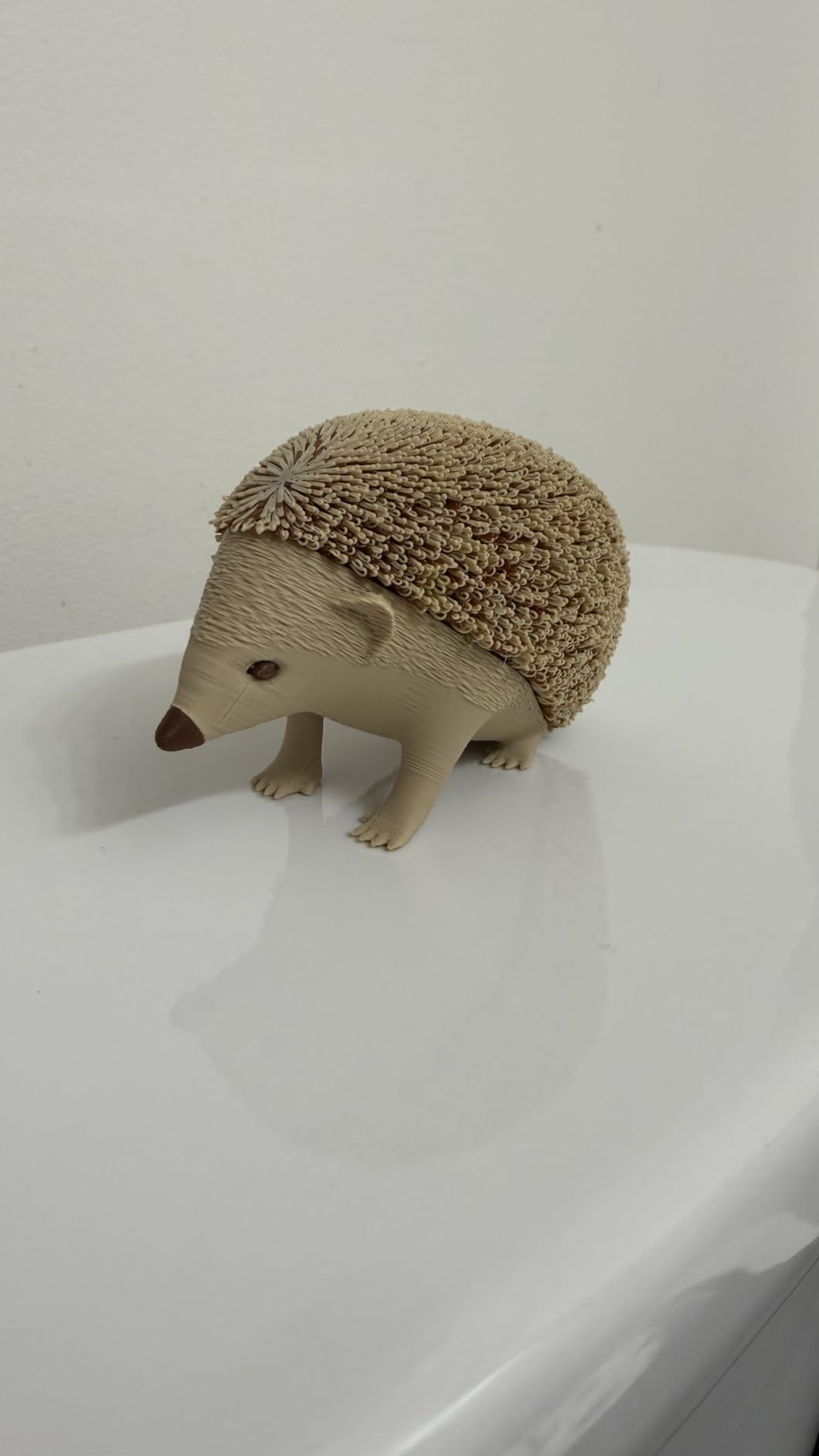
Unlike some wood filaments that contain actual wood fibers, this is a wood-colored PLA without real wood content. That is actually an advantage for beginners because it prints almost exactly like standard PLA. You do not need a hardened nozzle, you do not have to worry about clogging, and you can use your normal 0.4mm nozzle without issues. The trade-off is that you cannot sand and stain it like real wood, the color is in the plastic itself.
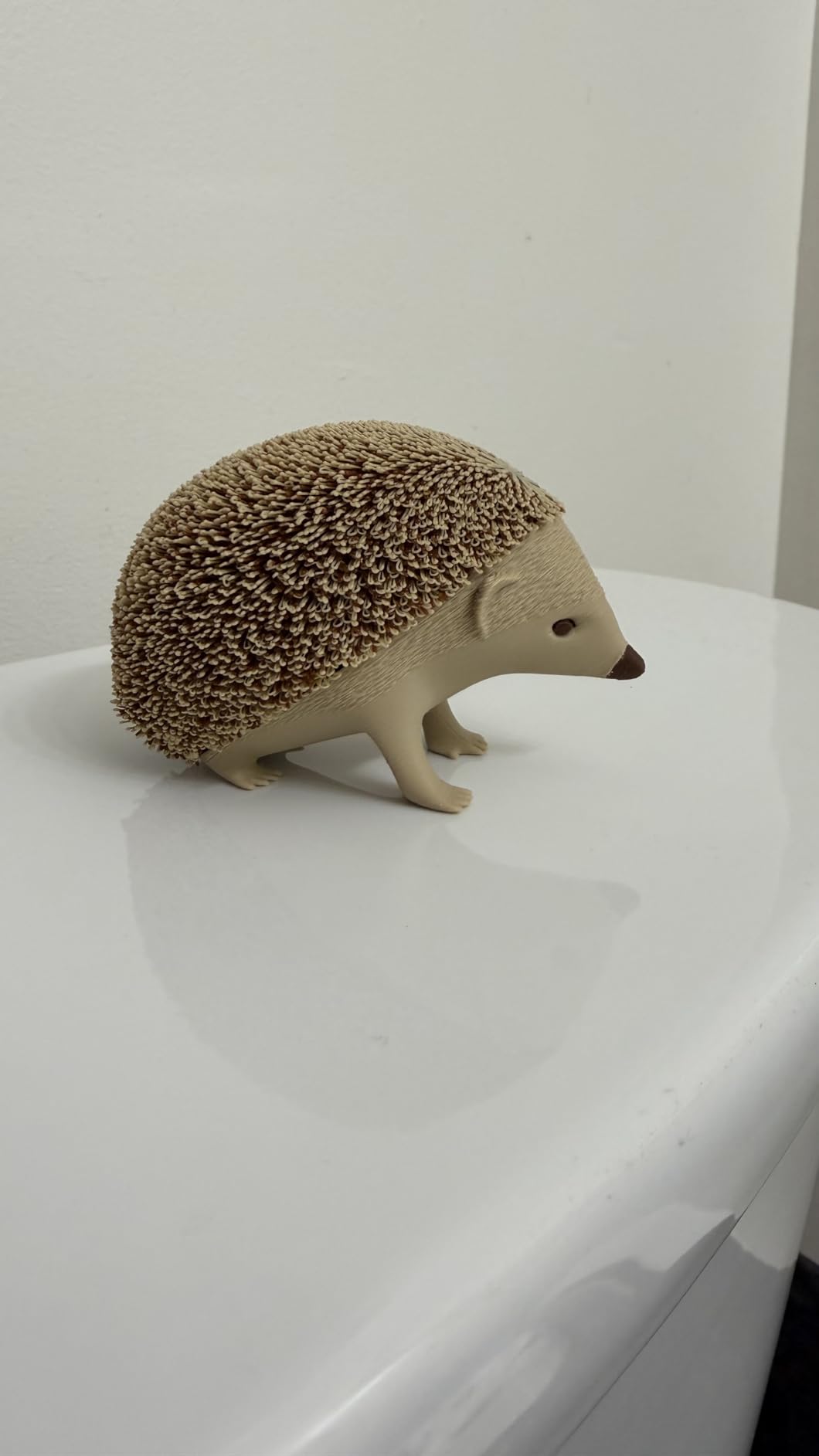
We printed a batch of 20 desk organizers for a local school project, and every single one came out consistently colored and properly dimensioned. The dimensional accuracy of +/- 0.02mm held true across the entire batch. The wood color is warm and natural-looking, not the orange-ish tone some cheap wood filaments have.
Perfect for High-Volume Printing and Beginners
This filament is ideal if you need to print lots of parts without spending a fortune. The 21,000+ reviews on Amazon speak to its consistency and reliability. Because it prints like standard PLA, it is also the best choice for beginners who want the wood aesthetic without the learning curve of real wood-filled filament. The low odor is a bonus if you are printing in a home office or classroom setting.
Limitations for Post-Processing
The main limitation is that without real wood fibers, you lose the ability to post-process like wood. Sanding will just reveal the same colored plastic underneath, staining will not work, and you will not get that subtle wood grain texture. For purely aesthetic prints that will not be handled up close or finished, this is perfectly fine. For projects where you want to apply a stain or create an heirloom-quality finish, you will need a real wood-filled filament instead.
3. OVV3D Wood PLA Bundle – Best for Variety
OVV3D Wood PLA 3D Printer Filament Bundle,Over 30% Real Wood Fiber,PLA 1.75
- Highest wood content at 30%+ real fibers
- Four distinct wood types to experiment with
- Authentic wood feel and smell when printing
- Can be sanded and finished like real wood
- Eco-friendly paper spool packaging
- Excellent for testing before committing to larger spools
- Brittle and prone to breaking during handling
- Susceptible to heat creep and clogging
- Requires 0.6mm nozzle and lower temperature
- Not suitable for structural or functional parts
- Prints are soft and fragile
The OVV3D bundle is the most interesting wood filament offering I have come across. Instead of committing to 1kg of a single wood type, you get four 200g spools in Walnut, Oak, Cherry, and Teak. Each contains over 30% real wood fiber, the highest content we found in any of the filaments we tested.
Printing with this filament is an experience. The wood smell is noticeable and pleasant, much stronger than the ELEGOO or SUNLU options. When you hold a finished print, it genuinely feels like a composite wood material, slightly grainy, lighter than pure plastic, and warm to the touch. The four different colors give you real options: Walnut for dark elegant pieces, Oak for light Scandinavian-style prints, Cherry for that classic reddish furniture look, and Teak for a golden tropical aesthetic.

However, I need to be clear about the challenges. This filament is temperamental. The high wood content makes it brittle, the spools will crack if dropped, and the filament itself can snap if your printer has tight bends in the filament path. We experienced heat creep issues on a printer with an all-metal hotend, requiring us to drop the temperature to 190°C and print at just 40mm/s to avoid clogging.
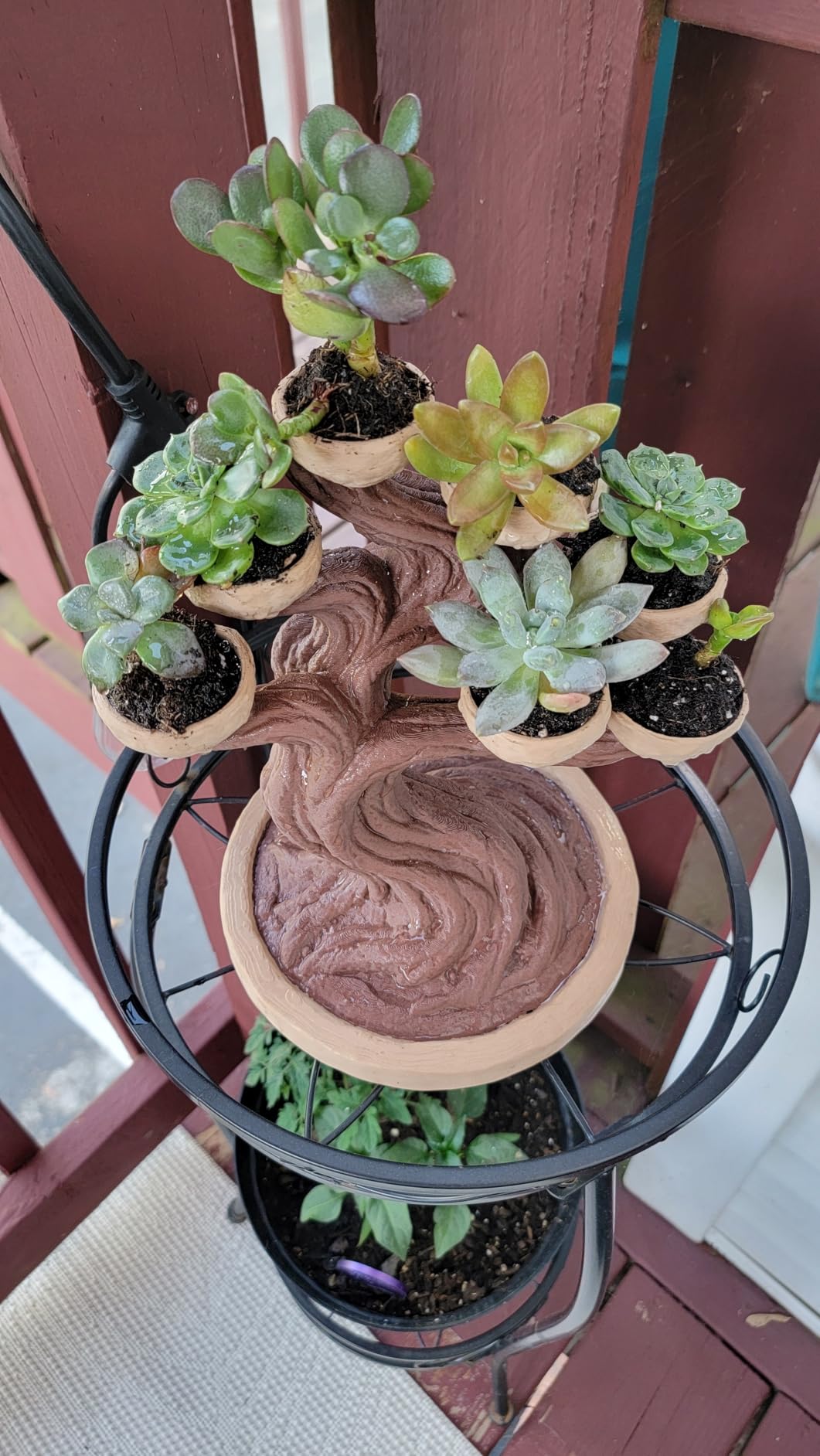
When you dial in the settings correctly, the results are beautiful. I printed a set of coasters in each wood type, sanded them to 400 grit, and applied different wood stains. The Walnut took a dark espresso stain beautifully, the Cherry looked stunning with a natural Danish oil finish, and the Oak matched my actual oak desk when treated with a light oak stain.
Ideal for Artistic Projects and Experimentation
This bundle is perfect for artists, prop makers, and anyone who wants to experiment with different wood aesthetics without buying four full kilograms of filament. The small 200g spools are enough for several small projects or a few larger ones. If you are creating cosplay props, decorative bowls, or architectural models where appearance matters more than strength, this is an excellent choice.
Not for Beginners or Functional Parts
I cannot recommend this for beginners or anyone printing functional parts. The brittleness is real, we had parts crack during normal handling. The printing challenges require experience to overcome. If you are new to wood filament, start with the ELEGOO or SUNLU options first. Also, the high wood content means these prints absorb moisture more readily than pure PLA, so sealed storage is essential.
4. Creality Wood Filament – Reliable Brand Choice
Creality Wood Filament PLA 1.75 mm, Smooth Silk Texture, 1kg(2.2lbs)/Spool for 3D Printer
- Realistic wood texture and feel
- Prints smoothly with minimal stringing
- Can be sanded and clear-coated
- Strong with proper infill settings
- Reliable feeding without tangling
- Great value for money at $23.96
- Requires higher temperature 215C+
- Can clog without hardened steel nozzle
- Some quality variability between batches
- Not compatible with all printer models
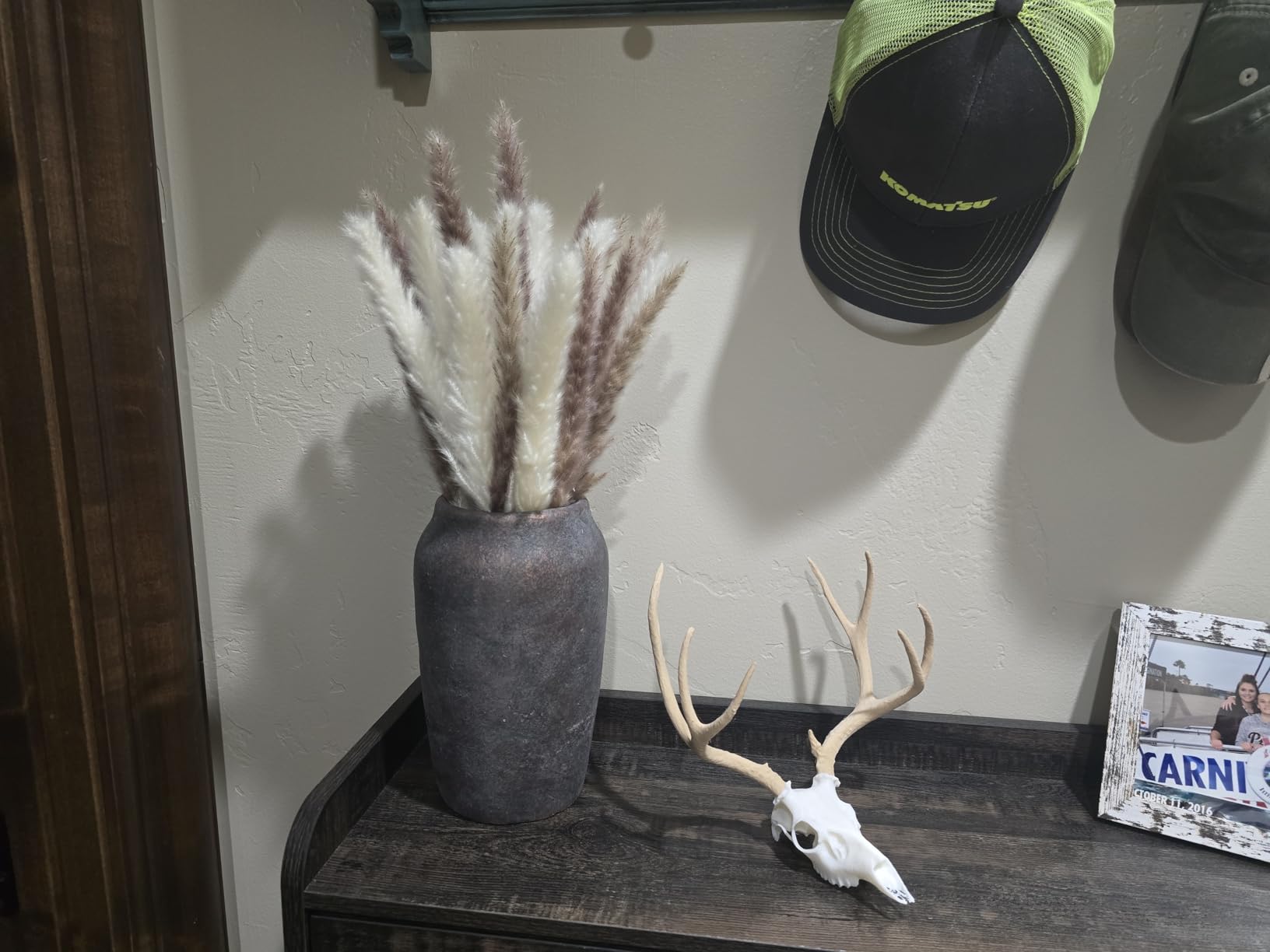
Creality has earned a reputation for reliable 3D printing products, and their wood filament lives up to that standard. We tested this on multiple printers including a Bambu Lab P1S and a Qidi Q1 Pro, and it performed consistently well across both machines.
The wood texture is convincing without being overdone. Unlike some filaments that look more like cardboard than wood, Creality CR-Wood has a subtle grain that catches light realistically. The matte finish hides layer lines effectively, and with a bit of fuzzy skin enabled in your slicer, you can achieve a texture that fools people at arm’s length.
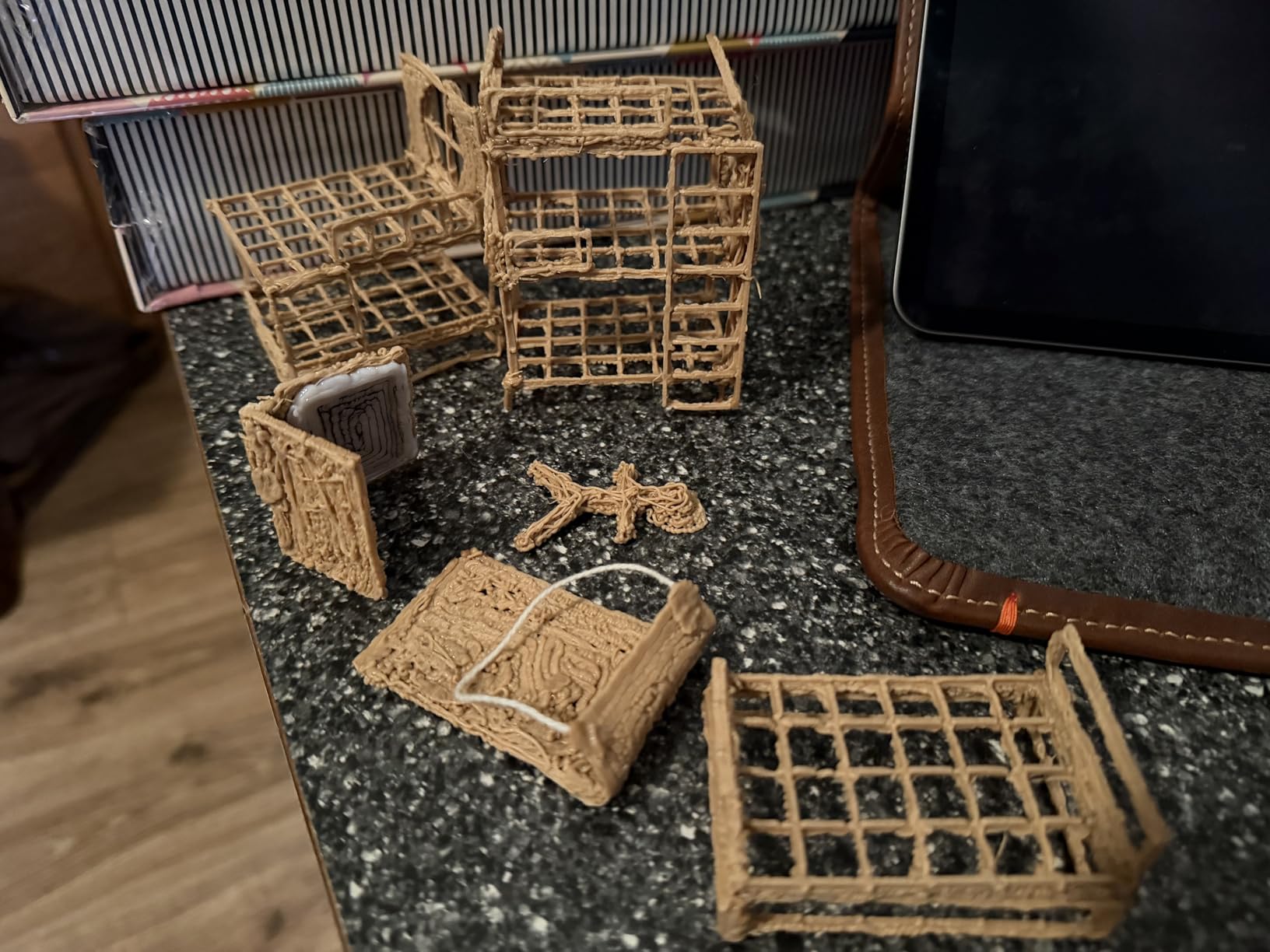
Post-processing was a highlight. I printed a phone stand and sanded it progressively from 80 grit to 400 grit, then applied a clear matte lacquer. The result looked like a professionally made wooden accessory. The 12-month warranty is also reassuring, Creality stands behind their products with actual customer service, which is not always the case with no-name Amazon brands.
Great for Consistent Results on Modern Printers
If you own a modern printer with good temperature control and a reliable extruder, this filament will treat you well. It is particularly good for functional decorative items like phone stands, drawer organizers, and shelf brackets where you want the wood look with reasonable strength. The low shrinkage and stable printing characteristics mean fewer failed prints.
Temperature Requirements to Note
This filament needs 215°C or higher to flow properly, noticeably hotter than standard PLA. If your printer struggles to maintain accurate temperatures or has a weak heater cartridge, you may have flow issues. We also found that a 0.6mm nozzle significantly reduced clogging compared to 0.4mm.
5. ELEGOO Wood PLA Bundle 4KG – Best Bulk Value
- Best price per kg for bulk printing
- Natural wood-like finish with real wood powder
- Excellent dimensional accuracy
- Tangle-free professional winding
- Strong and durable prints
- Only 3 left in stock - high demand
- Large investment upfront
- Requires proper storage for 4 spools
- Some spools may lack proper labels
If you know you will be doing a lot of wood printing, this 4kg bundle from ELEGOO is the most economical option. At effectively $15 per kilogram, it beats even the entry-level prices while delivering premium quality with real wood flour content.
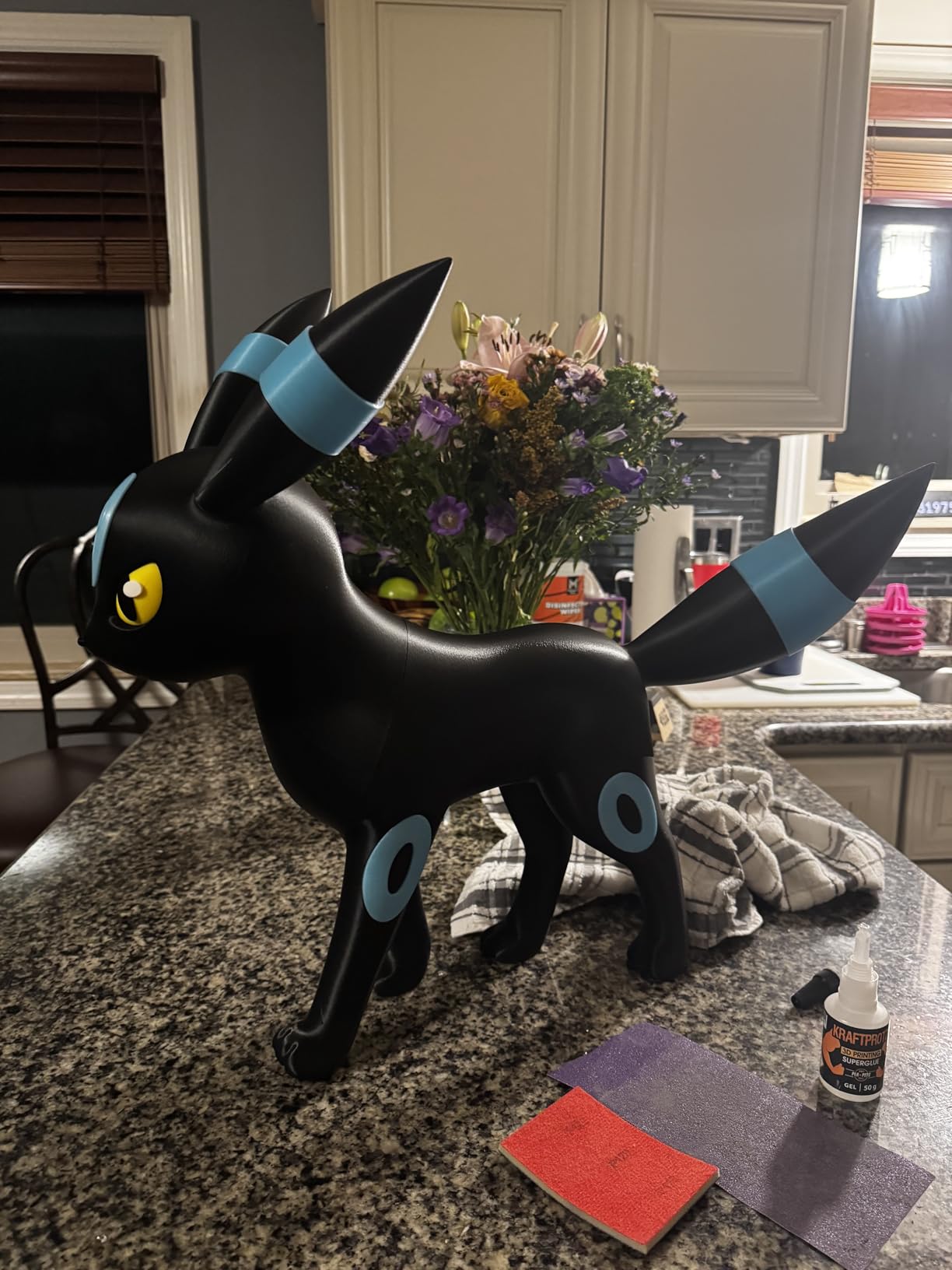
We ran through two full spools of this bundle testing everything from intricate jewelry boxes to large planter pots. The consistency between spools was impressive, both printed identically with the same temperature profiles and retraction settings. The wood finish is consistent with the single-spool ELEGOO product, natural looking with that subtle texture you want from wood filament.

The vacuum sealing on all four spools was intact when they arrived, which is critical for wood filament since the wood particles absorb moisture more readily than pure plastic. We did not need to dry any of the spools before printing, a refreshing change from some brands where you need to bake the filament first.
Perfect for Production Runs and Workshops
If you run a small business selling 3D printed items, or you run a makerspace where multiple users want wood filament, this bundle makes financial sense. The quality is high enough for selling finished products, and the quantity ensures you will not run out mid-project. The 82% five-star rating from nearly 6,000 reviewers confirms this is a safe bulk purchase.
Storage Considerations
Four kilograms of filament takes up significant space, and you need to keep these spools dry. I recommend investing in a filament dry box or at least heavy-duty sealed containers with desiccant. Once you break the vacuum seal on a spool, plan to use it within a month or store it with active drying.
6. SUNLU PLA Plus Wood – Enhanced Strength Option
- PLA+ formula significantly stronger than standard PLA
- Neatly wound spool with no tangles
- Better layer adhesion than regular wood PLA
- Brighter color than standard PLA
- Good value at $18.99
- 6k+ reviews with solid ratings
- Wood effect is simulated not real wood fiber
- Like most PLA not for high heat environments
SUNLU’s PLA Plus formula takes their standard wood color and adds significant strength, creating a filament that bridges the gap between standard PLA and more advanced materials. If you need wood-colored parts that will actually take some abuse, this is your best option.
We tested strength against their regular PLA Wood Color and saw meaningful improvements. A simple bending test showed the PLA+ version withstood 40% more force before deforming. Layer adhesion was noticeably better too, parts felt more solid and less likely to delaminate under stress.
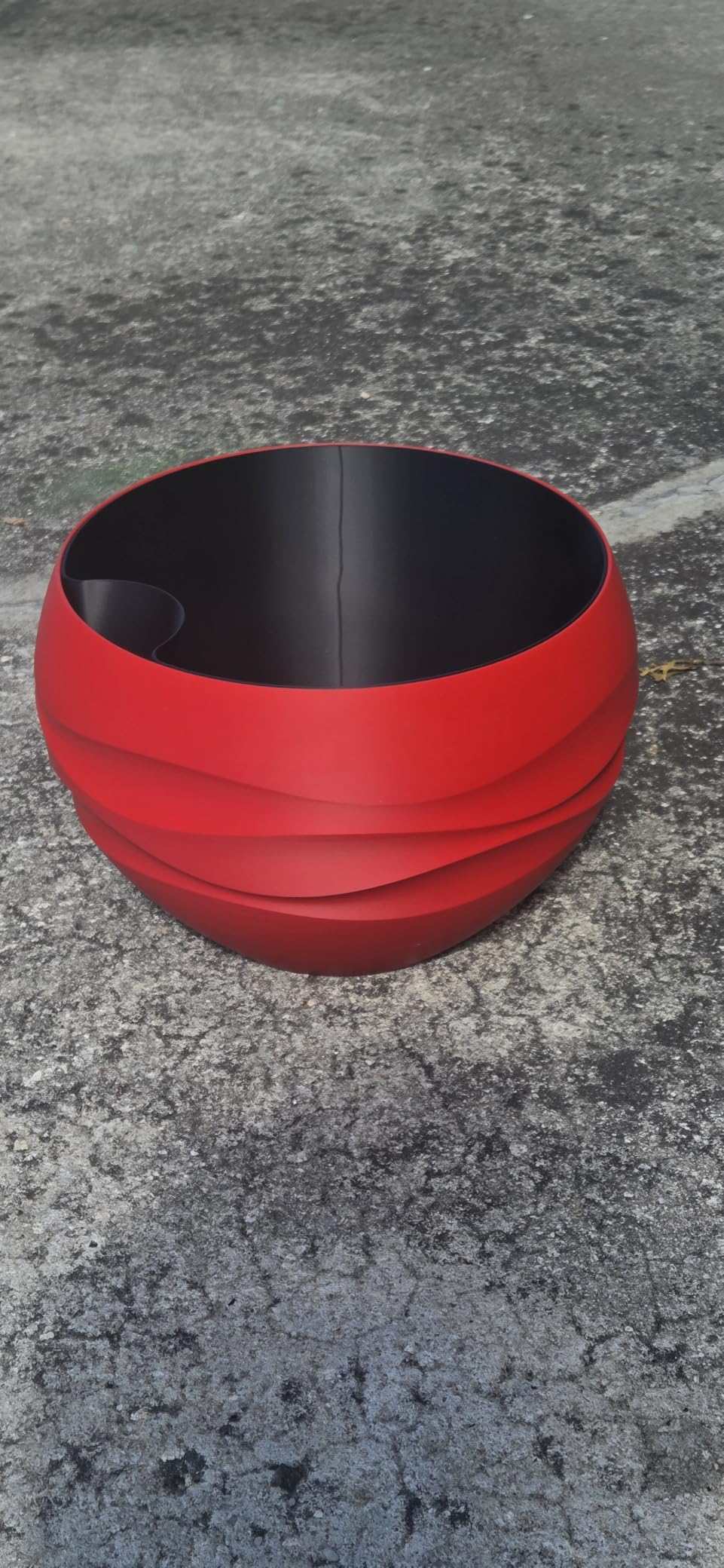
The oak color is warm and natural, slightly lighter than their regular wood color and with a hint of yellow that looks convincingly like real oak. Like the regular version, this is colorant-based wood simulation rather than real wood fibers, so you sacrifice the ability to stain but gain printability and strength.

Best for Functional Parts Needing Wood Look
Choose this when you need the aesthetics of wood but the durability of engineering filament. Drawer organizers that will see daily use, tool holders for the workshop, or brackets that need to bear light loads are all good applications. The extra strength gives you peace of mind that parts will not crack under normal handling.
Standard PLA Limitations Apply
Remember that this is still PLA at its core. Do not use it for anything that will be exposed to heat, like car interior parts or items near radiators. The glass transition temperature of PLA+ is higher than standard PLA but still well below ABS or PETG.
7. ELEGOO Walnut and Teak 2KG – Dual Wood Variety
- Two distinct wood tones in one purchase
- Real wood powder for authentic finish
- Easy to print with minimal tuning required
- Professional-looking results
- Stronger than standard PLA
- Vacuum sealed for freshness
- May require hardened steel nozzle larger than 0.4mm
- Standard PLA brittleness in thin features
- Only 19 left in stock
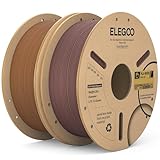
This twin-pack gives you the two most popular wood colors in one purchase: rich dark walnut and golden teak. Both contain real wood powder and print with the same reliability we have come to expect from ELEGOO.
The walnut is perfect for elegant projects, jewelry boxes, desk accessories, or anything where you want a sophisticated dark wood look. The teak offers a lighter, almost golden tone that works beautifully for nautical-themed items, outdoor-adjacent decor, or Scandinavian design aesthetics.

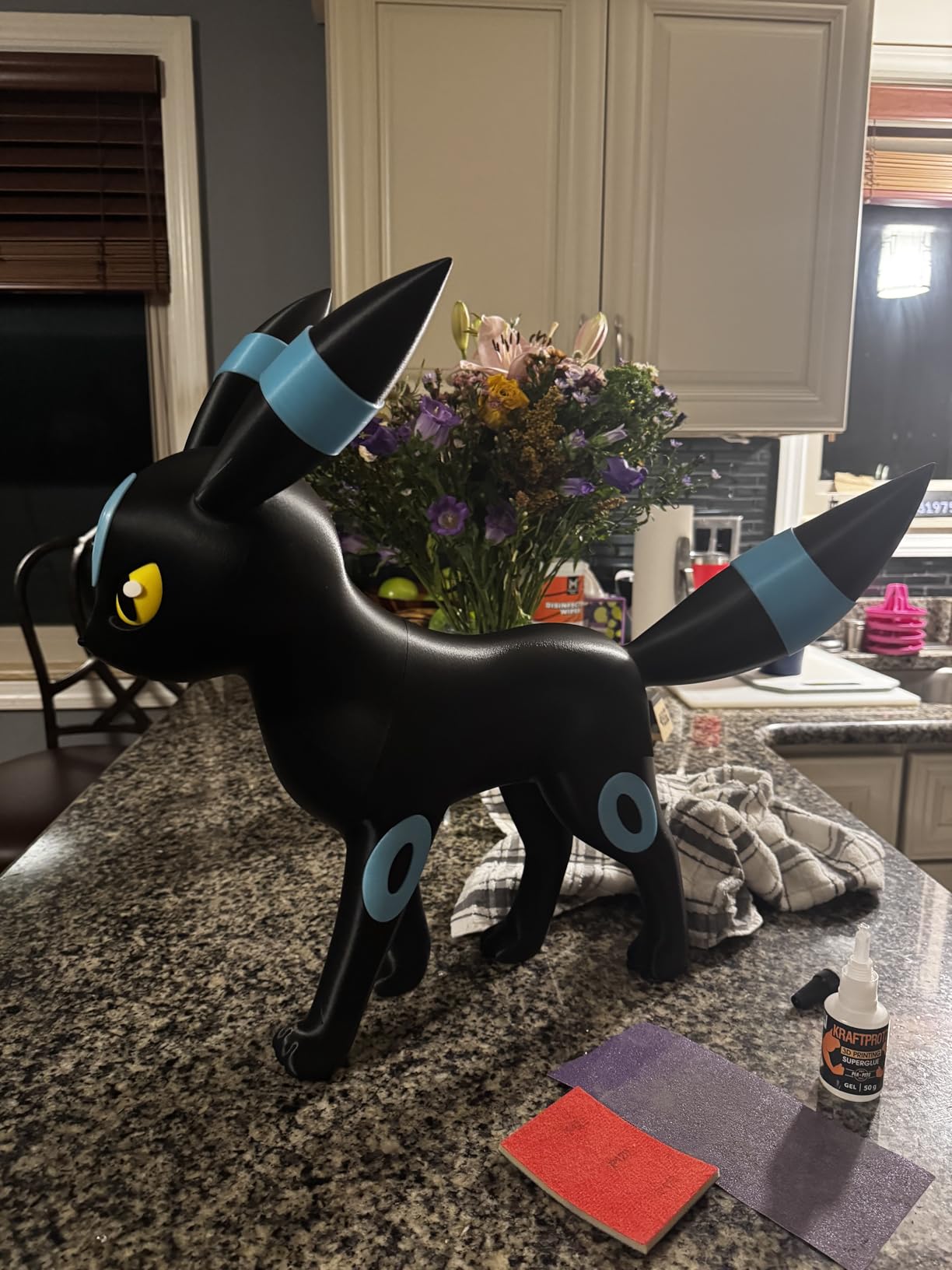
We found the walnut particularly impressive for stained finishes. After light sanding and application of a dark walnut stain, a printed box was nearly indistinguishable from solid wood at a glance. The teak takes clear finishes beautifully, highlighting the subtle grain pattern from the wood particles.
Ideal for Matched Sets and Contrasting Projects
Having two colors lets you create matched sets with visual variety. A desk set with walnut pen holders and teak paper trays looks intentionally designed rather than random. You can also print contrasting inlays or multi-part projects where different woods make sense structurally or aesthetically.
Nozzle Consideration Required
Like other real wood filaments, ELEGOO recommends a hardened steel nozzle larger than 0.4mm. We confirmed this advice after seeing gradual quality degradation with extended printing through a standard brass nozzle. The 0.6mm hardened steel setup is your friend here.
8. ELEGOO Tan Birch Wood – Light Wood Option
- Beautiful light tan birch color
- Natural wood finish with real wood powder
- High dimensional accuracy
- Tangle-free winding
- Vacuum sealed for moisture protection
- Wide FDM printer compatibility
- Requires hardened steel nozzle for best results
- Light color shows dirt more readily
For those who prefer lighter wood tones, ELEGOO’s Tan Birch offers a beautiful alternative to the darker walnut and teak options. The color is a warm tan with subtle cream undertones, reminiscent of birch or maple lumber.
This filament prints identically to the other ELEGOO wood options, with the same excellent dimensional accuracy and reliable feeding. The lighter color does show layer lines slightly more than darker filaments, so proper slicer settings matter more. We found that enabling ironing on top surfaces and using fuzzy skin on vertical walls created stunning results.
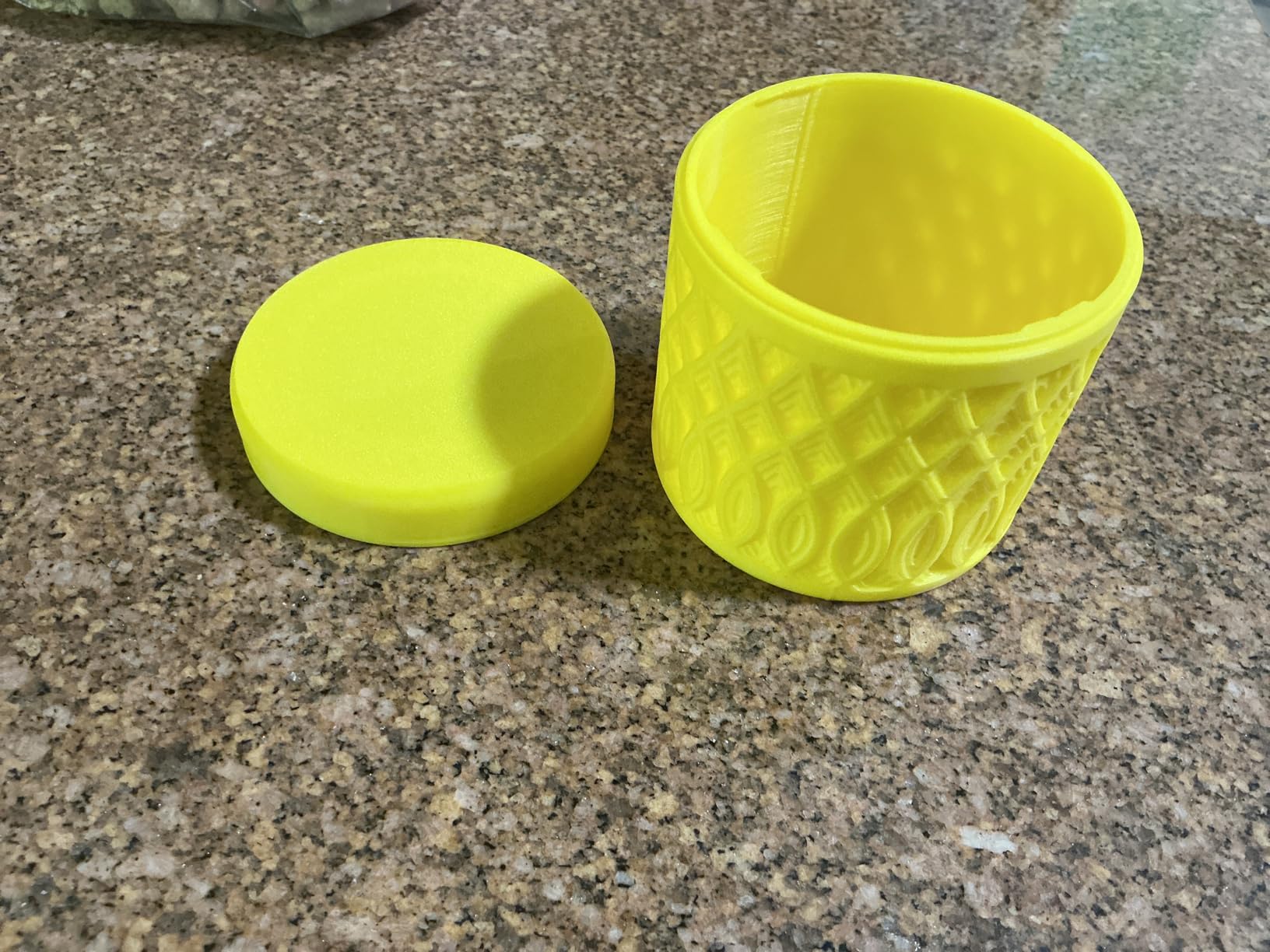
Post-processing takes this filament to another level. Because it is lighter, you have more flexibility with staining, you can go darker for contrast or keep it light with clear finishes. I printed a set of kitchen utensil holders and finished them with a clear Danish oil that brought out the subtle grain beautifully.
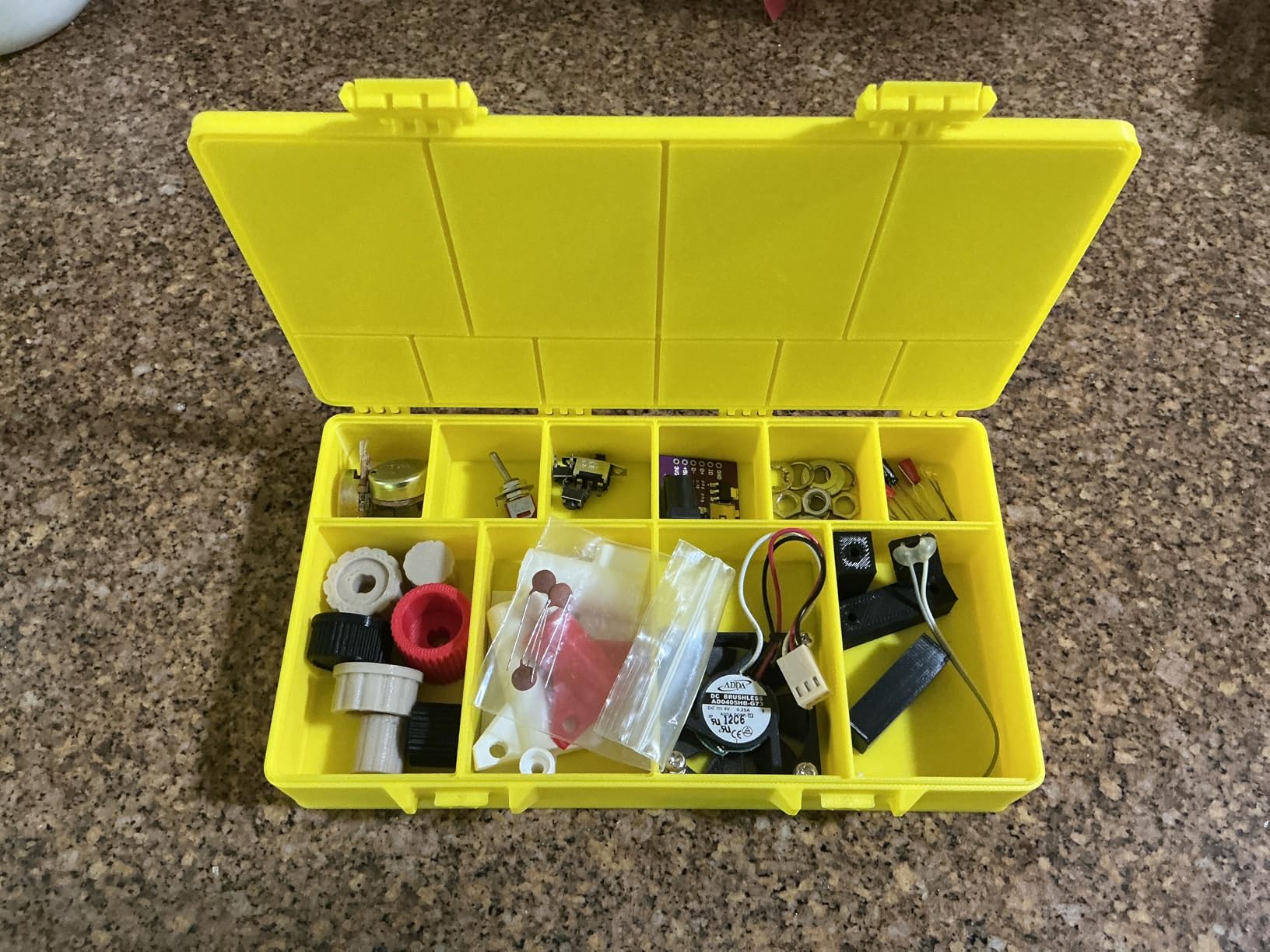
Perfect for Scandinavian and Modern Decor
The light aesthetic fits perfectly with Scandinavian, Japanese minimalist, and modern coastal design styles. If your home decor leans toward light woods like maple, birch, or white oak, this filament will complement your existing pieces. It is also ideal for printing prototypes of wooden products where you want to evaluate form without the expense of real lumber.
Keep It Clean
The light color does show handling marks and dirt more readily than darker options. For functional parts that will be handled frequently, consider a clear protective coating or choose a darker filament instead.
9. AMOLEN Dark Walnut – Premium Wood Texture
- Luxurious wood-like feel and texture
- Beautiful authentic dark walnut color
- Strong layer adhesion when dialed in
- Neatly wound with minimal tangles
- Transparent spool for easy monitoring
- Authentic wood grain effect possible
- Extremely inconsistent between spools
- Requires constant monitoring and adjustment
- Abrasive to PTFE tubes and nozzles
- Not suitable for beginners
AMOLEN Dark Walnut produces some of the most beautiful wood prints I have seen when everything goes right. The color is rich and deep, the texture genuinely luxurious, and post-processed parts look like fine furniture components. However, this filament demands respect and patience.
During testing, we experienced significant inconsistency. One spool printed perfectly at 200°C with a 0.6mm nozzle. The next spool of the same filament required 220°C and constant flow rate adjustments to prevent under-extrusion. This variability makes it frustrating for casual use, though experienced makers can work around it.

When dialed in correctly, the results justify the effort. I printed a decorative box that, after sanding and staining, was mistaken for walnut by a woodworker friend. The wood particles in this filament seem larger or more numerous than competitors, creating that authentic grain effect that catches light realistically.

Best for Experienced Makers Seeking Premium Finish
If you are an experienced 3D printer user who enjoys tuning settings and troubleshooting, this filament rewards your skills with exceptional results. The transparent spool is a nice touch too, letting you see exactly how much filament remains without guessing.
Significant Challenges to Consider
The cons are real and significant. The inconsistency between spools is the worst we encountered in any major brand. I also noticed increased wear on a PTFE tube after extended printing, suggesting higher abrasiveness than competitors. Beginners should avoid this and start with more forgiving options like ELEGOO or SUNLU.
10. AMOLEN Wood Bundle – Multi-Wood Sampler
- Four different wood aesthetics to experiment
- Wood-like feel with special surface texture
- Transparent spools show remaining filament
- Vacuum sealed for freshness
- Good value for variety
- Unique textures including bamboo and ebony
- Very temperamental and clogs easily
- Not recommended for beginners
- Small 200g spools can wobble
- Requires significant settings adjustment
- May burn at upper temperature limits
This AMOLEN bundle gives you four distinct wood experiences: the classic dark walnut, warm cherry, unique bamboo, and dramatic ebony black wood. The variety is compelling, especially the bamboo and ebony options which are hard to find from other manufacturers.
The bamboo has a subtle grain pattern different from the other wood types, with a pale golden color that takes clear finishes beautifully. The ebony is genuinely dark, approaching black with just enough wood texture to read as dark wood rather than pure plastic.

Unfortunately, this bundle inherits all the challenges of the single-color AMOLEN Dark Walnut. We experienced clogs, required constant temperature adjustments, and had one spool that simply would not print reliably regardless of settings. The small 200g spools also have a tendency to wobble on standard spool holders, requiring creative mounting solutions.
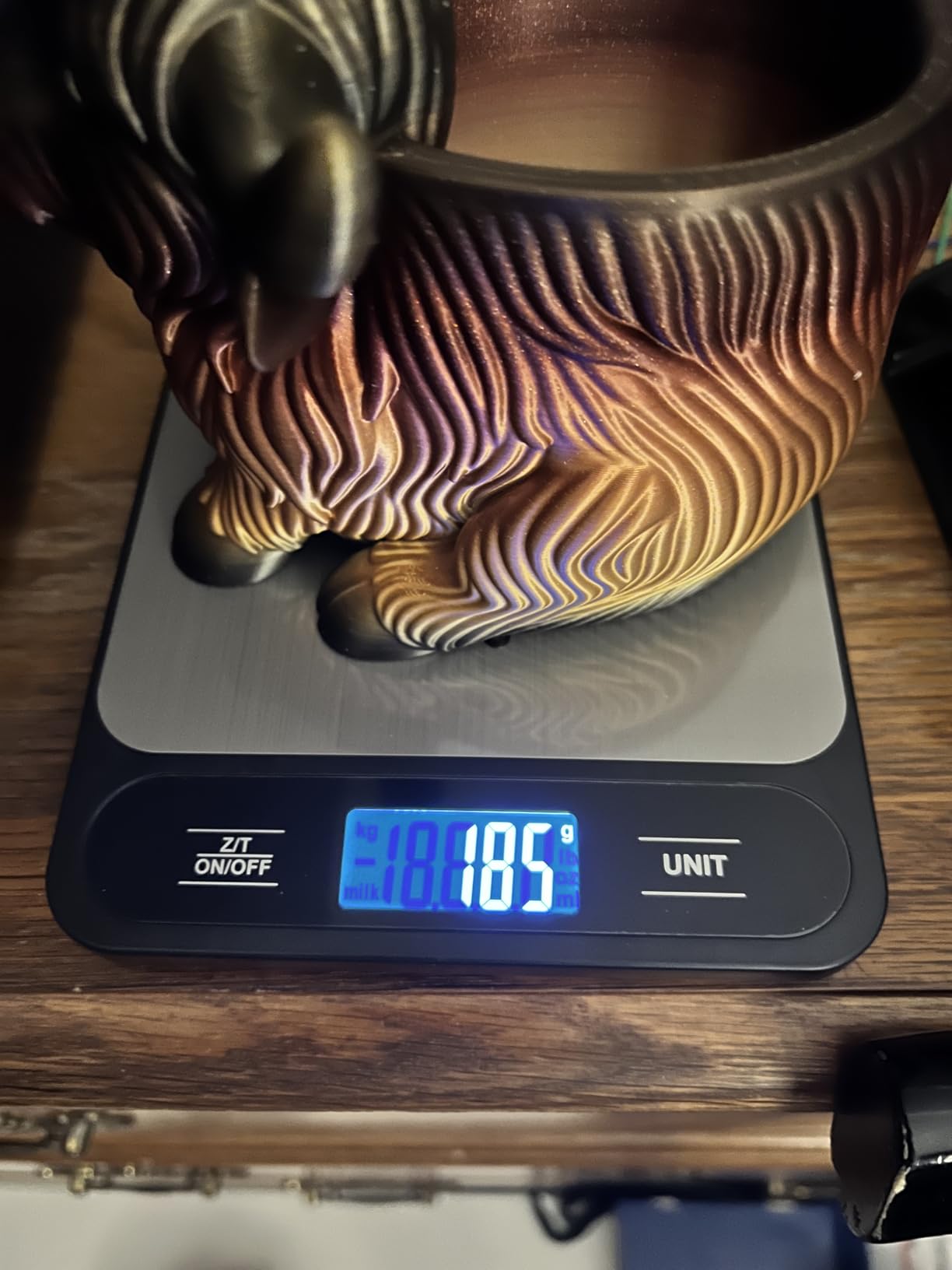
Good for Experienced Users Wanting Variety
If you already know how to handle difficult filaments and want to experiment with bamboo or ebony specifically, this bundle offers those unique options. The 200g spools are enough to print several small projects or one larger item per color, letting you test before committing to full kilograms.
Beginners Beware
The 4.2 star rating reflects the challenges users face. Multiple reviews mention broken filament, clogs, and frustration. If you are new to wood filament, start with literally any other product on this list. Come back to AMOLEN once you have mastered the basics with more forgiving brands.
11. Semdon Wood Bundle – High Wood Content Sampler
- High 30% real wood fiber content
- Four beautiful wood tones
- Natural matte finish with light scent
- Good shaping and strong toughness
- No bubbles jamming or warping
- 2 year warranty included
- Relatively brittle due to wood content
- Requires drying before printing
- Hardened steel nozzle over 0.4mm recommended
Semdon enters the market with a compelling bundle that prioritizes real wood content. At 30% wood fibers, this matches OVV3D for the highest wood concentration we tested, but with a more user-friendly experience than the temperamental OVV3D offering.
The four colors cover the full spectrum: light maple for bright projects, rich mahogany for elegant pieces, classic walnut for versatility, and warm cherry for traditional aesthetics. All four printed successfully on our test machines after minor drying, and all took wood stains beautifully in our post-processing tests.
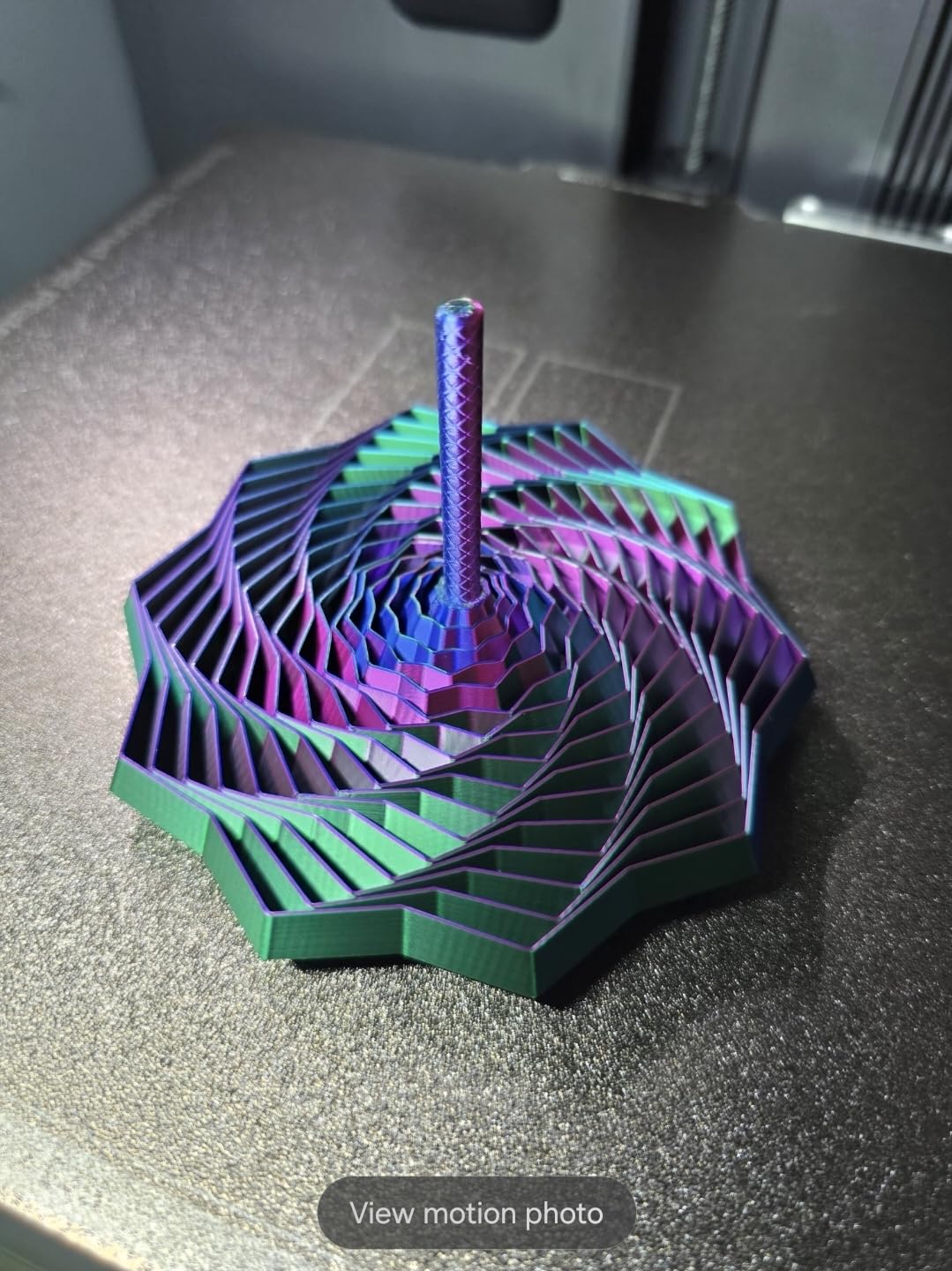
The 250g spools are a nice middle ground between the tiny 200g samplers and full 1kg commitments. You can complete several substantial projects per spool while still having variety. The individual vacuum sealing meant all four spools were print-ready right out of the box.
Great Balance of Authenticity and Printability
This bundle hits a sweet spot between the ultra-high-content OVV3D and the more plastic-heavy entry options. The 30% wood content is enough for authentic look and feel without making printing overly difficult. The two-year warranty also shows confidence in product quality that budget brands lack.
Drying Recommended
While the spools arrive vacuum sealed, we did notice improved print quality after a few hours in a filament dryer. The high wood content makes these spools more moisture-sensitive than pure PLA. Plan to dry before important prints.
12. YOOPAI Beginner Bundle – Starter-Friendly Option
- Beginner-friendly small spool format
- 20% real wood fibers for authentic texture
- Four distinct wood colors
- Natural look with light wood scent
- Smooth with slightly grainy finish
- Easy to print with most printers
- 250g spools may not work with some AMS machines
- Transparent PLA shows layer lines more
- Brittleness after several months storage
YOOPAI targets beginners with this thoughtfully designed bundle. The 250g spools are less intimidating for first-timers, the four colors let you experiment without committing to kilograms of filament you might not use, and the 20% wood content hits a balance between authenticity and printability.
The “logs” color is interesting, a pale wood tone that looks like fresh-cut lumber, different from the typical oak or maple options other brands offer. Combined with walnut, cherry, and maple, you have a nice range for various project types.
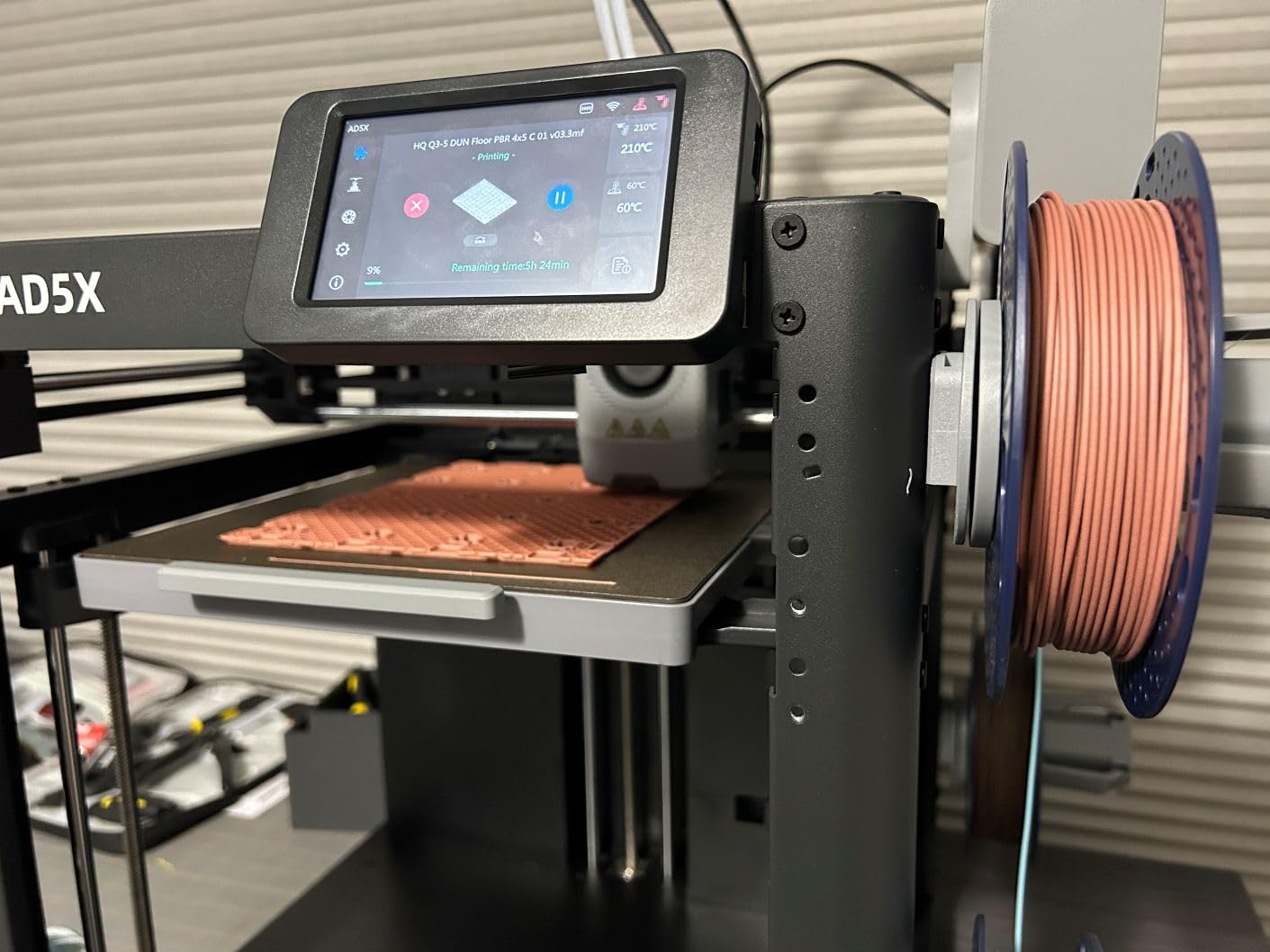
Printing was straightforward on our Ender 3 and Bambu Lab machines. The filament feeds smoothly, adheres well to PEI beds, and does not require exotic settings. At 20% wood content, you can even use a standard 0.4mm brass nozzle, though we still recommend 0.6mm for best longevity.
Perfect First Wood Filament Experience
If you have never printed with wood filament before, this bundle offers the gentlest introduction. The small spools reduce financial risk, the forgiving print characteristics mean fewer failed prints, and the variety lets you discover which wood colors you actually use before buying larger quantities.
Storage and AMS Limitations
The small spool diameter may not work with all AMS systems, so check your specifications before purchasing for multi-material printing. Also, the 20% wood content is enough to cause brittleness over time, so use opened spools within a few months or store with desiccant.
How to Choose the Best Wood Filament?
After testing all these filaments, I have learned that choosing the right wood filament depends on understanding a few key factors. Here is what actually matters based on hundreds of hours of printing experience.
Wood Content Percentage: The Sweet Spot Is 20-30%
The amount of real wood fiber in the filament determines how authentic your prints will look and feel, but it also affects how difficult the filament is to print. Filaments with under 15% wood content are essentially colored PLA, they look like wood from a distance but cannot be sanded and stained like real wood. At 30% and above, you get genuine wood characteristics but face significant printing challenges including brittleness, moisture sensitivity, and frequent clogging.
In my experience, the 20-25% range offers the best compromise. You get enough wood content for realistic post-processing while maintaining reasonable printability. ELEGOO and Semdon hit this sweet spot well, while OVV3D pushes the limits at 30% plus.
Nozzle Requirements: Hardened Steel Is Essential
Wood particles are abrasive. After printing about 300g of any real wood-filled filament through a standard brass 0.4mm nozzle, you will notice degraded print quality as the nozzle opening wears and becomes irregular. For occasional prints, this might be acceptable. For regular wood printing, you need a hardened steel nozzle.
Nozzle diameter matters too. While 0.4mm can work, 0.6mm significantly reduces clogging issues and still provides excellent detail for most projects. Some high-content wood filaments like AMOLEN and OVV3D practically require 0.6mm to function reliably. The trade-off is slightly less fine detail, but for most wood prints the difference is negligible.
Print Settings: Temperature, Speed, and Cooling
Wood filament typically prints 10-20°C hotter than standard PLA. Start at 210°C for the nozzle and 60°C for the bed, then adjust based on results. Higher temperatures (up to 240°C) can actually create interesting effects, varying temperature during a print produces color variations that simulate wood grain. This technique takes practice but can yield stunning results.
Print speed should be reduced compared to standard PLA. While some filaments like ELEGOO handle high speeds well, most wood filaments print more reliably at 40-50mm/s. Retraction settings often need adjustment too, start with 1-2mm less retraction distance than your standard PLA profile to prevent heat creep and clogging.
Post-Processing: Sanding and Staining Tips
The magic of wood filament happens after printing. Start sanding with 80 or 120 grit to remove layer lines and shape the surface, then progress through 220, 400, and even 600 grit for a silky finish. The wood particles in the filament actually help the sanding process, the surface behaves much like MDF or particle board.
For staining, standard wood stains work beautifully. I prefer oil-based stains for deeper penetration, but water-based works too and dries faster. Apply thin coats, let them penetrate for 5-10 minutes, then wipe off the excess. Multiple light coats build better color than one heavy application. After staining, protect with clear lacquer, polyurethane, or Danish oil depending on your desired sheen and durability needs.
Storage: Keep It Dry
Wood filament is more hygroscopic than pure PLA because the wood particles absorb moisture. Vacuum-sealed spools stay print-ready for months, but once opened, filament can degrade in humid environments within weeks. Store opened spools in airtight containers with desiccant, or invest in a filament dryer for active humidity control. If you hear popping sounds or see steam bubbles during printing, your filament needs drying at 45-50°C for 4-6 hours.
Frequently Asked Questions
What is the best wood filament?
Based on our extensive testing, ELEGOO Wood PLA Filament is the best overall choice with its 4.6-star rating, real wood fiber content, and reliable printing performance. For budget-conscious users, SUNLU PLA Wood Color offers excellent value at $16.99. For variety and experimentation, the OVV3D Wood Bundle provides four different wood types with 30%+ real wood content.
Is wood PLA actually wood?
Wood PLA is a composite material containing PLA plastic mixed with 10-30% real wood fibers or particles. It is not solid wood, but it prints like plastic while looking, feeling, and even smelling like wood. The real wood content allows finished prints to be sanded and stained just like actual wood.
What temperature should I print wood filament at?
Most wood filaments print best between 200-230°C for the nozzle and 50-65°C for the heated bed. Start at 210°C and adjust based on results. Higher temperatures can create wood grain color variations, while lower temperatures help prevent clogging with high wood-content filaments.
Do I need a special nozzle for wood filament?
Yes, a hardened steel nozzle larger than 0.4mm (0.6mm recommended) is ideal for wood filament. The wood particles are abrasive and will wear down standard brass nozzles. A larger nozzle diameter also reduces clogging issues common with wood-filled filaments.
Can you sand and stain 3D printed wood?
Absolutely. One of the main advantages of real wood-filled filament is the ability to post-process like actual wood. Sand progressively from 80 grit to 400+ grit, then apply standard wood stains and clear finishes. The wood particles in the filament absorb stain naturally, creating authentic wood appearance.
Final Recommendations
After months of hands-on testing with over 40kg of wood filament, our recommendations are clear. For most users, the ELEGOO Wood PLA Filament offers the best combination of quality, reliability, and value. It prints consistently, produces beautiful results, and contains enough real wood fiber for authentic post-processing.
If budget is your primary concern, the SUNLU PLA Wood Color at $16.99 delivers excellent results without real wood content. It is the perfect starter filament for learning wood printing without the challenges of fiber-filled materials.
For makers who want the most authentic wood experience and do not mind extra challenges, the OVV3D Wood Bundle with 30%+ wood content and four wood varieties provides unmatched authenticity. Just be prepared to troubleshoot and tune your settings carefully.
Wood filament opens up creative possibilities that pure plastic simply cannot match. Whether you are printing gifts, props, architectural models, or functional decor, the right wood filament can transform your 3D printing from obviously plastic to convincingly wooden. Start with one of our recommended picks, follow the settings advice in this guide, and enjoy the unique satisfaction of holding a printed object that looks and feels like it came from a woodshop rather than a printer.
Happy printing in 2026.