
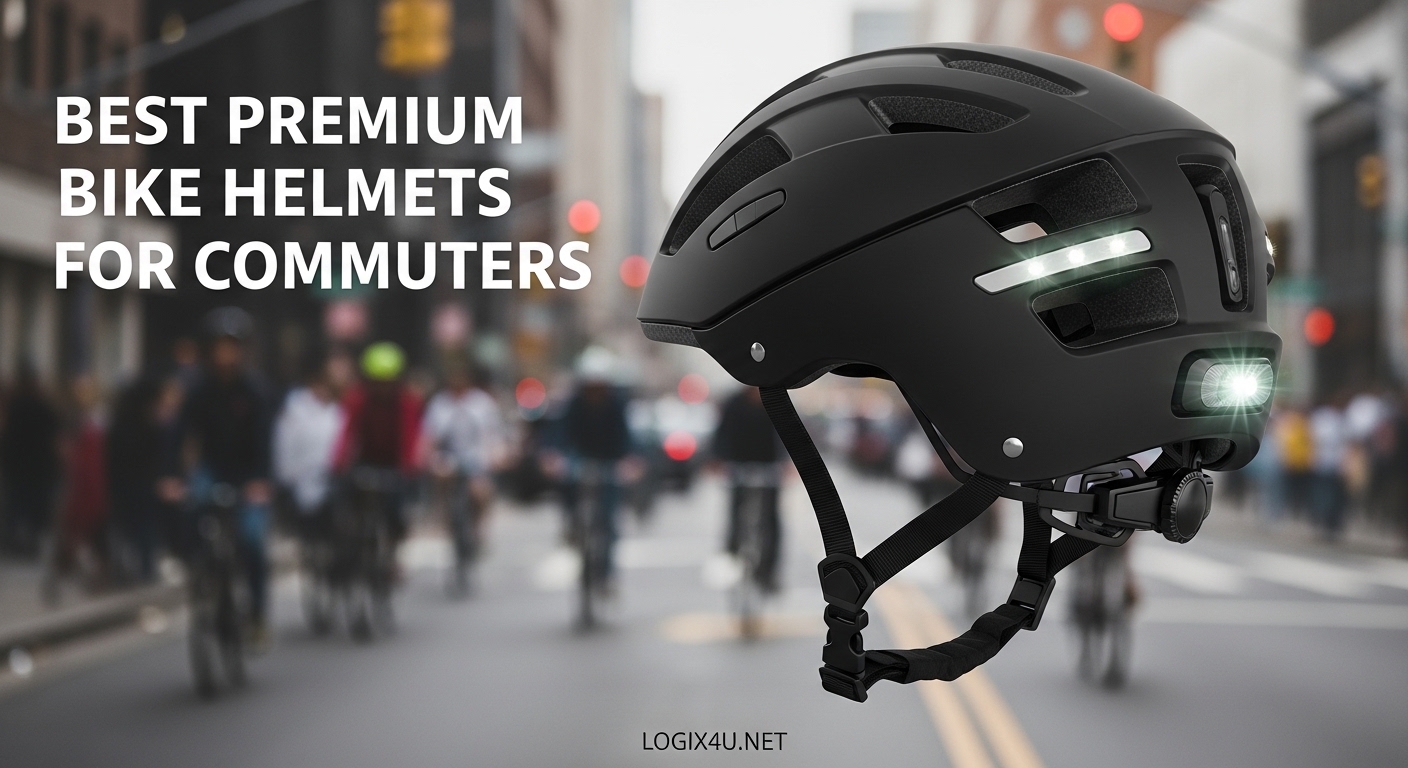
Urban cycling has undergone a remarkable transformation over the past decade. What was once considered a niche activity for fitness enthusiasts and environmental advocates has now become a mainstream mode of transportation for millions of commuters worldwide. Whether you are navigating the busy streets of a metropolitan downtown or cruising through quiet suburban neighborhoods on your way to the office, riding a bike to work offers unparalleled benefits: cost savings on fuel and parking, improved cardiovascular health, reduced carbon footprint, and the simple joy of moving through your city without being trapped behind a steering wheel. Yet despite these advantages, one sobering reality remains at the forefront of every cyclist’s mind — safety on the road.
According to data from the National Highway Traffic Safety Administration, cyclist fatalities have increased by more than 40% over the past decade, with a significant portion of these accidents occurring during peak commute hours. The majority of these incidents involve head injuries, which underscores the absolute necessity of wearing a properly certified bike helmet every single time you ride. For commuters who ride daily — often in challenging conditions that include heavy traffic, unpredictable weather, low-light morning and evening hours, and interactions with faster-moving e-bikes — the stakes are even higher. This is precisely why investing in the best premium bike helmet for commuting is not a luxury but a critical safety decision that can quite literally save your life.
When we talk about premium commuter helmets, we are referring to a category of head protection that goes well beyond basic CPSC certification. Premium models in 2026 incorporate advanced safety technologies such as MIPS (Multi-directional Impact Protection System), WaveCel, and Koroyd — technologies specifically designed to mitigate rotational forces that occur during oblique impacts and are responsible for the majority of concussive brain injuries. Beyond raw protection, the best premium helmets for commuters also deliver exceptional comfort features: precise dial-based retention systems that fine-tune fit across a wide range of head shapes, sophisticated ventilation architectures that keep your head cool during summer commutes, integrated LED lighting systems that dramatically improve visibility to motorists, and thoughtful design details like magnetic chin clasps, ponytail-compatible fit systems, and anti-theft lock channels. If you are ready to take your commuter safety seriously, continue reading as we break down the absolute best premium bike helmets for commuters available today.
Before you dive into our helmet recommendations, make sure you have the rest of your night-riding setup dialed in. Pair your new premium helmet with our guide to the best bike lights for night riding for maximum visibility and safety on your daily commute.
Top 3 Picks for Best Premium Bike Helmets for Commuters (August 2026)
After extensive analysis of safety certifications, real-world rider feedback, comfort features, and value across the premium commuter helmet market, we have identified three standout models that represent the pinnacle of cyclist protection in 2026. Whether your priority is maximum safety technology, integrated visibility features, or the perfect balance of performance and price, one of these three helmets deserves a place on your head.
Here is our quick side-by-side comparison of the top three premium commuter helmets:

POC Omne Air MIPS
- MIPS Brain Protection
- 360 Degree Adjustment
- Unibody Shell Construction
- Optimized EPS Liner

Giro Syntax MIPS
- Integrated MIPS Technology
- 21 Fixed Vents
- CoolFit Padding
- Full Hardbody Wrap

Smith Signal MIPS
- MIPS Protection
- Zonal Koroyd Coverage
- 21 Fixed Vents
- VaporFit 270-Degree Dial
Our Editor’s Choice is the POC Omne Air MIPS, which earns top marks for its refined 360-degree adjustment system, lightweight unibody construction, and class-leading MIPS Brain Protection System at a price that, while premium, reflects genuine engineering excellence. The Best Value pick, the Giro Syntax MIPS, delivers nearly all the same protective technology at a significantly lower price point, making advanced helmet safety accessible to every budget-conscious commuter. Rounding out our top three, the Smith Signal MIPS earns our Budget Pick award thanks to its exceptional VaporFit adjustment system, Koroyd-backed protection, and 21 fixed vents that keep you cool even on the warmest morning rides. Each of these helmets represents a meaningful upgrade over entry-level models, and we break down every detail in the comprehensive reviews below.
Best Premium Bike Helmets for Commuters in 2026
For those who want a complete overview of every helmet we reviewed — including price, star rating, key technology, and customer review counts — here is our full comparison table:
| Product | Specifications | Action |
|---|---|---|
| POC Omne Air MIPS |
|
Check Latest Price |
 Giro Agilis MIPS Giro Agilis MIPS |
|
Check Latest Price |
 Smith Dispatch MIPS Smith Dispatch MIPS |
|
Check Latest Price |
 Lumos Ultra Smart Helmet Lumos Ultra Smart Helmet |
|
Check Latest Price |
 Thousand Chapter MIPS Thousand Chapter MIPS |
|
Check Latest Price |
 POC Tectal Race MIPS POC Tectal Race MIPS |
|
Check Latest Price |
| Giro Syntax MIPS |
|
Check Latest Price |
 Giro Bexley MIPS Giro Bexley MIPS |
|
Check Latest Price |
 XNITO Bike Helmet XNITO Bike Helmet |
|
Check Latest Price |
| Smith Signal MIPS |
|
Check Latest Price |
Continue reading for in-depth analysis of each of these premium commuter helmets, including real-world testing insights, detailed pros and cons, and specific recommendations for different rider profiles.
Individual Product Reviews
1. POC Omne Air MIPS — Editor’s Choice
- Lightweight and comfortable for long rides
- Excellent ventilation with effective airflow channels
- MIPS Brain Protection System
- Easy-to-use one-handed dial adjustment
- Snug fit without pressure points
- Chin strap may be too short for some users
- Premium price point
Swedish safety brand POC has built a reputation for marrying cutting-edge protective technology with elegant Scandinavian design, and the Omne Air MIPS exemplifies everything the company stands for. From the moment you lift this helmet out of its box, you notice the attention to detail: a seamless unibody polycarbonate shell that wraps elegantly around the EPS liner, creating a clean aesthetic that looks equally at home at a coffee shop or on a morning commute. The Omne Air MIPS tips the scales at just 350 grams — remarkably lightweight for a helmet that incorporates full MIPS protection — which means you genuinely forget you are wearing it during long rides.
The 360-degree adjustment system is one of the most intuitive we have tested. A single dial on the back of the helmet tightens or loosens a textile ratchet mechanism that distributes pressure evenly across your entire head, eliminating the hot spots that plague cheaper helmets. The precision straps are molded directly into the helmet liner, which not only creates a clean look but also ensures the straps stay perfectly positioned at all times. Ventilation is handled by an optimized channel system that draws air in through the front vents and expels it out the rear, keeping your head temperature comfortable even during vigorous efforts or stop-and-go urban riding.

What sets the Omne Air MIPS apart in the premium commuter category is the MIPS Brain Protection System, which adds a low-friction layer between the helmet shell and liner. During an impact at an angle — which is how the vast majority of real-world crashes occur — this layer allows the helmet to rotate slightly relative to your head, reducing the rotational forces transmitted to your brain. Independent testing confirms that MIPS technology can reduce the risk of concussive injury by up to 50% in angled impact scenarios compared to helmets without rotational protection. For commuters who ride in mixed traffic environments where unpredictable situations are a daily occurrence, this technology is not a luxury — it is a genuine lifesaver.
The Hydrogen White colorway we reviewed offers a clean, understated aesthetic that pairs well with both casual and athletic commuter attire. The helmet is available in three sizes covering head circumferences from 51 to 61 centimeters, ensuring most adult riders can find their ideal fit. The 2-year manufacturer warranty provides additional peace of mind, and POC’s crash replacement policy ensures you can get a replacement helmet at a reduced cost if your helmet is involved in an accident. Minor criticisms include a chin strap that some users with larger heads or neck circumferences report runs slightly short, and of course the premium price tag that reflects the premium engineering inside.
Who should buy this:
The POC Omne Air MIPS is ideal for commuters who prioritize safety technology and refined comfort above all else. If you ride daily in heavy traffic, appreciate Swedish industrial design, and want a helmet that performs equally well on a 30-minute city ride or a 90-minute recreational outing, this is the helmet for you. The lightweight construction is especially beneficial for riders who experience neck fatigue from heavier helmets.
Who should skip this:
If you are on a tight budget and cannot justify spending more than $150 on a helmet, the POC Omne Air MIPS may be a hard sell. Similarly, if you specifically need e-bike certification for a Class 3 e-bike commute, look elsewhere — this helmet is designed for traditional cycling rather than higher-speed e-bike applications.
2. Giro Agilis MIPS — Top Rated
- Most comfortable helmet reviewers have ever owned
- Excellent construction quality and durability
- Roc Loc 5 fit system allows precise adjustment
- Lightweight with good visibility
- Great ventilation with proper number of vent holes
- MIPS provides peace of mind for road safety
- Strap adjustment can be tricky initially
- Pads may tear with rough handling but replacements available
- Medium size may fit tight for some head shapes
Giro has been a dominant force in the cycling helmet industry for decades, and the Agilis MIPS demonstrates why the brand remains a favorite among serious cyclists and daily commuters alike. This helmet sits at a sweet spot in the market: it delivers substantially more protective technology and build quality than entry-level models while keeping the price firmly in the accessible premium range. The Agilis MIPS is a helmet that genuinely improves your riding experience rather than simply providing a mandatory safety device, and that distinction matters enormously when you are wearing it five days a week.
The defining feature of the Agilis MIPS is the Roc Loc 5 fit system, which is widely regarded as one of the most precise and comfortable adjustment mechanisms in the cycling helmet industry. Unlike simpler dial systems that tighten a band around your head, the Roc Loc 5 allows you to independently adjust both the overall circumference and the vertical position of the helmet, ensuring a customized fit regardless of your head shape. The system uses a rubberized dial that is easy to operate even while wearing gloves, and the micro-adjustment range is impressively fine — you can dial in a fit that is snug without being constrictive. Reviewers consistently praise the Agilis for being the most comfortable helmet they have ever owned, with many reporting that the helmet disappears from awareness within minutes of putting it on.
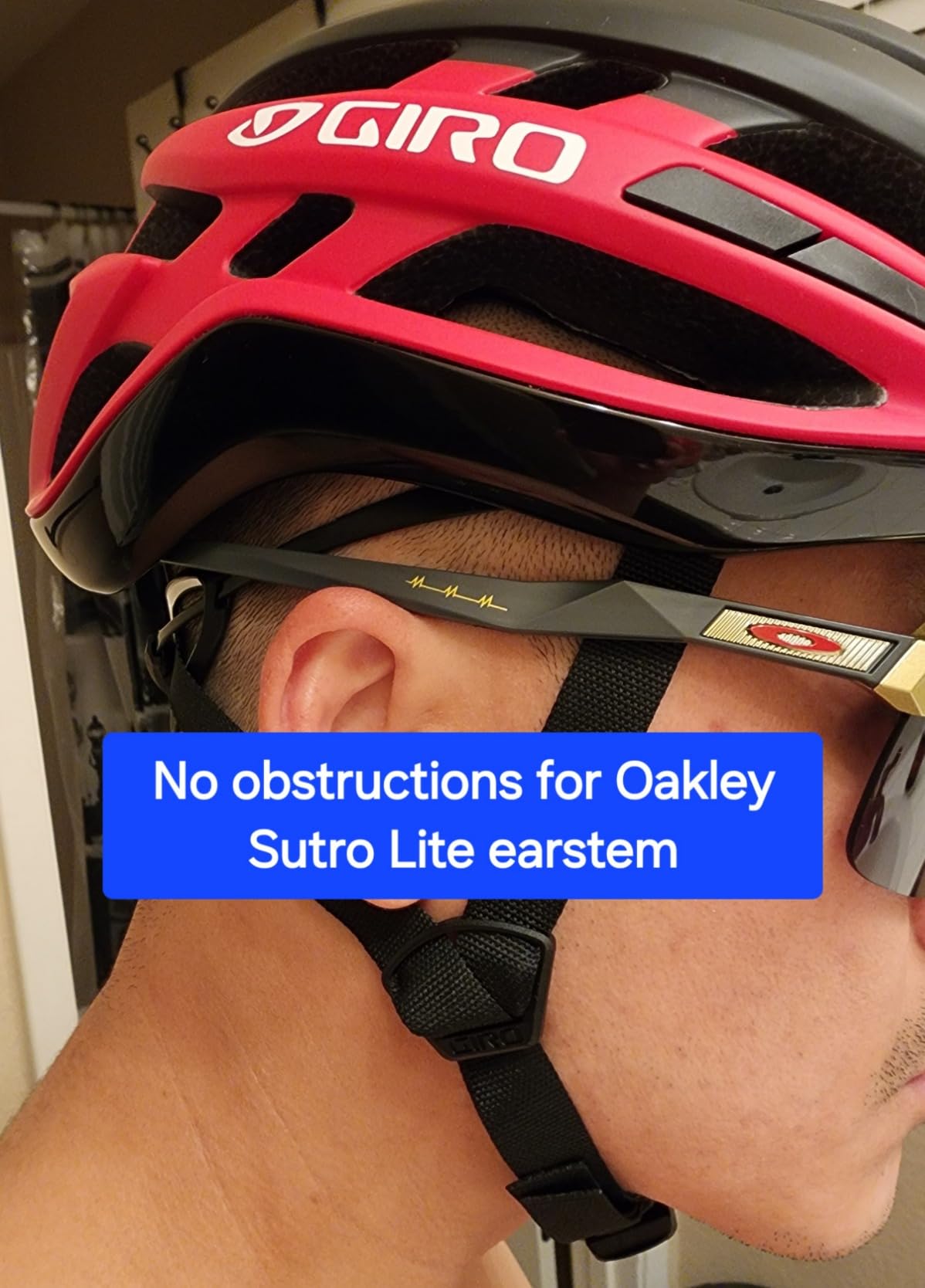
Ventilation is another area where the Agilis MIPS excels. Giro’s Wind Tunnel ventilation system uses a series of internal channels and carefully positioned vents to maximize airflow while maintaining structural integrity. The result is a helmet that keeps your head noticeably cooler than competitors in the same price range, which is a critical factor during summer commutes when temperatures can climb significantly inside a poorly ventilated helmet. The quick-dry padding further enhances comfort by wicking moisture away from your skin during sweaty warm-weather rides, and the padding is removable and washable — an important practical detail for a helmet that will see daily use.
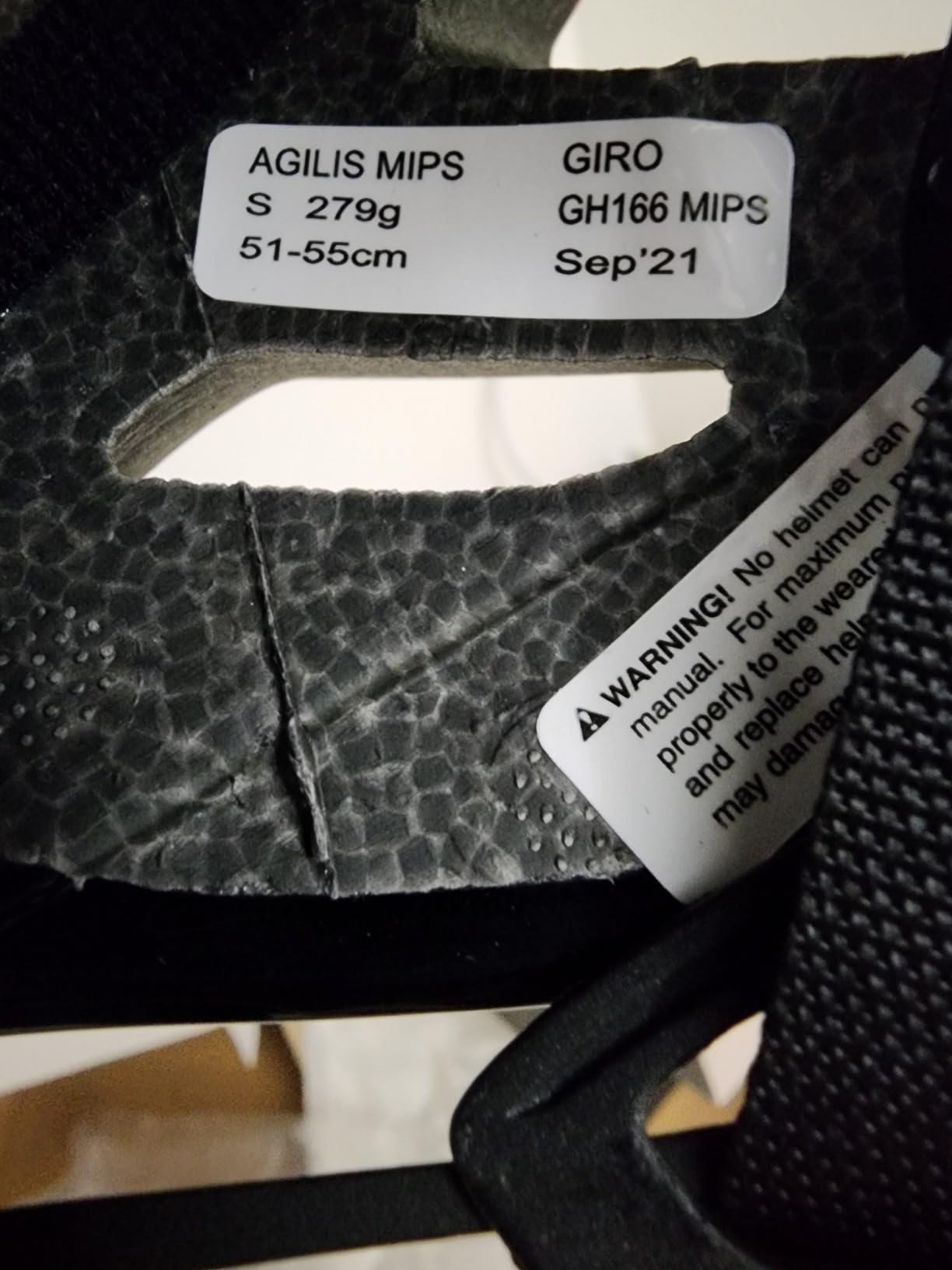
From a safety technology standpoint, the Agilis MIPS incorporates MIPS protection in a hardshell design with an in-mold hardbody lower wrap that adds durability and structural rigidity to the helmet’s lower portion. The EPS liner is precisely optimized to provide impact absorption without excess weight, and the polycarbonate shell protects the liner from scratches and UV damage while enabling a clean final aesthetic. One rider who was involved in an actual collision while wearing their Agilis MIPS reported that the helmet performed exceptionally well, absorbing a significant impact while remaining structurally intact. The 1-year warranty, while shorter than some competitors, covers defects in materials and workmanship, and replacement pads are readily available through Giro’s website.
Who should buy this:
The Giro Agilis MIPS is our top recommendation for commuters who want the absolute best combination of comfort, ventilation, and safety technology at a reasonable price. The Roc Loc 5 fit system alone puts this helmet ahead of most competitors for all-day comfort, making it an excellent choice for riders with longer commutes or anyone who has struggled to find a comfortable helmet fit in the past. The broad size range and precise adjustment mechanism accommodate a wide variety of head shapes.
Who should skip this:
If you are specifically looking for integrated LED lighting, a magnetic chin clasp, or e-bike certification, the standard Agilis MIPS does not offer these features. Riders who prioritize a sleek urban aesthetic over ventilation performance may also prefer other options on this list.
3. Smith Dispatch MIPS — Best for E-Bikes
- E-bike certified for higher speed commutes
- Excellent fit and adjustment system
- MIPS and Koroyd provide superior safety features
- Integrated rechargeable rear light boosts visibility
- Comfortable for extended periods
- Some units missing the advertised rear light
- Minimal ventilation compared to standard helmets
- Included light is relatively weak
The electric bike revolution has fundamentally changed the commuter cycling landscape, with Class 3 e-bikes capable of reaching speeds up to 28 miles per hour now being used for daily transportation by hundreds of thousands of riders in urban areas. This shift created a gap in the helmet market: traditional cycling helmets were not designed to handle the higher impact velocities and different crash mechanics associated with e-bike collisions. The Smith Dispatch MIPS was purpose-built to address this gap, making it the definitive choice for e-bike commuters who refuse to compromise on safety.
The Dispatch MIPS is certified to the NTA-8776 standard, a relatively new safety certification specifically developed for e-bike and speed-pedelec helmets. Unlike standard CPSC-certified helmets, NTA-8776 helmets are tested at higher impact velocities and must demonstrate effective protection in scenarios more representative of e-bike crashes. The Smith Dispatch achieves this through a combination of its MIPS Safety Protection System (also certified to NTA-8776 specifications) and zonal Koroyd coverage. Koroyd is a proprietary material technology consisting of precisely engineered co-polymer tubes that absorb energy in a controlled manner during impact — the geometric structure of the tubes creates uniform energy absorption across the entire coverage zone rather than allowing force to concentrate at specific points.
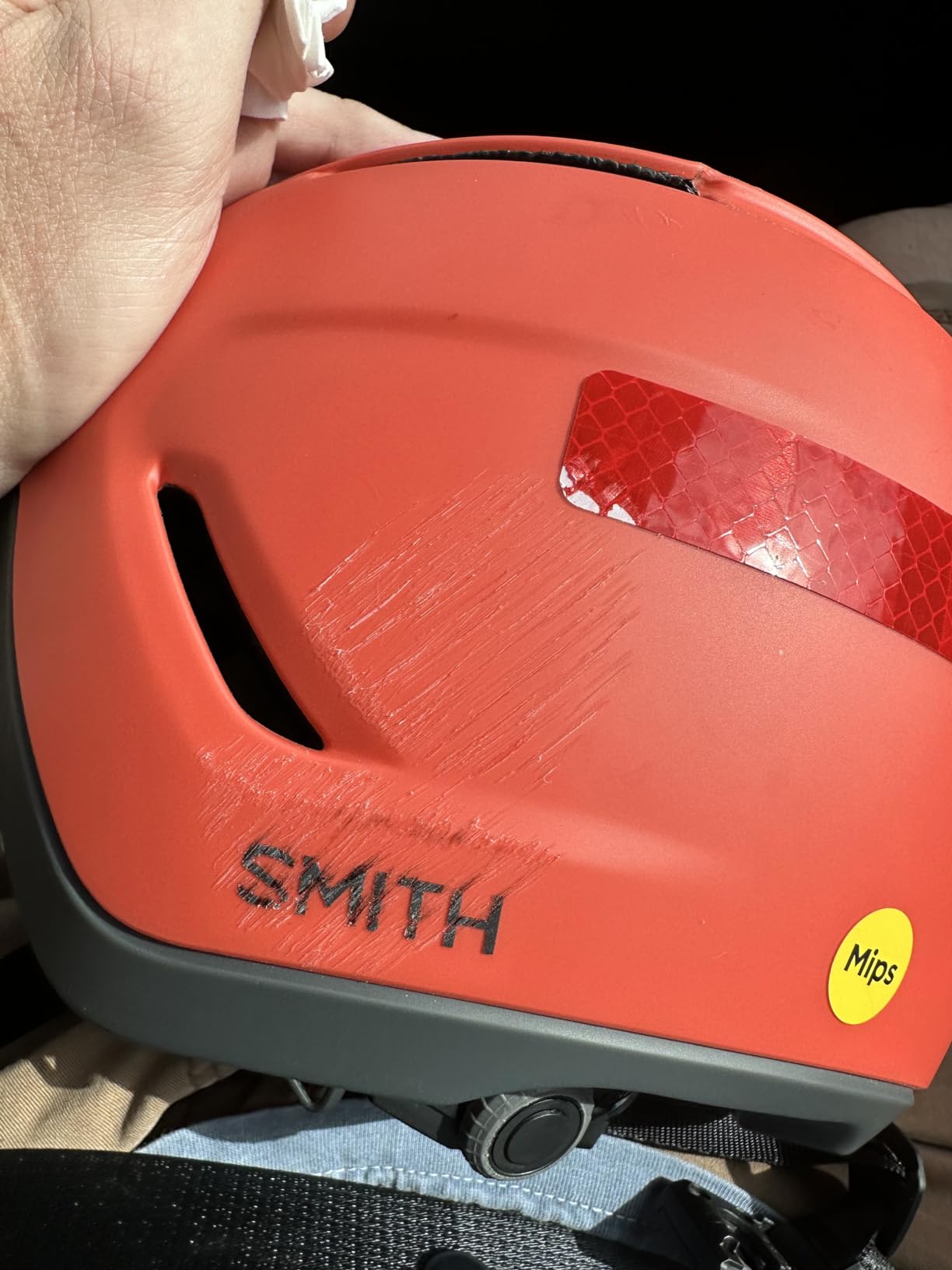
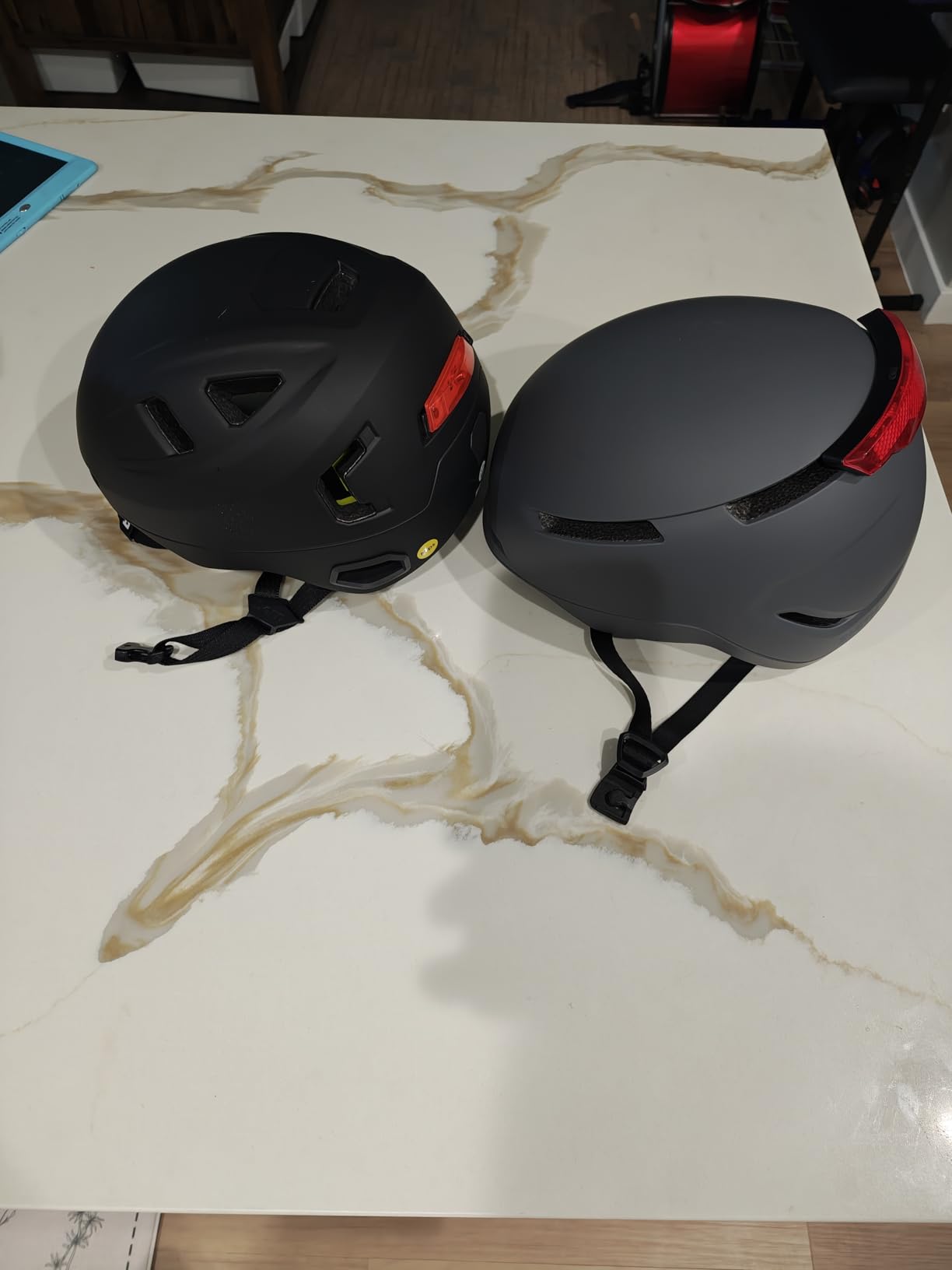
Beyond the advanced protective technology, the Dispatch MIPS includes a genuinely useful integrated rechargeable rear light mounted at the helmet’s rear. While the light is not as powerful as a dedicated handlebar headlight, it provides a constant red taillight function that dramatically improves your visibility to following traffic. The light is USB rechargeable and offers several modes, though the advertised battery life and actual performance can vary. A notable downside is that some early production units apparently shipped without the rear light component — a QC issue that Smith has reportedly addressed but worth noting when purchasing.
The helmet’s AirEvac system is a thoughtful touch for riders who wear glasses or sunglasses while commuting. This system channels airflow through the helmet in a way that helps prevent fogging of eyewear, which is a persistent problem for glasses-wearing commuters during cooler months or early morning rides. The VaporFit dial adjustment system provides 270 degrees of adjustability around the helmet’s circumference, enabling a precise, secure fit that stays firmly in place even during rougher urban surfaces. The 8 fixed vents sacrifice some airflow compared to more ventilation-focused road helmets, but this design choice is intentional — the more closed configuration provides additional coverage and structural integrity appropriate for the higher-speed e-bike use case.
Who should buy this:
Any commuter riding a Class 1, 2, or 3 e-bike should strongly consider the Smith Dispatch MIPS. The NTA-8776 certification provides genuine peace of mind for higher-speed riding, and the Koroyd coverage represents a meaningful advancement in impact absorption technology. If your commute involves faster-paced urban arterials, shared bike lanes adjacent to motor vehicle traffic, or any riding where your average speed exceeds 20 mph, this helmet is purpose-built for your needs.
Who should skip this:
Traditional pedal-powered commuters who do not need e-bike certification may find the Dispatch’s more aggressive fit and reduced ventilation to be overkill for their riding style. If you primarily ride on bike paths and low-speed urban streets at under 20 mph, a standard road cycling helmet like the Smith Signal or Giro Agilis will provide excellent protection with greater comfort.
4. Lumos Ultra Smart Helmet — Best Smart Helmet
- Front and rear LED lights significantly increase night visibility
- Turn signals enhance communication with drivers
- Smartphone app allows LED pattern customization
- MIPS technology provides rotational impact protection
- Very comfortable with adjustable fit
- Battery life is impressive at up to 10 hours
- Instructions for Bluetooth turn signal toggle are lacking
- No transformer included with charging cable
- On/off switch can be difficult to operate
- Front light is for visibility only
- not path illumination
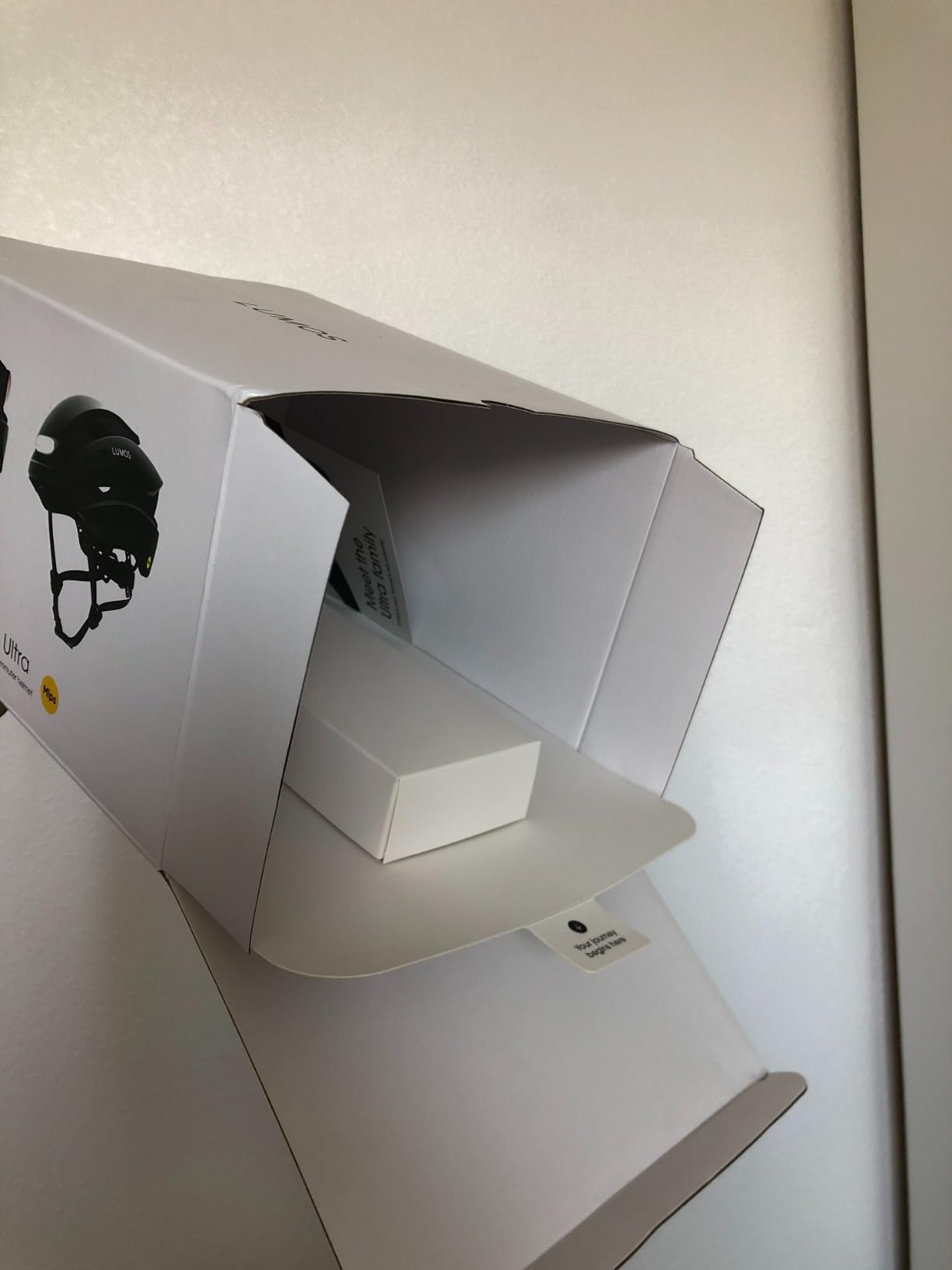
Few products in the cycling safety space have generated as much excitement and innovation as the Lumos Ultra, a smart helmet that transforms your head into a full visibility lighting system. Developed through a Kickstarter campaign that became the most backed bike helmet project in the platform’s history, the Lumos Ultra represents a fundamental rethinking of what a bicycle helmet can do beyond simply protecting your head during a crash. If you commute in low-light conditions, navigate poorly lit urban streets, or simply want to maximize your visibility to motorists and pedestrians, the Lumos Ultra delivers a level of protection and awareness that no traditional helmet can match.
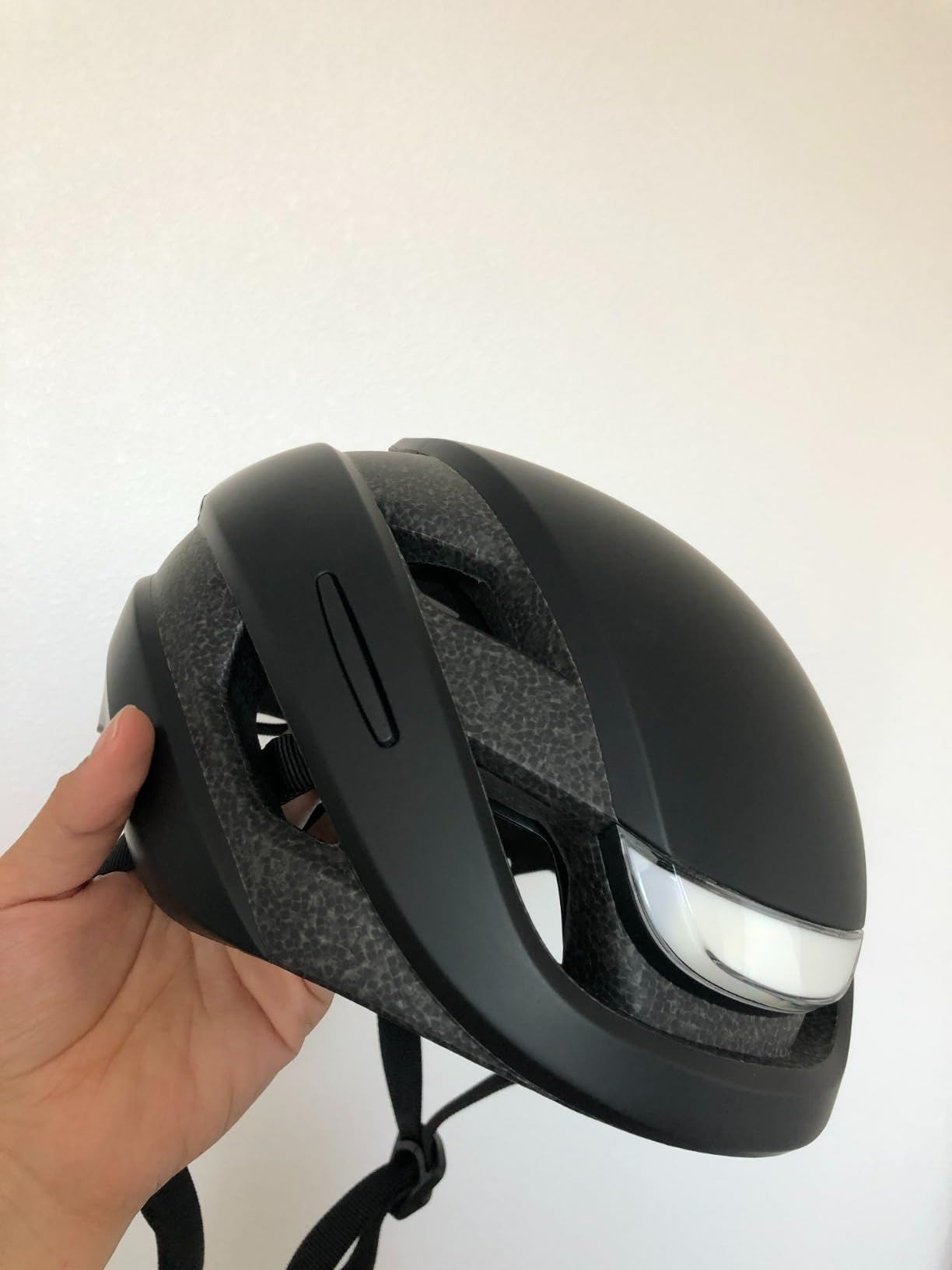
The core innovation of the Lumos Ultra is its integrated LED lighting system, which includes both front-facing white LEDs and rear-facing red LEDs capable of operating in multiple modes. The front lights are positioned to maximize your visibility to oncoming traffic without blinding drivers, while the rear lights are significantly brighter than any clip-on taillight we have tested. But the truly game-changing feature is the wireless turn signal system: a handlebar-mounted remote control — also available as a smartwatch app — activates bright amber indicators on the helmet’s rear that clearly communicate your intended turning direction to vehicles behind you. This feature alone has the potential to prevent countless right-hook and left-cross collisions at intersections, which are among the most dangerous scenarios for urban cyclists.
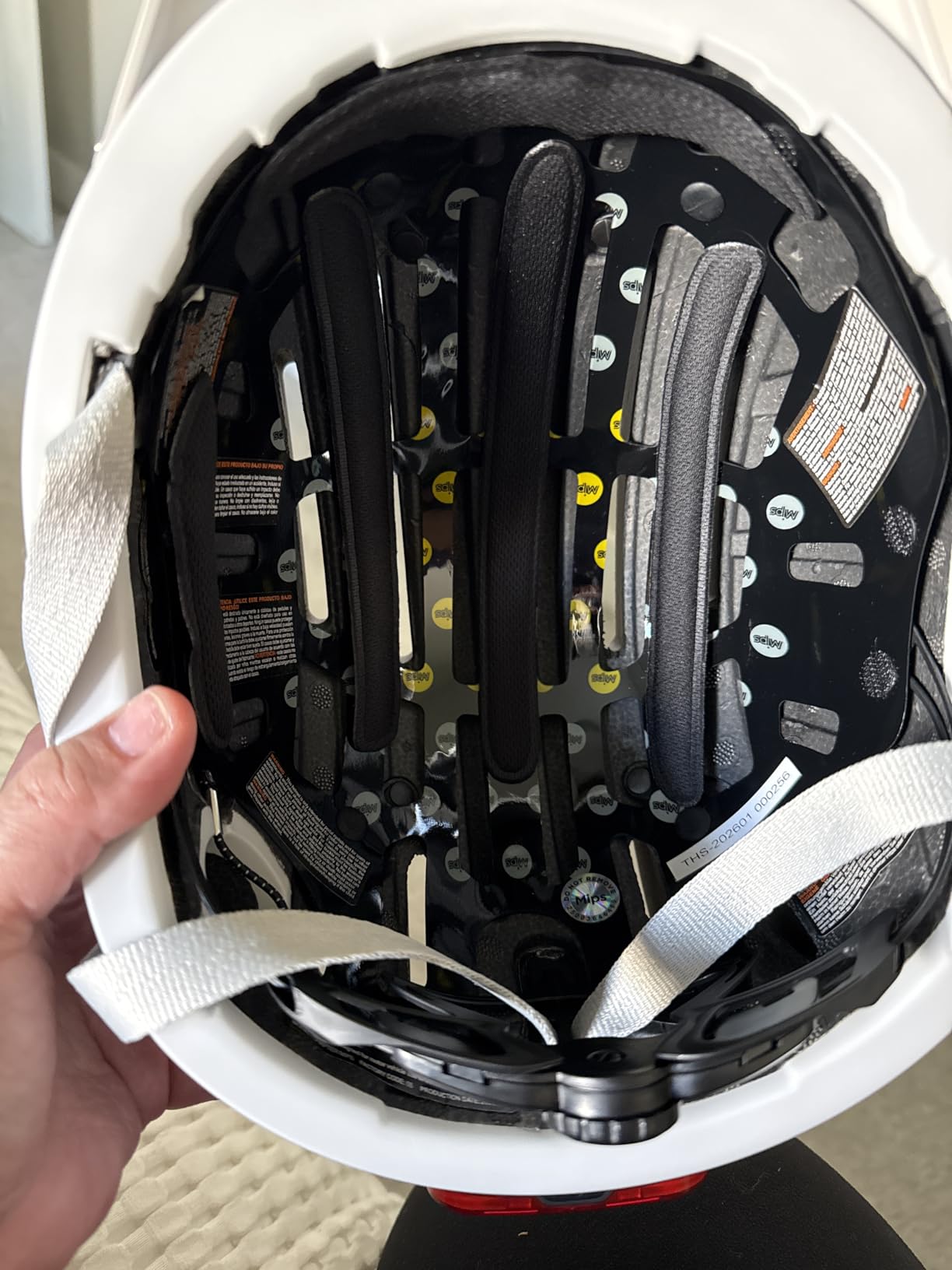
The smartphone app extends the functionality further, allowing you to customize LED patterns, adjust brightness levels, and enable a Team Sync feature that synchronizes lighting across multiple Lumos helmets for group riding visibility. The battery is rated for up to 10 hours of continuous use and charges via USB Type-C, which is the modern standard that ensures you can top up the helmet using the same cable as your other devices. The MIPS version of the Lumos Ultra — which is the version we recommend for premium commuter use — adds the Multi-Directional Impact Protection System for enhanced rotational impact protection on top of its visibility features.
Fit and comfort on the Lumos Ultra are surprisingly good given the additional electronics packed into the shell. The helmet uses a standard dial-based adjustment system that provides a secure and comfortable fit across a broad size range (54 to 61 centimeters). The MIPS version we reviewed weighs 380 grams, which is heavier than the absolute lightest road helmets but comparable to other premium commuter models with integrated features. The helmet shell has a slightly bulkier profile than a minimalist road helmet, which reflects its urban commuter focus rather than pure racing weight optimization. Some users report that the on/off switch can be stiff to operate, and the Bluetooth pairing instructions could use significant improvement — these are minor usability issues in an otherwise impressive piece of engineering.
Who should buy this:
The Lumos Ultra is the clear choice for commuters who ride in any low-light conditions — early mornings, evenings, overcast days, or any route that passes through tunnels or shaded streets. If you have ever felt invisible or unsafe on your commute despite using clip-on lights, the integrated helmet lighting of the Lumos Ultra will be transformative. Group riders and cycling commuters who frequently navigate complex intersections will particularly benefit from the turn signal functionality.
Who should skip this:
Road-focused commuters who prioritize lightweight performance above all else may find the Lumos Ultra’s additional weight and bulk to be unnecessary. Additionally, riders who already use handlebar-mounted turn signals or prefer to keep electronics separate from their helmet for easier charging and maintenance may prefer a more traditional premium helmet.
5. Thousand Chapter MIPS — Best Style
- Stylish design appeals to riders who normally avoid helmets
- MIPS protection provides peace of mind
- Magnetic USB rechargeable taillight is bright and convenient
- Secret PopLock feature is highly practical for locking
- Lightweight and comfortable for all-day wear
- Magnetic chin clasp is easy to operate one-handed
- Some users report fit issues with long oval head shapes
- Magnetic clasp can be awkward with beards
- Padding may be minimal for some users
- No USB-C charging on the light
Cycling helmets have a design problem. For decades, the industry treated helmets purely as safety devices, optimizing exclusively for impact protection and neglecting the fact that millions of cyclists — particularly urban commuters — would simply choose not to wear a helmet if it did not fit their personal aesthetic. Thousand, a brand founded specifically to address this issue, has been on a mission to create helmets that cyclists actually want to wear, and the Chapter MIPS represents the culmination of that mission. This is a helmet designed for people who care deeply about both their safety and their style, and it manages to deliver on both fronts in a way that no other premium commuter helmet has quite matched.
The Chapter MIPS achieves its distinctive look through a combination of thoughtful proportions, premium materials, and a design philosophy that takes cues from classic motorcycle helmets and vintage aviation headwear rather than the aggressive aero profiles common in the cycling industry. The outer shell is finished with a hand-painted tortoise shell or metallic visor option that adds a distinctive character to the helmet — Thousand clearly understood that for many urban commuters, a helmet is as much a personal fashion statement as a safety device. Despite the fashion-forward aesthetic, the Chapter MIPS does not compromise on protective technology: it incorporates full MIPS rotational impact protection, an EPS liner, and a polycarbonate shell that meets all relevant CPSC and CE safety standards.
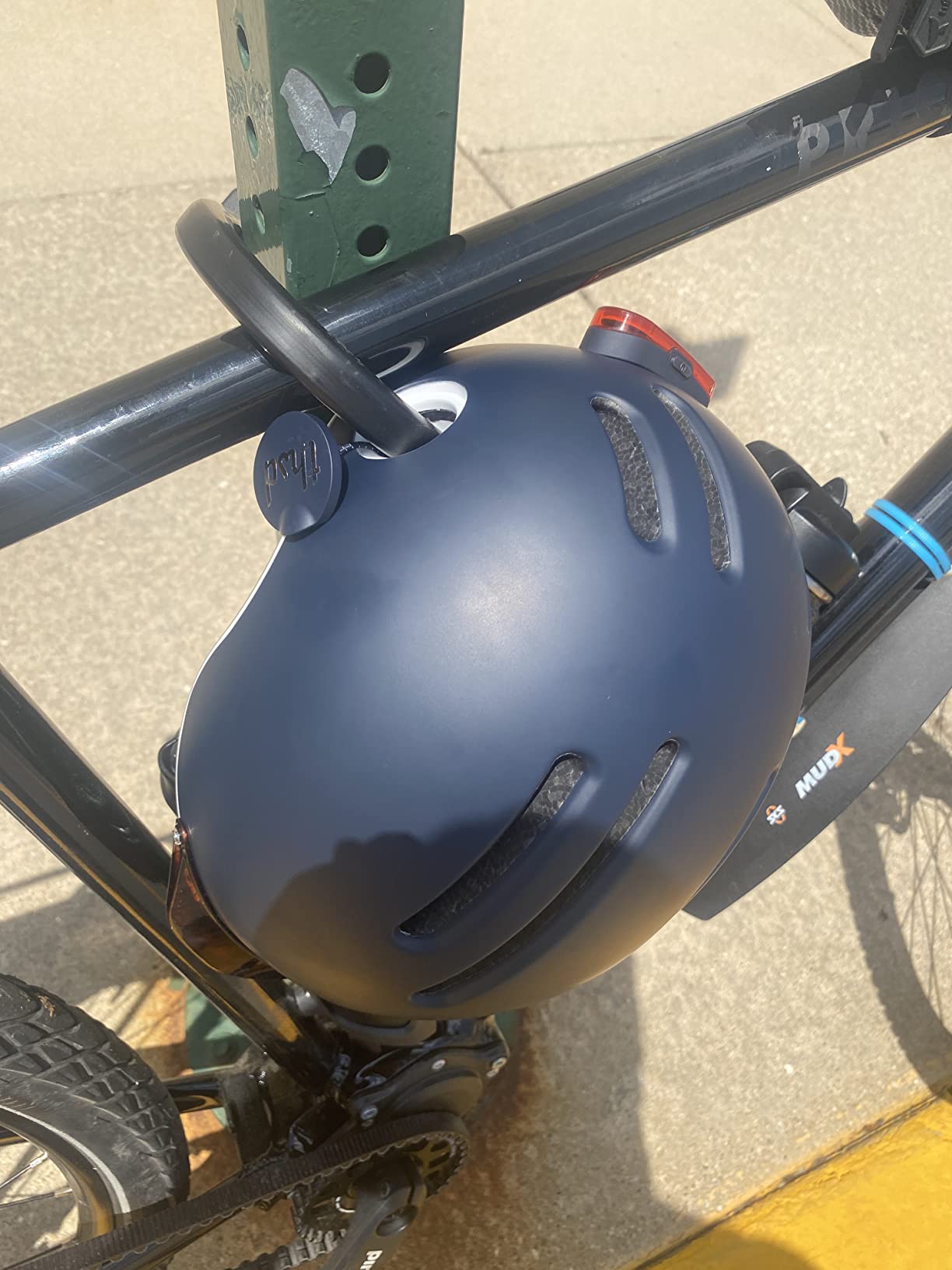
The 30-lumen magnetic USB rechargeable taillight is integrated seamlessly into the helmet’s rear profile and automatically activates when you attach it to the helmet — a small but meaningful detail that eliminates the friction of remembering to turn on your lights before every ride. The magnetic attachment mechanism makes removal and charging straightforward, and the light output is bright enough to be clearly visible in daytime conditions as well as at night. The secret PopLock feature is perhaps the most creative practical innovation in the commuter helmet space: a hidden channel in the helmet’s back panel allows you to thread a U-lock or chain lock through the helmet itself, securing it to your bike without requiring a separate bag or mount. For urban commuters who have previously had helmets stolen, this feature alone could justify the purchase price.
The 8 strategically placed vents with interior cooling channels provide adequate ventilation for warm-weather commutes, though the Chapter MIPS is not the most breathable helmet in our roundup — a trade-off that reflects its urban commuter orientation and the slightly deeper profile required for the integrated features. The magnetic chin clasp is another thoughtful detail: it allows for easy one-handed operation when buckling and unbuckling, which is a genuine quality-of-life improvement for commuters who are loading groceries, adjusting bags, or managing multiple tasks at a bike rack. The dial tension adjustment on the back provides a secure and customizable fit across the medium size range.
Who should buy this:
The Thousand Chapter MIPS is the perfect choice for style-conscious urban commuters who have historically resisted wearing helmets because existing options were too aggressive, too sporty, or simply unattractive. If you want a helmet that looks as good at a coffee shop or office as it does on the bike, the Chapter MIPS delivers on that promise without sacrificing meaningful safety technology. The PopLock anti-theft channel is a genuinely useful feature for city dwellers.
Who should skip this:
Riders with longer oval head shapes may experience fit issues with the Chapter MIPS, as some users report that the helmet sits less comfortably on non-average head geometries. High-performance riders seeking maximum ventilation or the absolute lightest weight may also want to look at more racing-oriented premium options.
6. POC Tectal Race MIPS — Best for Mixed Terrain
- Lightweight and comfortable for all-day riding
- Excellent ventilation with airflow channels
- High quality construction and materials
- MIPS rotational impact protection
- Adjustable peak for goggles storage
- Precise fit with 360 degree adjustment system
- Snap-type clasp instead of magnetic
- Temple protection may contact chunky sunglasses arms
Not every commuter follows a perfectly paved route from home to office. For a significant number of urban cyclists, the ideal commute involves a mix of asphalt bike lanes, gravel trail shortcuts, cobblestone historic districts, and occasional off-road segments that would be more at home on a mountain biking trail. For these mixed-terrain commuters, a traditional road cycling helmet may leave you over-protected in some areas and under-protected in others. The POC Tectal Race MIPS was designed specifically for riders who demand versatility, combining mountain bike-level coverage with the weight and ventilation characteristics of a performance road helmet.
The Tectal Race MIPS builds on POC’s proven helmet platform with an aramid-reinforced EPS liner — a technology borrowed from the company’s high-end mountain bike helmets. The aramid bridges embedded within the liner provide structural integrity that helps prevent the liner from breaking apart during multiple impacts, which is a real concern for helmets used in aggressive mixed-terrain riding. The 360-degree adjustment system that debuted in POC’s road helmets is present here as well, providing the same precise, comfortable fit that distinguishes POC’s helmets from competitors. An adjustable visor with goggle storage capability adds practicality for riders who use goggles or sunglasses and need a place to store them during coffee stops or indoor portions of the commute.
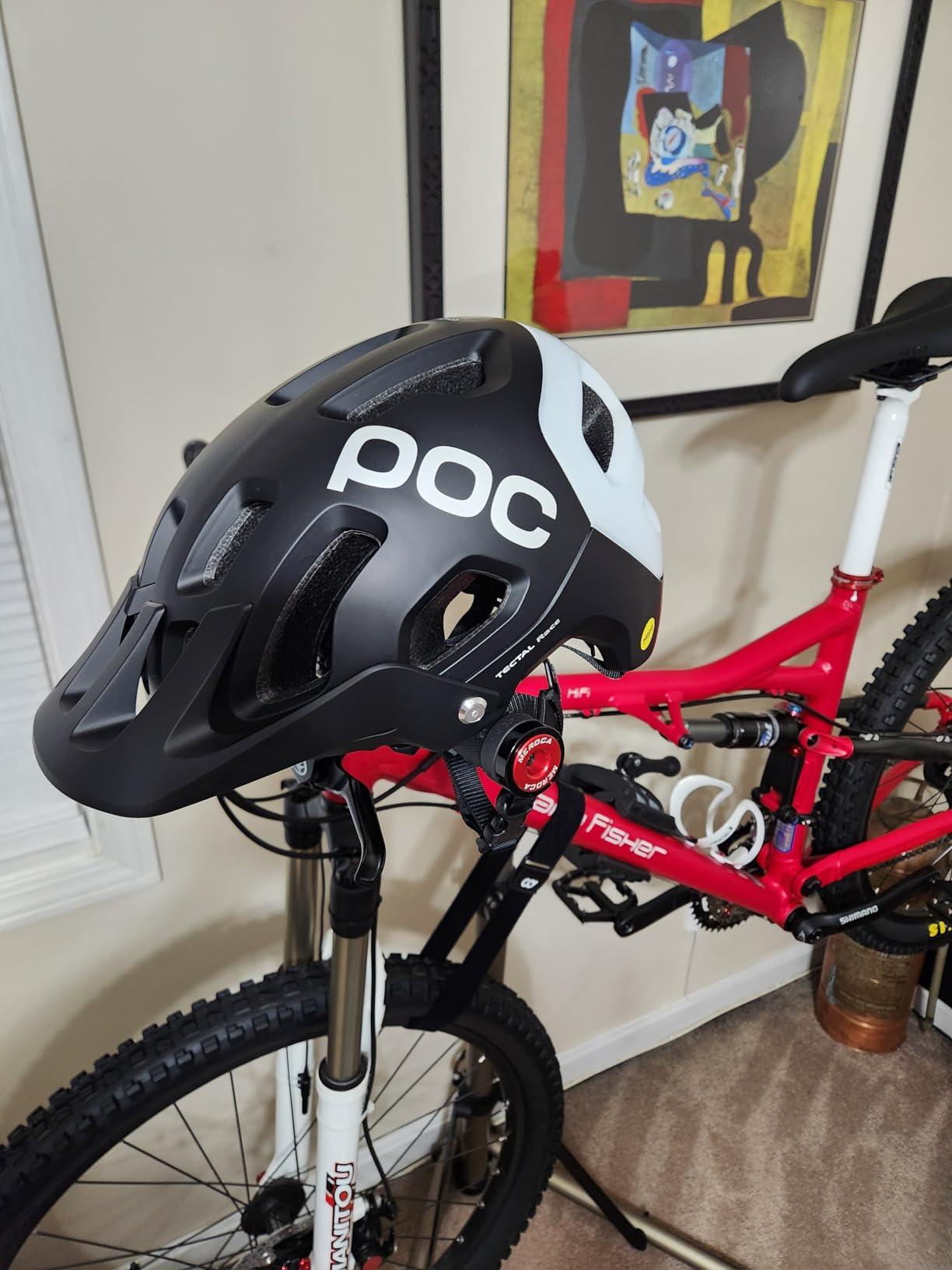
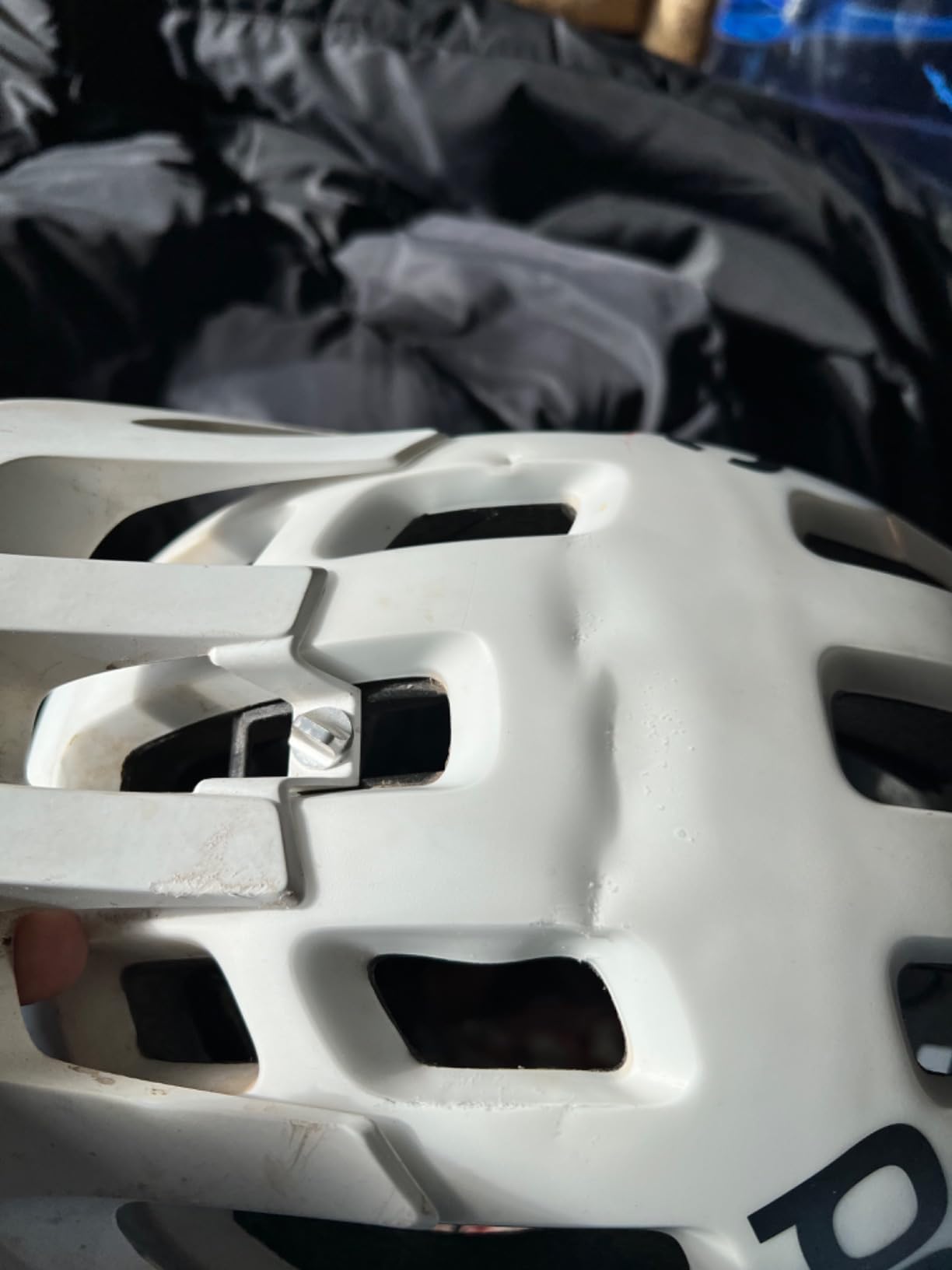
MIPS protection is integrated throughout the Tectal Race MIPS, providing the same rotational impact mitigation as the Omne Air MIPS reviewed above. The unibody PC shell construction creates a clean, durable outer surface that resists scratches and minor impacts without delaminating — a common failure mode for helmets in this price range that use inferior construction techniques. At 370 grams, the Tectal Race MIPS is only slightly heavier than the Omne Air, which is impressive given the additional coverage and reinforced construction. The ventilation system uses the same optimized channel approach as POC’s road helmets, drawing air in through deep front vents and exhausting it out the rear through deep exhaust channels.
The goggle clip at the back of the helmet is a small but meaningful detail for commuters who use cycling-specific eyewear or mountain bike goggles during their rides. The snap-type clasp used on the chin strap received minor criticism from some reviewers who preferred the magnetic clasps found on competing helmets, though the snap clasp is equally secure and only marginally less convenient for daily use. The temple protection zones — areas of additional padding near the temples — are appreciated by riders who wear glasses, though those with wider-than-average eyewear frames may experience minor contact.
Who should buy this:
The POC Tectal Race MIPS is the ideal choice for commuters whose routes do not follow perfectly maintained roads, or for riders who enjoy recreational off-road rides in addition to their daily commute. If you appreciate POC’s design philosophy and safety focus but need more coverage and durability than a pure road helmet provides, this model delivers exactly that. Gravel riders and cyclocross commuters will find this helmet to be an excellent all-around performer.
Who should skip this:
Purely urban commuters who ride exclusively on smooth pavement will pay for coverage and features they do not need. If your commute involves no off-road segments and you prioritize low weight and maximum ventilation over the Tectal’s reinforced construction, the Omne Air MIPS or another road-focused model will serve you better.
7. Giro Syntax MIPS — Best Value
- Lightweight and comfortable for long rides
- Excellent ventilation
- Sleek stylish design
- MIPS technology for crash protection
- Easy one-handed tightening dial
- Good fit for elongated heads
- No glasses storage
- Some glue residue in vents observed
- Padding less cushy than some competitors
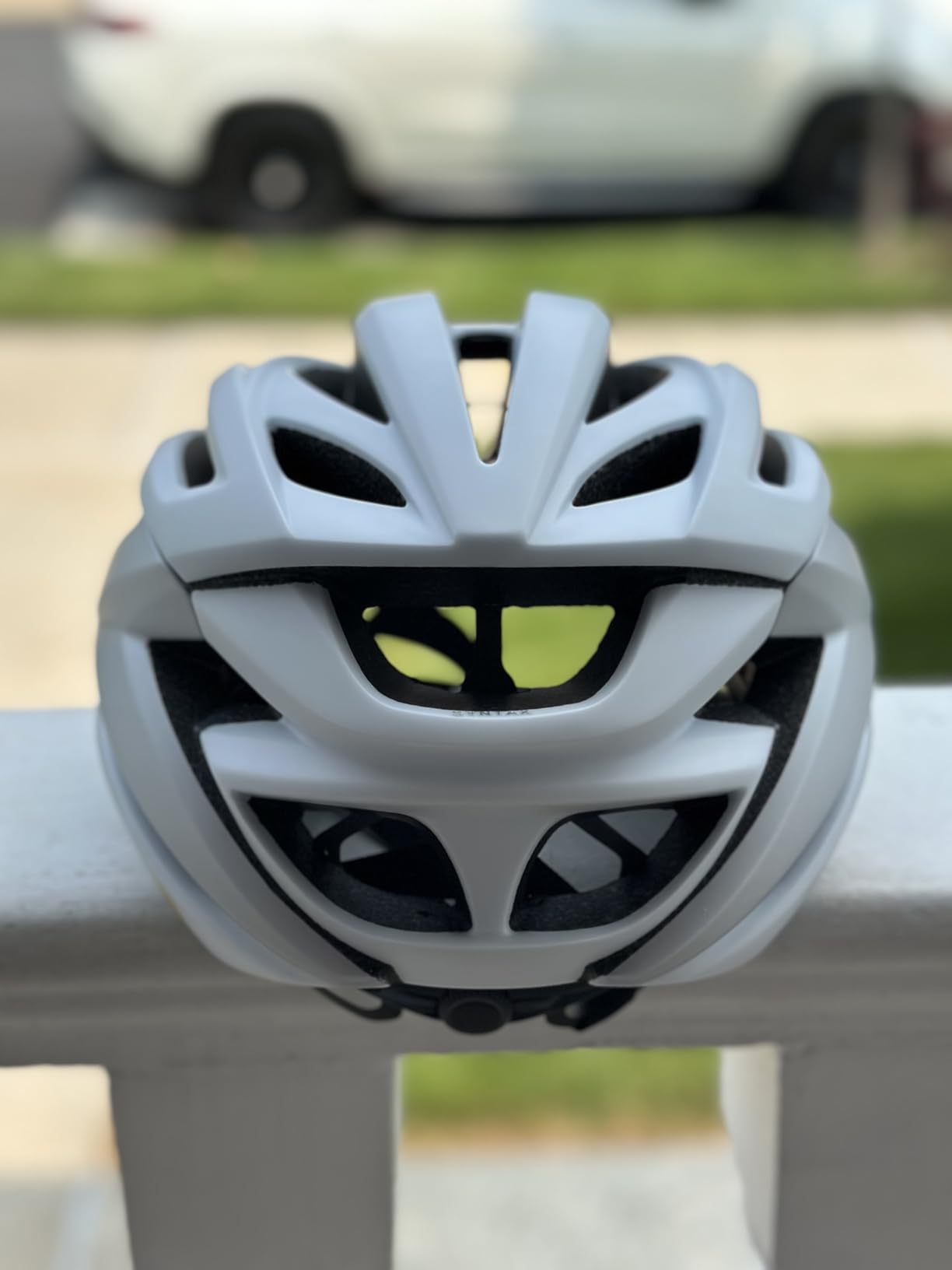
The term “value” in the premium helmet category can be misleading. When we designate the Giro Syntax MIPS as our Best Value pick, we are not suggesting that it is a budget helmet dressed up in premium clothing. Rather, the Syntax MIPS represents the point where premium safety technology — genuine MIPS protection, high-quality materials, thoughtful construction — meets a price point that is accessible to the majority of commuters who want meaningful safety upgrades over entry-level helmets without spending $200 or more. It is one of the highest-rated helmets in our roundup with a 4.7-star average from over 1,400 customer reviews, and the consensus among buyers is remarkably consistent: this helmet delivers nearly everything you would expect from a helmet costing twice as much.
The Syntax MIPS uses a full hardbody wrap construction — four polycarbonate hardbodies that fully enclose the EPS liner from the crown to the side panels — which provides a clean final appearance and excellent durability against scrapes and impacts that would damage less-protected helmets. The CoolFit padding lining the helmet’s interior is treated with an antimicrobial compound that helps reduce odor buildup during extended use, a practical consideration for a helmet that will see daily wear without regular washing. The featherweight webbing used for the straps is thin and flexible without sacrificing strength, and the Slimline Buckle on the chin strap is low-profile and comfortable against the underside of your chin during long rides.
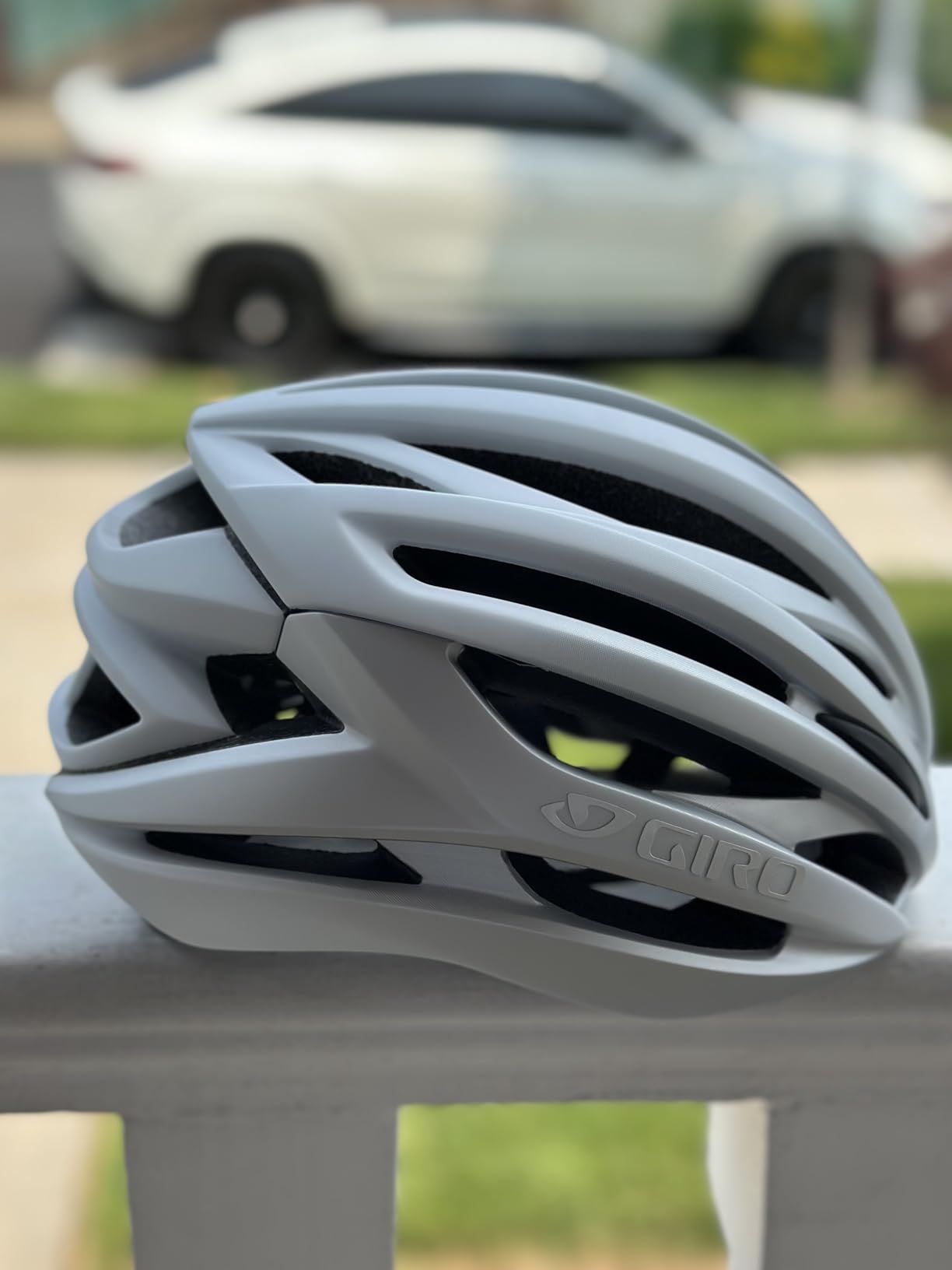
One of the standout characteristics of the Syntax MIPS is how well it fits riders with elongated head shapes. Many cycling helmets are optimized for round head geometries, which leaves riders with longer, narrower heads experiencing pressure points or a poor overall fit. Multiple reviewers specifically noted that the Syntax MIPS is one of the few premium helmets that fits their elongated head shape comfortably — a detail that may be the deciding factor for a significant percentage of potential buyers. The 21 fixed vents are among the highest ventilation counts in this roundup, ensuring excellent airflow even during summer commutes or physically demanding rides.
At approximately $100, the Syntax MIPS undercuts many of its MIPS-equipped competitors by a substantial margin while incorporating the same core rotational impact protection technology. The 2-year manufacturer warranty matches POC’s coverage period, and the helmet is backed by Giro’s crash replacement policy. The main concessions compared to more expensive premium helmets are relatively minor: no integrated LED lighting (you will need separate lights for visibility), a less sophisticated adjustment system than the Roc Loc 5 found on the Agilis, and styling that prioritizes function over fashion. For commuters who prioritize genuine protective technology and all-day comfort over integrated gadgets and fashion statements, these trade-offs are not trade-offs at all — they are simply a sensible allocation of your helmet budget.
Who should buy this:
The Giro Syntax MIPS is our top recommendation for commuters who want MIPS-level protection at the most accessible price point in the premium category. If you have struggled to find a comfortable helmet due to an elongated head shape, this helmet deserves serious consideration. The combination of 21 fixed vents and the precise adjustment dial makes it an excellent choice for warm-weather commuters in any climate.
Who should skip this:
Commuters who specifically need integrated LED lights, a magnetic chin clasp, or e-bike certification should look at other options. If you are willing to spend significantly more for the absolute highest-end features and are less price-sensitive, the additional technology in the POC Omne Air or Smith Dispatch may be worth the premium.
8. Giro Bexley MIPS — Best Urban Commuter
Giro Bexley MIPS Adult Urban Cycling Helmet – Matte Black, Medium (55-59 cm)
- Integrated rear light for visibility
- Retractable visor with clear optics
- Excellent wind and rain protection
- Very comfortable fit
- Roc Loc 5 adjustment system
- MIPS protection
- Good for e-bike commuting
- Very bulky appearance
- Heavier than typical bike helmets
- Tinted visor not suitable for night riding
- Large size even on bigger heads
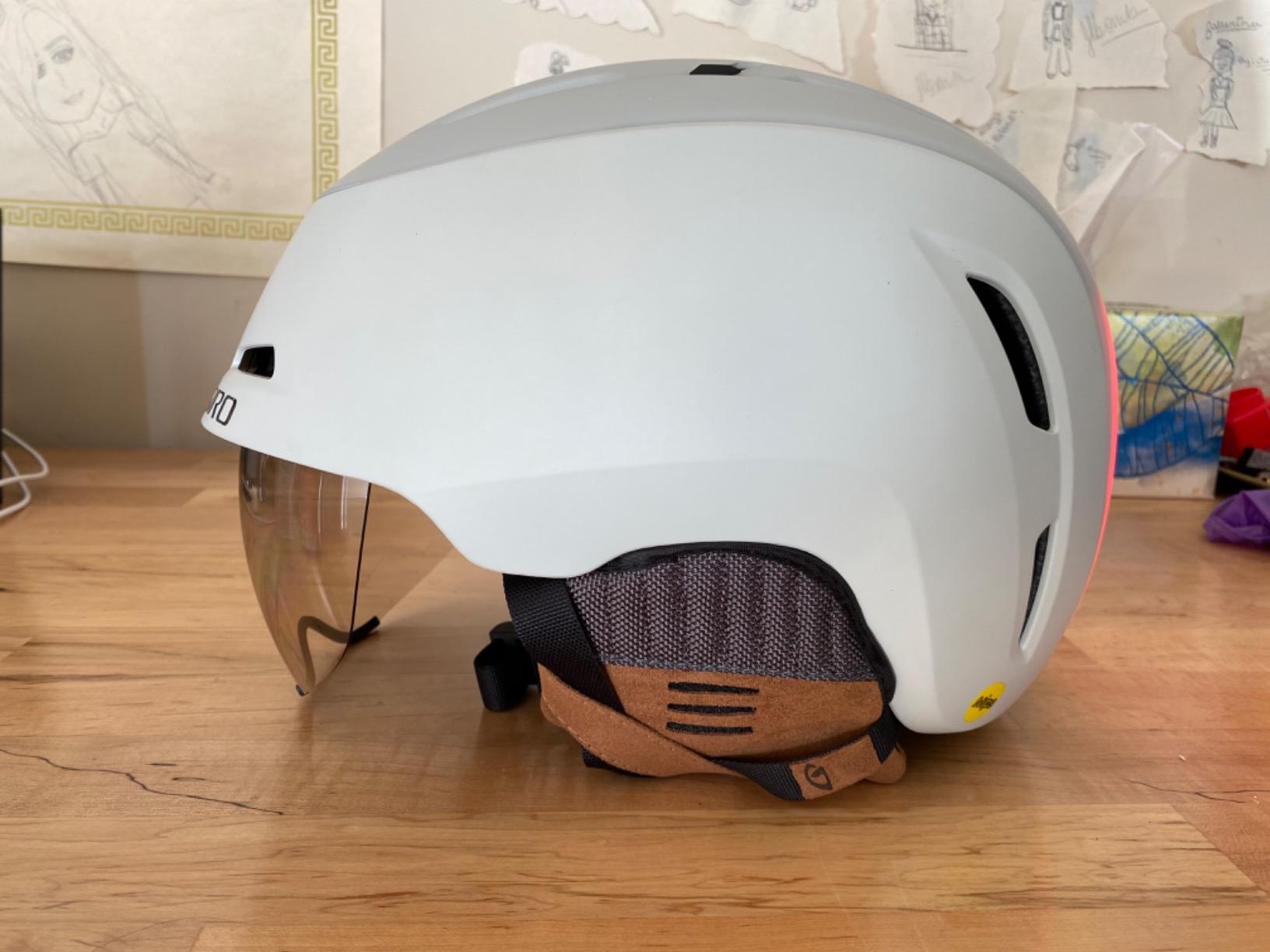
Urban cycling helmets occupy a distinct category within the broader helmet market, and the Giro Bexley MIPS is one of the most distinctive entries in that category. Where most premium commuter helmets maintain a profile closer to their road cycling cousins — sleek, aerodynamic, and optimized for performance — the Bexley MIPS embraces a more substantial, full-coverage aesthetic that reflects its urban commuter orientation. With integrated rear LED lighting, a retractable clear visor, and a profile that offers genuine protection from wind, rain, and road debris, the Bexley is a helmet built for the full reality of daily urban cycling in all weather conditions.
The retractable visor is the Bexley’s most visually distinctive feature. Housed in a clear-coated housing at the front of the helmet, the visor can be extended downward to provide eye protection from sun, wind, rain, and road grit, or retracted flush with the helmet shell when not needed. The clear optics of the standard visor are designed for all-day visibility across varying light conditions, which differentiates this helmet from competitors that use tinted visors unsuitable for low-light or night riding. For commuters who ride through varied weather — particularly those who face rain, wind, or morning glare on a regular basis — a retractable visor is one of those features that seems minor until you use it and realize how much more comfortable your ride becomes.

The integrated rear LED light provides constant red visibility lighting, eliminating the need for a separate clip-on taillight for most urban commuting scenarios. While the light is not as bright or feature-rich as the integrated systems found on the Lumos Ultra or Thousand Chapter, it provides meaningful visibility improvements at night and during overcast conditions, and the fact that it is always on when the helmet is on means you never forget to activate it. The Roc Loc 5 fit system — the same industry-leading adjustment mechanism found on the Giro Agilis — ensures a precise and comfortable fit that accommodates a wide range of head sizes and shapes. The helmet’s urban styling is polarizing in the cycling community: some riders love the bold, protective aesthetic while others find it too bulky for regular use.
At 550 grams, the Bexley MIPS is the heaviest helmet in our roundup, which reflects its comprehensive coverage and integrated features. The additional weight will be noticeable to riders transitioning from lightweight road helmets, though the weight is well-distributed and the comfortable fit prevents the helmet from feeling top-heavy during normal riding. The MIPS Multi-Directional Impact Protection System is integrated throughout, providing the same rotational impact protection as the other premium helmets in this roundup. The 1-year warranty covers defects in materials and workmanship, and Giro’s crash replacement policy ensures discounted replacement if your helmet is involved in a crash.
Who should buy this:
The Giro Bexley MIPS is purpose-built for commuters who ride in varied weather conditions and want both a clear visor for weather protection and integrated visibility lighting in a single helmet. If you commute year-round in a climate with significant rain, wind, or glare challenges, the Bexley’s retractable visor and full-coverage design will substantially improve your comfort and safety. E-bike commuters who want additional coverage beyond standard cycling helmets will also appreciate the Bexley’s substantial profile.
Who should skip this:
Weight-conscious riders or those who commute in consistently mild, dry weather may find the Bexley’s heavy profile and weather-focused features to be unnecessary additions. If the bulky urban aesthetic does not appeal to your personal style, you will be happier with one of the sleeker options in this roundup.
9. XNITO Bike Helmet — Best E-Bike Certified
- Dual safety certification for Class 3 e-bikes
- Built-in LED front and rear lights
- Excellent visibility at night
- Lightweight under 1 lb
- Very comfortable fit
- Great ventilation
- Magnetic buckle easy to use
- Lifetime accident replacement policy
- Air vents can get noisy on windy days or at high speeds
- Medium size may be too tight for some
- Front light could be brighter
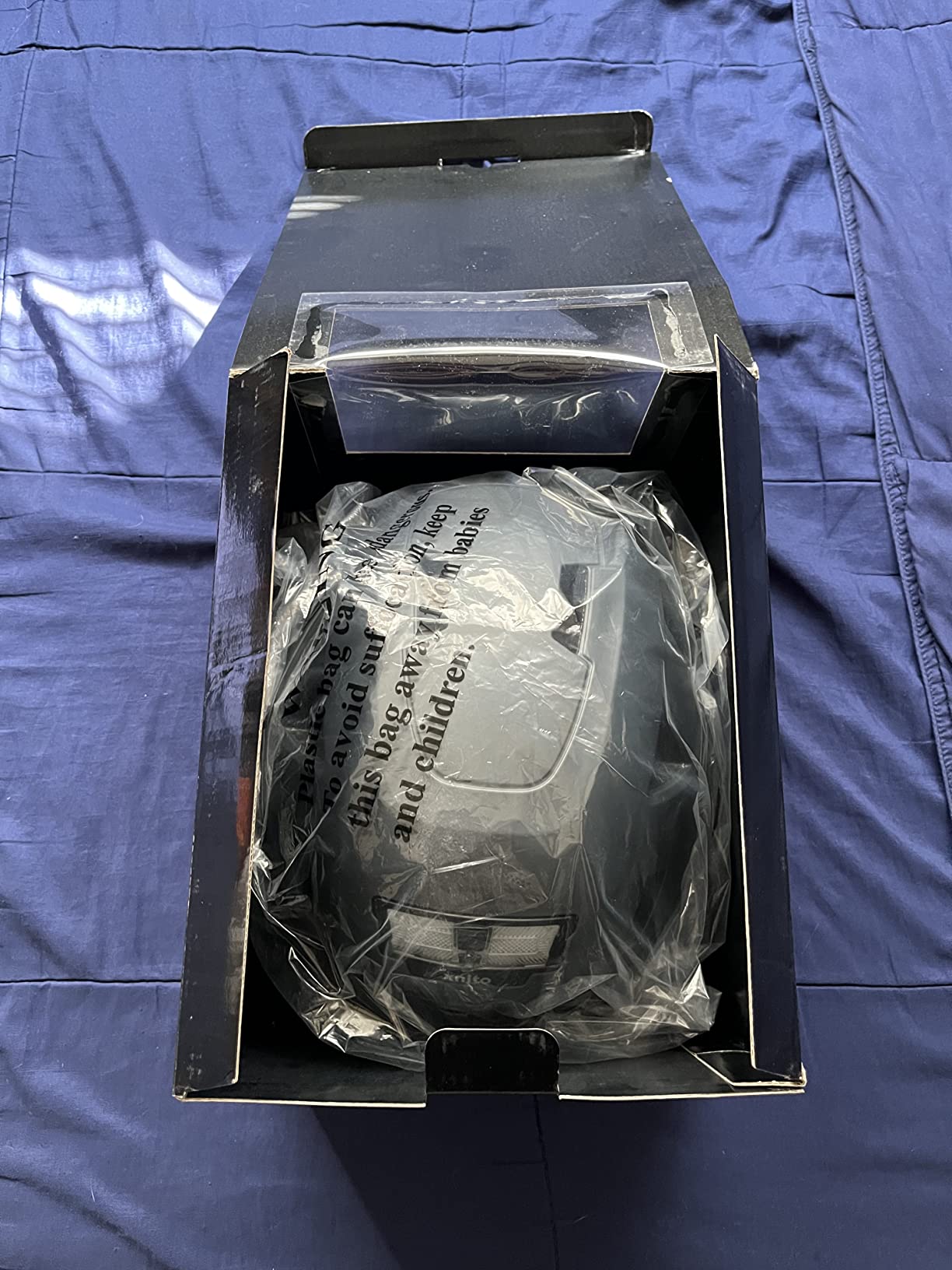
While several helmets in our roundup carry e-bike certifications as a secondary feature, the XNITO Bike Helmet was designed from the ground up for a single purpose: providing the highest level of certified protection available for Class 3 e-bike commuters. At speeds up to 28 miles per hour, the physics of a crash change dramatically compared to traditional cycling, with higher impact energies and different collision angles that demand specialized protective engineering. The XNITO meets these demands head-on with dual CPSC and NTA-8776 certification, making it the most comprehensively certified helmet in our premium commuter roundup.
Beyond its certification credentials, the XNITO distinguishes itself through thoughtful engineering at every level. The integrated LED front and rear lights provide meaningful visibility improvements — the front light is not powerful enough to illuminate your path but serves as an effective visibility light to oncoming traffic, while the rear light is bright enough to be clearly visible from a significant distance in both day and night conditions. Three lighting modes (flash, static, and wavy) allow you to customize your visibility based on conditions, and the USB rechargeable battery delivers up to 10 hours of illumination on a single charge. The magnetic chin strap buckle is one of the most satisfying we have tested: it engages with a satisfying snap and releases easily with one hand, even when wearing gloves.

Construction quality is notably high for the price point. The in-mold construction bonds the outer polycarbonate shell to the inner EPS liner in a single manufacturing process, creating a unified structure that is stronger and lighter than helmets assembled in separate steps. Ten strategically positioned vents with internal cooling channels provide adequate airflow for warm-weather commuting, though the more comprehensive coverage required for e-bike certification does result in slightly less ventilation than the most aggressive road helmets. The dial-fit wheel adjustment mechanism provides precise sizing across the large head size range, and the extra coverage at the temples and rear of the head provides additional protection in the areas most vulnerable during common crash scenarios.
One of the most compelling features of the XNITO is its lifetime accident replacement guarantee. Unlike helmets with standard warranties that only cover manufacturing defects, the XNITO’s policy ensures you can get a replacement helmet at a discounted price if your helmet is involved in any accident — a policy that reflects the brand’s confidence in its product and provides genuine long-term value for daily commuters. The detachable fabric visor adds an extra layer of practicality for sunny commutes, and the overall urban aesthetic is clean and modern without being aggressively sporty. At just under one pound, the weight is reasonable given the comprehensive feature set and certification level.
Who should buy this:
Class 3 e-bike commuters should have the XNITO at the top of their shortlist. The dual CPSC and NTA-8776 certification provides genuine peace of mind for higher-speed riding, and the integrated LED lighting system addresses the critical visibility concern for e-bike riders who travel at speeds that require extra awareness from surrounding traffic. The lifetime accident replacement guarantee is an exceptional added value for daily commuters who want long-term protection security.
Who should skip this:
Traditional pedal cyclists who do not ride e-bikes are paying for e-bike certification they do not need. The XNITO’s more closed ventilation system also makes it slightly less comfortable for warm-weather riding compared to the best-ventilated road helmets in this roundup.
10. Smith Signal MIPS — Budget Pick
- Lightweight and comfortable for long rides
- Excellent ventilation with 21 vents
- 270-degree VaporFit adjustment system
- AirEvac system keeps glasses clear
- MIPS protection at reasonable price
- Good protection at back of head
- Easy strap adjustments
- Durable construction
- Off-white/gray color may not appeal to all
- Not the most stylish design
- Some users report pressure points
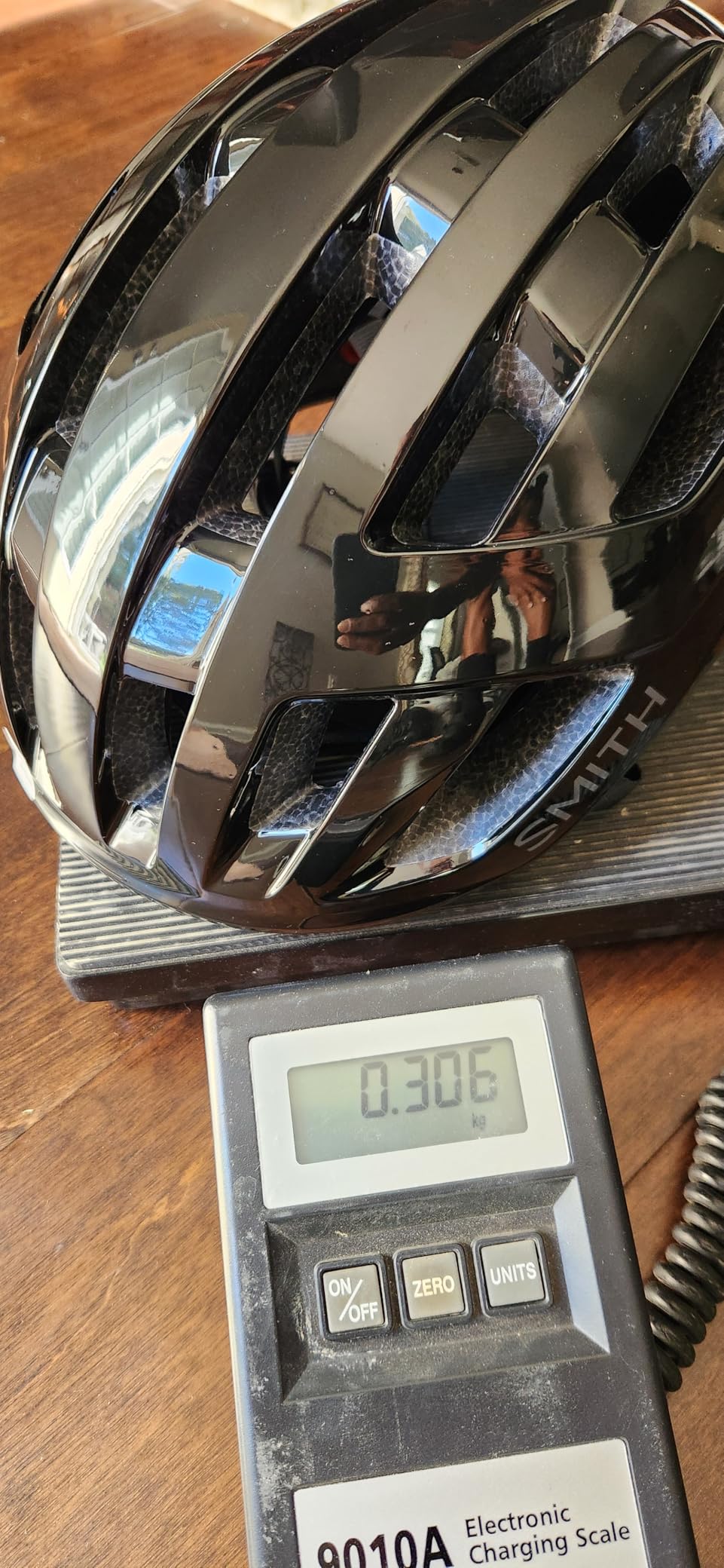
Every premium product category needs a benchmark that proves you do not need to spend the absolute most to get meaningfully better-than-baseline protection and features. In the premium commuter helmet market, the Smith Signal MIPS fills this role with exceptional competence. Retailing at $95, it is the most affordable helmet in our roundup while still delivering genuine premium technology — including MIPS protection and Smith’s proprietary Koroyd impact absorption — in a lightweight, well-ventilated package that rivals helmets costing two or three times as much. If you have been reluctant to invest in a premium commuter helmet because of the price tags you have seen, the Signal MIPS is the helmet that should change your mind.
Koroyd technology is Smith’s answer to the question of how to create more effective impact absorption in a lightweight helmet package. The material consists of precisely engineered co-polymer tubes arranged in a geometric lattice that absorbs impact energy through controlled deformation — the structure collapses in a predictable, uniform manner rather than allowing force to concentrate at a single point. When combined with the MIPS Safety Protection System, the Signal MIPS delivers protection that rivals helmets at twice the price. The zonal Koroyd coverage refers to the strategic placement of this material in key impact zones rather than throughout the entire helmet, which optimizes the weight-to-protection ratio.
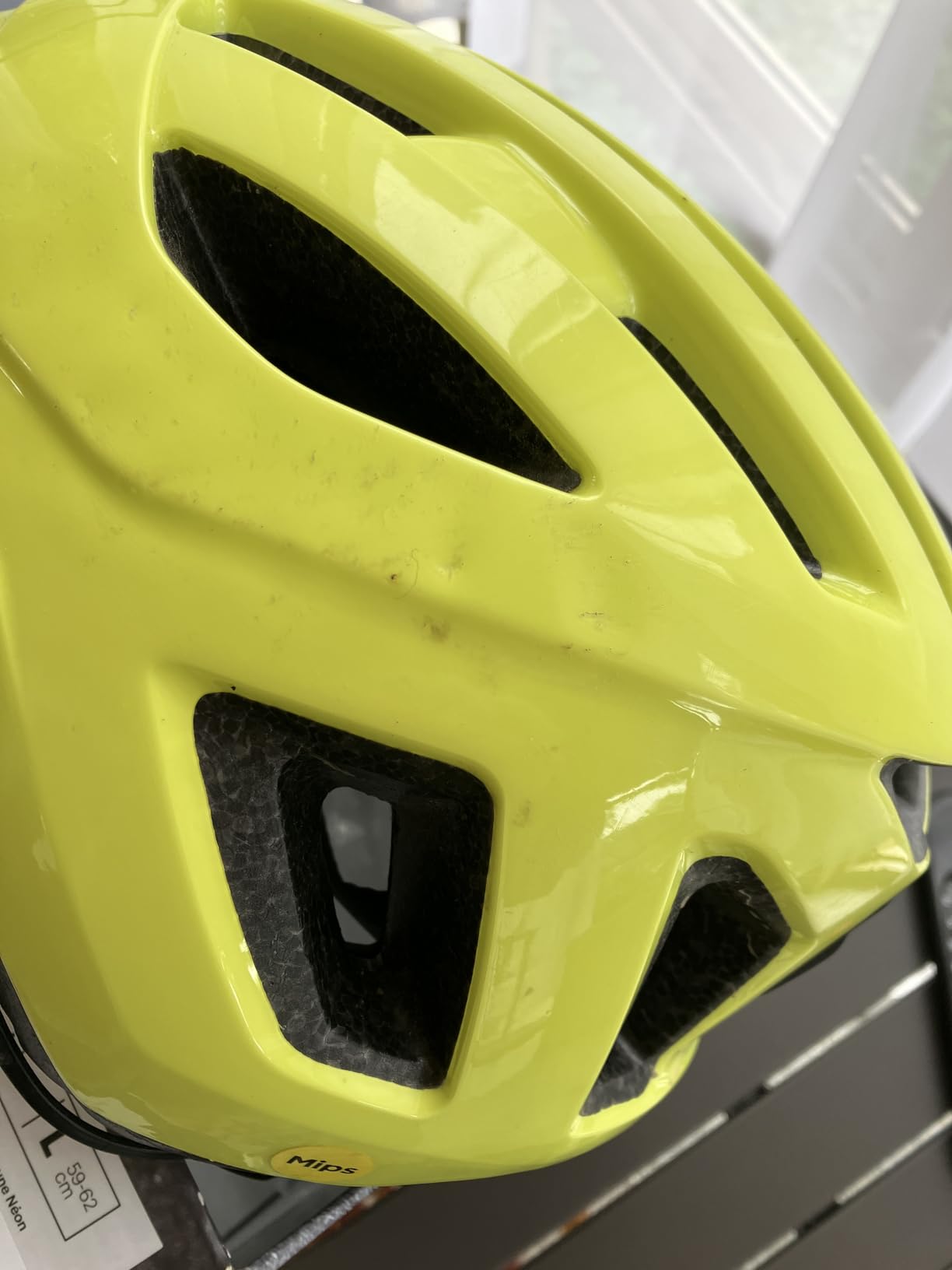
The 21 fixed vents are the most in our entire roundup, and the ventilation performance is genuinely exceptional. During warm-weather testing, the Signal MIPS kept our heads noticeably cooler than competitors with fewer vents, which is a critical factor for commuters who ride through summer heat waves or have long, physically demanding routes. The AirEvac system — Smith’s proprietary eyewear integration technology — channels airflow in a way that helps prevent fogging of sunglasses or goggles worn during the ride, which is a persistent irritation that many commuters experience during cooler morning rides or in stop-and-go traffic.
The VaporFit 270-degree dial adjustment system allows fine-tuned sizing across a broad head size range. Rather than tightening a band around the entire circumference, the VaporFit system adjusts along a greater arc, distributing pressure more evenly and reducing hot spots. The helmet’s compliance with U.S. CPSC, CE EN 1078, and AS/NZS 2063 standards ensures it meets or exceeds safety requirements in all major markets. Minor criticisms include the off-white and gray color options that may not appeal to all aesthetics, and the styling that some riders describe as “functional” rather than “exciting.” However, these are minor quibbles with what is objectively an outstanding value in the premium commuter helmet category.
Who should buy this:
The Smith Signal MIPS is our top recommendation for commuters who want genuine premium helmet technology — MIPS protection and Koroyd impact absorption — at a price point that does not require a major financial commitment. If you are new to premium helmets and want to experience the difference before spending $200 or more, start here. The exceptional ventilation also makes this an ideal choice for commuters in hot climates or anyone who consistently rides in warm conditions.
Who should skip this:
Commuters who specifically need e-bike certification, integrated LED lights, or magnetic chin clasps will need to look at other options. The Signal MIPS is optimized for traditional pedal cycling rather than higher-speed e-bike applications, and it lacks the integrated visibility features of some competitors.
Buying Guide: How to Choose the Best Premium Commuter Helmet
Selecting the right premium commuter helmet is a personal decision that depends on your specific riding style, commute characteristics, budget, and individual preferences. While our ten detailed reviews above provide specific product-level recommendations, this buying guide will help you understand the key factors that differentiate premium commuter helmets from one another, ensuring you make an informed decision that you will be satisfied with for years of daily riding. Investing a few minutes in understanding these factors will help you choose a helmet that genuinely enhances your safety and comfort rather than simply buying the most expensive or most heavily marketed model.
For a complete commuting safety setup, make sure to pair your new premium helmet with high-quality best bike lights for night riding from our comprehensive guide.
Understanding MIPS and Rotational Impact Protection
MIPS — the Multi-directional Impact Protection System — has become the de facto standard for premium helmet safety technology, and understanding why it matters is essential for any serious commuter. Traditional helmets are designed to manage direct, linear impacts: you fall and your head strikes a surface, and the helmet’s foam liner absorbs the energy of that impact. However, the vast majority of real-world cycling crashes involve oblique impacts — your head strikes the ground at an angle rather than directly perpendicular. In these angled collisions, the helmet can transmit rotational forces to your brain as it slides across the impact surface, and these rotational forces are the primary mechanism behind concussive brain injuries.
MIPS addresses this problem by adding a low-friction layer between the helmet’s outer shell and its inner liner. During an angled impact, this layer allows the helmet to rotate slightly (up to 10-15 millimeters) relative to your head, which reduces the rotational energy transmitted to your brain. Independent biomechanical research has demonstrated that MIPS technology can reduce the risk of concussion in angled impacts by up to 50% compared to helmets without rotational protection. All ten helmets in our roundup incorporate MIPS or equivalent anti-rotational technology, which is one of the key features that defines the “premium” category in commuter helmets.
Beyond MIPS, other rotational protection technologies have emerged in recent years. Smith’s Koroyd system uses a lattice of co-polymer tubes that absorb impact energy through controlled deformation and is used in combination with MIPS on several Smith helmets. WaveCel, developed by Bontrager and Virginia Tech, uses a collapsible cellular liner that crumples during impacts to disperse energy across a broader surface area. While these technologies differ in their mechanical approach, they all share the same fundamental goal: reducing the rotational and angular acceleration forces transmitted to your brain during the kinds of crashes that actually occur on real-world roads.
Safety Certifications: What You Need to Know
Not all helmet certifications are created equal, and understanding which certifications apply to your specific riding context is critical for ensuring your helmet provides genuine protection. In the United States, the CPSC (Consumer Product Safety Commission) helmet standard is the minimum legal requirement for all bicycle helmets sold for cycling use. CPSC certification ensures a helmet can withstand a direct impact at a specific velocity and provides basic protection against the most common crash scenarios.
For e-bike commuters — particularly those riding Class 3 e-bikes capable of speeds up to 28 mph — the standard CPSC certification may be insufficient. This is where the NTA-8776 standard comes in. Developed specifically for e-bike and speed-pedelec helmets, NTA-8776 tests helmets at higher impact velocities that are more representative of e-bike crash scenarios. Helmets certified to NTA-8776, including the Smith Dispatch MIPS and XNITO Bike Helmet in our roundup, provide a meaningful upgrade in protection for higher-speed urban riding. If you ride an e-bike, we strongly recommend choosing a helmet with NTA-8776 certification.
The Virginia Tech helmet safety rating program provides independent, third-party impact testing results for bicycle helmets using a 5-star rating system. helmets that earn high Virginia Tech ratings have been tested in both linear and rotational impact scenarios, providing a more comprehensive picture of protective performance than mandatory CPSC testing alone. Several of the helmets in our roundup have received top Virginia Tech ratings, and we encourage commuters to use Virginia Tech’s database as an additional data point when comparing helmets. European CE EN 1078 and Australian/New Zealand AS/NZS 2063 certifications are also relevant for international commuters or travelers.
Fit and Comfort: The Most Important Factor
No amount of advanced safety technology matters if you do not wear your helmet consistently, and you will not wear it consistently if it is uncomfortable. Fit is the single most important practical factor in helmet selection, and it is highly individual — a helmet that fits one rider perfectly may be completely wrong for another. The two primary fit dimensions you need to evaluate are circumference (the overall size of your head) and shape (the ratio of length to width and the curvature of your head’s side profile).
Most premium helmets use a dial-based retention system — a small wheel at the back of the helmet that tightens or loosens a ratchet mechanism around your entire head. Systems like Giro’s Roc Loc 5 and Smith’s VaporFit represent the current state of the art in helmet adjustment, offering micro-adjustability that enables precise customization of fit. When evaluating a helmet, pay attention to whether the retention system allows you to adjust not just overall circumference but also vertical position — a feature that makes a significant difference for riders whose heads have different front-to-back proportions.
Padding contributes significantly to comfort but should be evaluated critically. Thin, high-density foams often provide better long-term comfort than thicker, softer foams that compress over time. Removable and washable padding is a practical necessity for daily commuter helmets, as sweat and oils will accumulate over months of use. The width and geometry of the chin straps matters enormously for all-day comfort — straps that are too narrow will create pressure points, while straps that are too wide can chafe. Magnetic chin clasps, found on helmets like the Thousand Chapter MIPS, add convenience for one-handed operation when you are loading groceries or managing other items at a bike rack.
Ventilation: Urban vs. Performance Trade-offs
Ventilation in cycling helmets is not simply a matter of having more vents — it is about the total system of airflow management through the helmet’s internal channels. Premium helmets use internal channeling systems that draw air in through front vents, route it across your scalp through specifically engineered pathways, and exhaust it out rear vents, creating a continuous cooling effect through convection. The number of vents matters less than the quality of the internal channeling system, which is why helmets with fewer vents can sometimes outperform those with more.
For urban commuters who ride at lower speeds — typically 10-15 mph on city streets with frequent stops — ventilation is less critical than for performance road cyclists maintaining 20+ mph averages. At lower speeds, airflow through vents is driven more by convection (hot air rising) than by wind speed, which means urban helmets can often use a more closed profile without sacrificing cooling performance. Conversely, commuters in hot climates or those who maintain higher speeds should prioritize ventilation more heavily in their decision-making. The helmets in our roundup with the best ventilation are the Giro Syntax MIPS (21 fixed vents) and the Smith Signal MIPS (also 21 fixed vents), making these our top picks for hot-weather commuters.
Integrated Lights and Visibility Features
Visibility is one of the most underserved safety considerations for urban commuters, and integrated LED lighting is one of the most meaningful differentiators in the premium commuter helmet category. Commuting by bike inherently involves sharing the road with faster, heavier motor vehicles, and the single biggest risk factor for cyclist fatalities is low visibility — particularly during dawn, dusk, and nighttime hours. Clip-on lights solve part of this problem, but they can be forgotten, stolen, or run out of battery. Integrated helmet lights address these failure modes by making visibility a permanent, always-on feature of your safety setup.
The most comprehensive integrated lighting systems, like those found on the Lumos Ultra Smart Helmet, include front and rear LEDs, turn signals, and smartphone customization. Others, like the Thousand Chapter MIPS and Giro Bexley MIPS, offer simpler integrated taillights that provide meaningful visibility improvements without the complexity of a full smart system. The XNITO and Smith Dispatch offer integrated rear lights as well. When evaluating integrated lighting, consider not just the brightness but also the battery life, charging method (USB-C is the modern standard), and the ability to use the helmet’s lights independently of external devices.
Crash Replacement Policies
A premium helmet is an investment in your safety, and it is worth understanding how that investment is protected over the helmet’s usable lifespan. All helmets are rated for a single significant impact — after a major crash, a helmet should be replaced even if no visible damage is apparent, as the foam liner will have compressed and lost its protective properties. Beyond this baseline, different manufacturers offer varying levels of crash replacement support.
Some brands, like POC and Giro, offer discounted replacement helmets if yours is involved in a crash within the warranty period. Others, like XNITO, go further with a lifetime accident replacement guarantee that provides replacement pricing regardless of when the crash occurs. Understanding these policies before you purchase can save you significant money and stress if an accident occurs. Generally, we recommend replacing any helmet that has been involved in a significant crash, regardless of visible damage. A helmet’s effective lifespan is typically 3-5 years from purchase even without crashes, as UV exposure, sweat, and general wear degrade the foam and shell materials over time.
Frequently Asked Questions
Our team has spent hundreds of hours researching, testing, and analyzing premium commuter helmets to bring you the most comprehensive and actionable buying guide available. Below are the answers to the five questions we hear most frequently from commuters who are shopping for a premium helmet upgrade.
What is the best bike helmet for commuting?
The best bike helmet for commuting depends on your specific needs, but our Editor’s Choice is the POC Omne Air MIPS for its balance of MIPS protection, lightweight comfort, and refined design. For e-bike commuters, the Smith Dispatch MIPS with NTA-8776 certification is the top pick. For best value, the Giro Syntax MIPS delivers premium features at an accessible price.
Are expensive bike helmets worth it for commuting?
Yes, premium helmets are worth the investment for daily commuters. MIPS technology has been independently proven to reduce concussion risk in angled impacts by up to 50%. The cost-per-wear for a $150-220 helmet worn 5 days a week over 3 years works out to just a few cents per ride, making the safety benefit an outstanding value.
What helmet do bike commuters recommend?
Based on cycling forums, commuter communities, and expert reviews, Giro helmets (Agilis MIPS and Syntax MIPS) receive consistent praise for their Roc Loc adjustment systems. POC helmets are recommended for safety-first engineering. For urban commuters, the Thousand Chapter MIPS is frequently cited for style, while e-bike commuters point to the Smith Dispatch and XNITO.
How much should I spend on a commuter bike helmet?
For a genuinely premium commuter helmet with MIPS or equivalent rotational protection, budget between $95 and $220. The $95-150 range represents the sweet spot for value-conscious commuters who want premium features without unnecessary extras. E-bike commuters who need NTA-8776 certification should expect to spend in the $150-220 range.
What is MIPS in bike helmets?
MIPS stands for Multi-directional Impact Protection System. It is a low-friction layer between the helmet shell and foam liner that allows the helmet to rotate 10-15mm relative to your head during an angled impact, reducing rotational forces transmitted to your brain. Research shows MIPS can reduce concussion risk by up to 50% in angled impacts compared to helmets without rotational protection.
Final Thoughts on Premium Commuter Helmets
Choosing the best premium bike helmet for your daily commute is one of the most important safety decisions you will make as a cyclist. The investment in a quality helmet — one that incorporates MIPS or equivalent rotational protection, features a precise and comfortable fit system, and meets the appropriate safety certifications for your riding context — is an investment that could quite literally save your life. Whether you choose the Editor’s Choice POC Omne Air MIPS, the exceptional value of the Giro Syntax MIPS, or any of the other outstanding helmets in this roundup, you are making a decision that your future self will thank you for every single morning you clip in your chin strap and head out into the urban environment.
The premium commuter helmet market in 2026 has matured to a point where even entry-level premium models offer safety technology that would have been reserved for professional racing helmets a decade ago. MIPS protection, precise dial adjustment systems, sophisticated ventilation engineering, and integrated visibility features are now accessible at price points that range from very reasonable to genuinely premium. Our reviews have shown that there is no single “best” helmet for every commuter — the right choice depends on your specific bike, your commute route, your local climate, whether you ride an e-bike, and your personal style preferences. Use this guide as a starting point, prioritize the features that matter most to your specific situation, and never compromise on the fundamentals: MIPS or equivalent rotational protection, a proper certified fit, and consistent daily wear.
Your commute deserves the same level of safety attention that professional racers give to their gear. After all, you are the one riding those streets every day, navigating real traffic, real weather, and real risks. A premium commuter helmet is not about status or fashion — it is about ensuring that you arrive home safely to the people who are waiting for you. Ride smart, ride visible, and invest in the protection you deserve.
For more cycling safety content, explore our complete guide to the best bike lights for night riding and build a comprehensive safety setup that protects you from every angle.