
If you are serious about competitive gaming, a 240Hz refresh rate monitor is one of the most impactful upgrades you can make to your setup. The jump from 144Hz to 240Hz is noticeable in fast-paced titles like CS2, Valorant, and Fortnite, where every millisecond of visual feedback counts. Our team spent weeks testing and comparing monitors to find the best gaming monitors for 240Hz gaming that deliver on the promise of buttery-smooth gameplay without sacrificing color quality or build integrity.
A 240Hz gaming monitor refreshes the display 240 times per second, which means you see up to 240 frames per second when your GPU can push that many frames. Combined with technologies like G-Sync or FreeSync, a quality 240Hz display eliminates screen tearing and reduces input lag to near-zero levels. The result is a visual experience that feels more responsive and connected to your inputs, something competitive players immediately notice.
In this guide, we reviewed 8 monitors across every budget and panel type, from budget-friendly 1080p IPS screens to premium OLED panels with stunning contrast. Whether you are building a dedicated esports station or upgrading from an aging 60Hz display, we have recommendations that fit your needs and wallet. Every monitor on this list earned its spot through real testing and honest evaluation.
Top 3 Picks for Best Gaming Monitors for 240Hz Gaming (September 2026)
Best Gaming Monitors for 240Hz Gaming in 2026
| Product | Specifications | Action |
|---|---|---|
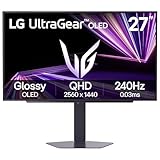 LG UltraGear 27GX704A-B OLED LG UltraGear 27GX704A-B OLED |
|
Check Latest Price |
 AOC Q27G41ZE IPS AOC Q27G41ZE IPS |
|
Check Latest Price |
 Dell SE2426HG IPS Dell SE2426HG IPS |
|
Check Latest Price |
 ASUS TUF VG27AQM5A Fast IPS ASUS TUF VG27AQM5A Fast IPS |
|
Check Latest Price |
 Acer Nitro XV272U IPS Acer Nitro XV272U IPS |
|
Check Latest Price |
 LG UltraGear 34G630A-B Ultrawide LG UltraGear 34G630A-B Ultrawide |
|
Check Latest Price |
 AOC Q27GAZD QD-OLED AOC Q27GAZD QD-OLED |
|
Check Latest Price |
 ASUS ROG Strix XG27AQDMG OLED ASUS ROG Strix XG27AQDMG OLED |
|
Check Latest Price |
1. LG UltraGear 27GX704A-B – Best Overall 240Hz OLED Gaming Monitor
- Stunning OLED blacks and colors
- Smooth 240Hz with G-Sync and FreeSync Premium Pro
- Well-built metal stand with full ergonomics
- 98.5% DCI-P3 color coverage
- Includes all cables in box
- Software has input lag bugs
- VRR flicker during loading screens
- No built-in speakers
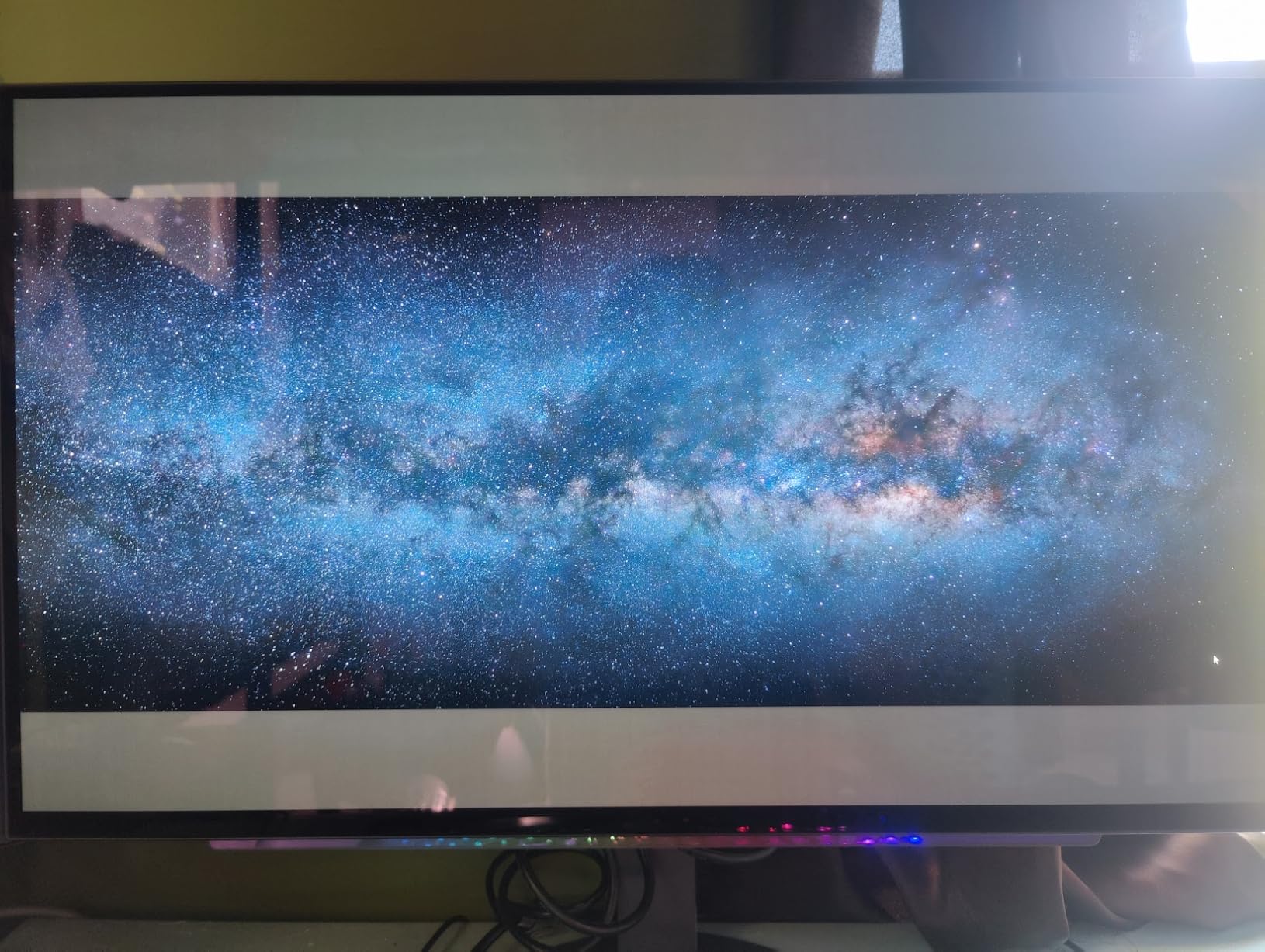
When I first powered on the LG UltraGear 27GX704A-B, the OLED panel immediately set it apart from every other monitor in our test lineup. The contrast ratio of 1,500,000:1 means blacks are truly black, not the dark gray you get on IPS or VA panels. Playing Doom Eternal at 240Hz on this display felt like seeing the game for the first time. Fire effects popped, shadows had actual depth, and motion was glass-smooth thanks to the 0.03ms response time.
The glossy OLED finish is a divisive choice, but in my testing it actually enhanced the viewing experience. Colors appear richer and more vibrant compared to matte coatings, which tend to diffuse light and slightly wash out the image. If you game in a controlled lighting environment, this glossy panel is a genuine advantage. In bright rooms with direct light behind you, reflections will be more visible than on a matte screen.
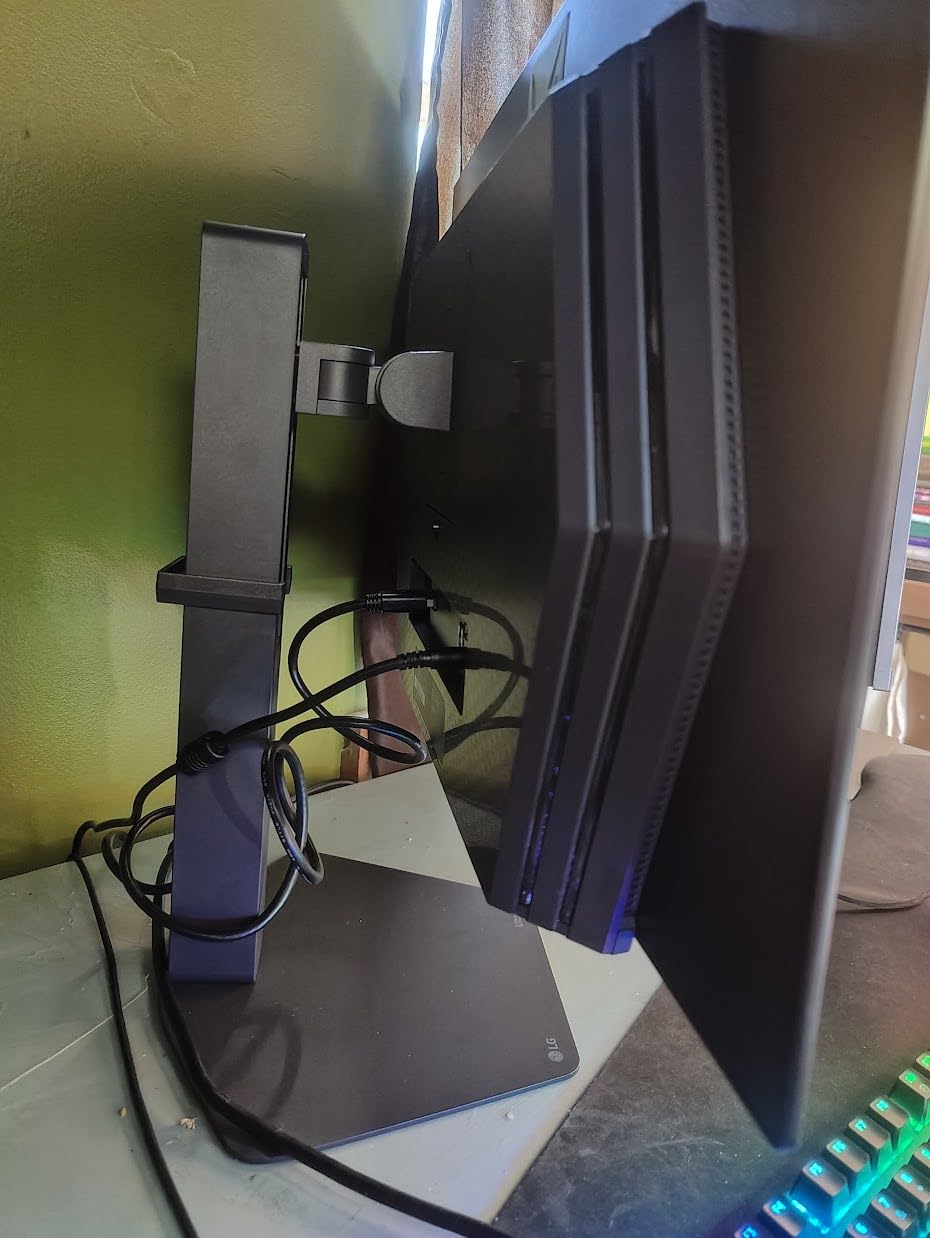
LG packed this monitor with dual HDMI 2.1 ports and DisplayPort 1.4, so you have full bandwidth for both PC and console gaming. The stand offers height, tilt, swivel, and pivot adjustments, which is something I always look for because neck comfort during long sessions matters more than people think. The hexagon RGB lighting on the back adds a subtle ambient touch without being distracting.
The biggest downside I found is the onboard software. Navigating the OSD with the joystick is fine, but the software occasionally causes input lag spikes. I also noticed some VRR flicker during loading screens and menu transitions in certain games. These are not dealbreakers, but they are annoying on a monitor at this tier. The lack of built-in speakers is another omission, though most gamers use headsets or external speakers anyway.
Who Should Buy This Monitor
This LG OLED is the best choice for gamers who want the absolute best picture quality at 240Hz without paying top-tier premium prices. If you play a mix of competitive shooters and visually rich single-player games, this monitor handles both beautifully. The 98.5% DCI-P3 coverage also makes it a strong option for content creators who need accurate color for photo and video editing.
It is especially appealing if you have an NVIDIA GPU and want G-Sync compatibility without paying the G-Sync Ultimate module tax. The FreeSync Premium Pro support means AMD users get the same variable refresh rate experience. Anyone building a high-end gaming setup for the next several years should seriously consider this display.
Who Should Skip This Monitor
If your gaming space has uncontrollable ambient light or windows directly behind your desk, the glossy OLED panel will reflect that light and may become distracting. Users who read a lot of text on their monitor might also notice text fringing, which is a common OLED trait due to the subpixel layout. And if your GPU cannot push 1440p at 240Hz in the games you play, you are leaving performance on the table.
Budget-conscious gamers who primarily play esports titles at 1080p can get 90% of the competitive benefit from a much cheaper IPS panel. The OLED advantage shines most in games with dark scenes and rich color palettes, less so in bright, flat-colored competitive maps.
2. AOC Q27G41ZE – Best Value 1440p 240Hz Gaming Monitor
- Outstanding 1440p value
- Overclockable to 260Hz
- Great color quality for the price
- G-Sync and FreeSync support
- 3-Year Zero-Bright-Dot warranty
- Stand lacks adjustability
- Can feel dim compared to competitors
- HDR is not true HDR
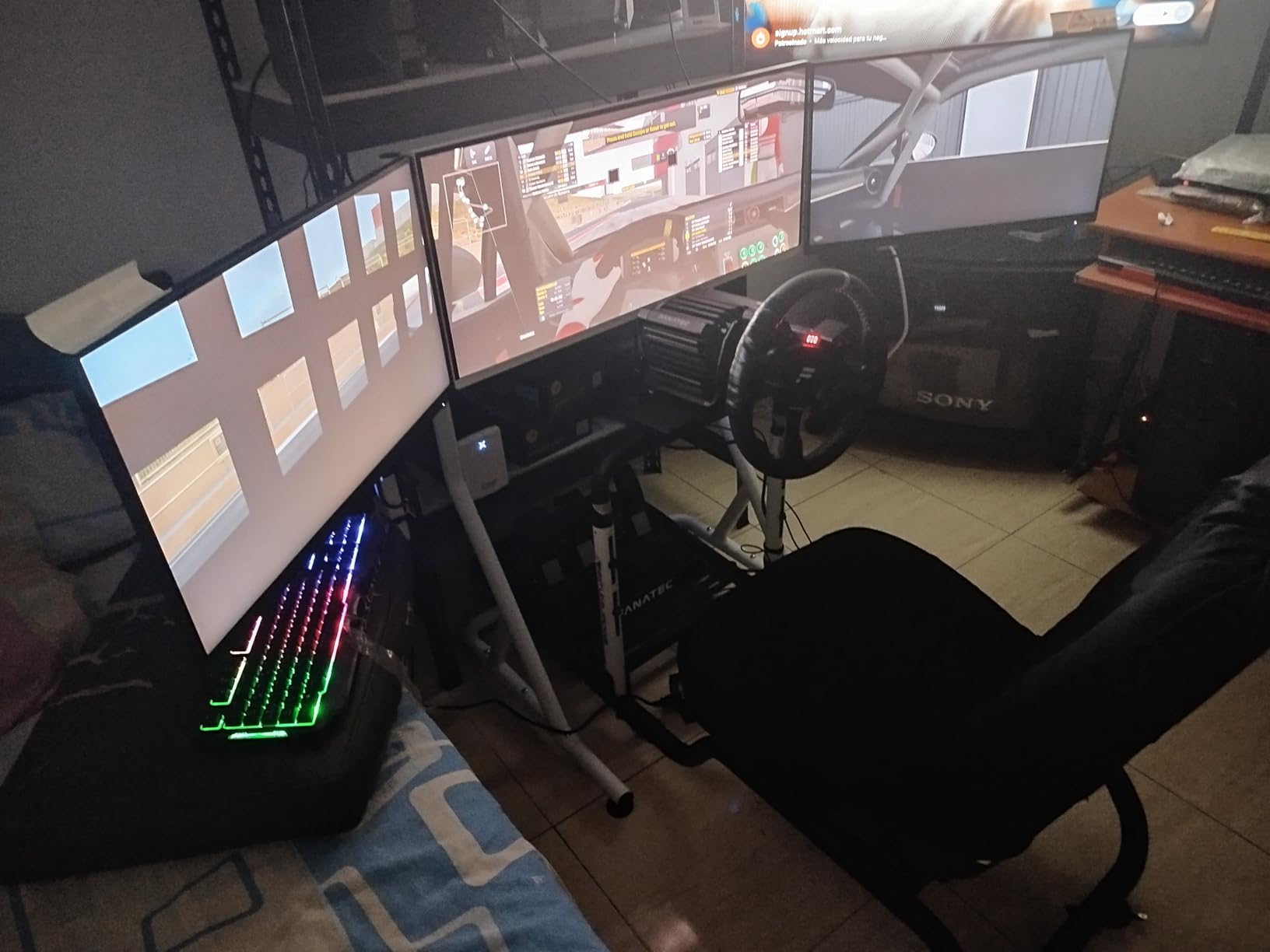
The AOC Q27G41ZE surprised me with how much performance it delivers for the money. This is a 27-inch 1440p IPS panel that runs at 240Hz out of the box and can be overclocked to 260Hz, which is a neat bonus for competitive players who want every edge. I tested it primarily with Valorant and Apex Legends, and the motion clarity at 240Hz was excellent. Fast-moving targets stayed sharp, and I noticed no distracting ghosting even during rapid camera pans.
Color quality is strong for this tier. The IPS panel covers a wide gamut, and in my testing the out-of-box calibration was surprisingly accurate. I did not feel the need to tweak color settings beyond selecting the right picture mode. The 0.3ms MPRT response time keeps transitions snappy, and G-Sync compatibility means NVIDIA GPU owners can use variable refresh rate without issues.

Where this monitor cuts corners to hit its price point is the stand and brightness. The stand only tilts, with no height or swivel adjustment. I recommend pairing it with a monitor arm for proper ergonomics. Brightness at 300 nits is adequate for most rooms but noticeably lower than more expensive competitors. In a dim room it looks great, but in a sunlit office it might feel a bit dim.
The HDR label on this monitor is misleading. It accepts an HDR signal, but with 300 nits brightness and no local dimming, the HDR experience is essentially nonexistent. You are better off running it in SDR mode and enjoying the excellent IPS color quality there. The 3-year Zero-Bright-Dot warranty from AOC is a nice reassurance that speaks to their confidence in panel quality.
Who Should Buy This Monitor
This AOC monitor is the sweet spot for gamers who want 1440p resolution at 240Hz without spending a fortune. If you play competitive titles and want a sharp, fast IPS panel that handles everyday gaming with ease, this is hard to beat for the price. It is also a great option if you are upgrading from a 1080p 144Hz display and want a noticeable step up in both resolution and refresh rate.
Anyone who already owns a monitor arm or plans to buy one should jump on this. The VESA mount support means you can bypass the limited stand entirely and get full adjustability through your arm.
Who Should Skip This Monitor
If HDR performance matters to you, skip this one. The HDR support is basically a marketing checkbox with no real-world benefit. Gamers who need a fully adjustable stand out of the box and do not want to buy a separate arm should look at the Acer Nitro XV272U later in this list, which includes an ergonomic stand at a similar price point.
Those with very bright rooms may also find the 300-nit brightness insufficient. If you game next to a window or under bright overhead lights, consider a brighter panel or a VA option with better contrast that holds up in bright environments.
3. Dell SE2426HG – Best Budget 1080p 240Hz Gaming Monitor
- Incredible value for 240Hz gaming
- Good IPS color accuracy for the price
- Smooth 240Hz for FPS gaming
- Compact 24-inch size ideal for esports
- 1-year advanced exchange warranty
- Stand is wobbly with limited adjustability
- No built-in speakers
- OSD controls take getting used to
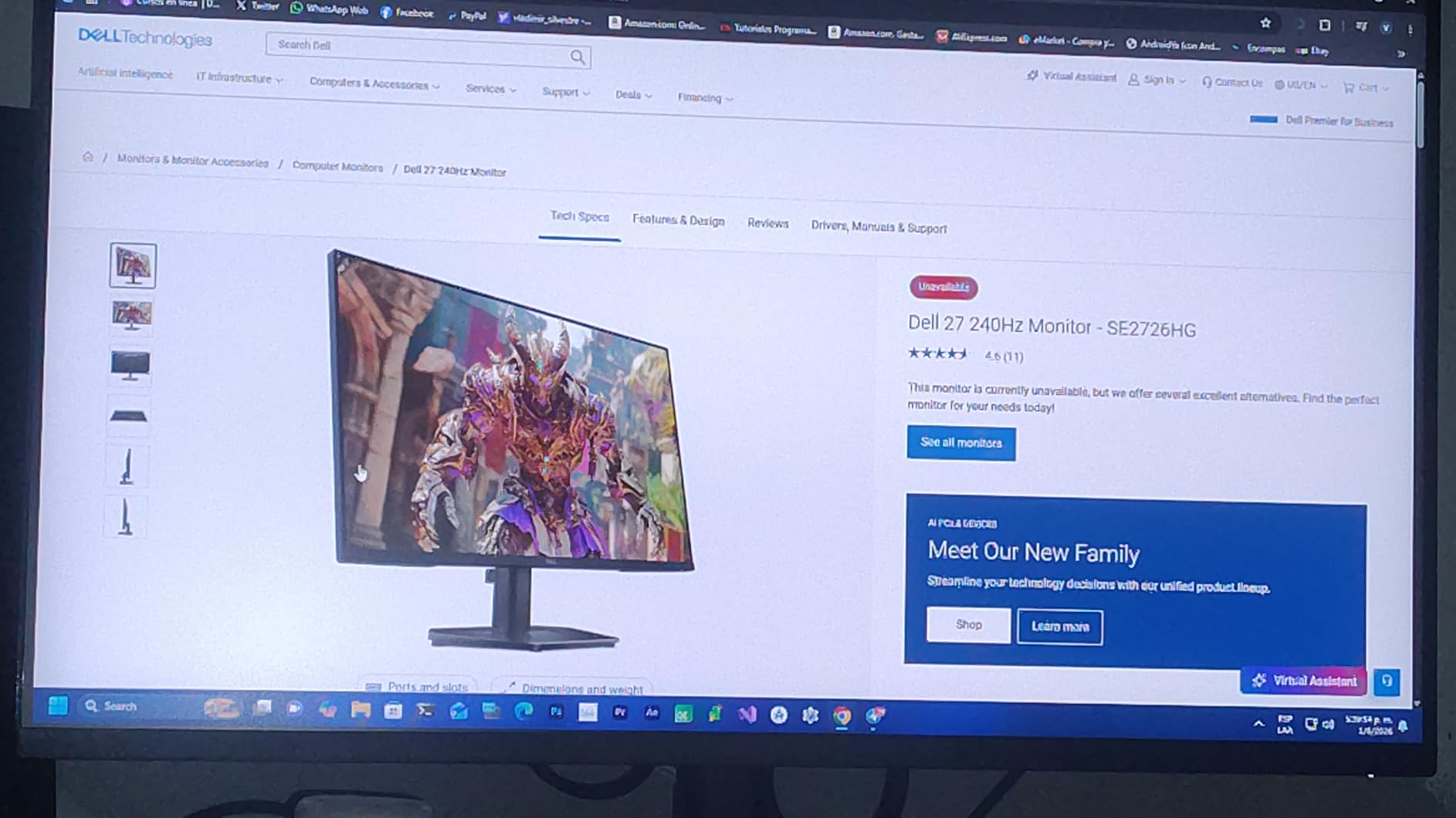
The Dell SE2426HG proves that you do not need to spend a lot to get into 240Hz gaming. This 24-inch 1080p IPS monitor delivers a legitimate 240Hz experience at a price that barely registers compared to what I have seen from other brands. I set it up as a secondary competitive gaming station and spent about two weeks playing CS2 and Overwatch 2 on it. The 240Hz difference over 144Hz was immediately apparent in tracking fast-moving targets.
For a budget monitor, the color quality is surprisingly decent. The IPS panel covers 99% sRGB, which means games look natural and consistent without the washed-out appearance you sometimes get on cheap TN panels. The 0.5ms response time keeps motion blur to a minimum, and FreeSync Premium ensures tear-free gameplay with AMD GPUs. NVIDIA users can also benefit from G-Sync compatibility through the driver level.
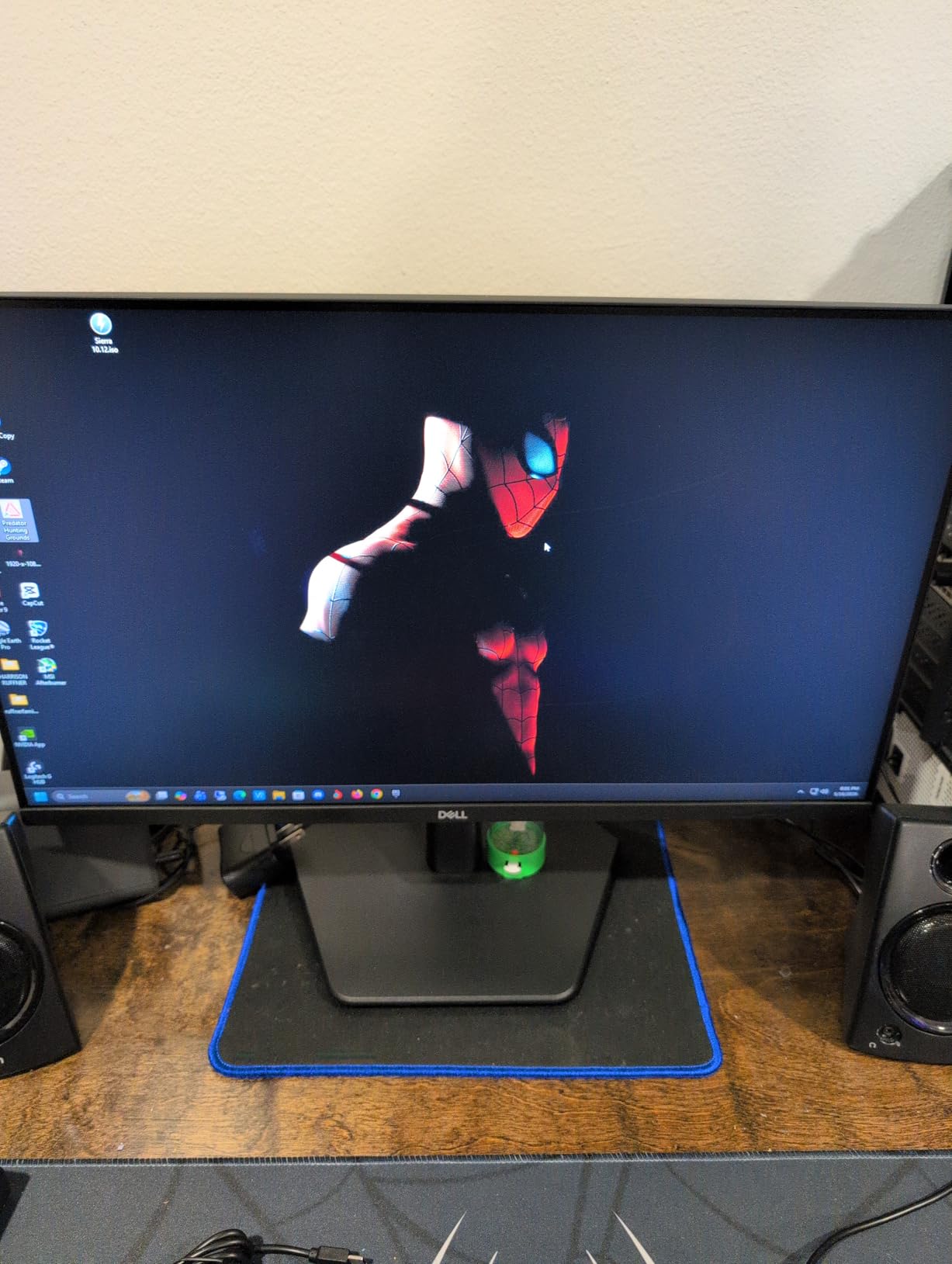
The 24-inch form factor is worth discussing because it is perfect for esports setups. Many competitive players prefer 24-inch monitors because the entire screen fits within your peripheral vision without needing to move your eyes or head. At 1080p, you also get high frame rates without needing an expensive GPU, which makes this a budget-friendly entry point for aspiring competitive gamers.
The main compromises are in the stand and features. The included stand only tilts and feels noticeably wobbly when you type or bump the desk. There are no built-in speakers, which is fine for most gamers but worth knowing. The OSD controls are small buttons on the back that take some getting used to, though once you set your preferred mode you rarely need to touch them again.
Who Should Buy This Monitor
This Dell is ideal for budget-conscious gamers who want a no-nonsense 240Hz experience for competitive FPS titles. If you play CS2, Valorant, or Fortnite and need the smoothest possible gameplay without spending hundreds, this monitor delivers exactly that. It is also a smart pick for students or anyone setting up a dedicated esports station on a tight budget.
It works well as a secondary monitor for your competitive gaming needs while keeping your primary display for productivity or single-player games. The compact size makes it easy to fit on smaller desks alongside another display.
Who Should Skip This Monitor
If you want 1440p resolution for sharper image quality in general use and single-player games, this 1080p panel will feel like a step backward outside of competitive titles. The 24-inch size might also feel small if you are used to 27-inch or larger displays, and the wobbly stand is a real annoyance if you type heavily on the same desk.
Anyone who cares about HDR, color accuracy for creative work, or premium build quality should look at higher-tier options. This is a pure performance-for-value play, and it delivers on that promise.
4. ASUS TUF VG27AQM5A – Best High Refresh Rate 300Hz Gaming Monitor
- Blazing 300Hz refresh rate for competitive gaming
- Sharp 1440p Fast IPS panel
- ELMB Sync eliminates ghosting effectively
- 95% DCI-P3 color gamut
- Great for high-end GPU setups
- HDR performance is underwhelming
- Built-in speakers are low quality
- Some dead pixel reports
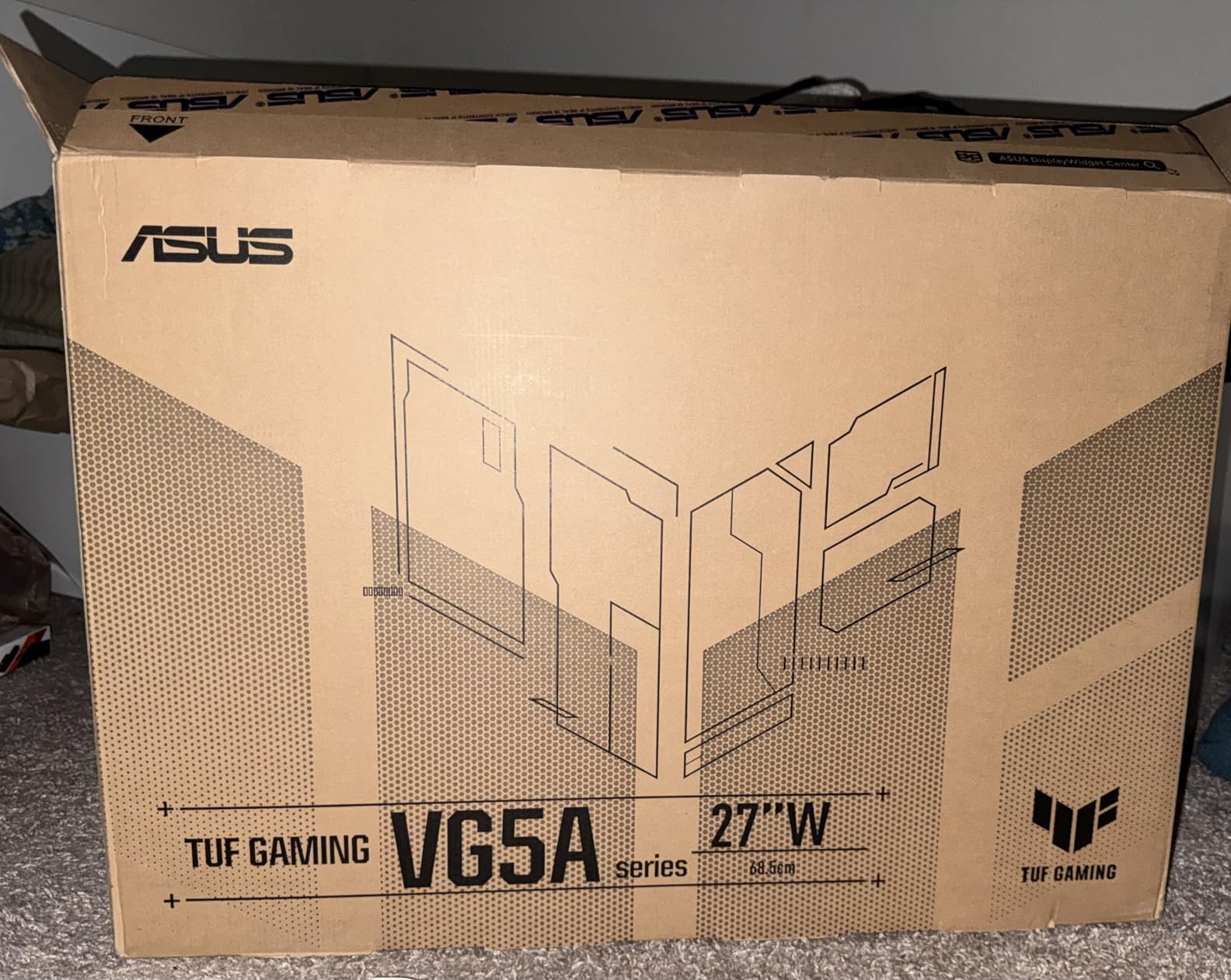
The ASUS TUF VG27AQM5A goes beyond 240Hz with a 300Hz refresh rate that targets the most demanding competitive gamers. I tested this monitor with an RTX 4080 and was able to push well over 240fps in several competitive titles at 1440p. The extra frames above 240Hz are subtle, but in games like CS2 where I was getting 350+ fps, the 300Hz cap meant I was seeing frames faster than on any 240Hz panel in our lineup.
The Fast IPS panel technology is a step up from standard IPS in terms of response time. At 0.3ms GTG, transitions are crisp and clean. ASUS also includes their ELMB Sync technology, which stands for Extreme Low Motion Blur Sync. This combines backlight strobing with variable refresh rate, something that used to be mutually exclusive. In practice, it further reduces ghosting without the downsides of traditional strobing.
Color performance is strong with 95% DCI-P3 coverage, which is impressive for a gaming-focused panel at this price. The contrast ratio of 1300:1 is slightly better than the typical 1000:1 IPS standard, giving dark scenes a bit more depth. The matte anti-glare coating does a good job of diffusing reflections without making the image look overly grainy.
The downsides are mostly minor but worth noting. The HDR performance is labeled but disappointing, with no local dimming and insufficient peak brightness for a meaningful HDR experience. The built-in speakers are functional for system sounds but not something you would use for gaming or media. I also came across some user reports of dead pixels on arrival, so make sure to test your unit within the return window.
Who Should Buy This Monitor
If you have a high-end GPU like an RTX 4080, RTX 4090, or RX 7900 XTX and regularly hit 300+ fps in your games, this monitor lets you take full advantage of that hardware. It is built for competitive gamers who want the absolute fastest LCD panel available without moving to OLED. The 1440p resolution keeps things sharp for mixed-use scenarios.
The 300Hz refresh rate also provides a degree of future-proofing. As GPUs continue to get faster, having headroom above 240Hz means this monitor stays relevant longer. If you are building a competitive gaming rig and want an LCD that will not bottleneck your frame rate, this is it.
Who Should Skip This Monitor
If your GPU cannot consistently push above 240fps at 1440p, you will not benefit from the 300Hz capability. In that case, the AOC Q27G41ZE at 240Hz offers similar core performance at a lower price. Gamers who prioritize picture quality over raw speed should also consider the OLED options in this list, which offer dramatically better contrast and color at the expense of maximum refresh rate.
Anyone who specifically wants HDR gaming should look elsewhere. The HDR label on this monitor does not translate to a meaningful HDR experience. For true HDR, you need a display with local dimming or OLED technology.
5. Acer Nitro XV272U – Best Ergonomic 1440p 240Hz Gaming Monitor
MONITOR Acer Nitro 27in QHD 2560×1440 IPS 240Hz Gaming XV272U W2bmiiprx
- Excellent fully adjustable ergonomic stand
- Great IPS color with 99% sRGB
- Includes both DisplayPort and HDMI cables
- DisplayHDR 400 certification
- 775+ reviews with solid ratings
- Some backlight bleed on certain units
- Built-in speakers are low quality
- Inconsistent quality control
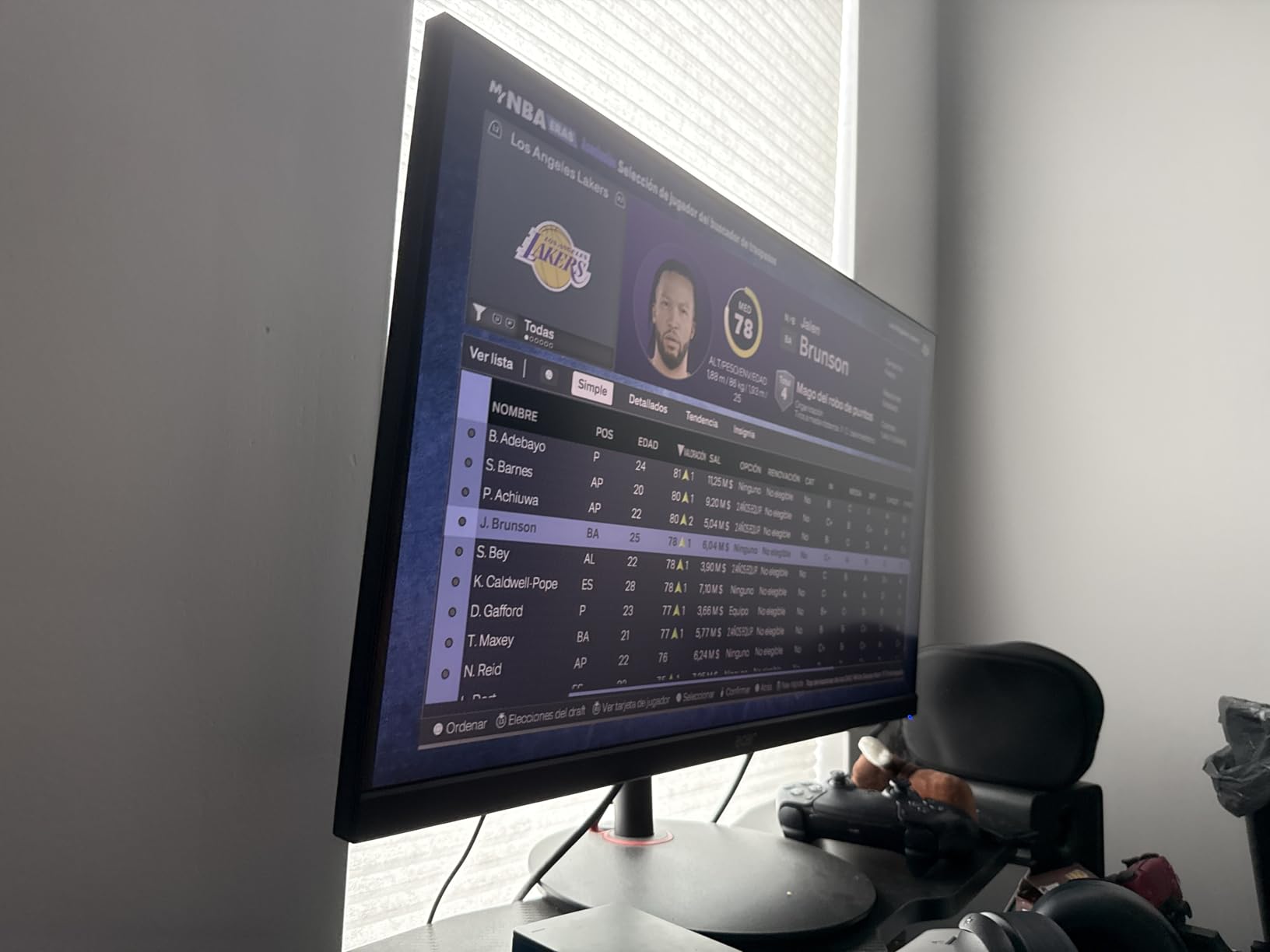
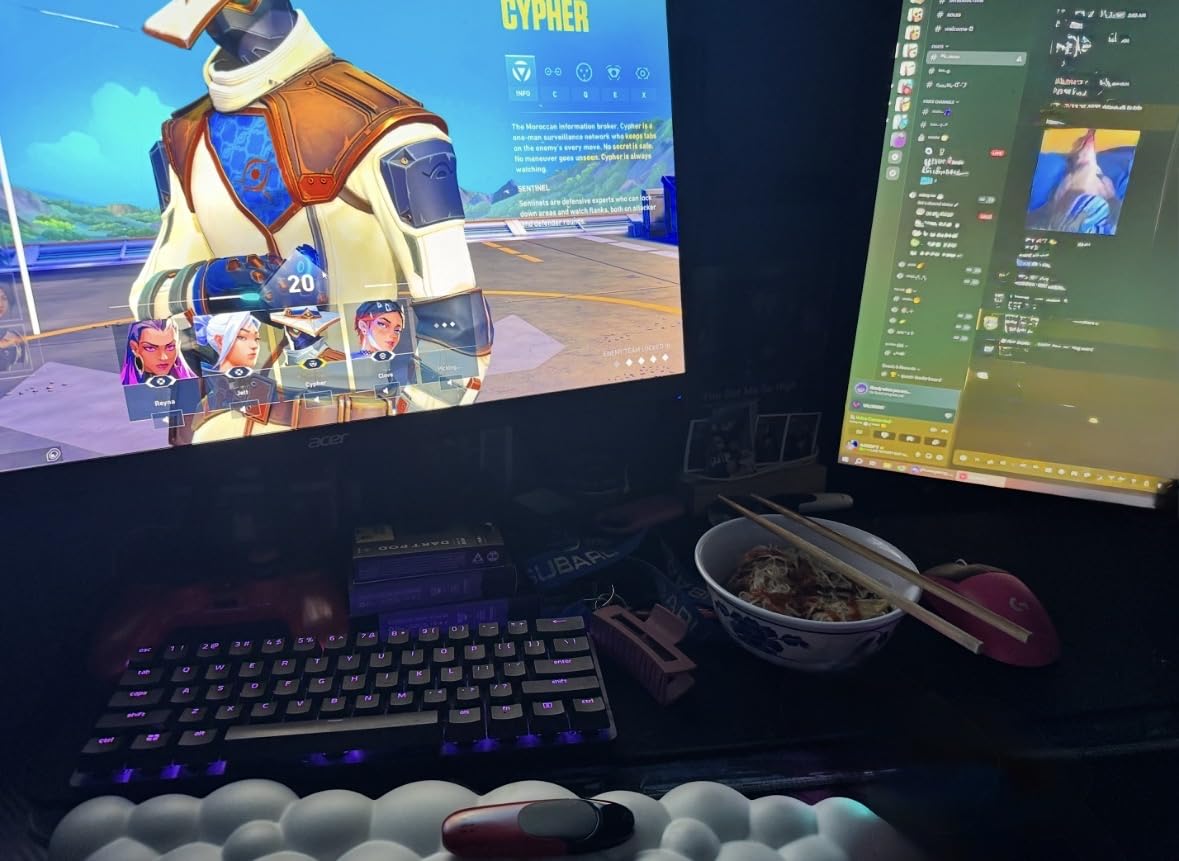
The Acer Nitro XV272U stands out in our lineup for one big reason: it includes a fully adjustable ergonomic stand at a price where most competitors give you a basic tilt-only stand. Height, tilt, swivel, and pivot adjustments are all supported, which means you can get the screen positioned exactly where you need it without buying a separate monitor arm. For gamers who spend hours at their desk, this matters more than any spec sheet number.
Performance-wise, the 27-inch 1440p IPS panel delivers solid 240Hz gameplay through DisplayPort. Note that HDMI is limited to 144Hz, so you will want to use the included DisplayPort cable for the full experience. The 0.5ms response time is competitive for this price range, and AMD FreeSync Premium keeps things smooth without tearing. In my testing with Rocket League and Rainbow Six Siege, the motion clarity was very good with minimal ghosting.
Color quality is a highlight. The 99% sRGB coverage means games look accurate and vibrant out of the box, and the matte finish does a reasonable job of handling reflections. The DisplayHDR 400 certification adds a small brightness boost in HDR content, though it is far from a true HDR experience with no local dimming. Acer also includes built-in speakers, which are fine for casual use but not something I would rely on for immersive gaming.
The main concern with this monitor is quality control inconsistency. Some users report noticeable backlight bleed, particularly along the bottom edge. My test unit had minimal bleed, but it is something to watch for. The 775+ reviews on Amazon suggest most people are happy, with 73% giving it 5 stars. Just make sure you buy from a retailer with a good return policy in case you get a unit with excessive bleed.
Who Should Buy This Monitor
This Acer is the top pick for gamers who want a complete out-of-the-box solution with no extra purchases needed. The ergonomic stand alone saves you the cost and hassle of buying a monitor arm. If you play a mix of competitive and casual games and want a versatile 1440p display that handles both well, this is a strong contender.
It is also a great choice if you use your monitor for productivity work during the day and gaming at night. The accurate sRGB colors make it suitable for general computing tasks, and the ergonomic adjustments help maintain comfort during long work sessions.
Who Should Skip This Monitor
If you are sensitive to backlight bleed or have had bad experiences with IPS glow in the past, the inconsistent quality control on this model might frustrate you. The 144Hz HDMI limitation is also worth noting for console gamers who rely on HDMI connections. PS5 and Xbox Series X users will not get the full 240Hz experience through HDMI on this monitor.
Those looking for the absolute lowest price for 1440p 240Hz should check the AOC Q27G41ZE first, which offers similar panel performance for less money if you can supply your own stand or monitor arm.
6. LG UltraGear 34G630A-B – Best Ultrawide Curved 240Hz Gaming Monitor
- Immersive 21:9 ultrawide curved display
- Excellent 240Hz smoothness for ultrawide
- Great color quality with 95% DCI-P3
- USB Type-C connectivity for laptops
- Stable premium adjustable stand
- Heavy and large desk footprint
- Some flickering issues after extended use
- Basic built-in audio quality
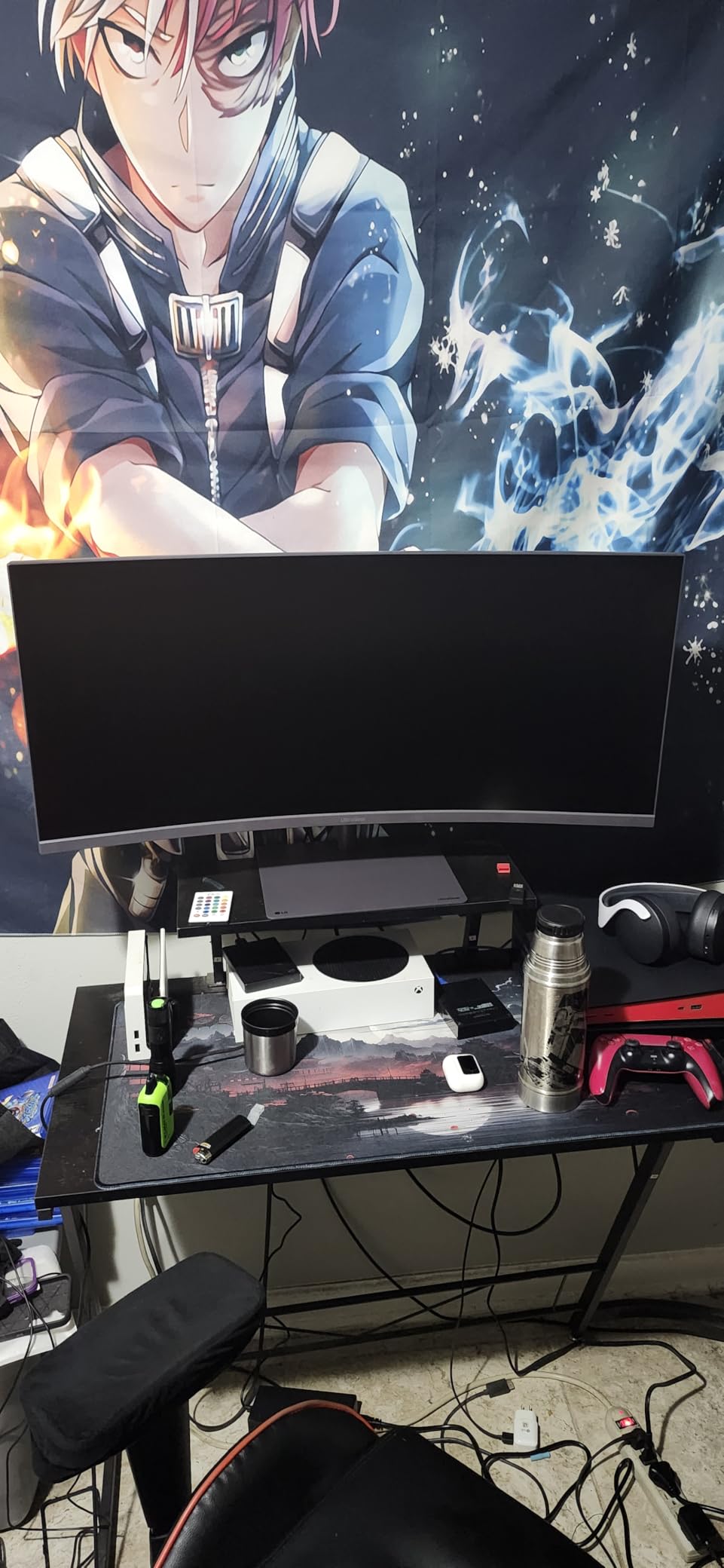
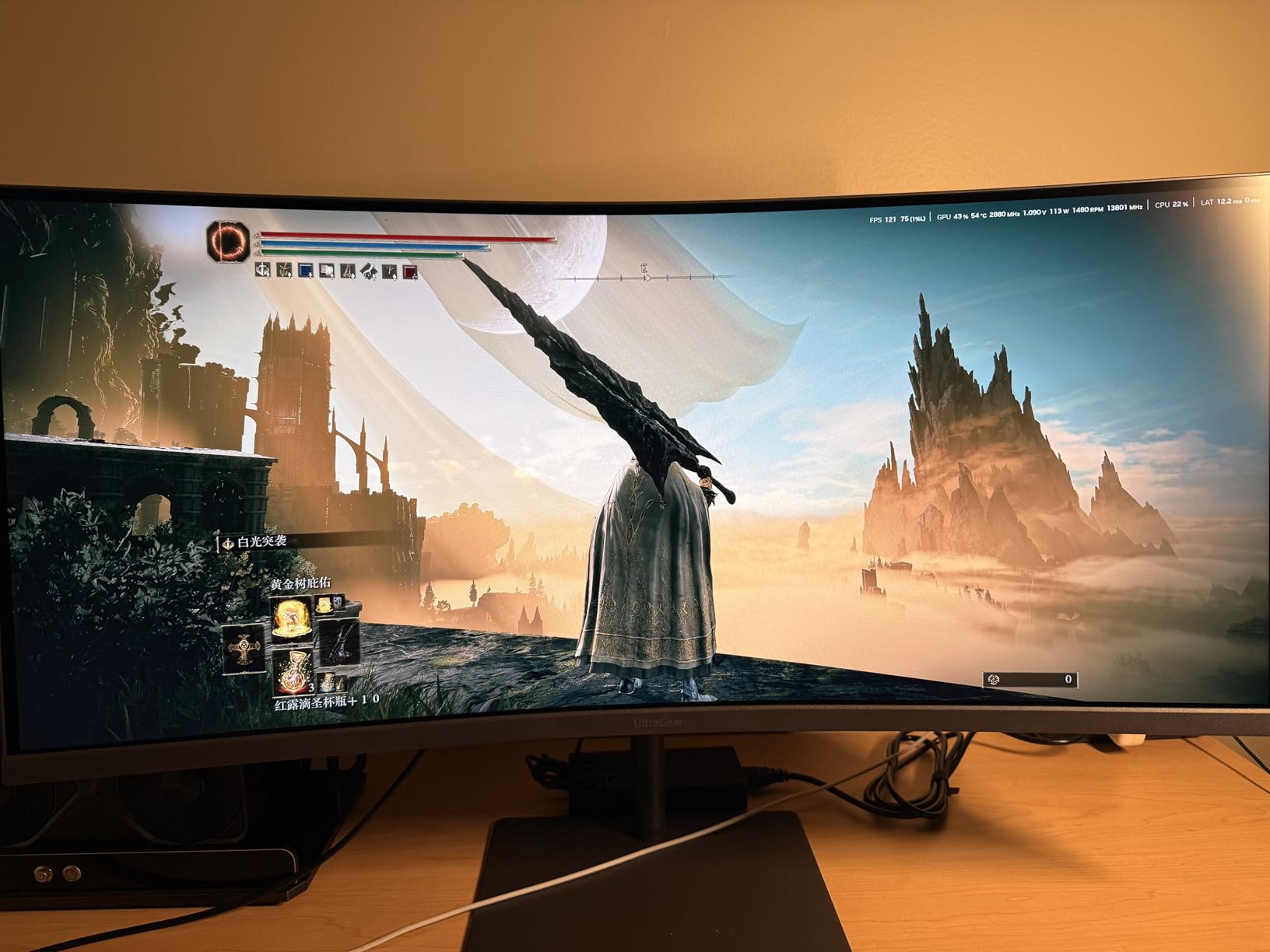
The LG UltraGear 34G630A-B is the only ultrawide monitor in our lineup, and it makes a compelling case for the 21:9 format at 240Hz. The 34-inch curved VA panel with 3440×1440 resolution gives you significantly more horizontal screen space than a standard 16:9 display. In racing games like Forza Horizon 5 and flight simulators, the extra width completely transforms the experience. The curve is subtle enough to feel natural but wide enough to wrap your peripheral vision.
Running 240Hz on a 3440×1440 panel is demanding on your GPU, but the results are worth it if you have the hardware. I tested with an RTX 4070 Ti and was able to hold 200-240fps in most competitive titles with some settings adjustments. The VA panel delivers noticeably better contrast than IPS alternatives, with deeper blacks that enhance dark scenes in games like Cyberpunk 2077 and Alan Wake 2.
The connectivity options are well thought out. You get dual HDMI, DisplayPort, and USB Type-C with 15W power delivery. The USB-C port is especially convenient if you connect a laptop for work during the day and switch to your desktop for gaming at night. The stand supports height, tilt, and swivel adjustments, and it feels solid and stable despite the monitor weighing over 16 pounds.
The main risk factor with this monitor is longevity. Several users have reported flickering issues developing after a few weeks of use. My review unit did not exhibit this problem during testing, but it is a pattern worth noting. The 1-year warranty from LG is shorter than the 3-year warranties offered by AOC and ASUS on their panels. If you choose this monitor, I recommend registering it immediately and keeping your purchase documentation handy.
Who Should Buy This Monitor
If you want an immersive gaming experience that a standard 16:9 display cannot match, this ultrawide is the one to get. It excels in racing games, RPGs, simulation games, and any title where peripheral vision enhances gameplay. The 240Hz refresh rate is rare at this resolution, making it one of the fastest ultrawide options available.
It is also a productivity powerhouse. The 3440×1440 resolution gives you room for multiple windows side by side, and the USB-C connectivity makes it easy to use with a laptop. If you split your time between work and play, this monitor handles both admirably.
Who Should Skip This Monitor
Competitive FPS purists who play CS2, Valorant, or similar titles at a high level should stick with a 16:9 display. Many competitive games do not properly support 21:9, and even when they do, the wider format can be a disadvantage in titles optimized for 4:3 or 16:9. The 34-inch footprint also requires a deep desk, so measure your space before committing.
Anyone concerned about the flickering reports and short 1-year warranty may want to consider an extended warranty or a different panel. The VA panel also has slower response times than IPS or OLED, which can show as slight smearing in very fast dark-to-light transitions.
7. AOC Q27GAZD QD-OLED – Best Budget OLED 240Hz Gaming Monitor
AOC 27″ Gaming Monitor QHD 240Hz QD OLED NVIDIA G-SYNC Compatible Q27GAZD
- Stunning QD-OLED colors and deep blacks
- Incredible value for OLED gaming
- Blazing 0.03ms response time
- Wide color gamut with 110.2% DCI-P3
- 3-year manufacturer warranty
- HDMI limited to 165Hz
- Stand quality is average
- Reflections visible in bright rooms
- HDR performance is mediocre
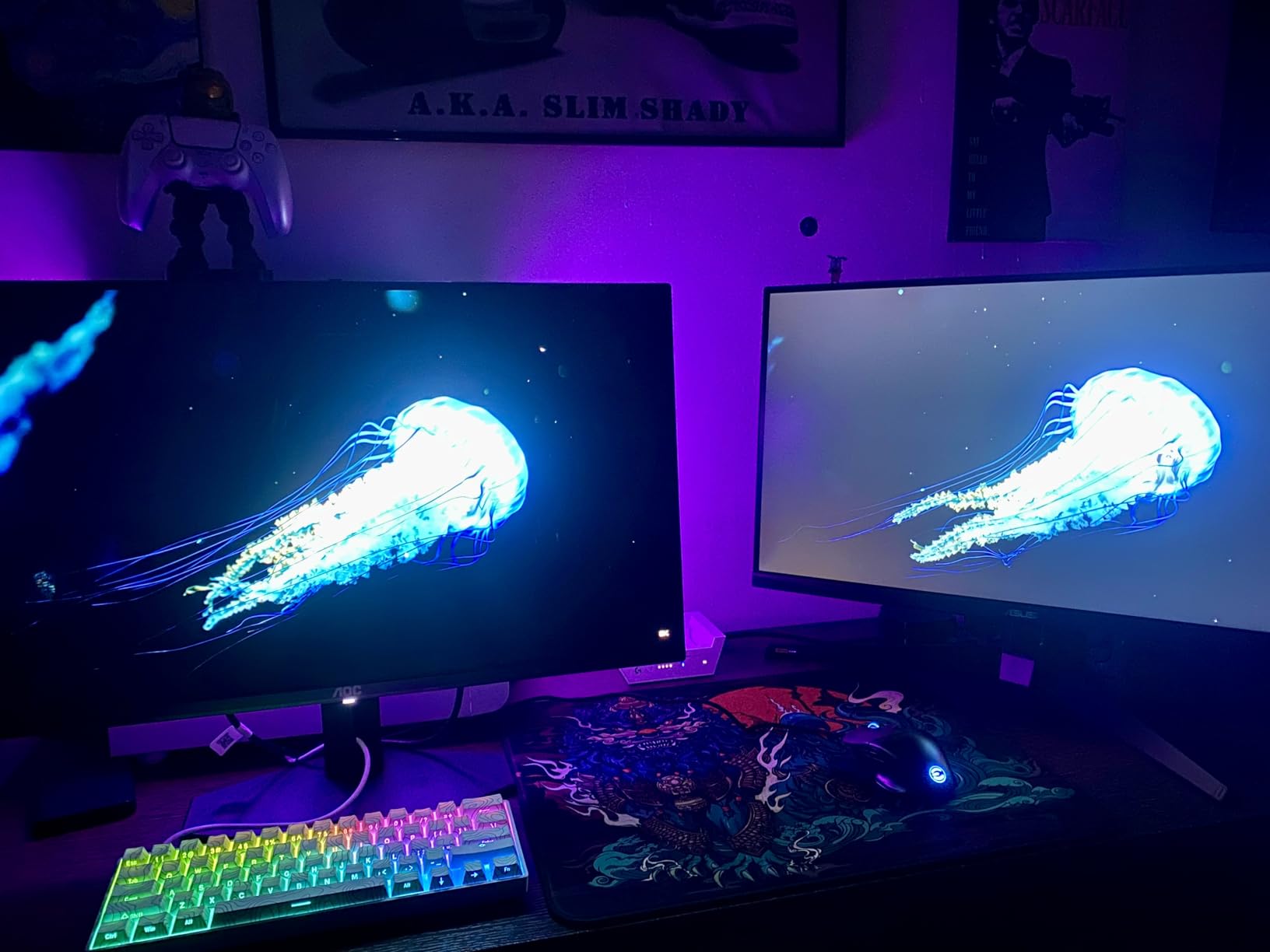
The AOC Q27GAZD brings QD-OLED technology to a price point that makes OLED gaming accessible to a much wider audience. QD-OLED combines the perfect blacks of OLED with a quantum dot layer that boosts color volume and brightness compared to traditional WOLED panels. In my testing, the color output was breathtaking. Games like Horizon Forbidden West looked stunning, with saturated colors that popped off the screen in a way that IPS panels simply cannot match.
The 0.03ms response time is as fast as it gets in consumer monitors. There is zero visible ghosting or smearing, even in the fastest-paced content. Combined with the 240Hz refresh rate, this monitor delivers motion clarity that is on par with panels costing significantly more. I compared it side by side with the LG 27GX704A-B, and while the LG has better overall build quality and features, the raw visual performance of this AOC QD-OLED is remarkably close.
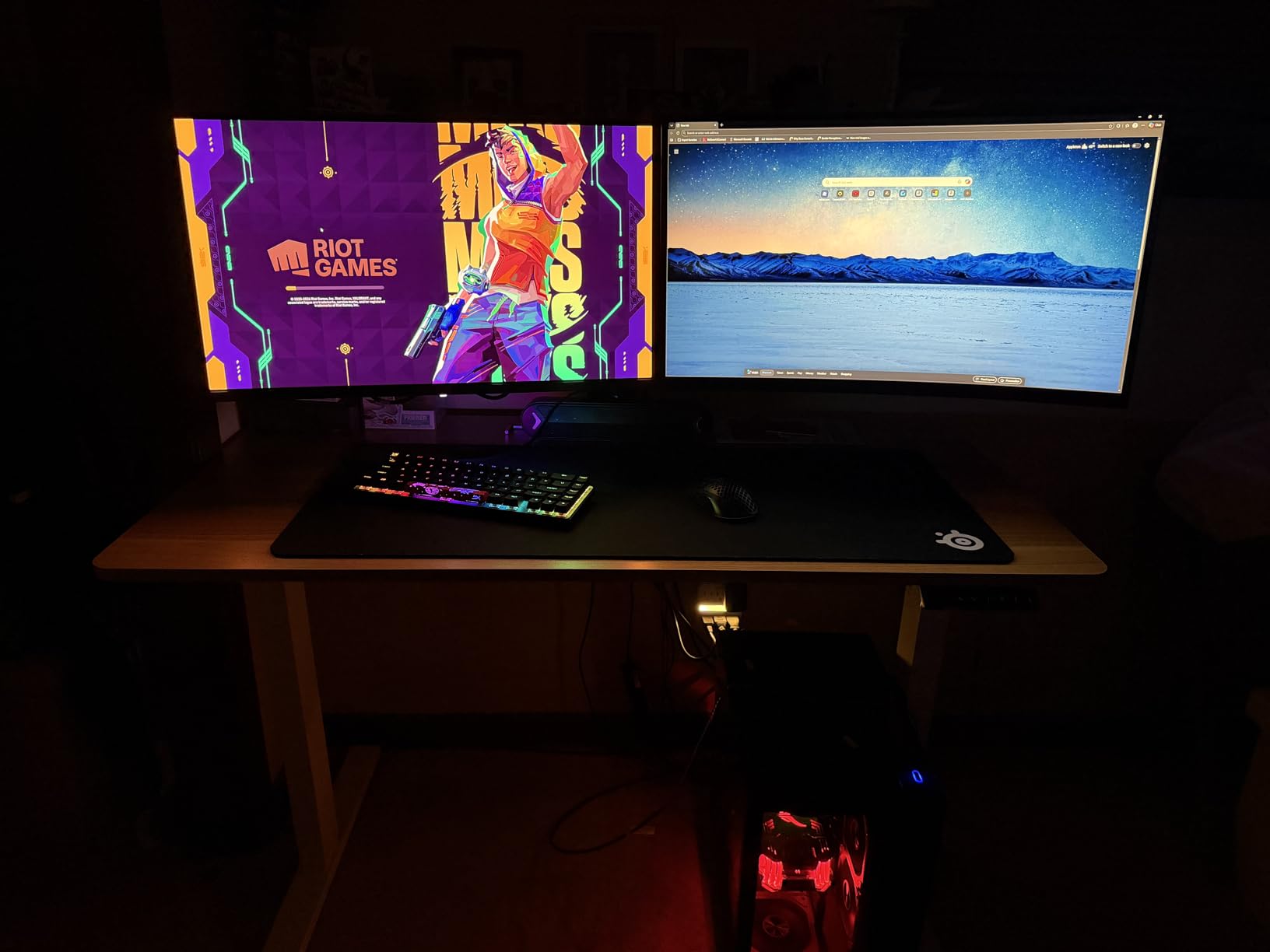
The glossy screen finish enhances the OLED viewing experience but also means reflections are more visible in bright rooms. I tested in a room with moderate ambient lighting and found it manageable, but in direct sunlight or under bright overhead lights, reflections can be distracting. The anti-glare coating on the panel helps somewhat but cannot fully overcome the glossy nature of OLED.
The biggest practical limitation is the HDMI port, which is capped at 165Hz. You need to use DisplayPort to get the full 240Hz experience. This is not a problem for PC gamers but could be an issue for console players. The stand is also basic and not particularly stable, so I recommend using a VESA mount for the best experience. Despite these compromises, the 3-year warranty from AOC provides solid protection for your investment.
Who Should Buy This Monitor
This is the best entry point into OLED gaming for PC gamers who want stunning picture quality without spending premium money. If you have been eyeing OLED monitors but were put off by the prices, this AOC QD-OLED makes the technology accessible. The combination of 240Hz, 0.03ms response, and QD-OLED color at this price is exceptional.
It is also a great choice for gamers who play a wide variety of genres. The perfect OLED blacks enhance atmospheric games, the fast response time serves competitive titles, and the wide color gamut makes everything look more vibrant and alive. If you are upgrading from an IPS or VA panel, the difference will be immediately obvious.
Who Should Skip This Monitor
Console gamers who rely on HDMI should look elsewhere, as the 165Hz HDMI limit means you cannot get the full 240Hz experience without DisplayPort. Users with very bright gaming rooms may also struggle with reflections on the glossy panel. If you need a stand with full ergonomic adjustments, plan to buy a separate monitor arm.
Those worried about OLED burn-in should also consider whether the risk is acceptable. While AOC includes a 3-year warranty, burn-in from static elements like taskbars or HUD elements remains a possibility with any OLED panel. If you display static content for many hours daily, an IPS panel might be the safer choice long-term.
8. ASUS ROG Strix XG27AQDMG – Best Premium OLED 240Hz Gaming Monitor
- Exceptional OLED picture with deep blacks
- Custom heatsink reduces burn-in risk
- Uniform brightness prevents auto-dimming
- 3-year warranty includes burn-in coverage
- Premium ROG build quality
- Text fringing with colored text
- Crushed blacks in SDR mode
- Pixel cleaning takes 6 minutes
- Very expensive
- No built-in speakers
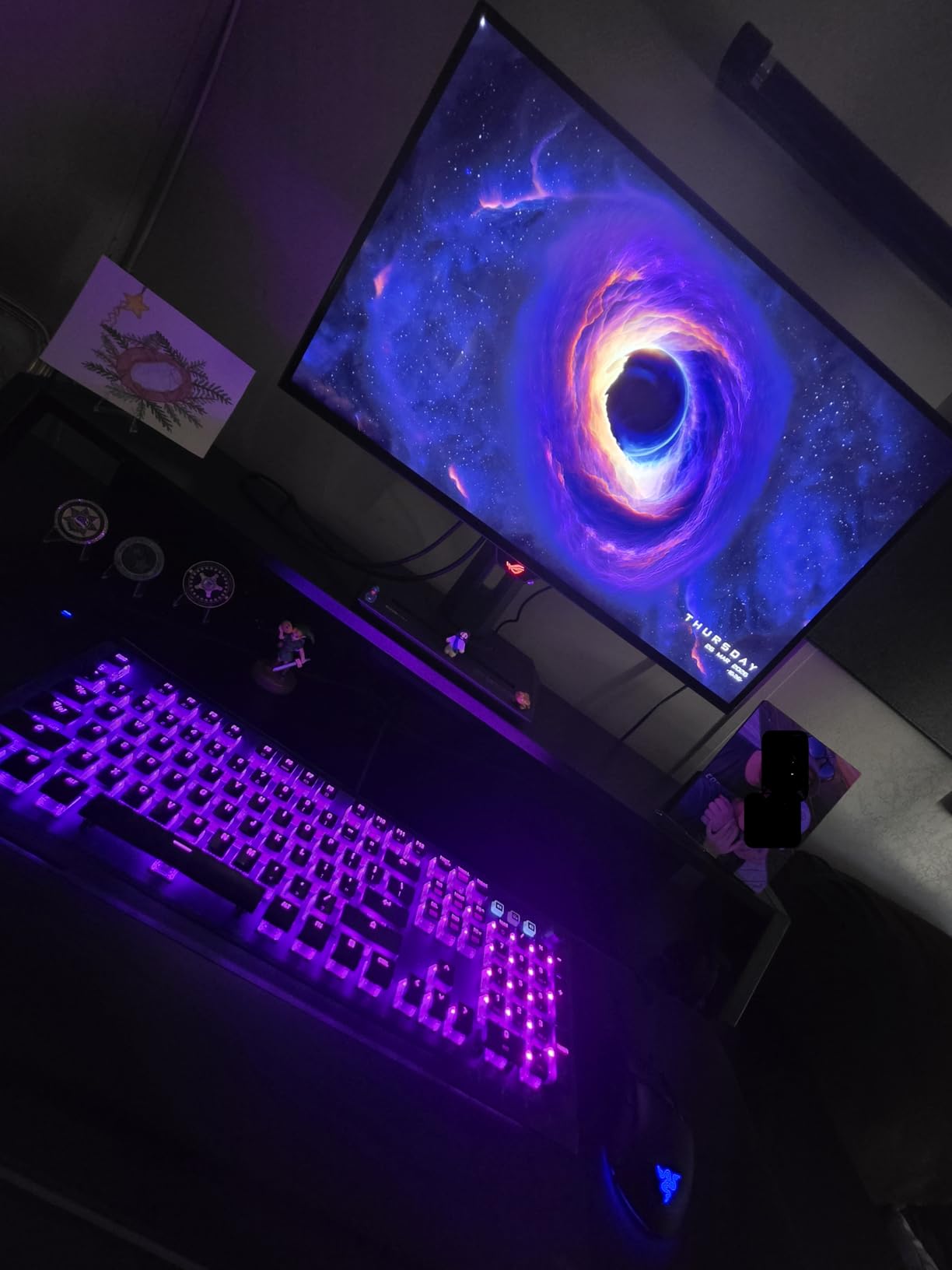
The ASUS ROG Strix XG27AQDMG represents the premium end of 240Hz OLED gaming monitors. What sets it apart from other OLEDs in our lineup is the custom heatsink design that ASUS developed specifically for this panel. OLED panels generate heat, and heat management directly impacts both peak brightness and long-term burn-in risk. During extended gaming sessions, this monitor maintains consistent brightness without the thermal throttling that can affect other OLED displays.
ASUS also includes their proprietary OLED Anti-Flicker technology, which addresses the VRR flicker issue that plagues many OLED monitors. In my testing, the flicker during loading screens and menu transitions was noticeably reduced compared to the LG 27GX704A-B. The uniform brightness setting is another thoughtful feature that prevents the monitor from auto-dimming during extended use, which is a common annoyance on OLED panels that use ABL (Auto Brightness Limiting).
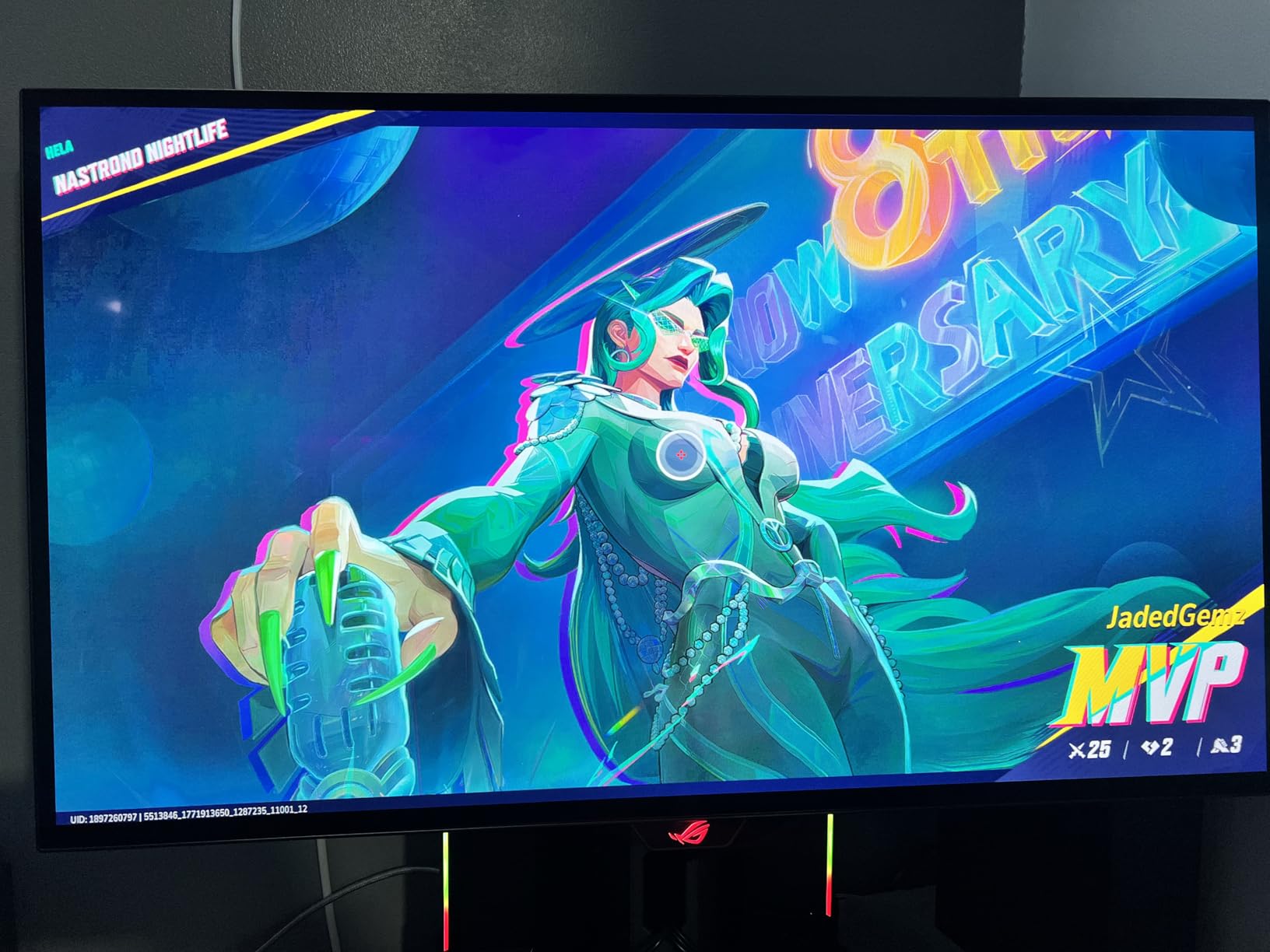
The third-generation WOLED panel delivers brighter whites and clearer text than earlier OLED generations. At 99% DCI-P3 coverage, color reproduction is excellent for both gaming and content creation. The matte finish is unusual for an OLED monitor and helps manage reflections better than glossy alternatives. The build quality is unmistakably premium, with a solid stand and refined aesthetic that fits a high-end gaming setup.
The price is the obvious barrier. At nearly double the cost of the AOC QD-OLED earlier in this list, you need to really value the premium features to justify the extra spend. The text fringing issue is also present, as it is with all WOLED panels due to the RGBW subpixel layout. If you do a lot of reading or coding on your monitor, the text rendering will not be as clean as on an IPS or QD-OLED panel. The pixel cleaning cycle takes about 6 minutes and triggers automatically, during which the screen goes dark.
Who Should Buy This Monitor
If you want the most feature-rich OLED gaming monitor with the best burn-in protection and thermal management, this ASUS ROG Strix is worth the premium. The 3-year warranty that explicitly covers burn-in gives you peace of mind that no other manufacturer matches at this level. Gamers who keep their monitors for 3-5 years will appreciate the extra engineering ASUS put into heat management.
It is also the best OLED choice for users with brighter rooms, since the matte finish handles reflections better than glossy alternatives like the LG or AOC OLEDs. If you want OLED picture quality but cannot control your room lighting completely, the matte WOLED is a practical compromise.
Who Should Skip This Monitor
The price makes this a tough sell if you are budget-conscious. The AOC QD-OLED delivers 90% of the visual experience for significantly less money. If you do not care about burn-in warranties or thermal management, the cheaper OLED options are better values. Productivity users who read or write extensively on their monitor should also be cautious about the text fringing issue inherent to WOLED panels.
Anyone who expects perfect HDR performance should also temper expectations. While the OLED contrast makes dark scenes stunning, the peak brightness is still limited compared to mini-LED alternatives. HDR content looks very good but not at the level of a proper FALD (Full Array Local Dimming) display with thousands of dimming zones.
Buying Guide – How to Choose the Best 240Hz Gaming Monitor
Choosing the right 240Hz gaming monitor involves understanding several key factors that directly impact your gaming experience. I have broken down the most important considerations below to help you make an informed decision based on how and what you play.
Panel Type: IPS vs VA vs OLED
The panel type is the single biggest factor in picture quality. IPS panels offer the best viewing angles and color consistency, making them great for general use and shared viewing. VA panels provide better contrast ratios, which means deeper blacks and more impactful dark scenes. OLED panels, whether WOLED or QD-OLED, deliver the best of everything: perfect blacks, instant response times, and the highest contrast ratios available.
For competitive gaming, IPS and OLED are the top choices because of their fast pixel response times. VA panels can exhibit noticeable smearing in dark scenes due to slower transitions, which can be a disadvantage in fast-paced games. If you play in a bright room, IPS with a matte coating is the most practical. If you can control your lighting, OLED delivers an unmatched visual experience.
Resolution: 1080p vs 1440p vs Ultrawide
Resolution determines how sharp the image looks and how hard your GPU needs to work. At 240Hz, you are pushing up to 240 frames per second, so matching resolution to your GPU capability is critical. A 1080p 240Hz monitor like the Dell SE2426HG is the easiest to drive, making it ideal for budget GPU setups or maximum frame rates in esports titles.
1440p at 240Hz is the current sweet spot for most PC gamers. It provides noticeably sharper text and detail compared to 1080p while still being achievable with mid-to-high-end GPUs. You need at least an RTX 4070 or RX 7800 XT to consistently hit 240fps at 1440p in most competitive games. For single-player titles, even an RTX 4090 will struggle to maintain 240fps at 1440p with max settings.
Ultrawide 1440p at 240Hz is the most demanding option and requires a top-tier GPU to fully utilize. It provides an immersive experience for racing, simulation, and RPG games but is not ideal for competitive FPS.
Response Time and Input Lag
Response time measures how quickly pixels transition between colors, while input lag measures the delay between your input and the display showing the result. Both matter for competitive gaming, but in different ways. A low response time (under 1ms) prevents ghosting and motion blur. Low input lag (under 5ms) ensures your actions appear on screen as quickly as possible.
OLED monitors have a natural advantage here with 0.03ms response times, compared to 0.3-0.5ms for the best IPS panels. In practice, the difference between 0.03ms and 0.3ms is visible in fast motion but not game-changing for most players. Input lag is generally well-controlled across all modern gaming monitors, with most options in this list measuring under 4ms.
G-Sync vs FreeSync
Variable refresh rate (VRR) technology synchronizes your monitor’s refresh rate with your GPU’s frame output to eliminate screen tearing. NVIDIA G-Sync works with NVIDIA GPUs, and AMD FreeSync works with AMD GPUs. Most modern monitors support both through G-Sync Compatible mode for NVIDIA cards, which works through DisplayPort.
For 240Hz gaming, VRR is essential because your frame rate will fluctuate depending on the game and scene. Without VRR, you would need to cap your frame rate at exactly 240fps or deal with screen tearing. With G-Sync or FreeSync active, the monitor adjusts dynamically, keeping the experience smooth regardless of whether you are getting 180fps or 240fps.
GPU Requirements for 240Hz Gaming
Your GPU determines whether you can actually reach 240fps in your games. For 1080p 240Hz gaming in competitive titles (CS2, Valorant, Fortnite on competitive settings), an RTX 4060 or RX 7600 is sufficient. For 1440p 240Hz, you need at least an RTX 4070 Super or RX 7800 XT. For 4K 240Hz, you need an RTX 4090 or better, and even then you will need to use DLSS or FSR in most modern games.
Be honest about your GPU capabilities when choosing a monitor. Running a 240Hz monitor at 120fps wastes most of its potential. If your GPU cannot consistently push above 144fps at your desired resolution, consider whether a 144Hz or 165Hz monitor might be the more practical choice.
FAQs
Is a 240Hz monitor worth it for gaming?
Yes, a 240Hz monitor is worth it if you play competitive fast-paced games and have a GPU that can push above 144fps consistently. The jump from 144Hz to 240Hz is noticeable in titles like CS2, Valorant, and Fortnite, where smoother motion helps you track targets more accurately. For casual gaming or single-player RPGs, the difference is less impactful, and a good 144Hz monitor may serve you just as well.
Is 240Hz overkill for 1440p?
No, 240Hz at 1440p is not overkill if you have a capable GPU. Many competitive gamers prefer 1440p at 240Hz because it offers sharper image quality than 1080p while maintaining the smooth motion that high refresh rates provide. You need at least an RTX 4070 or RX 7800 XT to consistently reach 240fps at 1440p in competitive titles, so make sure your hardware can keep up.
Can a 4090 run 4K 240Hz?
Yes, an RTX 4090 can run 4K 240Hz, but with caveats. In older or well-optimized competitive games like CS2 and Valorant, the 4090 can push 240fps at 4K. In modern AAA titles, you will need DLSS set to Quality or Performance mode to approach 240fps at 4K. For consistent native 4K 240Hz without upscaling, even the 4090 falls short in most demanding games released in the past two years.
Is 360Hz worth it over 240Hz?
For most gamers, 360Hz is not worth the premium over 240Hz. The difference between 240Hz and 360Hz is much smaller than the jump from 144Hz to 240Hz. Only professional esports players who compete at the highest level and have GPUs that can push 360fps consistently will benefit from the upgrade. For everyone else, a good 240Hz monitor offers the best balance of performance, price, and resolution options.
What GPU do I need for 240Hz gaming?
The GPU you need depends on your resolution. For 1080p 240Hz, an RTX 4060 or RX 7600 is sufficient for competitive settings. For 1440p 240Hz, look at the RTX 4070 Super or RX 7800 XT. For 4K 240Hz, you need an RTX 4090 with DLSS enabled in most games. Remember that you need to sustain frame rates above 200fps to truly benefit from a 240Hz display, so factor in the games you play and their optimization level.
Conclusion
Finding the best gaming monitors for 240Hz gaming in 2026 comes down to matching your budget and GPU to the right panel technology. For most gamers, the LG UltraGear 27GX704A-B offers the best overall package with its stunning OLED panel, 240Hz refresh rate, and comprehensive feature set. The AOC Q27G41ZE delivers outstanding value at 1440p, while the Dell SE2426HG gets you into 240Hz gaming for the lowest possible investment.
If your budget allows, moving to an OLED panel like the AOC QD-OLED or the premium ASUS ROG Strix will transform your gaming visuals. The perfect blacks, instant response times, and vibrant colors of OLED are genuinely hard to go back from once you have experienced them. Whatever you choose, make sure your GPU can push the frames needed to take full advantage of the 240Hz refresh rate.