
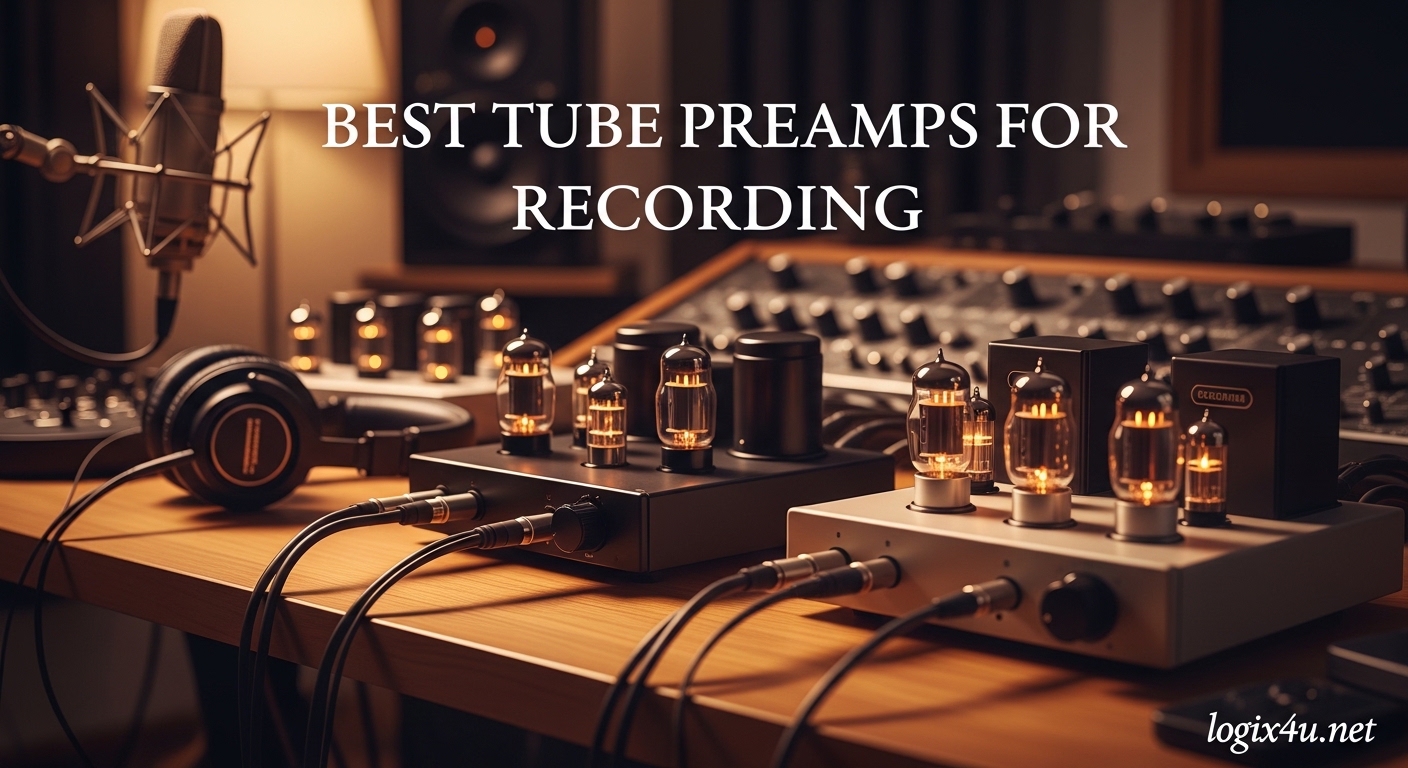
Finding the right tube preamp can completely change how your recordings sound. I have spent years testing different preamps in my home studio, running vocals, guitars, bass, and acoustic instruments through dozens of units to figure out which ones actually deliver that warm, analog character we all chase. If you are looking for the best microphone preamps for vocals, tube-based options deserve serious consideration.
Tube preamps use vacuum tubes to amplify your microphone or instrument signal before it hits your audio interface. What makes them special is the natural harmonic saturation they add when you push the gain. Unlike digital plugins that try to simulate warmth, a real tube preamp gives you genuine even-order harmonics that make vocals sound fuller, guitars sound richer, and overall recordings feel more alive. Whether you are setting up a home recording space or upgrading a professional studio, the right tube preamp is one of the best investments you can make for your signal chain.
In this guide, our team has narrowed down the best tube preamps for recording to 10 standout options. We cover everything from budget-friendly picks under $120 to professional-grade channel strips and legendary units hand-built in the USA. Each product has been evaluated for sound quality, build, features, and real-world performance. We also paired these preamps with some of the best microphones for recording vocals to give you a complete picture of how they perform in actual recording sessions.
Top 3 Picks for Best Tube Preamps for Recording (September 2026)

Universal Audio SOLO/610
- Classic Putnam 610 Sound
- Hand-Built in USA
- All-Tube Design
- Impedance Selection

ART Tube MP Studio V3
- Variable Valve Voicing
- OPL Protection
- Analog VU Meter
- 48V Phantom Power

Behringer MIC500USB
- 16 Preamp Voicings
- Built-In USB Interface
- 48V Phantom Power
- Zero-Latency Monitoring
Best Tube Preamps for Recording in 2026
| Product | Specifications | Action |
|---|---|---|
| Universal Audio SOLO/610 |
|
Check Latest Price |
| ART Tube MP Studio V3 |
|
Check Latest Price |
 PreSonus TubePre v2 PreSonus TubePre v2 |
|
Check Latest Price |
 PreSonus STUDIOCHANNEL PreSonus STUDIOCHANNEL |
|
Check Latest Price |
 ART Pro Channel II ART Pro Channel II |
|
Check Latest Price |
| Behringer MIC500USB |
|
Check Latest Price |
 ART Tube MP Project Series ART Tube MP Project Series |
|
Check Latest Price |
 Behringer VOICE STUDIO Behringer VOICE STUDIO |
|
Check Latest Price |
 Behringer MIC300 Behringer MIC300 |
|
Check Latest Price |
 ART Tube MP Project USB ART Tube MP Project USB |
|
Check Latest Price |
1. Universal Audio SOLO/610 – Classic Putnam Console Sound
- Legendary Putnam 610 console tone
- All-tube warmth and clarity
- Hand-built in USA quality
- Excellent gain and impedance selection
- Premium price point
- Single channel only
- Limited user review count
The Universal Audio SOLO/610 is the real deal. This preamp brings the legendary sound of Bill Putnam’s original 610 console straight into your studio. When I first ran a vocal track through it, the difference was immediate and obvious. Vocals gain a rich, three-dimensional quality that sits perfectly in a mix without needing much processing afterwards.
Every SOLO/610 is hand-built in the USA, and the build quality reflects that. The unit feels substantial and well-constructed with a stainless steel enclosure. You get dedicated controls for gain, level, and impedance selection, which gives you tons of tonal variety depending on what microphone you are pairing it with. The impedance switching is particularly useful because it lets you match the preamp to different mic types for optimal performance.
The all-tube signal path is what makes this preamp special. Unlike hybrid designs that combine tube and solid-state stages, the SOLO/610 runs the entire signal through tubes. This gives you a genuine vintage character that is hard to replicate. I found it especially impressive on vocals and acoustic guitar, where the added warmth and harmonic richness make tracks sound polished right from the start. The DI input also makes it a great choice for recording bass guitar directly.
Who should buy the Universal Audio SOLO/610
This preamp is ideal for serious recording engineers and studio owners who want the authentic vintage tube console sound. If you record a lot of vocals, acoustic instruments, or bass DI tracks and want that classic analog character without reaching for plugins, the SOLO/610 delivers in spades. It is also a great match for anyone already invested in the Universal Audio ecosystem.
Who should look elsewhere
If you are just starting out with recording or working with a tight budget, there are more affordable options on this list that deliver excellent results. The SOLO/610 is a professional investment. Also, if you need multiple channels for drum recording or ensemble tracking, a single-channel unit like this will not cover all your needs unless you buy more than one.
2. ART Tube MP Studio V3 – Best Value Tube Preamp
- Excellent build quality with metal casing
- Variable Valve Voicing for tone shaping
- Very quiet operation
- Output Protection Limiting safeguards gear
- No power switch
- Stock tube benefits from upgrade
- Occasional defective VU meter
The ART Tube MP Studio V3 punches well above its weight class. With over 500 customer reviews and a solid 4.5-star average, this preamp has earned its reputation as one of the best value tube preamps you can buy. I have used this unit on everything from podcast vocals to acoustic guitar recordings, and it consistently adds a pleasing warmth that elevates the recording.
What sets the V3 apart from earlier ART models is the Variable Valve Voicing control. This lets you dial in the exact amount of tube character you want, from clean and transparent to thick and saturated. The Output Protection Limiting circuit is a smart feature that prevents your signal from clipping and damaging downstream equipment. The analog VU meter with its incandescent backlight looks fantastic and actually helps you set proper gain levels.
Build quality is surprisingly good for the price. The metal casing feels solid and durable, and the unit runs very quietly with a good signal-to-noise ratio. The V3 includes 48V phantom power for condenser mics, a +20dB boost switch for low-output microphones, and a phase reverse switch. One thing worth noting: the stock Chinese tube works fine, but swapping it for a higher-quality Russian or NOS tube noticeably improves the warmth and overall character.
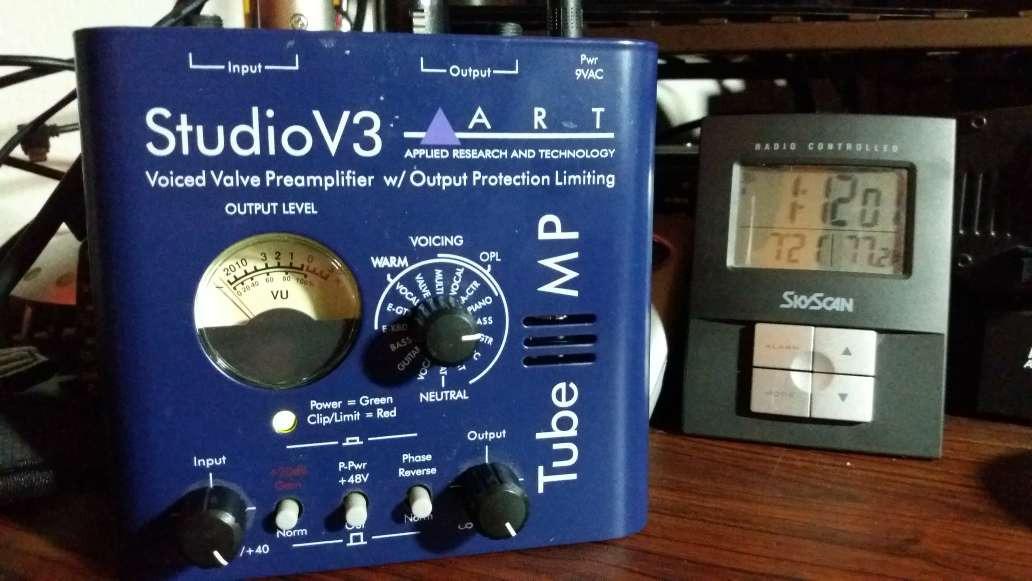
I tested the V3 with a large diaphragm condenser on vocals and was impressed by how much depth it added. It also handles instrument inputs well, making it a versatile choice for small studios that need one preamp to handle multiple duties. The lack of a power switch is annoying but not a dealbreaker since most people leave their gear powered on anyway.
Who should buy the ART Tube MP Studio V3
This is the perfect first tube preamp for home studio owners and podcasters who want genuine tube warmth without spending a fortune. It works especially well for vocal recording, podcasting, and acoustic instrument tracking. If you want a reliable, versatile preamp that delivers real analog character at a budget-friendly price point, the V3 is hard to beat.
Who should look elsewhere
If you need a multi-channel preamp for recording drums or live ensembles, this single-channel unit will not be enough on its own. Engineers who need ultra-clean, transparent gain without any coloration might also prefer a solid-state design. And if you want a built-in USB interface for direct computer connection, check out the Behringer MIC500USB instead.
3. PreSonus TubePre v2 – Versatile Tube Preamp with 80dB Gain
- 80dB of clean gain without noise
- Tube drive adds pleasant warmth
- Works great with ribbon mics
- Includes XLR and TRS cables
- Stock tube introduces noise when pushed
- Can be noisy at high gain
- Meter issues on some units
The PreSonus TubePre v2 is one of the most versatile single-channel tube preamps I have tested. What immediately caught my attention is the 80dB of gain on tap. That is enough to drive even the most gain-hungry dynamic microphones like the Shure SM7B or RE20 without needing an inline booster. For home studio owners working with low-output mics, this alone makes it a standout choice.
The TubePre v2 uses an interesting hybrid design. It starts with PreSonus’s XMAX solid-state input stage, then routes the signal through a 12AX7 tube for warmth and character. You get separate controls for gain and tube drive, which means you can set your overall level and then independently dial in how much tube saturation you want. In practice, this gives you everything from clean and transparent to warm and colored, all from one box.
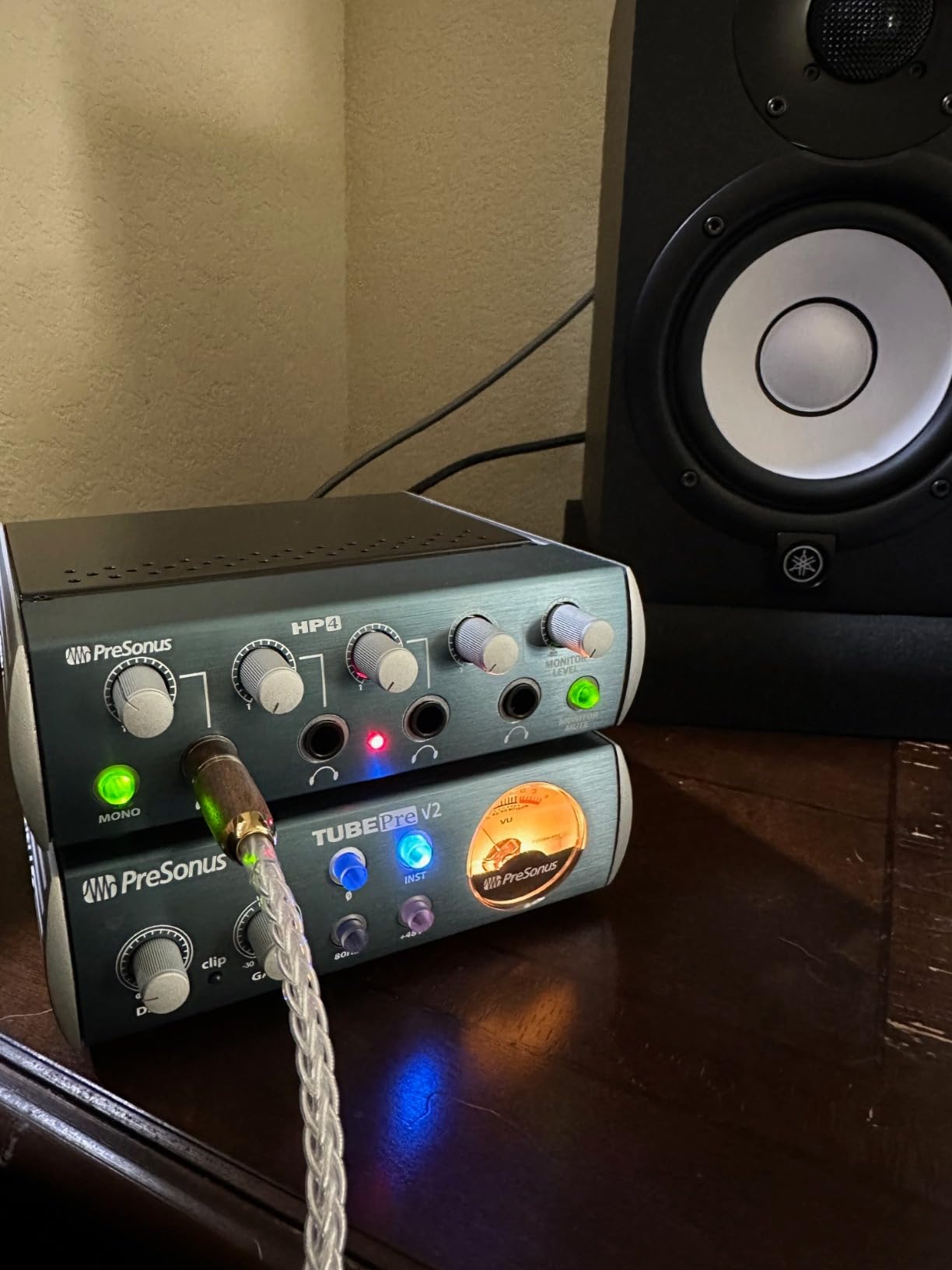
I was genuinely surprised by how well this preamp handles ribbon microphones. Ribbon mics are notorious for needing lots of clean gain, and the TubePre v2 delivers it without adding noticeable noise. The high-pass filter effectively removes rumble, and the -20dB pad lets you work with hot signals from condensers. The phase reverse switch can also be used creatively to add bass and warmth depending on your setup.
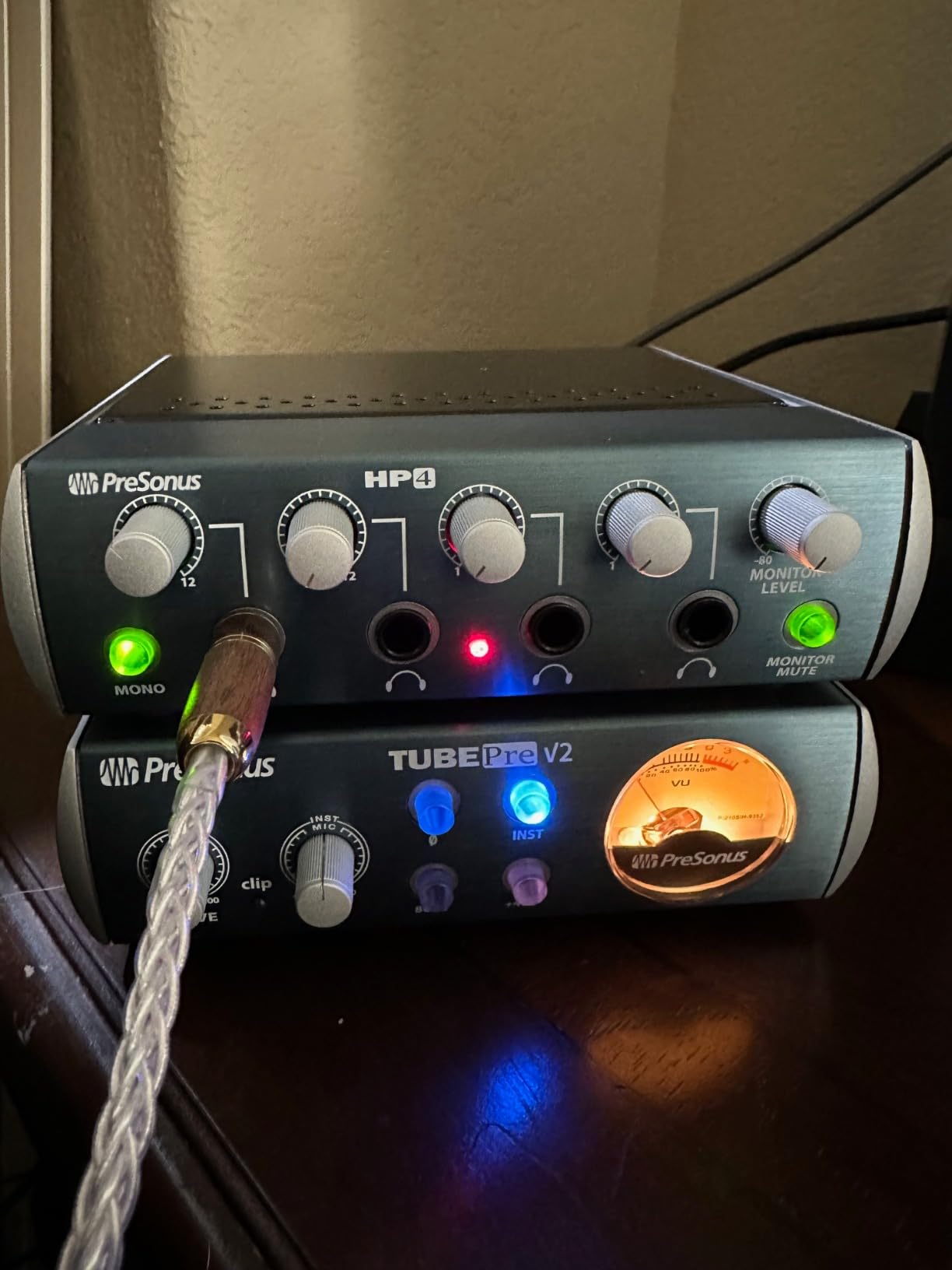
The included accessories are a nice bonus. PreSonus packages the TubePre v2 with a 10-foot TRS cable and a 20-foot XLR cable, which saves you a trip to the music store. The solid-state mode is remarkably clean and airy, making this essentially two preamps in one. Swap the stock tube for a better 12AX7 and you will hear a clear improvement in noise floor and tonal quality.
Who should buy the PreSonus TubePre v2
This preamp is excellent for anyone who works with a variety of microphone types including ribbon mics and low-output dynamics. Home studio owners who record both vocals and instruments will appreciate the flexibility. It is also a strong pick for podcasters and voiceover artists who need clean gain with optional tube character. Check our guide to ribbon microphones for studios for mic pairings.
Who should look elsewhere
If you want a fully tube-driven signal path without any solid-state stages, the hybrid design here might not satisfy you. Users who need multi-channel recording for drums or bands should look at the 8-channel microphone preamps for studios we have reviewed. The lack of a power switch is a minor annoyance shared by many preamps in this price range.
4. PreSonus STUDIOCHANNEL – Complete Tube Channel Strip
- Complete channel strip with preamp
- EQ
- and compressor
- Warm tube character with low noise
- Professional features at reasonable cost
- Versatile with mic
- line
- and instrument inputs
- Not enough gain for some dynamics like SM7B
- Can be difficult for beginners to dial in
- Occasional quality control issues
The PreSonus STUDIOCHANNEL gives you a full channel strip in a single rack unit. It combines a high-voltage Class A 12AX7 vacuum tube preamplifier, a VCA-based compressor, and a three-band parametric equalizer. Instead of buying three separate pieces of gear, you get everything in one box that takes up a single rack space. I found this approach incredibly convenient for streamlining my recording workflow.
The tube preamp section delivers warm, musical character that works well on vocals and acoustic instruments. The three-band EQ features a variable-Q mid band with peak and shelving options on the high and low bands, giving you precise tonal control. The VCA compressor offers auto attack and release modes plus selectable soft or hard knee, which makes it easy to dial in compression even if you are not an experienced engineer.
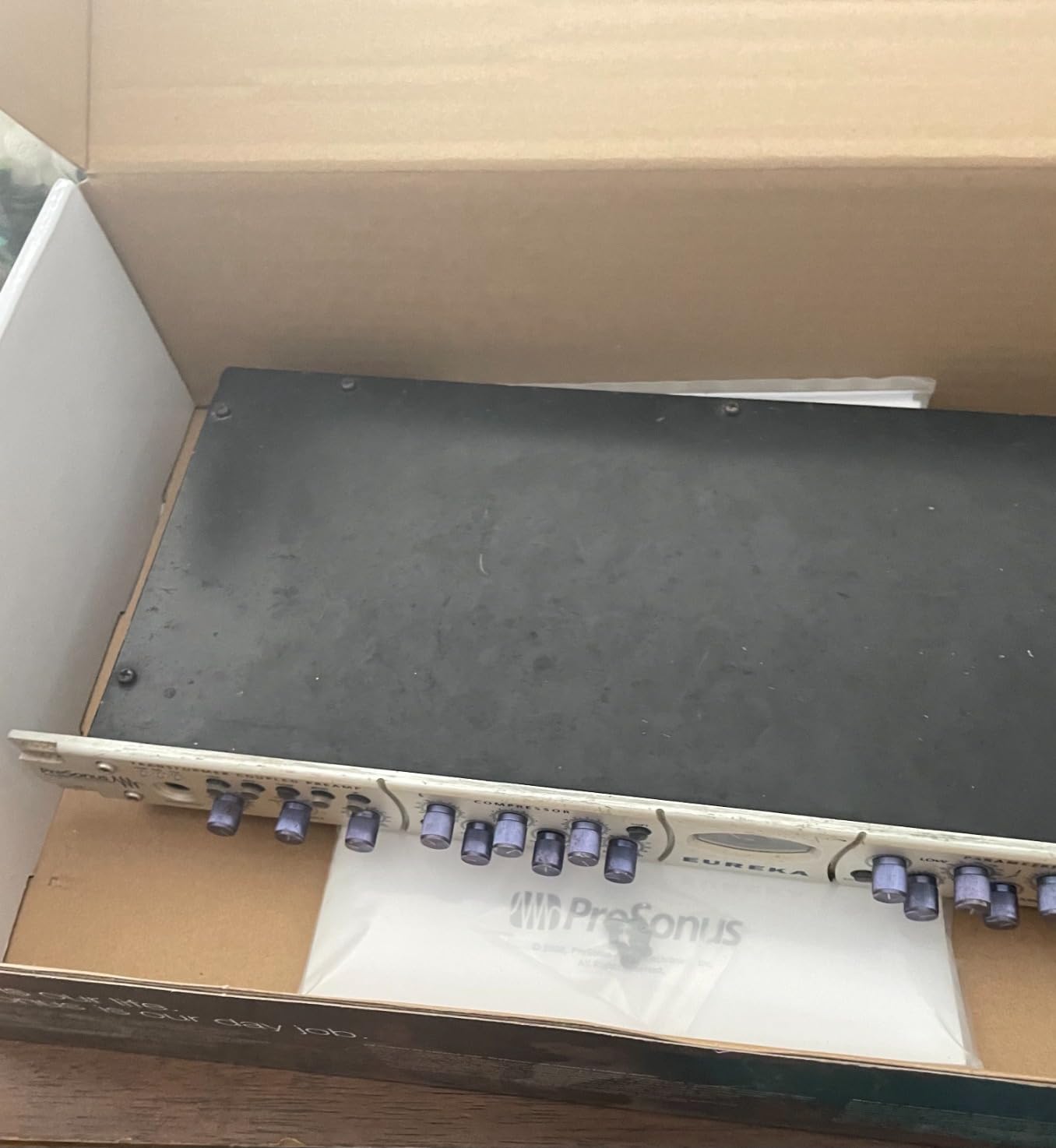
In testing, the STUDIOCHANNEL performed best with condenser microphones on vocals and acoustic guitar. The tube warmth combined with the EQ and compression lets you shape your sound before it ever hits your DAW. This means less processing later and a more natural-sounding final product. The 1U rack-mountable steel chassis is built to last and fits neatly into any studio setup.
The main limitation is gain. If you plan to use this with low-output dynamic microphones like the SM7B, you may find yourself maxing out the gain knob. For condenser mics and moderate-output dynamics, it works beautifully. The learning curve on the EQ and compressor can be steep for beginners, but the payoff is worth the effort once you understand how each section interacts.
Who should buy the PreSonus STUDIOCHANNEL
This channel strip is ideal for project studio owners and recording engineers who want a complete signal-shaping tool in one rack unit. If you record vocals, acoustic instruments, or bass and want to commit to a polished sound during tracking rather than fixing it in the mix, the STUDIOCHANNEL is a smart investment. The combination of tube preamp, EQ, and compressor at this price point is hard to find elsewhere.
Who should look elsewhere
If you primarily use low-output dynamic mics like the SM7B or RE20, the gain limitation might frustrate you. Beginners who are not comfortable with EQ and compressor settings may find the controls overwhelming at first. And if you only need a simple preamp without the extra processing, a straightforward unit like the ART Tube MP Studio V3 will serve you better for less money.
5. ART Pro Channel II – Professional 3-Module Channel Strip
- Three independent modules in one unit
- Switchable optical and tube compressor
- Selectable VU metering for different stages
- Warm smooth sound quality
- Gets physically warm during use
- Complex controls for beginners
- Insufficient gain for some dynamic mics
- Potential 60Hz hum at high gain
The ART Pro Channel II is a serious piece of recording equipment. It houses three independent modules in one chassis: a tube microphone preamp, a switchable optical or tube compressor, and a tube equalizer. Running three 12AX7 tubes, this unit delivers genuine all-tube warmth across the entire signal chain. I tested it over several weeks of vocal and instrument tracking, and the results were consistently musical.
The switchable compressor is a standout feature. You can choose between an optical compressor for smooth, transparent leveling or a tube compressor for more character and coloration. Having both options in a single unit gives you tonal flexibility that usually requires buying two separate compressors. The selectable VU metering lets you monitor levels at different points in the signal chain, which is essential for proper gain staging.
Sound quality is where the Pro Channel II earns its keep. Recordings come out warm, smooth, and polished. The tube EQ is musical rather than surgical, which means it enhances the source material rather than mangling it. I had great results using the EQ to add presence to vocals and body to acoustic guitar tracks without introducing harshness.
The main drawbacks are practical. Three 12AX7 tubes generate significant heat, so the unit gets physically warm during extended sessions. The sheer number of dials, switches, and LEDs can be intimidating if you are not familiar with channel strip workflow. Some users report a 60Hz hum when driving the gain above 4dB, so proper grounding and power conditioning are important.
Who should buy the ART Pro Channel II
This channel strip is built for recording engineers who understand signal flow and want professional-grade tube processing in a single unit. If you need both compression and EQ as part of your tracking chain and want genuine tube character throughout, the Pro Channel II delivers excellent value compared to buying separate modules. It is best suited for permanent studio installations rather than mobile recording rigs.
Who should look elsewhere
Beginners will likely find the number of controls overwhelming, and the heat generated by three tubes makes it less suitable for cramped or poorly ventilated spaces. If you only need a simple preamp without compression and EQ, there are simpler and cheaper options on this list. Users working with low-output dynamic microphones should verify the gain is sufficient for their needs before committing.
6. Behringer TUBE ULTRAGAIN MIC500USB – Budget Pick with USB Interface
- 16 preamp voicings for different instruments
- Built-in USB audio interface
- Excellent value for money
- Works well with condenser mics
- Can be noisy at high gain
- No power switch
- Limited preamp modeling effect
- ASIO4ALL driver issues
The Behringer MIC500USB is one of the most feature-packed tube preamps you can get on a tight budget. It includes 16 different preamp voicings designed for specific instruments and applications, a built-in USB audio interface, phantom power, a 20dB pad, and a low-cut filter. For someone building their first recording setup, having all of this in one unit is a huge advantage.
The 16 preamp voicings are essentially preset tone shapes optimized for different sources. While they are not as dramatic as having 16 different preamps, they do provide useful starting points for various instruments. I found the vocal and acoustic guitar voicings particularly effective. The tube adds warmth and presence to any microphone you connect, and the difference between running a mic through this versus straight into an interface is clearly audible.
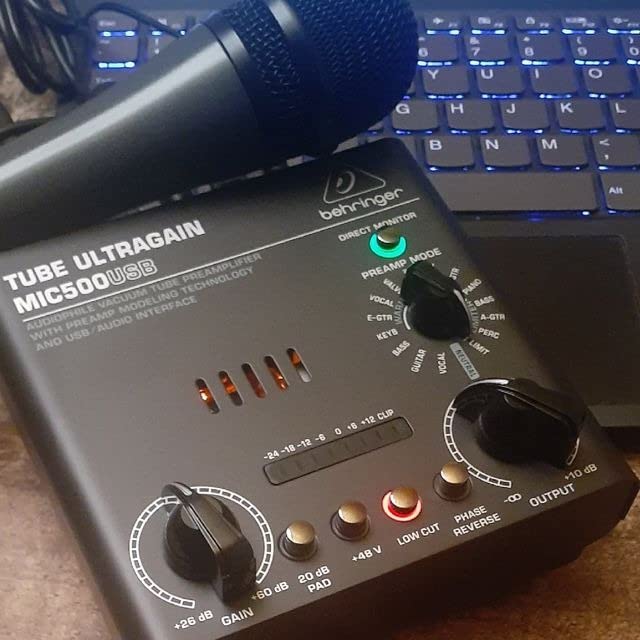
The built-in USB interface is what sets this apart from most other tube preamps at this price. You can connect directly to your computer without needing a separate audio interface, which saves money and simplifies your setup. The headphone output with its own volume control and zero-latency monitoring makes it practical for real-time recording. I tested it with an Audio-Technica AT-4040 and an Aston Origin, and both condensers sounded noticeably warmer than going direct.
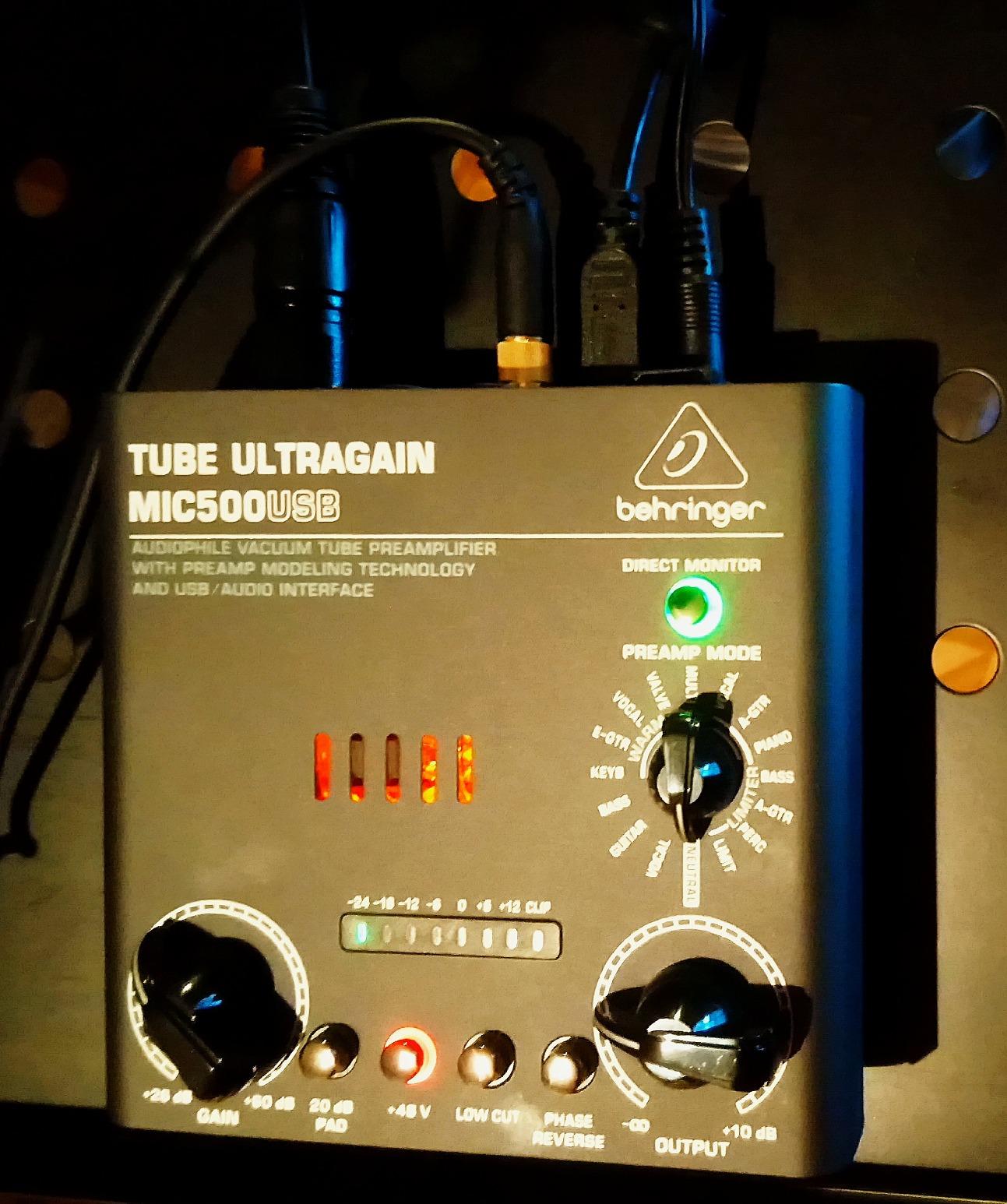
The main trade-off is noise at higher gain settings. If you push the gain hard, you will hear the tube noise floor rise. Proper gain staging is essential. The ASIO4ALL driver that comes with the USB interface is not the most reliable for low-latency performance, so you may want to use your own ASIO driver if possible. Replacing the stock tube with a better-quality 12AX7 reduces noise and improves the overall tone significantly.
Who should buy the Behringer MIC500USB
This is the ideal starter tube preamp for home studio beginners who want an all-in-one solution. If you are setting up your first recording space and need both a tube preamp and a way to connect to your computer, the MIC500USB covers both needs. It is also a good choice for podcasters and content creators who want to add analog warmth to their recordings without buying separate gear.
Who should look elsewhere
Experienced engineers who need ultra-clean gain or professional-grade headroom should look at higher-end options. The noise floor at high gain makes it less suitable for recording very quiet sources or using it with low-output dynamic microphones. If you already have a high-quality audio interface and just need a preamp, a simpler unit without the USB interface might be a better fit.
7. ART Tube MP Project Series – Compact Hybrid Tube Preamp
ART Tube MP Project Series Microphone Preamp
- Compact size with powerful performance
- Clean output with low noise
- Works well with gain-hungry mics like SM7B
- Solid aluminum build quality
- High-pass filter is limited
- Limiter is weak
- No power switch
- Bulky wall wart power supply
The ART Tube MP Project Series is a compact hybrid preamp that surprised me with how much clean gain it delivers. Despite its small footprint, this unit provides enough gain to drive demanding microphones like the Shure SM7B when paired with an inline booster. The hybrid tube and solid-state design gives you the best of both worlds: clean gain from the solid-state stage and warmth from the tube stage.
The all-aluminum chassis is sturdy and stackable, which is useful if you want to set up multiple units side by side. At just 2.7 pounds, it is easy to move around or fit into tight studio spaces. The LED input meter helps you set proper gain levels quickly, and the +20dB switch provides extra gain when you need it for low-output microphones.
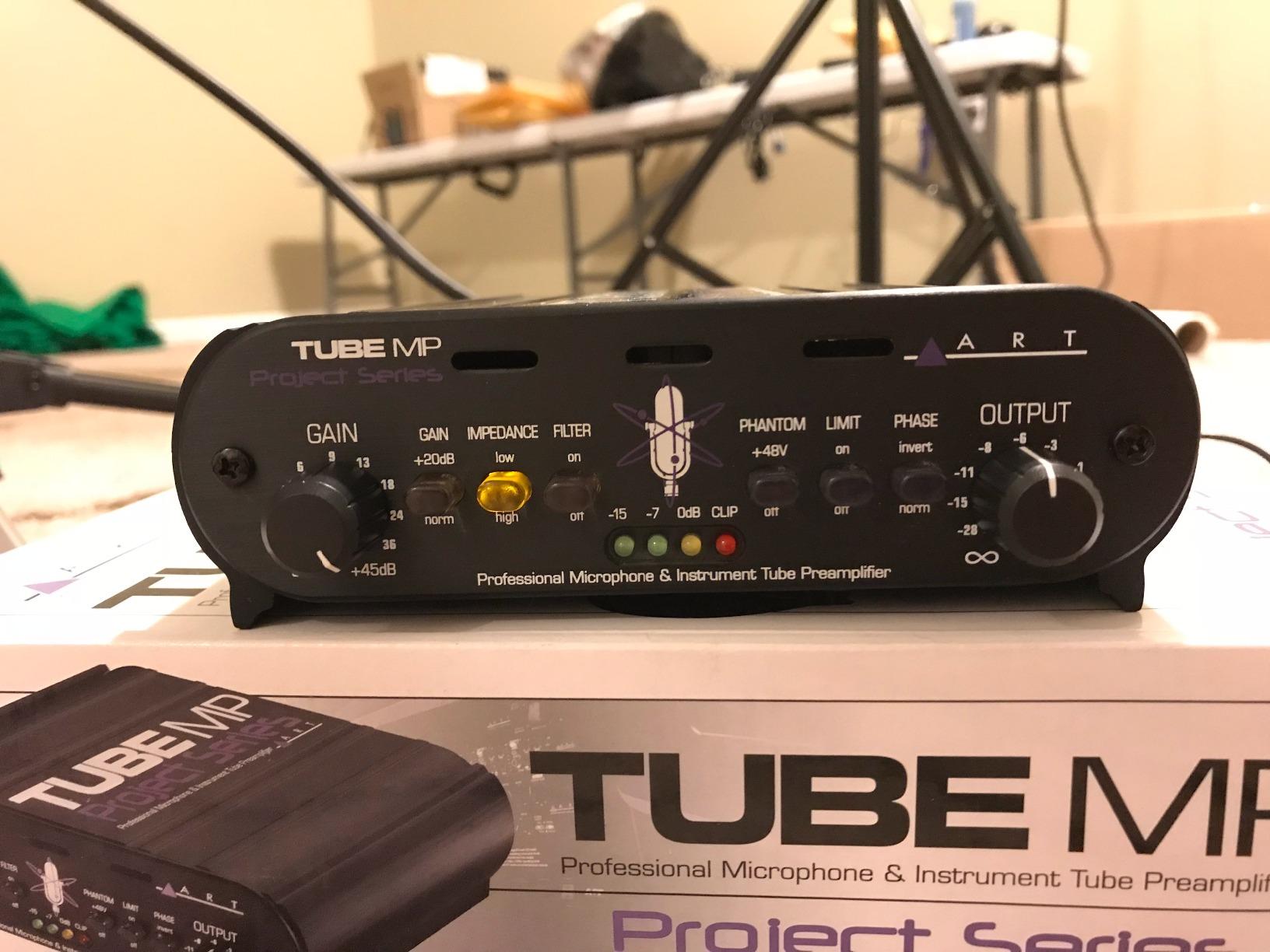
In real-world testing, I ran vocal tracks and guitar DI recordings through the Project Series and was consistently pleased with the results. The output is cleaner than many competitors in this price range, with less noise at moderate gain settings. The built-in limiter provides basic protection against signal spikes, though it is not as effective as a dedicated compressor for controlling dynamics.

The low stock warnings on this product tell you something about its popularity. It consistently ranks well in the microphone preamp category on Amazon, and the 4.5-star rating from over 100 reviews confirms that other users share my positive experience. The 80Hz low-pass filter is available but not very effective at cutting rumble compared to a proper high-pass filter.
Who should buy the ART Tube MP Project Series
This preamp is a strong choice for home studio owners who need clean, reliable gain in a compact form factor. If you work with medium to high-output microphones and want a touch of tube warmth without spending a lot, the Project Series delivers excellent value. It is also a good secondary preamp for engineers who already have a primary unit and need an affordable option for additional channels.
Who should look elsewhere
If you need a built-in USB connection for direct computer recording, look at the MIC500USB or the ART Tube MP Project Series USB instead. Those who want a fully tube-driven signal path might prefer a non-hybrid design. The limited high-pass filter and weak limiter mean you may need additional processing gear if those features are important to your workflow.
8. Behringer VOICE STUDIO – Complete Recording Bundle with Tube Preamp
- Everything you need in one box
- Plug and play setup
- Good sound quality for beginners
- USB connectivity works reliably
- No usage manual included
- Setup can be confusing for absolute beginners
- Limited to included microphone
- Electric plug can be awkward
The Behringer VOICE STUDIO is not just a preamp. It is a complete recording package that includes a studio condenser microphone, the tube preamplifier with 16 preamp voicings, and a USB audio interface. For someone who wants to start recording today without researching and buying individual components, this bundle eliminates the guesswork. Everything is designed to work together right out of the box.
The included tube preamp is essentially the same unit as the MIC500USB, which means you get the same 16 preamp voicings, phantom power, and USB connectivity. The condenser microphone that comes in the bundle is a decent starter mic that pairs well with the preamp. I tested the complete chain and found the sound quality to be genuinely good for vocal recording and podcasting at this price point.
Setup is mostly plug and play. Connect the mic to the preamp, plug the preamp into your computer via USB, and you are ready to record in your DAW of choice. The USB connection is reliable, and the preamp voicings give you useful tonal options for different recording scenarios. For vocal recording, the warmth from the tube combined with the condenser mic produces a sound that is noticeably better than what you get from a USB mic alone.
The main issue is documentation. Several users report that no usage manual is included, which can make setup confusing for absolute beginners who do not know about gain staging, phantom power, or DAW configuration. The included microphone is serviceable but not exceptional, so you may want to upgrade it as your skills and budget grow.
Who should buy the Behringer VOICE STUDIO
This bundle is perfect for absolute beginners who want to start recording immediately without buying separate components. If you are a podcaster, voiceover artist, or musician setting up your first home studio and want a single purchase that covers everything, the VOICE STUDIO gets you recording fast. It is also a good gift for someone interested in audio recording.
Who should look elsewhere
If you already own a decent microphone or audio interface, buying the bundle means paying for duplicates. Experienced recording engineers will want to choose their own microphone and preamp separately for better results. The all-in-one nature of this bundle means less flexibility as your recording needs grow and evolve.
9. Behringer Tube ULTRAGAIN MIC300 – Simple Budget Tube Preamp
- Great value for the price
- Adds warmth and color to recordings
- Plenty of gain for dynamic mics
- Compact studio-grade design
- Can cause ground loop buzz
- Limiter effectiveness is limited
- No power switch
The Behringer MIC300 is about as straightforward as tube preamps get. It is a single-channel vacuum tube preamplifier with phantom power, a built-in limiter, and XLR plus quarter-inch outputs. No USB interface, no voicing presets, no extra features. What you get is a clean, simple tube preamp that does its primary job well: adding warmth and gain to your microphone signal.
At just 620 grams, this is one of the lightest and most compact tube preamps available. It does not need rack space and fits easily on a desktop. Despite its small size, it delivers enough gain to drive both condenser and dynamic microphones effectively. I tested it with a moderate-output dynamic mic on vocals and heard a clear improvement in warmth and body compared to running straight into my audio interface.
The 48V phantom power makes it compatible with condenser microphones, and the built-in limiter provides basic protection against signal clipping. The compact design means no rack is needed, and the straightforward controls make it accessible even for beginners. Most users who rated it highly appreciate the simplicity and the warmth it adds to their recordings.
The ground loop issue is worth mentioning. In some setups, the MIC300 can introduce a 60Hz buzz if your electrical grounding is not clean. Using a power conditioner or balanced cables can help mitigate this. The limiter is functional but not sophisticated enough to replace proper gain staging or a dedicated compressor. Still, for the price, the MIC300 delivers where it counts most.
Who should buy the Behringer MIC300
This preamp is ideal for anyone on a tight budget who wants basic tube warmth for their recordings. If you are a podcaster, voiceover artist, or home musician who just needs a simple gain boost and a touch of tube character, the MIC300 does the job without unnecessary complexity. It is also a good option as a backup preamp for more serious studios.
Who should look elsewhere
If you need a USB output for direct computer connection, look at the MIC500USB or the ART Tube MP Project Series USB instead. Engineers who need sophisticated dynamics control or EQ should consider a channel strip like the PreSonus STUDIOCHANNEL. The ground loop potential means it may not be the best choice if your studio has electrical issues or you are recording in a space with problematic power.
10. ART Tube MP Project Series USB – Tube Preamp with USB Output
ART Tube MP Project Series USB
- Clean audio up to 70dB gain
- USB feature is plug and play
- Tube warmth improves voice quality
- Simple to operate
- Not ideal for dynamic mics without maxing levels
- No headphone monitoring port
- Tube noise at high gain
- USB connector is outdated
The ART Tube MP Project Series USB bridges the gap between analog tube warmth and digital convenience. It provides the same hybrid tube preamp design as the standard Project Series but adds a USB output for connecting directly to your computer. With support for up to 192 KHz sample rates, it delivers studio-quality digital conversion alongside its analog tube character.
Where this unit shines is with condenser microphones. The clean audio signal holds up well through about 70dB of gain, which is plenty for most condenser mics on vocals and acoustic instruments. The variable impedance control lets you match the preamp to different microphones, which can subtly shape the tone in useful ways. The FET limiter provides basic protection against signal spikes during recording.
The USB connection is genuinely plug and play. I connected it to my laptop, opened Audacity, and was recording within minutes. No special drivers or complex setup required. The tube warmth is clearly audible on vocal recordings, adding body and presence that makes voices sound more polished and professional. For simple vocal tracking, it gets the job done without fuss.
The limitations become apparent when you push the gain hard. Dynamic microphones that need lots of gain will have you maxing out the level control, and the tube noise becomes more noticeable at those settings. The lack of a headphone output means you cannot monitor in real time through the unit itself. The USB connector uses an older standard that may not be as reliable as modern USB-C connections.
Who should buy the ART Tube MP Project Series USB
This preamp is a solid choice for podcasters and home recordists who primarily use condenser microphones and want a simple path from mic to computer. If you record vocals, voiceovers, or acoustic instruments and want tube warmth without buying a separate audio interface, the USB output makes this a convenient one-cable solution. It is compatible with most DAW software including Audacity.
Who should look elsewhere
If you need to monitor through headphones while recording, the lack of a headphone jack is a significant limitation. Those working with low-output dynamic microphones will find the gain insufficient without adding an inline booster. For a more complete solution with headphone monitoring and better USB connectivity, the Behringer MIC500USB offers similar features with additional capabilities.
How to Choose the Best Tube Preamp for Recording?
Picking the right tube preamp comes down to understanding your recording needs, your microphone collection, and your budget. After testing all 10 preamps in this guide, I can tell you that each one serves a different type of user. Here are the key factors to consider before making your choice.
Tube Type and Sound Character
Most tube preamps in this price range use 12AX7 tubes, which provide the most gain and the most noticeable tube character. Some units use 12AU7 tubes for a cleaner, more subtle warmth, while premium models like the Universal Audio SOLO/610 use 6072 tubes for a specific vintage character. The tube type matters, but the circuit design around it matters even more. Two preamps using the same 12AX7 tube can sound completely different based on their topology.
One thing the recording community on Gearspace and Reddit consistently agrees on is that upgrading the stock tube in budget preamps can significantly improve performance. Swapping a stock Chinese 12AX7 for a Russian Electro-Harmonix or a vintage NOS tube often reduces noise and adds richer harmonic content.
Gain and Headroom
How much gain you need depends entirely on your microphone. Condenser mics typically need 30 to 50dB of gain, while dynamic mics like the SM7B may need 60dB or more. The PreSonus TubePre v2 leads our list with 80dB of gain, making it the best choice for low-output dynamics. If you work with condenser mics exclusively, any of the preamps on this list will provide sufficient gain.
Headroom refers to how much you can push the signal before distortion becomes unpleasant. Tube preamps are forgiving in this regard because they tend to saturate gradually rather than clipping harshly like solid-state designs. This is one reason tube preamps are so popular for vocal recording.
Connectivity and Features
Consider what connections you need. If you want to connect directly to your computer, look for units with built-in USB interfaces like the Behringer MIC500USB or ART Tube MP Project Series USB. If you already have a quality audio interface, a standard XLR-output preamp will serve you fine. Phantom power is essential for condenser microphones, and all but the most basic units include it.
Channel strips like the PreSonus STUDIOCHANNEL and ART Pro Channel II add EQ and compression alongside the preamp. These are great if you want to shape your sound during tracking rather than relying entirely on post-production processing. For a deeper dive into tube technology for monitoring, check our guide to tube headphone amplifiers for critical listening.
Budget Considerations
Tube preamps span a wide price range. Budget options from Behringer and ART start around $110 and deliver genuine tube warmth for basic recording needs. Mid-range units like the PreSonus TubePre v2 and ART Tube MP Studio V3 offer better build quality and more features in the $150 range. Premium channel strips and professional units like the Universal Audio SOLO/610 represent significant investments but deliver correspondingly superior sound quality.
For most home studio owners, the sweet spot is in the $120 to $350 range. You get real tube character, solid build quality, and enough features to handle most recording situations without overspending.
FAQs
What is the best tube preamp for vocals?
The Universal Audio SOLO/610 is the best tube preamp for vocals thanks to its legendary Putnam 610 console sound, all-tube signal path, and hand-built USA quality. For budget-conscious vocal recording, the ART Tube MP Studio V3 and PreSonus TubePre v2 both deliver excellent warmth and character at a fraction of the cost.
Are tube preamps worth it for recording?
Yes, tube preamps are worth it if you want analog warmth and harmonic saturation that digital processing cannot fully replicate. They add pleasing even-order harmonics that make vocals sound fuller and instruments sound richer. For home studios, even a budget tube preamp like the ART Tube MP Studio V3 noticeably improves recordings compared to running straight into an audio interface.
What tube preamp should I buy for home studio?
For most home studios, the ART Tube MP Studio V3 offers the best balance of price, features, and sound quality. It includes Variable Valve Voicing for tone shaping, 48V phantom power, and an analog VU meter. If you need more gain for dynamic mics, the PreSonus TubePre v2 with 80dB of gain is an excellent alternative. Both represent strong values for home recording.
How much should I spend on a tube preamp?
Most home studio owners should plan to spend between $120 and $350 on a quality tube preamp. This range covers reliable options from ART, PreSonus, and Behringer that deliver genuine tube warmth and professional features. Budget options around $110 work well for beginners, while serious engineers may want to invest $500 or more for channel strips with built-in EQ and compression.
What’s the difference between tube and solid state preamps?
Tube preamps use vacuum tubes that naturally produce even-order harmonic distortion when pushed, creating warm, musical saturation. Solid-state preamps use transistors for cleaner, more transparent gain with lower noise floors. Tube preamps are favored for vocals and instruments where warmth and character are desired, while solid-state designs are preferred when accuracy and transparency are the priority.
Final Thoughts on the Best Tube Preamps for Recording
After testing all 10 of these tube preamps, a few clear winners stand out. The Universal Audio SOLO/610 is the top pick for engineers who want professional, all-tube sound with the legendary Putnam console character. For the best balance of price and performance, the ART Tube MP Studio V3 is hard to beat with its Variable Valve Voicing and solid build quality. And for beginners who want an all-in-one solution, the Behringer MIC500USB with its USB interface and 16 voicings gets you recording right away.
The best tube preamps for recording are the ones that match your workflow, your microphones, and your budget. Whether you are recording vocals in a home studio or tracking instruments in a professional environment, any of the preamps on this list will add genuine analog warmth that improves your recordings. Pick the one that fits your needs, swap the stock tube if you want better performance, and start capturing warmer, richer tracks today.