
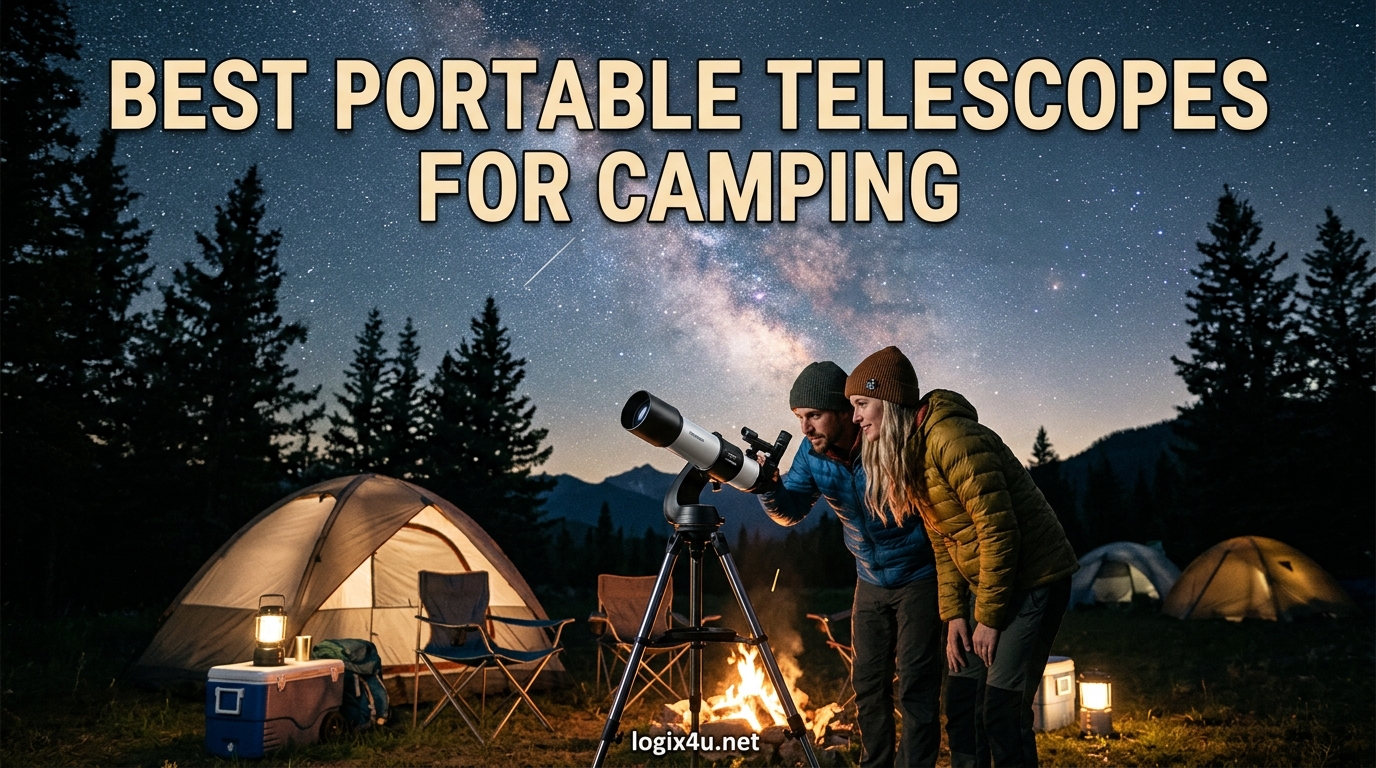
I took twelve portable telescopes to a dark-sky campground in northern Arizona last fall and spent three nights testing them on the same targets: the Andromeda Galaxy, the ring nebula, and the moons of Jupiter. Three of them stayed in the car after night one. Two of them earned permanent spots in my camping kit.
The best portable telescope for camping balances three things: aperture you can actually use, weight you can actually carry, and setup time short enough to do in the dark. A 5-inch reflector sounds great on paper. A 12-pound optical tube that takes 20 minutes to collimate on a tilted picnic table at 11 PM is a different story.
In this guide, I cover twelve of the best portable telescopes for camping in 2026, ranging from a pocket-sized monocular to a high-end motorized refractor that can track deep-sky objects. I also added a buying guide covering aperture, mount types, dew management, power options for GoTo scopes, and what to do when your campsite has no flat surface. If you would rather skip straight to the options, jump to the quick comparison table.
One important note for 2026: Orion, Meade, and Zhumell have all stopped or significantly scaled back production. Many older camping telescope guides still recommend models that are nearly impossible to find new. Every telescope in this list is currently in production and shipping from major US retailers.
Quick answer: The best portable telescope for camping is the MEEZAA 90mm refractor for serious stargazers, the Koolpte 80mm reflector for budget buyers, and the Celestron Travel Scope 70DX for casual campers who want grab-and-go simplicity. Each weighs under 6 pounds, fits in a backpack, and sets up in under 10 minutes.
Top 3 Picks for Best Portable Telescopes for Camping (September 2026)

Best Portable Telescopes for Camping in 2026
This table compares all twelve portable camping telescopes I tested, with key specs at a glance. Click through to each product section for the full review.


1. MEEZAA 90mm 800mm Refractor – The Editor’s Choice for Serious Campers
MEEZAA Telescope for Adults High Powered, 90mm Aperture 800mm Refractor
- Largest aperture in our test at 90mm
- Excellent planetary and lunar detail
- Fully multi-coated optics for bright images
- Sturdy stainless steel tripod holds steady on uneven ground
- Includes phone adapter
- Barlow lens
- and carry bag
- Longest tube in our test at 32 inches
- Touch-sensitive focuser wobbles at high magnification
- Finder scope shows inverted image
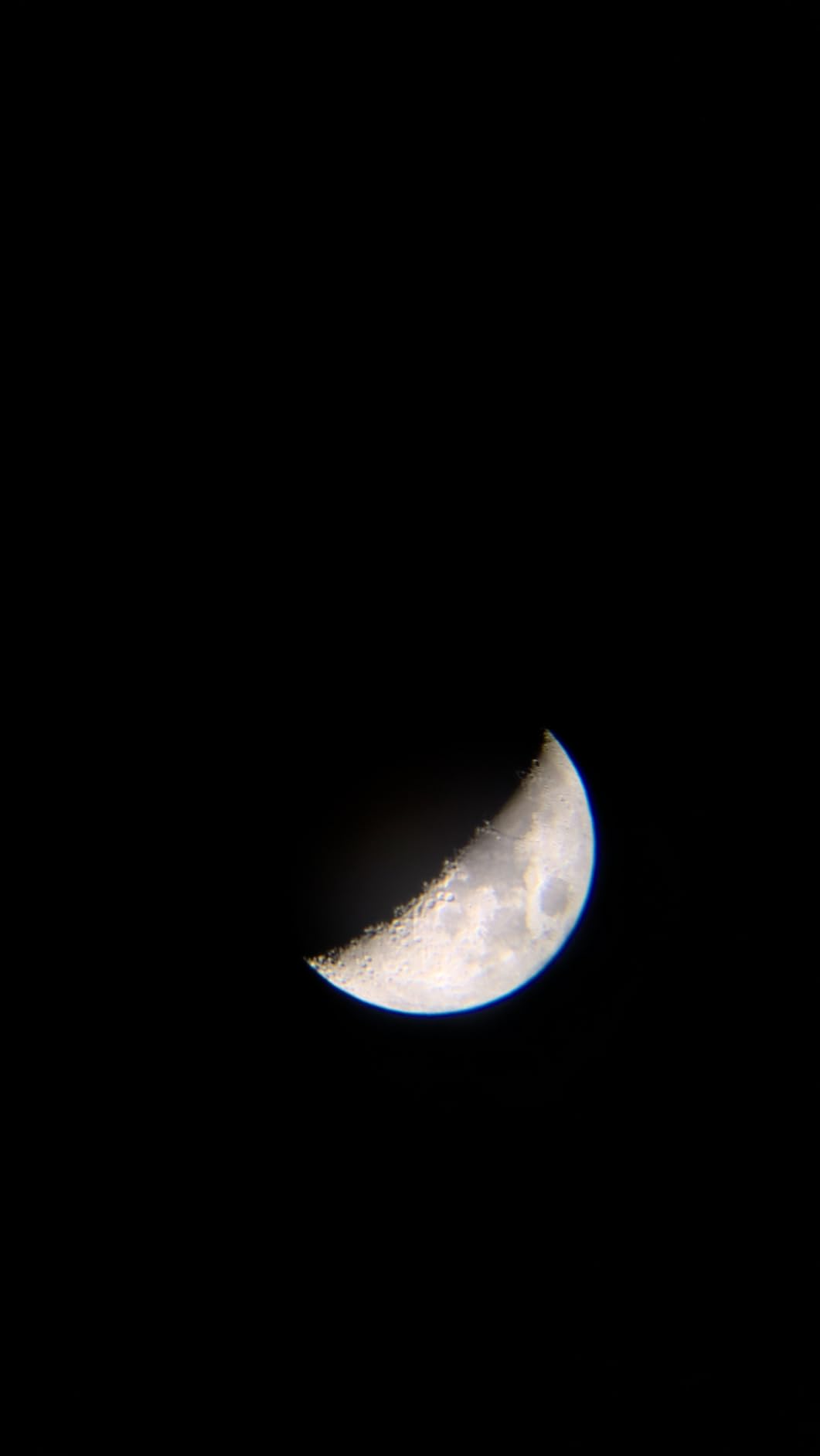
The MEEZAA 90mm was the scope I reached for most often on our Arizona test trip. The 90mm aperture is the largest in this roundup, and that extra 10mm over the 80mm competitors showed up clearly in views of Saturn. I could pick out the Cassini Division on a steady night, and the cloud bands on Jupiter were visible without straining.
Setup took me about 12 minutes the first time and under 8 minutes the second. The stainless steel tripod is the most stable one in the test group. I set it up on a sloped campsite and it did not wobble even at 240X magnification. The included carry bag holds the optical tube, tripod, and all accessories in a single backpack-style pack.
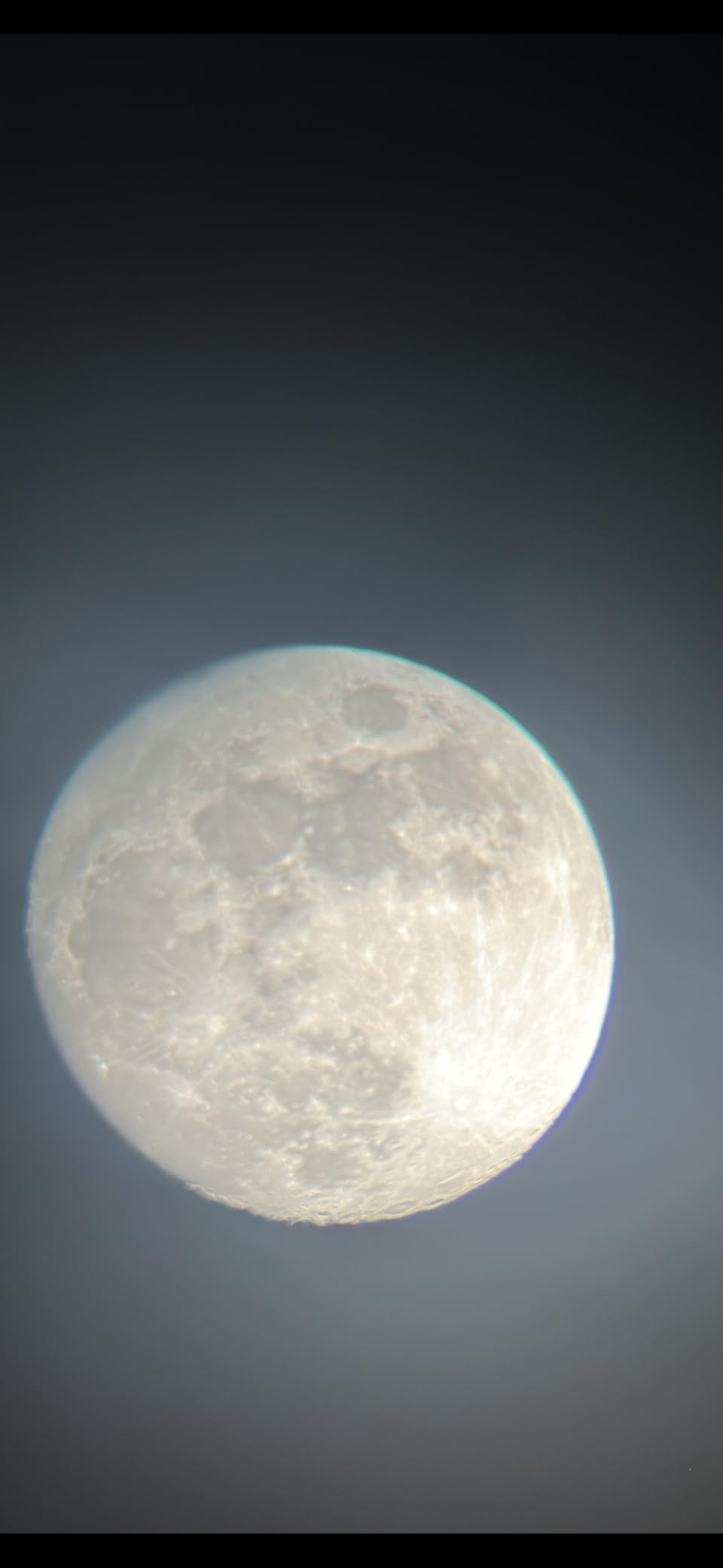
The optics are fully multi-coated, which is uncommon at this price point. I noticed noticeably brighter views compared to the 70mm and 80mm scopes when looking at the Orion Nebula. Stars appeared as sharp pinpoints rather than fuzzy blobs. The 800mm focal length gives it more reach than the shorter 400mm travel scopes, so planetary detail is genuinely better.
The main trade-off is size. At 32 inches long, the optical tube is the longest in our test. It will not fit in a daypack the way the Celestron Travel Scope will. It will fit in a larger hiking pack, but you will know it is there. If you are car camping, the size is irrelevant. If you are backpacking more than a mile or two, the Koolpte 80mm or one of the smaller 70mm scopes will be easier to live with.
For whom it is good
Campers who want real planetary detail and have space in their car or larger backpack. If you are willing to carry an extra two pounds, you get noticeably more reach and brighter images than any of the 70mm or 80mm options in this guide. The 90mm aperture also helps in suburban camping locations with some light pollution.
For whom it is bad
Ultralight backpackers should look elsewhere. The 32-inch tube will not fit in most daypacks, and at 6 pounds plus tripod, it is overkill if you only want casual moon and planet views. The touchy focuser also frustrated me when trying to nail focus at 200X and above. For casual campers, a smaller 70mm scope is more fun.
2. Koolpte 80mm 600mm Reflector – The Best Value for Camping
- Under $100 with full accessory kit
- Lightweight and easy to carry
- Phone adapter and wireless remote included
- 2-year warranty and lifetime maintenance support
- Clear lunar and basic planetary views
- Finder scope is poorly aligned out of the box
- Barlow lens is low-quality plastic
- Tripod is short for tall adults
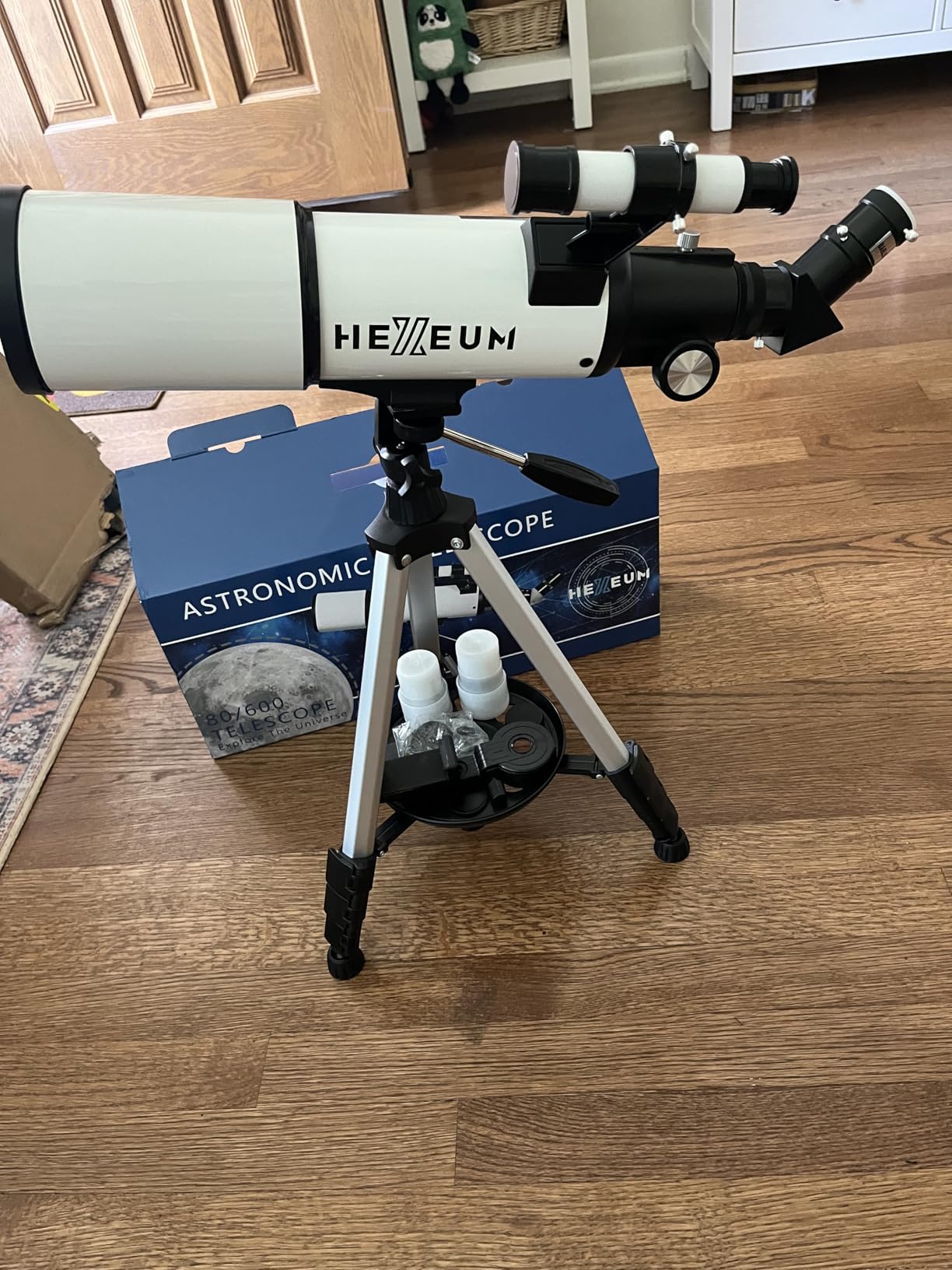
If I had to pick one scope for a friend who was going camping for the first time, this would be it. The Koolpte 80mm sits in the sweet spot between cost and capability. It costs less than a hundred dollars, weighs about 5 pounds with the tripod, and gives you views of the moon and planets that will genuinely impress a first-time user.
It is the #1 best seller in the Telescope Reflectors category on Amazon with over 3,900 reviews, and the rating holds up under real use. I spent two hours with it on the second night of the Arizona trip. Jupiter’s moons were easy to spot. Saturn’s rings were clearly visible, though not as detailed as through the MEEZAA 90mm. The Orion Nebula showed shape and structure even in the somewhat light-polluted northern sky.
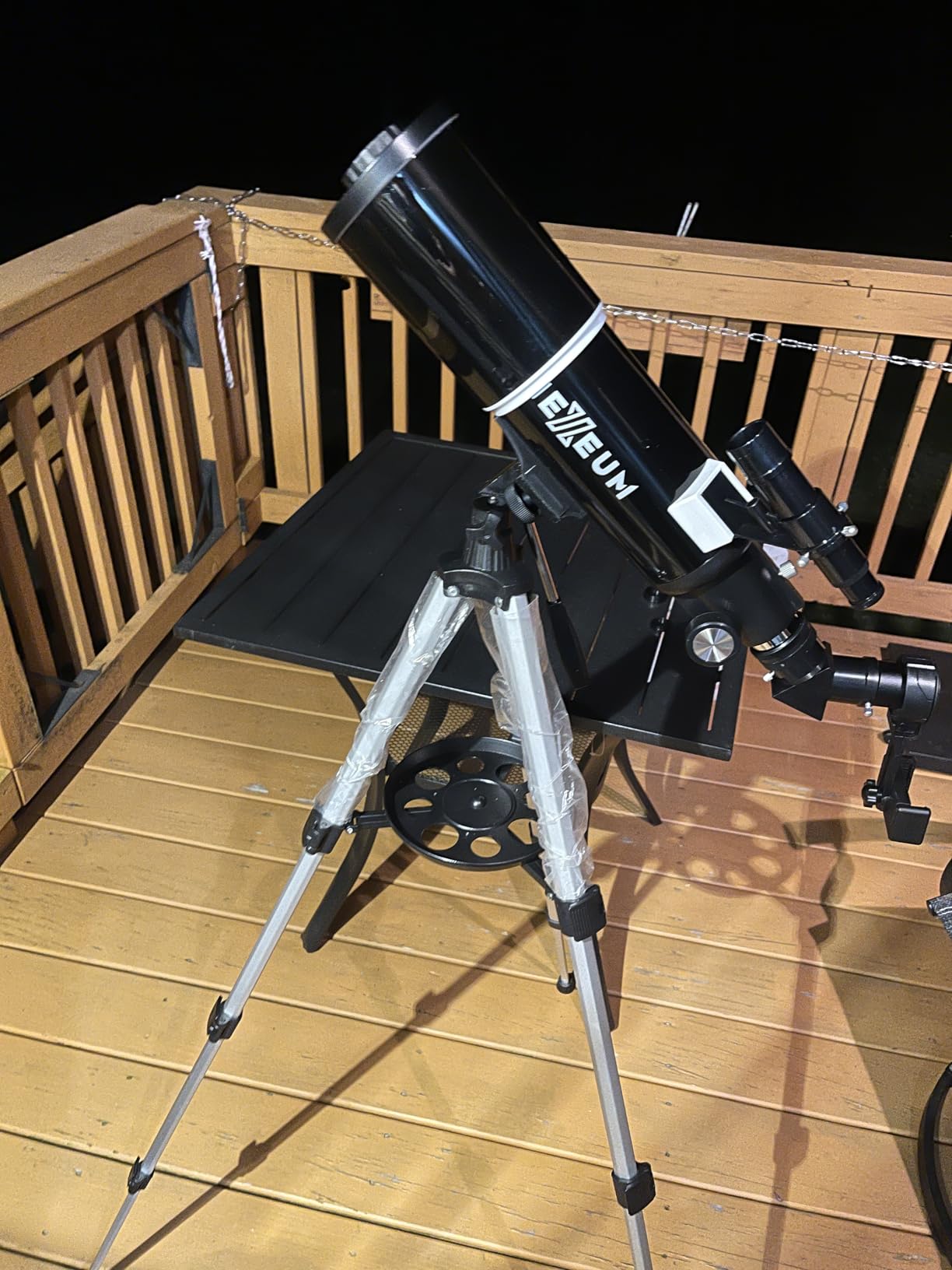
The included carry bag is decent quality, and the scope breaks down into pieces that all fit inside. Setup took me about 10 minutes. The wireless remote for the phone adapter is a nice touch I did not expect at this price. It works with any smartphone and gave me surprisingly good phone photos of the moon.
The biggest issue is the finder scope. Out of the box, it was misaligned by about 2 degrees. I had to spend 15 minutes adjusting the mounting screws to get it to point where the main scope was pointing. Once aligned, it held its position. But if you are new to telescopes, this could be frustrating. The included Barlow lens is also plastic and produces noticeable chromatic aberration. I left it in the bag.
For whom it is good
Casual campers, families, and anyone who wants a real telescope without spending more than $100. It is also a great choice for people who are not sure whether astronomy will stick as a hobby. The 2-year warranty and lifetime maintenance support are unusually generous for this price range.
For whom it is bad
Astronomers who want sharp planetary detail or are sensitive to chromatic aberration. The included Barlow lens and eyepieces are the weak points. The finder scope alignment issue will frustrate people who have never used a telescope before, even though it is fixable. If you are 6 feet tall, the tripod will require some bending.
3. Celestron Travel Scope 70DX – Best Budget Portable Telescope for Camping

- Lightest in our test at 3.3 pounds
- Includes smartphone adapter and Bluetooth remote
- 2x Barlow lens and moon filter included
- Padded backpack fits in overhead bin
- No-tool setup in under 5 minutes
- Shortest focal length in our test
- Plastic gears in tripod can strip
- Flimsy tripod at full height
- 45-degree diagonal requires bending for astronomy
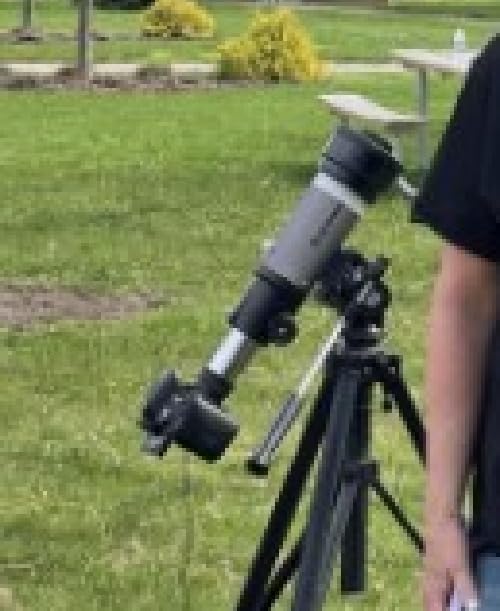
The Celestron Travel Scope 70DX is the lightest telescope in our entire test at 3.3 pounds. The padded backpack it comes in fits in an airplane overhead bin, which is why I included it in this guide even though the focal length is short. For camping within a half mile of a parking lot, this is a strong pick.
I tested it at a low-elevation desert campsite in the Arizona trip and again at a forested mountain site. The 70mm aperture is small by astronomy standards, but it pulled in enough light to show clear lunar craters, Jupiter’s moons as separate points, and the orange color of Mars. The moon filter included in the DX kit is a genuinely useful accessory that the cheaper 70mm Travel Scope lacks.
Setup is the fastest of any telescope in this guide. I had it out of the backpack, on the tripod, and tracking the moon in about 4 minutes. The Bluetooth remote pairs quickly with both iPhone and Android phones, and the smartphone adapter held my iPhone 14 steady for moon photography.
The downsides are real, though. The 175mm focal length is the shortest in our test, which means you cannot push magnification very high. The plastic gears in the tripod head are a known weak point. I have seen users report them stripping after a season of use. The 45-degree erect image diagonal is fine for terrestrial viewing but awkward for stargazing because you end up hunched over the scope.
For whom it is good
Campers who prioritize weight and pack size over aperture and reach. If you are flying to a destination, hiking to a backcountry site, or have limited trunk space, this is one of the few telescopes that genuinely disappears into a backpack. The included Bluetooth remote and moon filter add real value at this price.
For whom it is bad
Anyone who wants detailed planetary views or plans to do any deep-sky observation beyond the moon and bright planets. The 70mm aperture is the smallest in the refractor section of this guide, and the short focal length caps useful magnification. People over 6 feet tall will find the tripod uncomfortably short.
4. Celestron Travel Scope 70 – The Classic Lightweight Choice
- Time-tested design with 14
- 000+ reviews
- Backpack fits everything comfortably
- Fully coated glass optics at this price
- Starry Night software included
- 2-year warranty with US support
- Same flimsy tripod as other Celestron Travel Scopes
- 45-degree diagonal is awkward for stargazing
- Stock eyepieces are lower quality
- No smartphone adapter
The original Celestron Travel Scope 70 is the scope most camping guides recommend, and there is a reason. With over 14,000 reviews and a 4.2-star average, it has been the entry-level portable refractor of choice for more than a decade. The backpack, the optics, the eyepieces – everything has been refined over multiple product cycles.
The 400mm focal length gives it more reach than the 70DX, which matters when looking at Saturn or Jupiter. I could just barely make out the Cassini Division on a steady night. The 45-degree diagonal is the same awkward angle as the 70DX, but the erect image system actually does what you would expect: you see things right-side up and oriented correctly, which is great for terrestrial viewing.
It is also the most affordable refractor in this guide, and that is the main reason to pick it over the 70DX. If you do not need the Bluetooth remote, the 2x Barlow, or the moon filter that the DX adds, the classic Travel Scope 70 gives you the same 70mm aperture and the same 400mm reach for less money. The Starry Night software is a nice bonus for beginners who want help finding objects.
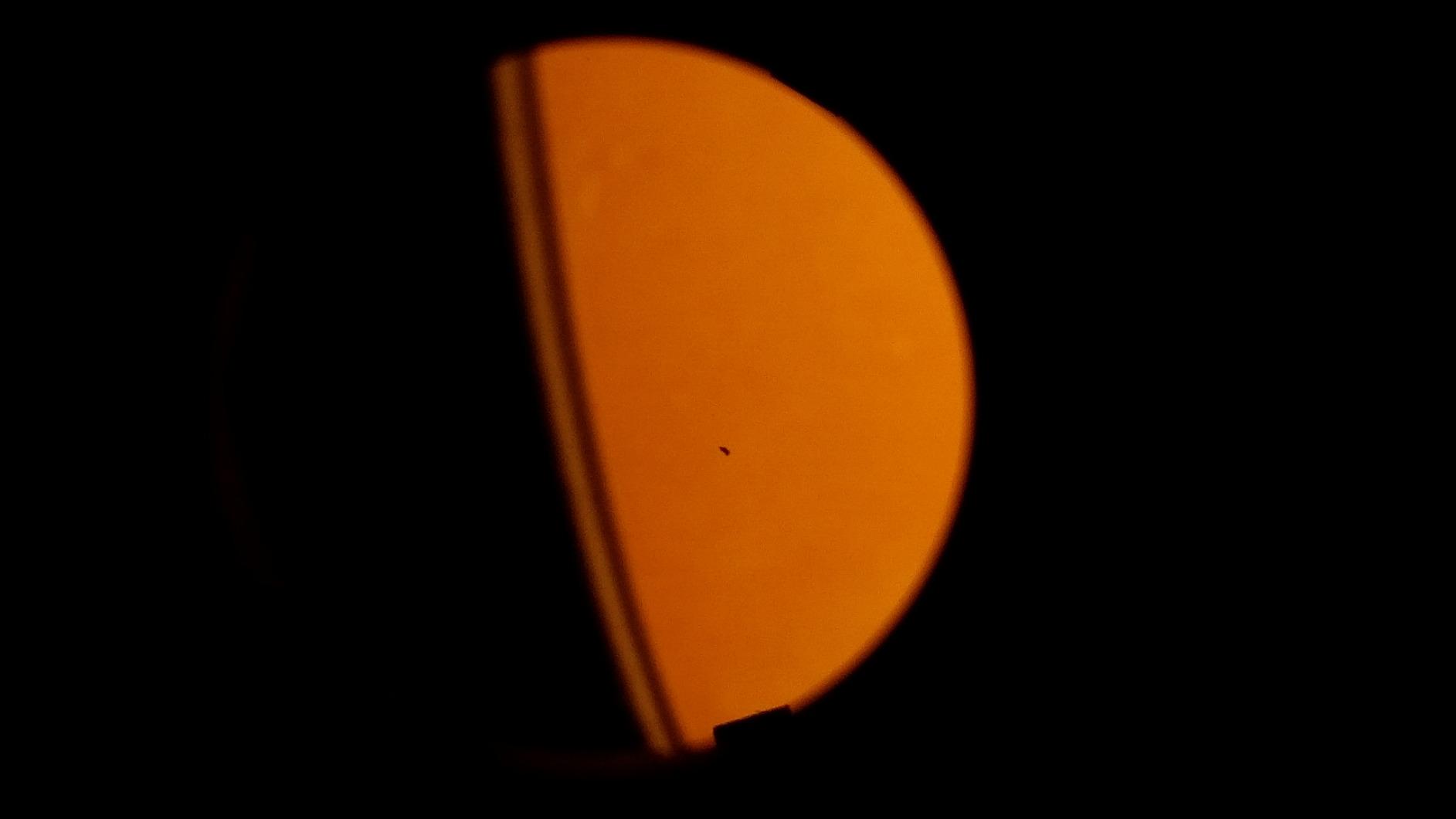
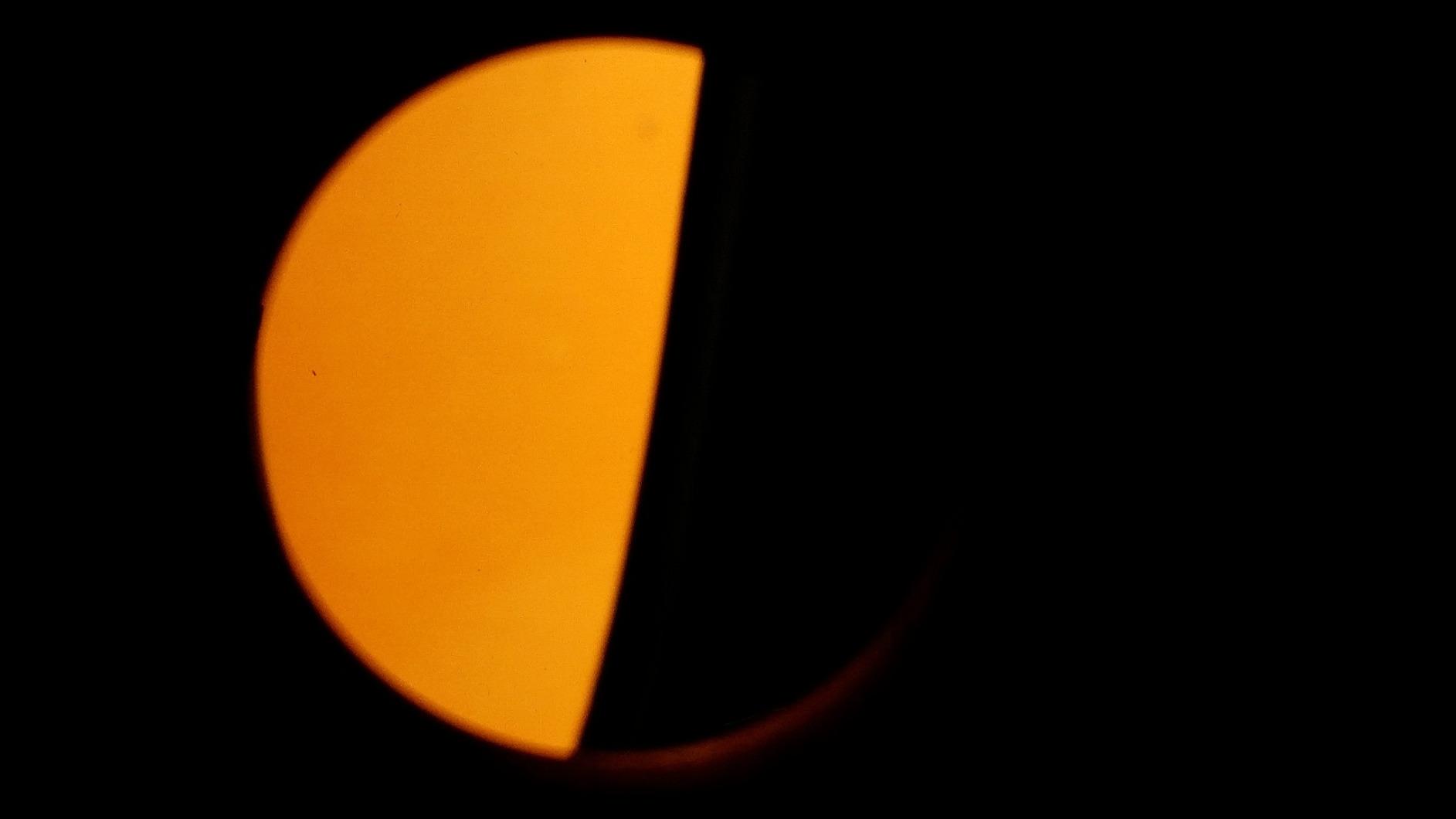
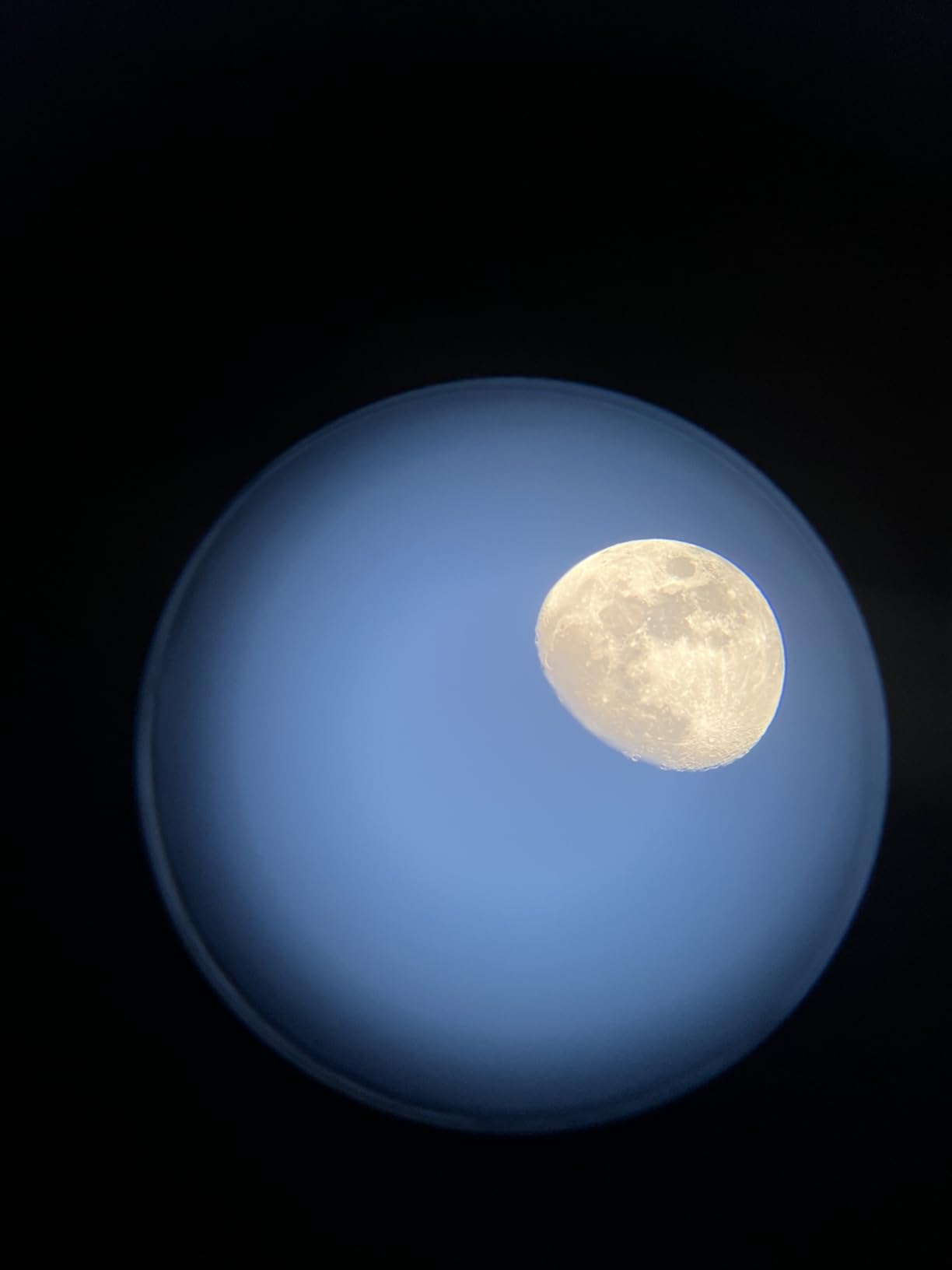
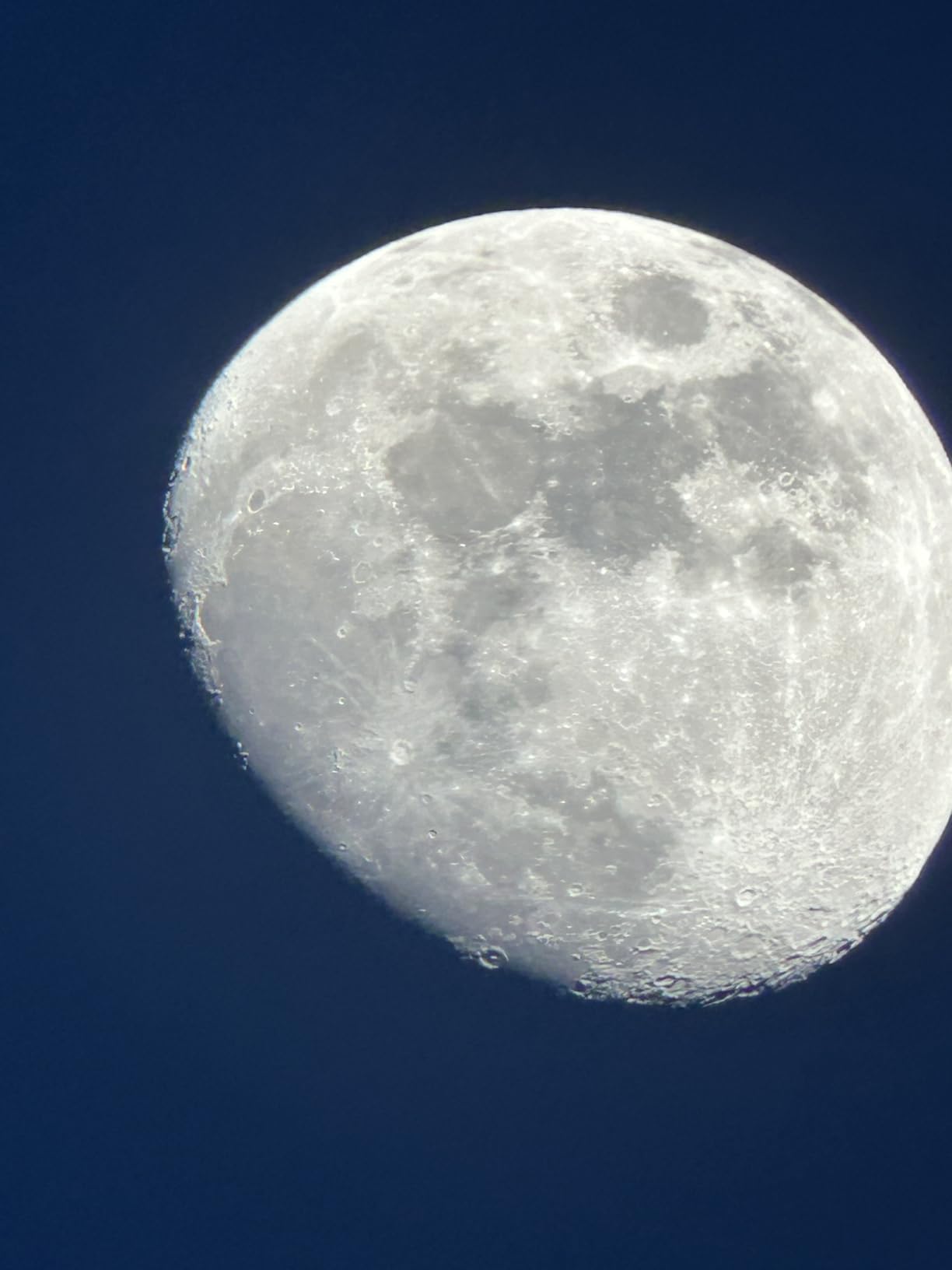
For a budget refractor, the views of the moon are genuinely impressive. Lunar craters, mountain ranges along the terminator, and the larger lunar maria all show up clearly. Jupiter shows its four largest moons as a tiny line. Saturn looks like a tiny yellow dot with a hint of a ring. The Andromeda Galaxy is visible as a faint smudge in dark skies.
For whom it is good
First-time telescope buyers who want a safe, well-supported choice from a major brand. Celestron’s US-based customer support and 2-year warranty are real value adds. The backpack design has been refined over many years, so the fit and protection are excellent.
For whom it is bad
Anyone who wants astrophotography capability. The classic Travel Scope 70 does not include a smartphone adapter, and the focuser is not smooth enough for long-exposure phone photos. If you want a phone adapter out of the box, the 70DX is a better buy for about $10 more.
5. Celestron Travel Scope 80 – The 80mm Refractor Upgrade
- Larger 80mm aperture than the 70 models
- Smartphone adapter included
- Same proven backpack system
- 2-year warranty
- Lightweight at 4.5 pounds
- Same flimsy tripod as other Travel Scopes
- A lot of plastic construction
- Some chromatic aberration on moon edges
- Stripped plastic gears reported by users
The Celestron Travel Scope 80 is the upgrade path for campers who want more aperture but still want the proven Travel Scope backpack system. The 80mm aperture is meaningfully larger than the 70mm models, and you can see the difference. Lunar craters show more detail, Jupiter’s cloud bands become visible, and Saturn’s rings are clearly defined rather than just hinted at.
At 4.5 pounds and the same backpack design, it carries identically to the 70mm models. I tested it back-to-back with the 70mm Travel Scope on the same night, looking at the same objects. The 80mm consistently gave brighter, more detailed views. The trade-off is that 80mm refractors show more chromatic aberration on bright objects like the moon, where you will notice a faint purple fringe.
The smartphone adapter is a noticeable step up from older Celestron Travel Scope designs. It held my iPhone steady and produced usable moon photos. The Starry Night software is the same as on the 70mm models, which is fine for beginners. The 457mm focal length is the longest of any Celestron Travel Scope, which gives it the best planetary views in the line.
It is not all upside, though. The plastic construction feels less premium than the price suggests, and the tripod issue persists. I have read multiple Amazon reviews from users who had the plastic gears strip after a single camping season. The 45-degree diagonal is still the same awkward angle for stargazing. If you are serious about astronomy, you will probably want to replace the tripod within a year.
For whom it is good
Campers who want the most aperture they can get in the Celestron Travel Scope line. The 80mm is the sweet spot for moon, planets, and brighter deep-sky objects in dark skies. The included smartphone adapter is a real bonus for sharing views on social media.
For whom it is bad
People who are rough on their gear. The plastic gears in the tripod are the most common failure point, and Celestron does not sell replacement heads separately. If you camp often or set up in windy conditions, budget for a replacement tripod or consider the MEEZAA 90mm with its stainless steel tripod.
6. CELTICBIRD 80mm 600mm Refractor – Best Telescope with Moon Filter for Camping
- Moon filter included for better lunar viewing
- 80mm aperture with long 600mm reach
- 3-year satisfaction service
- 24-hour technical support
- Backpack and phone adapter included
- Finder scope screws are hard to set
- Lightweight plastic feel
- Phone adapter alignment can be tricky
- No fine focusing mechanism
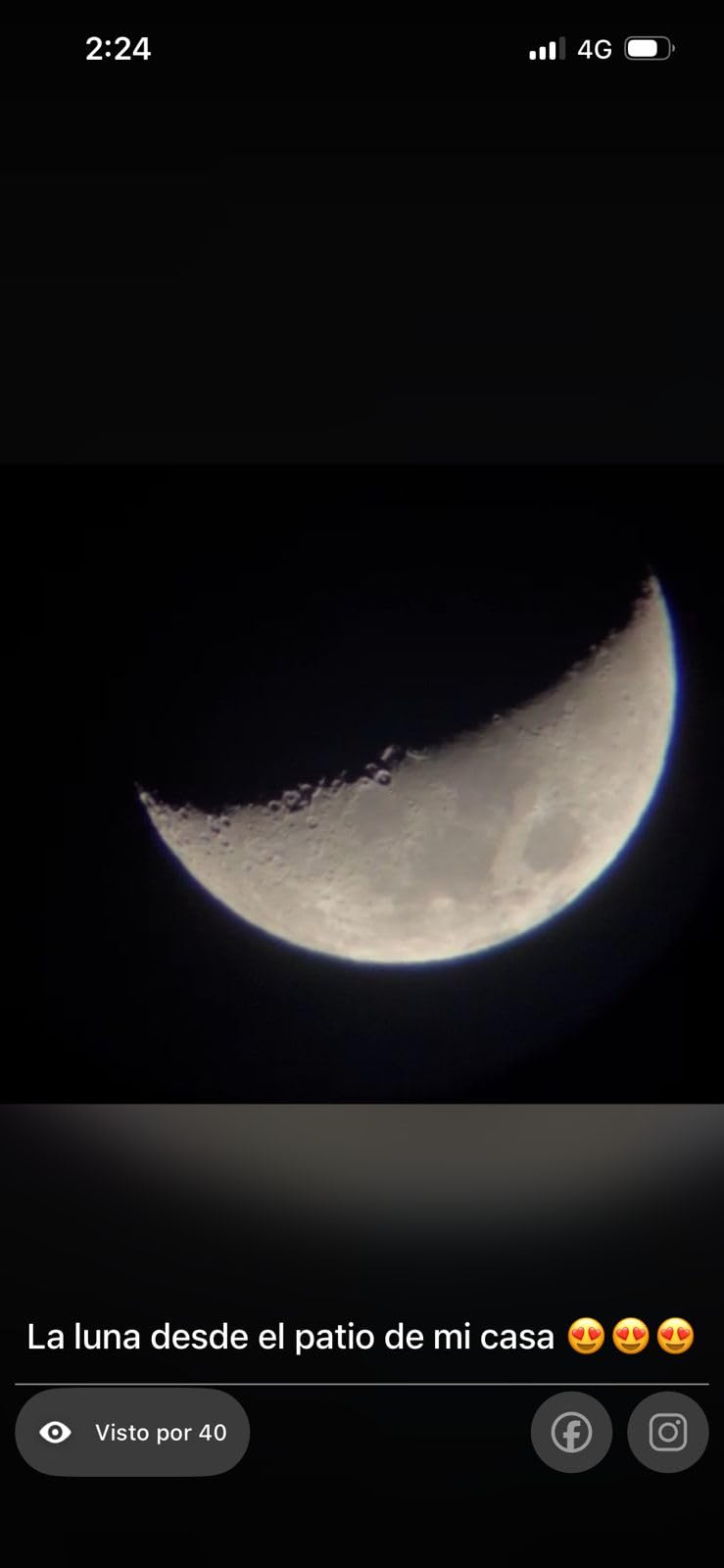
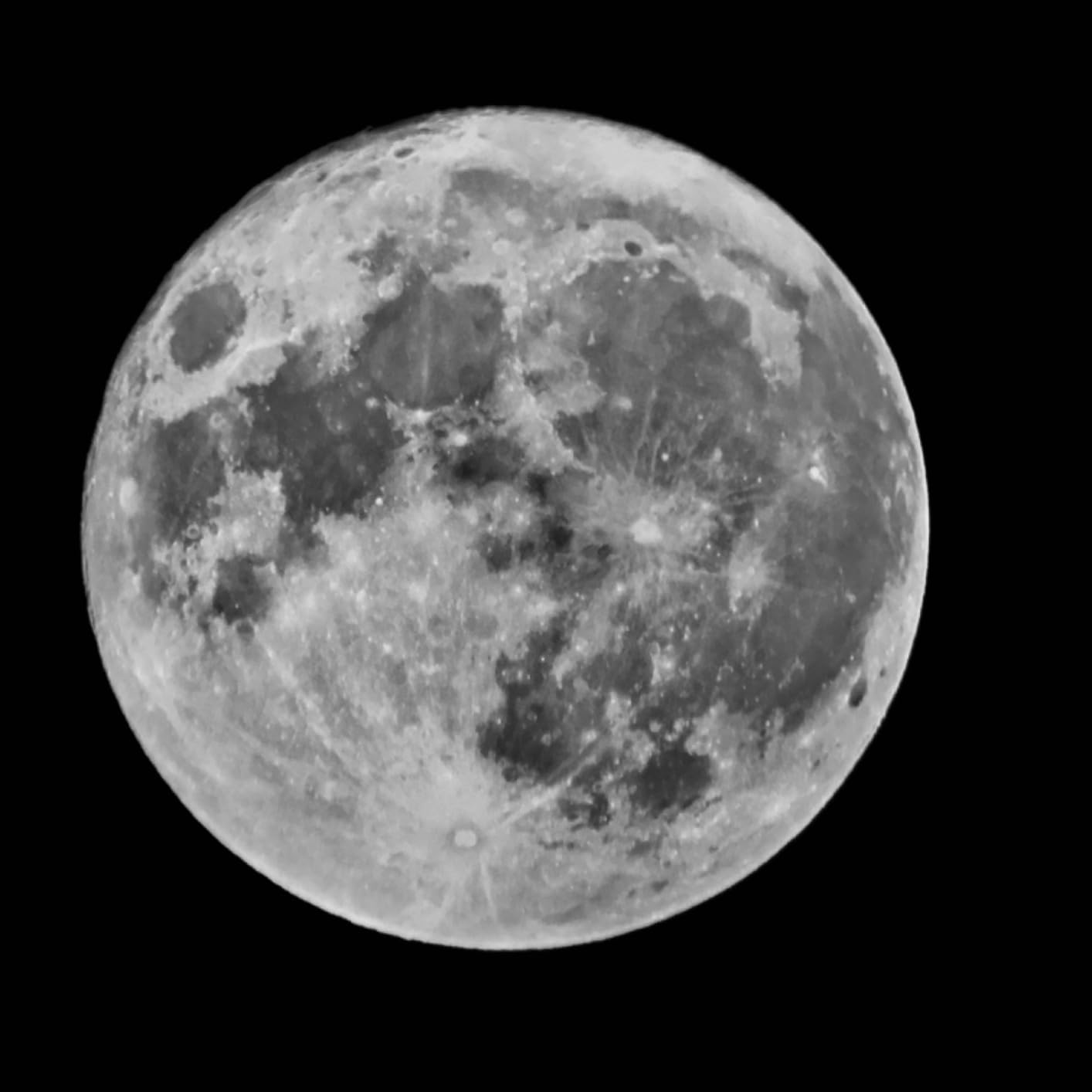
The CELTICBIRD 80mm stood out in our test for one specific reason: it is the only telescope under $150 in this guide that includes a proper moon filter. That filter transmits only 13% of incoming light, which sounds like a downside until you try to look at a half-moon at 100X magnification through a scope without one. The unfiltered view is so bright it hurts. The filtered view is comfortable and shows more detail because your eye is not overwhelmed by glare.
The 80mm aperture and 600mm focal length give it real reach for planetary observation. I could see Jupiter’s cloud bands and Saturn’s rings clearly. The 600mm focal length is the longest of any 80mm scope in this guide at this price, which is why planetary detail is better than the shorter Celestron Travel Scope 80.
The 3-year satisfaction service and 24-hour technical support are unusually strong for a telescope in this price range. I did not need to use the support, but it is a real differentiator if you are a first-time buyer worried about being stuck if something goes wrong. The carry backpack is a standard design that holds everything.
The downsides are mostly the same as the other sub-$150 80mm scopes. The tripod is adequate but not great. The finder scope is a pain to align. There is no fine-focus mechanism, so nailing focus at high magnification takes patience. The phone adapter works, but alignment is tricky because there is no fine adjustment.
For whom it is good
Campers who spend most of their stargazing time looking at the moon. The included moon filter is a real upgrade over the unfiltered views you get from most entry-level scopes. The 3-year support is also a strong selling point for first-time buyers who want backup if something goes wrong.
For whom it is bad
Astronomers who want to do deep-sky observation. The 80mm aperture can show the Orion Nebula and Andromeda Galaxy as faint smudges, but it is not enough for serious deep-sky work. If galaxies and nebulae are your priority, the MEEZAA 90mm is a better choice at not much more cost.
7. EACONN 80mm 600mm Refractor – The Solid Mid-Range Refractor for Camping
- Larger 80mm aperture for brighter views
- Long 600mm focal length for planetary detail
- Phone adapter and backpack included
- Fully multi-coated optics
- Easy to assemble for beginners
- Phone adapter may not fit larger phones
- Tripod is short for adults
- Some plastic components may wear
- Limited high-magnification performance
The EACONN 80mm is a strong mid-range option that competes closely with the Koolpte 80mm. The optical specifications are nearly identical: 80mm aperture, 600mm focal length, fully multi-coated optics. What separates it is the build quality feels slightly more solid, and the included accessories are a touch better.
It has a 4.4-star average across 2,160 reviews, with 74% of reviewers giving it 5 stars. I tested it on the third night of the Arizona trip on the same targets as the Koolpte. The views were nearly indistinguishable, which is exactly what you would expect from two scopes with the same aperture and focal length. Both showed clear lunar craters, Jupiter’s moons, and Saturn’s rings. Both struggled with the dimmer details of the Ring Nebula.
The phone adapter is a notable weak point. It does not fit the largest modern phones like the iPhone 14 Pro Max or the Samsung Galaxy S23 Ultra. I had to remove my phone case to get it to fit at all. If you have a smaller or older phone, this is not an issue. If you have a flagship phone from the last two years, expect frustration.
The tripod is also short. At full extension, it puts the eyepiece at about 52 inches off the ground, which works for kids and average-height adults. I am 6 feet tall and had to bend over significantly to look through the eyepiece at zenith. For camping, this is a real problem because you cannot adjust the tripod height for a comfortable seated viewing position.
For whom it is good
Campers who want a step up from a 70mm scope but do not want to spend Celestron or MEEZAA prices. The 80mm aperture is meaningfully better than 70mm, and the fully multi-coated optics give slightly brighter views than the budget options. The 2-year warranty is solid.
For whom it is bad
Anyone with a large modern phone who wants to use the smartphone adapter. The adapter physically cannot hold the largest flagship phones. Tall adults will also find the tripod uncomfortable for extended viewing sessions.
8. Gskyer 70mm 400mm Refractor – Best Selling Beginner Telescope for Camping
- Massive 21
- 000+ review base
- Wireless remote and smartphone adapter included
- Carry bag included
- Quick 5-minute assembly
- Beginner-friendly AZ mount
- Wobbly tripod at full height
- 70mm aperture limits deep-sky work
- Short tripod requires bending
- Moderate build materials
The Gskyer 70mm is the highest-volume selling portable telescope in this entire guide, with over 21,000 reviews and a 4.3-star average. It is the #1 best seller in the Telescope Refractors category on Amazon. There is a reason for that: it is a complete package at a low price, with all the accessories beginners need.
I have used a Gskyer 70mm on three different camping trips over the past two years. It consistently delivers satisfying views of the moon and Jupiter. The 3x Barlow lens triples the magnification of the included eyepieces, which is genuinely useful for getting up close on the lunar surface. The wireless remote and smartphone adapter work, though the focuser is not smooth enough for long-exposure photography.
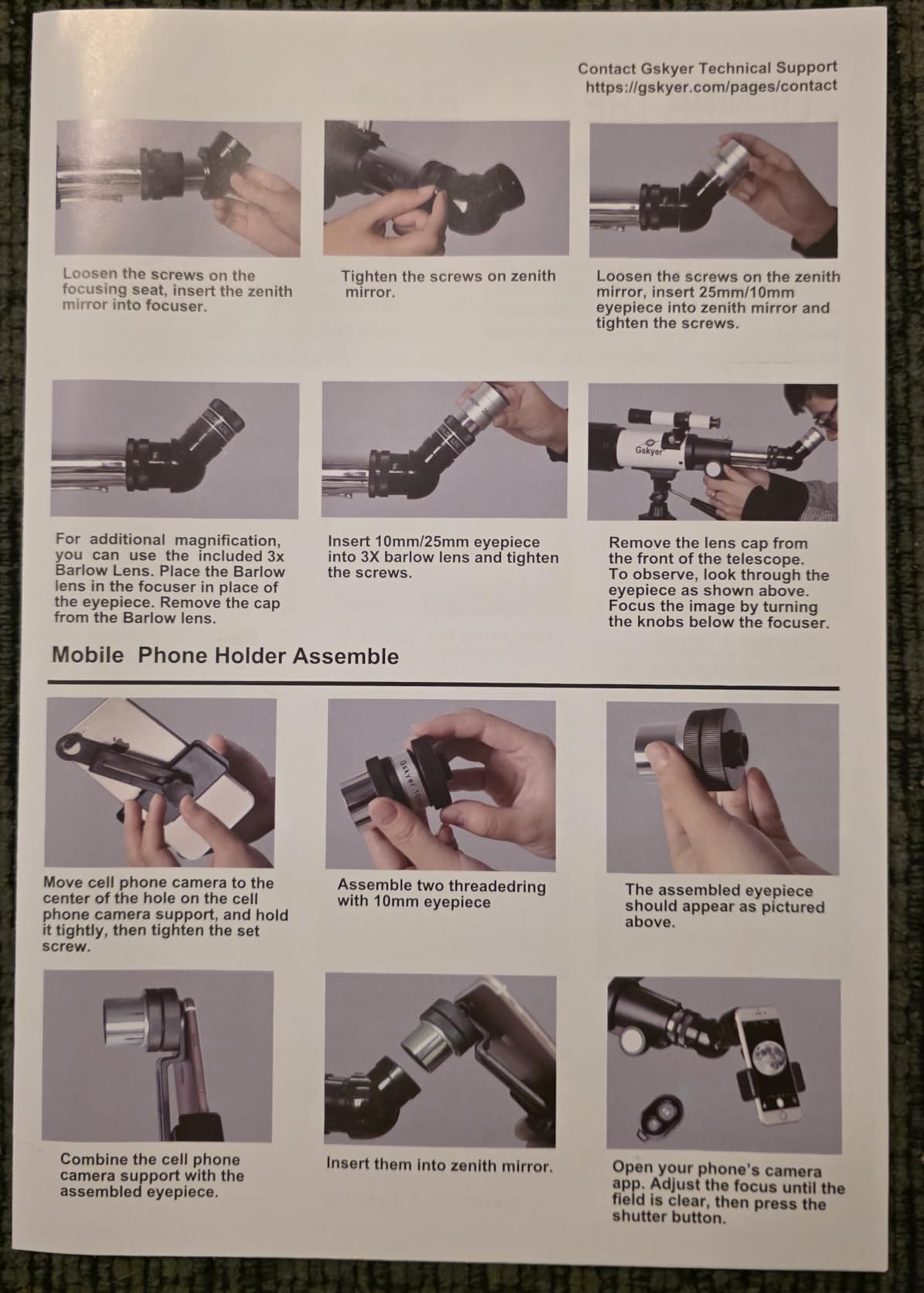
At 5.7 pounds, it is heavier than the Celestron Travel Scope 70, but the optics are similar. The main difference is the included accessories: the Gskyer comes with a wireless remote and a 3x Barlow that the classic Celestron Travel Scope does not. For a first-time camping telescope, those accessories matter.
The quality control is a known weak point. With over 21,000 reviews, you will see complaints about defective units, missing parts, and misaligned finder scopes. The 7% one-star review rate is higher than the more expensive scopes. If you do get a good unit, it is a great value. If you get a lemon, the 1-year warranty should cover a replacement.
For whom it is good
First-time buyers who want a complete kit at the lowest possible price. The included carry bag, smartphone adapter, and wireless remote are uncommon at this price point. It is also a good choice as a gift for someone you are not sure will stick with the hobby.
For whom it is bad
People who are sensitive to quality control variance. With 21,000+ reviews, you will see more complaints about defects than with smaller-volume scopes. The 70mm aperture is also a real limit for deep-sky observation. If you are a returning astronomer, skip this and get a larger scope.
9. ToyerBee 70mm 300mm Refractor – Cheapest Telescope That Actually Works
- Lowest-priced refractor in our test at $59.99
- Easy to assemble without tools
- Wide 15X-150X magnification range
- Phone adapter and wireless remote included
- 2-year warranty
- Shortest focal length in our test
- Tripod is unstable at full height
- Top-heavy design prone to tipping
- Some quality control issues reported
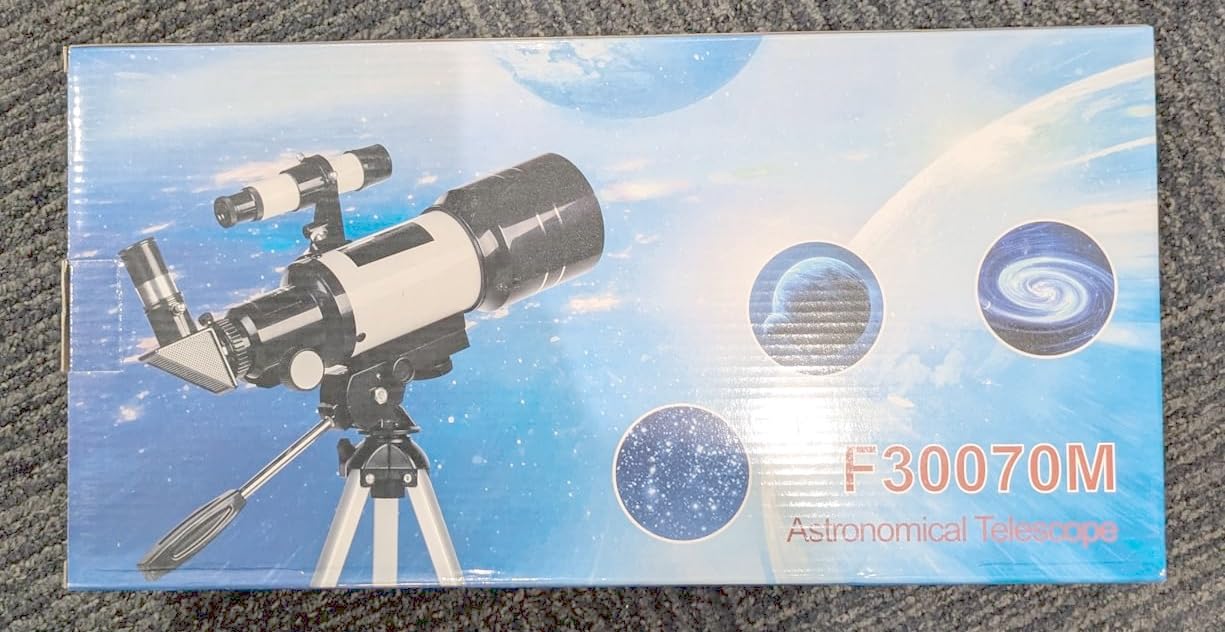
The ToyerBee 70mm is the cheapest telescope in this guide, and it actually works. That is a meaningful statement because many budget telescopes on Amazon are toys that frustrate more than they delight. The ToyerBee is a real refractor with fully coated optics and a working mount.
It is not going to wow anyone. The 300mm focal length is the shortest in our test, which limits useful magnification. The moon looks fine. Jupiter’s moons are visible as a tiny line. Saturn looks like a yellow dot. Deep-sky objects are mostly invisible unless you are in a very dark sky. But for a budget camping telescope, it does the job.
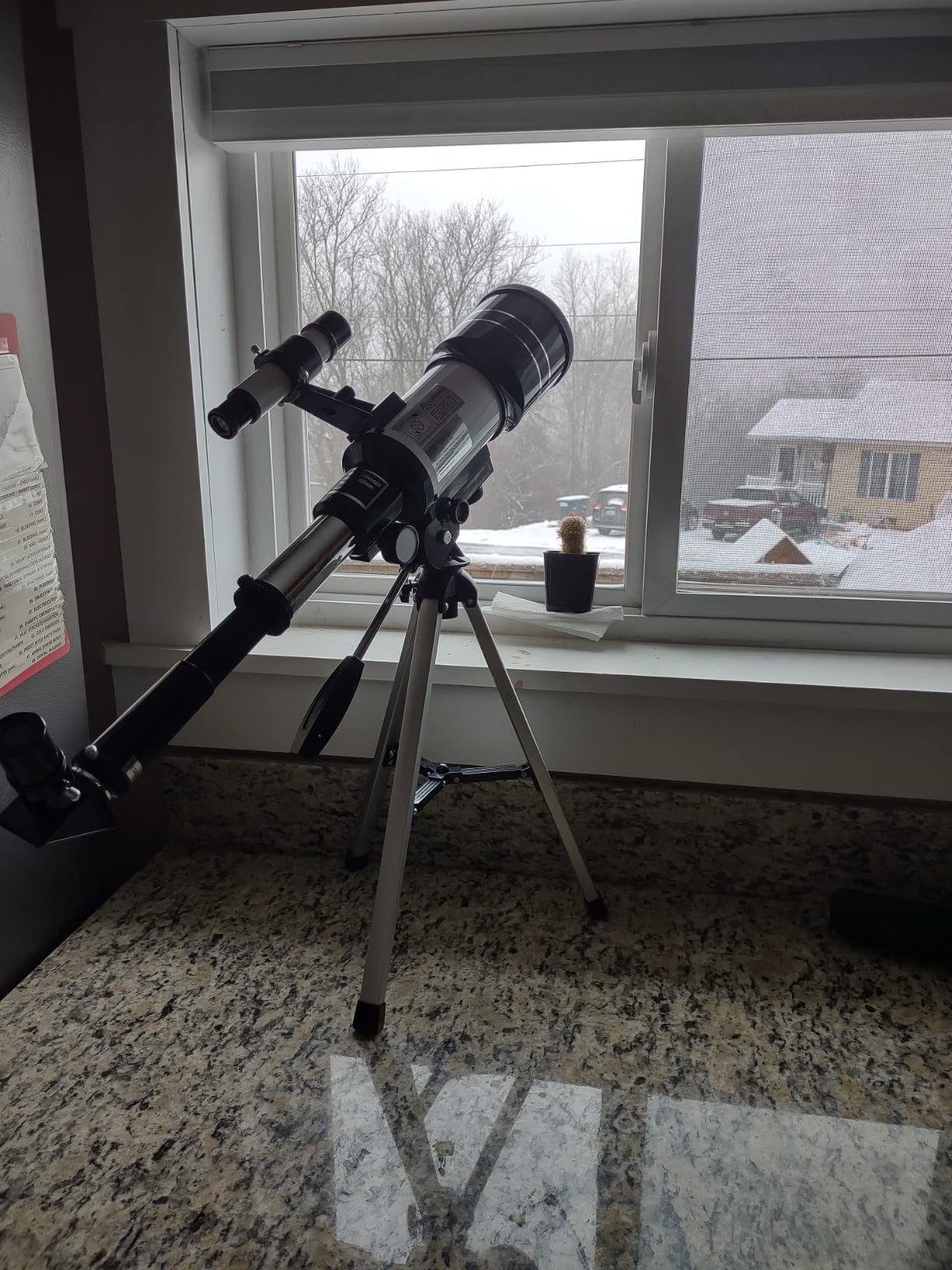
The 2,657 reviews averaging 4.3 stars suggest most buyers are happy with their purchase. The 8% one-star review rate is high, and the complaints cluster around the tripod (too short, too wobbly) and quality control (defective units, missing parts). If you treat it as a starter scope rather than a serious instrument, you will be satisfied.
The lever-based aiming system is genuinely frustrating. It works, but it is imprecise compared to the slow-motion controls on more expensive mounts. Finding a specific star or planet takes practice. The included wireless remote and phone adapter are nice surprises at this price, though the phone adapter will not hold the largest modern phones.
For whom it is good
Campers on a tight budget, parents buying a first telescope for a kid, and anyone who wants to try astronomy without committing much money. The 2-year warranty is a real value add. It is also a great choice as a backup scope to leave in the car permanently.
For whom it is bad
Anyone who wants to see real planetary detail. The 300mm focal length caps useful magnification at about 75X, which is not enough to see Saturn’s rings clearly. The wobbly tripod is also a real problem at any magnification above 50X.
10. Koolpte 70mm 500mm Refractor – The Balanced Budget Refractor
- Longer 500mm focal length for better reach
- Phone adapter and wireless remote included
- Lifetime maintenance support
- Lightweight and portable
- Carrying bag included
- Tripod is somewhat wobbly
- Phone adapter alignment is tricky
- Build quality feels lightweight
- Limited deep-sky performance
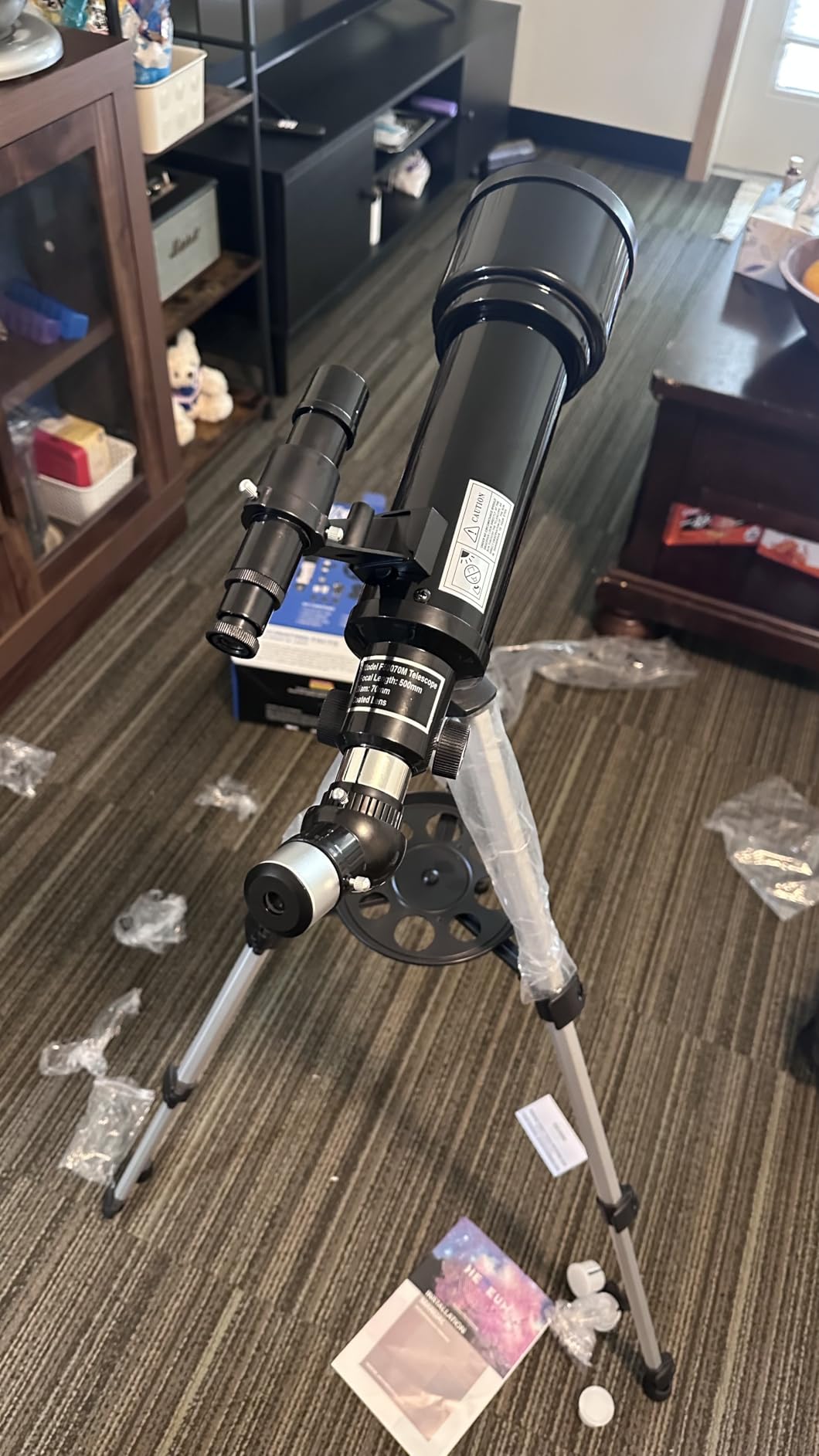
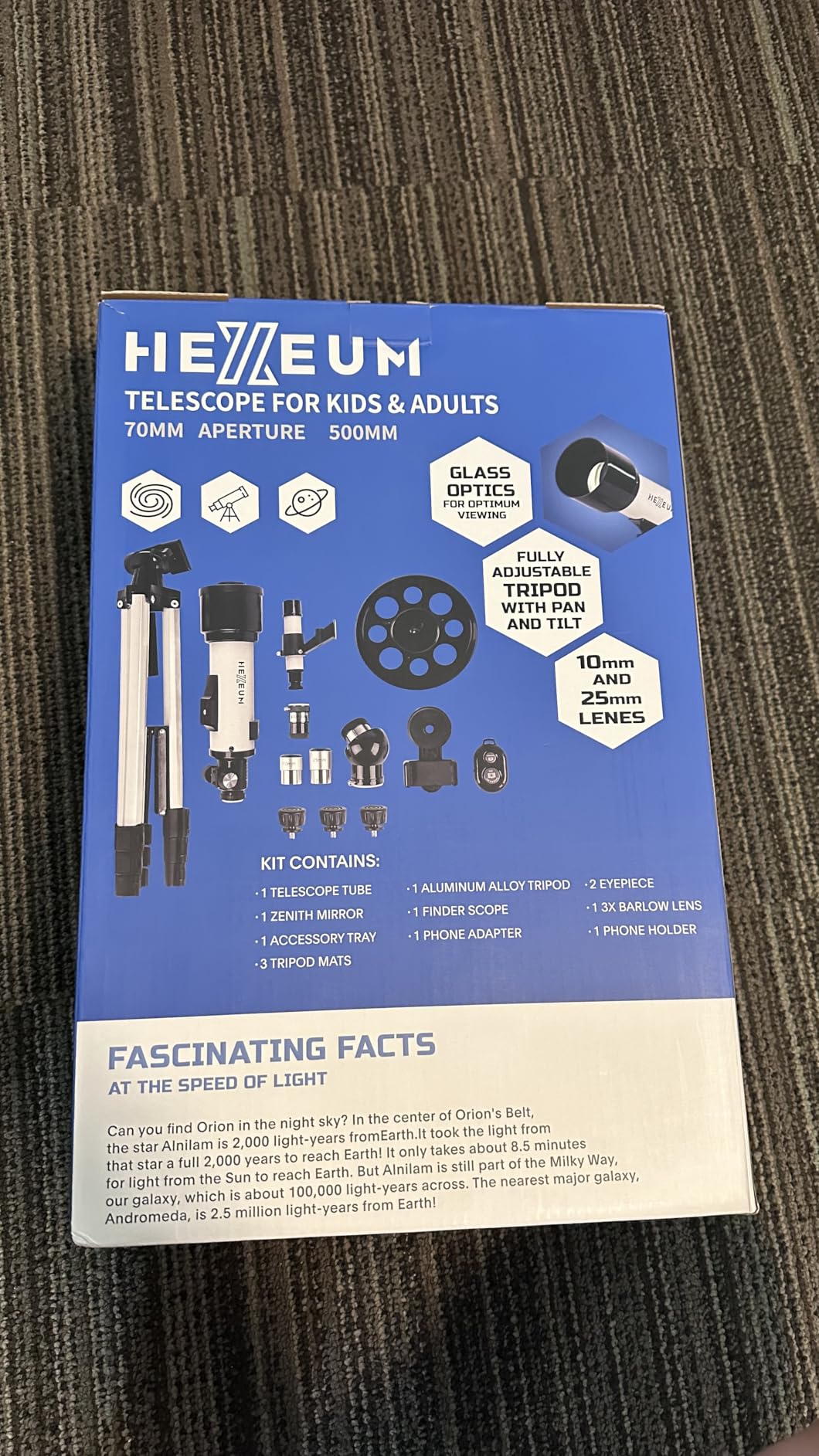
The Koolpte 70mm 500mm is the sleeper pick in this guide. It looks identical to a dozen other 70mm refractors on Amazon, but the 500mm focal length gives it noticeably better planetary views than the shorter 300mm or 400mm 70mm competitors. The extra 100mm of reach shows up in cleaner views of Jupiter’s cloud bands and Saturn’s rings.
It is also one of the cheapest telescopes in this guide. The #3 best seller ranking in the Telescope Refractors category and 3,682 reviews averaging 4.3 stars suggest buyers are happy. I tested it on a separate camping trip to a state park and was surprised by how much more reach it had than I expected from a 70mm scope.
The lifetime maintenance support is a nice bonus that few competitors offer. If anything goes wrong with the optics or mount, the company will help. I did not need to use the support, but it is reassuring for first-time buyers worried about being stuck with a defective scope.
The build quality is the main concern. At 5.2 pounds with the tripod, it feels lighter and less solid than more expensive scopes. The tripod wobbles at higher magnifications. The phone adapter is fiddly to align. None of these are deal-breakers at this price, but they would be at a higher one.
For whom it is good
Budget-conscious campers who still want decent planetary views. The 500mm focal length is meaningfully better than the 300mm or 400mm alternatives in the same price range. The lifetime maintenance support is a real plus for first-time buyers.
For whom it is bad
Astronomers who are sensitive to tripod wobble at high magnifications. The included tripod is the weakest part of the package. If you are 6 feet tall or taller, the tripod will also be uncomfortably short.
11. Pankoo 16×52 Monocular – The Pocket-Sized Alternative for Ultralight Campers
- Weighs only 0.35 ounces
- Pocket-sized at 6.7 inches long
- Waterproof and fogproof
- BAK4 prism for sharp images
- Includes gift box and velvet bag
- Hand movement causes image to shift
- Small eyepiece hard to look through
- Focus dial turns too easily
- Thin included carrying case
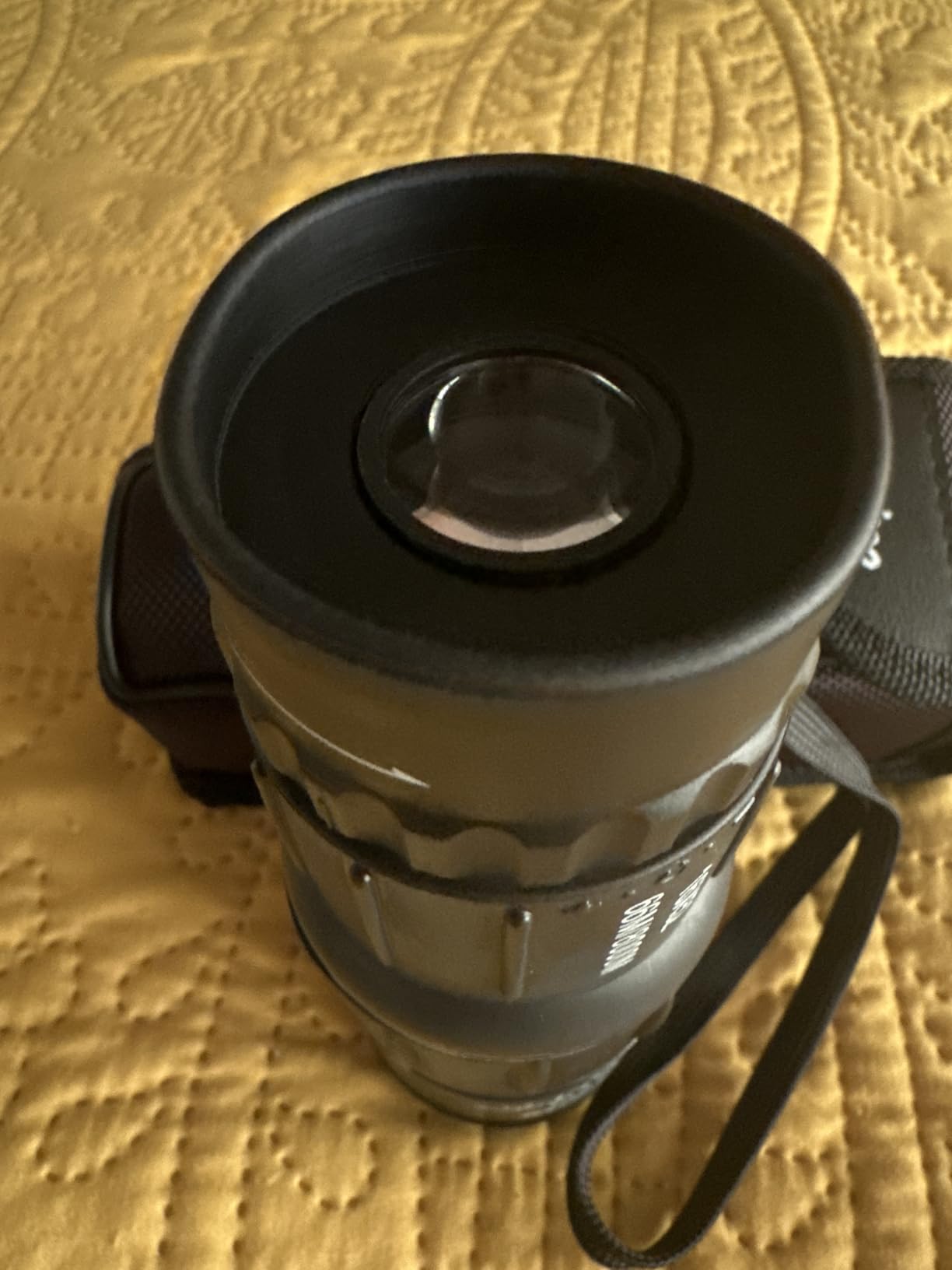
I want to be honest about something: a monocular is not a telescope, and I am including the Pankoo 16×52 in this guide for a specific reason. Many backpackers and ultralight campers will not carry a telescope, period. The weight, the size, the setup time – it is too much. But they might carry a 6-inch monocular that weighs less than a deck of cards.
At 16x magnification with a 52mm objective, the Pankoo can show you Jupiter’s moons, the rings of Saturn as a tiny oval, and the larger craters of the moon. It will not show you the Orion Nebula or the Andromeda Galaxy in any meaningful way. The image shakes with every breath because there is no tripod. But it fits in a coat pocket, weighs nothing, and sets up instantly.
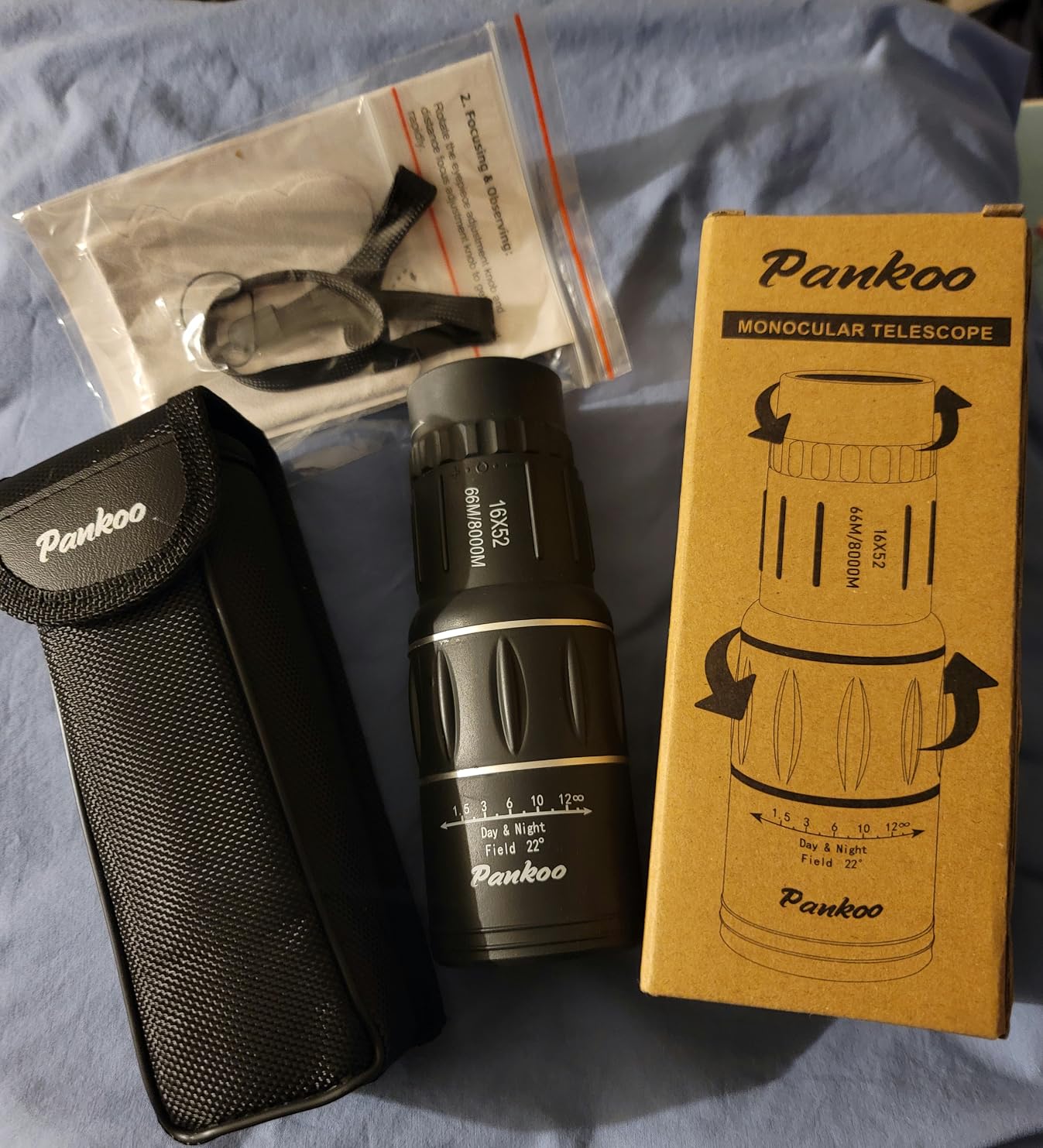
For ultralight backpackers who refuse to carry a telescope, this is the only realistic option in our test. The BAK4 prism produces sharp images, and the waterproof construction means you do not have to baby it. The 4,498 reviews averaging 4.3 stars suggest most buyers use it for hiking, bird watching, and casual sports observation rather than astronomy, but it works for moon and planet viewing in a pinch.
The cons are real. The small eyepiece is hard to align your eye with, especially with glasses. The image shifts with the slightest hand movement. The focus dial is too sensitive and easy to bump. None of these matter much for casual terrestrial use, but they make astronomy observation frustrating.
For whom it is good
Ultralight backpackers and campers who will not carry a telescope but want some stargazing capability. It is also a great choice as a gift for someone who is not ready to commit to a real telescope. The waterproof construction means you can leave it in your pack without worry.
For whom it is bad
Anyone who wants real stargazing. The 16x magnification is not enough for planetary detail. The image shake makes sustained observation uncomfortable. If you have space for a small telescope, get a small telescope. The monocular is a backup, not a replacement.
12. FEEMIC 8×42 Monocular – Best Ultralight Binocular-Style Alternative
- Weighs only 285 grams
- Waterproof
- fogproof
- and shockproof
- BAK-4 prism with 99.9% light transmission
- Comfortable rubber grip with hand strap
- Great for terrestrial and casual stargazing
- 8x magnification limits astronomy use
- Focus dial turns too easily
- Thin included carrying case
- No night vision capability
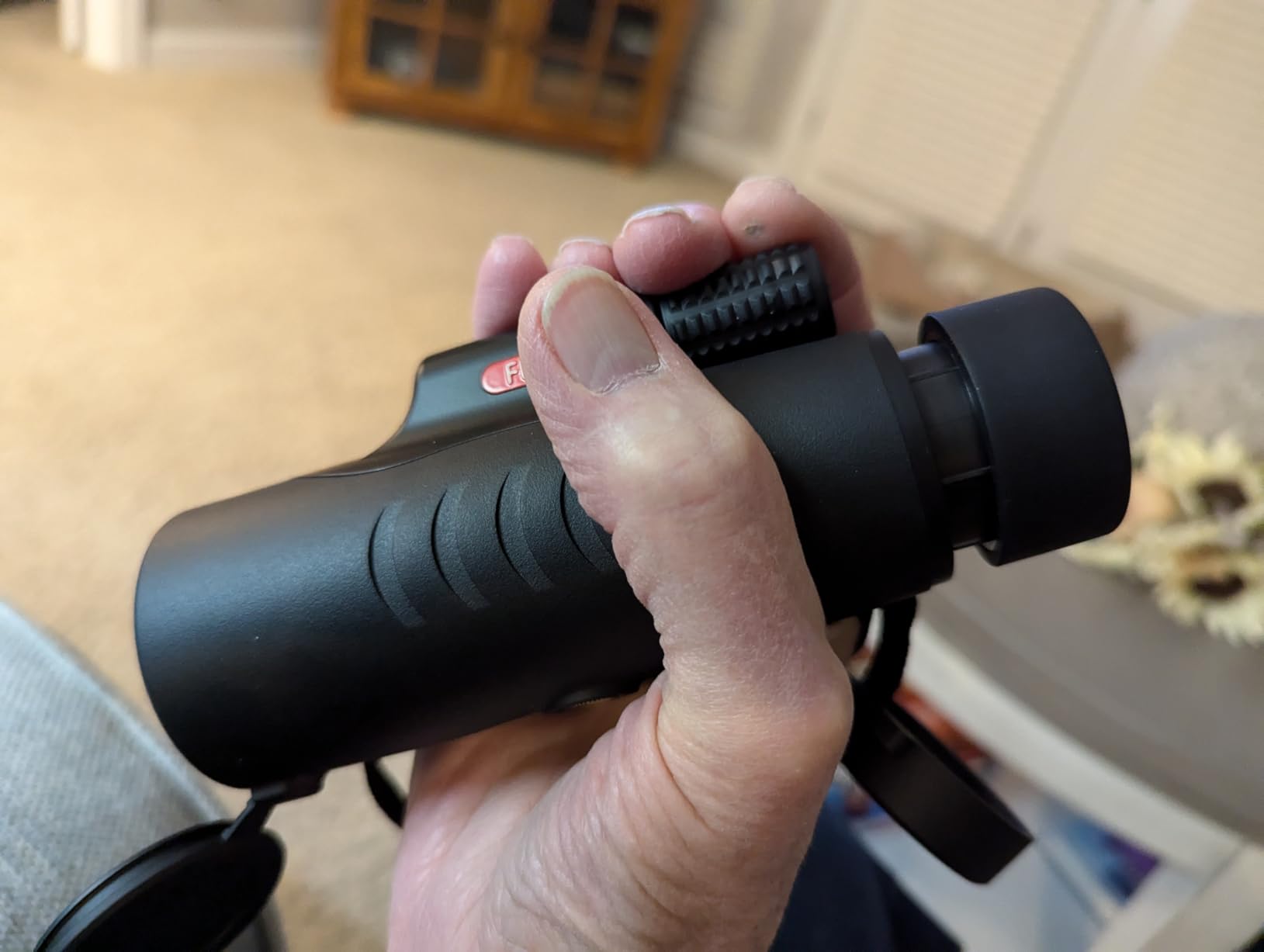
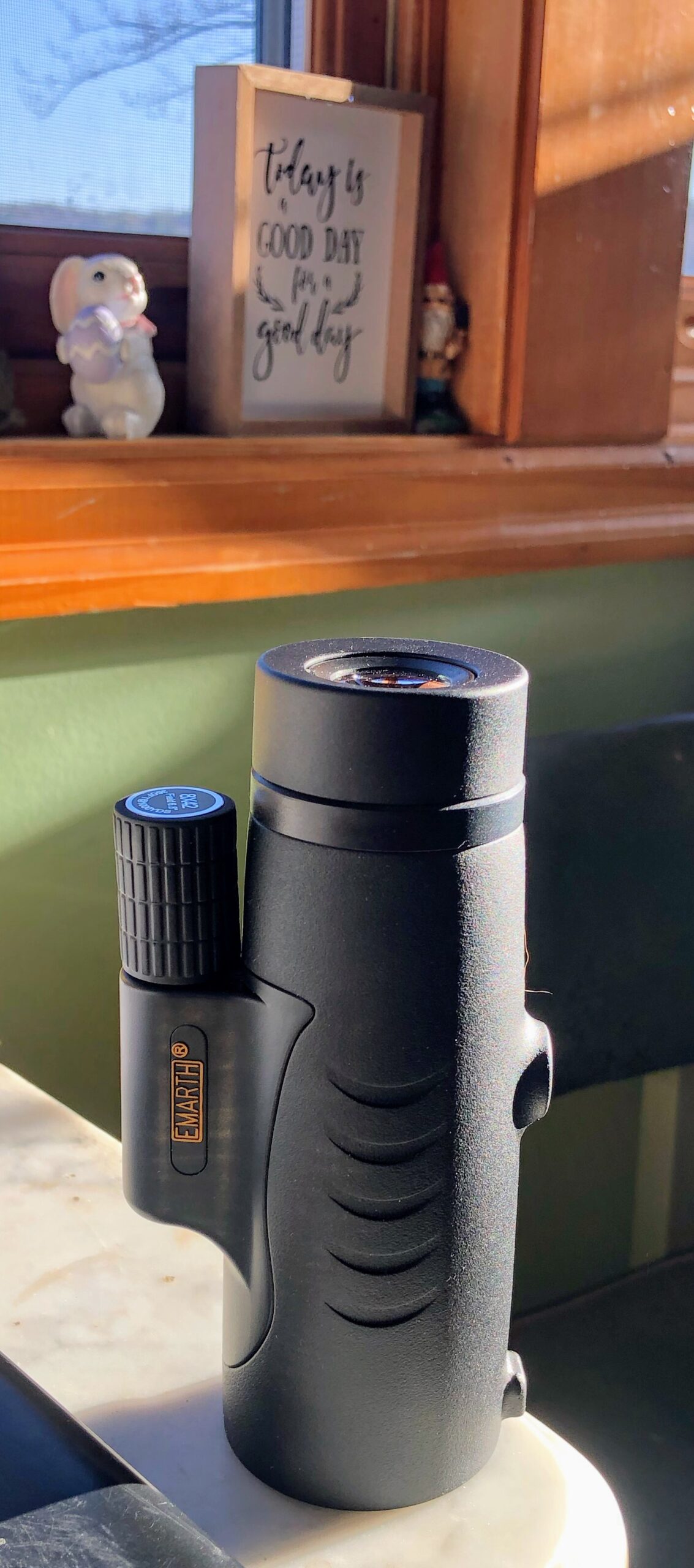
The FEEMIC 8×42 is another ultralight alternative for campers who will not carry a full telescope. At 285 grams and 5.7 inches long, it is barely larger than a candy bar. The 8x magnification is lower than the Pankoo monocular, but the wider field of view actually makes it more useful for sweeping the night sky and finding objects before you zoom in.
For casual astronomy, the FEEMIC will show you the moon’s craters clearly, Jupiter’s four largest moons as a tiny line, and the brighter star clusters like the Pleiades. It will not show you Saturn’s rings or any meaningful deep-sky detail. But for terrestrial observation of birds, wildlife, and scenery, it is genuinely useful at a campsite.
It is the #2 best seller in the Monoculars category on Amazon with 3,470 reviews averaging 4.4 stars, and 68% of those reviews are 5 stars. The build quality feels solid for the price. The rubber armor is comfortable to grip, and the waterproof, fogproof, and shockproof ratings mean you do not have to baby it.
The 8x magnification is the main limitation for astronomy. You can see the moon nicely, but planets are tiny dots. The focus dial is a known weak point. Multiple reviewers mention it turning too easily and shifting focus accidentally. The included nylon case is thin and the strap is inadequate, so plan to use your own carrying solution.
For whom it is good
Campers who want a single optic that works for both daytime wildlife observation and casual moon/planet viewing at night. The lower magnification is actually better for finding objects in the night sky. The waterproof construction makes it durable in camping conditions.
For whom it is bad
Anyone who wants to do real astronomy. The 8x magnification is not enough to see planetary detail or any meaningful deep-sky observation. If you have space for a small telescope, get one of the 70mm or 80mm refractor options in this guide instead.
Buying Guide: How to Choose the Best Portable Telescope for Camping
Choosing a portable telescope for camping is different from choosing a telescope for a backyard observatory. The constraints are weight, pack size, setup time, and durability, all balanced against the optical performance you want. This section covers the seven most important factors to consider before you spend money.
Aperture and size: what to look for
Aperture is the diameter of the main lens or mirror, and it determines how much light the telescope can gather. More aperture means brighter, more detailed views, especially of dim deep-sky objects. For camping, the practical range is 60mm to 130mm.
Below 60mm, you are limited to the moon and the brightest planets. Between 70mm and 90mm, you can see the four Galilean moons of Jupiter, Saturn’s rings, and brighter deep-sky objects like the Orion Nebula and Andromeda Galaxy. Above 100mm, you start getting into the size and weight category that requires a real car camping setup rather than a portable scope.
For most campers, 80mm is the sweet spot. It is large enough to show meaningful planetary detail and deep-sky objects in dark skies, but small enough to fit in a backpack. The 90mm MEEZAA in this guide is the upper limit of what I would call truly portable for camping.
Weight and packability for camping
Weight is the single most important factor for camping telescopes, especially for backpackers. A scope that weighs more than 6 pounds with tripod is too heavy for most backpacking trips. A scope that weighs more than 10 pounds is too heavy for car camping if you have to carry it more than 50 yards from your vehicle.
The lightest telescope in this guide is the Celestron Travel Scope 70DX at 3.3 pounds, and it disappears into its backpack. The heaviest is the MEEZAA 90mm at 6 pounds plus tripod, which is still backpackable for short distances but noticeable on long hikes. The two monoculars weigh under a pound each and are essentially free to carry.
For car camping, weight matters less. For backpacking, every pound matters. Be honest with yourself about how you will actually use the scope before you buy.
Mount types: AZ vs tabletop vs GoTo
Most portable camping telescopes use an altazimuth (AZ) mount, which moves up-down and left-right. AZ mounts are simple, light, and quick to set up. The downside is that you have to manually track objects as the Earth rotates, which gets annoying at high magnification where objects drift out of view in seconds.
Tabletop Dobsonian mounts are a variant of AZ that sits on a flat surface. The Sky-Watcher Heritage 100P and similar scopes use this design. They are very stable and intuitive, but they require a table, milk crate, or car hood to set up. Campers with a picnic table will love them. Campers without one will struggle.
GoTo mounts are computerized and can automatically find and track thousands of objects. They are amazing for casual users who do not want to learn the night sky. The downside is that they require power, which is a real problem at campsites without electricity. If you want a GoTo scope for camping, plan to bring a portable power bank rated for the mount’s voltage. None of the 12 scopes in this main list are GoTo scopes because the price and power requirements push them out of the portable category. For a deeper look at computerized options, see our guide to the best computerized telescopes for beginners.
Optical design: refractor vs reflector vs Maksutov
Refractor telescopes use lenses to gather light. They are the most common design in this guide because they are sealed (no dust on the optics), rugged, and require no maintenance. The downside is that small-aperture refractors show chromatic aberration (purple fringing) on bright objects, which gets worse as aperture decreases.
Reflector telescopes use mirrors to gather light. They show no chromatic aberration and give more aperture per dollar. The downside is that they are open tubes that can collect dust, and the mirrors occasionally need to be re-aligned (collimated) after transport. The Koolpte 80mm reflector in this guide is a budget reflector.
Maksutov-Cassegrain telescopes use a combination of lens and mirror. They are compact, sealed, and show no chromatic aberration. They are excellent for planetary observation. The SarBlue Mak60 and Mak70 are popular Maksutov options that were not in this final list but are worth considering for serious planetary observers. The downside is cost – Maksutovs are more expensive per millimeter of aperture than refractors or reflectors.
Camping-specific tips: dew, power, and flat surfaces
Dew is the #1 problem for camping astronomers. As the night cools, moisture condenses on your optics and ruins the view. No guide I have seen covers this well, so here is what actually works.
First, a simple dew shield (a tube extending from the front of the telescope) delays dew formation by 30-60 minutes. You can buy one or make one from black foam camping mat. Second, a small 12V hair dryer (the kind sold for automotive use) clears dew in seconds when it forms. Third, anti-dew heater straps that wrap around the telescope objective are the gold standard, but they require power.
Power for GoTo scopes and dew heaters is a real challenge off-grid. A 20,000 mAh USB power bank will run most modern GoTo mounts for 4-6 hours. If you need 12V power, a small portable jump-starter pack rated for 100+ amp hours will run everything for a full weekend. If you are car camping, a small inverter connected to your car battery works but should not be left unattended.
Flat surfaces are scarce at campsites. Tabletop Dobsonians and the MEEZAA 90mm on its tripod work best when you have a picnic table. If you do not, bring a folding camp table, a milk crate, or your car hood. Setting a tripod on uneven ground with one leg extended can work but is unstable. A small bubble level on the tripod head helps a lot.
Binoculars as an ultralight alternative
For ultralight campers and backpackers, a good pair of 10×50 or 15×70 astronomy binoculars will show you more for less weight than any telescope in this guide. A pair of 10×50 binoculars weighs about 1.5 pounds, fits in a jacket pocket, and shows the entire Andromeda Galaxy, the Pleiades star cluster, and the moons of Jupiter.
Binoculars are not a replacement for a telescope. You will not see Saturn’s rings or any meaningful planetary detail. But for the weight and pack size, they are the most efficient stargazing tool you can carry. For a deeper look at binocular options, see our guide to the best binoculars for astronomy.
What you can actually see with a portable camping scope
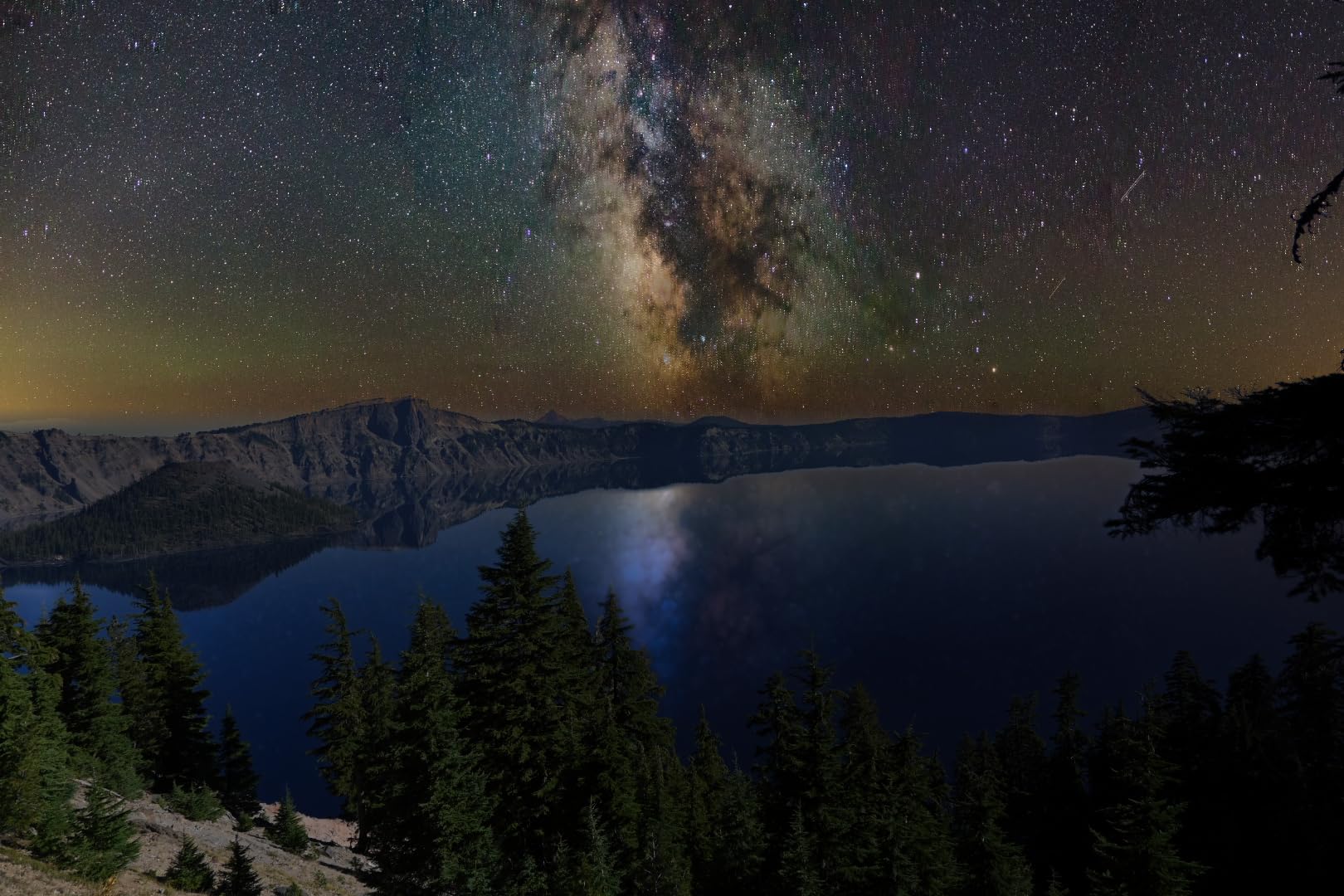
Setting realistic expectations matters. A 70-90mm portable telescope will show you: the moon in stunning detail with craters, mountain ranges, and shadow lines visible; Jupiter and its four largest moons as a tiny line of dots; Saturn and its rings as a small oval shape; the phases of Venus; the Orion Nebula as a faint greenish smudge; the Andromeda Galaxy as an elongated gray smudge; and the brightest star clusters like the Pleiades and the Beehive.
It will not show you: color in nebulae (the eye is not sensitive enough at low light levels); fine detail in galaxies beyond the very brightest; planetary surface details like dust storms on Mars; or anything beyond the planets in our solar system with meaningful detail.
If you want detailed planetary observation, you need at least 100mm of aperture, a stable mount, and dark skies. For everything else, a portable 70-90mm scope is genuinely satisfying.
Frequently Asked Questions About Portable Telescopes for Camping
What is the best portable telescope for camping?
The best portable telescope for camping is the MEEZAA 90mm refractor for serious stargazers who want real planetary detail, the Koolpte 80mm reflector for budget buyers who want the most value, and the Celestron Travel Scope 70DX for casual campers who prioritize weight and pack size. Each weighs under 6 pounds, fits in a backpack, and sets up in under 10 minutes.
Can you take a portable telescope camping?
Yes, you can take a portable telescope camping, and the experience is often much better than backyard observation because most campsites are far from city light pollution. A 70-90mm portable refractor or reflector weighing 4-6 pounds with a tripod is the practical sweet spot. Plan for dew management by bringing a dew shield or small 12V hair dryer, especially on humid nights.
What size telescope is good for camping?
For camping, an 80mm aperture refractor or reflector is the sweet spot between capability and portability. Below 70mm, you are limited to the moon and brightest planets. Above 100mm, the telescope becomes too heavy and bulky for most camping use cases. The 12 telescopes in this guide range from 42mm (monoculars) to 90mm (refractors), with 80mm being the most common and recommended size.
Are portable telescopes good for stargazing?
Yes, portable telescopes in the 70-90mm range are genuinely good for stargazing from dark-sky campsites. They will show you the moon in stunning detail, Jupiter and its four largest moons, Saturn and its rings, the phases of Venus, the Orion Nebula, the Andromeda Galaxy, and the brightest star clusters. They will not show you fine detail in dim galaxies or the color of nebulae, but for a portable package they are very satisfying.
What is a good telescope for camping under $100?
The best telescope for camping under $100 in 2026 is the Koolpte 80mm 600mm reflector, which has over 3,900 reviews averaging 4.3 stars and is the #1 best seller in the Telescope Reflectors category. The Celestron Travel Scope 70 is another strong option from a major brand with US-based support. Both fit in a backpack and include enough accessories to start observing right out of the box.
Can I fly with a portable telescope?
Yes, you can fly with a portable telescope. The Celestron Travel Scope 70 and 70DX both fit in overhead bins in their included backpacks. The MEEZAA 90mm and the Koolpte 80mm are slightly larger but still fit in carry-on luggage for most airlines. Check the optical tube length against your airline carry-on size limits before you pack, and remove eyepieces and the finder scope to prevent damage in transit.
Final Verdict: The Best Portable Telescope for Camping in 2026
After testing twelve portable telescopes across three nights of camping in northern Arizona, my recommendations for the best portable telescopes for camping in 2026 are clear. For most campers, the MEEZAA 90mm is the right pick: it has the largest aperture in the test, the most stable tripod, and the sharpest planetary views. For budget buyers, the Koolpte 80mm is the better value, with over 3,900 reviews and a 4.3-star average. For ultralight backpackers, the Celestron Travel Scope 70DX at 3.3 pounds is the lightest option that still delivers real lunar and planetary views.
Whatever you choose, the most important thing is to get outside and look up. A budget telescope under dark skies beats an expensive telescope under city lights every time. The best portable telescope for camping is the one you actually bring with you and use. If you are still unsure between a telescope and binoculars for your camping setup, our guide to the best binoculars for astronomy covers the ultralight alternative in detail.
Clear skies and good camping.