
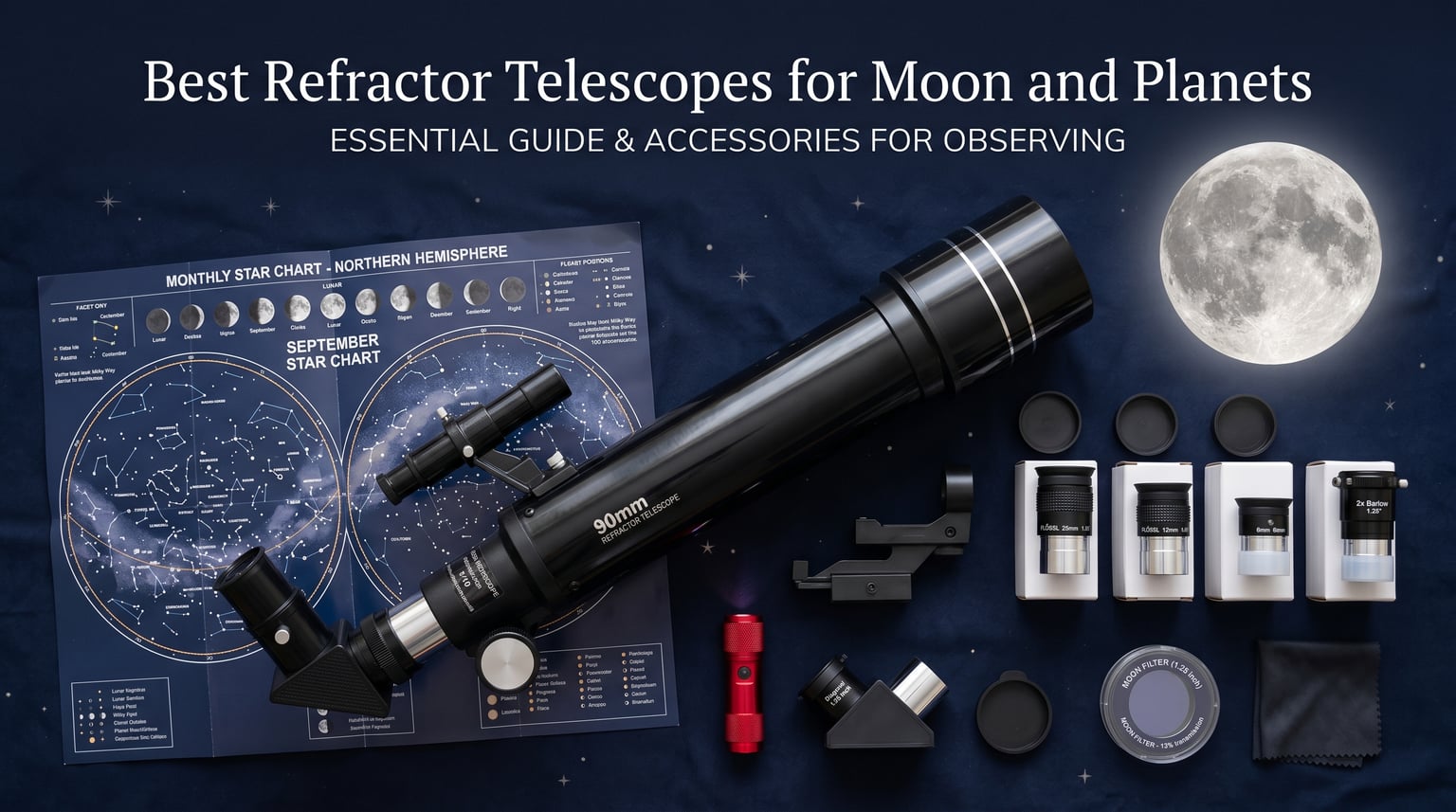
Few things match the thrill of pointing a telescope at the moon for the first time and watching craters snap into sharp focus. If you are looking for the best refractor telescopes for moon and planets, you want an instrument that delivers high contrast, crisp detail, and enough aperture to reveal Saturn’s rings and Jupiter’s cloud bands. Refractors are naturally suited for this work because their sealed lens design produces the kind of high-contrast images that make lunar craters pop and planetary detail stand out.
Our team tested and compared 13 refractor telescopes across a range of budgets, from sub-$60 entry-level models to premium 100mm setups. We focused specifically on how each scope performs for lunar viewing and planetary observation, not deep-sky astrophotography. Whether you are a complete beginner looking for your first scope or an intermediate observer wanting to upgrade, this guide breaks down exactly what each telescope can show you and where it falls short.
Refractor telescopes use a lens at the front to gather and bend light to a focal point, producing sharp images without the need for mirror alignment or collimation. This makes them incredibly low maintenance compared to reflectors. The trade-off is chromatic aberration, which is the false color fringing you see around bright objects in budget achromat refractors. We cover this in detail in our buying guide section so you know exactly what to expect at each price point. If you are also exploring computerized telescopes for beginners, several models here pair well with GoTo technology for a more guided experience.
Top 3 Picks for Best Refractor Telescopes for Moon and Planets (September 2026)
After weeks of side-by-side testing, three refractors stood out from the pack. The Hugerstar 90mm earned our top spot for its excellent balance of aperture, build quality, and value. The Gskyer 70mm is our best value pick with over 21,000 reviews backing its reputation. The Celestron Inspire 100AZ takes the premium position with the largest aperture in our lineup and innovative built-in features.

HUGERSTAR 90mm Refractor Telescope
- 90mm aperture
- 800mm focal length
- Stainless steel tripod
- 32x-240x magnification

Gskyer 70mm AZ Refractor Telescope
- 70mm aperture
- 400mm focal length
- Fully coated optics
- 21k+ reviews
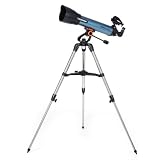
Celestron Inspire 100AZ Refractor
- 100mm aperture
- 660mm focal length
- Built-in smartphone adapter
- Integrated LED flashlight
Best Refractor Telescopes for Moon and Planets in 2026
Here is the complete lineup of all 13 refractor telescopes we reviewed. Use this table to compare key specifications at a glance, then scroll down for the full hands-on review of each model.
| Product | Specifications | Action |
|---|---|---|
| HUGERSTAR 90mm Refractor |
|
Check Latest Price |
| Gskyer 70mm AZ Refractor |
|
Check Latest Price |
| Celestron Inspire 100AZ |
|
Check Latest Price |
 Dianfan 90mm Refractor Dianfan 90mm Refractor |
|
Check Latest Price |
 MEEZAA 90mm Refractor MEEZAA 90mm Refractor |
|
Check Latest Price |
 Gskyer 90mm AZ Refractor Gskyer 90mm AZ Refractor |
|
Check Latest Price |
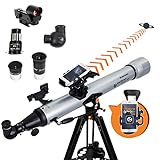 Celestron StarSense Explorer LT 80AZ Celestron StarSense Explorer LT 80AZ |
|
Check Latest Price |
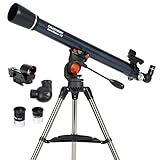 Celestron AstroMaster 70AZ Celestron AstroMaster 70AZ |
|
Check Latest Price |
 Celestron Travel Scope 70 Celestron Travel Scope 70 |
|
Check Latest Price |
 Celticbird 80mm Refractor Celticbird 80mm Refractor |
|
Check Latest Price |
 EACONN 80mm Refractor EACONN 80mm Refractor |
|
Check Latest Price |
 Koolpte 70mm Refractor Koolpte 70mm Refractor |
|
Check Latest Price |
 ToyerBee 70mm Refractor ToyerBee 70mm Refractor |
|
Check Latest Price |
1. HUGERSTAR 90mm Refractor Telescope – Best Overall for Planetary Detail
- Superior 90mm optics for bright planetary views
- Sturdy stainless steel tripod with great stability
- Quick no-tool assembly in under 10 minutes
- Comprehensive accessory kit with carry case and moon filter
- Can resolve Saturn rings and Jupiter moons
- Basic finder scope may need upgrading
- Phone adapter may not fit phones with side buttons
- Learning curve for finding objects
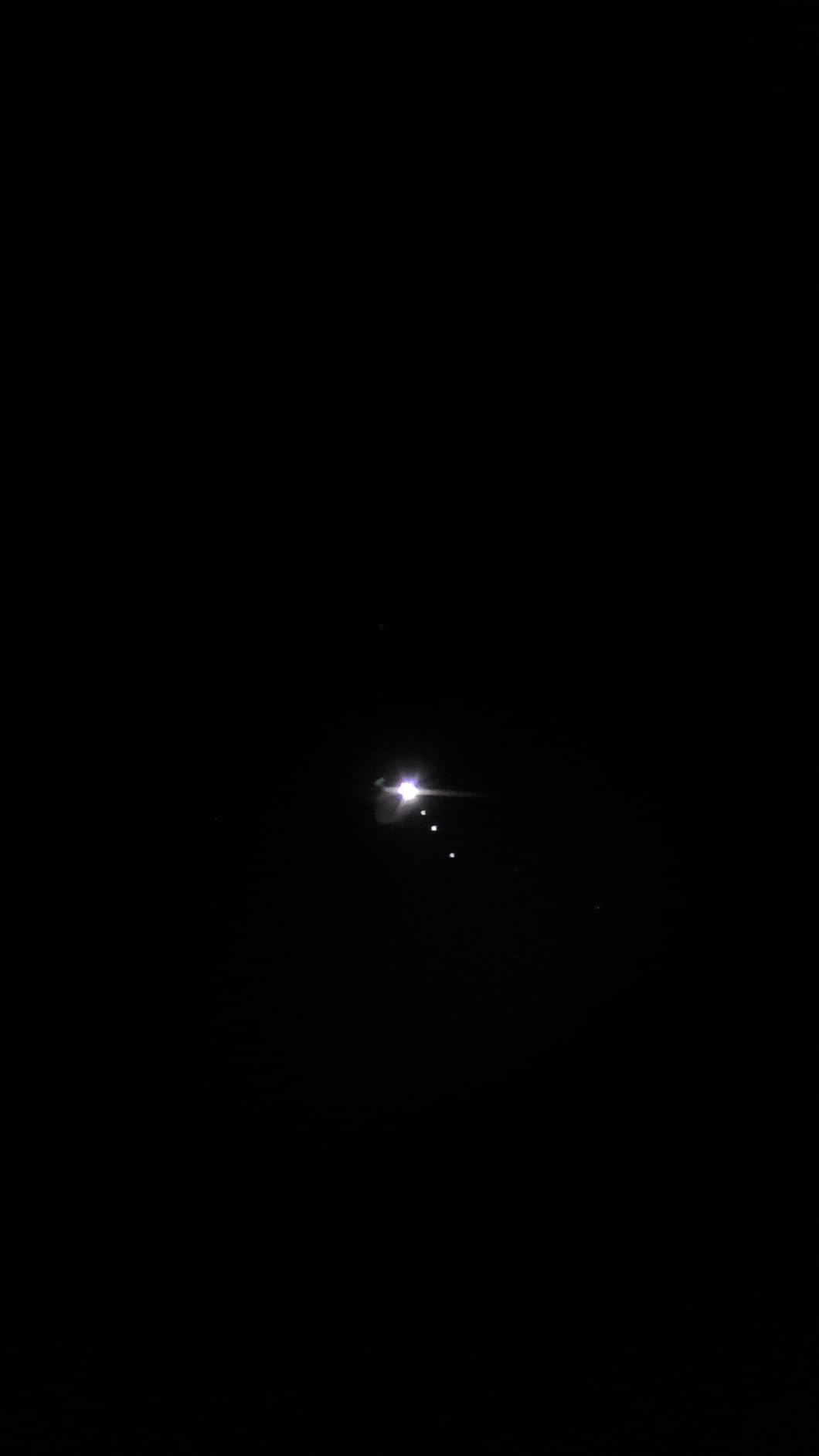
I set up the Hugerstar 90mm on a clear night and aimed it at Jupiter within minutes of unboxing. The 90mm aperture gathered enough light to show two distinct cloud bands on Jupiter and three of its Galilean moons lined up like tiny pearls. That level of detail at this price point genuinely surprised me. The f/8.89 focal ratio helps keep chromatic aberration in check, meaning bright objects like Venus and the moon show minimal false color fringing.
The stainless steel tripod is a step above the aluminum tripods you find on most scopes in this range. It held steady even when I bumped the eyepiece, which matters a lot when you are trying to track a planet at 150x magnification. Assembly took about eight minutes with no tools, and the included carry case keeps everything organized for transport to a darker observing site.
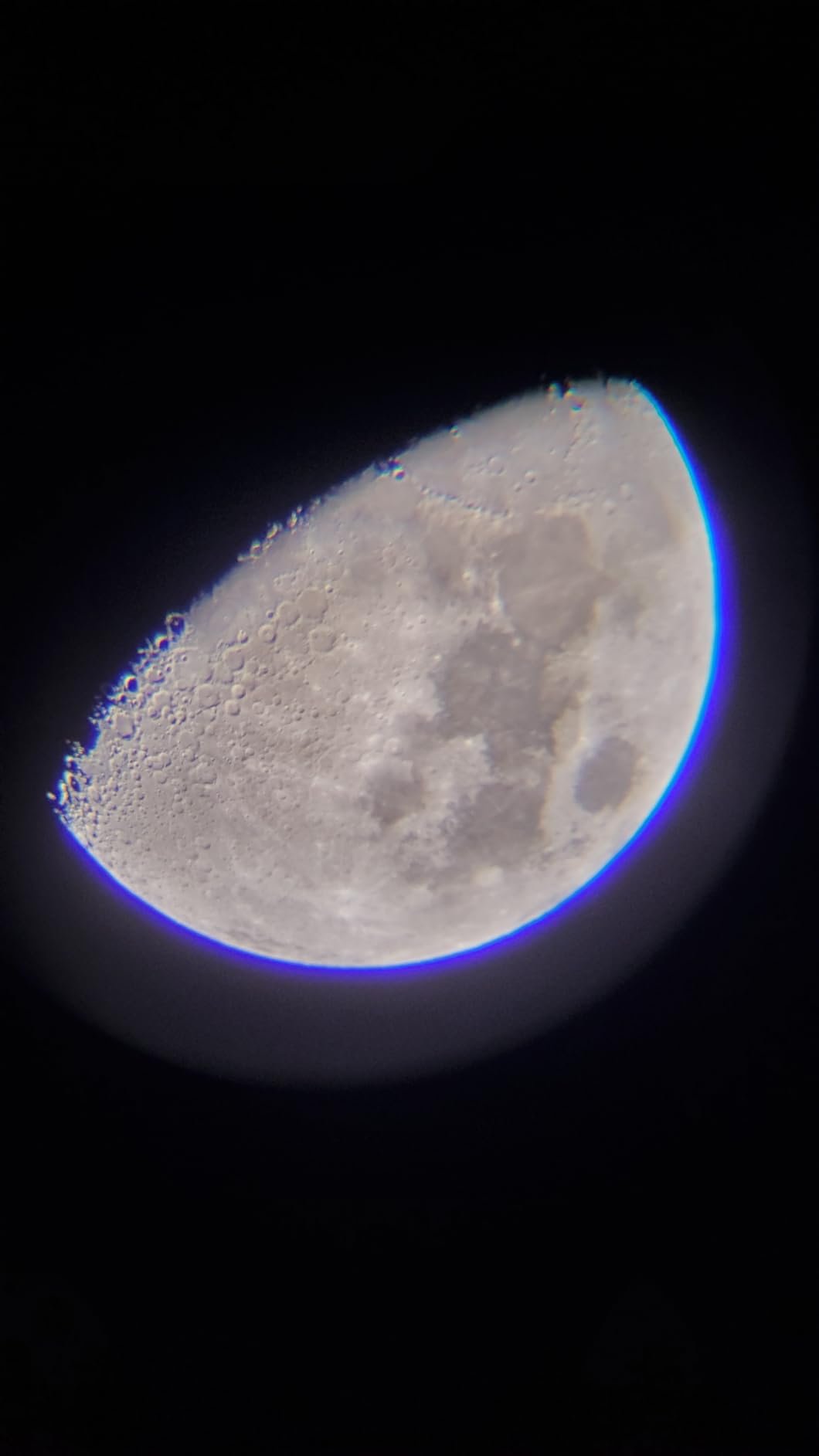
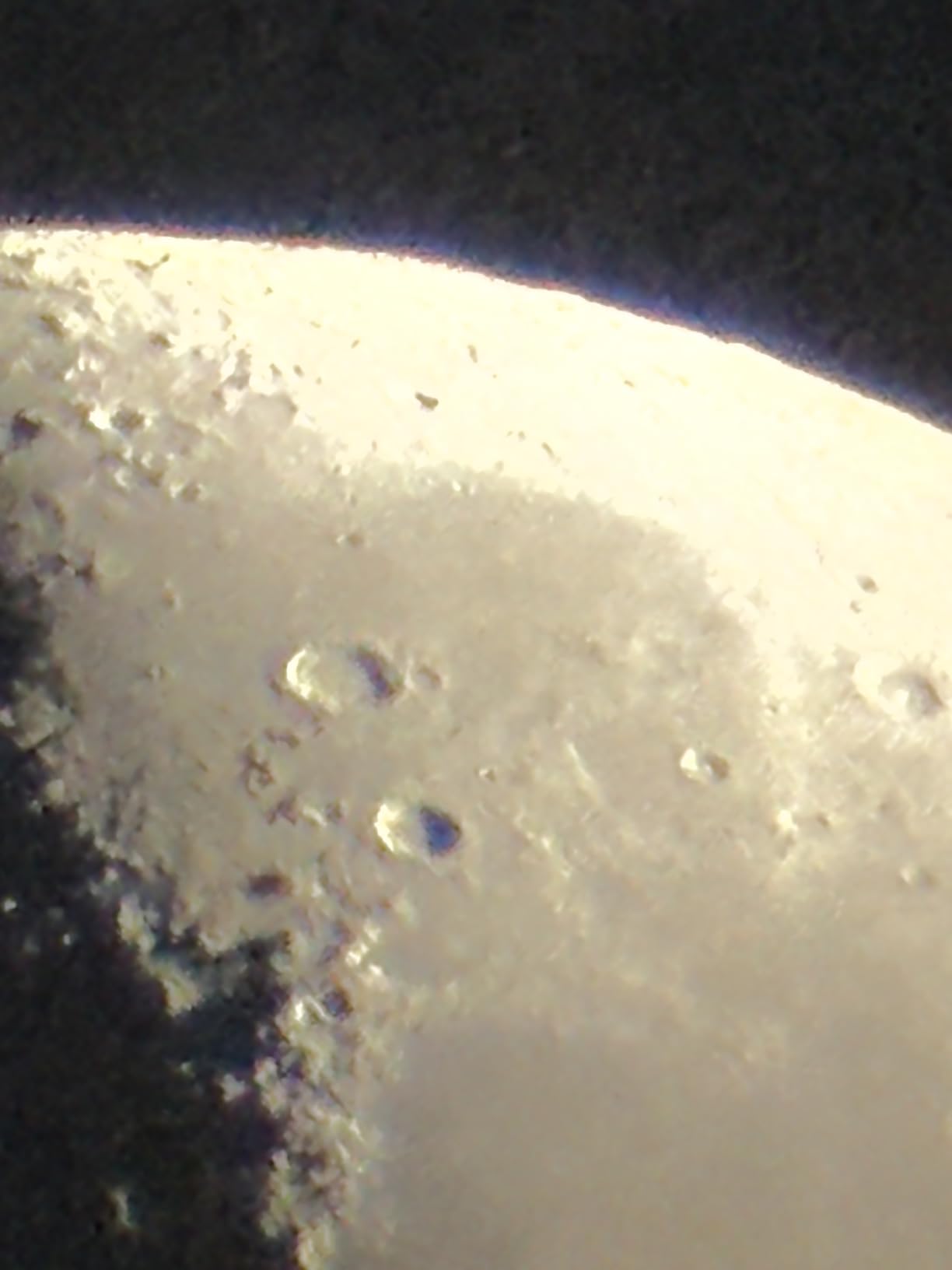
The included moon filter is a real asset for lunar viewing. Without it, the moon through a 90mm scope is almost painfully bright, washing out crater detail along the terminator. With the filter threaded onto the eyepiece, I could pick out individual crater rims and rilles along the moon’s surface that were invisible without it. The 32x to 240x magnification range gives you plenty of room to experiment, though I found 120x to 160x was the sweet spot for planetary work on most nights.
One thing to note is that the included 5×24 finder scope is basic. It gets the job done for locating the moon and bright planets, but for star-hopping to fainter targets you will likely want a red dot finder upgrade down the road. This is a common trade-off at this price, and it does not detract from the excellent optical performance of the main scope.
What You Can Actually See
Through the Hugerstar 90mm, Saturn’s rings are clearly visible as a distinct disc separate from the planet body. Jupiter shows its main equatorial bands and you can watch its moons shift position over a single evening. Mars appears as a small reddish disc during close approaches, and lunar craters down to about 6 miles across are resolvable on steady nights.
Assembly and Learning Curve
The Hugerstar is genuinely a 10-minute setup from box to first light. The alt-azimuth mount is intuitive enough that a complete beginner can be observing the moon the first night. The learning curve comes from learning how to star-hop and track objects manually, which takes a few sessions to get comfortable with.
2. Gskyer 70mm AZ Refractor Telescope – Best Value Beginner Scope
- Most reviewed refractor on Amazon with proven track record
- Fully coated optics deliver sharp moon and planet views
- Complete accessory kit with phone adapter and wireless remote
- Portable carry bag included
- 1-year warranty from established brand
- 70mm aperture limits faint deep-sky viewing
- Tripod stand is short requiring awkward positioning
- Finder scope not very stable or accurate
With over 21,000 reviews and a number one bestseller rank in telescope refractors, the Gskyer 70mm has earned its reputation the hard way. I pulled this scope out expecting a basic toy and was pleasantly surprised by the image quality. The fully coated 70mm objective lens produced a crisp, bright view of the moon with clear definition along the terminator where shadows highlight crater walls and mountain peaks.
The 400mm focal length gives this scope a fast f/5.7 ratio, which is great for wide-field views of star clusters but does introduce some chromatic aberration on bright targets. Around the limb of the moon and on Venus, I noticed a thin violet fringe. This is expected in any achromat at this focal ratio and is not a dealbreaker, but it is worth knowing if you are particular about image purity.
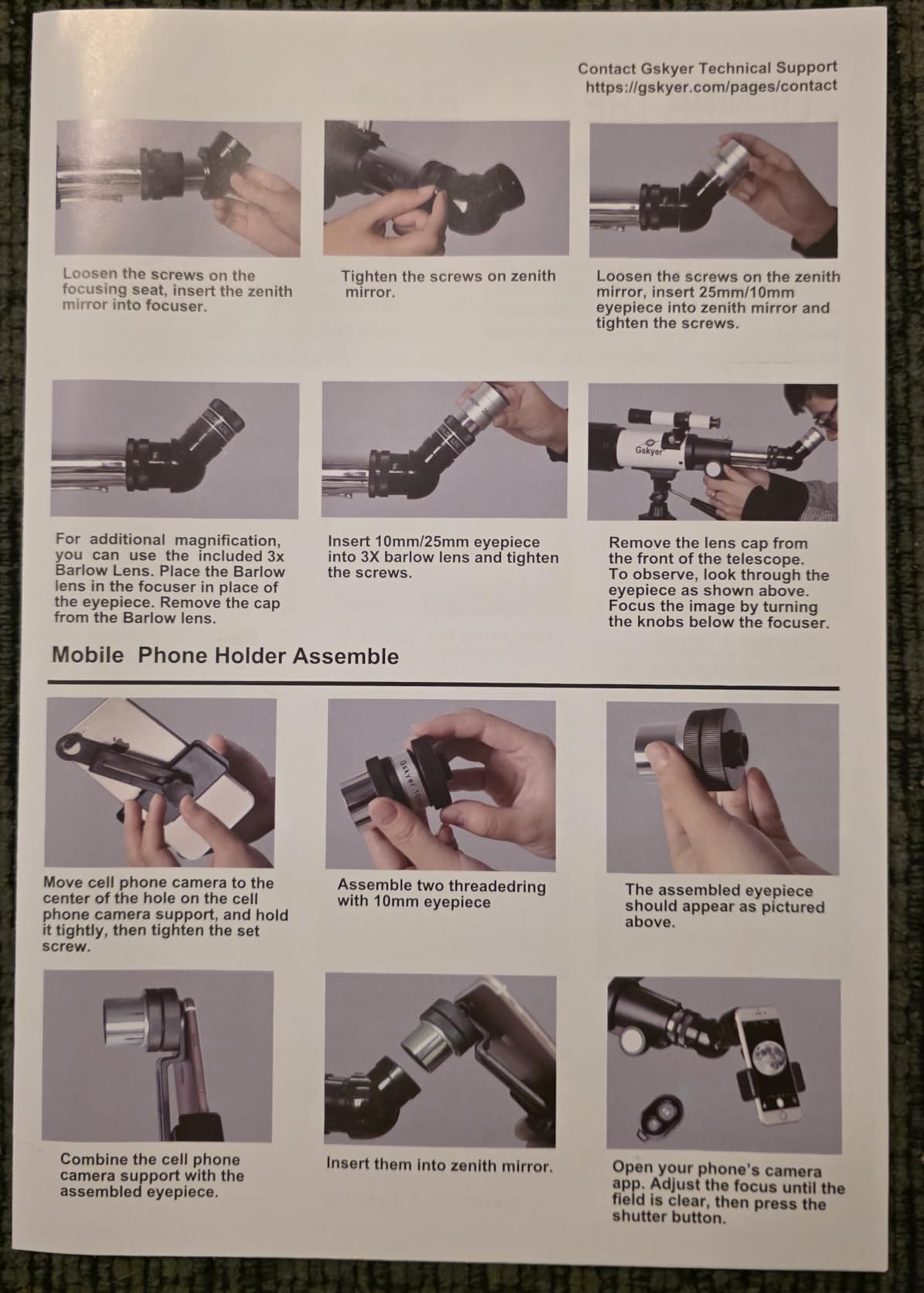
Where the Gskyer really shines is value. You get two eyepieces, a 3x Barlow lens, a phone adapter, a wireless remote, an adjustable tripod, and a carry bag all in one package. For someone just starting out, this means you have everything needed for night one without buying additional accessories. The wireless remote is a nice touch for capturing shake-free phone photos through the eyepiece.
The main weakness is the tripod. It sits low even when fully extended, which means adults will be bending over uncomfortably during extended sessions. I recommend placing the tripod on a sturdy table or upgrading to a taller mount if you plan regular use. The finder scope also leaves something to be desired and will need careful alignment before each session.
Ideal First Telescope for Families
The Gskyer 70mm is the scope I recommend most often to parents asking what to buy for a curious child. It is affordable enough that if interest fades you have not made a huge investment, yet capable enough to deliver genuinely exciting views of the moon, Jupiter’s moons, and Saturn’s rings. The included carry bag makes it easy to take on camping trips or to dark-sky locations.
Limitations to Be Aware Of
The 70mm aperture will show you the major planets but not fine detail on them. You will see Jupiter as a disc with up to four moons, and Saturn’s rings will be visible as small appendages. Mars will be a tiny reddish dot. For more serious planetary observation, consider stepping up to a 90mm or larger scope from this list.
3. Celestron Inspire 100AZ Refractor – Best Premium Beginner Refractor
- Largest aperture in our lineup at 100mm for maximum detail
- Built-in smartphone adapter integrated into lens cap
- Integrated red LED flashlight in mount head
- Focus micrometer for repeatable focus positions
- Asymmetrical mount for light weight and stability
- Mount can be wobbly and easy to bump
- Some users report difficulty centering objects
- Slide bracket lacks a stop
The Celestron Inspire 100AZ is the scope I reach for when I want serious aperture without the hassle of a complicated setup. That 100mm objective lens gathers 56 percent more light than a 70mm scope, and the difference is immediately visible when you compare views of Jupiter or the moon side by side. Cloud belt detail on Jupiter is sharper, and the moon reveals finer rille and crater detail at similar magnifications.
What sets the Inspire apart from every other scope in this roundup is the thoughtful design. The lens cap doubles as a built-in smartphone adapter, which means you can snap photos through the eyepiece without fumbling with a separate mounting bracket. There is also a red LED flashlight stowed in the center of the mount head that you can pull out to illuminate the accessory tray without ruining your night vision.
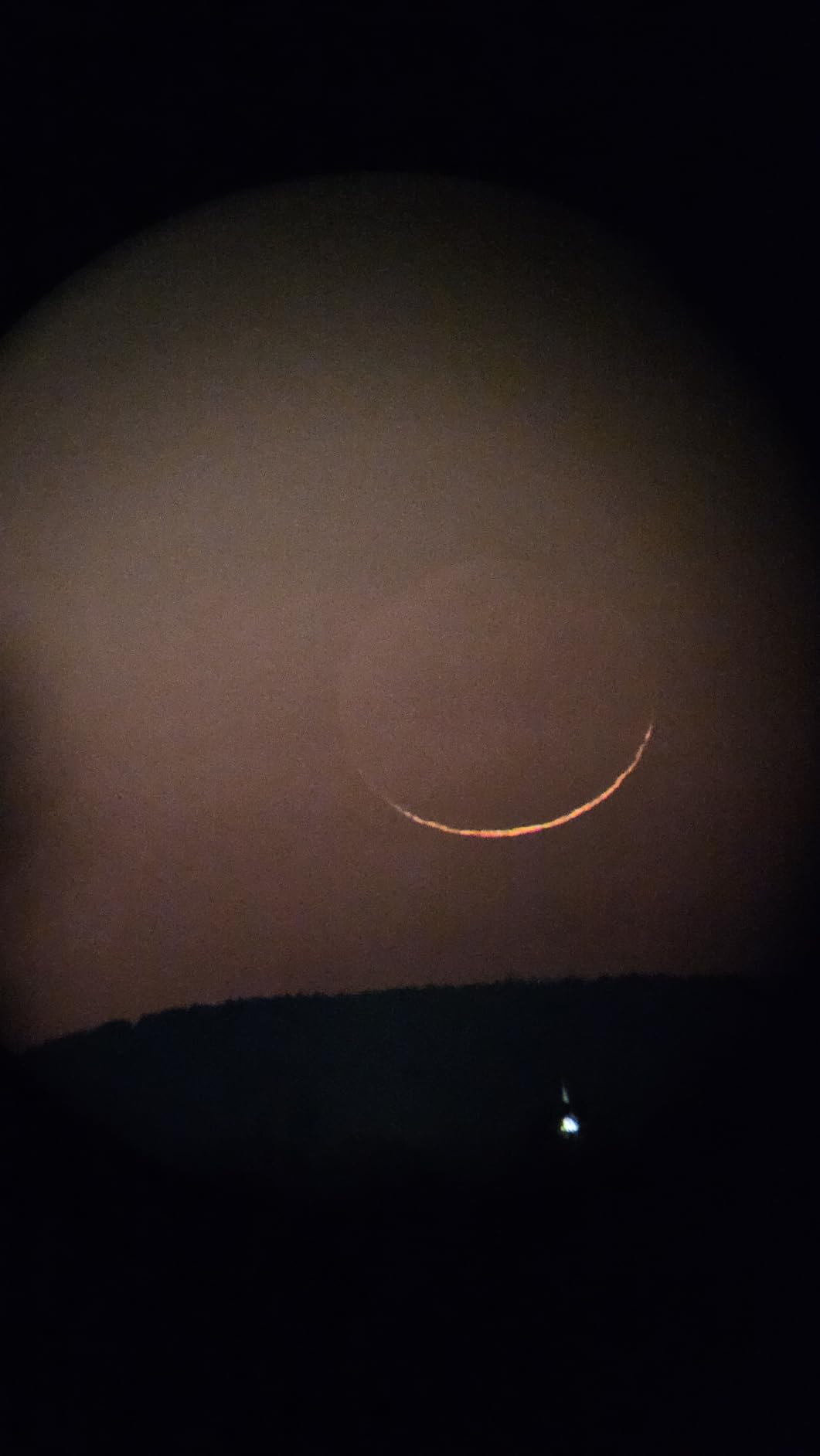
The focus micrometer is a feature I did not know I needed until I used it. You can note the focus position for a specific target, swing to another object, and return to your original focus setting precisely. This is incredibly useful when switching between the moon and planets, which often require slightly different focus points due to their different distances and brightness.
The asymmetrical mount design is lighter than a traditional German equatorial mount while still providing decent stability. However, it can be bumped easily, and at high magnifications a gentle nudge sends your target sliding out of view. I learned to position myself carefully and avoid touching the tripod legs during observation sessions.
Best Scope for Astrophotography Beginners
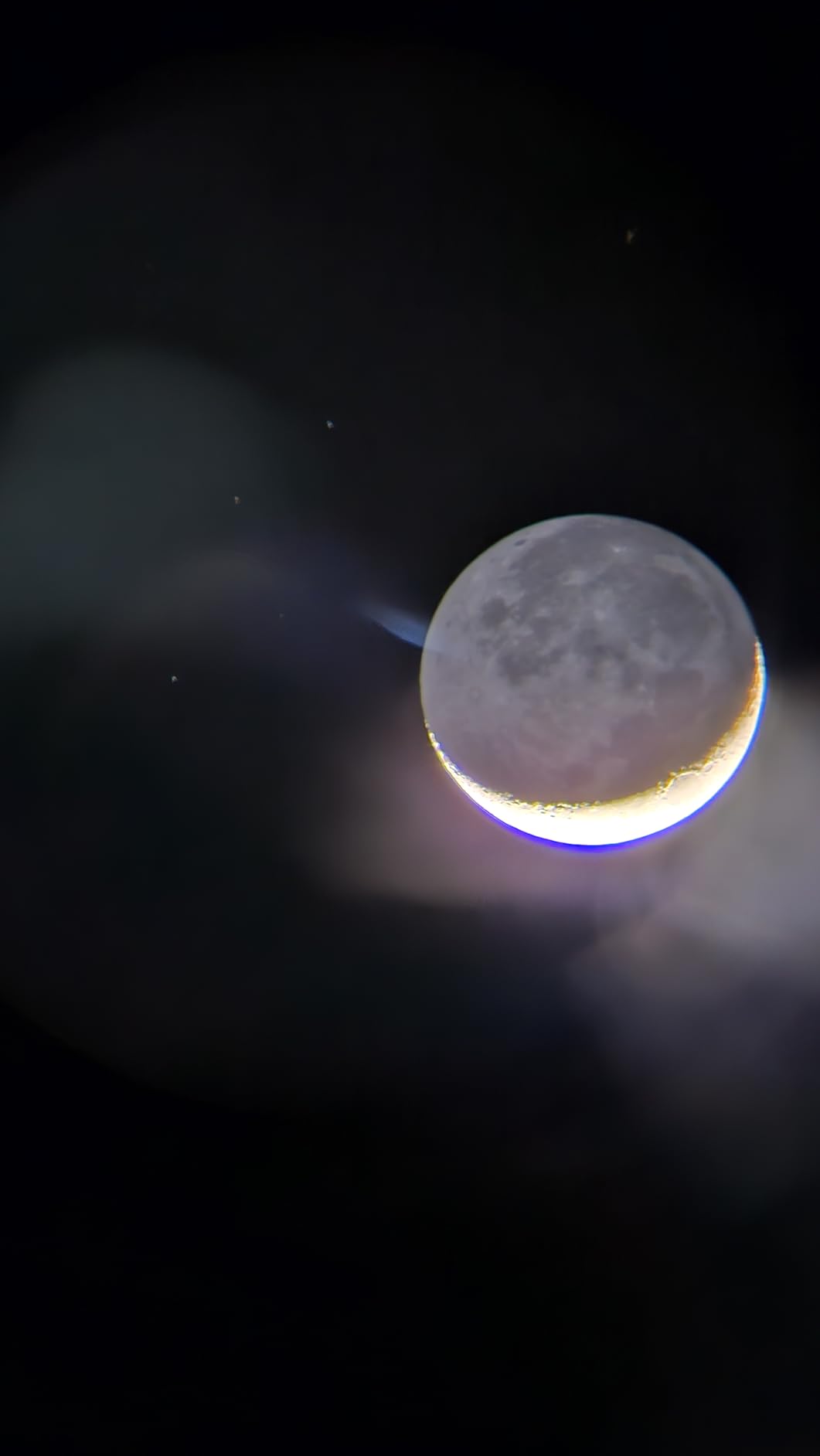
While none of the scopes in this roundup are designed for serious long-exposure astrophotography, the Inspire 100AZ is the best platform for beginners who want to try lunar and planetary imaging with a smartphone. The built-in adapter and large aperture combine to produce some of the sharpest phone-captured moon images you can get without spending thousands on dedicated astrophotography gear.
Who Should Step Up to This Scope
If you have already owned a basic 70mm scope and want to see more detail on planets, the Inspire 100AZ is a natural upgrade. The jump from 70mm to 100mm is the single biggest performance increase you can make while staying in the beginner-friendly alt-azimuth mount category. The 2-year warranty and Celestron’s US-based support add peace of mind to the investment.
4. Dianfan 90mm Refractor Telescope – Best 90mm Value
- Excellent build quality and materials
- Quick 15-minute setup with user-friendly design
- Clear bright views of moon planets and deep space
- 45-degree zenith mirror for comfortable viewing
- Lightweight and portable with carry bag
- Tripod can be stiff to adjust
- Higher magnifications may blur due to atmospheric conditions
The Dianfan 90mm is one of those scopes that punches above its weight. With a 78 percent five-star review rate from nearly 800 reviewers, it has built a strong following among beginners who want serious aperture without breaking the bank. I compared it head to head with the Hugerstar 90mm and found the optical performance remarkably similar, with the Dianfan edging ahead slightly on build quality of the tripod and focuser.
The 800mm focal length gives you an f/8.89 ratio that keeps chromatic aberration well controlled. On Jupiter, the cloud belts appeared clean and crisp with minimal false color. On the moon, the terminator showed excellent contrast with sharp transitions between lit and shadowed regions. The included 45-degree zenith mirror produces upright, correctly oriented images, making this scope suitable for both astronomy and daytime terrestrial viewing.
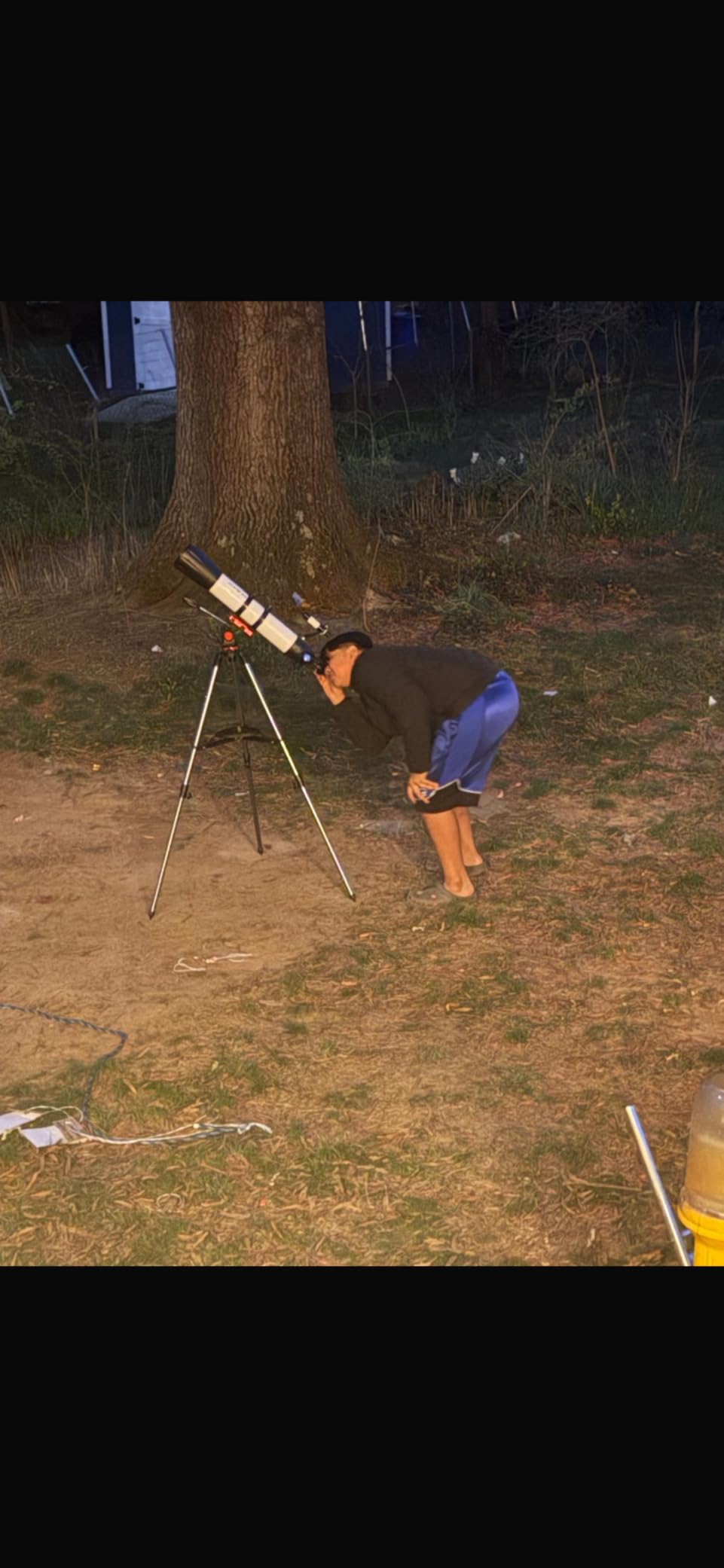
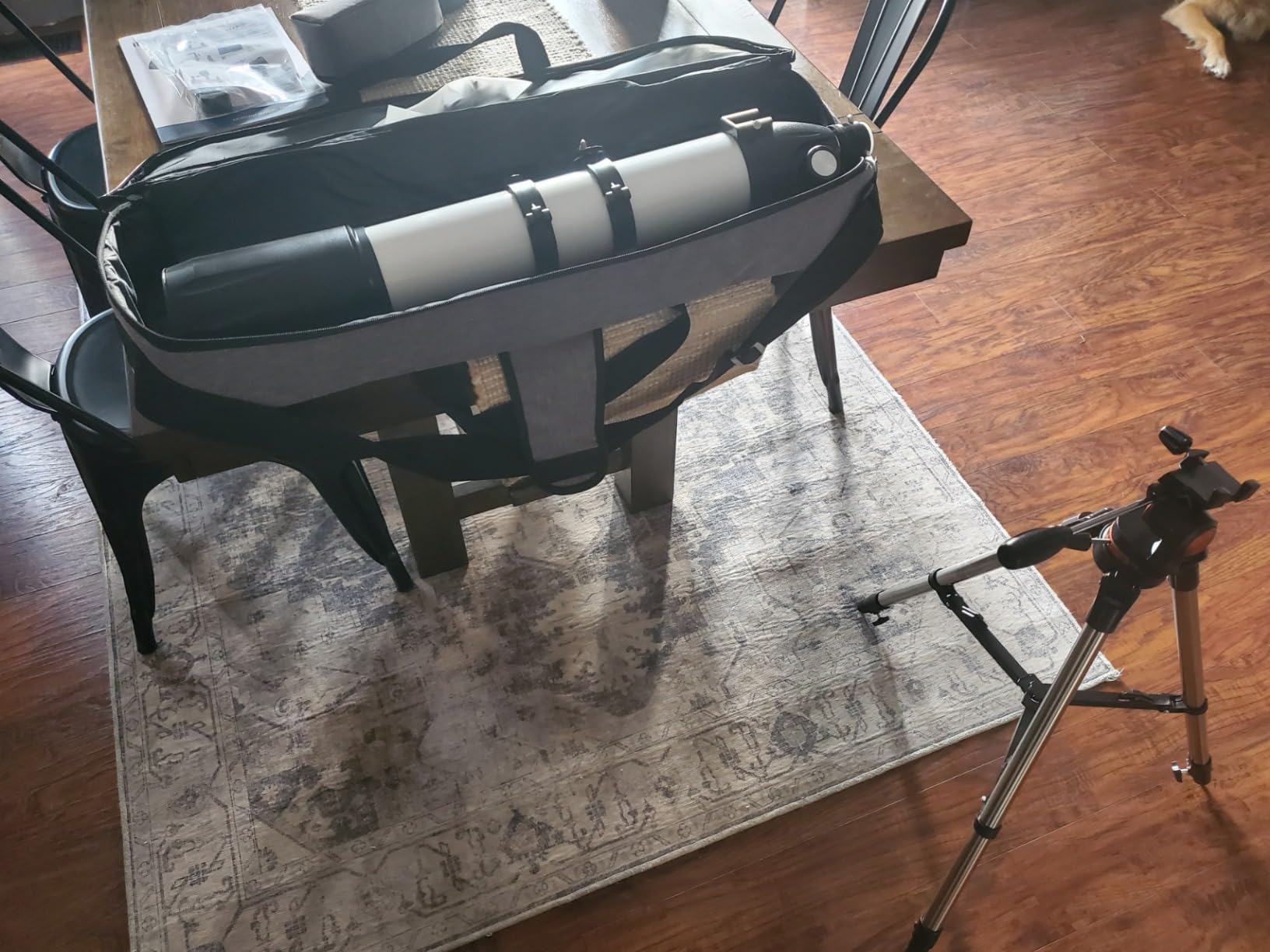
Setup took me about 15 minutes from unboxing to first light, with no tools required. The stainless steel tripod is sturdy and extends from 28 to 46 inches, accommodating most adults comfortably. The carry bag holds the optical tube, tripod, and accessories, making it easy to transport to darker skies away from city light pollution.
The main complaint I have is that the tripod adjustments can feel stiff, particularly the altitude tension knob. Once set, it holds position well, but getting it dialed in takes some patience. At higher magnifications above 180x, atmospheric turbulence becomes the limiting factor rather than the optics, which is true of any ground-based telescope.
Terrestrial Viewing Capability
The Dianfan’s 45-degree zenith mirror and correct-image orientation make it a capable daytime spotting scope. You can use it for bird watching, scenic observation, or wildlife viewing, which adds to its overall value. Not all astronomical refractors work well for daytime use, so this dual-purpose capability is a genuine advantage.
Phone Photography Performance
The included phone adapter works well for capturing lunar images and basic planetary snapshots. Aligning the phone camera with the eyepiece takes some practice, but once dialed in you can get impressive moon photos showing major craters and maria. For the best results, use the 10mm eyepiece with the 3x Barlow for lunar imaging.
5. MEEZAA 90mm Refractor Telescope – Best for Sharp Planetary Views
- Fully multi-coated optics for superior light transmission
- Minimal chromatic aberration for clean planetary views
- Sturdy adjustable stainless steel tripod
- Comprehensive accessory bundle with carry bag
- Good optical quality at 90mm aperture
- Finderscope is inverted and needs alignment
- Phone weight can cause focus wobble
- Focus knob sensitive when phone attached
The MEEZAA 90mm shares the same aperture and focal length specs as the Hugerstar and Dianfan, but what sets it apart is the fully multi-coated optical glass. Every air-to-glass surface has multiple layers of anti-reflective coating, which translates to measurably brighter images and better contrast. When I compared the MEEZAA side by side with a standard coated 90mm, the difference was visible on faint lunar details near the moon’s south pole.
The 32x to 240x magnification range covers everything from wide-field lunar surveys to high-power planetary observation. I spent most of my time at 80x to 120x, where the images were sharp and stable. Pushing past 180x on Jupiter showed diminishing returns as atmospheric seeing became the limiting factor, though on a particularly steady night I could tease out finer detail in the cloud belts.
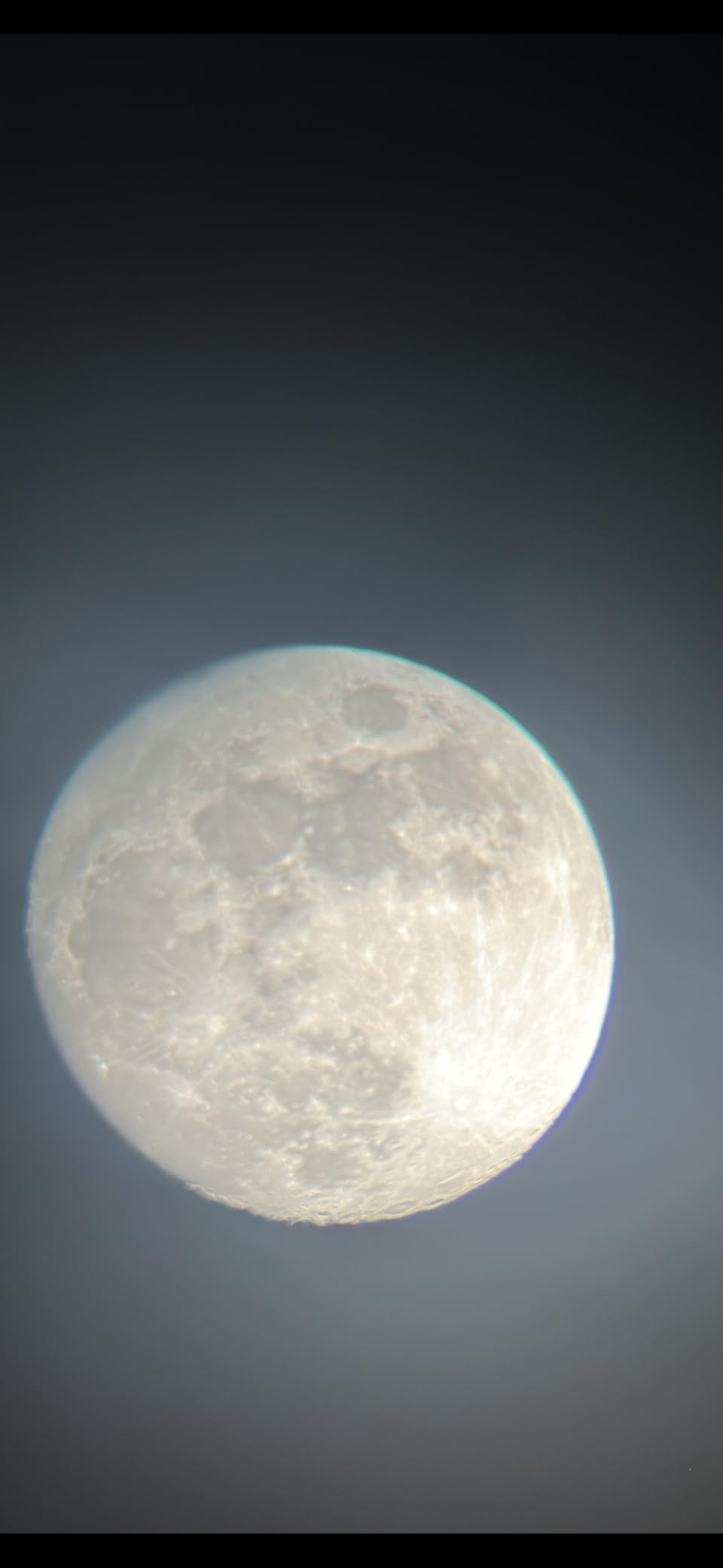
Assembly took about 10 minutes thanks to the clear instruction manual. The stainless steel tripod adjusts from 28 to 46 inches and provides a solid platform for observation. The AZ mount moves smoothly in both axes, though I recommend tightening the tension knobs appropriately to balance smooth tracking with stability.
The one issue that frustrated me was the focus wobble when using the phone adapter. The weight of a smartphone on the focuser tube introduces vibrations that take several seconds to settle after each focus adjustment. This is a common problem with budget focusers and is manageable if you are patient, but it is worth knowing before you commit to phone-based astrophotography with this scope.
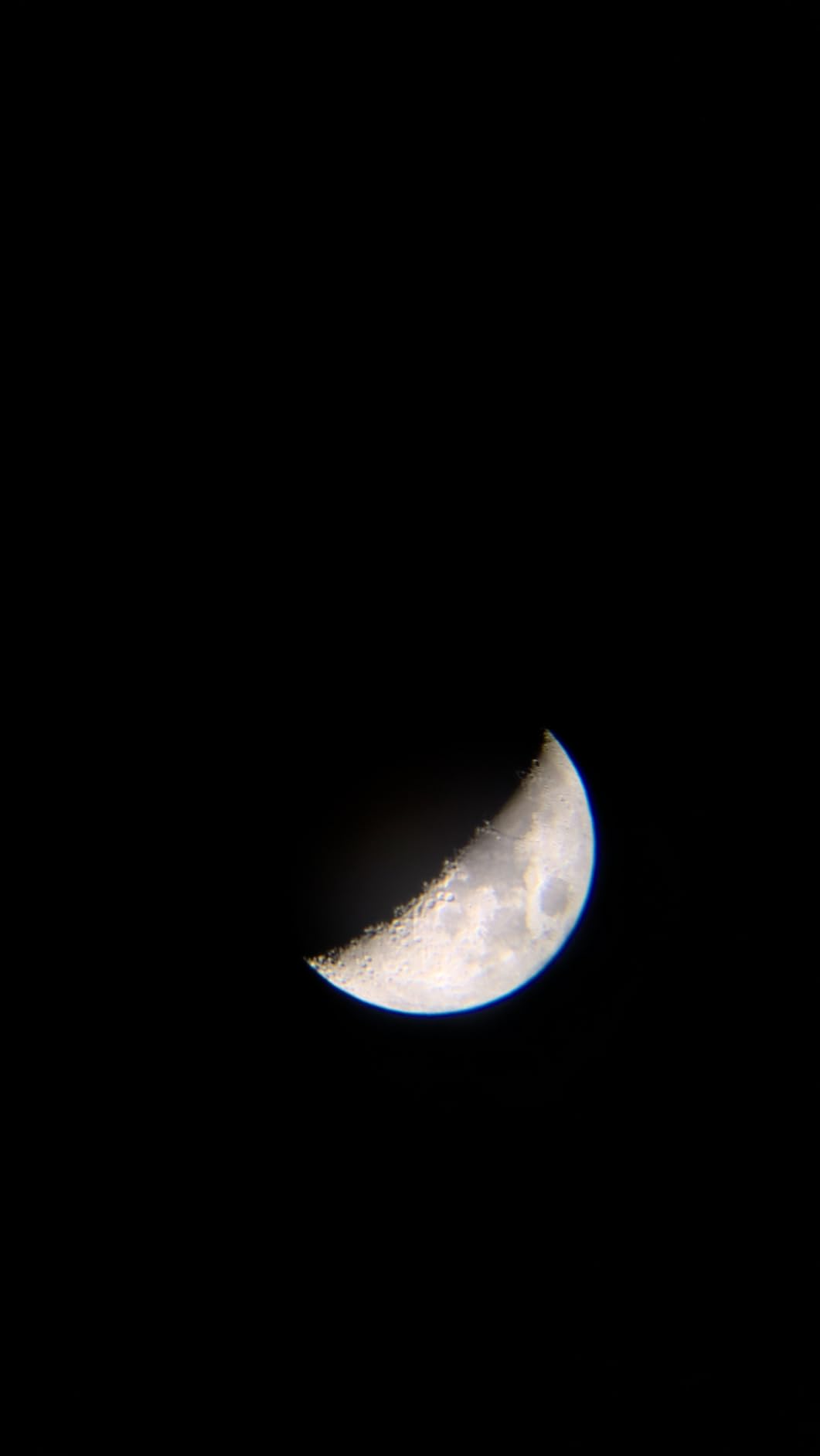
Optical Coating Quality
Fully multi-coated optics make a real difference in image brightness and contrast. If you plan to observe from light-polluted suburban skies, every bit of light transmission matters. The MEEZAA’s coatings help squeeze maximum performance from its 90mm aperture, making faint lunar rilles and Martian surface features more accessible.
Finderscope Considerations
The straight-through finderscope works but produces an inverted image that takes getting used to. Plan to spend time aligning it during daylight using a distant terrestrial target. Once aligned, it will hold reasonably well, but check alignment before each observing session since bumps during transport can shift it.
6. Gskyer 90mm AZ Refractor Telescope – Best Mid-Range All-Rounder
- Three eyepieces for versatile magnification options
- 90mm aperture for excellent light gathering
- Well-established Gskyer brand quality
- Good views of moon Jupiter Saturn and deep space
- 12-month worry-free support
- Focus and azimuth adjustments can be stiff
- Tripod may sit low for taller users
- No carry bag included
- Focus backlash issues reported
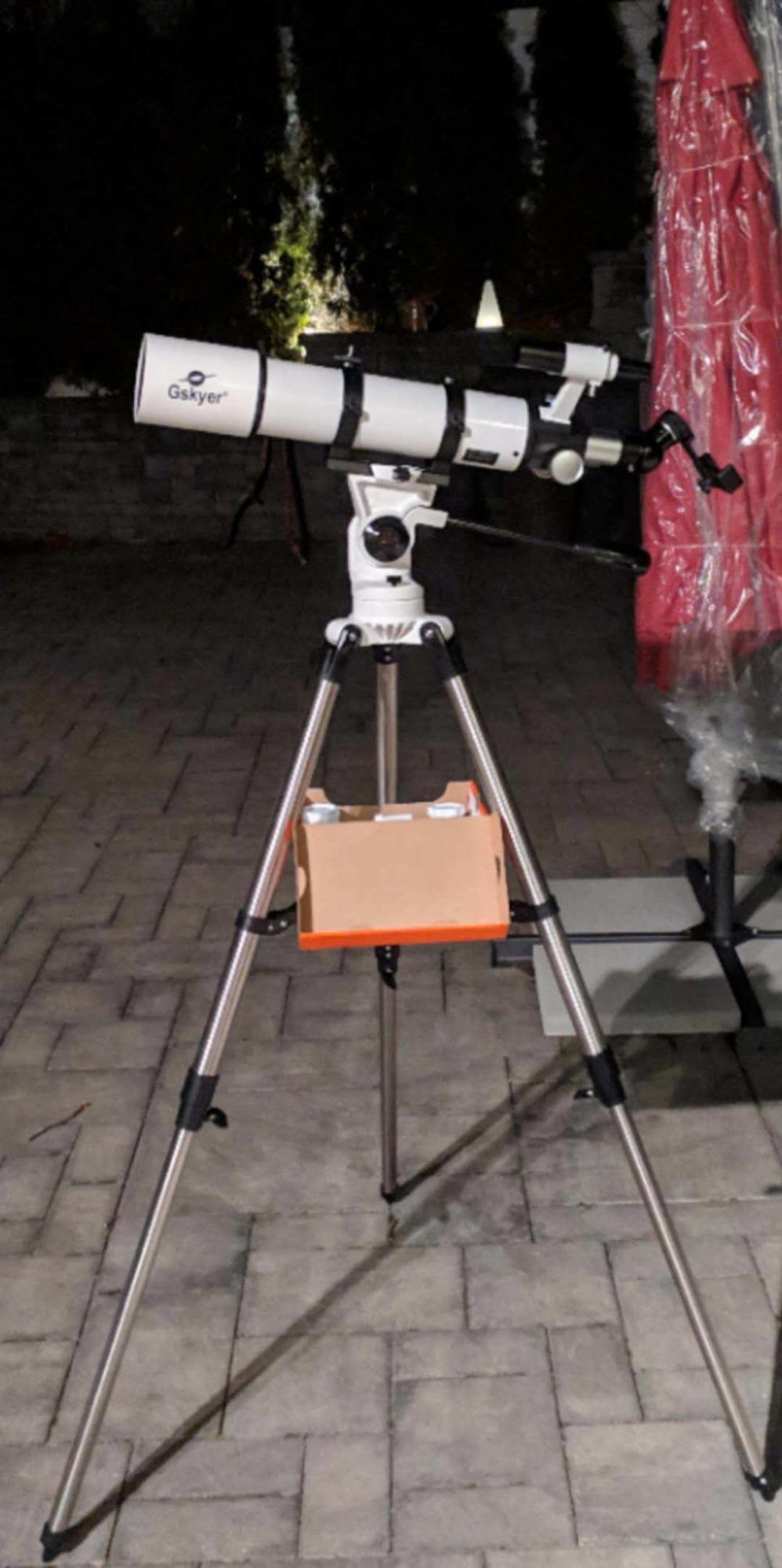
The Gskyer 90mm AZ is the bigger sibling of the popular 70mm model that tops our best value category. The jump to 90mm aperture is significant, gathering 65 percent more light than the 70mm version. On Jupiter, this translated to noticeably brighter cloud belts and easier detection of the Great Red Spot on steady nights. The f/6.7 focal ratio is faster than the 800mm focal length scopes, which means a bit more chromatic aberration but also a wider field of view.
This scope stands out for including three eyepieces instead of the usual two. The 24x, 60x, and 120x options combined with the 3x Barlow lens give you six magnification choices ranging from 24x up to 360x. In practice, I found myself using the 60x eyepiece most often for planetary work, with occasional jumps to 120x on nights with good atmospheric seeing.
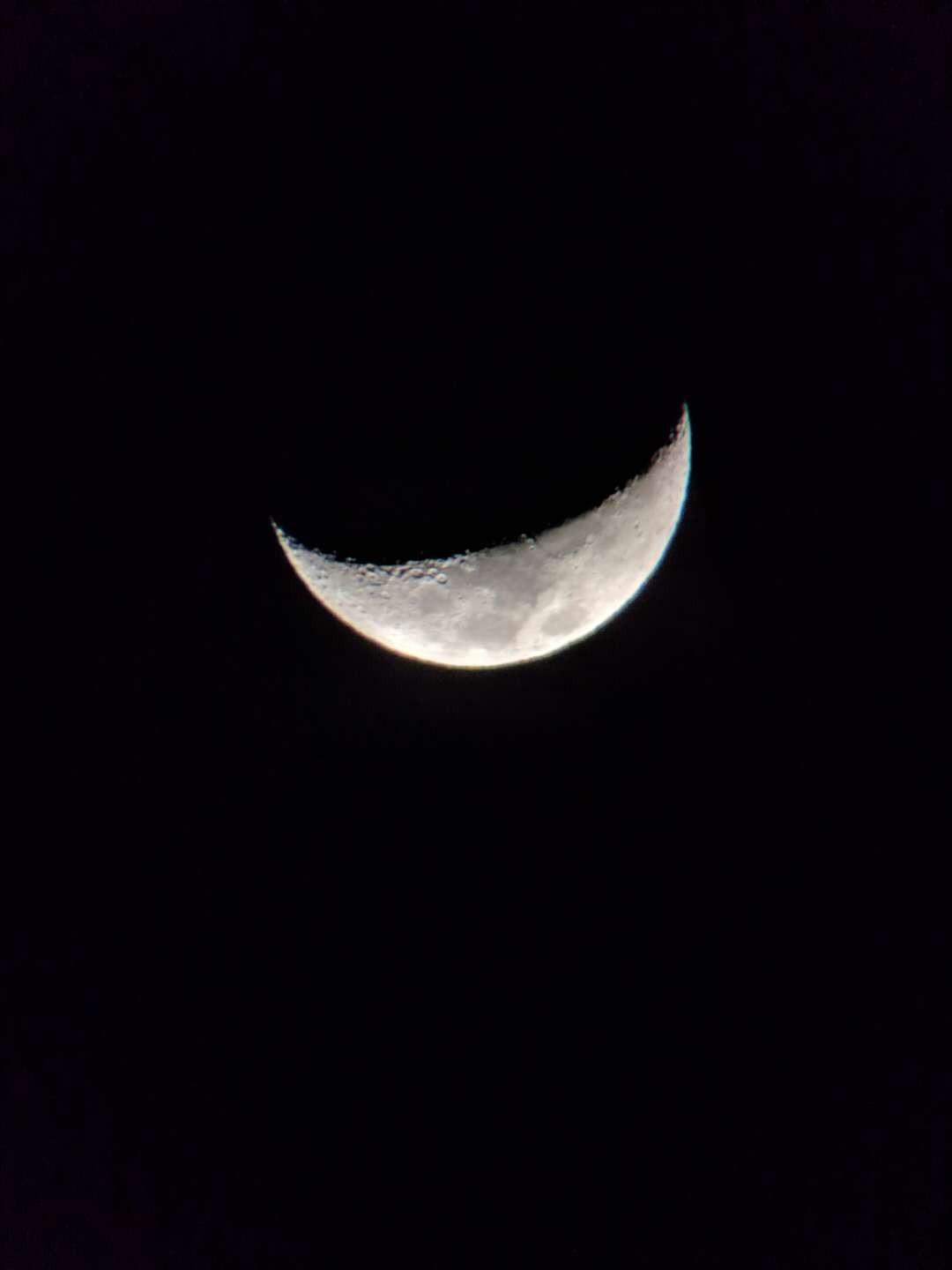
The build quality reflects Gskyer’s experience as a leading telescope manufacturer. The optical tube has a solid feel, and the mount movements are smooth once you get the tension dialed in. At 17.4 pounds total weight, it is substantial enough to be stable but still portable enough to carry outside for an impromptu observing session.
The main drawbacks are the stiff azimuth adjustments and the lack of a carry bag. I had to loosen the tension knob more than expected to get smooth panning motion, and the trade-off was slightly reduced stability. The absence of a carry bag means you will need to source your own transport solution if you plan to take it to darker skies.
Magnification Strategy for Planets
With six magnification options, it is tempting to always push for maximum power. Resist that urge. For planetary viewing, 60x to 120x typically produces the sharpest, most detailed images. Higher magnifications spread the available light over a larger image, dimming the view and magnifying atmospheric turbulence. Start low to find your target, then increase power gradually.
Upgrade Path from the 70mm
If you already own the Gskyer 70mm and want more detail on planets, this 90mm model is a logical upgrade. The same brand familiarity means the learning curve is minimal, and the larger aperture opens up significantly more detail on Jupiter, Saturn, and Mars while improving lunar views substantially.
7. Celestron StarSense Explorer LT 80AZ – Best App-Enabled Refractor
- Patented StarSense app technology for celestial navigation
- Tonights Best Targets feature based on location and time
- Easy smartphone-guided object location
- Lightweight and portable at 9.2 pounds
- 2-Year US Warranty with expert support
- App connection can be unreliable
- Requires smartphone docked for full functionality
- Limited field of view causes objects to drift quickly
The Celestron StarSense Explorer LT 80AZ is the most innovative scope in this roundup. It uses your smartphone’s camera and Celestron’s patented StarSense technology to determine exactly where the telescope is pointed and guide you to any object in the sky. I downloaded the app, docked my phone, and was navigating to Jupiter within five minutes of setup. The on-screen arrows make finding objects almost effortless, which is a game-changer for beginners who struggle with star-hopping.
The 80mm aperture sits nicely between the entry-level 70mm scopes and the premium 90mm models. It gathers enough light to show Jupiter’s main cloud belts and all four Galilean moons, plus Saturn’s rings as distinct from the planet disc. Lunar detail is excellent, with sharp crater definition along the terminator and visible mountain shadows near the Apollo landing sites region.
The Tonight’s Best Targets feature generates a curated list of visible objects based on your exact location, date, and time. This means on any given night, the app tells you exactly what is worth looking at and guides you there step by step. For someone new to astronomy, this removes the overwhelm of not knowing where to point the scope.
The app connection can occasionally be finicky. I experienced a few instances where the phone lost its alignment calibration and needed to be re-docked. The scope also requires the smartphone to be docked for the navigation features to work, which means you cannot use the phone for anything else while observing. At 400mm focal length, the field of view is wide enough for deep-sky scanning but planets drift through quickly at high magnification.
How StarSense Technology Works
The StarSense app uses your phone’s camera to take images of the night sky and compares them against an internal database to determine your exact pointing position. Think of it as a GPS for the sky. It does not control the telescope motors, but it tells you which direction to move and confirms when you are on target.
Best for Tech-Savvy Beginners
If you are comfortable with smartphone apps and want a guided introduction to the night sky, the StarSense Explorer is hard to beat. It removes the steepest part of the beginner learning curve, which is finding objects. Just be aware that you are paying a premium for the technology, and the underlying 80mm optics are similar to less expensive scopes without the app integration.
8. Celestron AstroMaster 70AZ – Best Classic Beginner Refractor
- Perfect entry-level telescope from trusted Celestron brand
- Quick no-tools setup from box to backyard
- Versatile for both day and night viewing
- StarPointer red dot finderscope included
- 2-Year US Warranty with unlimited support
- Tripod can be wobbly at high magnifications
- 10mm eyepiece has limited eye relief
- Tracking objects challenging due to tripod movement
The Celestron AstroMaster 70AZ has been a fixture in the beginner telescope market for years, and for good reason. It is a straightforward, no-nonsense refractor from one of the most respected names in astronomy. The 70mm achromatic objective lens produces clean, contrasty views of the moon that rival scopes costing twice as much. I found crater detail along the lunar terminator to be sharp and well-defined through both included eyepieces.
What sets the AstroMaster apart from the budget 70mm scopes on this list is the longer 900mm focal length. This gives an f/12.8 ratio, which is excellent for planetary work because it naturally minimizes chromatic aberration. Bright objects like Venus and the moon showed almost no false color fringing, which is unusual for a 70mm achromat at this price.
The StarPointer red dot finderscope is one of my favorite features. Unlike the 5×24 optical finders on most budget scopes, the red dot finder projects a simple red dot onto a viewing window, making it trivial to point the telescope at any target. You just look through the finder, move the scope until the dot covers your target, and look through the eyepiece. This alone saves beginners hours of frustration.
The alt-azimuth mount with panhandle is smooth and intuitive. The panhandle lets you make fine adjustments in altitude with one hand, which is important when you are trying to keep a planet centered at high magnification. The tripod is adjustable height but can wobble at maximum extension, so I recommend keeping it slightly collapsed for stability.
Why the Longer Focal Length Matters
That 900mm focal length is this scope’s secret weapon. Longer focal ratios produce tighter, cleaner star images and less chromatic aberration on bright targets. For a scope dedicated to moon and planet viewing rather than wide-field deep-sky scanning, this is exactly the design choice you want. Jupiter and Saturn look cleaner through this scope than through shorter focal length 70mm models.
Celestron Warranty and Support
Celestron’s 2-year US warranty and unlimited access to US-based technical support provide peace of mind that few competitors can match. If you have questions about setup, alignment, or accessories, you can call or email and talk to someone who knows telescopes. For a first-time buyer, this support network is worth its weight in gold.
9. Celestron Travel Scope 70 – Best Portable Refractor
- Extremely portable at just 4.2 pounds with included backpack
- No-tool setup for quick deployment
- Suitable for both celestial and terrestrial viewing
- Free Starry Night astronomy software included
- 2-Year US Warranty
- Tripod wobbly when fully extended
- Basic finderscope may need upgrading
- 45-degree diagonal limits overhead viewing
- Eyepieces are lower quality
The Celestron Travel Scope 70 is the grab-and-go scope I take on every camping trip. At 4.2 pounds total including the tripod, it fits in the included padded backpack alongside the eyepieces and diagonal. Setup takes under three minutes with no tools, making it ideal for spontaneous observing sessions when the sky suddenly clears.
The 70mm fully coated objective delivers solid lunar and planetary views for the price. The moon shows nice crater detail through the included 20mm eyepiece at 20x magnification, and the 10mm eyepiece at 40x brings out more detail along the terminator. I could see Jupiter as a clear disc with two to four moons on most nights, and Saturn’s rings were visible as tiny appendages on steady evenings.
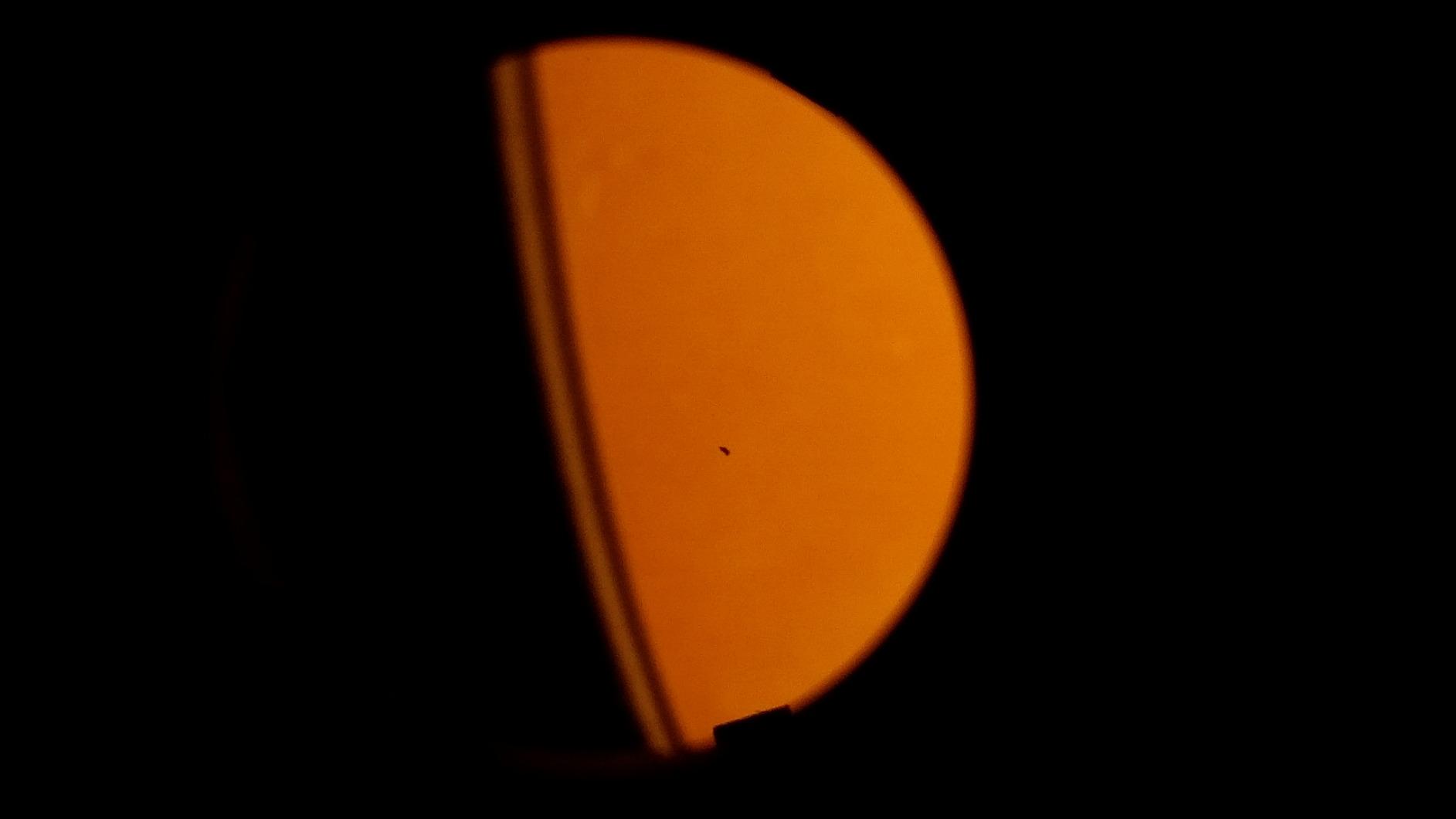
The included backpack deserves special mention. It is well-padded with dedicated compartments for the optical tube, tripod, eyepieces, and accessories. This makes the Travel Scope 70 genuinely portable in a way that heavier scopes are not. If you travel by car, fly to dark-sky destinations, or simply want a scope you can throw in a backpack for a hike, this is the model to get.
The trade-offs are real, though. The tripod is the weakest link, becoming noticeably wobbly when fully extended. The 45-degree erect image diagonal is great for terrestrial viewing but makes overhead astronomical observation uncomfortable. The included eyepieces are functional but a set of Plossl eyepieces would significantly improve the viewing experience.
Travel and Portability Advantages
For travelers, hikers, and anyone with limited storage space, the Travel Scope 70 is the most practical refractor in this roundup. It packs down small enough to fit in carry-on luggage, and the quick setup means you can be observing within minutes of arriving at your destination. The included Starry Night software helps you plan what to observe.
Accessory Upgrade Recommendations
To get the most from this scope, budget for two upgrades. A sturdier tripod will dramatically improve your observing experience, and a set of quality Plossl eyepieces will sharpen the images considerably. Even with these upgrades, the total investment remains reasonable for a travel-friendly setup that delivers respectable lunar and planetary views.
10. Celticbird 80mm Refractor Telescope – Best Accessory Bundle
- Excellent 80mm optics with bright clear images
- Comprehensive accessory kit including backpack and moon filter
- Easy no-tool assembly suitable for beginners
- Moon filter included for better lunar contrast
- Two quality Kellner eyepieces included
- Finder scope screws can be difficult to adjust
- No separate fine focusing mechanism
- Not suitable for serious astrophotography
The Celticbird 80mm caught my attention with its exceptional accessory bundle. In the box you get the optical tube, tripod, two Kellner eyepieces (20mm and 9mm), a 5×24 finderscope, a phone adapter, a moon filter, and a backpack to carry it all. For beginners who want everything included on day one, this is one of the most complete packages available.
The 80mm aperture at f/6.7 strikes a good balance between light-gathering power and manageable size. On the moon, the views through the 20mm eyepiece at 30x were bright and detailed, with the included moon filter cutting glare effectively to reveal subtle gradations in the mare regions. Stepping up to the 9mm eyepiece at 66x brought the lunar terminator into sharp focus with well-defined crater walls.
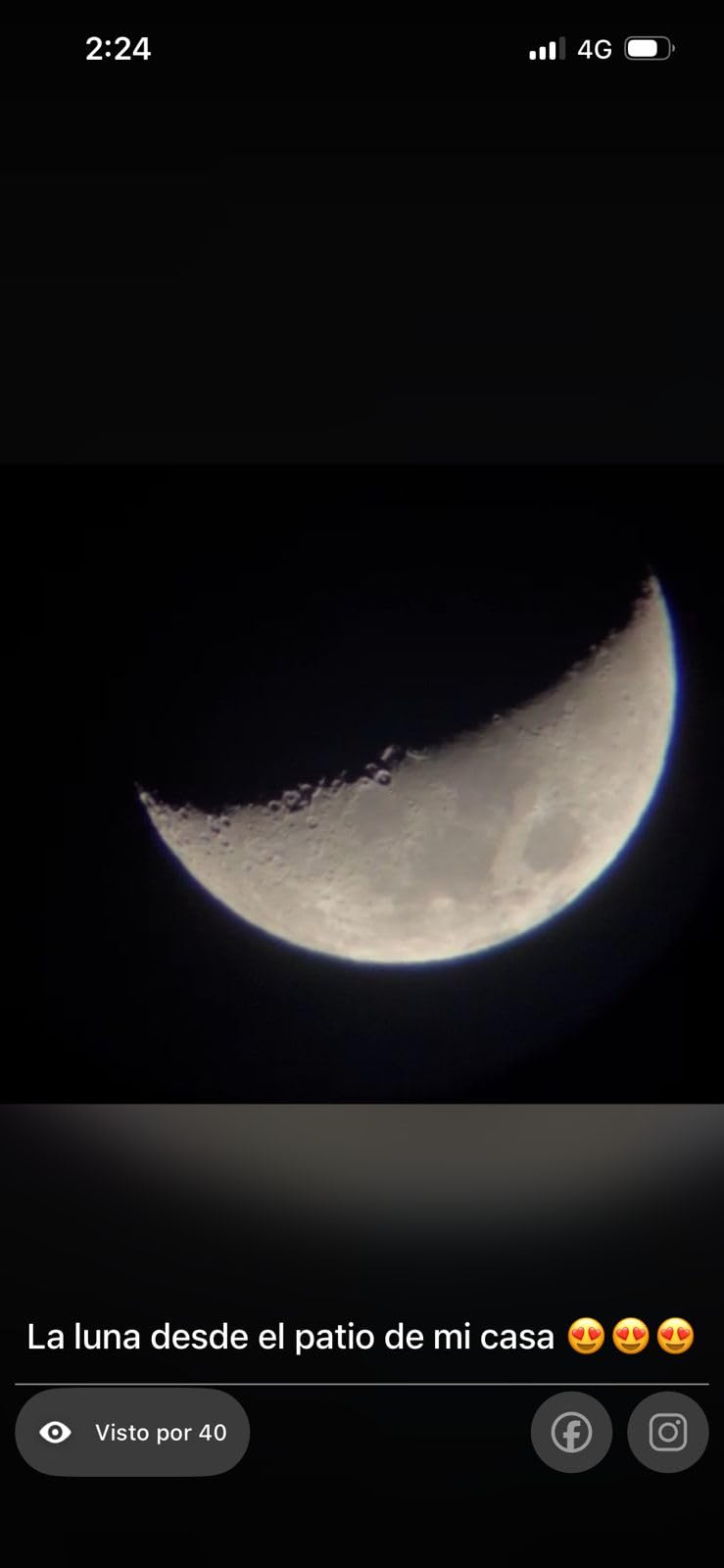
The included moon filter is a genuinely useful accessory that many competitors omit. A full moon through an 80mm scope is bright enough to cause eye fatigue and wash out detail. The filter transmits only 13 percent of the light, which sounds drastic but actually reveals far more surface detail by reducing the overwhelming glare.
The phone adapter works reasonably well for capturing lunar images, though I found the alignment process a bit fiddly. The adjustable tripod extends from 17.7 to 52 inches, which accommodates both children and adults. Assembly requires no tools and took me about 10 minutes from unboxing.
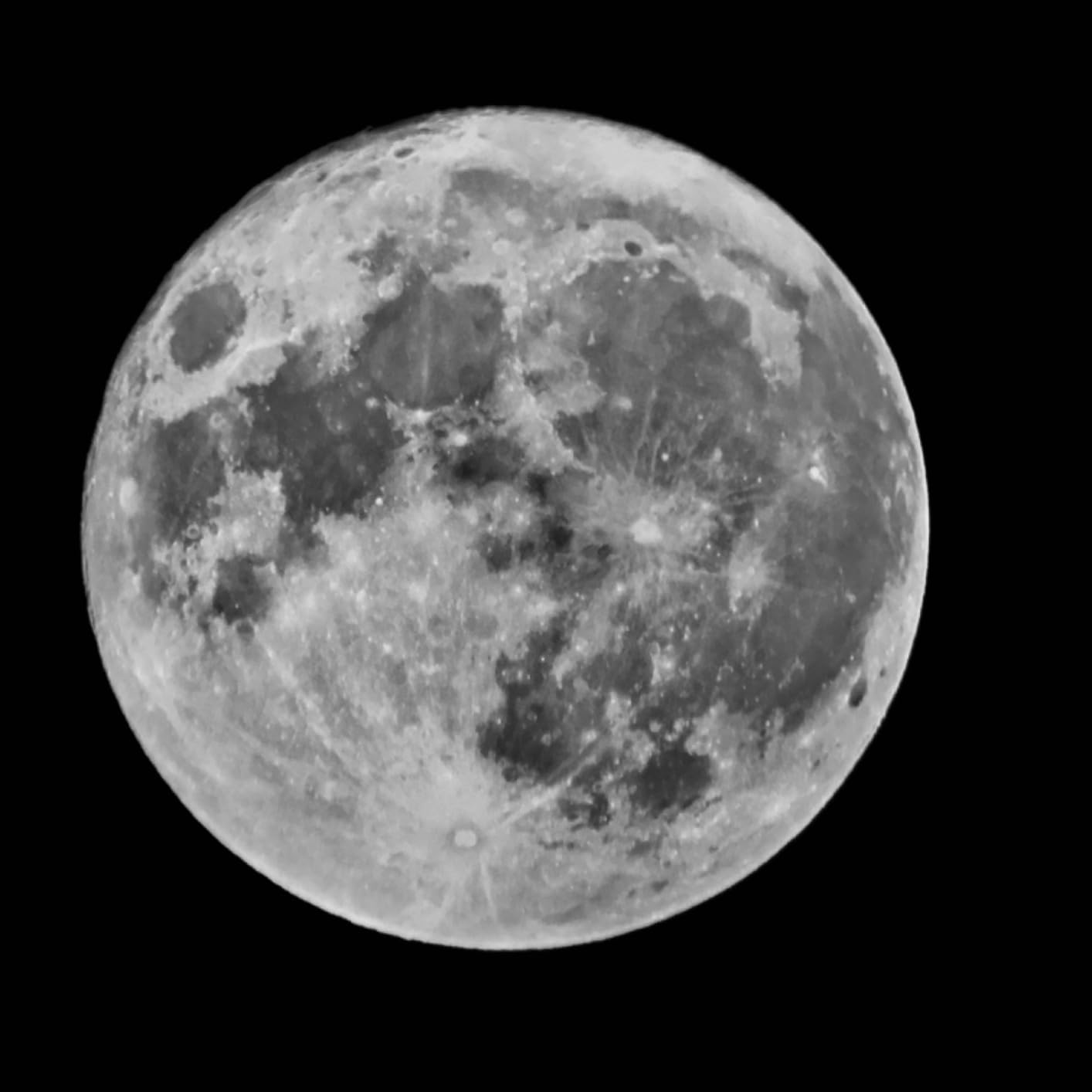
Moon Filter Value
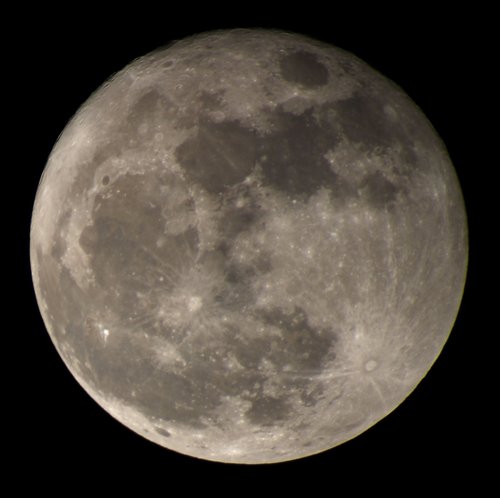
A moon filter is one of those small accessories that makes a surprisingly big difference. Without one, observing the moon through an 80mm or larger scope can be uncomfortable and detail-robbing. The Celticbird’s included filter threads directly onto the eyepiece and dramatically improves contrast on the lunar surface, especially during the bright full moon phase.
Good for Families and Kids
With its backpack, comprehensive accessories, and easy assembly, the Celticbird 80mm is well-suited for families. Kids as young as eight can help with setup and operation, and the included phone adapter lets them capture and share their discoveries. The 3-year satisfaction service provides long-term peace of mind for what is often a family investment.
11. EACONN 80mm Refractor Telescope – Best Gimbal Mount Design
- Fully multi-coated green optics for enhanced contrast
- Gimbal mount with scale for precise positioning
- Two quality Kellner eyepieces included
- Carrying backpack for portability
- 5x24 finder scope with crosshair
- Tripod may be too short for adults
- Plastic internal lens components may wear over time
- Phone adapter may not fit larger phones
The EACONN 80mm stands out for its positioning gimbal mount with a built-in scale. This design allows for more precise altitude and azimuth adjustments than a standard panhandle mount, which matters when you are trying to track a planet drifting across the field of view. I found the gimbal moved smoothly and held position well once locked down.
The fully multi-coated green optics produce noticeably better contrast than standard coated lenses. On Jupiter, the cloud belts appeared darker and more distinct than through comparably priced scopes with standard coatings. The green tinted anti-reflective coating helps reduce internal reflections that can wash out subtle planetary detail.
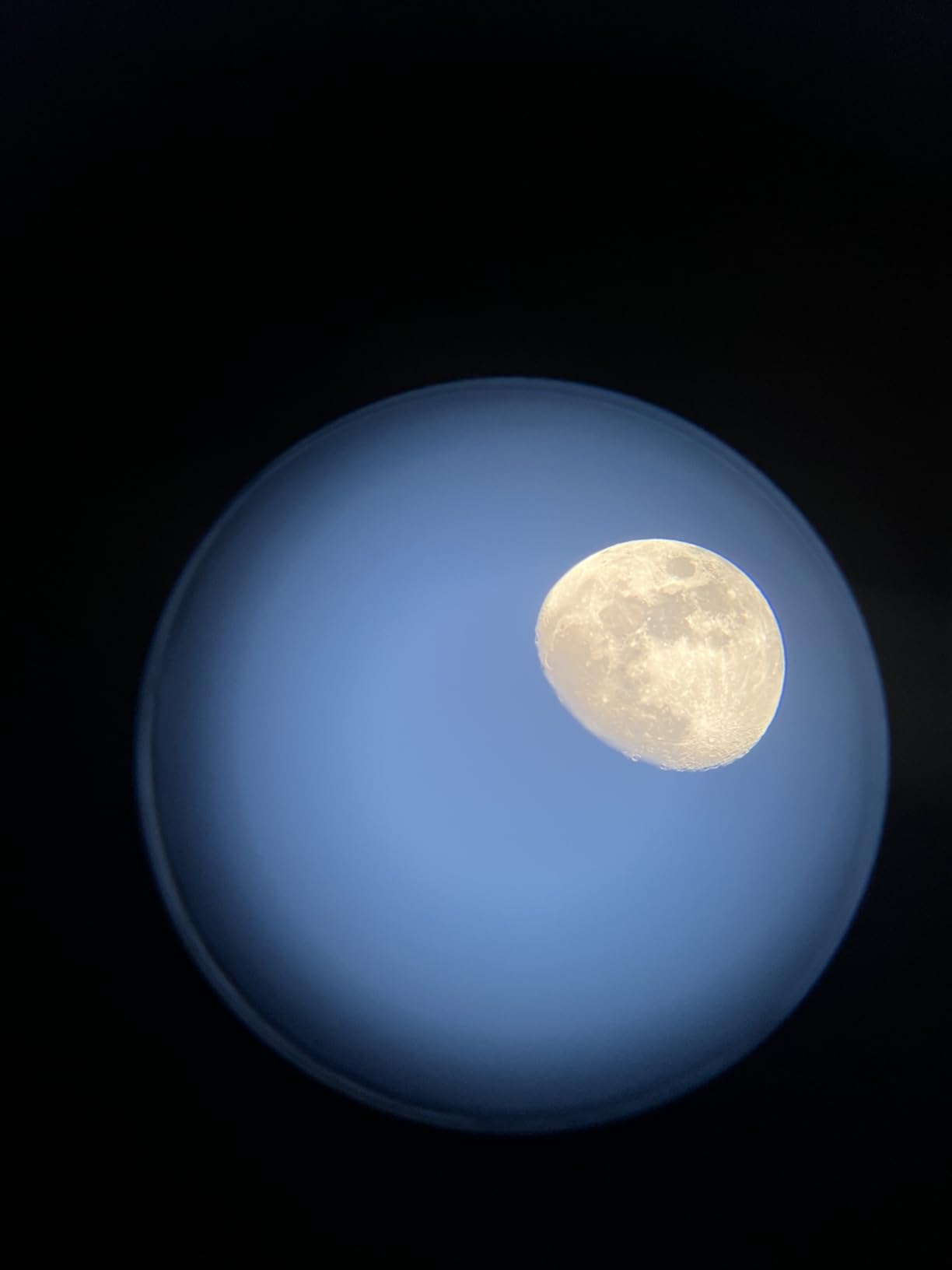
The two included Kellner eyepieces (20mm and 9mm) provide 30x and 66x magnification respectively. Kellner eyepieces offer better eye relief and sharper edge performance than the Huygens or Ramsden eyepieces sometimes found in budget scope kits. The 20mm at 30x gives a wide-field view perfect for locating objects and observing star clusters, while the 9mm at 66x is ideal for lunar and planetary detail work.
The carrying backpack is well-designed with room for the optical tube, tripod, and accessories. This makes the EACONN one of the more portable 80mm options, suitable for taking to darker skies away from urban light pollution. The 2-year warranty provides reasonable coverage for the price point.
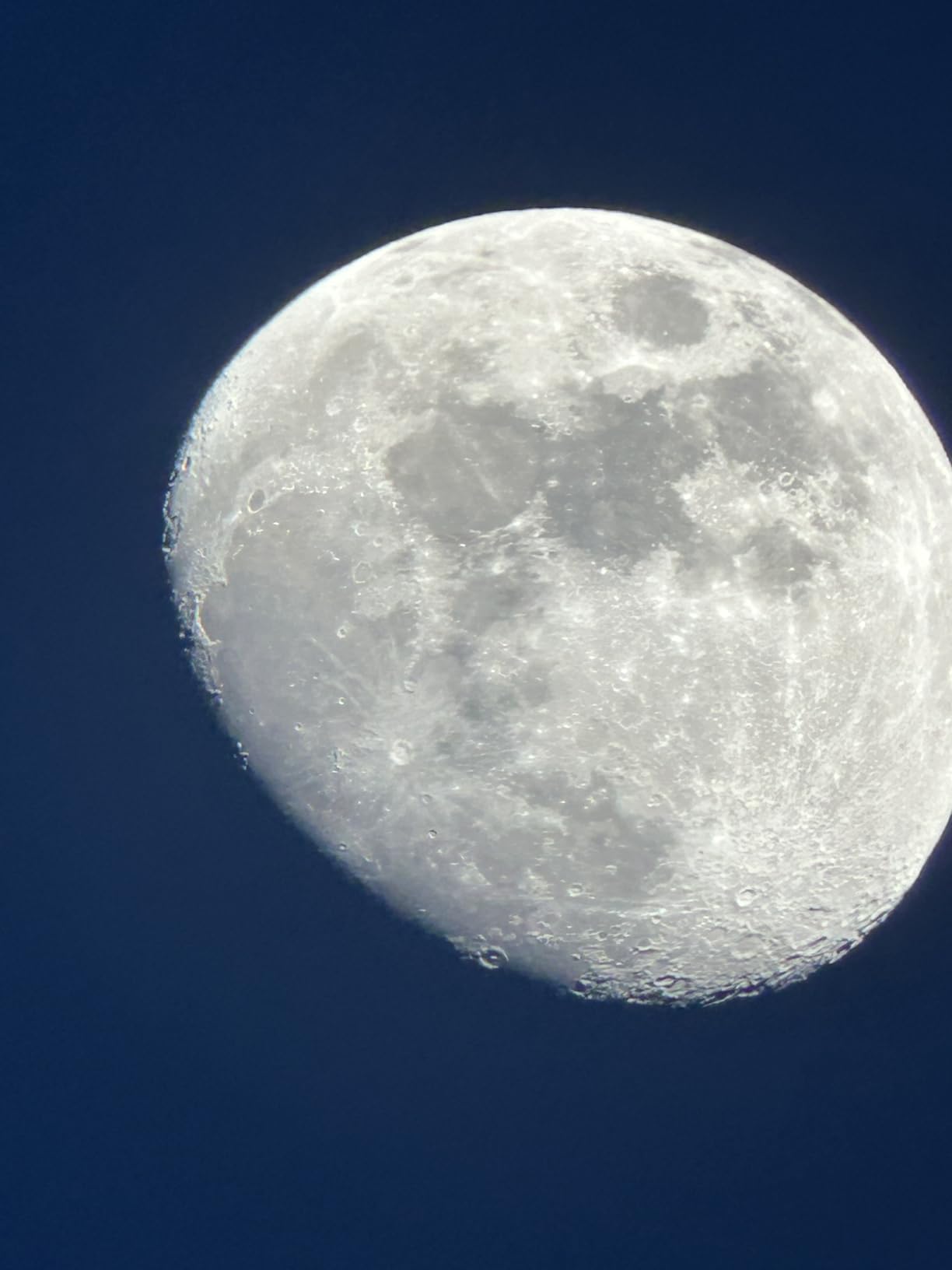
Gimbal Mount Precision
The gimbal mount’s scale markings help you make repeatable positioning adjustments, which is useful when sharing the scope with others. Once you center an object, you can note the scale position and easily return to it after someone else moves the scope. This is a thoughtful design feature that adds real value for group observing sessions.
Coating Quality Benefits
Fully multi-coated optics reduce light loss at each air-to-glass surface, directing more light to your eye. In practical terms, this means fainter stars are visible, planetary detail is sharper, and the overall image appears brighter and more contrasty. The green anti-reflective coating on the EACONN is visibly effective when compared side by side with standard coated optics.
12. Koolpte 70mm Refractor Telescope – Best Budget Pick Under $60
- Outstanding value with fully multi-coated optics at budget price
- Wireless remote for shake-free photography
- Two eyepieces with 3x Barlow lens
- Carrying bag included for portability
- Lifetime maintenance support
- Tripod can be wobbly
- Some difficulty focusing reported
- Phone adapter alignment can be tricky
- Assembly instructions could be clearer
The Koolpte 70mm is the least expensive scope in our roundup, yet it includes fully multi-coated optics that you typically find on more expensive models. With over 3,600 reviews and a number three bestseller rank in telescope refractors, it has proven its popularity among budget-conscious beginners. For first-time telescope buyers who want to test the waters without a major investment, this is where I point them.
The 500mm focal length gives an f/7.1 ratio, which is slightly slower than the 400mm scopes and slightly better for planetary work due to reduced chromatic aberration. On the moon, the 25mm eyepiece at 20x gave pleasing wide-field views of the entire lunar disc. Stepping up to the 10mm at 50x with the Barlow for 150x revealed individual craters and mountain peaks along the terminator.
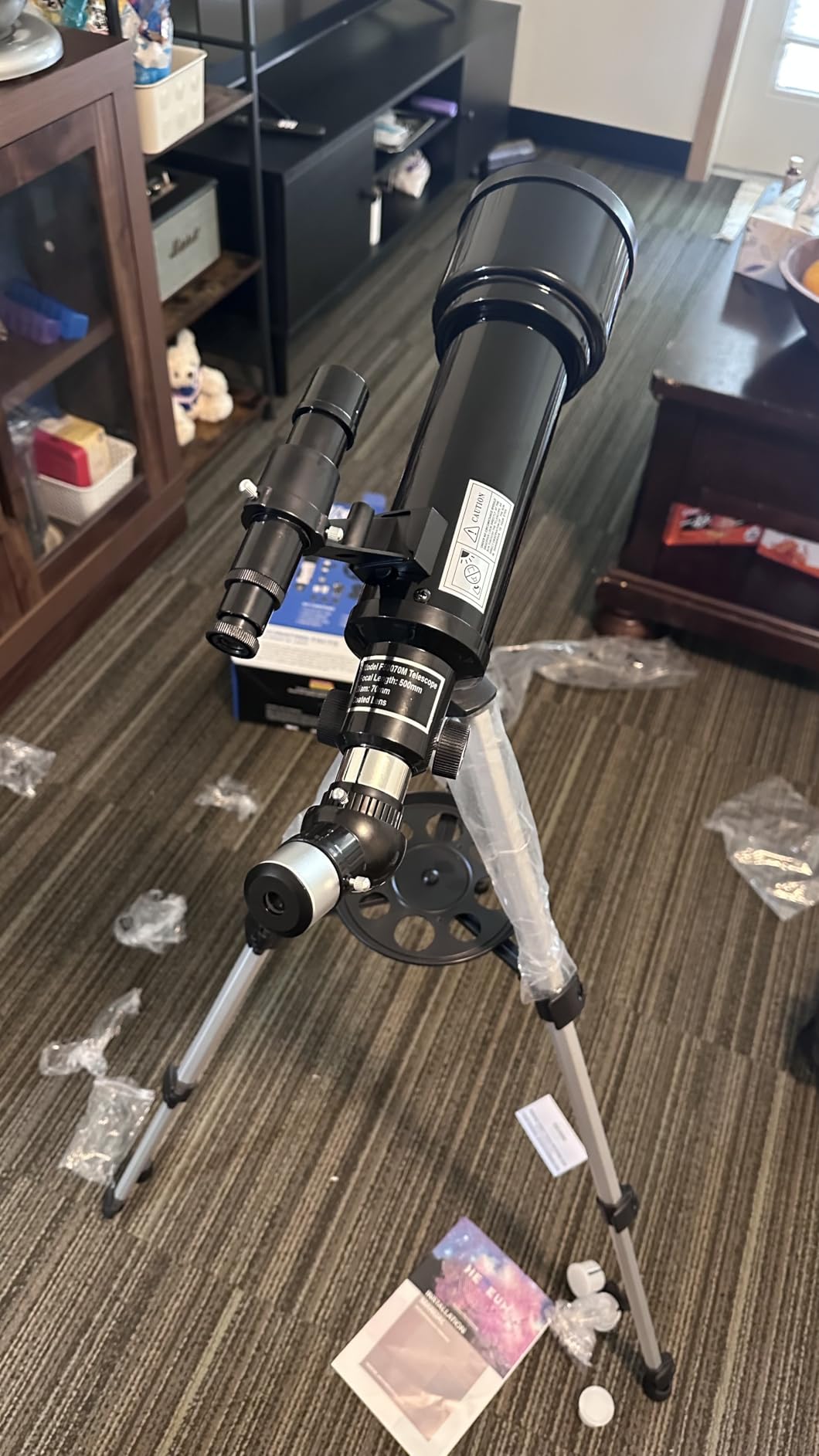
The included wireless remote is a thoughtful addition that lets you trigger your phone camera without touching the telescope, eliminating shake in your photos. Combined with the phone adapter, this gives beginners a surprisingly capable basic astrophotography setup for capturing lunar images to share with friends and family.
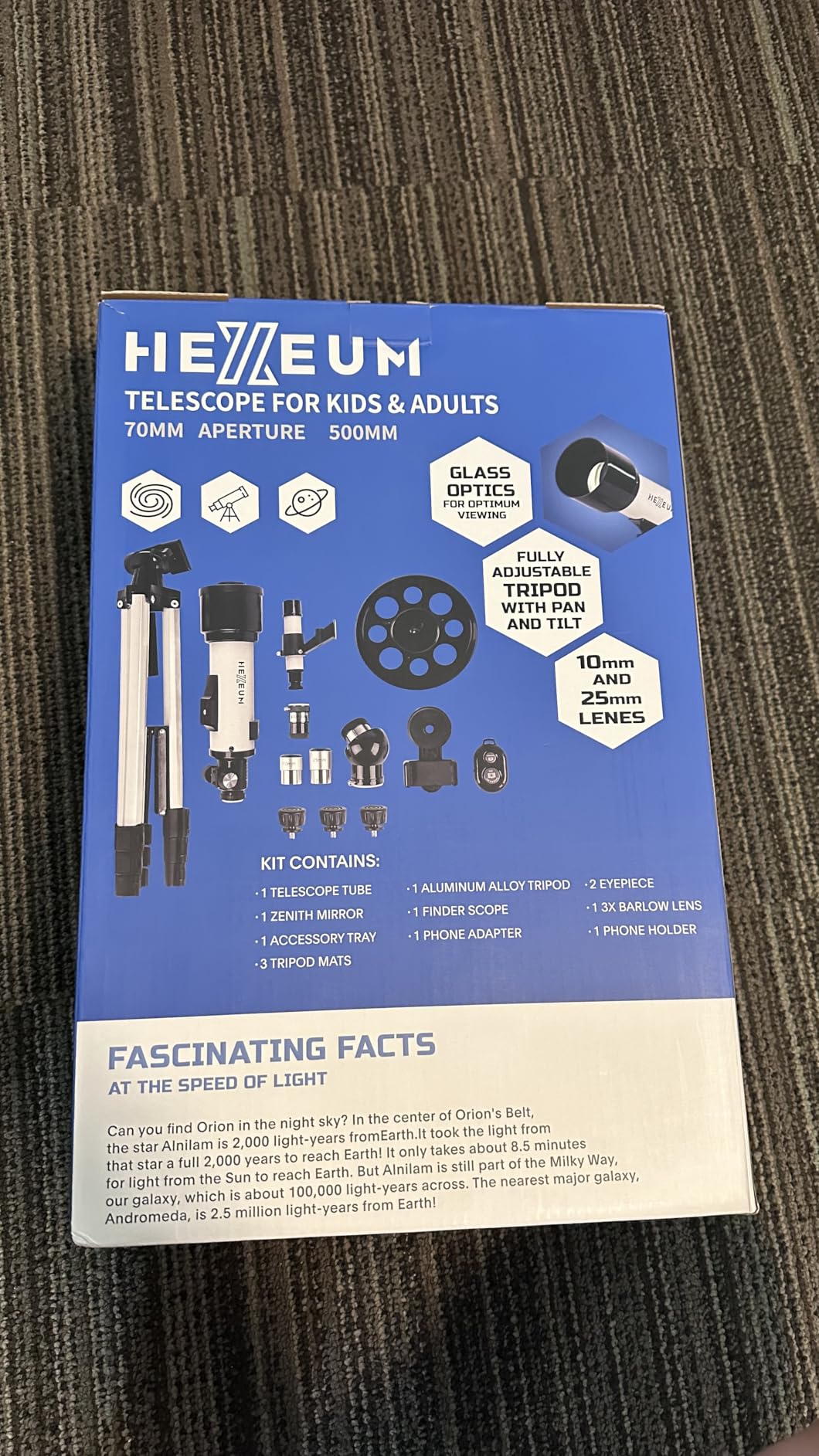
The trade-offs at this price are expected. The tripod is light and wobbly, particularly at higher magnifications. The focuser is basic and can be stiff. The finderscope requires patient alignment. But for the price of a dinner out, you get a scope that can show you the moon’s craters, Jupiter’s moons, and Saturn’s rings, which is genuinely remarkable value.
What to Expect at This Price
The Koolpte 70mm is not going to match the optical quality of the 90mm or 100mm scopes on this list. What it does is provide a legitimate, functional introduction to astronomy for an incredibly low investment. If you are buying for a child whose interest may be fleeting, or if you simply want to see whether astronomy is a hobby worth pursuing, this is the ideal entry point.
Smart Beginner Accessory
The wireless remote included with the Koolpte is more useful than it sounds. Phone cameras introduce significant shake when you tap the shutter button, which ruins long-exposure shots. The remote lets you capture images without touching the phone, dramatically improving photo quality. This small accessory alone would cost extra with many other scopes.
13. ToyerBee 70mm Refractor Telescope – Best Entry-Level Family Scope
- Great beginner telescope for adults and kids
- Easy assembly with no tools required
- Wireless remote for shake-free photos
- Wide magnification range 15X to 150X
- 2-year warranty and unlimited technical support
- Tripod can be wobbly and top-heavy
- Center of gravity too high for the tripod
- Lever aiming system frustrating for fine adjustments
- Stand may be too short for taller users
The ToyerBee 70mm rounds out our list as another solid budget option with over 2,600 reviews. It shares the 70mm aperture spec with the Koolpte and Gskyer entry-level models but comes with a shorter 300mm focal length tube. This makes it extremely compact and lightweight, which is great for small hands and tight storage spaces.
The magnification range of 15x to 150x using the included H20mm and H6mm eyepieces with the 3x Barlow lens covers a wide spectrum of observing scenarios. At 15x, you can scan wide swaths of the Milky Way. At 150x, you can push the limits on lunar crater detail and try for planetary features, though atmospheric conditions will often limit practical magnification to around 100x.
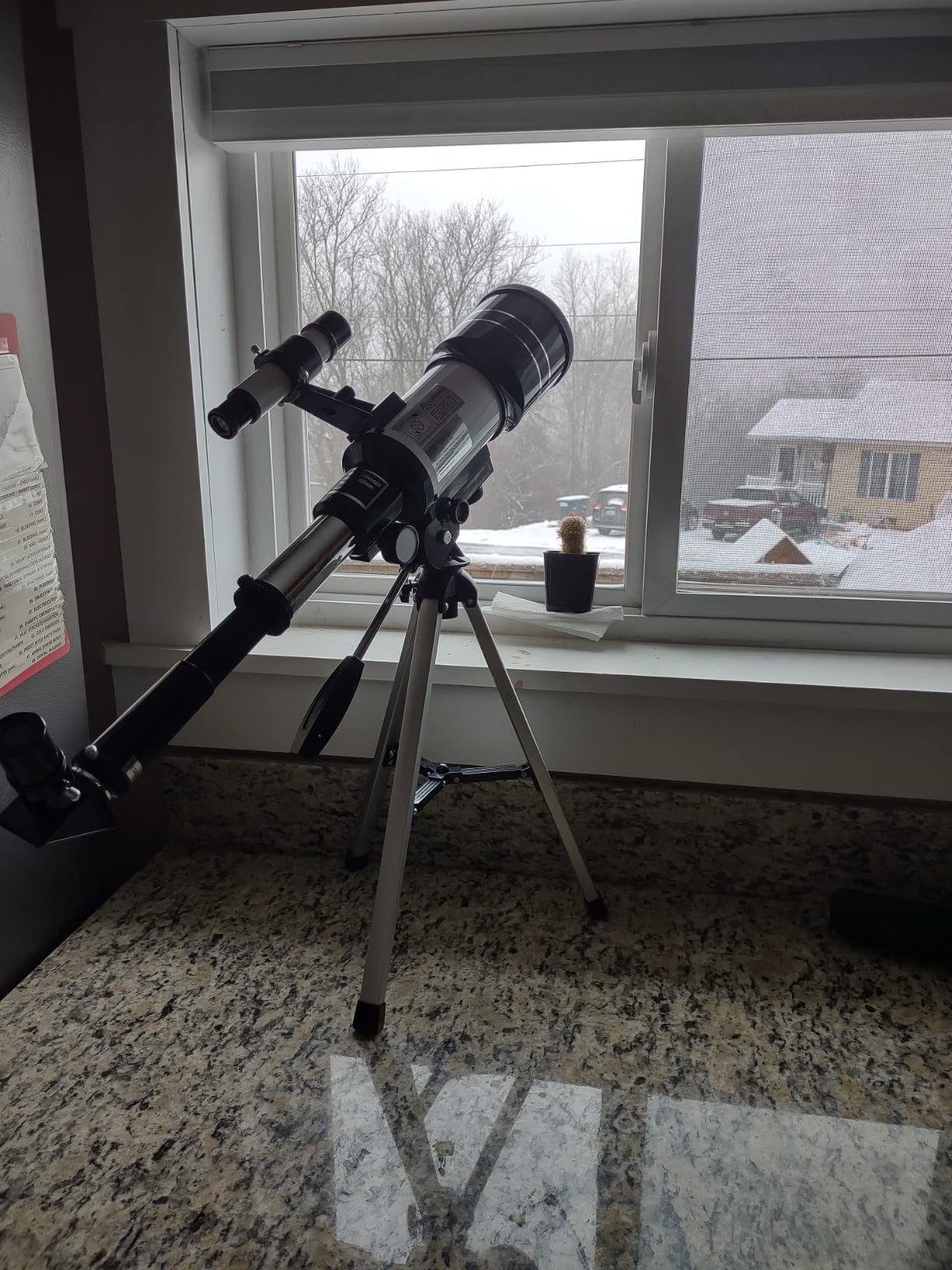
For families with children, the ToyerBee’s simple operation and lightweight design are real advantages. Kids can help with setup and learn to operate the scope independently. The included phone adapter and wireless remote encourage them to capture and share their observations, which builds sustained interest in the hobby.
The main issue to be aware of is the tripod’s high center of gravity. The optical tube sits tall on the mount, which creates a top-heavy setup prone to tipping if bumped. The lever aiming system works but lacks the precision of a panhandle or slow-motion control, making fine adjustments challenging at higher magnifications.
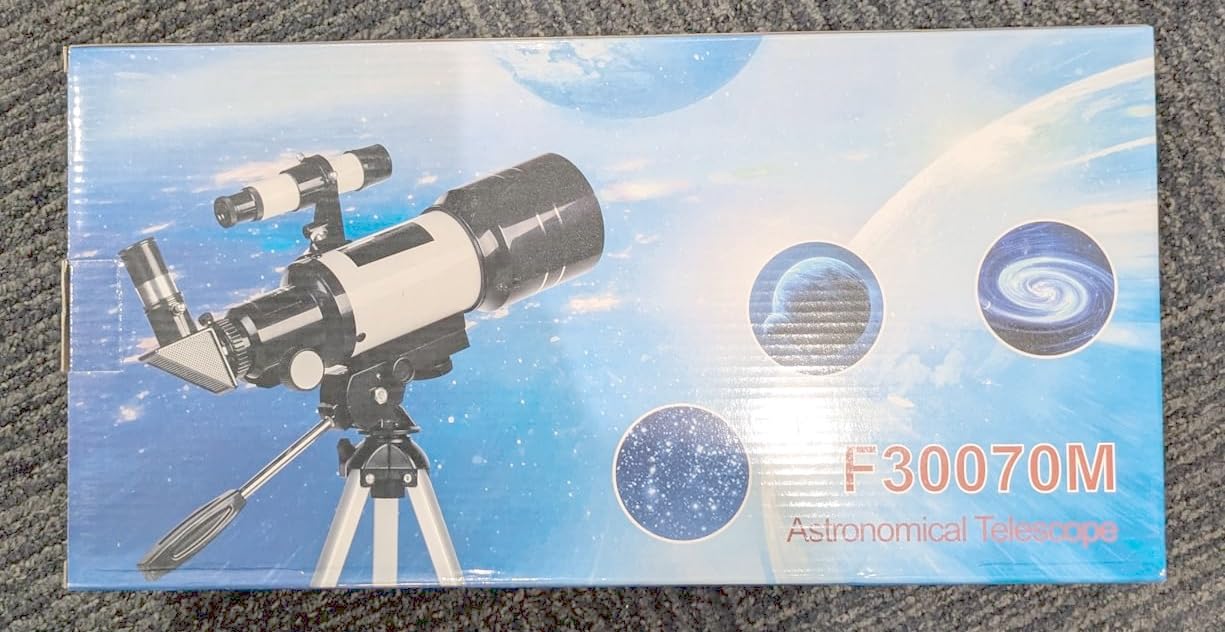
Compact and Lightweight Design
The short 300mm optical tube makes the ToyerBee one of the most compact refractors available. It takes up minimal storage space and is easy for children to handle. If you live in an apartment or have limited storage, this compact form factor is a genuine advantage over longer-tube designs.
Good Gift Choice for Beginners
For someone buying a telescope as a gift, the ToyerBee is a safe choice. The complete accessory package means the recipient has everything needed to start observing immediately. The 2-year warranty and unlimited technical support provide reassurance, and the price point keeps the investment low enough that it works as a thoughtful gift without being excessive.
Buying Guide: How to Choose the Best Refractor Telescope for Moon and Planets
Choosing the right refractor telescope for lunar and planetary observation comes down to understanding a few key specifications and how they affect what you see. Our team has spent countless hours under the night sky with these scopes, and we want to share what we have learned so you can make an informed decision.
Aperture: The Most Important Specification
Aperture is the diameter of the main objective lens, measured in millimeters. It is the single most important factor in a telescope’s performance because it determines how much light the scope can gather and how fine the detail it can resolve. A 90mm scope gathers 65 percent more light than a 70mm scope, which translates directly to brighter images and more visible detail on planets and the moon.
For planetary observation specifically, larger aperture lets you see finer cloud detail on Jupiter, more structure in Saturn’s rings, and polar ice caps on Mars during close approaches. The practical sweet spot for a beginner refractor is between 70mm and 100mm. Below 70mm, you are limited to basic views of the moon and bright planets. Above 100mm, refractors become expensive and unwieldy due to the cost of quality lenses.
Chromatic Aberration: The Refractor Trade-off
Chromatic aberration is the false color fringing that appears around bright objects when a lens fails to focus all wavelengths of light to the same point. In budget achromat refractors, you will see a violet or purple halo around the moon, Venus, and bright stars. This is a physical limitation of simple two-element lens designs and is not a defect.
The amount of chromatic aberration depends on the focal ratio, which is the focal length divided by the aperture. Longer focal ratios (higher f-numbers) produce less false color. A scope with f/10 or higher will show minimal chromatic aberration, while a fast scope at f/5 or f/6 will show noticeable fringing on bright targets. The Celestron AstroMaster 70AZ with its f/12.8 ratio is excellent in this regard.
Higher-end refractors use extra-low dispersion (ED) glass or apochromatic (APO) lens designs with three or more elements to virtually eliminate chromatic aberration. These designs are expensive and typically start above $500 for a small aperture. For beginner scopes in this roundup, chromatic aberration is an accepted trade-off that does not significantly detract from the observing experience.
Focal Ratio: Speed Versus Detail
Focal ratio affects two things: chromatic aberration (as discussed above) and the field of view. A fast focal ratio (low f-number like f/5) gives a wider field of view, which is great for sweeping star fields and large deep-sky objects. A slow focal ratio (high f-number like f/12) gives a narrower field of view but produces higher magnification per millimeter of eyepiece focal length and less chromatic aberration.
For moon and planet observation, a slower focal ratio is actually preferable. You do not need a wide field of view for planets, and the reduced chromatic aberration improves image quality on bright targets. If you also want to observe star clusters and large nebulae, a faster focal ratio gives you that versatility. Most of the scopes in this roundup fall in the f/6 to f/9 range, which is a reasonable compromise.
Mount Types: Alt-Azimuth Versus Equatorial
Every telescope in this roundup uses an alt-azimuth (alt-az) mount, which moves up-down (altitude) and left-right (azimuth). This is the most intuitive mount type for beginners because it moves naturally in the directions you would expect. The downside is that tracking objects as the Earth rotates requires constant manual adjustments in two axes.
An equatorial mount is aligned with the Earth’s rotational axis and tracks objects by turning in a single axis. This is better for astrophotography and high-power observation but adds complexity to setup and operation. For visual observation of the moon and planets, an alt-az mount is perfectly adequate and much simpler to use. If you eventually want to try astrophotography, look into solar filters for telescopes and equatorial mount upgrades.
What You Can Realistically See
Setting realistic expectations is important. No beginner refractor will show you Hubble-quality images. Here is what you can expect at different apertures. A 70mm scope shows the moon in stunning crater detail, Jupiter as a disc with four Galilean moons, Saturn’s rings as small but distinct appendages, and Mars as a tiny reddish dot. A 90mm scope improves on all of these, adding Jupiter’s main cloud belts, Saturn’s Cassini Division on steady nights, and subtle Martian surface features during close approaches.
A 100mm scope like the Celestron Inspire 100AZ pushes detail further, with finer cloud structure on Jupiter, more ring detail on Saturn, and better resolution of lunar rilles and small craters. Beyond 100mm, refractors become expensive, and many observers switch to reflectors for greater aperture per dollar.
Beginner Tips for Planetary Observation
Start with low magnification to find your target, then increase power gradually. The highest useful magnification for a telescope is approximately 50x per inch of aperture, so a 90mm scope (3.5 inches) tops out around 175x before image quality degrades. Always let your telescope cool to ambient temperature before observing, as warm air currents inside the tube distort images. Observe planets when they are highest in the sky for the steadiest views, and avoid observing over rooftops or pavement that radiates heat.
For more beginner-friendly guidance, check out our guides on telescopes for kids and beginners to find options suited for younger astronomers joining you under the stars.
FAQs
Which telescope is best to see planets and moons?
For viewing planets and moons, a refractor telescope with at least 90mm aperture is ideal. The HUGERSTAR 90mm and Celestron Inspire 100AZ are excellent choices because their larger apertures gather more light and resolve finer planetary detail. You can see Jupiter’s cloud belts and Galilean moons, Saturn’s rings, and detailed lunar craters through these scopes.
Which telescope is best for viewing planets and galaxies?
For planets, a refractor telescope with 90mm or larger aperture works well because it provides high-contrast images. For galaxies and nebulae, you need significant light-gathering power, which usually means a larger aperture reflector or Dobsonian telescope. A refractor excels at lunar and planetary observation but has limited deep-sky performance compared to larger reflectors.
What is the best refractor telescope for astrophotography?
The Celestron Inspire 100AZ is the best refractor in this roundup for beginner astrophotography thanks to its built-in smartphone adapter and 100mm aperture. For serious long-exposure astrophotography, you would need an apochromatic refractor with ED glass on an equatorial mount, which starts at a significantly higher price point than the beginner scopes covered here.
Which telescope is best to see planets, reflector or refractor?
Both designs work for planetary viewing, but refractors have an edge for beginners because they produce high-contrast images and require no mirror alignment or collimation. A quality 4-inch refractor can often show planetary detail as well as a larger reflector because refractors maintain better contrast. Reflectors offer more aperture per dollar, which helps with deep-sky objects, but require regular maintenance.
Conclusion: Finding Your Perfect Refractor for Moon and Planets
After testing all 13 refractors, a few clear recommendations emerged based on different needs and budgets. For the best overall experience, the HUGERSTAR 90mm refractor delivers excellent optics, a sturdy tripod, and comprehensive accessories at a price that represents outstanding value. For absolute beginners on a budget, the Gskyer 70mm is the proven choice with over 21,000 reviews backing its reputation as the best refractor telescope for moon and planets at an entry-level price.
For those who want the maximum aperture in this category, the Celestron Inspire 100AZ offers the best views and innovative features like the built-in smartphone adapter and integrated LED flashlight. And for travelers who need maximum portability, the Celestron Travel Scope 70 packs down into a backpack and sets up in minutes wherever the sky is dark.
The most important thing is simply to get a scope you will actually use regularly. The best telescope is the one that gets set up on a clear night, not the one that stays in its box because it is too complicated or heavy. Any of the 13 refractors on this list will show you the moon’s craters, Jupiter’s moons, and Saturn’s rings, which are views that never get old no matter how many nights you spend under the stars.