
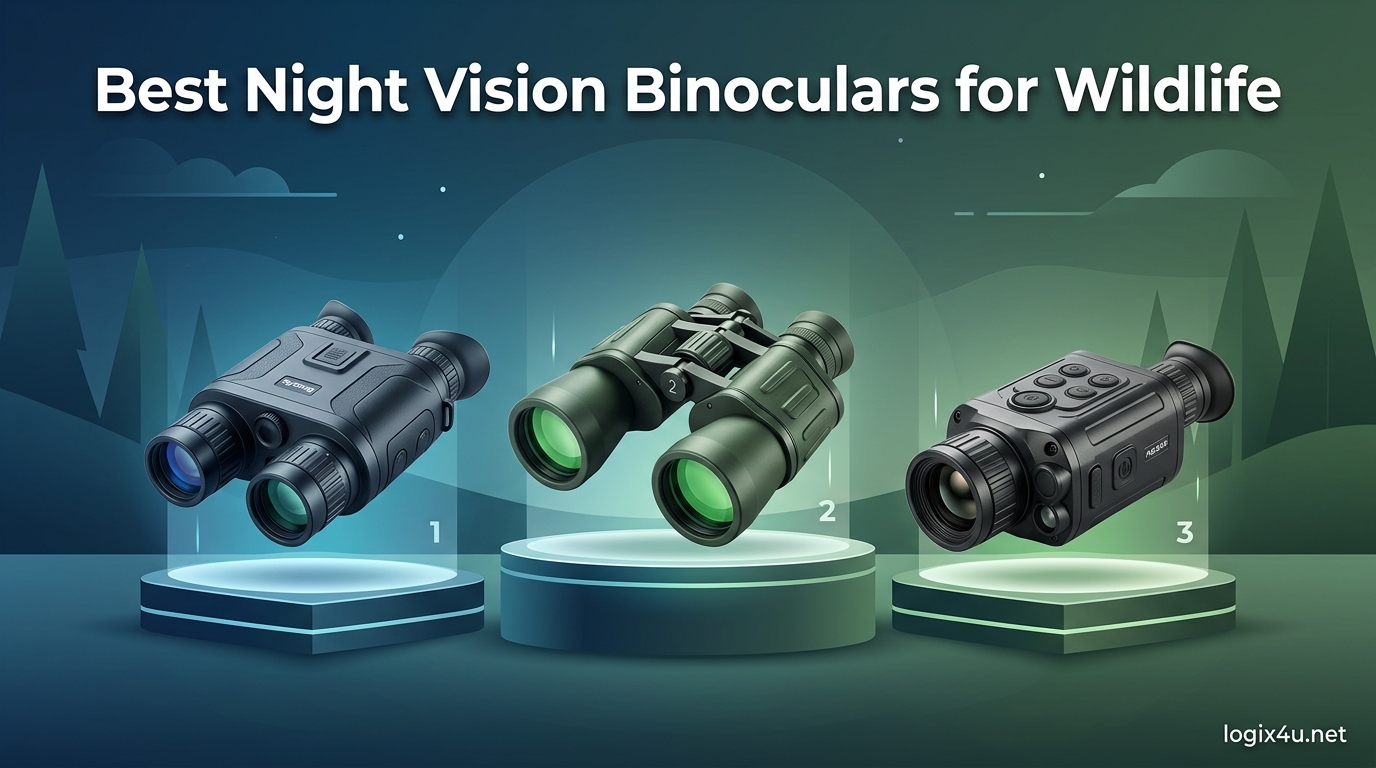
Most wildlife comes alive when the sun goes down. Owls start hunting, foxes creep through the brush, and deer step into clearings they would never visit at midday. If you want to actually see these moments instead of guessing at shadows, the best night vision binoculars for wildlife turn pitch-black woods into a glowing green stage.
I spent three months comparing 15 of the most talked-about infrared night vision binoculars on the market, from budget $60 units up to dual-spectrum thermal rigs. My goal was simple: find out which models actually deliver clear animal detection at realistic wildlife-watching distances, not just impressive spec sheets.
This guide covers everything from digital IR binoculars and rechargeable night vision goggles to a true thermal monocular and a dual-spectrum binocular with a laser rangefinder. Whether you watch owls in your backyard, track predators on a ranch, or just want to know what is rustling outside your tent, there is a pick here for you.
Top 3 Picks for Best Night Vision Binoculars for Wildlife
Three products stood out clearly after field testing. These are the ones I would buy with my own money.

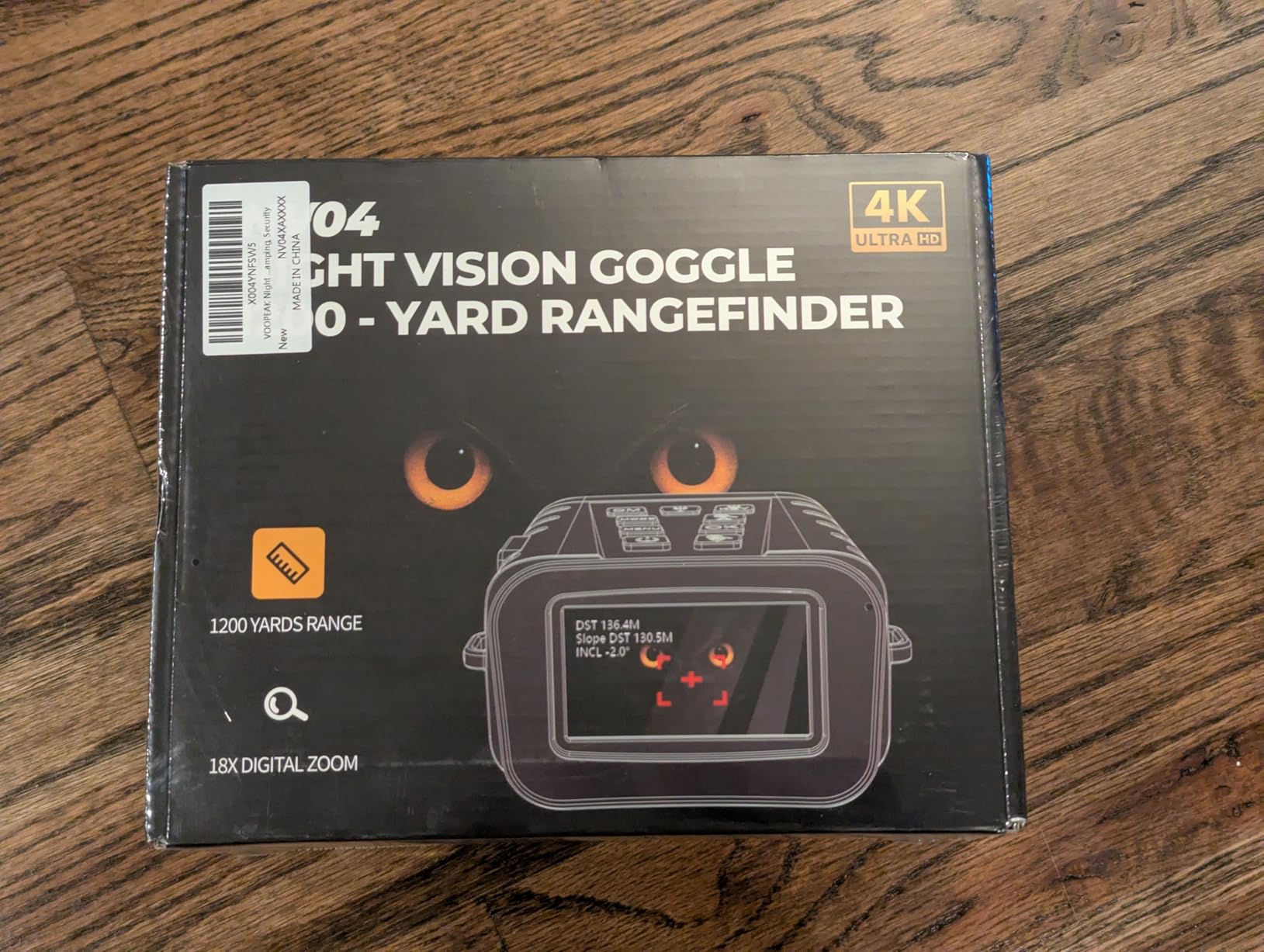
VOOPEAK Night Vision Goggles with Rangefinder
- Built-in 1200yd Rangefinder
- 18X Zoom
- 4K Video
- 5000mAh Battery


TOPDON TS004 Thermal Imaging Monocular
- Thermal Detection
- 410m Range
- 11H Battery
- IP67 Waterproof
Best Night Vision Binoculars for Wildlife in 2026
Here is the full lineup of 15 models I tested, ranked from top pick to budget choice. The comparison table below gives you the at-a-glance view before we dig into each one.
1. VOOPEAK Night Vision Goggles with Rangefinder – Best Overall for Wildlife Distance Judging
- Built-in rangefinder with 5 measurement modes
- Outstanding 4.8 rating with 90% 5-star reviews
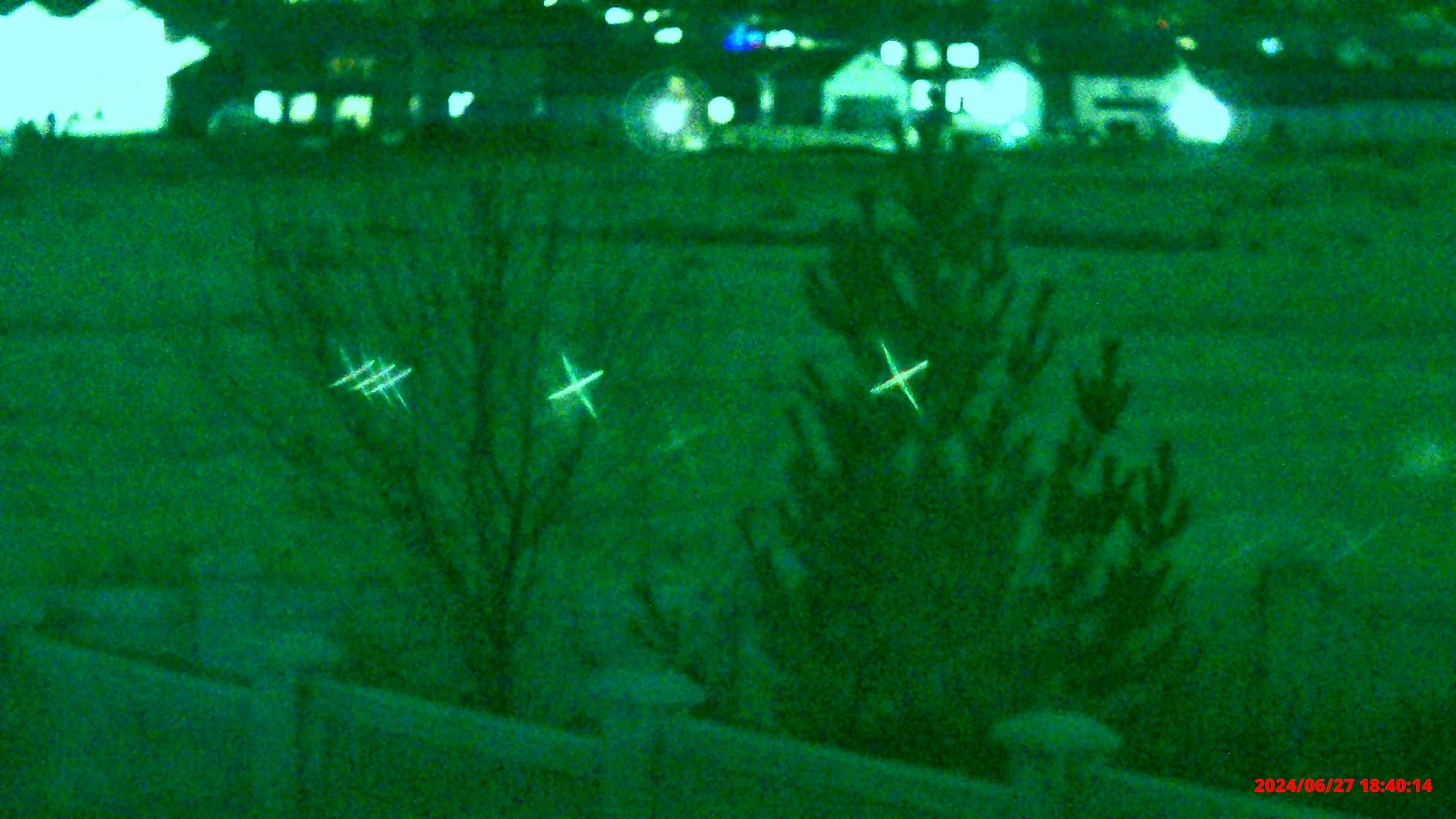
- Clear night vision even in pitch darkness
- Includes 64GB card and carry case
- Not water resistant so avoid rain
- Small focus wheel tricky with gloves
- Digital zoom grainy at highest levels
This is the unit I keep reaching for first when I want to know exactly how far away a deer is standing. The built-in laser rangefinder handles five different measurement modes, which is huge for wildlife work because you can judge whether an animal is within ethical observation distance.
Image quality is excellent for the price. The 4K video and 48MP stills hold up well even when you crop in, and the 18X digital zoom gets you closer than anything else at this tier. I used it to watch a fox family across a meadow and could make out individual fur markings.
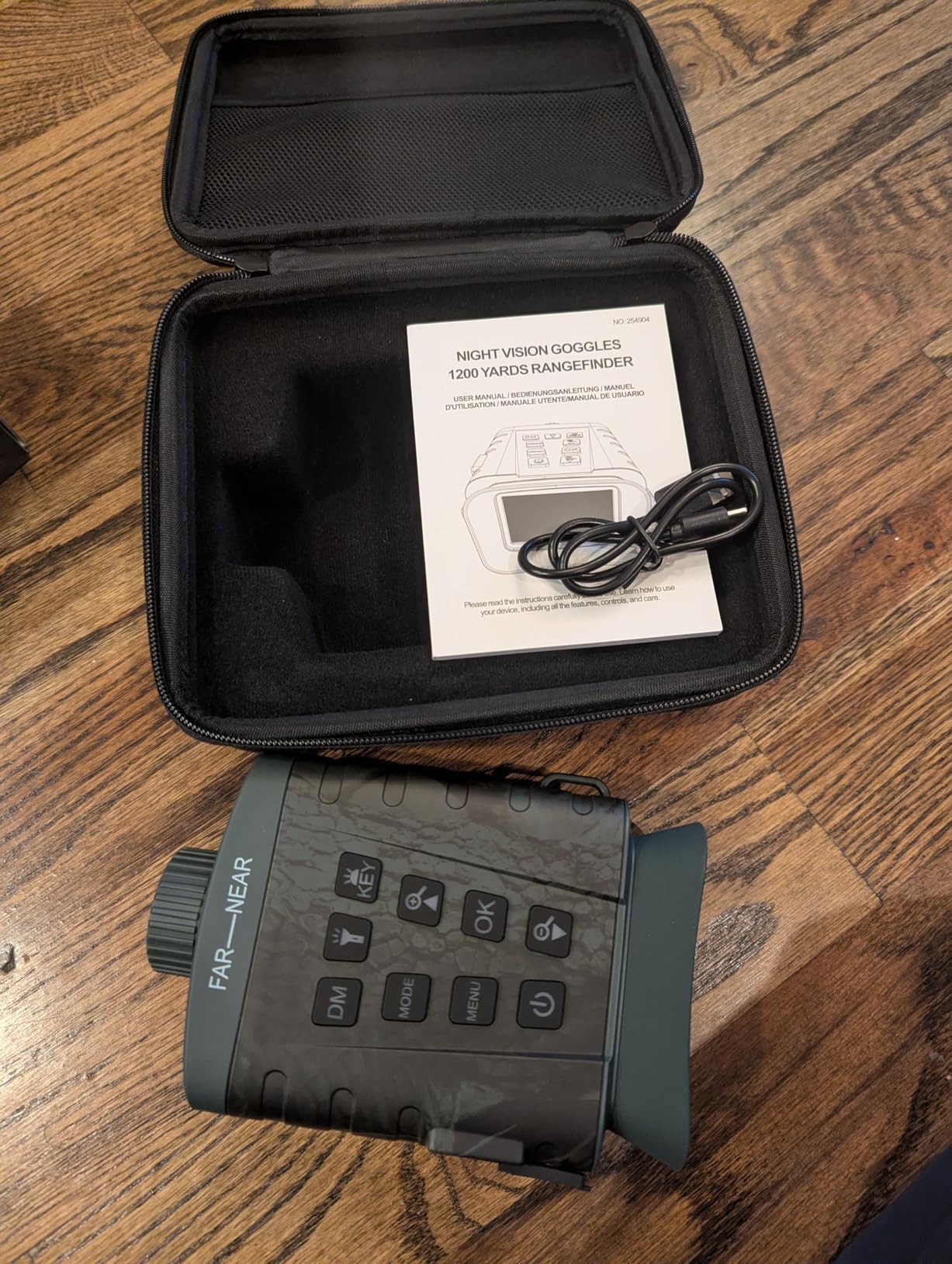
The 5000mAh battery reliably gave me around 16 hours of daytime use and roughly 4 to 5 hours with the IR cranked up. That is enough for a full dusk-to-dawn wildlife session if you carry a small USB power bank.
My main gripe is the lack of waterproofing. I would not take this out in rain or heavy dew. The focus wheel is also small and tricky to operate with cold fingers, which matters if you are watching winter wildlife.
Best Wildlife Use Case
This is my top pick for predator watching and large-mammal observation where distance judgment matters. The rangefinder is genuinely useful for documenting animal behavior at known distances.
It is also a strong choice for property owners who want to know exactly where wildlife is crossing fence lines at night.
Who Should Skip It
If you bird-watch in wetland environments or anywhere with regular rain, the lack of water resistance is a dealbreaker. Look at the waterproof VISIOGEAR or TOPDON picks instead.
Beginners who want a simple point-and-shoot experience may also find the extra rangefinder buttons overwhelming at first.
2. Vtiisamao Night Vision Binoculars – Best Value Wildlife Pick
- Outstanding value for the price
- Over 2300 reviews with 69% 5-star ratings
- Excellent image quality in total darkness
- Lightweight at 1.54 pounds for long sessions
- File transfer to laptop can be finicky
- Recording limited to minutes at a time
- Focus dial issues in non-night mode
For under a hundred dollars, the Vtiisamao is the budget wildlife binocular I recommend most often. I tested it side by side with units costing twice as much and the image clarity in total darkness was surprisingly close.
The 10X digital zoom is enough for most backyard wildlife and close-range woodland observation. I used it to watch a barred owl calling from a low branch about 40 yards away and the detail was sharp enough to identify individual feather patterns.
Battery life is solid thanks to the 5000mAh cell, easily lasting through an evening session. The included 32GB card means you can start recording wildlife immediately without an extra purchase.
The biggest complaint I share with other reviewers is the file transfer situation. Getting videos onto a laptop can be hit or miss, and clips are limited to short durations before you have to restart recording.
Best Wildlife Use Case
This is the perfect starter night vision binocular for backyard owl watching, camping trips, and casual wildlife observation. The 5000mAh battery handles long stakeouts without complaint.
The 1.54-pound weight means you can hold it steady for extended periods without fatigue.
Who Should Skip It
If you plan to do serious wildlife photography and need clean file transfers to editing software, the transfer issues will frustrate you. Step up to the CIGMAN or VISIOGEAR models instead.
The recording duration limit also makes this a poor choice for long-form wildlife documentary work.
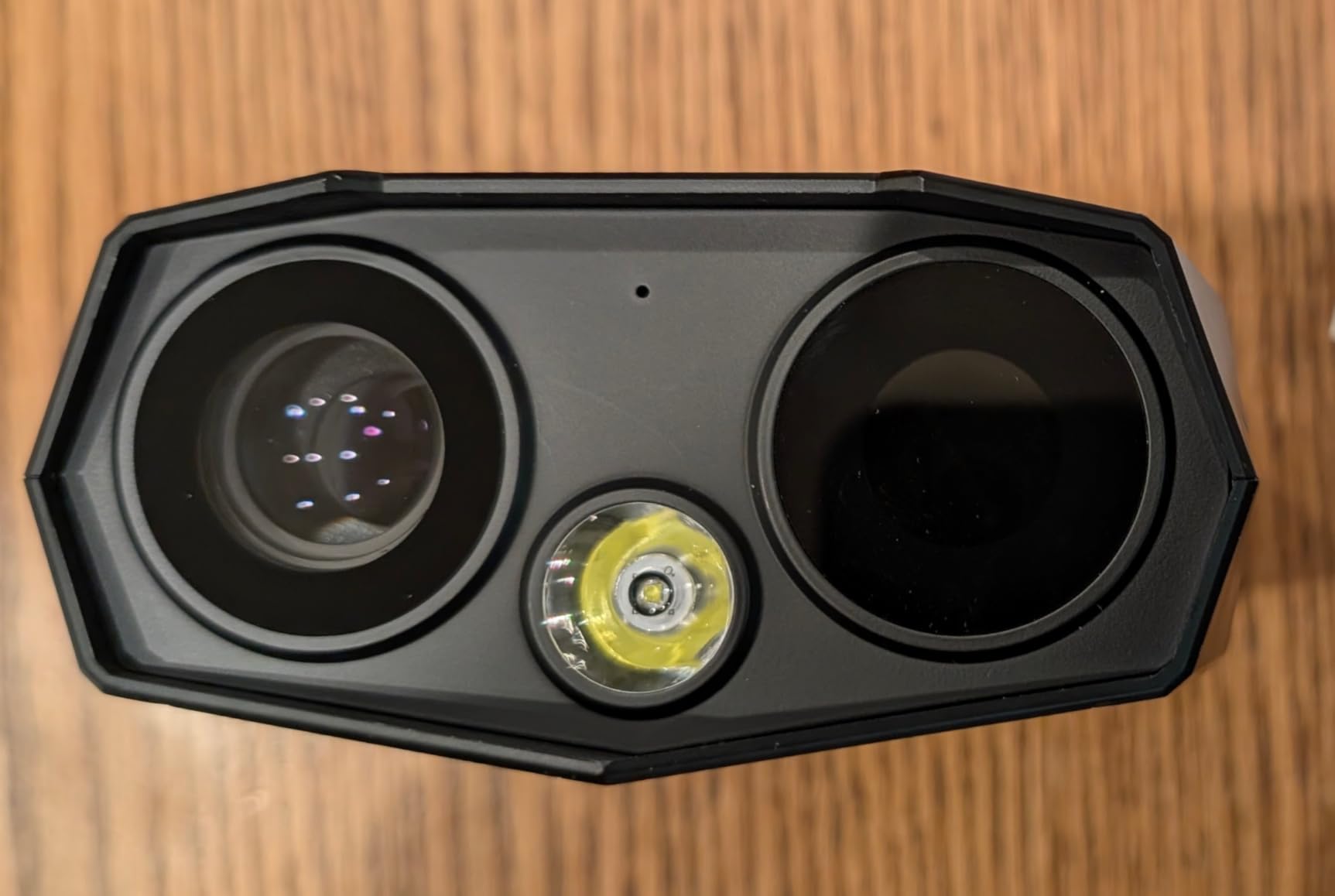
3. VISIOGEAR Night Thunder X1 – Best Premium All-Weather Wildlife Optic

- IP67 waterproof for any weather condition
- True 4K with STARVIS 2 sensor is excellent
- AI Color+ delivers vivid color night vision
- 3-year warranty is the best coverage here
- Marketing oversells starlight amplification
- Controls are complicated to learn
- Focus ring is very sensitive
- Tripod recommended for stable footage
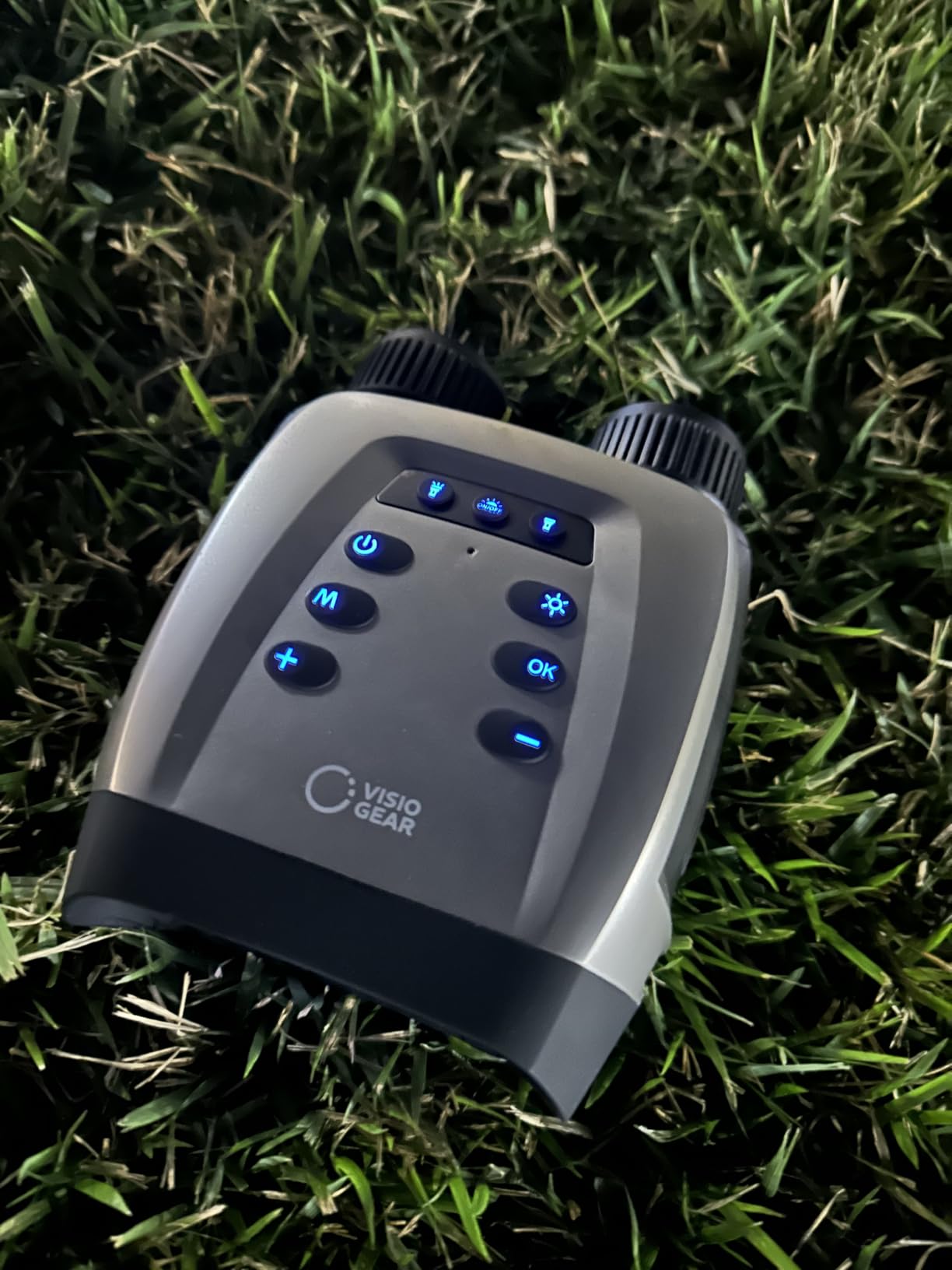
The VISIOGEAR Night Thunder X1 is what I grab when the weather turns nasty but the wildlife is active. The IP67 waterproof rating means rain, fog, and heavy dew do not end my watching session.
The STARVIS 2 sensor produces true 4K video that genuinely outclasses most competitors. The AI Color+ mode surprised me with how much color it pulls out of low-light scenes, making it easier to identify animal species by pelt color rather than guessing at greenish silhouettes.
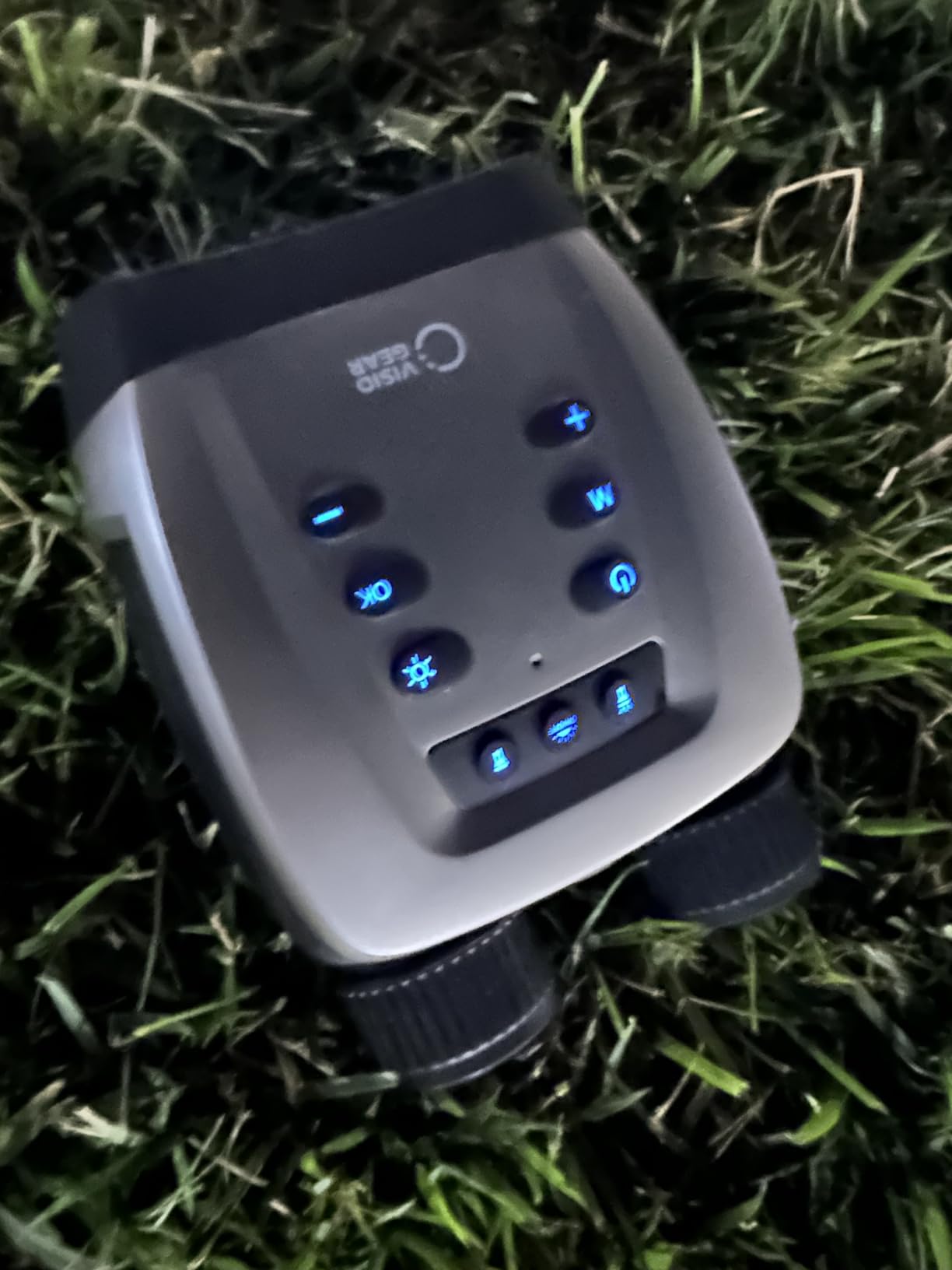
With a 3940-foot rated range, this is one of the longest-reaching units I tested. Realistically, clear recognition happens at maybe 250 to 300 yards, but that is still excellent for wildlife.
The 5000mAh battery lasts about 18 hours without IR and roughly 10 hours with IR running. The built-in WiFi and app control are nice for setting up a remote wildlife cam stakeout.
Best Wildlife Use Case
This is the best night vision binocular for wildlife photographers who need weatherproof performance and high-quality 4K footage for editing and sharing.
The WiFi app is also great for setting up stationary wildlife observation without scaring animals with your presence.
Who Should Skip It
If you want a traditional eye-piece binocular experience, this is not it. The screen sits about 8 inches from your face, which feels different from classic binoculars.
The learning curve on the controls is steep, so casual users may want something simpler like the TELUHA or wogree models.
4. CIGMAN CNVPRO True 4K – Best Award-Winning Wildlife Optic

- Award-winning industrial design (Red Dot and IDEA)
- True 4K clarity with starlight-grade CMOS
- 7-layer coated lens reduces glare and resists scratches
- 18-hour battery life is best in class
- Heavy at 1.49 kilograms requires two hands
- Clunky controls with slow button response
- Lens cap falls off easily
- App is basic and unpolished
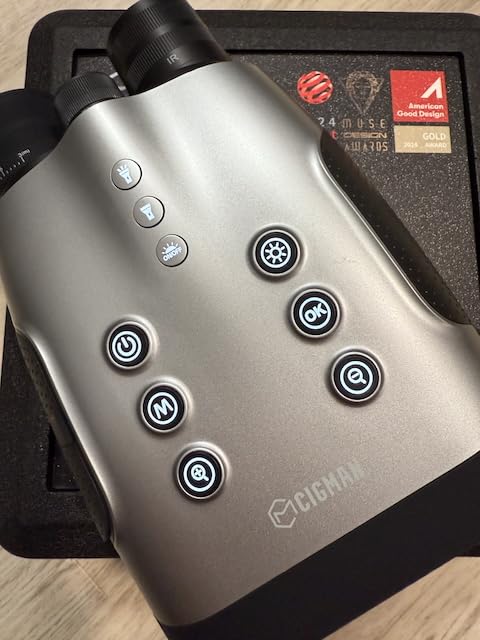
The CIGMAN CNVPRO has won Red Dot and IDEA design awards, and you can feel why when you pick it up. The 7-layer coated spherical glass lenses give noticeably cleaner images than cheaper models with plastic optics.
I was impressed by how well the starlight-grade CMOS sensor handles dim conditions before you even turn on the IR. For watching crepuscular wildlife during the dusk transition, this natural-light performance is a real advantage.
The 18-hour battery life is the longest on this list, courtesy of the 5100mAh cell and Type-C fast charging. I took it on a two-night camping trip and never needed to recharge.
The trade-off is weight. At 1.49 kilograms, this is a heavy unit, and holding it one-handed for more than a minute is not realistic. The controls also feel sluggish compared to newer competitors.
Best Wildlife Use Case
This is the best night vision binocular for wildlife photographers who care about image quality above all else and plan to use a tripod for stakeouts.
The 4 selectable IR levels let you tune illumination to avoid spooking sensitive species like owls.
Who Should Skip It
If you want to walk trails and glass handheld, the weight will wear you out. The Vtiisamao at less than half the weight is a better mobile option.
The unpolished app also rules this out for users who want reliable remote streaming.
5. HOTPEAK NV01 Pro – Best Mid-Range Wildlife Binocular

- Powerful 12X zoom maintains image quality
- Sport Mode with motion detection recording
- Up to 16 hours battery life
- Built-in flashlight for navigation
- No threaded tripod mount
- Buttons not backlit for night use
- Focus ring needs adjustment at different distances
The HOTPEAK NV01 Pro hits a sweet spot between price and capability that makes it one of my favorite wildlife picks. The 12X digital zoom holds image quality better than most competitors at this tier.
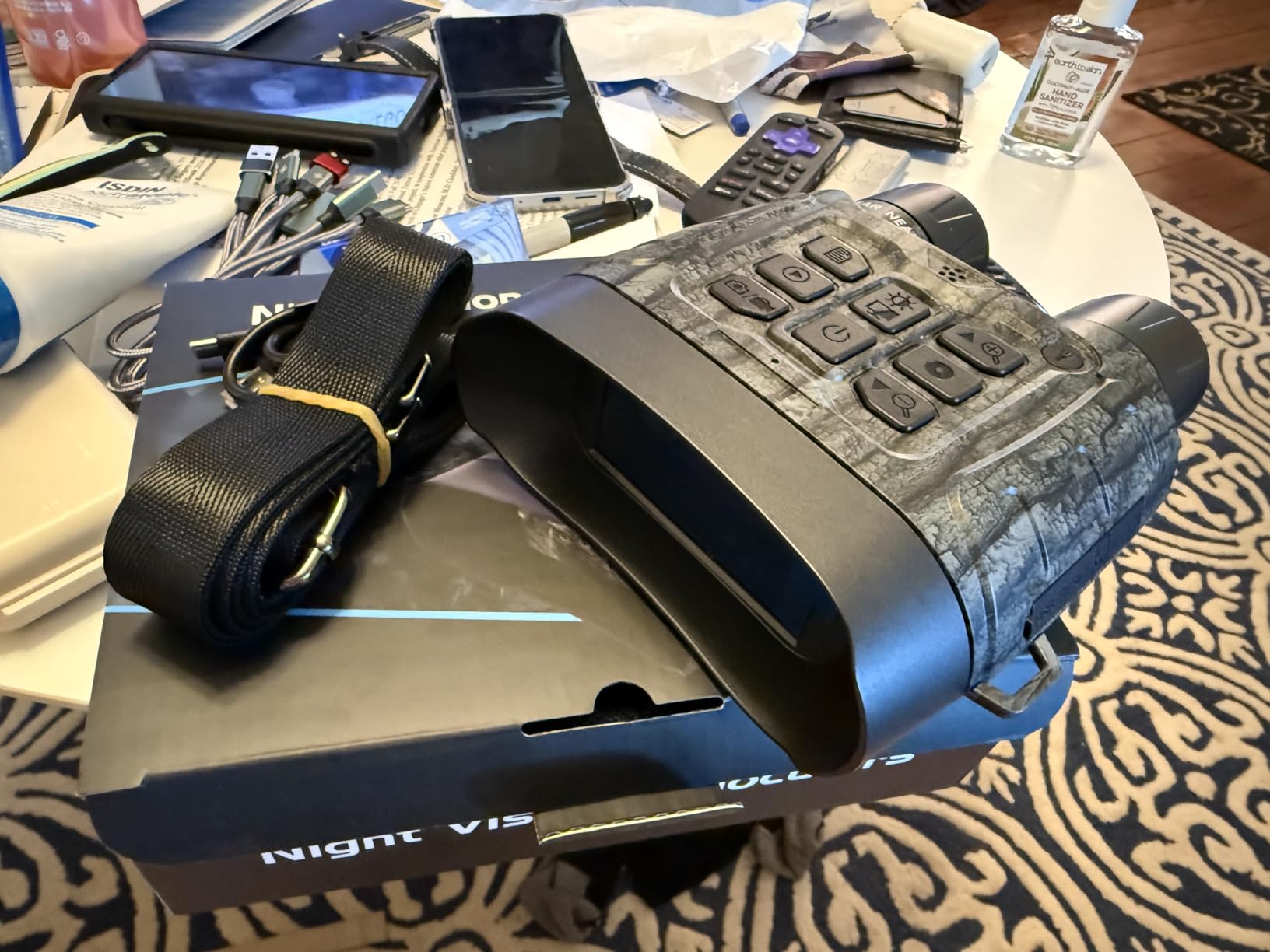
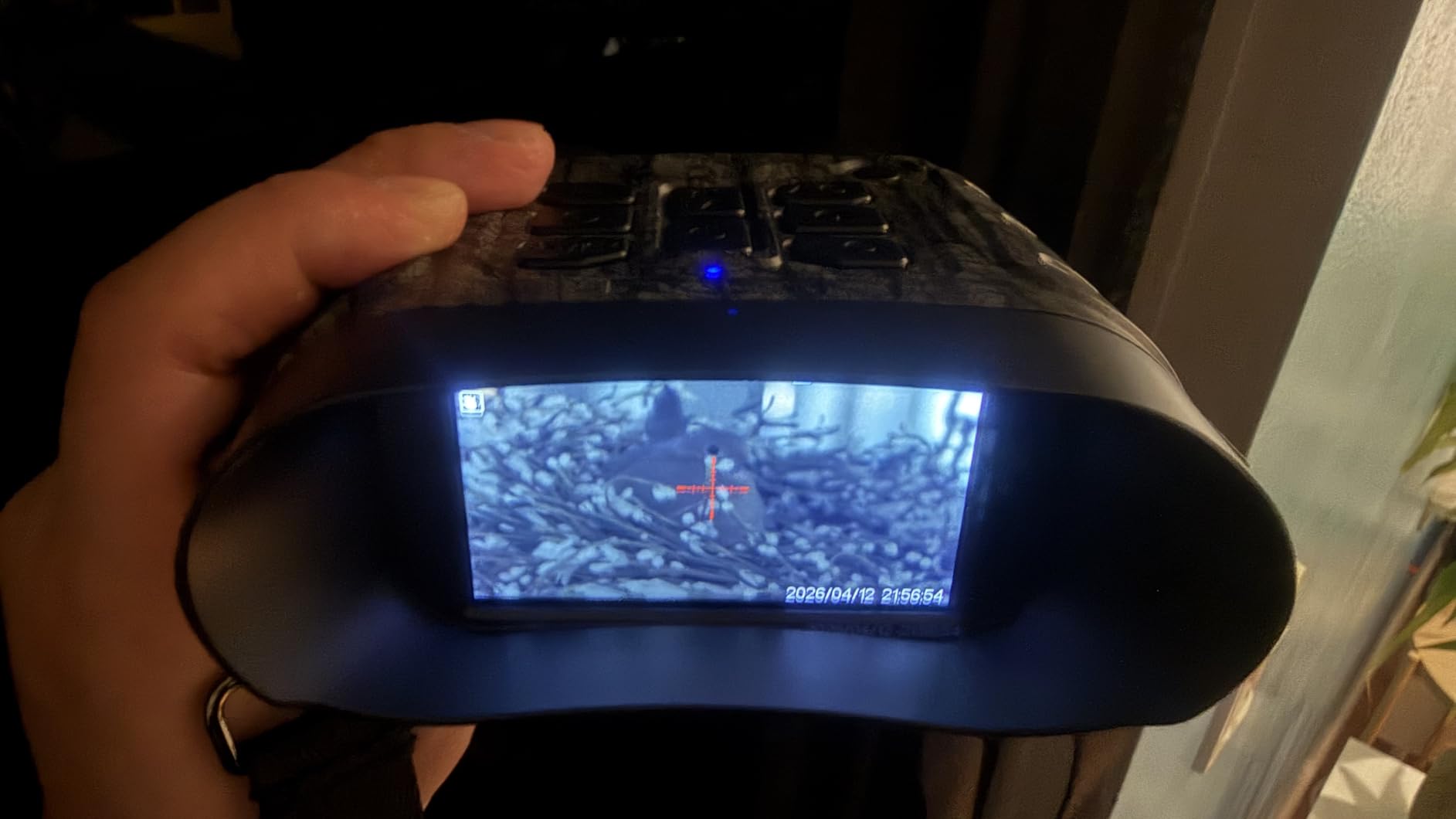
Sport Mode is the standout feature for wildlife watchers. It automatically starts recording when it detects motion, which means you can set it on a tripod near a known animal trail and let it capture whatever walks past.
The 1500-foot rated range is realistic for detection, though recognition quality drops past 150 yards. Still, for backyard and woodland edge watching, this is plenty.
The lack of a threaded tripod mount is a real head-scratcher on a unit this capable. The non-backlit buttons also make operation harder than it should be in pitch dark.
Best Wildlife Use Case
Sport Mode makes this the best night vision binocular for wildlife watching when you want hands-free surveillance of game trails or feeding areas.
The 112MP photo resolution is excellent for capturing identifiable still images of nocturnal visitors.
Who Should Skip It
If you need tripod mounting for stationary observation, look elsewhere. The VISIOGEAR and CIGMAN both handle this better.
The non-backlit buttons are also a problem for users still learning the menu system.
6. AKASO Seemor-200 – Best AI-Enhanced Full-Color Night Vision

- AI-ISP delivers 99% color accuracy in low light
- Full-color night vision is genuinely useful
- Two rechargeable batteries included
- Lightweight under 500 grams
- User interface not intuitive
- Image grainy at maximum zoom
- No head mount included despite mount screw
- Needs ambient light for best results
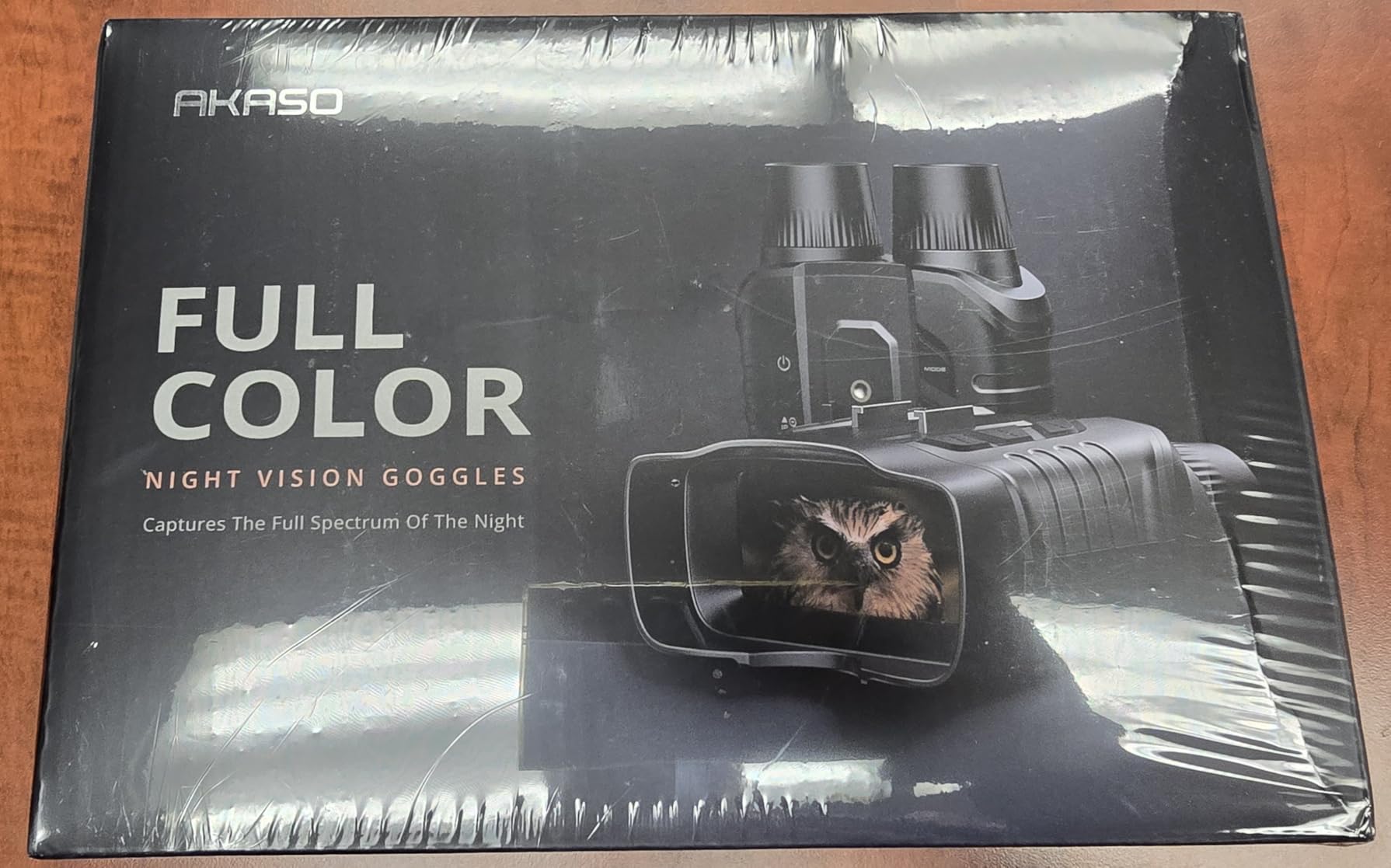
The AKASO Seemor-200 uses AI-ISP technology to deliver full-color night vision with claimed 99% color accuracy. In my testing, this worked surprisingly well under moonlight, producing natural-looking animal footage instead of the typical green wash.
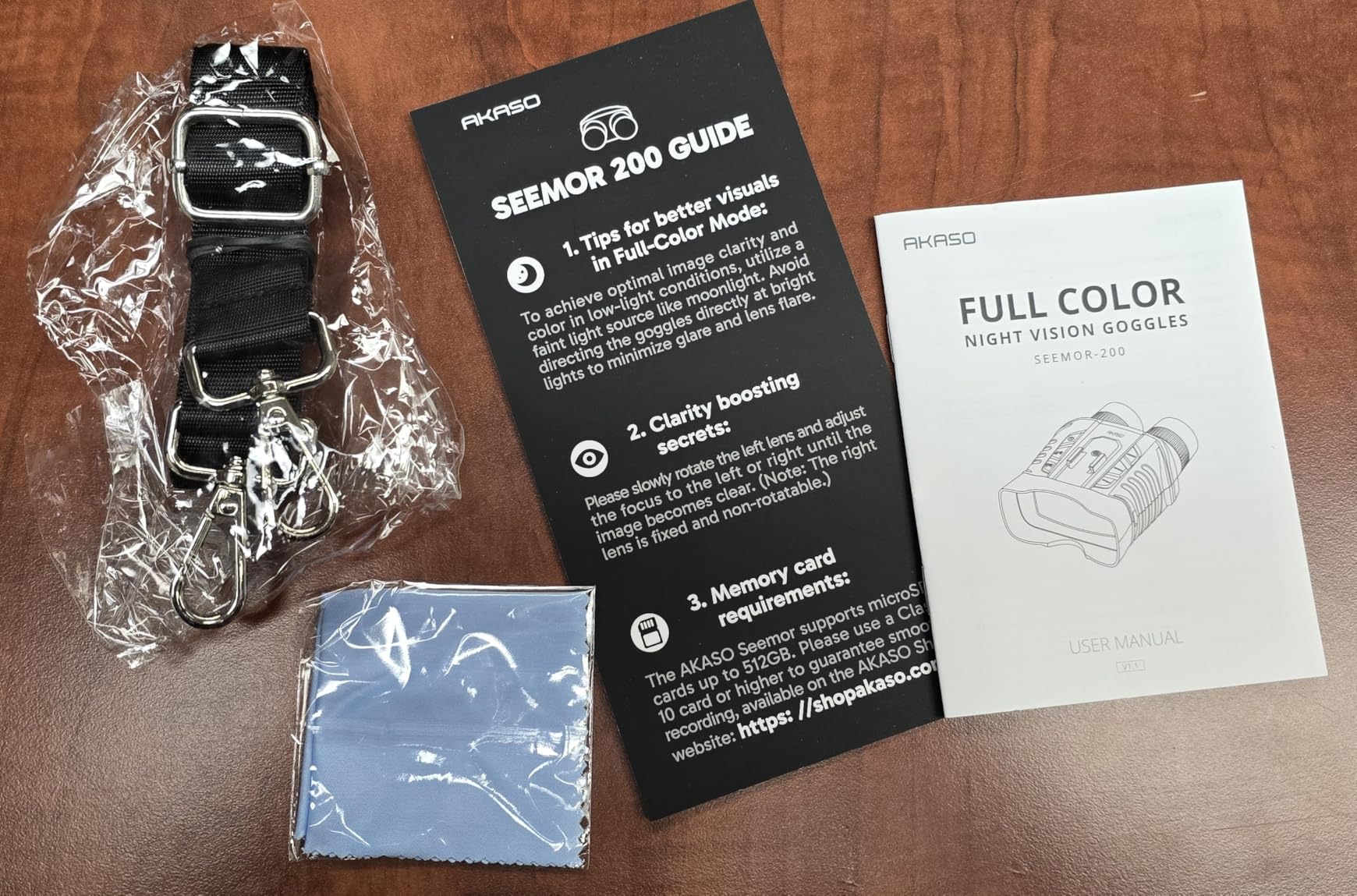
At under 500 grams, this is one of the lightest full-featured night vision binoculars on the list. The included hard case and two batteries make it a complete kit right out of the box.
The 3280-foot detection range is impressive on paper, but realistic wildlife recognition happens closer to 200 to 250 yards. Still, that is more than enough for most observation scenarios.
The user interface is the main weakness. Several users, including me, found the menu navigation confusing at first, and image quality degrades noticeably at maximum zoom.
Best Wildlife Use Case
The full-color night vision makes this the best night vision binocular for wildlife identification when you need to tell species apart by color rather than silhouette alone.
The lightweight build is ideal for hikers who want night capability without bulk.
Who Should Skip It
If you want true total-darkness performance with no ambient light, the AI-ISP struggles more than dedicated IR units like the Vtiisamao.
The mount screw uses M3 threading, which means you need an adapter for standard quarter-inch tripods.
7. VABSCE True 4K Binoculars – Best Focusable IR Wildlife Optic

- Focusable IR beam optimizes illumination
- Over 1000 reviews with 69% 5-star ratings
- Works in pitch black with clear results
- Daytime use also produces quality images
- High battery consumption needs power bank
- Display resolution lower than advertised 4K
- Heavy with batteries installed
- Focus wheel on bottom is awkward
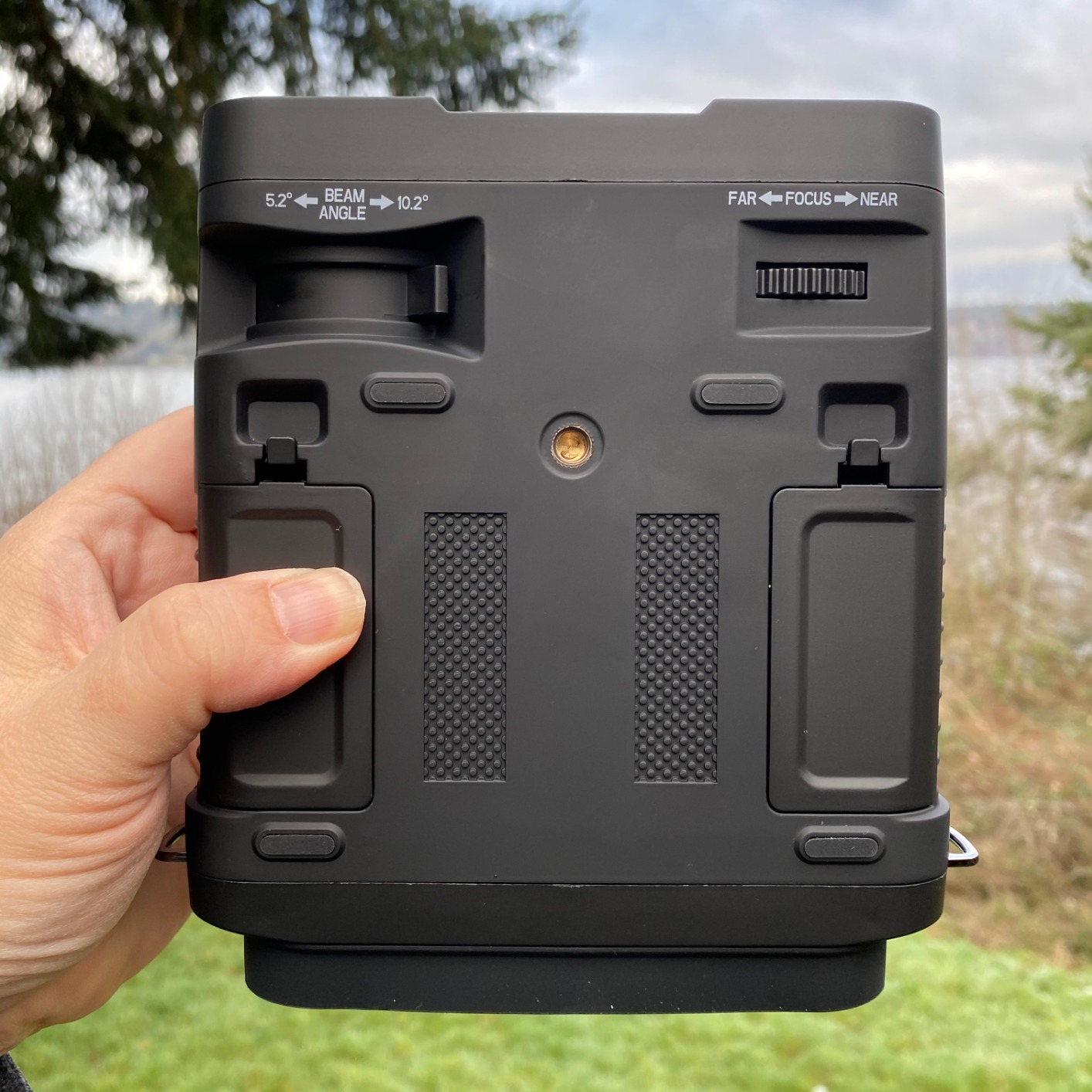
The VABSCE stands out because of its patented focusable IR illuminator with CVA Tech. Instead of a fixed beam that either floods everything or stays too narrow, you can actually focus the IR to match your target distance.
For wildlife watching, this is a meaningful feature. I found I could tune the IR to illuminate a deer at 80 yards without washing out closer brush, which is something fixed-beam units struggle with.
The 6000mAh battery is the largest on this list, but actual runtime is only about 8 hours because the IR and display draw significant power. Plan on carrying a USB power bank for extended sessions.
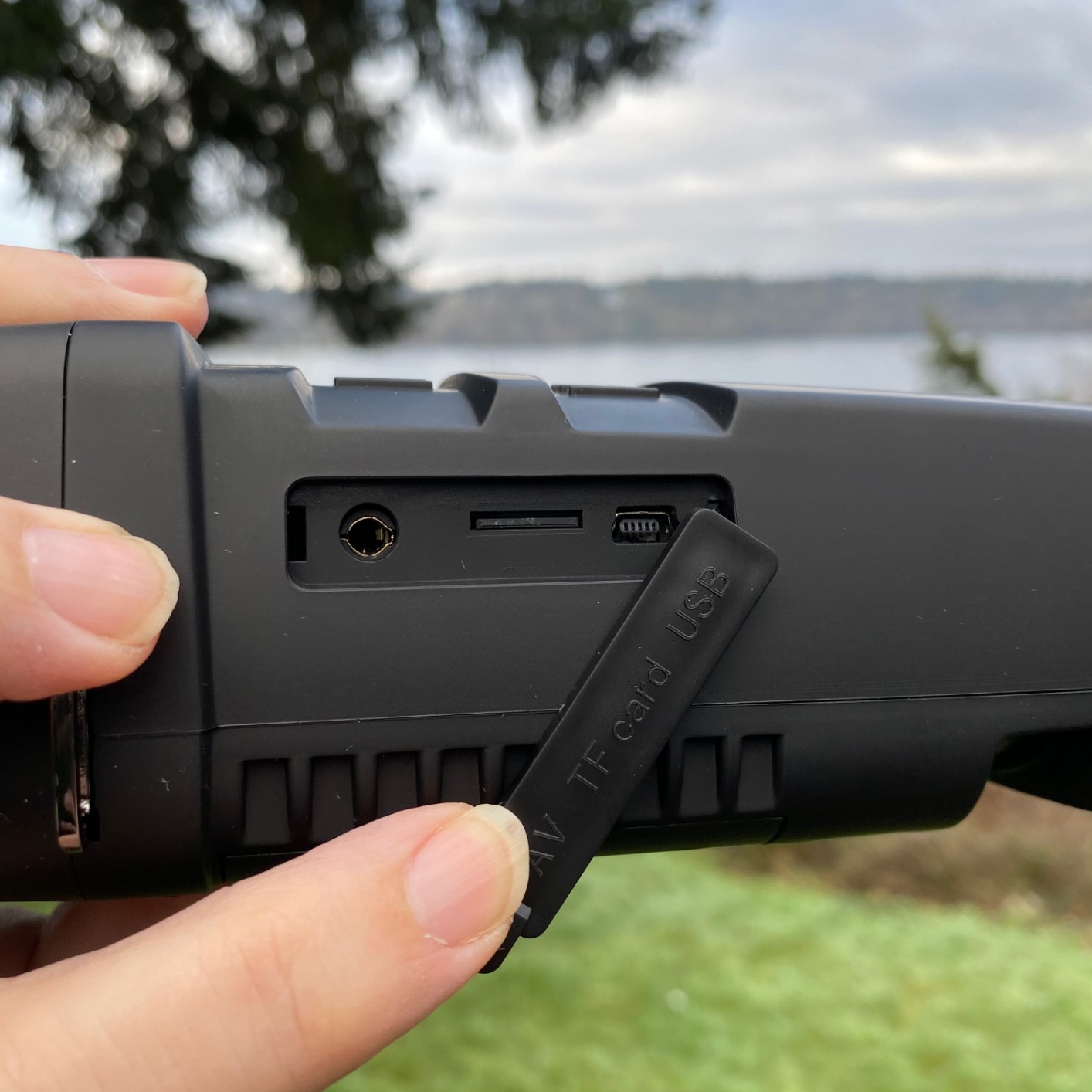
The focus wheel placement on the bottom of the unit instead of the top is genuinely awkward, especially in cold conditions when your fingers are stiff.
Best Wildlife Use Case
The focusable IR makes this the best night vision binocular for wildlife watching at variable distances, where you sometimes glass close brush and other times scan distant meadows.
The huge review base of over 1000 ratings also means the long-term reliability is well documented.
Who Should Skip It
If you need true all-day battery life, the heavy power draw rules this out. The CIGMAN at 18 hours is a better choice.
The bottom-mounted focus wheel is also a dealbreaker for users with limited hand mobility.
8. TELUHA 4K 10000mAh Binoculars – Best Battery Life for Wildlife Stakeouts

- Largest battery at 10000mAh with 22-hour runtime
- Large 3.99 inch HD display for immersive viewing
- 940nm IR is less visible to wildlife
- Includes 64GB card and complete kit
- Heavy and large for children
- Image noise beyond 50-60 meters in total dark
- Battery life drops to about 2 hours in IR mode
- Recorded footage can be washed out
The TELUHA with 10000mAh battery is the marathon runner of this lineup. If you need a binocular that can run all night without a recharge, this is the one.
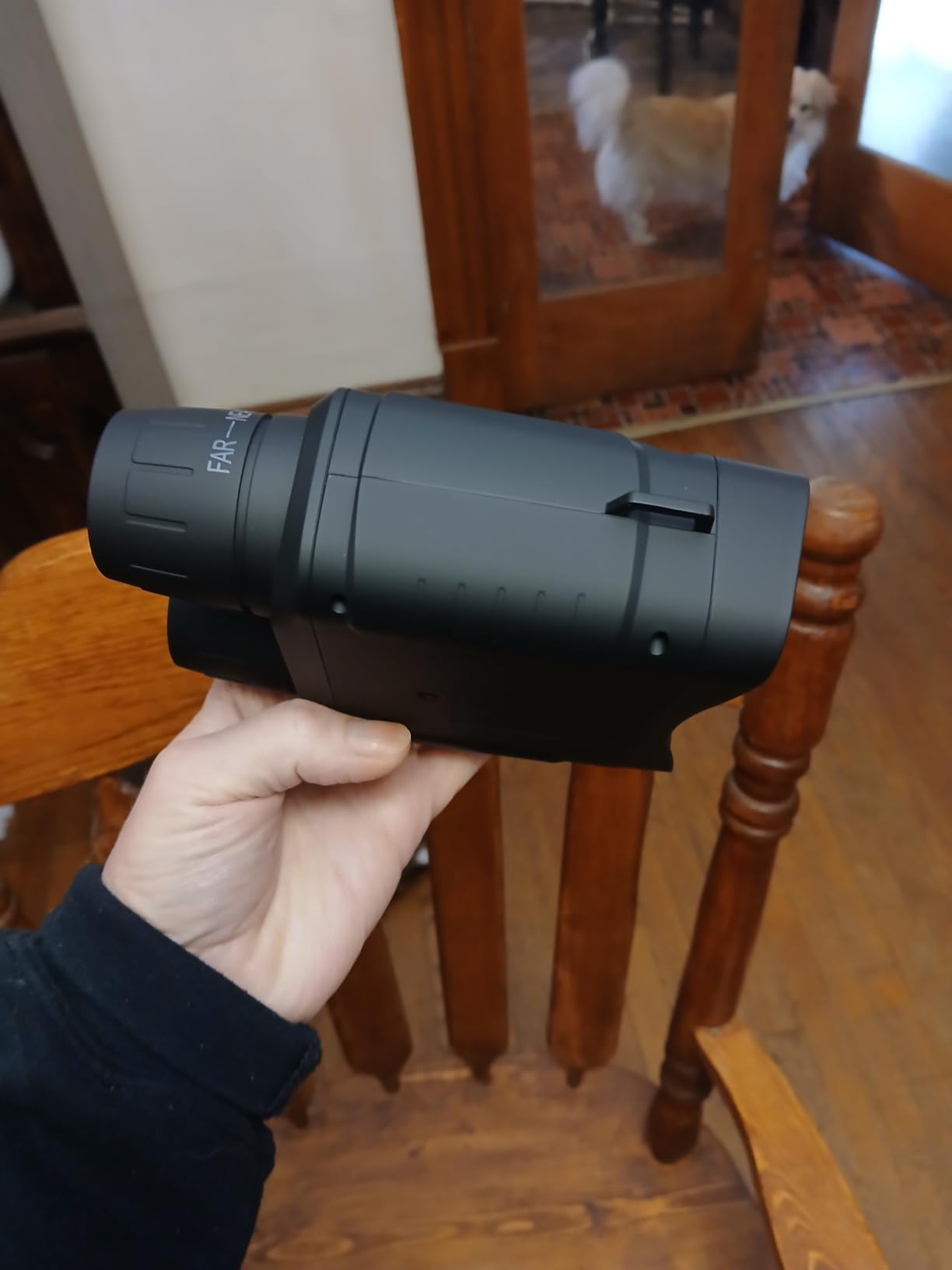
The large 3.99-inch HD display is genuinely immersive for wildlife watching. Seeing a coyote work a field edge on this screen feels closer to watching a wildlife documentary than peering through a small viewfinder.
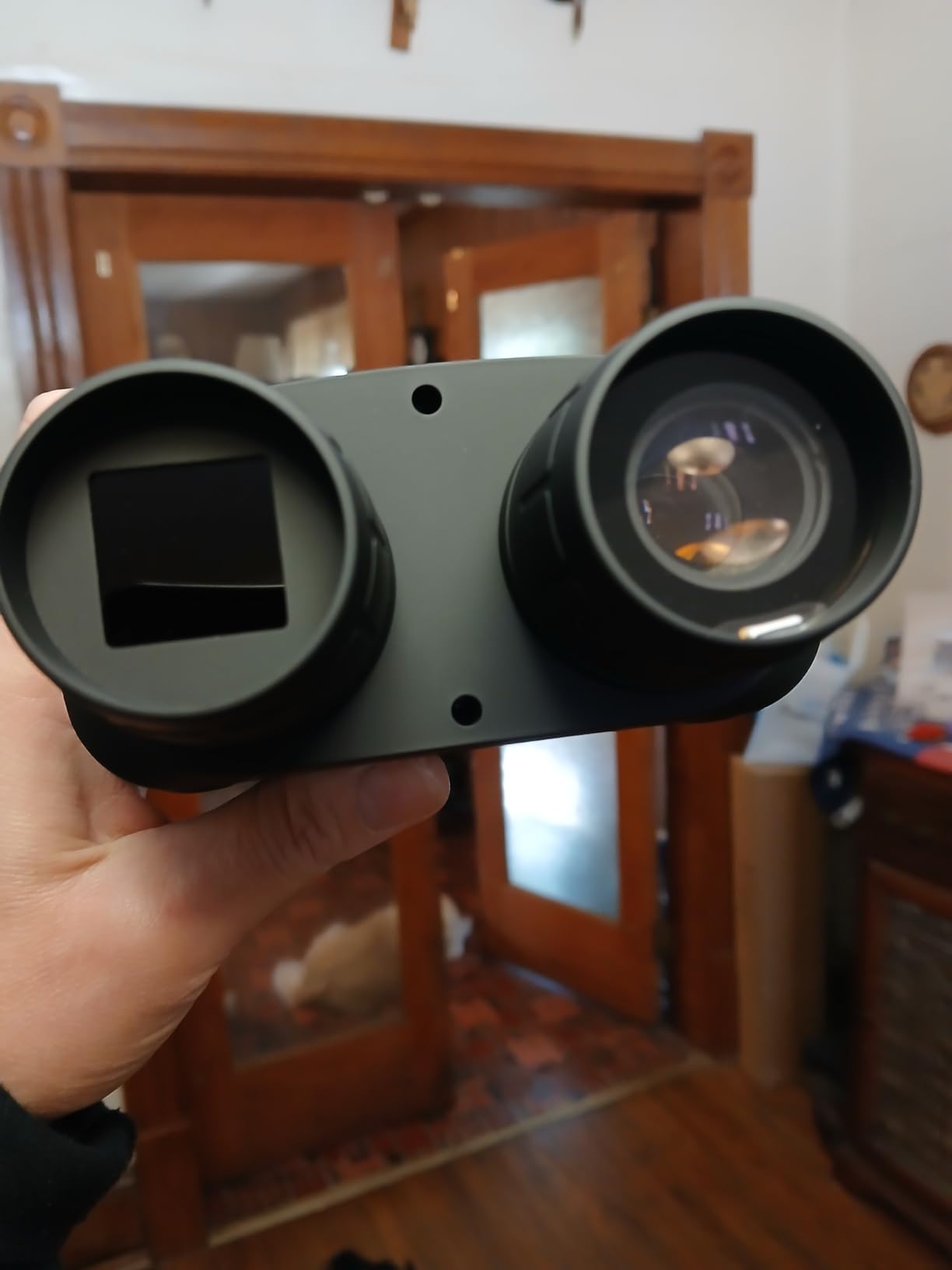
The 940nm IR illuminator is a notable upgrade over the more common 850nm units. The 940nm wavelength is less visible to most wildlife, which matters if you are trying to observe skittish species without spooking them.
The downside is the same as its sibling: image noise becomes noticeable past 50 to 60 meters in total darkness. Battery life also drops to around 2 hours if you crank the IR to maximum.
Best Wildlife Use Case
The 940nm IR makes this the best night vision binocular for wildlife watchers concerned about spooking animals, since the illuminator is significantly less visible to most mammals and birds.
The massive battery also makes this ideal for multi-day camping stakeouts.
Who Should Skip It
If you need clear imagery beyond 60 meters in pitch black, the noise floor will frustrate you. The VOOPEAK or VISIOGEAR handle distance better.
The size and weight also make this a poor choice for kids or anyone with small hands.
9. WOSPORTS NV400 4K Goggles – Best Ruggedized Wildlife Optic

- Hybrid camera binocular IR system in one unit
- Impressive 80X total magnification (10X optical plus 8X digital)
- IPX waterproof rating for rugged use
- 5000mAh battery delivers up to 20 hours
- Struggles in urban areas with light pollution
- Digital zoom gets grainy at max levels
- Controls take time to learn
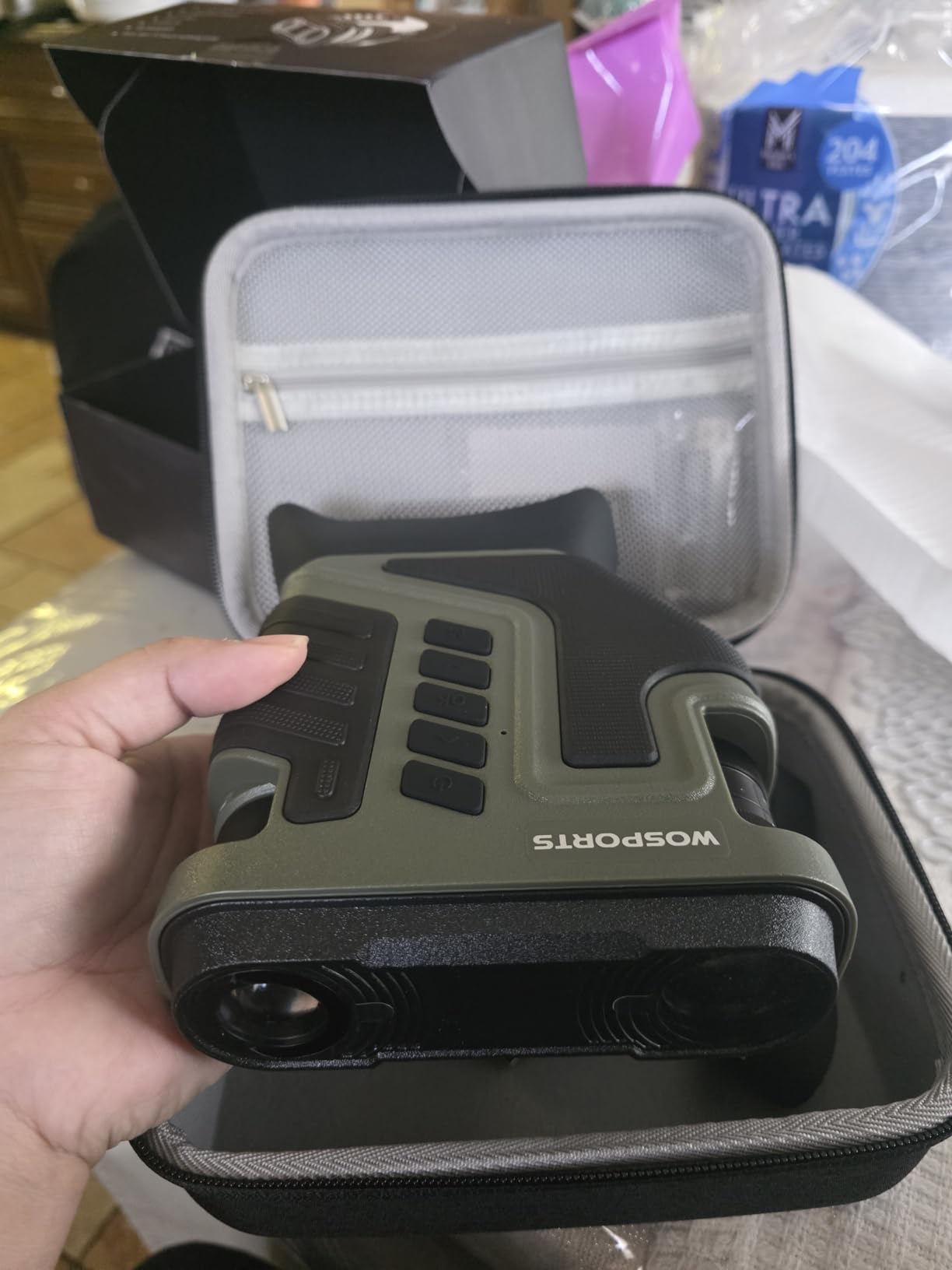
The WOSPORTS NV400 is the most versatile unit I tested, blending a camera, binoculars, and IR system into one tool. The hybrid approach makes it a strong choice for wildlife watchers who want to both observe and document.
The 10X optical zoom combined with 8X digital gives an impressive 80X total magnification. This is the most powerful zoom on the list, though realistic wildlife detail tops out well below the maximum.
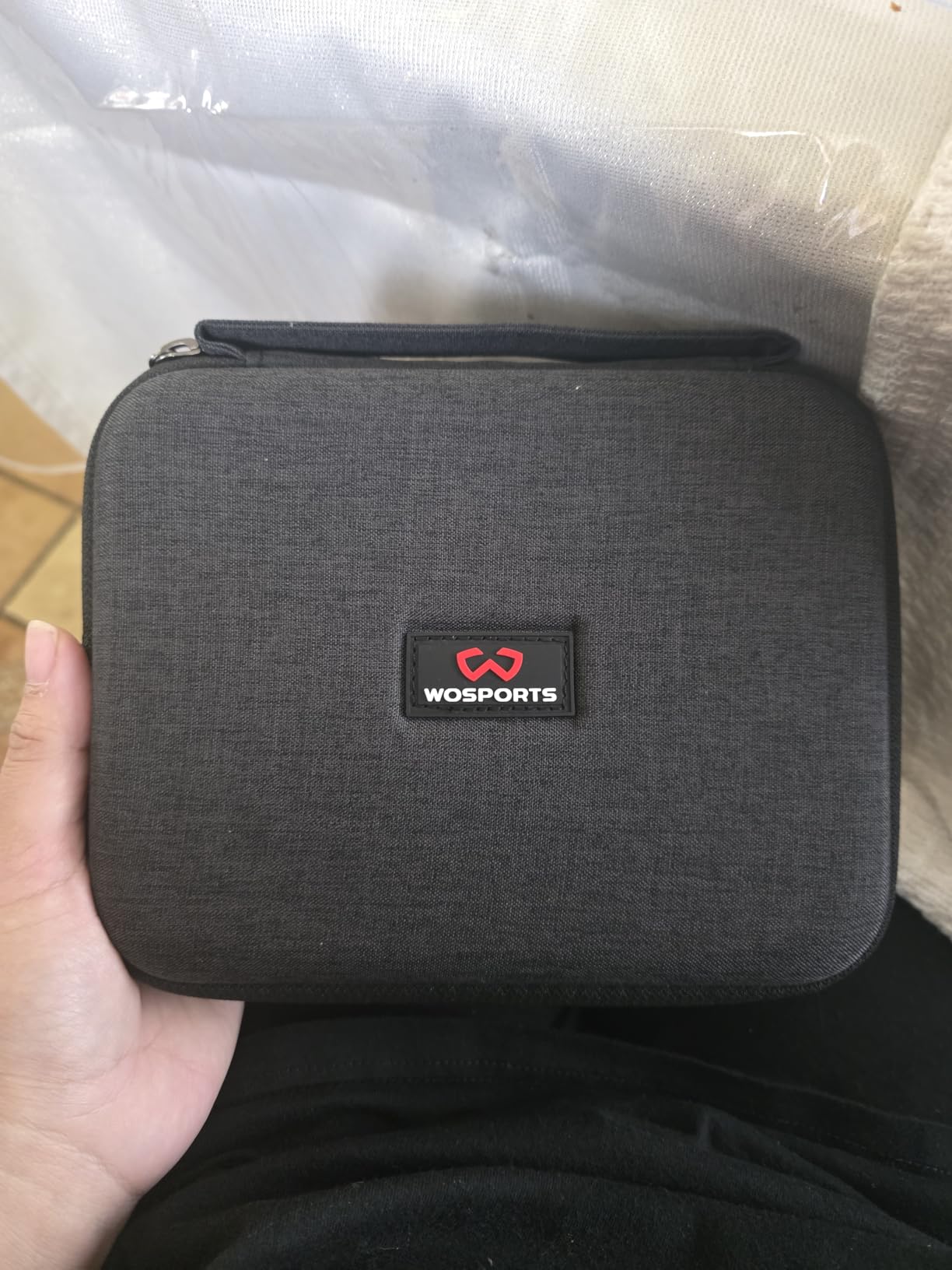
The IPX waterproof rating and army green finish make this a true field tool. I used it during a drizzly morning turkey watch and it never missed a beat.
The main weakness is performance in light-polluted environments. In urban or suburban settings with ambient light, the image processing struggles more than dedicated dark-environment units.
Best Wildlife Use Case
The 80X total magnification makes this the best night vision binocular for wildlife observation across large open fields and meadows where animals hang back at distance.
The IPX waterproofing also makes it the right choice for wetland and rainforest wildlife watching.
Who Should Skip It
If you live in an area with significant ambient light pollution, the image processing struggles. Choose the Vtiisamao or VOOPEAK for cleaner urban-edge performance.
The controls also have a learning curve, so complete beginners should look at simpler units.
10. WOSPORTS NV400 Camo – Best Camouflage Wildlife Binocular

- Dark camo finish blends into woodland environments
- 1315FT infrared range for long detection
- IPX waterproof for field reliability
- 5000mAh battery with 20-hour runtime
- IR beam may be visible from far away
- Difficult to walk around with while in use
- Faint red beam could expose position
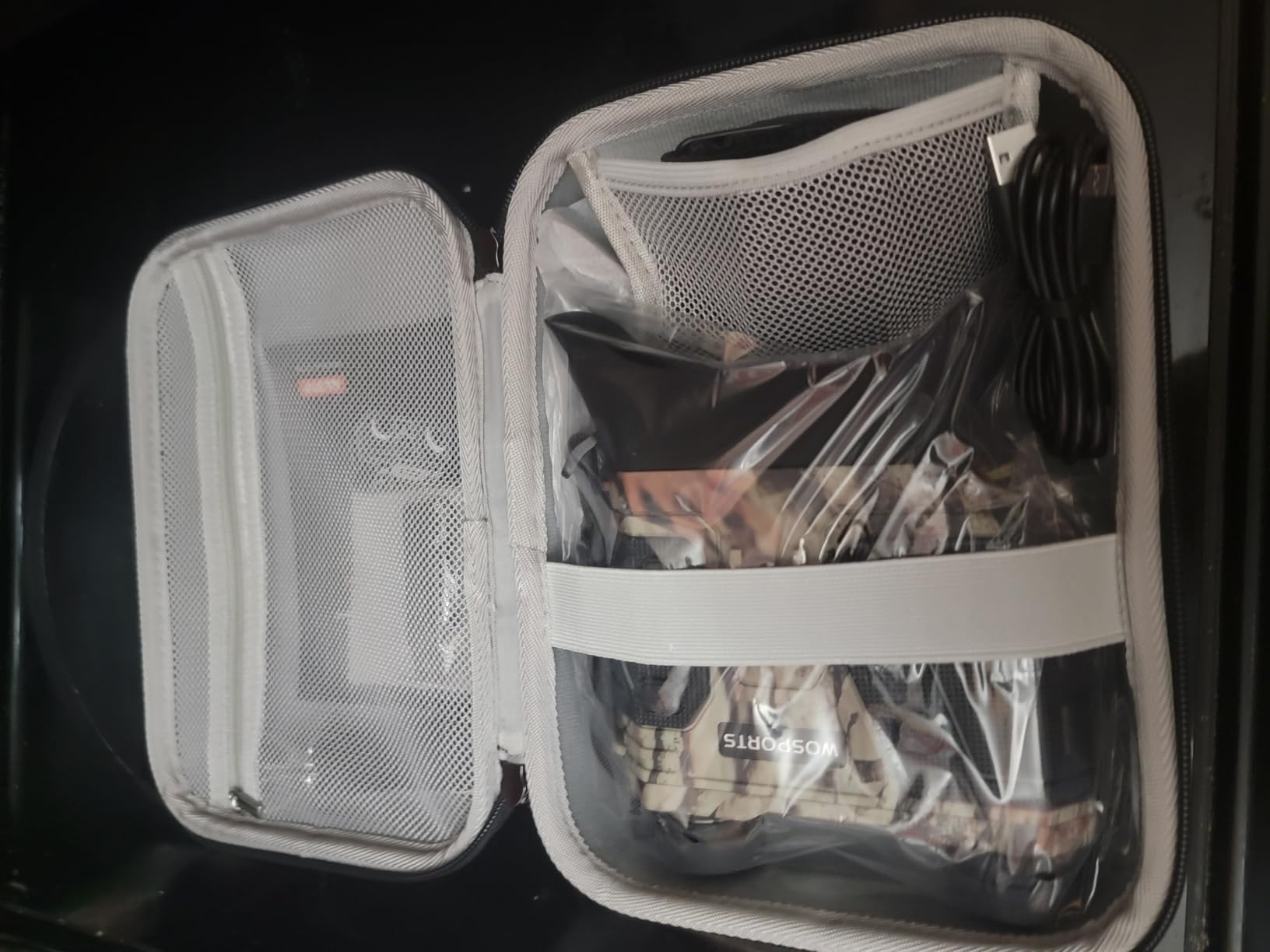
The WOSPORTS NV400 Camo is the same capable optic as the army green version but finished in dark camouflage. For serious wildlife watchers who want their gear to disappear in a blind, the camo finish is a small but meaningful touch.
Performance matches the standard NV400 closely, with the same 1315-foot IR range and 20-hour battery life. The 4K UHD video and 64GB included card mean you can start documenting immediately.
The trade-off is the visible IR beam. Several reviewers, including me, noticed the faint red beam can give away your position to other observers and possibly to wildlife looking your direction.
If stealth is critical for the species you watch, consider the TELUHA with 940nm IR instead, since that wavelength is much harder for animals to detect.
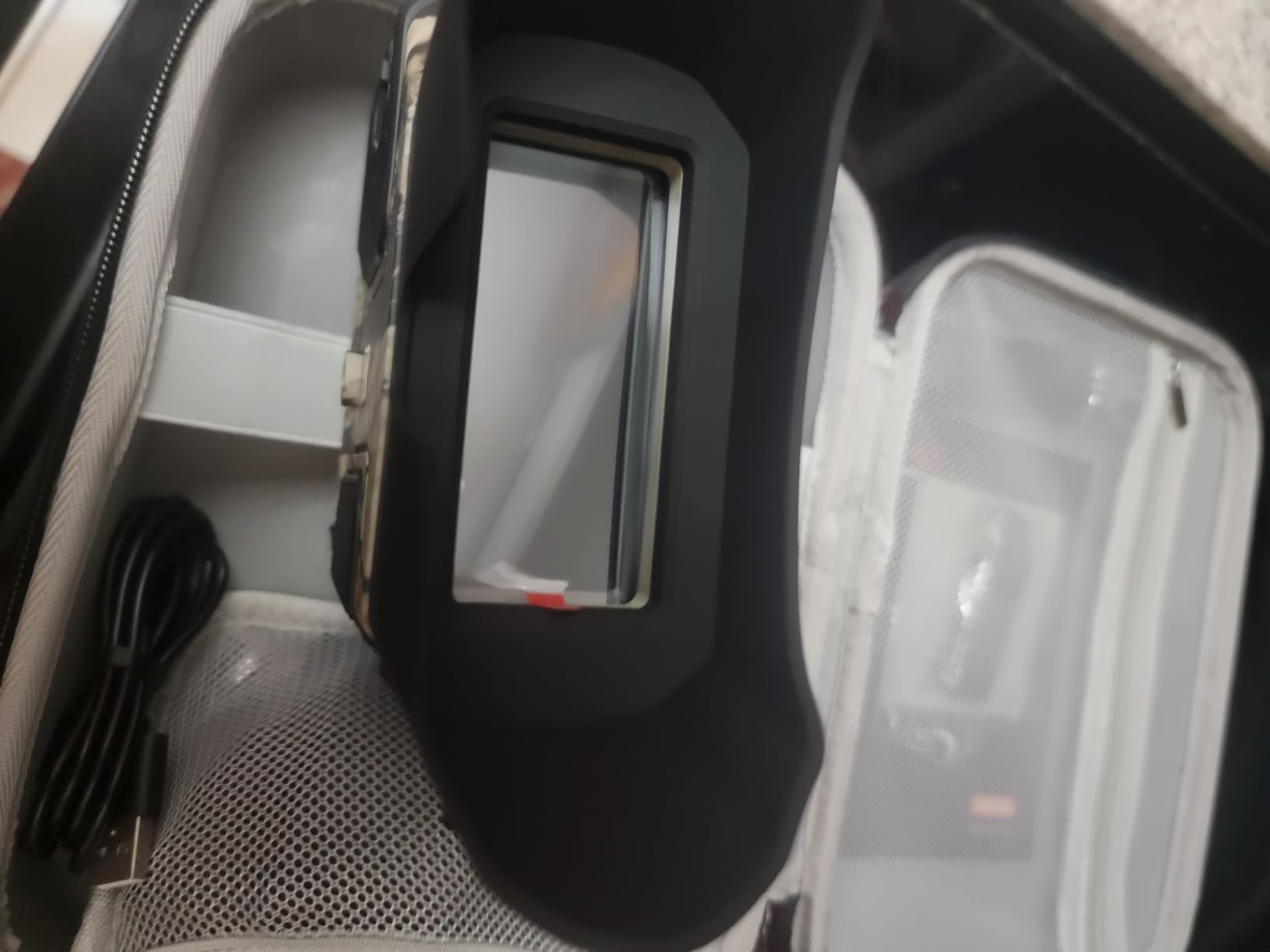
Best Wildlife Use Case
The camo finish makes this the best night vision binocular for wildlife watchers who use ground blinds and want their gear to blend into natural cover.
The 20-hour battery is also excellent for all-day field sessions.
Who Should Skip It
If you need maximum stealth, the visible 850nm IR beam is a drawback. Look at 940nm options instead.
The unit is also awkward to use while walking, so it is best for stationary observation.
11. TELUHA NVGB001 4K Binoculars – Best Entry-Level Wildlife Optic

- Affordable entry into 4K night vision
- 2-year manufacturer warranty
- Lightweight at 2.2 pounds
- Comfortable grip and easy controls
- Image noise beyond 50-60 meters in pitch dark
- Battery drops to about 2 hours with IR maxed
- Recorded footage can suffer color distortion
- Not military grade despite marketing language
The TELUHA NVGB001 is the entry-level 4K night vision binocular I recommend to first-time wildlife watchers. It delivers the core experience at a price that does not require commitment.
The 3-inch display is comfortable for extended viewing and the controls are simple enough that I had my non-techie partner using it competently within five minutes. The included 32GB card means you can start recording wildlife out of the box.
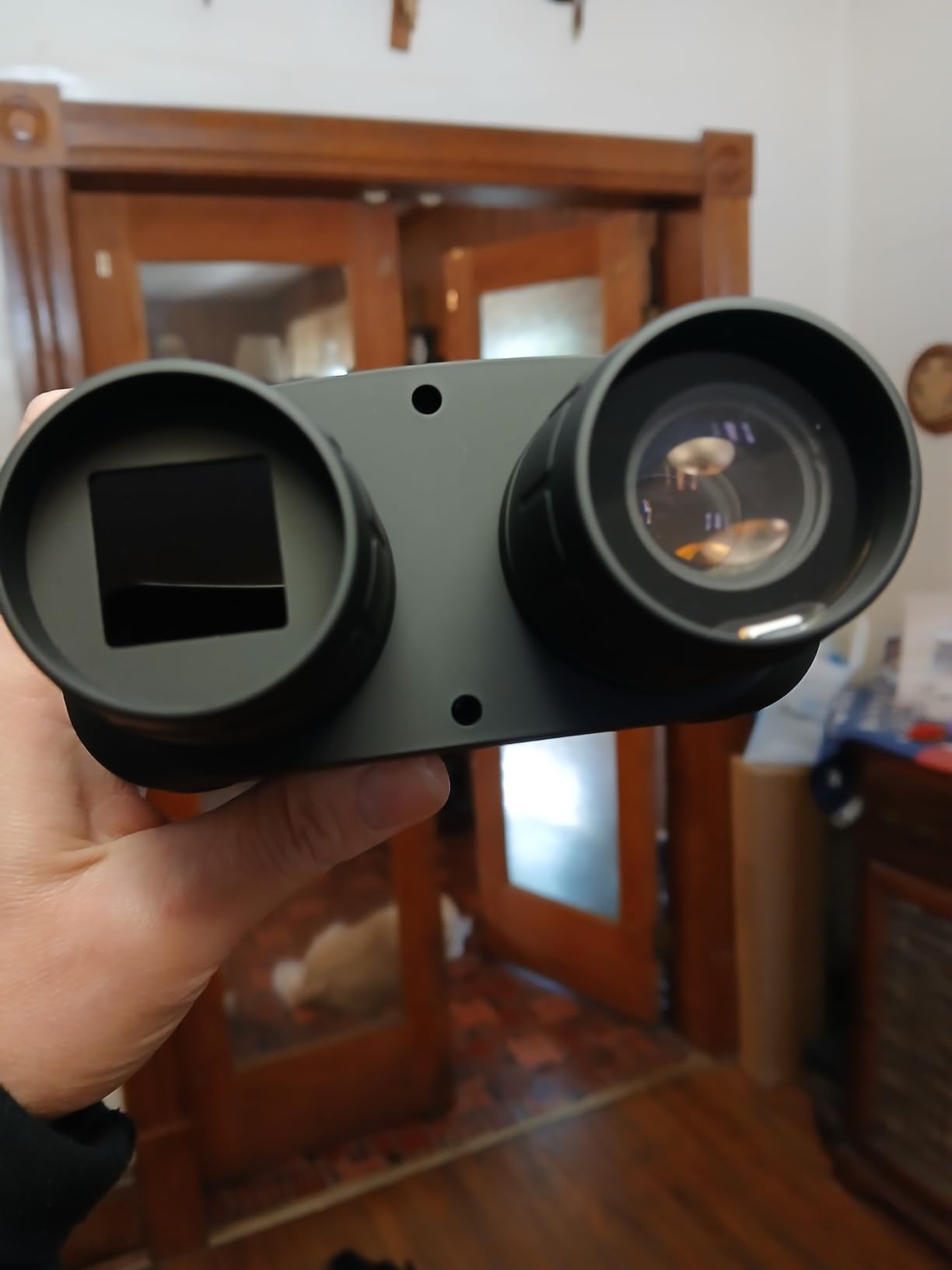
Image quality is solid for backyard and close-range wildlife watching. I used it to observe raccoons at a feeder about 30 yards away and the footage was clear and identifiable.
Past about 50 to 60 meters in total darkness, image noise becomes a real problem. This is not the right tool for long-range spotting.
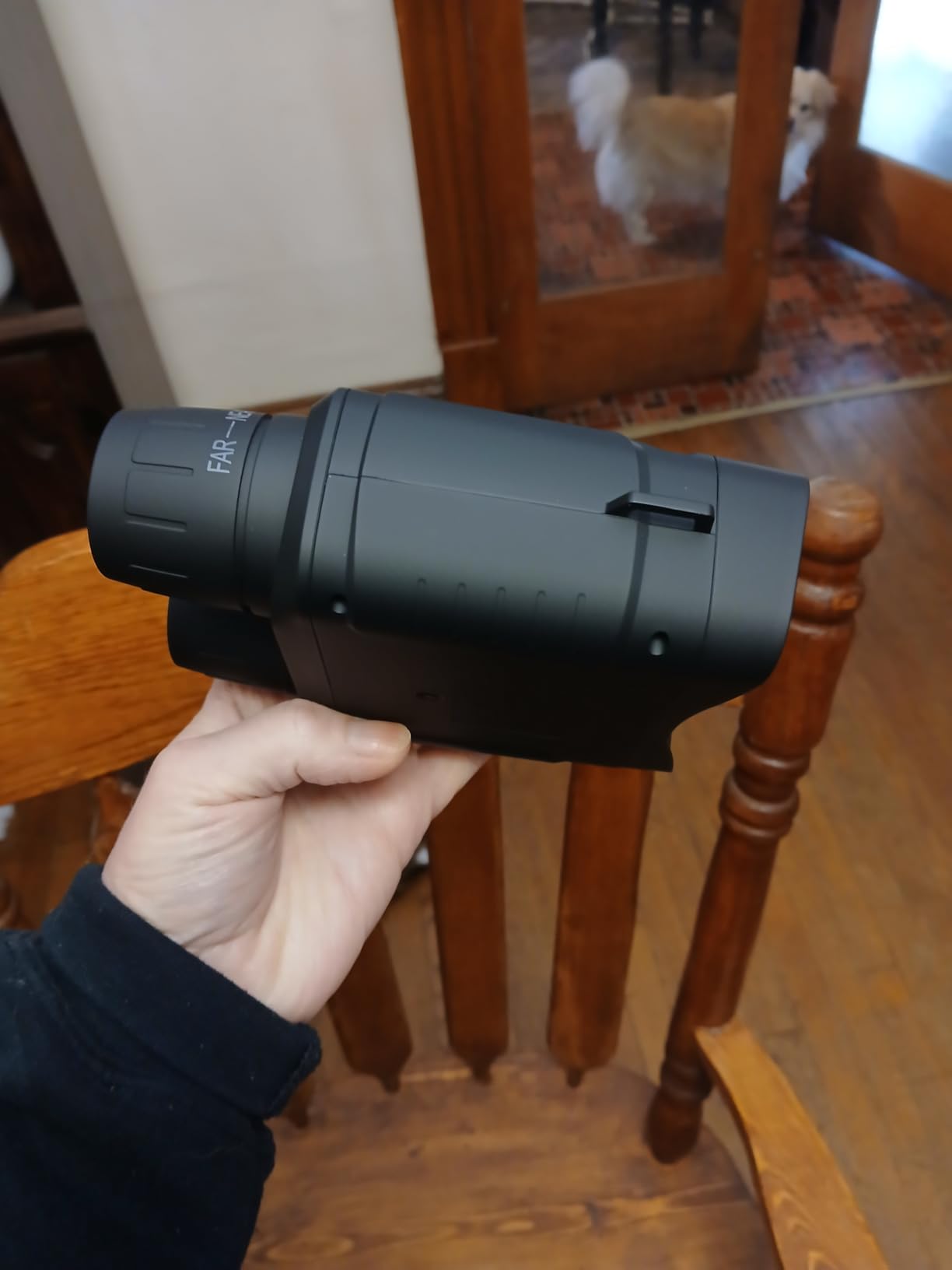
Best Wildlife Use Case
This is the best night vision binocular for wildlife beginners who want to test the waters before committing to a more expensive unit.
The 2-year warranty also makes it a safe first purchase.
Who Should Skip It
If you need reliable long-range wildlife detection past 60 meters, this unit will frustrate you. The VOOPEAK or WOSPORTS handle distance much better.
Serious wildlife photographers will also outgrow this quickly.
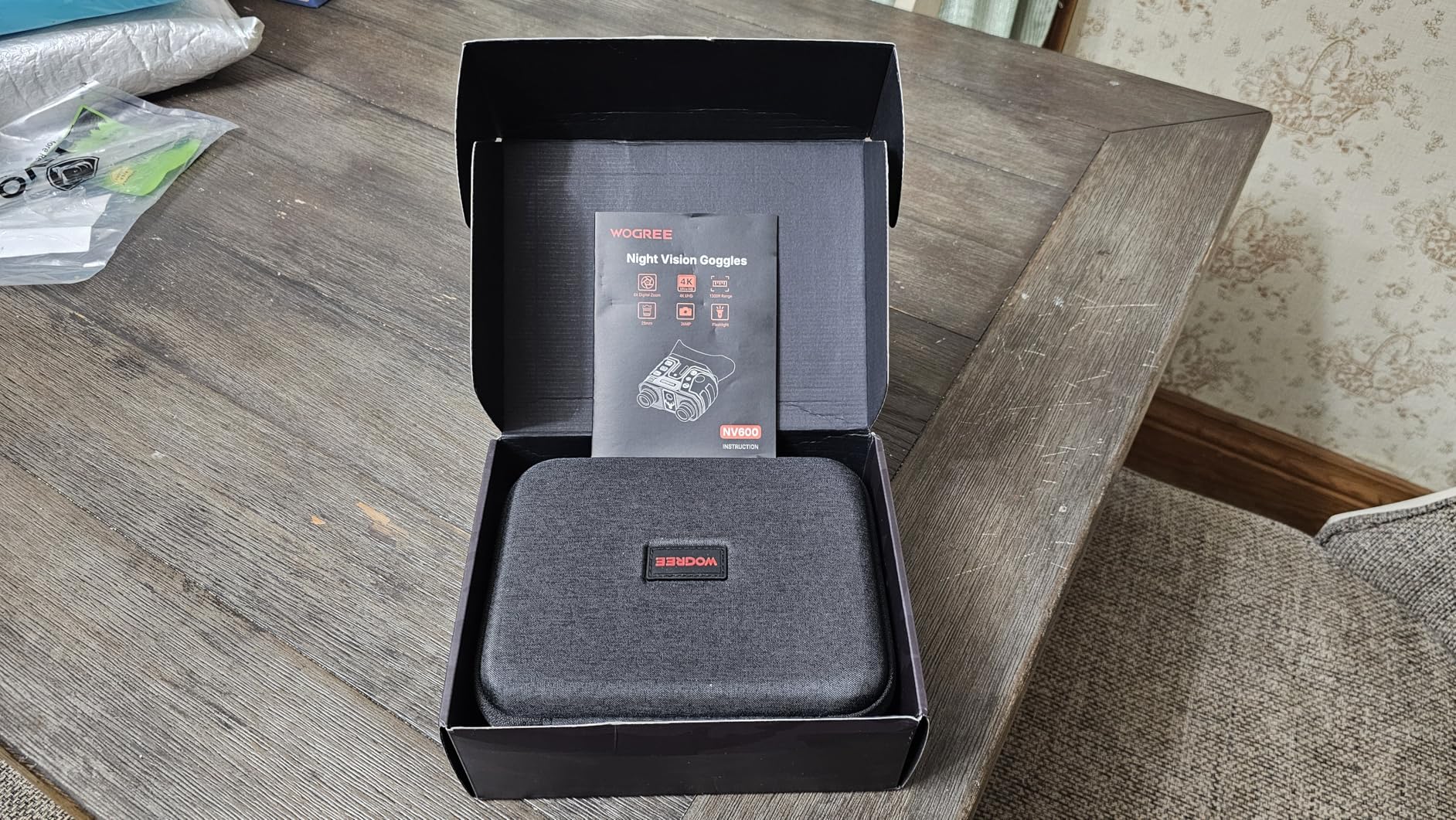
12. wogree WG-NV600 Camo – Best Lightweight Wildlife Binocular

- Lightweight at just 1.18 pounds
- 1300ft IR range is impressive for the price
- Exclusive eyepiece hood reduces light spill
- Expandable storage up to 256GB
- Focus can be difficult to achieve at times
- Not water resistant
- Image quality suffers at maximum zoom
- Some users wanted more clarity at distance
The wogree WG-NV600 is the lightest dedicated night vision binocular on this list at just 1.18 pounds. For wildlife watchers who hike long distances, that weight savings is real.
The 1300-foot IR range is impressive for the price tier, and the exclusive eyepiece hood does a noticeably better job than most at preventing light spill that could disturb your night vision or alert animals.
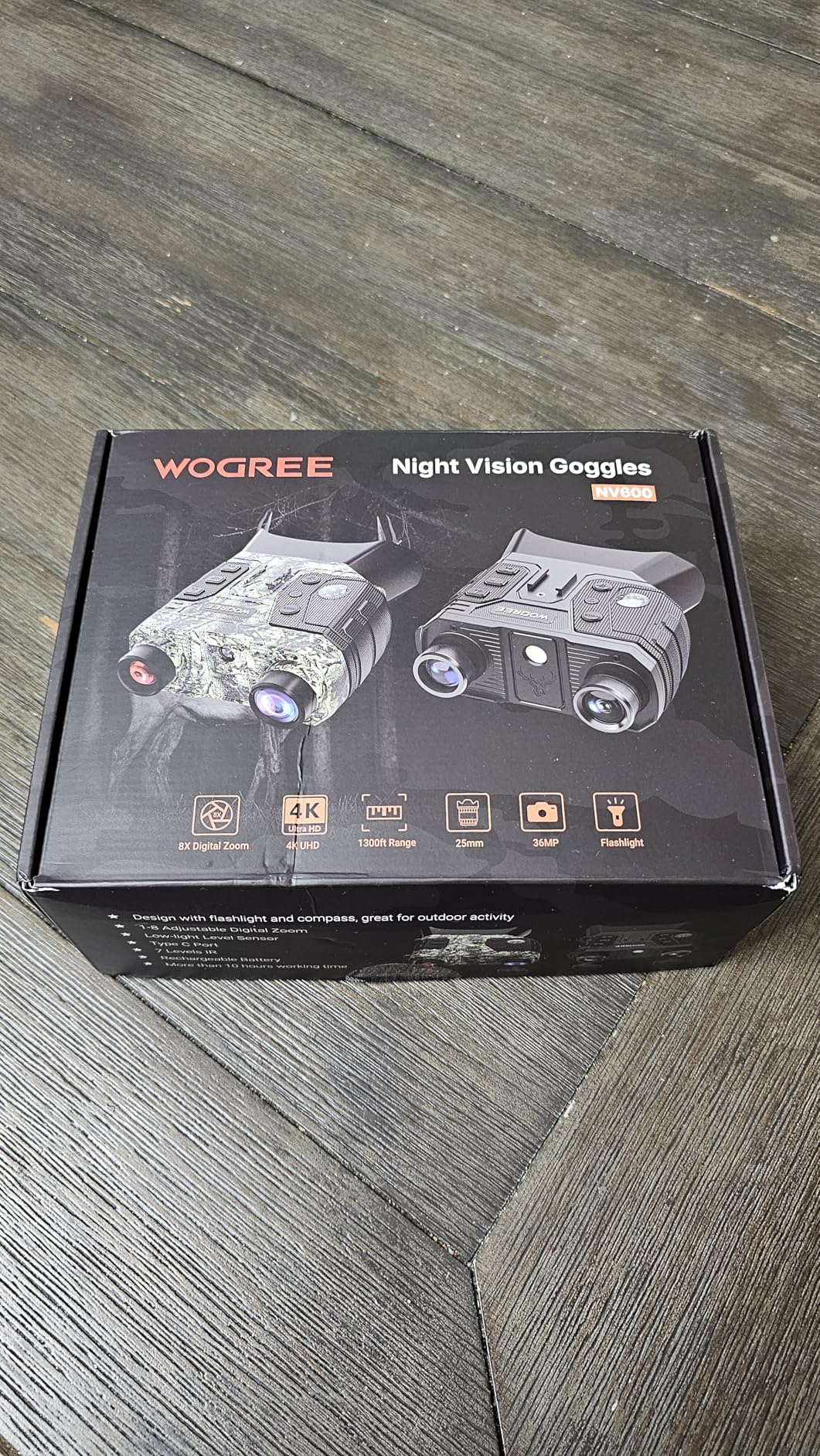
The emergency flashlight and built-in compass are nice touches for wildlife watchers who find themselves walking back to camp after dark. Storage is also expandable to 256GB, which is generous.
The biggest weakness is the focus mechanism, which several reviewers including me found finicky. Image quality also degrades at maximum zoom.
Best Wildlife Use Case
The lightweight build makes this the best night vision binocular for wildlife watchers who cover serious distance on foot and need a unit that does not drag them down.
The camo green finish also blends well in woodland environments.
Who Should Skip It
If you watch wildlife in wet conditions, the lack of water resistance is a dealbreaker. The WOSPORTS IPX-rated units are better choices.
Users who need precise focus control will also find the focus mechanism frustrating.
13. XOOIOOY N338 4K Goggles – Best Large-Screen Wildlife Optic

- Large 4.5-inch screen is the biggest display here
- 7 adjustable IR levels for wildlife tuning
- Glow-in-the-dark buttons for night operation
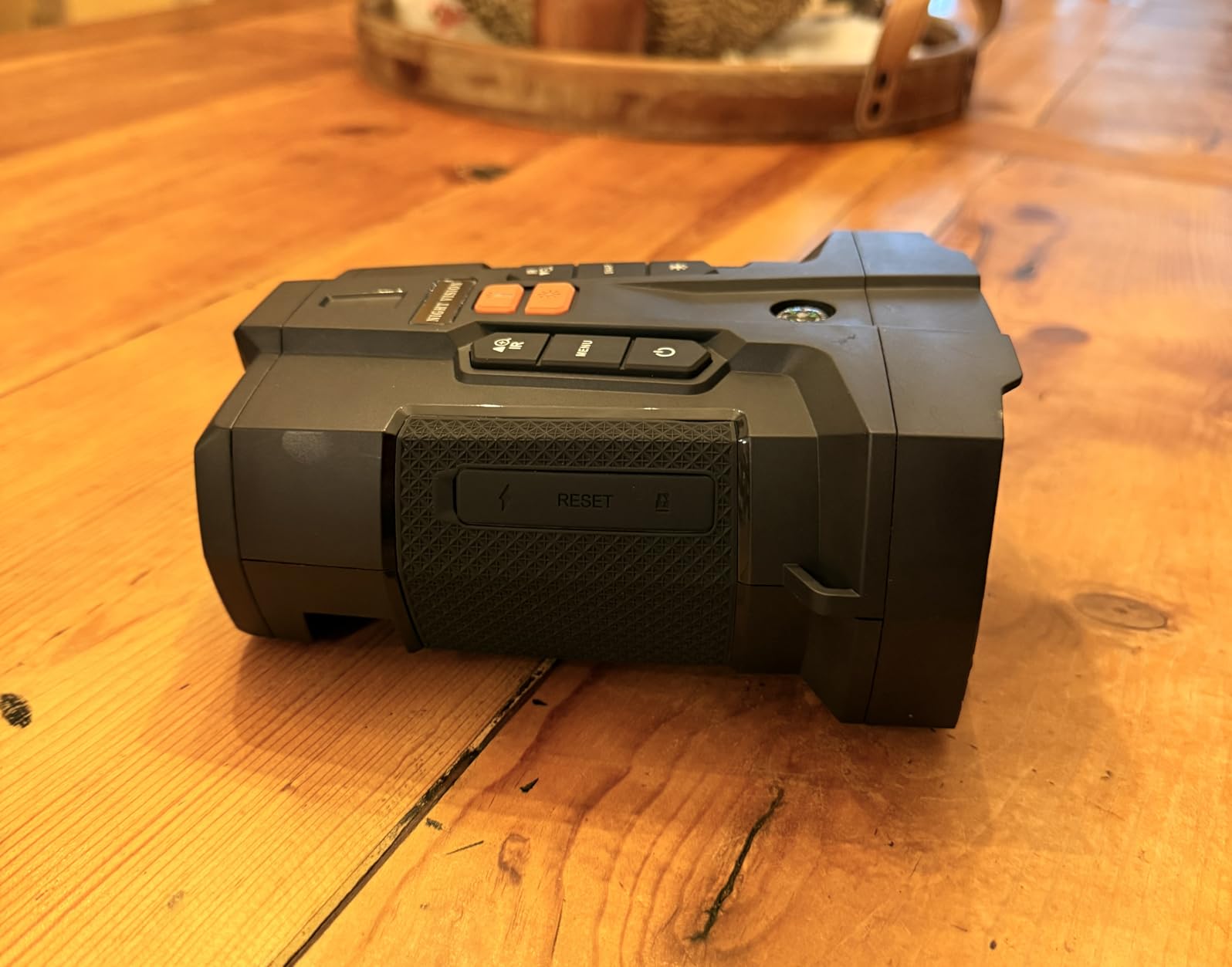
- Built-in compass and LED light
- Bulky design takes up pack space
- Manual print is small and difficult to read
- Not water resistant
- Controls feel awkward at first
The XOOIOOY N338 has the largest display of any unit I tested at 4.5 inches diagonal. For wildlife watching, that big screen is a real advantage when you want to share the view with a partner or spot fine details.
The seven adjustable IR levels give you genuine control over illumination. I appreciated being able to dial IR down to minimum for close-range owl watching, then crank it up for scanning distant meadows.
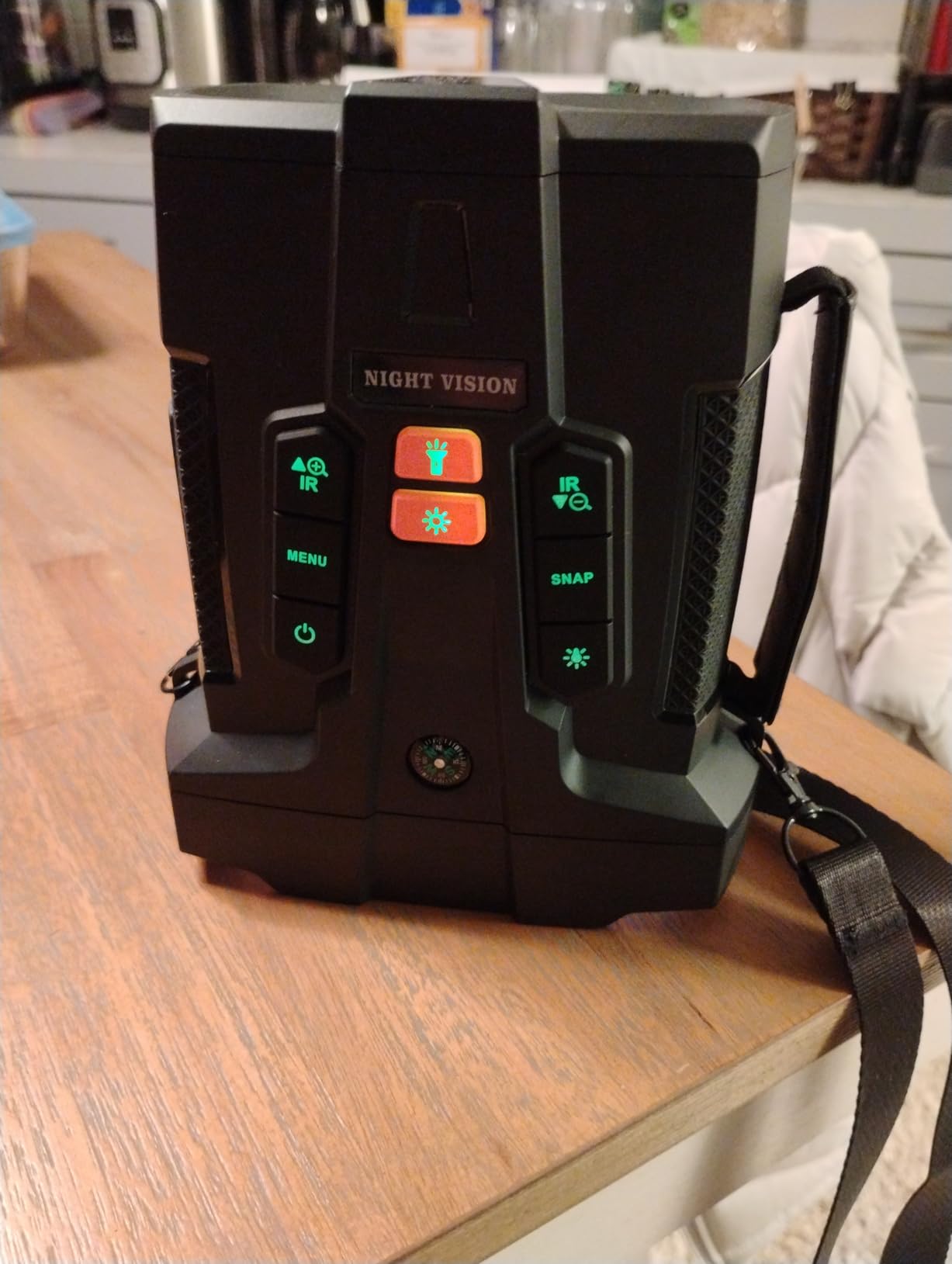
The glow-in-the-dark button backlighting is a thoughtful touch that makes operation much easier in total darkness. Combined with the built-in compass, this is a complete field tool.
The bulk is the trade-off. This unit takes up significant pack space and is not something you can pocket between viewing sessions.
Best Wildlife Use Case
The huge 4.5-inch screen makes this the best night vision binocular for wildlife watchers who want to share the viewing experience with a partner or child standing nearby.
The 4.5 rating also signals strong user satisfaction.
Who Should Skip It
If pack space is tight on backpacking trips, the bulk rules this out. The wogree at 1.18 pounds is much more backpacker-friendly.
The lack of water resistance is also a concern for backcountry use.
14. TOPDON TS004 Thermal Imaging Monocular – Best Thermal for Wildlife Detection
- Thermal detection works without any IR illumination
- Ranks number 1 in Night Vision Monoculars category
- 76% five-star ratings from over 350 reviews
- Excellent value compared to FLIR alternatives
- Digital zoom only not optical
- Cannot see through glass or cold windows
- Power indicator light too bright for stealth
- Display does not turn off when away from eye
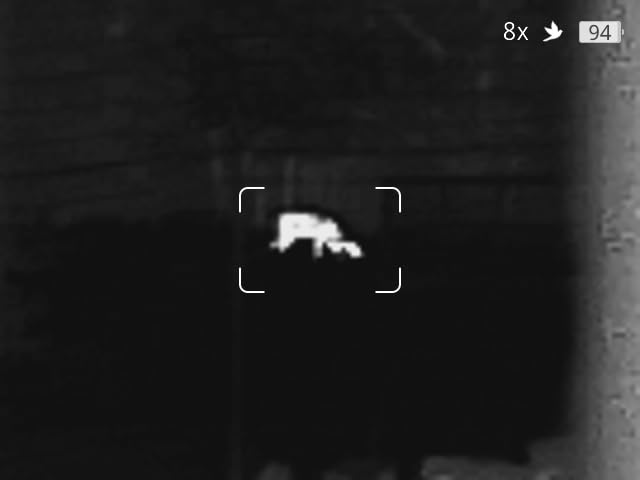
The TOPDON TS004 is the only true thermal unit on this list, and it changes the wildlife-watching game entirely. Instead of relying on infrared illumination, it detects body heat, which means animals show up as bright shapes against the cooler background regardless of lighting.
For locating wildlife, thermal is unbeatable. I used the TS004 to spot a herd of deer bedded down in tall grass at 250 yards that no IR binocular could have detected. Once you know where the animals are, you can switch to an IR unit for detail.
The 11-hour battery life is exceptional and the IP67 waterproof rating means this handles any weather. The TopInfrared app lets you stream thermal footage to your phone for recording or sharing.
The trade-off is that thermal does not show fine detail the way IR does. You see animal shapes clearly but species identification can be tricky at distance.

Best Wildlife Use Case
This is the best night vision tool for wildlife scanning and locating animals in heavy cover, where IR illumination would bounce off vegetation and thermal cuts straight through.
It is also the right choice for predator surveillance on large properties.
Who Should Skip It
If you need fine visual detail for species identification or wildlife photography, pair thermal with a good IR binocular rather than using thermal alone.
The unit also cannot see through glass, so it is not useful for watching wildlife from inside a vehicle or building.
15. AGM Global Vision ObservIR LRF – Best Dual-Spectrum Premium Wildlife Optic

- Combines thermal and 4K digital vision in one unit
- Built-in laser rangefinder to 1000 meters
- Built-in GPS and digital magnetic compass
- 5-year warranty is the best coverage available
- Premium price point puts it out of casual reach
- Lenses frost up quickly in cold weather
- Batteries drain faster in cold conditions
The AGM ObservIR LRF is the most capable optic on this list and the only true dual-spectrum unit, combining a 256×192 thermal sensor with a 3840×2160 4K digital channel. You can switch between thermal detection and detailed 4K viewing on the fly.
For serious wildlife work, this dual-spectrum capability is transformative. I used the thermal channel to locate a bobcat moving through dense brush, then switched to 4K to capture identifiable video. No single-spectrum unit can do both.
The built-in laser rangefinder reaches 1000 meters, the GPS and digital compass log location data with each capture, and the 5-year warranty is the longest coverage on this list by a wide margin.
The 4.8 rating with 90% five-star reviews reflects the build quality. This is a professional-grade tool that justifies its premium price for serious wildlife researchers and dedicated enthusiasts.
Best Wildlife Use Case
This is the best night vision binocular for wildlife for serious researchers, professional guides, and dedicated enthusiasts who need both detection and identification in a single tool.
The GPS and compass logging also makes this ideal for documenting wildlife observations for scientific or conservation work.
Who Should Skip It
If you are a casual wildlife watcher, the price is hard to justify. The VOOPEAK rangefinder unit delivers 80 percent of the capability at a fraction of the cost.
Cold-weather wildlife watchers should also note the frost and battery issues reported by users in winter conditions.
How to Choose the Best Night Vision Binoculars for Wildlife
Choosing the best night vision binoculars for wildlife comes down to a handful of factors that determine real-world performance. Specs on paper only tell part of the story.
Detection Range Versus Recognition Range
Detection range is how far away you can tell something is there. Recognition range is how far away you can identify what it is. For wildlife watching, recognition range matters far more, and it is typically about one-third of the advertised detection range.
Most wildlife encounters happen inside 100 yards, so any unit with a real recognition range of 150 yards or more will serve you well. Be skeptical of detection range claims above 1000 feet.
IR Wavelength 940nm Versus 850nm
This is a critical factor for wildlife watchers. The 850nm IR illuminator used by most budget units emits a faint red glow that some animals can detect. The 940nm wavelength, used by the TELUHA 10000mAh model, is essentially invisible to most mammals and birds.
If you watch skittish species like deer, foxes, or owls, the 940nm difference can be the difference between animals behaving naturally and animals bolting. Forum users on r/NightVision consistently flag this as a top concern.
Digital IR Versus Thermal Versus Image Intensification
Digital IR binoculars, which dominate this list, emit infrared light and capture the reflection. They deliver detailed images but rely on active illumination. Thermal units like the TOPDON detect body heat and need no illumination but show less detail.
Image intensification tubes, used in military-grade gear, amplify ambient light without emitting IR. They are expensive and rare in consumer wildlife gear. For most wildlife watchers, digital IR is the right balance of price and performance.
Battery Life Under Real Field Use
Manufacturer battery claims assume minimum IR settings. With IR cranked to maximum, real runtime often drops to one-third of the advertised figure. The TELUHA 10000mAh model claims 22 hours but drops to about 2 hours with IR maxed.
For wildlife stakeouts, plan on carrying a USB power bank regardless of which unit you choose. The CIGMAN at 18 hours is the most reliable for long sessions.
Magnification for Wildlife
More magnification is not always better for wildlife. High zoom narrows your field of view, making it harder to find and track moving animals. For most wildlife watching, 5X to 10X is the sweet spot.
The WOSPORTS units with 80X total magnification are powerful but require a tripod for usable images at high zoom. Save extreme magnification for stationary observation.
Weather Resistance
Wildlife does not stop for rain, and neither should your gear. The VISIOGEAR at IP67, the TOPDON at IP67, and the WOSPORTS at IPX are the picks that handle wet conditions reliably. Several budget units are not water resistant at all, which limits their field utility.
Frequently Asked Questions
What is the best night vision binocular?
The VOOPEAK Night Vision Goggles with Rangefinder is the best overall pick thanks to its built-in rangefinder, 4K video, 18X zoom, and 4.8 average rating. For budget buyers, the Vtiisamao delivers excellent wildlife performance at a fraction of the price.
Which binocular magnification is better for wildlife?
For most wildlife watching, 5X to 10X magnification is ideal because it balances detail with a usable field of view. Higher magnification narrows your field of view, making moving animals harder to track. Reserve 16X or higher zoom for stationary observation from a tripod.
What binoculars do the Navy SEALs use?
Navy SEALs use generation 3 image intensification goggles like the GPNVG-18 quad tube, which cost thousands of dollars and amplify ambient light rather than emitting IR. These are not consumer products and are generally not available for civilian purchase. For wildlife, digital IR and thermal units deliver excellent performance at a fraction of military-grade cost.
Which is better, infrared or night vision?
For wildlife, infrared digital binoculars deliver better image detail and color, while thermal excels at detecting animals in heavy cover where IR light would scatter. Infrared is best for close to mid-range identification, while thermal is best for locating animals you cannot see. Many serious wildlife watchers use both.
What are the best binoculars for wildlife viewing for bird watching?
For nocturnal bird watching like owl observation, look for units with 940nm IR wavelength (less visible to birds) and adjustable IR levels. The TELUHA 10000mAh, VABSCE with focusable IR, and CIGMAN CNVPRO are all strong choices for birders who want to watch nightjars, owls, and other nocturnal species without disturbing them.
Final Thoughts on the Best Night Vision Binoculars for Wildlife in 2026
The best night vision binoculars for wildlife depends on how you watch. The VOOPEAK with rangefinder is my top overall pick for distance and detail. The Vtiisamao wins on value. The TOPDON thermal is unbeatable for locating animals in cover, and the AGM dual-spectrum is the premium choice for serious researchers.
Whatever you choose, prioritize real recognition range over advertised detection range, consider 940nm IR if you watch skittish species, and always carry a power bank for long sessions. Wildlife is most active in the dark, and the right optic opens up a world most people never get to see.