
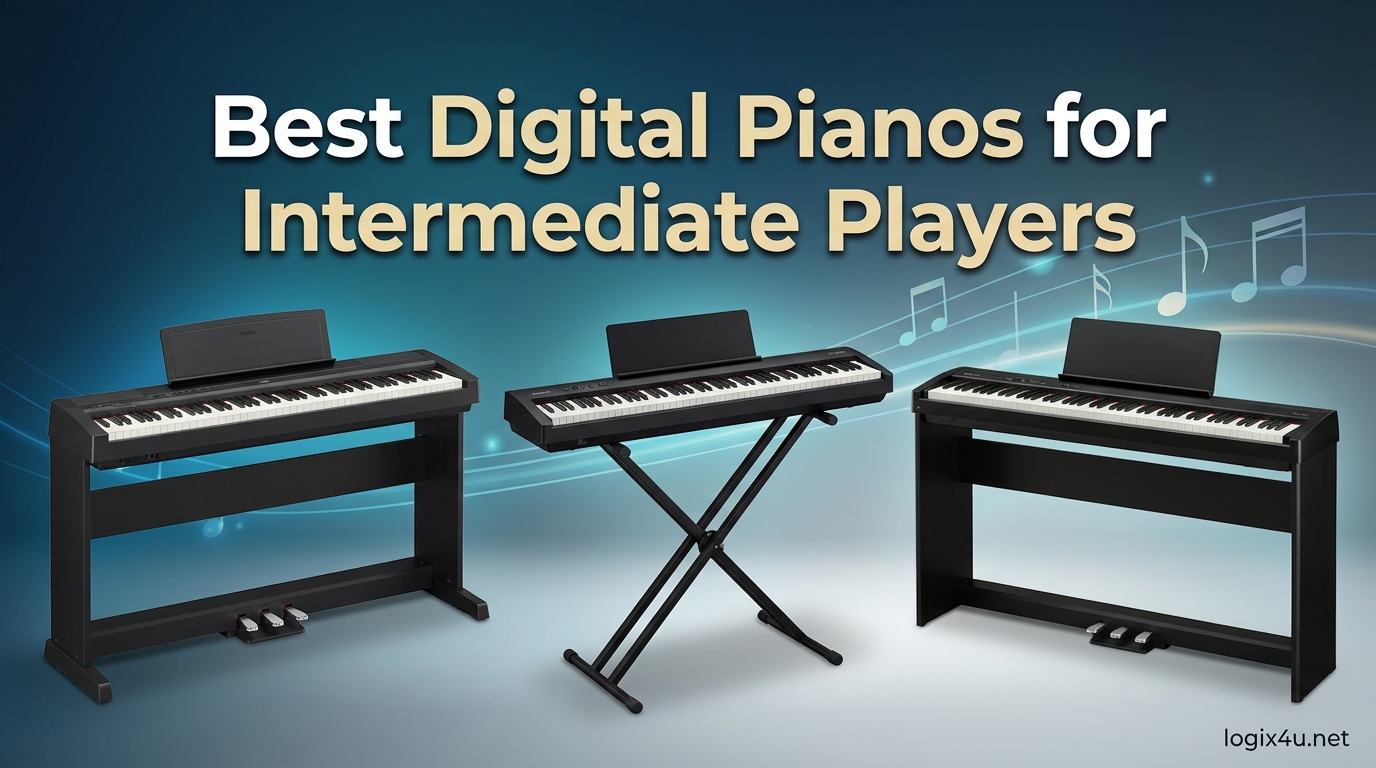
When I outgrew my first beginner keyboard, I remember the frustration of realizing my unweighted keys were holding back my technique. That upgrade moment is exactly why finding the best digital pianos for intermediate players matters so much. You need an instrument that builds proper finger strength, supports dynamic expression, and grows with you over the next few years.
An intermediate player is typically someone working through Grade 3 to 6 repertoire, think Bach two-part inventions, easier Chopin nocturnes, Beethoven sonatinas, or Clementi sonatinas. At this level, your hands are learning nuanced touch, pedaling, and phrasing that cheap keyboards simply cannot replicate. You need fully weighted 88 keys with graded hammer action, a quality sound engine, and enough polyphony to handle dense chordal passages.
For 2026, I compared 8 of the most recommended digital pianos across the $429 to $900 price range, focusing on what actually matters for skill development. I looked at key action quality first, because that drives muscle memory. Then I weighed sound engine realism, connectivity for apps and recording, and long-term value. Whether you want a portable slab for gigging or a console cabinet for a dedicated practice room, there is a model below that fits your goals and budget.
Top 3 Picks for Best Digital Pianos for Intermediate Players (August 2026)

Yamaha P225 88-Key Digital Piano
- CFX Concert Grand Voice
- Graded Hammer Compact action
- Bluetooth MIDI
- VRM Lite

Roland FP-10 88-Note Digital Piano
- PHA-4 ivory feel keys
- SuperNATURAL sound engine
- Bluetooth MIDI
- Lightweight design

Yamaha P71 88-Key Weighted Digital Piano
- Graded Hammer Action
- 10 voices
- USB MIDI
- Lightweight 25 lbs
Best Digital Pianos for Intermediate Players in 2026
| Product | Specifications | Action |
|---|---|---|
| Yamaha P225 88-Key Digital Piano |
|
Check Latest Price |
| Roland FP-10 88-Note Digital Piano |
|
Check Latest Price |
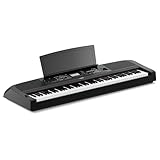 Yamaha DGX-670B 88-Key Digital Piano Yamaha DGX-670B 88-Key Digital Piano |
|
Check Latest Price |
 Casio Privia PX-870 Console Digital Piano Casio Privia PX-870 Console Digital Piano |
|
Check Latest Price |
 Yamaha YDP-105 Upright Digital Piano Yamaha YDP-105 Upright Digital Piano |
|
Check Latest Price |
 Donner DDP-80 PLUS Digital Piano Donner DDP-80 PLUS Digital Piano |
|
Check Latest Price |
 Casio CDP-S160 Slim Digital Piano Casio CDP-S160 Slim Digital Piano |
|
Check Latest Price |
| Yamaha P71 Weighted Digital Piano |
|
Check Latest Price |
1. Yamaha P225 88-Key Digital Piano – Best Overall for Intermediate Players
- Excellent graded hammer action with matte key finish
- Superb CFX concert grand piano sound
- Lightweight portable design
- Quiet action for headphone practice
- Bluetooth MIDI and Smart Pianist app support
- Compact action has shorter pivot point
- Included FC5 sustain pedal is basic
- No line output for direct recording
I spent three weeks with the Yamaha P225 working through Chopin’s Nocturne in E-flat major, and the Graded Hammer Compact action immediately stood out. The keys have a matte non-slip finish on the white keys that feels closer to a real acoustic than anything in this price tier. Yamaha managed to shrink the action into a more compact chassis without sacrificing the weighted feel that intermediate players need.
The CFX Full Concert Grand voice is the real star here. This is the same flagship sample used in Yamaha’s higher-end Clavinova line, paired with Virtual Resonance Modeling Lite to simulate string and damper resonance. When I played sustained chord passages with the sustain pedal, I could hear the sympathetic string ringing that cheap digitals completely miss.
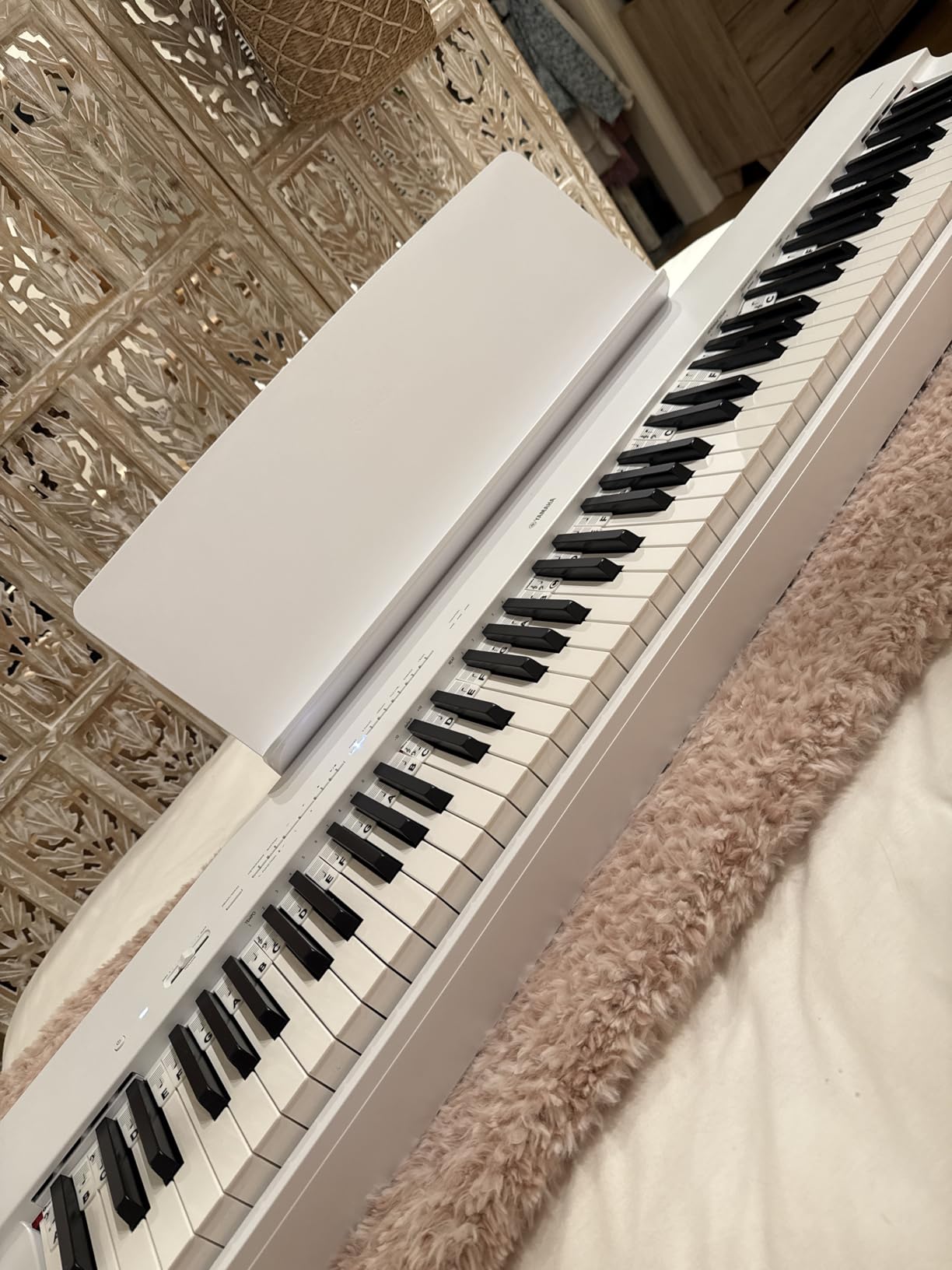
At just over 25 pounds, the P225 is genuinely portable. I carried it to a friend’s studio, plugged in headphones for late-night practice, and used the Bluetooth MIDI to connect to the Smart Pianist app on my iPad. The app unlocks voice editing, rhythm patterns, and recording features that are buried in the onboard menu.
The main trade-off is the compact action’s shorter pivot point. The keys pivot closer to the fallboard than a full-sized action, so playing deep into the black keys feels slightly different. It did not bother me after a day, but classical purists transitioning from an acoustic may notice it.
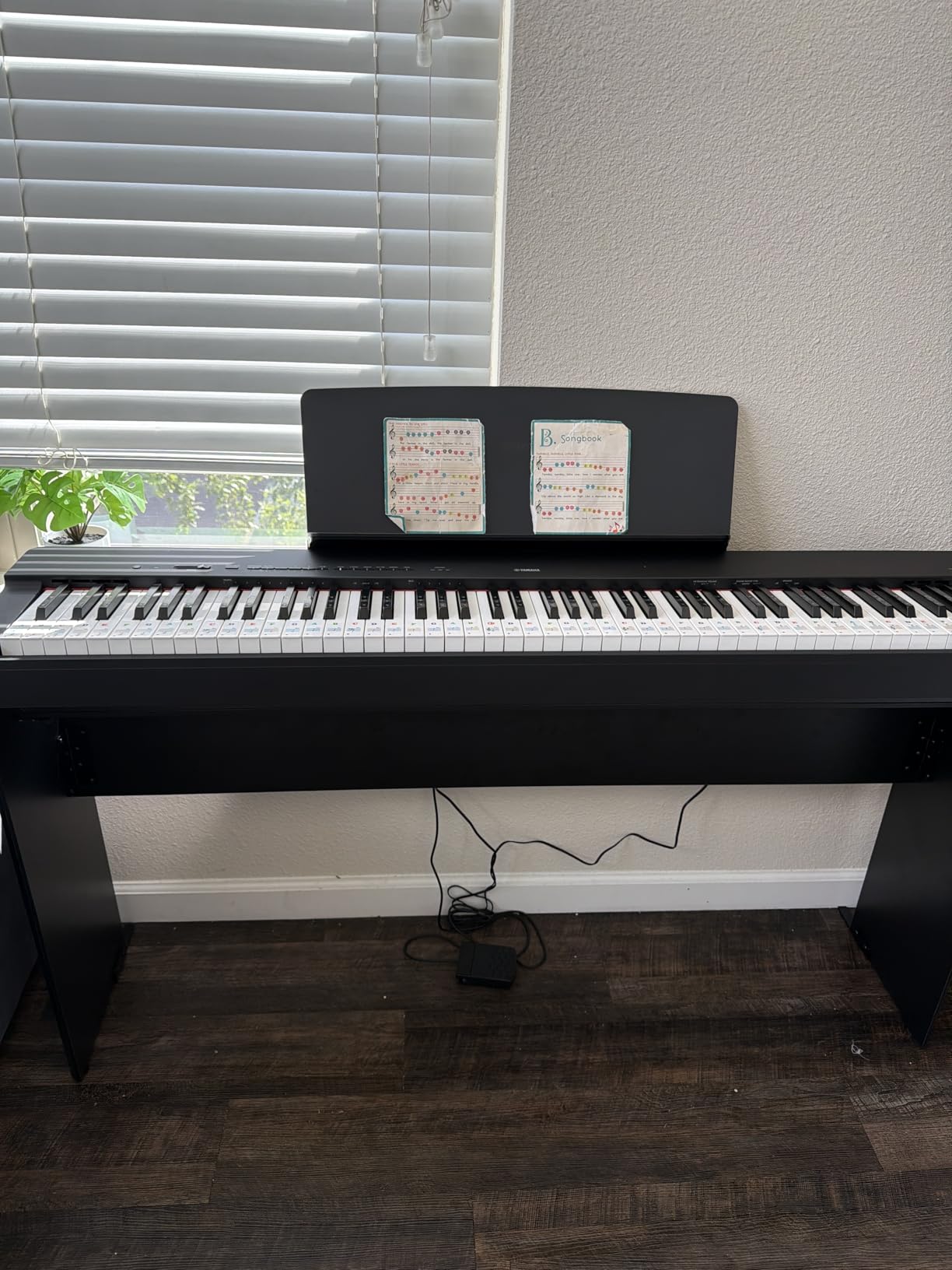
Who Should Buy the Yamaha P225
This is the sweet-spot pick for intermediate players who want one piano that handles classical repertoire, contemporary styles, and casual gigging. The 24 voices cover acoustic and electric pianos, organs, strings, and pads, enough variety without overwhelming menu-diving. If you practice Bach inventions and also want to layer strings under a piano voice for arrangements, the P225 does both well.
It is also the right choice if you plan to use learning apps. The Bluetooth MIDI connection works seamlessly with Smart Pianist, Flowkey, and other popular practice apps. No cables, no dongles, just pair and play.
Who Should Skip It
If you need a console cabinet for a permanent living room setup, the P225 is a slab design without a built-in stand or pedal unit. You would need to buy the optional furniture stand and three-pedal unit separately, which adds cost. Likewise, advanced players chasing the absolute most realistic action should look at higher-tier Clavinova or Kawai models with longer pivot points.
2. Roland FP-10 88-Note Digital Piano – Best Value Portable Pick
- PHA-4 action with textured ivory feel key surfaces
- Warm responsive SuperNATURAL piano tone
- Lightweight and portable at 27 pounds
- Bluetooth MIDI for app connectivity
- Excellent MIDI controller for DAW use
- Included sustain pedal is light and slides
- Downward-facing speakers need a stand
- No onboard recording
- No line output
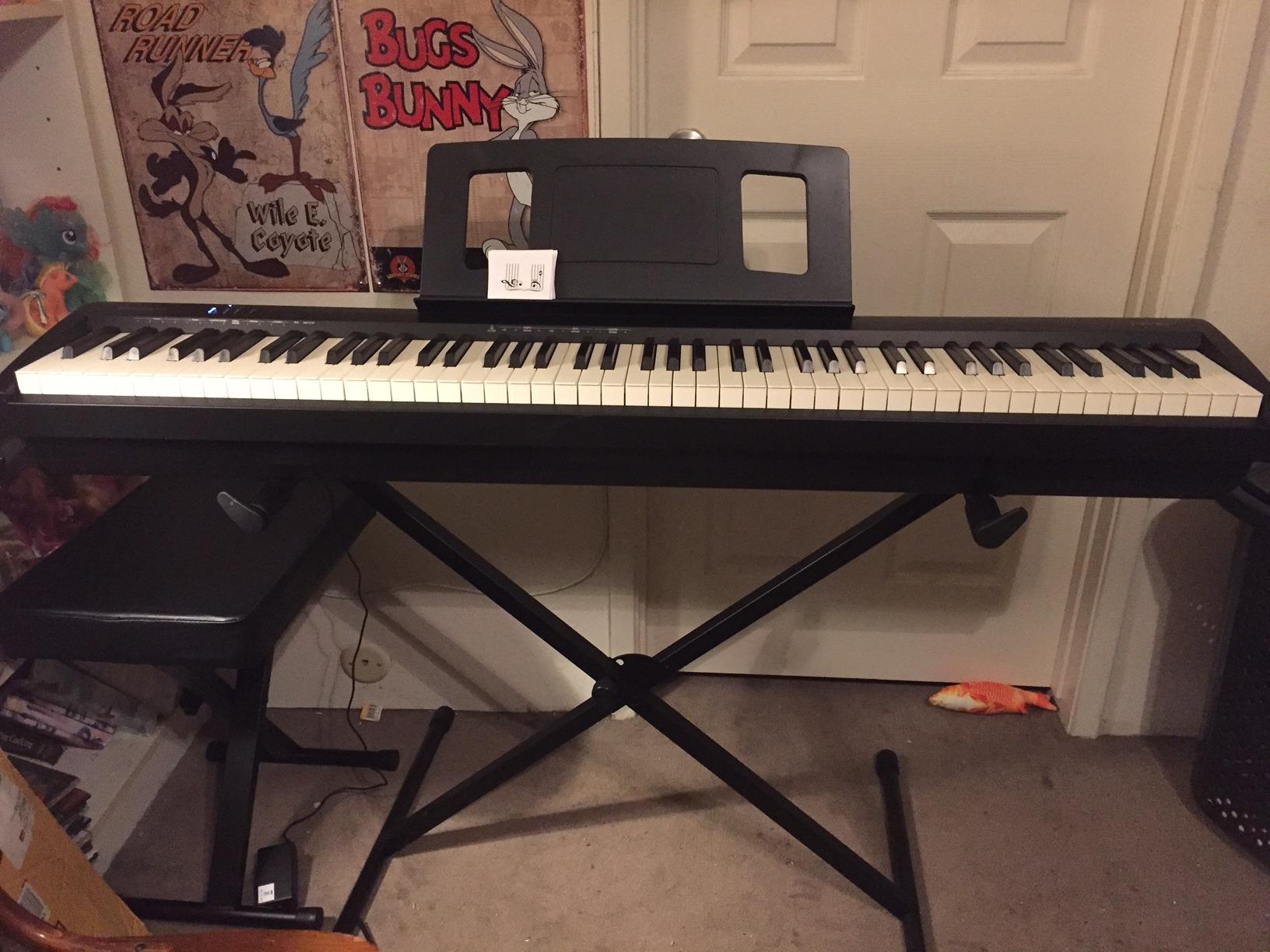
The Roland FP-10 has earned its reputation as the best budget digital piano for serious players, and after a month of daily practice I understand why. The PHA-4 Standard keyboard action is the same family used in Roland’s more expensive models, with textured ivory feel on the white keys and matte black finish on the sharps. My finger technique on trills and fast passages improved noticeably compared to my old unweighted keyboard.
The SuperNATURAL Piano sound engine produces a warm, slightly darker tone than Yamaha’s brighter CFX sample. I found it especially rewarding for jazz standards and Debussy, where you want a singing, mellow voice rather than a cutting concert grand projection. The 96-note polyphony handled everything I threw at it, including dense Liszt passages with the sustain pedal held down.
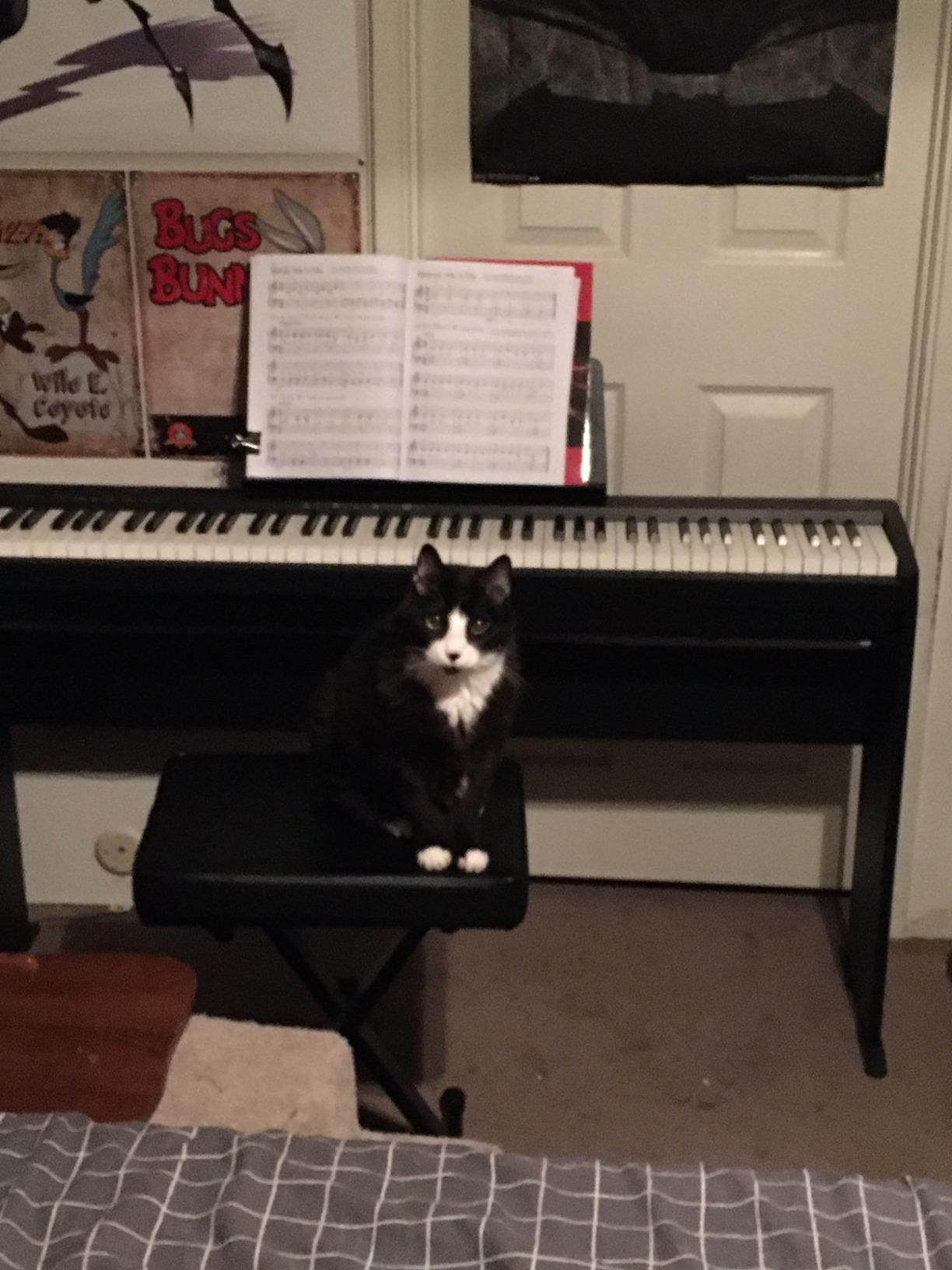
Bluetooth MIDI connectivity means I connect to Roland’s Piano Partner 2 app wirelessly for rhythm exercises, flashcard drills, and recording. The Twin Piano mode splits the keyboard into two identical pitch ranges, perfect for lessons with a teacher sitting beside you. At 27 pounds, I move it between home and my office without strain.
The weaknesses are real but manageable. The included DP-2 sustain pedal is a small plastic switch that slides on hardwood floors. I replaced mine with a proper triple pedal unit within the first week. The speakers fire downward, so you need to mount the FP-10 on a keyboard stand rather than a flat table for proper sound projection.
Who Should Buy the Roland FP-10
This is the best digital piano for intermediate players on a tight budget who refuse to compromise on key action. If your priority is building proper finger technique and you want an instrument you can grow with for years, the PHA-4 action delivers well above its price class. It is also a fantastic MIDI controller for anyone producing music in a DAW like Logic Pro or Ableton Live.
Apartment dwellers and college students will appreciate the quiet action and headphone practice. The FP-10 is one of the most recommended models on Reddit’s r/piano for exactly this use case.
Who Should Skip It
If you need built-in recording, multiple premium voices, or a cabinet-style design, the FP-10’s minimalist feature set will frustrate you. The 10 onboard sounds are functional but not inspiring, and there is no way to record your performance without an external device. Look at the Yamaha DGX-670 below for feature richness.
3. Yamaha DGX-670B 88-Key Digital Piano – Best for Versatility and Learning
- Yamaha CFX flagship grand piano sound
- 630 instrument voices and 263 styles
- Adapted Style responds to playing intensity
- Color display with Direct Access button
- Built-in learning features with classical pieces
- Heavy at 67.7 pounds
- not truly portable
- Key action may feel heavy for some
- No key escapement
- Furniture stand and 3-pedal unit sold separately
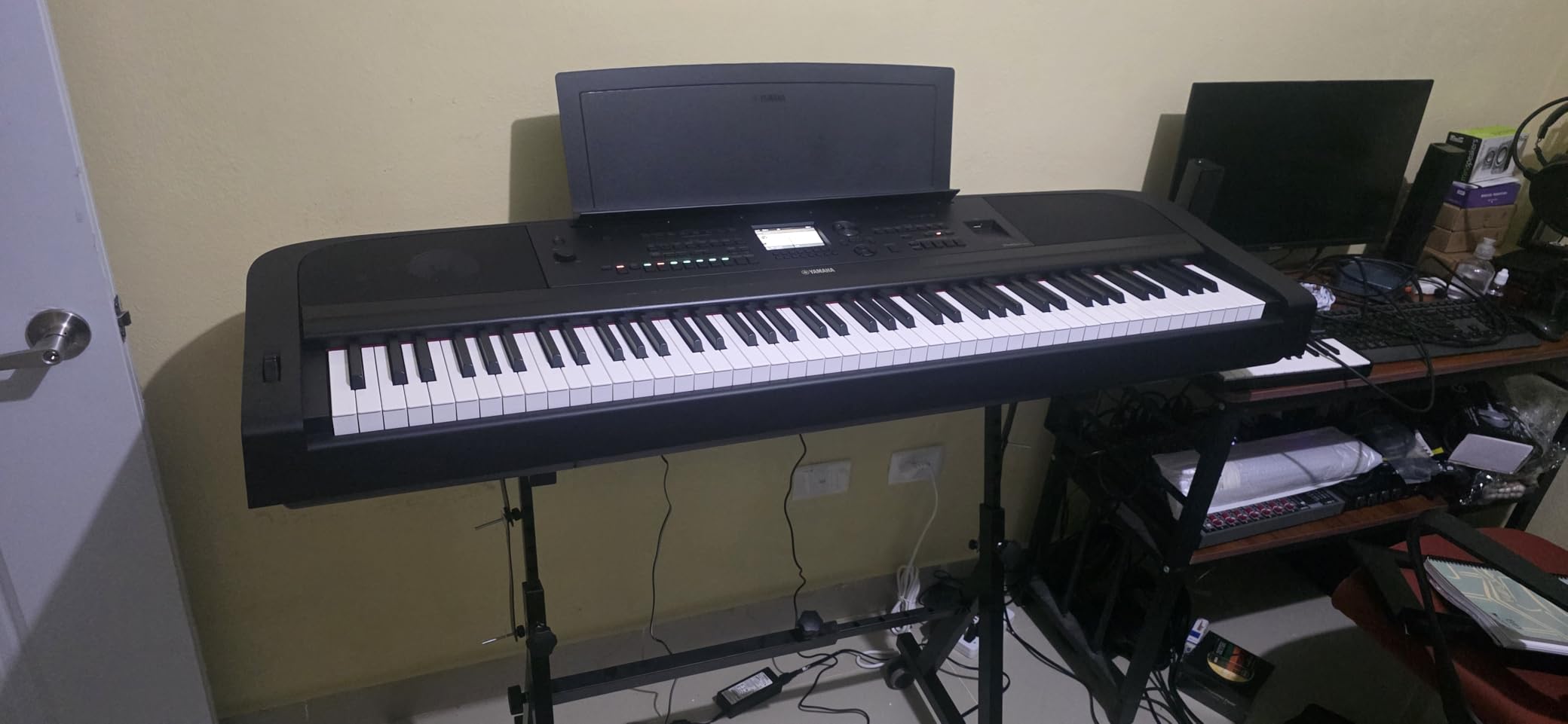
The Yamaha DGX-670 is the most feature-rich digital piano in this roundup, and it became my favorite for exploring styles beyond straight classical repertoire. The CFX Stereo Sampling voice is the same Yamaha flagship concert grand sample used in the P225, but here it sits alongside 629 other voices and 263 automatic accompaniment styles. I spent an entire evening just auditioning the strings, brass, synth pads, and world percussion.
The Adapted Style feature is genuinely useful for intermediate players. When you play chords with your left hand, the accompaniment adjusts its intensity based on how hard you strike the keys. Soft playing triggers a gentle jazz combo, while louder chords bring in drums and bass. It feels like having a backing band that responds to your dynamics.
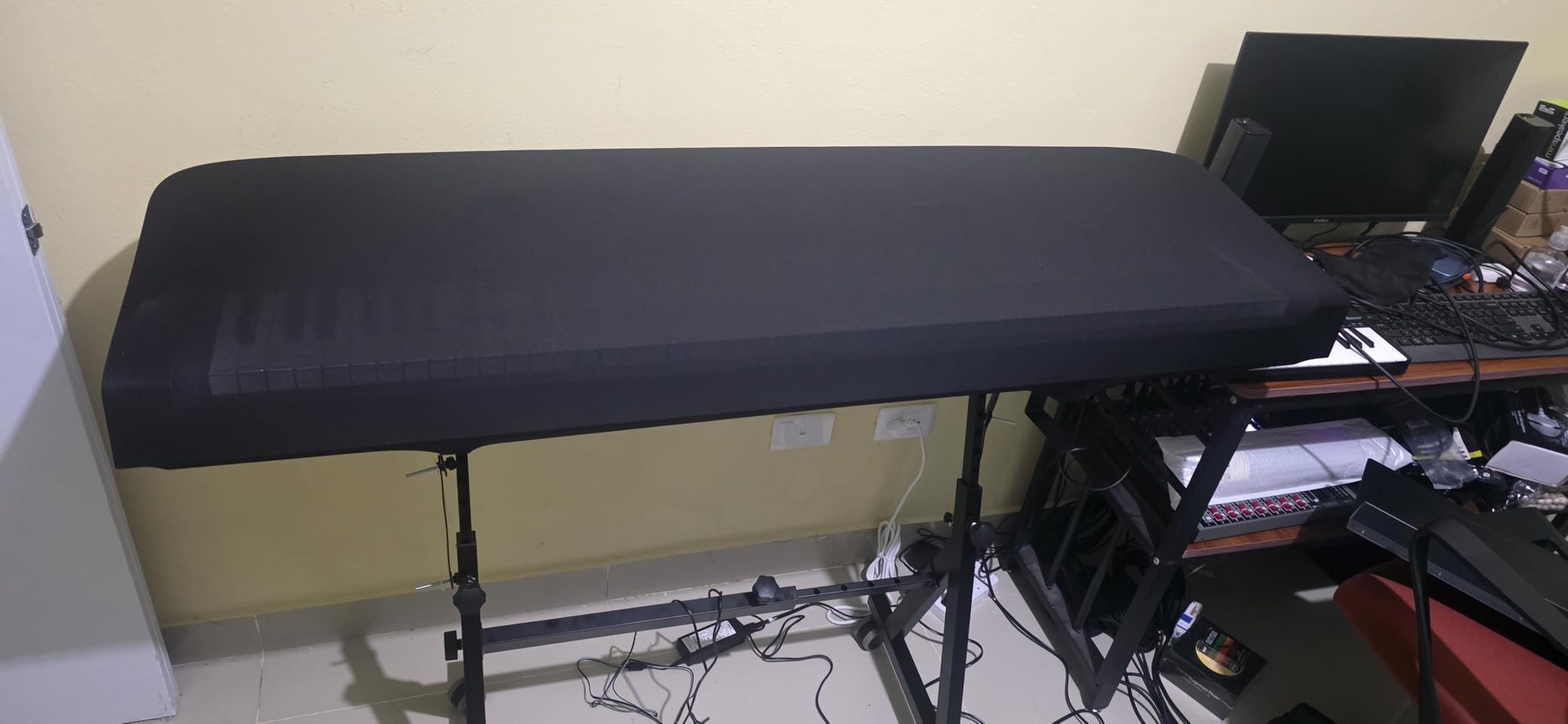
The 88 weighted keys have graded heaviness, with a heavier feel in the bass register and lighter treble. I found the action slightly heavier than the P225, which helped me build finger strength but felt tiring during long Chopin sessions. The color display with Direct Access button makes navigating 630 voices far less painful than scrolling through menus blindly.
The biggest downside is weight. At 67.7 pounds, this is not a piano you carry to gigs. The furniture stand and three-pedal unit are also sold separately, which pushes the real-world cost higher. Plan your budget accordingly.
Who Should Buy the Yamaha DGX-670
This is the best digital piano for intermediate players who want one instrument to cover classical practice, pop arrangements, songwriting, and accompaniment. If you compose music, play in a worship band, or want to explore different genres without buying multiple keyboards, the 630 voices and 263 styles give you enormous creative range. The built-in learning features with preset classical pieces are also excellent for self-taught players.
Who Should Skip It
If you want a pure piano experience without the distraction of hundreds of voices and styles, the DGX-670 is overkill. The heavier action also makes it less ideal for players with smaller hands or those recovering from injury. Purists who want escapement simulation and triple sensors should consider a Clavinova CLP series instead.
4. Casio Privia PX-870 Console Digital Piano – Best Console Cabinet Pick
- Tri-Sensor II Scaled Hammer Action with ebony and ivory texture
- Rich detailed AiR sound with damper and string resonance
- Powerful 40W 4-speaker Sound Projection
- Concert Play with orchestral backing tracks
- Sleek console design with sliding key cover
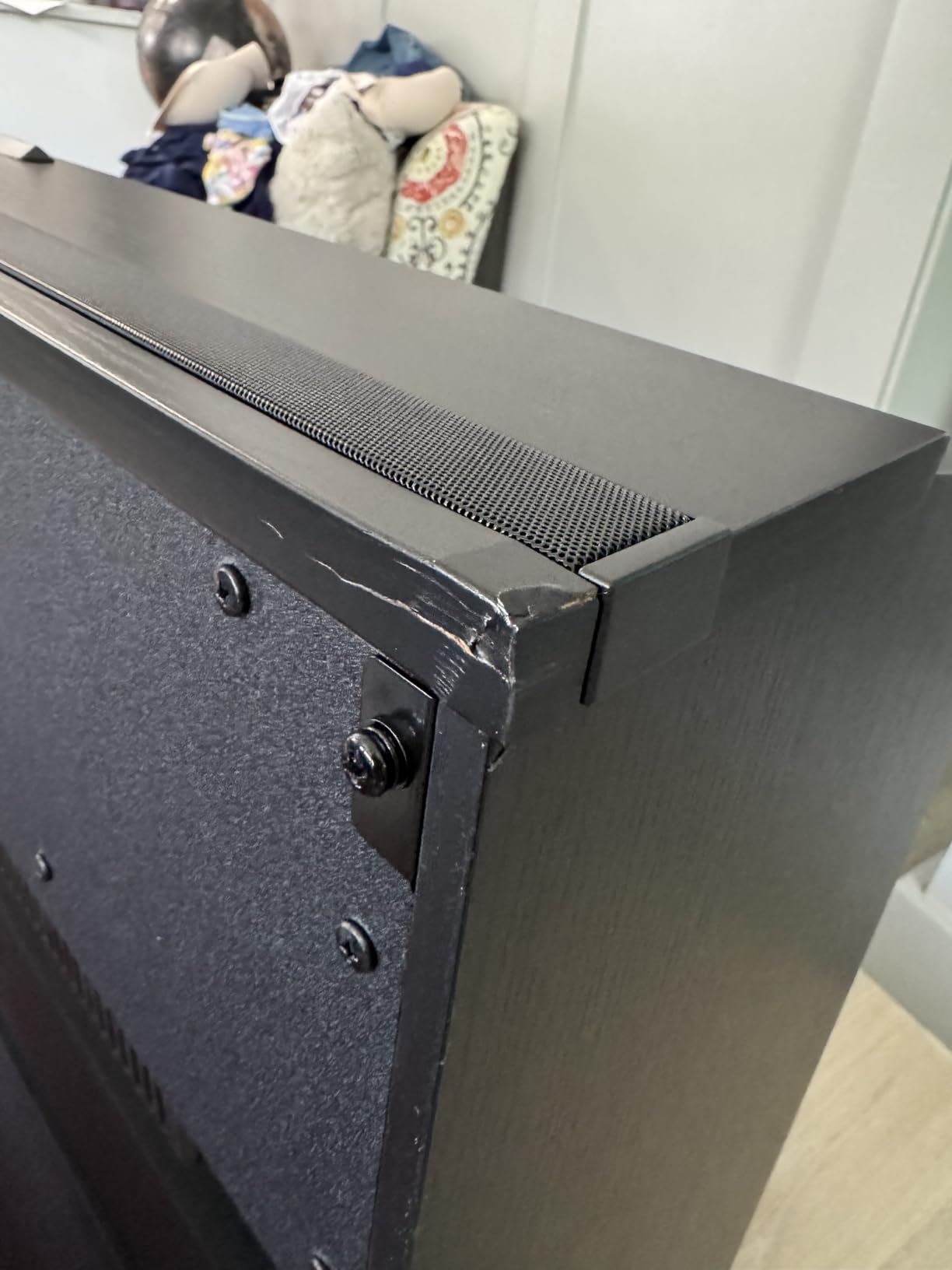
- Assembly can be difficult with misaligned holes
- Heavy at 75.6 pounds
- Cabinet is flat-pack laminated fiberboard
- USB port placement is inconvenient
The Casio Privia PX-870 is the console cabinet pick I recommend for intermediate players who want a furniture-style piano for a dedicated practice space. The Tri-Sensor II Scaled Hammer Action uses three sensors per key to detect finger position with precision, which matters for fast repeated notes and trills. The simulated ebony and ivory key textures feel premium under the fingers.
The AiR Sound Source (Acoustic and intelligent Resonator) is Casio’s multi-dimensional morphing sound engine, and it delivers impressive realism. Damper resonance, string resonance, and key-off simulation all contribute to a believable acoustic experience. When I played sustained arpeggios with pedal, the sympathetic vibrations felt organic rather than sampled.
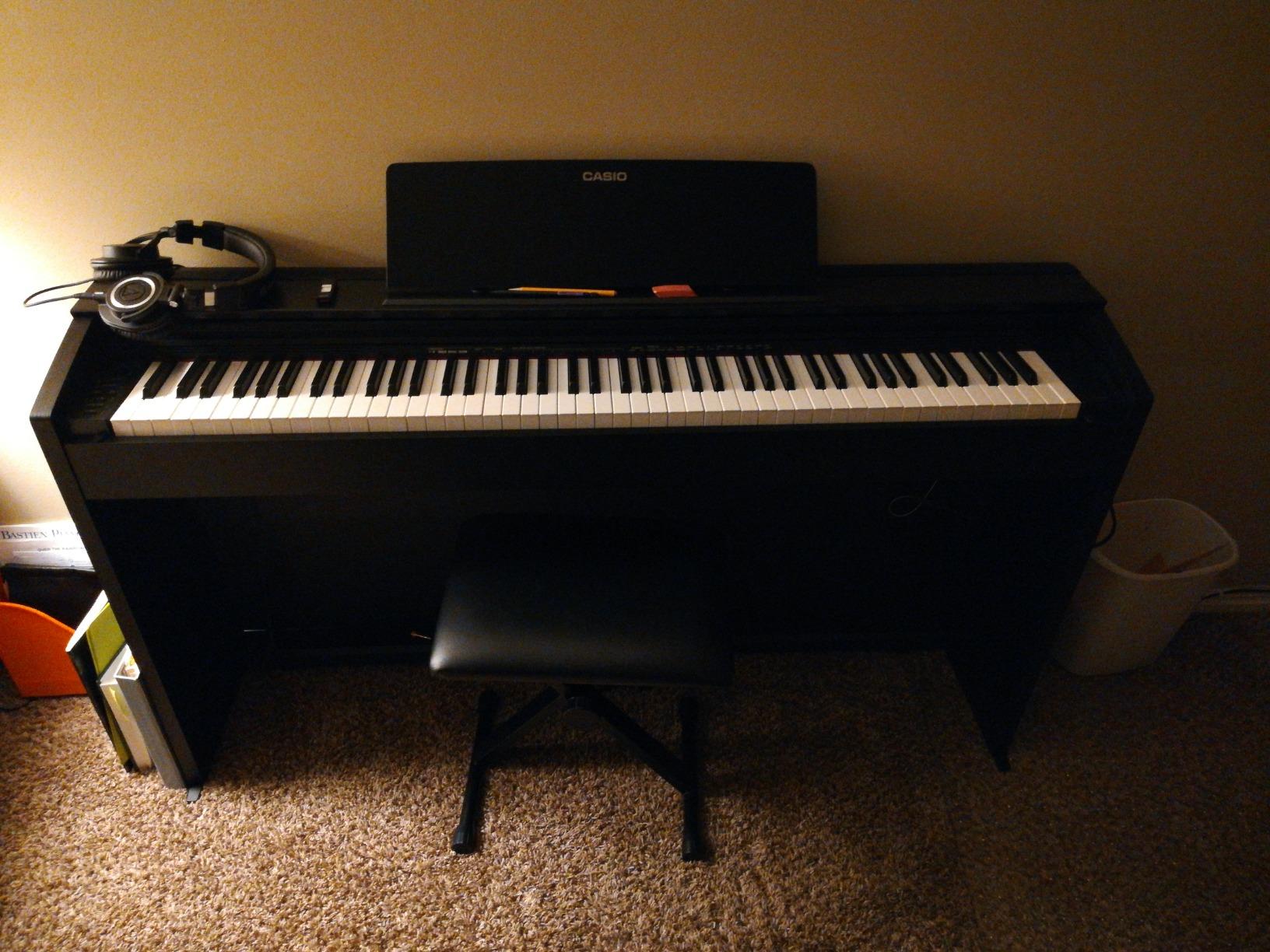
The 40W 4-speaker Sound Projection system is a major reason to choose the PX-870 over a slab piano. The speakers fire upward and outward, filling a room in a way portable pianos simply cannot match. Concert Play mode lets you play along with 10 orchestral backing tracks, which is fantastic for practicing concerto movements.
Duet Mode splits the keyboard into two identical pitch ranges, each with their own sustain pedal input, for teacher-and-student lessons. The dual headphone jacks allow silent practice for both players. The sliding key cover protects the keys when not in use, which is a small but appreciated feature.
Who Should Buy the Casio Privia PX-870
This is the best digital piano for intermediate players who want a permanent living room or studio instrument without spending Clavinova money. The console design, powerful speaker system, and orchestral accompaniment features make it ideal for home practice where you want the visual and sonic presence of a real piano. Families with multiple learners will appreciate the Duet Mode and dual headphone jacks.
Who Should Skip It
If portability matters at all, the PX-870’s 75.6-pound weight and cabinet construction rule it out. Assembly requires patience, and some users report misaligned screw holes. The laminated fiberboard cabinet is functional but not heirloom quality. If you gig or move frequently, stick with a slab piano like the Roland FP-10 or Yamaha P225.
5. Yamaha YDP-105 Upright Digital Piano – Best Upright Cabinet with Bench
- Traditional upright design with elegant wood grain
- Realistic Graded Hammer Standard keyboard
- Complete package with bench and 3-pedal unit
- Dual headphone jacks for lessons
- Simple control panel like an acoustic piano
- Heavy and not portable
- Assembly can be challenging
- Cabinet finish quality varies
- Feature setup requires learning key combinations
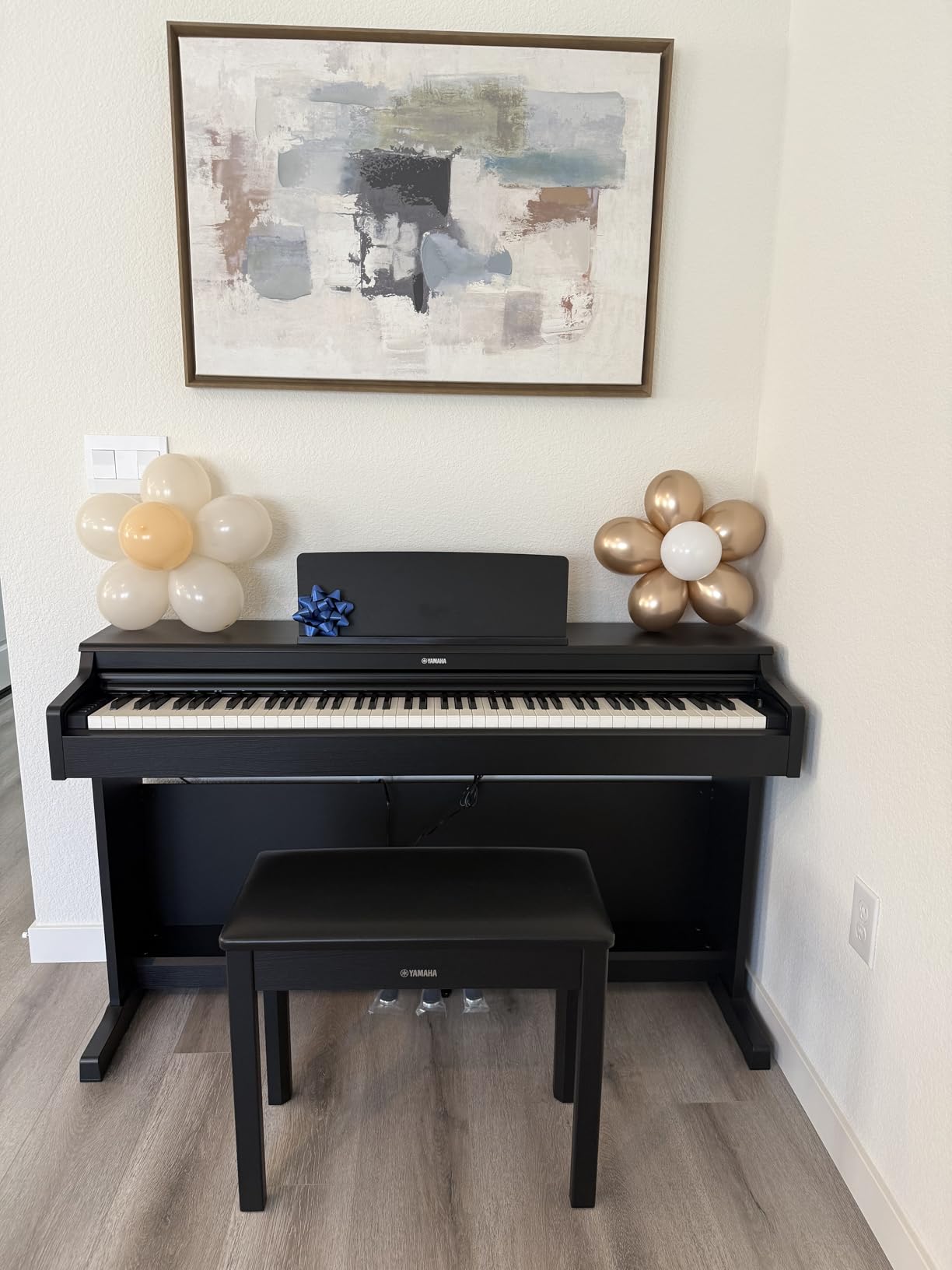
The Yamaha YDP-105 brings the Arius series upright design to intermediate players at a competitive price, and it arrives as a complete package with bench and three-pedal unit included. The Graded Hammer Standard action has the authentic heavier-bass, lighter-treble feel that builds proper technique. I found it slightly less refined than the P225’s GHC action, but still a genuine step up from beginner keyboards.
The 10 onboard voices are focused rather than overwhelming. The grand piano voice is warm and balanced, with enough dynamic range for intermediate classical repertoire. I worked through the first movement of Beethoven’s Pathetique sonata and found the touch response captured my dynamic shadings accurately.
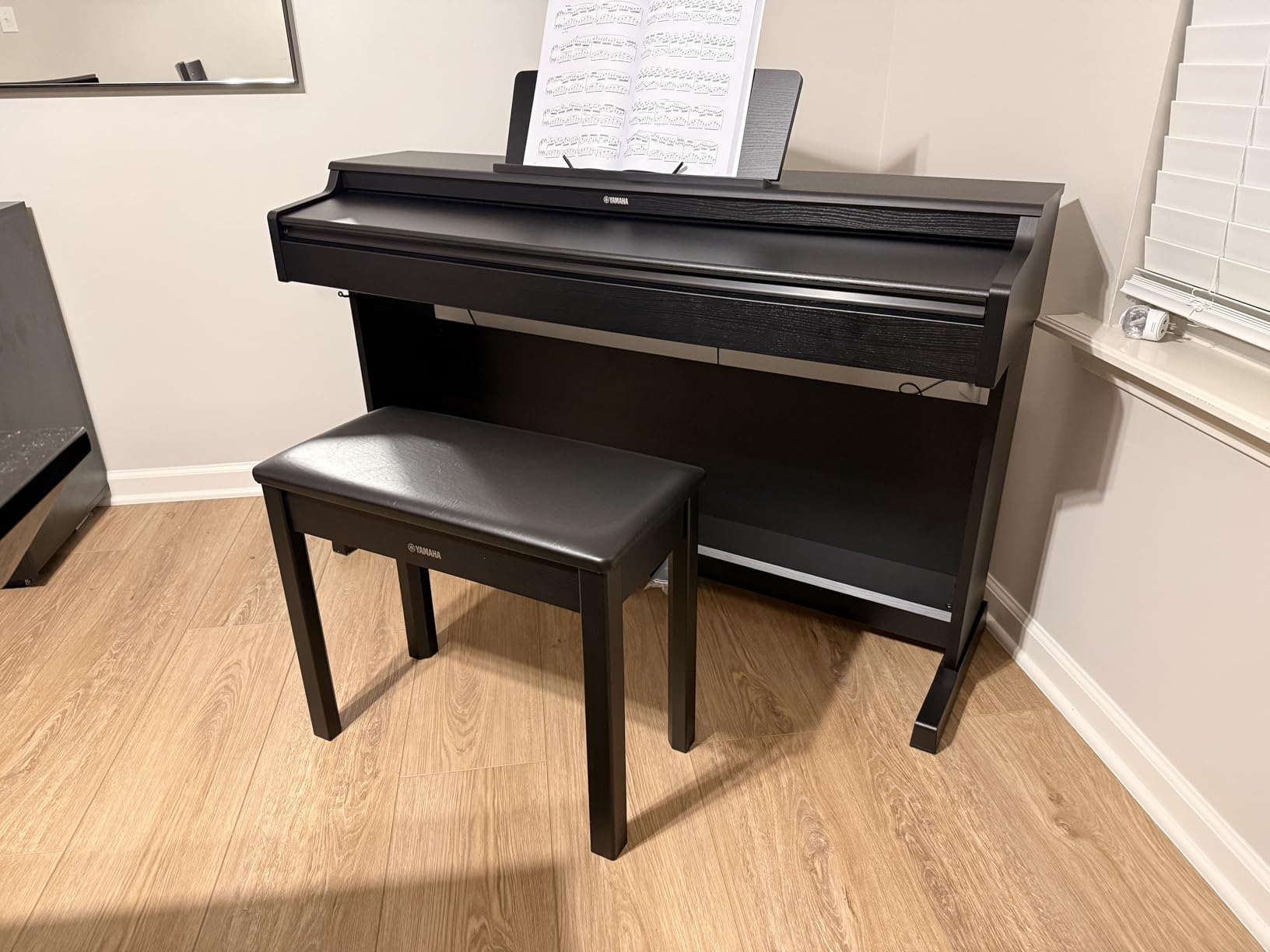
The three-pedal unit is the real value-add here. Soft, sostenuto, and sustain pedals all function like an acoustic piano, with half-pedal detection on the sustain. This matters for intermediate players learning proper pedal technique, since you cannot develop half-pedaling skills on a single cheap foot switch.
Dual headphone jacks make this an excellent choice for lessons. Your teacher can listen along in headphones while you play, or two students can practice duets silently. The Smart Pianist app compatibility adds voice selection and recording features through your phone or tablet.
Who Should Buy the Yamaha YDP-105
This is the best digital piano for intermediate players setting up a dedicated home practice space who want the visual presence and complete accessory package of an upright. The included bench and three-pedal unit mean you have everything you need in one purchase. Teachers and parents will appreciate the dual headphone jacks for lessons and silent practice.
Who Should Skip It
If you value portability or want hundreds of voices and accompaniment styles, the YDP-105’s focused 10-voice design is too limited. The cabinet finish quality varies between units, and assembly can be frustrating. Players seeking the most refined key action should consider the slightly pricier CLP series instead.
6. Donner DDP-80 PLUS Digital Piano – Best Budget Console Pick
- Weighted keys feel better than other keyboards in this price range
- Rich acoustic-like piano sound
- Metal three-pedal system in grand piano configuration
- 128 polyphony prevents note cutting
- Beautiful wood log pattern finish
- Volume knob has limited settings
- No dust cover for keys included
- Only one piano tone available
- Some durability concerns after months of use
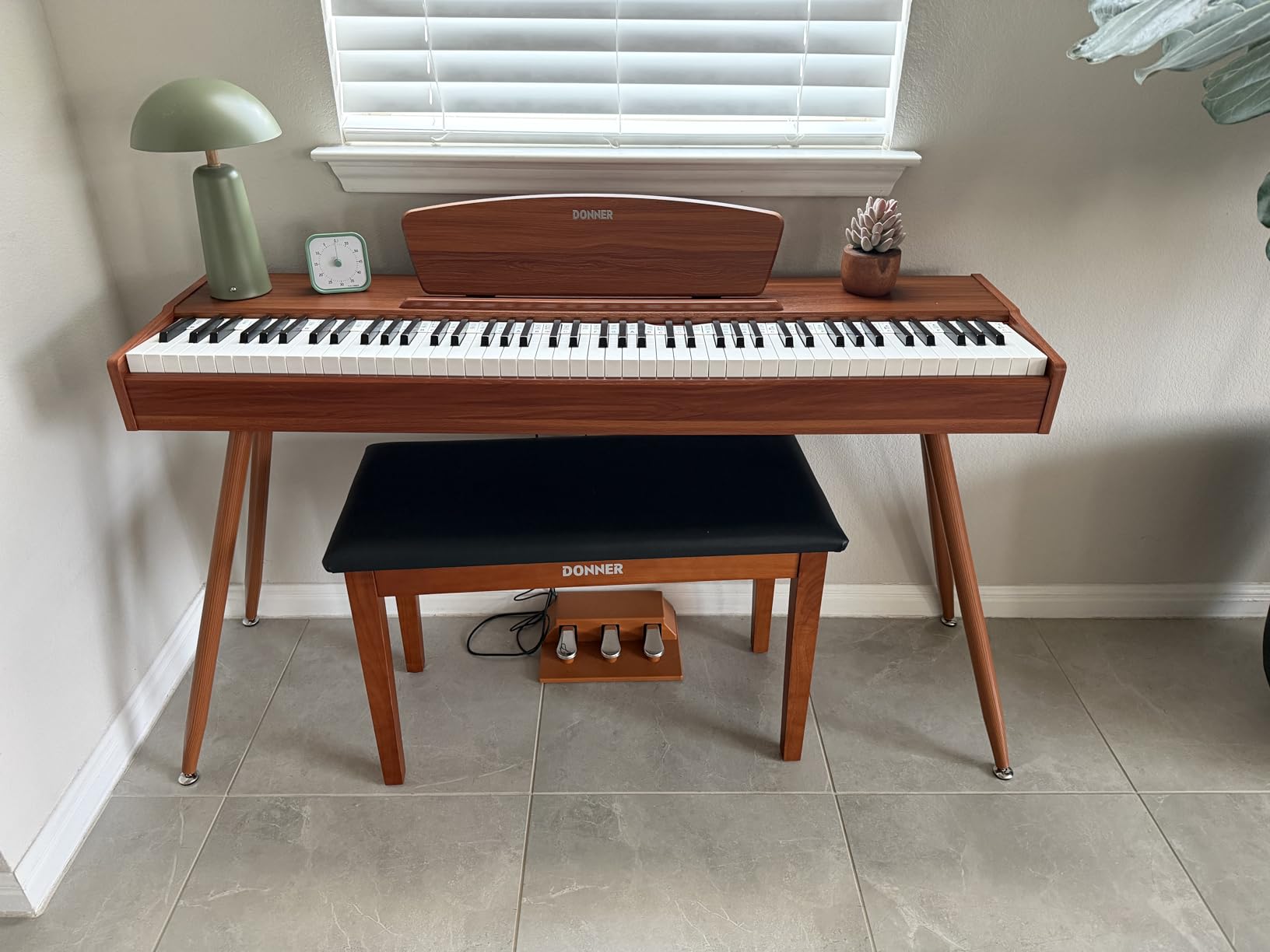
The Donner DDP-80 PLUS is the budget console option that surprised me the most during testing. Donner has built a reputation for aggressive pricing, but the DDP-80 PLUS backs it up with a progressive weighted keyboard, French DREAM sound source, and a full metal three-pedal system. At its price point, that combination is genuinely hard to find.
The progressive weighted action means the bass keys feel heavier than the treble keys, mimicking an acoustic piano’s hammer sizes. It is not as refined as Yamaha’s GHS or Roland’s PHA-4, but it is a real weighted action rather than the semi-weighted or spring-loaded keys found on cheap arranger keyboards. My finger strength improved noticeably over a few weeks.
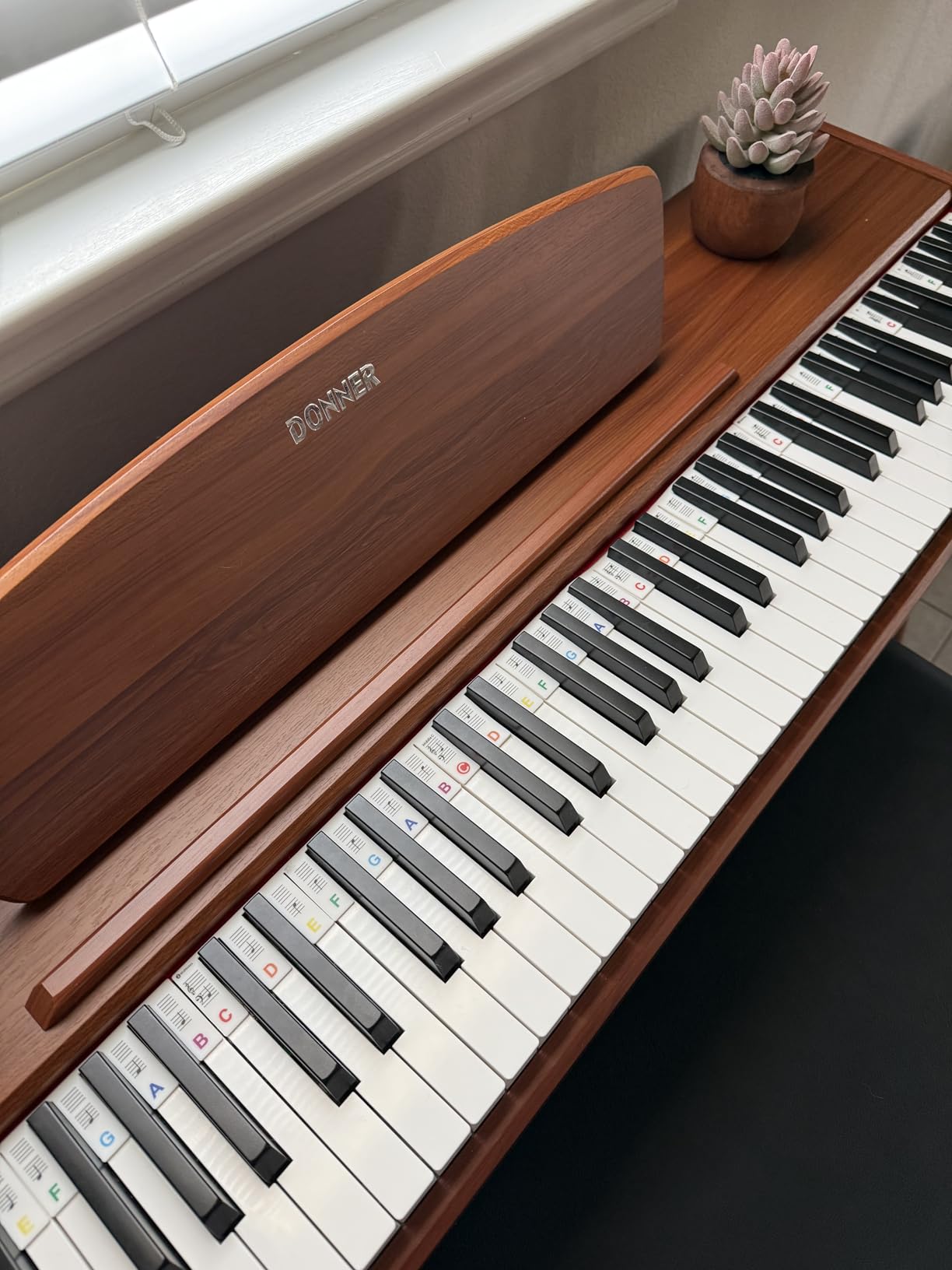
The DREAM sound source produces a warm, slightly compressed piano tone that works well for practice. The 128-note polyphony handled everything I played without dropped notes, including dense chordal passages with sustain. The 20W stereo speaker system is modest but adequate for a small practice room.
The metal three-pedal system follows grand piano configuration with sustain, sostenuto, and soft pedals. This is rare at this price, where most budget pianos include only a flimsy plastic sustain foot switch. The wood log pattern finish with metal trim gives the cabinet a more premium appearance than the price suggests.
Who Should Buy the Donner DDP-80 PLUS
This is the best digital piano for intermediate players on a strict budget who want a console cabinet with weighted keys and proper three-pedal support. If you cannot stretch to the Casio PX-870 or Yamaha YDP-105, the DDP-80 PLUS delivers the core piano experience at a significantly lower price. Beginners transitioning to intermediate will find the action good enough to build technique.
Who Should Skip It
If you want multiple voices, recording features, app connectivity, or Bluetooth, the DDP-80 PLUS is too bare-bones. The single piano tone means no electric pianos, organs, or strings. Some users report durability issues after several months, so this is a budget pick rather than a lifetime instrument. Serious classical students should invest more in a Yamaha or Roland.
7. Casio CDP-S160 Slim Digital Piano – Best Slim Portable Pick
- Realistic weighted keys with smooth wood grain finish
- Ultra slim and portable at just 23.1 pounds
- Runs on batteries or included adapter
- USB-MIDI with no drivers needed
- Great value for entry-level weighted piano
- Included pedal is basic and not performance-grade
- Sound quality may not meet professional standards
- Limited voice selection
- Power adapter quality varies
The Casio CDP-S160 is the slimmest and lightest weighted digital piano in this roundup at just 23.1 pounds and under 4 inches deep. I carried it under one arm to a friend’s apartment for an informal recital, something impossible with heavier slab pianos. Despite the slim profile, the scaled hammer action provides genuine weighted resistance with simulated ivory and ebony key surfaces.
The 10 built-in tones include grand piano, electric piano, organ, and strings, covering the essentials without overwhelming menu navigation. The grand piano voice is clean and articulate, with enough dynamic range for intermediate repertoire. Layering and adjustable reverb and chorus effects add depth when you want a richer sound.
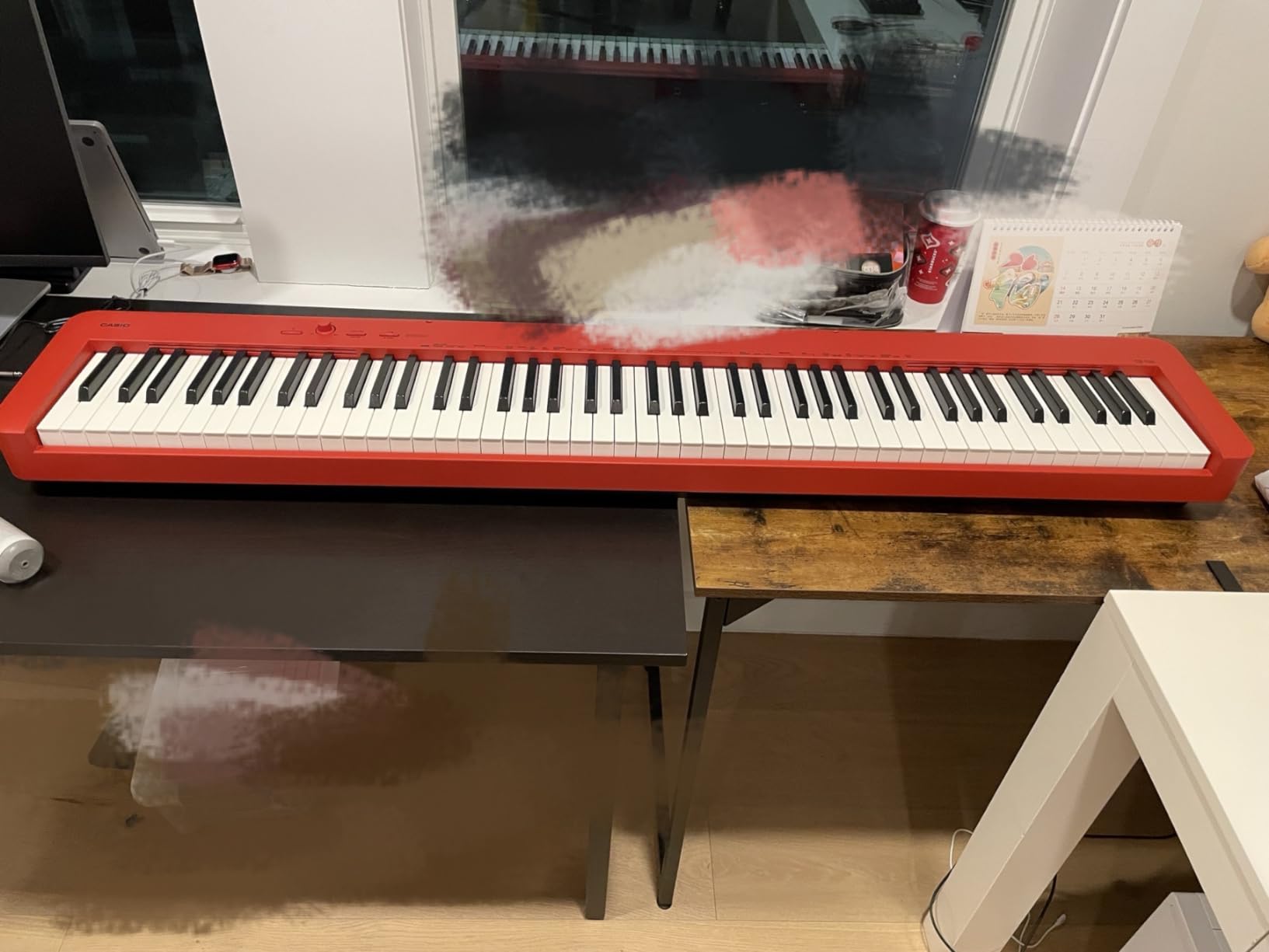
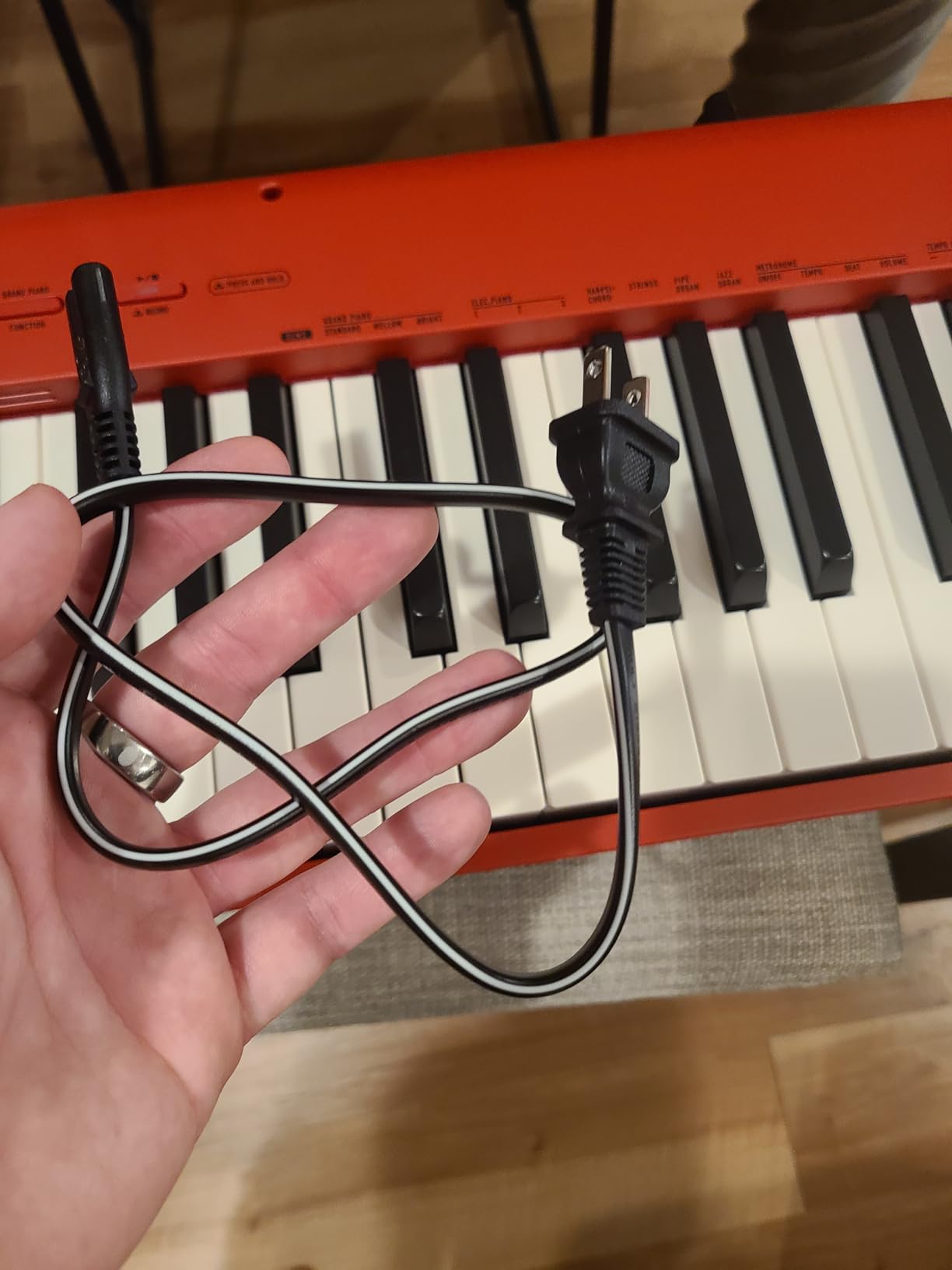
The standout feature for mobile players is battery power. Six AA batteries run the CDP-S160 for hours, which means you can practice outdoors, at a cabin, or anywhere away from a wall outlet. The USB-MIDI connectivity is class-compliant, so it works with iPads, phones, and computers without driver installation.
Duet Mode splits the keyboard into two identical pitch ranges for lessons or performances with a teacher. The built-in metronome and one-button MIDI recorder are basic but functional for daily practice. The included sustain pedal is a simple foot switch that most players will want to upgrade.
Who Should Buy the Casio CDP-S160
This is the best digital piano for intermediate players who prioritize extreme portability and battery operation. If you travel, busk, practice in multiple locations, or simply have very limited storage space, the CDP-S160’s slim profile and light weight solve problems bulkier pianos cannot. Students heading to college with a small dorm room will appreciate the footprint.
Who Should Skip It
If sound quality and polyphony are your top priorities, the CDP-S160’s 10 voices and modest speaker system fall short of the Roland FP-10 or Yamaha P225. The included pedal and power adapter quality is inconsistent, so plan for accessory upgrades. Advanced players will find the action acceptable but not inspiring for serious technique work.
8. Yamaha P71 88-Key Weighted Digital Piano – Best Budget Starter Pick
YAMAHA P71 88-Key Weighted Action Digital Piano with Sustain Pedal and Power Supply (Amazon-Exclusive)
- Weighted keys feel like a real acoustic piano
- Excellent sound quality for the price
- Lightweight and portable design
- Yamaha quality and reliability
- USB MIDI for apps and recording
- Speakers are small with limited bass response
- Included sustain pedal is basic
- Some tuning issues in upper octaves
- MIDI velocity sensitivity could be better
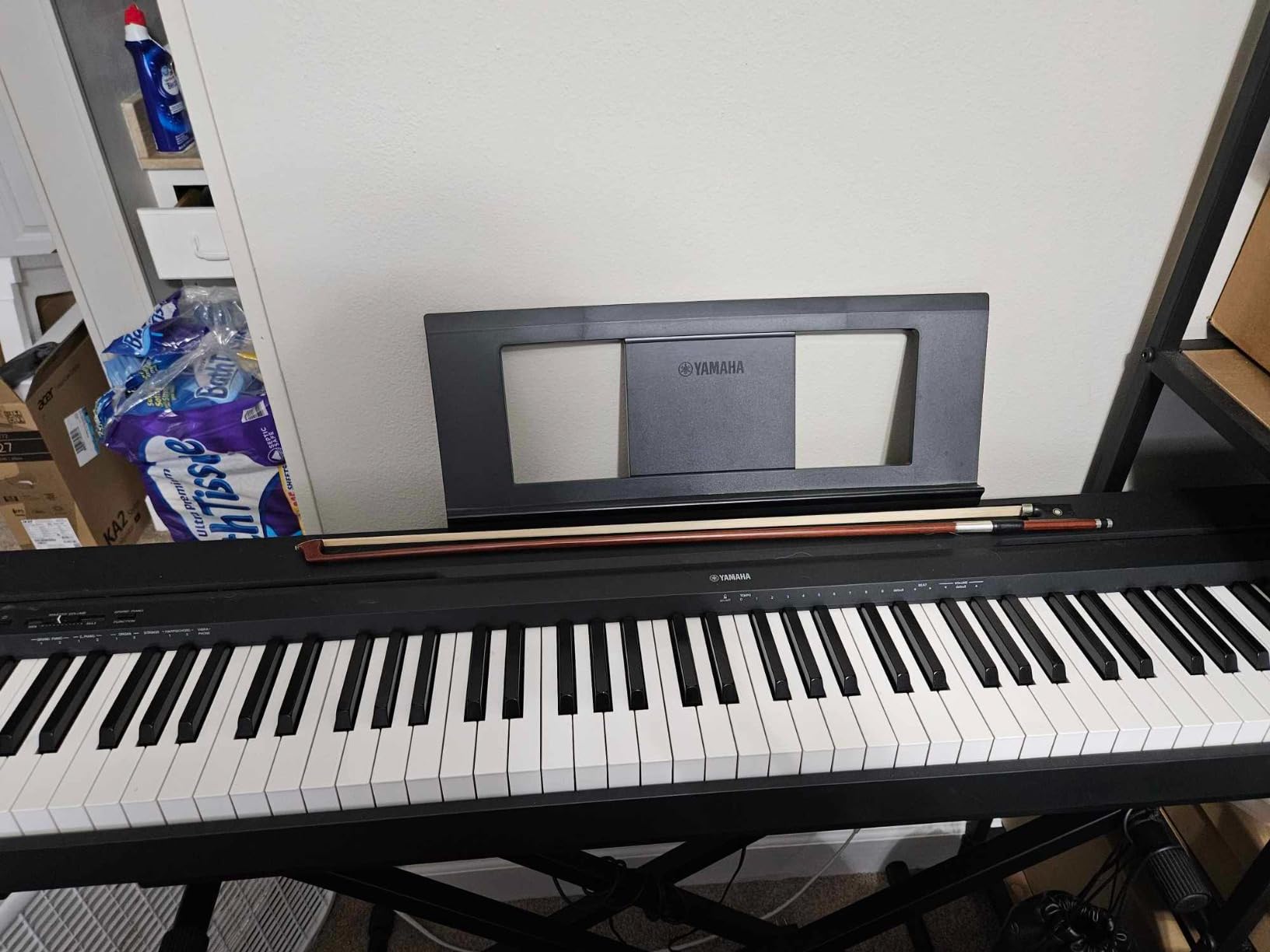
The Yamaha P71 is an Amazon-exclusive variant of Yamaha’s popular P-series, and it remains the best entry-level weighted digital piano for the money. With over 6,600 reviews and a 4.7-star average, it has earned its reputation through years of reliable service. I recommended it to two friends who were upgrading from unweighted keyboards, and both reported immediate improvements in finger strength and dynamic control.
The Graded Hammer Action provides the same heavier-bass, lighter-treble weighting as Yamaha’s more expensive models. The action is not as refined as the P225’s GHC, but it is a genuine fully weighted keyboard rather than the semi-weighted or synth action found on cheap arranger keyboards. For building proper technique on a budget, this is where the journey starts.
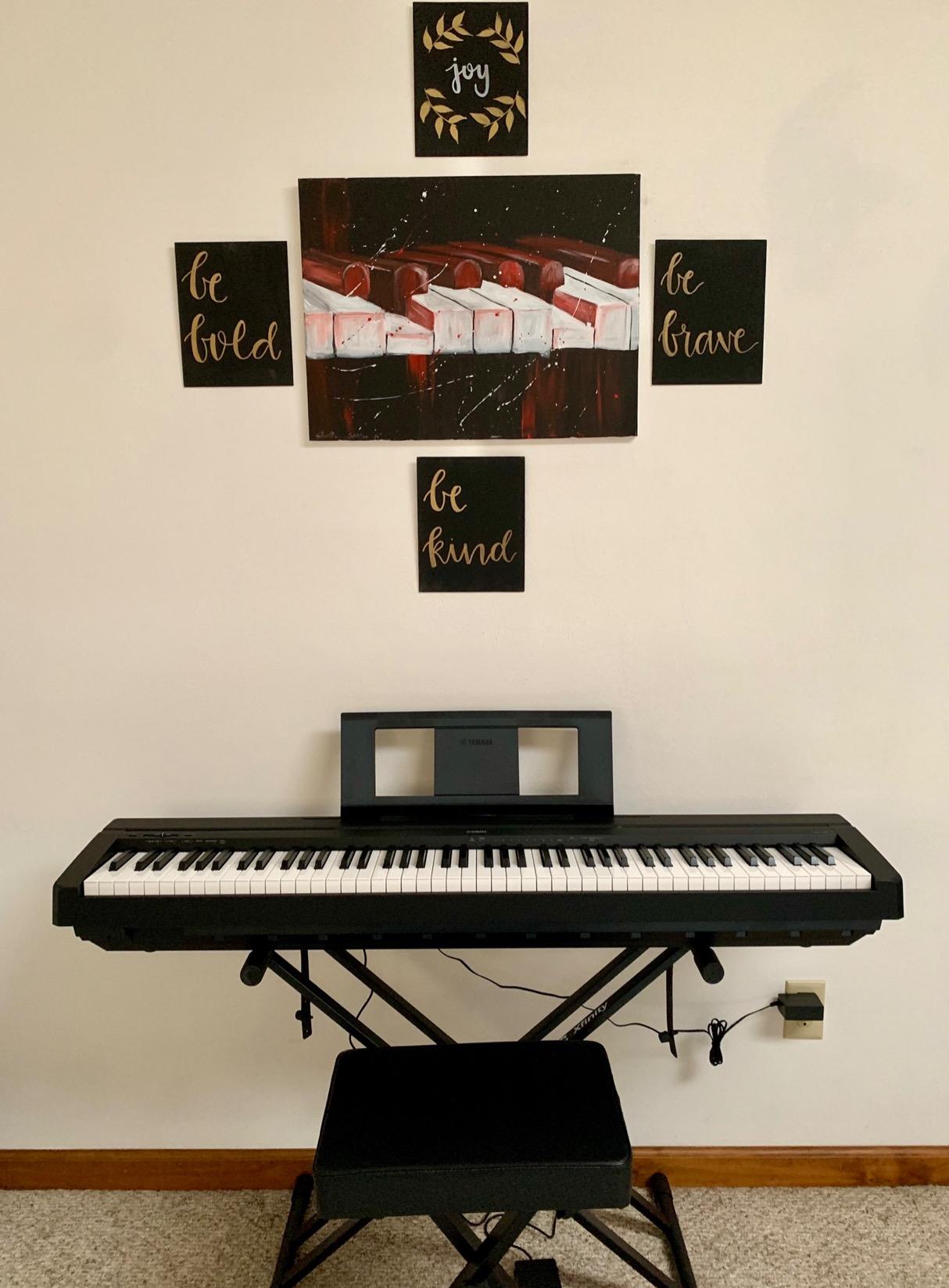
The 10 onboard voices cover grand piano, electric piano, organs, strings, vibraphone, and harpsichord. Dual Mode layers two voices together, which is useful for adding strings beneath a piano melody. The grand piano voice is based on Yamaha’s CFIIIS concert grand sampling, and while it lacks the VRM resonance modeling of the P225, the core tone is still recognizably Yamaha.
The limitations are honest for the price. The built-in speakers are small and lack bass response, so headphones or external amplification dramatically improve the experience. The included sustain pedal is a basic foot switch. Some users report tuning or stretching artifacts in the upper octaves, though I did not find this problematic for daily practice.
Who Should Buy the Yamaha P71
This is the best digital piano for intermediate players on the tightest budget who still need fully weighted 88 keys from a reputable brand. If you are upgrading from a 61-key unweighted keyboard and want to spend as little as possible while still getting real piano feel, the P71 is the answer. It is also an excellent second piano for travel or a vacation home.
Who Should Skip It
If you can stretch your budget by $200 to $300, the Roland FP-10 and Yamaha P225 offer significantly better action, sound engines, and connectivity. The P71 lacks Bluetooth, app integration, and the refined sound modeling of higher-tier models. Serious students planning to progress toward advanced repertoire should invest more upfront to avoid upgrading again within a year.
Buying Guide: How to Choose the Best Digital Piano for Intermediate Players
Choosing the right digital piano at the intermediate level is more important than at any other stage, because this is when your technique becomes permanent. The wrong instrument can teach bad habits that take years to unlearn. Here is what actually matters when comparing models.
What Makes a Piano Intermediate-Level
An intermediate digital piano needs fully weighted 88 keys with graded hammer action. This means the bass keys feel heavier than the treble keys, just like an acoustic piano where lower strings have larger hammers. Anything less than fully weighted will not build the finger strength and dynamic control that intermediate repertoire demands.
Look for at least 128-note polyphony, though 192 or 256 is preferable for complex classical pieces with heavy sustain pedal use. A quality sound engine, whether it is sampled or modeled, should reproduce string resonance, damper noise, and key-off effects. Connectivity options like Bluetooth MIDI and USB host future-proof your investment as learning apps and DAW software evolve.
Key Action: Why It Matters Most for Intermediate Players
Key action is the single most important factor for intermediate players, more than sound quality or features. Your muscles are learning the feel of piano keys during this stage, and that muscle memory transfers directly to acoustic pianos. Cheap unweighted or semi-weighted keys teach incorrect technique that becomes a barrier when you sit at a real piano.
Graded hammer action comes in several tiers. Yamaha’s GHS (Graded Hammer Standard) is the entry tier, found on the P71 and YDP-105. The GHC (Graded Hammer Compact) on the P225 is more compact but similar quality. Roland’s PHA-4 with ivory feel is widely praised for its textured key surfaces and responsive escapement simulation. Casio’s Tri-Sensor II uses three detection sensors per key for precise tracking of fast repeated notes.
If possible, test pianos in person before buying. The feel of weighted action is subjective, and what one player loves another finds tiring. Local music stores often carry Yamaha, Roland, and Casio models side by side.
Sound Engine and Polyphony Explained
Digital piano sound engines fall into two categories: sampled and modeled. Sampled engines record real acoustic pianos note by note, then play back those recordings when you press keys. Yamaha’s CFX Stereo Sampling, Roland’s SuperNATURAL, and Casio’s AiR Sound Source are all sample-based with varying degrees of resonance modeling layered on top.
Modeled engines use mathematical algorithms to generate sound in real time, allowing infinite variation based on key velocity, pedal position, and other inputs. Modeled pianos are more common at premium price points, but the technology is trickling down. For intermediate practice, a well-sampled piano with resonance modeling is more than sufficient.
Polyphony is the number of notes the piano can sound simultaneously. With the sustain pedal held down through a dense chord progression, you can easily exceed 64 notes of polyphony as earlier notes continue ringing. Look for at least 128-note polyphony at the intermediate level, and 192 or higher if you play advanced Romantic-era repertoire.
Portable Slab vs Console Cabinet: Which Suits You
Portable slab pianos like the Yamaha P225, Roland FP-10, and Casio CDP-S160 are designed to be moved and stored easily. They typically weigh 23 to 30 pounds, fit in a car trunk, and work on any keyboard stand or table. Slab pianos are ideal for gigging musicians, apartment dwellers, students heading to college, and anyone with limited space.
Console cabinet pianos like the Casio PX-870, Yamaha YDP-105, and Donner DDP-80 PLUS are furniture-style instruments meant to stay in one place. They include built-in stands, larger speaker systems, sliding key covers, and often integrated three-pedal units. Console pianos deliver a more room-filling sound and a more traditional visual presence, making them ideal for dedicated practice rooms and living spaces.
The right choice depends on your lifestyle. If you move frequently or need to store the piano when not in use, a slab is the answer. If you have a permanent practice space and want the visual and sonic impact of a real piano, a console cabinet delivers.
Connectivity, Apps, and Future-Proofing
Bluetooth MIDI is increasingly important for intermediate players. Wireless connection to learning apps like Flowkey, Simply Piano, and Yamaha’s Smart Pianist removes cable clutter and makes daily practice more engaging. USB MIDI remains the standard for connecting to DAWs like Logic Pro, Ableton Live, and GarageBand for recording and music production.
Look for dual headphone jacks if you plan to take lessons or play duets silently. A line output is valuable if you want to connect to external speakers, amplifiers, or audio interfaces for recording. Some slab pianos omit line output entirely, which limits your recording options.
Budget Strategy for Intermediate Players
The sweet spot for an intermediate digital piano is between $500 and $1,000. Below $500, you make real compromises on key action and sound quality. Above $1,000, you are paying for premium features like modeled sound, advanced resonance, and refined cabinetry that benefit advanced more than intermediate players.
Reddit’s r/piano community consistently recommends spending at least $500 on a digital piano to avoid outgrowing it within a year or two. Many users describe the frustration of buying a $300 keyboard, only to upgrade within months as their skills develop. If budget is tight, prioritize key action over features, since technique depends on feel more than voices or styles.
Frequently Asked Questions
Which digital piano is closest to a real piano?
Among the models covered here, the Yamaha P225 with its CFX Concert Grand Voice and VRM Lite resonance modeling comes closest to a real acoustic piano in feel and sound. The Roland FP-10’s PHA-4 action with ivory feel key texture is also widely praised for realistic touch. For the absolute closest experience, hybrid pianos with wooden keys and modeled sound engines in the $2,000+ range edge out slab digitals, but within the intermediate price tier, Yamaha and Roland consistently lead.
Which keyboard is best for intermediate players?
The best digital pianos for intermediate players balance weighted key action, sound quality, and value. Top picks include the Yamaha P225 for overall quality, the Roland FP-10 for budget-conscious buyers who refuse to compromise on action, and the Casio Privia PX-870 for those wanting a console cabinet. The right choice depends on whether you prioritize portability, room-filling sound, or maximum features.
What is considered an intermediate piano player?
An intermediate piano player has moved beyond beginner method books and is working on more complex repertoire, typically including Bach two-part inventions, easier Chopin nocturnes, Beethoven sonatinas, Clementi sonatinas, or similar Grade 3 to 6 level pieces. Intermediate players understand basic music theory, can read treble and bass clef fluently, and are developing dynamic control, pedaling technique, and independent hand coordination. This stage usually follows one to three years of consistent beginner study.
Should a beginner use 61 or 88 keys?
For beginners planning to progress beyond casual playing, 88 keys is strongly recommended. A full 88-key keyboard matches the range of an acoustic piano and prevents you from running out of notes as you advance. While 61 keys suffice for the first few months of method books, intermediate repertoire routinely uses the full keyboard range. Starting on 88 weighted keys also builds correct spatial awareness and muscle memory from day one.
How much should I spend on a digital piano as an intermediate player?
Plan to spend between $500 and $1,000 for a quality intermediate digital piano with fully weighted 88 keys, graded hammer action, and a respectable sound engine. Below $500 you make real compromises on action quality that can hold back technique development. The Yamaha P225 at the mid-range and Roland FP-10 at the budget end both represent strong value. If you want a console cabinet with three-pedal support, expect to spend $700 to $900 for models like the Casio PX-870 or Yamaha YDP-105.
Conclusion: My Final Recommendations for 2026
Finding the best digital pianos for intermediate players comes down to matching key action quality, sound realism, and form factor to your specific practice habits and budget. For most players, the Yamaha P225 hits the sweet spot with its graded hammer action, CFX Concert Grand voice, and Bluetooth connectivity. If budget is tight, the Roland FP-10 delivers standout PHA-4 action that builds proper technique without compromise.
Players who want a console cabinet for a permanent space should look at the Casio Privia PX-870 for its powerful 40W speaker system and Concert Play features, or the Yamaha YDP-105 for its complete package with bench and three-pedal unit. Whatever you choose, prioritize fully weighted 88 keys from a reputable brand, since the technique you build now will carry you into advanced repertoire for years to come.