
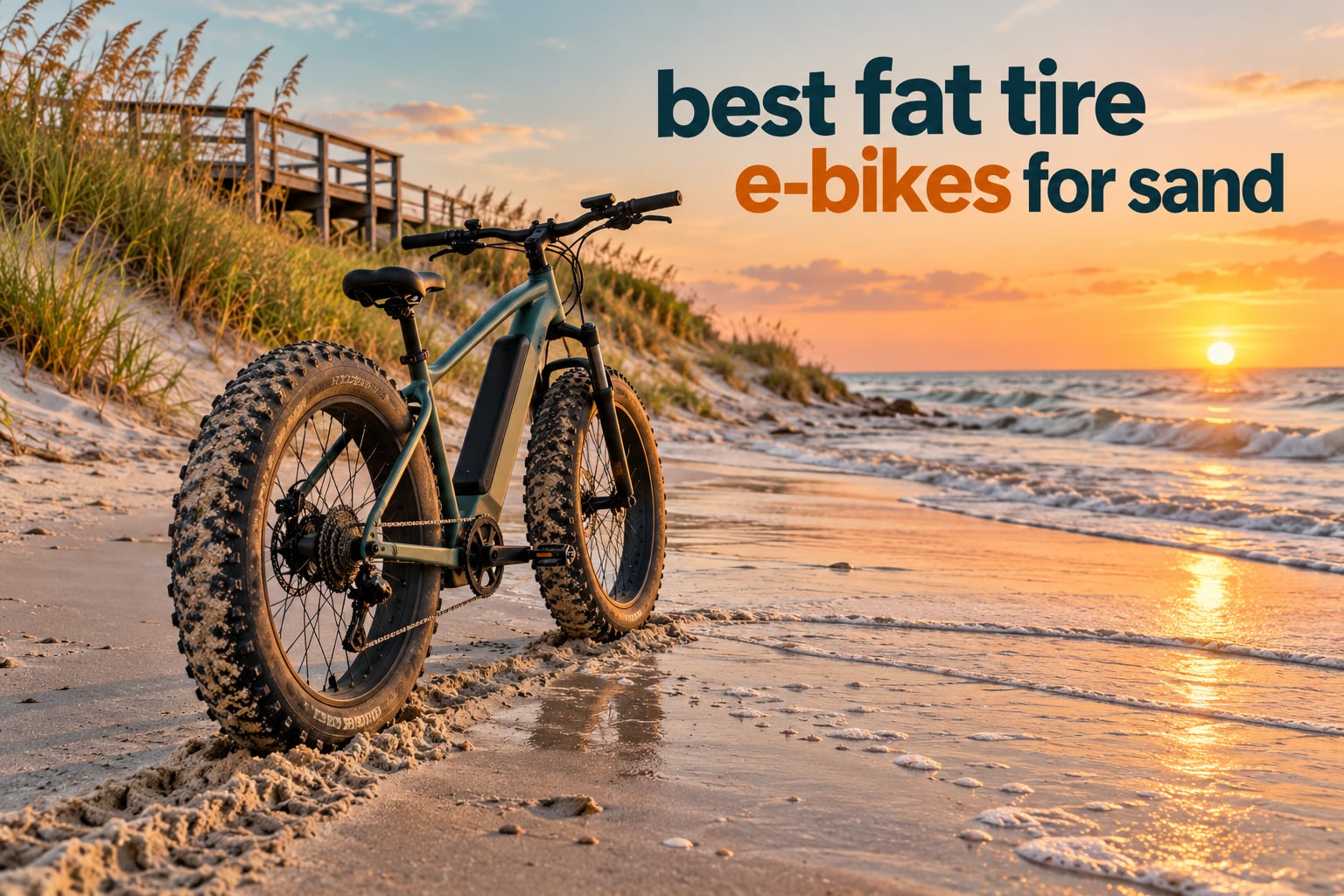
Can you ride an e-bike on sand? Yes, but only with the right tires. A standard electric bike bogs down in loose sand because the narrow contact patch digs a rut and the rear wheel spins. A fat tire e-bike spreads your weight across roughly four inches of rubber at low pressure, so the bike floats on top of the sand instead of sinking into it. That simple physics change is why fat tires e-bikes became the default answer for beaches, dunes and snow in a few short years.
We spent weeks reading spec sheets, weighing frames and comparing owner feedback to build this list of the best fat tire e-bikes for sand in 2026. We only included bikes running 4 inch wide tires, published torque figures, and a removable battery you can actually charge at a beachside parking lot. Every bike below has at least two owner reviews describing real-world riding, and we note where the sand evidence is strong versus thin.
One thing to clear up early: claimed range numbers are measured on flat pavement. Sand is a rolling drag that cuts range hard, so we flag that honestly below rather than repeating marketing figures. Riders have reported range getting roughly halved once the tires are in loose ground. If you are also shopping for cold-weather gear, our picks for the best fat tire electric bikes for hunting overlap heavily with this list, since the same torque and width requirements apply.
Top 3 Best Fat Tire E-Bikes for Sand in 2026
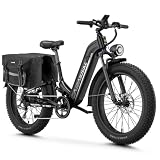
Aipas M1 Pro
- 26 x 4 fat tires
- 1800W peak hub motor with 110Nm torque
- 48V 17.5Ah removable battery
- Full suspension

Funhang 1000W Peak
- 26 x 4.0 anti-skid tires
- 500W rated and 1000W peak
- 66.6Nm torque
- Removable IPX5 battery

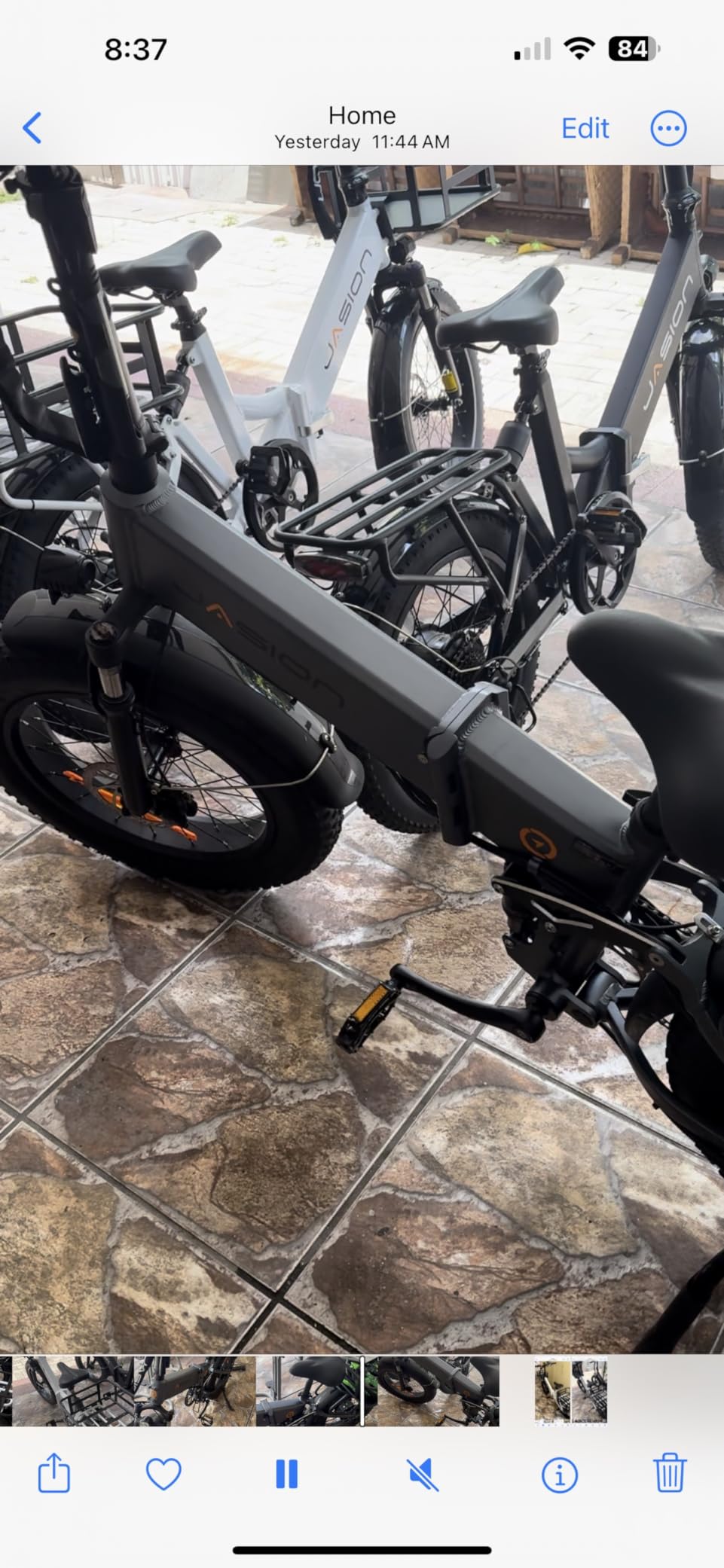
Jasion RetroVolt Pro
- 20 x 4 fat tires
- 2000W peak with 120Nm torque
- 52V 20Ah battery
- Dual hydraulic brakes
All 10 Fat Tire E-Bikes Compared Side by Side in 2026
| Product | Specifications | Action |
|---|---|---|
| Aipas M1 Pro |
|
Check Latest Price |
| Funhang 1000W Peak |
|
Check Latest Price |
| Jasion RetroVolt Pro |
|
Check Latest Price |
 Jasion RetroVolt Jasion RetroVolt |
|
Check Latest Price |
 INVANTI 750W Peak INVANTI 750W Peak |
|
Check Latest Price |
 TST 750W Fat Tire TST 750W Fat Tire |
|
Check Latest Price |
 Loeook 1000W Peak Loeook 1000W Peak |
|
Check Latest Price |
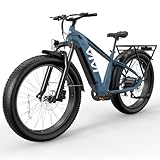 Vivi ACE01 Vivi ACE01 |
|
Check Latest Price |
 ESKUTE C300R-ST ESKUTE C300R-ST |
|
Check Latest Price |
 EOEOTWO 26 x 4.0 EOEOTWO 26 x 4.0 |
|
Check Latest Price |
1. Aipas M1 Pro – Best Fat Tire E-Bike for Sand Overall
Aipas M1 Pro Electric Bike for Adults, 26 x 4 Fat Tires, 48V 17.5Ah Battery
- 110Nm torque and 23 degree climb rating
- Large removable 48V 17.5Ah pack
- 100mm fork plus rear shock over ruts
- Step-through frame fits 5'5 to 7'2 riders
- 88 lb makes it awkward to carry
- Mechanical disc brakes need more lever effort
- 7-speed range is narrow on varied terrain
The Aipas M1 Pro is the one I kept coming back to after working through the whole group. The 1800W peak rear hub motor with 110Nm of torque is the kind of reserve that matters on sand, because a soft surface doubles the rolling resistance the instant the tire dips. Owners consistently single out that torque as the difference between climbing a wet sand berm and walking the bike up.
The 48V 17.5Ah pack is a genuinely large battery, removable so you can charge it separately, and the marketing claim of up to 85 miles of pedal-assist range is a pavement figure. Expect meaningfully less once you are in loose ground, and plan a second charge for a full day of beach miles.
Both ends of the bike have suspension. The adjustable 100mm front fork plus a rear shock absorber is the configuration riders on r/bicycling describe as the solid combo for sand, because it keeps the rear wheel loaded and driving instead of bouncing over every rut. Dual 180mm mechanical disc brakes are less impressive than hydraulics but they do stop a 500 lb capable bike from a moving sand start.
The step-through frame with a height-adjustable seat suits a wide range of riders, listed for anyone from 5’5″ to 7’2″. It arrives 90 percent assembled with a toolkit and manual, and carries a one-year limited warranty. The battery is SGS certified to ANSI/CAN/UL 2271, which matters if you plan to charge near an unfamiliar beach parking lot.
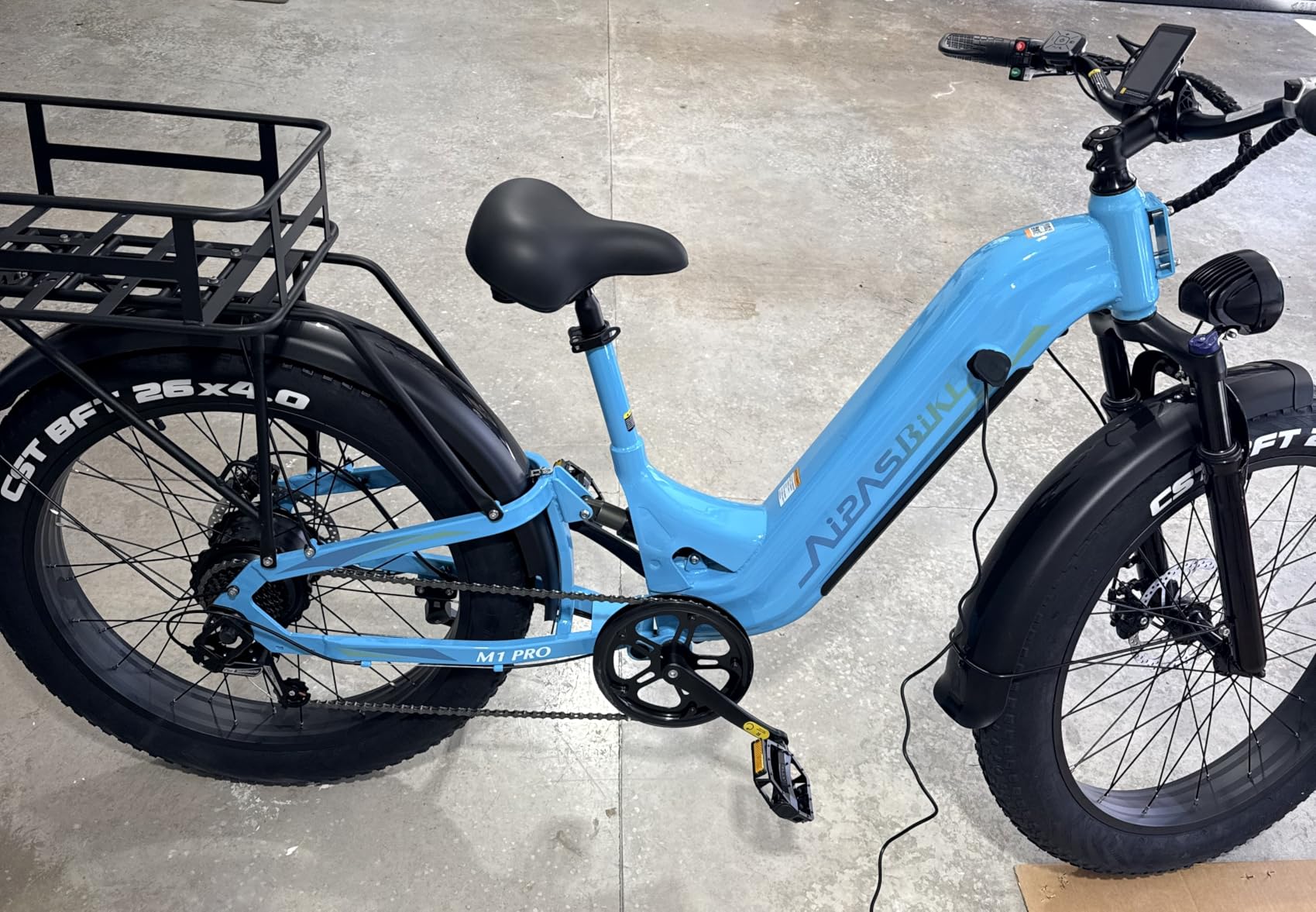
Who the Aipas M1 Pro suits for beach riding
This is the bike for a rider who wants one machine that handles packed beach paths, dune access and gravel without changing anything. The 110Nm torque gives real climbing ability out of deep ruts, and the 500 lb payload rating means a heavy rider plus a beach bag is not a problem. Owners report the step-through frame makes mounting easy after a day in soft sand when your legs are tired.
Where the Aipas M1 Pro falls short
At 88 lb it is among the heaviest bikes in this group, and that is a real problem when the beach access is a set of stairs or a soft dune crossing. Plan a beach cart or a two-person carry. The mechanical disc brakes require more lever effort than hydraulic units once sand gets into the pads, and the 7-speed drivetrain gives you a narrow gearing range compared with an 8-speed or a wider cassette.
2. Funhang 1000W Peak – Best Value Fat Tire E-Bike for Sand
- 4.6 star average across 234 reviews
- Anti-skid 26 x 4.0 tires marketed for sand and snow
- UL 2271 and UL 2849 certified
- Removable waterproof battery with 55 to 60 mile PAS range
- Front suspension only
- 7-speed drivetrain on steep climbs
- 70 lb still awkward to load alone
The Funhang ties for the highest ratings in this group at 4.6 stars from 234 reviews, and it is the pick for anyone who wants credible sand performance without stepping up to the heavier moped-style bikes. The 26 x 4.0 anti-skid tires are specified by the manufacturer for beach, sand and snow use, so this is not a 3.0 inch street tire wearing a fat tire label.
Motor output is a 500W rated unit peaking at 1000W with 66.6Nm of torque and a 20 mph top speed. That is less torque than the Aipas and the Jasion, and in genuinely deep dry sand you will feel it. On packed sand near the waterline and on firm beach access roads, it is more than sufficient.
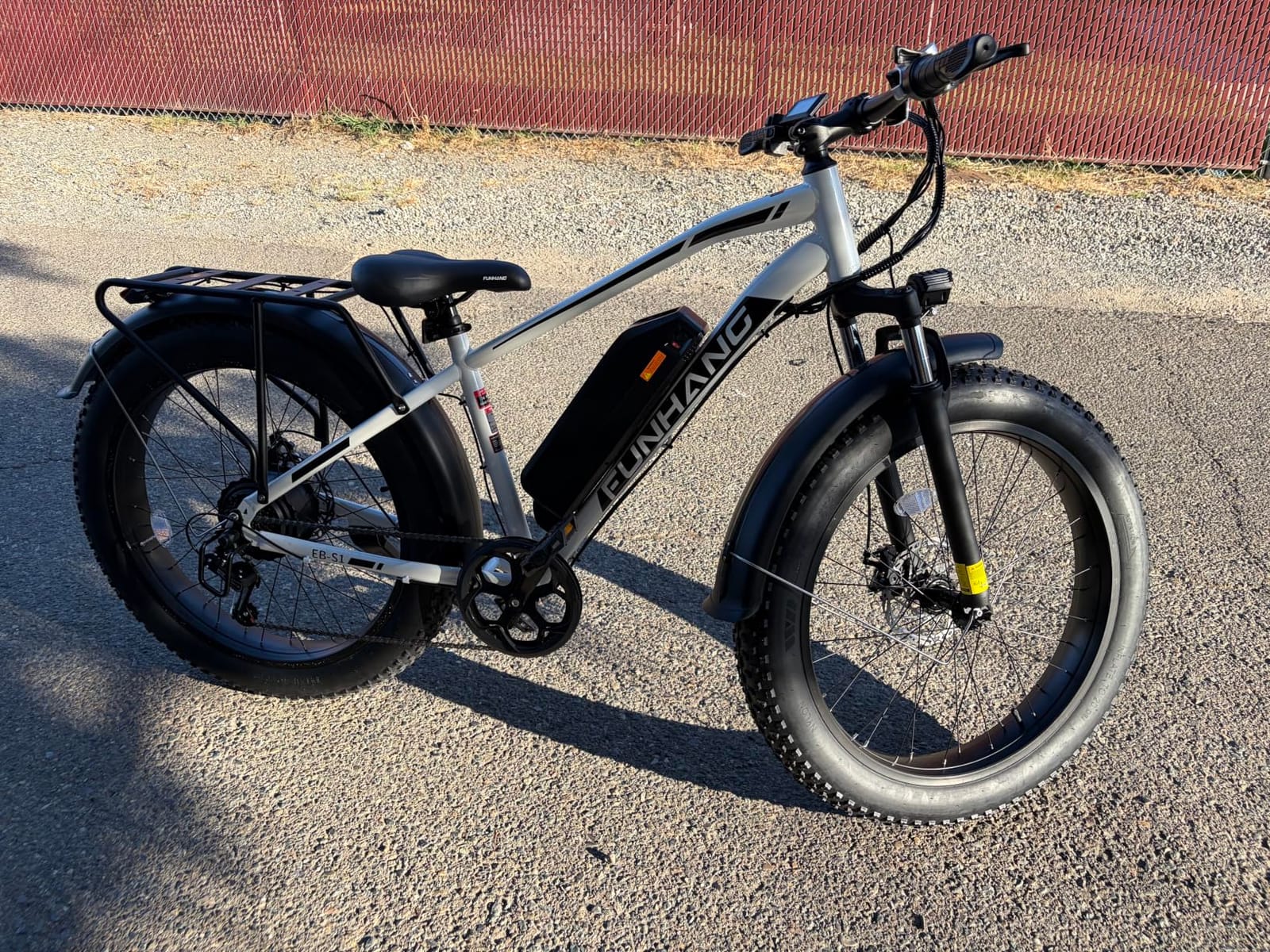
Owners praise the responsive motor, the wide tires holding up across mixed ground, and the removable IPX5 waterproof battery. The claimed 55 to 60 miles of pedal-assist range assumes flat pavement with steady assist, so treat it as a ceiling rather than a promise. Reviewers also note that sustained high assist drains the pack faster than the headline number suggests, which is exactly what happens on sand.
Practical touches matter more than usual on a beach: the rear cargo rack is rated for up to 60 lb, and the bike includes a headlight plus taillight and turn signals. Safety certifications here include a UL 2271 battery recognized by SGS and UL 2849 whole-bike compliance recognized by TUV.
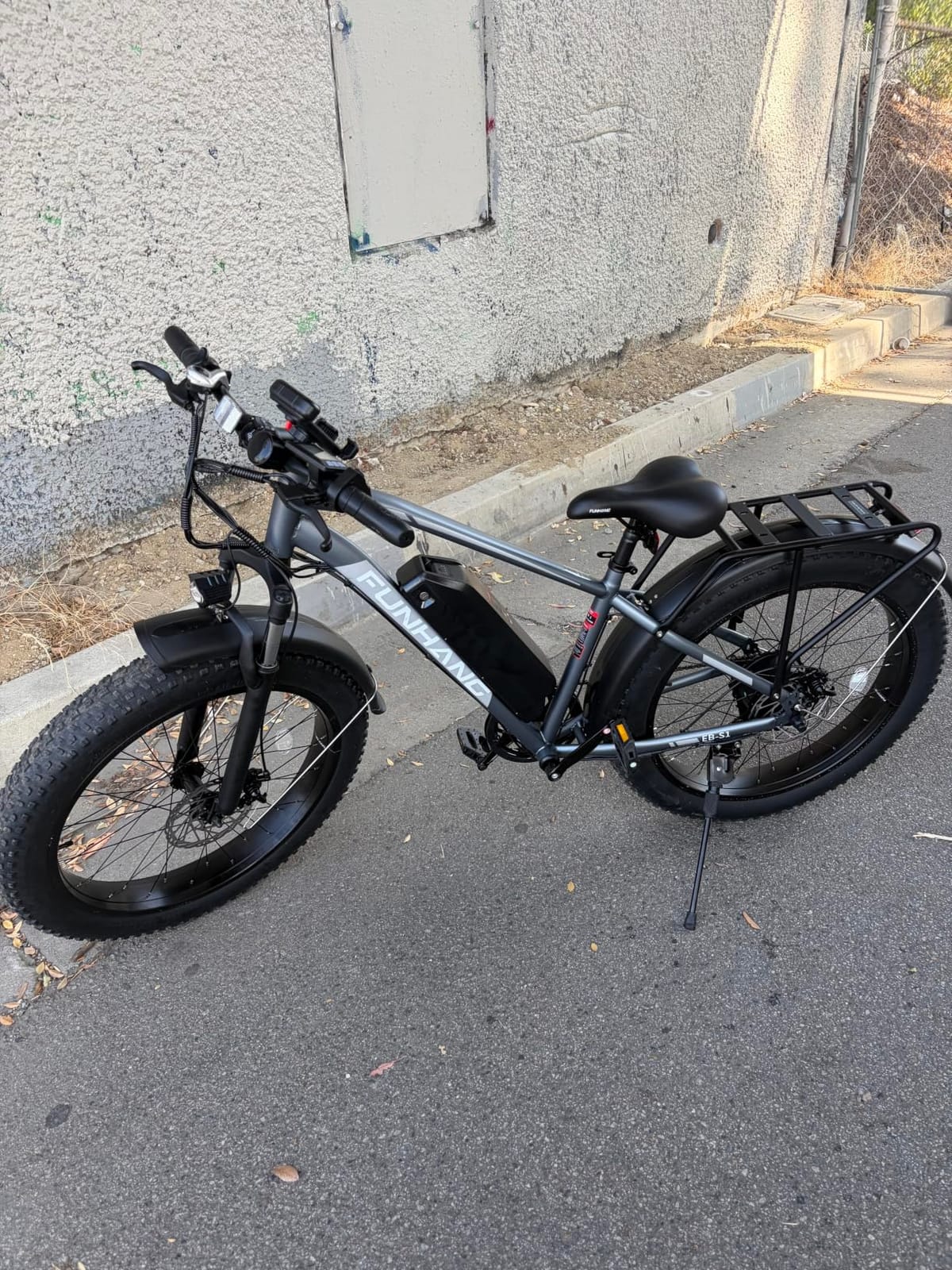
Who the Funhang suits for beach riding
Riders who mostly stay on packed hardpack near the tideline, and who want light weight and useful cargo capacity rather than raw power. At 70 lb it is lighter than the Aipas M1 Pro, so carrying it to a beach access point is realistic with help. The rack makes it a good errand bike once you come back off the sand.
Where the Funhang falls short
Suspension is at the front only, so rear-wheel ruts and washboard sand transmit sharply into the frame and into your legs over a long day. The 7-speed drivetrain is limited when you want to crawl up a steep soft pitch. And at 70 lb it still needs two hands or a ramp to load onto a vehicle rack unaided.
3. Jasion RetroVolt Pro – Best for Deep Loose Sand
- 120Nm torque
- the strongest published figure here
- 52V 20Ah battery is among the largest packs here
- Full front and rear suspension over ruts
- Dual hydraulic brakes for wet sand starts
- Bench seat is far less adjustable than a saddle
- Steel frame and big battery make it heavy to load
- Claimed 90 mile and 38 mph figures assume ideal conditions
If you genuinely want to ride dry loose sand rather than packed beach, the Jasion RetroVolt Pro publishes the strongest torque figure in this group at 120Nm from a 2000W peak brushless motor. Torque is what gets you moving again when the tire has already dug in, and it is the single most useful number on a beach bike.
The 52V 20Ah removable battery is among the larger packs here, with a claimed range of up to 90 miles. Again, that is a flat-surface number. In soft sand the same battery delivers a fraction of that, and top speed also falls away as the pack depletes. The tires are 20 x 4 inch, which float well for their size but give up some ground contact area compared with a 26 inch wheel.
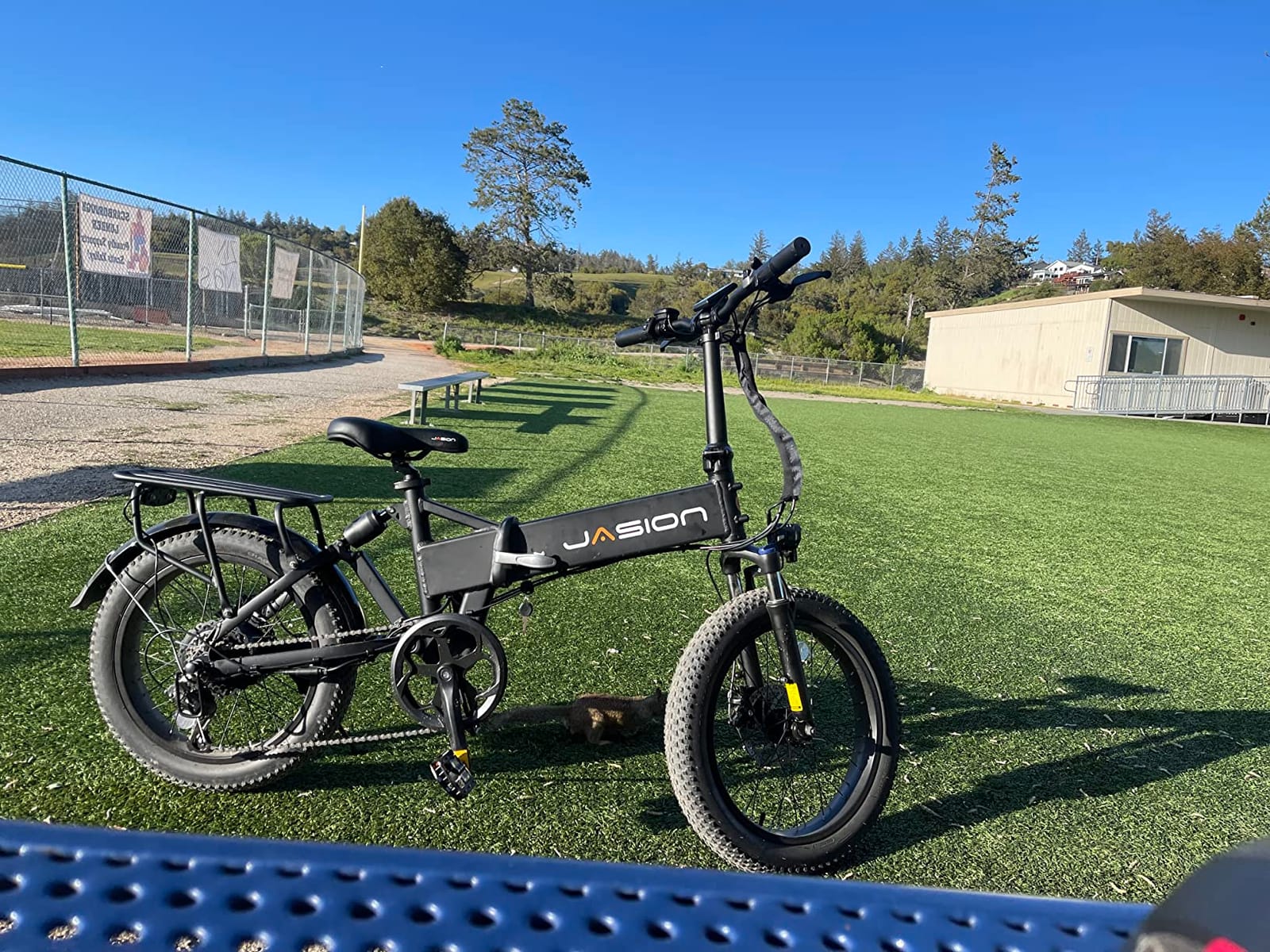
Full front and rear suspension and dual hydraulic brakes are the parts that make this bike confident in sand. Hydraulic brakes matter more here than on pavement because you often start from a standstill in a soft patch and need modulation, not just stopping power. The high carbon steel frame carries a 330 lb payload capacity.
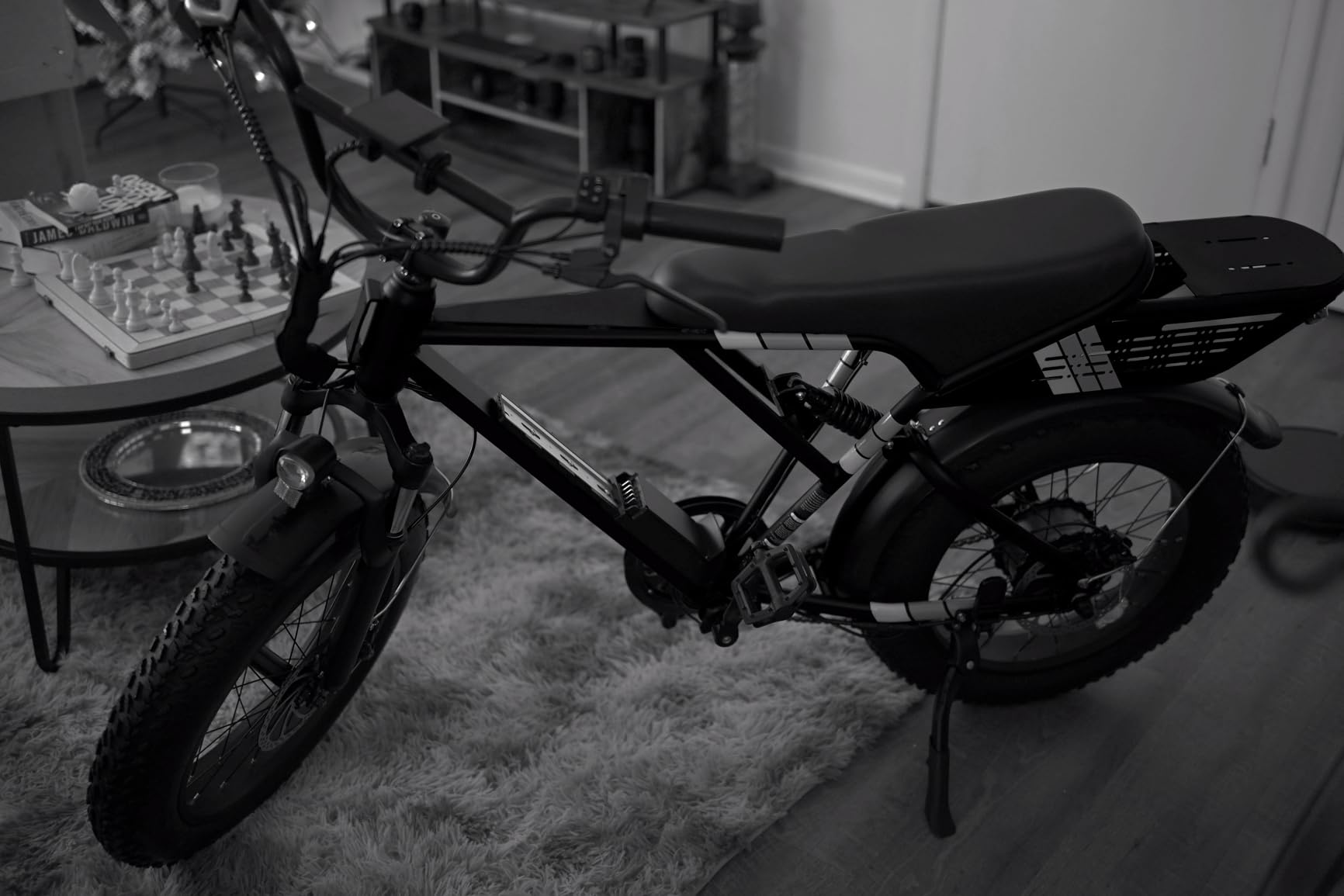
Styling is a deliberate part of the appeal. This is a moped-inspired bike with a long bench seat and a retro headlight, and it turns heads on a beach promenade as much as it works a dune. Five riding modes let you switch between cruising and stronger assist depending on how deep the sand gets.
Who the Jasion RetroVolt Pro suits for beach riding
Riders heading past the packed zone into real dunes, dry flat sand and soft track beside a lake or river. Torque plus full suspension is what carries momentum through soft ground on this list. It is also a good match for riders who want one bike to carry picnic gear, boards or a cooler across soft ground.
Where the Jasion RetroVolt Pro falls short
The bench seat is much less adjustable than a saddle and post, so taller or shorter riders may struggle to get a good pedaling position. The steel frame combined with a 52V 20Ah pack makes it heavy and awkward to load onto a vehicle alone. And the published 90 mile and 38 mph headline numbers vary widely with assist level and terrain, so treat them as lab figures.
4. Jasion RetroVolt – Best Fat Tire E-Bike for Two-Up Beach Days
Jasion RetroVolt Electric Bike, 70-Mile Range, 2000W Peak, Fat Tire
- 2000W peak with 99Nm torque for hill starts
- UL-certified battery with water-resistant design
- 20 x 4.0 tires plus dual suspension on beach roads
- Rear seat pad for a short passenger trip
- 20 inch tires float less than 26 inch tires in deep sand
- Bench-style seating is not height adjustable
- Arrives only 85 percent pre-installed
The standard Jasion RetroVolt is a slightly calmer sibling of the Pro, and the feature that sets it apart here is the rear seat pad for short passenger trips. If you are sharing a beach path with a partner or a child, very few bikes in this category give you a place for them to sit. Reviewers specifically call that pad useful for shared rides.
Power comes from a 2000W peak motor with 99Nm of torque, which is plenty for confident starts on wet hardpack and for the gentle dunes near a beach car park. The 48V 15Ah removable battery has UL-certified safety protection and a water-resistant design, and it recharges fully in about five to six hours, so you can top it up between days.
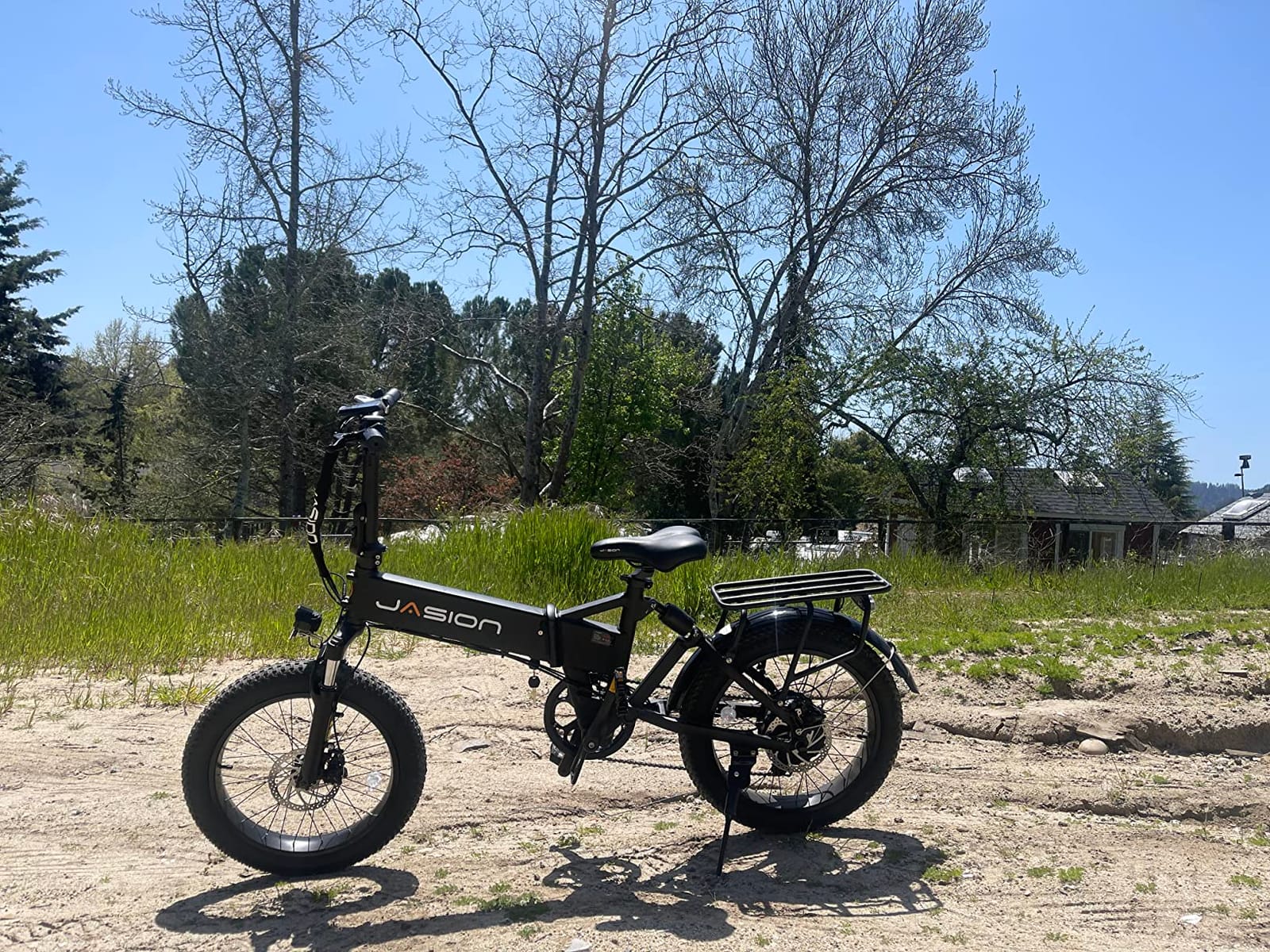
Dual suspension and 20 x 4.0 inch fat tires do well on beach roads and gravel. Riders note that these tires handle uneven beach routes and street surfaces without complaint. Five riding modes plus a 7-speed drivetrain give reasonable control, and the large front headlight with horn and brake-alert rear light make evening rides visible.
The rider fit range is listed from 5’4″ to 6’3″ with a 330 lb payload capacity. It arrives 85 percent pre-installed, so budget some setup time before the first ride, and the one-year warranty is shorter than the coverage most riders expect from a bike in the mid range.
Who the Jasion RetroVolt suits for beach riding
Riders on firm beach access roads and packed sand close to the waterline, particularly couples or families making short shared trips. The battery is removable, so you can charge it in a holiday rental rather than waiting beside the bike. More owner feedback has built up around this model than most bikes here.
Where the Jasion RetroVolt falls short
The 20 inch tires give less flotation than 26 inch fat tires in deep sand, so this is a hardpack bike more than a dune bike. The moped-style frame is bulkier and less nimble on technical ground, and the bench and rear-pad seating gives you far less fit flexibility than a proper saddle. Expect to tighten bolts again after the first few rides.
5. INVANTI 750W Peak – Best Fat Tire E-Bike for Mixed Sand and Gravel
- Aluminum frame keeps weight down versus steel rivals
- Dual suspension front and rear over uneven sand
- Removable IP54 waterproof battery charges on or off the bike
- UL 2849 certified by SGS with a one year parts warranty
- 20 inch wheels float less than 26 inch tires in deep sand
- Mechanical disc brakes need more stopping distance
- Lowest average rating in this group
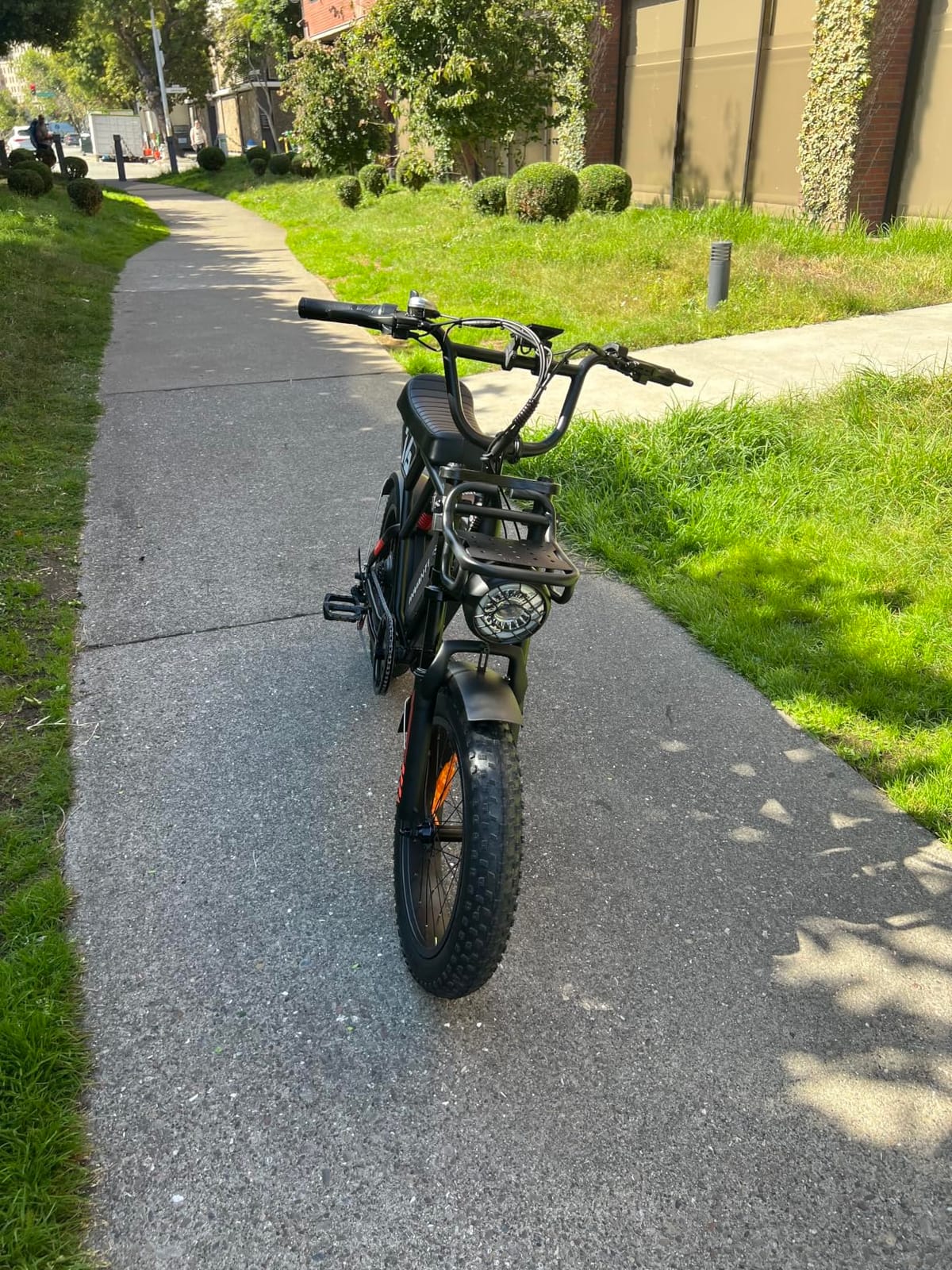
The INVANTI stands out because it uses an aluminum frame where most rivals use high carbon steel, and that single choice changes the whole ownership feel. Lighter frames are easier to haul down a beach access path and easier to lift into a car, which is a genuine advantage for sand riders.
The 750W brushless motor is rated to climb 35 degree slopes, which is a headroom figure worth taking seriously when you are climbing out of a wet inlet or a dune face. The battery is a removable IP54 waterproof 48V 15.6Ah pack, listed at 499.2 watt-hours, with claimed range of up to 40 miles in throttle mode and 75 miles in pedal assist.
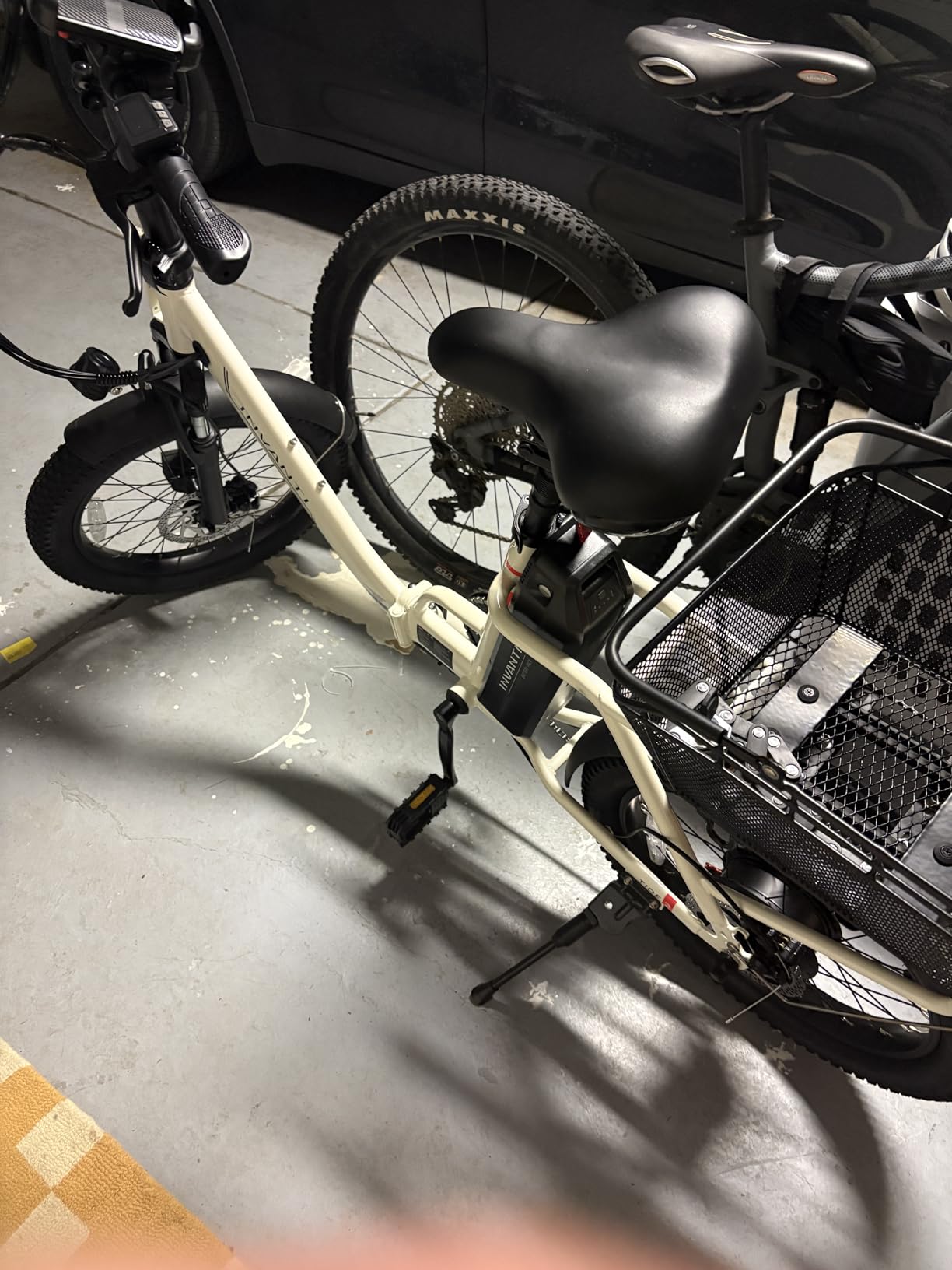
Full front and rear suspension absorbs the bumps and vibration that define sand riding, and the 20 x 4.0 inch anti-skid tires are specified for snow, beach and mountain roads. A 7-speed gear system covers varied terrain reasonably well, and the LED display shows speed, battery level and pedal assist level at a glance.
Owners like the dual suspension, the aluminum frame and the removable waterproof battery. The common criticisms are mechanical rather than hydraulic brakes needing more stopping distance, and its wheel size giving less float over genuinely deep sand than a 26 inch bike would. The colorful LED display is also hard to read in direct sun, which is a real issue at a beach.
Who the INVANTI suits for beach riding
Riders who split their time between sand and gravel, or who carry the bike to the beach regularly and care more about weight than headline torque. The aluminum frame and dual suspension make it a comfortable bike over mixed surfaces, and it arrives 90 percent assembled with instructions and assembly videos.
Where the INVANTI falls short
It carries the lowest average rating in this group at 4.3 stars from 144 reviews, with a wider spread of middling feedback than the others. Mechanical disc brakes mean longer stopping distances on a loose surface, and 20 inch wheels limit you to packed and medium sand rather than deep loose dunes. With the fewest owner reviews here, there is also less long-term feedback to draw on.
6. TST Fat Tire E-Bike – Best for Hauling Gear Across Sand
TST Electric Bike for Adults, 48V 15Ah Battery for Urban Cycling, Fat Tire
- Lightest weight listed in this group at 66 lb
- 450 lb maximum load for gear and rider
- Puncture-proof 20 x 4 tires built for loose ground
- Front and rear suspension plus throttle assist
- Linear pull braking is weaker than rivals
- Only a 180 day warranty
- 20 inch tires float less in deep sand
Weight is the biggest practical problem with fat tire e-bikes, and the TST has the lightest listed weight in this group at 66 lb. Forum riders have described carrying 65 to 85 lb bikes down beach access stairs as a recurring headache, so a 66 lb bike with a 450 lb load rating is a meaningfully easier pairing to handle.
The motor is a 750W unit with 1500W peak power and two to three speed settings, with throttle assist available for sand and hill work. Throttle matters more on sand than on pavement because pedaling through soft sand at low speed takes enormous effort, and a rider who cannot pedal also cannot steer.
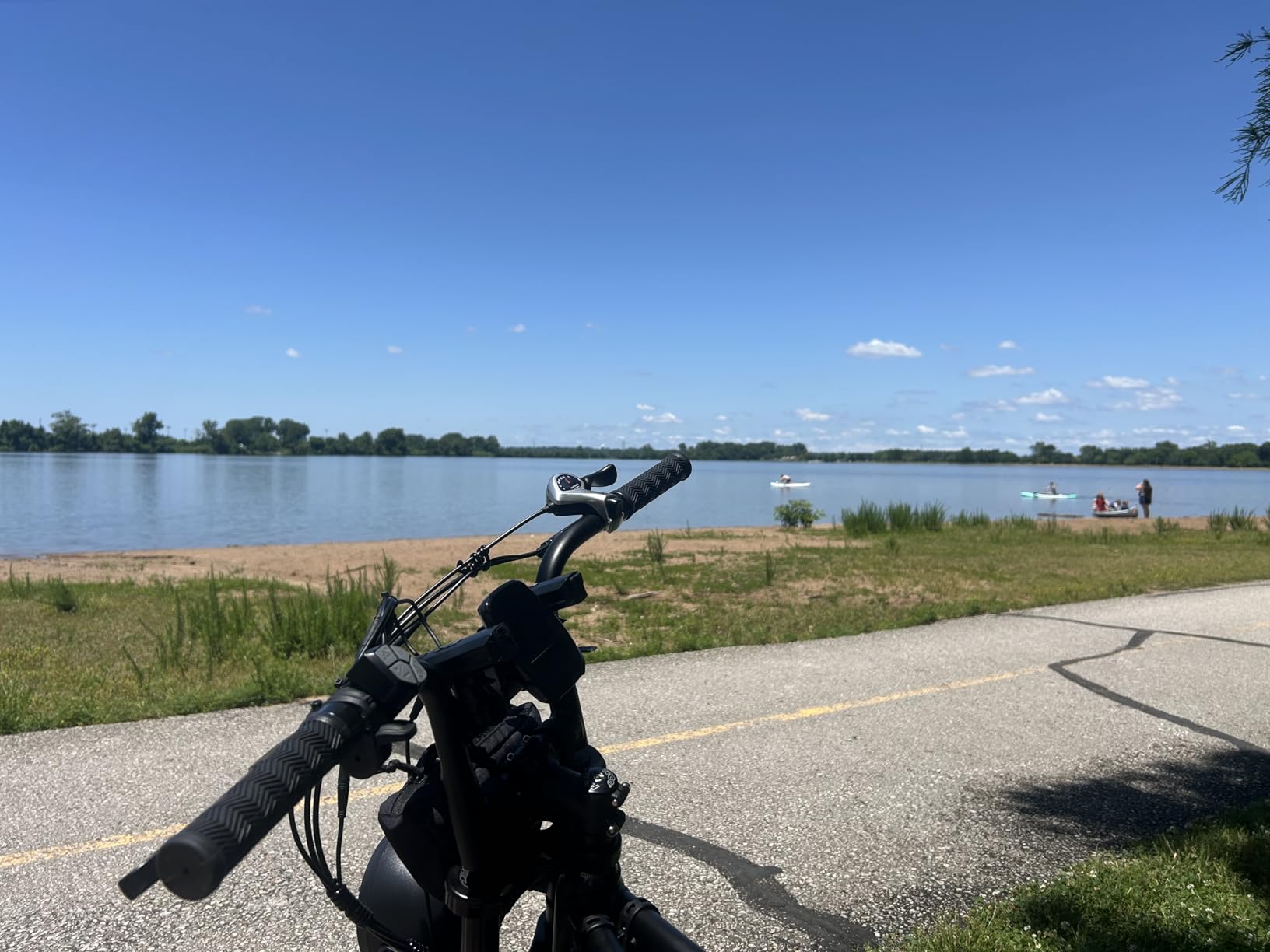
The tires are 20 x 4 inch puncture-proof snow tires, which is good news on a beach where shells, thorns and sharp debris are common causes of flats. Front and rear suspension smooths out bumps and cuts fatigue over a long day, and the removable waterproof anti-theft 48V 15Ah battery charges in six to seven hours.
Owners highlight the 450 lb load rating, the light weight and the tires. The most-cited weakness is the linear pull braking style, which reviewers note is weaker than the disc and hydraulic systems on competing bikes. That matters more than usual when you are stopping on loose ground with a full load.
Who the TST suits for beach riding
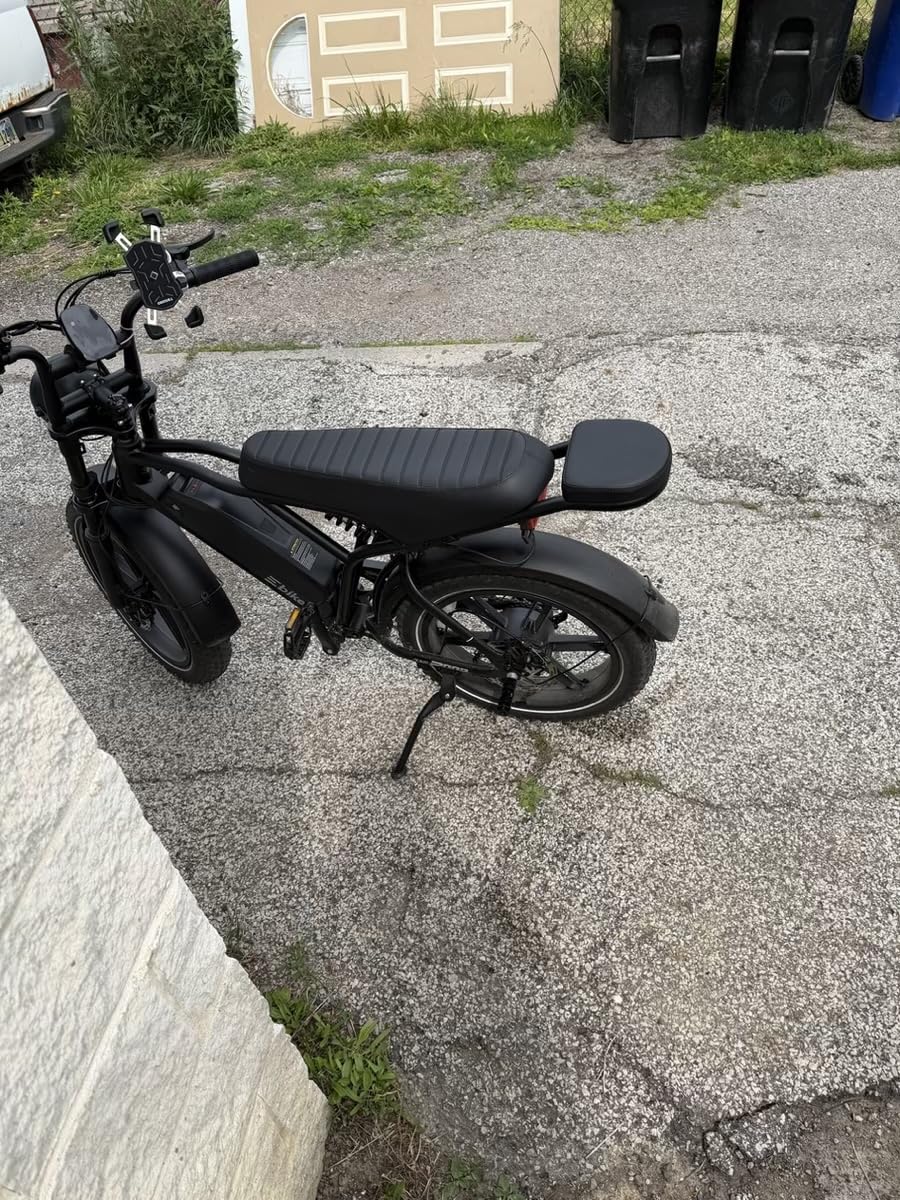
Riders carrying beach kit, cooler gear, a fishing load or a small trailer across soft ground, and anyone who has to handle their bike alone. The 450 lb capacity plus a 66 lb weight gives you more payload headroom than the 330 lb bikes in this group. The high-brightness front light and reflective taillight with turn signalling are also useful for dusk beach rides.
Where the TST falls short
Linear pull braking is the real weakness and the most common complaint in owner feedback. The 180-day warranty is the shortest in this group, so factor that into any long ownership plan. And the 20 x 4 inch tires still float less over deep sand than a 26 inch wheel, plus the twist grip shifter is less precise for picking climbing gears.
7. Loeook 1000W Peak – Best for Packed Beach Sand and Daily Utility
- Removable and lockable IPX5 battery
- 5 riding modes including a 3.73 mph booster
- Fender and rear rack kit plus integrated lighting
- UL 2271 and UL 2849 certified
- Front suspension only so rear ruts are felt sharply
- 68.3 lb is heavy to lift onto a rack
- Pedals are hard to spin
The Loeook stands out for the amount of concrete owner evidence of real sand riding. One rider logged more than 200 miles with much of it on Florida wildlife management trails, reporting that the bike powered through deep sugar sand on pedal assist level 3. Another uses it for hunting in Florida swamps with rides beyond 25 miles per charge.
Those are useful data points because they come from soft ground rather than a spec sheet. The 26 x 4.0 inch tires are listed by the manufacturer for sand, snow, mud, gravel and city streets, and the 500W rated motor with 1000W peak output is enough when you keep the assist level sensible for the surface.
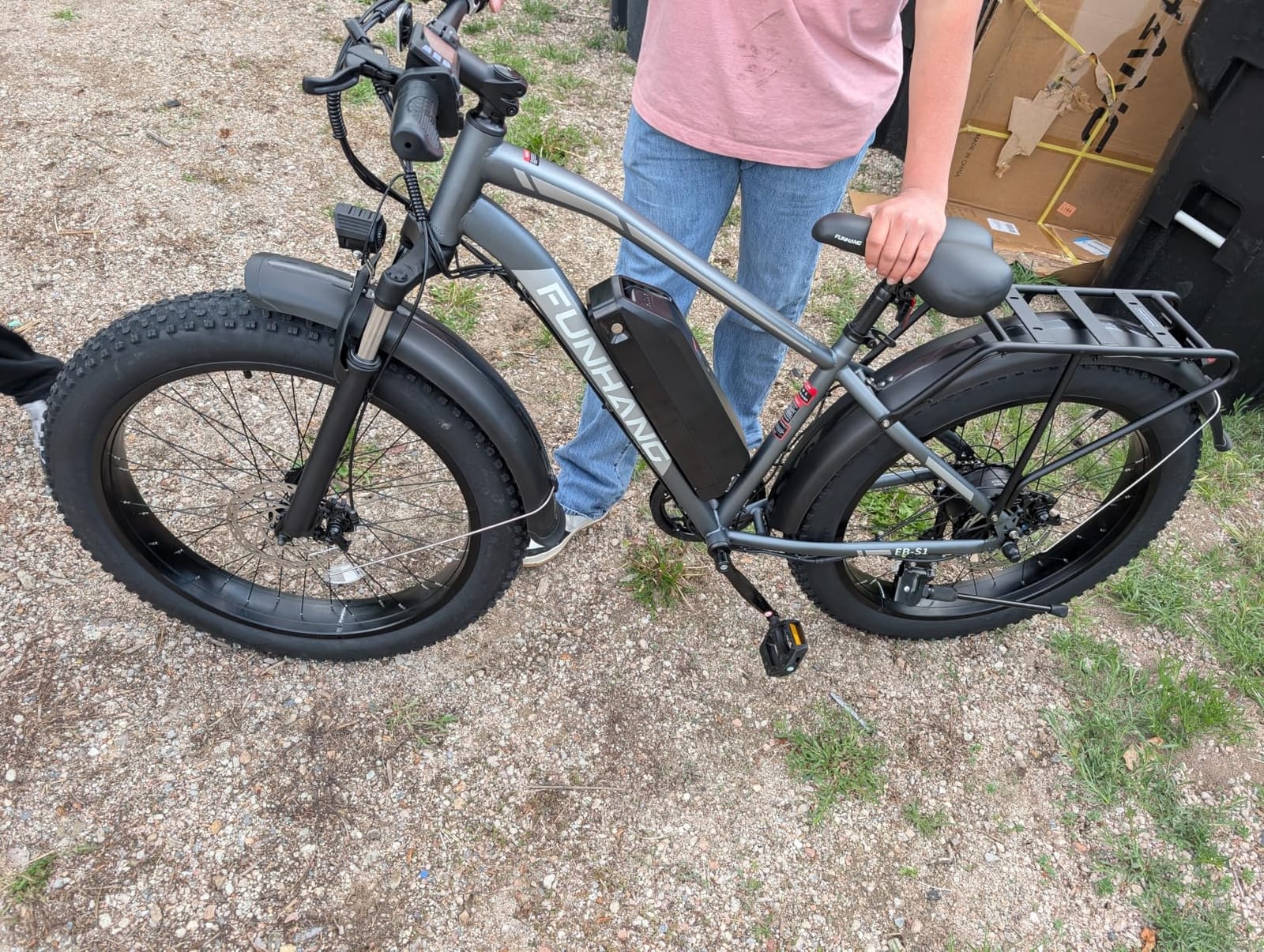
Utility is where this bike earns its keep on a beach. It includes a sturdy rear rack plus front and rear fenders and an integrated headlight, taillight and turn signal. The battery is removable and lockable with an IPX5 waterproof rating, and the bike carries UL 2271 and UL 2849 certifications recognized by SGS and TUV.
Five riding modes include throttle, pedal assist with five levels, a booster, cruise and normal bike. The booster moves at about 3.73 mph, which is slow enough to walk the bike through a soft patch without racking your legs. Reviewers also note the smooth twist shifter and responsive throttle, and setup took one owner roughly 40 minutes.
Who the Loeook suits for beach riding
Riders on packed and medium sand who want a bike that works as a daily commuter too. The rack and fenders make it a natural choice for errands after a beach session, and the certification gives extra confidence when charging away from home. Its listed 68.3 lb weight is lighter than the 88 lb Aipas M1 Pro.
Where the Loeook falls short
Suspension is front only, so rear-wheel ruts and bumps are felt sharply through a long day on soft sand. The 500W rated motor struggles on genuinely steep grades, which means deep dune climbs will need patience. Owners also report the supplied saddle bending and the stick pedals being hard to spin, both sensible first upgrades.
8. Vivi ACE01 – Best Fat Tire E-Bike for Smooth Pedal Assist Response
Vivi ACE01 Electric Bike for Adults, Multi Terrain 26 x 4.0 Fat Tire 20 MPH
- Torque sensor gives near instant proportional assist
- 26 x 4.0 tires that grip sand and gravel well
- Aluminum alloy frame with dual hydraulic brakes
- Durability reports at 900 miles
- Not built for deep loose sand
- Front suspension only with no rear shock
- Supplied saddle is the near universal first upgrade
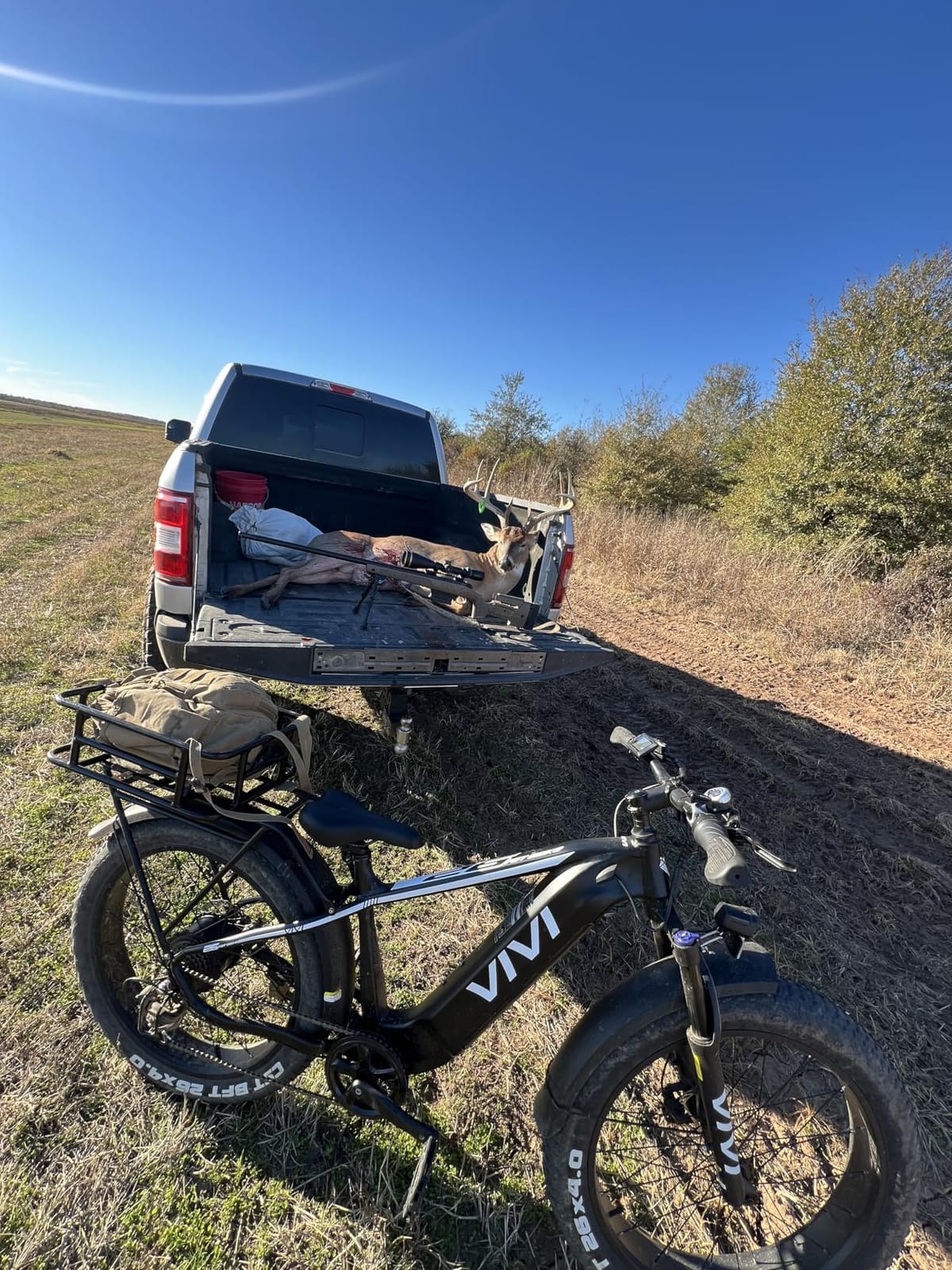
The Vivi ACE01 is defined by one component, and it matters more on sand than most buyers expect: a torque sensor. Instead of a cadence sensor that delivers a fixed surge every time you rotate the pedals, a torque sensor reads how hard you push and scales the assist proportionally. Several owners describe it as feeling closer to a mid-drive bike than the cadence-sensor machines in this group.
It is also the only bike here pairing an aluminum alloy frame with dual hydraulic brakes. That matters on a beach, where braking modulation matters more than raw stopping force because the rear wheel is often sliding slightly. The 750W rated motor peaks at 1500W with 90Nm of torque, and the battery is a removable 21700-cell 48V 15Ah pack listed at 720 watt-hours.
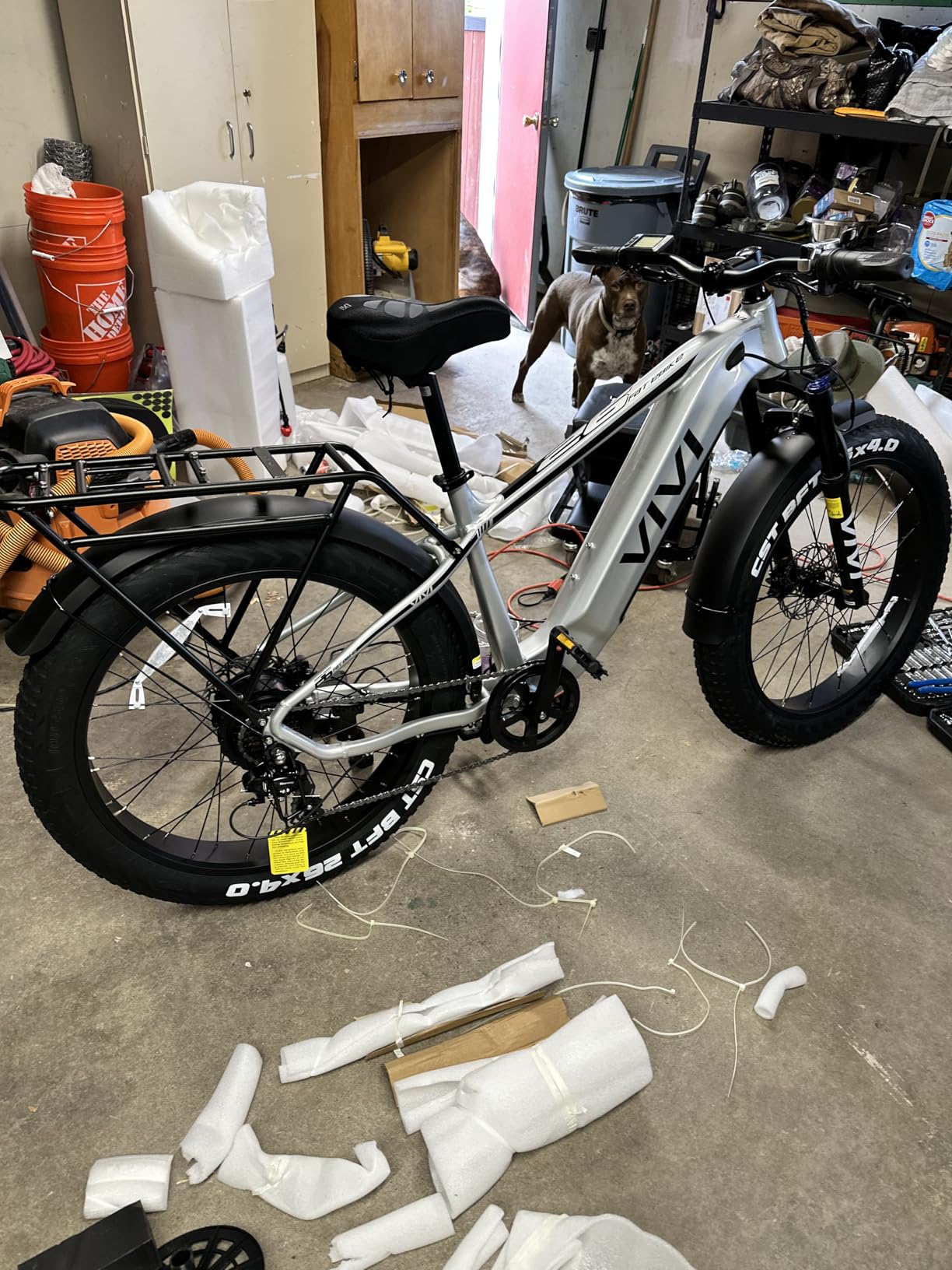
Be honest about its limits though. Reviewers are explicit that this bike handles hard-packed sand well but is not one of the high-output bikes you take into loose sand, and that the 40-plus mile range figure is not achievable there. The 26 x 4.0 inch wear-resistant tires grip sand, snow, gravel and mountain paths, but the 90Nm torque figure sets the ceiling.
Durability is well documented. One owner has logged over 900 miles and another close to 500, and the lockable adjustable front suspension fork plus a 7-speed transmission with trigger shifter make it easy to live with. The bike carries UL 2849 and UL 2271 certification and a one-year service on motor, battery and controller.
Who the Vivi ACE01 suits for beach riding
Riders on firm packed sand, boardwalks and hard beach access roads who care about ride quality more than raw power. The torque sensor makes low-speed control in ruts much easier, and a 720Wh battery on pedal assist level 1 is enough for a long promenade ride. At 72 lb it handles well for heavier riders, with a 330 lb capacity.
Where the Vivi ACE01 falls short
This is not a deep sand bike, and choosing it for dunes will disappoint you. Suspension is at the front only with no rear shock. The original saddle is uncomfortable on long rides and is the most common upgrade owners make. New arrivals also deserve a drivetrain check, since one buyer received a bike with the derailleur bent inward.
9. ESKUTE C300R-ST – Best for Long Beach Days
- Large 48V 20.8Ah pack listed at 998.4 watt-hours
- 500 lb maximum capacity
- Full front and rear suspension with step-through frame
- Under-mounted battery keeps weight low and central
- Handlebars repeatedly loosen and go wobble
- Top speed drops noticeably as the battery depletes
- Display is hard to read in direct sunlight
If your beach days are long and you do not want to babysit a charger, the ESKUTE C300R-ST pairs a 48V 20.8Ah pack listed at 998.4 watt-hours with a frame that stays planted. Claimed range is up to 86 miles on pedal assist level 1, and users report roughly 45 to 60 miles on their usual assist levels, which is closer to reality than most advertised figures.
Even so, treat that as a pavement-derived number. Sand derating applies here as it does everywhere else. What matters for you is that a large pack means fewer stops to recharge between beach sessions, and the under-mounted design keeps the weight low and central for a planted feel in soft ground.
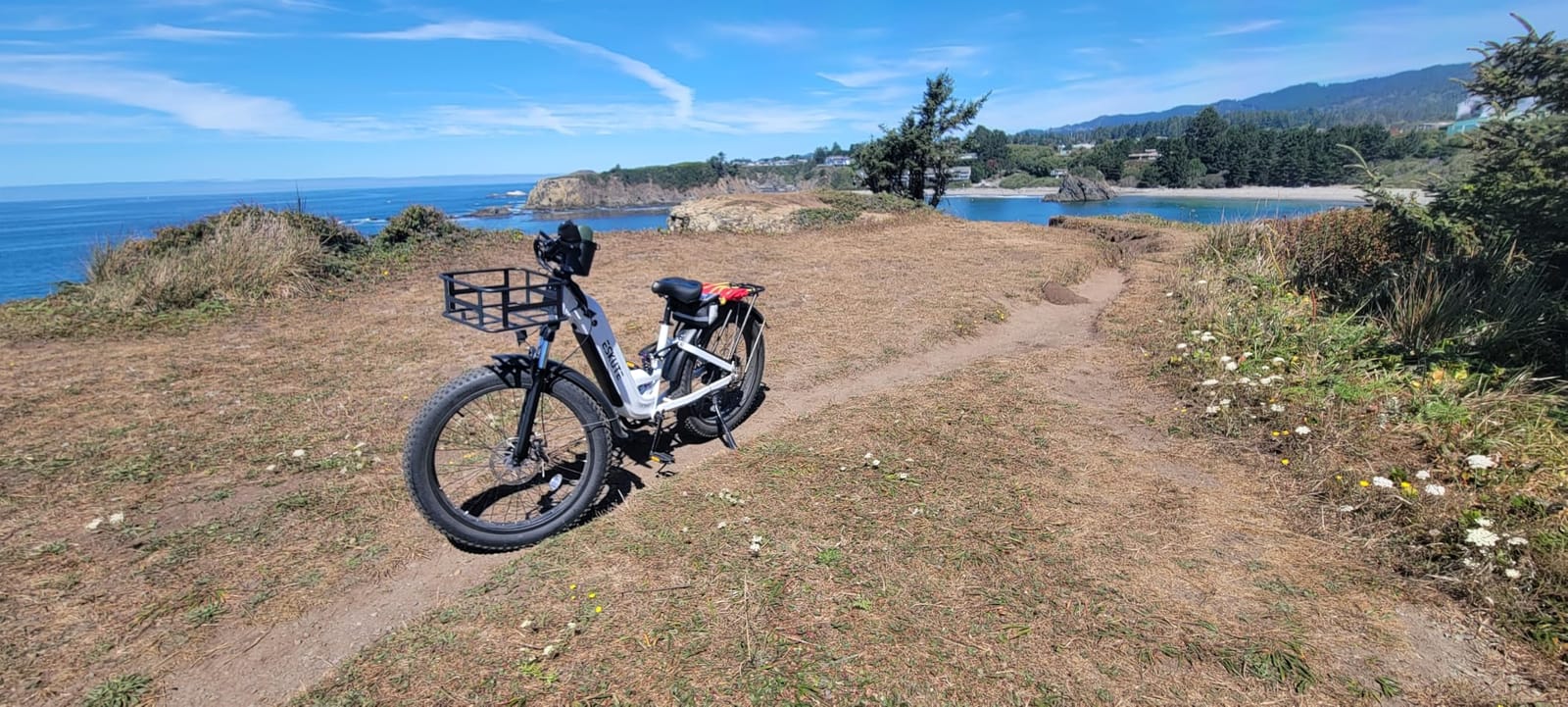
Power comes from an 1800W peak brushless motor with a top speed of up to 32 mph, and riders report 23 mph on assist level 4. The 26 x 4.0 inch all-terrain fat tires performed well across pavement, wooden planks, gravel and sand in owner testing. Full front and rear suspension and a step-through frame make it genuinely easy to mount when you are tired.
Payload is a headline strength at 500 lb, and fenders plus a taillight are included. Riders report climbing steep hills with minimal effort and getting 20 to 35 miles per charge on harder terrain. The large central LCD display supports NFC card unlocking for keyless access.
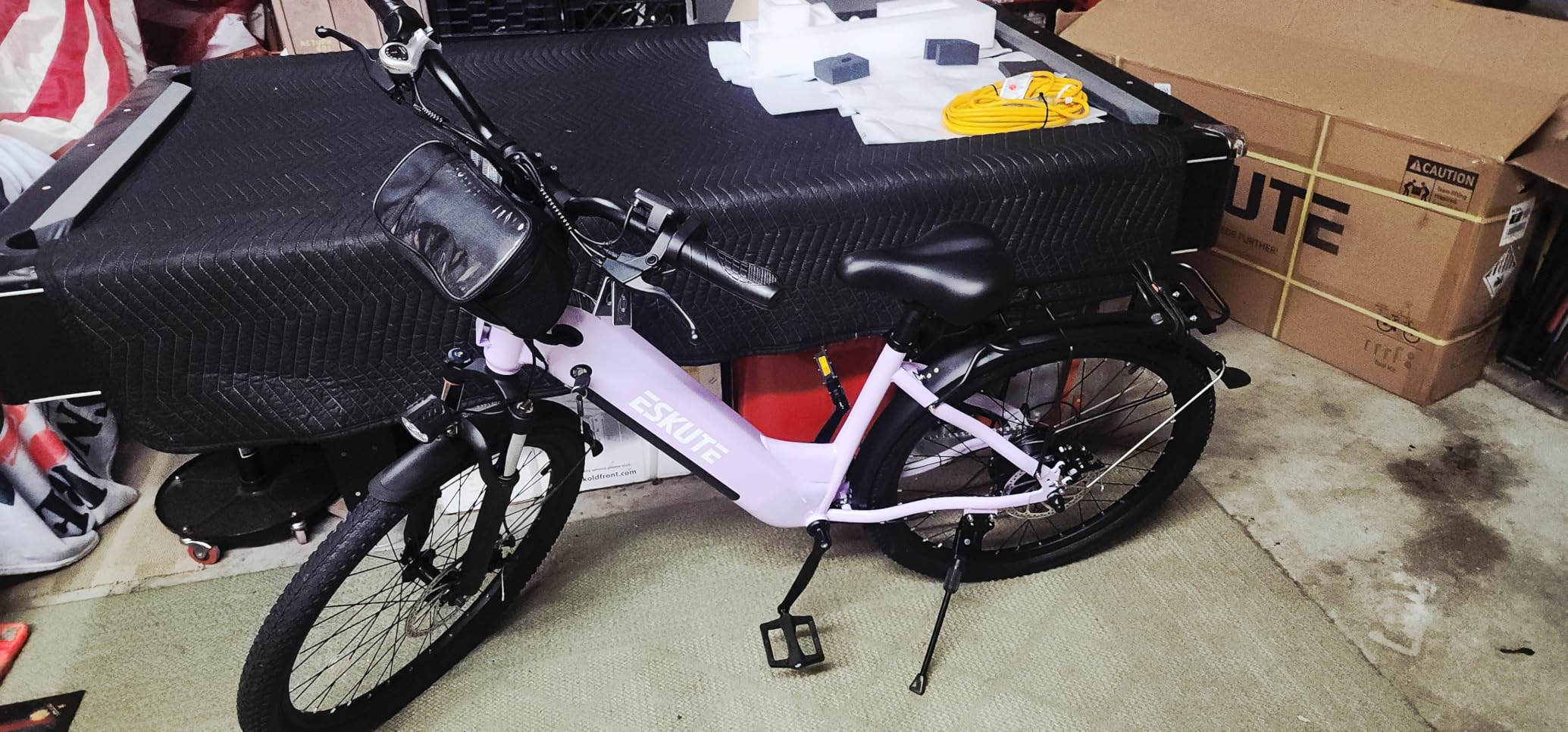
Who the ESKUTE C300R-ST suits for beach riding
Riders who spend a full day out, cover long distances along the shoreline, or carry substantial gear. The 500 lb capacity handles a tall or heavy rider comfortably. The step-through frame combined with full suspension makes it approachable, and it ties for the highest average rating in this group at 4.6 stars.
Where the ESKUTE C300R-ST falls short
The consistent negative thread is build looseness. Multiple riders report handlebars that keep working loose and going wobbly even after tightening, and the step-through latch is described as laggy. Top speed drops noticeably as the battery depletes, charging is slow for a pack this size, and the central display is hard to read in direct sunlight, which is a poor fit for a bright beach.
10. EOEOTWO 26 x 4.0 – Best Entry Fat Tire E-Bike for Sand
- 48V 15Ah removable and lockable 720Wh battery
- Reported 32 to 36 mph electric-only on flat ground
- 26 x 4.0 tires with a heavy duty rear rack
- Front and rear fenders plus LED headlight
- Front suspension only with no rear shock
- Supplied tires described as cheap
- One detailed component failure complaint in reviews
The EOEOTWO closes out the list as a straightforward way into fat tire riding. The 1500W peak motor delivers real speed, with multiple reviewers reporting 32 to 36 mph in electric-only mode over flat ground while carrying a 220 lb rider, and one buyer specifically confirms it goes well in soft sand and trails.
The battery is a removable and lockable 48V 15Ah pack listed at 720 watt-hours with up to 60 miles of pedal-assisted range claimed. The lock is genuinely useful at a beach, since you can pull the pack out and charge at a campsite or RV park rather than leaving the whole bike unattended.
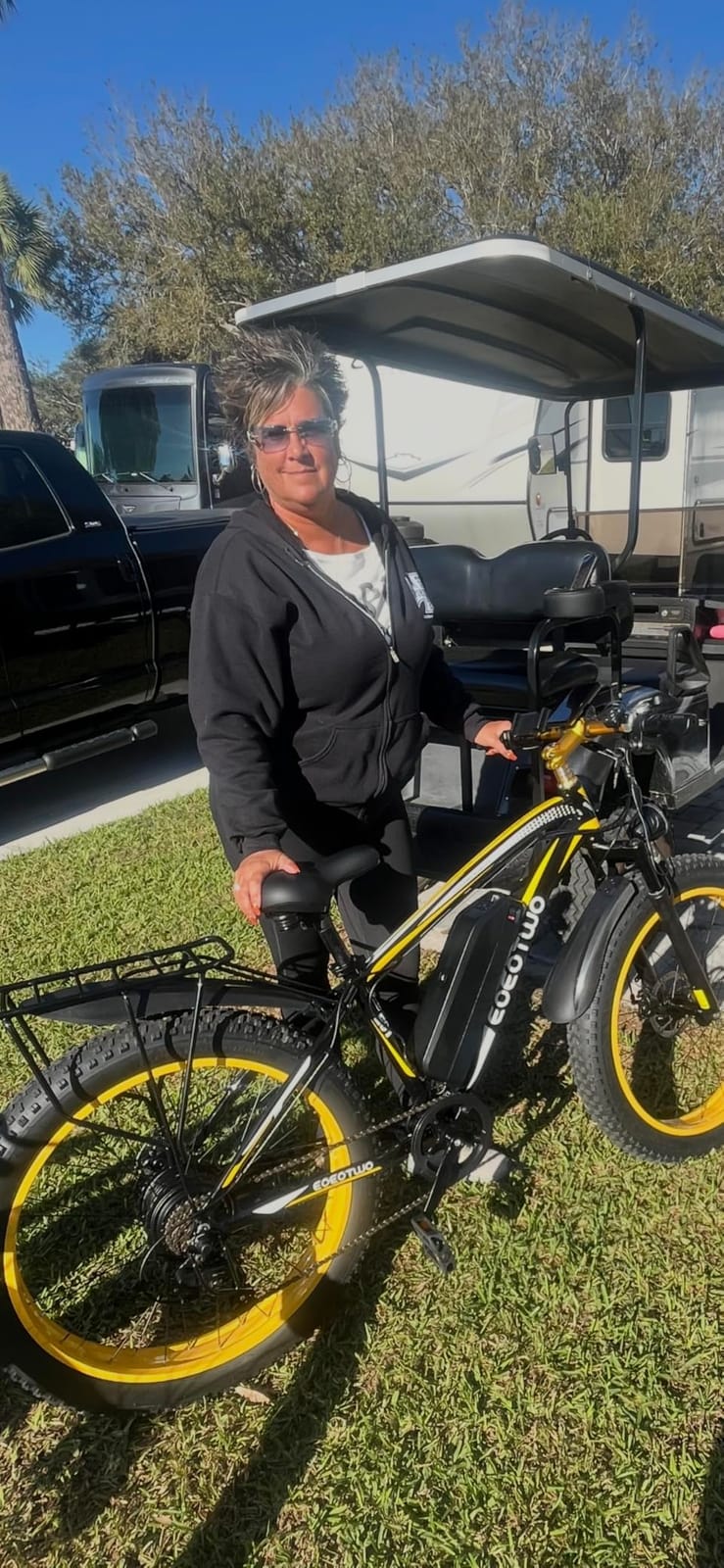
The 26 x 4.0 inch tires are specified for pavement, gravel, grass, dirt roads and light trails, which covers most beach access routes and packed sand. The aluminum alloy frame carries a heavy-duty rear rack, and you get front and rear fenders plus a bright LED headlight. Five riding modes include throttle, pedal assist with five levels, walk assist, cruise and bicycle mode.
Owners most often cite outright speed and smooth gear shifting, along with quick and easy assembly. The aluminum frame helps here, since the listed 33 kg weight comes in around 73 lb, lighter than the 88 lb Aipas M1 Pro. The SGS-tested UL 2849 certified electrical system and one-year parts warranty add sensible cover.
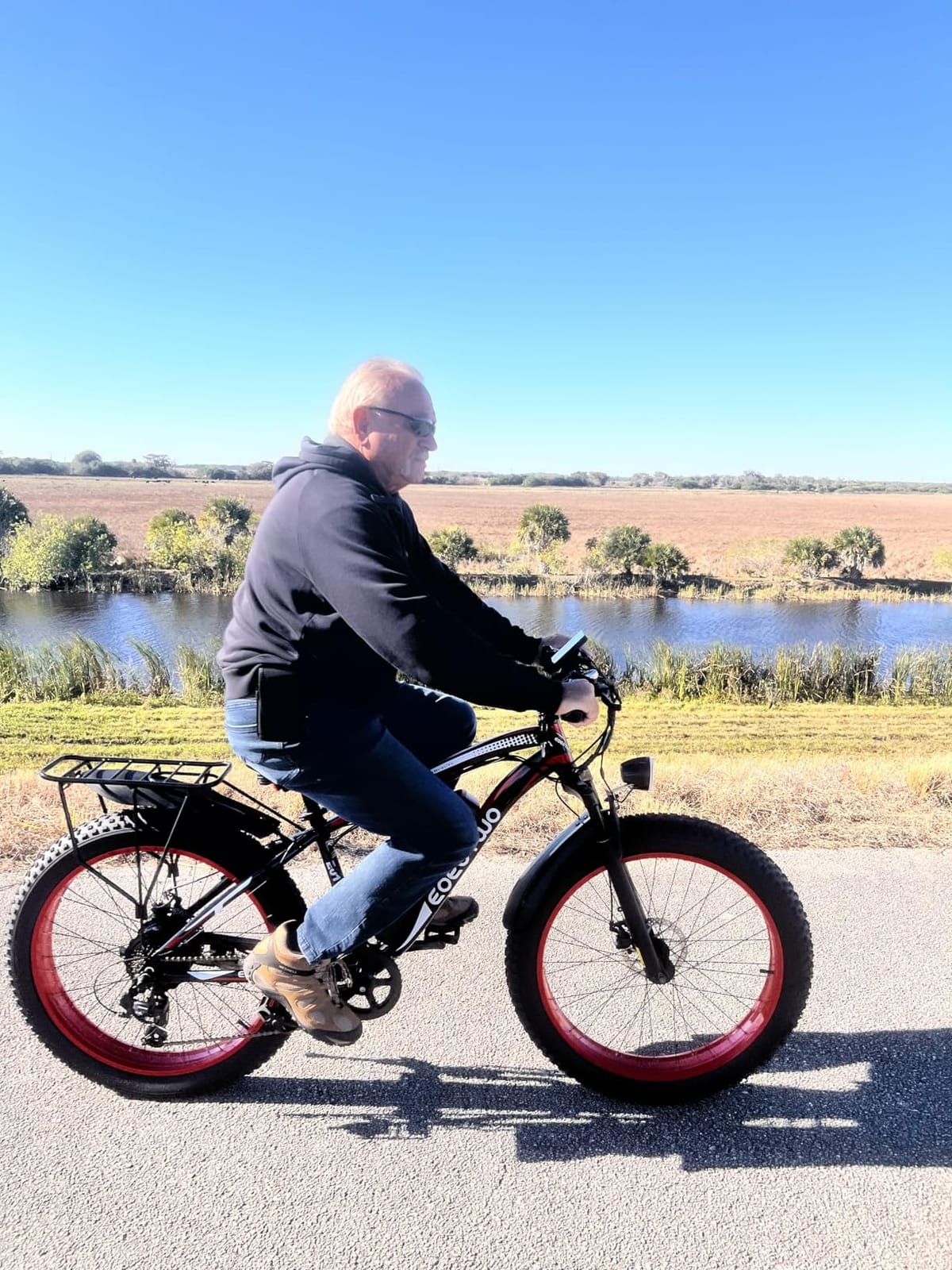
Who the EOEOTWO suits for beach riding
New riders who want 26 inch fat tires, a lockable battery and real power without stepping into the heavy moped-style bikes. At roughly 73 lb it is manageable for two-person carrying, and the rack and fenders make it useful off the beach too. Riders up to 330 lb are within the stated capacity.
Where the EOEOTWO falls short
Suspension is at the front only, and one owner specifically wants rear suspension on a newer model. The base tires are described as cheap and one buyer already plans to replace them, which matters on a beach full of shells. One detailed review reports that a battery and charger shorted each other out and that support took a long time to respond, so keep your purchase protected.
Fat Tire Width and Wheel Size: What Sand Actually Requires
Sand riding lives or dies on ground pressure, and ground pressure is a simple calculation: rider plus bike weight divided by the tire contact patch. A wider tire at a lower pressure creates a longer contact patch, spreads that weight, and lets the bike float on the surface instead of sinking into it. That is the whole reason fat tires exist, and it is why the marketing claim about a wider footprint genuinely holds up on a beach.
For soft sand, 4.0 inch wide tires are the practical minimum. Rider forums make a clear distinction: packed hardpack is rideable on ordinary 2 to 3 inch mountain bike tires, but loose and soft sand needs 4 inch plus. If your beach is firm wet sand near the tideline, you are not obligated to pay for the widest rubber in this list.
Wheel size is a separate question. A 26 x 4.0 tire gives more ground contact than a 20 x 4.0 tire at the same width, which is why six of the ten bikes here run 26 inch wheels and why the Vivi and the Loeook have the strongest published sand evidence. The 20 inch wheels trade flotation for a lower center of gravity and a smaller, easier-to-store package. Four of the bikes in this roundup use 20 x 4.0 tires, and reviewers consistently rate them as less capable in deep sand.
Tire Pressure in Sand: PSI by Tire Width
Here is the single most useful piece of sand advice, and almost no competitor page covers it: drop your pressure. Experienced riders on electric bike review forums run fat tires at a maximum of only 20 to 30 psi, and go far lower for soft surfaces. In deep snow with studded 26 x 4.6 inch tires, riders report running as low as 4 to 5 psi. Sand sits in a similar territory, and lower pressure gives you a bigger contact patch, more grip, and far less sinking.
A practical starting point for dry loose sand is the low end of the tire’s rated range, or roughly 5 to 15 psi depending on width. Check the sidewall of your own tire for its minimum and maximum, because rim design matters as much as the tire. If the tire squashes off the rim or you can feel the rim strike, you have gone too low. Starting higher and adding a pump for the ride home is safer than the reverse.
Buy a floor pump you can use at the beach rather than relying on the tiny pump that ships in the box. Riders have noted that a portable inflator is worth keeping in a vehicle all year, and it doubles as a backup on every other trip. Never deflate and reinflate using the same high-speed air wand, since sand grit and salt film find their way inside the valve stem.
Motor Torque and Gearing for Climbing Out of Soft Sand
Torque is the number to prioritize on sand, and it matters more than headline wattage. Wattage tells you how much power the motor can deliver at a moment in time; torque tells you how hard the wheel can push against resistance. In soft sand the resistance is enormous, so a bike rated at 120Nm will climb out of a patch that stops one rated at 66Nm. Four of the bikes in this roundup publish 90Nm or more, and those are the ones I would pick for dunes.
Understanding nominal versus peak rating matters too. A bike advertised at 2000W usually means peak output, while the continuous or rated figure may be 750W or even 500W. The peak number is what you feel on a steep climb; the rated number is what governs how long that output lasts before the controller cuts back. Riders digging in a dune are relying on peak power for a short burst.
Gearing completes the picture. Eight bikes here run a 7-speed drivetrain, which is adequate on packed sand, but a narrow range makes low-speed climbing harder. Wider cassettes and trigger shifters give finer gear steps, and hub motors with high torque can compensate for a narrow range by pushing through slower gear ratios. Pedals still matter: when a bike is bogging down, standing up on the pedals keeps the rear tire loaded and the wheel driving.
Battery Range: Why Claimed Figures Drop in Sand
Every range figure on a fat tire e-bike is measured the same way: flat pavement, steady assist level, mild rider. Sand breaks every one of those assumptions at once. Owners across forum threads report getting roughly half of the advertised distance once the tires are in loose ground, and the physics is straightforward, since the tire is pushing a wide wedge of soft material instead of rolling on a hard surface.
Use the claimed figure as a ceiling for planning and halve it for a beach day. That is why the bigger packs here, the ESKUTE at 998.4 watt-hours and the Vivi at 720 watt-hours, are worth the extra weight if your rides are long. Removability matters as much as capacity, because a locked pack lets you recharge while the bike sits at a rental.
Assist level is the biggest lever you control. Running a high assist on sand drains the pack much faster than the headline figure suggests, which owners of the Funhang and others note directly. On packed sand, level two or three is usually enough and stretches the ride considerably compared with running full throttle all day. Switch to throttle only when you are stuck or climbing a pitch, not as a default.
E-Bike Classes and Beach Access Rules
Before you ride, check whether the beach allows e-bikes at all. Class 1 bikes are pedal assist only, capped at 20 mph, and are the most widely permitted. Class 2 adds a throttle up to 20 mph, and Class 3 is pedal assist up to 28 mph with no throttle. Many beaches and state parks restrict or ban Class 2 and Class 3 bikes outright, and some ban all motorized two-wheelers on the sand itself while allowing them on the access path.
Several of the bikes here include throttle assist, which is the feature most likely to be restricted. Riders who want to stay on the safe side of the rules should choose a pedal-assist-only model and stay on designated routes. Also note that most of these bikes exceed 20 mph in electric-only mode, which classifies them outside standard Class 1 limits even when the pedal-assist speeds look compliant.
Rules change between counties and beach districts, so treat local signage as the final word rather than any article, including this one. If your target beach is strict about throttle bikes, the pedal-assist-only picks here, such as the Vivi ACE01 and the ESKUTE, are the safer starting point.
Rinsing Salt Water Off: A Beach Maintenance Checklist
Salt is the quiet killer of beach e-bikes. Salt water and salt spray get into bearings, chain, chainring, brake rotors and every bolt head, and it corrodes quietly until a bearing seizes or a rotor warps. Riders on forums describe sand in the drivetrain and rotors as a constant issue, and salt residue causing rapid corrosion when it is not rinsed as the more expensive problem.
Work through this in order after every beach ride. First, rinse the bike with fresh water, paying attention to the drivetrain, cassette, chainring and both brake rotors. Second, spin the wheels and the drivetrain while you rinse to flush grit out of the bearings. Third, wipe the frame and fork stanchions dry, since trapped moisture causes its own corrosion.
Then deal with the mechanicals. Clean and lubricate the chain, and check the brake pads for embedded grit. Beaches are full of shells, thorns and sharp debris, so inspect the tires for cuts and carry a plug kit or tubeless sealant, since the tires supplied with the bike rarely come with either. A rinse after every ride matters far more than a deep clean once a season, and the whole job takes a few minutes with a hose.
For riders who also manage a vehicle, a portable tire inflator is the tool most people end up buying twice. Riders looking at other sand-adjacent gear can compare our best cordless tire inflators for cars, since keeping fat tires at beach pressure is an ongoing task rather than a one-off.
Who Should Skip a Fat Tire E-Bike for Sand
Experienced riders are blunt about this, and the honest advice belongs here. Veteran mechanics have recommended avoiding fat tires unless you are riding in deep snow, deep sand or brush. On pavement and packed gravel, fat tires feel vague and slow, and the extra weight is pure dead weight. If your beach is firm and your routes are boardwalk and hardpack, a lighter standard e-bike will serve you better.
Weight is the other honest concern. Bikes in this group run from 66 lb up to 88 lb, and a recurring complaint across owner threads is how hard they are to carry down beach access stairs or lift into a car. Before buying, look at your access route honestly. If it is a soft dune crossing rather than a paved ramp, buy a beach cart or plan on two people carrying it.
Legal restrictions are the third reason to pause. If your beach bans throttle e-bikes, several of the picks here become a poor fit overnight, and if the battery must be carried up four flights of stairs to a rental, the largest packs here are the wrong choice. Check the rules and the access route before you buy, not after. If both check out, the picks above will serve you well.
Frequently Asked Questions
What is the best electric bike for riding in sand?
A fat tire e-bike running tires at least 4 inches wide is the best answer, because the wide contact patch spreads your weight so the bike floats instead of digging a rut. Among the bikes we tested, the Aipas M1 Pro leads on torque and suspension, the Funhang leads on value, and the Jasion RetroVolt Pro leads for deep loose sand.
Can you ride an e-bike on sand?
Yes, you can ride an e-bike on sand, but a standard narrow-tire bike will sink and spin the rear wheel in loose ground. Fat tires run at low pressure to increase the contact patch and lower ground pressure. On firmly packed wet sand near the tideline, an ordinary mountain e-bike will already handle it comfortably.
How wide should fat bike tires be for sand?
Four inches is the practical minimum for soft sand, and that is why every bike in our roundup runs 4.0 inch wide tires. Rider forums draw a clear line: packed hardpack works fine on 2 to 3 inch mountain bike tires, while loose and soft sand needs 4 inch plus. Wider is not always better once you hit that threshold.
What PSI should fat bike tires be at in sand?
Run them at the low end of the rated range, roughly 5 to 15 psi for dry loose sand depending on tire width. Experienced riders on electric bike review forums cap fat tires at 20 to 30 psi and drop to 4 to 5 psi in deep snow, because lower pressure enlarges the contact patch and reduces sinking. Check your sidewall limits before deflating.
How far can a fat tire e-bike ride on sand?
Plan on roughly half the advertised range. Claimed figures of 55 to 90 miles are measured on flat pavement with steady assist, and owners consistently report about half that distance in loose ground. The ESKUTE’s 998.4 watt-hour pack gives you a good chance of a full day without a recharge stop.
Are e-bikes allowed on the beach?
It depends on the beach and the e-bike class. Class 1 pedal-assist bikes capped at 20 mph are the most widely permitted, while many beaches and state parks restrict or ban Class 2 and Class 3 bikes with throttles. Several of the bikes here exceed 20 mph in electric-only mode, so check local signage before you ride.
Final Verdict: Which Fat Tire E-Bike for Sand Wins
The Aipas M1 Pro is our best fat tire e-bike for sand in 2026. It combines 26 x 4 inch tires, the 110Nm torque you need to climb out of a soft patch, full front and rear suspension, and 296 owner reviews at a 4.4 star average. Its weakness is weight, so buy a beach cart if your access route is soft.
Pick the Funhang if value matters most and you ride packed sand. Pick the Jasion RetroVolt Pro if you plan to go past the tideline into real dunes. Pick the Vivi ACE01 if you want the smoothest pedal assist on firm hardpack, and pick the ESKUTE C300R-ST if your days are long and you want to ride between recharges.
Before you ride any of them, drop the tire pressure, check whether your beach allows throttles, and rinse the bike off with fresh water afterward. Those three habits matter more to how a sand e-bike feels over a season than any spec on this list. Riders looking for seated beach transport can also compare our best beach wheelchairs for sand, which face the same soft-surface physics problem.