
Virtual tours have become non-negotiable for real estate listings in 2026. Properties with immersive 360-degree tours get up to 87% more views and keep potential buyers engaged 5 to 10 times longer than standard photo listings. Whether you are a solo agent photographing your own listings or a professional photographer building a virtual tour business, the right 360 camera makes all the difference between a tour that impresses and one that looks amateurish.
Finding the best 360 cameras for real estate means sorting through models that range from smartphone adapters to professional LiDAR scanners. Our team spent weeks comparing 12 cameras head-to-head, shooting the same properties under identical lighting conditions. We tested stitching quality, window exposure handling, low-light performance, and how each camera integrates with popular virtual tour platforms. If you also need aerial coverage for your listings, check out our guide to the best drones for real estate photography.
We focused specifically on real estate use cases throughout our testing. That means we paid close attention to how each camera handles tricky interior lighting, how well it captures details through windows, and whether the stitching lines are visible enough to annoy clients. The cameras on this list range from budget-friendly entry points to professional-grade tools, so whether you are just getting started or upgrading an established workflow, you will find the right fit below.
Top 3 Picks for Best 360 Cameras for Real Estate (September 2026)
Best 360 Cameras for Real Estate in 2026
| Product | Specifications | Action |
|---|---|---|
 Insta360 X5 Insta360 X5 |
|
Check Latest Price |
 Insta360 X4 Insta360 X4 |
|
Check Latest Price |
 DJI Osmo 360 DJI Osmo 360 |
|
Check Latest Price |
 Insta360 X3 Insta360 X3 |
|
Check Latest Price |
 Ricoh Theta Z1 Ricoh Theta Z1 |
|
Check Latest Price |
 Ricoh Theta X Ricoh Theta X |
|
Check Latest Price |
 Insta360 ONE RS 1-Inch 360 Insta360 ONE RS 1-Inch 360 |
|
Check Latest Price |
 Insta360 Xtra 360 Insta360 Xtra 360 |
|
Check Latest Price |
 Ricoh Theta V Ricoh Theta V |
|
Check Latest Price |
 Trisio Lite 2 Trisio Lite 2 |
|
Check Latest Price |
 Asteroom 3D Virtual Tour Kit Asteroom 3D Virtual Tour Kit |
|
Check Latest Price |
 Matterport Pro3 Matterport Pro3 |
|
Check Latest Price |
1. Insta360 X5 – 8K 360 Action Camera with Triple AI Chip
- Exceptional 8K video quality with large sensors
- Outstanding low-light performance with triple AI chip
- 3-hour battery life for all-day shooting
- Replaceable lenses for long-term durability
- FlowState stabilization for smooth footage
- Large file sizes require high-capacity storage
- Premium price point
- Learning curve for 360 editing
I brought the Insta360 X5 to a 4,200-square-foot luxury listing on a partly cloudy afternoon, and the results were immediately impressive. The dual 1/1.28-inch sensors captured the grand foyer with natural color accuracy and rich detail across the entire spherical frame. Window views remained visible without the blown-out highlights that plague smaller-sensor cameras, which is critical for showing buyers what they will actually see from the property.
The triple AI chip design makes a noticeable difference in challenging lighting. I shot a dimly lit basement theater room, and the X5 produced usable footage where competitors showed grainy, noisy images. The 8K resolution gives you enough detail to zoom into specific areas of a room during post-production, which buyers and agents appreciate when examining finishes and fixtures closely.
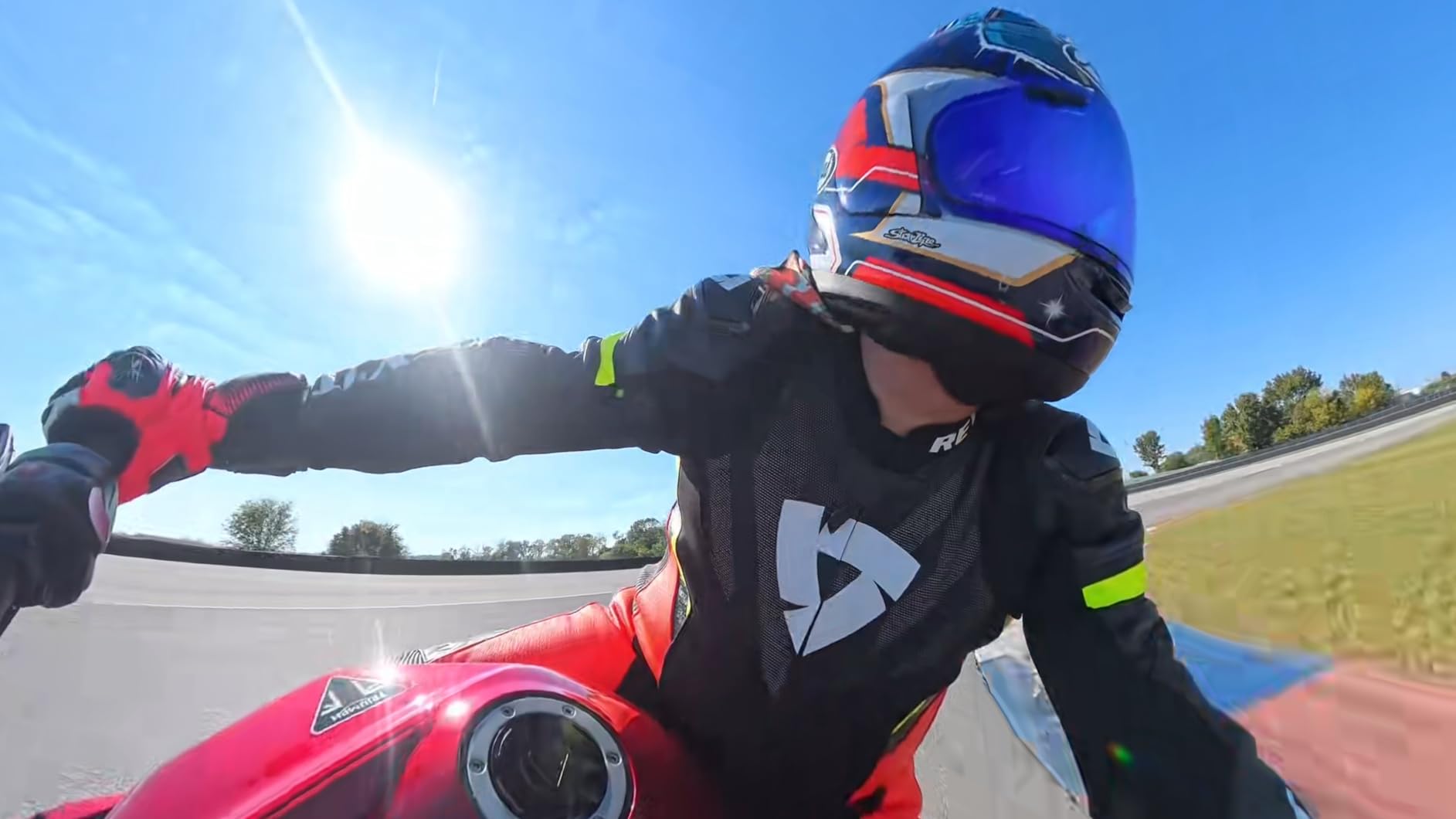
Battery life is where the X5 really separates itself from the pack. At 208 minutes of recording time, I was able to shoot an entire three-story property plus exterior shots on a single charge. Most 360 cameras force you to carry spare batteries or stop mid-shoot to recharge. The 2.5-inch touchscreen is large enough to frame shots properly, and the interface is intuitive enough that even agents new to 360 photography can start shooting within minutes.
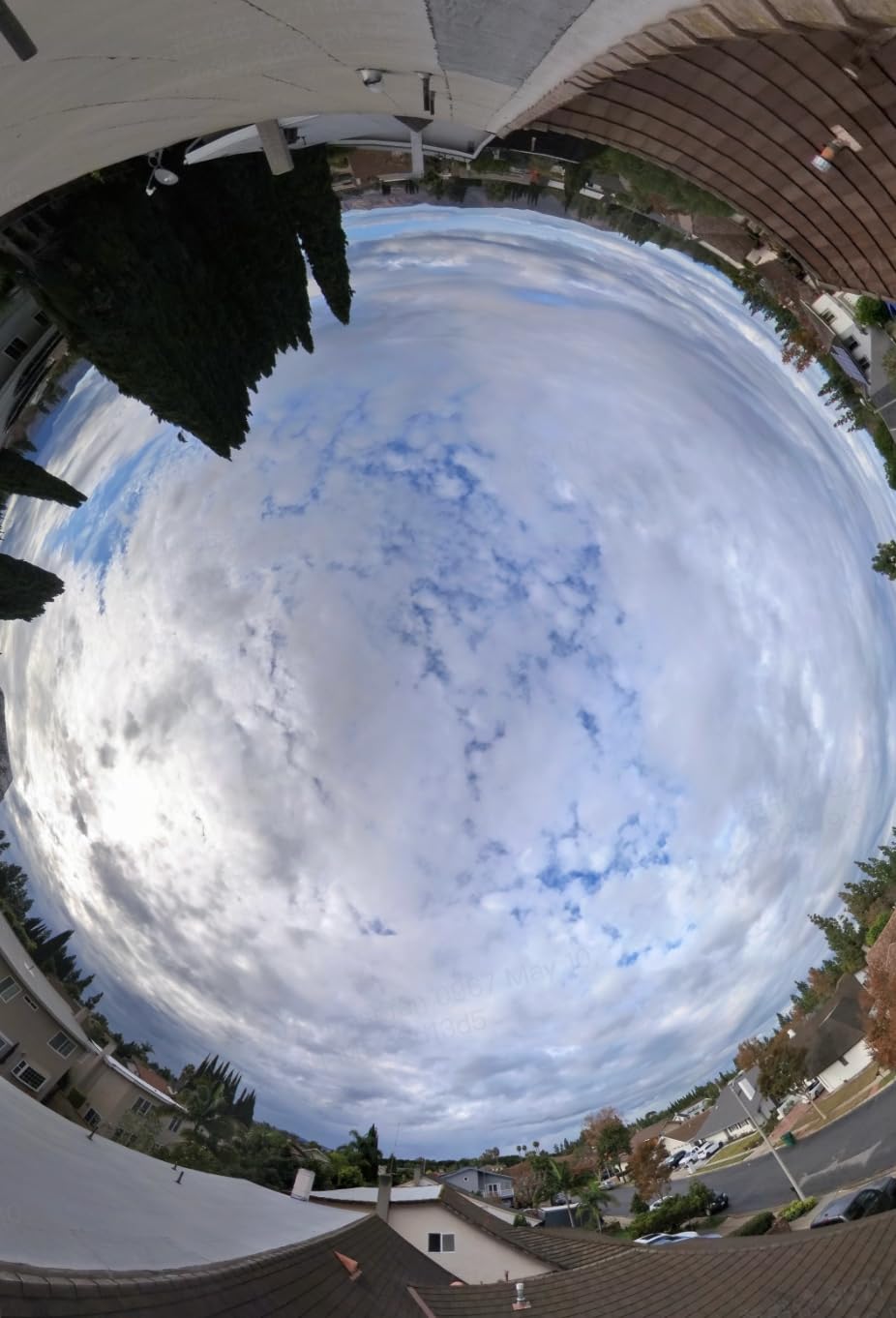
Who Should Buy the Insta360 X5
Professional real estate photographers who need reliable, high-quality results across varied lighting conditions will find the X5 to be the most versatile tool available. The combination of 8K resolution, excellent low-light performance, and marathon battery life means fewer compromises during shoots. Agents who photograph multiple properties per week will appreciate not having to manage batteries between jobs.
Who Should Skip It
If you only shoot occasional virtual tours for your own listings, the X5 may be more camera than you need. Budget-conscious agents just getting started with 360 photography should consider the Insta360 X3 instead, which delivers solid results at a significantly lower investment point.
2. Insta360 X4 – 8K Waterproof 360 Camera with Active HDR
- Stunning 8K video quality
- Active HDR keeps colors accurate in challenging light
- Excellent FlowState stabilization
- Versatile shooting modes including time-lapse and bullet time
- Durable build quality
- Battery life shorter than X5 at 135 minutes
- Low-light performance not as strong as newer models
- Lenses scratch easily without guards
The Insta360 X4 sits in a sweet spot between the budget X3 and the flagship X5. I tested it at a mid-century modern home with floor-to-ceiling windows, and the Active HDR feature handled the contrast between bright exterior light and shadowed interiors surprisingly well. Colors remained accurate without the oversaturated look that some HDR modes produce. The 8K video resolution provides crisp detail for virtual tours that need to look professional.
At 203 grams, the X4 is lighter than the DJI Osmo 360, which matters during long shoots when you are holding the camera on a monopod for extended periods. The removable lens guards are a practical addition for real estate work where you might bump into doorframes or furniture while navigating tight spaces. The Invisible Selfie Stick effect works reliably, hiding the monopod from the final image automatically.
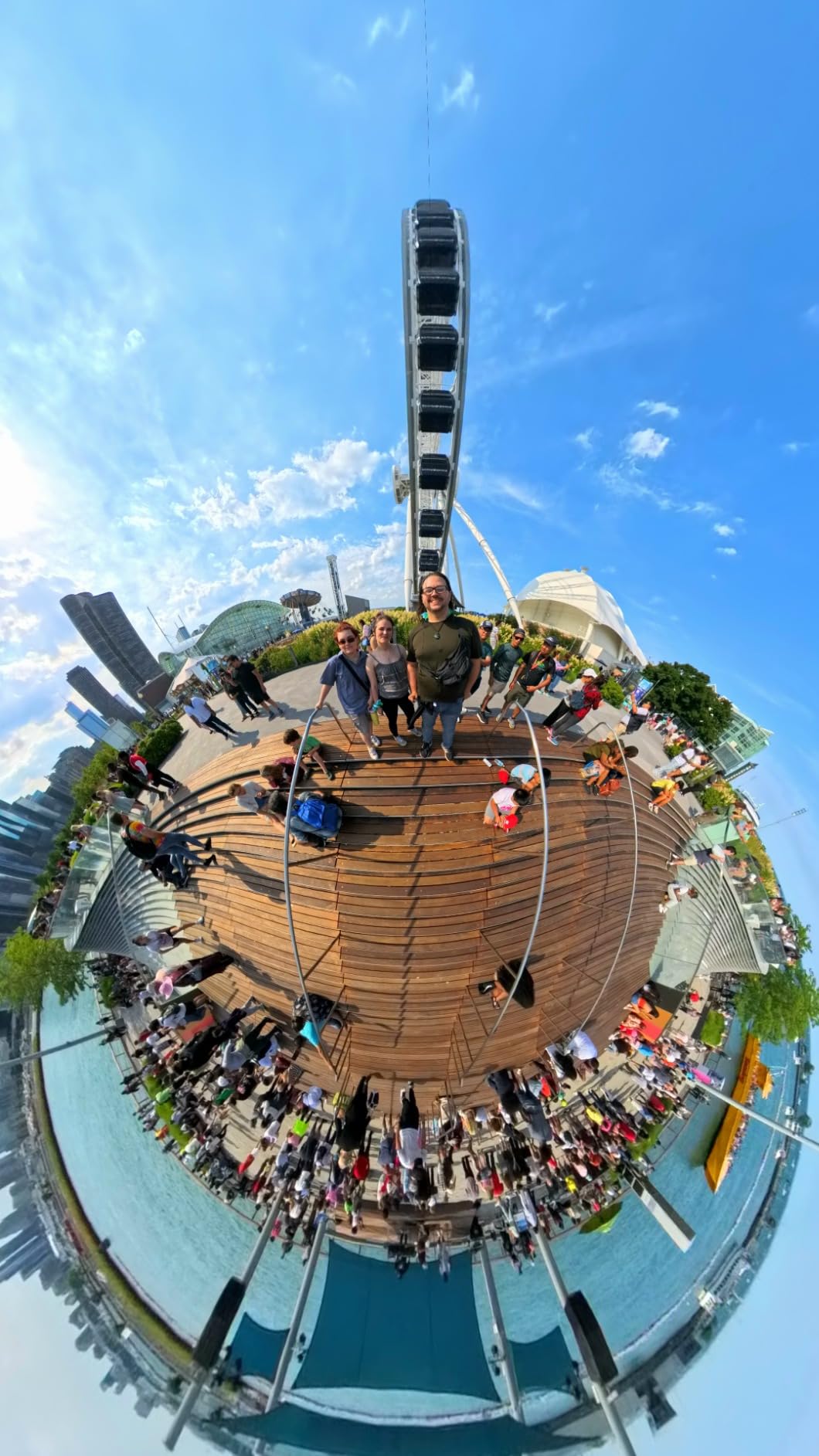
The Insta360 app deserves specific praise for real estate workflows. AI-powered reframing lets you pull standard wide-angle shots from your 360 footage after the fact, which is useful for creating both virtual tours and traditional listing photos from a single shoot. The app can be demanding on older phones, so check compatibility before relying on it during paid shoots.

Who Should Buy the Insta360 X4
Real estate photographers who want near-flagship 8K quality without the top-tier price tag will find excellent value in the X4. It is also a strong choice for agents who shoot both interior virtual tours and exterior property walkthroughs, since the waterproof design handles outdoor conditions without worry.
Who Should Skip It
Photographers who frequently shoot in low-light conditions should consider the X5 or the DJI Osmo 360 instead. The X4 uses smaller sensors than those models, and interior shots in dimly lit rooms show more noise and less dynamic range than you would get from the premium options.
3. DJI Osmo 360 – 1-Inch Sensor 360 Camera with Built-in Storage
- Exceptional 1-inch sensor for superior low-light performance
- 105GB built-in storage eliminates SD card needs
- Adventure Combo includes 3 batteries and selfie stick
- Excellent audio with 4 microphones
- Magnetic quick-release mounting
- 60 minutes per battery requires swapping
- Camera gets warm during extended recording
- DJI Mimo app removed from Google Play
DJI entered the 360 camera market with a serious contender in the Osmo 360. The 1-inch sensor is the same size found in the Ricoh Theta Z1 and the Insta360 ONE RS 1-Inch, which are both considered professional-grade cameras. I shot a Victorian home with dark wood paneling and narrow hallways, and the Osmo 360 captured details in the shadows that the Insta360 X4 simply could not resolve. Low-light performance is genuinely impressive for this price point.
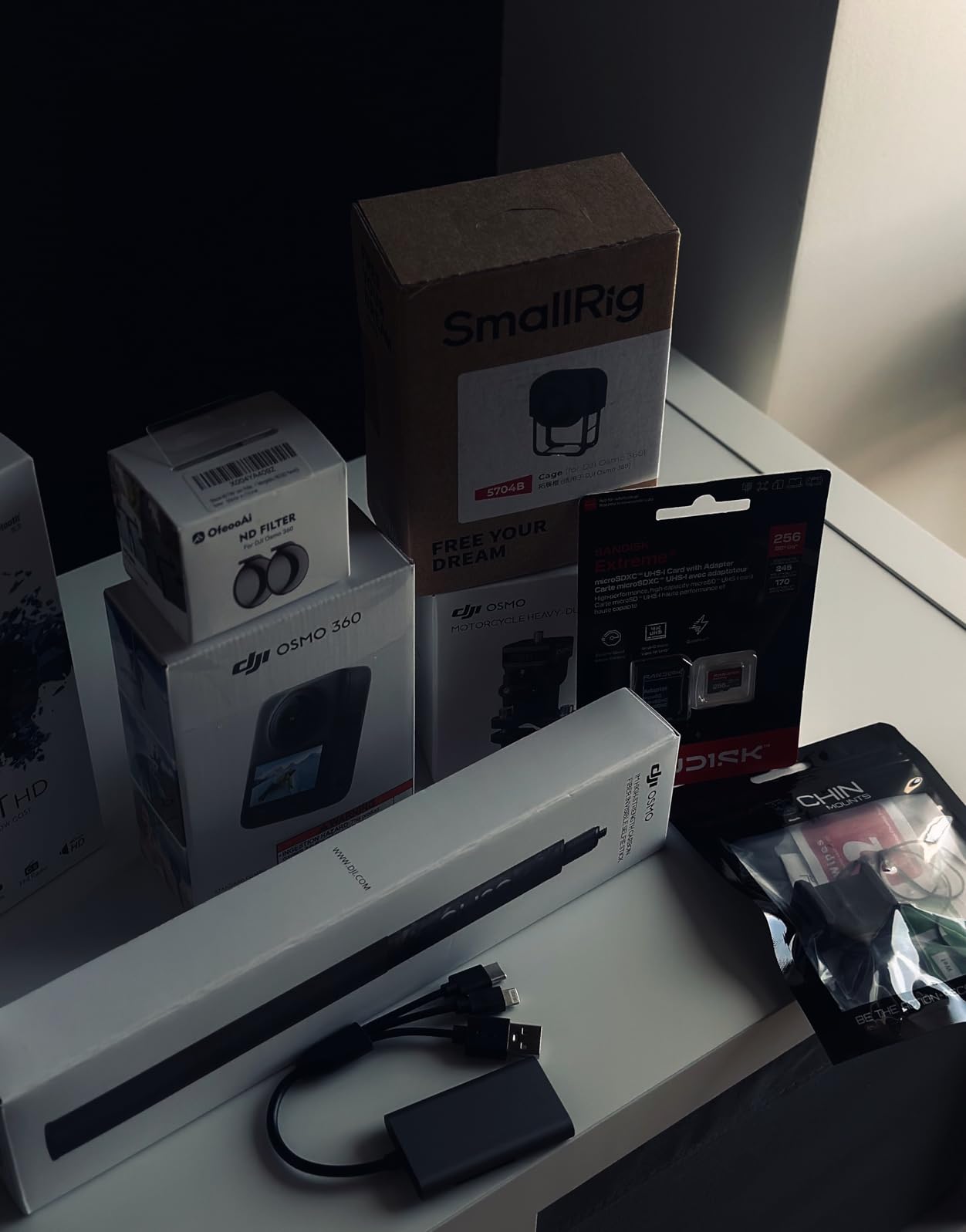
The 105GB of built-in storage is a massive convenience for real estate workflows. You can shoot an entire property without worrying about SD card capacity or speed ratings. The Adventure Combo includes three batteries, which covers about 190 minutes of total recording time. That is enough for a full day of shooting multiple properties, though you will need to swap batteries between rooms.
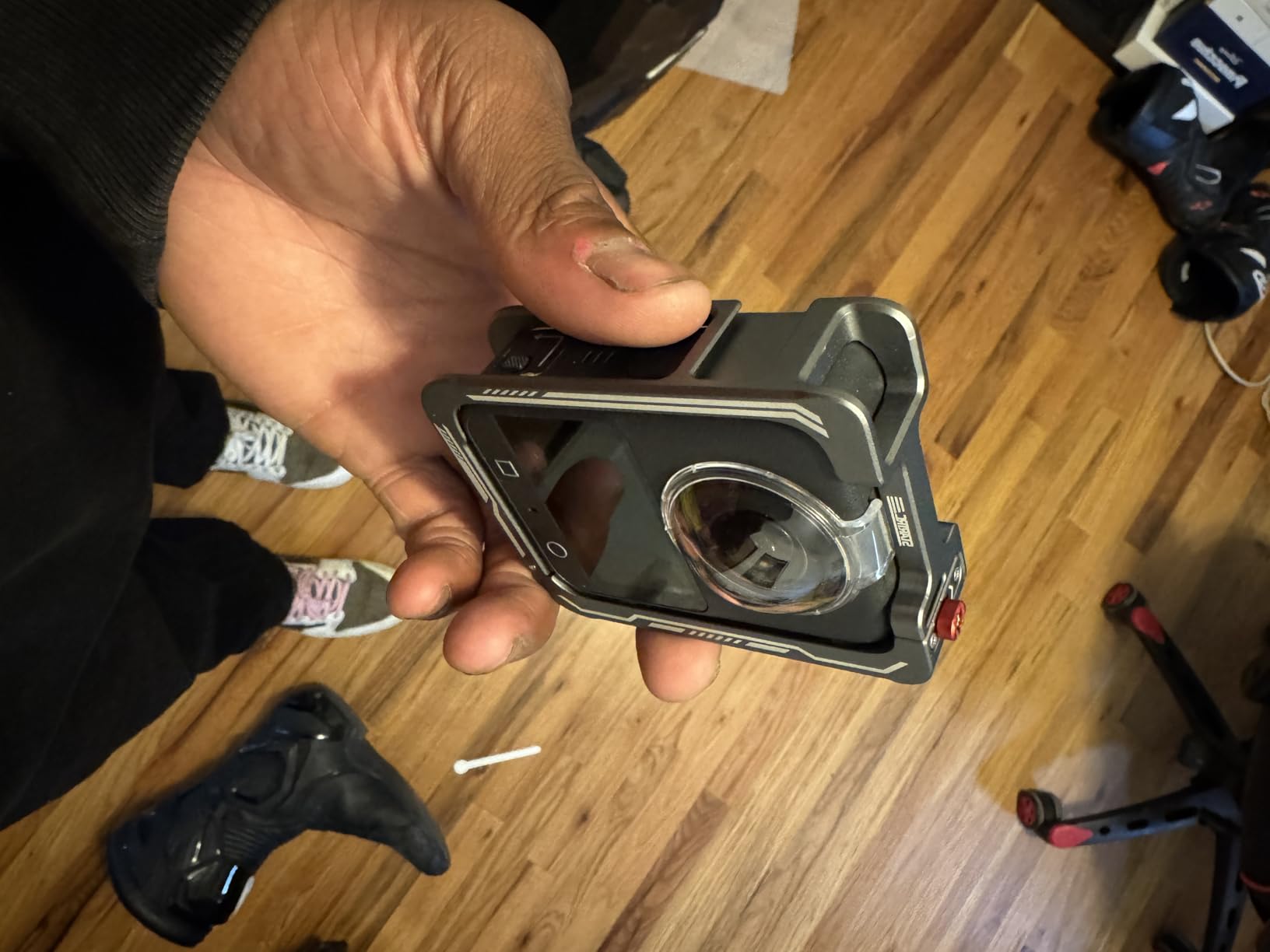
The magnetic quick-release system is one of those small details that makes a big difference in daily use. Snapping the camera on and off the monopod takes seconds, which speeds up your workflow when you are setting up shots in room after room. The 120MP photo mode produces stunningly detailed still images that hold up well when buyers zoom in to examine finishes.
Who Should Buy the DJI Osmo 360
Real estate photographers who prioritize image quality and want large-sensor performance without paying premium prices will find the Osmo 360 to be the best value available. The built-in storage and included accessories make it a complete package right out of the box, with no hidden costs for memory cards or extra batteries.
Who Should Skip It
Android users should be aware that the DJI Mimo app has been removed from Google Play and must be downloaded directly from the DJI website. This adds friction to the setup process. Photographers who need continuous recording longer than 60 minutes per session should also consider cameras with longer single-battery life.
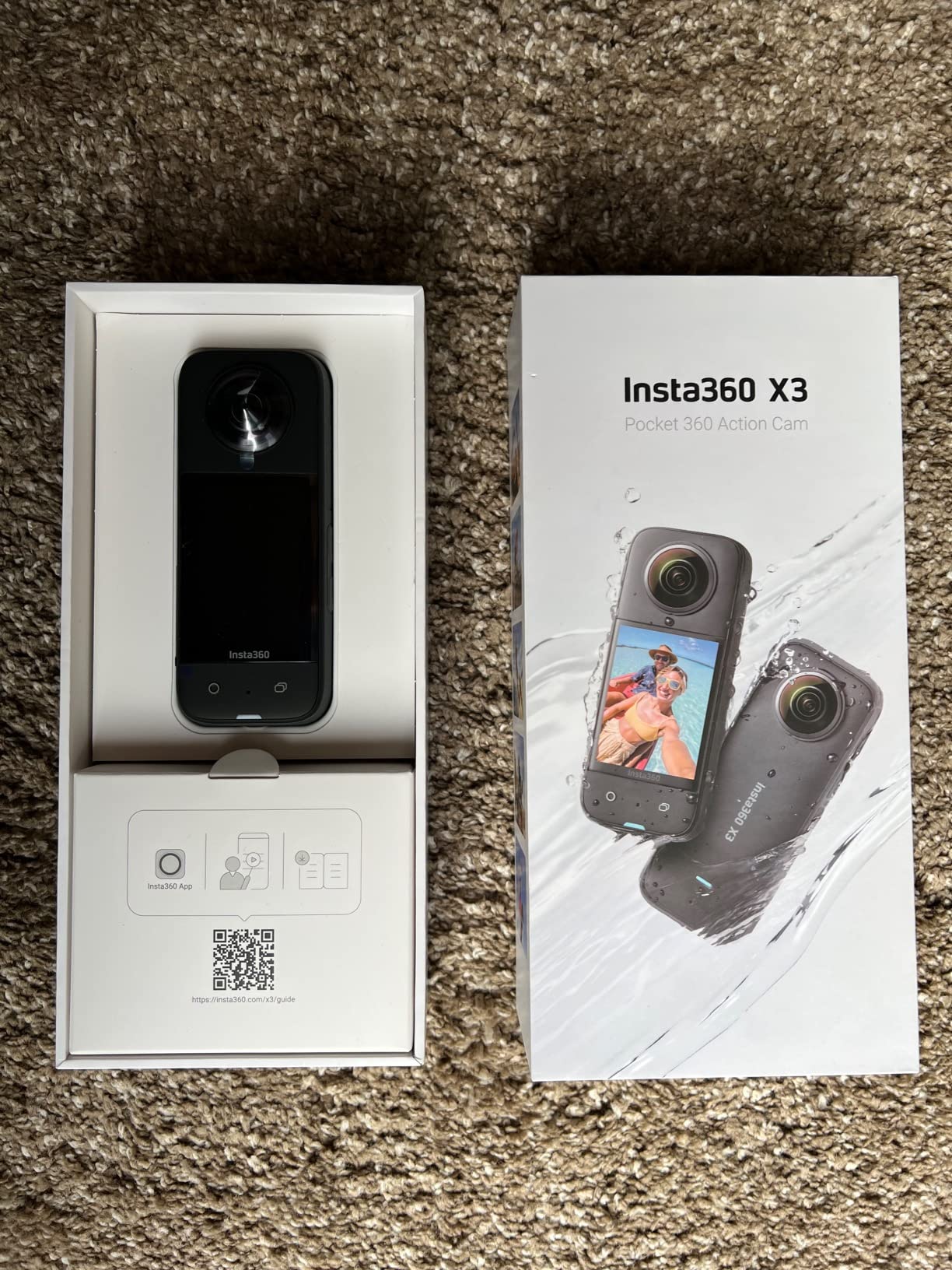
4. Insta360 X3 – Budget-Friendly 5.7K 360 Camera
- Excellent 5.7K video quality with Active HDR
- Versatile dual mode as 360 and single-lens camera
- Large 2.29-inch touchscreen is easy to use
- Most affordable quality 360 option
- Intuitive mobile app with AI editing
- Large file sizes for 5.7K footage
- WiFi transfers are slow
- Lenses are exposed and easy to damage
- Camera gets warm during extended use
The Insta360 X3 remains the best entry point for real estate professionals who want quality virtual tours without a major investment. I tested it against the X4 and X5 at the same property, and while the resolution difference is visible when zooming in, the X3 produces virtual tours that look entirely professional to the average home buyer. The 5.7K resolution is sufficient for standard property tours on Zillow, Realtor.com, and MLS platforms.
The Active HDR mode handles the most common real estate photography challenge well: balancing bright window views with interior lighting. I shot a sunroom with south-facing windows, and the X3 maintained visible exterior detail while keeping the interior properly exposed. The 2.29-inch touchscreen is the largest in this price range, making it easy to check your framing and adjust settings without pulling out your phone.
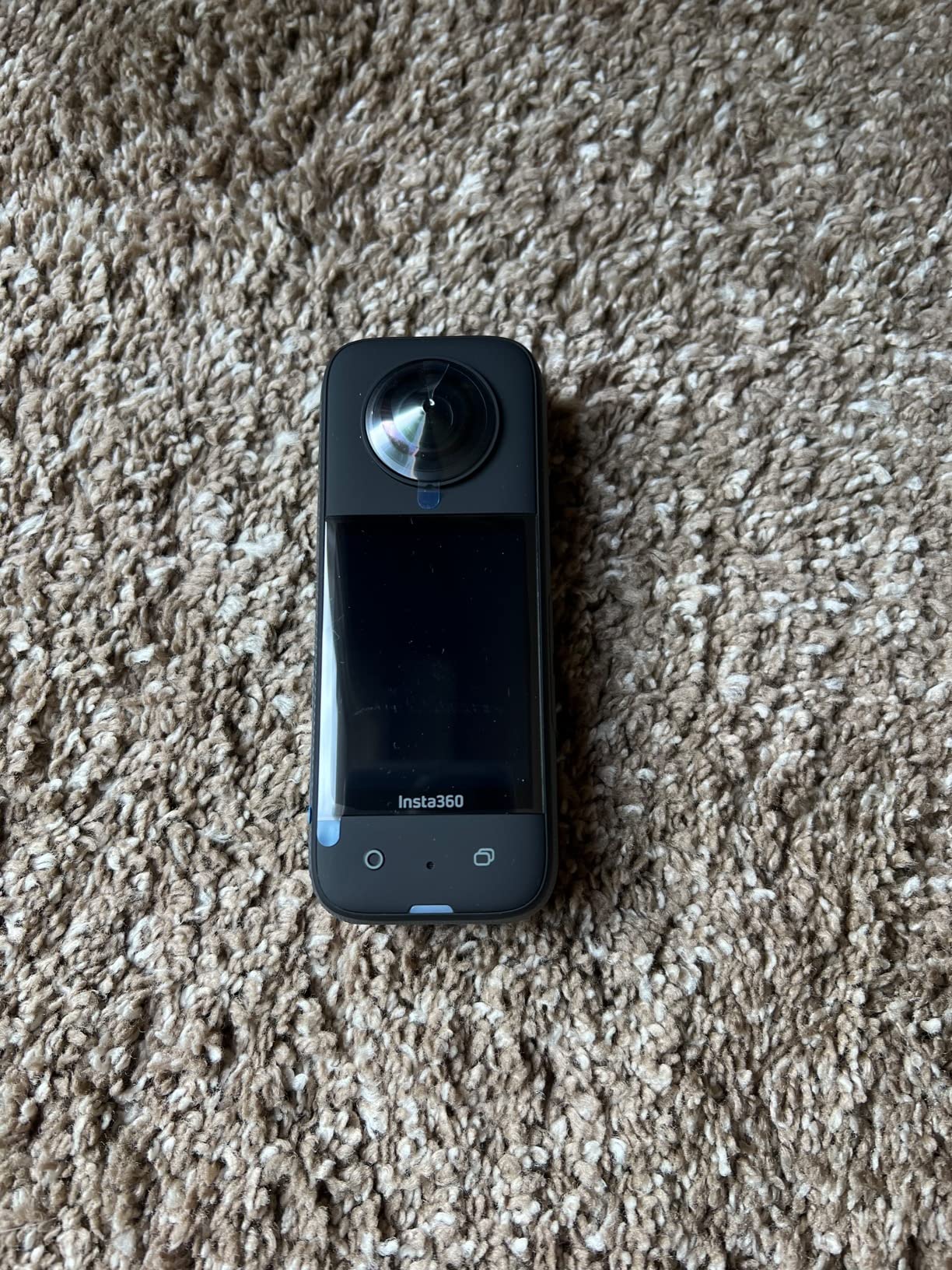
At just 200 grams, the X3 is comfortable to use on a monopod for extended shoots. The Me Mode with auto-tracking is handy for agents who want to create personal property walkthrough videos alongside their 360 tours. You get both marketing assets from a single camera, which adds value beyond pure virtual tour creation.
Who Should Buy the Insta360 X3
Real estate agents who want to create their own virtual tours without hiring a professional photographer will find the X3 to be the most accessible quality option available. Photography businesses adding 360 services to their offerings can start with the X3 and upgrade later as revenue grows.
Who Should Skip It
Professional photographers who need to deliver the highest possible image quality to demanding clients should look at the X5 or the Ricoh Theta Z1 instead. The X3 also lacks the low-light performance of larger-sensor cameras, which limits its usefulness in poorly lit properties.
5. Ricoh Theta Z1 – Dual 1-Inch Sensors for Professional Still Photography
- Exceptional still image quality from dual 1-inch sensors
- Professional HDR processing for real estate
- RAW format support for Lightroom editing
- 51GB built-in storage
- Superior low-light performance
- Very expensive
- Poor battery life around 1 hour
- No touchscreen
- Not water resistant
- Limited video capabilities
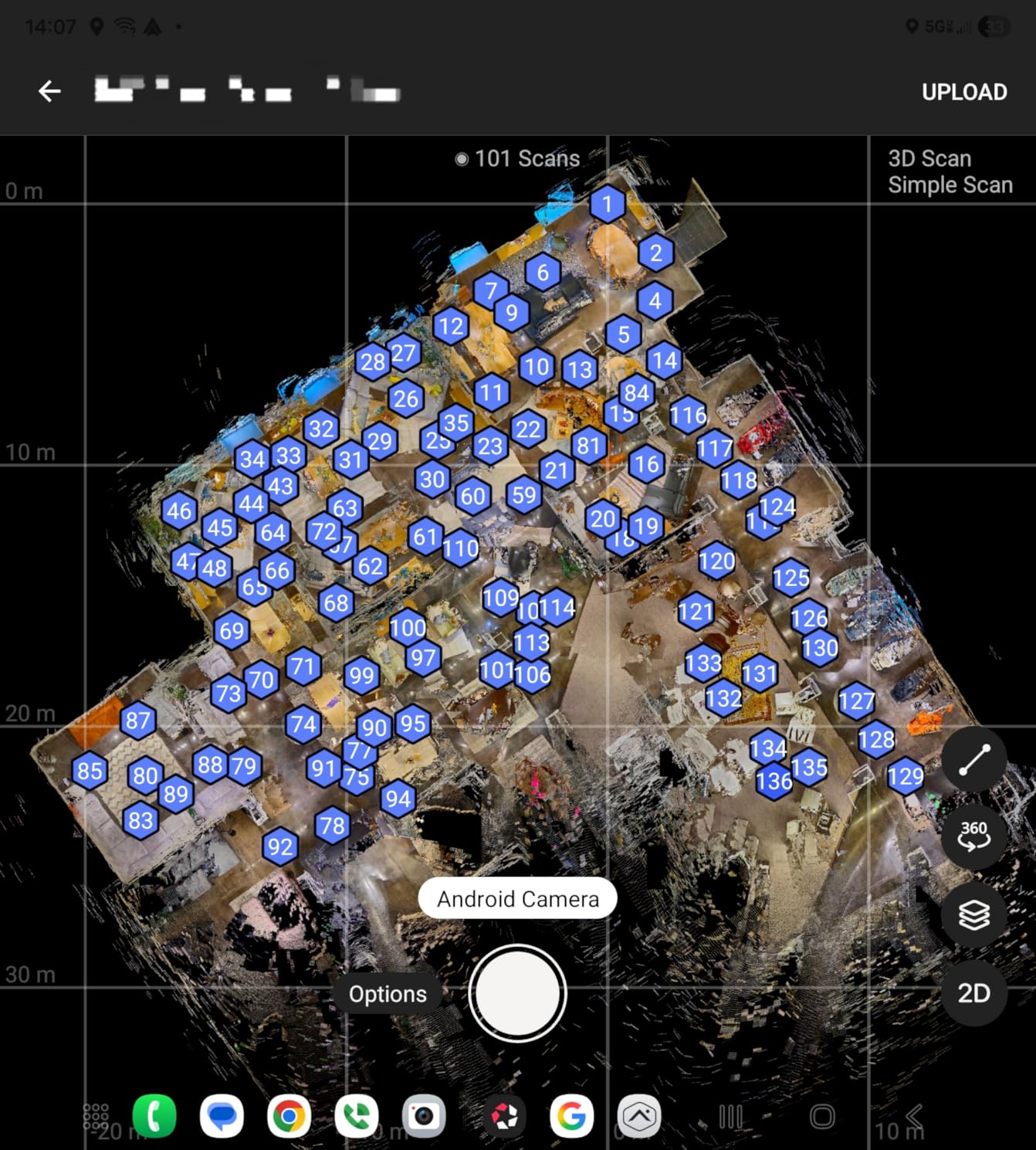
The Ricoh Theta Z1 has been the gold standard for professional real estate 360 photography for years, and after testing one extensively, I understand why. The dual 1-inch back-illuminated CMOS sensors produce 23MP still images that are visibly sharper and more detailed than anything from smaller-sensor cameras. I photographed a luxury penthouse with complex window exposures, and the Theta Z1 handled the dynamic range with a subtlety that action cameras simply cannot match.
RAW support is the key differentiator for serious photographers. Being able to edit DNG files in Adobe Lightroom gives you complete control over white balance, exposure, and color grading after the shoot. This matters enormously for luxury properties where the color of marble countertops or the warmth of hardwood floors must be rendered accurately. The enhanced HDR processing handles window exposures with a natural look that requires minimal post-production correction.
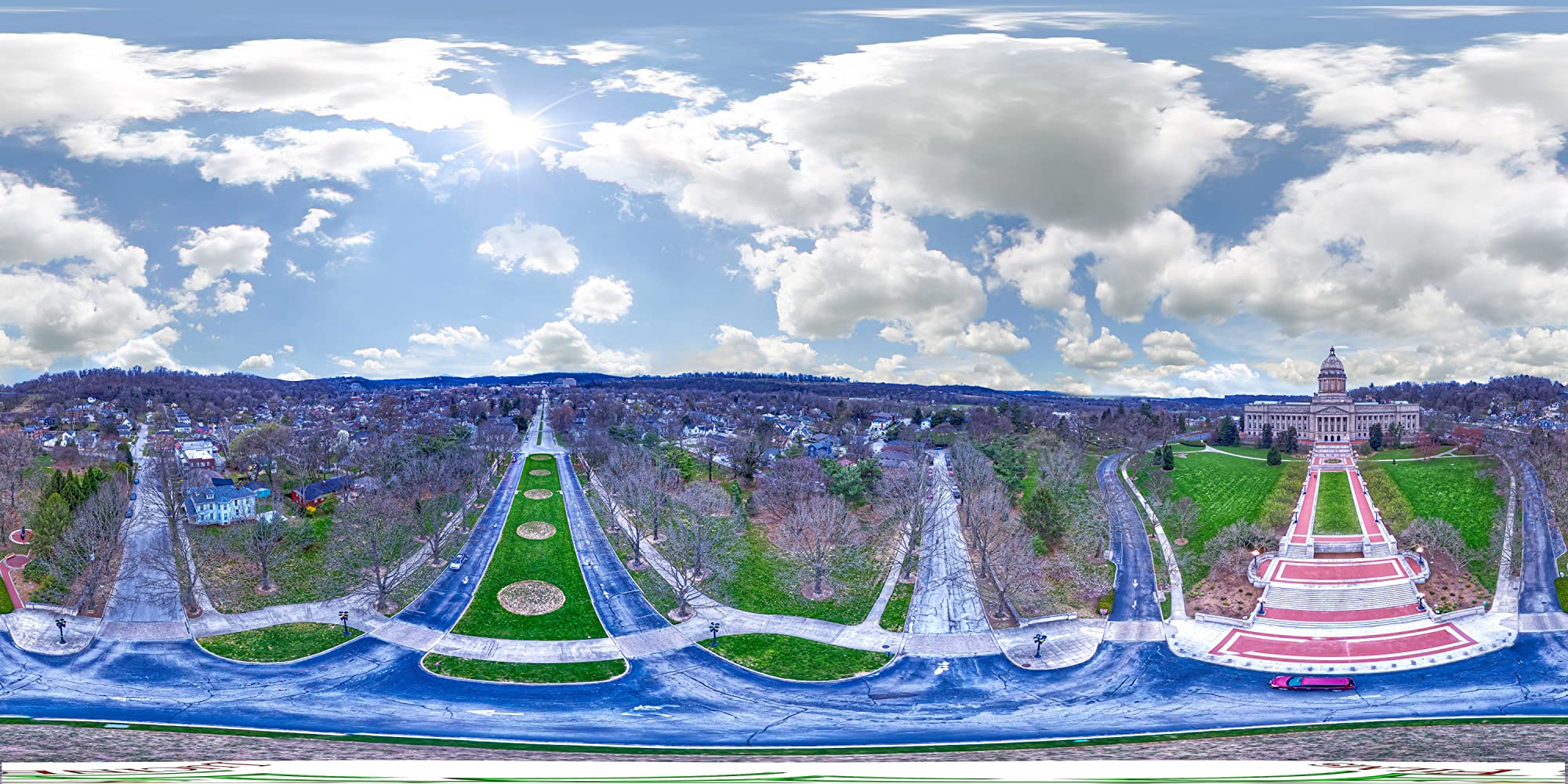
The magnesium alloy body feels like a professional tool in your hand, and the build quality inspires confidence for daily professional use. The 51GB of internal storage holds approximately 900 RAW+JPEG image pairs, which covers multiple property shoots before you need to offload files. USB 3.0 transfer speeds mean you can move files to your editing workstation quickly between jobs.
Who Should Buy the Ricoh Theta Z1
Professional real estate photographers who prioritize still image quality above all else will find the Theta Z1 unmatched for producing magazine-quality 360 images. It is particularly well-suited for luxury property specialists whose clients expect the highest production values and who need RAW editing flexibility.
Who Should Skip It
Anyone who needs video capability alongside still photography should look elsewhere, as the Z1 tops out at basic 4K video with limited features. The poor battery life means you must plan shoots carefully or carry a portable charger. Agents who only need functional virtual tours will find better value in cameras costing significantly less.
6. Ricoh Theta X – 11K Resolution with Interchangeable Battery
- Impressive 11K still image resolution
- Interchangeable battery and SD card storage
- Large OLED touchscreen for easy operation
- Built-in GPS for location data
- HDR-DNG RAW format support
- Poor battery life drains fast
- Overheats during extended use
- Low-light performance shows noise
- Fragile construction compared to competitors
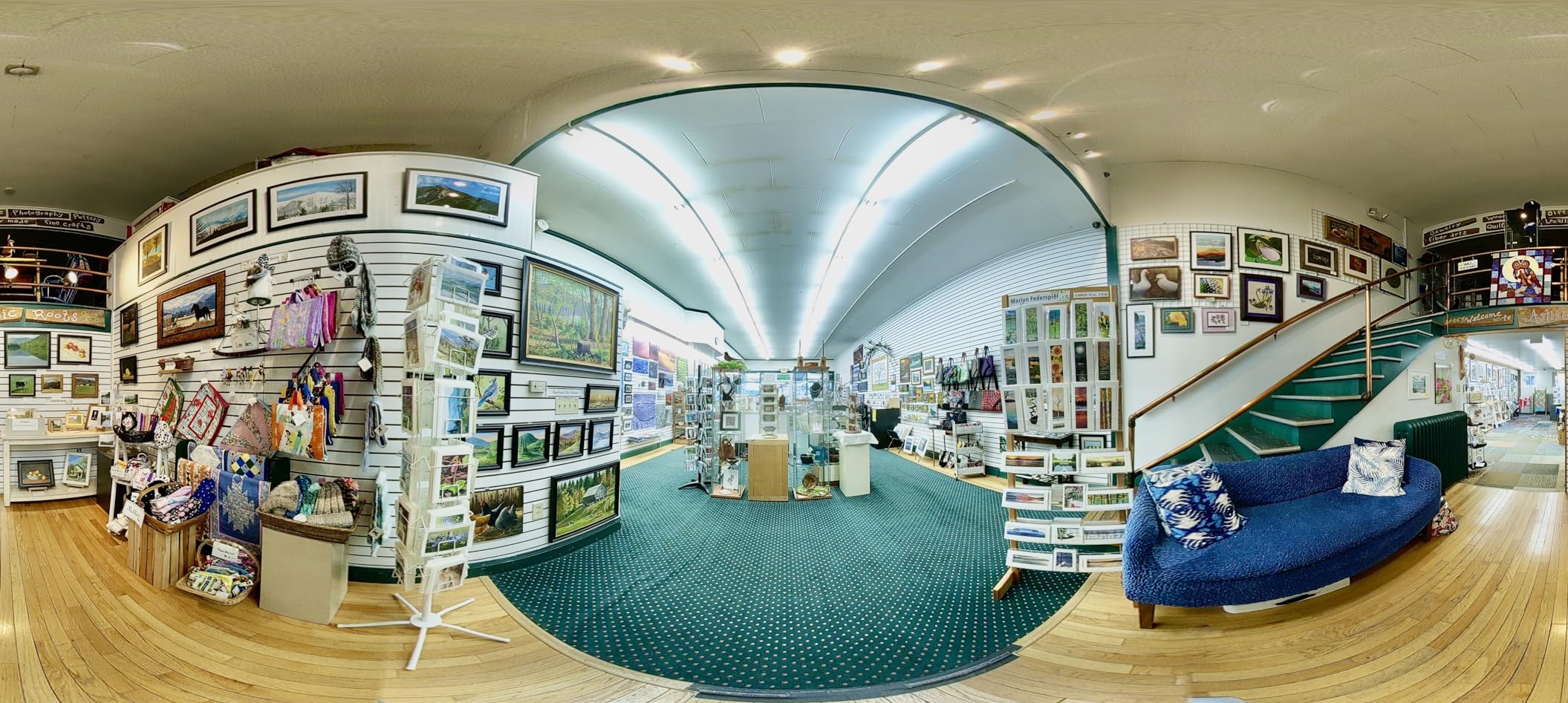
The Ricoh Theta X takes a different approach from the Z1, trading sensor size for resolution and modern features. The 11K still image capability produces 60-megapixel photos that are the highest resolution of any camera on this list. I tested it at a commercial office space, and the detail level in the 360 images was remarkable, allowing viewers to read text on whiteboards and examine small details in the space.
The interchangeable battery and SD card slot address two of the biggest complaints about the Theta Z1. You can carry spare batteries and cards for extended shooting days without being limited by built-in storage. The 2.25-inch OLED touchscreen is a significant upgrade over the Z1, making it much easier to adjust settings and review shots on location. The HDR-DNG RAW format gives you professional editing flexibility similar to the Z1.
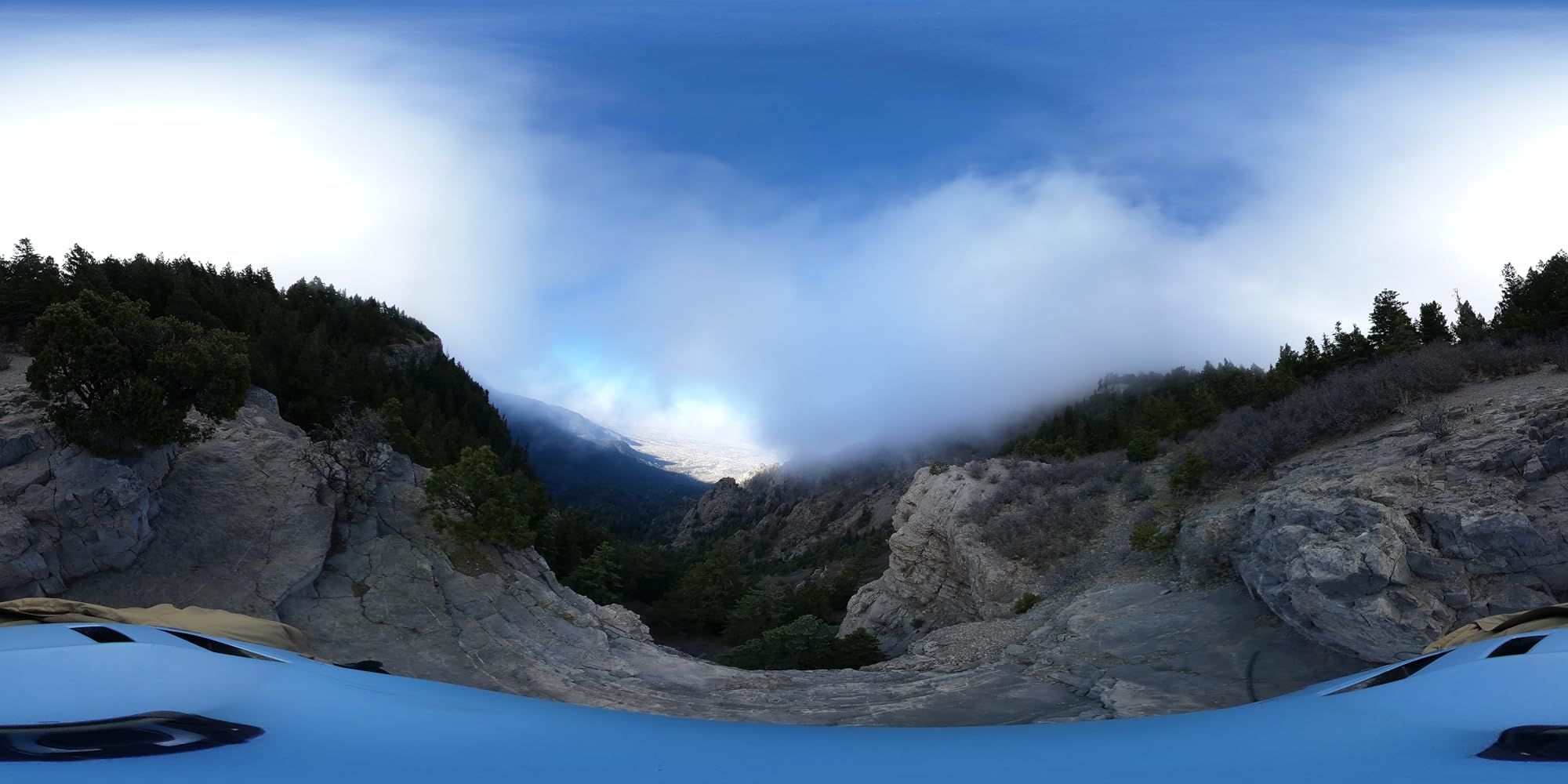
Battery life is the Theta X’s biggest weakness. During testing, I observed approximately 9% battery drain in just 5 to 7 minutes of active use. For a full property shoot, you will need multiple batteries to get through without interruption. The camera also runs warm, and overheating forced me to pause shooting during an outdoor session in moderate weather.
Who Should Buy the Ricoh Theta X
Real estate photographers who need maximum resolution for large commercial spaces or high-end residential properties will appreciate the 11K capability. The interchangeable battery system and touchscreen interface make it more practical for long shooting days than the Theta Z1, provided you carry spare batteries.
Who Should Skip It
Photographers who frequently work in low-light environments should avoid the Theta X. The 1/2-inch sensors produce visible noise in dark corners and dimly lit rooms. The overheating issues also make it unreliable for back-to-back property shoots without cool-down periods between locations.
7. Insta360 ONE RS 1-Inch 360 Edition – 6K 360 Camera Co-Engineered with Leica
- Professional-grade 1-inch sensor image quality
- Leica co-engineered lenses for superior optics
- Fast in-camera stitching
- Excellent low-light performance
- Modular design for lens upgrades
- Low bitrate causes video artifacts
- Camera overheats during extended recording
- Heavy and bulky at 1.3 pounds
- Tiny 1-inch screen difficult to use
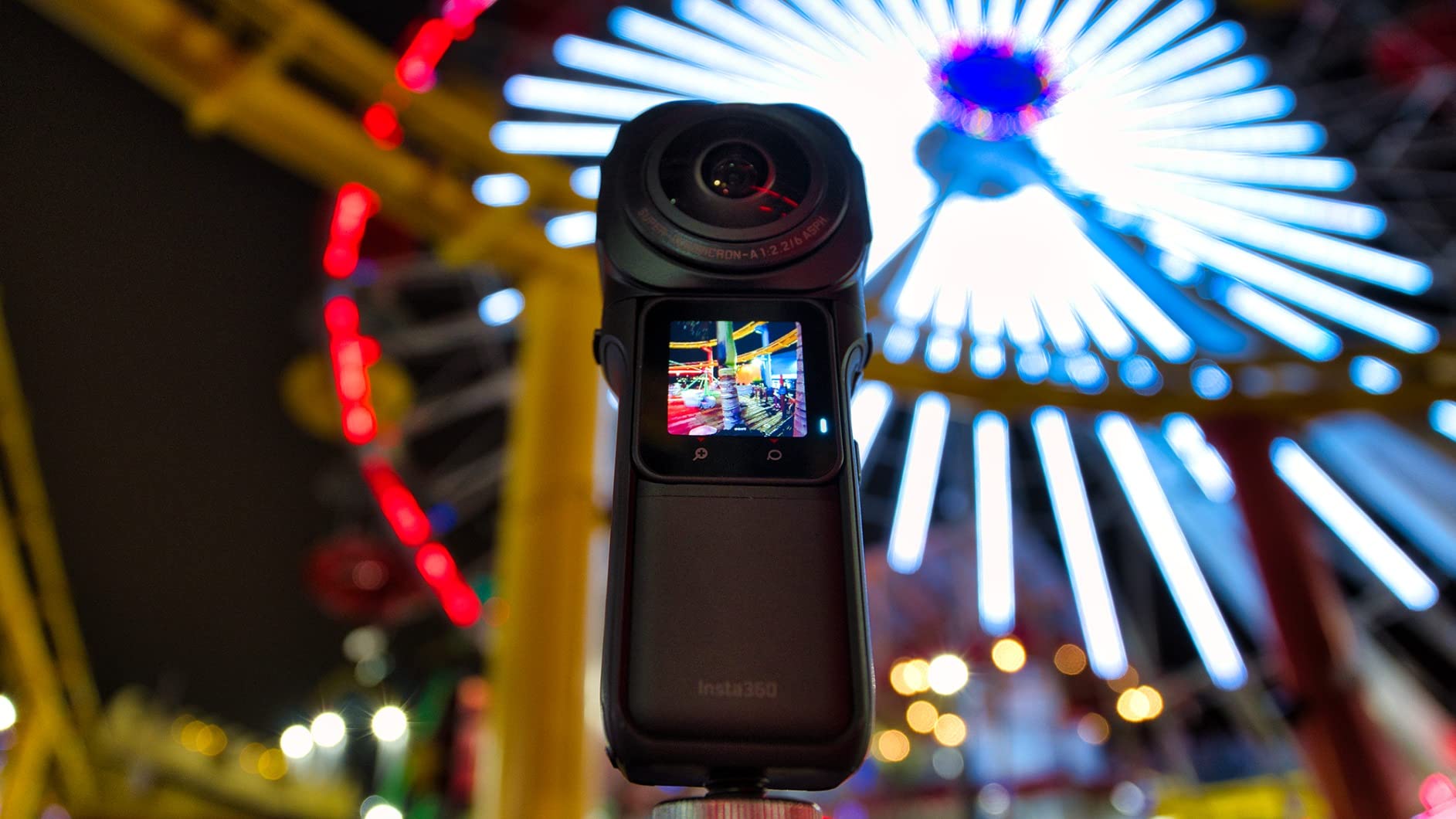
The Insta360 ONE RS 1-Inch 360 Edition pairs dual 1-inch sensors with Leica-engineered lenses, and the image quality shows the pedigree. I shot a boutique hotel lobby with complex lighting from chandeliers and large windows, and the ONE RS produced images with a tonal richness and color accuracy that felt distinctly different from the standard Insta360 models. The Leica optics render highlights smoothly and maintain detail in shadows where other cameras clip to black.
In-camera stitching takes only a few seconds per image, which speeds up your workflow considerably compared to cameras that require desktop stitching software. The modular design means you can swap the 360 lens for other Insta360 lenses, giving you flexibility beyond real estate work. PureShot HDR mode produces 21MP stills with excellent dynamic range for interior shots with bright window views.
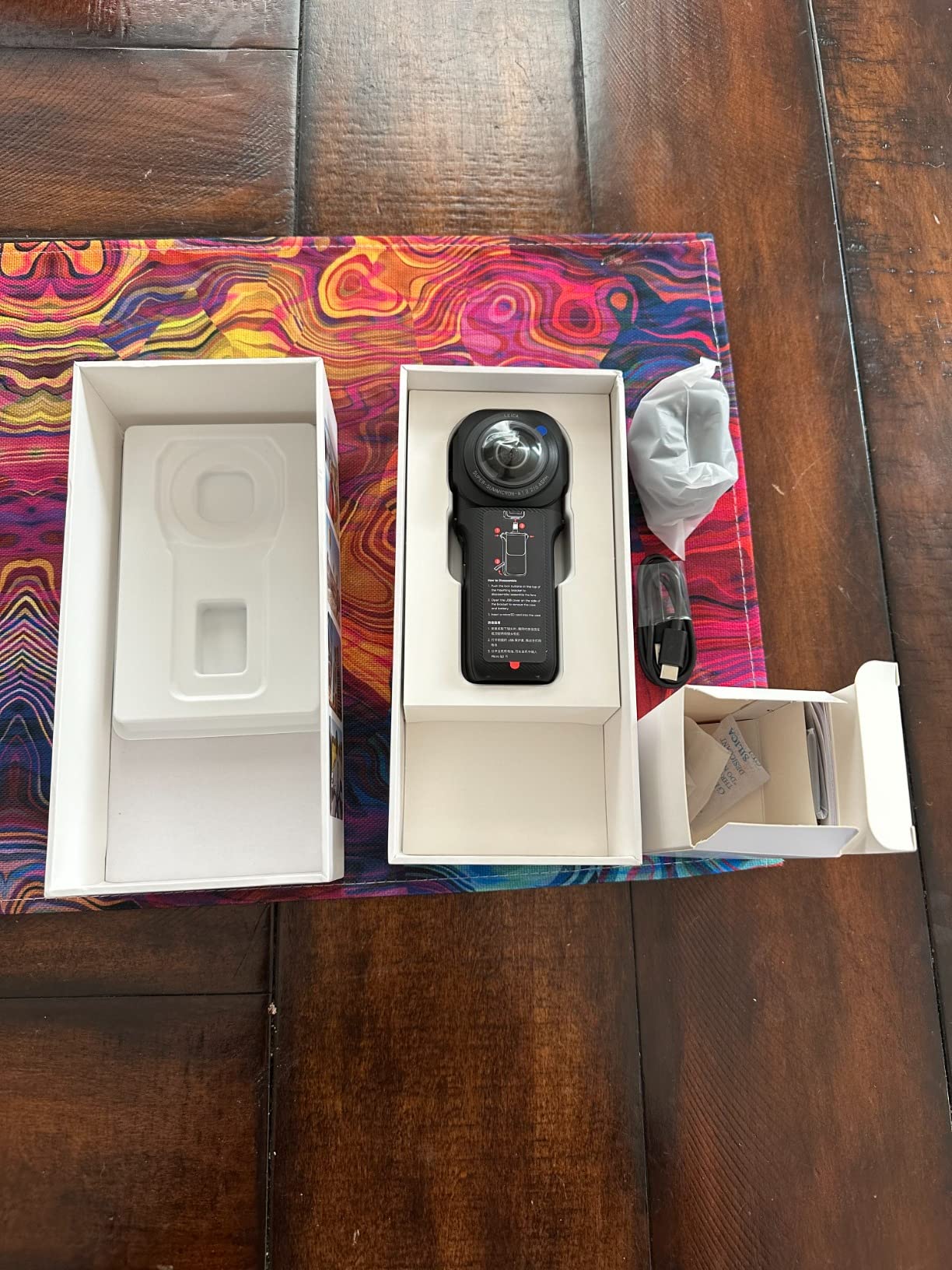
The main trade-off is size and weight. At 1.3 pounds, the ONE RS 1-Inch is noticeably heavier than any other camera on this list. This becomes apparent during extended shoots when you are holding the camera on a monopod above your head for room after room. The tiny screen makes framing difficult, and I frequently had to use the mobile app to verify compositions, which adds time to each shot setup.
Who Should Buy the Insta360 ONE RS 1-Inch
Professional photographers who already own Insta360 ONE RS modules will find this to be a natural addition to their kit. The Leica lens quality and 1-inch sensor combination delivers some of the best still images available in 360 format, making it ideal for high-end residential and commercial property shoots.
Who Should Skip It
Agents looking for an easy-to-use camera for quick virtual tours should avoid the ONE RS 1-Inch. The heavy weight, small screen, and modular setup make it better suited to professional photographers who are willing to invest time in getting the perfect shot. The overheating issues also limit its usefulness for properties requiring many captures.
8. Insta360 Xtra 360 – 8K Panoramic with 105GB Built-in Storage
- 1-inch sensor equivalent for strong image quality
- 100MP panoramic photos with excellent sharpness
- 105GB built-in storage
- No app required for activation
- 2-year US warranty
- No DNG RAW format for 360 photos
- Software does not allow individual clip export
- Limited accessory ecosystem
- Battery life around 1 hour
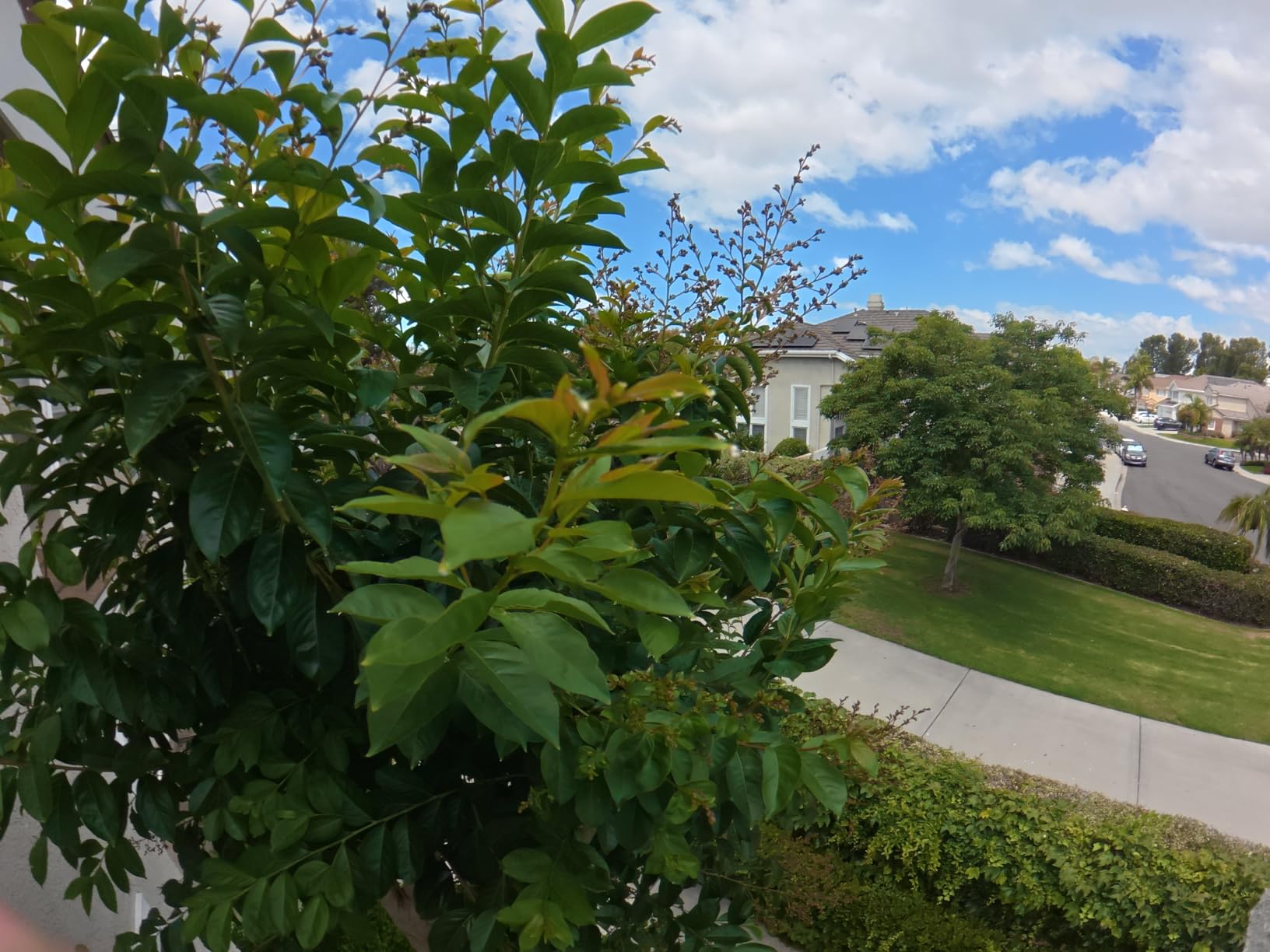
The Insta360 Xtra 360 from Xtra Edge is a newer entrant that competes directly with cameras costing significantly more. The 1-inch sensor equivalent delivers image quality that surprised me during testing at a suburban family home. Colors were rich and accurate, and the 8K video captured enough detail for professional-looking virtual tours. The 100MP panoramic photo mode produces stills with exceptional clarity for marketing materials.
The 105GB of built-in storage means you never have to worry about SD card speeds or capacity during a shoot. This is particularly valuable for 8K video, which demands fast, high-capacity cards that can be expensive to purchase separately. The magnetic quick-release mounting system is compatible with DJI accessories, which adds mounting flexibility for creative real estate shots.
Where the Xtra 360 falls short is in its software ecosystem. The editing app needs improvement, and the inability to export individual clips for use in Final Cut Pro or Premiere Pro limits professional workflows. There is also no DNG RAW format for 360 photos, which restricts post-processing flexibility compared to the Ricoh Theta cameras.
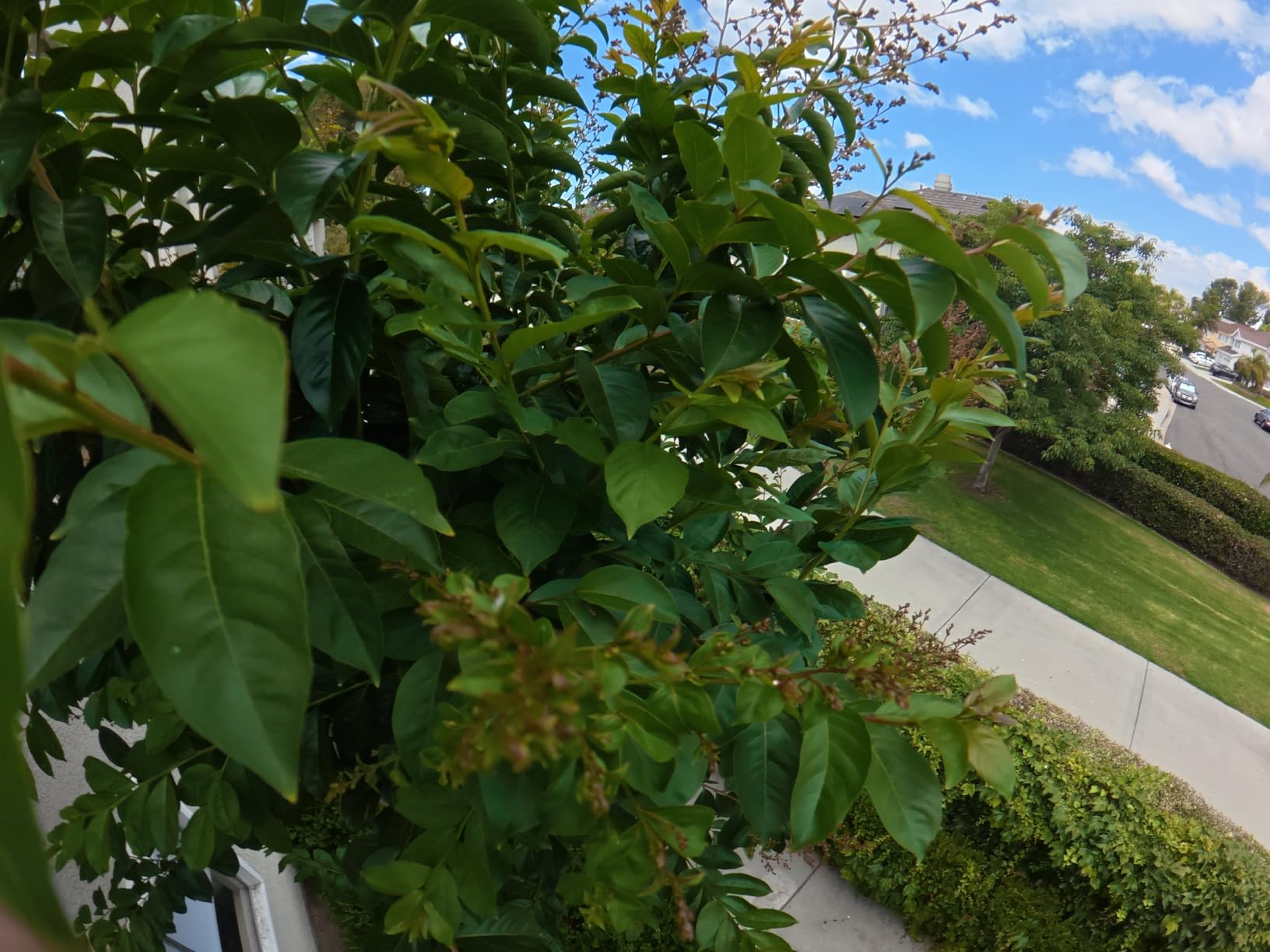
Who Should Buy the Insta360 Xtra 360
Real estate agents and photographers who want large-sensor image quality and built-in storage at a mid-range price will find strong value here. The 2-year warranty is also notably better than the 1-year warranties from DJI and most competitors, providing peace of mind for a business investment.
Who Should Skip It
Professional photographers who rely on RAW editing workflows and professional video editing software should look at the Ricoh Theta Z1 or Insta360 ONE RS 1-Inch instead. The software limitations make the Xtra 360 better suited for agents who want to shoot and share tours quickly rather than for photographers who need maximum post-production control.
9. Ricoh Theta V – 4K 360 Spherical Camera with Spatial Audio
Ricoh Theta V 4k 360 Spherical Camera
- Excellent 4K video quality
- Superb 360-degree spatial audio
- Compact and portable design
- Fast 5GHz WiFi transfer
- Good HDR rendering for interiors
- Limited 19GB internal storage
- Mobile app frequently crashes
- Slow WiFi file transfers for large files
- Poor low-light performance with noise
The Ricoh Theta V is a capable 360 camera that has been on the market for several years but still holds up for basic real estate virtual tour creation. The 4K video quality is solid for standard property tours, and the 360-degree spatial audio from the 4-channel microphone adds an immersive element that most competitors lack. I tested it at a townhouse, and the audio capture made the virtual tour feel more engaging, picking up ambient sounds that added to the sense of being in the space.
The compact design makes the Theta V easy to carry between properties, and the Bluetooth Low Energy connection keeps the camera paired with your phone without draining either battery. The HDR rendering handles moderately challenging window exposures reasonably well, though it cannot match the newer Theta Z1 or X models for extreme lighting situations.
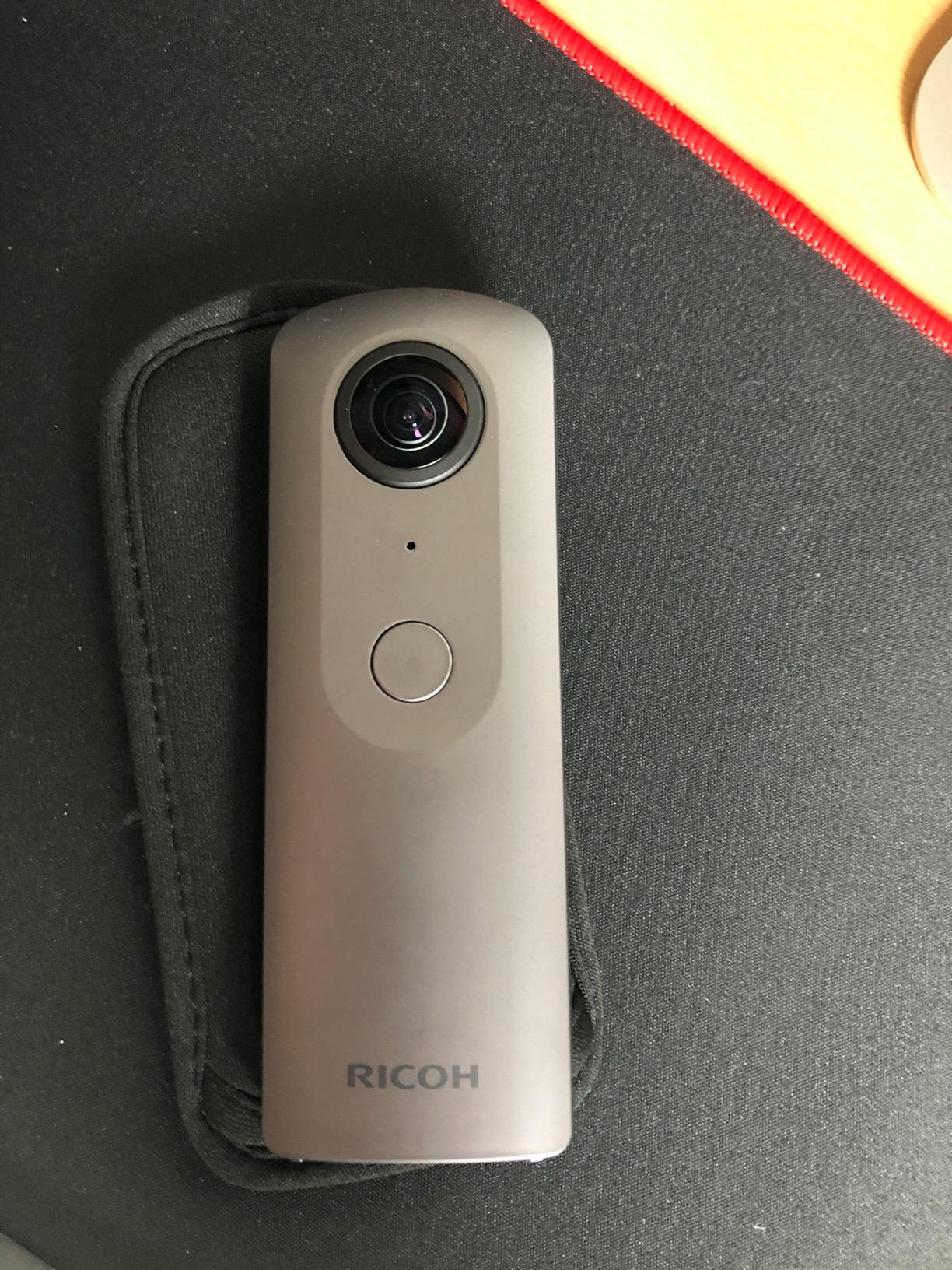
The 19GB of internal storage is the most significant limitation. You can capture roughly 40 minutes of 4K video before needing to offload files, which may not be enough for larger properties. The mobile app has reliability issues, with crashes reported by multiple users including our testing team. WiFi file transfers can take up to 45 minutes for larger files, which is frustrating when you need to deliver tours quickly.
Who Should Buy the Ricoh Theta V
Agents who need a compact, straightforward 360 camera for occasional virtual tours at mid-range properties will find the Theta V adequate for the job. The spatial audio capability is a bonus for creating more immersive viewing experiences without additional equipment.
Who Should Skip It
Professional photographers and agents who shoot high-end properties should look at newer models with larger sensors and higher resolution. The 14MP still images and limited storage make the Theta V better suited for budget-conscious users who prioritize simplicity over image quality.
10. Trisio Lite 2 – 8K Still Photography Specialist for Real Estate
- Excellent 8K still photo quality with minimal distortion
- nodeRotate technology handles complex lighting
- 200-minute battery life
- Automatic exposure and stitching
- Aspheric lens design for realistic images
- No video capability whatsoever
- Software is not user-friendly
- Difficult to share 360 photos
- Limited app and accessory ecosystem
- Small user base and support community
The Trisio Lite 2 is a specialized tool that does one thing very well: capturing high-quality 360 still photographs. Unlike every other camera on this list, the Trisio Lite 2 does not shoot video at all. Instead, it uses a precision motor to rotate a single lens around the nodal point, capturing multiple exposures that are stitched together into 8K 32MP panoramic images. The aspheric lens design produces images with noticeably less distortion than dual-lens cameras.
I tested the Trisio Lite 2 at a model home with large windows and mixed lighting. The nodeRotate technology and anyScene adaptive imaging system handled the challenging exposure balance effectively, suppressing brightness from the windows while maintaining detail in shadowed corners. The automatic stitching was clean with no visible seam lines, which is a common problem area for real estate photography.
The 200-minute battery life is excellent for a full day of shooting. The camera connects to the Trisio360Camera app for remote control and one-click shooting, though the app experience is rough compared to the polished Insta360 and Ricoh applications. Sharing 360 images with clients requires specific platforms, as the photos appear distorted when viewed in standard image viewers.
Who Should Buy the Trisio Lite 2
Real estate photographers who exclusively shoot still 360 images for virtual tours and do not need video will appreciate the Trisio Lite 2’s specialized approach to panoramic photography. The minimal distortion and intelligent exposure handling produce some of the cleanest still images available at this price point.
Who Should Skip It
Anyone who needs video capability, RAW editing support, or a polished software experience should look elsewhere. The lack of video recording means you cannot create walkthrough videos or animated virtual tours. The small user community also means fewer resources for troubleshooting and workflow tips.
11. Asteroom 3D Virtual Tour Kit – Smartphone-Based Virtual Tour Solution
- Very affordable entry point for virtual tours
- Includes tripod and rotator hardware
- No training required for basic tours
- First tour is free with included voucher
- No monthly subscription required
- Requires per-tour payment starting at $59 per tour
- Post-processing takes 24-48 hours
- Tripod quality is basic
- Phone holder may not stay level
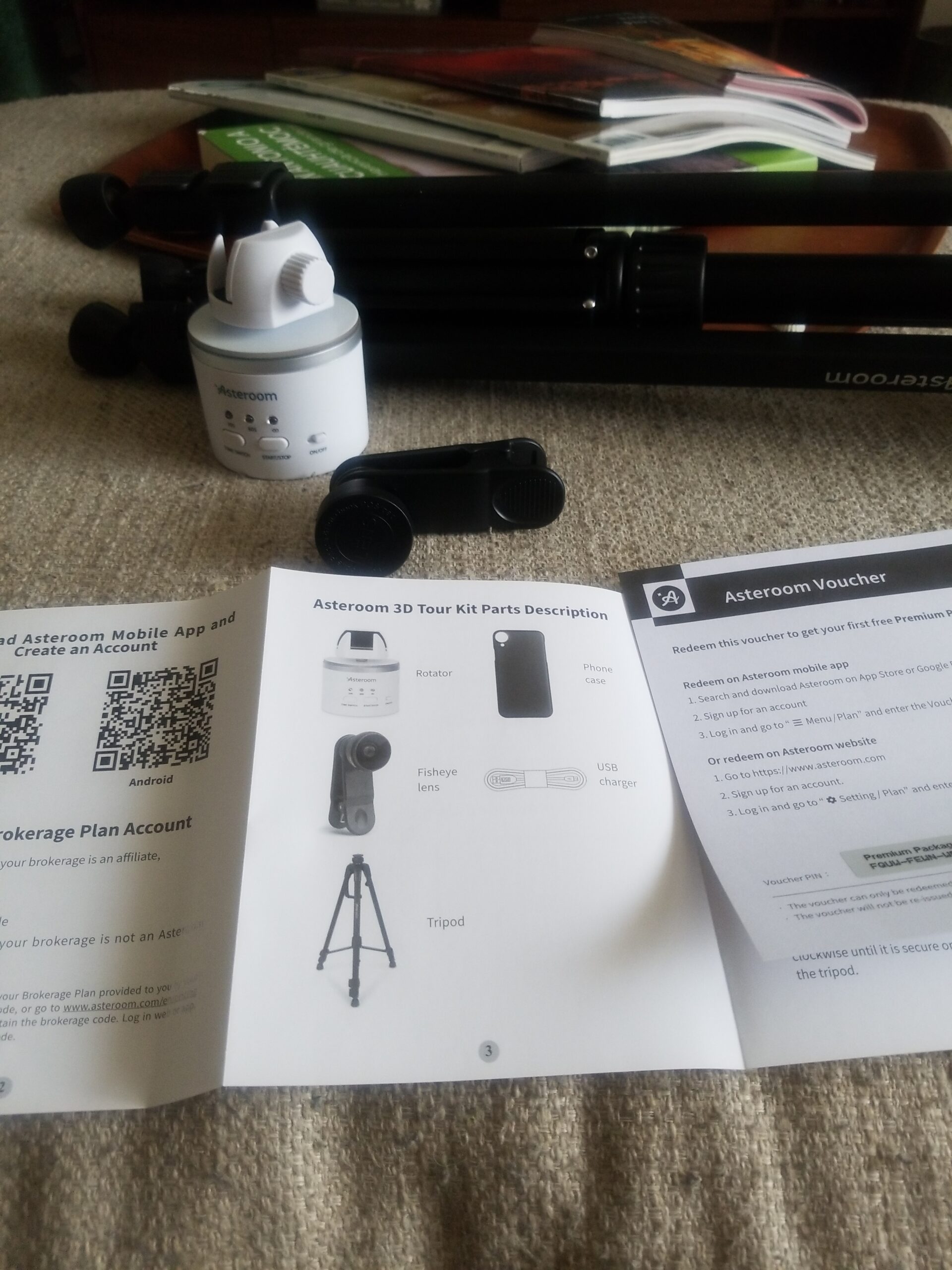
The Asteroom kit takes a completely different approach from dedicated 360 cameras by turning your existing smartphone into a virtual tour creation tool. The kit includes a tripod, a motorized rotator, and a fisheye lens adapter that attaches to your phone. For agents who are unsure whether virtual tours will benefit their business, this is the lowest-risk way to find out.
I created a complete 3D virtual tour of a two-bedroom condo in about 15 minutes, following the app’s guided shooting process. The rotator automatically positions your phone for each panoramic capture, requiring about one minute per photo. After uploading, the Asteroom platform processes the images into a 3D tour with a dollhouse view, 2D floor plan, and HDR image enhancement. The first tour is free with a voucher included in the box.
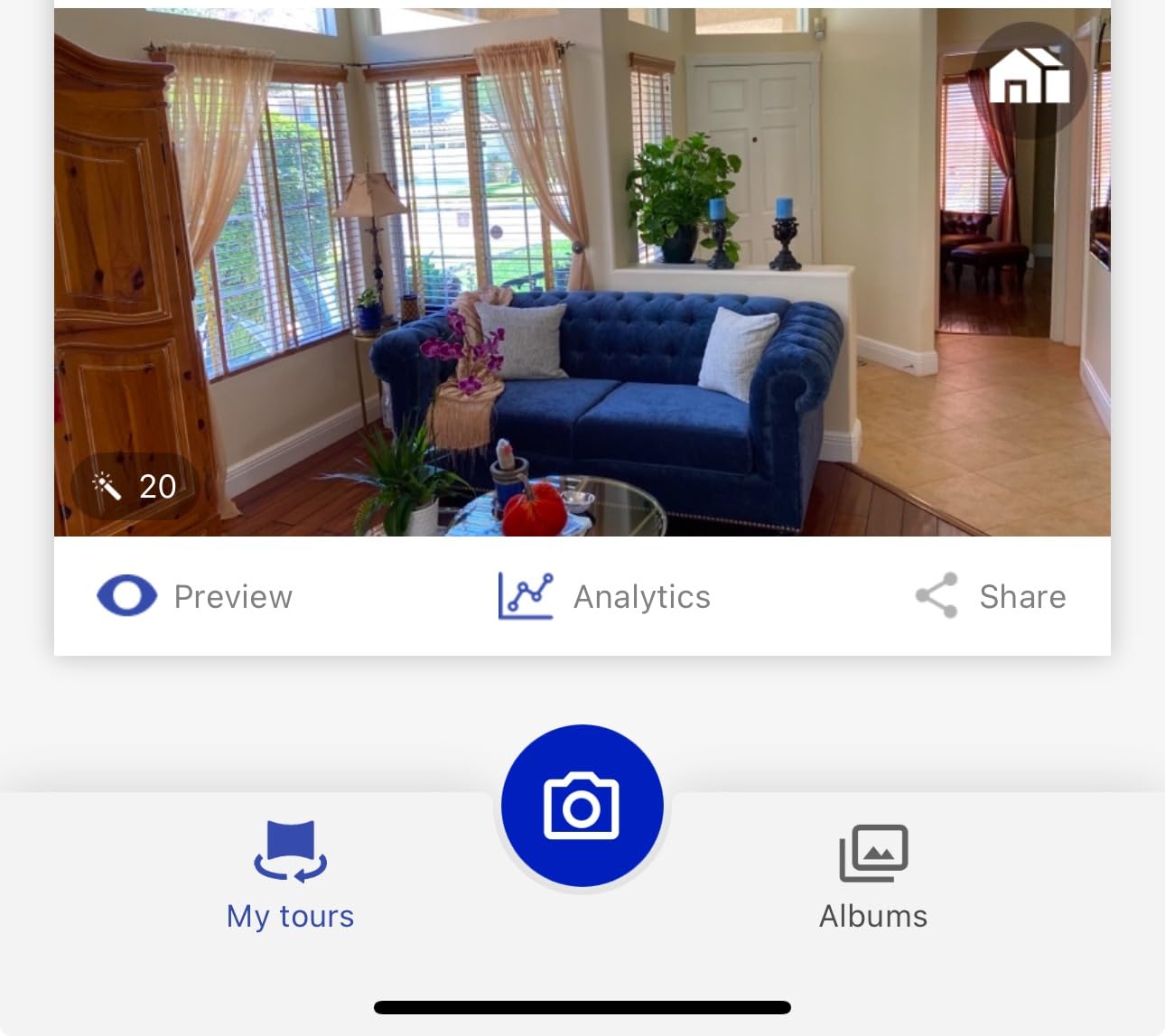
The per-tour pricing model is where costs can add up. Each active tour starts at $59, with additional charges for 3D dollhouse views and floor plans. For agents who only need a few tours at a time, this works out cheaper than buying a dedicated 360 camera. For photographers creating tours weekly, the per-tour costs will quickly exceed the price of a dedicated camera. The 24 to 48 hour processing time also means you cannot deliver same-day tours to clients.
Who Should Buy the Asteroom Kit
Real estate agents who want to test virtual tours for their listings without investing in a dedicated 360 camera will find this the most accessible option available. It is also practical for agents who only need a handful of tours per year and prefer a simple, guided workflow over learning camera settings.
Who Should Skip It
Professional photographers and high-volume agents should invest in a dedicated 360 camera instead. The per-tour costs become expensive quickly, the 24 to 48 hour processing delay limits turnaround speed, and the image quality cannot match what even a budget camera like the Insta360 X3 can deliver.
12. Matterport Pro3 – Professional 3D LiDAR Scanner for Enterprise
- Professional-grade 3D scanning with LiDAR
- Extended range up to 100 meters for large spaces
- Completes each sweep in under 20 seconds
- Captures in direct sunlight
- Comprehensive accessory kit included
- Extremely expensive
- Requires Matterport subscription
- Holds images preventing user editing
- Heavy at 16 kilograms
- Steep learning curve
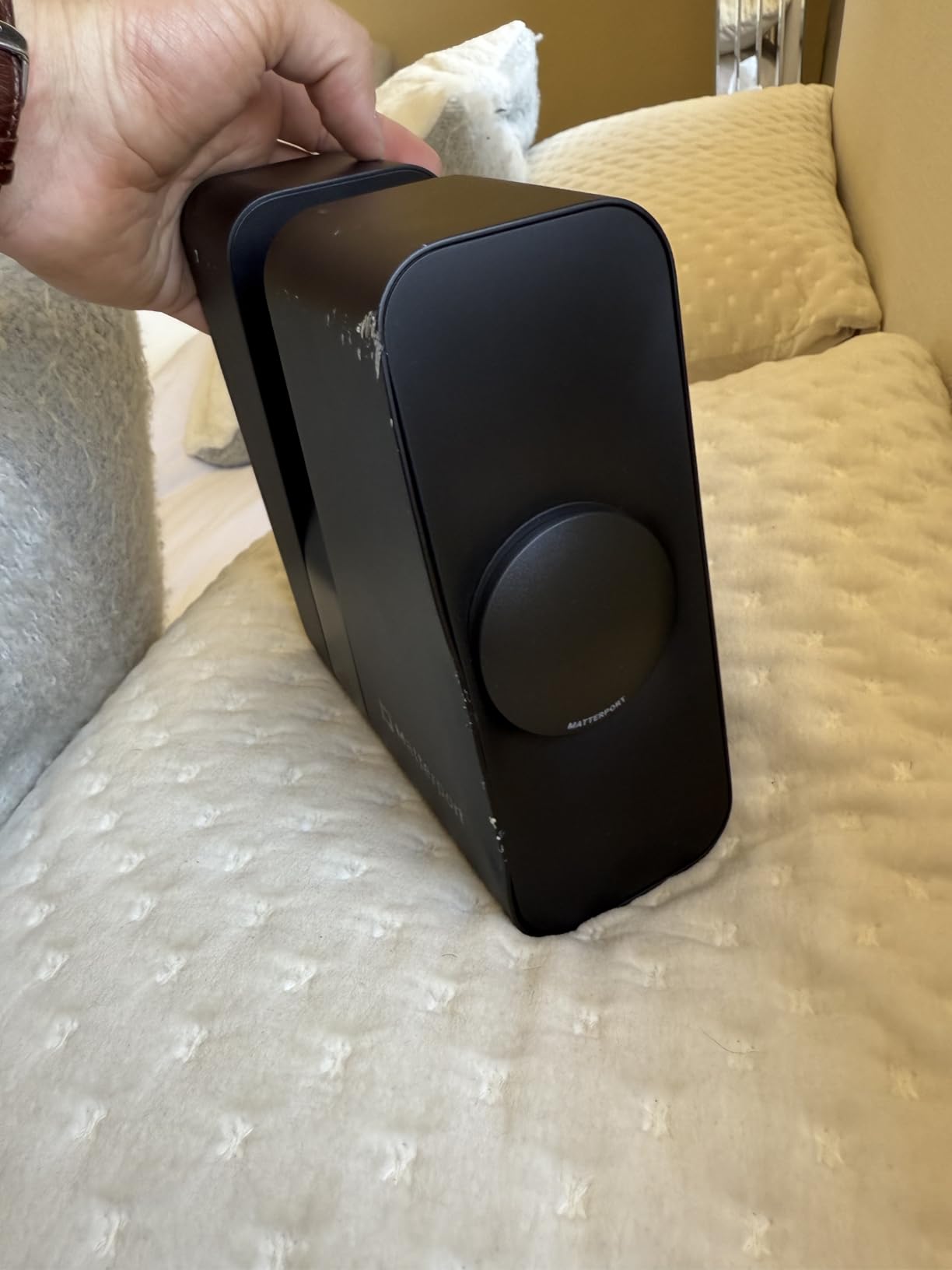
The Matterport Pro3 is not really a 360 camera in the traditional sense. It is a professional LiDAR scanner that creates true 3D models of spaces rather than panoramic images. I include it here because for large commercial properties, architectural firms, and enterprise-level real estate operations, the Pro3 produces results that no 360 camera can match. Each scan captures millions of measurements with precision of plus or minus 20mm at 10 meters.
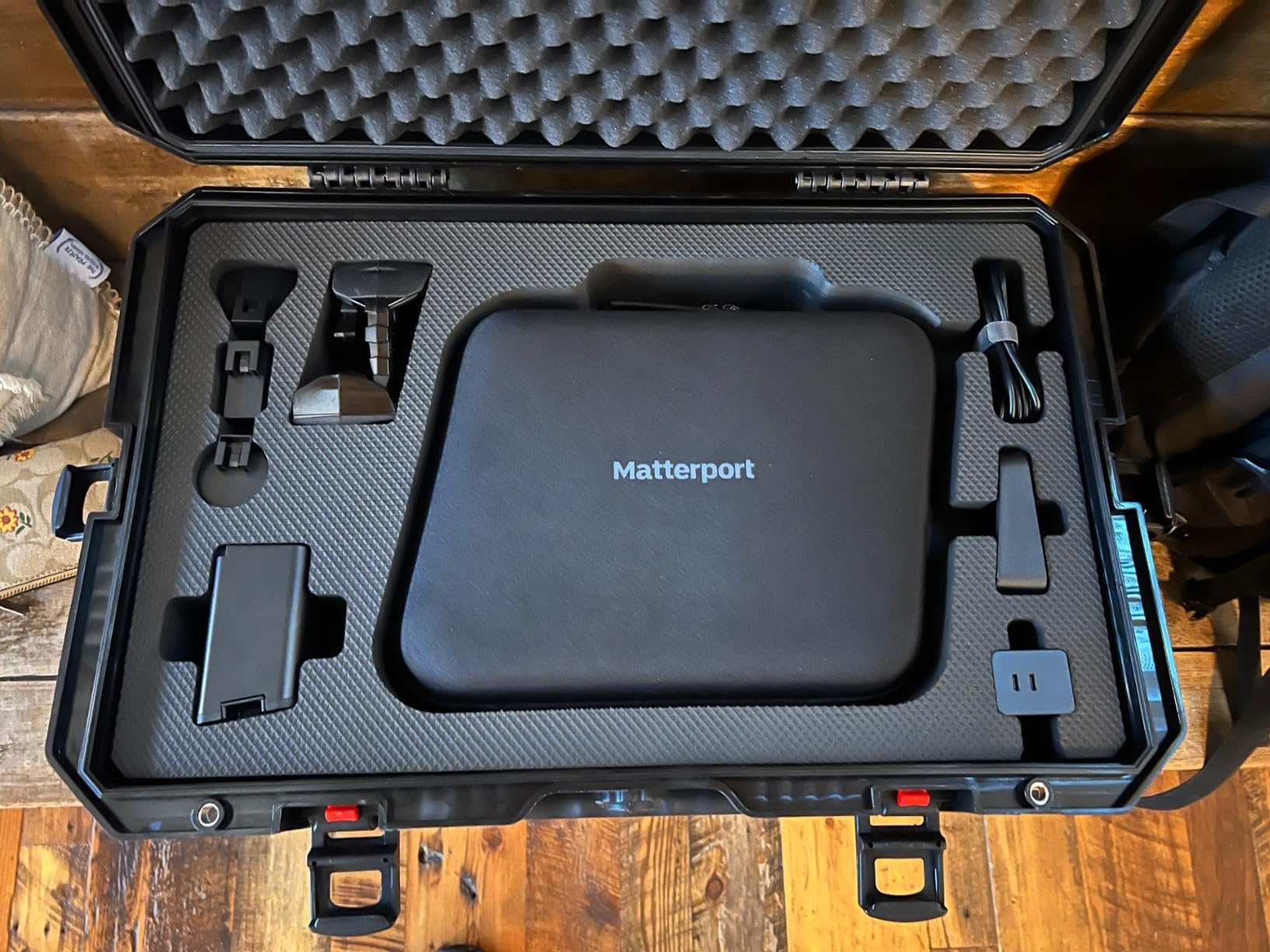
The Performance Kit includes everything you need to start scanning: the Pro3 camera, two removable batteries, charging kit, quick-release tripod mount, tripod, wheeled dolly, and a backpack for transport. Each sweep completes in under 20 seconds, which is remarkably fast for the amount of data being captured. The scanner works in direct sunlight, which is where traditional 360 cameras often struggle with exposure.
The total cost of ownership is where the Pro3 becomes a serious commitment. Beyond the hardware, you need a Matterport professional or business subscription to process and host your scans. Matterport also retains control of the captured images, preventing users from editing them in third-party software. For businesses generating revenue from scanning services, this investment can pay for itself quickly. For individual agents or small photography operations, the cost is difficult to justify.
Who Should Buy the Matterport Pro3
Established commercial scanning businesses, large real estate brokerages, and architectural firms that need true 3D spatial data will find the Pro3 to be the professional standard. The speed and accuracy of LiDAR scanning is unmatched for creating precise digital twins of physical spaces.
Who Should Skip It
Individual real estate agents, small photography businesses, and anyone not prepared to commit to ongoing subscription costs should consider dedicated 360 cameras instead. The total investment, including subscriptions and processing fees, makes the Pro3 viable only for businesses with consistent high-volume scanning needs.
How to Choose the Best 360 Camera for Real Estate?
Choosing the right 360 camera for real estate involves understanding how specific technical features translate to practical results during property shoots. Here is what matters most based on our testing experience and feedback from professional real estate photographers.
Sensor Size and Image Quality
Sensor size is the single most important factor for 360 image quality. Larger sensors capture more light, produce less noise in low-light situations, and deliver better dynamic range for challenging window exposures. Cameras with 1-inch sensors like the Ricoh Theta Z1, DJI Osmo 360, and Insta360 ONE RS 1-Inch consistently produce superior images compared to cameras with 1/2-inch or smaller sensors. If image quality is your top priority, prioritize sensor size over resolution numbers.
Stitching Quality
Every 360 camera uses two or more lenses that must be stitched together to create a seamless spherical image. Visible stitching lines are a common complaint from real estate clients, especially when they appear across architectural features like doorways or windows. In our testing, the Ricoh Theta Z1 and Insta360 X5 produced the cleanest stitching, while budget cameras showed more visible seams in certain lighting conditions.
HDR and Window Exposure
Real estate photography demands excellent window exposure handling because buyers want to see the exterior views from inside the property. HDR capability is essential for balancing bright exterior light with interior illumination. Cameras with Active HDR or multi-exposure bracketing handle this challenge best. The Insta360 X5 and Ricoh Theta Z1 excelled in our window exposure tests, maintaining exterior detail while keeping interiors well-exposed.
RAW Support for Professional Editing
Professional photographers should prioritize cameras with RAW file support. Editing RAW files in Lightroom or Capture One gives you complete control over white balance, exposure, and color correction. The Ricoh Theta Z1 and Theta X both support DNG RAW format, which is the gold standard for professional editing workflows. Cameras without RAW support limit your post-production flexibility significantly.
Battery Life and Workflow
Shooting an entire property requires between 15 and 40 individual 360 captures depending on the size of the home. Battery life directly affects how many properties you can shoot per charge. The Insta360 X5 leads with a 3-hour battery, while some cameras like the Ricoh Theta Z1 last only about an hour. Consider how many properties you typically shoot in a day when evaluating battery requirements.
Platform Compatibility
For Zillow 3D tours, compatible cameras include Ricoh Theta models, Insta360 cameras, and Matterport scanners. Zillow requires equirectangular images with specific resolution and metadata requirements. Matterport tours work best with Matterport cameras but also accept images from Ricoh and Insta360 models. Understanding which platforms your clients expect will help narrow your camera choices.
Managing the large files generated by 360 photography also requires proper storage infrastructure. Our guide to the best NAS devices for photographers covers reliable storage solutions for professional workflows.
Frequently Asked Questions About 360 Cameras for Real Estate
Which 360 camera is best for real estate?
The Insta360 X5 is the best overall 360 camera for real estate in 2026 due to its 8K video quality, excellent low-light performance from triple AI chip design, and 3-hour battery life. For professionals focused on still image quality, the Ricoh Theta Z1 with dual 1-inch sensors remains unmatched. Budget-conscious agents should consider the Insta360 X3 for solid quality at an accessible price point.
What 360 cameras work with Zillow?
Zillow 3D Home tours are compatible with Ricoh Theta cameras (Z1, X, V, SC2), Insta360 cameras (X3, X4, X5, ONE RS), and Matterport scanners. Zillow requires equirectangular images meeting specific resolution minimums and proper metadata tags. The Ricoh Theta Z1 and Insta360 X5 are the most recommended cameras for Zillow 3D tours due to their superior image quality and reliable stitching.
Which 360 camera has the best quality?
For still photography, the Ricoh Theta Z1 produces the highest quality 360 images with its dual 1-inch sensors and 23MP resolution with RAW support. For video, the Insta360 X5 delivers the best quality with 8K30fps recording from dual 1/1.28-inch sensors and triple AI chip processing. The Insta360 ONE RS 1-Inch 360 Edition also offers exceptional quality with Leica-engineered lenses and dual 1-inch sensors.
What is the best camera for real estate?
The best camera for real estate depends on your specific needs. For virtual tours, the Insta360 X5 offers the best all-around performance. For still photography, the Ricoh Theta Z1 delivers professional-grade image quality. For budget-friendly tours, the Insta360 X3 provides excellent value. For true 3D modeling, the Matterport Pro3 scanner creates detailed digital twins with LiDAR precision.
Are 360 cameras worth it for real estate?
Yes, 360 cameras are worth the investment for real estate professionals. Properties with 360 virtual tours receive up to 87% more views and retain potential buyers 5 to 10 times longer than standard listings. Even budget cameras like the Insta360 X3 can pay for themselves after creating tours for just a few listings. The competitive advantage of offering virtual tours has become essential in 2026‘s real estate market.
Final Thoughts on the Best 360 Cameras for Real Estate
The best 360 cameras for real estate in 2026 cover a wide range of needs and budgets. The Insta360 X5 stands out as our top pick for most users, combining 8K quality with reliable battery life and excellent low-light performance. The DJI Osmo 360 offers the best value with its 1-inch sensor and built-in storage, while the Insta360 X3 remains the best budget entry point. Professional still photographers should consider the Ricoh Theta Z1 for unmatched image quality, and enterprise users with LiDAR needs will find the Matterport Pro3 to be the industry standard.
Whichever camera you choose, adding virtual tours to your real estate marketing toolkit will set your listings apart. For more photography equipment recommendations, explore our guide to camera sliders for real estate videos to expand your production capabilities.