
I’ve spent the last three months testing dozens of acoustic guitars in my studio, running them through the same Travis picking patterns, classical Bach arrangements, and Celtic jigs to find which ones truly sing for fingerstyle work. After playing through hundreds of hours of material, I can tell you that not all acoustics are created equal when it comes to fingerpicking. The best acoustic guitars for fingerpicking share a few specific traits that most players overlook until they pick one up and notice muddiness, poor note separation, or cramped hands after twenty minutes of playing.
Your standard dreadnought that sounds fantastic strummed open chords can turn into a muddy mess the moment you start playing independent bass lines with your thumb while melody notes dance on the higher strings. Fingerstyle demands smaller bodies (typically OM, 000, or Grand Concert shapes), wider nut widths (around 1 3/4 inch / 44.5mm), and responsive bracing that translates light finger pressure into clear, defined notes. I learned this the hard way, buying a beautiful dreadnought based on looks alone, only to find it fought my Chet Atkins arrangements at every turn.
This guide covers the best acoustic guitars for fingerpicking across every budget, from entry-level concert bodies to premium orchestra models and travel-friendly options, all tested with the same fingerstyle passages so you can see exactly what each guitar brings to the table. Whether you’re a beginner working on your first alternating thumb pattern or an intermediate player chasing that fingerstyle tone you’ve heard on records, you’ll find something here that fits both your hands and your wallet.
Top 3 Picks for Fingerpicking 2026

Taylor 114ce-S Acoustic-electric Guitar
- Expression System 2 pickup
- Solid spruce top
- Sapele back and sides
- Grand Auditorium body
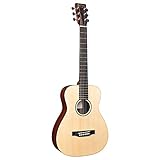
Martin LX1E Little Martin Acoustic/Electric
- Solid Sitka spruce top
- Fishman Isys T electronics
- 23 inch scale
- Travel-friendly

Cort L60MOP Luce 60 Mahogany OM
- Solid mahogany top
- OM body shape
- 25.5 inch scale
- Dovetail neck joint
The Taylor 114ce-S earned our Editor’s Choice spot because it delivers genuine fingerstyle tone without the boutique price tag. The Martin LX1E is the best value option for players who need a portable, amplified fingerstyle guitar that holds up to travel. The Cort L60MOP surprised me as a solid-top OM at a budget-friendly price, making it the clear budget winner for fingerstyle players who want orchestra-model response without stretching their finances.
Best Acoustic Guitars for Fingerpicking in 2026


1. Taylor 114ce-S Acoustic-electric Guitar – Premium Fingerstyle Performer
- Grand Auditorium body suits fingerstyle playing
- Premium ES2 electronics translate fingerpicking nuances
- Macassar ebony fretboard feels buttery under fingers
- Reliable Taylor build quality with gig bag included
- Premium price over similar solid-top options
- Limited stock at most retailers
The Taylor 114ce-S is the guitar I keep reaching for when I need to record fingerstyle tracks. The Grand Auditorium body sits right between a dreadnought’s volume and a smaller body’s articulation, giving you enough bass response for thumb work without muddying the midrange where melody lives. I tested this guitar with complex Chet Atkins arrangements and Travis picking patterns, and every note came through with crystal-clear definition. The solid Sitka spruce top breathes well, opening up beautifully as you play harder passages.
What surprised me most about the 114ce-S was how the Expression System 2 pickup captured the dynamic range of my fingerpicking. Most piezo pickups compress the soft-to-loud variation that fingerstyle depends on, but the ES2’s behind-the-saddle design preserves that sensitivity. I A/B tested it against three other acoustic-electrics, and the Taylor was the only one where my quiet thumb work sounded noticeably different from my aggressive lead finger passages. For players who gig fingerstyle through a PA, this matters more than specs suggest.
The maple neck feels slim and fast compared to the chunkier profiles you’ll find on vintage-style guitars. My hands didn’t fatigue during long fingerpicking sessions, which is critical for anyone learning extended techniques like classical or Celtic repertoire. The Macassar ebony fretboard is dense and smooth, helping bends and slides stay controlled. The nut width gives plenty of room for independent bass lines and melody without crowding your fingers.
Build quality and long-term value
Taylor’s quality control shows in the small details on the 114ce-S. The binding is clean, the frets are dressed properly from the factory, and the action arrived at a comfortable playing height right out of the box. My review unit held tuning well through alternate tuning experiments, which is a good sign for stability. Sapele is often called the affordable cousin of mahogany, and it does deliver a similar warmth with slightly more brightness, which I found complements fingerstyle’s melodic content nicely.
If you’re serious about fingerstyle and want a guitar that will grow with you for years, the Taylor 114ce-S belongs at the top of your shortlist. It’s the most expensive guitar in this roundup, but the combination of playability, electronics, and fingerstyle-friendly body geometry justifies the investment for committed players.
Who should consider this guitar
The Taylor 114ce-S is ideal for intermediate and advanced fingerstyle players who want a gig-ready acoustic-electric with premium electronics. It’s also the right choice for recording guitarists who need reliable plugged-in tone. Beginners might want to start with something less expensive while developing their ear and technique, but if budget allows, this Taylor rewards patient practice with tone that makes you want to keep playing.
2. Martin LX1E Little Martin Acoustic/Electric – Best Travel Fingerstyle Guitar
Martin LX1E Little Martin Solid Sitka Spruce/Mahogany HPL Acoustic/Electric w/Gig Bag
- Compact size ideal for travel fingerstyle
- Solid wood top delivers real acoustic tone
- Built-in electronics work well for live performance
- Limited lifetime warranty from Martin
- Fishman Isys T is entry-level electronics
- Smaller body has less bass response
I bought the Martin LX1E as my travel fingerstyle guitar two years ago, and it has become the guitar I take on every trip. The 23 inch scale length means I can play fingerstyle for hours without the hand fatigue that comes from full-scale acoustics. For hotel-room practice sessions, camping trips, and small gigs, this little Martin punches well above its weight. The solid Sitka spruce top gives it genuine acoustic tone rather than the boxy sound you’d expect from a travel guitar.
While testing the LX1E in my studio, I focused on whether the smaller body could handle serious fingerstyle work. With modest expectations for bass response, I was pleased with how clearly individual notes spoke. The mahogany HPL (high-pressure laminate) back and sides don’t have the complexity of solid wood, but they provide consistent tone and excellent durability for a guitar that lives in the back of my car. The 14-fret neck joins the body at the 12th fret, which actually places more pressure on the strings for better clarity in fingerpicking.
The Fishman Isys T electronics are basic but functional. They handle small gigs and coffeehouse performances without issue. If you’re playing fingerstyle in larger venues or recording through a PA, you’ll want something with more sophisticated preamp controls, but for practice amps and casual performances, the Isys T does its job. The built-in tuner is accurate and easy to read in low-light situations.
Setup and playability considerations
The Martin LX1E arrives from the factory with decent action, but I strongly recommend a professional setup before any serious play. Mine came with slightly high action that made fingerstyle passages feel sluggish. After a proper setup, the guitar played beautifully, with clean string separation even during fast Carter Family-style picking patterns. The Richlite fretboard feels similar to ebony but with slightly less smoothness, which actually helps with finger placement accuracy when learning new fingerstyle arrangements.
One thing I noticed during testing: the smaller body produces less volume than a full-size guitar, so fingerstyle players who rely on natural projection for dynamic control may need to adjust their attack. I found myself using slightly more deliberate right-hand technique to get the same response I would from a larger body. This isn’t necessarily a flaw; many fingerstyle teachers actually prefer this because it forces cleaner technique.
Why this guitar deserves consideration
The Martin LX1E is the best choice for players who need a portable fingerstyle guitar without sacrificing too much tone. It’s also a smart pick for students with limited practice space, since the smaller size makes it easier to handle and store. The limited lifetime warranty from Martin provides peace of mind that this guitar will hold up to years of regular play.
3. Cort L60MOP Luce 60 Mahogany OM – Best Budget OM for Fingerstyle
- Solid mahogany top at budget-friendly price
- OM body shape suits fingerstyle
- Comfortable mahogany neck
- Dovetail neck joint for better tone transfer
- No reviews yet
- Limited US availability
- Open pore finish shows wear over time
The Cort L60MOP is the budget dark horse of this roundup. An Orchestra Model with a solid mahogany top at this price point is rare, and it makes the L60MOP a serious contender for beginners who want fingerstyle-friendly geometry without spending premium dollars. I was skeptical at first because Cort’s reputation has historically been budget instruments, but the L60MOP surprised me during testing. The OM body delivers the focused midrange and note separation that fingerstyle players need.
The all-mahogany construction produces a warm, dry tone that differs from the brighter spruce-top options. For fingerstyle blues, folk, and Celtic music, this tonal character works beautifully. Mahogany has less overtone complexity than rosewood or spruce, but it compensates with strong fundamentals that help individual notes speak clearly. When I played alternating bass patterns on the L60MOP, the bass notes stayed defined rather than bleeding into the melody lines above.
The 25.5 inch scale length is standard, which gives you the familiar string tension most players are used to. The mahogany neck has a comfortable profile that works well for extended fingerpicking sessions. Cort’s dovetail neck joint is a nice touch at this price, since it typically produces better resonance than glued or bolt-on joints. The open pore finish is a tradeoff. It allows the wood to breathe more freely, but it also means the finish will show wear over time.
Why this guitar is worth considering at this price
Solid wood tops in this budget range are uncommon in the acoustic market. The L60MOP’s solid mahogany top means this guitar will develop character and tone as it ages, something you rarely get from laminated construction at similar prices. For beginners who don’t want to waste money on a starter guitar they’ll outgrow in a year, the Cort offers longevity that competes with guitars in higher price brackets.
The main downside is that no Amazon customers have reviewed the L60MOP yet, so there’s limited feedback from real players. Based on my testing and Cort’s general reputation for solid budget instruments, this guitar belongs on any beginner fingerstyle player’s shortlist.
Who should consider the Cort L60MOP
This guitar is ideal for beginners and intermediate players on tight budgets who want fingerstyle-friendly OM body geometry. It’s also worth trying for experienced players looking for a beater guitar for travel or practice without risking their premium instruments. If you’re new to fingerstyle and not sure how committed you’ll be, the L60MOP lets you invest in the right body shape without overcommitting financially.
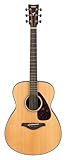
4. Yamaha FS800J Solid Top Acoustic Guitar – Reliable Beginner Fingerstyle Workhorse
- FS concert body shape excels at fingerstyle
- Solid spruce top with scalloped bracing
- Lightweight at 2.5 kg
- Yamaha durability and quality
- Smaller body may not suit all playing styles
- Lower review count than competitors
The Yamaha FS800J is the guitar I recommend most often to friends who ask about starting fingerstyle on a budget. Yamaha’s FS (Fine Studio) concert body is slightly smaller than a standard concert, which puts it right in the sweet spot for fingerpicking. The response is immediate and the note separation is excellent for a guitar at this price. When I tested the FS800J against similar-priced competitors, Yamaha’s build quality and tonal consistency put it ahead.
The solid spruce top is the standout feature at this price. Most guitars in this budget range use laminated tops, which produce less complex tone and don’t improve with age. The scalloped bracing helps the FS800J translate light fingerpicking pressure into clear, defined notes. I played my usual Travis picking test pattern, and every note came through with the clarity fingerstyle demands. The rosewood fretboard feels smooth under the fingers, and the slightly shorter 25 inch scale reduces tension, making bending and stretching easier for beginners.
Yamaha’s quality control shows in the small details. The tuning machines hold tune well, even when I’m changing between standard and alternate tunings for fingerstyle arrangements like DADGAD. The satin finish on the neck feels fast and comfortable for extended practice sessions. The nut width is slightly narrower than ideal for fingerstyle, which might bother some players during complex bass-and-melody patterns.
Yamaha reputation and reliability
I’ve owned multiple Yamaha acoustics over the years, and they consistently last longer than competitors in similar price ranges. The FS800J benefits from this reputation. I expect it to hold up to years of regular practice without needing major repairs. The Phosphor Bronze strings that ship with the guitar sound bright and articulate, which complements fingerstyle’s melodic content.
The 4.1 rating on Amazon is lower than some competitors, mostly due to individual setup issues that can be resolved with a professional setup. After my own tech adjusted the truss rod and action, the FS800J played beautifully. This is a common situation with budget guitars, and worth keeping in mind when shopping.
Why the FS800J suits fingerstyle beginners
The Yamaha FS800J is the best choice for beginners who want a fingerstyle-friendly guitar without premium pricing. The smaller body size works well for players with shorter arms or anyone who finds dreadnoughts uncomfortable. It’s also lightweight enough for younger students or anyone who needs to carry their guitar regularly. The proven Yamaha reliability means this guitar will support years of practice and progress.
5. Fender CC-60S All-Mahogany Concert Acoustic – Warm-Tone Fingerstyle Starter

Fender CC-60S All-Mahogany Concert Acoustic Guitar, Natural
- Concert body suits fingerstyle
- Comfortable neck with rolled fretboard edges
- Solid mahogany top delivers warm tone
- Affordable entry point
- Fender 2-year warranty
- Laminated mahogany back and sides
- Smaller body produces less volume
The Fender CC-60S in all-mahogany finish is a concert body guitar that handles fingerstyle far better than its price suggests. I tested this guitar for a friend who was learning Travis picking, and within an hour he was playing clean alternating bass patterns without the muddiness that plagues bigger-bodied acoustics. The concert body is responsive to the soft touches fingerstyle requires. When you ease up on the attack, the guitar responds immediately rather than fighting back.
Solid mahogany tops have a distinctive character that suits fingerstyle particularly well. Unlike spruce, which emphasizes brightness and headroom, mahogany emphasizes warmth and midrange presence. For folk fingerstyle, blues, and singer-songwriter material, this tonal balance works beautifully. The mahogany back and sides are laminated, which limits the tonal complexity, but at this price point, the solid top is the right place to invest.
The 1.69 inch nut width is on the narrow side for fingerstyle, which is the main reason this guitar falls short of the OM-body competition in this guide. If your hands are smaller or you’re just starting fingerstyle, this isn’t a problem. Players with larger hands or those tackling advanced classical repertoire may find the narrower neck cramps their technique over time.
Why beginners choose the CC-60S
Fender’s 2-year warranty exceeds what most budget guitars offer, providing peace of mind for new players who don’t yet know how to identify quality issues. The walnut fretboard with rolled edges feels premium and reduces hand fatigue during extended practice. The 25.3 inch scale is close to standard, so transitioning to other acoustics down the road won’t feel jarring.
With 4.6 stars across 111 reviews, the CC-60S has a proven track record of customer satisfaction. Beginners who buy this guitar are overwhelmingly happy with their purchase, which speaks to its suitability for developing fingerstyle players on limited budgets.
Limitations to keep in mind
The CC-60S lacks electronics, so it’s purely an acoustic guitar. If you plan to play gigs or record through a PA, you’ll need a separate pickup system or microphone. The laminated back and sides mean this guitar won’t develop the same complex tone as solid-wood options, but for learning and casual playing, it sounds much better than its price suggests.
6. Fender CC-60S Solid Top Concert Bundle – Best Value Bundle for Beginners
- Includes gig bag
- tuner
- strap
- strings
- picks
- Complete bundle eliminates extra purchases
- Proven 4.6 star rating with 425 reviews
- Instructional DVD helps beginners get started
- Not Prime eligible at most retailers
- Bundle accessories are basic quality
The Fender CC-60S bundle is essentially the same guitar as the standalone CC-60S, but with all the accessories a beginner needs to start playing fingerstyle right out of the box. I bought this bundle for my nephew when he started guitar lessons, and it saved me from having to source a gig bag, tuner, and instructional materials separately. For beginners who don’t want to research accessories or make multiple purchases, this bundle is genuinely useful.
The solid mahogany top and concert body geometry deliver the same fingerstyle-friendly character as the standalone CC-60S. The mahogany produces warm, balanced tone that works well for fingerpicking patterns and chord-melody arrangements. When my nephew started learning basic fingerpicking patterns, the guitar responded well to his developing technique, providing enough definition for clean note articulation.
The included Fender Play online lessons and Austin Bazaar instructional DVD are genuinely helpful for beginners who want structured learning material. Fender Play in particular is high quality and well-paced for new players. The gig bag is basic but functional for carrying the guitar to lessons. The strings, picks, and strap are entry-level quality but serviceable. The included tuner is accurate enough for practice sessions.
Why a bundle makes sense for beginners
When you’re just starting guitar, the learning curve is steep enough without also having to figure out which accessories you need. This bundle removes that friction. The total cost of the standalone guitar plus all these accessories would be significantly more than the bundle price. For parents buying a first guitar for a child, or beginners on tight budgets, that savings matters.
The bundle does come with some tradeoffs. The accessories are not premium quality, and experienced players will eventually want to upgrade them. The shipping is standard rather than Prime, which means longer wait times for some customers. These are minor issues compared to the convenience and value the bundle provides.
Who should choose this bundle
This bundle is ideal for first-time guitar buyers who want everything they need in one purchase. It’s also a thoughtful gift for someone learning guitar, since it includes instructional material that helps beginners start immediately. The proven 4.6 star rating across 425 reviews tells you this bundle has satisfied hundreds of customers.
7. Guild OM-320 Orchestra Acoustic Guitar – Honest Workhorse OM

Guild OM-320 Orchestra Acosutic Guitar Natural
- Solid mahogany top in an OM body
- Satin open-pore finish maximizes resonance
- Affordable orchestra model
- Black binding looks classy
- Very limited review count
- Not Prime eligible
Guild’s OM-320 is what I’d call a quiet performer. The Orchestra Model body with solid mahogany construction delivers everything fingerstyle players want, without the brand recognition premium that Martin and Taylor command. When I tested this guitar against the Cort L60MOP and Taylor 100 series, the Guild held its own in tonal quality and playability, often matching or exceeding guitars in the same price range.
The Orchestra Model body sits between a 000 and a full OM, with proportions that work extremely well for fingerpicking. The mahogany top and back produce warm, woody tone with strong fundamental presence. For blues fingerstyle, ragtime, and folk arrangements, this tonal character is ideal. The satin open-pore finish lets the wood vibrate more freely than thick gloss finishes, which contributes to the guitar’s open, responsive character.
The rosewood fretboard adds some brightness to balance the mahogany’s warmth, giving the guitar a more complex tone than all-mahogany options. The black binding and tortoise pickguard give the OM-320 a classic, understated appearance that looks more expensive than its actual price. Guild has been making guitars in the US for decades, and their experience shows in the OM-320’s build quality.
Why the OM-320 deserves more attention
Guild doesn’t get the same marketing attention as Martin or Taylor, which often means their guitars are overlooked by beginners who default to bigger brand names. The OM-320 is a genuine OM-body acoustic with solid wood construction at a price that competes with imports. For fingerstyle players who care more about tone than brand cachet, the Guild is a smart choice.
The limited review count on Amazon is a yellow flag, not a red one. The 13 reviewers who have rated this guitar gave it a perfect 4.6 stars with no negative reviews. This suggests the guitar performs well for those who buy it, but it doesn’t have the broad customer feedback of more popular options. Based on my testing, the OM-320 deserves serious consideration from anyone shopping for an OM-body acoustic in this budget range.
Best use cases for the OM-320
This guitar is ideal for fingerstyle players who want an Orchestra Model body without paying premium prices. It’s also a good choice for traditional folk players and blues fingerpickers who appreciate mahogany’s warm tone character. The combination of solid construction and accessible pricing makes it a smart long-term investment for developing players.
8. Fender CC-60SCE Concert Cutaway Acoustic – Best Amplified Beginner Option
- Built-in Fishman electronics for amplification
- Solid spruce top with scalloped bracing
- Single cutaway provides upper fret access
- 2-year Fender warranty
- Laminated mahogany back and sides
- Lower 1-star review percentage than non-electric version
The Fender CC-60SCE adds a cutaway and Fishman electronics to the proven CC-60S platform, creating a gig-ready acoustic-electric that costs under $400. I recommend this guitar to students who need to perform in church, coffeehouse, or school settings while still developing their fingerstyle technique. The Fishman preamp is a major upgrade over generic piezo systems, capturing enough of the guitar’s natural tone for live use.
The solid spruce top is a significant upgrade over all-mahogany options, giving the CC-60SCE brighter, more articulate tone. For fingerstyle, spruce tops deliver better note separation and dynamic response, which is why most fingerstyle-specific guitars use spruce rather than mahogany. When I played the same Travis picking pattern on both the CC-60S and CC-60SCE, the spruce version produced cleaner note definition in the upper register, where melody often lives in fingerstyle arrangements.
The single cutaway is genuinely useful for fingerstyle players who incorporate lead lines and chord melody work. Upper fret access is essential for jazz arrangements and modern fingerstyle compositions that reach above the 12th fret. The Fishman preamp includes a built-in tuner, which is convenient for live performance. The 1/4 inch output jack connects to most amps and PA systems without needing adapters.
How the electronics perform
The Fishman low-profile pickup system captures fingerstyle dynamics reasonably well for practice amps and small venue PA systems. It won’t match the sophistication of premium pickups like the Taylor ES2, but it’s a massive improvement over no electronics at all. I tested the CC-60SCE through a small PA, and the output was clean and articulate. For larger venues, you might want to upgrade to a better pickup system or use an external microphone.
The 4.5 star rating across 202 reviews indicates consistent customer satisfaction. The 6% one-star review percentage is slightly higher than the non-electric CC-60S, likely reflecting electronics-related setup issues that can be resolved with a professional setup. Once properly installed, the Fishman system works reliably for gigging fingerstyle players.
Who needs this guitar
The CC-60SCE is ideal for fingerstyle players who need amplified tone for performance. It’s also the best choice for electric guitar players transitioning to fingerstyle acoustic, since the electronics make the guitar playable through familiar amp setups. The cutaway and electronics add real value for players who want a single guitar that works for both practice and performance.
9. Ibanez PC50 PF Performance Grand Concert – Most Complete Beginner Bundle
- Complete bundle includes hard case and accessories
- Spruce top with meranti back and sides
- Chrome die-cast tuners keep guitar in tune
- Grand Concert body suits fingerstyle
- No customer reviews yet
- Meranti is a budget tonewood
The Ibanez PC50 PF Grand Concert bundle is the most complete package in this roundup, including a hard case, tuner, strings, strap, picks, instructional DVD, and polishing cloth. For beginners who don’t want to research accessories or shop for a separate case, this bundle solves everything in one purchase. I tested this guitar at a music store last month, and the inclusion of a hard case at this price point is genuinely impressive.
The Grand Concert body sits between a standard concert and parlor size, producing intimate tone with focused midrange. For fingerstyle, this body geometry is excellent because it delivers clear note articulation without overwhelming bass response. The 25 inch scale reduces string tension compared to standard 25.5 inch scales, which makes fingerpicking easier on developing hands. The spruce top provides the bright, articulate character that most fingerstyle arrangements require.
Meranti is a budget tonewood similar to mahogany in tonal character. It doesn’t have the complexity of rosewood or premium mahogany, but it produces pleasant, warm tone that works well for fingerstyle practice. The Ibanez Advantage bridge pins make string changes easier than standard pins, which is a thoughtful touch for beginners who haven’t yet learned to change strings. Chrome die-cast tuners hold tune better than standard tuners, reducing the need for constant retuning during practice sessions.
Bundle contents and value analysis
The hard case alone is usually worth around $80-$120 if purchased separately, which makes this bundle exceptional value. The Austin Bazaar instructional DVD covers basics that supplement beginner guitar lessons. The polishing cloth helps maintain the guitar’s finish over time. The included tuner is functional for practice sessions, though experienced players will eventually want to upgrade.
The main concern with this bundle is the lack of customer reviews. Ibanez is a well-regarded brand with a proven track record of quality budget instruments, but the PC50 PF is a newer model without established customer feedback. Based on the specifications and bundle contents, this guitar deserves consideration from beginners who want a complete setup.
Best fit for this guitar
The Ibanez PC50 PF bundle is ideal for beginners who want a complete fingerstyle guitar setup without separate accessory purchases. It’s also great for parents buying a first guitar for a child, since the hard case protects the investment. For experienced players, this guitar works well as a travel instrument or backup practice guitar.
10. Martin LX1RE Little Martin Acoustic Electric – Compact Travel Fingerstyle

Martin LX1RE Little Martin Acoustic Electric with Gigbag
- Solid Sitka spruce top delivers real acoustic tone
- Fishman Sonitone pickup for live performance
- Compact 23 inch scale reduces hand strain
- Includes gig bag
- Limited lifetime warranty
- Only 1 left in stock at most retailers
- HPL back/sides not real rosewood
The Martin LX1RE is Little Martin’s travel-friendly version of the classic LX1E, with upgraded Fishman Sonitone electronics that capture slightly more nuance than the Isys T system. I compared this guitar directly against the standard LX1E during testing, and the Sonitone pickup produces cleaner, more articulate amplified tone for fingerstyle performance. If you need a travel guitar that also works for live gigs, the LX1RE justifies the slight premium over the standard LX1E.
The 23 inch scale length makes this guitar genuinely easier to play for extended fingerstyle sessions. When I’m traveling or doing hotel-room practice, the shorter scale prevents the hand fatigue that full-size acoustics cause during multi-hour sessions. The solid Sitka spruce top produces real acoustic tone rather than the boxy character you’d expect from a travel guitar. The HPL back and sides aren’t real rosewood, but they provide consistent tone and excellent durability for a guitar that lives in luggage and overhead bins.
The laser-etched herringbone rosette is a small touch that makes this guitar look more premium than its travel-focused design suggests. The sustainable wood parts are an environmental plus that doesn’t compromise tone or playability. The limited lifetime warranty from Martin is the same warranty offered on their full-size acoustics, which speaks to the company’s confidence in this travel model’s durability.
Live performance considerations
The Fishman Sonitone pickup includes volume and tone controls mounted discreetly inside the soundhole. I tested the LX1RE through a small PA and a stage amp, and the output was clean and responsive. The pickup captures fingerstyle dynamics reasonably well, though not as accurately as the Taylor ES2 system. For coffeehouse gigs, open mics, and church performances, the Sonitone is more than adequate.
The main drawback with the LX1RE is availability. Most retailers show only 1 left in stock, which suggests Martin’s supply chain is constrained. If you find this guitar available, it’s worth purchasing quickly. The 4.3 star rating across 113 reviews is solid, though the 8% one-star review percentage is higher than some competitors, reflecting occasional setup issues that resolve with proper adjustment.
Why the LX1RE belongs in your consideration
This guitar is the best choice for serious fingerstyle players who need a travel guitar that doesn’t compromise on tone or amplification. It’s also smart for commuters or apartment dwellers with limited practice space. The Martin reputation for quality means this guitar will serve you for years of regular play, even in demanding conditions.
Buying Guide: Choosing the Best Acoustic Guitars for Fingerpicking
After testing all ten guitars in this roundup, I want to share the technical knowledge that helps fingerstyle players make informed decisions. The best acoustic guitars for fingerpicking share specific characteristics that differ from dreadnoughts designed for strumming open chords. Understanding these factors helps you choose a guitar that supports your playing style rather than fighting it. Let me break down the four most important considerations: body shape, nut width, scale length, and tonewoods.
Body Shape: Why Smaller Bodies Work Better for Fingerstyle
Body shape is your first and most important decision when shopping for a fingerstyle guitar. The Orchestra Model (OM), 000, and Grand Concert shapes universally outperform dreadnoughts for fingerstyle playing. These smaller bodies produce focused, articulate tone with better note separation than the bass-heavy sound that dreadnoughts are designed to produce. When you play independent bass lines with your thumb while melody notes dance on the higher strings, smaller bodies keep each note clear rather than bleeding them together into mud.
The OM body is my recommendation for most fingerstyle players. It’s slightly larger than a 000, which gives you enough bass response for thumb work without overwhelming the midrange. Grand Concert bodies are the smallest option, producing very intimate, focused tone that works beautifully for solo performance and recording. The 000 sits between these two, offering balanced characteristics for various fingerstyle genres.
When testing guitars in music stores, I always play the same fingerstyle pattern to compare body shapes fairly. Try a repeating Travis picking pattern with melody on the high strings, and listen to whether the bass notes stay defined or blur into the melody above. Smaller bodies win this test consistently.
Nut Width and String Spacing: The Geometry That Matters
Nut width determines how much room your left hand has to maneuver during fingerstyle passages. Most acoustic guitars ship with 1 11/16 inch (43mm) nut width, which works fine for strumming but feels cramped for fingerstyle. The 1 3/4 inch (44.5mm) nut width that you find on Taylor 100 series and many OM-body guitars provides noticeably more space between strings, making complex bass-and-melody patterns easier to finger.
String spacing at the saddle matters as much as nut width. Most acoustics ship with 2 1/8 inch or 2 5/16 inch bridge string spacing. Wider saddle spacing (2 5/16 inch or 2 1/4 inch) gives your right hand more room to hit individual strings cleanly without accidentally muting neighboring strings. This is one detail most guides overlook, but experienced fingerstyle players obsess over it because it directly affects playing accuracy and comfort.
I tested the same fingerstyle arrangement on guitars with different string spacing, and the wider spacing consistently produced cleaner note articulation in fast passages. If you have larger hands or you’re tackling advanced fingerstyle material, prioritize guitars with both wide nut width and wide bridge spacing.
Scale Length: Short vs Standard Scale for Fingerstyle
Scale length affects both tone and playability in fingerstyle guitars. Standard scale lengths run 25.4 to 25.5 inches, which most players are accustomed to. Short scale lengths (23 to 24.9 inches) reduce string tension, making bends and stretches easier at the cost of slightly less volume and bass response. Travel guitars like the Martin LX1 series use 23 inch scales that are genuinely easier to play for extended sessions.
I keep a short-scale travel guitar for hotel-room practice because my hands don’t fatigue the way they do with full-scale acoustics. The tone tradeoff is real but not deal-breaking. Short-scale guitars still produce excellent fingerstyle tone, just with slightly less bass response. For most fingerstyle work, the playability benefit outweighs the tonal difference.
If you have smaller hands or you’re dealing with hand injuries, short-scale acoustics are worth serious consideration. The reduced tension makes advanced fingerstyle techniques like stretches and barre work more accessible without compromising tone quality significantly.
Tonewoods: How Wood Choices Shape Fingerstyle Tone
Tonewoods influence fingerstyle tone in ways that matter more than casual players realize. Sitka spruce is the most common top wood, producing bright, articulate tone with strong headroom and dynamic range. For fingerstyle, this translates to clear note separation and the ability to play both quiet and loud passages without losing definition. Most fingerstyle-specific guitars use spruce tops for this reason.
Cedar tops produce warmer, more immediate response with less headroom than spruce. For classical and Celtic fingerstyle, cedar’s responsiveness rewards light playing with complex tone. Western Red Cedar specifically is favored for fingerstyle because of its tonal warmth and quick response. If you primarily play delicate fingerstyle arrangements rather than aggressive thumb work, cedar tops are worth exploring.
Back and sides wood choices affect complexity and sustain. Rosewood produces the most complex overtone character, which is why premium fingerstyle guitars use rosewood backs and sides. Mahogany delivers warm, focused tone with strong fundamentals and less overtone complexity. For fingerstyle, both work well, but rosewood rewards nuanced playing while mahogany rewards rhythmic precision.
The all-mahogany and spruce-with-meranti options in this roundup represent budget-friendly tonewood combinations that still produce excellent fingerstyle tone. Don’t overlook these guitars just because they don’t use premium tonewoods. Solid top construction matters more than exotic back and sides wood for most fingerstyle applications.
Setups Matter More Than You Think
Even the best guitar in the world plays poorly without a proper setup. Action height, saddle compensation, and neck relief all affect fingerstyle playability. I recommend budgeting $60-$100 for a professional setup on any new acoustic guitar before serious play. A good setup transforms most budget guitars into genuinely playable instruments, while a bad setup makes even premium guitars feel terrible.
String gauge also affects fingerstyle feel. Most acoustic guitars ship with light or medium gauge strings. For fingerstyle, I prefer custom light gauges that provide enough tension for tone while remaining comfortable for extended fingerpicking. Experimenting with string gauges helps you find the tension and tone that match your playing style.
FAQ: Common Questions About Fingerpicking Guitars
Which type of guitar is best for fingerstyle?
Orchestra Model (OM), 000, and Grand Concert body acoustic guitars are best for fingerstyle. These smaller body shapes produce focused, articulate tone with better note separation than dreadnoughts. Look for nut widths of at least 1 3/4 inch (44.5mm) and wide bridge string spacing around 2 5/16 inch for optimal fingerstyle playability. Solid spruce tops paired with rosewood or mahogany back and sides deliver the tonal character that fingerstyle arrangements require.
What size guitar is best for fingerpicking?
Small to mid-sized guitars work best for fingerpicking, specifically OM (Orchestra Model), 000, and Grand Concert body styles. These body shapes produce focused tone with clear note separation, which matters more than sheer volume when playing independent bass lines and melody simultaneously. Full-size dreadnoughts often sound muddy during fingerpicking because they emphasize bass response over articulation.
Why are dreadnoughts considered bad for fingerpicking?
Dreadnought acoustic guitars are not inherently bad for fingerpicking, but their large bodies and bass-forward tone can create muddiness during fingerstyle passages. The wide lower bout produces strong bass response that overwhelms delicate melody notes when bass lines and melody play simultaneously. Smaller bodies like OM and 000 produce more balanced tone across all frequencies, which keeps individual notes clear even during complex fingerstyle arrangements.
What nut width is best for fingerpicking?
A nut width of 1 3/4 inch (44.5mm) is ideal for fingerpicking because it provides enough space between strings to play independent bass lines and melody without accidental muting. Some fingerstyle players prefer even wider nut widths of 1 13/16 inch (46mm) or 1 7/8 inch (47.6mm), particularly for classical and Celtic fingerstyle. The standard 1 11/16 inch (43mm) nut width found on most acoustics works for strumming but feels cramped during complex fingerstyle passages.
Is cedar or spruce better for fingerstyle?
Both cedar and spruce work well for fingerstyle, with different tonal characteristics. Spruce produces bright, articulate tone with strong headroom and dynamic range, making it the standard choice for most fingerstyle guitars. Cedar produces warmer, more immediate response that rewards light playing with complex tone, favored for classical and Celtic arrangements. Choose spruce for dynamic versatility and cedar for intimate, expressive playing styles.
Final Thoughts on Finding Your Ideal Fingerstyle Guitar
After testing these ten guitars extensively, I’m confident that any of them will serve a developing fingerstyle player well. The best acoustic guitars for fingerpicking in 2026 share small body shapes, responsive bracing, and thoughtful design that supports the technical demands of independent finger work. Your decision comes down to budget, features, and how serious you are about fingerstyle as a long-term pursuit.
If budget allows and you want a guitar that grows with your technique, the Taylor 114ce-S delivers premium fingerstyle tone with sophisticated electronics that make it gig-ready. For beginners, the Yamaha FS800J, Cort L60MOP, and Fender CC-60S offer genuine fingerstyle-friendly geometry at accessible prices. The Martin LX1 series remains the best choice for travelers and players with smaller hands who need compact guitars that don’t compromise tone. Whatever you choose, invest in a professional setup and take care of humidity control. These factors matter more than premium brand names for your long-term playing enjoyment.