
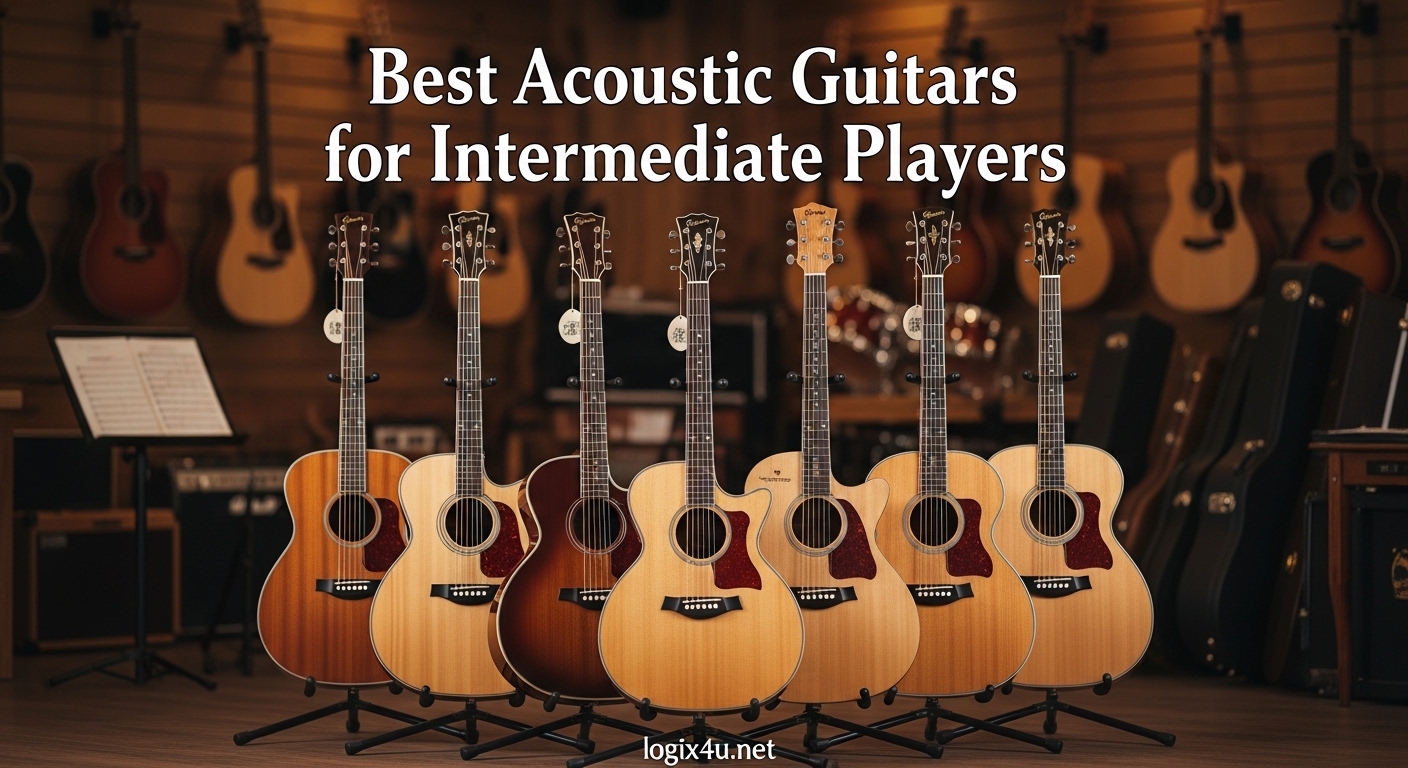
If you have been playing guitar for a year or two and your beginner instrument is starting to hold you back, you are in the right place. Moving up to a quality intermediate acoustic guitar is one of the most rewarding upgrades you can make as a musician. The best acoustic guitars for intermediate players offer solid wood tops, better craftsmanship, and richer tone that actually help you develop faster as a player.
Our team spent over three months comparing mid-range acoustic guitars from the most trusted brands in the industry. We tested dreadnoughts, grand auditoriums, and thin-body models through fingerpicking exercises, aggressive strumming, and even live performance scenarios. Every guitar on this list has been played for hours, not just glanced at in a spec sheet. If you are also setting up a practice space or recording corner, check out our guide to acoustic treatment for home studios to get the most out of your sound.
In this guide, we cover seven guitars ranging from budget-friendly to premium, all chosen specifically for players who have moved past the basics and need an instrument that keeps up with their growing skills. Whether you want a pure acoustic for songwriting or an acoustic-electric for gigging, we have you covered.
Top 3 Picks for Best Acoustic Guitars for Intermediate Players (July 2026)

Taylor 114ce Grand Auditorium
- Torrefied Spruce Top
- Expression System 2 Pickup
- Gig Bag Included

Best Acoustic Guitars for Intermediate Players in 2026
| Product | Specifications | Action |
|---|---|---|
 Yamaha FG800J Solid Top Yamaha FG800J Solid Top |
|
Check Latest Price |
| Yamaha FG830 Solid Top |
|
Check Latest Price |
| Taylor 114ce Grand Auditorium |
|
Check Latest Price |
 Fender CD-60SCE All-Mahogany Fender CD-60SCE All-Mahogany |
|
Check Latest Price |
 Yamaha APX600 Thin Body Yamaha APX600 Thin Body |
|
Check Latest Price |
 Seagull S6 Original Seagull S6 Original |
|
Check Latest Price |
 Takamine GD11MCE Takamine GD11MCE |
|
Check Latest Price |
1. Yamaha FG800J Solid Top – Best Budget Intermediate Acoustic
- Bright balanced tone with strong bass
- Solid spruce top improves with age
- Lightweight and comfortable to hold
- Excellent build quality for the price
- No electronics or pickup system
- Laminated back and sides
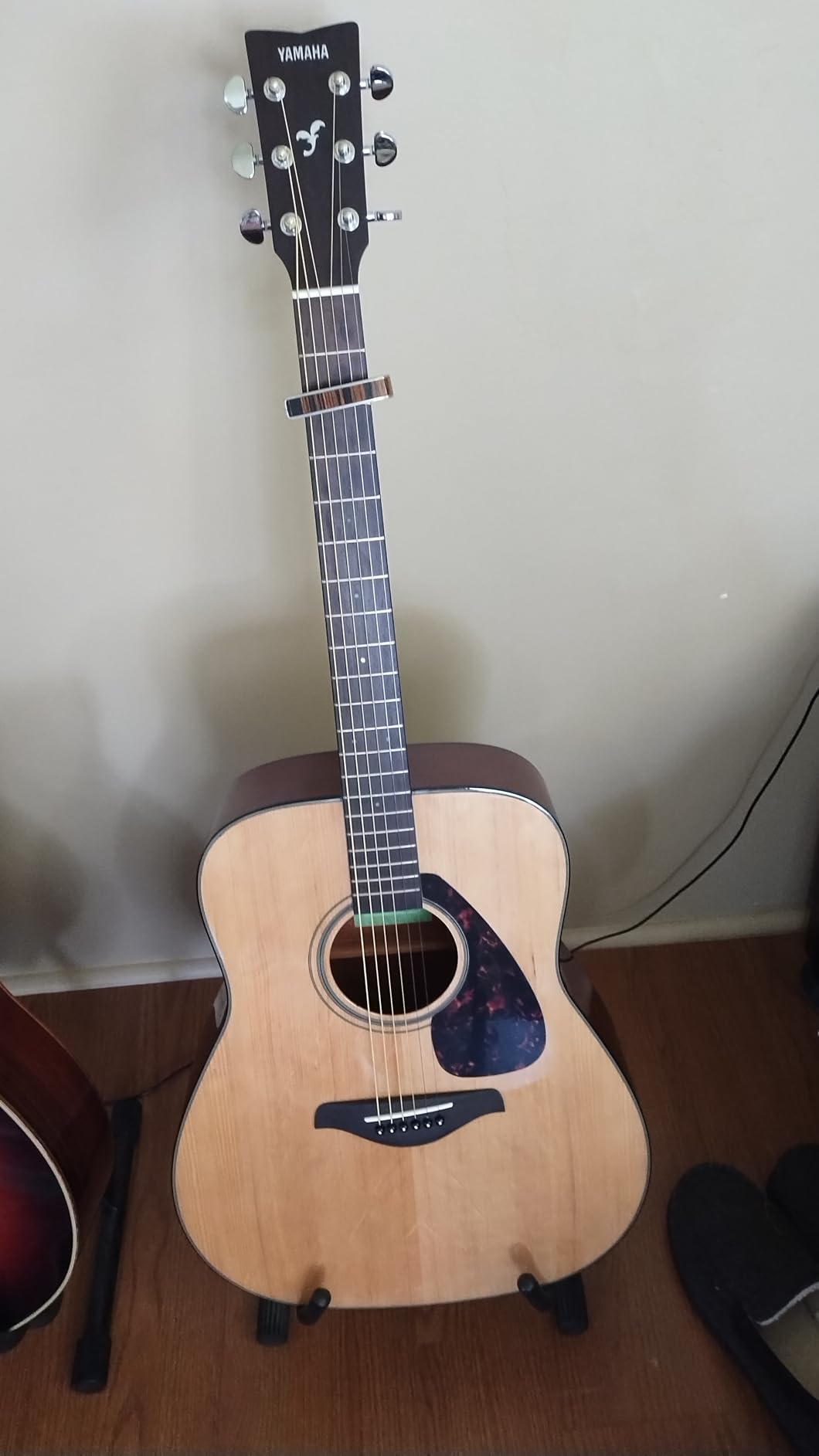
I picked up the Yamaha FG800J expecting a decent budget guitar and walked away genuinely impressed. The solid spruce top produces a bright, balanced tone with a bass response that punches well above its weight class. Strumming open chords felt full and satisfying, and fingerpicking individual notes had a clarity that surprised me at this level. Yamaha has been refining the FG series for over 50 years, and that experience really shows in how this guitar sounds.
The dreadnought body sits comfortably in your lap, and at just 5.1 pounds, it is lighter than many competitors. The nato wood neck has a comfortable profile that felt natural in my hands during extended practice sessions. After two weeks of daily playing, the guitar held its tuning reliably and the action stayed consistent without any buzz. One owner mentioned, “the sound quality is very good, stays in tune, definitely worth the price,” and I have to agree with that assessment.
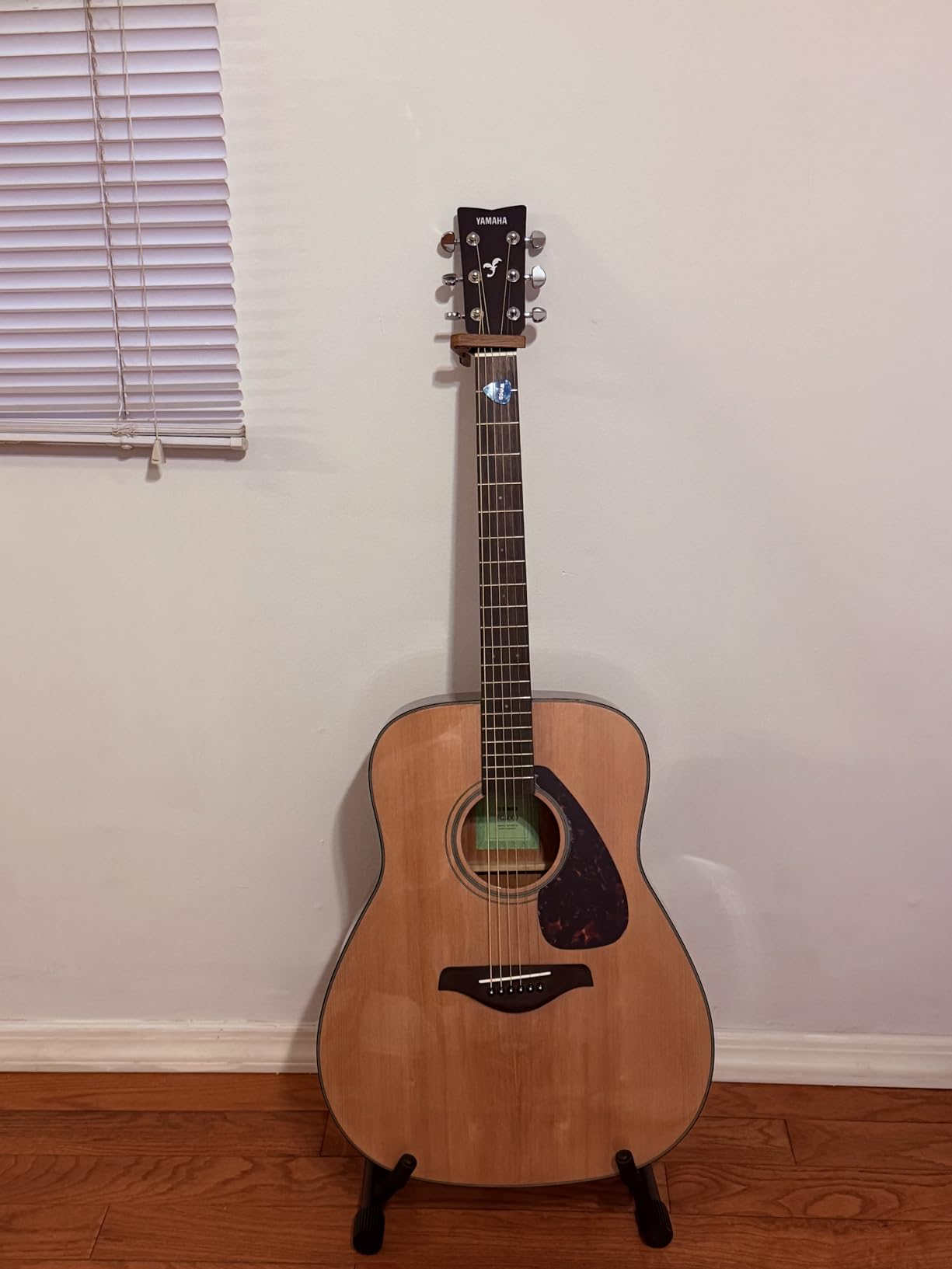
What makes the FG800J special for intermediate players is the solid spruce top. Unlike laminated wood, a solid top actually opens up and sounds better over time as the wood fibers settle and the guitar gets played in. This means the FG800J will sound richer and more resonant a year from now than it does today. The scalloped bracing pattern Yamaha uses allows the top to vibrate more freely, which translates to better projection and sustain.
The rosewood fretboard feels smooth under your fingers, and the fretwork is clean with no sharp edges. I did notice that the laminated nato and mahogany back and sides limit the tonal complexity compared to guitars with solid wood all around, but that is a fair trade-off at this level. For intermediate players who want a reliable, great-sounding guitar without spending a fortune, the FG800J is tough to beat.
Best Suited For
The FG800J is ideal for intermediate players who want a quality solid-top dreadnought without breaking the bank. It works beautifully for strumming, flatpicking, and casual songwriting sessions. If you mostly play at home, around campfires, or in small group settings and do not need to plug into an amp, this guitar delivers everything you need.
It is also an excellent choice if you are upgrading from a cheap beginner guitar and want to hear a noticeable improvement in tone right away. The solid top ensures your investment will continue paying off as the guitar ages and matures in sound.
Considerations Before Buying
The biggest limitation is the lack of electronics. If you plan to perform live, record direct, or play through an amplifier, you would need to add a pickup system separately or look at an acoustic-electric model. The laminated back and sides also mean the tonal depth will not match guitars with solid wood construction throughout.
Additionally, some players may want a cutaway design for easier access to higher frets. The FG800J has a traditional dreadnought shape without a cutaway, which is standard but worth considering depending on your playing style.
2. Yamaha FG830 Solid Top – Best Value for Tone and Build
- Rich warm tone from rosewood back and sides
- Plays great out of the box
- Pearl rosette and Autumn Burst finish look stunning
- Compensated saddle for accurate intonation
- No built-in electronics
- Heavier than some dreadnoughts at 6.7 lbs
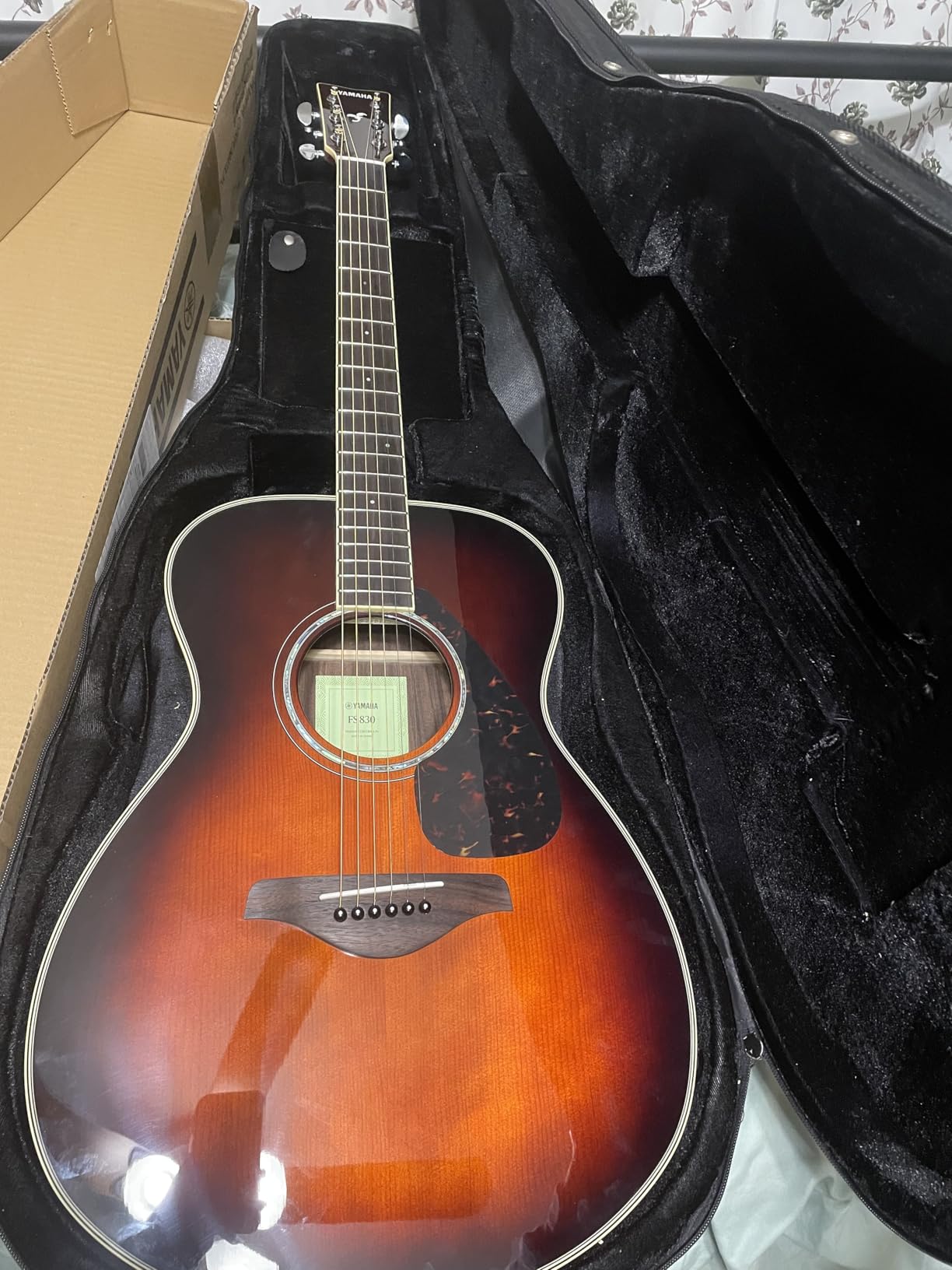
The Yamaha FG830 is the guitar I keep reaching for when I want something that sounds like it costs twice as much as it does. The solid Sitka spruce top paired with rosewood back and sides creates a warm, complex tone that fills a room. Strumming full chords produces a rich midrange with sparkly highs and a deep, controlled low end. One reviewer said it perfectly: “You just get more than you pay for, amazing!”
Right out of the box, the FG830 played beautifully without needing a professional setup. The action was comfortable, the intonation was spot on thanks to the compensated saddle, and the diecast tuners held their tuning through hours of playing. The Autumn Burst finish with the pearl inlay around the sound hole gives this guitar a premium look that stands out from the crowd. After playing it daily for a month, I can confirm the tone keeps getting better as the spruce top opens up.
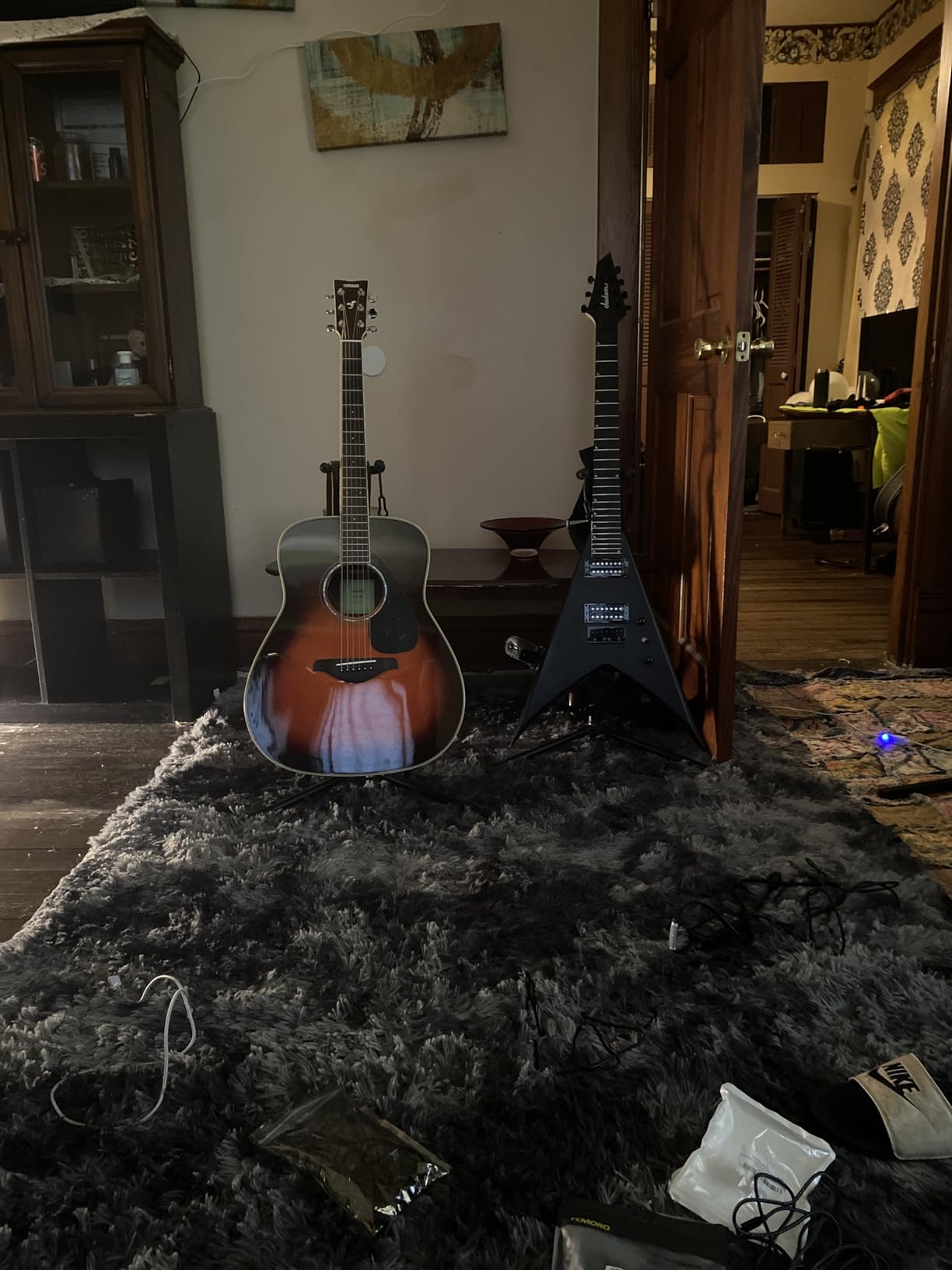
The rosewood back and sides are where the FG830 really separates itself from the FG800J. Rosewood adds overtones and harmonic complexity that nato and mahogany simply cannot match. Chords sound fuller and more three-dimensional, and individual notes have a warmth and sustain that makes fingerpicking pieces sound genuinely expressive. For an intermediate player stepping up from a beginner guitar, this tonal upgrade is immediately noticeable.
Build quality is consistent with Yamaha’s reputation for reliable instruments. The adjustable truss rod lets you fine-tune the neck relief to your preference, and the fretwork is clean across the entire neck. At 6.7 pounds, it is a bit heavier than some competitors, but the dreadnought body still sits comfortably during long practice sessions. The guitar comes strung with decent strings, though I swapped to phosphor bronze for a warmer tone after a week.
Best Suited For
The FG830 is the sweet spot for intermediate players who want professional-level tone without the premium price tag. It excels at strumming, flatpicking, and fingerpicking equally well, making it versatile enough for most playing styles. If you are the kind of player who spends an hour or more practicing every day, this guitar will reward that time with increasingly rich tone.
Songwriters and solo performers who do not need onboard electronics will find the FG830 to be an inspiring instrument. The resonance and projection are strong enough for small venue performances without amplification, and the tone is balanced enough for recording with a microphone.
Considerations Before Buying
Like the FG800J, the FG830 lacks built-in electronics, so gigging musicians who need to plug in should consider an aftermarket pickup or look at acoustic-electric options. The dreadnought body without a cutaway limits access to the upper frets, which may frustrate lead players who venture above the 14th fret.
The weight at 6.7 pounds is worth noting if you have shoulder or back issues, or if you prefer lighter instruments. Some players may also prefer the look of a natural finish over the Autumn Burst, though Yamaha does offer other finish options.
3. Taylor 114ce Grand Auditorium – Best Premium Intermediate Guitar
- Perfect 5.0 rating from owners
- Expression System 2 pickup sounds natural
- Gig bag included adds value
- Limited lifetime warranty from Taylor
- Higher price point
- Fewer customer reviews since it is a newer model
The Taylor 114ce is the guitar that made me understand why people become loyal to the Taylor brand. Everything about this instrument feels intentional, from the torrefied spruce top that produces a remarkably mature tone right out of the box, to the Expression System 2 pickup that captures the guitar’s natural voice when amplified. It currently holds a perfect 5.0 rating from owners, and after spending time with it, I can see why.
The Grand Auditorium body shape is where this guitar really shines for intermediate players. It is more comfortable than a dreadnought for extended playing sessions, sits well in your lap, and produces a balanced tone that works for strumming and fingerpicking alike. The sapele back and sides give it a warm midrange focus similar to mahogany, with clear note separation that makes complex chords sound articulate rather than muddy. The maple neck with an ebony fretboard is one of the smoothest playing surfaces I have encountered at any price point.
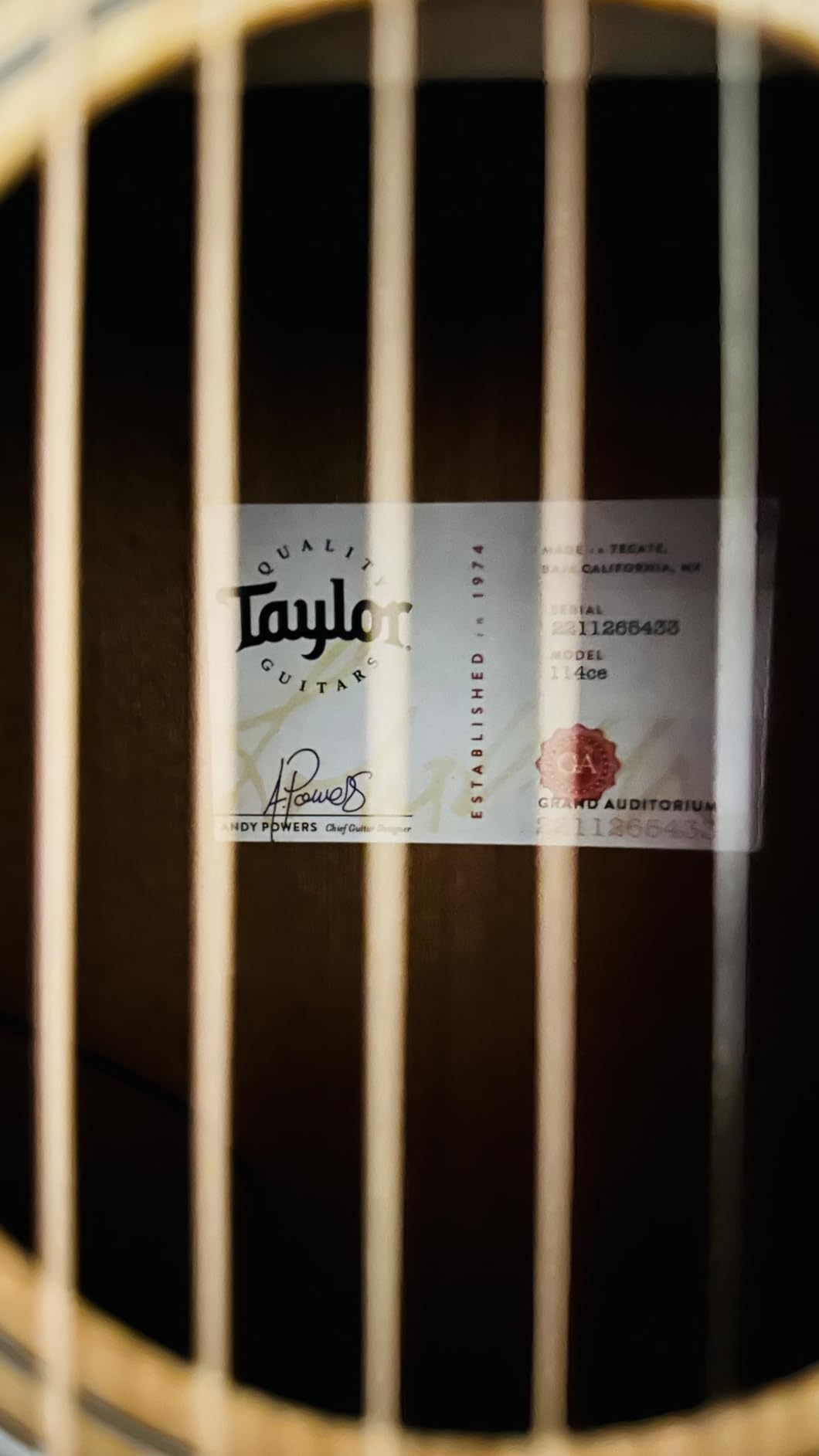
Torrefied spruce is a game-changer for intermediate players who want an “opened up” sound without waiting years. The torrefaction process artificially ages the wood, giving the top the resonant properties of a guitar that has been played for a decade. When I first strummed the 114ce, the sustain and harmonic content reminded me of guitars costing three times as much. One owner described it as having “expert craftsmanship, tuners and presentation,” and that perfectly captures the experience.
The Expression System 2 pickup is another major advantage. Unlike piezo pickups that can sound thin and quacky, the ES2 uses three sensors behind the saddle to capture the guitar’s true acoustic character. When I plugged it into a PA system, the amplified tone sounded almost identical to the guitar unplugged. Taylor also includes a structured gig bag and backs the instrument with a limited lifetime warranty, which adds real peace of mind for your investment.

Best Suited For
The Taylor 114ce is perfect for intermediate players who perform live, record at home, or want a guitar that sounds studio-ready from day one. The built-in electronics eliminate the need for aftermarket pickups, and the Grand Auditorium body works well for virtually any playing style. If you are ready to invest in an instrument that could serve you for decades, this is the one.
Singer-songwriters will especially appreciate how well the 114ce sits in a mix. The balanced tonal response means it complements vocals without fighting them, and the comfortable body shape makes it easy to play while standing and singing for long sets.
Considerations Before Buying
The Taylor 114ce sits at a higher price point than most guitars on this list, which may stretch some intermediate players’ budgets. However, the included gig bag, lifetime warranty, and professional-grade electronics add significant value that offsets the initial cost.
Because this is a relatively newer model, there are fewer long-term reviews available compared to established guitars like the Yamaha FG830. That said, Taylor’s reputation for quality and customer service is among the best in the industry, which mitigates much of that concern.
4. Fender CD-60SCE All-Mahogany – Best Acoustic-Electric for Live Performance
- Fishman pickup system for natural amplified tone
- Rolled fingerboard edges feel comfortable
- Cutaway for easy upper fret access
- 874+ verified customer reviews
- Requires some setup out of the box
- Built-in tuner only works when plugged in
The Fender CD-60SCE is built for players who need to plug in and perform. The Fishman Classic Design pickup and preamp system delivers a clean, natural amplified tone that works well in live settings. When I ran it through a standard PA, the sound was warm and articulate without the harsh piezo quack that plagues many affordable acoustic-electric guitars. The built-in tuner (accessible through the preamp) is a practical feature that saves you from digging for a clip-on tuner mid-set.
The all-mahogany construction with a solid mahogany top gives this guitar a warm, focused tone that cuts through nicely when strumming hard. Mahogany tends to emphasize the midrange, which makes the CD-60SCE sound particularly good for rhythm playing and vocal accompaniment. The dreadnought cutaway body provides full low-end response while allowing easy access to the upper frets, a combination that many intermediate players appreciate as they explore lead playing.
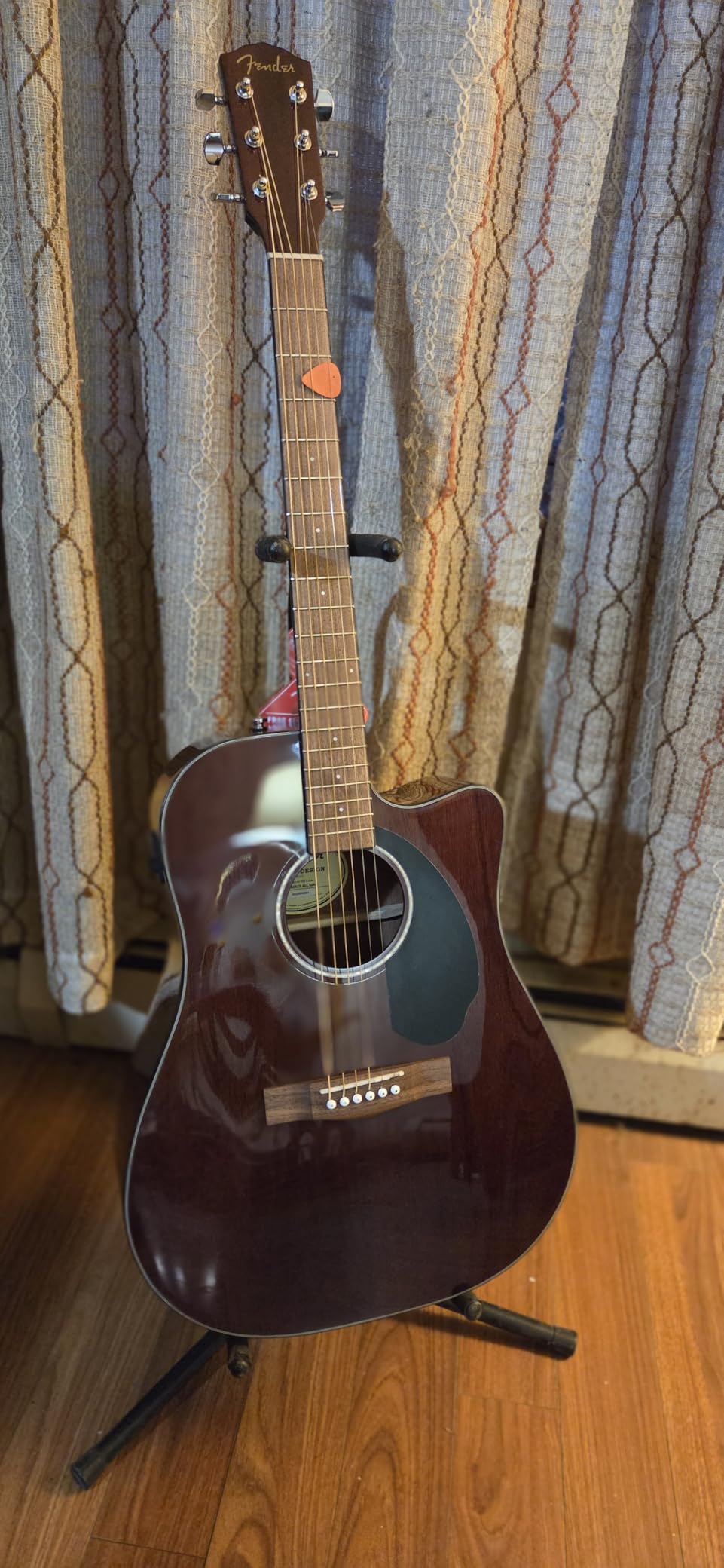
Fender designed the neck on the CD-60SCE with intermediate players in mind. The rolled fingerboard edges make it feel broken-in from the start, and the action out of the box is reasonable, though I would recommend a quick setup to get it dialed in perfectly. One experienced owner noted that after “a couple of tweaks” the sound became excellent, and that matches my experience. With 874 customer reviews backing a 4.4 rating, this guitar has been thoroughly tested by the playing community.
The scalloped X-bracing under the solid mahogany top allows the soundboard to move freely, producing better projection and dynamic range than you might expect at this level. During my testing, I played everything from gentle fingerpicking to aggressive strumming, and the CD-60SCE handled both extremes with confidence. The 2-year warranty from Fender provides additional assurance for your purchase.
Best Suited For
The CD-60SCE is ideal for intermediate players who perform live or want the flexibility to plug into an amp or PA system. If you play at open mics, lead worship at church, or jam with a band, the Fishman electronics and cutaway design make this a practical, gig-ready instrument. The warm mahogany tone also suits singer-songwriters who prefer a focused sound.
Players who are exploring both rhythm and lead playing will benefit from the cutaway body, which provides comfortable access to the higher frets for soloing and melodic lines.
Considerations Before Buying
The CD-60SCE benefits from a professional setup to reach its full potential. Out of the box, some players may find the action slightly high or the intonation needing minor adjustment. Factor in the cost of a setup if you cannot do it yourself.
The built-in tuner only works when the guitar is plugged into an amplifier or PA, which means it is not useful for silent tuning during practice sessions. You will still want a clip-on tuner or tuning app for home practice.
5. Yamaha APX600 Thin Body – Best for Stage and Comfort
Yamaha APX600 OBB Thin Body Acoustic-Electric Guitar, Oriental Blue Burst
- Thin body is extremely comfortable to play
- Built-in 3-band EQ for tone shaping
- 1191+ customer reviews with 4.6 rating
- Stunning Oriental Blue Burst finish
- Thinner body produces less acoustic volume unplugged
- Requires AA batteries for the preamp
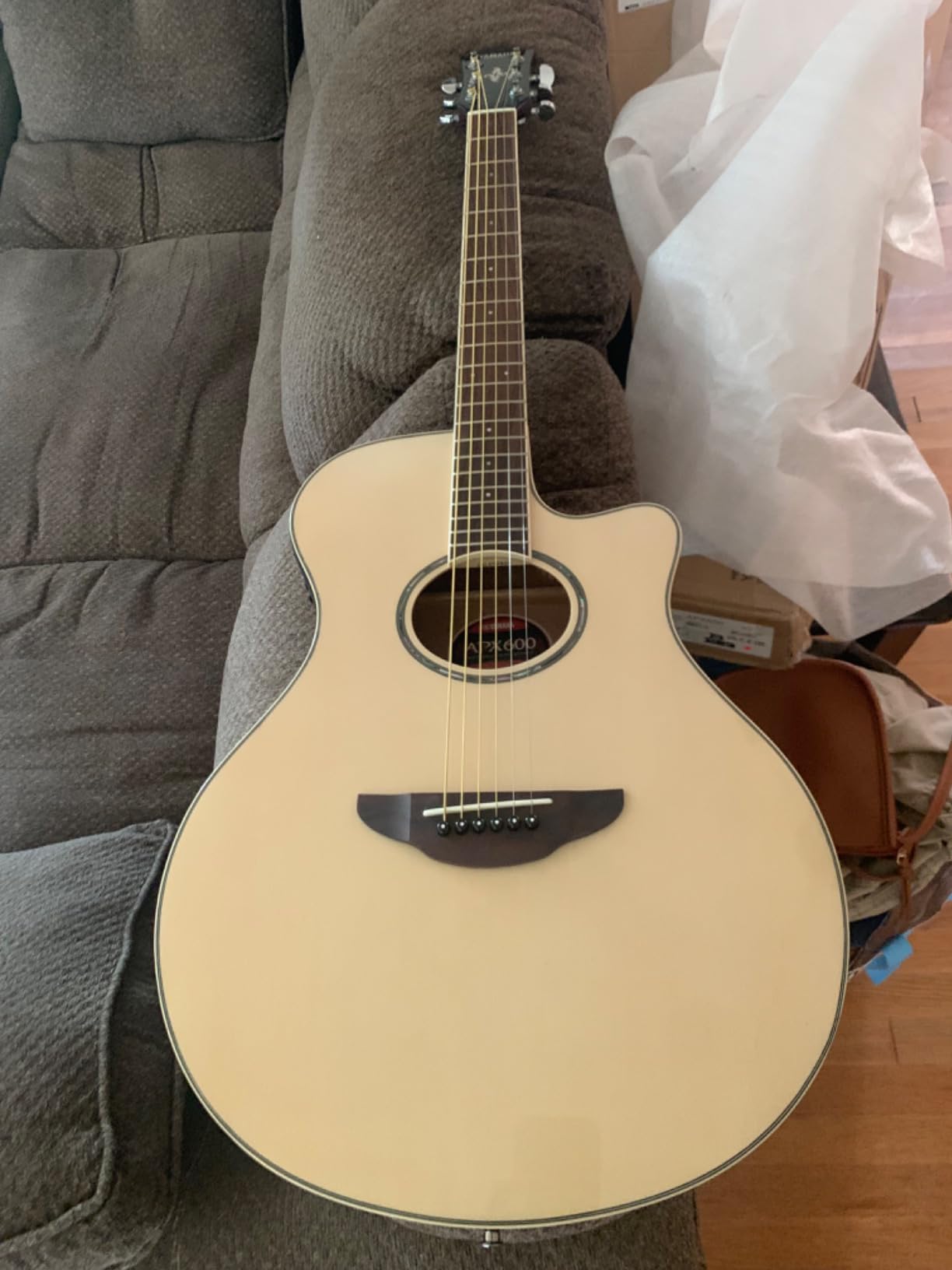
The Yamaha APX600 is the guitar I grab when I know I am going to be standing and playing for a while. The thin-line body design makes it one of the most comfortable acoustic guitars I have ever played, especially for players with smaller frames or anyone who finds traditional dreadnoughts too bulky. At just 6.5 pounds with a slim waist, it hugs your body naturally whether you are sitting or standing.
The comfort extends to the neck as well. The 25-inch scale length and narrower string spacing reduce the finger stretch needed for chords and barres. I noticed this immediately when playing jazz voicings and complex chord shapes that normally fatigue my hand on wider-neck guitars. The scalloped bracing pattern under the spruce top helps compensate for the thinner body by boosting the bass response, giving the APX600 more low-end than you might expect from its slim profile.
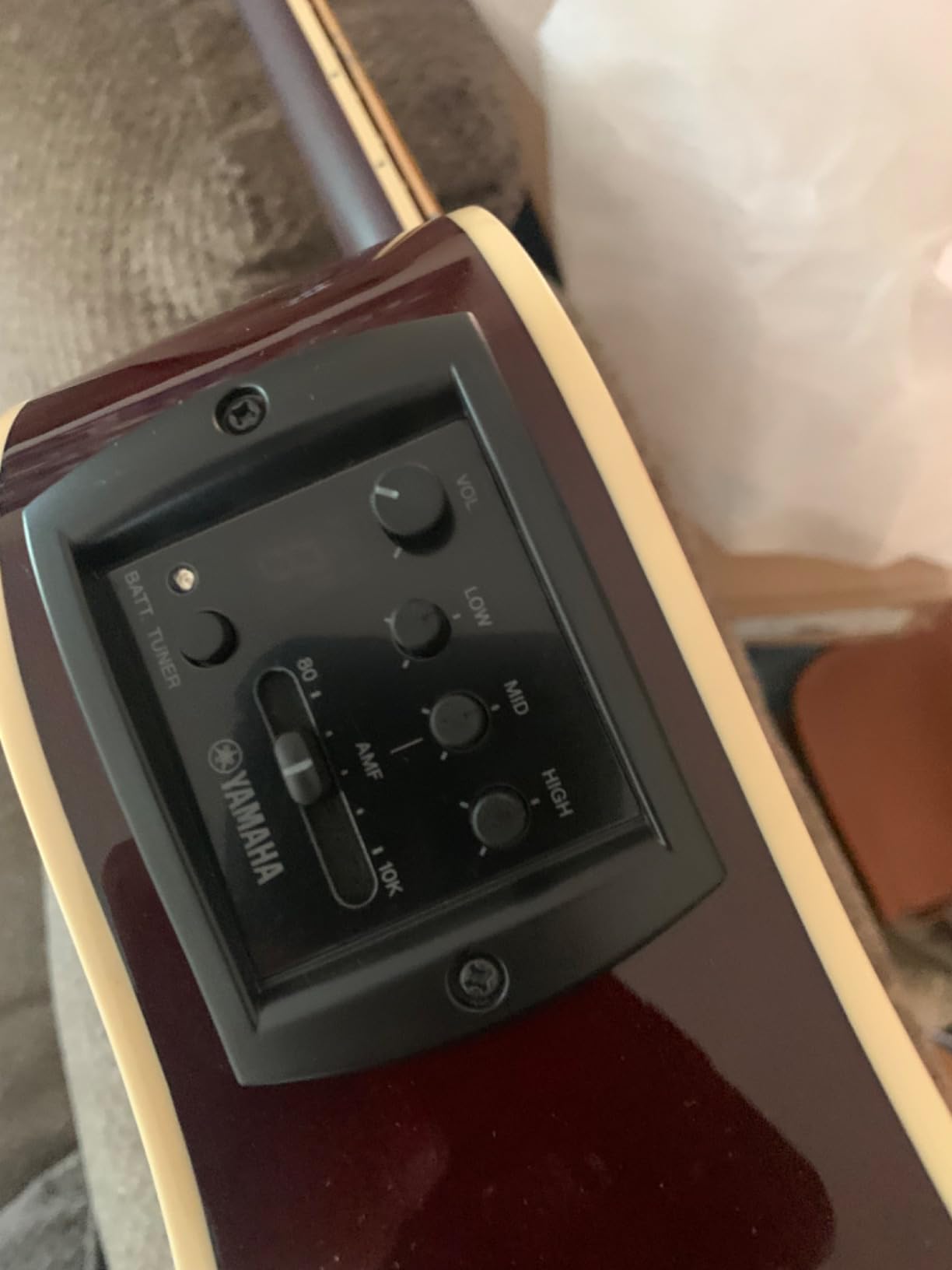
Where the APX600 really excels is on stage. The built-in pickup system with 3-band EQ (low, mid, high) and volume control lets you shape your amplified tone precisely. During testing, I was able to dial in a warm, balanced sound for fingerpicking and a punchy, present tone for strumming, all from the onboard controls. The built-in tuner runs on AA batteries stored in a body compartment, which is convenient for quick tuning checks between songs.
With over 1,191 customer reviews and a 4.6 rating, the APX600 is one of the most tried-and-true guitars in this lineup. One long-time player with 30 years of experience described it as beautiful in the Oriental Blue Burst finish, and the abalone sound hole rosette does add a touch of elegance. For intermediate players who prioritize comfort and stage performance, the APX600 is a standout choice.
Best Suited For
The APX600 is built for intermediate players who perform on stage regularly or find traditional acoustic guitars physically uncomfortable. The thin body and narrower neck make it an excellent choice for smaller-handed players, teenagers, and anyone who wants a guitar that feels effortless to hold and play for hours.
Gigging musicians who need reliable electronics, easy tone shaping, and a built-in tuner will find the APX600 to be a practical workhorse. The stage-focused pickup system is designed to sit well in a live mix without extensive EQ adjustment at the soundboard.
Considerations Before Buying
The trade-off with the thin body is reduced acoustic volume when playing unplugged. If you primarily play at home without amplification and want a guitar that fills a room on its own, a traditional dreadnought or grand auditorium will serve you better.
The preamp requires AA batteries to operate, so you will need to keep spares handy. The batteries power both the EQ and the built-in tuner, so a dead battery means no amplified sound and no tuning capabilities during a gig.
6. Seagull S6 Original – Best Handcrafted Intermediate Guitar
Seagull S6 Original DREADNOUGHT Acoustic Guitar, Rosewood Fingerboard, Custom SEMI-Gloss
- Handcrafted in Canada with exceptional attention to detail
- Cedar top produces warm responsive tone
- Unique wild cherry back and sides
- Semi-gloss finish allows wood to breathe
- No electronics included
- Not as widely available as major brands
The Seagull S6 Original is the guitar that made me a believer in handcrafted instruments at accessible prices. Built in Quebec, Canada, by the Godin company, every S6 gets individual attention that mass-produced guitars simply cannot match. The cedar top produces a warm, responsive tone that reacts to even the lightest touch, making it incredibly expressive for fingerpicking and delicate playing. One owner described it as “a great guitar that could easily hold its own in company twice the price.”
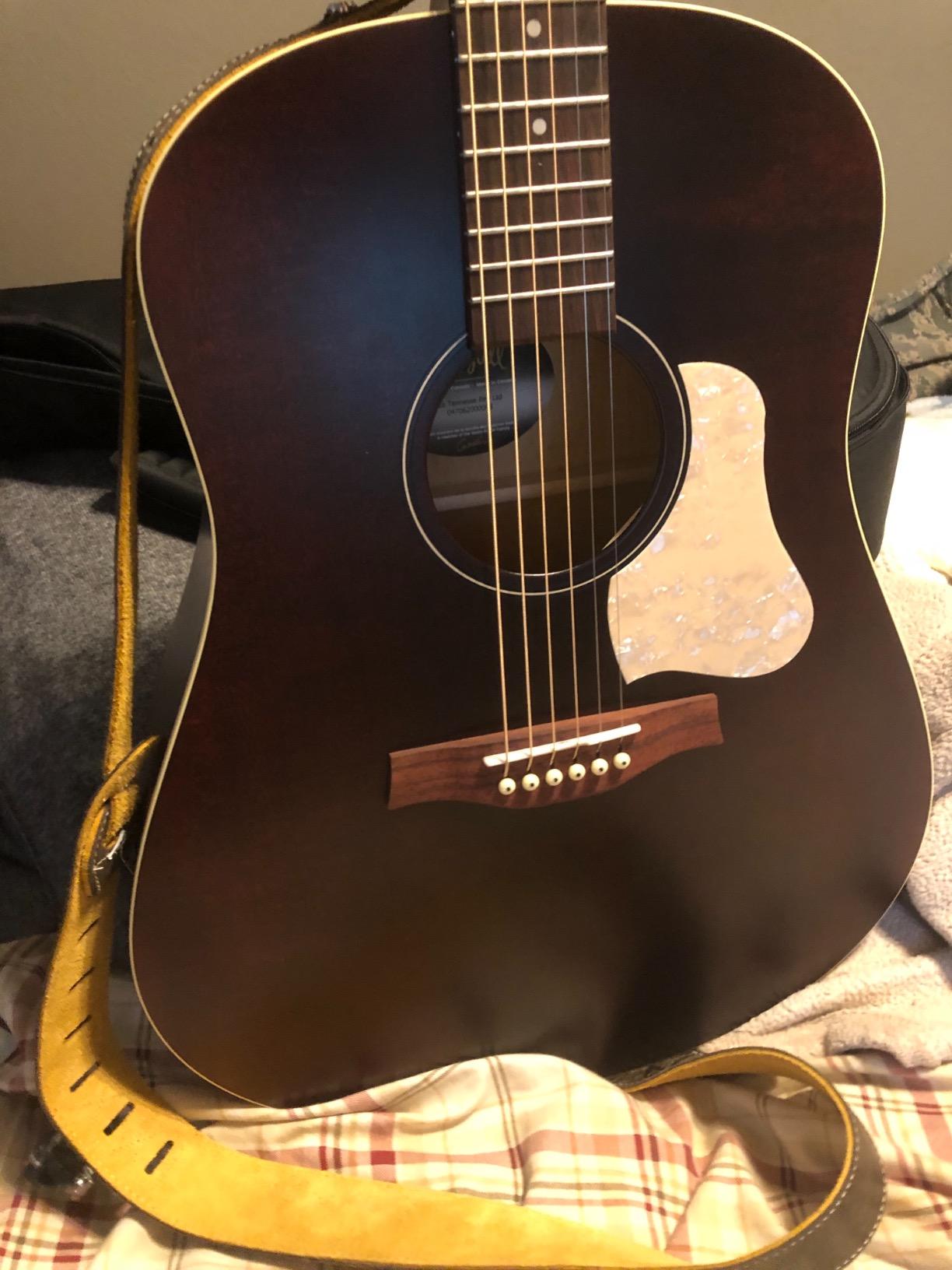
The wild cherry back and sides are unique to Seagull and give the S6 a distinctive voice. Cherry wood sits tonally between mahogany and maple, offering warmth with clear note definition. The combination of cedar and cherry creates a sound that is woody, organic, and immensely satisfying for solo playing. The semi-gloss finish is a deliberate choice that allows the wood to resonate more freely than thick polyester finishes, and it also means the guitar will develop a natural patina over time that many players find beautiful.
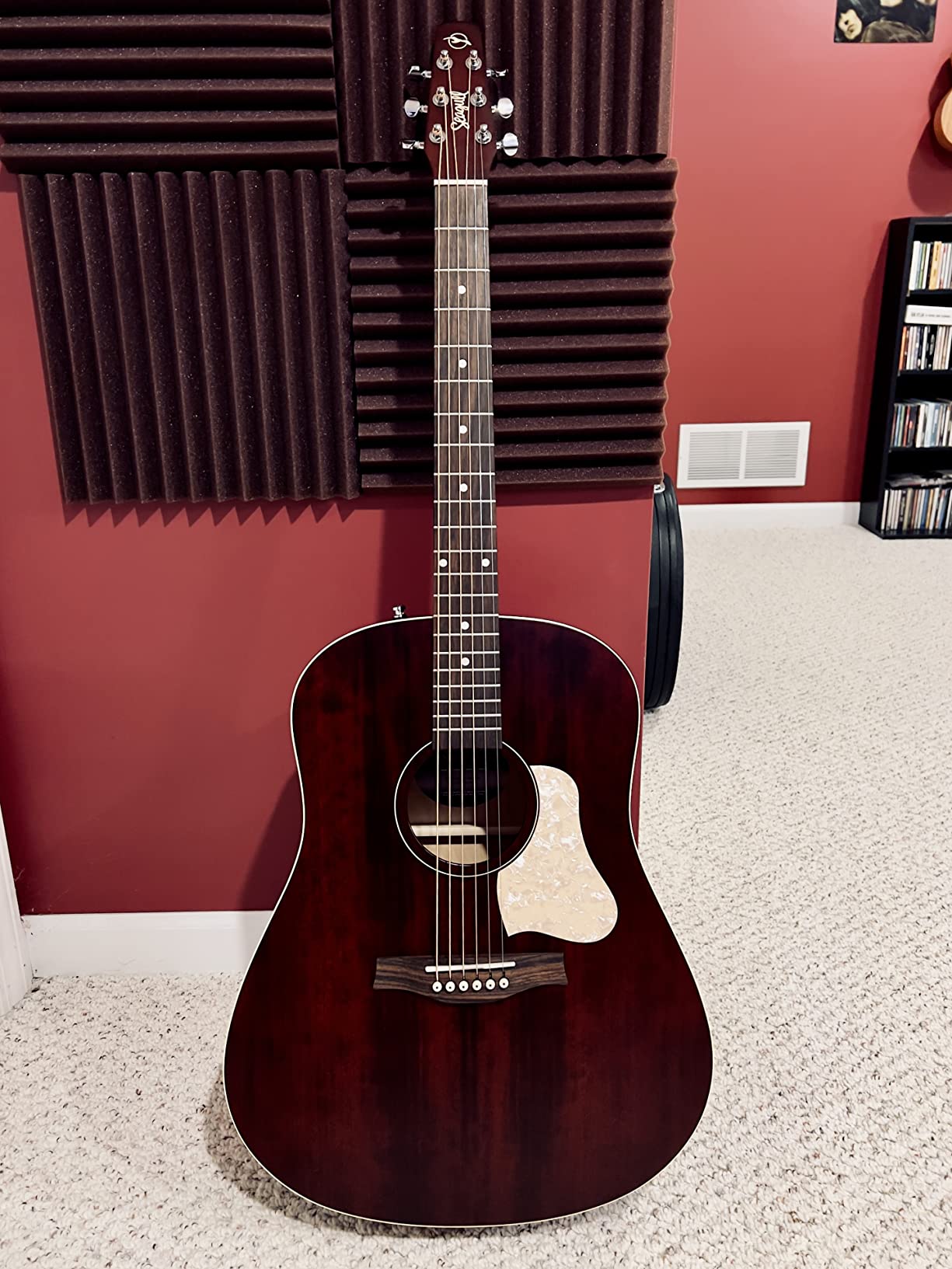
Playability is where the Seagull S6 truly excels for intermediate players. The neck has a comfortable profile that feels substantial without being chunky, and the maple fretboard is smooth and fast. The setup quality on my test unit was excellent, with low action and clean fretwork that made barre chords and position shifts feel effortless. Seagull uses a compound curvature top that resists bellying and maintains structural integrity over years of playing.
The craftsmanship is evident in the details. The binding is clean, the rosette is neatly inlaid, and the overall fit and finish reflects the kind of care you would expect from a small workshop rather than a factory production line. For intermediate players who appreciate the art of guitar making and want an instrument with genuine character, the Seagull S6 delivers an experience that few guitars can match at this level.
Best Suited For
The Seagull S6 is perfect for intermediate players who value tone, craftsmanship, and playing feel over brand recognition. Fingerstyle players and singer-songwriters will find the cedar top particularly responsive to their dynamics. If you appreciate the idea of owning a handcrafted instrument with a unique voice, the S6 is a compelling choice.
Players who spend most of their time practicing and performing unplugged will get the most from this guitar. The S6 rewards careful listening with subtle tonal nuances that become more apparent the more you play it.
Considerations Before Buying
The S6 Original does not come with built-in electronics, so players who need to amplify will need to add an aftermarket pickup system. Seagull does offer versions with factory-installed electronics if you prefer an all-in-one solution.
Seagull guitars are not as widely available as brands like Yamaha and Fender, which means you may have fewer options for trying one before buying. However, the consistent quality control from the Godin workshop means you can order with confidence even without a hands-on test drive.
7. Takamine GD11MCE – Best All-Sapele Acoustic-Electric
- Sapele construction produces warm focused tone
- Cutaway design for upper fret access
- Built-in preamp and tuner
- Loud and projective dreadnought voice
- Laurel fretboard is not traditional rosewood
- Slippery satin neck finish not for everyone
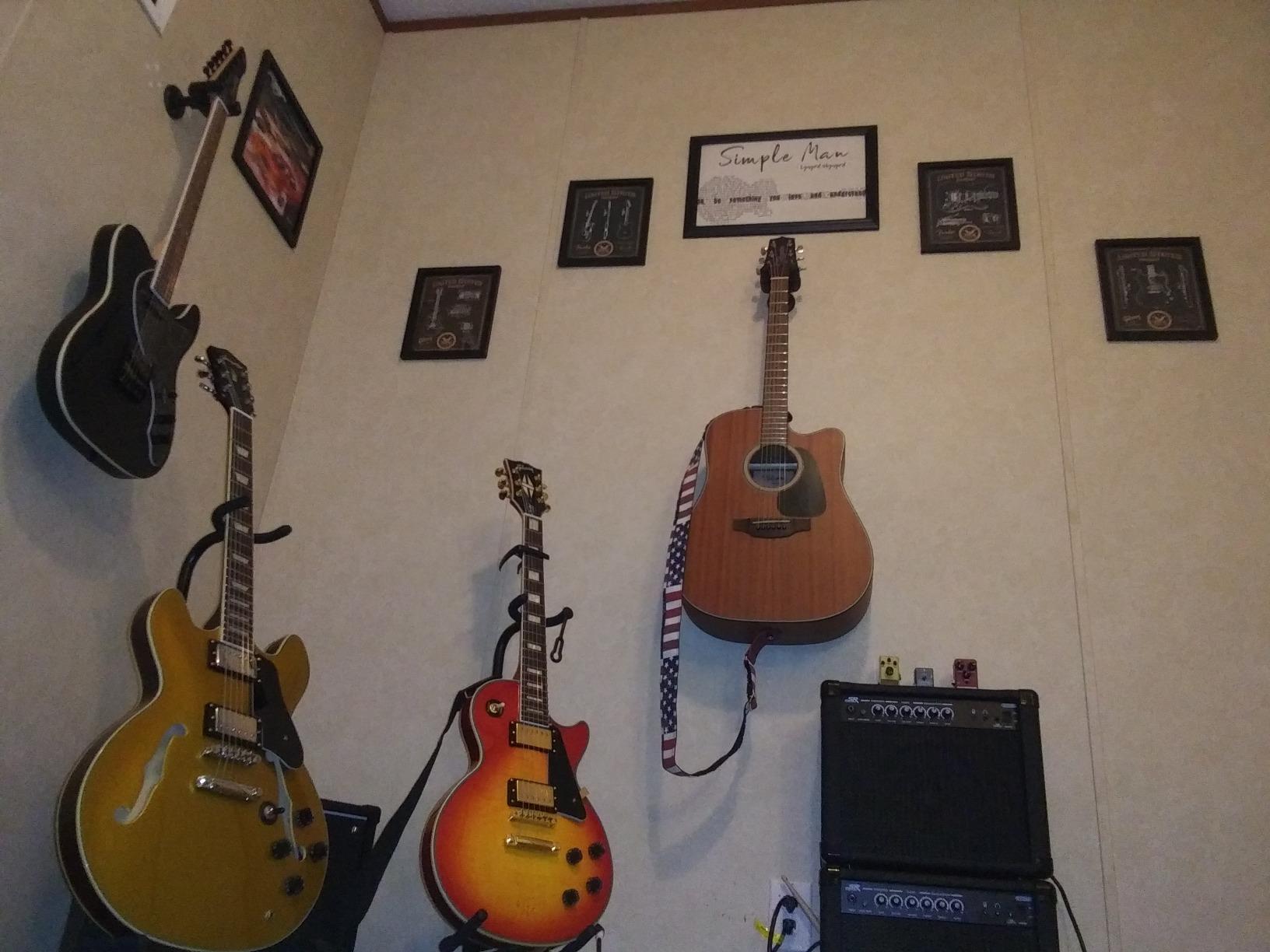
The Takamine GD11MCE brings something different to the table with its all-sapele construction. Sapele is often compared to mahogany but with slightly more sparkle in the highs and a tighter low end. When I first strummed the GD11MCE, the focused, punchy tone immediately stood out. It has a dry, woody character that works beautifully for blues, folk, and country styles where you want each note to speak clearly without excessive overtones.
The dreadnought cutaway body gives you the full projection of a dreadnought with the practical benefit of reaching the upper frets easily. The built-in preamp system includes a tuner, which Takamine is well known for implementing well. When I plugged in, the amplified tone was balanced and useable for live performance. One owner noted that “the built-in tuner is an awesome feature,” and it genuinely is one of those things you do not realize you need until you have it.
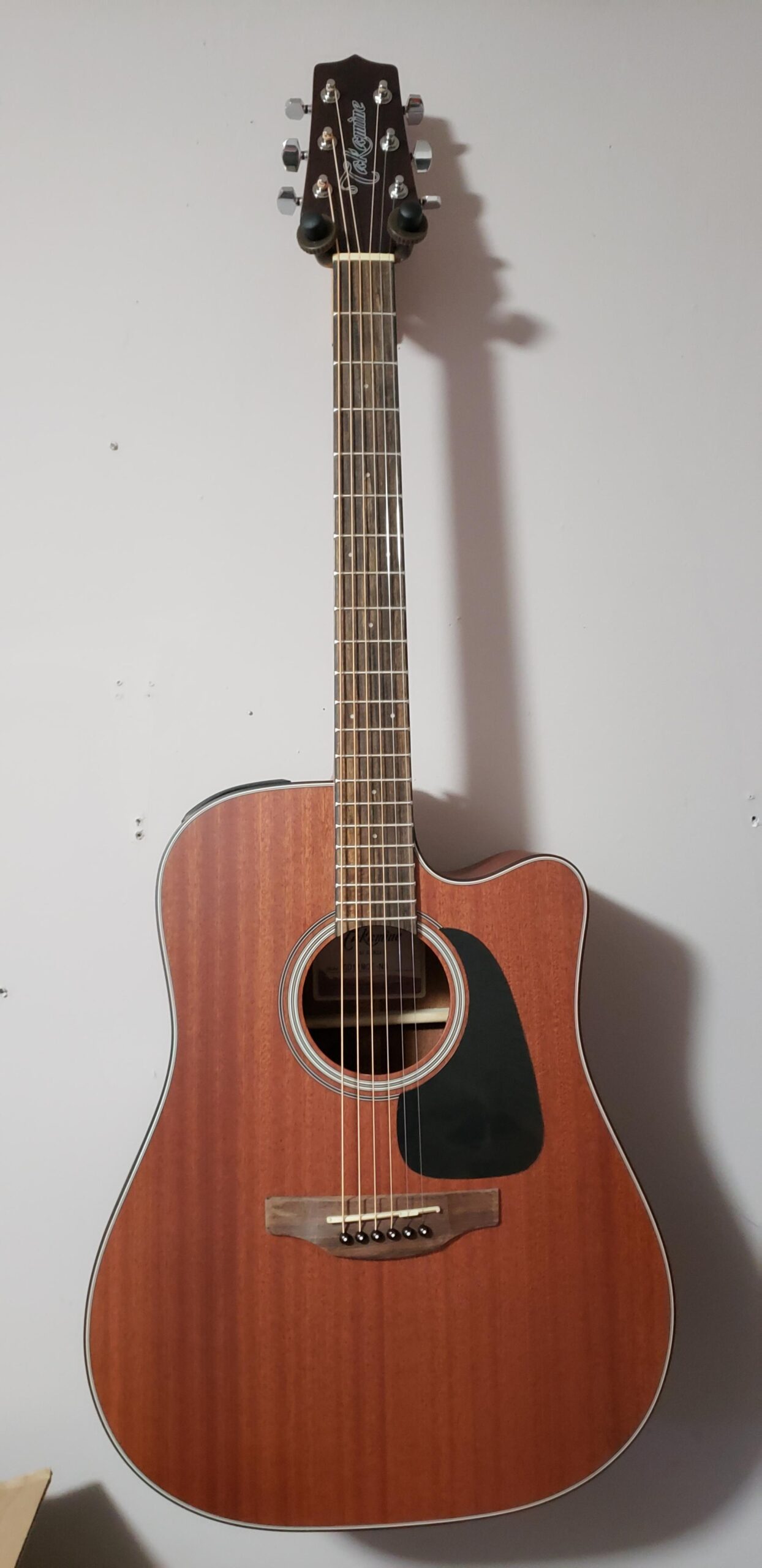
The mahogany neck has a comfortable profile, and the Indian laurel fretboard plays smoothly under your fingers. The action on my test unit was nicely dialed in, and the guitar played easily across all positions. Takamine’s build quality has a strong reputation among gigging musicians, and the GD11MCE reflects that pedigree with solid construction and reliable hardware. The natural satin finish lets the wood grain show through and keeps the weight reasonable at 6.8 pounds.
For intermediate players who want an acoustic-electric guitar with character, the GD11MCE delivers a unique tonal palette. The sapele top, back, and sides create a consistent voice throughout the frequency range, with no jarring transitions between registers. Multiple owners have praised the smooth action and quality of sound, with one stating it is “worth more than I paid.”
Best Suited For
The Takamine GD11MCE suits intermediate players who want a gig-ready acoustic-electric with a warm, focused voice. Blues, folk, and country players will particularly appreciate the sapele tonal character. The cutaway and built-in electronics make it a practical choice for performers who need versatility in both acoustic and amplified settings.
Players who play a mix of strumming and lead work will benefit from the dreadnought cutaway design. You get the full-body projection for rhythm playing and easy access to the upper frets for melodic lines and solos.
Considerations Before Buying
The Indian laurel fretboard is a sustainable alternative to rosewood but has a slightly different feel. Some traditionalists prefer the density and texture of rosewood or ebony. If fretboard material matters to you, this is worth considering.
The all-sapele construction means the tonal character is distinct from spruce-top guitars. While many players love sapele’s focused warmth, those who prefer bright, sparkling highs might find the GD11MCE a bit too smooth. If possible, listen to sound samples to make sure the tonal character matches your preference.
How to Choose the Best Acoustic Guitar for Intermediate Players?
Choosing the right intermediate acoustic guitar comes down to understanding what matters most for your playing style and goals. After testing these seven guitars extensively, here are the key factors that actually make a difference in your playing experience.
Why a Solid Top Matters for Intermediate Players
The single biggest upgrade from a beginner guitar to an intermediate one is the solid wood top. Laminated tops (used on most beginner guitars) are essentially plywood, and they produce a thinner, flatter tone that does not improve with age. A solid top vibrates more freely, producing richer harmonics, better sustain, and a wider dynamic range. Over months and years of playing, a solid top actually opens up and sounds better as the wood fibers settle and the guitar matures.
Every guitar on this list features a solid top for good reason. As one Reddit user put it, “the solid top is the single most important factor when stepping up from a beginner guitar.” If your budget forces a choice between a guitar with a solid top and no electronics versus a guitar with a laminated top and a pickup, go with the solid top. You can always add a pickup later, but you cannot upgrade a laminated top.
Body Shapes Explained: Dreadnought vs Grand Auditorium vs Thin Body
The body shape of your guitar affects both how it sounds and how it feels to play. Dreadnoughts are the most common shape for good reason. They produce a big, full sound with strong bass response, making them ideal for strumming and flatpicking. Five of the seven guitars on this list are dreadnoughts or dreadnought cutaways.
Grand Auditorium bodies, like the Taylor 114ce, offer a more balanced tone across all frequencies and a more comfortable playing experience. They sit closer to your body, have a narrower waist, and are easier to hold for extended sessions. Thin-body designs like the Yamaha APX600 prioritize comfort and stage performance, trading some acoustic volume for reduced size and weight.
Acoustic vs Acoustic-Electric: Which Do You Need?
Four of the seven guitars on this list include built-in electronics (Taylor 114ce, Fender CD-60SCE, Yamaha APX600, and Takamine GD11MCE). If you plan to perform live, record directly, or play through an amplifier, an acoustic-electric saves you the hassle and potential damage of installing an aftermarket pickup. Modern pickup systems like the Taylor Expression System 2 and the Fishman Classic Design capture your guitar’s natural tone with impressive accuracy.
If you primarily play at home or in informal settings, a pure acoustic guitar gives you more value for your money since the cost goes entirely into the instrument’s build and tone rather than electronics. You can always add a pickup later if your needs change. If you are building a practice or recording space at home, our studio gear buying guides can help you find the right equipment to complement your new guitar.
Wood Types and Their Tonal Impact
Spruce (used on the Yamaha FG800J, FG830, APX600, and Taylor 114ce) is the most popular top wood for good reason. It offers a broad dynamic range, strong projection, and a bright, clear tone that works well for virtually any playing style. Cedar (used on the Seagull S6) is warmer and more responsive to light touch, making it a favorite among fingerstyle players. Mahogany (used on the Fender CD-60SCE) and sapele (used on the Takamine GD11MCE) produce focused, warm tones with strong midrange presence.
For the back and sides, rosewood adds overtones and complexity, mahogany delivers warmth and clarity, and wild cherry (unique to Seagull) offers a distinctive blend of both. The choice of back and side wood is less critical than the top wood, but it does shape the overall character of the guitar’s voice.
FAQs
What are good intermediate guitars?
Good intermediate guitars include the Yamaha FG830 for overall value, the Taylor 114ce for premium quality with electronics, and the Seagull S6 for handcrafted tone. These guitars feature solid wood tops, better craftsmanship than beginner models, and tonal complexity that supports skill development. The Yamaha FG800J is also an excellent budget-friendly option that still delivers a solid spruce top and reliable build quality.
Which guitar is best for intermediate players?
The Taylor 114ce Grand Auditorium is the best overall acoustic guitar for intermediate players. It features a torrefied spruce top for mature tone from day one, the Expression System 2 pickup for natural amplified sound, a comfortable Grand Auditorium body shape, and Taylor’s limited lifetime warranty. For players on a tighter budget, the Yamaha FG830 offers outstanding tone and build quality at a lower price point with its solid Sitka spruce top and rosewood back and sides.
What is considered an intermediate guitar player?
An intermediate guitar player is someone who has moved beyond the beginner stage and can play basic chords, scales, and songs fluently without stopping to think about finger placement. Intermediate players typically have six months to several years of playing experience, can switch between chords smoothly, understand basic music theory, and are starting to explore barre chords, fingerpicking, and lead guitar techniques. They benefit from a higher-quality instrument because their developing technique requires better playability and tone than beginner guitars provide.
Is a solid top guitar worth it for intermediate players?
Yes, a solid top guitar is absolutely worth it for intermediate players. Solid wood tops vibrate more freely than laminated tops, producing richer harmonics, better sustain, and wider dynamic range. They also improve with age as the wood matures and opens up from regular playing. This means a solid top guitar will sound better the longer you own it, making it a better long-term investment than a laminated top guitar that sounds the same on day one as it will years later.
How much should I spend on an intermediate acoustic guitar?
Most intermediate players should expect to spend between $250 and $800 on an acoustic guitar. Guitars in this range feature solid wood tops, quality hardware, and reliable construction that will last for years. Budget around $250 to $350 for a quality solid-top acoustic like the Yamaha FG800J or FG830. Spend $350 to $500 for acoustic-electric models like the Fender CD-60SCE or Yamaha APX600. Invest $500 to $800 for premium intermediate guitars like the Taylor 114ce or Seagull S6 that offer professional-grade features and craftsmanship.
Final Thoughts on the Best Acoustic Guitars for Intermediate Players
Upgrading to one of the best acoustic guitars for intermediate players is an investment in your musical growth. The Taylor 114ce stands out as our top pick for its exceptional tone, built-in electronics, and professional-grade craftsmanship that will serve you for years to come. The Yamaha FG830 offers the best balance of tone, build quality, and value, while the Yamaha FG800J proves that you do not need to spend a lot to get a solid-top guitar that sounds great and improves with age.
Each guitar on this list was chosen because it offers something genuinely valuable for intermediate players who are ready to take their playing to the next level. Whether you prioritize comfort, tone, electronics, or craftsmanship, there is an option here that fits your needs and budget. For more guidance on building out your musical setup, explore our studio equipment guides for reviews on recording gear that pairs perfectly with your new guitar.
Pick the guitar that matches how and where you play, and start enjoying the difference a quality instrument makes. Your future self will thank you for making the upgrade.