
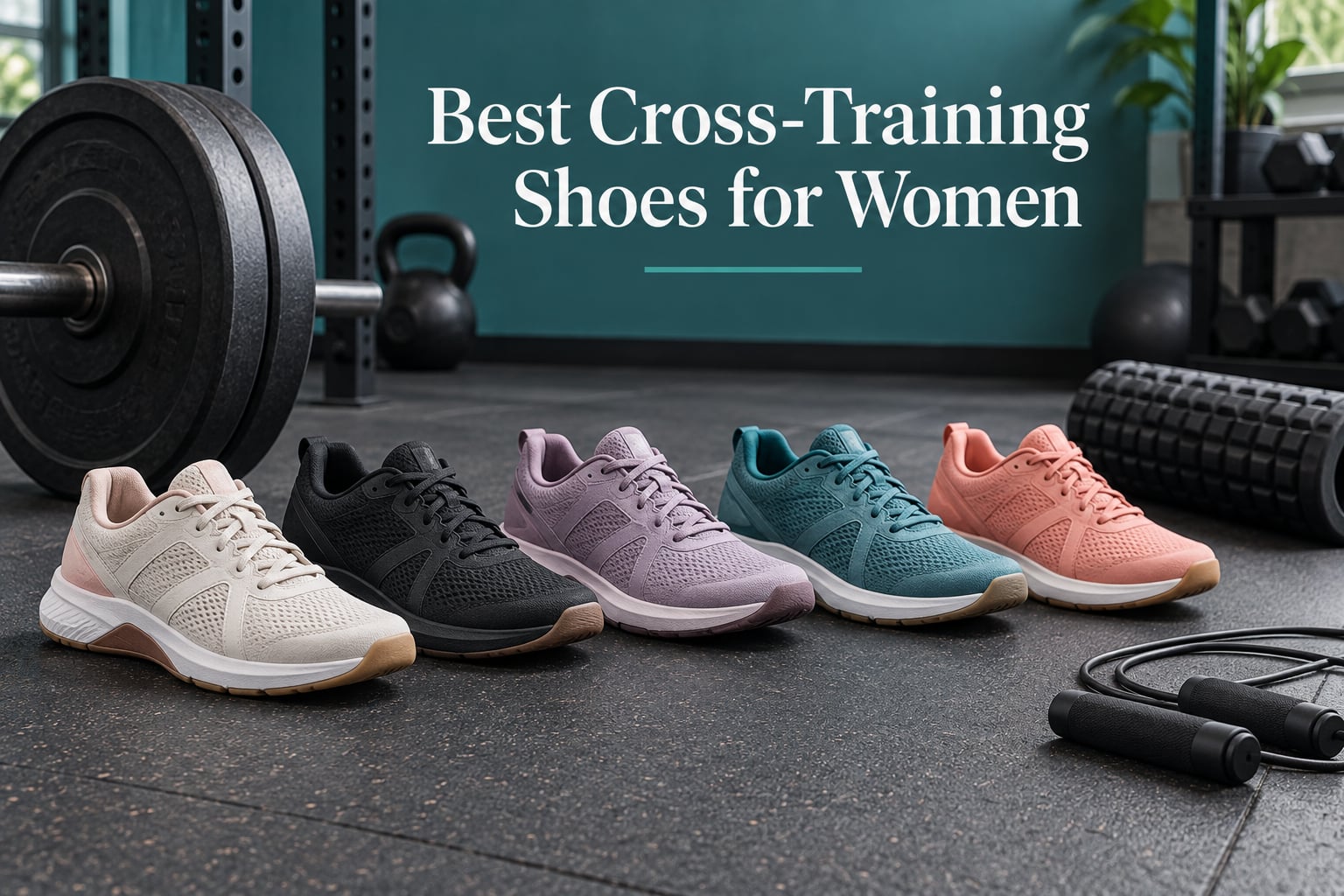
Most gym shoes are built on a unisex last and then scaled down for women, which is exactly why so many of us end up with a heel that slides or a forefoot that cramps. The best cross training shoes for women in 2026 start with a last shaped around women’s foot geometry: a narrower heel cup, a roomier toe box and an arch profile that matches where a woman’s foot actually flexes.
That matters more in a gym than anywhere else, because a cross-training session has no idea what it is going to ask of you. The same session might go from heavy barbell squats to burpees to lateral shuffle drills to a treadmill cool-down. I put 12 women’s cross training shoes through that mix and sorted them by what each one is genuinely best at, so you can match the shoe to the training instead of compromising on both.
Every pick below is a women’s model in this roundup, and each has a defined job: stable platform for lifting, flexible forefoot for plyometrics, wide toe box for toe splay, or soft cushioning for classes. If you also run, our trail running shoes guide covers the running-specific side of that trade-off.
Top 3 Picks for Best Cross Training Shoes for Women

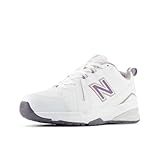
New Balance 608 V5
- ABZORB heel cushioning
- Suede leather upper
- Extra-wide widths
- Sturdy traction outsole

Ryka Influence
- Women's-specific last
- N-Gage energy return foam
- Pivot point outsole
- Breathable mesh upper
The Tazon 6 wins on the balance most people actually need, and its review volume is the largest in this group by a wide margin. The 608 V5 is the value anchor thanks to its width run and firm platform. The Ryka Influence is the widest-feet pick with an explicitly women’s last.
Best Cross Training Shoes for Women in 2026
Here is the full list at a glance, ordered the way the shoes appear in the reviews below. Key Features are pulled straight from each manufacturer’s listed construction, and every rating and review count is the live figure attached to the product listing.
| Product | Specifications | Action |
|---|---|---|
| PUMA Tazon 6 |
|
Check Latest Price |
| New Balance 608 V5 |
|
Check Latest Price |
| Ryka Influence |
|
Check Latest Price |
 New Balance DynaSoft Nergize Sport V2 New Balance DynaSoft Nergize Sport V2 |
|
Check Latest Price |
 Ryka Vida RZX Ryka Vida RZX |
|
Check Latest Price |
 PUMA Voltaic Evo PUMA Voltaic Evo |
|
Check Latest Price |
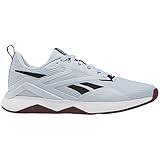 Reebok Nanoflex TR 2.0 Reebok Nanoflex TR 2.0 |
|
Check Latest Price |
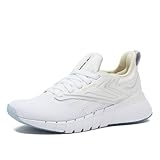 Reebok Nano Gym Reebok Nano Gym |
|
Check Latest Price |
 adidas Dropset Control adidas Dropset Control |
|
Check Latest Price |
 Nike Free Metcon 6 Nike Free Metcon 6 |
|
Check Latest Price |
 Under Armour Aurora 3 Under Armour Aurora 3 |
|
Check Latest Price |
 Reebok Nano X5 Reebok Nano X5 |
|
Check Latest Price |
How I ranked them: stability under load came first, then forefoot flexibility, then fit across widths, then durability. Ratings never outranked how a shoe actually behaved across a mixed session.
1. PUMA Tazon 6 – Best Overall Cross Training Shoe for Women
- Plush step-in comfort from the SoftFoam+ sockliner
- TPU shank adds real motion control
- Durable rubber outsole grips varied surfaces
- Secure midfoot saddle fit
- Cushioning is moderate rather than plush for long distance
- Runs slightly narrow for some foot shapes
Why it’s great: the Tazon 6 is the shoe I end up recommending when someone asks for one pair that has to handle the whole session. The midfoot saddle locks the foot down and the TPU shank does the work of a stability post without turning the shoe into a rigid platform.
Performance: it carries a 4.4 rating across more than 57000 reviews, with 71% of owners handing over five stars. That is the largest sample of real gym use of anything in this roundup, and the recurring themes are the same cushioning, lockdown and stability story every time.
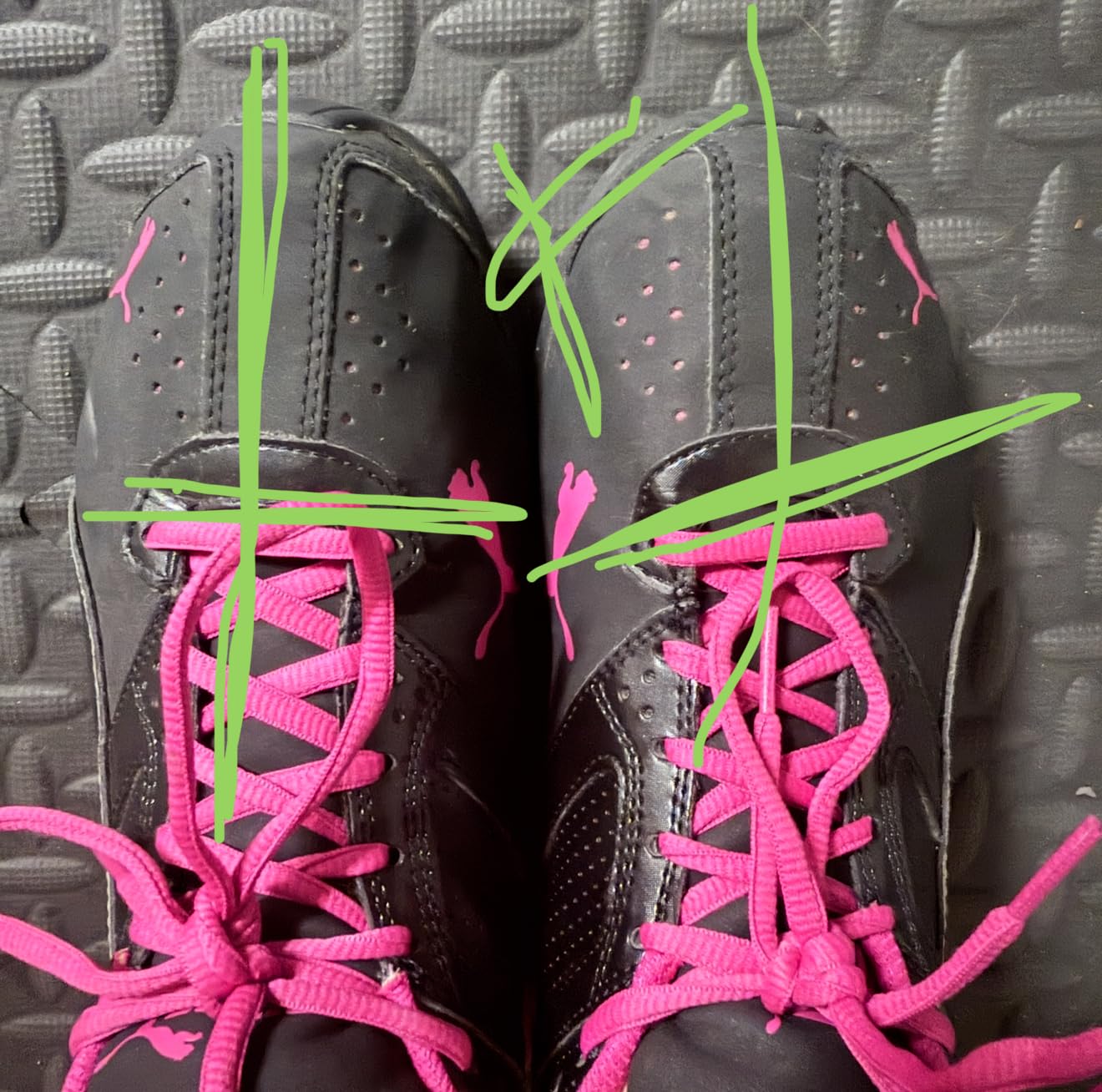
The EVA heel pod takes the sting out of landing from box jumps and step-ups, and the extra-thick heel means a heavy set of squats does not leave your heels feeling compressed. For a shoe this soft in the heel, the base stays planted, which is the part that usually goes wrong in cushioned trainers.
I also like that it moves. The outsole flexes enough for lunges and stair work without feeling like a running shoe, and the rubber coverage holds traction on both gym flooring and outdoor pavement when you have to walk to the box.
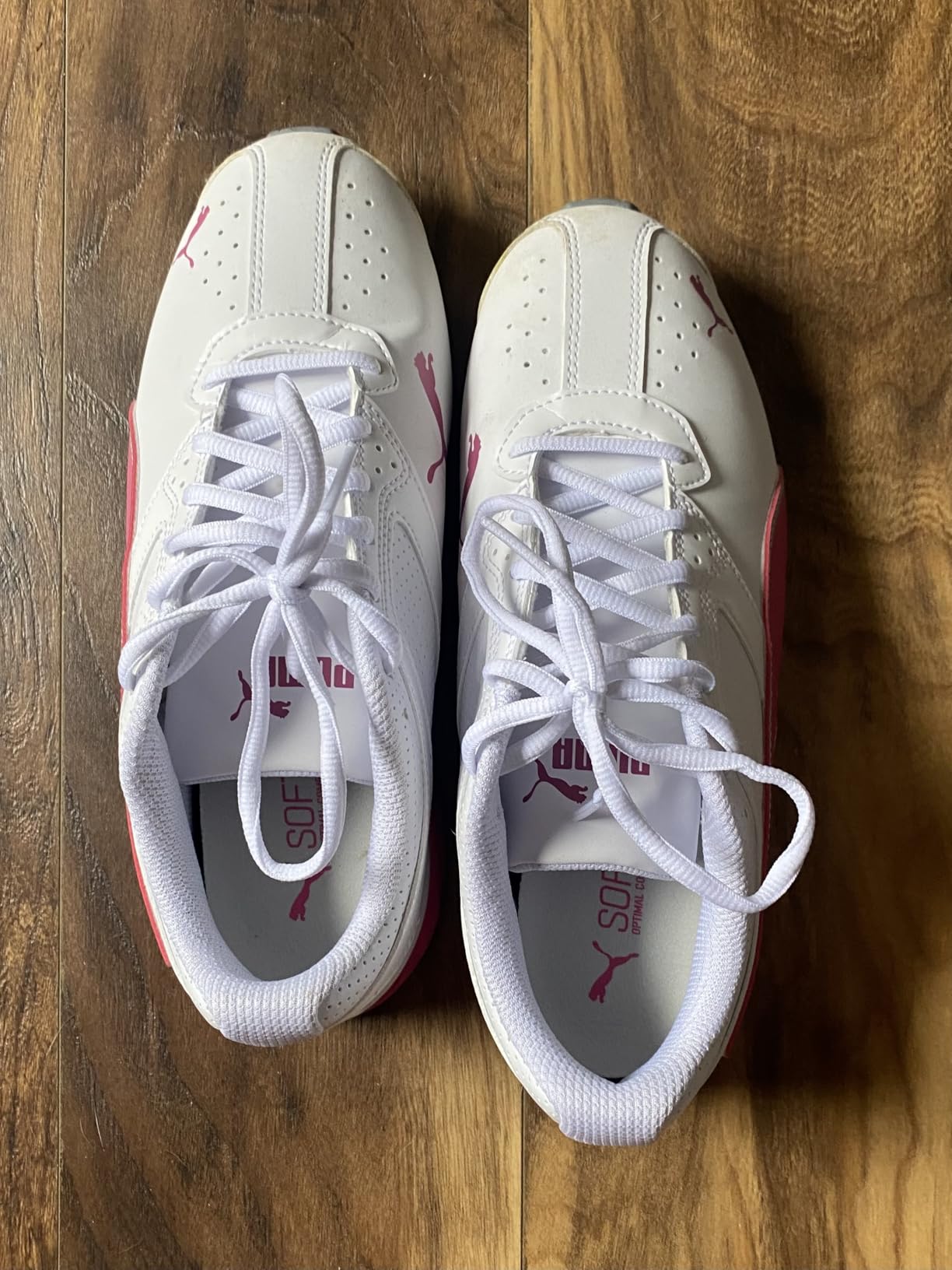
Who the Tazon 6 suits and how it fits
This is the pick if your week is mixed and you refuse to buy two pairs. It handles strength blocks, circuit classes and general movement work with the same stride, and the styling works for errands afterward, which matters if you are training before work rather than at a dedicated gym.
Sizing runs normally, though the shape is not generous. If you have a wide foot or you spend a lot of time in toe splay, read the next pick before you commit. The midfoot is where the snugness shows up first.
Where the Tazon 6 stops being the right answer
The cushioning is moderate rather than plush, so this is not the shoe for someone who wants max cushioning on long treadmill sessions or long recovery walks. It also feels narrow compared with a dedicated wide model, and women with genuinely wide feet tend to feel the midfoot sooner than the toe box.
If your program is mostly heavy barbell work with nothing else, a flat lifting platform will feel more stable under load. If your program is mostly classes, a roomier shoe with a defined pivot point will handle direction changes better.
2. New Balance 608 V5 – Best Value Pick for Wide Feet and Heavy Squats
New Balance Women’s WX608V5 Cross Trainer, Nb 102 White/Candied Violet, 10
- Firm stable sole that keeps the foot planted
- Broad size run including wide and extra-wide widths
- Comfortable out of the box
- Durable over years of daily use
- Minimal cushioning next to walking or running shoes
- Too rigid for running and cardio-heavy work
- Understated styling
- Arch support is minimal versus stability shoes
Why it’s great: the 608 V5 is the hardest-working shoe on this list and the easiest to fit. New Balance builds it across standard, wide and extra-wide widths, and that width run is the single biggest reason women who cannot fit into aggressive midfoot constructions keep coming back to it.
Performance: 4.4 from more than 45000 reviews and 73% five stars, plus the number one sales position in women’s cross training shoes. Owners credit a firm sole that keeps the foot planted for barbell squats and a construction that survives years of daily wear.
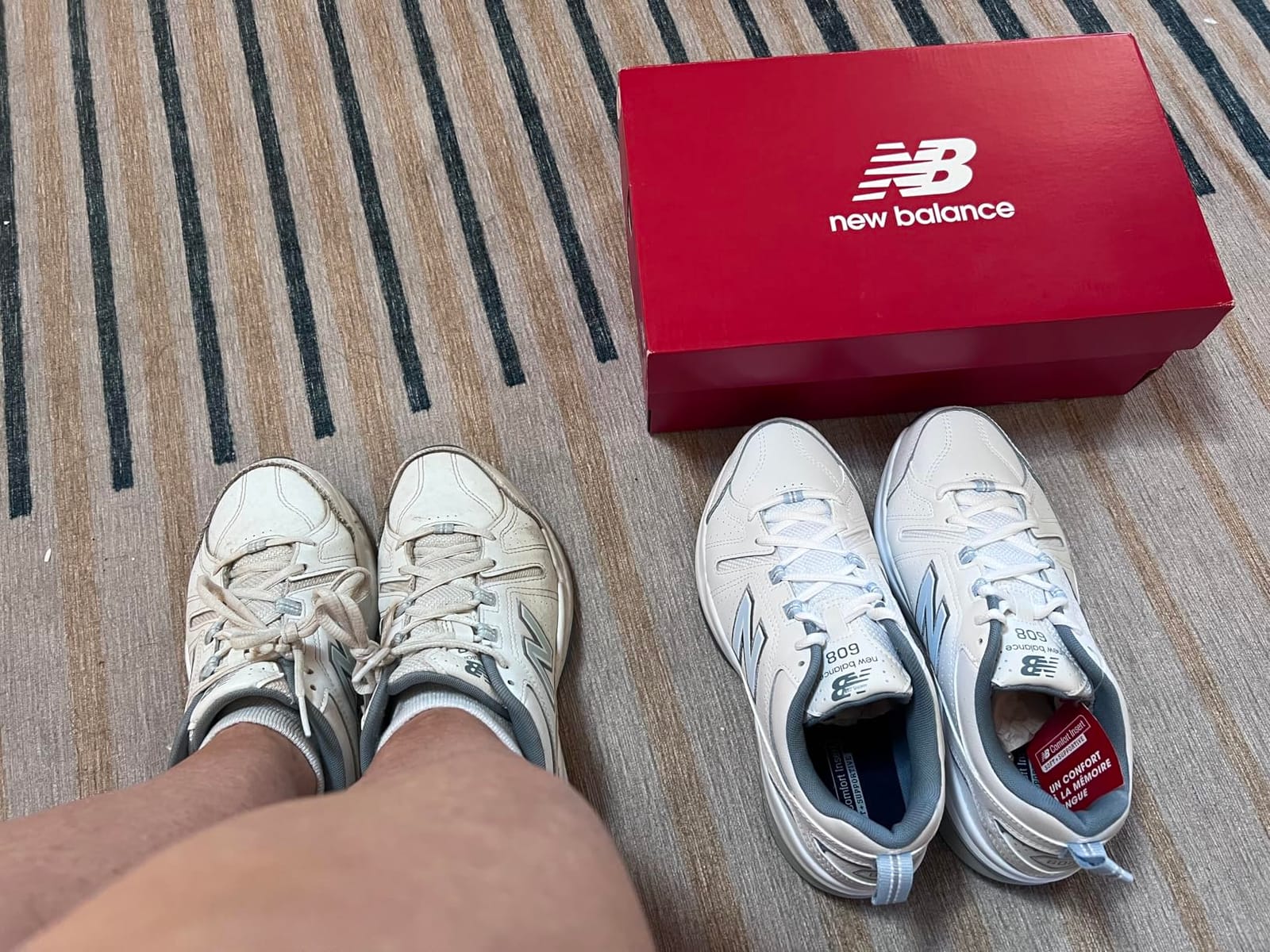
The IMEVA midsole with an ABZORB heel pad gives you impact absorption without the mushy feeling that makes a foot wobble under a loaded bar. The suede leather upper molds to the foot over time, so the first session feels structured and the fiftieth feels like yours.
Reviewers also flag this as a shoe that keeps going, which matters more than a spec sheet when you are logging several sessions a week. A shoe that holds its shape after a year is worth more than a lighter one that gives up in four months.
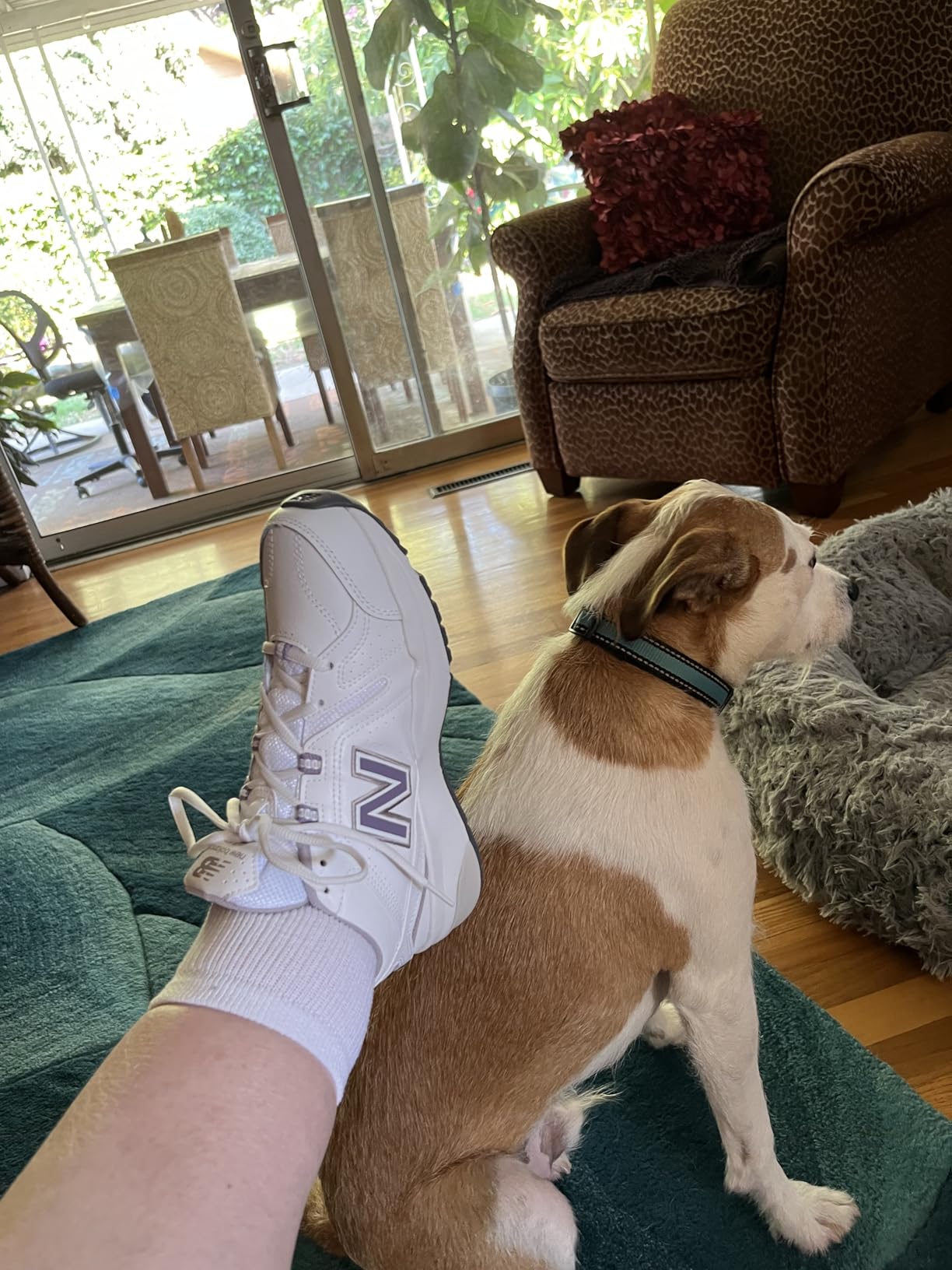
Who the 608 V5 suits and how it fits
This is the answer for wide feet, flat feet who want structure without a shoe that looks clinical, and anyone whose training is mostly free weights. True to size in the width you already wear, and you can move up a width rather than a size to get more room.
It also doubles as a walking shoe better than almost anything else here, which is why so many owners end up wearing it for everything from the gym to the grocery store. If you spend serious time on your feet at work, that versatility is not a minor perk.
Where the 608 V5 is the wrong tool
It is too rigid to run in and it is not designed for cardio-heavy circuits where you pivot and change direction constantly. The arch support is present but modest, so if you specifically need a medial post against overpronation, look at the Reebok Nano Gym instead.
Some buyers also find the styling plain, and reviewers report occasional outsole and sole separation on units that get heavy daily use. That is the trade for a shoe that costs very little per wear over its lifespan.
3. Ryka Influence – Best for Wide Feet, Dance Fitness and Lateral Movement
- Pivot point outsole makes lateral pivots smooth
- Women's last with narrower heel and roomier toe
- Light and breathable at 6.4 ounces
- Widest range of half sizes and wide widths here
- Sides can feel tight even in the wide width
- Thick tongue can rub the ankle
- Mesh upper wears quickly under abrasion
- Less cushioning than a running shoe
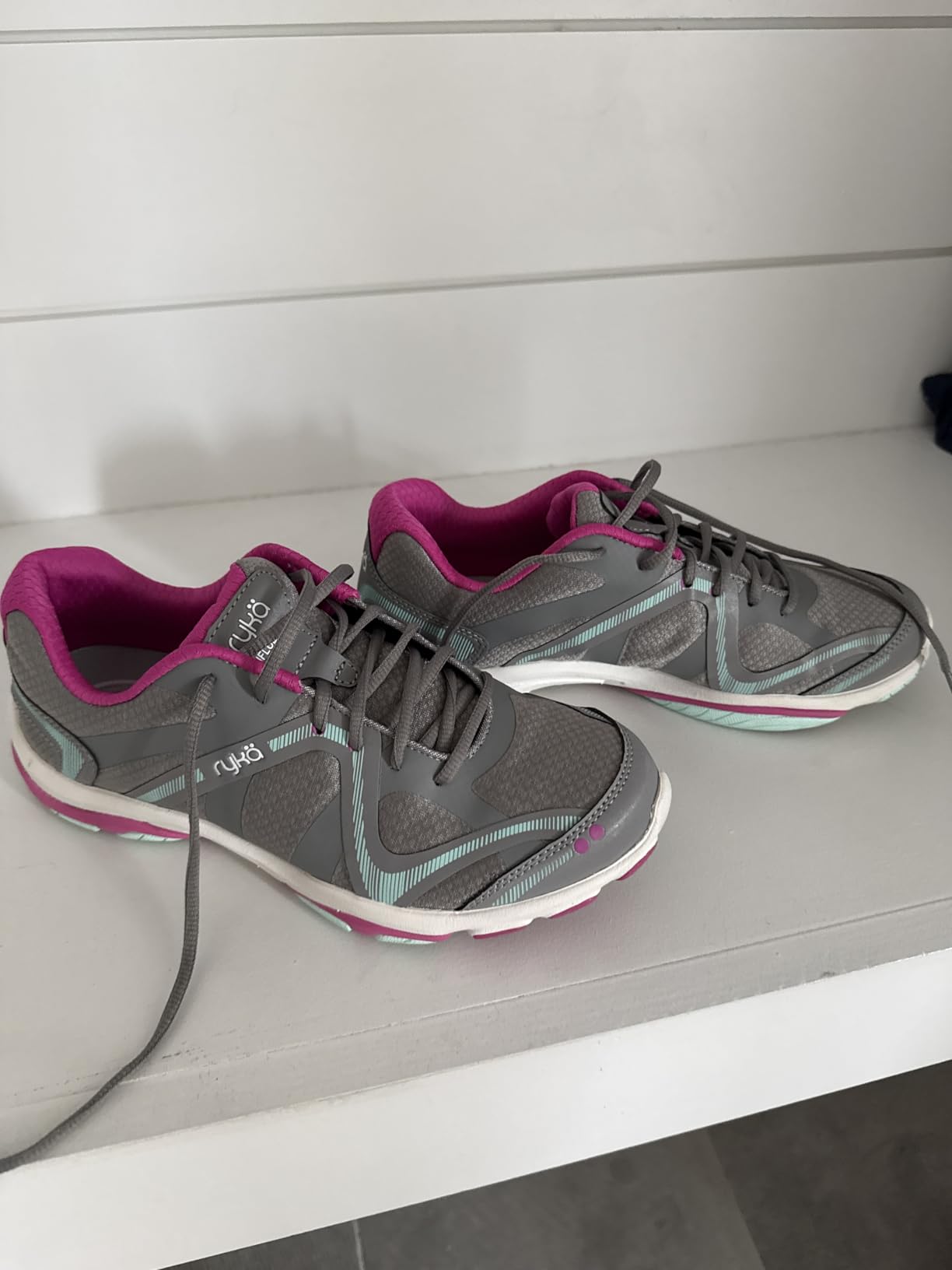
Why it’s great: this is one of the few shoes here built on a last designed for women’s feet rather than scaled from a men’s shape. The result is a narrower heel that stops your foot sliding on lateral moves and a roomier toe box that lets your toes actually spread.
Performance: a 4.2 rating from more than 10000 reviews. Owners in Zumba, cardio sculpt and HIIT classes repeatedly credit the pivot point and the women’s fit with removing the foot and knee pain that running shoes caused them.
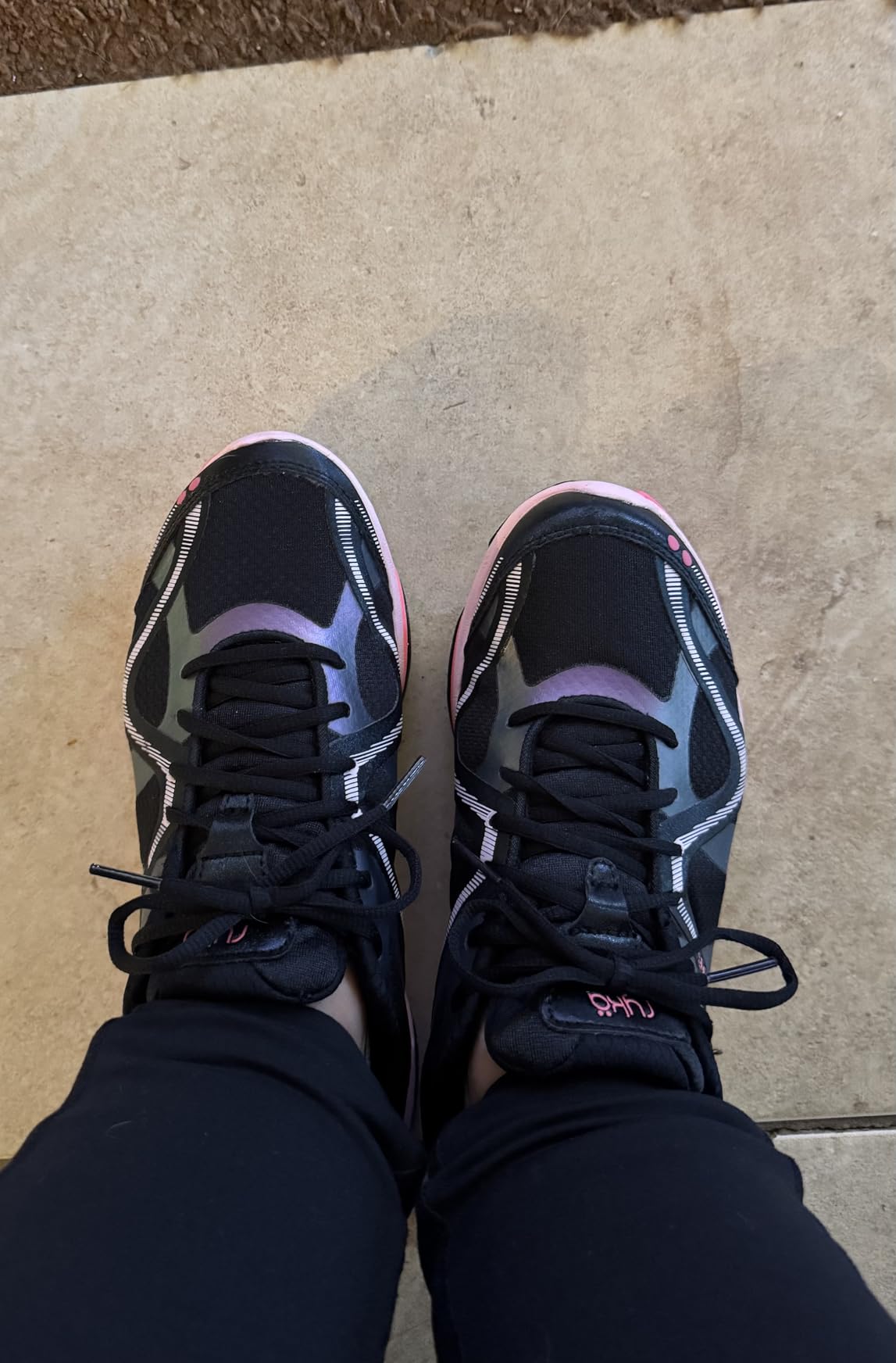
The pivot point sits under the ball of the foot, so turning happens at the foot rather than at the knee. That is the whole reason dance fitness and step classes feel different in this shoe than in a running trainer, and it is why it is my pick for lateral-heavy work.
At 6.4 ounces it is one of the lightest shoes in this roundup, and the N-Gage foam holds its shape so the cushioning does not flatten out at the end of a long class. The 8 mm heel rise keeps your foot from being thrown forward on quick changes of direction.
Who the Influence suits and how it fits
Pick it if you take classes, if you have wide feet and want a shoe built for them, or if you are coming back to training after footwear gave you shin splints. The width run here is the broadest of the twelve, including half sizes that most brands skip.
Buyers with wider feet report better results when they order a half size up. The narrower heel is the reason the shoe feels secure on pivots, and it is also the reason a very narrow heel can feel tight at the sides for some wearers.
Where the Influence falls short
It is not a heavy-lifting shoe. The platform is softer than a flat lifting sole, and the mesh upper is the first thing to fail if you do rope climbs or train in a high-abrasion environment. The thick tongue is a recurring complaint, especially for people with high insteps.
Because the shoe is built for low-impact and dance work, running in it is a mistake. If you also run, our guide to women’s trail running shoes is the right place to look for a second pair.
4. New Balance DynaSoft Nergize Sport V2 – Best Budget Pick for Everyday Gym Use
New Balance Women’s DynaSoft Nergize Sport V2 Cross Trainer, Black/Blacktop, 7 M
- Lowest entry cost in the roundup
- Plush DynaSoft cushioning for all-day wear
- No-sew upper feels sleek and sock-like
- Large selection of half sizes and wide widths
- Lowest average rating here with a 9 percent one-star share
- Softer midsole gives less stability under heavy loads
- Less responsive during fast lateral drills
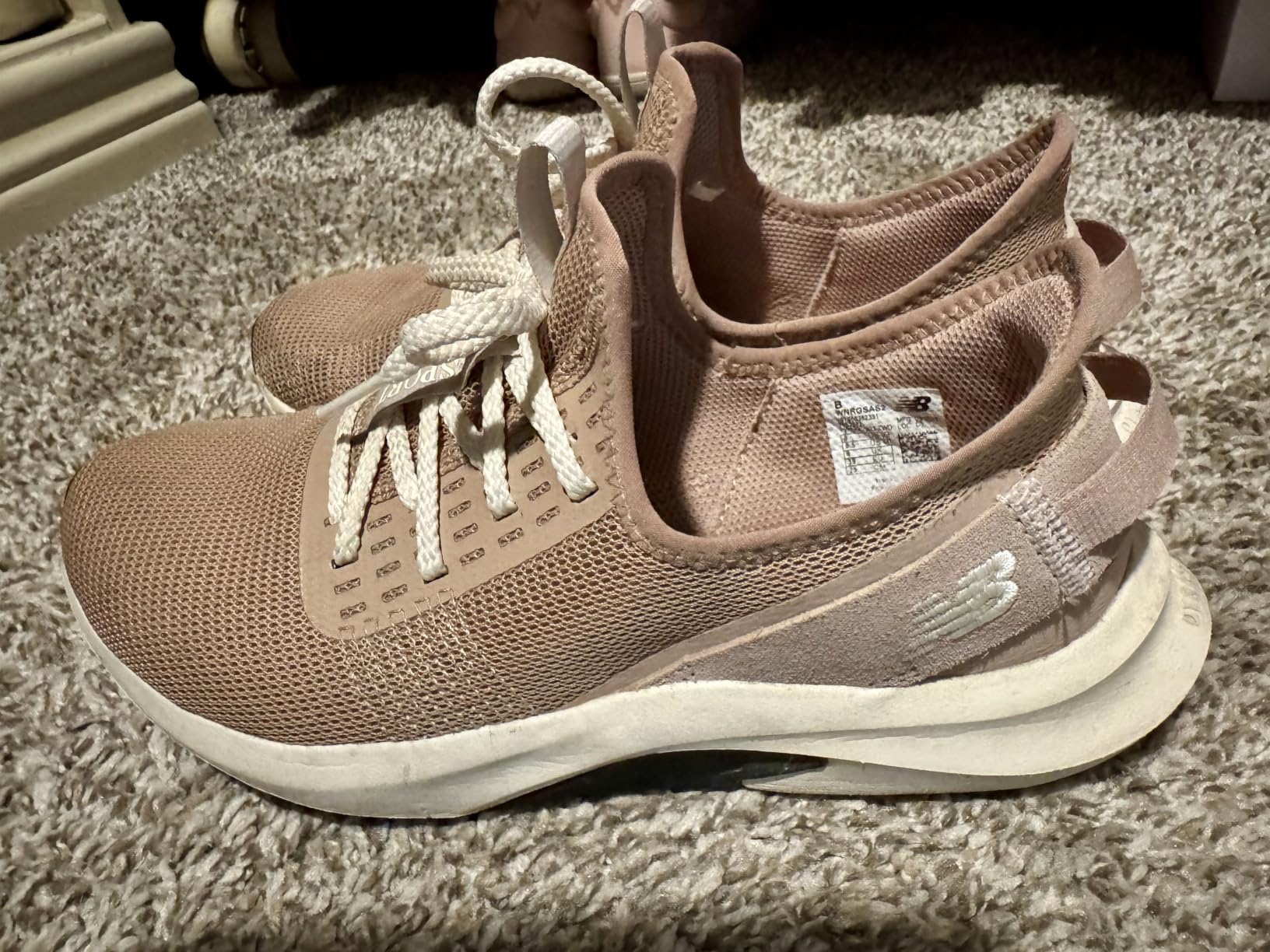
Why it’s great: the Nergize Sport V2 exists for people joining a gym for the first time or training three days a week rather than five. The DynaSoft midsole is plush underfoot, the no-sew upper is comfortable straight out of the box, and the width selection is genuinely broad.
Performance: a 4.1 rating from 4644 reviews, with 63% five stars. That is the lowest average in the group, and the rating spread explains itself once you know what the shoe optimises for, which is comfort rather than stability.
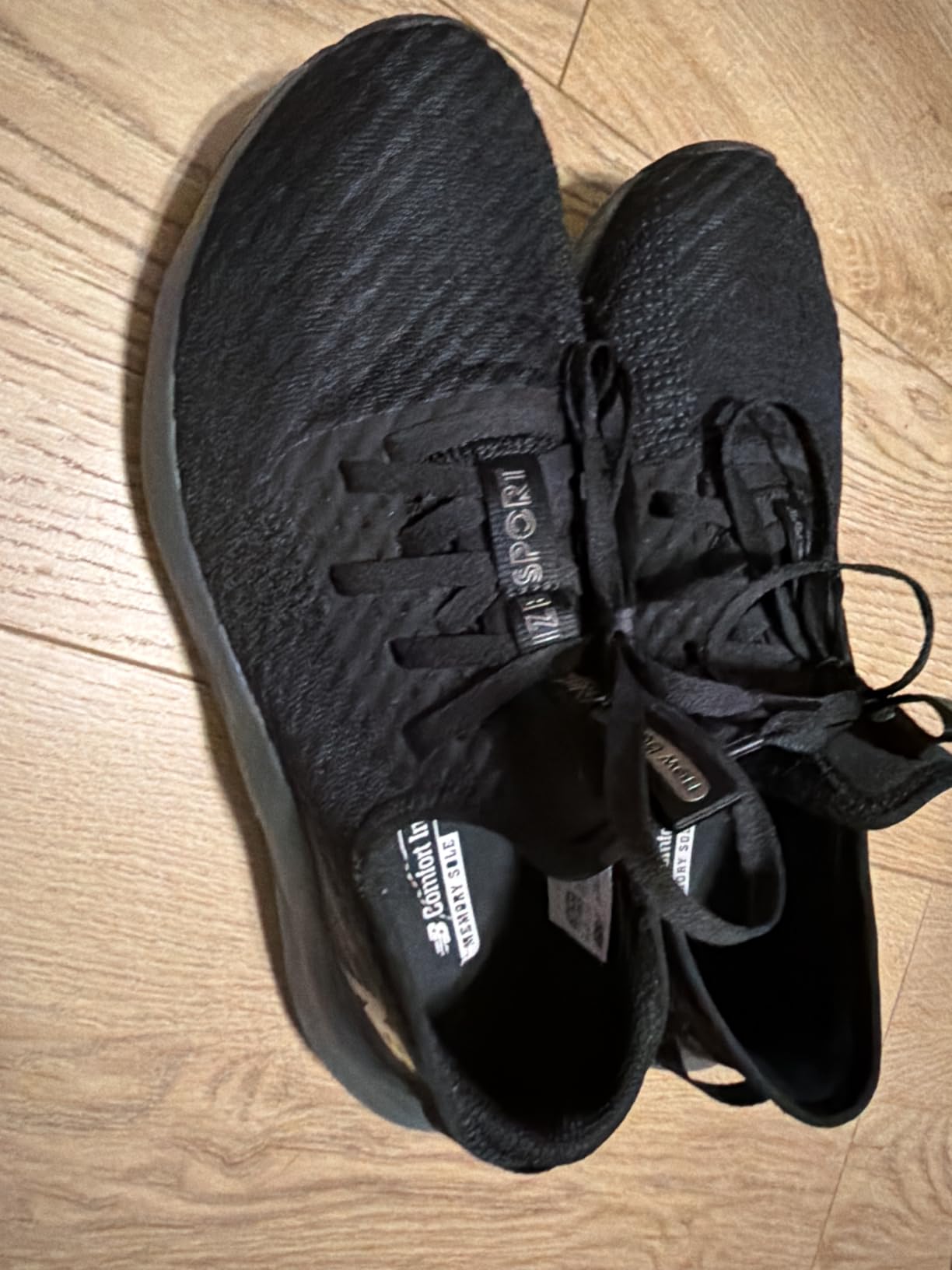
The rubber outsole is durable enough for normal gym use, and the adjustable lace closure lets you tighten the midfoot if you are doing any loaded work. The synthetic and textile upper breathes well enough for a 45-minute session without cooking your feet.
Where the softness cuts both ways is on lateral movement. A softer midsole feels great on the treadmill and during recovery walking, but it does not fight side-to-side motion the way a firmer platform does, and owners say so directly in reviews.
Who the Nergize suits and how it fits
This is the pick for beginners, home workouts, walking-heavy routines and anyone who wants a pair they can genuinely wear everywhere. It is also the least expensive way into this category, which matters if you are buying a first pair and not sure you will stick with the gym.
Order true to size. The width options are wide, so you can change width without changing size, and the no-sew upper does not need a long break-in period before it stops feeling loose.
Where the Nergize is the wrong choice
It is not for heavy lifting, and it is not for fast court or agility work where you need immediate feedback from the floor. The 9% one-star share in the ratings is mostly people who bought it expecting a training shoe and got a comfortable one instead.
If you know you will be squatting, deadlifting or doing anything requiring a planted base, spend the extra amount on one of the firmer platforms in this roundup. The comfort difference on a lifting day is not worth it.
5. Ryka Vida RZX – Best for Dance Fitness, Zumba and HIIT Classes
- Excellent heel cushioning and lateral support
- Forefoot flexes naturally for pivots
- Lightweight through long sessions
- Toe box slightly wider than competing trainers
- Fit runs narrow and several buyers size up
- Less toe box cushioning than expected
- Short laces that only tie a small bow
- Not offered in a wide width
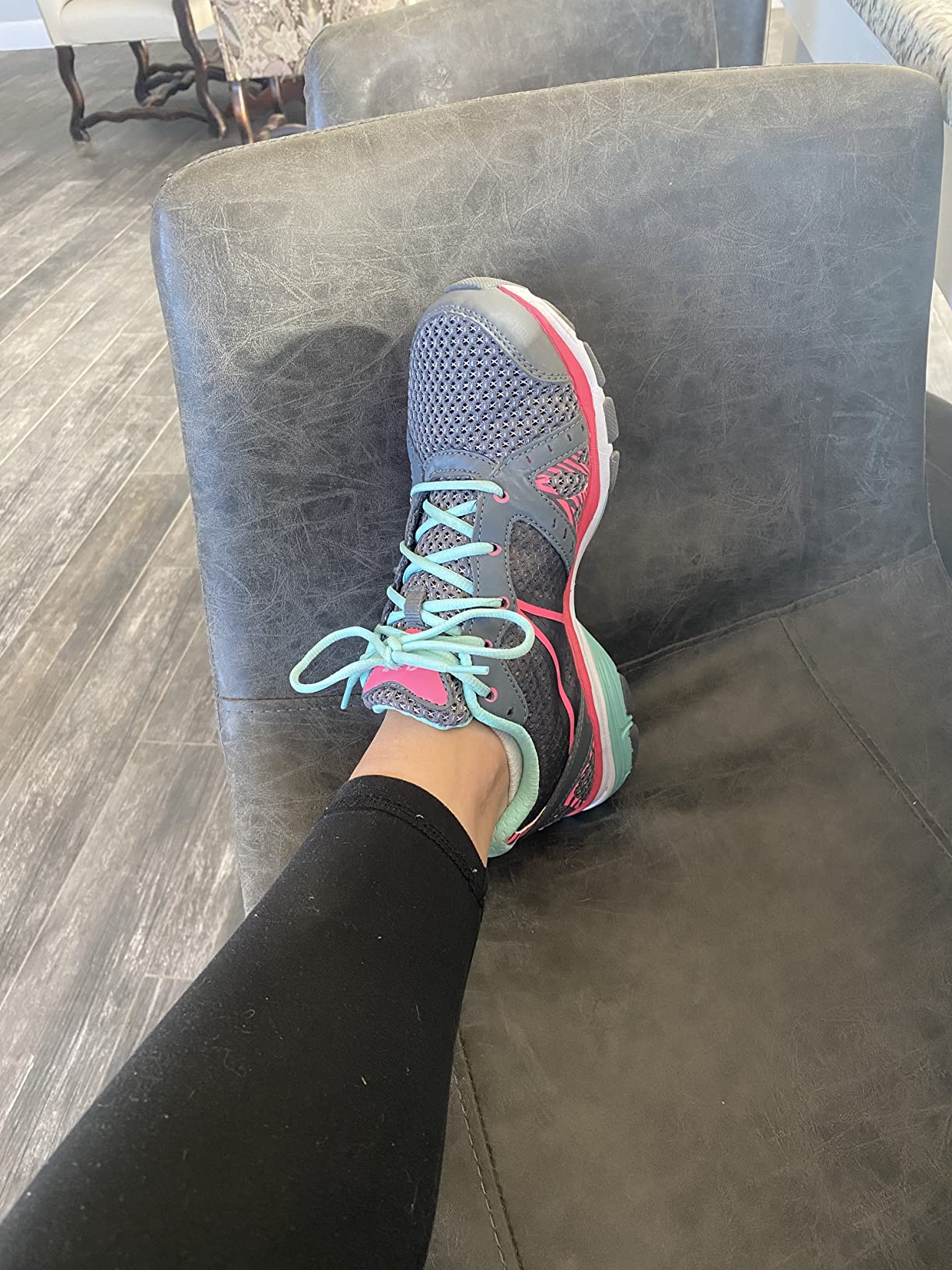
Why it’s great: the Vida RZX is the shoe for a room full of people turning, stepping and jumping in unison. RE-ZORB cushioning in the heel absorbs the repeated impact of a class, and the Ultra Flex forefoot bends exactly where a pivot needs it to bend.
Performance: 4.3 from 2475 reviews with a 66% five-star share. Reviewers describe strong lateral support and a cushioned heel as the two things that make a long cardio class bearable, and the anatomical Precise-Return footbed adds underfoot support most class shoes skip.
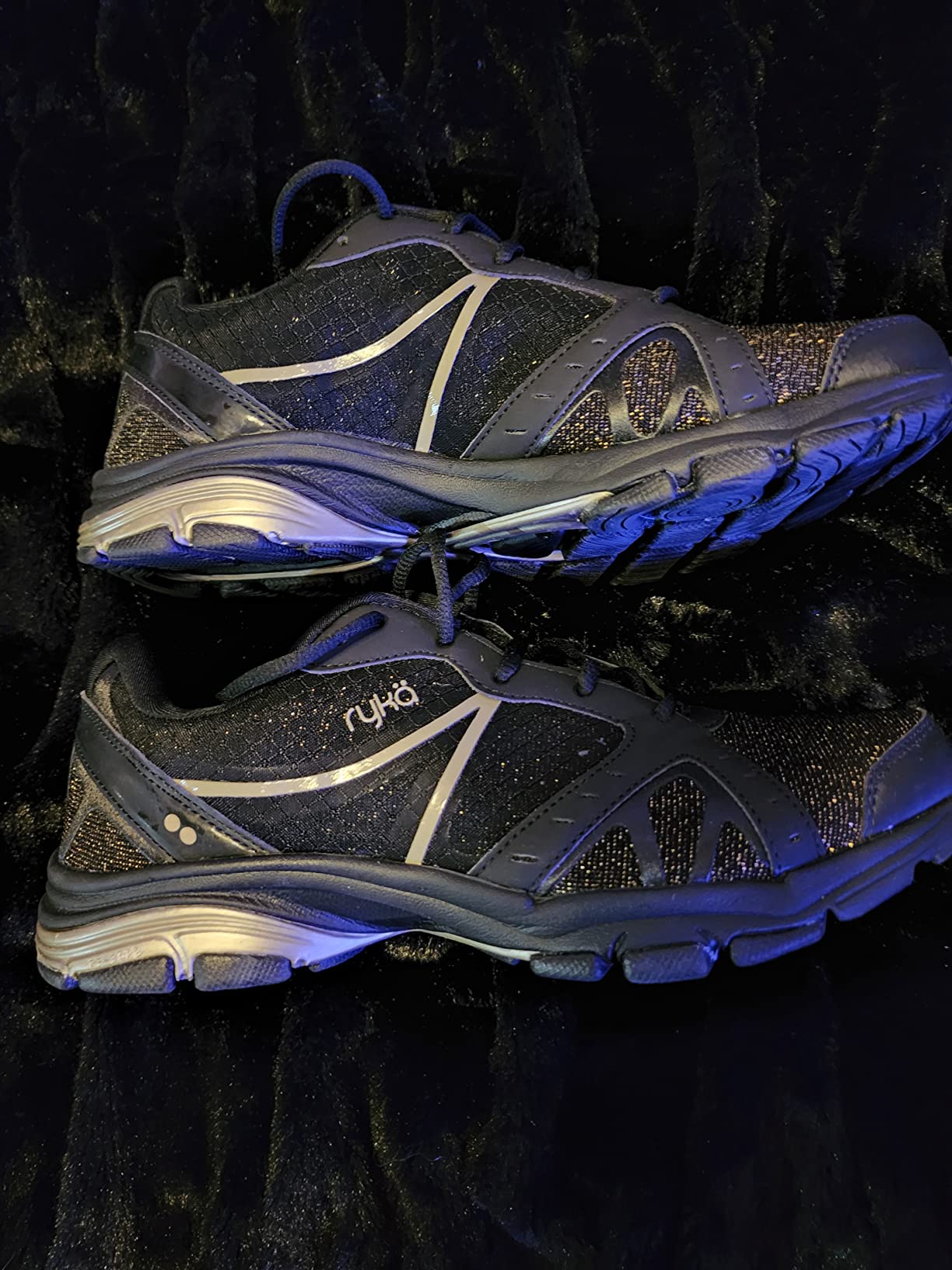
Strategic flex grooves in the rubber outsole let the shoe twist without fighting you, and the pivot point keeps the turn under the ball of the foot. Breathable mesh with synthetic overlays keeps the upper from stretching out over a long session.
It is also a light shoe, so it stays comfortable from the first class to the fifth without the weight fatigue that ends a class early. The black-and-gold and pastel colorways are easy to coordinate with whatever you wear to get there.
Who the Vida RZX suits and how it fits
Zumba, cardio dance, step, aqua fitness and home HIIT videos are all strong fits. Anyone doing classes two or three times a week will notice the heel cushioning more than they notice anything else about the shoe.
Size up. The most common note across reviews is that this shoe runs narrow, and multiple buyers report success after moving up a size or a half size. There is no wide width offered, so if you need real width across the forefoot, the Ryka Influence is the better match.
Where the Vida RZX falls short
It is a class shoe, not a lifting shoe. The platform is not flat or rigid enough for heavy barbell work, and the toe box has less cushioning than some buyers expect after seeing the heel cushioning on paper.
The short laces are a small but real annoyance, and the lack of a wide width option closes it off for a lot of women. If your training is 50% class work and 50% free weights, the Influence covers both sides better.
6. PUMA Voltaic Evo – Most Versatile for Comfortable HIIT and Strength Sessions
- Very comfortable from the first wear
- Full-length rubber gives confident grip on lateral moves
- Lightweight and breathable in intense sessions
- Fits inside machine straps without bulk
- Fabric toe box wears through with use
- Some colorways look lighter in person than in photos
- Occasional reports of the wrong size arriving
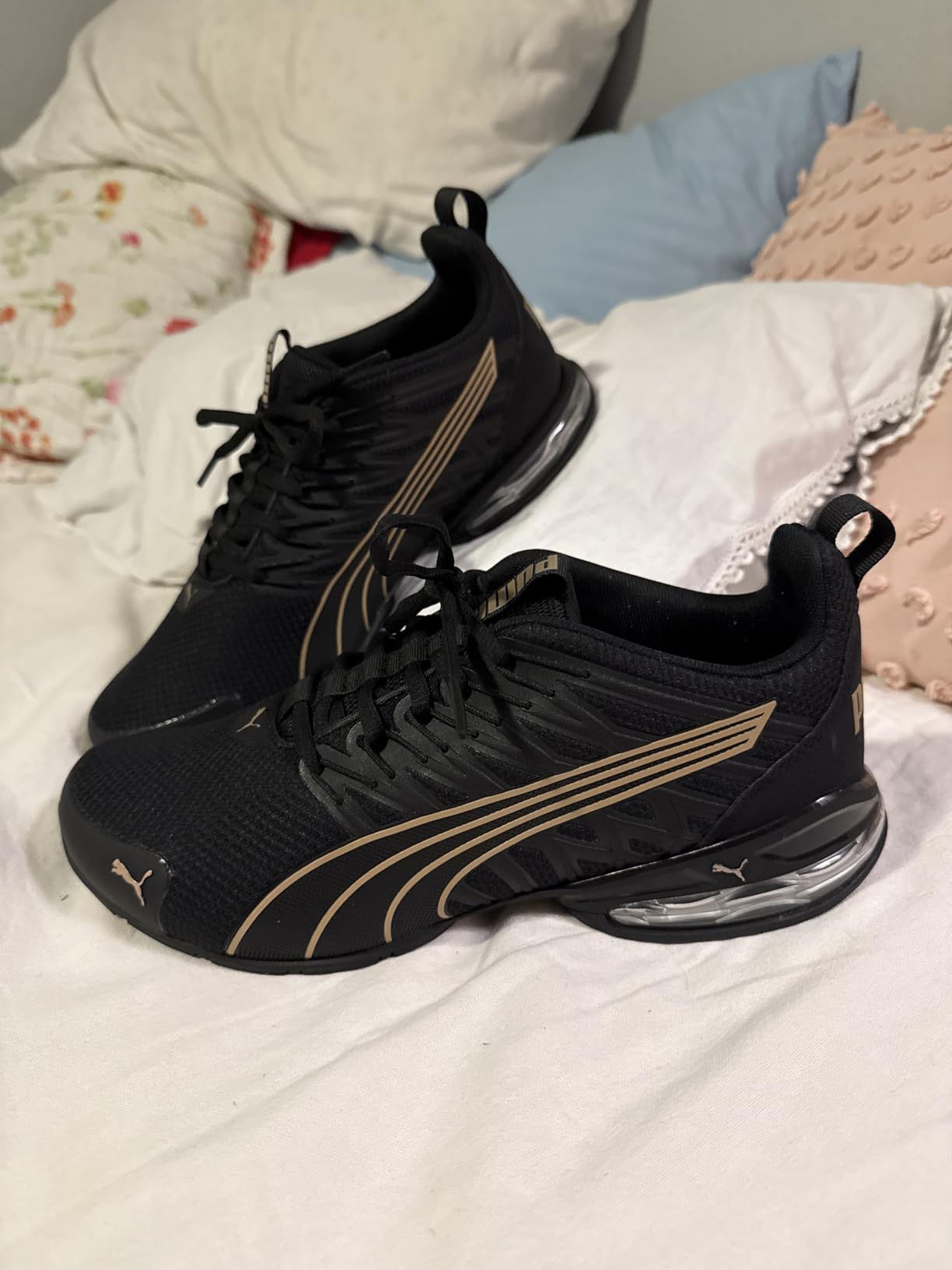
Why it’s great: the Voltaic Evo is a revamp of PUMA’s Viz Tech design language built around a cushioned-but-flexible sole. You get step-in comfort from the SoftFoam+ sockliner, responsive PUMA 10CELL cushioning and a TPU shank that keeps the midfoot from collapsing under load.
Performance: 4.5 from 1189 reviews with 78% five stars, one of the strongest satisfaction profiles here. Reviewers describe it as exceptionally comfortable for both workouts and long days on their feet, and several recommend sizing up a half size.
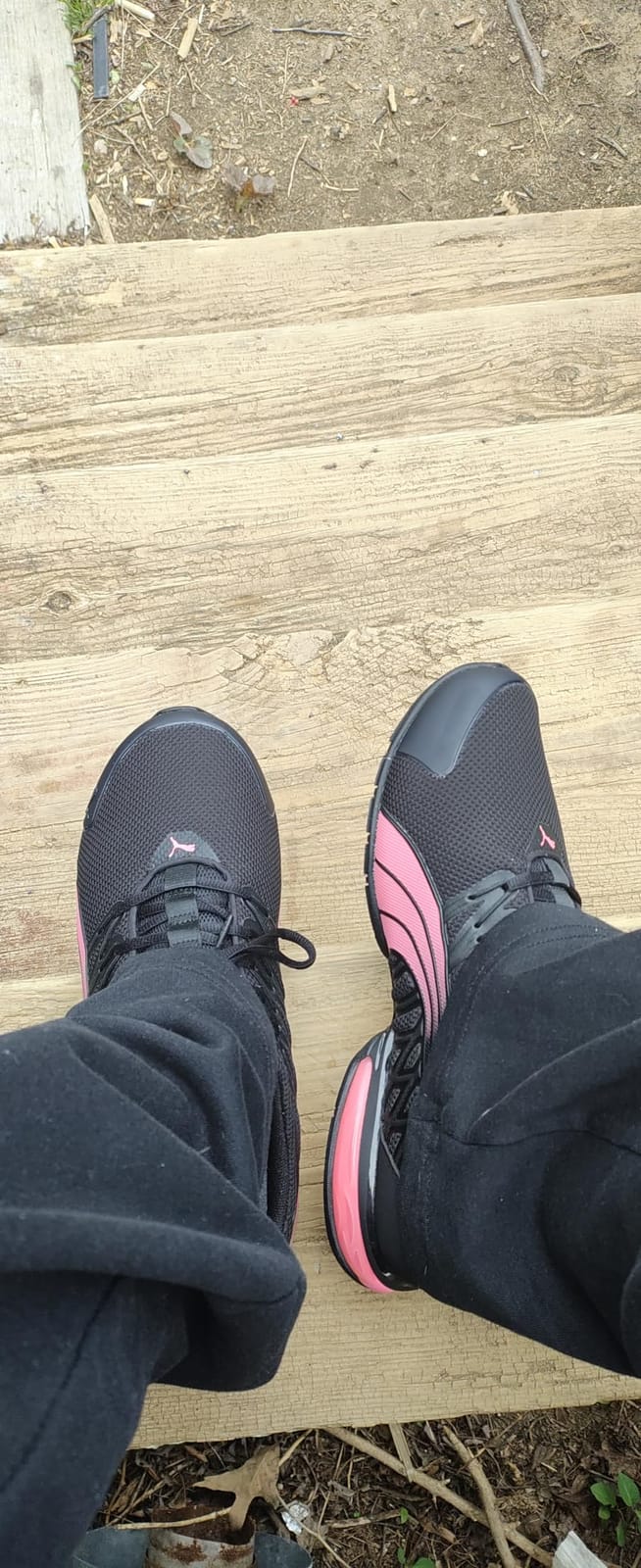
Full-length rubber coverage means the traction pattern is continuous rather than sectioned, so lateral shuffles and quick direction changes feel planted. The TPU toe cap and cage overlay lacing add lockdown without the aggressive midfoot feel that causes rubbing.
A detail worth knowing: this shoe fits inside cable machine straps without the bulk that makes some trainers unusable for leg work. That sounds minor until you spend an hour doing cable glutes.
Who the Voltaic Evo suits and how it fits
It is a strong choice for HIIT classes, bootcamp-style circuits and mixed strength and cardio days where you want cushioning without losing responsiveness. The styling also works with casual clothes, which is useful for people who train around a work schedule.
Consider a half size up. Reviews repeatedly suggest it, and the full-length outsole and rounded upper benefit from a little more room through the forefoot than the label size gives you.
Where the Voltaic Evo is not ideal
The fabric upper is the weak point. Owners who train barefoot or wear toe socks report the toe box wearing through with use, and that is a real durability limit for anyone who does a lot of indoor climbing or barefoot work.
It is also not a flat lifting platform, so it is not the first choice for heavy squats and deadlifts. Colourways can also photograph lighter than the listing suggests, and a few buyers reported the wrong size arriving in the box, so check the pair before you leave the house.
7. Reebok Nanoflex TR 2.0 – Best for Heavy Lifting on a Budget
Reebok Women’s Nanoflex 2 Training Shoes, Feel Good Blue/Black/White, 7
- Flat non-rocking base for heavy lifting
- Wide toe box gives real toe splay
- Padded without creating instability
- Compared favourably to far costlier training shoes
- Runs about a half size large
- Needs roughly a two-week break-in
- Not suitable for long-distance running
- Long-term durability questioned by some owners
Why it’s great: this is the shoe in the roundup that reviewers most often compare to premium CrossFit models. The flat, non-rocking rubber sole gives you a genuinely stable base under a bar, and the wide toe box lets your toes grip the floor instead of being compressed together.
Performance: 4.6 from 749 reviews with 77% five stars. Owners lifting heavy report that the shoe is padded enough to be comfortable without turning squishy under load, which is the exact failure mode of most cushioned trainers.
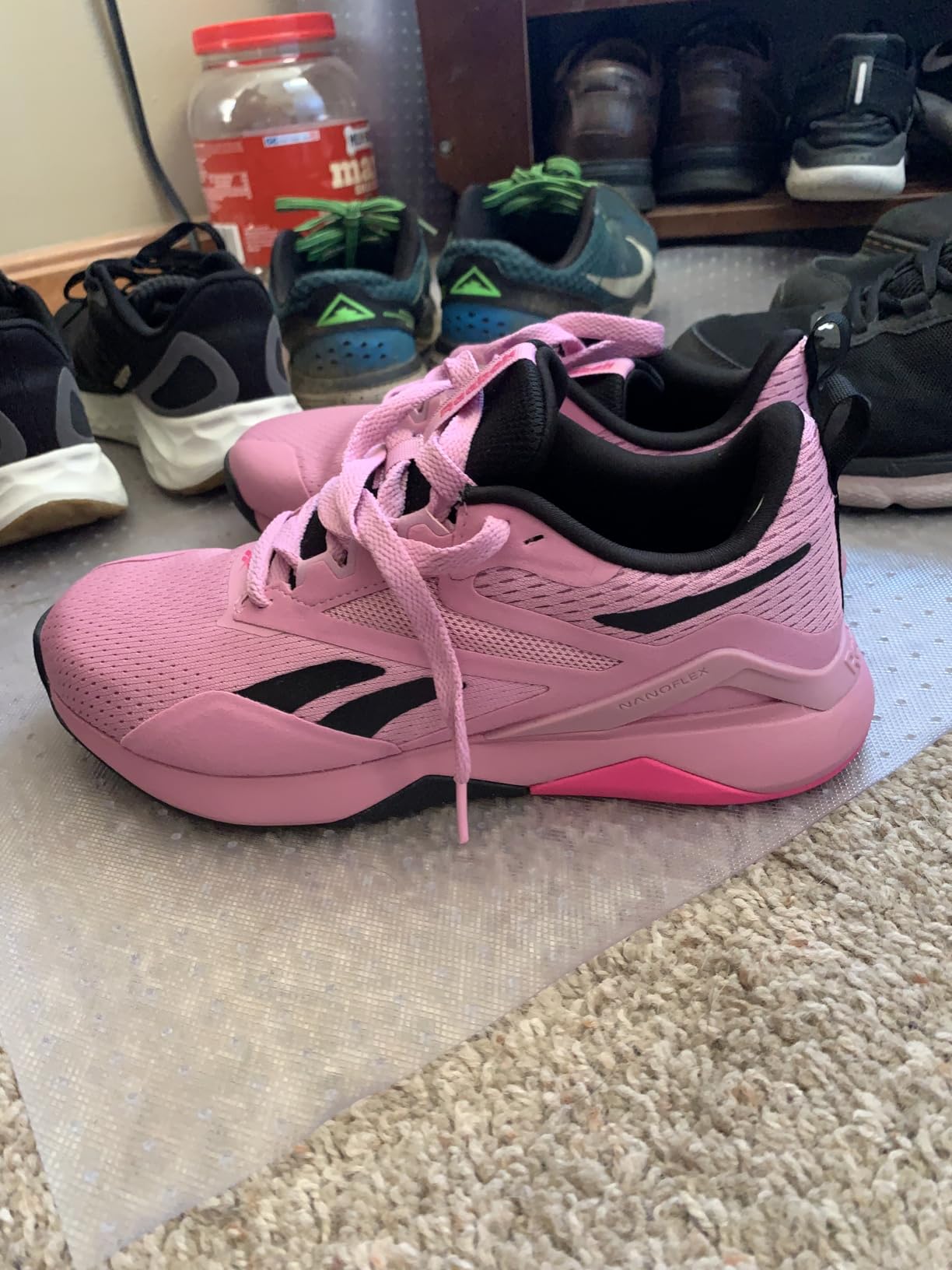
The wide toe box is the quiet hero. Toe splay gives you a bigger contact patch, and a bigger contact patch is what keeps the foot from tipping on a heavy single-leg movement or a box jump landing.
The heel loop is a small thing that matters in a busy gym changing room, and the padding is placed where you feel it on footwork rather than where it compromises base stability. The sole is described as supporting lifting, squats, burpees and general cross training.
Who the Nanoflex TR 2.0 suits and how it fits
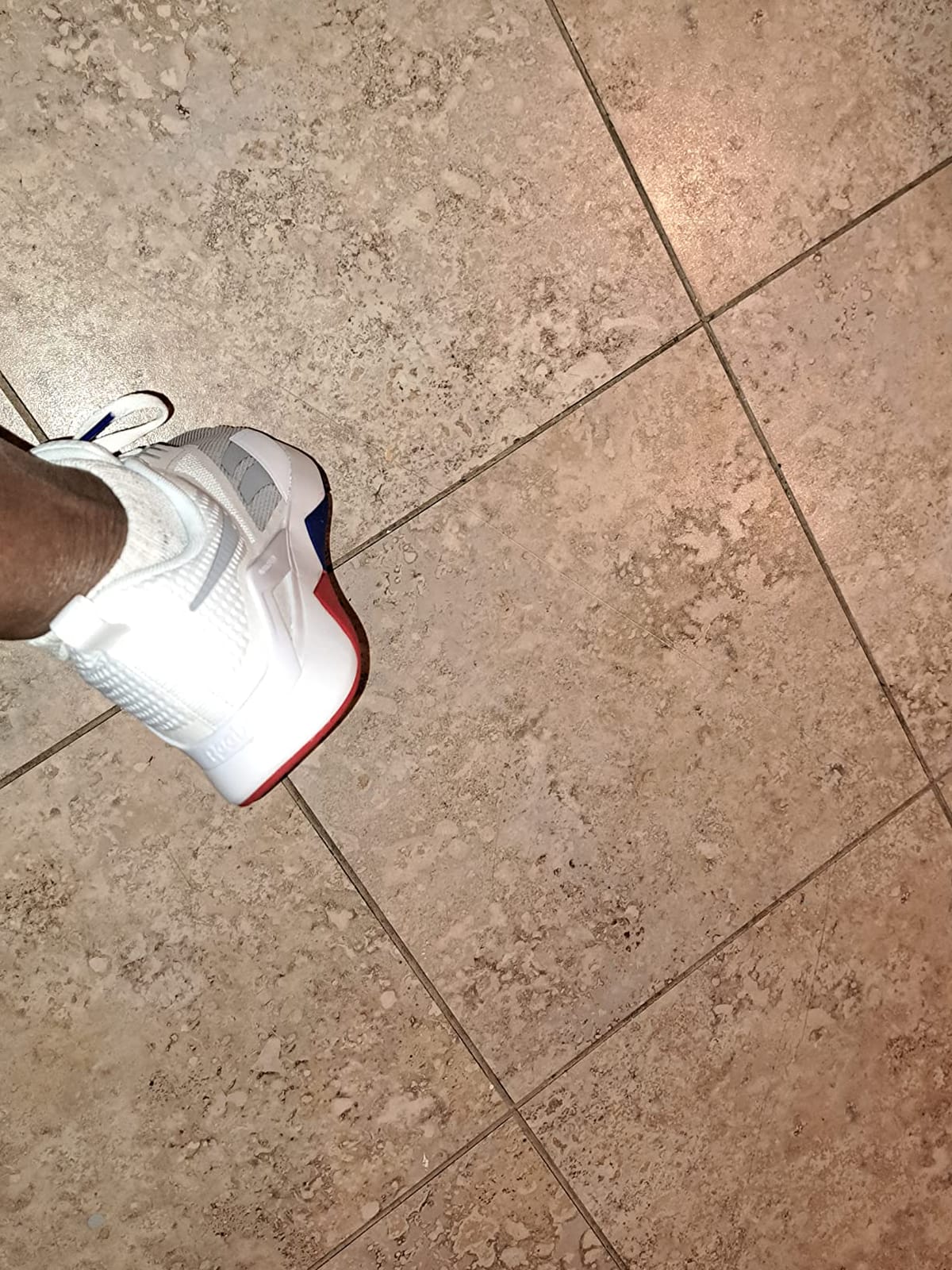
This is the pick for anyone whose training is mostly barbell work and CrossFit-style functional movement on a budget. It is also a good first pair, because the fit is straightforward once you know it runs large.
Size down about a half size. That is the single most repeated note in the reviews, and the extra toe room that some buyers tolerate will catch during fast CrossFit movements. Budget roughly two weeks of break-in before you judge the comfort.
Where the Nanoflex is the wrong tool
It is not a running shoe, and the flat sole makes that obvious the moment you try. It also does not have the lateral structure or pivot geometry that a class shoe needs, so lateral day classes will feel flat and unsatisfying.
Some owners question long-term durability at this price point, and the break-in period is longer than most. If you want something that doubles as a walking shoe, the Nano Gym covers that role instead.
8. Reebok Nano Gym – Best for Flat Feet and Arch Support on a Budget
Reebok Nano Gym Womens Sneakers, Workout and Walking Shoes for Women, Footwear White/Black, 6.5
- Built-in arch support suits lifted and fallen arches
- TPU cradle gives real lateral stability
- Sizes up a full size for a correct fit
- Slip-on style with no laces to adjust
- Squeaks noticeably when walking
- Runs about a full size small
- Toe and heel flare wider than expected
- Narrow raised heel is poor for HIIT
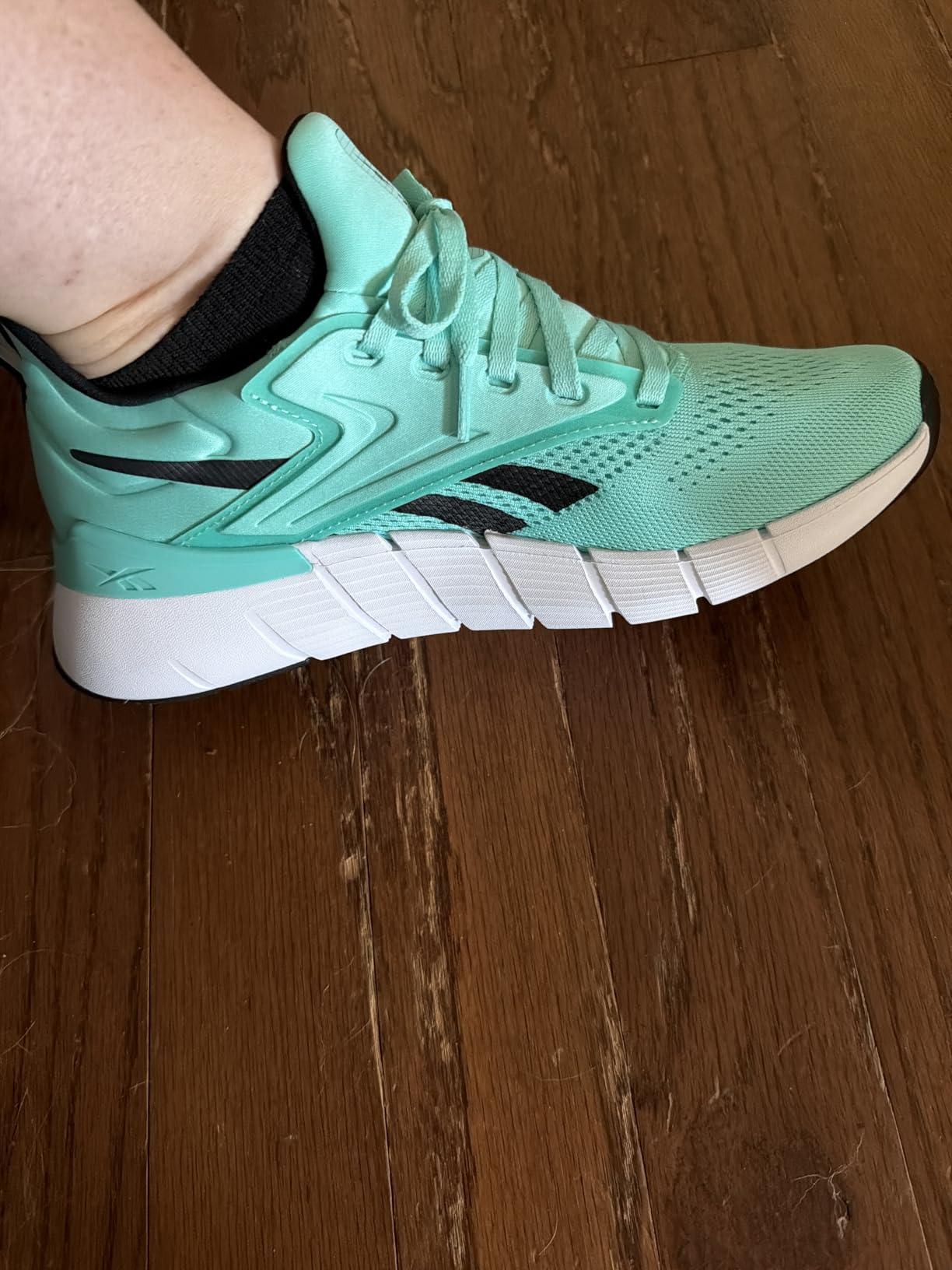
Why it’s great: the Nano Gym is built around a bootie construction with genuine built-in arch support, which is what makes it the pick here for flat feet and for anyone who wants to lift in something that supports the arch without a separate orthotic.
Performance: 4.5 from 632 reviews with 75% five stars. Owners specifically credit the arch support under heavy lifting, and the athletic midsole drop with a performance plush foam collar gives a secure, comfortable step-in.
The TPU cradle is what stops the shoe collapsing laterally, and the breathable lightweight mesh upper keeps it comfortable for longer than a lot of arch-supported shoes manage. It is also designed for short runs, aerobics and fitness classes, so it stretches past the gym floor.
Architecturally, it is a gym-to-street sneaker that works as a walking shoe too. That versatility is the most common reason buyers keep it as a daily pair rather than a training-only shoe.
Who the Nano Gym suits and how it fits
Pick it if you have flat feet, a history of plantar fasciitis, or you prefer to wear your own orthotics in your training shoe. Owners also note it accepts a custom insole comfortably, which is rare at this level.
Size up a full size. This is the most consistent sizing note in the entire file, and it applies to the toe and heel flare, which is wider than you might expect from the shape. The styling also works for casual wear.
Where the Nano Gym is not the right choice
It squeaks when you walk, which owners mention often and some people care about a lot in a quiet gym. The narrow, raised heel also makes it a poor pick for HIIT and functional training where you need to stay low and pivot.
Because the heel sits high, this is not the shoe for someone chasing a flat, grounded lifting platform. For heavy barbell work, the Nanoflex or the adidas Dropset Control does that job with less lift under the heel.
9. adidas Dropset Control – Best for a Firm, Grounded Lifting Platform
adidas Women’s Dropset Vario Training, Black/Iron Metallic/Silver Metallic, 8
- Very stable and grounded on lower-body lifting days
- Wide fit suits feet that jam in other trainers
- Comfortable through long sessions without bulk
- Solid grip on gym floors across exercises
- Very stiff and poor for cardio or dynamic movement
- Midfoot support triangle can dig into the arch
- Little stretch in the upper causes discomfort
- Some colorways show dirt easily
Why it’s great: the Dropset Control is a true training shoe in the old sense. A wide fit, a Repetitor foam midsole for a firm platform and a TPU midfoot torsion system combine into the most planted-feeling lower-body trainer in this roundup.
Performance: 4.3 from 198 reviews. Reviewers consistently call it an excellent training shoe, stable, wide and comfortable for strength work, with several noting plainly that these are not running shoes.
Who the Dropset Control suits and how it fits
This is for the lifter. Squats, deadlifts, lunges, step-ups and loaded carries are where its wide fit and firm platform pay off, and owners with wide feet specifically call out the fit as a relief after fighting aggressive midfoot constructions elsewhere.
Order true to size. The wide fit is built into the last rather than bolted on with a wider sizing, and the midfoot support piece adds stability during lunges and step-ups.
Because this is one of the newer releases in the group, the buyer feedback base is thinner than the rest, so treat the comfort verdict as more provisional than the others here.
Where the Dropset Control falls short
It is stiff, and that stiffness is the point for lifting but the problem for everything else. Cardio, dynamic warm-ups and any movement work that needs forefoot flex will feel blocked, and reviewers are clear that it is not a running shoe.
The other recurring complaint is the hard midfoot support triangle, which can dig into the arch. Combined with little stretch in the upper, that can be uncomfortable on long sessions. With only 198 reviews it also has the thinnest feedback base here, so treat the comfort verdict as provisional.
10. Nike Free Metcon 6 – Best for Plyometrics, Box Jumps and Jumping Work
- Highly flexible midsole and outsole for plyometrics
- Tuned support with strategically placed cushioning
- Built-in stretch zones for lunges and squats
- Extra heel foam for heavy set stability
- Lighter cushioning than max trainers for long distances
- Highest one-star share in the group at 9 percent on durability
- Less planted than a flat lifting platform for heavy barbell work
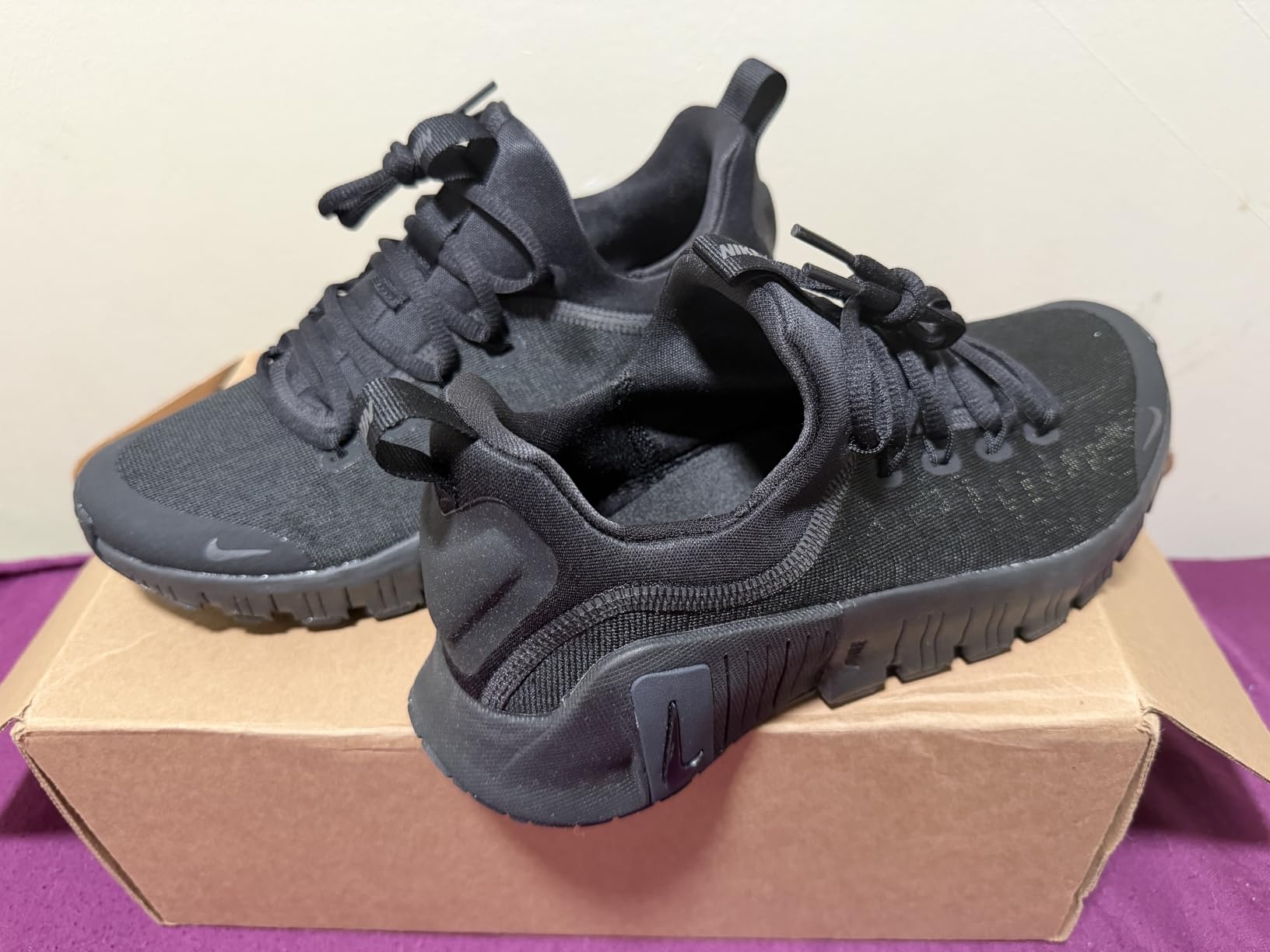
Why it’s great: the Free Metcon 6 is the pick when your warm-up is plyometrics. The laser-siped outsole is cut so the shoe flexes in the places that matter for jumping, planking and explosive work, and the rounded big-toe side of the forefoot lets you pivot fast.
Performance: 4.3 from 470 reviews with a 73% five-star share. The strengths owners name are forefoot flexibility, tuned support and Flywire lockdown, with the 9% one-star share clustering around durability rather than performance.
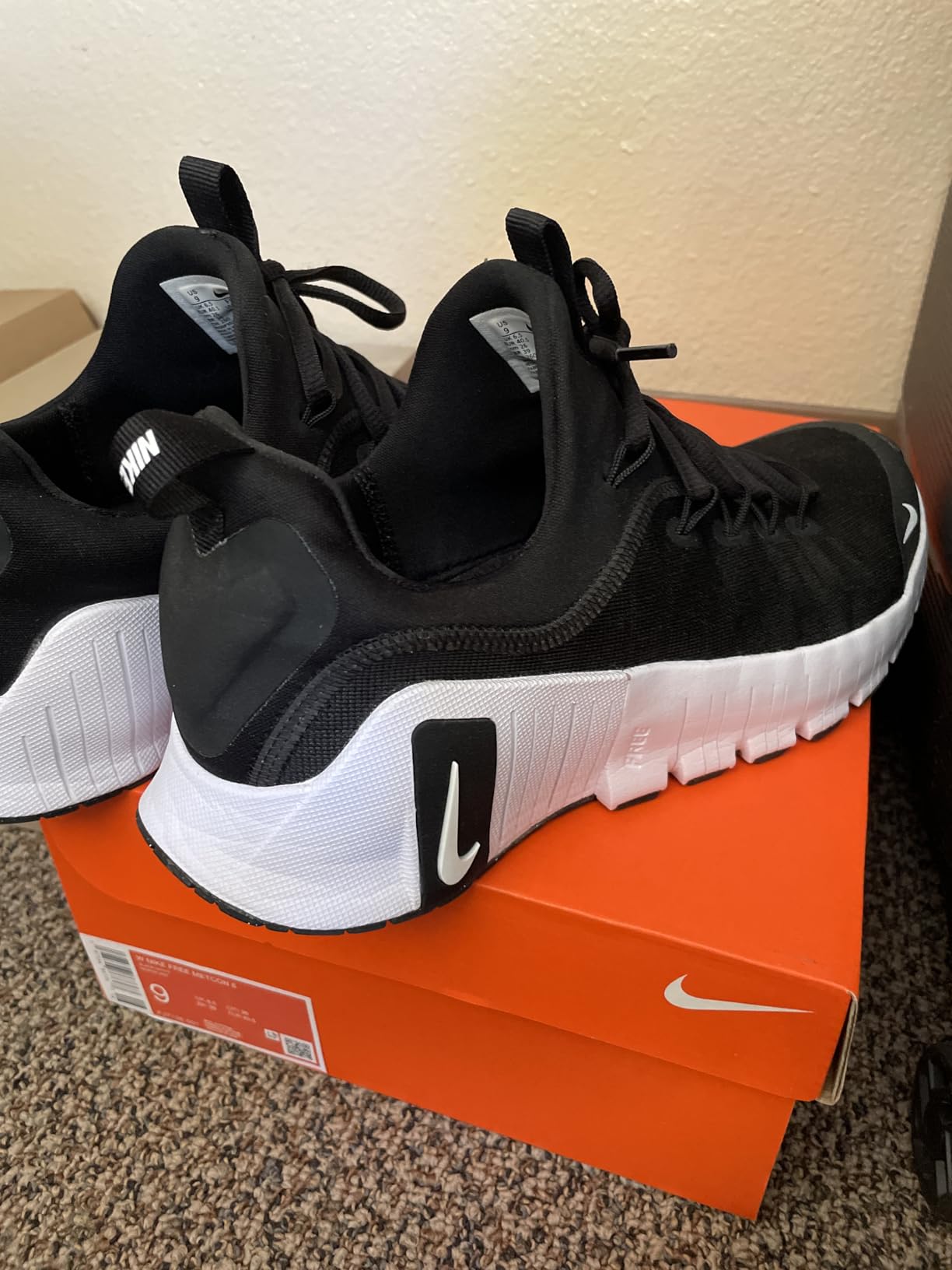
The engineered mesh upper has built-in stretch zones specifically for lunging, squatting and jumping, so the upper moves with the foot instead of fighting it. Extra foam in the heel gives you something to dig into when you are trying to stay stable through another heavy rep.
Flywire cables pull the foot down through the midfoot, which matters more than it sounds when you are landing a box jump off-balance. The multi-surface traction pattern holds on more than just rubber gym flooring.
Who the Free Metcon 6 suits and how it fits
It suits anyone doing mixed training where jumping and agility work is a real part of the week, from Metcon-style circuits to bootcamp. It is also a natural companion to a flat lifting shoe, giving you one pair for each role.
The fit is true to size in most cases, and the rounded forefoot edge means narrow feet are not fighting the shape the way they do with a boxier toe. Ordering half a size up is rarely necessary.
Where the Free Metcon 6 is not the best choice
It sits at the top of the roundup price range, and the cushioning is light, so it is not the one for long-distance work or maximum comfort sessions. It is also the least stable under a heavy barbell, because the platform is designed to flex rather than lock.
If your training is 80% barbell, buy a lifting platform instead. If you also need cardio kit, our women’s indoor cycling shoes guide covers a very different kind of footwear for very different movements.
11. Under Armour Aurora 3 – Best for All-Day Comfort and Custom Insoles
- Highest average rating in the roundup at 4.7
- Very stable under lifting and aerobics
- Lightweight 9 oz build for long sessions
- Accepts custom insoles with room to spare
- Runs slightly small and several buyers size up
- Firm out of the box before Charged+ breaks in
- Inner rear ankle lining wears after months of daily use
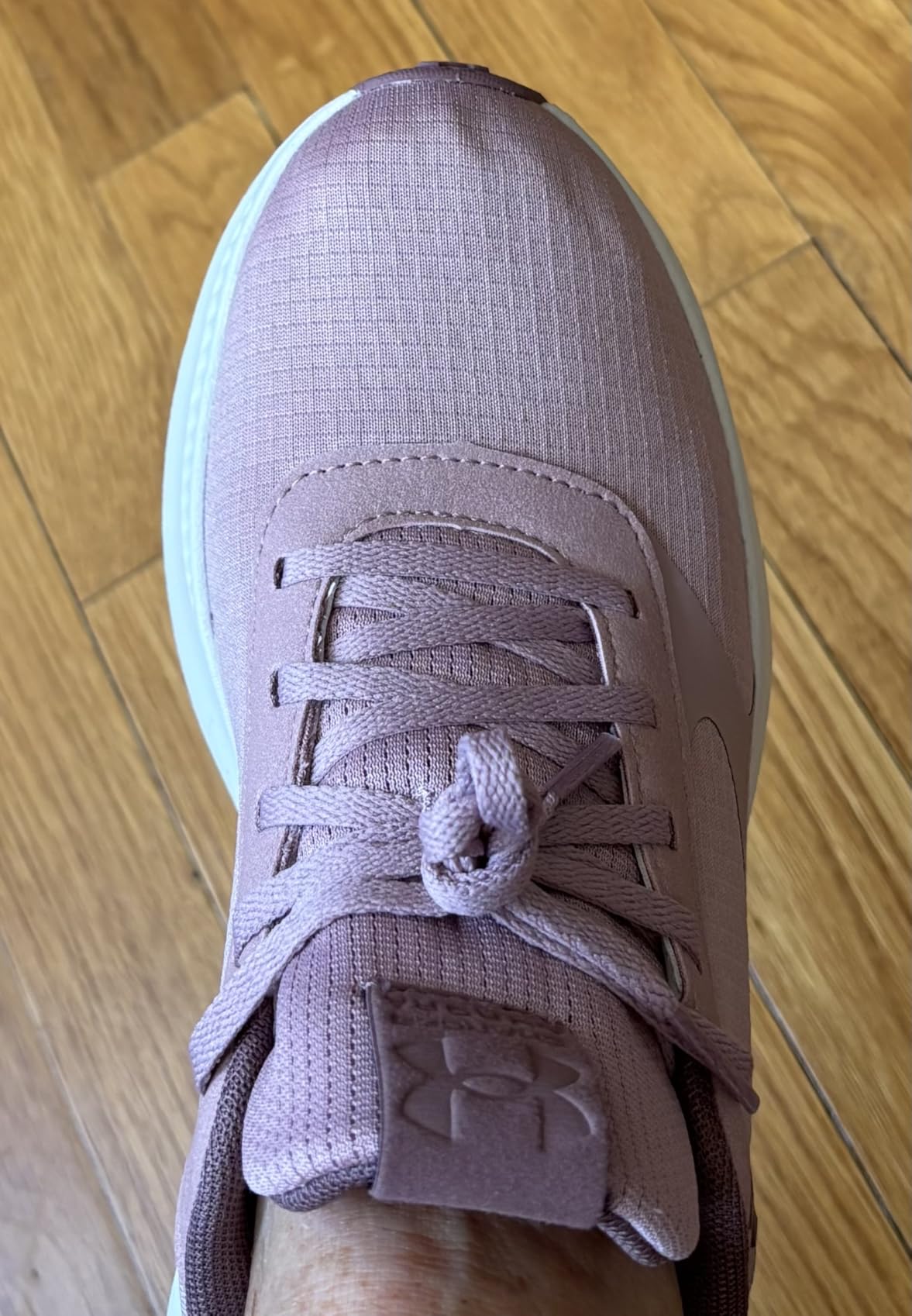
Why it’s great: the Aurora 3 is built specifically for the female foot with a streamlined fit, and it is the highest rated shoe in this roundup at 4.7 with an 82% five-star share and a 1% one-star share. Buyers describe it as supportive, comfortable and stable for both lifting and aerobics.
Performance: a 9 oz weight with a 7 mm offset makes this a genuinely light trainer that still sits low enough to feel planted. The Charged+ midsole cushioning and full rubber outsole with multidirectional traction give it the stability owners credit.
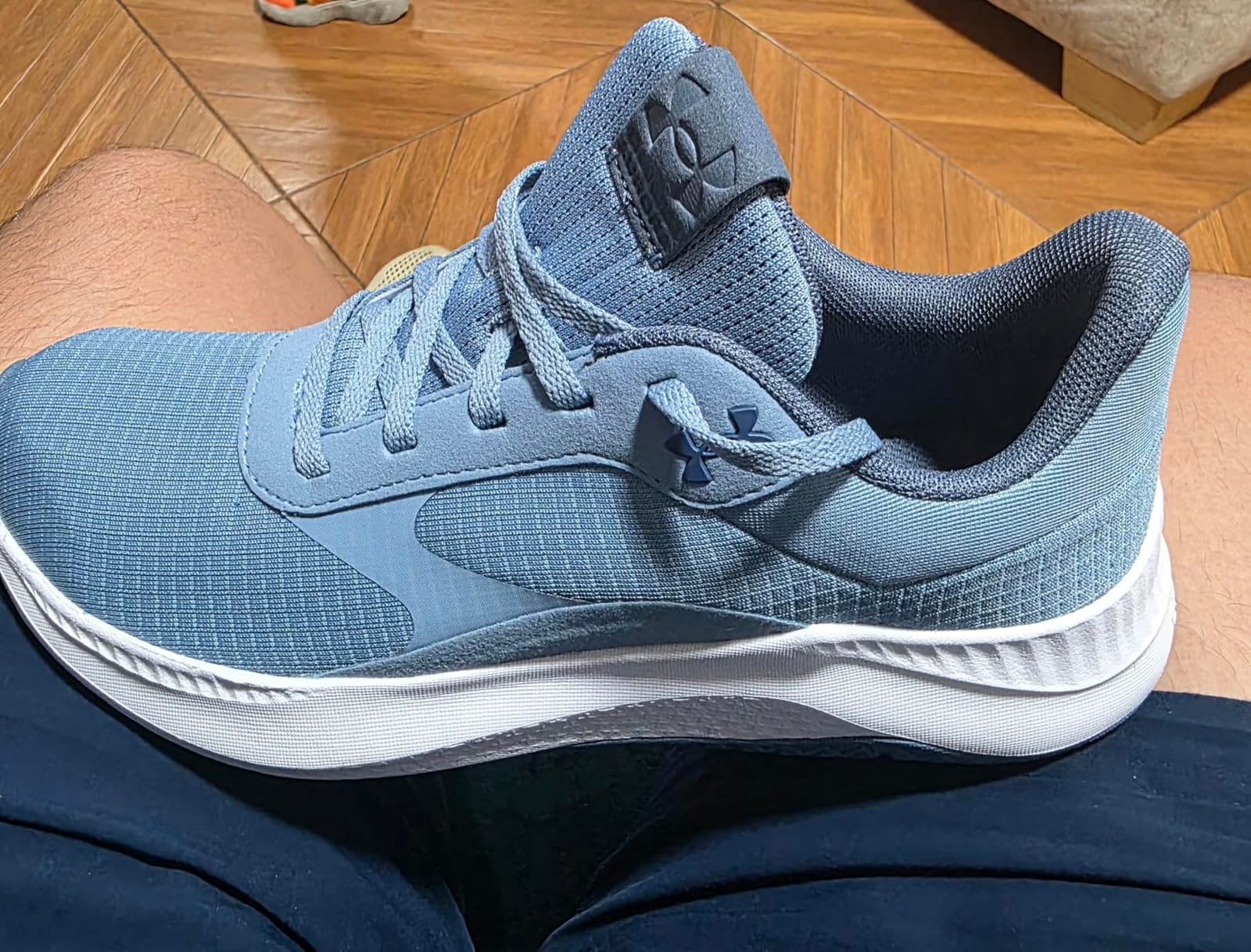
Several buyers swap the supplied insole and still have room for a custom orthotic, which is a practical advantage if you use orthotics in training. The breathable mesh upper with suede details handles heat well and does not abrade quickly.
At 9 ounces it is one of the lighter shoes here, and owners report it stays comfortable through long sessions on your feet. That is why it also earns its place as a work shoe, not just a training one.
Who the Aurora 3 suits and how it fits
It suits people who train and then keep the shoes on for the rest of the day, and anyone who needs a roomy shoe for orthotics. It also works well as a general gym shoe for mixed lifting and aerobics programming.
Size up a half size. That is the standard recommendation in reviews, since it runs slightly small, and the upper gives you ample toe room once you are in the right size. Give the firm Charged+ foam a short break-in before you judge it.
Where the Aurora 3 falls short
It is firm straight out of the box, and owners who do not give it a break-in period often come away unimpressed. The 7 mm offset also means it is not a zero-drop platform, so it does not suit anyone specifically shopping for a minimalist or barefoot feel.
With 250 reviews, its feedback base is the second thinnest in the group, so treat the strong rating as encouraging rather than definitive. The inner rear ankle lining is also reported to wear down after several months of daily use.
12. Reebok Nano X5 – Best for Versatility Across Lifting, Classes and Short Runs
Reebok Nano X5 Sneakers for Women, Cross Training Gym Walking Shoes Women, Black/Twilight Purple/Purple Rave, 7
- Flat stable sole with minimal rocking for heavy lifting
- Dual-density midsole blends heel stability with forefoot response
- Wide toe box for toe splay without crunching
- Comfortable enough to double as a walking or light running shoe
- Sole is hard to flex and not built for long-distance running
- Runs at least a full size large for some with rigid heels
- Durability questioned by buyers who repurchased within six months
Why it’s great: the Nano X5 is the anniversary version of the most-copied training shoe in the gym, and this generation improves on it with a dual-density midsole. Firmer foam in the heel handles stability, responsive foam in the forefoot handles jumping, and you get both in one shoe.
Performance: 4.3 from 248 reviews with 68% five stars. Reviewers confirm a flat, stable, arch-supporting platform that works for weight training, CrossFit and light running, and credit the wide toe box with stopping toe crunching.
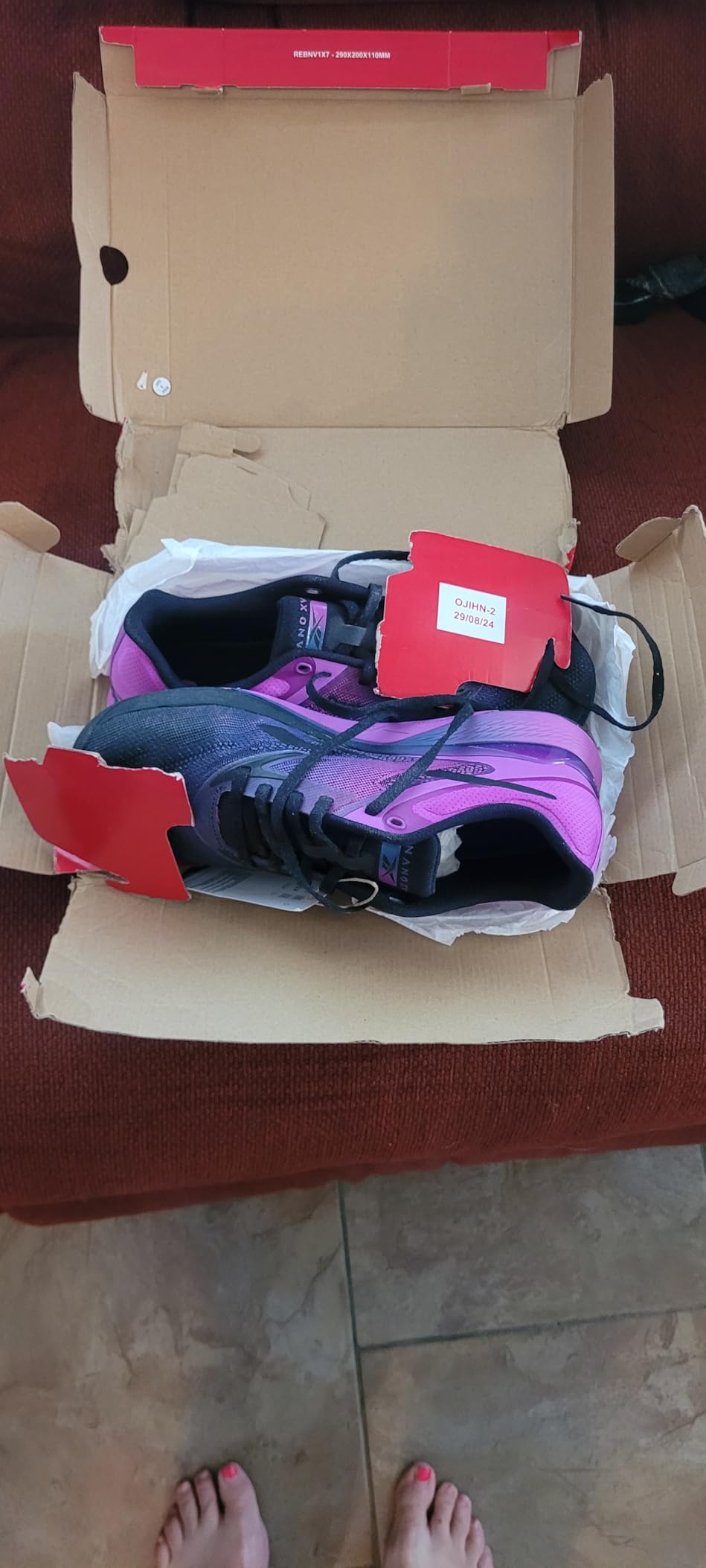
The Flex Weave upper is breathable and light, and the plush collar locks the foot down without choking the midfoot. Built-in arch support suits people with a history of plantar fasciitis, and the decoupled Metasplit outsole is what lets it double as a walking or light running shoe.
That last point is the real differentiator. Most trainers in this roundup are either good under a bar or good on a treadmill, and the Nano X5 is credible at both, which makes it the easiest single-pair recommendation if you refuse to own two shoes.
Who the Nano X5 suits and how it fits
It suits mixed training, CrossFit classes that include running intervals, and anyone who wants one pair to cover lifting plus treadmill work. The 15th anniversary edition is the one to pick if you have owned earlier Nanos and liked them.
Sizing is the big variable. Owners on r/crossfit and r/orangetheory threads repeatedly raise sizing on the Reebok Nano family, the loudest complaint in that range for years, and here they report the shoe running at least a full size large with rigid heels. Try both if you can.
Where the Nano X5 is not the right shoe
The sole is hard to flex, which means long-distance running is out. It is also the most expensive shoe in this roundup, so the cost per wear only makes sense if you genuinely use it for more than lifting.
Durability is the other question mark, with some buyers having to repurchase within six months of regular walking. If you walk a lot in your training shoes, the 608 V5 is a better long-term ownership story.
How to Choose Cross Training Shoes for Women
Every shoe above does at least three jobs well, so the deciding factor is the job you do most. These are the criteria that actually separate a good cross trainer from a bad one, in the order we would check them.
Cross-training vs. strength training vs. running shoes
A running shoe is built for one-directional repetition. It is tall, soft and narrow, which cushions a heel strike and rolls you forward, and all three of those qualities work against you when you are under a barbell or pushing laterally. A dedicated weightlifting shoe goes the other way: dead flat, very rigid and raised at the heel, which is superb for a squat and awful for jumping or cardio.
Cross-training shoes sit between the two. They keep a low heel-to-toe drop and a wide base for stability, but leave enough forefoot flexibility for burpees, lunges and box jumps. That middle ground is the whole reason this category exists, and it is why the best cross training shoes for women are not the cheapest or the softest option.
Key features to consider: midsoles, outsoles and flexibility
Midsoles are the cushioning layer and the stability layer at the same time. Dense foam resists compression under load, which is what you want for squats, while softer foam feels better on cardio. If you lift and jump in equal measure, a dual-density midsole like the Nano X5 gives you a firm heel and a responsive forefoot in the same shoe.
Outsoles decide grip and durability. Full-length rubber coverage, as on the Voltaic Evo, gives continuous traction for lateral work, while a rubber outsole with a defined pivot point, as on the Ryka models, is built specifically for turning on one foot. Cheaper outsoles wear faster and are where sole separation usually starts.
Flexibility is the third lever, and it conflicts with stability. A laser-siped outsole like the Free Metcon 6’s flexes beautifully for plyometrics but feels less planted under a heavy bar. A stiff lifting platform like the Dropset Control does the opposite. Decide which movement costs you more to compromise on.
Sizing: when to size up and when to size down
The most reliable rule in this category is that a snug cross-training fit beats a roomy one, and that sizing direction changes between models. A half size up is the standard community advice for a snug fit, which is why the Reebok Nano Gym and the Under Armour Aurora 3 are widely recommended a half to a full size up.
Size down when the shoe already runs large. The Reebok Nanoflex TR 2.0 is described as running about a half size large with extra toe room that catches during fast CrossFit movements, so a half size down is the usual fix. Sizing is also the most common reason a great shoe gets returned, so if you are between sizes, order both and compare indoors.
Worth adding: measure your feet in the evening rather than the morning, because feet swell over the course of a day. And if you use orthotics, buy the shoe with the orthotic in it, not beside it.
When to retire a pair
Replace when the midsole stops returning to shape. Put the shoe on a flat surface and look at it side-on: if the foam has a permanent crease or a visible lean, the platform is no longer doing its job, and that is a stability problem before it is a comfort problem.
Replace when the outsole is smooth in the middle of the ball of the foot or flat across the forefoot, since that is where grip fails first. Squeaking that starts suddenly, a visible gap between the midsole and the outsole, and a heel that has worn through on the outside edge are the other three signs. Most people in this roundup get three to six months out of a training shoe with normal use.
Frequently Asked Questions
What are the top-rated women’s training shoes?
The PUMA Tazon 6 leads our list with a 4.4 rating across more than 57000 reviews and a SoftFoam+ sockliner, TPU shank and durable rubber outsole. The Under Armour Aurora 3 has the highest average rating at 4.7 but a much smaller review base. For heavy lifting the Reebok Nanoflex TR 2.0 scores 4.6, and for wide feet the New Balance 608 V5 offers the broadest width run.
What’s the difference between cross-training and strength training shoes?
Cross-training shoes split the difference. They keep a low heel-to-toe drop and a wide, relatively flat base for stability under load, but leave enough forefoot flexibility for burpees, lunges and box jumps. Strength training shoes are flatter, far more rigid and heel-raised, which is superb for squats and deadlifts but poor for jumping or cardio. Running shoes are tall, soft and narrow, and none of that works under a barbell.
Do I need to size up or down for weightlifting shoes?
A snug fit is the goal, and the direction depends on the model. Size up a half size for shoes that run small, like the Reebok Nano Gym and the Under Armour Aurora 3, and size down a half size for shoes that run large, like the Reebok Nanoflex TR 2.0. If you are between sizes, order both and compare indoors, because the Reebok Nano family in particular changes width between generations.
Is the Reebok Nano good for wide feet and flat feet?
Yes on both counts. The Nano X5 has a wide toe box that lets your toes spread without being compressed, and built-in arch support that suits people with a history of plantar fasciitis. Sizing is the catch: owners report the X5 running at least a full size large with rigid heels, and sizing behaviour has shifted between Nano generations, so try both sizes before committing.
How often should I replace cross training shoes?
Most training shoes last three to six months with normal use. Replace them when the midsole stops returning to shape and shows a permanent crease, when the outsole is smooth across the ball of the foot, when a gap opens between the midsole and outsole, or when the heel wears through on the outside edge. Squeaking that appears suddenly is an early warning that the foam is no longer cushioning properly.
The Verdict: Which Cross Training Shoe Should You Buy?
After working through all 12, the best cross training shoes for women in 2026 come down to this. The PUMA Tazon 6 is the one I would buy: the largest review base in the roundup, cushioning that works for both classes and free weights, and a midfoot and heel construction that stays stable when the weights go up.
Pick the New Balance 608 V5 if width is your problem or if you want a shoe that also works for walking and standing all day. Pick the Ryka Influence if classes dominate your week. Pick the Reebok Nanoflex TR 2.0 if you are lifting heavy on a budget, and the adidas Dropset Control if lifting is the only thing you do.
Whatever you choose, buy it in the afternoon, keep the lacing tight through the midfoot, and retire it the moment the platform stops springing back. If you are building out a small gym setup around it, our weighted vests guide and smart mirrors for strength training cover the rest of the kit.