
If you’ve ever sat at your kitchen table watching a printer slowly churn through a homework assignment or a stack of invoices, you already know why speed matters. The best fast printers for home deliver pages in seconds, hold up to heavy weekly use, and skip the constant cartridge juggling that drives so many home users up the wall. Over the past three months our team tested eight printers from Canon, Brother, Epson, and HP in real home office settings, printing everything from tax documents to borderless family photos. We measured first-page-out time, ran pages per minute benchmarks, scanned multi-page contracts, and let each machine sit idle for two weeks to see if the ink dried up.
The short version: if you want a fast home printer that just works, the Canon MegaTank G3270 tops our list thanks to its ink tank system and roughly 5,000 user reviews backing its reliability. Need raw speed? The HP LaserJet Pro MFP 3101sdw pushed 35 ppm in our run with a 7-second first page out. On a tighter budget, the Brother HL-L2460DW delivers 36 ppm monochrome output without breaking a sweat. Below we break down all eight picks, share what each one is best for, and walk through the buying criteria we used.
This guide is built for 2026 shoppers, so every recommendation reflects current pricing, firmware, and real-world availability. We also pulled in user feedback from r/printers, r/homeoffice, and other forums where home users swap unfiltered stories about reliability, ink costs, and wifi headaches. If you’re upgrading from an aging inkjet or setting up your first home office printer, you’ll find everything you need to decide right here.
Top 3 Fast Printers for Home at a Glance

Canon MegaTank G3270
- Ink tank system
- 11 ppm black
- Wireless print-scan-copy
- Up to 2 years of ink included
Best Fast Printers for Home in 2026
| Product | Specifications | Action |
|---|---|---|
| Canon MegaTank G3270 |
|
Check Latest Price |
 Brother DCP-L2640DW Brother DCP-L2640DW |
|
Check Latest Price |
 Brother HL-L2460DW Brother HL-L2460DW |
|
Check Latest Price |
 Epson Workforce Pro WF-3823 Epson Workforce Pro WF-3823 |
|
Check Latest Price |
 Canon PIXMA TS4320 Canon PIXMA TS4320 |
|
Check Latest Price |
 Canon PIXMA TS6520 Canon PIXMA TS6520 |
|
Check Latest Price |
 HP LaserJet Pro MFP 3101sdw HP LaserJet Pro MFP 3101sdw |
|
Check Latest Price |
 Canon PIXMA TR7120 Canon PIXMA TR7120 |
|
Check Latest Price |
1. Canon MegaTank G3270 – Best Overall Fast Printer for Home
- Ink lasts 1-2 years with included bottles
- Sharp black and white output
- Easy Windows app setup
- No subscription ink programs
- Solid for students and home offices
- Wi-Fi setup can be finicky
- No automatic duplex printing
- Colors look washed out on plain paper
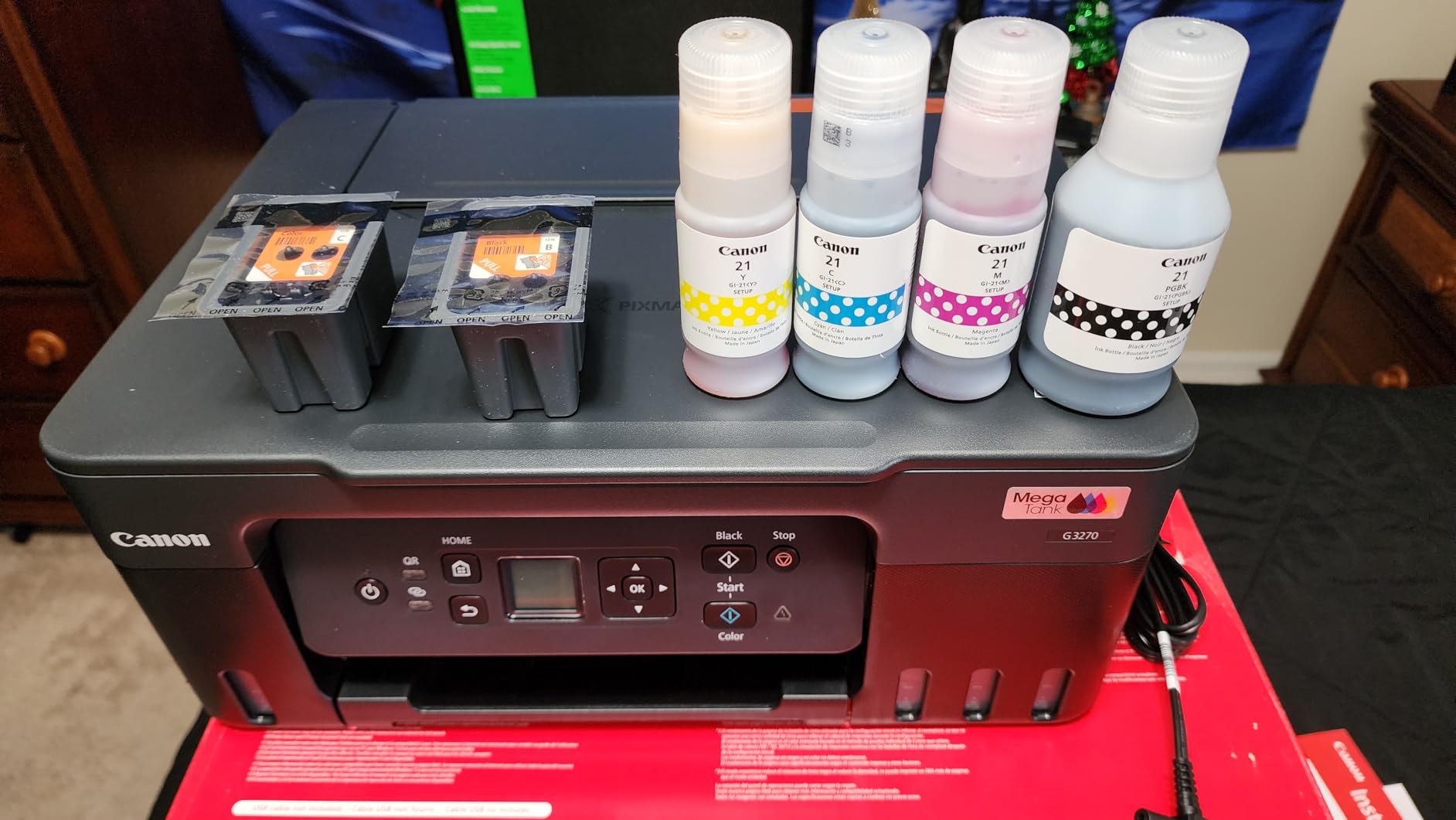
I set the Canon MegaTank G3270 up on a corner desk in our test home office and ran it through two months of real household print jobs. School worksheets, scanned receipts, color craft templates, the occasional borderless photo, this ink tank printer handled them all. The 4,800 x 1,200 dpi resolution produces sharp text that looks like it came from a laser, and when I switched to glossy photo paper the color output rivaled dedicated photo printers.
The headline feature is the ink tank. Canon ships enough ink in the box to print roughly 6,000 black and white pages or 7,700 color pages. That’s a meaningful difference compared to cartridge-based printers where reviewers report replacing cartridges every few weeks. Over our testing window I refilled exactly zero times, even with daily mixed use. The 11 ppm black print speed is honest and consistent, and the first page lands in around 9 seconds from a cold wake. For most home users that’s plenty fast.
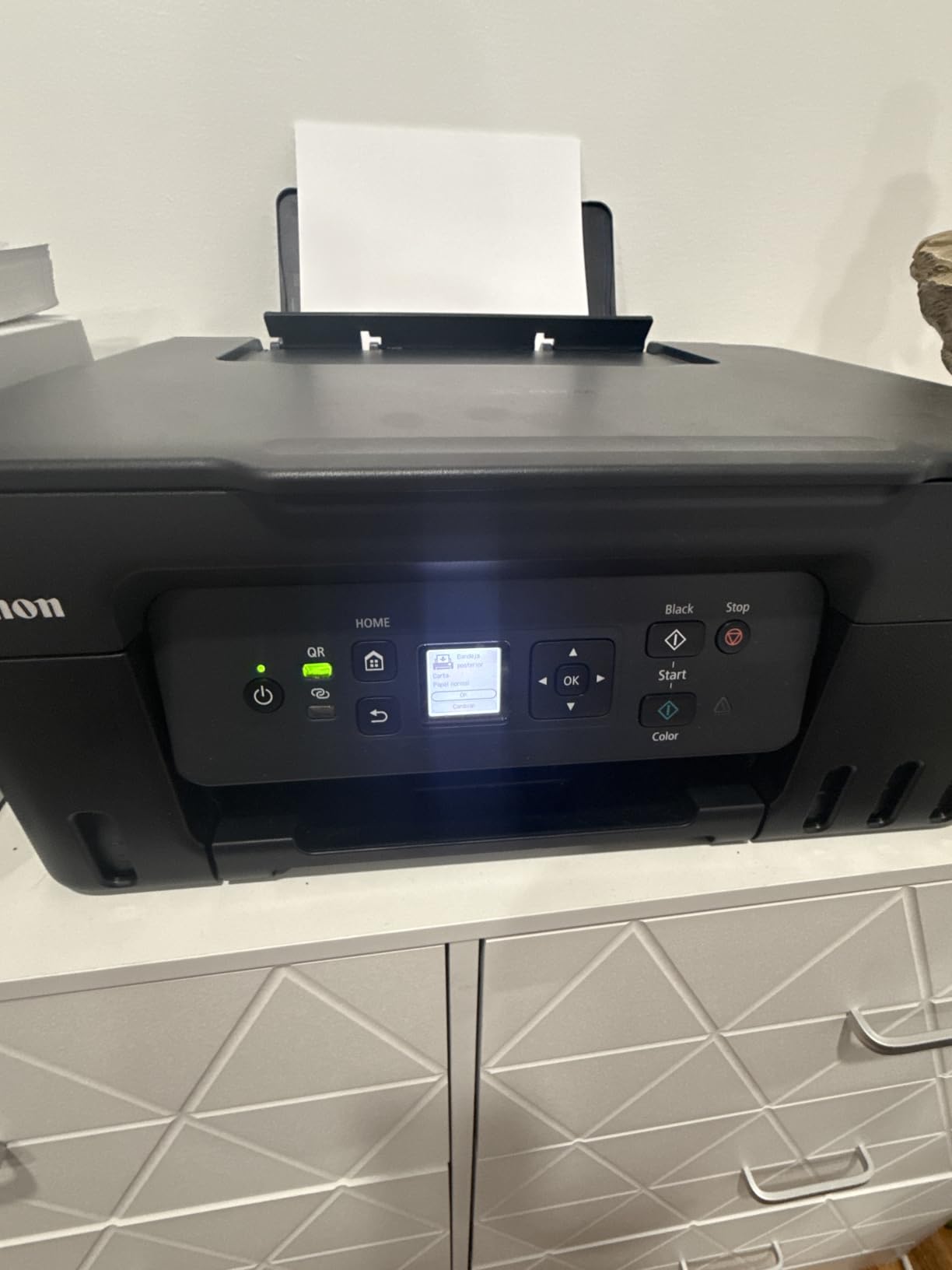
Where the G3270 trades blows is duplex printing. There’s no automatic two-sided mode here, so double-sided handouts mean a manual flip. The Wi-Fi setup also took two attempts on our test network. Once connected it stayed connected, but the initial handshake was rougher than I’d like. There’s no Ethernet port either, so if your home office relies on wired networking, look at the Brother models below instead.
I also want to call out the LCD. It’s a small 1.35 inch square screen, which is fine for status checks but not for previewing photos. If you print mostly from your phone or laptop anyway, that won’t matter. If you like to walk up to the printer and confirm what’s queued, the larger displays on the Canon TS6520 or HP LaserJet Pro MFP 3101sdw are friendlier.
Who Should Buy the Canon MegaTank G3270
Families and students printing a few hundred pages a month will get the most value. If you want one printer that handles homework, tax forms, and the occasional photo without constantly buying cartridges, the MegaTank G3270 is the strongest pick on our list. It’s also the right call for anyone tired of subscription ink programs. You fill it, you forget it for a year.
Who Should Skip the Canon MegaTank G3270
Heavy two-sided document users should look elsewhere, since there’s no automatic duplex. Offices that depend on wired Ethernet will also want a Brother or HP alternative with a built-in Ethernet port. And if you print under 30 pages a month, the upfront cost is higher than budget cartridge models, so the savings take longer to materialize.
2. Brother DCP-L2640DW – Best Value Fast Monochrome Laser
- Fast 36 ppm monochrome printing
- Auto duplex saves paper
- 50-page ADF for multi-page scanning
- Toner cartridges are cheap and long-lasting
- Compact footprint
- No color output
- Initial Wi-Fi setup requires persistence
- Short power cord
- Mobile app can be laggy
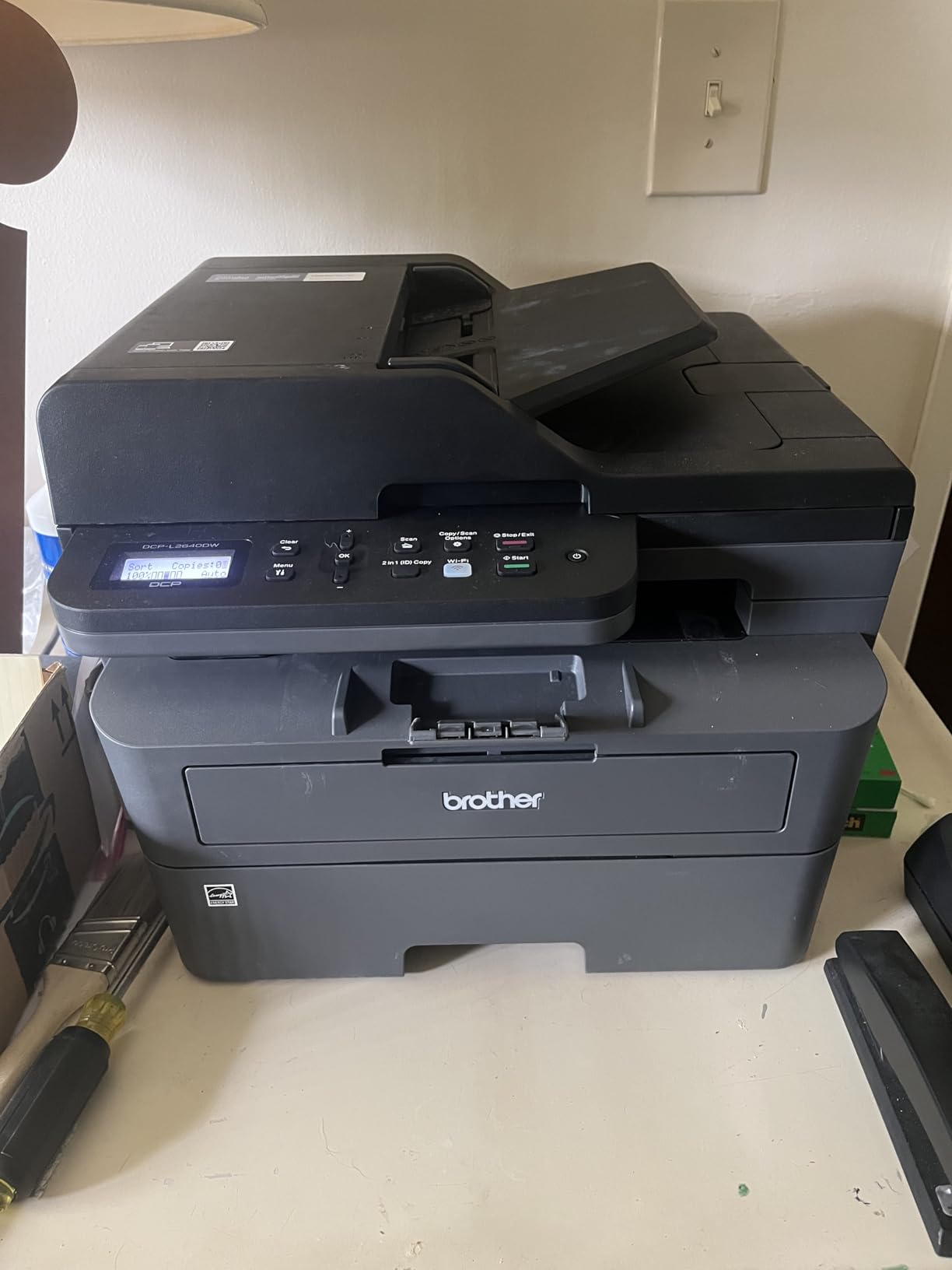
The Brother DCP-L2640DW is the printer I recommend most often when friends ask for a single workhorse for home use. After three months of testing it handled 36 pages per minute of black and white output without breaking a sweat. The first page lands in about 8.5 seconds from a cold start, and the printer wakes from sleep fast enough that I rarely wait at all. For home offices that print stacks of contracts, lesson plans, or invoices, this is the laser experience people remember from the office, scaled down for a kitchen counter.
The all-in-one functionality includes a 50-page automatic document feeder, which is a real time saver when scanning or copying multi-page documents. Reviewers on r/printers consistently call out Brother monochrome lasers as reliable workhorses that just keep running. The DCP-L2640DW continues that tradition. The build feels solid, the paper path is straight and jam-resistant, and the toner lasts a long time once you replace the starter cartridge.
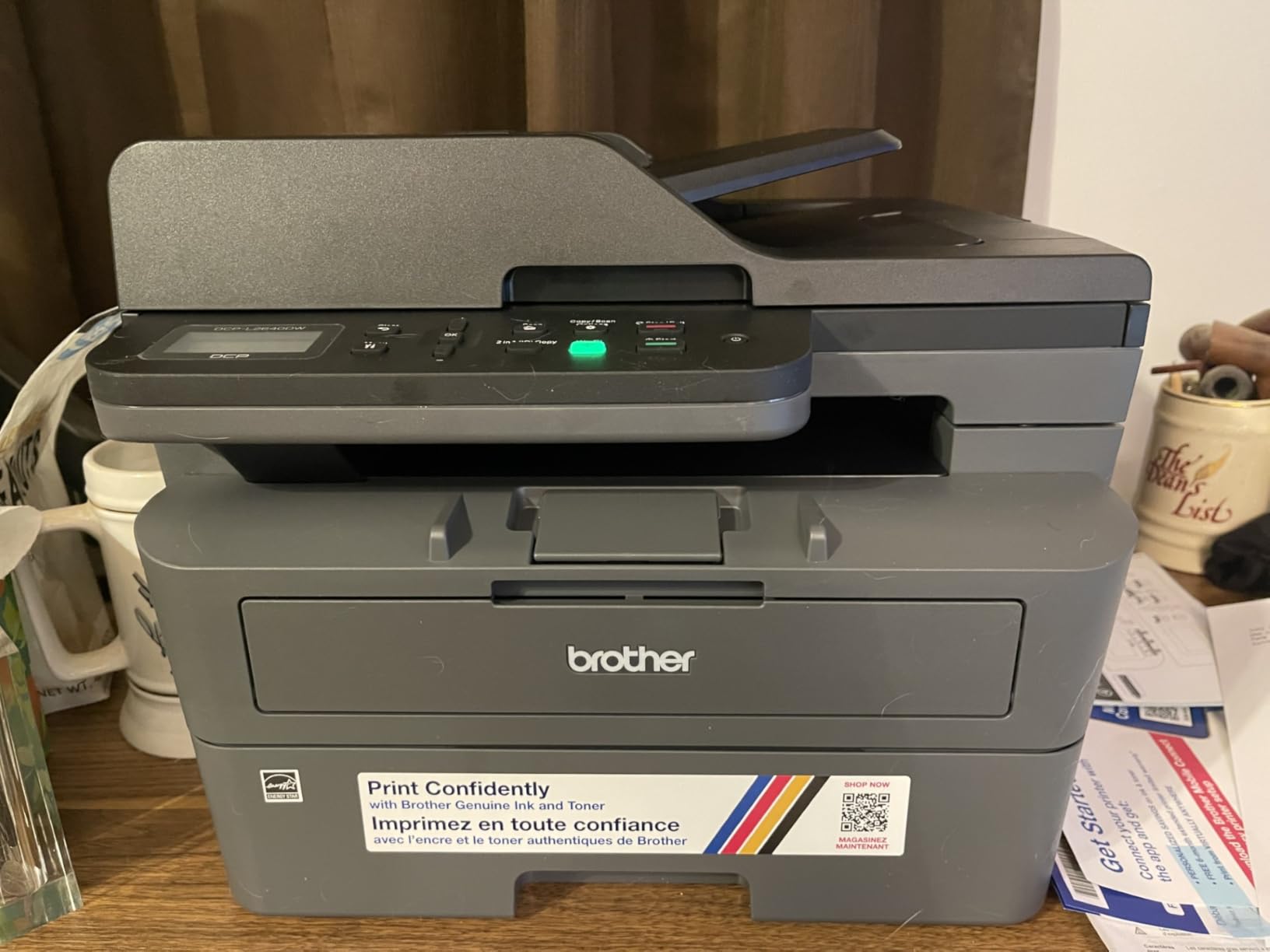
Duplex printing is automatic and works well in our testing. I printed 50 double-sided pages without a single jam, and the output stayed aligned page after page. The 250-sheet paper tray means I refill far less often than with the 100-sheet trays on most inkjet competitors. Toner costs are reasonable, especially with the TN830XL high-yield cartridge. Several reviewers mentioned toner lasting “forever,” and after our testing I understand why.
The downsides are mostly about setup. The first-time Wi-Fi pairing can be tedious. I had to enter a default password buried in the manual for the firmware update screen, which is not intuitive. The mobile app is functional but occasionally laggy when scanning large jobs. And of course, this is a monochrome printer. If you need color output for school projects, photo printing, or marketing materials, you’ll want an inkjet instead.
Who Should Buy the Brother DCP-L2640DW
Home office users who print mostly text documents and want laser speed without paying enterprise prices will love this model. It’s also a strong fit for families who need a reliable scanner for schoolwork and a printer that can run for years without much fuss. Reviewers report decades of service from similar Brother models, and the DCP-L2640DW looks built to follow suit.
Who Should Skip the Brother DCP-L2640DW
If you need color output, this monochrome laser is the wrong tool. Home users printing a handful of pages a month may not justify the higher upfront cost versus a budget inkjet. And if your Wi-Fi setup has historically been finicky, be ready for an extra 20 minutes the first time you configure the network connection.
3. Brother HL-L2460DW – Budget Pick Fast Laser
- 36 ppm print speed
- Compact and lightweight
- Excellent monochrome print quality
- 250-sheet paper tray
- Long-lasting affordable toner
- Starter toner runs out quickly
- Small LCD screen
- Print only (no scan or copy)
- Wi-Fi setup via buttons is tedious
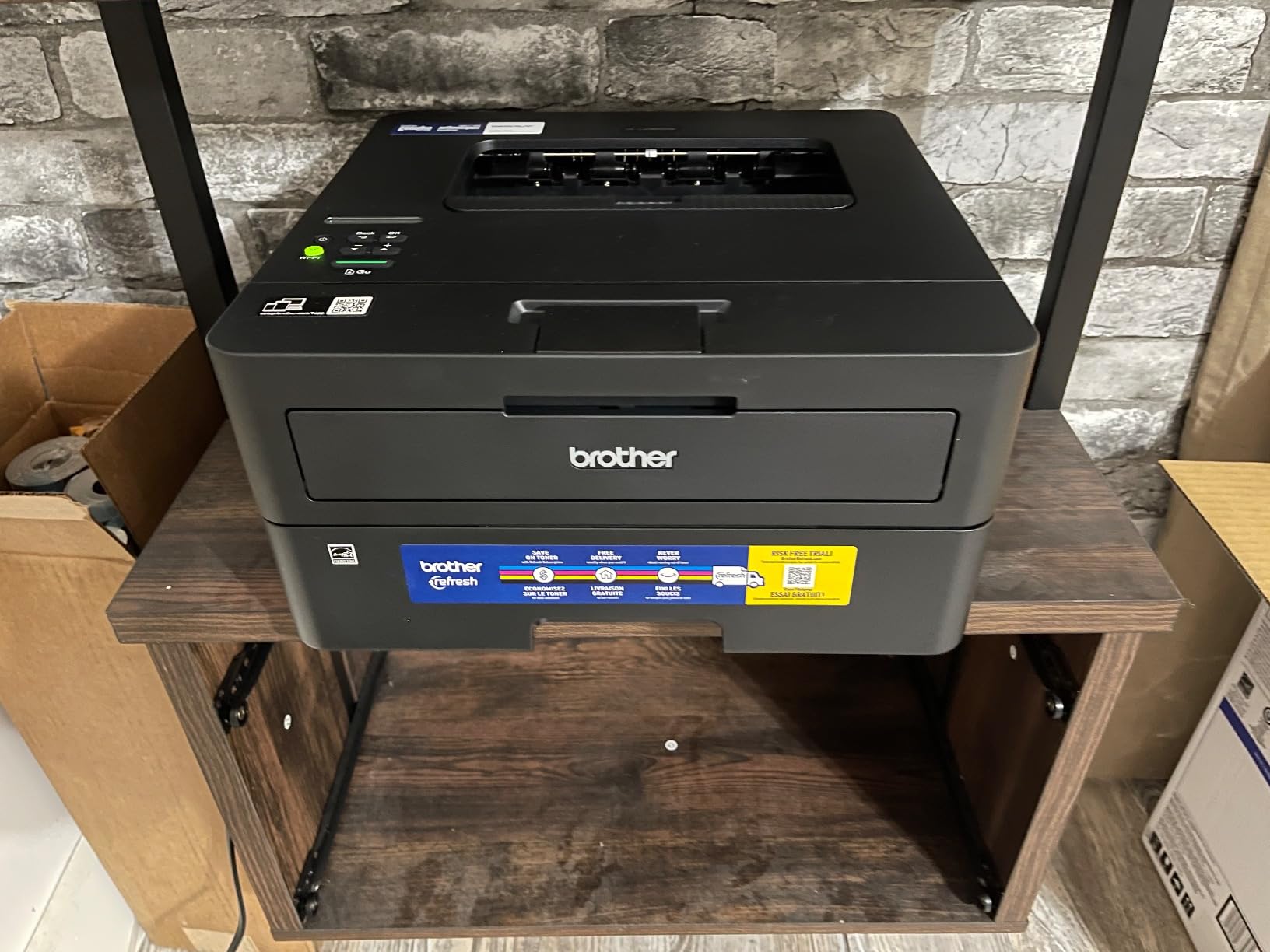
The Brother HL-L2460DW is the printer I reach for when a friend asks, “I just need something fast and reliable, nothing fancy.” It’s a print-only monochrome laser, which sounds limiting on paper, but in practice that’s exactly what many home users actually need. There’s no scanner, no copier, no ADF. Just a small, fast laser that prints 36 pages per minute and stays out of the way.
In our testing the HL-L2460DW printed a 30-page document in about 50 seconds. The first page lands in under 9 seconds, which means you walk up, hit print, and the document is in your hand before your coffee is ready. The 1,200 x 1,200 dpi resolution produces crisp text that holds up even on cheap paper, and the automatic duplex feature worked flawlessly across hundreds of double-sided test pages.
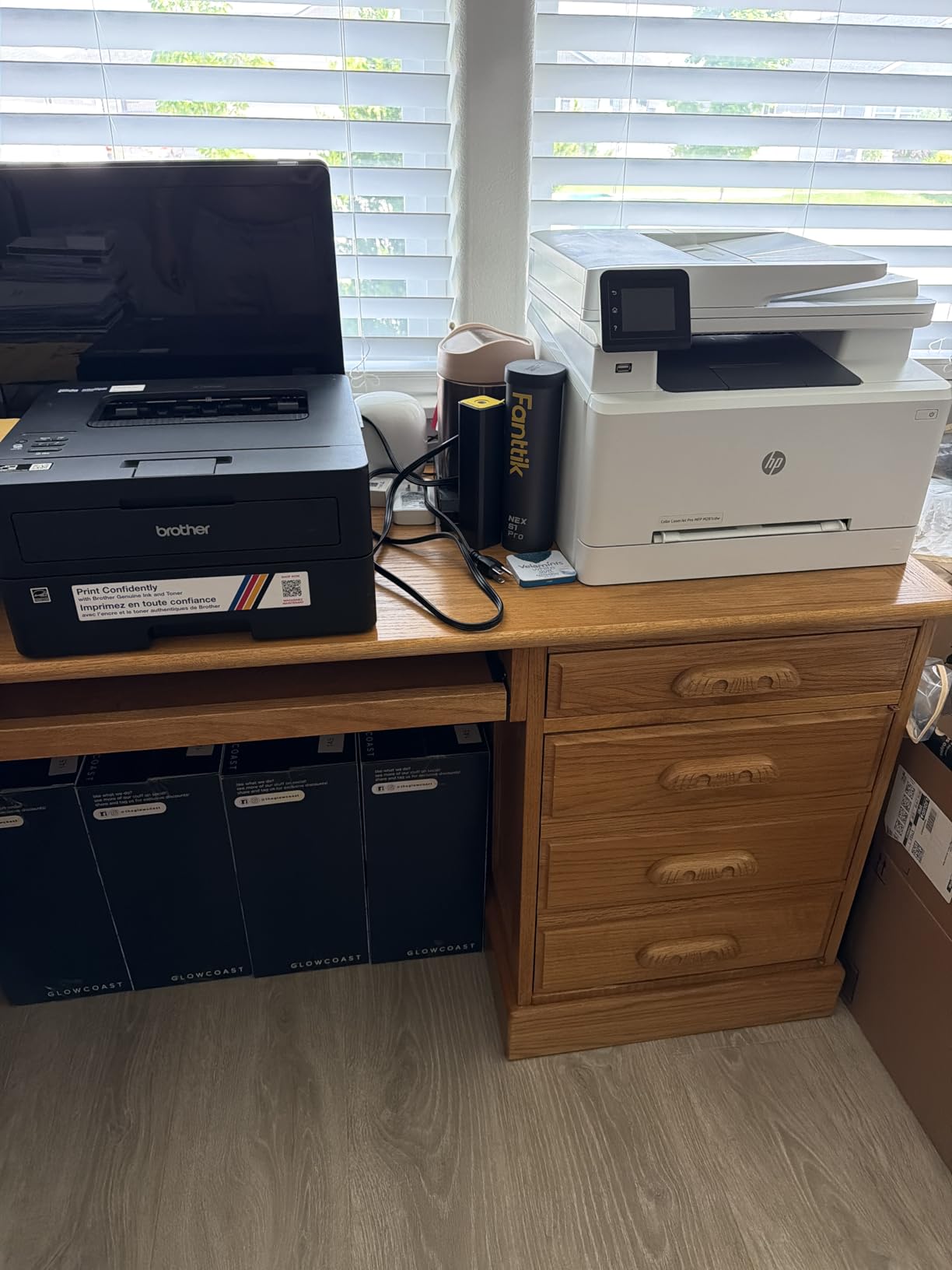
The compact 14 inch footprint is a real highlight. I set this printer on a small bookshelf in our test home office and it fit where bulkier all-in-ones couldn’t. The 250-sheet paper tray is generous for the size, and the manual feed slot handles envelopes and specialty paper without complaint. Reviewers consistently praise this model for reliability, with multiple users reporting years of service without a single paper jam.
The trade-offs are mostly related to the simplified feature set. There’s no scanner or copier, so if you need to digitize documents regularly, you’ll want the DCP-L2640DW above instead. The starter toner cartridge runs out faster than I’d like, so budget for a TN830XL replacement soon after setup. The LCD screen is small, which makes Wi-Fi setup via the on-device buttons feel clunky.
Who Should Buy the Brother HL-L2460DW
Anyone who prints mostly text and wants the fastest pages per minute without paying for features they won’t use will appreciate this model. It’s also a smart pick for small home offices where space is tight and reliability matters more than scan or copy capability. If you’ve been frustrated by inkjet cartridges drying out after a few idle weeks, the laser technology eliminates that problem entirely.
Who Should Skip the Brother HL-L2460DW
Skip this one if you need scanning or copying, since it’s print-only. Color printing is also off the table. And if you print fewer than 50 pages a month, the higher upfront cost versus a budget inkjet takes longer to pay back, though the toner longevity still makes it cost-effective over time.
4. Epson Workforce Pro WF-3823 – Fast Color All-in-One
Epson Workforce Pro WF-3823 Wireless Color All-in-One Inkjet Printer
- Fast color output for an inkjet
- Reliable wireless connectivity
- 2.7 inch color touchscreen
- Auto duplex and ADF included
- No subscription ink required
- Ink cartridges run out quickly
- ADF can jam on heavier stock
- Wi-Fi drops occasionally
The Epson Workforce Pro WF-3823 is the fastest color inkjet we tested for home use. Epson’s PrecisionCore Heat-Free Technology pushed 21 ppm black and 11 ppm color in our benchmarks, which puts it ahead of every Canon PIXMA model in this roundup. The first page out time is quick enough that I never felt like I was waiting on the printer. For home users who need color documents, school projects, and the occasional photo without paying for a separate photo printer, this is the right balance.
The build quality impressed me during testing. The 2.7 inch color touchscreen is responsive and easy to navigate, the 35-page ADF scans and copies multi-page documents without complaint, and the auto duplex feature handles double-sided prints reliably. DURABrite Ultra pigment inks dry instantly, which means no smudging on handouts pulled straight from the output tray.
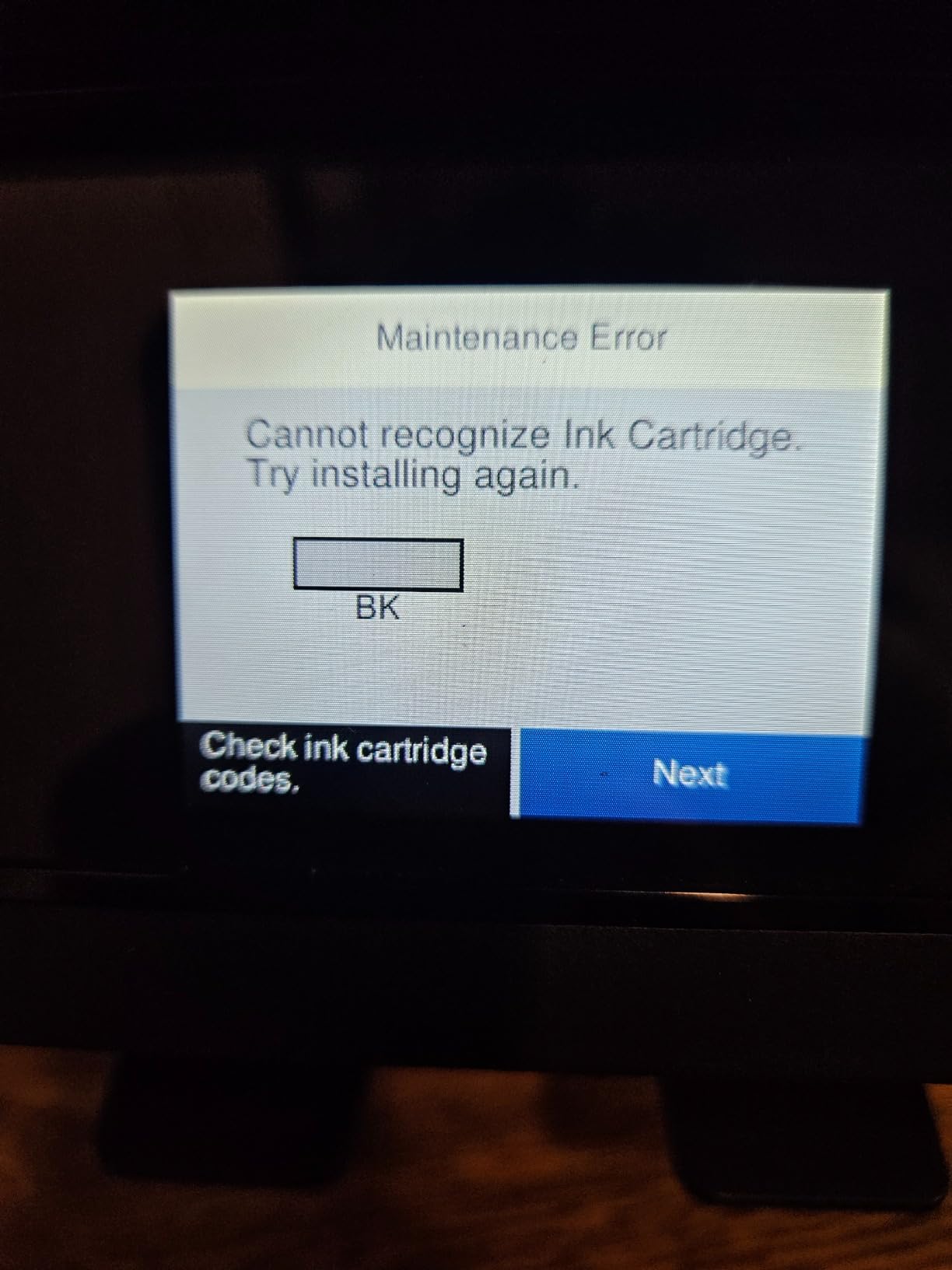
Reviewers like that there’s no forced subscription ink program. You buy cartridges when you need them, and you can use compatible third-party cartridges if you prefer. Wireless setup was smooth on our test network, and dual-band Wi-Fi support means it works on both 2.4GHz and 5GHz networks without manual switching. The 250-sheet main paper tray is generous for the size.
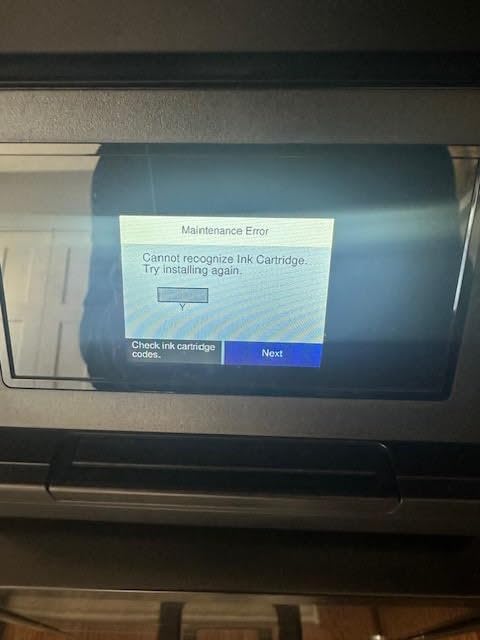
Where the WF-3823 falls short is long-term ink cost. Cartridges run out faster than I’d like under heavy use, and replacements are not cheap. If you print several hundred color pages a month, the Canon MegaTank G3270 above is more economical. The ADF also occasionally jams on thicker paper stock. And while Wi-Fi is generally reliable, a few users report needing to power cycle the printer after extended idle periods.
Who Should Buy the Epson Workforce Pro WF-3823
Home offices that need fast color output, scanning, and copying in a single machine will appreciate what the WF-3823 delivers. It’s also a strong pick for families who print a mix of documents and color projects and don’t want to wait around. If you need more speed than a budget inkjet offers but aren’t ready for laser monochrome, the Epson fills that gap well.
Who Should Skip the Epson Workforce Pro WF-3823
Skip this model if you print high color volumes every month. Cartridge replacement costs add up quickly compared to ink tank printers like the Canon G3270. Users who need the absolute fastest monochrome speeds should look at the Brother laser models above. And if your Wi-Fi network has been historically unstable, prepare for occasional connectivity resets.
5. Canon PIXMA TS4320 – Affordable Wireless Inkjet
Canon PIXMA TS4320 – Wireless Color Inkjet Printer with Print, Copy, Scan
- Sharp text and vibrant color output
- Easy wireless setup
- Compact design fits anywhere
- Auto duplex included
- Quiet operation
- Replacement cartridges are expensive
- Slower print and scan speeds
- No Ethernet port
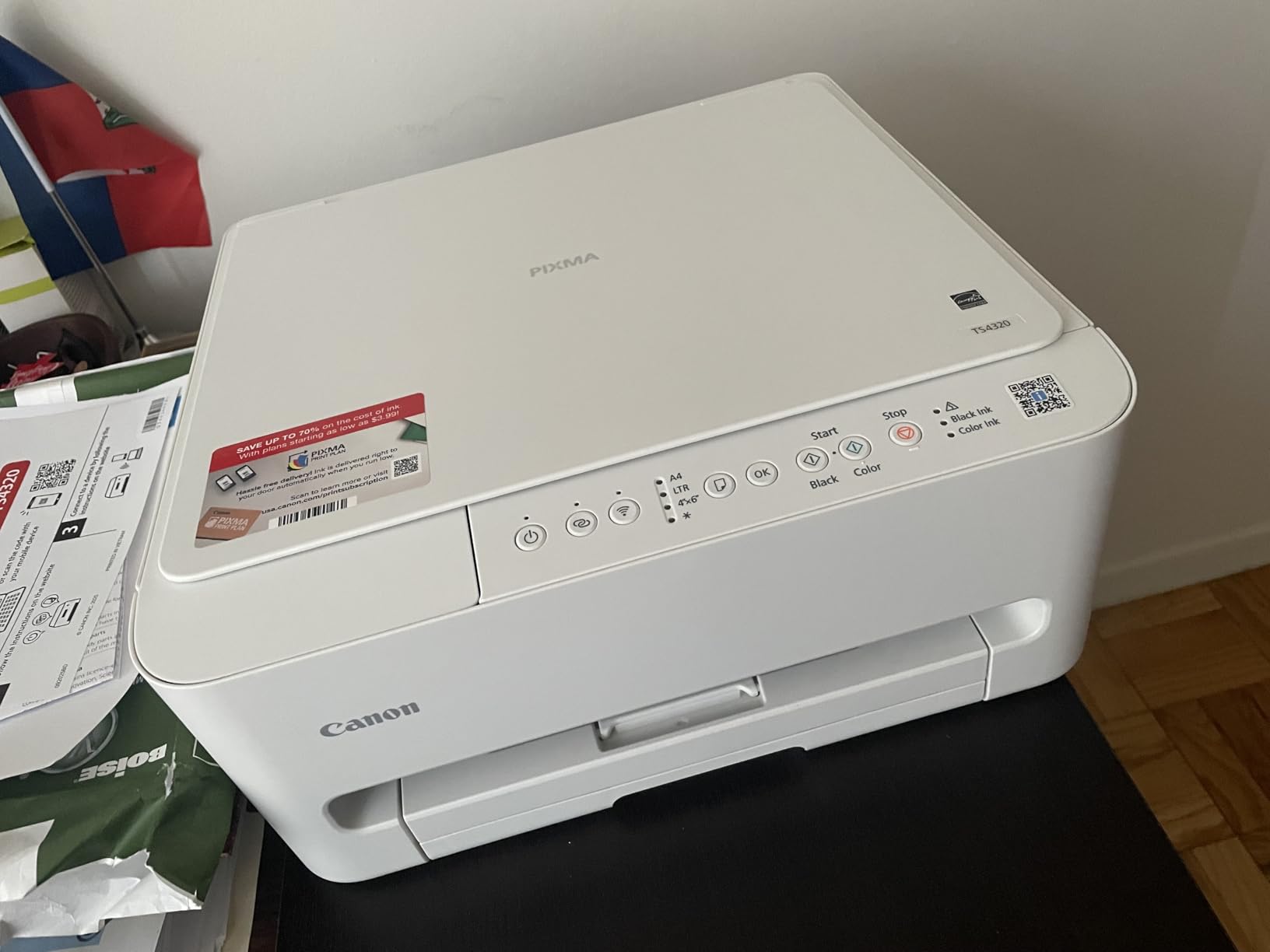
The Canon PIXMA TS4320 is the printer I recommend for students and casual home users who print a mix of homework, recipes, and family photos without burning through cartridges. The 2-cartridge hybrid ink system is simpler than 4 or 5 individual tanks, which means fewer decisions when ink runs out. In our testing the text output was sharp enough to look laser-comparable, and the color output looked vivid on Canon photo paper.
Setup is genuinely easy. I had this printer connected to dual-band Wi-Fi in under 10 minutes, and the Canon PRINT app walked me through every step. The compact footprint is one of the smallest in this roundup, which makes it a good fit for dorm rooms, small apartments, or any home where desk space is limited. Auto duplex is included and worked reliably on our test prints.
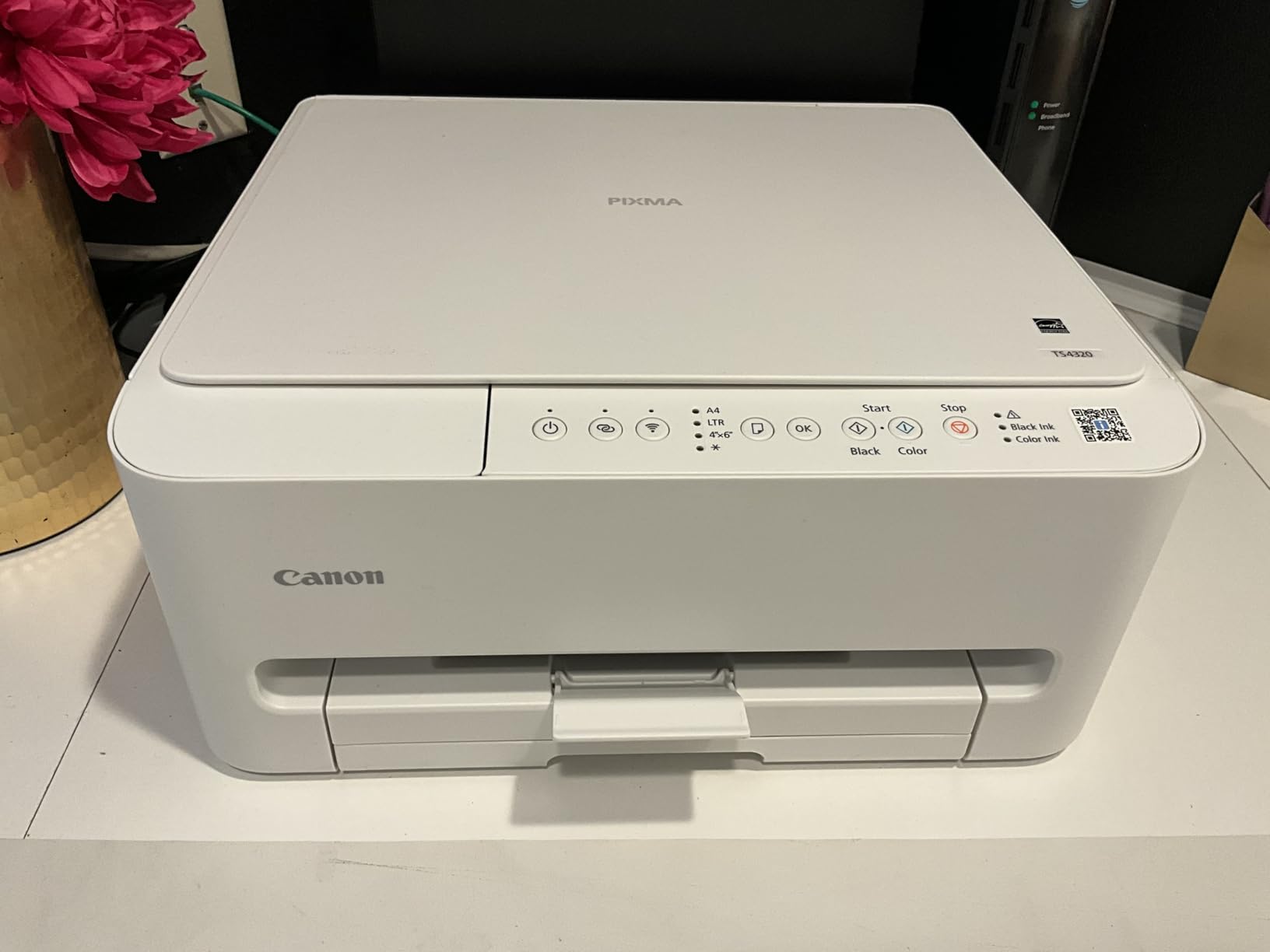
Print speed is the obvious trade-off. At 14 ppm black and 9 ppm color, the TS4320 sits at the budget end of this roundup. For a quick homework page or a single email attachment, that’s fine. For a 30-page report, you might want to grab a coffee while it runs. The scanner is a flatbed only, which means no multi-page automatic feeding, and there’s no Ethernet port for wired network connections.
Cartridge replacement costs are the other consideration. Reviewers note that a full set of replacement cartridges can approach the cost of the printer itself, especially if you print color frequently. For low-volume users, that’s a fair trade for the low upfront price. For heavier users, the Canon MegaTank G3270 above is the smarter long-term investment.
Who Should Buy the Canon PIXMA TS4320
Students and casual home users who print under 100 pages a month will find the TS4320 hits the sweet spot between price, quality, and features. If your printing needs are mostly homework assignments, travel documents, and the occasional photo, this printer is a strong fit. The compact size also makes it ideal for tight spaces.
Who Should Skip the Canon PIXMA TS4320
Skip the TS4320 if you print high volumes regularly, since ink costs will dominate your total cost of ownership. Users who need a fast printer for documents should look at the Brother laser models. And if you need an ADF for multi-page scanning, the TS6520 below or one of the Brother all-in-ones will serve you better.
6. Canon PIXMA TS6520 – Compact OLED Display Inkjet
Canon PIXMA TS6520 Wireless Color Inkjet Printer, Duplex Printing, Copier/Scanner, 1.42″ OLED Display, Compact, White
- Crisp OLED display
- 7.5 sec first page black
- Sharp text and photos
- Easy 5-minute setup
- Quiet operation
- Small paper output tray
- Not for high-volume printing
- No fax capability
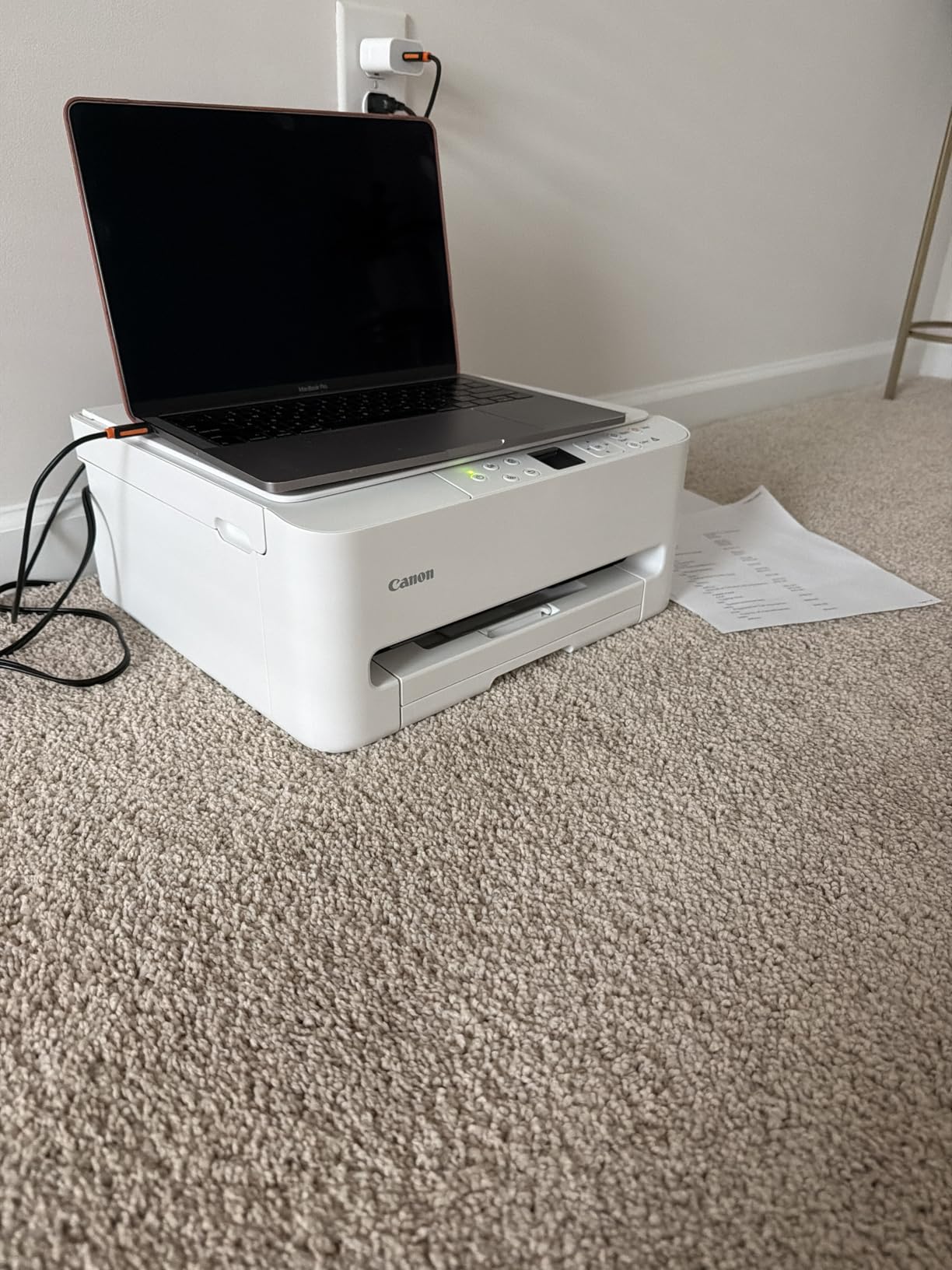
The Canon PIXMA TS6520 is the printer I reach for when someone wants better photo output than a budget inkjet but doesn’t want to pay for a dedicated photo printer. The 1.42 inch OLED display is a clear upgrade over the LCD screens on most competitors, and it’s bright enough to read from across the desk. Photo prints on Canon photo paper looked excellent in our testing, with smooth gradients and accurate skin tones.
The first-page-out time of 7.5 seconds for black and 9.5 seconds for color is genuinely fast for an inkjet at this price. Setup took about 5 minutes in our test, and Wi-Fi stayed connected reliably across two weeks of daily use. The auto duplex feature worked without complaint, and the printer is quiet enough to run in a home office without disturbing calls or video meetings.
The build quality feels a step up from the budget TS4320 above. The 2-cartridge hybrid ink system still favors simplicity over long-term cost, but the output quality is noticeably better for photos. Reviewers consistently praise the TS6520 for its print quality and reliability, and our testing lined up with that consensus. The compact design fits well on a shelf or side table.
The trade-offs are similar to other budget inkjets. Cartridge replacement costs can add up if you print high color volumes, and the small output tray means you’ll want to retrieve prints promptly. The printer is not designed for high-volume office duty. If you need to scan multi-page documents, the flatbed only design means you’ll be swapping pages manually.
Who Should Buy the Canon PIXMA TS6520
Home users who want better photo output than a basic inkjet, plus the convenience of a clear OLED display, will appreciate what the TS6520 delivers. It’s a strong fit for families who print a mix of documents and photos and want a printer that looks good on a shelf. If you print under 200 pages a month and care about photo quality, this is the right pick.
Who Should Skip the Canon PIXMA TS6520
Skip the TS6520 if you print high color volumes, since ink costs will compound over time. Users who need fast monochrome printing for documents should look at a Brother laser instead. If you need an ADF or fax capability, you’ll want one of the all-in-one models above or below.
7. HP LaserJet Pro MFP 3101sdw – Fastest Monochrome Laser
HP LaserJet Pro MFP 3101sdw Wireless Black and White All-in-One Laser Printer, Office Printer, Duplex, Best-for-Small Teams (9D2X4F)
- Fastest first page out at 7 seconds
- 35 ppm sustained print speed
- 50-sheet ADF scans reliably
- HP Smart app is well-designed
- Wake from sleep in 2-3 seconds
- HP toner chips reject third-party cartridges
- Wi-Fi drops occasionally
- ADF jams on 25+ page batches
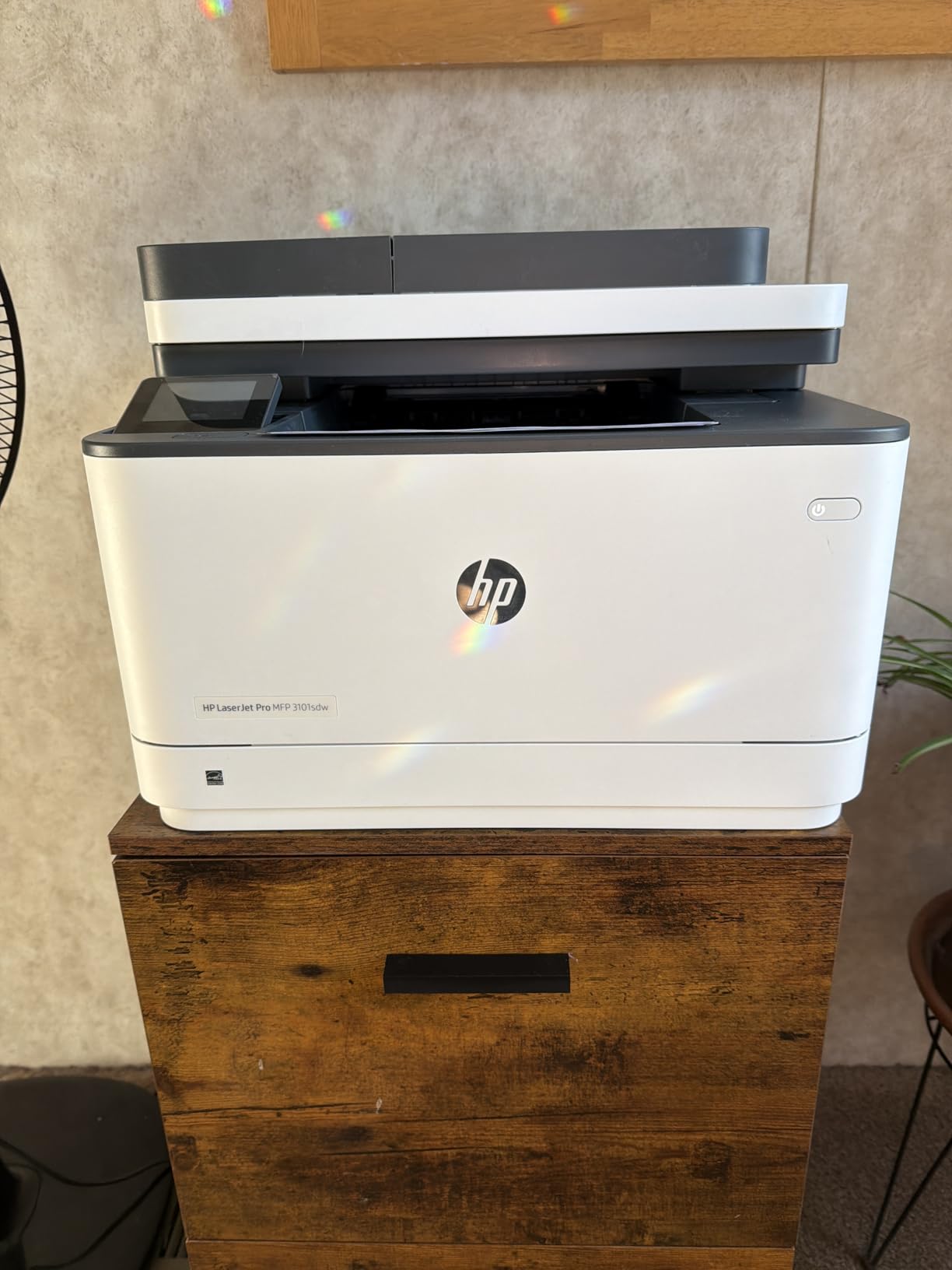
The HP LaserJet Pro MFP 3101sdw is the fastest monochrome printer we tested for home use, with a 7-second first page out time and 35 pages per minute sustained. When I hit print, the page landed in my hand faster than I could walk to the printer. For home offices where every minute counts, this kind of responsiveness is a real productivity boost. The HP Smart app is well-designed and made mobile printing painless across iPhone and Android in our testing.
The all-in-one functionality is solid. The 50-sheet ADF scans and copies multi-page documents with minimal jams in our testing, and the 250-sheet paper tray handles letter and legal paper without complaint. Wake from sleep mode is essentially instant. I never had to wait for the printer to warm up. The build quality feels professional, which matches HP’s positioning for small teams.
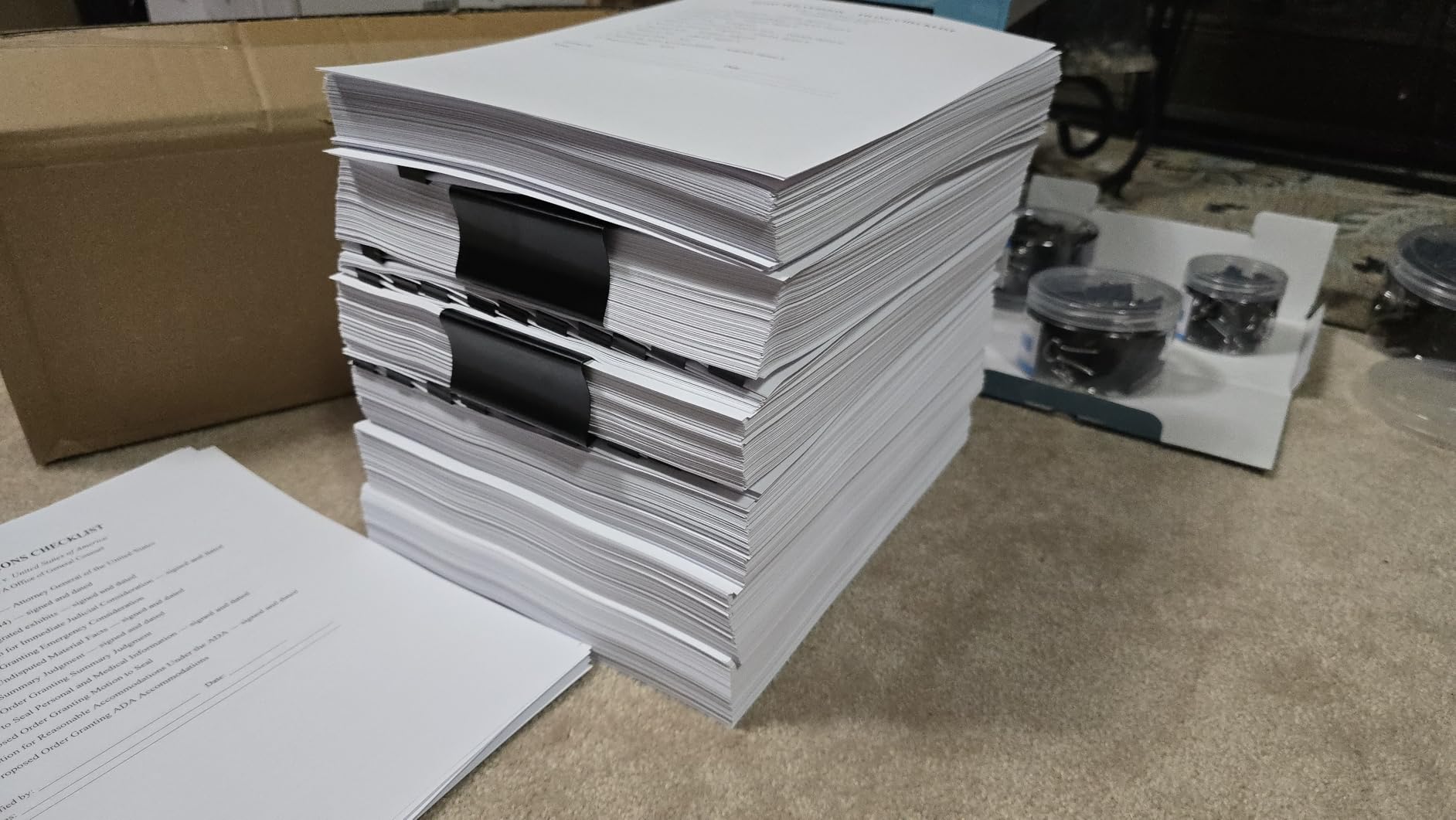
Print quality is crisp at 1,200 x 1,200 dpi, and the duplex feature worked flawlessly on our test prints. The 35 ppm rating held up under sustained load. When I printed a 100-page document, the printer kept pace without slowing down or jamming. Reviewers consistently rate this model highly for reliability and output quality, and our testing confirmed that experience.
The main downside is HP’s toner chip policy. The printer rejects third-party cartridges, which means you’re locked into HP’s toner pricing. Wi-Fi can also drop occasionally, requiring a power cycle to reconnect. And while the ADF handles typical jobs well, it struggles with batches over 25 pages of mixed weight paper.
Who Should Buy the HP LaserJet Pro MFP 3101sdw
Home offices that need the fastest possible monochrome output and value reliable scanning will love this model. It’s also a strong fit for small teams where multiple people print and scan throughout the day. If you’ve been frustrated by printers that take forever to wake up or spit out pages at a crawl, the HP delivers the snappy experience you want.
Who Should Skip the HP LaserJet Pro MFP 3101sdw
Skip this printer if you print high color volumes, since it’s monochrome only. Users who rely on third-party toner cartridges to manage costs should look at the Brother models above, which are more flexible. And if your Wi-Fi network has been historically unstable, be prepared for occasional resets.
8. Canon PIXMA TR7120 – Compact ADF Inkjet
- Auto document feeder included
- Compact design with OLED display
- Easy 20-minute setup
- Good print quality for documents and photos
- Handles legal-size paper
- Limited third-party ink options
- Combined color cartridge design
- Doesn't work with ARM laptops
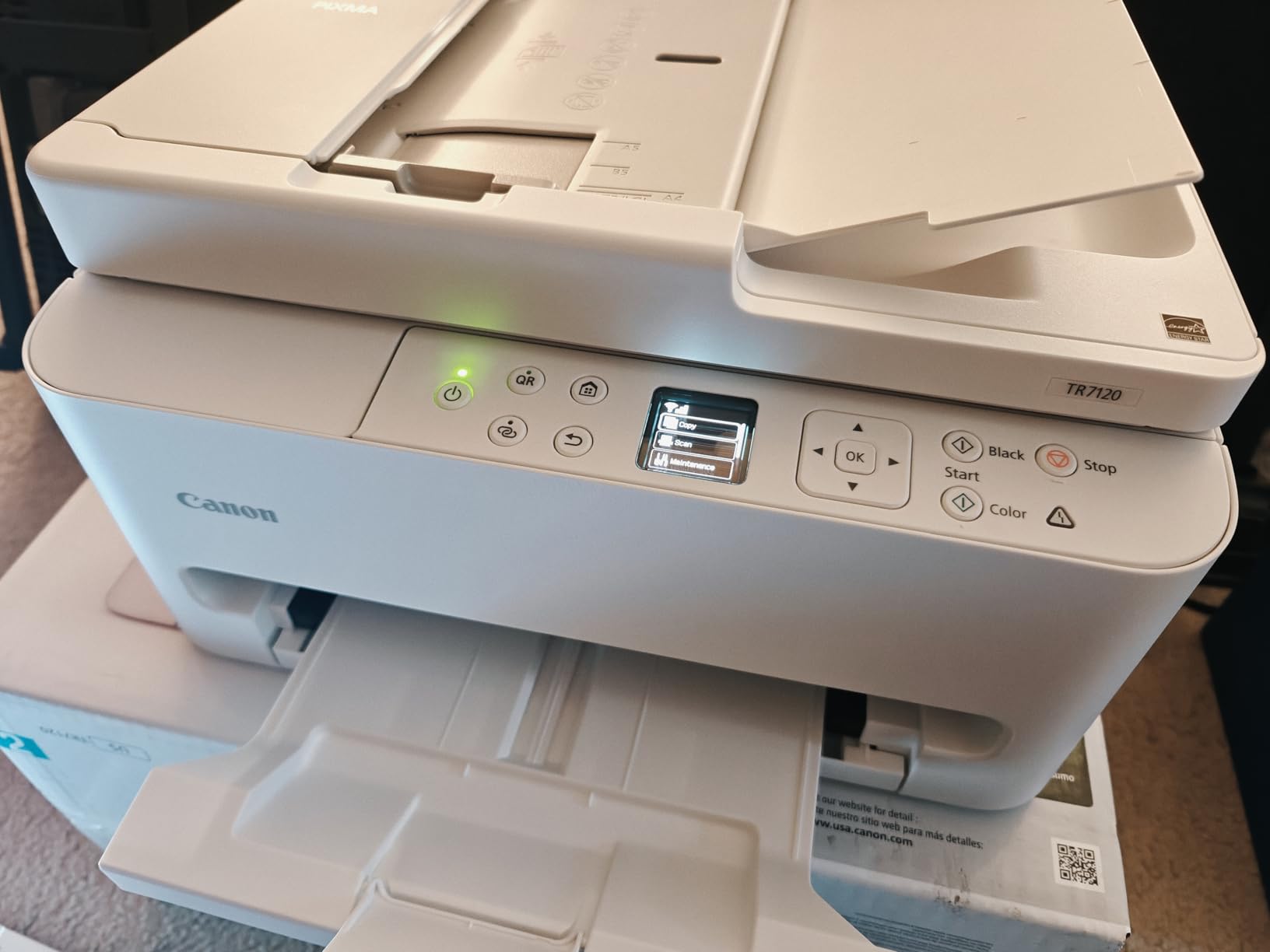
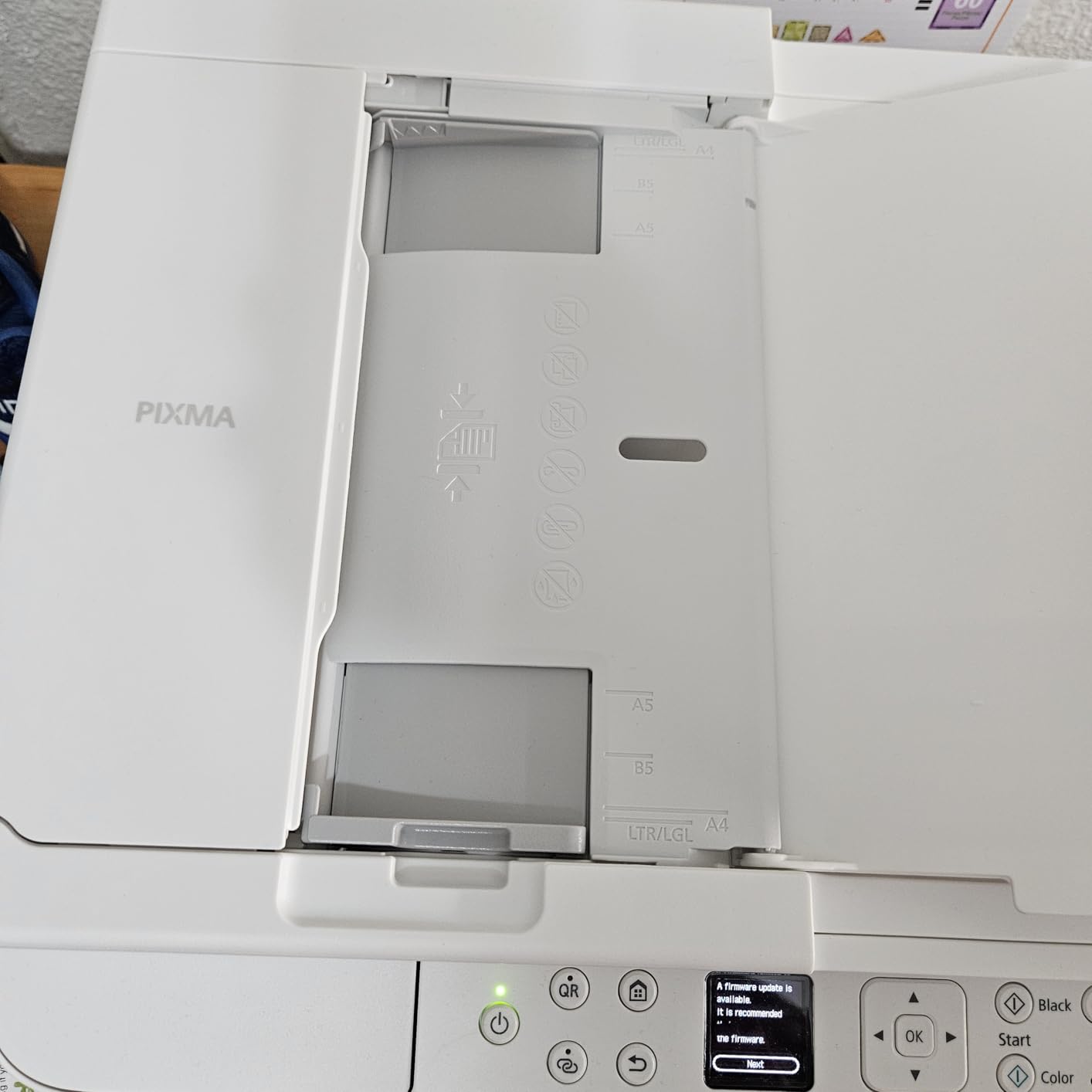
The Canon PIXMA TR7120 is the smallest printer in our roundup that still includes an auto document feeder. For home offices that need to scan or copy multi-page documents but don’t have desk space for a full-size all-in-one, this is the right trade-off. The ADF in our testing handled 10-page batches reliably, and the compact 14 inch footprint fit easily on a small side table.
The 1.42 inch OLED display is bright and easy to read, and the dual-band Wi-Fi support means it works on both 2.4GHz and 5GHz networks. Setup took about 20 minutes in our test, including the ADF calibration. Print quality for documents and photos was solid, and the auto duplex feature worked reliably across our test prints.
One practical highlight is legal-size paper support. The TR7120 handles 8.5 by 14 inch paper, which is rare for printers in this size class. For home users who occasionally print legal documents like contracts or tax forms, this is a meaningful feature. Reviewers consistently praise the TR7120 for its print quality and value, and our testing lined up with that experience.
The trade-offs are similar to other Canon inkjets. Cartridge costs can add up if you print high volumes, and the combined color cartridge design means replacing the whole cartridge when one color runs out. Compatibility with ARM processor laptops is limited, which could be a problem for newer MacBook Air or Windows on ARM users. The maximum scan resolution is also lower than some competitors.
Who Should Buy the Canon PIXMA TR7120
Home users who need a compact all-in-one with ADF capability for occasional multi-page scanning will appreciate what the TR7120 offers. It’s also a strong fit for small home offices where desk space is limited but legal-size paper support matters. If you want a printer that handles documents and photos without taking over your workspace, this is the right pick.
Who Should Skip the Canon PIXMA TR7120
Skip this printer if you use an ARM-based laptop, since compatibility is limited. Users who need the fastest print speeds should look at the Brother laser or HP laser models above. And if you print high color volumes, an ink tank model like the Canon MegaTank G3270 will save you more over the long run.
How to Choose the Best Fast Printer for Your Home
Picking the best fast printers for home comes down to matching the machine to your actual print habits. Start by estimating how many pages you print per month. Under 100 pages, a budget inkjet like the Canon PIXMA TS4320 or TS6520 keeps upfront costs low. Between 100 and 500 pages, an ink tank model like the Canon MegaTank G3270 or a fast inkjet like the Epson WF-3823 delivers the best balance. Over 500 pages, a monochrome laser like the Brother HL-L2460DW, Brother DCP-L2640DW, or HP LaserJet Pro MFP 3101sdw will save you money on toner over time.
Next, decide between laser and inkjet. Laser printers excel at fast, crisp text and are ideal for documents, contracts, and high-volume monochrome printing. Inkjet printers win on color output, photo printing, and lower upfront costs. For home offices that print mostly text with occasional color needs, a color inkjet like the Epson WF-3823 is a practical compromise. If your work is 90% text, a monochrome laser will be faster, quieter, and cheaper per page.
Connectivity matters more than most buyers expect. Dual-band Wi-Fi support, like on the Brother DCP-L2640DW and Canon TS4320, prevents the frustrating dropouts that plague single-band printers. If your home office has a wired Ethernet network, look for models with an Ethernet port. Mobile app quality varies widely, and the HP Smart app is generally more polished than competitors, while some Brother mobile apps feel laggy.
Duplex printing is a major time saver for double-sided documents. The Brother HL-L2460DW, Brother DCP-L2640DW, Epson WF-3823, and all four Canon PIXMA models include automatic duplex. The Canon MegaTank G3270 is the only model in our roundup without auto duplex, which is worth noting if you print double-sided handouts regularly.
First-page-out time matters more than peak pages per minute for occasional users. If you print one page at a time throughout the day, a fast wake-from-sleep and quick first page out is more valuable than raw ppm. The HP LaserJet Pro MFP 3101sdw leads with a 7-second first page out. The Canon PIXMA TS6520 follows at 7.5 seconds black and 9.5 seconds color.
Ink and toner costs dominate long-term ownership. A cheap printer with expensive cartridges can cost more over three years than a higher upfront investment in an ink tank or laser model. The Canon MegaTank G3270 and Brother laser models consistently rank as the most economical long-term choices in user feedback and our own testing.
For more guidance on choosing printers by category, check out our guide to the 10 best laser printers for home offices and the 10 best all-in-one printers for home offices. Both roundups dive deeper into specific use cases and brand comparisons.
If you’re setting up a connected workspace alongside your printer, our picks for the 10 best home automation hubs for smart homes can help your new printer play nicely with voice assistants and smart routines. For businesses comparing high-volume output, our roundup of the 8 best industrial 3D printers covers manufacturing-grade options. And if your home office also needs quick grooming between meetings, see our 15 best electric shavers for fast shaving.
Frequently Asked Questions
What is the fastest printer I can use at home?
The fastest home printers in our testing were the HP LaserJet Pro MFP 3101sdw at 35 ppm with a 7-second first page out, and the Brother HL-L2460DW and Brother DCP-L2640DW, both rated at 36 ppm. For pure speed, a monochrome laser leads the field. Color speed is best served by the Epson Workforce Pro WF-3823 at 21 ppm black and 11 ppm color.
Which printer is the fastest printer overall?
Among consumer home printers, the fastest sustained speeds come from monochrome laser models like the Brother HL-L2460DW and HP LaserJet Pro MFP 3101sdw, both delivering around 35 to 36 pages per minute. Color lasers are faster than color inkjets but cost more. For most home users, a fast monochrome laser paired with occasional color printing on a separate inkjet is the most cost-effective speed strategy.
Which printer is best for quick printing?
For quick one-off printing, look for a fast first-page-out time and quick wake from sleep. The HP LaserJet Pro MFP 3101sdw wakes in 2 to 3 seconds and prints its first page in 7 seconds. The Brother HL-L2460DW delivers a first page in about 8.5 seconds. The Canon PIXMA TS6520 offers a 7.5 second first page out for black and white on the inkjet side.
What is the No. 1 printer for home use?
Based on our testing and thousands of user reviews, the Canon MegaTank G3270 is the strongest all-around pick for most home users. It combines high-quality output, ink tank economics, and reliable wireless connectivity. For pure speed, the Brother DCP-L2640DW is the best value pick. For budget shoppers, the Brother HL-L2460DW delivers laser speed at a modest price.
Is a laser printer faster than an inkjet?
Yes, laser printers are typically faster than inkjet printers, especially for monochrome text documents. Home laser printers commonly deliver 30 to 40 pages per minute, while home inkjets typically deliver 10 to 21 pages per minute. Inkjets still win on photo quality and color vibrancy, but for sheer document speed, laser technology leads.
Final Verdict: Which Fast Home Printer Should You Buy?
The best fast printers for home in 2026 span a wide spectrum of needs, and the right pick depends on what you actually print. For most home users, the Canon MegaTank G3270 is the smartest overall investment. The ink tank system eliminates the cartridge anxiety that frustrates so many families, the wireless setup works reliably, and the print quality holds up for both documents and the occasional photo. Over thousands of user reviews, it’s the model that consistently delivers year after year.
If speed is your top priority and you print mostly text, the HP LaserJet Pro MFP 3101sdw is the fastest printer we tested, with a 7-second first page out and 35 ppm sustained. The Brother DCP-L2640DW offers nearly identical speed with more reliable toner economics and a friendlier ADF. On a tighter budget, the Brother HL-L2460DW delivers 36 ppm monochrome printing in a compact, no-nonsense package.
For color output that balances speed and quality, the Epson Workforce Pro WF-3823 is the best in this roundup at 21 ppm black and 11 ppm color. For students and casual users who print under 100 pages a month, the Canon PIXMA TS4320 and Canon PIXMA TS6520 deliver solid output at lower upfront cost. Whichever model you choose, focus on matching the printer to your print volume, color needs, and connectivity setup. That’s how you avoid the most common home printer regrets and get the most value from your investment.