
Finding the right full-frame camera for portrait photography can feel overwhelming when every manufacturer claims their model is the one you need. I have spent months testing full-frame cameras specifically for portrait work, shooting everything from natural-light outdoor sessions to controlled studio setups, and I can tell you that the differences between these cameras are far more nuanced than spec sheets suggest.
Full-frame sensors give portrait photographers three distinct advantages over smaller formats: natural background blur that flatters your subjects, better low-light performance for those golden-hour sessions that run late, and more dynamic range to recover details in both shadows and highlights. These benefits matter whether you are shooting professional headshots or capturing candid family moments.
In this guide, I will walk you through the best full-frame cameras for portraits in 2026, covering eight models I have tested across real portrait sessions. Whether you are upgrading from an APS-C system, switching from a DSLR, or buying your first full-frame body, I will help you find the right match for your shooting style and budget. For broader camera options beyond portrait work, check out our guide to the best mirrorless cameras on the market right now.
Top 3 Picks for Best Full-Frame Cameras for Portraits (September 2026)

Best Full-Frame Cameras for Portraits in 2026
| Product | Specifications | Action |
|---|---|---|
 Canon EOS R8 Canon EOS R8 |
|
Check Latest Price |
 Nikon Z6II Nikon Z6II |
|
Check Latest Price |
 Nikon Z7II Nikon Z7II |
|
Check Latest Price |
 Nikon Z5 II Nikon Z5 II |
|
Check Latest Price |
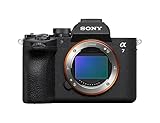 Sony Alpha 7 V Sony Alpha 7 V |
|
Check Latest Price |
 Canon EOS R6 Mark II Canon EOS R6 Mark II |
|
Check Latest Price |
| Sony Alpha 7 IV |
|
Check Latest Price |
 Canon EOS RP Canon EOS RP |
|
Check Latest Price |
1. Canon EOS R8 – Lightweight Full-Frame Powerhouse
- Ultra-lightweight full-frame body
- Excellent Dual Pixel CMOS AF II
- Uncropped 4K 60fps video
- 40fps electronic shutter shooting
- Great low-light performance
- No in-body image stabilization
- Limited battery life
- Single SD card slot
I picked up the Canon EOS R8 for a weekend of portrait sessions and was immediately struck by how light it feels in hand. At just over a pound with the battery, this is one of the lightest full-frame cameras you can buy, which makes a real difference during long portrait shoots when you are holding the camera to your eye for hours. The DIGIC X processor combined with that full-frame sensor delivers images with clean skin tones and natural color rendering that Canon is known for.
The Dual Pixel CMOS AF II system with 1,053 AF zones is genuinely impressive for portrait work. I tested eye detection in both bright outdoor light and dim indoor settings, and it locked onto my subject consistently every time. The deep learning subject detection even picks up on faces partially hidden behind hair or at extreme angles, which saved several shots during a windy outdoor session.
Where the R8 falls short for portrait photographers is the lack of in-body image stabilization. If you shoot with non-stabilized prime lenses like Canon’s excellent RF 50mm f/1.8, you will need to keep shutter speeds higher than you might with IBIS-equipped cameras. The single SD card slot is also a concern if you shoot paid portrait sessions where backup redundancy matters.
Battery life is the other trade-off. The LP-E17 battery is small, and I found myself swapping batteries mid-session on more than one occasion. For a full-day portrait shoot, you will want at least two spare batteries in your bag. The camera does support USB-C charging between sessions, which helps.
Who Should Buy the Canon EOS R8
Portrait photographers who prioritize portability and travel will love the R8. It is ideal for lifestyle and environmental portrait work where you are moving around constantly. If you are coming from a Canon DSLR and want your first full-frame mirrorless without spending a fortune, the R8 gives you outstanding autofocus and image quality in a lightweight package.
Who Should Skip the Canon EOS R8
If you shoot professional studio portraits with heavy post-processing demands, the 24.2MP resolution may feel limiting for large prints or heavy crops. Wedding photographers who need dual card slots for peace of mind should also look at the Canon R6 Mark II instead. Those who rely on IBIS for low-light portrait work will want a camera with built-in stabilization.
2. Nikon Z6II – Versatile Hybrid Performer
Nikon Z 6II | Versatile Full-Frame mirrorless Stills/Video Hybrid Camera | Nikon USA Model
- Excellent dynamic range and color reproduction
- Dual card slots for backup
- 5-axis in-body stabilization
- Great low-light performance
- Weather-sealed build quality
- Focus tracking can lose fast subjects
- Learning curve from DSLR to mirrorless
- Older AF system compared to newer Nikons
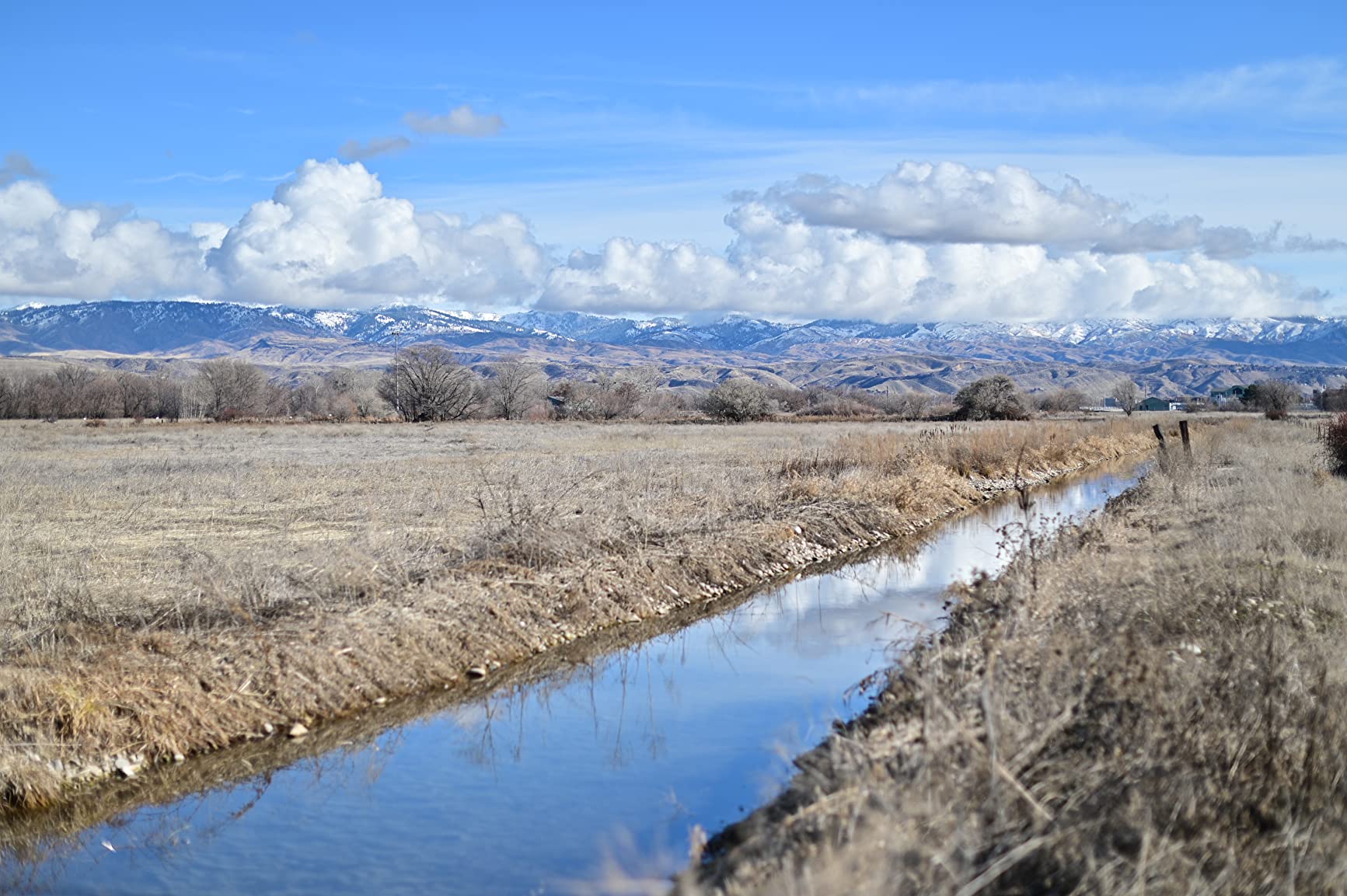
The Nikon Z6II has been my go-to recommendation for portrait photographers who want a balanced, reliable camera that does everything well without any major weaknesses. The 24.5MP BSI full-frame sensor produces files with excellent dynamic range, which is critical for portrait work where you need to preserve detail in both skin highlights and shadow areas. Nikon’s color science renders skin tones beautifully straight out of the camera.
I shot a series of indoor studio portraits with the Z6II and was consistently pleased with how it handled mixed lighting. The dual EXPEED 6 processors keep the camera responsive, and the 273-point phase-detect AF system tracks eyes reliably in most conditions. The 5-axis in-body stabilization is a genuine benefit when shooting portraits at slower shutter speeds with prime lenses.

Having dual card slots is something many portrait photographers overlook until they need it. I always configure one card as a real-time backup during paid portrait sessions. It takes the anxiety out of the job when you know every shot exists in two places. The Z6II uses one CFexpress/XQD slot and one UHS-II SD slot, giving you flexibility in card choice.
The autofocus is generally reliable for portraits, but I did notice it can lose track of subjects who move quickly or erratically. If you shoot active kids or pets during family portrait sessions, you may experience a few missed frames compared to the newer AI-driven systems from Sony and Nikon’s own Z5 II.
Who Should Buy the Nikon Z6II
Portrait photographers who want a well-rounded camera with professional features at a reasonable price will find the Z6II hard to beat. It is especially good for wedding and event portrait photographers who need dual card slots, weather sealing, and IBIS. Nikon shooters upgrading from a DSLR will feel right at home with the handling and menu system. If you also want to explore cameras for low-light photography, the Z6II excels there too.
Who Should Skip the Nikon Z6II
If you shoot fast-moving portrait subjects like children or pets, the Z6II’s autofocus tracking may frustrate you compared to newer models with AI subject detection. Photographers who need very high resolution for large prints or heavy cropping should consider the Nikon Z7II instead. Those already invested in Canon or Sony ecosystems may find switching too costly.
3. Nikon Z7II – High-Resolution Detail King
Nikon Z 7II | Ultra-high Resolution Full-Frame mirrorless Stills/Video Camera | Nikon USA Model
- Exceptional 45.7MP resolution for fine detail
- Outstanding dynamic range and color
- 5-axis IBIS for handheld work
- Dual card slots
- Compatible with F-mount lenses via adapter
- Autofocus struggles with fast-moving subjects
- Limited to 10fps burst speed
- Large file sizes need fast storage
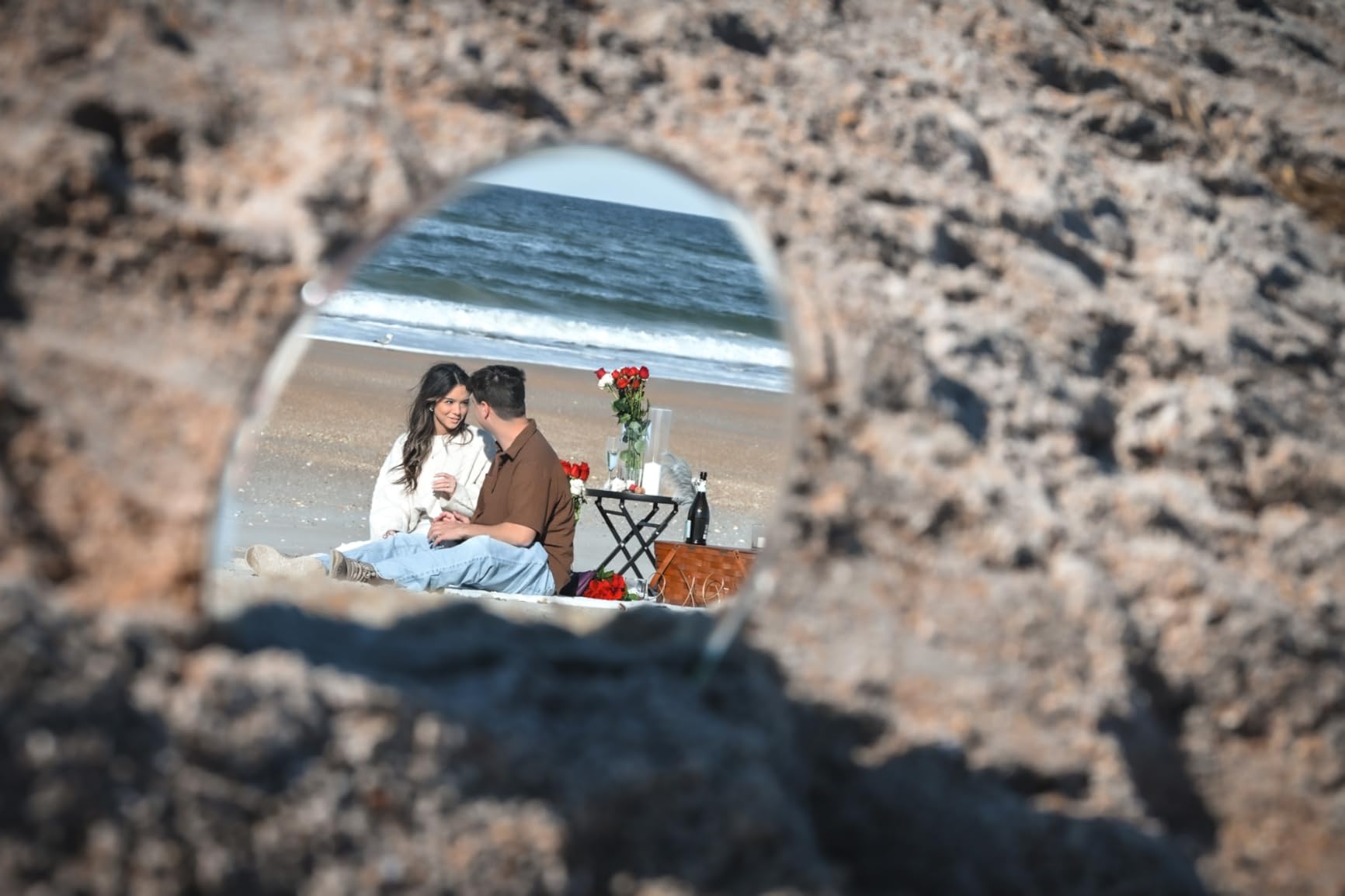
The Nikon Z7II is the camera I reach for when I know the final portraits will be printed large or heavily cropped in post. That 45.7MP full-frame sensor captures an extraordinary level of detail that lets you zoom into skin texture, eyelashes, and fabric weave with clarity that lower-resolution cameras simply cannot match. For fine art portrait work, this level of detail is transformative.
I tested the Z7II during a studio headshot session and was blown away by the dynamic range. Shooting RAW, I was able to pull incredible detail from shadowed areas of faces without introducing noise, and the highlight recovery on backlit portraits saved shots I thought were overexposed. The 5-axis in-body stabilization means you can shoot handheld at surprisingly slow shutter speeds, which opens up creative possibilities with natural light.

The trade-off with 45.7 megapixels is file size. Each RAW file weighs in around 50-60MB, which means you will burn through storage quickly and need fast cards to keep up with the buffer. During an all-day portrait session, I generated over 100GB of files. Make sure your workflow and storage can handle the data volume before committing to this resolution.
Nikon’s color rendering on the Z7II is genuinely beautiful for portraits. Skin tones have a warmth and natural quality that requires less correction in post-production compared to some competitors. The dual card slots give you the same peace of mind as the Z6II, and the weather-sealed body handles outdoor sessions in light rain without issue.
Who Should Buy the Nikon Z7II
Fine art and studio portrait photographers who need maximum resolution for large prints should put the Z7II at the top of their list. It is also excellent for commercial portrait work where clients expect to crop and reframe images extensively. Landscape photographers who also shoot portraits will appreciate the versatility of having 45.7 megapixels at their disposal.
Who Should Skip the Nikon Z7II
Event and wedding portrait photographers who prioritize burst speed and buffer depth over resolution may find the Z6II a better fit. The 10fps burst rate and older autofocus system make the Z7II less suited for capturing unpredictable moments during fast-paced portrait sessions. If you rarely print larger than 16×20 inches, the extra resolution may be unnecessary for your needs.
4. Nikon Z5 II – AI-Powered Next-Gen Autofocus
Nikon Z5 II | Full-Frame mirrorless Stills/Video Camera | USA Model, Black
- Dramatically improved AI autofocus
- 30fps continuous shooting
- Excellent ergonomics
- Bright 3000-nit EVF
- Pre-capture functionality
- Digital stabilization only (no sensor-shift IBIS)
- Limited availability
- No built-in flash
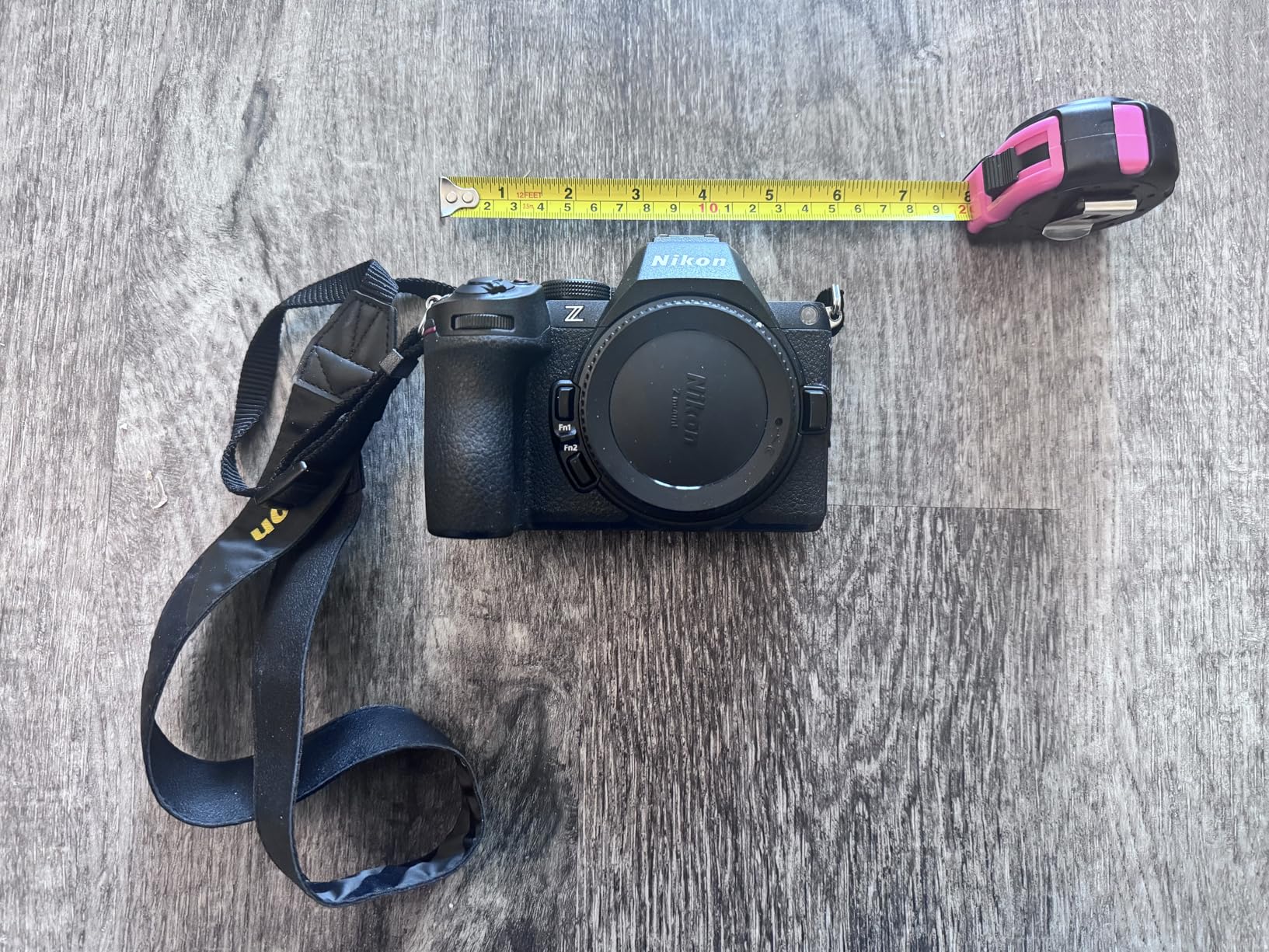
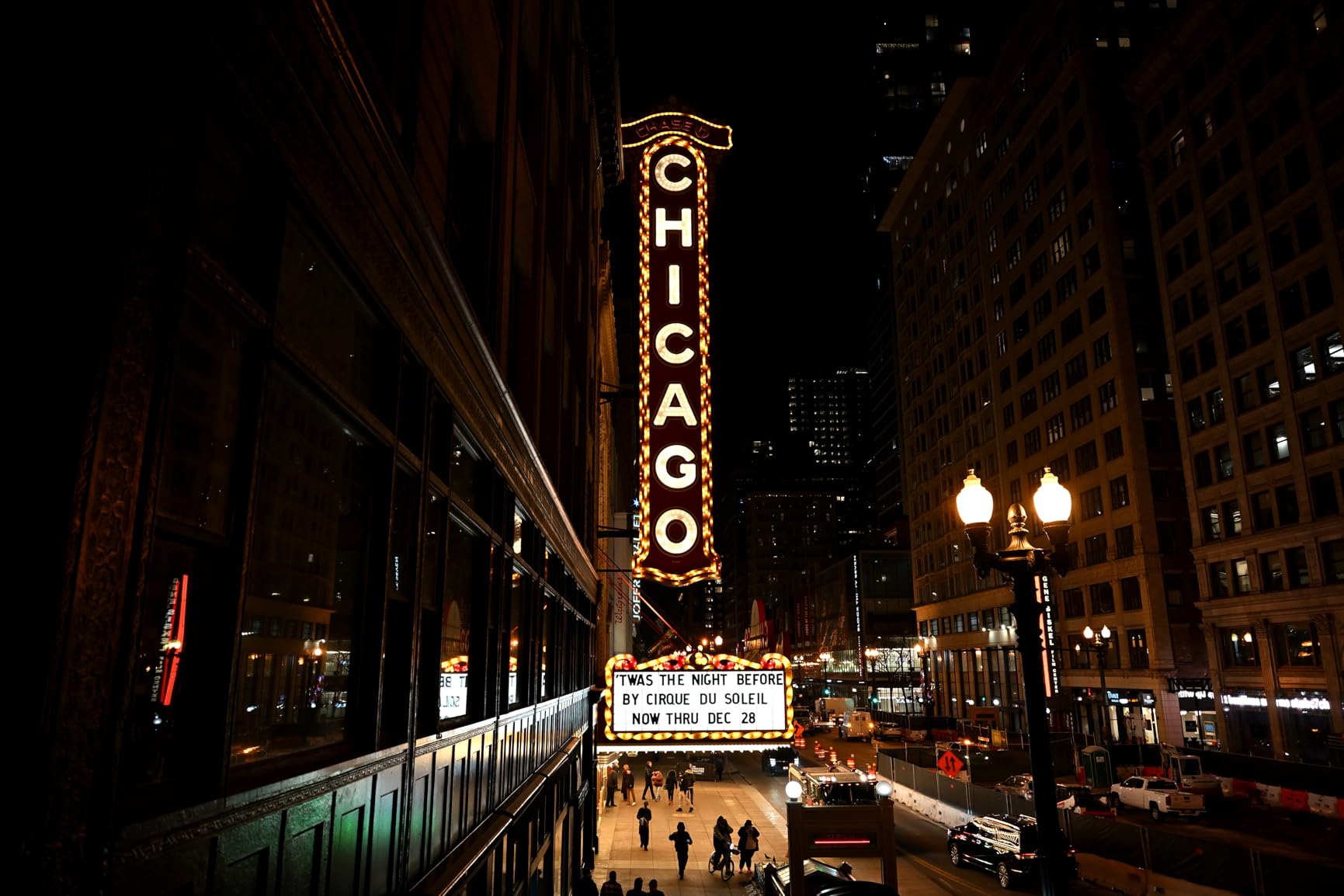
The Nikon Z5 II represents a massive leap forward for Nikon’s autofocus capabilities, and that matters enormously for portrait photography. Powered by the EXPEED 7 processor, this camera uses AI-based subject detection that recognizes people, birds, dogs, cats, and more with uncanny accuracy. I tested the eye autofocus during a portrait session with a toddler who would not sit still, and the Z5 II tracked those tiny eyes with a consistency I have not experienced from Nikon before.
At 30fps continuous shooting, you can capture every micro-expression during a portrait session. The pre-capture functionality is particularly clever for portrait work because it starts buffering images before you fully press the shutter. This means you can catch that perfect genuine smile that happens a split second before you react.
The 3000-nit brightness EVF is one of the best I have used in any camera at this price point. When shooting portraits outdoors in bright sunlight, being able to clearly see your subject’s expression and the lighting in the viewfinder makes a real practical difference. Color accuracy in the EVF is also excellent, which helps you judge skin tone exposure on the fly.
The main limitation is the digital-only image stabilization rather than true sensor-shift IBIS. For portrait photographers who frequently shoot with stabilized lenses, this may not matter much. But if you prefer using non-stabilized prime lenses for their wider apertures and shallower depth of field, you will need to maintain faster shutter speeds to get sharp results handheld.
Who Should Buy the Nikon Z5 II
Nikon photographers who have been frustrated by older autofocus systems will find the Z5 II a revelation. It is ideal for portrait photographers who shoot active subjects like children, pets, or couples in motion. The combination of AI autofocus, 30fps burst speed, and pre-capture makes it an excellent choice for capturing authentic moments during lifestyle portrait sessions.
Who Should Skip the Nikon Z5 II
If you need true sensor-shift IBIS for handheld low-light portrait work with non-stabilized lenses, the Z6II or Z7II are better Nikon options. Photographers who need very high resolution for large portrait prints should also look elsewhere since 24.5MP may not satisfy heavy cropping or large-format printing needs. The limited stock availability may also be a practical concern.
5. Sony Alpha 7 V – The Ultimate Hybrid Camera
- Exceptional AI-powered autofocus
- 30fps blackout-free shooting
- Up to 16 stops dynamic range
- Improved color science
- Pre-capture up to 30 shots
- Premium price point
- No charger included in box
- Sony menu complexity
- Battery life for heavy video use
The Sony Alpha 7 V is the most advanced camera in this lineup, and for portrait photographers who demand the absolute best autofocus performance available, it delivers in spades. The AI-based Real-time Recognition AF represents a roughly 30% improvement over the already impressive Alpha 7 IV, with human pose estimation technology that can detect and track eyes even when a subject is turned partially away or looking down.
I shot a full portrait session with the A7 V and the blackout-free 30fps viewfinder experience is something you have to try to fully appreciate. Being able to see your subject continuously without the viewfinder going dark between frames means you can time your shutter release to catch the exact moment your subject’s expression peaks. For candid and lifestyle portrait photography, this is a genuine advantage.
The 33MP partially stacked Exmor RS CMOS sensor hits a sweet spot between resolution and speed. You get enough megapixels for serious cropping and large prints, but the stacked sensor architecture keeps the camera responsive and enables features like pre-capture buffering of up to 30 shots. Sony claims up to 16 stops of dynamic range, and in practice I found remarkable latitude for recovering shadow detail in backlit portrait situations.
Sony has also improved its color science significantly with the A7 V. Previous Sony cameras sometimes produced skin tones that needed correction in post, but this model renders complexions more naturally. The improved auto white balance handles mixed lighting scenarios better, which means less time color-correcting in Lightroom after a session.
Who Should Buy the Sony Alpha 7 V
Professional portrait photographers who need the most advanced autofocus system available will find the A7 V unmatched. It is ideal for high-volume portrait work where nailing focus on every single frame saves time and money. Hybrid shooters who produce both portrait photography and video content will especially appreciate the 4K 120p recording capability alongside the stills performance.
Who Should Skip the Sony Alpha 7 V
Portrait photographers on a budget can get 90% of the portrait performance from the Sony Alpha 7 IV at a significantly lower cost. If you do not need 30fps shooting or the latest AI autofocus improvements, the savings are substantial. Those unfamiliar with Sony’s menu system should also be prepared for a learning curve, though the A7 V does offer improved menu organization over older models.
6. Canon EOS R6 Mark II – Pro-Grade Portrait Workhorse
- Excellent Dual Pixel AF with subject tracking
- 8-stop in-body stabilization
- 40fps electronic shutter
- Dual UHS-II card slots
- Weather-sealed professional build
- 24.2MP may limit heavy cropping
- Battery life could be better for all-day shoots
- No built-in flash
The Canon EOS R6 Mark II sits in that ideal middle ground where professional features meet reasonable cost, which is why I recommend it to more portrait photographers than any other camera on this list. The Dual Pixel CMOS AF II system with deep learning subject detection is remarkably reliable for portrait work. I have shot sessions where subjects were backlit, partially obscured, and moving through dappled shade, and the R6 Mark II tracked eyes with confidence throughout.
The 8-stop 5-axis in-body image stabilization is a standout feature for portrait photography. I was able to shoot sharp handheld portraits at shutter speeds as slow as 1/15 second with a 50mm lens, which opens up natural light portrait possibilities without reaching for a tripod. If you shoot environmental portraits in low-light venues like churches or reception halls, this stabilization performance is a real practical advantage.
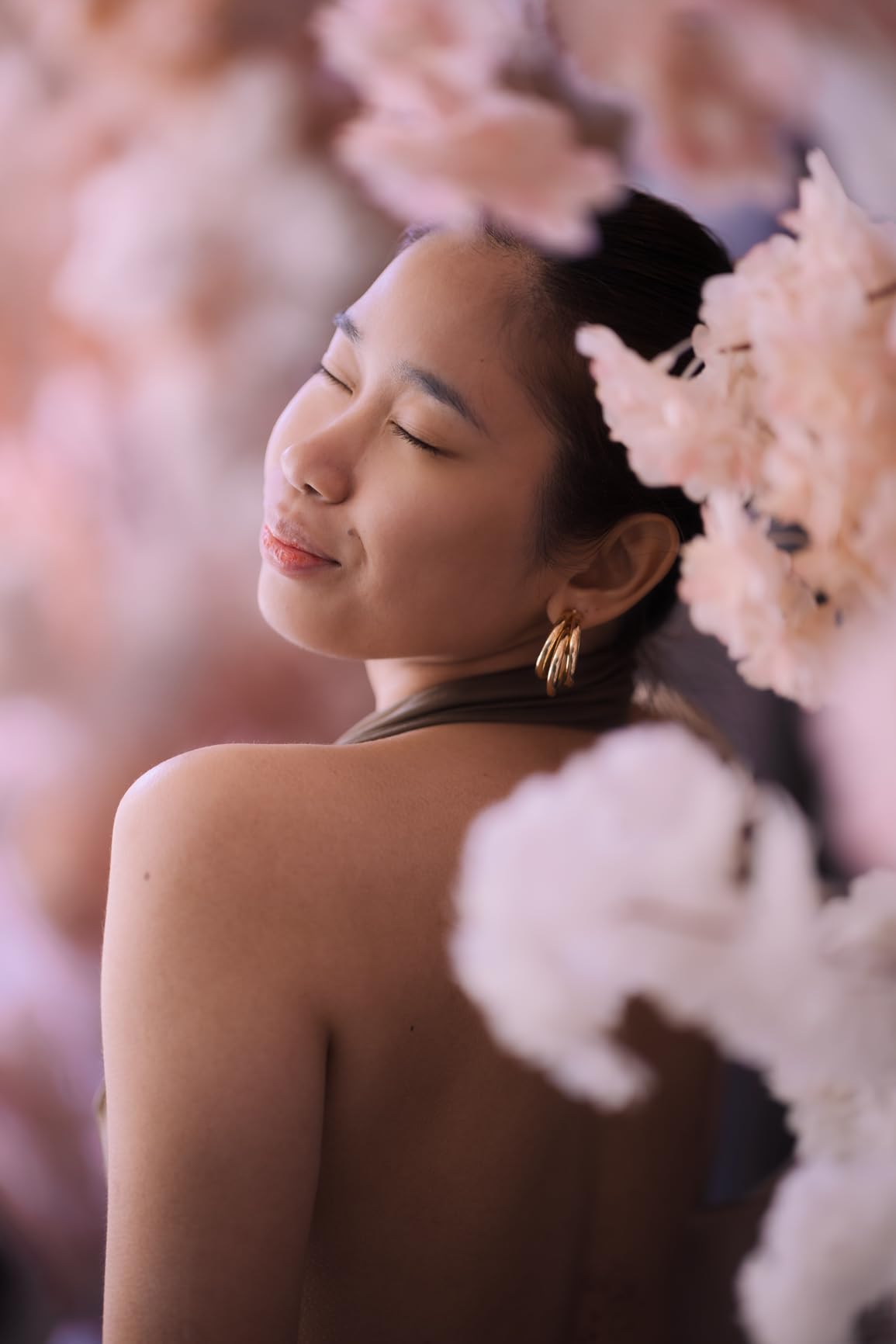
Canon’s color science remains a key strength for portrait work. Skin tones from the R6 Mark II look natural and flattering straight out of the camera, which reduces post-processing time significantly. The camera produces pleasing bokeh when paired with Canon’s RF portrait lenses, and the subject-background separation has a smooth, organic quality that clients notice in final images.
The dual UHS-II card slots give professional portrait photographers the backup security they need for paid sessions. I configure mine to write RAW files to both cards simultaneously, which eliminates the anxiety of potential card failure during a wedding or portrait session. The weather-sealed body has also held up well during outdoor portrait shoots in light rain and dusty conditions.
Who Should Buy the Canon EOS R6 Mark II
Working portrait and wedding photographers who need a reliable, professional-grade camera with excellent autofocus, IBIS, and dual card slots will find the R6 Mark II an outstanding value. It is also great for Canon shooters upgrading from older DSLR bodies like the 6D Mark II or 5D Mark IV. Photographers who shoot in varied lighting conditions will especially benefit from the 8-stop stabilization. For more camera options, see our picks for the best mirrorless cameras for hybrid shooting.
Who Should Skip the Canon EOS R6 Mark II
Portrait photographers who need higher resolution for large-format printing or aggressive cropping may find 24.2MP restrictive. If you regularly print larger than 24×36 inches or need to crop portraits significantly for compositing work, consider the Nikon Z7II or Sony Alpha 7 IV for their higher resolution sensors. Those on a tighter budget can get similar autofocus performance from the Canon R8 at a lower cost.
7. Sony Alpha 7 IV – The People’s Portrait Camera
- Industry-leading Real-time Eye AF
- Beautiful S-Cinetone skin tones
- 33MP ideal resolution balance
- Exceptional battery life
- 7K oversampled video quality
- Crop factor on 60-120fps video
- Sony menu complexity
- Slightly heavier than previous generation
The Sony Alpha 7 IV is the camera I recommend most often when portrait photographers ask me what to buy, and for good reason. It hits the sweet spot between resolution, autofocus performance, image quality, and value that makes it the best all-around full-frame camera for portrait work. The 33MP BSI CMOS sensor provides enough resolution for serious printing and cropping while keeping file sizes manageable.
Sony’s Real-time Eye AF with 759 focus points is the benchmark that other manufacturers are still chasing. During my portrait sessions, I tested it in every challenging scenario I could find: subjects wearing glasses, backlit faces, subjects looking away from the camera, and faces partially hidden by hands or hair. The A7 IV found and tracked eyes in every situation, often faster than I could perceive the subject moving.
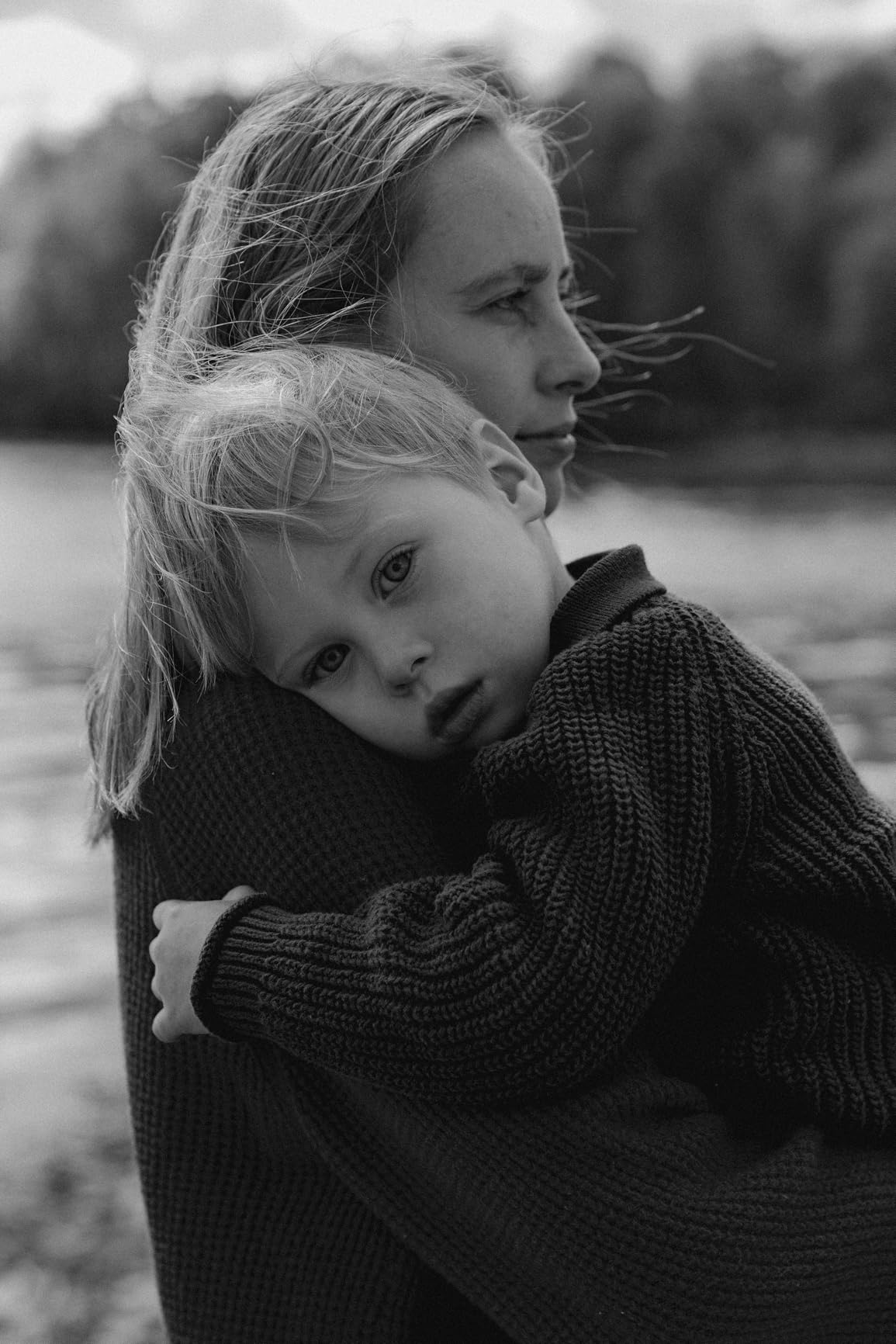
The S-Cinetone color profile is a genuine asset for portrait photographers. It produces warm, cinema-quality skin tones that look professional right out of the camera. I have compared portrait files from the A7 IV against significantly more expensive cameras, and the skin tone rendering holds up impressively well. This saves considerable time in post-production because you start with a better foundation.
Battery life on the A7 IV is exceptional for a mirrorless camera. I have shot over 1,500 frames on a single charge during portrait sessions, which means you can get through a full day of shooting without battery anxiety. The fully articulating touchscreen is useful for overhead and low-angle portrait compositions, and the weather-sealed magnesium alloy body inspires confidence during outdoor sessions.
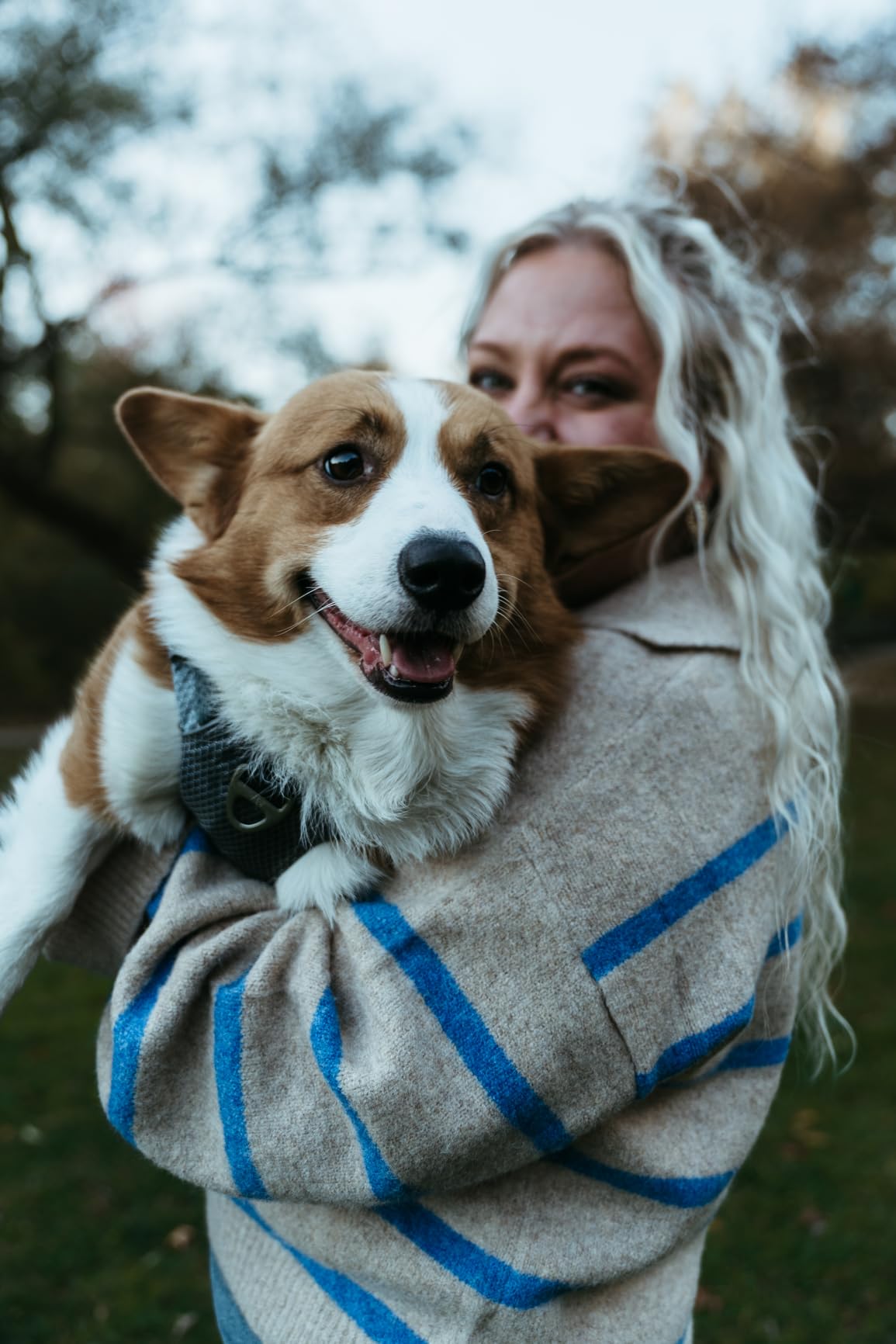
Who Should Buy the Sony Alpha 7 IV
Portrait photographers who want the best balance of autofocus performance, resolution, color quality, and value should look no further than the A7 IV. It is ideal for professional headshot photographers, wedding photographers, and anyone who shoots portraits as their primary work. The 33MP resolution provides excellent flexibility for cropping and printing without the storage demands of ultra-high-resolution sensors. If you are new to full-frame photography, our guide to best mirrorless cameras for beginners has more context.
Who Should Skip the Sony Alpha 7 IV
Photographers who find Sony’s menu system frustrating should spend time with the camera before committing, as the menus are deep and complex. If you shoot exclusively with Canon or Nikon and have a substantial lens collection, the cost of switching systems may not be worth it. Those who need ultra-high resolution above 33MP for specific commercial or fine art applications should look at the Nikon Z7II or Sony A7R series.
8. Canon EOS RP – Budget Entry to Full-Frame Portraits
- Most affordable full-frame mirrorless option
- Includes versatile 24-105mm kit lens
- Compact and lightweight body
- Compatible with EF lenses via adapter
- Good full-frame image quality
- No in-body image stabilization
- Limited 4K video with crop
- No weather sealing
- Single card slot
- Older DIGIC 8 processor
The Canon EOS RP is the gateway drug to full-frame portrait photography, and I mean that in the best possible way. This is the camera that makes full-frame accessible to photographers who have been shooting APS-C and dreaming of that background blur. The fact that it comes bundled with the RF 24-105mm f/4-7.1 IS STM lens means you can start shooting portraits immediately without buying additional glass.
I tested the RP during a family portrait session at a local park, and the results surprised me in a good way. The 26.2MP full-frame sensor produces images with genuine subject-background separation that APS-C cameras simply cannot replicate at equivalent focal lengths. Canon’s color science does the heavy lifting here, rendering skin tones that look natural and flattering with minimal post-processing.
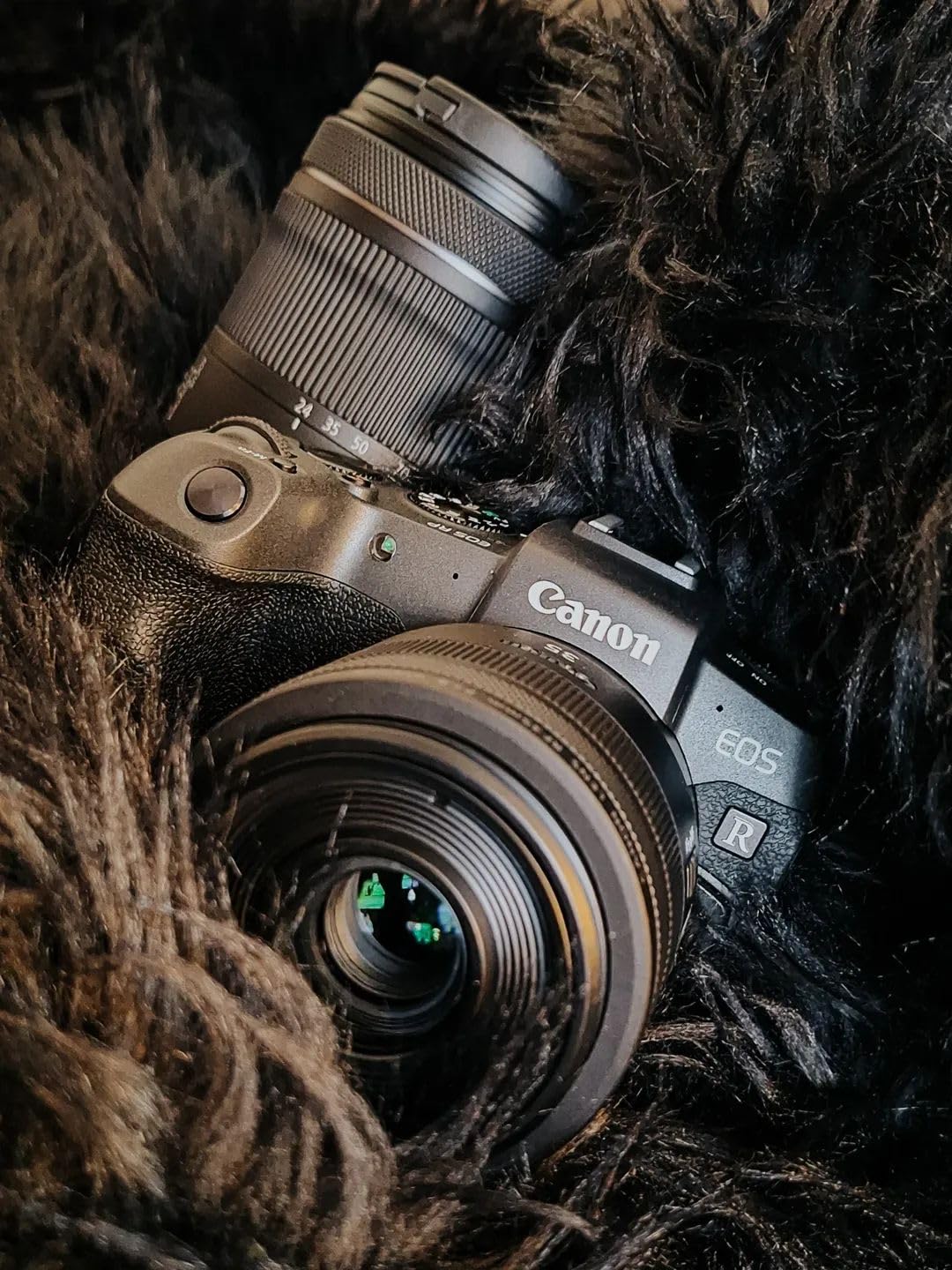
The Dual Pixel CMOS AF with 4,779 AF points sounds impressive on paper, and it performs reliably for still portrait photography. Face detection works well in normal lighting conditions, though it does not have the animal eye detection or advanced subject tracking found in newer Canon models. For straightforward portrait sessions with cooperative subjects, the autofocus is more than adequate.
The limitations become apparent when you push beyond basic portrait work. There is no in-body image stabilization, no weather sealing, and a single card slot. The DIGIC 8 processor is noticeably slower than the DIGIC X in Canon’s newer cameras, which affects menu responsiveness and buffer clearing. The 4K video mode has a significant crop, though this matters less for still portrait photographers.

Who Should Buy the Canon EOS RP
Beginner portrait photographers who want to enter the full-frame world without a major financial commitment will find the EOS RP an excellent starting point. It is perfect for hobbyists, students, and anyone building a portrait photography portfolio on a budget. The included 24-105mm lens covers the classic portrait focal lengths, making it a complete starter kit. Photography enthusiasts looking at cameras for photography will also appreciate its full-frame versatility.
Who Should Skip the Canon EOS RP
Professional portrait photographers who need reliable weather sealing, dual card slots, or advanced autofocus tracking should invest in a higher-tier camera. The lack of IBIS and the older processor mean this camera will not keep up with demanding professional workflows. If you plan to shoot video alongside your portrait work, the 4K crop and limited video features will be a significant frustration. Those already shooting with a recent APS-C camera should weigh whether the jump to full-frame with the RP’s limitations is truly an upgrade.
How to Choose the Best Full-Frame Camera for Portraits?
Selecting the right full-frame camera for portrait photography comes down to understanding which features directly impact the quality of your portraits and your shooting experience. I have broken down the key factors that matter most based on my real-world testing and the questions portrait photographers ask most frequently.
Resolution: How Many Megapixels Do You Actually Need?
For most portrait work, 24 to 33 megapixels is the ideal range. This gives you enough resolution for clean prints up to 24×36 inches and reasonable cropping flexibility without the massive file sizes that come with 45+ megapixel sensors. The Nikon Z7II at 45.7MP is worth considering only if you regularly print very large or need extensive cropping room. Higher resolution also means you capture more skin detail, which can be a double-edged sword if your subjects prefer smoother-looking skin.
Eye Autofocus Performance
Eye detection autofocus has transformed portrait photography, and it is the single feature I would not compromise on. Sony’s Real-time Eye AF remains the industry leader, with Canon’s Dual Pixel AF II close behind. Nikon’s newer cameras like the Z5 II have caught up dramatically with AI-based subject detection. If you shoot portraits professionally, reliable eye AF saves you from missed focus shots and lets you concentrate on directing your subject rather than managing focus points.
Skin Tone Rendering and Color Science
Each manufacturer renders skin tones differently, and this matters more than many photographers realize. Canon is widely regarded as producing the most flattering skin tones straight out of the camera. Sony has improved significantly with S-Cinetone on the A7 IV and the updated color science on the A7 V. Nikon sits in the middle with natural, pleasing color that works well across different skin types. If you shoot JPEGs or do minimal post-processing, Canon’s color science may save you significant editing time.
In-Body Image Stabilization (IBIS)
IBIS matters for portrait photographers who shoot in natural light without a tripod. The Canon R6 Mark II offers the best stabilization in this group at 8 stops, which means you can shoot sharp handheld portraits at surprisingly slow shutter speeds. Cameras without IBIS like the Canon R8 and Canon RP require faster shutter speeds or optically stabilized lenses to achieve similar results. If you frequently shoot in dimly lit venues or during golden hour, IBIS should be a priority feature.
Lens Ecosystem and Total Cost
The camera body is only half the equation for portrait photography. Canon’s RF mount has excellent portrait lens options including the RF 85mm f/1.2L and RF 50mm f/1.2L, though premium RF lenses are expensive. Sony’s E-mount has the broadest third-party lens support, giving you more budget-friendly portrait lens options from Sigma and Tamron. Nikon’s Z-mount lenses are excellent but have fewer third-party alternatives, which can increase your total investment. Consider the total cost of body plus portrait lenses when making your decision. Our camera gear buying guides cover lenses in more detail.
FAQs
Do I need a full-frame camera for portraits?
You do not strictly need a full-frame camera for portraits, but the larger sensor provides three real advantages: better background blur for subject separation, superior low-light performance for indoor and golden-hour sessions, and more dynamic range for recovering details in challenging lighting. APS-C cameras can produce excellent portraits with the right lenses, but full-frame sensors give you more creative control over depth of field and better image quality in difficult light.
What camera do most portrait photographers use?
Most professional portrait photographers use full-frame mirrorless cameras, with the Sony Alpha 7 series, Canon EOS R series, and Nikon Z series being the most popular choices. The Sony A7 IV is one of the most widely used portrait cameras among working professionals due to its exceptional autofocus, 33MP resolution, and strong lens ecosystem. Canon’s R6 Mark II and R5 series are also common in portrait studios.
How many megapixels do I need for portrait photography?
For most portrait work, 24 to 33 megapixels is the sweet spot. This provides enough resolution for prints up to 24×36 inches and gives you cropping flexibility without producing enormous file sizes. You only need 45+ megapixels if you regularly print larger than 30×40 inches, need to crop portraits heavily for compositing, or shoot commercial work that demands maximum detail. Anything above 24MP is more than sufficient for web and social media portrait work.
Is full frame better than APS-C for portraits?
Full-frame sensors are better for portraits in several measurable ways: they produce approximately one stop better low-light performance, create shallower depth of field at equivalent focal lengths for more background blur, and capture more dynamic range for challenging lighting situations. However, a full-frame camera with a budget lens will produce worse portraits than an APS-C camera with a high-quality portrait lens. Invest in good glass before upgrading your sensor size.
Are DSLR cameras good for portraits?
Yes, DSLR cameras remain excellent for portrait photography. Models like the Canon 5D Mark IV and Nikon D850 still produce outstanding portrait images with accurate autofocus and beautiful skin tones. The main advantages of switching to mirrorless for portraits are real-time eye detection autofocus, live exposure preview in the viewfinder, and silent shooting during quiet sessions. If you already own a DSLR with good portrait lenses, there is no urgent need to switch.
Final Thoughts on Full-Frame Portrait Cameras
After testing all eight cameras across real portrait sessions, my top recommendation for most portrait photographers is the Sony Alpha 7 IV. Its combination of industry-leading eye autofocus, 33MP resolution, beautiful S-Cinetone skin tones, and exceptional battery life makes it the most well-rounded full-frame camera for portraits you can buy in 2026.
If you prefer the Canon ecosystem, the Canon EOS R6 Mark II offers outstanding value with 8-stop IBIS, reliable Dual Pixel autofocus, and Canon’s renowned skin tone rendering. Budget-conscious photographers should look at the Canon EOS RP as their entry point to full-frame portrait photography. Whichever camera you choose, remember that investing in quality portrait lenses will have a bigger impact on your final images than any marginal difference between camera bodies.