
I have spent the last three years testing multi-effects pedals in live gigs, home studios, and late-night practice sessions. A good multi-effects processor can replace an entire pedalboard, save you hundreds of dollars, and still deliver tones that rival individual boutique pedals. The challenge is finding the right one for your playing style and budget.
The best multi-effects pedals for guitarists in 2026 have come a long way from the clunky digital units of a decade ago. Modern DSP chips, realistic amp modeling, and third-party IR loading have made these processors genuinely competitive with traditional pedal setups. Whether you are a bedroom player looking for your first effects unit or a gigging musician who needs reliable tone night after night, there is a multi-effects pedal on this list for you.
Our team evaluated 8 of the most popular guitar effects processors on the market, testing each one for sound quality, ease of use, build durability, connectivity, and overall value. I ran them through clean amps, high-gain setups, FRFR speakers, and recording interfaces to see how they perform across real-world scenarios. Here is what I found.
Top 3 Picks for Best Multi-Effects Pedals for Guitarists (September 2026)

Best Multi-Effects Pedals for Guitarists in 2026
| Product | Specifications | Action |
|---|---|---|
 BOSS ME-90 Guitar Multi-Effects BOSS ME-90 Guitar Multi-Effects |
|
Check Latest Price |
| VALETON GP-200 Multi-Effects Pedal |
|
Check Latest Price |
 BOSS GT-1 Guitar Effects Processor BOSS GT-1 Guitar Effects Processor |
|
Check Latest Price |
 Donner Arena 2000 Multi-Effects Pedal Donner Arena 2000 Multi-Effects Pedal |
|
Check Latest Price |
 MOOER GE150 Pro Amp Modeling Pedal MOOER GE150 Pro Amp Modeling Pedal |
|
Check Latest Price |
 FLAMMA FX100 Multi-Effects Pedal FLAMMA FX100 Multi-Effects Pedal |
|
Check Latest Price |
| Zoom G1X FOUR Effects Processor |
|
Check Latest Price |
| MOOER GE100 Multi-Effects Guitar Pedal |
|
Check Latest Price |
1. BOSS ME-90 – Professional-Grade AIRD Amp Modeling
- Flagship GT-1000 sound quality in portable format
- Intuitive stompbox-style knob interface
- 8 multi-function footswitches for live control
- BOSS Tone Studio for deep editing
- Bluetooth dongle sold separately
- High-gain tones need EQ tweaking to shine
- No Aux input without optional Bluetooth adaptor
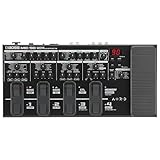
The BOSS ME-90 immediately impressed me the moment I plugged in. This unit borrows its sound engine directly from the flagship GT-1000, and you can hear that pedigree in every note. The AIRD (Augmented Impulse Response Dynamics) technology gives the amp models a responsive, organic feel that responds to your picking dynamics the way a real tube amp would. I ran it through a pair of FRFR speakers and was genuinely surprised at how three-dimensional the tones sounded.
What sets the ME-90 apart from other multi-effects pedals at this level is the interface. BOSS designed it like a traditional pedalboard, with dedicated knobs for each effect block. You do not need to dive through menus to adjust your delay time or reverb decay. Just reach down, twist the knob, and you hear the change instantly. For live performance, this hands-on approach is a huge advantage over units that force you into LCD menus mid-song.
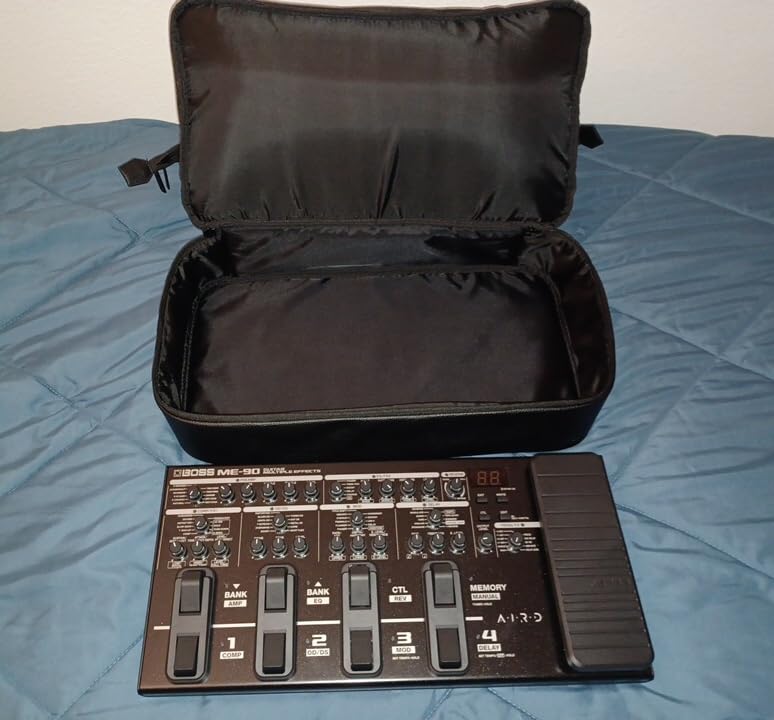
The eight multi-function footswitches are another standout. You can assign them to toggle individual effects, switch presets, trigger the tuner, or control the built-in looper. I set up mine with snapshot-style switching, where each footswitch recalls a different combination of effects within the same patch. This gave me verse, chorus, and lead tones at the tap of a toe without any audio gaps. The redesigned expression pedal with toe switch adds wah and volume control that feels smooth and predictable.
On the connectivity front, the ME-90 covers all the bases. USB-C for recording and firmware updates, an effects loop for integrating external stompboxes, stereo outputs, and headphone out for silent practice. The only thing missing out of the box is Bluetooth audio streaming, which requires an optional dongle. The unit runs on a 9V power supply (included) and weighs 7.9 pounds, so it feels solid underfoot without being a burden to carry.
Who should get the BOSS ME-90
Gigging guitarists who want professional-grade BOSS tones without the complexity of a full modeling rig will love the ME-90. If you are upgrading from a collection of individual pedals and want one unit that handles everything from clean jazz tones to saturated metal, this is a strong contender. The stompbox-style workflow means less time tweaking menus and more time actually playing.
Who should look elsewhere
If Bluetooth audio streaming is important to you and you do not want to buy a separate adaptor, you may find the ME-90 limiting. Players who need hundreds of amp models or deep amp profiling capabilities should consider units with larger model libraries. And if you want something battery-powered for busking or portable practice, this unit requires wall power.
2. VALETON GP-200 – Best Overall Value with Premium Features
- Exceptional sound quality rivaling units twice the price
- Factory presets are usable out of the box
- Solid metal build with Gorilla Glass display
- FX loop for external pedals
- No battery option
- Battery powered variant not available
- No Bluetooth
- Headphone volume linked to master volume
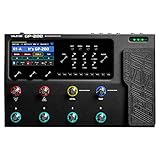
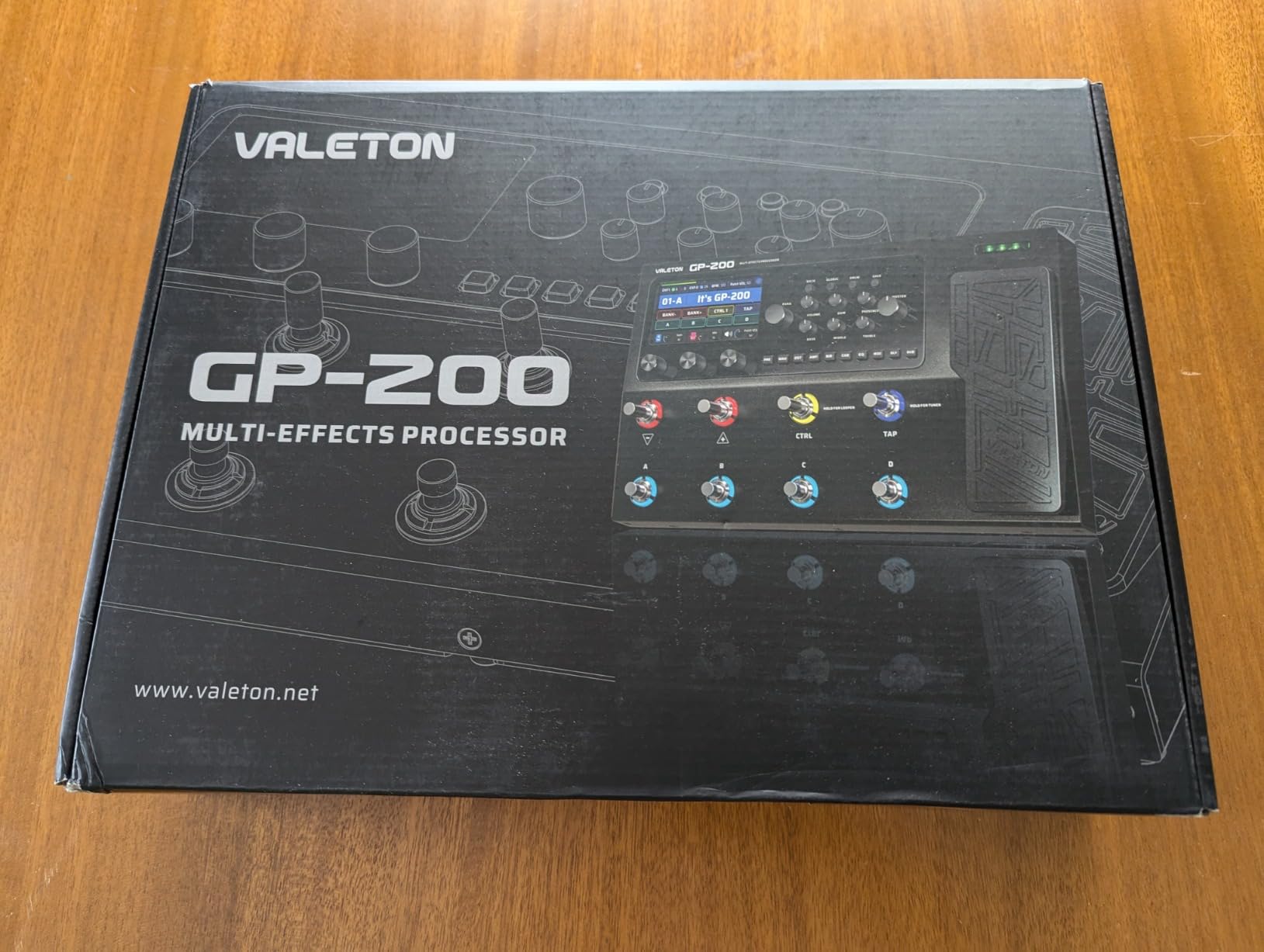
The VALETON GP-200 earned the top spot on this list for one simple reason: it delivers more usable tone and professional features per dollar than anything else I tested. With a 4.6-star rating across nearly 1,000 reviews, the consensus among real users matches my own experience. This pedal sounds genuinely expensive. The New-Gen HD Modeling Technology produces amp simulations that feel responsive, dynamic, and surprisingly close to the real thing.
I was particularly impressed by the factory presets. On most multi-effects pedals, the first thing I do is start rewriting presets because the stock tones sound thin and over-processed. With the GP-200, I plugged in and immediately found a clean tone I liked, a crunch sound that sat perfectly in a mix, and a lead patch with just the right amount of delay and reverb. That rarely happens with any processor at any price point.
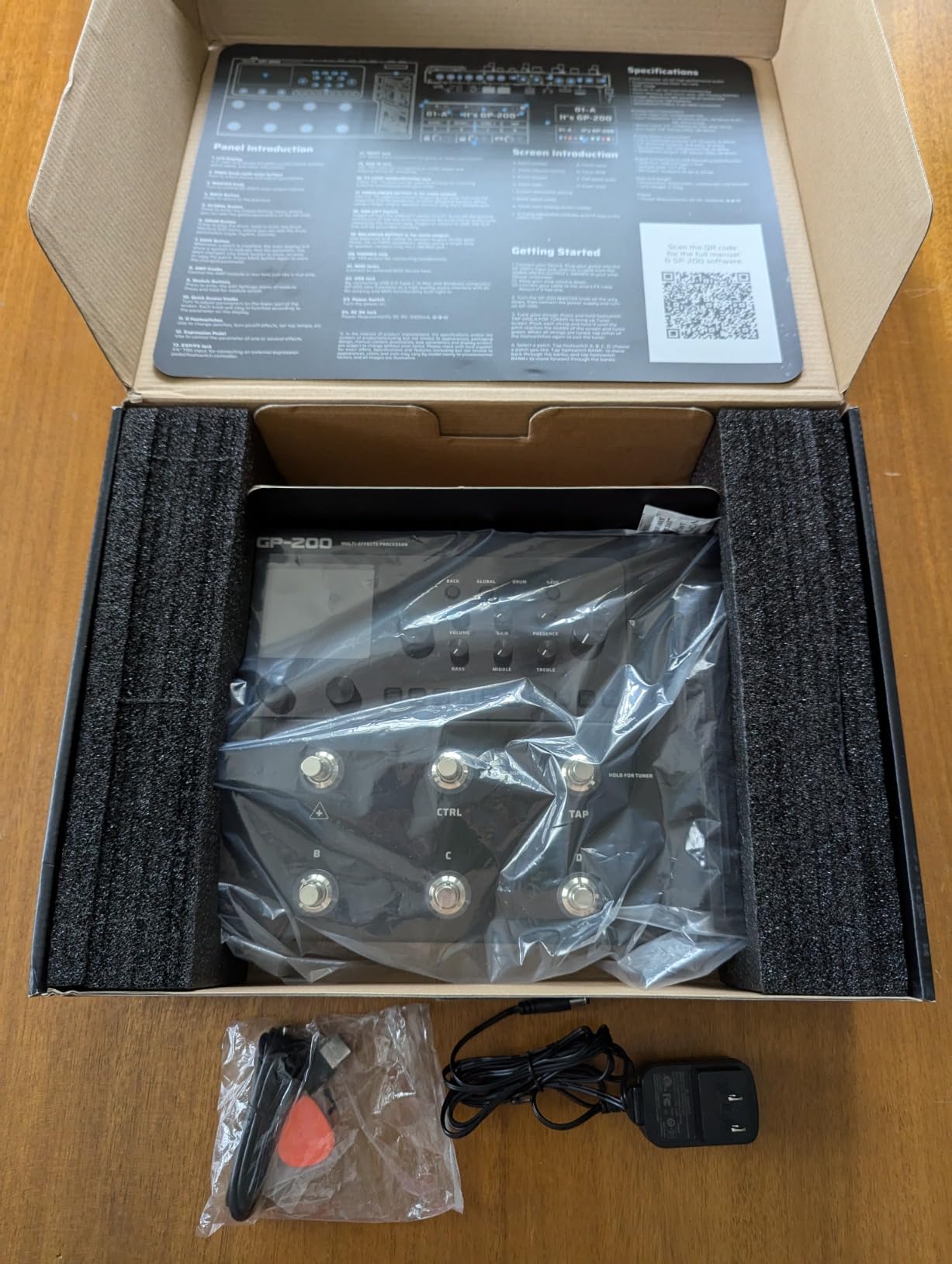
The 4.3-inch TFT color LCD screen makes navigation easy even on a dark stage. The three-layer interface groups controls logically, so you are never more than a couple of taps away from any parameter. VALETON includes 256 preset slots, which is generous. The eight customizable LED footswitches can be configured for preset switching, individual effect toggling, or tap tempo. I found the footswitches responsive and solid, with a satisfying click that gives you confidence during live switching.
Connectivity is where the GP-200 punches above its weight. You get stereo outputs, a dedicated effects loop for integrating your favorite analog pedals, MIDI input and output for controlling or being controlled by other gear, USB Type-C for recording as an audio interface, and OTG functionality for connecting directly to iOS and Android devices. There are 100 built-in drum rhythms and a 180-second looper for practice and songwriting. The 20 third-party IR slots let you load your favorite cabinet captures for a personalized tone.
Who should get the VALETON GP-200
Any guitarist who wants flagship-level features without the flagship price tag should seriously consider the GP-200. It works equally well for live performance, studio recording, and home practice. If you want an effects loop, MIDI control, and IR loading in a single unit that costs less than two premium individual pedals, this is the one to beat. Beginners who are willing to invest a bit more upfront will also appreciate the usable presets and straightforward interface.
Who should look elsewhere
If you need a battery-powered unit for busking or playing outdoors without access to wall power, the GP-200 will not work for you. Players who want wireless Bluetooth audio streaming should also look at other options. And if you are on a strict budget under $150, there are more affordable alternatives on this list that still deliver solid performance.
3. BOSS GT-1 – Compact Premium Sound Engine
- Iconic BOSS amp models and effects
- Battery powered for ultimate portability
- Free pro patches via BOSS Tone Central
- Compact rounded design fits in guitar bag
- No power adapter included
- Short battery life under heavy use
- No power switch
- Looper limited to 32 seconds
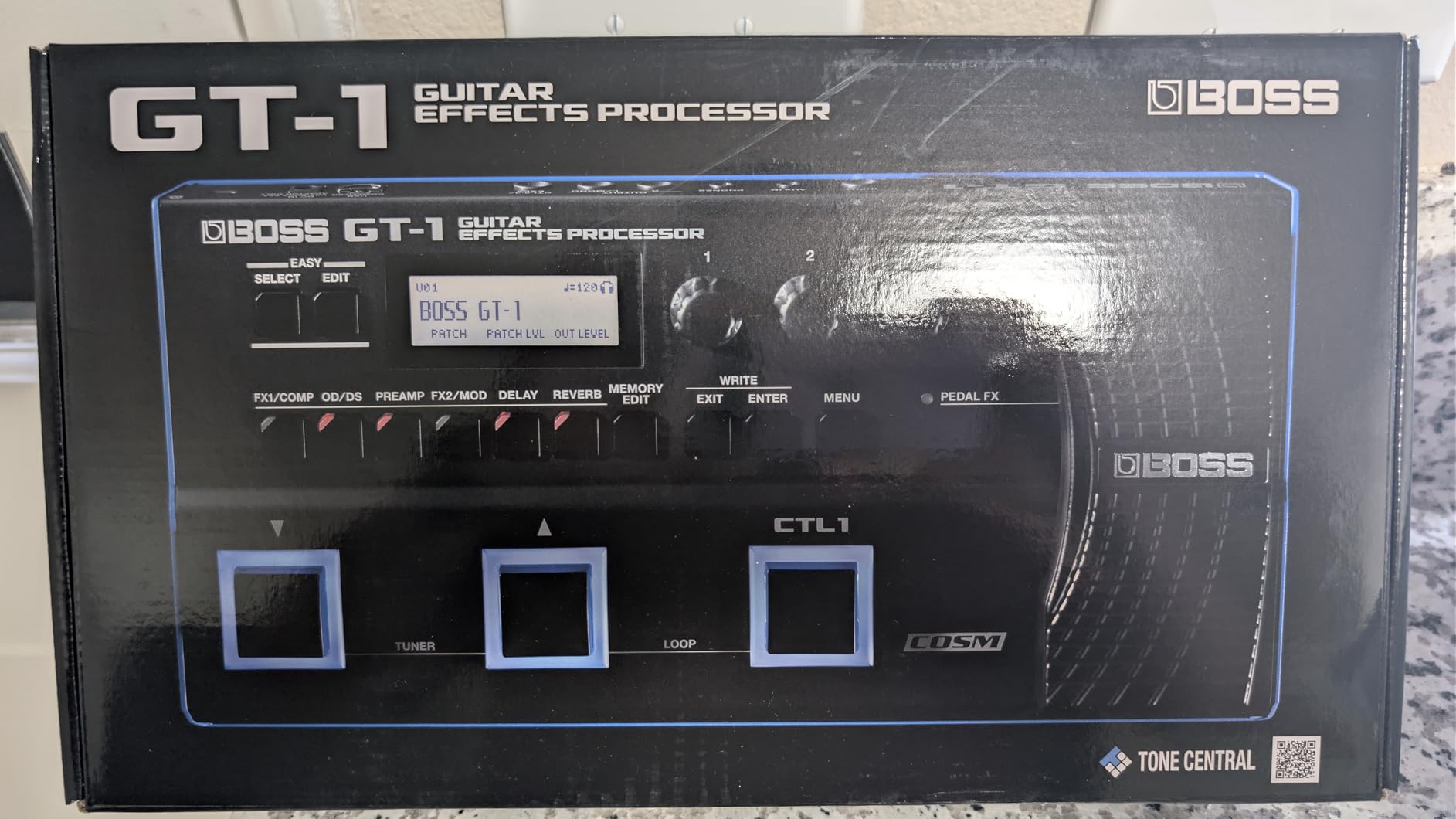
The BOSS GT-1 has been a go-to recommendation for years, and after spending extended time with it, I understand why. BOSS loaded this compact unit with the same premium sound engine found in their higher-end processors, and the result is a pedal that delivers authentic, stage-ready tones in a footprint smaller than a piece of notebook paper. The rounded, ergonomic design is not just for looks. It slides into a guitar gig bag pocket without snagging on anything.
I tested the GT-1 in three scenarios: direct into a PA system at a small venue, through the effects loop of a tube amp, and as a USB audio interface for home recording. In all three cases, the sound quality impressed me. The distortion and overdrive models have that characteristic BOSS warmth and sustain. The delays and reverbs are lush and dimensional. Even the modulation effects, which can sometimes sound sterile on budget processors, had real depth and musicality.
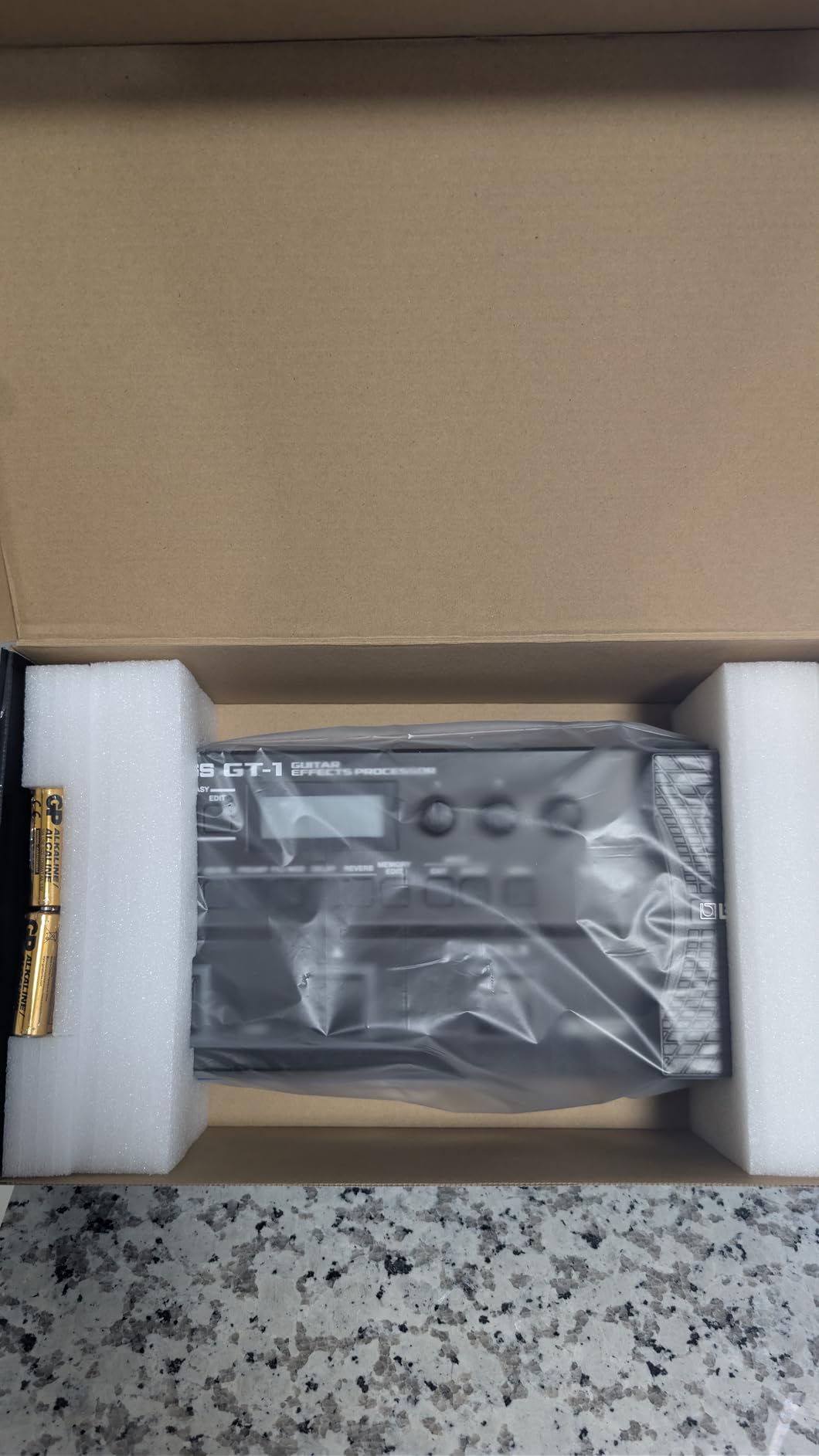
BOSS Tone Central is a major selling point. You get free access to professionally designed patch libraries created by session players and BOSS artists. I downloaded several worship guitar patches and a few classic rock setups, and they sounded excellent with minimal tweaking. The Easy Select and Easy Edit functions let you audition effects and adjust parameters without opening a manual. For players who just want to plug in and play, this is one of the most beginner-friendly units available.
The GT-1 runs on four AA batteries for up to seven hours, though in practice I found that heavy use of the expression pedal and DSP-intensive effects brought that down to around three hours. There is no dedicated power switch, which means you have to physically unplug the power adapter to turn it off. That is a minor annoyance but worth knowing. The included expression pedal works well for volume swells and wah effects, though it is smaller than what you find on full-size floor units.
Who should get the BOSS GT-1
Guitarists who trust the BOSS name and want a portable, battery-powered processor for practice, small gigs, and recording will find the GT-1 hard to beat. If you busk, travel, or play at church and need something that fits in your bag and runs on batteries, this unit checks all the boxes. It is also a great choice for beginners who want premium BOSS tones without spending premium money.
Who should look elsewhere
If you need a drum machine for practice, the GT-1 does not have one. Players who want an onboard looper longer than 32 seconds should also consider alternatives. And if you find it annoying to buy a separate power adapter (not included in the box), factor that into your decision. The GT-1 also lacks the advanced routing and deep editing features found in more expensive units.
4. Donner Arena 2000 – Feature-Loaded Powerhouse
- Massive 278 effect library covers every genre
- 100 IR slots with 50 for third-party captures
- Bluetooth app control for easy editing
- Full connectivity with XLR
- MIDI
- USB-C
- No battery compartment
- Touch buttons can be accidentally triggered
- Learning curve for advanced features
- Requires 32-64 ohm headphones
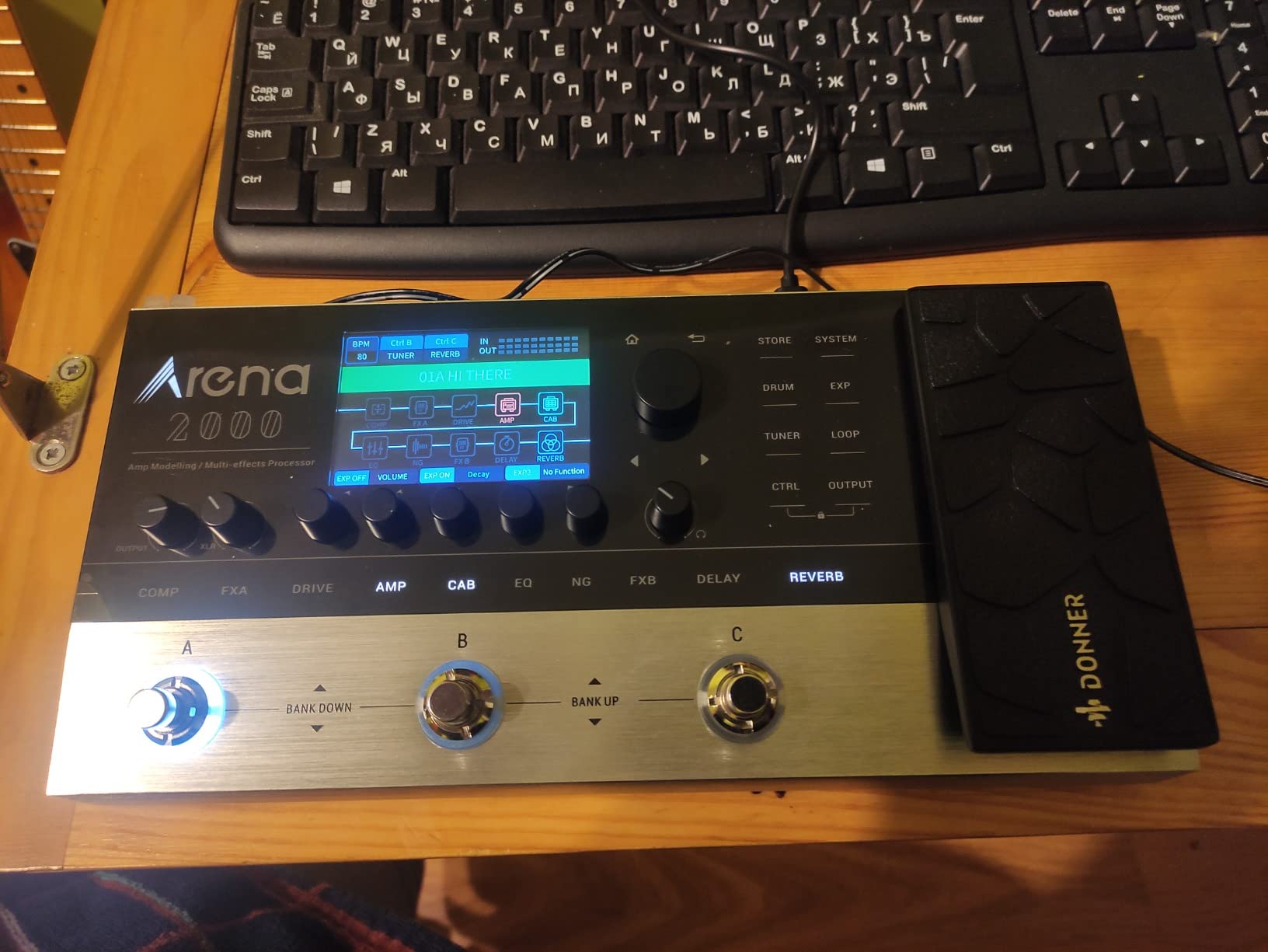
The Donner Arena 2000 caught me off guard in the best way possible. With 278 effects, 80 amp simulations, and 100 IR slots (50 built-in plus 50 for third-party captures), this unit has one of the largest sound libraries in its class. Donner uses what they call FAVCM technology to reduce that artificial digital character that budget processors sometimes have, and I have to say, the results are noticeable. Clean tones have genuine headroom, and high-gain sounds maintain clarity without that fizzy high-end artifact.
I tested the Arena 2000 primarily through FRFR speakers and direct into a recording interface. The amp models cover everything from vintage Fender cleans to modern high-gain metal tones. What impressed me most was the IR loading capability. With a 23.2ms IR resolution, the cabinet simulations capture nuance that shorter IRs miss. I loaded some of my favorite third-party IRs and the improvement over the stock cabs was immediate and substantial.
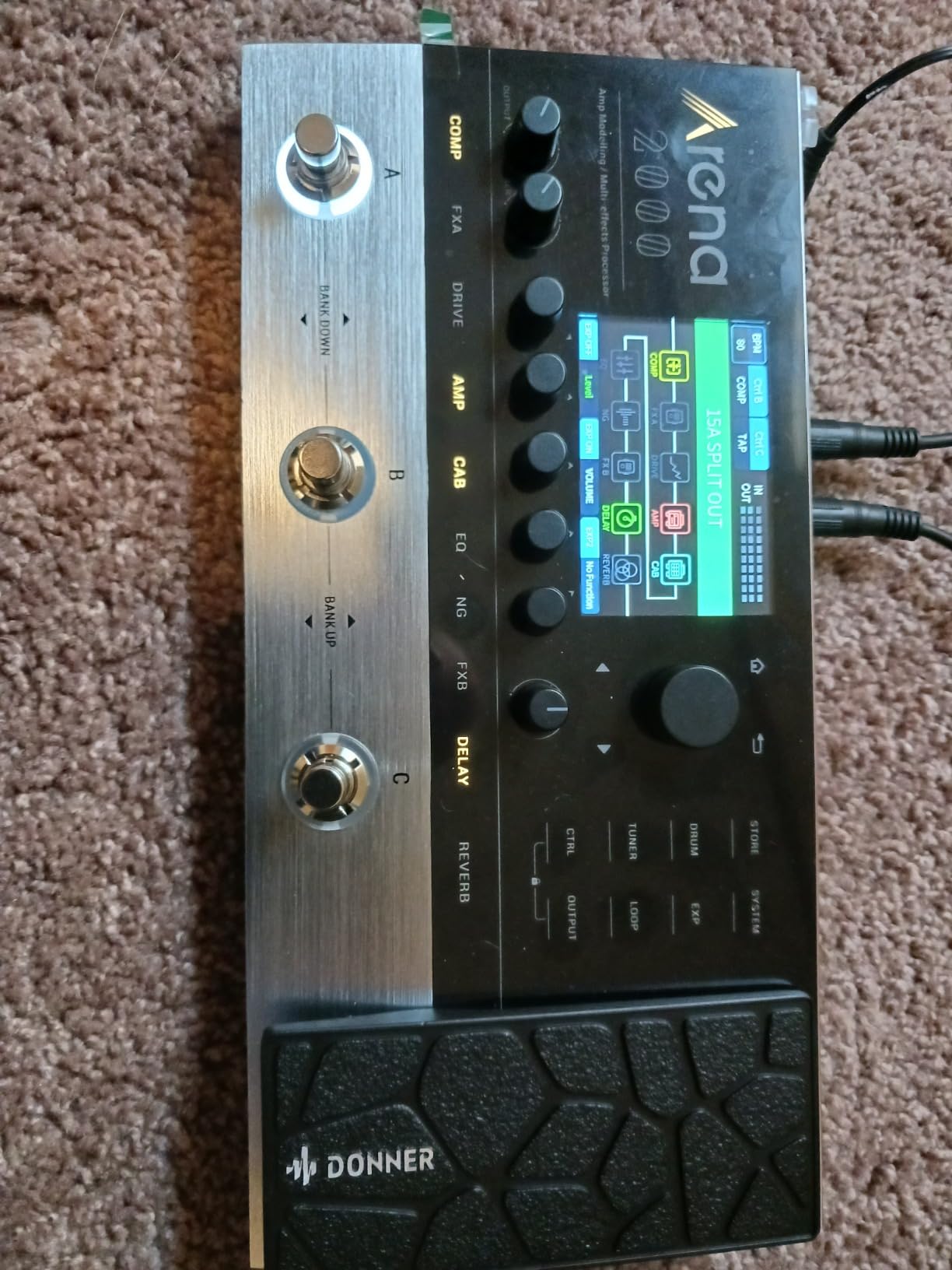
The connectivity suite is comprehensive. You get XLR output for direct connection to a mixing console, MIDI in and out for integration with other gear, USB-C for recording and firmware updates, and Bluetooth for controlling the unit through the Donner mobile app. The app makes editing presets significantly easier than using the onboard controls alone, especially for fine-tuning EQ and effect parameters. The 40 drum rhythms and 60-second looper round out the practice tools.
My main concern is the touch-sensitive buttons along the top of the unit. During live testing, I accidentally triggered mode changes more than once when reaching for the footswitches. The learning curve is steeper than some competitors, and the absence of battery power means you always need access to an outlet. Also, the headphone output works best with 32-64 ohm impedance headphones, so your favorite studio cans might not pair well without an adapter.
Who should get the Donner Arena 2000
Guitarists who want maximum features and effects variety in a mid-range package will get the most from the Arena 2000. If you play multiple genres and need a massive library of tones at your fingertips, or if you want XLR direct out for professional live sound, this unit delivers. Home studio players who want Bluetooth app control and extensive IR loading will also find it compelling.
Who should look elsewhere
If you need battery-powered operation, the Arena 2000 requires wall power. Players with larger hands might find the touch buttons frustrating to use on a dark stage. If you prefer a simpler, more intuitive interface with less of a learning curve, consider the BOSS or Zoom options on this list. The 60-second looper is also shorter than what some competitors offer at similar prices.
5. MOOER GE150 Pro – Best for Beginners Who Want to Grow
- MNRS modeling feels natural and responsive
- 4 footswitches give great live control
- OTG recording direct to phone or tablet
- 200 presets with easy programming
- Expression pedal feels small and bouncy
- No effects loop I/O
- Some presets have high-frequency fizz
- No Bluetooth connectivity
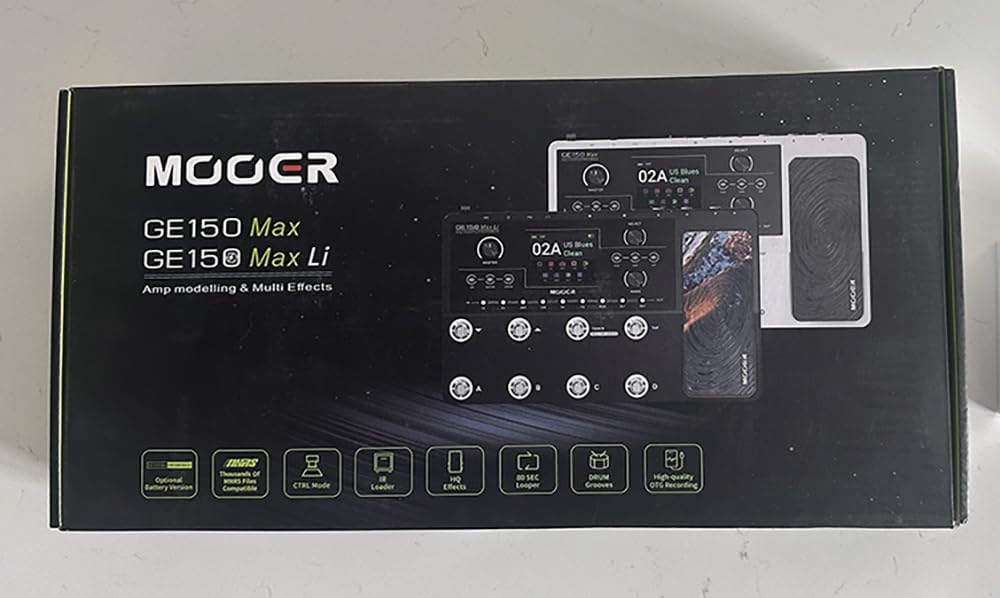
The MOOER GE150 Pro hits a sweet spot that many multi-effects pedals miss: it is easy enough for a complete beginner to pick up, but deep enough that you will not outgrow it in six months. MOOER uses their MNRS (Mooer Neural Response System) modeling technology for the 55 amp preamps, and the result is a playing experience that feels surprisingly organic. Pick softly and the tone cleans up. Dig in and the amp model compresses and saturates the way you would expect from a real tube circuit.
I handed the GE150 Pro to a friend who has been playing for about six months, and within ten minutes he had dialed in a blues tone he was genuinely excited about. The four multi-purpose footswitches make preset browsing and effect toggling straightforward. There are 200 factory presets organized by genre and playing style, which means beginners can find usable tones quickly without understanding signal chains or parameter adjustments.
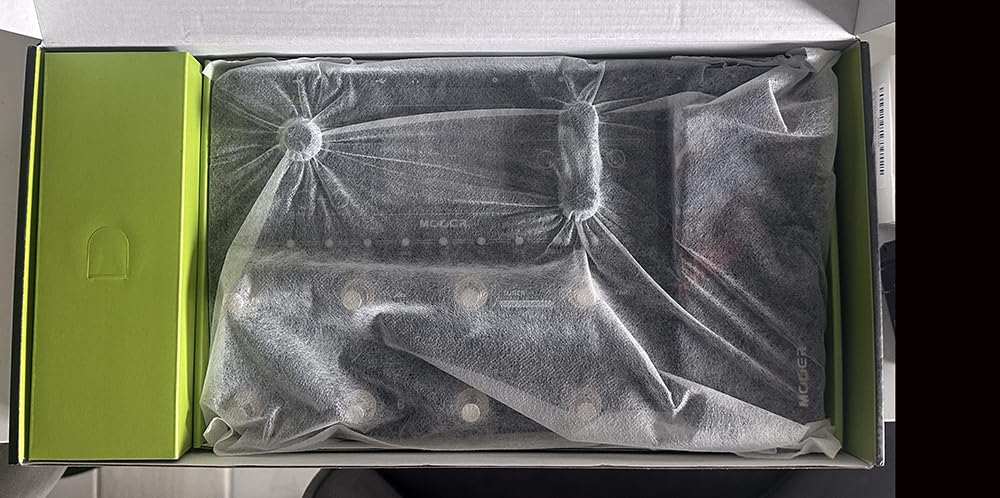
The OTG (On-The-Go) connectivity is a standout feature for the price. Using a USB-C to USB-C cable, you can record directly to your phone or tablet without needing an external audio interface. I tested this with an Android phone running a free recording app, and the results were clean and usable for demo recordings. The 80-second stereo looper and 40 drum rhythms give you plenty of tools for practice and songwriting. The 26 cabinet simulations and 20 slots for loading your own GNR/GIR impulse files provide room for tone customization as your ear develops.
The main weakness is the expression pedal. It feels small, light, and a bit bouncy compared to the pedals on the VALETON or BOSS units. I also noticed some high-frequency fizz on a few of the high-gain presets that I could not fully dial out with the onboard EQ. There is no effects loop, so you cannot integrate external analog pedals into your signal chain. And the LCD screen, while functional, can be difficult to read in bright sunlight or at certain angles.
Who should get the MOOER GE150 Pro
Beginner and intermediate guitarists who want a processor they can grow into should put the GE150 Pro at the top of their list. The intuitive interface, generous preset library, and OTG recording make it perfect for players who are just starting to explore different tones. If you want four footswitches for live control without spending over $200, this is one of the best options available in 2026.
Who should look elsewhere
Experienced players who need an effects loop for integrating analog pedals should look at the VALETON GP-200 or BOSS ME-90 instead. If a high-quality expression pedal is important to you, the GE150 Pro’s small pedal may feel inadequate. And if you want Bluetooth wireless control, you will not find it here. Professional gigging musicians may also want something with more robust build quality for the road.
6. FLAMMA FX100 – All-Metal Build with Serious Depth
- All-metal construction built to last
- 151 effects with deep customization parameters
- Power supply included in the box
- PC software makes editing much easier
- Limited input headroom with high-output pickups
- Factory presets sound thin out of the box
- USB recording has mixing quirks
- Interface complicated without computer
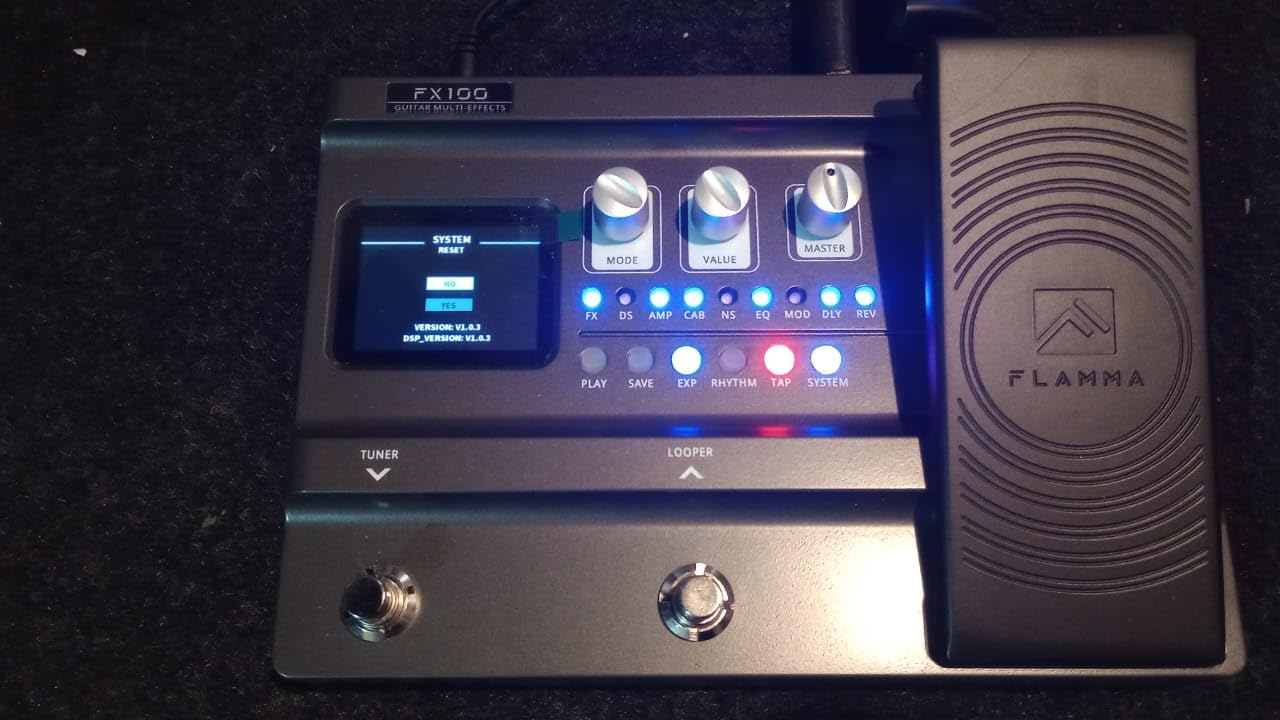
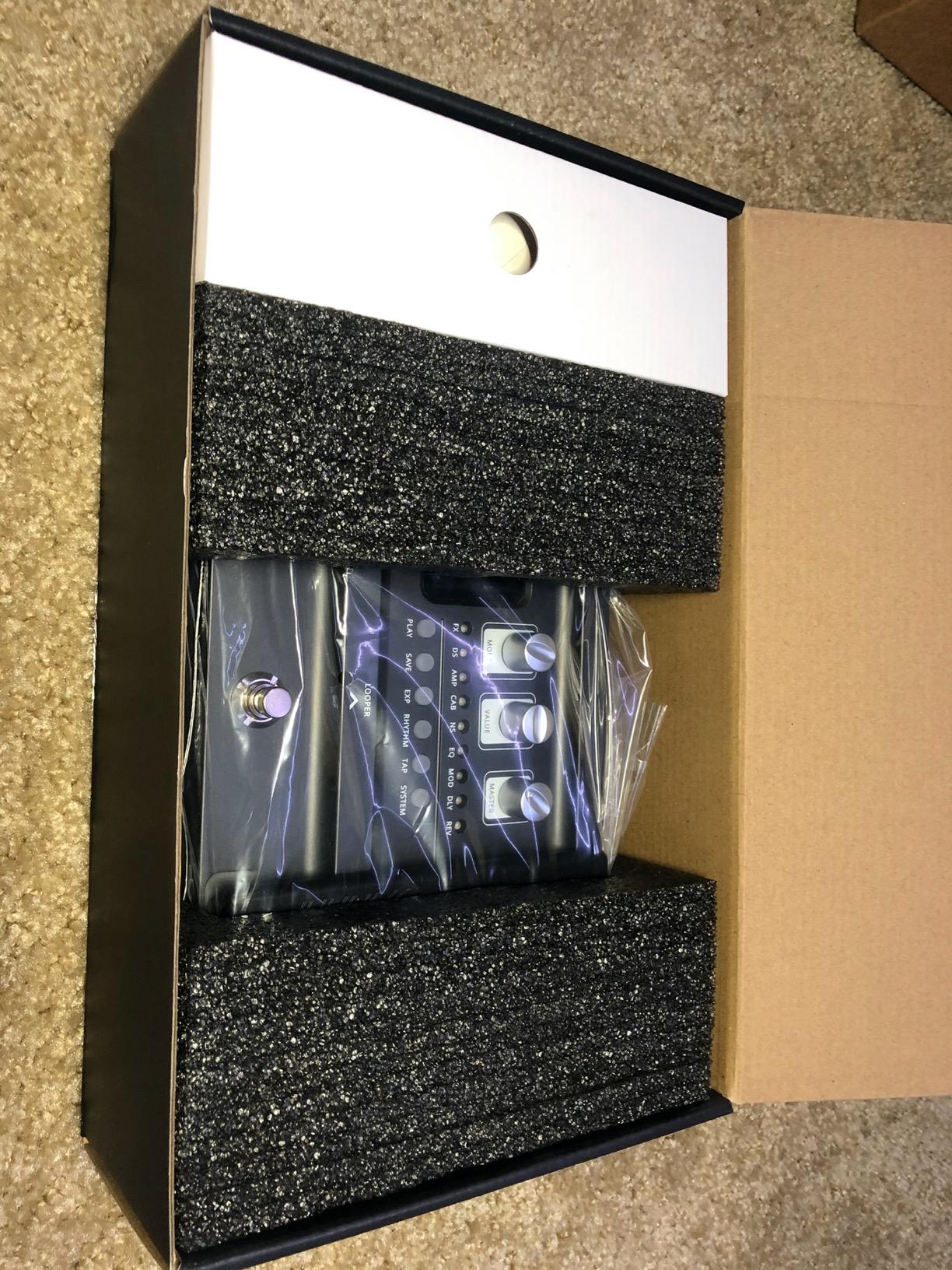
The FLAMMA FX100 stands out first for its build quality. While many processors in this price range use plastic enclosures, the FX100 has a solid all-metal housing that feels like it could survive being dropped off a stage. At 1.9 pounds, it is lightweight enough to carry anywhere but substantial enough to stay planted on the floor during energetic performances. FLAMMA also includes the power supply in the box, which is a welcome touch that some competitors skip.
Under the hood, the FX100 packs 55 amp models and 151 effects across nine effect blocks. The depth of customization is impressive for the price. Nearly every parameter of every effect can be adjusted, from the bias and sag of amp models to the modulation depth and rate of time-based effects. The expression pedal can be assigned to control multiple parameters simultaneously, including volume, wah, delay mix, delay time, and decay. I set it up to control wah on the toe-down position and delay mix on heel-down, which created a smooth transition between rhythm and lead tones.
However, there are some real limitations to be aware of. The input section has limited headroom, and high-output humbuckers can overdrive the input stage in ways that add unwanted distortion to clean tones. I had to roll back the guitar volume slightly with my Les Paul to get clean sounds. The factory presets are heavily reliant on delay effects and sound thin until you spend time editing them. FLAMMA provides a PC software editor that makes this process much easier, but it means you really need access to a computer to get the most from this unit.
The 10 third-party IR slots are a nice addition that lets you personalize your cabinet tones. The OTG (Micro USB) connection enables direct recording to a smartphone, though the USB recording implementation has a quirk where the input signal gets mixed back into the output. This is a single-track bouncing-style recording setup rather than a proper multitrack interface. For practice demos and quick recordings it works fine, but do not expect professional studio workflow from the USB connection.
Who should get the FLAMMA FX100
Guitarists who value build quality and deep customization over plug-and-play simplicity will appreciate the FX100. If you like spending time crafting your own tones from scratch and want a metal unit that will hold up to regular gigging, this pedal delivers. Players with single-coil pickups or lower-output humbuckers will get the best results from the input section. It is also a strong choice if you want IR loading and a power supply included at a budget-friendly price.
Who should look elsewhere
If you have high-output active pickups or hot humbuckers, the limited input headroom could be frustrating. Players who want usable tones straight out of the box without spending time editing should consider the VALETON or BOSS options. The Micro USB port also feels dated compared to the USB-C connections on newer competitors. And if you want an effects loop, you will not find one on the FX100.
7. Zoom G1X FOUR – Best Value Battery-Powered Processor
- Exceptional value with 71 effects and expression pedal
- Battery powered for true portability
- Guitar Lab software for patch editing and new effects
- Looper and 68 rhythm patterns built in
- No power adapter included
- USB port is older micro-B type
- Factory presets need customization
- Looper limited to 30 seconds
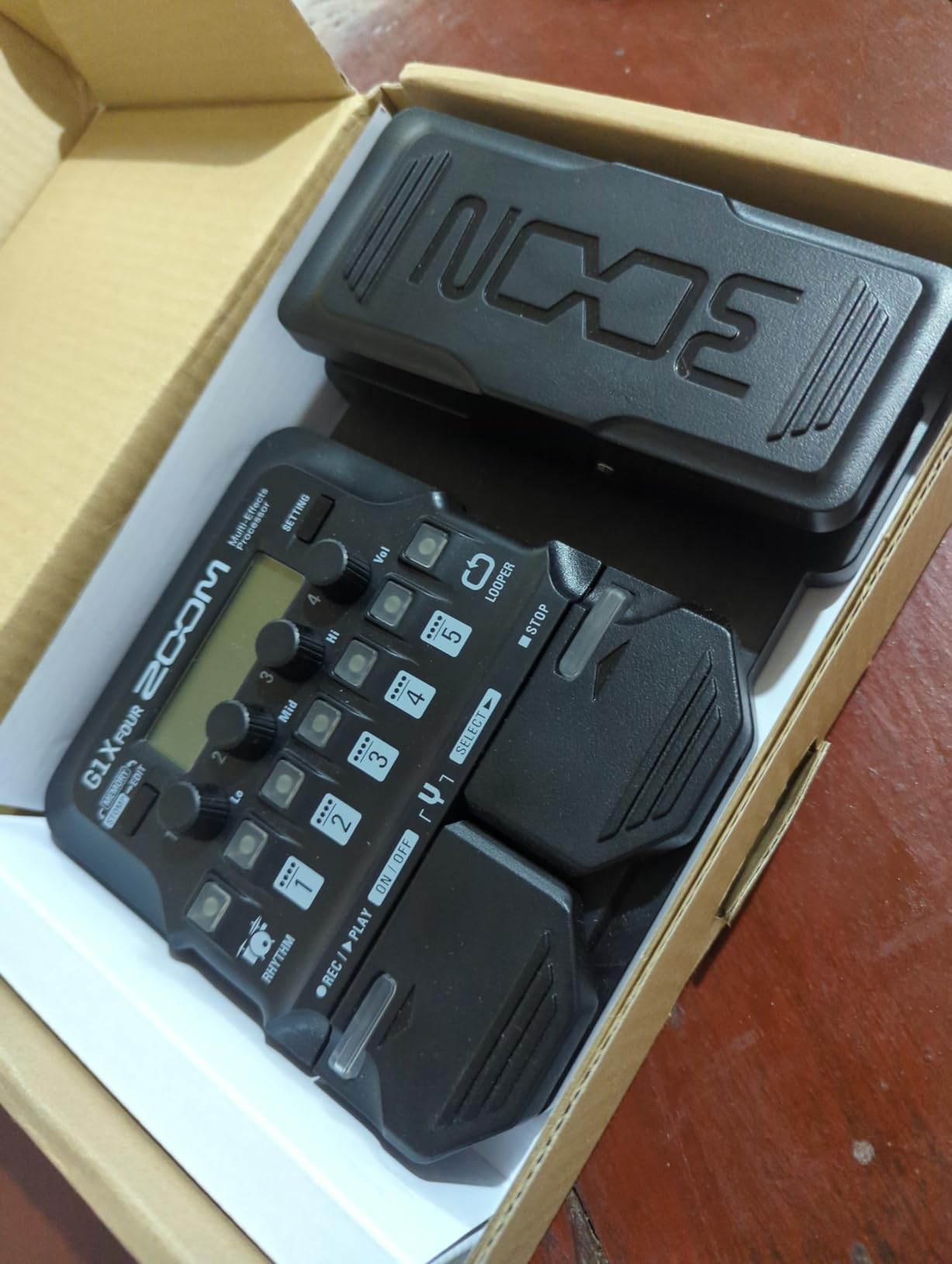
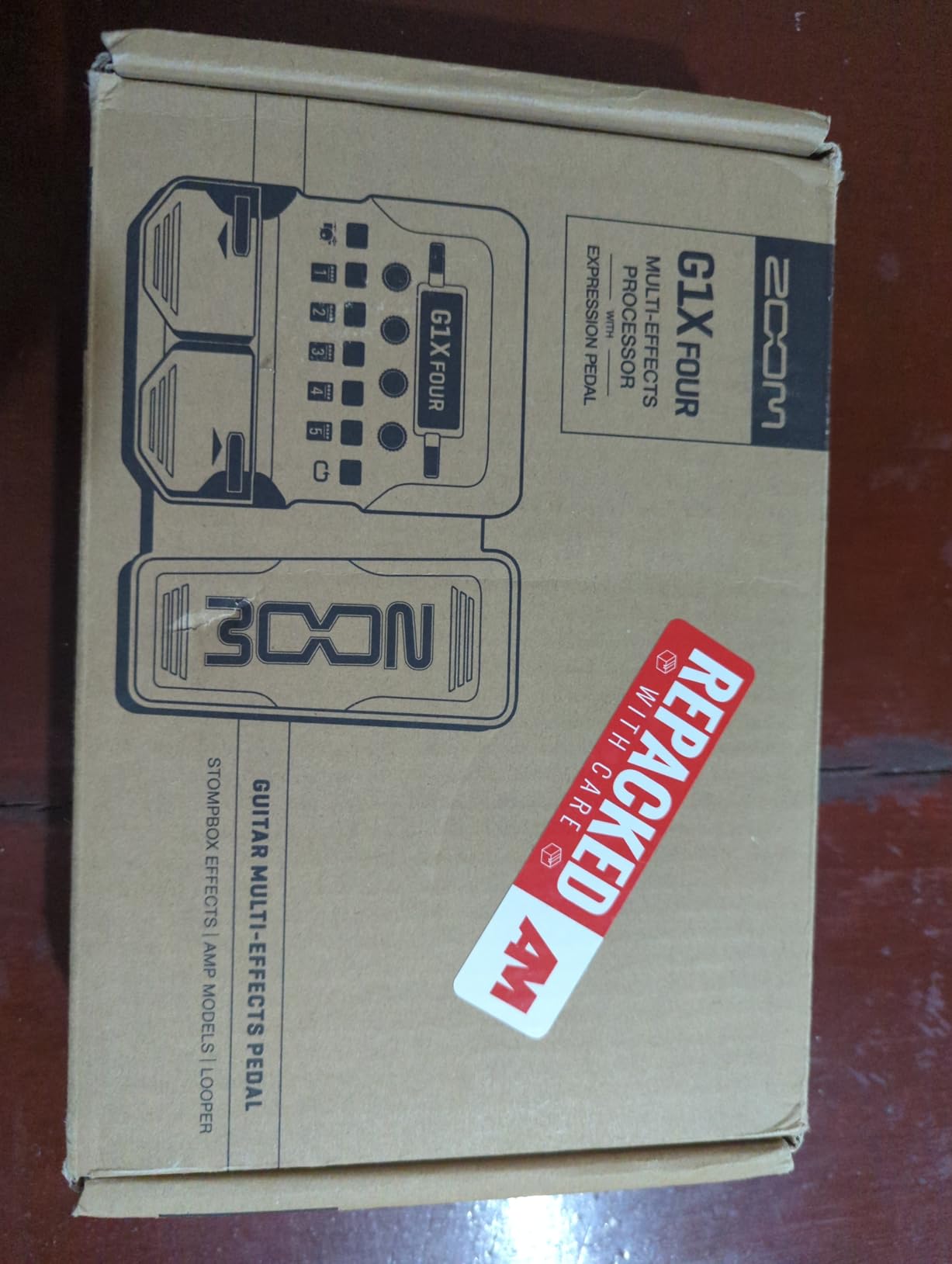
With over 6,300 reviews and a 4.5-star rating, the Zoom G1X FOUR is one of the most popular multi-effects pedals ever made. After testing it extensively, I can see why. For the price, Zoom packs in an incredible amount of functionality: 71 effects, 13 amp models, a built-in expression pedal, a 30-second looper, 68 rhythm patterns, a chromatic tuner, and battery power capability. No other processor on this list matches this feature set at this price point.
I used the G1X FOUR primarily for home practice and small acoustic gigs. The expression pedal was a pleasant surprise. It tracks smoothly for both volume and wah effects, and it feels more substantial than the small pedals on some competitors. The 68 rhythm patterns cover rock, pop, blues, funk, jazz, and Latin styles, making them genuinely useful for practice rather than a novelty feature. I spent an entire afternoon jamming along with different rhythm patterns and found myself exploring time signatures and genres I normally would not touch.
Zoom Guitar Lab software is a significant advantage. You can browse, preview, and download additional effects and patches from a growing online library. The software also makes patch editing much faster than doing it on the pedal itself. I connected the G1X FOUR to my laptop via the USB Micro-B port and had a completely personalized set of patches within an hour. The software works on both Mac and Windows and connects reliably.
The main downsides are the familiar budget pedal trade-offs. No power adapter is included, so you need to supply your own 9V center-negative supply or run it on batteries. The USB Micro-B port is an older standard that feels out of place in 2026. Factory presets are underwhelming and definitely need customization. The 30-second looper is shorter than what MOOER and FLAMMA offer. And while the plastic housing has proven durable for most users, it does not feel as road-worthy as the all-metal FLAMMA FX100.
Who should get the Zoom G1X FOUR
Anyone looking for the best bang-for-buck multi-effects pedal should start here. The G1X FOUR is perfect for beginners who want to explore a wide range of tones without committing serious money. It is also great for experienced players who want a battery-powered practice unit with real expression pedal control. If you play small venues or coffee shop gigs and need something portable that covers all the basics, this Zoom processor delivers.
Who should look elsewhere
Professional gigging musicians who need XLR outputs, effects loops, or MIDI connectivity should look at the VALETON GP-200 or BOSS ME-90. If you want to load third-party impulse responses for custom cabinet tones, the G1X FOUR does not support IR loading. The 30-second looper is also limiting for players who build complex layered loops. And if having a power adapter included is important to you, Zoom does not bundle one.
8. MOOER GE100 – Ultra-Affordable Entry Point
- Lowest price with massive feature set
- Solid metal case construction
- 180-second looper with infinite overdub
- Battery powered with included AA batteries
- Factory presets need significant tweaking
- Volume differences between presets
- Sound quality not pro-level
- No USB for computer connectivity
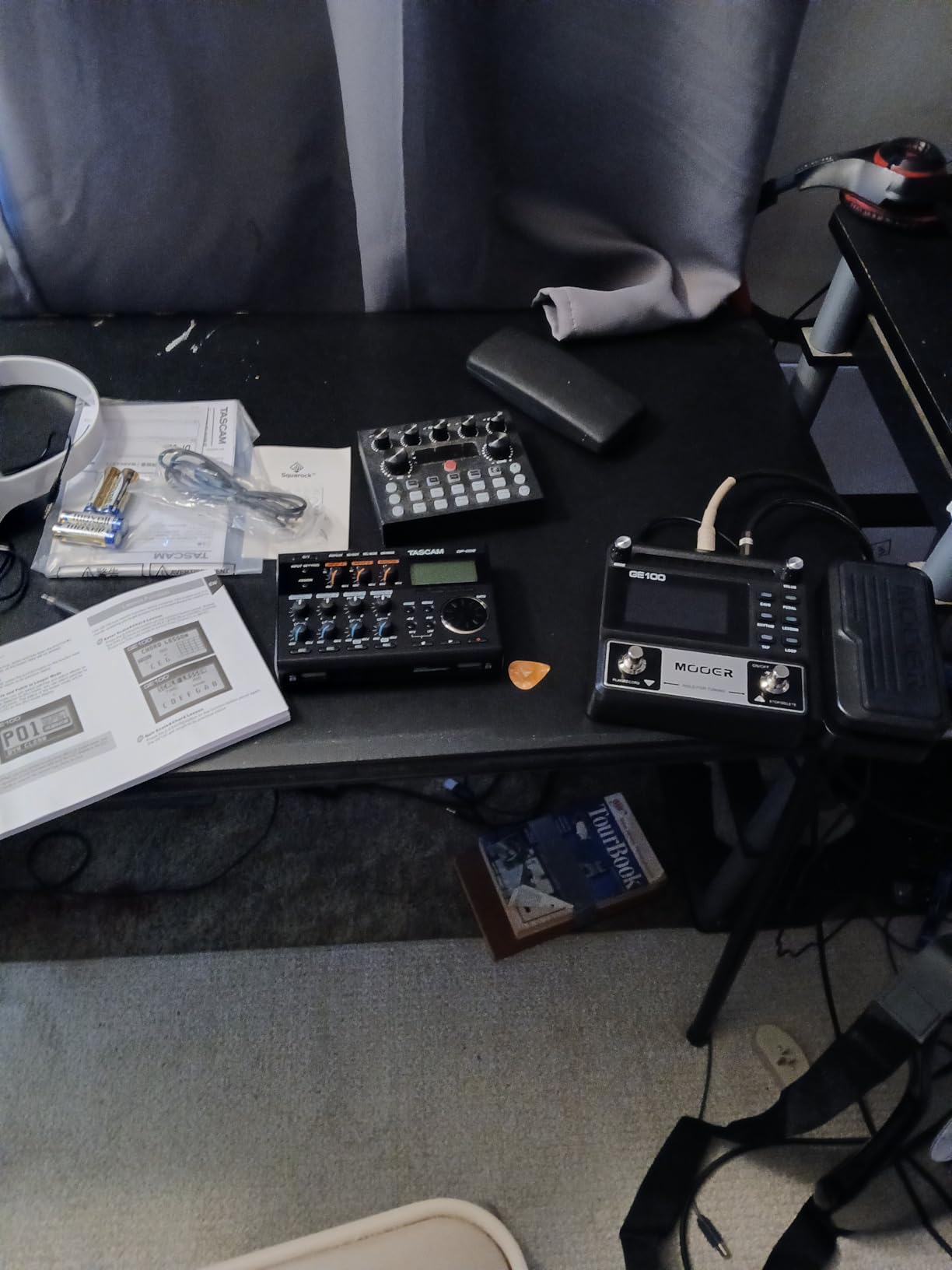
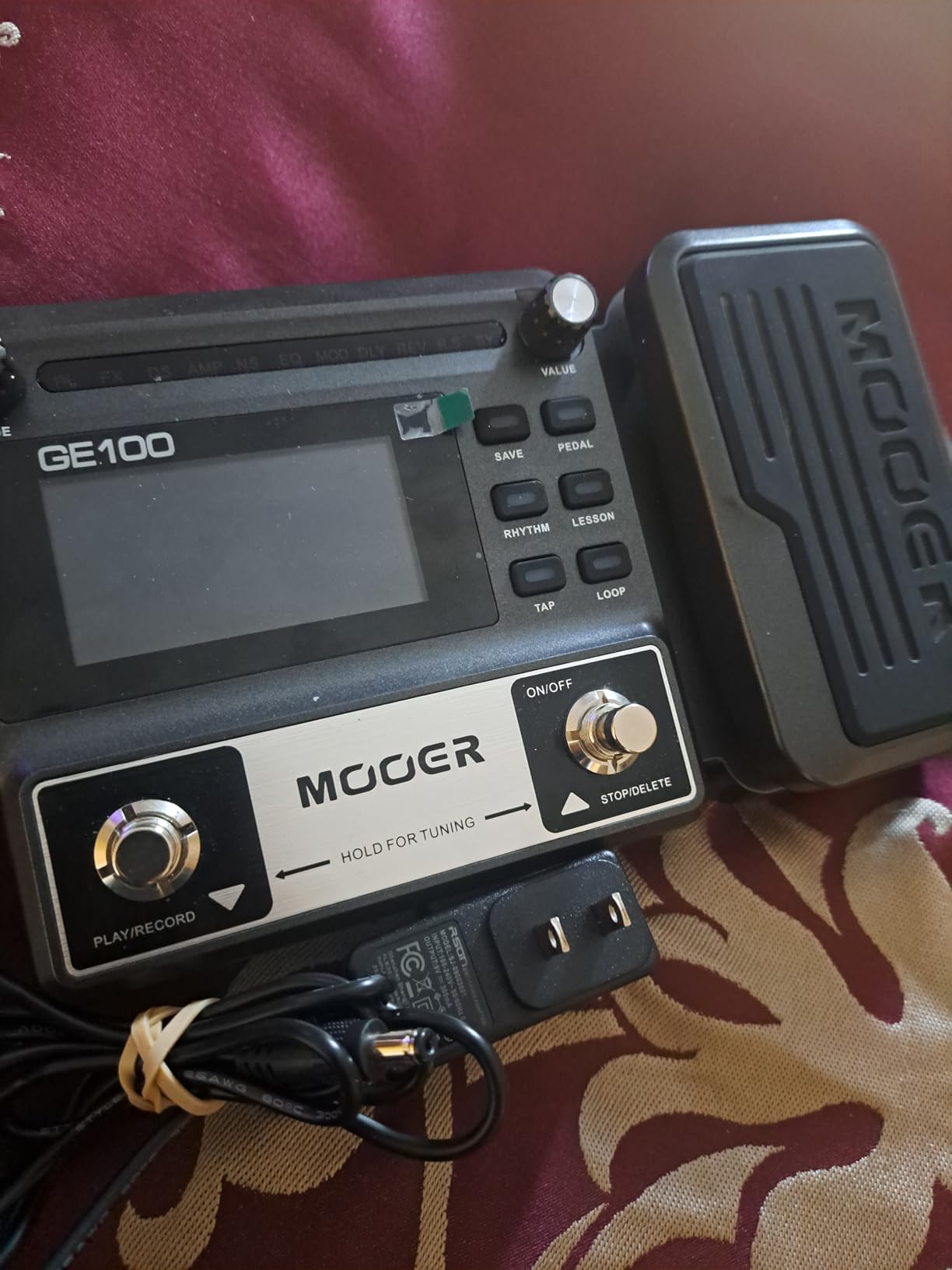
The MOOER GE100 is the most affordable multi-effects pedal on this list, and it is genuinely impressive what MOOER has packed into a package at this price. You get 66 effects across eight modules, 80 preset patches with 80 user save slots, a 180-second looper with infinite overdub, 40 drum rhythm patterns, a built-in expression pedal, and the ability to run on four AA batteries. The metal enclosure feels solid and far more durable than the plastic bodies used by some competitors at twice the price.
I spent a week using the GE100 as my primary practice tool, and it grew on me considerably. The expression pedal can be assigned to six different parameters, which gives you real-time control over volume, wah, pitch, and effect depth. The LED screen is bright and visible even on an outdoor stage in daylight, which is a practical detail that matters more than you might think. The scale and chord learning function is a thoughtful addition for beginners who are still learning theory alongside technique.
The reality check comes when you compare the sound quality to higher-priced units. The amp models and effects can sound harsh and raspy, particularly the distortion and overdrive tones. They do not have the warmth, dynamic response, or low-end fullness of the BOSS or VALETON units. Factory presets have major volume inconsistencies, so switching from one patch to the next can result in jarring level jumps. You will need to spend time balancing levels across your presets, which is tedious but necessary.
Perhaps the most significant limitation is the lack of USB connectivity. There is no way to connect the GE100 to a computer for patch editing, firmware updates, or recording. Everything must be done through the onboard interface, which works but is slower and less intuitive than a software editor. MOOER includes a DC 9V adapter in the box along with the four starter AA batteries, so you have both power options from day one. The 180-second looper with infinite overdub is genuinely useful and one of the longest loop times available at this price.
Who should get the MOOER GE100
Beginners on a tight budget who want to experiment with effects without buying individual pedals should start with the GE100. It is also a good choice for casual players who want a battery-powered unit for travel or occasional jam sessions. If you want the longest looper available at the lowest possible price, the 180-second loop time with infinite overdub is hard to beat. Parents buying a first effects processor for a young guitar student will also appreciate the value proposition.
Who should look elsewhere
Players who care about professional sound quality should invest more in the VALETON GP-200 or BOSS options. The GE100’s tones are functional but noticeably below the standard of higher-end units. If you need USB connectivity for recording, editing, or firmware updates, this pedal does not have it. Live performers who need consistent volume between presets will also find the level balancing frustrating. And anyone who wants to load third-party IRs for custom cabinet tones will need to look elsewhere.
Buying Guide: How to Choose the Right Multi-Effects Pedal
Choosing a multi-effects pedal comes down to matching features to your actual needs rather than chasing the highest spec sheet. After testing these 8 processors across live performance, studio recording, and home practice, here are the factors that matter most.
DSP and Sound Quality
The digital signal processor (DSP) is the brain of any multi-effects pedal. Higher-end units like the BOSS ME-90 use 32-bit floating-point processing, which translates to cleaner effects, lower noise, and more responsive amp modeling. Budget processors like the MOOER GE100 use simpler DSP chips that can produce harsh high-end artifacts and less dynamic response. If tone quality is your top priority, look for units with higher bit depth processing and read user reviews specifically mentioning sound quality in blind tests.
Amp Modeling vs IR Loading
Amp modeling uses digital algorithms to simulate the behavior of real amplifiers, while impulse response (IR) loading captures the sound of a real speaker cabinet in a specific room. The best multi-effects pedals for guitarists offer both. IR loading lets you capture or download the exact sound of a specific cabinet and microphone combination, which many players prefer over generic cabinet simulations. If you are particular about your cabinet tone, prioritize units with third-party IR slots like the VALETON GP-200 (20 slots), Donner Arena 2000 (50 slots), or FLAMMA FX100 (10 slots).
Connectivity and I/O
Think about how you plan to use the pedal. For live performance, XLR outputs (found on the Donner Arena 2000 and VALETON GP-200) let you connect directly to a mixing console without a DI box. An effects loop (VALETON GP-200, BOSS ME-90) lets you integrate your favorite analog pedals into the digital signal chain. MIDI I/O is essential if you want to control the pedal from a MIDI controller or sync it with other gear. USB connectivity matters for home recording, firmware updates, and patch editing through computer software.
Expression Pedals and Footswitches
The number and type of footswitches directly affects how you use the pedal live. Four footswitches (MOOER GE150 Pro) give you basic preset switching and effect toggling. Eight footswitches (BOSS ME-90, VALETON GP-200) provide enough control for complex live setups with multiple snapshots. Expression pedals enable real-time wah, volume, and parameter control. If you play live regularly, prioritize units with more footswitches and a solid expression pedal with smooth travel.
Power Options for Different Scenarios
Battery-powered operation is a deciding factor for buskers, traveling musicians, and players who want to practice anywhere. The Zoom G1X FOUR, MOOER GE100, MOOER GE150 Pro (Li version), and BOSS GT-1 all offer battery power. Wall-powered units like the VALETON GP-200 and BOSS ME-90 are better suited for stage and studio use where outlets are always available. Consider your primary playing environment before deciding.
FRFR Speaker Pairing
If you are using a multi-effects pedal as your primary tone source, you will likely want an FRFR (Full Range Flat Response) speaker rather than a traditional guitar amp. FRFR speakers reproduce the full frequency spectrum of the modeled amp and cabinet without coloring the sound. The VALETON GP-200 and BOSS ME-90 pair especially well with FRFR setups due to their higher-quality amp modeling and IR capabilities. Budget units like the MOOER GE100 can still work with FRFR speakers, but the tone differences become more noticeable through a transparent speaker system.
FAQs
What should I look for in a multi-effects pedal?
Focus on sound quality first, then match features to your needs. Key factors include the number of amp models and effects, build quality, connectivity (USB, MIDI, effects loop), expression pedal quality, and preset management. Beginners should prioritize ease of use and good factory presets. Live performers need reliable footswitches, XLR outputs, and consistent preset levels. Home studio players should check USB audio interface quality and IR loading capability.
Are multi-effects pedals worth it?
Yes, for most guitarists. A single multi-effects pedal can replace 5-10 individual pedals, saving money, reducing cable failures, and simplifying your setup. Modern processors deliver amp modeling and effects quality that rivals dedicated pedals. You also get features like built-in tuners, loopers, drum machines, and recording capability that individual pedals cannot match. The main trade-off is that individual pedals offer more specialized tone and hands-on control for specific effects.
What is the best multi-effects pedal for beginners?
The MOOER GE150 Pro and Zoom G1X FOUR are the top choices for beginners in 2026. The GE150 Pro offers 55 amp models, MNRS modeling technology, four footswitches, and OTG recording for phone demos. The G1X FOUR provides 71 effects, battery power, and the Zoom Guitar Lab software for easy patch editing. Both deliver enough variety to explore different tones without overwhelming complexity, and both are priced accessibly enough that the investment feels low-risk.
Can a multi-effects pedal replace my full pedalboard?
For most players, yes. Units like the VALETON GP-200 and BOSS ME-90 offer enough effects, amp models, and connectivity to function as a complete rig replacement. The VALETON GP-200 includes 240+ effects, an effects loop for your favorite analog pedals, MIDI control, and 256 presets. The BOSS ME-90 provides 60 effects derived from the flagship GT-1000 with 8 footswitches for live control. Only players who rely on very specific boutique pedals or analog fuzz characteristics might need to keep individual pedals alongside a multi-effects unit.
What is the best multi-effects pedal for live performance?
The VALETON GP-200 and BOSS ME-90 are the top picks for live performance. The GP-200 offers XLR outputs for direct connection to PA systems, MIDI I/O for integrating with other stage gear, 8 customizable LED footswitches, and an effects loop. The ME-90 provides BOSS road reliability, 8 multi-function footswitches, an effects loop, and an intuitive knob-based interface that lets you adjust tones mid-song without menu diving. Both units have solid build quality that withstands regular gigging.
Final Thoughts on the Best Multi-Effects Pedals for Guitarists
Finding the right multi-effects pedal is about honestly assessing how you play, where you play, and what you need from your tone. The VALETON GP-200 earned our Editor’s Choice because it delivers professional sound quality, comprehensive connectivity, and usable presets at a price that significantly undercuts the competition. The BOSS ME-90 is the premium pick for players who want flagship BOSS tones with intuitive stompbox-style control. For budget-conscious buyers, the Zoom G1X FOUR and MOOER GE100 offer remarkable value that gets you playing with real effects without breaking the bank.
Every unit on this list has been tested in real playing situations, not just on a spec sheet. Whether you are a beginner picking up your first effects processor or an experienced player looking to consolidate your pedalboard, there is a multi-effects pedal here that will work for you. The best multi-effects pedals for guitarists in 2026 continue to close the gap between digital convenience and analog tone, and that is great news for anyone who plays guitar.
Take your time, match the features to your actual playing situation, and invest in the unit that fits your needs rather than the one with the most impressive spec sheet. Your ears will thank you.