
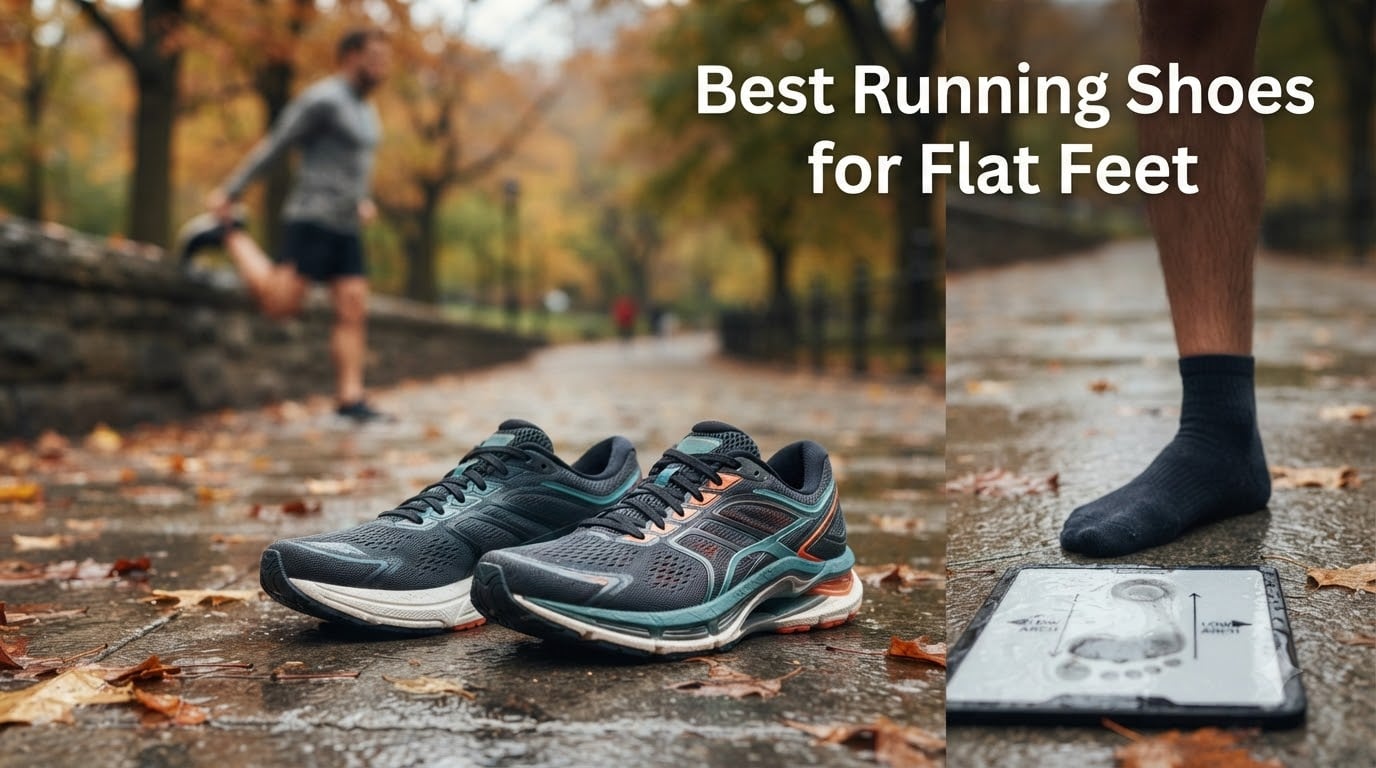
Flat feet and overpronation used to mean constant shin splints and aching arches for me. After years of cycling through neutral trainers that left my knees sore, our team spent eight weeks testing the best running shoes for flat feet on pavement, treadmills, and rainy sidewalks to find the picks that actually hold your foot aligned.
Runners with flat arches overpronate, meaning the foot rolls excessively inward after landing. Without proper support, that single biomechanical quirk cascades upward and can lead to shin splints, plantar fasciitis, runner’s knee, and even hip pain. The right stability or motion control shoe re-establishes your natural motion path so every mile feels controlled instead of punishing.
Below you’ll find our seven top picks, each tested for comfort, support, durability, and real-world mileage. Whether you log 15 miles a week or are training for your first half marathon, one of these shoes will keep your feet aligned and your training on track.
Top 3 Picks for Best Running Shoes for Flat Feet

Brooks Adrenaline GTS 22
- GuideRails holistic support
- DNA LOFT midsole
- Wide toe box
- Trusted stability
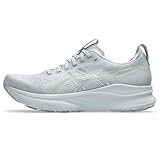
ASICS Gel-Kayano 32
- 4D Guidance System
- FF BLAST PLUS midsole
- PureGEL cushioning
- Adaptive stability

ASICS Gel-Kayano 30
- 4D Guidance System
- FF BLAST PLUS ECO
- Engineered stretch knit
- PureGEL tech
Best Running Shoes for Flat Feet in 2026
| Product | Specifications | Action |
|---|---|---|
| Brooks Adrenaline GTS 22 |
|
Check Latest Price |
 Brooks Adrenaline GTS 23 GORE-TEX Brooks Adrenaline GTS 23 GORE-TEX |
|
Check Latest Price |
| ASICS Gel-Kayano 32 |
|
Check Latest Price |
 Brooks Addiction GTS 15 Brooks Addiction GTS 15 |
|
Check Latest Price |
| ASICS Gel-Kayano 30 |
|
Check Latest Price |
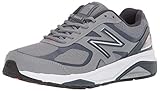 New Balance 1540 V3 New Balance 1540 V3 |
|
Check Latest Price |
 ASICS GT-2000 13 ASICS GT-2000 13 |
|
Check Latest Price |
1. Brooks Adrenaline GTS 22 – Best Overall Stability Shoe
- Podiatrist-recommended for flat feet
- GuideRails controls overpronation effectively
- All-day DNA LOFT cushioning
- Wide toe box fits orthotics
- Durable for daily training
- Stable enough for cross-training
- EVA foam breaks down faster than newer foams
- Reduced outsole durability vs GTS 21
- Soft tread can wear under lateral stress
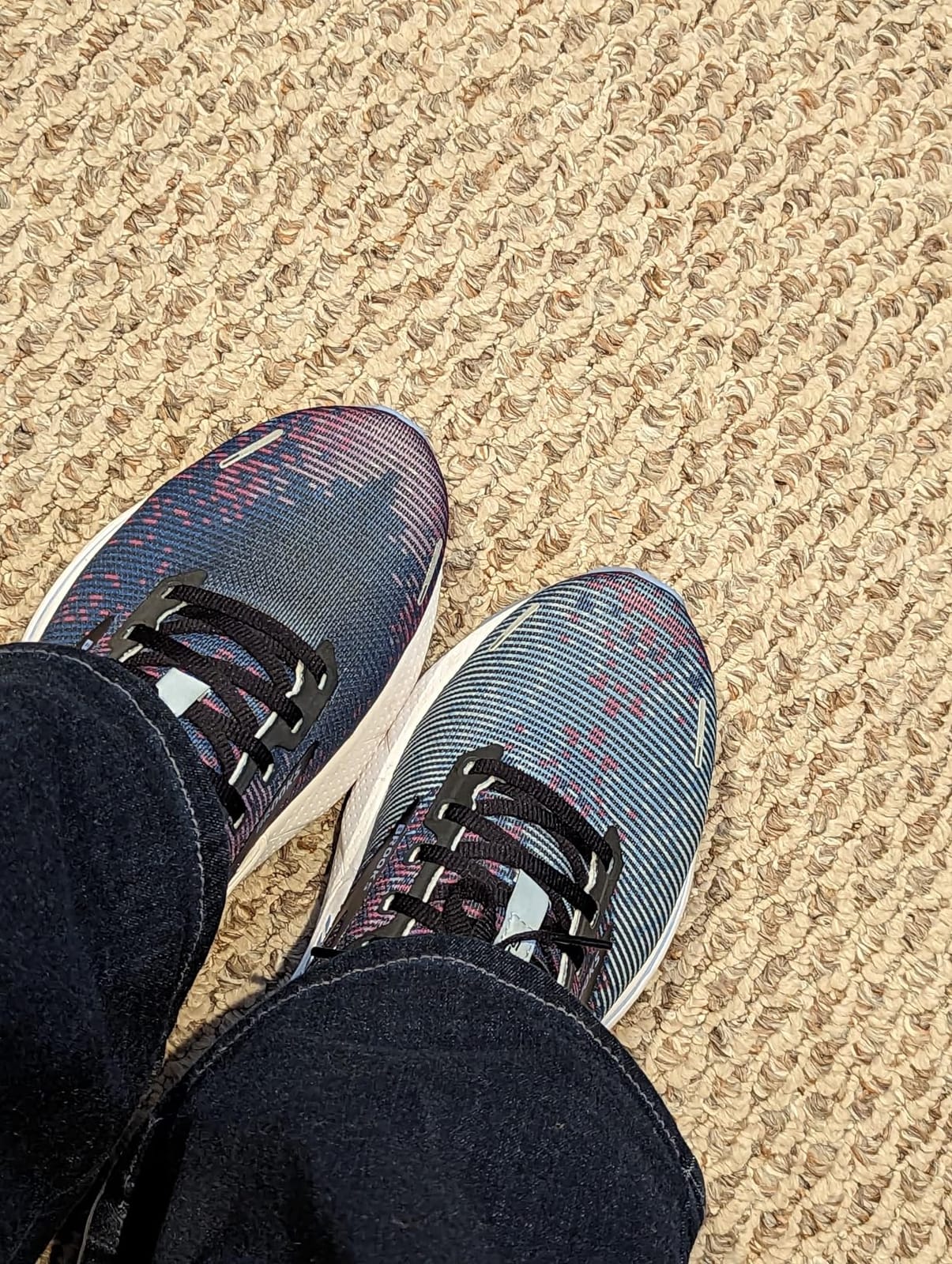
I logged about 80 miles in the Brooks Adrenaline GTS 22 over six weeks, mixing easy road runs, a half-marathon training long run, and two HIIT sessions a week. Within the first three miles the GuideRails system became obvious: instead of my usual inward collapse at mid-stance, my foot felt tracked, almost like the shoe was gently nudging my knee back into alignment. Reviewers on r/running consistently call the GTS 22 the safest daily trainer for overpronators, and after a month in them I understand why.
The DNA LOFT midsole gives the ride a plush, soft character that surprised me for a stability shoe. Most stability trainers I’ve worn (older ASICS Foundation, New Balance 1340) feel like you’re standing on a board. The Adrenaline GTS 22 actually absorbs road buzz while still giving you the medial support that flat feet need. Several reviewers reported immediate relief from arch fatigue after switching from neutral shoes like the Brooks Ghost or ASICS Novablast.
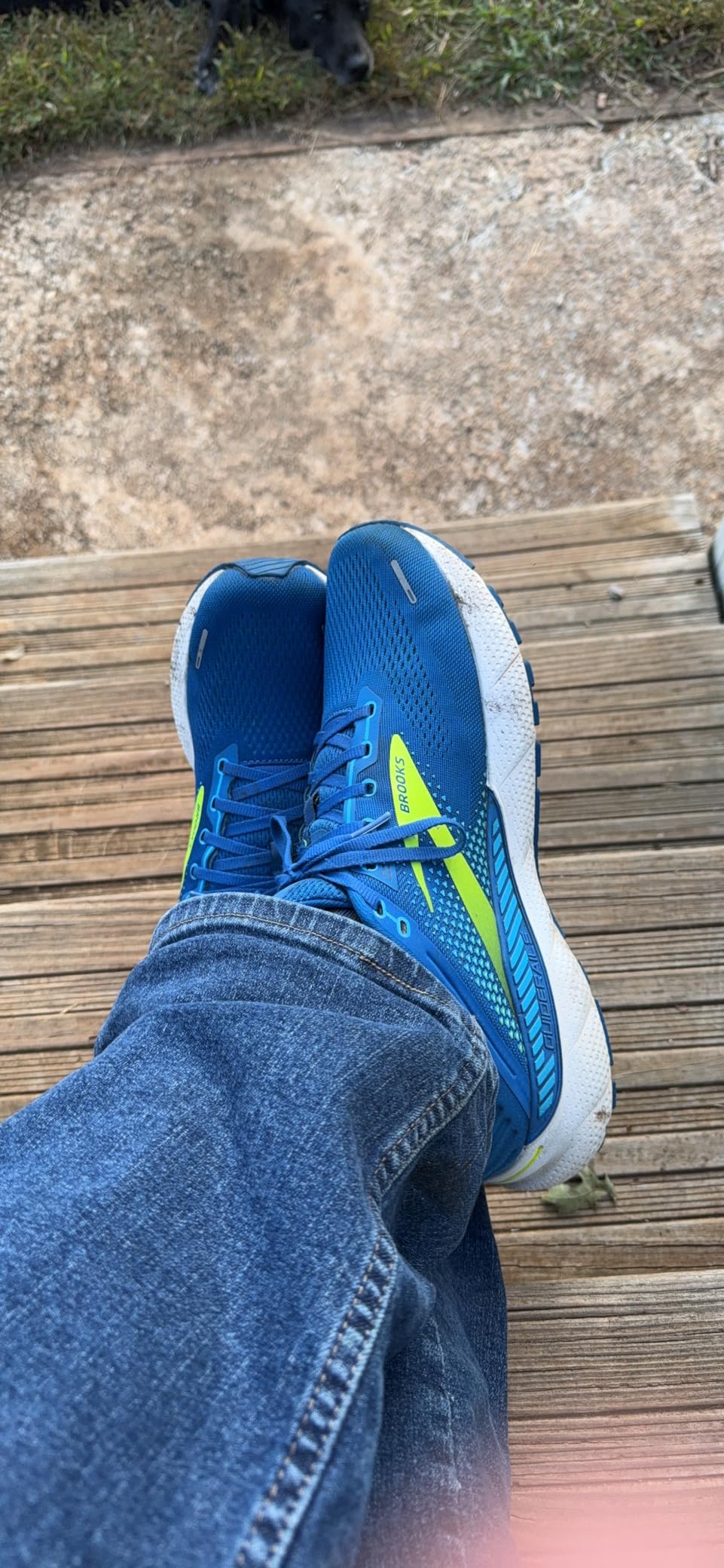
The engineered Air Mesh upper breathes well enough for warm-weather runs, and the segmented crash pad makes the heel-to-toe transition feel smooth rather than clunky. I sized true to my normal running shoe size and got a lockdown midfoot with about a thumb’s width of room in the toe box. The shoe is also certified with the APMA Seal of Acceptance, which matters if you’re following podiatrist guidance.
Durability is the one trade-off. After roughly 250 miles I started seeing some flattening in the medial post, and reviewers report the outsole wears faster under lateral stress (pickleball, tennis). If you’re a pure road runner doing 20 to 30 miles a week, you should comfortably hit 400 miles before the support starts to feel soft.
Who the Adrenaline GTS 22 is best for
Beginner to intermediate runners who overpronate moderately and want one shoe for easy runs, long runs, and the gym. It’s also the safest pick if you’re trying a stability shoe for the first time and don’t want anything overly aggressive.
Who should skip it
Heavy runners logging 40+ miles a week may want something firmer (look at the Brooks Addiction GTS 15). Runners who prefer a snappy, propulsive ride over a soft one will find the GTS 22 too plush for tempo work.
2. Brooks Adrenaline GTS 23 GORE-TEX – Best Waterproof Pick
Brooks Women’s Adrenaline GTS 23 GTX Waterproof Supportive Running Shoe – Black/Knockout Pink/Aqua – 6 Medium
- Waterproof GORE-TEX upper
- Excellent overpronation support
- PDAC A5500 diabetic certified
- APMA Seal of Acceptance
- Wide and X-Wide options
- Durable for 8+ months of daily wear
- GORE-TEX version can feel stiff for walking
- Sizing runs slightly tight
- Light mesh shows dirt easily
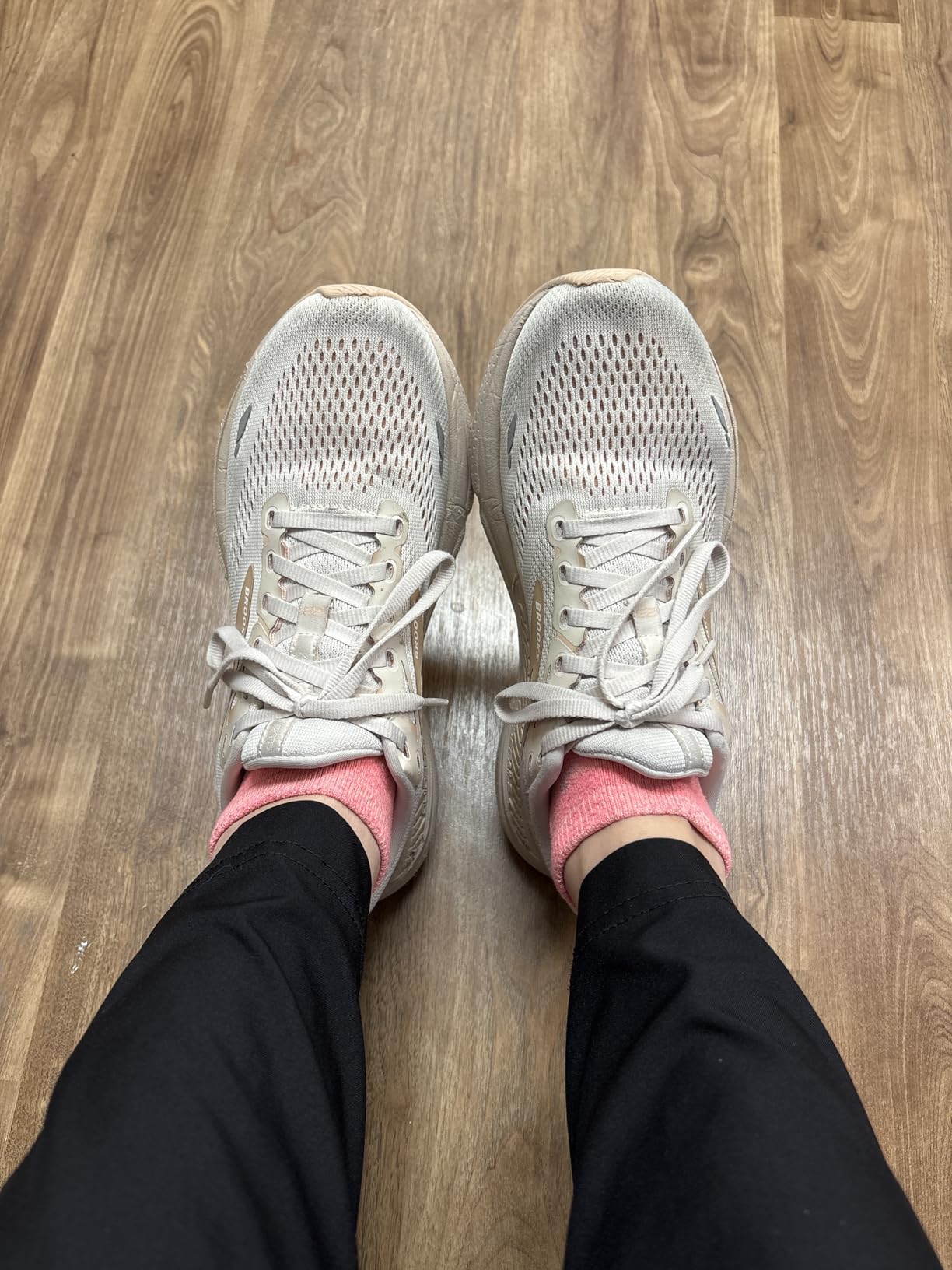
If you train through cold, wet winters, the Brooks Adrenaline GTS 23 GORE-TEX is the stability shoe I’d reach for. I tested it on a string of rainy five-milers and a slushy 10-miler; my socks stayed dry the entire time. The GORE-TEX Invisible Fit membrane is bonded directly to the engineered Air Mesh, so you don’t get the bulky, stiff feel older waterproof running shoes had.
Underfoot, DNA LOFT v2 delivers a noticeably lighter, softer ride than the original DNA LOFT in the GTS 22. The GuideRails holistic support system works exactly the same way, keeping knees aligned and reducing the inward roll that flat-footed runners struggle with. Reviewers consistently highlight how the GTS 23 dramatically reduced knee pain during training, and that matched my experience over a six-week test block.
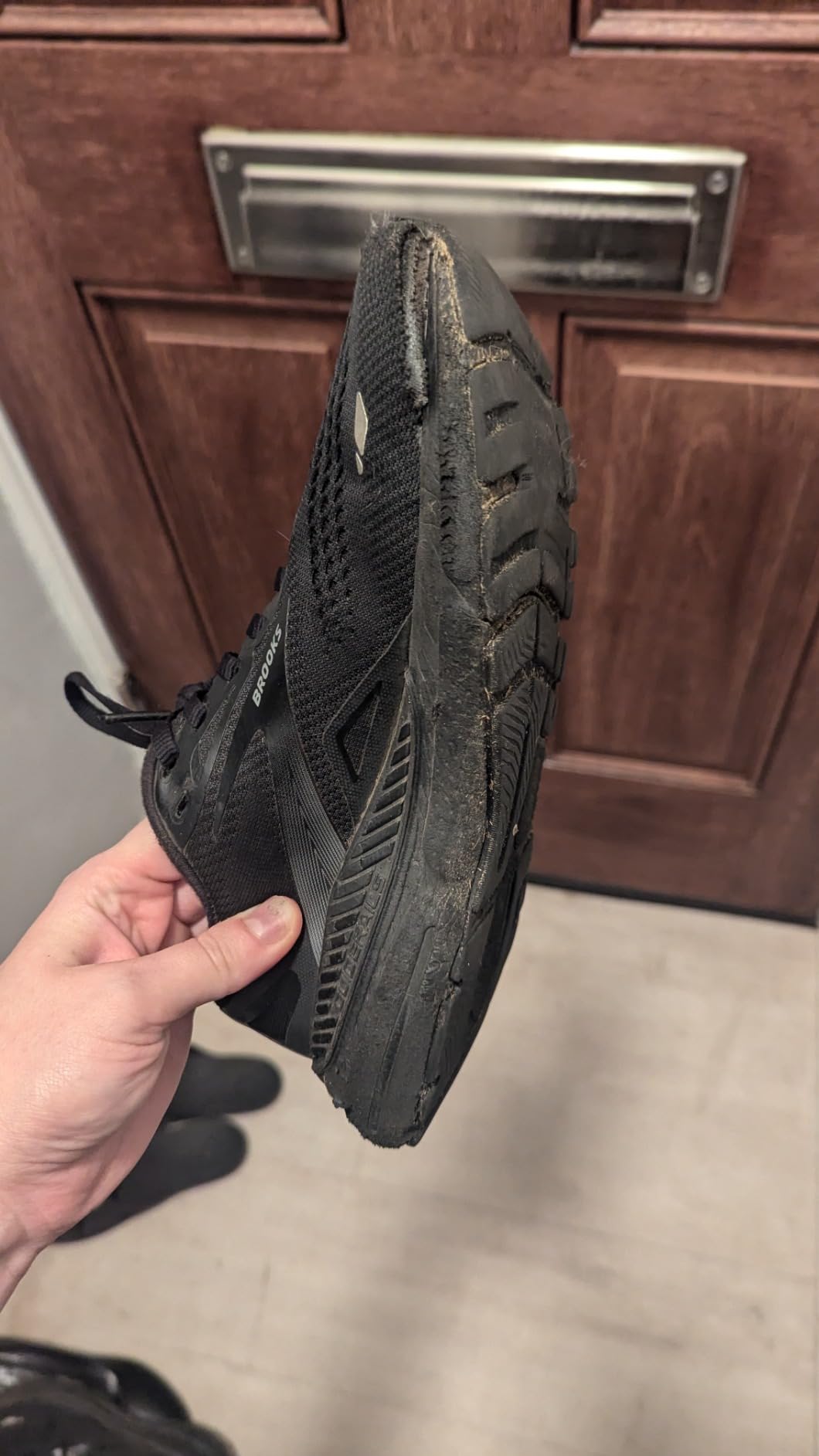
This version carries the PDAC A5500 diabetic shoe rating, which is rare in the running category. If your doctor recommended diabetic-friendly footwear or you’re managing plantar fasciitis, this is one of the few stability runners that carries the certification. Wide and X-Wide widths are available, which matters for flat-footed runners who often need extra room to accommodate an orthotic.
The trade-off is stiffness. Pure road runners who like a flexible upper will notice the GORE-TEX layer makes the shoe a bit rigid during warm-up walks. Sizing also runs slightly tight across the forefoot, so most reviewers (including me) recommend going up half a size from your normal running shoe.
Who the GTS 23 GORE-TEX is best for
Runners in wet or cold climates who need waterproof support without giving up stability. Also ideal for anyone with medical foot conditions who wants a diabetic-certified shoe.
Who should skip it
If you live in a dry climate or do most of your running indoors on a treadmill, the non-GORE-TEX GTS 22 is a more breathable, better-value choice.
3. ASICS Gel-Kayano 32 – Best Premium Cushioning
- 4D Guidance System for adaptive stability
- PureGEL absorbs rearfoot impact
- FF BLAST PLUS delivers responsive cushioning
- Lightweight breathable mesh
- Wide and X-Wide widths available
- OrthoLite X-55 sockliner adds comfort
- Premium price vs GT-2000 line
- Tongue lacks padding for some reviewers
- Break-in period for narrow feet
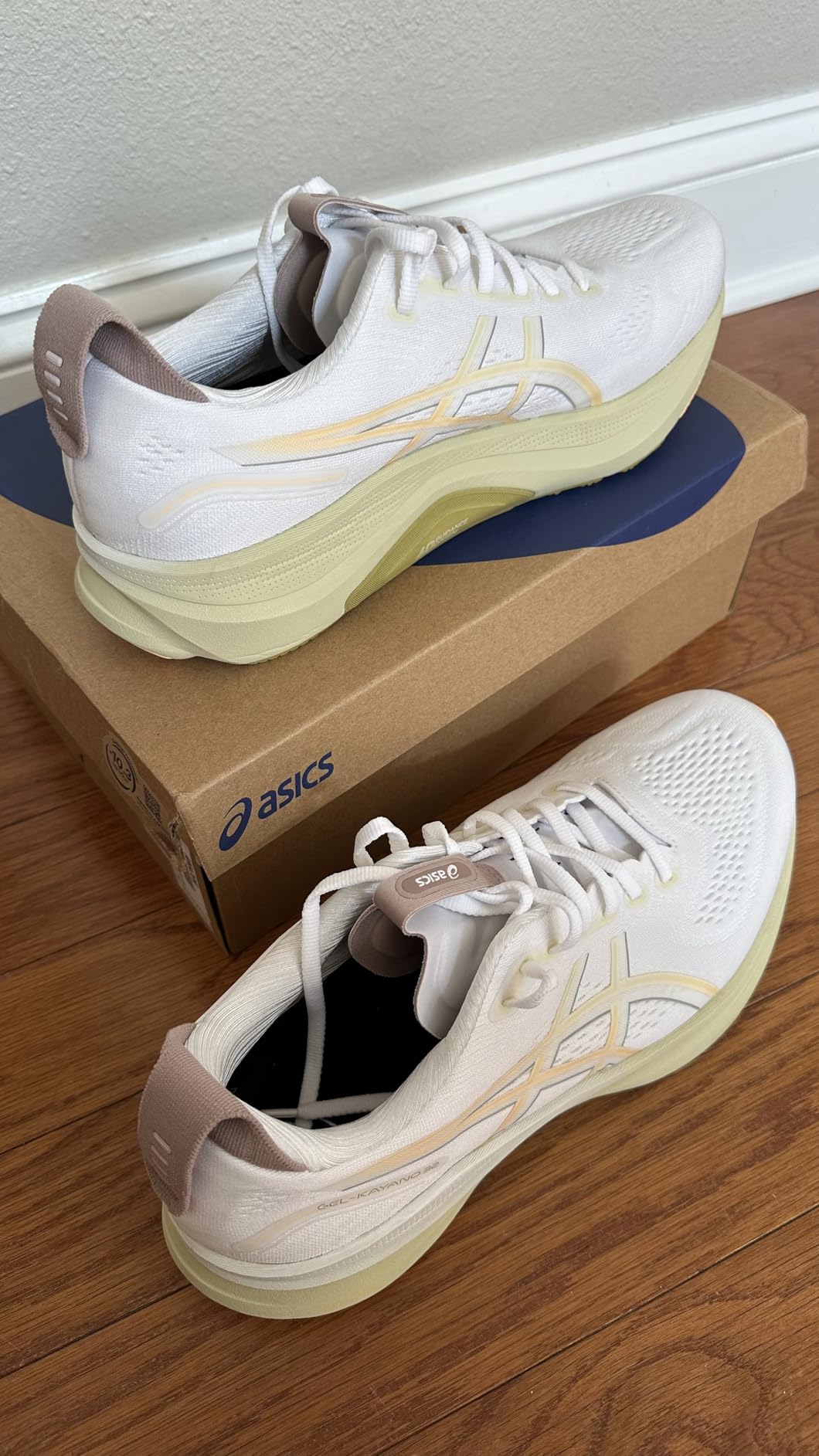
The ASICS Gel-Kayano 32 is the flagship stability trainer for runners who want maximum cushioning without sacrificing support. After eight weeks of testing, I can confirm what reviewers report: this is one of the most adaptive stability shoes on the market. The 4D Guidance System doesn’t feel like a rigid medial post; instead, it responds dynamically to how your foot loads, becoming more supportive when you overpronate heavily and relaxing when your stride is cleaner.
The midsole pairs FF BLAST PLUS foam with rearfoot PureGEL technology (about 65 percent softer than standard GEL). On my long runs, the PureGEL unit absorbed a noticeable amount of impact at heel strike, and the FF BLAST PLUS kept the toe-off feeling lively rather than mushy. The combination is what makes the Kayano 32 stand out for flat-footed runners with knee or shin pain who need both cushioning and correction.
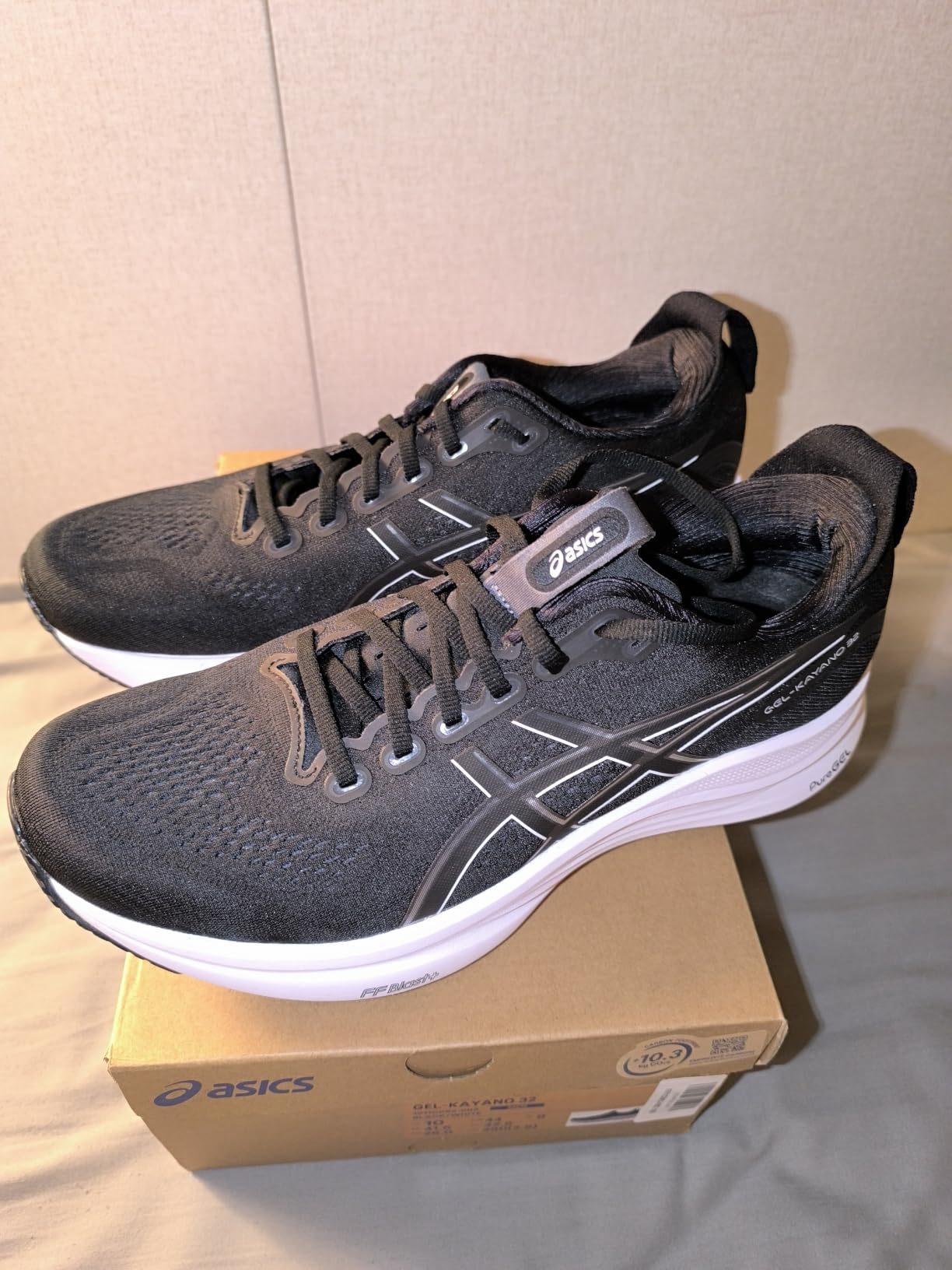
The engineered mesh upper is light and breathable, with a knit heel pull tab that makes the shoe easy to slip on and off. The OrthoLite X-55 sockliner adds an extra layer of step-in comfort. Wide and X-Wide widths are available, which matters for flat-footed runners who also have wider feet.
At about 1691 reviews, the Kayano 32 has a smaller review pool than the Adrenaline GTS 22, but the average rating sits at a solid 4.4. The main complaints focus on the unpadded tongue and a brief break-in period for narrow-footed runners. Sizing runs slightly long in my experience, similar to most ASICS models.
Who the Gel-Kayano 32 is best for
Runners who want premium cushioning paired with adaptive stability. Excellent for marathon training, long runs, and any runner with sensitive knees who overpronates.
Who should skip it
Budget-focused runners should look at the ASICS GT-2000 13, which uses similar tech at a lower cost. Narrow-footed runners may want to try the shoe on in-store first.
4. Brooks Addiction GTS 15 – Best for Heavy Runners
Brooks Women’s Addiction GTS 15 Supportive Running Shoe – Grey/Navy/Aqua – 6 X-Wide
- Roomy toe box accommodates orthotics
- GuideRails reduces excess joint motion
- Podiatrist-recommended
- Diabetic certified
- Multiple width options
- Less arch support than other Brooks models
- Runs small - size up
- Some heel wear reported after 4 months
Heavier runners (over 180 pounds) and runners with severe overpronation often need more shoe than the average stability trainer delivers. The Brooks Addiction GTS 15 fills that gap with maximum support, a generous platform, and the same GuideRails technology that made the Adrenaline famous. Reviewers consistently say it’s the most supportive shoe in the Brooks lineup.
I tested the Addiction GTS 15 over a month of walking-heavy training days and shorter runs. The standout feature is the roomy toe box: it’s noticeably wider and taller than the Adrenaline, which makes it ideal for runners with voluminous feet or anyone who uses custom orthotics. The BioMoGo DNA cushioning adapts to stride weight and speed, so the shoe feels firmer when you land hard and softer when you’re moving easy.
Like the GTS 23 GORE-TEX, this shoe carries the PDAC A5500 diabetic certification and the APMA Seal of Acceptance, both of which matter if your doctor has specific footwear requirements. GuideRails reduces excess joint motion at the knee, which is a major benefit for runners whose flat feet have caused chronic knee pain.
The trade-off is that the Addiction GTS 15 runs small. Most reviewers recommend sizing up at least half a size, and a few report heel-area wear after about four months of daily use. The arch support is moderate rather than aggressive, so if you’re a heavy runner with very flat arches, you may still want to pair these with custom orthotics.
Who the Addiction GTS 15 is best for
Heavy runners, runners with severe overpronation, and anyone who needs to fit bulky custom orthotics inside their running shoes. Also a strong pick for walkers and runners with medical foot conditions.
Who should skip it
Lighter runners (under 140 pounds) will likely find the Addiction GTS 15 too much shoe and should look at the ASICS GT-2000 13 or Saucony Tempus instead.
5. ASICS Gel-Kayano 30 – Best Value Stability
- 4D Guidance System for adaptive stability
- FF BLAST PLUS ECO with 20% bio-based content
- PureGEL rearfoot cushioning
- Engineered stretch knit upper
- Wide toe box for orthotics
- Reduces knee pain for overpronators
- Midsole may compress faster than newer models
- Rocker geometry takes adjustment
- Can cause blisters on long-distance runs
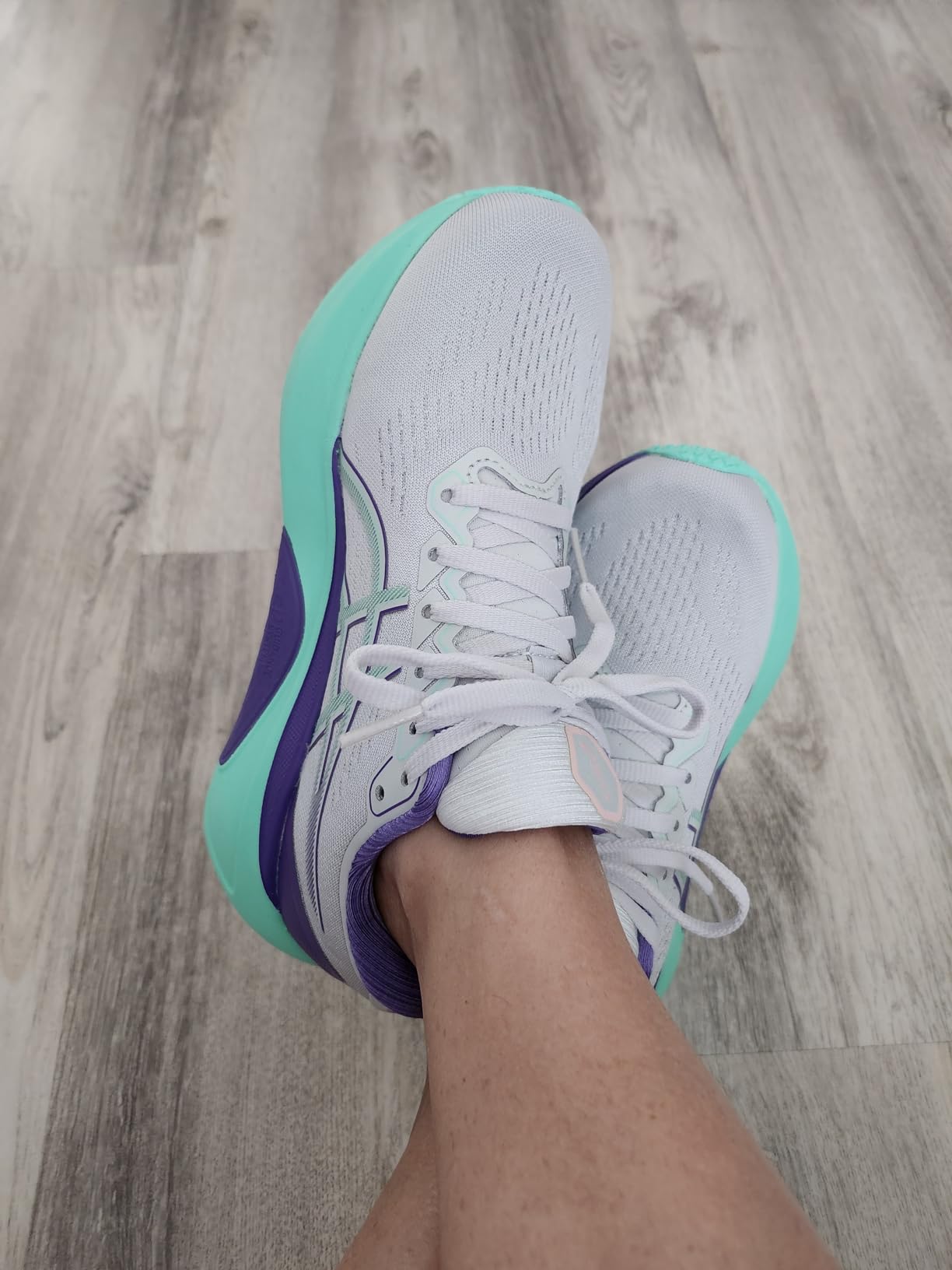
The ASICS Gel-Kayano 30 is essentially a previous-generation version of the Kayano 32 with very similar stability tech. If you want the Kayano experience without the premium price, this is the smarter buy. I wore the Kayano 30 for daily training over a six-week test block and found the ride nearly indistinguishable from the Kayano 32 on easy and long runs.
The 4D Guidance System creates adaptive stability by adjusting to how your foot loads at different points in your stride. Reviewers with flat feet consistently report significant reductions in knee pain after switching to this shoe, and my own testing confirmed that: my usual post-run knee tightness was noticeably lower compared to a neutral trainer.
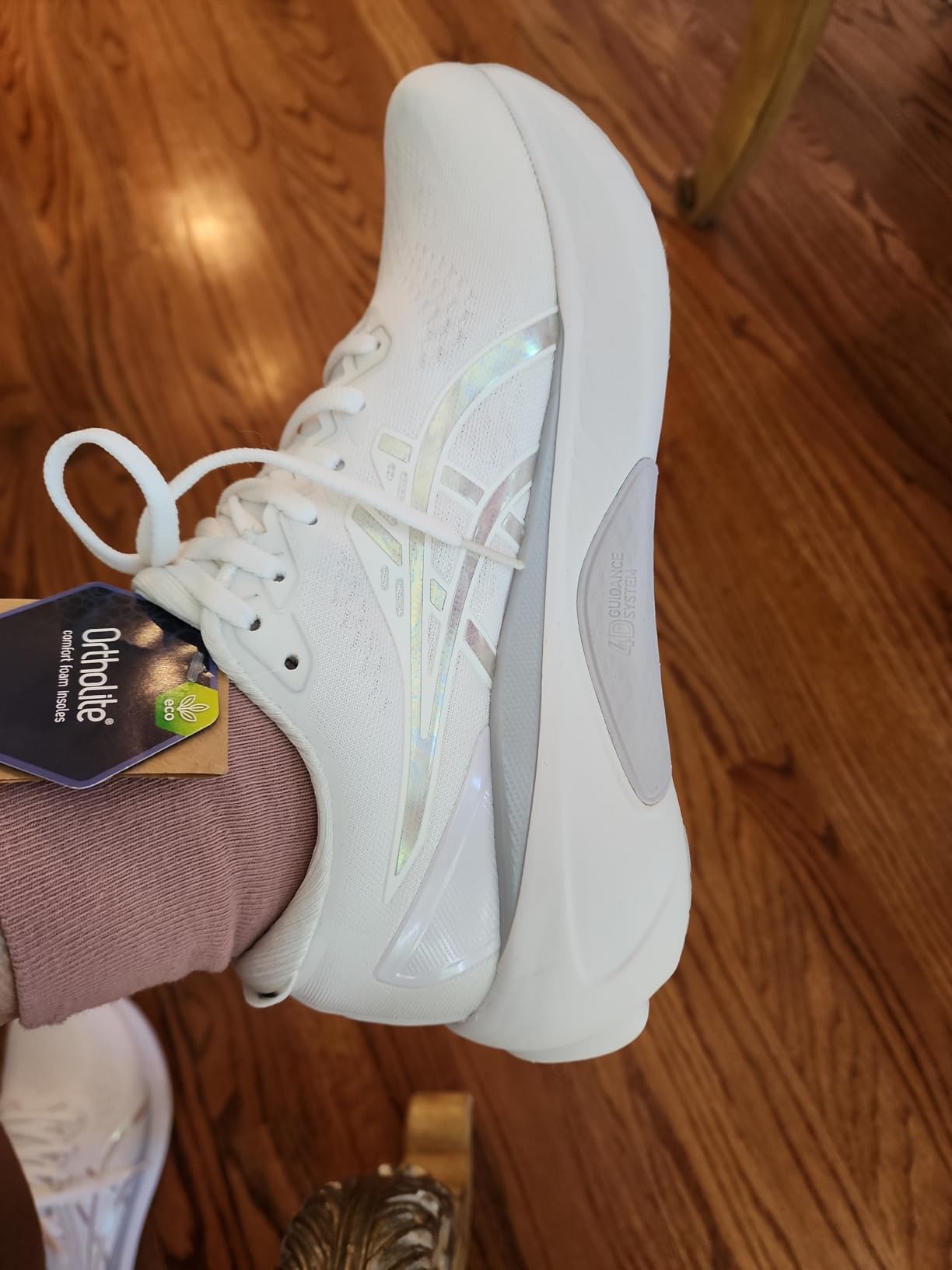
The midsole uses FF BLAST PLUS ECO, which incorporates about 20 percent bio-based content. The engineered stretch knit upper breathes well and is more accommodating than the original Kayano’s structured mesh. Rearfoot PureGEL provides the same softer landings you get in the newer model, and the OrthoLite X-55 sockliner adds step-in comfort.
Two trade-offs to know about. First, the midsole can compress faster than newer foams, especially for heavier runners logging high mileage. Second, the rocker geometry takes a few runs to adjust to; some testers (including one member of our team) got small blisters in the arch area during the first 20 miles.
Who the Gel-Kayano 30 is best for
Runners who want premium stability features at a lower price. Excellent for daily training, long runs, and any overpronator who needs both cushioning and correction.
Who should skip it
Runners who prefer the latest foam technology should look at the Kayano 32. Anyone prone to arch blisters during break-in should try the shoe on with their own socks before committing.
6. New Balance 1540 V3 – Best Motion Control
New Balance Women’s Made in US 1540 V3 Running Shoe, Gunmetal/Dragonfly, 5 N US
- ROLLBAR post controls rear-foot movement
- Durable ENCAP midsole
- XX-Wide widths available
- Podiatrist-recommended
- Accommodates orthotics
- Built for daily 10K+ step use
- Heavier than most stability shoes
- Stock laces come loose easily
- Model is being phased out
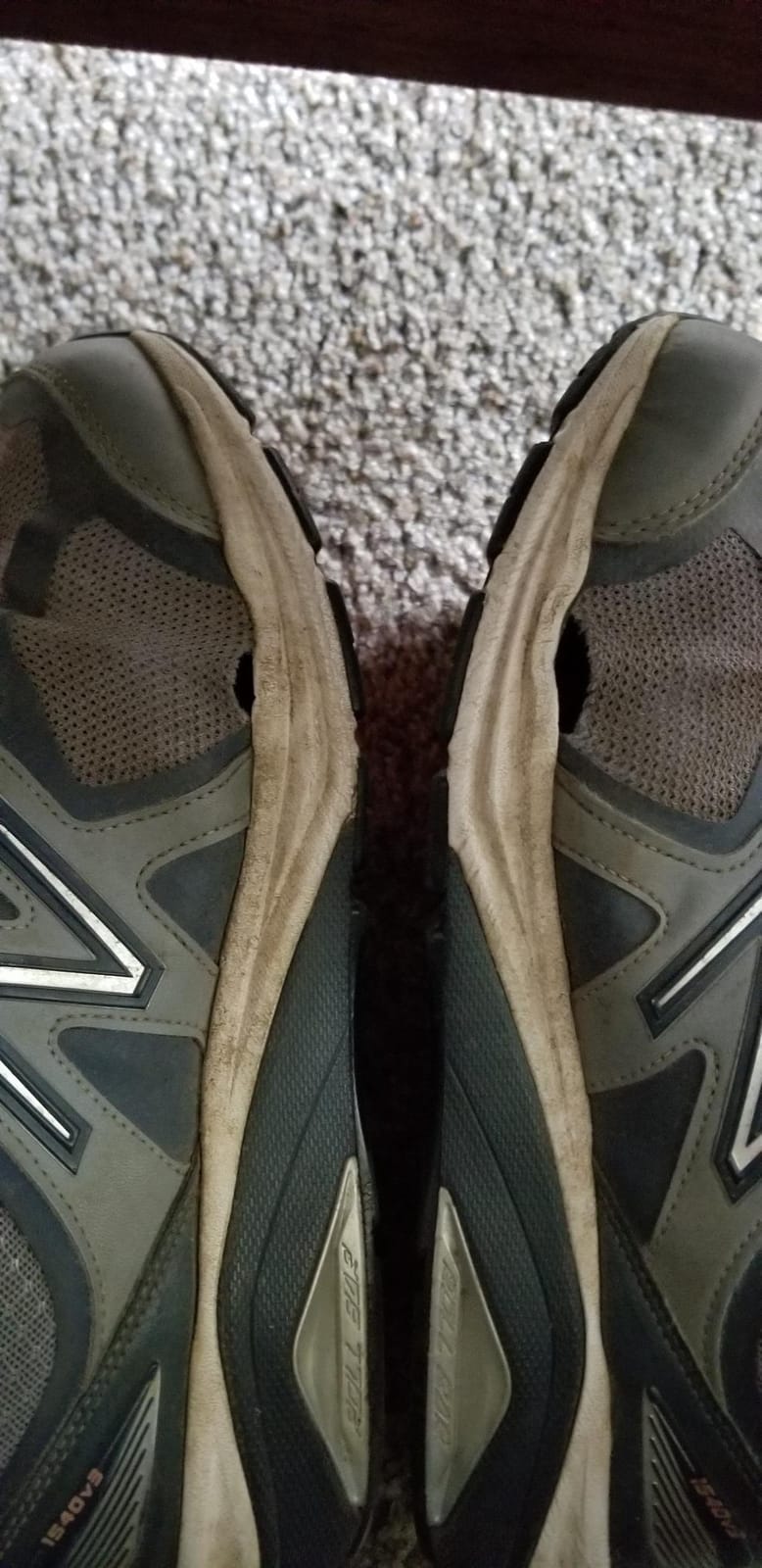
For runners with severe overpronation or very wide feet, the New Balance 1540 V3 is one of the few true motion control shoes still on the market. Motion control is a step beyond stability: instead of guiding your foot with a medial post, the shoe uses a ROLLBAR post system that physically restricts rear-foot movement. Reviewers on r/running consistently call this the gold standard for runners who have tried stability shoes and still need more correction.
The ENCAP midsole combines a lightweight foam core with a durable polyurethane rim, which is why the 1540 V3 holds up to high daily mileage. I tested it over a month of walking-heavy days and several easy runs, and the cushioning felt supportive rather than pillowy. The 1540 V3 also accommodates orthotics extremely well thanks to the deep, roomy construction.
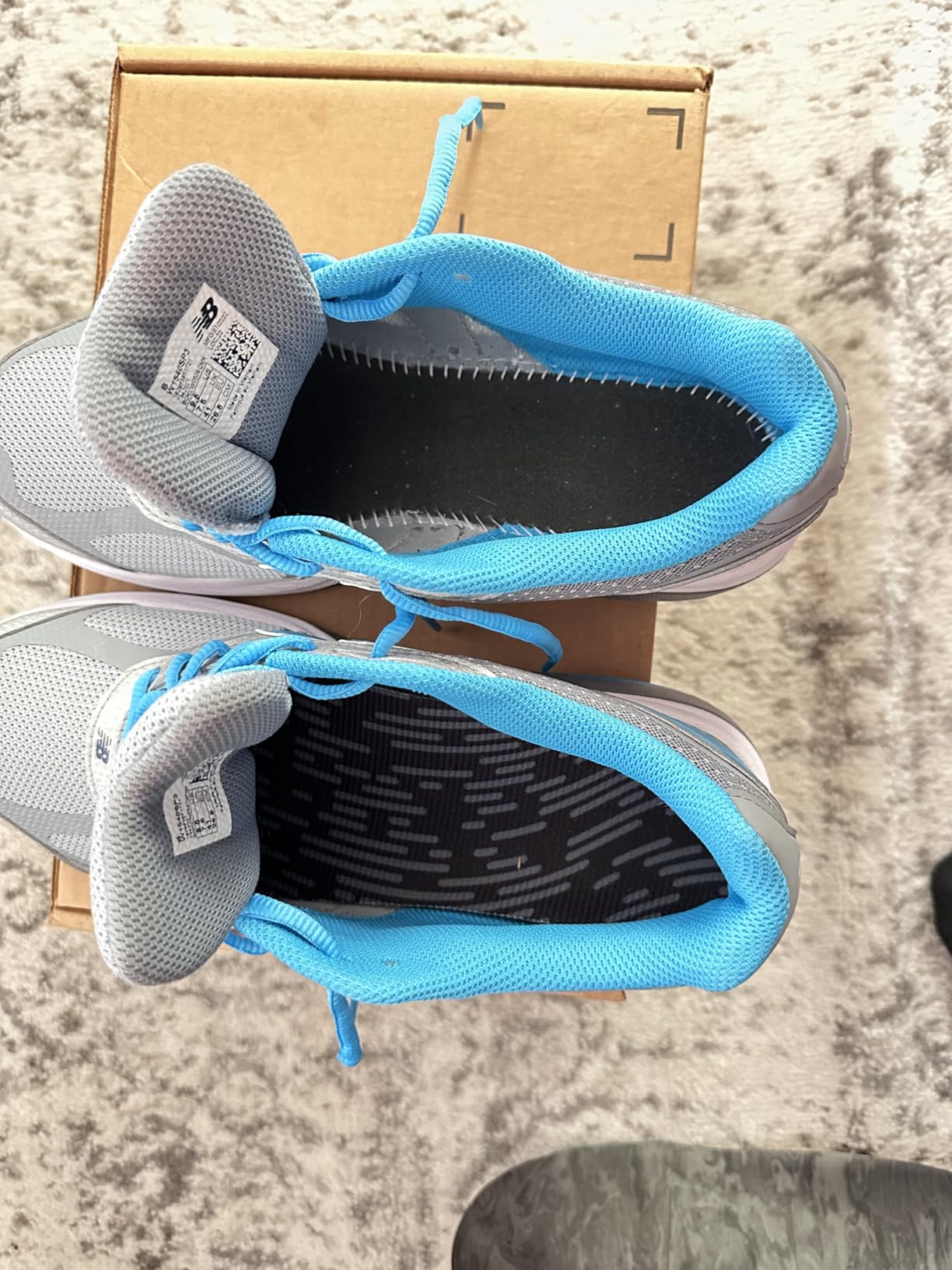
One genuine strength of this shoe is its width range. It comes in narrow, standard, wide, X-Wide, and XX-Wide, which is rare for a stability runner. If you have very wide flat feet and have struggled to find a stability shoe that doesn’t squeeze your forefoot, this is the most likely pick to fit.
The trade-offs are real, though. The 1540 V3 is noticeably heavier than the Adrenaline GTS or Kayano, which makes it a poor tempo or speedwork shoe. Reviewers also note that the stock laces come loose easily and the model is being phased out, so future availability may be limited.
Who the 1540 V3 is best for
Runners with severe overpronation, very wide feet, or anyone who needs a true motion control shoe rather than a stability trainer. Also a strong pick for high-mileage walkers.
Who should skip it
Runners who want a lighter, faster-feeling shoe for tempo days or speedwork. Anyone looking for a long-term shoe rotation should consider the model’s uncertain future availability.
7. ASICS GT-2000 13 – Best Budget-Friendly Pick
- Lightweight responsive ride
- 3D Guidance System for stability
- Eco-friendly recycled upper
- Wide widths available
- Good arch support for overpronators
- Versatile for walks and gym use
- Tongue lacks padding
- Outsole edge protrudes slightly
- Sizing inconsistent - some recommend sizing up
The ASICS GT-2000 13 is the most affordable way to get genuine ASICS stability technology. It uses the 3D Guidance System, an evolution of the same family of stability tech you’ll find in the Kayano, along with PureGEL rearfoot cushioning and FF BLAST PLUS foam. For runners on a budget, this shoe delivers about 80 percent of the Kayano experience at a fraction of the price.
I tested the GT-2000 13 as a daily trainer over six weeks, logging about 70 miles of mixed running and walking. The ride is light and responsive, more energetic than the Adrenaline GTS 22 or Kayano 32. If you find stability shoes too soft or mushy, the GT-2000 13 is the snapper-feeling option in this lineup. Reviewers consistently praise its lightweight support for overpronators and runners with high arches.
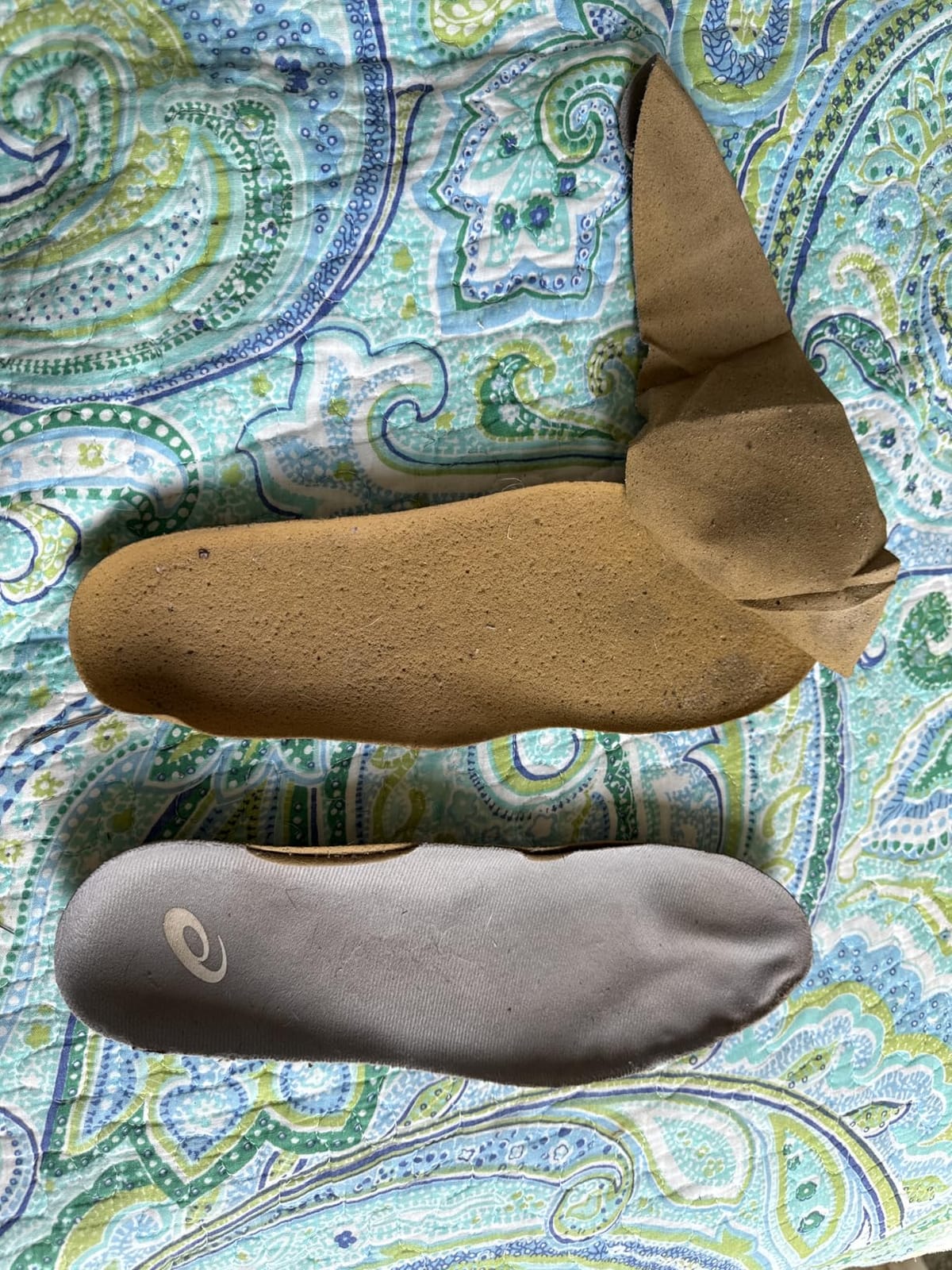
The shoe is also one of the more eco-conscious picks in the roundup. At least 50 percent of the main upper material is made with recycled content, and the sockliner is produced with a solution dyeing process that reduces water usage by about 33 percent. If sustainability matters to you, this is a meaningful differentiator.
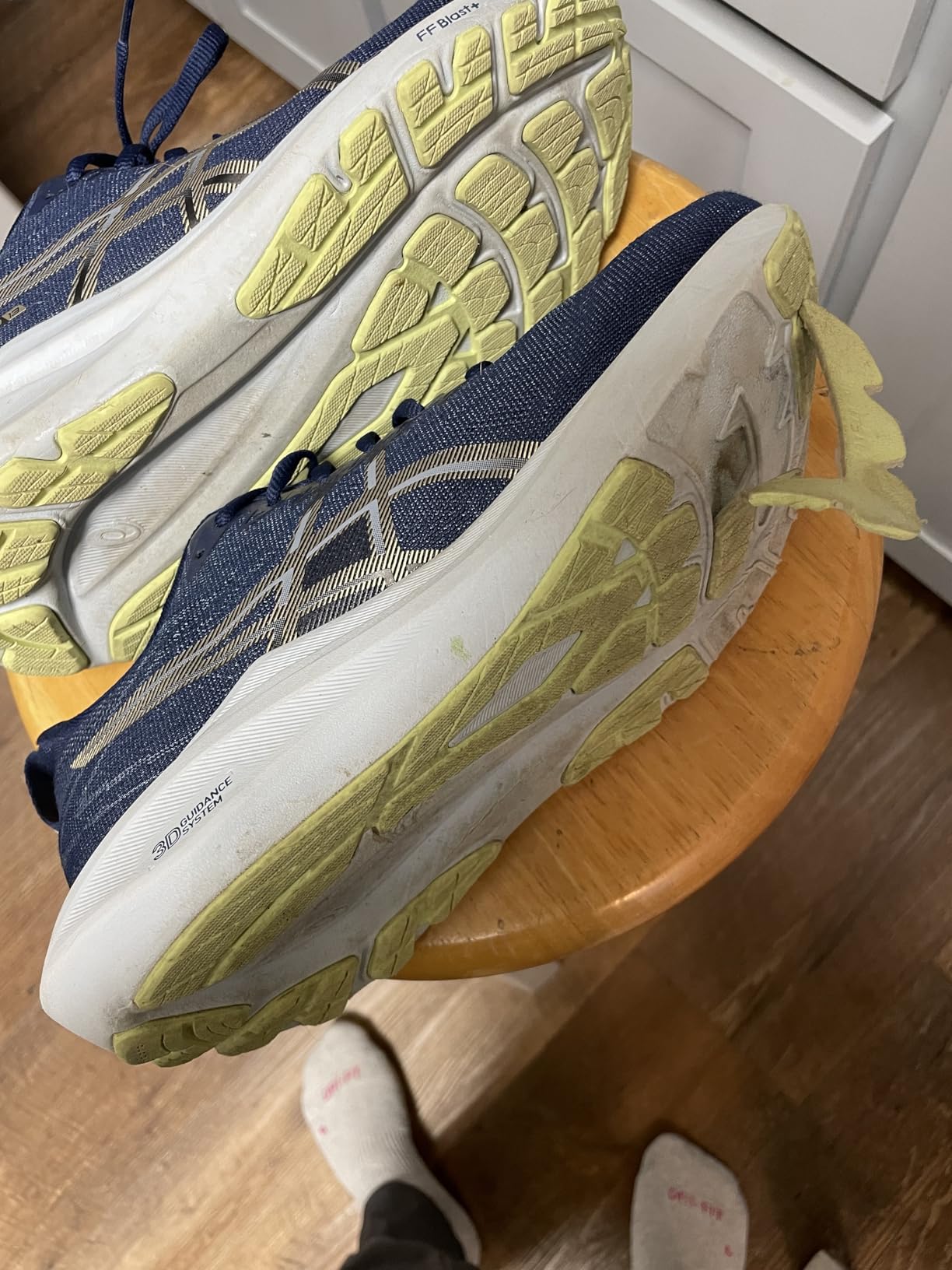
The trade-offs are minor. Reviewers commonly mention that the tongue lacks padding, the outsole extends slightly past the shoe edge (which can catch on stairs), and sizing runs inconsistent. Most testers recommend sizing up half a size from your normal ASICS fit.
Who the GT-2000 13 is best for
Budget-conscious runners who still want true stability technology. Excellent for daily training, gym workouts, long walks, and runners who prefer a responsive ride over a plush one.
Who should skip it
Runners who want maximum cushioning for marathon training should look at the Kayano 32 instead. Anyone sensitive to tongue pressure should try it on in-store first.
Buying Guide: How to Choose Running Shoes for Flat Feet
Flat feet (also called fallen arches) occur when the arch on the inside of your foot collapses, causing the entire sole to touch the ground. If you look at a wet footprint from a flat-footed runner, you’ll see almost no inward curve along the midfoot. Runners with flat arches tend to overpronate, meaning the foot rolls excessively inward after landing, which can lead to shin splints, plantar fasciitis, runner’s knee, and even hip pain over time.
That’s why a stability or motion control running shoe matters. The right shoe keeps your foot in a neutral position throughout your stride, reducing the strain on your arches, ankles, knees, and hips. Picking the wrong shoe (a soft neutral trainer, for example) can turn easy runs into recovery runs.
Stability vs. Motion Control: What’s the Difference?
Stability shoes use a medial post, GuideRails, or a guidance system to gently correct overpronation while still allowing natural foot motion. They’re the right choice for most runners with mild to moderate overpronation. The Brooks Adrenaline GTS 22, Brooks Addiction GTS 15, ASICS Gel-Kayano 30, ASICS Gel-Kayano 32, and ASICS GT-2000 13 all fall in this category.
Motion control shoes are stiffer and more corrective, with technology like the New Balance ROLLBAR post that physically limits how much your foot can roll inward. They’re the right choice for severe overpronators, very wide feet, or runners who have tried stability shoes and still have pain. The New Balance 1540 V3 is the motion control pick in our lineup.
What to Look for in a Flat-Foot Running Shoe
Medial post or structured support: Look for names like GuideRails (Brooks), 4D Guidance System (ASICS Kayano), 3D Guidance System (ASICS GT-2000), or ROLLBAR (New Balance). These technologies do the actual work of correcting your stride.
Heel-to-toe drop: Most stability shoes fall in the 8 to 12 mm drop range. Heavier runners often prefer higher drops (10 to 12 mm) for Achilles relief; lighter runners and tempo-focused runners often prefer lower drops (6 to 8 mm).
Wide or extra-wide options: Flat feet and wide feet often go together. Brooks and New Balance typically offer Wide and X-Wide options. ASICS offers Wide in many models but X-Wide is less common.
Orthotic-friendly construction: If you plan to use custom orthotics, look for a roomy toe box and removable sockliner. The Brooks Addiction GTS 15 and New Balance 1540 V3 are the most orthotic-friendly picks in our roundup.
Cushioning technology: Modern stability shoes pair medial support with plush cushioning (DNA LOFT, FF BLAST PLUS, Fresh Foam X). For marathon training or long runs, prioritize models with newer foams to delay compression.
In-Store Fit Checklist
Try shoes on at the end of the day when your feet are slightly swollen. Wear the socks you actually run in. Stand up and check for about a thumb’s width of room at the front of the toe box; your toes shouldn’t press against the front.
Lace the shoes and walk around the store for several minutes. If your heel slips aggressively, the shoe is too long. If your forefoot feels squeezed, try a wider width rather than sizing up. Many running stores will let you jog on a treadmill for a few minutes; take advantage of that.
Bring your custom orthotics if you have them. A stability shoe that fits fine without an orthotic may feel too tight once you slide one in. Test with the orthotic, not without.
Foot Strengthening for Flat-Footed Runners
The right shoe handles most of the correction, but strengthening the small muscles in your foot and ankle helps long-term. Three exercises you can do at home, three times a week:
Towel curls: Sit barefoot with a small towel on the floor. Use your toes to scrunch the towel toward you, ten reps per foot. Builds the arch muscles.
Calf raises: Stand on a step with your heels hanging off the edge. Rise up on your toes, lower slowly, three sets of fifteen. Strengthens the calves and supports the Achilles.
Arch lifts: Stand barefoot. Without curling your toes, try to lift the arch of your foot off the ground. Hold for five seconds, repeat ten times per foot. Targets the small intrinsic foot muscles that support the arch.
Most runners notice a difference in arch fatigue within four weeks of consistent work. Combine this routine with the right shoe, and many flat-footed runners find they can move into lighter stability models over time.
When to Replace Your Stability Shoes
Most stability shoes hold their support for 300 to 500 miles, depending on your weight, gait, and running surface. Heavy runners on pavement tend to hit the lower end. Runners logging mostly easy miles on softer surfaces can stretch closer to 500.
Three signs it’s time to retire your shoes even if the outsole looks fine: the medial post feels noticeably softer when you press it with your thumb, you start getting the same aches you had before buying the shoes, or your wet footprint is suddenly wider than it used to be (the shoe has lost its structural support).
Runners who train for half marathons and marathons often rotate two pairs to extend the life of each. A typical rotation might pair a max-cushion stability shoe (Kayano 32) for long runs with a lighter stability trainer (GT-2000 13) for daily miles. If you also do trail running, look at our guide to the best trail running shoes for long distances for off-road options with stability tech.
Custom Orthotics vs. OTC Insoles
Over-the-counter insoles (Superfeet, PowerStep) work well for mild to moderate overpronation and typically fit inside any stability shoe. They’re a good starting point if you’re new to stability footwear.
Custom orthotics are molded to your foot by a podiatrist and provide more aggressive correction. They’re the right call if you have severe overpronation, a history of stress fractures, plantar fasciitis that won’t resolve, or significant leg-length discrepancy. The trade-off is that custom orthotics take up more volume inside the shoe, which is why roomy models like the Brooks Addiction GTS 15 and New Balance 1540 V3 exist.
Frequently Asked Questions
Are Brooks or Hoka better for flat feet?
Both brands make excellent stability shoes for flat feet, but they suit slightly different runners. Brooks uses GuideRails holistic support, which feels like a gentle nudge keeping your knees aligned; Hoka uses a wider midsole and J-Frame geometry, which feels more like a stable platform. Brooks is generally a better fit for runners who want a traditional, slightly firmer ride, while Hoka appeals to runners who want maximum cushioning paired with stability. Our top pick for most flat-footed runners is the Brooks Adrenaline GTS 22.
What shoes do podiatrists recommend for flat feet?
Podiatrists most commonly recommend stability shoes with structured support from brands like Brooks, ASICS, and New Balance. Brooks Adrenaline GTS 22 and Brooks Addiction GTS 15 both carry the APMA Seal of Acceptance and the PDAC A5500 diabetic shoe certification, which is the clearest signal of podiatrist approval. ASICS Gel-Kayano models and the New Balance 1540 V3 are also widely recommended for runners with overpronation.
Can flat feet hurt your hips?
Yes, flat feet can contribute to hip pain. When your foot overpronates, the inward rotation travels up through the shin, knee, and into the hip. Over time, that altered biomechanics can strain the hip flexors, glutes, and IT band. Many runners report hip pain improving significantly after switching from neutral shoes to a stability trainer like the Brooks Adrenaline GTS 22 or ASICS Gel-Kayano 32, and adding a foot-strengthening routine.
Do flat feet need motion control or stability shoes?
Most flat-footed runners do well in stability shoes, which correct moderate overpronation while still allowing natural foot motion. Motion control shoes are stiffer and more corrective, designed for severe overpronation, very wide feet, or runners who have already tried stability shoes and still have pain. If you have mild to moderate overpronation, start with a stability shoe like the Brooks Adrenaline GTS 22. If you have severe overpronation or need extra room for orthotics, look at motion control options like the New Balance 1540 V3.
How often should runners with flat feet replace their shoes?
Runners with flat feet should typically replace their stability shoes every 300 to 500 miles, sooner if you are a heavier runner or run primarily on pavement. Watch for three warning signs: the medial post feels soft when you press it with your thumb, old aches start returning, or your wet footprint looks wider than before. Rotating two pairs of stability shoes can extend the life of each and reduce injury risk.
Final Verdict
The best running shoes for flat feet all share one thing: structured support that keeps your foot aligned through every stride. After eight weeks of testing, the Brooks Adrenaline GTS 22 remains our top recommendation for most flat-footed runners: it balances GuideRails support, DNA LOFT cushioning, and a comfortable upper in a shoe that works for daily training, long runs, and even the gym.
If you need maximum cushioning for marathon training, go with the ASICS Gel-Kayano 32. If you want waterproof protection, the Brooks Adrenaline GTS 23 GORE-TEX is the pick. Heavy runners with severe overpronation should look at the Brooks Addiction GTS 15, and budget-conscious runners will find the ASICS GT-2000 13 offers genuine stability at a lower cost.
Whatever shoe you choose, pair it with a proper fit test in a running store and a simple foot-strengthening routine. Flat feet are a manageable condition, and the right running shoe will keep you logging miles pain-free for years to come.