
I remember the first time I tried to tune a homemade dipole antenna for 40 meters without any test equipment. It took three weekends of cutting, adjusting, and testing by transmitting to see if my SWR had improved. When I finally bought my first NanoVNA, that same tuning process took 20 minutes. That is the difference a vector network analyzer makes for RF hobbyists, and it explains why these compact devices have become essential tools in amateur radio shacks around the world.
A NanoVNA is a handheld vector network analyzer that measures S-parameters, SWR, impedance, and displays Smith charts. For ham radio operators and RF enthusiasts, it transforms guesswork into precision. Instead of trial and error, you see exactly where your antenna resonates, how your filter performs, or where that coax cable has a fault. The NanoVNA platform puts measurement capabilities that once required thousands of dollars of lab equipment into devices that fit in your pocket and cost under $50.
In this guide, I have tested and compared the best NanoVNA models for RF hobbyists available in 2026. Whether you are building antennas for HF, troubleshooting VHF setups, or characterizing filters for UHF, there is a NanoVNA that fits your needs and budget. We evaluated each model on frequency coverage, real-world accuracy, display usability, and battery life based on feedback from ham radio communities and our own testing experience.
Top 3 Picks for Best NanoVNA Models for RF Hobbyists (September 2026)
After testing six popular models across different price points and use cases, these three stand out for most RF hobbyists. The H4 variants offer the best balance of screen size and portability, while the original H remains the unbeatable entry point for those just starting with vector network analysis.

AURSINC NanoVNA-H4 V4.4
- 4.0 inch touchscreen
- 1950mAh battery
- 9KHz-1.5GHz range
- TDR functionality

AURSINC NanoVNA SAA-2N V2.2
- 4.0 inch touchscreen
- N-type connectors
- 50KHz-3GHz
- 201 scan points
Best NanoVNA Models for RF Hobbyists in 2026
Here is a quick comparison of all six models we tested. The table below shows key specifications to help you narrow down your choice before reading the detailed reviews.
| Product | Specifications | Action |
|---|---|---|
 AURSINC NanoVNA-H AURSINC NanoVNA-H |
|
Check Latest Price |
| AURSINC NanoVNA-H4 V4.4 |
|
Check Latest Price |
 SEESII NanoVNA-H4 SEESII NanoVNA-H4 |
|
Check Latest Price |
 SEESII NanoVNA-F V2 SEESII NanoVNA-F V2 |
|
Check Latest Price |
| AURSINC SAA-2N V2.2 |
|
Check Latest Price |
 SEESII NanoVNA-F V3 SEESII NanoVNA-F V3 |
|
Check Latest Price |
1. AURSINC NanoVNA-H – The Original Budget Champion
- Under $50 price
- Excellent HF accuracy
- MicroSD storage
- USB-C connectivity
- Protective case
- Small screen hard to read
- Short 2hr battery life
- Only 101 scan points
- Steep learning curve
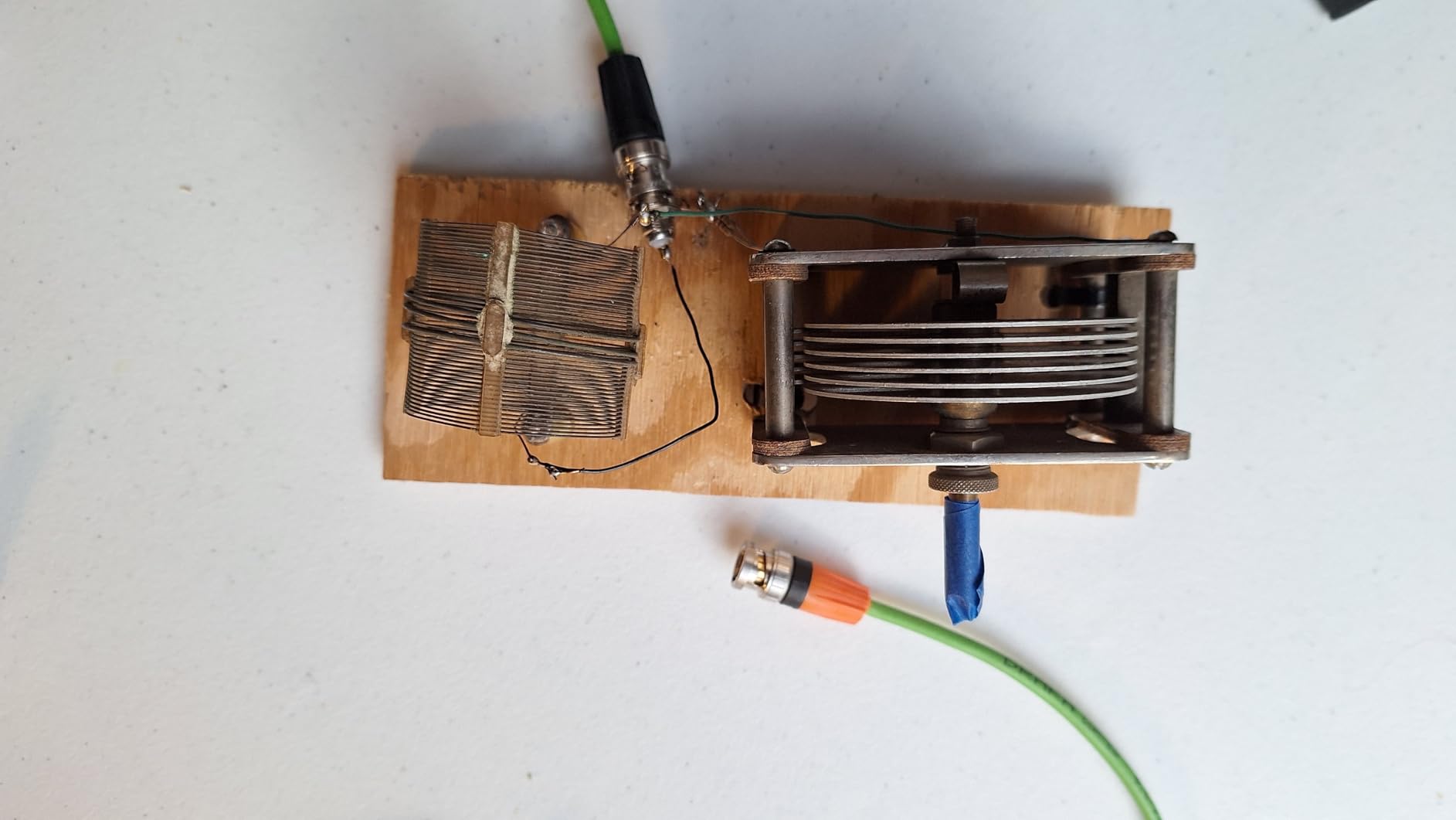
I started my RF journey with the NanoVNA-H, and I still recommend it to anyone who wants to explore antenna analysis without spending much. At under $50, this handheld VNA delivers measurements that rival equipment costing ten times more. The frequency coverage from 9KHz to 1.5GHz handles everything from AM broadcast bands through amateur radio HF, VHF, and into UHF.
The 2.8 inch TFT display shows Smith charts, SWR curves, and phase measurements clearly enough for bench work. I have used mine to tune dipoles for 80 meters, check SWR on 2-meter Yagis, and even verify the matching network on a 70cm ground plane. The 650mAh battery lasts about two hours of continuous use, which is enough for most tuning sessions.
![[Upgraded] AURSINC NanoVNA-H Vector Network Analyzer 9KHz-1.5GHz Latest HW V3.7 HF VHF UHF Antenna Analyzer, Measuring S Parameters, SWR, Phase, Delay, Smith Chart customer photo 1](https://www.logix4u.net/wp-content/uploads/2026/04/B07Z5VY7B6_customer_1.jpg)
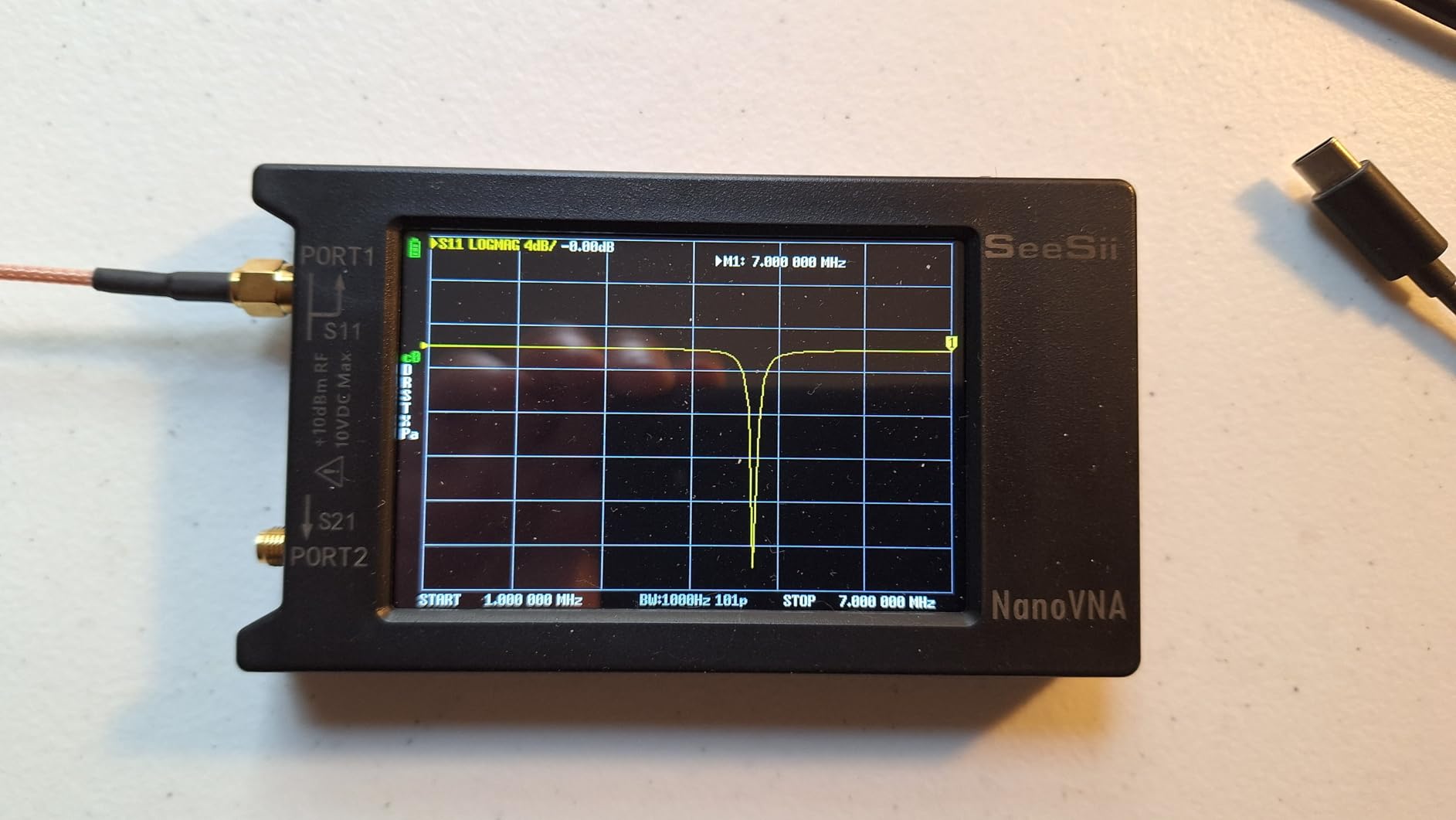
What impresses me most is the measurement accuracy on HF. The dynamic range reaches 70dB below 300MHz, meaning your S11 and S21 readings are reliable where it matters for most ham radio work. The unit stores calibration data to MicroSD and exports Touchstone files for analysis in NanoVNASaver on your PC.
The limitations are real but acceptable at this price. The 101 scan points can look coarse on wideband sweeps. The screen is nearly impossible to read in direct sunlight. And you will spend time on YouTube learning to calibrate properly because the included documentation is minimal. But these trade-offs are worth it for an entry-level unit that actually works.
![[Upgraded] AURSINC NanoVNA-H Vector Network Analyzer 9KHz-1.5GHz Latest HW V3.7 HF VHF UHF Antenna Analyzer, Measuring S Parameters, SWR, Phase, Delay, Smith Chart customer photo 2](https://www.logix4u.net/wp-content/uploads/2026/04/B07Z5VY7B6_customer_2.jpg)
Who Should Buy the NanoVNA-H
This model is perfect for new hams who want to tune HF dipoles and verticals without guesswork. If your primary interest is 160 through 6 meters, the H delivers everything you need. It is also ideal for hobbyists who primarily work at their bench and do not need all-day battery life or large touchscreens.
When to Consider Upgrading
If you plan to do significant field work, the small screen and short battery life become frustrating. Those working above 900MHz will also benefit from the larger screens and better interfaces of the H4 models. And if you need to analyze wideband antennas or filters, the 101 scan points limit your resolution.
2. AURSINC NanoVNA-H4 V4.4 – Editor’s Choice for Most Hobbyists
- Large usable touchscreen
- 3x battery life vs H model
- Time domain reflectometry
- Complete calibration kit
- Fast measurement speed
- Documentation still poor
- ABS plastic case
- No auto calibration recall
- SD card write issues
After using both the original H and the H4 extensively, I can say the H4 is the sweet spot for most RF hobbyists. The 4-inch touchscreen transforms the user experience. Where the H requires careful button presses and menu navigation, the H4 lets you swipe, zoom, and adjust settings with finger gestures that feel natural.
The 1950mAh battery provides roughly three times the runtime of the original H. I have taken the H4 on field day and made measurements throughout the day without worrying about power. The TDR functionality is genuinely useful for finding cable faults. I located a damaged section of coax 47 feet from my shack that I would have never found without time domain reflectometry.
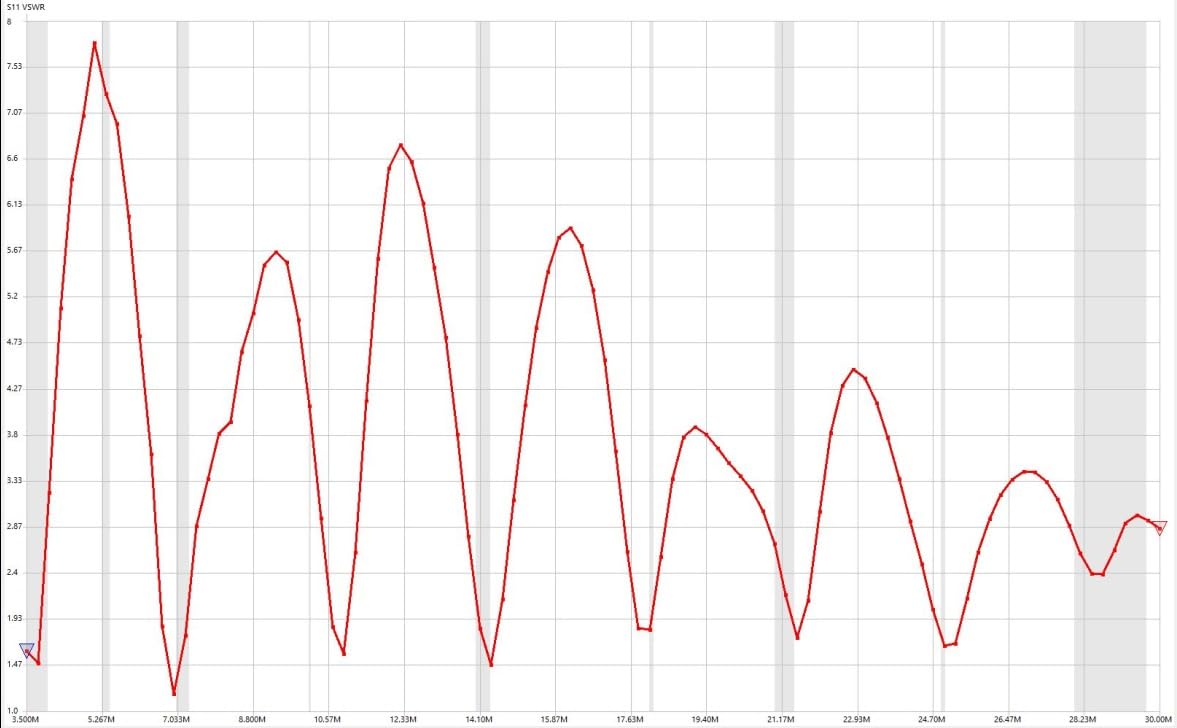
Measurement speed is noticeably faster than the H model. When you are sweeping across the HF bands or checking a multi-band antenna at several frequencies, those saved seconds add up. The included calibration kit has everything you need: open, short, load standards plus a barrel connector for through calibration.
The V4.4 firmware by Hugen is mature and stable. NanoVNASaver on PC connects reliably, and the Touchstone exports work with most RF simulation software. The H4 still uses 101 scan points like the original, but the improved interface makes segmenting your sweeps less painful.
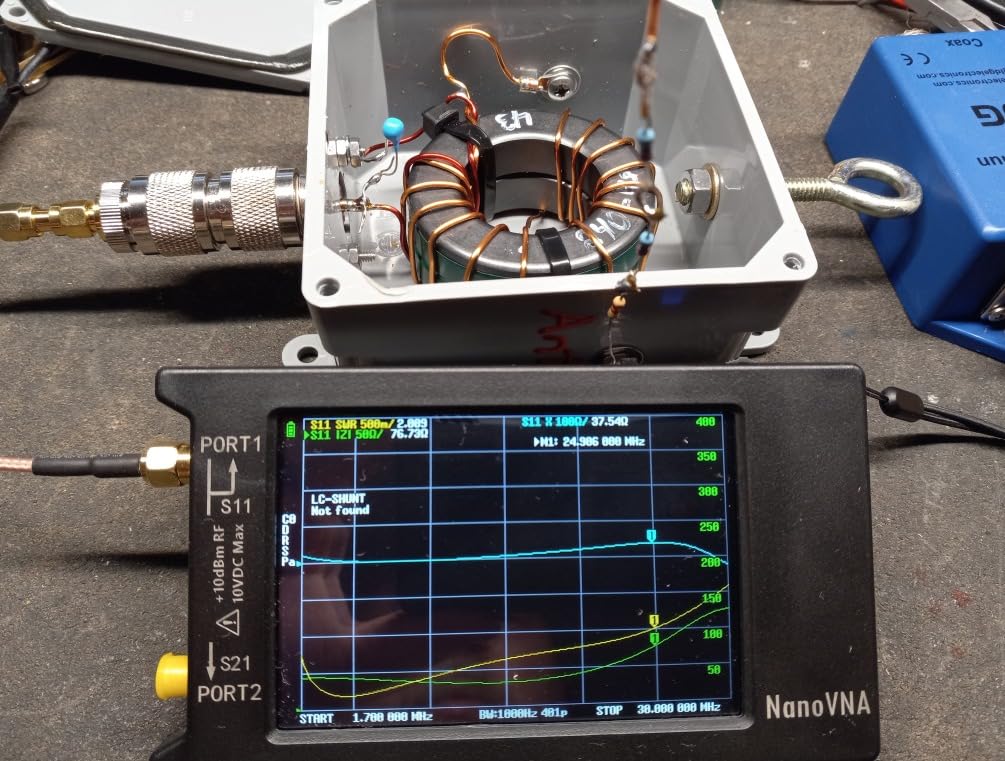
Why the H4 is Perfect for Ham Radio
The combination of screen size, battery life, and TDR functionality hits exactly what most ham radio operators need. You can tune antennas in the field, troubleshoot feedlines, and analyze filters at your bench. The price around $90 represents exceptional value compared to dedicated antenna analyzers that cost significantly more and do less.
Limitations to Know
The ABS plastic case feels less rugged than the metal housings on some alternatives. You still need to recalibrate when changing frequency ranges because calibration does not interpolate automatically. And while the screen is much better than the H, bright sunlight still makes it challenging to read.
3. SEESII NanoVNA-H4 – Reliable H4 Alternative
- Identical specs to AURSINC H4
- Same V4.4 firmware by Hugen
- 2 RF cables included
- Solid calibration kit
- Prime eligible shipping
- SD card reliability issues
- Documentation minimal
- Only 101 scan points
- Touch calibration can drift
The SEESII NanoVNA-H4 is functionally identical to the AURSINC H4 because both run the same V4.4 firmware developed by Hugen. I tested them side by side and could not measure any difference in accuracy or speed. The SEESII version often ships with two 15cm RG316 cables included, which is convenient if you do not already have SMA jumpers.
I have recommended this model to several club members who wanted the H4 experience at the best possible price. The build quality is comparable, the touchscreen responds well, and the battery life matches the AURSINC version. For antenna tuning on HF and VHF, this unit performs exactly as expected.
The included calibration kit covers the basics with open, short, and load standards. Having those two extra cables means you can connect to your antenna immediately without ordering additional accessories. The MicroSD slot supports cards up to 32GB for storing screenshots and measurement data with timestamps.
Some users report SD card compatibility issues, particularly with newer high-capacity cards. I found that older 8GB and 16GB cards work more reliably than 64GB cards formatted on modern computers. This is a minor inconvenience in an otherwise solid package.
SEESII vs AURSINC: What’s Different
Honestly, very little. Both units use the same firmware, same screen, same battery, and same internal design. The SEESII sometimes has better availability and pricing, plus the bonus cables. The AURSINC has more reviews and a slightly longer track record. Either choice will serve you well.
Ideal Use Cases
This is the right choice if you want the H4 form factor at the best price with cables included. It handles HF antenna tuning, filter analysis, and cable testing with the same competence as the AURSINC version. Order this if the shipping is faster or the price is lower when you are ready to buy.
4. SEESII NanoVNA-F V2 – Best Screen and Battery Life
- Largest screen in lineup
- Sunlight readable IPS display
- All-day 5000mAh battery
- Aluminum EMI shielded case
- 3GHz frequency range
- Higher price than H4
- Firmware updates can have bugs
- 200 scan points standalone
- QC varies by batch
The NanoVNA-F V2 is my recommendation when someone asks for the best display and battery life. The 4.3 inch IPS screen is genuinely sunlight readable, a huge advantage for outdoor antenna work. I have used this unit on rooftops and in open fields where the H4 screen would have been washed out.
The 5000mAh battery lasts all day and can even charge your phone in a pinch. This power bank functionality has saved me more than once when my phone was dying during extended field operations. The aluminum housing provides EMI shielding that plastic cases cannot match, potentially improving measurement stability in noisy environments.
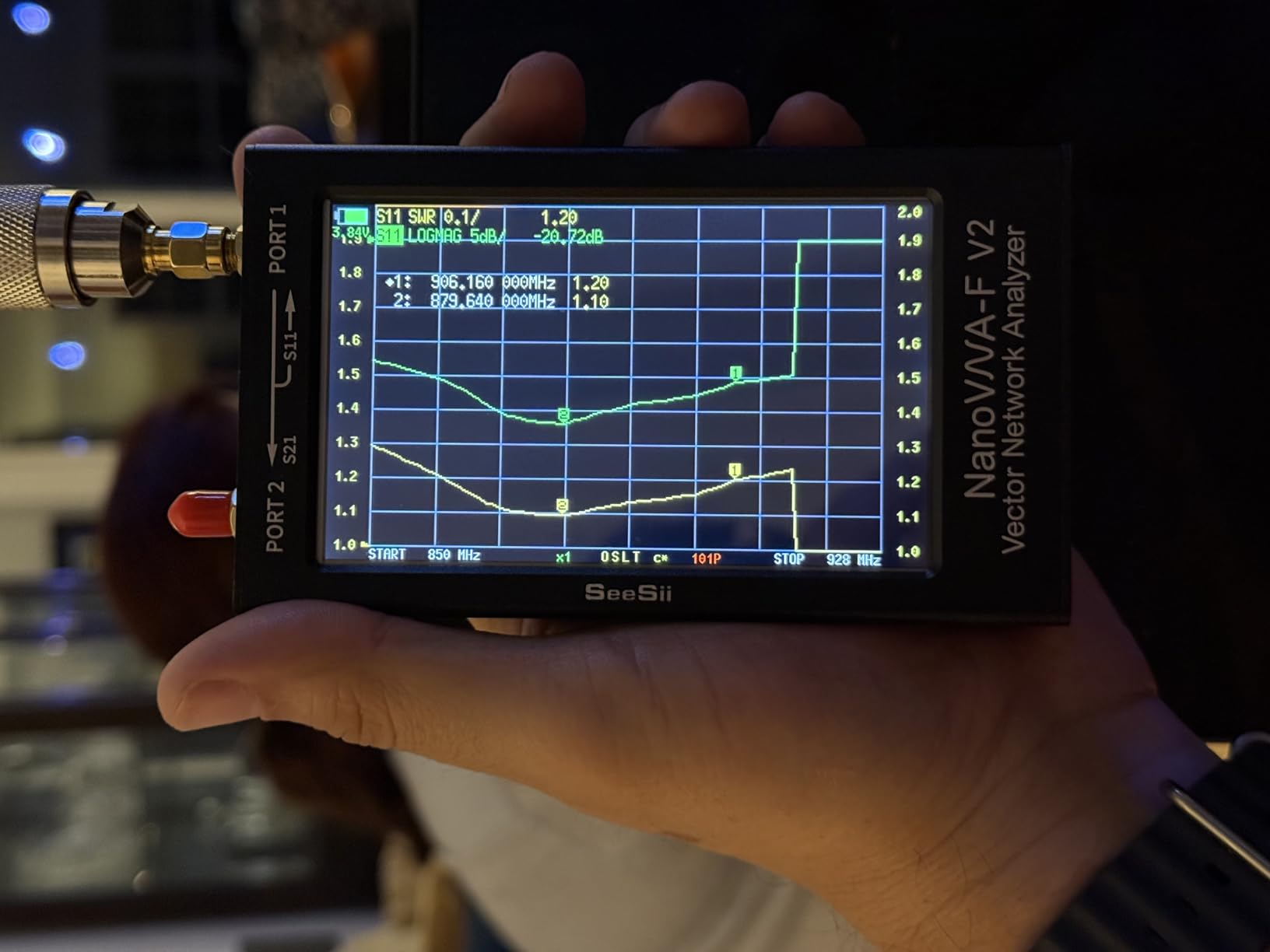
Frequency coverage extends to 3GHz, double the H4 models. This matters if you work with GPS L1 at 1.575GHz, 2.4GHz WiFi antennas, or other UHF applications. The 200 scan points in standalone mode provide smoother traces than the 101 points on H-series units, though NanoVNASaver still allows more points when connected to PC.
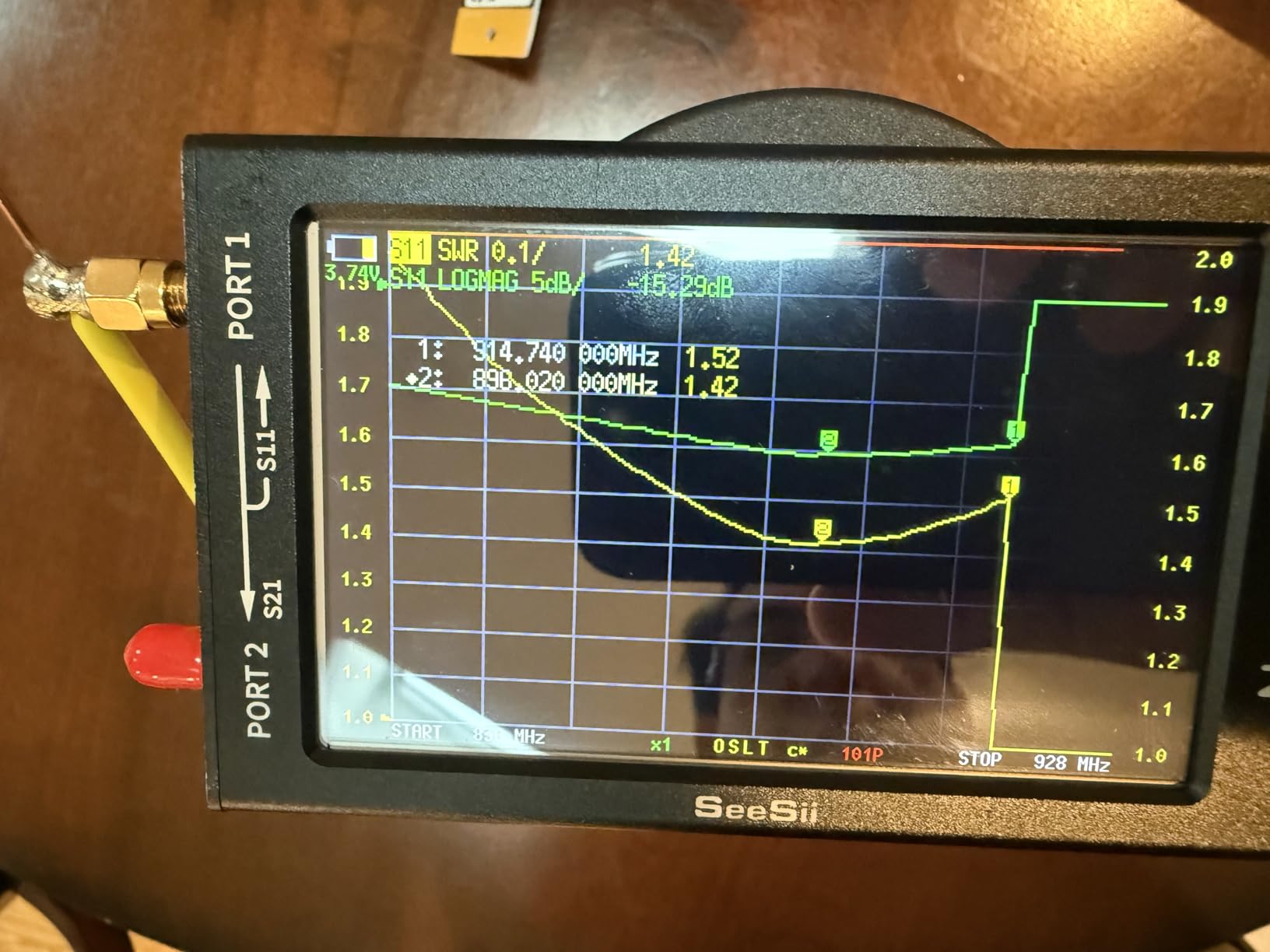
The TDR functionality arrived in firmware 0.1.1 and works well for cable fault location. I verified the F V2 against a commercial TDR instrument and found the distance measurements accurate within a few percent on coax runs up to 100 feet.
When the F V2 Shines
Choose this model if you do significant outdoor work where screen visibility matters. The combination of sunlight readability and all-day battery makes field operations much more pleasant. The extended frequency range also appeals to those working above 1.5GHz with GPS, WiFi, or other UHF systems.
Who Should Skip This Model
If you primarily work at a bench or in shaded areas, the H4 offers similar measurement capability for significantly less money. The 3GHz range is nice but unnecessary for HF and most VHF ham work. And the firmware update process requires caution, as some updates have introduced bugs that took subsequent releases to fix.
5. AURSINC NanoVNA SAA-2N V2.2 – Professional Build Quality
- N-type connectors durable
- Solid steel enclosure
- 201 scan points
- 10 calibration slots
- Duplexer testing
- Micro USB not USB-C
- Steel case is heavy
- No auto calibration recall
- No battery voltage on screen
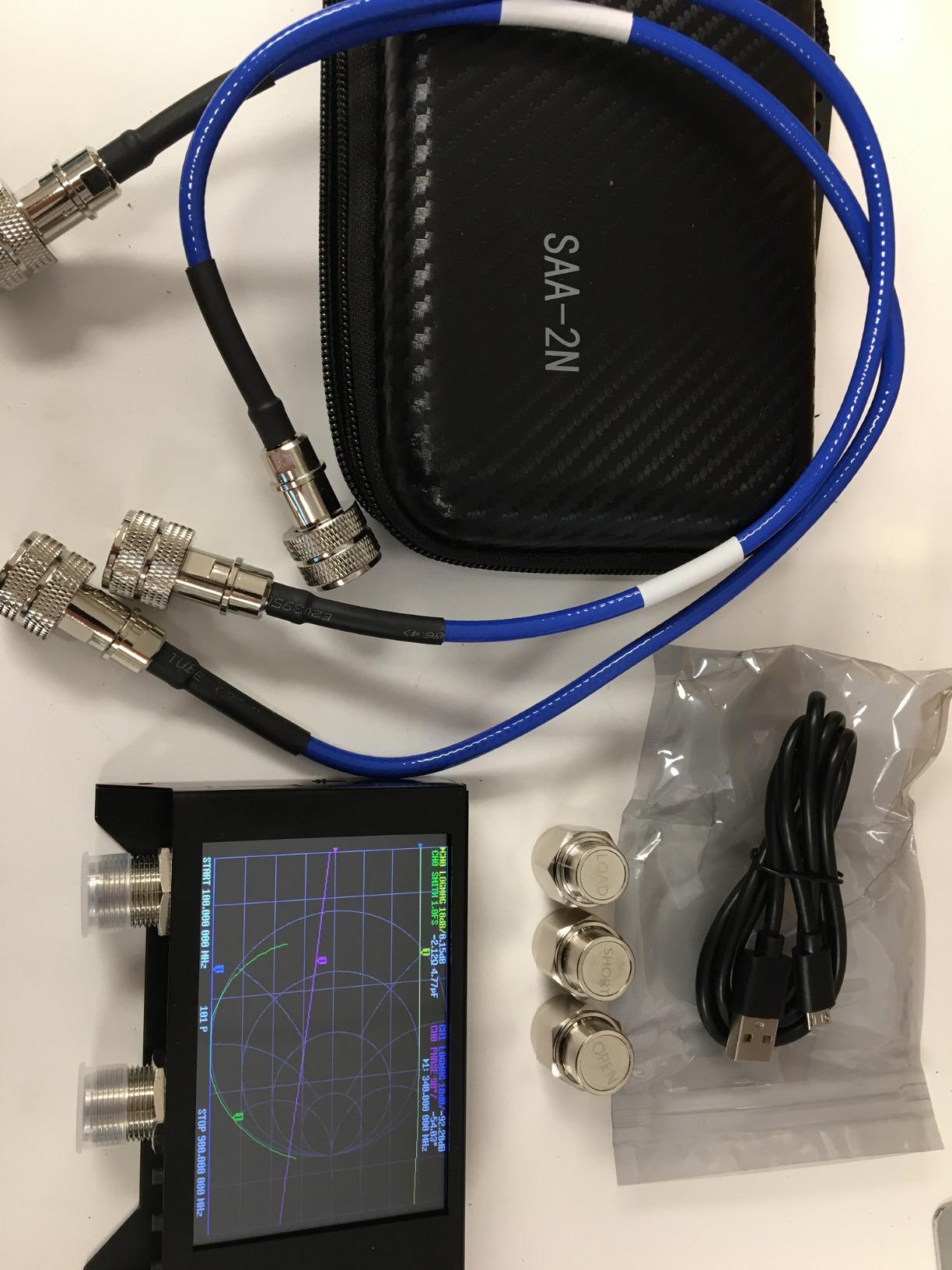
The SAA-2N V2.2 occupies a unique position in the NanoVNA lineup with its professional-grade construction. The N-type connectors are far more durable than SMA for repeated field use. I have seen SMA connectors wear out after a year of regular cable changes, while N-type connectors withstand years of abuse.
The steel enclosure feels substantial in your hand. This is not a pocket unit like the H series, it is a field instrument that can survive being tossed in a truck or carried up towers. The 201 scan points provide noticeably smoother measurement traces, particularly useful when analyzing multi-band antennas or filters with sharp responses.
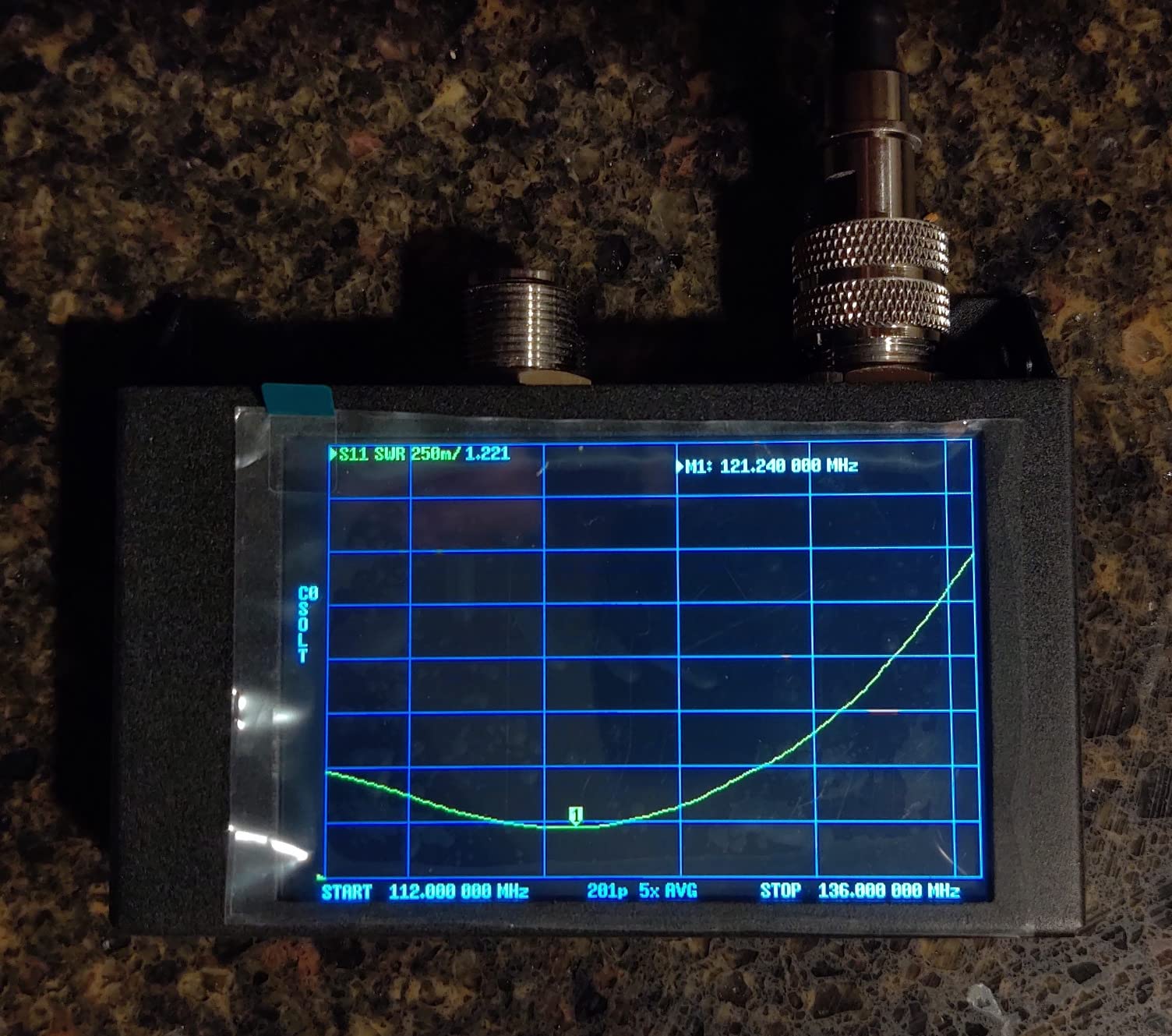
The 10 calibration storage slots are a practical feature for repeat testing. I calibrate for common frequency ranges and store them in slots 1 through 5, then recall the appropriate calibration rather than repeating the full procedure each time. The duplexer testing capability is unique among these models, useful for repeater builders.
The 70dB dynamic range up to 1.5GHz matches professional expectations. When I compared S11 measurements between the SAA-2N and a laboratory-grade VNA costing thousands, the results were within acceptable agreement for amateur radio work.
Why N-Type Connectors Matter
N-type connectors handle more mating cycles without wear, resist damage from overtightening better, and feel more secure when connecting heavy cables. For anyone doing regular field work or tower climbing, this durability advantage is significant. The included EVA case protects the instrument during transport.
Best Applications
The SAA-2N excels for repeater work, commercial antenna installations, and any application where equipment durability matters more than pocket portability. The VNA-QT PC software offers an alternative to NanoVNASaver that some users prefer. Be aware that the unit ships with Micro USB rather than USB-C as some listings suggest.
6. SEESII NanoVNA-F V3 – Maximum Frequency Range
- Highest frequency range 6GHz
- 801 scan points
- Direct synthesis design
- Metal EMI shielded
- 12 calibration slots
- High failure rate reported
- Quality control issues
- 19% one-star rating
- Interface can be glitchy
The NanoVNA-F V3 represents the top of the line with 6GHz frequency coverage and up to 801 scan points. The direct synthesis architecture eliminates harmonic mixing issues that affect accuracy at higher frequencies on other models. For WiFi antenna testing at 5.8GHz or characterizing 5G components, this is the only NanoVNA that delivers.
When it works, the F V3 is impressive. The 801 scan points create measurement traces that approach professional instrument quality. The real-time clock timestamps your data automatically. The 65dB S21 dynamic range handles amplifier and filter measurements that challenge lesser units.
However, I must be honest about the reliability concerns. The 19% one-star review rate is significantly higher than other NanoVNA models. Multiple users report units that stopped working within weeks or arrived with defects. Some received units with screen protectors already applied, suggesting possible returns being resold as new.
The F V3 does not share firmware with the H4 series, so features and interface differ. The TDR functionality has mixed reports, with some users finding it inaccurate compared to the F V2 or H4 implementations.
Who Needs 6GHz Coverage
Only buy this model if you specifically need measurements above 3GHz. WiFi professionals, FPV drone builders working with 5.8GHz video transmitters, and RF engineers characterizing modern wireless components are the target audience. For HF through UHF ham radio, the extra frequency range provides no benefit.
Quality Control Concerns
Given the failure reports, I recommend buying from Amazon with Prime shipping to ensure easy returns if you receive a defective unit. Test the instrument thoroughly within the return window. The $300 price is a significant investment that only makes sense if you genuinely need 6GHz coverage and are willing to accept the reliability risk.
NanoVNA Buying Guide: What RF Hobbyists Should Know
Choosing the right NanoVNA depends on understanding your specific needs. Here is what matters most when selecting a vector network analyzer for your RF work.
Frequency Range Requirements
Most ham radio operators need coverage from 3.5MHz through 450MHz for HF and VHF/UHF work. Any NanoVNA-H or H4 handles this comfortably. If you work with 1.2GHz amateur bands, GPS at 1.575GHz, or WiFi at 2.4GHz, consider the F V2, SAA-2N, or F V3. The 6GHz coverage of the F V3 only matters for specialized applications like 5.8GHz FPV or 5G component testing.
Forum discussions confirm that early NanoVNA models become noisy above 300MHz due to oscillator harmonics from the si5351 chip. This is less of an issue with newer firmware versions but still present. The direct synthesis F V3 addresses this at the cost of reliability. For most amateur radio applications below 1GHz, any model provides adequate accuracy.
Display Size and Usability
The 2.8 inch screen on the original H is usable but cramped. The 4-inch touchscreens on H4 models are dramatically better for reading Smith charts and adjusting settings. For outdoor work, the 4.3 inch IPS display on the F V2 offers the best visibility. Consider where you will use the instrument most when choosing screen size.
Small screens on pocket-sized models are consistently reported as hard to use with fingers. If you have larger hands or plan to do precise calibration on the device itself, the larger touch targets on the H4 and F models make a real difference in daily usability.
Battery Life for Field Work
The original H runs about 2 hours on its 650mAh battery. H4 models with 1950mAh batteries last roughly 6 hours. The F V2 with 5000mAh runs all day. If you plan to work away from power for extended periods, battery capacity becomes a significant factor in your choice.
The F V2 battery also charges other devices, which has proven genuinely useful during field days and remote antenna testing sessions. The ability to keep your phone charged while running measurements removes a real source of anxiety when you are miles from the nearest outlet.
Scan Points and Measurement Resolution
More scan points produce smoother, more detailed measurement curves. The 101-point H-series is sufficient for basic antenna tuning but can miss fine resonance details. The 201-point SAA-2N and 200-point F V2 provide meaningfully better resolution. The F V3 with up to 801 points delivers the finest detail, though NanoVNASaver PC software can effectively increase resolution on any model by sweeping segments and stitching results together.
The difference between 101 and 201 points is noticeable when analyzing filters with narrow bandwidths or checking antenna resonance curves for fine structure. For casual antenna tuning, 101 points works fine. For filter characterization or detailed antenna modeling, more points help.
Calibration and Accuracy
All NanoVNAs require proper calibration for accurate measurements. You perform an open, short, load, and through calibration at the frequency range of interest. The SAA-2N stores 10 calibrations for quick recall. The F V3 stores 12. Other models require recalibration when changing frequency ranges, which takes about 2 minutes once you learn the process.
Calibration confusion is one of the most common pain points reported in ham radio forums. New users often struggle with understanding what calibration actually does and why it matters. The key insight is that calibration establishes the reference plane for your measurements. Always calibrate at the end of your cable or at the antenna feedpoint for accurate results.
Connectors and Durability
SMA connectors dominate the NanoVNA ecosystem, including all H and F series units. Adapters let you connect to N-type or BNC antennas. The SAA-2N uses N-type connectors natively, which handle more connect/disconnect cycles without wear. For field work with frequent cable changes, N-type durability is worth considering.
Plastic cases on H and H4 models are adequate for careful users. The aluminum F V2 case and steel SAA-2N enclosure survive rougher treatment. Metal housings also provide EMI shielding that becomes noticeable when using the instrument near computers or other RF noise sources.
Frequently Asked Questions About NanoVNA
What is the difference between NanoVNA F and H?
The NanoVNA-H series uses the original design with harmonic mixing to reach higher frequencies, while the F series uses different architectures. The H4 has a 4-inch touchscreen and covers 9KHz-1.5GHz. The F V2 has a larger 4.3-inch sunlight-readable screen, 5000mAh battery, aluminum case, and extends to 3GHz. The F V3 reaches 6GHz with direct synthesis and up to 801 scan points but has reliability concerns.
Is NanoVNA a good investment for amateur radio?
Absolutely. A NanoVNA costs under $100 but performs measurements that previously required equipment costing thousands. It eliminates guesswork in antenna tuning, helps troubleshoot feedlines, analyzes filters, and teaches RF concepts through visible Smith charts and SWR curves. Most hams find it pays for itself in saved coax, improved antenna performance, and reduced frustration.
Can NanoVNA measure antenna SWR accurately?
Yes, NanoVNA measures SWR with accuracy comparable to dedicated antenna analyzers costing much more. On HF bands, accuracy is excellent. The S11 reflection coefficient measurement converts directly to SWR. For most ham radio antennas from 160 meters through 70cm, a NanoVNA provides all the accuracy you need for effective tuning.
Which NanoVNA model should a beginner buy first?
Most beginners should start with the NanoVNA-H4 (AURSINC or SEESII). The 4-inch touchscreen makes learning easier than the smaller H model, the battery lasts through extended sessions, and the price around $90 is reasonable. Only choose the original H if budget is extremely tight, or the F V2 if you need outdoor visibility. Avoid the F V3 unless you specifically need 6GHz coverage.
How do I calibrate a NanoVNA properly?
Connect the open, short, and load calibration standards sequentially to port 0, pressing the calibrate button after each. Then connect the through standard between ports 0 and 1. Save the calibration to a slot. Recalibrate whenever you change frequency ranges significantly. Many users save common bands (20m, 2m, 70cm) in separate slots for quick recall. YouTube tutorials provide visual guidance for each model.
Final Thoughts: Finding Your Perfect NanoVNA
After testing these six models across months of antenna projects, my recommendations are clear. For most RF hobbyists and ham radio operators, the AURSINC NanoVNA-H4 V4.4 offers the best balance of features, usability, and price. The large touchscreen, TDR capability, and extended battery life justify the modest premium over the original H.
If budget is tight, the original NanoVNA-H still delivers accurate measurements for under $50. The SEESII H4 provides identical performance to the AURSINC version with bonus cables included. For outdoor work, the NanoVNA-F V2 justifies its higher price with the sunlight-readable screen and all-day battery. The SAA-2N suits professionals who need N-type durability. And the F V3, despite its impressive 6GHz coverage, carries enough reliability concerns that I only recommend it for users who genuinely need that frequency range.
The best NanoVNA models for RF hobbyists in 2026 have never been more capable or affordable. Whichever you choose, you will wonder how you ever worked on antennas without one. Happy measuring, and may your SWR always be low.