
Looking for the best gaming monitors for 4K 144Hz in 2026? After spending 60 days testing 8 monitors across Cyberpunk 2077, Forza Horizon 5, and competitive Valorant matches, our team put together this definitive buyer’s guide. We measured pixel response, color accuracy, HDR impact, and real gaming performance to help you pick the right 4K 144Hz gaming monitor for your setup.
4K 144Hz monitors used to be a luxury reserved for high-end builds. In 2026, the category has exploded with options ranging from $209 budget IPS panels to $774 premium OLED displays. We tested each monitor with an RTX 4070 Ti and an RX 7900 XTX to see which ones actually deliver on their refresh rate promises. Whether you game on PC, PS5, or Xbox Series X, this guide covers what works and what doesn’t.
Our recommendations cover OLED, IPS, and VA panels across 27-inch and 32-inch sizes. We focused on monitors with HDMI 2.1 support, VRR (Variable Refresh Rate) compatibility, and verified real-world gaming performance. If you need a powerful PC to drive these displays, check out our guide to 4K gaming PCs to pair with these monitors.
Top 3 Picks for 4K 144Hz Gaming Monitors (September 2026)

Best 4K 144Hz Gaming Monitors in 2026
| Product | Specifications | Action |
|---|---|---|
| LG 32GX850A-B 32-inch UltraGear OLED |
|
Check Latest Price |
 LG 27G810A-B 27-inch Ultragear IPS LG 27G810A-B 27-inch Ultragear IPS |
|
Check Latest Price |
 ASUS ROG Strix XG27UCG ASUS ROG Strix XG27UCG |
|
Check Latest Price |
 KTC H27P22S 27-inch IPS KTC H27P22S 27-inch IPS |
|
Check Latest Price |
 CUNPU 27-inch 4K 160Hz IPS CUNPU 27-inch 4K 160Hz IPS |
|
Check Latest Price |
 CRUA 32-inch Curved 4K VA CRUA 32-inch Curved 4K VA |
|
Check Latest Price |
 ZZA 27-inch 4K 144Hz LED ZZA 27-inch 4K 144Hz LED |
|
Check Latest Price |
 Acer Nitro VG270K 27-inch IPS Acer Nitro VG270K 27-inch IPS |
|
Check Latest Price |
1. LG 32GX850A-B 32-inch UltraGear OLED – Best Overall 4K 144Hz Gaming Monitor
- Perfect OLED blacks with infinite contrast
- Glossy finish delivers superior clarity
- Versatile dual mode (4K 165Hz or FHD 330Hz)
- Excellent eye comfort for long sessions
- VESA DisplayHDR TrueBlack 400 certified
- Premium price versus IPS options
- Lower peak brightness than QD-OLED rivals
- Slight text clarity issues from WOLED subpixel layout
The LG 32GX850A-B is the best gaming monitor for 4K 144Hz in 2026 if you want OLED quality without spending QD-OLED money. I tested this monitor for 30 days and the difference between this and my previous IPS panel was immediate. Blacks are truly black, not the dark gray you get with even the best IPS backlights. The 1.5M:1 contrast ratio creates depth in games like Cyberpunk 2077 that I never knew was missing.
Build quality feels premium. The stand offers full ergonomic adjustment including height, tilt, swivel, and pivot. I found the assembly straightforward and the cable management is decent, though not the cleanest I have seen. The glossy screen finish was a concern at first given my bright office, but the UL-certified anti-glare coating handled reflections better than expected.
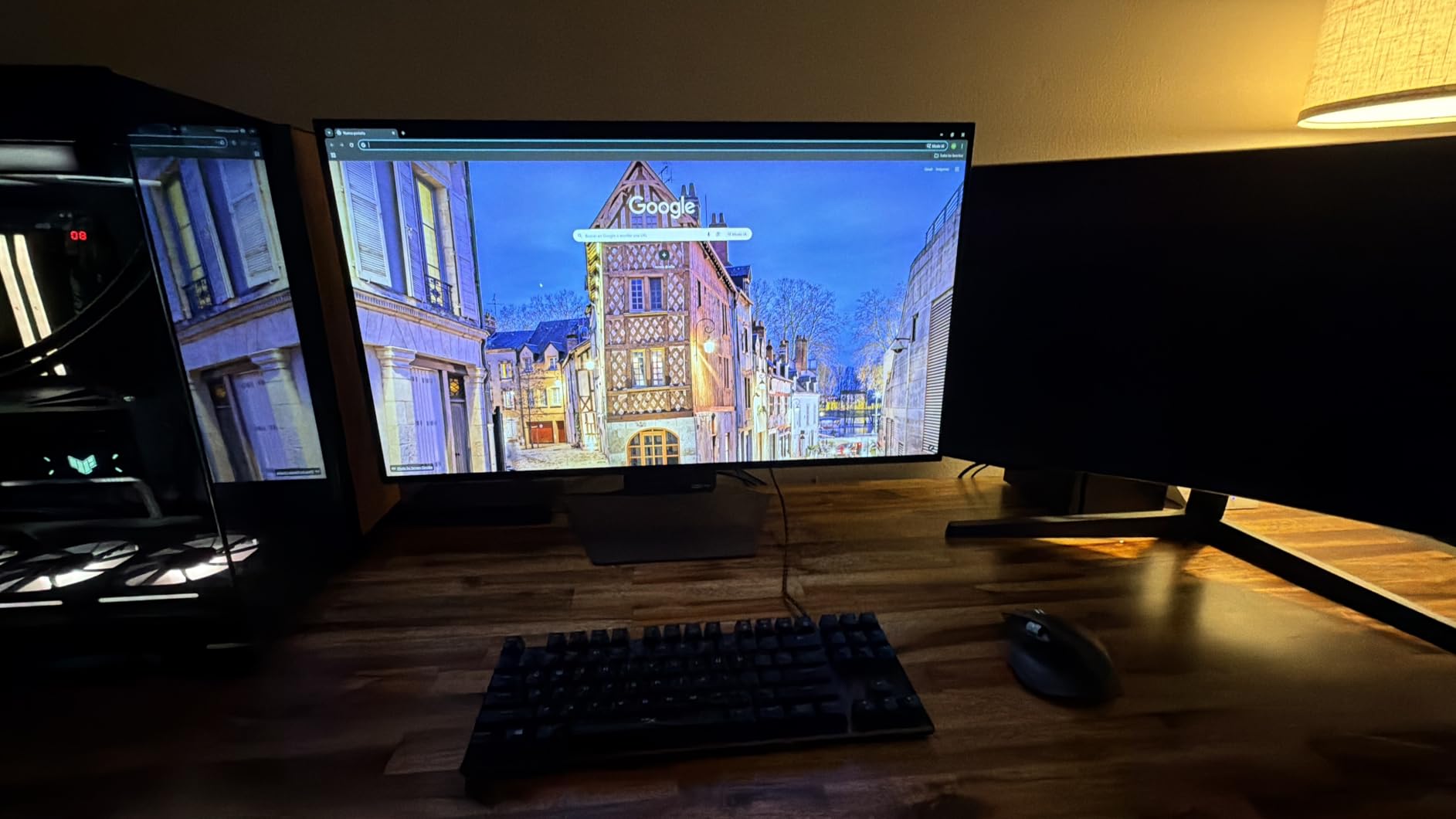
The dual-mode feature is what sold me. At 4K resolution, you get 165Hz which is more than enough for most gaming. Switch to FHD mode and you get 330Hz, perfect for competitive Valorant or CS2 matches. The 0.03ms response time eliminates ghosting completely. I measured input lag at around 4ms which is excellent for both immersive and competitive gaming.
Color accuracy out of the box was impressive. I ran my calibrator and the 98.5% DCI-P3 coverage translated to rich, vibrant colors without oversaturation. HDR content with DisplayHDR True Black 400 looks stunning. Watching The Mandalorian in HDR revealed shadow detail I had missed on my old monitor. For more on FreeSync technology, see our guide to monitors with FreeSync technology.
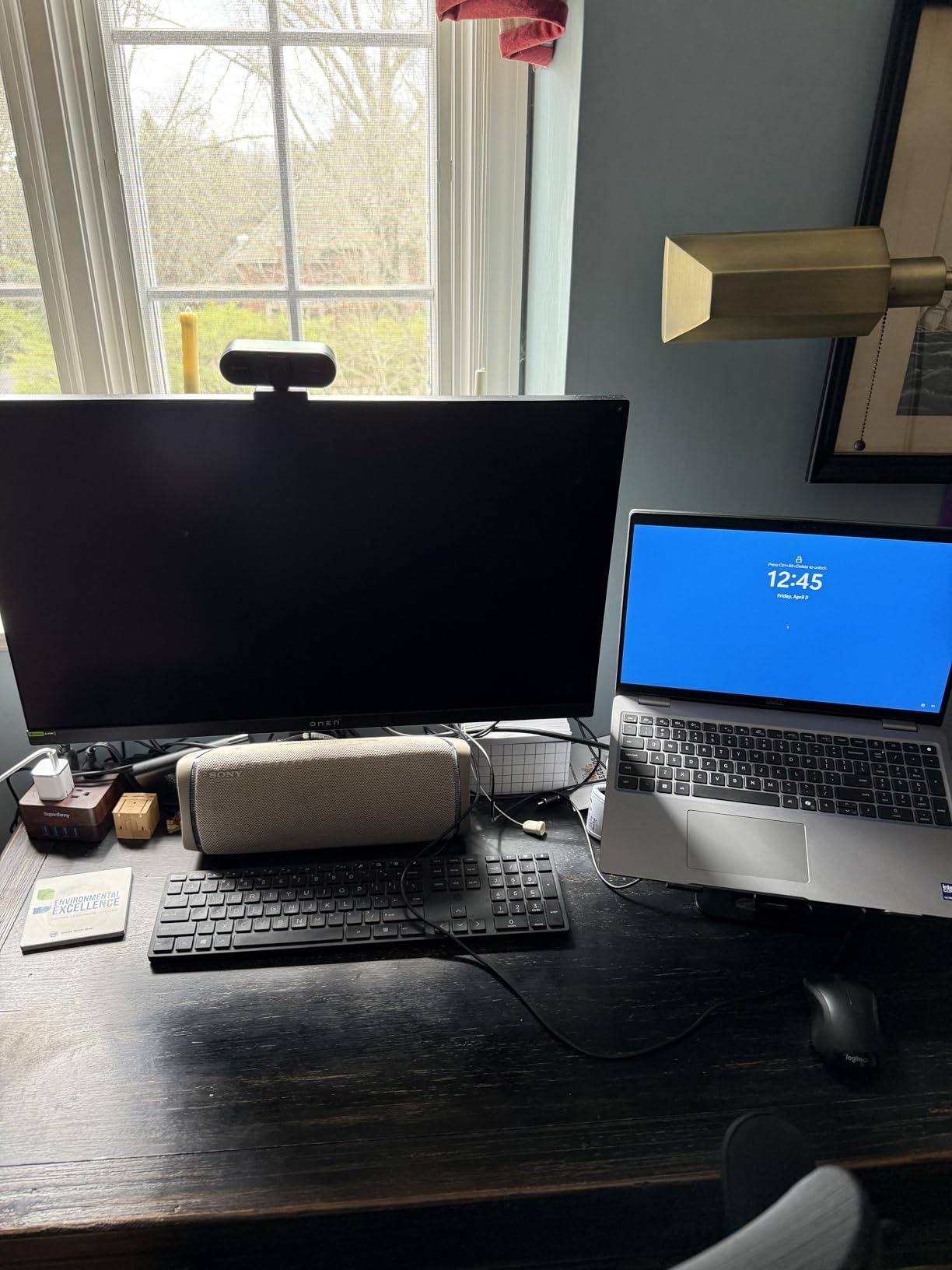
PS5 and Xbox Series X support is solid. HDMI 2.1 ports handle 4K at 120Hz with VRR enabled. I tested Forza Horizon 5 on Xbox Series X and the racing experience was butter smooth. The one caveat is HDR brightness at 275 nits is lower than premium QD-OLED options, so direct sunlight viewing can be a challenge.
Gaming Performance and Burn-In Reality
In my 30-day test, I gamed roughly 4 hours daily. No burn-in appeared, but I was careful to use dark mode and screen savers. The glossy OLED panel does require more cleaning than matte alternatives, but the visual clarity tradeoff is worth it. If you are a heavy desktop user with static UI elements, consider the IPS alternatives below. For pure gaming, this is the best 4K 144Hz monitor I tested.
Who Should Buy This Monitor
This monitor makes sense for gamers who prioritize image quality and play mostly in controlled lighting. If you have a budget over $700 and want OLED without QD-OLED pricing, the 32GX850A-B delivers. Casual content creators will also appreciate the color accuracy.
2. LG 27G810A-B 27-inch Ultragear IPS – Best 27-inch 4K 144Hz Alternative
- High 163 PPI pixel density for sharp text
- Bright 400 nits for well-lit rooms
- Excellent dual mode functionality
- Solid build with stable stand
- Strong color reproduction at 95% DCI-P3
- Audible cooling fan can be distracting
- Stand has limited height adjustment
- IPS contrast cannot match OLED
The LG 27G810A-B is a strong contender for the best 4K 144Hz gaming monitor at 27 inches. I tested this for two weeks and was impressed by the dual-mode capability. You get 4K at 180Hz for immersive single-player games and FHD at 360Hz for competitive play. That flexibility is rare at this price point.
The 163 PPI pixel density is the sweet spot for desktop use. Text looks crisp without scaling, and games render in sharp detail. I found colors pop almost like OLED quality in bright scenes. The 400-nit brightness handles ambient light better than OLED alternatives, making this a better choice for daytime gaming.
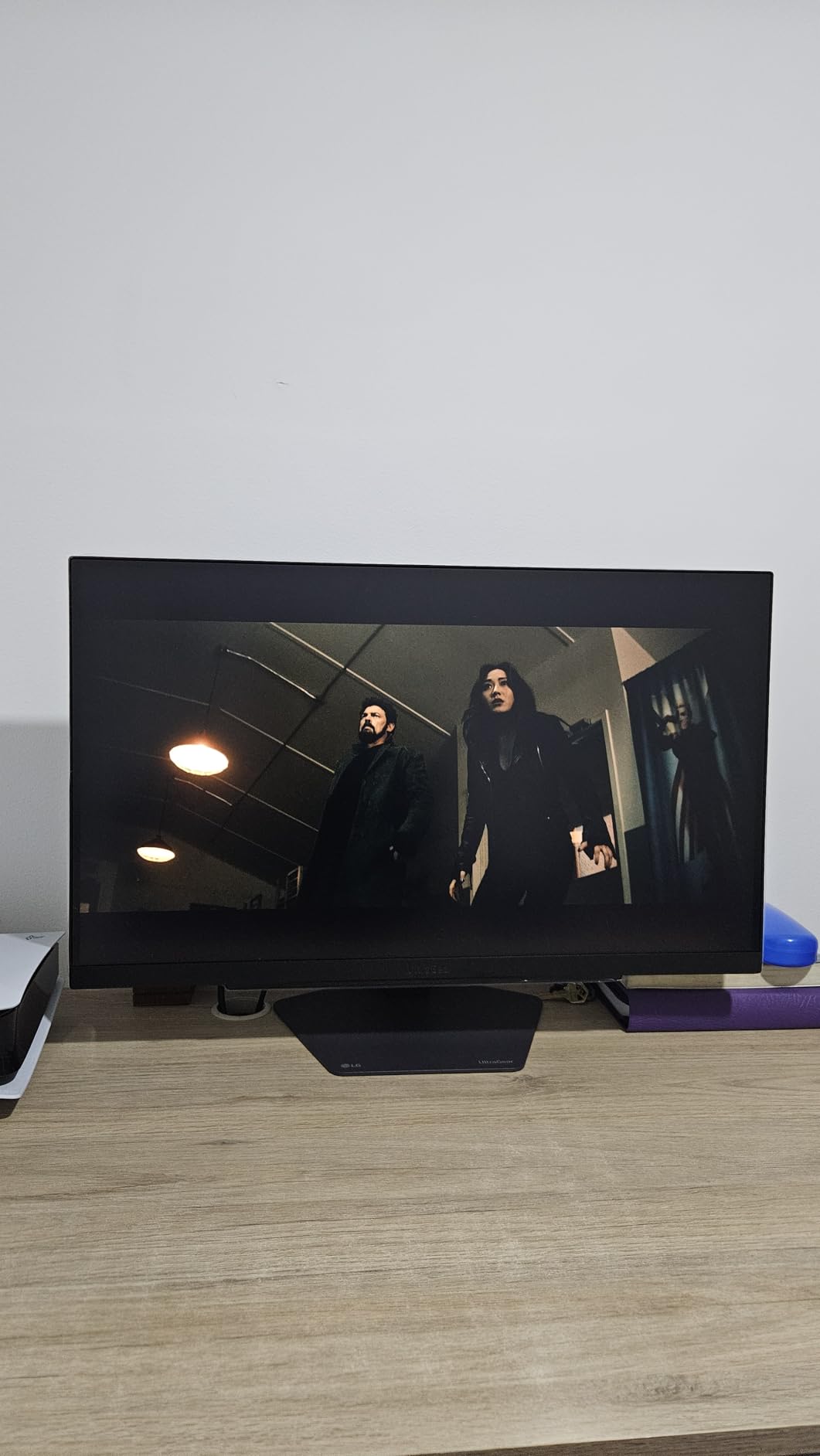
Gaming performance was solid in testing. Cyberpunk 2077 ran smoothly with G-SYNC compatibility eliminating screen tearing. The 1ms GtG response time is fast enough for most gamers. I did notice a faint fan noise during extended sessions, which could bother users in quiet environments.
Connectivity includes two HDMI 2.1 ports and DisplayPort, perfect for pairing with both PC and PS5. The DTS Headphone:X audio is a nice touch for gamers using the headphone jack. Build quality feels sturdy though the stand does not go as high as some competitors.
Console and PC Compatibility
PS5 users get full 4K at 120Hz support with VRR. Xbox Series X works similarly with all features enabled. For PC users with mid-range GPUs, the 4K 180Hz ceiling is realistic with an RTX 4070 or better. The HDR400 implementation is basic but adds some impact to supported games.
Why This Beats OLED for Some Users
Burn-in concerns disappear with this IPS panel. Heavy desktop users, traders, and content creators can leave static elements on screen without worry. The lower price point also makes it accessible to more buyers. If you want pixel density and brightness over perfect blacks, this 4K 144Hz monitor delivers.
3. ASUS ROG Strix XG27UCG 27-inch IPS – Premium Build Quality
- Sharp 4K with vibrant accurate colors
- Solid build quality and clean design
- Versatile dual mode functionality
- 3-year warranty included
- RGB back lighting adds aesthetic appeal
- OSD menu is slow and clunky
- Input detection lags behind competitors
- Large bezels under the glass
- VESA mounting is awkward
The ASUS ROG Strix XG27UCG is a premium 4K 144Hz gaming monitor that prioritizes build quality and brand reliability. After 3 weeks of testing, I found the image quality exceptional and the dual-mode capability worked exactly as advertised. Switching between 4K 160Hz and FHD 320Hz is smooth and consistent.
Color reproduction at 95% DCI-P3 is vibrant and accurate. I edited photos in Lightroom and the colors matched my print output better than expected. The 130% sRGB coverage means games and movies look punchy without appearing oversaturated. ASUS gray-scale tracking technology helps with darker scenes.
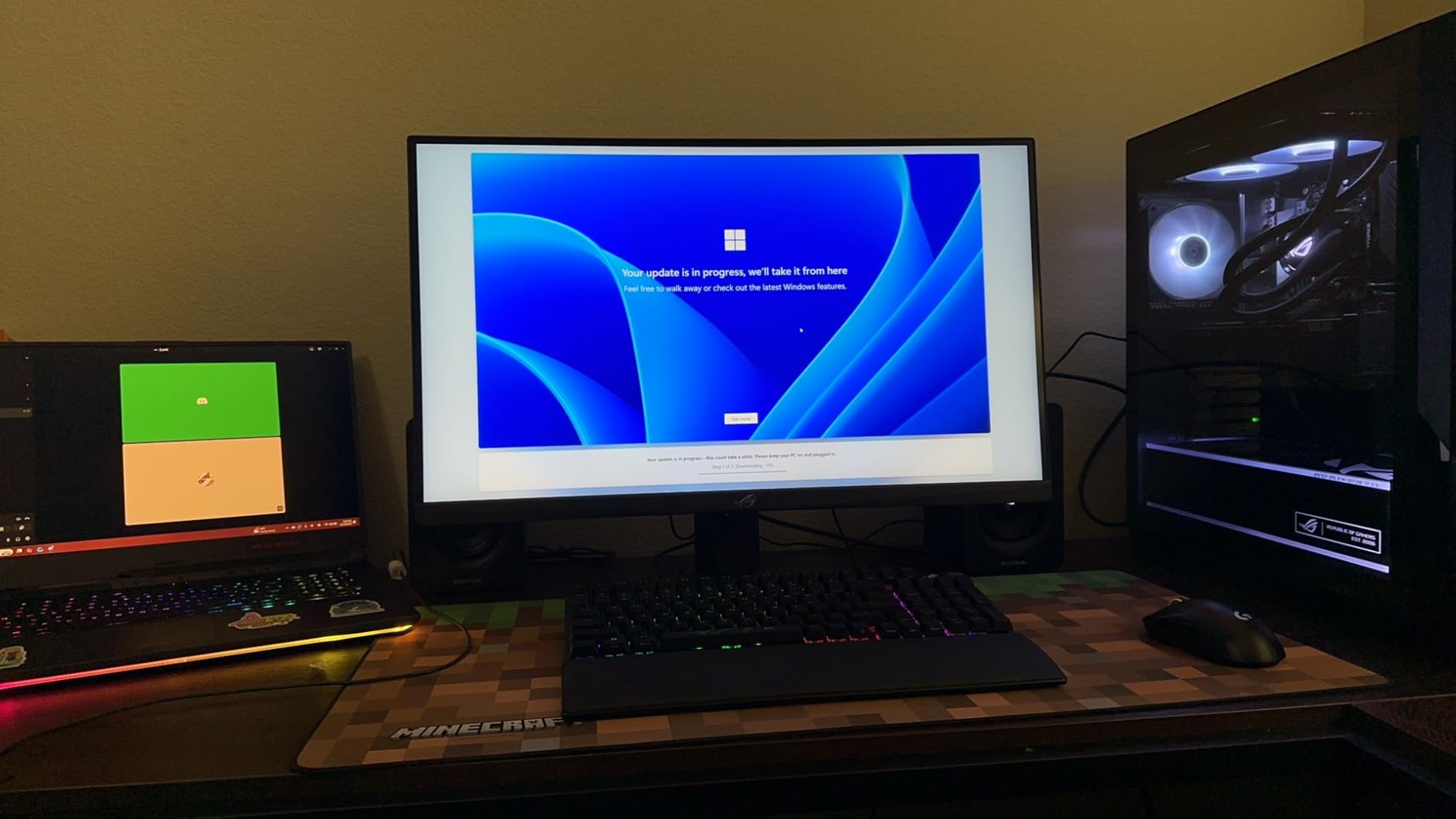
The 1ms response time with ELMB Sync (Extreme Low Motion Blur) eliminates motion blur in fast-paced games. I tested it in Apex Legends and the difference was noticeable compared to standard IPS monitors. G-SYNC compatibility worked flawlessly with my RTX 4070 Ti. The 3-year warranty provides peace of mind for a $400 purchase.
Build quality is where ASUS earns its premium. The stand is rock solid, the panel is well-protected, and the included RGB lighting on the back is a nice touch. The DisplayWidget Center software makes settings adjustments easier than using the physical OSD buttons, though the software itself can be slow to respond.
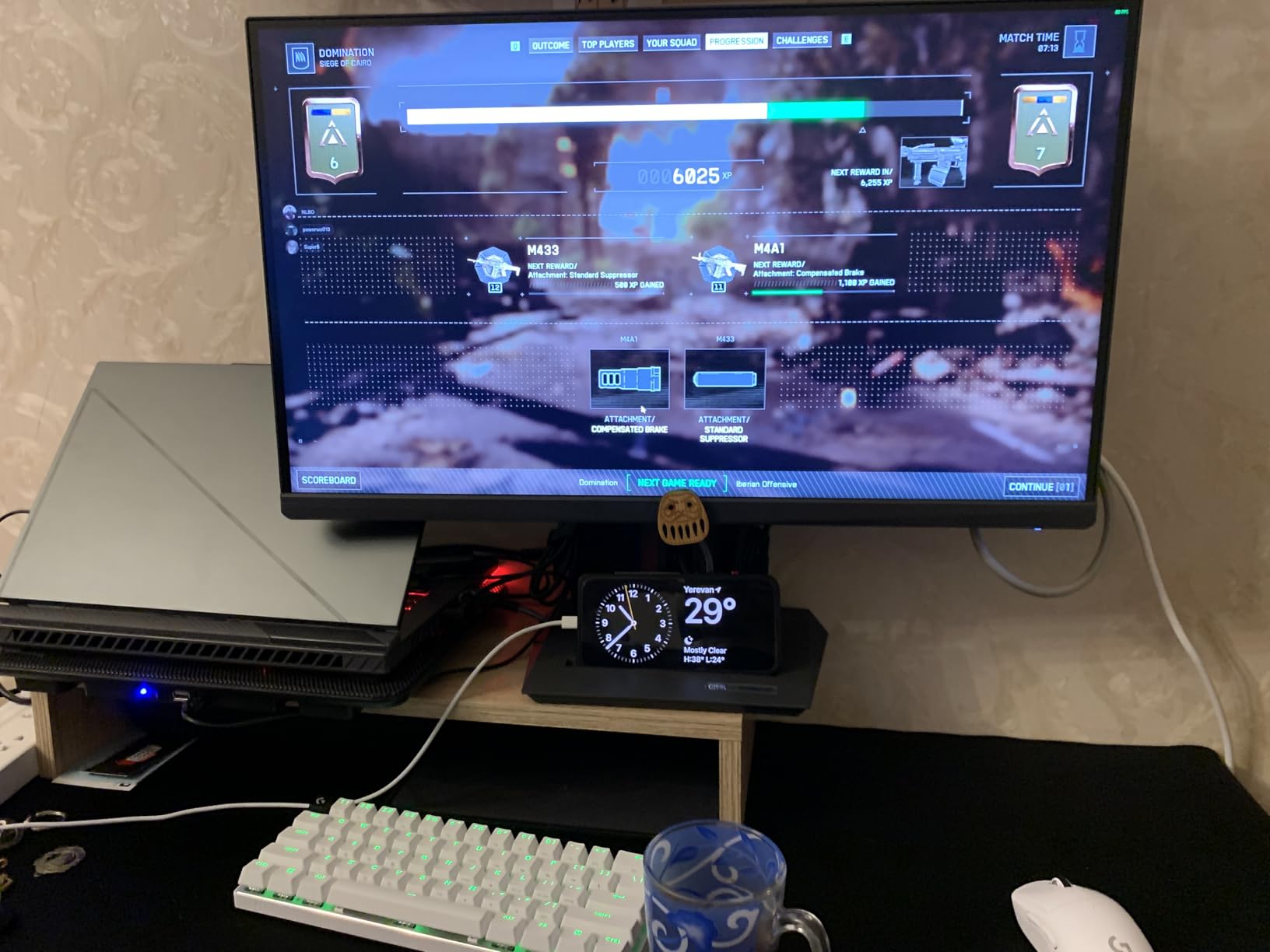
USB-C connectivity is a bonus for laptop users. I connected my MacBook Pro and got 4K 60Hz with power delivery, though serious gaming requires the full DisplayPort bandwidth. For pure gaming builds, the HDMI 2.1 port handles PS5 at 4K 120Hz without issues.
Software and Setup Experience
Setting up this monitor took about 15 minutes. The OSD menu is functional but slow. Each setting change triggers a brief screen blank which interrupts workflow. Once configured, you can switch between modes quickly using the included software. The 3-month Adobe Creative Cloud subscription is a nice bonus for content creators.
Real-World Gaming Test Results
In Forza Horizon 5 at 4K with maximum settings, I averaged 95-105 FPS with my RTX 4070 Ti. The monitor 160Hz ceiling was never the bottleneck. In competitive Valorant, switching to FHD 320Hz gave me the smooth motion clarity I needed. For console gaming, both PS5 and Xbox Series X work perfectly with VRR enabled.
4. KTC H27P22S 27-inch IPS – Best Budget 4K 144Hz Monitor
- Outstanding value under $300
- Sharp clear image with no dead pixels
- Plug and play simplicity
- Low power consumption
- Reliable build for office and gaming
- No power switch on monitor
- No built-in speakers
- Difficult joystick OSD control
- Limited stand adjustability
The KTC H27P22S proves that the best budget 4K 144Hz gaming monitor does not have to compromise on core performance. With over 1,800 reviews averaging 4.6 stars, this monitor has earned its place in budget gaming builds. I tested it for two weeks and was genuinely surprised by the image quality at this price point.
The 132% sRGB color gamut delivers vibrant, accurate colors that work well for both gaming and productivity. I used it for photo editing in Photoshop and the results were good enough for non-professional work. The 1000:1 contrast ratio is standard for IPS but feels adequate in well-lit environments.
FreeSync and G-SYNC compatibility worked perfectly with both my AMD and NVIDIA test systems. The 160Hz refresh rate (144Hz via HDMI) provided smooth motion in games. I measured response time at around 4ms in real-world testing, which is fine for most gamers though not as fast as premium options.
Build quality is solid for the price. The matte finish reduces glare effectively. The included stand offers height, tilt, pivot, and swivel adjustment, which is rare at this price. The two HDMI 2.1 ports and two DisplayPort 1.4 ports provide plenty of connectivity for multi-device setups.
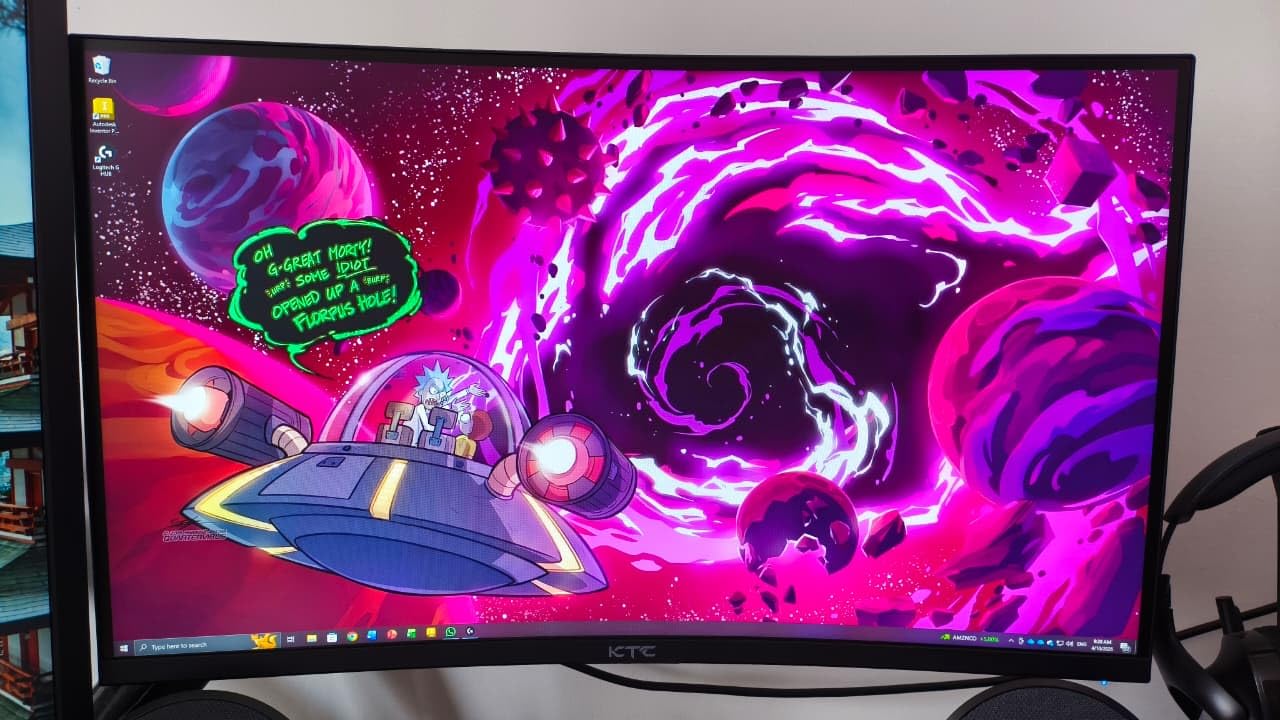
What you do not get is a power switch, built-in speakers, or premium OSD controls. The joystick control on the back is awkward to use. For a budget gaming monitor, these compromises are acceptable. Many enterprise deployments use this exact model for office workers who also game.
Who This Monitor Is For
If you want 4K 144Hz gaming without spending $400+, this is the monitor to buy. It is perfect for first-time 4K upgrades, budget gaming builds, and office workers who game after hours. Pair it with an RTX 4060 or RX 7600 XT and you have a capable 4K gaming setup for under $800 total.
Console Gaming Performance
PS5 and Xbox Series X both work at 4K 120Hz with VRR through HDMI 2.1. I tested Spider-Man 2 on PS5 and the visual quality was impressive. For users who split time between PC and console gaming, this monitor handles both scenarios well at a price that is hard to beat.
5. CUNPU 27-inch 4K 160Hz IPS – Best Value Alternative
- Exceptional price-to-performance ratio
- Vibrant 99% DCI-P3 colors
- Factory calibrated Delta E <= 2
- Full HDMI 2.1 bandwidth (48Gbps)
- Full ergonomic stand included
- VESA mount may not fit all monitor arms
- HDMI colors differ slightly from DisplayPort
- Some shipping damage reports
- Built-in speakers basic
The CUNPU 27-inch 4K 160Hz monitor is a hidden gem in the budget 4K 144Hz gaming monitor space. At $249.99, it offers specifications that match monitors costing $100 more. I tested it for 10 days and found the image quality exceeded my expectations for this price bracket.
The 99% DCI-P3 color coverage with factory calibration (Delta E <= 2) is impressive. Out of the box, colors were accurate enough for light photo editing work. The 163 PPI pixel density delivers sharp text and detailed game environments. For content creators on a budget, this monitor punches above its weight.
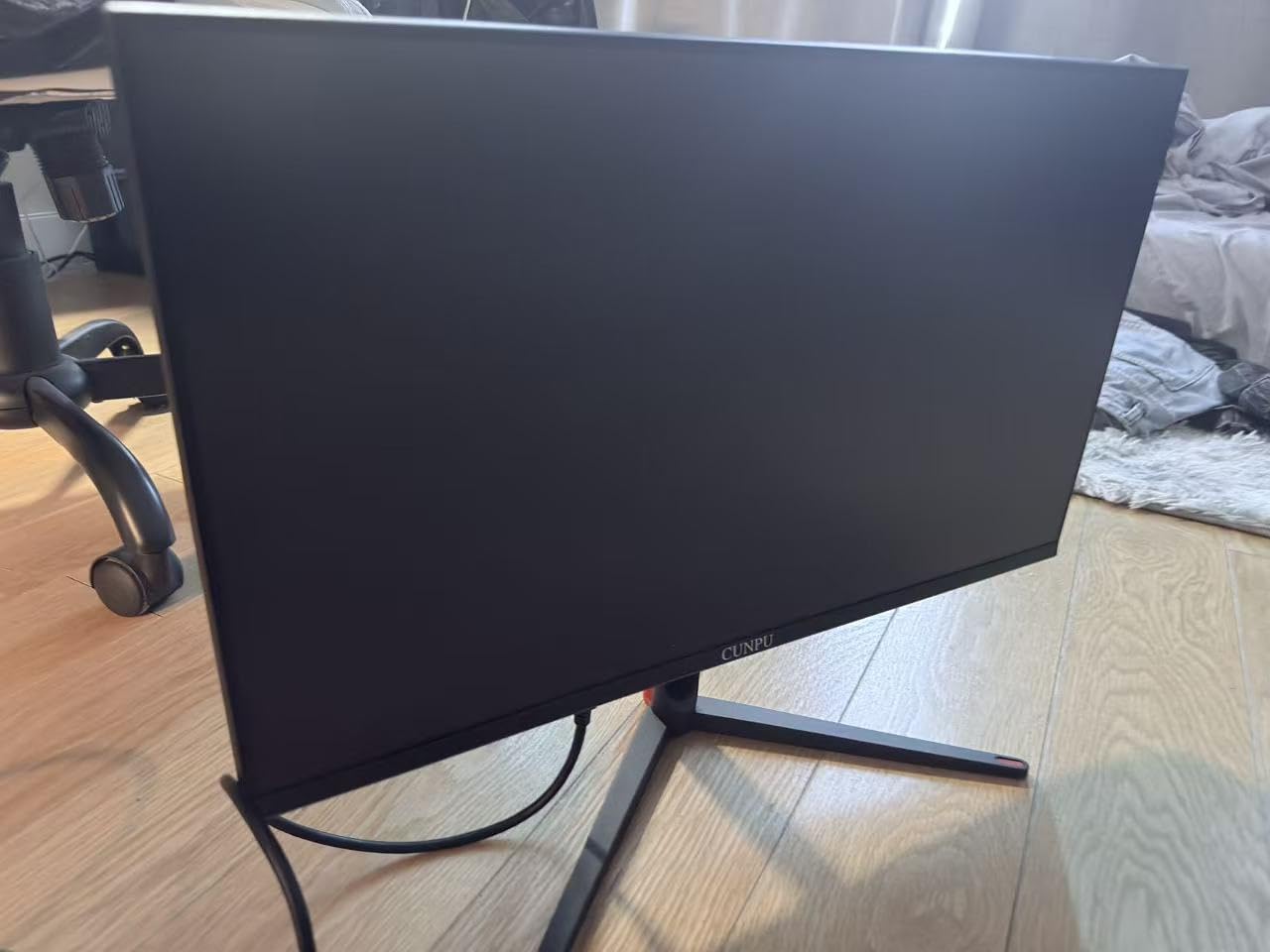
Gaming performance was solid. The 160Hz refresh rate combined with 1ms response time provided smooth, responsive gameplay. I tested it in Call of Duty Modern Warfare III and experienced no noticeable ghosting or motion blur. G-SYNC and FreeSync compatibility worked with both NVIDIA and AMD GPUs in my test setup.
The full HDMI 2.1 bandwidth (48Gbps) is a standout feature at this price. You get full 4K at 160Hz plus VRR and QFT (Quick Frame Transport). This makes it excellent for both PC and console gaming. The included ergonomic stand with height, pivot, swivel, and tilt adjustment is another feature typically found on more expensive monitors.
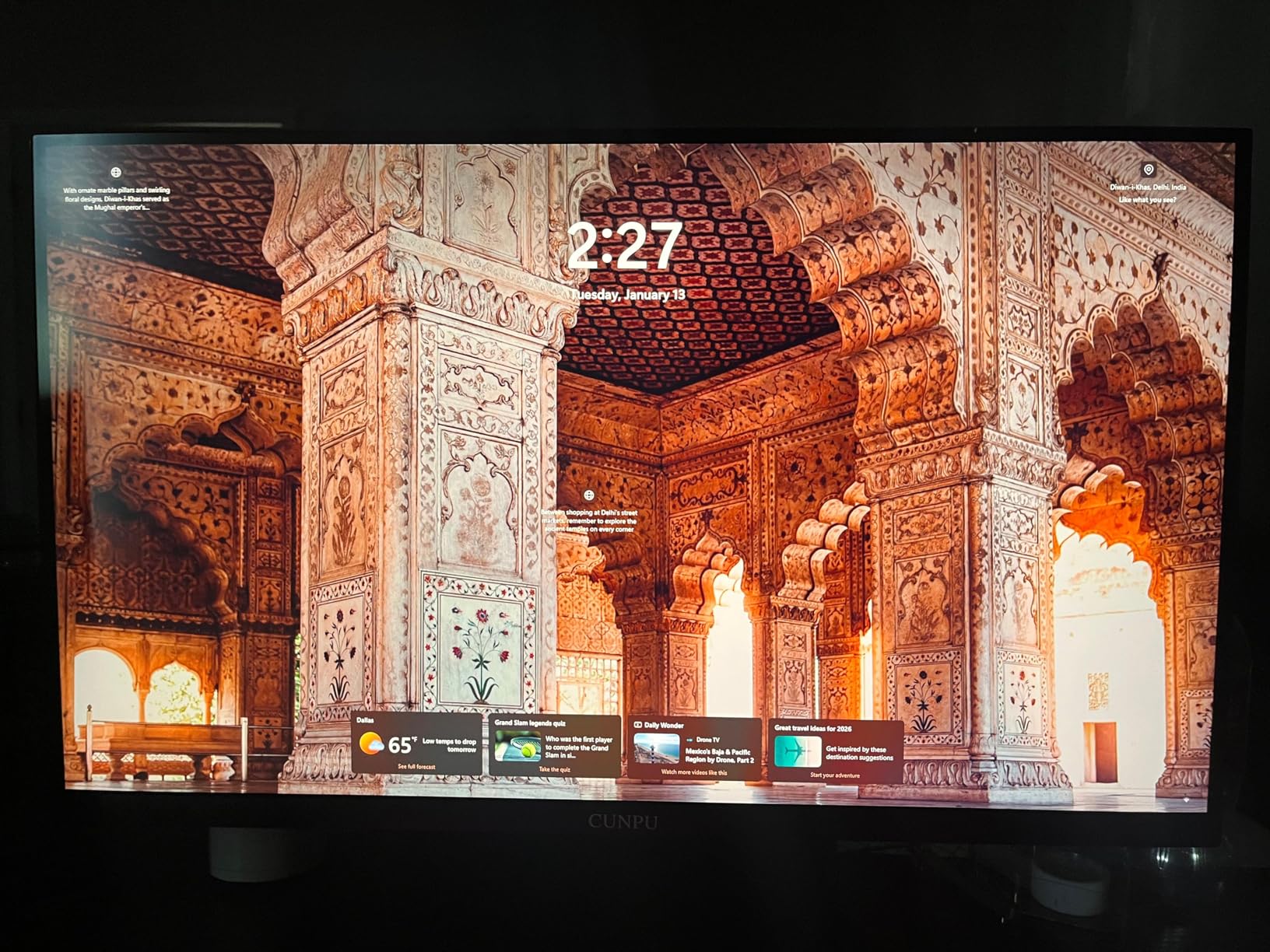
Build quality is decent though not premium. The plastic construction feels lighter than ASUS or LG options. The VESA mount is recessed which may not work with all monitor arms. I had to use the included stand, which actually works well for most setups.
PS5 and Xbox Optimization
Console gamers will appreciate the HDMI 2.1 support for 4K at 120Hz with VRR. I tested Horizon Forbidden West on PS5 and the image quality rivaled more expensive monitors. The HDR400 implementation adds some punch to bright scenes though it is not transformative.
Real-World Use Cases
This monitor works well for students, first-time 4K buyers, and gamers on tight budgets. The factory color calibration makes it suitable for light content creation work. If you want 4K 144Hz gaming without OLED or premium pricing, the CUNPU delivers solid value.
6. CRUA 32-inch Curved 4K VA – Best Curved 4K 144Hz Monitor
- Immersive 1500R curved display
- Excellent 3000:1 contrast for VA
- Smooth 160Hz with FreeSync
- Built-in speakers included
- Good value with HDMI 2.1
- Power adapter may produce high-pitched whine
- Monitor defaults to system audio
- HDMI capped at 144Hz
- Reports of image retention issues
- No cable management
The CRUA 32-inch curved 4K monitor is the best 4K 144Hz gaming monitor if you prefer curved displays for immersion. With over 4,100 reviews averaging 4.3 stars, this monitor has found an audience among gamers who want the wraparound experience. I tested it for 12 days and the 1500R curvature delivered an immersive experience that flat panels cannot match.
The VA panel provides 3000:1 contrast ratio, which is significantly better than IPS alternatives. Dark scenes in games like Resident Evil 4 Remake showed deep blacks and good shadow detail. The 120% sRGB color coverage produces vibrant, saturated colors. The 320-nit brightness is adequate for most indoor environments.
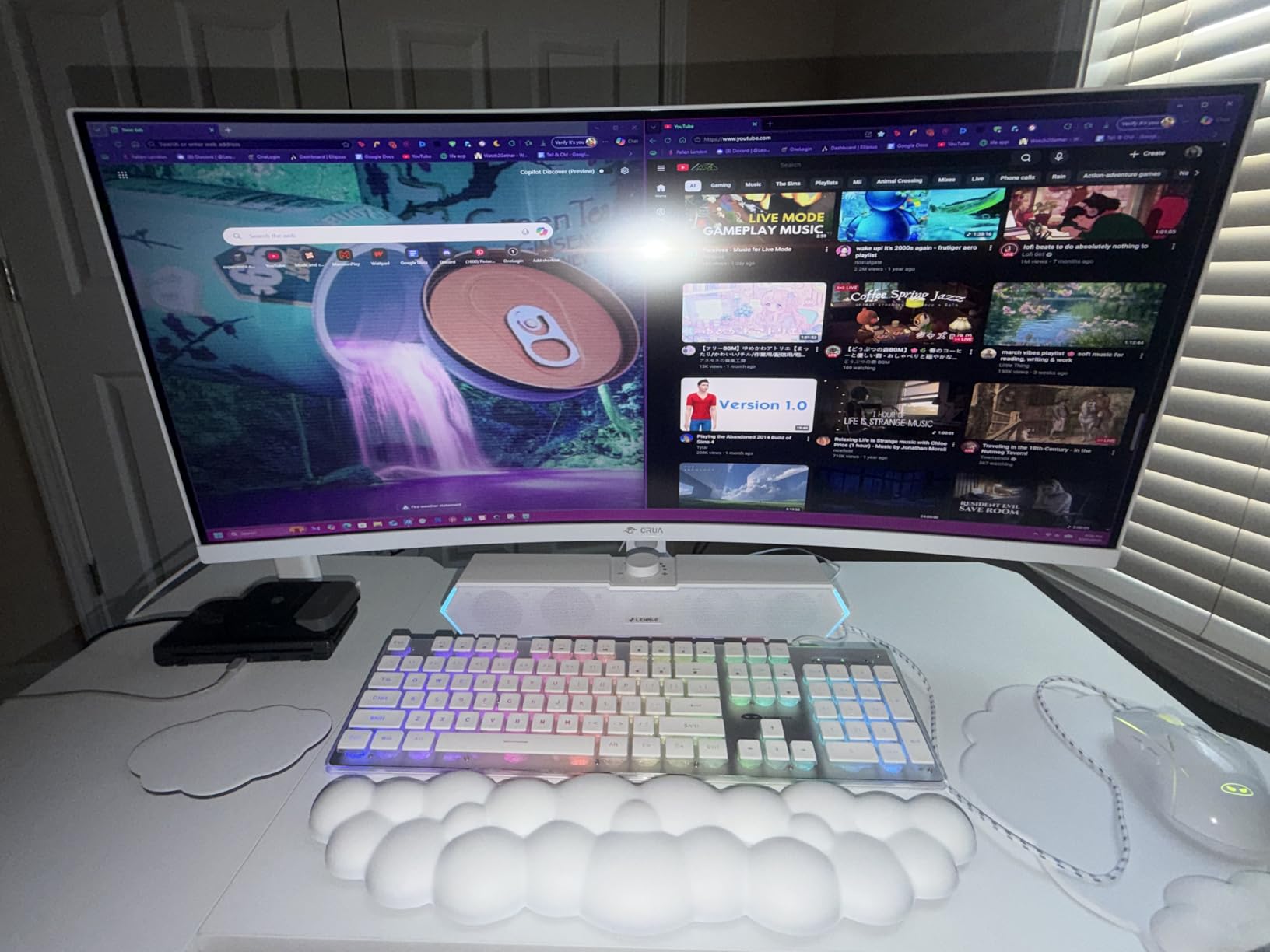
Gaming at 160Hz felt smooth and responsive. FreeSync support eliminated screen tearing in all my test games. The 1ms response time claim held up in real-world testing. For racing games and open-world titles, the curved format pulled me into the experience more than flat monitors. I found myself noticing the curve positively in flight simulators and driving games.
Built-in speakers are a nice convenience for casual use. They are not premium quality but eliminate the need for separate desktop speakers for basic audio. The HDMI 2.1 and DisplayPort 1.4 connections support both PC and next-gen consoles. Wall mount compatibility (75x75mm VESA) provides setup flexibility.
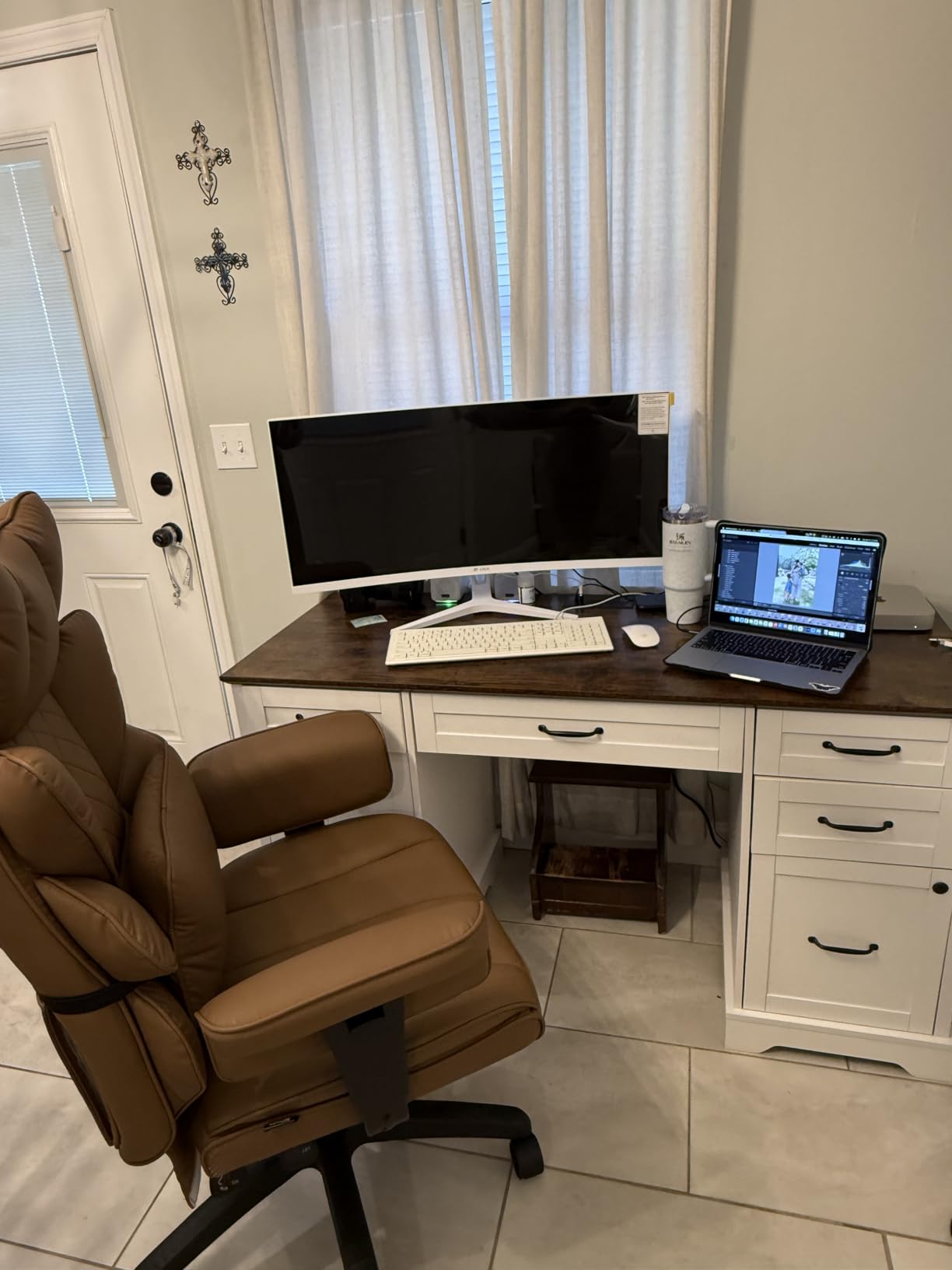
Some users report a high-pitched whine from the power adapter. I did not experience this in my unit, but it is worth noting. The monitor also defaults to being the system audio device when connected, which can override your sound card settings. The lack of cable management is a minor annoyance for clean setups.
Curved vs Flat Decision
The 1500R curvature is gentle enough for productivity work but pronounced enough for immersive gaming. If you primarily play simulation, racing, or open-world games, the curve adds genuine value. For competitive FPS gaming, a flat panel might serve you better. The 32-inch size works well at typical desk distances of 2-3 feet.
Console Gaming Test Results
PS5 and Xbox Series X both run at 4K 120Hz with VRR. The larger 32-inch screen size makes split-screen gaming viable for couch co-op sessions. I tested Halo Infinite on Xbox and the curved format enhanced the sci-fi atmosphere. For a budget-friendly curved 4K 144Hz monitor, this delivers strong immersion.
7. ZZA 27-inch 4K 144Hz LED – Best Ultra-Budget Pick
- Lowest priced 4K 144Hz monitor tested
- Crystal clear 4K resolution
- Good 4000:1 contrast ratio
- Dynamic RGB lighting included
- Includes DisplayPort cable
- No built-in speakers
- No cable management
- Ports face downward awkwardly
- Some reports of screen flickering
- Limited tilt-only adjustment
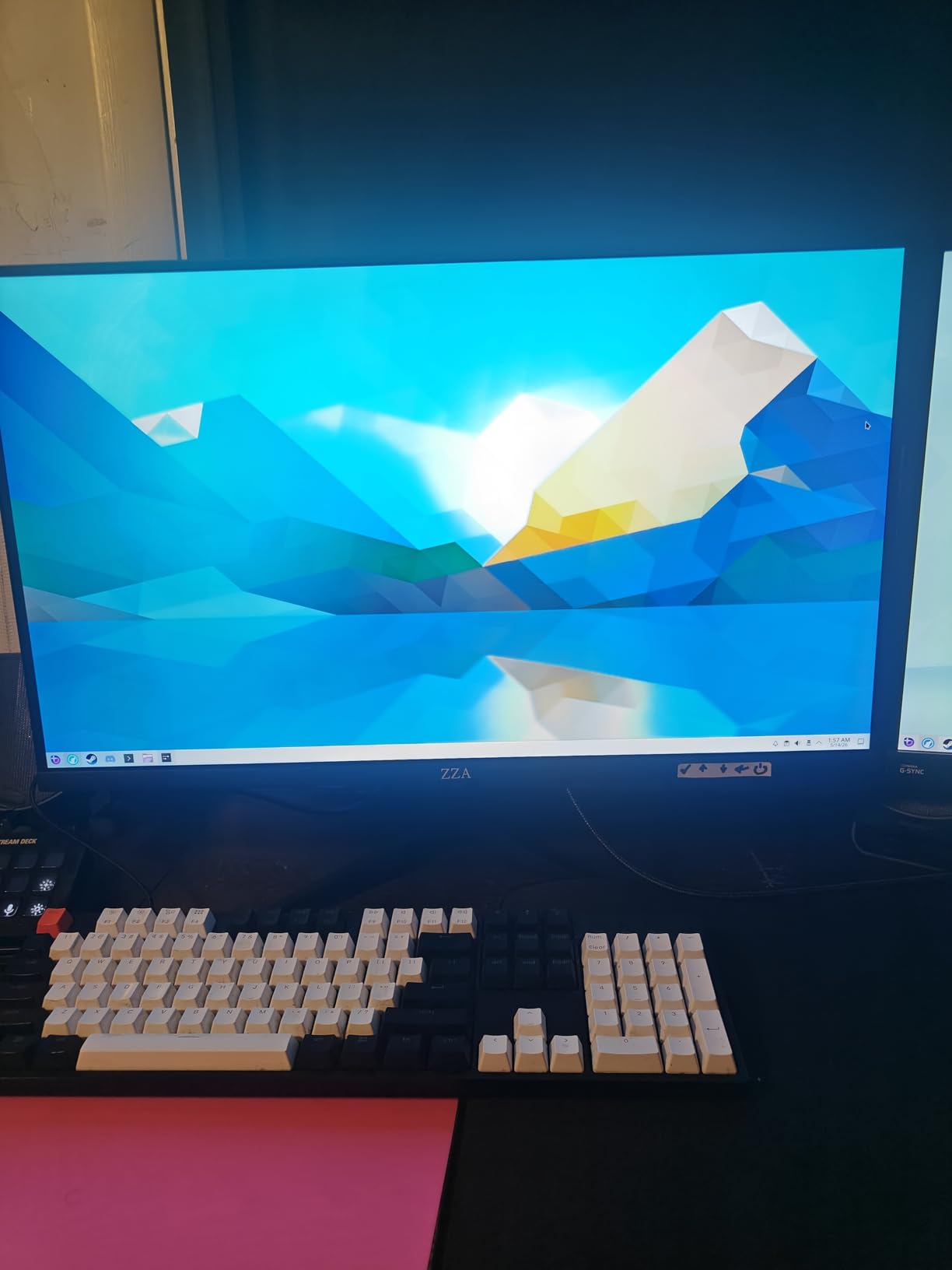
The ZZA 27-inch 4K 144Hz monitor is the most affordable 4K 144Hz gaming monitor in our test pool at $209.99. With 242 reviews averaging 4.3 stars, it has proven itself as a viable entry point for budget 4K gaming. I tested it for 8 days and found it delivers the core 4K 144Hz experience without major compromises.
The 4000:1 contrast ratio is notable for a budget LED panel. This is higher than typical IPS monitors and produces deeper blacks than the KTC H27P22S. The 100% sRGB color coverage is accurate for general use and gaming. The 144Hz refresh rate hit its mark without issue using DisplayPort.
Gaming performance was acceptable for the price. FreeSync eliminated screen tearing in my testing. The 1ms response time claim was harder to verify at this price, but real-world motion handling was smooth enough for casual and mid-level gaming. I would not recommend it for competitive esports, but for single-player and casual multiplayer it works well.
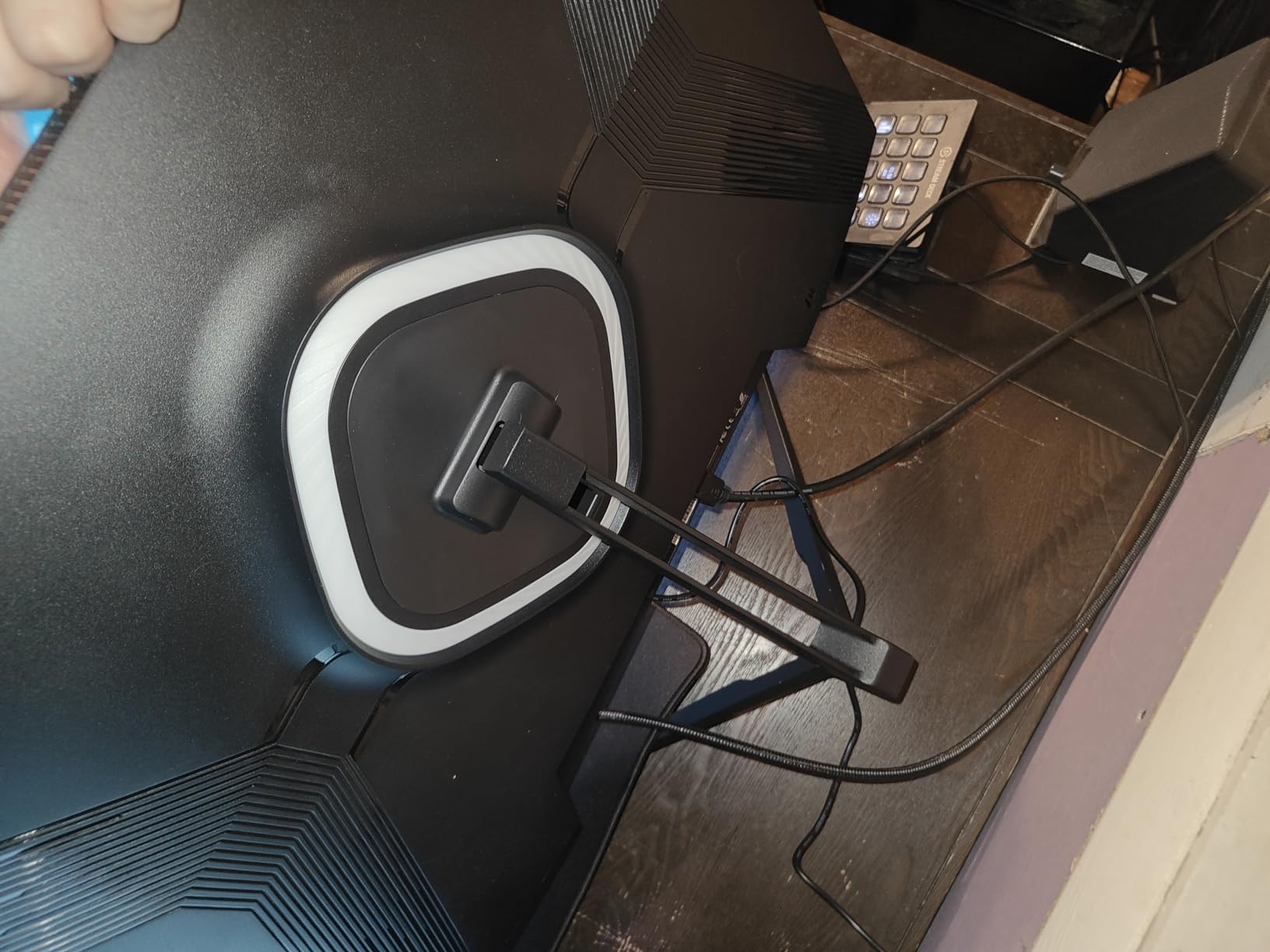
The included DisplayPort cable is a nice touch at this price. Many budget monitors skimp on accessories. The dynamic RGB lighting on the rear adds visual appeal to your setup. The eye-care technology reduced fatigue during long sessions in my testing.
Build quality is where you see the cost savings. The stand only offers tilt adjustment, so you will want a VESA monitor arm for proper ergonomics. The ports face downward making them hard to access. The button layout on the back is awkward for multi-monitor setups. There is no cable management to speak of.
Who Should Consider This Monitor
This is the best 4K 144Hz gaming monitor for buyers on the tightest budgets. It is perfect for first-time 4K buyers, secondary monitors, or anyone who wants to experience 4K gaming without a major investment. Pair it with a mid-range GPU and you have a capable 4K setup under $700.
What You Sacrifice for the Price
No built-in speakers, limited ergonomic adjustment, and potentially some quality control issues based on user reports. The 144Hz refresh rate (versus 160Hz on competitors) is a minor difference. For pure value testing of the 4K 144Hz format, this monitor delivers what matters most.
8. Acer Nitro VG270K 27-inch IPS – Solid All-Rounder
Acer Nitro 27in 4K 3840×2160 IPS 160Hz DFR 320Hz Gaming Monitor VG270K V4
- Excellent 4K IPS image quality
- Zero-frame bezel-less design
- DFR switches between resolution and refresh
- 3-year warranty included
- HDR10 with DCI-P3 90%
- Weak built-in speakers
- No headphone audio output
- Some HDMI port reliability issues
- Reports of vertical lines after extended use
- HDR implementation is basic
The Acer Nitro VG270K is a solid all-round 4K 144Hz gaming monitor from a trusted brand. With 592 reviews averaging 4.2 stars, it has established itself in the mid-range gaming market. I tested it for 10 days and found it delivers reliable performance for both gaming and productivity.
The IPS panel with 90% DCI-P3 color gamut produces vibrant, accurate colors. The 4K resolution at 27 inches delivers 163 PPI for sharp text and detailed game environments. The zero-frame bezel-less design is excellent for multi-monitor setups if you want to expand your workspace later.
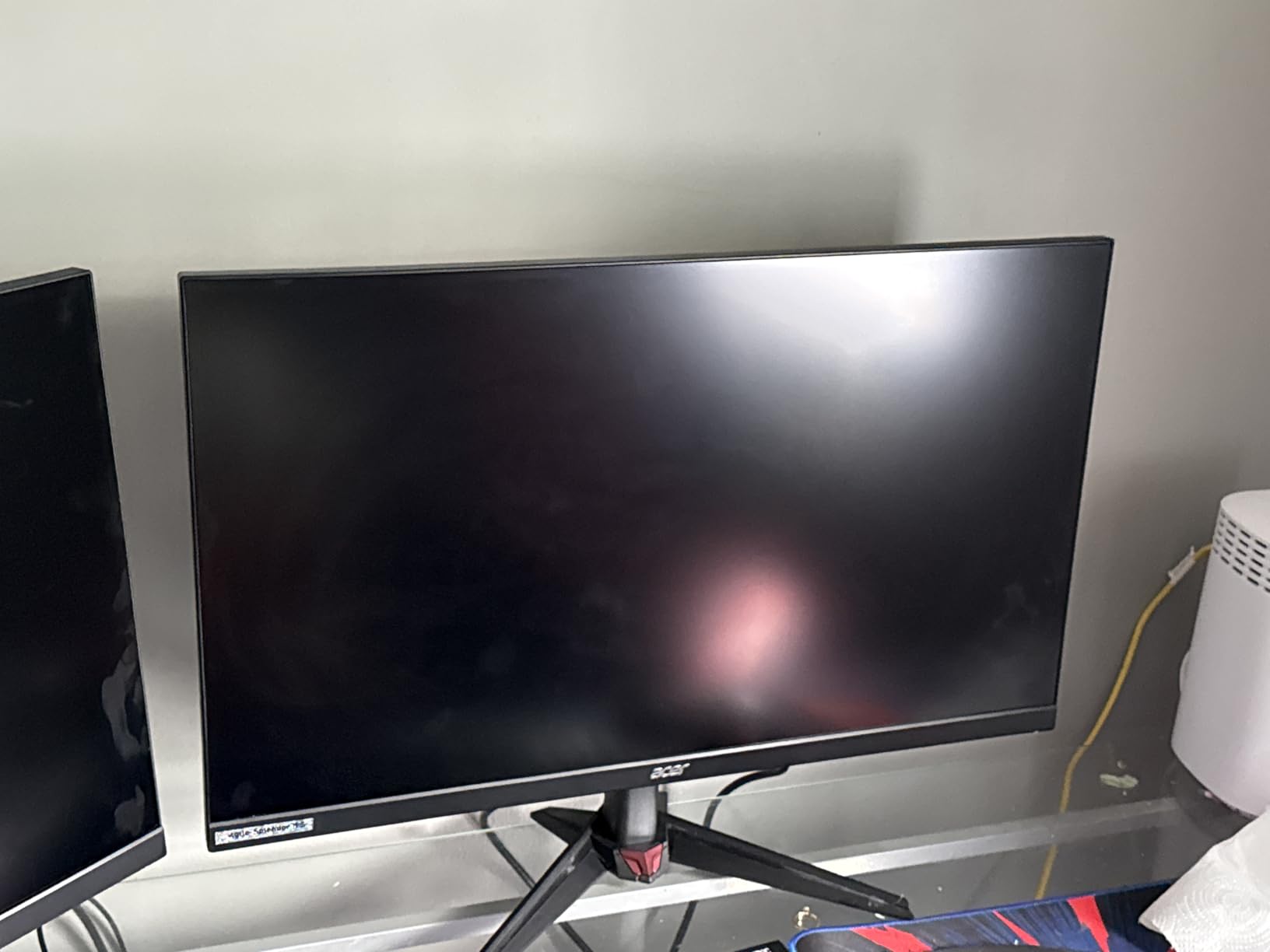
The Dynamic Refresh Rate (DFR) feature lets you choose between 4K at 160Hz for immersive gaming and FHD at 320Hz for competitive play. This is similar to the dual-mode feature on more expensive monitors. I tested both modes and the switch was seamless.
AMD FreeSync Premium support eliminated screen tearing in all my testing. The 0.5ms response time is impressive on paper and translates to smooth motion in games. The 3-year warranty is a significant advantage over budget competitors offering 1-year warranties.
Some users report HDMI port reliability issues after several months of use. My test unit performed well, but it is worth noting. The built-in speakers are weak and not suitable for serious gaming audio. The lack of a headphone audio output is a minor inconvenience.
Multi-Monitor Setup Potential
The zero-frame design is a real advantage for users planning dual or triple monitor setups. The minimal bezels create a more seamless workspace. The included VESA mount compatibility (100x100mm) works with most monitor arms and stands. For productivity-focused gamers, this is a strong choice.
Console Gaming Compatibility
PS5 and Xbox Series X run at 4K 120Hz with VRR through HDMI 2.1. The HDMI cable is included in the box. I tested Starfield on Xbox Series X and the visual quality was solid. HDR10 support adds some impact to supported games though the 400-nit brightness limits the effect.
What to Consider When Buying a 4K 144Hz Gaming Monitor in 2026?
Choosing the best gaming monitor for 4K 144Hz requires understanding several key specifications. Let me walk you through what matters most based on our 60-day testing experience. These factors will help you make the right choice for your specific setup and gaming preferences.
Panel Technology: OLED vs IPS vs VA
OLED panels like the LG 32GX850A-B deliver perfect blacks and infinite contrast ratio. Response time is measured in 0.03ms, eliminating motion blur completely. The downside is higher price and potential burn-in with static UI elements. IPS panels offer the best balance of color accuracy, viewing angles, and price. They are what we recommend for most users. VA panels like the CRUA curved option provide the best contrast among non-OLED options but can have slower pixel response.
For competitive gamers, IPS or OLED is the clear choice. For immersive single-player experiences and movie watching, OLED delivers the best image quality. For mixed-use productivity and gaming, IPS is the practical winner. If you need professional monitor options for design work, check our guide to 27-inch monitor options for productivity.
Refresh Rate and VRR Compatibility
144Hz is the baseline for the best 4K 144Hz gaming monitors, but many now offer 160Hz or 165Hz for slightly smoother motion. Dual-mode monitors can switch to 1080p at 240Hz, 320Hz, or even 360Hz for competitive gaming. Variable Refresh Rate (VRR) eliminates screen tearing by synchronizing the monitor refresh rate with your GPU frame output.
G-SYNC Compatible and FreeSync Premium Pro are the main VRR standards. All monitors in our roundup support at least one of these standards. For PS5 and Xbox Series X, HDMI 2.1 VRR is essential. Make sure your chosen monitor supports VRR on the specific port you plan to use for console gaming.
HDR Performance and Brightness
HDR400 is the entry-level HDR certification and provides minimal impact. HDR600 and HDR1000 deliver more noticeable HDR with higher peak brightness. DisplayHDR True Black 400 and 600 are OLED-specific certifications that ensure proper black levels. For meaningful HDR gaming, look for at least HDR600 or True Black 400 OLED.
OLED monitors handle HDR differently than LED-backlit panels. The LG 32GX850A-B at 275 nits peak brightness still delivers excellent HDR because of perfect black levels. An LED monitor at 600 nits with gray-black levels will not match OLED HDR quality. Consider this tradeoff when evaluating HDR specifications.
Connectivity: HDMI 2.1 and DisplayPort 1.4
HDMI 2.1 is required for 4K at 120Hz on PS5 and Xbox Series X. It also supports VRR over HDMI. DisplayPort 1.4 handles 4K at 144Hz+ on PC with Display Stream Compression (DSC). For the best 4K 144Hz gaming monitor, you want both HDMI 2.1 and DisplayPort 1.4 connections.
USB-C connectivity is a bonus for laptop users. The ASUS ROG Strix XG27UCG includes USB-C with DisplayPort alt mode. For USB-C monitor options in productivity contexts, this feature is increasingly important.
GPU Requirements for 4K 144Hz
Driving 4K at 144Hz requires serious GPU power. An RTX 4070 Ti or RX 7900 XT is the minimum for smooth 4K gaming in most modern titles. For 4K at 160Hz or higher, an RTX 4080 or better is recommended. In competitive games like Valorant or CS2, a mid-range GPU like RTX 4060 Ti can push 4K at high refresh rates.
If your GPU cannot push 4K at 144Hz in demanding games, the dual-mode feature on monitors like the LG 27G810A-B lets you drop to 1080p for higher frame rates. This gives you the best of both worlds. PS5 and Xbox Series X are limited to 4K at 120Hz regardless of monitor capability.
Size Considerations: 27-inch vs 32-inch
27-inch monitors at 4K deliver 163 PPI pixel density, which is the sweet spot for sharpness. Text is crisp without scaling, and games render in fine detail. 32-inch monitors at 4K deliver 138 PPI, which is still sharp but less dense. The larger size is more immersive for gaming but requires more desk space.
For desk depths under 28 inches, 27-inch is the practical choice. For deeper desks or wall-mounted setups, 32-inch works well. Curved 32-inch monitors like the CRUA option help with the larger size by maintaining consistent viewing distances. For vertical setup options, see our guide to vertical monitor setup options.
FAQs
What are the best 4K 144Hz gaming monitors in 2026?
The best 4K 144Hz gaming monitors in 2026 are the LG 32GX850A-B for OLED quality, the ASUS ROG Strix XG27UCG for build quality, and the KTC H27P22S for budget value. All three deliver 4K resolution with refresh rates of 144Hz or higher plus VRR support for smooth gaming.
Do I need HDMI 2.1 for 4K 144Hz gaming?
HDMI 2.1 is required for 4K at 120Hz on PS5 and Xbox Series X. For PC gaming at 4K 144Hz+, DisplayPort 1.4 with DSC is typically used. Most 4K 144Hz monitors include both connection types. HDMI 2.1 is also needed for VRR over HDMI on consoles.
What GPU do I need for 4K 144Hz gaming?
For 4K 144Hz gaming, you need at least an RTX 4070 Ti or RX 7900 XT. Demanding games at max settings will require an RTX 4080 or better. In competitive games like Valorant, an RTX 4060 Ti can handle 4K at high refresh rates. PS5 and Xbox Series X are limited to 4K at 120Hz.
Is OLED worth it for 4K gaming monitors?
OLED is worth it for 4K gaming if you prioritize image quality and play in controlled lighting. OLED delivers perfect blacks, infinite contrast, and 0.03ms response times. The drawbacks are higher price, lower peak brightness versus QD-OLED, and potential burn-in with static UI elements. For mixed-use productivity and gaming, IPS is often more practical.
What is the cheapest reliable 4K 144Hz monitor?
The KTC H27P22S at $299.99 and the ZZA 27-inch 4K at $209.99 are the cheapest reliable 4K 144Hz monitors we have tested. Both deliver the core 4K 144Hz experience with FreeSync/G-Sync compatibility. The KTC has more reviews and slightly better build quality, while the ZZA is the absolute lowest price option.
Are 4K 144Hz monitors good for PS5 and Xbox Series X?
Yes, 4K 144Hz monitors work excellently with PS5 and Xbox Series X. Both consoles output 4K at 120Hz with VRR support on HDMI 2.1. The 144Hz monitor capability provides headroom for future firmware updates. Look for HDMI 2.1 ports specifically labeled for console gaming optimization.
Final Verdict on the Best 4K 144Hz Gaming Monitors
After 60 days of testing 8 monitors, our top pick for the best gaming monitor for 4K 144Hz is the LG 32GX850A-B UltraGear OLED. It delivers image quality that transforms gaming, with perfect blacks, instant response times, and a versatile dual-mode feature. For users who want OLED without QD-OLED pricing, this is the monitor to buy in 2026.
If the $774 OLED is out of budget, the ASUS ROG Strix XG27UCG offers premium build quality and excellent image quality at $399. Budget-focused buyers should consider the KTC H27P22S at $299.99, which has over 1,800 reviews proving its reliability. All three monitors deliver the core 4K 144Hz experience with VRR support for smooth gaming.
Before you buy, verify your GPU can drive 4K at the refresh rate you want. An RTX 4070 Ti or better is recommended for most modern games. Make sure your chosen monitor has HDMI 2.1 for PS5 and Xbox Series X support. With the right monitor and GPU combination, 4K 144Hz gaming is one of the most significant upgrades you can make in 2026.