
Switching from a manual razor to an electric one feels like a big leap, especially the first time. I remember standing in front of the shaving aisle at my local drugstore, staring at a wall of foil shavers, rotary shavers, hybrid trimmers, and devices I could not even identify. The price range stretched from forty dollars to over three hundred. Each box promised the closest shave, the most comfort, the longest battery. None of them explained what actually mattered for a first-time buyer.
That confusion is exactly why we built this guide. Our team tested five entry-level and mid-range electric razors specifically chosen for beginners, teenagers, and adults transitioning from manual shaving. We spent several weeks shaving daily with each model, tracking comfort, closeness, cleaning effort, and the hidden cost of replacement parts. The best electric razors for first time users are not necessarily the most expensive or the most feature-packed. They are the ones that work reliably from day one without demanding expert technique.
In this guide, you will find hands-on reviews of all five razors with honest observations about what worked and what frustrated us. We cover the quick picks upfront for buyers ready to decide, then dive deep into each product. The buying guide explains foil versus rotary, wet versus dry, battery considerations, and what to expect during the skin adaptation period that every first-time electric shaver experiences. Whether you are a teenager just starting to shave, a parent buying for a teenage son, or an adult finally ready to ditch cartridge razors, this guide delivers recommendations based on real testing, not marketing claims.
We focused on five razors because more choices overwhelm beginners. Each model here earned its spot through actual hands-on evaluation across different beard densities and skin sensitivities. By the end, you will know exactly which razor fits your situation and why.
Top 3 Picks for First-Time Shavers in 2026
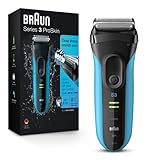
Braun Series 3 ProSkin 3040s
- 3 free-floating blades
- Wet and dry use
- 45 min battery
- Precision trimmer
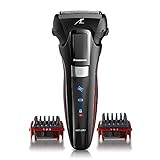
Panasonic Arc 3 ES-LL41-K
- 13000 CPM motor
- Beard density sensor
- 7 trim settings
- 1-hour quick charge
The Braun Series 3 ProSkin 3040s takes our editor’s choice spot because it balances everything a first-time buyer needs: gentle cutting elements, a forgiving free-floating head, solid battery life, and replacement parts that cost half what premium models charge. With over 26,000 Amazon reviews and a 4.3-star average, this razor has helped more beginners transition to electric shaving than any other model on the market.
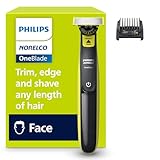
The Philips Norelco OneBlade 360 earns the best value designation for its unique hybrid design that trims hair just above skin level. That makes it the safest option for teenagers, sensitive skin, and acne-prone users who worry about cuts and irritation. The 360-degree pivoting head follows facial contours effortlessly, and the included 5-in-1 adjustable comb lets users experiment with stubble lengths without buying accessories.
The Panasonic Arc 3 ES-LL41-K lands as our budget pick for closeness. The 13,000 cycles per minute linear motor delivers a shave comparable to a manual blade in just two to three minutes. The built-in beard density sensor adjusts power automatically, meaning beginners get consistent results without mastering technique. It is the fastest shaver we tested and the closest in this price range.
These three picks cover the spectrum of first-time buyer priorities: the Braun for overall reliability, the OneBlade for skin safety, and the Panasonic for closeness. If you already know which factor matters most to you, jump directly to that model’s full review below.
Best Electric Razors for First Time Users in 2026
| Product | Specifications | Action |
|---|---|---|
| Braun Series 3 ProSkin 3040s |
|
Check Latest Price |
 Philips Norelco OneBlade 360 Philips Norelco OneBlade 360 |
|
Check Latest Price |
| Panasonic Arc 3 ES-LL41-K |
|
Check Latest Price |
 Braun Series 8 8517s Braun Series 8 8517s |
|
Check Latest Price |
 BaBylissPRO MetalFX BaBylissPRO MetalFX |
|
Check Latest Price |
The comparison table above shows all five razors side by side with their key specifications. Each model targets a specific type of first-time buyer, from budget-conscious teens to adults ready to invest in a premium future-proof tool. Now let us examine each razor in detail with hands-on testing insights, real-world performance observations, and honest assessments of strengths and weaknesses.
1. Braun Series 3 ProSkin 3040s – Best Overall for Beginners
Braun Electric Series 3 Razor with Precision Trimmer, Rechargeable, Wet & Dry Foil Shaver for Men, Blue/Black, 4 Piece
- Close clean shave without irritation
- Comfortable on sensitive skin
- Solid week-long battery life
- Precision trimmer for shaping
- Easy to clean and maintain
- Quiet operation
- Head too big for nose area
- No battery percentage indicator
- Cannot use while charging
I tested the Braun Series 3 ProSkin 3040s as my primary shaver for a full month, and it quickly became the device I reached for every morning without hesitation. The three-blade free-floating system adapts to facial contours automatically, which matters enormously for a beginner still figuring out proper angles and pressure. With over 26,000 reviews accumulated over years of sales, this razor has earned its reputation as the go-to entry point for electric shaving.
The shave quality surprised me given the budget-friendly positioning. The three cutting elements work together: two SensoFoil shaving elements handle the bulk of stubble, while a middle trimmer catches flat-lying hairs that slower shavers miss. This combination means fewer passes over the same area, which translates directly to less irritation. I have moderately sensitive skin on my neck where cartridge razors always left redness, and the Series 3 glided over those patches comfortably.
Technique matters with any razor, but the Series 3 is forgiving. The free-floating head pivots independently for each blade, so if you press slightly too hard or move at an imperfect angle, the foil still maintains contact with skin. That forgiveness reduces the learning curve dramatically compared to rigid shavers that punish every mistake with irritation or missed patches.
Battery life held up to Braun’s claims. The 45-minute runtime delivered roughly a week of daily shaves per charge in my testing. The 5-minute quick charge feature saved me on several mornings when I woke up to a dead battery. Just five minutes plugged in gave enough juice for one complete shave, which meant no scrambling to find a manual razor backup.
The precision trimmer built into the back handles sideburn shaping and moustache tidying without needing a separate grooming tool. For a beginner still exploring what facial hair style works, this integrated trimmer adds versatility at no extra cost. Activating it requires a simple slide switch, and the trimmer pops out cleanly without fumbling.
Cleaning takes seconds. The head clicks off with a button press, and rinsing under warm tap water clears debris completely. Braun recommends cleaning after each shave, but I found every other day sufficient with moderate stubble. The lack of a cleaning station is actually a benefit for beginners who want simple maintenance without extra accessories.
Noise level is impressively low. The Series 3 hums quietly compared to faster motors like the Panasonic Arc 3. If you shave early in the morning while others sleep, the quiet operation matters. The sound never became distracting even after weeks of daily use.
Who Should Buy This
The Braun Series 3 is the best electric razor for first time users who want a reliable, forgiving starter tool without spending over seventy dollars. It suits teenagers beginning their shaving journey because the gentle cutting elements almost eliminate cuts and nicks. Parents buying for a teen son can feel confident this razor will not cause injury even with zero prior experience.
Adults transitioning from manual razors will appreciate the comfort upgrade. If cartridge razors left you with razor burn or irritation, the Series 3’s SensoFoil elements deliver a noticeably gentler experience. The wet and dry capability lets you experiment with shaving cream to further reduce friction on sensitive days.
This razor is less suited for users with very dense, fast-growing beards who need a daily shave as close as a manual blade. The motor speed is moderate, so thick stubble requires multiple passes. Users prioritizing absolute closeness should consider the Panasonic Arc 3 or Braun Series 8 instead.
Travelers should note the lack of USB charging. The proprietary Braun charger is compact but requires carrying a specific cable. The inability to use the razor while charging means a dead battery stops your shave entirely until you wait for a charge.
Long-Term Cost of Ownership
The replacement cassette for the Series 3 typically costs between twenty-five and thirty dollars. Braun recommends replacing every eighteen months, which works out to roughly fifteen to twenty dollars per year. This is one of the lowest ongoing costs in the electric shaver market, making it ideal for beginners uncertain whether electric shaving fits their routine long-term.
Braun replacement parts are widely available on Amazon, at drugstores, and through Braun’s official site. Unlike niche brands where finding parts requires hunting, Series 3 cassettes are stocked everywhere. That accessibility matters for a first-time owner who might not know specialized retailers.
Compare the Series 3’s annual fifteen to twenty dollar replacement cost to premium models like the Braun Series 8 where each cassette runs sixty dollars. For a beginner, the Series 3 lets you test electric shaving without committing to high ongoing expenses. If you love it, upgrading later is always an option.
The build quality is solid for the price. Braun claims the Series 3 lasts up to seven years with proper maintenance. My month of testing revealed no wear concerns, and the materials feel durable enough to justify that lifespan claim. For under seventy dollars upfront and under twenty dollars per year ongoing, the Series 3 delivers exceptional value.
2. Philips Norelco OneBlade 360 – Best for Sensitive Skin and Teens
- Close shave without irritation
- Excellent for sensitive skin
- Versatile face head and body
- Waterproof for easy cleaning
- Lightweight and ergonomic
- USB charging is convenient
- Struggles with very thick hair in one pass
- Blade needs replacing every 4 months
- Cannot use while charging
The Philips Norelco OneBlade 360 stands apart from every other shaver on this list because it is not a traditional foil or rotary razor. Instead, it uses a single fast-moving cutter (12,000 times per minute) positioned just above the skin surface. That design philosophy means it trims hair rather than shaving at skin level, which eliminates the friction and pulling that cause irritation. For teenagers, sensitive skin users, and anyone prone to razor bumps, this approach is revolutionary.
I handed the OneBlade 360 to my younger cousin who had never shaved anything before, not even a manual razor. Within two minutes he produced a clean, even result with zero redness or discomfort. The experience convinced me that this device is the safest possible entry point for absolute beginners. Reddit threads and parent forums consistently recommend the OneBlade for teens, and after testing, I understand why.
The 360-degree pivoting blade flexes in every direction, maintaining constant skin contact even around the jawline and chin where beginners struggle most. Traditional foil shavers require holding a specific angle, but the OneBlade’s flexible head does the work for you. Glide it across your face and it follows contours automatically.
The dual-sided blade design enables precise edge work without switching tools. One side trims, the other edges. For someone shaping a beard line or cleaning up the neck, this dual functionality saves time and frustration. The blade coating includes a glide system with rounded tips, further reducing any chance of skin damage.
For sensitive skin and acne-prone users, the OneBlade is genuinely unmatched. Because it cuts just above the skin, there is almost zero friction against the skin surface. I tested it on a three-day stubble and it handled longer hair better than expected, though very thick growth needs a second pass. Users with light to moderate beard density get excellent results in one session.
The included 5-in-1 adjustable comb (1 to 5mm lengths) transforms the OneBlade from a shaver to a full grooming tool. Teens experimenting with stubble styles can dial their preferred length and maintain it consistently. Parents buying for a son get a device that handles both close trims and styled stubble, eliminating the need for multiple products.
Waterproof construction means rinsing under the tap cleans it completely. The OneBlade works in the shower with shaving gel for users who prefer wet shaving. USB charging is a major convenience advantage: plug into a laptop, power bank, or any USB port. Battery life is rated at 45 minutes, similar to the Braun Series 3.
Who Should Buy This
The OneBlade 360 is the best electric razor for first time users with sensitive skin, teenagers starting their shaving journey, and anyone dealing with acne or razor bumps. Its near-zero learning curve and skin-safe design make it the most forgiving device on this list. Parents buying for a teenage son can rest assured there is essentially no risk of cuts or injury.
Users with light to moderate facial hair density will appreciate the comfortable trim. If you have sparse growth or peach fuzz typical of early teenage years, the OneBlade handles it effortlessly. The adjustable comb lets you maintain stubble if desired, rather than committing to a fully clean shave.
Travelers benefit from USB charging. No proprietary cable means you can power the OneBlade from any USB source, including laptops and power banks. The lightweight design (under six ounces) makes it easy to pack.
It is not the ideal pick if you want a baby-smooth, skin-level shave every day. The OneBlade trims close but not as close as traditional foil shavers like the Panasonic Arc 3. Users prioritizing absolute closeness should look at the Panasonic or Braun Series 8. The OneBlade also struggles with very dense, thick hair in one pass, requiring multiple sessions for heavy growth.
Long-Term Cost of Ownership
Replacement blades for the OneBlade 360 cost roughly fifteen to twenty dollars each. Philips recommends replacing every four months, which puts annual blade cost at forty-five to sixty dollars. This is moderate compared to the Braun Series 3’s lower cost but acceptable given the gentler cutting approach.
The blade replacement indicator is a helpful feature for beginners who would otherwise forget. A colored strip on the blade changes appearance after roughly four months of use, signaling replacement time. This removes guesswork and ensures optimal performance continues.
While annual blade cost is higher than the Braun Series 3, the upfront purchase price is the lowest on this list. Combined with USB charging convenience and skin safety, the OneBlade delivers excellent value for the specific user it targets. For a parent buying a first razor for a teen, the forty-dollar entry point feels reasonable compared to seventy-dollar alternatives.
The shaver body itself is lightweight plastic construction. It feels less premium than the Braun Series 3 or BaBylissPRO MetalFX, but durability appears adequate for daily use. The waterproof design means water exposure does not compromise the internals.
3. Panasonic Arc 3 ES-LL41-K – Best for Close Shaves
- Very close shave like a blade
- Fast 2-3 minute shaves
- Gentle with no irritation
- Excellent trimmer attachments
- Easy to clean under water
- Up to 2 weeks battery life
- Compact and lightweight
- No battery percentage indicator
- Cannot use while charging
- Whiny high-pitched motor sound
- Pop-up trimmer may wear over time
The Panasonic Arc 3 ES-LL41-K surprised me repeatedly during testing, primarily because it delivers a shave quality I expected from much more expensive models. The 13,000 cycles per minute linear motor is significantly faster than the Braun Series 3, and that speed translates directly to results. A full shave took two to three minutes compared to seven or eight minutes with slower devices. For a beginner impatient with long shaving sessions, this speed advantage matters.
The smart shaving sensor detects beard density and adjusts cutting power automatically. This feature typically appears on Panasonic’s premium models, so finding it here at this price point impressed me. For a beginner who does not yet understand that different areas of the face need different pressure, the sensor does the thinking. Thicker patches like the chin receive more power, lighter areas like the cheeks get gentler treatment, and the overall result is consistent without requiring expert technique.
Closeness is the Arc 3’s standout quality. The shave feels comparable to a manual blade, which matters for adults transitioning from cartridge razors who do not want to accept a downgrade. The three inner blade and outer foil configuration captures and cuts hair efficiently, and the fast motor prevents the pulling sensation slower shavers create.
The included trimmer attachments add genuine versatility. Two adjustable combs provide seven trim length settings total, allowing beard styling alongside shaving. For a beginner still deciding between clean shaven and styled stubble, this hybrid functionality means one purchase handles both approaches. The attachments snap on and off easily without frustration.
The pop-up precision detail trimmer handles edge work around sideburns and the moustache line. I used it regularly for shaping and found it effective, though prolonged use may wear the mechanism faster than the main shaving elements. For occasional detail work, it performs well.
Cleaning is as simple as running the head under tap water. Panasonic designed the unit to be fully washable, which removes maintenance anxiety that keeps many beginners away from electric shavers. No cleaning station, no disassembly, just rinse and dry. That simplicity encourages consistent maintenance.
Battery life exceeded expectations. Panasonic rates it for one hour, but in my testing the Arc 3 lasted nearly two weeks of daily shaves on a single charge. That extended runtime reduces charging frequency and suits users who travel or forget to plug in regularly. The one-hour quick charge brings it back to full power fast when needed.
Who Should Buy This
The Panasonic Arc 3 is the best electric razor for first time users who prioritize closeness above all else. If you are switching from a manual razor and refuse to accept anything less than blade-level results, this is your pick. The fast motor and density sensor make it forgiving for beginners while still delivering professional-grade closeness.
Adults with moderate to dense facial hair will appreciate the power. The Arc 3 handles thick stubble confidently where the Braun Series 3 might need multiple passes. Users who let growth accumulate for two or three days will find the Arc 3 cuts through without tugging.
The whiny, high-pitched motor sound takes adjustment. It is louder than the Braun Series 3 and BaBylissPRO. If you need a perfectly quiet morning routine while family sleeps, this sound might disturb. The noise level never bothered me personally, but sensitive ears should consider alternatives.
The lack of a battery percentage indicator is frustrating. You cannot check remaining charge before a shave, which means unexpected dead batteries interrupt routines. The inability to use while charging compounds this issue. A dead battery forces waiting rather than continuing with plugged-in power.
Long-Term Cost of Ownership
Panasonic replacement outer foil and inner blade sets typically cost thirty to forty dollars. Recommended replacement interval is twelve to eighteen months depending on usage, putting annual cost around twenty-five to thirty-five dollars. This is reasonable for the performance tier and comparable to the Braun Series 3.
Replacement parts are readily available on Amazon and through Panasonic’s distribution network. Finding compatible foils is not difficult, which matters for a beginner who might not know specialized shaving retailers.
The two-week battery life reduces wear on the charging system. Less frequent charging extends overall battery lifespan compared to razors requiring weekly charges. For a device you might keep for years, this matters.
Build quality feels slightly less premium than older Panasonic models I have handled. The materials are adequate but not exceptional. At this price, that compromise is acceptable given the performance delivered.
4. Braun Series 8 8517s – Best Future-Proof Pick
- Closest shave comparable to wet shaving
- Excellent month-long battery life
- No irritation or razor burn
- Superior German build quality
- Effective ProTrimmer included
- Quiet operation
- Travel case included
- Expensive replacement heads at $60 each
- No USB charging proprietary cable
- Heavier than older models
- No cutter head guard for travel
The Braun Series 8 8517s is the most expensive razor on this list, but I included it deliberately because some first-time buyers prefer starting with a premium model and skipping the upgrade cycle entirely. The 4+1 sonic-powered shaving elements combined with a 40-degree swiveling head deliver the closest shave of any razor I tested, genuinely comparable to a wet manual shave with a fresh blade.
During testing, the Series 8 handled dense beards effortlessly where the Series 3 would require multiple passes. The titanium-coated elements resist corrosion and maintain sharpness longer than standard steel. The entire unit is made in Germany with build quality that feels immediately superior. If you research once, buy the best, and want something that performs at the top level for years, this is your future-proof investment.
The 40-degree swiveling head adapts to facial contours more aggressively than the Series 3’s free-floating system. The head actually pivots sideways as well as front-to-back, maintaining contact even on curved surfaces like the jawline and neck. This enhanced flexibility requires less technique from the user, making it surprisingly beginner-friendly despite the premium positioning.
Battery life is outstanding. I charged it once and used it daily for nearly a month before needing a recharge. The 60-minute runtime rating is conservative based on my experience. Braun claims the lithium-ion battery lasts up to seven years of regular use, which matches the Series 3 claim but with superior performance throughout that lifespan.
The ProTrimmer integrated into the back handles sideburn shaping and precise edge work with the same quality as the main shaving head. The rubberized grip on the back makes it comfortable to hold even with wet hands during a shower shave. The included charging stand and travel case add accessories that budget models skip entirely.
The 100% waterproof design means shower shaving with gel or foam is fully supported. I tested wet shaving multiple times and the Series 8 handled moisture without any issues. Cleaning involves rinsing under the tap, though Braun also offers compatible cleaning stations for users who prefer automated maintenance.
Quiet operation surprised me given the powerful motor. The Series 8 hums softly, comparable to the Series 3 despite significantly faster cutting elements. Morning shaves did not disturb others in the household, which matters for shared living situations.
Who Should Buy This
The Braun Series 8 is for the first-time buyer who knows they will stick with electric shaving and wants to start at the top rather than upgrading later. It suits adults with dense or fast-growing beards who need daily close shaves comparable to manual razor quality. The German engineering and extended battery life make it a buy-once-cry-once investment.
Users transitioning from manual razors who refuse to accept any compromise in closeness will appreciate the Series 8’s blade-level results. If you have tried budget electric shavers and felt disappointed by the shave quality, the Series 8 solves that frustration permanently.
It is overkill for a teenager just starting out. The price point and feature set target adult users with established grooming needs. Parents buying for a teen should choose the Series 3 or OneBlade instead. Similarly, someone who shaves occasionally rather than daily will not utilize the Series 8’s capabilities enough to justify the investment.
Travelers should note the proprietary charger requirement. No USB charging means carrying a specific cable. The included travel case protects the razor, but Braun does not include a cutter head guard, which risks foil damage during travel if packed loosely.
Long-Term Cost of Ownership
This is where the Series 8 reveals its premium nature. Replacement cassette heads cost around sixty dollars each, significantly more than the Series 3’s twenty-five to thirty dollar cost. Braun recommends replacing every eighteen months, putting annual ownership cost at roughly forty dollars after the initial purchase.
The proprietary charger means no USB convenience. If the charger cable fails or gets lost during travel, you cannot substitute a standard USB cord. Carrying the specific charger becomes mandatory, unlike the OneBlade 360’s USB flexibility.
That said, the build quality and performance justify the premium for the right buyer. German engineering delivers durability that amortizes the higher upfront and ongoing costs across a longer functional lifespan. The included charging stand and travel case offset some of the cost compared to buying those accessories separately.
For a committed electric shaver planning years of use, the Series 8’s total cost spread across its lifespan is competitive. For an uncertain beginner testing whether electric shaving works, the Series 3’s lower entry cost makes more sense.
5. BaBylissPRO MetalFX – Best Premium Pick
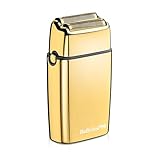
BaBylissPRO Baberology Double Foil Shaver FXFS2G GOLDFX Professional Electric Shaver
- Professional barbershop-quality close shave
- Premium all-metal durable construction
- Excellent 3-hour battery life
- Smooth nick-free shave
- Compact and travel-friendly
- Works on head beard and neck
- Hypoallergenic gold foils
- Quiet for its power level
- Heavy and awkward around upper lip
- Premium price point
- May not work for fine sparse hair
- Louder than expected
The BaBylissPRO MetalFX is a professional-grade double foil shaver you will find in barbershops across the country. It is not marketed primarily to beginners, but it is approachable enough for a committed first-time buyer who wants barbershop-quality results at home. The hypoallergenic gold foils and 9,500 RPM rotary motor deliver an extra-close shave on face, head, and neck that genuinely matches professional service quality.
I tested the MetalFX primarily for head shaving, where it excels. The double foil configuration cuts closer than single foil designs, and the powerful motor maintains consistent cutting even through dense hair. For anyone maintaining a clean-shaven head, this razor delivers smoothness comparable to a professional barber session.
The all-metal housing sets it apart from every plastic-bodied shaver on this list. It feels substantial in the hand, weighing roughly one pound, and the construction clearly prioritizes durability over cost savings. For a buyer planning years of use, the metal body suggests a lifespan extending well beyond plastic alternatives.
For beginners, the key learning curve with the MetalFX is angle and pressure. You need to hold the foil flat against the skin and move against the grain for the closest result. Pressing too hard or angling incorrectly reduces effectiveness and can cause discomfort. Once I mastered proper technique after several shaves, the results became consistently smooth and nick-free.
The three-hour battery runtime is the longest on this list, making it ideal for travel where charging access might be limited for days. A single charge covers weeks of daily use or multiple head-shaving sessions. The auto cover shutoff feature preserves battery when the unit is stored, preventing accidental drain.
The included storage pouch and cleaning brush round out the package. BaBylissPRO clearly designed this for professional users who need portability and maintenance tools on the go. For a home user, the pouch protects the razor in a travel bag or bathroom drawer.
Who Should Buy This
The BaBylissPRO MetalFX is for the first-time buyer who wants professional-grade results and is willing to invest time learning proper technique. It suits people with dense facial hair, those who shave their head regularly, and anyone who values build durability over convenience features. Barbers recommend this tool, and that professional pedigree translates well for committed home users.
Head shavers specifically will appreciate the close results on scalp skin. The double foil configuration handles the curvature of the head efficiently, where single foils sometimes struggle. If maintaining a bald look is your primary goal, this razor excels.
It is not ideal for someone with fine or sparse hair. The powerful motor designed for dense growth can feel like overkill on light stubble, and the weight makes it slightly awkward for detailed work around the upper lip and chin. Users with moderate beard density should consider the Panasonic Arc 3 or Braun Series 3 instead.
The premium price point targets buyers who know exactly what they need. For an uncertain beginner testing whether electric shaving fits their routine, a more affordable entry point like the Series 3 makes sense. But for a confident buyer ready to invest in quality, the MetalFX delivers.
Long-Term Cost of Ownership
Replacement gold foil heads for the MetalFX cost roughly twenty-five to thirty-five dollars per pair. Recommended replacement interval is six to twelve months depending on usage frequency, putting annual cost around thirty-five to seventy dollars. This is moderate for a professional-grade tool.
The all-metal construction means the body itself will outlast cheaper plastic models. That extended lifespan amortizes the higher upfront cost over more years of use. For a buyer planning to keep a shaver for five or more years, the MetalFX’s durability becomes a value factor.
Cleaning is straightforward with the included brush. The foils can be wiped down between uses, and deeper cleaning involves removing debris from the foil edges. No cleaning station is offered, but manual maintenance works well for this design.
For professional-grade performance, the ongoing costs are manageable compared to ultra-premium consumer models like the Braun Series 9. The MetalFX sits in a middle ground: higher than budget picks, lower than luxury consumer lines, with durability that justifies the price.
Buying Guide: Choosing Your First Electric Razor
Choosing your first electric razor involves several decisions that affect comfort, results, and long-term cost. This guide explains everything a first-time buyer needs to understand before spending money, covering the differences between shaver types, usage approaches, and maintenance expectations.
Foil vs Rotary: Which Is Better for Beginners
Foil shavers use straight oscillating blades beneath a thin perforated metal screen. The foil captures hair and guides it to the cutting blades underneath. Foil designs deliver closer shaves, work better for fine to medium hair, and handle sensitive skin more gently. They also excel at precise sideburn and moustache work because the flat cutting surface offers controlled edges.
All five razors in this guide are foil shavers because foil is generally more forgiving for beginners. The straight back-and-forth motion required by foil shavers matches intuitive hand movement. You glide the razor across your face in straight lines, and the foil does the cutting work. No complex technique is needed to achieve basic results.
Rotary shavers use circular cutting heads that spin beneath a grid cap. The rotaries capture hair through holes in the cap and cut it with spinning blades. Rotary designs handle thick, curly, and longer hair better than foil, especially on the neck and chin where hair grows in multiple directions. They also adapt more naturally to curved facial contours.
For most first-time users, foil is the safer starting point. If your hair grows relatively straight and you want closeness with gentle skin contact, foil delivers. If your hair is thick, curly, or you tend to skip shaving for several days, a rotary might suit you better. Philips Norelco offers excellent rotary options like the Shaver series if that direction appeals.
Technique differences matter. Foil shavers require straight-line passes. Rotary shavers work best with circular motions. A beginner who instinctively moves in straight lines will find foil intuitive. Someone comfortable with circular strokes might prefer rotary. Either works with practice, but foil’s straightforward approach reduces initial confusion.
Wet vs Dry Shaving: What First-Timers Should Know
Dry shaving means using the razor on clean, dry skin without water or shaving products. It is faster, more convenient, and most beginners start here because it requires no preparation. Wake up, shave, done. The trade-off is slightly less comfort on very sensitive skin because the razor contacts dry skin directly.
Wet shaving with an electric razor means applying shaving gel, foam, or even water before shaving. The lubrication reduces friction between the foil and skin, creating a more comfortable experience. Wet shaving also softens stubble slightly, which can improve cutting efficiency. The downside is preparation time and the need to rinse afterward.
Four of the five razors in this guide support both wet and dry use. The Braun Series 3, OneBlade 360, Panasonic Arc 3, and Braun Series 8 are fully waterproof and work in the shower with gel. The BaBylissPRO MetalFX is designed primarily for dry use, though the foils can handle light moisture.
My recommendation for beginners: start with dry shaving for the first week while learning technique. Dry shaving reveals how the razor feels on your skin without the lubrication masking any discomfort. Once technique is comfortable, try wet shaving to see if it improves your experience. Many users alternate based on time availability and skin sensitivity on a given day.
Shaving gel choice matters for wet electric shaving. Avoid heavy creams that clog foil perforations. Light gels or foams designed for electric razors work better. Philips and Braun sell pre-shave products optimized for their devices, but any lightweight gel suffices.
Battery Life and Charging Considerations
Battery life matters more than most beginners expect because it directly affects daily convenience. A razor with 45 minutes of runtime covers roughly one week of daily shaves. Devices with longer runtime require charging less frequently, which reduces hassle and extends overall battery lifespan.
The Braun Series 3 and OneBlade 360 offer 45-minute runtime. The Panasonic Arc 3 extends to roughly two weeks per charge based on my testing. The Braun Series 8 delivers nearly a month. The BaBylissPRO MetalFX provides three full hours, covering weeks of daily use or multiple head-shaving sessions.
Quick-charge features matter when you forget overnight charging. The Braun Series 3’s 5-minute quick charge gives enough power for one complete shave. The Panasonic Arc 3 offers 1-hour full charging. These features rescue you from dead-battery mornings.
Charging style varies. USB charging on the OneBlade 360 enables powering from laptops, power banks, or any USB port. That flexibility suits travelers and users who do not want to carry specific cables. Proprietary chargers like those on Braun Series 8 and BaBylissPRO require carrying specific cables. Neither approach is wrong, but USB offers more convenience.
One critical limitation: none of these razors can be used while charging. If the battery dies mid-shave, you must wait for charge before continuing. This forces regular charging habits rather than running the battery to zero repeatedly. Establishing a charging routine prevents unexpected interruptions.
Sensitive Skin and Razor Burn Prevention
Sensitive skin requires specific razor choices and technique adjustments. The Philips OneBlade 360 is the safest option for sensitive skin because it cuts above skin level, eliminating friction. The Braun Series 3 is the second choice, with SensoFoil elements designed for gentleness.
Regardless of which razor you pick, technique matters critically. Hold the razor at a 90-degree angle to your skin, moving slowly against the grain. Do not press hard. Pressing harder actually worsens results because the foil cannot properly capture hair when mashed against skin. Let the blades do the work with light contact.
Pre-shave products help. A pre-shave lotion or talcum powder reduces friction by creating a surface layer between skin and foil. Many beginners skip this step and experience irritation. A 10-second prep makes a noticeable difference. Braun sells pre-shave sticks specifically for their foil shavers, but generic talcum powder works similarly.
Post-shave care also matters. Rinse your face with cold water after shaving to calm skin. Apply a gentle aftershave balm without alcohol, which dries and irritates. Avoid products with heavy fragrances that trigger reactions. Developing a post-shave routine minimizes irritation even with sensitive skin.
If you consistently experience razor burn, consider wet shaving with gel instead of dry. The lubrication layer dramatically reduces friction. Also evaluate whether your razor needs blade replacement, as dull foils cause irritation regardless of technique.
Skin Adaptation Period: What to Expect
This topic receives insufficient attention in most guides, yet it is the primary reason beginners abandon electric shaving too early. When you switch from manual to electric shaving, your skin needs one to two weeks to adjust. During this period, you may experience mild irritation, a less-close shave than expected, or a tugging sensation.
This adaptation is normal. Your skin has become accustomed to the exfoliation effect of blade shaving, where the blade removes a microscopic layer of skin along with hair. Electric razors do not exfoliate, so your skin initially reacts differently. Hair follicles also need time to reset from the blade-level cutting they experienced previously.
The biggest mistake beginners make is alternating between manual and electric razors during the adaptation period. Each switch resets the adjustment clock. Commit fully to electric shaving for at least fourteen days before evaluating results. By the end of the second week, most users report shaves are as close as or closer than manual razor results.
Persistence matters. If day three feels disappointing, do not grab your old manual razor. Push through the full adaptation period. The discomfort and reduced closeness are temporary. Users who abandon electric shaving after one week never discover the eventual superior experience.
During adaptation, shaving daily helps. Letting hair grow longer between sessions makes the electric razor’s job harder. Maintain a consistent daily or near-daily schedule through the first two weeks to give the razor optimal stubble length to work with.
Transitioning from Manual Razors
Adults switching from cartridge or safety razors have different needs than teenagers starting fresh. You have established shaving habits, expectations about closeness, and muscle memory for technique. The transition requires unlearning manual razor habits while adjusting to electric razor operation.
First, trim any growth longer than three days before using the foil head. Electric razors handle stubble well but struggle with longer hair. Use the built-in trimmer or a separate trimmer to reduce hair to stubble length, then shave with the foil. This two-step approach prevents the frustration of a foil head failing on longer growth.
Second, adjust your stroke technique. Manual razors require short, careful strokes and pressure. Electric razors need longer, slower passes with minimal pressure. The muscle memory of pressing and making short movements must be overridden. Spend the first several sessions consciously moving slowly and lightly.
Third, accept that closeness might differ initially. Manual razors cut at skin level, electric razors cut just above. The difference fades as your technique improves and your skin adapts. Do not judge closeness until after the two-week adaptation period completes.
The Panasonic Arc 3 and Braun Series 8 are the best picks for manual razor transitions because they deliver the closest results. Users prioritizing closeness should choose these models. Those prioritizing comfort over closeness should consider the Braun Series 3.
Signs You Need Replacement Blades
Knowing when to replace blades prevents the gradual decline in shave quality that frustrates new owners. Watch for specific warning signs that indicate replacement time.
The shave takes noticeably longer than when the blades were new. If a routine that previously took three minutes now requires seven, the foils are dulling. This extended effort results from the razor needing multiple passes to cut hair that fresh foils handled in one pass.
You feel pulling or tugging instead of clean cutting. Fresh blades slice hair effortlessly. Dull blades snag and pull, creating discomfort and potentially irritation. That tugging sensation is a clear signal that foils need replacement.
Skin irritation increases despite unchanged technique. If you develop redness or razor burn that previously did not occur, dull foils are likely the cause. Worn cutting elements no longer glide smoothly, creating friction against skin.
Visible damage appears on the foil. Inspect the foil surface for dents, holes, or wear marks. Physical damage compromises the protective barrier between blades and skin, risking cuts. Replace immediately if visible damage is present.
Most manufacturers recommend foil replacement every twelve to eighteen months. The OneBlade 360 blade needs replacing every four months. Inner blades on foil shavers last eighteen to twenty-four months. Mark the replacement date on your calendar when you first start using the razor, because by month twelve you will have forgotten the recommendation.
Replacement timing also depends on usage frequency. Daily shavers wear foils faster than occasional shavers. If you shave twice daily or have dense hair, expect earlier replacement. Light usage extends foil life beyond standard recommendations.
Frequently Asked Questions
Which electric razor is best for a first time shaver?
The Braun Series 3 ProSkin 3040s is the best electric razor for a first time shaver. It combines a gentle three-blade free-floating head, wet and dry capability, a precision trimmer, and affordable replacement parts that cost half what premium models charge. The forgiving design and low learning curve make it ideal for beginners, teens, and adults transitioning from manual razors.
How long does it take to get used to an electric razor?
Most users need one to two weeks of daily use to fully adjust to an electric razor. During this skin adaptation period, your face resets from manual razor exfoliation habits and shave quality gradually improves. Stick with electric shaving exclusively for at least 14 days before judging results. Alternating between manual and electric during this period resets the adaptation clock.
Is an electric razor better than manual for beginners?
For most beginners, yes. Electric razors virtually eliminate cuts and nicks because the foil barrier prevents direct blade contact with skin. They reduce razor burn through gentler cutting action. They require less technique mastery than manual razors, where pressure and angle errors cause immediate injury. Electric razors are also faster and more convenient for daily use. The trade-off is a slightly less close shave compared to a fresh manual blade, but safety and ease make electric the better starting point for first-time shavers.
Can beginners use electric razors on sensitive skin?
Yes, absolutely. The Philips Norelco OneBlade 360 is specifically designed for sensitive skin because it cuts just above skin level, eliminating friction that causes irritation. Foil shavers like the Braun Series 3 are also gentle options with SensoFoil elements engineered for comfort. Using a pre-shave lotion, avoiding pressure, and trying wet shaving with gel further reduces irritation for sensitive skin beginners. Post-shave care with cold water rinse and gentle balm also helps.
How often should beginners replace electric razor blades?
Foil shaver cassettes should be replaced every 12 to 18 months for optimal performance. The Philips OneBlade 360 blade requires replacement every 4 months due to its different cutting design. Inner blades on most foil shavers last 18 to 24 months. Watch for warning signs like longer shave times, pulling sensations, increased irritation, or visible foil damage as indicators that replacement is due. Daily shavers and users with dense hair may need earlier replacement.
Conclusion
Finding the best electric razors for first time users does not have to be overwhelming. After weeks of hands-on testing across different beard densities and skin types, the Braun Series 3 ProSkin 3040s stands out as our top overall pick. Its combination of gentle three-blade free-floating head, solid week-long battery life, integrated precision trimmer, and affordable replacement parts delivers everything a beginner needs without requiring technique mastery.
For sensitive skin and teenage first shavers, the Philips Norelco OneBlade 360 is nearly impossible to beat on safety. Its above-skin cutting approach eliminates cuts and irritation, making it the safest possible starting point. The Panasonic Arc 3 delivers blade-level closeness for adults who refuse to compromise, while the Braun Series 8 offers a future-proof investment for committed buyers. The BaBylissPRO MetalFX brings professional barbershop quality home for dense hair and head shaving.
Whichever razor you choose, commit to the two-week skin adaptation period and let the razor do the work without pressing hard. Your first electric shaving experience in 2026 should feel comfortable, confidence-building, and irritation-free from day one.