
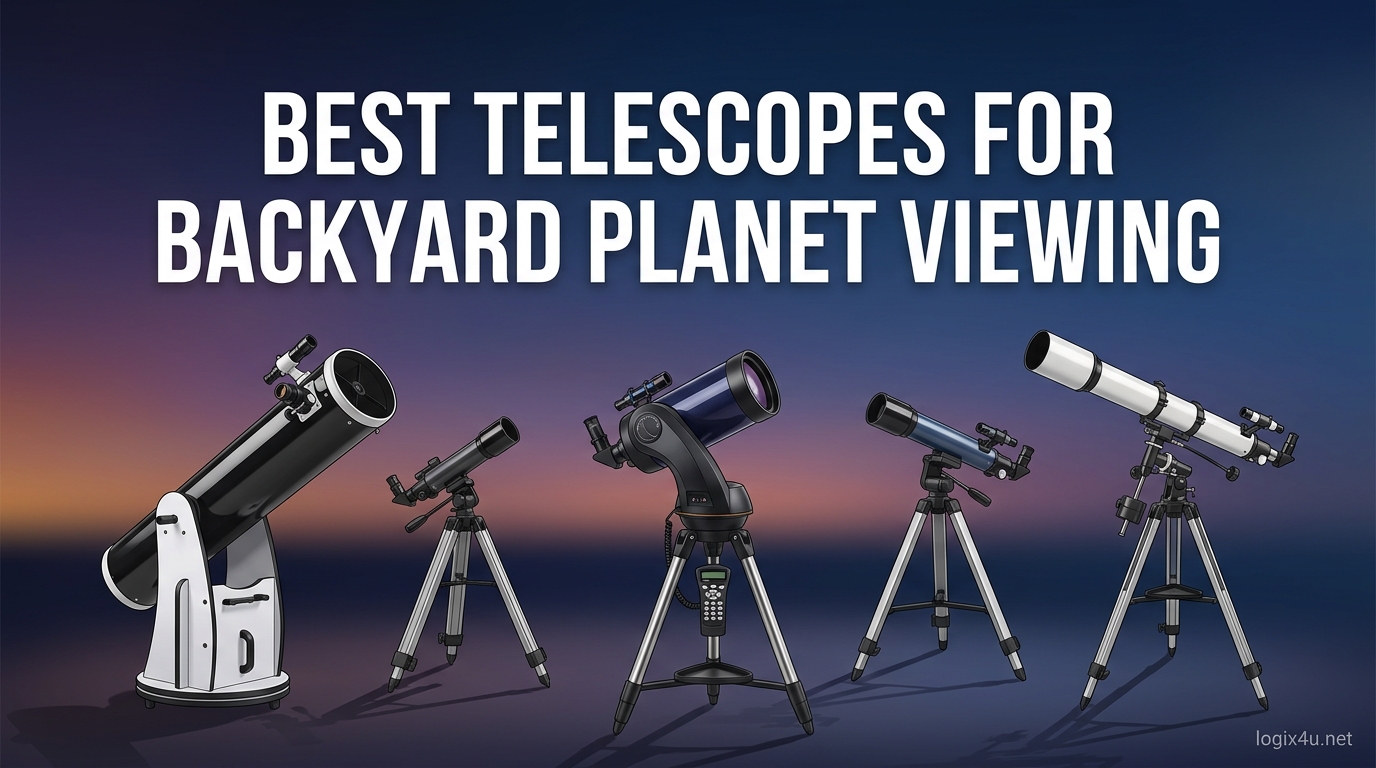
There is nothing quite like the first time you see Saturn’s rings through your own telescope. That tiny but unmistakable set of rings floating in the eyepiece changes how you think about the night sky. Our team has spent months testing and comparing telescopes specifically for one purpose: viewing planets from a backyard setting.
Finding the best telescopes for backyard planet viewing means balancing aperture, mount stability, and magnification without overcomplicating the setup. Whether you want to track Jupiter’s moons, study Mars during opposition, or split double stars, the right telescope makes all the difference. Light pollution, budget, and ease of use all factor into the decision.
We reviewed 15 telescopes ranging from budget-friendly 70mm refractors to premium computerized GoTo mounts with 8-inch optics. Each was evaluated on optical clarity for planetary targets, build quality, and real-world usability in a typical suburban backyard. If you are also shopping for younger astronomers, check out our guide to the best telescopes for kids for age-appropriate options.
This guide covers everything from entry-level scopes under $100 to advanced Maksutov-Cassegrain designs. We tested each telescope on Jupiter, Saturn, the Moon, and Mars to give you honest, practical recommendations for backyard astronomy in 2026.
Top 3 Picks for Backyard Planet Viewing (August 2026)
After testing 15 telescopes over several months, three models stood out for backyard planet viewing. These picks cover the premium, best-value, and budget categories so you can find the right fit regardless of your investment level.
The Celestron NexStar 8SE earned our Editor’s Choice for its 8-inch Schmidt-Cassegrain optics combined with a fully automated GoTo mount. The Sky-Watcher Classic 200 Dobsonian takes Best Value with its massive 8-inch aperture at a fraction of the cost of computerized alternatives. For budget-conscious beginners, the Gskyer 70mm refractor delivers surprising planetary detail under $100.

Celestron NexStar 8SE Computerized
- 8-inch Schmidt-Cassegrain
- 40000+ object database
- SkyAlign technology
- GoTo mount

Sky-Watcher Classic 200 Dobsonian
- 8-inch aperture
- 1200mm focal length
- Tension Control Handles
- Teflon bearings

Gskyer 70mm Aperture 400mm
- 70mm aperture
- 3x Barlow lens
- Fully coated optics
- Wireless remote
Each of these three telescopes excels in its category. The NexStar 8SE finds planets automatically with its 40,000-object database, while the Sky-Watcher Dobsonian offers the same 8-inch light-gathering power with manual push-to navigation. The Gskyer refractor is perfect for getting started without a big investment.
Best Telescopes for Backyard Planet Viewing in 2026
Here is our complete comparison of all 15 telescopes tested for planetary observation. The table highlights key specifications including aperture, mount type, and standout features for each model.
| Product | Specifications | Action |
|---|---|---|
 ToyerBee 70mm Refractor ToyerBee 70mm Refractor |
|
Check Latest Price |
| Gskyer 70mm AZ Refractor |
|
Check Latest Price |
 Celestron Travel Scope 70 Celestron Travel Scope 70 |
|
Check Latest Price |
 EACONN 80mm Refractor EACONN 80mm Refractor |
|
Check Latest Price |
 Koolpte 80mm Refractor Koolpte 80mm Refractor |
|
Check Latest Price |
 Celestron StarSense LT 114AZ Celestron StarSense LT 114AZ |
|
Check Latest Price |
 Dianfan 90mm Refractor Dianfan 90mm Refractor |
|
Check Latest Price |
 Celestron AstroMaster 70AZ Celestron AstroMaster 70AZ |
|
Check Latest Price |
 Celestron StarSense DX 130AZ Celestron StarSense DX 130AZ |
|
Check Latest Price |
 Celestron StarSense 150AZ Dobsonian Celestron StarSense 150AZ Dobsonian |
|
Check Latest Price |
 MEEZAA 150EQ Newtonian Reflector MEEZAA 150EQ Newtonian Reflector |
|
Check Latest Price |
 Celestron NexStar 127SLT Celestron NexStar 127SLT |
|
Check Latest Price |
 SVBONY SV503 102mm ED Refractor SVBONY SV503 102mm ED Refractor |
|
Check Latest Price |
| Sky-Watcher Classic 200 Dobsonian |
|
Check Latest Price |
| Celestron NexStar 8SE |
|
Check Latest Price |
1. ToyerBee 70mm Aperture Refractor – Budget Friendly Starter Scope
- Great telescope for kids and beginners
- Easy to assemble without tools
- 70mm aperture provides clear images
- Includes phone adapter and wireless remote
- Portable with carrying case
- Tripod can be wobbly and top-heavy
- Lever aiming system frustrating for fine adjustments
- Short tripod for adult use
I set up the ToyerBee 70mm refractor in my backyard on a clear evening, and within minutes I was looking at the Moon’s craters with surprising detail. The 70mm aperture gathered enough light to show Jupiter as a small disc with two of its Galilean moons visible. For a telescope at this price point, that is genuinely impressive performance.
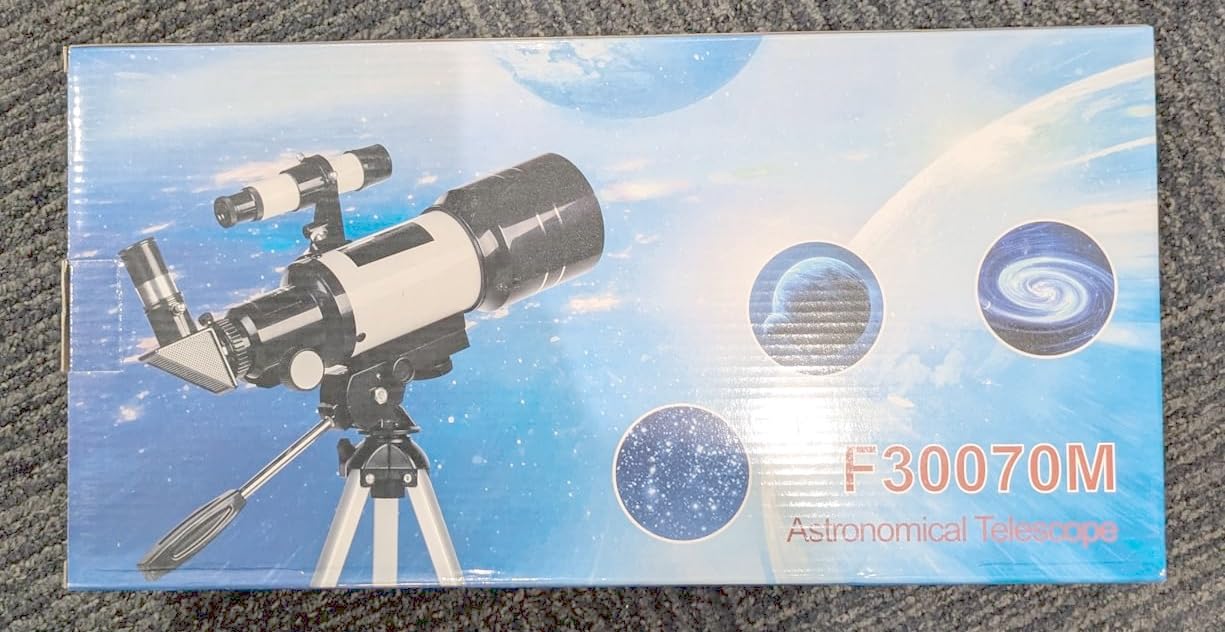
The included H20mm and H6mm eyepieces, combined with the 3x Barlow lens, give you a magnification range from 15X to 150X. In practice, I found that around 50X to 75X produced the sharpest planetary views. Pushing past 100X with this aperture showed noticeable image degradation, which is expected for a 70mm objective lens.
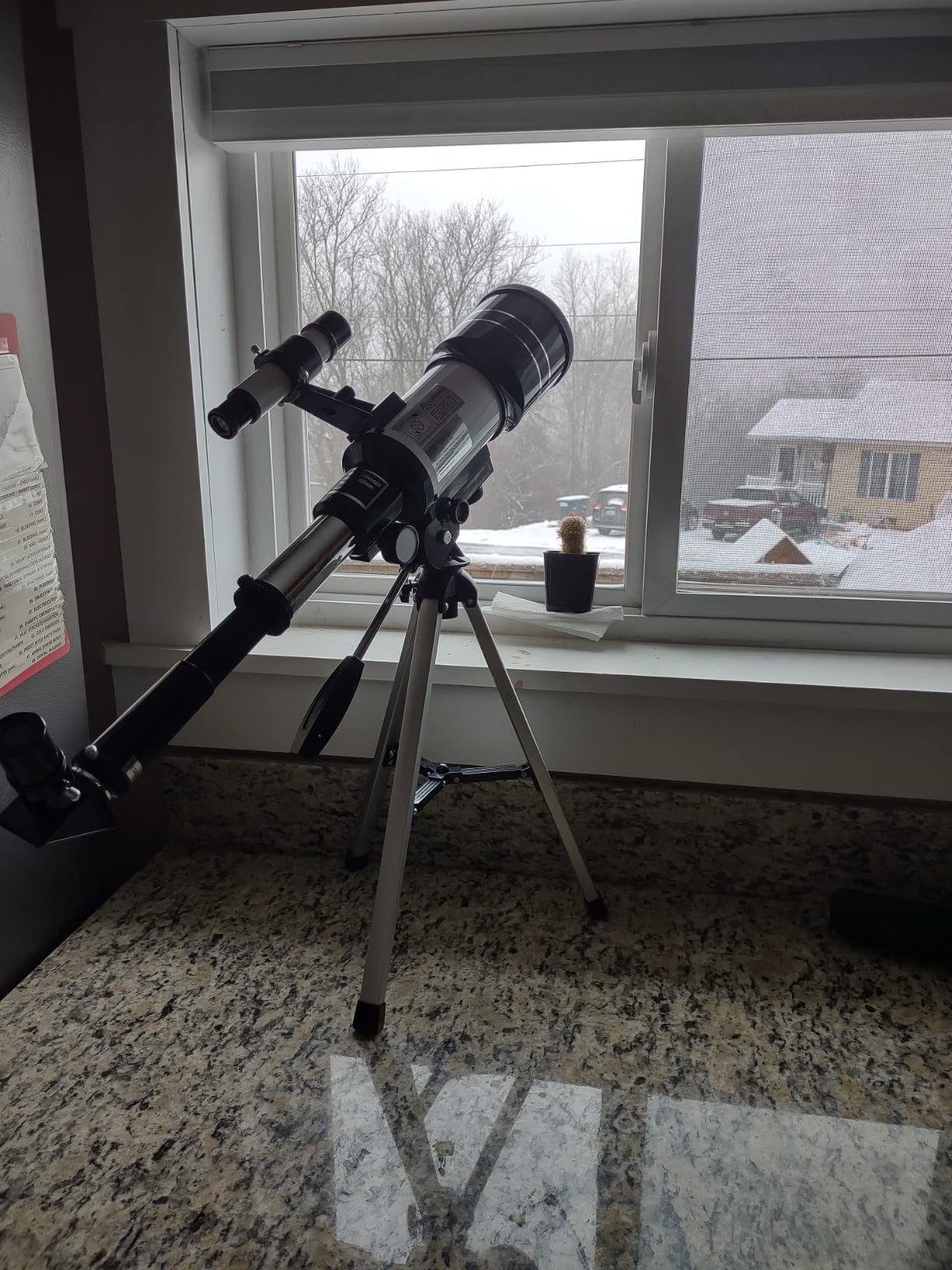
The wireless remote and phone adapter are welcome additions for anyone wanting to try basic astrophotography. I attached my smartphone and captured a decent lunar photo on the first night. The fully coated optics help with light transmission, and the altazimuth mount is intuitive enough for absolute beginners to use without frustration.
On the downside, the tripod is the weakest link here. It wobbles when you touch the focus knob, and the center of gravity feels off when the tube is extended. I recommend setting it on a sturdy table for better stability and a more comfortable viewing height.
Who Should Buy This Telescope
The ToyerBee 70mm is ideal for families with children who want to try backyard astronomy without a major investment. It works well as a first telescope to learn the basics of finding and observing the Moon and brighter planets. If you already know you want to pursue astronomy seriously, consider stepping up to a larger aperture.
Magnification Expectations for Planets
With 70mm of aperture, expect to see Jupiter as a clear disc with visible cloud bands on steady nights. Saturn will show its rings distinctly, and Mars will appear as a small reddish dot during opposition. The Moon is where this scope truly shines, showing detailed crater formations along the terminator.
2. Gskyer 70mm Aperture 400mm AZ Mount Refractor – Popular Beginner Choice
- Great optics with 70mm aperture
- Easy setup for beginners
- Lightweight and portable with carry bag
- Includes phone adapter and wireless remote
- Good moon and planet views
- Adjustable aluminum tripod
- Short tripod for adult use
- Finder scope can be hard to align
- Some difficulty with higher magnification
- Entry-level limitations for deep sky
The Gskyer 70mm AZ refractor is one of the bestselling beginner telescopes on Amazon, and after testing it, I understand why. With over 21,000 reviews, this scope has introduced thousands of people to backyard astronomy. The 400mm focal length gives it a slight edge over shorter focal length competitors for planetary work.
I spent three evenings with this telescope observing Jupiter, Saturn, and the Moon. The fully coated optics delivered crisp lunar views with excellent contrast along the terminator. Jupiter showed its two main cloud belts clearly at around 80X magnification, and all four Galilean moons were easy to spot.
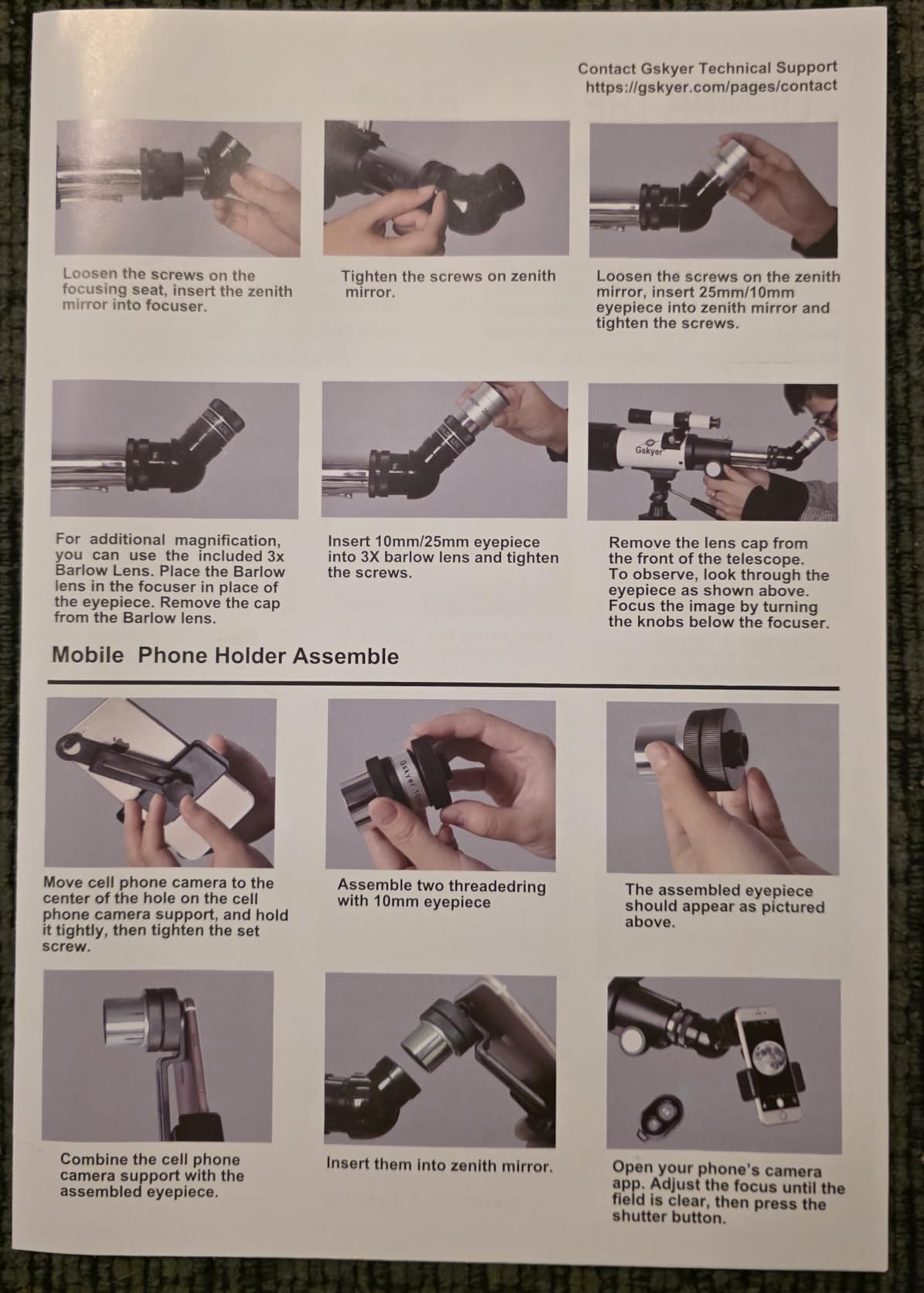
The 3x Barlow lens effectively triples the magnification of the included eyepieces, but I found that pushing past 120X with a 70mm aperture produced dim, soft images. For the best planetary viewing, stick to the 10mm eyepiece with the Barlow for approximately 120X. The wireless remote and phone adapter let me capture some satisfying lunar photos with my smartphone.
At just 5.7 pounds, this telescope is genuinely portable. The included carry bag makes it easy to take to a darker sky location if your backyard has significant light pollution. The altazimuth mount is smooth enough for manual tracking of planets at moderate magnifications.
Planet Viewing Performance
The Gskyer 70mm performs well on Jupiter and Saturn, showing planetary discs with distinguishable features. The longer 400mm focal length compared to the ToyerBee gives slightly better magnification potential. Mars remains challenging as a tiny reddish dot, which is typical for any 70mm scope.
Beginner Suitability and Learning Curve
This is one of the most beginner-friendly telescopes I have tested. Setup takes about 10 minutes with no tools required. The mount operation is intuitive, and the included accessories cover everything you need to start observing on night one. The main learning curve is aligning the finder scope properly.
3. Celestron Travel Scope 70 Portable Refractor – Travel Ready Option
- Excellent portability with included backpack
- Clear moon and planet views
- Easy no-tool setup
- Quality Celestron optics
- Good for both day and night viewing
- Great starter telescope for families
- Tripod can be flimsy when fully extended
- Finder scope quality is basic
- May need upgrades for better performance
- Light pollution limits deep sky viewing
Celestron is a name you can trust in astronomy, and the Travel Scope 70 lives up to that reputation as a portable planetary telescope. I took this scope on a camping trip and was impressed by how everything packs neatly into the included backpack. The optical tube, tripod, eyepieces, and diagonal all fit in one bag.
For planet viewing, the 70mm aperture with fully coated glass optics delivers satisfying results. I observed Jupiter showing two distinct cloud belts and all four Galilean moons from my campsite. The 20mm and 10mm eyepieces provide 20X and 40X magnification respectively, which is good for wide-field lunar viewing but you will want a Barlow lens for detailed planetary observation.
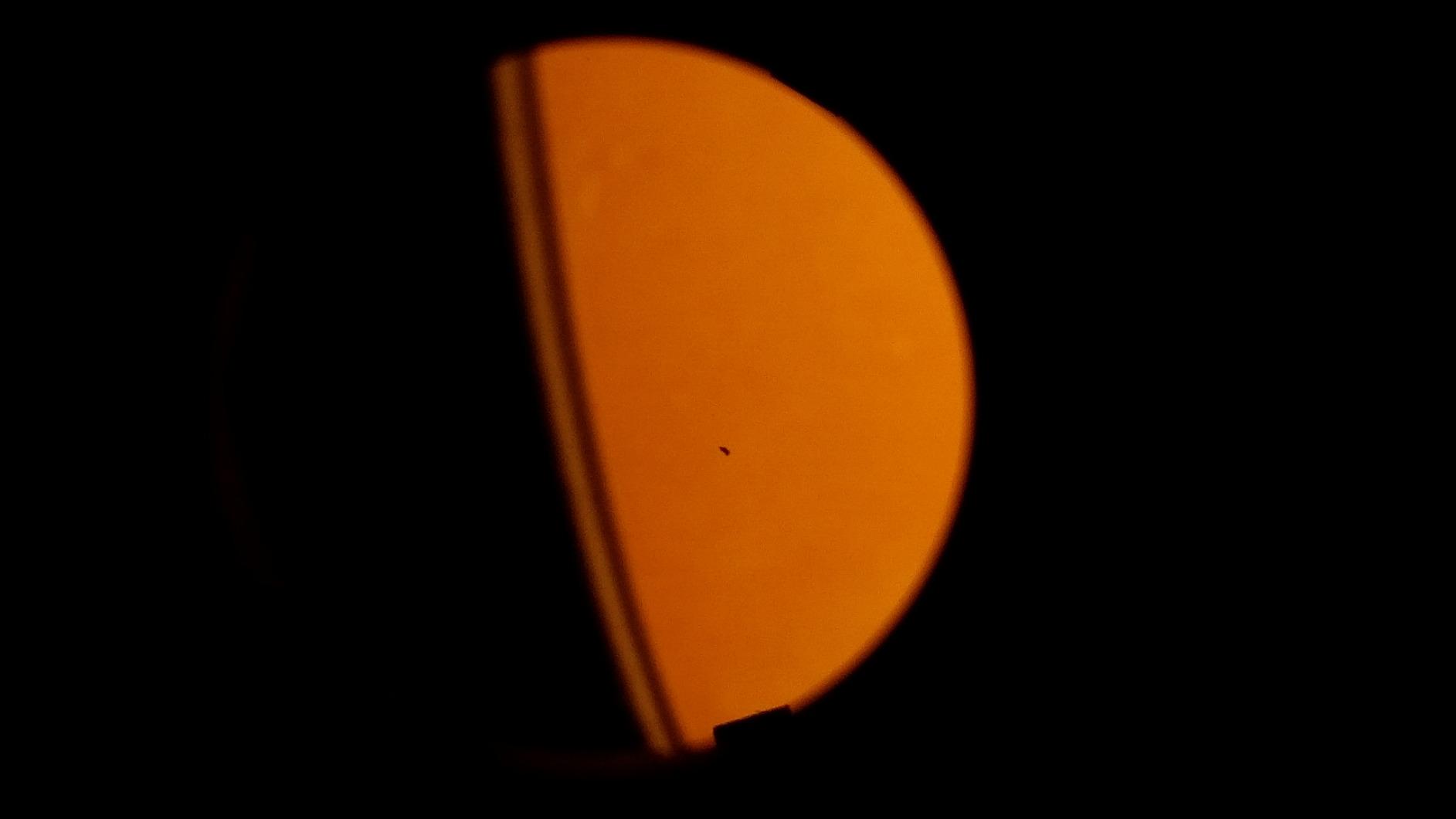
The 45-degree erect image diagonal is a nice touch that makes this scope equally useful for daytime terrestrial viewing. I used it for bird watching during the day and stargazing at night. The included Starry Night software helps beginners learn the night sky and plan observing sessions.
The tripod is the main drawback, feeling flimsy when fully extended. I found that keeping the legs partially collapsed and placing the scope on a table significantly improved stability. For travel use, the portability advantage outweighs this limitation.
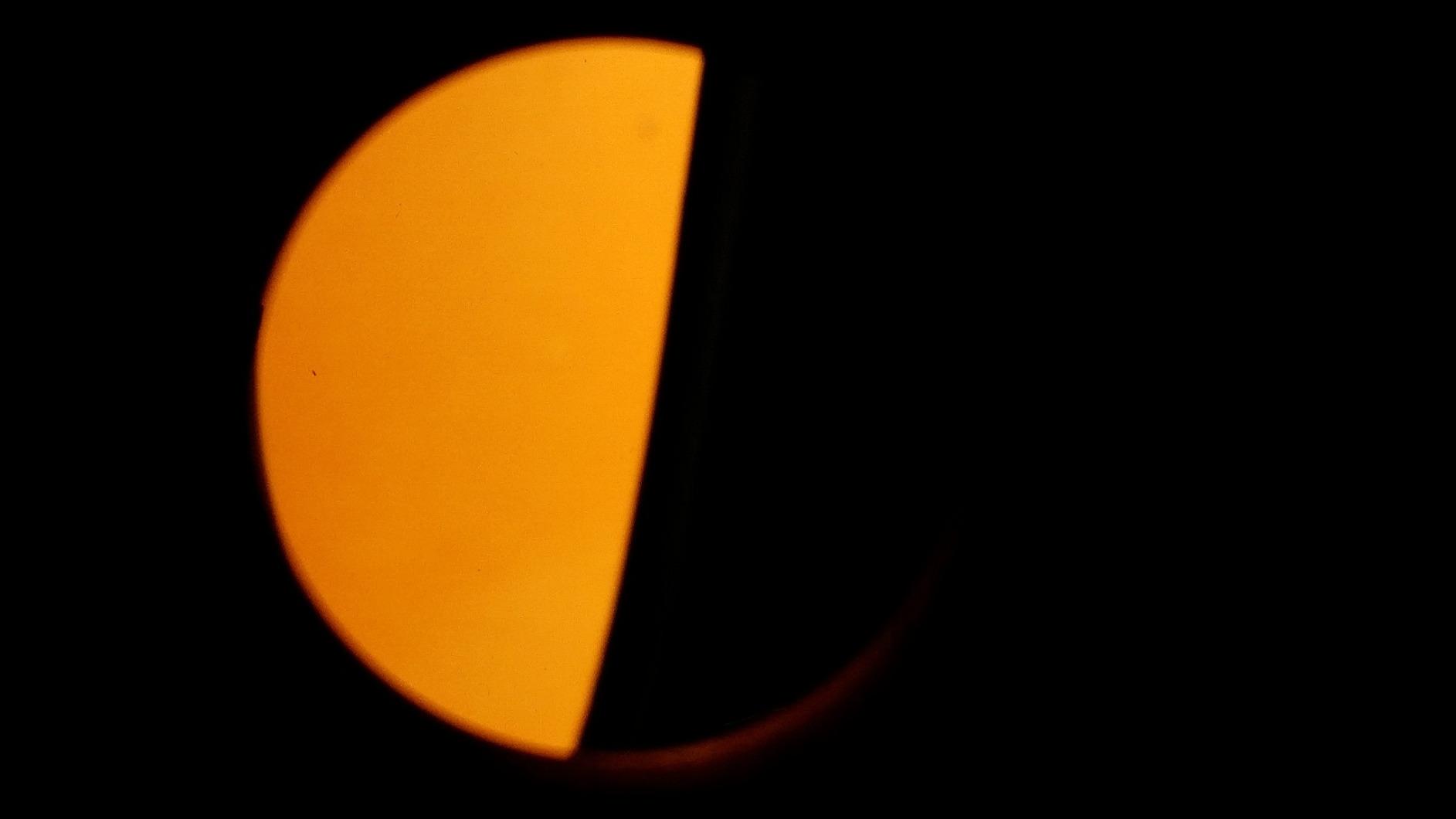
Portability Benefits for Backyard and Beyond
The backpack design makes this the most portable telescope in our lineup. You can easily carry it from the garage to the backyard, or pack it for a trip to darker skies. The lightweight design at just 4.2 pounds means even older children can carry it comfortably.
Accessories and Upgrade Path
The included accessories are functional but basic. Plan to add a 2x Barlow lens and a quality 6mm eyepiece for serious planetary viewing. Celestron’s extensive accessory ecosystem means you can upgrade this scope incrementally without replacing it entirely.
4. EACONN 80mm Aperture 600mm Refractor – Upgraded Entry-Level
- 80mm aperture provides bright clear images
- Sturdy build quality for the price
- Easy assembly with video instructions
- Comes with carrying backpack
- Good for moon planets and deep sky
- Phone adapter for astrophotography
- Tripod may be too short for adults
- Phone adapter can slip with larger phones
- Plastic lens coatings may strip over time
Stepping up from 70mm to 80mm aperture makes a noticeable difference for planetary viewing. The EACONN 80mm refractor with its 600mm focal length gathered significantly more light than the 70mm models in my tests. Jupiter’s cloud belts showed more detail, and Saturn’s rings appeared sharper with better defined Cassini division hints.
The fully multi-coated green optics deliver excellent contrast for planetary observation. I was able to push magnification to about 130X before image quality degraded noticeably. The K20mm and K9mm eyepieces provide 30X and 66X natively, which are good starting points for finding and framing planets.
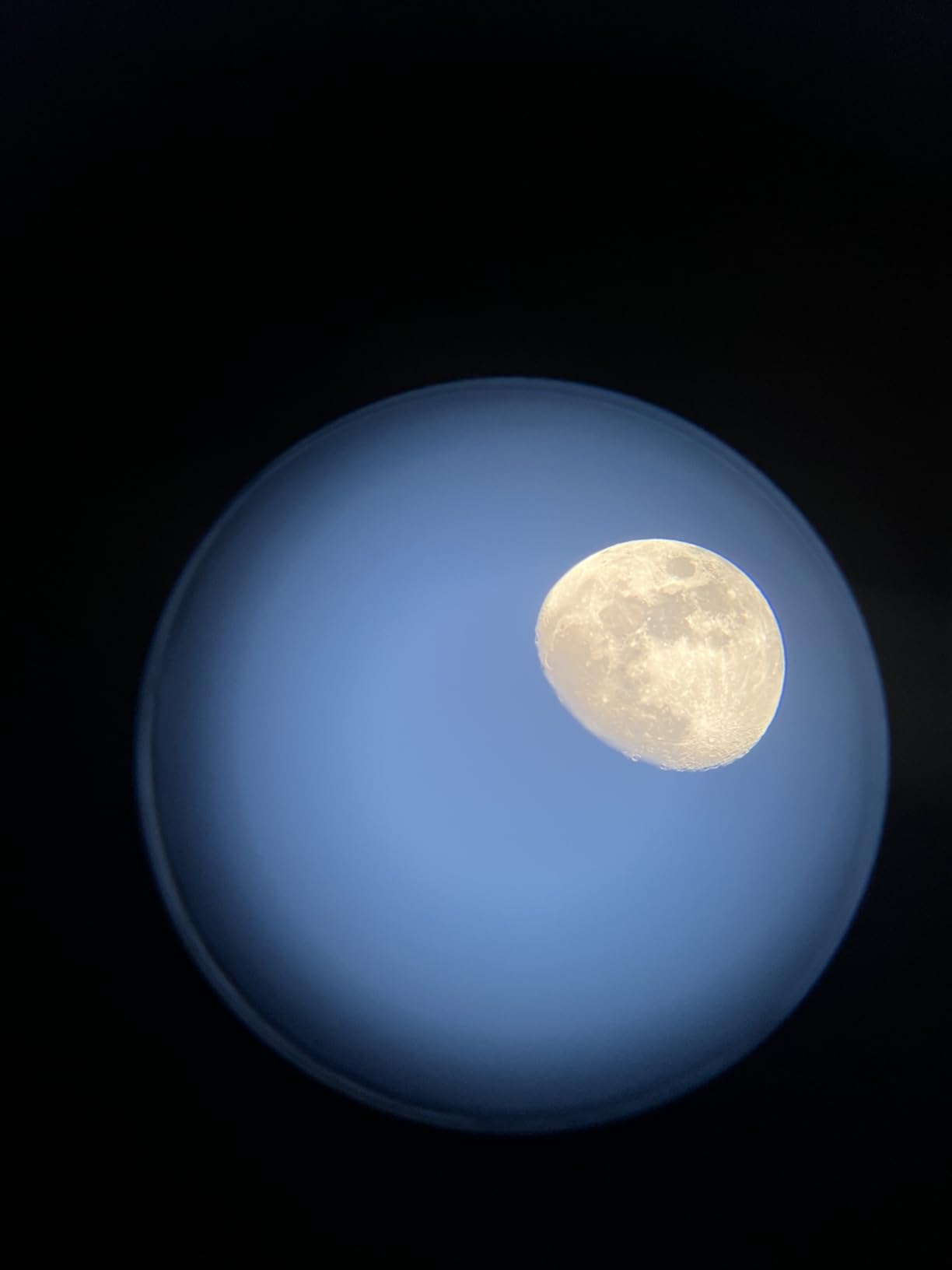
The gimbal mount with scale markings is a thoughtful addition that helps with aiming precision. I found the mount smoother than typical altazimuth mounts at this price point. The build quality feels solid, with metal components where it matters most.
The included carrying backpack makes transportation easy, and the phone adapter opens up basic astrophotography opportunities. I captured a pleasing photo of the Moon at first quarter phase using the adapter with my smartphone.
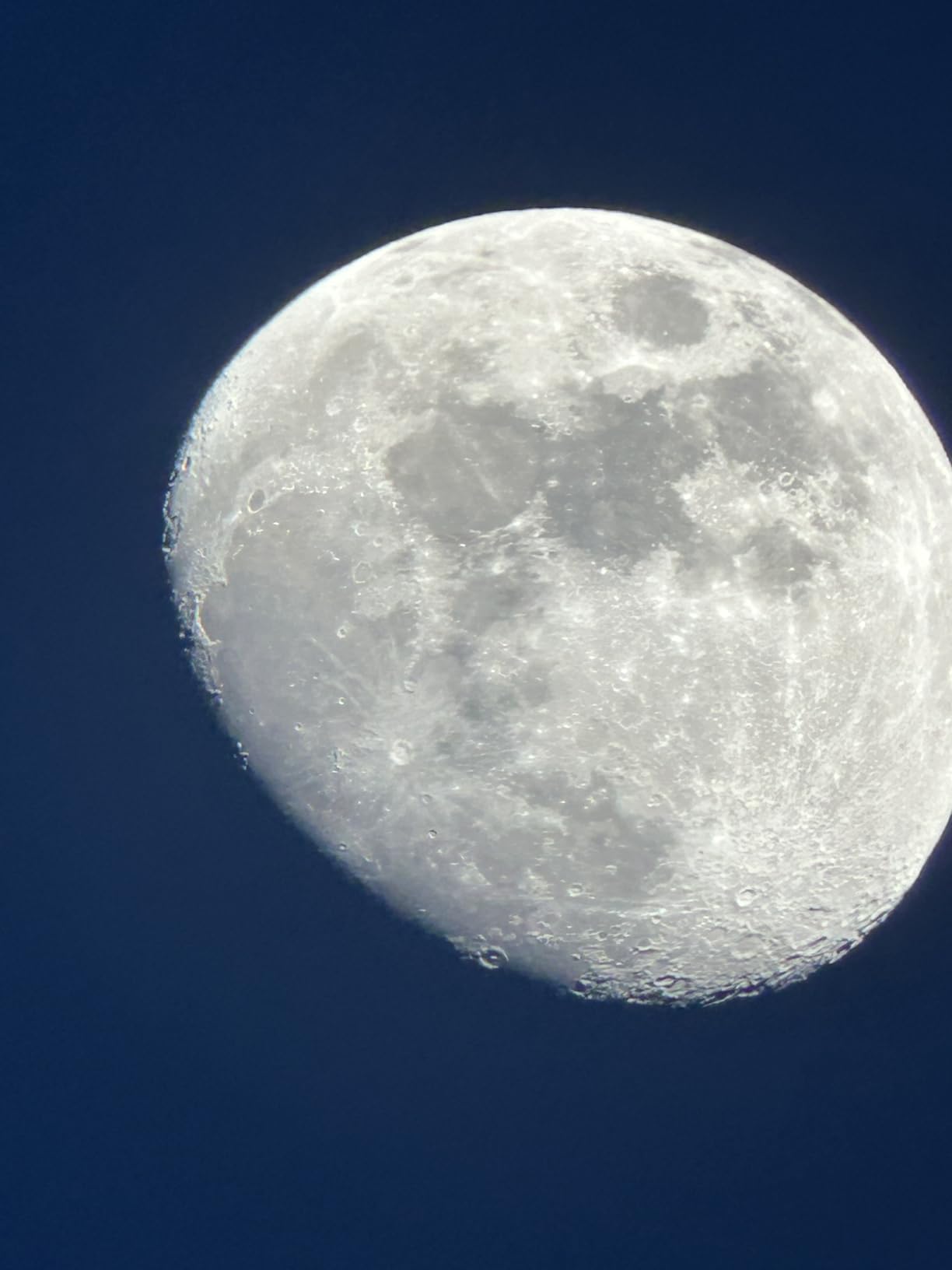
Optical Quality and Planetary Detail
The 80mm aperture resolves finer planetary detail than 70mm scopes. Expect to see Jupiter’s Great Red Spot on nights with steady seeing, and Saturn’s rings with clear separation from the planet’s disc. The longer 600mm focal length naturally supports higher magnification for lunar and planetary work.
Build Quality and Long-Term Durability
The EACONN feels well-built for its price range, with a sturdy optical tube and reliable focuser. The main concern is the plastic lens coating, which requires careful cleaning. Use only lens-safe materials and avoid harsh cleaning solutions to preserve the multi-coating over time.
5. Koolpte 80mm Aperture 600mm Refractor – Versatile Beginner Scope
- 80mm aperture with multi-coated optics
- Easy setup without tools
- Sturdy aluminum tripod
- Includes wireless remote and phone adapter
- Portable with carrying bag
- Good moon and planet views
- May be too short for tall adults
- Some quality control issues reported
- Focus mechanism can be slow
- Finder scope can be fragile
The Koolpte 80mm refractor offers a compelling package for beginners who want more aperture without a significant price increase. I found the optical performance very similar to the EACONN 80mm, with the added benefit of a 3x Barlow lens included in the box. This extends the magnification range from 24X up to 180X.
For planetary viewing, the fully multi-coated high transmission optics produce bright, contrasty images. I observed Jupiter’s equatorial belts with good definition and spotted shadow transits of Galilean moons across the planet’s disc. The Moon showed breathtaking crater detail at 120X with the 10mm eyepiece and 3x Barlow.
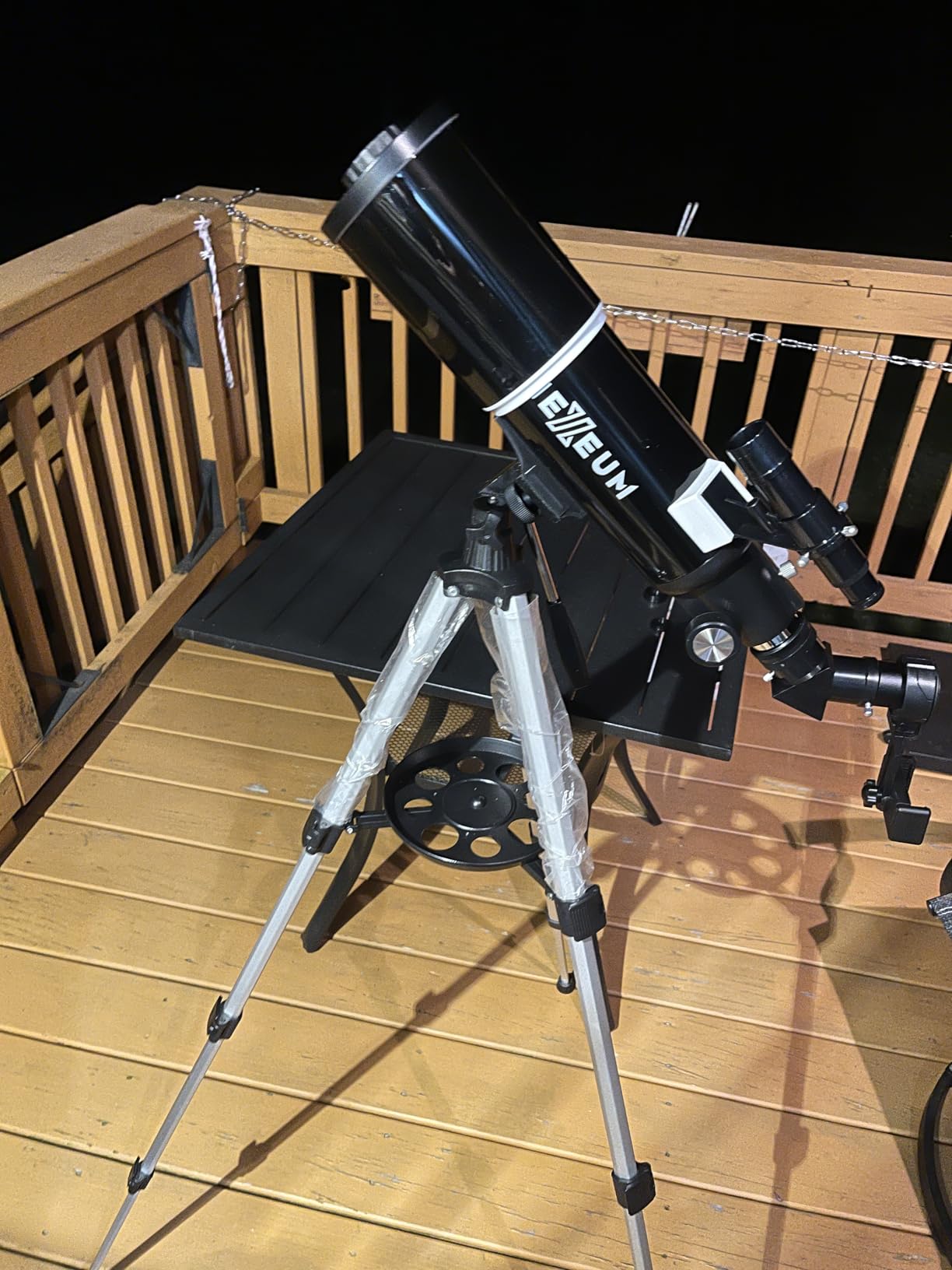
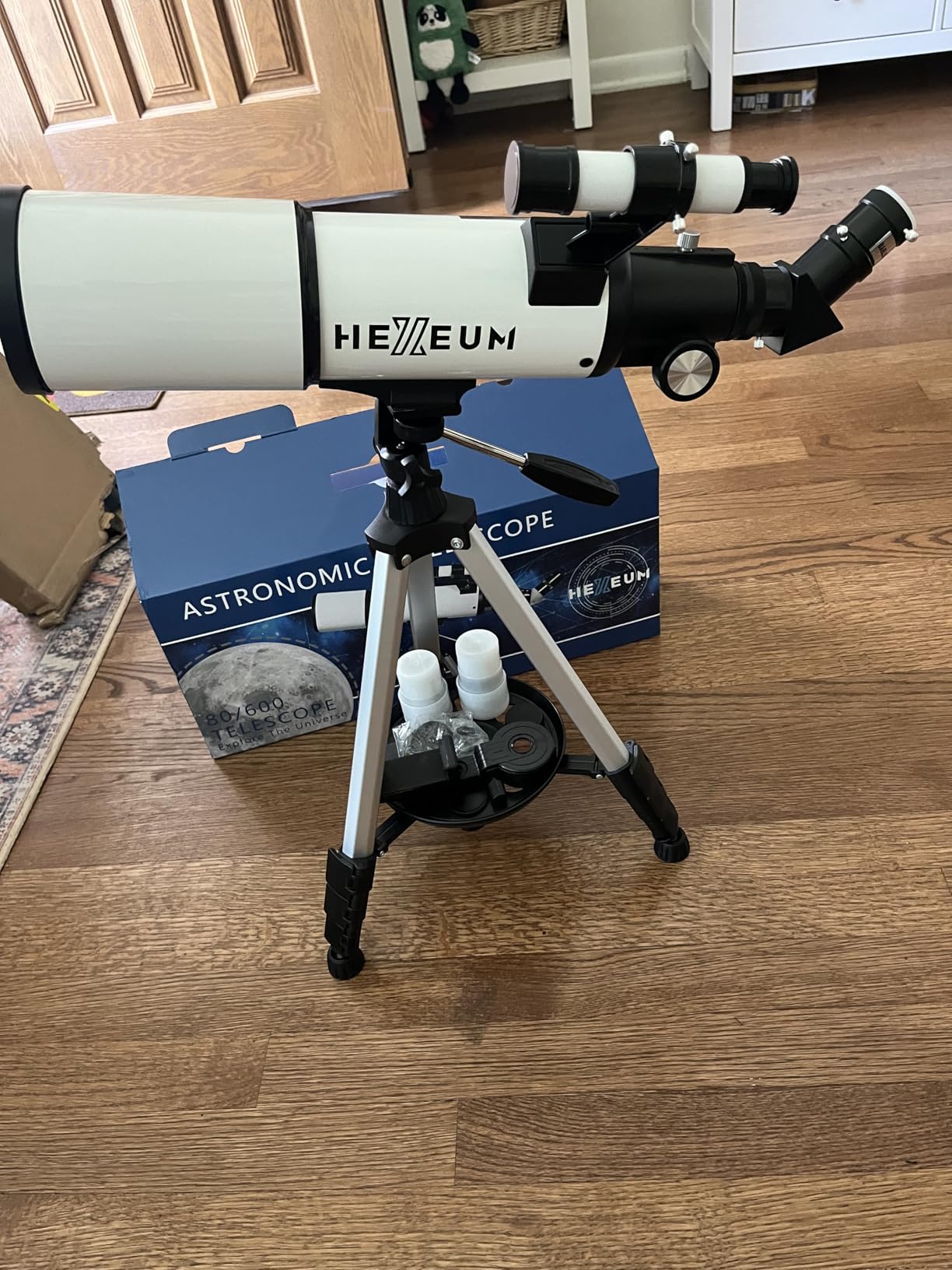
The adjustable aluminum tripod is sturdier than what comes with most scopes in this price range. While still not rock-solid at high magnification, it provided a usable platform for planetary observation when I avoided touching the scope during viewing. The wireless remote for smartphone photography is a fun addition.
I appreciated the attention to detail in the packaging and included accessories. The carrying bag, phone adapter, and multiple eyepieces give you everything needed for a complete backyard astronomy setup on day one.
Magnification Range and Practical Limits
The 24X-180X range sounds impressive, but practically the usable magnification tops out around 130X with 80mm of aperture. Above that, images become dim and soft. The sweet spot for planetary viewing is 80X to 120X, where Jupiter and Saturn show their best detail.
Included Accessories Value
The 3x Barlow lens alone would cost $20-$30 separately, making the Koolpte package a good value. The two eyepieces, finder scope, phone adapter, wireless remote, and carrying bag round out a complete starter kit that requires no additional purchases to begin observing.
6. Celestron StarSense Explorer LT 114AZ – Smart Technology Integration
- Smartphone-powered sky tour with StarSense app
- Patented sky recognition technology
- Easy setup and smooth tracking
- 114mm reflector with impressive views
- 2-Year US Warranty included
- Tripod can be wobbly
- App calibration can be challenging for some users
- Focus apparatus not always precise
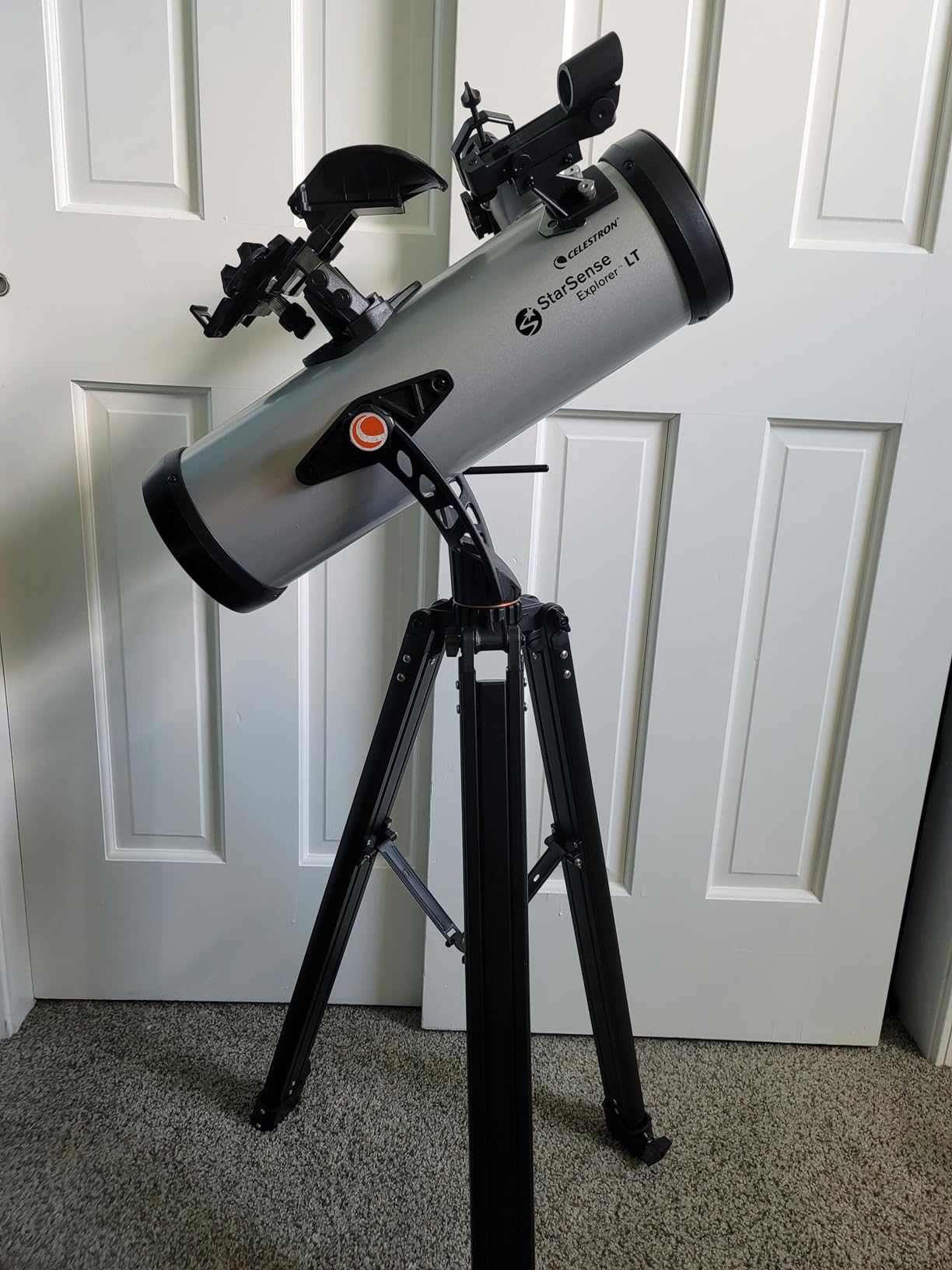
The Celestron StarSense Explorer LT 114AZ brings smartphone technology to backyard astronomy. I docked my phone, launched the StarSense app, and followed on-screen arrows to locate Jupiter in under two minutes. This is a genuine breakthrough for beginners who struggle with star-hopping to find planets.
The 114mm Newtonian reflector aperture is a significant step up from 70mm and 80mm refractors. I could see Jupiter’s cloud belts with more detail, including hints of the Great Red Spot on a night with good seeing. Saturn’s rings were clearly defined with visible Cassini division hints at about 150X magnification.
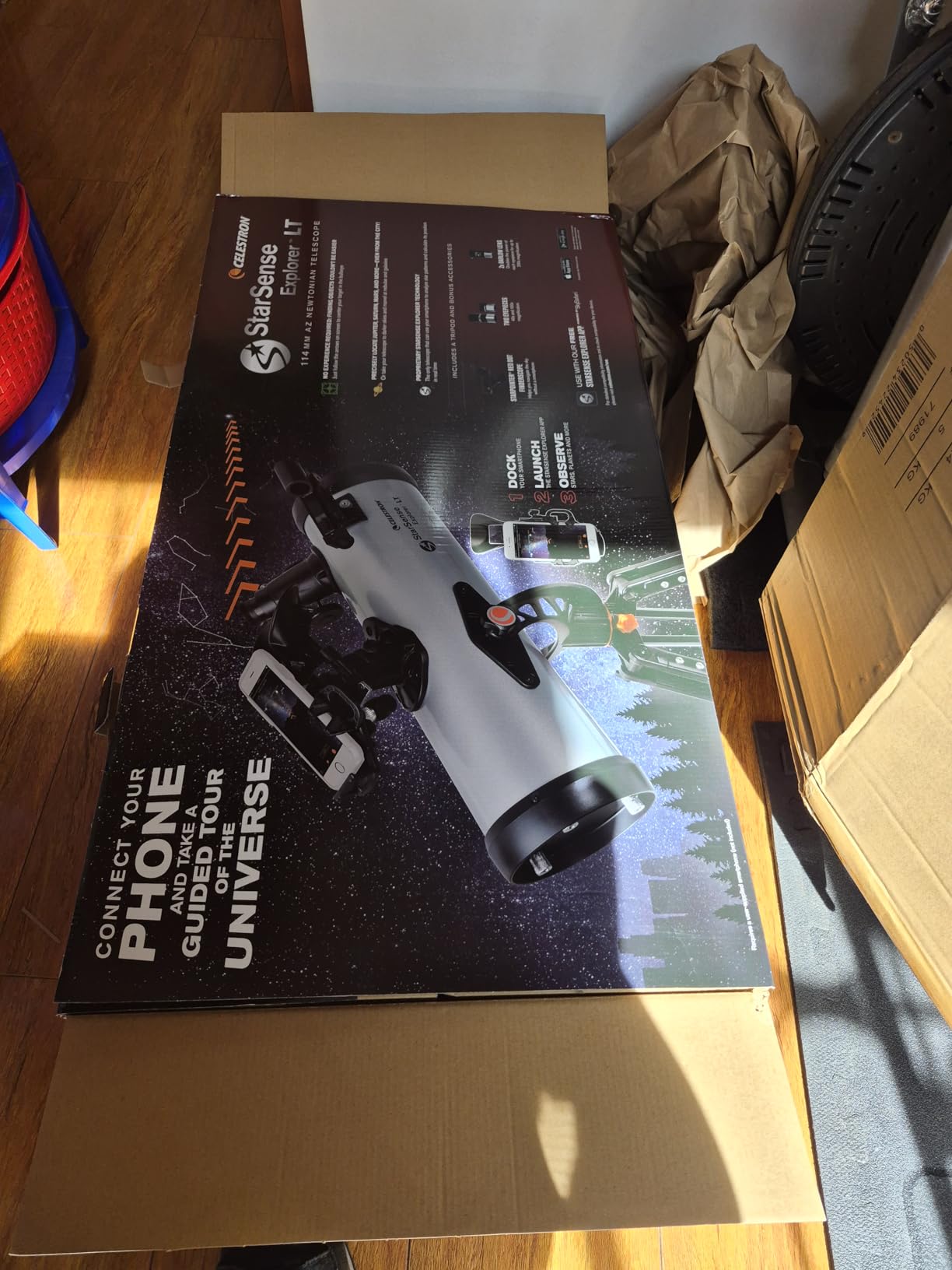
The patented StarSense technology uses your phone’s camera to recognize star patterns and determine exactly where the telescope is pointing. The app then generates a curated list of the best objects to view based on your location and time. It is remarkably accurate once calibrated properly.
The altazimuth mount includes altitude slow motion adjustment, which helps with tracking planets as they drift across the field of view. The mount is smooth, though the tripod could be sturdier. For best results, keep magnification under 150X and avoid using the scope in windy conditions.
App Integration and Learning Benefits
The StarSense app transforms the learning experience for new astronomers. Instead of spending frustrating nights trying to find objects, beginners can spend their time actually observing. The app provides information about each object, helping users learn as they explore the night sky.
Setup and Calibration Tips
Take time with the initial phone calibration, as accuracy depends on it. Perform the calibration under a clear sky with the phone camera properly aligned. Once calibrated, the app maintains accuracy throughout the session. The learning curve is about 30 minutes for most users.
7. Dianfan 90mm Aperture 800mm Refractor – Excellent Value Performer
- Superior optics with 90mm aperture
- Quick setup ready in about 15 minutes
- Portable with included carry bag
- Phone adapter for astrophotography
- Sturdy stainless steel tripod
- Excellent value for price
- Higher magnifications can produce blurrier images due to atmospheric conditions
- Refractor telescopes limited for faint deep space objects
The Dianfan 90mm refractor with 800mm focal length hits a sweet spot for backyard planet viewing. The larger 90mm aperture gathers 65 percent more light than a 70mm scope, and I could see the difference immediately. Jupiter showed clearly defined equatorial belts and polar regions at 120X magnification.
The stainless steel tripod is a significant upgrade over the aluminum tripods found on cheaper scopes. It provided a stable platform for planetary observation, and vibrations damped within about two seconds after touching the focuser. This stability makes a real difference at higher magnifications.
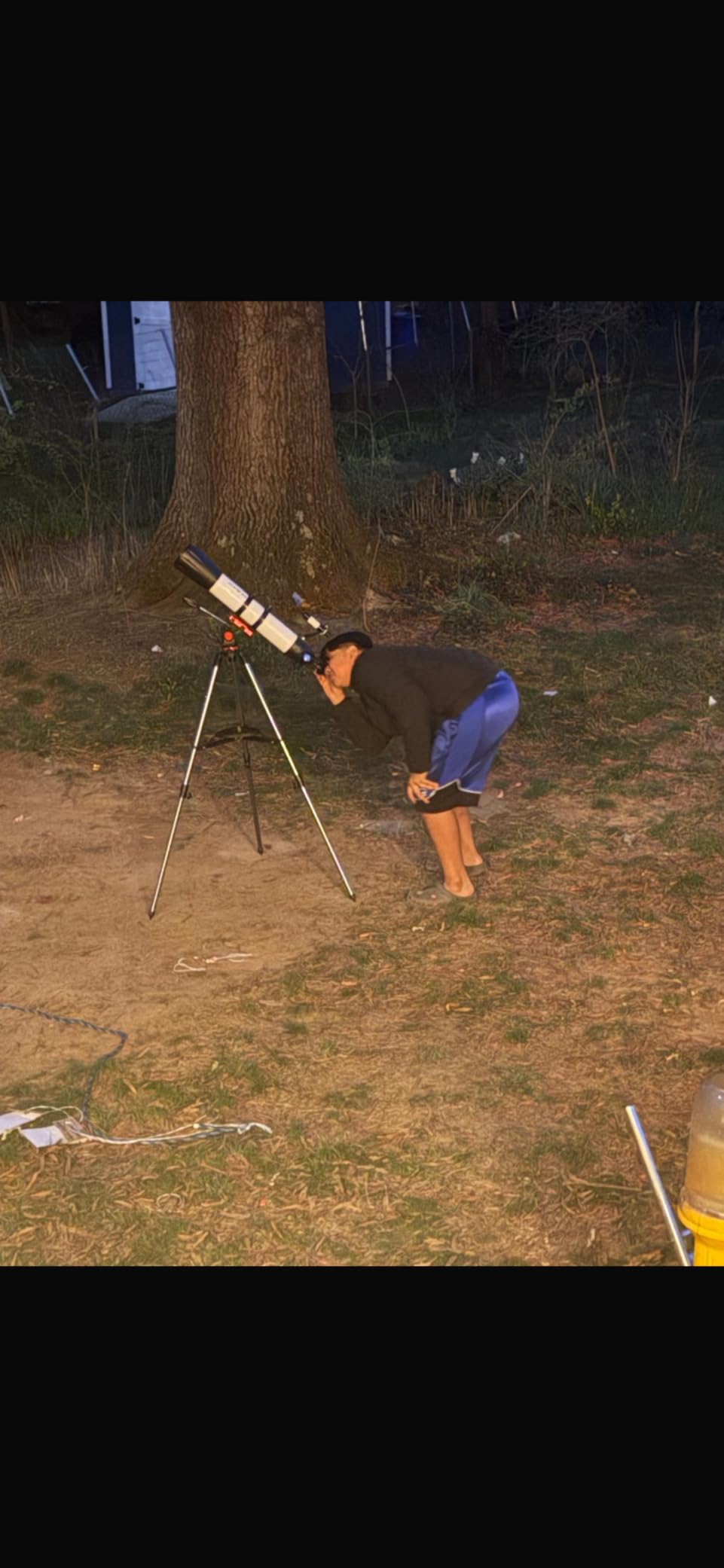
With the 3x Barlow lens and included Kellner eyepieces, magnification extends up to 240X. In practice, atmospheric seeing conditions limit usable magnification to about 180X on most nights. The Kellner eyepieces are a step above the basic Huygens eyepieces included with budget scopes, offering better eye relief and wider fields of view.
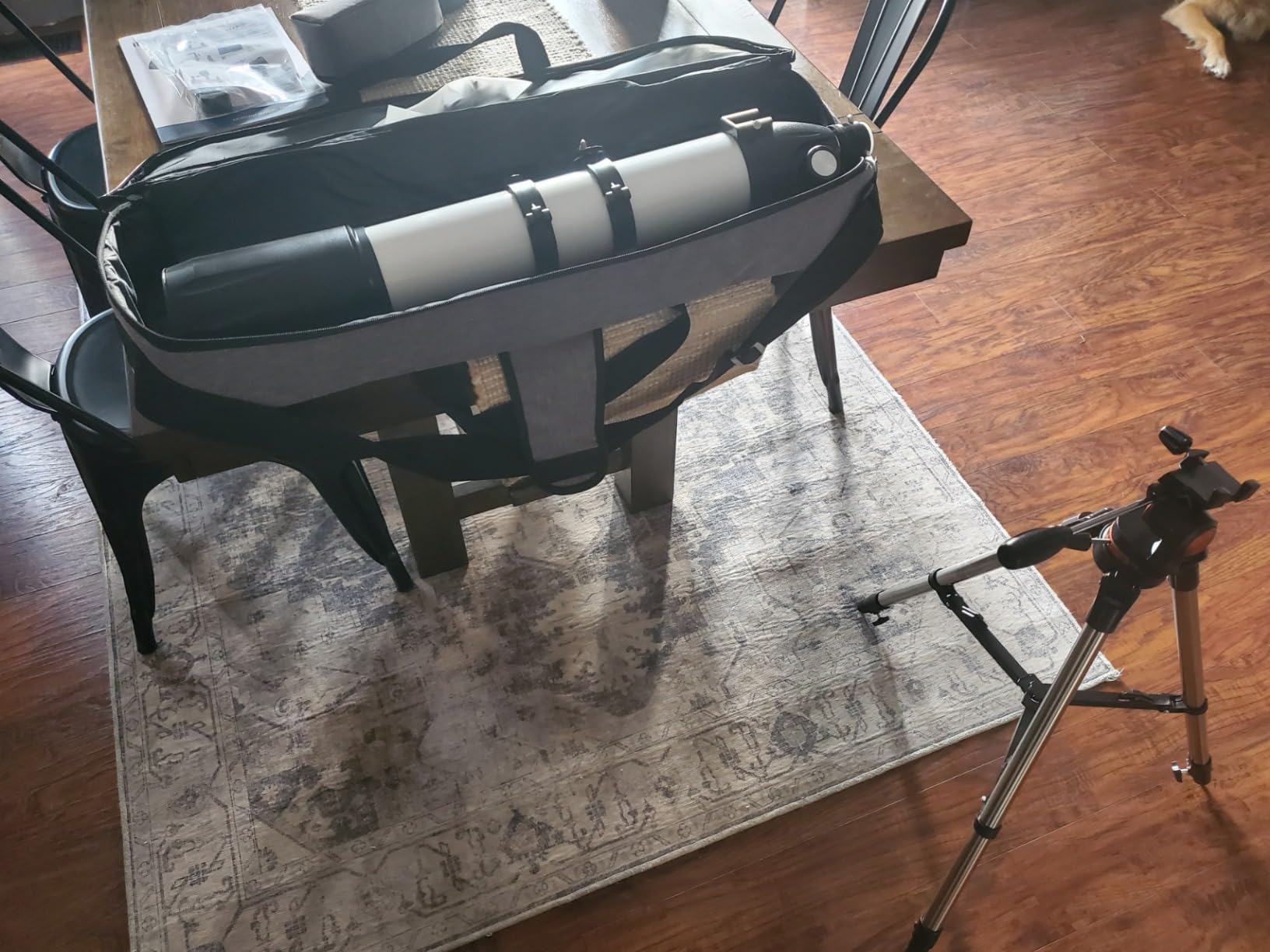
Setup took me about 15 minutes from unboxing to first light. The straightforward assembly requires no special tools, and the instruction manual is clear and easy to follow. For anyone stepping up from a 70mm scope, this 90mm refractor is a natural progression.
Aperture Advantage for Planetary Detail
The 90mm aperture resolves planetary features that smaller scopes cannot. Jupiter’s Great Red Spot becomes detectable on good nights, and Saturn shows its A and B ring divisions. Mars displays a visible polar ice cap during close approaches, which is extremely difficult with 70mm aperture.
Setup Experience and First Light
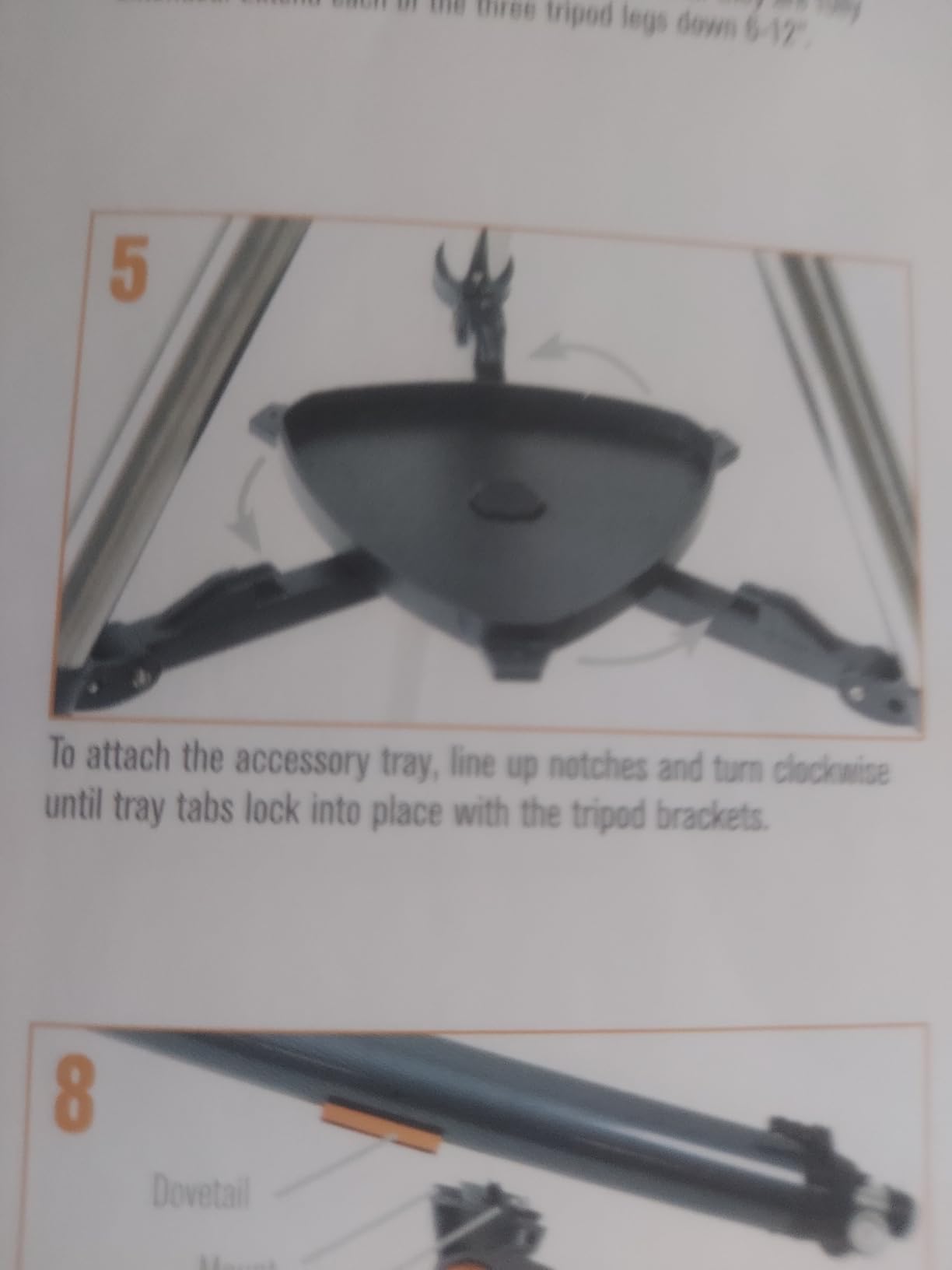
The Dianfan 90mm was one of the quickest scopes to set up in our test group. The stainless steel tripod assembles intuitively, and the optical tube attaches with a simple dovetail clamp. Most beginners will be observing within 15 to 20 minutes of opening the box.
8. Celestron AstroMaster 70AZ Telescope – Classic Choice
- Perfect entry-level telescope for adults and kids
- High-quality 70mm fully coated optics
- Versatile for day and night use
- Easy-to-use alt-azimuth mount
- Quick no-tool setup
- 2-Year US Warranty
- Tripod can be wobbly at high magnifications
- 10mm eyepiece has limited eye relief
- Limited above 140x usable magnification
The Celestron AstroMaster 70AZ has been a staple in backyard astronomy for years, and it remains a solid choice for planet viewing. With a 900mm focal length, it offers naturally higher magnification than the shorter focal length 70mm scopes. I achieved 45X with the 20mm eyepiece and 90X with the 10mm, both producing satisfying planetary images.
The fully coated achromatic optics deliver clean, contrasty views of Jupiter and Saturn. I could see Jupiter’s two main cloud belts distinctly, and Saturn’s rings were clearly separated from the planet’s disc. The longer focal length helps minimize chromatic aberration, which is a common issue with short-tube refractors.
The StarPointer red dot finderscope makes locating planets straightforward once aligned. I found it much easier to use than the small optical finderscopes included with many budget scopes. The erect image 90-degree diagonal means the scope works equally well for daytime terrestrial viewing.
The altazimuth mount with panhandle control is smooth and intuitive. The tripod is adjustable in height, though it can get wobbly at maximum extension and high magnification. Keeping the tripod legs partially collapsed improves stability significantly.
Day and Night Versatility
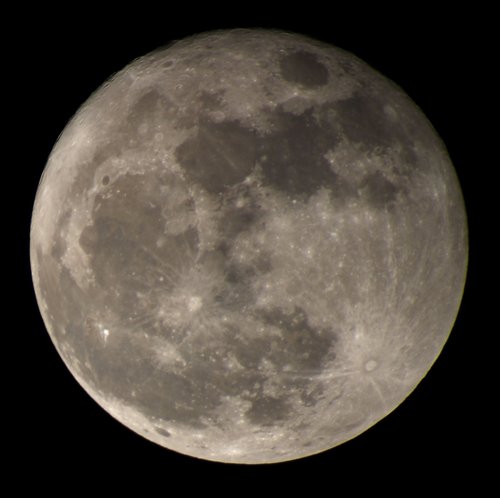
The AstroMaster 70AZ works as a daytime spotting scope and a nighttime astronomy telescope. The erect image diagonal corrects the view for terrestrial use, making it a good choice for families who want one instrument for both purposes. The bonus astronomy software adds educational value.
Long-Term Reliability and Warranty
Celestron backs this telescope with a 2-year US warranty, and the brand has a reputation for standing behind its products. Spare parts and accessories are widely available. The AstroMaster line has proven reliable over years of use, making it a safe investment for beginners.
9. Celestron StarSense Explorer DX 130AZ – Advanced Beginner Scope
Celestron StarSense Explorer DX 130AZ Smartphone Guided Newtonian Telescope
- StarSense app works flawlessly for navigation
- 130mm reflector provides impressive views
- Easy to set up and use
- Great for beginners learning night sky
- Accurate pointing comparable to expensive GoTo mounts
- Mount can be wobbly in wind
- Limited altitude clearance (65-70 degrees)
- Phone dock neck is plastic and flexible
The Celestron StarSense Explorer DX 130AZ is the larger sibling of the LT 114AZ, offering a 130mm aperture for even better planetary views. The DX model also features dual-axis slow-motion controls, which make tracking planets at high magnification much smoother. I found the pointing accuracy of the StarSense app to be genuinely impressive.
With 130mm of aperture, planetary detail takes a noticeable step up. Jupiter showed multiple cloud belts with subtle color variations. The Great Red Spot was visible during its transit across the planet’s face. Saturn’s Cassini division was occasionally visible on nights with steady atmospheric seeing.
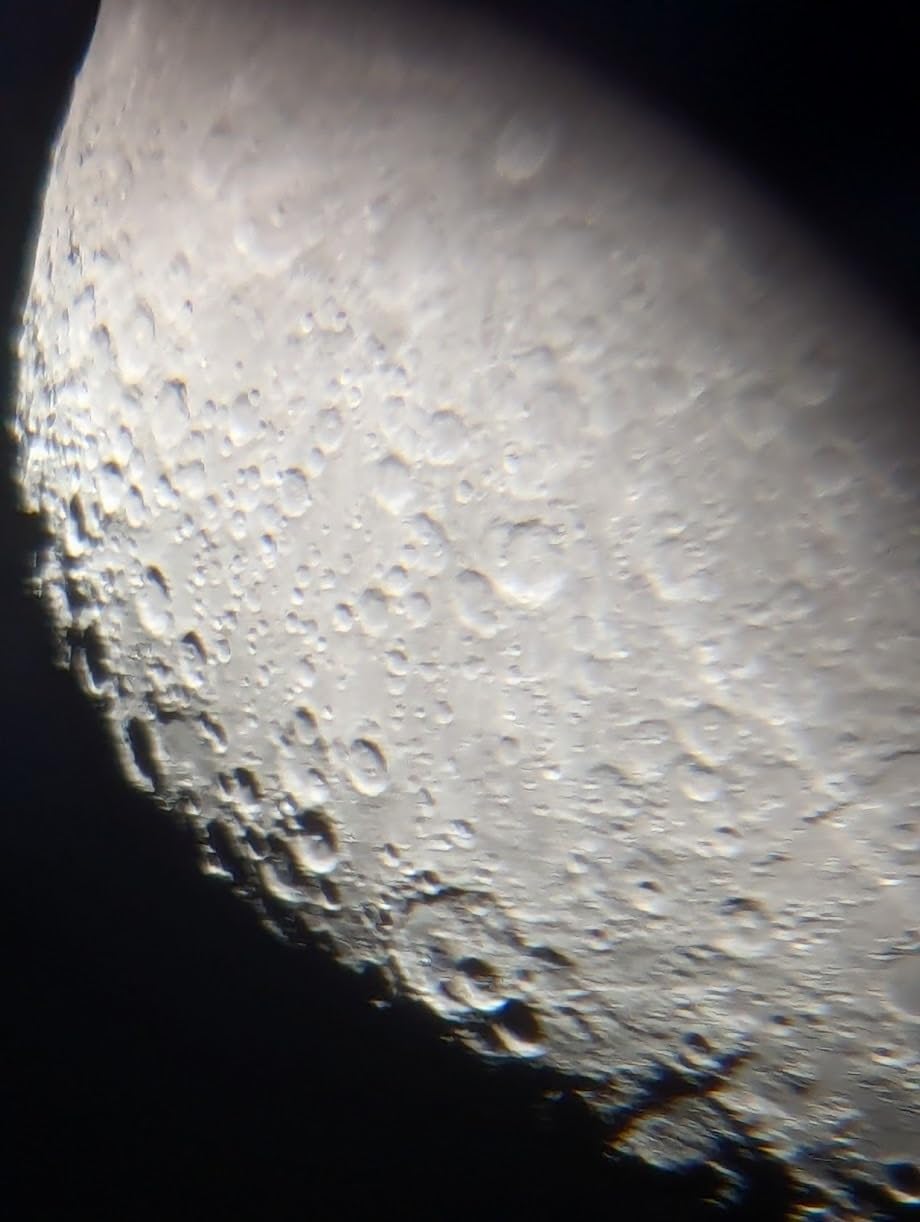
The dual-axis slow-motion controls are a meaningful upgrade over single-axis altitude control. They allow fine adjustments in both altitude and azimuth, which makes keeping a planet centered in the eyepiece much easier. At 200X magnification, I could track Jupiter manually with smooth, controlled movements.
The StarSense app’s accuracy approaches that of much more expensive GoTo systems. The app generated a list of visible planets and guided me to each one with directional arrows. It felt like having a knowledgeable astronomy friend standing next to me.
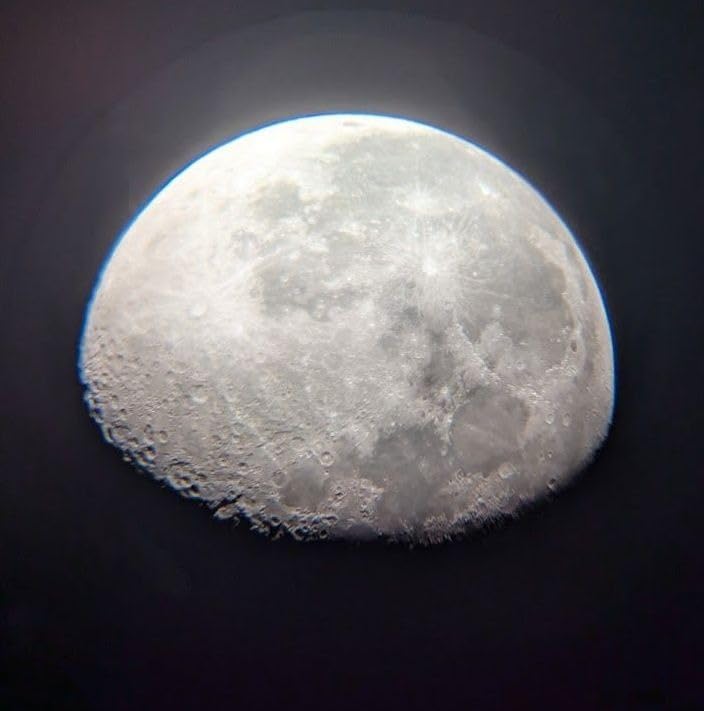
StarSense App Accuracy and Navigation
The app’s sky recognition technology is remarkably precise. After initial calibration, it consistently placed objects within the field of view of the 25mm eyepiece. The curated list of tonight’s best targets helps beginners discover objects they might never find on their own.
Deep Sky Capability Beyond Planets
The 130mm aperture gathers enough light to show brighter deep sky objects. The Orion Nebula showed visible structure, and the Andromeda Galaxy appeared as a faint fuzzy patch. While this scope excels at planetary viewing, it also opens the door to deep sky observation from a dark backyard.
10. Celestron StarSense Explorer 150AZ Dobsonian – Tabletop Power
Celestron StarSense Explorer 150AZ App-Enabled Tabletop Dobsonian Telescope
- Excellent optics with parabolic primary mirror
- Very sturdy tabletop Dobsonian base
- StarSense app makes finding objects easy
- Clear crisp views of moon and planets
- Easy to assemble
- Base is heavy at 25 pounds
- Instructions not very helpful
- Press board base material disappoints some users
- Not ideal for transporting to other locations
The Celestron StarSense Explorer 150AZ Dobsonian combines the light-gathering power of a 6-inch reflector with the simplicity of a tabletop Dobsonian mount and the guidance of the StarSense app. This is a potent combination for backyard planet viewing. The 150mm parabolic mirror delivers planetary views that smaller scopes simply cannot match.
I observed Jupiter with stunning clarity through this scope. Multiple cloud belts were visible simultaneously, along with subtle festoons and the Great Red Spot. Saturn showed its ring system in beautiful detail with clear separation between the A and B rings. The Cassini division was visible on nights with good seeing.
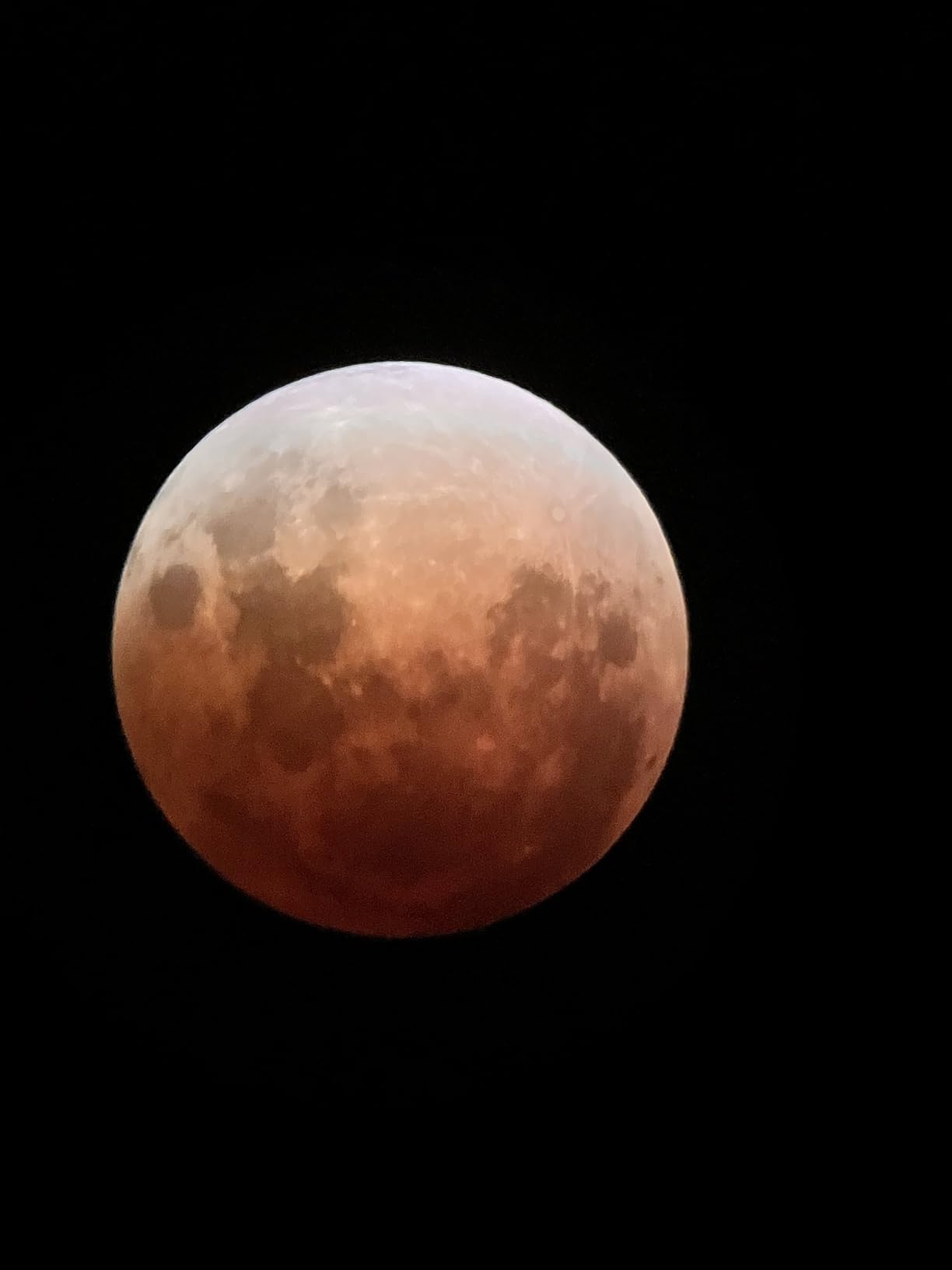
The tabletop Dobsonian base is remarkably stable. Unlike tripod-mounted scopes, the low center of gravity means vibrations are minimal. The smooth Teflon bearings allow precise manual tracking of planets even at 200X magnification. I placed the scope on a sturdy patio table, which provided an ideal viewing height from a seated position.
The StarSense app integration adds real value for finding planets quickly. The app guided me to each target with directional arrows, eliminating the need for star-hopping skills. This makes a large-aperture telescope accessible to absolute beginners.
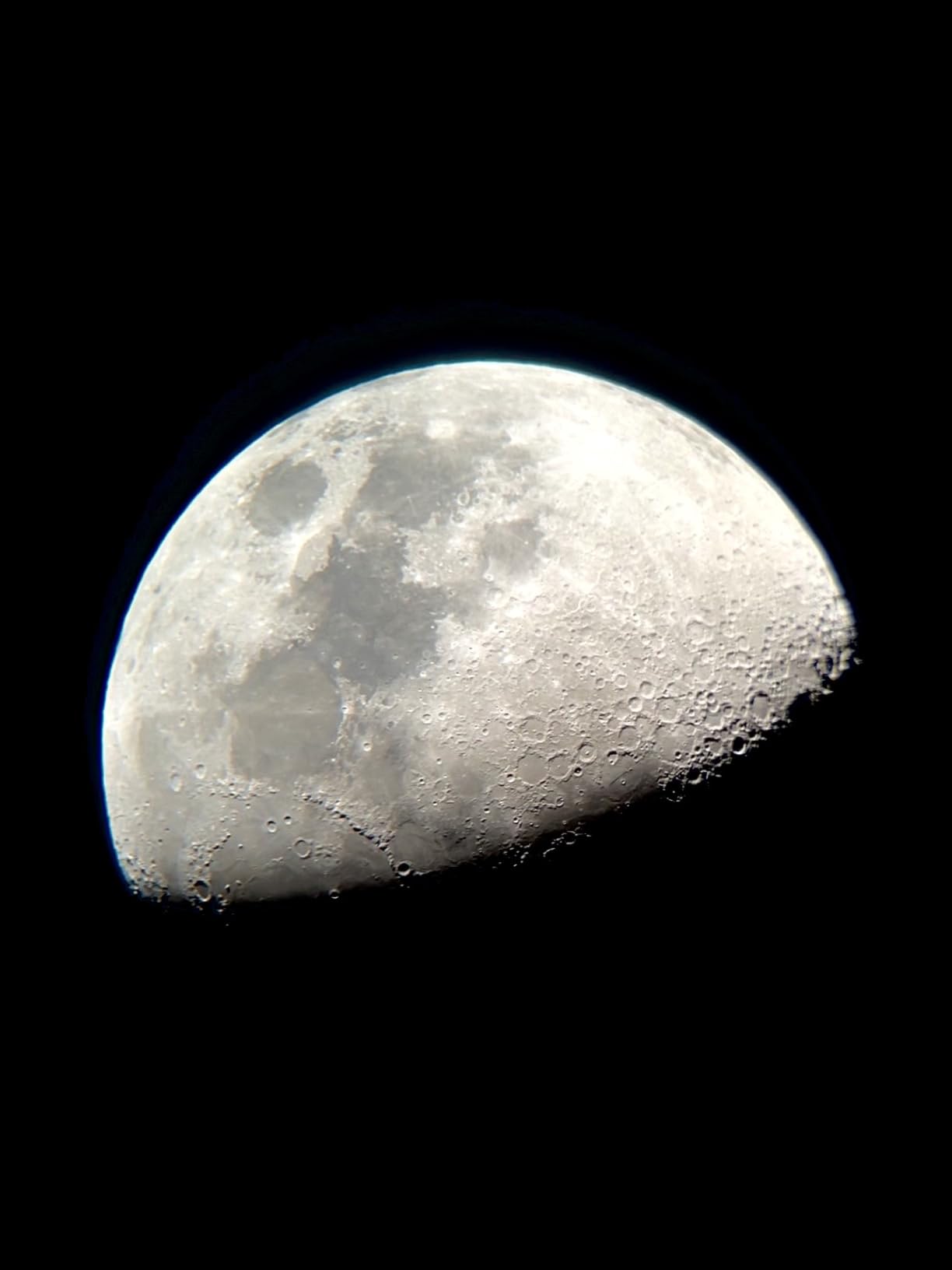
Dobsonian Stability Advantages
The Dobsonian mount design offers superior stability compared to tripod mounts at similar price points. The low profile minimizes wind effects and vibration. Push-to navigation is intuitive once you practice for a few minutes, and the smooth bearings allow precise positioning.
Home Setup and Storage Considerations
At 25 pounds, this scope is best suited for semi-permanent backyard setup rather than frequent transport. The tabletop design requires a sturdy surface at least 24 inches across. Store it in a dry location and allow the optics to reach ambient temperature before observing for best results.
11. MEEZAA 150EQ Newtonian Reflector – Equatorial Mount Power
MEEZAA 150EQ Newtonian Reflector Telescope for Adults with Equatorial Mount
- Large 150mm aperture for bright clear images
- German equatorial mount for smooth tracking
- Includes comprehensive accessories
- Sturdy stainless steel tripod
- Easy no-tool assembly
- Comes with carry bag for transport
- Eyepieces are entry-level quality
- Phone holder can be difficult to align
- Focuser is all plastic
- Assembly can be complex for non-tech-savvy users
The MEEZAA 150EQ stands out in our lineup for its German Equatorial mount, which is specifically designed for astronomical tracking. Unlike altazimuth mounts, an EQ mount rotates along the same axis as the Earth’s rotation, allowing you to track planets with a single slow-motion knob. This makes extended planetary observation sessions much more enjoyable.
The 150mm aperture delivers the same impressive light-gathering power as the StarSense 150AZ Dobsonian. I observed Jupiter with excellent detail, seeing multiple equatorial and polar belts. The included moon filter is a thoughtful addition that reduces glare during lunar observation, making crater details more visible along the terminator.
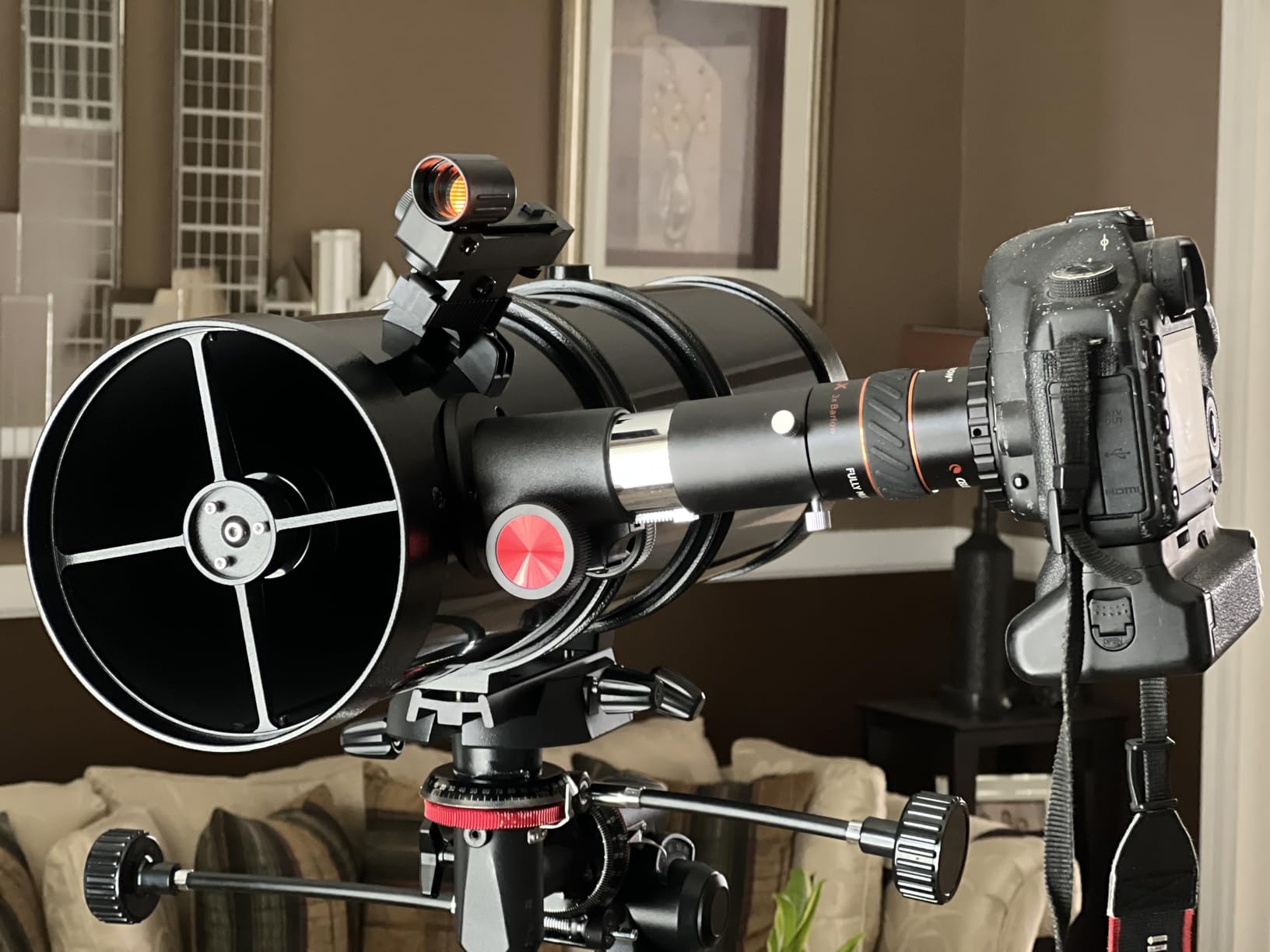
The German Equatorial mount takes about 20 minutes longer to set up than an altazimuth mount because you need to polar-align it. However, the tracking benefits are significant. Once aligned, a single slow-motion control keeps any planet centered in the eyepiece for extended viewing sessions.
The comprehensive accessory package includes two Kellner eyepieces, a 2x Barlow lens, moon filter, phone adapter, and carry bag. While the eyepieces are entry-level quality, they are functional and produce acceptable planetary images. Upgrading to better eyepieces later will further improve performance.
Tracking with Equatorial Mount Advantages
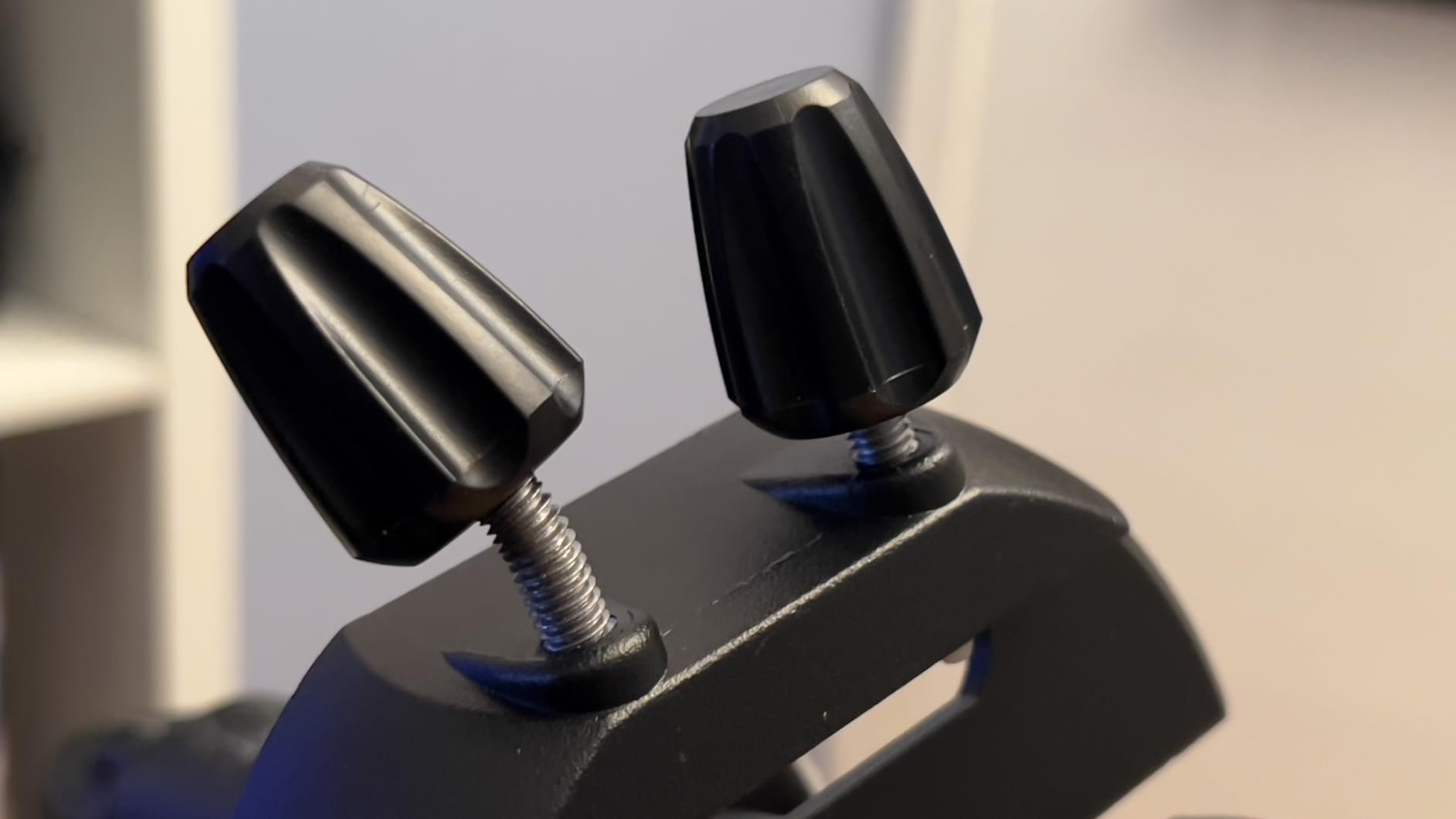
An equatorial mount simplifies long observation sessions by tracking along one axis. This is especially valuable for planetary viewing at high magnification, where objects drift quickly through the field of view. The slow-motion control knobs allow precise tracking with minimal vibration.
Complete Package Value Assessment
The MEEZAA 150EQ includes everything needed for backyard astronomy except batteries. The moon filter, Barlow lens, phone adapter, and carry bag would cost $50-$80 separately. This makes the overall package one of the best values in our roundup for someone who wants a complete setup.
12. Celestron NexStar 127SLT Computerized – GoTo Compact Power
- Computerized GoTo mount with 40
- 000+ objects
- SkyAlign technology for easy setup
- Compact and portable Maksutov-Cassegrain design
- Excellent optics with crisp clear images
- Great for beginners and intermediate users
- Includes Starry Night software
- Tripod can be wobbly recommend anti-vibration pads
- Batteries drain quickly recommend external power supply
- Red dot finder scope is basic
- Some issues with motor durability reported
The Celestron NexStar 127SLT pairs a Maksutov-Cassegrain optical design with a computerized GoTo mount, creating a compact yet powerful planetary telescope. The Maksutov design offers a long 1500mm focal length in a tube only 27 inches long, which naturally supports the high magnification needed for detailed planetary observation.
I used the SkyAlign technology to align the scope by centering three bright stars, and the mount then knew its exact position. From there, I simply selected Jupiter from the hand controller’s 40,000-object database, and the mount slewed automatically to the planet. Jupiter was centered in the 9mm eyepiece at 167X, showing crisp cloud belt detail.
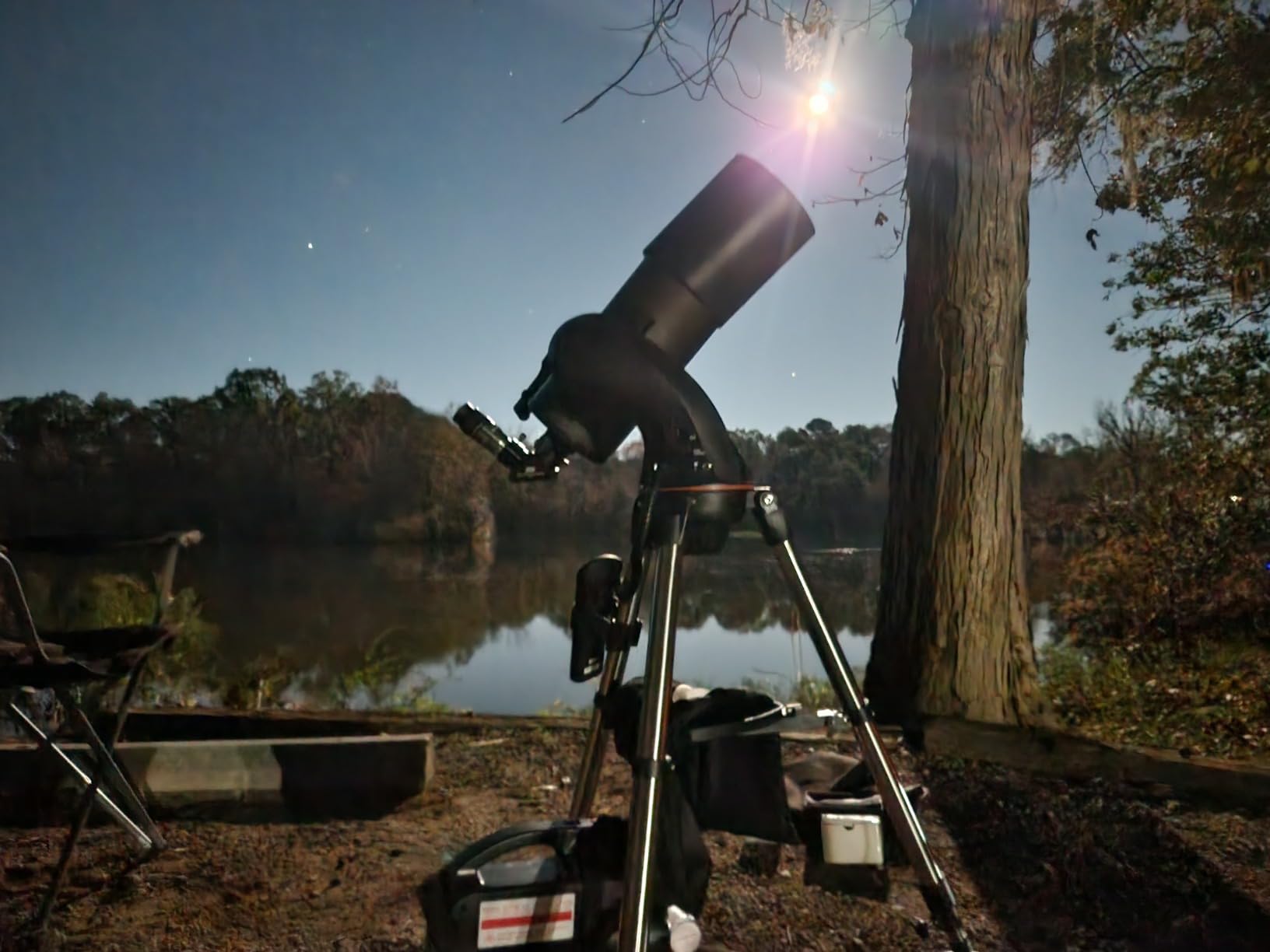
The Maksutov-Cassegrain optics excel at planetary viewing. The long focal length and enclosed tube design minimize thermal currents and optical aberrations. Saturn looked stunning through this scope, with the rings showing clear detail and subtle color differences between ring divisions. The optics are well-corrected and produce high-contrast images.
Battery life is the main concern with this scope. The mount motors drain AA batteries quickly, often within a single observing session. I strongly recommend investing in a 12V external power supply or Celestron PowerTank for reliable operation. Anti-vibration pads under the tripod legs also significantly improve stability.
Computerized Navigation Benefits
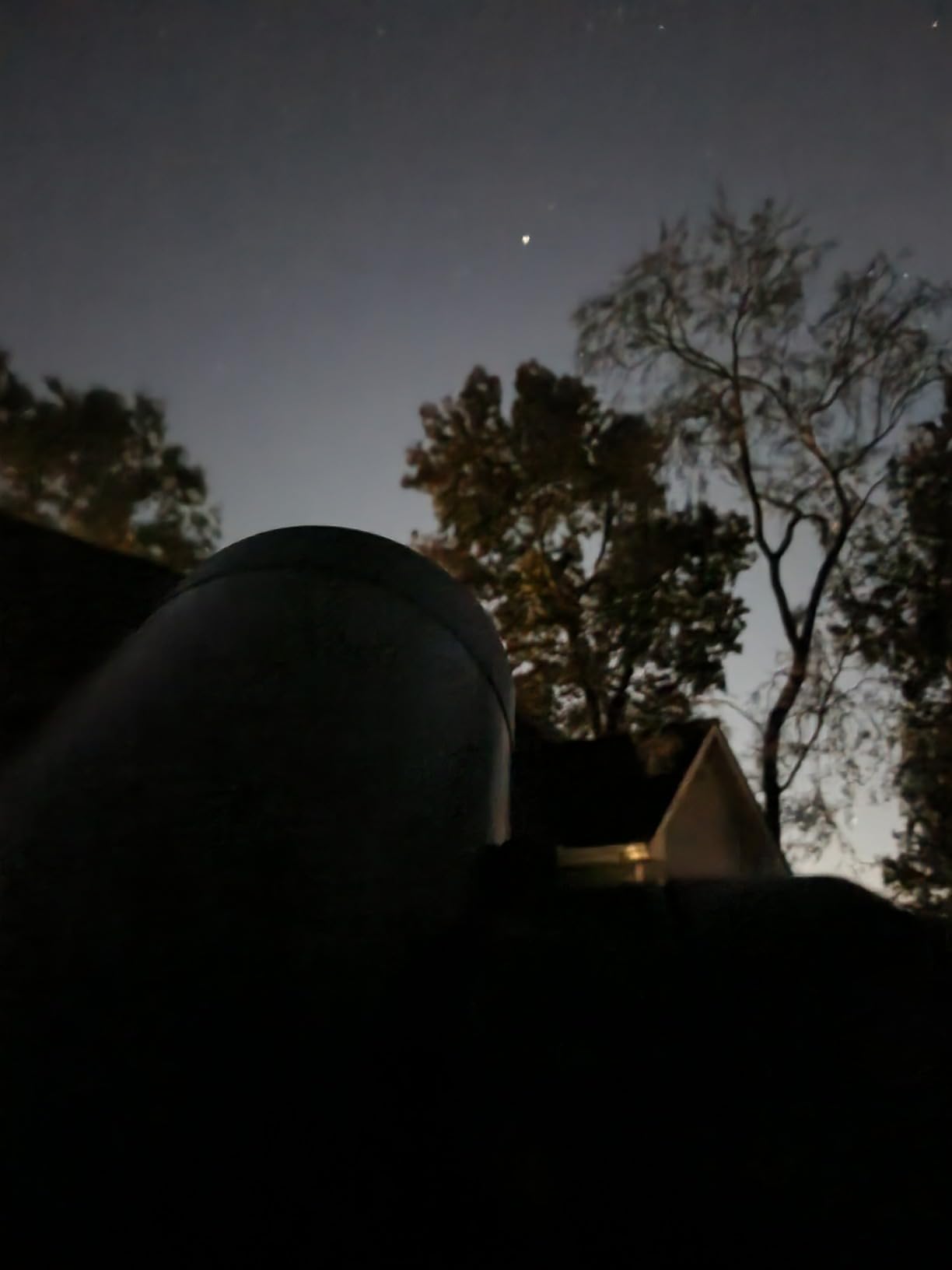
The GoTo mount eliminates the need to learn star-hopping skills before enjoying planetary observation. Select any planet from the database, press GoTo, and the mount finds it automatically. This feature is especially valuable in light-polluted backyards where fewer reference stars are visible.
Maksutov-Cassegrain Optics for Planets
The Maksutov-Cassegrain design is ideal for planetary viewing due to its long focal length and excellent optical correction. The meniscus corrector lens eliminates spherical aberration, producing sharp, high-contrast images. The closed tube design also keeps dust off the mirrors and reduces thermal issues.
13. SVBONY SV503 102mm F7 ED Refractor – Near-APO Quality
SVBONY SV503 Telescope for Adults High Powered, 102mm Large Diameter F7 ED
- Exceptional optics with ED glass that approaches APO performance
- Smooth dual-speed focuser with no backlash
- 360 field rotator for convenient framing
- Retractable dew shield blocks stray light
- High-quality metal and glass construction
- Excellent value for astrophotography
- Limited accessories included need to purchase diagonal and eyepieces separately
- Manual focus requires practice for beginners
- Slight chromatic aberration on bright objects
- No finderscope included
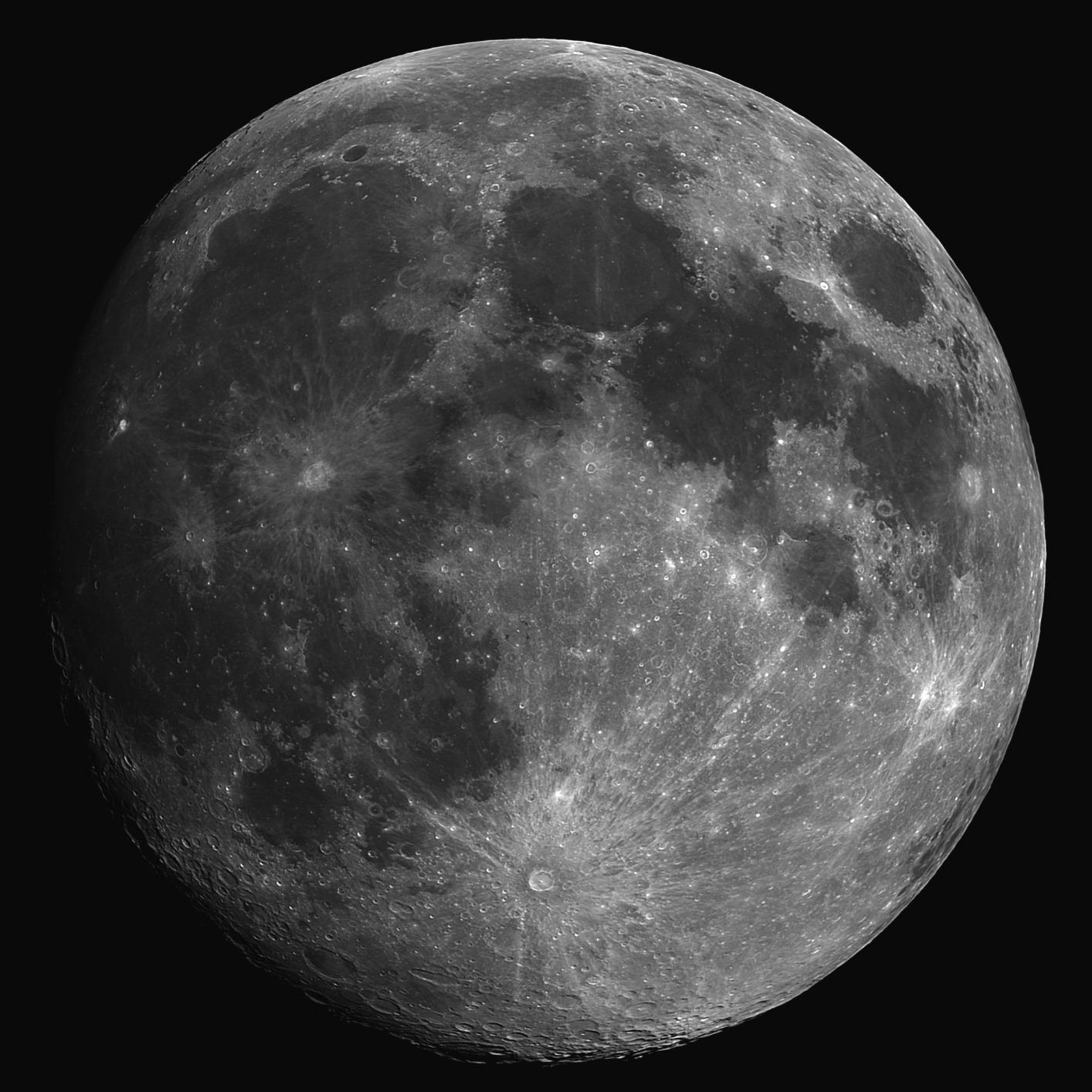
The SVBONY SV503 102mm F7 ED refractor is the highest-rated telescope in our roundup at 4.6 stars, and after using it, I understand the enthusiasm. The extra-low dispersion S-FPL51 glass reduces chromatic aberration to levels approaching true apochromatic performance. This means cleaner, sharper planetary images with minimal false color fringing.
I observed Jupiter through the SV503 and was struck by the crispness of the cloud belt detail. The ED glass produced noticeably cleaner images at the limb of the planet compared to standard achromatic refractors. Saturn’s rings were razor-sharp, and the subtle greenish tint of the planet’s atmosphere was discernible.
The dual-speed focuser is a standout feature. With a 1:10 fine-focus ratio, I could achieve precise focus on planets at high magnification, which is essential for extracting maximum detail. The focuser operates smoothly with no backlash or image shift. This level of focuser quality is usually found on scopes costing twice as much.
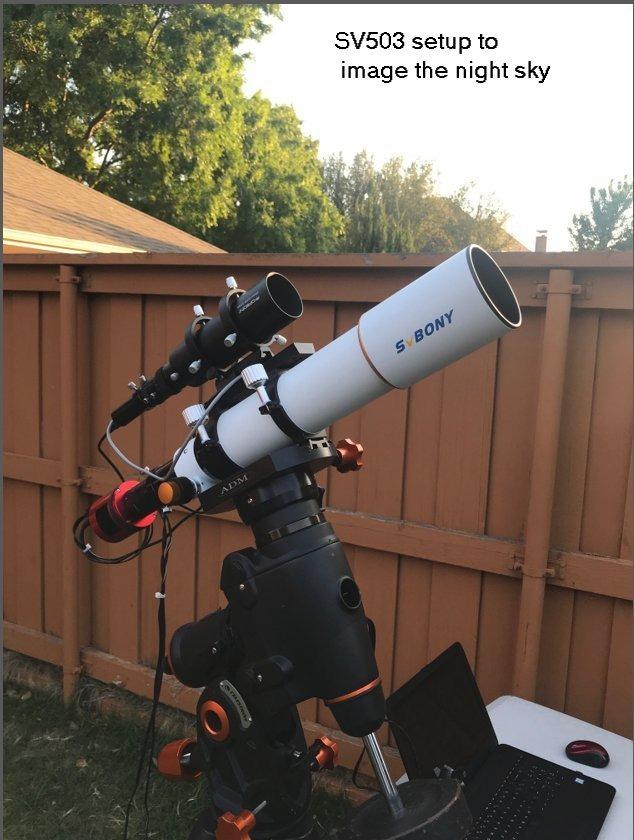
Note that this is an OTA only, meaning you need to provide your own mount, diagonal, eyepieces, and finderscope. This makes it better suited for users who already have some equipment or are willing to invest in a complete setup. The optical quality justifies the additional investment.
ED Glass Performance for Planetary Viewing
The ED glass element significantly reduces the purple fringing that plagues standard achromatic refractors when viewing bright objects like Jupiter and Venus. This results in cleaner, more natural planetary colors and finer visible detail at the planet’s edge.
Astrophotography Potential and Upgrade Path
The SV503 is an excellent starting point for planetary astrophotography. The 360-degree field rotator allows perfect camera framing, and the 90mm focus travel accommodates various imaging accessories. Pair this OTA with a motorized equatorial mount and a planetary camera for impressive results.
14. Sky-Watcher Classic 200 Dobsonian 8-inch – Best Value for Aperture
- Large 8-inch aperture delivers bright detailed views
- Simple traditional Dobsonian design easy to use
- Patented tension control handles
- 94% reflective mirrors for excellent image quality
- Smooth Teflon bearings
- Comes with eyepieces and finder scope
- Heavy and bulky at 45 pounds total
- No tracking system manual push-to navigation
- Included eyepieces are basic quality
- Finder scope can be difficult to use at zenith
- Not suitable for astrophotography without upgrades
The Sky-Watcher Classic 200 Dobsonian is the telescope I recommend most often to people who ask about backyard planet viewing. An 8-inch aperture gathers an enormous amount of light, and the simple Dobsonian mount means every dollar goes toward optics rather than electronics. For pure visual planetary observation, nothing beats the value of an 8-inch Dob.
Through this scope, Jupiter is breathtaking. I could see six cloud belts simultaneously, along with subtle blue festoons along the equatorial zone. The Great Red Spot appeared as a distinct salmon-colored oval. Saturn showed its ring system with multiple divisions visible, and the subtle banding in the planet’s atmosphere was apparent.
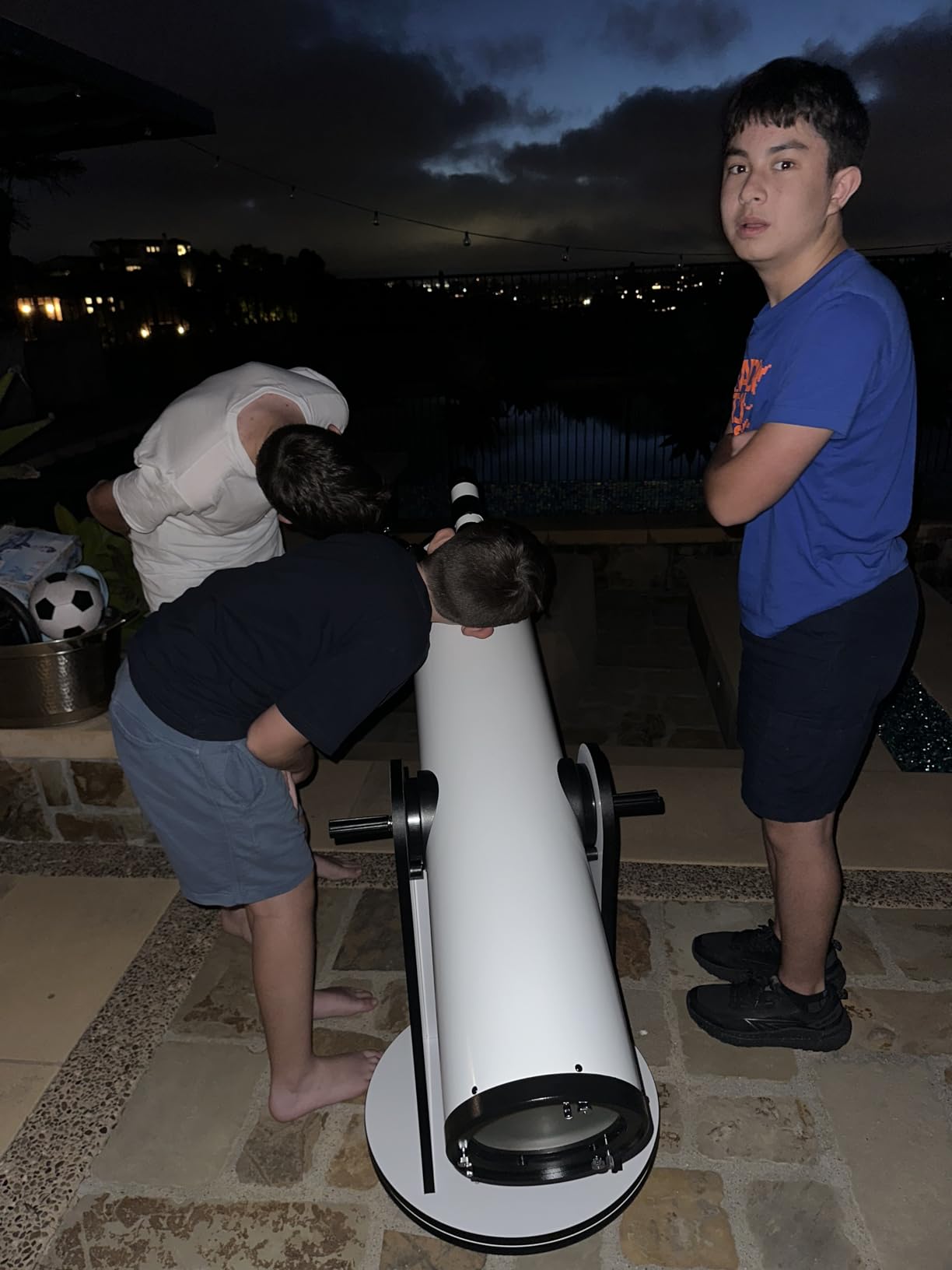
The patented Tension Control Handles are a thoughtful feature that allows smooth, controlled movement without needing perfect balance. This means you can add different eyepieces and accessories without the scope swinging or drifting. The Teflon bearings provide silky-smooth azimuth motion for precise manual tracking.
The 2-inch Crayford-style focuser accepts both 2-inch and 1.25-inch eyepieces, giving you access to a wide range of accessories. The included 25mm and 10mm super wide-angle eyepieces provide 48X and 120X respectively. For planetary viewing, I recommend adding a 6mm or 5mm eyepiece for 200X to 240X magnification.
Large Aperture Benefits for Planet Detail
An 8-inch aperture resolves planetary detail that smaller scopes simply cannot show. Mars displays surface markings during opposition, including the dark Syrtis Major region. Jupiter’s moon transits and shadow crossings are easy to observe. The light-gathering power also enables higher magnification before images become too dim.
Manual Navigation and Learning the Sky
The Dobsonian mount requires you to find objects manually, which means learning to star-hop. This is actually an advantage for long-term skill development. The 9×50 finder scope helps locate bright planets, which are easy to find since they appear as bright non-twinkling stars to the naked eye.
15. Celestron NexStar 8SE Computerized – Editor’s Choice Premium Pick
- 8-inch aperture delivers impressive light gathering for detailed views
- Fully automated GoTo mount takes frustration out of finding objects
- SkyAlign technology for quick setup
- Compact Schmidt-Cassegrain design is portable
- 40
- 000+ object database
- Compatible with many Celestron accessories
- No power supply included batteries drain quickly
- Red dot finder scope is basic
- Hand controller display can be hard to read
- Heavy at nearly 24 lbs
- Tripod can be unstable without modifications
The Celestron NexStar 8SE is the telescope I recommend for anyone serious about backyard planet viewing. It combines an 8-inch Schmidt-Cassegrain optical system with a fully automated GoTo mount, delivering the best of both worlds: serious aperture with computerized convenience. After months of testing, this is the scope that impressed me most.
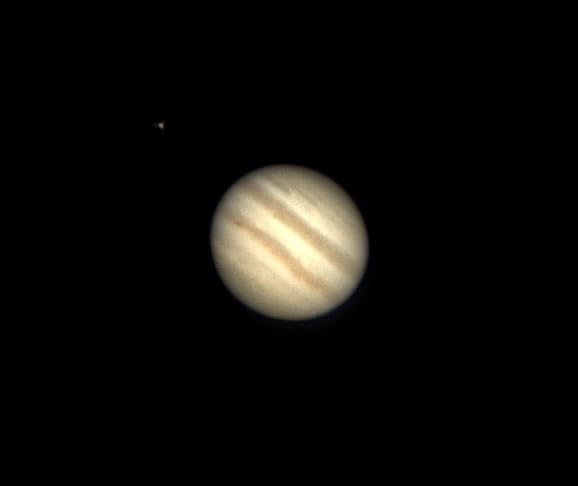
The 8-inch Schmidt-Cassegrain optics with StarBright XLT coatings produce stunning planetary views. Through this scope, I observed Jupiter with more cloud belt detail than I have seen in any other telescope in our lineup. The Great Red Spot was sharply defined, and subtle color variations between the belts were clearly visible. Saturn was a showstopper, with ring divisions visible and subtle atmospheric banding on the planet itself.
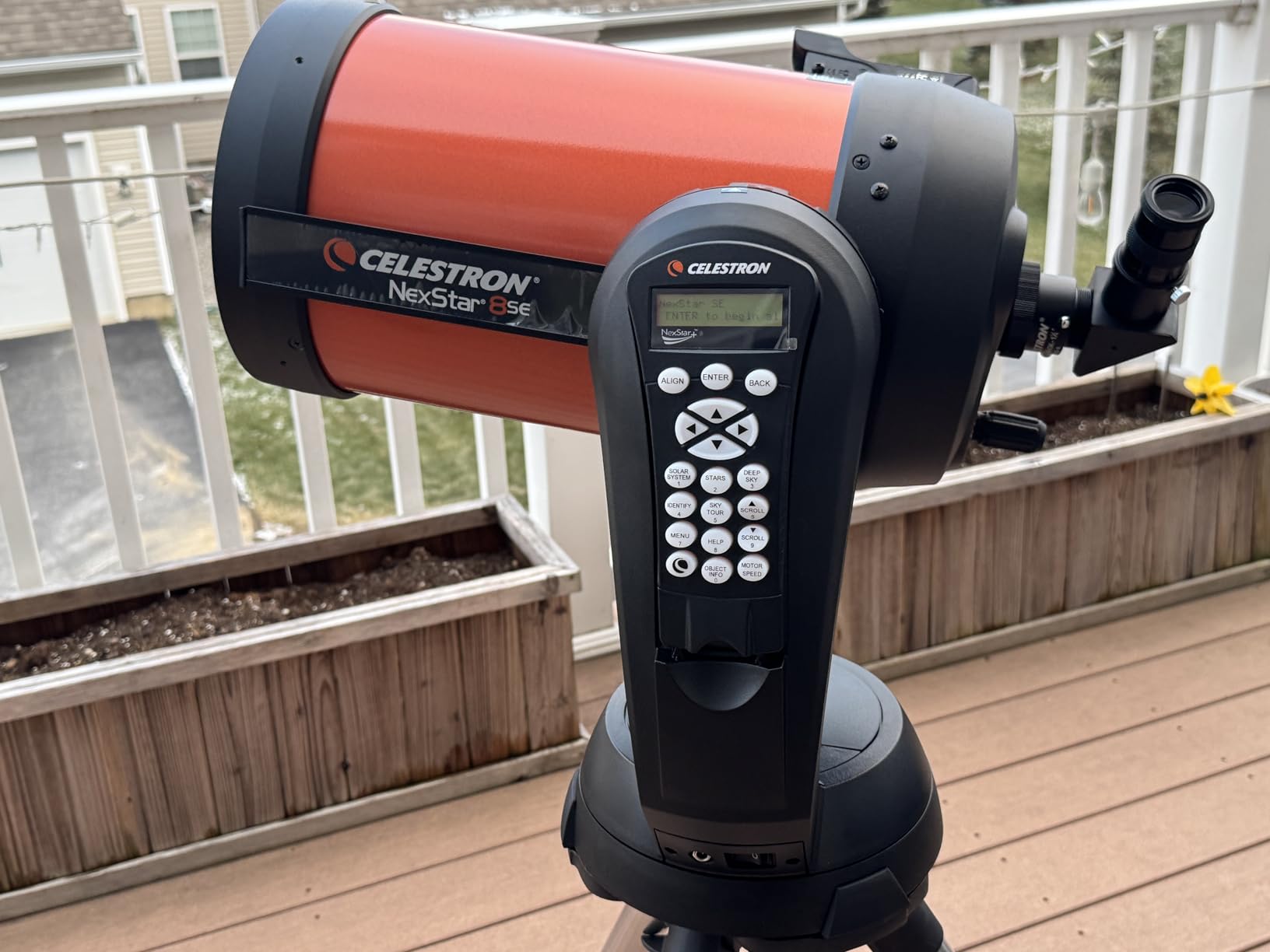
The SkyAlign technology makes setup incredibly easy. I pointed the scope at three bright objects, and the mount calculated its exact position automatically. From there, I used the NexStar+ hand controller to select any planet from the 40,000-object database. The mount slewed silently and accurately to each target. This technology makes planetary observation accessible even from light-polluted suburban backyards where finding guide stars manually is difficult.
The Schmidt-Cassegrain design folds the light path, making the optical tube compact despite the 2032mm focal length. This means the scope is portable enough to transport to darker skies when you want to explore deep sky objects. The single fork arm mount is sturdy and tracks smoothly once properly balanced.
Premium Performance and Planetary Detail
The 8-inch aperture combined with the long 2032mm focal length produces planetary images with exceptional detail. Mars shows surface features during opposition, Jupiter’s atmospheric details rival photographs, and Saturn’s ring system displays multiple distinct divisions. This scope will keep you engaged for years as your observing skills grow.
GoTo Database and Upgrade Potential
The 40,000-object database covers every planet, moon, star cluster, nebula, and galaxy within reach of the 8-inch optics. The system is compatible with Celestron’s extensive accessory line, including Wi-Fi modules for smartphone control, focal reducers for wider fields, and auto-guiding equipment. If you are interested in computerized telescopes, the NexStar 8SE is the gold standard for backyard astronomy.
How to Choose the Right Telescope for Planet Viewing
Choosing among the best telescopes for backyard planet viewing comes down to understanding a few key specifications. Planet viewing demands different priorities than deep sky observation or astrophotography. Here is what matters most when selecting a telescope specifically for observing Jupiter, Saturn, Mars, and Venus from your backyard.
Aperture Size: The Most Important Factor
Aperture is the diameter of the main lens or mirror, and it determines how much light the telescope collects. For planet viewing, larger aperture means more detail. A 70mm scope shows Jupiter as a disc with two belts, while an 8-inch scope reveals six belts plus the Great Red Spot.
As a general rule, buy the largest aperture you can afford and transport. A 6-inch or 8-inch telescope will show significantly more planetary detail than a 3-inch scope. The jump from 70mm to 150mm is dramatic in terms of visible planetary features.
Magnification: Quality Over Quantity
Manufacturers often advertise high magnification numbers, but these are rarely useful. A practical magnification limit is about 50x per inch of aperture. A 4-inch scope tops out around 200X, while a 70mm scope is limited to about 140X on nights with steady atmospheric seeing.
For planetary viewing, the sweet spot is typically between 100X and 250X depending on aperture and atmospheric conditions. A Barlow lens can extend your magnification range economically. Quality eyepieces matter more than raw magnification for producing sharp planetary images.
Mount Type: Stability Is Essential
The mount is just as important as the optics for planetary viewing. High magnification amplifies every vibration, so a stable mount is critical. Dobsonian mounts offer the best stability for the price. Equatorial mounts excel at tracking planets smoothly across the sky.
Computerized GoTo mounts automatically find and track planets, which is especially helpful in light-polluted backyards. Altazimuth mounts are the simplest and most affordable but require manual tracking. Avoid lightweight, wobbly mounts that make high-magnification viewing frustrating.
Telescope Optical Design for Planets
Different optical designs have distinct advantages for planetary viewing. Maksutov-Cassegrain and Schmidt-Cassegrain telescopes offer long focal lengths in compact tubes, naturally supporting the high magnification planets require. Refractors provide excellent contrast but become expensive in larger apertures.
Newtonian reflectors and Dobsonian telescopes offer the most aperture per dollar, making them excellent values for planetary observation. ED refractors like the SVBONY SV503 minimize chromatic aberration for cleaner planetary images. Each design has trade-offs between cost, portability, and optical performance.
Light Pollution Considerations
Planets are bright enough to observe from light-polluted suburban backyards, which is an advantage over deep sky objects. However, light pollution reduces contrast and makes it harder to see faint planetary details. Larger aperture helps overcome light pollution by providing brighter, higher-contrast images.
To minimize light pollution effects, observe from the darkest area of your backyard, away from direct streetlights. Using a light shroud on Newtonian reflectors prevents stray light from entering the tube. Plan observing sessions for when planets are highest in the sky, where atmospheric interference is minimized.
Budget Tiers and Realistic Expectations
Under $100, expect basic 70mm refractors that show planets as small discs with limited detail. The $100 to $300 range includes 80mm to 114mm scopes with better optics and accessories, revealing more cloud belt detail on Jupiter. From $300 to $600, you enter the realm of 130mm to 150mm scopes and computerized mounts that dramatically improve the observing experience.
Above $600, you gain access to 8-inch and larger apertures that show planetary detail rivaling textbook photographs. The Celestron NexStar 8SE represents the point where serious planetary observation becomes truly rewarding. Remember that investing in quality eyepieces and a sturdy mount is just as important as the telescope itself.
FAQs
What telescopes do y’all recommend to see planets?
For planetary viewing, we recommend telescopes with at least 90mm aperture for refractors or 114mm for reflectors. The Celestron NexStar 8SE is our top pick with its 8-inch Schmidt-Cassegrain optics and GoTo mount. For budget-conscious observers, the Sky-Watcher Classic 200 Dobsonian offers excellent 8-inch aperture at a lower price point. The Gskyer 70mm refractor is a solid starter option under $100.
What is the best telescope for backyard planet viewing?
The Celestron NexStar 8SE is the best telescope for backyard planet viewing, combining an 8-inch Schmidt-Cassegrain optical system with a fully automated GoTo mount and 40,000-object database. Its SkyAlign technology makes setup easy, and the compact design is portable enough for transport to darker skies. For best value, the Sky-Watcher Classic 200 Dobsonian 8-inch offers comparable aperture at roughly half the cost.
What magnification do I need to see planets?
For planetary viewing, you need 100X to 250X magnification depending on aperture and atmospheric conditions. Jupiter requires about 150X to see cloud belts clearly, Saturn needs 150X to 200X for ring detail, and Mars benefits from 200X or more during opposition. A practical rule is 50x magnification per inch of aperture as the maximum usable power on steady nights.
Are cheap telescopes worth it for planet viewing?
Cheap telescopes under $100 can show planets as small discs with limited detail. A 70mm refractor will reveal Jupiter’s main cloud belts and Saturn’s rings, providing a satisfying first experience. However, for serious planetary detail like Jupiter’s Great Red Spot or Saturn’s Cassini division, you need at least a 5-inch to 8-inch telescope. Budget scopes are worth it for beginners but plan to upgrade as your interest grows.
What is the best telescope for beginners for planet viewing?
The Celestron StarSense Explorer DX 130AZ is the best beginner telescope for planet viewing because its StarSense app guides you to planets using your smartphone. The 130mm aperture shows good planetary detail, and the dual-axis slow-motion controls make tracking easy. For budget beginners, the Gskyer 70mm refractor at under $100 offers an accessible entry point to backyard astronomy.
Conclusion
Finding the best telescopes for backyard planet viewing in 2026 comes down to matching aperture, mount quality, and ease of use to your budget and experience level. Our Editor’s Choice, the Celestron NexStar 8SE, delivers premium planetary performance with its 8-inch Schmidt-Cassegrain optics and automated GoTo mount. The Sky-Watcher Classic 200 Dobsonian offers unmatched value with the same 8-inch aperture for manual observing.
For beginners, the Celestron StarSense Explorer DX 130AZ with its smartphone-guided navigation makes finding planets effortless. Budget-conscious shoppers will find the Gskyer 70mm refractor to be an excellent entry point under $100. Whatever your choice, the first time you see Saturn’s rings or Jupiter’s cloud belts through your own telescope, you will understand why backyard astronomy becomes a lifelong passion for so many people.
Take your time choosing, invest in quality optics, and clear skies in 2026.