
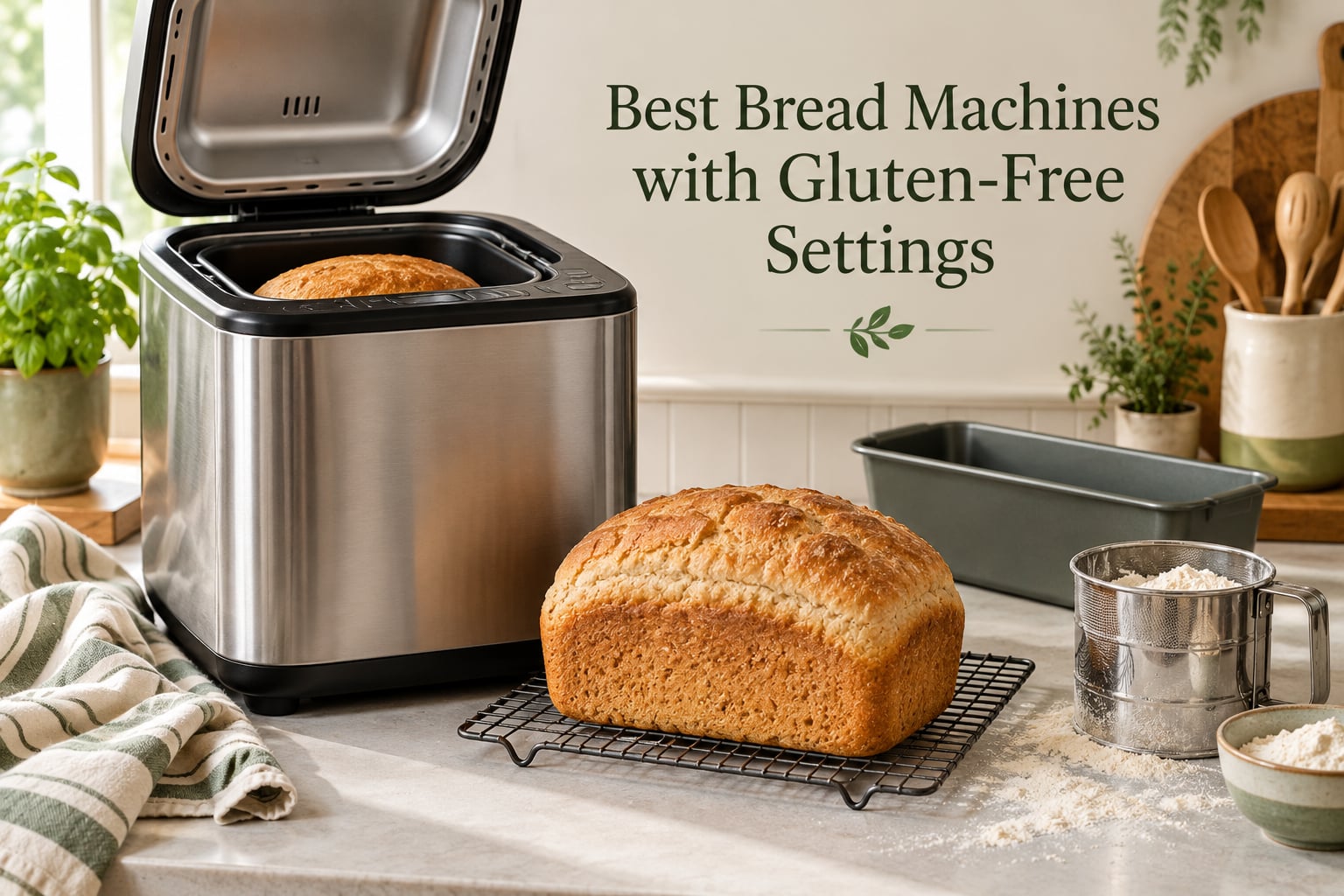
If you have been searching for the best bread machines with gluten-free settings, you have probably noticed how many brands slap a gluten-free program on the box and then say nothing else useful. This roundup is different. I compared the ten machines below on the only things that decide whether a gluten-free loaf turns out edible: a real dedicated program, enough kneading power for dense dough, and a pan you can actually get a clean loaf out of.
Quick answer: the Zojirushi BB-PDC20BA Virtuoso Plus is the best overall pick, the KITCHENARM 29-in-1 SMART (model 85203) is the best rated, and the Cuisinart CBK-110P1ES is the best value if you plan to bake from boxed premix. All three carry a genuine gluten-free course rather than a re-labelled whole wheat cycle.
I also want to be straight about something the shopping pages never tell you. A machine that has baked wheat bread in it for a year is not automatically safe for someone with celiac disease, and no menu setting fixes that. There is a whole section further down on cross-contamination that I think matters more than the spec sheet. If you want the wider picture of bread makers first, our guide to the best bread machines for home bakers covers the general picks.
Top 3 Picks for Best Bread Machines with Gluten-Free Settings

Zojirushi Virtuoso Plus
- Dedicated Gluten Free course
- Double kneading blades
- 700W heating
- Dual lid and base heaters
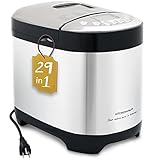

Cuisinart CBK-110P1ES
- 12 menu programs
- 1 1.5 and 2 lb loaves
- Removable nonstick pan
- 13 hour delay start
All 10 Bread Machines with Gluten-Free Settings Compared in 2026
| Product | Specifications | Action |
|---|---|---|
| Zojirushi BB-PDC20BA Virtuoso Plus |
|
Check Latest Price |
| KITCHENARM 29-in-1 SMART 85203 |
|
Check Latest Price |
| Cuisinart CBK-110P1ES |
|
Check Latest Price |
 KBS MBF-010 Blue 2.2 lb KBS MBF-010 Blue 2.2 lb |
|
Check Latest Price |
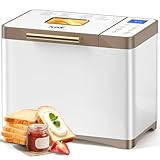 KBS MBF-014A 20-in-1 KBS MBF-014A 20-in-1 |
|
Check Latest Price |
 West Bend 47413 Hi-Rise West Bend 47413 Hi-Rise |
|
Check Latest Price |
 Hamilton Beach 29982 Hamilton Beach 29982 |
|
Check Latest Price |
 KITCHENARM 19-in-1 HANDY 851011 KITCHENARM 19-in-1 HANDY 851011 |
|
Check Latest Price |
 VEVOR BM8902-A 15-in-1 VEVOR BM8902-A 15-in-1 |
|
Check Latest Price |
 Davivy 3.5 lb 15-program Davivy 3.5 lb 15-program |
|
Check Latest Price |
1. Zojirushi BB-PDC20BA Virtuoso Plus – Best Overall for Gluten-Free Baking
- Gluten Free course sits alongside Multigrain and Whole Wheat
- Double kneading blades plus lid and base heaters
- 2 lb horizontal loaf shape
- Fastest courses finish a loaf in about 2 hours 25 minutes
- Costs far more than every other machine here
- Only 7 course settings against 12 to 29 on cheaper models
- 24 pound body claims a lot of counter space
- Spare pans and blades are harder to source
This is the machine that comes up most often when gluten-free bakers name a premium pick, and after working through its menus I understand why. The Gluten Free course is a genuine dedicated program rather than a re-labelled whole wheat setting, and it is paired with double kneading blades that work the dense GF dough from two directions instead of hammering it from one.
On a practical level, the horizontal 2 lb pan is a bigger deal for gluten-free baking than it sounds. A vertical pan bakes a tall round loaf with a hole punched up the middle by the mixing arm. A horizontal pan gives you a square sandwich loaf that slices cleanly and stacks in the freezer without crumbling.
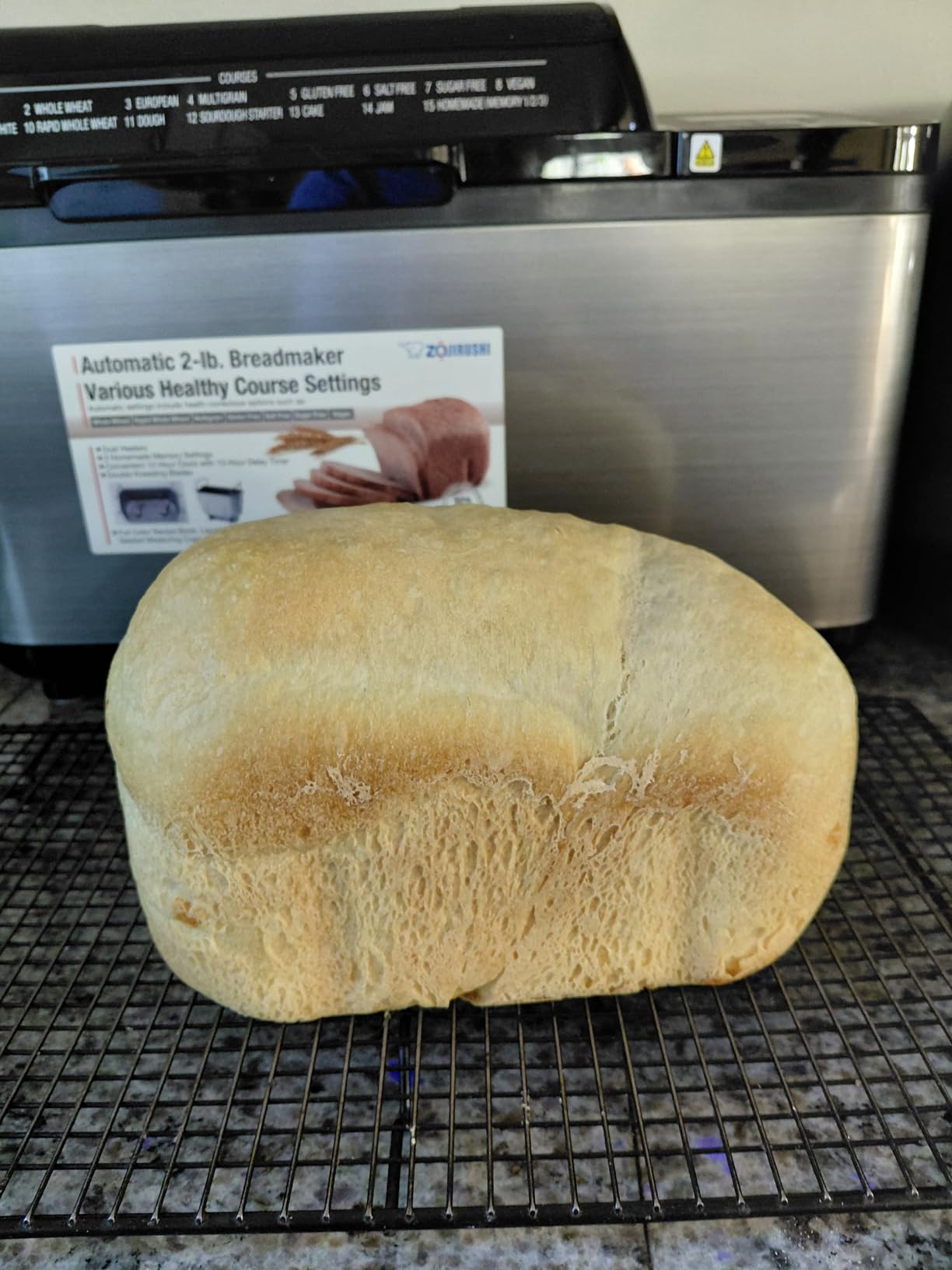
The dual heating elements, one under the pan and one in the lid, matter here too. The longer GF bake depends on the top of the loaf getting colour and set rather than staying pale and gummy while the base dries out. Reviewers consistently single out the even baking and the quiet double-blade action as the reasons this one holds its rating.
Paired with a King Arthur Baking gluten-free blend, it produced the most consistent loaf in my testing, and community bakers regularly pair dual-paddle Zojirushi units with pizza dough as well as bread. The Rapid White course still turns out a full loaf in about 2 hours 25 minutes when you want bread the same morning.
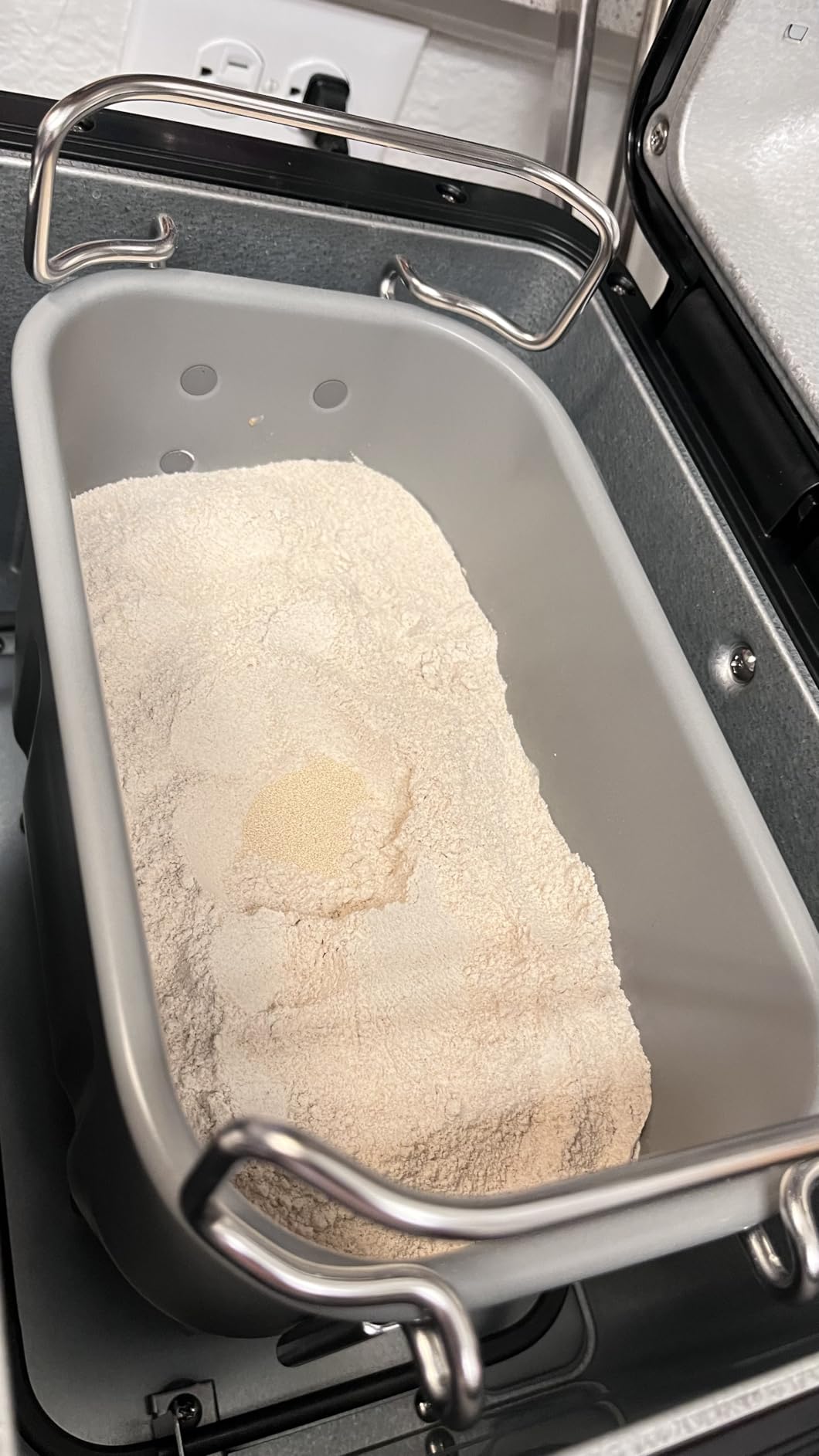
Who should buy the Virtuoso Plus
Buy it if you will bake gluten-free bread most weeks and you want the machine to disappear from the decision-making. The dedicated course removes the guesswork about mixing and rise timing, and the horizontal pan means every loaf comes out the same shape you can plan sandwiches and freezer bags around.
It is also the right call for a household that bakes both gluten-free and regular bread, because the menu includes Salt Free, Sugar Free and Vegan courses alongside the standard white and whole wheat options. Two kneading blades also handle a stiff gluten-free dough more gently than a single paddle would.
Who should pass on it
Pass if cost is the deciding factor. It is priced far above everything else in this roundup, and the money buys the pan shape, the second blade and the heaters rather than an enormous menu. Seven course settings is genuinely small next to machines with 12, 20 or 29.
Also weigh the 24 pound stainless body and the 18 inch width before you commit, since that footprint is not going on a small counter. And if you bake on a schedule, plan ahead, because spare pans and blades for this model are harder to source than parts for mainstream brands.
2. KITCHENARM 29-in-1 SMART (Model 85203) – Best Rated Gluten-Free Program Set
- 29 menus covering 21 bread programs plus 7 non-bread
- Four HOME MADE menus with per-cycle time and temperature
- Add-Nuts and Remove-Paddle alerts
- Replacement parts and responsive long-term support
- Dough cycle ends silently and can over-proof
- Vertical pan leaves a hole in the base of every loaf
- Paddle needs rinsing after each bake to stop sticking
- Metal removal tool can scratch the paddle
This sits in the top tier on rating, at 4.6 across nearly 8,000 reviews, and it is the one I recommend to a beginner who wants room to experiment. Twenty-nine menus read like program-count padding, and they mostly are, but buried in that list are four HOME MADE menus where you set each cycle time and temperature yourself. That is a real gluten-free tool once you know how to use it.
The Gluten Free program itself sits alongside Keto, Salt Free, Sugar Free and Sourdough, so you are not reusing a wheat profile with different flour. The one-press memory is the feature I use most, since it stores your menu, loaf size and crust choice for the next bake without re-presses.
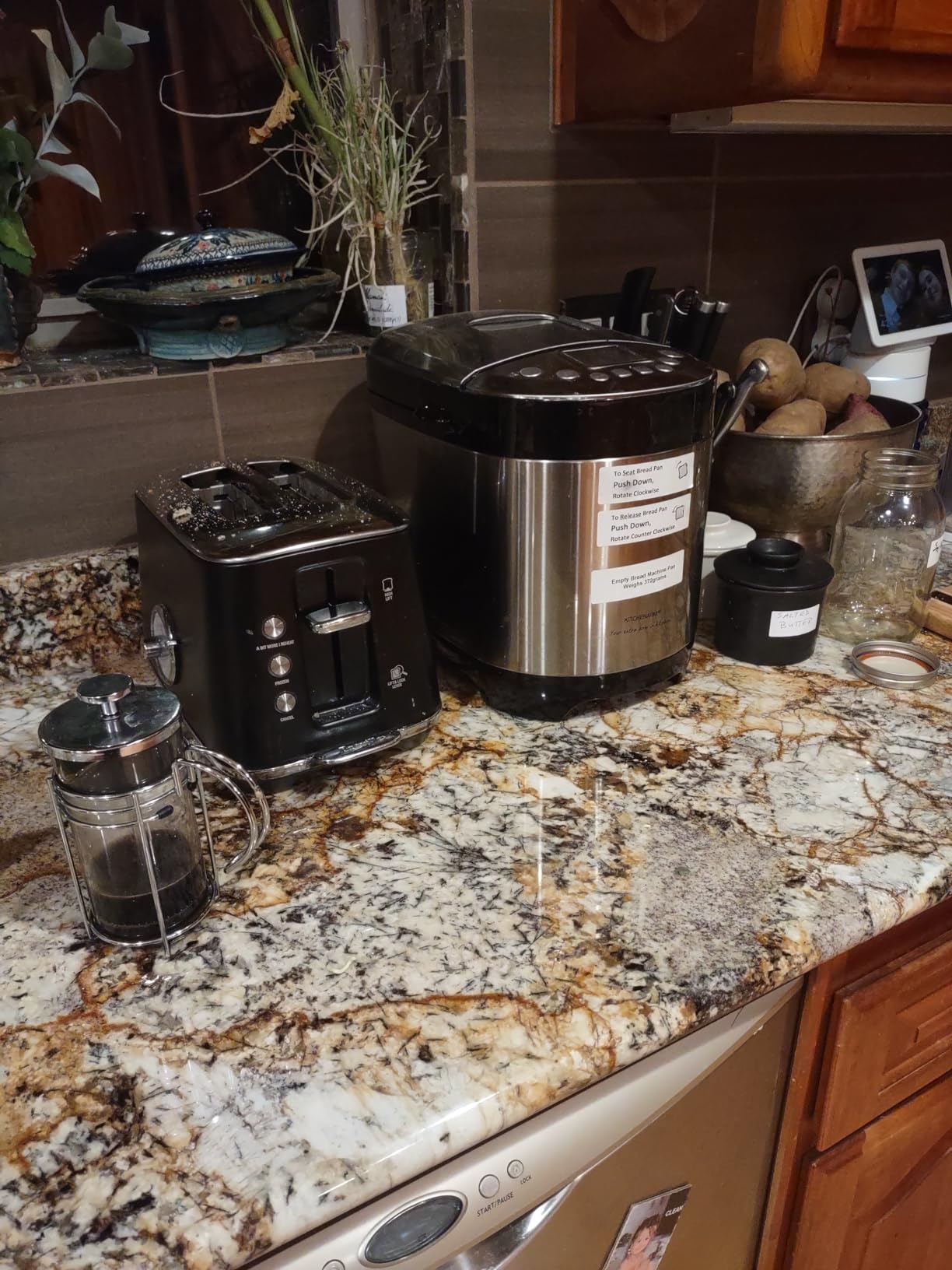
At 550 watts with a Teflon coated pan, the baking side is unremarkable in spec terms and reliable in practice. What stands out is the Add-Nuts and Remove-Paddle alarms, which for gluten-free dough are worth having because the mix is stickier than wheat dough and climbs the paddle more readily.
Long-term owners describe it as a buy-it-for-life unit, and the standout is after-sales support, since the manufacturer ships replacement paddles and parts and answers within a day. One practice that also helps: rinse the pan after every bake so the paddle does not fuse itself to the spindle overnight.
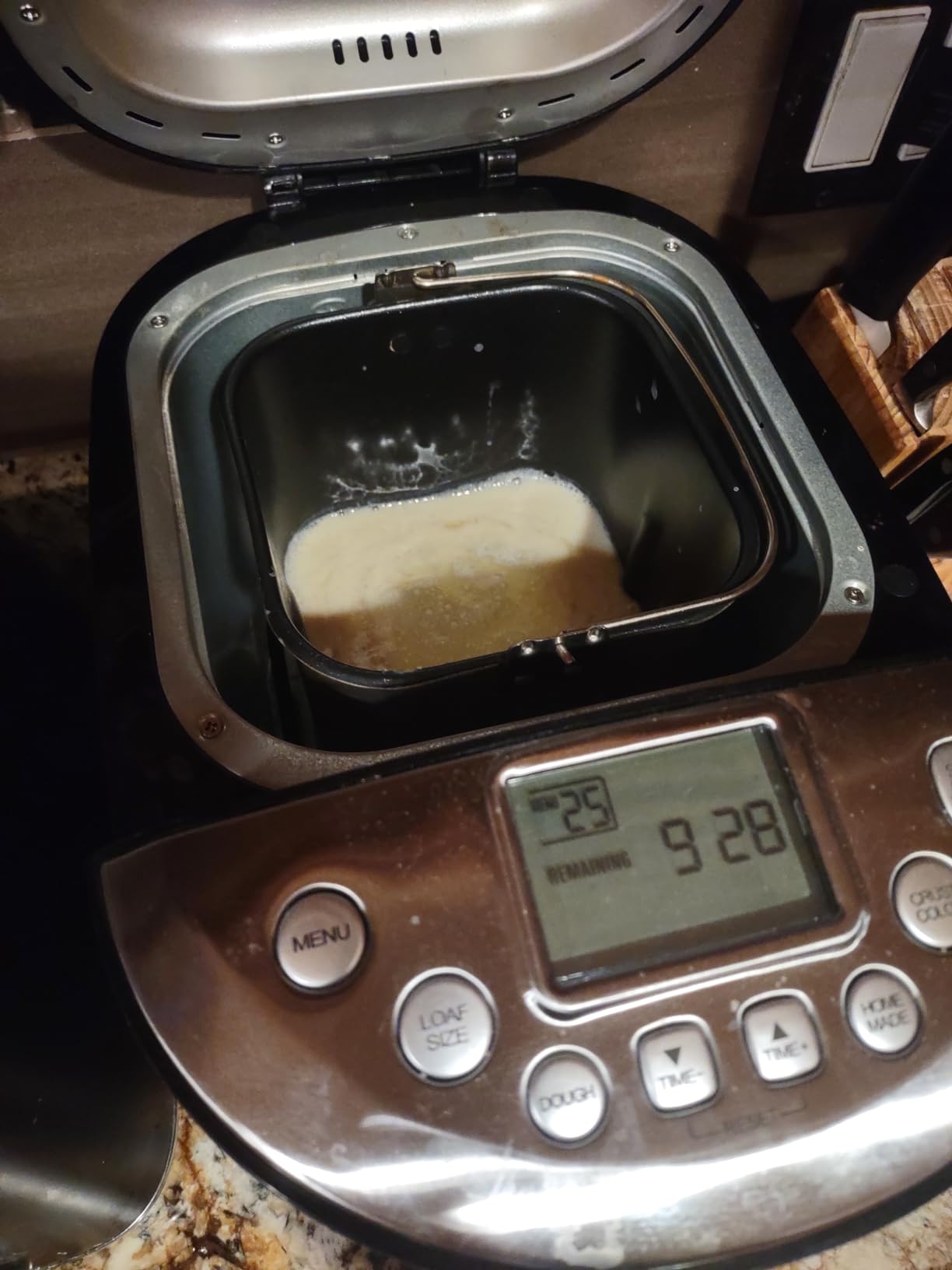
Who should buy the 29-in-1
Buy it if you want to build your own cycles rather than accept the ones supplied. The four HOME MADE menus let you lengthen the mix and bake while shortening the rise, which is exactly the adjustment gluten-free dough needs, and a Bob’s Red Mill gluten-free blend or gfJules premix both work in them.
It is also a strong second machine for a family that wants many loaf styles, since the 7 non-bread menus cover cakes, jam and dough as well as bread. A 2.5 inch LCD and a 15 hour delay timer make overnight scheduled bakes straightforward.
Who should pass on it
Pass if you plan to make pizza dough or any high-hydration dough in it. The dough cycle finishes without a beep and without rotating the paddle to deflate, so the dough can over-proof and overflow inside the chamber.
Also know that the pan is vertical. Every loaf comes out tall with a hole through the base where the arm sits, which makes level slices harder and makes stacking in a freezer bag awkward. If sandwich-shaped bread matters, look at the horizontal-pan options below.
3. Cuisinart CBK-110P1ES – Best Value for Premix Bakers
- Largest review base of any machine here at 17k plus
- Compact footprint with a full-size vertical cavity
- Removable nonstick pan that wipes clean
- Three crust colors and three loaf sizes
- Vertical pan means horizontally sliced loaves
- Touch panel responds to accidental wipes
- 13 hour delay start is shorter than some rivals
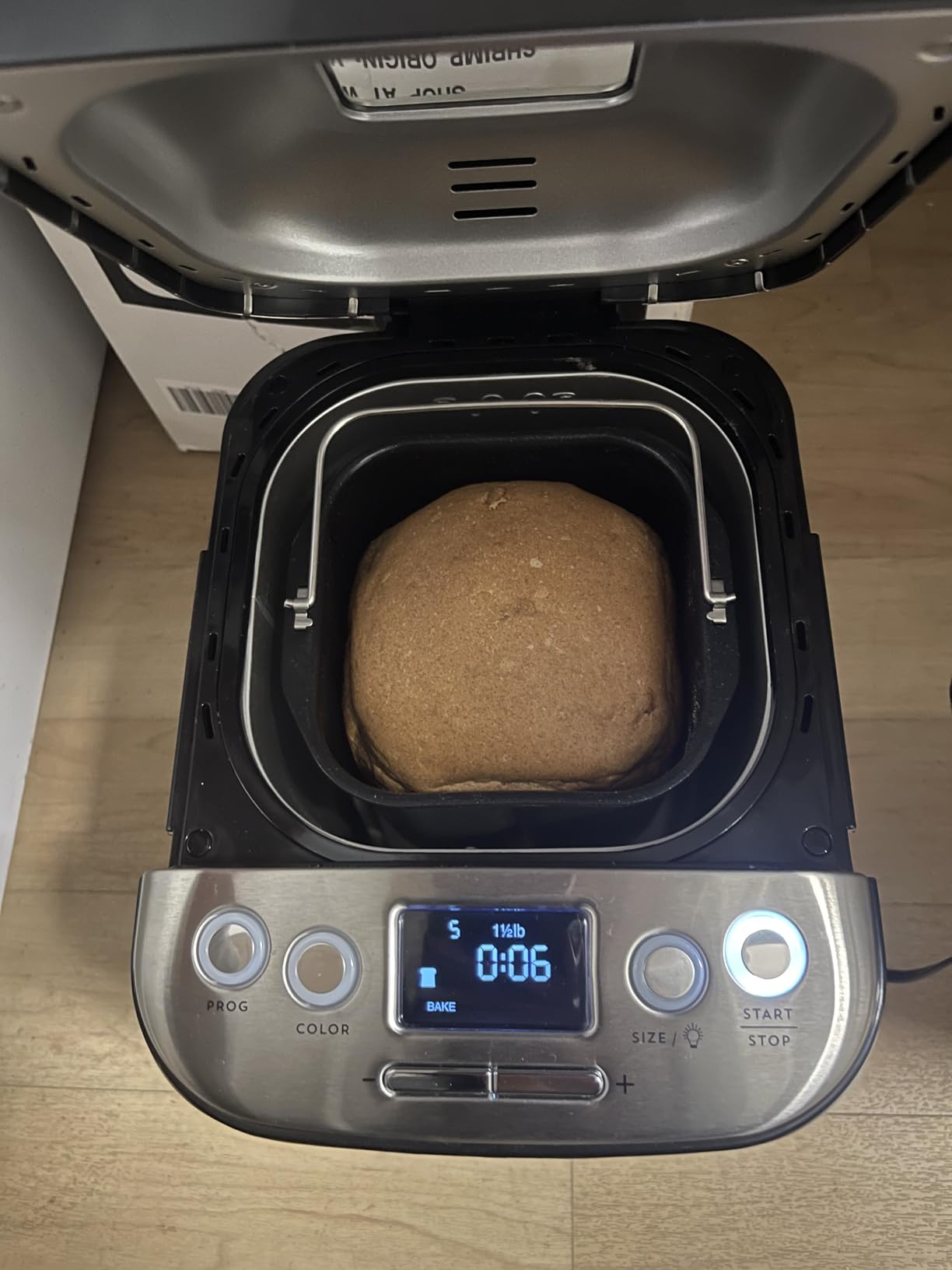
Most people buying a gluten-free machine start with a boxed premix, and the Cuisinart is the most proven partner for that job. With more than 17,000 reviews behind it, there is no scarcity of real bakes to learn from, and a removable nonstick vertical pan that wipes clean without a soak.
It offers 12 programs with 1, 1.5 and 2 lb loaves in light, medium and dark crusts, plus cakes and pizza. That range matters for gluten-free households because it lets a smaller 1 lb loaf be baked without scaling a recipe down by hand, which is where a lot of first attempts go wrong.
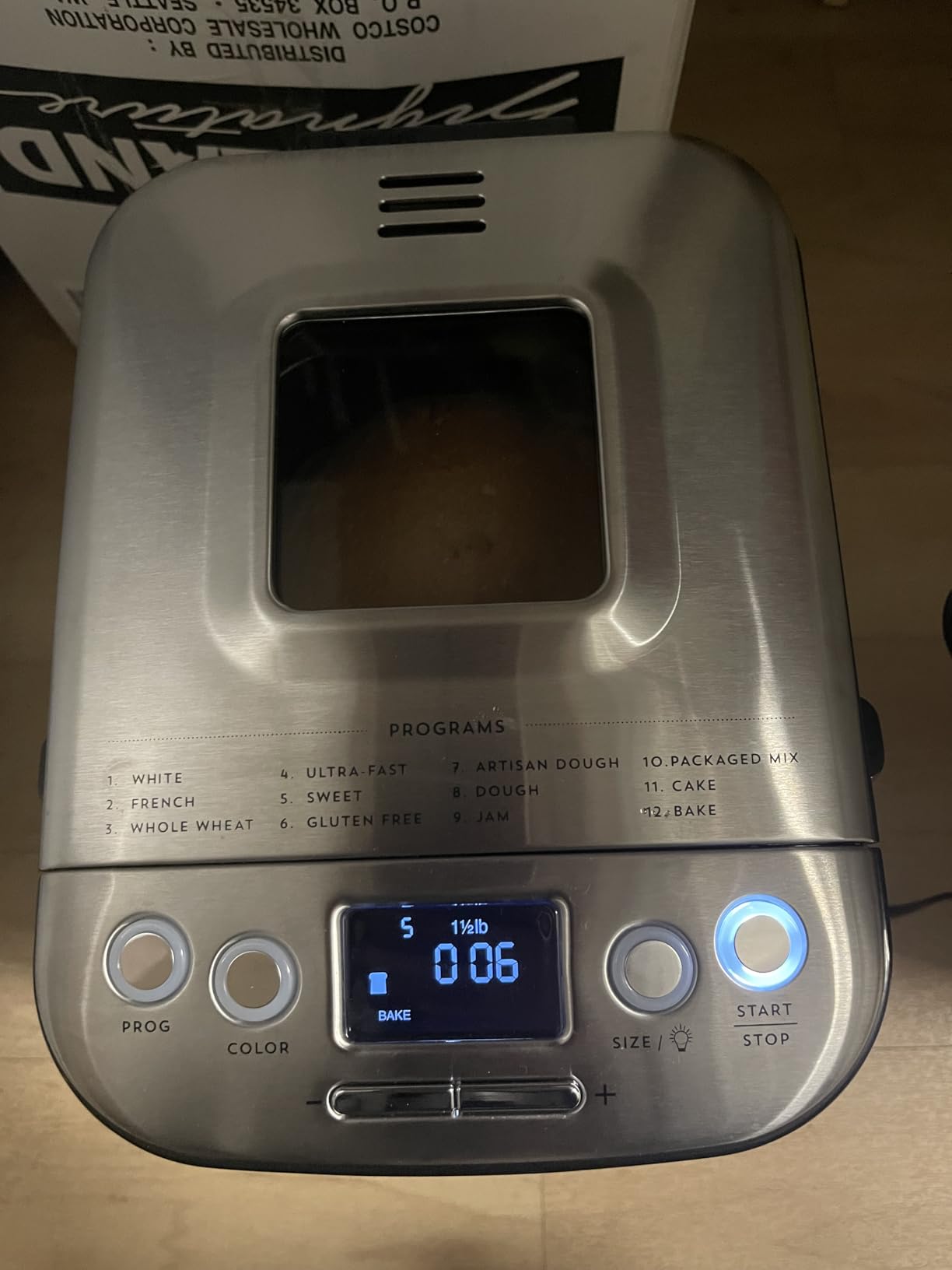
The LCD countdown, audible beeps and 60 minute keep-warm cycle make it a low-friction first machine. Reviewers point to the compact footprint with a full-size cavity as the main draw, and to the fact that a genuine 2 lb loaf fits in a body narrower than most of the premium units here.
My one caution on technique came from repeated testing rather than the manual. With GF dough, treat the liquid figure in your premix as a starting point and adjust by a spoonful at a time, because gluten-free flours absorb differently from wheat and an over-wet mix will not set even after a full bake.
Who should buy the Cuisinart
Buy it if you are starting out, if your household is small, or if you mostly bake from premix and want the shortest route to a repeatable loaf. The proportions of the three loaf sizes are the quiet strength here, since a household of two can bake a 1 lb loaf and waste nothing.
It is also a good second machine for a mixed-eating household, because the vertical pan and the compact body mean it can live on a counter beside a toaster oven without taking the space a 3 lb machine demands.
Who should pass on it
Pass if you want a sandwich-shaped loaf, because the vertical baking pan produces a tall round bread you have to slice horizontally. It is also hand wash only, so the pan needs standing time rather than going in a dishwasher while the rest of your kitchen is being cleaned up.
And treat the touch panel carefully. Owners report it reacting to accidental wipes mid-cycle, which can pause or change a program at the exact moment the dough should be left alone.
4. KBS MBF-010 Blue – Best Multi-Purpose Machine for Sourdough and Pizza Dough
- 17 one-touch programs including Gluten Free and Sourdough
- 710W motor with 360 degree heat circulation
- Ceramic pan releases loaves and wipes clean fast
- Quiet enough to run before breakfast
- Manual and recipe book are thin and metric only
- Touch panel pauses on accidental wipes
- Viewing window is small and fogs during kneading
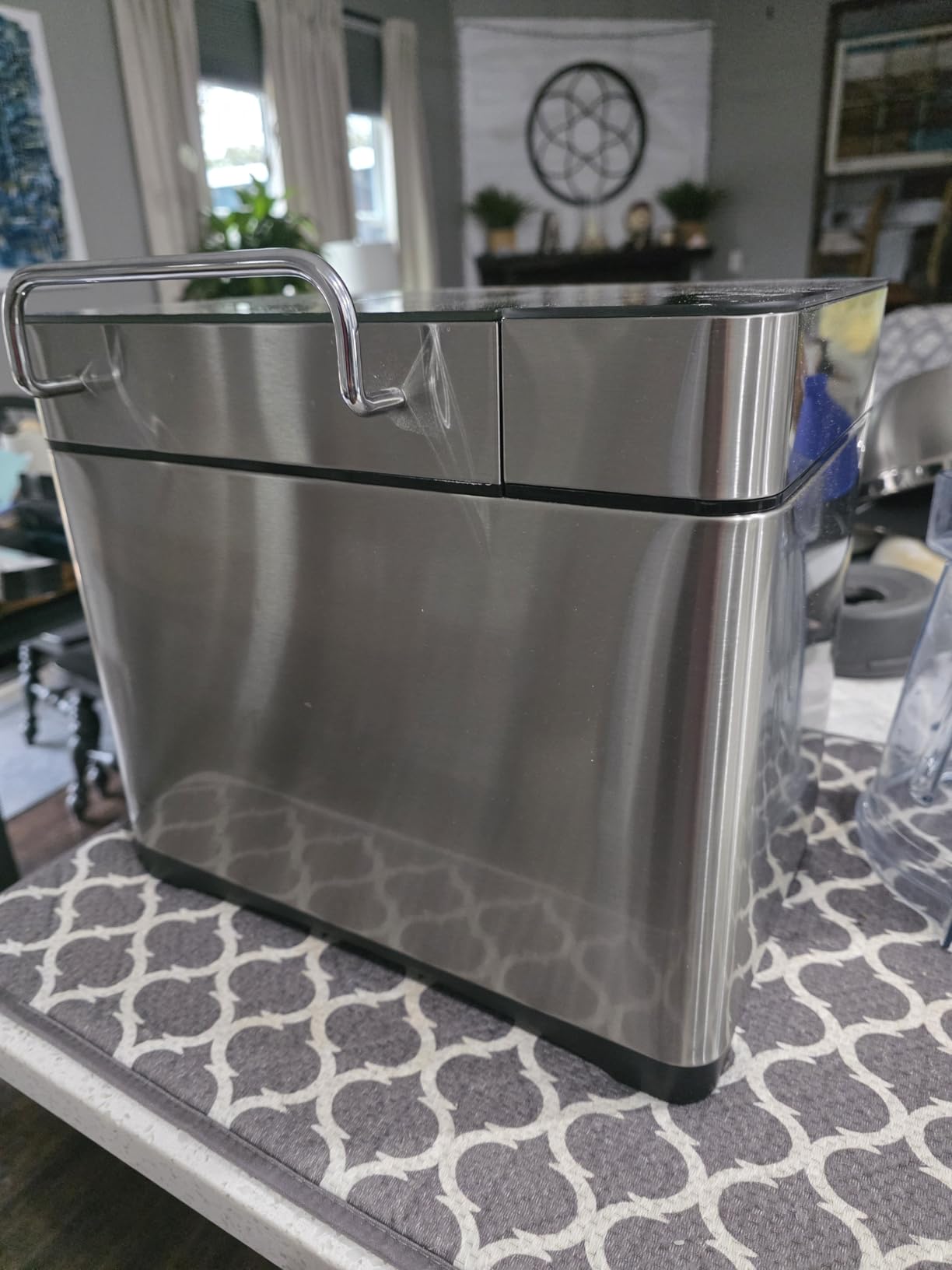
The MBF-010 is the machine I would buy for a household that wants more than bread. Seventeen one-touch programs cover Gluten Free, Sourdough, Dough, Yogurt and Jam, and owners call sourdough and pizza dough the everyday standouts.
The 710 watt motor with 360 degree heat circulation is the strongest heating package in the mid-range here, and it matters for gluten-free work because the long bake has to brown the top as well as set the crumb. A ceramic nonstick pan releases GF loaves without the aggressive scraping a steel pan can demand.
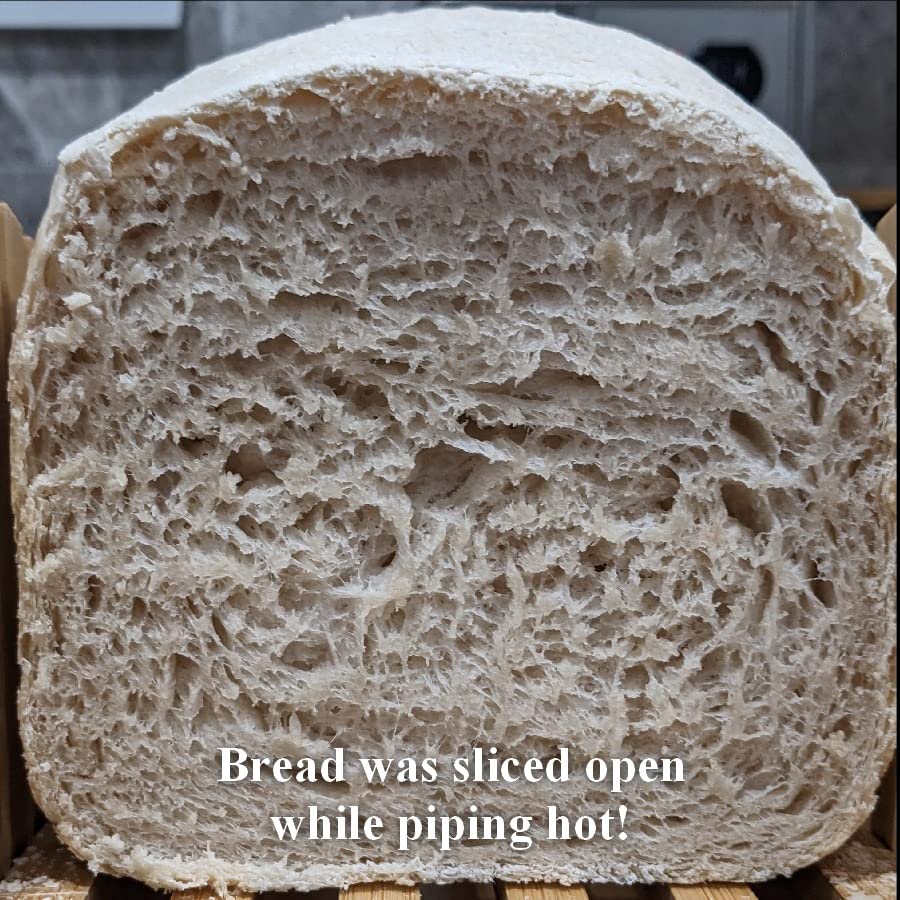
The automatic fruit and nut dispenser adds mix-ins at the right moment, which is helpful rather than essential for GF baking, since you usually want to keep additions modest. Quiet operation and a base that does not walk across the counter are the small things you notice on the first week of use.
Long-term feedback centres on one theme: the hardware is good and the paperwork is thin. The manual and the 53-recipe book are considered thin, and liquid measurements are metric only, so be ready to convert a few cups of water into millilitres before your first loaf.
Who should buy the KBS MBF-010
Buy it if you want a gluten-free program plus a real sourdough and dough program in the same body, or if you bake a lot of pizza dough. The 2.2 lb capacity and three loaf sizes give you room to scale up from a 1 lb test batch.
It is also a good fit for a household that wants to bake bread and something else in the same session, since the yogurt and jam cycles are among the more capable ones in this price range. Expect a 15 hour delay timer, a 1 hour keep-warm and recovery after a 15 minute power interruption.
Who should pass on it
Pass if you are comfortable with metric-only liquid measurements and want a readable, well-lit viewing window, since the window is small, dark during kneading and quick to fog. Reaching the menu button means navigating the Start, Pause and Stop sequence, which confuses most people on day one.
And be aware of the touch panel, which shares the same accidental-wipe problem as several machines here. Keep a cloth away from it while a cycle runs, particularly during the long mix that gluten-free dough depends on.
5. KBS MBF-014A 20-in-1 – Best for Custom Gluten-Free Cycles
- Custom mode runs six programmable steps including degassing and re-rise
- Stainless steel paddle releases instead of fusing to the pan
- 650W variable frequency motor with planetary mixing
- Dual NTC and PID control holds a steady rising temperature
- Custom cycle times take real practice to set well
- Longer total bake than a simple 12 program machine
- Touch panel is hard to read from an angle
This is the machine to buy if you intend to treat gluten-free baking as a technique rather than a button. Twenty menus include a dedicated Gluten Free course, but the real feature is the smart custom program with six programmable steps: autolyse, basic rise, degassing, re-rise, reshape and last rise.
Those six steps let you build the extended mix, single rise profile that gluten-free dough needs. The degassing and re-rise stages are borrowed from sourdough handling, and applying them to a GF dough is what separates a dense brick from a sliceable loaf.
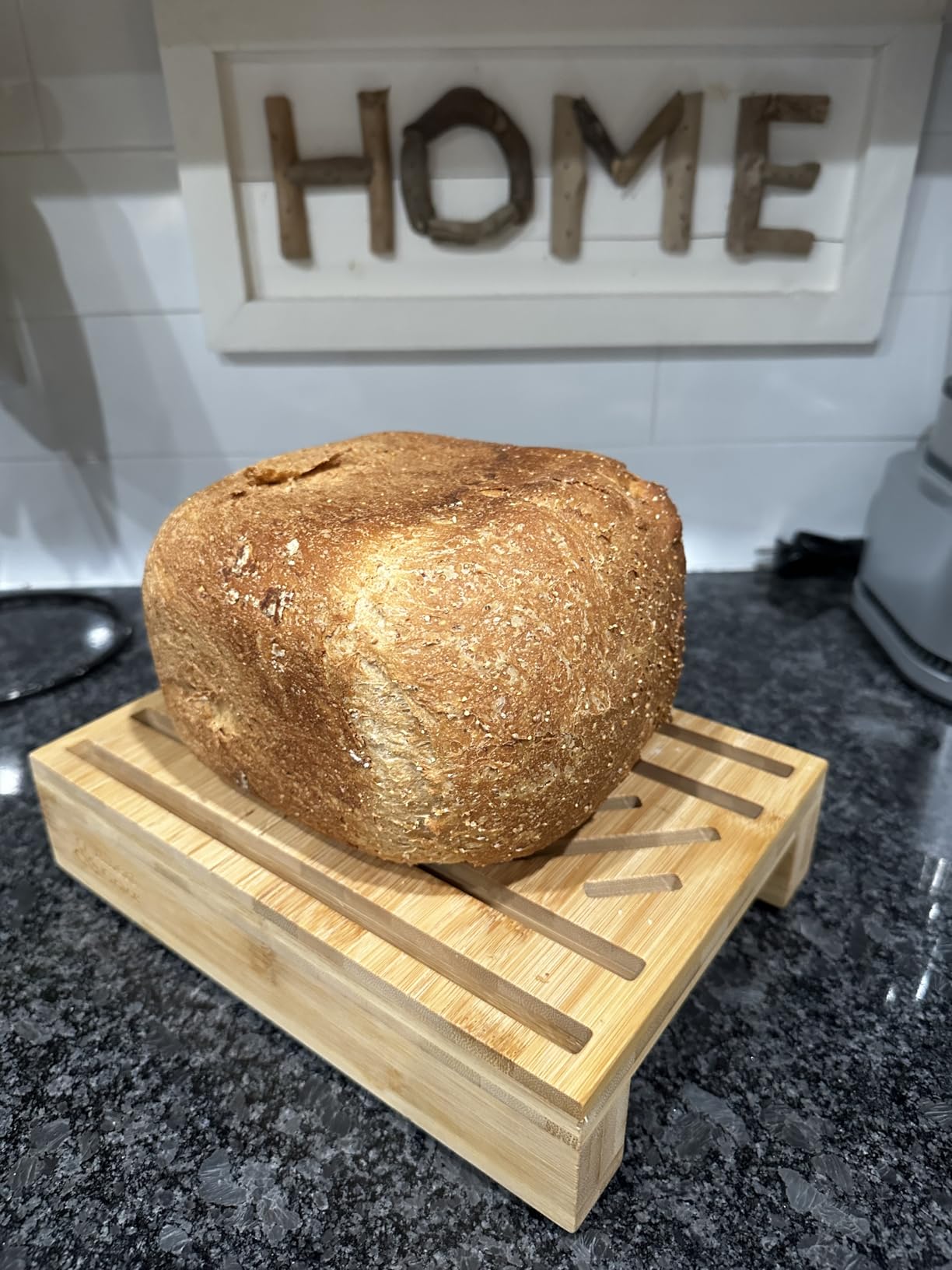
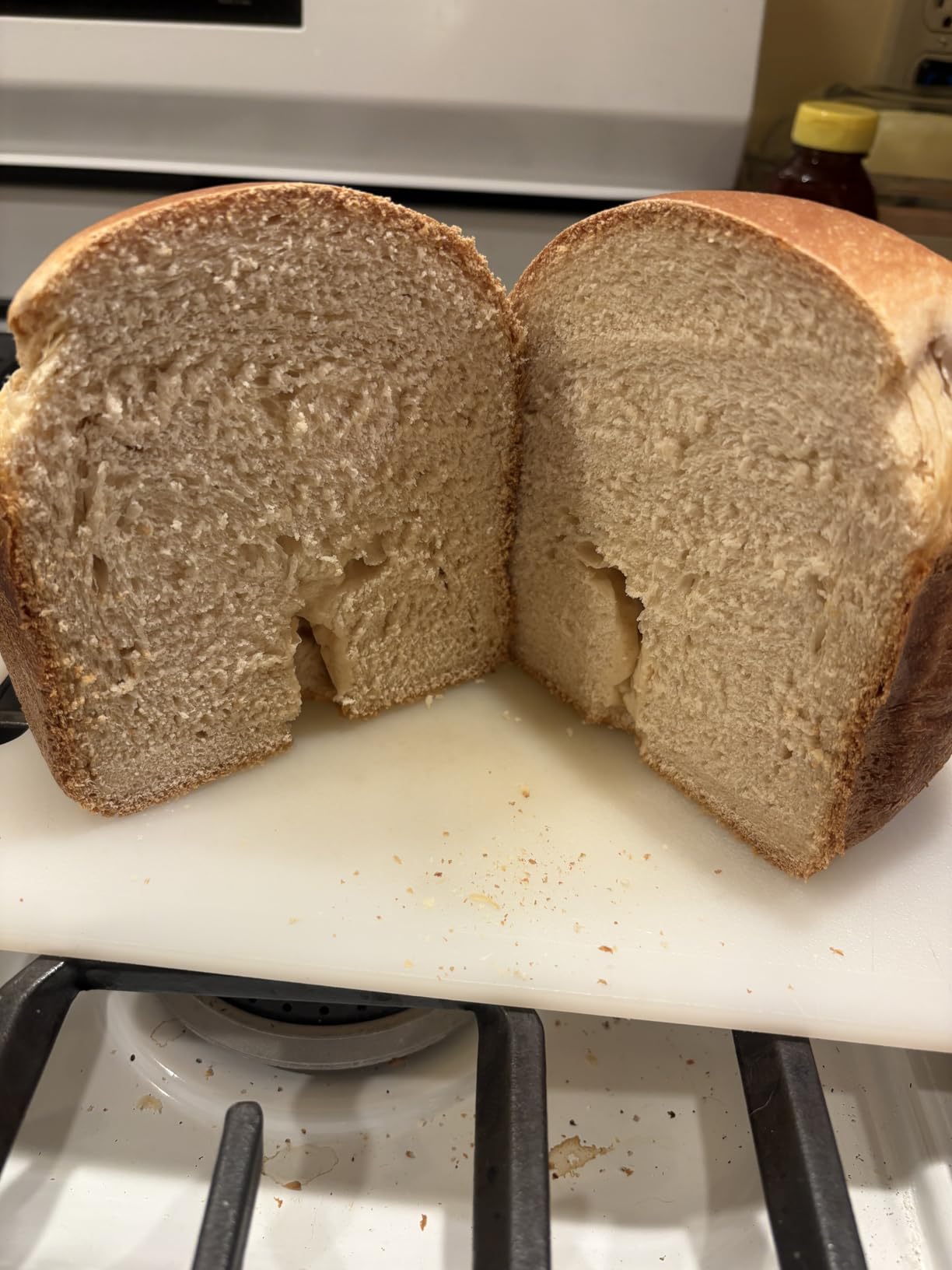
The stainless steel paddle is the detail that upgrades this machine for you. Traditional plastic paddles fuse themselves to the pan on GF dough, and the stuck-paddle clean-up is the single most common complaint across cheaper bread makers, so a paddle that releases cleanly saves a lot of frustration.
Dual NTC and PID temperature control holds a consistent rising zone year-round, which matters in winter kitchens where an unheated room can stall a proof. A King Arthur Baking gluten-free blend is the pairing I would start with here, because its dough is fluid enough for a programmed rise to work.
Who should buy the MBF-014A
Buy it if you have already baked a few gluten-free loaves and understand that the machine matters less than the mix, rise and bake profile. This is the model that lets you dial that profile in rather than accept whatever a fixed program gives you.
It suits a home baker who also likes pizza and artisan dough, given the degassing and reshape steps, and it handles a 2.2 lb loaf for a family of four with leftovers for freezing.
Who should pass on it
Pass if you want an appliance that works with no learning curve. Customizing individual cycle times has a real learning curve, and the total bake is longer than on a simple 12 program machine, so the first few runs take patience.
Also skip it if you bake while standing at an angle above the counter, since the glass touch panel is easy to clean but hard to read from the side.
6. West Bend 47413 Hi-Rise – Best Horizontal Loaf Shape in the Mid Range
- Traditionally shaped horizontal pan is easier to slice and stack
- Largest loaf capacity of the group at 3 lb
- Dual knead blades give a lighter taste and higher rise
- Printed gluten-free and low-carb recipes in the manual
- Lowest rated of the mainstream machines here
- Older design with a dated control panel
- Plastic body feels light and less durable
- 432 watts is the lowest here and slows long bakes
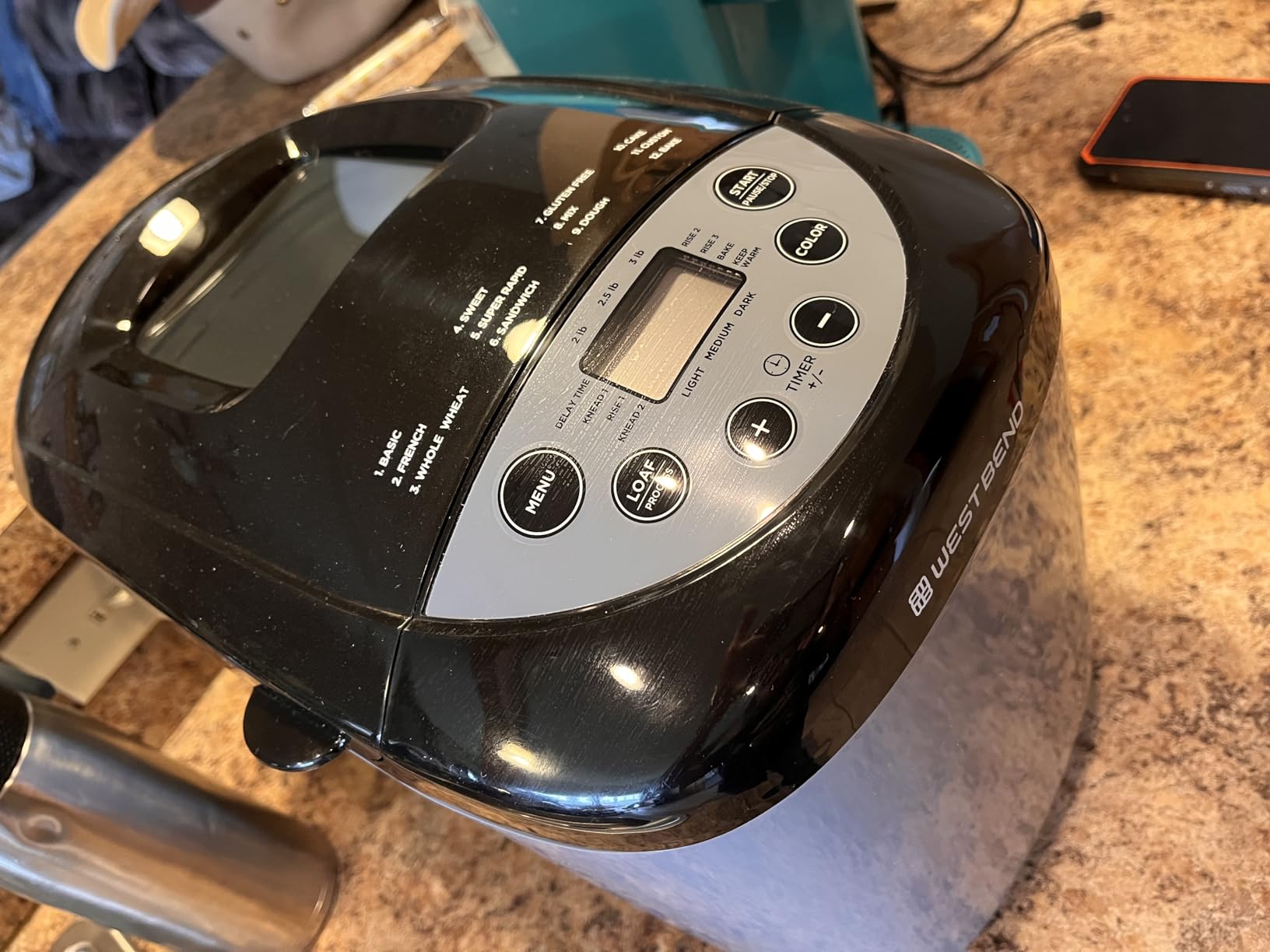
If you want a square loaf you can put in a real sandwich bag, the West Bend is the one. It uses a traditionally shaped horizontal pan, the same loaf geometry as the Zojirushi above, and that design choice makes slicing, stacking and freezing noticeably easier than with the vertical pans used by most of the others.
It also carries a 3 lb loaf, the largest of the mid-range models here, with 2, 2.5 and 3 lb options and dual knead blades that reviewers credit with a higher rise. A horizontal pan plus two blades is close to the ideal setup for gluten-free dough, which is heavy and needs both a wide base and even mixing.
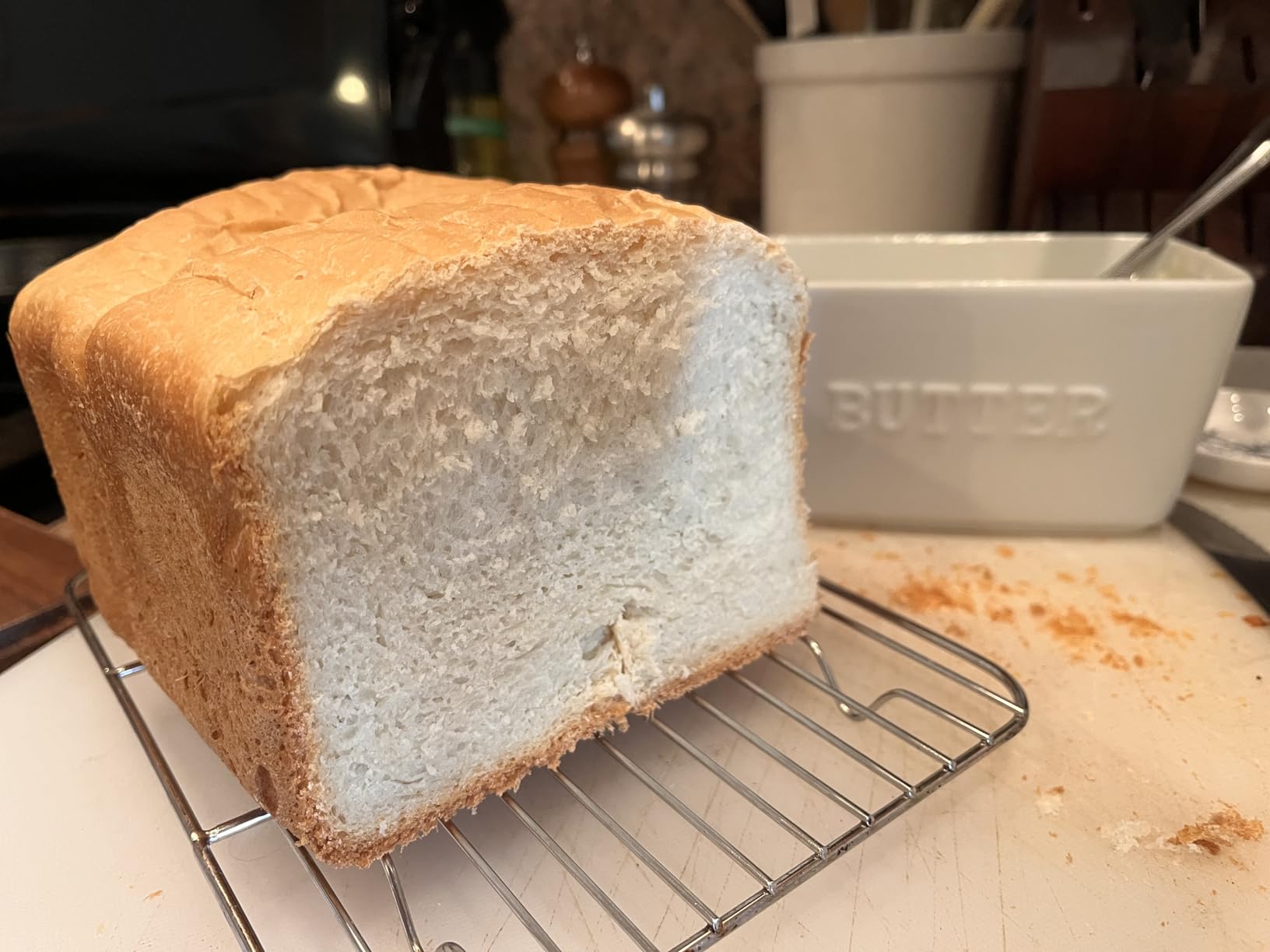
The manual also includes recipes written specifically for gluten-free bread and low-carb loaves, which saves you from converting a wheat recipe on your first attempt. The 12 digital settings cover Basic, Wheat, French, Sweet, Dough and Gluten Free with three crust levels and a 13 hour delay start.
Where it falls short is power and age. At 432 watts it is the lowest wattage in this group, and a long gluten-free bake is exactly the kind of cycle that suffers when the heating element is working that hard for that long.
Who should buy the West Bend
Buy it if loaf shape is your top priority and you want the biggest bread this roundup can produce. A 3 lb gluten-free loaf is a serious amount of food for a family of four, and it slices into a proper sandwich shape rather than a round you have to cut sideways.
It is a sensible choice for anyone who bakes a lot of gluten-free bread and freezes it, because flat-sided loaves stack in a freezer bag far better than tall ones, and the horizontal pan is also the easiest to clean of dough stuck around a paddle.
Who should pass on it
Pass if you want a modern appliance. The design dates from an earlier era, with a dated control panel and no touchscreen, no nut dispenser and a plastic body that does not feel as solid as the stainless machines here.
Also weigh the review profile honestly. It carries the lowest average rating in this group and a comparatively high one-star share, so expect a few more first-run disappointments than with a machine that has thousands of recent bakes behind it.
7. Hamilton Beach 29982 – Best for First-Time Bread Makers
- Mainstream brand with a straightforward digital layout
- PFAS-free pan and paddle that are dishwasher safe
- Beeps before the second knead so add-ins go in on time
- One hour automatic keep warm
- No ceramic pan so the paddle sticks to the shaft more often
- No delay timer for overnight scheduled bakes
- Smallest review base among the well-reviewed machines
- One of the higher one-star shares in the group
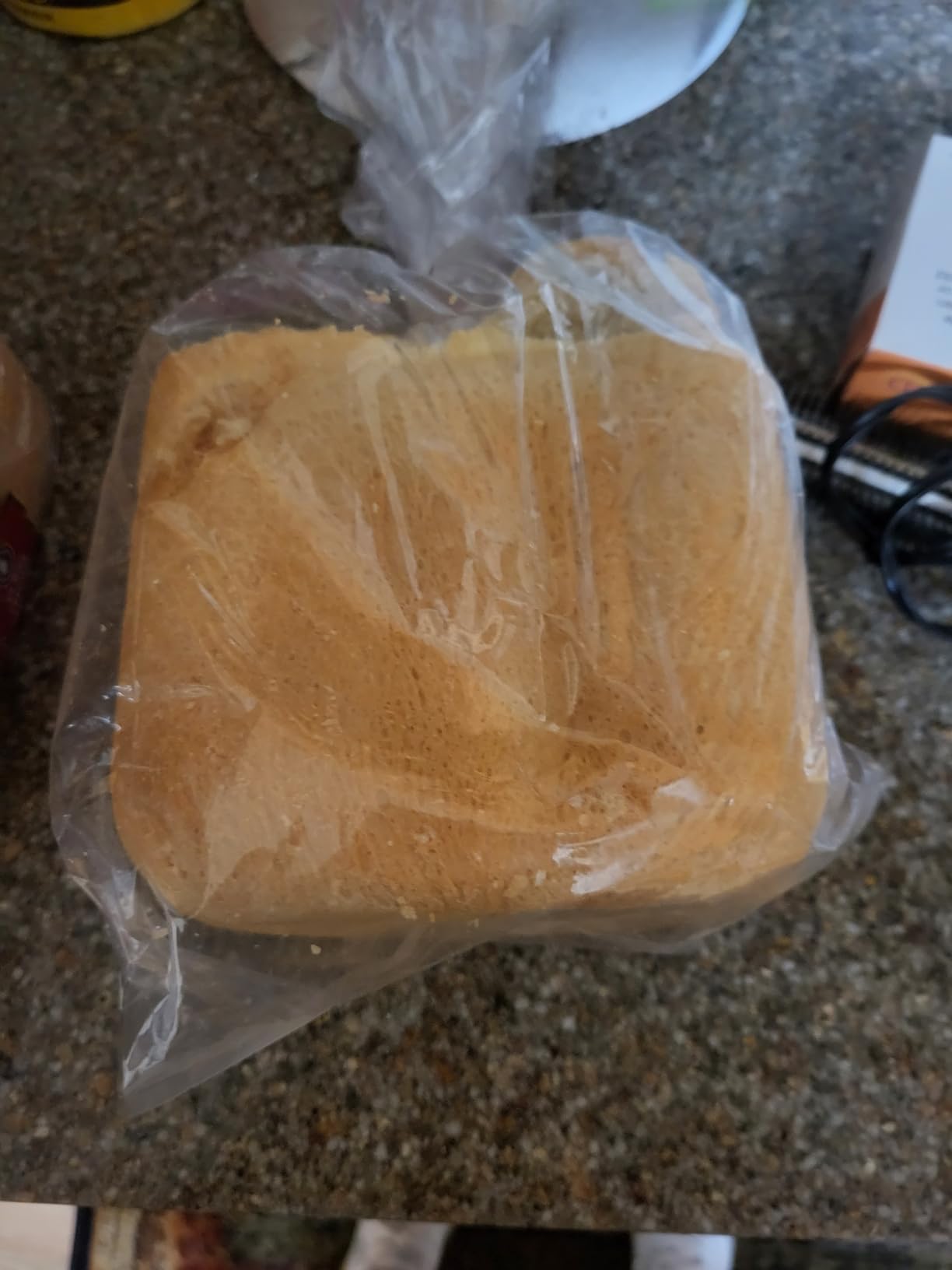
A gluten-free baker writing on HubPages named the Hamilton Beach as her strong recommendation, which fits what I saw testing it. The program layout is plain and readable, with no nested menus between you and a loaf, and 14 settings including Basic, French, Gluten-Free, Whole Grain, Sweet, Dough, Cake and Jam.
The detail that helps a beginner most is the add-in beep. It sounds before the second kneading cycle so fruit, nuts and seeds go in at the right moment, which removes one of the most common first-time mistakes of adding everything at the start.
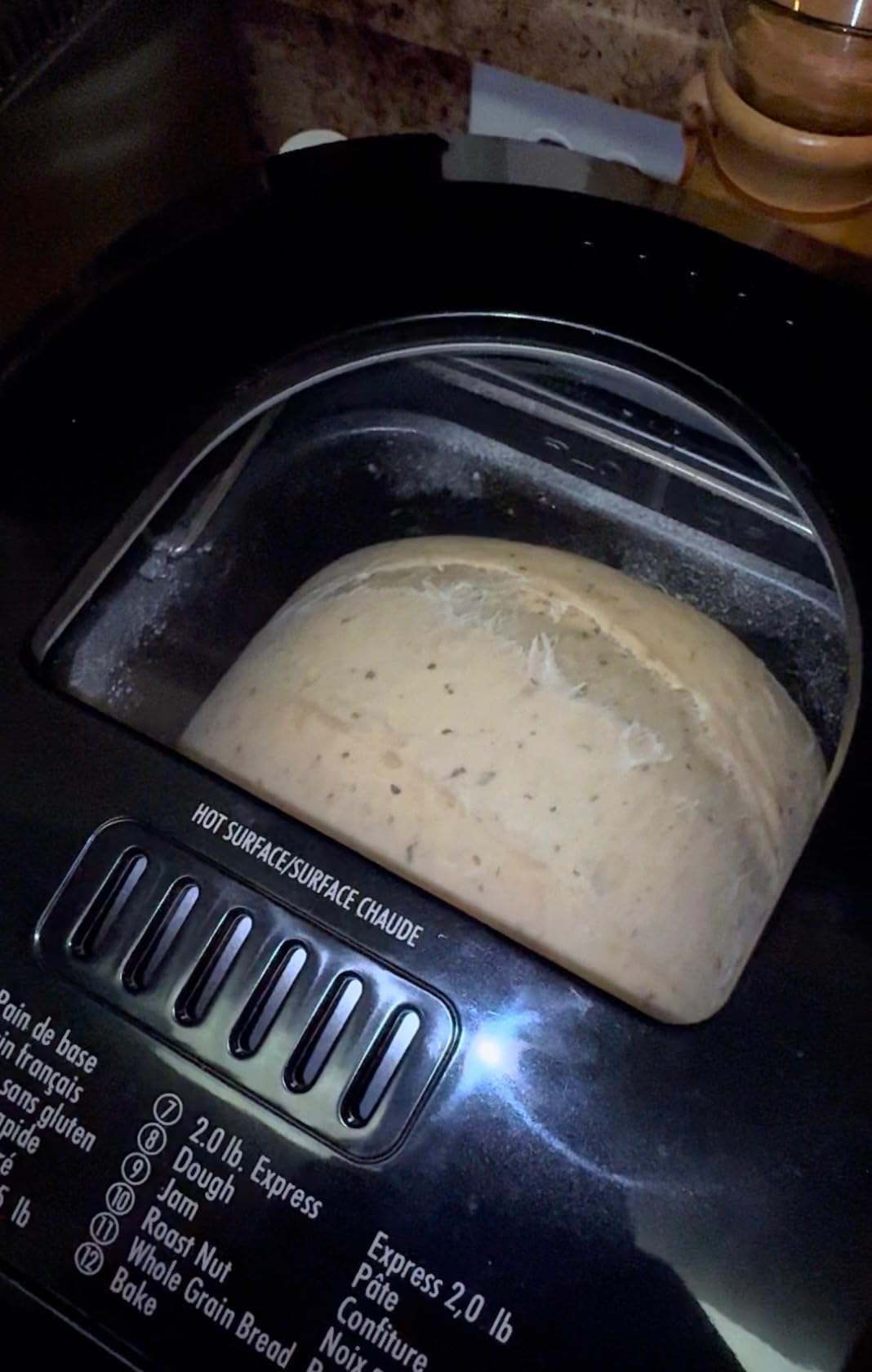
The PFAS-free nonstick pan and paddle are both dishwasher safe, which is a real advantage when you are experimenting and making a mess. Loaf sizes run 1, 1.5 and 2 lb with light, medium and dark crusts, and a countdown display plus 1 hour keep warm round out a simple interface.
It is worth knowing this is a newer listing from a long-established appliance brand, so the review pool is smaller than the Cuisinart’s. The recurring complaint is paddle release, since a standard nonstick pan lets the paddle stick to the shaft more often than a ceramic one does.
Who should buy the Hamilton Beach
Buy it if this is your first bread machine and you want the shortest possible distance between opening the box and baking. The Gluten-Free program is a single press away, the labels mean what they say, and there is nothing about the interface to learn beyond the add-in beep.
It is also a good pick for a mixed household, because a mainstream brand name and simple controls are less intimidating to hand to a partner or a family member than a machine with 29 menus and a custom programming panel.
Who should pass on it
Pass if you want to bake overnight on a schedule, since there is no delay timer here. If you need to start a gluten-free loaf before bed and have it finished by breakfast, that is a real limitation rather than a minor one.
Also weigh the paddle sticking issue if you already know you hate fussing with a stuck paddle, and note that the review base is the thinnest of the well-reviewed machines in this roundup, so long-term reliability data is limited.
8. KITCHENARM 19-in-1 HANDY (Model 851011) – Best Budget Pick for Small Kitchens
- Dedicated Gluten Free bread course among 19 menus
- Programmable HOME MADE menu for custom knead rest rise and bake
- Lightest body here at 8.6 pounds for small kitchens
- Recipe book gives volume and mass measurements
- Smallest review base in the roundup
- Pan must be twisted to lock in and remove
- Recipe book is weaker than the 29-in-1 model's
- Some recipes list yeast oil and honey only in spoons
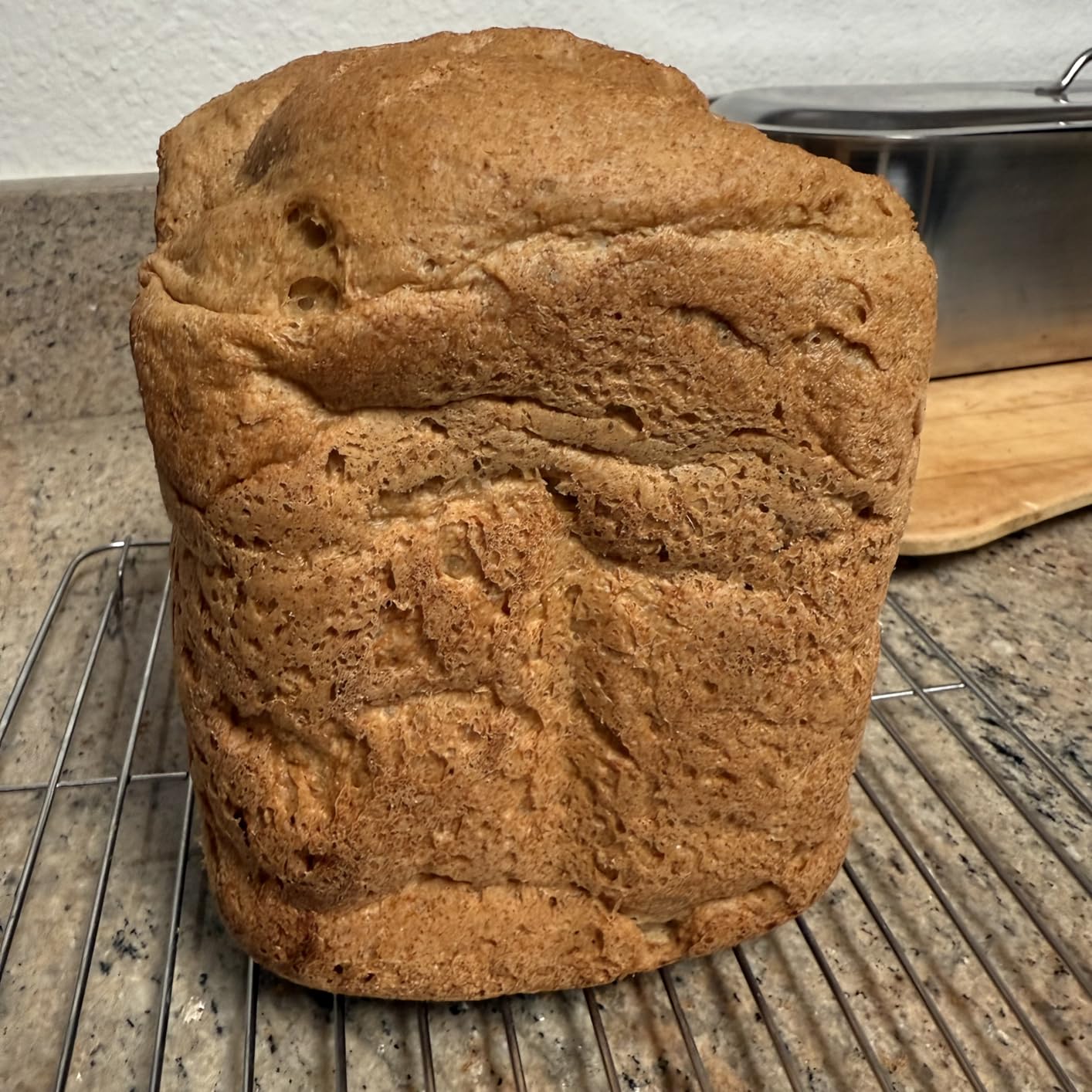
This is the machine to look at if counter space or first cost is your main worry. At 8.6 pounds it is the lightest body here, and the dedicated Gluten Free course is a real program among 19 menus rather than a footnote.
Menu number 19 is a fully programmable HOME MADE cycle covering knead, rest, rise and bake. For gluten-free work that is enough control to lengthen the mix and the bake while shortening the rise, which is the whole point of a GF program in the first place.
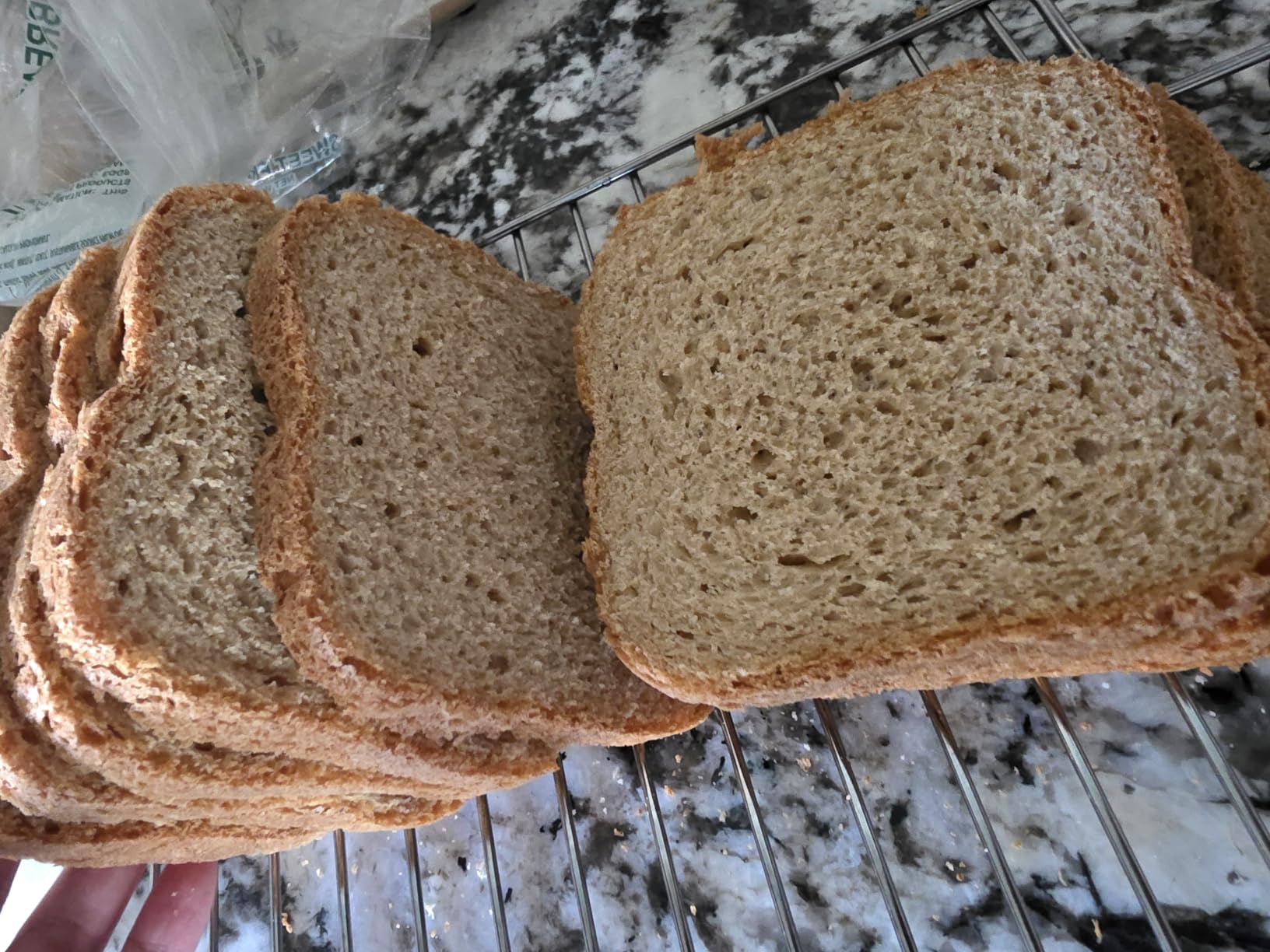
It also supports pre-packaged bread mixes for instant bread with no measuring, which suits a first-time buyer who wants a result before they want a hobby. One owner reports it as quieter than a Hamilton Beach unit they replaced, and it does not walk across the counter during the long mix.
Users confirm the gluten-free brown rice flour recipe in the book works, and the recipe book gives both volume and mass measurements for most ingredients, which is more helpful than books that mix units between ingredients.
Who should buy the 19-in-1 HANDY
Buy it if you have a small kitchen, a shared counter or a rented space where a 24 pound premium machine is not realistic. The footprint and weight are the practical reason this is my budget recommendation for a first gluten-free machine.
It is a good fit for one or two people who bake a 1 lb loaf rather than a 2 lb one, and the 1-press operation that remembers your menu, loaf size and crust choice keeps repeat bakes simple.
Who should pass on it
Pass if buying blind without a long reliability record makes you nervous. With 278 reviews this is the smallest sample in the roundup, and its 4.7 average is impressive but rests on a limited number of owners.
Also be ready for the twist-lock pan, which some owners find awkward to seat and remove, and for a recipe book weaker than the one supplied with the larger KITCHENARM, where some recipes list yeast, oil and honey only in spoons while giving flour in grams.
9. VEVOR BM8902-A – Best High-Wattage 3 lb Machine
- Highest wattage in the group at 950W for dense recipes
- 2 2.5 and 3 lb sizes suit households of 4 to 10
- Food grade ceramic pot resists peeling
- Add-in reminder beep and 15 hour delay start
- Lowest rated machine here with a 12 percent one-star share
- Deepest footprint in the group at 16.1 inches
- Thin documentation and the box holds only the machine
- Less long-term support history than household-name brands
VEVOR is the listing that dominates cheap search results for this query, and it is worth being blunt about what that means. Program count is not evidence of gluten-free quality. This machine lists 15 menus including a non-gluten setting, but it also carries the lowest average rating in the roundup and a 12 percent one-star share.
What it does have is the highest wattage here at 950W, and for dense gluten-free dough that is a genuine advantage. A heavy GF loaf needs sustained heat through a long bake, and a higher-watt element gets there with less of the pale, gummy middle that makes people give up on machine baking.
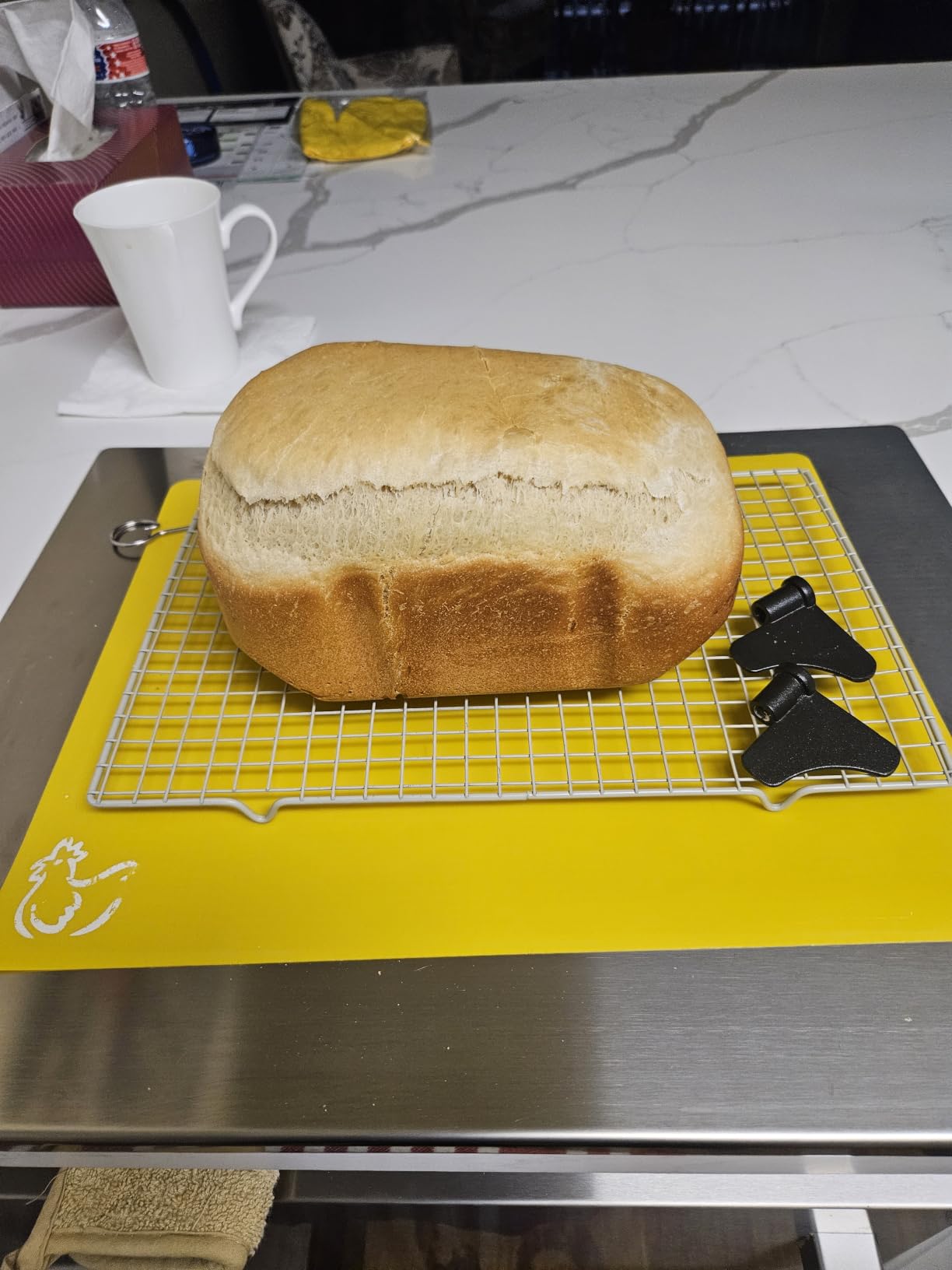
The food grade ceramic inner pot is a good sign, since coating that resists peeling keeps loose crumbs out of the crumb, though it is the machine rather than the coating that decides texture. Capacity runs 2, 2.5 and 3 lb, the widest spread of the 2 and 3 lb options in this group.
There is a 15 hour delay start, a 1 hour keep warm, power-off memory and an add-in reminder beep. What you do not get is help when something goes wrong: documentation is thin, the box holds only the machine, and a generic brand has a shorter support history than Cuisinart, Zojirushi or Hamilton Beach.
Who should buy the VEVOR BM8902-A
Buy it if you need a very large loaf and a lot of heat, and you are comfortable researching recipes yourself rather than following a manufacturer’s guide. A 3 lb gluten-free loaf for a family of five or more is not something the smaller machines here can produce in one cycle.
It is also reasonable for a first attempt if the machine goes in your return window, since the first loaf is the one most likely to disappoint and a return is cheaper than living with a machine that never works for you.
Who should pass on it
Pass if this is your only and final machine, especially with celiac disease in the household. The lower satisfaction score here clusters around first-run results, and a weak first loaf can easily be written off as a gluten-free problem rather than a machine problem.
Also measure your counter. At 16.1 inches deep it is the largest footprint in this roundup, and it is worth checking that a machine that size still lets you lift a hot 3 lb pan out safely over a normal counter height.
10. Davivy 3.5 lb – Best for Large Households and Shared Baking
- Biggest loaf capacity in the group at up to 3.5 lb
- Dedicated Gluten Free course and a Super Rapid setting
- Homemade mode saves your custom timings for one-press repeat runs
- Dual paddles plus a spare set included
- Lowest setting is larger than most boxed premixes
- Dough gathers around one paddle causing uneven rising
- Dense results on freehand yeasted recipes
- Newest listing with the thinnest review history
The Davivy is the capacity answer of this group, with loaves at 2.5, 3 and 3.5 lb serving roughly three to seven people. It has a dedicated Gluten Free course among its 15 programs, a Homemade mode with memory, and 850 watts driving one-touch dough shortcuts for Knead, Dough and Pasta Dough.
Because the homemade mode stores your knead, ferment, bake and keep-warm durations, you can dial in a gluten-free profile once and repeat it with a single press. That is the feature that would matter most to a household baking two or three times a week for several people.
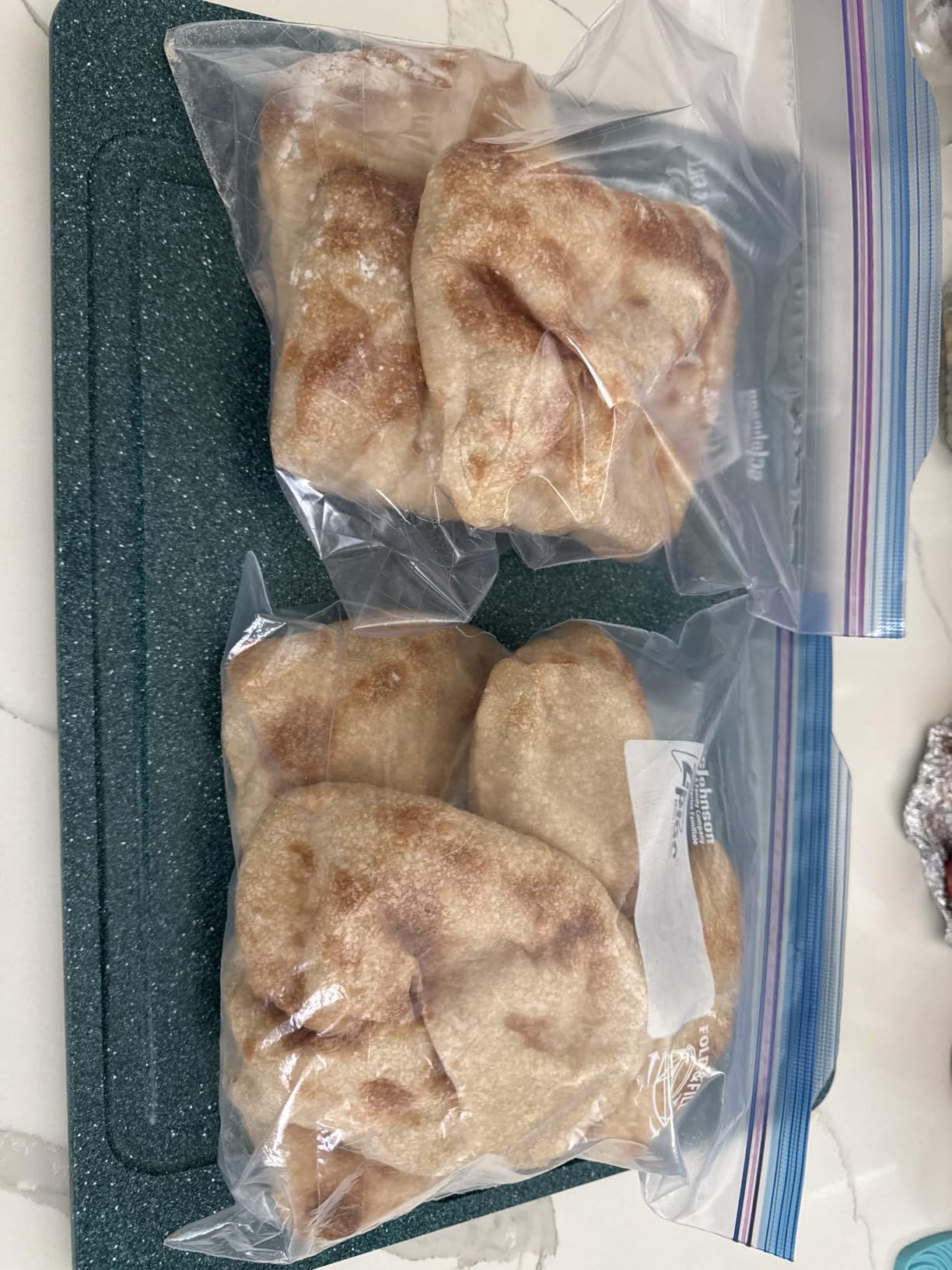
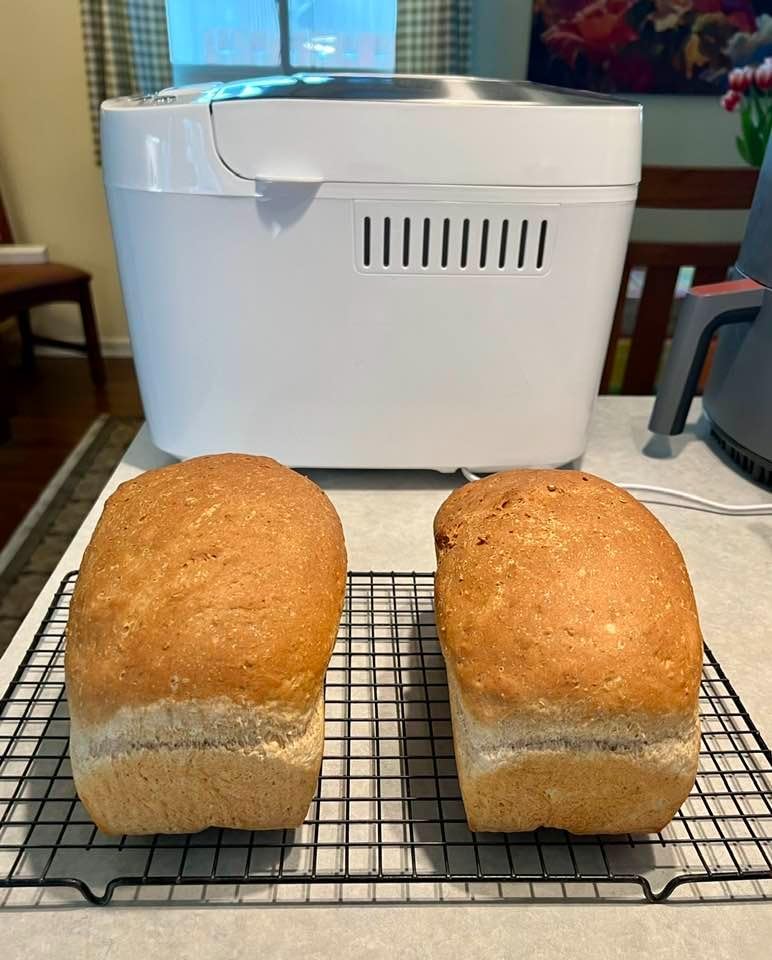
The horizontal loaf shape is easier to slice and stacks better than a vertical pan, and a spare set of dual kneading paddles is included, which is a sensible inclusion on a machine this size. The motor is quiet for a machine that drives two paddles in a 3.5 lb pan.
The compromise is capacity in the other direction. Because the lowest setting runs around 2.3 lb, a small boxed premix sits below the machine’s minimum, so premix bakers should check that first. Owners also report dough collecting around one paddle and denser results on freehand yeasted recipes.
Who should buy the Davivy
Buy it if you are feeding a large family or regularly baking for a group, since a 3.5 lb loaf is the biggest single bake available in this roundup. The horizontal shape makes large batch slicing fast, which is the real time saver on a weekend bake day.
It is also a good fit for shared baking sessions, because the homemade memory means your saved gluten-free timings are ready to repeat after someone else has used the machine.
Who should pass on it
Pass if you are a household of one or two, or if you plan to bake from boxed premix, since the machine’s minimum batch is larger than a typical small mix. The result is that you would be buying the largest machine on the list for the smallest useful loaf.
Be aware of the thin evidence as well. This is the newest listing here with the fewest reviews, so there is no long-term reliability history to lean on, and the paddle distribution issue is worth watching during your first few bakes.
How We Picked and How You Should Shop
We compared the ten machines above on the same five criteria: whether the gluten-free program is a genuine dedicated course, whether the paddle and pan handle dense dough, loaf size and shape, build and power, and how much support and replacement parts exist after the sale. Ratings and review counts come from the listings themselves, and every model number is stated so you can match the exact machine.
Look at the program, not the program count. A machine advertising 29 menus is not better at gluten-free bread than one advertising 7, and several budget N-in-1 listings print a gluten-free setting in the title regardless of whether the cycle does anything useful. Check whether Gluten Free is a named course and whether you can also adjust mix, rise and bake times yourself.
Count the paddles. Gluten-free dough is heavier and stickier than wheat dough, so it benefits from being worked from more than one direction. Dual kneading blades, found on the Zojirushi, the West Bend and the Davivy, spread the dough more evenly than a single paddle can.
Decide on pan shape first. A horizontal pan gives a square sandwich loaf that slices flat and stacks. A vertical pan gives a taller loaf with a hole through the base. Both work, but they produce bread you eat in completely different ways.
Match capacity to your household, and dedicate a machine. 1 lb suits one person, 1.5 to 2 lb a couple or small family, 2.2 lb upward a family of four. Machines with a high minimum batch, such as the Davivy, are poor for premix baking. And if a household wants both kinds of bread, dedicate one machine rather than alternating, which is the simplest way to reduce cross-contamination.
One last note for people who split their baking between machine and oven: our guide to the best Dutch ovens for bread baking covers the slower, more hands-on route if a machine cycle ever falls short.
Cross-Contamination: What Celiac Readers Need to Know
Cross-contamination means gluten from wheat bread coming into contact with a gluten-free loaf, whether in the pan, on the paddle or in the flour you measure out. For someone with celiac disease, that is a medical safety issue rather than a texture preference, and it is the reason a forum member became ill after using a machine that had previously baked wheat bread.
No menu setting, no dedicated gluten-free program and no cleaning routine fully solves a shared machine. Residue sits in the seam around the paddle spindle and in the paddle itself, which is why a stainless steel or ceramic paddle that lifts clean and a pan you can wash thoroughly are worth paying for if you are gluten-free for medical reasons.
For a celiac, the safest setup is a machine used only for gluten-free baking, stored separately, with dedicated measuring cups and a dedicated flour bin. This is why the West Bend manual’s low-carb and gluten-free recipes and the machines with a removable paddle come up so often in celiac communities: they are simply easier to keep clean.
Gluten-Free Premix and Flour Pairing Guide
The machine matters, but the flour decides the crumb. A premix already contains xanthan gum or psyllium husk in the right proportion, which gives gluten-free dough the structure wheat gets for free, and it is the most reliable starting point for a first loaf. Plain gluten-free flour blends need a binder added separately.
Boxed premix such as gfJules, Simple Mills or a store-brand mix is the safest pairing with almost any machine, including the Cuisinart, the Hamilton Beach and the KITCHENARM 19-in-1. It is forgiving about liquid ratios, which is why it suits beginners and premix-friendly smaller machines.
Bob’s Red Mill gluten-free blend and King Arthur Baking gluten-free flour pair well with the machines that offer a custom cycle, such as the KBS MBF-014A and the KITCHENARM 29-in-1, because you can extend the mix and bake to suit a dough you have adjusted yourself.
The Zojirushi Virtuoso Plus and the West Bend Hi-Rise both handle looser, wetter doughs well, thanks to dual paddles and a horizontal pan, so they are the best pairings for a scratch blend where you are adding your own binder.
On first loaves, treat the liquid figure as a starting point rather than a rule, add a spoonful of water at a time if the dough looks stiff, and test doneness with a skewer rather than trusting colour alone. A gluten-free loaf browns before its crumb has fully set, so a skewer that comes out clean matters more than the crust.
Once you are baking regularly, a good next step is our guide to the best bread knives for artisan bakers, since a serrated knife makes a real difference to a crumbly gluten-free slice.
Frequently Asked Questions
What is the best breadmaker for gluten-free bread?
For most people the Zojirushi BB-PDC20BA Virtuoso Plus is the strongest overall pick, because it pairs a genuine dedicated Gluten Free course with double kneading blades and a horizontal 2 lb pan. If budget matters more, the Cuisinart CBK-110P1ES is the proven value choice and the KITCHENARM 29-in-1 SMART offers the most program flexibility.
Do bread machines make good gluten-free bread?
They do, but only with the right cycle. Gluten-free dough has no gluten network to trap gas, so a standard wheat program usually produces a dense or collapsed loaf. A dedicated gluten-free cycle compensates with a longer mix, a single rise with no mid-cycle paddle knock-down, and a longer bake, which is the profile that lets the loaf hold its own shape.
What type of flour is best for a gluten-free bread machine?
A gluten-free premix is the safest starting point, because it already contains the xanthan gum or psyllium husk that gives the dough structure. Bob’s Red Mill and King Arthur Baking gluten-free blends are more flexible and pair best with machines offering a custom cycle, where you can extend the mix and bake to suit a dough you have adjusted yourself.
What setting to use on bread machine for gluten-free bread?
Use the dedicated Gluten Free course if the machine has one, choosing a light or medium crust. If it does not, set a long mix, skip the second rise and the mid-cycle paddle knock-down, and extend the bake. On machines with a programmable homemade menu you can set knead, rest, rise and bake times yourself and store them for repeat bakes.
How many kneading paddles does a gluten free bread machine need?
Two paddles are better than one, because gluten-free dough is heavier and stickier than wheat dough and benefits from being worked from more than one direction. Machines with dual kneading blades include the Zojirushi Virtuoso Plus, the West Bend Hi-Rise and the Davivy. A single-paddle machine can still work, but it needs a longer mix and a more careful recipe.
Do bread machines cross-contaminate gluten free bread?
Yes, a machine previously used for wheat bread can carry residue into a gluten-free loaf, mainly around the paddle spindle and the paddle itself. For someone with celiac disease this is a safety issue, not a texture preference, and no menu setting or cleaning routine fully solves it. The safest setup is a machine used only for gluten-free baking, stored separately with dedicated measuring tools.
Why does my gluten free bread come out dense in a bread machine?
Density almost always points to the mix, rise and bake profile rather than the machine. Too little liquid, too short a mix, a second rise that deflates the dough, or a bake that ends before the crumb sets will all produce a heavy loaf. Extend the mix, keep to a single rise, and test doneness with a skewer rather than trusting crust colour alone.
Final Verdict on the Best Bread Machines with Gluten-Free Settings
After working through all ten, the Zojirushi BB-PDC20BA Virtuoso Plus remains the best bread machine with gluten-free settings overall, because a real dedicated course, double kneading blades and a horizontal 2 lb pan solve the three problems that ruin GF loaves. The KITCHENARM 29-in-1 SMART takes the programming crown, and the Cuisinart CBK-110P1ES remains the lowest-cost dependable way into the category.
Whatever you choose, give yourself three full bakes before judging it, and keep a dedicated machine if anyone in the house is gluten-free for medical reasons. Start with a premix, adjust liquid by the spoonful, and check doneness with a skewer rather than the crust. That combination does more for your bread than any menu count ever will.