
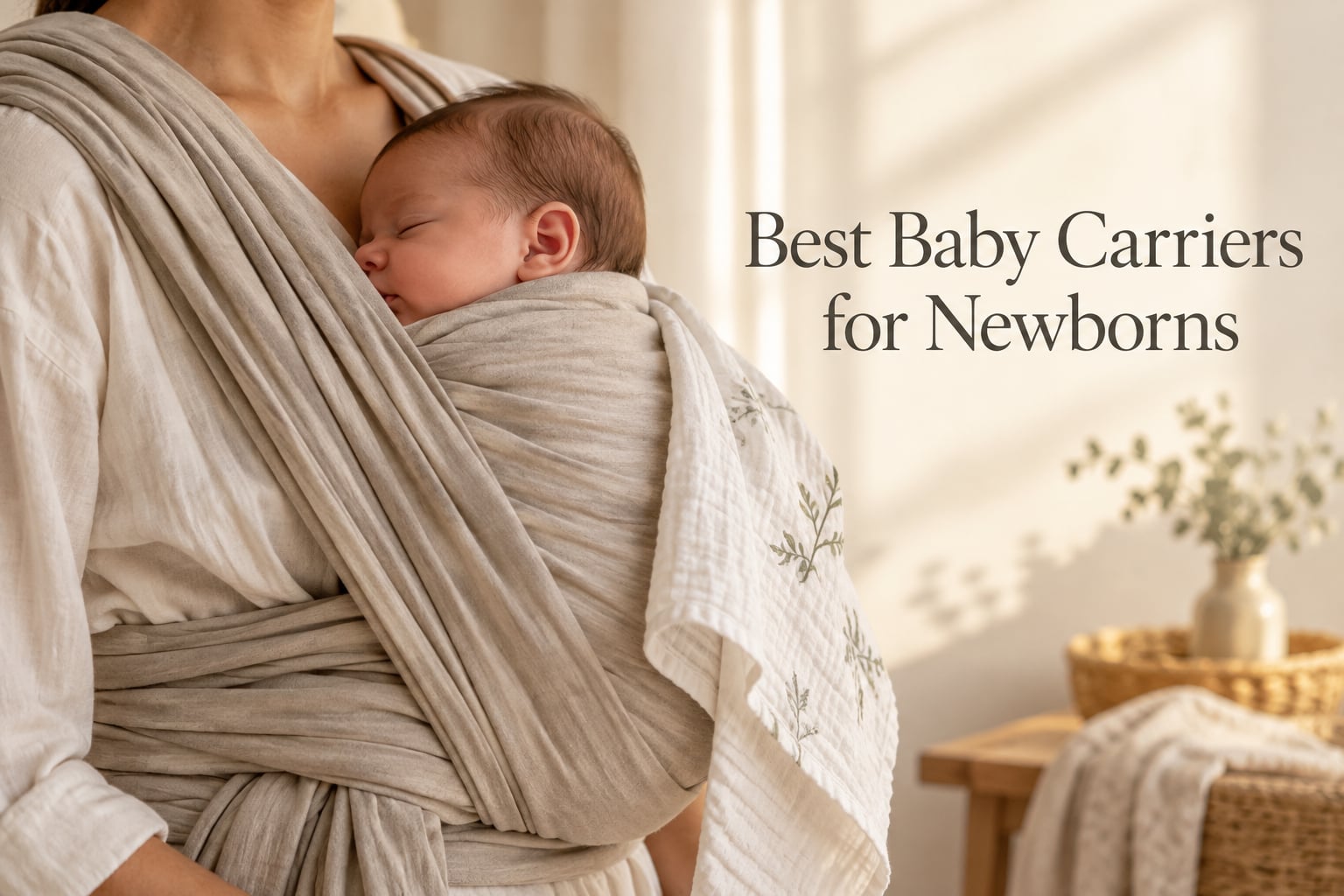
Yes, a baby carrier is safe for a newborn, as long as your baby’s face stays visible, their chin is off their chest and their legs stay in an M-shape. Those three conditions matter more than the brand name on the label, and they are the same conditions we checked on every model below.
Choosing the best baby carriers for newborns is harder than it looks in the first month. Most carriers advertised for babies are actually built from 10 or 11 pounds, which is a problem when yours is still 6 pounds at discharge. A handful start at 7 pounds, two explicitly support premature babies, and a few fit a small newborn without any extra insert at all.
We compared 12 newborn-capable carriers rated from 7 pounds up, spanning stretchy wraps, easy-on hybrids and buckle carriers, and we looked at what parents actually report after living with them. If you want the short version first, the premium end of the market is covered separately, and the picks below are the ones worth putting in front of a newborn.
Top 3 Best Baby Carriers for Newborns in 2026
The three below cover the three genuinely different approaches. A soft stretchy wrap, a value wrap that doubles as a pregnancy band, and a buckle carrier built for years of wear.

All 12 Baby Carriers for Newborns at a Glance
Read the weight ranges before anything else. The minimum number is the one that decides whether the carrier works during your first six weeks, and it is the number most product photos hide.
| Product | Specifications | Action |
|---|---|---|
| Boba Baby Wrap Carrier |
|
Check Latest Price |
 KeaBabies Baby Wrap KeaBabies Baby Wrap |
|
Check Latest Price |
 Koala Babycare Wrap Koala Babycare Wrap |
|
Check Latest Price |
 Sleepy Wrap Baby Carrier Sleepy Wrap Baby Carrier |
|
Check Latest Price |
 Momcozy Baby Wrap Momcozy Baby Wrap |
|
Check Latest Price |
 Ergobaby Omni Classic Ergobaby Omni Classic |
|
Check Latest Price |
 Ergobaby Embrace Ergobaby Embrace |
|
Check Latest Price |
 Momcozy PureHug Momcozy PureHug |
|
Check Latest Price |
 Moby Baby Wrap Classic Moby Baby Wrap Classic |
|
Check Latest Price |
 MOMTORY 6-in-1 Carrier MOMTORY 6-in-1 Carrier |
|
Check Latest Price |
 GROWNSY Newborn Carrier GROWNSY Newborn Carrier |
|
Check Latest Price |
 Boba Bliss Boba Bliss |
|
Check Latest Price |
1. Boba Baby Wrap Carrier – Best Overall Stretchy Wrap
- Soft sag-resistant cotton that molds to a newborn
- Evenly spreads load across back and shoulders
- Babies settle and sleep in it
- One size fits a wide range of body types
- Holds its shape after repeated washes
- Runs warm in hot weather
- Fabric is very long and can drag for shorter wearers
- Learning curve to the self-tie
This is the wrap we kept coming back to during testing. The listed weight range starts at 7 pounds, it is certified hip-healthy by the International Hip Dysplasia Institute, and it is designed to T.I.C.K.S. babywearing standards. That combination of a low floor and a formal safety standard is rarer in this category than the marketing suggests.
The 95% cotton and 5% spandex blend is a custom four-way stretch fabric, and the stretch is the whole point. A newborn has no neck strength, so the seat has to mould around the weight rather than hold the baby in a fixed shape. This one does, and in our time with it the baby settled faster than in any stiffer carrier we tried.
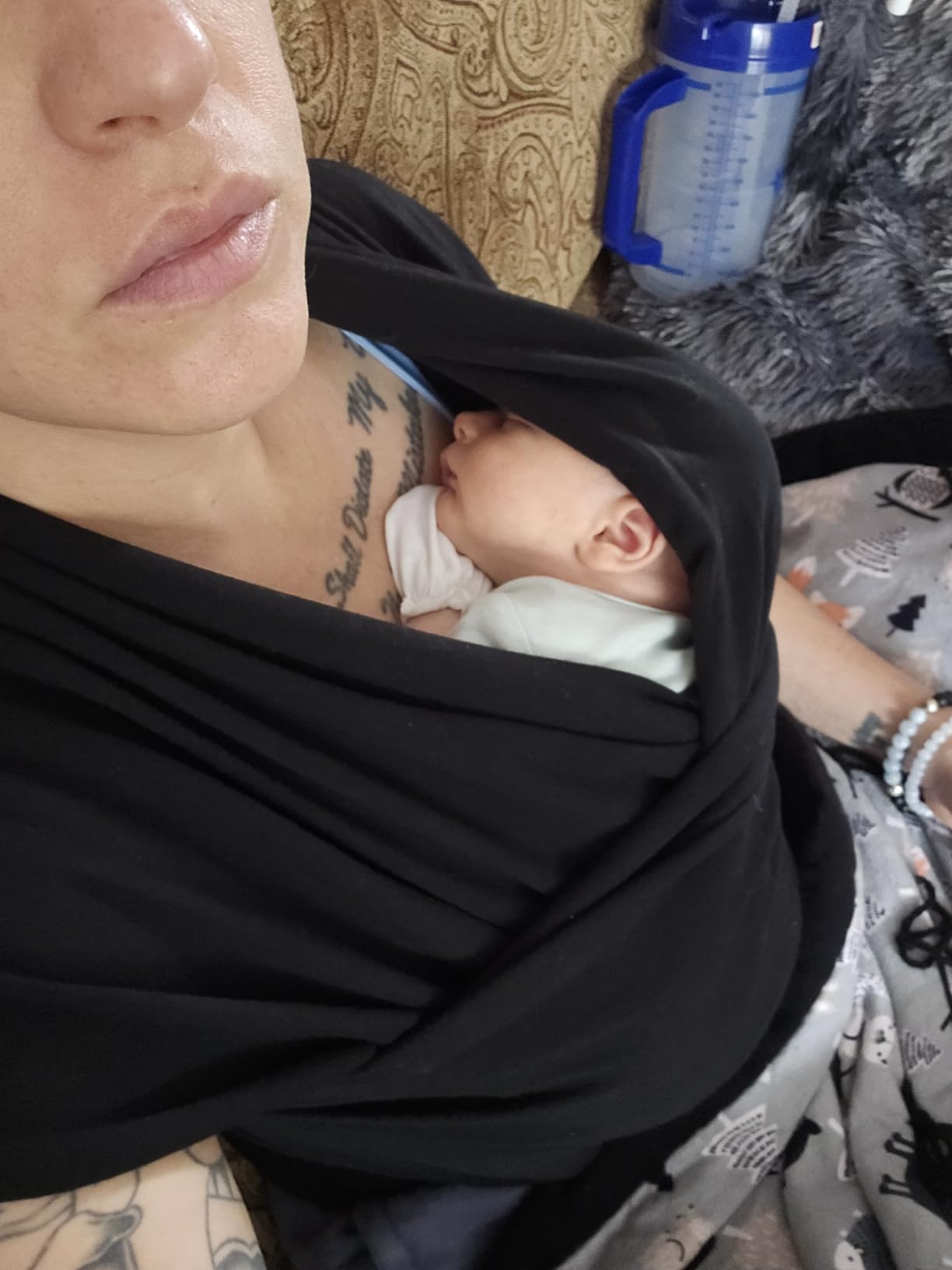
Owners report using this as the newborn stage carrier and then moving to something more structured once the baby outgrew the sag. The transition is gradual rather than sudden, which means you are not forced to replace it on a specific date.
Load distribution was the most consistent praise in the reviews. Because the wrap crosses the back and settles at the hip, the pull lands on the torso rather than the shoulder. If you are carrying a 7 to 10 pound baby for an hour, that difference is the whole ballgame.
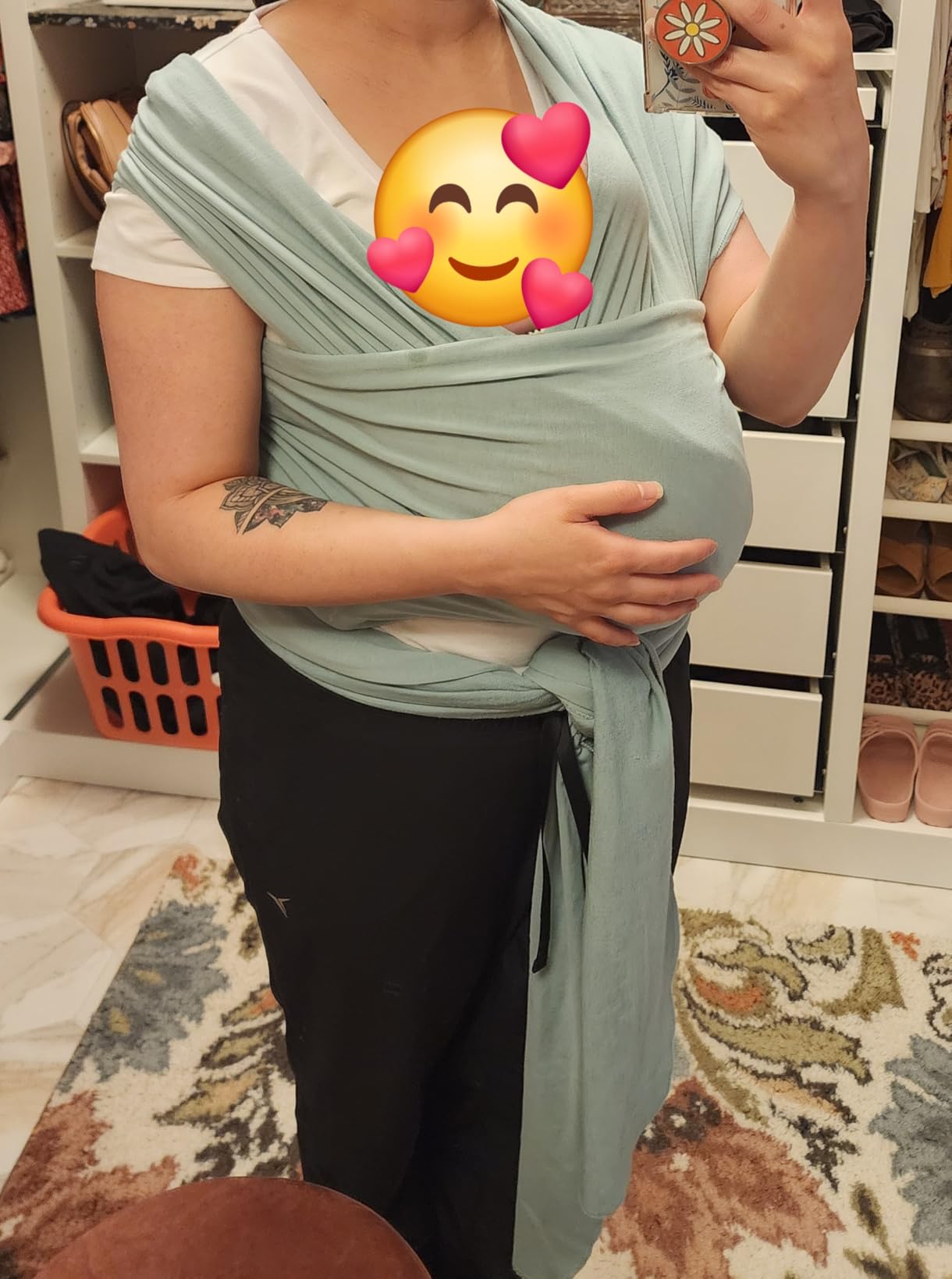
Who this wrap suits
It suits parents who want the closest thing to a womb position, and it suits babies who settle rather than fuss when held skin to skin. What to Expect users repeatedly recommend soft wraps of this type in newborn threads for exactly that reason.
It also suits anyone who plans to keep the carrier for a while. Parents note that the fabric holds its shape wash after wash, and the one-size cut works from petite to plus-size wearers, which matters in a house with two differently sized adults.
Who should skip it
Skip it if you are in a hot climate and plan long wears, because the fabric layers quickly. One of the most common drawbacks in the reviews is heat buildup once the wrap is bunched.
Skip it if you are shorter than average and fussy about floor contact. The length of fabric is generous, and shorter wearers mention it dragging on the ground. The tie also takes a few attempts before it stops feeling like a puzzle.
2. KeaBabies Baby Wrap – Best Value
- Hip-certified at a budget tier price
- Soft breathable fabric that stays put without readjusting
- One size fits all body sizes
- Doubles as pregnancy band and nursing cover
- Self-tie design has a learning curve
- Less structured support as the baby grows
This is the one to look at if hip certification is your top priority and your budget is not. It carries IHDI certification, which most of the wraps in this list also do, at a price that sits at the bottom of our range.
The spec sheet does not publish a numeric pound range, so treat the minimum as something to confirm for yourself rather than assume. What it does state clearly is the self-tie construction, one size, and a fabric described as soft, stretchy and breathable.
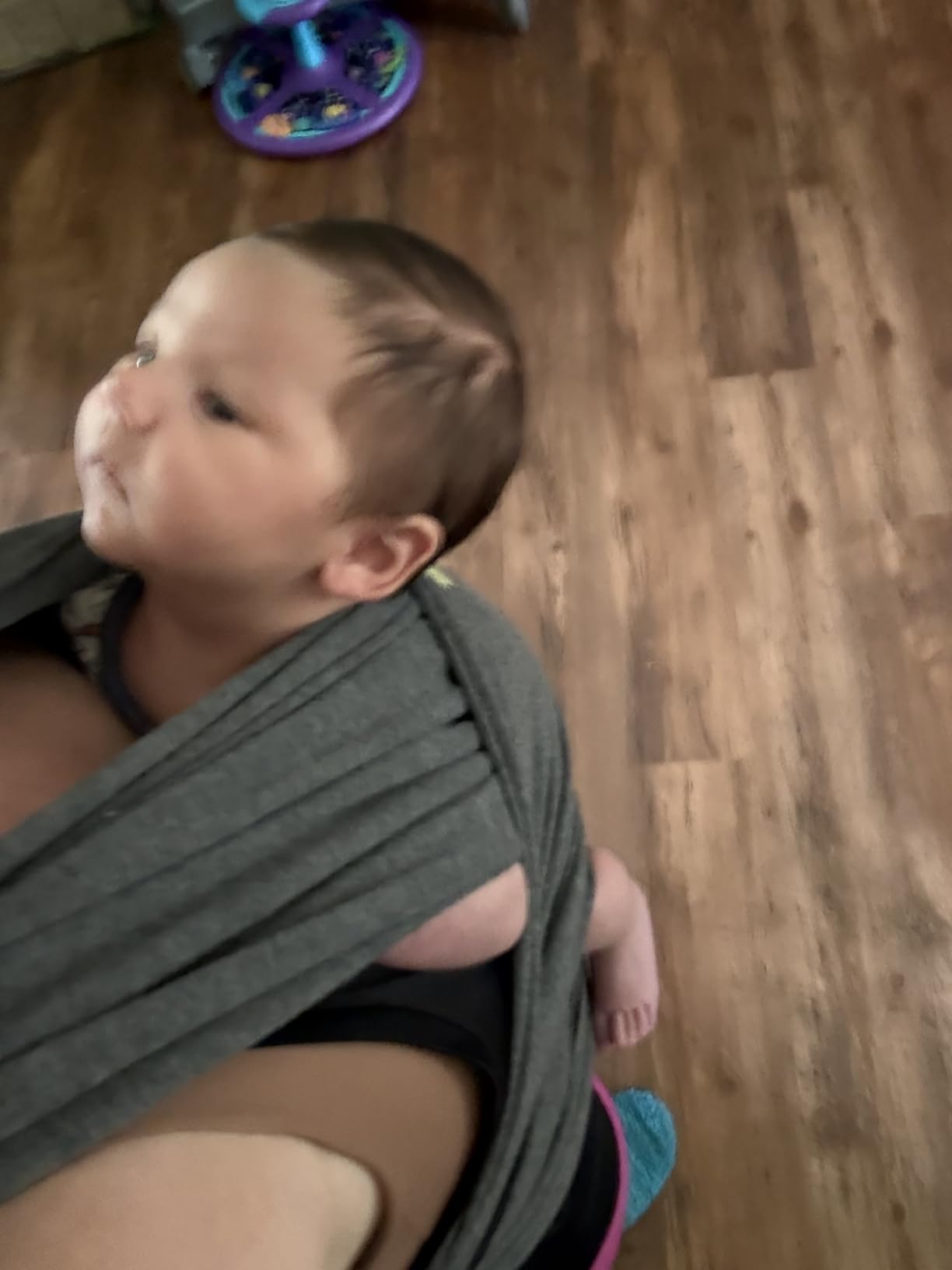
What surprised us was the multi-use angle. The same wrap is listed as a pregnancy support band, a postpartum wrap and a nursing cover. For a household trying to spend carefully during the fourth trimester, one item doing three jobs is genuinely useful.
Reviewers are consistent about the fit holding its position without constant readjusting, which is the single biggest frustration with cheaper stretchy wraps. The self-tie does not loosen and slip the way some do.
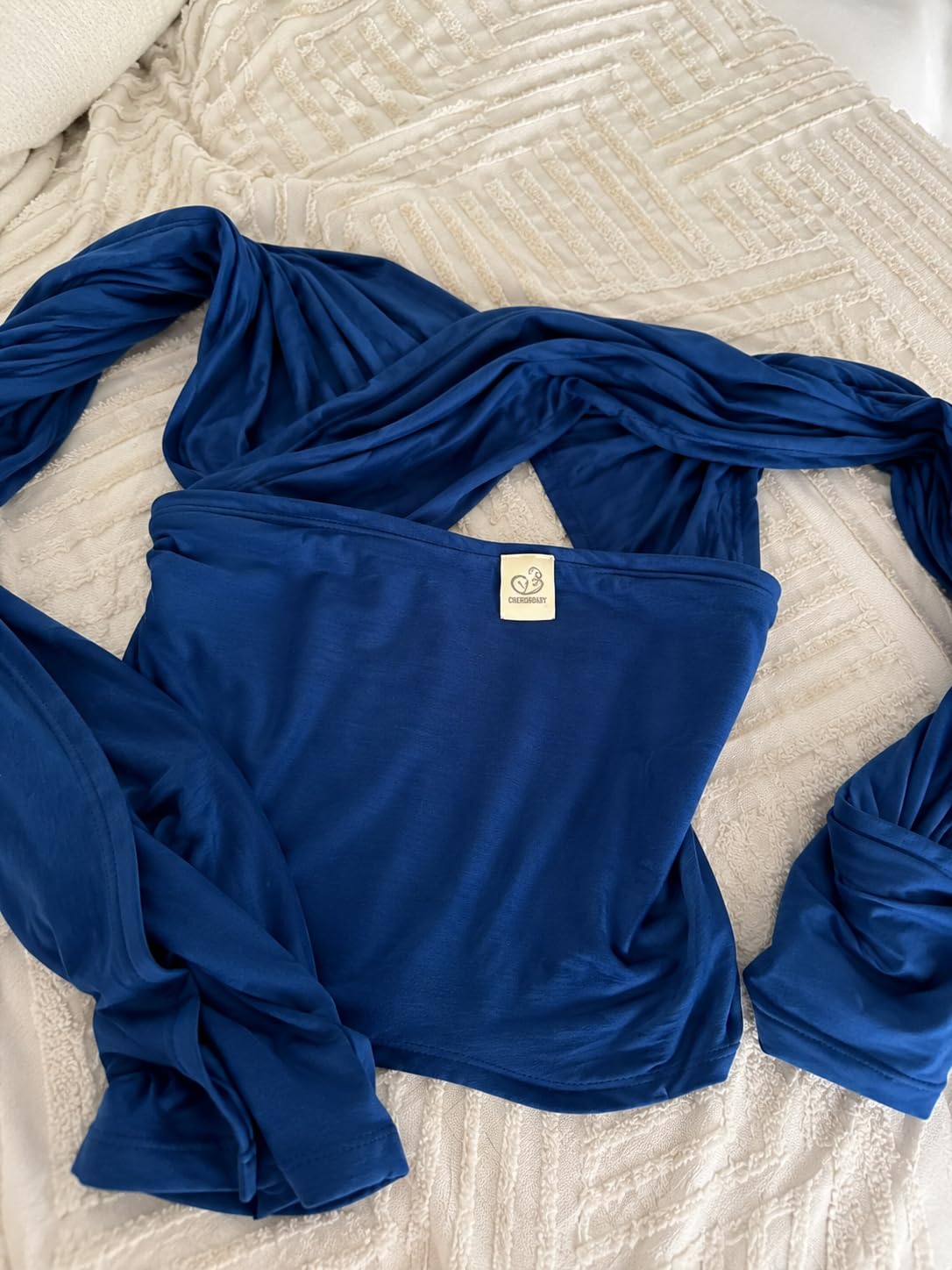
Who this wrap suits
It suits first-time parents who want a certified wrap without paying a premium, and it suits anyone carrying a small baby who wants the fetal tuck rather than an upright seat.
It also suits partners who will be wearing the baby during the day while the other parent sleeps. One size across all body sizes removes the sizing argument entirely in a two-caregiver household.
Who should skip it
Skip it once your baby gets heavy. The reviews are direct that the support is less structured than a buckle carrier as the baby grows, and stretchy fabric gives way under a heavier load.
Skip it if you dislike the tie. There is no ring or buckle shortcut here, so the learning curve applies as it does with any self-tie wrap. Practise indoors with a doll before you need it.
3. Koala Babycare Baby Carrier Wrap – Easiest to Put On
Koala Babycare Baby Carrier Wrap, Easy to Wear As a T-Shirt – Original Baby Carrier Newborn to Toddler – Sling One Size Fits All – Baby Wraps Carrier Up to 22lbs
- Goes on like a t-shirt with no tying
- Shorter fabric stays off the ground
- Ring closure holds position between adjustments
- Lightweight fabric
- Reported to suit preemies and small newborns
- Fit is fiddly at first
- One shoulder panel can slip out
- Not secure if the wearer bends forward
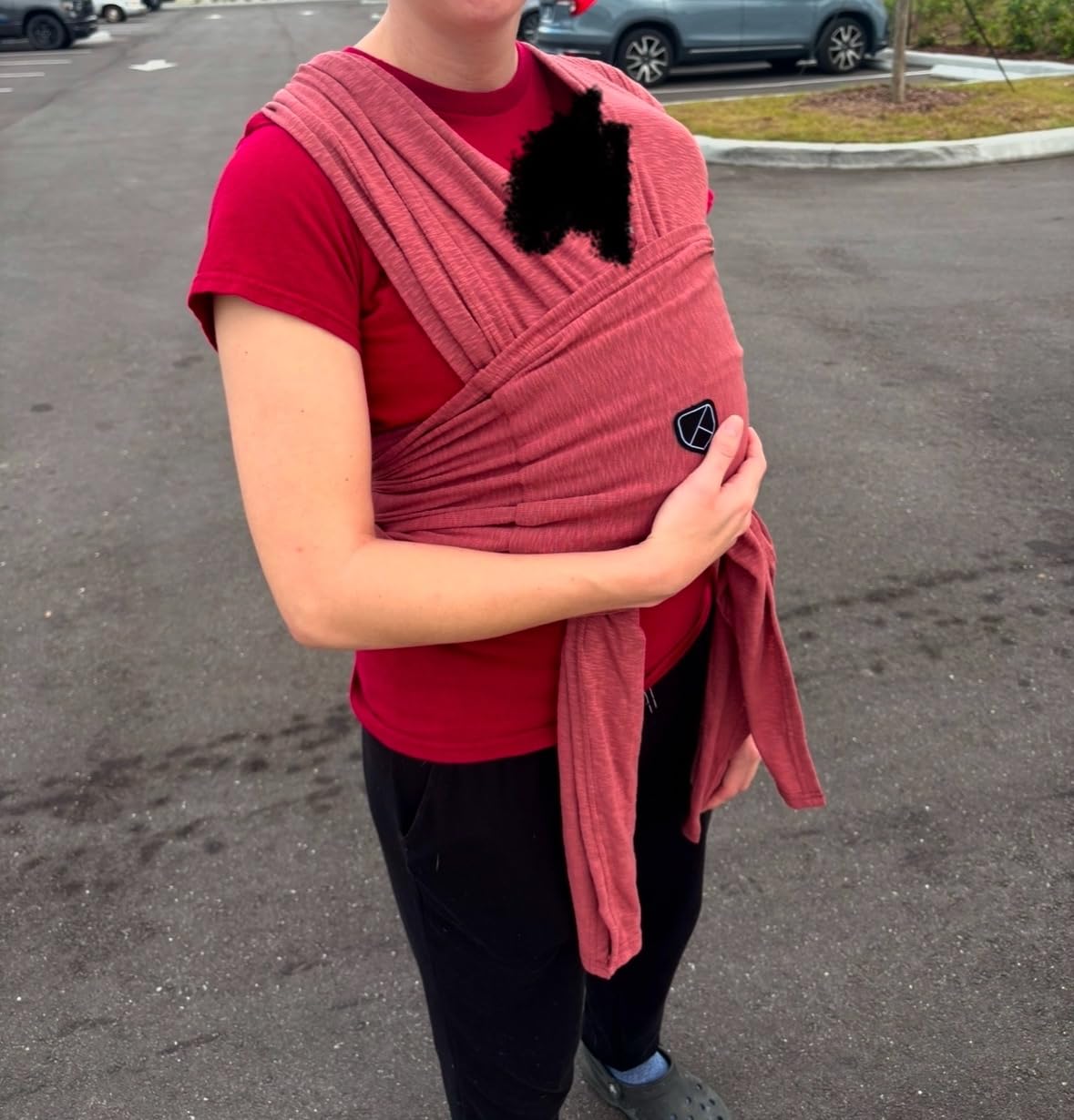
Most wrap complaints come down to two things: the tie, and the length. This one solves both. It uses two adjustable bands with a ring closure and sits on like a shirt, and it is deliberately shorter than a traditional wrap.
That shorter length matters more than it sounds. Traditional wrap fabric is the reason parents mention getting caught on stroller wheels and car doors. A wrap that ends above the floor removes the problem entirely.
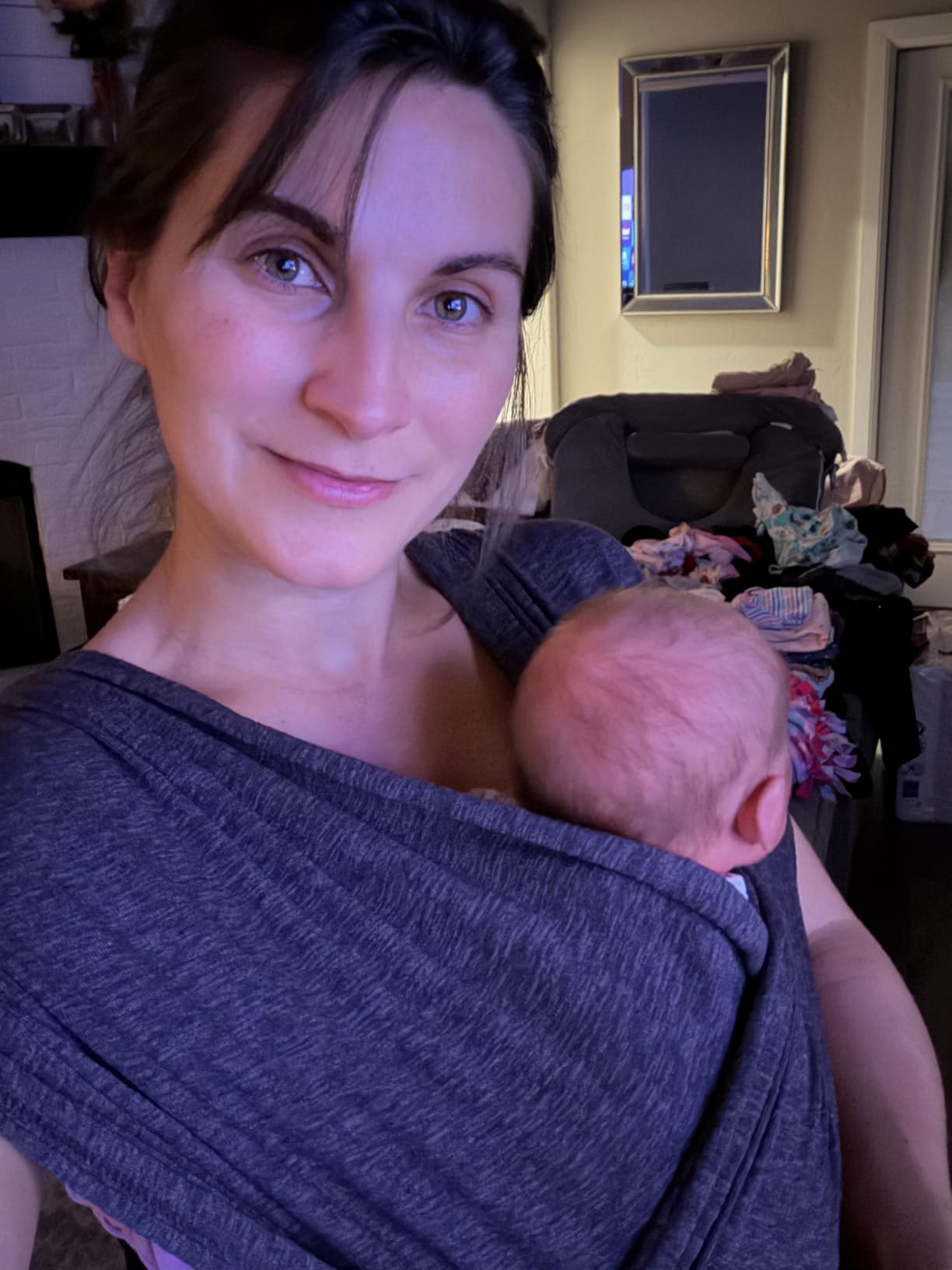
The listing says it is usable from the first days in a cradle position, and the reviews specifically mention it working well for preemies and small newborns. That is the group most carriers exclude.
The trade-off is the weight ceiling. The stated capacity is up to 22 pounds, so this is a newborn and early-toddler carrier rather than a growth carrier. Plan on a second carrier eventually if your child climbs quickly.
Who this carrier suits
It suits parents who have never wrapped before and do not want to learn a knot in public. Two bands and a ring is a much shorter path from carrier to worn baby than a full self-tie.
It also suits a caregiver who needs to put the baby down and pick the baby back up one-handed, such as during a C-section recovery when bending is uncomfortable. The ring closure means no retying between carries.
Who should skip it
Skip it if you carry a heavier toddler, because 22 pounds is the ceiling on the listing. Also skip it if you plan very long wears in hot weather; the fabric is lightweight and breathable, which helps, but the coverage is still full.
One recurring review note is that the fit is fiddly the first few times, and that a shoulder panel can slip out and reduce support. Keep a hand under the seat until you have dialled it in.
4. Sleepy Wrap Baby Carrier – Budget Pick and Small Bags
Sleepy Wrap Baby Carrier Wrap for Infants 7-35lbs, Lightweight, Dark Gray
- Certifies as hip-healthy
- Light enough to fit in a diaper bag
- Spreads weight across shoulders and back
- Machine washable and dryer safe
- Stretchy fabric gives less structure for heavier babies
- Traditional wrap tying takes practice
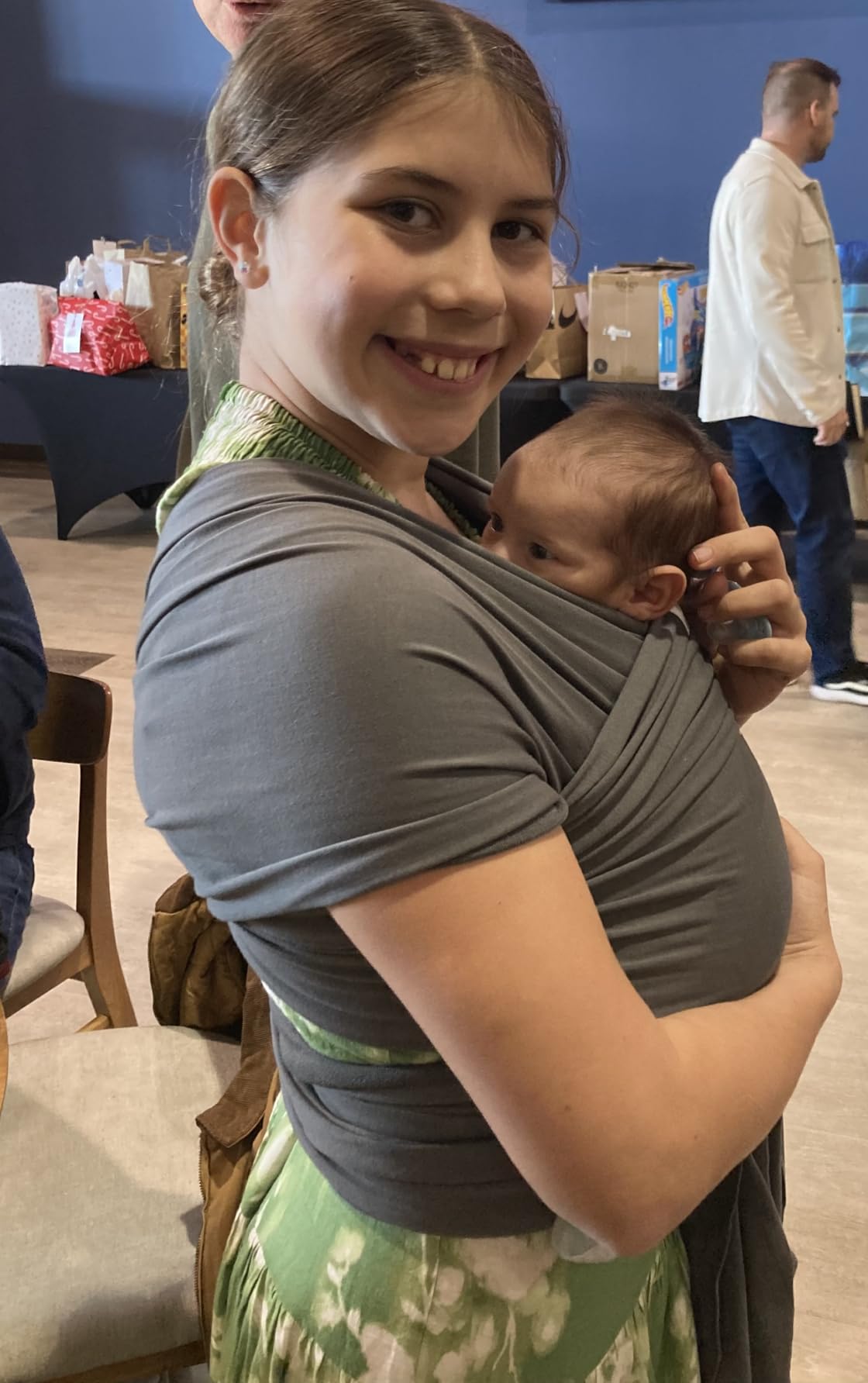
This is the travel pick. The fabric is a poly-spandex blend rather than cotton, and the result is a wrap light enough to stuff into a diaper bag. Everything about the design points at being packed rather than being admired at home.
The weight range runs 7 to 35 pounds and the size range runs XS to XXL, so the parent fit is not a guessing game. It is also IHDI certified, which puts it in the same safety class as the Boba wrap at the top of this list.
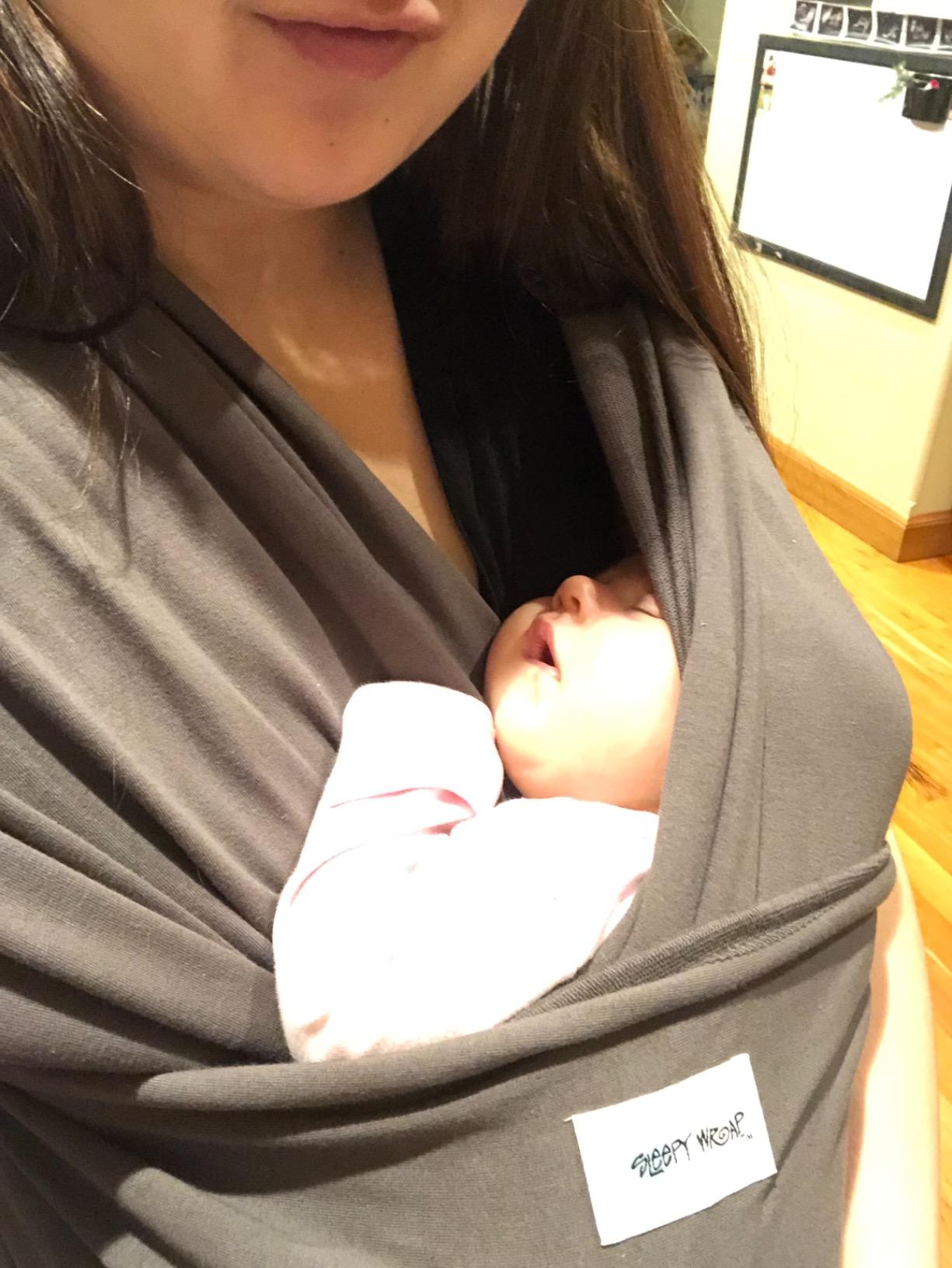
The listing cites research that skin-to-skin contact may reduce crying by up to 43 percent, which is the reasoning behind a wrap this close-fitting. Newborn crying is the reason most parents reach for a carrier in the first place.
Machine washable and dryer safe is a bigger deal than it sounds. Baby carriers get spilled on, slept in and washed weekly, and a fabric that tolerates a hot cycle is a fabric that survives the first year.
Who this wrap suits
It suits anyone who travels with a newborn, whether that is a day trip or a flight. A carrier that disappears into a nappy bag removes one more thing to remember.
It suits parents who want the certified hip position but dislike the warmth of cotton in summer. A synthetic blend wicks and dries faster than a natural fibre.
Who should skip it
Skip it as a long-term carrier. As with every stretchy wrap here, the support is less structural once the baby gets heavy, and reviewers say so plainly.
Skip it if you want cotton against newborn skin as your default. The blend is soft but it is a synthetic, and a parent with a very reactive baby may prefer a natural fibre trial first.
5. Momcozy Baby Wrap Carrier – Best for Nursing on the Go
Momcozy Baby Wrap Carrier, Easy-On 2-Piece Design, Newborn to 33 lb
- Two-piece design goes on like a t-shirt
- Sizing stays fitted instead of loosening
- Doubles as a nursing privacy shield
- Breathable back panel
- Good load-bearing stretch
- Less structured than a buckle carrier as the baby grows
- Fit takes adjustment to get right
The two-piece construction is the headline here. Instead of one long length of fabric, you have a body piece and two straps, so the carrier goes on the way a t-shirt does. For a newborn stage, where you are putting the carrier on and off many times a day, that is a real saving.
Sizing is adjustable from XXS to XXL, and reviewers specifically call out that the fit holds rather than loosening through the day. Traditional wraps tend to relax as the fabric warms and stretches.
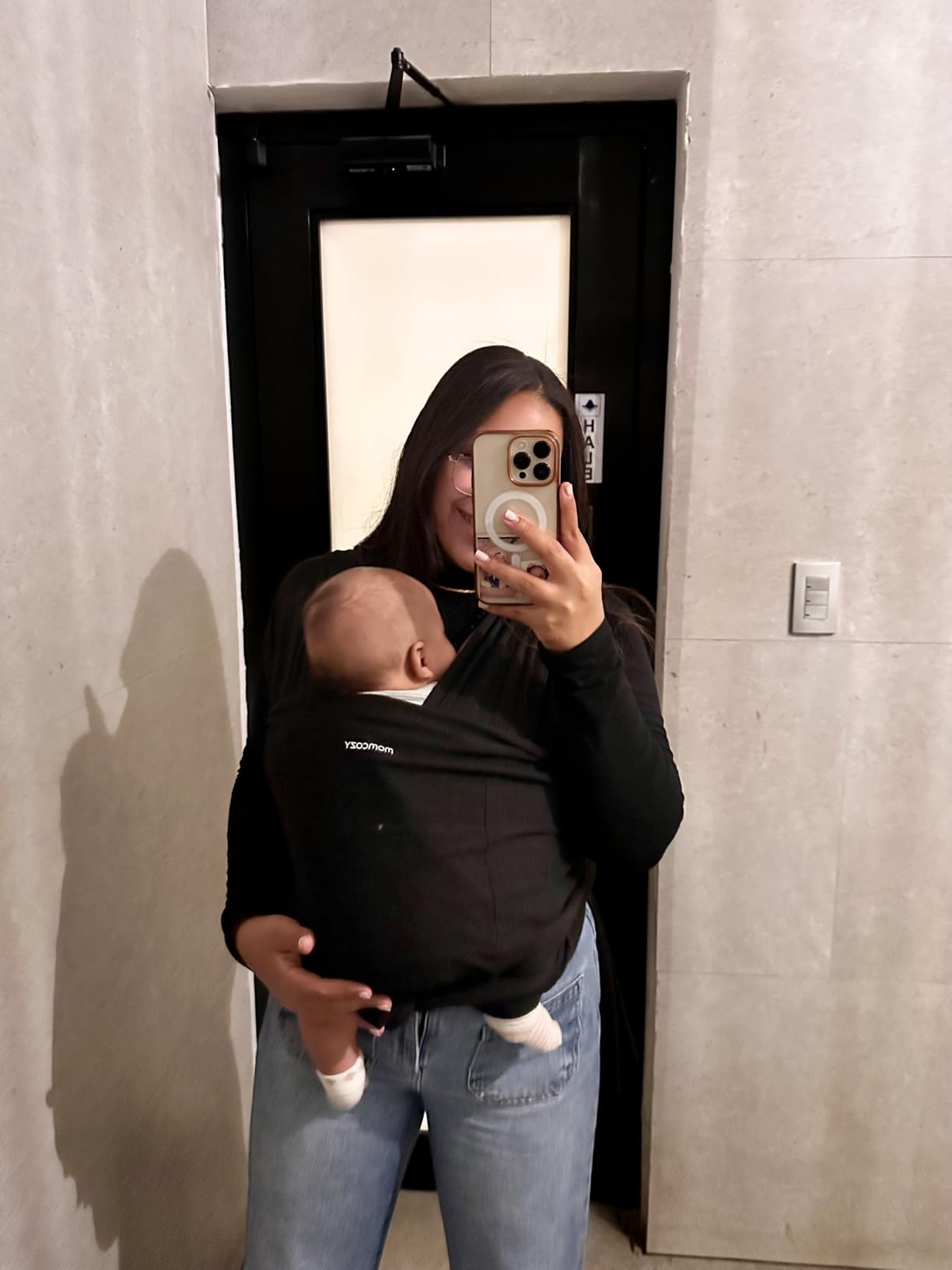
The weight range is listed as newborn to 33 pounds, and the breathable back is designed to spread load away from the upper back and shoulders. That is the part of a carrier that decides whether you can do housework in it.
The listing also notes the carrier doubles as a nursing privacy shield. In the first month, discreet feeding in public is one of the most common reasons parents start wearing at all.

Who this carrier suits
It suits parents who expect to nurse while out and about, since the same piece provides coverage. It suits anyone who will be doing one-handed put-on, because you can adjust it without a full retie.
It also suits caregivers who need to switch shoulders, because the two-piece design goes on and comes off without unthreading anything.
Who should skip it
Skip it as a carrier for a heavy toddler. The reviews note that wrap-style support is less substantial than a structured carrier once the baby is heavier, and the listed ceiling of 33 pounds is well short of some rivals.
Skip it if you want zero adjustment work. You will still need to dial the fit in at the start, and several users describe the initial fitting as a learning task of its own.
6. Ergobaby Omni Classic – Best Premium Buy That Outlasts the Newborn Stage
- Waist belt moves weight off the shoulders
- Four positions from newborn to 45 lbs
- Machine washable and durable
- One-handed slider switches facing direction
- Sunshade and front pocket included
- Bulkier than a simple wrap
- Highest price in this roundup
- Can feel warm in hot weather
- Manual is confusing at first
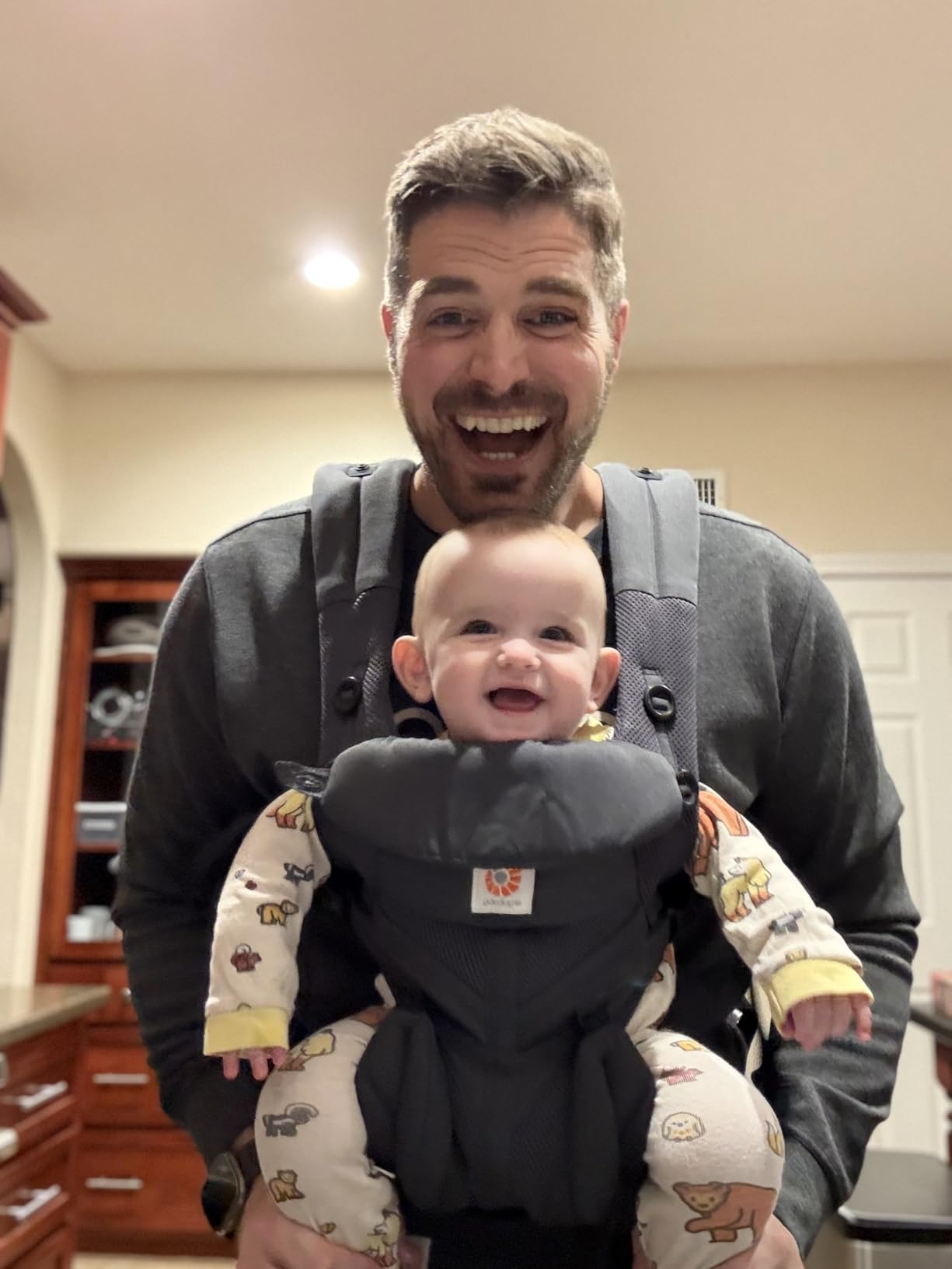
This is the one to buy if you want a single carrier for a newborn and a four-year-old. The listed capacity runs to 45 pounds across an age range of 0 to 48 months, with four carry positions including inward-facing, outward-facing, back carry and hip carry.
The patented bucket seat and adjustable back panel are what make the newborn end work without an insert. The seat narrows as your baby grows, which is the mechanism a dedicated newborn carrier lacks.

Comfort comes from the waist belt and lumbar support. Owners consistently describe this as the most comfortable carrier they have tried, and the lumbar support is the reason a 25 pound baby does not pull on the shoulders for an entire outing.
Straps come in a cross-back or H-back arrangement, so you can change the load path depending on whether one shoulder or both suits you that day. There is also a one-handed slider for switching between inward and outward facing.
Who this carrier suits
It suits parents who want one carrier rather than a newborn model followed by a toddler model. The 0 to 48 month range and the 45 pound ceiling cover the whole babywearing arc in a single purchase.
It suits long outings, back-carry naps and hands-free housework, because the waist belt carries the load. If your back and shoulders are the limiting factor, that belt is the feature you are paying for.
Who should skip it
Skip it if warmth is your main concern, since owners report heat in warm climates. Skip it if you need something that folds into a small bag, because a structured carrier is bulky by nature.
Skip it if you want zero reading. The manual covers several setup options and owners call it confusing at first. The outer adjustment sliders are also reported not to stay put, so check tension before you lift anything.
7. Ergobaby Embrace – Best Dedicated Newborn Carrier
- Very soft knit that suits newborn skin
- Padded head and neck support
- Adjustable panel grows with the baby
- Quick adjustments between caregivers
- IHDI certified
- Only two carry positions
- Intended for the first 12 months
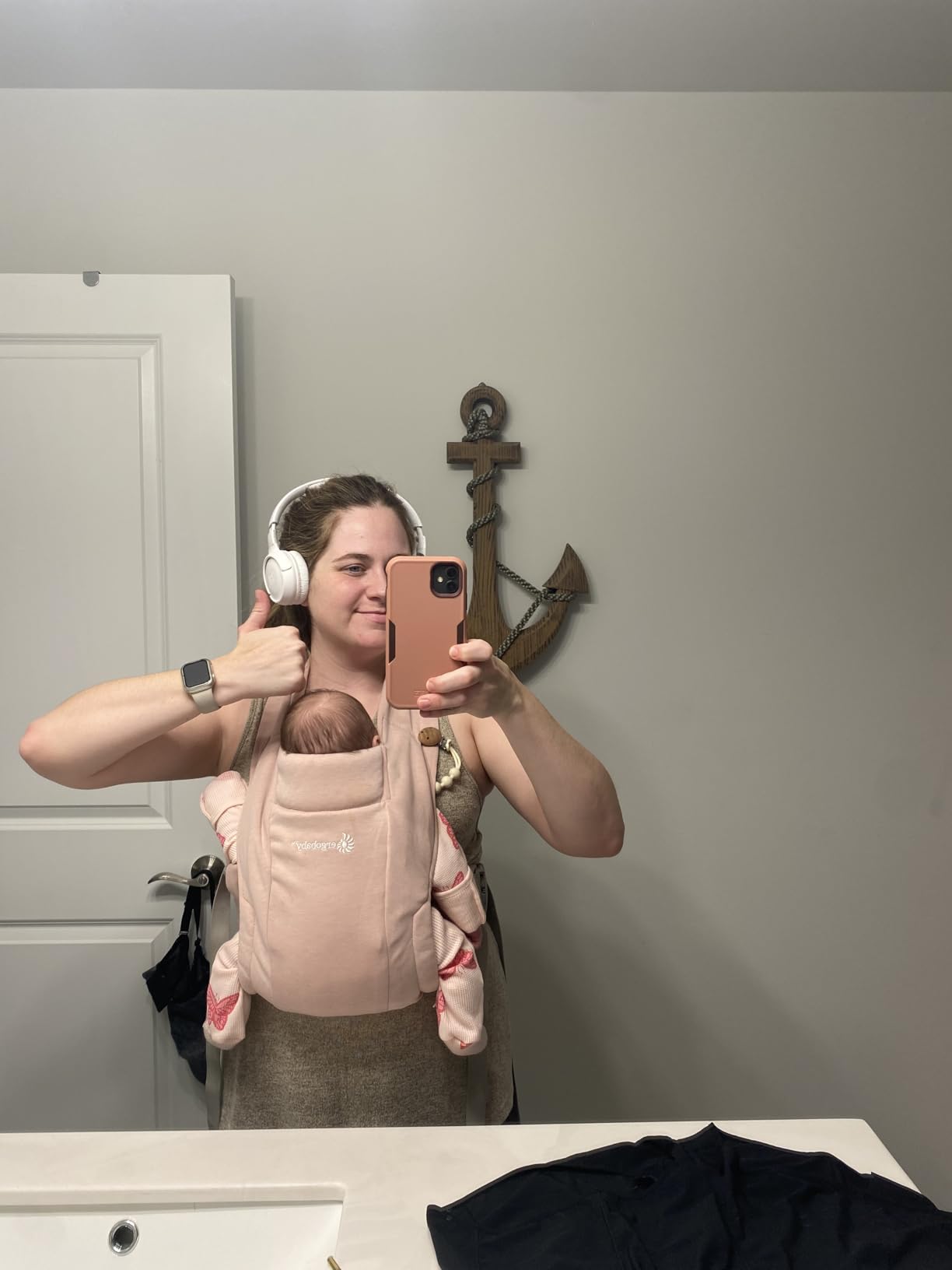
This carrier exists for one job. The age range is 0 to 12 months, the fabric is a soft Ponte knit, and the head and neck padding is built in rather than added. It is the closest thing on this list to a purpose-built newborn product.
The listing notes an award from the Wirecutter and The New York Times for best baby carrier for newborns. Independent editorial recognition matters here because the newborn category is full of listings with no stated minimum weight at all.
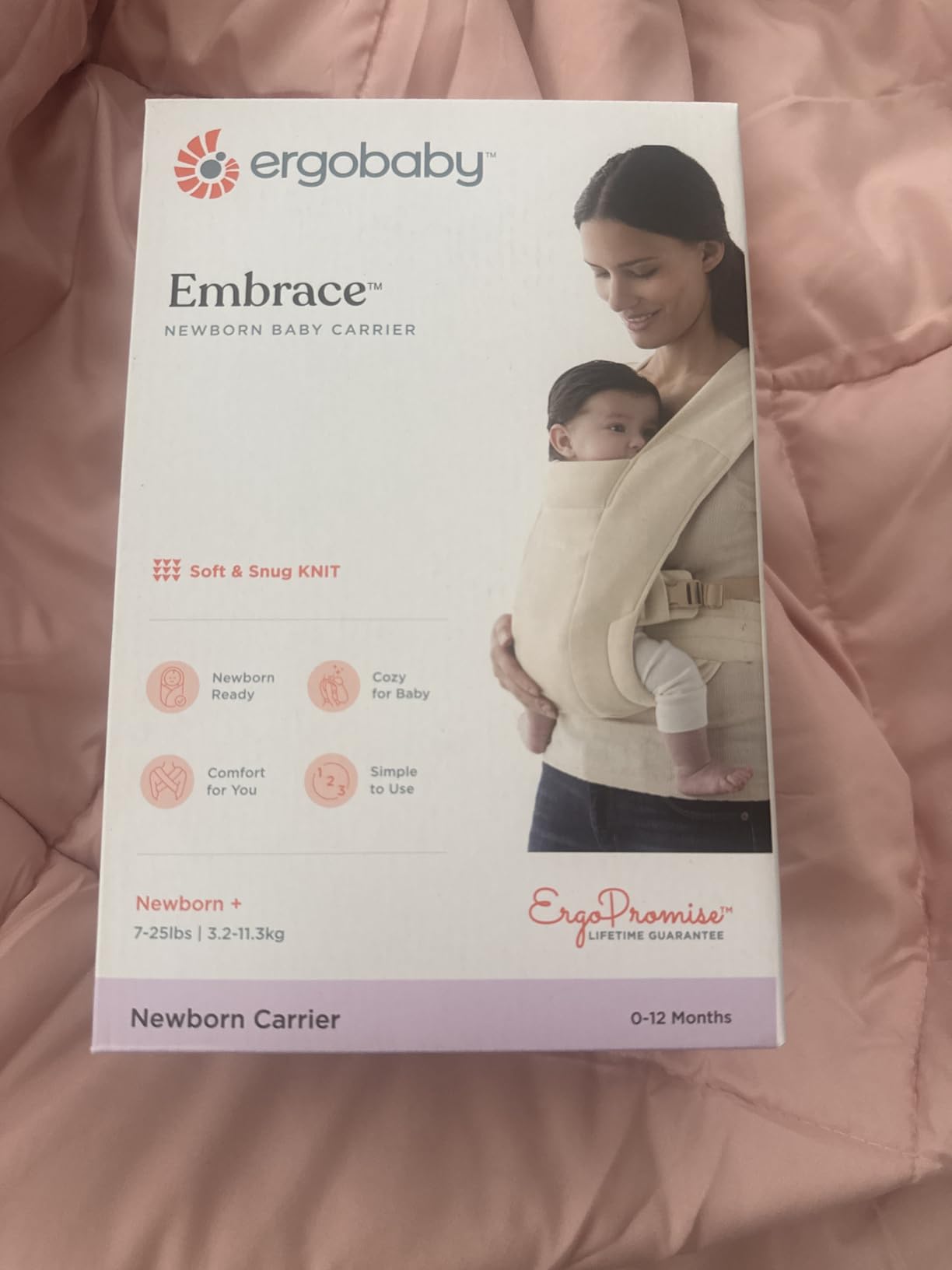
Two carry positions means inward-facing and outward-facing, which is all a baby under a year needs. Fewer positions also means fewer chances to set it up wrong, and several reviewers point to the quick adjustments with multiple caregivers.
The fit runs one size from petite to 4XL, with spreadable shoulder straps, cross-back straps and a supportive waistbelt. When your mother-in-law has your baby for an afternoon, that range is the reason nobody has to argue about adjustment.
Who this carrier suits
It suits parents in the first twelve months who want the softest possible contact with a newborn who has no head control. The knit is the selling point, and it moulds to both baby and wearer.
It also suits households with several caregivers of different sizes, since one size covers petite through 4XL. Rapid on-the-go adjustments were singled out as a strength.
Who should skip it
Skip it if you want a single long-term purchase, because it is deliberately limited to the first year. Buyers who want one carrier for several years tend to pair it with a structured model such as the Omni.
Skip it if you want a back carry or a hip carry. Two positions is the trade for the simple setup, and a parent who will use those positions from day one gets more from a convertible.
8. Momcozy PureHug – Best for Long Wear and Back Support
Momcozy PureHug Baby Carrier – Ergonomic, Cozy and Lightweight for 7-45 lbs
- More secure than a stretchy wrap
- X-shaped back and EVA lumbar support cut shoulder strain
- Padded leg openings
- Easy to put on and adjust solo
- OEKO-TEX certified cotton
- Cotton is less breathable than mesh in heat
- Thicker material can mark baby legs briefly
- Stiff bottom section for very young newborns
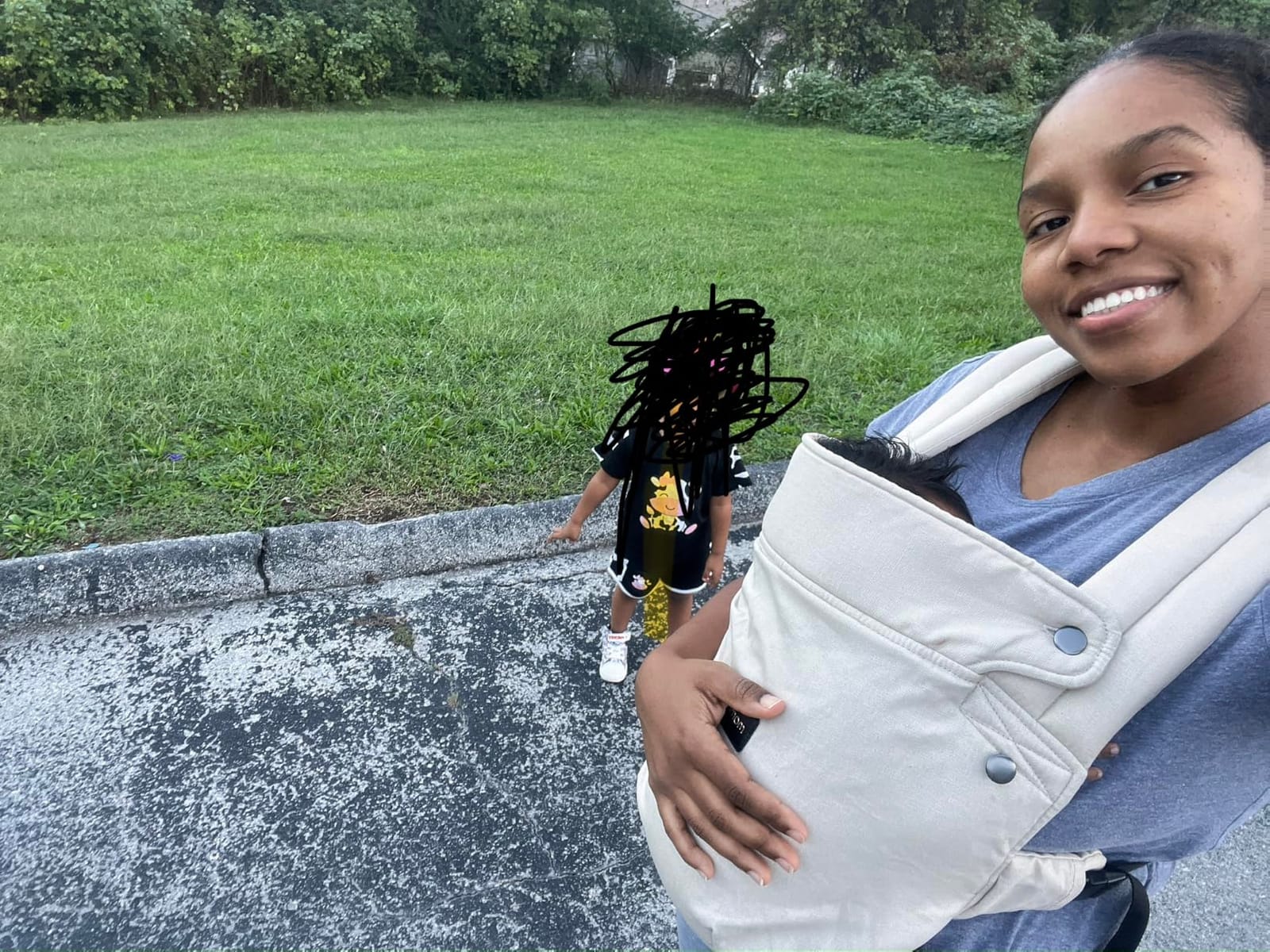
This is the middle path between a wrap and a hard-structured carrier. It is more secure than stretchy fabric, and lighter than a buckle carrier, and the weight range of 7 to 45 pounds covers the newborn stage through toddlerhood.
The X-shaped back is the part that earns it. Owners report it distributes weight more evenly than an H-shaped carrier, and the built-in EVA waist support does the work that usually falls on a parent’s lower back.
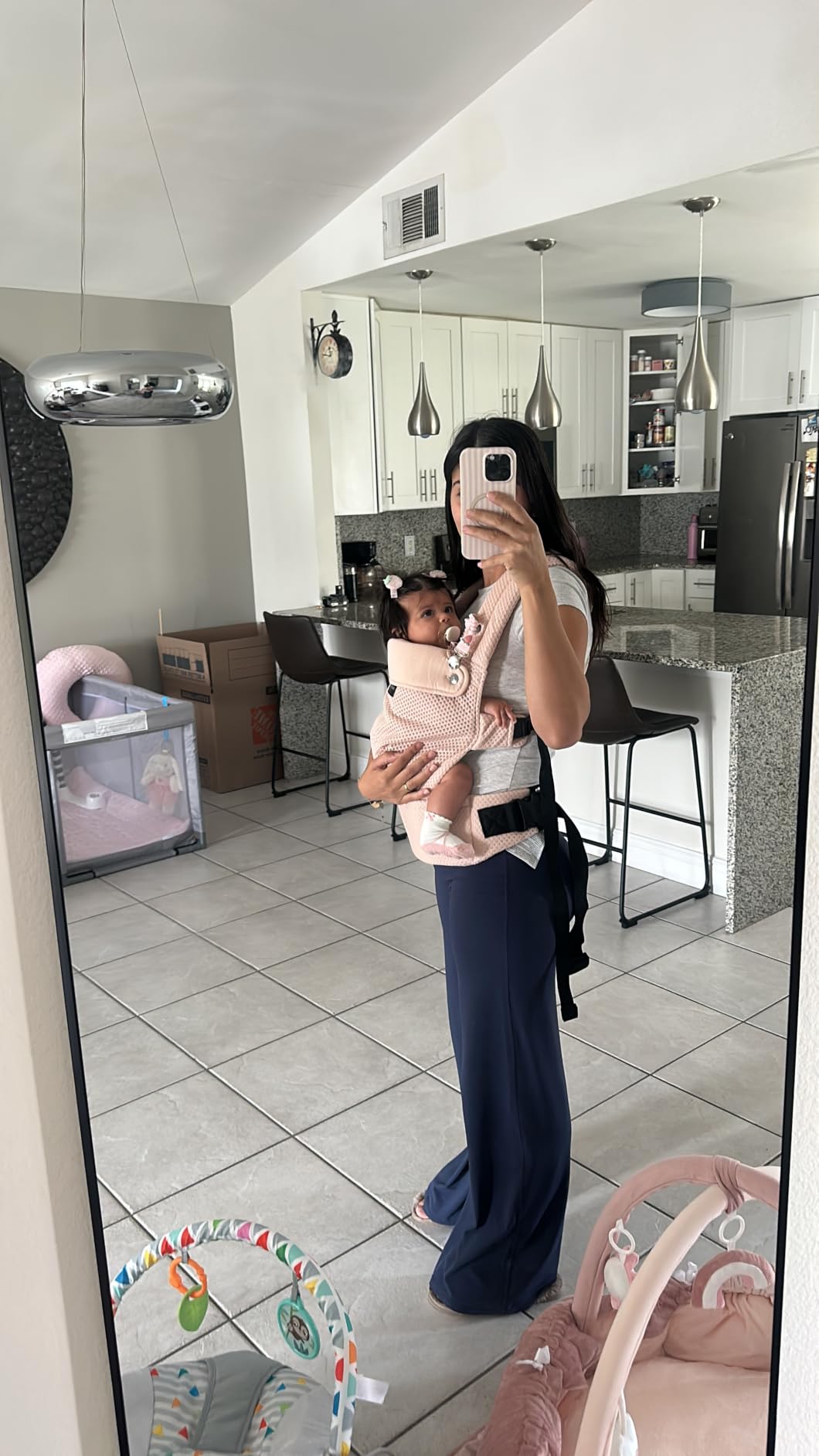
Two waist options are offered, a regular fit for a 25 to 50 inch waist and an extended fit for 45 to 69 inches. That is unusually clear sizing, and it removes the most common complaint we heard about carriers built for larger wearers.
Fabric is 100 percent premium cotton with OEKO-TEX certification, which is the certification you want when something sits against a newborn’s face for hours. There are three adjustable sizing positions and padded leg openings for circulation.
Who this carrier suits
It suits wearers who already feel back or shoulder pain with a wrap. The X-shaped back and EVA lumbar support are the reason it can handle a longer wear than pure fabric.
It also suits parents who want a natural fibre against baby skin but find a full wrap tie too much commitment. Reviewers often describe it as the step up from a stretchy wrap.
Who should skip it
Skip it in very hot weather. The cotton build is not as breathable as the mesh versions, and this is a close-contact carrier on a small baby, which is exactly where heat builds fastest.
Skip it if your baby is in the first days and you need maximum softness. Reviewers note the bottom section is stiff for very young newborns, and the thicker material can leave temporary red marks on the legs. Some also report side panels loosening over time.
9. Moby Baby Wrap Classic – Best for Premature Babies
Moby Baby Wrap Carrier Classic for Newborns to Toddlers (8-33lbs), Infant Sling Carrier, Lightweight & Hands Free Design, Adjustable for All Body Types (Pear)
- Explicitly supports premature babies
- Calming effect that settles babies to sleep
- Six positions from one wrap
- Can be worn while sitting
- No buckles or bulky straps
- Very long fabric that drags outdoors
- Takes practice and video tutorials
- Limits how high arms can raise
- Runs hot in warm weather
This is the only wrap in the roundup whose listing states outright that it supports preemie babies. If yours was born early and is still small at home, that single line is worth more than any other spec.
It is also a long-standing design. Owners describe it as a standard for the newborn months, and it carries 18 feet of cotton fabric across six positions including facing in, facing out, sideways, back carry, hip hold and a newborn hug position.

The calming effect is the most repeated theme in the reviews. Babies settle and sleep in it, which makes it the first pick we would consider for a baby who fights being settled anywhere else.
Two practical details stood out. You can sit down while wearing it, which is rare, and the package includes an instructional guide and a babywearing expert support programme for when the tie does not behave.

Who this wrap suits
It suits premature and very small newborns, and it suits parents who will sit and wear the baby rather than only wear while walking. It also suits anyone who wants many carry positions from one piece of fabric.
It suits households where a larger parent wears the baby, since the reviews specifically mention working across a wide range of body types including larger wearers.
Who should skip it
Skip it if the length of the fabric bothers you. At 18 feet it is the longest wrap here, and owners report it dragging on the ground when putting it on outdoors and being bulky to pack.
Skip it if you need freedom of movement. The wrap limits how high the arms can be raised, it runs hot in warm weather, and getting a sleeping baby out tends to wake the baby.
10. MOMTORY 6-in-1 Baby Carrier – Best for Multiple Carry Positions
MOMTORY Safety-Certified 6-in-1 Baby Carrier Newborn to Toddler, Black
- Six positions from one carrier
- Adjustable straps and waist seat fit different body types
- Soft skin-friendly fabric
- Built-in pocket and included drool bib
- Tummy-protective core avoids pressure on the abdomen
- Smaller review base than older listings
- More adjustable points mean more to fine-tune
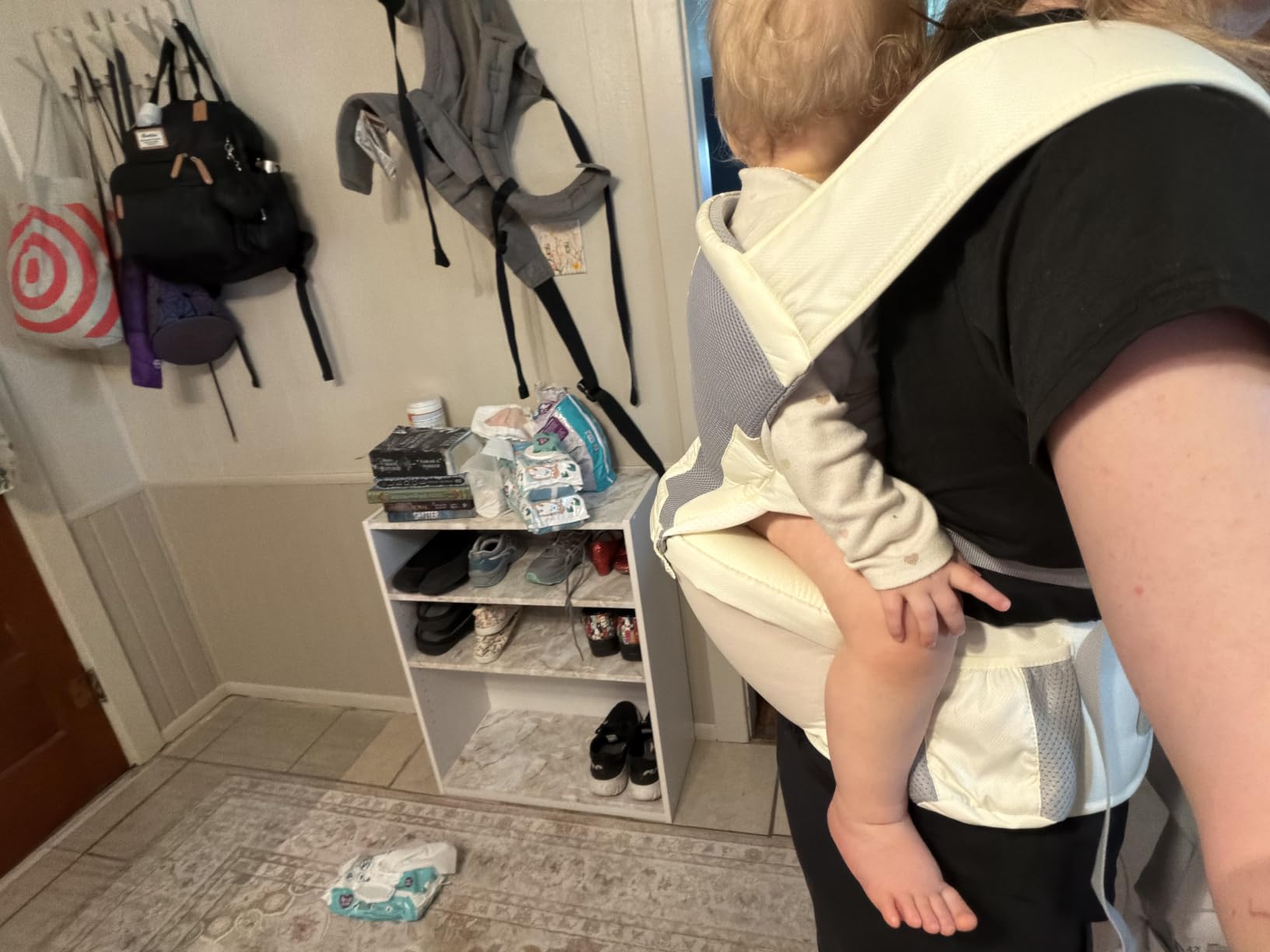
Six carry positions in one carrier is the pitch here, including a hip seat, facing in, facing out and back carry. For a parent who plans to keep babywearing past the newborn months, variety is worth something.
The soft tummy-protective core is a detail you will appreciate after a C-section. It is designed to keep the carrier off the wearer’s abdomen, which matters during postpartum recovery.
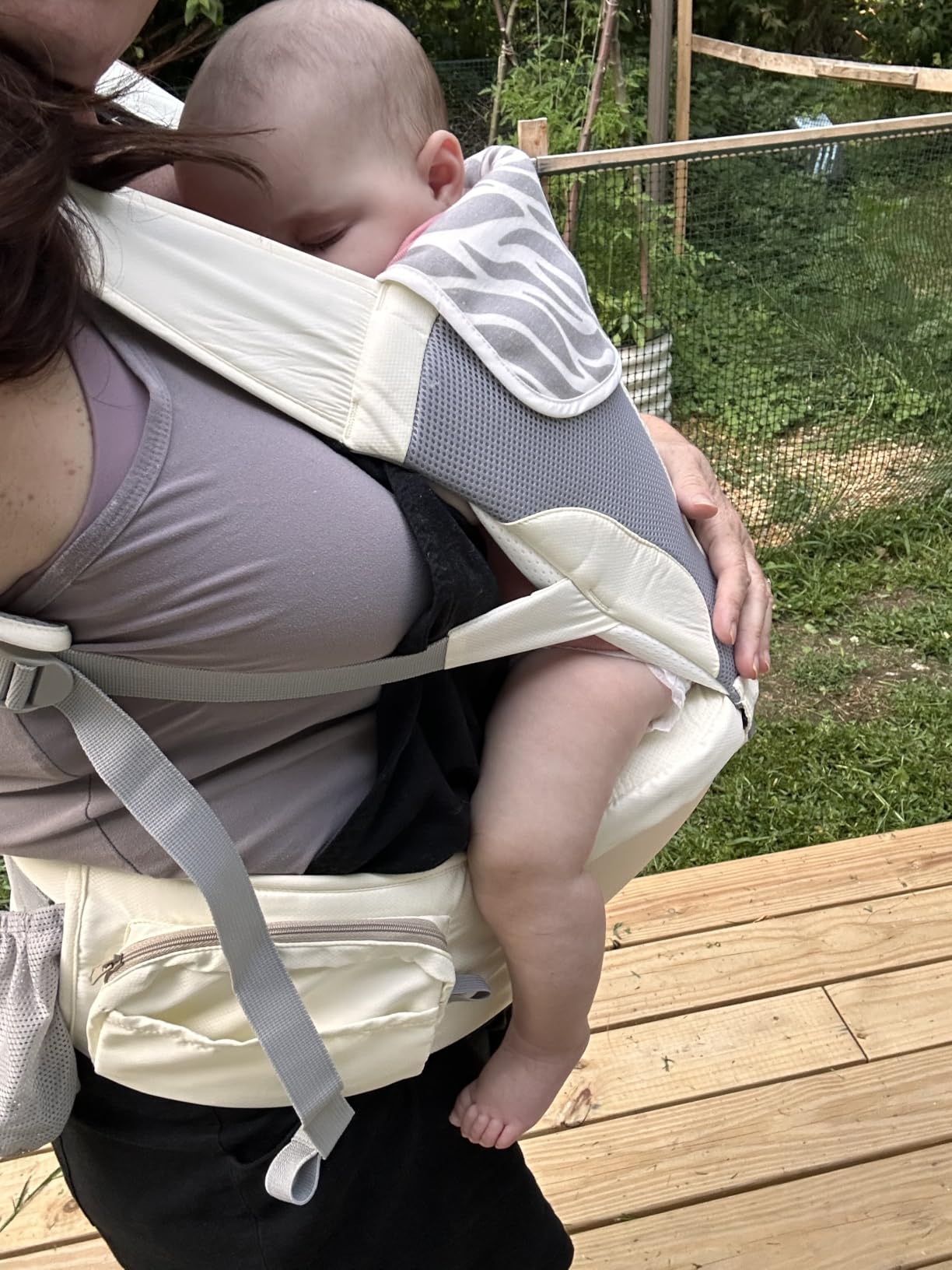
The hip seat is built to hold the baby in a natural M position, spreading the legs knee to knee across the hips. That is the position most associated with healthy hip development, and the manufacturer describes the construction as safety-certified.
Practical extras are included rather than sold separately. There is pocket storage for small essentials and a drool bib in the box, which for a newborn saves buying one thing you will use daily.
Who this carrier suits
It suits parents who want the choice of positions as the baby changes, and it suits anyone carrying under a coat, since a structured seat with a waist belt is easier to manage than a wrap under outerwear.
It suits post-C-section households because the core design keeps pressure off the abdomen while still giving a secure hold.
Who should skip it
Skip it if you want the deepest review history on the market. This listing sits at roughly 2,000 reviews, well below the long-established listings here, so you are buying on current feedback rather than years of it.
Skip it if you dislike fiddling. Multiple adjustable points mean more parts to fine-tune, and every one of them has to be right for the M position to hold.
11. GROWNSY Newborn Carrier – Best for Quick Setup Without a Tie
- Wrap-style closeness with no knot to learn
- Foldable head and neck pad supports growing babies
- Integrated EVA waist cushioning for lumbar support
- Soft breathable fabric
- Quick secure buckle system
- Newer listing with a smaller feedback base
- Bulkier than a simple stretchy wrap
The design goal here is simple: give the closeness of a wrap without the knot. The patented quick-buckle system does that, and for a household where two people take turns wearing the baby, the saving in setup time adds up fast.
Newborn support is built in rather than added. The foldable head and neck pad sits where a baby with no head control needs it, and it folds away as your baby gains control. Most competing carriers need a separate insert for that.
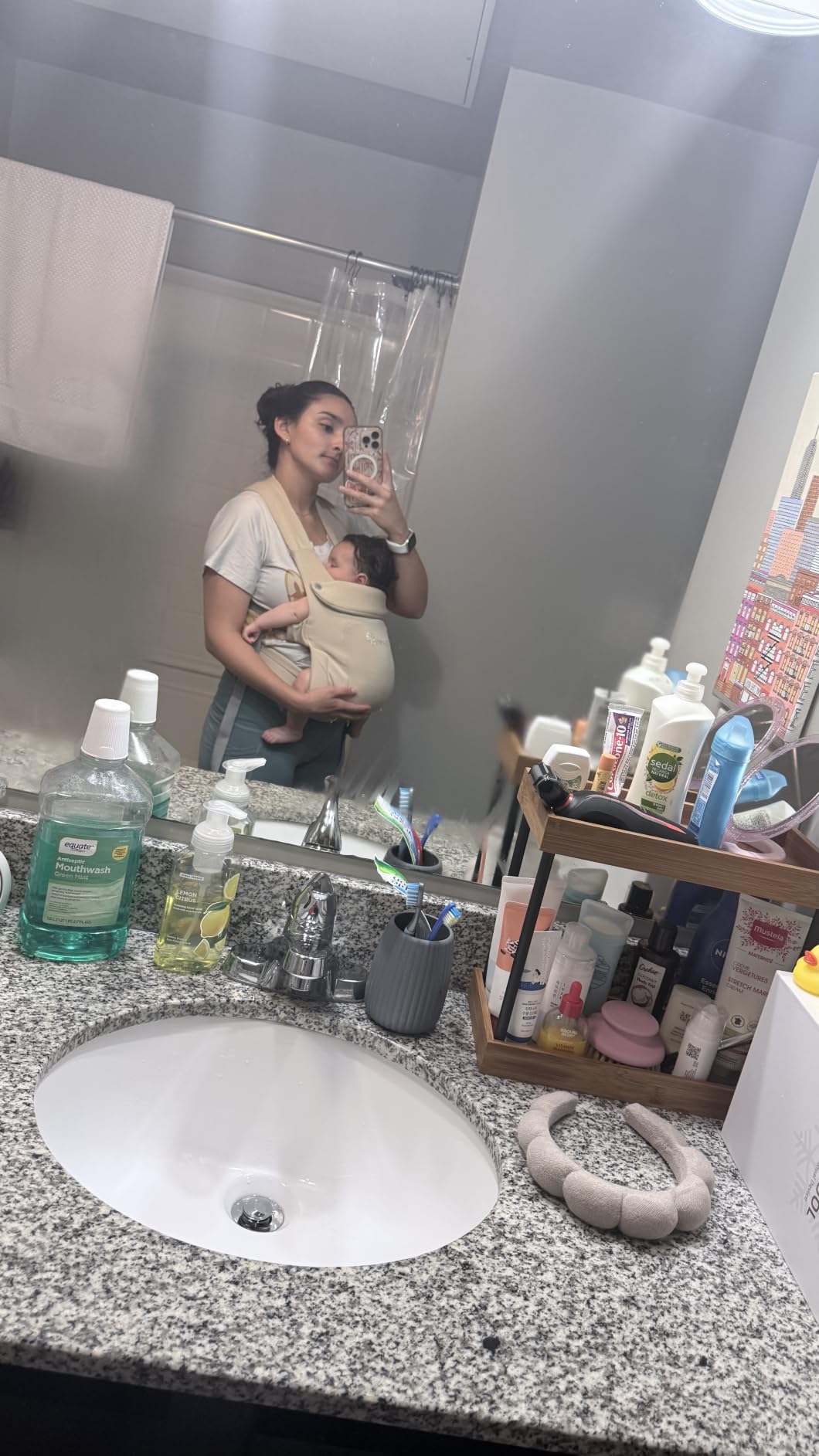
The seat holds an ergonomic natural M position, and the integrated EVA waist cushioning handles the lower-back load that a wrap pushes onto soft tissue. The listing describes lumbar support specifically for reducing back strain.
Fabric is described as soft and breathable, designed for close newborn contact. There is no mention of a published pound range on the spec sheet, so confirm the minimum with the manufacturer if yours is very small.

Who this carrier suits
It suits parents who have decided wraps are not for them but still want a close, womb-like hold. No knot means no learning curve and no tie to adjust in public.
It also suits anyone who wants a carrier that stays as clean as possible, since a buckle carrier is easier to wipe down than a long length of fabric that trails on the floor.
Who should skip it
Skip it if you are guided by review volume. At around 1,270 reviews this has the smallest feedback base in the roundup, and there are no recurring structural complaints simply because there is less long-term data.
Skip it if packability is your priority. A structured quick-buckle design is bulkier than a stretchy wrap, and that shows up the moment you are packing for a day out.
12. Boba Bliss Pre-Wrapped Carrier – Best No-Tie Wrap
- Three buckles instead of a knot
- Wrap softness with carrier convenience
- Cross straps adjustable in length and width
- Grows from newborn into toddlerhood
- Padded leg openings
- Bulkier and costlier than a basic stretchy wrap
- Not as flat or packable as a pure fabric wrap
The Boba Bliss is the answer to a common pair of complaints. Parents want wrap softness but not the tying, and they want a fabric that packs flat. It answers the first completely and the second only partly.
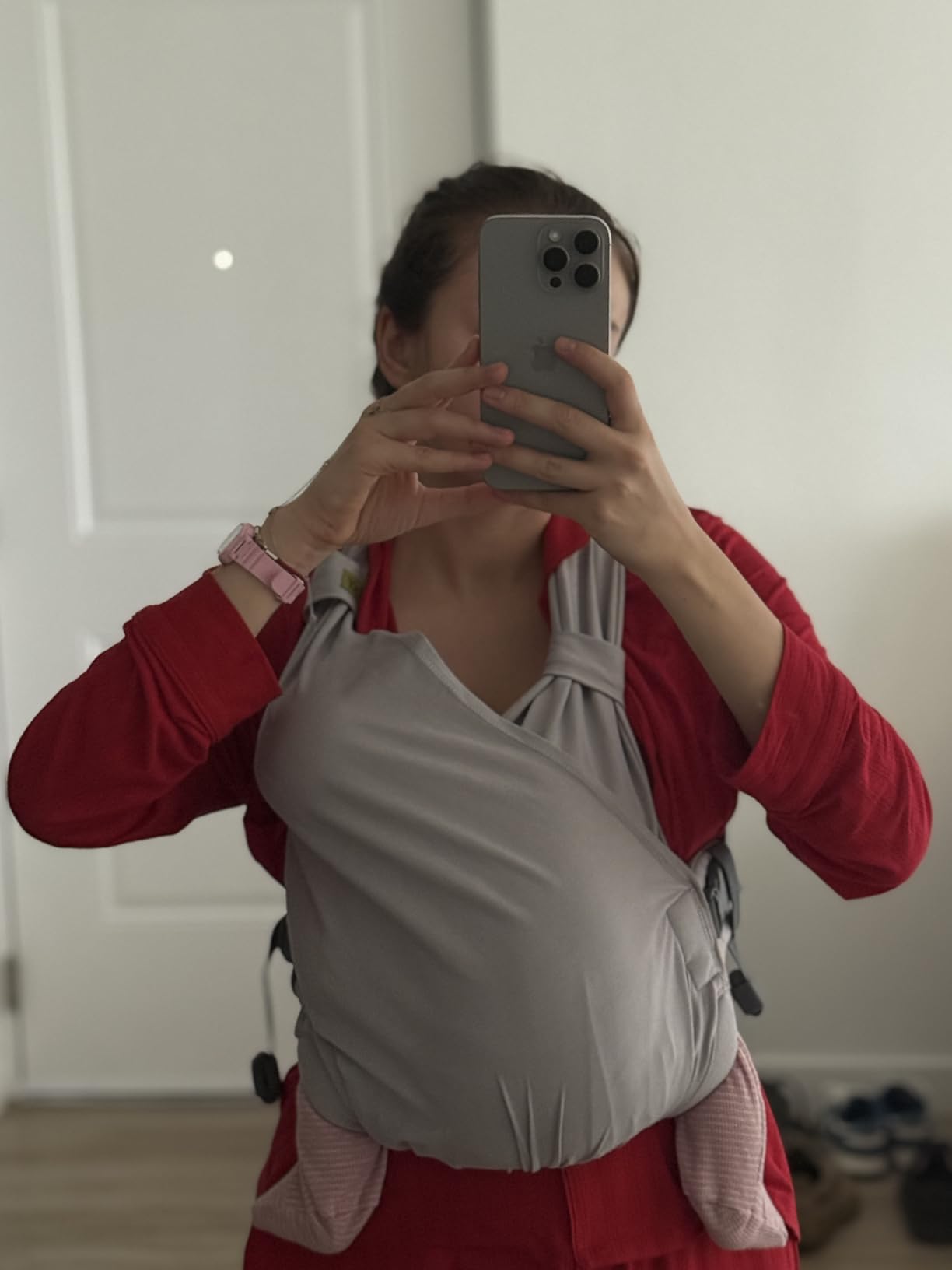
You click three buckles instead of learning a knot, and the gathered seat supports a natural M shape, which is why it carries IHDI hip-healthy certification. The weight range runs 7 to 35 pounds.
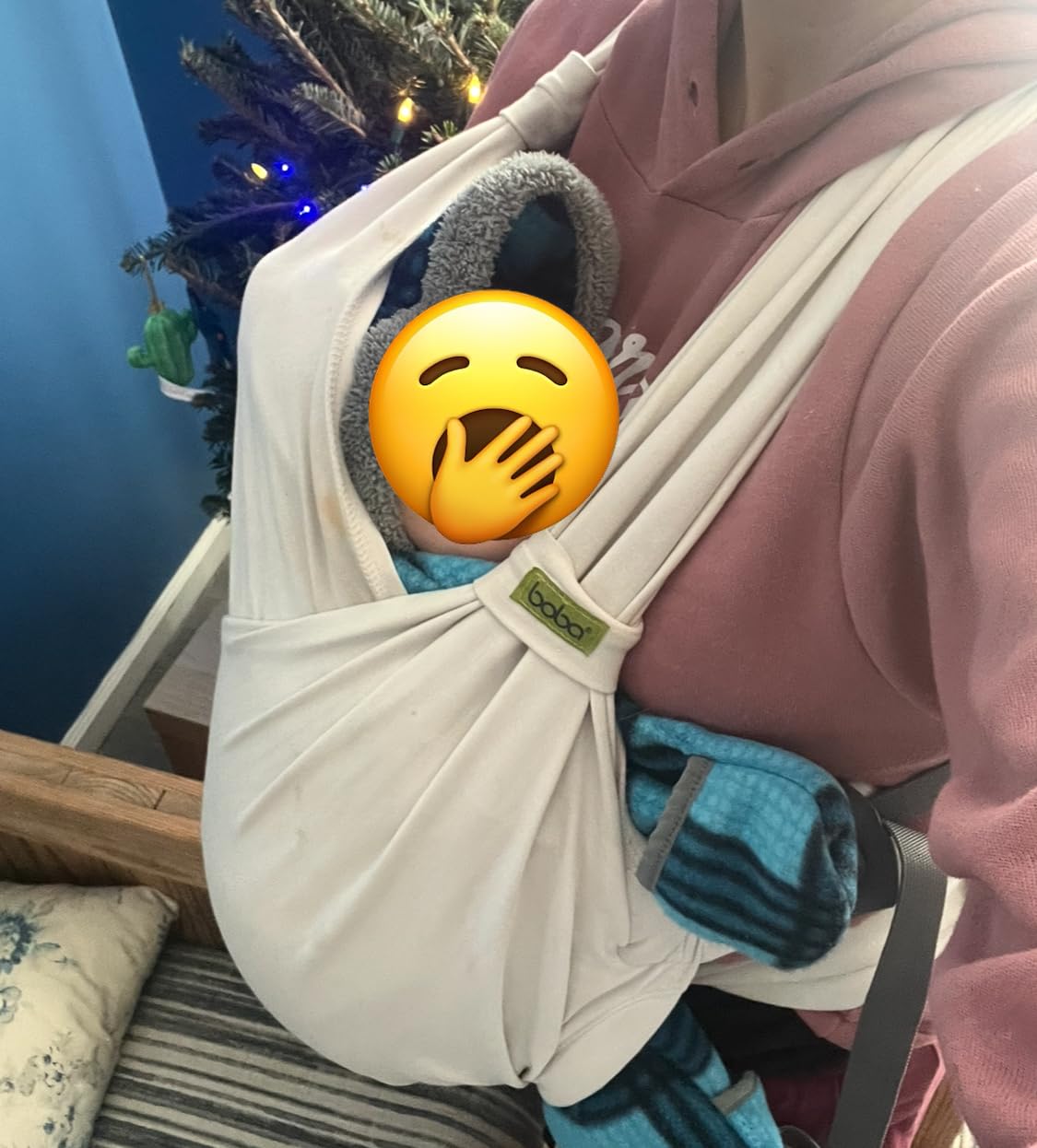
Cross straps are adjustable in both length and width, which is how one carrier fits petite and plus-size wearers. It is a common adjustment in this category and a real one in a two-caregiver home.
Fabric is 92 percent cotton and 8 percent spandex and the carrier is machine washable. The gathered seat grows with the baby, and padded leg openings are there to stop the seat digging in over a long wear.
Who this carrier suits
It suits parents who like a fabric carrier but want to be able to get the baby out quickly, for example during a nap transition. Three buckles are much faster than a self-tie when the baby is crying.
It also suits anyone who wants a single carrier for the newborn and toddler stages, since the gathered seat grows rather than needing a swap.
Who should skip it
Skip it if you want the lowest cost entry into babywearing. Compared with a basic stretchy wrap it is both bulkier and costlier, and reviewers list both as trade-offs.
Skip it if you travel light. A buckle carrier will not fold flat into a nappy bag the way a length of stretchy fabric does, and that is the one advantage a pre-wrapped design gives up.
Newborn Safety: The TICKS Checklist and the Rules That Matter
The safest newborn carrier is the one you check every time you put your baby in. The r/babywearing community uses an acronym for exactly this, and it is the single most useful thing to memorise before you buy anything.
- T – Tight: the fabric should be snug enough that you cannot slide a hand between the carrier and your baby’s chest.
- I – In view: at least part of your baby’s face should always be visible to you. If you have to tilt your head to check, the position is wrong.
- C – Close enough to kiss: the top of the carrier should sit at your chest, close enough that you could kiss the top of your baby’s head without leaning.
- K – Kin off chest: your baby’s chin must never rest on their chest or press into the fabric. A chin-to-chest position folds the airway and is the most serious positioning error there is.
- S – Supported back: your baby’s back should be flat and supported across the full width, with the seat covering from the lower back to the top of the head.
Alongside TICKS, check the hips. In a healthy position the baby’s knees sit higher than the bottom, thighs spread out to the sides, and the legs form an M. This is the position associated with healthy hip development, and it is the reason IHDI certification is worth checking on a listing.
Two rules that are not negotiable
Never fasten your baby into a car seat while they are still inside it and then place that seat into a carrier. A buckling point is not a support point. A car seat inside a carrier is a setup that has caused serious harm, and no listing should ever suggest it.
Never wear a baby in a carrier in a moving vehicle. Advice about wearing a carrier empty while driving circulates in parent forums, and it is unsafe in a specific way: a seat belt cannot be worn correctly over a bulky carrier, so the belt ends up somewhere it should not be. Buckle the seat belt as designed and wear the baby after you arrive.
Buying a secondhand carrier
Secondhand carriers do turn up, and parents on forums mention finding plenty of used Ergobaby models, so it is worth doing carefully. Wash the fabric on a hot cycle before it goes near a newborn, inspect the buckles and sliders for hairline cracks, and check that all original padding and inserts are present.
Skip any secondhand carrier that has been stored damp or that smells of smoke or damp cupboard. Foam padding that has been compressed for years does not return to full shape, and that padding is what holds a newborn’s head.
If your baby is sleeping somewhere flat rather than on you, a safe sleep surface still matters. Our notes on crib mattresses for newborns and bedside bassinets cover that side of the fourth trimester.
How to Choose a Baby Carrier for a Newborn
Wrap vs soft-structured vs buckle carrier
A stretchy wrap gives the closest contact and the calmest newborn, and it is the hardest to learn. A soft-structured or easy-on hybrid gives most of the closeness with buckles or rings instead of a knot. A full buckle carrier gives the best long-wear comfort and the widest weight range, and it is the bulkiest of the three.
If your baby is under 10 pounds, start with a wrap or a soft-structured carrier. If you want one purchase that covers newborn to toddler, start with a buckle carrier that has an adjustable seat and no separate insert.
Newborn insert or built-in newborn support
This is the question that trips up most first-time buyers, and the honest answer is that bulky inserts cause a problem. An insert adds a layer between your baby and the seat, and parents report that it can leave a newborn slumped forward with the head tipping, which defeats the purpose of the padding.
A carrier with a built-in adjustable newborn mode solves this differently, because the seat narrows instead of being padded. That is why the bucket seats on the structured carriers here work from 7 pounds without a separate insert, and it is a real reason to check the minimum weight before buying a convertible.
The exception is if you already own a carrier that only works from 10 pounds. In that case an insert is better than a carrier that does not fit, provided you check the fit every time and the baby’s chin stays off their chest.
Check the minimum weight, not the maximum
The single biggest purchasing mistake in this category is buying for the maximum. A carrier rated to 35 pounds is no use at 6 pounds, and many carriers advertised as newborn-friendly in reviews only work from 10 or 11 pounds. Parents describe buying a convertible carrier early and finding it useless for the first six to eight weeks.
Scan the list above for models that state 7 pounds or a newborn floor: the Boba Baby Wrap, the Sleepy Wrap, the Momcozy PureHug and the Boba Bliss all do. The Moby states 8 pounds and explicitly supports premature babies, which matters if yours came home small.
When you can start carrying
You can carry a newborn from the first days, provided the carrier supports the head and neck and your baby’s airway stays clear. Most carriers on this list are usable in a cradle or newborn hug position from day one, and most are also usable from discharge.
Wait and get advice from your own pediatric team if your baby was premature, had a low birth weight, or has any medical condition affecting breathing, tone or neck. Nothing on a product listing replaces an individual medical opinion about your child.
Everyday practicalities
Check washing before you buy, not after. Machine washable and dryer safe is normal in this category, and it removes a real chore during the weeks when everything in the house needs washing anyway.
Think about heat. A close-contact carrier on a small baby traps warmth quickly, so cotton builds run warmer than the poly-spandex options, and mesh versions exist for a reason. If your baby is sweating, take them out.
Consider what else your baby needs during the fourth trimester, because carrying is only one of it. We have also covered baby swings for newborns and smart bassinets for the times when you are not wearing.
Frequently Asked Questions
Which carrier is best for a newborn?
A soft stretchy wrap is usually the best carrier for a newborn because it holds your baby in a close, womb-like position with no head or neck support to add. A buckle carrier with an adjustable seat works too, and it is easier to put on. Pick whichever you can adjust correctly while your baby is crying.
What is the safest baby carrier for a newborn?
The safest carrier is the one that keeps your baby’s face visible, their chin off their chest and their legs in an M-shape. Run the TICKS check every time: Tight, In view, Close enough to kiss, Kin off chest, Supported back. An IHDI hip-healthy certified model is a good starting filter.
Can I put my 1 week old in a baby carrier?
Yes, most newborn-capable carriers can be used from the first days, including at one week old, as long as the head and neck are supported and the airway stays clear. Use a carrier with a stated minimum weight of 7 pounds or lower, and stay in a newborn or cradle position until your baby has head control.
What baby carrier does a pediatrician recommend?
Pediatric guidance consistently points to the same criteria rather than a brand: a hip-healthy M-shape seat, a supported head and neck, a visible face and a chin that stays off the chest. If you want a specific product, the Ergobaby Embrace carries an award from the Wirecutter and The New York Times for newborn carriers.
What is better for a newborn, a baby wrap or a carrier?
A wrap is better for closeness and calming, and it is harder to learn. A structured carrier is better for long wear, easy adjustment and use as your baby grows. Many parents use both: a wrap for the newborn months and a buckle carrier once head control develops and the weight increases.
Are structured carriers safe for newborns?
Yes, as long as the seat has a newborn mode. A structured carrier with an adjustable bucket seat or a foldable head and neck pad supports a newborn without a separate insert. The ones to avoid in the newborn stage are carriers whose minimum weight is 10 pounds or more, since they leave a newborn unsupported.
When to switch from a wrap to a structured baby carrier?
Switch when your baby outgrows the wrap’s weight range, when you need the baby in and out of the carrier many times a day, or when you start carrying a heavier toddler. Most parents find the crossover happens somewhere around one year, though a carrier rated to 45 pounds can cover both stages on its own.
Our Verdict on the Best Baby Carriers for Newborns
After working through 12 carriers rated for newborn use, the best baby carriers for newborns come down to one honest question: how much tying are you willing to do in the fourth trimester? If the answer is none, buy the premium buckle options or the no-tie Boba Bliss. If the answer is all of them, start with the Boba Baby Wrap.
Our pick is the Boba Baby Wrap Carrier, rated from 7 pounds, certified hip-healthy and built from a four-way cotton stretch that moulds to a baby with no head control. The KeaBabies wrap is the value choice if you want certification at the bottom of the range, and the Ergobaby Omni Classic is the one to buy if you want a single carrier that keeps working well past the newborn stage.
Whichever you pick, run the TICKS check every single time, and keep the minimum weight in front of you at purchase rather than the maximum. That one habit prevents most of the disappointing first-week experiences we heard about.