
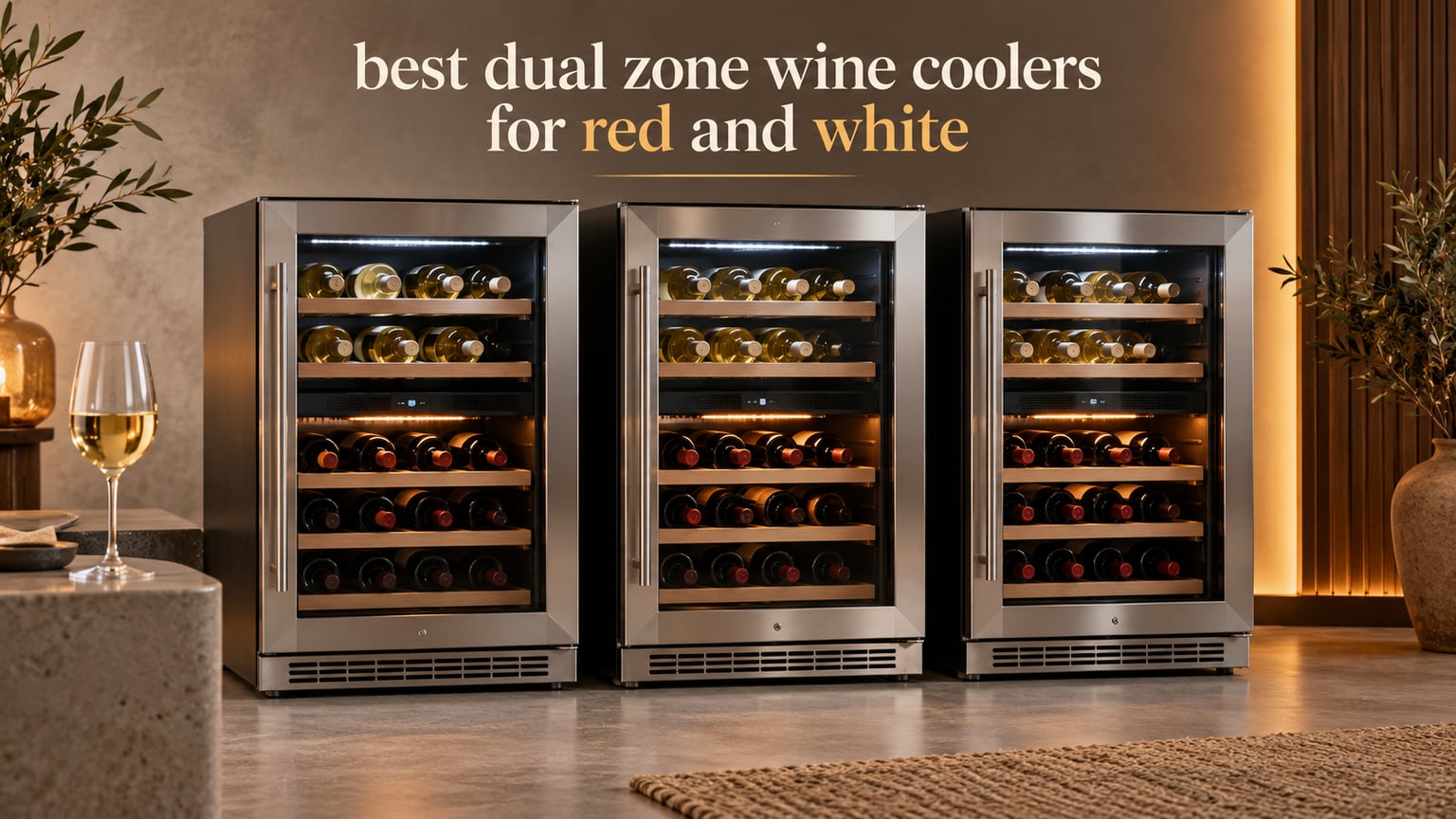
Most people who buy a wine fridge do it for one reason: they have reds and whites open at the same time and cannot serve them at the same temperature. A red that has been sitting at serving temperature all evening tastes flat, and a white pulled straight from a 60 degree cabinet tastes warm and lifeless. A dual zone wine cooler solves that with two independently controlled compartments, one for reds and one for whites, inside a single cabinet.
We spent months reading specifications, comparing zone ranges and going through owner feedback on the ten dual zone wine coolers below. Every unit here runs two separately controlled temperature zones rather than one compartment with a divider. That is the filter: no single-zone models make this list, because a single zone means choosing which wine gets the right conditions.
If your collection runs past forty bottles, start with our guide to dual zone wine refrigerators for collectors. If you also want beer and spirits alongside the wine, the dual zone beverage coolers for home bars piece covers a different shelf layout. We also broke down wine coolers for home bars and freestanding wine coolers for dining rooms if your install is going in a living space rather than a basement.
Top 3 Best Dual Zone Wine Coolers for Red and White in 2026
These three cover the most common needs. The Tylza is the one we would put in most homes, the ROVSUN is the strongest value for a first unit, and the 24-inch BODEGA is the pick if a larger collection and low noise matter more than footprint.
Tylza 30-Bottle Dual Zone
- Independent 40-55F and 55-65F zones
- 30 bottles on 6 beech shelves
- Rotary scroll compressor
- 15 inch under-counter fit

ROVSUN 33-Bottle Dual Zone
- 41-64F per zone
- 33 bottle capacity
- Fast even compressor cooling
- Stainless frame with double glass

BODEGA 46-Bottle Dual Zone
- 41-53F and 53-72F zones
- 46 bottles on 5 beech shelves
- 35dB or under
- Front ventilation for built-in
All 10 Dual Zone Wine Coolers at a Glance (October 2026)
Every unit below holds two separately controlled zones. Capacities run from 12 bottles on a countertop unit to 52 bottles in a full-height cabinet, and cooling technology ranges from thermoelectric to compressor.
| Product | Specifications | Action |
|---|---|---|
| Tylza 30-Bottle Dual Zone |
|
Check Latest Price |
| ROVSUN 33-Bottle Dual Zone |
|
Check Latest Price |
 Ivation 33-Bottle Dual Zone Ivation 33-Bottle Dual Zone |
|
Check Latest Price |
 Kalamera 37-Bottle Dual Zone Kalamera 37-Bottle Dual Zone |
|
Check Latest Price |
 BODEGA 30-Bottle 15 Inch BODEGA 30-Bottle 15 Inch |
|
Check Latest Price |
 Koolatron 12-Bottle Dual Zone Koolatron 12-Bottle Dual Zone |
|
Check Latest Price |
| BODEGA 46-Bottle 24 Inch |
|
Check Latest Price |
 Ca’Lefort 52-Bottle Dual Zone Ca’Lefort 52-Bottle Dual Zone |
|
Check Latest Price |
 ORYMUSE 52-Bottle Dual Zone ORYMUSE 52-Bottle Dual Zone |
|
Check Latest Price |
 NewAir 46-Bottle Dual Zone NewAir 46-Bottle Dual Zone |
|
Check Latest Price |
Is a Dual Zone Wine Cooler Worth It? The 55F Debate
Yes, a dual zone wine cooler is worth it if you regularly drink reds and whites from the same bottles in the same evening. It costs more than a single-zone unit and gives you two set points instead of one, which is the whole point of the appliance.
There is a serious counter-argument, and it comes from a well-known thread on r/wine titled “Are dual zone wine fridges actually worth it?” The argument there is simple: a cellar temperature near 55F is fine for almost everything, and anyone who wants a red at 62F can pull the bottle out and let it warm on the counter for an hour or two before serving. On that view, two zones are an expensive way to solve a problem you can solve by planning dinner.
That argument holds up better than most appliance buyers expect. It does not hold at all if you open bottles daily, if you have whites that must stay cold right up to the pour, or if you store reds you intend to age for years while also keeping whites for tonight. A zone held at 55F will not damage a red over a few months, but it will not help it either.
Where the two-zone argument wins clearly:
You open a white bottle and want the rest of the case to stay at serving temperature rather than rewarming overnight.
You keep both ready-to-drink reds and whites and serve them at the same dinner, twice a week.
You are holding reds for aging in one compartment while drinking whites from the other.
You store sparkling wine, which needs to be genuinely cold and loses its bubbles quickly in a warm zone.
You share the space with someone who drinks the opposite style, and one cabinet has to serve both of you.
Where the single zone argument wins:
You buy cases of wine, drink them over a few months, and never serve both styles at one sitting.
You are on a tight budget and would rather spend on a larger capacity than on a second thermostat.
You cellar everything at one temperature and do not care about serving adjustments.
Our read after working through owner feedback: the two-zone benefit is real but it is a lifestyle upgrade, not a preservation requirement. Nothing in these cabinets prevents damage to a bottle that a correctly set single zone would have saved.
How to Split Your Two Zones by Collection Type
The most common mistake new owners make is splitting the zones by color. Red means the warm side and white means the cold side. That works until you have twice as many reds as whites and one zone sits half full with the lights off.
Red-dominant collections. Owners on r/wine posting about a red-heavy collection usually land on the same solution: put the reds in the zone that reaches the higher set point, and give the leftover capacity in that same zone to your whites by simply running it a little cooler than the reds require. Nothing forces every bottle in a zone to share one temperature in practice, though the display will show one number.
White-dominant collections. Reverse the thinking. Give the larger zone to whites, run it at 45 to 50F, and let reds occupy the smaller compartment set at 58 to 60F. The red side holds fewer bottles, which suits a smaller number of reds.
Mixed everyday drinking. The cleanest split here is by varietal group rather than color. Keep light whites and sparkling in the cold zone, keep structured reds in the warm zone, and stop trying to file rosé somewhere in particular. Rosé is the wine most often sacrificed by a two-zone setup because it wants cold but not cellar cold.
Sparkling-heavy collections. Give the cold zone the shelf space. Sparkling bottles are also bulkier and need the wider spacing that comes with fewer bottles on a shelf, and a few of the units below only fit larger formats on specific racks.
Whichever way you split it, write the two set points on masking tape and stick them inside the door. Owners who report temperature drift of a few degrees usually discover it late, and a target written down is the fastest fix.
1. Tylza 30-Bottle Dual Zone Wine Cooler
- Independent upper and lower temperature zones
- 30 bottles on 6 beech wood shelves
- Rotary scroll compressor with adjustable feet
- Double-glazed glass with built-in UV filter
- Keyed safety lock with two keys
- 7% of ratings are 1-star
- Shelves must be removed for larger bottle formats
- Ratings cluster at the extremes
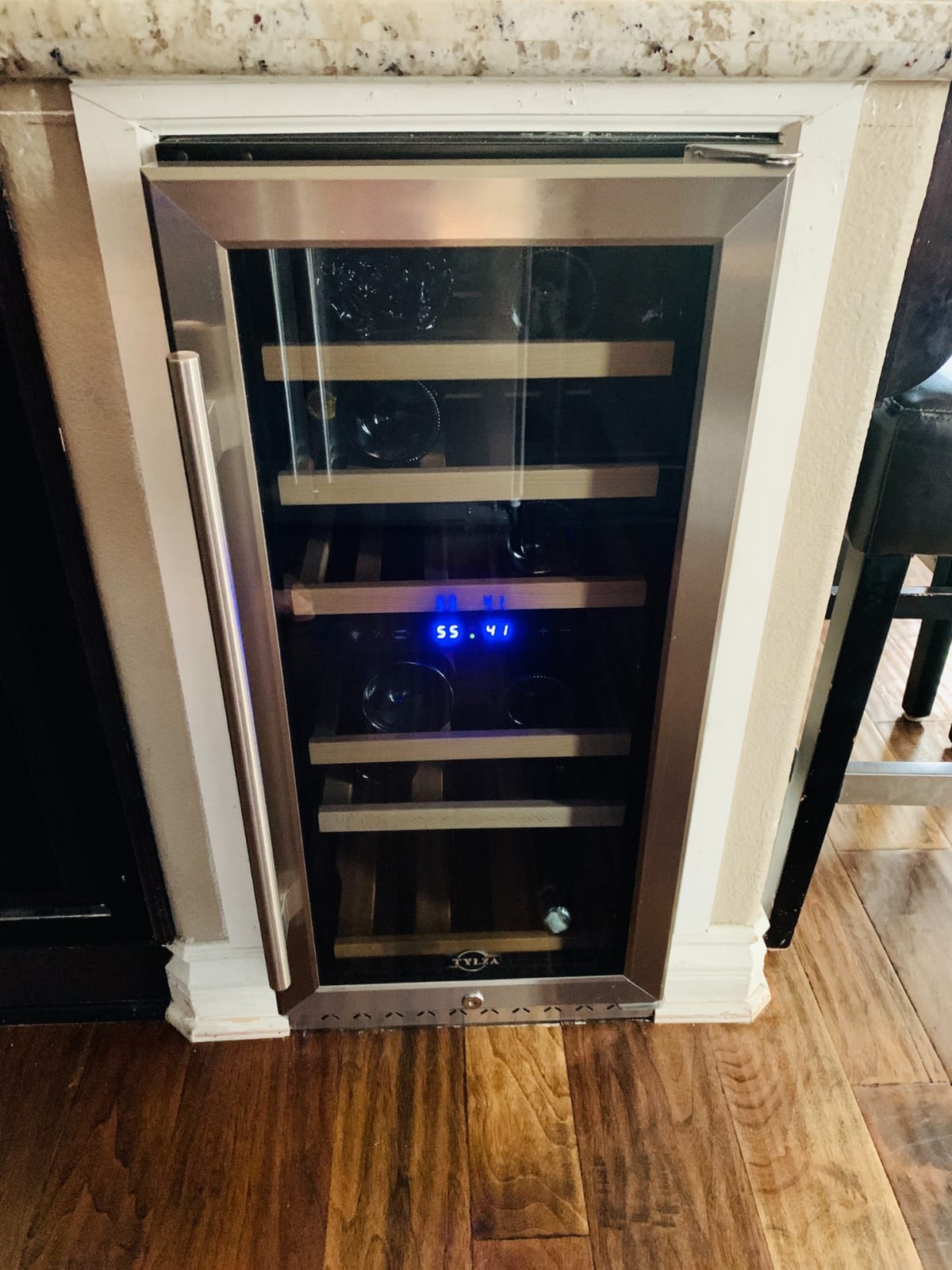
This is the unit we kept coming back to while we worked through the list. The 15 inch width is the number that matters most, because it fits between standard kitchen cabinets where a 24 inch unit will not, and it still holds 30 bottles on six beech shelves.
The two zones are genuinely separate. The upper compartment runs from 40 to 55F and the lower from 55 to 65F, which covers both serving and cellar ranges without overlapping much. Frost free operation and a rotary scroll compressor mean you are not defrosting anything on a schedule.
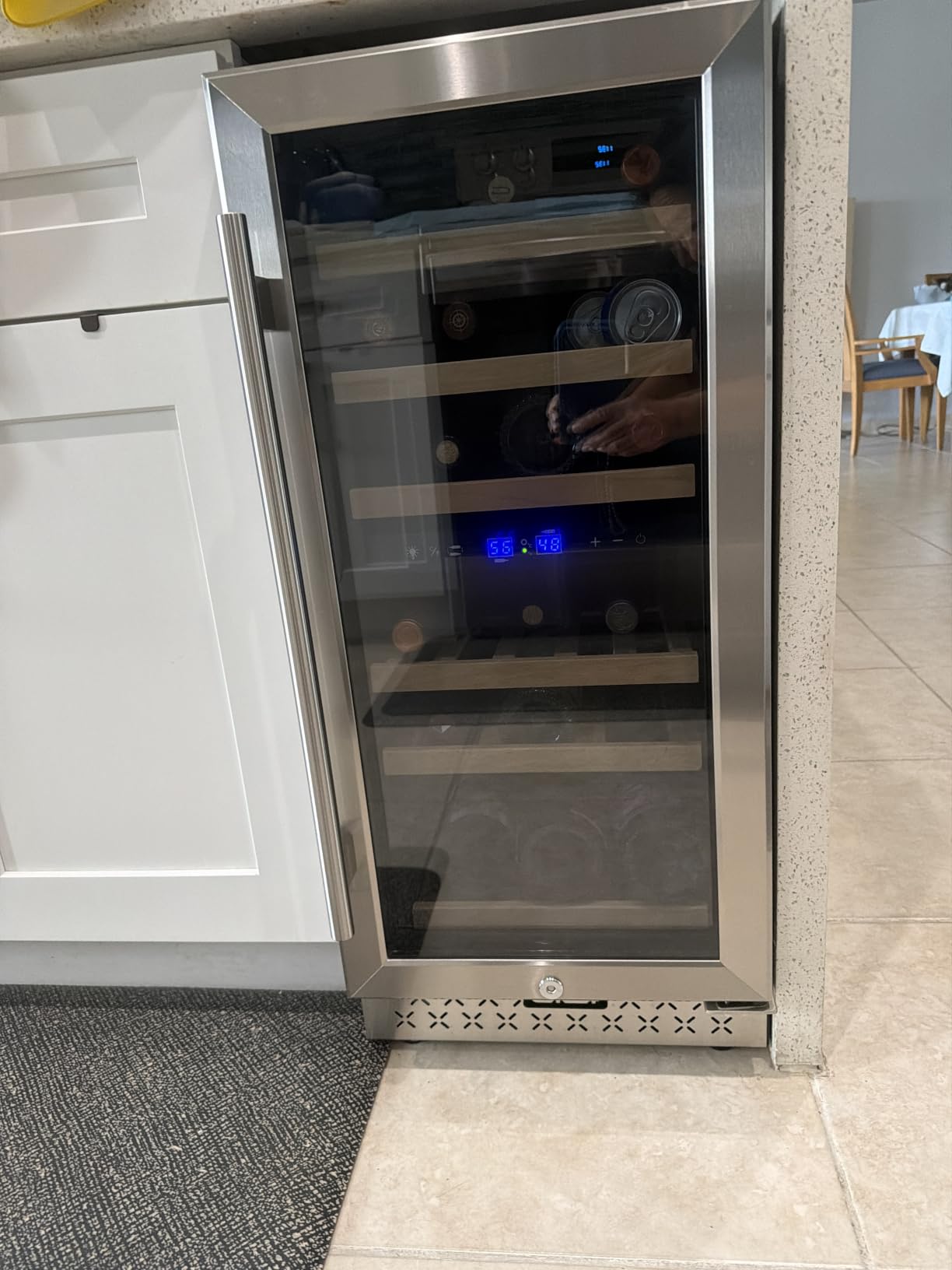
What we like most is the set of small decisions that usually get skipped. There is a temperature memory function that restores your settings after a power cut, a safety lock with two keys, adjustable feet to damp vibration, and an LED light with a timer that switches off after ten minutes or stays on constantly. None of that is glamorous, and all of it is the difference between a fridge you set once and a fridge you keep adjusting.
The rating distribution is worth understanding before you buy. Of the reviews on this unit, 77 percent are five star and 7 percent are one star, and only 11 percent land in the four-star band. That is a polarized pattern typical of a product where most people are very satisfied and a small group had a genuinely bad unit.
How well the 30-bottle claim holds up
The 30 bottle figure assumes standard 750ml Bordeaux bottles across all six shelves with even spacing. Add magnums, champagne, or a shelf of pinot and the real number falls. Plan on the low twenties for anything wider than a standard bottle, and you will not be disappointed.
Where this unit is a poor fit
It is a compressor in a 15 inch frame, which means it generates heat and needs clearance at the back. It also has no way to tell you which zone is failing if one drifts, since the displays are simple. If you want an app and a per-zone alarm, that is a different category of appliance.
2. ROVSUN 33-Bottle Dual Zone Wine and Beverage Cooler
- Independent zone control across 41-64F
- 33 bottle capacity with adjustable shelves
- Fast even cooling across both zones
- Double-layer tempered glass in a steel frame
- 240-degree door opening
- Faint compressor hum in silent rooms
- Panel must be unlocked before settings change
- Some early failures on temperature buttons
ROVSUN is the value pick in this group, and the reason is the 41 to 64F zone range. That range covers true cellar temperatures and proper serving temperatures for both styles inside the same two zones, which several competitors in this list cannot manage at the cold end.
Capacity is 33 standard bottles with adjustable shelving that takes larger formats, spread across a 3.5 cubic foot cabinet. Owners repeatedly mention cooling speed as the standout, describing both zones reaching set point faster than they expected on a first load.
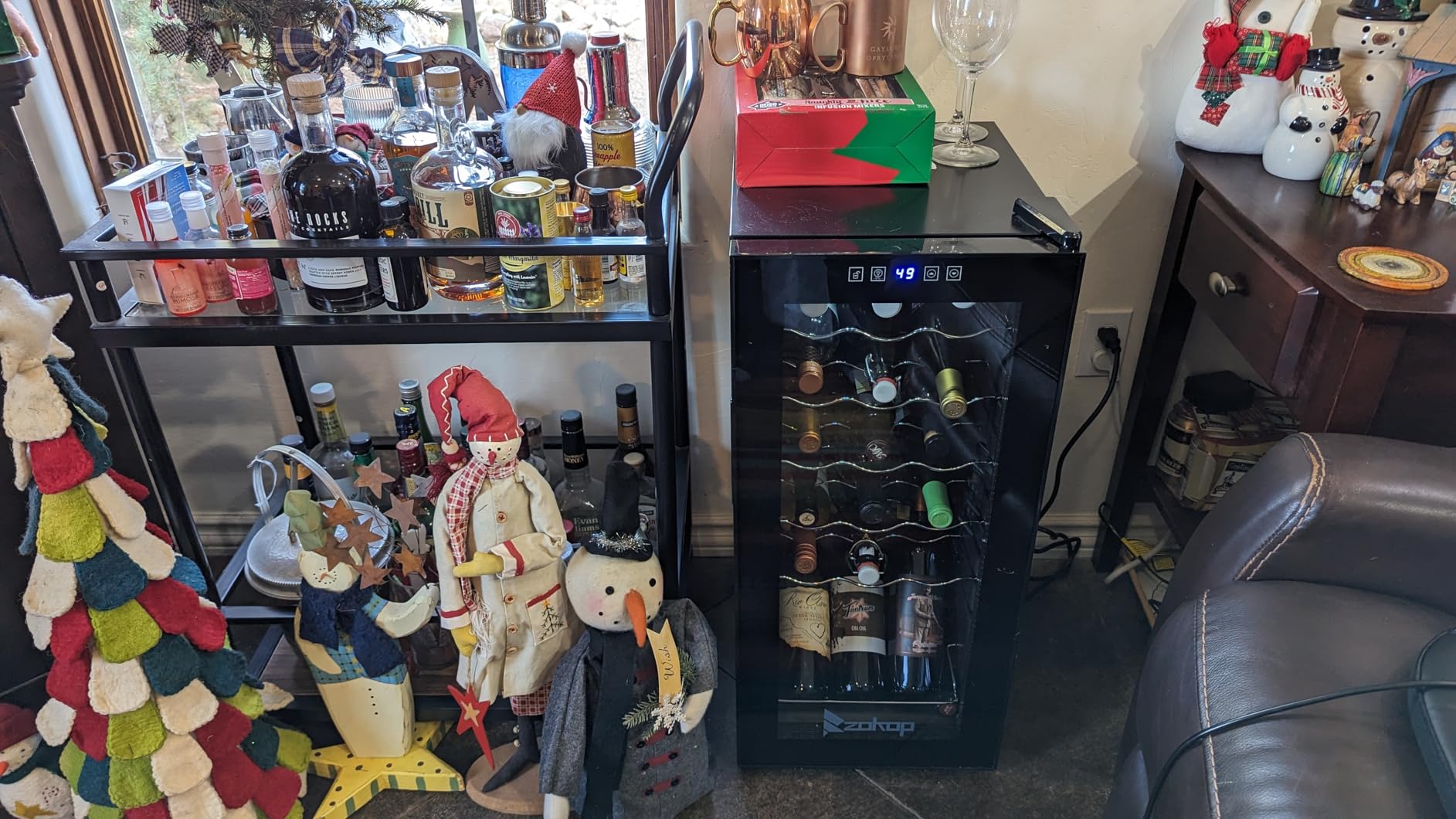
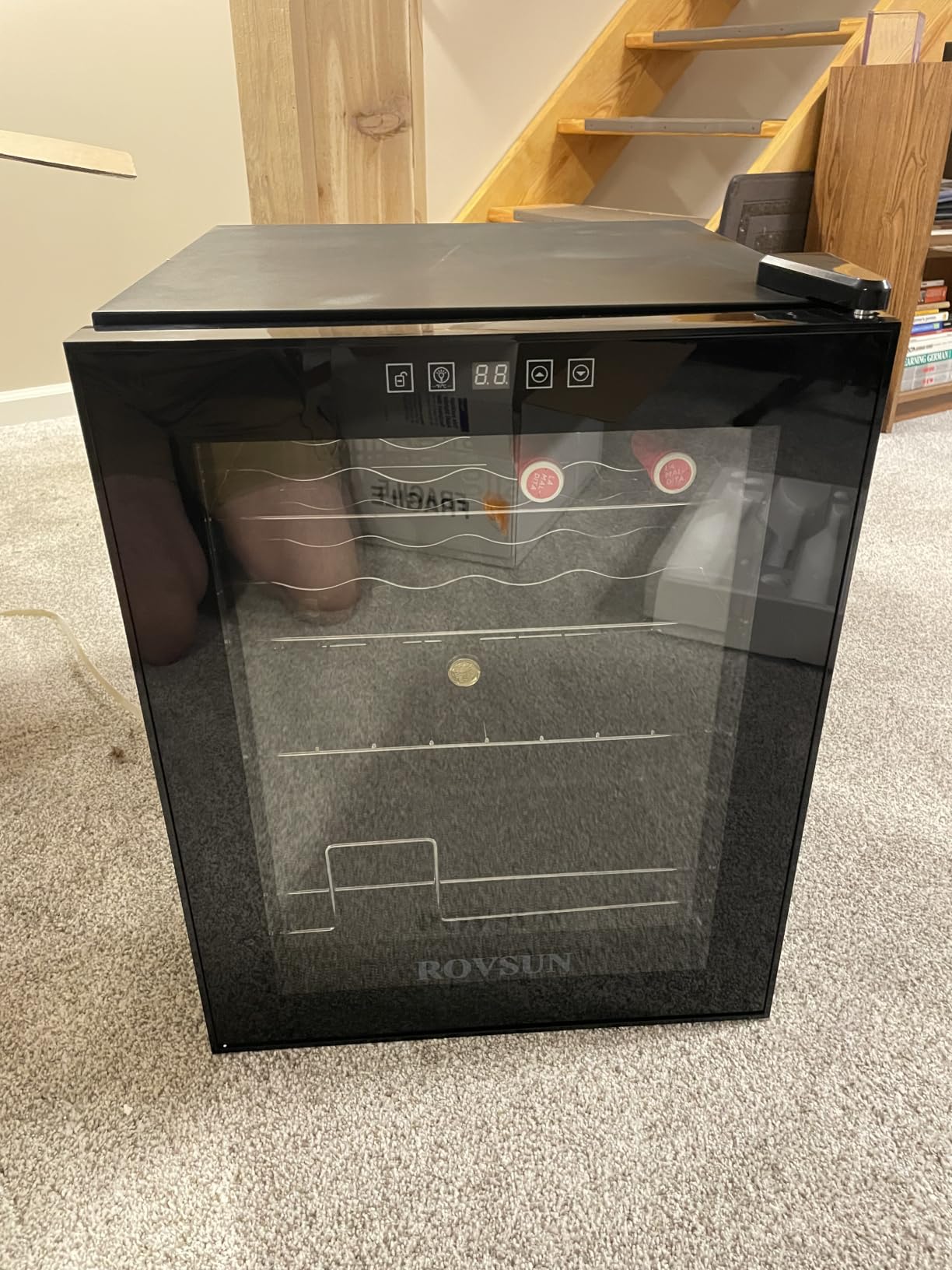
The digital touch panel shows both zone temperatures at once, which makes it easy to check that the two sides are actually holding their targets. Air circulation is handled by a compressor system with fan assistance, and the stainless frame with double-layer tempered glass does a good job of keeping outside heat out.
Two things deserve a warning. The temperature lock has to be released before you can change anything, and several owners found that step confusing the first time. A minority also report the temperature buttons or interior cooling failing after around a year of use, so factor that into how long you expect to keep the unit.
Is it quiet enough for a kitchen or office
Owners describe a low hum and a faint gurgle during the compressor cycle. It disappears under normal household noise and with the television on, but in a completely silent room at night you will hear it. If you are installing next to a bed, look at the BODEGA unit further down instead.
Beer and sparkling drinks in the same cabinet
The shelf layout handles champagne and larger bottles, and the wide 41 to 64F range covers both sparkling service and red storage. If your secondary use is cans of beer, check our dual zone beverage cooler picks, since glass shelves and bottle spacing work differently.
3. Ivation 33-Bottle Dual Zone Wine Cooler with Lock
- Compressor cooling resists outside heat
- UV-resistant double-paned thermopane glass
- Seven removable wire racks fit bottle variety
- Inverter compressor at 171.3 kWh per year
- Low hum fades behind television sound
- Real capacity closer to 20-24 bottles
- Bright display with no dimming control
- Customer support widely reported as unresponsive
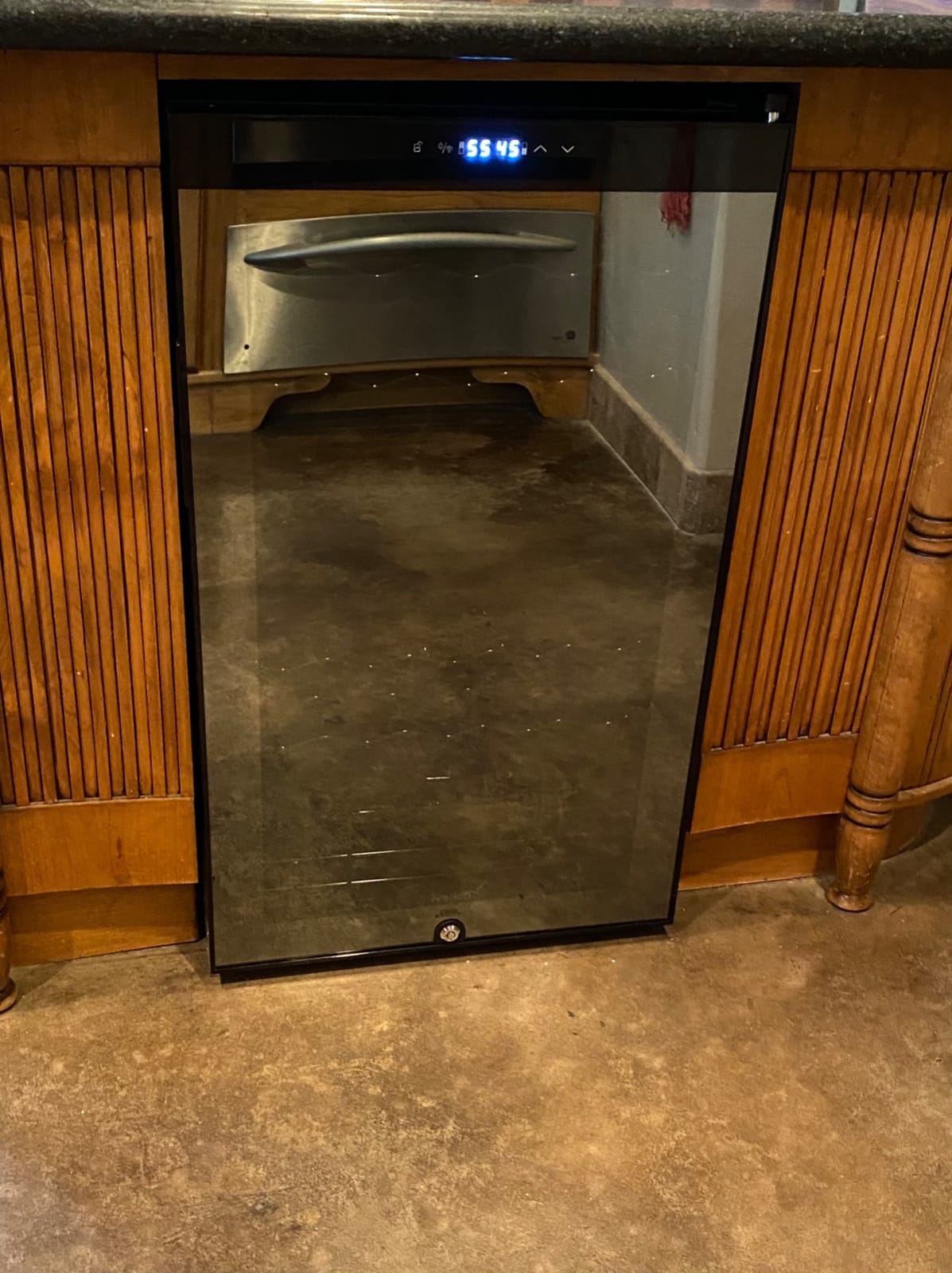
Ivation is the unit we would hand to someone buying their first dual zone cabinet, because it has a key lock, UV-resistant double-paned glass and an inverter compressor at a weight the cabinet can actually manage. It sits at 4.1 stars, the lowest average in this group, and most of that gap comes down to two fixable things.
The upper zone runs 54 to 64F and the lower zone 41 to 57F. Owners also note both zones can reach 41F, which exceeds the listed lower zone range and is useful if you want whites properly chilled.
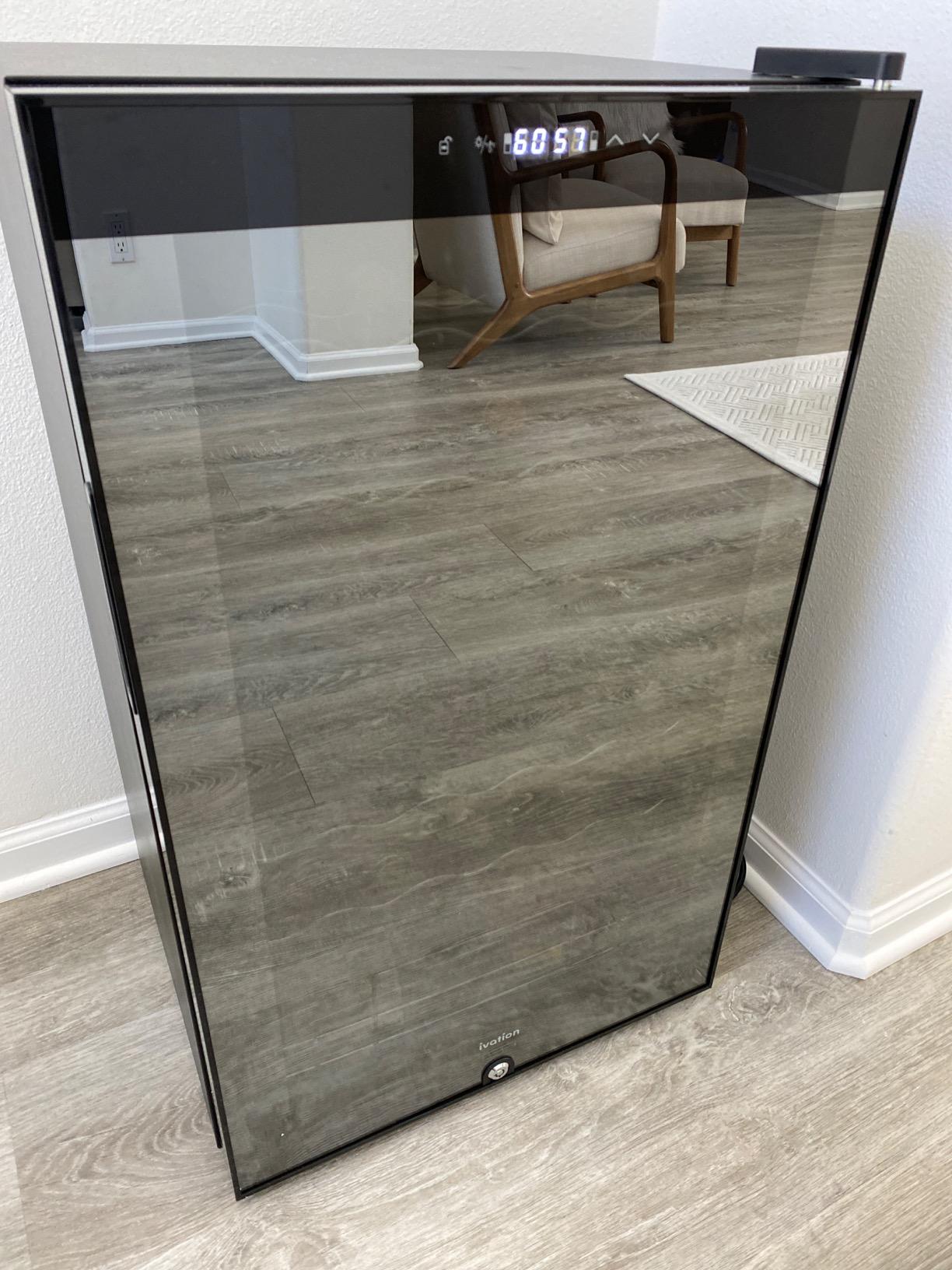
The compressor is a rotary scroll unit with an inverter, and the manufacturer lists annual energy consumption at 171.3 kWh. In a room that is not too hot, that compressor design is why owners report the zones holding their set points without fighting a warm kitchen.
The seven removable wire racks are the flexible part of the design, taking bottles from pinot to champagne. They are wire rather than wood, so labels can scuff against the rack when you pull a bottle out, which matters if you are rotating a large collection.
The capacity number to ignore
Owners with longer or wider bottles consistently report filling the cabinet to about 20 to 24 bottles without removing racks, not the advertised 33. If you are buying for a fixed number of bottles, measure your average bottle depth before you order.
Temperature accuracy over a full day
Two recurring complaints: the upper zone overshoots the set point by two or three degrees before settling, and readings can drift by as much as five or six degrees across a day. Owners who accept that drift and check with a separate thermometer rate this unit well. Owners who want a readout they can trust at all times do not.
4. Kalamera 24 Inch 37-Bottle Dual Zone Wine Cooler
Kalamera 24 inch Wine Cooler, 37 Bottle Dual Zone Built-in or Freestanding
- FSC-certified wood frame dampens vibration
- Five removable shelves with side stoppers
- Installs built-in or freestanding
- Temperature memory after power loss
- Wood shelves reconfigure for bottle size
- 15% of ratings are 1-star
- 332.15 kWh per year is high for the class
- 102 pounds makes positioning awkward
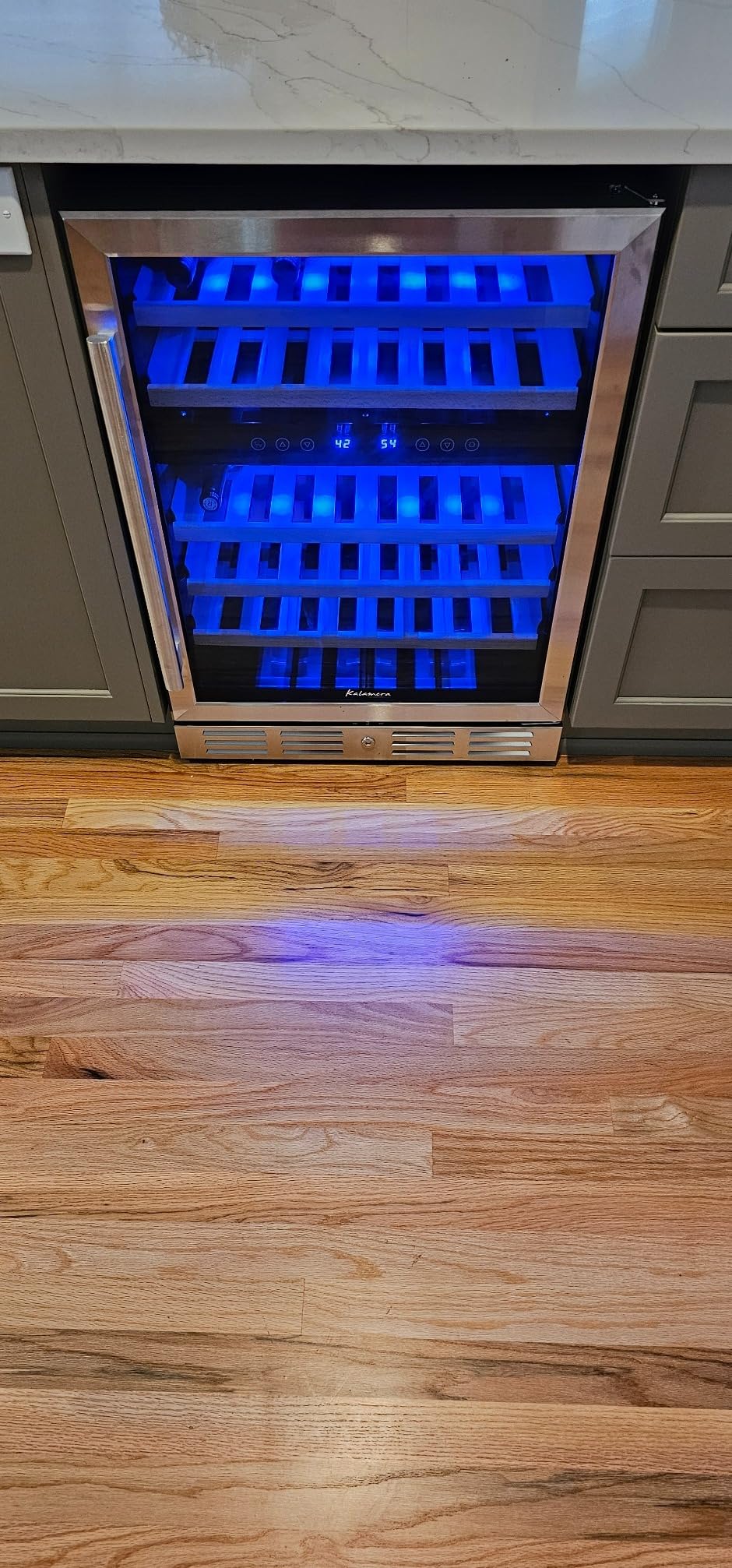
Kalamera is the unit for anyone who cares more about shelving than about a numeric temperature display. The whole interior frame is FSC-certified wood, and five removable wooden shelves with side stoppers mean bottles do not tip over when you pull a shelf out to reach the back.
Its zone split is 40 to 50F on top and 50 to 66F below. That is a sensible arrangement for most collections, since it puts the cellar range on the warm side and a proper white serving range on the cold side.
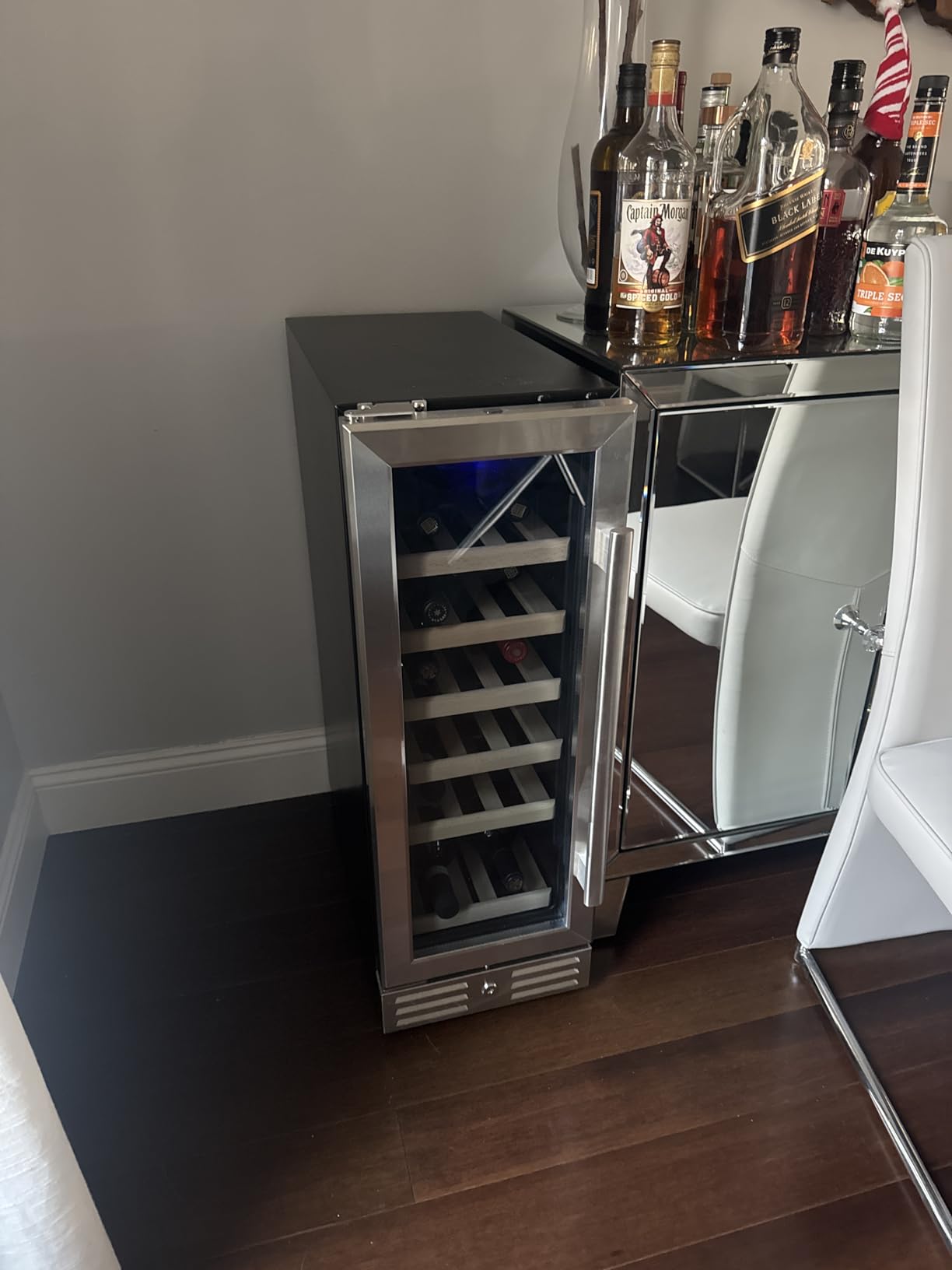
The cabinet measures 22.4 by 23.4 by 33 inch and installs either under a counter or freestanding, with a key lock and an LED control display. Temperature memory restores your zone settings after a power loss, which matters more in a house with older wiring.
Two numbers deserve attention. Annual energy consumption is listed at 332.15 kWh per year, the highest figure among the compressor units here, and the unit weighs 102 pounds empty. Both of those push it toward a basement or garage bar rather than an upstairs kitchen.
Why the wooden frame matters for sediment
Wine with sediment, usually an older red, is sensitive to vibration. A rigid wood cabinet transfers less movement to the bottle than a thin metal skin, and wooden shelves do not ring when pulled. For long-aged bottles this is a genuine advantage over wire racks.
Where the rating spread comes from
Fifteen percent of ratings are one star, the highest one-star share among the compressor units in this list, against sixty percent at five stars. Installation appears to be the main trigger, since a 102 pound cabinet with fixed clearance needs is unforgiving of a tight opening.
5. BODEGA 15 Inch 30-Bottle Dual Zone Wine Cooler
- Zone adjustments in 1F increments across 41-72F
- Double glazing blocks 99% of UV rays
- Front air vent cooling for built-in use
- Five removable shelves that accept champagne
- Temperature memory after power loss
- Noise quoted as low as 42dB
- Capacity drops under 30 with oversized bottles
- 10% of ratings are 1-star
This is the most adjustable compact unit here. Both zones move in 1 degree steps across a 41 to 72F span, which gives you real control over where each compartment sits rather than three coarse presets.
Cooling is a compressor with built-in air circulation, front vent based, and rated for 30 standard bottles on five removable shelves. The 15 inch width and 22.44 by 14.96 by 33.58 inch footprint let it slide into standard cabinetry built-in or stand alone.
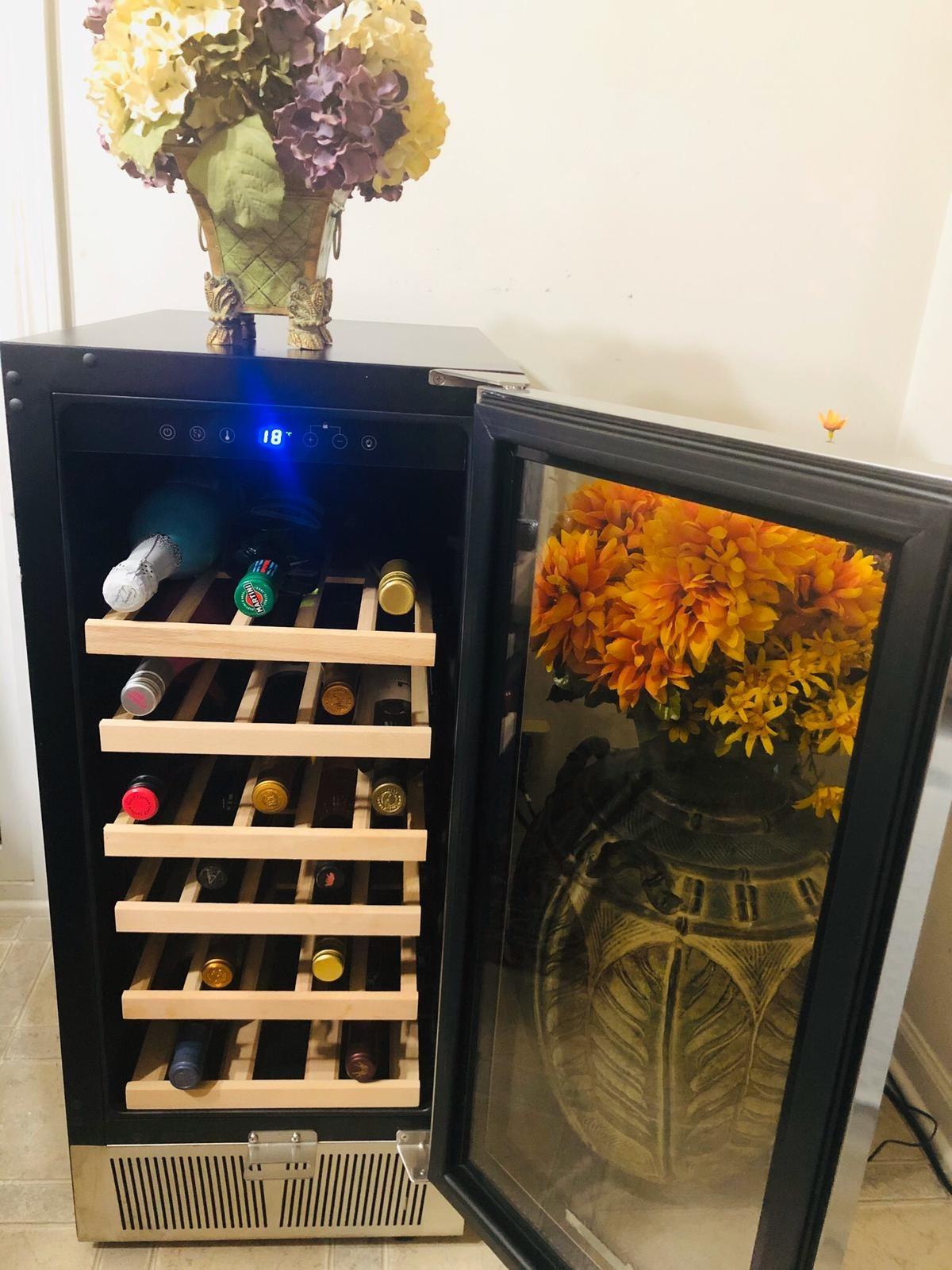
The double-glazed tempered glass in a 304 stainless frame blocks 99 percent of UV, and the interior lighting is a soft blue LED that adds no heat to the cabinet. Adjustable feet give up to two inches of height correction, which is often the difference between a level install and a leaning one.
The honest drawback is noise. The quoted figure is as low as 42 dB, which is higher than the sub-35 dB claims on the larger compressor cabinets here. In a quiet room that difference is audible, so treat this as a kitchen and bar unit rather than a bedroom unit.
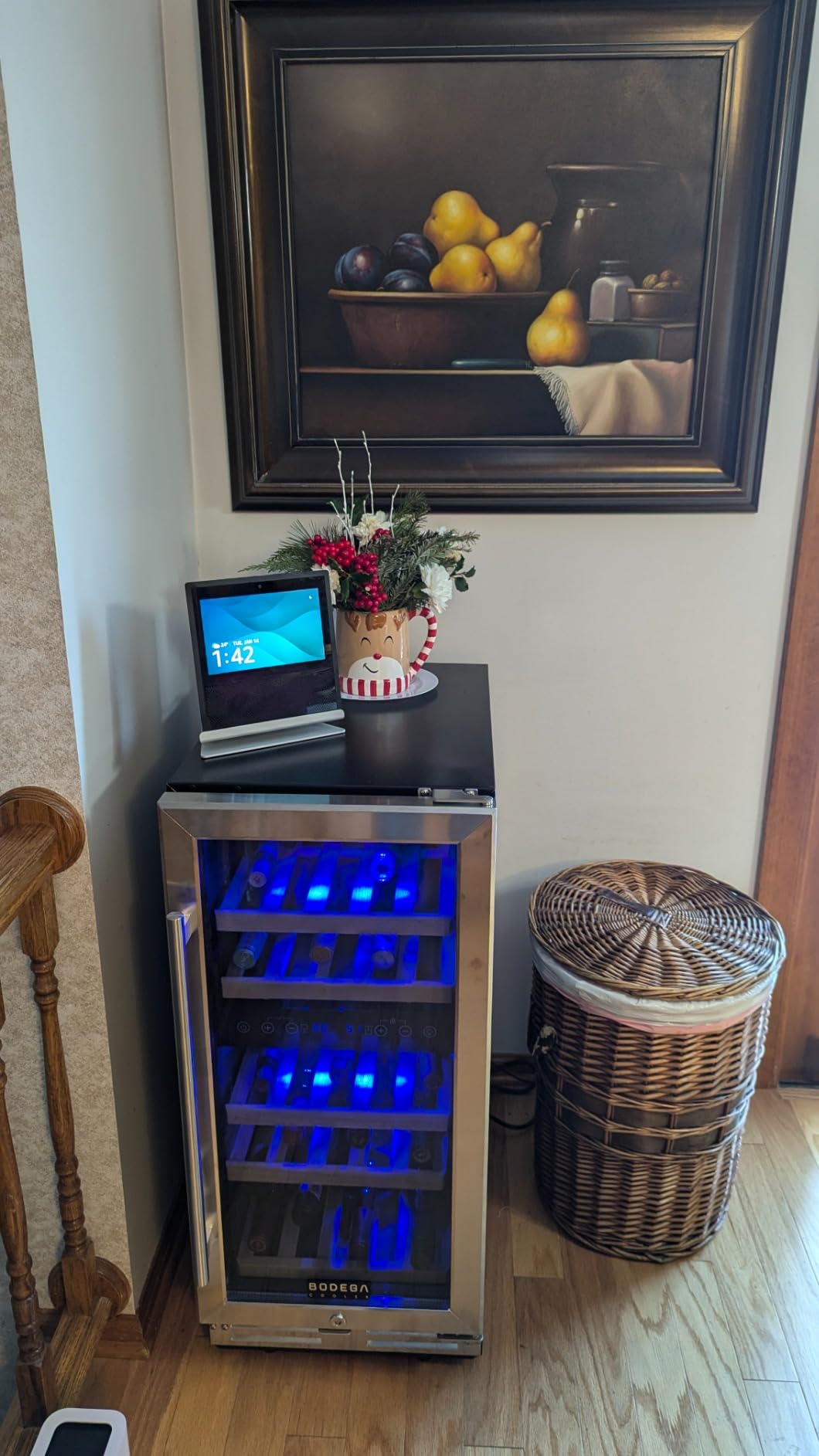
Champagne and oversized bottle fit
The shelves are described as taking champagne, which matters if sparkling is part of your plan. As with every cabinet in this list, adding large formats reduces the real count, and owners report dropping below 30 once wider bottles go in.
Built-in installation in a tight cabinet run
Front air vent cooling means heat leaves from the front, so the unit can sit flush under a counter. It still needs its clearance, and the shelving is removable rather than slide-out, so you need room in front of the door to pull a shelf clear.
6. Koolatron Urban Series 12-Bottle Dual Zone Wine Cooler
- Two separately controlled zones
- Thermoelectric cooling adds no vibration
- Countertop and RV friendly footprint
- UV protective mirrored double-paned glass
- Owners describe it as very quiet
- Cannot reach cellar-cold temperatures
- No temperature memory function
- 90 day parts and labor warranty
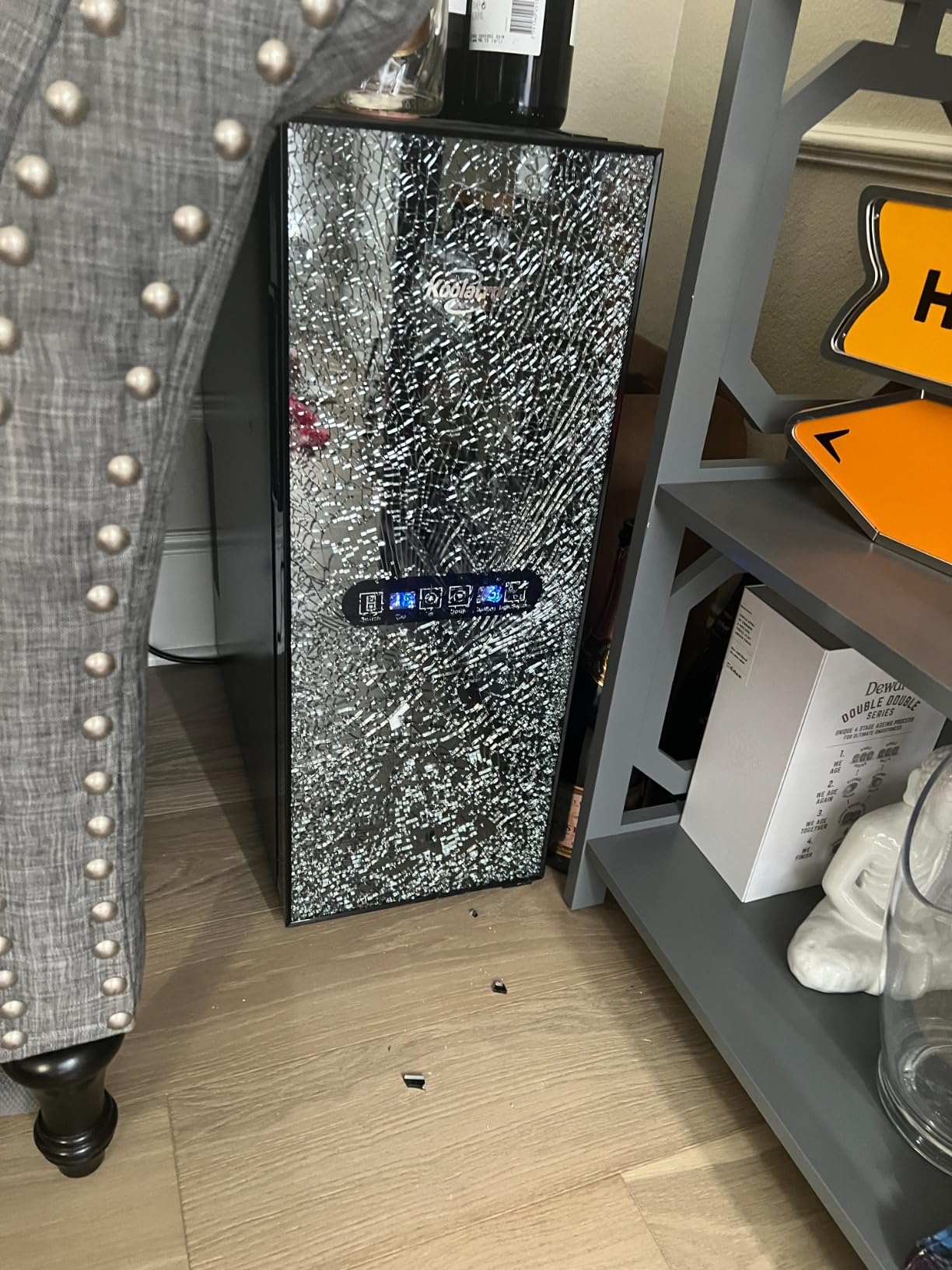
This is the smallest and lightest unit here, and the only one using thermoelectric cooling. At 10 by 20 by 26 inch and 30.2 pounds, it fits on a counter, in an apartment, or in an RV where a full-height compressor cabinet is not an option.
The upper zone runs 55 to 66F and the lower zone 42 to 66F, with each holding six standard Bordeaux bottles. Because thermoelectric cooling has no moving compressor parts, there is no vibration to disturb sediment, which owners consistently appreciate.
The external touch screen lets you read and change both zone temperatures and the lighting without opening the door, and the double-paned mirrored glass filters UV. There is a key lock, four removable shelves, and R-290 refrigerant.
Understand the trade before you buy. Thermoelectric units move heat rather than compressing it, so they work best in a room that is already cool. Owners report a practical floor near 52F at normal room temperature, which means genuine cellar-cold whites are out of reach on this appliance.
Long-term reliability expectations
Owners report units holding their zone set points for years, but also a share who lost zone cooling after roughly two and a half years and needed a control board. The keypad responsiveness also degrades with age. Budget for electronics, not just bottles.
Warranty and what it covers
Coverage is 90 days for parts and labor, the shortest in this group by a wide margin. There is also no temperature memory, so a power surge returns both zones to the same default. If you can live with both, this is the cheapest way to get two independent set points.
7. BODEGA 24 Inch 46-Bottle Dual Zone Wine Cooler
- Zones tuned to 41-53F and 53-72F
- 46 bottles on 5 natural beech shelves
- Operation quoted at 35dB or under
- Power-outage memory chip
- Front ventilation needs 2 inch clearance
- Still needs 2 inch top and back clearance
- Slide-out shelves need front clearance
- 8% of ratings are 1-star
This is the quietest operating claim in the entire group, at 35 dB or under, and it comes on the largest 24 inch compressor cabinet here. If noise is the deciding factor for a living space, this is the one to shortlist first.
The zone split is deliberately narrow and practical. The upper zone runs 41 to 53F for Chardonnay and Sauvignon Blanc, and the lower zone runs 53 to 72F for Cabernet and Merlot. That is a temperature-by-varietal layout rather than a generic red and white split.
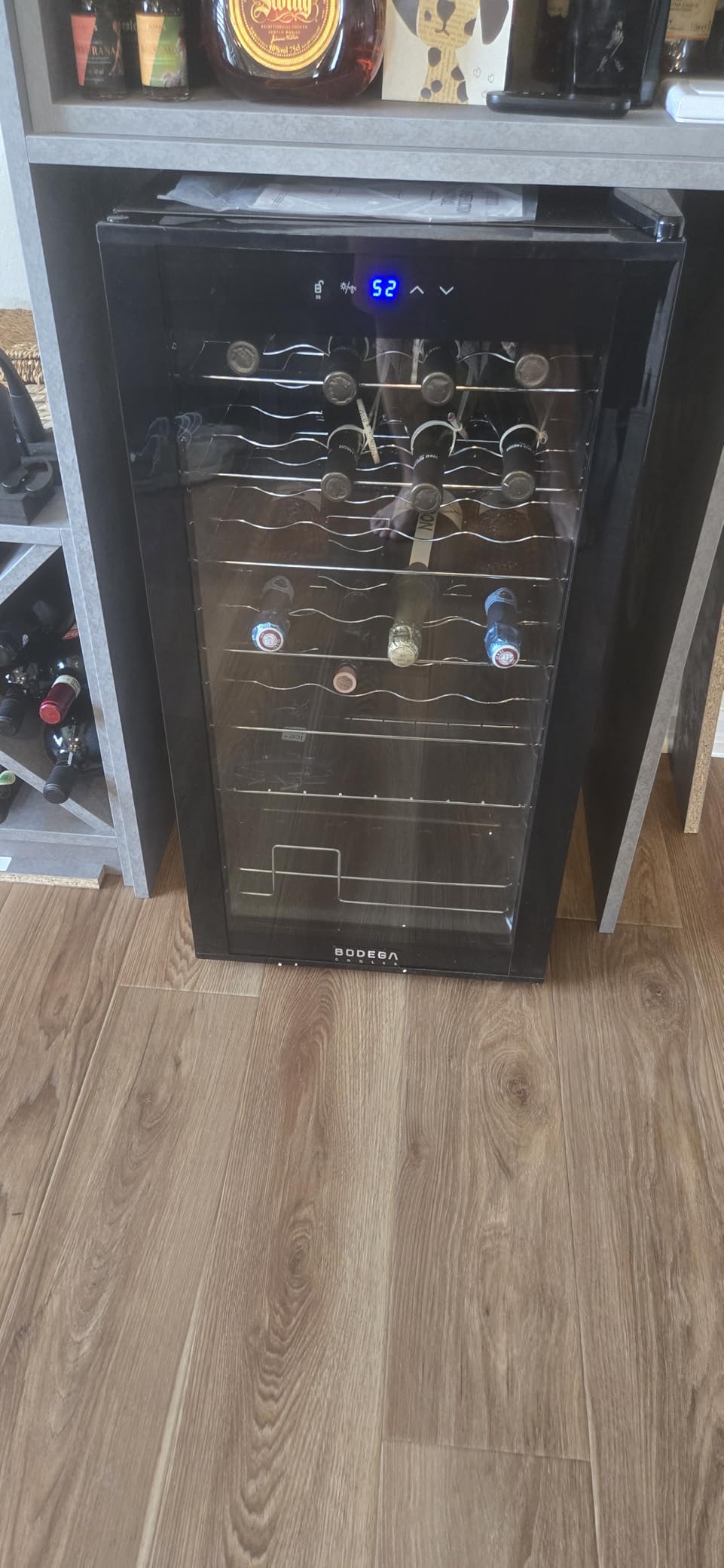
Shelving is five natural beech wood shelves, and owners generally rate them above wire racks for both vibration damping and label protection. A built-in vibration absorption system and adjustable leveling feet keep sediment settled, and auto defrost removes maintenance from the schedule.
The double-glazed tempered glass blocks 99 percent of UV, and a power-outage memory chip recalls your exact zone settings. The 304 stainless frame resists fingerprints, which matters more than it sounds on a cabinet that sits at eye level in a kitchen.
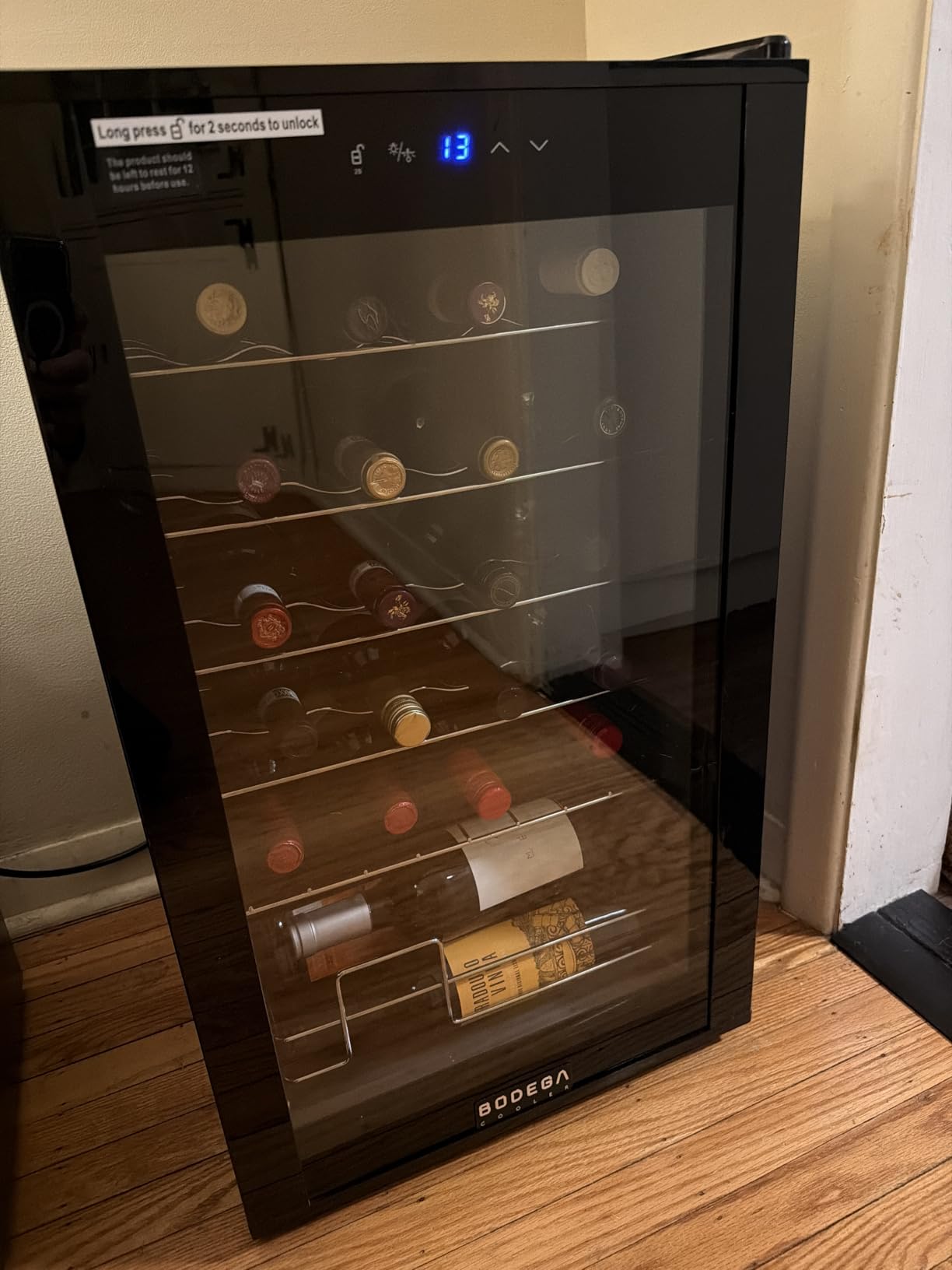
Ventilation clearance for a built-in install
Front ventilation means the unit can sit under a counter, but it still asks for two inches at the top and back. Measure the opening before ordering, and confirm you can pull slide-out shelves forward far enough to reach the rear bottles.
How the beech shelves compare to wire
Beech absorbs vibration better and does not scratch labels, but it is heavier to pull and slides with more friction than wire. If you rotate bottles weekly, that tradeoff is worth it. If you add bottles twice a year, either works.
8. Ca’Lefort 24 Inch 52-Bottle Dual Zone Wine Cooler
Ca’Lefort 24 Inch Wine Fridge, 52-Bottle Dual Zone Wine Cooler Refrigerator
- 5.7 cubic foot cabinet holds 52 bottles
- Quiet fan-assisted compressor cooling
- Three year compressor warranty
- Front ventilation grille for built-in install
- Three colour ambient LED lighting
- Zone temperatures can diverge from set point
- Controls sit inside the door
- No door lock included
Ca’Lefort has the largest stated capacity in this group at 52 bottles and the strongest warranty, with one year on the complete unit, two years on parts and three years on the compressor. Warranty length is a fair quality signal, and this is the only unit here that goes past two years on the compressor.
Cooling is an advanced compressor with fan-assisted circulation holding 40 to 64F, so the zone range covers serving and storage on both sides. Owners report it cools a full load of room-temperature bottles in about 45 minutes.
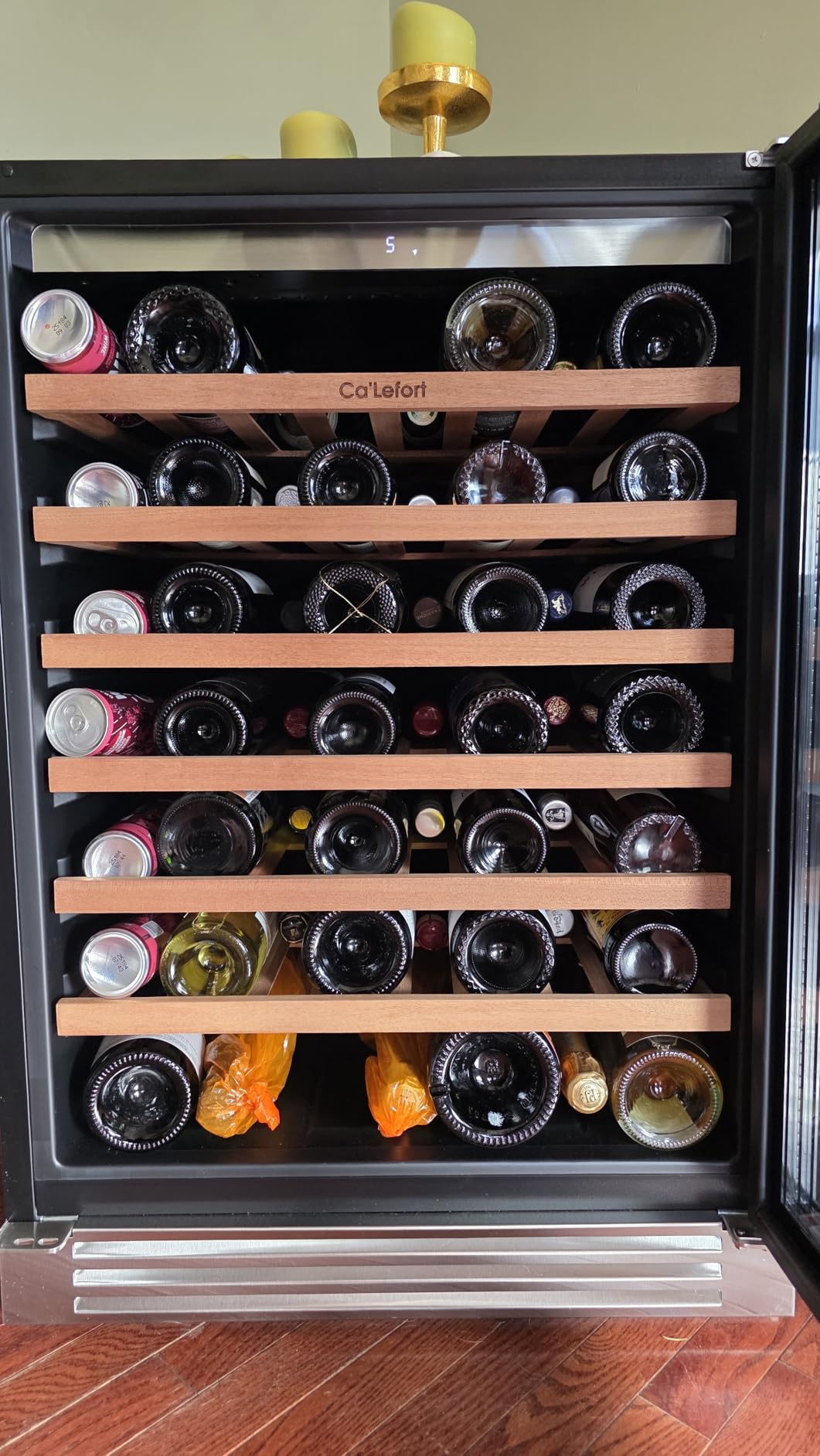
The sapele wood shelves are described as reducing vibration, and they take Bordeaux, Pinot Noir, Chardonnay, Sauvignon Blanc and Champagne. A front ventilation grille supports built-in, under-counter or freestanding installation, with invisible hinges for a clean panel look.
Quiet operation is the other repeated theme, with owners comparing it favourably against a full-size kitchen refrigerator. The three colour ambient lighting, amber, blue and white, is unusual at this level and lets you display a collection without adding heat.
Where the two zones disagree
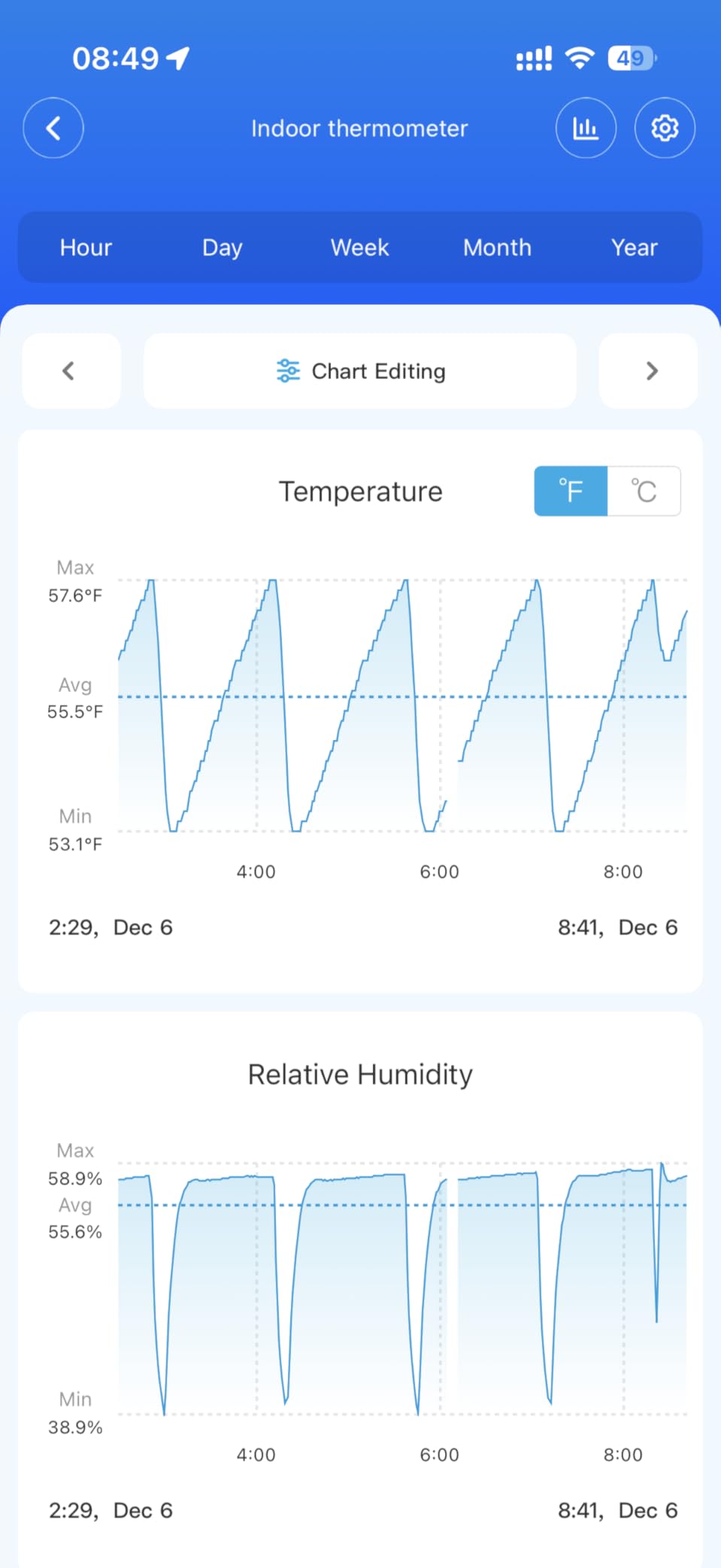
The most common complaint is a large discrepancy between zones, with one side reading well below its set point. Owners also report two or three degrees of variance between the top and bottom racks inside a single zone. If you plan to store reds you care about long term, put them in the steadier compartment.
Shelf and door details to check
Controls sit inside the door, so changing a set point means standing in front of an open cabinet. There is no door lock. Shelves are removable but not height adjustable, and sparkling or large formats only fit on the top or bottom rack.
9. ORYMUSE 24 Inch 52-Bottle Dual Zone Wine Cooler
ORYMUSE 24 Inch Dual Zone Wine Cooler, 52 Bottle Built-In Wine Fridge
- Independent zones at 40-55F and 55-65F
- Low 170 kWh per year consumption
- Six beech shelves on smooth glides
- Built-in key lock included
- Power-loss memory restores settings
- 5% of ratings are 1-star
- Hinged on one side only
- Capacity labeling is inconsistent
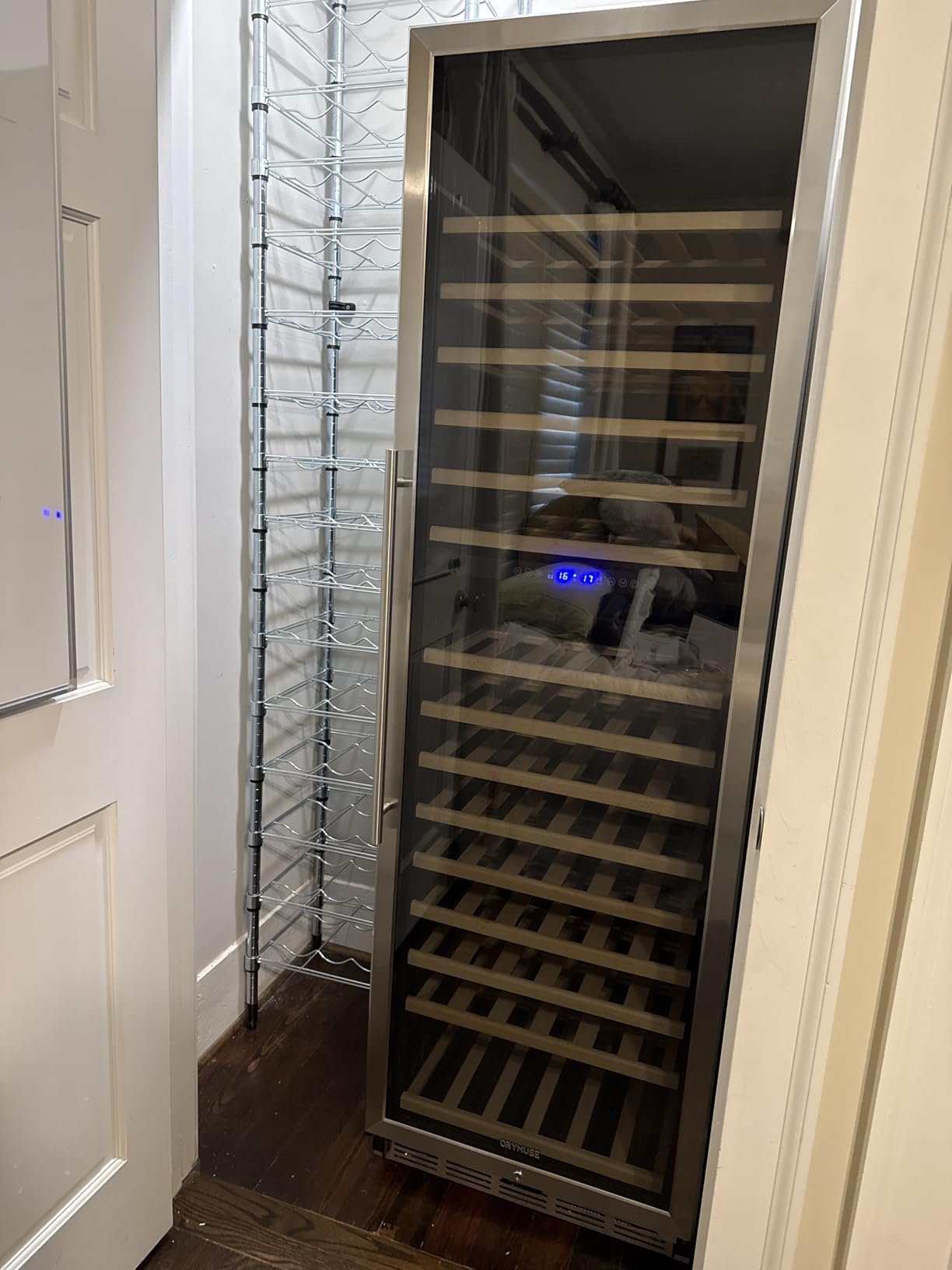
ORYMUSE is the most efficient unit in this group on paper, with listed annual energy consumption of 170 kWh, roughly half the figure given for the Kalamera. If your wine cabinet runs year round, that gap shows up over years rather than months.
Both zones are independently controlled, with the upper zone at 40 to 55F and the lower zone at 55 to 65F. That is the cleanest serving-oriented split in the group, since the upper range tops out exactly where reds begin and the lower range bottoms out at standard red storage.

Storage is six smooth-gliding beech wood shelves, with a mix of racks in each zone. A front ventilation design supports built-in, under-counter or freestanding installation without blocking airflow, and a compressor with fan-assisted circulation distributes cold air evenly.
Double-pane tempered glass in a stainless frame reduces outside heat transfer, a digital touchscreen handles independent zone adjustment, and there is a built-in safety key lock. The cabinet measures 22.63 by 23.42 by 34.25 inch at 88 pounds, one of the lighter 24 inch units here.
Rating quality versus rating volume
This unit holds a 4.5 average with only five percent one-star ratings, the lowest one-star share among the compressor units here. It also carries the smallest review base outside the NewAir, so treat the rating as encouraging rather than proven.
Placement constraints to plan around
The hinge is fixed on one side rather than reversible, so if your install puts a wall on that side, measure twice. The listing also names a 52 bottle capacity in one place and a 46 bottle variant in the size field, so verify the shelf count and dimensions before ordering.
10. NewAir 24 Inch 46-Bottle Dual Zone Wine Fridge
- Reversible door swing for either hand install
- Five smooth-glide adjustable beech shelves
- Rotary scroll compressor with R-600A refrigerant
- Fits standard 24 inch cabinetry
- Key lock and soft LED lighting
- 18% of ratings are 1-star
- 118 pounds is the heaviest unit here
- 260 kWh per year is higher than lighter alternatives
NewAir is the established-brand option and the only unit here with a genuinely reversible door swing. That single feature removes the most common installation headache in a built-in run, where cabinet layout decides which way the door must open.
It is also the rated second in built-in wine cellars in its category, and it has the thinnest evidence base here at 73 reviews. Read the rating spread carefully before treating it as a safe choice.
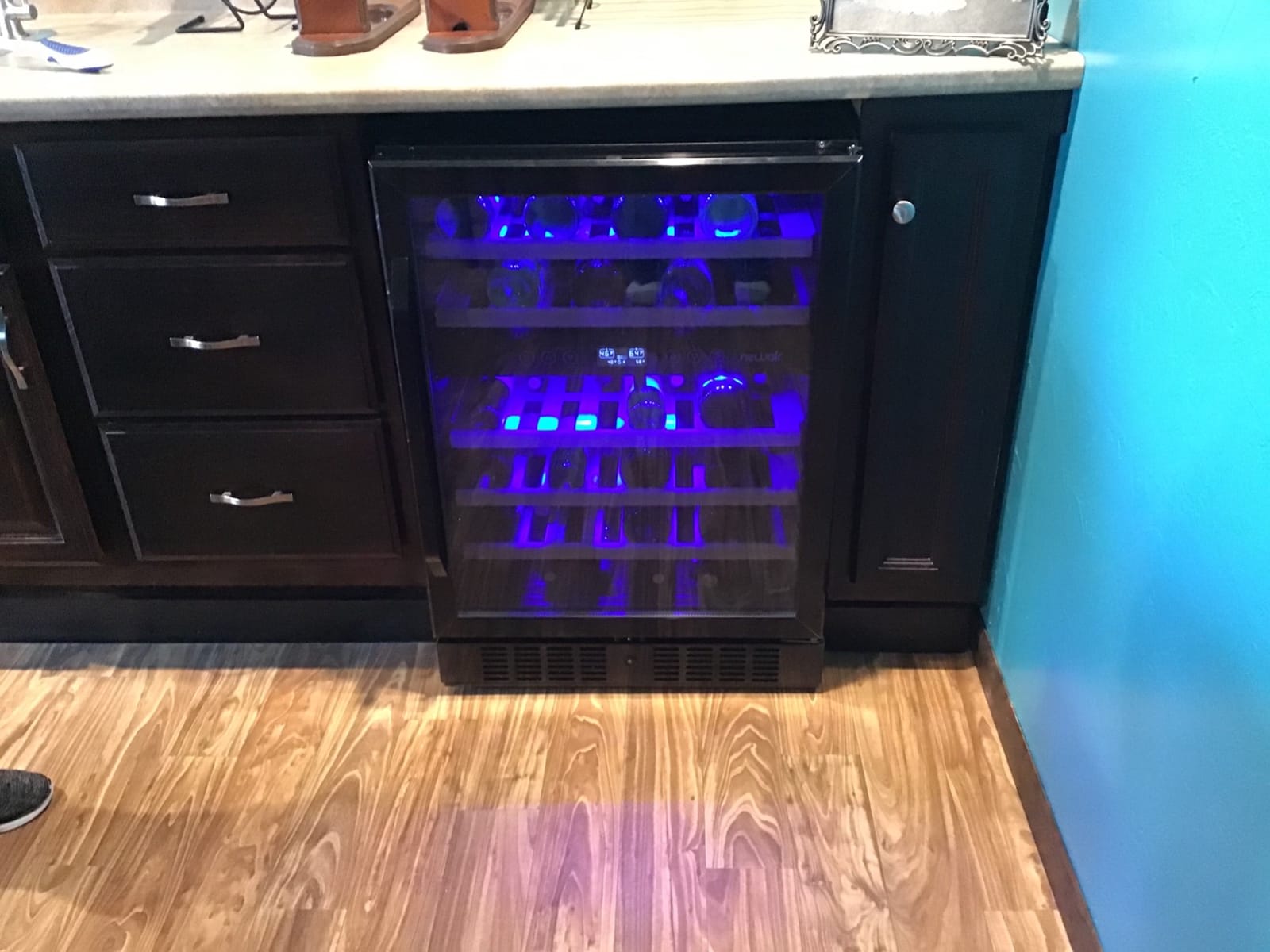
Cooling is a rotary scroll compressor using R-600A refrigerant with an inverter, holding two independently controlled zones in a 5.3 cubic foot cabinet. Five smooth-glide adjustable shelves take up to 46 bottles and accommodate specialty shapes, with digital temperature control and soft LED lighting inside.
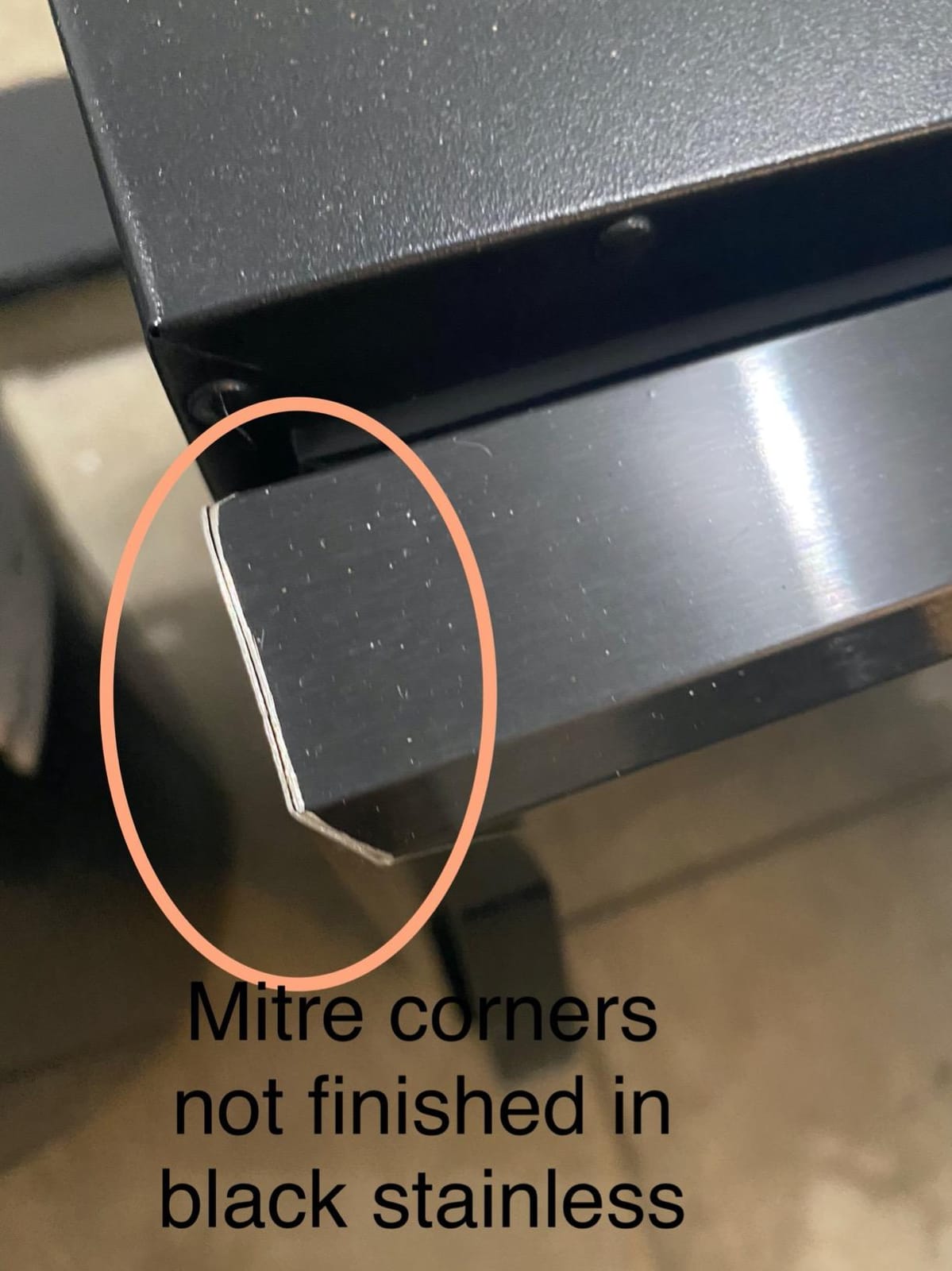
The double-pane glass door and stainless steel construction are the sort of build that outlasts the appliance it shares a kitchen with. At 22.5 by 23.5 by 33 inch it fits standard 24 inch cabinetry, and it stands alone just as easily.
The most polarized ratings in the group
Seventy percent of ratings are five star and eighteen percent are one star, with only four percent in between. That pattern usually means two distinct experiences, and with built-in installs the common trigger is clearance and hinge adjustment during fitting rather than cooling performance.
Weight, energy draw and moving day
At 118 pounds this is the heaviest unit here, and moving it any distance takes two people. Listed consumption of 260 kWh per year sits above the lighter 24 inch alternatives, so budget for both effort and running cost before choosing it over a smaller cabinet.
What to Check Before You Buy a Dual Zone Wine Cooler
Capacity math that survives real bottles. Advertised bottle counts assume uniform 750ml Bordeaux bottles. Owners across this group report running 20 to 25 percent below the listed figure once champagne, magnums, pinot or squat Burgundy shapes go in. Measure the depth of the bottles you actually own and add a shelf or two beyond what the listing promises.
Zone range overlap. Look at the two ranges side by side rather than the headline total range. A unit advertising 41 to 64F may have an upper zone that only reaches 41F and a lower zone that never goes below 54F, which leaves you unable to hold reds and sparkling in the same cabinet correctly. The BODEGA 15 inch and the ROVSUN both give you overlapping ranges that work in practice.
Compressor or thermoelectric. Compressor units use a refrigerant cycle, hold temperature against a warm room, and reach the low 40s. Thermoelectric units move heat with Peltier elements, run silently with no vibration, and generally floor out in the low 50s in a normal room. Pick compressor for a basement, garage or warm kitchen. Pick thermoelectric only for a cool room, a small collection, or a countertop footprint where a full-height cabinet will not fit.
Freestanding or built-in. Built-in cabinets are wider at 24 inches and deeper, so they need a cabinet opening rather than a spare wall. Freestanding 15 inch models fit between standard cabinets and can be installed later if you move. Check whether the door hinges are reversible; the NewAir is, several competitors are fixed to one side.
Ventilation clearance, measured not assumed. Front-vent units need clearance at the top and back, often quoted at two inches, and slide-out shelves need room in front of the door. Rear-vent units need open space behind and cannot be boxed in at all. An install that ignores clearance is the most common cause of the temperature complaints owners report.
Noise as a real criterion. Forty decibels is a reasonable benchmark, roughly the level of a quiet library. In this group the quietest claim is 35 dB or under on the 24 inch BODEGA, the mid units sit around 42 dB, and thermoelectric models are effectively silent. Anything above 45 dB in a living space will be noticed every time the compressor cycles.
Humidity, UV and vibration together. A wine cellar sits near 50 to 70 percent relative humidity, low enough to discourage mold and high enough to keep corks from drying out. Double-paned glass with a UV filter protects color and tannins, and low-emission interior LEDs avoid both heat and label fading. Wooden shelves and a rigid cabinet frame dampen vibration better than wire racks on thin metal skins.
Warranty length as a durability proxy. One year on the whole unit is standard here. A longer compressor warranty points to a supplier that expects the compressor to last, and the Ca’Lefort is the only unit in this group with three years on that component. Warranty length is not proof of quality, but it does tell you who is standing behind the part that fails most often.
Door lock if it matters. A keyed lock is present on most units in this group, but not on all of them. If the cabinet sits in a shared room or a room children use, treat the lock as a requirement rather than a nice-to-have.
Common Wine Fridge Problems and What to Do About Them
Owners and repair technicians describe the same handful of failures repeatedly. Most are fixable without opening the cabinet.
1. One zone stops cooling while the other keeps working. This is the most reported problem on dual zone units. The usual cause is the damper that directs cooled air, or the temperature sensor for that zone reading incorrectly. Check that the vents inside the cabinet are not blocked by bottles pushed too far back, then run both zones at the same set point for a day and see whether the gap closes. If one side still runs warm, the damper or sensor is the likely fault, and a control board replacement often approaches the cost of a new cabinet. This is the practical case for buying the longest warranty you can find.
2. Loud noise that was not there at first. A new rattle usually means a transit brace or packaging piece is still inside the cabinet, or a bottle is touching a fan or coil. A hum that grows over months is usually the compressor or its mounting feet. Confirm the unit is level on its adjustable feet first, since an uneven cabinet makes a compressor work harder and louder.
3. Temperature drifting from the display. Displays commonly read three to six degrees away from the air inside the cabinet, and upper zones tend to overshoot before settling. Put a separate thermometer in the middle of each zone and adjust the set point to compensate. This is normal calibration, not a fault.
4. Settings that will not change. Several panels in this group lock themselves, and you have to release the lock before the buttons respond. Look for a lock icon or a padlock button on the panel before assuming the unit is broken.
5. Capacity far below the listing. Nothing is broken. The cabinet holds standard bottles evenly spaced; wider formats need fewer per shelf. Count your actual bottles before deciding the unit is too small.
6. A zone that will not go cold enough. On thermoelectric units this is expected, since the technology cannot reach cellar temperatures in a warm room. Moving the cabinet to a cooler space or switching to a compressor unit solves it. On a compressor unit, check the door seal and the ventilation clearance before assuming a refrigerant problem.
7. Condensation on the outside of the glass. In a humid room, warm outside air condenses on a cold cabinet surface. Improving the seal and lowering room humidity usually settles it.
Frequently Asked Questions
Is a dual zone wine cooler worth it?
A dual zone wine cooler is worth it if you regularly drink reds and whites at the same time, because it lets each run at its own serving temperature. If you store everything at one cellar temperature near 55F and pull reds out to warm before serving, a single zone is sufficient.
What are the best wine coolers for red and white wine?
The best coolers for both styles are dual zone compressor units with overlapping temperature ranges and a low noise floor. In this group the Tylza 30-Bottle fits narrow cabinetry, the ROVSUN 33-Bottle offers the widest zone range at 41 to 64F, and the BODEGA 24 Inch 46-Bottle runs quietly at 35 dB or under.
What is the top-rated dual zone wine and beverage cooler?
For a wine and beverage hybrid, look for a unit with wider shelves and a zone range covering both cellar and serving temperatures. The ROVSUN 33-Bottle covers 41 to 64F with adjustable shelving that takes larger formats, and the ORYMUSE 52-Bottle adds beverage racks and runs at 170 kWh per year.
What temperature should a wine fridge be set to for reds and whites?
Most guidance puts reds at 58 to 62F for serving and whites at 45 to 55F, with a cellar temperature near 55 to 57F for storage. Set the warm zone to 58 to 60F and the cold zone to 48 to 52F and adjust from there based on the varietals you drink most.
Why is my wine fridge making a loud noise?
Check for packaging or a transit brace left inside the cabinet, bottles touching the fan, and an uneven cabinet sitting on its feet. A hum that grows over months usually points to the compressor or its mounts. Keeping clearance at the top and back also reduces noise because the compressor does not have to work as hard.
What is the quietest wine cooler available?
Thermoelectric units are the quietest because they have no compressor, and the Koolatron 12-Bottle in this group is the clearest example. Among compressor units, the BODEGA 24 Inch 46-Bottle claims operation at 35 dB or under, below the 40 dB benchmark most buyers treat as quiet.
How do I reset a wine fridge?
Unplug the unit and leave it disconnected for several hours so the compressor equalizes, then plug it back in. Many panels also have a lock that must be released before settings will respond. Note your two zone set points first, since some units reset to a default temperature rather than remembering.
What are common problems with wine fridges?
The most common issues are one zone not cooling, caused by a damper or sensor fault, loud compressor noise, temperature readings that drift from the actual air temperature, and capacity that falls below the advertised bottle count when wider bottles are stored. Thermoelectric units more often lose cooling in the electronics after a few years.
The Dual Zone Wine Cooler We Would Buy in 2026
For most households, the Tylza 30-Bottle dual zone wine cooler is the one we would buy. It fits a 15 inch cabinet opening, holds 30 bottles across six beech shelves, runs a compressor rather than thermoelectric cooling, and keeps temperature memory and a keyed lock that cheaper units often leave out. It carries the highest rating and the largest review base in this group.
If you want the widest temperature control per unit, choose the ROVSUN 33-Bottle with its 41 to 64F zones. If noise drives the decision and you have cabinet space for 24 inches, the BODEGA 46-Bottle is the quietest compressor unit here. Whatever you pick, measure your bottles, check the ventilation clearance, and set both zones with a separate thermometer in the cabinet rather than trusting the display on day one.