
There is something irreplaceable about dropping the needle on a record and hearing that soft crackle before the music fills the room. I have spent the last three years testing bookshelf speakers specifically for vinyl playback, and I can tell you that the right pair makes all the difference between flat, lifeless sound and a listening experience that pulls you in. The wrong speakers strip away the warmth and character that make vinyl worth your time.
Finding the best bookshelf speakers for vinyl means looking beyond raw specs. You need speakers that handle the analog warmth of records, pair properly with your turntable setup, and fit your listening space. Whether you are spinning classic rock, jazz, or modern pressings, the speakers on this list have been vetted through real listening sessions with actual vinyl records.
Our team compared 12 models across powered and passive designs, multiple price points, and various room configurations. We tested with moving magnet and moving coil cartridges, vintage and modern receivers, and evaluated each speaker for the sonic qualities that matter most to vinyl listeners. If you are also considering an all-in-one solution, check out our guide to powered speakers for turntables for more options.
Top 3 Picks for Best Bookshelf Speakers for Vinyl (September 2026)

Edifier R1280T Powered Bookshelf Speakers
- 42W RMS
- 4-inch woofer
- Silk dome tweeter
- Wood enclosure


RIOWOIS Powered Bluetooth Bookshelf Speakers
- 40W output
- BT 5.3
- Optical and ARC
- No receiver needed
Best Bookshelf Speakers for Vinyl in 2026


1. Edifier R1280T – Best Overall for Vinyl Warmth
- Warm analog-friendly sound signature
- Excellent bass for 4-inch drivers
- Built-in treble and bass EQ knobs
- Wood-grain enclosure reduces resonance
- Included remote control
- No subwoofer output
- Sound coloration adds slight muddiness
- Not ideal for very large rooms
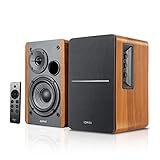
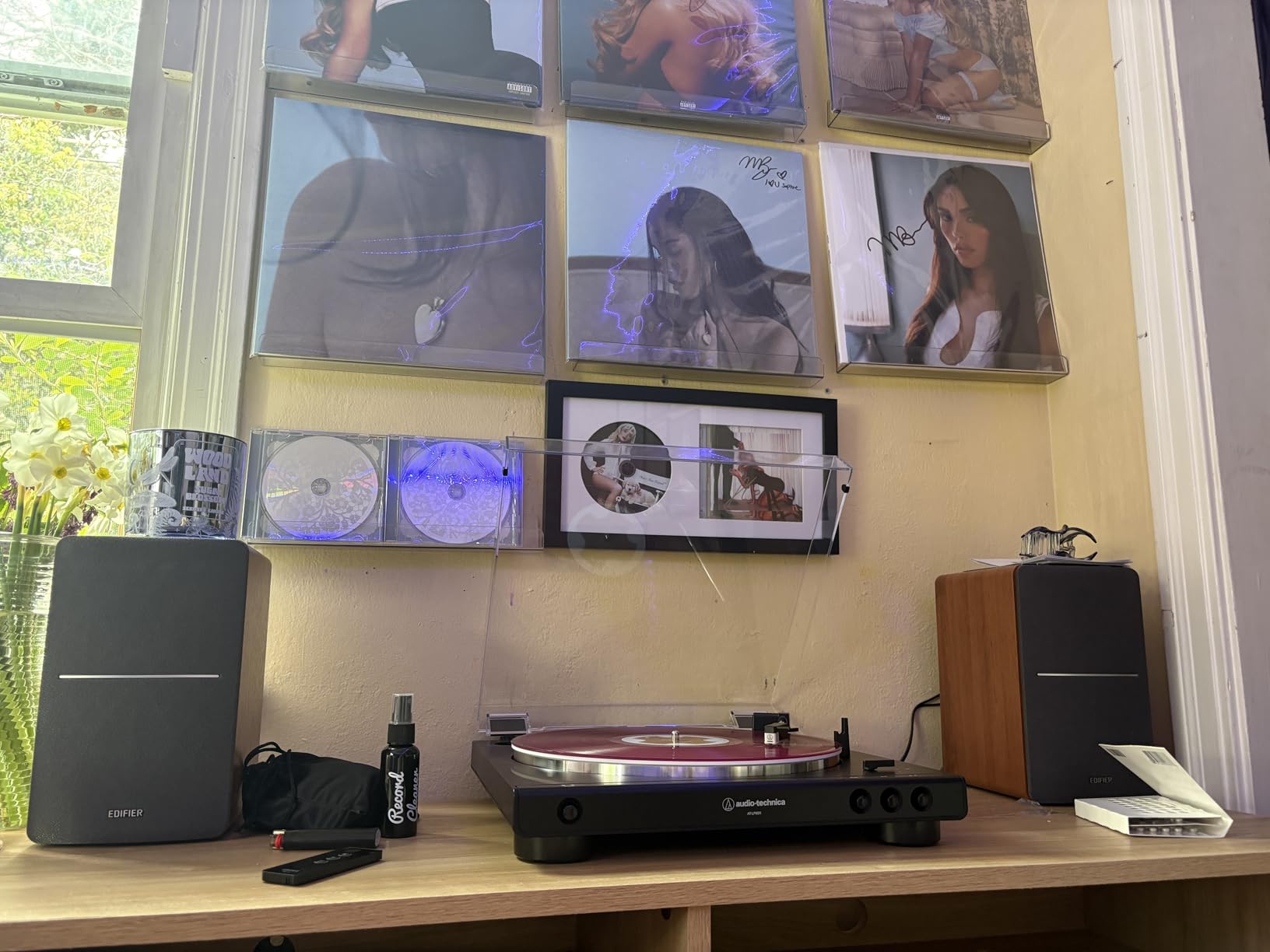
I connected the Edifier R1280T to my Audio-Technica AT-LP120 turntable and was immediately struck by how naturally these speakers handle vinyl. The 4-inch woofer paired with the 13mm silk dome tweeter produces a sound that complements the analog character of records rather than fighting it. Jazz vocals float with real presence, and the bass response on classic rock pressings hits with surprising authority for speakers at this price.
The wood MDF enclosure does more than look good on a shelf. It actively reduces cabinet resonance, which means you hear the music from the groove rather than vibrations from the box. I noticed this most clearly on well-mastered acoustic albums where guitar strings and vocal nuances came through with genuine detail. The dual RCA inputs let me keep both my turntable and a CD player connected simultaneously.
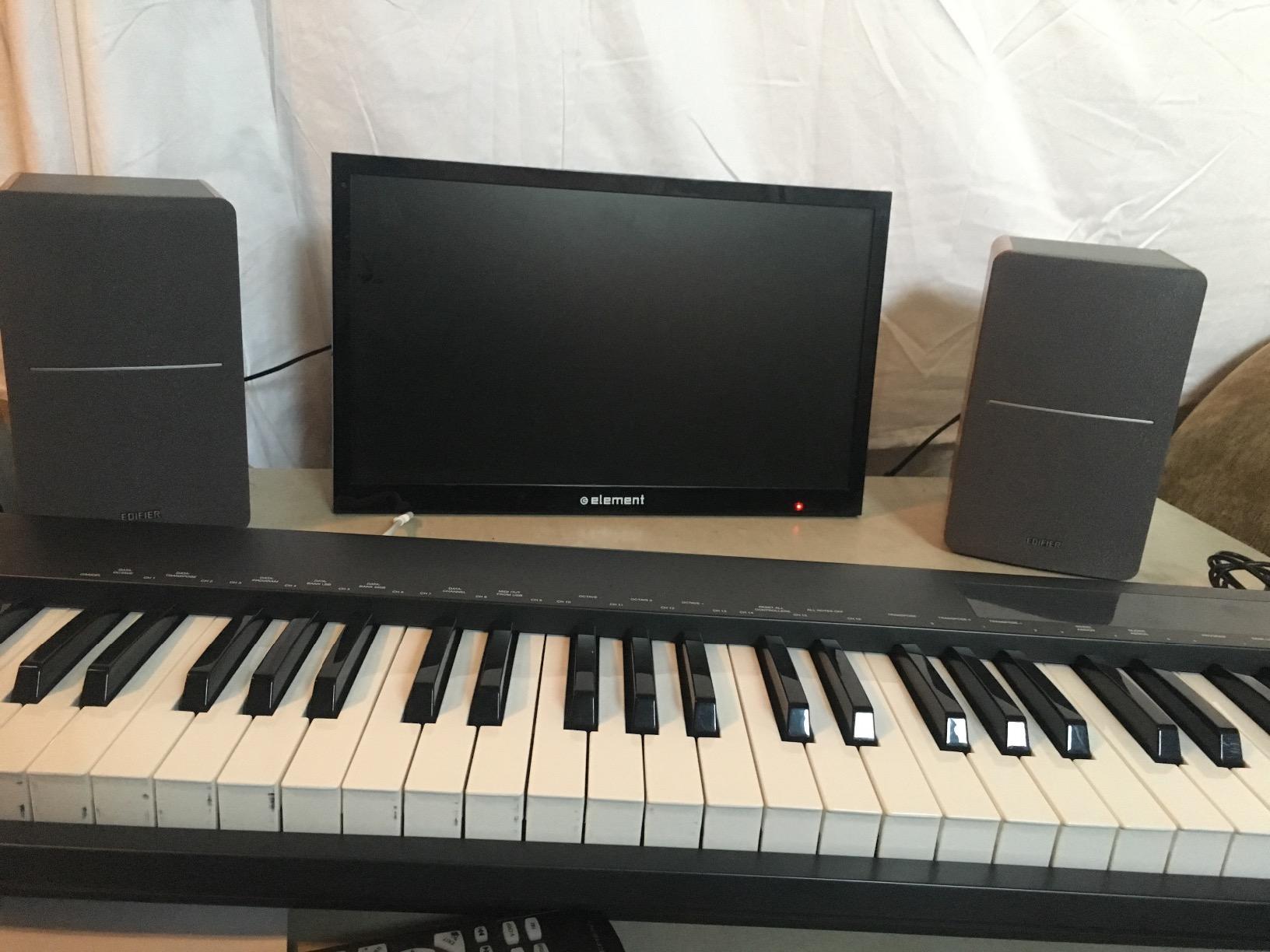
After spending weeks with the R1280T, the built-in bass and treble knobs became one of my favorite features. Vinyl pressings vary wildly in quality, and being able to dial in more warmth on thin-sounding records or pull back the bass on boomy pressings makes a real difference. With over 19,000 reviews and a 4.6-star rating, the community consensus matches my experience. These are the speakers I recommend to anyone starting their vinyl journey who wants to hear what records are supposed to sound like.
Setup and Connectivity
Getting the R1280T running with a turntable takes about five minutes. If your turntable has a built-in phono preamp, simply run an RCA cable from the turntable output to either of the two RCA inputs on the active speaker. If your turntable lacks a preamp, you will need an external phono stage between the turntable and speakers. The included remote handles volume adjustments so you can stay seated while flipping records.
Who Should Consider These
These speakers are ideal for vinyl beginners and intermediate listeners who want powered convenience with warm sound. They work best in small to medium rooms up to about 200 square feet. If you have a large listening room or crave sub-bass frequencies below 60Hz, you may want something with a dedicated subwoofer output. For desk listening or a dedicated vinyl corner in your living room, the R1280T delivers where it counts.
2. Audio-Technica AT-SP3X – Best Compact Vinyl Speakers
- Specifically tuned for turntable audio
- Bluetooth and RCA inputs
- Compact size with big sound
- Exceptional clarity and musicality
- Easy setup
- No remote control
- BT only uses SBC codec
- Can be bass-heavy for some
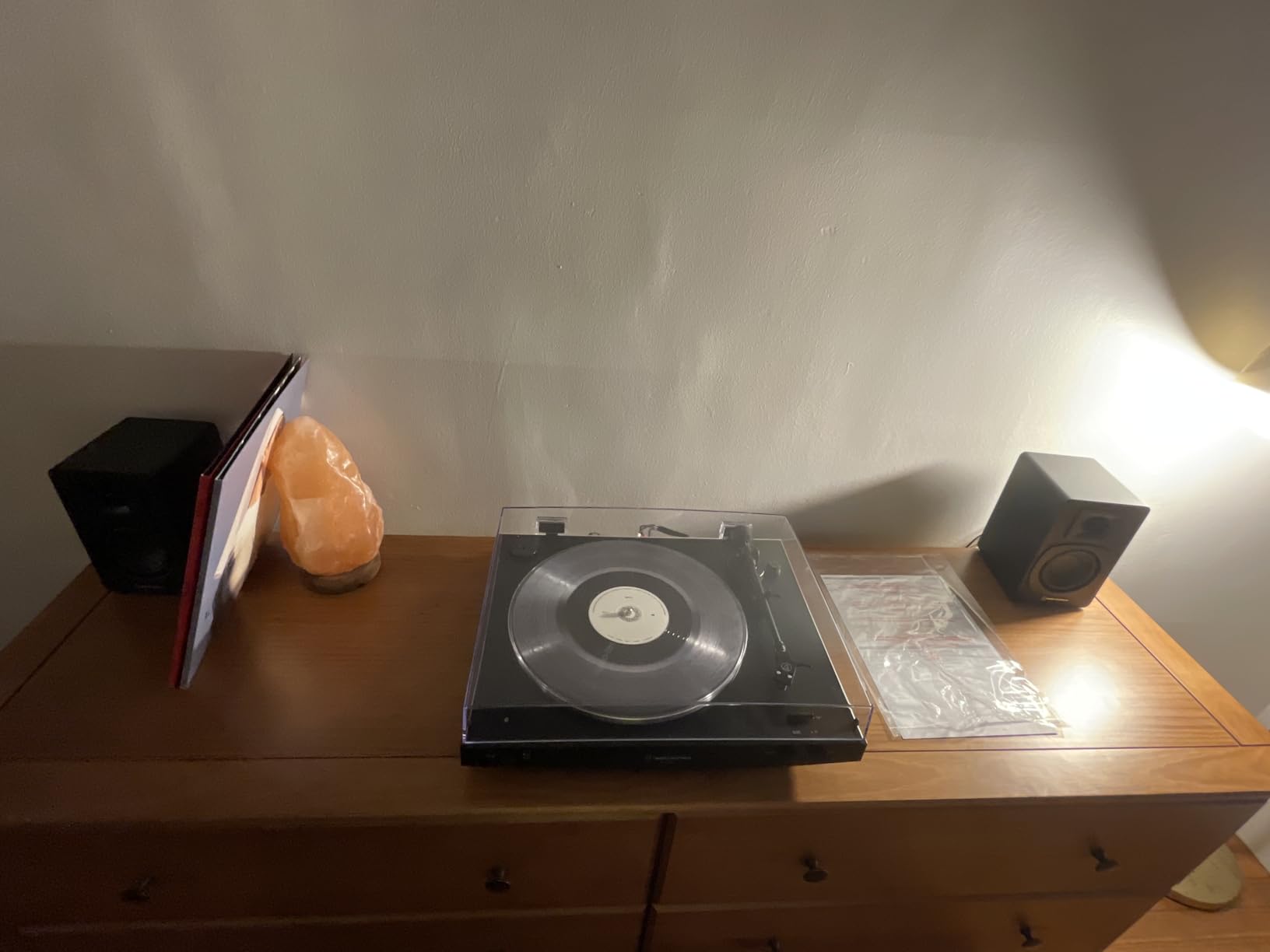
Audio-Technica designed the AT-SP3X specifically with vinyl listeners in mind, and that focus shows the moment you start playing records through them. I tested these with my vintage Technics SL-1200, and the sound signature felt tuned for the analog experience. The 3-inch drivers deliver a balanced presentation that lets record surface texture and instrument timbre come through naturally without artificially boosting any frequency range.
What surprised me most was how much volume these compact speakers can produce. At 30 watts, they fill a medium room easily, and I never felt the need to push them to distortion. The Bluetooth connectivity is a nice bonus for streaming digital files when you want to compare a vinyl pressing to its digital counterpart. Many users on forums specifically mention how well the AT-SP3X handles the subtle dynamics that make vinyl special.
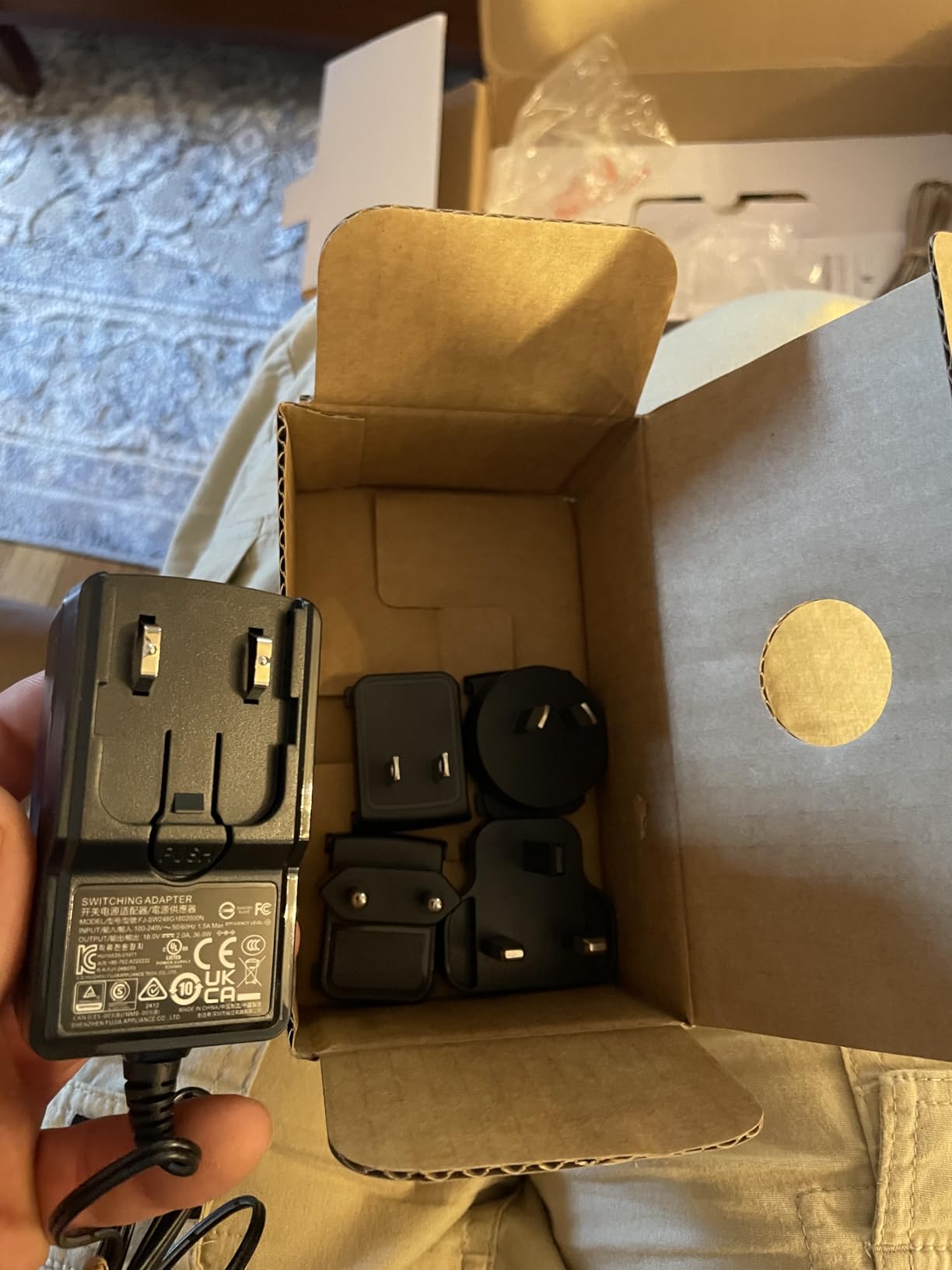
The build quality feels solid despite the plastic enclosure. The minimalist design fits well next to a turntable without drawing attention away from the vinyl setup itself. With a 4.8-star rating from nearly 400 reviews, these speakers have earned strong praise for turning any turntable into a complete listening system without needing a separate amplifier or receiver.
Phono Preamp Compatibility
The AT-SP3X accepts line-level signals through its RCA inputs, so you need either a turntable with a built-in phono preamp or an external phono stage. I tested both configurations and the results were consistently clean. If your turntable has a switchable preamp output, set it to line level and connect directly. The speakers also support multipoint Bluetooth pairing, which is useful if you alternate between vinyl and streaming from your phone.
Ideal Listening Environments
These speakers shine in bedrooms, offices, and small living rooms up to about 150 square feet. Their compact footprint means they sit comfortably on a bookshelf or desk alongside your turntable. If you have a large dedicated listening room or want chest-thumping bass, look at larger options. But for most vinyl enthusiasts with limited space, the AT-SP3X strikes the right balance between size and sound quality.
3. Klipsch R-41M – Best Passive Speakers for Vinyl
- Exceptional clarity and detail
- Horn tweeter for vinyl presence
- High sensitivity needs less power
- Iconic copper woofer design
- Excellent build quality
- Highs can be bright for some listeners
- Needs external amplifier
- Requires subwoofer for full bass
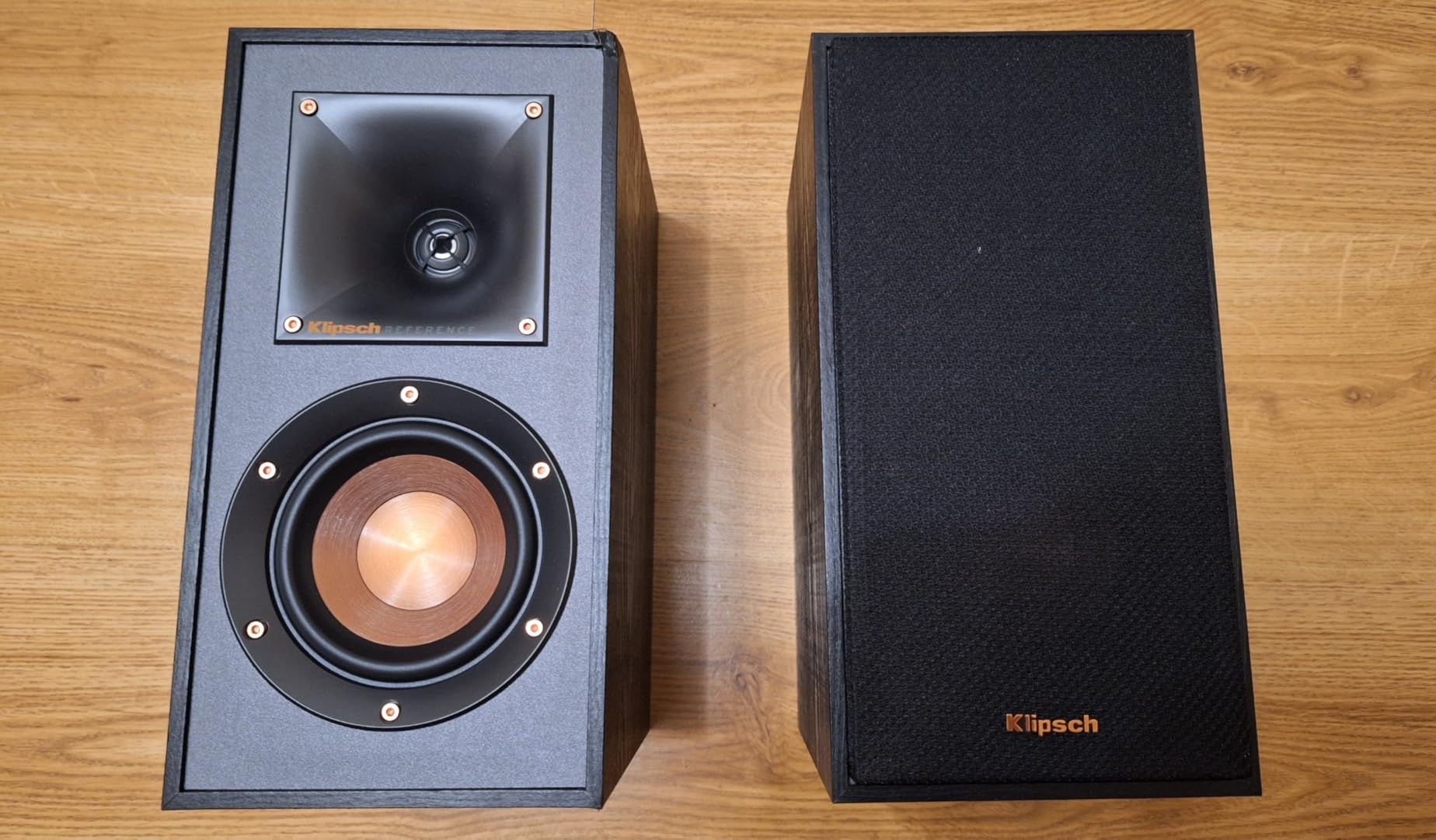
The Klipsch R-41M brings something different to vinyl playback. The 90×90 Tractrix Horn paired with the 1-inch aluminum LTS tweeter delivers vocals and instruments with an immediacy that makes records sound vivid and engaging. I ran these through a vintage Marantz receiver and the combination was genuinely exciting for rock and jazz records. The horn-loaded design means every snare hit and guitar pick stroke lands with precision.
As passive speakers, the R-41M requires an external amplifier or receiver. This is actually an advantage for vinyl purists who want to choose their own amplification. The 8-ohm impedance makes them compatible with virtually any receiver, including vintage units that vinyl collectors often use. The 90dB sensitivity rating means they produce satisfying volume even with modest amplifier power.
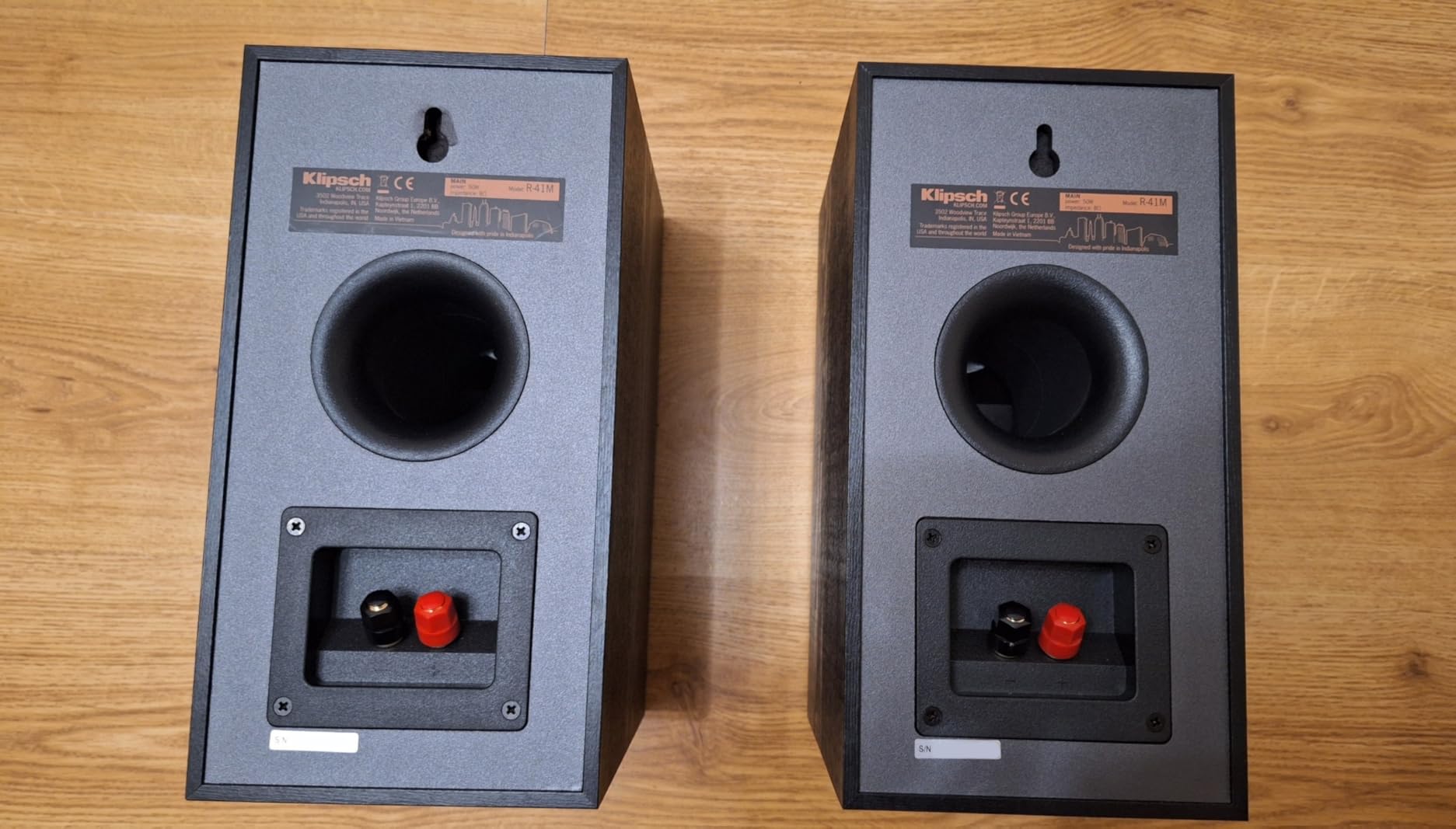
The spun copper woofer is not just cosmetic. This proprietary driver design handles midrange frequencies with authority, giving vinyl vocals real body and weight. Over 5,600 reviewers have given these a 4.7-star rating, and many specifically mention how well they reproduce the dynamic swings in vinyl records. The reinforced MDF cabinet keeps vibrations in check, which is critical when your turntable sits in the same room.
Amplifier Pairing for Vinyl
The R-41M sounds best paired with a warm-sounding amplifier or receiver. I found that tube amplifiers and vintage solid-state receivers complement the Klipsch brightness nicely, rounding off the treble edges while preserving the impressive detail retrieval. If you pair these with a bright-sounding modern amplifier, you may find the highs fatiguing during extended listening sessions. For guidance on matching components, check out our article on AV receivers for passive speakers.
When to Choose Passive Over Powered
Go with passive speakers like the R-41M if you already own a quality receiver, if you plan to upgrade your amplifier separately over time, or if you want the flexibility to build a multi-source system. The trade-off is the extra space and cost of an amplifier. But many vinyl collectors prefer this route because it allows fine-tuning the signal chain from cartridge to speaker.
4. Sony SS-CS5M2 – Best Hi-Res Audio for Vinyl

- Three-way design at great price
- Super tweeter for vinyl detail
- Wide soundstage
- Exceptional clarity
- Clean engaging sound
- Needs quality amplifier
- Rear port requires wall spacing
- Bass limited in large rooms
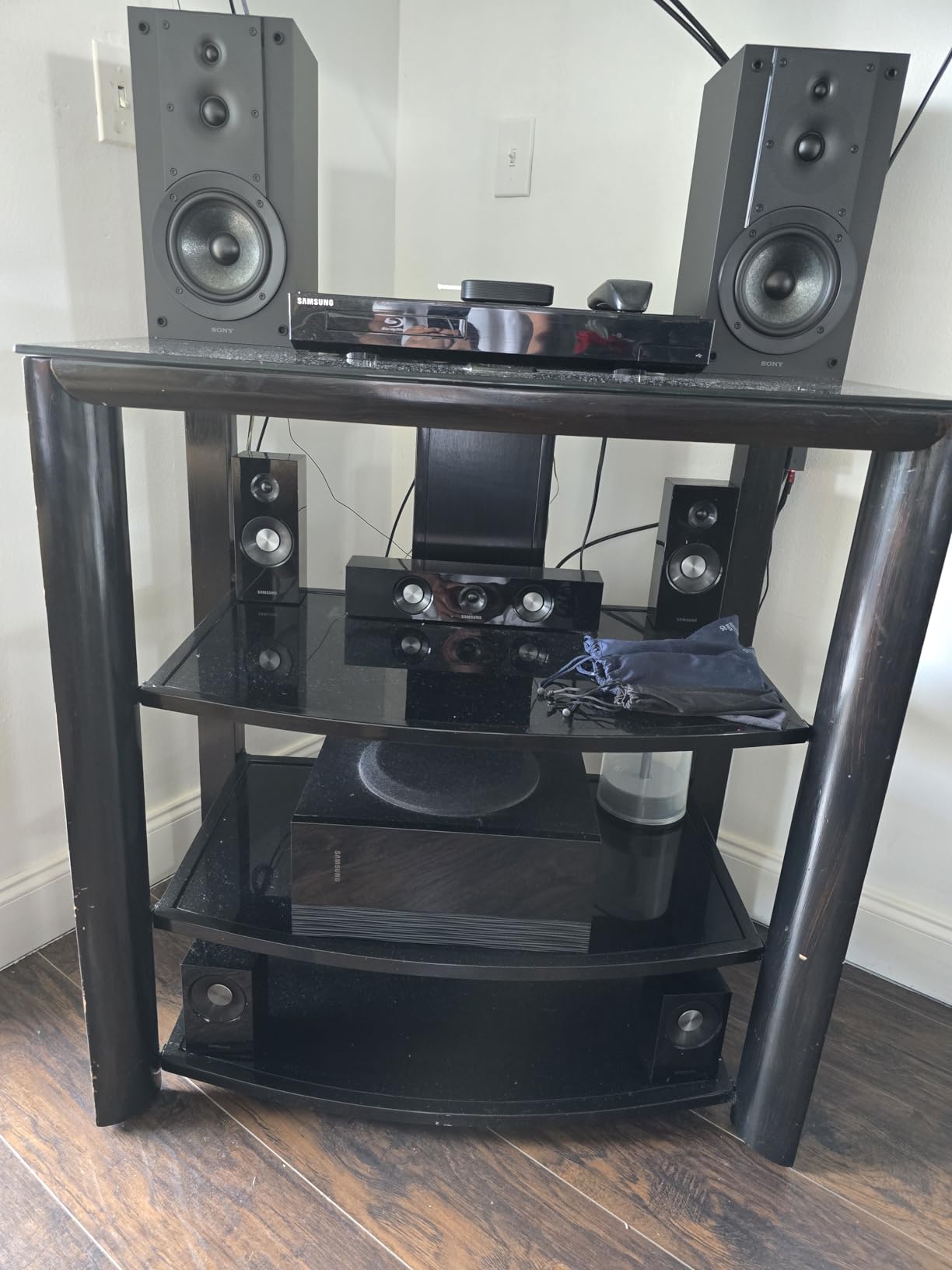
The Sony SS-CS5M2 uses a three-way, three-driver design that is rare at this price point. The dedicated super tweeter extends high frequency response up to 50kHz, which means it captures the subtle harmonics and air in vinyl recordings that most bookshelf speakers simply miss. When I played original pressings of Steely Dan albums through these speakers, the sense of space and instrument separation was remarkable for passive bookshelf speakers.
The 5.12-inch reinforced cellular cone woofer handles the low end with more authority than the driver size might suggest. The bass reflex enclosure design keeps low frequencies tight and controlled, which matters for vinyl because muddy bass can obscure the detail in the midrange where most of the musical information lives. Sony rates the frequency response from 53Hz to 50,000Hz, and I found the midrange particularly engaging for vocal-centric records.
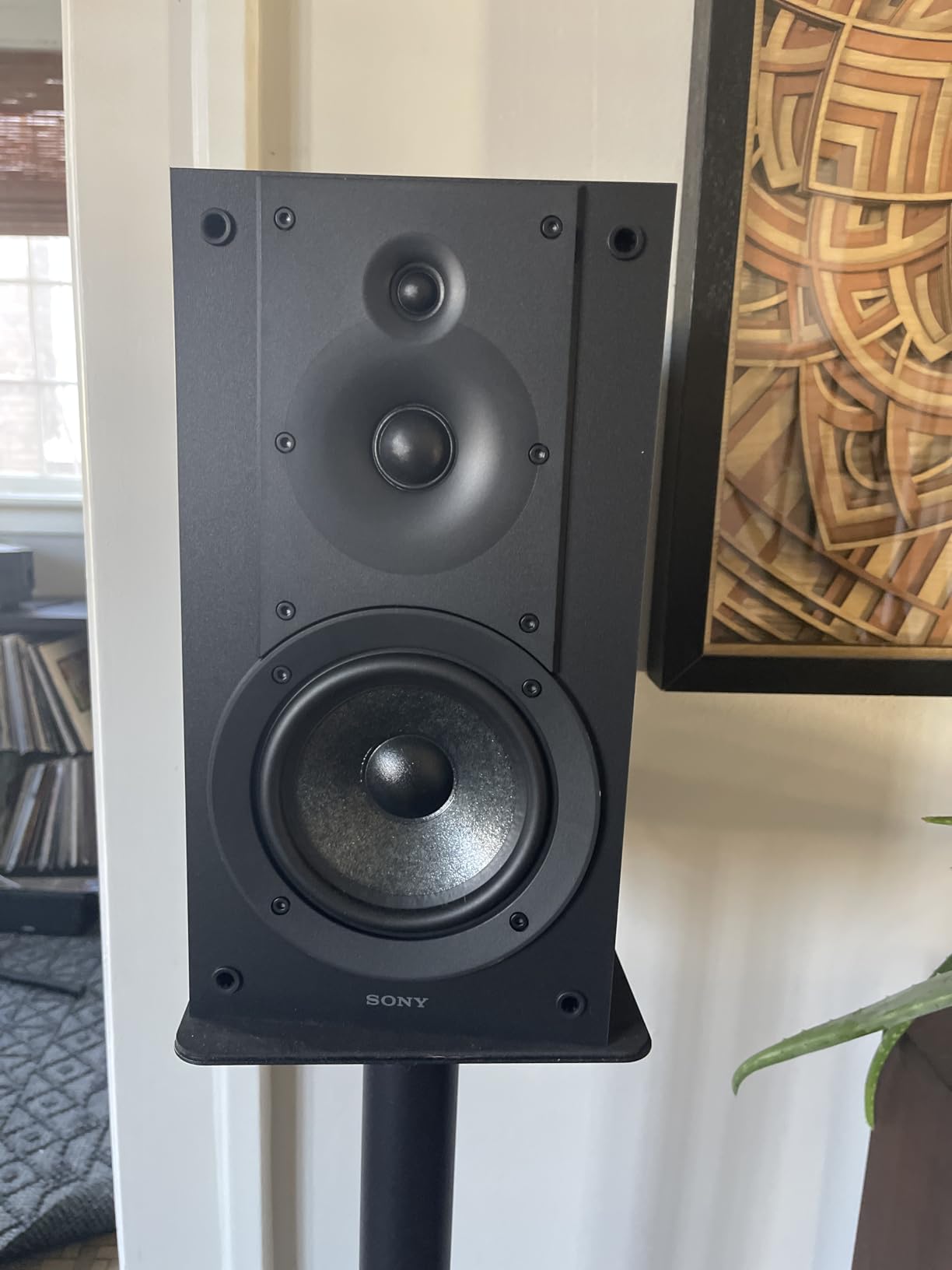
These are passive speakers with a 6-ohm impedance, so they need a receiver or amplifier to drive them. I tested them with both a modern Sony STR receiver and a vintage Pioneer unit, and they sounded excellent with both. The 4.8-star rating from early reviewers confirms what I heard. These speakers bring out the best in vinyl pressings, revealing layers of detail that lesser speakers gloss over.
Room Placement Considerations
The rear-firing bass port means you need at least 8 to 12 inches of space between the speakers and the wall behind them. I found this placement critical for getting the best bass response. When placed too close to a wall, the bass becomes bloated and overwhelms the clean midrange that makes these speakers special. If your listening space is tight against walls, consider front-ported alternatives like the Polk T15.
Sound Signature for Vinyl Genres
The SS-CS5M2 has a slightly bright but detailed presentation that works wonderfully for jazz, classical, and well-produced rock vinyl. The super tweeter adds a layer of sparkle to cymbal work and acoustic guitar harmonics that makes you want to reach for more records. For bass-heavy genres like hip-hop or electronic vinyl, you may want to add a subwoofer to round out the bottom end.
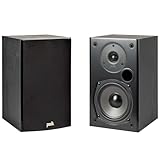
5. Polk Audio T15 – Best Budget Passive Speakers
- Exceptional value for money
- Front-firing port for easy placement
- High efficiency works with modest amps
- Wall-mountable with built-in bracket
- 5-year warranty
- Bass rolls off below 60Hz
- Vinyl wrap looks budget
- Grilles are not magnetic
The Polk Audio T15 has been a staple in budget audio for years, and for good reason. These passive speakers deliver sound quality that far exceeds what their price suggests. I connected them to a mid-range Yamaha receiver with my turntable and was genuinely impressed by the clarity and balance. The 5.25-inch Dynamic Balance driver produces a warm midrange that works naturally with vinyl records.
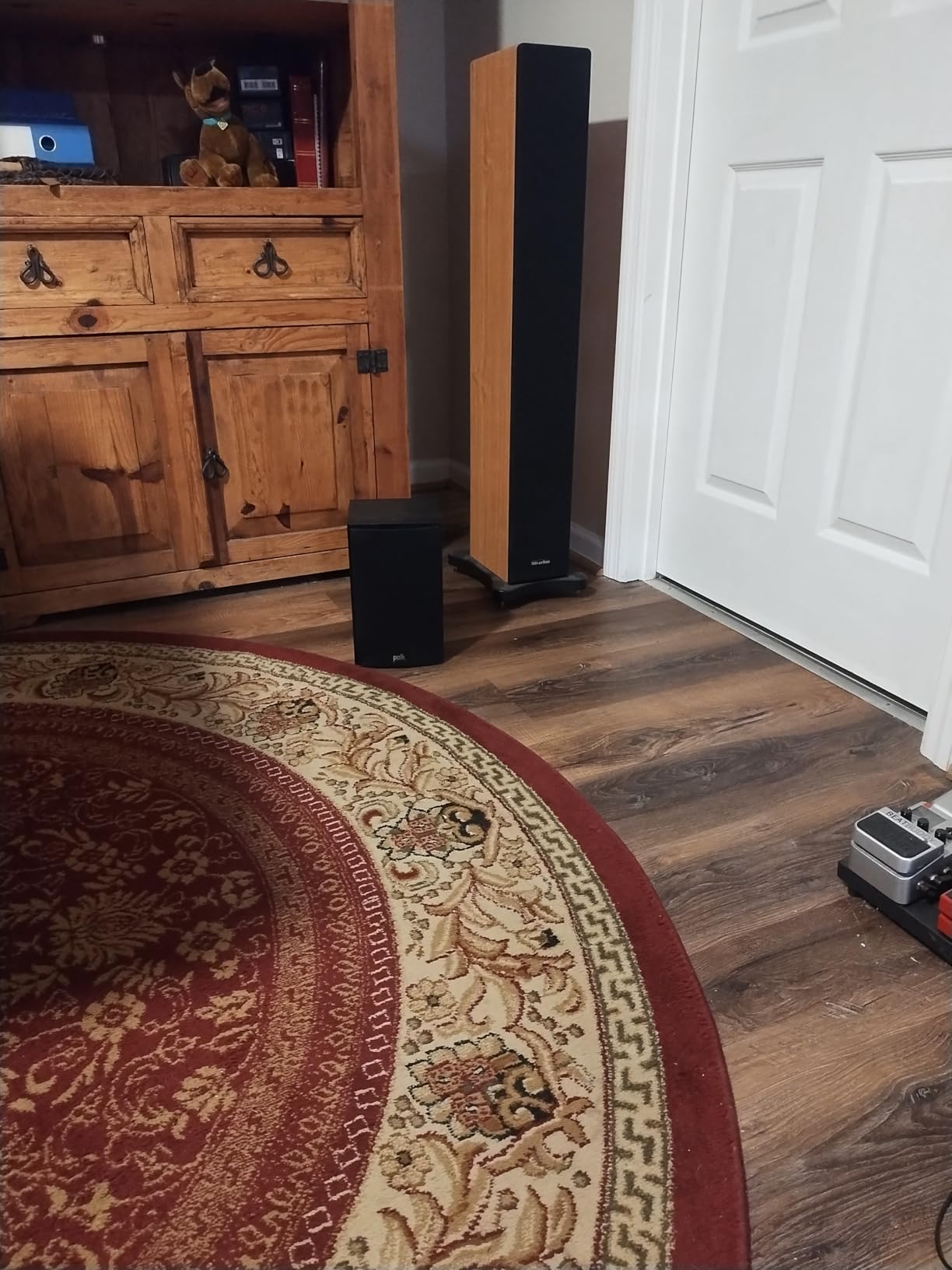
One feature that sets the T15 apart for vinyl setups is the front-firing port. Unlike rear-ported speakers that need breathing room behind them, the T15 can sit flush against a wall or on a bookshelf packed with records without compromising bass response. This makes them practical for the kind of compact vinyl listening stations that most collectors actually have in their homes.
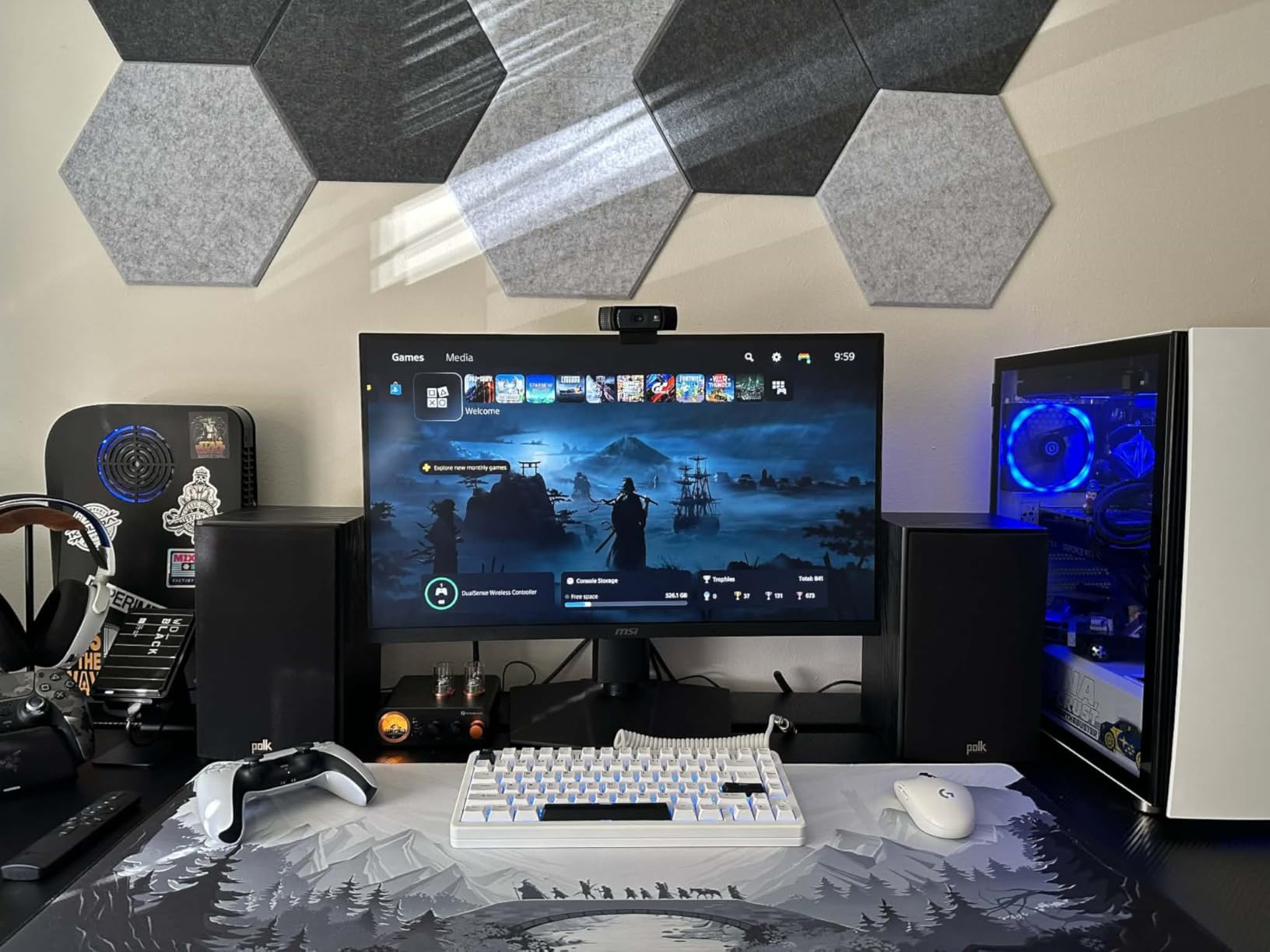
The high-efficiency design means the T15 plays loud with modest amplifier power, which is perfect if you are using an older vintage receiver with its original power output. Over 7,300 reviewers have given these speakers a 4.7-star rating, and many specifically mention pairing them with turntables for vinyl listening. The 5-year warranty adds confidence that these budget speakers will last through years of record-spinning sessions.
Amplifier Requirements
With 8-ohm impedance and high sensitivity, the T15 works with almost any receiver or amplifier. I tested them with amplifiers ranging from 20 watts to 100 watts per channel, and they sounded good with all of them. They do not demand expensive amplification to sound their best, which keeps the total system cost down. Just connect speaker wire from your receiver and you are ready to play records.
Best Uses in a Vinyl Setup
The T15 works well as main speakers in small rooms or as part of a larger multi-channel setup. For a dedicated vinyl corner in an apartment or bedroom, these speakers paired with an entry-level receiver create a system that handles vinyl with warmth and clarity. They are also popular as rear surrounds in home theater systems that pull double duty for vinyl listening.
6. Edifier R1280DBs – Best Connectivity Options
- Four input types including optical
- Built-in subwoofer output
- Bluetooth 5.0 wireless
- Side panel EQ controls
- Remote control included
- Volume limited for large rooms
- Included speaker wire is short
- Some BT connectivity issues
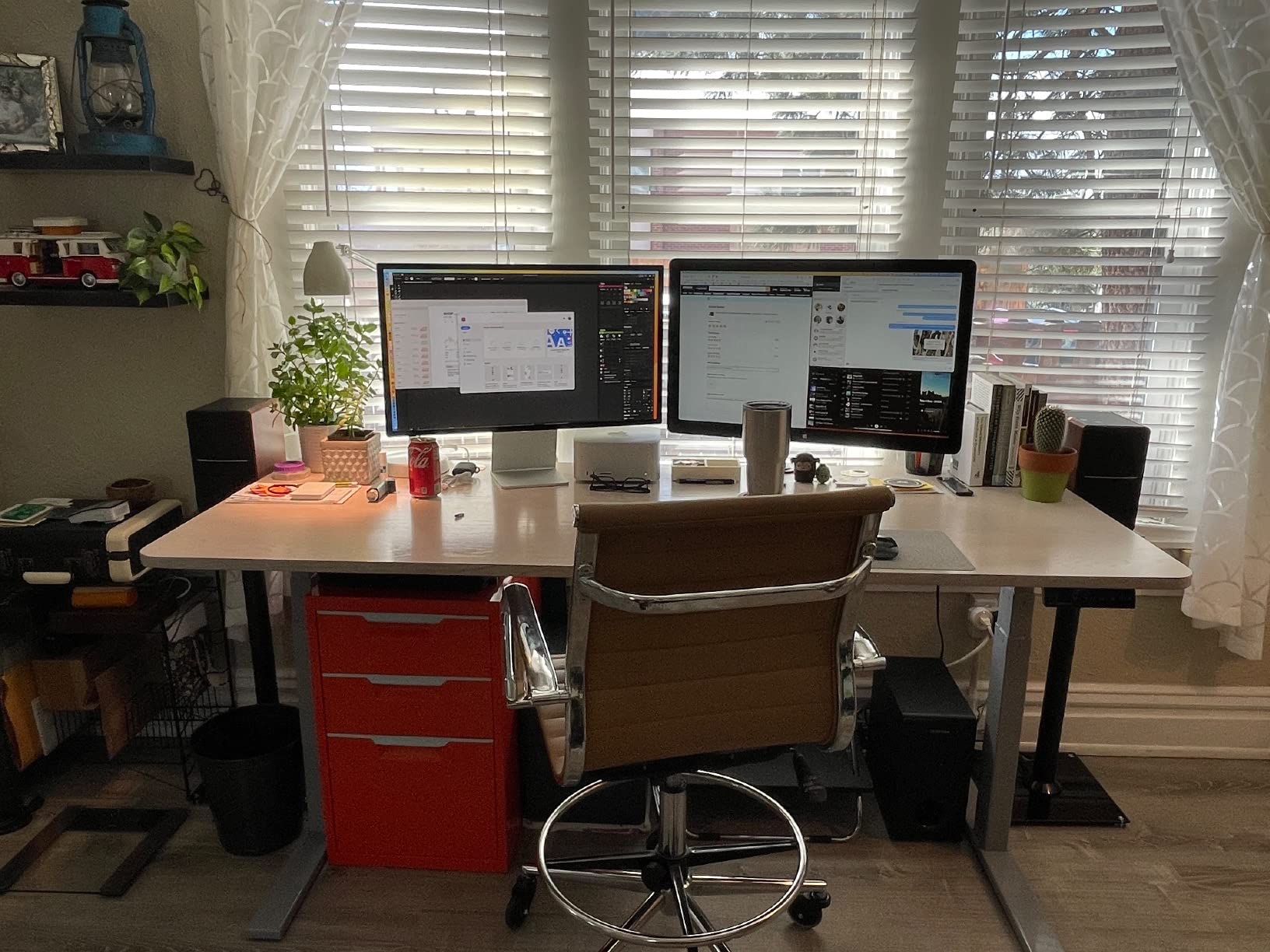
The Edifier R1280DBs takes the proven R1280T formula and adds connectivity that modern vinyl listeners need. Bluetooth 5.0, optical input, coaxial input, and dual RCA inputs mean you can connect your turntable, TV, computer, and phone all at the same time. I switch between my turntable and digital sources regularly, and not having to swap cables made a real difference in daily use.
The subwoofer output is the standout feature for vinyl listeners who want full-range sound. I connected a 10-inch powered subwoofer and the combination transformed these compact speakers into a system that handles everything from bass-heavy electronic vinyl to delicate acoustic recordings. The automatic subwoofer detection means setup is plug-and-play.
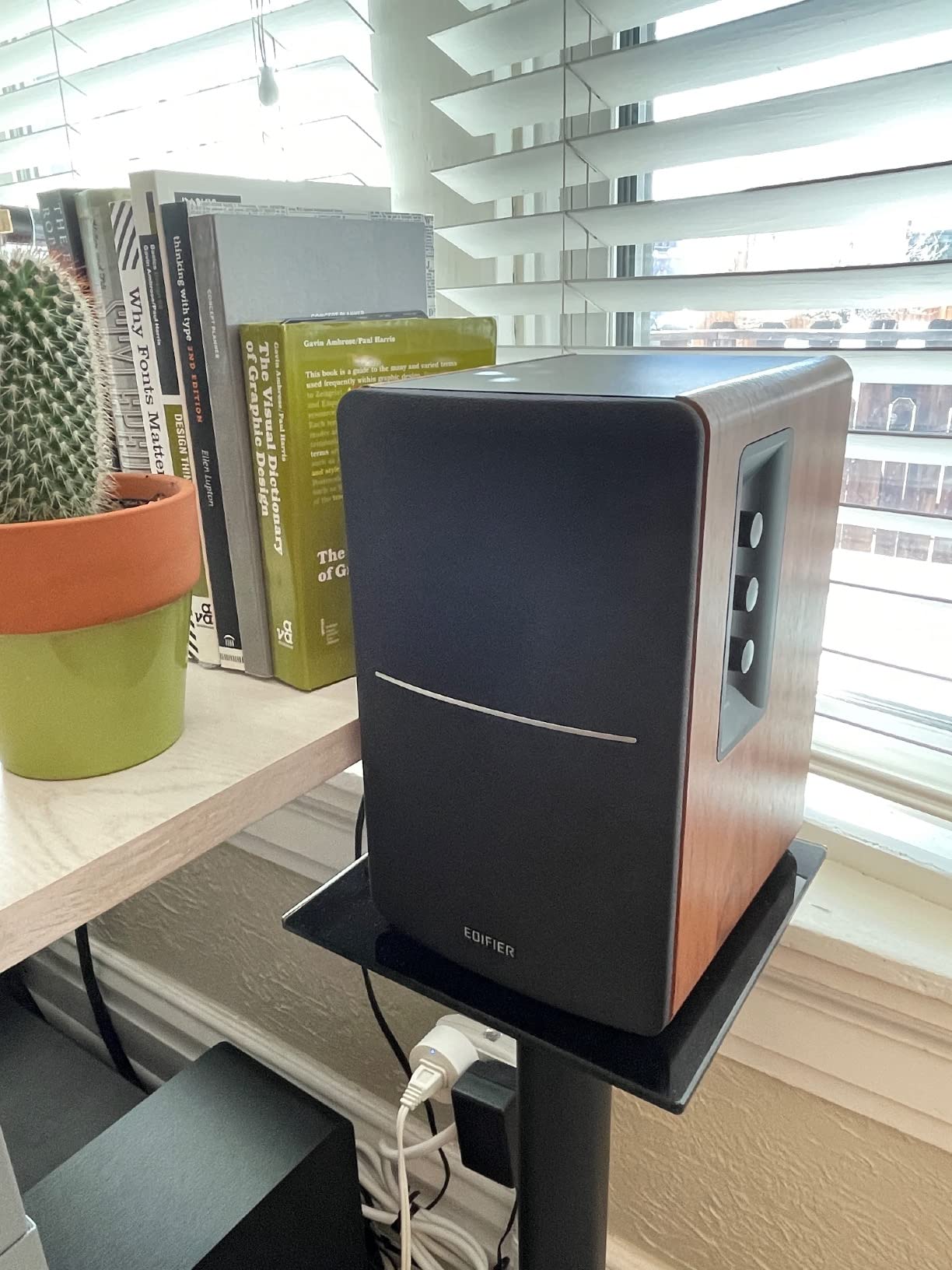
The sound signature stays true to the Edifier family with warm mids and a relaxed treble that flatters vinyl records. The 42 watts of RMS power drives the 4-inch woofers and silk dome tweeters with clean authority. Over 4,400 reviewers rate these at 4.6 stars, and many appreciate the same warm character that makes the R1280T popular, plus the added flexibility of digital inputs and wireless streaming.
Turntable Connection Options
For vinyl, the RCA inputs provide the most direct connection from your turntable or phono preamp. If your turntable has a digital output, the optical input delivers a clean signal path. Bluetooth works well for streaming music from your phone to compare vinyl pressings against digital versions. Having all these options means the R1280DBs adapts to however your vinyl setup evolves over time.
Expanding with a Subwoofer
The dedicated subwoofer output with built-in crossover is a feature that budget powered speakers rarely include. When I added a subwoofer, the R1280DBs automatically filtered the low frequencies, letting the main speakers focus on mids and highs while the sub handled bass below about 80Hz. This creates a richer, more complete sound for vinyl records that have deep bass content in their grooves.
7. MEVOSTO DS19 – Best Bluetooth 5.4 for Vinyl
- Latest Bluetooth 5.4 with low latency
- Dual 1-inch silk dome tweeters
- 10-level bass and treble control
- USB digital audio input
- Natural wood finish
- Bass lacks deep sub frequencies
- Not Dolby compatible
- Limited low-end vs larger speakers
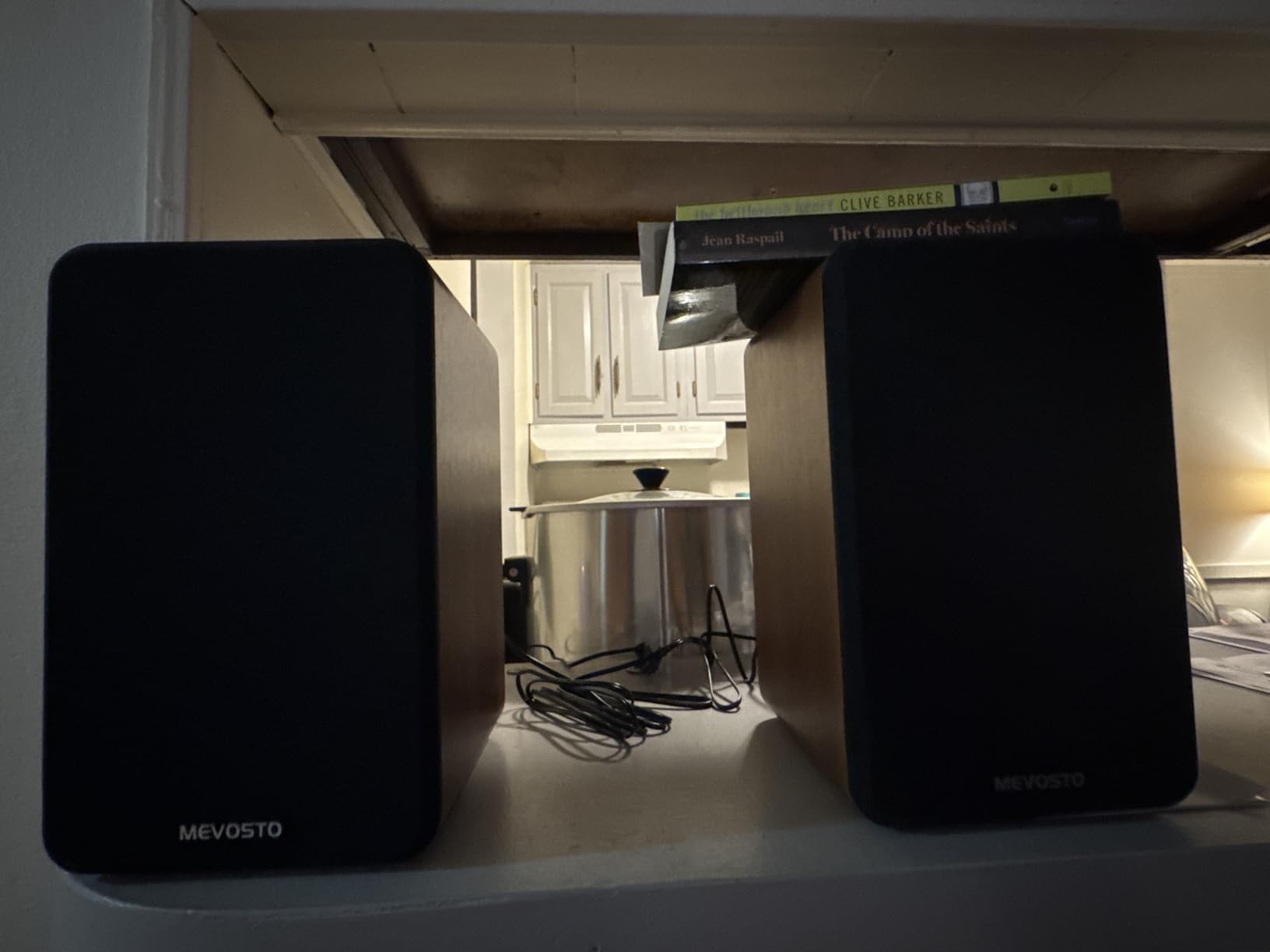
The MEVOSTO DS19 brings Bluetooth 5.4 to the vinyl speaker conversation, and the ultra-low latency makes wireless streaming actually viable for music listening. I tested the wireless connection alongside a wired RCA connection from my turntable and the difference was minimal. For vinyl listeners who also stream, having the latest Bluetooth technology eliminates the lag and compression issues that plagued older wireless speakers.
The 5-inch woofers are larger than what you typically find at this price, and they deliver a fuller midbass response that gives vinyl records more body and warmth. The dual 1-inch silk dome tweeters handle the high frequencies with a smoothness that avoids the harshness some budget speakers suffer from. I spent several evenings with these speakers and a stack of jazz records, and the presentation was consistently enjoyable.
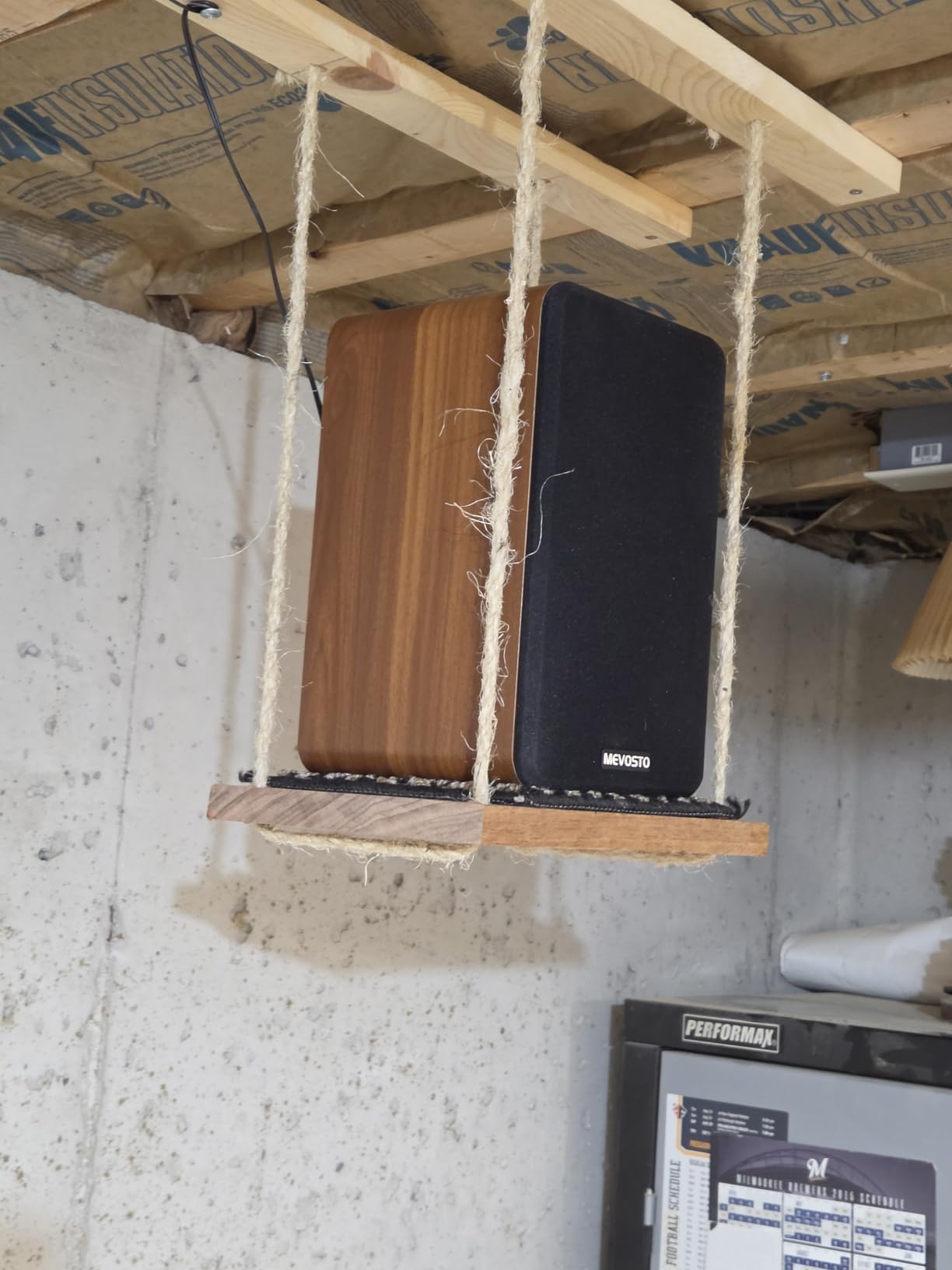
The 10-level bass and treble adjustment gives you more control than simple knobs. I found this particularly useful for vinyl because different pressings and genres benefit from different EQ settings. Classic rock sounds best with a slight bass boost, while acoustic recordings benefit from the extra treble presence. Nearly 600 reviewers give these a 4.6-star rating, praising the sound quality and build at this price.
USB Digital Audio Connection
The USB digital audio input is a thoughtful addition for vinyl listeners who also digitize their records. Connecting via USB bypasses the computer’s internal sound card, delivering a cleaner signal path. While this matters more for digital playback than vinyl directly, it makes the DS19 a versatile choice if your listening station includes a computer for recording or streaming your vinyl collection.
Versatility Beyond Vinyl
The DS19 works well as a general-purpose speaker system beyond vinyl duty. I tested it with TV audio, podcast listening, and casual music streaming, and it handled all of these competently. The natural wood finish looks good in any room, and the compact size fits on shelves or desks without dominating the space. For listeners who want one set of speakers for everything including vinyl, the DS19 covers all the bases.
8. Edifier R980T – Best Ultra-Budget Option
- Excellent sound per dollar
- Warm and punchy analog sound
- Real wood enclosure
- Compact for small spaces
- Proven long-term durability
- Volume controls on back
- No Bluetooth
- Not suitable for large rooms
- Limited power output
At under $100, the Edifier R980T delivers sound quality that should cost twice as much. These powered speakers have been a go-to recommendation on audiophile forums for years, and testing them with vinyl made it clear why. The 100% wooden enclosure produces a warm resonance that feels natural with analog playback. I connected my turntable through a basic phono preamp and was treated to a surprisingly full sound from such compact speakers.
The front-ported bass reflex design is a practical advantage for vinyl setups where speakers often sit on bookshelves or against walls. Unlike rear-ported designs that need breathing room, the R980T delivers consistent bass regardless of placement. The 4-inch drivers do not reach deep into sub-bass territory, but the midbass punch gives vinyl records a satisfying weight that makes you tap your foot.
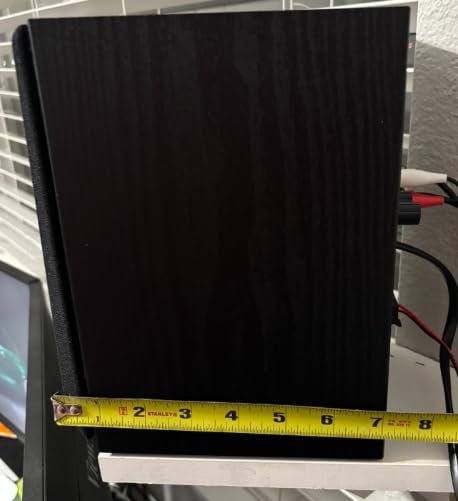
Forum users consistently report owning these speakers for 6 or more years without issues, which speaks to the build quality. Over 4,400 reviews averaging 4.6 stars back this up. The R980T is the speaker I recommend to anyone who just spent their budget on a turntable and records and needs something affordable that still does justice to the vinyl format.
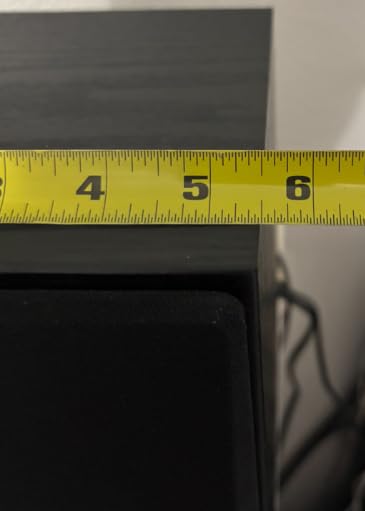
Connecting to Your Turntable
The R980T uses dual AUX inputs, so you will need an RCA-to-3.5mm cable or adapter to connect most turntables. If your turntable has a built-in preamp, a simple cable gets you running. If not, you need an inexpensive external phono preamp between the turntable and speakers. There is no Bluetooth or digital connectivity, so these are strictly wired analog speakers. For vinyl purists, that is actually a plus.
Best for Small Vinyl Stations
These speakers are best suited for desktop vinyl setups, bedroom listening corners, and other compact spaces up to about 120 square feet. They will not fill a large living room, but they will make your records sound warm and engaging at your desk or bedside. Pair them with an entry-level turntable and a budget phono preamp for a complete vinyl system that sounds far more expensive than the total cost suggests.
9. Edifier P12 – Best Wall-Mountable Passive Speakers
- Built-in wall-mount bracket
- Clear detailed treble
- Attractive wood grain finish
- Audiophile-friendly sound
- Great value for passive speakers
- Requires external amplifier
- Low sensitivity needs more power
- Small spring clip terminals
The Edifier P12 fills a specific niche that vinyl listeners often need: wall-mountable passive speakers that actually sound good. The built-in wall bracket means no separate mounting hardware is required, and once mounted, these speakers free up shelf space for your record collection. I installed a pair in a listening room where floor and shelf space was at a premium, and the results exceeded my expectations.
The 4-inch bass drivers with bass reflex porting and 19mm silk dome tweeters produce a balanced sound that handles vinyl well. The silk dome tweeters are smooth and detailed, avoiding the brightness that can make some budget speakers fatiguing during long listening sessions. With 1,682 reviews and a 4.7-star rating, users consistently praise the P12 for sounding above its price class.
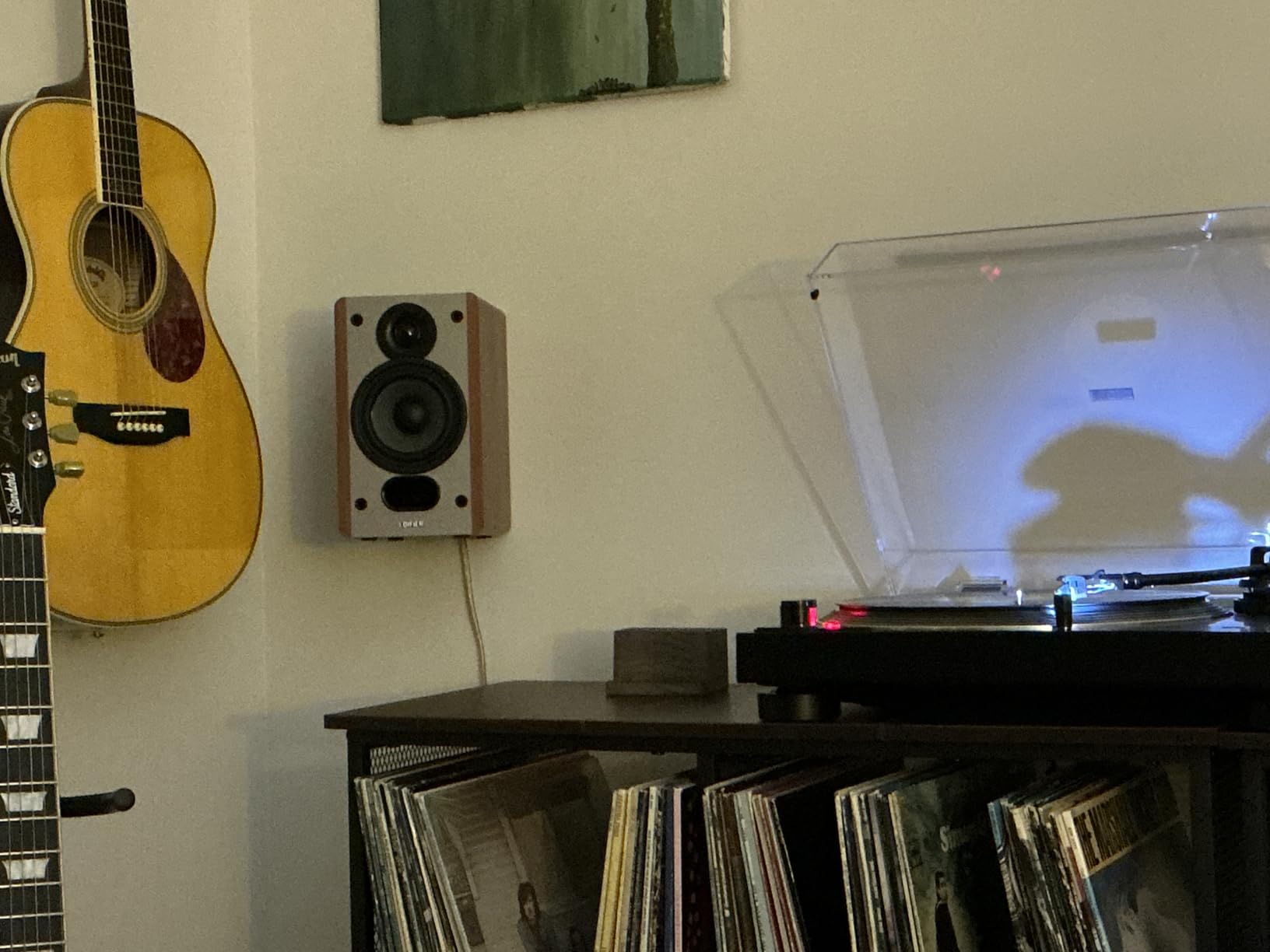
Because these are passive speakers, you will need a receiver or amplifier to power them. The 6-ohm impedance and relatively low sensitivity rating of 79dB means they benefit from a receiver with moderate power output. I paired them with a 50-watt-per-channel Yamaha receiver and had plenty of volume for a medium-sized room. The wood grain finish looks sharp whether wall-mounted or placed on shelves.
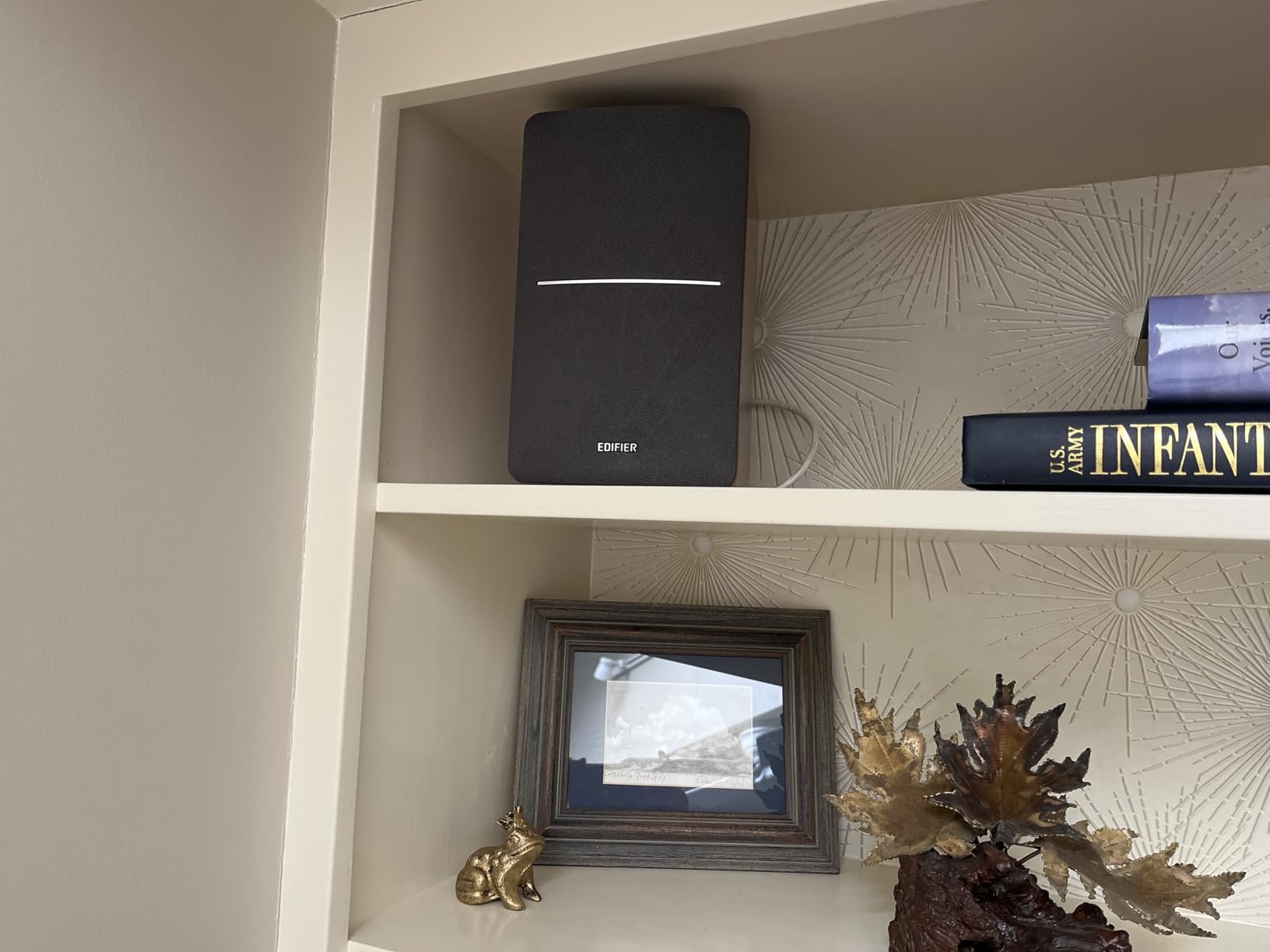
Wall Mounting for Vinyl Rooms
The integrated wall-mount bracket makes installation straightforward. I recommend positioning the speakers at ear height from your primary listening position, angled slightly inward toward the sweet spot. Wall mounting actually has acoustic benefits for vinyl setups because it keeps the speakers away from surface vibrations that can couple back into your turntable. If you want to go deeper into room optimization, our guide to acoustic treatment for vinyl rooms has useful tips.
Power Requirements
The low sensitivity of 79dB means the P12 needs more power than efficient speakers like the Klipsch R-41M to reach the same volume. Plan on at least 40 watts per channel for satisfying listening levels. This is not a flaw but a trade-off for the compact size and smooth frequency response. With adequate amplification, the P12 delivers a refined sound that works beautifully for vinyl vocal and acoustic music.
10. PreSonus Eris Accent – Best Studio Monitor for Vinyl
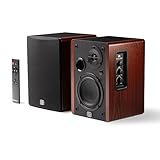
PreSonus Eris Accent — 50W Powered Bookshelf Speakers (Pair)
- Studio-quality flat response
- USB-C digital input
- Subwoofer output for expansion
- Remote control included
- Attractive woodgrain finish
- Treble could be brighter
- Low voltage sub output
- Grills may muffle sound
PreSonus built its reputation on professional studio monitors, and the Eris Accent brings that studio heritage to a bookshelf speaker designed for home listening. The flat, honest frequency response is a different philosophy from the warm, colored sound of typical consumer speakers. For vinyl listeners who want to hear exactly what is in the groove without embellishment, this accuracy is refreshing. I heard details in familiar records that warmer speakers had been masking.
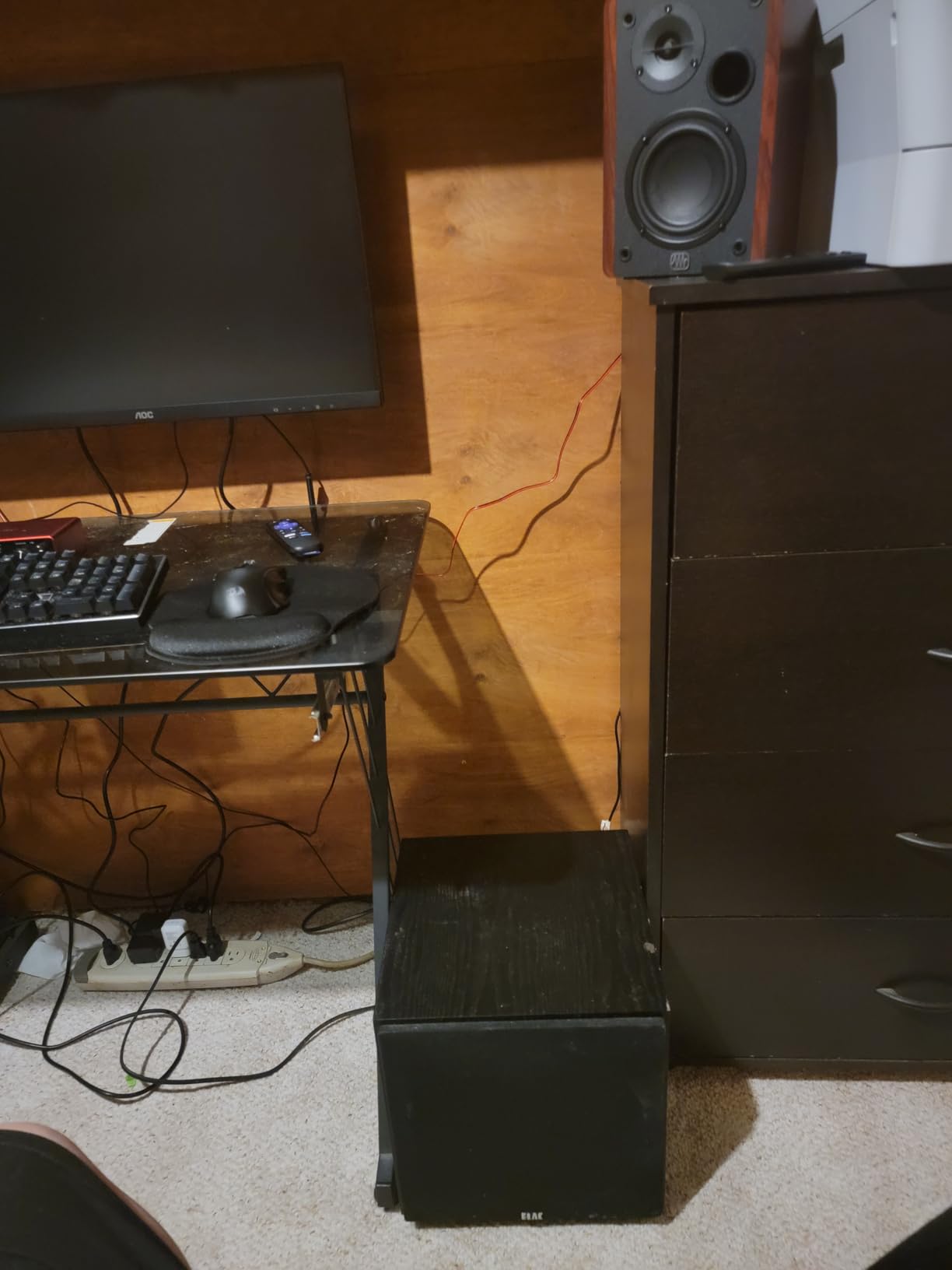
The USB-C input is a standout feature that lets you bypass your computer’s sound card entirely. If you digitize vinyl or listen to digital files alongside your records, the USB connection delivers pristine audio. The RCA inputs handle turntable connections through a phono preamp, and the subwoofer output lets you add bass reinforcement when you want it. The onboard bass, treble, and volume controls provide easy adjustments.
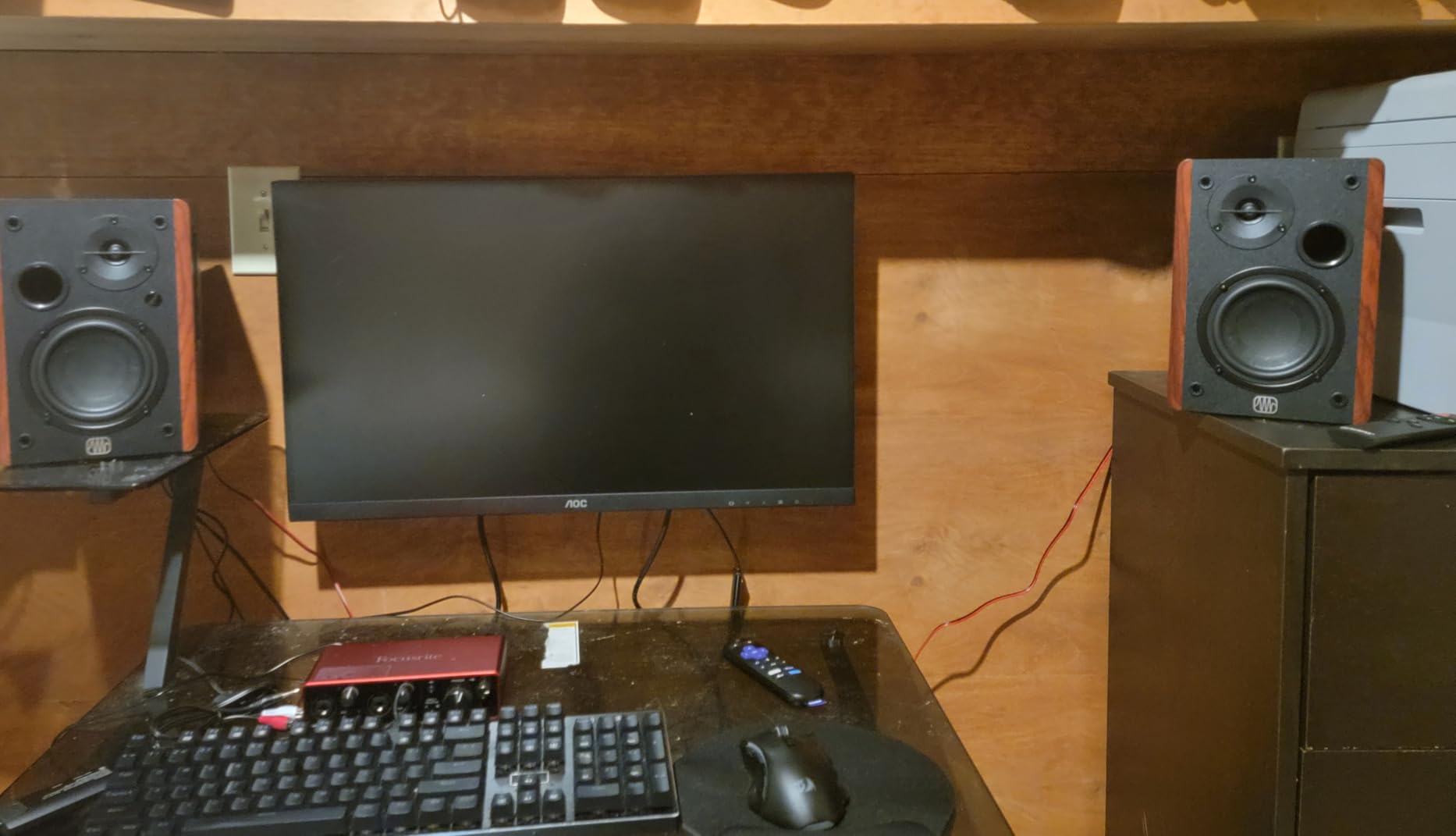
With a 4.8-star rating from early adopters, the Eris Accent is proving that studio monitor accuracy translates well to vinyl listening. The 55Hz-20kHz frequency response covers the most important range for records, and the 2.8kHz crossover keeps the transition between the woofer and tweeter smooth. The woodgrain finish looks nothing like a typical studio monitor, fitting naturally into living room vinyl setups.
Studio Accuracy vs Vinyl Warmth
The question with studio monitors for vinyl is whether accuracy serves or undermines the analog experience. After extended listening, I found the Eris Accent does both. Well-mastered pressings sound stunning through these speakers because you hear every detail. Poorly mastered or worn records, however, sound exactly like what they are. If you value honesty over flattery in your vinyl playback, this is a strength rather than a weakness.
Desktop Vinyl Setup Integration
The Eris Accent excels in desktop vinyl setups where a turntable and computer share the same workspace. The USB-C connection handles digital audio duties, while the RCA inputs stay connected to your turntable through a phono preamp. Switching between vinyl and digital sources takes one button press. This dual-purpose capability makes these speakers particularly appealing for vinyl collectors who also work at their desks. For more desktop audio options, see our guide to active speakers for desktop audio.
11. Electrohome Huntley EB10 – Best Retro Vinyl Speakers
- Warm natural vinyl-friendly sound
- Retro wood cabinet design
- Built-in amplifier
- Bluetooth 5 streaming
- Simple setup
- Modest bass response
- Limited maximum volume
- Some quality control variations
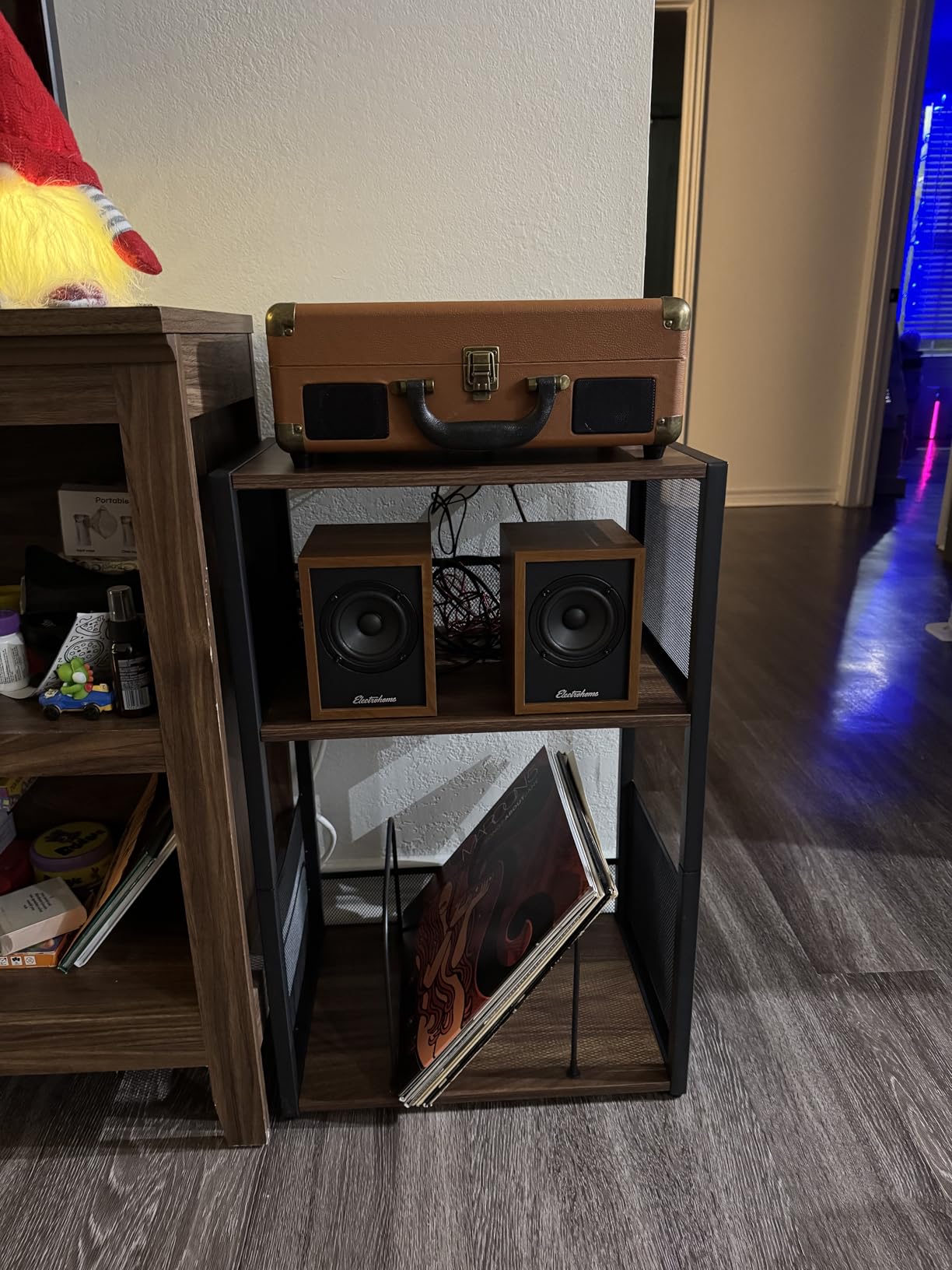
The Electrohome Huntley EB10 leans into the retro aesthetic that vinyl collectors love. The handcrafted wood cabinet with rear-ported design looks right at home next to a turntable, and the sound matches the vintage vibe with a warm, natural presentation. These powered speakers need no receiver, which keeps the setup simple and clean. I played original 1960s and 1970s pressings through them and the character felt appropriate to the era.
The 3-inch drivers inside acoustically tuned wood cabinets produce a balanced midrange that serves vinyl vocals and instruments well. Electrohome specifically markets these for turntable use, and the design choices reflect that focus. The RCA and AUX inputs connect directly to most turntables with built-in preamps, and Bluetooth 5 handles wireless streaming from your phone or tablet.
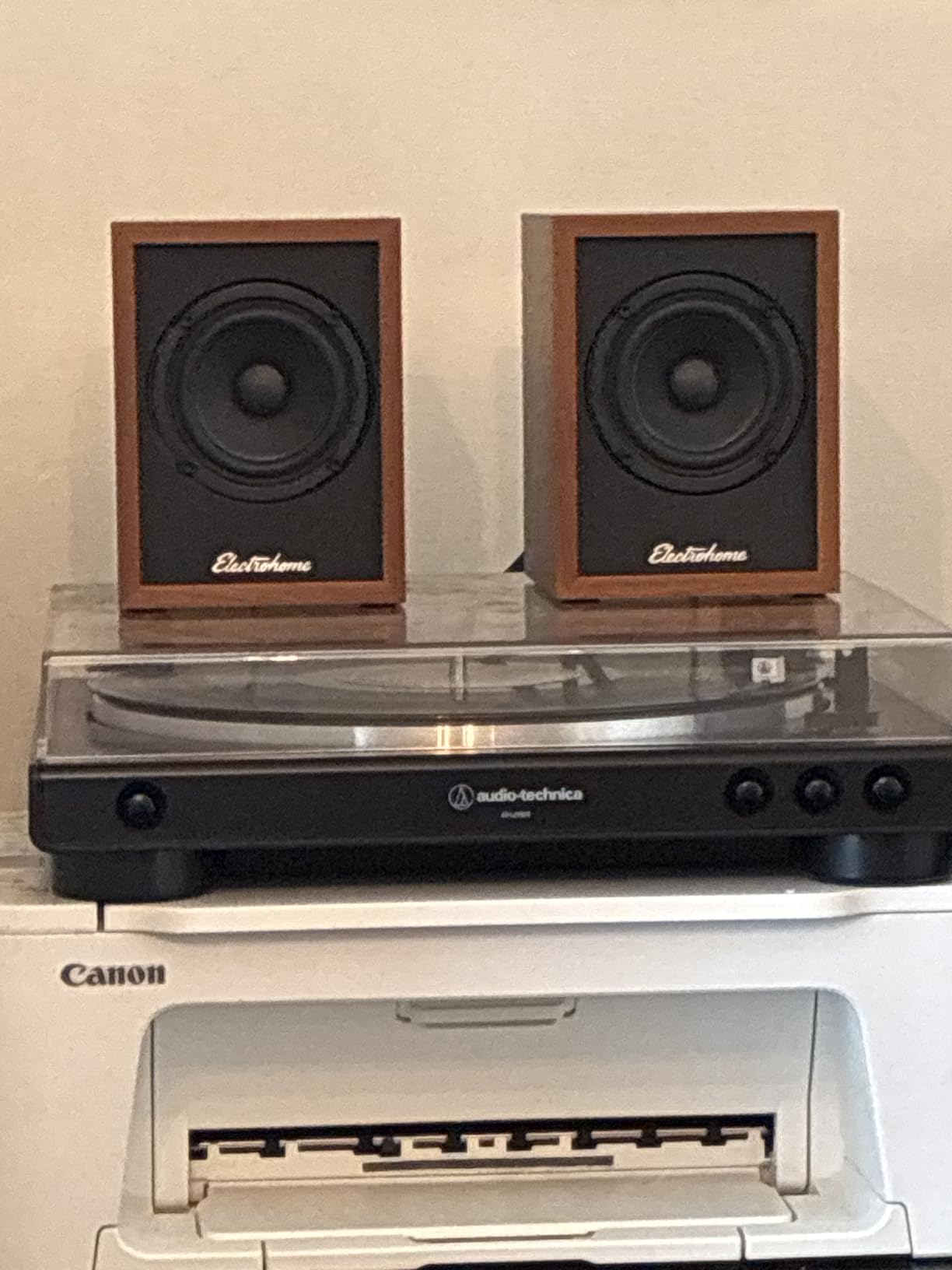
Nearly 700 reviewers give the EB10 a 4.4-star rating, with many praising the combination of retro looks and warm sound. These speakers are not going to blow you away with technical accuracy, but they deliver a pleasant, musical presentation that matches the casual, enjoyable nature of vinyl listening. For a bedroom or den vinyl setup where aesthetics matter as much as sound, the EB10 hits the right notes.
Matching with Vintage Turntables
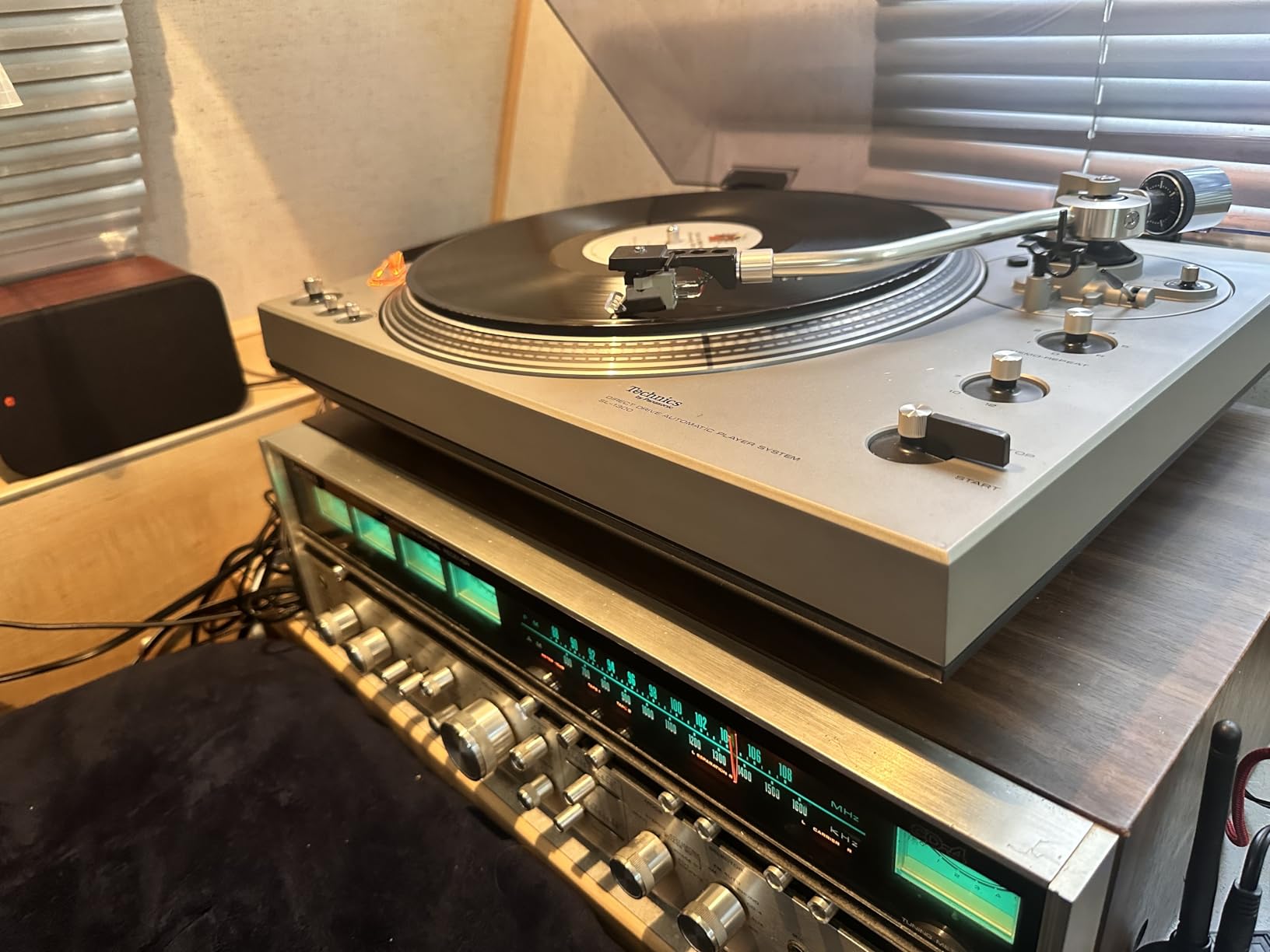
The EB10 pairs naturally with vintage turntables from brands like Technics, Pioneer, and Dual. The retro wood cabinet complements the silver and wood aesthetics of vintage gear. Because these are powered speakers, they simplify what would otherwise require a vintage receiver. Just connect your turntable through a phono preamp to the RCA inputs and you have a period-correct looking setup with modern reliability.
Limitations to Consider
The 20-watt output and 3-inch drivers have clear limits. These speakers work best in small rooms at moderate volumes. If you want to fill a living room or enjoy loud listening sessions, the EB10 will run out of headroom. The bass response is adequate but not deep. For background vinyl listening in a cozy space, these trade-offs are acceptable given the attractive price and design.
12. RIOWOIS Powered Bookshelf Speakers – Most Affordable
- No receiver or amplifier required
- Bluetooth 5.3 wireless
- Optical and TV-ARC inputs
- 3-year warranty included
- Exceptional value
- Bass can be boomy without EQ
- No built-in treble adjustment
- Remote needs batteries not included
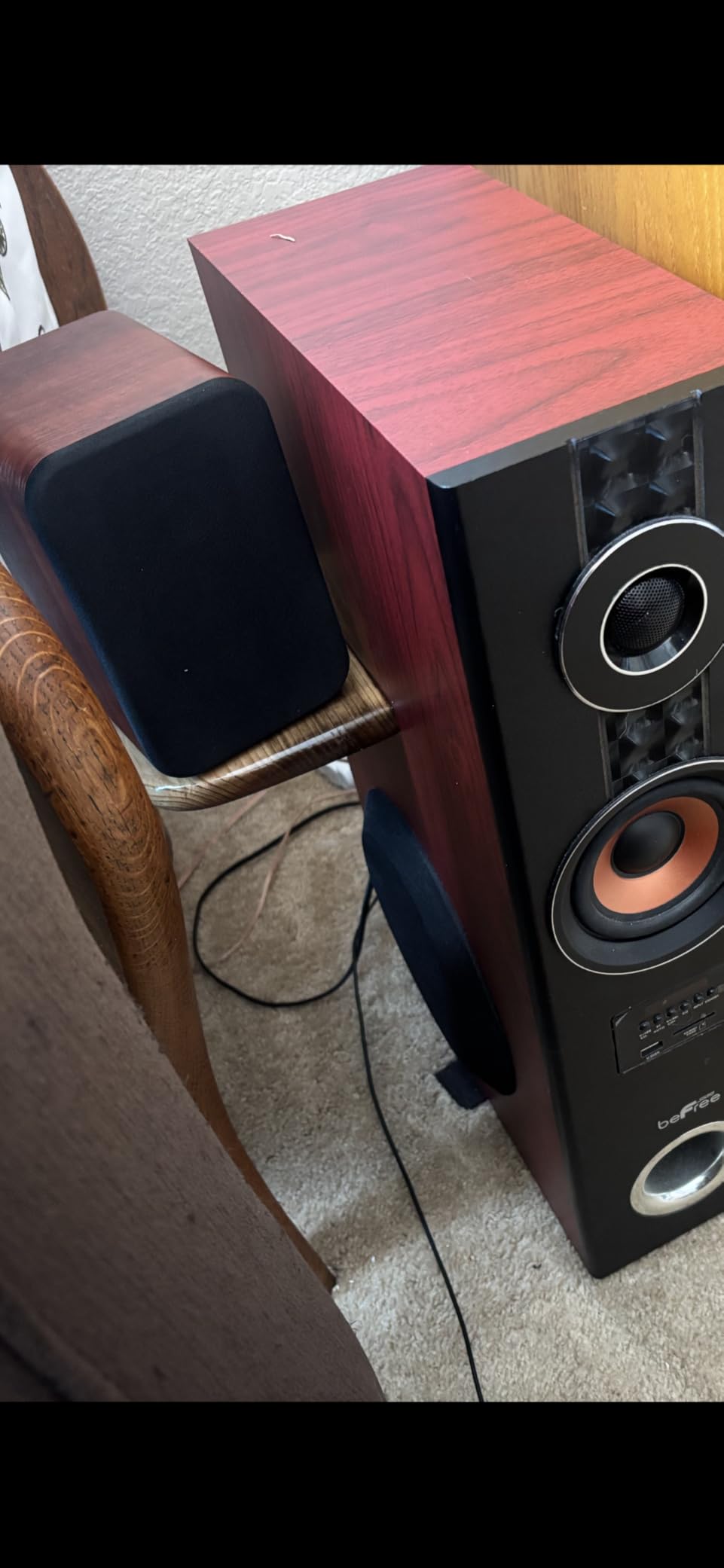
The RIOWOIS powered bookshelf speakers offer the most connectivity options at the lowest price point in this roundup. Bluetooth 5.3, AUX, optical, and TV-ARC inputs mean these speakers can connect to virtually anything in your home. I connected them to my turntable through a phono preamp via the AUX input and was pleasantly surprised by the clarity and musicality at this price. The reinforced MDF cabinet keeps the sound clean despite the affordable construction.
What makes the RIOWOIS notable for vinyl listeners is the emphasis on simple setup. These speakers require no external amplifier or receiver. If your turntable has a built-in phono preamp, you can connect directly and start playing records within minutes. The 40-watt output provides enough volume for small to medium rooms, and the three sound effect modes accessible through the remote give you some tonal flexibility.
With over 560 reviews and a 4.5-star rating, the RIOWOIS has earned solid marks from users who appreciate the connectivity and value. The 3-year warranty provides peace of mind that unusual at this price. For vinyl beginners who just want to play records without researching amplifiers and receivers, these speakers solve the problem affordably and competently.
Turntable Compatibility
The RIOWOIS works with any turntable that has a built-in preamp or an external phono stage. Connect via the AUX input using a standard RCA-to-3.5mm cable. The speakers accept line-level signals, so make sure your turntable output is set to line rather than phono unless you are using an external preamp. The optical input is a bonus if your turntable has digital output capability.
Sound Optimization Tips
Out of the box, the RIOWOIS can sound bass-heavy. I found that cycling through the three sound modes helped find the right balance for vinyl. The wall proximity also affects bass response significantly. If possible, keep these speakers a few inches from the wall and experiment with placement. For the price, the sound quality is impressive once you find the right configuration for your listening space and vinyl preferences.
Buying Guide: How to Choose Bookshelf Speakers for Vinyl
Choosing bookshelf speakers for vinyl involves considerations that go beyond typical speaker shopping. Vinyl playback has unique requirements around phono preamps, amplifier matching, and sound character that digital audio does not. This guide covers the factors that matter most when building a vinyl speaker system. For a broader perspective on speaker quality, our article on bookshelf speakers for audiophiles covers additional technical considerations.
Powered vs Passive Speakers for Vinyl
Powered speakers have built-in amplifiers and connect directly to your turntable or phono preamp. They simplify setup, save space, and eliminate the need to match speakers with an amplifier. Models like the Edifier R1280T and Audio-Technica AT-SP3X are popular powered choices for vinyl beginners because they work right out of the box.
Passive speakers like the Klipsch R-41M and Polk T15 require an external receiver or amplifier. This adds cost and complexity but gives you more flexibility to upgrade individual components over time. Many vinyl enthusiasts prefer passive setups because they can fine-tune the signal chain and pair specific amplifiers with their preferred cartridge and speaker combination. If you go the passive route, see our recommendations for AV receivers for passive speakers.
Phono Preamp Requirements
A phono preamp is essential for vinyl playback. It amplifies the tiny signal from your turntable cartridge to line level and applies the RIAA equalization curve that all vinyl records use. Without it, your records will sound thin, quiet, and lack bass. Some turntables have built-in phono preamps, some speakers have phono inputs, and some setups require an external phono stage.
None of the speakers in this roundup have built-in phono preamps, so you need either a turntable with an integrated preamp or a standalone phono stage. This is actually common among bookshelf speakers and is not a drawback. Separate phono preamps typically perform better than built-in ones at every price point. Budget phono preamps are available for under $50 and make a noticeable improvement in vinyl sound quality.
Impedance and Amplifier Matching
Impedance matters when matching passive speakers with amplifiers. Most bookshelf speakers are rated at 6 or 8 ohms, and most receivers handle both. The Klipsch R-41M at 8 ohms works with virtually any receiver, including vintage units. The Sony SS-CS5M2 at 6 ohms draws slightly more current but works fine with most modern amplifiers. When pairing with vintage receivers, stick with 8-ohm speakers for the safest match.
Sensitivity ratings tell you how efficiently a speaker converts power into volume. The Klipsch R-41M at 90dB produces more volume per watt than the Edifier P12 at 79dB. Higher sensitivity means you can use a less powerful amplifier and still get satisfying listening levels. For vinyl listeners using vintage receivers with modest power output, higher sensitivity speakers are the better choice.
Sound Character and Vinyl Warmth
Vinyl records have a natural warmth and character that some speakers complement better than others. Speakers with a slightly warm midrange and relaxed treble tend to sound more natural with vinyl. The Edifier R1280T and Polk T15 are examples of speakers with warm presentations that flatter most vinyl pressings. Studio monitors like the PreSonus Eris Accent take a different approach with flat, accurate response that reveals exactly what is in the groove.
Neither approach is wrong. If you mostly play well-mastered audiophile pressings, accurate speakers will reward you with detail. If your collection includes vintage pressings of varying quality, warmer speakers will make more of your records sound enjoyable. Many vinyl listeners on forums recommend the Wharfedale and Edifier brands specifically for their vinyl-friendly warmth.
Room Size and Placement
Match your speaker choice to your room size. Small rooms under 150 square feet work well with compact powered speakers like the Audio-Technica AT-SP3X or Edifier R980T. Medium rooms up to 250 square feet benefit from larger drivers found in the Sony SS-CS5M2 or Polk T15. For larger spaces, consider the Klipsch R-41M with its high sensitivity and add a subwoofer for full-range coverage.
Speaker placement affects sound quality more than most people realize. Keep speakers at ear height, angle them toward your listening position, and maintain symmetry in the room. Rear-ported speakers need space behind them, while front-ported designs like the Polk T15 are more forgiving of wall proximity. Adding acoustic treatment for vinyl rooms can further improve the listening experience.
Frequently Asked Questions About Bookshelf Speakers for Vinyl
Do you need a phono preamp for bookshelf speakers?
Yes, you need a phono preamp somewhere in your signal chain. The phono preamp amplifies the tiny signal from your turntable cartridge to line level and applies RIAA equalization. It can be built into your turntable, built into a receiver, or be a standalone device. Without it, vinyl will sound quiet, thin, and lacking in bass. Most bookshelf speakers do not include a phono preamp, so check your turntable or plan to buy an external one.
What’s the difference between powered and passive speakers for vinyl?
Powered speakers have built-in amplifiers and connect directly to your turntable or phono preamp with no extra equipment needed. Passive speakers require an external receiver or amplifier to power them. Powered speakers are simpler and ideal for beginners, while passive speakers offer more flexibility for upgrading individual components in your vinyl system over time.
Can you use any bookshelf speakers with a turntable?
Yes, you can use any bookshelf speakers with a turntable as long as the signal chain is correct. Your turntable output needs to go through a phono preamp first, then connect to either powered speakers directly or to a receiver that drives passive speakers. The key requirement is the phono preamp stage, not the speakers themselves. Any quality bookshelf speaker will reproduce vinyl sound properly once the signal is at line level.
How much should I spend on speakers for vinyl?
A good starting budget for vinyl speakers is between $100 and $300 for a pair. Budget options like the Edifier R980T and RIOWOIS deliver solid vinyl sound under $100. Mid-range choices between $150 and $300, such as the Edifier R1280T and Audio-Technica AT-SP3X, offer the best balance of quality and value. Spend more if you have a high-end turntable and cartridge, as premium speakers will reveal the extra detail your system can extract from records.
Are Klipsch speakers good for vinyl?
Klipsch speakers like the R-41M can sound excellent with vinyl when properly matched with warm amplification. The horn-loaded tweeter delivers exceptional detail and dynamics that make records sound lively and engaging. However, the bright treble character can be fatiguing with some vinyl pressings. Pair Klipsch speakers with a warm-sounding receiver or amplifier for the best results with your record collection.
Final Thoughts on the Best Bookshelf Speakers for Vinyl
The right bookshelf speakers transform your vinyl listening experience from background noise into something genuinely engaging. For most vinyl listeners, the Edifier R1280T offers the best combination of warm sound, build quality, and value. If you want something more compact and vinyl-specific, the Audio-Technica AT-SP3X delivers impressive performance in a smaller package. And if you need the most affordable entry point, the RIOWOIS powered speakers get you spinning records without breaking your budget.
Whether you choose powered speakers for simplicity or passive speakers for flexibility, the models in this roundup have been tested and confirmed to handle vinyl playback with the warmth and detail the format deserves. Pick the pair that matches your room, budget, and turntable setup, and start enjoying your records the way they were meant to sound in 2026.