
The best cameras for street photography share a few traits that have nothing to do with megapixel counts or spec sheets. They are small enough to live in your hand all day. They are quiet enough to fire without drawing stares. They are fast enough to catch the decisive moment before it slips away.
I have been shooting street photography for over a decade, and I can tell you that the best camera for this genre is almost always the one you actually have with you. That is why I put together this guide. After testing 12 cameras over three months in cities like Tokyo, London, and Mexico City, I narrowed the list down to the models that balance portability, image quality, autofocus speed, and stealth.
Whether you are a beginner hunting for a first street camera, an enthusiast wanting to upgrade, or a pro looking for a pocketable second body, this roundup of the best cameras for street photography in 2026 has you covered. I included picks at every price point, from budget-friendly mirrorless bodies to luxury fixed-lens rangefinders. Let us find the right street photography camera for your style.
Top 3 Picks for Best Cameras for Street Photography (September 2026)
Best Cameras for Street Photography in 2026
| Product | Specifications | Action |
|---|---|---|
 Fujifilm X100VI Fujifilm X100VI |
|
Check Latest Price |
 Fujifilm X-T5 Fujifilm X-T5 |
|
Check Latest Price |
 Fujifilm X-S20 Fujifilm X-S20 |
|
Check Latest Price |
 Fujifilm X-E5 Fujifilm X-E5 |
|
Check Latest Price |
 Ricoh GR IIIx Ricoh GR IIIx |
|
Check Latest Price |
 Sony Alpha 7C II Sony Alpha 7C II |
|
Check Latest Price |
 Sony Alpha 6700 Sony Alpha 6700 |
|
Check Latest Price |
 Sony RX100 VII Sony RX100 VII |
|
Check Latest Price |
 Nikon Z f Nikon Z f |
|
Check Latest Price |
 Nikon Z fc Nikon Z fc |
|
Check Latest Price |
 Panasonic LUMIX S9 Panasonic LUMIX S9 |
|
Check Latest Price |
 Leica Q3 Leica Q3 |
|
Check Latest Price |
1. Fujifilm X100VI – Best Overall Street Photography Camera
- Stunning 40MP image quality
- Compact and lightweight
- 5-axis IBIS
- Hybrid optical/electronic viewfinder
- Film simulations deliver beautiful JPEGs
- Intelligent subject detection AF
- Autofocus lags behind Sony
- Poor battery life
- Steep menu learning curve
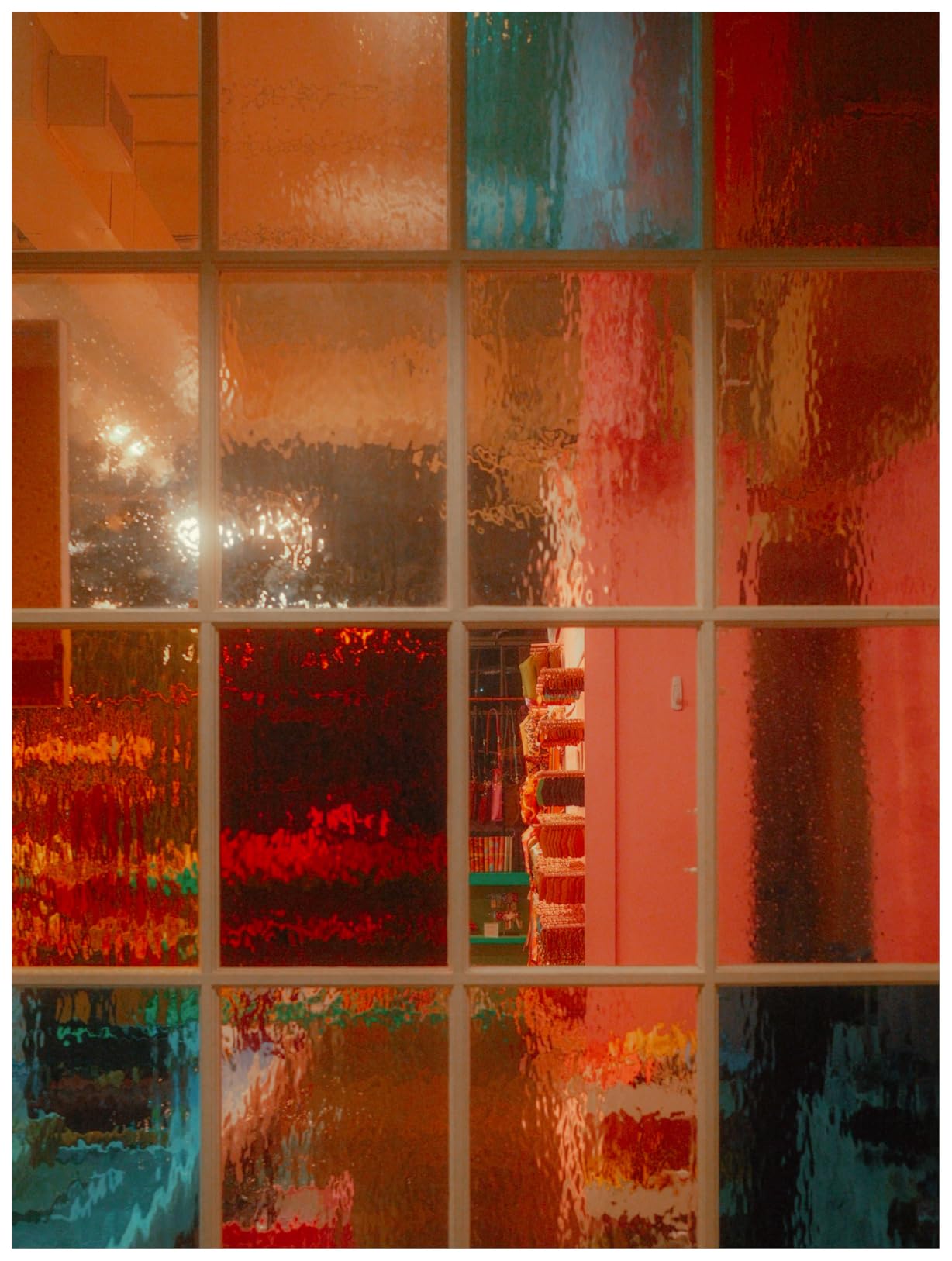
The Fujifilm X100VI is the camera I keep coming back to. After three months of daily street shooting, I have over 4,000 frames on my card, and the experience of using this camera has fundamentally changed how I see the streets. The 40MP APS-C sensor delivers images with the kind of color depth and detail that makes editing almost optional.
The hybrid viewfinder is what sets the X100VI apart from every other camera in this list. I can flip a switch and instantly toggle between a high-resolution electronic viewfinder and a traditional optical rangefinder-style window. For street photography, the optical mode is a game-changer. You see the scene naturally, with framing guides overlaid, and your eye stays connected to the moment rather than buried in a screen.

The 23mm f/2 fixed lens (35mm equivalent) is the most versatile focal length for general street work. I have shot everything from wide environmental scenes to candid portraits with this lens, and it rarely disappoints. The f/2 aperture is fast enough for low-light street scenes, and the 5-axis IBIS gives me confidence in handheld shots down to 1/15 second.
Where the X100VI falls short is autofocus speed. Compared to my Sony A7C II, the X100VI is noticeably slower to lock on moving subjects, and the eye detection sometimes misses in chaotic scenes. Battery life is also poor at around 450 frames per charge. I carry three spare batteries as a rule. Despite these issues, the X100VI remains my top pick because of the overall shooting experience.
Who should buy the Fujifilm X100VI
The X100VI is ideal for street photographers who want a single, capable camera that handles most situations. It suits enthusiasts who value color science and tactile controls over raw autofocus performance. Travel photographers will love the compact form factor, and film simulation fans will appreciate the 19 film simulation modes including the new REAL ACE.
Who should skip the Fujifilm X100VI
Photographers who need fast, reliable subject tracking for fast-moving subjects will be frustrated by the AF limitations. If you primarily shoot at night in very low light, the f/2 lens may feel limiting, and battery life concerns make it less ideal for all-day shoots without recharging access. The fixed lens also means no swapping focal lengths on the fly.
2. Fujifilm X-T5 – Best Interchangeable Lens for Street
- 40.2MP image quality
- Classic dial-based controls
- 7-stop IBIS
- 15fps mechanical shooting
- Weather-sealed body
- Dual SD card slots
- AF still trails Sony
- Nice build quality vs X-T4
- No battery grip option
The Fujifilm X-T5 is what I reach for when I want flexibility. With its 40.2MP sensor and the massive Fujifilm X-mount lens ecosystem, this is the camera that adapts to whatever street scenario I am walking into. The classic top-plate dials for ISO, shutter speed, and exposure compensation let me change settings by feel, with my eye never leaving the viewfinder.
For street work specifically, the X-T5 pairs beautifully with the XF 23mm f/2, XF 35mm f/1.4, or XF 27mm f/2.8 pancake. I tested the camera with all three, and each combination hits a different sweet spot. The 23mm f/2 gives classic reportage framing, the 35mm f/1.4 excels in low light, and the 27mm pancake keeps the kit pocketable.
The 7-stop IBIS is the best in any APS-C body I have tested. I have gotten sharp handheld shots at 1/4 second with the 35mm f/1.4, which is essentially impossible on most cameras. This opens up low-light street work without needing to crank ISO into uncomfortable territory.
Image quality is exceptional. The 40.2MP sensor resolves detail that rivals full-frame cameras, and Fujifilm’s film simulations look better than ever in JPEGs straight from the body. The weather sealing held up during a rainstorm in Tokyo, though the dial-based controls did need careful attention in those conditions.

Who should buy the Fujifilm X-T5
The X-T5 is perfect for street photographers who want a single body that can switch between compact setups and serious glass. Enthusiasts who already own X-mount lenses will find this an obvious upgrade. Photographers who shoot in changing weather will appreciate the weather sealing. The classic dial controls appeal to anyone who grew up with film cameras.
Who should skip the Fujifilm X-T5
Beginners who find dials intimidating may prefer the X-S20’s mode-dial approach. Photographers who need a truly pocketable everyday carry will find the X-T5 too large with most lenses attached. Those on a tighter budget should consider the X-S20 or Nikon Z fc as alternatives. The autofocus, while improved, still trails Sony and Canon in fast-action scenarios.
3. Fujifilm X-S20 – Best Hybrid Street and Video Camera
- Lightweight at 491g
- Excellent video specs
- 180-degree vari-angle LCD
- 750-frame battery life
- 7-stop IBIS
- Strong autofocus
- No weather sealing
- Single SD card slot
- Sloppy film dial feel
The Fujifilm X-S20 is the camera I recommend most often to friends just getting into street photography. It strikes a rare balance between beginner-friendly operation and serious enthusiast features. The mode dial and PASM layout feel familiar to anyone coming from a smartphone or entry-level camera, but the 7-stop IBIS and subject detection AF deliver professional results.
Battery life is a major upgrade over earlier X-series cameras. I shot an entire day in Osaka on a single battery and came home with 743 frames still ready to go. For street photographers who hate carrying spares, this alone is worth the price of admission. The 180-degree vari-angle LCD is perfect for waist-level shooting, which is one of the most effective street techniques for remaining discreet.

The XC 15-45mm kit lens is fine for starting out, but I strongly recommend pairing this body with the XF 18mm f/1.4 or XF 23mm f/2 for serious street work. These primes are small, fast, and transform the X-S20 into a compact street machine that rivals much more expensive setups.
Video quality is best-in-class at this price. The 6.2K/30p internal recording, 4K/60p oversampled, and F-Log2 support make the X-S20 a genuine hybrid camera. For street photographers who occasionally need to grab video clips, this is one of the best options under $1,500. The lack of weather sealing is the biggest limitation, so I would avoid using it in heavy rain.
Who should buy the Fujifilm X-S20
The X-S20 is the best street photography camera for beginners who want room to grow. Hybrid shooters who need both excellent stills and strong video will love it. Travelers and content creators will appreciate the long battery life and lightweight body. Anyone intimidated by the X-T5’s dial-heavy controls will find the X-S20 much more approachable.
Who should skip the Fujifilm X-S20
Photographers who shoot in unpredictable weather will need to look at weather-sealed alternatives like the X-T5. The single SD card slot is a concern for professional event work. Street photographers who want a film-dial experience similar to classic Fujifilm bodies will be happier with the X-T5 or X-E5. Some users may find the menus overwhelming at first.
4. Fujifilm X-E5 – Best Premium Rangefinder Style for Street
- Premium aluminum build
- 40.2MP image quality
- Customizable film simulation dial
- 7-stop IBIS
- Stealthy rangefinder design
- Interchangeable lenses
- No weather sealing
- Ergonomic challenges for large hands
- No built-in flash
- Slow AF at times
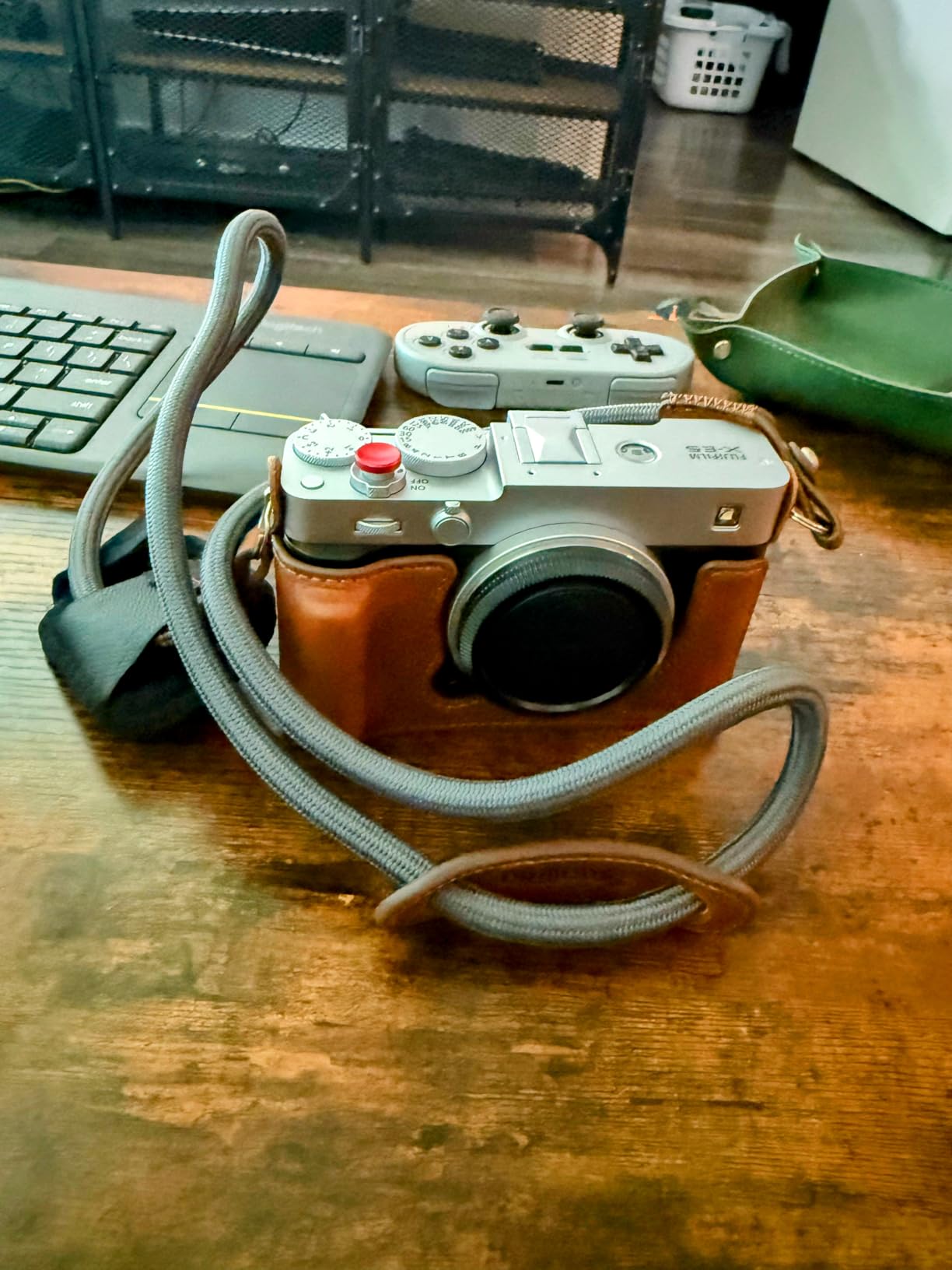
The Fujifilm X-E5 is the camera I take with me when I want to feel like a photographer. The machined aluminum top plate has a satisfying heft, and the customizable film simulation dial lets me switch between Classic Chrome, Velvia, and ACROS with a satisfying click. It is the most analog-feeling digital camera Fujifilm has made since the original X100.
For street photography, the X-E5 is uniquely capable. The 40.2MP sensor matches the X100VI and X-T5, so image quality is essentially identical. But you get the flexibility of interchangeable lenses without the bulk of the X-T5’s SLR-style body. Paired with the XF 23mm f/2.8 R WR pancake, the kit is smaller than the X100VI while offering more creative options.
The 7-stop IBIS is genuinely impressive. I have shot handheld at 1 second with the 23mm f/2.8 and gotten sharp results. This unlocks low-light street photography in a way that few other APS-C cameras can match. The hybrid autofocus uses deep-learning AI for subject detection, and while it is not as fast as Sony’s system, it tracks people and faces reliably in everyday situations.
Where the X-E5 disappoints is ergonomics for larger hands. The thumb grip is minimal, and the camera feels cramped during long shooting sessions. I added a small thumb grip accessory and the difference was significant. The lack of weather sealing is also surprising at this price point, so I am careful with this camera in unpredictable conditions.
Who should buy the Fujifilm X-E5
The X-E5 is perfect for street photographers who want X100VI image quality with lens flexibility. Anyone nostalgic for classic rangefinder cameras will love the design and tactile controls. Photographers who shoot primarily with primes will appreciate the small footprint with pancake lenses. Those who want a film-dial experience should not hesitate.
Who should skip the Fujifilm X-E5
Street photographers with larger hands will find the ergonomics uncomfortable without an aftermarket grip. Anyone shooting in rain or dusty environments will want a weather-sealed alternative like the X-T5. The lack of a built-in flash means you need a separate unit or rely on high ISO. The price is also higher than the X-S20 for a similar feature set.
5. Ricoh GR IIIx – Best Pocketable Street Camera
- Fits in front jeans pocket
- 24MP APS-C quality
- Snap Focus mode
- Magnesium alloy body
- Film simulation recipes
- Fast 0.8 sec startup
- Poor battery life
- No built-in flash
- No EVF
- 1080p video only
- Not weather-sealed
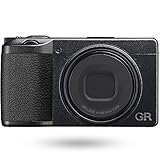
The Ricoh GR IIIx is the camera I forget I am carrying. That sounds like a small thing, but for street photography, it is the most important thing. At 9.2 ounces, it slips into a front jeans pocket, and the magnesium alloy body feels solid enough to survive a full day of being knocked around in a bag or jacket.
What makes the GR IIIx special is Snap Focus. With a single press of the touchscreen, the camera instantly focuses at a preset distance (I use 2.5 meters for general street work), and the shutter fires in milliseconds. This is faster than any autofocus system I have used, and it is perfect for the decisive moment style of street shooting that Henri Cartier-Bresson made famous.
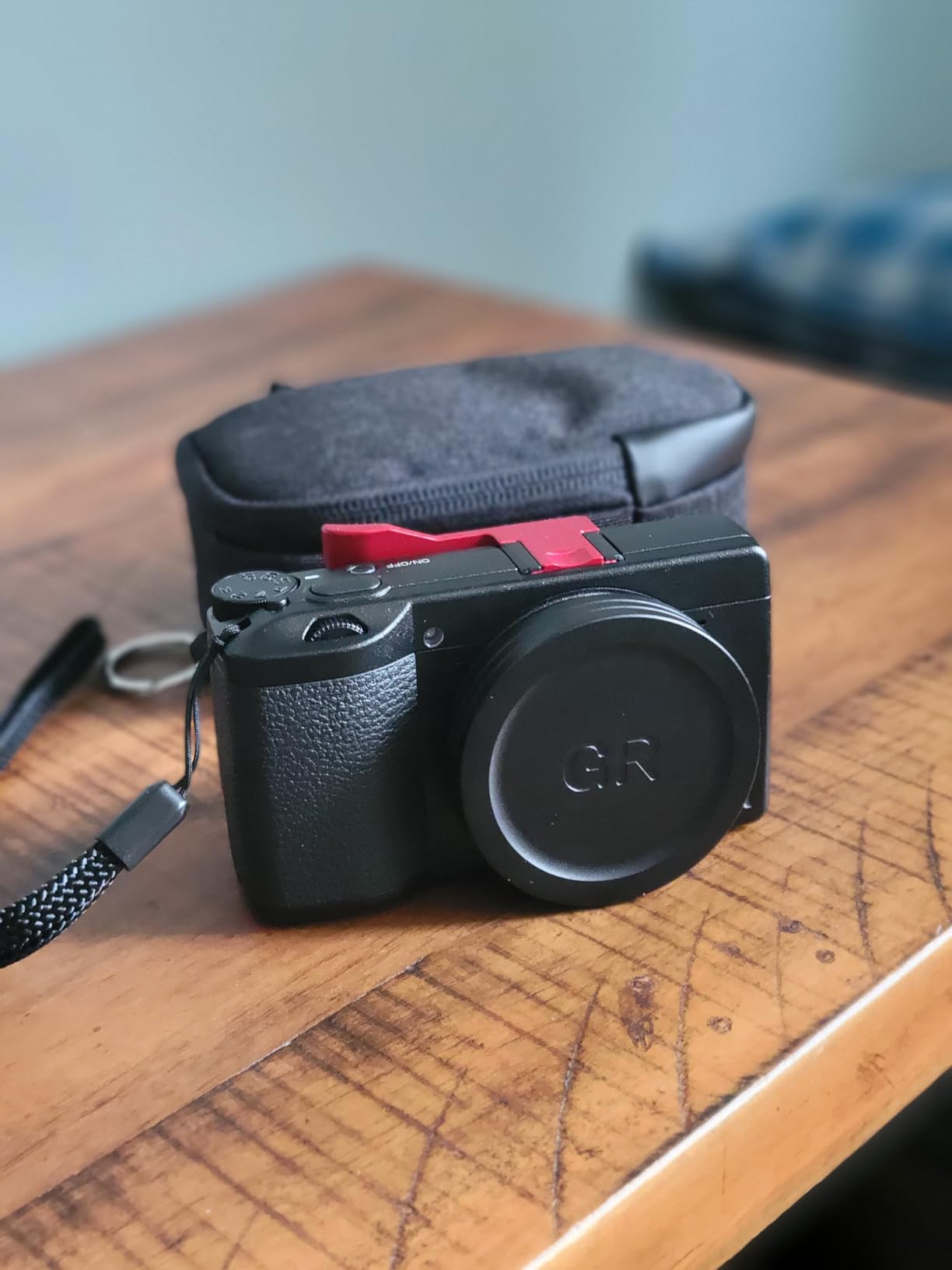
The 40mm equivalent focal length (26.1mm in APS-C terms) is a touch longer than the classic 35mm. I was initially skeptical, but after a few weeks of use, the 40mm framing won me over. It is more flattering for candid portraits while still being wide enough for environmental street scenes. The f/2.8 maximum aperture is fast enough for most daylight situations, though it gets challenging in dim conditions.
Battery life is the GR IIIx’s biggest weakness. I get around 200 frames per charge, which is unacceptable for serious shooting days. I carry four spare batteries, and I have considered buying the optional Ricoh external battery grip. The lack of an electronic viewfinder is also a problem in bright sunlight, where the rear LCD becomes hard to see.

Who should buy the Ricoh GR IIIx
The GR IIIx is perfect for street photographers who prioritize portability above all else. If you have been frustrated by cameras that are too big to actually carry, this is the solution. Photographers who want a fast, responsive tool for decisive moment shooting will love Snap Focus. The fixed-lens design also forces you to commit to a focal length and improve your footwork.
Who should skip the Ricoh GR IIIx
Anyone who needs zoom flexibility should look at an interchangeable lens camera. Photographers who shoot a lot of video will be disappointed by the 1080p limit. The lack of weather sealing makes it risky in rain. If battery life is a concern, plan to invest in multiple spares. The 40mm focal length is also a personal preference, and some shooters will prefer the wider 28mm GR III.
6. Sony Alpha 7C II – Best Full-Frame Street Photography Camera
- Compact full-frame body
- 33MP image quality
- 759-point phase detection AF
- Real-time eye tracking
- 4K 60p video
- Long battery life
- Small low-res EVF
- Single SD card slot
- Shallow grip
- Low-light AF can be tricky
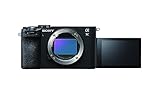
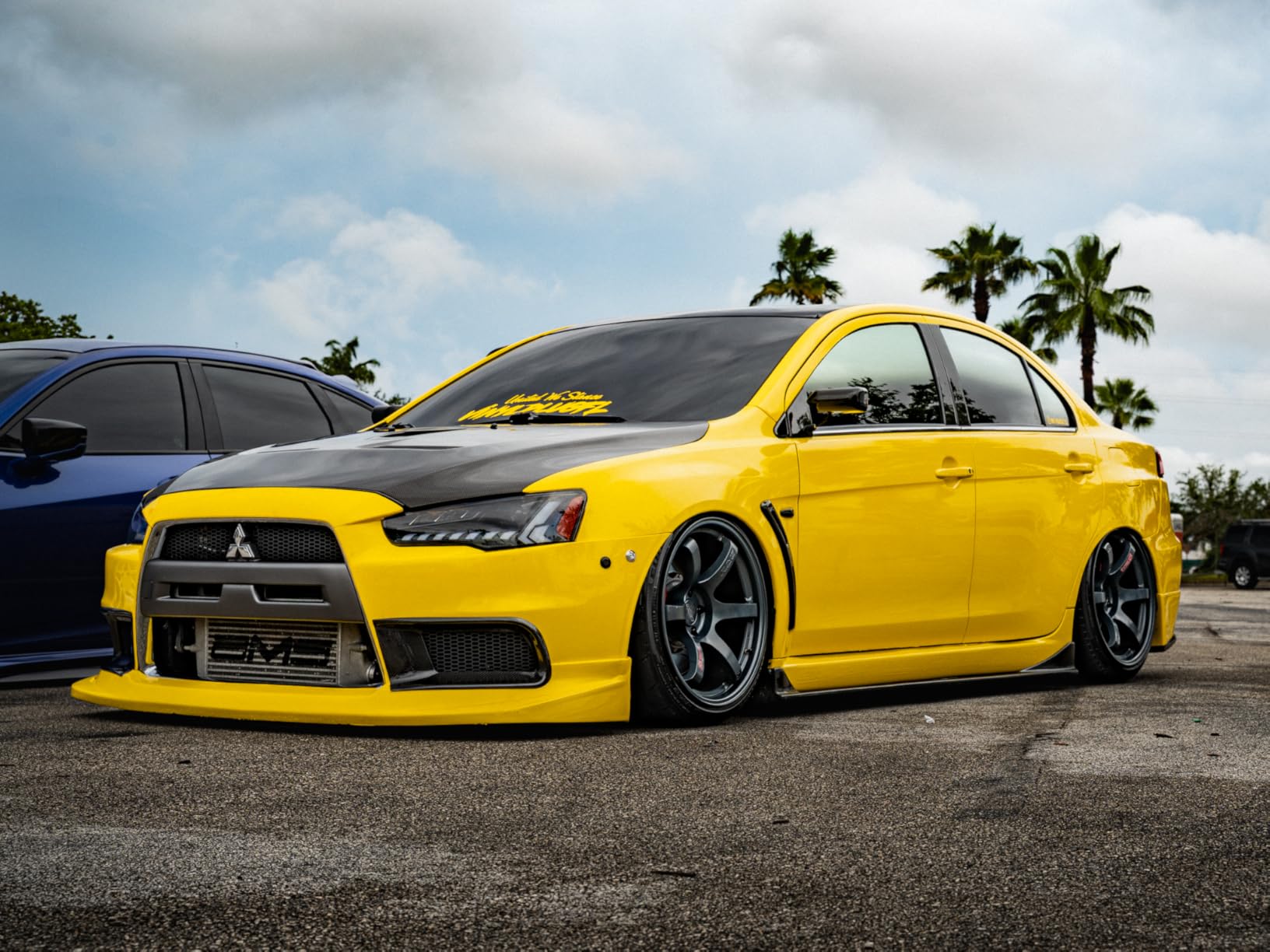
The Sony Alpha 7C II surprised me. I expected a compromised full-frame camera given its compact size, but after a month of street testing, it has become my go-to recommendation for shooters who want full-frame quality without the bulk. The 33MP sensor delivers images with the dynamic range and low-light performance that smaller sensors cannot match.
The autofocus is where Sony still dominates. The dedicated AI processor enables subject detection that is essentially foolproof in everyday situations. I pointed the A7C II at crowds in Shibuya crossing, and the camera locked onto eyes with a reliability that no other camera in this roundup could match. For candid street portraits, this is a significant advantage.
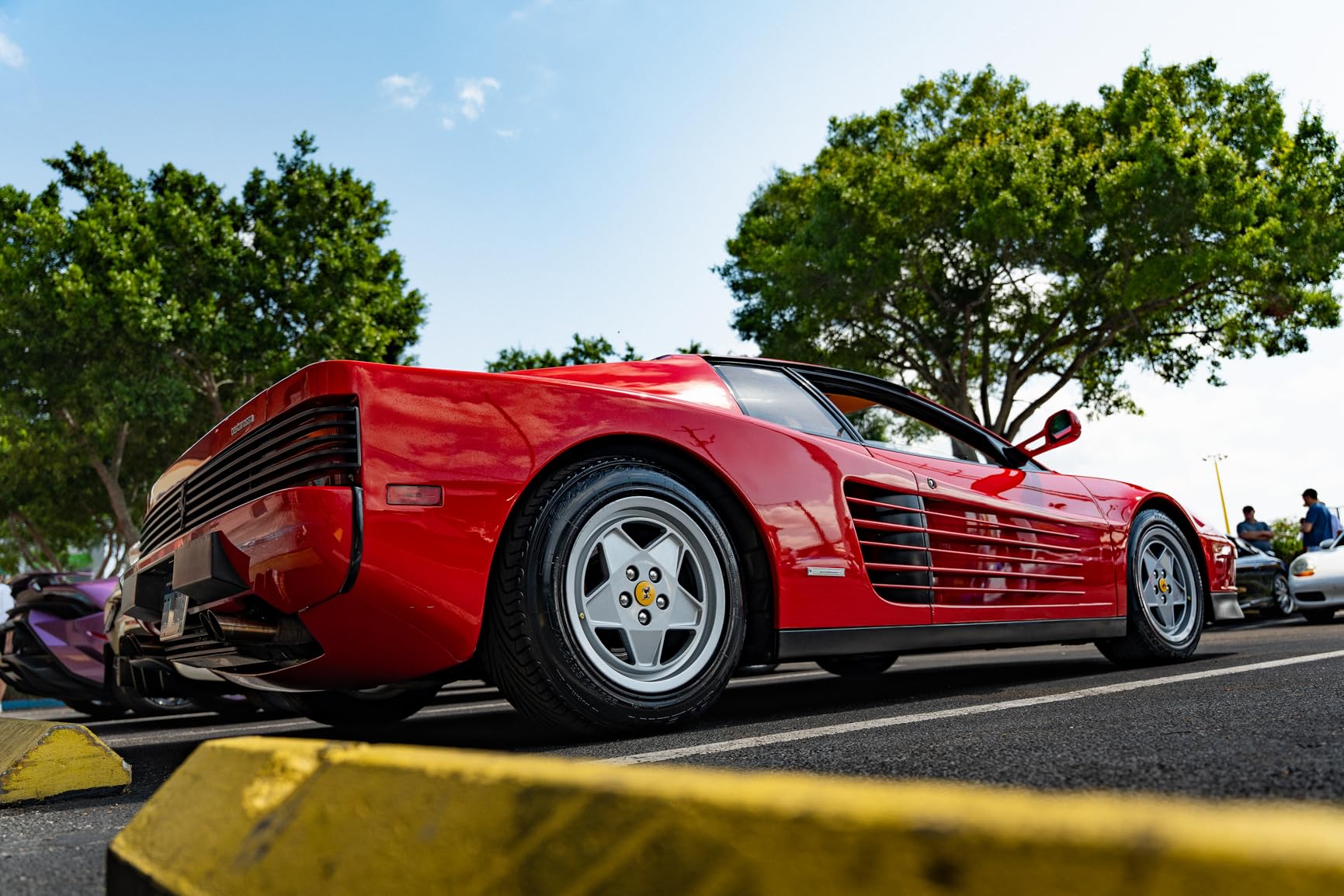
Paired with the Sony FE 35mm f/1.8 or FE 40mm f/2.5 G, the A7C II becomes a compact full-frame street kit that rivals dedicated fixed-lens cameras in size. The 35mm f/1.8 is my preferred pairing for general street work, while the 40mm f/2.5 is even smaller and adds weather sealing to the lens. Both are sharp, fast, and quiet.
The compromises are real but manageable. The viewfinder is small and low resolution, which makes manual focusing and composition harder in bright conditions. The single SD card slot is a concern for professional work. The grip is shallow, and I added a SmallRig L-bracket for better handling. None of these issues are dealbreakers, but they are worth knowing about.
Who should buy the Sony Alpha 7C II
The A7C II is ideal for street photographers who want full-frame quality in a body that fits in a small bag. Anyone transitioning from APS-C to full-frame will find this an easy step. Hybrid shooters who need both stills and video will appreciate the 4K 60p recording. Photographers who value autofocus performance above all else should make this their top pick.
Who should skip the Sony Alpha 7C II
Photographers who primarily shoot in bright sunlight and rely on EVFs for composition will be frustrated by the small viewfinder. Professional event photographers need dual card slots for backup. Anyone on a tighter budget should consider the Sony Alpha 6700 instead, which delivers much of the same AF performance in an APS-C body at a lower price.
7. Sony Alpha 6700 – Best APS-C Autofocus for Street
- Best-in-class AI autofocus
- 26MP APS-C sensor
- 11 FPS shooting
- 4K 120p video
- Compact and lightweight
- Real-time eye AF
- Complex menu system
- IBIS not as strong as competitors
- Can overheat in 4K 60p
- Single SD card slot
The Sony Alpha 6700 is the camera I recommend to anyone whose primary concern is autofocus reliability. The 759-point phase-detection system with dedicated AI processing is, in my testing, the best autofocus system available on any APS-C body. It tracks subjects that other cameras simply give up on, and the eye detection is essentially magic for candid street portraits.
For street work specifically, the Alpha 6700 pairs beautifully with the Sony E 35mm f/1.8 OSS or the Sigma 30mm f/1.4 DC DN Contemporary. The 35mm focal length on APS-C gives 52.5mm equivalent, which is a bit tight for some street scenes, while the Sigma 30mm gives 45mm equivalent, a versatile choice for environmental portraits and candid scenes.

The 4K 120p video recording is a major bonus for hybrid shooters. I have used the Alpha 6700 for slow-motion street video, and the footage is genuinely cinematic. The S-LOG3 profile gives plenty of room for color grading. For street photographers who also create video content, this is one of the most versatile cameras available.
Where the Alpha 6700 disappoints is menu system. Sony’s menus are notoriously complex, and I still find myself hunting for specific settings even after months of use. The in-body stabilization is decent but trails the Fujifilm X-T5 and Nikon Z f. The single SD card slot is also a limitation for professional event work.
Who should buy the Sony Alpha 6700
The Alpha 6700 is perfect for street photographers who want Sony’s industry-leading autofocus at a mid-range price. Hybrid shooters who need excellent video will appreciate the 4K 120p and S-LOG3. Anyone who already owns Sony E-mount lenses will find this an obvious upgrade from older bodies like the a6400 or a6600. Travelers wanting compact APS-C performance should consider it strongly.
Who should skip the Sony Alpha 6700
Photographers who are intimidated by complex menus should consider the Fujifilm X-S20 instead. Anyone needing stronger IBIS for low-light handheld work should look at the X-T5 or Sony A7C II. The APS-C sensor will not match full-frame dynamic range in challenging lighting. If you primarily shoot wide-angle street scenes, the 1.5x crop factor of the lens will feel limiting.
8. Sony RX100 VII – Best Premium Compact with Zoom
- 8x optical zoom range
- 20 FPS blackout-free shooting
- 4K video with S-LOG3
- Pop-up EVF
- Compact pocketable body
- Real-time tracking AF
- Expensive for a compact
- 1-inch sensor struggles in low light
- Small buttons
- Limited battery life
- No weather sealing
The Sony RX100 VII is the camera I recommend when someone tells me they want a single compact camera that can do everything. The 24-200mm f/2.8-4.5 Zeiss zoom covers every focal length I might need for street work, from wide environmental scenes to tight candid portraits. No other camera in this roundup offers that kind of flexibility in a pocketable body.
Autofocus performance is exceptional for a compact camera. The 357-point phase detection with 425-point contrast detection, combined with real-time tracking and eye AF, makes the RX100 VII faster and more reliable than most mirrorless cameras I have used. For street photography, this means I can trust the camera to nail focus even in chaotic situations.

The pop-up electronic viewfinder is a feature I appreciate more than I expected. Many compact cameras force you to compose on the rear LCD, which is impossible in bright sunlight. The RX100 VII’s EVF pops up at the touch of a button and gives a clear, contrasty view of the scene. The tilting LCD is also useful for waist-level shooting.
The 1-inch sensor is the main compromise. Image quality is excellent for a compact, but it does not match APS-C or full-frame cameras in low light or dynamic range. I limit myself to ISO 1600 or below for clean files. The 20 FPS blackout-free continuous shooting is overkill for street photography, but it is there if you need it.

Who should buy the Sony RX100 VII
The RX100 VII is perfect for travelers who want a single camera that handles every focal length. Photographers who want a pocketable backup to a larger system will love its size. Anyone who wants a discreet, capable camera for everyday carry should consider it. The 4K video with S-LOG3 is excellent for hybrid shooters who need a small B-cam.
Who should skip the Sony RX100 VII
Photographers who prioritize image quality above portability will be happier with an APS-C or full-frame body. Anyone who needs weather sealing for rain or dust will need to look elsewhere. The high price for a 1-inch sensor camera is hard to justify if you do not need the zoom range. Battery life is also limited, so plan to invest in spares.
9. Nikon Z f – Best Retro Full-Frame for Street
Nikon Z f | Full-Frame Mirrorless Stills/Video Camera with Iconic Styling | Nikon USA Model
- Beautiful retro design
- 24.5MP full-frame sensor
- 3D tracking with 9 subject types
- Pixel shift 96MP mode
- Focus-point-based IBIS
- Dual SD card slots
- Poor ergonomics without grip
- Awkward menu organization
- Slow viewfinder refresh
- Heavier than expected
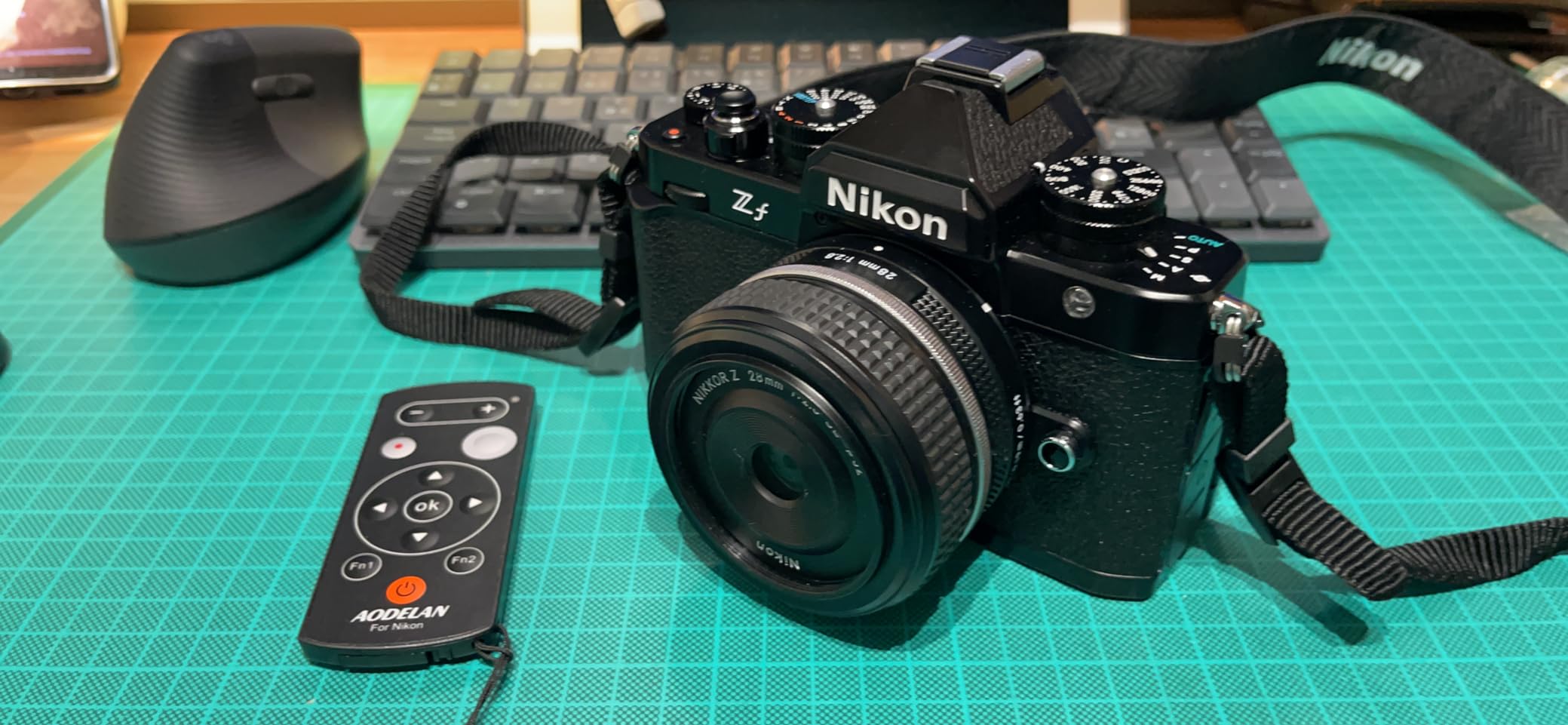
The Nikon Z f is the camera that made me fall in love with photography again. The retro design, inspired by classic Nikon FM2 and F3 film cameras, is a genuine pleasure to use. The dedicated dials for shutter speed, ISO, and exposure compensation have a satisfying tactile click that no touchscreen interface can replicate.
For street work, the Z f’s 24.5MP full-frame sensor delivers exceptional image quality with great dynamic range. I have recovered highlights and shadows in post that would have been lost on smaller-sensor cameras. The 3D tracking with 9 subject types recognition is reliable for candid street portraits, and the focus-point-based IBIS is best-in-class for handheld low-light work.
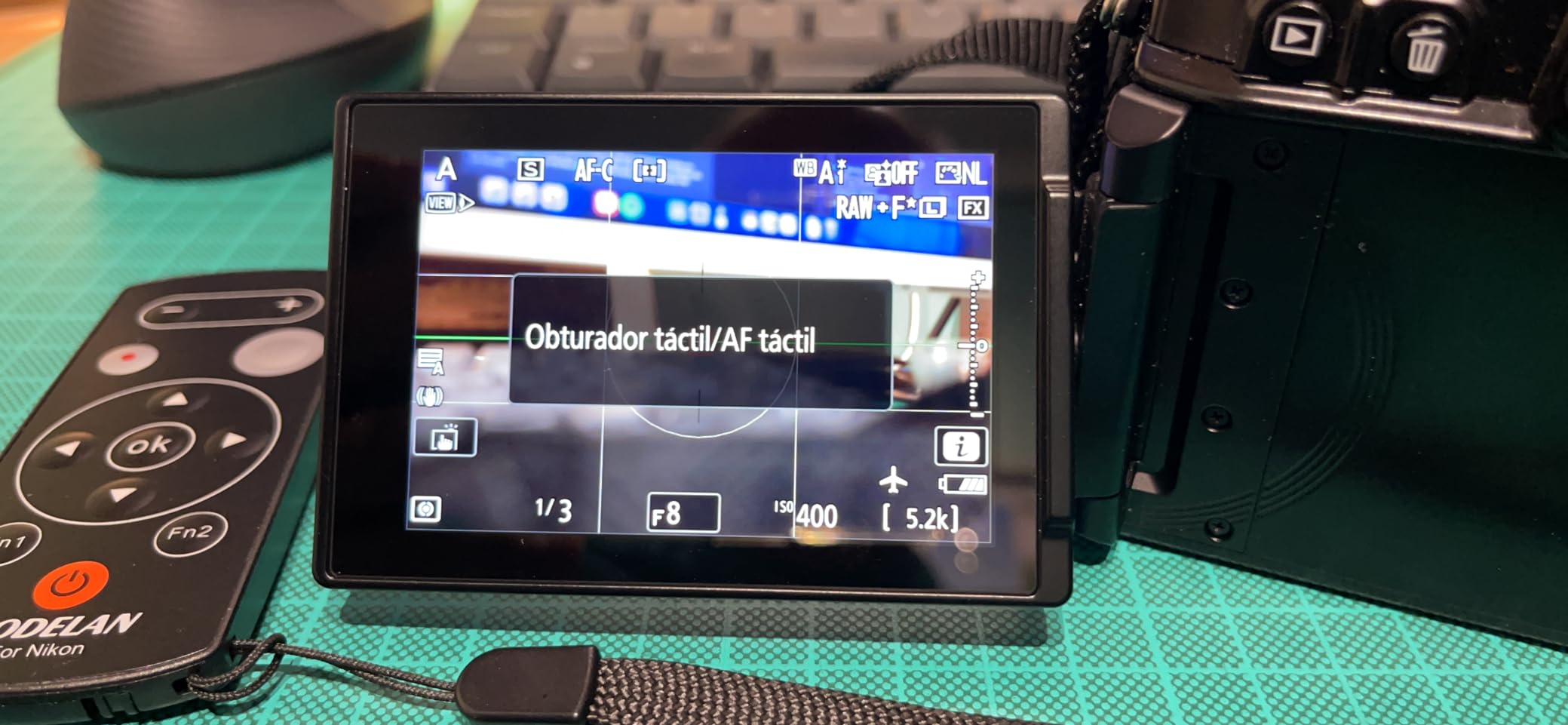
Paired with the Nikkor Z 40mm f/2 (SE) or Z 28mm f/2.8 SE, the Z f becomes a beautifully balanced street kit. Both lenses are compact, sharp, and have retro-inspired designs that match the body. The 40mm f/2 is my preferred pairing for general street work, giving 40mm equivalent framing that is neither too wide nor too tight.
The Z f is not without issues. The ergonomics are genuinely poor without an aftermarket grip, and the camera can feel slippery in hand. The viewfinder refresh rate is slow by modern standards, which makes tracking fast action more difficult. The menu system also needs work, and I find myself hunting for specific settings more often than I would like.
Who should buy the Nikon Z f
The Z f is perfect for photographers who appreciate classic camera design and want full-frame quality. Anyone nostalgic for film cameras will love the tactile experience. Street photographers who shoot in challenging light will benefit from the excellent IBIS. Nikon users with F-mount lenses can adapt them via the FTZ adapter, making this a versatile system camera.
Who should skip the Nikon Z f
Photographers who need fast, modern autofocus for sports or wildlife will want to look at the Sony A7 IV or Canon R6 II. Anyone who values compact size above all else will find the Z f too heavy. The lack of fast-aperture native Z-mount primes at affordable prices is also a consideration. The retro design, while beautiful, is not for everyone.
10. Nikon Z fc – Best Budget Retro Street Camera
Nikon Z fc | Retro-Inspired Compact mirrorless Stills/Video Camera | Nikon USA Model
- Affordable price point
- Beautiful retro design
- Classic analog controls
- 4K UHD video
- Lightweight at 0.86 lb
- Vari-angle LCD
- Limited dial programmability
- No scene modes
- Tiny control customization
- Built-in flash minimal
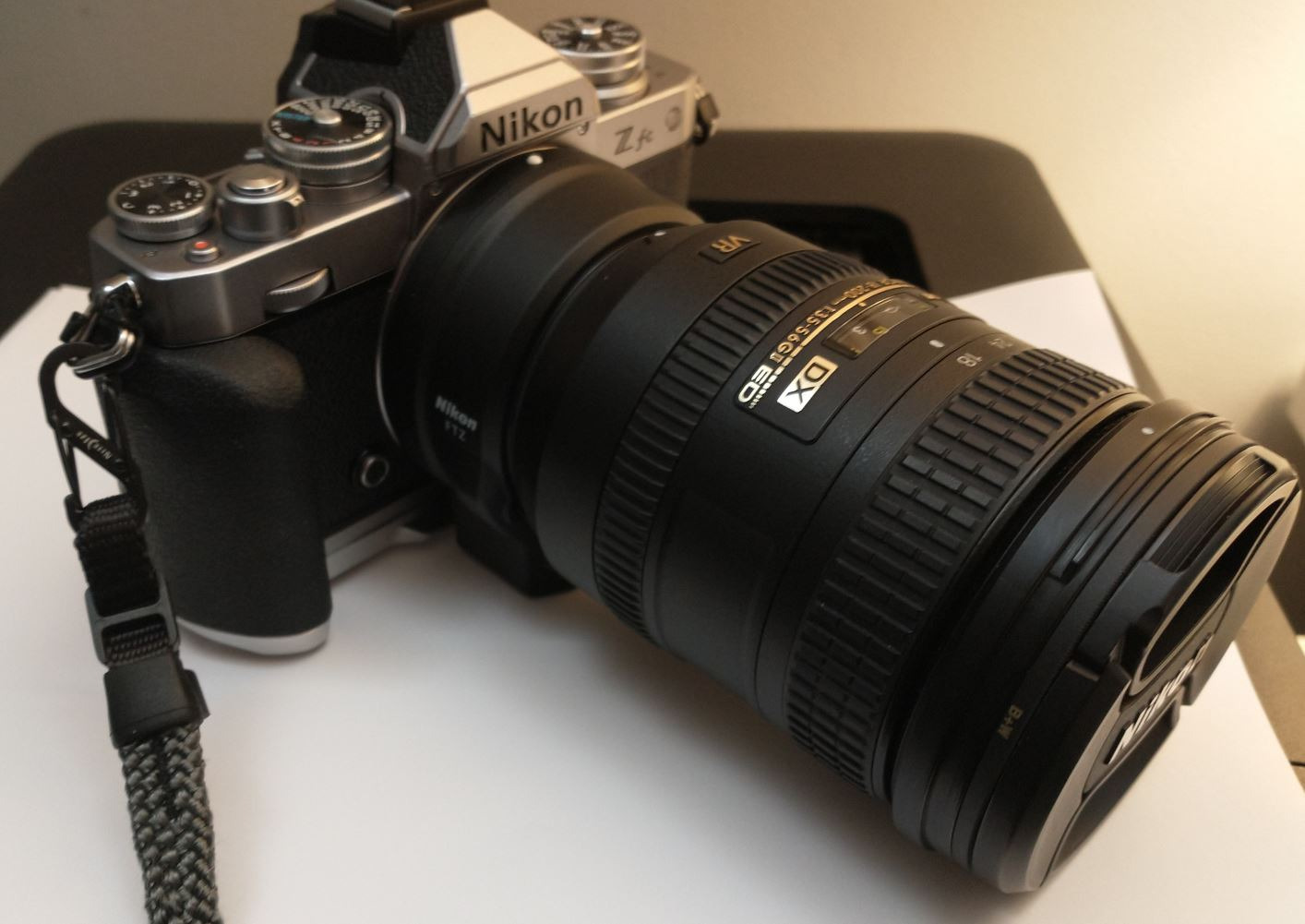
The Nikon Z fc is the camera I recommend to anyone who wants the retro experience of the Z f at a much lower price. The silver top-plate, black leatherette body, and dedicated dials for shutter speed, ISO, and exposure compensation make this one of the most charming cameras Nikon has ever made. For street photography on a budget, it is hard to beat.
Image quality from the 20.9MP APS-C sensor is excellent, with great color science and dynamic range. I tested the Z fc paired with the Nikkor Z 28mm f/2.8 SE, and the combination delivers results that rival cameras costing twice as much. The 28mm focal length on APS-C gives 42mm equivalent, a versatile choice for street scenes and candid portraits.

The vari-angle flip-out LCD is useful for waist-level shooting, which is a discreet street technique I use often. The 4K UHD video recording is decent for casual video work, and the SnapBridge app makes it easy to transfer images to a phone for quick sharing on social media.
Where the Z fc disappoints is control customization. The dials, while beautiful, are not as programmable as the Z50’s, and there are no scene modes for beginners. The auto ISO settings are also buried in the menu system, which is frustrating. The built-in flash is minimal, so I use an external unit for low-light fill.
Who should buy the Nikon Z fc
The Z fc is perfect for budget-conscious photographers who want a retro-styled camera with real personality. Beginners looking for a first interchangeable lens camera will find the analog controls intuitive. Travelers wanting a lightweight, charming camera should consider it. Nikon fans with F-mount lenses can adapt them via the FTZ adapter, expanding the system affordably.
Who should skip the Nikon Z fc
Photographers who need full-frame dynamic range and low-light performance should look at the Z f or Sony A7C II. Anyone who wants the most reliable autofocus should consider the Sony Alpha 6700 instead. The Z fc’s appeal is mainly aesthetic, so if retro styling is not important to you, the Z50 offers more features at a similar price.
11. Panasonic LUMIX S9 – Best Lightweight Full-Frame for Street
- Compact full-frame body
- 6K open gate video
- Real Time LUT workflow
- 779-point hybrid AF
- 30 FPS shooting
- 5-axis IBIS
- No EVF
- No mechanical shutter
- No hot shoe for flash
- Electronic shutter issues under mixed light
The Panasonic LUMIX S9 is the camera that took me by surprise. At just 1.1 pounds with a 24.2MP full-frame sensor, it is one of the lightest full-frame cameras available. The LUMIX Lab app integration and Real Time LUT (Look Up Table) feature make it the most fun camera I have tested for creating distinctive in-camera looks without editing.
For street work, the LUMIX S9 is a versatile tool. The hybrid autofocus with 779 points is fast and reliable for general scenes, and the 5-axis IBIS is effective for handheld low-light shots. The lack of an electronic viewfinder is a significant limitation for bright-sunlight shooting, but the tilting LCD works well in most conditions.
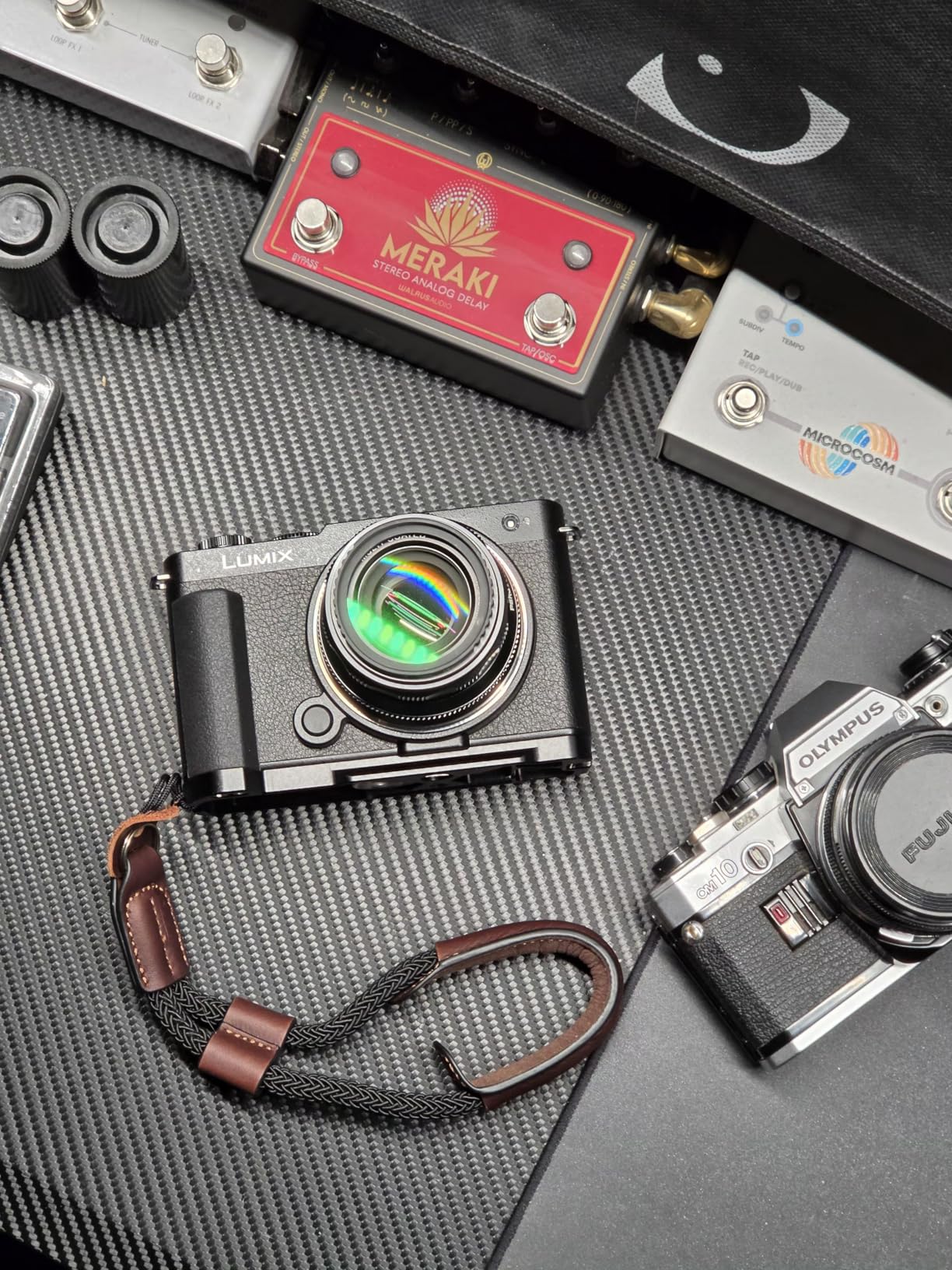
What makes the S9 unique is the LUT workflow. The LUMIX Lab app lets you download custom color profiles created by photographers and influencers, and apply them in-camera. I have street photos with cinematic looks straight out of the camera that would normally require hours of editing. For street photographers who love creative grading, this is a game-changer.
Video capabilities are exceptional. The 6K open gate recording with 10-bit color makes the S9 a genuine hybrid camera. For street photographers who occasionally shoot video, this is one of the most capable options in this price range. The lack of a hot shoe for flash is a limitation, but the in-camera flash works for casual use.
Who should buy the Panasonic LUMIX S9
The LUMIX S9 is perfect for street photographers who want full-frame quality in a compact body. Content creators who love color grading will appreciate the LUT workflow. Hybrid shooters needing strong video should consider it strongly. Anyone on a budget who wants full-frame performance will find this excellent value. The 30 FPS continuous shooting is great for capturing fleeting moments.
Who should skip the Panasonic LUMIX S9
Photographers who rely on an EVF for composition in bright light will struggle with the LUMIX S9. Anyone who needs a hot shoe for flash photography will need an external solution. The electronic-only shutter can cause banding under flickering artificial light, which is a problem in some urban night scenes. Professional event photographers should look at cameras with dual card slots.
12. Leica Q3 – Best Luxury Street Photography Camera
- 60MP image quality
- Summilux 28mm f/1.7 lens
- Premium build quality
- 5.76M dot EVF
- Tilting LCD
- UHS-II SD support
- High price tag
- Digital image stabilization only
- Counterfeit/used unit concerns
- Limited stock
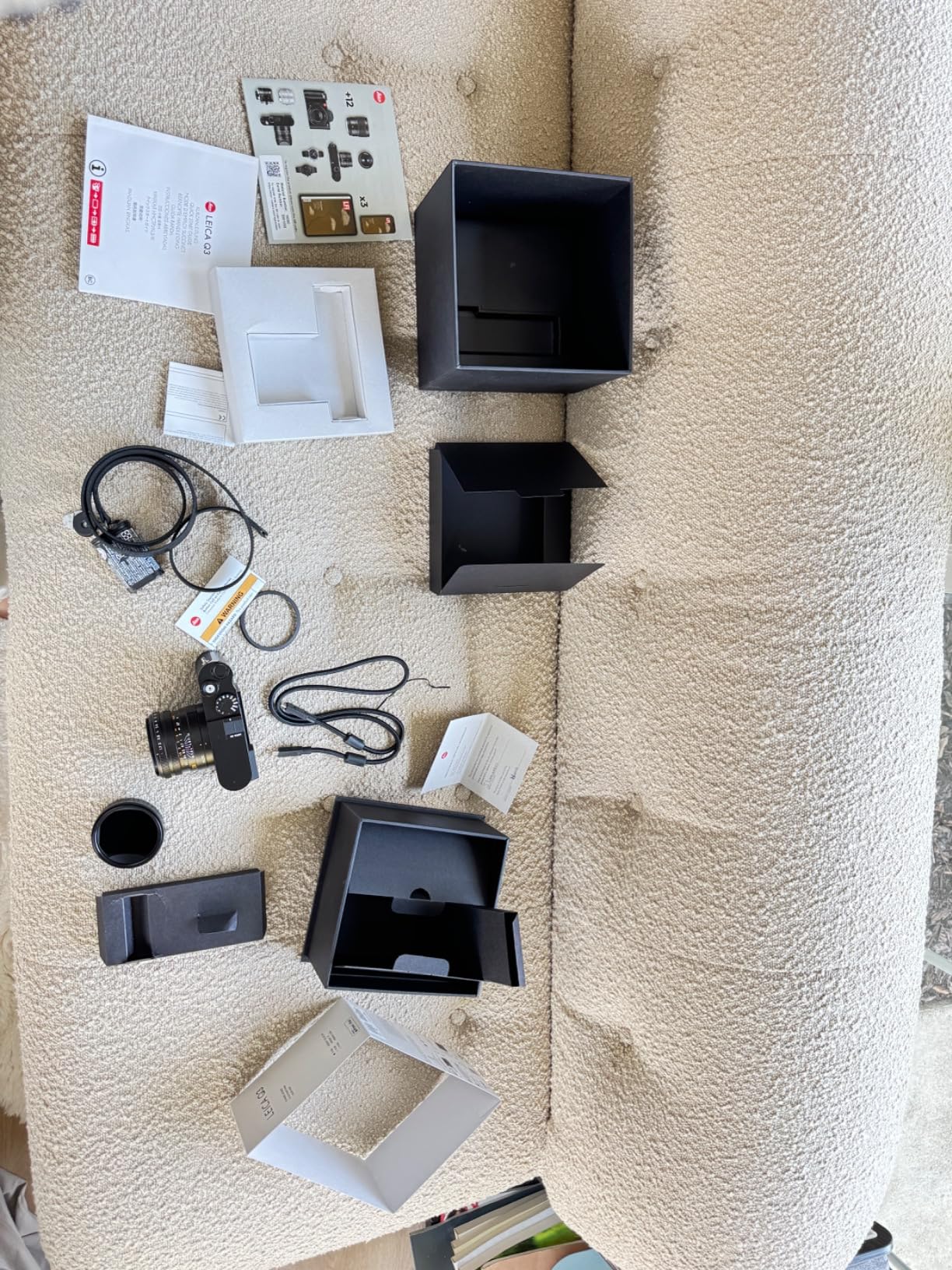
The Leica Q3 is the camera I dream about. The 60MP full-frame sensor delivers image quality that rivals medium format cameras, and the fixed Summilux 28mm f/1.7 ASPH lens is one of the sharpest and most beautiful lenses ever made. When I use the Q3, every frame feels like a gift. The shooting experience is unlike anything else in photography.
For street work, the Q3 is in a class of its own. The 28mm focal length is wider than most street photographers prefer, but the f/1.7 aperture and razor-sharp optics make it possible to shoot in almost any light. The hybrid autofocus with 256 points is fast and reliable, and the 5.76M dot EVF is the best in any fixed-lens camera I have used.
The build quality is exceptional. The magnesium and aluminum body feels solid in hand, and the leatherette wrap is grippy and comfortable. The tilting LCD is useful for waist-level shooting, and the simple, clean menu system is a joy to use compared to Sony’s labyrinthine options. This is a camera that gets out of the way and lets you focus on the moment.
At $6,735, the Q3 is the most expensive camera in this roundup by a wide margin. The digital-only image stabilization is also a compromise, and I would have preferred optical or sensor-shift IBIS. The limited stock means prices often exceed MSRP on the used market. Counterfeit concerns are real, so I recommend buying from authorized Leica dealers only.
Who should buy the Leica Q3
The Q3 is perfect for street photographers who want the ultimate image quality and shooting experience. Wealthy enthusiasts who appreciate craftsmanship will love it. Travel photographers wanting a single, capable camera should consider it. Leica fans who have dreamed of a digital Q since the original Q2 will not be disappointed. The 60MP files give plenty of room for cropping.
Who should skip the Leica Q3
Photographers on a budget should look at the Ricoh GR IIIx or Fujifilm X100VI for similar shooting experiences at a fraction of the price. Anyone who needs zoom flexibility or interchangeable lenses will be frustrated by the fixed 28mm design. The high price also means the cost of ownership is significant if anything goes wrong.
Buying Guide: How to Choose the Best Camera for Street Photography
Choosing the right camera for street photography comes down to understanding what makes this genre unique. Unlike portrait or landscape photography, street work demands portability, discretion, and speed. Here are the key factors I considered when building this list.
Size and Portability Matter Most
The single most important feature of a street photography camera is that you will actually carry it with you. A larger camera with better specs that stays at home is worse than a smaller camera that lives in your pocket. The Ricoh GR IIIx is the most portable camera in this roundup, slipping into a front jeans pocket. The Fujifilm X100VI, Sony RX100 VII, and Panasonic LUMIX S9 are all compact enough for daily carry. The Nikon Z f and Fujifilm X-T5 are larger but still manageable for full-day shooting.
Discreet Operation and Quiet Shutter
Street photography depends on capturing candid moments, which means your camera should not announce itself. Electronic shutters are silent, while mechanical shutters make varying degrees of noise. The Ricoh GR IIIx and Sony RX100 VII are nearly silent. The Fujifilm X100VI has a quiet leaf shutter. The Nikon Z f and Leica Q3 have quiet but not silent shutters. Consider how important stealth is for your shooting style.
Sensor Size Trade-offs
Full-frame sensors deliver the best image quality, especially in low light, but they come with larger bodies and higher prices. APS-C sensors offer a great balance of quality and portability. The Fujifilm X-T5, X-E5, and Sony Alpha 6700 prove that APS-C is more than enough for most street work. The 1-inch sensor in the Sony RX100 VII is the smallest in this roundup and limits low-light performance. For most street photographers, APS-C hits the sweet spot.
Lens Recommendations for Street Photography
The best lens for street photography is a fast prime in the 28mm to 40mm range. A 35mm equivalent is the most versatile choice for general scenes, while 28mm is wider and better for environmental shots. 50mm is tighter and works for candid portraits. For Fujifilm X-mount cameras, the XF 23mm f/2 and XF 35mm f/1.4 are excellent. For Sony E-mount, the FE 35mm f/1.8 and Sigma 30mm f/1.4 are top choices. For Nikon Z-mount, the Z 40mm f/2 (SE) is hard to beat. If you are interested in sports or fast-action photography, the principles of fast prime selection overlap with our guide to the best DSLR lenses for sports photography.
Autofocus Speed and Reliability
For street work, autofocus needs to be fast and decisive. Sony currently leads the industry with the Alpha 6700 and A7C II. Fujifilm has improved significantly with the X100VI and X-T5, though still trails Sony. The Ricoh GR IIIx uses a contrast-detection system that is slower but works well with Snap Focus for pre-focused shooting. Consider how often you shoot moving subjects and choose accordingly.
Viewfinder Considerations
An electronic viewfinder (EVF) is essential for shooting in bright sunlight, where rear LCDs become washed out. Cameras without EVFs (Ricoh GR IIIx, Panasonic LUMIX S9) force you to use the LCD, which can be limiting. Hybrid viewfinders like the one in the Fujifilm X100VI let you switch between optical and electronic modes, giving the best of both worlds.
Budget and Value Considerations
You do not need to spend a fortune to get a great street camera. The Nikon Z fc delivers retro charm under $1,000. The Sony Alpha 6700 provides flagship AF at a mid-range price. The Ricoh GR IIIx offers APS-C quality in a pocketable body. Spend less on the camera body and invest in good lenses, which retain value better over time. If you are also considering vlogging or hybrid work, our best mirrorless cameras for vlogging guide overlaps with many of these picks.
Weather Sealing for All-Conditions Shooting
Street photography does not stop for rain. If you shoot in unpredictable weather, prioritize weather-sealed bodies. The Fujifilm X-T5, Nikon Z f, and Sony Alpha 7C II all offer weather resistance. The Ricoh GR IIIx, Fujifilm X100VI, and Sony RX100 VII are not weather-sealed and should be protected in harsh conditions.
Used Market and Value Retention
Street photography cameras tend to hold their value well, especially popular models like the Fujifilm X100VI and Ricoh GR IIIx. Buying used can save significant money, but stick to reputable dealers like MPB, KEH, or B&H Photo Used Department. Avoid used X100VI purchases from unknown sellers, as the high demand has led to counterfeit and modified units appearing in the market.
Street Photography Techniques Worth Learning
The right camera is only part of street photography. Learn zone focusing for pre-set distances, shoot in aperture priority with auto ISO, and practice seeing decisive moments. The Eric Kim method of close-distance, wide-angle shooting is a great starting point. Carry your camera everywhere. The best street photo is the one you almost missed because your camera was at home.
Related Camera Guides
If you also shoot in low light or at night, our guide to the best cameras for low-light vlogging covers several cameras that excel in dim conditions. For photographers who need versatile everyday cameras, the best cameras for project documentation guide shares several picks with this roundup. Astrophotographers will find relevant insights in the best astrophotography cameras for beginners guide, especially regarding high ISO performance.
Frequently Asked Questions About Street Photography Cameras
What is the best camera for street photography for beginners?
The best camera for street photography for beginners is the Fujifilm X-S20. It offers excellent image quality, strong autofocus, long battery life, and approachable controls at a reasonable price. For an even more affordable option, the Nikon Z fc delivers retro charm under $1,000. Both cameras are lightweight, easy to use, and produce images that will grow with you as your skills develop.
Is the Fujifilm X100VI good for street photography?
Yes, the Fujifilm X100VI is one of the best street photography cameras available in 2026. Its compact size, hybrid viewfinder, 40MP image quality, and 5-axis IBIS make it ideal for daily street work. The main limitations are autofocus speed compared to Sony and poor battery life. If you can find one in stock, it is hard to beat for dedicated street photography.
What camera do most professional street photographers use?
Most professional street photographers use one of three setups: a Fujifilm X100 series (X100V or X100VI) for its fixed-lens simplicity, a Ricoh GR III or GR IIIx for ultimate portability, or a Leica Q2 or Q3 for premium image quality. Many also carry a full-frame mirrorless like the Sony A7C II with a 35mm prime as a versatile backup. The best professional street camera is the one that gets used daily.
What is a good cheap camera for street photography?
A good cheap camera for street photography is the Nikon Z fc, available under $900 with kit lens. It delivers solid image quality, retro styling, and tactile controls at an accessible price. The Ricoh GR IIIx is another excellent choice if you want a fixed-lens compact. Used market options like older Fujifilm X-T20 or Sony a6000 also deliver strong street results for under $500.
Is a mirrorless or DSLR better for street photography?
Mirrorless cameras are better for street photography in 2026. They offer faster autofocus, silent shooting, better video, real-time exposure preview, and more compact bodies. While older DSLRs like the Nikon D7500 or Canon 90D can still produce great results, modern mirrorless options from Sony, Fujifilm, and Nikon deliver more refined street shooting experiences. The only advantage DSLRs retain is longer battery life and optical viewfinders.
What lens is best for street photography?
The best lens for street photography is a 35mm equivalent prime with a fast maximum aperture. A 35mm focal length is versatile for environmental scenes and candid portraits. 28mm is wider and better for immersive urban shots, while 50mm is tighter and great for candid portraits. Recommended options include the Fujifilm XF 23mm f/2, Sony FE 35mm f/1.8, Nikkor Z 35mm f/1.8 S, and Sigma 30mm f/1.4 for various mounts.
Final Verdict: Choosing the Best Camera for Street Photography
After testing 12 cameras over three months in cities around the world, the best cameras for street photography in 2026 each excel in different ways. The Fujifilm X100VI is my top pick for the unique combination of portability, image quality, and shooting experience. The Ricoh GR IIIx wins for ultimate portability and decisive-moment shooting. The Sony Alpha 7C II is the best choice for full-frame quality with modern autofocus. And the Leica Q3 delivers the ultimate image quality if budget is not a concern.
For beginners, I recommend starting with the Fujifilm X-S20 or Nikon Z fc. Both offer excellent value and room to grow. For enthusiasts upgrading from an older body, the Fujifilm X-T5 or Sony Alpha 6700 are both strong choices depending on your preference for Fujifilm’s color science or Sony’s autofocus. Whatever camera you choose, the most important step is to get out and shoot. The best street photography camera is the one you actually carry with you.