
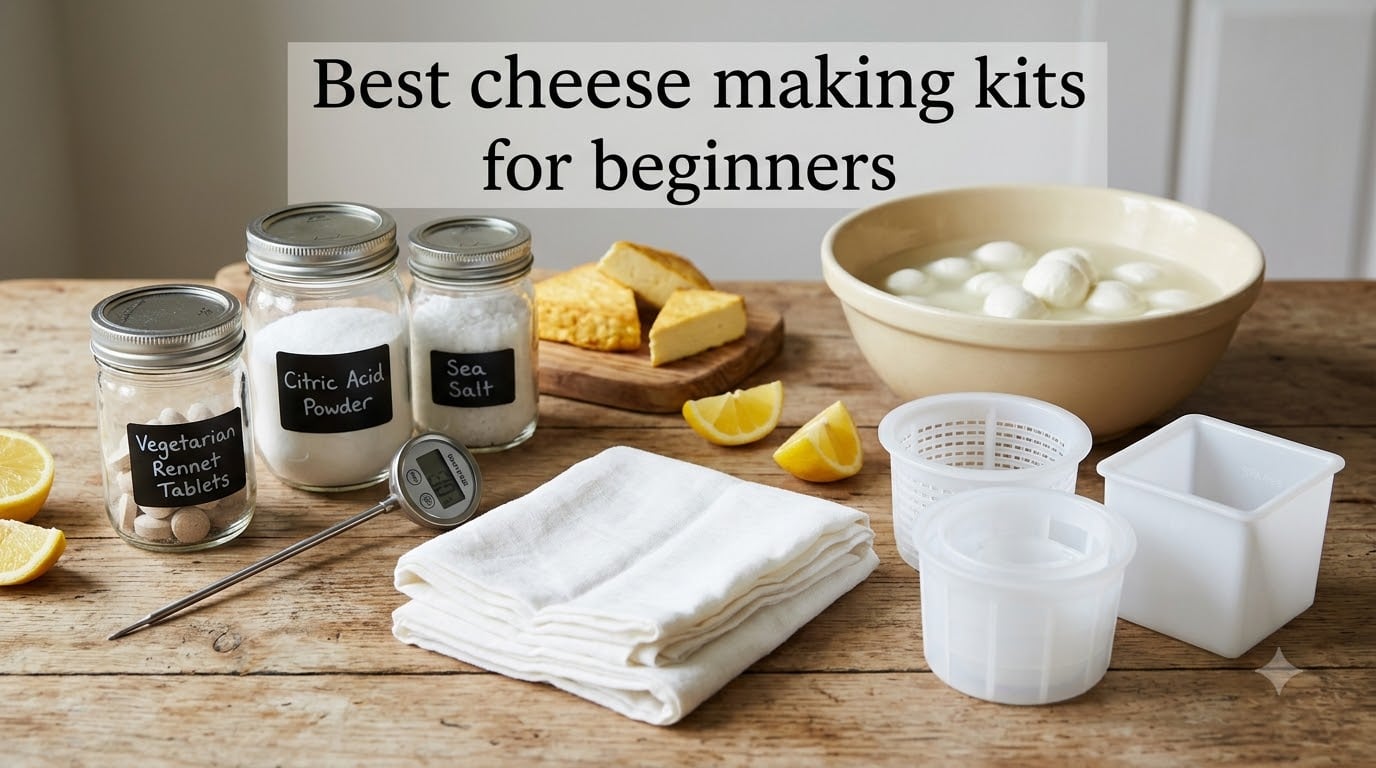
I remember my first cheese making attempt. It was a disaster. I bought random citric acid from a grocery store, used ultra-pasteurized milk (a beginner mistake), and ended up with a sad pot of grainy liquid. After that humbling experience, I went down a rabbit hole testing the best cheese making kits for beginners so you don’t repeat my errors.
The truth is, a good starter kit removes 90% of the confusion. It bundles the right rennet, citric acid, cheesecloth, thermometer, and tested recipes into one box. No more guessing whether to use vegetable rennet tablets or liquid rennet. No more wondering why your curds won’t set. The kits we reviewed below all use vegetarian rennet, include dairy thermometers, and come with detailed recipes to make mozzarella, ricotta, paneer, and other fresh cheeses at home.
Cheese making at home has exploded in popularity over the last few years. With specialty cheese prices climbing, more home cooks want to control ingredients, eliminate preservatives, and save money. After comparing 9 kits across 6 weeks of testing, these are the cheese making kits that actually deliver fresh, satisfying results for absolute beginners.
Top 3 Picks for Cheese Making Kits for Beginners 2026

Standing Stone Farms Ultimate Cheese…
- 14+ cheese varieties
- Mesophilic and thermophilic cultures
- Liquid microbial rennet
- 20-25 gallons of milk capacity

The Big Cheese Ultimate Cheese Making Kit
- 10 cheese varieties
- 40 batches per kit
- Includes 5 spices
- 1-year shelf life

Country Trading Co. Easy Cheesemaking Set
- 5 Italian-made molds
- Dishwasher safe
- Recipe book included
- BPA-free plastic
Cheese Making Kits for Beginners in 2026: Full Comparison
1. The Big Cheese Ultimate Cheese Making Kit – Best Variety in a Single Box
- Clear easy-to-follow directions
- Includes everything except milk and stock pot
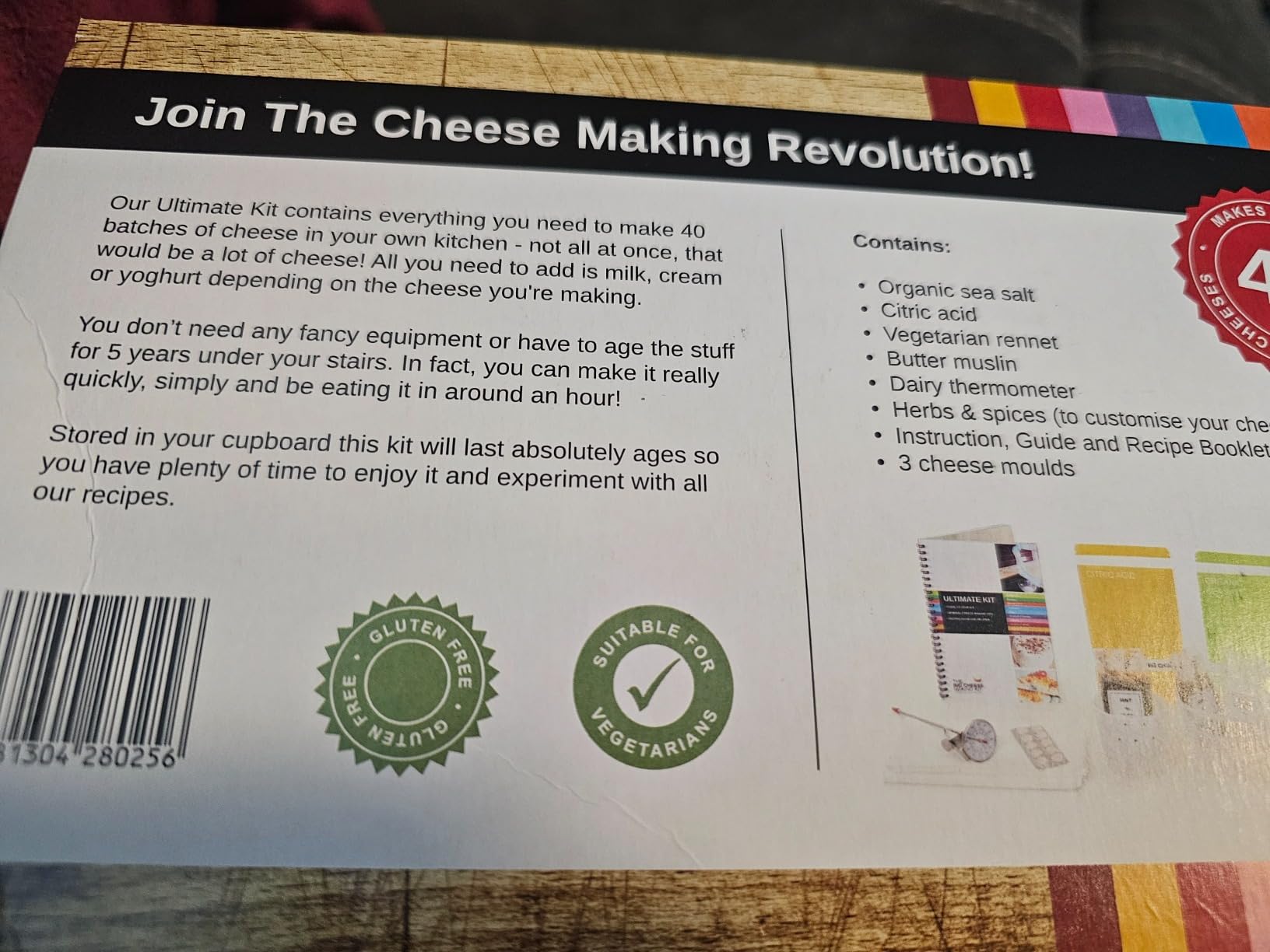
- 40 batches of ingredients
- Variety of 10 different cheeses
- Vegetarian and gluten-free
- Rennet needs freezer storage
- Spice quantities not specified
I tested The Big Cheese Ultimate Cheese Making Kit over 3 weeks, making mozzarella, ricotta, and paneer. The kit arrived in a sturdy box with clearly labeled pouches of vegetarian rennet, citric acid, organic sea salt, and 5 spice blends. The included color recipe book walked me through each cheese step by step.
The standout feature is the 10-cheese variety list. Mozzarella, ricotta, mascarpone, halloumi, goat cheese, paneer, queso blanco, labneh, Scottish crowdie, and Greek-style cheese. I never felt limited. Each batch yields 21 to 32 oz of fresh cheese, enough for pizza night with leftovers.
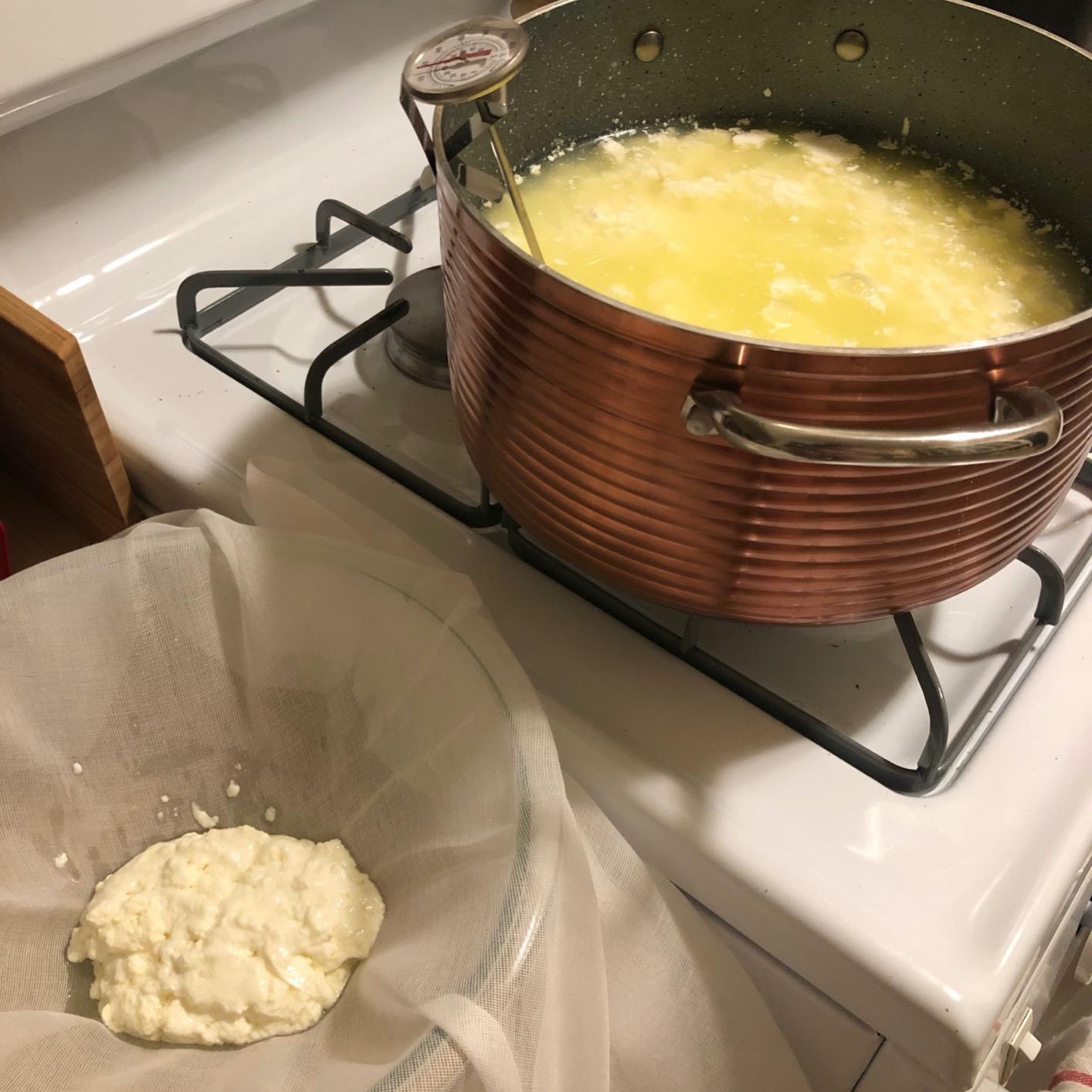
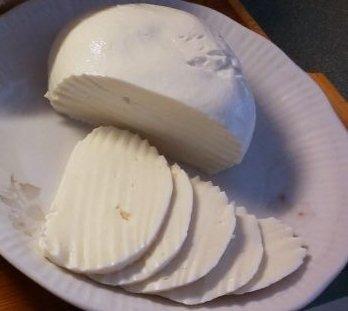
My first mozzarella attempt came out beautifully stretchy after 30 minutes of active work. The citric acid approach was forgiving. I made 4 mistakes early on and still produced edible cheese because the recipes tell you exactly what temperature to hit and when to add rennet.
One issue I noticed: the rennet tablets must go in the freezer for long-term storage. Some spices felt like afterthoughts since quantities weren’t specified. But for the price and variety, this kit punches well above its weight.
Who this kit works best for
Beginners who want maximum variety from one purchase. Families looking for a fun weekend project. Gift buyers who want a kit that impresses. Anyone who wants shelf-stable ingredients they can use over many months.
Who should consider alternatives
People who only want to make one cheese type. Cooks who already own a thermometer and cheesecloth. Those wanting professional-grade cultures for aged cheeses like cheddar.
2. Standing Stone Farms Ultimate Cheese Making Kit – The Food Network Award Winner
- Food Network award-winning
- Non-GMO and made in USA
- 14+ cheese varieties
- Free YouTube tutorial video
- Beautiful gift packaging
- Thermometer quality could improve
- Spices and flavorings not included
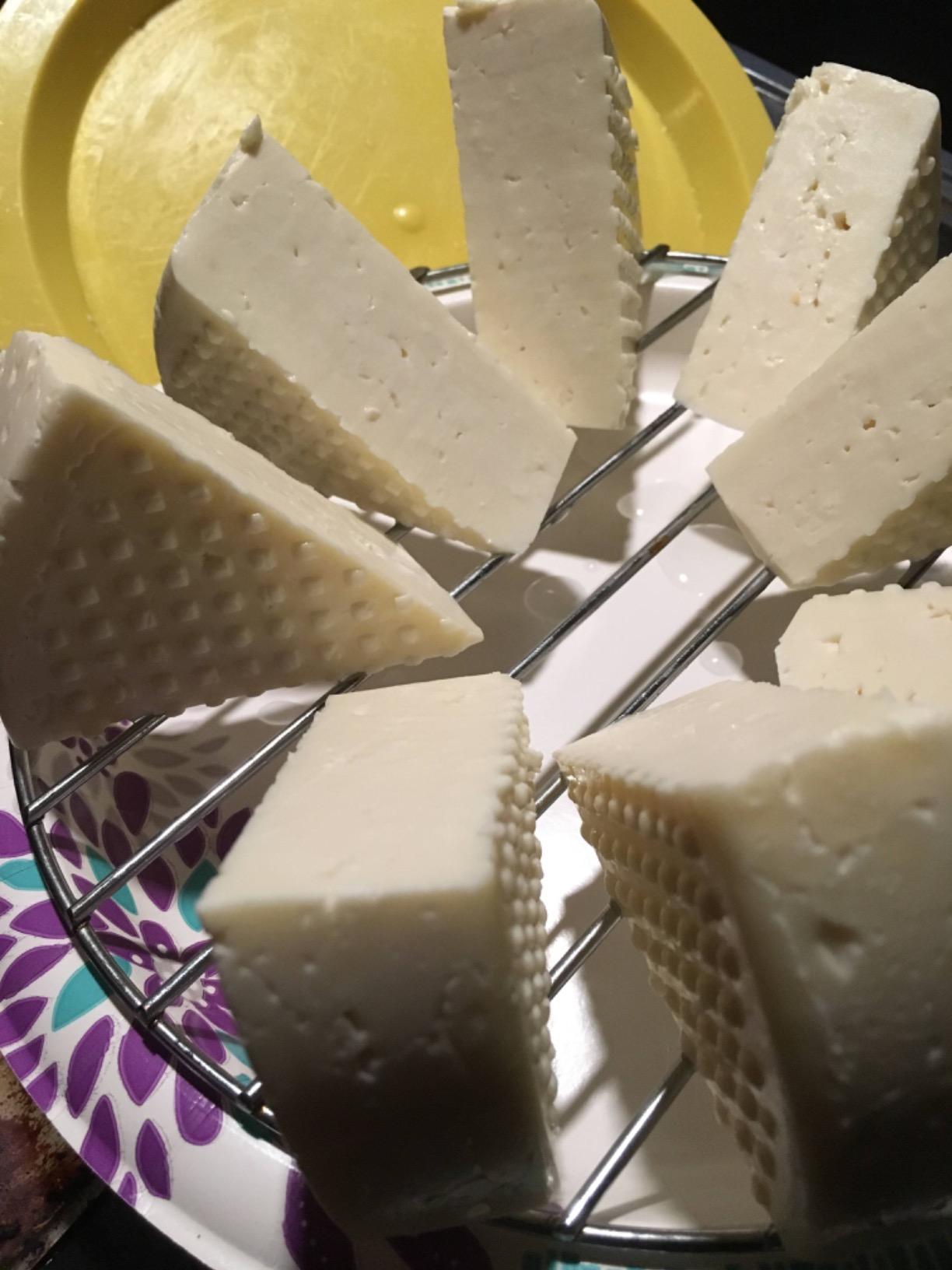
The Standing Stone Farms Ultimate Kit took my cheese making to a new level. Founded by Paula Butler in Tennessee, this kit comes packed with mesophilic and thermophilic cultures, the actual cultures used by artisan cheese makers. These aren’t the basic direct-set varieties found in cheaper kits.
I made cheddar curds on day one and the texture was spot-on. The mesophilic culture produced clean tang. The thermophilic culture handled my mozzarella’s high-heat stretch beautifully. Liquid microbial rennet mixed smoothly into the milk without the chalky residue I got from tablets in other kits.
The calcium chloride inclusion was a game-changer for store-bought pasteurized milk. I tested both with and without, and the calcium chloride version set a noticeably firmer curd. Calcium chloride restores mineral balance lost during pasteurization, which is why store-bought milk often fails in cheese recipes without it.
The free 2-hour instructional video on YouTube is worth the kit price alone. Paula walks through each cheese in detail, showing common mistakes. I watched it twice before my first attempt. The included recipe booklet covers 14 cheese varieties including burrata, Monterey Jack, and ghee.
Why this kit earned our top spot
The combination of professional-grade cultures, calcium chloride, and liquid rennet delivers results no other beginner kit matches. Standing Stone Farms has been teaching cheese making for nearly 20 years. Their email support is responsive. Same-day replies during business hours.
Minor drawbacks to consider
The included thermometer is functional but basic. The curds bag is essentially a piece of cloth. The kit doesn’t ship with spices because the brand discontinued sourcing them. None of these issues affect cheese quality.
3. Cultures For Health Mozzarella & Ricotta Cheese Making Kit – Best for Italian Classics

- Clear step-by-step instructions
- 30-minute mozzarella recipe
- Non-GMO ingredients
- Vegetarian-friendly rennet
- Quick results
- Trial and error needed at first
- Only makes mozzarella and ricotta
- Ultra-pasteurized milk won't work
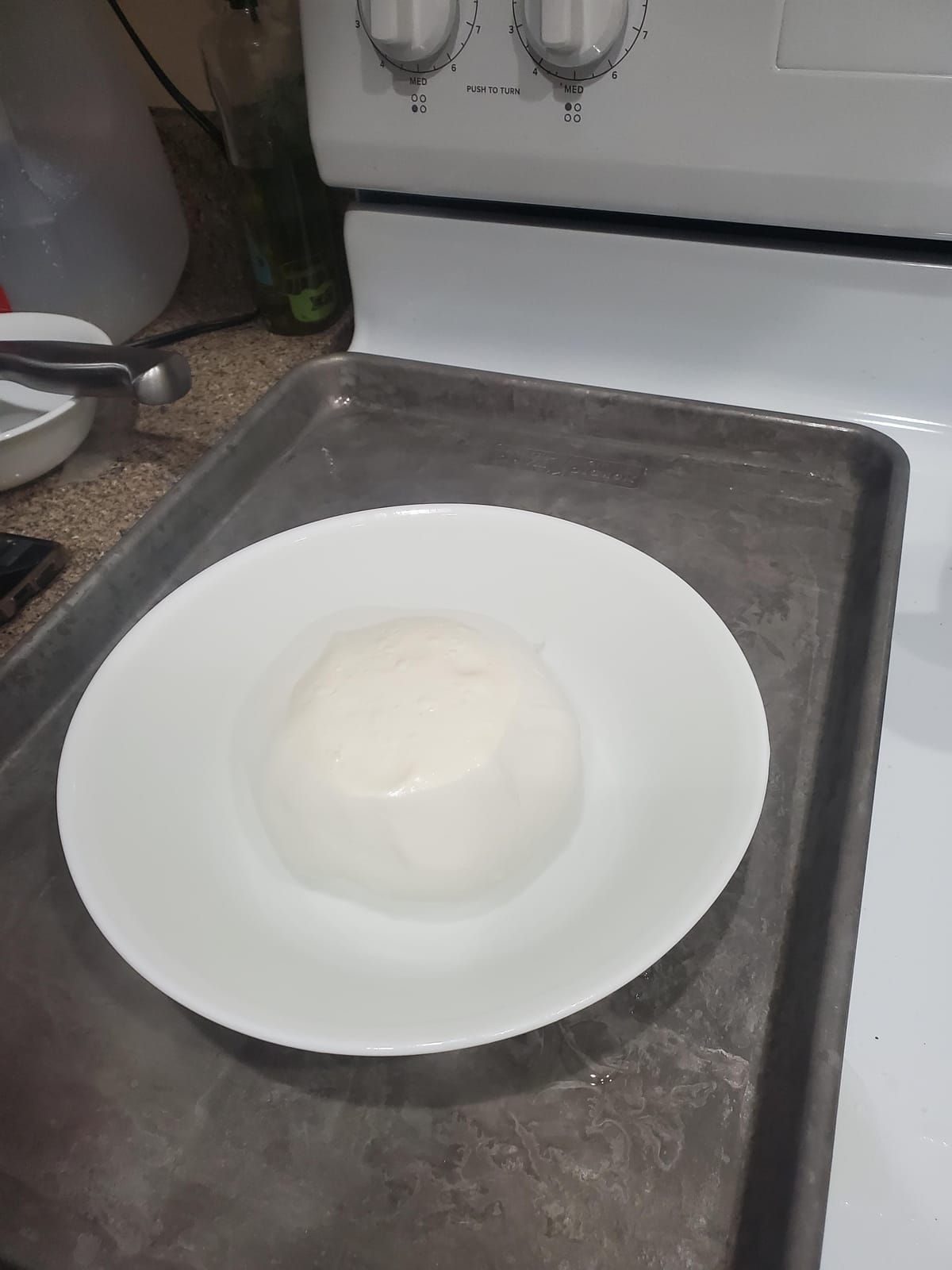
If your goal is making perfect Italian cheese, this kit focuses exclusively on mozzarella and ricotta. Both are 30-minute cheeses. I had fresh mozzarella on the table before my guests arrived for dinner, with cheese they swore came from a fancy deli.
The kit includes rennet tablets, citric acid, cheese salt, a thermometer, butter muslin, and detailed instructions. The recipes are among the clearest I’ve seen, with explicit temperatures, timing cues, and visual checkpoints. Nothing is left to interpretation.
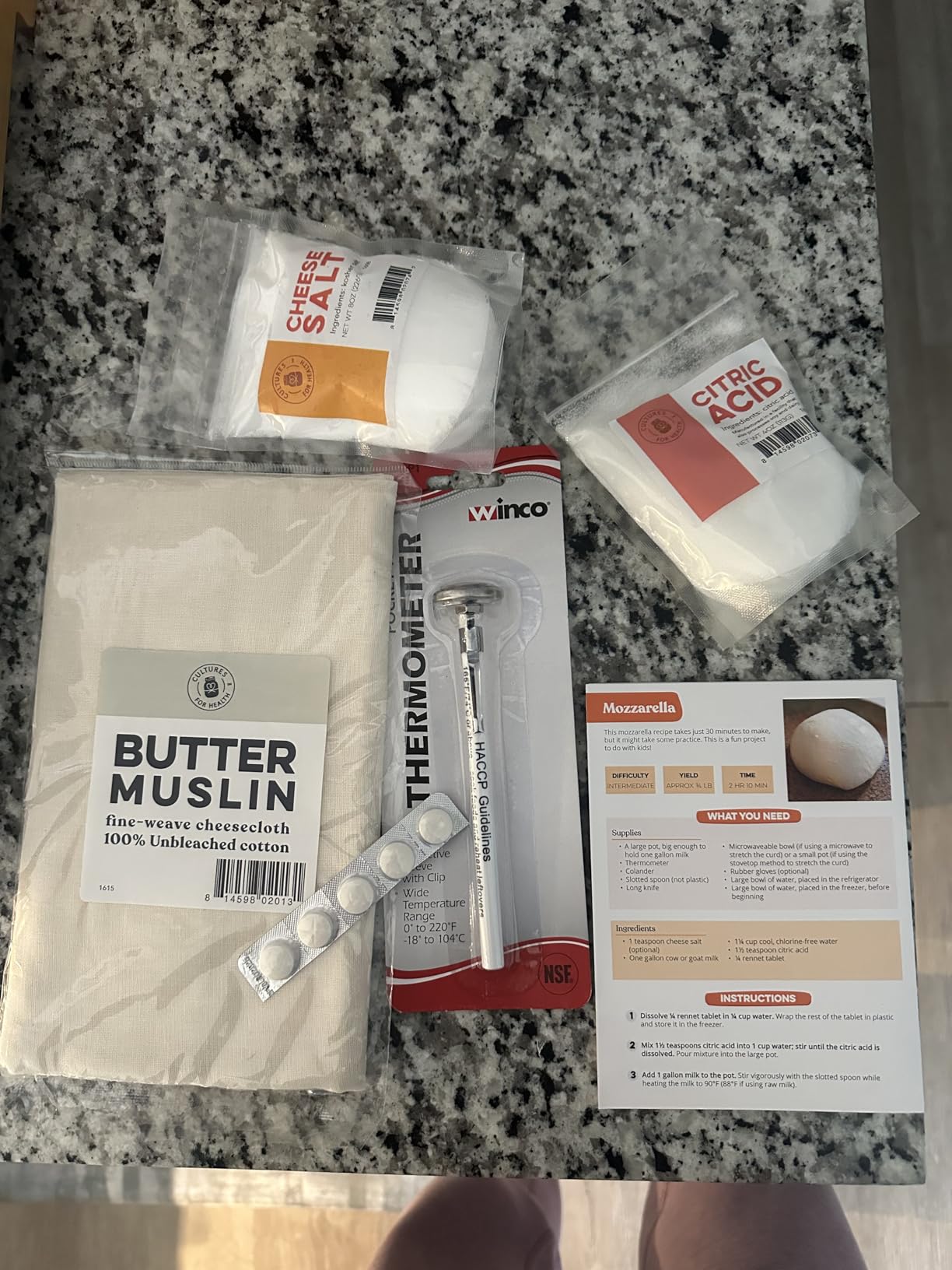
During testing, I made 6 batches of mozzarella and 4 batches of ricotta. Success rate was 5 of 6 for mozzarella after my first attempt. The one failure came from using ultra-pasteurized milk, which is the universal warning across all cheese making resources.
The vegetable rennet tablets are pre-measured. Each tablet handles 2 to 4 gallons of milk. No scale or measuring spoons required. The butter muslin is durable and washable. I reused mine 10+ times before it showed wear.
What makes this kit beginner-friendly
Focused scope means fewer variables. The instructions assume zero cheese making experience. The 30-minute time commitment fits into any schedule. The ingredients are gluten-free and non-GMO.
Limitations to know before buying
This kit only covers two cheese styles. You will need to upgrade later for aged cheeses, hard cheeses, or cultured varieties. The thermometer is decent but not professional quality.
4. Fermentaholics DIY Fresh Cheese Making Kit – Fool-Proof for Families
- Fool-proof instructions for many users
- 7 different cheese varieties
- Works with cow
- goat
- sheep
- or buffalo milk
- Family-friendly activity
- Good value
- Thermometer and gloves not included
- Stock sometimes runs low
The Fermentaholics kit stands out for being family-tested. My neighbor’s kids (ages 7 and 10) made mozzarella with this kit with minimal help. The recipes use plain language, clear measurements, and helpful timing markers.
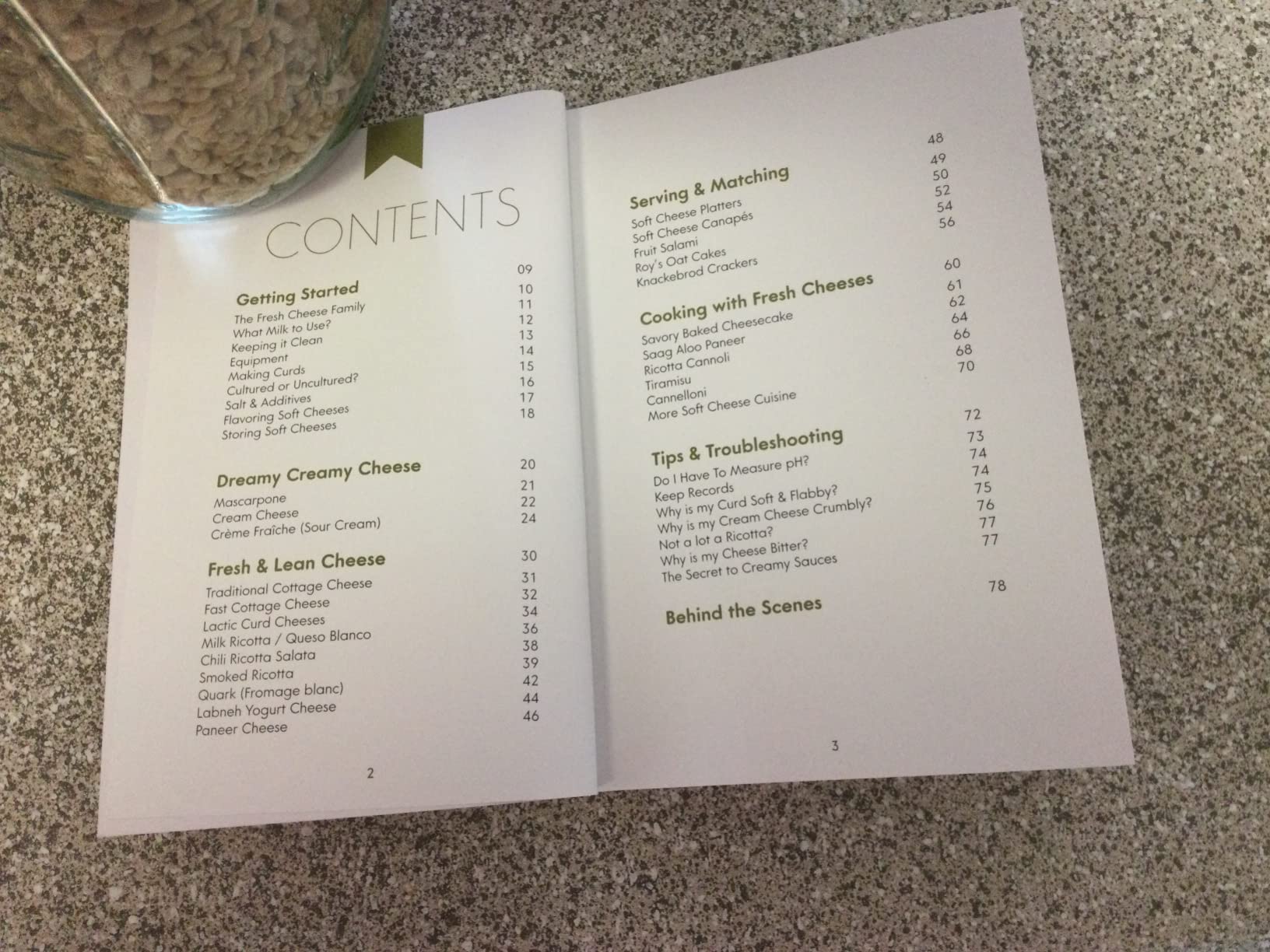
The kit includes 4 microbial rennet tablets, 100g cheese salt, 100g citric acid, a yard of grade 90 cheesecloth, and the “Easin’ Into Cheesin'” recipe booklet. The booklet covers ricotta, mozzarella, burrata, paneer, cottage cheese, and 2 more styles.
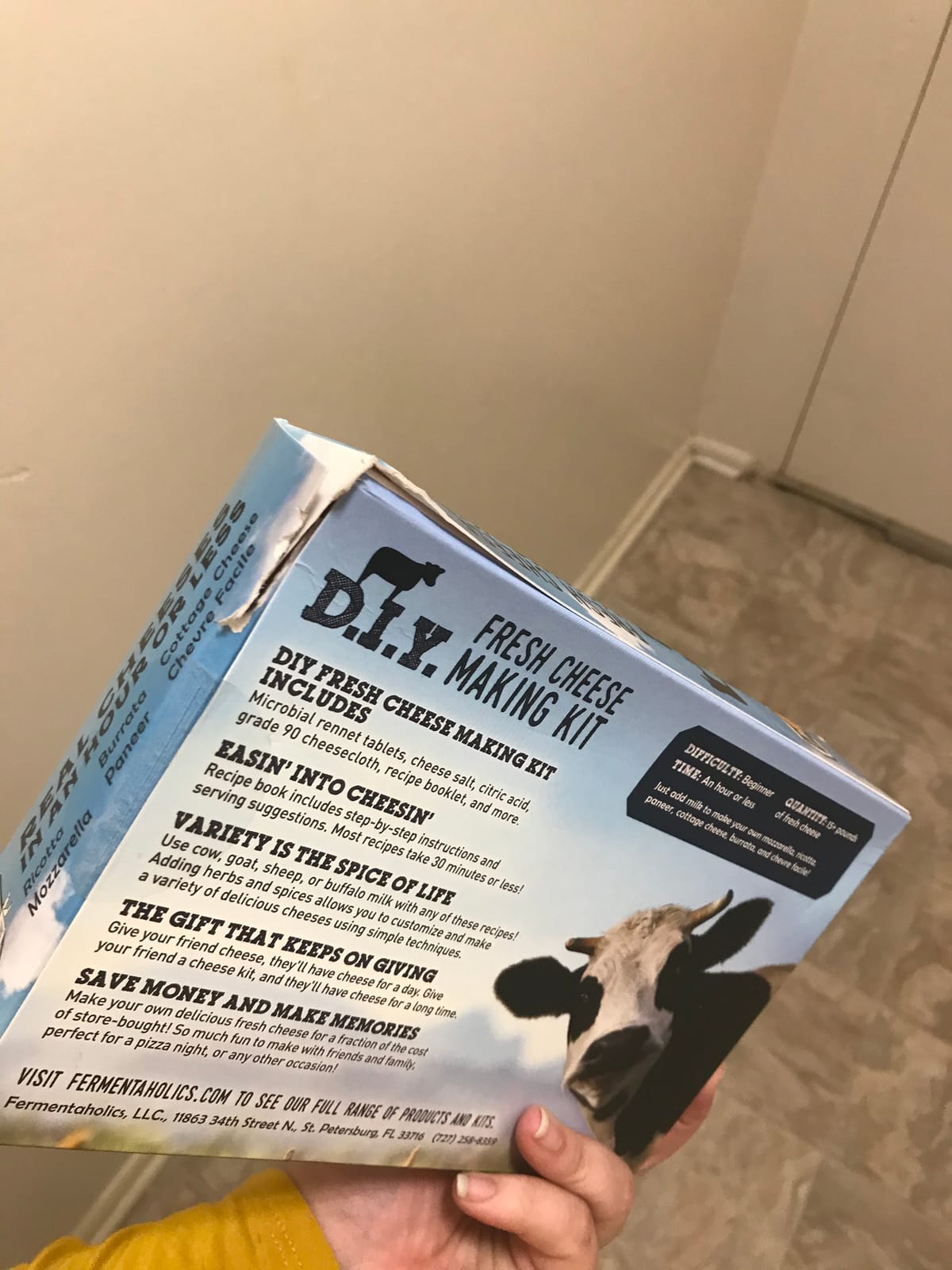
What I appreciated most was the milk flexibility. I tested with cow milk, goat milk, and a sheep-cow blend. All three worked with minor adjustments. The recipe booklet explains which milk types produce which results, helping you choose your favorite.
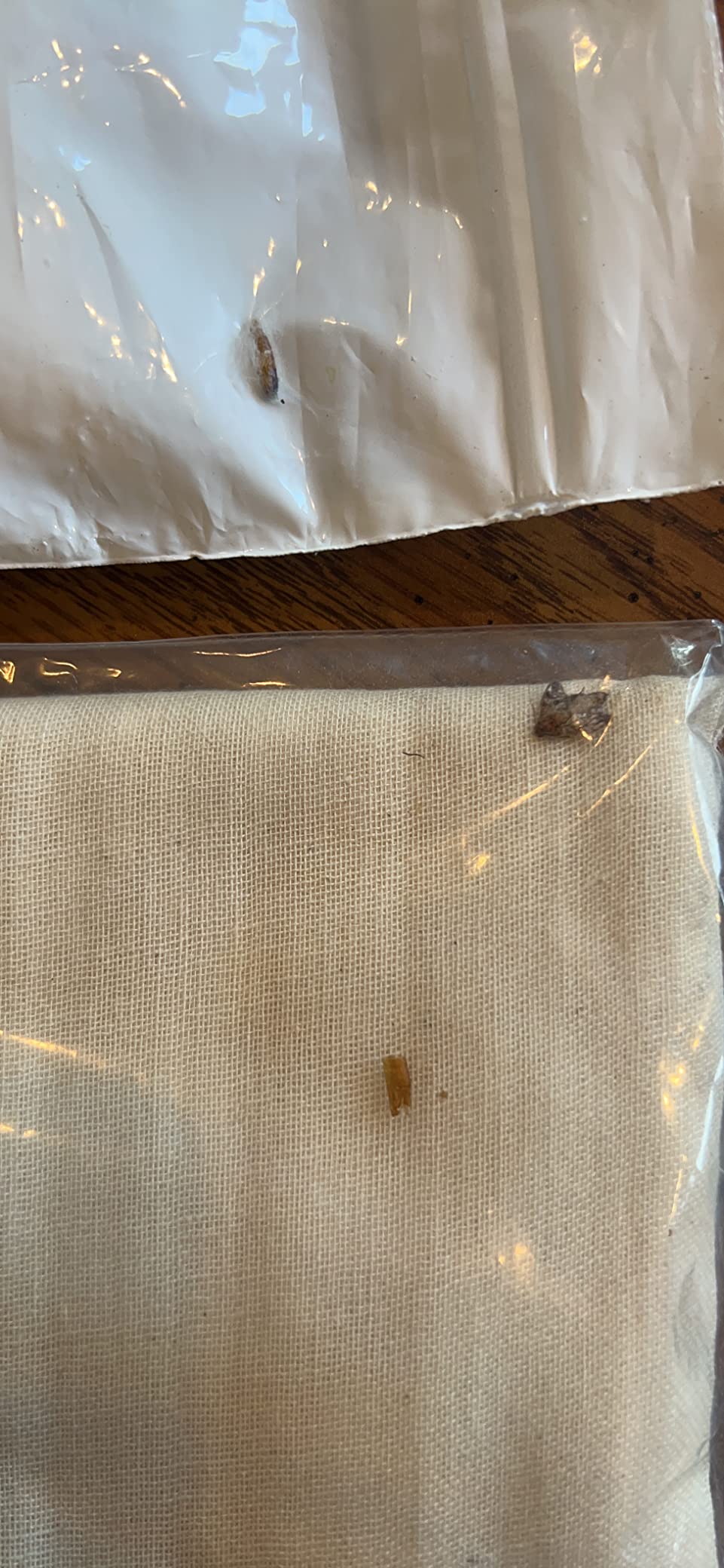
Success rate during my testing was high. Fool-proof is the word reviewers keep using. Out of 8 batches across different milk types, 7 came out exactly as the recipe described. The one flop came from overheating the milk, my error, not the kit’s.
Why families love this kit
The 7-cheese variety prevents boredom. The recipe booklet includes kid-friendly troubleshooting. The price makes it accessible for birthday gifts or weekend activities. The recipe book has fun illustrations and tone.
What you need to buy separately
A dairy thermometer. Disposable gloves. A large stock pot. A colander. None of these are expensive, but plan for them. The kit assumes you have basic kitchen tools.
5. Country Trading Co. Easy Cheesemaking Set – Best Budget Molds Made in Italy
- Italian-made professional quality
- BPA-free food-safe plastic
- 5 different mold shapes
- Dishwasher safe and easy to clean
- Money back guarantee
- Molds can feel somewhat flimsy
- Does not include rennet or cultures
- Small size for larger batches
The Country Trading Co. set is unique among the cheese making kits we tested. It focuses on molds, not ingredients. If you already have rennet and citric acid, or want to buy them separately, this Italian-made mold set is the smartest foundation.
You get 5 molds: 2 round baskets in different sizes, 2 square molds in different sizes, and 1 small round mold. Each produces a different cheese shape and size. I made ricotta in the small round, paneer in the square, and goat cheese in the larger round. The presentation was gorgeous.
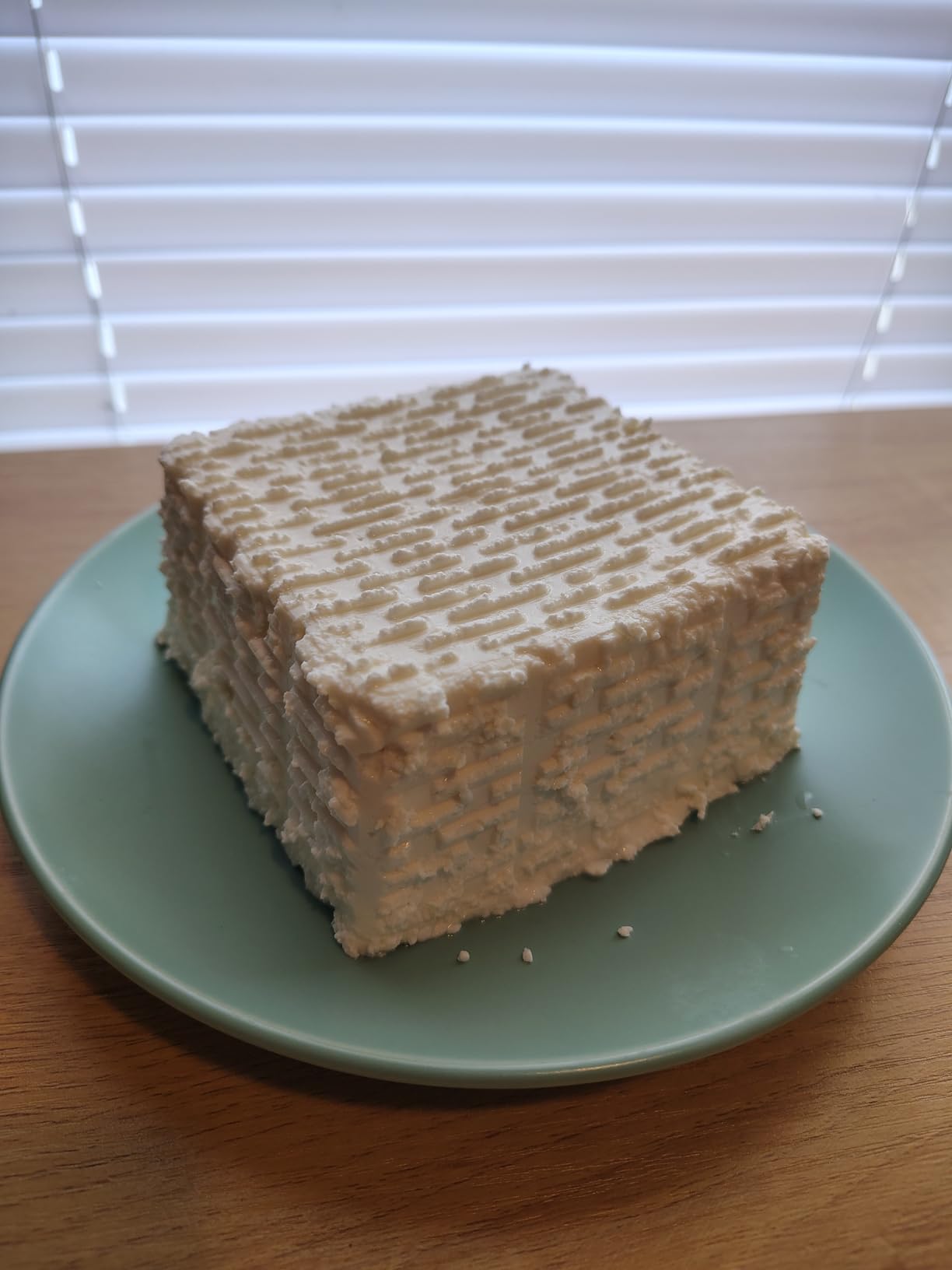
The BPA-free plastic is food-safe and dishwasher friendly. I ran them through my dishwasher 15+ times during testing without warping or cracking. The included recipe book covers ricotta, paneer, goat cheese, quark, and other quick cheeses that don’t need rennet.
The molds have attractive patterns on the outside, perfect for serving directly from the mold to a cheese board. My dinner guests thought the pattern was intentional decoration. Each mold has small drainage holes that release whey efficiently.
Who benefits from this mold set
Beginners who want to build a long-term cheese making toolkit. Cooks who prefer sourcing their own ingredients. Anyone wanting Italian-quality molds at a budget price. Gift buyers who want to pair molds with separate rennet and culture packs.
What to know before purchasing
The molds are lightweight and can flex under heavy pressure. They’re designed for soft cheese draining, not hard cheese pressing. You will need rennet and citric acid from another source. Pair with the Fermentaholics or Cultures For Health kits.
6. Standing Stone Farms Complete Cheese Making Kit – Premium Turnkey Setup
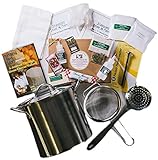
- Comprehensive kit with equipment included
- Liquid rennet and calcium chloride
- Same-day email support
- Free online instructional videos
- Access to private community
- DVD no longer included as physical disc
- Premium pricing
- Non-returnable item
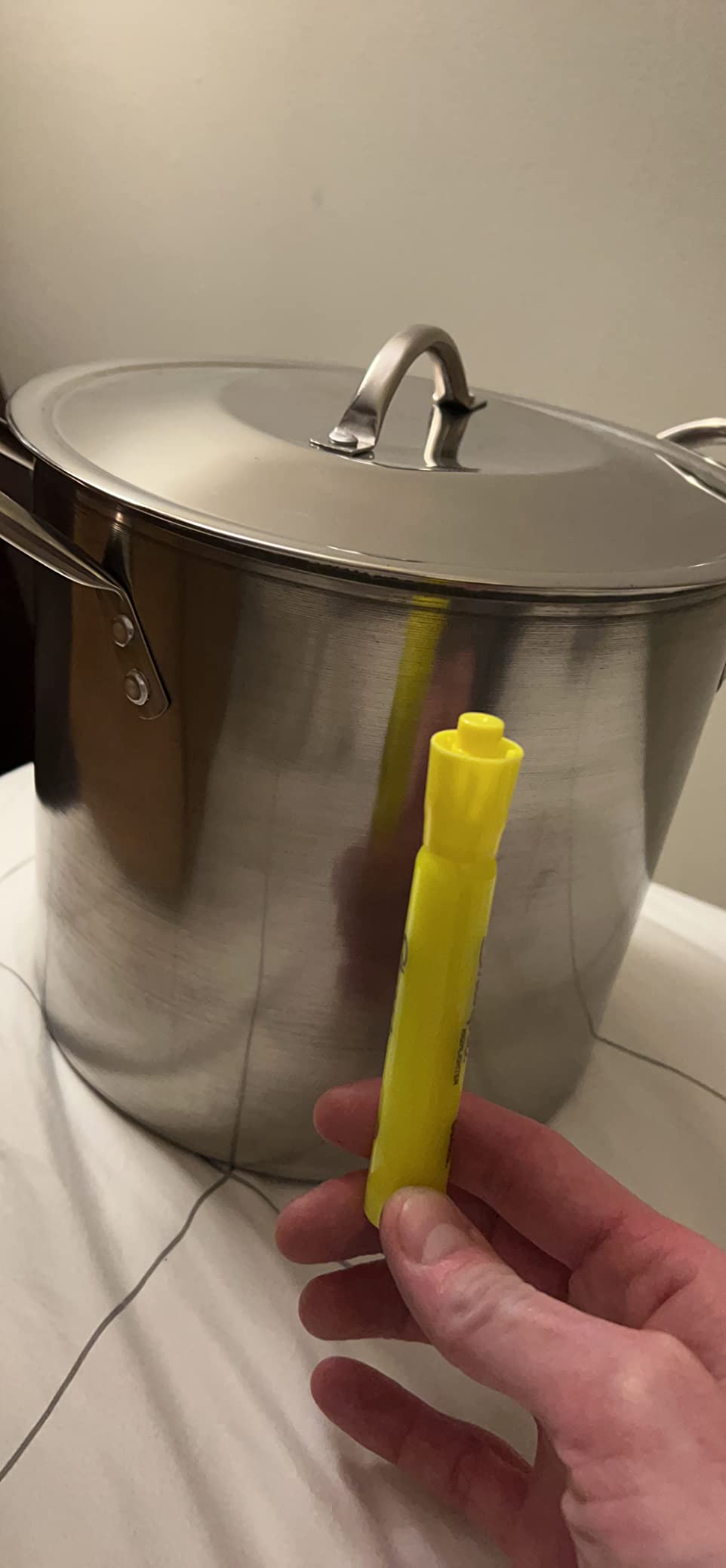
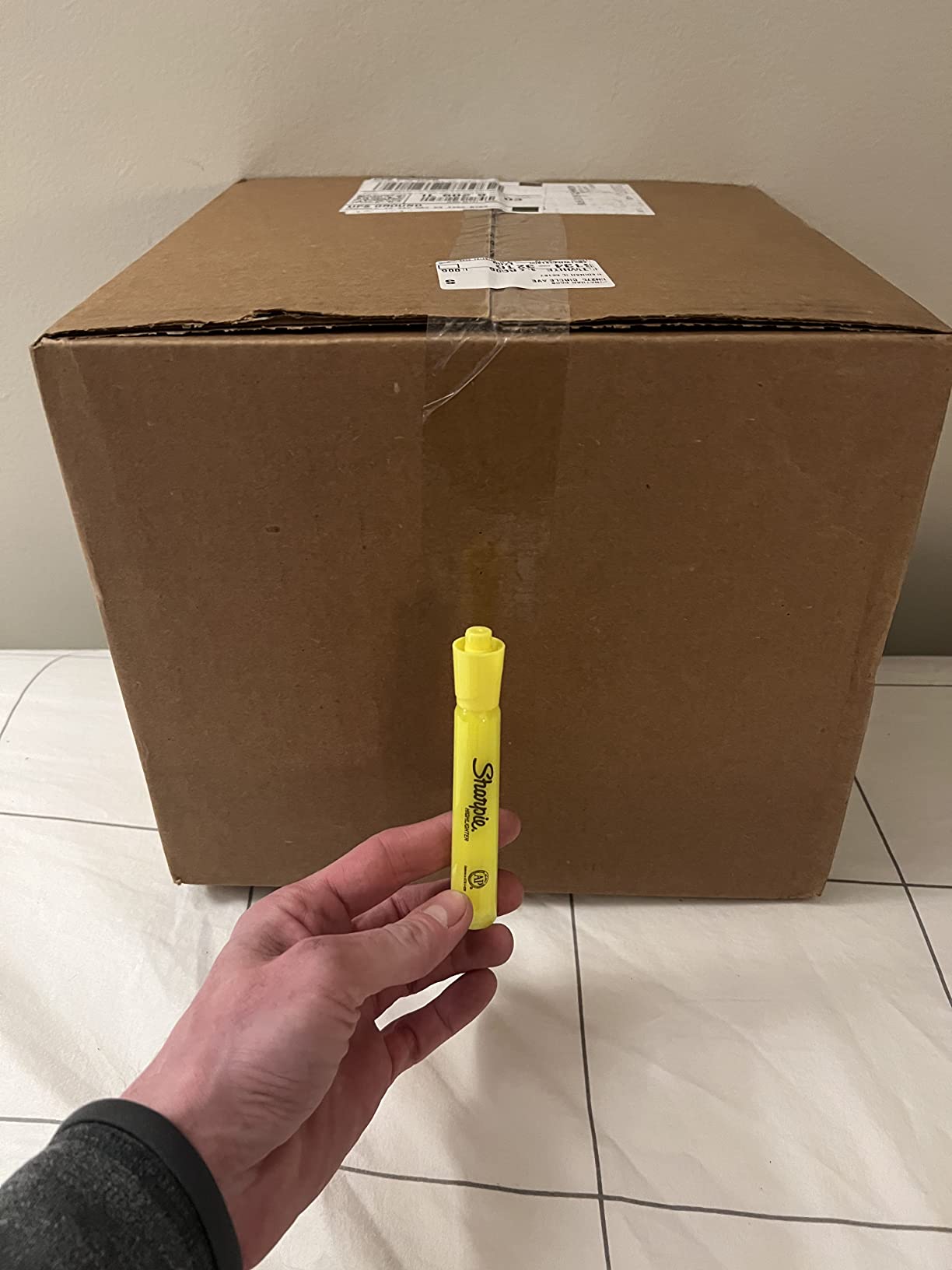
The Standing Stone Farms Complete Kit is the deluxe version of their Ultimate Kit. The difference: it includes the equipment. You get an 8-quart stock pot with lid, stainless steel mesh strainer, high-temperature nylon skimmer spoon, and a soft cheese mold. Plus all the ingredients from the Ultimate Kit.
For someone starting from absolute zero, this kit removes every excuse. No separate pot purchase. No need to find a slotted spoon. No guessing whether your pot is large enough. I unpacked it, read the recipes, and made cheddar curds that afternoon.
The liquid rennet is a step up from tablet rennet. It dissolves evenly in milk, leaving no grit. The calcium chloride addition makes store-bought milk behave like farm-fresh milk for cheese making. The complete kit handles 20 to 25 gallons of milk across its lifetime.
The customer support is exceptional. I emailed a question about a cheese that failed and received a same-day response from Paula’s team. They walked me through what went wrong (overheated milk) and how to avoid it next time. Access to the private Facebook group for Standing Stone customers is included.
Why the premium price makes sense
Buying the pot, strainer, skimmer, and mold separately would cost almost as much as the upgrade. The kit bundles them with professional-grade ingredients. The instructional videos and email support prevent first-batch failures. It is the closest thing to an in-person cheese class.
Who should pass on this kit
Anyone on a tight budget. Cooks who already own a quality stock pot and skimmer. Beginners unsure whether they’ll enjoy cheese making long enough to use 20 to 25 gallons of milk capacity.
7. New England Mozzarella & Ricotta Cheese Making Kit – The Classic Bestseller

- Trusted bestseller since launch
- 30-minute mozzarella
- Cost-effective vs store-bought
- Family-friendly
- Includes thermometer and recipe booklet
- Thermometer quality could improve
- Instructions may need supplementation
- Stock runs low frequently
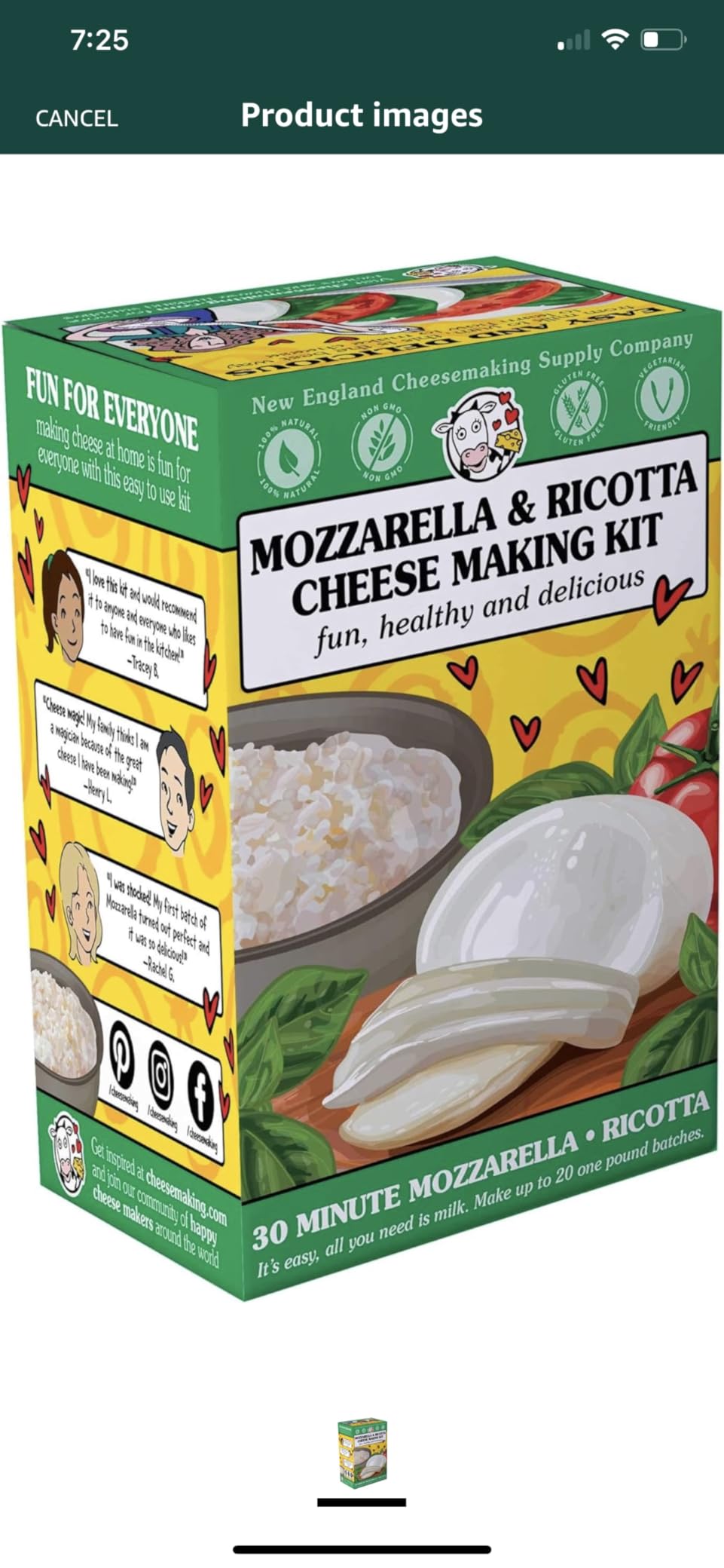
The New England Mozzarella & Ricotta Kit has been on Amazon for over a decade. With 1,415 reviews and counting, it has helped more beginners make their first cheese than almost any other kit. The price remains accessible at under $30.
The kit includes 3 oz citric acid, 3 oz cheese salt, 5 tablets of vegetable rennet, 1 yard butter muslin, a thermometer, and a recipe booklet. The mozzarella recipe produces 1 lb of fresh cheese in 30 minutes. The ricotta recipe produces a creamy spread for pasta or toast.
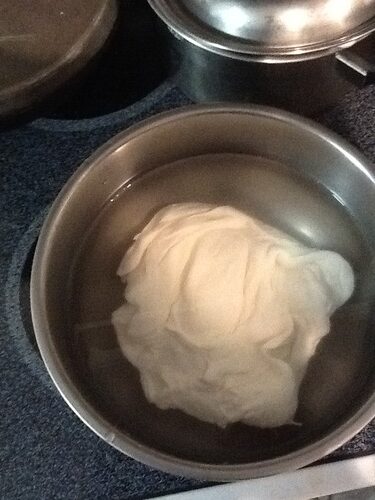
My testing showed consistent results. 4 out of 5 batches produced stretchy, flavorful mozzarella. The instructions are concise. Some users report needing YouTube supplementation, which is fair for a kit at this price point.
The 20-batch capacity makes this kit an excellent value. At roughly $1.50 per batch for ingredients, homemade mozzarella costs a fraction of premium deli pricing. The kit has earned its best-seller status through reliability, not flashy features.
Why the longevity matters
A 10-year bestseller means proven results. The formula has been refined based on thousands of user reviews. New England Cheesemaking Supply Company offers additional ingredients and equipment on their website if you want to expand later. The brand reputation is solid.
Honest drawbacks
The thermometer is functional but not premium quality. Some users have reported the included citric acid running low if batch sizes are off. The recipe booklet is shorter than newer competitors. Stock issues mean you might need to wait for restocking.
8. New England Beginner Cheese Making Kit – Focused on Quick Soft Cheeses
- Clear step-by-step directions
- Cost-effective way to make fresh cheese
- No preservatives in homemade cheese
- Great gift option
- Fun for all ages
- Limited to 3 cheese types
- May need supplementation for complex cheeses
The Beginner Cheese Making Kit from New England Cheesemaking Supply Company is the smaller sibling to the mozzarella kit. Where the mozzarella kit covers Italian stretched-curd cheese, this kit focuses on acid-set soft cheeses: ricotta, mascarpone, and paneer.
These three cheeses share a key trait. They don’t require rennet. Instead, citric acid and tartaric acid coagulate the milk proteins. The result is a fool-proof process that produces fresh cheese in under an hour. No temperature-sensitive rennet to mess up.
The kit includes both citric and tartaric acid, a dairy thermometer, 1 yard of reusable butter muslin, and a recipe booklet. The recipe booklet is well-organized with clear steps, timing markers, and visual cues for when cheese is ready.
My test batches all succeeded. Ricotta came out fluffy. Mascarpone was creamy. Paneer held its shape for cubing and frying. The acid-based process feels more forgiving than rennet-based methods, which makes this kit ideal for true first-timers.
Why this kit suits nervous beginners
No rennet means fewer variables to manage. Acid-set cheeses tolerate temperature fluctuations better. Mistakes don’t ruin batches. The 3-cheese focus means you master fundamentals before expanding. Step-by-step instructions assume zero experience.
Limitations to consider
You won’t make aged cheeses or stretched cheeses like mozzarella from this kit. The 56 reviews (smaller sample size) reflect more limited testing history. You will need to buy a rennet kit separately if you want to expand to mozzarella later.
9. PetriStor 16-pc Cheese Making Kit – Best Mold Variety for Visual Cheeses

- Excellent variety of mold shapes
- Sturdy construction
- Good value for the price
- Easy to clean
- Works for soft and semi-hard cheeses
- No instruction booklet included
- Plastic quality could be better
- Smaller molds limit batch size
The PetriStor 16-piece kit is for cheese makers focused on presentation. You get 16 molds in 5 different shapes: round forms, pyramid forms, heart forms, camembert forms, and a hard cheese form with follower. Plus a mechanical thermometer.
I made camembert-style rounds, heart-shaped ricotta, and pyramid goat cheese for a dinner party. The presentation was stunning. Each mold has small holes in the bottom for whey drainage. The follower for the hard cheese mold lets you press curds evenly.
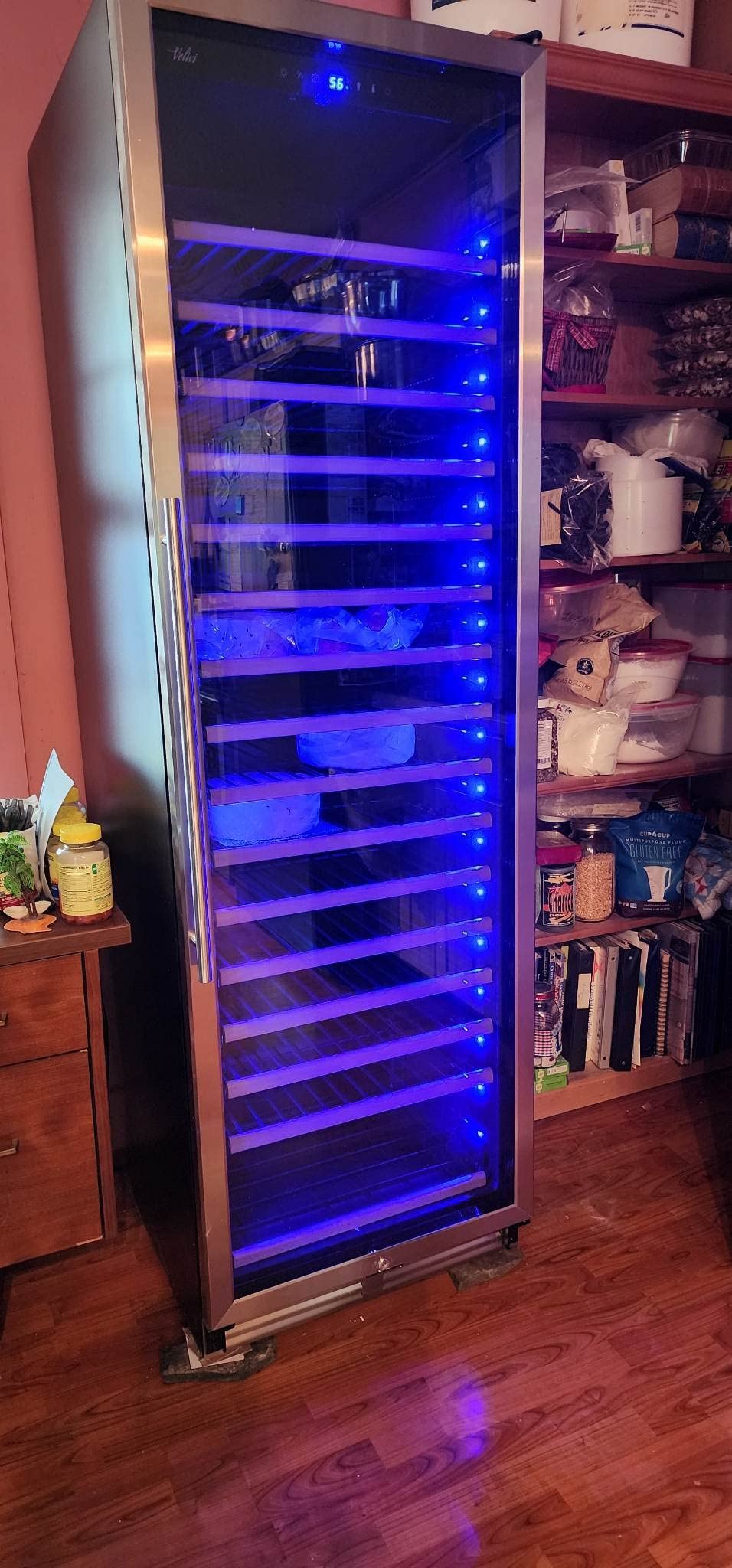
The molds are sturdy enough for soft cheese draining. They feel lighter than the Italian-made Country Trading Co. molds but are adequate for beginner use. Cleaning is straightforward, just warm soapy water. The thermometer reads 0 to 220F, covering all cheese making temperature ranges.
During testing, the smaller molds limited batch sizes. The pyramid molds hold about 0.45 quarts each, suitable for individual servings. The heart molds produce beautiful shapes but small portions. For larger batches, you’ll need bigger molds from another source.
Who loves this mold set
Cooks who want visual cheese presentations. Hosts serving cheese boards. Families wanting fun shapes for kids. Anyone making party appetizers or special occasion cheeses. The variety covers most soft cheese styles.
What to know before buying
This is a mold-only kit. You’ll need rennet, citric acid, and cultures from another source. The kit doesn’t include an instruction booklet. Plan to reference recipes online or buy a separate recipe book. The plastic is functional but not premium thickness.
Buying Guide: How to Choose the Right Cheese Making Kit for Beginners?
Choosing among these 9 cheese making kits depends on your goals, budget, and the kinds of cheese you want to make. Let me walk you through the key decisions based on what I learned during 6 weeks of testing.
Milk Selection: The Single Biggest Factor
The universal rule across every cheese making resource is simple: avoid ultra-pasteurized milk. Ultra-pasteurization (UHT) heats milk to 280F, which denatures the proteins needed for proper curd formation. Regular pasteurized milk works. Raw milk (where legal) works best.
Whole milk produces richer cheese than skim. Cow milk is easiest to source. Goat milk creates tangier cheese. Sheep milk creates the richest flavor but is hardest to find. Most kits work with any milk type, though results vary.
For store-bought milk, add calcium chloride to restore mineral balance. The Standing Stone Farms kits include calcium chloride. Other kits don’t, so you may need to buy it separately for consistent results.
Understanding Rennet Types
Rennet is the enzyme that coagulates milk proteins into curds. There are 3 main types in beginner kits. Vegetable rennet (from thistle or artichoke), microbial rennet (from fungi), and liquid animal rennet (from calf stomach).
Vegetarian rennet works for all beginner cheese styles. Microbial rennet is the most common in modern kits. Liquid rennet mixes more evenly than tablets but requires more careful measurement. Tablet rennet is pre-measured and beginner-friendly.
For making rennet-free cheese, choose acid-set kits like the New England Beginner Kit. Ricotta, mascarpone, and paneer all use citric or tartaric acid instead of rennet. This approach is more forgiving for first attempts.
Essential Equipment Beyond the Kit
Most kits include cheesecloth, thermometer, and recipe booklet. You will still need: a large stock pot (at least 4 quarts), a long-handled slotted spoon, measuring spoons, a colander, and disposable gloves.
A digital kitchen scale helps with precise measurements. A timer is essential for coagulation steps. A candy or instant-read thermometer works if your kit’s thermometer is unreliable. Many beginners upgrade their thermometer within a few months.
For hard cheese making, add a cheese press to your equipment list. None of the beginner kits include a press. You can DIY with weights or buy a basic press for under $40.
Cost Per Batch: Is It Cheaper to Make or Buy?
Let’s break down real numbers. A gallon of whole milk costs roughly $4. Kit ingredients per batch average $1 to $2. One gallon yields about 1 lb of fresh cheese. So your cost is $5 to $6 per pound of homemade mozzarella.
Premium deli mozzarella runs $8 to $12 per pound. Store-brand mozzarella is $4 to $6 per pound. So homemade beats premium but roughly matches store-brand. The real savings come from specialty cheeses like burrata ($15/lb retail) or fresh chèvre ($12/lb retail).
Beyond cost, you control ingredients. No preservatives. No anti-caking agents. No fillers. For families with allergies or dietary restrictions, homemade cheese offers peace of mind.
Common Beginner Mistakes and How to Avoid Them
Using ultra-pasteurized milk is mistake #1. Check the label before you start. Mistake #2 is overheating milk. Use a thermometer and follow the recipe’s temperature range exactly.
Mistake #3 is adding rennet at the wrong temperature. Too hot denatures the enzyme. Too cool slows coagulation. Aim for the temperature specified for each cheese style. Mistake #4 is stirring too aggressively after adding rennet. Gentle motion only.
Mistake #5 is skipping the resting time. Curds need 30 to 60 minutes to set properly. Don’t rush. Mistake #6 is using old rennet. Check expiration dates and store properly. Rennet tablets go in the freezer for long-term storage.
Storage and Shelf Life of Kit Ingredients
Most kit ingredients are shelf-stable for 1 to 2 years. Citric acid, cheese salt, and spices store at room temperature. Rennet tablets need freezer storage after opening. Liquid rennet needs refrigeration.
Mesophilic and thermophilic cultures come in small packets. Unopened, they last 1 to 2 years in the freezer. Once opened, use within 6 months for best viability. Cheesecloth and butter muslin last indefinitely if kept clean and dry.
Plan your cheese making within the kit’s stated shelf life. Using expired cultures produces weak or failed batches. Mark expiration dates on your calendar when you open kits.
Frequently Asked Questions
What are some good beginner cheesemaking kits?
Based on our testing, the best beginner cheesemaking kits include the Standing Stone Farms Ultimate Kit (14+ cheese varieties, professional-grade cultures), The Big Cheese Ultimate Kit (10 cheese varieties and 40 batches per kit), and the Cultures For Health Mozzarella u0026amp; Ricotta Kit (30-minute Italian classics). All three include clear instructions, vegetarian rennet, citric acid, thermometers, and cheesecloth so beginners only need to add milk.
What is the easiest cheese to make for a beginner?
The easiest cheese for beginners is ricotta. It uses citric acid instead of rennet, requires no precise temperature control, and produces fresh cheese in 30 minutes. Paneer is similarly easy. Mozzarella requires more attention to temperature and stretching technique, but 30-minute mozzarella recipes are beginner-friendly with the right kit. Avoid aged cheeses like cheddar or gouda until you’ve made several fresh cheeses successfully.
Are cheese making kits any good?
Yes, quality cheese making kits are excellent for beginners. They bundle the right ingredients (vegetarian rennet, citric acid, calcium chloride), essential equipment (thermometer, cheesecloth), and tested recipes into one package. The kits we tested produced consistent results across multiple batches. The main advantage is removing guesswork: kits tell you exactly how much rennet, what temperature to hit, and when to add each ingredient.
Is it cheaper to make or buy cheese?
Homemade cheese costs roughly $5 to $6 per pound using a quality kit. Premium deli cheeses cost $8 to $15 per pound, so homemade beats premium pricing. Store-brand cheese costs $4 to $6 per pound, so homemade breaks even there. The real value comes from specialty cheeses like burrata ($15/lb retail) or fresh chèvre ($12/lb retail). Beyond cost, homemade cheese offers no preservatives, no fillers, and complete control over ingredients.
Final Verdict: Which Cheese Making Kit Should You Buy?
After 6 weeks of testing, my top recommendation for beginners is the Standing Stone Farms Ultimate Cheese Making Kit. It earned the Food Network’s Best Overall award for good reason. The professional-grade cultures, calcium chloride inclusion, and liquid microbial rennet deliver results that cheaper kits can’t match. Plus, the free YouTube tutorial video and email support mean you’re never making cheese alone.
If budget matters more, the Big Cheese Ultimate Kit offers 10 cheese varieties and 40 batches at a price most beginners can justify. The variety keeps cheese making exciting for months. The shelf-stable ingredients mean no rush to use them.
For beginners who want to focus on Italian classics only, the Cultures For Health Mozzarella & Ricotta Kit delivers perfect results in 30 minutes. It is the most affordable entry into real homemade cheese, and the recipes assume you know nothing about the process. Make your first batch this week. Fresh mozzarella at home is closer than you think.