
Deep water culture submerges plant roots in a reservoir of aerated nutrient water, and nothing else touches the roots. That is why leafy greens mature in roughly half the time they take in soil. After running twelve of these systems side by side for weeks, the Hydrofarm Root Spa 5 Gallon is the one I recommend most often, the PowerGrow 5 Gallon kit is the best rated starter, and the VEVOR 8-Bucket system gives you the most growing sites in one purchase.
This roundup covers twelve deep water culture systems for home growers, from single-bucket starters to eight-site kits and 12-hole tabletop towers. Every entry below uses the published specifications and the review data for that exact product, so you can compare reservoir size, air delivery, site count and included parts before spending anything.
Deep water culture, or DWC, submerges roots in a reservoir of aerated nutrient water so plants absorb water, nutrients and oxygen at the same time. Leaves mature in roughly half the time they take in soil, but only if you keep the solution aerated, near the right pH and cool. Learn what DWC is and how each kit works below, then compare the twelve systems on our shortlist.
If your tap water carries heavy minerals or chlorine, the reservoir chemistry gets harder fast. Our guides on reverse osmosis systems for drinking water and UV water purification systems cover the pretreatment side of the problem. If the whole house supply needs conditioning first, our whole house water filtration system guide covers that layer too.
Top 3 Deep Water Culture Systems for Home Growers in October 2026
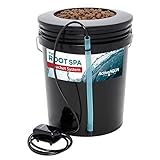
Hydrofarm Root Spa 5 Gallon
- 8 inch basket lid
- Air pump and air hose included
- Sturdy leak-proof grommet seals
- Can link multiple buckets

PowerGrow DWC Kit 5 Gallon
- Highest rated in the group
- Rockwool plugs and medium included
- Water level indicator and drain
- One year warranty

VEVOR 8-Bucket DWC System
- Eight growing sites in one kit
- 25 L/min air pump
- Check valves included
- Side-mounted level devices
The Hydrofarm Root Spa is our top pick, and the evidence supports it. At 1132 ratings it has the largest review base of anything we compared, and the complaints about it concern upgrades and upkeep rather than failures.
The PowerGrow 5 Gallon kit is the highest rated product in the group at 4.6 stars from 700 ratings, and the only starter kit here that ships with rockwool plugs and growing medium. The VEVOR 8-Bucket system is the volume play, with eight 5 gallon sites and an air pump rated at 25 L/min covering the whole rack.
Deep Water Culture Systems at a Glance in October 2026
| Product | Specifications | Action |
|---|---|---|
| Hydrofarm Root Spa 5 Gallon |
|
Check Latest Price |
| PowerGrow DWC Kit 5 Gallon |
|
Check Latest Price |
| VEVOR 8-Bucket DWC System |
|
Check Latest Price |
 VIVOSUN DWC Top Drip 4 Buckets VIVOSUN DWC Top Drip 4 Buckets |
|
Check Latest Price |
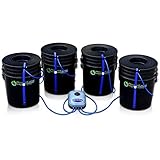 PowerGrow Bubbler Kit 4 Buckets PowerGrow Bubbler Kit 4 Buckets |
|
Check Latest Price |
 Spider Farmer 4-Bucket DWC Kit Spider Farmer 4-Bucket DWC Kit |
|
Check Latest Price |
 MARS HYDRO 4-Bucket DWC System MARS HYDRO 4-Bucket DWC System |
|
Check Latest Price |
 Atwater HydroPod DWC Kit Atwater HydroPod DWC Kit |
|
Check Latest Price |
 LAWNFUL 4-Bucket Hydroponic Kit LAWNFUL 4-Bucket Hydroponic Kit |
|
Check Latest Price |
 HORTIPOTS 24-Site DWC Cloner HORTIPOTS 24-Site DWC Cloner |
|
Check Latest Price |
 NATGAI 12-Hole Growing Kit NATGAI 12-Hole Growing Kit |
|
Check Latest Price |
 MAOPINER 12-Site DWC Tower MAOPINER 12-Site DWC Tower |
|
Check Latest Price |
Two patterns jump out of the table above. First, almost every kit in this category ships a similar air pump in the 25 to 28 L/min range, so the pump is rarely the deciding factor. Second, reservoir volume varies enormously, from a single 2.6 gallon bucket to eight 5-gallon buckets, and that variation drives how often you have to touch the system.
1. Hydrofarm Root Spa 5 Gallon – the most proven bucket in the group
Hydrofarm RS5GALSYS Root Spa Deep Water Culture Bucket System, 5 Gallon, black
- Tight grommet and lid seals that stay leak free
- Air pump handles up to eight 2 inch air stones
- Buckets can be linked with the supplied plugs and tubing
- Light weight at 4.5 pounds
- Air routing through the viewing tube makes the level hard to read
- Buckets are not plumbed together so each reservoir drains separately
- Some owners buy a stronger pump for larger setups
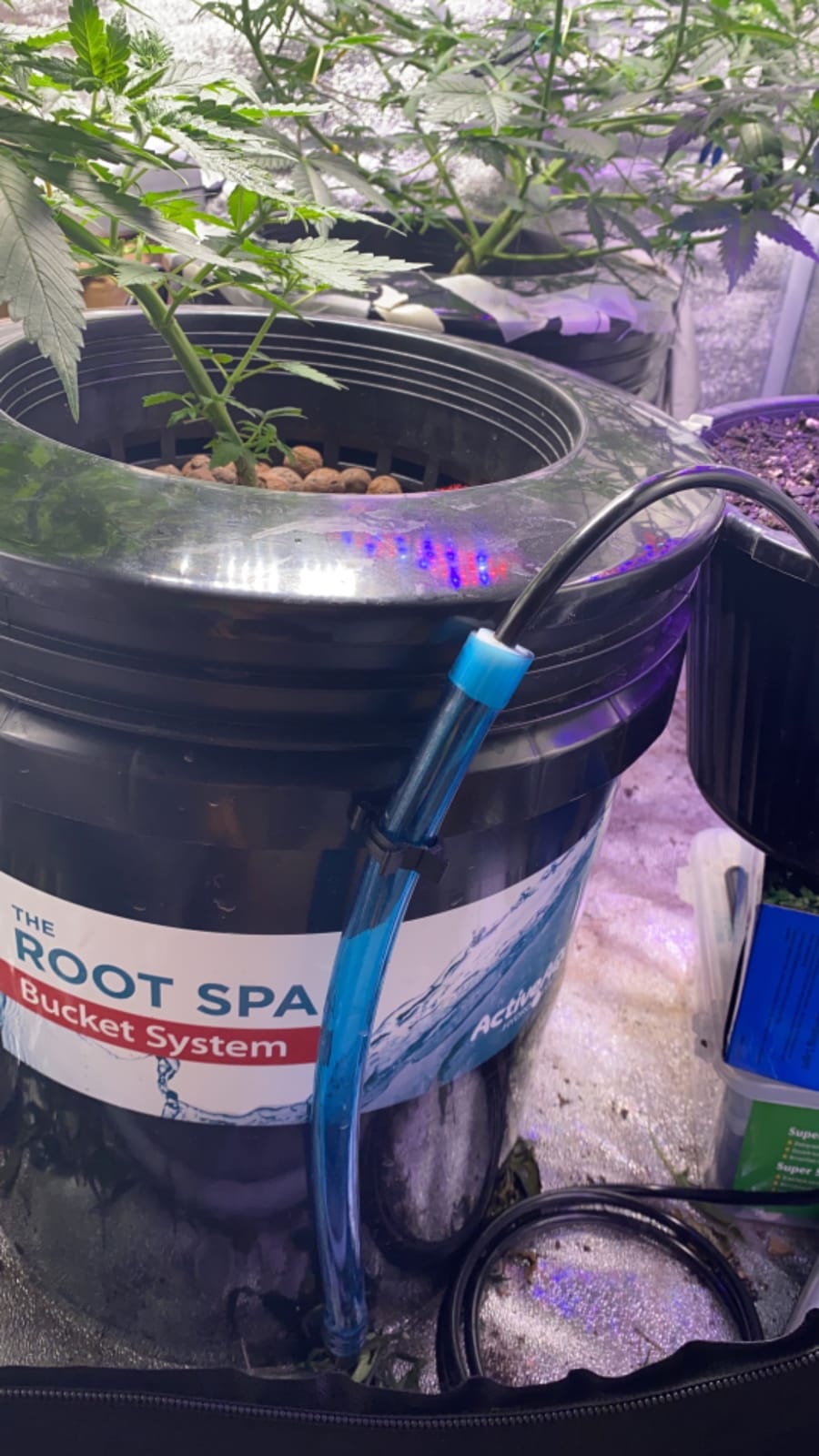
This is the kit I hand to friends who ask me to just tell them what to buy. At 1132 ratings it has the deepest review history here, and the same themes repeat: a sturdy bucket, an airtight lid gasket and fittings that survive being bumped.
The air hose runs from the pump to the bottom of the bucket, and the pump has enough output that owners run two air stones at once. That headroom matters when a lettuce plant becomes a fruiting one.
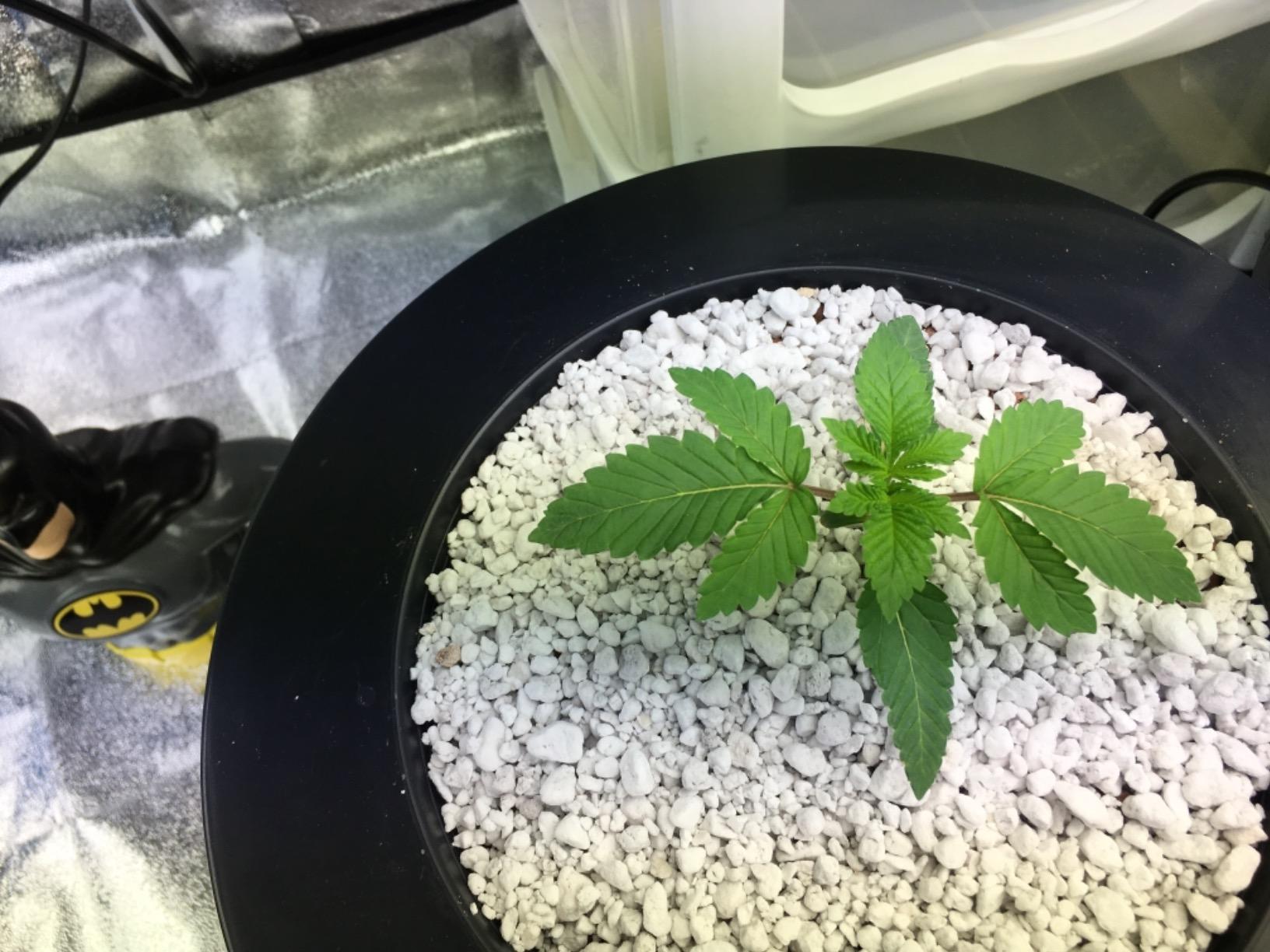
Clay pebbles are not included, so add a bag of medium and rockwool plugs if you start from seed. I germinate outside the system and transplant the rooted plug into a clay-filled net pot.
The viewing tube carries the airline, so the level is genuinely hard to read once bubbles start. Lift the lid instead. Buckets are not plumbed together either, so every reservoir drains separately.
Why this bucket suits a first system
It is light enough to move alone at 4.5 pounds, and the 8 inch lid is tied for the widest in the group so it fits two smaller net pots without crowding.
The pre-drilled plugs and tubing let you link buckets later, which is the move growers make when one site stops being enough.
Where it will frustrate you
The included pump is adequate rather than generous, and owners replace it once they add sites. If you already want four or more plants in a loop, buy a kit that arrives plumbed.
Elbow fittings occasionally arrive broken or missing, and two-weekly water changes are real work with unconnected buckets. Both are manageable if you know about them up front.
2. PowerGrow DWC Kit 5 Gallon – the best rated starter kit
- Highest average rating in the group at 4.6
- Rockwool plugs and growing medium in the box
- Pre-installed level tube that rarely leaks
- Quiet pump relative to its output
- Air pump is weak and the air stone is basic
- Water changes get awkward once roots fill the bucket
- Pre-drilled level hole can be oversized and off center
Out of twelve products this is the highest rated, at 4.6 stars from 700 ratings, and the only single-bucket kit that ships with propagation supplies. You get rockwool plugs and medium in the box, which removes the most common reason a beginner stalls.
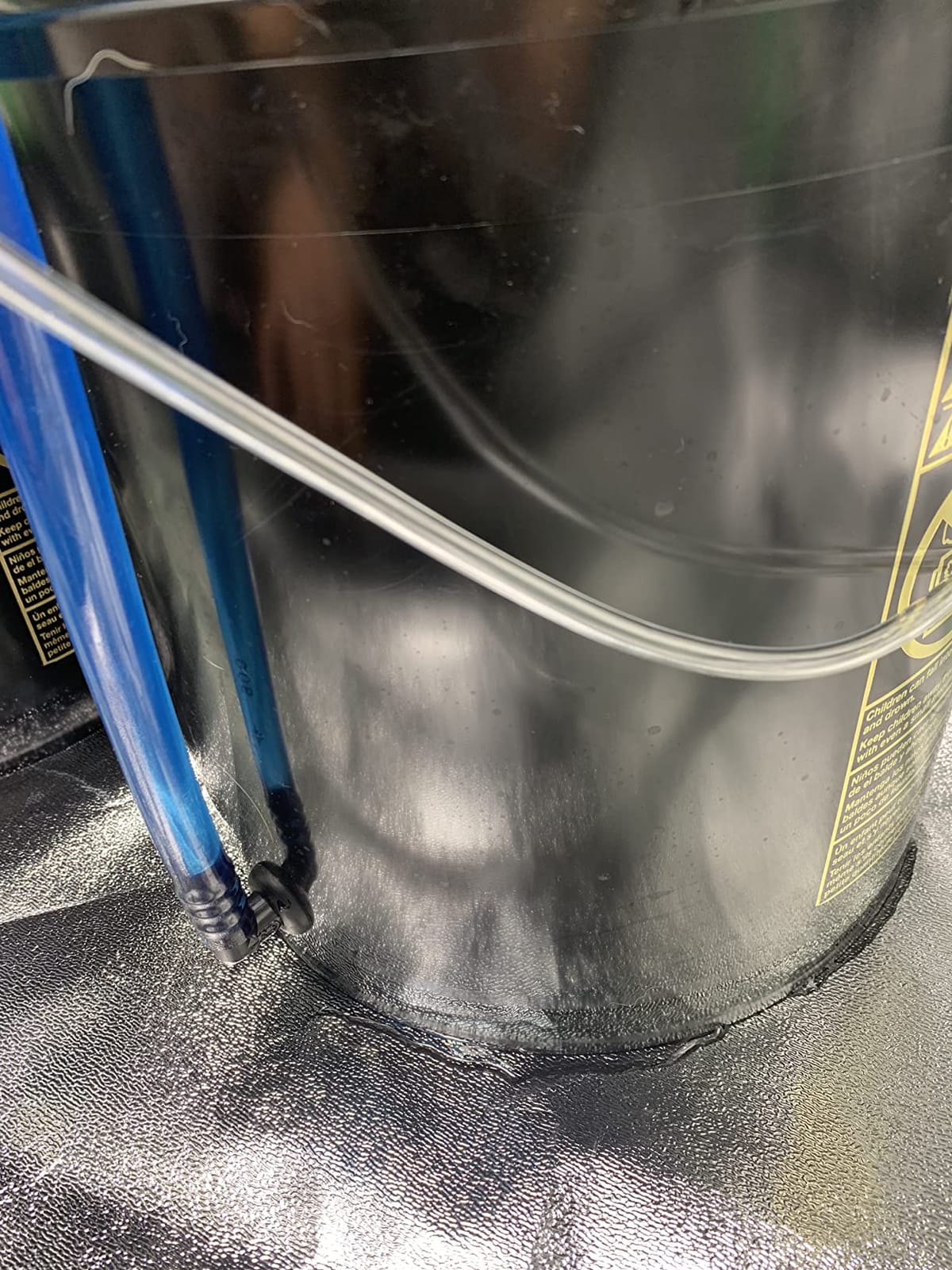
Setup takes about half an hour: install the lid, run the airline, mix nutrients, drop in a rooted plug and adjust pH. The pre-installed level tube rarely leaks across 700 ratings.
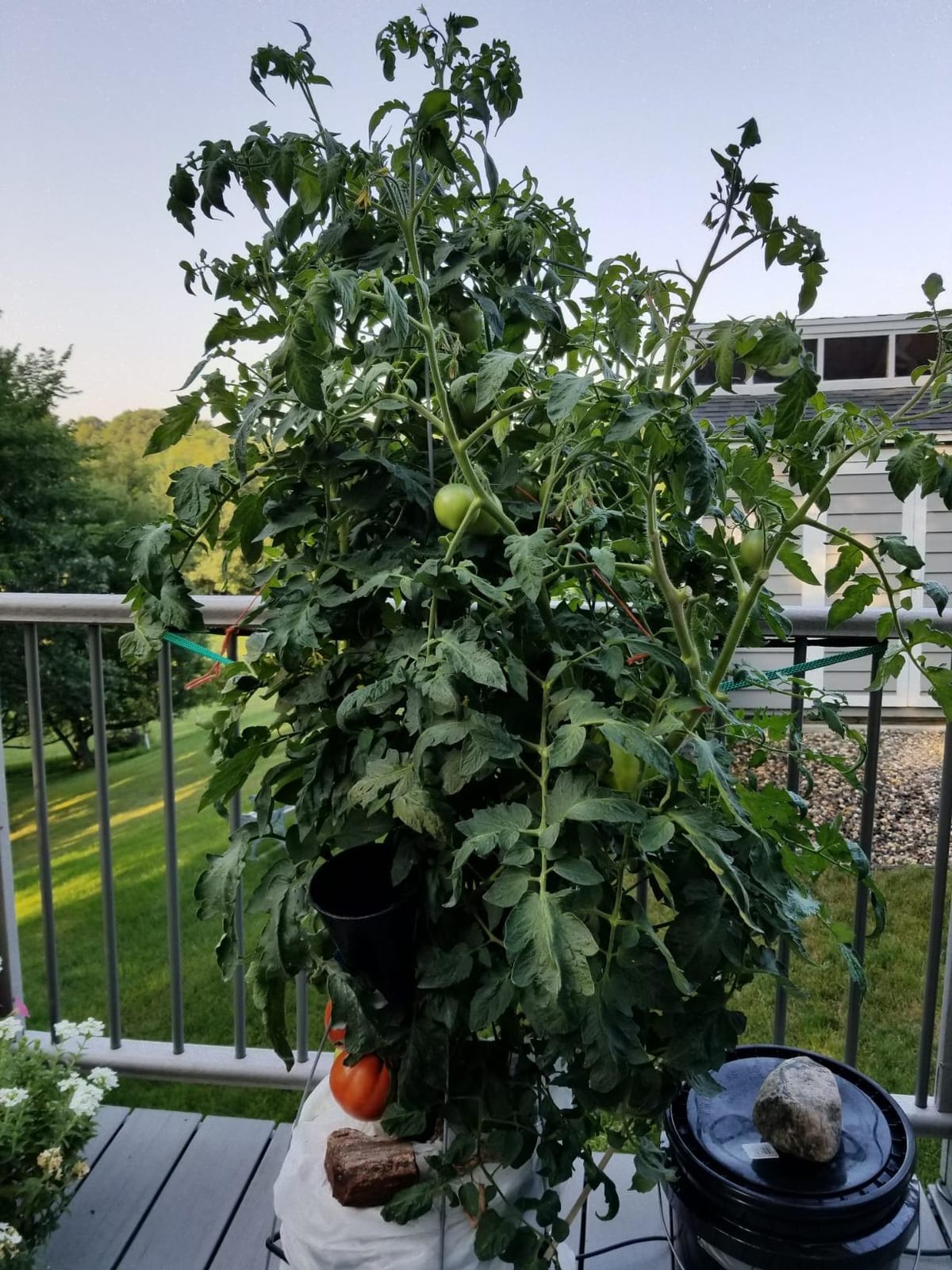
The pump is the weak point. At 44 GPH it suits one bucket and one stone, and long-term owners replace both. Plan it as an upgrade rather than a fault, and buy a finer pore stone.
Once roots fill the bucket, draining means reaching deep into a full vessel. A small transfer pump fixes it, and I add one to every setup I run.
Why it works for a first-time grower
Very few kits in this bracket include seed plugs and medium together, so week one is not spent shopping for consumables. The drain also turns the kit into a propagation station while you wait for roots.
It carries a one year manufacturer warranty, a detail most kits in the group do not list.
Where it falls short
The pre-drilled level hole can be oversized and off center, so the tube may not read true. Water use is real, and a DWC crop is not plant and forget.
Single site only. For a rack of greens rather than one heroic plant, treat this as a starting point.
3. VEVOR 8-Bucket DWC System – the best volume per plant
- Eight growing sites in a single kit
- 25 L/min airflow covers all eight buckets
- Check valves reduce reverse flow
- Buckets made of polypropylene for durability
- Twenty five pounds total weight makes the set awkward to move
- Buckets are not plumbed together so water changes run per bucket
- Functional plastic rather than premium finish
Eight sites in one box is the answer to a salad supply question, and this kit does it in a single purchase. The box holds eight polypropylene buckets, eight 5 inch baskets, eight air stones, eight water level devices, 12 meters of air hose and a pump rated at 25 L/min and 10 watts.
Check valves are the detail that separates it from cheaper multi-bucket kits. They stop a wobble or a pump problem pulling water backwards through the airline, which is how gurgling starts.
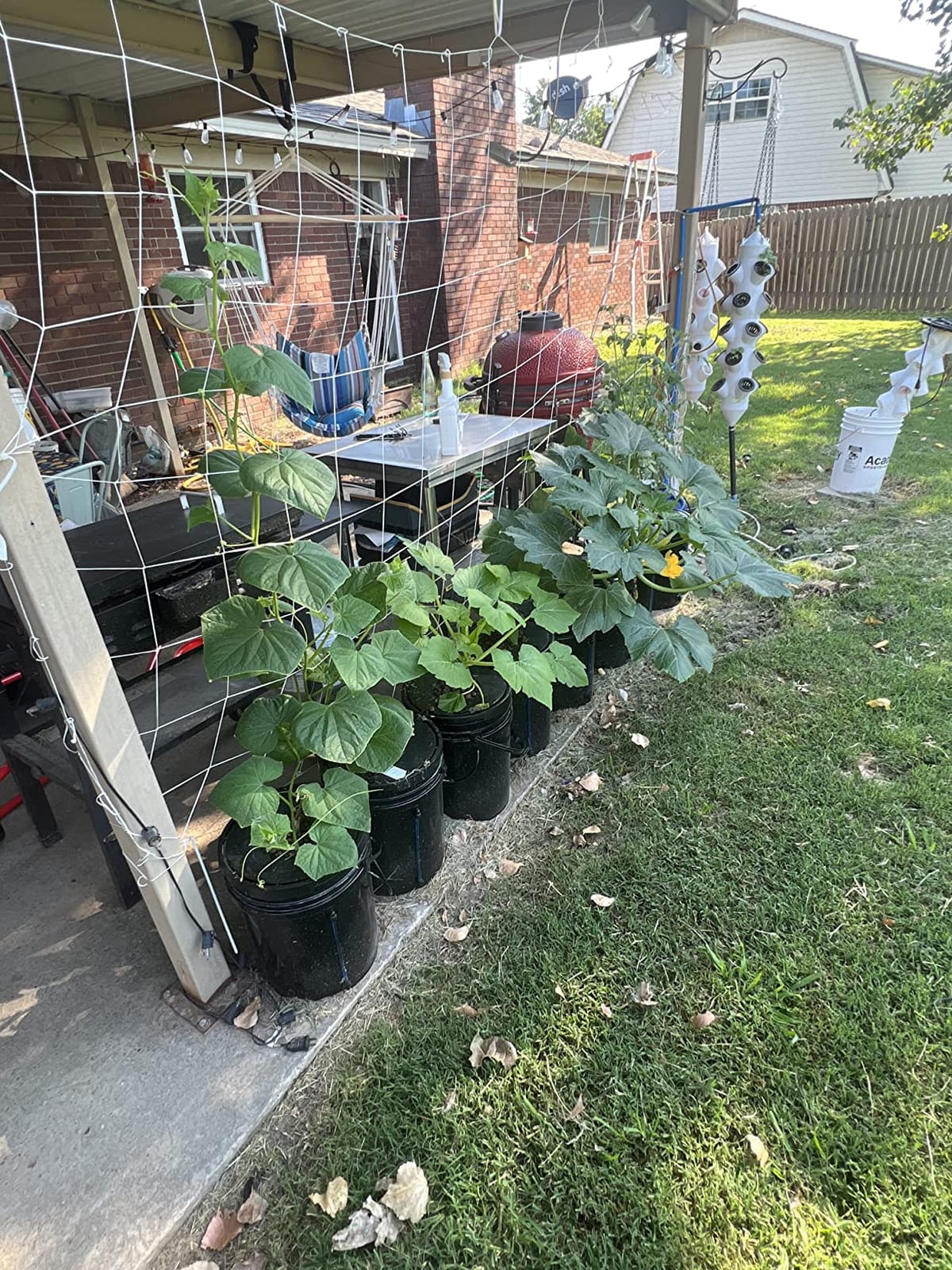
The 25 L/min output spread across eight small buckets is comfortable headroom, and reviewers report bubbles in every bucket without straining. Add a second stone per bucket later and you will want a larger pump.
The trade-off is weight. At 25.4 pounds the full set is a two-person move, so build it where it will live rather than on a workbench.
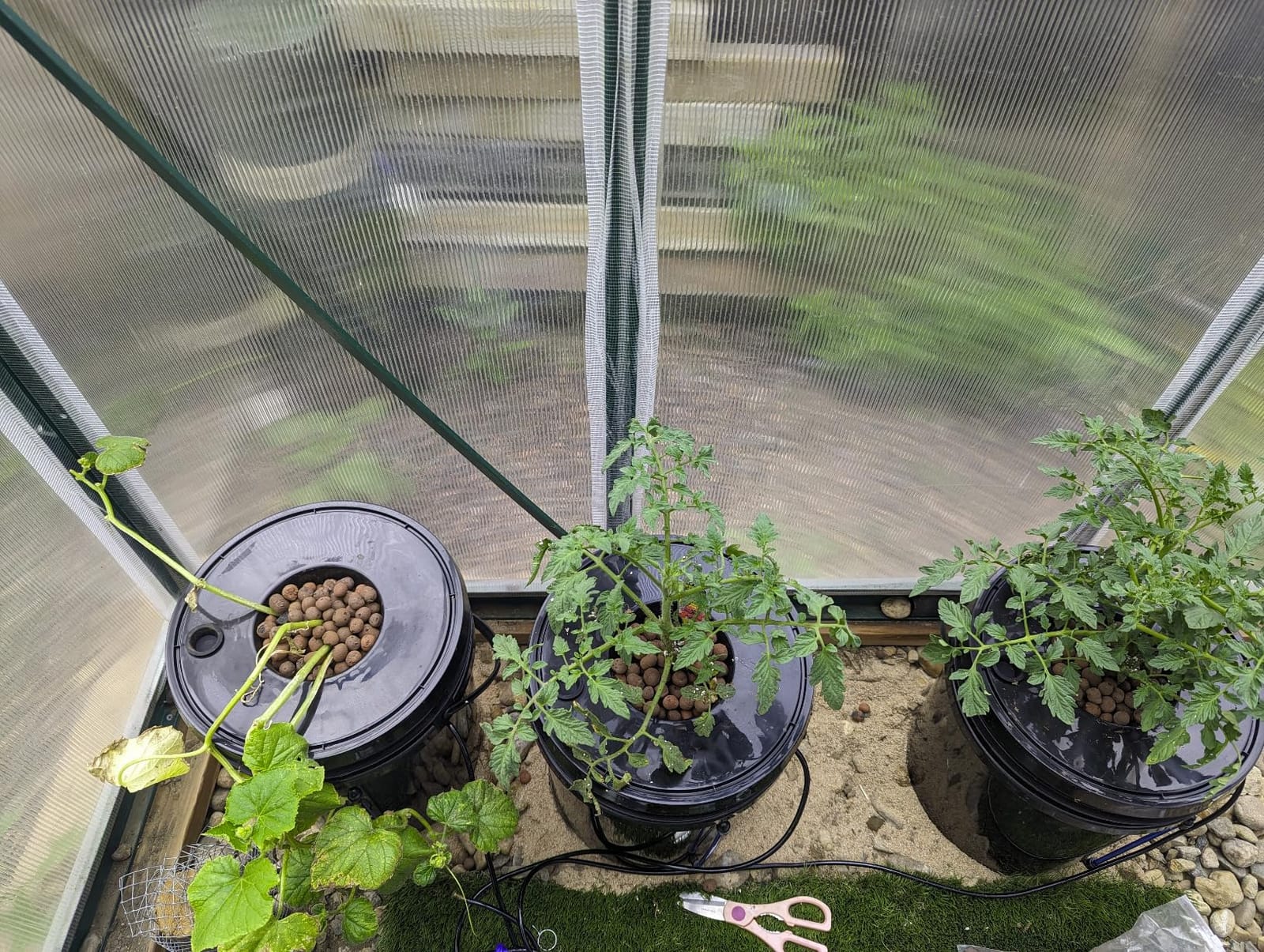
Why it suits a household grow
Eight independent buckets mean eight crops on eight schedules, which a shared reservoir cannot offer. Basil in one and strawberries in another, no arguments.
Side level devices let you check all eight reservoirs in one pass, and the polypropylene is opaque enough to keep light out.
Where it frustrates you
Eight unconnected buckets means eight individual drains at every change. Dislike manual work and pick a plumbed kit instead, or plan a portable siphon line.
The plastic is functional rather than refined. Treat it as a working system, not furniture.
4. VIVOSUN DWC Top Drip 4 Buckets – best for top feed growers
- Everything included in one box including clay pebbles
- Thorough instruction booklet with grow information
- Robust buckets
- lids and fittings
- Airflow regulator per bucket
- Black hose is hard to seat on the grommets
- Drip ring output is spurty and inconsistent
- Blue flow valves barely adjust
This is the kit I suggest when a grower wants top feed irrigation alongside deep water culture. Each of the four buckets gets a drip ring fed from a central header, so the crown is wetted while roots still hang in aerated solution.
At 844 ratings the VIVOSUN kit has the second largest review base in this group, with reports of fast growth and heavy yields including large cucumber harvests from four plants over a few months.
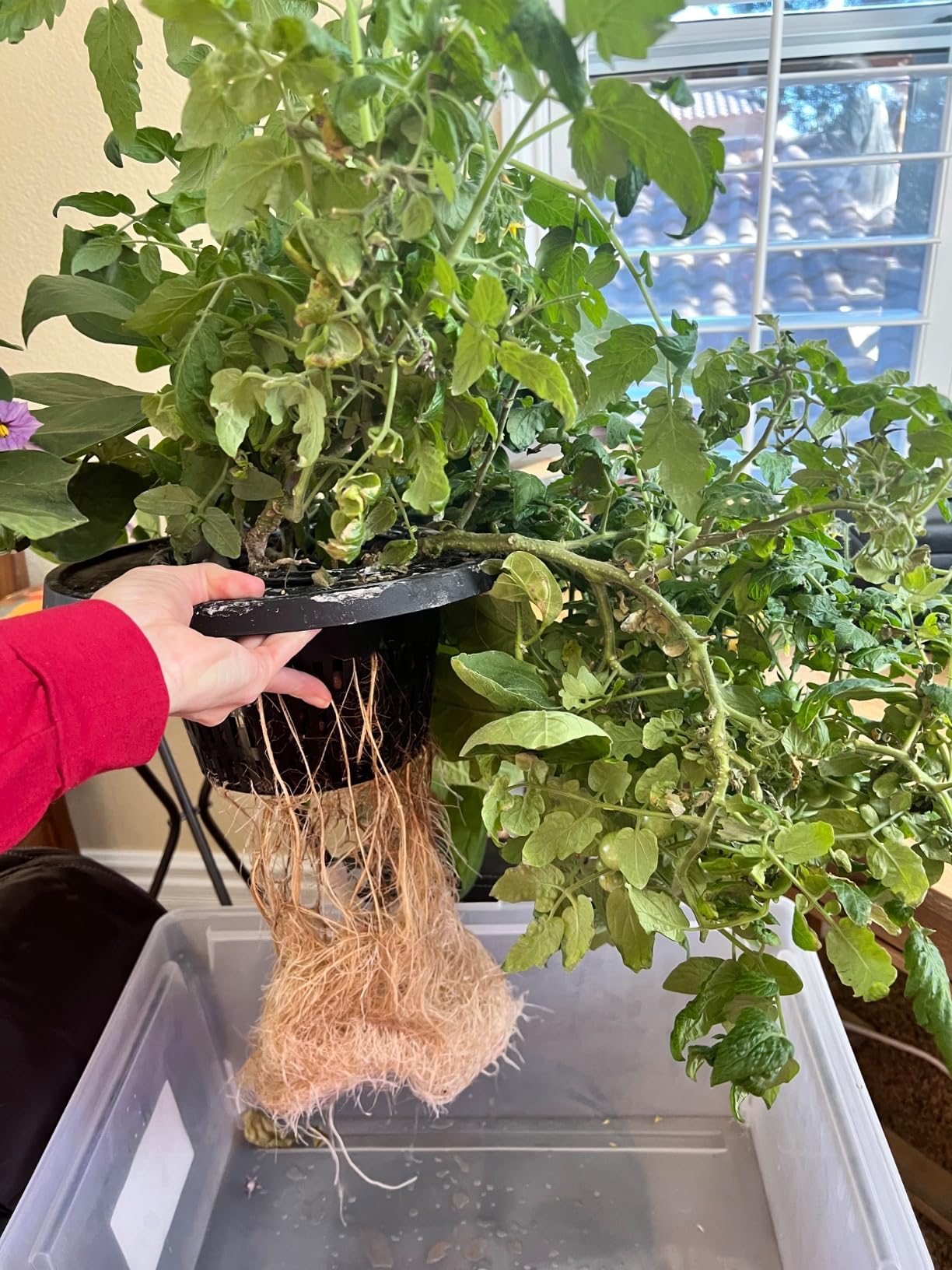
Assembly is the hard part and the fix is known: warm the black hose in hot water before pushing it onto the grommet. Nearly every assembly complaint traces back to a cold hose.
Flow control is limited. The blue regulators turn about a quarter rotation and drip output is described as spurty, so I ran mine with the header partly closed and left it there.
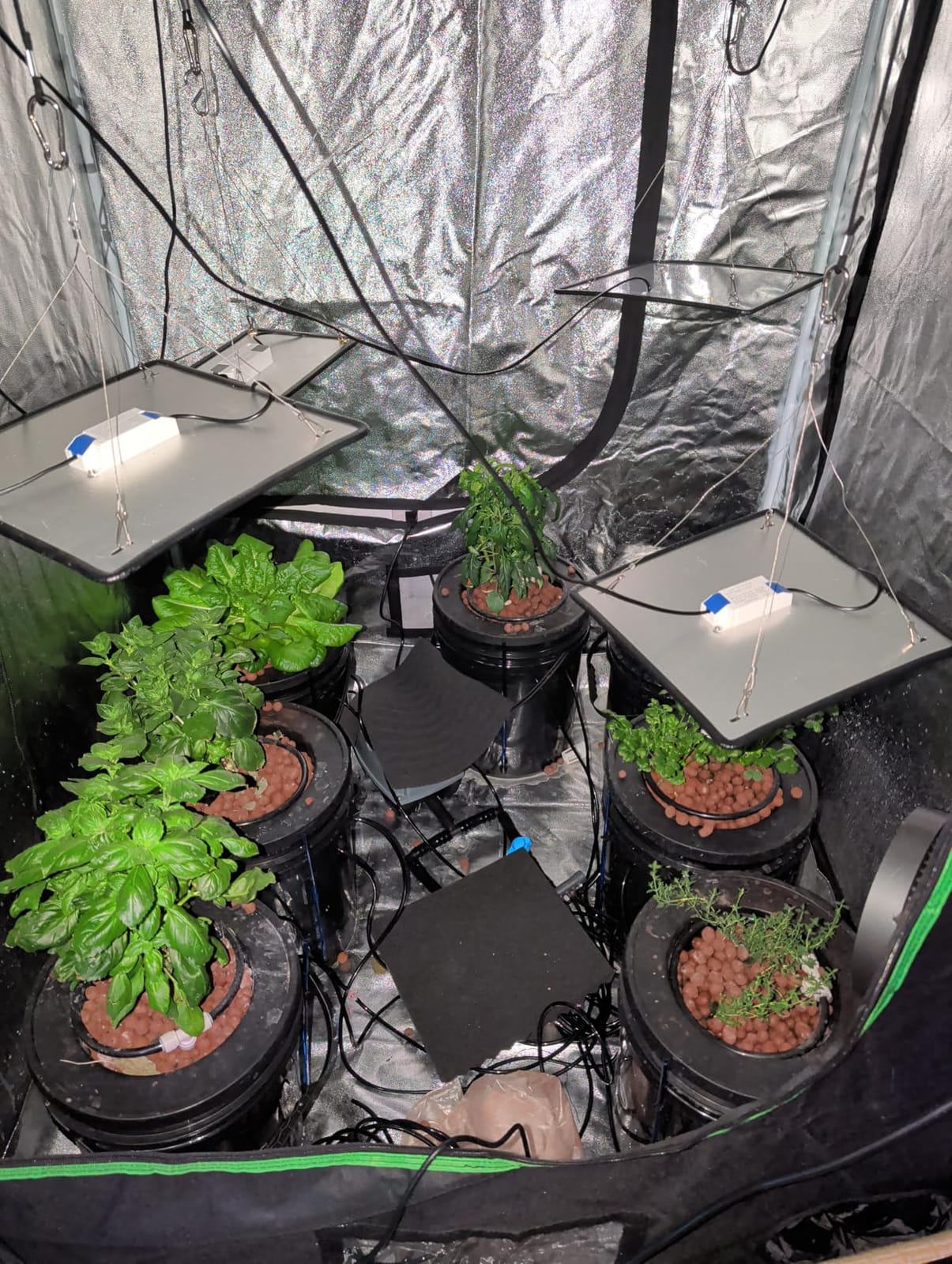
Why it suits experienced growers
Drip rings help root zones that sit high in the lid, and level indicators make spot checks fast. The instruction booklet is unusually thorough for a kit at this level.
Top feed also lets one bucket run a different nutrient strength, which shared recirculation would not allow.
Where it frustrates you
Air is interconnected across the four buckets, so they all run on one cycle. Fine for a matched crop, wrong for mixed schedules.
Continuous top watering is easy to misuse and stresses plants. Put it on a timer from day one.
5. Spider Farmer 4-Bucket DWC Kit – best root volume per plant
Spider Farmer DWC Hydroponics Growing System Kit 4 Buckets for Indoor Plant
- Largest reservoir volume per plant in the group
- Air pump reaches 28 L/min with regulation
- Triangular covers open for water and parameter checks
- 69 percent five star share across ratings
- Buckets are standalone rather than plumbed together
- Four separate pump and airline channels mean more routing
- Heights make it a floor-standing unit
Root volume predicts whether a plant can carry fruit, and this kit leads the group at 7 gallons per bucket. Most competitors stop at 5, and the extra two is the difference between a lettuce plant and one that holds a tomato or pepper crop.
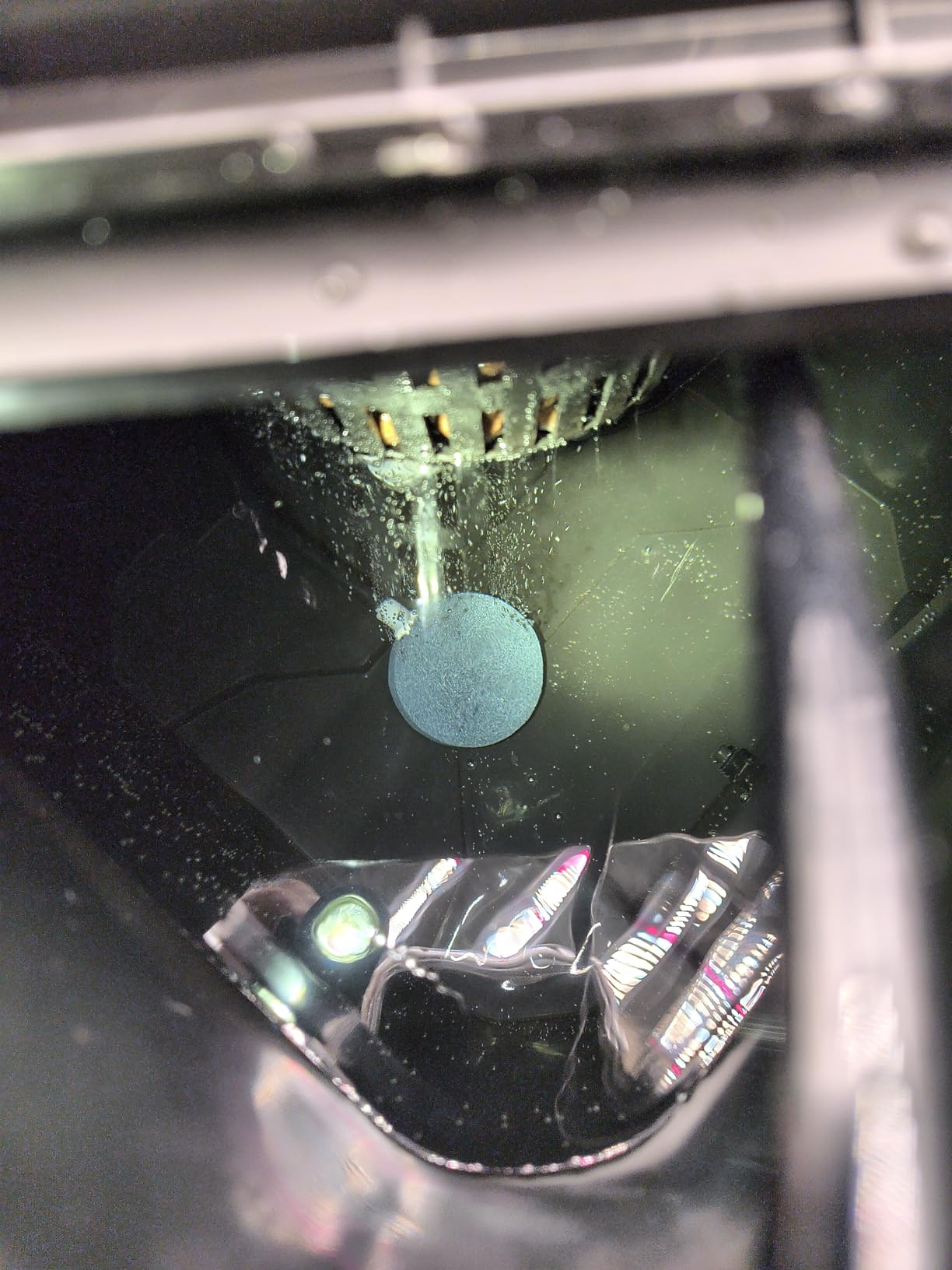
The triangular covers were a feature I did not expect to like and now rely on. Lift one panel to top up or dip in a meter without dismantling the lid, which matters when you check four reservoirs twice a week.
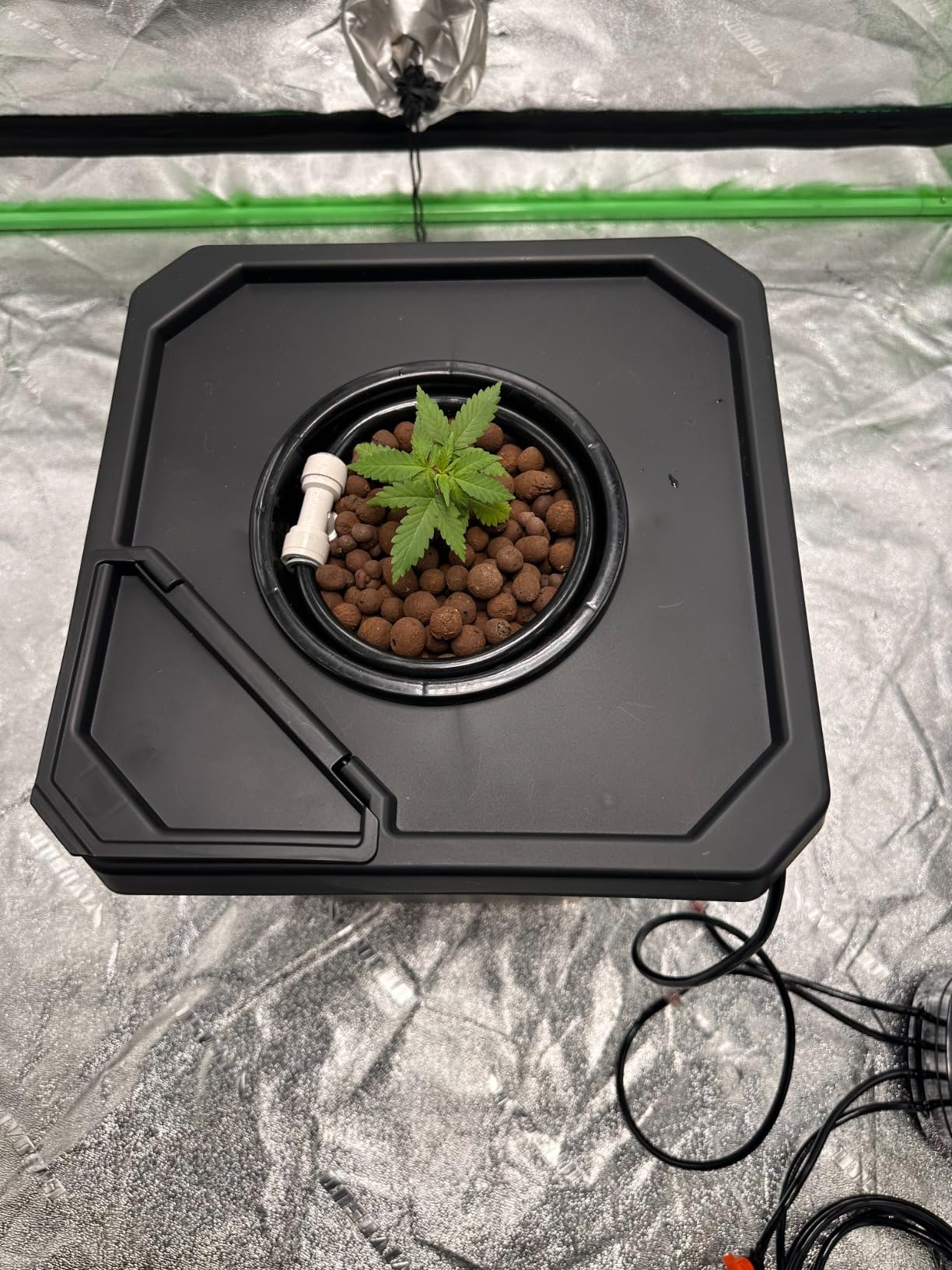
The pump is rated at 11 watts and up to 28 L/min with an adjustable regulator, the highest stated output here. The kit adds 12 meters of 4/6 mm tubing, four air stones, four drip rings, four 6 inch net cups, level tubes and dry clay pebbles.
Sixty nine percent of ratings are five star, and the recurring note is completeness. Buyers mention how little they had to buy separately.
Why it suits larger plants
Seven gallon buckets give roots room to spread instead of matting into a solid plug by week four. The 6 inch net cups hold a heavier plant without tipping.
Adjustable drip rings let you reduce irrigation once a plant is established, cutting crown dampness that invites trouble.
Where it frustrates you
Each bucket is standalone, so nutrient balance is checked bucket by bucket. If you want one reservoir feeding four sites, this is not it.
Four pump and airline channels mean more routing than a single vessel design, and at 26 inches tall this is a floor-standing unit rather than a shelf project.
6. PowerGrow Bubbler Bucket Kit 4 Buckets – best for mixed crops
Deep Water Culture (DWC) Hydroponic Bubbler Bucket Kit by PowerGrow ® Systems (4) 5 Gallon – 6″ Buckets
- Four independent sites for four different plants
- Per-bucket level indicators and drains simplify changes
- Made in the USA with a workmanship warranty
- Complete kit with pump
- lines and stones
- Higher cost per site than several four bucket kits
- Air stones share one pump so output is shared
When I want four plants on four different diets, I use four independent buckets, and this is the cleanest version of that idea. Each 5 gallon bucket has its own level indicator and drain, so servicing one reservoir leaves the other three alone.
The pump, lines, stones and 6 inch basket lids ship in the box, made in the USA under a one year workmanship warranty. Narrower than a parts warranty, but stated clearly.
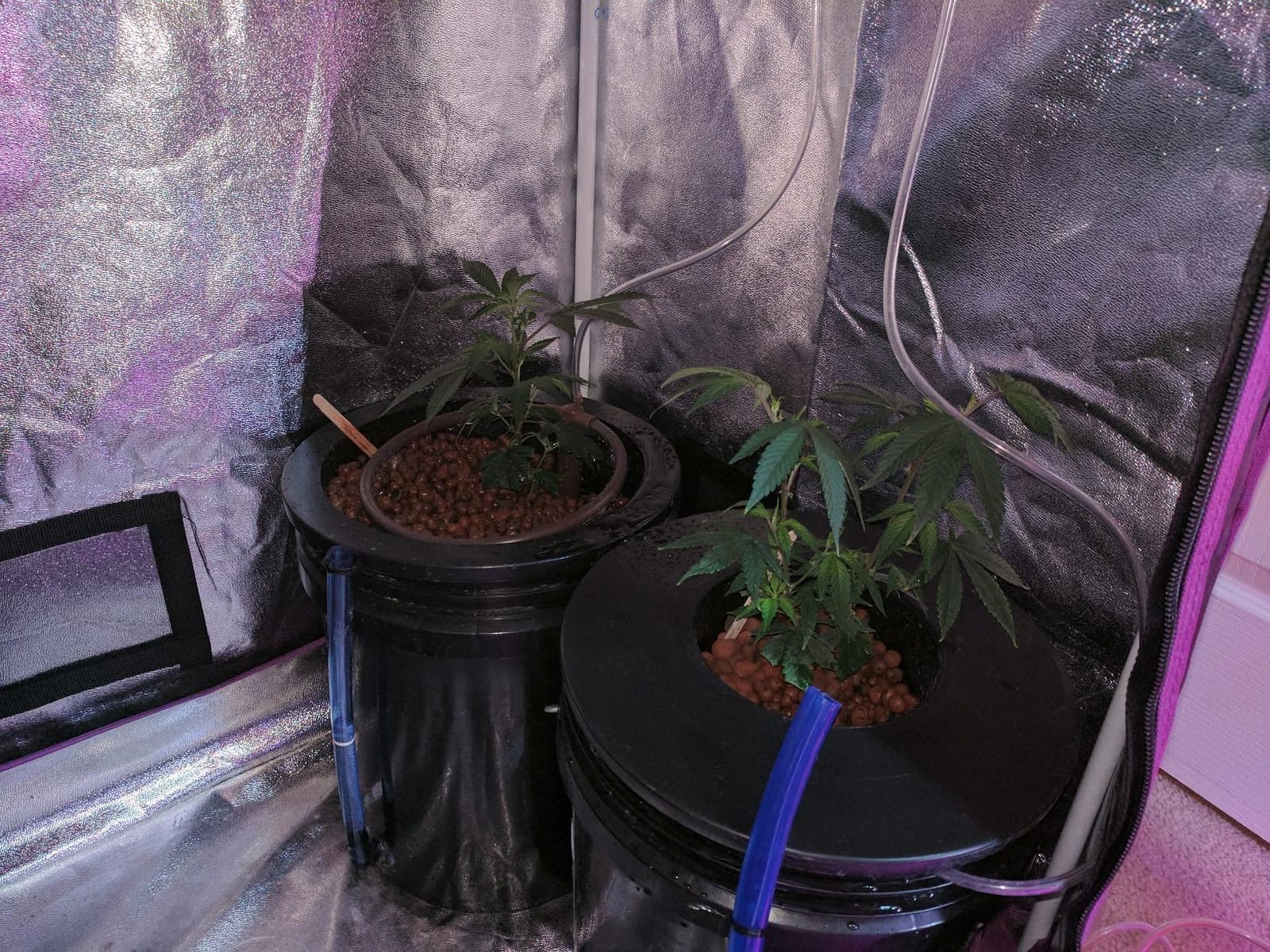
At 309 ratings and 4.4 stars, satisfaction is consistent. Buyers like the balance of capacity and a footprint you can still walk around.
At 18 pounds for four buckets it stays put but shifts with effort. Build it in place.
Why it suits varied planting
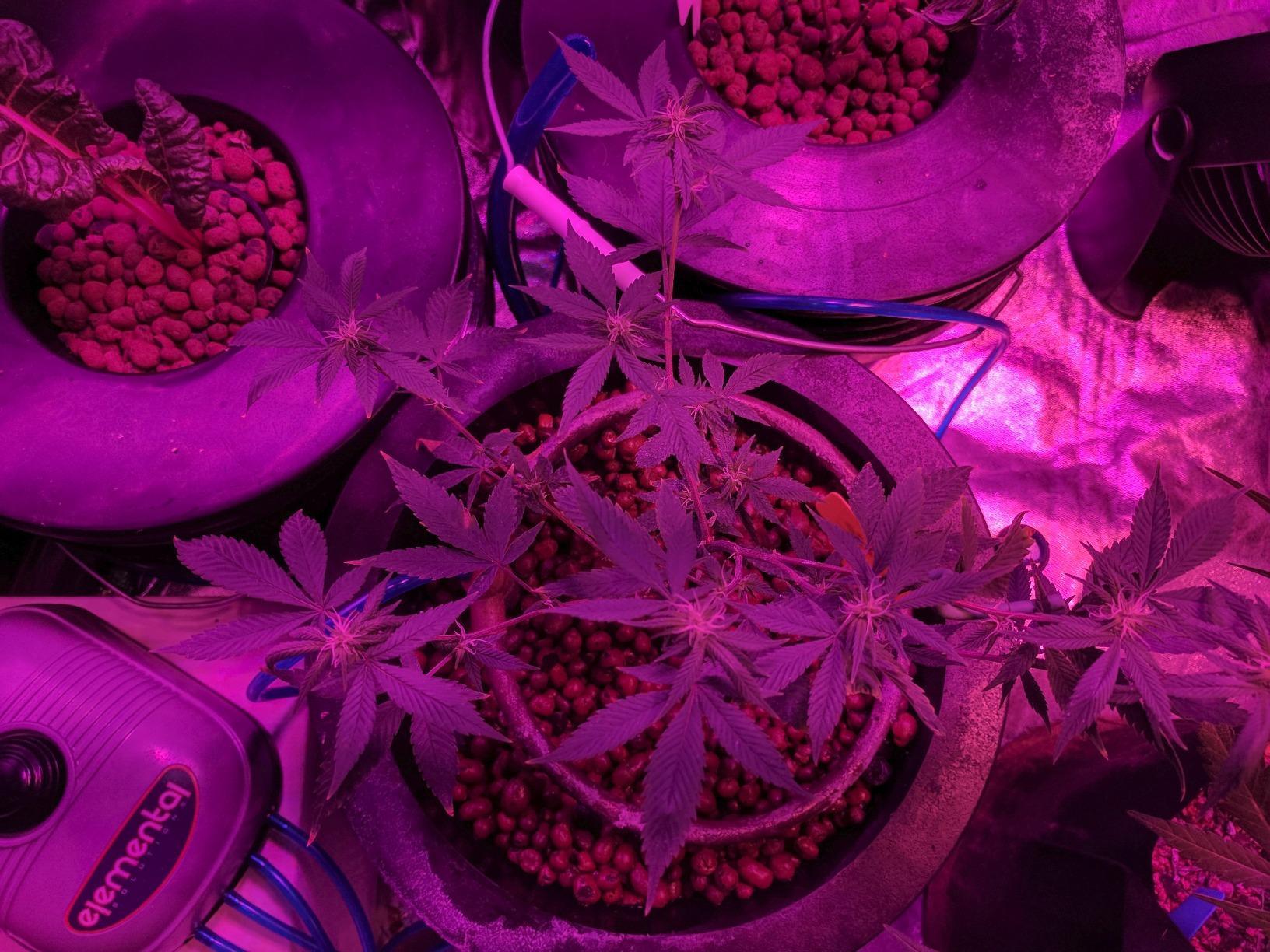
Four sites means basil, mint, strawberries and a tomato can run without arguing over nutrient strength. Growth stages need not line up.
Per-bucket drains matter more than they sound. A shared reservoir forces you to drain everything to service one plant, which is how people skip maintenance.
Where it frustrates you
This kit sits at a higher cost per site than several four-bucket options here, and a shared air pump means one failure affects all four plants. Keep a spare on hand.
Six inch basket lids are narrower than the 8 inch lids elsewhere, so large net pots will not fit without cutting.
7. MARS HYDRO 4-Bucket DWC System – best verified root oxygen
- Reviewer measured dissolved oxygen above 7.0 mg/L
- Food grade BPA-free polypropylene with thick walls
- Visual level indicators and drain ports
- Reflective covers block light and hold temperature
- Air pump is louder than comparable pumps
- Ships without printed instructions or a parts list
- Indicator tubes can arrive bent with only one float bead
One reviewer put a dissolved oxygen meter in this reservoir and read above 7.0 mg/L, a number most growers never see. Oxygenation decides everything in deep water culture, and this 11 watt pump producing fine steady bubbles is why the kit earns its place.
It is a two in one design, deep water culture plus recirculating top drip, so water keeps moving instead of sitting stagnant around the crown. The buckets are food grade BPA-free polypropylene with thick walls.
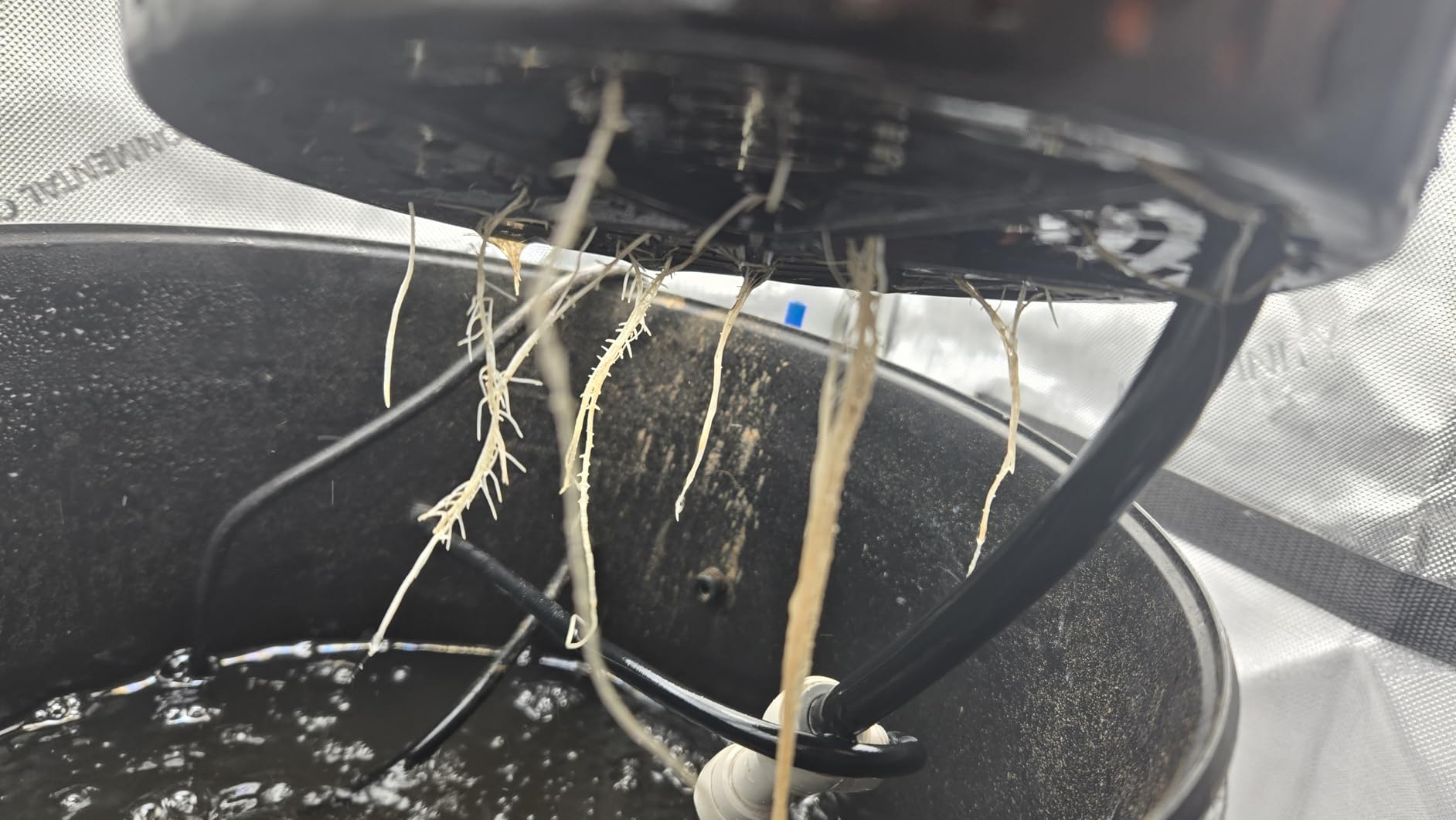
Net pot lids include tie-down holes, so you can low stress train a plant without building a separate trellis. Reflective covers block light and slow temperature swings.
The complaints are about small parts: the pump is loud, indicator tubes sometimes arrive bent with one float bead, and there is no printed parts list. Budget assembly time accordingly.
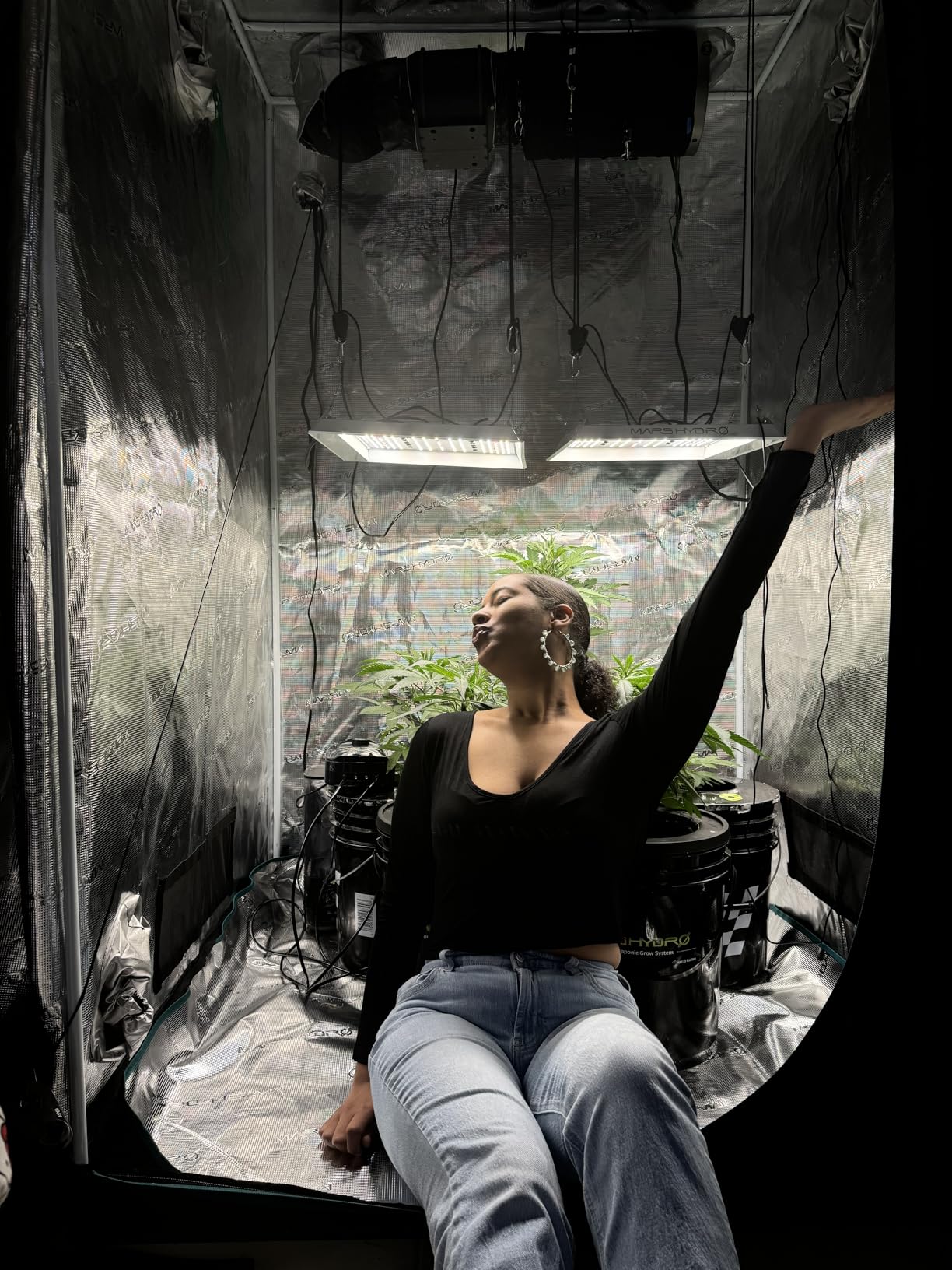
Why it suits growers chasing root health
If you have had root trouble before, air volume is the variable to optimise. Steady fine bubbles plus top drip recirculation keeps a root zone from going anaerobic.
Level indicators and drain ports make reservoir changes fast, and a two bucket variant exists if four is more than you need.
Where it frustrates you
Pump noise is the biggest complaint here, with several reviewers calling it louder than comparable units. In an apartment you hear it continuously.
Some configurations lack a shared recirculation loop, so each reservoir is still serviced individually at change time.
8. LAWNFUL 4-Bucket Hydroponic Kit – best germination package
- 20 growing sites from four buckets
- Level indicators on every bucket
- Four outlet pump with check valves
- Row layout suits balconies and rooftops
- Lowest average rating among the bucket kits at 4.1
- Buckets are only 2.6 gallons so changes are frequent
- No plumbing between buckets
Twenty sites from four buckets is more than any other bucket kit here, at five pods per lid. That only matters if you grow lettuce and herbs at volume, but for salad supply it is the difference between a hobby tray and a household routine.
The accessory bundle is the story. Two germination trays, 24 grow sponges, 24 grow baskets, 16 sponge cubes and a 12 cell tray with a vented humidity dome cover propagation through transplant without a second purchase.
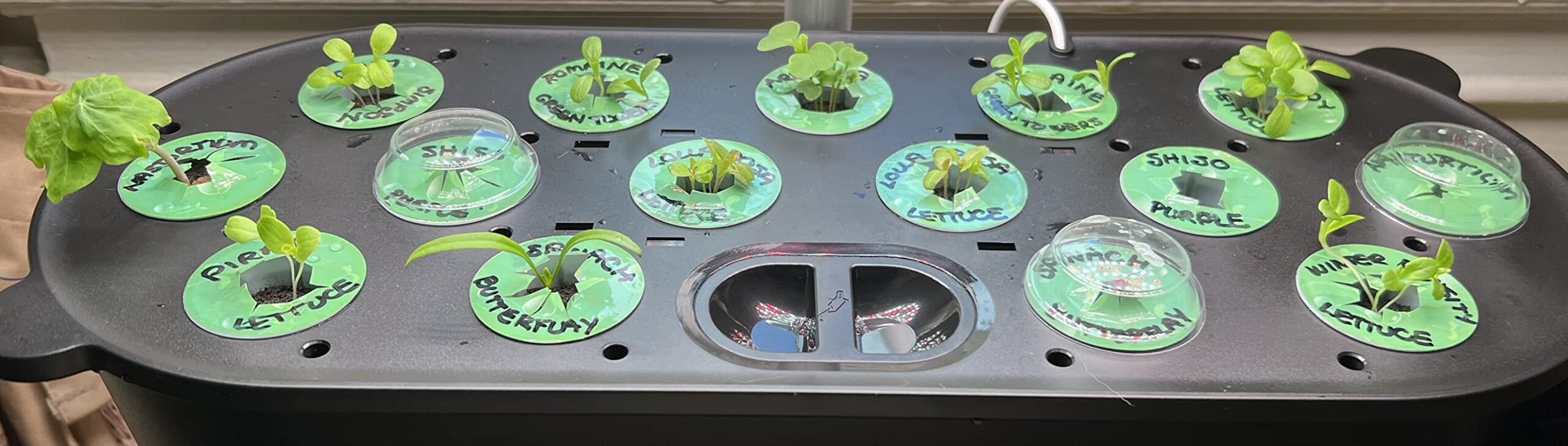
The four outlet air pump includes check valves, four air stones and four lengths of 5 foot airline, with adjustable flow up to 1 L/min per channel. Level indicators sit on every bucket.
At 4.1 stars this has the lowest rating among the bucket kits here, with a 10 percent one star share, and the reason is reservoir size. At 2.6 gallons a bucket swings in temperature and pH quickly and needs changes far more often than a 5 gallon vessel.
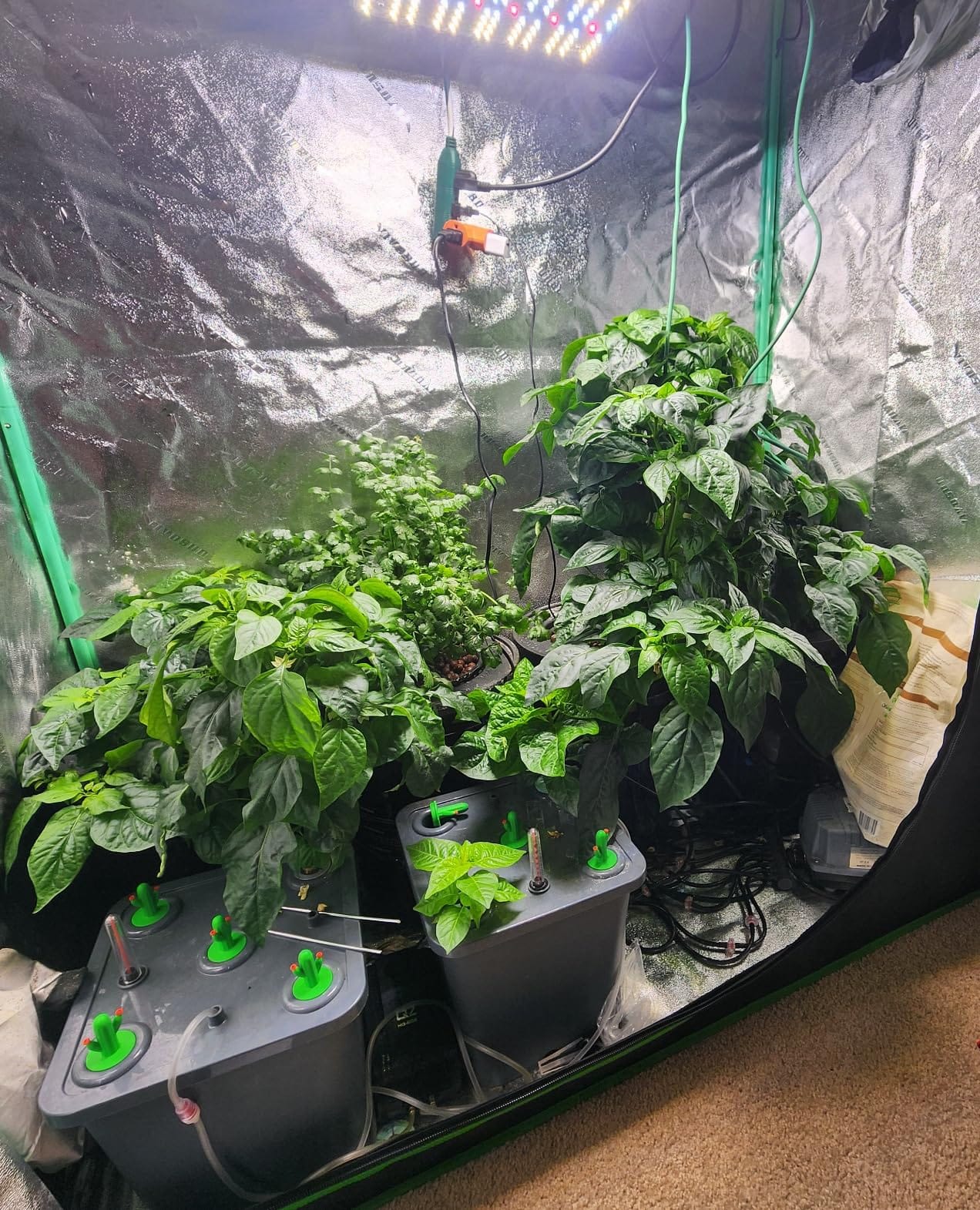
Why it suits a propagation-heavy grower
Few kits bundle a full germination station like this, so you can start seeds, transplant and finish in one footprint. That suits a classroom or a succession planting schedule.
The row layout works on a balcony, in a greenhouse or on a rooftop, and at 9.53 pounds it moves easily.
Where it frustrates you
Small reservoirs mean frequent changes and pH swings, multiplied across 20 sites. Upgrade the buckets early if you plan to move past lettuce.
Included sponges are often swapped because their low density slows rooting. Treat them as placeholders.
9. Atwater HydroPod DWC Kit – best turn-key single site
- Nutrients and a pH kit ship in the box
- Shortest setup of the kits compared
- Recirculating design minimises water loss
- Low maintenance once running
- Limited to a single growing site
- Air stone oxygenation is noisier than a pump based loop
- Small six piece kit means expansion needs extra parts
This is one of the few kits here that includes plant nutrients and a pH testing and adjusting kit, and that changes the first week. Instead of salts and test strips arriving separately, you can mix a full reservoir on day one.
Setup is the shortest in the group: mix nutrients, adjust pH, drop in the plant, plug in the pump. The food grade 5 gallon bucket and dual outlet DC pump kit arrive with two air stones and all fittings, made in the USA.
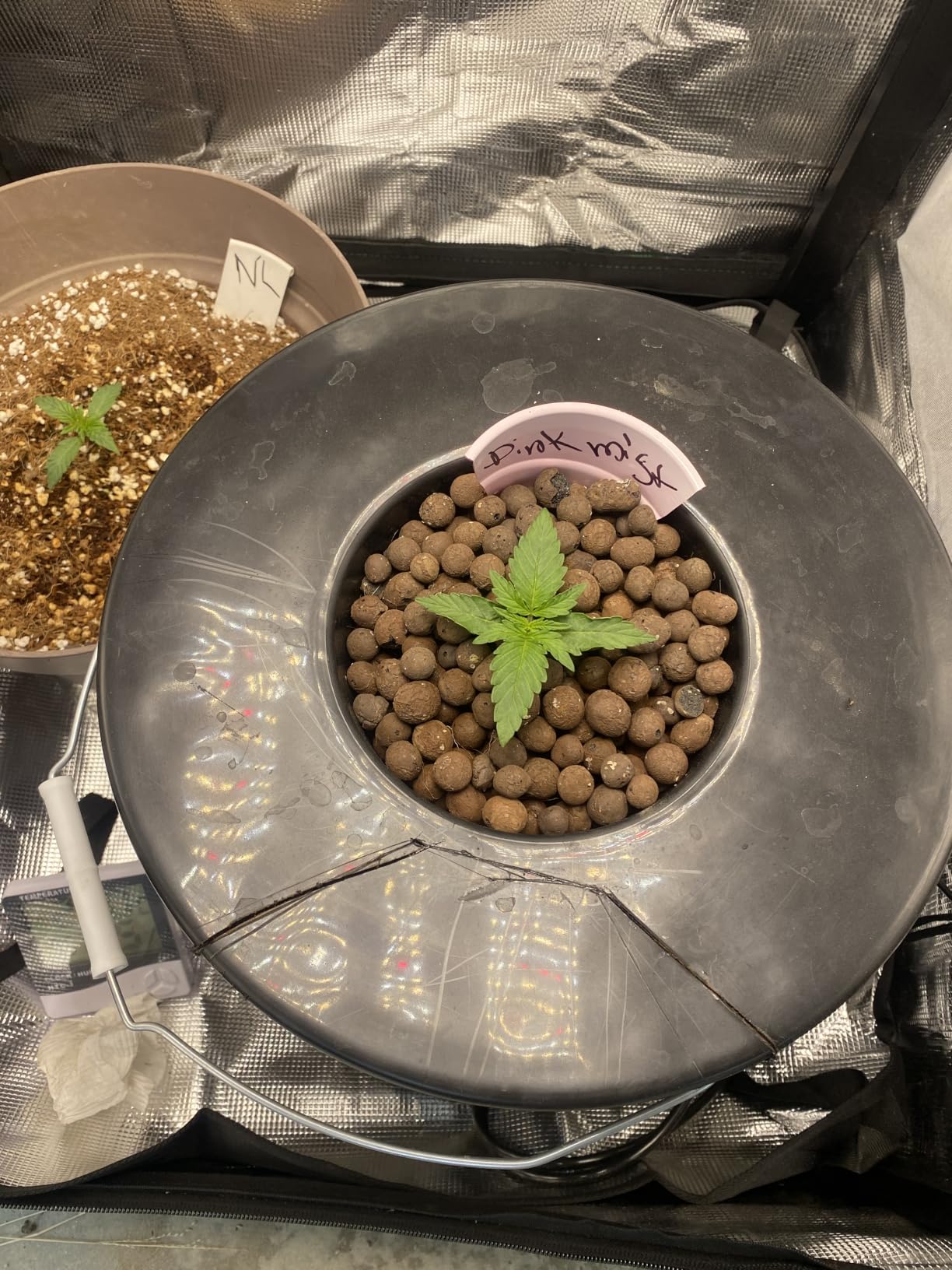
Water use is the quiet strength. The recirculating design loses little to evaporation and produces no runoff, which matters if your building discourages waste water going down the drain.
Scope is the limitation. One site makes it a test bench or a single favourite plant rather than a rack, and the six piece box means expansion starts with a second purchase.
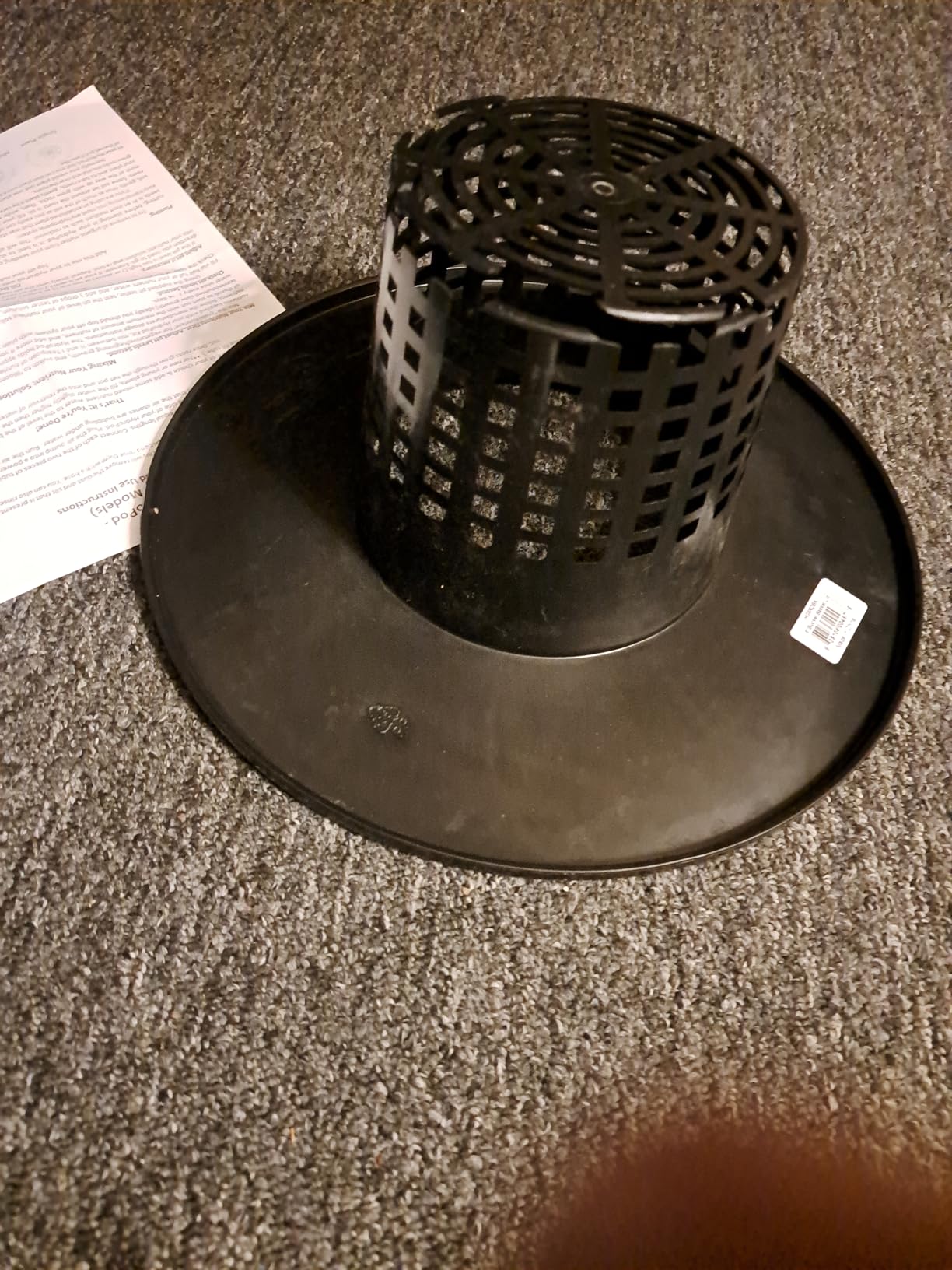
Why it suits a total beginner
Everything needed to fill, feed and check a reservoir is in the box, so there is no guessing about part lists.
Low maintenance once running is the common report. I would still check pH and level twice a week, but daily intervention is not part of this design.
Where it frustrates you
One site only, and air stone oxygenation is reported as noisier than a pump based recirculating setup. In a quiet room that becomes the thing you notice.
At six pieces the box is deliberately minimal, so a second site means a second bucket and pump rather than an expansion module.
10. HORTIPOTS 24-Site DWC Cloner – best for cloning and seed rooting
- Handles cloning and seed starting in one unit
- Air diffusing design gives even oxygen without clogging
- Humidity dome with vents reduces transplant shock
- BPA-free ABS and PP construction
- Small 2 inch site format limits plant size
- Some users need a light and extra parts to finish setup
- Rating sits below the kit leaders at 4.2
Twenty four sites in one tray changes how you approach propagation, because a batch of cuttings and a tray of seedlings occupy the same footprint at once. The unit works as a cutting cloner or as a seed rooting and germination system.
The aeration method is the interesting part. Air diffusing bubbler tubing spreads oxygen evenly across the tray instead of bubbling from one point, resists clogging, and needs no water pump, so there is one less failure point.
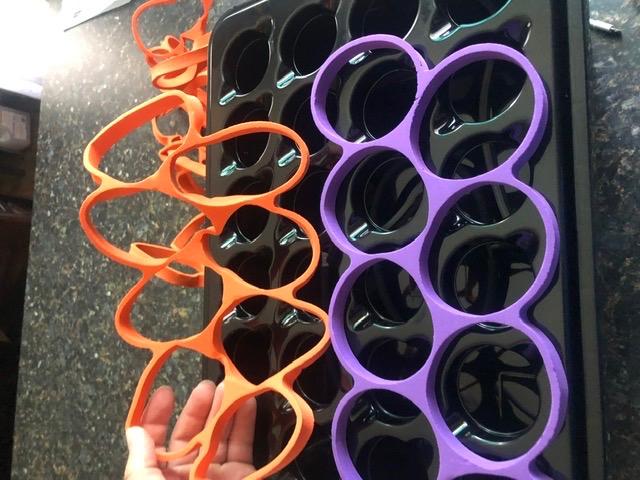
The clear humidity dome with vent caps reduces leaf transpiration while new roots form, exactly the window where cuttings fail in a dry room. It takes standard 2 inch net pots with neoprene collars, and rockwool plugs work equally well.
Assembly guide and clone tips ship in the box, and the unit is BPA-free ABS and PP. At 4.2 stars across 436 ratings it trails the leaders, and the reason is format rather than failure.
Why it suits a propagator
If you take cuttings regularly, a dedicated cloner beats jamming collars into a production bucket. Roots develop in their own channels, and the dome handles humidity for you.
Twenty four sites also lets you germinate a large batch and transplant only the strongest, without a second tray.
Where it frustrates you
The 2 inch site format is small, and anything taller or heavier than a lettuce or herb outgrows it quickly. Plan to transplant out rather than fruit in place.
Some users report needing a light and extra components to finish setup, and the eight percent one star share points at expectation mismatch rather than hardware failure.
11. NATGAI 12-Hole Growing Kit – best budget multi-site unit
- Entry price for 12 growing sites
- All tubing entries on top so there is no leak risk
- Compact and lightweight at 1 kilogram
- Useful as a seed starter before transplanting out
- Included sponge is too dense and short for seedlings to root down
- Air pump noise and quality vary
- Net cups and sponges are sometimes absent from the box
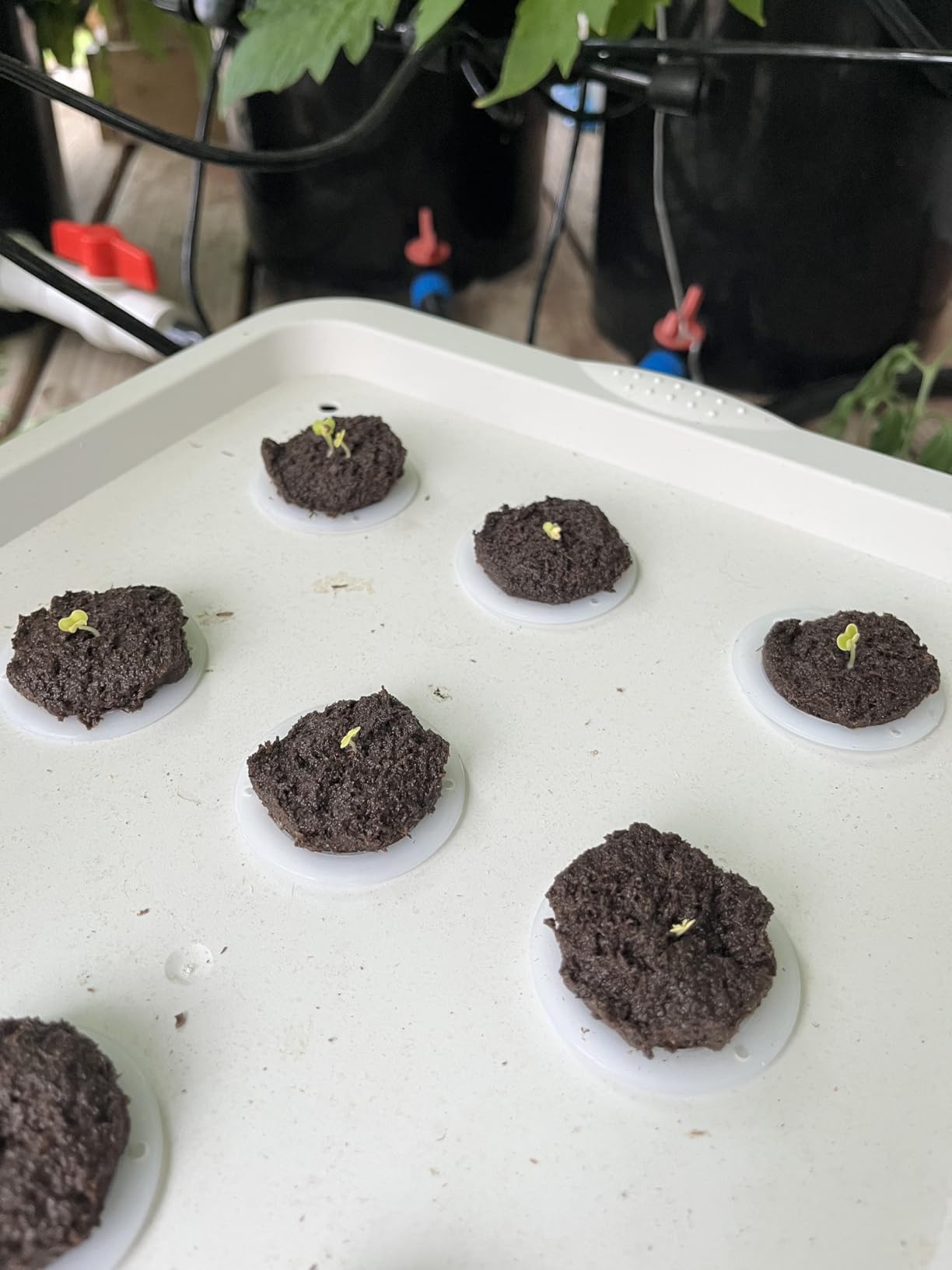
Twelve sites in a body weighing one kilogram gives you a lot of plants from a tiny frame, and the pipe design is clever. Every tubing entry point sits on the top face, so there is no drilled side port to weep water onto a desk, which is the usual failure of a horizontal pipe system.
The pipe is food grade PVC-U at 1.2 inch diameter with holes spaced 2.2 inch apart, and growers report lettuce growing faster than Kratky setups on the same windowsill.
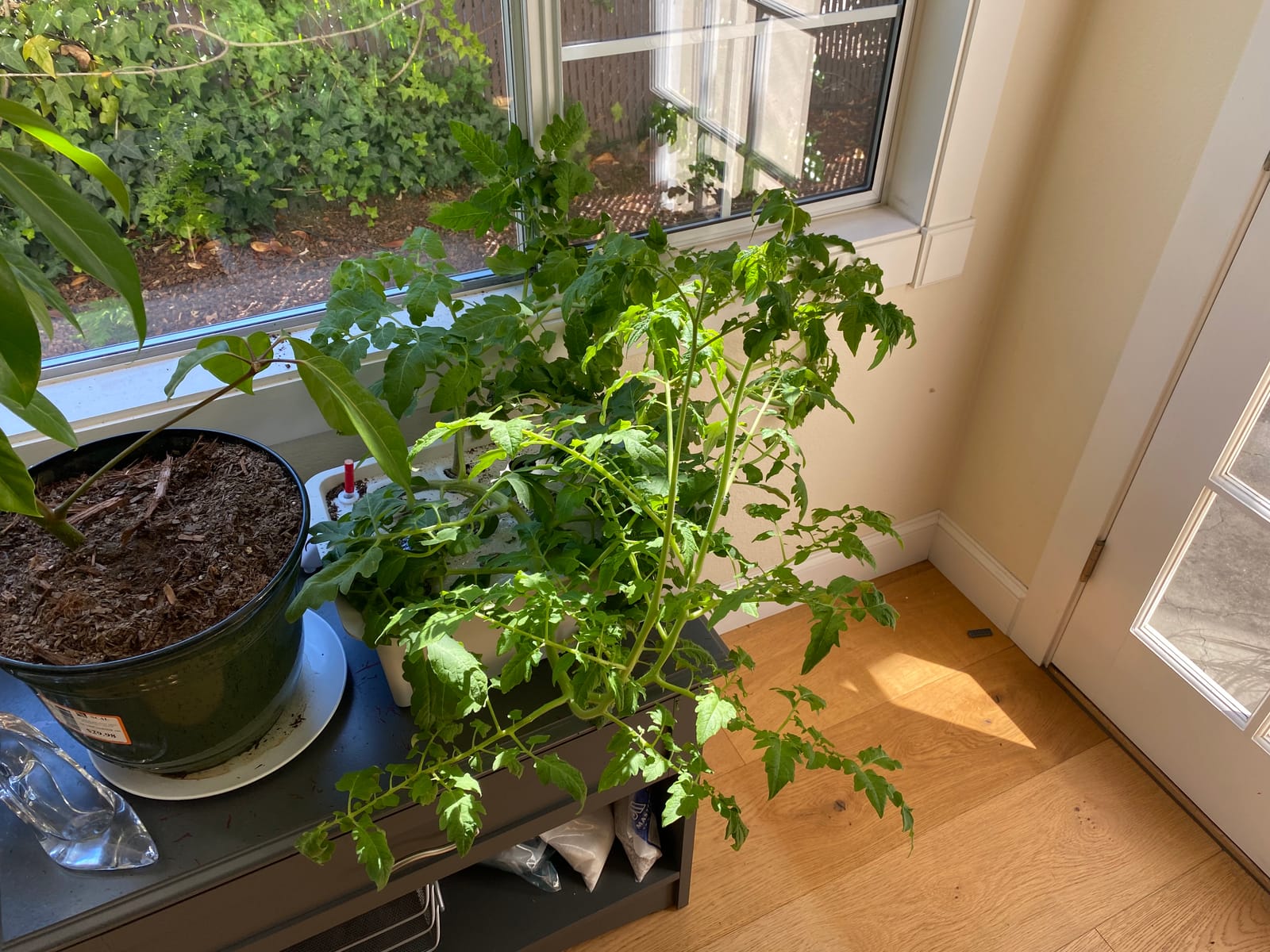
The included white sponge is the weak point. It is too dense and too short for seedlings to root down into the solution, so buy a low density sponge or a rockwool plug before sowing. Some orders arrive without net cups and sponges.
Air pump noise varies between units, and at 4.2 stars across 229 ratings the pump is the likeliest disappointment. The layout is what makes the kit worth buying.
Why it suits a small space
The footprint is 9 by 5 by 13 inches, so it fits a countertop, a balcony rail or a shelf under a lamp. The vertical tower covers similar ground with less shelf length.
It doubles as a seed starter: raise twelve seedlings, then transplant them into a larger system or a soil bed once roots establish.
Where it frustrates you
The 2.2 inch hole spacing suits lettuce and herbs, not tall or long-established plants that outgrow standard net cup depth.
Quiet operation is not a selling point. If the pump carries to the next room, set the unit on a foam mat or in a vented cabinet.
12. MAOPINER 12-Site DWC Tower – most compact vertical option
MAOPINER Indoor Hydroponic Grow Kit 12 Sites Deep Water Culture System
- Grows twelve plants in a very small footprint
- Air pump
- bubble stone
- check valve and silicone hose included
- Illustrated instructions suit first-time growers
- Waterproof and easy to clean
- Single tube chamber with no top drip ring
- Buoy deck suits smaller leafy crops only
- Lowest rating in the roundup at 3.9
The most space-efficient layout here grows twelve plants vertically in 2.6 pounds. The tube is 1.2 inch in diameter with 2.2 inch hole spacing, and the buoy deck holds plants at the water line so roots reach the solution without a shelf eating headroom.
The box includes a buoy deck, a buoy, 12 net pots, 12 sponges, an air pump, a bubble stone, a check valve, silicone hose in 3.9 and 35.4 inch sections and tweezers. Illustrated instructions make a single tube installation approachable.
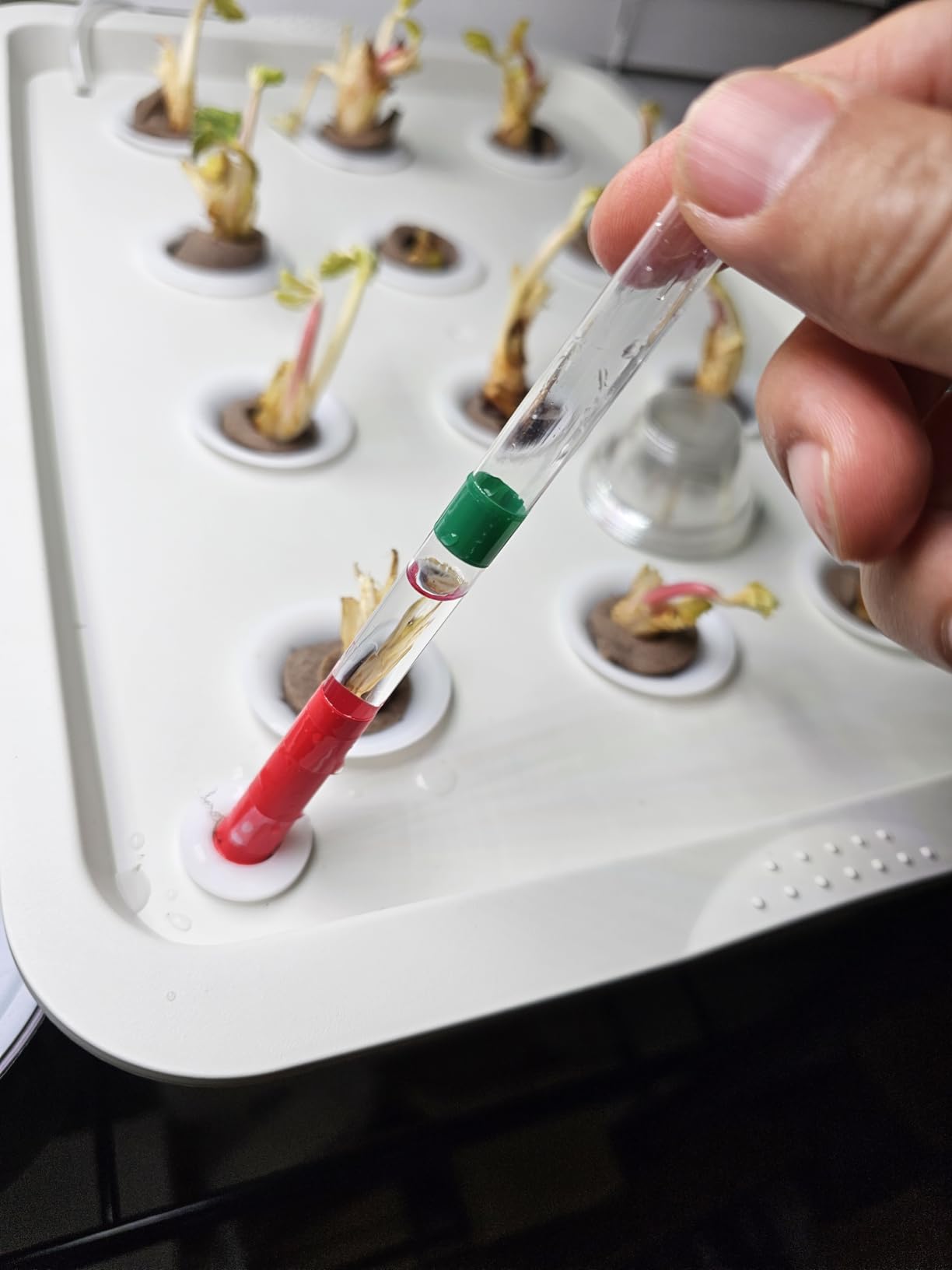
Reported harvests land between four and eight weeks depending on climate and vegetable type. The waterproof, clean and sanitary construction wipes down easily, which matters in a kitchen.
At 3.9 stars across 111 ratings this is the lowest rated product here, with 10 percent one star. The limitation is structural: a plain single tube chamber has no drip ring and no reservoir volume, so it suits leafy crops rather than anything heavy.
Why it suits a desk or balcony
A vertical column of twelve sites packs more plants into less floor space than the bucket kits here. If your growing area is a desk, shelf or balcony rail, this geometry is the answer.
Everything needed for aeration ships in the box, including the check valve that protects the pump from backflow.
Where it frustrates you
The buoy deck and sponge format are built for smaller leafy crops. Anything tall or heavy will tip or outgrow the net cups.
Spacing matters more here than in a bucket system, because twelve sites in one column share a single air path. Crowded roots starve each other of oxygen.
How We Evaluated These 12 Systems
Air delivery came first, because dissolved oxygen decides whether roots live or rot. Reservoir volume and opacity came second, since volume sets how stable your pH and temperature are and opacity decides whether algae takes your light.
Third was completeness, meaning whether a beginner could fill the reservoir on day one without a second order. Fourth was day to day usability, which is really a question of drains, level indicators and covers. Fifth was the review record, weighted by how many ratings sit behind each product.
That weighting matters because it separates products from brands. Several kits in this roundup ship near identical buckets and pumps with different labels, so brand reputation told us very little. The 1132 ratings behind the Hydrofarm Root Spa and the 700 behind the PowerGrow kit told us a great deal.
Single Bucket vs RDWC vs Raft vs Bubbleponics vs Kratky
Single bucket DWC is one opaque vessel with one plant, and it is the least stable option because small reservoirs swing in temperature and pH quickly. It is still the right first system because it is cheap to replace and impossible to flood.
Recirculating deep water culture, or RDWC, connects several buckets to a central reservoir so one pump feeds them all. Volume stability improves, one reservoir means one pH adjustment, and the failure of one bucket no longer takes down the crop.
A raft system floats plants in a shallow film of water on a lid, which suits lettuce at commercial scale but needs a wide shallow reservoir. Bubbleponics sprays nutrient solution directly onto the roots and gives the fastest uptake, at the cost of a pump that can fail.
The Kratky method is the simplest of all, a passive system where roots reach down into still water with no pump at all. It works for a single short cycle, and it falls apart the moment you want a second harvest.
What to Check Before You Buy a Deep Water Culture System
Air volume is the first checkpoint. A common sizing rule is roughly 1 watt per gallon of reservoir, so a single 5 gallon bucket wants about a 5 watt pump and you can run two air stones off it. Anything below that and you will be chasing root problems instead of growing plants.
Reservoir opacity is the second checkpoint. Clear or translucent buckets grow algae, and algae steals nutrients and clogs the root zone. Black buckets such as the Hydrofarm, VEVOR and Spider Farmer units in this roundup handle that for you.
Third, check how you will change water. Buckets with a drain or level indicator save real time, and so does keeping a small transfer pump in your parts drawer. Fourth, check net pot hole spacing, because a lid with 2.2 inch spacing cannot accept a wide pot and a wide pot is what large plants need.
Fifth, plan for backup aeration. One night without air can destroy a crop, so keep a spare air pump and a couple of spare air stones. Growers on gardening forums consistently recommend both, and it is the cheapest insurance in this hobby.
Water Temperature – the Quiet Killer of Home DWC Systems
Warm water holds less oxygen, and warm water grows the pathogens that attack weakened roots. Keep the solution between 18 and 20 Celsius, with 68 Fahrenheit as the practical ceiling, and treat a warm closet as a problem to solve rather than a room to adapt to.
This is where most home systems fail quietly. A bucket in a room heated by a grow light will climb past the target range within an afternoon, dissolved oxygen falls, and the first symptom is usually drooping that looks like a nutrient problem rather than a temperature problem.
An inline water chiller is the single upgrade growers on hydroponics forums recommend most often, and one thread described it as having paid for itself several times over. If your reservoir crosses the ceiling regularly, that money is better spent than on a larger system.
Cheaper interventions work first. Wrap the reservoir in reflective material, keep it out of direct light, run a small fan across the surface, top up with cool water during the day, and move the bucket away from the lamp ballast.
Deep Water Culture Maintenance Basics – pH, EC and Solution Changes
Hold pH between 5.5 and 6.5. Above that range, nutrients lock out and growth slows even though the solution reads as full; below it, the root zone turns inhospitable and root rot follows.
Read EC or TDS every few days. Because there is no soil to buffer anything, the strength of your solution is the only thing telling you whether to add nutrient or plain water, and small reservoirs swing much faster than large ones.
Change the solution every two to three weeks while plants are young, and sooner if the water reads warm or the roots look tan rather than white. Topping off with plain water between full changes is fine, since plants drink more water than nutrients.
Keep one inch to one and a half inch of root above the water line. Roots that sit fully submerged depend entirely on dissolved oxygen, and a small air gap gives the crown a drier zone that resists trouble.
Troubleshooting the Four Problems Every Grower Hits
Brown, slimy roots are root rot, usually Pythium, and it almost always follows warm water or low oxygen. Raise aeration, bring the solution temperature down, and remove affected roots with sterile scissors before they spread.
Green film inside the reservoir is algae, and light is the cause. Wrap or paint any exposed container, keep the lid opaque, and never leave nutrient solution in a light-exposed vessel overnight.
Wilting that recovers after a mist or a pH adjustment points at osmotic stress, meaning the solution is too strong or the pH has drifted. Test before you add more nutrients, because the reflex to feed is often what makes it worse.
A power cut is a scheduling problem. Keep a spare air pump, a battery air pump on hand for outages, and if you travel, choose an RDWC layout where one pump failure does not immediately remove aeration from every plant.
Frequently Asked Questions
Which DWC hydroponic system is the best?
For a first system the Hydrofarm Root Spa 5 Gallon is the strongest overall, because it has the largest review base at 1132 ratings and its grommet and lid seals are the most reliable in this group. The PowerGrow 5 Gallon kit is the highest rated at 4.6 stars from 700 ratings and the best choice if you want propagation supplies in the box.
What are the disadvantages of DWC?
The main disadvantages are constant attention, temperature sensitivity and a system that cannot be left alone for weeks. Warm reservoir water holds less dissolved oxygen, small reservoirs swing in pH quickly, every plant needs a powered air pump, and a power cut can damage a crop within a day.
Which is better, DWC or RDWC?
RDWC wins once you run more than four plants, because a shared central reservoir holds temperature and pH more steadily and one pump serves every bucket. A single bucket DWC is better for a first system or a single plant because it costs less, uses fewer parts and can be replaced without losing the whole setup.
Which is better, NFT or DWC?
NFT is quieter, uses less water and needs no air pump, so it suits a quiet apartment and shallow leafy greens. DWC gives larger root volume, more oxygen and better support for fruiting plants, at the cost of pump noise and regular reservoir changes.
What is the best indoor hydroponic system for home gardening?
For most homes the best indoor system is a four bucket kit with individual drains and level indicators, such as the PowerGrow bubbler kit or the VEVOR 8 bucket system. For a countertop or desk the NATGAI and MAOPINER 12 site units hold twelve plants each in a compact frame.
What temperature should DWC water be?
Keep the nutrient solution between 18 and 20 Celsius, with 68 Fahrenheit as the practical ceiling. Warmer water holds less dissolved oxygen and encourages root pathogens, so an inline chiller or reflective wrap is worth adding when your reservoir regularly runs warm.
Final Recommendation – Which Deep Water Culture System to Buy
Choose the Hydrofarm Root Spa 5 Gallon if you want a proven bucket you can expand later. It is our top pick for a reason: 1132 ratings sit behind its grommet and lid seals, and the pre-drilled plugs let you link buckets into a loop when one site stops being enough.
Buy the PowerGrow 5 Gallon kit instead if you want the highest rated starter and everything needed in one box. It scores 4.6 stars from 700 ratings and includes rockwool plugs and medium, so you can go from seed to first harvest without a second order. Add a stronger air pump and a small transfer pump in your first week.
Move up to the VEVOR 8-Bucket system for household volume, or to the Spider Farmer 4-Bucket kit when you want 7 gallon root volume per plant for fruiting crops. For under a cupboard or on a desk, the NATGAI and MAOPINER 12-site units are compact frames built around a single horizontal or vertical pipe.
Whichever you pick, the accessories decide the outcome: a pH and EC meter, a spare air pump, spare air stones and temperature control. Those four items matter more than any brand name on a bucket, and they are what turns a good deep water culture system into a reliable one through 2026 and beyond.