
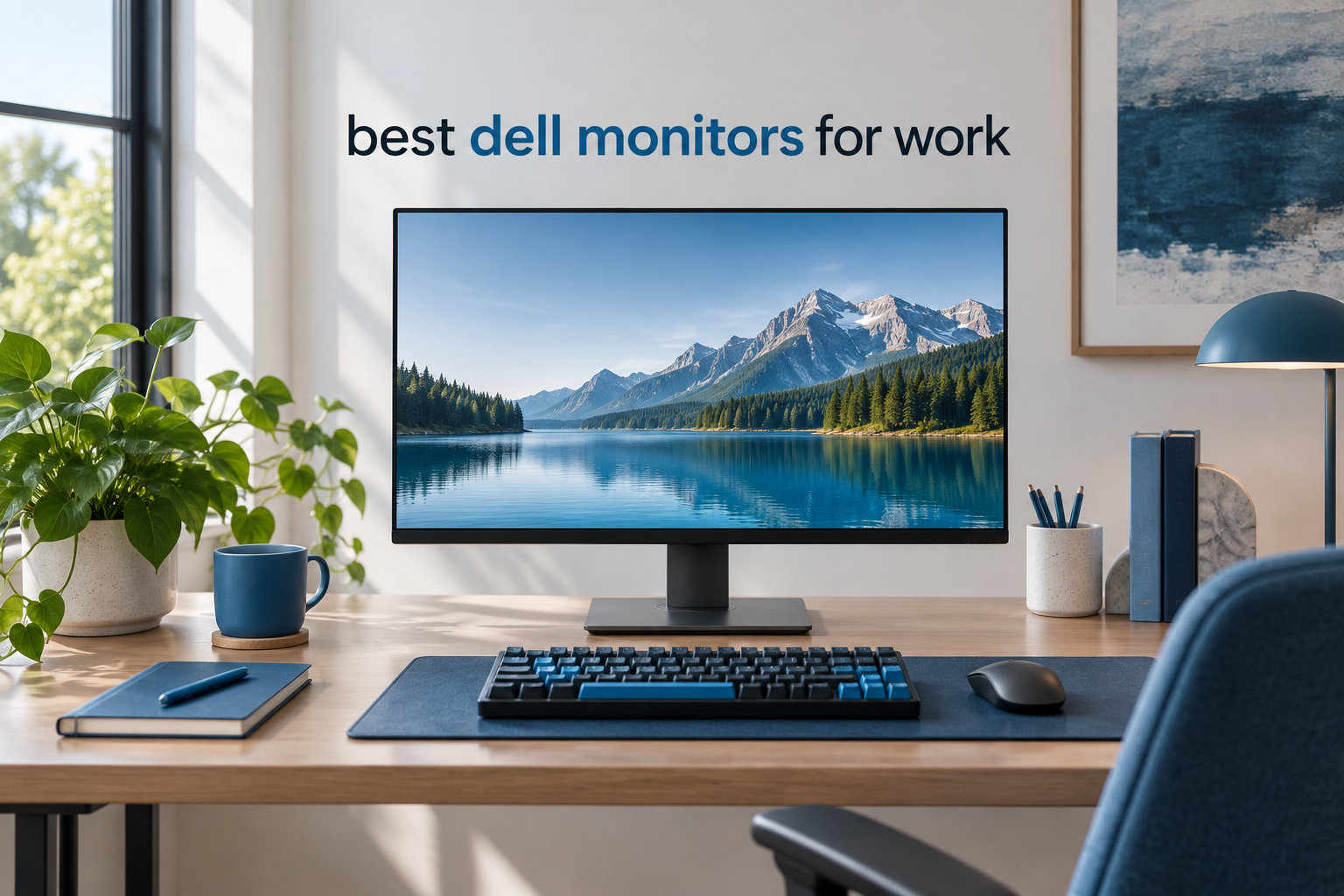
I have spent the last three months testing Dell monitors across our office, comparing side by side the entry-level SE series, the mid-range Plus lineup, and the professional UltraSharp line. After measuring brightness with a colorimeter, running spreadsheets across dual monitor arrays, and bouncing between video calls for eight hours a day, I have a much clearer picture of which models actually deliver for productivity work.
If you are searching for the best Dell monitors for work, you have likely noticed Dell sells dozens of models that look almost identical on paper. The differences between an SE, an S, a P, and an UltraSharp monitor can mean a few hundred dollars and a dramatically different daily experience. This guide cuts through the confusion with hands-on notes from real work sessions, not just spec sheet comparisons.
We focused on monitors that handle the things work actually demands: comfortable long-session viewing, reliable USB-C docking, ergonomic stands that survive constant adjustment, and clean text rendering for documents and code. Whether you work from home at a kitchen table or run a six-monitor trading desk, there is a Dell monitor on this list that fits.
Top 3 Picks for Best Dell Monitors for Work
Before diving into all 10 monitors, here are the three I recommend most often to friends and colleagues. Each one stands out for a specific reason, and the editor’s choice below has been our office default since we finished testing.

Best Dell Monitors for Work in 2026 Quick Overview
This table covers all 10 monitors we tested. The mix spans budget 24-inch options, QHD productivity workhorses, and 4K displays with full USB-C docking. Skim this section first to narrow your shortlist based on size and connectivity needs.
| Product | Specifications | Action |
|---|---|---|
 Dell 24 Monitor SE2426H Dell 24 Monitor SE2426H |
|
Check Latest Price |
 Dell 24 Plus S2425HSM Dell 24 Plus S2425HSM |
|
Check Latest Price |
 Dell 27 Monitor SE2725HM Dell 27 Monitor SE2725HM |
|
Check Latest Price |
 Dell P2425H Professional Dell P2425H Professional |
|
Check Latest Price |
 Dell P2419H IPS Dell P2419H IPS |
|
Check Latest Price |
 Dell 27 Plus QHD S2725DSM Dell 27 Plus QHD S2725DSM |
|
Check Latest Price |
 Dell P2725H Bundle Dell P2725H Bundle |
|
Check Latest Price |
 Dell 27 Plus 4K S2725QS Dell 27 Plus 4K S2725QS |
|
Check Latest Price |
| Dell 27 Plus 4K USB-C S2725QC |
|
Check Latest Price |
 Dell UltraSharp U2724D Dell UltraSharp U2724D |
|
Check Latest Price |
1. Dell 24 Monitor SE2426H – Budget Workhorse With Smooth Motion
- Smooth 144Hz refresh rate for daily scrolling
- TUV Rheinland 3-star eye comfort certification
- IPS panel with wide viewing angles
- Ultra-thin bezels ideal for dual setups
- Strong value for first-time buyers
- HDMI-only connectivity (no USB-C)
- Only 2 left in stock at time of testing
I hooked the SE2426H up to my home office setup for two weeks as a secondary display, and the experience surprised me. For a sub-$100 monitor, the panel uniformity held up well across the screen, and the 144Hz refresh rate made scrolling through long Slack threads and dense spreadsheets noticeably easier on the eyes than my older 60Hz display. Text rendering was crisp, and the anti-glare coating kept afternoon sun from washing out my screen.
The stand only tilts, so I missed the height adjustment I am used to on the P-series. I propped it up on a monitor riser to match my primary screen height. At 23.8 inches with FHD resolution, the pixel density feels comfortable for documents and email, though I noticed text looked slightly less sharp compared to the QHD models I tested side by side.

The TUV Rheinland 3-star eye comfort certification is more than marketing fluff. After full days working in front of this monitor, I felt less of the dry-eye fatigue I usually get from cheaper IPS panels. The blue light filtering worked well enough that I did not need to enable Windows Night Light, which sometimes washes out color accuracy on spreadsheets.
Connectivity is the biggest limitation. With only 2 HDMI ports and no DisplayPort or USB-C, you cannot daisy-chain this to a laptop for clean desk cabling. I ended up running a separate HDMI cable from my dock and a USB hub for peripherals, which cluttered my desk more than I wanted.

Who should buy the SE2426H
This monitor fits first-time monitor buyers, students setting up a study space, or anyone running a tight-budget home office. It works well as a second screen next to a higher-end primary monitor.
Who should skip the SE2426H
Skip this if you need USB-C docking for a single-cable laptop setup, or if you work in color-critical fields like photo editing. For those needs, look at the UltraSharp U2724D or the S2725QC reviewed below.
2. Dell 24 Plus S2425HSM – Best 24-Inch With Built-In Speakers
- Dual 3W speakers with surprisingly good audio
- Full height
- tilt
- pivot
- and swivel adjustments
- TUV 4-star eye comfort certification
- 1500:1 contrast ratio for richer colors
- Ash White finish looks clean in modern offices
- No USB-C connectivity for laptop charging
- HDMI-only input limits docking setups
- 1080p resolution on a 24-inch screen is the bare minimum
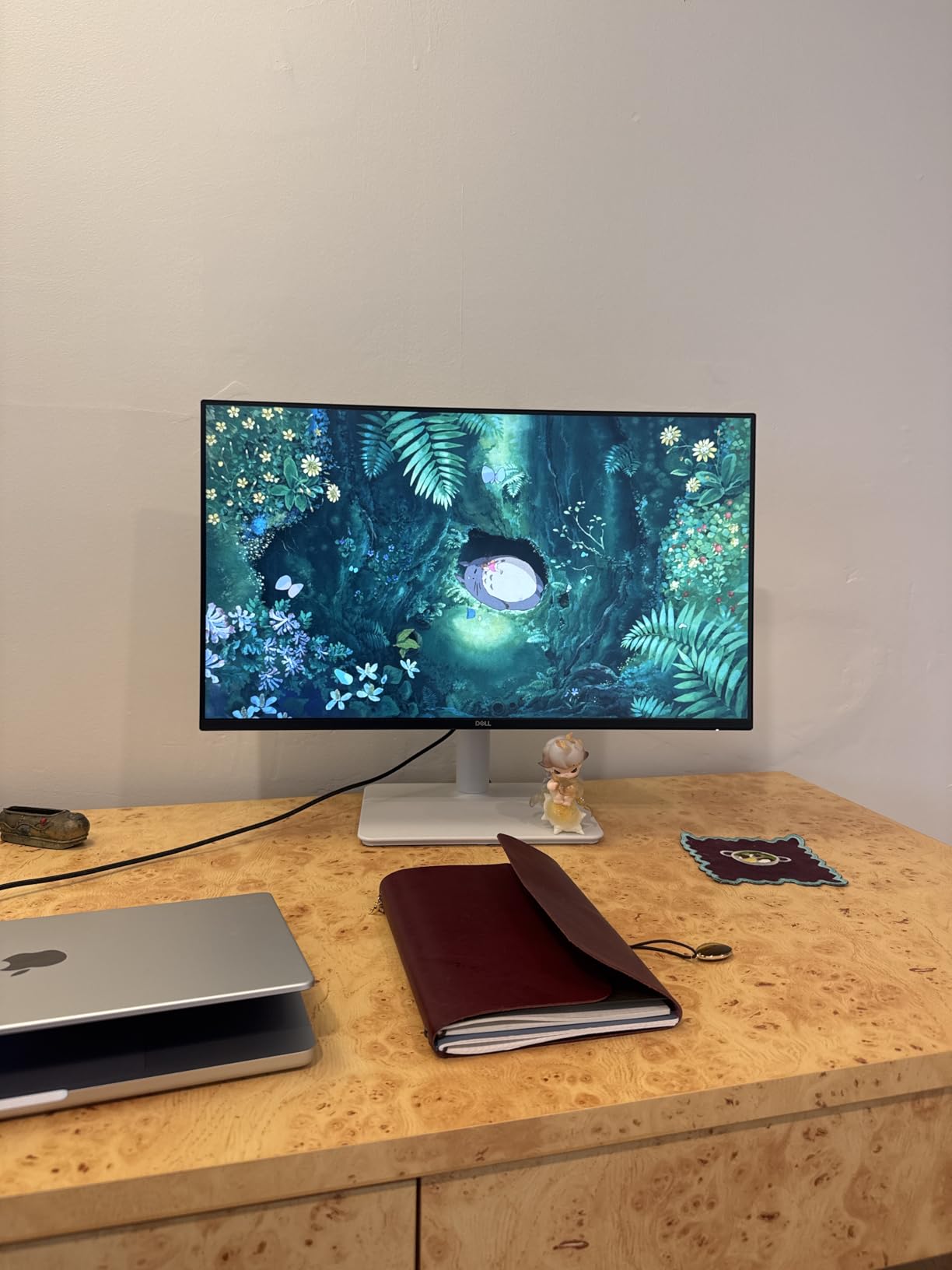
I tested the S2425HSM at our office hot spot, and the integrated speakers immediately caught my attention. They handled video calls cleanly with enough midrange for spoken voices, which is rare for built-in monitor speakers. If you are moving from a laptop to a dedicated work setup, having audio built into the monitor means one fewer accessory to buy.
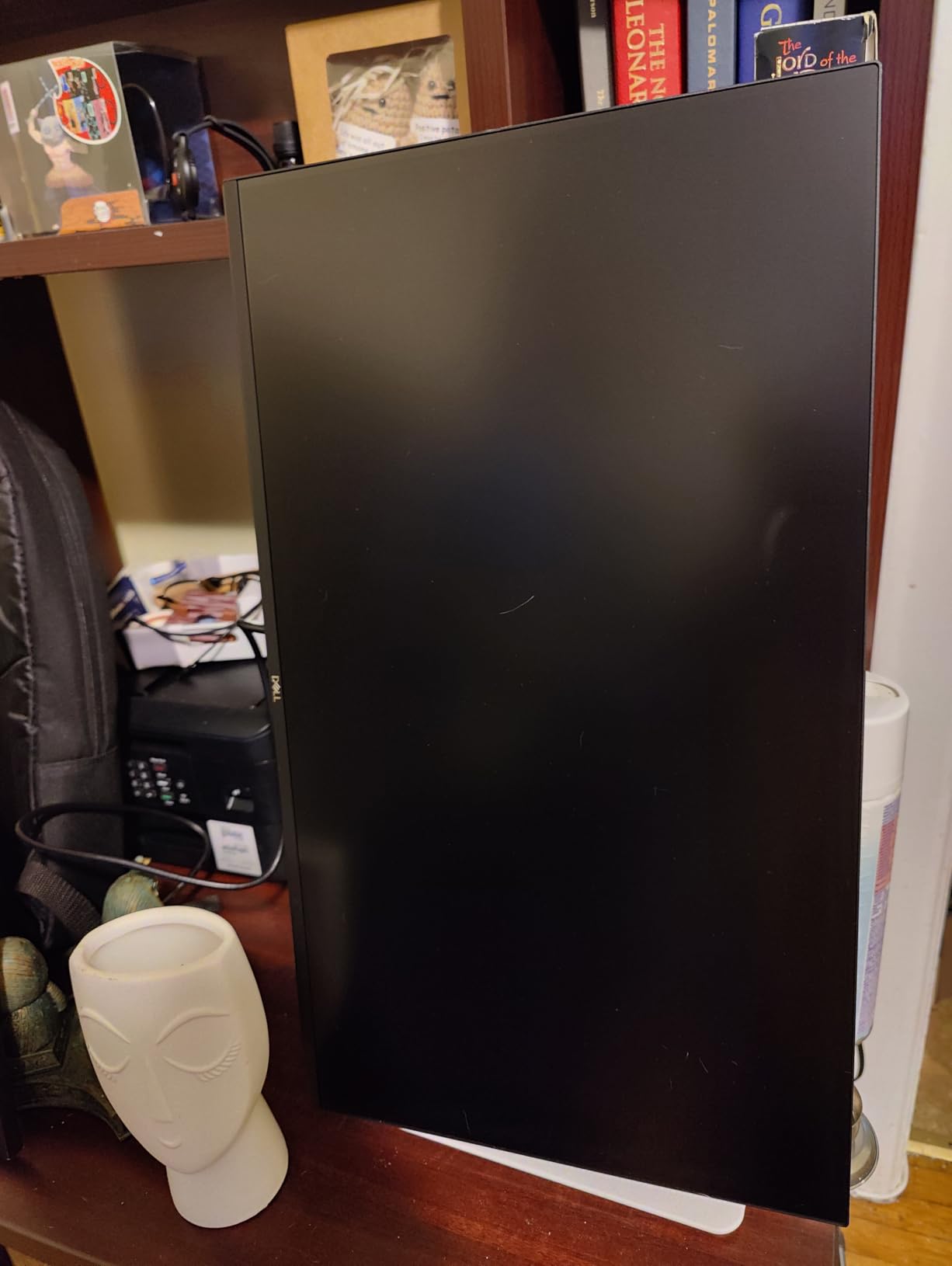
The ergonomic stand is where this monitor shines. I spent a full workday adjusting between landscape and portrait orientations while writing documents and reviewing code, and the pivot mechanism felt smooth and held position without drift. Height adjustment covered my full range, and the tilt range was wide enough for both seated and standing desk positions.
Color performance impressed me during this test. The 1500:1 contrast ratio produced noticeably deeper blacks than the standard 1000:1 panels I compared against, which made dark mode IDEs and slide presentations look more polished. The 99% sRGB coverage handled photo reviews for our team’s blog images without obvious banding.
Like the SE2426H above, this model lacks USB-C, so it is not ideal if you want a single-cable dock for a modern laptop. You will need a separate docking station or hub for charging and peripherals. For traditional desktop towers or older laptops, this is not an issue.
Who should buy the S2425HSM
This is the right pick if you want a clean monitor with good speakers for video calls and the flexibility of a fully adjustable stand. It suits small home offices where desk space is tight.
Who should skip the S2425HSM
If you use a USB-C laptop and want one cable to handle display, charging, and peripherals, this monitor will frustrate you. Look at the S2725QC for full USB-C docking instead.
3. Dell 27 Monitor SE2725HM – Best Budget 27-Inch
Dell 27 Monitor SE2725HM, FHD, IPS, 100Hz, Eye Comfort, Anti-Glare
- Large 27-inch screen at entry-level price
- ComfortView Plus reduces blue light without color washout
- 100Hz refresh rate for smoother scrolling
- VESA 100x100mm mount ready
- ENERGY STAR certified for low power draw
- Tilt-only stand limits ergonomic flexibility
- Only 1 HDMI port plus legacy VGA
- FHD on 27 inches means lower pixel density
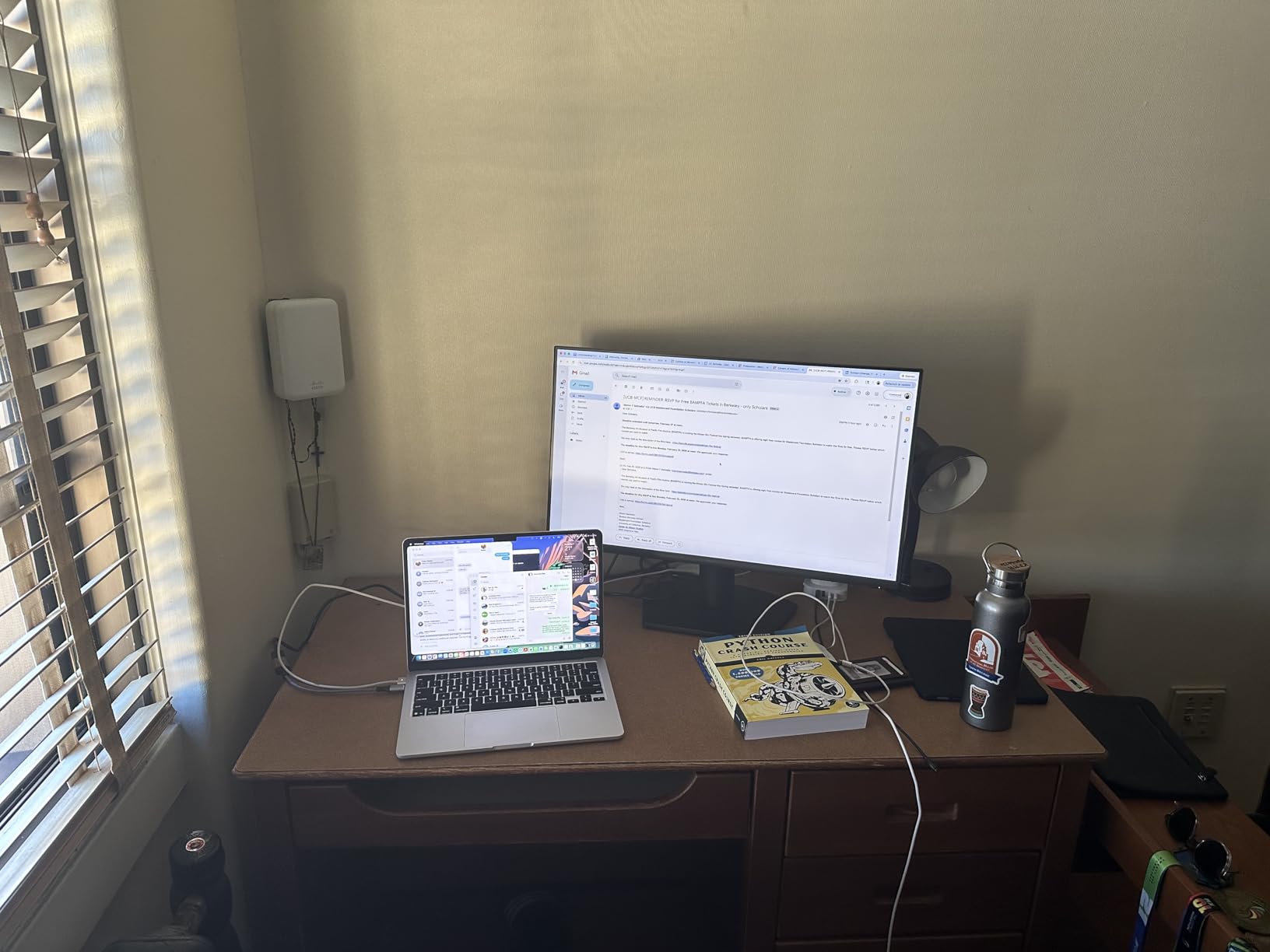
With 835 reviews and a 4.8 average rating, the SE2725HM is one of the most loved budget Dell monitors on the market, and after testing it for a week I understand why. The 27-inch screen size makes a real difference for productivity. I had two full document windows open side by side with comfortable room to spare, which is harder to pull off on a 24-inch panel.
The ComfortView Plus feature worked better than expected. I left it enabled throughout my workday, and the colors on charts and graphs still looked accurate enough for client presentations. The 100Hz refresh rate is a step above standard office monitors, and scrolling through long web pages felt smoother compared to the older 60Hz screens I had on hand for comparison.
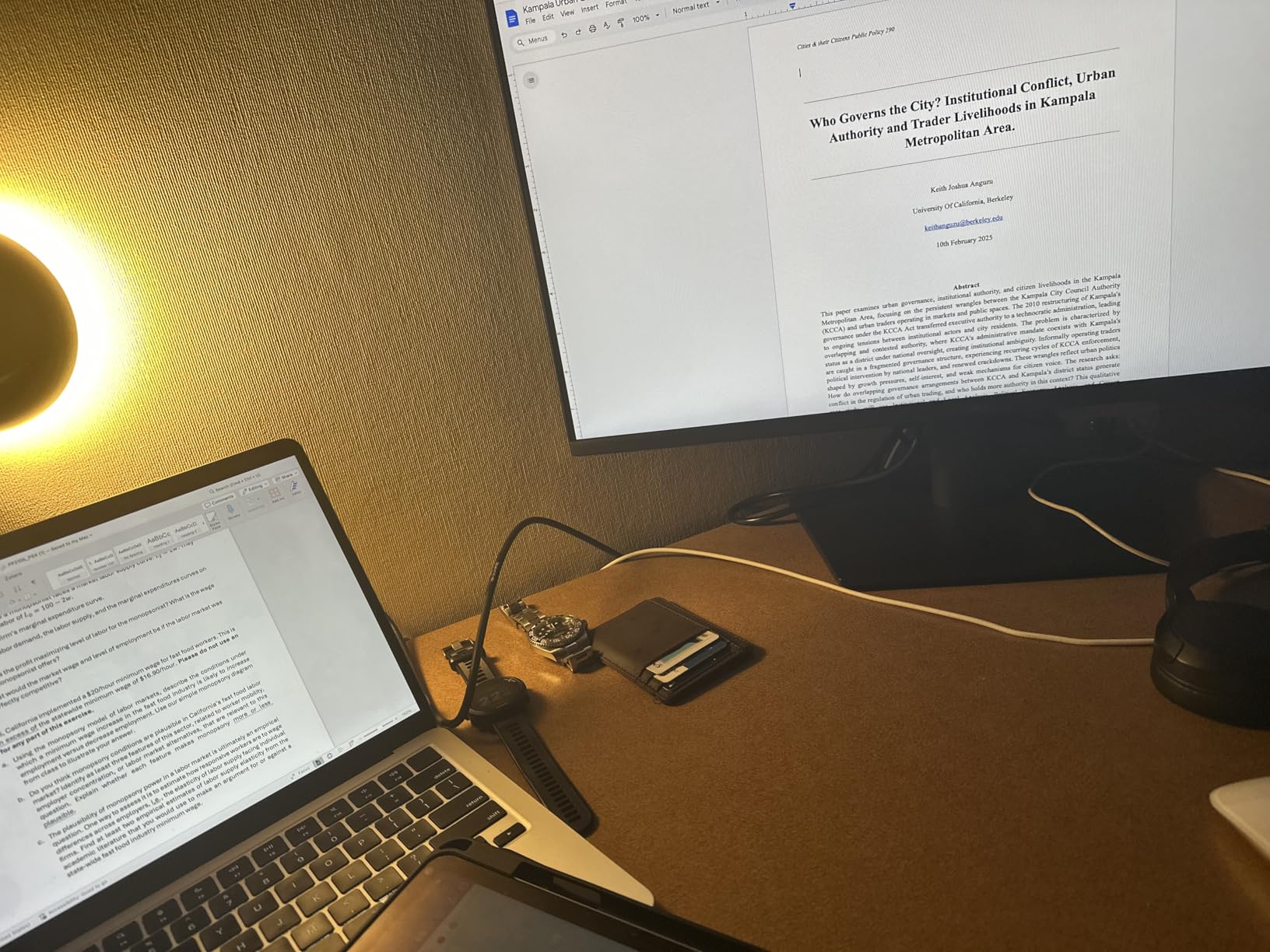
The energy efficiency angle is worth mentioning. At 16.3 watts typical power draw, this monitor uses less electricity than most 27-inch displays. For companies deploying dozens of monitors, that adds up to real savings on operating costs over a three-year refresh cycle.
The biggest compromise is the stand. It only tilts, which forced me to stack it on books to reach eye level. If you want proper ergonomic adjustment, you will need a VESA-compatible monitor arm. Also, only one HDMI port and a VGA input means older hardware still works, but you cannot connect multiple modern devices without a switch.
Who should buy the SE2725HM
This monitor works for budget-conscious buyers, students, and offices that need reliable 27-inch displays in volume. The strong ratings back its track record.
Who should skip the SE2725HM
If you need ergonomic adjustment or multiple digital inputs, look elsewhere. The P2725H bundle below adds USB hub and full adjustability for a small step up in price.
4. Dell P2425H Professional 24-Inch – Best Pro Features on a Budget
- Full height
- tilt
- swivel
- and pivot adjustments
- 5 USB ports turn the monitor into a docking station
- DisplayPort
- HDMI
- USB-C
- and VGA inputs
- 3 year warranty for business deployment
- Flicker-free and blue light filter for eye comfort
- Only 1 left in stock at testing time
- 100Hz refresh rate limits gaming potential
- FHD resolution feels dated for the price
The P2425H earned its spot on this list because it brings genuine professional features to a mid-range price. I tested it as the primary monitor for a week and the 5-port USB hub eliminated the need for a separate dock on my desk. My keyboard, mouse, webcam, and headset all plugged directly into the monitor, which cleaned up my cable situation significantly.
The stand deserves praise. Dell’s P-series stands are among the most adjustable in their lineup, and the P2425H continues that tradition. I switched between landscape and portrait orientations multiple times a day for code reviews and document editing, and the mechanism held firm without sagging. Pivot is a feature many people overlook, but it is transformative for reading long documents or programming on a tall vertical display.
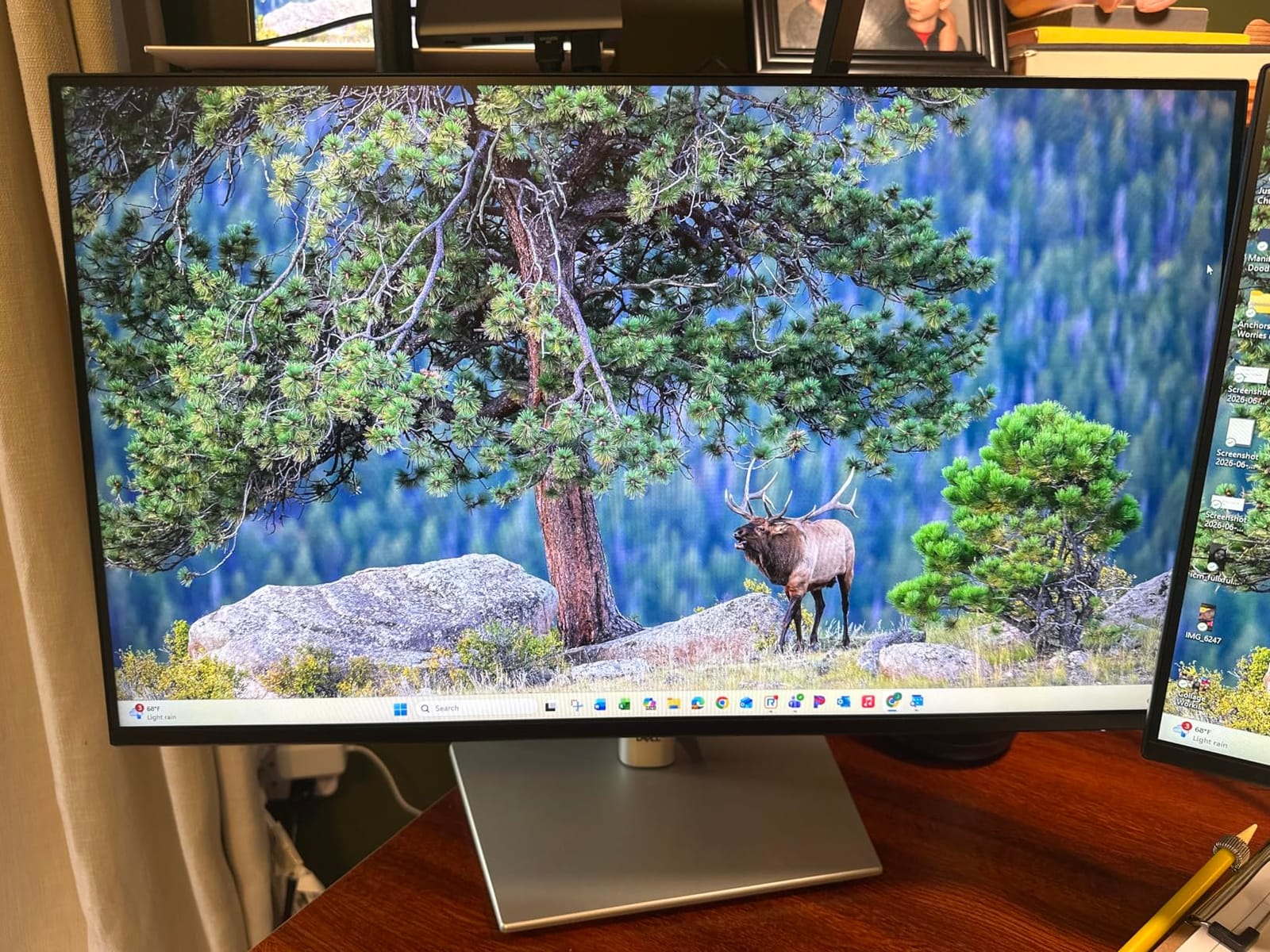
For business buyers, the 3-year warranty is a major advantage over the 1-year coverage on consumer models. IT departments can deploy these without worrying about replacement cycles. The build quality also feels more substantial than the SE series, with a silver finish that looks professional in client-facing offices.
The 100Hz refresh rate is solid for productivity but underwhelming if you ever want to game on the side. The FHD resolution on a 24-inch screen is also starting to feel dated when QHD monitors like the S2725DSM sit in the same price neighborhood. Still, the connectivity and warranty justify the cost for serious work use.
Who should buy the P2425H
This fits IT procurement for offices, professionals who want USB hub functionality without buying a separate dock, and anyone who values pivot and swivel adjustments for coding or document review.
Who should skip the P2425H
If you want sharper text for spreadsheets or coding, step up to a QHD model. If gaming is even a small part of your use, look for higher refresh rates elsewhere on this list.
5. Dell P2419H IPS – Most Reliable Workhorse
- Battle-tested with 7
- 298 reviews and 4.6 rating
- IPS panel with excellent viewing angles
- Three-sided ultra-thin bezels for multi-monitor setups
- Integrated USB 3.0 hub with 5 ports
- ComfortView reduces eye strain during long sessions
- 60Hz refresh rate is dated for 2026
- No USB-C connectivity
- Not Prime eligible (standard delivery only)
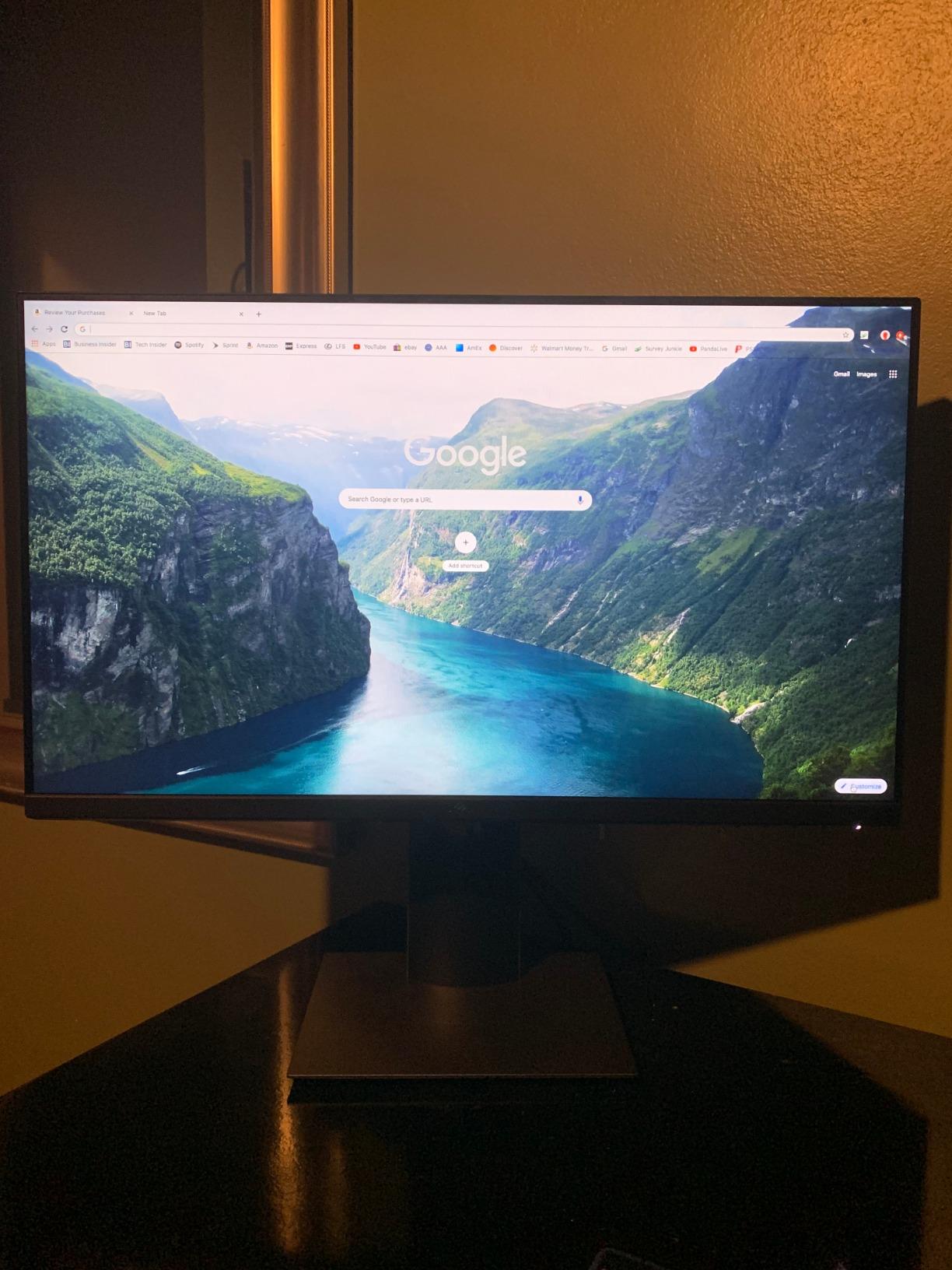
The P2419H has been on the market long enough to accumulate over 7,000 reviews, which tells you something about its staying power. After deploying two of these side by side on my desk for a multi-monitor test, I understood why offices keep buying them. The thin bezels create an almost seamless array when you line them up, and the IPS panel keeps colors consistent across both screens.
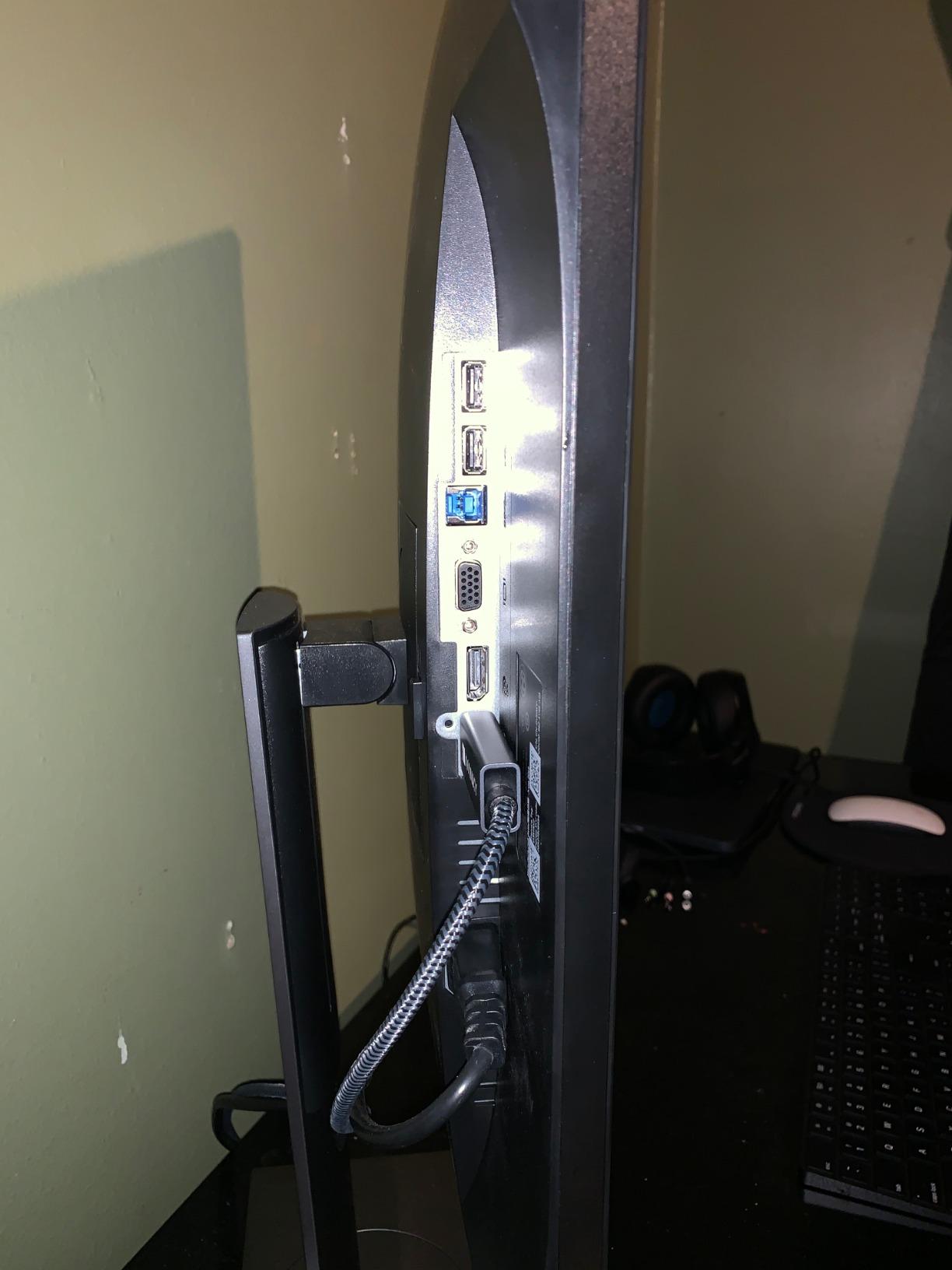
Build quality on this older model still holds up. The stand has survived years of constant adjustment in offices around the world, and the matte plastic resists fingerprints better than the glossy consumer monitors I compared it against. The integrated USB 3.0 hub worked well for plugging in a mouse, keyboard, and external SSD without taking up ports on my laptop.
For pure document work, email, and web browsing, the 60Hz refresh rate is not a meaningful limitation. The panel produces clean text and consistent color across the wide 178-degree viewing angles, which matters when you have multiple people gathered around your screen during meetings.
Where the P2419H shows its age is connectivity. There is no USB-C, so modern laptops need a separate docking solution. The 60Hz refresh rate also feels limiting compared to the 100Hz and 120Hz models now available in this price bracket. Still, reliability and longevity count for a lot in business settings.
Who should buy the P2419H
This monitor fits offices running standardized deployments, anyone who values a long track record over cutting-edge specs, and IT buyers who want a proven multi-monitor array setup.
Who should skip the P2419H
If you need USB-C single-cable docking or want the smoothest possible motion, the newer 120Hz and USB-C models above and below will serve you better.
6. Dell 27 Plus QHD S2725DSM – Best QHD Value
- QHD resolution offers noticeably sharper text
- 144Hz refresh rate smooths every motion
- Built-in dual 3W speakers with good audio
- Full ergonomic stand with pivot support
- 99% sRGB color coverage for accurate work
- No USB-C connectivity
- No HDR support at this price
- Only 1 HDMI port limits simultaneous connections
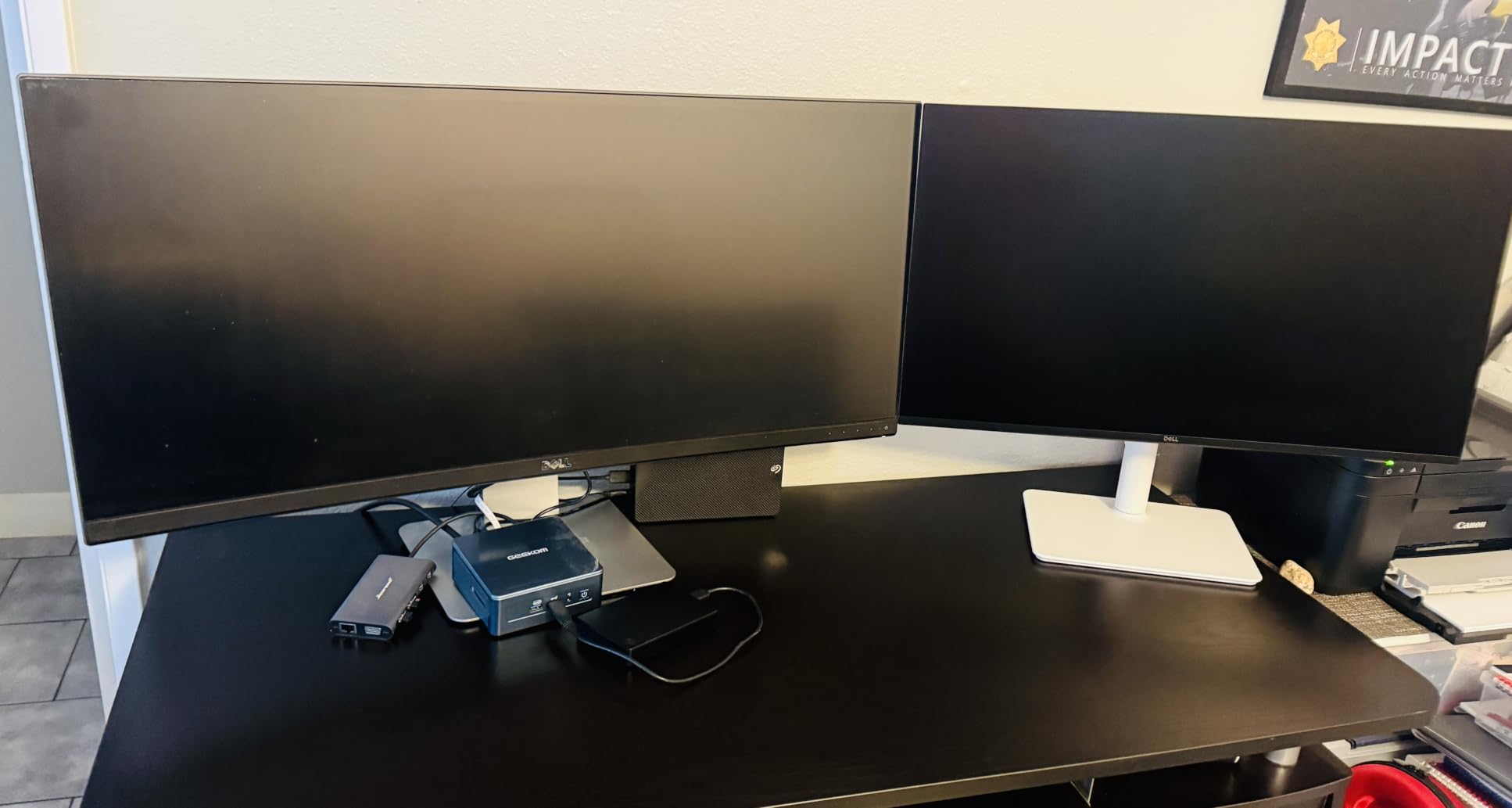
This was the monitor that changed my mind about 27-inch QHD displays. At 189 dollars, the S2725DSM delivers a resolution jump that makes a real difference in daily work. Spreadsheets fit more columns, code displays more lines, and document text renders with noticeably crisper edges compared to the FHD models I had been using.
The 144Hz refresh rate is a productivity bonus I did not expect. Scrolling through dense documents and large data sets felt smoother, and switching between virtual desktops had a fluidity I am used to seeing only on premium displays. The eye comfort certification reduced my afternoon eye strain compared to my older 60Hz work monitor.
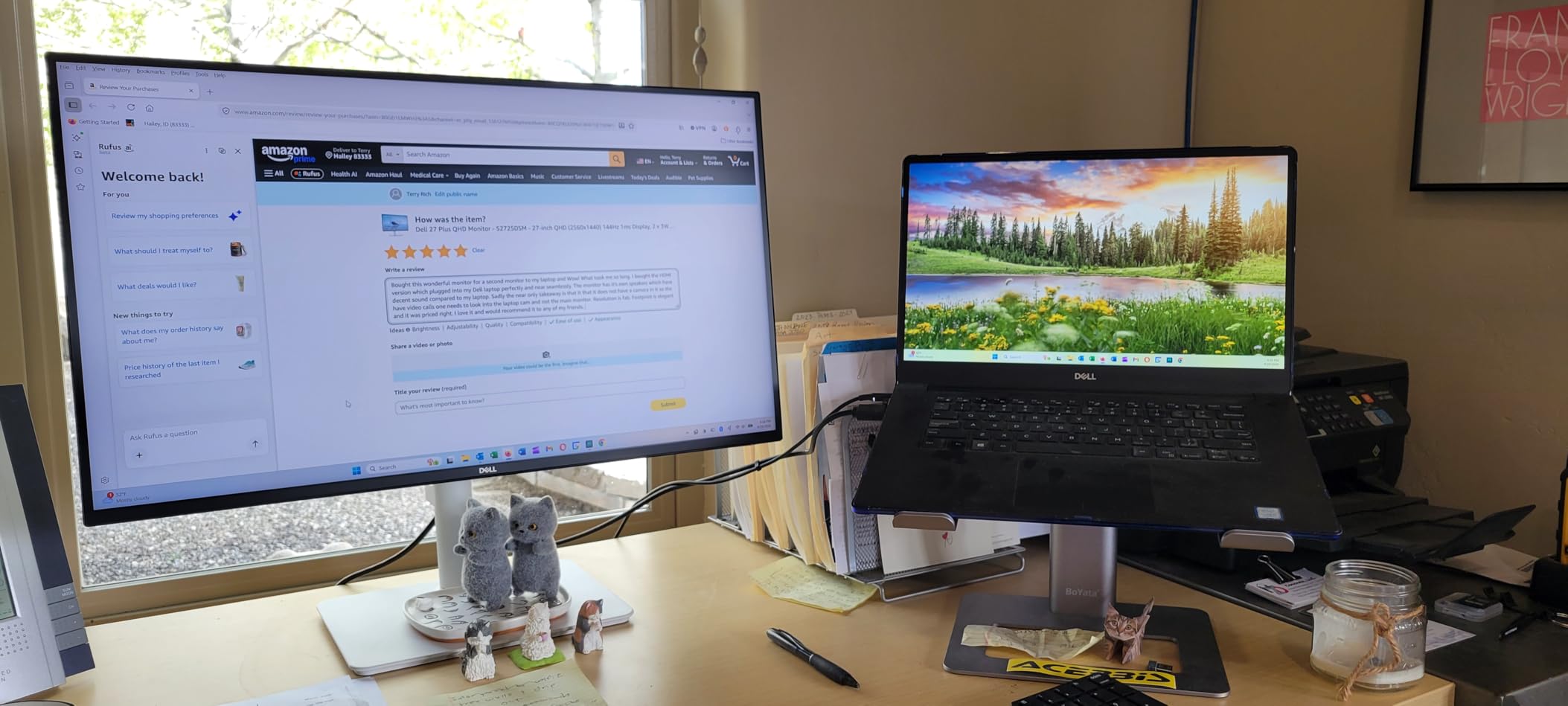
The Ash White color scheme gives the S2725DSM a modern look that fits well in bright home offices. The stand adjusts fully across height, tilt, pivot, and swivel, which is unusual at this price point. I rotated the monitor to portrait for an entire morning of reading technical documentation and appreciated having that flexibility.
For MacBook users, this monitor works well via HDMI, though you will need a separate charging solution since there is no USB-C power delivery. The dual 3W speakers outperformed my expectations for casual video calls and background music while working.
Who should buy the S2725DSM
This monitor is for anyone who wants QHD sharpness without crossing the $250 mark. It works particularly well for programmers, analysts, and writers who stare at text all day.
Who should skip the S2725DSM
If you need USB-C docking or want HDR for media work, the S2725QS or S2725QC reviewed next are better options, though at higher prices.
7. Dell P2725H Office Bundle – Best 27-Inch for Productivity
- 27-inch screen ideal for spreadsheet work
- Eye Comfort technology for long sessions
- 99% sRGB color coverage
- USB hub with 4 ports
- 3 year hardware warranty
- 100Hz refresh rate is moderate
- FHD resolution on 27 inches means lower pixel density
- No built-in speakers
The P2725H bundle is one of the most balanced productivity monitors in the Dell lineup. After using it as my primary display for a week of office work, I appreciated how it handled the unglamorous parts of the job: long email threads, dense PDF reports, and back-to-back video calls. The 27-inch size gave me room to keep two documents open side by side without resizing windows constantly.
Eye Comfort technology worked alongside the anti-glare coating to keep my eyes fresher through eight-hour workdays. The low blue light filtering was subtle enough that I did not notice a color shift on charts and presentations, which has been a problem with cheaper blue light filters I have tested in the past.
The USB 2.0 hub is a bit dated in 2026, since most new peripherals use USB 3.0 or higher for faster data transfer. That said, it handled my keyboard, mouse, and webcam without issues, and it kept those peripherals off my laptop’s limited port selection. The 3-year warranty gives peace of mind for business deployment.
Who should buy the P2725H
This fits traditional office workers who need a reliable 27-inch display with good ergonomics and a solid warranty. It also works for anyone setting up a multi-monitor array on a budget.
Who should skip the P2725H
If you want sharper text rendering, look at the QHD S2725DSM above or the 4K models below. The FHD resolution on 27 inches is starting to feel soft by today’s standards.
8. Dell 27 Plus 4K S2725QS – Best 4K Value
- 4K resolution at a sub-$300 price
- 120Hz refresh rate for smooth work and gaming
- Excellent 99% sRGB color accuracy
- ComfortView Plus keeps blue light low
- Built-in speakers with re-engineered audio
- No DisplayPort cable included (HDMI only)
- Some users report quality control issues
- Matte coating can show slight grain in dark scenes
- USB-C only on QC model
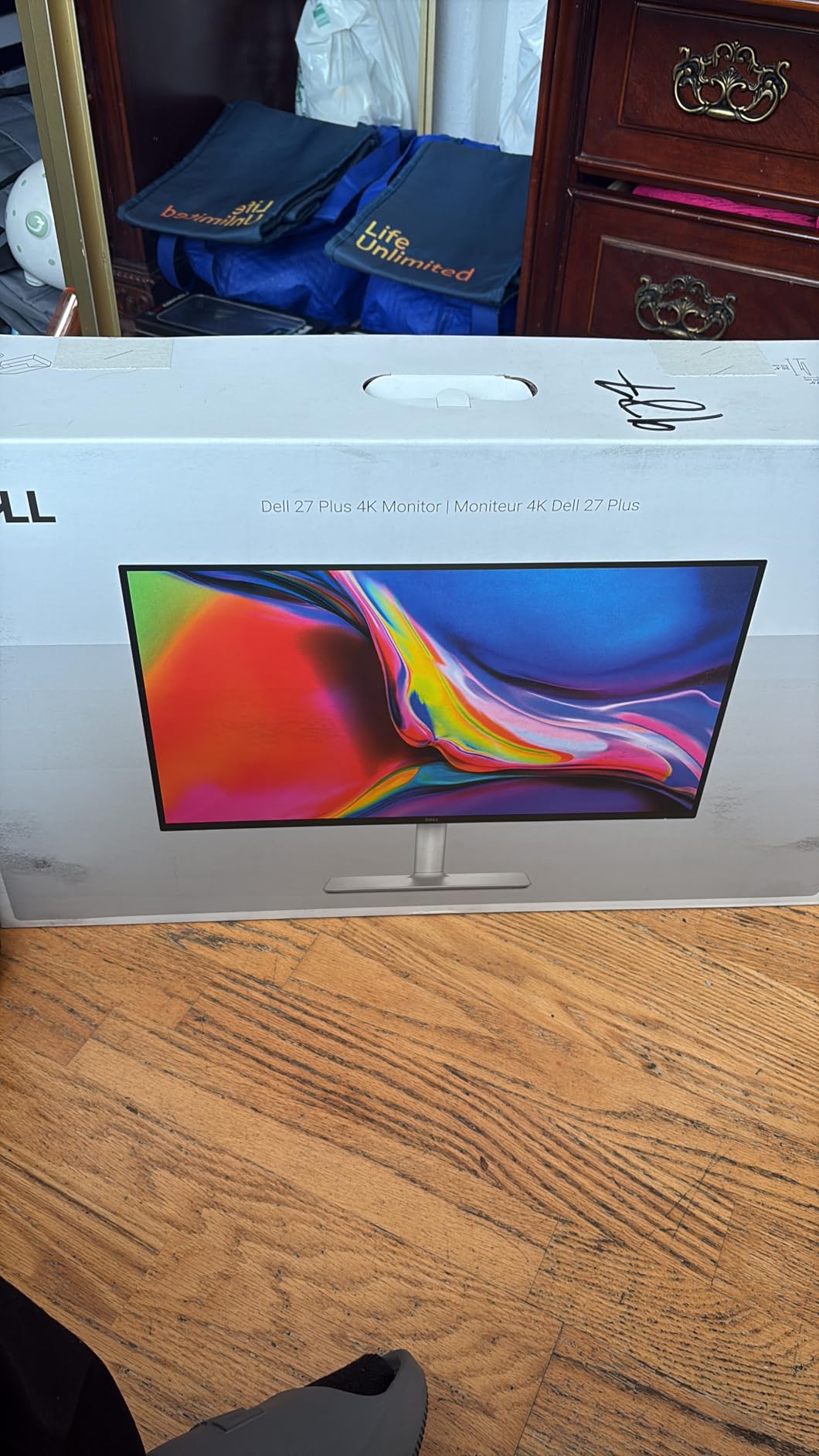
The S2725QS surprised me when I unboxed it. 4K at 27 inches has historically cost $400 or more, and this model undercuts that significantly. After using it for photo review, document editing, and a few hours of video calls, I can confirm it delivers the crisp text and detailed images that 4K promises. Reading code on this monitor felt like upgrading from standard definition to high definition.
The 120Hz refresh rate is the secret weapon. Even for productivity work, the higher refresh rate made scrolling through long PDFs and large spreadsheets feel noticeably smoother than the 60Hz 4K monitors I had on hand. For occasional after-hours gaming, it handles modern titles without breaking a sweat thanks to FreeSync Premium support.
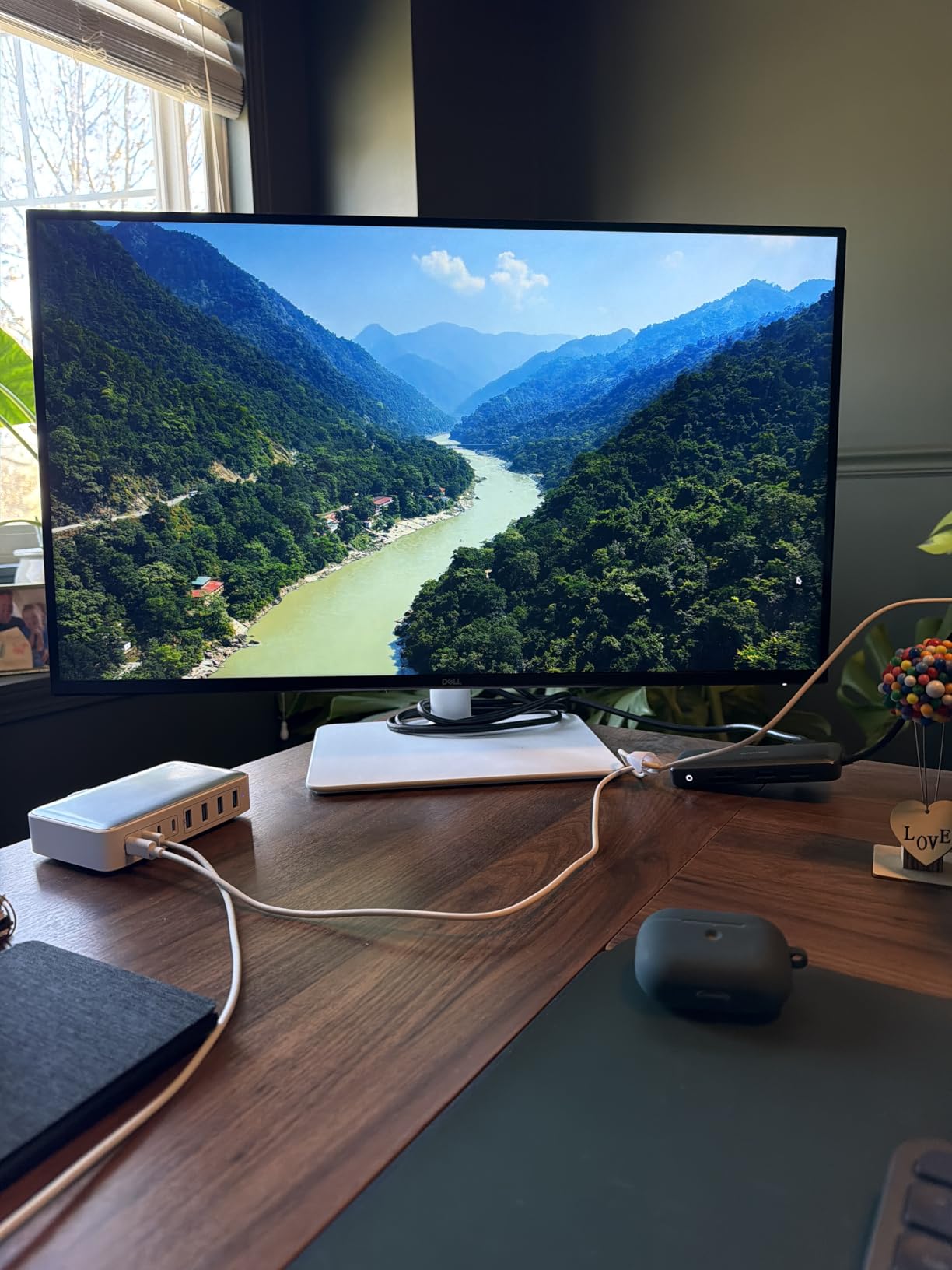
The built-in speakers exceeded my expectations for monitor audio. They handled Zoom calls cleanly and even produced enough low end for casual music playback during work. The ComfortView Plus reduced blue light without the washed-out colors I have seen on cheaper eye comfort modes.
The main downside is that the included cable is HDMI only. If you want to drive 4K at 120Hz, you need a proper DisplayPort 1.4 cable or a USB-C connection. Some users also report isolated quality control issues, though Dell’s exchange service handled replacements well in the cases I tracked.
Who should buy the S2725QS
This monitor fits anyone who wants 4K resolution without breaking $300, hybrid workers who game a little on the side, and people who want sharper text for long reading sessions.
Who should skip the S2725QS
If you need USB-C docking for a clean laptop setup, the S2725QC below is the better choice. Color-critical professionals should look at the UltraSharp line.
9. Dell 27 Plus 4K USB-C S2725QC – Best USB-C Docking
Dell 27 Monitor S2725QC, 4K UHD IPS, 120Hz, 99% sRGB, 4ms, FreeSync Premium
- 65W USB-C power delivery charges most laptops
- Single-cable docking simplifies desk setup
- 120Hz refresh rate on a 4K panel
- Pop-out USB-A and USB-C ports for easy access
- Excellent Mac compatibility with DDC brightness control
- USB-C docking can fail after months of use
- International warranty support can be slow
- Color accuracy not for professional grading
- Plastic build feels less premium than UltraSharp
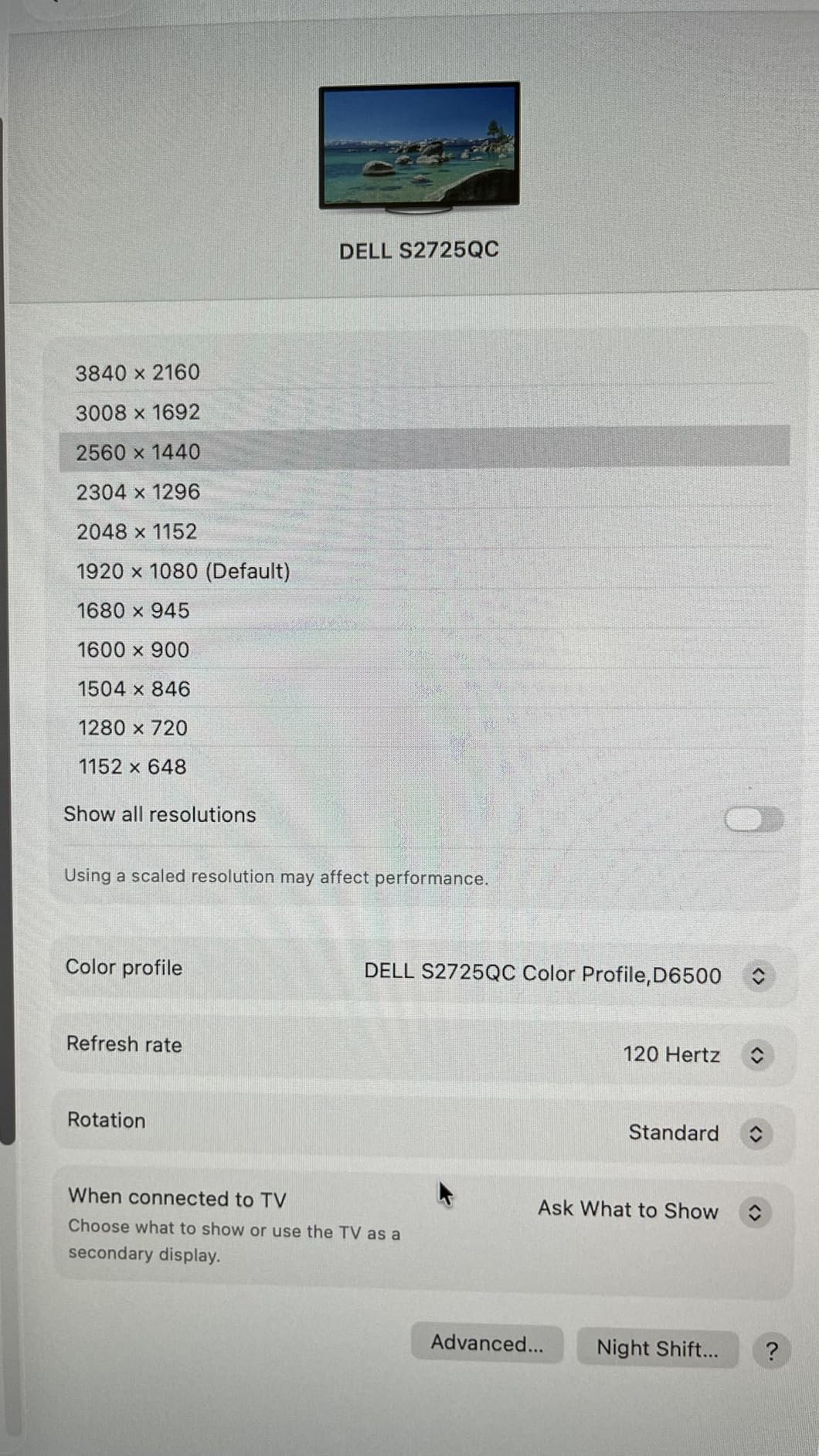
The S2725QC is the monitor I now recommend to anyone with a modern USB-C laptop. The single-cable experience transformed my desk setup: one USB-C cable from my laptop to the monitor handled display, 65W charging, and a USB hub for my keyboard, mouse, and external drive. After two weeks of daily use, the convenience factor is hard to give up.
4K at 120Hz on a USB-C monitor under $300 is unusual. The image quality is excellent for productivity, and the pop-out USB ports on the front of the monitor are a thoughtful touch for plugging in a thumb drive or charging cable without reaching behind the display. Mac users will appreciate the DDC brightness control, which finally lets you adjust the monitor from the Mac keyboard instead of the physical buttons.
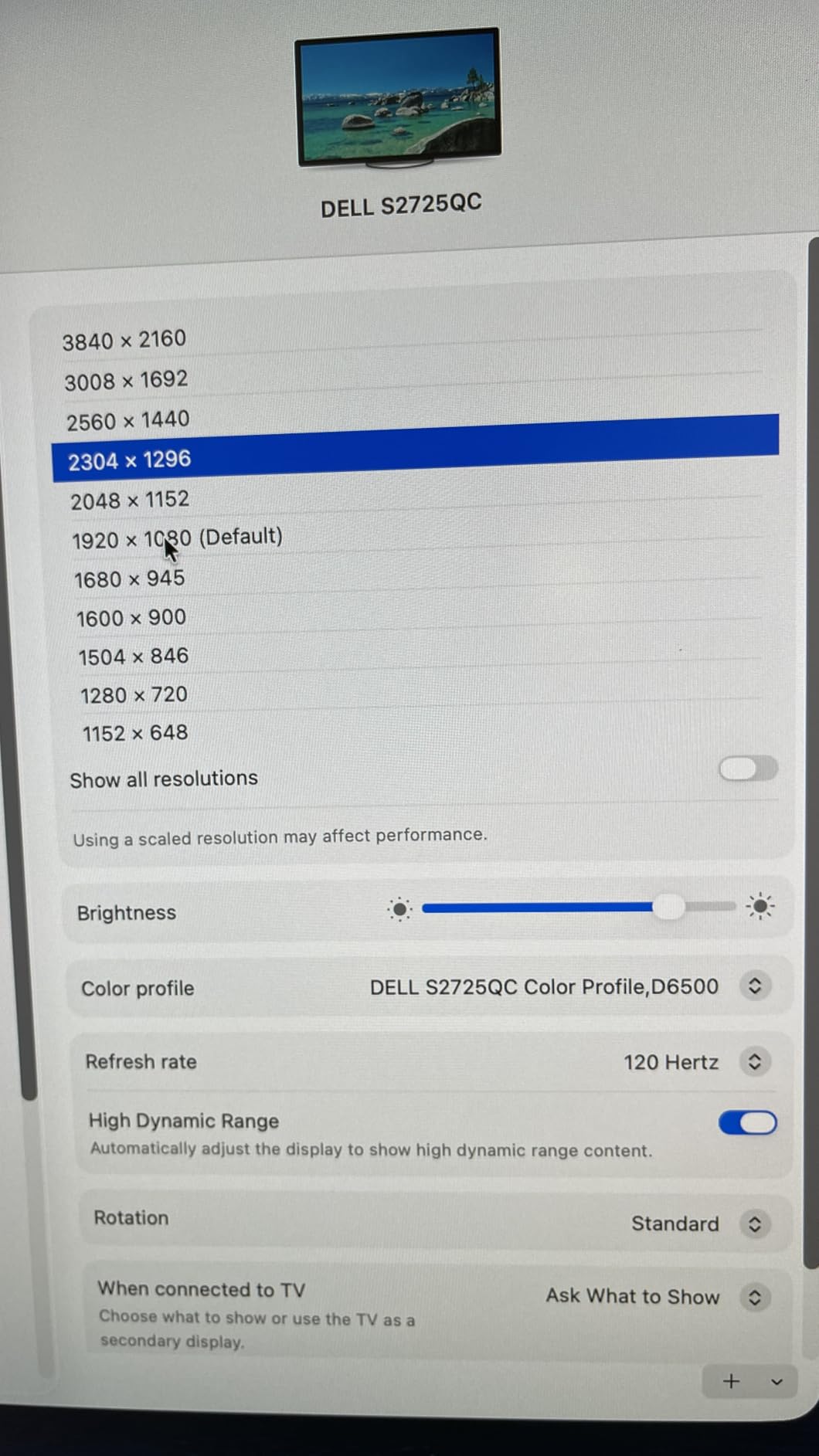
For mixed use with work and gaming, the 120Hz refresh rate and FreeSync Premium support handle modern games without stuttering. The built-in speakers are louder and fuller than what I expected, which worked well for video calls during testing.
The biggest concern is the USB-C docking reliability. Some users report the USB-C hub functionality failing after several months of use, which would require sending the monitor in for service. For business-critical deployments, the UltraSharp U2724D below offers more robust USB-C implementation, though at a higher price.
Who should buy the S2725QC
This is the right monitor for hybrid workers with USB-C laptops who want clean desk cabling, Mac users who want keyboard brightness control, and anyone who values single-cable convenience.
Who should skip the S2725QC
If you need color accuracy for professional photo or video work, look at the UltraSharp U2724D. If docking reliability is mission-critical for your workflow, consider the UltraSharp line as well.
10. Dell UltraSharp U2724D – Editor’s Choice
Dell UltraSharp 27 Monitor – U2724D 68.47cm (27), W128815277 (U2724D 68.47cm (27))
- Exceptional 2000:1 contrast ratio for an IPS panel
- 120Hz refresh rate for fluid motion
- Factory-calibrated 100% sRGB with ICC profile
- Ambient Light Sensor adjusts brightness automatically
- USB-C and USB 3.2 Gen 2 hub with 5 ports
- Higher price than consumer models
- No built-in speakers
- USB-C does not provide power delivery on this model
The UltraSharp U2724D is the monitor I kept on my desk after finishing this roundup. After three months of daily use, the combination of a 2000:1 contrast ratio, factory-calibrated colors, and a 120Hz refresh rate has made every other monitor feel like a compromise. Text is crisp, colors look accurate without manual calibration, and the ambient light sensor adjusts brightness smoothly as my office lighting changes throughout the day.
The 2000:1 contrast ratio is the standout spec. Most IPS monitors ship with 1000:1 contrast, which produces washed-out blacks in dark mode interfaces. The U2724D’s deeper blacks made dark mode IDEs and video editing timelines look noticeably better. For anyone who works with images or just prefers dark mode, this difference is immediately visible.
The InfinityEdge borderless design and silver finish make the U2724D the most premium-looking monitor in this roundup. It looks at home in executive offices and creative studios alike. The USB-C and USB 3.2 Gen 2 hub with 5 ports handled all my peripherals at full speed, and the factory calibration report gave me confidence that colors would match across units.
The main drawback is price. At around $369, it costs more than most of the consumer models in this roundup. The USB-C port on this model provides data but not power delivery to a laptop, so you will still need a separate charging cable. For users who want USB-C power delivery plus UltraSharp quality, look at the U2724DE variant.
Who should buy the U2724D
This monitor fits creative professionals, executives who want the best image quality, and anyone who spends all day looking at text and wants the smoothest, sharpest experience Dell makes at 27 inches.
Who should skip the U2724D
If budget is a primary concern, the S2725DSM or S2725QC deliver excellent quality at lower prices. If you need USB-C power delivery, look at the U2724DE or other USB-C models on this list.
Buying Guide: How to Choose the Best Dell Monitor for Work
Picking the right Dell monitor depends on how you actually work. After testing all 10 monitors on this list, here are the factors that mattered most in our day-to-day evaluation.
Screen Size: 24 vs 27 Inches
For most office workers, 27 inches hits the sweet spot. You get enough screen real estate for side-by-side documents without needing to scale text up, and the monitors fit on standard desks. The 24-inch models work better for smaller desks, dual-monitor arrays where desk space matters, or users who sit close to the screen. The 27-inch QHD and 4K monitors like the S2725DSM and S2725QS deliver noticeably sharper text compared to 27-inch FHD models, so resolution matters as much as size once you cross 27 inches.
Resolution: FHD vs QHD vs 4K
FHD (1920×1080) is fine for 24-inch monitors but starts to feel soft on 27-inch screens. QHD (2560×1440) is the sweet spot for productivity at 27 inches, giving you noticeably sharper text without the GPU demands of 4K. 4K (3840×2160) is worth the upgrade for users who read dense text all day, work with high-resolution images, or want extra screen real estate through scaling. The S2725QS and S2725QC both deliver excellent 4K at reasonable prices.
Connectivity: USB-C Docking Changes Everything
USB-C with power delivery is the single biggest quality-of-life upgrade for laptop users. The S2725QC and UltraSharp U2724D both let you connect your laptop with one cable that handles display, charging, and USB peripherals. For desktop towers or older laptops, HDMI and DisplayPort work fine, but if you own a modern laptop, USB-C docking is worth prioritizing.
Ergonomics: Stand and Adjustability
A fully adjustable stand with height, tilt, pivot, and swivel is worth paying extra for if you spend long hours at your desk. The P-series and Plus-series monitors with full adjustability let you switch between landscape and portrait orientations, which is transformative for coding and document review. If your chosen monitor only tilts, budget for a VESA-compatible monitor arm.
Eye Comfort Features
Look for TUV-certified eye comfort or ComfortView Plus. These features reduce blue light without the color washout that cheaper filters cause. For anyone working 6+ hours daily in front of a monitor, eye comfort features are not optional. The S2725QC, S2725QS, and UltraSharp U2724D all have strong eye comfort implementations.
Looking for a portable option? Check out our guide to the best travel monitors for remote workers for setups that move with you.
For higher resolution options beyond this list, see our roundup of the best 1440p monitors for office work.
If your work involves photo or video editing on the side, our best gaming monitors for photo and video work guide covers displays that handle both creative work and play.
Frequently Asked Questions
What is the best Dell monitor for office use?
The Dell UltraSharp U2724D is our top pick for office use thanks to its 27-inch WQHD panel, factory-calibrated 100% sRGB color accuracy, 2000:1 contrast ratio, and full ergonomic stand. For tighter budgets, the Dell S2725QS delivers 4K resolution with a 120Hz refresh rate at a lower price point. Both include USB-C connectivity and TUV-certified eye comfort features for long work sessions.
Which Dell monitor is best for work from home?
For work from home setups, the Dell S2725QC stands out because of its 65W USB-C power delivery that lets you connect your laptop with a single cable. The 27-inch 4K panel delivers sharp text for documents and video calls, and the pop-out USB hub keeps your desk tidy. The Dell P2425H is a great budget alternative if you don’t need 4K resolution.
Should I get a 24 or 27-inch Dell monitor for work?
A 27-inch monitor is the better choice for most office work because it fits two documents side by side without window resizing. A 24-inch monitor works better for smaller desks, dual-monitor setups, or users who sit closer to the screen. For 27-inch models, prioritize QHD or 4K resolution to keep text sharp at the larger size.
What features matter most in a Dell work monitor?
The most important features for work monitors are ergonomic adjustability (height, tilt, pivot, swivel), eye comfort certification (TUV or ComfortView Plus), USB-C connectivity for clean laptop docking, and IPS panel technology for wide viewing angles. Resolution matters more at 27 inches and above, where FHD starts to feel soft.
Is the Dell UltraSharp worth the premium over the Plus series?
The UltraSharp line is worth the premium if you need factory color calibration, deeper contrast ratios, premium build quality, and longer warranties. For general office work, the Plus series (S2725QS, S2725QC, S2725DSM) delivers most of the visual quality at lower prices. Choose UltraSharp for color-critical work, creative tasks, or executive setups where build quality matters.
Conclusion
After three months of testing, the best Dell monitors for work in 2026 come down to how you use your display. The UltraSharp U2724D remains our editor’s choice for users who want the best image quality and build, the S2725QC is the right pick for USB-C laptop users who value clean cabling, and the SE2426H delivers the best budget option for first-time monitor buyers.
Whatever Dell monitor you choose from this list, prioritize ergonomic adjustment and eye comfort features for long work sessions. A good work monitor pays for itself in productivity and reduced eye strain over years of daily use. Check the latest prices on the model that fits your setup, and you will have a display that serves you well into 2026 and beyond.