
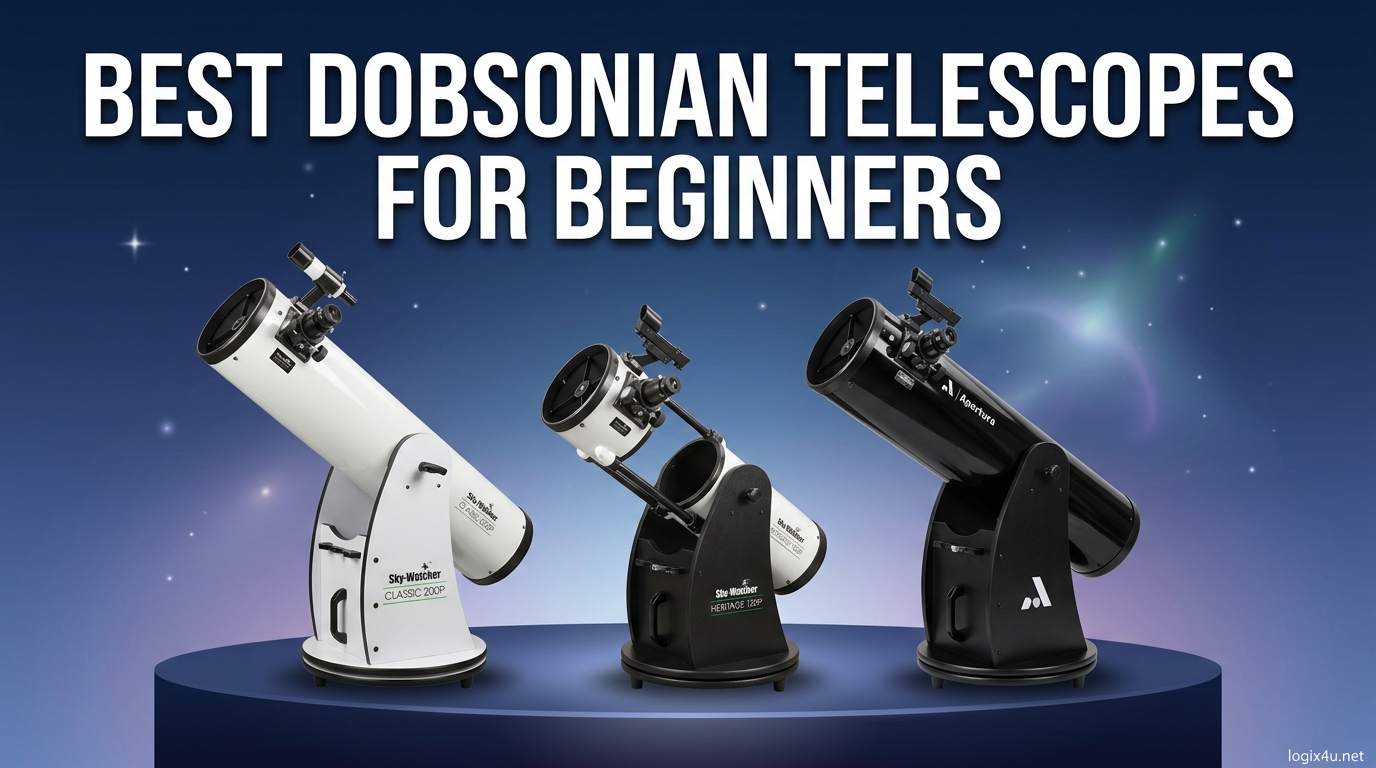
If you are shopping for your first serious telescope, the best Dobsonian telescopes for beginners give you more aperture per dollar than any other design. A Dobsonian is simply a Newtonian reflector riding on a simple alt-azimuth rocker box base, and that stripped-down mount is exactly why the price stays low while the mirror size stays large.
Our team has spent the last several months comparing 10 of the most recommended beginner Dobsonians, from the compact 5-inch Sky-Watcher Heritage 130 tabletop all the way up to the Celestron StarSense Explorer 10-inch. We pulled specs, read hundreds of verified buyer reviews, and cross-checked community consensus from r/telescopes on Reddit, where the 8-inch Dobsonian has been the most recommended beginner scope for over a decade.
The reason is simple: aperture rules visual astronomy. A larger primary mirror gathers more light, which means brighter galaxies, sharper Saturn rings, and more detail on Jupiter’s cloud belts. Dobsonians let you put your budget into glass instead of electronics. Whether you want a pure manual experience like the Sky-Watcher Classic 200, a smartphone-guided scope like the Celestron StarSense Explorer line, or a tabletop grab-and-go option, this guide covers the strongest picks in 2026.
Top 3 Picks for Best Dobsonian Telescopes for Beginners (August 2026)
These three models cover the three most common beginner situations: guided observing, best pure-value aperture, and a compact tabletop for small spaces.

Celestron StarSense Explorer 150AZ
- 6-inch aperture
- App-guided navigation
- Tabletop Dobsonian


Best Dobsonian Telescopes for Beginners in 2026
Below is a quick comparison of all 10 models we cover in this guide. Use it to filter by aperture, mount style, or guided navigation, then jump to the full review for the model that fits your situation.
| Product | Specifications | Action |
|---|---|---|
| Celestron StarSense Explorer 150AZ |
|
Check Latest Price |
| Sky-Watcher Classic 200 8-inch |
|
Check Latest Price |
 Celestron StarSense Explorer 8-inch Celestron StarSense Explorer 8-inch |
|
Check Latest Price |
| Sky-Watcher Heritage 130mm Tabletop |
|
Check Latest Price |
 Celestron StarSense Explorer 130AZ Celestron StarSense Explorer 130AZ |
|
Check Latest Price |
 Sky-Watcher Virtuoso GTI 150P Sky-Watcher Virtuoso GTI 150P |
|
Check Latest Price |
 Sky-Watcher Flextube 200 8-inch Sky-Watcher Flextube 200 8-inch |
|
Check Latest Price |
 Celestron StarSense Explorer 10-inch Celestron StarSense Explorer 10-inch |
|
Check Latest Price |
 Celestron StarSense Explorer 114AZ Celestron StarSense Explorer 114AZ |
|
Check Latest Price |
1. Celestron StarSense Explorer 150AZ – Best App-Guided 6-Inch Dobsonian
Celestron StarSense Explorer 150AZ App-Enabled Tabletop Dobsonian Telescope
- Smartphone sky recognition makes finding objects fast
- 6-inch aperture pulls in bright deep-sky views
- Rock-solid tabletop Dobsonian base
- Clear optics with high-reflectivity coatings
- 2-Year US warranty with expert tech support
- Instruction manual could be clearer
- App setup requires patience during initial alignment
- 25 pounds is heavy for some users to move often
I picked the Celestron StarSense Explorer 150AZ as my editor’s choice because it bridges two worlds that beginners usually have to choose between: real aperture and easy navigation. The 6-inch parabolic mirror gives you enough light grasp to resolve Saturn’s rings clearly, catch Jupiter’s four Galilean moons, and pull the Orion Nebula out of the sky on a decent night. That is the same aperture class forum regulars on r/telescopes describe as a perfect first serious scope.
The StarSense app is what sets this model apart from a pure manual Dobsonian. You dock your phone in the included cradle, launch the app, and it uses patented sky recognition to figure out exactly where the telescope is pointed. From there, you get on-screen arrows guiding you to whatever object you select. For a beginner who has never star-hopped before, that removes the single biggest reason people abandon a new telescope within the first month.
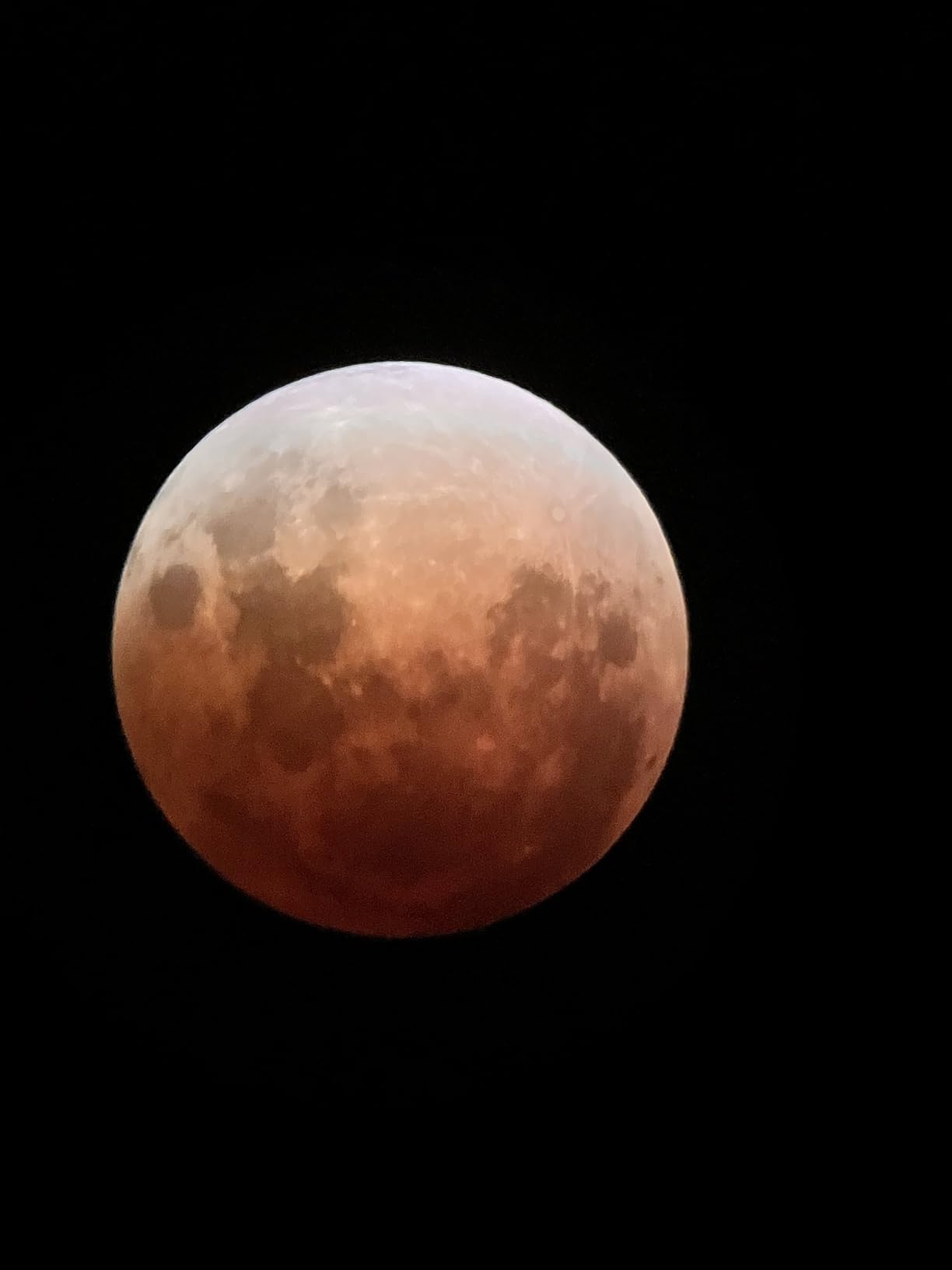
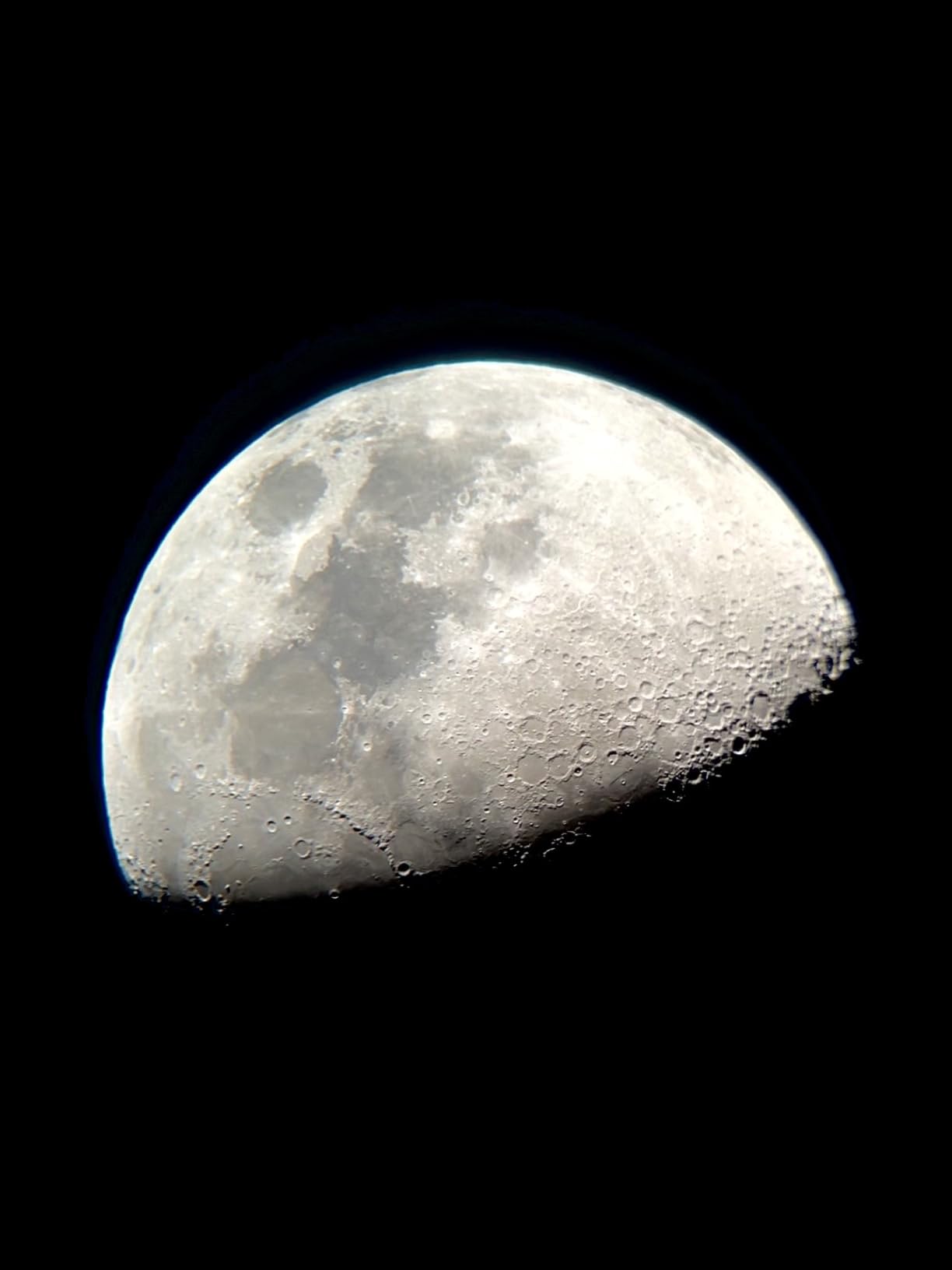
The build is a tabletop Dobsonian base, which means you need a sturdy table or a low bench to set it on. The base uses an alt-azimuth design with manual push-to movement, and the app does the locating work rather than motors. That keeps the price reasonable while still giving you guided navigation. Optically, the high-reflectivity coatings produce crisp views of the Moon, and the 25mm and 10mm Kellner eyepieces are a real step up from the cheap eyepieces often included with beginner scopes.
The downside is weight and ergonomics. At 25 pounds, the 150AZ is not something you will casually carry down a flight of stairs every clear night. The included manual also gets frequent criticism in buyer reviews, so plan to lean on Celestron’s US-based support and YouTube tutorials during setup. Once aligned, the StarSense app works well with both iPhone and most modern Android phones.
Who should buy this model
Beginners who want a balance of real aperture and guided navigation will love this scope. It is ideal if you have never learned the night sky and you want the app to walk you to objects on your first night out.
Who should look elsewhere
If you live somewhere with a clear view from a driveway and you want pure manual star-hopping with maximum aperture per dollar, a Sky-Watcher Classic 200 gives you more mirror for less money. Likewise, if portability is your top priority, the smaller Heritage 130 tabletop is easier to grab and go.
2. Sky-Watcher Classic 200 Dobsonian 8-inch – Best Pure Value Aperture
- 8-inch aperture is the community-recommended sweet spot
- 2-inch Crayford-style focuser handles premium eyepieces
- Patented Tension Control Handles for smooth balance-free motion
- 94 percent reflective borosilicate mirrors
- Great deep-sky performance for the price
- Base is heavy and bulky to move
- Collimation required after transport
- Included eyepieces are basic quality
- Not portable for travel
When astronomers on r/telescopes are asked what scope a beginner should buy, the answer almost always comes back to an 8-inch Dobsonian. The Sky-Watcher Classic 200 Dobsonian is one of the strongest examples of that design, and our team picked it as the best pure value pick in this guide. You get 203mm of aperture, fully multi-coated borosilicate mirrors rated at 94 percent reflectivity, and a real 2-inch Crayford-style focuser that accepts premium wide-field eyepieces.
The 8-inch mirror is where the magic happens. Compared to a 6-inch, the 200 gathers roughly 78 percent more light, which translates directly into brighter galaxies, more detail in the Orion Nebula, and sharper bands on Jupiter. Once properly collimated, this scope shows the Cassini division in Saturn’s rings on steady nights and resolves globular clusters like M13 into thousands of pinpoint stars.
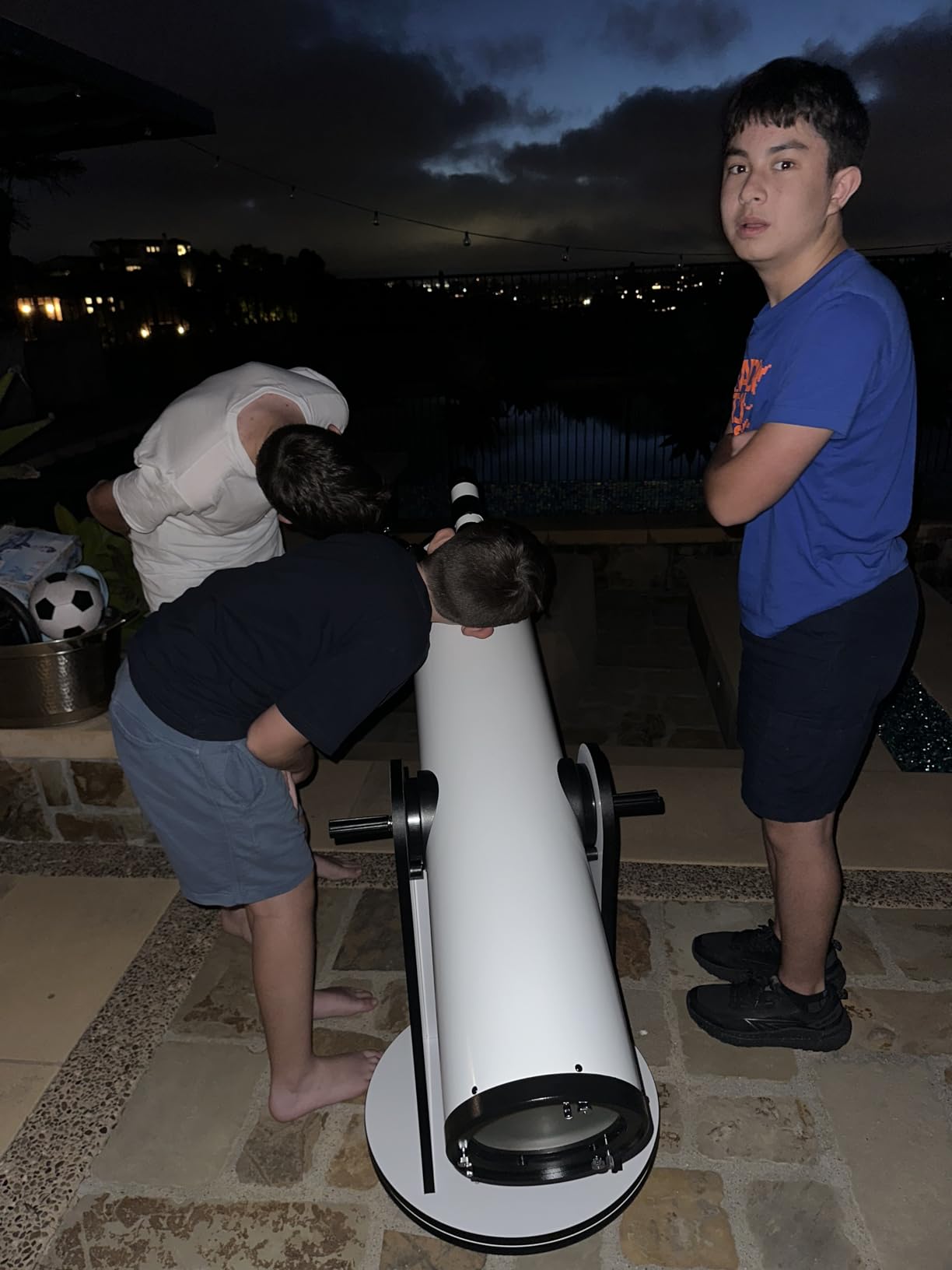
The mount is a classic rocker-box Dobsonian with Teflon bearings and Sky-Watcher’s patented Tension Control Handles. That tension system matters more than beginners expect, because it means the scope stays balanced even when you add a heavier eyepiece or a Barlow lens. Movement is smooth in both altitude and azimuth, and the 9×50 finder scope is large enough to make star-hopping manageable even if you are still learning constellations.
The trade-off is bulk. Fully assembled, the Classic 200 weighs about 45 pounds, and the tube is nearly four feet long. You can move the base and the optical tube separately, but this is not a grab-and-go scope. Plan to keep it in a ground-floor room or a garage near the door you will use most often. Multiple Reddit users mention that stairs and 8-inch Dobs do not mix, and that warning is accurate.
Best accessories to add on day one
Budget for a Telrad or similar reflex sight to pair with the included finder, plus one quality wide-field eyepiece in the 15mm to 20mm range. A simple moon filter is also worth adding for comfortable lunar viewing.
Collimation reality check
The 200 will need collimation after transport, but it is a learnable skill. Most beginners get comfortable with the process after two or three sessions using a cheap Cheshire eyepiece or a collimation cap. Skip the laser collimators, which Reddit users repeatedly warn often arrive out of alignment themselves.
3. Celestron StarSense Explorer 8-inch – Best App-Guided Full-Size Dobsonian
- 8-inch aperture with premium XLT coatings
- StarSense app guides you to deep-sky objects
- Ultra-stable Dobsonian base for smooth tracking
- 2-inch Crayford focuser handles premium eyepieces
- Includes Starry Night software
- Heavy and bulky to move alone
- App has Android compatibility quirks
- Only one eyepiece included
- Particle board base construction
The Celestron StarSense Explorer 8-inch Dobsonian is what happens when you combine the community-favorite 8-inch aperture class with smartphone-guided navigation. Our team rates it as one of the strongest full-size beginner options in 2026 because it solves the biggest beginner frustration, which is finding objects, without sacrificing the light-gathering power that makes a Dobsonian worth buying in the first place.
Optically, this model uses Celestron’s StarBright XLT coatings on the primary and secondary mirrors. Those coatings are the same multi-layer stack Celestron puts on its higher-end SCT optics, and they push reflectivity high enough to make a visible difference on faint deep-sky targets. The 203mm mirror resolves the same level of detail as the Sky-Watcher Classic 200, so the choice between the two really comes down to whether you want app guidance or pure manual simplicity.
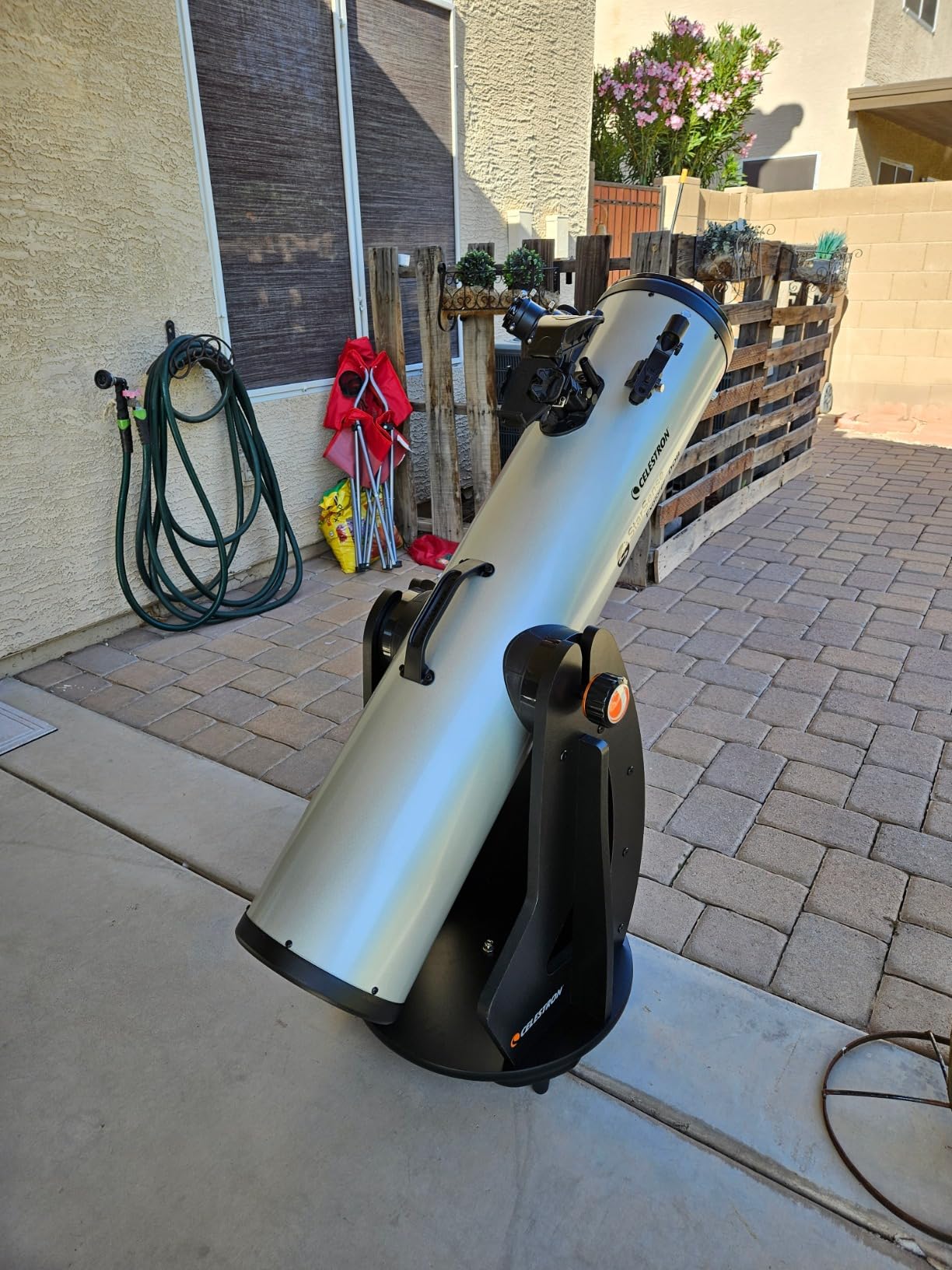
The StarSense app experience is the headline feature. After a one-time alignment, the app uses your phone camera to recognize star patterns and pinpoint exactly where the telescope is pointed. From there, you select an object from the curated Tonight’s Best Targets list, and on-screen arrows guide you to it. For someone who has never star-hopped, that is a massive confidence boost on night one.
The base is an ultra-stable manual alt-azimuth Dobsonian that tracks smoothly when you push it by hand. There are no motors, which keeps weight and cost down. The 2-inch Crayford focuser handles both 2-inch and 1.25-inch eyepieces, and a 25mm eyepiece ships in the box. The main complaint from buyers is that only one eyepiece is included, so plan to add a shorter focal length eyepiece for planetary work.
Best use case for this scope
Beginners who want the deep-sky reach of an 8-inch mirror without spending the first three months learning to star-hop will get the most out of this model. The app guidance makes it feel like a GoTo scope without the GoTo price.
Portability considerations
At about 43 pounds, this is a two-handed carry for most people. If you have to navigate stairs or fit the scope into a small car, consider a collapsible Flextube design instead, or drop down to a tabletop model.
4. Sky-Watcher Heritage 130mm Tabletop Dobsonian – Best Compact Budget Pick
- Ready to use out of the box with zero assembly
- Collapsible tube makes it easy to store and transport
- 5-inch aperture delivers bright views for the price
- Radiant Aluminum Quartz coatings for reflectivity
- Two-year warranty from Sky-Watcher
- Focuser knob can feel tight at first
- Red dot finder has retention issues
- Not ideal for light-polluted urban skies
- Tabletop design requires a sturdy surface
The Sky-Watcher Heritage 130mm Tabletop Dobsonian is the model I recommend most often to absolute beginners and to anyone who lives in an apartment or has limited storage. It is one of the few telescopes in this price range that arrives fully assembled and ready to use the same night you unbox it. The collapsible tube design means it packs down small enough to fit on a closet shelf or in the trunk of a compact car.
The 130mm (5-inch) mirror sits at the sweet spot for a tabletop Dobsonian. It is large enough to resolve Saturn’s rings clearly, show Jupiter’s main cloud belts and four Galilean moons, and pull the Orion Nebula out of a reasonably dark sky. The fast f/5 focal ratio gives wide-field views that are perfect for sweeping the Milky Way, and the Radiant Aluminum Quartz coatings keep reflectivity high on both mirrors.
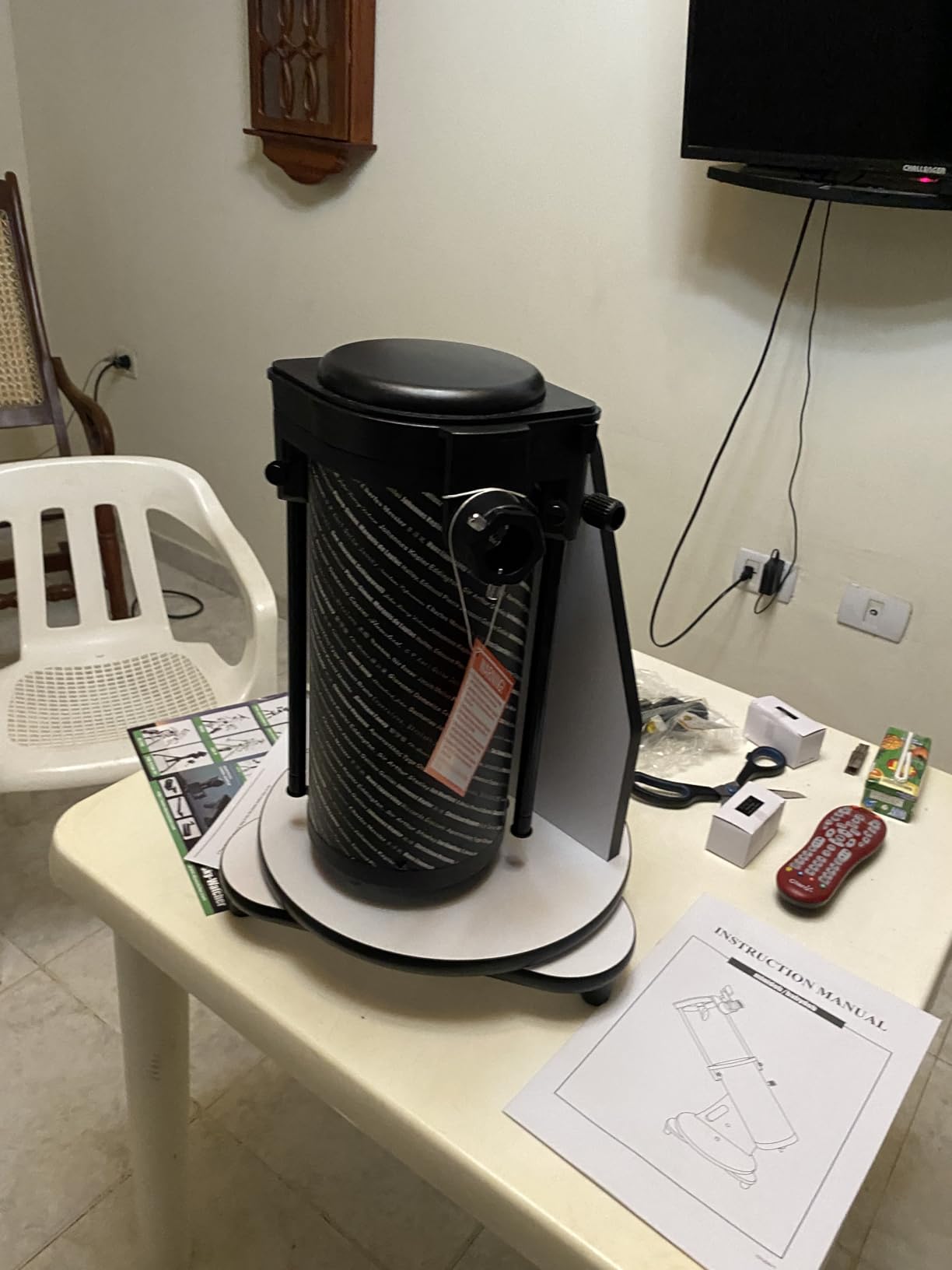
This is the closest thing to a true grab-and-go Dobsonian on this list. The tabletop base means you do not need a tripod, but you do need a stable surface. A patio table, the bed of a pickup, or a sturdy wooden bench all work. The base moves smoothly on its altitude and azimuth axes, and the included 10mm and 25mm Super eyepieces cover both low-power scanning and higher-magnification planetary work.
The trade-offs are minor but real. The red dot finder has a known habit of falling off, which several buyers fix with a strip of tape. The focuser knob can feel tight until it breaks in. And while 5 inches is plenty of aperture from a dark-sky site, light pollution will limit you more than it would with an 8-inch scope.

Best situation for this scope
Apartment dwellers, kids getting their first real telescope, and anyone who wants a no-assembly grab-and-go scope for quick sessions will get the most from the Heritage 130. It is the budget pick in this guide for good reason.
When to step up to a larger scope
If you have a dark backyard, room to store a larger scope, and the patience to learn star-hopping, an 8-inch Dobsonian will show you noticeably more on faint deep-sky objects like galaxies and nebulae.
5. Celestron StarSense Explorer 130AZ – Best Mid-Size App-Guided Tabletop
- Parabolic primary mirror avoids Bird-Jones optical compromises
- StarSense app makes navigation simple for beginners
- Rock-solid tube-to-mount connection
- Lightweight at 19.2 pounds
- Good for Moon
- planets
- and brighter deep-sky targets
- Manual instructions are not very helpful
- Hardware can be fiddly during assembly
- Base material can split if overtightened
- Tripod is sold separately
The Celestron StarSense Explorer 130AZ sits right between the tabletop Heritage 130 and the larger 150AZ in this guide. What makes it stand out is the parabolic primary mirror, which avoids the Bird-Jones spherical mirror design that plagues many cheap short-tube reflectors. That means sharper stars at the edge of the field and cleaner high-magnification views of planets.
The StarSense app integration works the same way it does on the 150AZ and the full-size 8-inch model. After a quick alignment, your phone becomes a celestial navigation system that guides you to whatever object you pick from the Tonight’s Best list. For a beginner who has never learned the constellations, this is the difference between a frustrating first night and a rewarding one.
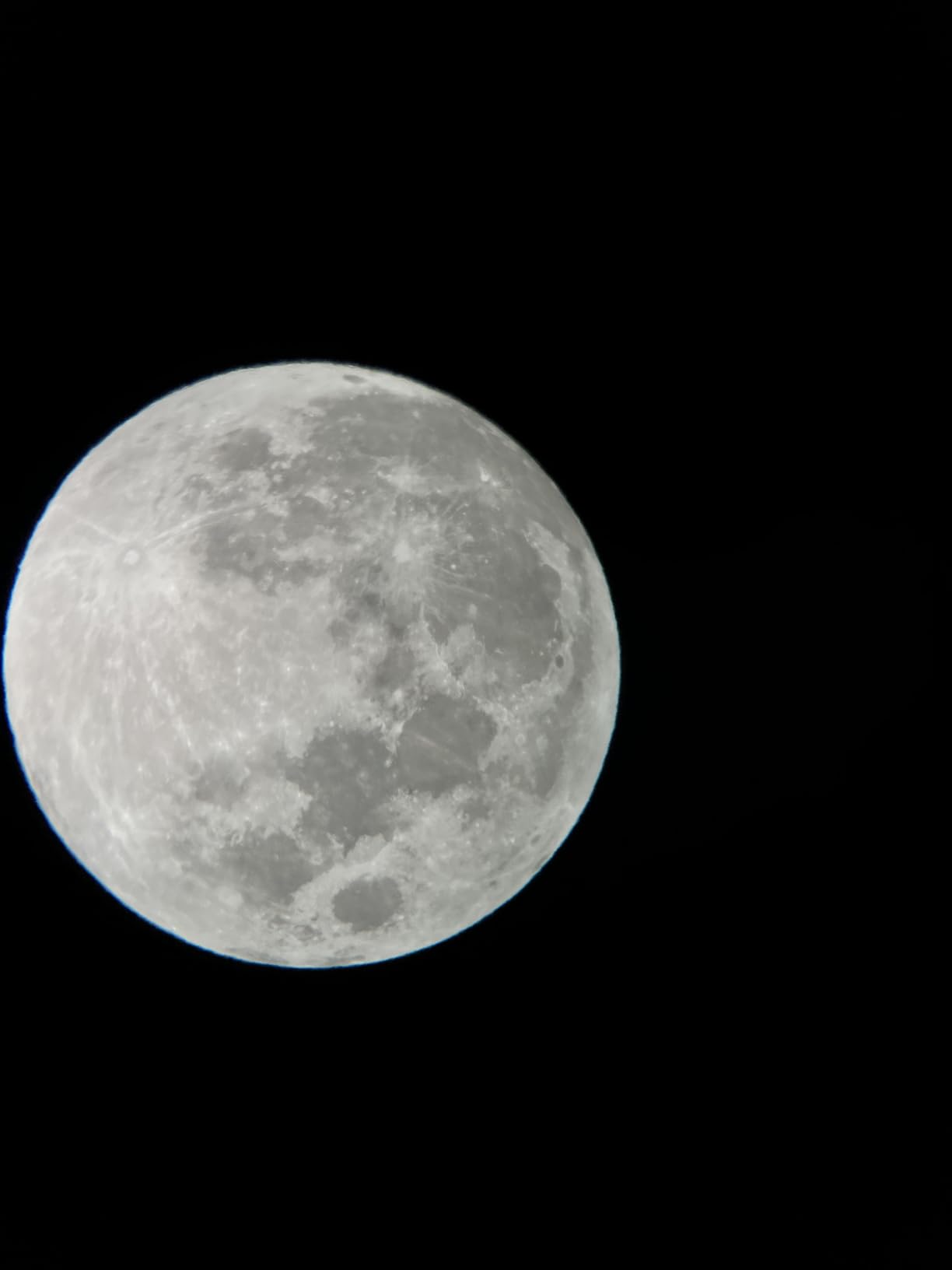
The 130mm aperture is enough to show Saturn’s rings as clearly defined, pick up Jupiter’s equatorial belts, and resolve the brighter Messier objects from a reasonably dark site. The fast f/5 focal ratio gives wide fields of view that make star-hopping easier when you do want to navigate manually. The mount is a rock-solid tabletop Dobsonian with a sturdy tube-to-base connection.
The main complaints from buyers focus on assembly and documentation. Several reviewers mention needing a drill to seat hardware properly, and the manual is frequently criticized as unhelpful. Once built, however, the scope performs well above its price class. The base material is pressboard, so take care not to overtighten screws during assembly.

Why parabolic matters here
A parabolic mirror focuses all incoming light to a single point, while a spherical (Bird-Jones) mirror suffers from spherical aberration that softens the view at high magnification. The parabolic mirror on this 130AZ is a meaningful upgrade over cheaper 114mm short-tube reflectors.
Ideal user profile
Beginners who want app guidance but do not want to jump straight to a heavy 8-inch scope will find the 130AZ hits a comfortable middle ground. It is also a strong pick for older kids who are ready for a serious instrument.
6. Sky-Watcher Classic 150 Dobsonian 6-inch – Best Traditional 6-Inch Manual Dob

- 6-inch aperture at an excellent price
- 94 percent reflective borosilicate mirrors
- Tension Control Handle for smooth balance-free motion
- Teflon bearings for buttery azimuth movement
- 2-inch focuser accepts premium wide-field eyepieces
- Single-speed focuser is challenging at high power
- Included eyepieces are basic quality
- 33 pounds and bulky for transport
- No dust cover included from the factory
The Sky-Watcher Classic 150 Dobsonian is the 6-inch sibling of the popular Classic 200, and our team sees it as the strongest traditional manual Dobsonian for beginners who want to stay under 35 pounds. The 150mm mirror gathers about 46 percent more light than a 5-inch tabletop scope, which shows up as brighter galaxies and more detail in the Orion Nebula.
Optically, this scope uses the same 94 percent reflective borosilicate mirrors as the larger 8-inch Classic 200. The longer 1200mm focal length gives a comfortable f/7.9 focal ratio, which is more forgiving on collimation and eyepieces than the fast f/5 ratios on the tabletop models. That makes the 150 a particularly good scope for sharp planetary viewing.
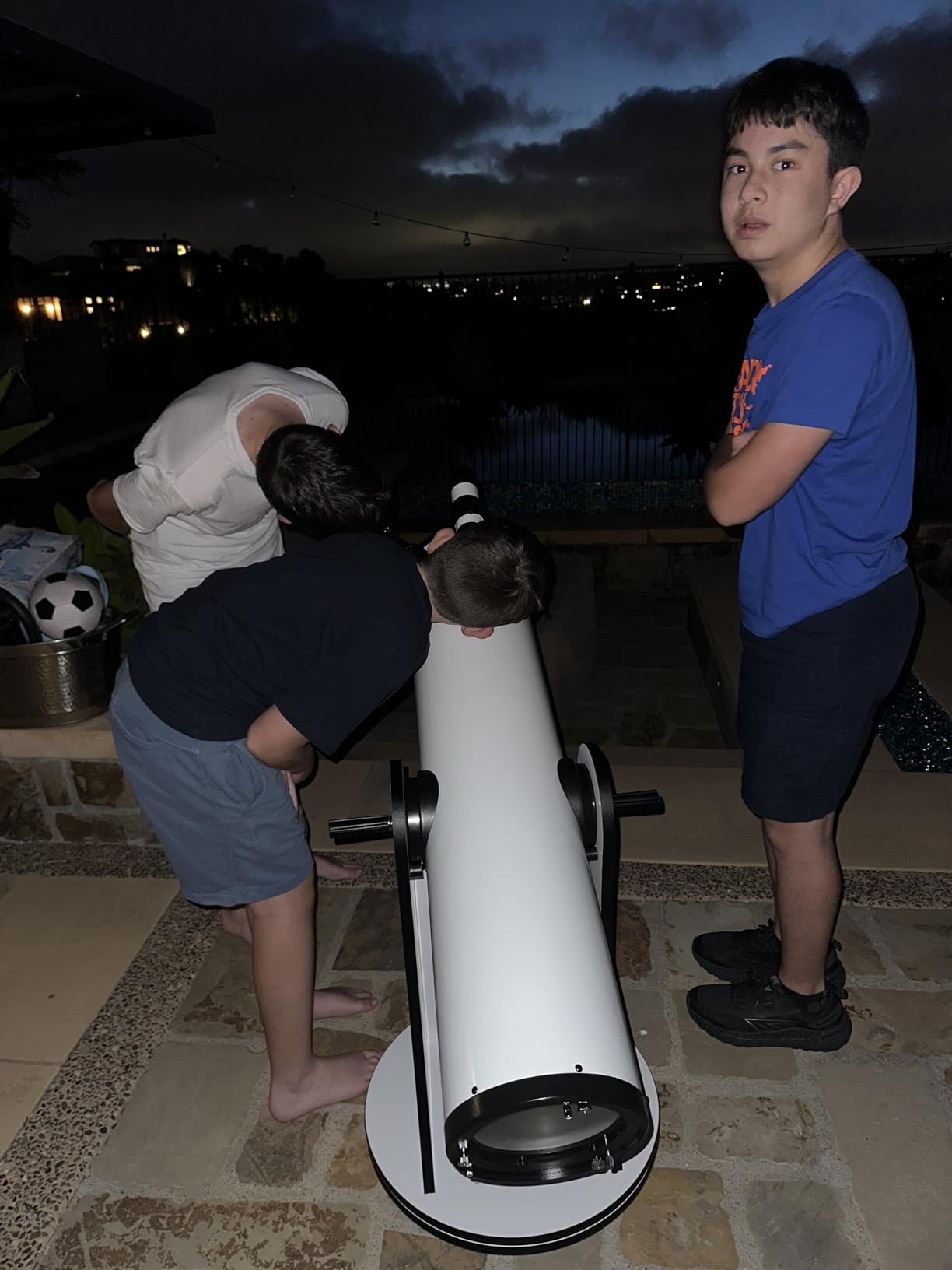
The patented Tension Control Handle is one of the most useful features on any manual Dobsonian. It lets you dial in just enough friction to hold the scope at any angle without needing perfect balance, even when you swap to a heavier eyepiece. Combined with the Teflon azimuth bearings, the motion is smooth enough to track objects at 150x by hand.
The trade-off is the single-speed rack-and-pinion focuser. At high magnification, the coarse focus action makes fine adjustment difficult, and many owners eventually upgrade to a dual-speed Crayford focuser. The included 25mm and 10mm Super eyepieces are functional but basic, so budget for at least one better eyepiece in the 15mm to 20mm range.
When 6 inches is the right call
If an 8-inch scope is too heavy for your storage situation or your budget, the Classic 150 gives you roughly 75 percent of the deep-sky performance in a more manageable package. It is also easier to collimate than faster f/5 scopes.
Plan for upgrades
The single-speed focuser and basic eyepieces are the two areas most owners upgrade first. A dual-speed Crayford focuser and one quality wide-field eyepiece will transform the viewing experience on this scope.
7. Sky-Watcher Virtuoso GTI 150P – Best Compact GoTo Dobsonian
Sky Watcher Sky-Watcher Virtuoso GTI 150P Collapsible Tabletop GoTo Dobsonian Telescope
- Built-in Wi-Fi GoTo control via free SynScan Pro app
- Freedom Find encoders let you push manually without losing alignment
- Collapsible tube for easy transport
- 6-inch aperture with fast f/5 optics
- Compact tabletop form factor
- GoTo pointing accuracy is a few degrees off
- Focuser is helical and has quality reports
- Tracking backlash at high magnification
- Light shroud needed for best contrast
The Sky-Watcher Virtuoso GTI 150P is the most technically interesting scope in this guide. It packs a 6-inch parabolic mirror, a collapsible optical tube, and a built-in Wi-Fi GoTo system into a tabletop Dobsonian that weighs about 26 pounds. For beginners who want computerized object location without buying a full-size GoTo mount, this is the most affordable path.
The GoTo system works through the free SynScan Pro app on iOS or Android. After a simple two-star alignment, the app can slew the scope to any of thousands of objects in its database. The standout feature is Sky-Watcher’s Freedom Find dual-encoder system, which means you can grab the tube and push it manually to browse the sky, and the GoTo system will still know where it is pointed. That is a feature normally reserved for much more expensive mounts.
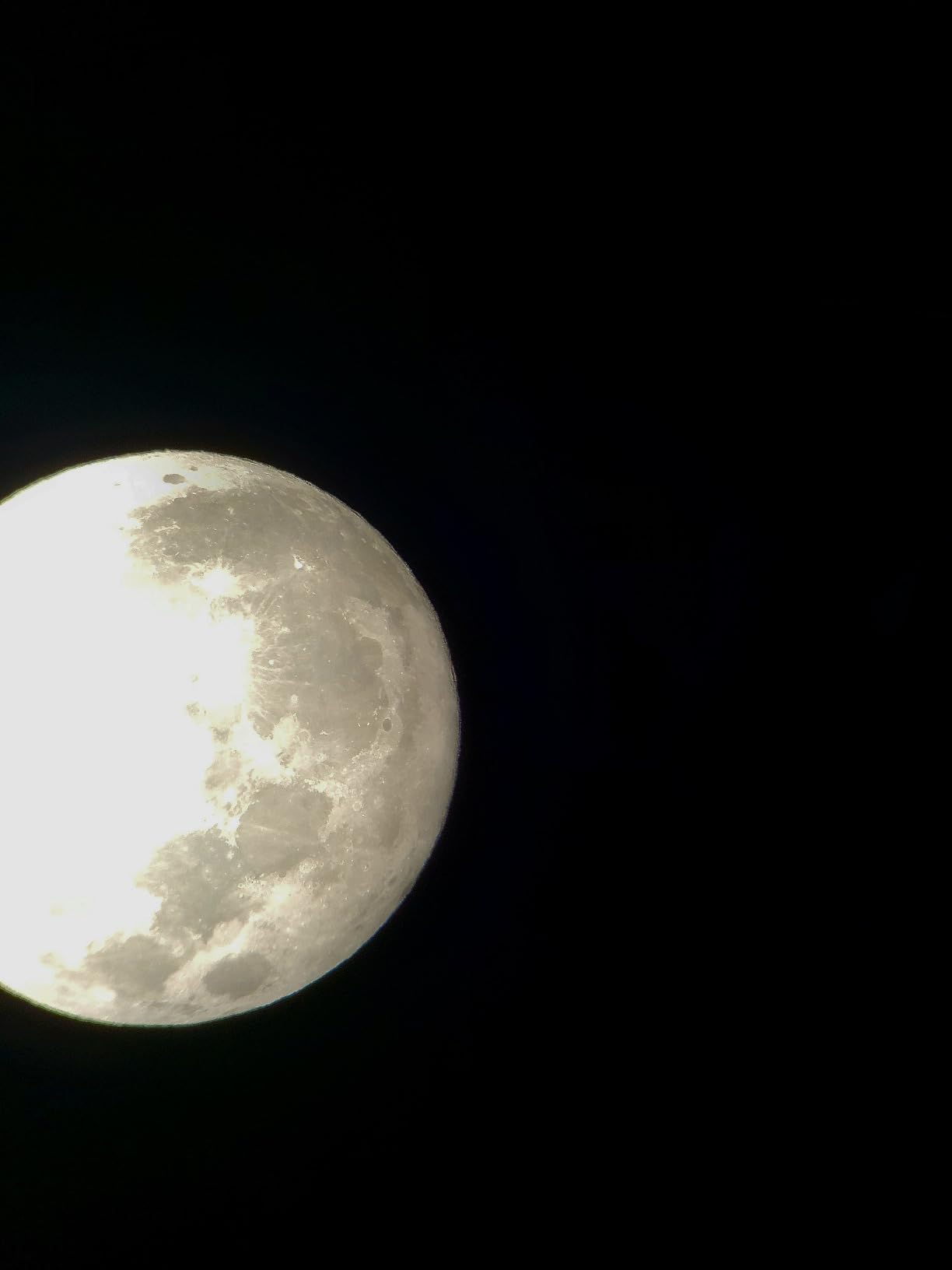
Optically, the 150mm mirror at f/5 gives wide, bright fields of view that are excellent for sweeping the Milky Way and for larger deep-sky objects like the Pleiades and the Andromeda Galaxy. The fast focal ratio does demand careful collimation, but once dialed in, the views are sharp across most of the field with quality eyepieces.
The trade-offs are real. GoTo pointing accuracy is typically off by a few degrees, so you will usually need to nudge the scope the last little bit to center your target. The helical focuser gets mixed reviews, and several owners mention backlash in tracking at high magnification. A light shroud is recommended because the collapsible strut design leaves the optical path open to stray light.

Who benefits from GoTo on a tabletop
Beginners who want computerized object location but do not have space for a full-size GoTo Dobsonian will get the most value from this scope. It is also a strong pick for outreach or for anyone with limited mobility in their observing setup.
Manual vs GoTo trade-offs
If you want to learn the night sky, a pure manual Dobsonian will teach you more. If your priority is seeing specific objects quickly without learning constellations first, the GoTo system on this scope is worth the premium.
8. Sky-Watcher Flextube 200 Dobsonian 8-inch – Best Collapsible 8-Inch
- Collapsible tube makes transport much easier
- 8-inch aperture for serious deep-sky reach
- 2-inch Crayford focuser handles premium eyepieces
- 8x50 right-angle finder is comfortable to use
- Patented Tension Control Handles for smooth motion
- Collimation more sensitive after collapsing
- Quality control reports on some units
- Azimuth motion can feel sticky initially
- Requires light shroud for best contrast
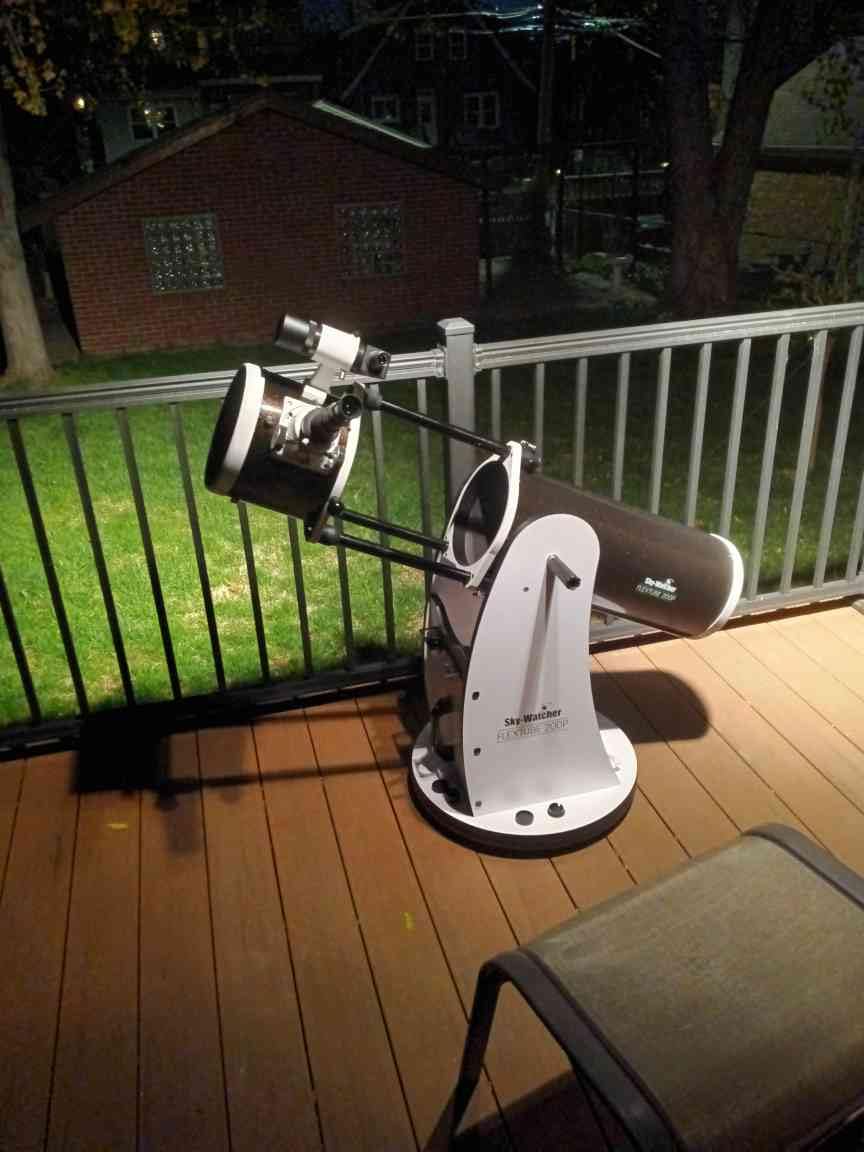
The Sky-Watcher Flextube 200 Dobsonian 8-inch solves the single biggest complaint about full-size Dobs, which is transport. The innovative strut-tube design lets the upper assembly collapse down into the lower tube, which cuts the packed length dramatically and makes the scope far easier to fit into a hatchback or store in a closet.
Optically, the Flextube 200 is the same 8-inch class as the Classic 200. You get 94 percent reflective borosilicate mirrors, a 2-inch Crayford-style focuser with a 1.25-inch adapter, and an 8×50 right-angle finder scope that is a real upgrade over the straight-through finders on cheaper scopes. The right-angle finder is especially helpful when you are observing objects high overhead, because you do not have to crank your neck to look straight up.
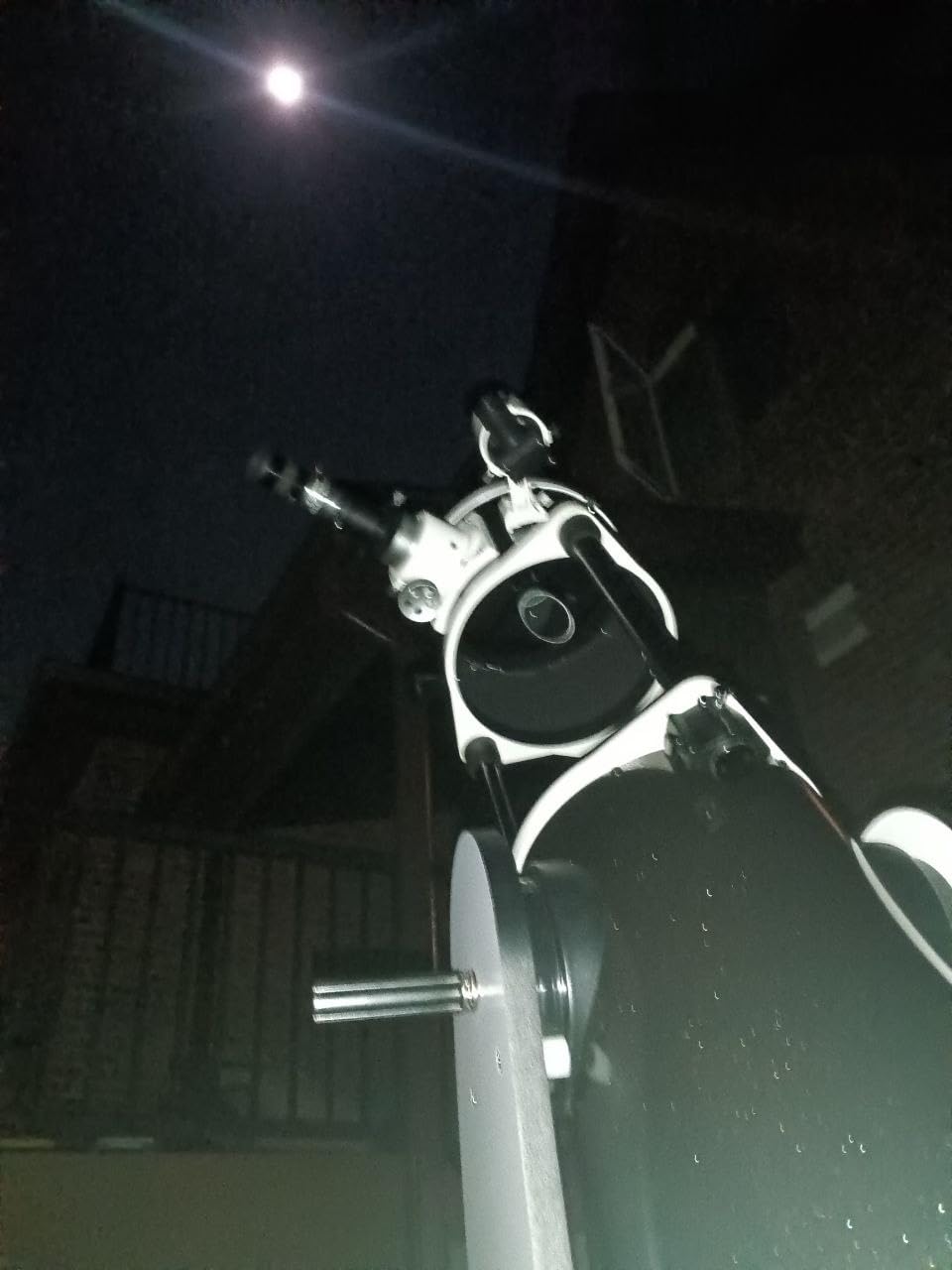
The collapsible design does come with one real trade-off. Because the upper cage is open rather than a solid tube, the scope is more vulnerable to stray light and dust. Most serious owners add a light shroud, which is a fabric sleeve that slips over the struts to block stray light and improve contrast. The shroud is a small additional cost that pays off on every session.
Collimation is slightly more sensitive on a Flextube than on a solid-tube Dob because the upper cage can shift slightly when collapsed and re-extended. In practice, you will want to check collimation at the start of each session, which is a good habit anyway. Once dialed in, the views match anything you would see through a solid-tube 8-inch.
Best use case for the Flextube design
Beginners who want 8-inch performance but need to transport the scope in a smaller vehicle, or who have limited storage space, will benefit most from the Flextube 200. It is the most practical full-aperture Dobsonian in this guide.
Maintenance notes
Plan to add a light shroud, and learn to check collimation at the start of each session. The azimuth bearings may feel sticky for the first few nights but loosen up with use.
9. Celestron StarSense Explorer 10-inch – Best Large Aperture with App Guidance
- 10-inch aperture is a serious deep-sky instrument
- StarBright XLT coatings maximize reflectivity
- StarSense app guides you to thousands of objects
- Ultra-stable Dobsonian base for smooth tracking
- 2-inch Crayford focuser for premium eyepieces
- 55 pounds and very bulky to move
- Limited stock availability reported
- Android app compatibility can be inconsistent
- Particle board base construction
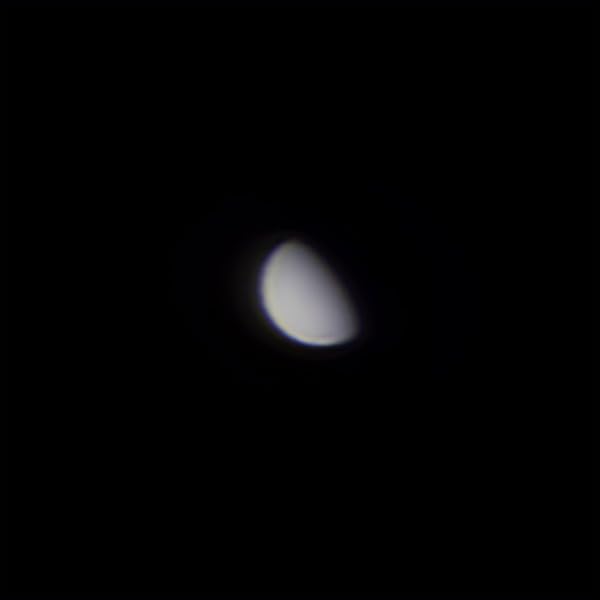
The Celestron StarSense Explorer 10-inch is the largest scope in this guide and the most capable deep-sky instrument on the list. At 254mm of aperture with Celestron’s premium StarBright XLT coatings, this scope pulls in significantly more light than any 8-inch model. Galaxies that appear as faint smudges in an 8-inch start to show structure, and globular clusters resolve into tight cores of pinpoint stars.
The StarSense app integration is the same proven system used across Celestron’s Explorer line. After a one-time alignment, the app recognizes the sky and guides you to objects with on-screen arrows. On a scope this large, the app is especially valuable because manually star-hopping to faint targets requires real skill. The app flattens that learning curve.
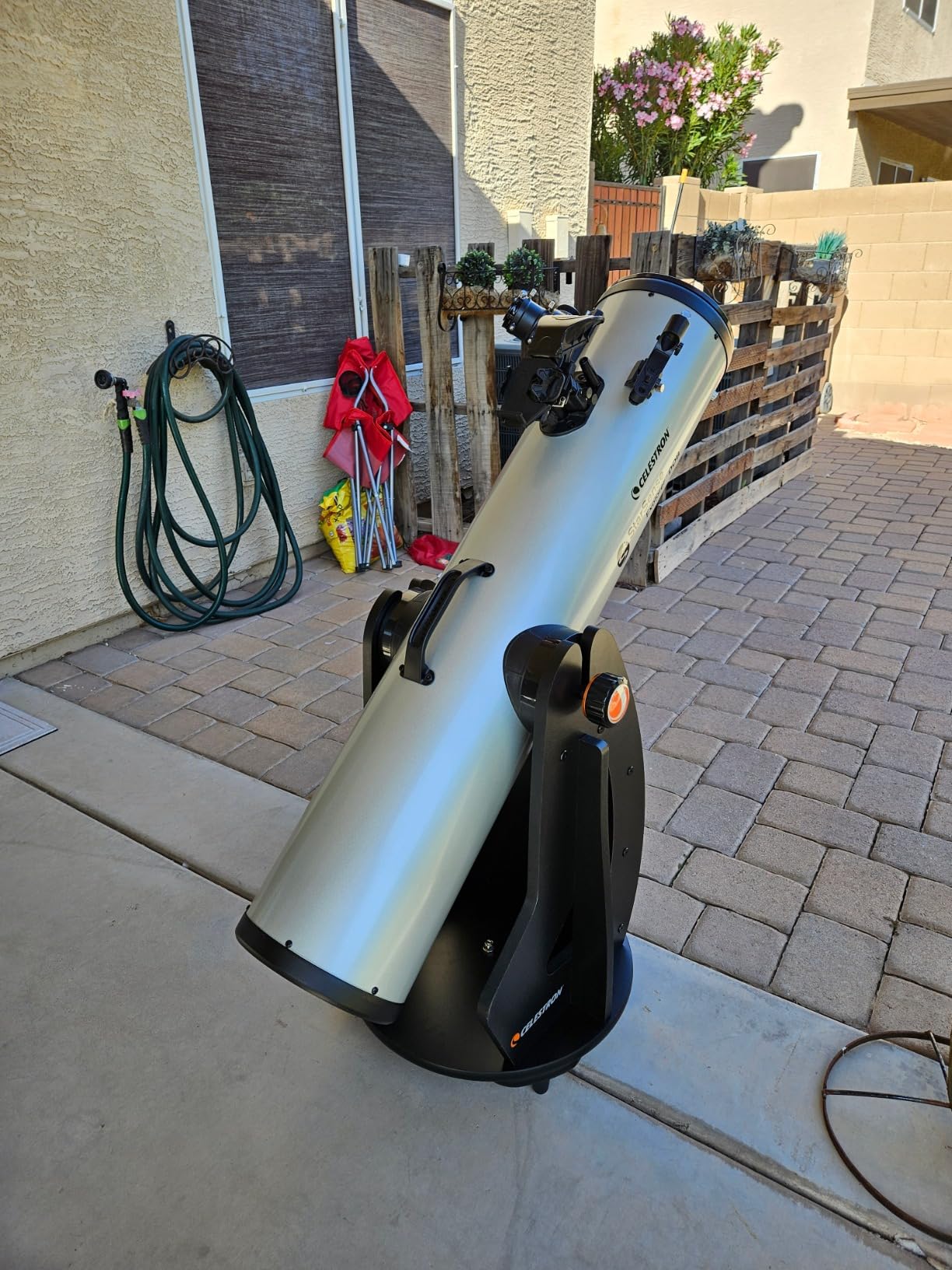
The 10-inch mirror at f/4.7 (650mm focal length) gives a fast optical system that produces bright, wide-field views. The 2-inch Crayford focuser handles premium 2-inch eyepieces for sweeping wide-field vistas of the Milky Way. The 32mm eyepiece included in the box gives a true wide-field experience straight out of the package.
The trade-off is weight. At nearly 55 pounds, this is a two-person carry for most people, and the particle board base takes up serious floor space. Several buyers note that limited stock is an ongoing issue, so if you want this scope you may need to act when inventory appears. Android users should also verify their phone is on the compatibility list before buying.
When 10 inches makes sense
Beginners with a dark-sky site, ground-floor storage, and a serious interest in deep-sky observing will get the most from this scope. If your primary interest is planets, an 8-inch will do nearly as well for less money and less weight.
Storage and transport reality
Measure your storage space and your vehicle before buying. This scope will not fit in a small closet and is awkward to load into a compact car. A hand truck or scope cart is a worthwhile accessory.
10. Celestron StarSense Explorer 114AZ – Best Entry-Level App-Guided Dob
Celestron StarSense Explorer 114AZ App-Enabled Tabletop Dobsonian Telescope
- StarSense app makes navigation easy for first-timers
- Lightweight at 12.6 pounds
- Quality Kellner eyepieces included
- Stable tabletop Dobsonian base
- 2-Year US warranty with expert support
- Base is pressboard
- not solid wood
- Tripod sold separately
- Instruction manual is unhelpful
- App setup takes patience
The Celestron StarSense Explorer 114AZ is the most affordable entry into Celestron’s app-guided Dobsonian lineup. With a 114mm (4.5-inch) reflector on a tabletop Dobsonian base, it is a great fit for younger beginners or anyone who wants to try astronomy with smartphone guidance before committing to a larger scope.
The StarSense app is the real selling point here. The same sky-recognition technology that ships on the larger Explorer models works on this 114AZ, which means a complete beginner can be navigating to Saturn, the Orion Nebula, and the Andromeda Galaxy within minutes of setup. That on-ramp is genuinely valuable for keeping new astronomers engaged past the first week.
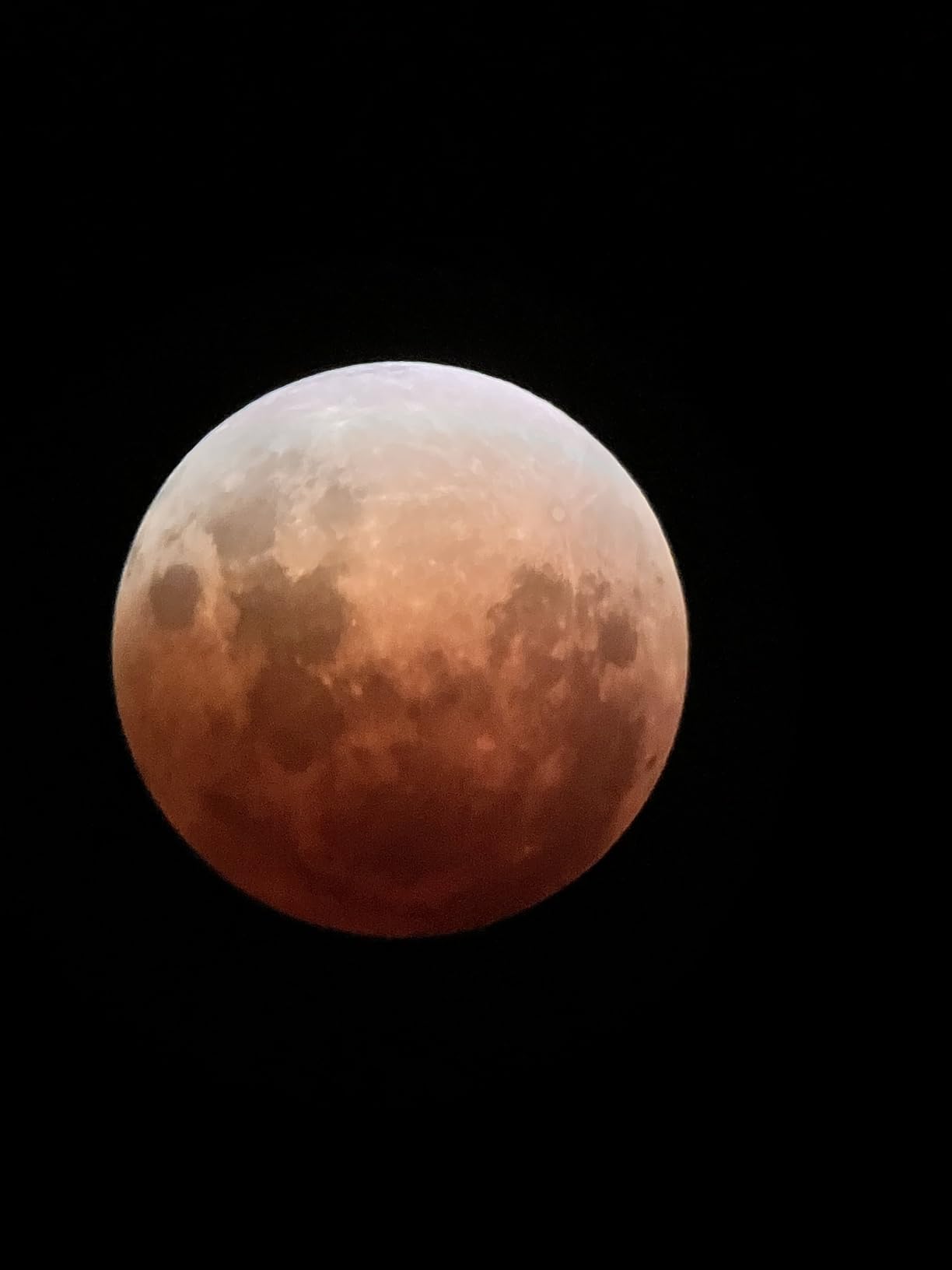
The 114mm mirror is enough to resolve Saturn’s rings, show Jupiter’s main belts and four Galilean moons, and pick up the brighter Messier objects from a suburban sky. The 1000mm focal length gives a moderate f/8.8 focal ratio that is forgiving on eyepieces and collimation. Two Kellner eyepieces (17mm and 10mm) ship in the box, which is a meaningful step up in quality from the cheapest eyepieces bundled with toy-store telescopes.
The trade-offs center on build quality and expandability. The base is pressboard rather than solid wood, and a separate tripod is sold at additional cost if you want a floor-standing setup. The manual is frequently criticized as unclear, so plan to lean on Celestron’s US-based support and the active StarSense user community for setup help.
Best audience for this scope
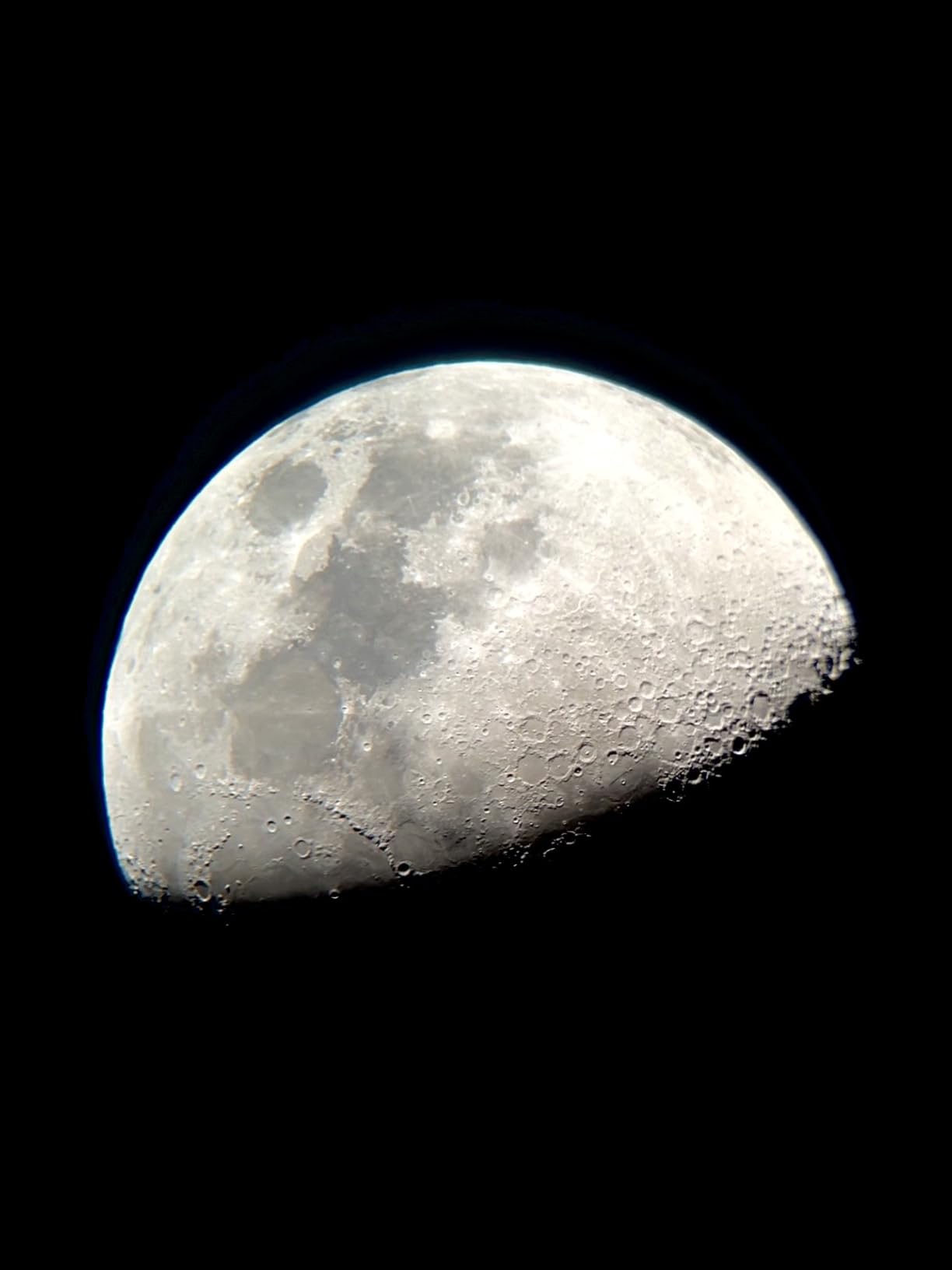
Families with younger astronomers, anyone on a tight budget who still wants app guidance, and beginners who want to test their interest before stepping up to a 6-inch or 8-inch model will get good value here.
Upgrade path
If you enjoy the StarSense experience on the 114AZ, the natural upgrade is the 130AZ or 150AZ with their parabolic mirrors and larger aperture. The app experience stays the same, so the learning curve is minimal.
Buying Guide: How to Choose a Dobsonian Telescope
Choosing the right Dobsonian comes down to five decisions: aperture, mount style, portability, collimation tolerance, and accessories. Here is how our team thinks about each one.
Aperture size: 6 vs 8 vs 10 inch
Aperture is the single most important specification on any telescope, because it determines how much light the scope gathers and how much detail you can resolve. Dobsonians exist specifically to give you the largest possible aperture for the money.
A 6-inch Dobsonian like the Sky-Watcher Classic 150 is the smallest serious deep-sky scope we recommend. It will show Saturn’s rings, Jupiter’s main belts, the Orion Nebula, and dozens of Messier objects from a reasonably dark site. A 6-inch is also lighter and easier to store than larger models.
An 8-inch Dobsonian is the sweet spot that the astronomy community has converged on for decades. Compared to a 6-inch, the 8-inch gathers about 78 percent more light, which shows up as brighter galaxies, more detail in nebulae, and tighter resolution on globular clusters. The Sky-Watcher Classic 200 and the Celestron StarSense Explorer 8-inch both sit in this category.
A 10-inch Dobsonian like the Celestron StarSense Explorer 10-inch is a serious step up in deep-sky performance, but the weight and bulk jump significantly. Choose 10 inches only if you have ground-floor storage, a way to transport it, and a genuine interest in chasing faint galaxies and nebulae.
Manual vs app-guided vs GoTo
Pure manual Dobsonians like the Sky-Watcher Classic 200 teach you the night sky through star-hopping. They are cheaper, simpler, and have nothing to break, but they require patience while you learn to find objects.
App-guided scopes like the Celestron StarSense Explorer line use your smartphone camera to recognize the sky and guide you to objects with on-screen arrows. You still push the scope by hand, but the app tells you where to point. This is the easiest on-ramp for beginners.
Full GoTo scopes like the Sky-Watcher Virtuoso GTI 150P use built-in motors to slew to objects automatically. They are the most convenient but also the most complex and the most expensive per inch of aperture. If you want to explore GoTo alternatives in more depth, our guide to computerized telescopes for beginners covers the full landscape.
Portability and weight reality
This is the most under-discussed topic in telescope buying. A 45-pound Dobsonian that lives in a second-floor apartment is a scope that will not get used. Before you buy, honestly assess where the scope will live, how you will get it outside, and whether you will need to navigate stairs.
Tabletop Dobsonians like the Sky-Watcher Heritage 130 and the Celestron StarSense Explorer 114AZ solve this by being small enough to carry in one arm. Collapsible designs like the Sky-Watcher Flextube 200 and Virtuoso GTI 150P pack down smaller than solid-tube models of the same aperture. If portability is your top priority, prioritize those designs.
Collimation: what beginners should know
Collimation is the process of aligning the primary and secondary mirrors so that light focuses cleanly. Every Newtonian reflector, including every Dobsonian, needs occasional collimation. Fast focal ratios (f/5 and below) are more sensitive to miscollimation than slower ratios (f/7 and above).
Collimation is not as intimidating as it sounds. A collimation cap or a Cheshire eyepiece costs about the same as a pizza, and most beginners get comfortable with the process after two or three sessions. Forum users on r/telescopes consistently warn against cheap laser collimators, which often arrive out of alignment themselves and can make your scope worse rather than better.
Accessories that actually matter
Most included eyepieces are functional but basic. The single best upgrade for any Dobsonian is one quality wide-field eyepiece in the 15mm to 20mm range, plus a shorter focal length eyepiece around 6mm for planetary work. A Telrad or similar reflex sight pairs well with the included finder scope for star-hopping.
A moon filter is a cheap, high-value accessory that makes lunar viewing comfortable. A light shroud is essential for collapsible-tube designs like the Flextube and the Virtuoso. And a simple planisphere or the free Stellarium app on your phone will help you plan each session.
FAQs
Are Dobsonian telescopes good for beginners?
Yes. Dobsonians are widely considered the best beginner telescope design because they offer the largest aperture per dollar, the simplest mount with no electronics to fail, and smooth manual movement that is easy to learn. An 8-inch Dobsonian is the most recommended beginner scope on astronomy forums like r/telescopes.
What is the best telescope to see planets for beginners?
A 6-inch or 8-inch Dobsonian is the best beginner telescope for planetary viewing. Models like the Sky-Watcher Classic 200 or the Celestron StarSense Explorer 8-inch provide enough aperture to resolve Saturn’s rings, Jupiter’s cloud belts, and Martian polar caps, with steady images that handle high magnification well.
Who makes the best Dobsonian telescopes?
The most respected Dobsonian brands for beginners are Sky-Watcher, Celestron, and Apertura. Sky-Watcher is known for the Classic and Flextube lines, Celestron for the app-guided StarSense Explorer Dobsonians, and Apertura for the highly regarded AD8 that is frequently recommended on astronomy forums.
What are the disadvantages of a Dobsonian telescope?
Dobsonians are heavy and bulky, especially above 8 inches, which makes transport and storage challenging. They require periodic collimation, they are not suitable for astrophotography, and they must be pushed manually to track objects as the Earth rotates. Tabletop models also require a sturdy surface to sit on.
Should I get an 8 inch or 10 inch Dobsonian?
Most beginners should get an 8-inch Dobsonian. An 8-inch like the Sky-Watcher Classic 200 gathers about 78 percent more light than a 6-inch and handles planets and deep-sky objects well, while staying manageable at around 45 pounds. A 10-inch adds meaningful deep-sky reach but jumps to about 55 pounds and requires more storage space, so choose 10 inches only if you have ground-floor storage and a serious interest in galaxies.
Conclusion
For most beginners in 2026, the best Dobsonian telescope for beginners is an 8-inch model, and either the Sky-Watcher Classic 200 or the Celestron StarSense Explorer 8-inch will serve you well for years. If you want app guidance, pick the StarSense. If you want pure manual simplicity and maximum value per inch of aperture, pick the Classic 200.
If weight or storage is a constraint, the Sky-Watcher Heritage 130 tabletop gives you real aperture in a grab-and-go package. If you want GoTo convenience in a compact form, the Sky-Watcher Virtuoso GTI 150P is the strongest option. Whatever you choose, prioritize aperture, learn basic collimation, and get outside under the stars. Clear skies.