
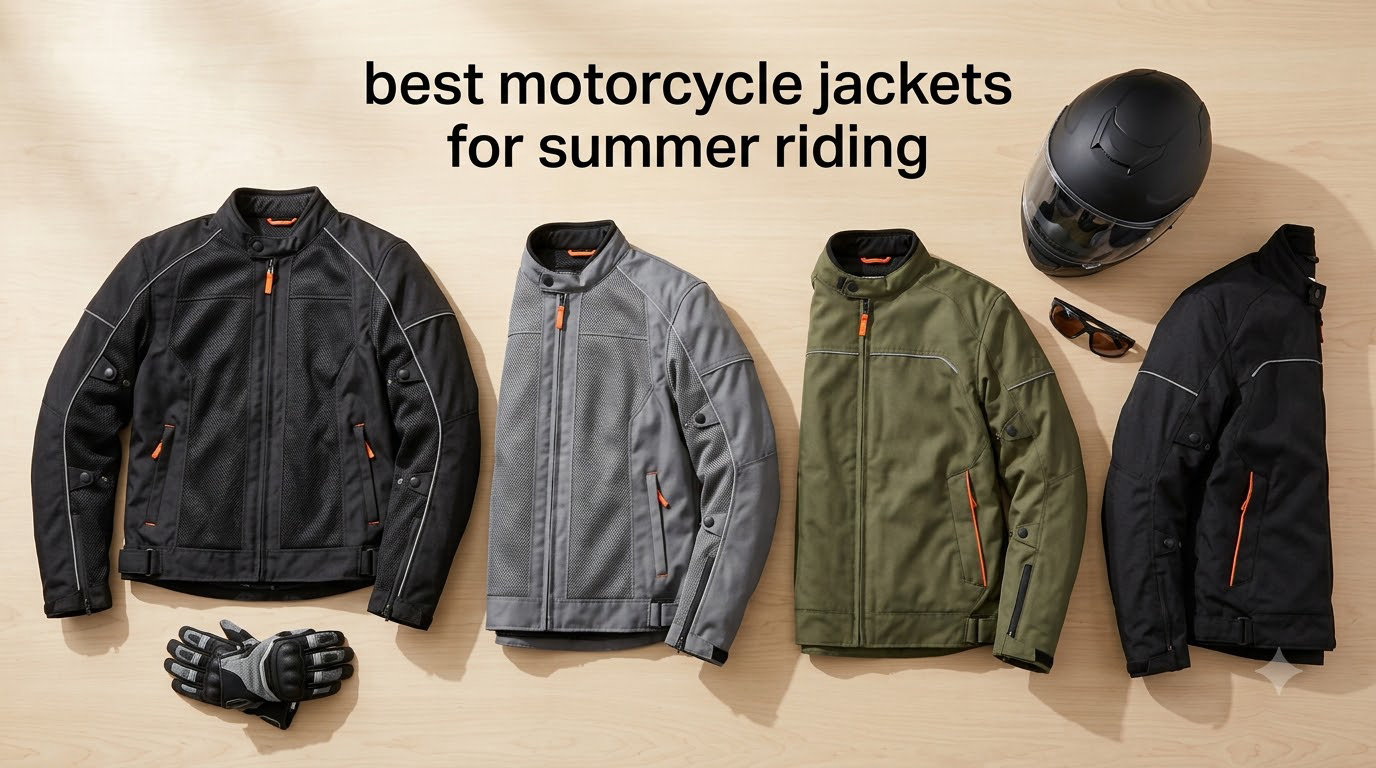
The best motorcycle jacket for summer riding is the HWK Mesh Motorcycle Jacket, and the reason is simple: it pairs 3D macro and micro mesh panels with 600D Cordura at the impact zones and removable CE armor at the back, elbows and shoulders. Riders who want more premium protection under their mesh should look at the SHIMA OPENAIR, and riders who would rather not wear a jacket at all in July should read the armored shirt sections below.
Heat is the reason riders quit wearing gear. On forums, the recurring complaint is not that mesh is uncomfortable, it is that a rider leaves the house in a t-shirt because the alternative is arriving soaked and chafed. That trade-off is real, but protective clothing studies in the field report roughly a 43 percent reduction in soft-tissue injuries and about a 63 percent reduction in extensive injuries for crashers wearing protective garments, and around an 88 percent reduction in torso injuries. A mesh jacket is not a leather jacket, and pretending otherwise loses trust with experienced riders.
What follows is a category-labelled shortlist built from specification, fit data and owner feedback, not marketing adjectives. I walked through the four categories that matter in summer: full mesh jackets, ventilated textile jackets, all-season jackets with a liner, and armored shirts you can wear under a jersey. If you also ride gravel or need navigation hardware, our guide to the best bike computers for gravel riding covers the cockpit side of the kit.
Best overall: HWK Mesh Motorcycle Jacket – 3D mesh, 600D Cordura at impact zones, removable CE armor at back, elbows and shoulders.
Best value: SHIMA OPENAIR – AirForce honeycomb protectors with CE Level 2 back protection and CE 1 shoulders and elbows, plus a heat-mapping airflow system.
Best for extreme heat: Zyxformis Summer Jacket – over 70 percent mesh area, CE armor at shoulders and elbows, removable back protector.
Best budget: BYKR Mesh Motorcycle Jacket – five CE armor inserts, reflective piping and a full set of fit adjusters at the lowest cost in this group.
Best for layering: WICKEDSTOCK Mesh Armored Shirt – CE Level 2 armor at shoulders, elbows and back in a soft stretch mesh you can wear under anything.
Best all-season: ILM JAM1 Dual Sport Jacket – extensive mesh shell with a detachable waterproof and thermal liner.
Best with chest armor: DUHAN CE Level 2 Mesh Shirt – seven armor pieces including chest and back protection in a washable base layer.
Best for high visibility: JAG Cordura Mesh Jacket – Cordura construction with five CE Level 1 protectors and reflective treatment.
Updated for 2026. Every rating and review count below is copied from the current listing data, and every product was assessed on the same five points: airflow, abrasion fabric, armor certification, adjustability and fit consistency.
Top 3 Best Motorcycle Jackets for Summer Riding in 2026


SHIMA OPENAIR Mesh Jacket
- CE Level 2 back armor
- AirForce honeycomb protectors
- H3 airflow system

Zyxformis Summer Jacket
- Over 70 percent mesh
- CE armor shoulders and elbows
- Removable back protector
These three cover the widest spread of real summer conditions. The HWK handles ordinary hot-weather riding with the deepest owner feedback in the group, the SHIMA adds a higher-rated protector set, and the Zyxformis is the one owners report wearing in the most extreme daytime heat.
The 10 Best Motorcycle Jackets for Summer Riding at a Glance
| Product | Specifications | Action |
|---|---|---|
| HWK Mesh Motorcycle Jacket |
|
Check Latest Price |
| SHIMA OPENAIR Mesh Jacket |
|
Check Latest Price |
 WICKEDSTOCK Mesh Armored Shirt WICKEDSTOCK Mesh Armored Shirt |
|
Check Latest Price |
 BYKR Mesh Motorcycle Jacket BYKR Mesh Motorcycle Jacket |
|
Check Latest Price |
 IRON JIA’S Oxford Mesh Jacket IRON JIA’S Oxford Mesh Jacket |
|
Check Latest Price |
 ILM JAM1 Dual Sport Jacket ILM JAM1 Dual Sport Jacket |
|
Check Latest Price |
 DUHAN CE Level 2 Mesh Shirt DUHAN CE Level 2 Mesh Shirt |
|
Check Latest Price |
| Zyxformis Summer Jacket |
|
Check Latest Price |
 JAG Cordura Mesh Jacket JAG Cordura Mesh Jacket |
|
Check Latest Price |
 DUHAN AeroShield Armored Shirt DUHAN AeroShield Armored Shirt |
|
Check Latest Price |
A note on ordering: the first four are full jackets, the next two are textile styles with a liner or a heavier outer, the last is the high-visibility commuter option, and the three shirt-style garments are grouped in the layering discussion. That ordering is deliberate because the shirt category behaves completely differently from a jacket.
1. HWK Mesh Motorcycle Jacket – Best Overall for Hot Weather
HWK Mesh Motorcycle Jacket Riding Air Motorbike Jacket Biker CE Armored Breathable (Large, Black) – Motorcycle Gear
- Extremely breathable in 80-90F heat
- Armor sits well under a backpack
- Runs roomy for larger riders
- Reflective elements aid low light visibility
- Strong value against premium textile brands
- Main front zipper can lose teeth early
- Hem can ride up if the waist strap is loose
- No liner so it is warm weather only
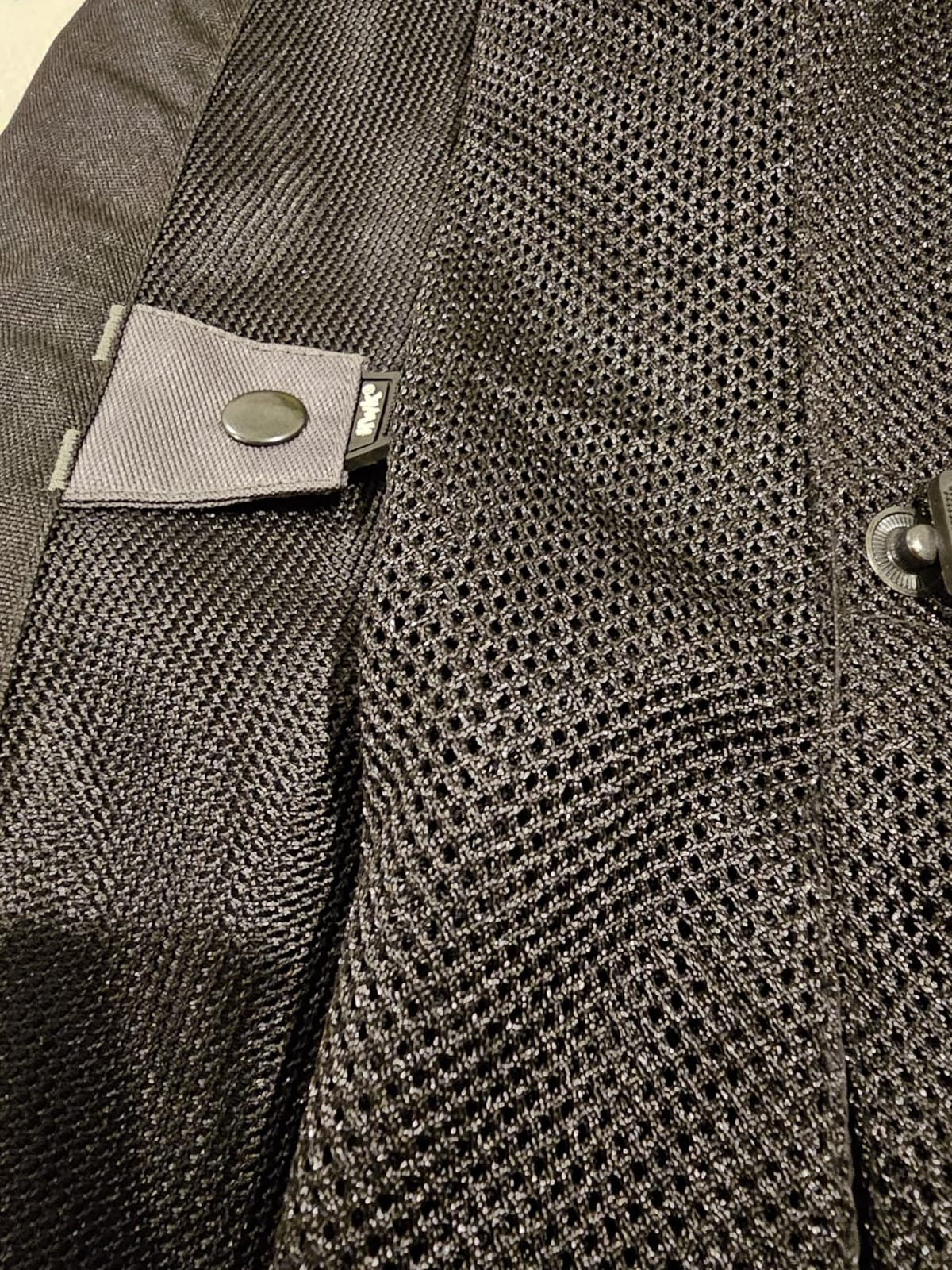
This is the jacket I come back to. The outer shell is 3D macro and micro mesh designed for front-to-back air ventilation, so the airflow is real rather than a marketing claim, and owners consistently describe it staying workable in the 80 to 90F range. I layered it over a moisture-wicking base layer on a commute and never felt the trapped-soak problem that pushes people out of gear.
What separates it from cheaper mesh is the 600D Cordura placed at the high-impact areas, which gives you something that will not simply part on the first slide. The armor set covers back, elbows and shoulders and all of it removes for washing, plus there is high-density foam behind the back protector for a bit of extra comfort against a spine protector.
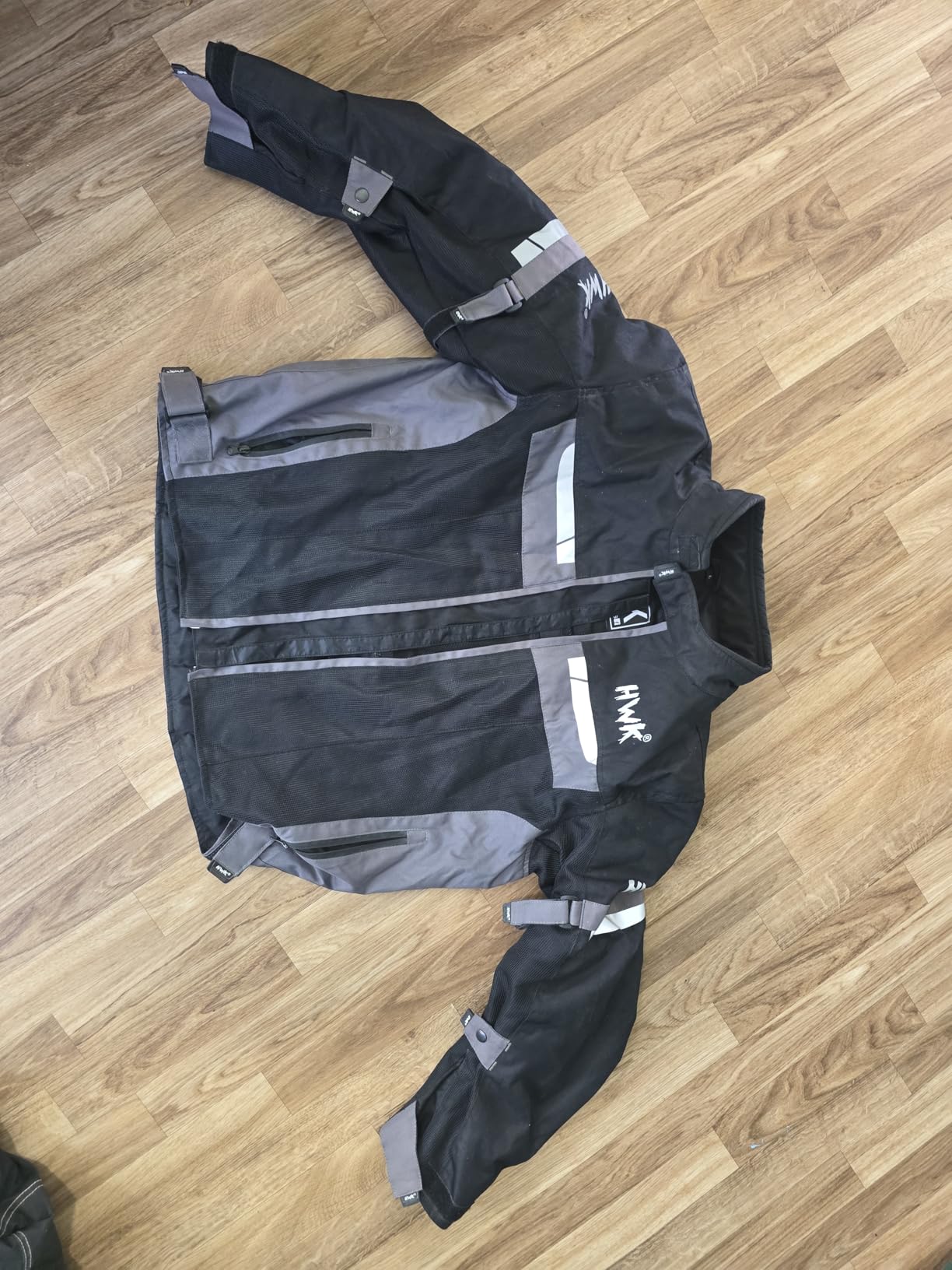
Fit is where this jacket earns its place. Adjusters at the arm, cuff, elbow and waist let you pull the hem down over a riding position, and the size range runs from S-38 through 5XL-52, which covers body types that get squeezed out of slimmer European cuts. Reviewers with a backpack report that the armor does not fight with the straps.
The three honest weaknesses are worth stating plainly. The front main zipper is the first thing to wear out, and the body can ride up if you skip the waist strap. There is no thermal or waterproof liner, so this is a two-month-season garment unless you layer something underneath.
Who should skip this jacket
Skip it if you ride year-round and want one jacket for January too. The absence of any liner means this stops working the moment the temperature drops into the low 70s, and it will not handle a summer shower at all.
Skip it if you need chest protection, because the armor set here covers the back, elbows and shoulders only. Riders running twisty roads at speed in the desert are also better served by a higher-rated protector set, which is what the SHIMA OPENAIR provides.
2. SHIMA OPENAIR Mesh Jacket – Best Value for Riders Who Sweat
- Outstanding airflow in humid 90F heat
- CE Level 2 back protection
- Fit suits tall and broad riders
- Light colors reduce solar heat gain
- No flapping over a base layer
- Zipper on the non-standard side for men
- Zipper quality is a recurring complaint
- No thermal liner and a short back hem
The OPENAIR is the one to buy if your summer climate is hot and humid rather than dry and blazing. Its extra-large mesh panels and the H3 Heat Free System are built around cooldown airflow, and owners in coastal climates specifically call out how well it handles high humidity.
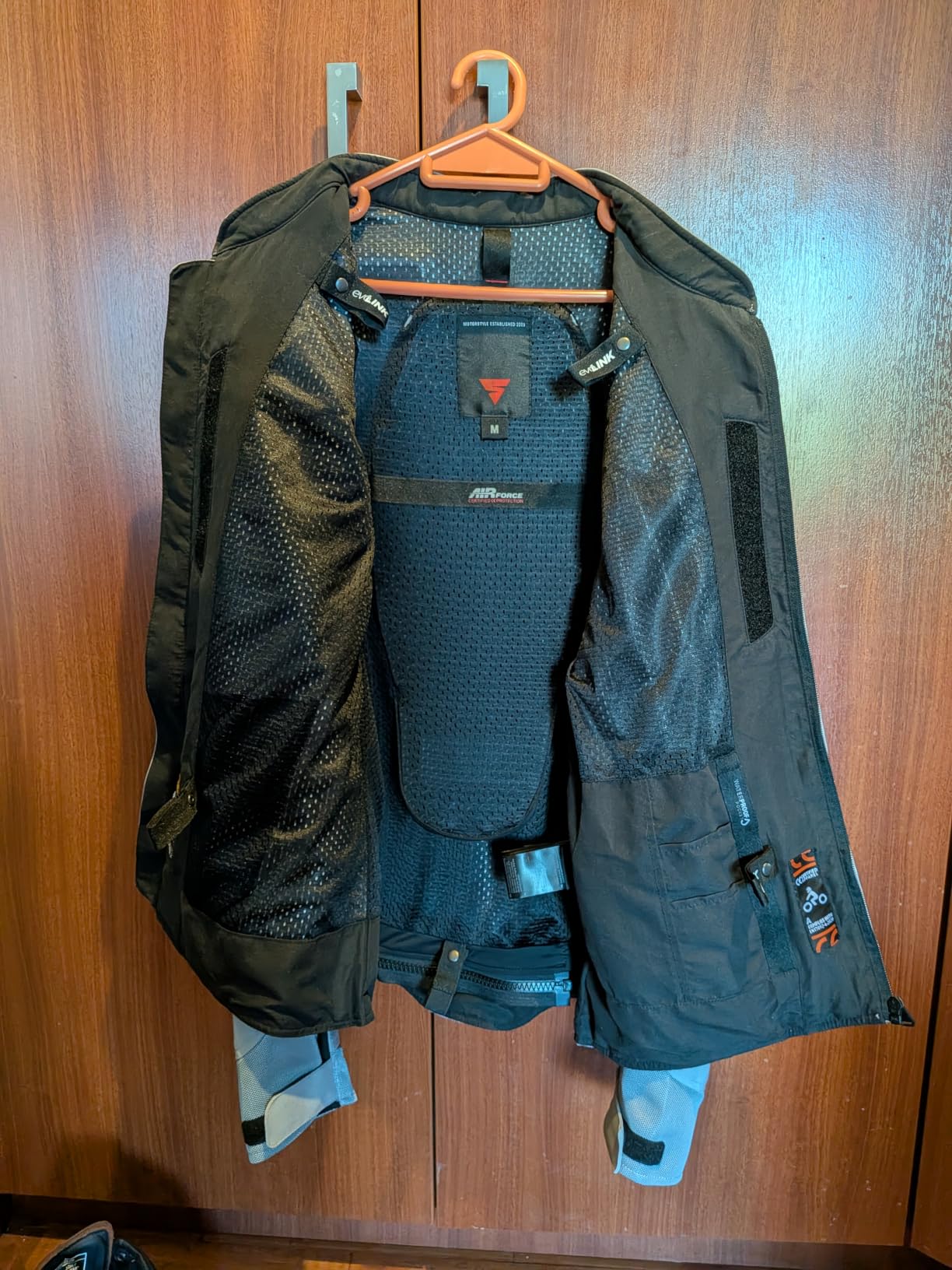
Protection is a step above most of the mesh field here. AirForce honeycomb protectors deliver CE Level 2 impact absorption at the back with CE 1 coverage at the shoulders and elbows, and the seams are double reinforced at the tested impact zones. That back rating is the number most riders in this segment are missing.
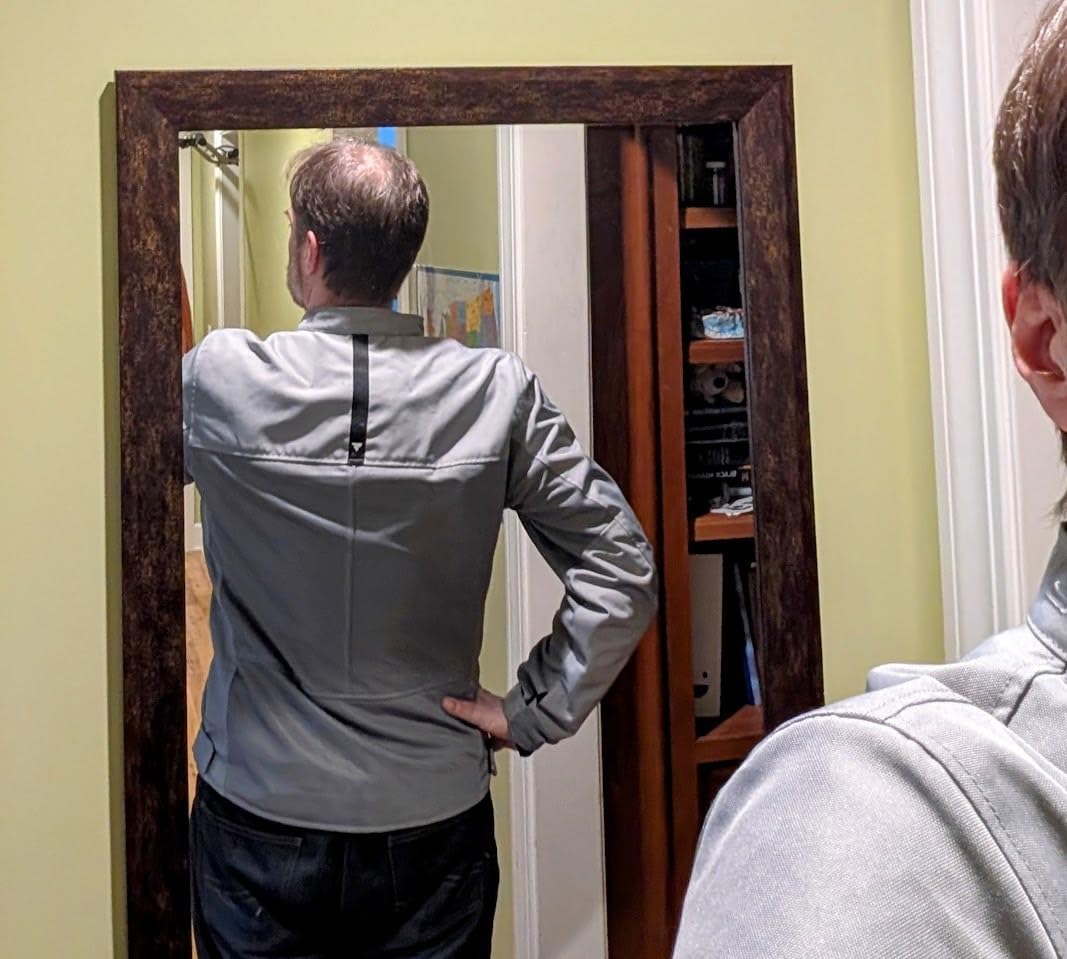
Fit is the second strength. Owners with long arms and broad shoulders, the group that constantly complains about sleeve length in this category, report that this jacket fits properly and that the protectors land where they should. The EvoLink interface lets you clip on cooling gear, and the hip-width adjuster stops the hem from lifting in a seated position.
The zipper is the recurring fault, and it runs on the opposite side to what most men’s jackets use, which some riders find genuinely awkward to operate one-handed. Several owners also report zipper failures under light pressure, so treat it as the part to watch.
What to know before you order
There is no thermal liner, and the back hem is short by jacket standards, so if you ride in a crouched sport position this may show a gap at the lower back. Riders who want a longer hem should look at the ILM JAM1 instead.
Test the zipper before your first real ride, and confirm your sizing based on chest measurement rather than your normal jacket size. The elastic and stretch panels mean it fits closer than a traditional textile shell.
3. WICKEDSTOCK Mesh Armored Shirt – Best Armored Shirt for Layering
- Soft stretchy mesh that moves with the body
- CE Level 2 armor at a low cost
- Full-length zipper for easy layering
- Snug athletic cut keeps pads in place
- Machine washable and quick drying
- Less coverage than a full jacket
- No chest protection
- Light material in a slide
This is the category experienced riders push hardest, and this is the most convincing entry in it. A full mesh jacket still covers your ribs, traps sweat and gets left on the passenger seat. A stretch armored shirt goes under a t-shirt, a team jersey or an open hoodie, and you keep protection on every ride.
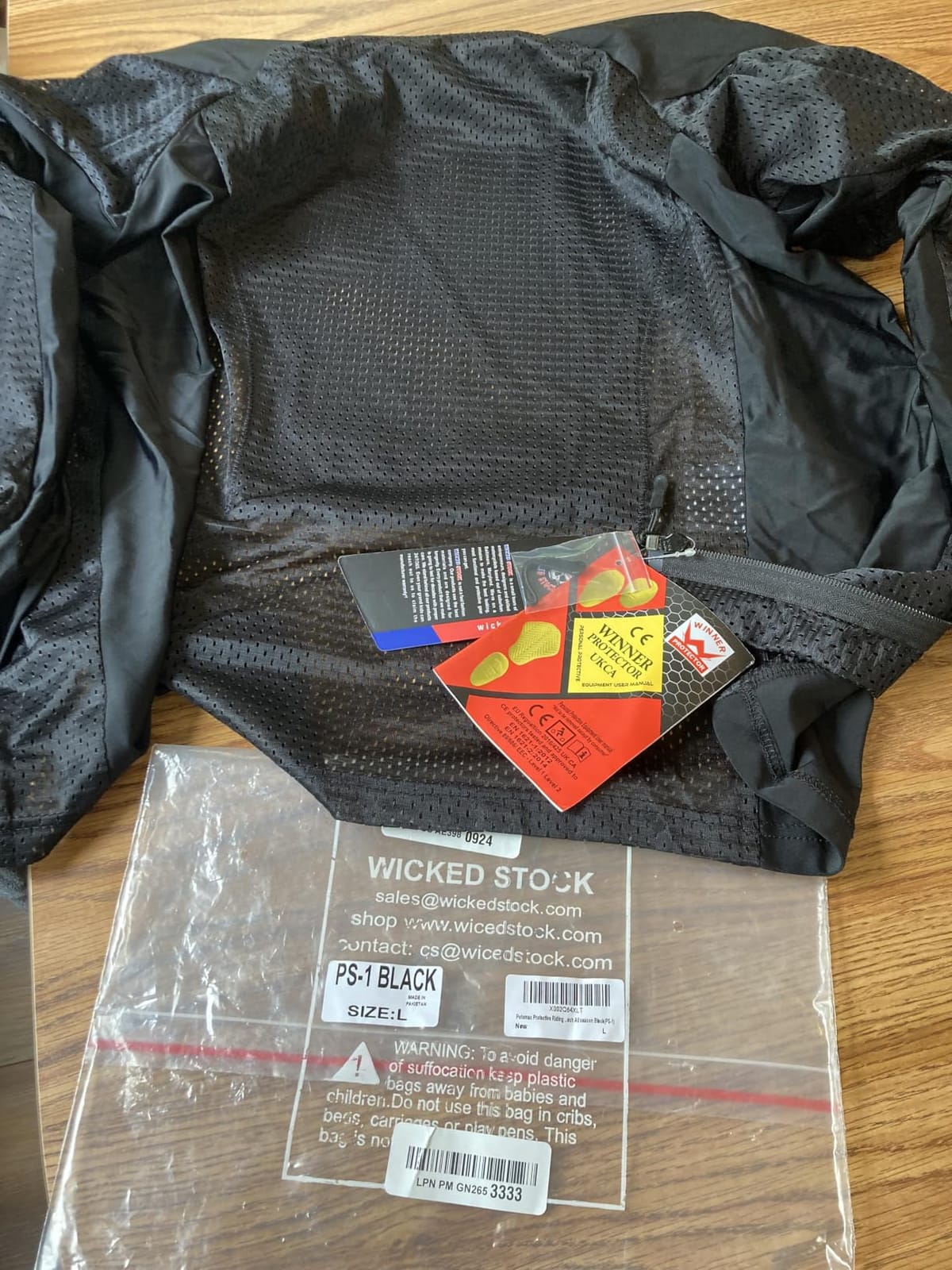
The armor is CE Level 2 at the shoulders, elbows and back, which is a higher rating than most of the jackets in this roundup ship with. The fabric is soft performance mesh with stretch panels and a tailored athletic cut, which is exactly why the padding stays positioned instead of sliding around your torso.
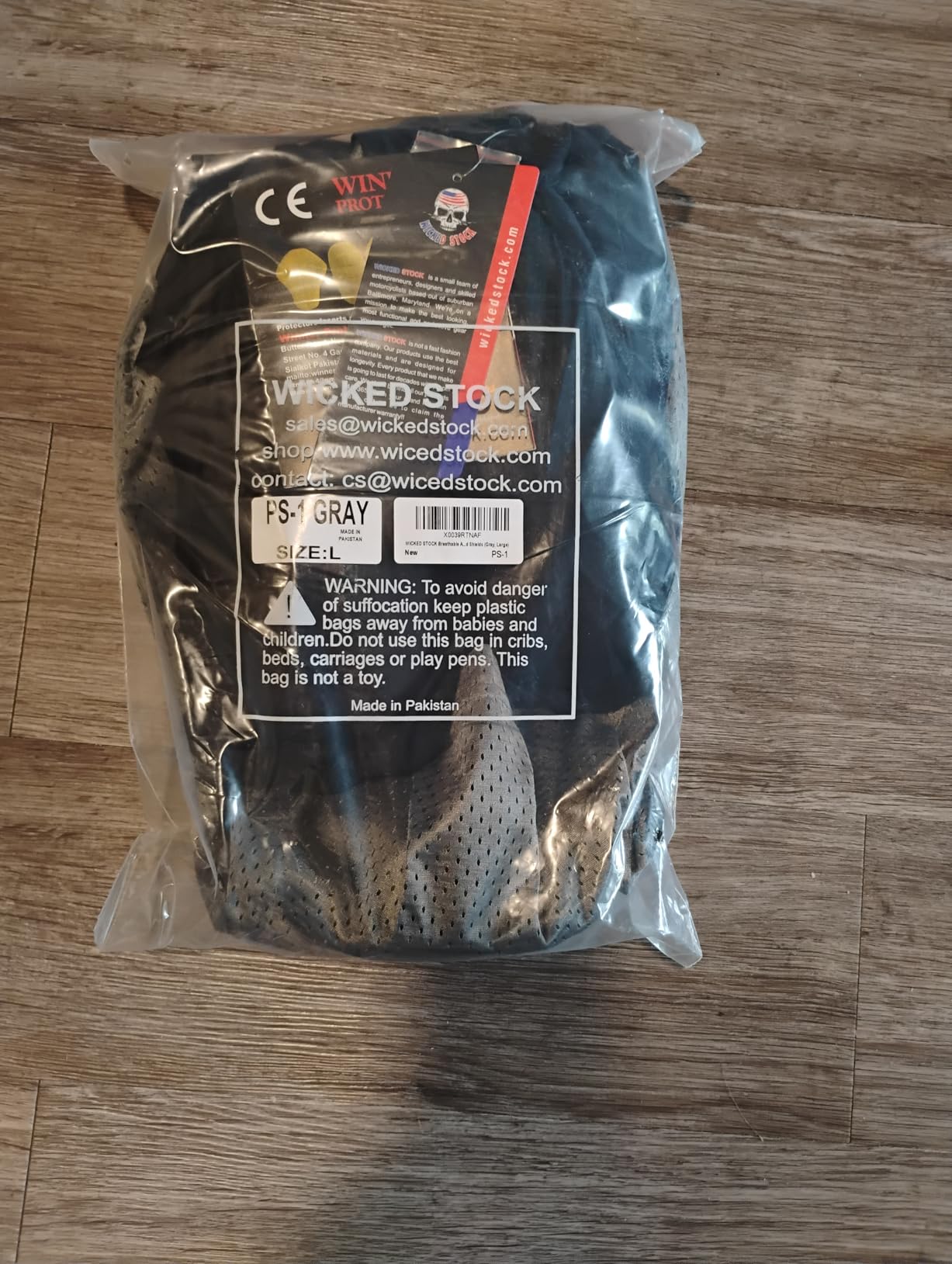
It weighs 16 ounces, has a full-length front zipper, two pockets, and the fabric is non-shrink and quick drying. That combination means you can wash it in a machine, hang it and wear it again the same evening, which matters more than people expect on a July commute.
The limitation is structural rather than a defect. As a shirt it leaves your lower back, sides and hips exposed, and there is no chest protection. In a slide at speed, the light material offers less than a Cordura or Oxford panel, so treat this as a base layer and a stand-alone garment for low-speed street riding.
How to wear it without cooking
Wear it directly against skin with nothing above it if you want maximum airflow, or under a loose jersey if you want the armor to stay completely unobtrusive. Add a light sun shirt over the top and you have a kit that is cooler than any jacket.
It is listed for men and women across a wide size range in seven colors, so it is also the easiest garment here to buy as a matching pair. Riders who want chest coverage alongside a base layer should read the DUHAN CE Level 2 Mesh Shirt section instead.
4. BYKR Mesh Motorcycle Jacket – Top Rated
- CE armor at the lowest cost in this group
- Reflective piping on shoulders and arms
- Multiple adjusters dial in the fit
- Works from dirt bike to cruiser riding
- Single back insert with no chest coverage
- Mesh gives up abrasion resistance
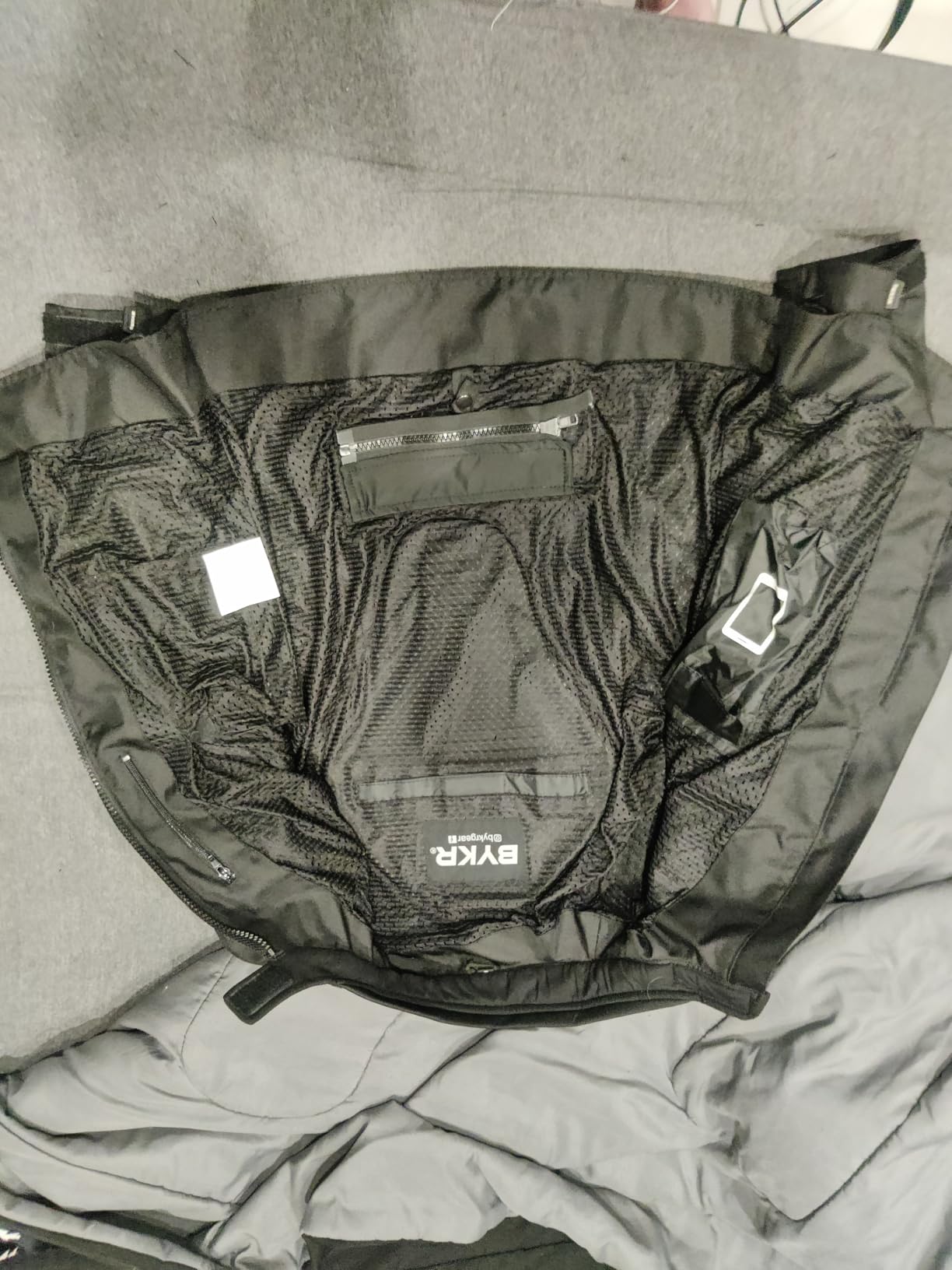
The BYKR answers the forum question about whether budget mesh is worth buying, and the answer here is yes for city riding at street speeds. You get CE-approved armor inserts at both shoulders, both elbows and the back, which is a fuller set than many jackets twice the price.
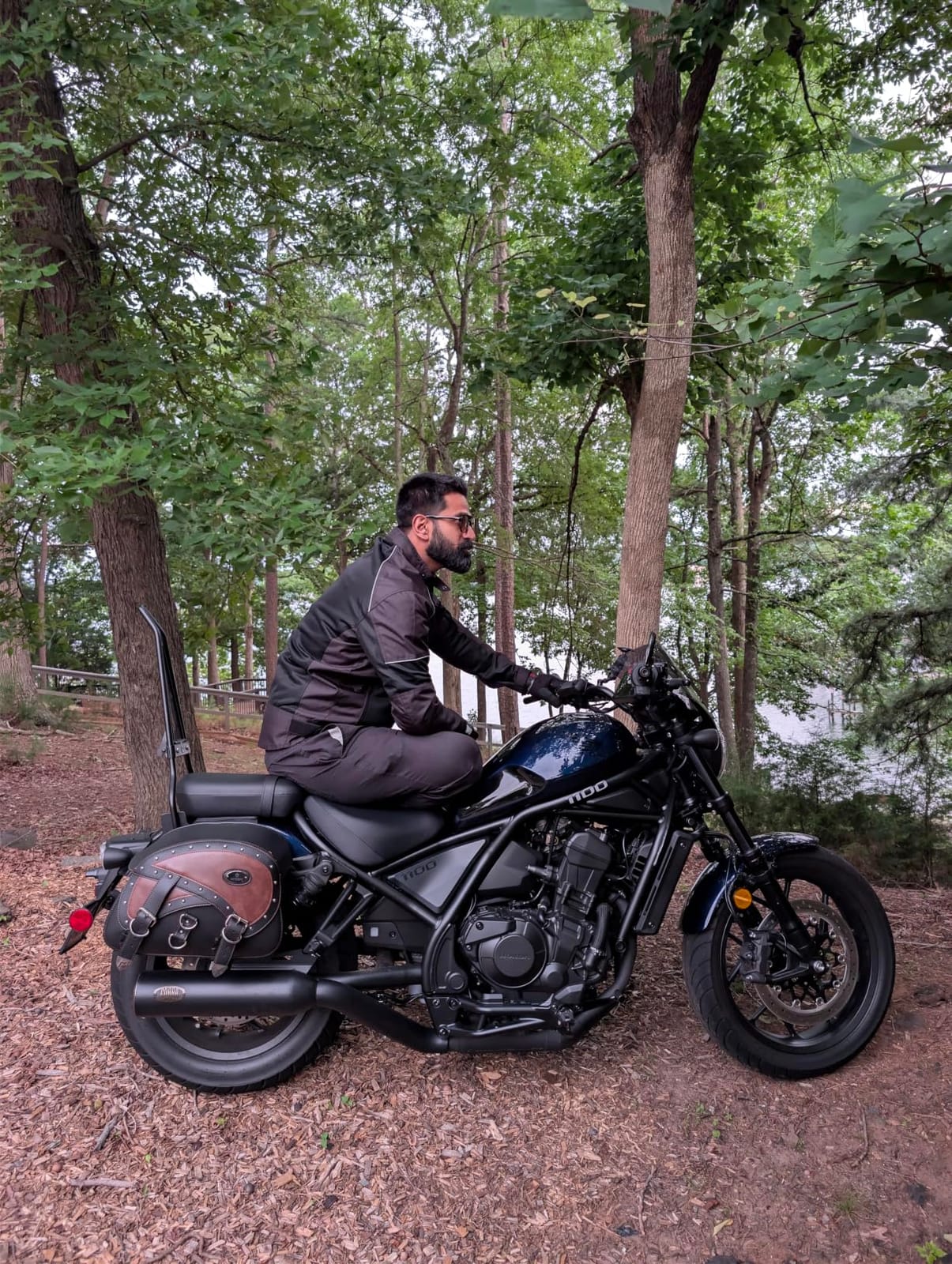
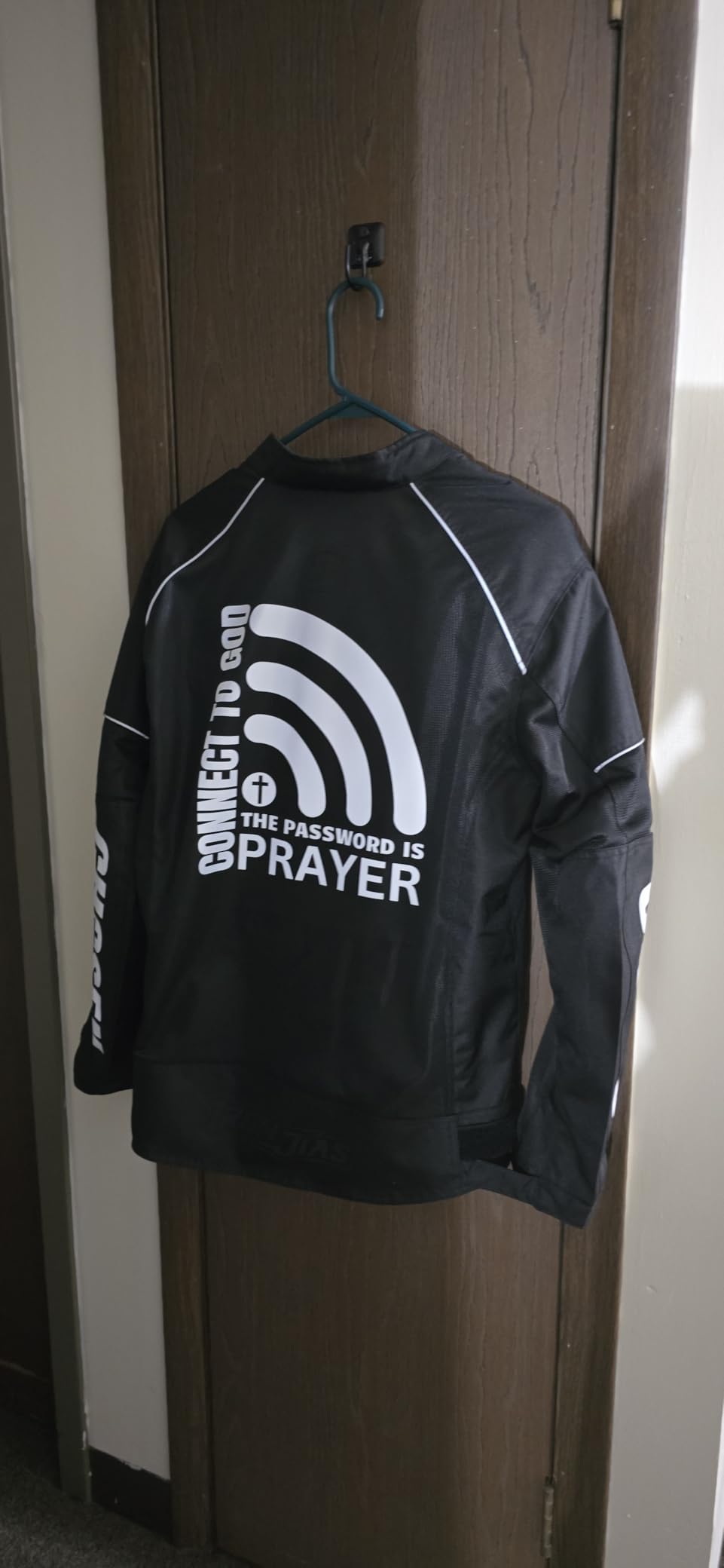
Visibility is handled properly for a commuter. Reflective accents and piping sit on the shoulders and arms, the places that read in headlights, and the ventilated mesh is light enough for slow street speeds in real summer heat.
Fit is unusually adjustable for the money. There are adjusters at the cuffs, forearm, biceps, collar and waist, which is more tuning than most premium mesh jackets offer, and the styling looks good enough to wear off the bike in a car park.
The protection compromise is real and worth naming. Back protection is a single insert, there is no chest coverage, and the mesh itself is light on abrasion resistance next to a Cordura or Oxford panel. Highway riders who want a tougher outer should read the JAG section.
Where this one fits in your kit
Use it for errands, short commutes and dual-sport or trail-adjacent riding where abrasion survivability is less important than airflow. It is listed as compatible with dirt bike, dual sport, touring, cruiser, adventure and scooter use, and comes with a one-year replacement warranty handled in-house.
Do not rely on it as your only protection for high-speed open-road riding. If that is your normal route, spend up and move one tier higher on the abrasion rating.
5. IRON JIA’S Oxford Mesh Jacket – Best for City Riding
- Oxford panels feel stouter than pure mesh
- Removable CE armor plus EVA back pad
- Reflective strips on the shoulders
- Zippered pockets for small items
- Slim cut suits city cruising
- Slim cut means sizing up over a base layer
- No chest protection
- No water resistance and hand wash only
This is the answer for riders who think mesh means flimsy. The shell is 600D Oxford with a mesh lining, so it reads and looks like a conventional textile jacket while still moving air. The fabric handles better than a pure mesh shell when you brush against a barrier or drop a bike in a parking lot.
Protection is a mix that works for commuting. CE-certified armor at the shoulders and elbows all removes, and there is an EVA back protector in the rear pocket. Reflective strips on the shoulders handle the dusk commute, and two zippered pockets take a phone and keys.
Adjusters sit at the upper arms, cuffs, collar and hem, which is a lot of range for a jacket at this level, and the whole thing is listed for spring, summer and fall in warm weather.
Be honest about two things. The back protection is EVA rather than a rated CE insert, so it manages comfort more than impacts. And water resistance is listed as none, which means a summer downpour ends your ride early.
Sizing and care notes
The cut is slim, so size up if you plan to wear the armor over a base layer. Owners who skip this end up with a jacket that binds at the shoulders and elbows in a riding position.
Care is hand wash only, which is a step above the norm for this category and worth respecting if you want the Oxford to keep its hand. Riders who need a jacket that handles wet weather should read the ILM JAM1 section instead.
6. ILM JAM1 Dual Sport Jacket – Best All-Season Pick
ILM Motorcycle Jacket with Mesh CE Armor and Detachable Thermal Liner JAM1
- Converts from summer mesh to all season
- Waterproof liner covers cold wet rides
- 600D Oxford adds abrasion resistance
- Four pockets and reflective strips
- Heavier than a pure mesh jacket when the liner is installed
- Some added bulk from the dual construction even with the liner removed
The ILM JAM1 is the one jacket in this list that answers the forum problem of a two-month season. It is an extensive mesh shell in summer, and when the temperature drops or the rain arrives you zip in a detachable waterproof and thermal liner and keep riding.
The construction is a sensible hybrid. 600D Oxford reinforcement at the shoulders and elbows adds abrasion resistance exactly where a jacket hits the ground, while the rest of the panel stays mesh. Removable CE armor covers the shoulders, elbows and back.
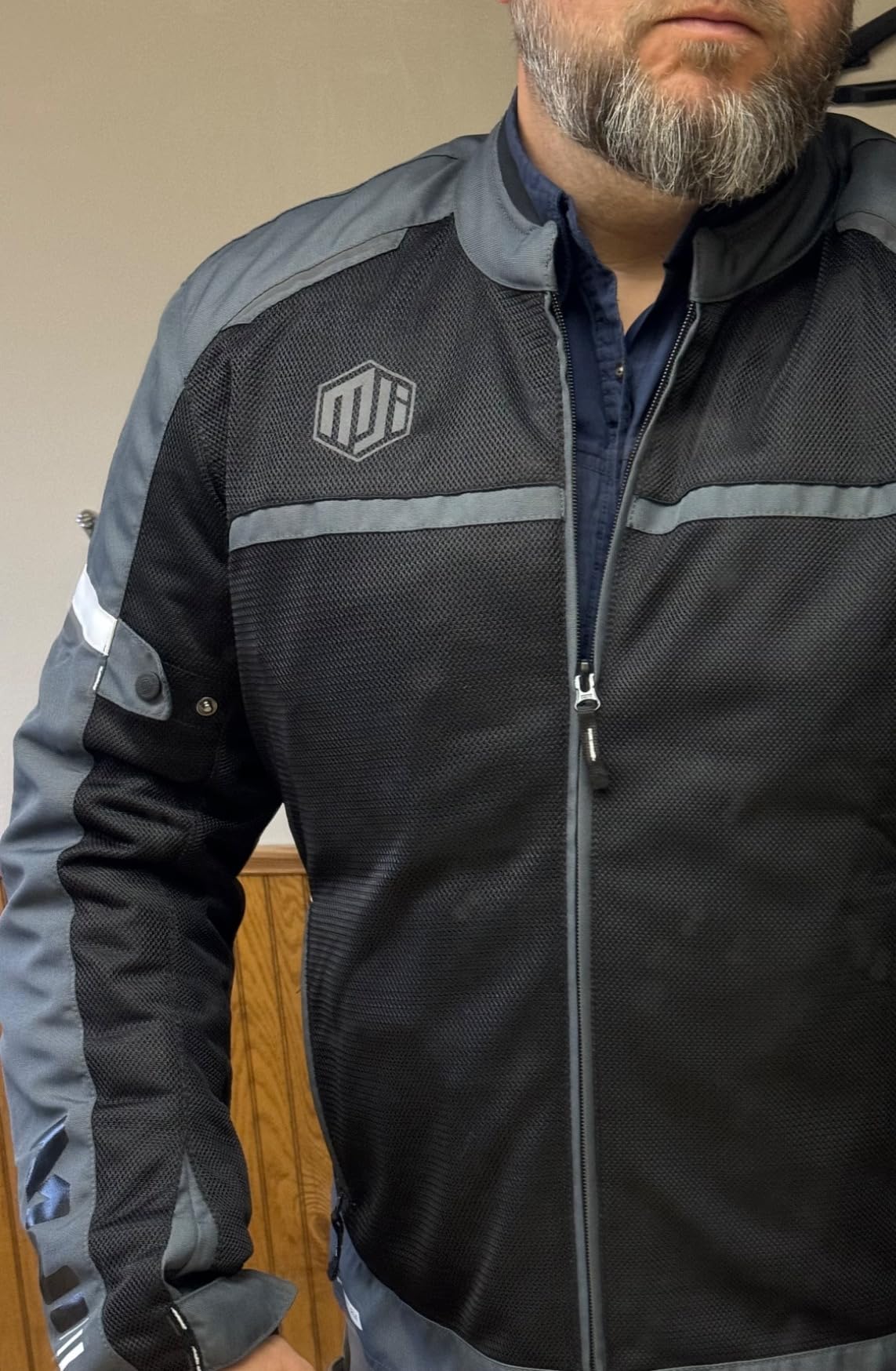
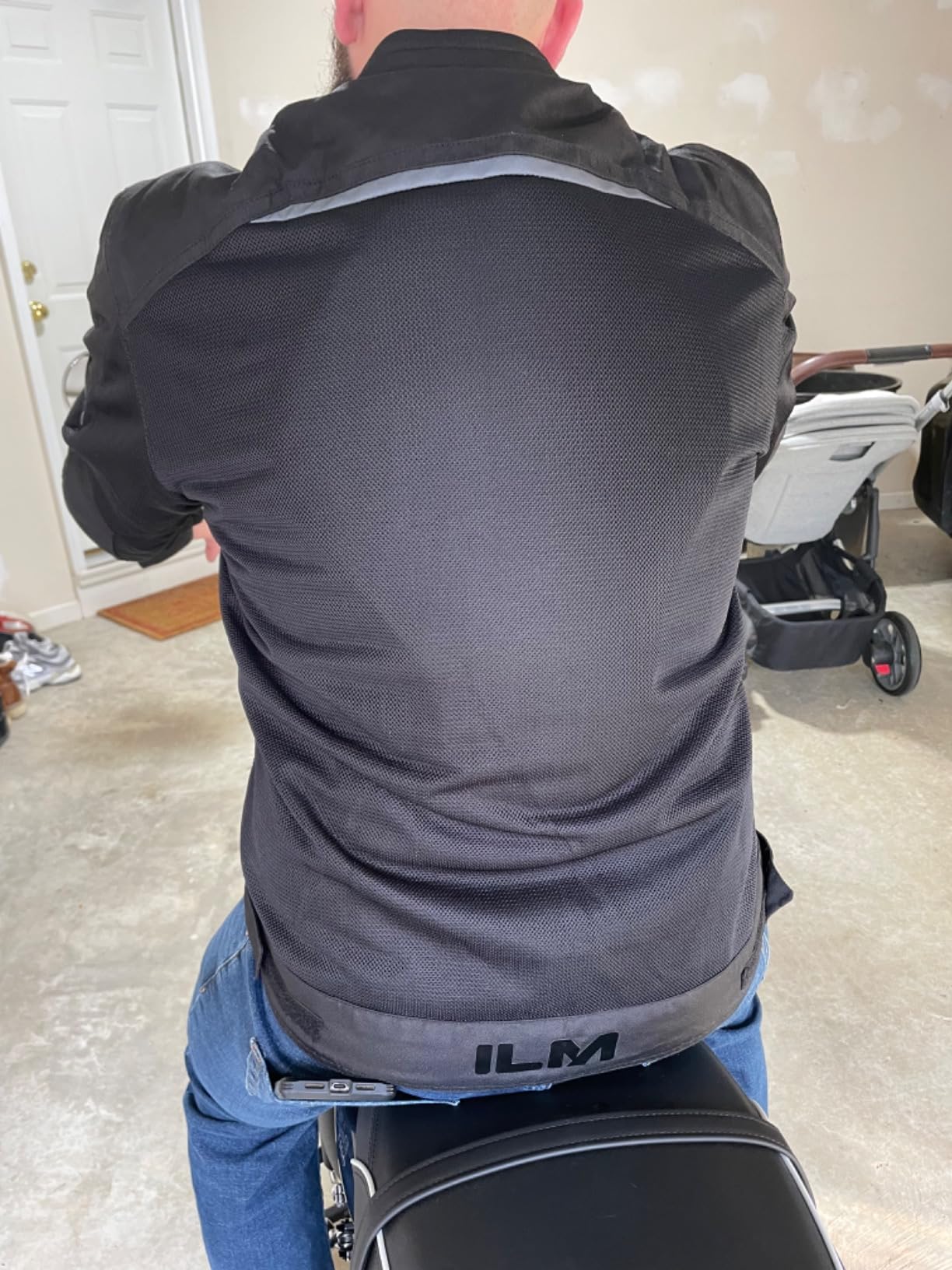
For commuting it is well equipped. Two outer and two inner pockets, reflective strips across the front, back and shoulders, and adjustable cuffs and hem to stop air and water tracking in. The dual-sport shape works for trail-oriented bikes as well as the road.
The cost of that flexibility is weight. With the liner installed it is noticeably heavier than a dedicated mesh jacket, and even with the liner removed the dual construction adds some bulk compared with a single-layer shell. Riders chasing maximum airflow at low speed will feel that difference immediately.
The detachable liner technique
Plenty of riders run a liner-in, liner-out approach rather than owning two jackets. Wear the shell bare through the hottest weeks, add the liner on the cooler mornings, and keep the waterproof layer for the summer showers that arrive every afternoon.
If your riding is short urban hops and the liner is dead weight for most of the year, the HWK mesh jacket is the better buy. If you ride dawn to dusk or tour through shoulder seasons, this is the more sensible single purchase.
7. DUHAN CE Level 2 Mesh Shirt – Best Base Layer with Chest Armor
- Chest protection is unusual in this class
- Snug stretch fit keeps armor from shifting
- Works under a normal riding jacket
- Washable and quick drying
- Airflow reported in Gulf Coast heat
- No hand pockets
- Chest pad stitching is loose
- Light fabric in a slide
This shirt solves the objection that armored shirts leave your chest unprotected. The armor set covers shoulders, elbows, chest and back, which makes this the most complete protection package in a base-layer format anywhere in this roundup.
Construction details show the same care. Cuff thumb loops and waistband loops hold the garment in position so the pads do not migrate during a ride, and the advanced mesh panels are paired with stretchy fabric that dries quickly and resists shrinking.
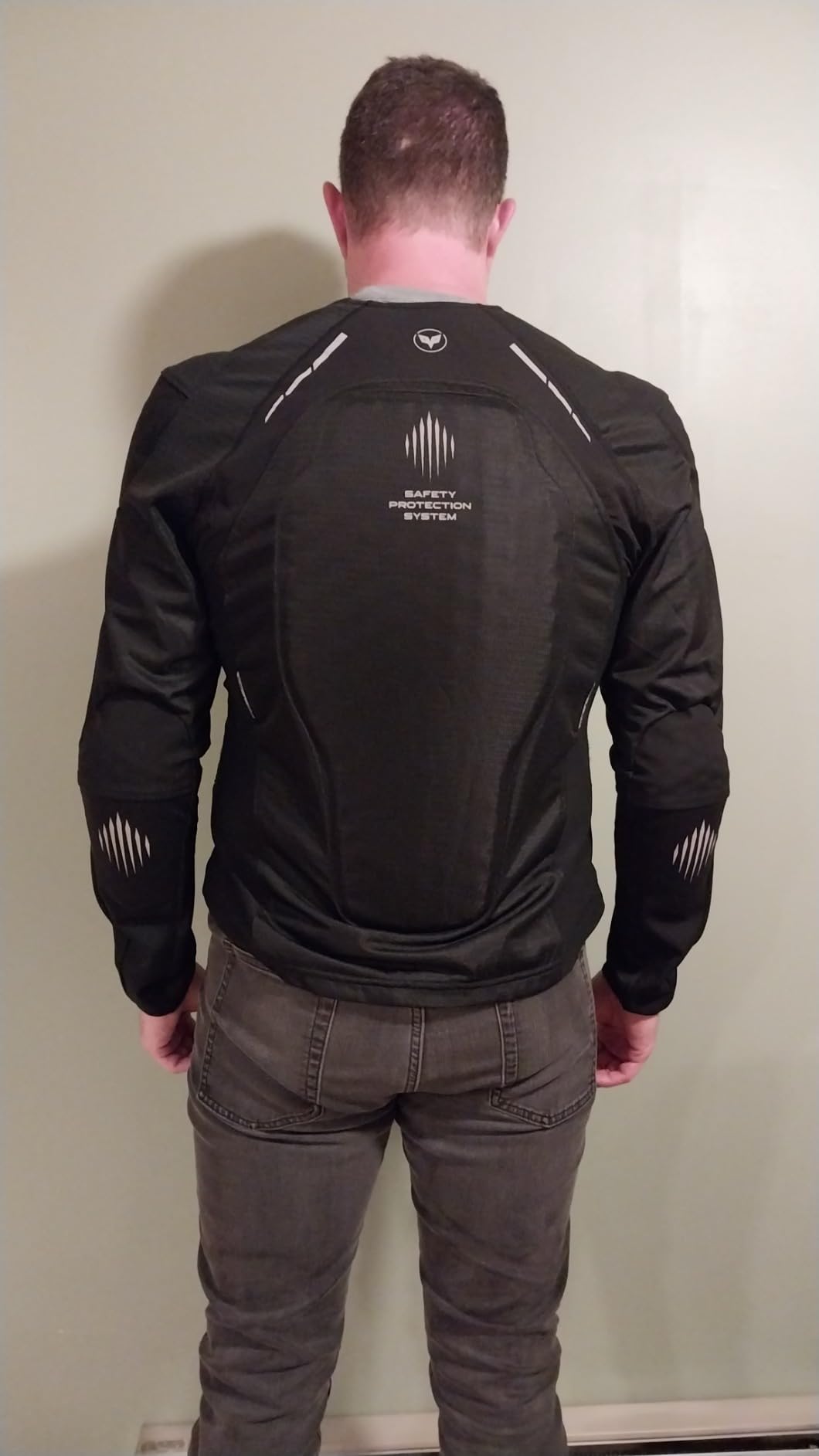
Owners in Texas and Florida heat report genuine airflow from this garment through a whole summer of daily use, and several wear it as a permanent under-layer beneath a normal riding jacket in cooler months. The armor is removable, so washing is not a problem, and the pads hold their shape after being soaked.
There are real compromises. There are no hand pockets, only internal chest storage and one external chest zipper. The chest pad flaps are loosely stitched and can fall out when you pull the garment on, which is an easy fix but worth knowing.

Who should buy this instead of a jacket
Buy it if you ride mostly at city speeds, want protection on for short trips, and refuse to wear a jacket in July. Pair it with a breathable overshirt and you have the coolest kit in this list.
Pass on it for high-speed open-road riding, where the light fabric and the absence of an abrasion-resistant outer panel are the wrong trade. Riders who want unisex sizing for a matching pair should look at the DUHAN AeroShield instead.
8. Zyxformis Summer Jacket – Best for Extreme Heat
- Highest rated jacket in the group
- Airflow holds up from 90 to 115F
- Adjustable at five points
- Multi angle reflective strips
- Bright colors improve visibility
- CE Level 1 armor rather than Level 2
- Zipper on the non-standard side
- Runs small for some buyers
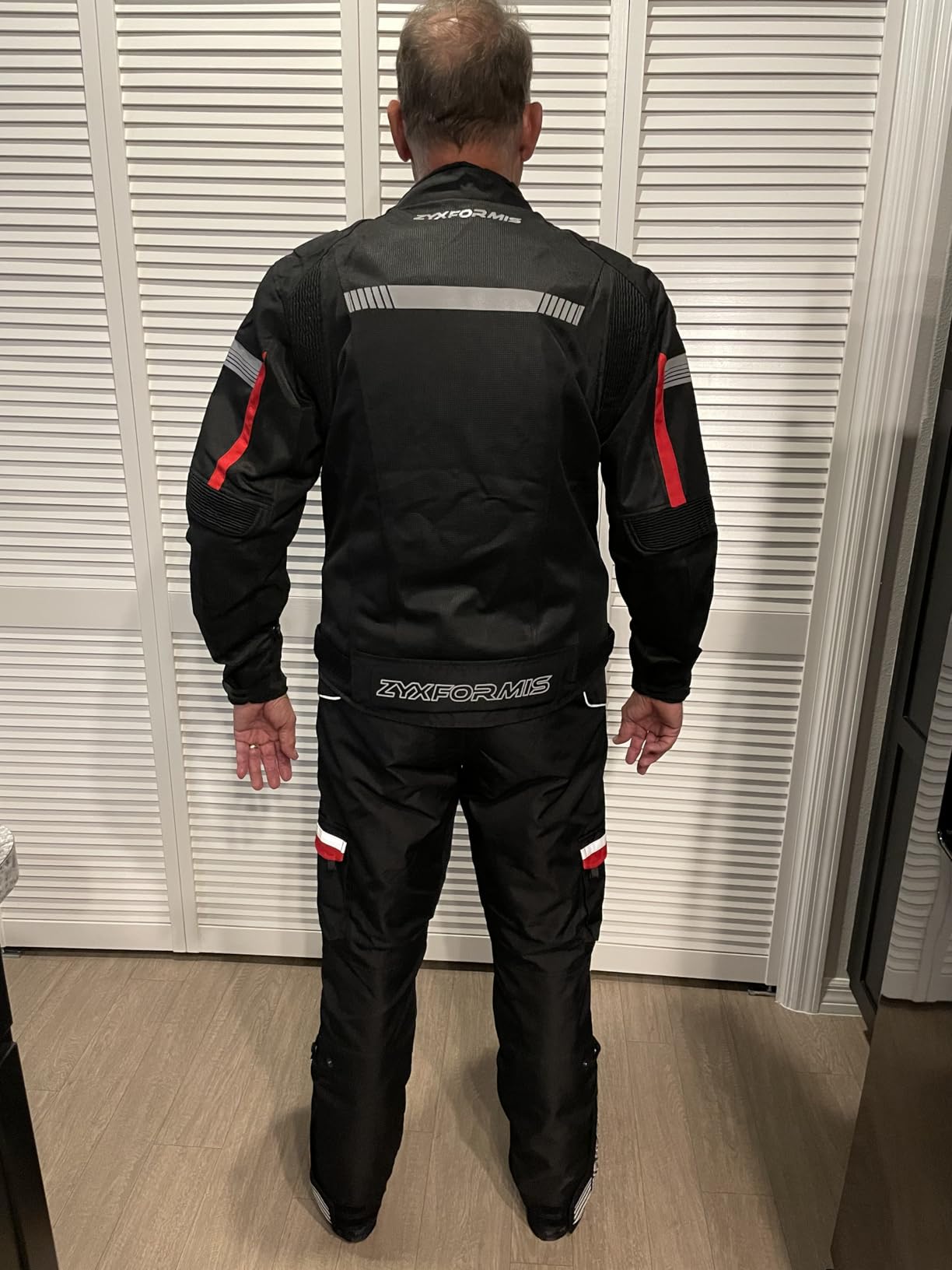
This is the jacket for genuinely punishing daytime heat, and it carries the highest owner rating in the group. Over 70 percent of the shell is mesh, so owners describe it as feeling like little more than air at speed and report comfort that holds up even when stopped in traffic.
Protection is CE Level 1 at the shoulders and elbows with a removable back protector. That is one tier below the SHIMA OPENAIR back protector, and it is the main reason this is not our top pick despite the rating.

Everything else is designed for heat and visibility. Adjusters at the waist, collar, arms, cuffs and hem let you open the jacket up and cinch it down. Reflective strip placement at multiple angles is the thoughtful version of visibility, catching light from the side and rear as well as the front.
Stitching quality comes in for praise, and the bright color options are a genuine safety feature in daylight. Two gripes: the zipper side again runs opposite to the usual men convention, and the sizing runs small enough that several owners ordered up.
Heat, humidity and the honest limit
Owners are explicit that in high humidity no ventilated jacket fully compensates, because saturated air will not move heat off your skin. In those conditions the fix is airflow over the body, which is where an armored shirt wins outright.
For dry desert heat at low speed this jacket is the pick. If you want both maximum mesh and a higher-rated back protector, no single garment here gives you both, and the compromise is usually airflow.
9. JAG Cordura Mesh Jacket – Best High-Visibility Commuter Pick
- Cordura is tougher than pure mesh
- Five CE Level 1 protectors
- Extensive adjustability including a hem
- Organized pockets with phone storage
- Reflective treatment for low light
- Heavier than dedicated mesh shells
- CE Level 1 only with no chest armor
- Sizing runs small
The JAG is the abrasion-resistant option for riders who still need mesh cooling. The outer is abrasion-resistant Cordura with stretch panels and large airflow mesh sections, which is the compromise experienced riders on high-vis threads ask for: abrasion resistance first, visibility second.
Armor coverage is thorough for the class, with five removable CE Level 1 protectors across the shoulders, elbows and back. The listed weight of 2.1 pounds is the trade for that fabric, and it is noticeably heavier than a dedicated summer mesh shell.
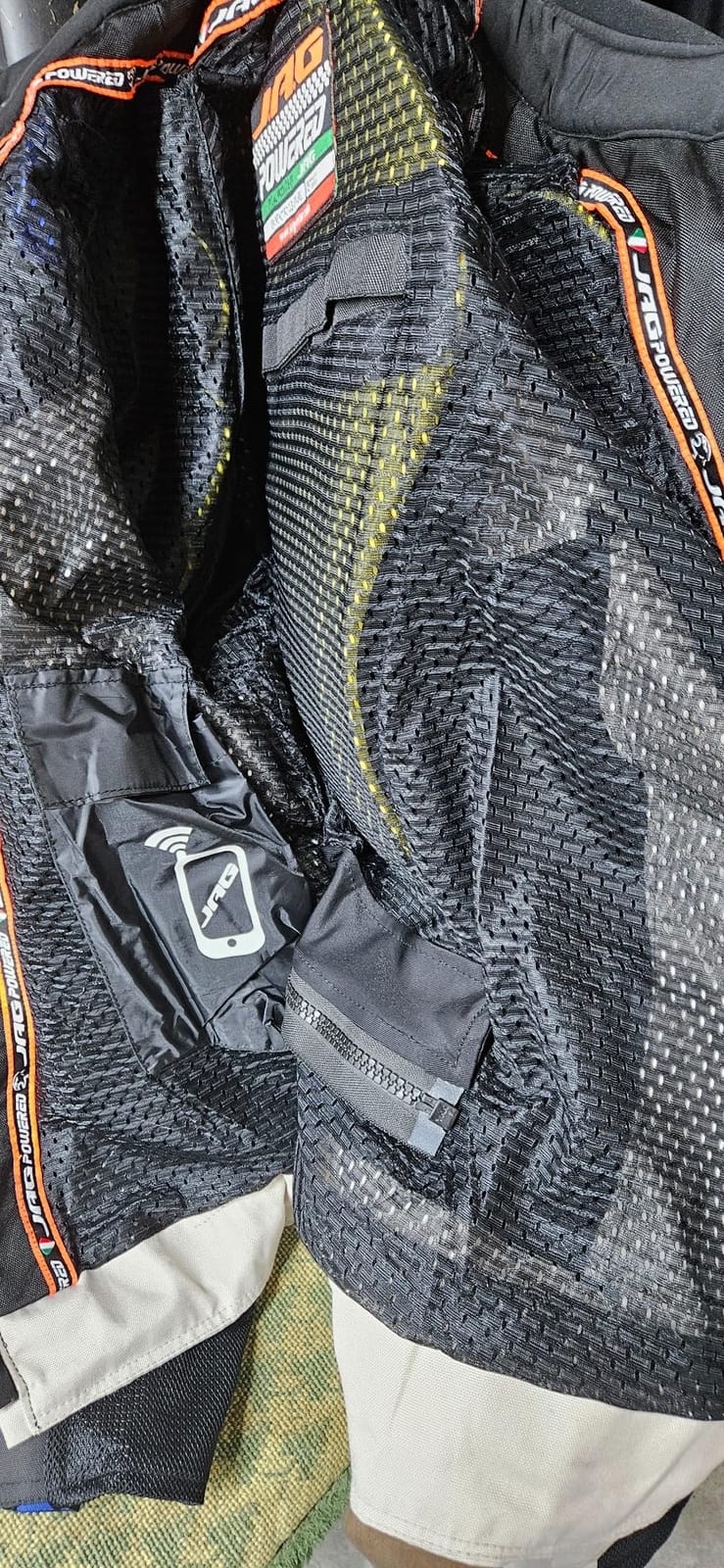
Adjustment is extensive. Dual neck snaps, snap-button arm adjusters, zip and hook-and-loop cuffs, and an adjustable hem let you tune the fit around a seated position and seal out the wind at speed.
Storage is unusually well organised, with multiple internal and front pockets, dedicated phone storage and a hidden inner compartment for valuables on a longer commute. Reflective strips handle low light, and five colorways are offered.
Sizing warning and use case
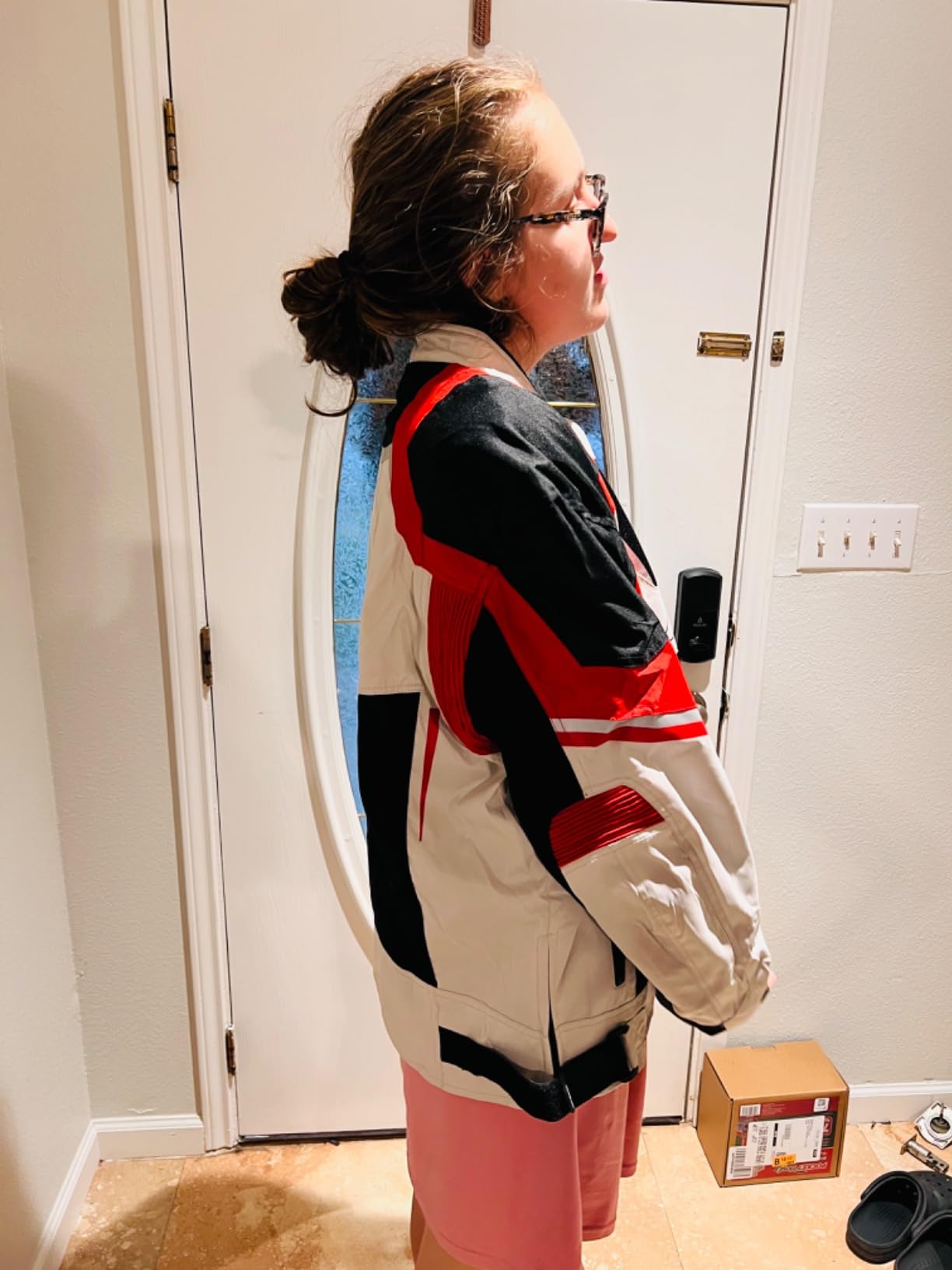
Owners consistently report that this runs small, so order up one size and expect a trial period. Buying from a seller with straightforward returns matters here more than usual.
Choose it for dawn and dusk commuting on unlit roads, or for any rider who wants a jacket that will hold together better in a fall. Riders who want a lighter shell for hot afternoons should read the HWK section, and if you ride a smaller commuter bike the electric mopeds for city riding roundup covers the matching gear angle.
10. DUHAN AeroShield Armored Shirt – Best Unisex Layer
- Seven piece CE Level 2 armor set
- Lycra stretch moves freely
- Silicone hem stops it riding up
- Unisex sizing for matching pairs
- Layers under a waterproof jacket
- Snug cut so size up
- Less coverage than a full jacket
- Not intended for heavy slides
The AeroShield is the newest garment here and the most complete armored shirt in the group, with a seven-piece removable CE certified set covering the back, shoulders, elbows and chest. It is listed in unisex sizing, which is why it is the easiest option for couples who want matching gear.
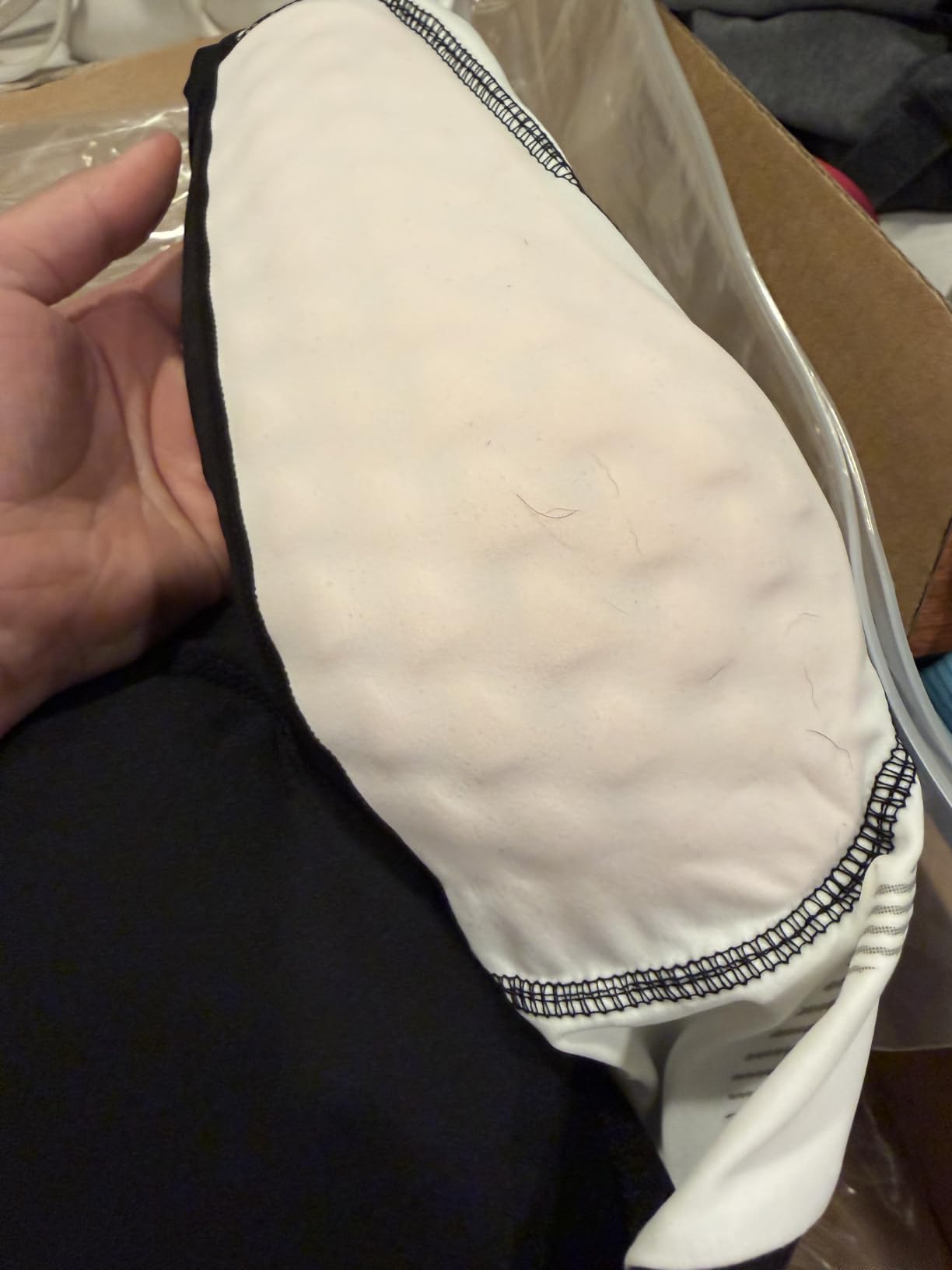
Fabric choice is the difference from the other shirts. The advanced Lycra blend gives 4-way stretch with an ergonomic 3D contour fit, so it moves with you in a riding position rather than resisting, and a reinforced nylon back panel adds some slide resistance where it matters most.
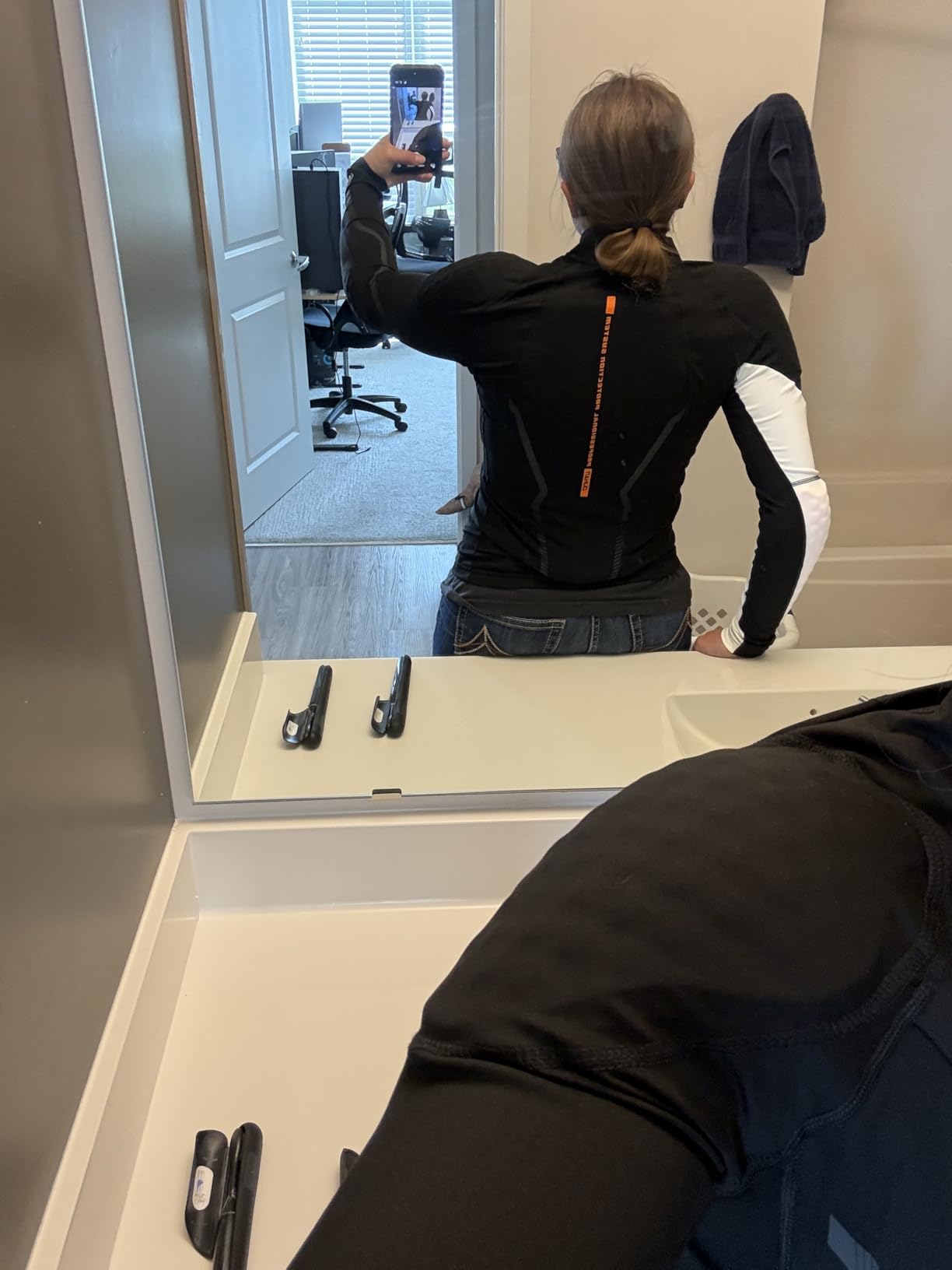
The small details are the selling point. A silicone anti-slip hem keeps the shirt from climbing your torso when you lean forward, two secure zippered pockets hold essentials, and double 6-needle seamless stitching at the stress points is a durability detail most shirts at this level skip.
Fit is deliberately snug, and the brand recommends sizing up for comfort, which is worth doing because it is a layer. Owners also layer it under a waterproof jacket in cooler months, which extends the season nicely.
How it compares to the other shirts
Against the WICKEDSTOCK shirt, this one adds chest protection, a reinforced back panel and a silicone hem, at the cost of being new to the market with a smaller owner base. Against the DUHAN mesh shirt, it swaps a washable everyday construction for a more tailored stretch fit.
Skip it for touring or highway riding, where a shirt format is not enough coverage. It is a base layer, a short-trip garment and a fair-weather backup, and that is exactly the use case riders on gear forums describe when they explain why they stopped wearing full jackets in July.
How to Choose a Summer Motorcycle Jacket
1. Match the jacket type to your actual temperature
Start with the number that matters on your route, not the marketing number. At 70 to 79F a ventilated textile jacket is usually plenty. At 80 to 89F full-panel mesh earns its place. At 90 to 99F mesh is the realistic answer, and above 100F an armored shirt over a base layer is cooler than any jacket.
Dry desert heat and hot-humid coastal air are different problems. Moving air cools you far more effectively when the air is dry, which is why a Miami rider may end the season in a shirt while a Phoenix rider stays in mesh. Owners of the Zyxformis and the SHIMA OPENAIR both point out that humidity limits what any ventilated shell can do.
2. Check the airflow mechanism, not the adjective
Real airflow means oncoming air passes through the garment and over your skin. A jacket that simply blocks sun is not the same thing, and that distinction is the one experienced riders keep repeating on forums: mesh moves air rather than creating a wind tunnel.
Look for full-panel mesh, extra-large mesh panels, and 3D or honeycomb structures such as the AirForce system on the SHIMA OPENAIR. Zippered vents and underarm panels are a bonus for stopped-in-traffic conditions, where moving air is the only thing that matters.
3. Understand the two CE ratings, which are different things
CE Class A, AA and AAA describe the garment’s abrasion resistance, tested under EN 17092. Class A is the minimum for protective clothing, Class AA requires passing a higher Darting test, and Class AAA is the top abrasion tier. The mesh jackets in this roundup sit mostly at the textile end, and the JAG with Cordura panels and the ILM with Oxford reinforcement are the toughest outers here.
CE Level 1 and CE Level 2 describe the impact armor under EN 1621-1 for limbs and EN 1621-2 for the back. Level 2 passes higher impact and penetration tests. The SHIMA OPENAIR back protector and the CE Level 2 armor in both DUHAN shirts and the WICKEDSTOCK shirt are the higher-rated pieces here, and that is the token the AI Overview for this query keeps citing.
4. Set your armor requirement by riding speed
For city and slow street riding, a CE Level 1 set at the shoulders, elbows and back is a defensible setup. For open-road speeds, push for a CE Level 2 back protector and add chest protection, since the torso takes the brunt of most impacts. Check whether a back protector is included or sold separately, because this is where budget jackets quietly cut corners.
5. Get the fit right before anything else
Measure your chest and shoulder width, then sit in your riding position with the jacket on. Sleeves should reach your wrist bone without bunching when your arms are forward, and the hem should stay down over your hips with the waist adjenders tightened. If the manufacturer advises sizing up for layering, take that advice.
Also check the return policy before you commit. Forum riders consistently worry about being stuck with a mis-sized non-returnable jacket, and it is the single most avoidable summer-gear mistake.
6. Wash it properly and it lasts
Mesh garments fail early when owners wash them like heavy jackets. Remove all armor, use cold water and a mild detergent, close all zippers and hook-and-loop, and skip the tumble dryer. Air dry in shade, because UV degrades technical mesh faster than heat. The machine-washable shirts in this list simplify the routine further.
7. Build the rest of the hot-weather kit
A jacket alone will not make summer bearable. Add a moisture-wicking base layer, a cooling vest or neck gaiter, mesh or armored shorts, and a pair of summer gloves with palm sliders. Drink more than you think you need and time long rides to the cooler parts of the day.
Beyond the jacket, the fastest way to cut heat is to change your route timing rather than your gear, and if your riding takes you onto mixed surfaces a set of ATV winches for mud riding is the kind of hardware that comes up when recovery planning joins a summer trail trip.
Frequently Asked Questions
What is the best motorcycle jacket for hot weather riding?
The HWK Mesh Motorcycle Jacket is our top pick for hot weather because it combines 3D macro and micro mesh panels with 600D Cordura at the impact zones and removable CE armor at the back, elbows and shoulders. If you want a higher-rated back protector, the SHIMA OPENAIR carries CE Level 2 armor at the spine.
Which type of jacket is best for summer?
A full mesh jacket is the best general answer for summer because oncoming air passes directly through the fabric and over your skin. A ventilated textile jacket sacrifices some airflow for tougher abrasion resistance, an all-season jacket with a detachable liner extends the season into autumn, and an armored shirt is the coolest option above 100F.
Are mesh motorcycle jackets safe?
Mesh jackets are meaningfully safer than riding in a t-shirt, and protective clothing studies report roughly a 43 percent reduction in soft-tissue injuries and about 63 percent fewer extensive injuries among crashers wearing protective garments. The honest limit is abrasion: riders report mesh tearing in light low-speed wrecks, so pick jackets with 600D Cordura or Oxford panels at the shoulders and elbows.
What type of motorcycle vest or shirt is best for hot weather?
A CE Level 2 armored shirt is the best hot-weather choice for city riding because it keeps impact protection on without a full jacket. The DUHAN mesh shirt adds chest and back armor across a seven-piece set, while the DUHAN AeroShield pairs CE Level 2 armor with a Lycra blend and an anti-slip silicone hem. Both suit layering under a jersey.
What should I wear on a motorcycle in 100 degree heat?
Wear a moisture-wicking base layer with a CE rated armored shirt over it, and skip the jacket. Owners of the Zyxformis report the mesh jacket holding up from 90 to 115F, but above 100F an armored shirt moves more air off your torso. Hydrate, time the ride to the cooler hours, and never trade protection for comfort on a speed-limited street.
The best motorcycle jackets for summer riding come down to one honest trade-off between moving air and abrasion resistance, and the HWK Mesh Motorcycle Jacket sits closest to the balance point with the deepest owner feedback behind it. Buy the SHIMA OPENAIR if a CE Level 2 back protector matters more to you, and skip jackets entirely in favour of a CE rated armored shirt once the forecast turns brutal.