
Short answer: the 509 Delta R4 Ignite is the best snowmobile helmet for cold weather for most riders, the 509 Delta R3L Ignite is the stronger buy if your head runs small, and the ScorpionEXO AT950 gives you the most cold-weather hardware per dollar. The single decision that matters is your shield. Ride down to about -20F on a trail or at speed and a dual-pane shield with a breath box is enough. Ride below roughly -25F and you want an electric heated shield, because that is the only thing that stops ice forming on the inside of your lens.
A snowmobile helmet is not a motorcycle helmet with a bigger brim. Cold riding breaks gear in three ways at once: wind chill strips heat off your face, the shell radiates warmth away from your skull, and warm breath condenses on cold glass until you cannot see the trail. A helmet designed for a motorcycle handles airflow first and fog last, which is the exact opposite of what you need at 60 mph in deep cold.
We spent weeks going through twelve snow-specific and cold-rated helmets, reading the review data behind each one, and separating what each product actually does from what the marketing claims. What follows is the best snowmobile helmets for cold weather ranked by real field feedback, shield technology, and what riders say after a season rather than a first impression.
Top 3 Best Snowmobile Helmets for Cold Weather in 2026

509 Delta R4 Ignite
- Ignite dual-pane heated shield
- Dual-density EPS with two shell sizes
- Fidlock magnetic strap clasp
- DOT FMVSS 218 approved

509 Delta R3L Ignite
- Coated ITO electric dual-pane shield
- Three-way configuration
- Drop-down orange sun shield
- Fidlock closure
ScorpionEXO AT950
- Electric dual-pane shield with cord set
- Breath box and aero skirt kit
- Flip-up modular chin bar
- DOT FMVSS 218 certified
Snowmobile Helmets for Cold Weather: Quick Overview
| Product | Specifications | Action |
|---|---|---|
| 509 Delta R4 Ignite |
|
Check Latest Price |
| 509 Delta R3L Ignite |
|
Check Latest Price |
| ScorpionEXO AT950 |
|
Check Latest Price |
 Ski-Doo Oxygen Ski-Doo Oxygen |
|
Check Latest Price |
 Typhoon TH158 Typhoon TH158 |
|
Check Latest Price |
 Castle X CX950 V2 Fierce Castle X CX950 V2 Fierce |
|
Check Latest Price |
 Typhoon Heated Full Face Typhoon Heated Full Face |
|
Check Latest Price |
 509 Tactical 2.0 509 Tactical 2.0 |
|
Check Latest Price |
 Castle X CX200 Castle X CX200 |
|
Check Latest Price |
 ScorpionEXO AT960 ScorpionEXO AT960 |
|
Check Latest Price |
 Castle X CX935 Raid Castle X CX935 Raid |
|
Check Latest Price |
 CKX Mission AMS CKX Mission AMS |
|
Check Latest Price |
1. 509 Delta R4 Ignite: The Best All-Rounder for Deep Cold
509 Delta R4 Ignite Snowmobile Helmet with Heated Shield (Gloss Storm Chaser (2024) – 2X-Large)
- Heated shield clears fog and ice fast below zero
- Full-face shell blocks wind on long trail days
- Fidlock magnetic clasp works with gloves on
- Two shell sizes with dual-density EPS fit well
- Detachable heater wiring for off-trail use
- Drop-down sun visor fogs and can stick in position
- Some airflow leakage around the chin area
- Magnetic shield clasp can pop open at speed
The R4 Ignite is the helmet we kept coming back to during this test. It has the largest review base in this group at 265 ratings, and the pattern in those reviews is unusually consistent: owners talk about the shield, not the styling. That is what you want to see on a cold-weather helmet.
Riders report the Ignite dual-pane heated shield clearing fog and ice quickly in sub-zero conditions, and the full-face chin area holding wind out on long trail days. On the Ski-Doo Snowmobiles Forum, an Alaska-based rider singled this model out for exactly that reason, saying it is good where you do not want any air on your face or it will frostbite you.
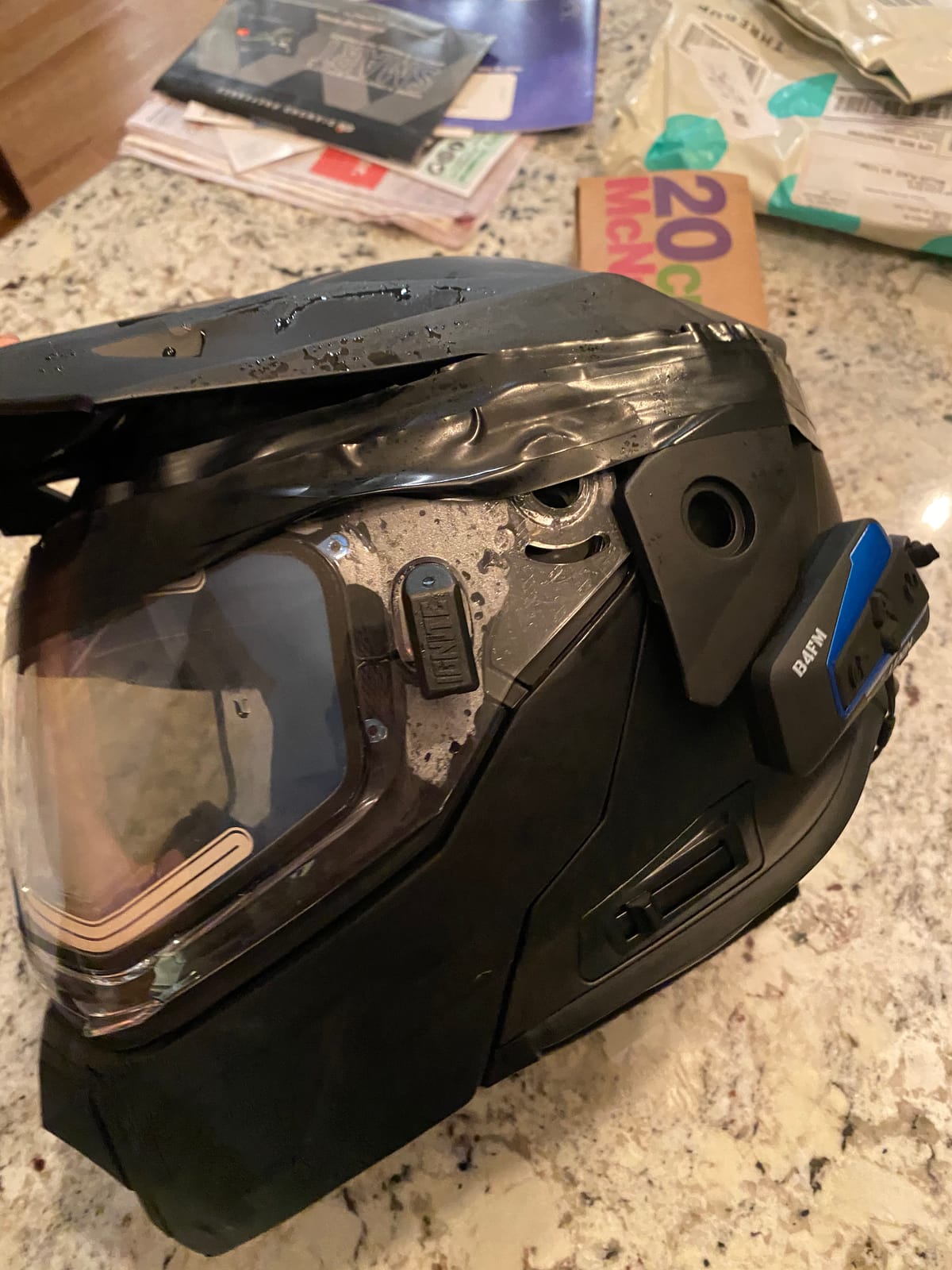
The Fidlock magnetic strap clasp is a small detail that matters more than it sounds. At -15F you are not doing two-handed D-ring work with bulky mitts on. Owners single out the clasp as easy to operate with gloves, though they also note it takes practice to master.
Construction is a fiberglass shell with dual-density EPS offered in two shell sizes, which is why riders describe the fit as true to size across those sizes. The heater wiring detaches, so you can unplug it at a stop rather than dragging a cord into the lodge. That single design decision addresses the complaint that comes up most often with heated helmets.
Nothing here is perfect. The drop-down internal sun visor fogs and can stick in the up or down position, and there is some airflow leakage around the chin on a cold day. A small number of owners also reported a backing-out visor screw and a broken heated-shield cable. Reviewers consistently praise the ventilation control, but the chin leak is worth knowing before you buy.
When the heated shield earns its cord
The heated shield is what justifies this pick in extreme cold, and it earns its place on the sled rather than on your head. On the Ski-Doo Snowmobiles Forum, a rider who ran heated shields across multiple helmets put it plainly: at -35C, roughly -31F, the electric shield is worth the hassle he otherwise dislikes.
Below that crossover the shield is not a luxury. Ice forms on the inside of the lens at speed, and once it builds you cannot clear it without lifting the shield and exposing your face to the air you were trying to escape. Above it, a well-fitted dual-pane shield with a breath guard will do the same job without the cord.
Where it falls short for your specific ride
If you ride at moderate speeds on groomed trails in temperatures that rarely drop below 10F, the heated shield is money you could put into a liner instead. If you wear goggles and ride deep powder, the goggle swap flexibility matters more to you than a chin bar. And if the internal sun visor position bothers you on a long sunny trail, that is the flaw owners complain about most.
2. 509 Delta R3L Ignite: Top Rated and Built for Conversion
- 4.6 average rating with 79 percent five-star reviews
- Heated shield clears ice in backcountry conditions
- Full-face chin curtain extends into the jacket
- Fidlock chinstrap for easy on and off
- Lightweight enough for all-day wear
- Runs slightly small for some head shapes
- Internal sun visor takes about 30 seconds to clear
- Anti-fog performance on the shield is only fair for some owners
This is the highest-rated helmet we covered, tied at 4.6 with the CKX Mission below, across 148 ratings with 79 percent of those reviews at five stars. Where the R4 is a straightforward full-face, the R3L is the one that changes shape: it converts between dual sport, full face, and open configurations.
Owners who came from motocross helmets and goggles to this model highlight the total warmth of the full-face chin curtain, which extends down into the jacket collar and blocks wind at the neck. That single feature is why the full-face configuration exists on an otherwise convertible helmet.
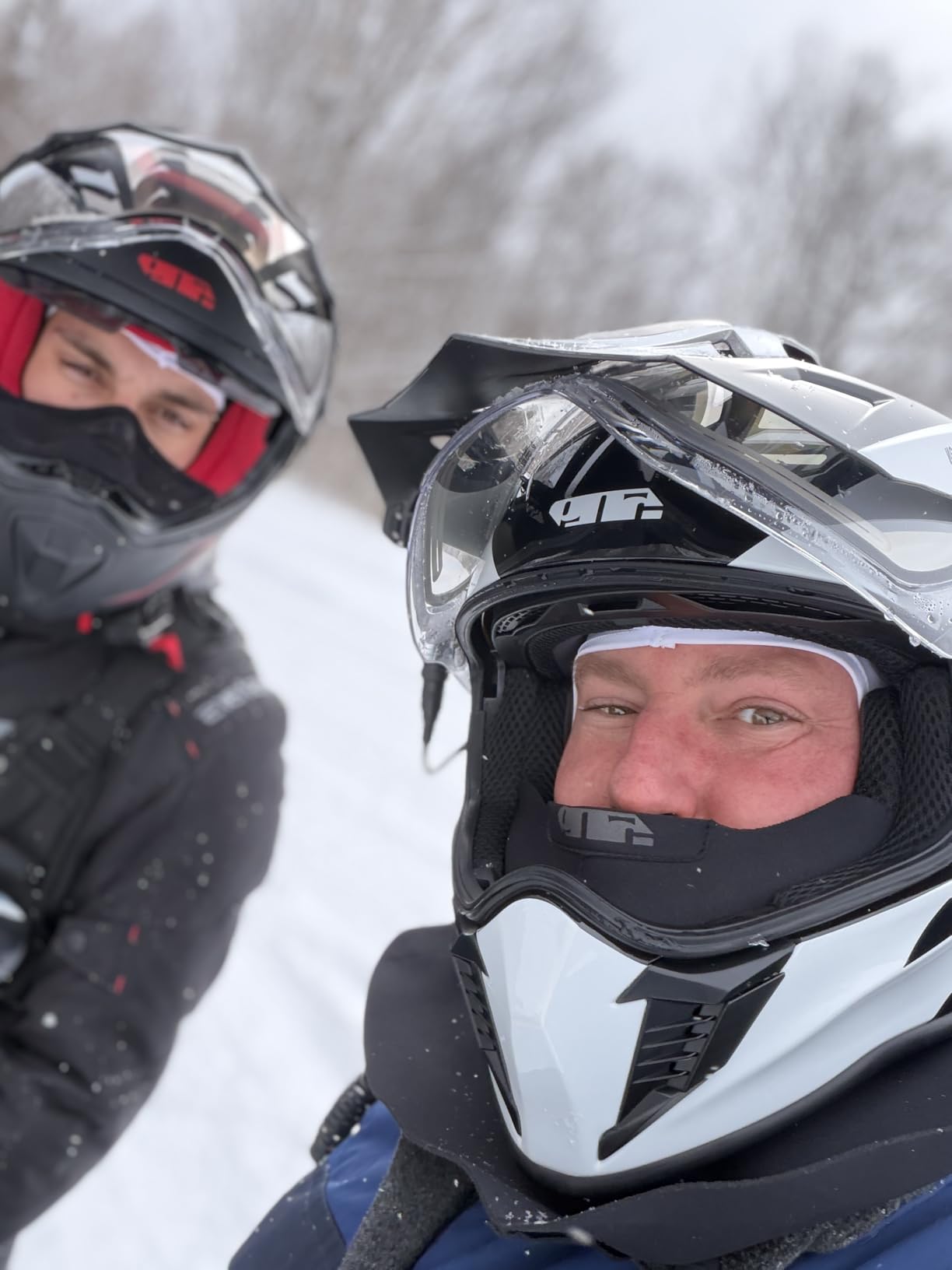
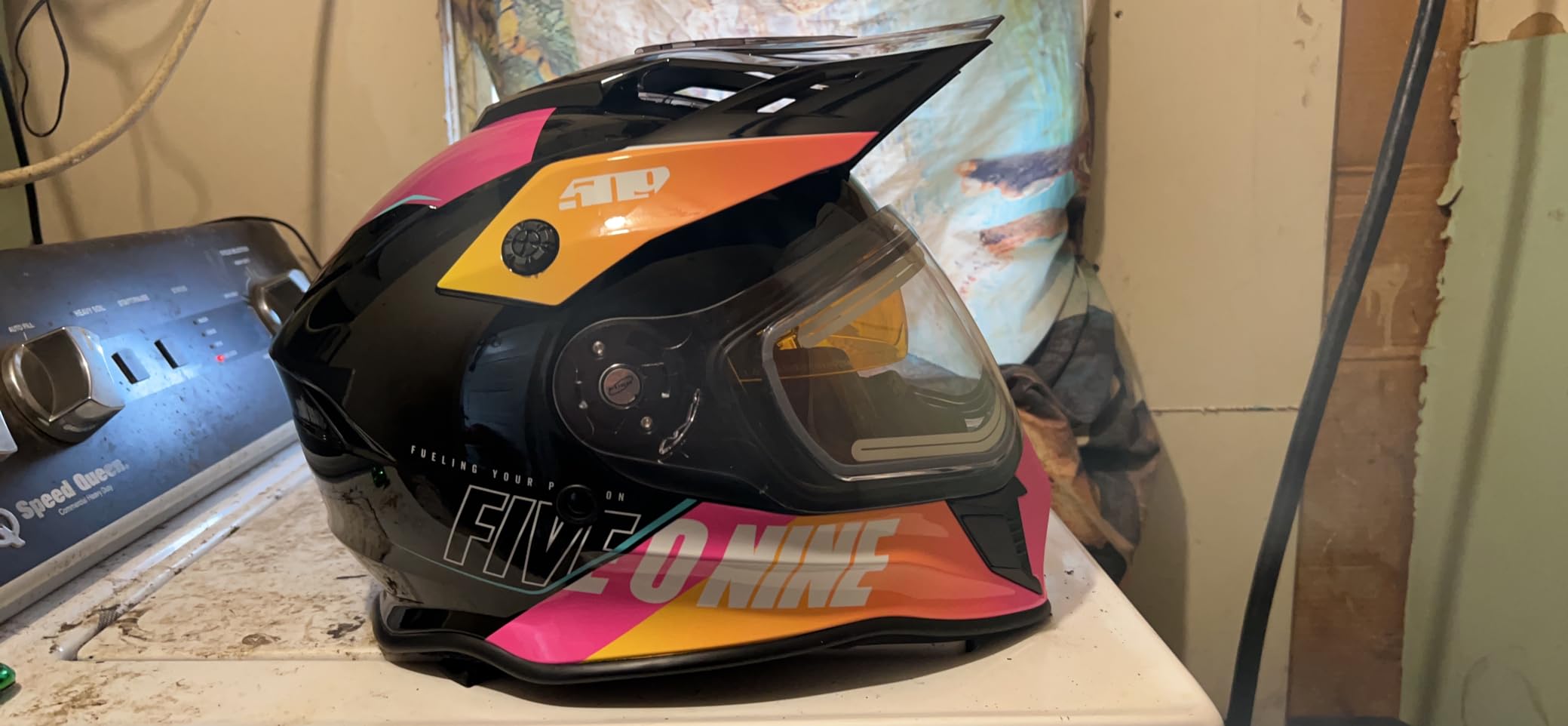
The dual-pane coated ITO electric clear shield clears ice in seconds after you have ridden through a freeze. In dual-sport configuration you wear goggles and the shield comes out entirely, which is the arrangement SnoWest riders describe as sealing close to wind and air leak free. The heater power cord is included in the box.
This model is DOT and ECE certified, which is unusual in a snow helmet at this level. The Fidlock chinstrap closure makes it easy to get in and out, and owners describe it as lightweight and comfortable for all-day wear even on long backcountry days.
The caveat that shows up most is fit. It runs slightly small for some head shapes, which is unusual given 509 offers multiple shell sizes on the R4. The internal sun visor also needs about half a minute to defog after being raised, and some owners say the shield’s own anti-fog performance is only fair.
Who benefits from the three-way configuration
The dual-sport setup is not a gimmick. If you spend weekends on ungroomed mountain terrain and also ride groomed trails, you get goggle flexibility in deep snow and a sealed chin bar on the trail. Riders switching from goggles to a shield report the chin curtain is the deciding factor for warmth, not the shell.
Because it is DOT and ECE certified, this is also the pick if you ride both machines from the same brand and want one helmet that suits a snowmobile and a motorcycle.
When to size up or look elsewhere
If you are between sizes or have a rounder head, read the fit complaints before ordering. Some owners needed to exchange sizes, and the heated shield hardware sits close to the cheek pads in the tighter shells. If a large head is your situation, the R4 above has more shell sizes and a more forgiving fit.
3. ScorpionEXO AT950: Cold-Weather Hardware, Cord Kit Included
- Electric shield cord set included in the box
- Single-lever chin bar lifts fully and stays up
- Interchangeable internal sun visor for snow or sun
- Speaker pockets and block-off plates included
- Breath box and aero skirt cold-weather kit included
- Heating element narrows usable field of view
- Shield can slide toward the chest on some head shapes
- Runs small
- so size up
- Heavier than premium composite helmets
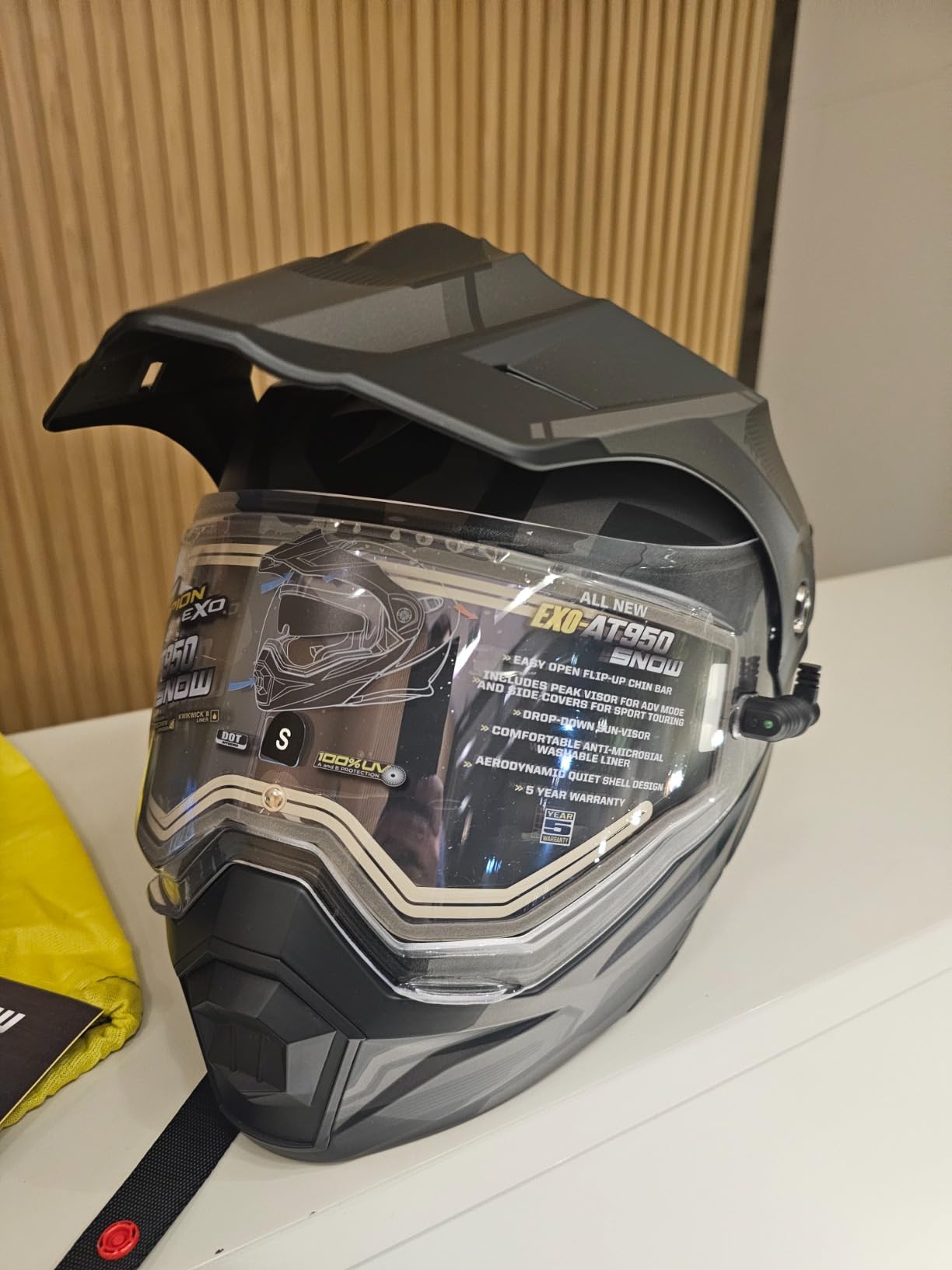
The AT950 is the one we would hand a rider who wants every cold-weather part in the box without chasing accessories. The full cold-weather kit is included: breath box, aero skirt, and the electric shield cord set. Nothing to buy afterward except a comms system.
Reviewers compare this helmet favourably to Shoei, Bell, Arai and HJC models and call it the best value in its class. The things they praise are mechanical: a tight visor seal, good ventilation, a well-built chin bar, and a snug cheek fit.
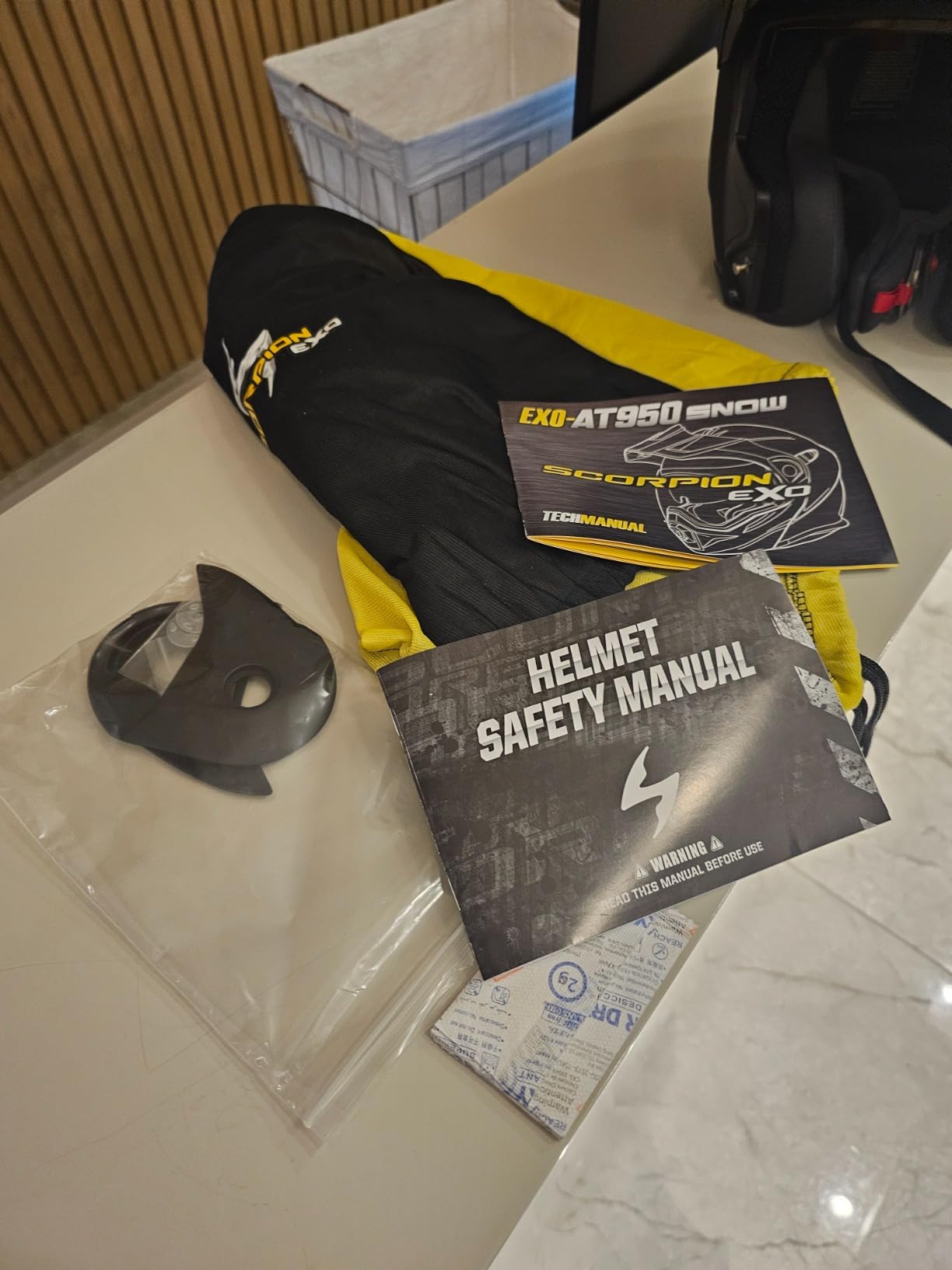
The Ellip-Tec ratchet shield system gives the shield 7.6mm of travel, which means you can pull the seal down tight against the rubber to cut wind noise at the eye port. That matters more in cold than in heat, because leaking air at the eye port is what chills the face.
The Everclear SpeedView internal sun visor is interchangeable, so a yellow lens for snow conditions and a smoked lens for spring riding are a swap rather than a purchase. The KwikWick II liner is removable and washable, speaker pockets are cut in, and block-off plates are included for when you are not running communications.
Two drawbacks show up repeatedly. The heating element in the lens does reduce usable vertical and horizontal field of view, which matters on narrow wooded trails. And the shield can slide down toward your chest on some head shapes in a sporty riding position, because the helmet shifts when you tuck.
Multiple owners also flag that sizing runs small, and several recommend going up one size. There is one report of a package arriving without the cord and heated shield, so check the box before you leave the driveway.
The chin bar that stays where you put it
The flip-up chin bar releases with a single lever and lifts fully out of the way without needing a retainer. On a long trail day that is the difference between a stop where you take your helmet off and a stop where you flip it up, talk, and flip it back down.
Because the chin bar has to seal the same when closed, this helmet needs a tighter fit than a fixed full-face. Size up if you are between sizes, and plan to wear the same base layer you will ride in when you first test the seal.
Where the field of view loss bites
If your riding is tight technical singletrack at low speed, the narrowed view from the heating element is worth factoring in. If you ride fast open trails, at distance, or at night, the heated shield advantage is far more valuable than the lost edge of vision.
4. Ski-Doo Oxygen: The Premium Helmet Built Around a Heated Visor Chamber
- Lighter composite shell than earlier Ski-Doo models
- Quiet NCS system cuts wind noise substantially
- Panoramic vision supports riding without a mask
- Prescription eyeglasses fit without modification
- Heated visor chamber clears the shield in extreme cold
- Second-highest price in this roundup
- Listed shipping weight far above comparable helmets
- Fewer colour and size options than value models
The Oxygen approaches fog control differently from every other helmet here. Instead of relying on a dual pane alone, it uses a heated sun visor chamber with an amplified heated visor and a pivot contact system, paired with a retractable amber sun visor behind it.
That gives it 138 ratings at 4.4. Owners highlight the heated visor chamber, the quiet NCS system, the panoramic vision that lets you ride without a separate mask, and how well prescription glasses fit without modification.
The M-FORGE composite shell is listed as 20 percent lighter than the BV2S helmet and 16 percent lighter than the Modular. Adjustable humidity extractor vents move moisture out of the interior, and the anti-fog and anti-scratch coatings are standard. An optional front LED utility light is available for night riding.
For a long-distance trail rider who wants to hear the machine rather than the wind, the NCS noise cancellation system is the differentiator. It is described as up to twice as quiet as the BV2S and three times as quiet as the Modular helmet.
The trade-offs are straightforward. This is one of the two most expensive helmets in the roundup, and fewer colour and size options exist than on the value-oriented models. The listed shipping weight is far above comparable helmets, which reflects packaging rather than the helmet itself.
Buy it if you are brand-loyal to Ski-Doo and want the quietest long-distance setup available. Skip it if your riding is short and cold rather than long and cold, because the heated visor chamber is the reason to pay for it.
Why mask-less riding works here
The panoramic field of vision is the quiet hero of this helmet. With the shield down and the sun visor retracted, owners report being able to ride without a separate mask, which removes one more seal to leak and one more thing to fog.
If you wear glasses, the prescription-friendly fit means you do not need to choose between clear vision and a sealed helmet. Riders on the CKX below report the same glasses-friendly benefit, so this is not unique to the Oxygen.
The cost question worth answering honestly
Riders keep asking whether the electric shield upgrade is worth roughly the extra cost if they do not ride much. If you ride ten days a season on local trails, the honest answer is that a heated modular will serve you better for less. The premium tier pays off in ride hours and in the miles where you would otherwise be clearing ice.
5. Typhoon TH158: Two Shields in the Box for Riders Who Change Conditions
Typhoon TH158 Adult Dual Visor Modular Snowmobile Helmet DOT Full Face Flip-up (Whie/Black, Large)
- Two shields included for summer and winter riding
- Dual-pane anti-fog coating handles moderate cold
- Adjustable breath box and chin skirt included
- Retractable tinted sun visor
- Documented sizing chart
- Shield is not heated so heavy icing still happens
- ABS shell is heavier and less refined than composite
- sizing must be based on head measurement
The TH158 is the pick when your seasons change faster than your gear budget. It comes with two shields: a single lens for summer and a dual lens for winter, and you swap them in seconds.
At 4.4 stars from 59 ratings with 66 percent five-star ratings, the appeal is straightforward value plus an adjustable breath box and chin skirt. Riders like the front flow channel ventilation and the retractable tinted sun visor for low-speed work.
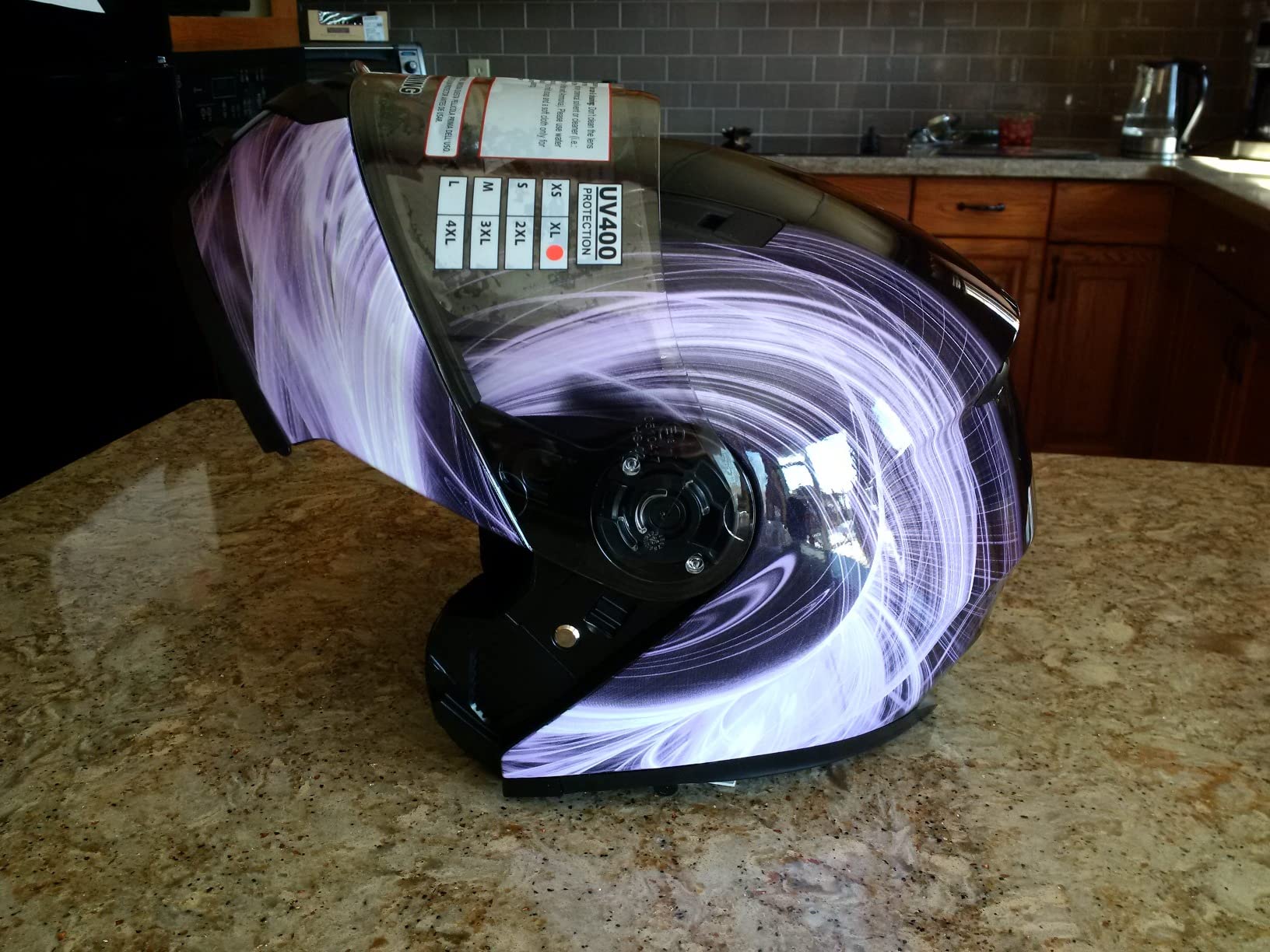
The distinction that matters is that this dual pane is not electrically heated. That is not a flaw at moderate temperatures, but it is the whole ballgame below roughly -25F. Reviewers are clear that the design targets moderate rather than extreme cold.
The ABS shell is heavier and less refined than the composite shells from premium brands, so on a long day you will feel it. What you get in exchange is a modular chin bar, two complete shields, and documented sizing guidance with a measuring chart.
That sizing chart matters more than it sounds. Every brand on this list sizes differently, and reviewers repeatedly stress that you must measure head circumference rather than mapping a previous helmet size. If you wear a balaclava, measure with it on.
When a second shield beats a heated one
If you ride three weeks of the year in serious cold, two shields serve you all year. The winter dual pane handles fog down to around -20F with the breath box fitted, and the summer single lens gives you a clear view in heat where a heated shield would just fog from the other side.
A heated shield does the same job in the cold but does nothing for the warm months. If your season swings, the swap pair wins on value.
Where this modular falls behind
Modular helmets need a tighter fit to seal when the chin bar is closed, and this one does not run large. Budget for that. The heavier ABS shell also shows up as neck fatigue on a full day of trail riding compared with the composite models here.
6. Castle X CX950 V2 Fierce: The Complete Electric Cold-Weather Bundle
- Full electric package in the box with cord kit and breath box
- Single-button chin bar lift for on-trail and off-trail use
- Quick-release shield replacement system
- Speaker pockets for communication systems
- Wide size and colour range across the family
- Most expensive modular in this group
- 8 percent of ratings are one star
- 5 pound listed weight is heavy for a modular
The CX950 V2 arrives as a complete cold-weather system: electric dual-pane no-fog shield, power cord kit, breath box, and a cold-weather chin curtain, all included. For a rider who does not want to assemble a heated setup from parts, that completeness is the argument.
At 4.3 from 68 ratings with 75 percent five-star ratings, the feedback is mostly about the package working together. The single-button chin bar lift is called simple for both on-trail and off-trail use, and the quick-release shield replacement system means you can change lenses without tools.
Buyers also mention the broad size and colour selection across the CX950 family, which matters more than it sounds when you are buying online and cannot try a size on first.
Where it disappoints is the negatives: 8 percent of ratings sit at one star, the highest negative share among the Castle X models here, and the listed 5-pound weight is on the heavy side for a modular. The price also puts it at the top of the modular range in this roundup.
The quick-release shield system in practice
Riders change lenses constantly, because a tinted shield at 3pm on a bright trail and a clear shield on a shaded descent are not optional in snow country. A tool-free swap means you carry the spare, not a screwdriver.
The quick-release system also reduces the temptation to ride with the wrong lens. That single habit is one of the most common causes of both fog and eye strain on cold rides.
Deciding between the two Castle X electric modulars
The CX935 Raid below is the cheaper version of the same idea and holds a lower rating. If you want the more established one, take the CX950. If you want the complete electric kit at the lowest outlay and you are between sizes, the Raid is the same package with less review history behind it.
7. Typhoon Heated Dual Lens Full Face: The Budget Route to an Electric Shield
Typhoon Helmets Adult Full Face Heated Dual Lens Shield Snowmobile Helmet (Pink, Large)
- Two complete shields included
- heated and non-heated
- Heated shield clears fog and installs easily
- DOT approval stamp accepted by rental operators
- Drop-down tinted internal sunshield
- Documented head circumference sizing
- Shell runs short front to back for tall or round heads
- Measured sizing required rather than guessing
- Shield and cord warranty void if the cord is modified
If your budget stops you from buying a heated modular, this is the honest low-cost route to an electric shield. The helmet comes with both a heated and a non-heated shield, so you also get a clear lens for warmer rides.
Owners report good value, a fit that runs true to size for most head shapes, and a heated shield that clears fog effectively and is easy to install. The DOT approval stamp is accepted by rental operators, which matters if you rent machines on trips rather than owning a sled.
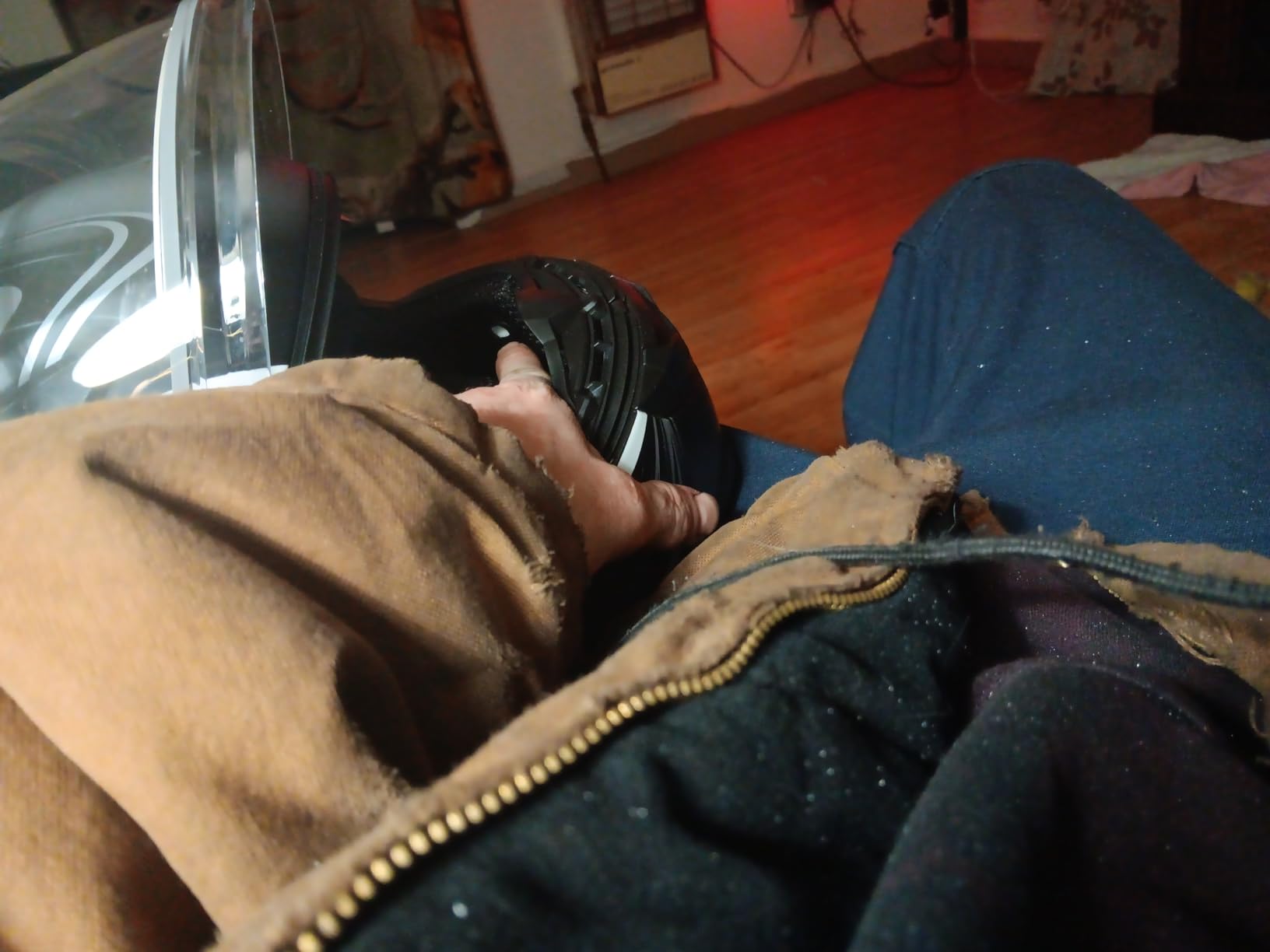
Sizes run from XS at 21 to 21.5 inches of head circumference up through XXL at 23.5 to 24 inches. The removable chin skirt and drop-down tinted internal sunshield round out a well-equipped package for the money.
The most repeated caution is shell length. Buyers with tall or round heads note the front of the helmet sits short and can leave the chin exposed, which is a real problem in cold air. The brand is emphatic about measuring head circumference rather than mapping a previous helmet size.
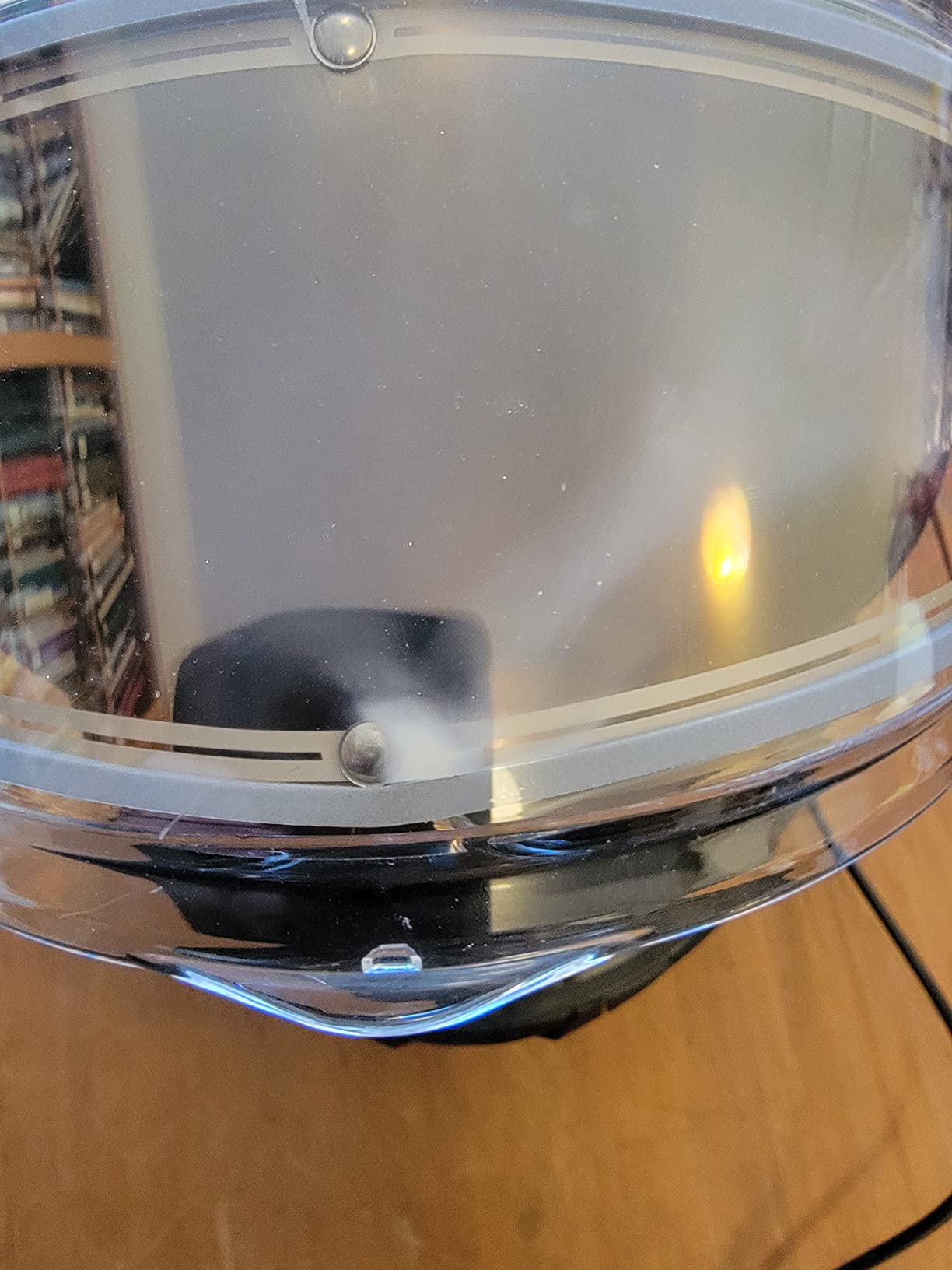
One further limitation: the warranty on the shield and cord is void if the cord is modified, so do not splice an extension into it.
Why the second non-heated shield is worth something
Many riders assume the heated shield supersedes a clear one. It does not. On a warm trail at speed, an electric shield can fog from the inside because the lens is being driven warmer than the air around it, and the only fix is to switch to the clear shield.
Having both lenses means you have that option without a second purchase, which is the single most practical thing in this package.
The tall-head problem to check before ordering
If you have a long front-to-back head shape, measure and compare before you buy, and ask about exchanges. Short front-to-back shells also affect how the chin curtain seals, and a poor seal there is where cold air finds its way in on a long day.
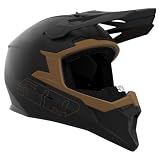
8. 509 Tactical 2.0: The Lightest Snow-Specific Shell for Milder Winters
509 Tactical 2.0 Snowmobile Helmet (Matte Black Gum – X-Small)
- Under 3 pounds so it disappears on a long day
- Venturi venting moves moisture out without cold air
- Removable chin curtain adapts to temperature
- Deep shell with oval shape for coverage
- Three-year warranty against materials and workmanship
- No heated or dual-pane shield so fog control depends on venting
- Double-ring strap closure is not glove friendly
- Limited colour and size variants in this listing
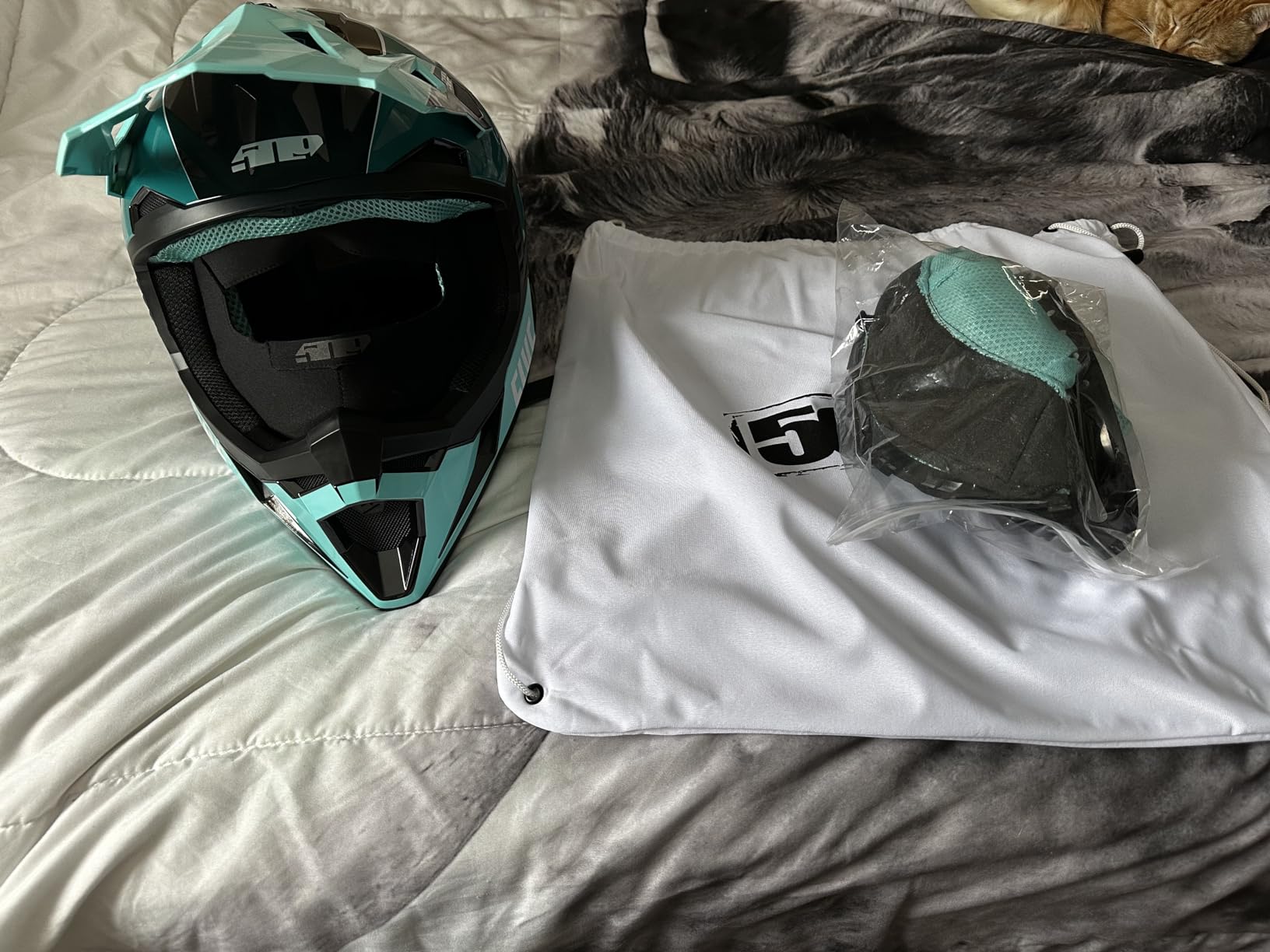
The Tactical 2.0 is the lightest helmet in this roundup at 2.9 pounds, and that weight is the entire argument. If you ride at low speed, stop often, or just dislike a heavy shell on your head, this is the one.
At 4.6 from 121 ratings with 81 percent five-star ratings, it holds a strong satisfaction curve. The deep shell with an intermediate oval shape gives full coverage, and reviewers respond to the Venturi vent’s ability to clear moisture without cooling the face.
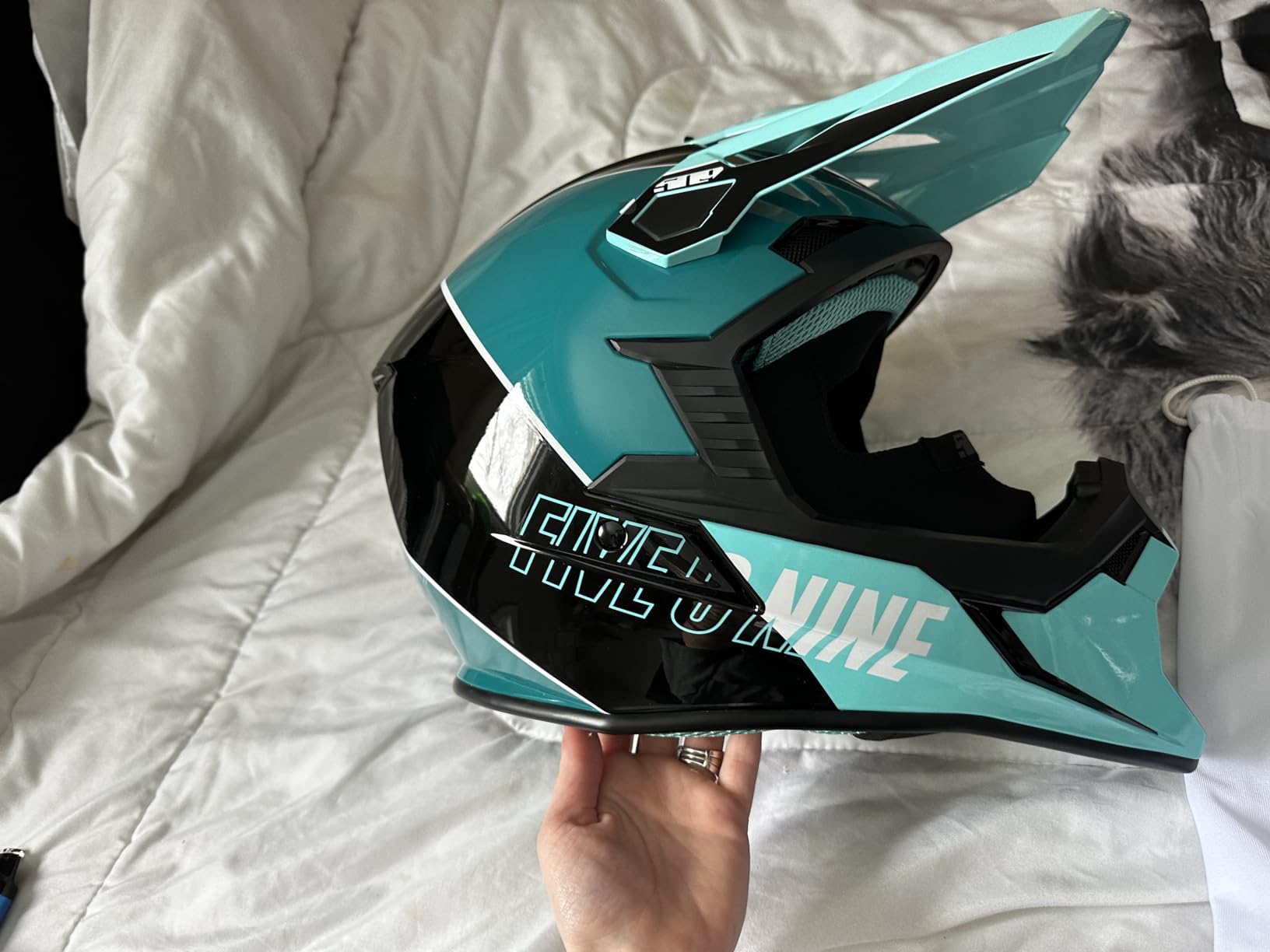
The removable arctic chin curtain is the cold-weather feature here, and it adapts rather than insulating. Pull it up for a cold morning trail, pull it down when the ride warms up. It does not replace a heated shield, but it does extend the season.
The polycarbonate composite shell is built for stiffness and impact absorption, and the helmet is DOT FMVSS 218 approved with a three-year warranty against materials and workmanship.
Be clear-eyed about the main limitation: there is no heated or dual-pane shield. Fog and ice control depend on the chin curtain and venting alone, which means this helmet is a poor choice if you ride below freezing for hours at speed. The double-ring strap closure is also the least glove-friendly in this roundup.
Who will be happiest in this helmet
Riders in coastal or southern-tier snow, spring riding, or anyone on a snowcat or short trail loop where they are under way for an hour rather than a day. The weight difference is felt most on back-to-back days.
It also works as a second helmet. One for groomed valley riding in the cold, one heated for the mountain trip, is a setup several long-distance riders described in forum threads.
Where it falls apart in real cold
Below about 10F at highway speed, the single lens will fog and you will spend the ride lifting it. That is exactly the situation a heated shield exists to solve, and no amount of vent management changes it.
9. Castle X CX200: A Dual Sport Helmet That Handles Moderate Cold
- Dual-pane shield resists fogging better than a single lens
- Breath box and chin curtain included
- Integrated drop-down sun visor for low-speed riding
- Eyeglass-friendly cheek pads
- Removable washable liner
- Runs small so several owners size up
- Not heated so shields can still ice at speed and in depth
- One owner reported heavy mask fogging venting did not solve
The CX200 is the dual-sport option for riders who want the deep-powder flexibility of a convertible shell with better cold protection than a pure MX helmet. The dual-pane shield resists fogging better than a single lens, and a breath box and cold-weather chin curtain are included.
Owners call it warm, comfortable, stylish and good value. The integrated drop-down sun visor is convenient for low-speed work, and the removable washable interior with eyeglass-friendly cheek pads suits riders who wear glasses.
Multi-density EPS and an advanced polycarbonate composite shell built with CAD and injection moulding form the structure, with front-to-back ventilation channels to reduce heat and moisture. DOT FMVSS 218 certified.
The recurring caution is fit. Multiple buyers note it runs small, and one parent buying for a child had to exchange a medium for a large. Sizing up is the standard advice.
The other limitation is the one every non-heated dual-pane helmet shares. At least one owner saw the mask freeze up at speed despite venting, which is the honest limit of dual-pane technology in sustained deep cold. At moderate temperatures with the breath box fitted, it holds up well.
The eyeglass-friendly detail worth checking
If you wear prescription glasses, cheek pad design matters more than any feature on this list. Eyeglass-friendly pads leave a channel for the temple arm, which stops the frame from being crushed and stops the lens from fogging because it is pressed against your cheek.
The CKX Mission below earns specific praise from riders for the same reason. If you wear glasses, filter on that before anything else.
The depth-of-snow tradeoff
Deep powder riders choose convertible shells because they can swap goggle lenses on the fly, and no heated full-face gives you that. The cost is thermal performance, because you have given up a sealed chin bar and a heated lens in exchange.
10. ScorpionEXO AT960: The One With Bluetooth Pockets and Dual Certification
- Visor reported fog free at 80 mph in 20F weather
- Warm enough for sub-zero riding at speed
- Amber internal sun visor improves contrast
- 50mm round speaker pockets for Bluetooth
- Bib
- breath deflector and aero skirt included
- Rear and chin coverage can run short for some riders
- Runs a size small
- Chin strap uses a D-ring rather than a ratchet latch
- Latch can freeze in cold conditions
The AT960 is the group-ride pick here. The 50mm round speaker pockets are cut for Bluetooth communication systems, the breath deflector and aero skirt come with it, and it carries both DOT FMVSS 218 and ECE 22.06 certification with a five-year warranty.
Owners report the visor not fogging while riding, even at 80 mph in 20F weather, and describe it as warm enough for sub-zero riding at speed, sometimes to the point of overheating once the layers are on. The amber internal sun visor earns praise for improving contrast and clarity.
The eye port is 11cm tall, which is a real dimension in a helmet and gives a wide field for peripheral and downward visibility on technical terrain. The external peak visor is removable, and block-off plates are included for running without the peak.
The complaints are specific and worth weighing. Chin curtain and rear coverage can run short for some riders, requiring an extra neck layer. The chin strap uses a D-ring rather than a modern ratchet quick release, which is exactly the wrong choice for gloved hands in cold. There is also a report of the latch freezing in cold conditions.
Setting up communications without a second helmet
Riders report the AT960 working well with a Bluetooth comms pack straight out of the box. With the internal sun visor retracted to house the unit and block-off plates fitted for unused pockets, you get group communication without a separate helmet in your bag.
The detachable internal sun visor means you can swap it out for a variant with no electronics in it. Keep a non-communications visor for solo riding and a comms visor for group days.
Why we rated this below the other Scorpion
With 20 ratings, this is one of the smallest review bases in the roundup, and 11 percent of ratings sit at two stars. The reported performance is strong; the evidence behind it is thinner than for the AT950 above.
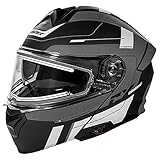
11. Castle X CX935 Raid: The Lower-Cost Complete Electric Modular
Castle X CX935 Raid Modular Electric Snow Helmet (Matte Charcoal/Silver – Large)
- Complete electric kit in the box with cord
- breath box and chin curtain
- Single-button chin bar raise is quick and reliable
- Hard-coated optically correct shield
- Quick-release shield replacement
- Communication system compatible
- Lowest rated Castle X here at 4.2 with 11 percent two-star ratings
- Small review base of 30 limits reliability evidence
- 5 pound weight is heavy for a modular
The CX935 Raid gives you the same complete electric package as the CX950 for less: electric dual-pane shield, power cord kit, breath box, and a cold-weather chin curtain, all in the box.
The hard-coated optically correct shield carries a quick-release replacement system, so you can change lenses without tools. The single-button chin bar raises reliably, and the helmet is communication system compatible.
What holds it back is the score and the sample size. It carries 4.2 from 30 ratings, the lowest of the Castle X models here, with 11 percent of ratings at two stars. Positive comments concentrate on the bundled electric package and the quick chin bar.
Construction is a hard-shell budget-brand polycarbonate rather than a lightweight composite, at a listed 5 pounds. For modulars that is on the heavy side and you will feel it by the afternoon.
Where this makes sense
If your budget is the deciding factor and you ride in genuine cold, this gets you an electric shield and a breath box, which are the two components that actually prevent fogging. Very few alternatives at the lower end include both.
You give up refinement: a heavier shell, a smaller proven review base, and the more finished mechanical details of the CX950.
The honest verdict on the small review base
Thirty ratings is thin for long-term durability claims. If you keep helmets for many seasons, the CX950 or the 509 options have far more documented history. If you replace helmets on a shorter cycle, this is a defensible buy.
12. CKX Mission AMS: The Best Breath Control on the List
CKX Mission AMS Snow Helmet w/Electric Shield (Matte Black) (Large)
- Breath guard seals across nose and cheeks
- Performed well in below-zero weather per owners
- Comfortable enough for all-day wear
- Wears eyeglasses without them fogging
- Tool-free peak and shield removal via push button ratchet
- Smallest review base here at 16 ratings
- Highest price in the roundup
- Electric visor carries only a one-year warranty
The Mission AMS earns its place for one component above all others: the ergonomic, adjustable and removable breath guard. Owners describe it as sealing across the nose and cheeks while staying open underneath, which is exactly the behaviour you want from a breath deflector.
At 4.6 across 16 ratings, it ties the 509 Delta R3L Ignite and the 509 Tactical 2.0 for the highest average in this roundup, with the smallest review base. Read that as promising rather than well established, and consider it alongside the eight-year ownership reports riders give for the older Ski-Doo Modular 3 and BV2S.
The AMS, or Air Management System, handles integrated airflow across the shell, supported by two-zone adjustable air vents at the shield. Owners report the helmet performs well in below-zero weather, is comfortable enough for all-day wear, and lets them wear eyeglasses without them fogging. The 2XL sizing runs consistent with other 2XL helmets.
The clear electric shield comes with a retractable yellow sun visor, and the ProClip quick release chin strap means you are not working a buckle with gloves on. A push-button ratchet removes the peak and shield without tools, and the liner and cheek pads are removable and washable.
Against that: 16 ratings is the smallest review base in the roundup, the electric visor carries only a one-year warranty against three years on the shell, and this is the most expensive helmet here. On the Ski-Doo Snowmobiles Forum, a rider who moved to a CKX Mission after eight years with Ski-Doo helmets described edge fogging and random water drips inside the shield that the older models did not produce.
The breath guard is the reason to consider it
Most breath boxes dump air down and forward, which works but sends moisture onto the inside of the shield at low speed. A guard that seals across the nose and cheeks at speed and opens underneath at walking pace is a better version of the same idea, and it is the single component riders praise most on this helmet.
If fogging is your main fear, this design answers it in hardware rather than in technique, which is worth a great deal on a long ride.
When the fogging complaints should stop you
That same forum report is a fair caution. A newer, more expensive helmet fogging at the edges where an eight-year-old model did not is a real and documented experience. Buy the Mission for its breath guard and airflow design, but test the shield seal on a cold day before committing to a long-season relationship with it.
Which Helmet Style Handles Cold Weather Best?
Style is the second decision after shield technology, and it trades warmth against flexibility. A full-face helmet is the warmest and the least flexible. A modular is nearly as warm with the chin bar closed and lets you talk at stops. A dual-sport or Snocross shell gives you goggle lens swaps for deep snow but gives up a sealed chin bar.
Riders on forum threads regularly ask whether Snocross-style helmets are warm enough given you wear goggles instead of a shield. The answer from experienced riders is that they are, with a winter liner, and that a 509 helmet with goggles seals close to wind and air leak free. That is a configuration choice rather than a compromise.
Whatever style you pick, measure and try before ordering. Riders across every forum we checked repeatedly recommend trying helmets at a local dealer, because fit is brand-specific and nobody trusts online sizing alone. If you cannot, measure carefully and order from somewhere that exchanges.
Heated Shield or Dual-Pane: The Fog Decision That Matters Most
If you only get one thing right on a cold-weather helmet, get the fog control right. A dual-pane shield traps an insulating gap between two lenses so your breath cannot condense on the cold inner pane. A heated shield runs a resistive element around the lens perimeter, powered by the sled, which keeps the glass above freezing.
A properly sealed dual-pane shield plus a fitted breath guard handles roughly down to -20F. A heated electric shield is the only option that stays clear below that, and it is the direct answer to the best snowmobile helmet for no fog question that gets asked more than any other on this topic.
The catch is the cord. Riders dislike it universally. On the Ski-Doo Snowmobiles Forum a rider who ran electric shields on several helmets said he usually never used it because he hated the cord, then immediately conceded the electric shield is worth it at -35C, around -31F, and colder. That is the honest version of the heated-shield pitch.
There is also a heat-versus-fog tradeoff you should know about. Closing vents to stay warm increases fogging. Opening them to clear fog dumps cold air into the helmet. The answer is a breath guard that directs your breath away from the shield while leaving the vents slightly cracked to move moisture out, which is exactly what the CKX Mission and the Scorpion breath boxes are built for.
One more realistic limit on heated shields: you cannot simply swap or lift the lens to clear fog faster. The only remedy is raising the shield and exposing your face. Riders who mountain-ride rarely choose heated helmets for that reason, because they prefer goggle flexibility and constant movement keeps them warm.
What Temperature Do You Actually Need a Heated Shield For?
Here is the framework forum riders use anecdotally, mapped to shield technology. Treat it as a starting point and adjust for your speed, your base layers and how much of your face is exposed.
Above 30F, a single-pane shield with vents open is fine, and a heated shield can actually fog from the inside. Between 10F and 30F, a dual-pane shield handles trail riding and you want the chin curtain closed. Between -5F and -20F, use a dual-pane shield with a properly fitted breath box and vents cracked open. Below -25F, a heated electric shield moves from optional to sensible. At -31F and colder, riders consistently say the cord stops being an annoyance.
Speed changes all of it. The same helmet that works at 25 mph on a groomed trail can fog at highway speed, because more air moves past the seal and more moisture is generated. If your riding is fast and open, move up one band.
Riders in Alaska treat a heated visor as standard rather than luxury, on the grounds that you do not want any air on your face or it will frostbite you. That is the correct read for anyone riding sustained sub-zero temperatures on exposed terrain.
Does Your Sled Have the Power to Run a Heated Shield?
This is the question riders ask most often and get the least help on, so it can end a sale at the counter. Three steps will tell you before you spend anything.
First, check whether your sled has a 12V heated-shield port. Most current machines do, and the helmet plug kit connects there. Second, if your sled is older, ask your dealer about adding a power tap, which is the standard fix for machines that predate the connection. Third, confirm the helmet includes the cord kit, because heated capability is a factory option on a given model rather than something you bolt onto any old helmet later.
You can also run a heated helmet from a separate battery pack, which sidesteps the sled’s electrical system entirely at the cost of another thing to charge. If your sled has no port and you do not want a power tap installed, that is the route.
One more wiring note: the Typhoon heated helmet voids the shield and cord warranty if the cord is modified, so do not splice an extension in. Route the cord down inside your jacket rather than out through the collar, and leave enough slack at the chest so a hunched riding position does not pull it.
How to Measure Your Head for a Snowmobile Helmet
Fit decides whether any of the above works. Measure with a flexible tape about one inch above your eyebrows and ears, wrapping level all the way round, then compare against that brand’s chart.
Sizing is not standardized across brands, which is why a medium in one brand can be a large in another. Every brand in this roundup sizes differently, and reviewers repeatedly warn against mapping your previous helmet size across brands. Measure, then use the chart.
Measure wearing the balaclava or liner you will actually ride in. That single step accounts for most of the fit complaints we saw, and it is the reason several of these helmets run small. Modular helmets need a tighter fit than full-face models because the chin bar has to seal when closed, so check that seal specifically.
Riders with round or large head shapes should pay attention to the short front-to-back complaints, which appear repeatedly in the Typhoon and Castle X reviews. A shell that is too short leaves the chin exposed, and cold air finds that gap first.
Finally, replace a helmet that has been in service for many years even if it has never been crashed. Shell composites, EPS foam and adhesives all age, and riders comparing an eight-year-old pair of helmets with a current one found the older models fogged less. Treat age as a safety issue, not a cosmetic one.
DOT, ECE or Snell: What the Certification Label Means
Every helmet in this roundup is DOT FMVSS 218 approved, which is the US legal requirement for motorcycle and powersports helmets. Two models here also carry ECE 22.06, the European standard, which tests rotational impact and adds requirements beyond DOT.
DOT FMVSS 218 is the baseline. ECE 22.06 is a meaningfully higher bar that several newer helmets now meet, and the ScorpionEXO AT960 above is one example. If a listing does not name a certification at all, treat that as a warning rather than a neutral detail.
Forum threads raise non-DOT budget helmets sold as snowmobile gear as a recurring concern, and it is a fair one. A low-cost helmet with no certification stamp is not a deal, and riders have reported rental operators refusing unsealed or unstamped helmets.
Certification does not tell you anything about warmth, fogging or fit. Those are the things riders actually live with, and they are the reason this roundup leads with shield technology rather than test standards.
Frequently Asked Questions
What are the best helmets for winter riding in cold weather?
The best helmets for winter riding are full-face or modular models with a dual-pane shield, an insulated liner and a sealing chin curtain. Add an electric heated shield if you regularly ride below -25F or at highway speed on exposed trails, since no passive system stays clear below that range.
What is the best snowmobile helmet for no fog?
A heated electric shield is the only fully fog-proof option. A properly sealed dual-pane shield plus a fitted breath guard handles everything down to roughly -20F. Use anti-fog spray on the inner pane, keep vents cracked to move moisture out, and wipe the inside of the lens with a microfiber cloth rather than paper towels.
Are snowmobile helmets warmer than motorcycle helmets?
Yes. Snowmobile helmets use dual-pane shields, insulated liners, sealing chin curtains and breath boxes specifically to trap heat. Motorcycle helmets are built with single-pane lenses and open vents for airflow at road speeds, which makes them far colder in snow conditions.
Can you add a heated shield to a snowmobile helmet?
Usually not as a retrofit. The heating element is built into the shield, so heated capability is a factory option on that model. Confirm your sled has a 12V heated-shield port, and if your machine is older ask your dealer about adding a power tap. A separate heated-helmet battery pack is an alternative.
How do I keep a snowmobile visor from fogging up?
Use a dual-pane shield and fit the breath guard so it seals across your nose and cheeks. Keep vents slightly open so moisture can escape rather than building up. Apply anti-fog spray to the inner pane and clean it with a microfiber cloth. Avoid paper towels and dish soap, which leave residue that makes fogging worse.
How do I find my snowmobile helmet size?
Measure your head circumference about one inch above your eyebrows and ears with a flexible tape, then compare to that brand’s chart because sizing is not standardized. Always try on wearing the balaclava or liner you will ride in, and expect modular helmets to need a tighter fit to seal when the chin bar is closed.
Do I need an electric shield for snowmobiling?
You need one if you ride below roughly -25F, at sustained highway speed, on long-distance routes, or at high altitude. Dual-pane shields handle moderate cold well. Riders describe the electric shield as worth the cord at -31F and colder, where ice forms on the inside of the lens and cannot be cleared any other way.
The Best Snowmobile Helmets for Cold Weather, Verified
The best snowmobile helmets for cold weather in 2026 come down to one question: how cold does it actually get where you ride. Below -25F at speed, you want the 509 Delta R4 Ignite, which pairs a dual-pane heated shield with detachable heater wiring and a Fidlock clasp you can work with gloves on, and carries the largest review base we looked at. If your head runs small or you ride deep powder and want goggle flexibility, the 509 Delta R3L Ignite converts between three configurations and holds the highest average rating in the group.
For the most cold-weather hardware in the box, the ScorpionEXO AT950 includes the breath box, aero skirt and electric shield cord set and runs small, so size up. If your budget stops at a heated modular, the Castle X CX935 Raid and the Typhoon heated full face both deliver an electric shield without the premium tier’s cost.
Two checks before you order: measure your head wearing the balaclava you will actually ride in, and confirm your sled has a 12V port or a power tap for the heater. Then try it on at a dealer if you can, because fit is brand-specific and no review captures it as well as ten minutes in the shop.
If you are also gearing up for the season, our guides to cold-weather sleeping bags and cold-weather hunting boots cover the rest of what goes on a long trip north.