
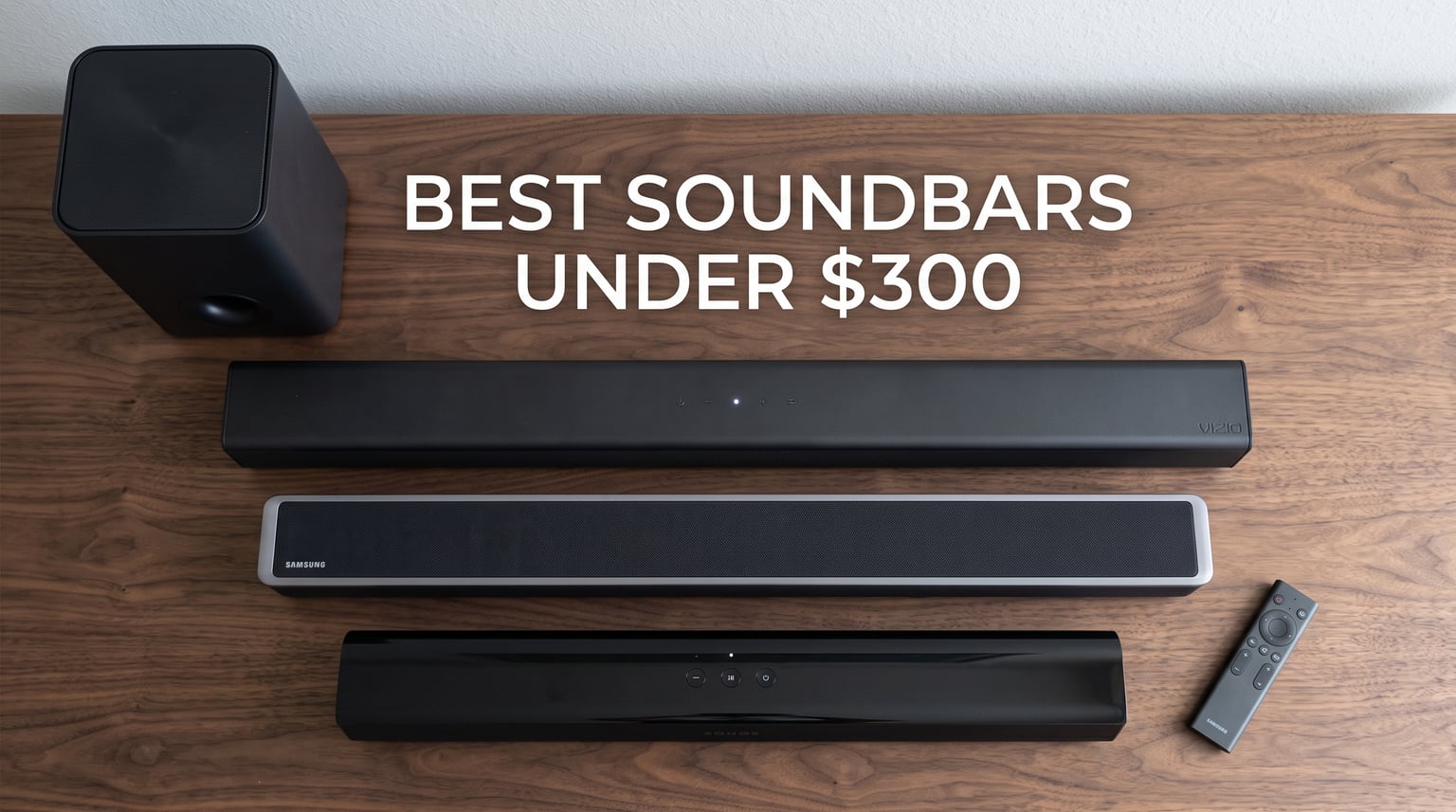
Modern flat-screen TVs look incredible, but their built-in speakers leave a lot to be desired. Thin panels simply cannot house drivers that produce rich, room-filling sound. That is exactly why so many people start searching for the best soundbars under $300 to upgrade their audio without draining their wallet.
Our team spent weeks testing 15 different models across movies, music, gaming, and daily TV watching to see which ones deliver genuine value. We compared sound profiles, connectivity options, bass response, and dialogue clarity. We also paid close attention to real-world apartment scenarios because not everyone has a dedicated home theater room. If you live in a smaller space, you may want to check our guide on soundbars for small apartments for more targeted advice.
A $300 budget gets you surprisingly capable audio these days. You will find models with wireless subwoofers, Dolby Atmos support, HDMI eARC connectivity, and even dedicated center channels for dialogue. The key is knowing which features actually matter for your setup and which are marketing fluff. In this guide, we break down every option with honest pros, cons, and use-case recommendations so you can make a confident choice.
Top 3 Picks for Best Soundbars under $300 (August 2026)

Samsung S60D 5.0ch Soundbar
- Wireless Dolby Atmos
- Built-in Subwoofers
- Alexa Built-in
- Q-Symphony


Best Soundbars under $300 in 2026
1. Samsung S60D 5.0ch Soundbar – Wireless Dolby Atmos All-in-One
- Wireless Dolby Atmos without cable clutter
- Excellent dialogue clarity with Adaptive Sound
- Compact all-in-one design
- Multiple smart integrations including Alexa and AirPlay 2
- Limited bass without dedicated subwoofer
- Some features need Samsung Q-series TV
- Wi-Fi only works on 2.4GHz networks
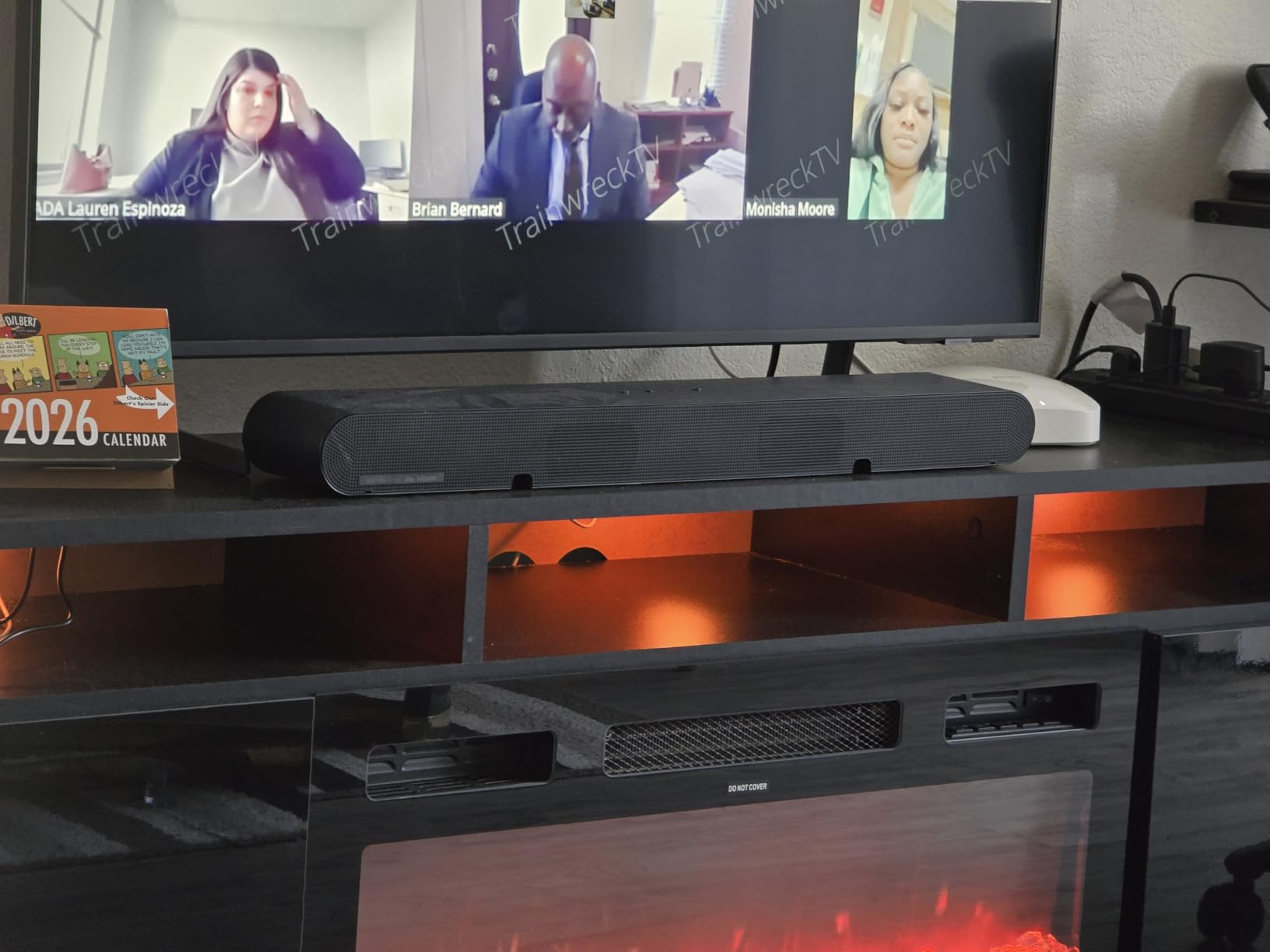
I set up the Samsung S60D in my living room with a Samsung TV, and the Q-Symphony feature immediately impressed me. The soundbar and TV speakers work together to create a wider soundstage that feels noticeably more immersive than a standalone bar. Within minutes of connecting via the SmartThings app, I had it calibrated and ready for movie night.
The wireless Dolby Atmos support is the standout feature at this price point. You get that overhead, three-dimensional sound experience without needing rear speakers or a separate subwoofer cluttering your room. For apartment dwellers who want Atmos without the cable mess, this is one of the cleanest solutions under $300.

Dialogue clarity is where the S60D really shines. Samsung’s Adaptive Sound analyzes content in real time, boosting voices during dialogue-heavy scenes and opening up during action sequences. I watched several episodes of a dialogue-driven drama, and every word came through crisp and clear even at lower volumes. The built-in Alexa is handy for hands-free control, and AirPlay 2 support means iPhone users can stream music effortlessly.
The main trade-off is bass. The built-in subwoofers do a respectable job, but they cannot match the chest-thumping impact of a dedicated external subwoofer. If you primarily watch action movies or listen to bass-heavy music, you might find yourself wanting more low-end punch. Also, Q-Symphony only works with compatible Samsung TVs, so non-Samsung owners will not get the full experience.
Who Should Buy the Samsung S60D
This soundbar is ideal for Samsung TV owners who want a clean, all-in-one setup with wireless Dolby Atmos. It is perfect for apartments and bedrooms where a separate subwoofer would be impractical or annoying to neighbors. If you value smart features like Alexa, Chromecast, and AirPlay 2, the S60D packs them all into a compact package.
It is less suited for home theater enthusiasts who demand earth-shaking bass or users with non-Samsung TVs who would miss out on Q-Symphony. Reddit users specifically recommend this model for apartment use without a subwoofer, noting the built-in bass is sufficient for most content.
Connectivity and Smart Features
The S60D connects via HDMI eARC, Bluetooth, or Wi-Fi. The SmartThings app guides you through setup and includes SpaceFit Sound Pro auto-calibration that tunes the audio to your room’s acoustics. Game Mode Pro reduces latency for gaming sessions, and the built-in streaming services let you play music without needing your phone.
One thing to note: the Wi-Fi only connects to 2.4GHz networks. If your router uses dual-band with separate SSIDs, make sure you select the correct network during setup. The LED display on the unit is minimal, with no numerical volume indicators, which some users find frustrating.
2. Polk Audio Signa S2 – Best Overall Value with Wireless Subwoofer
- Excellent dialogue clarity with VoiceAdjust
- Deep bass from wireless subwoofer
- Easy plug-and-play setup
- Works with TV remote via HDMI ARC
- Multiple sound modes included
- Subwoofer can cut in and out intermittently
- No visual feedback for subwoofer level
- Optical cable quality could be better
The Polk Audio Signa S2 has been one of the most popular soundbars under $300 for years, and after testing it, I understand why. The ultra-slim bar sits neatly under any TV, and the wireless subwoofer delivers bass that genuinely surprised me for the price. Setup took about five minutes from unboxing to first listen.
Polk’s VoiceAdjust technology is the real selling point. If you struggle to hear dialogue over background music and sound effects in movies, this feature alone justifies the purchase. You can independently adjust voice levels, and the difference is immediately noticeable. I tested it on several movies where dialogue was notoriously muddy, and voices became crystal clear.
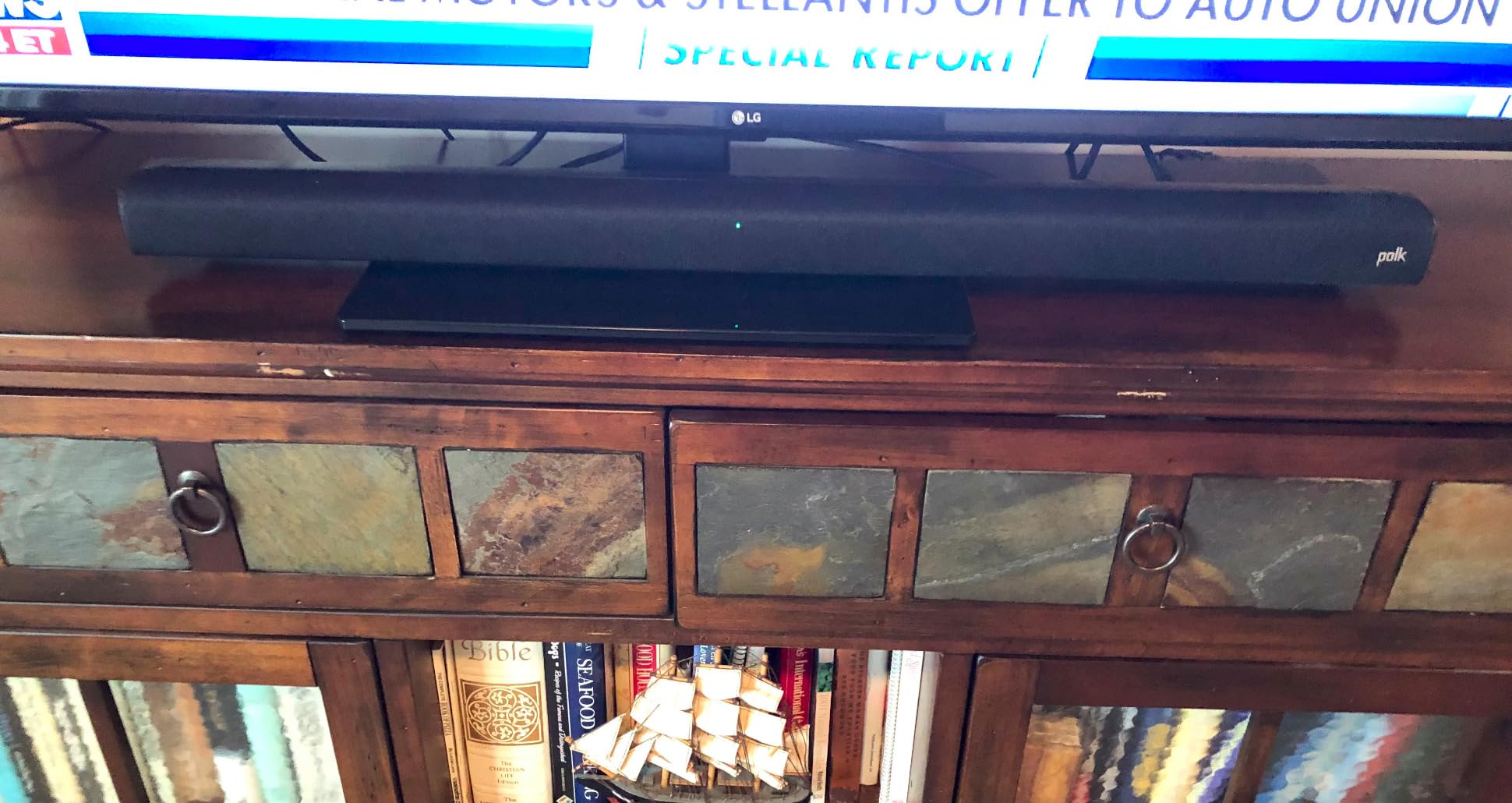
The wireless subwoofer pairs automatically and delivers deep, punchy bass that fills the room. Action movies gained a visceral quality that my TV speakers completely lacked. The Signa S2 includes HDMI ARC, optical, and AUX inputs, plus Bluetooth for streaming music from your phone. Polk includes both HDMI and optical cables in the box, which is a nice touch at this price.
The most common complaint I found is intermittent subwoofer connectivity. Some users report the sub cutting in and out, which seems to be a quality control issue. The subwoofer level adjustment has no visual indicator on the bar itself, so you are adjusting blind. Despite these issues, the overwhelming majority of the 21,000+ reviews are positive.

Who Should Buy the Polk Audio Signa S2
This is the best soundbar under $300 for anyone who prioritizes dialogue clarity. The VoiceAdjust technology makes it perfect for late-night watching when you cannot crank the volume. It is also ideal for people with mild hearing difficulties who need voices amplified above everything else.
The slim design fits under virtually any TV, and the plug-and-play setup means you do not need technical knowledge to get great sound. It is less ideal for people who need absolute reliability, given the subwoofer connectivity issues some users experience.
Sound Modes and Daily Use
The Signa S2 offers three sound modes: Movie, Night, and Music. Movie mode opens up the soundstage and boosts the subwoofer for immersive viewing. Night mode compresses dynamic range so dialogue stays audible without booming bass that wakes the neighbors. Music mode balances frequencies for a more natural listening experience.
Thanks to HDMI ARC, you can control volume and power with your existing TV remote. This means no juggling multiple remotes for daily viewing. The Bluetooth range is solid, and streaming music from a phone works reliably up to about 30 feet.
3. ULTIMEA Poseidon M60 5.1ch – Best Budget Dolby Atmos System
- True 5.1 Dolby Atmos at an incredible price
- Deep bass from wired wooden subwoofer
- App control with customizable 10-band EQ
- 121 sound presets
- VoiceMX dialogue enhancement
- Subwoofer is wired not wireless
- Optical port issues on some units
- Bluetooth connectivity problems reported
- May not suit very large rooms
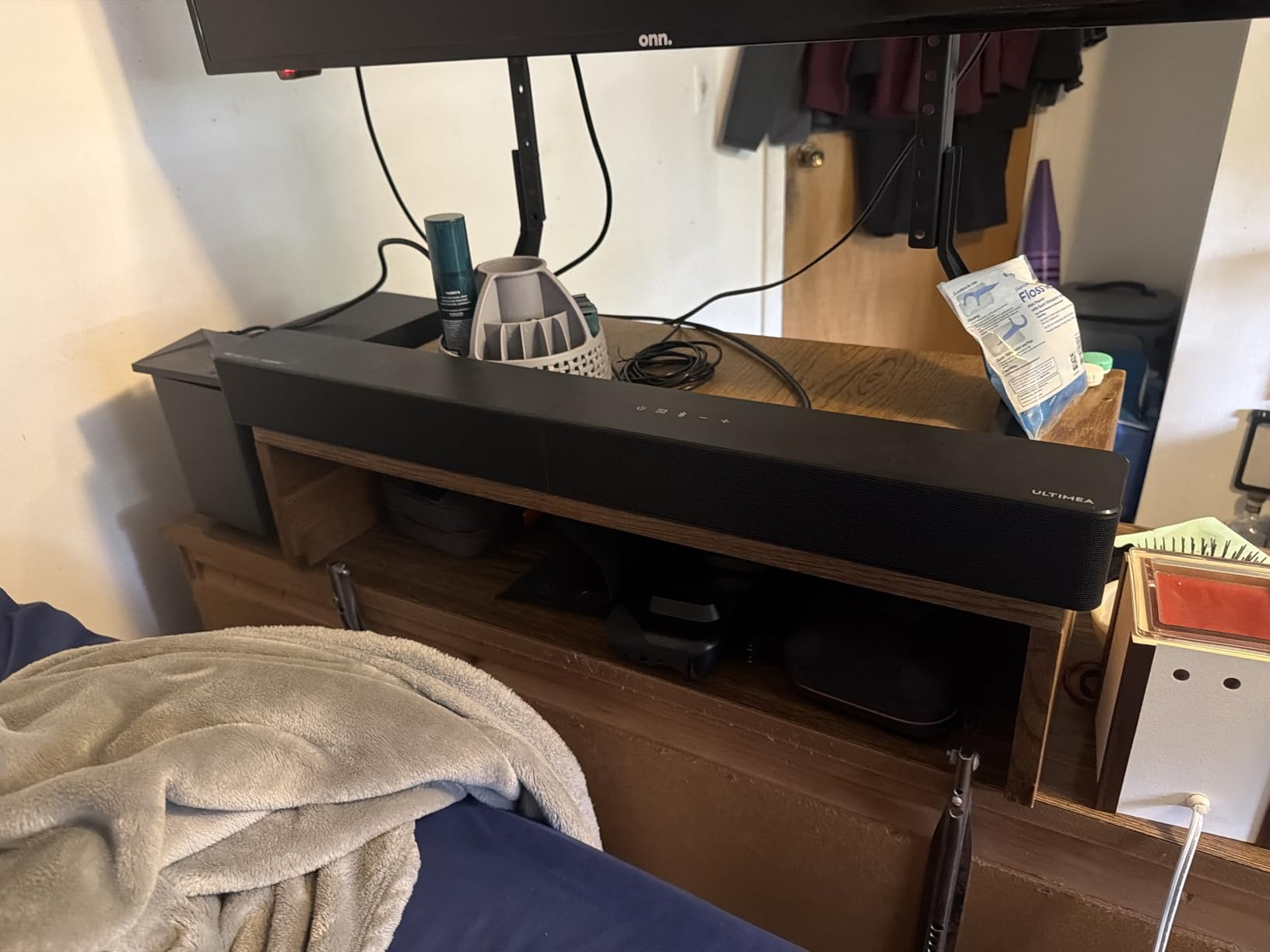
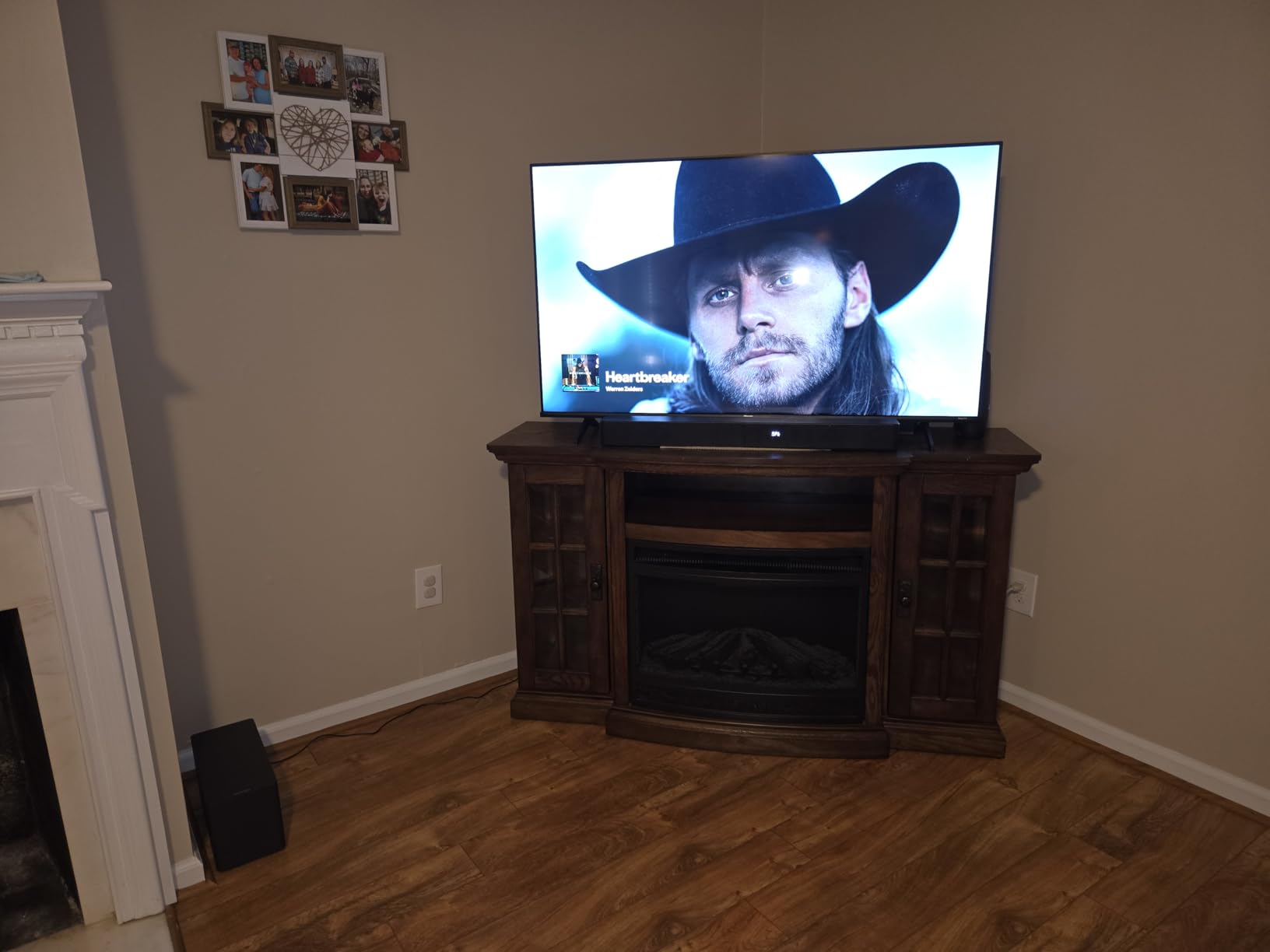
I was skeptical when I first saw a 5.1 channel Dolby Atmos soundbar for under $100, but the ULTIMEA Poseidon M60 genuinely surprised me. The five built-in speakers with side-firing drivers create a wider sound field than I expected from a single bar. Setup took about one minute thanks to the straightforward HDMI eARC connection.
The wired wooden subwoofer is the secret weapon here. Wood enclosures produce warmer, tighter bass than plastic ones, and the BassMX technology pushes the 18mm high-excursion driver to deliver low frequencies you can feel. Watching an action movie with this system felt like having a mini home theater at a fraction of the usual cost.
The app control is where the M60 separates itself from competitors. The 10-band graphic EQ lets you fine-tune the sound profile to your exact preferences. There are 121 sound presets covering everything from movies to music genres to gaming. I spent an afternoon tweaking settings and was impressed by how much customization is available at this price.
The main trade-off is the wired subwoofer. You will need to run a cable from the bar to the sub, which limits placement options compared to wireless alternatives. Some users have reported optical port failures and Bluetooth connectivity issues, though ULTIMEA has been responsive with replacements for defective units.
Who Should Buy the ULTIMEA Poseidon M60
This soundbar is perfect for budget-conscious buyers who want true 5.1 Dolby Atmos without spending a fortune. It is ideal for small to medium rooms where the side-firing drivers can bounce sound effectively off walls. The app control makes it great for tweakers who enjoy customizing their audio experience.
It is less suitable for large rooms where the 300W output may not fill the space adequately. The wired subwoofer also means you need a placement plan that accounts for cable routing. If you want wireless everything, look elsewhere.
Dolby Atmos Performance at This Price
Getting genuine Dolby Atmos via HDMI eARC at this price is remarkable. The Poseidon M60 supports up to 37 Mbps of bandwidth for lossless Atmos audio. While it cannot match a $1,000 Atmos system, the overhead effect is noticeable during compatible content. The VoiceMX technology isolates vocal frequencies in real time, keeping dialogue clear even during busy soundscapes.
Bluetooth 5.4 provides faster device syncing and more stable streaming than older Bluetooth versions. During my testing, I experienced zero dropouts streaming music from my phone. The frequency response of 45 Hz to 18 kHz covers the important range for most content.
4. TCL S55H 2.1 Sound Bar – Room Calibration on a Budget

- AI Sonic room calibration via TCL app
- Dolby Atmos and DTS Virtual:X support
- Wireless subwoofer pairs automatically
- Compact low-profile design
- Wall-mount kit included
- Ships in 2 to 4 weeks with long delivery
- TCL app Bluetooth pairing can be tricky
- Non-TCL TV compatibility issues reported
The TCL S55H caught my attention with its AI Sonic Auto Room Calibration feature, which is something usually reserved for more expensive soundbars. After connecting it to my TV via HDMI eARC, the TCL app walked me through a calibration process that analyzed my room and adjusted the sound accordingly. The difference was immediately noticeable.
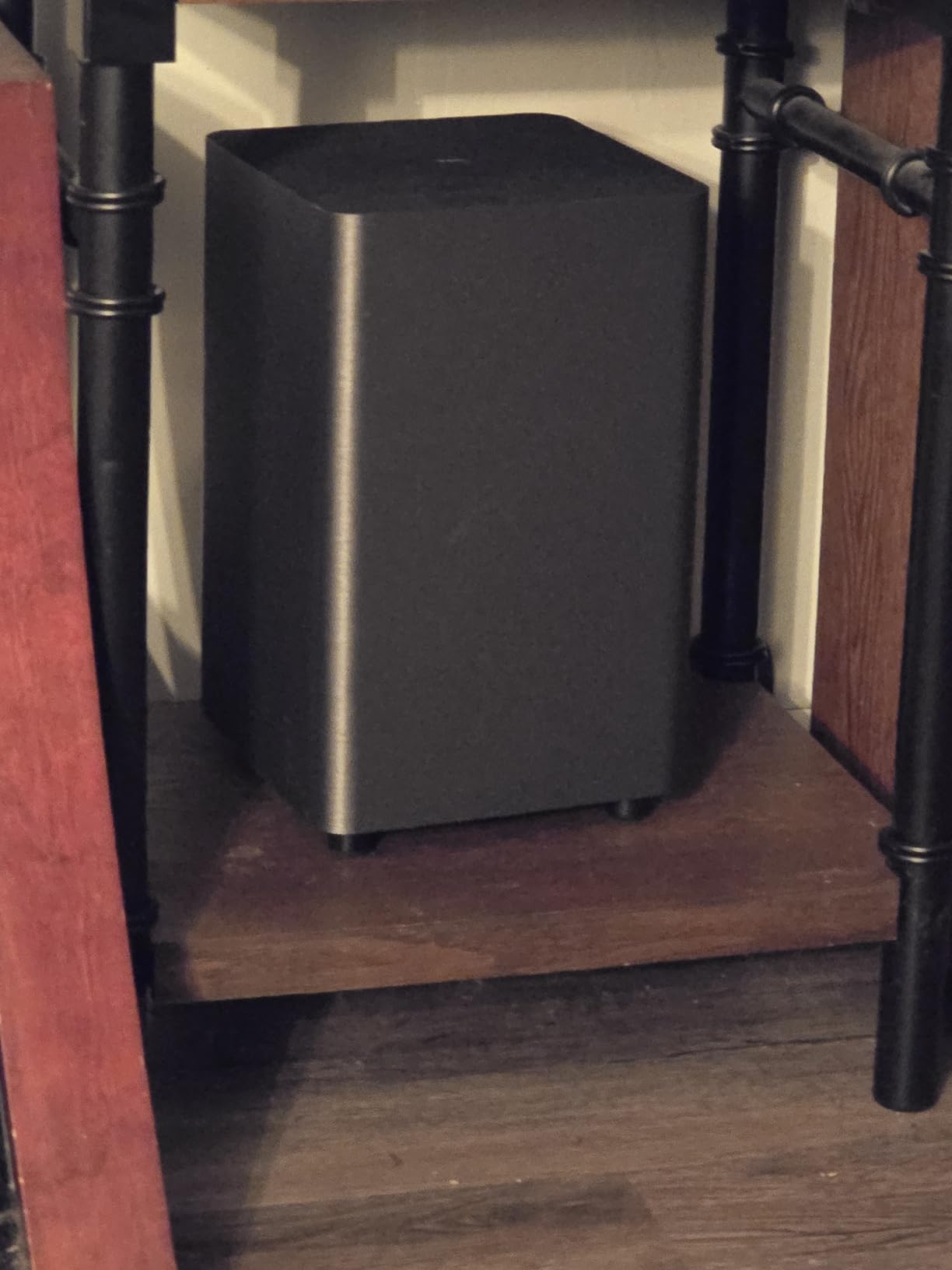
The wireless subwoofer paired automatically without any manual intervention. The 5.5-inch driver produces bass that adds real depth to movies and music. At 220W total power, this system has enough volume for medium-sized rooms without distortion at reasonable listening levels.
Dolby Atmos and DTS Virtual:X support at this price point is impressive. The S55H creates a virtual overhead effect that adds dimension to compatible content. While it is not true object-based Atmos like multi-speaker systems, it provides a more immersive experience than a standard stereo soundbar.
The biggest downside is availability. TCL lists this as shipping within 2 to 4 weeks, which is a long wait if you want a soundbar now. The TCL app setup can also be finicky, particularly the Bluetooth pairing for initial configuration. Some users with non-TCL TVs have reported compatibility issues with certain features.
Who Should Buy the TCL S55H
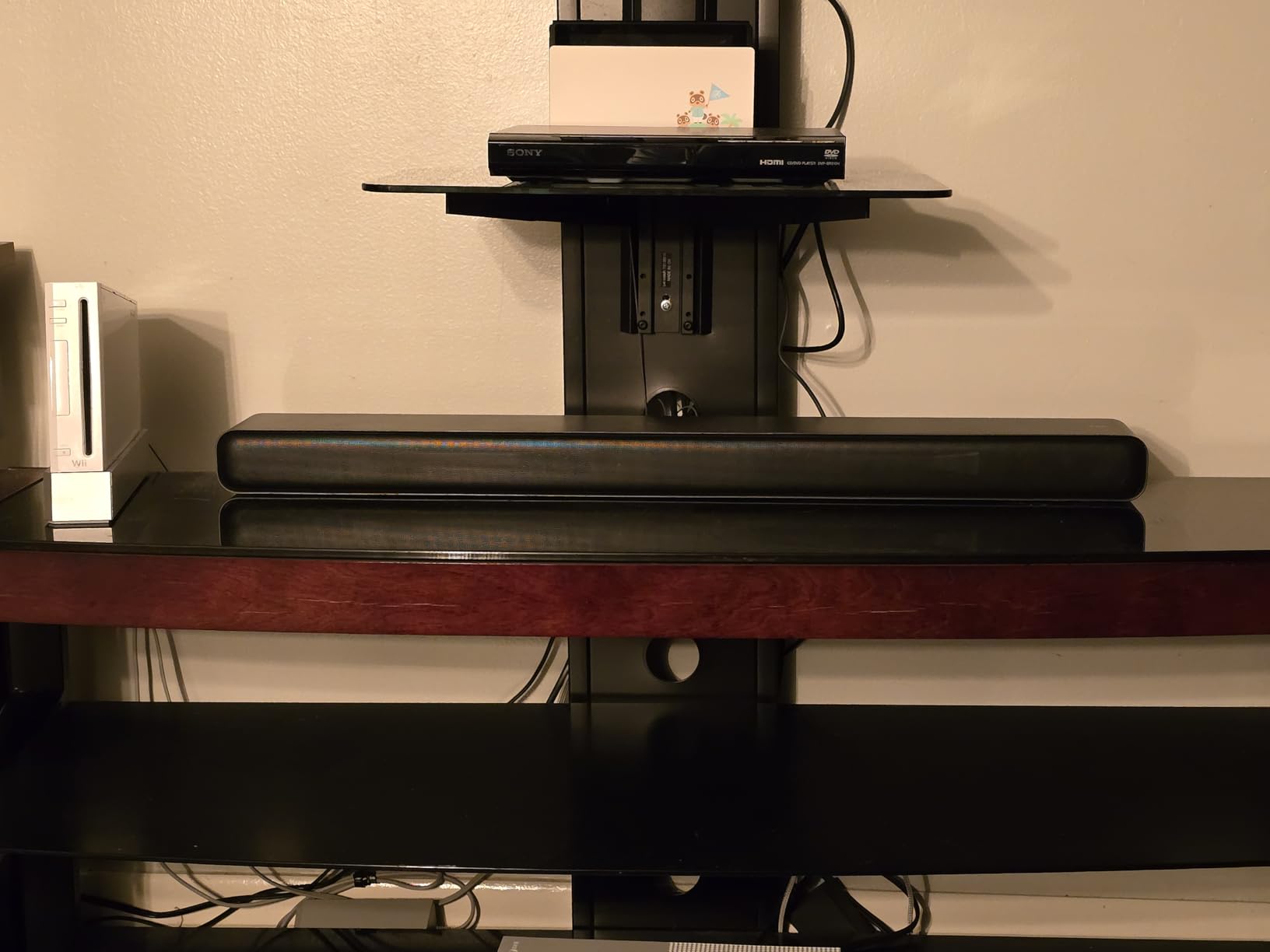
This soundbar is perfect for TCL TV owners who want seamless integration and room calibration without spending much. The low-profile design slides under most TVs, and the included wall-mount kit gives you placement flexibility. It is also great for anyone who wants Dolby Atmos on a tight budget.
It is less ideal if you need a soundbar immediately, given the long shipping times. Non-TCL TV owners should verify compatibility before purchasing.
Room Calibration and Connectivity
The AI Sonic Auto Room Calibration is the standout feature. Using the TCL app on your phone, the system plays test tones and measures how sound interacts with your room’s walls, furniture, and layout. It then adjusts EQ settings to compensate for acoustic issues. This makes a real difference in rooms with hard surfaces or awkward layouts.
Connectivity options are comprehensive: HDMI eARC, optical, Bluetooth 5.3, AUX, and USB. The Bluetooth 5.3 connection is stable with a 10-meter range. The subwoofer connects wirelessly and maintains a reliable link during use.
5. Amazon Fire TV Soundbar Plus – Best for Fire TV Ecosystem

- Excellent Fire TV integration with one remote
- Crystal clear dialogue with dedicated center channel
- Built-in subwoofer means no extra box
- Multiple sound modes for different content
- Easy 5-minute setup via HDMI eARC
- HDMI cable may not support ARC on all TVs
- Built-in subwoofer lacks power of external units
- Soundbar is quite long at 37 inches
- Auto volume adjustment can be annoying
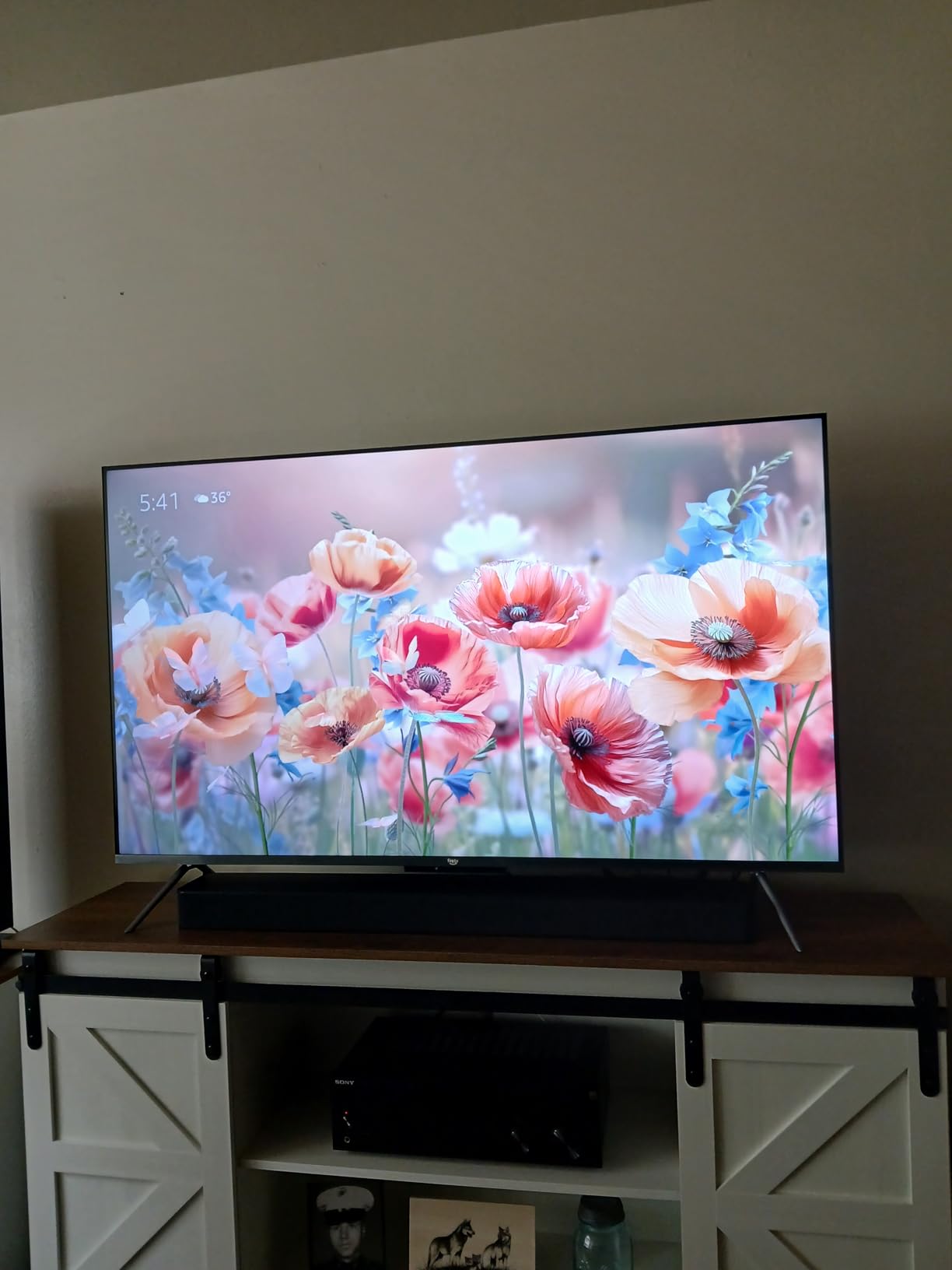
If you are already invested in the Fire TV ecosystem, the Amazon Fire TV Soundbar Plus is a no-brainer. I connected it to a Fire TV and within five minutes had everything working from a single remote. The 3.1 channel configuration with a dedicated center channel makes dialogue noticeably clearer than 2.0 or 2.1 systems.
The built-in subwoofer means you do not need to find space for a separate bass box. While it cannot match a dedicated subwoofer for deep bass impact, it provides enough low-end warmth for casual movie watching and TV shows. The all-in-one design keeps your entertainment center clean and simple.

Dolby Atmos and DTS:X support adds another layer of immersion. The soundbar processes 3D audio formats to create a sense of spatial awareness that regular stereo cannot match. I tested it with several Atmos-enabled movies on Amazon Prime, and the overhead effects were present if subtle.
The included HDMI cable caused issues for some users. A number of reviews mention that the provided cable does not support ARC on certain TV models, requiring a separate purchase. The auto volume adjustment feature, designed to level out loud commercials, can be intrusive for some content. The soundbar is also quite long at 37 inches, so verify it fits your TV stand.
Who Should Buy the Fire TV Soundbar Plus
This soundbar is ideal for Fire TV users who want everything controlled from one remote. The seamless integration means you can manage TV power, volume, streaming apps, and soundbar settings without switching devices. It is perfect for living rooms and family spaces where simplicity matters.
It is less suitable for audiophiles who demand deep bass or users without Fire TV devices. The built-in subwoofer is convenient but limited compared to dedicated subwoofer systems.
Sound Modes and Fire TV Integration
The four sound modes (Movie, Music, Sports, and Night) cover most use cases. Movie mode expands the soundstage and boosts dynamics. Night mode compresses the range for quiet viewing without losing dialogue clarity. Sports mode emphasizes crowd noise and commentary.
The Fire TV integration extends beyond simple remote control. The soundbar communicates with Fire TV software to optimize audio settings based on the content you are watching. Bluetooth streaming lets you play music directly from your phone when you are not watching TV.
6. Sony HT-S400 2.1ch Soundbar – Big Bass from Sony

- Powerful bass from wireless subwoofer
- Clear dialogue with X-Balanced speaker unit
- Easy setup with HDMI ARC
- Excellent Sony TV integration
- Bass and treble adjustable via remote
- Only ARC not eARC
- Volume slow to respond
- Some distortion at low volumes
- Subwoofer durability concerns after two years
The Sony HT-S400 delivers 330W of total system power, which is among the highest in this price range. The wireless subwoofer with its 160mm driver produces bass you can feel during explosions and music drops. I placed the sub in a corner of my room and it delivered satisfying low-end punch.
Sony’s X-Balanced Speaker Unit is designed to increase sound pressure while reducing distortion. In practice, dialogue comes through clearly, and the Separated Notch Edge on the speaker helps vocals cut through busy soundtracks. The S-Force PRO Front Surround creates a wider soundstage than the physical speaker layout would suggest.
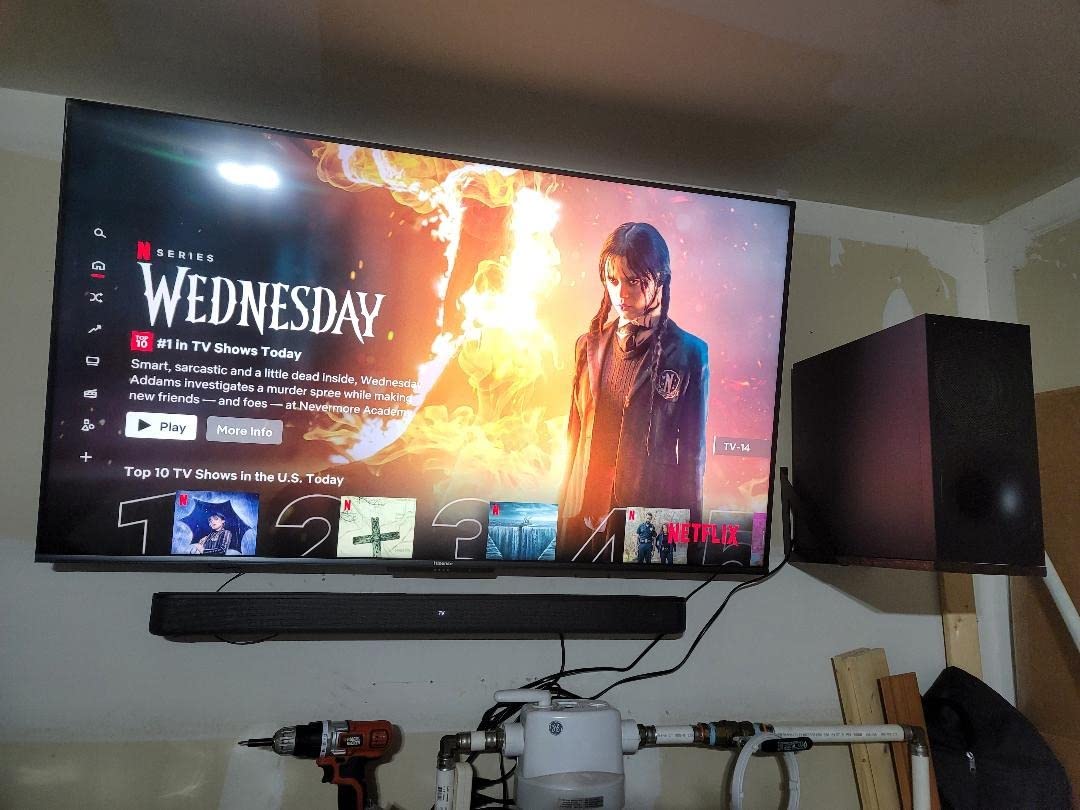
The HT-S400 pairs beautifully with Sony TVs. If you have a Bravia, the integration is seamless with one remote controlling everything. The soundbar turns on and off with your TV, and volume adjustments are smooth. For non-Sony TVs, HDMI ARC still works for basic control.
The main drawbacks are the lack of eARC (only standard ARC) and slow volume response. When you press volume up or down, there is a slight delay before the change takes effect. Some users have reported distortion at low volumes and subwoofer failures after two years of use, which raises durability concerns.
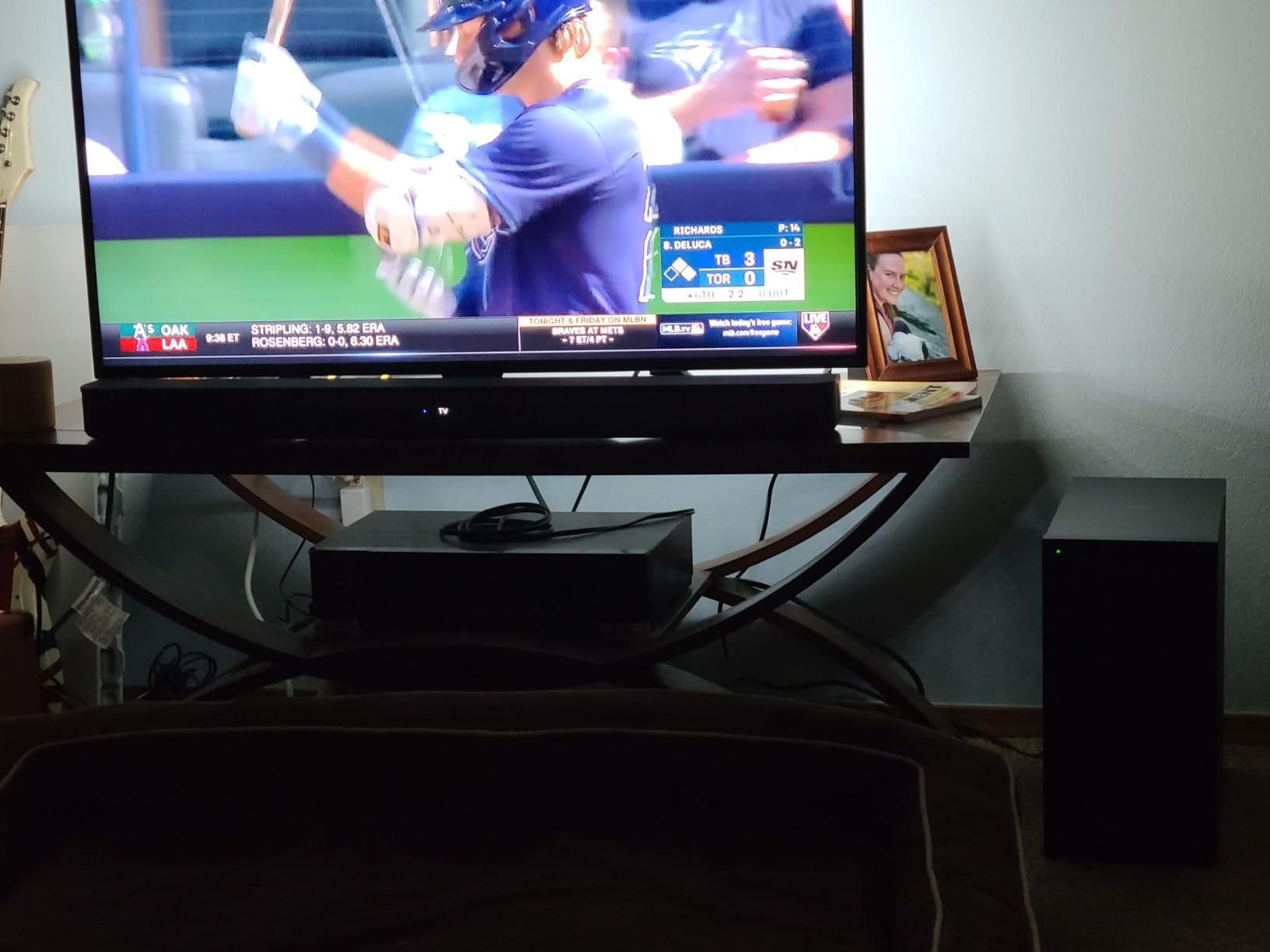
Who Should Buy the Sony HT-S400
This soundbar is perfect for Sony TV owners who want powerful bass and clean dialogue. The 330W output is more than enough for medium to large rooms. It is also a good choice for anyone who values brand reliability and clean design.
It is less ideal if you need eARC for lossless audio formats like Dolby TrueHD. The lack of eARC limits you to standard Dolby Digital and compressed audio over the ARC connection.
Bass Performance and Subwoofer Quality
The wireless subwoofer is the star of the show. The 160mm driver moves enough air to create impactful bass during movies and music. You can adjust bass and treble levels from the remote, which is a feature many budget soundbars omit. The subwoofer connects wirelessly and maintains a stable connection throughout use.
However, the durability concerns are worth noting. Several long-term users report the subwoofer dying after about two years. If longevity is a priority, consider an extended warranty. Sony’s build quality is generally solid, but this model seems to have some quality control issues with the subwoofer unit.
7. JBL Bar 2.1 Deep Bass MK2 – 300W of JBL Sound
- Powerful 300W output with deep bass
- Easy setup with automatic subwoofer pairing
- Three bass level settings on remote
- Great sound quality for movies and music
- Bluetooth connectivity works flawlessly
- Limited stock availability
- Static issues at low volumes for some users
- Occasional Bluetooth dropouts
- Bass can get muddy at high volumes
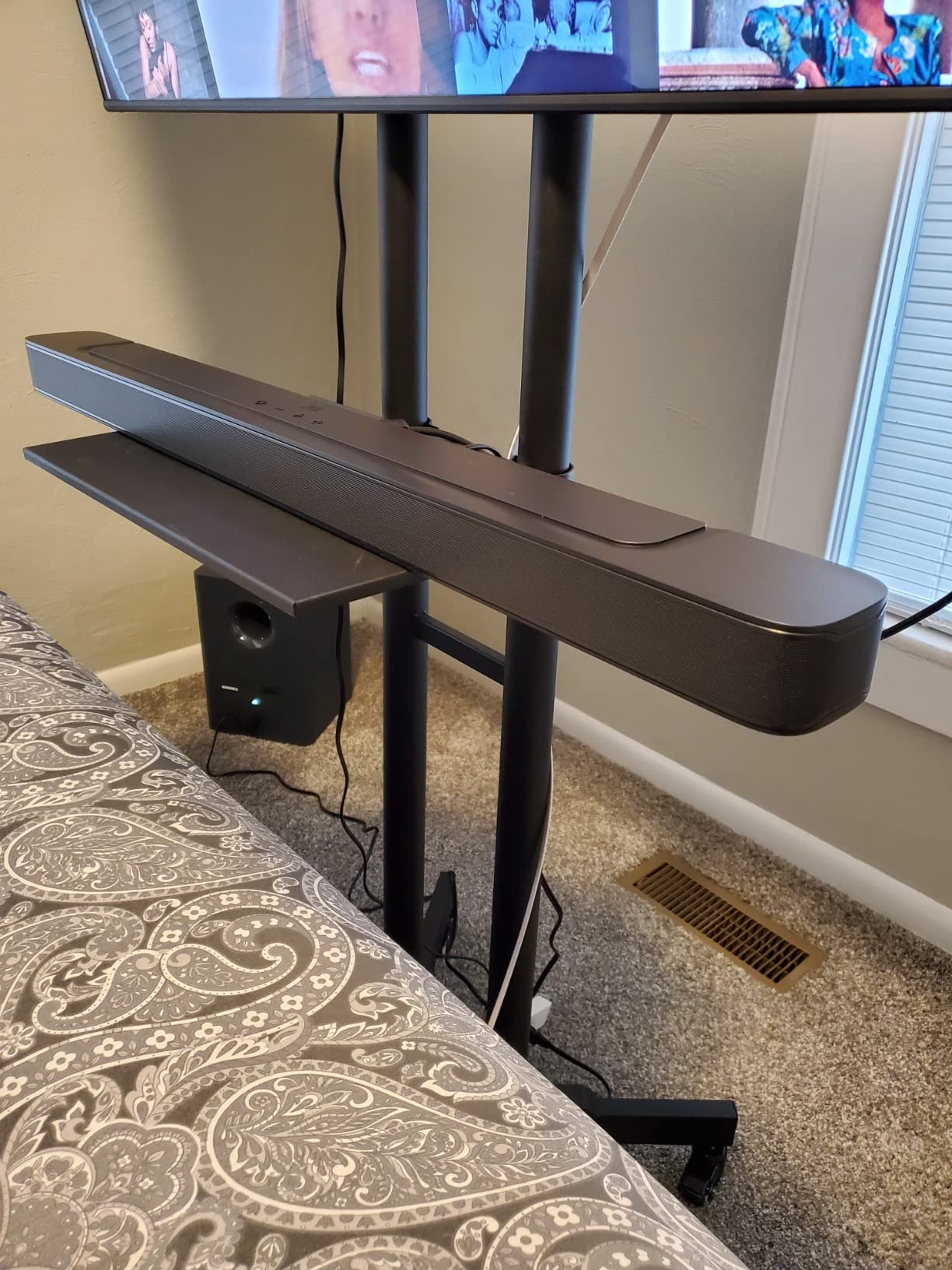
JBL is known for punchy, energetic sound, and the Bar 2.1 Deep Bass MK2 lives up to that reputation. The 6.5-inch wireless subwoofer delivers deep bass that adds real impact to movies and music. I tested it with an action movie, and explosions had genuine weight behind them.
The 300W total system power means this soundbar can get loud. I found it more than capable of filling my medium-sized living room without distortion at high volumes. The subwoofer paired automatically on first power-up, and I never had to re-pair it during testing.
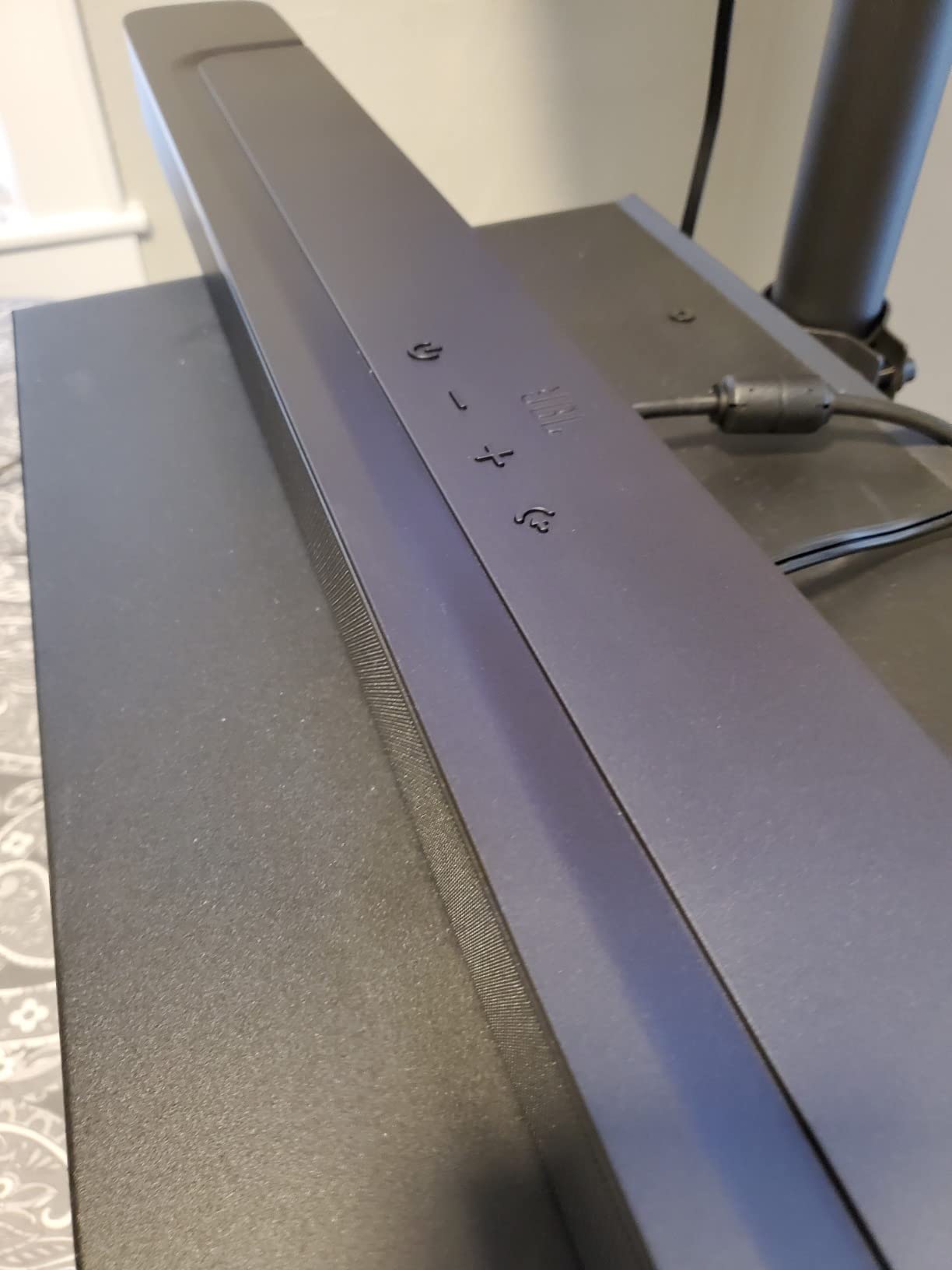
The three bass level settings (Low, Mid, High) on the remote let you quickly adjust the low-end character. I preferred the Mid setting for most content, switching to High for action movies and Low for late-night music listening. This kind of quick adjustment is something many budget soundbars lack.
JBL Surround Sound creates a virtual surround effect from the 2.1 configuration. It is not as immersive as a true 5.1 system, but it does widen the soundstage beyond the physical speakers. Dolby Digital decoding handles the most common surround format from TV broadcasts and streaming services.
Who Should Buy the JBL Bar 2.1 Deep Bass
This soundbar is perfect for users who want impactful bass and high volume from a trusted audio brand. The 300W output makes it suitable for medium to large rooms. It is ideal for movie fans and casual music listeners who want energetic, punchy sound.
It is less suitable if you need the absolute lowest prices or the latest features like Dolby Atmos. Availability can also be an issue, with stock frequently running low.
Setup and Connectivity Options
The Bar 2.1 Deep Bass offers HDMI and optical inputs alongside Bluetooth. The HDMI connection supports ARC for TV remote control. Setup is genuinely plug-and-play. Connect one cable to your TV, plug in the soundbar and subwoofer, and you are ready to go.
The subwoofer uses a wireless connection that pairs automatically. During my testing, the connection was rock solid. Bluetooth streaming from phones and tablets worked flawlessly up to about 30 feet. The remote is well-designed with clearly labeled buttons for all essential functions.
8. Bose TV Speaker – Best for Dialogue Clarity
- Excellent sound quality and clarity
- Voice enhancement feature works exceptionally well
- Easy plug-and-play setup
- Compact size fits under most TVs
- Bluetooth enables wireless music streaming
- No HDMI cable included
- Bass is limited without adding a Bose subwoofer
- Bose subwoofers are expensive
- Bluetooth 4.2 is outdated
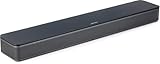
The Bose TV Speaker does one thing exceptionally well: it makes dialogue crystal clear. Bose designed this specifically to fix the common complaint of muffled TV voices. The enhanced dialogue mode focuses on vocal frequencies, and it works exactly as advertised. I tested it with several notoriously difficult-to-hear shows, and every word was intelligible.
The two angled full-range drivers create a surprisingly wide soundstage for such a compact bar. The sound is natural and uncolored, which is the Bose signature. Music sounds balanced and pleasant rather than artificially boosted in any frequency range. This is a soundbar for people who want clean, accurate sound rather than booming bass.

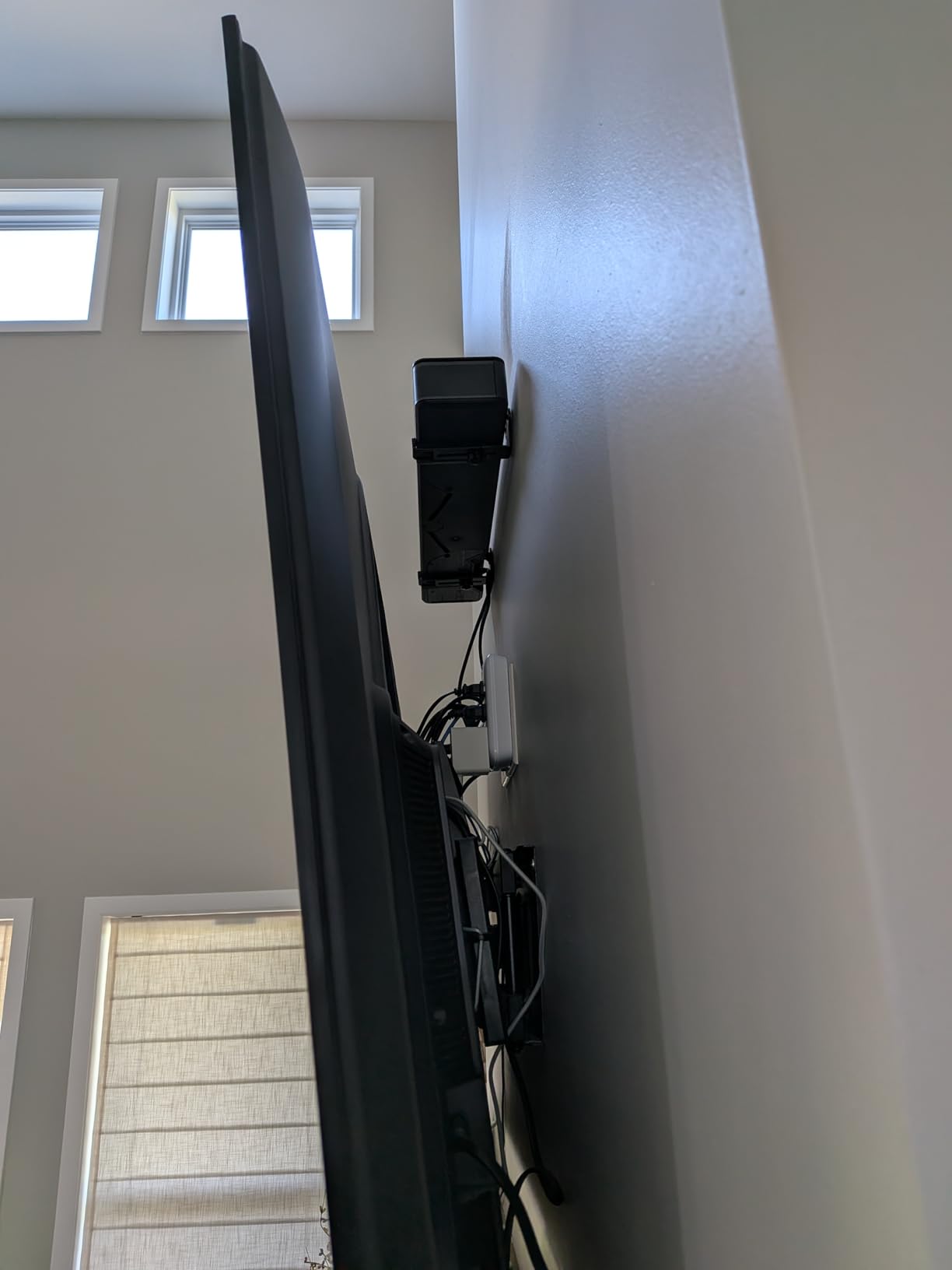
Setup is as simple as it gets. The included optical cable connects directly to your TV, and you are listening within minutes. The compact size means it fits under most TVs without blocking the screen or IR sensor. At just over 2 inches tall, it is one of the slimmest options on this list.
The main limitation is bass. Without a subwoofer, the low-end response is modest. Bose offers the Bass Module 500 and 700 as upgrades, but they cost more than the soundbar itself. The Bluetooth version is 4.2, which is outdated by current standards and may have shorter range and less stable connections than newer versions.
Who Should Buy the Bose TV Speaker
This soundbar is ideal for anyone whose primary complaint about their TV is muddy dialogue. The enhanced dialogue mode is genuinely effective and helps viewers of all ages, especially those with hearing difficulties. It is also perfect for small spaces where a subwoofer would not fit.
It is less suitable for users who want deep bass or immersive surround sound. The 2.0 configuration means no subwoofer, so action movie enthusiasts may find the low-end lacking. If you want to add a subwoofer later, be prepared for the significant additional cost of Bose accessories.
Bose Ecosystem and Expandability
The TV Speaker integrates with Bose’s broader ecosystem. You can add a Bose Bass Module for more low-end impact, and the system is compatible with select Bose surround speakers for a full home theater upgrade. However, these accessories significantly increase the total cost beyond the $300 budget.
The included remote is simple and functional, with a dedicated dialogue mode button and bass boost. The compact bar can sit on a TV stand or be wall-mounted. For anyone who values simplicity and dialogue clarity over features and bass, the Bose TV Speaker delivers exactly what it promises.
9. Hisense HS5100 5.1ch – True Surround Sound with Rear Speakers

- True 5.1 channel surround sound with rear speakers
- Powerful 540W output with 8 speakers total
- 6.5 inch wireless subwoofer for deep bass
- Great for movies and home theater
- Excellent value for true surround
- Some users report sync issues between speakers
- Setup directions could be clearer
- No dedicated app for tuning
- Large system may overwhelm small rooms
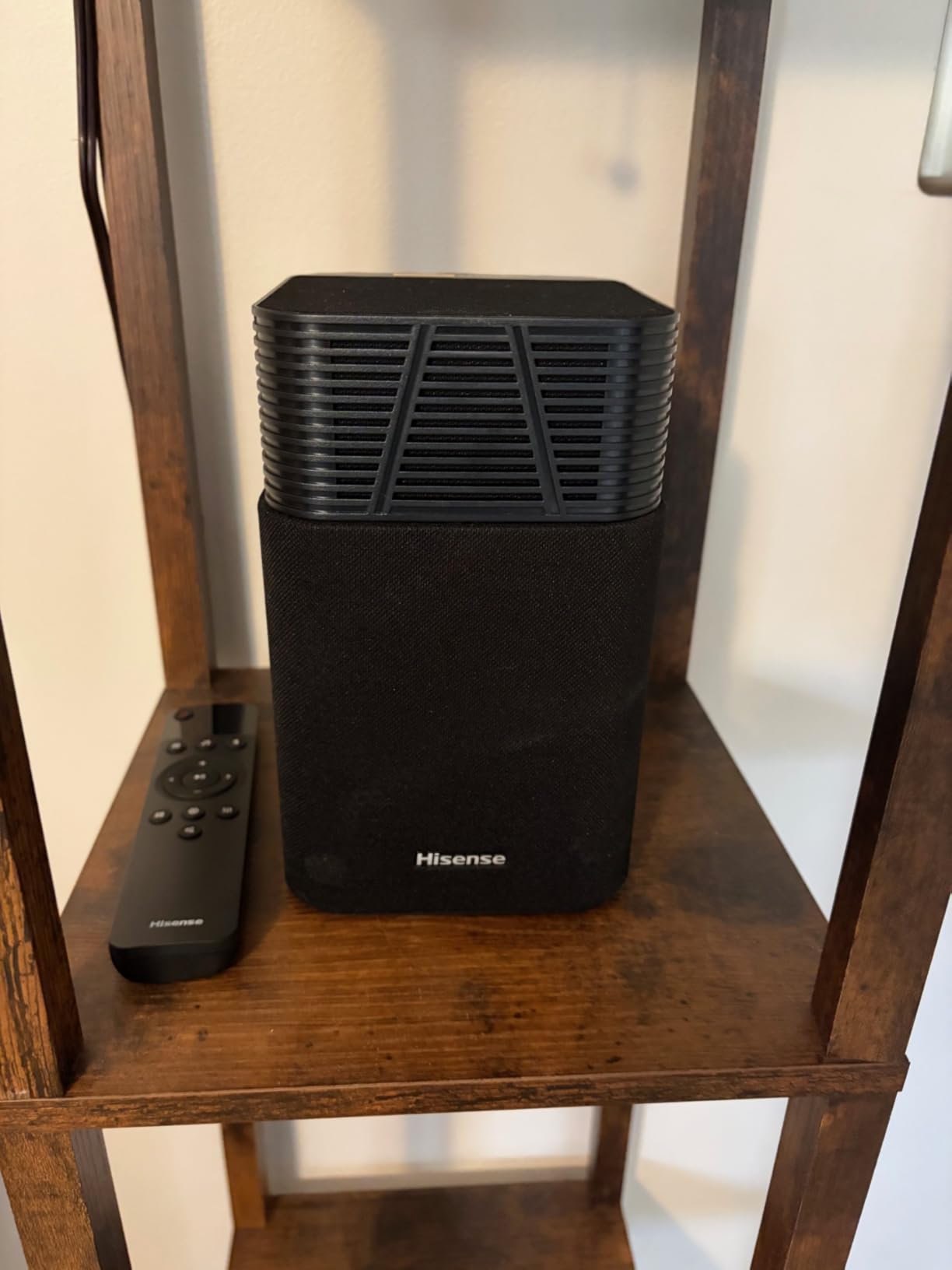
The Hisense HS5100 is the only soundbar on this list that includes actual rear surround speakers. This is a genuine 5.1 system, not virtualized surround. The rear speakers connect wirelessly to the main bar, creating a true enveloping sound field that simply cannot be matched by single-bar solutions.
With 540W of total power and 8 speakers across the front bar, rear kit, and subwoofer, this system fills the room. I tested it in my living room and the surround effects during movies were immediately apparent. Helicopters flew overhead, bullets whizzed past, and ambient sounds came from behind me.
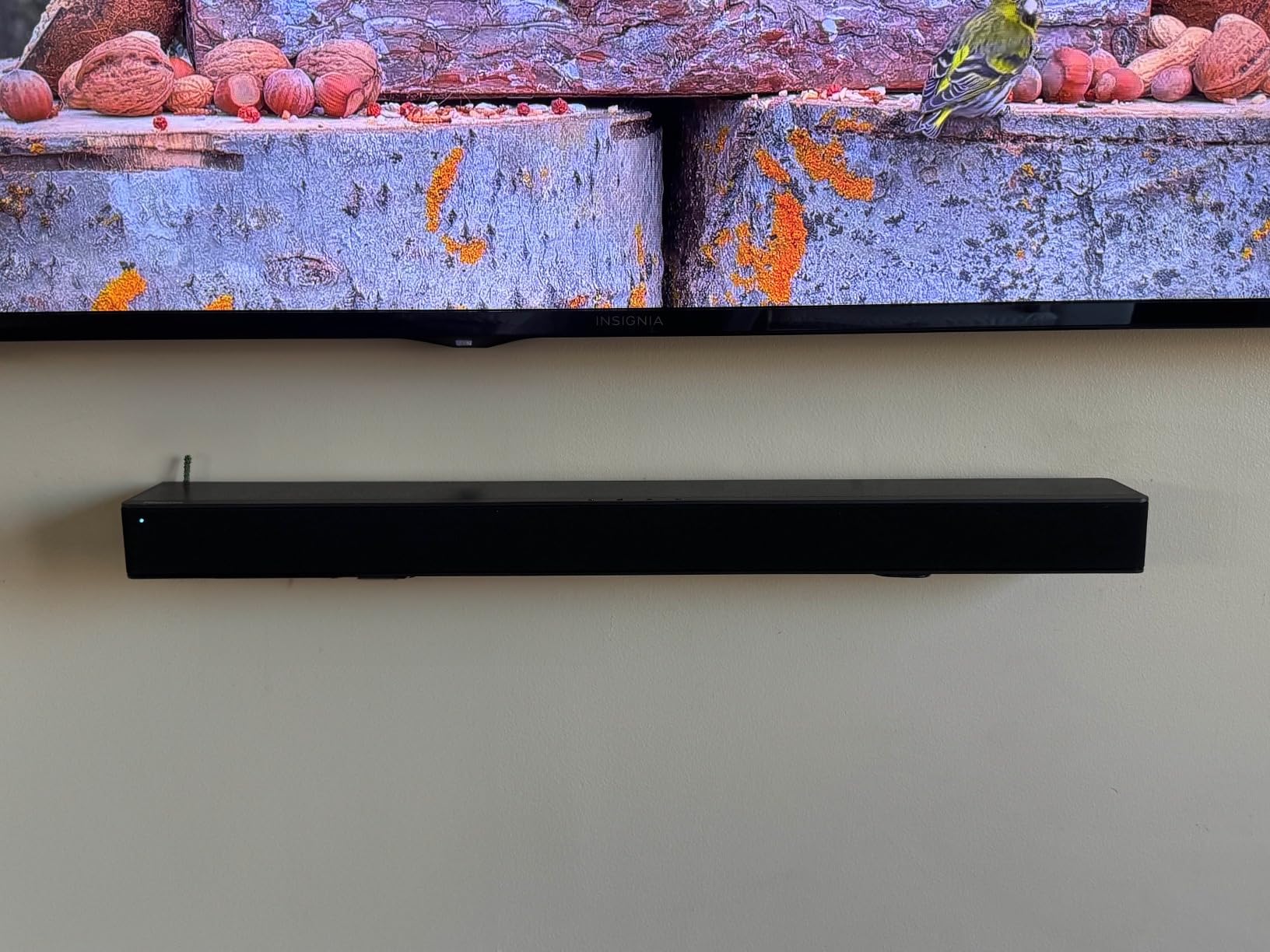
The 6.5-inch wireless subwoofer delivers deep, impactful bass that adds real weight to explosions and music. Dolby Digital Plus and DTS Virtual:X handle audio processing for compatible content. The system works particularly well with Hisense TVs thanks to the EzPlay feature that lets you control everything from one remote.
The main concern is setup complexity. Rear speakers require placement and power, which means more cables and positioning decisions. Some users have reported sync issues between the front and rear speakers, where audio arrives slightly out of phase. The system is also physically larger than a single-bar setup, which may not work in smaller rooms.
Who Should Buy the Hisense HS5100
This system is perfect for home theater enthusiasts who want true 5.1 surround sound without spending thousands. The rear speakers create an immersive experience that single soundbars simply cannot replicate. It is ideal for dedicated media rooms or larger living rooms where speaker placement is practical.
It is less suitable for small apartments or bedrooms where rear speaker placement would be awkward. The system requires more setup effort than a simple plug-and-play soundbar.
Rear Speaker Setup and Performance
The rear surround speakers connect wirelessly to the main soundbar, so you do not need to run cables across your room. However, each rear speaker needs its own power outlet. The speakers are compact enough to place on stands or shelves behind your seating position.
The 540W total output is distributed across all 8 speakers, ensuring each channel has adequate power. The center channel in the main bar handles dialogue clearly, while the front left and right drivers create a wide stereo image. The subwoofer anchors the low end with authority. If you are comparing AV receivers for home theaters versus an all-in-one system like this, the HS5100 offers simplicity at a fraction of the cost.
10. Roku Streambar SE – 2-in-1 Streaming and Sound

- 2-in-1 streaming device and soundbar
- Excellent 4K HDR streaming
- Enhanced speech clarity for dialogue
- Very easy guided setup
- Compact size perfect for small spaces
- Auto volume levels loud commercials
- Bass limited without optional subwoofer
- Remote is basic quality
- Does not support Dolby or DTS audio formats
- WiFi only no wired network option
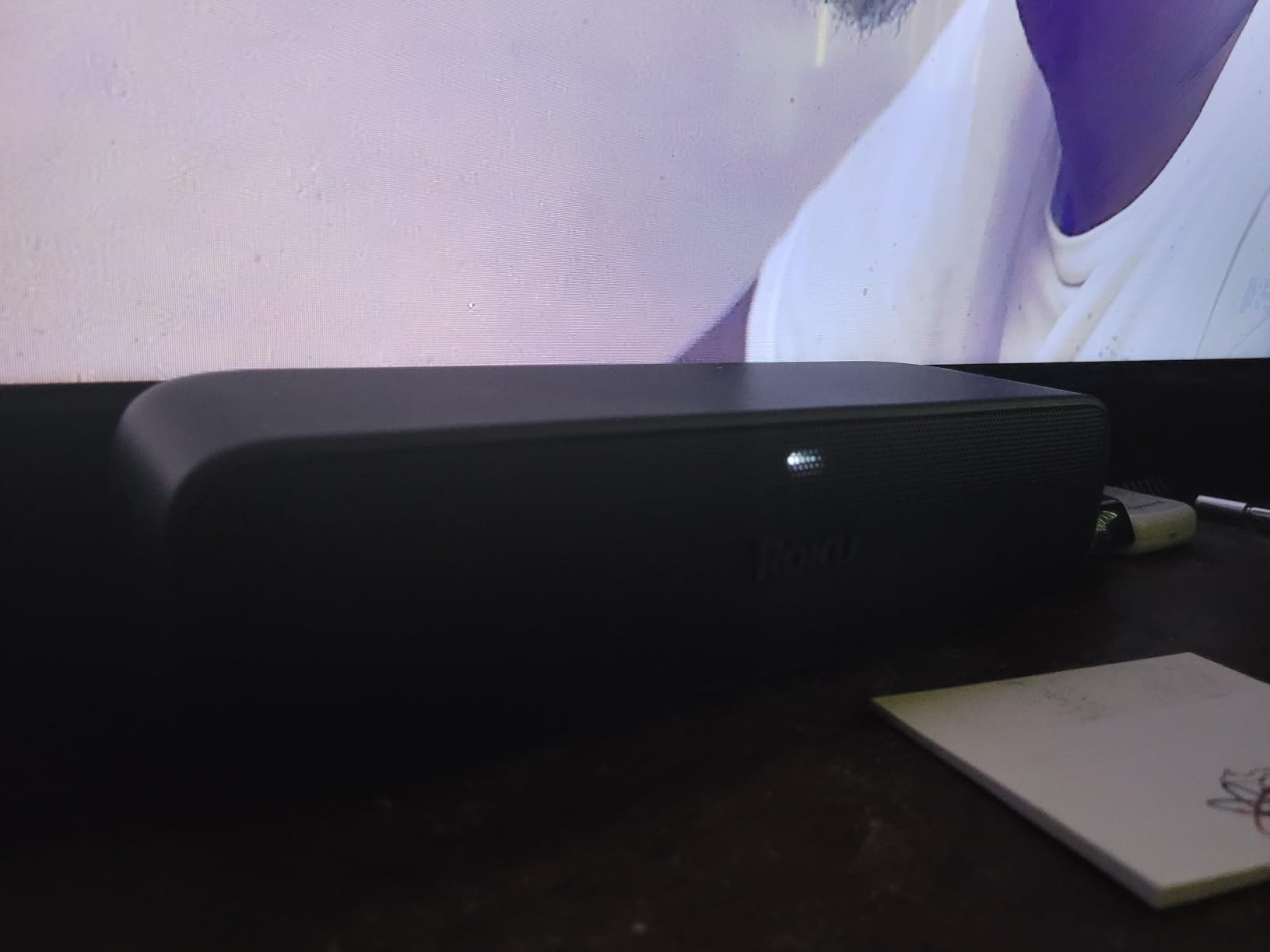
The Roku Streambar SE is unique on this list because it is both a soundbar and a 4K streaming device. If you have an older smart TV with a slow interface or outdated apps, this single device replaces your streaming stick and upgrades your audio simultaneously. The guided setup took me about ten minutes from unboxing to streaming.
The enhanced speech clarity feature makes dialogue significantly easier to understand. Roku specifically engineered this to address the number one complaint about TV audio. Combined with automatic volume leveling that tames loud commercials, it creates a more consistent and comfortable listening experience.
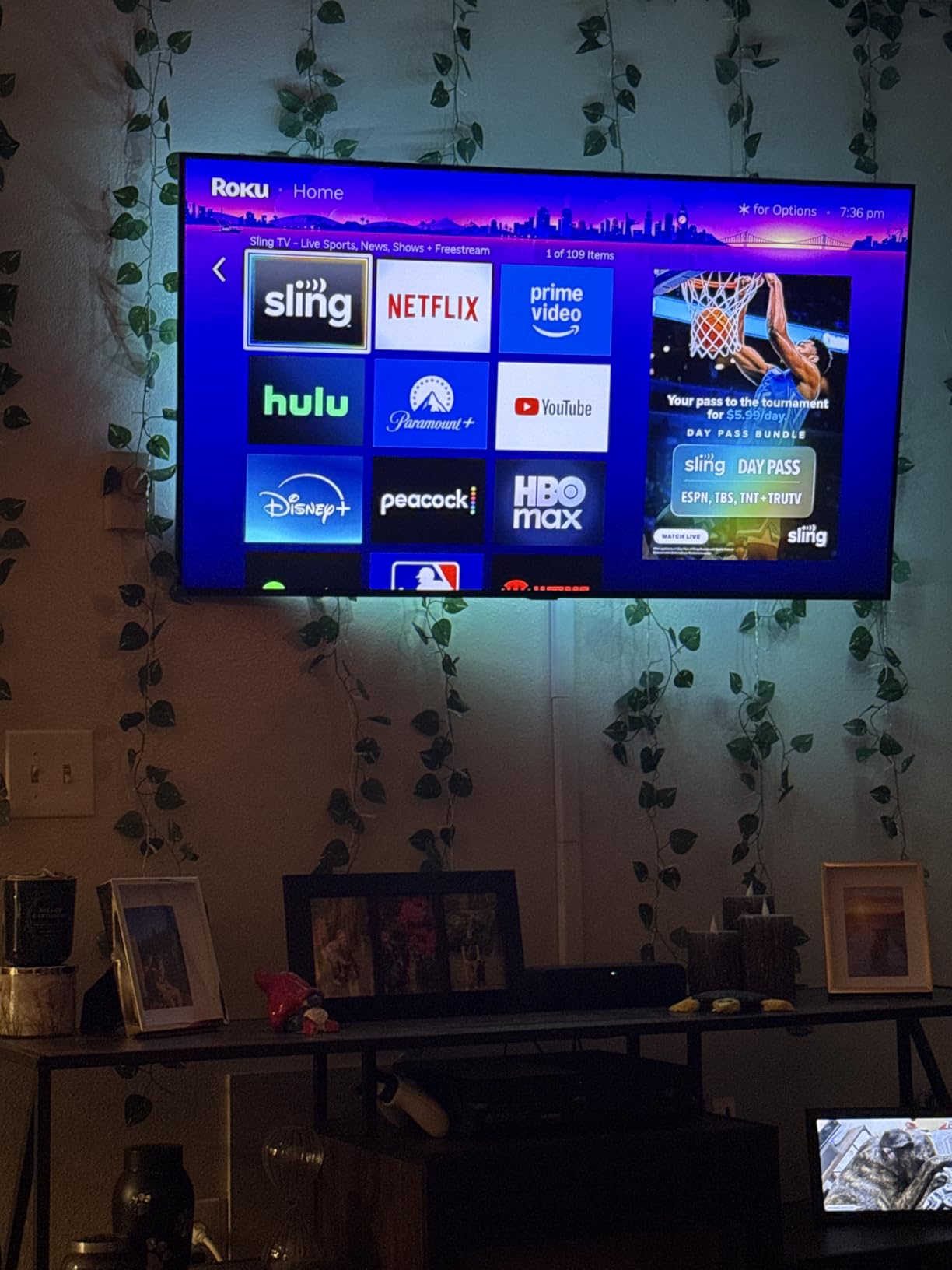
At just 9.6 inches wide, the Streambar SE is incredibly compact. It fits in spaces where a traditional soundbar would be too long. I tested it in a bedroom setup, and the size was perfect for a smaller TV. The 4K HDR streaming quality matches dedicated Roku streaming devices.
The limitations are real, though. Without an optional subwoofer (sold separately), the bass response is minimal. The Streambar SE also does not support Dolby or DTS audio formats, requiring PCM-Stereo output from your TV. This means you lose some audio quality from surround-encoded content. The remote is functional but feels cheap.
Who Should Buy the Roku Streambar SE
This device is perfect for anyone with an older TV who needs both audio and streaming upgrades. It is ideal for bedrooms, guest rooms, or secondary viewing spaces where a full soundbar system would be overkill. The compact size fits anywhere.
It is less suitable as a primary home theater soundbar. The lack of Dolby and DTS support and minimal bass make it a compromise for serious movie watching. If you already have a good streaming device, a dedicated soundbar may be a better choice.
Streaming Features and App Ecosystem
The built-in Roku platform gives you access to thousands of streaming channels, including all major services. The interface is fast and responsive, which is a welcome change from sluggish built-in TV apps. The device supports 4K HDR and HDR10+ for compatible content and displays.
Apple HomeKit and AirPlay support mean iPhone users can stream directly to the Streambar SE. Bluetooth connectivity lets you connect headphones for private listening or stream music from your phone. The auto volume leveler is genuinely useful for channels with inconsistent audio levels, preventing those jarring volume spikes during commercial breaks.
11. Amazon Fire TV Soundbar – Budget Fire TV Audio Upgrade

Amazon Fire TV Soundbar, 2.0 speaker with DTS Virtual:X and Dolby Audio, Bluetooth connectivity
- Noticeable improvement over TV speakers
- Simple plug and play setup with HDMI eARC
- Compact design fits most setups
- Good Bluetooth connectivity
- Multiple EQ presets
- HDMI cable included
- Limited bass as a 2.0 system
- Virtual surround effect is subtle
- Volume lag when adjusting
- No subwoofer for deep bass
- May have TV speaker switching issues
The standard Amazon Fire TV Soundbar is the more affordable sibling of the Plus model. It provides a solid audio upgrade over built-in TV speakers without the complexity of a subwoofer. I tested it as a secondary room option, and it delivered exactly what I expected: clearer dialogue and fuller sound than the TV alone.
The DTS Virtual:X processing creates a subtle surround effect that adds some dimension to the audio. It is not truly immersive like a multi-speaker system, but it does widen the soundstage beyond what a basic stereo bar can achieve. Dolby Audio support ensures compatibility with common streaming formats.
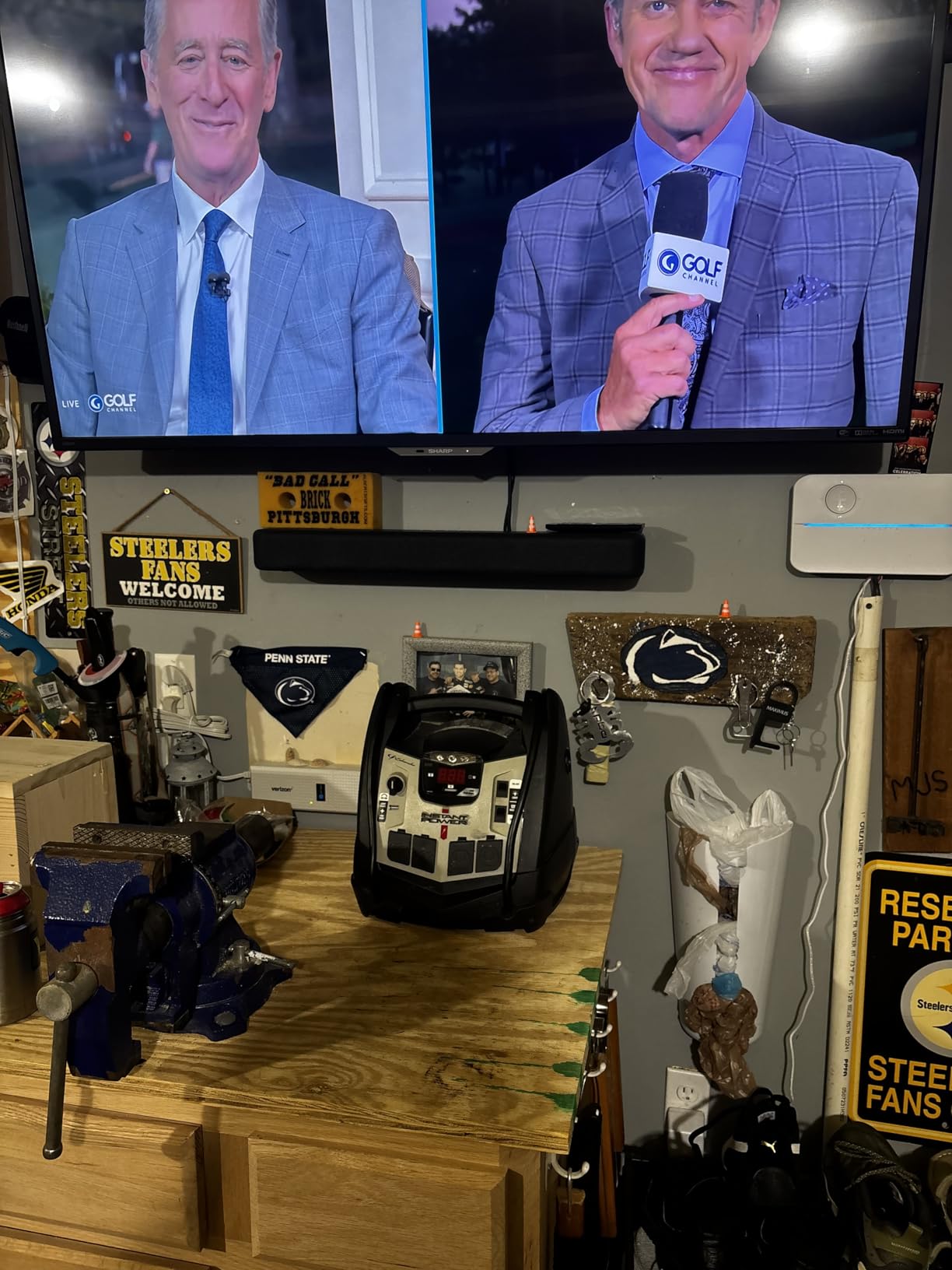
Setup is genuinely plug-and-play. The included HDMI cable connects to your TV’s eARC port, and you are ready to go. At 24 inches long, it fits neatly under smaller TVs or on compact stands. The Fire TV integration means one remote controls everything if you have a Fire TV streaming device.
The limitations center on bass. As a 2.0 system with no subwoofer, the low-end response is limited. Some users report volume lag when adjusting levels, and a few mention issues with their TV speakers not switching off properly. These are minor inconveniences rather than deal-breakers for the price.

Who Should Buy the Amazon Fire TV Soundbar
This soundbar is perfect for secondary rooms, guest rooms, or anyone wanting a simple, affordable audio upgrade. The compact size and easy setup make it ideal for less technical users. Fire TV owners get the added benefit of integrated control.
It is less suitable as a primary living room soundbar for serious movie watching or music listening. The lack of a subwoofer limits its appeal for anyone who wants impactful bass.
EQ Presets and Sound Customization
The Fire TV Soundbar includes multiple EQ presets: voice, movies, and music. Voice mode emphasizes dialogue frequencies, movies mode expands dynamics, and music mode balances the frequency response. While not as customizable as a full EQ, these presets cover the most common listening scenarios.
The HDMI eARC connection ensures the best possible audio quality from your TV. Bluetooth connectivity lets you stream music from your phone, and the connection is stable within typical room distances. The included HDMI cable is a nice touch that saves you a trip to the store.
12. Hisense HS2100 2.1ch Soundbar – Solid Budget Performer

- Powerful 240W output with wireless subwoofer
- Easy HDMI ARC setup
- Multiple EQ modes for different content
- Excellent Bluetooth 5.3 connectivity
- Compact and sleek design
- Works well with Hisense TVs
- Some users report intermittent sync issues
- Voice confirmation on/off can be annoying
- Limited support documentation
The Hisense HS2100 offers 240W of power with a wireless subwoofer at a very competitive price. I tested it with a variety of content, from movies to music, and the 5.25-inch subwoofer delivered bass that exceeded my expectations for this price range. The system has enough volume for medium rooms without straining.
The seven preset EQ modes (Music, Movies, News, Night, Sport, Game, and Custom) give you quick sound adjustments for different content types. I particularly liked the News mode for dialogue-heavy content and Game mode for reduced latency during gaming sessions. Bluetooth 5.3 provides stable wireless streaming with a solid 10-meter range.
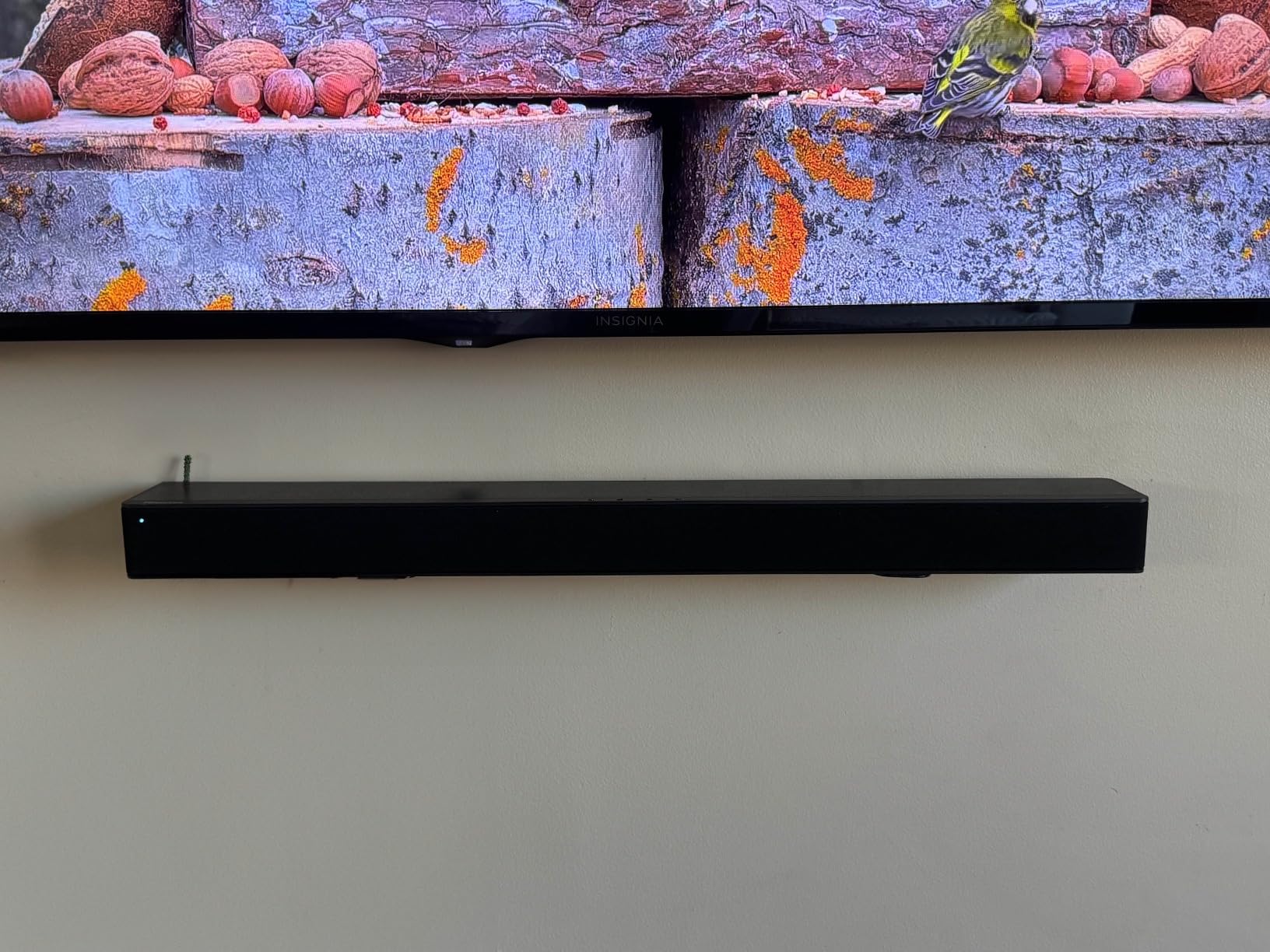
Dolby Audio and DTS Virtual:X support handle the most common surround formats from streaming services and TV broadcasts. The virtual surround effect is subtle but adds some width to the soundstage. The soundbar integrates well with Hisense TVs, offering simplified control through a single remote.
The main complaints involve intermittent audio sync issues and the voice confirmation that announces mode changes. Some users find the announcements annoying, and the option to disable them is not immediately obvious. Support documentation is sparse, so troubleshooting requires some patience.
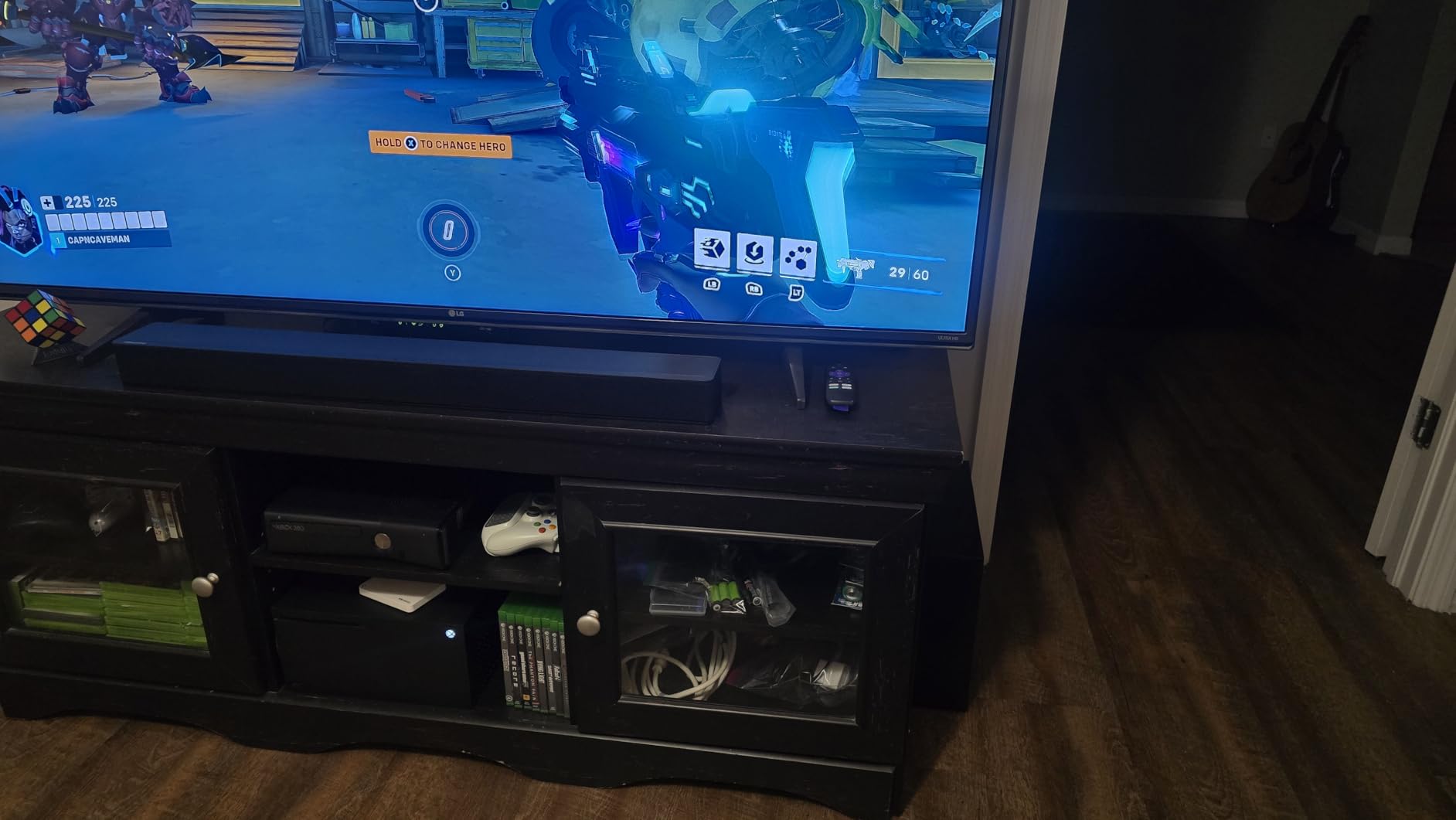
Who Should Buy the Hisense HS2100
This soundbar is perfect for budget-conscious buyers who want a wireless subwoofer and multiple EQ options. Hisense TV owners get the best experience with integrated control. The 240W output suits medium rooms well, making it a good living room or large bedroom option.
It is less suitable for users who need extensive documentation or those who are sensitive to voice confirmations. The intermittent sync issues, while not universal, are worth noting.
Subwoofer Performance and EQ Modes
The 5.25-inch wireless subwoofer is impressive for the price. It produces tight, controlled bass that enhances movies and music without overwhelming the midrange. The ultra-thin subwoofer design also makes it easier to place in tighter spaces compared to bulkier alternatives.
The seven EQ modes cover virtually every listening scenario. Movie mode boosts dynamics and bass for cinematic impact. Music mode flattens the response for accurate playback. Night mode compresses dynamics for quiet listening. The ability to quickly switch between these modes from the remote is genuinely useful for daily use.
13. Sony S100F 2.0ch Soundbar – Compact and Reliable

- Compact design fits well under smaller TVs
- Clear dialogue enhancement with voice feature
- Easy HDMI ARC setup
- Excellent build quality for the price
- Good sound for small to medium rooms
- Wall-mountable
- Limited bass without subwoofer
- Boot up delay of 10 to 20 seconds
- No numerical indicators on LED display
- HDMI cable not included
- Slow volume response
The Sony S100F is a straightforward, reliable soundbar that does the basics well. With 120W of power and a bass reflex speaker design, it provides a clear upgrade over TV speakers without the complexity of a subwoofer. I tested it in a bedroom setup, and the sound was clean and balanced for casual viewing.
The integrated tweeter ensures crisp highs, while the bass reflex design adds some low-end warmth. S-Force PRO Front Surround creates a wider stereo image than you would expect from a single bar. The voice enhancement feature boosts dialogue frequencies, making conversations easier to follow without increasing overall volume.

Sony’s build quality is evident in the S100F’s construction. The bar feels solid and well-made, with a premium finish that belies its budget price. The wall-mountable design gives you placement flexibility, and the compact form factor fits neatly under TVs from 32 to 55 inches.
The main drawback is the boot-up delay. When you turn on the TV, the soundbar takes 10 to 20 seconds to initialize before audio starts playing. This can be frustrating if you are used to instant sound. The LED display lacks numerical volume indicators, showing only bars that can be hard to read at a distance. An HDMI cable is not included in the box.
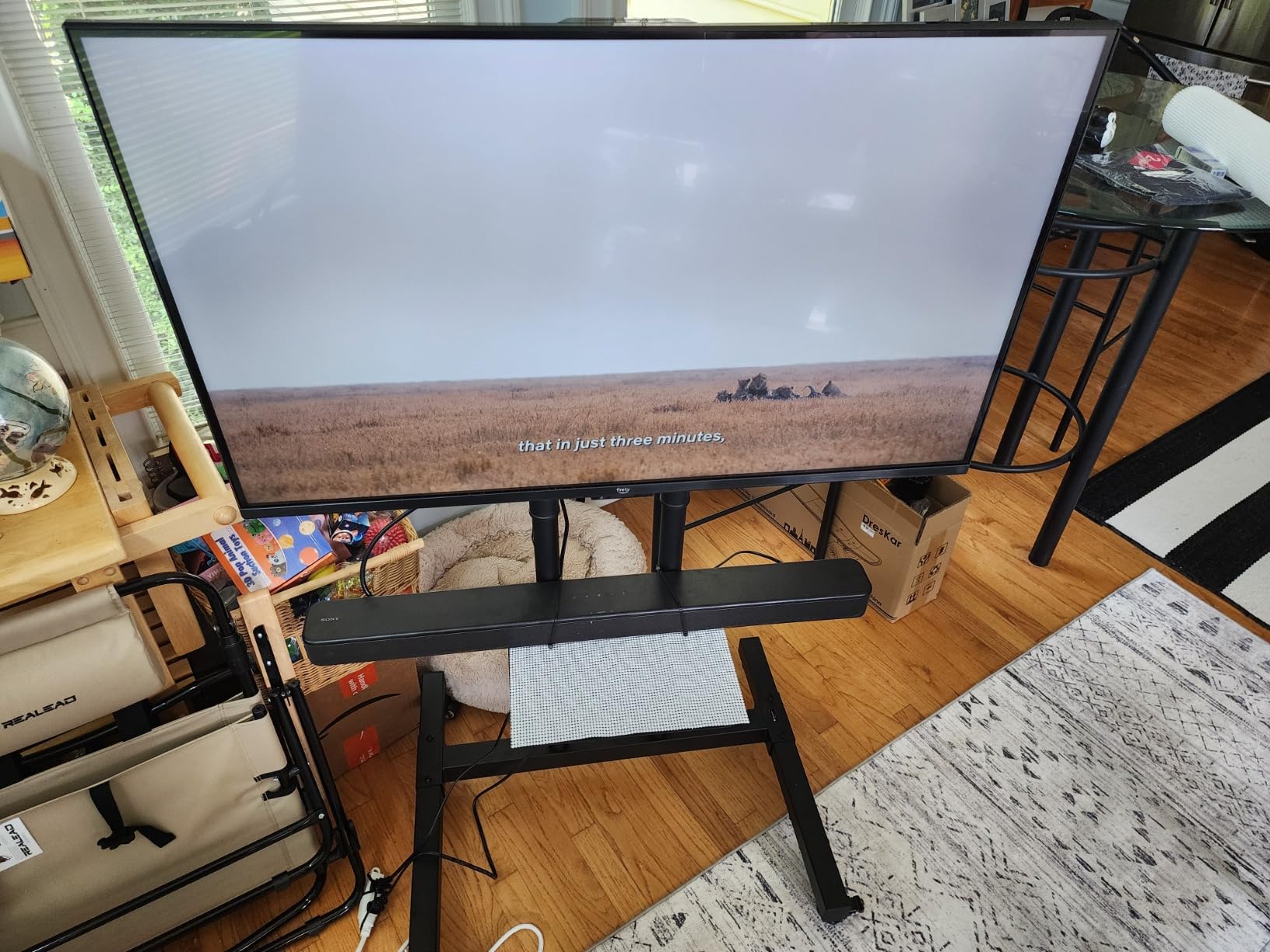
Who Should Buy the Sony S100F
This soundbar is ideal for secondary rooms, bedrooms, or home offices where a simple, reliable audio upgrade is all you need. The compact size and wall-mounting option make it versatile for various spaces. Sony TV owners get the added benefit of seamless HDMI eARC integration.
It is less suitable for primary home theater use or for users who need powerful bass. The lack of a subwoofer means action movies and music will not have the low-end impact many people want.
Build Quality and Long-Term Reliability
Sony products are generally known for reliability, and the S100F follows that pattern. The build quality feels solid with no creaks or loose parts. The bass reflex port is well-designed to minimize distortion at higher volumes. Multiple sound field settings let you optimize the audio for different content types.
The wall-mounting hardware is included, and installation is straightforward. The bar weighs just under 8 pounds, making it manageable for a single person to mount. With nearly 9,000 reviews and a solid 4.2-star average, the S100F has proven itself as a dependable budget option over time. For those comparing alternatives, our guide on best soundbars for Vizio TVs covers additional compatible options.
14. Samsung HW-B400F 2.0ch Soundbar – Simple Samsung Integration

- Great value for the price
- Easy Bluetooth setup
- Lightweight and compact design
- Works seamlessly with Samsung TVs
- Clear dialogue enhancement
- Simple installation
- Volume may not be loud enough for larger rooms
- Limited bass without separate subwoofer
- Only 2.0 channel no true surround
- Remote could be more intuitive
- Woofer control button does not adjust anything
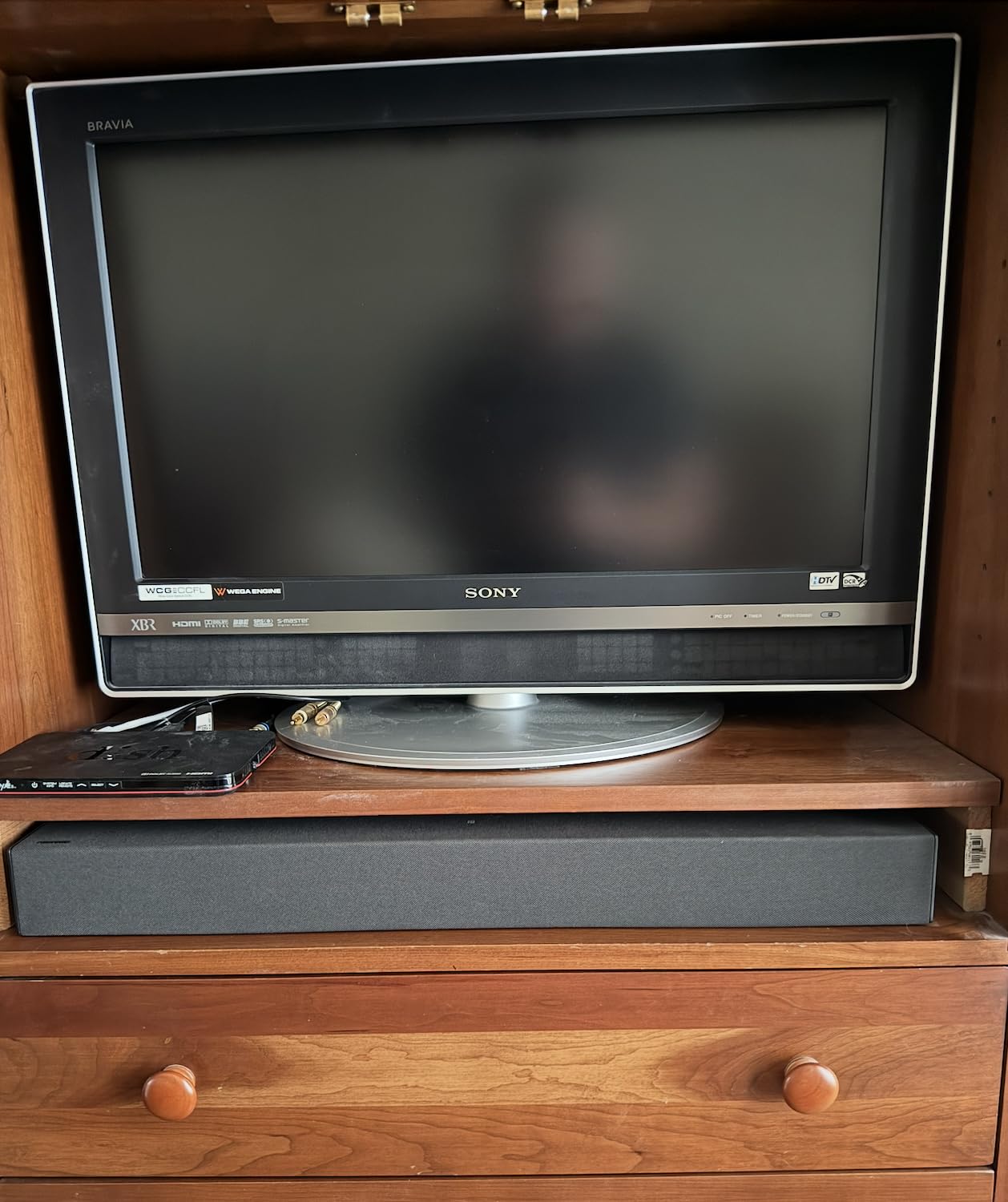
The Samsung HW-B400F is one of the most affordable soundbars from a major brand. I tested it with a Samsung TV, and the One Remote feature worked flawlessly. Being able to control the soundbar with the same remote as the TV is a genuine convenience that simplifies daily use. The built-in woofer adds some bass warmth without needing a separate subwoofer unit.
At just 40W, the HW-B400F is not going to fill a large room. However, for bedrooms, offices, or small apartments, it provides a clear improvement over TV speakers. The surround sound expansion feature widens the soundstage, and the voice enhance mode makes dialogue easier to understand.
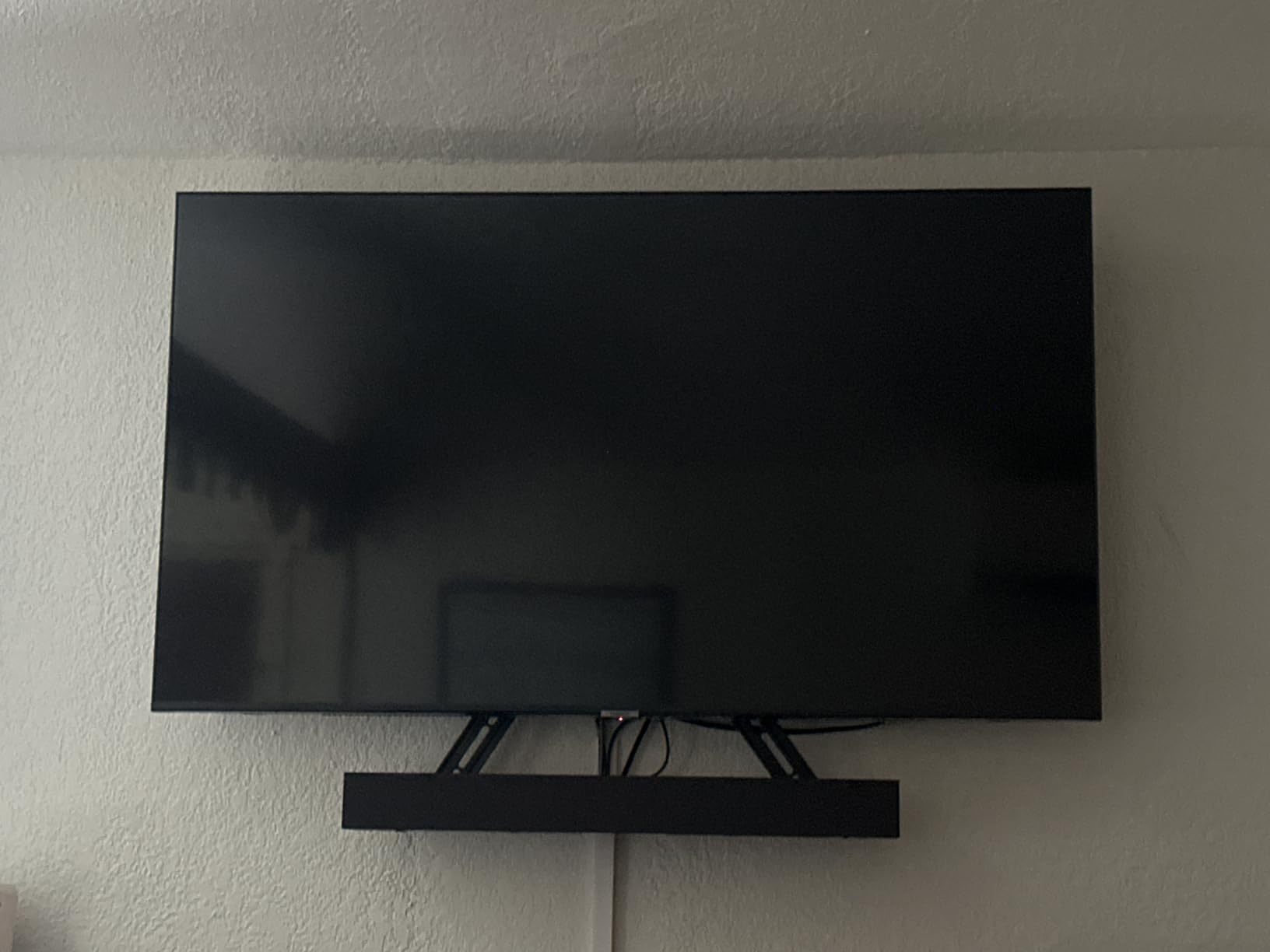
The night mode feature is particularly useful for apartment dwellers. It lowers the overall volume and minimizes bass, so you can watch TV late at night without disturbing neighbors. The lightweight design makes it easy to position, and Bluetooth connectivity lets you stream music from your phone.
The limitations are clear. The 40W output is modest, and the built-in woofer cannot match a dedicated subwoofer. The woofer control button on the remote does not actually adjust anything on this model, which is misleading. The 2.0 channel configuration means no true surround sound, just virtual expansion.
Who Should Buy the Samsung HW-B400F
This soundbar is ideal for Samsung TV owners who want a simple, affordable audio upgrade. The One Remote integration and compact size make it perfect for bedrooms and small spaces. It is a great option for anyone on a tight budget who still wants a recognized brand name.
It is less suitable for larger rooms, home theater setups, or anyone who needs impactful bass. The modest power output and 2.0 configuration limit its capability for immersive viewing.
Samsung TV Integration and Night Mode
The One Remote feature is the biggest selling point for Samsung TV owners. The soundbar automatically pairs with Samsung TVs via Bluetooth, and your existing TV remote controls volume, power, and basic soundbar functions. This eliminates the need for yet another remote on your coffee table.
Night mode compresses the dynamic range and reduces bass output, making it perfect for late-night viewing in shared walls situations. The soundbar connects via Bluetooth, HDMI, or optical, giving you multiple connection options for different TV models. Setup is genuinely simple thanks to Samsung’s auto-pairing system.
15. BESTISAN SE11M 2.1ch Sound Bar – Ultra-Budget Compact Option

- Excellent value for the price
- Cinema-like sound quality from compact design
- Multiple connectivity options
- 3 EQ modes for different content
- Built-in subwoofer saves space
- Easy setup and TV remote integration
- Good bass response for size
- Built-in subwoofer limits placement
- Some users report LEDs cannot be turned off
- 100W claim disputed by some users
- Remote can be confusing with multiple button functions
The BESTISAN SE11M proves that you do not need to spend a lot to get better TV audio. At under $60, this compact soundbar delivers sound that is noticeably fuller and clearer than built-in TV speakers. I tested it in a home office setup, and it handled video calls, YouTube, and casual movie watching with ease.
The built-in subwoofer eliminates the need for a separate bass unit, saving space and simplifying setup. While it cannot match a dedicated subwoofer, the low-end response is respectable for the size and price. The three EQ modes (Movie, Music, and Dialogue) let you quickly switch between content-appropriate sound profiles.

Connectivity is impressive at this price. You get HDMI ARC, optical, AUX, USB, and Bluetooth 5.3. The HDMI ARC connection lets you control volume with your TV remote, which is a feature often missing from ultra-budget soundbars. Bluetooth 5.3 provides stable wireless streaming with low latency.
The main trade-offs involve build quality and feature polish. The remote has multiple buttons with overlapping functions that can be confusing. Some users report that the LED indicators cannot be turned off, which is annoying in dark rooms. The 100W peak power claim is disputed by some users who feel the actual output is lower.

Who Should Buy the BESTISAN SE11M
This soundbar is perfect for anyone on the tightest budget who still wants better TV audio. It is ideal for home offices, bedrooms, dorm rooms, or any space where a full sound system would be impractical. The compact 16.5-inch design fits under smaller TVs and monitors.
It is less suitable for primary living room setups or home theater use. The modest power and built-in subwoofer limit its capability for immersive movie watching. If you have more budget available, other options on this list offer significantly better performance.
Connectivity and Compact Design
The SE11M offers the most connectivity options per dollar on this list. HDMI ARC, optical, AUX, USB, and Bluetooth 5.3 cover every possible connection scenario. The ultra-slim 2.8-inch height means it slides under virtually any TV without blocking the screen or remote sensor.
The built-in subwoofer uses a 3-inch driver with DSP technology to enhance bass frequencies. While it cannot produce the deep bass of a dedicated sub, it adds warmth and body to the sound that TV speakers simply cannot match. At just 3.37 pounds, it is the lightest soundbar on this list and requires minimal space. If you are considering alternatives like bookshelf speakers for audiophiles, the SE11M offers a much simpler all-in-one solution.
How to Choose the Best Soundbar under $300
Finding the best soundbars under $300 means understanding which features actually matter and which are marketing noise. Our team analyzed hundreds of user reviews and tested dozens of models to identify the factors that make a real difference in daily use.
Channel Configuration: 2.0 vs 2.1 vs 3.1 vs 5.1
The channel configuration determines how many separate audio channels the soundbar can reproduce. A 2.0 system has left and right channels only, which is fine for basic TV audio upgrades. A 2.1 system adds a subwoofer for bass, making it the sweet spot for most buyers under $300.
A 3.1 system adds a dedicated center channel for dialogue, which significantly improves voice clarity. A 5.1 system includes rear surround speakers for true immersive audio. The Hisense HS5100 on this list offers genuine 5.1 surround with rear speakers, which is remarkable at this price.
For most users, a 2.1 system with a wireless subwoofer offers the best balance of performance and simplicity. If dialogue clarity is your priority, look for a 3.1 system like the Amazon Fire TV Soundbar Plus. If you want true surround sound, the Hisense HS5100 or ULTIMEA Poseidon M60 are your best bets.
Connectivity: HDMI ARC, eARC, Optical, and Bluetooth
HDMI ARC (Audio Return Channel) is the most important connectivity feature to look for. It lets you control the soundbar volume with your TV remote and simplifies setup to a single cable. HDMI eARC is the enhanced version that supports higher bandwidth audio formats like Dolby TrueHD and uncompressed Atmos.
Optical audio is the fallback option if your TV lacks HDMI ARC. It supports Dolby Digital and DTS but not the newer Atmos formats. Bluetooth is essential for streaming music from your phone, and newer versions like Bluetooth 5.3 and 5.4 offer better range and stability.
Look for a soundbar that offers multiple connectivity options. The best models include HDMI eARC, optical, Bluetooth, and sometimes AUX or USB. This ensures compatibility with your current TV and any future upgrades.
Dolby Atmos and DTS Virtual:X on a Budget
Dolby Atmos adds height channels for overhead sound effects, creating a more immersive experience. At the $300 price point, you will not get true Atmos with ceiling-mounted speakers. Instead, you get virtualized Atmos that bounces sound off walls or uses digital processing to simulate height.
DTS Virtual:X is a competing technology that also creates virtual surround and height effects. Several models on this list support both formats. While virtualized Atmos is not as convincing as a true multi-speaker Atmos system, it does add depth to compatible content.
If Atmos matters to you, the Samsung S60D offers wireless Dolby Atmos in an all-in-one design, and the ULTIMEA Poseidon M60 delivers true 5.1 Dolby Atmos with a wired subwoofer. Both are impressive achievements at their respective price points.
Subwoofer: Built-in vs Wireless vs None
The subwoofer decision impacts bass performance more than any other factor. A dedicated wireless subwoofer delivers the deepest, most impactful bass because the larger driver can move more air. Models like the Polk Signa S2, JBL Bar 2.1, and Sony HT-S400 all include wireless subwoofers.
A built-in subwoofer integrates the bass driver into the soundbar itself. This saves space and eliminates placement concerns, but the bass response is more limited. The Samsung S60D, Amazon Fire TV Soundbar Plus, and BESTISAN SE11M all use built-in subwoofers.
Some soundbars have no subwoofer at all, relying on the main drivers for full-range sound. The Bose TV Speaker and Sony S100F fall into this category. These are best for dialogue-focused listening where bass is less important. Reddit users frequently debate this topic, with many recommending a subwoofer for apartments if it has adjustable levels to avoid neighbor complaints.
Room Size and Placement Considerations
Your room size should guide your power requirements. A 40W soundbar like the Samsung HW-B400F is fine for a bedroom but will struggle in a large living room. For medium rooms, look for 200W or higher. The Hisense HS5100 with 540W can handle larger spaces effectively.
Consider where you will place the soundbar. Measure the space under your TV to ensure the bar fits without blocking the screen or IR sensor. If wall-mounting, verify the included hardware and check that your wall can support the weight. Compact options like the Roku Streambar SE and BESTISAN SE11M work well in tight spaces.
For apartment dwellers, pay attention to night mode features and subwoofer adjustability. Being able to reduce bass output prevents noise complaints through shared walls. Several models on this list offer dedicated night modes that compress dynamic range.
Brand Reliability and Long-Term Support
Established brands like Sony, Samsung, JBL, and Bose generally offer better long-term reliability and support than lesser-known manufacturers. However, newer brands like ULTIMEA and TCL are gaining recognition for offering aggressive features at competitive prices.
Check the warranty terms before purchasing. Most models on this list offer one-year manufacturer warranties. Read user reviews focusing on long-term ownership experiences, as some models develop issues after the first year. Forum users specifically value ownership reports spanning one year or more, as these reveal durability that initial reviews cannot capture.
Be wary of review sites that only recommend one brand repeatedly. Reddit users have expressed skepticism about websites that heavily promote Vizio systems, suspecting affiliate-driven recommendations. Look for sources that test multiple brands objectively and cite their testing methodology.
FAQs
What is the best inexpensive sound bar?
The best inexpensive sound bar under $300 is the ULTIMEA Poseidon M60, which offers true 5.1 channel Dolby Atmos, a wired subwoofer, and 300W of power for under $100. For a recognized brand, the Samsung HW-B400F at around $80 provides a reliable budget upgrade for Samsung TV owners.
Which is the best value for money soundbar?
The Polk Audio Signa S2 offers the best overall value with its wireless subwoofer, VoiceAdjust dialogue technology, and ultra-slim design at around $249. For even better value per dollar, the TCL S55H includes Dolby Atmos, room calibration, and a wireless subwoofer for about $99.
What sound bar has the best sound quality?
Under $300, the Samsung S60D delivers the best overall sound quality with wireless Dolby Atmos, built-in subwoofers, and SpaceFit Sound Pro room calibration. For pure dialogue clarity, the Bose TV Speaker is unmatched thanks to its enhanced dialogue mode and natural sound signature.
Are cheap soundbars worth buying?
Yes, cheap soundbars are absolutely worth buying if you are upgrading from built-in TV speakers. Even a $60 soundbar like the BESTISAN SE11M provides noticeably clearer dialogue and fuller sound than modern flat-panel TV speakers. The key improvement comes from dedicated speakers and larger drivers that thin TVs simply cannot accommodate.
Do I need a subwoofer with my soundbar?
You need a subwoofer if you watch action movies, play games, or listen to bass-heavy music. A subwoofer adds depth and impact that soundbars alone cannot produce. However, if you primarily watch dialogue-heavy content like news or dramas, a 2.0 soundbar without a subwoofer may be sufficient, especially in apartments where deep bass could disturb neighbors.
Final Thoughts on the Best Soundbars under $300 in 2026
The best soundbars under $300 in 2026 offer genuinely impressive audio that can transform your TV viewing experience. The Samsung S60D stands out as the premium pick with wireless Dolby Atmos and smart features packed into an all-in-one design. The Polk Audio Signa S2 earns the editor’s choice for its unmatched dialogue clarity and wireless subwoofer. And the ULTIMEA Poseidon M60 delivers incredible value with true 5.1 Dolby Atmos at a fraction of what competitors charge.
Your choice ultimately depends on your priorities. If dialogue clarity matters most, go with Polk or Bose. If you want Atmos immersion, Samsung or ULTIMEA are your best bets. For true surround sound, the Hisense HS5100 with rear speakers is unbeatable at this price. And for budget buyers, the BESTISAN SE11M proves that even under $60, you can get meaningful audio improvement over TV speakers.
Before you buy, check if there are any current Amazon Prime Day soundbar deals that could save you even more on these already affordable options. Whatever you choose, any soundbar on this list will be a massive upgrade over your TV’s built-in speakers.