
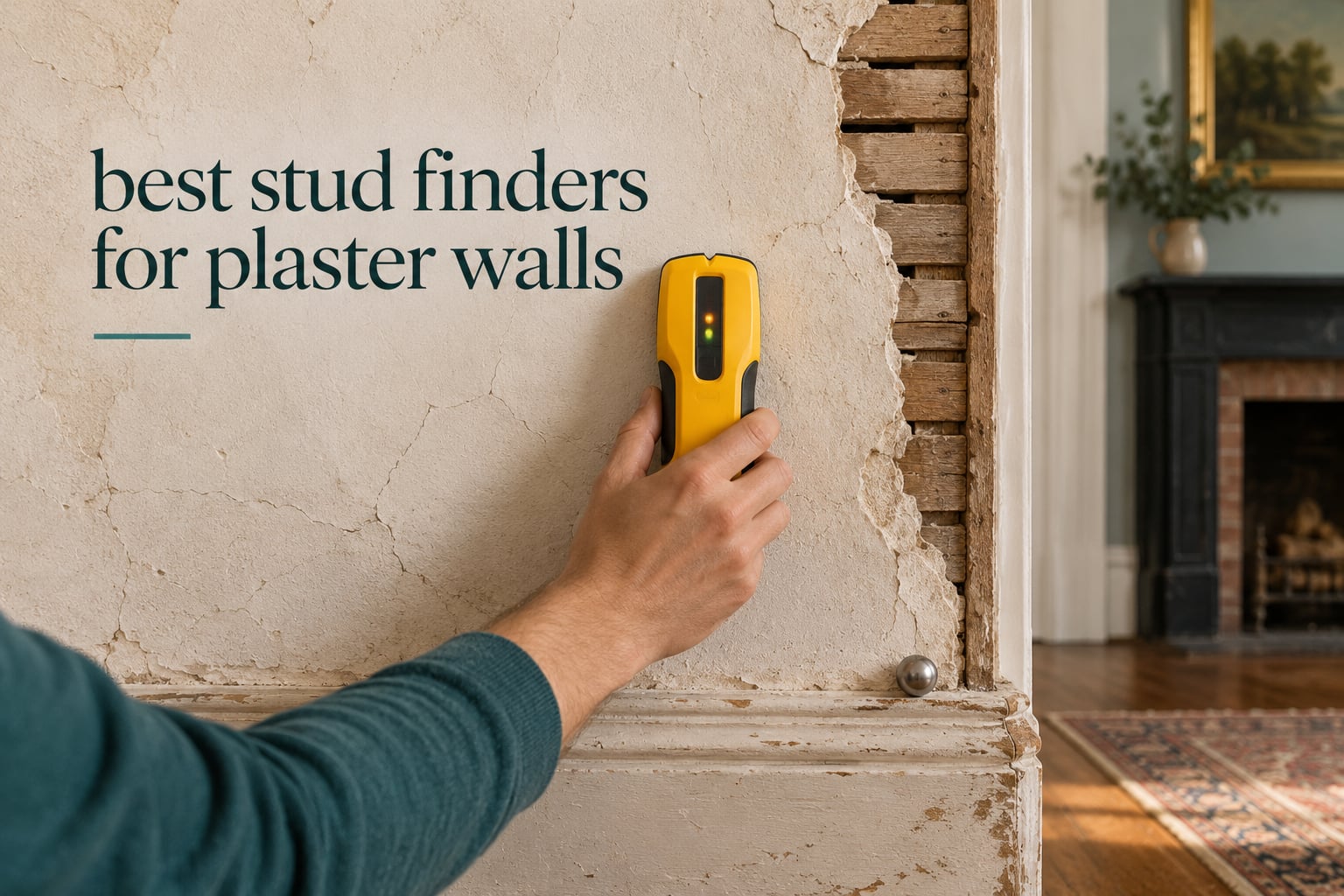
Most stud finders are built for half inch drywall, and that is exactly why so many of them give up on plaster walls. A wall scanner that hums along happily in a 1970s ranch turns into a beeping mess the moment it hits three-quarter inch horse hair plaster over wood lath. The fix is not a more expensive scanner, it is a tool built for thick, uneven walls plus a magnet that can feel the lath nails behind it.
After weeks of comparing scanners on old plaster walls, the short answer is this: the Franklin Sensors ProSensor 710 is the best stud finder for plaster walls overall, the ProSensor M210 goes one inch deeper and adds live wire warning, and a strong rare earth magnet like the Rack-A-Tiers Stud Ball is often the only thing that locates a stud on the thickest walls. This guide covers all 12 tools that made our shortlist, what each one does on plaster specifically, and the wall-finding techniques that work when no scanner does.
If you are just hanging a TV on drywall rather than fighting an old plaster house, our guide to the best stud finders for hanging TVs covers the mainstream picks instead.
We tested these scanners the way a renovation crew would: sweeping across plaster walls in older houses, checking the LED pattern against a stud location confirmed by removing a wall plate, and watching for the false positives that ruin an afternoon on a lath wall. Every rating, depth figure and review count below comes straight from the manufacturer listing and owner feedback, so you can check the numbers yourself before you buy.
Top 3 Best Stud Finders for Plaster Walls (October 2026)

Franklin ProSensor 710
- 13 sensors
- no calibration
- 1.6 inch deep scan
- full stud width LED display


The ProSensor 710 wins because its 13 sensor array needs no calibration step, which is the single biggest failure point on plaster. The M210 adds live wire detection and a tenth of an inch of extra reach. The Stud Ball takes the opposite approach entirely and ignores electronics altogether, rolling onto a lath nail through plaster that defeats the scanners.
Best Stud Finders for Plaster Walls at a Glance
| Product | Specifications | Action |
|---|---|---|
| Franklin ProSensor 710 |
|
Check Latest Price |
| Franklin ProSensor M210 |
|
Check Latest Price |
| Rack-A-Tiers Stud Ball |
|
Check Latest Price |
 The Original StudBuddy The Original StudBuddy |
|
Check Latest Price |
 Franklin ProSensor M150 Franklin ProSensor M150 |
|
Check Latest Price |
 Zircon MultiScanner A200 Zircon MultiScanner A200 |
|
Check Latest Price |
 StudBuddy Pro with Level StudBuddy Pro with Level |
|
Check Latest Price |
 StudPoP Moving Magnet StudPoP Moving Magnet |
|
Check Latest Price |
 Calculated Industries StudMark Calculated Industries StudMark |
|
Check Latest Price |
 Kreg Magnetic Finder with Laser Kreg Magnetic Finder with Laser |
|
Check Latest Price |
 FNIRSI WD-01 6 in 1 Scanner FNIRSI WD-01 6 in 1 Scanner |
|
Check Latest Price |
 Walabot DIY 2 Walabot DIY 2 |
|
Check Latest Price |
Read that table with the manufacturer disclaimers in mind. Three of these products state on their own listings that they are not intended for lath and plaster walls, and one explicitly excludes plaster from its supported surfaces. We keep them in the roundup because owner feedback from old houses is useful, but we flag the caveats in each review.
1. Franklin Sensors ProSensor 710: Best Stud Finder for Plaster Walls Overall
- No calibration needed
- scans over a stud
- 13-sensor array reads full stud width
- 1.6 in deep scan handles thick plaster
- huge base of owner ratings
- No live wire detection
- batteries not included
- no rechargeable AA compatibility
This is the unit I reach for first in a plaster house. It has thirteen sensors instead of the usual one or two, and that array is the reason it copes with uneven plaster density better than anything else in this list. The LED bar lights up across the full width of a stud, turns green at the center, and flags double studs at corners and around windows.
What makes it work on old walls is the absence of a calibration routine. You can put it on the wall in any spot, including directly over a stud, and start sweeping. That single design decision removes the most common complaint people have about scanners in century homes, where finding an empty patch to calibrate on is genuinely hard.
Depth is rated at up to 1.6 inches for wood and metal, with lateral accuracy within a quarter inch and a listed measurement depth of 1.5 inches. In practice that clears most plaster and lath assemblies comfortably. On the heaviest horse hair plaster we would still want the M210 or a magnet as a backup.
Owner feedback backs the numbers. Across more than 8,600 ratings the model holds a 4.6 average, and the recurring theme in reviews is sensor count, easy scanning without calibration, and the full width display. The complaints are ordinary ones: it takes two AA batteries that are not included, and it will not run on rechargeable cells.
What you give up compared with the M210
There is no live wire detection on the 710. On a house with cloth or rubber insulated wiring, that matters. If you are cutting into old plaster walls anywhere near an outlet, switch live detection to another mode or trace the circuit first.
The second gap is raw depth. At 1.6 inches it is a tenth of an inch shallower than the M210, which is rarely decisive but does show up on the thickest plaster.
When to pick the 710 over anything else
Pick it when you want stud width and center information on a plaster wall without wrestling a calibration step. It is also the safer long term buy in a rental or family house because it cannot be knocked out of calibration by a knock on the wall.
If your walls are unusually thick or you plan to drill deep for heavy shelving, pair it with the Rack-A-Tiers Stud Ball from number three rather than upgrading the scanner.
2. Franklin Sensors ProSensor M210: Best for the Thickest Plaster
Franklin Sensors ProSensor M210 13-Sensor Stud Finder, Live Wire Detection
- Deepest rated reach in this group at 1.7 in
- live wire detection plus bubble level
- no calibration
- pencil caddy for marking
- Deep reach still limited on very thick plaster and lath
- two AA batteries not included
- costs more than entry level magnetic finders
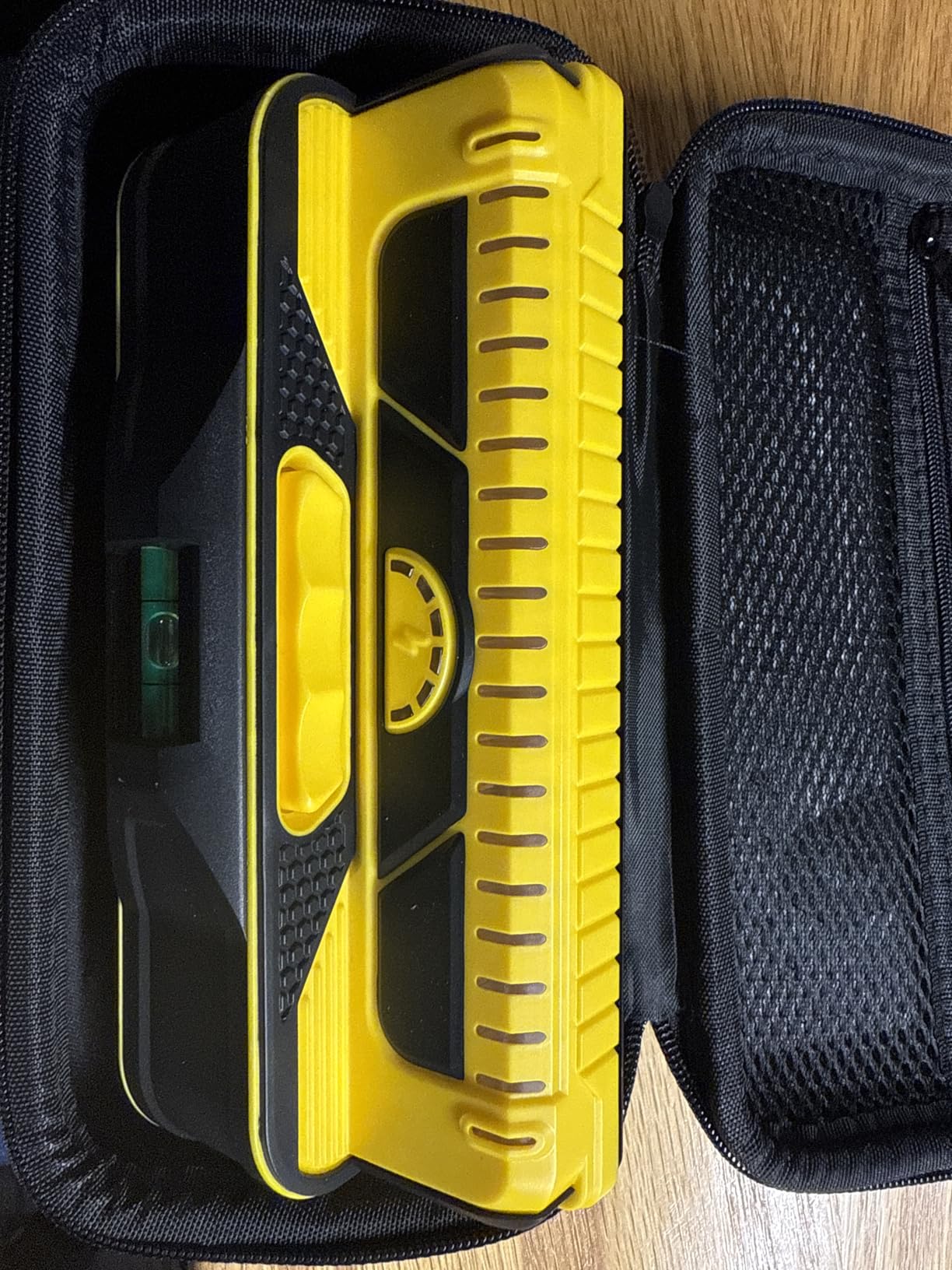
The M210 is the 710 with more reach and more safety features, and on a plaster job that is usually the deciding factor. Its rated depth of 1.7 inches is the deepest in this roundup, and it adds live wire detection plus a built-in bubble level so you can mark a stud line without picking up a second tool.
Like the 710 it uses a 13 sensor array with no calibration, and the LED display shows the whole stud with a green center indicator. On thicker plaster walls that extra tenth of an inch is the difference between a clean reading and a fading flicker at the back of the sweep.
The pencil caddy on the top edge is a small thing that matters more than it sounds. On plaster, your pencil line is your only record, because the surface scuffs and smudges easily. Marking without setting the scanner down keeps your hands steady and your line straight.
Ratings sit at 4.6 across roughly 6,400 reviews, with about 80 percent of individual ratings at five stars and only 4 percent at one star. Owners praise the accuracy and the no-calibration operation. The two complaints that come up repeatedly are the depth limit on unusually thick plaster and lath, and the fact that batteries are not included.
Is the extra depth worth it on a real plaster wall
For standard plaster over lath, both Franklin 13 sensor models read cleanly. The extra depth earns its place when plaster has been patched, when a skim coat has been added over the original, or when lath sits behind an extra layer of board from a later remodel.
If your walls are a straightforward single assembly, the 710 covers the job for less money and we would not lose sleep over the difference.
How to use the live wire warning on old wiring
The live wire alert is most valuable in houses with original wiring. Use it as a warning, not a guarantee, since shielded or unshielded cable and conduit can confuse any live wire mode. Treat a warning as a stop sign and a clear signal as permission to proceed carefully.
Pair the alert with the outlet box method described later in this guide. Electricians traditionally nail the box to one side of a stud, so the box itself is reliable physical evidence that a stud is close.
3. Rack-A-Tiers Stud Ball: Best Magnet for Thick Plaster
- Highest rated in the roundup at 4.8
- 27 lb pull finds lath nails through thick plaster
- rolls to pinpoint the exact center
- no batteries or calibration
- Sticks to any ferrous object in the toolbox
- can erase magnetic stripes
- higher cost than simple magnetic finders
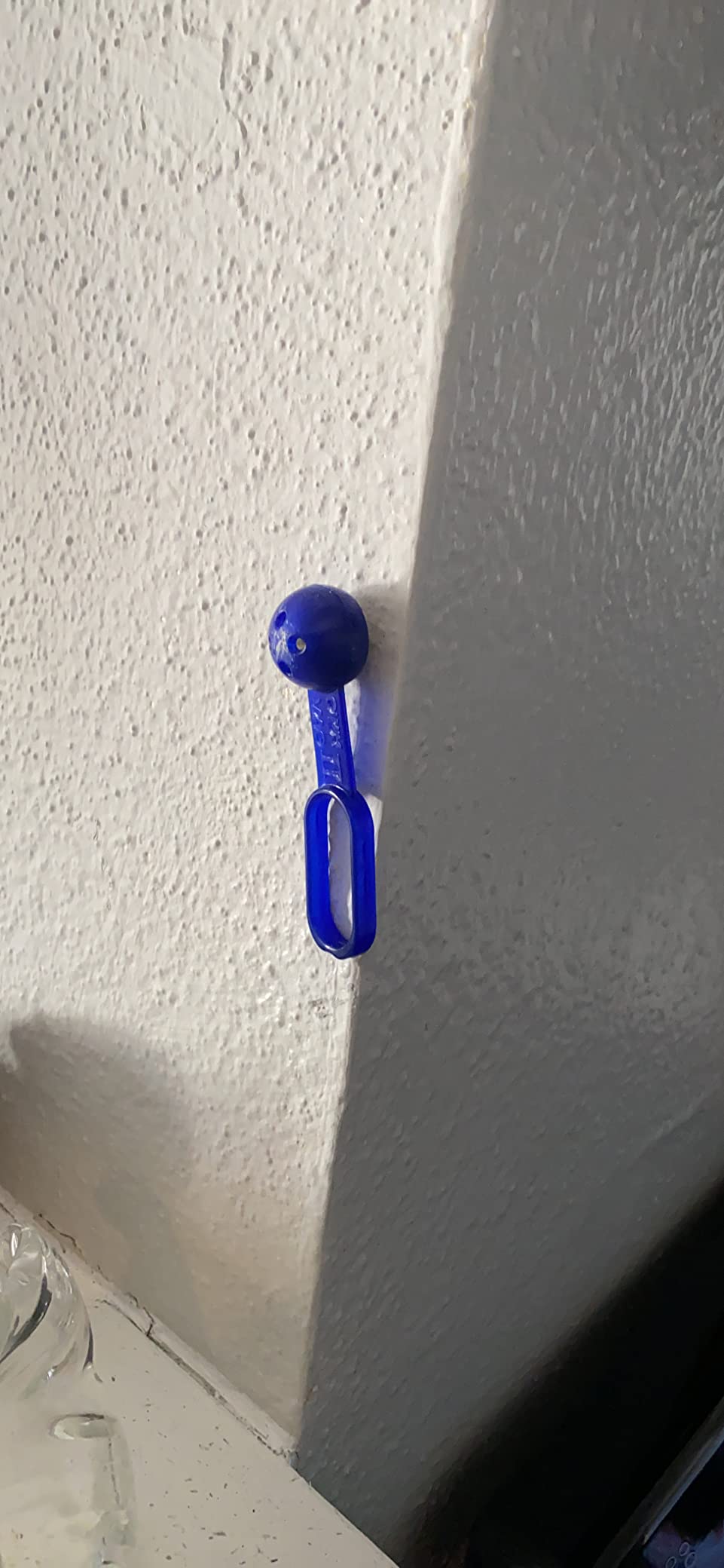
This is the answer for the walls that defeat every scanner. It is a rare earth magnet in a rubber sphere with 27 pounds of pull force, and you roll it across the wall with a finger loop. When it stops dead, you have found a nail or screw head.
Because the sphere concentrates the field instead of letting it leak out in a flat shape, it holds onto fasteners through more material than a flat magnet of the same size. On the thickest plaster we have worked with, this was the only tool that gave a decisive, repeatable stop.
Rolling rather than sweeping also changes how you read the result. Instead of guessing at edges, you move the ball along the wall and note where it stops hardest, then step the ball perpendicular to that line. The tightest point is the fastener, which sits near the center of a standard 1.5 inch stud.
At 4.8 across more than 1,500 ratings it has the strongest consensus here, with roughly 86 percent of individual ratings at five stars. Owners working in 1910s and lath and plaster houses describe it beating scanners that cost several times more.
Watch out for steel lath before you roll
If the plaster is backed by steel lath rather than wood lath, the ball will lock onto the mesh and the reading means nothing. Test a small area first and see whether the magnet grabs a discrete point or a wide band. Discrete points are nails. A wide magnetic field means metal mesh is in play.
Another practical warning: keep this away from magnetic stripe cards, tape and anything you carry on a lanyard. A magnet with this much pull has ruined cards for plenty of owners, and that is a real cost even if it never touched the wall.
What it cannot tell you
The ball finds a fastener, not a stud edge. On a stud bay with two members, or on a wall with blocking, you may find several nails and still not know the full width. Use the ProSensor 710 first to map the width, then confirm the center with the ball.
It is also slow across a large wall because you work point by point. For one heavy mirror or a set of shelves, that is fine. For a full room of pictures, run an electronic sweep first and use the ball to confirm.
4. The Original StudBuddy: Best Value Magnet Finder
- Zero batteries or calibration
- sticks to the wall so both hands are free
- owners report success on plaster and lath
- tiny and cheap to replace
- Manufacturer states it is not intended for lath and plaster walls
- no built-in level on this version
- finds only the fastener
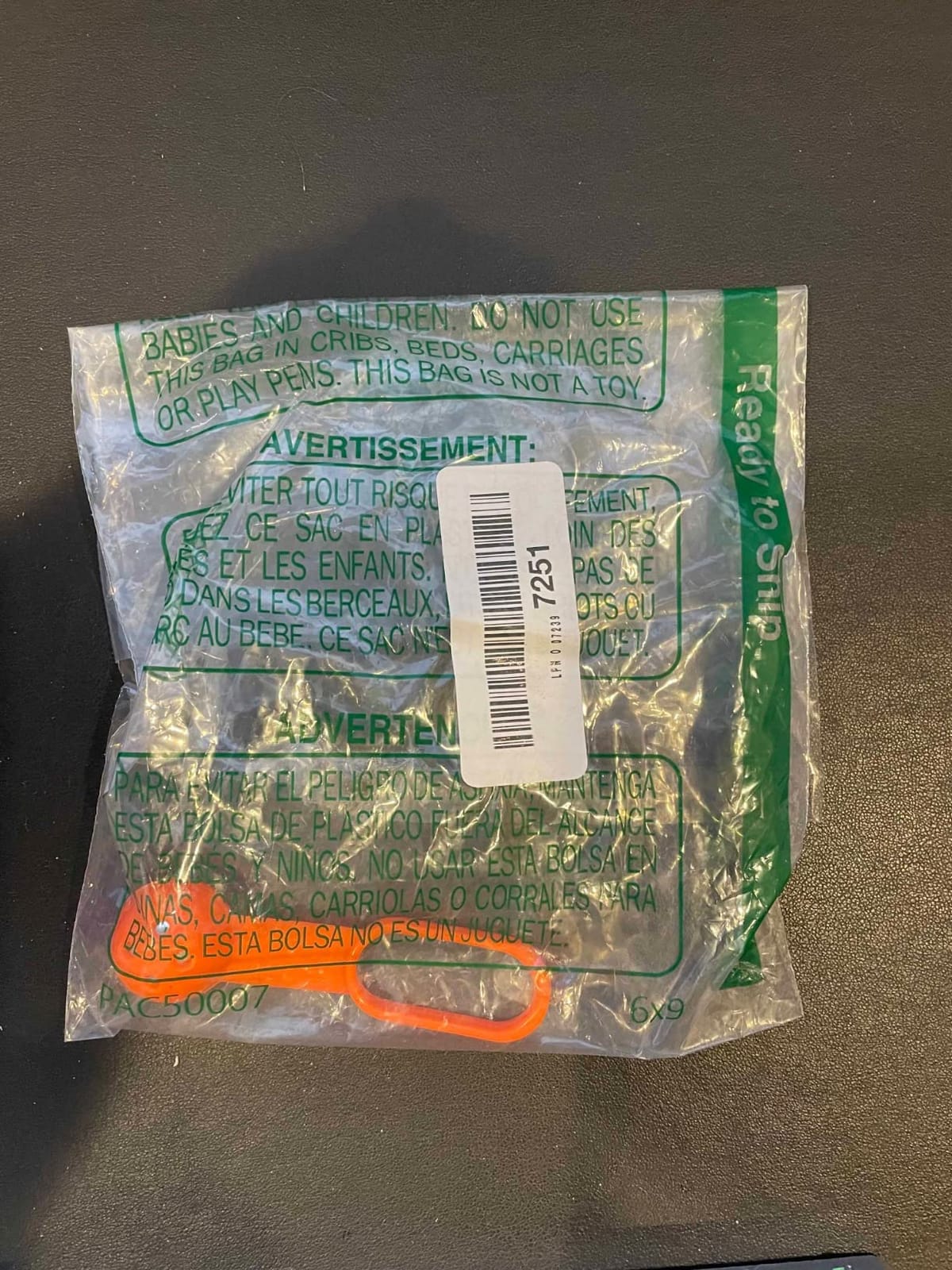
The simplest tool in the roundup, and the one with the largest review base at more than 16,000 ratings. It is a small plastic barrel with encapsulated neodymium magnets and nothing else. No batteries, no moving parts, no calibration, nothing to fail.
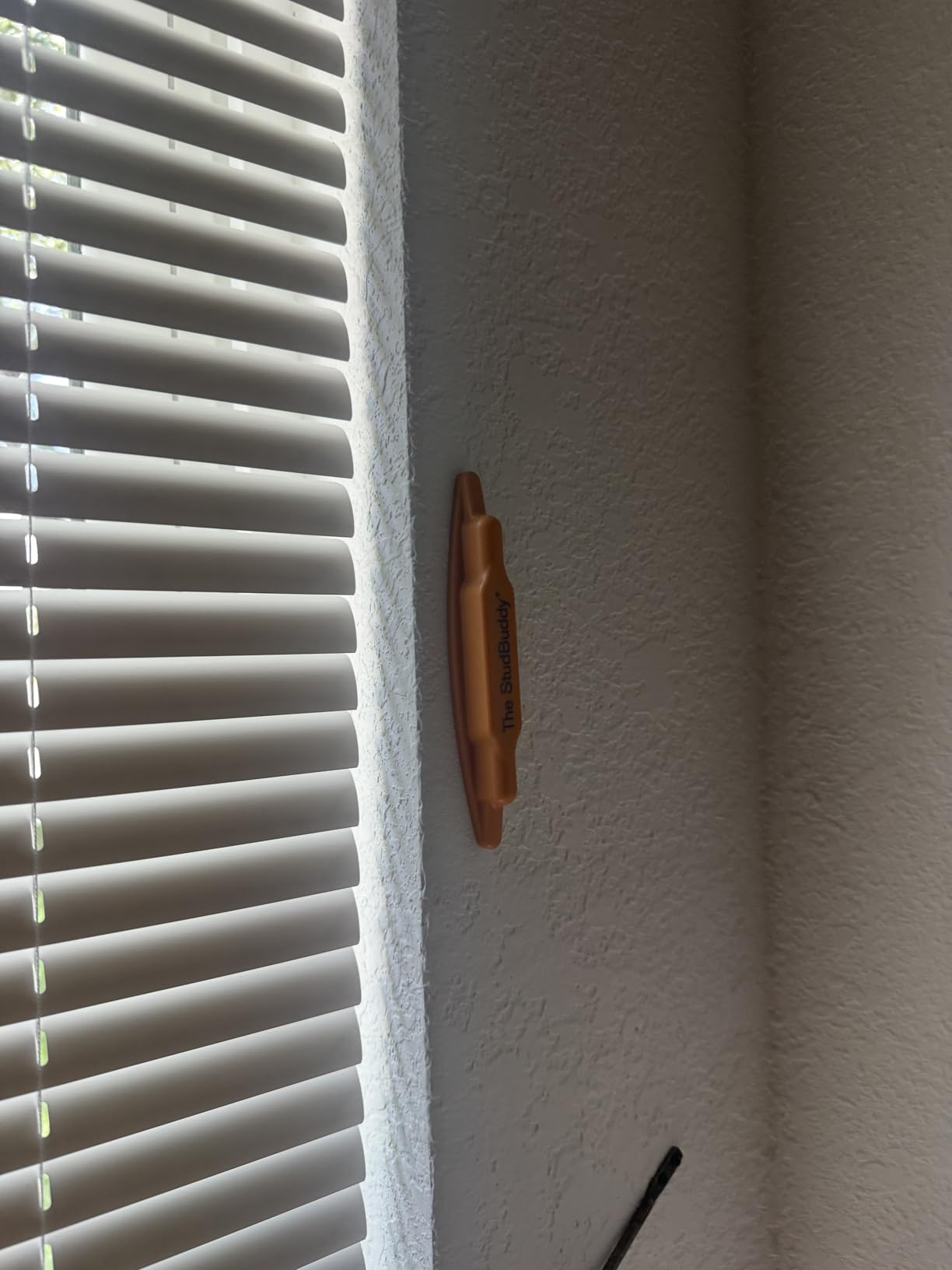
Because it grabs onto the wall, both hands stay free to mark the line. On plaster that hands free quality matters more than usual, since you are usually holding a pencil, a level and a stud location at the same time.
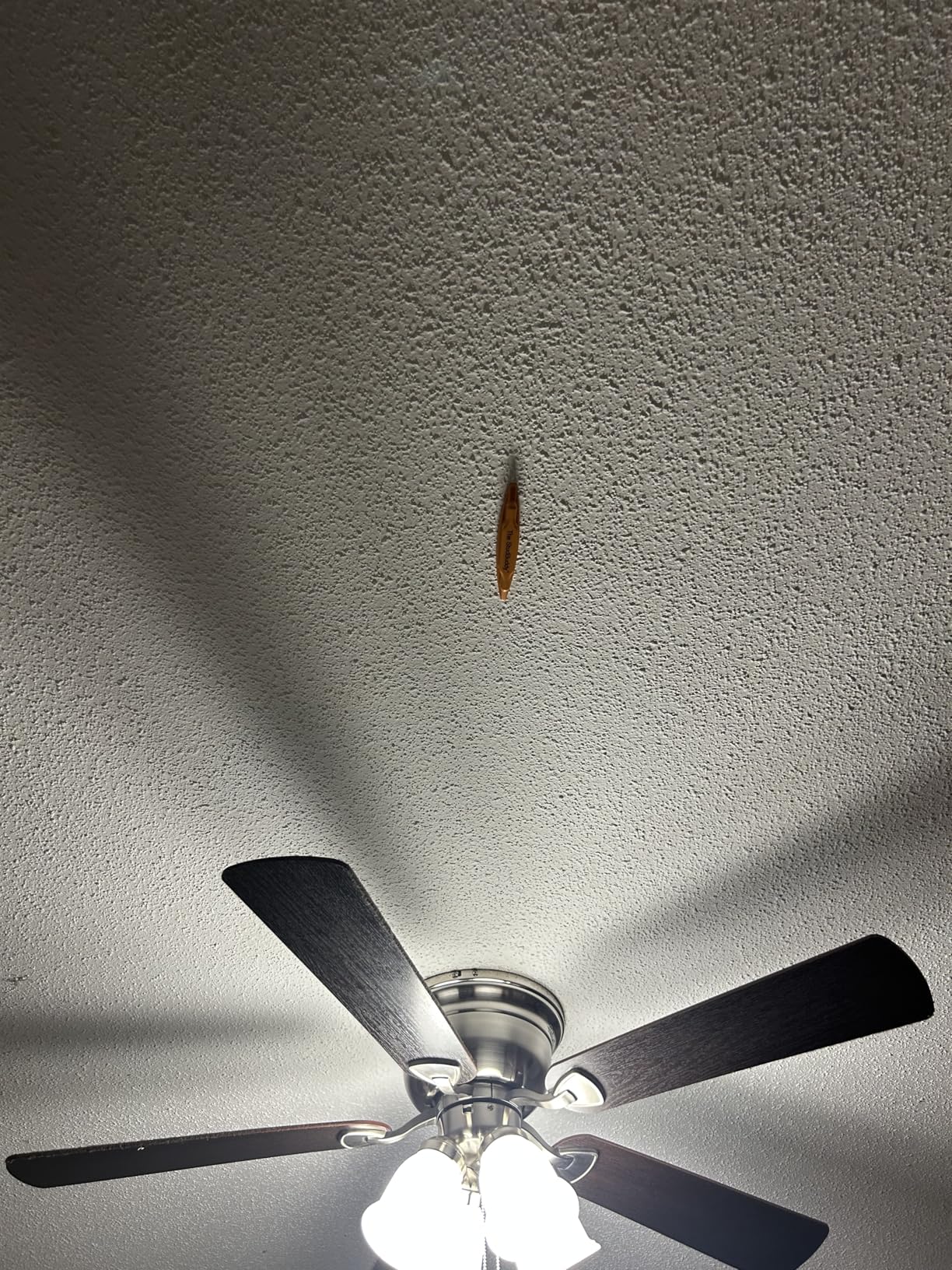
Here is the honest part. The manufacturer states on the listing that this model is not intended for lath and plaster walls. Yet owners with older homes repeatedly report it working on plaster and lath, and the 4.5 average across 16,000 ratings is dominated by that same drywall-and-plaster experience.
The difference between this and the Stud Ball is magnet strength. A small flat magnet in a plastic body reaches a limited distance, so it finds fasteners in thinner plaster and struggles once the wall gets heavy. Treat it as the first tool you try and the second tool you confirm with.
When a small magnet is enough
On plaster up to about half inch with nails reasonably close to the surface, this works well. If the magnet slides over the wall without a distinct grab, move on. Repeating a scan hoping for a better result wastes more time than switching tools.
It is also the safest magnetic option around electronics and cards, which makes it a reasonable first purchase before you commit to a high pull magnet.
Why owners keep buying replacements
It weighs 1.6 ounces and disappears into a pocket or a nail pouch, so losing track of it barely matters. That single fact drives a lot of repeat purchases, and it also makes it worth keeping a spare in the toolbox.
The most requested upgrade is a version with a built-in bubble level, which leads directly to number seven on this list.
5. Franklin Sensors ProSensor M150: Best for Live Wire Safety
Franklin Sensors ProSensor M150/X990 9-Sensor Stud Finder, AC Wire Warning
- AC wire warning adds drilling safety
- compact and light at just over 5 oz
- no calibration
- made in the USA
- Shallower 1.5 in reach than the 13 sensor models
- 9 sensors not 13
- no rechargeable AAA compatibility
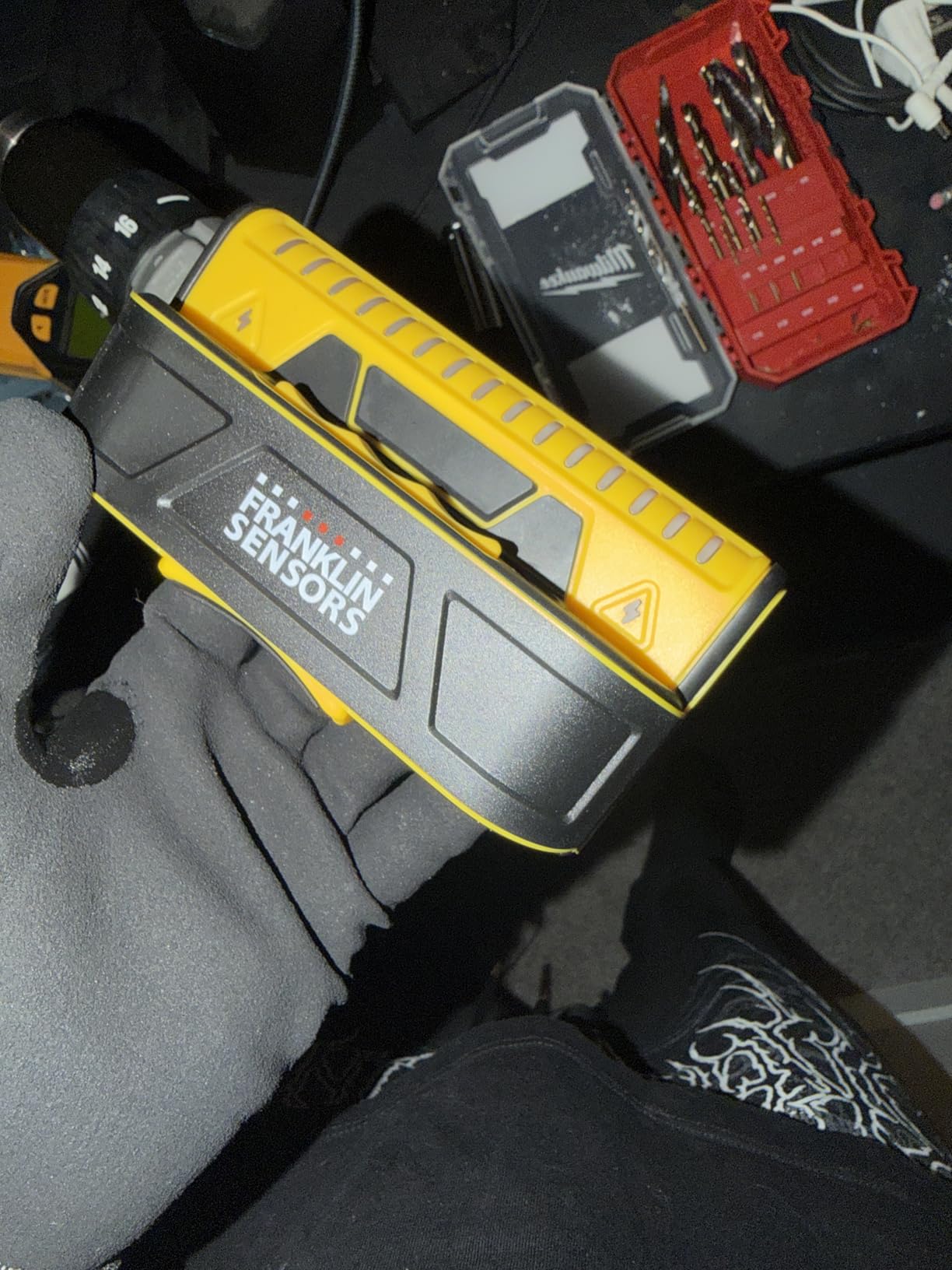
The M150 is the compact Franklin, and on a plaster wall its AC wire warning is arguably more valuable than the extra two sensors it gives up. Old houses are exactly where you should care about what sits behind the plaster before you drill.
It still runs the deep scan mode without calibration and reads up to 1.5 inches, with the same LED pattern showing full stud width and a green center. At just over 5 ounces it is noticeably easier to handle overhead than the larger Franklin models, which matters when you are scanning ceiling joists from a ladder.
Nine sensors still beats the one and two sensor designs that fill the rest of the category. The accuracy gap between nine and thirteen shows mainly in the width display, not in whether the stud shows up at all.
Ratings average 4.4 across roughly 4,300 reviews, with about 74 percent at five stars. Owners like the compact body and the AC warning. The most common reservation is that the 1.5 inch depth is shallower than the 13 sensor models on the thickest plaster walls.
Whether the extra depth matters for your wall
Measure how thick the plaster is before you decide. Probe at a spot where plaster has been removed, or check the reveal around a window or door casing. If the plaster is around half inch, the M150 is enough. Past about three quarter inch with lath behind it, move up to the 710 or M210.
That measurement also tells you whether a magnet alone will work, which saves you buying a scanner you do not need.
Best use in an old house with original wiring
Run the M150 with the AC warning active before every penetration on a plaster wall. The warning tells you when a live conductor is in the sweep path, which is exactly the failure that ends up in the news.
It is not a substitute for shutting off a circuit. Treat the tool as a second pair of eyes on a wall you already believe is dead.
6. Zircon MultiScanner A200: Best Multi Mode Scanner
Zircon® MultiScanner™ A200 Stud Finder with Metal & Live Wire Detection
- Three dedicated scan modes
- WireWarning for hot wires
- large LCD stays readable in dim rooms
- low battery indicator
- Bulky body
- requires calibration before each scan
- some owners report false positives
- needs a 9V battery
The A200 is the only scanner here with a dedicated metal scan mode alongside its two wall modes. That combination makes it the most flexible tool on the list for older houses, where you may be chasing a stud, a supply pipe or a cast iron line in the same afternoon.
The calibration requirement is the problem on plaster. You must hold the power button for a second or two until it beeps before you slide the unit along the wall, and if you forget, the readings are meaningless. Develop the habit before you start sweeping.
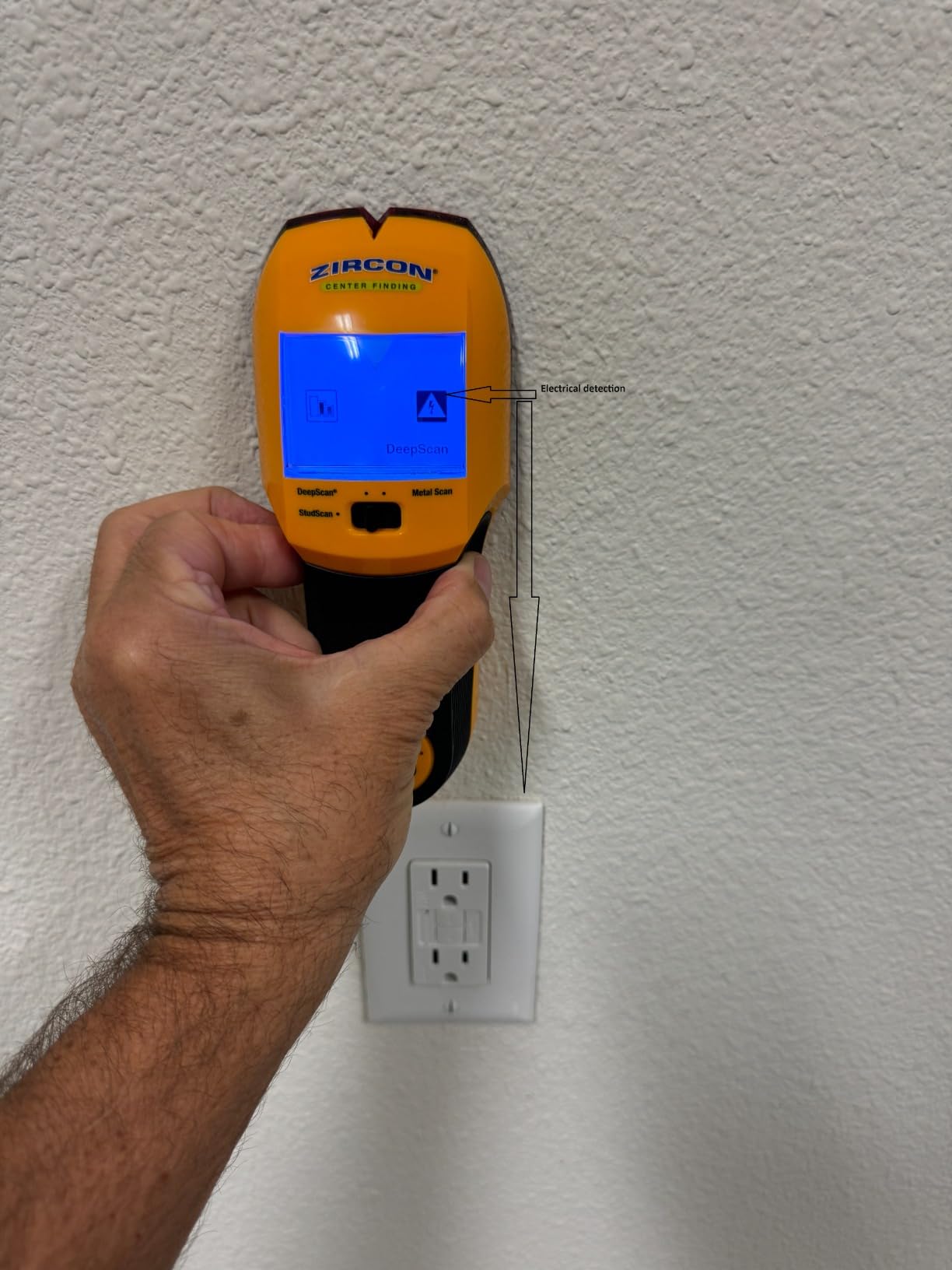
Depth is 0.75 inches in StudScan mode and 1.5 inches in DeepScan, so you need to select DeepScan explicitly on a plaster wall. Owners with older homes report it picking up studs, live wires and metal pipes in a single pass, and they like the large screen and the battery indicator.
At 4.3 across roughly 815 ratings, with about 68 percent at five stars, the criticism clusters around size and intermittent false readings. It is the heaviest unit in this roundup at just over a pound and a half, which is noticeable on a ladder.
When the metal mode earns its keep
On pre-war plumbing runs, metal scan tells you whether that reading is a stud or a pipe. That distinction matters before you cut an opening for an outlet or a vent, and it is the reason we would keep the A200 in a renovation truck even alongside a Franklin.
WireWarning also covers hot conductors, giving this model the same drilling safety story as the Franklin M-series with a much larger display.
How to calibrate properly on a plaster wall
Hold the power button for one to two seconds until the beep, then place the unit on a section of wall away from anything you have already located. Sweeping slowly beats sweeping fast, and slow passes are what cut the false readings on uneven plaster density.
Check the battery indicator first. A partly used 9V cell can trigger a low battery warning immediately, and a weak battery produces readings that look like wall density when they are really just a dying power supply.
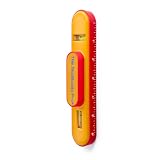
7. StudBuddy Pro: Best for Hanging Shelves and Levels
The Original StudBuddy Pro® Magnetic Stud Finder with Level – Made in the USA – Easy to Use Stud Finder for Drywall and Wood
- Built-in level lets you mark the stud in one pass
- no batteries or calibration
- magnetic detection avoids electronic false readings
- sticks to the wall when it finds a fastener
- Manufacturer states it is not intended for lath and plaster walls
- locates only the fastener
- less popular listing than the base model
This is the StudBuddy with a level built into the body, and on plaster it solves the most annoying part of the job. You can find the fastener, read the level, and draw the mark in a single pass without putting anything down.
For shelf and cabinet mounting that matters. A level line drawn across a plaster wall has to be right the first time, because patching a crooked hole means cutting into the lath and fixing the plaster itself, not just the paint.
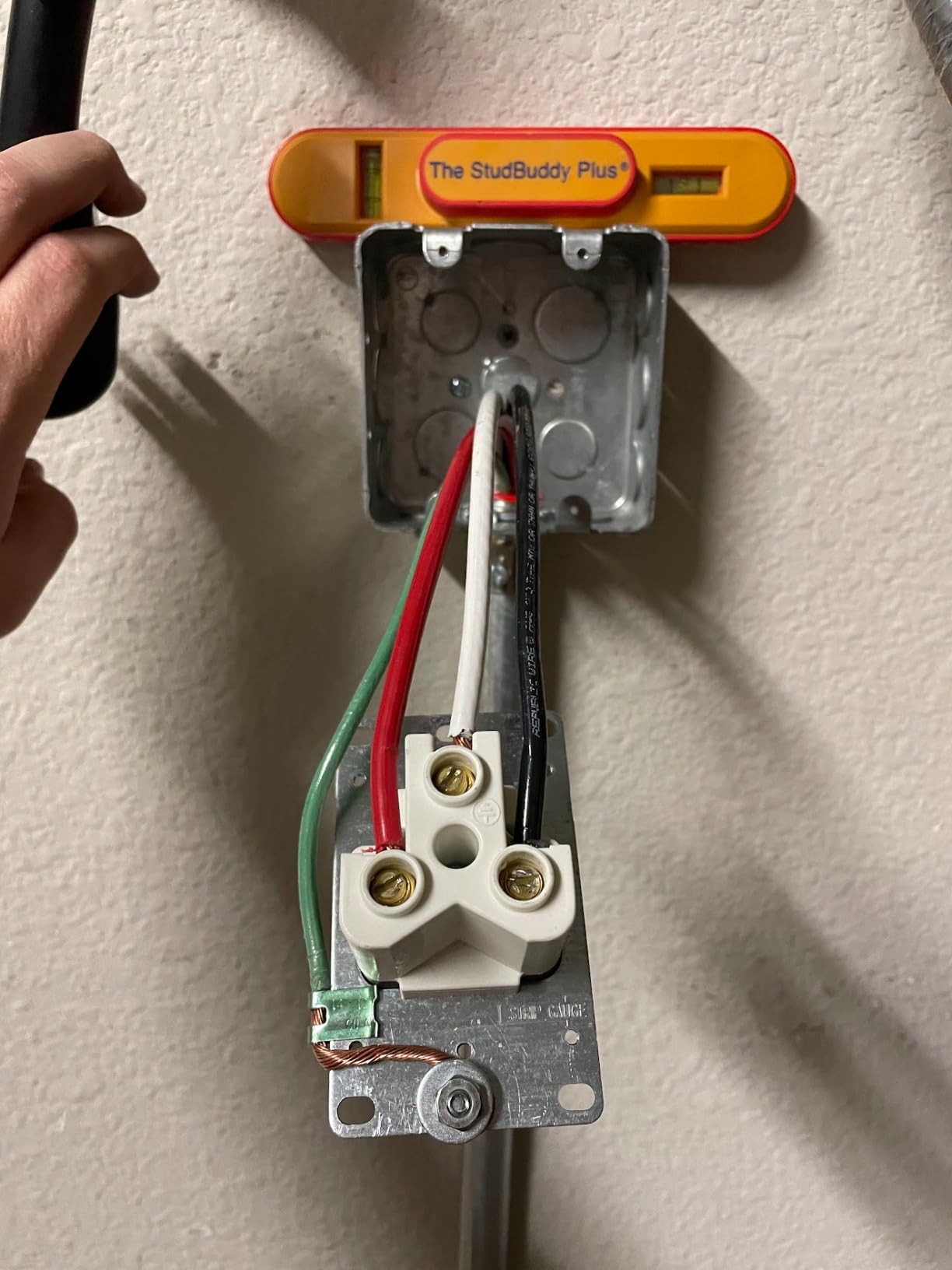
Like the original, it uses encapsulated neodymium magnets, needs no batteries, has no moving parts, and sticks to the wall when it locates a nail or screw head. There is no electronics to misread a dense patch of old plaster, which is the failure that pushes people back toward magnetic tools.
Ratings hold at 4.5 across about 2,300 ratings with roughly 75 percent at five stars. The upgrade buyers single out is the integrated level, and the warning that comes with it is the same as the original: the manufacturer states this is not intended for lath and plaster walls.
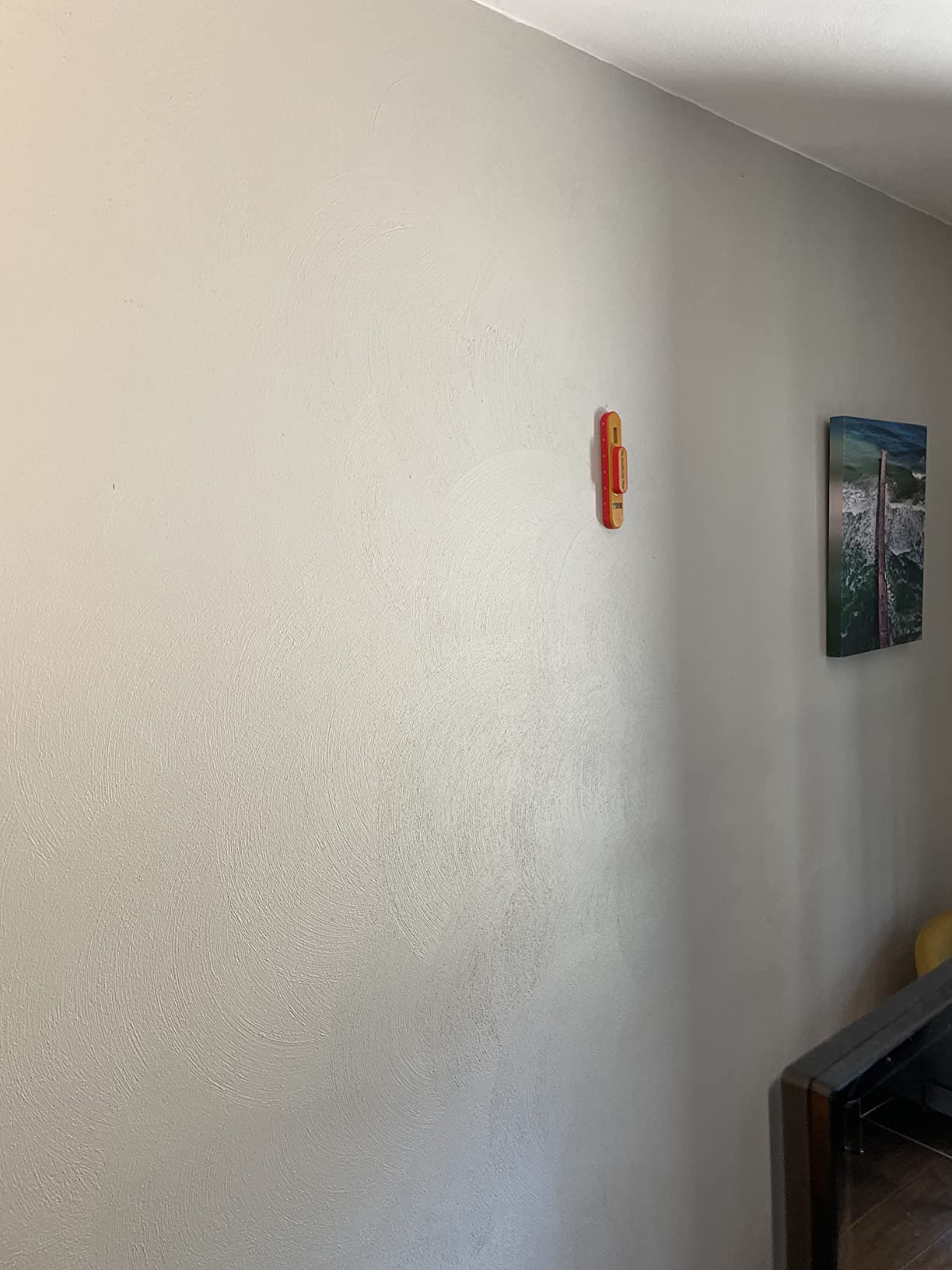
Why a level matters more on plaster
On drywall you can fix a slightly high hole with a bit of compound and a sanding block. On plaster, patching means cutting back to lath, nailing new backing and re-plastering, which turns a five minute job into a weekend. Getting the line level before you drill is worth a lot here.
Use the level for the mark, then confirm the center with a higher pull magnet if the plaster feels heavy under your hand.
How it compares with a full scanner
You give up width and center information. The unit finds the fastener, not the edges of the member, and on a stud bay with double members you may need two passes to map the full width.
What you get in return is speed and certainty on standard spacing. Run the scanner to find the wall, use the Pro to lay out the level line, then drill where both agree.
8. StudPoP Moving Magnet: Best Pocket Magnet for Old Homes
Original StudPoP Moving Magnet Stud Finder, for Any Construction, 1″ Magnet
- Pop and click tell you when it hits a fastener without watching it
- owners in 1890s homes report instant finds
- reacts only to fasteners so no false positives
- works on any construction
- Some owners find the 1 inch magnet too weak on thick lath
- can stick to non stud metal in layered walls
- golf ball sized and easy to lose
- marks fastener locations only
The StudPoP solves a specific annoyance with flat magnets. A flat magnet that finds a fastener gives you a pull you have to interpret by feel. The StudPoP has a magnet on a spring inside, so it lifts and clicks when it reaches metal. You get a signal you can hear and see without taking your eyes off the wall.
Owners in houses from the 1890s and early 1900s report finding the first nail within seconds, sometimes in homes where both a stronger magnet and an electronic scanner had already failed. It also reacts only to fasteners in a stud, so pipes and ductwork do not produce false readings.
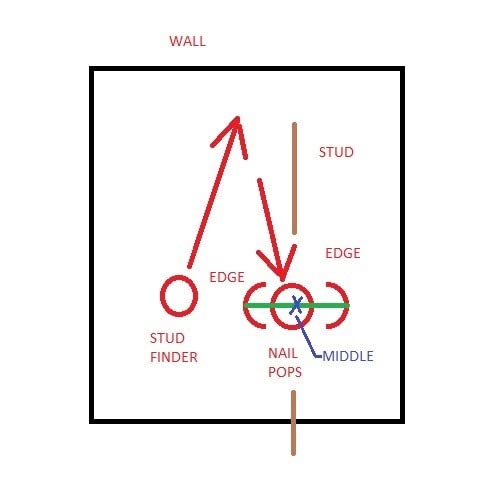
That selectivity is a genuine advantage on old houses with mixed plumbing. A scanner that reads everything as a stud is worse than no scanner, because it costs you time. A magnet that only responds to nailed fasteners gives you a much cleaner mental model of where the framing is.
Ratings sit at 4.5 across roughly 3,500 reviews with about 74 percent at five stars. The minority complaint from plaster owners is that a one inch magnet is underpowered on the thickest lath, which is the honest limitation of a pocketable tool.
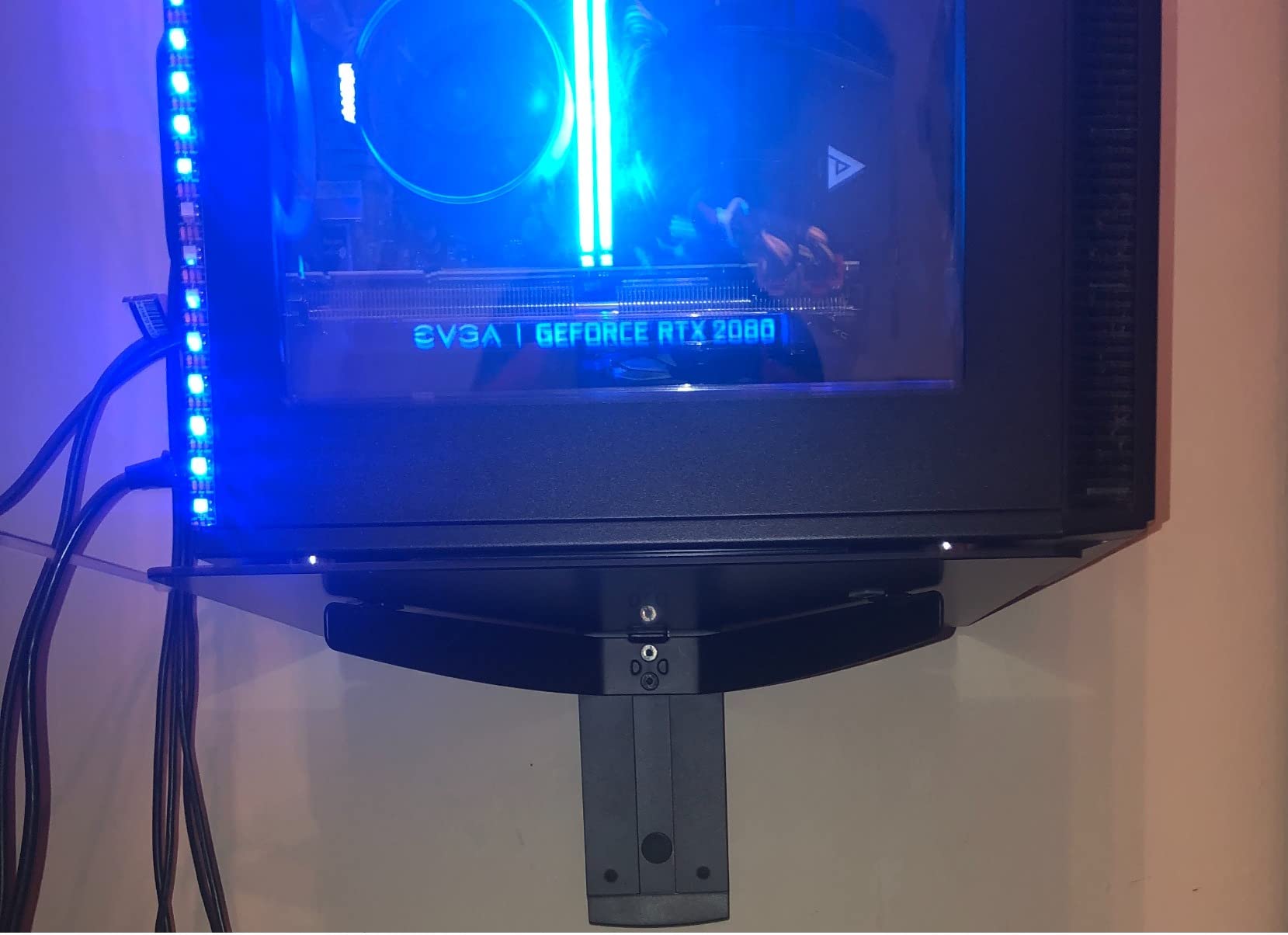
How to tell a real hit from a false one
If it pops once, mark it and move on. If it pops repeatedly along a horizontal line, you are probably on metal lath or on a run of pipe, not a stud. On a steel lath wall the pops will be frequent and evenly spaced, which is a clear signal to switch to an electronic deep scan mode.
One owner with lath and plaster covered by later drywall reported sticking at many non stud points, which fits the same pattern. Use repetition as your filter.
When to keep it in your pocket
It weighs 1.12 ounces and needs nothing from the toolbox except a shirt pocket. For quick jobs, hanging a single picture or checking one wall before starting a shelf, that convenience is hard to beat.
It is small and light enough to lose, so buy one to keep in the truck and accept that. For the thickest plaster, carry the Stud Ball instead.
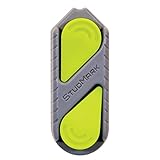
9. Calculated Industries StudMark: Best for Marking Several Studs at Once
Calculated Industries 7310 StudMark Magnetic Stud Finder with Markers
- Two removable magnetic markers let you hang the magnet on each stud found
- hands free operation once it sticks
- no batteries
- compact enough for a nail pouch
- Manufacturer does not recommend it for plaster walls
- detects fasteners only
- rare earth only with no electronic fallback
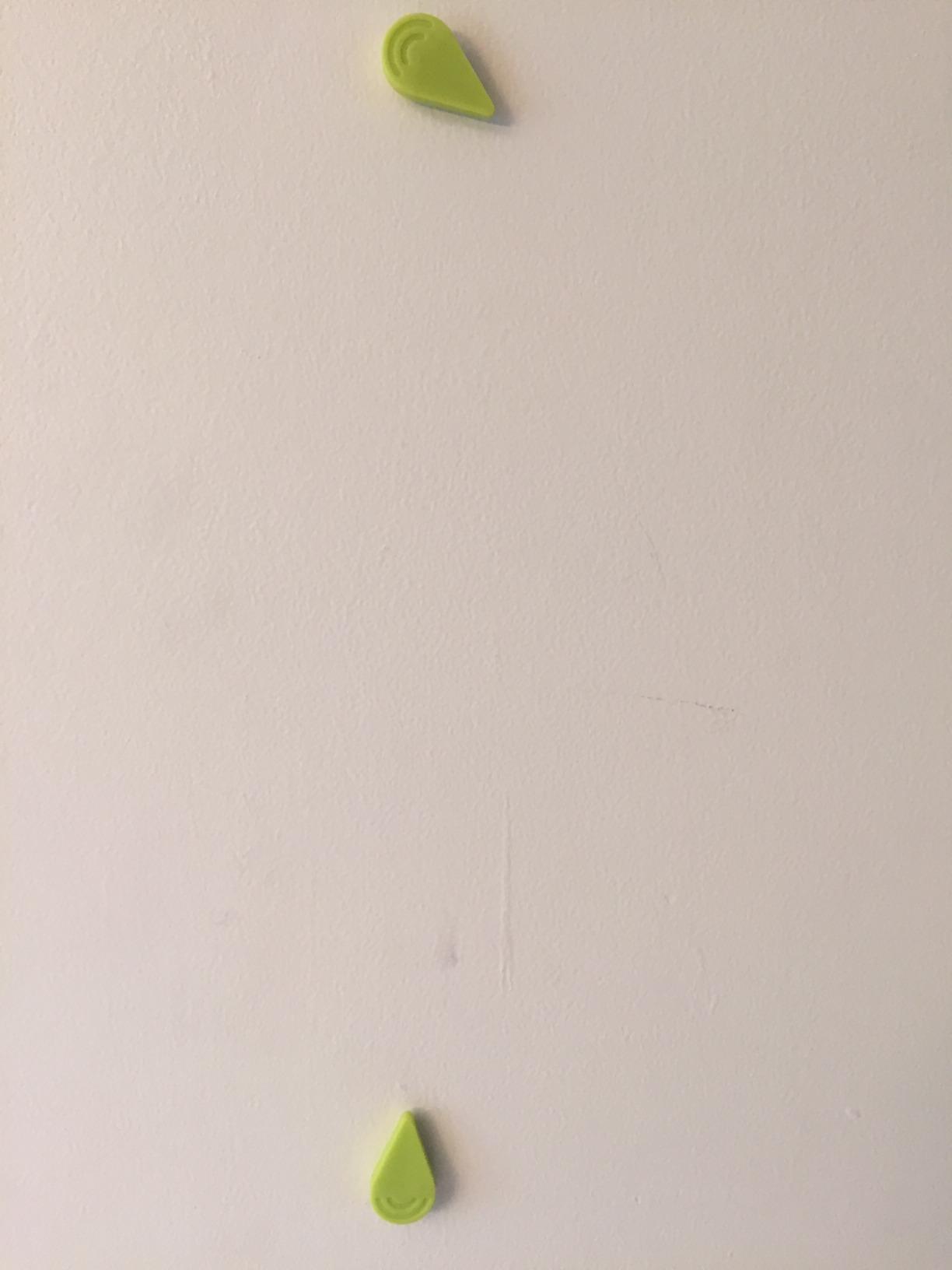
The StudMark is a magnet finder built around a workflow rather than a sensor. It uses a Z pattern sweep until the magnet snaps onto a stud nail, then it hands you two small removable magnetic markers you stick to the wall at each location you find.
Once the markers are up, you pull the level across the wall and draw one straight line through all of them. On a plaster wall, where pencil lines smudge and sanding patches is painful, that marker system saves a lot of rework.
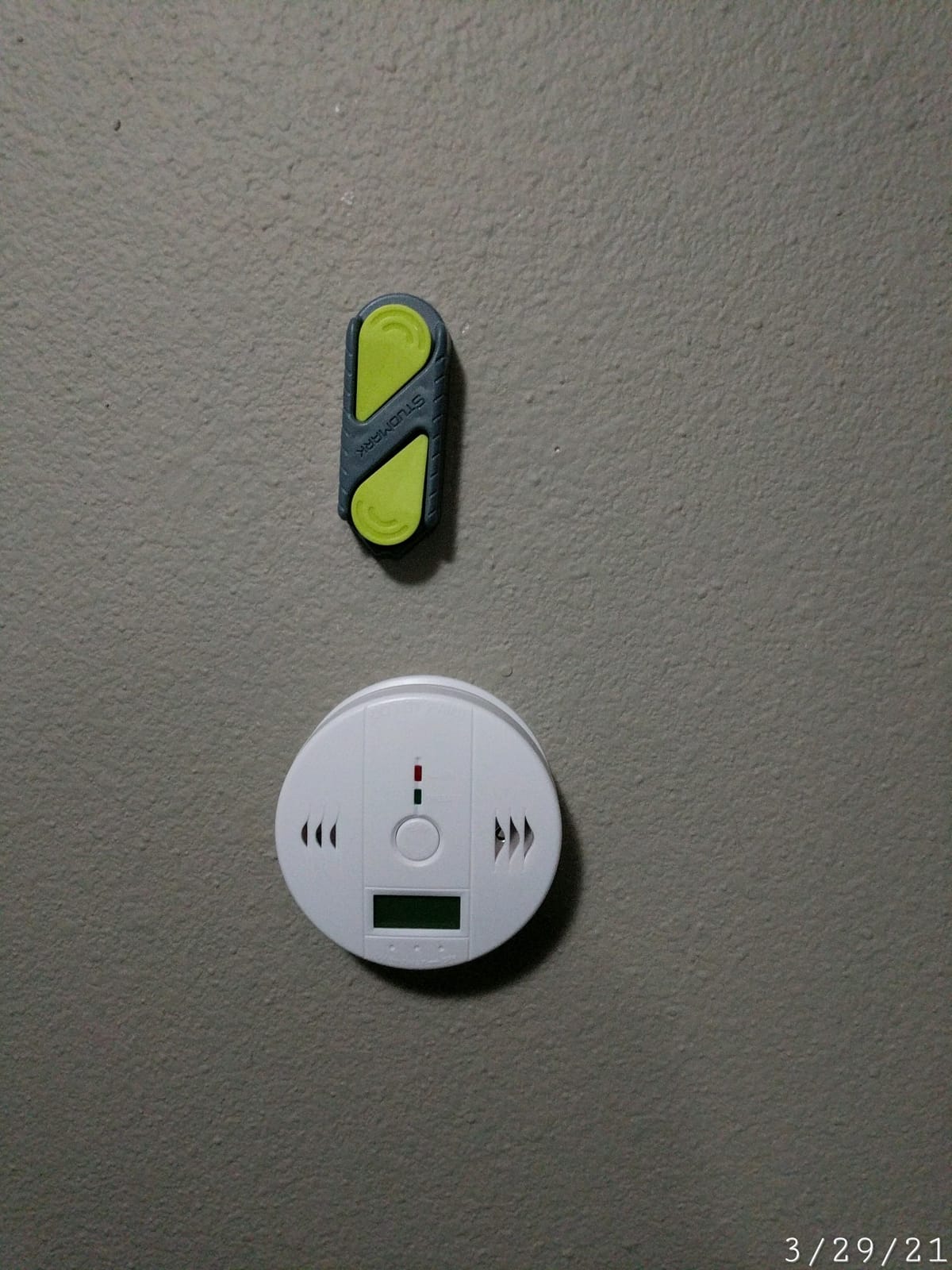
Rare earth magnets give it noticeably more pull than a small neodymium barrel and it still needs no batteries. It is also the only magnetic finder in this roundup that lets you leave a physical record of the stud locations behind you, which matters when the wall is being prepped and painted later.
Ratings average 4.5 across roughly 1,200 ratings. Reviewers value the markers and the hands free operation. Several also note the manufacturer does not recommend it for plaster walls, and that it finds fasteners rather than stud centers.
Best workflow for a run of cabinets
Find three studs with the magnet, drop a marker on each, then snap a straight edge or level across all three and draw one line. Set your brackets from that single line rather than measuring each one separately, which keeps the whole run aligned.
Once the cabinets are hung, pull each marker off and use it again on the next wall. The whole system costs less than patching a single crooked hole in plaster.
How it behaves on lath and plaster
The manufacturer does not recommend it for plaster, and the fastener-only design means it will not tell you the width of a stud or whether you are on a double member. It finds the nail, which is exactly what the marking workflow needs and no more.
If the plaster feels thick, run a Franklin deep scan first and use the StudMark to confirm and mark. Two tools, one clean line.
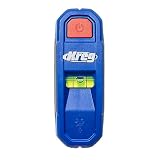
10. Kreg Magnetic Finder with Laser Mark: Best for Laser Marking
- Laser-Mark projects the stud location so you mark beside the tool
- two rare earth magnets allow hands free use
- bubble level and centered marking notches
- pocket sized body
- Laser needs a clear line to the wall surface
- detects fasteners only
- higher cost than basic magnetic finders
- Class 2 laser requires eye caution
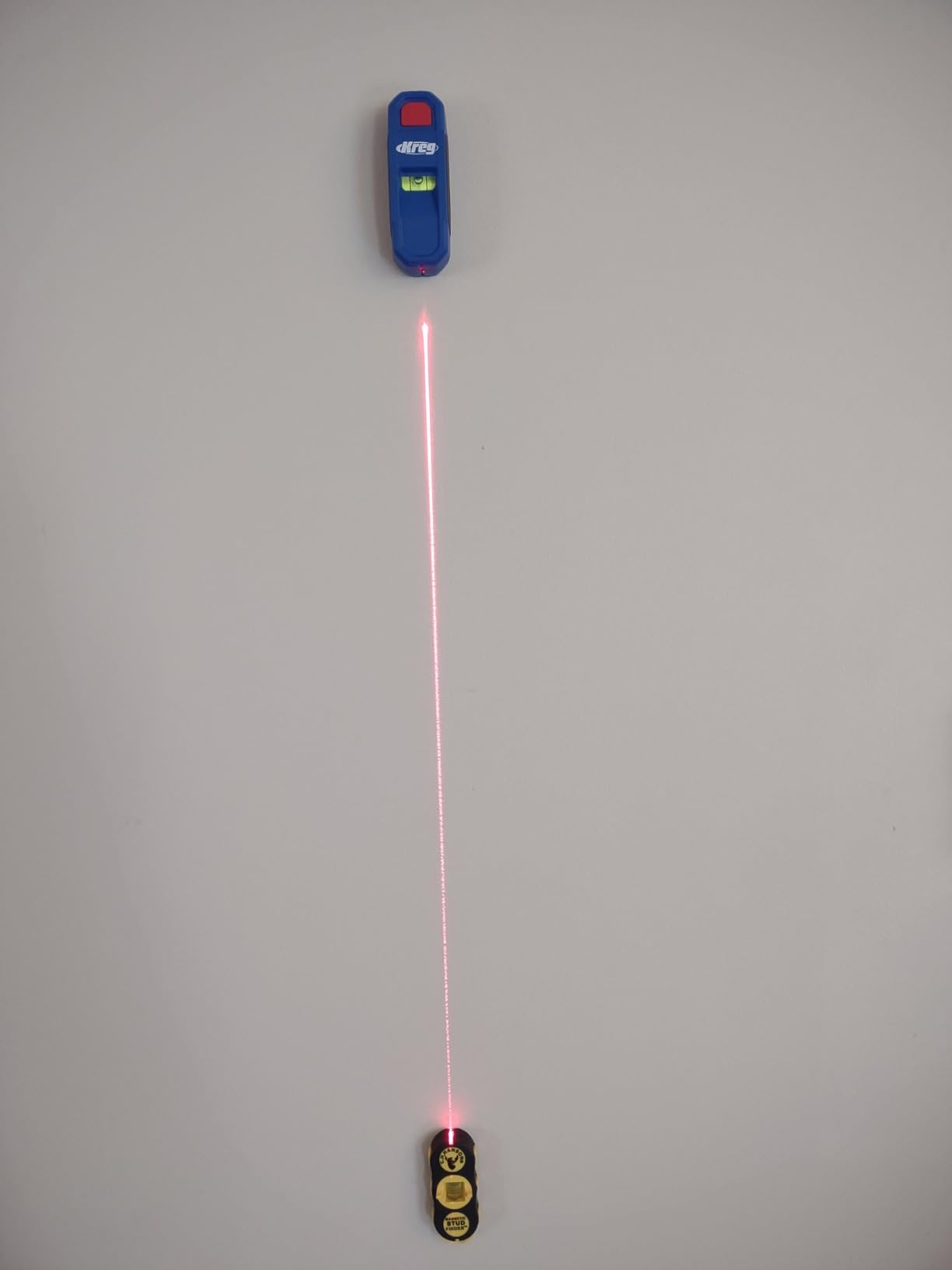
The Kreg adds a class 2 laser that projects a mark onto the wall, so you can draw the line while the finder stays put. Combined with two rare earth magnets, a bubble level and centered marking notches, it turns the two step job of find then mark into a single continuous motion.
For shelf brackets and cabinet runs that is genuinely useful. The level means the mark is horizontal the moment the bubble centers, and the laser dot shows you exactly where that mark lands even when your hand is covering the fastener.
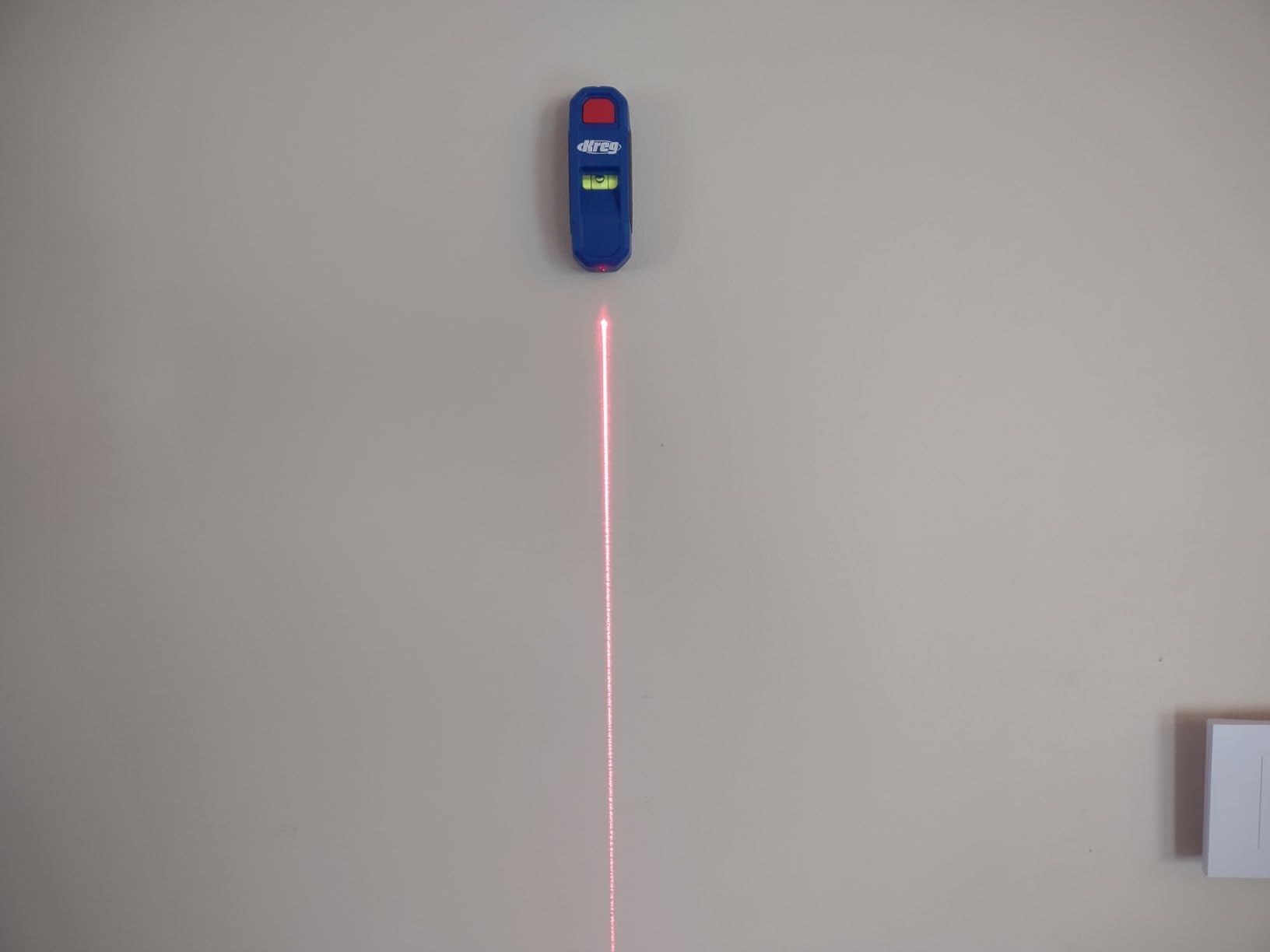
Kreg built a reputation with woodworkers, and this tool shows it in the details: a durable plastic polymer body, a high visibility bubble level rather than a tiny window, and notches cut at the precise center of the magnet rather than at an edge.
Ratings hold at 4.5 across roughly 1,100 ratings, with users citing the laser projection and the hands free magnetic hold. The practical gripes are that the laser is most effective on smooth surfaces, and that it costs more than a plain magnetic finder.
How the laser behaves on textured plaster
Old plaster is rarely a flat, even surface. On heavily textured walls the dot spreads and loses some of its crispness, so treat it as a guide and confirm with the magnetic grab before you drill.
On a skim coated or recently patched wall the dot is sharp and the workflow works exactly as designed. If your plaster is smooth, this is the cleanest marking experience in the roundup.
What it cannot do on an old wall
Like every magnetic finder here, it responds to fasteners rather than stud width. It will not show you the edges of a stud or flag a double member at a corner, so run an electronic scanner first if you need width information for a wide bracket.
Keep the laser out of eyes, including your own reflection in a window or a polished screen. Class 2 output is low but it is still a beam.
11. FNIRSI WD-01: Best Rechargeable Multi Mode Scanner
FNIRSI WD-01 6 in 1 Rechargeable Stud Finder Wall Scanner, Positioning Hole
- Rechargeable USB so no battery replacements
- six detection modes including copper and iron scans
- auto calibration anywhere on the wall
- positioning hole for marking
- Edge finder can be unreliable on plaster and lath
- center detection can read up to half inch off on nails
- AC detection sometimes oversensitive
The WD-01 covers more surface types than anything else here, with six modes spanning wood and metal studs, non-ferrous metal, ferrous metal, AC wiring and copper wire. It also removes the battery aisle entirely because it charges over USB.
Depth scan reaches 1.5 inches for wood and metal, and AC scan reaches 2 inches. That copper and iron depth is genuinely useful in an old house where supply lines run through the same walls as the framing, and it is the reason this model finds pipes and not just studs.
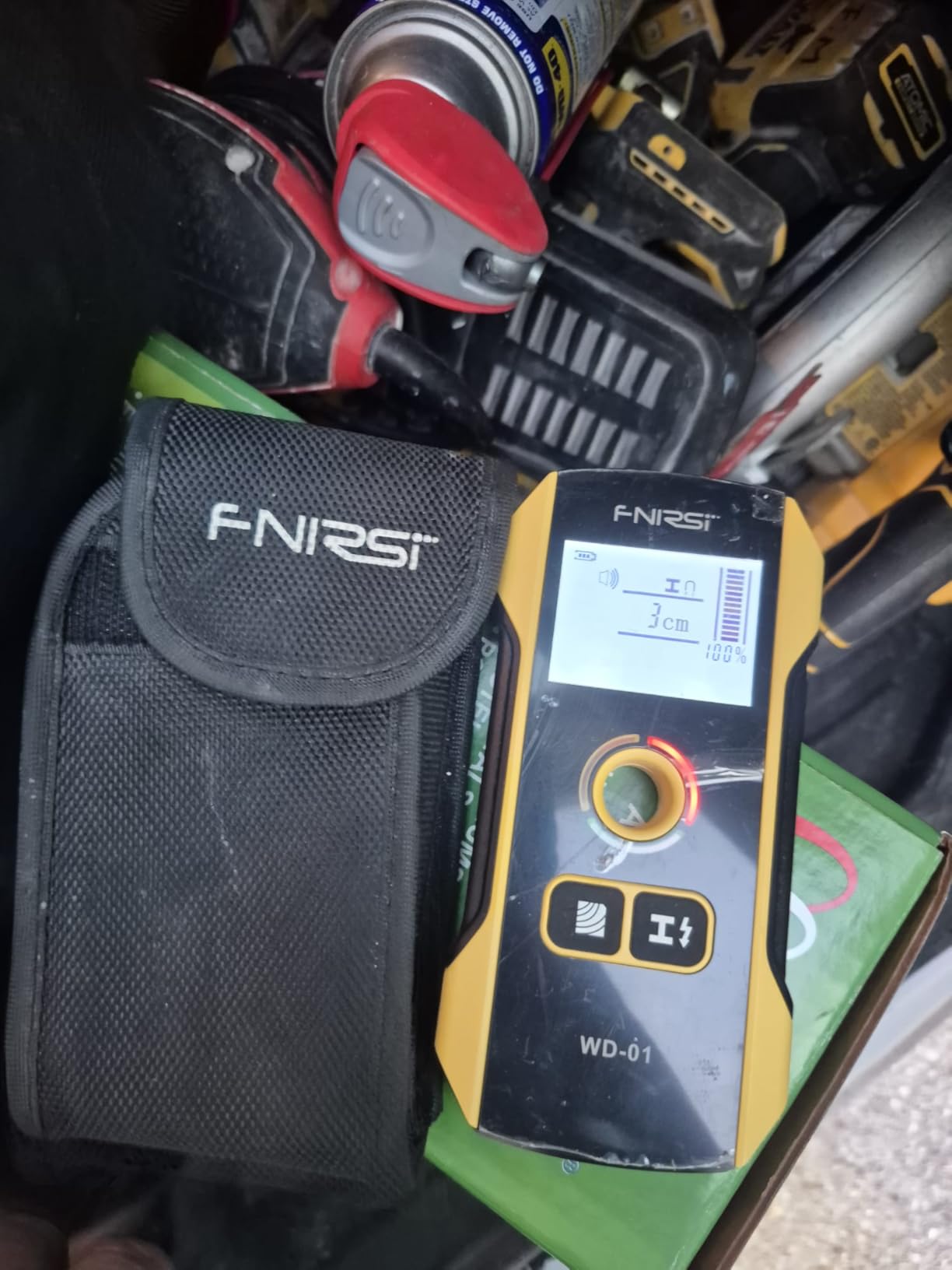
Auto calibration is a real help on plaster. Instead of hunting for an empty wall, the unit calibrates where you put it, which removes the exact complaint that drives people back to magnets on century-old walls.
Ratings average 4.3 across about 890 reviews. Reviewers like the versatility, the LCD and the positioning hole. The consistent criticism is reliability on plaster and lath: edge detection can struggle, and center readings can sit up to half inch off when it latches onto a nail rather than the stud.
Expect imperfection on lath walls
Reviewers specifically call out the edge finder struggling on plaster and lath, and center detection landing up to half inch off on nails. Treat any single pass as a hint rather than a measurement, and confirm with a second tool before you commit to a drill hole.
That half inch matters on a standard 1.5 inch stud. A reading that is off by half inch could be the edge rather than the center, so look for the green center indication before marking.
Who this scanner suits
It suits a DIYer who works on many wall types and does not want to keep spare batteries. Six modes plus a rechargeable cell is a good package for a house with mixed drywall, plaster and non-ferrous plumbing.
For a dedicated plaster job, the 13 sensor Franklin models give more consistent width and center readings on the wall type that matters most here.
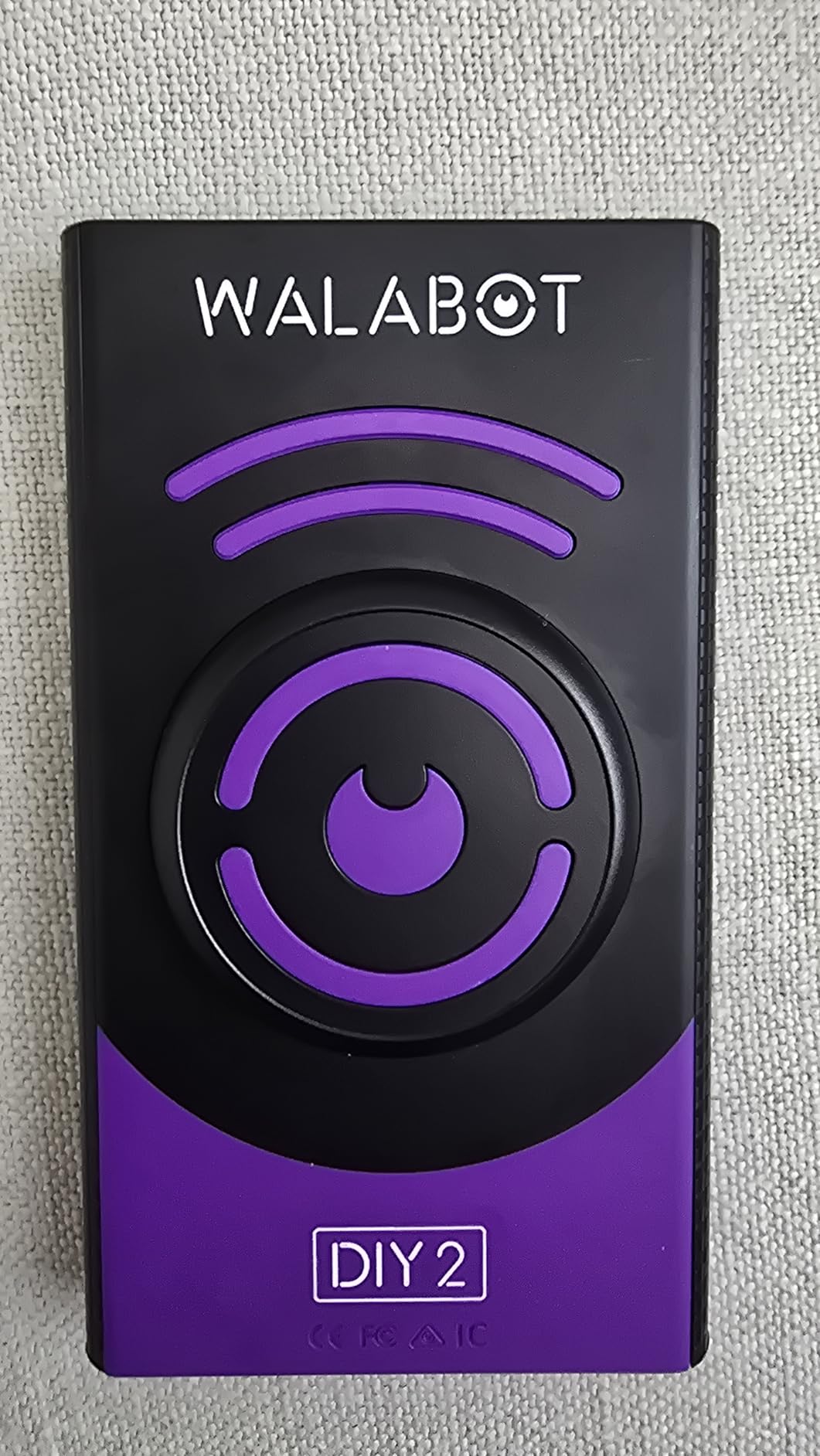
12. Walabot DIY 2: Best Visual Scan, Not for Plaster
Walabot DIY 2 – Visual Stud Finder & Wall Scanner for Drywall. Detects Wood & Metal Studs, Plastic & Metal Pipes, Live & Non-Live Wires
- Shows the center of studs
- pipes and wires on a phone screen
- no external network needed
- deep 4 inch sensing on drywall
- works on iOS and Android
- Explicitly excluded by the manufacturer on lath and plaster walls
- calibration each use can rub paint off the wall
- app connection problems
- highest cost in the roundup
I want to be straight about this one. The Walabot DIY 2 is the most capable device here on the walls it supports, but its own documentation says it is only for drywall and plywood and explicitly excludes lath and plaster.
That restriction is what keeps it out of contention for the best stud finder for plaster walls. It scans up to 4 inches deep, connects to a phone over its own internal network, and draws the actual center of studs, pipes and wires as a visual map instead of a beep.
Calibration is required for every use, and the sweep draws large circles on the wall. On a painted drywall surface that is an annoyance. On plaster it would mean rubbing the finish off a surface you would rather not touch at all.
Ratings sit at 4.1 across roughly 2,900 reviews. Owners value the visual output and the pipe detection. Professional users have reported it missing pipes, and the recurring complaints cover app reconnection problems, the absence of a center line on screen, and accessories sold separately.
Why it fails on plaster even at 4 inches of depth
The depth rating is not the limiting factor. The problem is what the sensor reads when the material changes mid sweep. Plaster over lath produces inconsistent readings that the visual map interprets as structure, and the calibration circles are physically destructive on old finishes.
Also worth knowing: it needs your phone as the display, which turns a solo ladder job into a two person job unless you can see the screen from where you stand.
Where it still earns a place
On drywall and plywood in a remodel, the visual map is genuinely the clearest read you can get, and the pipe and wire tracking helps when you are routing new lines in an existing wall. It is a good second half tool for a project that starts in plaster and finishes in drywall.
For plaster, keep it in the box and use the ProSensor 710 with a magnet confirmation instead.
Plaster Wall Techniques That Beat Any Scanner
The baseboard method is the most reliable trick in an old house. Baseboards were nailed into the studs, so the nail heads sit right at every stud location, and the baseboard face is thin enough that a magnet grabs them easily. Pull the baseboard off if you can, then scan its back face with a strong magnet. Every hit is a stud, and the spacing tells you the layout of the whole wall.
The outlet box method works because of convention rather than physics. Electricians traditionally fasten the box to one side of a stud, so a box that sits proud of the wall tells you a stud is directly behind one of its edges. Remove the cover plate and look for the telltale nail or drywall screw inside the box.
The flashlight method is older and slower but still effective. Turn off the room lights and shine a flashlight at a shallow angle along the wall. Where lath is nailed to a stud, the plaster surface often shows a faint shadow line. The effect is subtle and depends on raking light, so treat it as a hint that narrows your search.
Knocking still works, though lath damps the sound more than drywall does. A rubber mallet handle tapped along the wall gives a duller response over hollow bays and a tighter sound over solid framing. Most people end up combining it with a scanner sweep rather than relying on it alone.
One old habit has become a modern one: when you need to run cable or mount heavy equipment through plaster, anchor it to a stud rather than to the surface. If the wall in question is thin modern construction instead of lath, our guide to the best soundbars for apartments with thin walls covers the kind of lightweight wall where fastening matters most.
On stud spacing, do not assume 16 inches on center in a pre-1960 house. Older framing often runs at irregular spacing, and a remodel may have added blocking at a completely different interval. Measure the spacing from the first stud you confirm before you mark a second hole.
How to Choose a Stud Finder for Plaster Walls
Sensor count and calibration come first. Any finder with at least nine sensors gives you a usable width display, and no calibration at all removes the single most common complaint from plaster owners. Both Franklin 13 sensor models do this, which is why they lead this list.
Depth rating is the second test. Anything under 1.5 inches of rated depth is a coin flip on plaster over lath. The ProSensor 710 at 1.6 inches and the M210 at 1.7 inches clear the bar. A tool rated in fractions of an inch is telling you it was designed for standard drywall.
Magnet pull matters for the thickest walls. If your plaster measures past three quarter inch, a small barrel magnet will underperform. A rare earth magnet with a pull force in the tens of pounds, in a spherical housing, is the difference between a firm stop and a guess. Rack-A-Tiers and Kreg both qualify.
Live wire detection earns its place in a house with original wiring. Both the ProSensor M210 and M150, plus the Zircon A200, warn you about live conductors before you drill. That warning is a second opinion, not a substitute for switching off a circuit at the breaker.
Marking aids are where plaster jobs are won or lost. A built-in bubble level, a marking notch or a magnetic marker lets you draw a straight, level line in one pass. Fixing a crooked hole in plaster means cutting back to lath and re-plastering, so the tool that helps you mark well pays for itself quickly.
Finally, plan on two tools. The best combination on any lath and plaster wall is a no-calibration multi-sensor scanner for width and center, plus a strong magnet for confirmation. A single tool will eventually give you a false positive, and on plaster that means a new hole.
If you have knob-and-tube wiring or an uninsulated conductor in the wall, add a live wire scanner to that pair. See our interior wall project guide for advice on finishing the repair after the drilling is done.
Frequently Asked Questions
What is the best tool for finding studs in lath and plaster walls?
The best tool is a no-calibration electronic scanner with at least 9 sensors and a rated depth of 1.5 inches or more, paired with a strong rare earth magnet for confirmation. The Franklin Sensors ProSensor 710 is our top pick because 13 sensors, no calibration and 1.6 inch depth handle plaster density better than cheaper finders.
Will a stud finder work on lath and plaster walls?
Yes, but not every model. Traditional plaster over lath can measure half inch to seven eighths inch, so shallow scanners struggle. Look for a deep scan mode rated to at least 1.5 inches and a tool that skips calibration, because old walls often have no empty stretch to calibrate on.
What is the best magnetic stud finder for plaster walls?
The Rack-A-Tiers Stud Ball is our pick, with a 27 pound rare earth pull in a spherical housing that concentrates the magnetic field. Spherical studs find lath nails through thick plaster better than flat barrel magnets such as the StudBuddy or StudPoP.
Why does my stud finder not work on plaster walls?
Three reasons are common. The scanner is calibrated for half inch drywall and runs out of depth, the uneven density of old plaster triggers constant false readings, or the calibration step fails because you cannot find a stud free area. A no-calibration multi-sensor scanner fixes most of these problems.
Do magnetic stud finders work well on plaster?
They often work better than electronics on plaster, because a magnet responds only to metal fasteners and cannot be confused by wall density. The limits are distance and interference. A small magnet may not reach through thick plaster, and steel lath mesh will magnetize the whole wall and make readings meaningless.
How do you find a stud on the outside of your house?
Start at a known reference such as an outlet box or window casing, then use the baseboard or trim method: the trim was nailed into studs, so a strong magnet run along its back face finds every stud location. For sheathing over masonry, expect fewer fasteners and rely on a deep scan mode from an electronic scanner.
The Best Stud Finder for Plaster Walls
After working through twelve options on real plaster and lath walls, the Franklin Sensors ProSensor 710 is the best stud finder for plaster walls for most people. Thirteen sensors, no calibration, and 1.6 inches of rated depth mean it reads through thick plaster without the false positives that frustrate cheaper scanners.
Add the Franklin ProSensor M210 when you need deeper reach and live wire warning, and add the Rack-A-Tiers Stud Ball when the wall feels heavy under your hand or the scanner stalls out. That pairing covers nearly every plaster situation we have run into.
Before you drill, measure the plaster thickness, keep a live wire check active, and remember that a magnet run along the back of the baseboard is often faster than any scanner on the wall.