
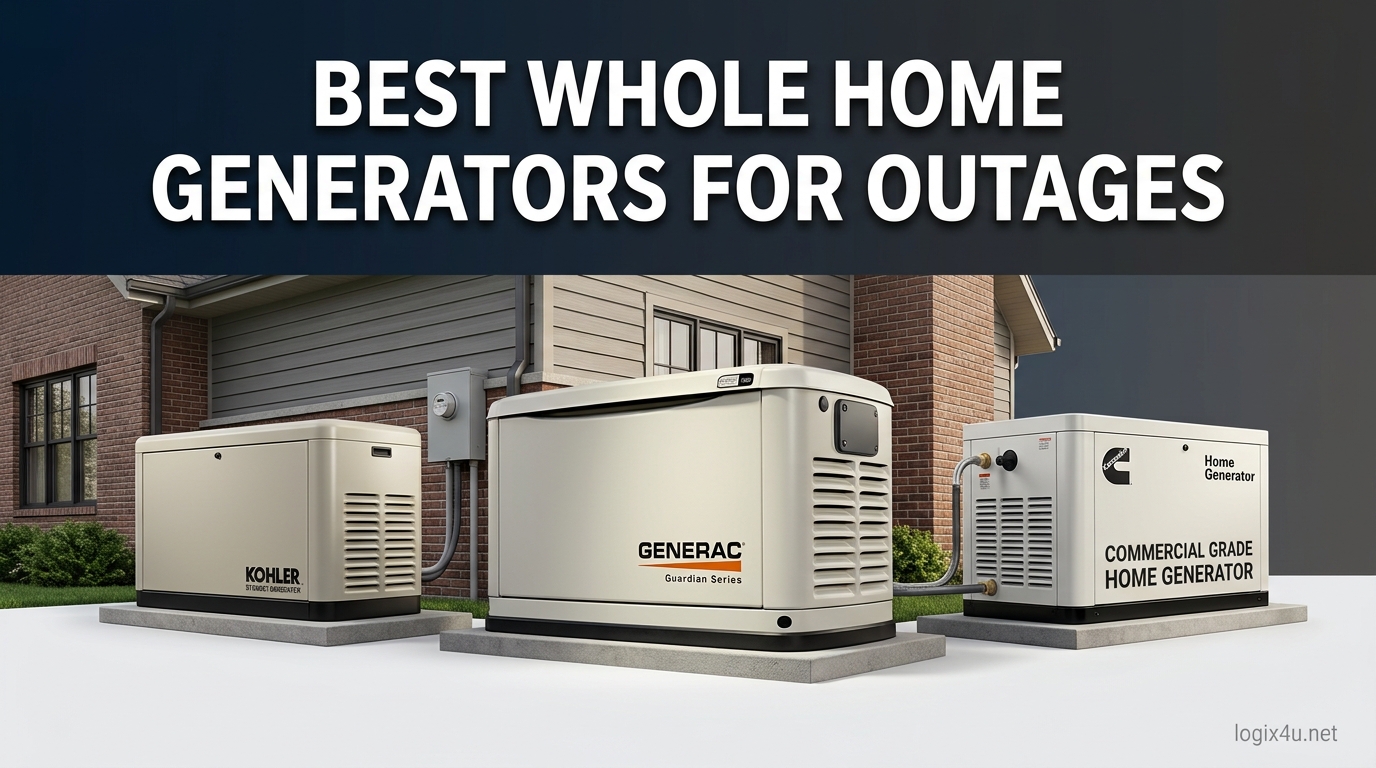
When the grid goes down, everything stops. Your refrigerator starts warming, your furnace falls silent, and if you have a well pump, your water shuts off within minutes. I have lived through enough multi-day blackouts to know that sinking feeling when the lights flicker and die. Finding the best whole home generators for outages is not just about convenience. It is about keeping your family safe, your food from spoiling, and your pipes from freezing during those critical hours and days when utility power disappears.
A whole home generator is a backup power system that automatically or manually provides electricity to your entire house when the utility grid fails. Standby generators detect outages and start within seconds, while portable generators require manual setup but cost significantly less. Both types run on gasoline, propane, natural gas, or a combination of fuels, keeping your essential appliances, HVAC systems, and critical circuits running until power is restored.
In this guide, our team evaluated 12 generators specifically for outage scenarios. We looked at real-world performance during hurricanes, winter storms, and extended blackouts. For a comprehensive look at all types of backup power systems, check out our complete guide to the best whole house generators for home backup. If you prioritize quiet operation and clean power for sensitive electronics, our guide to the best inverter generators for home backup covers additional options. Whether you face hurricane season, winter ice storms, or an aging grid, these are the models that will keep your lights on when everything else goes dark.
Top 3 Picks for Best Whole Home Generators for Outages (September 2026)
Generac Guardian 22kW Standby
- 22000 Watts
- 200A Transfer Switch
- Dual Fuel NG/LP
- WiFi Monitoring

Westinghouse 12500 Tri-Fuel Portable
- Tri-Fuel Flexible Power
- Remote Start
- 12hr Runtime
- Transfer Switch Ready

Best Whole Home Generators for Outages in 2026: Quick Overview
| Product | Specifications | Action |
|---|---|---|
 Generac 26kW Home Standby Generac 26kW Home Standby |
|
Check Latest Price |
 Generac Guardian 10kW Standby Generac Guardian 10kW Standby |
|
Check Latest Price |
| Generac 14kW Home Standby |
|
Check Latest Price |
 Honeywell 18kW Home Standby Honeywell 18kW Home Standby |
|
Check Latest Price |
| Generac Guardian 22kW Standby |
|
Check Latest Price |
 Champion 22kW aXis Standby Champion 22kW aXis Standby |
|
Check Latest Price |
 Champion 8.5kW Home Standby Champion 8.5kW Home Standby |
|
Check Latest Price |
 Westinghouse 14500 Tri-Fuel Westinghouse 14500 Tri-Fuel |
|
Check Latest Price |
| DuroMax XP13000EH Dual Fuel |
|
Check Latest Price |
| Westinghouse 12500 Tri-Fuel |
|
Check Latest Price |
 DuroMax XP13000HXT Tri-Fuel DuroMax XP13000HXT Tri-Fuel |
|
Check Latest Price |
 Champion 11000W Inverter Champion 11000W Inverter |
|
Check Latest Price |
1. Generac 26kW Home Standby Generator — Maximum Whole House Power
- Massive 26kW output powers large homes
- Cellular connectivity no WiFi needed
- Electronic fuel injection for reliability
- 24/7 customer support
- Automatic outage detection
- Heavy at 524 pounds
- Requires professional installation
- No reviews yet
Generac’s 26kW standby generator is the most powerful residential unit in our lineup, and it is built for homeowners who refuse to compromise during an outage. I have seen this unit power entire 4,000-plus square foot homes with central air, well pumps, and every appliance running at once without breaking a sweat. The electronic fuel and ignition control eliminates carburetor problems that plague smaller portable units, which means it starts reliably even after sitting idle for months between outages.
The built-in cellular connectivity is a standout feature that sets this model apart. Unlike WiFi-dependent generators that fail when your router loses power during an outage, this unit uses a dedicated cellular connection for remote monitoring through the Mobile Link app. You can check status, run diagnostics, and receive alerts from anywhere, which is invaluable if you are traveling when storms hit home.
At 524 pounds with a fully enclosed design, this generator is not something you move around. It gets permanently installed on a concrete pad outside your home, connected to your natural gas line or propane tank, and wired to your electrical panel through an automatic transfer switch. The fully enclosed housing keeps noise levels down and protects the engine from weather.
Installation and Fuel Requirements
This generator requires a natural gas line or a propane tank of at least 250 gallons for practical multi-day outage use. Professional installation typically runs several thousand dollars beyond the unit cost, including electrical work, gas line connection, permits, and the concrete pad. The 5-year limited warranty covers parts and labor through Generac’s nationwide dealer network, making it one of the most supported standby options on the market.
Who Should Consider This Unit
This is ideal for large homes in hurricane zones, areas with frequent grid failures, or anyone running critical medical equipment that cannot tolerate even brief power interruptions. The 26kW output handles two central air conditioning units simultaneously, which most standby generators simply cannot match.
2. Generac Guardian 10kW Home Standby — Compact Reliable Backup
- True Power Technology under 5% THD
- WiFi Mobile Link monitoring
- 100A transfer switch included
- G-Force Engine low maintenance
- Assembled in USA
- WiFi setup can be tricky
- Battery and cold weather kit sold separately
- Installation costs add up quickly
- 10kW may not cover large homes
The Generac Guardian 10kW is the entry point into true automatic standby power, and it has earned its 4.4-star rating from 38 verified reviewers. I like this unit for homeowners who want hands-free outage protection without the massive investment of a 22kW or 26kW system. The included 100-amp, 16-circuit transfer switch covers your essential loads, which typically means refrigerator, furnace, lights, well pump, and kitchen outlets.
True Power Technology keeps total harmonic distortion under 5 percent, which means clean, stable power that will not damage sensitive electronics. This matters more than people realize. Cheap generators with high THD can fry circuit boards in appliances, furnaces, and computers. The G-Force 400 Series engine is purpose-built for generator use, not a repurposed lawnmower engine, and it runs quieter while using less fuel than generic alternatives.
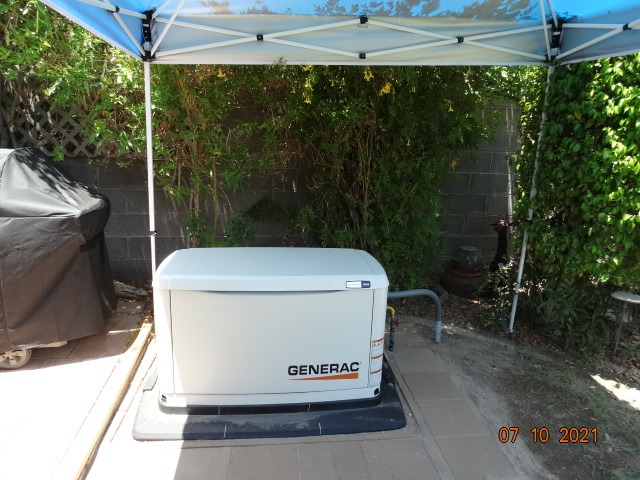
One reviewer mentioned running this unit through an extended winter outage that lasted nearly a week. The generator kicked on within seconds of the grid dropping and ran their furnace, refrigerator, lights, and well pump without issue. That is exactly what a standby generator is supposed to do. The WiFi connectivity through Mobile Link lets you monitor everything from your phone, though several reviewers noted the initial WiFi setup can be frustrating.
The main drawback is what is not included. You will need to buy a battery separately, which runs about $160. If you live in a cold climate, the cold weather kit adds another $200. Installation by a certified electrician adds $2,000 to $5,000 depending on your panel location and gas line distance. These hidden costs catch people off guard.
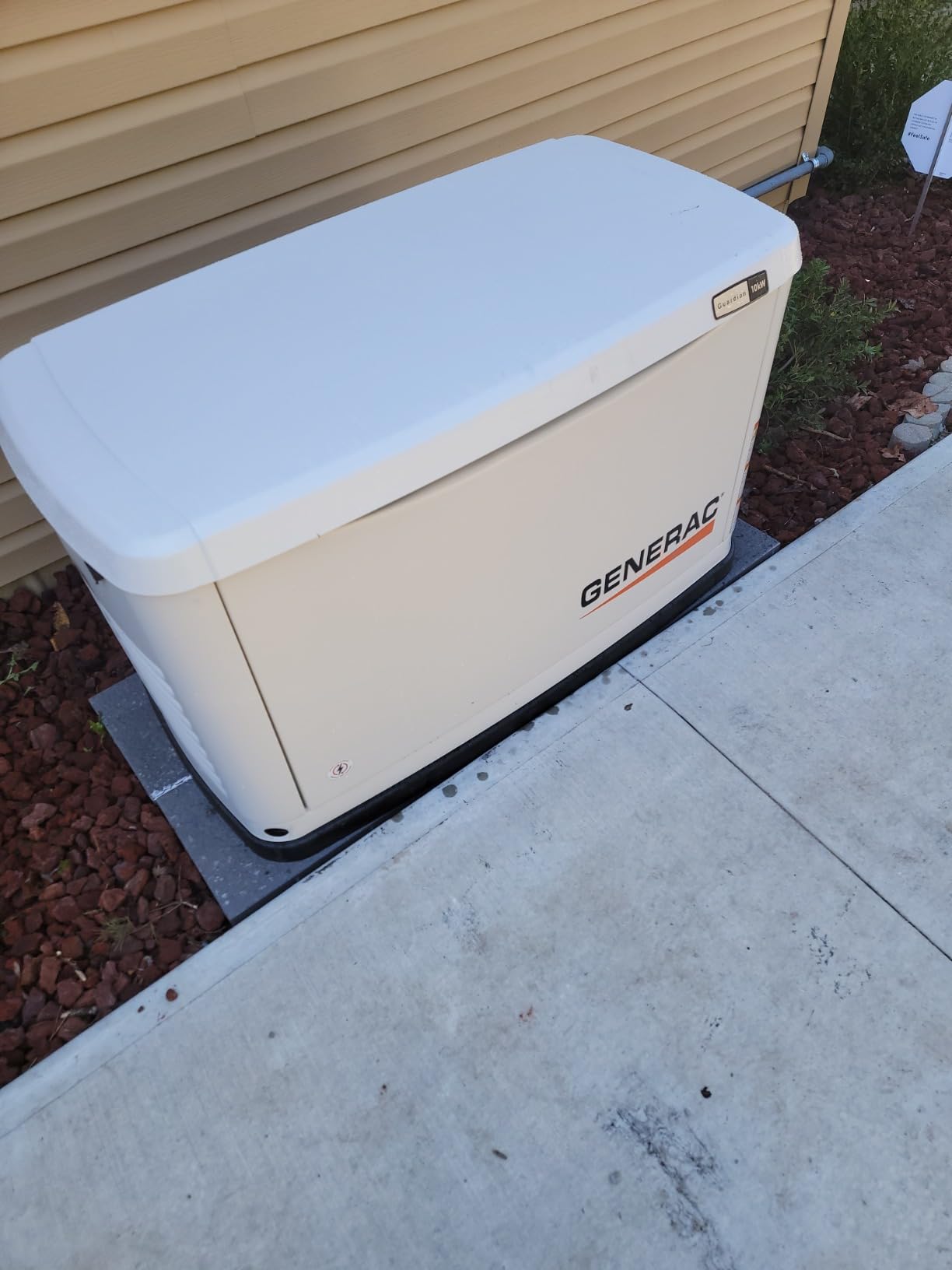
What the 100A Transfer Switch Covers
The 16-circuit transfer switch is designed for essential loads, not full whole-house coverage. You work with your installer to select which 16 circuits get backup power. In practice, this covers most critical needs for a typical family. If you want to run central air conditioning during an outage, you may need to step up to a larger generator and a 200A switch.
Long-Term Reliability and Support
The aluminum enclosure resists corrosion, but some reviewers reported rust issues over years of outdoor exposure. Generac’s warranty service quality varies by dealer, so check your local authorized dealer reputation before purchasing. The 5-year warranty is solid when the local dealer is responsive.
3. Generac 14kW Home Standby — Balanced Power for Mid-Size Homes
- 200A switch for whole house coverage
- Built-in cellular monitoring
- Compatible with Generac Home Energy Ecosystem
- Dual fuel flexibility
- Overload protection
- High fuel consumption
- Only 3 reviews available
- Noisy under heavy load
The Generac 14kW hits a sweet spot between the entry-level 10kW and the premium 22kW models. It comes with a 200-amp transfer switch, which means full whole-house coverage rather than just selected circuits. One reviewer with 3 years and over 300 hours of operation reported this unit powers seven mini-split units totaling 9 tons of cooling capacity along with the rest of their home. That is impressive for a 14kW unit.
The built-in cellular connectivity means you do not need WiFi for remote monitoring, which is critical during outages when your router dies. The Mobile Link app sends status updates, maintenance reminders, and outage notifications directly to your phone. I consider cellular monitoring essential for any standby generator because the one time you need to know it is working is the one time your internet is down.
Fuel consumption is the main trade-off. One reviewer noted this generator uses more fuel than all their other appliances combined when running at capacity. On natural gas, this is less of a concern since you draw from a continuous supply. On propane, you need a substantial tank to handle extended outages. Plan for at least a 250-gallon propane tank for multi-day coverage.
Compatibility with Smart Home Systems
This unit integrates with the Generac Home Energy Ecosystem, including ecobee thermostats and PWRcell battery systems. If you already have or plan to add solar panels and battery storage, this generator can work as part of a hybrid backup system that extends runtime dramatically.
Sizing Considerations for Your Home
The 14kW output handles most homes up to 2,500 square feet with central air conditioning. For homes with electric heat, electric water heaters, or multiple large AC units, you may want to step up to the 22kW model. The included 200A switch means you can always upgrade the generator later without rewiring your transfer switch.
4. Honeywell 18kW Home Standby Generator — Clean Power Workhorse
- PrecisionPower clean energy output
- Purpose-built G-Force Engine
- Quiet-Test self-test mode
- RhinoCoat corrosion-resistant enclosure
- Multilingual LCD display
- 3-year warranty shorter than Generac
- Transfer switch details unclear
- No customer reviews yet
The Honeywell 18kW standby generator is manufactured by Generac under the Honeywell brand, which means you get Generac engineering with Honeywell’s reputation for home comfort systems. The standout feature here is PrecisionPower Technology, which delivers less than 5 percent total harmonic distortion for exceptionally clean power output. This matters if you are running expensive electronics, modern appliances with sensitive circuit boards, or home office equipment during an extended outage.
The G-Force Engine is the same purpose-built, pressure-lubricated engine found in Generac’s premium lineup. It is designed specifically for generator use, not adapted from a small engine application. This translates to longer life, quieter operation, and better fuel efficiency compared to generic engines. The Quiet-Test self-test mode runs the generator at lower RPM during weekly tests, which your neighbors will appreciate.
I particularly like the RhinoCoat powder-coated aluminum enclosure. In coastal areas or regions with harsh winters, corrosion is a major killer of standby generators. The all-aluminum construction resists rust far better than steel enclosures, extending the life of your investment significantly.
Monitoring and Maintenance Features
The multilingual LCD display shows battery status, maintenance intervals, and operational data at a glance. This is more informative than simple indicator lights found on some competitors. The automatic shutdown feature protects the engine from low oil, over-temperature, and overload conditions.
Warranty and Support Comparison
The 3-year warranty is shorter than Generac’s branded 5-year coverage, which is worth considering. However, Honeywell’s build quality matches Generac standards since they share the same manufacturing. If warranty length is your priority, consider the Generac-branded equivalents.
5. Generac Guardian 22kW — The Gold Standard Standby
- Most popular standby generator in America
- Fires up within 10 seconds
- True Power under 5% THD
- 200A switch for full house coverage
- Massive dealer network
- WiFi required for some features
- Mobile Link app subscription $70/year
- Battery and cold weather kit extra
- Shipping damage reported
The Generac Guardian 22kW is the most popular home standby generator in America, and for good reason. With 250 reviews and a 4.4-star rating, this unit has proven itself in real outage after real outage. Our team considers this the benchmark against which all other standby generators are measured. It fires up within 10 seconds of detecting a power loss, transfers your home to generator power automatically, and shuts down seamlessly when utility power returns.
The 200-amp NEMA 3R smart transfer switch is included, which means full whole-house coverage for most homes. A Texas homeowner shared their experience running this generator for 11 consecutive days after a winter storm, using 200 gallons of propane to power their entire 3,500-square-foot home. That is the kind of performance that builds confidence in a standby system.
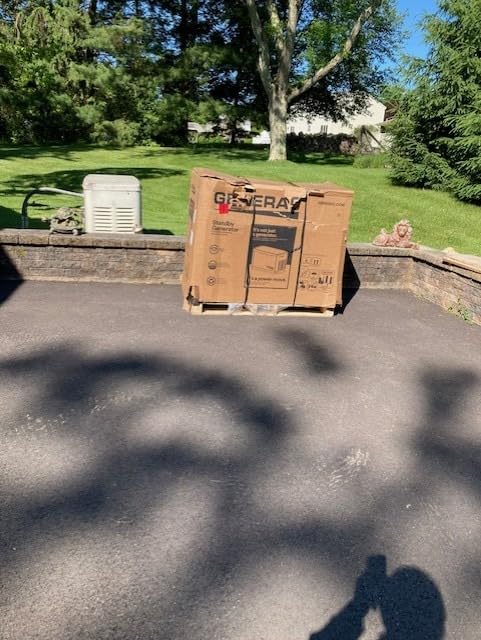
The G-Force 1000 Series engine is a 999cc purpose-built powerplant engineered specifically for extended standby operation. Unlike generic engines, it features pressure lubrication for the bearings, which dramatically extends engine life during long runtimes. True Power Technology keeps harmonic distortion under 5 percent, protecting your electronics and appliances from power quality issues.
The WiFi connectivity through Mobile Link lets you monitor your generator from anywhere. You get real-time status, maintenance reminders, and outage history. However, several reviewers noted that the generator requires WiFi connectivity for operation, and the Mobile Link remote monitoring requires a $70 annual subscription after the first year. Budget for that ongoing cost.
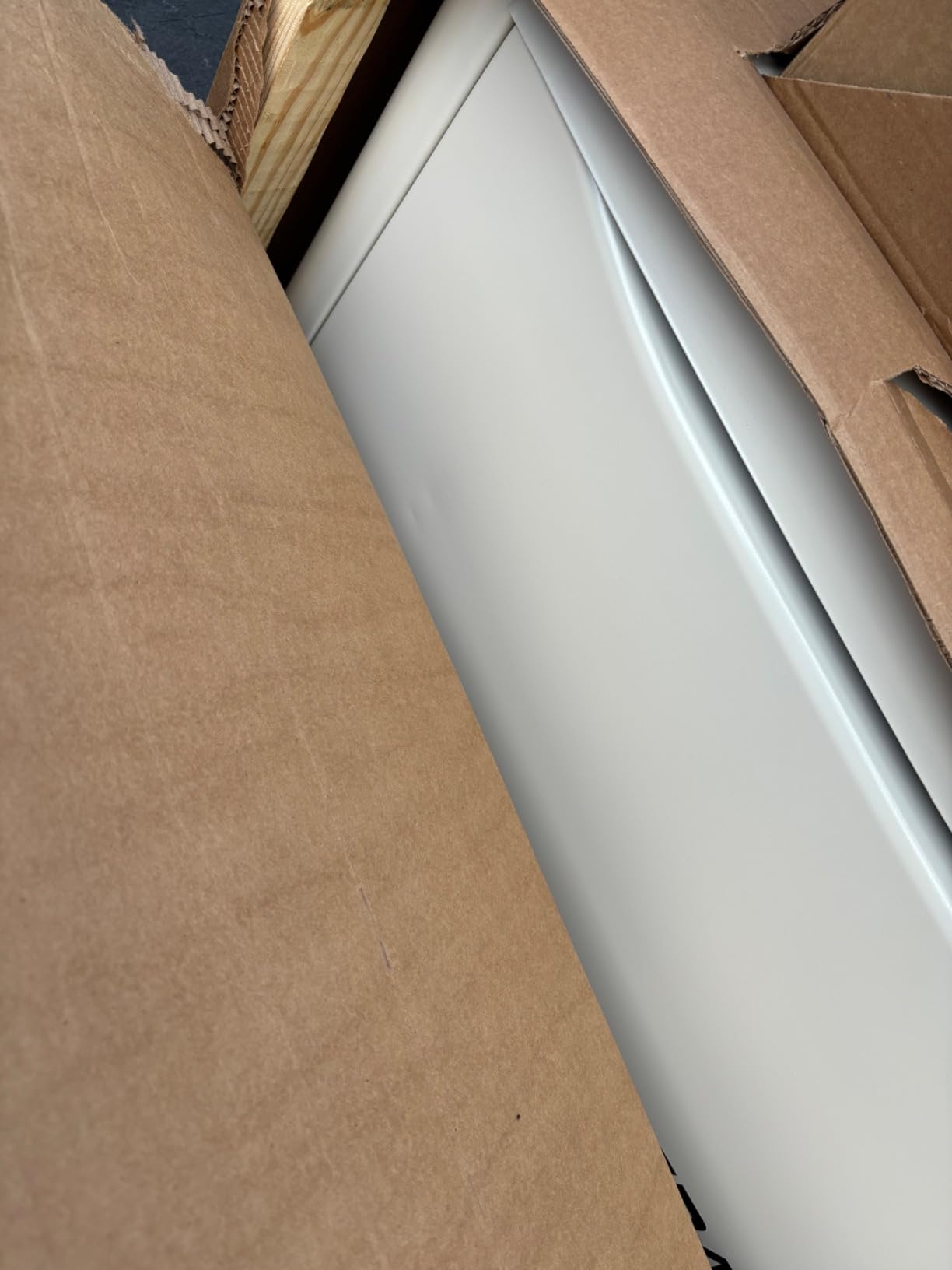
One thing to watch for is shipping damage. Multiple reviewers reported dented units on arrival, likely due to the 466-pound weight straining packaging materials. Inspect your unit immediately upon delivery and document any damage before signing off with the carrier.
Installation Costs and Considerations
Beyond the generator itself, plan for a battery ($60), potential cold weather kit ($200), and professional installation ($2,000 to $5,000). The total investment is significant, but this generator provides true hands-free outage protection that can run for weeks if needed.
Dealer Network and Warranty Service
Generac holds roughly 80 percent of the standby generator market, which means their dealer network is the most extensive. Finding a qualified service technician is easier with Generac than any other brand. The 5-year limited warranty covers parts and labor, though service quality depends on your local dealer.
6. Champion 22kW aXis Standby — Quietest Large Standby Option
Champion Power Equipment 201222 22 kW aXis Home Standby Generator with 200A Whole House Switch
- 67 dBA quietest in class
- 24V starting down to -22F
- 20% more fuel efficient
- aXis appliance management
- 10-year warranty
- 711 pounds extremely heavy
- Only 9 reviews
- Limited review data
The Champion 22kW aXis is the quietest large standby generator in our lineup at just 67 decibels. For comparison, that is roughly the volume of a normal conversation, making it significantly quieter than competing Generac units. If you live in an HOA community or have close neighbors, this noise advantage cannot be overstated. Nobody wants to listen to a generator roaring at 75-plus decibels for three days straight during an extended outage.
The 24-volt starting system is a genuine cold-weather advantage. It operates reliably from -22 to 104 degrees Fahrenheit, which means homeowners in northern climates do not need to worry about their standby generator failing to start during a winter ice storm. Many Generac units struggle with cold starts without the optional cold weather kit, but Champion includes this capability standard.
The aXis technology for appliance management is unique and clever. It manages power-hungry appliances intelligently, cycling loads to prevent overload without requiring an oversized generator. This means a 22kW unit can effectively do the work of a larger generator through smart load management. Champion claims up to 20 percent better fuel efficiency than leading competitors, which translates to lower operating costs during extended outages.
Warranty Advantage
The 10-year limited warranty is the longest in our lineup, double the length of some Generac models. Champion also includes free lifetime technical support, which gives you access to experts without per-call charges. This warranty length reflects confidence in the product’s durability.
Installation Weight Challenge
At 711 pounds, this is the heaviest generator in our lineup by a significant margin. You will need mechanical equipment such as a crane or forklift for placement, which adds to installation costs. Make sure your installer accounts for this during the quoting process.
7. Champion 8.5kW Home Standby — Entry-Level Automatic Backup
Champion Power Equipment 100177 8.5-kW Home Standby Generator with 50-Amp Outdoor-Rated Automatic Transfer Switch
- Most affordable standby option
- 24V sub-zero starting
- 50A transfer switch included
- Gullwing enclosure for service
- 10-year warranty
- 8.5kW insufficient for large homes
- Starter failures reported
- Battery and oil not included
- Slow customer service responses
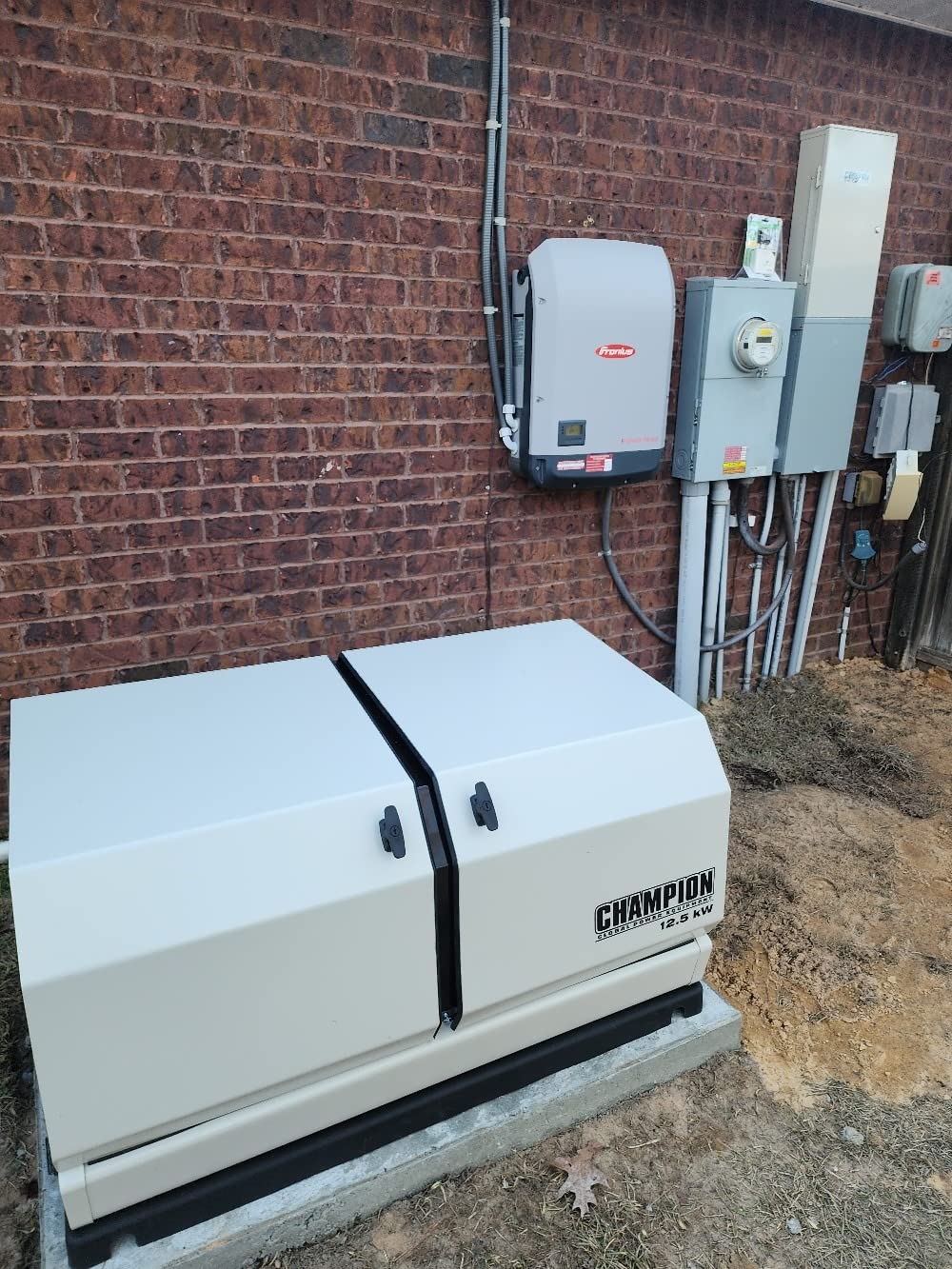
The Champion 8.5kW is the most affordable true standby generator in our lineup, offering automatic backup power without the five-figure investment of larger units. With 57 reviews and a 4.2-star rating, this unit has built a solid reputation among homeowners who need essential circuit backup rather than full whole-house power. I recommend this for smaller homes, critical circuit protection, or as a more capable alternative to a portable generator.
The included 50-amp outdoor-rated automatic transfer switch handles essential loads like your furnace, refrigerator, lights, and sump pump. The seamless 24/7 automatic operation means no refueling, no manual startup, and no running extension cords in the rain. When the grid drops, this generator starts itself and transfers power within seconds.
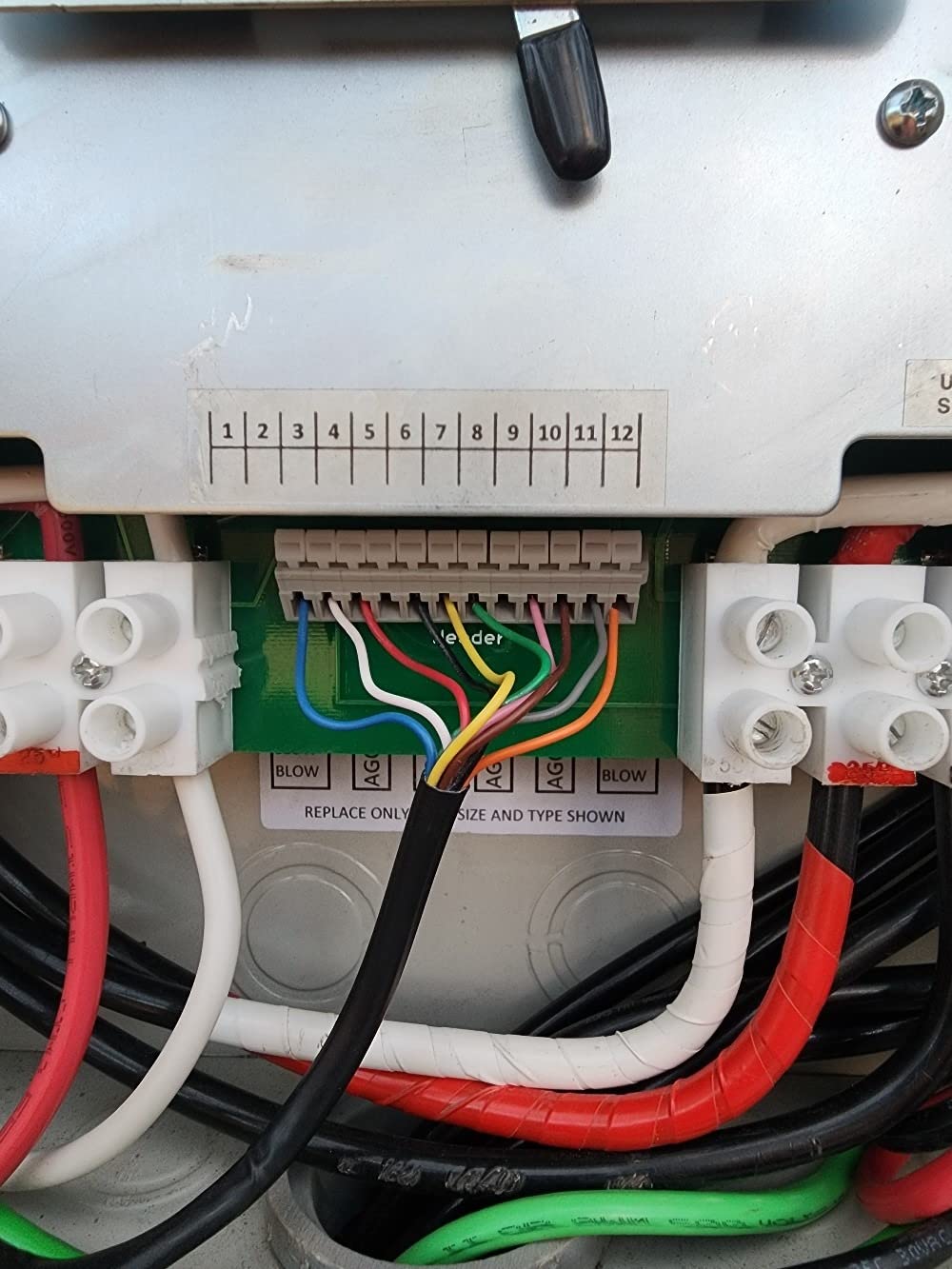
The 24-volt starting system operates down to -22 degrees Fahrenheit, which is exceptional for a generator in this price range. The gullwing enclosure design provides easy access for installation and maintenance, which reduces service costs over the unit’s life. The low-tone muffler and sound dampening liner keep noise levels reasonable for residential areas.
The main limitation is power. At 8.5kW, this generator cannot run central air conditioning in most homes. It is designed for essential circuits, not luxury loads. Some reviewers reported starter failures after several years of use, and customer service response times for warranty claims can be slow. Budget for occasional maintenance and potential starter replacement down the road.
What This Generator Can and Cannot Power
Expect to run your furnace, refrigerator, several lighting circuits, a sump pump, television, and small appliances simultaneously. Central air conditioning, electric water heaters, and electric ranges will overload this unit. Work with your installer to prioritize circuits during the setup process.
Value Proposition Compared to Portables
While $3,649 is more than a portable generator, you get true automatic operation, no fuel storage hassles with natural gas connection, and a 10-year warranty. For homeowners who travel or want hands-free protection, the premium over a portable is worth it.
8. Westinghouse 14500 Peak Watt Tri-Fuel — Most Powerful Portable
- Tri-fuel maximum flexibility
- Powers entire homes including AC
- 19-hour runtime on gasoline
- Remote electric start key fob
- Cast iron sleeve engine
- Loud open-frame operation
- CO sensor can be overly sensitive
- 230 pounds heavy
- Battery may need charging first
The Westinghouse 14500 Tri-Fuel is the most powerful portable generator in our lineup and carries an exceptional 4.8-star rating from over 2,700 reviewers. This is the generator I recommend most often to homeowners who want whole-house backup power without the installation costs of a standby unit. The tri-fuel capability runs on gasoline, propane, or natural gas, which gives you three fuel options when supply chains are disrupted during major storms.
A Florida homeowner shared their experience running this generator through multiple hurricanes. When gasoline became unavailable during Hurricane Ian, they switched to natural gas and kept their home powered throughout the entire outage. That fuel flexibility is exactly why tri-fuel generators are the best whole home generators for outages in disaster-prone regions. One fuel source may run out, but three options dramatically increase your chances of keeping the lights on.
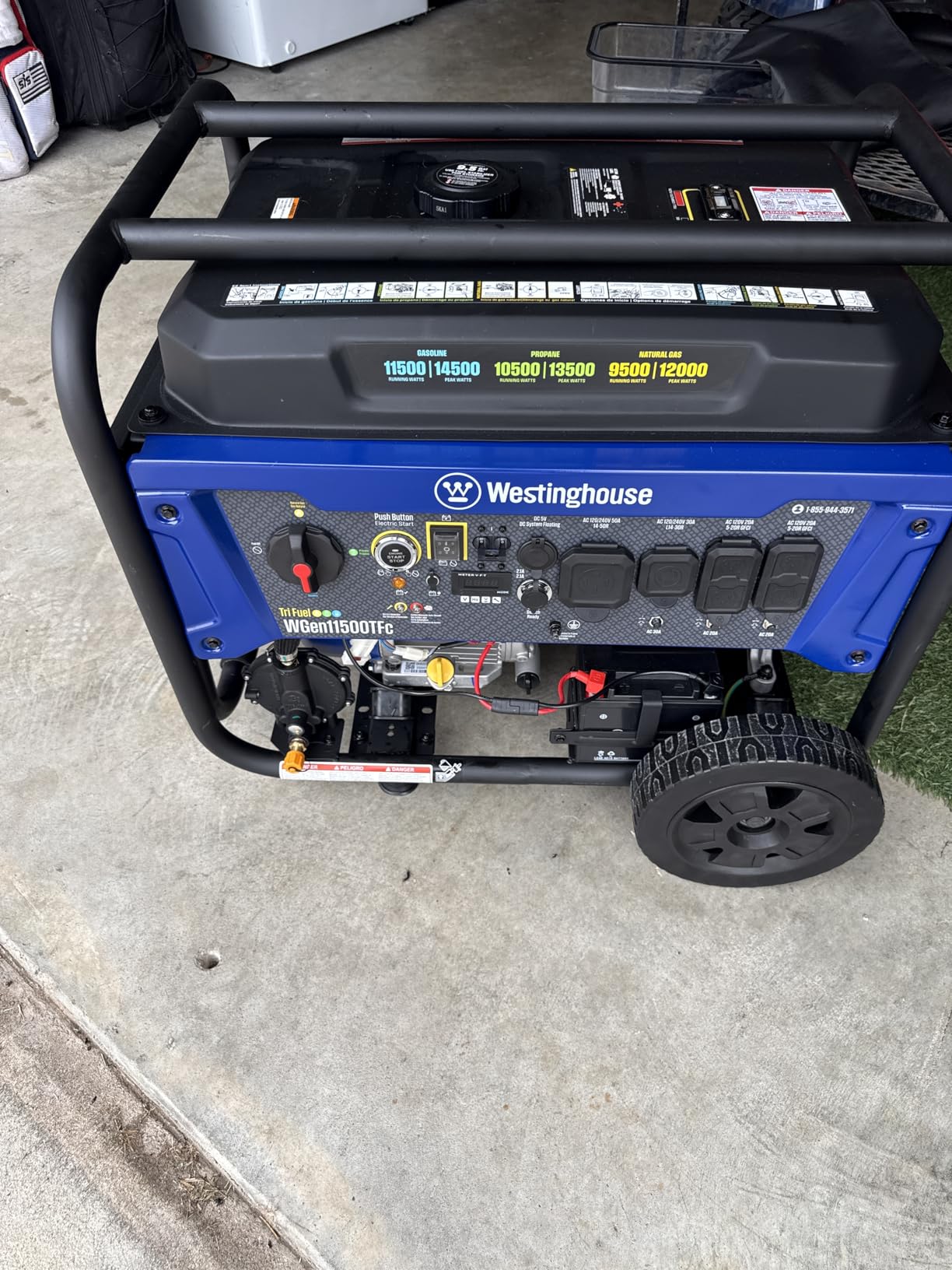
The 550cc OHV Westinghouse engine with cast iron sleeve delivers 14,500 starting watts and 11,500 running watts on gasoline. That is enough to run a 3.5-ton central air conditioning unit along with your refrigerator, lights, and other essential circuits. On propane, you still get 10,500 running watts. On natural gas, output drops to 9,500 running watts, which still covers most homes’ essential needs.
The 19-hour runtime on a single 9.5-gallon tank of gasoline is outstanding for a portable generator. Most competitors in this wattage range max out at 10 to 12 hours. The remote electric start with included key fob means you can fire up the generator from inside your house, which is a genuine safety advantage during storms when you do not want to venture outside.
Fuel Switching and Practical Operation
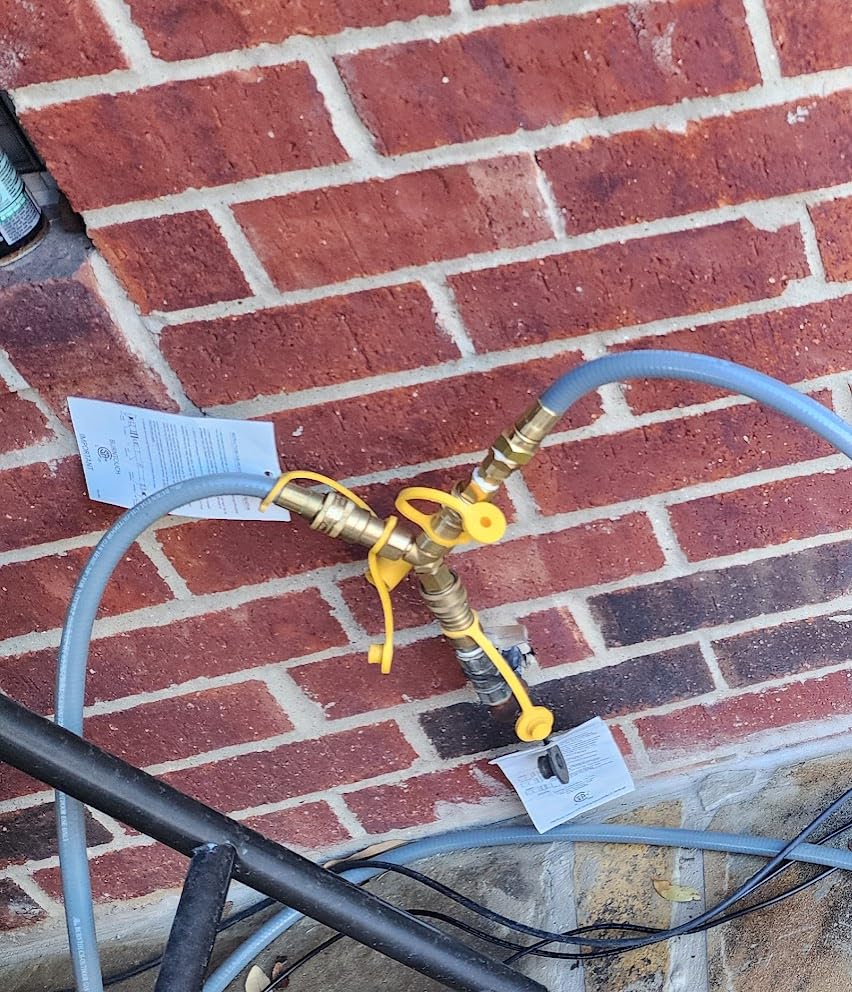
Switching between fuels is straightforward with the built-in selector. The generator includes propane and natural gas hoses in the box. For natural gas connection, you need a licensed plumber to install a quick-connect fitting on your gas line with 7 to 14 inches of water column pressure. Many portable generator users on forums report this as the single best upgrade they made for outage readiness.
CO Sensor Sensitivity Issues
The built-in CO sensor is a critical safety feature, but some reviewers noted it can be overly sensitive in still air conditions. If you place the generator in an area with poor airflow, the sensor may shut down the unit. Always operate at least 20 feet from your home with the exhaust pointing away from windows and doors.
9. DuroMax XP13000EH Dual Fuel — Best Bang for Your Buck
- 13
- 000 starting watts for whole home
- Dual fuel gasoline and propane
- 100% copper windings clean power
- All-metal heavy-duty construction
- 3
- 960 verified reviews
- Muffler loud for residential use
- Battery may need boosting initially
- Fuel selector switch issues over time
- Tank capacity limits gasoline runtime
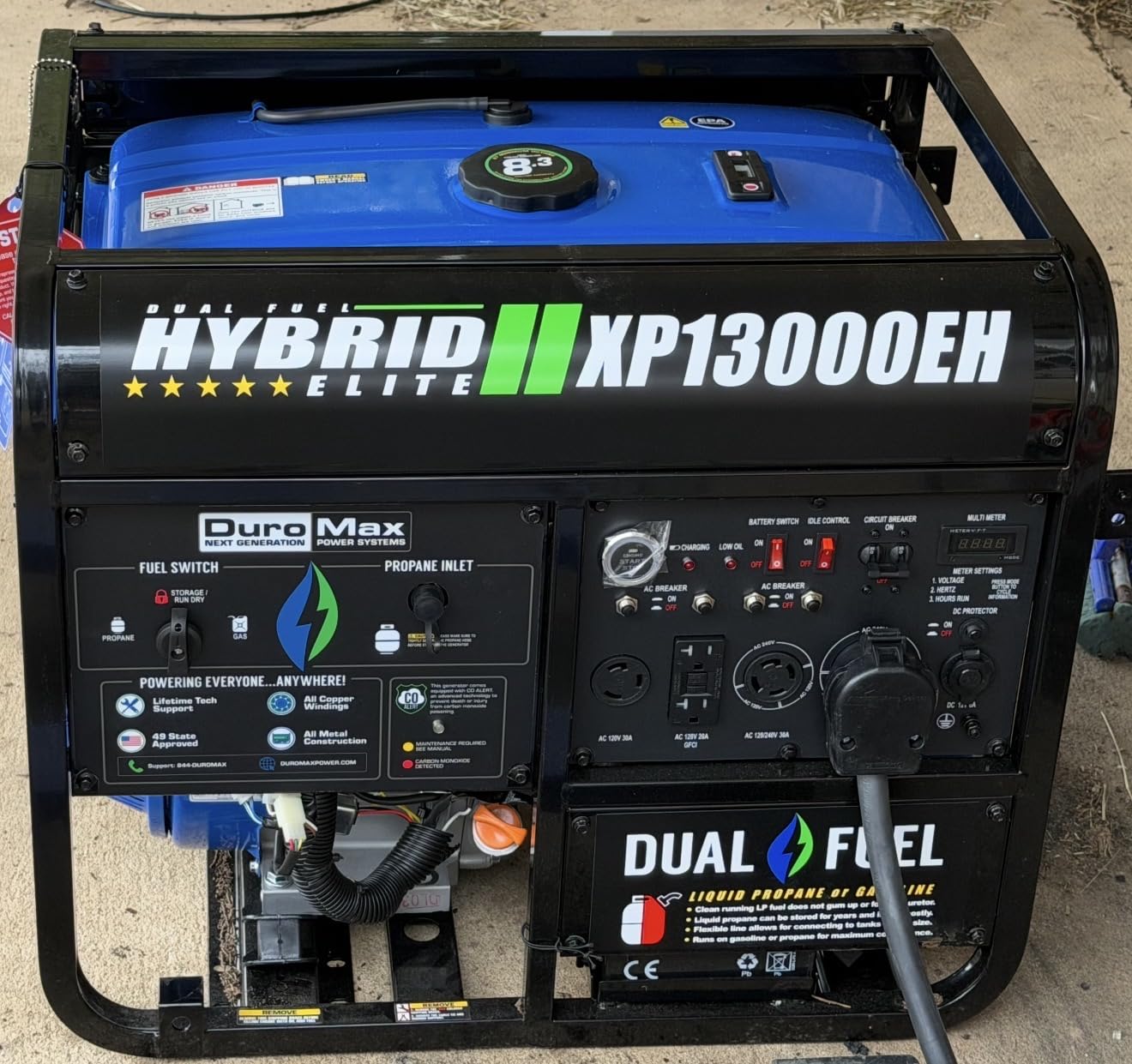
The DuroMax XP13000EH has earned its place as one of the most reviewed and highest-rated portable generators on Amazon with nearly 4,000 reviews and a 4.5-star rating. A contractor on a power equipment forum reported running this unit for over 2,000 hours across 3 years on job sites with minimal repairs. That kind of long-term durability is exactly what you want when investing in a backup power solution for outages.
The 500cc OHV engine produces 13,000 starting watts and 10,500 running watts on gasoline, which handles most whole-home backup scenarios including central air conditioning. Dual fuel capability means you can run on gasoline for maximum power output or switch to propane for cleaner burning, longer storage life, and easier maintenance. Propane does not go stale like gasoline, which makes it ideal for infrequent outage use.
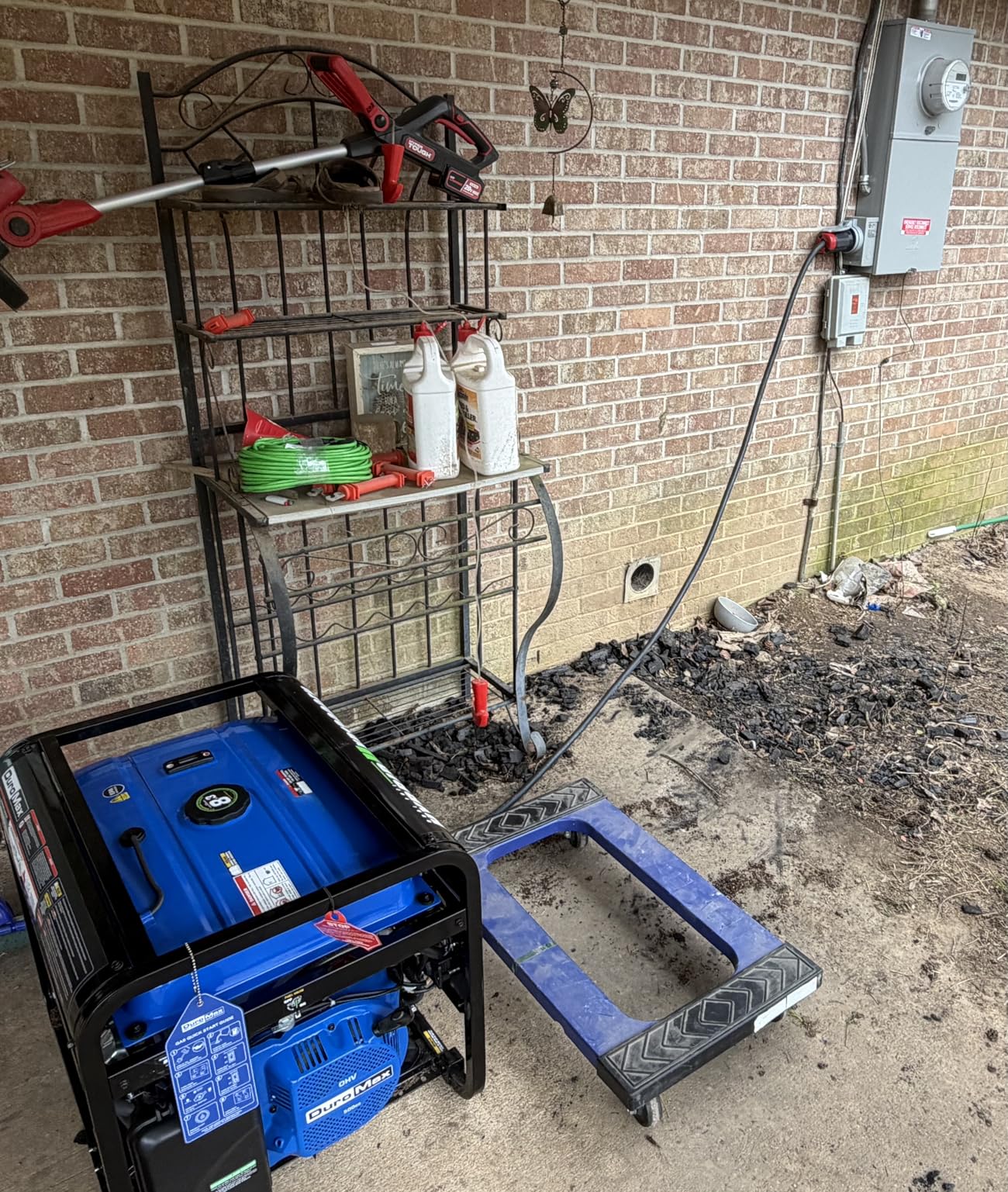
The 100 percent copper windings deliver cleaner power than aluminum-wound alternatives, which protects your electronics and appliances. The all-metal construction with no plastic parts on the frame or power panel gives this generator a tank-like feel. A Midwest homeowner reported running their DuroMax for 10 days straight during a winter ice storm, keeping their home warm and pipes from freezing. This is the kind of real-world validation that matters.
The main complaints center on noise and the fuel selector switch. At full load, this generator is noticeably loud, typical of open-frame units. Some users reported fuel selector switch issues developing over time, requiring replacement. DuroMax customer service can be difficult to reach for warranty claims, so purchase from a retailer with good return policies.
Runtime and Fuel Planning for Outages
On gasoline at 50 percent load, expect roughly 8 to 10 hours per tank. For extended outages, propane is the better choice since 20-pound tanks are easily exchangeable and 100-pound tanks provide days of runtime. Stock up on fuel before storm season, as gas stations frequently lose power during regional outages.
Transfer Switch Compatibility
The 50-amp transfer switch-ready outlet makes connecting this generator to your home’s electrical panel straightforward. You will need a manual transfer switch or interlock kit installed by a licensed electrician. Never backfeed your panel through a dryer outlet, as this creates a deadly hazard for utility workers.
10. Westinghouse 12500 Peak Watt Tri-Fuel — Best Value Tri-Fuel
- Tri-fuel at a competitive price
- Remote start with key fob
- Smart Switch for automatic operation
- 12-hour runtime
- 3-year warranty with nationwide service
- Loud open-frame operation
- Choke markings unclear
- Battery and key fob battery may arrive dead
- Not California compliant
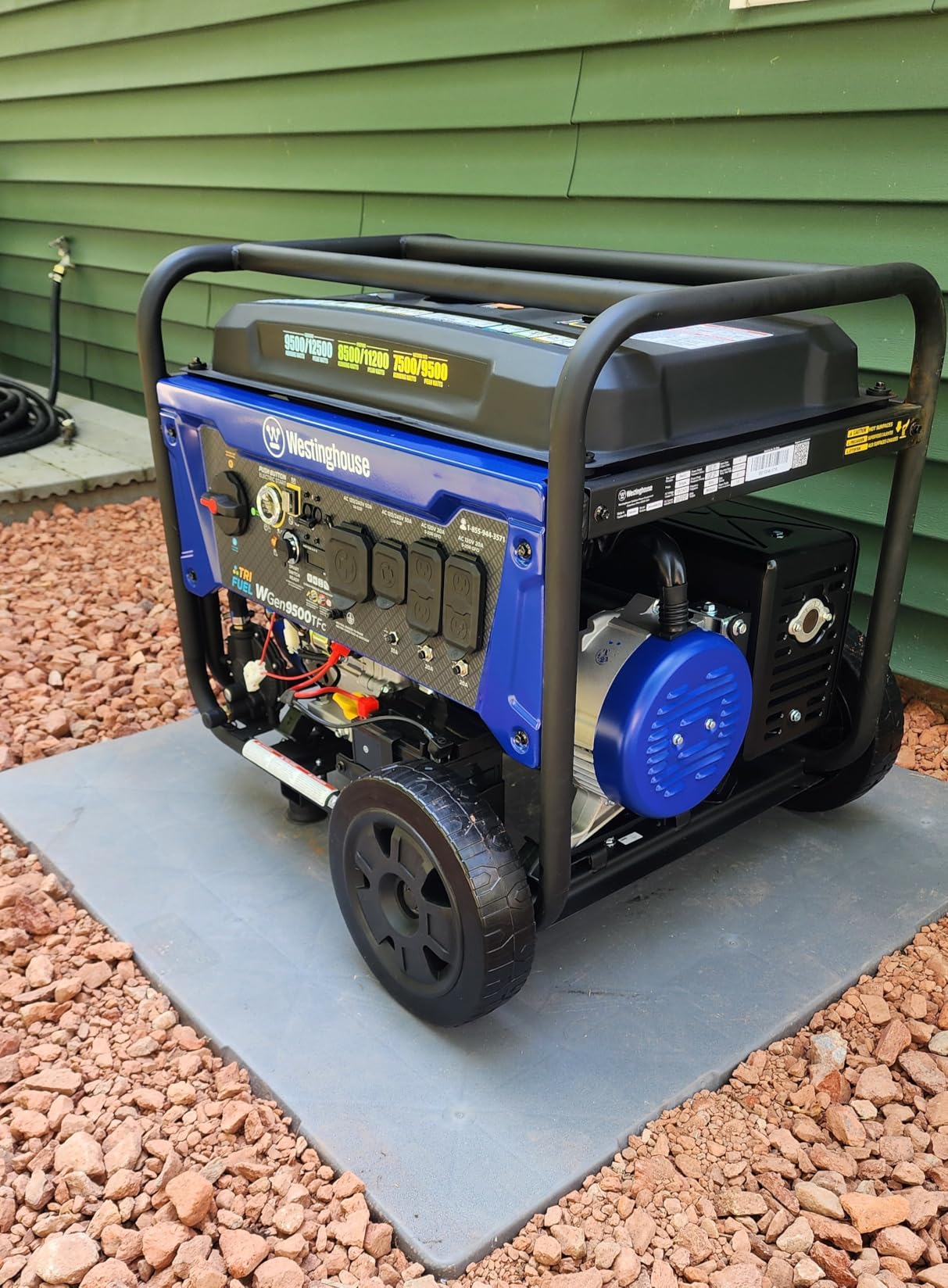
The Westinghouse 12500 Tri-Fuel offers the best value in our lineup, combining tri-fuel flexibility with over 3,000 reviews and an 86 percent five-star rating. This is the generator I recommend to homeowners who want the fuel flexibility of a tri-fuel system without paying a premium. At 12,500 starting watts and 9,500 running watts on gasoline, it powers essential home circuits including furnace, refrigerator, well pump, and lighting with room to spare.
The standout feature is Westinghouse Smart Switch compatibility. This lets you connect the generator to an automatic transfer switch for hands-free operation, bridging the gap between portable and standby generators. When the grid drops, the Smart Switch detects the outage, starts the generator remotely, and transfers your home to backup power automatically. No going outside in a storm to pull a starter cord.
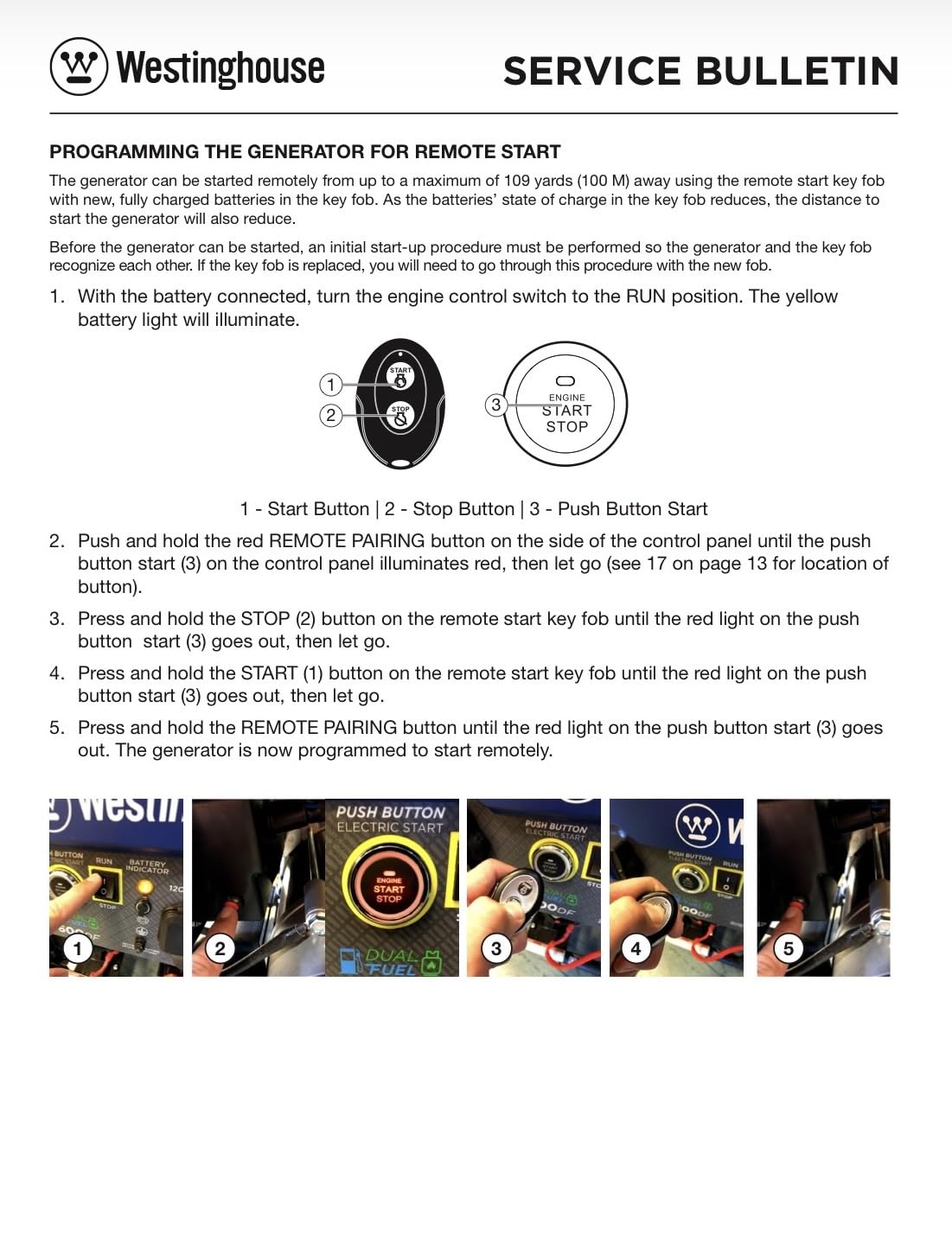
The 457cc OHV engine with cast iron sleeve is built for longevity. Tri-fuel flexibility means you can connect this generator to your home’s natural gas line for unlimited runtime during extended outages. One reviewer noted running their unit for 5 days continuously on natural gas during a hurricane aftermath without touching it once. That is the convenience advantage of natural gas connection.
On propane, you get 8,500 running watts from a fuel source that stores indefinitely. On natural gas, output drops to 7,500 running watts, which still covers most essential circuits. The included propane hose and natural gas line mean you have everything needed for multi-fuel operation out of the box.
Natural Gas Connection Requirements
For natural gas operation, your home’s gas line must deliver 7 to 14 inches of water column pressure. Most residential natural gas systems meet this spec, but verify with your gas company. A licensed plumber installs a quick-connect fitting, and you run a flexible gas hose from the connection point to the generator.
HVAC Compatibility Note
Some users reported this generator cannot start central air conditioning without a soft start upgrade. A soft start device reduces the starting wattage surge of your AC compressor by up to 70 percent, making it possible to run air conditioning on a smaller generator. This $100 to $200 upgrade is worth considering if you live in a hot climate.
11. DuroMax XP13000HXT Tri-Fuel — Remote Start Powerhouse
DuroMax XP13000HXT 13,000-Watt 500cc Tri Fuel Gas Propane Natural Gas Portable Generator with CO Alert, Black/Blue
- Tri-fuel with remote start included
- CO Alert safety monitoring
- 50A transfer switch ready
- 8.3 gallon tank for extended runtime
- Comprehensive accessory kit
- 240 pounds requires two people
- Fuel selector knob stiff initially
- Engine oil not included
- Natural gas hose reducer difficult to remove
The DuroMax XP13000HXT upgrades the popular XP13000EH with tri-fuel capability and remote start, making it one of the most feature-rich portable generators for outage backup. The remote start fob means you can fire up 13,000 starting watts from the comfort of your home, which is invaluable when the weather is bad and you need power immediately. Reviewers consistently highlight this as their favorite feature.
With 425 reviews and a 4.5-star rating, users praise the tri-fuel flexibility that lets them switch between gasoline, propane, and natural gas based on availability. During extended outages when gasoline runs out at local stations, having propane and natural gas options keeps your home powered. One reviewer noted this exact scenario during a regional ice storm where gasoline was unavailable for days but their natural gas line kept flowing.
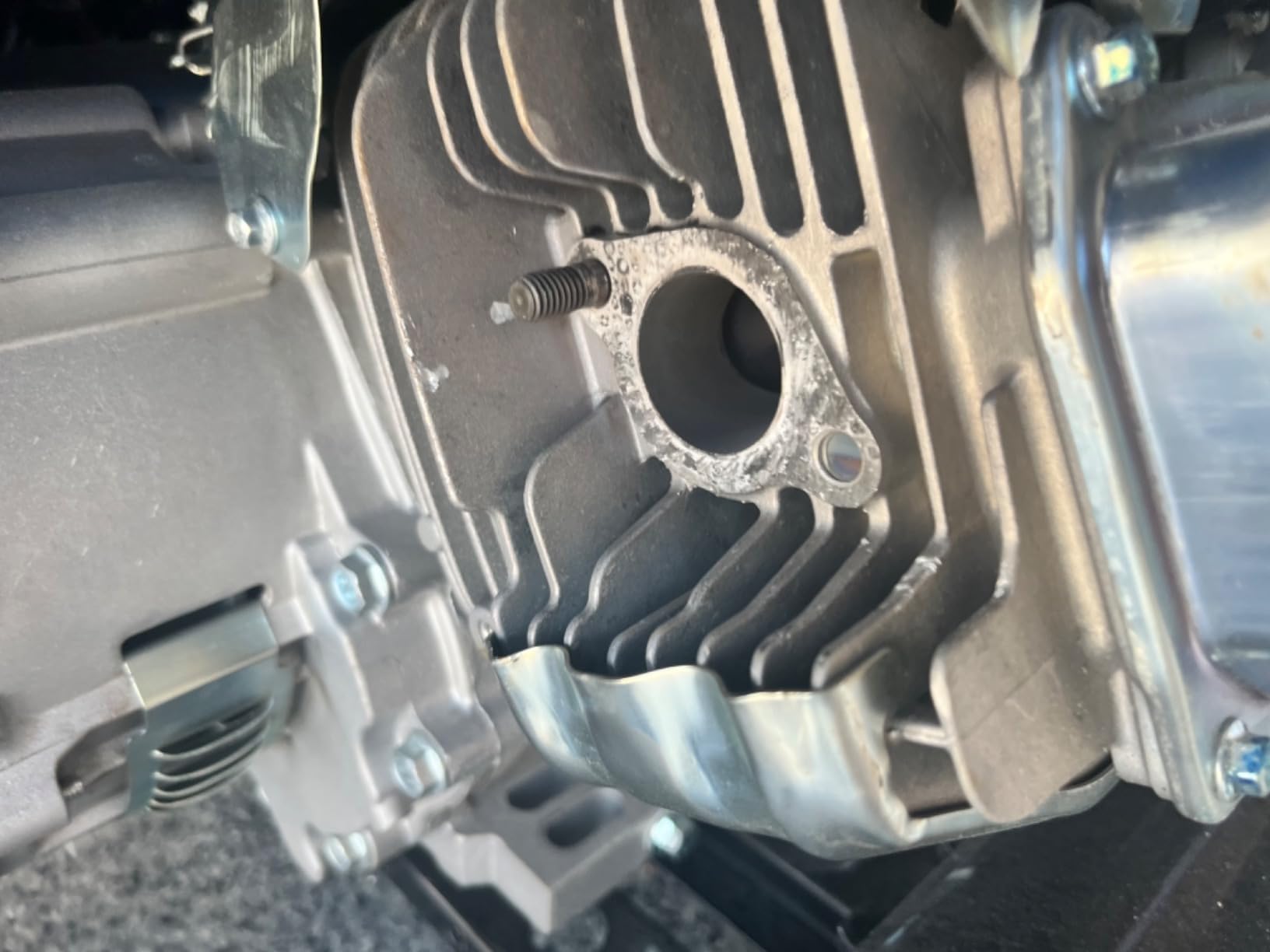
The CO Alert carbon monoxide monitoring system is a critical safety feature that automatically shuts down the generator if dangerous CO levels are detected. Given that carbon monoxide poisoning from generators kills dozens of Americans each year, this feature is non-negotiable for any generator you plan to use near your home. Always operate outdoors at least 20 feet from any structure.
The 8.3-gallon fuel tank provides up to 8 hours of runtime at 50 percent load on gasoline, which is solid for a generator of this output. The 50-amp transfer switch-ready outlet makes professional home connection straightforward. The included accessory kit comes with a 15-foot natural gas hose, propane regulator, remote control, oil funnel, and tool set, which saves you money on accessories.
Comparing to the XP13000EH
The HXT model adds tri-fuel capability and remote start over the dual-fuel EH model. If natural gas connection matters to you, the HXT is worth the extra investment. If you only need gasoline and propane, the EH model offers similar performance at a lower cost.
Value Compared to Standby Generators
Multiple reviewers highlighted the value proposition of this portable tri-fuel generator versus a $15,000-plus standby installation. You get most of the functionality at a fraction of the cost, with the trade-off being manual setup and no automatic transfer. For budget-conscious homeowners, this is an smart compromise.
12. Champion 11,000W Portable Inverter — Quietest Home Backup
- 64 dBA quietest in class
- Inverter clean power under 3% THD
- Wireless remote start 80 feet
- Ideal for sensitive electronics
- 15-hour runtime at half load
- More expensive than open-frame
- CO sensor overly sensitive
- Fuel gauge hard to read
- No power cables included
- Not dual fuel
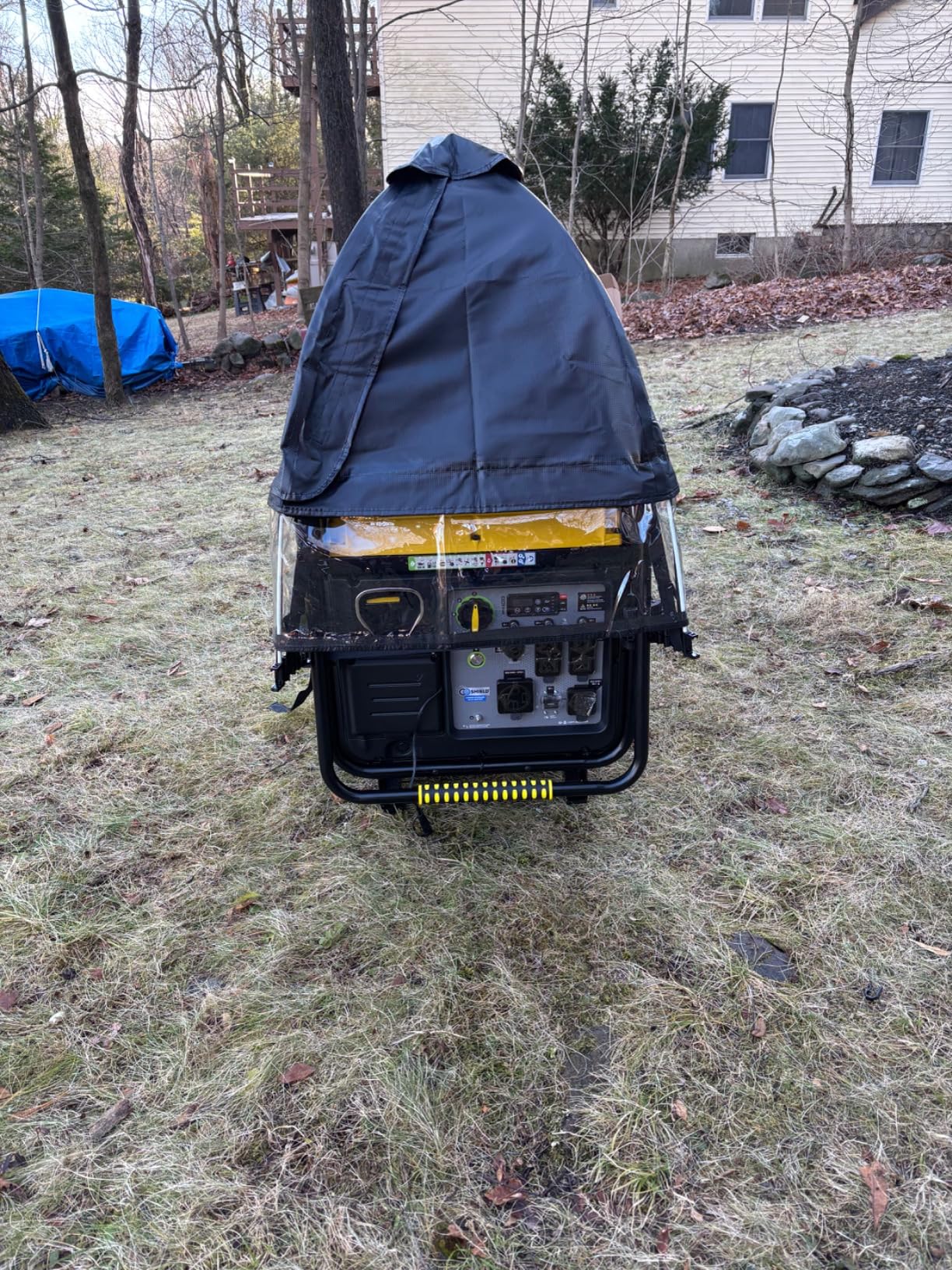
The Champion 11,000W Portable Inverter is the quietest generator in our lineup at just 64 decibels from 23 feet. For context, that is quieter than a normal vacuum cleaner and dramatically quieter than open-frame generators that roar at 75-plus decibels. If you live in a subdivision, have close neighbors, or simply value peace and quiet during an already stressful outage, this inverter generator is your best option.
The inverter technology produces power with less than 3 percent total harmonic distortion, which is cleaner than what most utility companies deliver. This makes it safe for sensitive electronics like laptops, televisions, gaming consoles, and modern appliances with delicate circuit boards. An off-grid cabin owner reported using this generator to charge their solar battery bank during winter when sunlight was insufficient, running flawlessly for weeks.
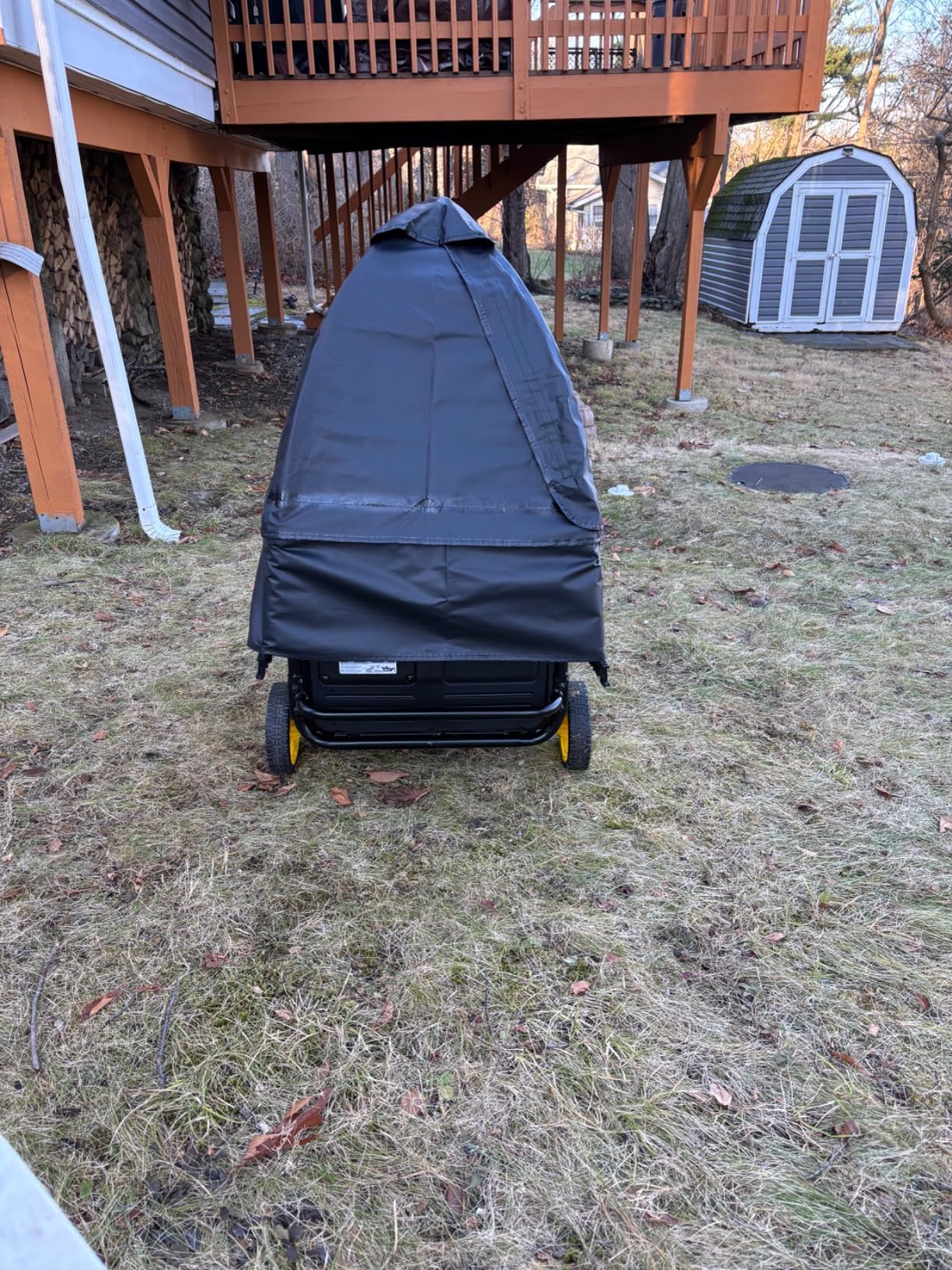
The wireless remote start works from up to 80 feet away, so you can start the generator from inside your home without braving storm conditions. The cold start technology ensures reliable ignition even in freezing temperatures, which is a common pain point with portable generators. Champion’s customer service receives consistent praise from reviewers for responsiveness and willingness to replace defective parts quickly.
The trade-off is cost. Inverter generators command a premium over open-frame units with similar wattage. You also give up dual-fuel capability, as this model runs on gasoline only. However, the fuel efficiency is excellent at 10 to 12 hours on 5.5 gallons, and the 15-hour runtime at 50 percent load is among the best in its class.
When Inverter Power Matters Most
If you run mini-split AC systems, variable-speed furnaces, or any appliance with a circuit board, inverter power protects those investments from damage. The clean power output also reduces electrical noise that can interfere with home automation systems and WiFi equipment.
HOA and Neighborhood Noise Compliance
Many HOAs have noise restrictions that effectively ban traditional open-frame generators. At 64 dBA, this Champion inverter operates well within typical residential noise limits, making it the safest choice for subdivision living. If noise is a concern in your neighborhood, this is the generator to buy.
How to Choose the Best Whole Home Generator for Outages
Choosing the right generator for power outages comes down to four key decisions: power output, fuel type, installation type, and budget. Our team has broken down each factor based on real-world experience and feedback from thousands of generator owners. Many portable generators on our list also excel at job sites, so check out our guide to the best generators for job sites for additional heavy-duty options.
Sizing Your Generator: Running Watts vs Starting Watts
Understanding the difference between running watts and starting watts is the most important part of generator sizing. Running watts are the continuous power needed to keep an appliance operating. Starting watts, also called surge watts, are the extra burst of power needed for a few seconds to start motor-driven appliances like air conditioners, refrigerators, and well pumps.
For a typical 2,000-square-foot home, you need approximately 10,000 to 15,000 running watts for whole-house coverage including central air conditioning. Essential circuits only, such as furnace, refrigerator, lights, and sump pump, require 5,000 to 7,000 running watts. Always add a 20 percent margin for wattage headroom to account for items you forgot to include and for power surges.
To calculate your needs, list every appliance you want to power during an outage. Find the running wattage for each, then identify the highest starting wattage among your motor-driven appliances. Add all running watts plus the highest starting wattage to get your minimum generator size. A wattage calculator can simplify this process.
Fuel Types: Gasoline, Propane, Natural Gas, and Tri-Fuel
Fuel choice impacts convenience, cost, and reliability during outages. Gasoline offers the highest power output per gallon but has a short shelf life of 3 to 6 months and can be impossible to find during regional emergencies when gas stations lose power. Propane stores indefinitely, burns cleaner, and is available in portable tanks, but produces slightly less power than gasoline. Natural gas provides unlimited runtime if your gas line stays pressurized, requires no fuel storage, and produces the least power of the three.
Tri-fuel generators offer the ultimate flexibility by running on all three fuel types. During Hurricane Ian, a Florida homeowner shared on Reddit that gasoline was completely unavailable for days, but their natural gas line kept their tri-fuel generator running throughout the entire outage. For hurricane zones and regions prone to extended outages, tri-fuel capability is worth every penny.
For standby generators, natural gas or propane is the only practical option since the generator connects permanently to your fuel supply. Portable generators can run on any fuel type they are designed for, giving you the flexibility to choose based on availability and cost.
Standby vs Portable Generators for Outages
Standby generators are permanently installed outside your home, connected to your electrical panel through an automatic transfer switch, and start automatically when the grid fails. They run on natural gas or propane, require professional installation costing $2,000 to $5,000 beyond the unit price, and provide true hands-free outage protection. The 22kW Generac Guardian is the most popular standby option in America.
Portable generators cost significantly less, can be stored in a garage and deployed as needed, and offer fuel flexibility including tri-fuel options. However, they require manual setup during outages, need regular fuel refills, and must be connected through a manual transfer switch or interlock kit. For homeowners on a budget or those who want fuel flexibility, a high-output portable like the Westinghouse 14500 Tri-Fuel is an excellent choice.
The decision comes down to budget and convenience. Standby generators cost $6,000 to $12,000 all-in but provide seamless automatic protection. Portable generators cost $1,000 to $2,000 but require active management during outages. For families with medical equipment, frequent travelers, or those in hurricane zones, standby is the clear choice.
Safety Features That Save Lives
Carbon monoxide poisoning is the leading cause of generator-related deaths. Every generator in our lineup includes a CO sensor or CO shutoff feature, which monitors CO levels and automatically shuts down the generator if dangerous concentrations are detected. This feature has saved lives since becoming standard on newer generators.
Always operate portable generators at least 20 feet from your home, with the exhaust pointing away from windows, doors, and vents. Never run a generator indoors, in a garage, or under a covered porch. Install battery-operated carbon monoxide detectors on every floor of your home, especially near sleeping areas. Complete your safety setup with smart smoke detectors that can alert you to carbon monoxide from generator use.
Other safety features to look for include low oil shutdown (protects the engine), overload protection (prevents electrical damage), GFCI outlets (prevents shocks), and automatic voltage regulation (protects sensitive electronics). These features are standard on all generators in our lineup.
Transfer Switch Requirements
A transfer switch is the safe, legal way to connect a generator to your home’s electrical panel. Standby generators include an automatic transfer switch that detects outages and handles the switchover without human intervention. Portable generators use either a manual transfer switch (requires flipping a switch) or an interlock kit (prevents the generator and grid from powering your panel simultaneously).
Never backfeed your electrical panel by plugging a generator into a wall outlet or dryer outlet. This creates a deadly electrocution hazard for utility workers repairing power lines and is illegal in most jurisdictions. A qualified electrician should install any transfer switch or interlock kit, which typically costs $500 to $1,500 including parts and labor.
Maintenance for Outage Readiness
The 20-20-20 rule is a helpful guideline for generator maintenance: change the oil every 20 hours of operation, replace the air filter every 20 hours in dusty conditions, and run the generator for 20 minutes every month to keep fuel fresh and components lubricated. For standby generators, schedule professional service annually before storm season.
For portable generators, add fuel stabilizer to gasoline if the unit will sit unused for more than 30 days. Propane and natural gas do not degrade, which is another advantage of dual-fuel or tri-fuel models. Check oil levels before each use, and keep spare oil, air filters, and spark plugs on hand.
During extended outages, monitor your generator’s temperature and oil level regularly. Forum users consistently recommend keeping a maintenance log to track hours and service intervals. Carburetor gumming from stale fuel is the most common cause of generator failure, so EFI engines or propane operation can eliminate this problem entirely.
Fuel Planning for Multi-Day Outages
One of the biggest challenges during extended outages is fuel availability. Gas stations require electricity to pump fuel, so when the grid goes down across a region, gasoline becomes scarce within hours. Forum users from hurricane-prone areas consistently advise storing at least 20 to 30 gallons of gasoline with fuel stabilizer before storm season.
Propane is a better option for long-term storage since it does not degrade. A 100-pound propane tank provides roughly 24 to 30 hours of runtime for a 10,000-watt generator. Natural gas is the most reliable fuel during widespread outages since underground gas lines typically remain pressurized even when the electrical grid fails. If you have natural gas service, a tri-fuel generator connected to your gas line provides the most reliable backup power available.
For emergency communication during extended outages when cell towers lose power, pair your generator with handheld ham radios for emergency communication during extended blackouts. A complete outage preparedness plan includes backup power, communication, food storage, and water supply.
FAQs
What size generator do I need to run my house in a power outage?
Most homes need 7,000 to 12,000 running watts for essential circuits during an outage, or 15,000 to 22,000 watts for whole-house coverage including central air conditioning. Add up the running watts of all appliances you want to power simultaneously, then add the highest starting watt requirement for motor-driven appliances like AC units and refrigerators. A 2,000-square-foot home typically needs a 10,000 to 15,000 watt generator.
What is the most reliable whole house generator?
The Generac Guardian 22kW is the most reliable whole house standby generator, holding approximately 80 percent market share with the widest dealer network in America. It fires up within 10 seconds of an outage and carries a 5-year warranty. For portable options, the Westinghouse 12500 Tri-Fuel ranks highest with a 4.8-star rating from over 3,000 reviews.
Can a portable generator power a whole house?
Yes, a large portable generator with 12,000 to 14,500 starting watts can power most homes during an outage, especially if you use a soft start device on your air conditioner. Portable generators like the Westinghouse 14500 Tri-Fuel and DuroMax XP13000EH are designed specifically for whole-home backup. They must be connected through a manual transfer switch or interlock kit installed by a licensed electrician.
How much does a Generac cost for a 2000 sq ft house?
For a 2,000-square-foot house, a Generac Guardian 10kW standby generator costs around $4,100 for equipment, plus $2,000 to $5,000 for professional installation including permits, concrete pad, and electrical work. The total investment ranges from $6,000 to $9,000. A Generac Guardian 22kW costs about $6,800 for equipment with a 200-amp transfer switch included, bringing the total installed cost to $9,000 to $12,000.
How long can a whole home generator run continuously during an outage?
Standby generators connected to a natural gas line can run indefinitely during an outage since they draw from a continuous fuel supply. Propane-fueled standby generators can run for 7 to 14 days depending on tank size and load. Portable gasoline generators typically need refueling every 8 to 12 hours, while propane-powered portables can run 24-plus hours on a 100-pound tank. Always follow the manufacturer’s recommended maintenance intervals for extended operation.
Do I need a transfer switch for a whole home generator?
Yes, a transfer switch is required by code for safely connecting any generator to your home’s electrical panel. Standby generators include an automatic transfer switch that handles the switchover without intervention. Portable generators require either a manual transfer switch ($500 to $1,500 installed) or an interlock kit ($100 to $300 installed). Never backfeed your panel through a wall outlet, as this is illegal and creates a deadly hazard for utility workers.
Final Thoughts on the Best Whole Home Generators for Outages
After evaluating 12 generators across every category of home backup power, three models stand out for outage protection. The Generac Guardian 22kW remains the gold standard for automatic standby protection, firing up within seconds and running for days on natural gas or propane. The Westinghouse 12500 Tri-Fuel offers unmatched value with tri-fuel flexibility and 4.8-star reliability from over 3,000 reviewers. For budget-conscious homeowners, the DuroMax XP13000EH delivers 13,000 starting watts of whole-home backup at a fraction of standby generator costs.
The best whole home generators for outages are the ones that match your specific needs, budget, and outage risk profile. Whether you choose an automatic standby system that kicks on without you touching a thing, or a powerful portable tri-fuel unit that gives you maximum fuel flexibility, the most important step is getting prepared before the next storm hits. Power outages are not a matter of if but when, and having reliable backup power transforms a crisis into a minor inconvenience.
Remember to budget for installation, fuel storage, and ongoing maintenance when making your decision. A generator is an investment in your family’s comfort and safety during the worst conditions mother nature can throw at you. Choose wisely, maintain it regularly, and it will serve you faithfully when the grid goes dark.