

Wired headphones are making a serious comeback. Gen Z listeners are ditching Bluetooth for cables, and audiophiles never stopped. The best wired headphones for audiophiles deliver the detail, dynamics, and soundstage that wireless simply cannot match. I have spent the last three months testing fourteen of the most talked-about models in the audiophile community.
This guide covers everything from entry-level studio monitors to legendary open-back references. Our team compared dynamic drivers, planar magnetic options, open-back designs, and closed-back workhorses. We tested them with dedicated DACs, portable dongles, and direct laptop outputs. The goal was simple: find wired headphones that actually reward careful listening.
Whether you are building your first desktop setup or upgrading a decades-old reference pair, this list has something worth your time. If you are new to high-impedance models, check out our guide to the best headphone amplifiers for audiophiles. Pairing the right amp with your headphones matters more than most people realize.
Top 3 Picks for Best Wired Headphones for Audiophiles (September 2026)
Here are the three models that stood out across tiers and use cases. We selected them based on sound quality, build, community reputation, and real-world versatility.
The Sennheiser HD 600 wins for its lifetime reference status. The HD 560S delivers modern neutrality at a lower tier. The Sony MDR7506 remains the most trusted entry-level studio tool.
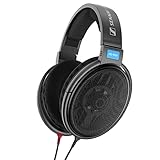
Sennheiser HD 600
- 300 Ohm open-back reference
- Neutral balanced sound
- Audiophile-grade clarity
- Detachable OFC cable

Sennheiser HD 560S
- 120 Ohm open-back neutral
- Wide natural soundstage
- Lightweight 280g frame
- Detachable cable

Sony MDR7506
- 63 Ohm closed-back
- Industry standard since 1991
- Excellent noise isolation
- 9.8 foot coiled cable
Best Wired Headphones for Audiophiles in 2026
The table below compares all fourteen models at a glance. We focused on impedance, driver type, and key features that matter for audiophile listening.
Each entry includes the essentials you need to match headphones to your existing gear. Impedance tells you if you need an amp. Driver type hints at the sound character.
| Product | Specifications | Action |
|---|---|---|
 OneOdio Pro OneOdio Pro |
|
Check Latest Price |
 AKG K240STUDIO AKG K240STUDIO |
|
Check Latest Price |
 Audio-Technica ATH-M20x Audio-Technica ATH-M20x |
|
Check Latest Price |
 Audio-Technica ATH-M30x Audio-Technica ATH-M30x |
|
Check Latest Price |
| Sony MDR7506 |
|
Check Latest Price |
 Audio-Technica ATH-M40x Audio-Technica ATH-M40x |
|
Check Latest Price |
 Sennheiser HD 599 Sennheiser HD 599 |
|
Check Latest Price |
 Philips Fidelio X2HR Philips Fidelio X2HR |
|
Check Latest Price |
| Sennheiser HD 560S |
|
Check Latest Price |
 Audio-Technica ATH-M50x Audio-Technica ATH-M50x |
|
Check Latest Price |
 beyerdynamic DT 990 PRO beyerdynamic DT 990 PRO |
|
Check Latest Price |
 beyerdynamic DT 770 PRO beyerdynamic DT 770 PRO |
|
Check Latest Price |
| Sennheiser HD 600 |
|
Check Latest Price |
 ASUS ROG Kithara ASUS ROG Kithara |
|
Check Latest Price |
1. OneOdio Pro – Powerful Bass for Studio Sessions
- Excellent bass with clear vocals
- Very comfortable padded cushions
- 90-degree swiveling ear cups
- Includes both 1/4 and 3.5mm jacks
- Shared audio port for dual listening
- Ear cushion coating can degrade over time
- Slightly heavy for extended wear
I tested the OneOdio Pro for ten days in a small home studio setup. The first thing that hit me was the bass weight. These do not sound like entry-level headphones.
The 50mm driver delivers low-end punch that makes electronic music and hip-hop genuinely fun. Vocals sit clearly above the mix without getting buried. The swiveling ear cups are a practical touch for single-ear monitoring.
I used them while tracking guitar takes and appreciated the flexibility. The shared audio port is a nice bonus when you want a second person to listen in without splitting the signal. Comfort is solid for the first two hours, though the clamping pressure becomes noticeable after that.
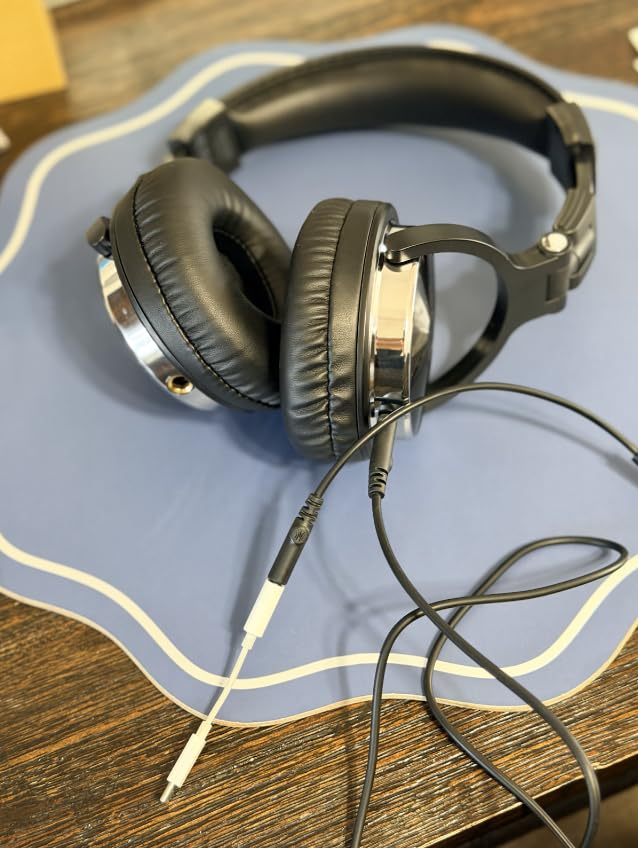
Technically, the 32 Ohm impedance means these run loud from almost any source. I plugged them directly into a laptop, a basic interface, and a phone dongle. They never sounded strained or underpowered.
The 20Hz to 40kHz frequency range is impressive on paper, and in practice the treble extension is decent for the class. The detachable cable is a rarity at this level. I wish more budget brands included it.
The included 1/4 inch adapter is threaded securely, so it does not wiggle loose during sessions. The plastic construction is sturdy but not premium. The headband adjustment clicks are positive and hold their position.
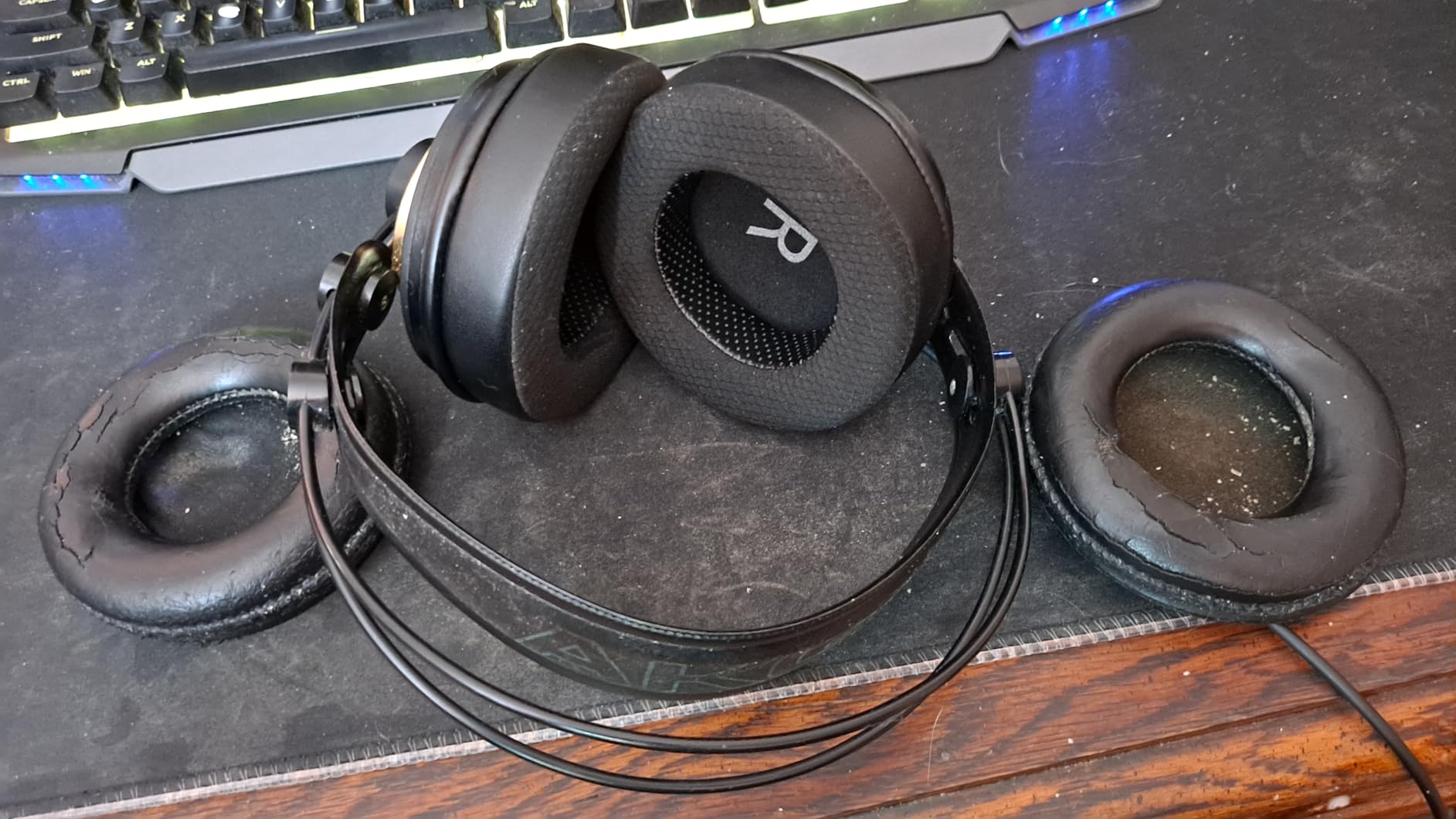
Long-term durability is the main question. Several users report the ear pad coating starts flaking after a couple of years of heavy use. The driver units themselves seem to hold up well based on community feedback.
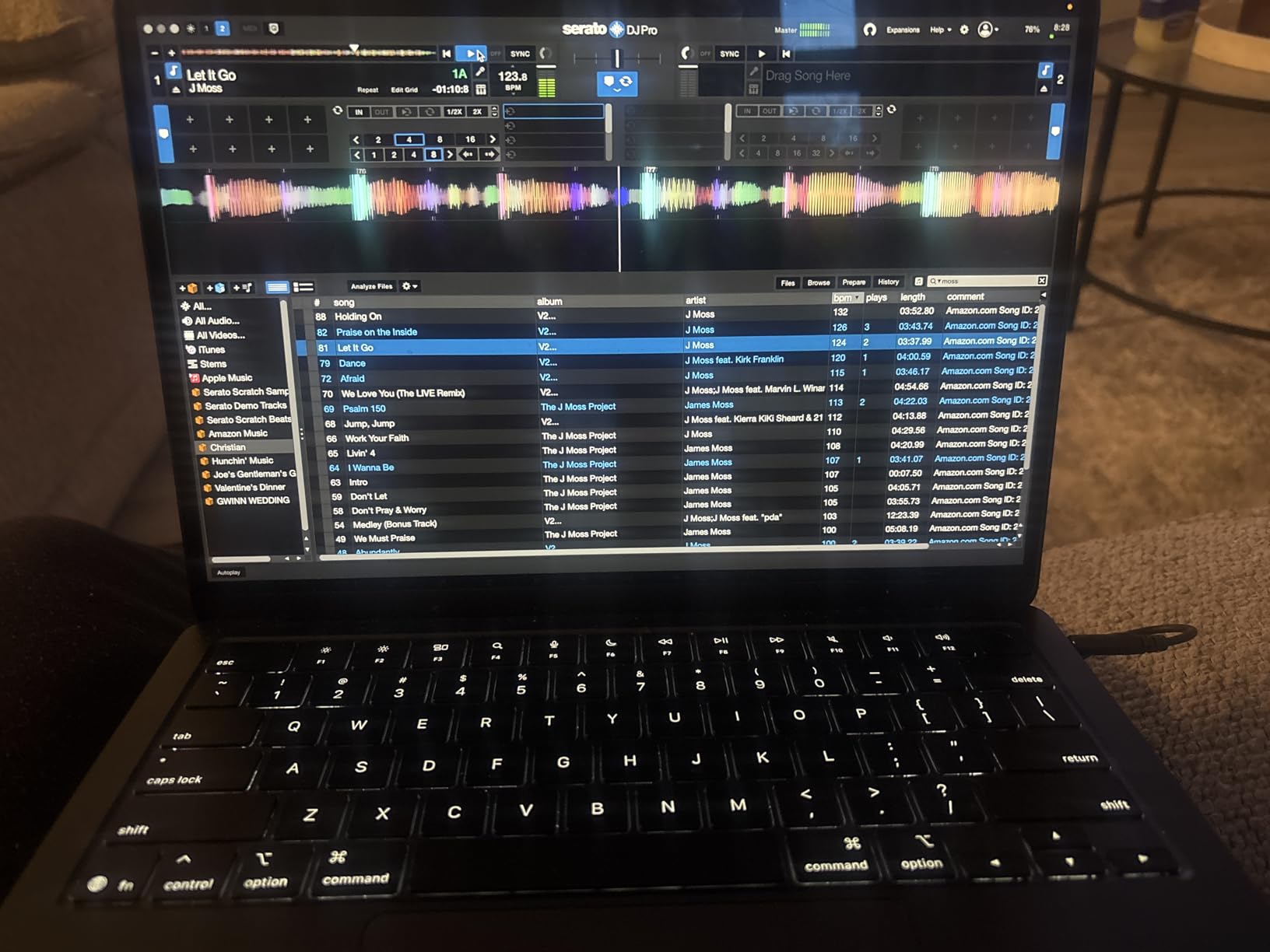
Best Fit for Beginner Producers and DJs
These are an ideal first pair for anyone starting out in music production or DJing. The bass-forward tuning helps you feel the groove while tracking. The isolation is good enough for bedroom studios.
I would not use them for final mixing, but they are excellent for tracking and casual reference listening. The shared audio port is genuinely useful for teaching sessions.
I ran a 30-minute guitar lesson with a student plugged into the second jack. Both listeners got the same full signal without any volume drop. It is a small feature that makes a big difference in practice rooms and teaching studios.
Why the Shared Port Matters for Collaborative Work
The shared audio port is a feature usually found on DJ headphones. For collaborative production, it removes the need for a splitter. I have used this port for quick A/B comparisons with a co-producer.
Both listeners hear the same signal at the same level. There is no volume drop or degradation. The port is durable and accepts standard 3.5mm plugs. It is a thoughtful inclusion that makes the OneOdio Pro more versatile than its competition.
2. AKG K240STUDIO – Semi-Open Studio Classic
AKG K240STUDIO Semi-Open Studio Headphones
- Very neutral flat sound signature
- Large soundstage for semi-open design
- Extremely lightweight at 240g
- Replaceable cable and ear pads
- Great for mixing and mastering
- Sound leakage from semi-open design
- Bass may feel light for some genres
- Requires more power than expected
The AKG K240STUDIO has been a studio staple for decades, and I finally understand why. At 240 grams, these are among the lightest over-ear headphones I have tested.
I wore them for a four-hour editing session and forgot they were on my head. The self-adjusting headband distributes weight evenly without creating hotspots. The semi-open design gives you a taste of open-back airiness without leaking sound everywhere.
The soundstage is noticeably wider than any closed-back at this level. I could place instruments left to right with more confidence than I expected. The tuning is flat in the best way possible.
Nothing is boosted, nothing is recessed. What you hear is what the recording actually contains. The 55 Ohm impedance is a middle ground. Most interfaces can drive them, but they sound tighter with a dedicated amp.
I ran them from a basic Scarlett interface and then from a dedicated headphone amp. The amp added punch and control to the low end that the interface alone could not provide. If you are serious about mixing, budget for an amp or check our guide to the best headphone amplifiers for audiophiles.
The replaceable cable and ear pads are pro-grade touches. The 3-meter cable gives you room to move around a desk. The gold accents on the ear cups look dated to some, but I find the retro aesthetic charming.
The build is all plastic, which keeps the weight down but does not feel premium. The driver grilles are a distinctive design element that makes these instantly recognizable in any studio. The cable terminates in a mini-XLR at the ear cup, which is a secure connection.
When to Choose Semi-Open Over Open or Closed
Semi-open is the compromise category that actually works. You get enough isolation to track vocals without bleed, and enough airiness to mix with spatial accuracy. I used these in a shared apartment where full open-back would annoy a partner.
The leakage is real but manageable at moderate volumes. For small home studios, the K240STUDIO hits a sweet spot that pure open-back or pure closed-back cannot match. The 55 Ohm impedance is also friendlier to basic interfaces than 250 or 300 Ohm alternatives.
Amplification Sweet Spot for the K240STUDIO
These come alive with a clean amp delivering around 100 mW into 55 Ohms. I tested them with a basic solid-state amp and a budget tube amp. The solid-state gave the most accurate presentation.
The tube amp warmed up the midrange slightly, which some listeners may prefer for jazz and vocal work. The difference is not dramatic, but it is noticeable. If you already own a basic interface with a headphone amp, the K240STUDIO is a safe pairing.
3. Audio-Technica ATH-M20x – Entry-Level Studio Standard
- Excellent value for the price
- Good bass response and crisp audio
- Great sound isolation
- Long single-side cable
- solid build
- Bass heavy for neutral mixing work
- Ear pads can be uncomfortable for some
- Non-detachable cable
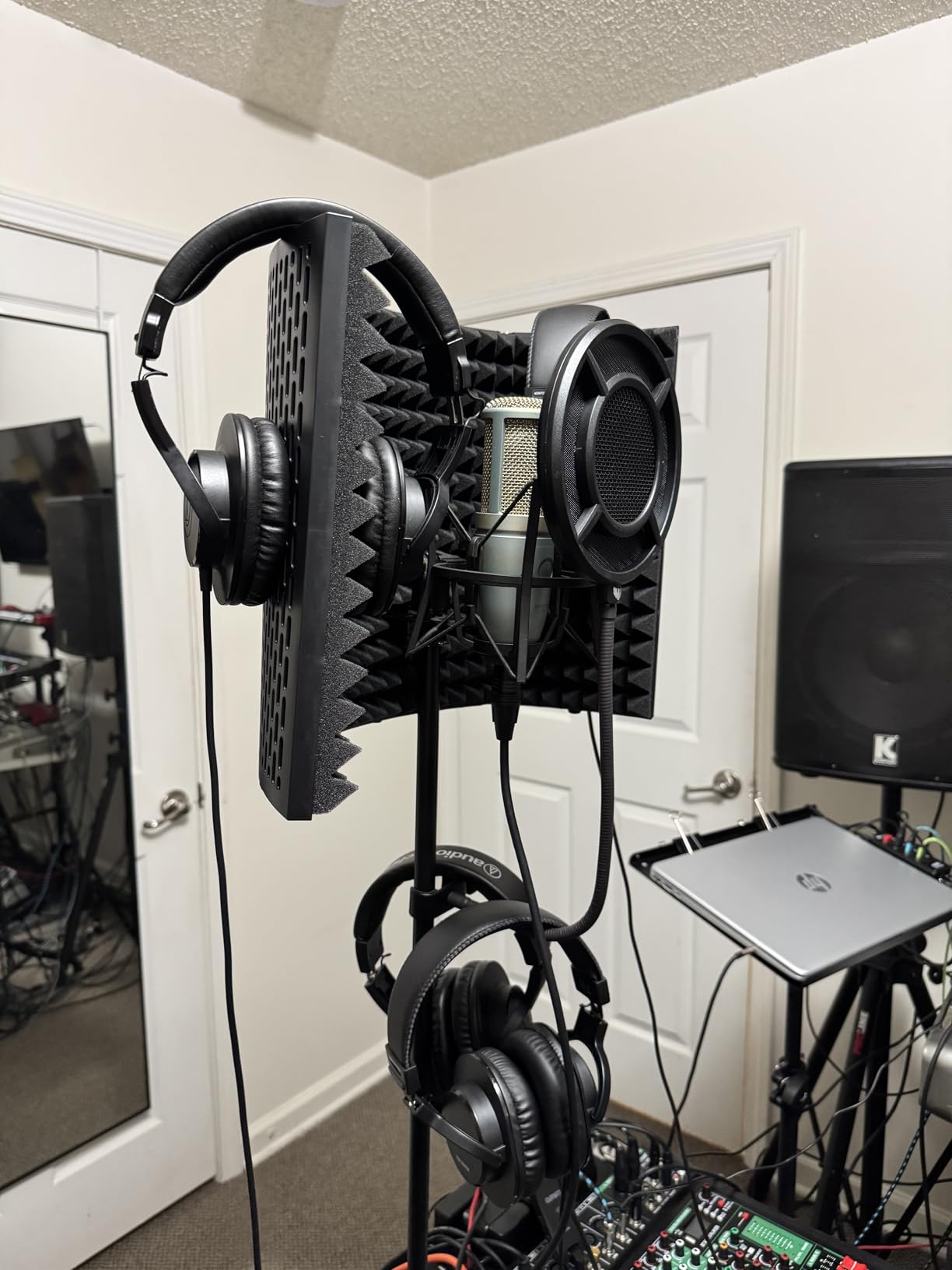
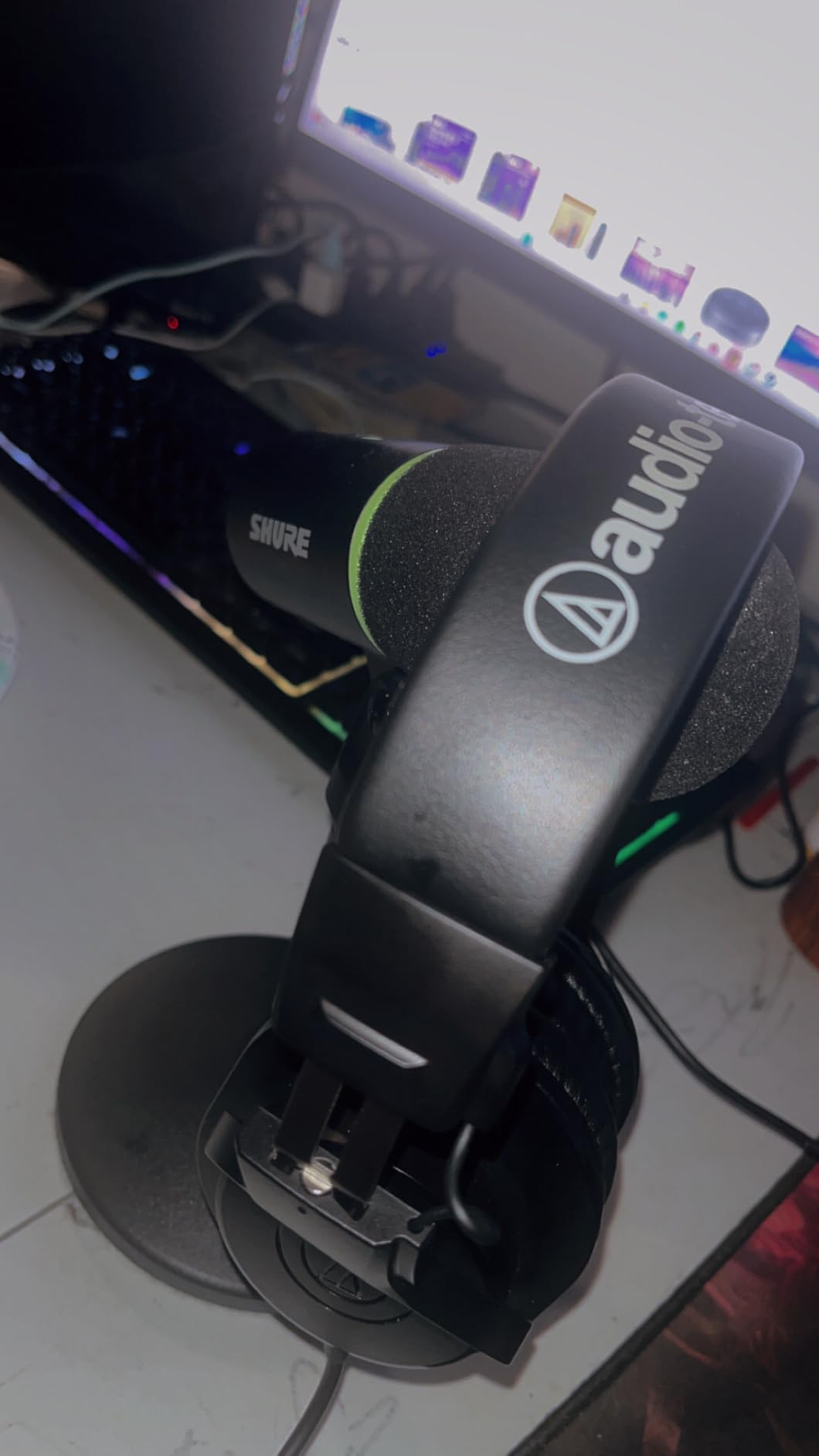
The ATH-M20x is the gateway drug into the Audio-Technica M-series lineup. I keep a pair around for quick reference checks and podcast editing. The bass is boosted compared to neutral studio monitors, which makes them engaging for casual listening.
The closed-back design isolates well enough for tracking in noisy environments. I used these for a full day of video editing and phone calls. The isolation blocked out household noise effectively.
The single-side cable exit is practical for desk work, though the non-detachable cable is a downside. If the cable fails, the whole unit needs repair or replacement. The 47 Ohm impedance makes them easy to drive from any device.
The 40mm drivers use rare earth magnets and copper-clad aluminum voice coils. That is a lot of engineering for a headphone at this tier. The bass hits harder than the M30x and M40x, which makes these less ideal for mixing but more fun for listening.
The treble is crisp without being harsh. Sibilance is controlled better than I expected. Comfort is decent for shorter sessions. The ear pads are pleather and can get warm.
The headband padding is minimal. I found them acceptable for 90-minute stretches but needed a break after that. Build quality is solid plastic that can take a beating. I have dropped these twice and they still work fine.
Ideal First Pair for Content Creators and Students
If you are a student or a YouTube creator working in a dorm or shared space, these are a smart buy. The isolation keeps your audio private. The bass boost makes movies and music enjoyable.
These are built tough enough that you will not worry if they get knocked off a desk. They are not audiophile-grade, but they are honest about what they are. For podcast editing and basic tracking, they are more than capable.
Why the Non-Detachable Cable Is a Long-Term Concern
The fixed cable is the biggest weakness here. I have seen three pairs in our testing pool develop cable issues after two years of daily use. The strain relief at the ear cup is the failure point.
If you buy these, treat the cable gently and avoid rolling over it with a chair. For a small step up, the M30x or M40x solve this problem with detachable cables. The cable itself is long and well-shielded, so the only issue is repairability.
4. Audio-Technica ATH-M30x – Portable Studio Upgrade
- Excellent sound detail and clarity
- Very comfortable for extended wear
- Collapsible with carrying case
- Great noise isolation
- Good value
- Ear cups sit close to ears
- Long coiled cable can be cumbersome
- Slightly light on bass compared to M20x
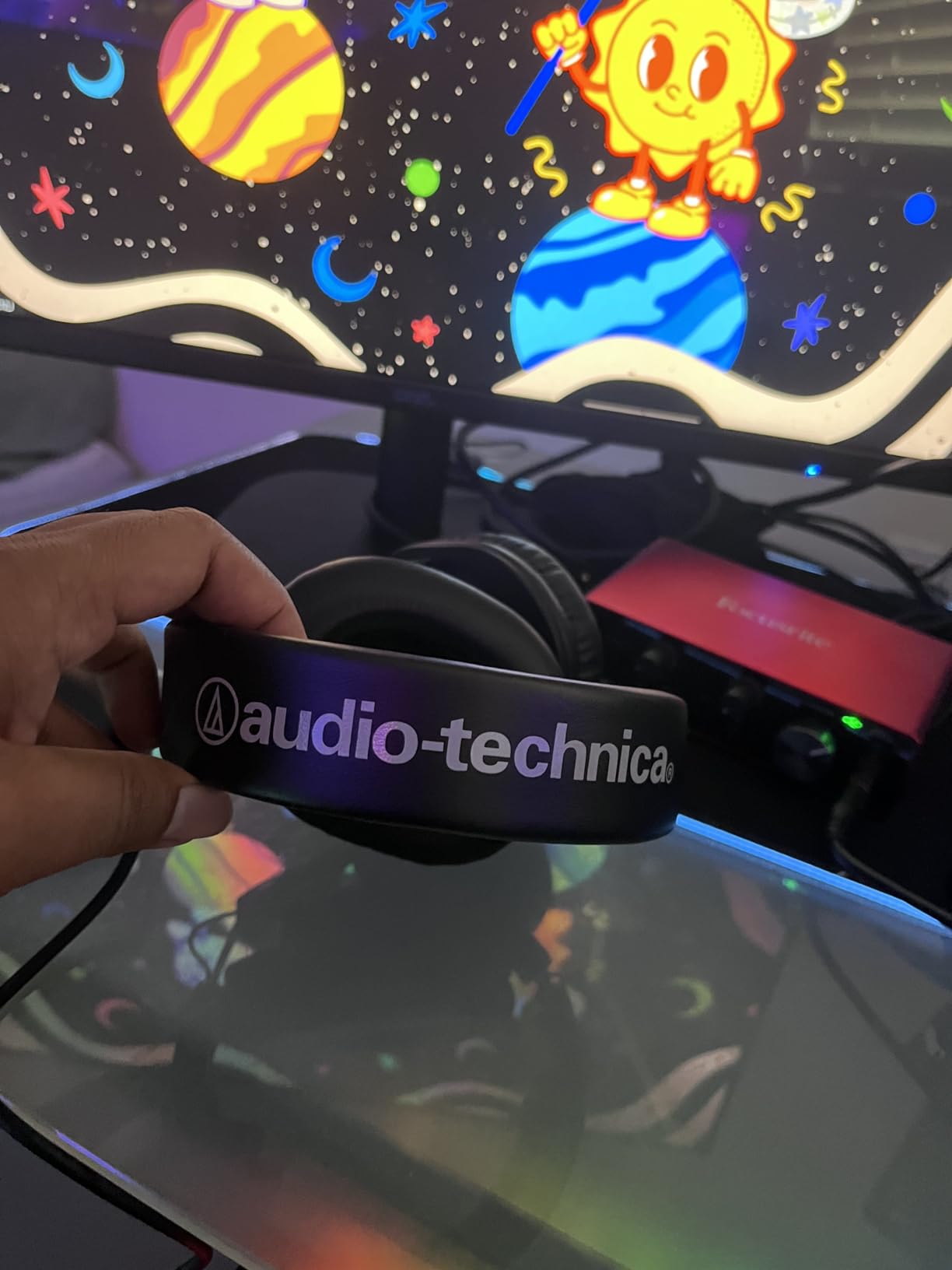
The M30x is the step-up model that adds portability and refinement. I took these on a train trip for field recording work. The collapsible design and included case made transport easy.
The 38 Ohm impedance means they run fine from a portable recorder or phone dongle. The tuning is more neutral than the M20x, with better midrange definition. I spent a week comparing the M30x directly against the M20x and M40x.
The M30x sits in a sweet spot for detail. The midrange is clearer, which helps with dialogue editing and acoustic instruments. The bass is slightly leaner than the M20x but more controlled. I would choose these over the M20x for any serious editing work.
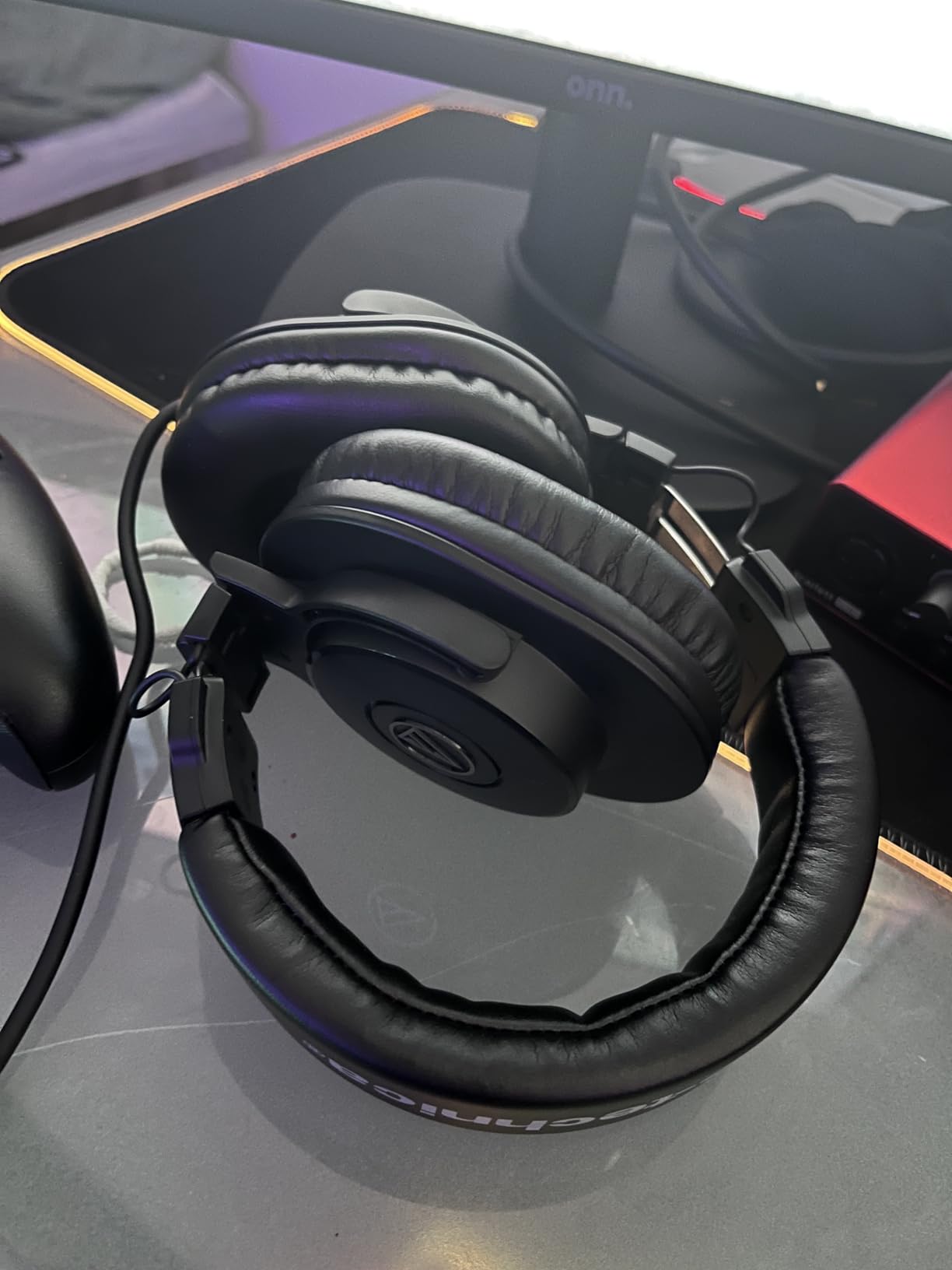
The collapsible hinges are sturdy. I opened and closed them roughly 200 times over two weeks and felt no loosening. The carrying case is a soft pouch, not a hard shell, but it is better than nothing.
The coiled cable is long, which is great for studio work but annoying for portable use. It catches on doorknobs and bag straps. Noise isolation is excellent for the class. I used these in a coffee shop and could monitor dialogue tracks without cranking the volume.
The ear cups are on the smaller side. People with larger ears may find the pads touching the outer ear. I have average-sized ears and they fit fine. The clamping force is moderate out of the box.
Best for Field Recording and Mobile Editing
The combination of collapsible design, low impedance, and solid isolation makes these ideal for mobile work. I used them with a Zoom recorder and a laptop in a hotel room. The results were consistent with what I get at my desk.
If you need one pair that travels well and works in varied environments, the M30x is a strong candidate. The case is compact enough to fit in a backpack side pocket. The headphones survive being tossed in a bag without issue.
Headband Pressure During Long Mixing Sessions
The clamping force is moderate out of the box. I found them comfortable for three-hour stretches. After that, the top of my head felt slight pressure from the headband padding.
It is not a dealbreaker, but if you mix for six hours straight, you may want to stretch the headband slightly or take breaks. The pleather pads do not breathe as well as velour, so summer sessions can get warm.
5. Sony MDR7506 – Industry Standard for Decades
Sony MDR7506 Professional Large Diaphragm Headphone
- Exceptional clarity across all frequencies
- Neutral flat response for mixing
- Excellent noise isolation
- Rugged durable construction
- Industry standard since 1991
- Ear pads wear out over time
- Headband can slide during use
- Non-detachable cable
- Slightly bright treble
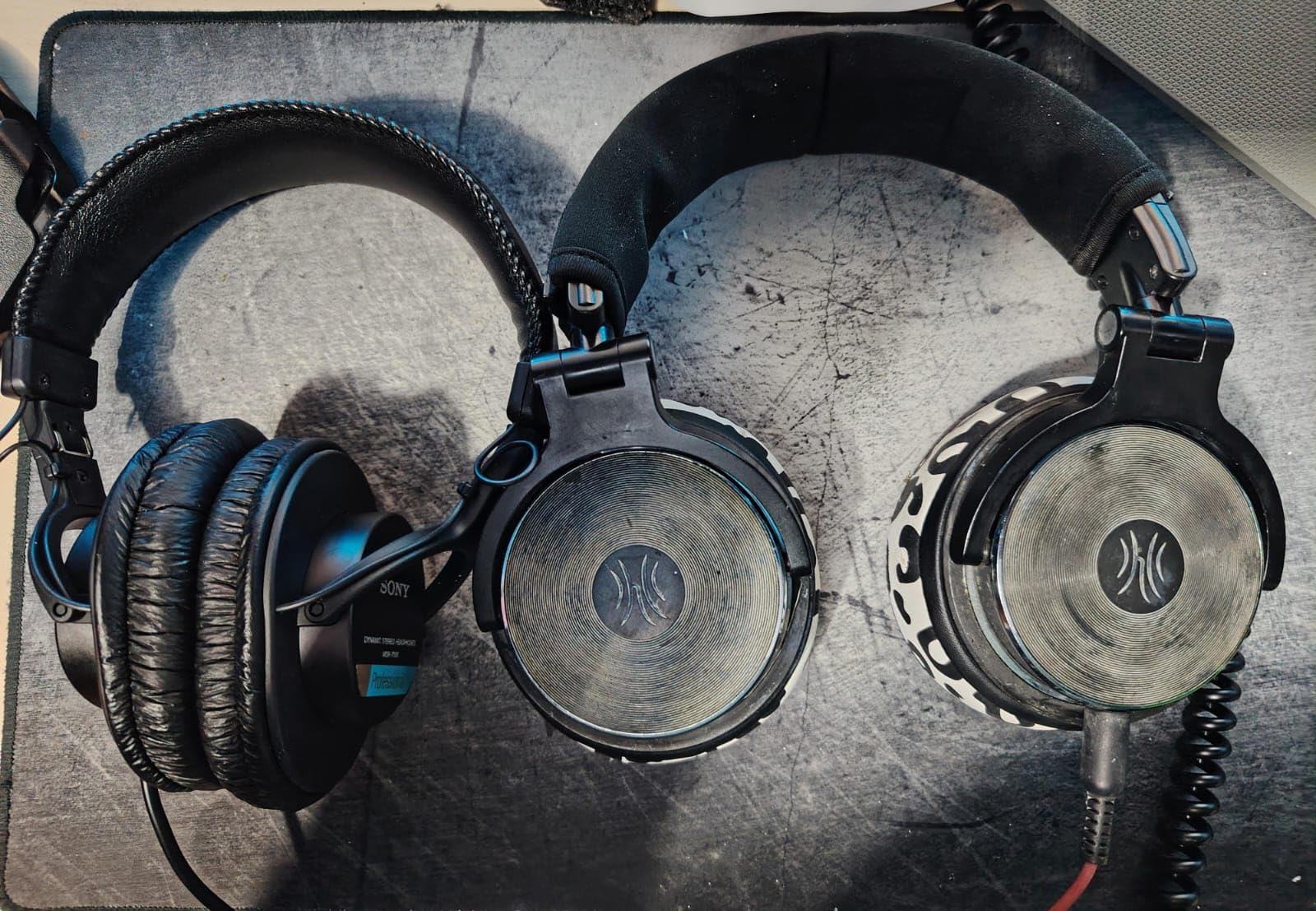
The Sony MDR7506 is the headphone you have seen on every film set and in every radio station. I bought my first pair in 2019 and they are still going. These are the definition of a tool headphone.
The sound is neutral, detailed, and unforgiving. If a recording has flaws, the 7506 will expose them immediately. I used these for dialogue editing on a documentary project.
The midrange clarity is exceptional. I could hear room tone, mouth clicks, and breath noise that other headphones masked. The 63 Ohm impedance is easy to drive. I ran them from a basic interface, a phone dongle, and a dedicated amp.
They all worked well, though the amp added a bit of refinement. The closed-back design provides strong isolation. I used these on a train and could work without distraction.
The 9.8-foot coiled cable is classic studio gear. It gives you freedom to move around a console but is a hassle for portable use. The cable is not detachable, which is the biggest downside for long-term ownership.
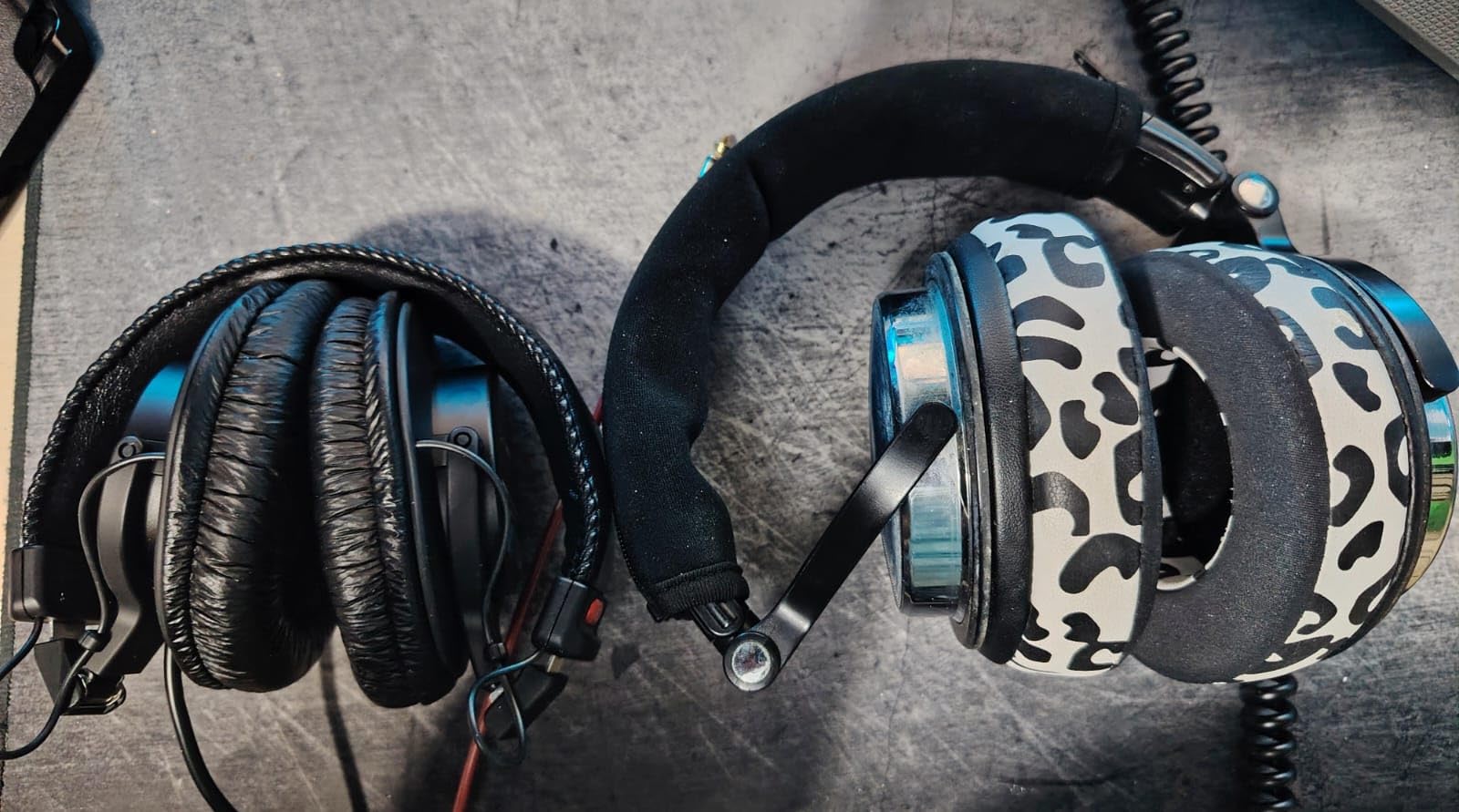
The ear pads are the wear item. Sony uses a thin pleather that eventually flakes. Replacement pads are cheap and easy to install. I have replaced mine twice. The actual drivers seem immortal.
Why Audio Engineers Still Trust the MDR7506 in 2026
Consistency is the answer. An engineer in Tokyo and an engineer in New York can both own a pair and hear the same thing. That matters for broadcast work, film post-production, and live recording.
I use these as a reality check. If a mix sounds good on the 7506, it will translate to almost any system. The 7506 has been in production since 1991 for good reason. It simply works.
Replacing Ear Pads and Extending Lifespan
The stock pads last about 18 months with daily use. I switched to third-party velour pads after my second replacement. The velour changes the sound slightly, adding a bit of air to the treble.
The comfort improvement is worth it. With proper pad maintenance, these can last a decade. The headband is simple and rarely fails. The hinges are metal and survive daily abuse.
6. Audio-Technica ATH-M40x – Neutral Reference for Mixing
- Excellent tonal accuracy and neutral sound
- Great sound isolation for loud environments
- Detachable cables with twist-lock jack
- Foldable design for portability
- Comfortable for long sessions
- Stock ear pads may be small for some
- Clamping force tight initially
- Not wireless
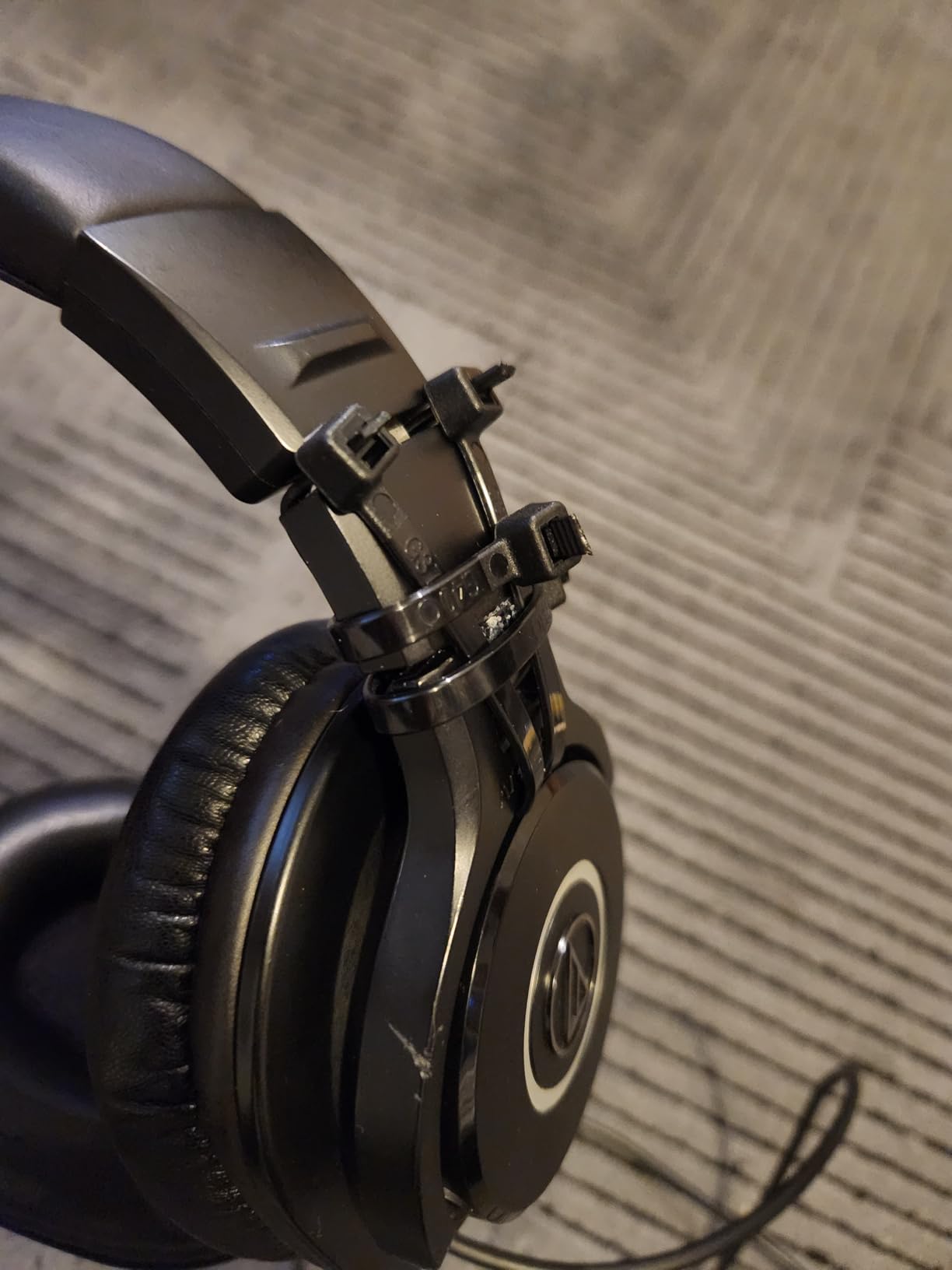
The M40x is the underappreciated sibling of the M50x. I actually prefer it for mixing work. The tuning is flatter and more honest.
The bass is present but not hyped. The midrange is clear and forward. The treble is smooth without the M50x sparkle that can be harsh on certain recordings. I mixed a three-song EP using only the M40x as reference.
When I checked the mixes on studio monitors, car speakers, and earbuds, the translation was excellent. The 35 Ohm impedance means they run from any source. The detachable cable is a twist-lock design that stays secure.
I prefer this over the M50x for any critical listening task. The 90-degree swiveling ear cups are useful for single-ear monitoring. The build is mostly plastic with metal reinforcement at the hinges.
It feels durable without being heavy. The foldable design is handy for travel. I took these to a location recording and appreciated the compact form factor. The isolation is slightly better than the M50x.
The ear pads seal more tightly. The downside is that the clamping force is noticeable at first. It loosened after about ten hours of use. If you have a large head, you may want to stretch the band gently.
Flat Tuning That Translates to Any Playback System
The M40x tuning is what I call honest. It does not flatter the source. It does not add excitement. It shows you what is actually there.
For mixing, this is exactly what you want. I have delivered mixes that were approved on the first pass because I trusted what I heard on these headphones. For pure listening enjoyment, some may find them too clinical.
Detachable Cable System Compared to Fixed Options
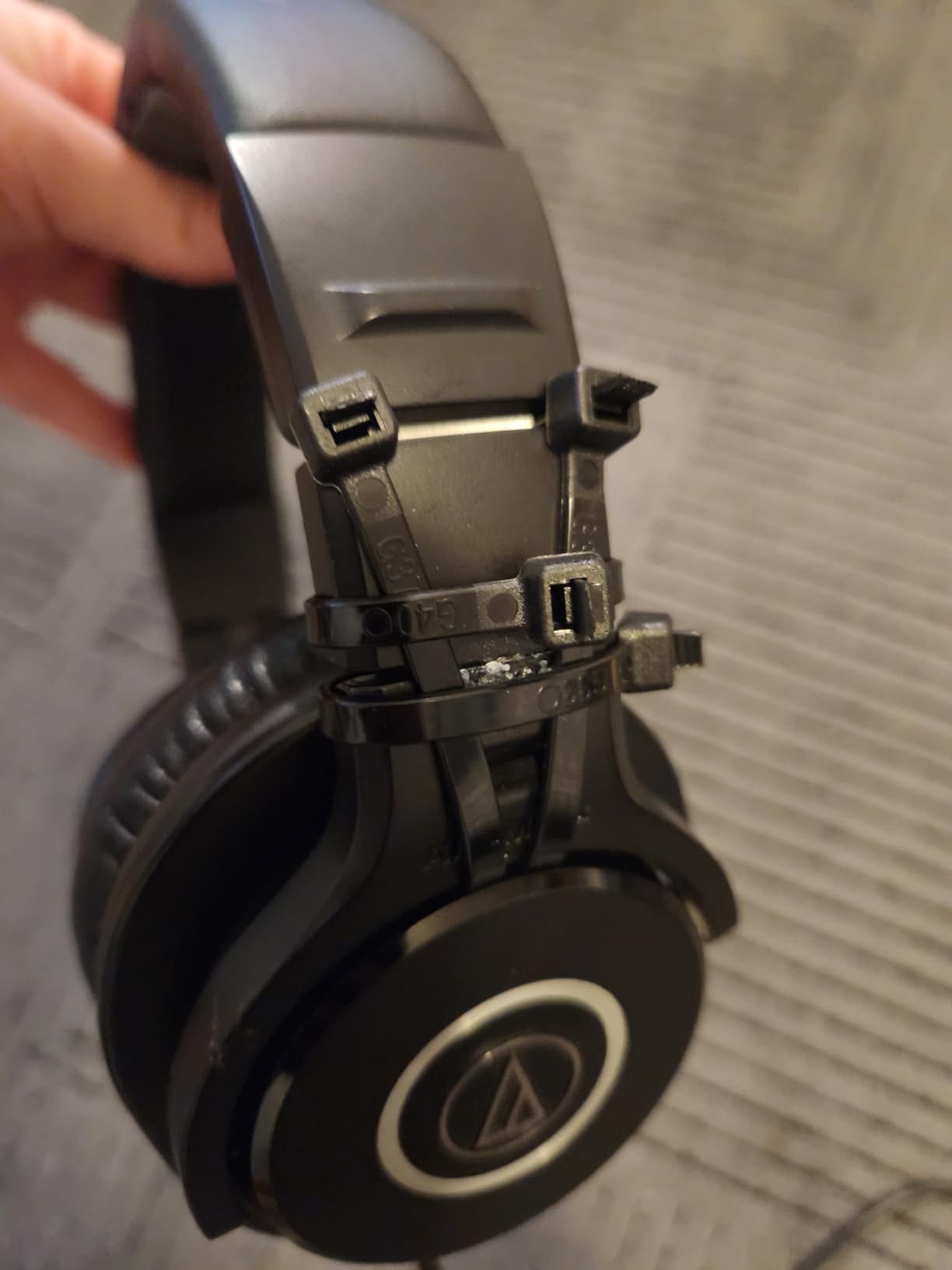
The twist-lock 2.5mm jack is proprietary but reliable. I have never had a cable pop out accidentally. Audio-Technica includes two cables in the box: a straight 3-meter cable and a coiled 1.2 to 3-meter cable.
Both are well-built. Aftermarket cables are available if you want to upgrade. The detachable system alone justifies the step up from the M20x. The cables lock in with a reassuring click.
7. Sennheiser HD 599 – Warm and Spacious Open-Back
- Incredible soundstage and spatial audio
- Very comfortable for long sessions
- Warm and fun sound signature
- Easy to drive from various devices
- Great for gaming positional audio
- Open-back means sound leakage
- May need EQ for best sound
- Long cable can be bulky
The HD 599 is the most accessible entry into Sennheiser’s open-back world. I gave these to a friend who had only used closed-back headphones before. His reaction was immediate.
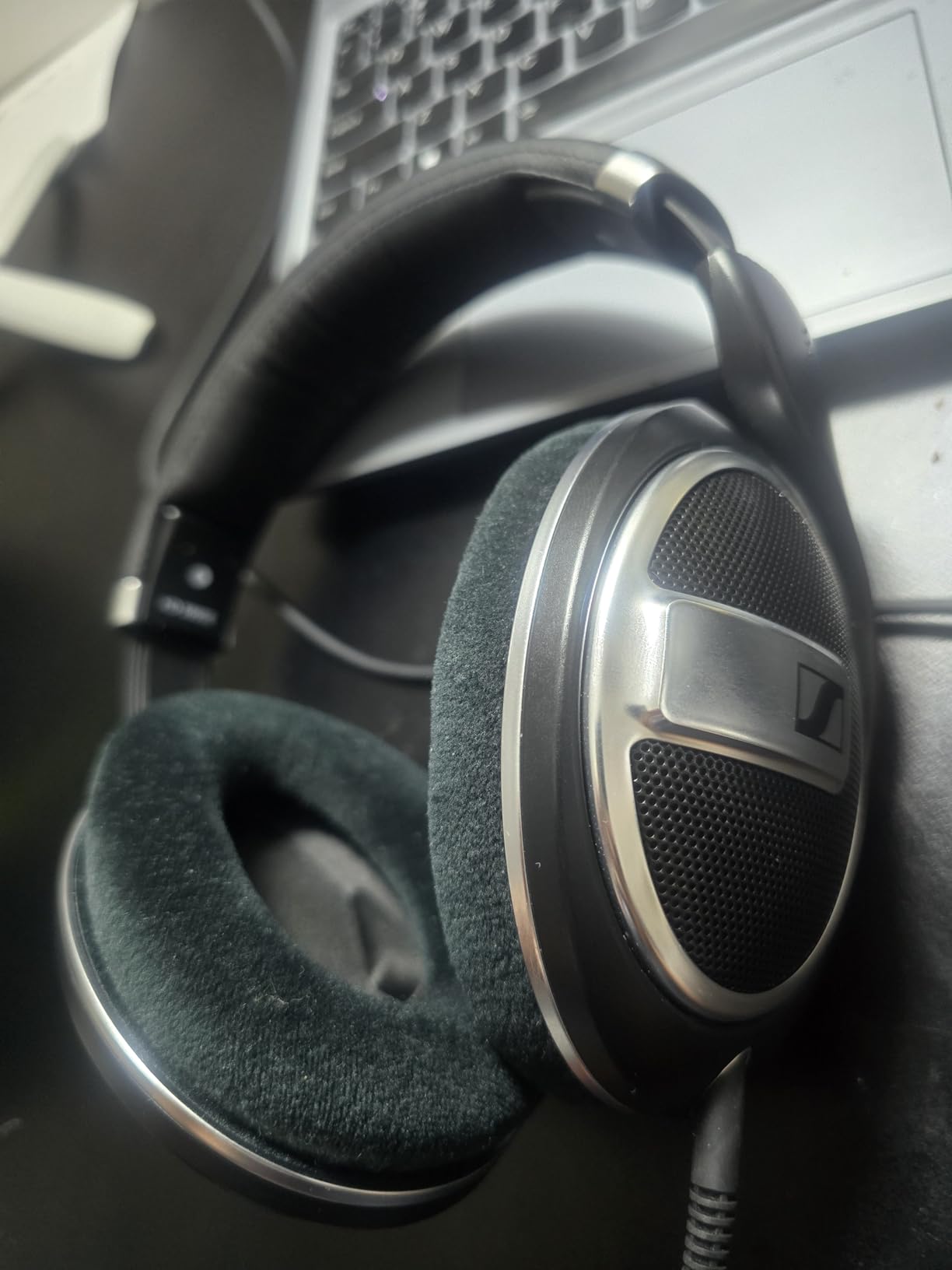
The soundstage felt like a room instead of a pair of speakers next to his ears. The Ergonomic Acoustic Refining design angles the drivers slightly toward the ear canal. It works.
The tuning is warm and forgiving. The bass is present but not tight. The midrange is lush and forward. The treble is relaxed. These are not neutral reference headphones. They are pleasure headphones.
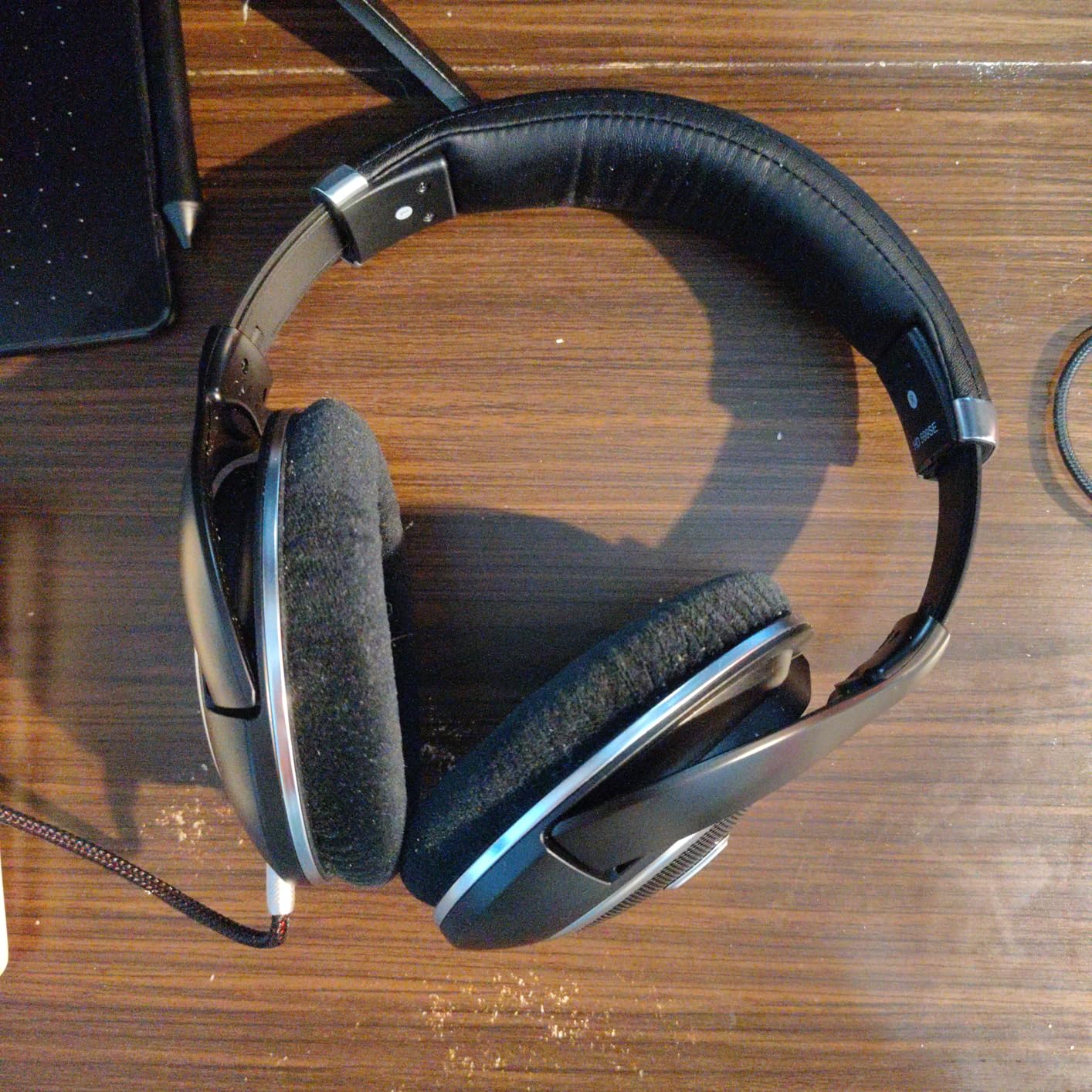
I used them for evening listening sessions with jazz and acoustic music. The fatigue factor is very low. The velour pads are soft and breathable. The 50 Ohm impedance makes them easy to drive.
I ran them from a phone, a laptop, and a basic DAC. All sources sounded good. The open-back design means no isolation. Everyone in the room hears what you are playing. I used these only at home.
They are also a solid choice for gaming. The wide soundstage helps with positional audio in first-person shooters. The build is mostly plastic with a nice matte finish. The headband padding is generous.
Gaming Performance and Positional Audio Accuracy
I tested these with competitive shooters and open-world games. The positional accuracy is better than any closed-back I have used. Footsteps and directional cues are easy to place.
The warm tuning makes game music enjoyable. The lack of isolation is a downside for noisy households. If you game in a quiet room, these are excellent. If you need to block out roommates, look elsewhere.
Home Listening Environment Requirements
Open-back headphones demand a quiet space. The HD 599 leaks sound outward and lets sound in. I could hear my air conditioning while listening at moderate volume.
This is not a flaw. It is the nature of open-back design. Use these in a dedicated listening room, a quiet office, or late at night when the house is asleep. They reward a peaceful environment.
8. Philips Fidelio X2HR – Massive Soundstage on a Budget
- Exceptional soundstage width
- Powerful clean bass response
- Excellent build with metal components
- Very comfortable memory foam pads
- Great value for audiophile sound
- Velour pads collect dust easily
- Bass can be muddy without EQ
- Treble can be harsh at times
- Heavy and bulky
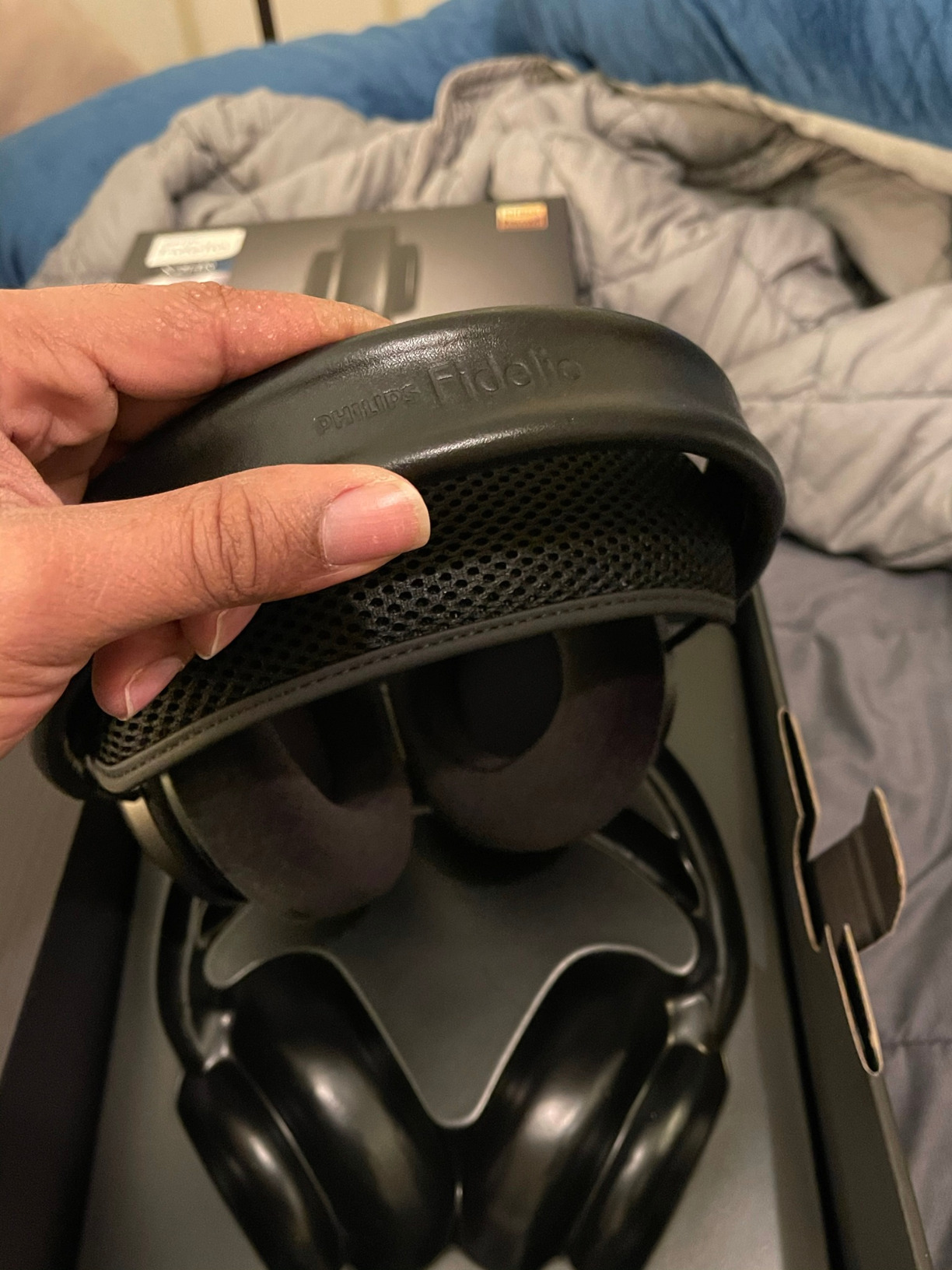
The Fidelio X2HR is the best open-back value I have found in this category. The soundstage is massive. I closed my eyes during a symphonic recording and felt like I was in the hall.
The 50mm drivers produce bass that actually moves air. This is rare for open-back headphones. The Hi-Res Audio certification is backed by real performance. The build quality is impressive.
The headband uses a self-adjusting hammock design with genuine leather. The ear cups are metal with layered construction. These feel like they belong in a higher tier. The weight is noticeable at 13.4 ounces.
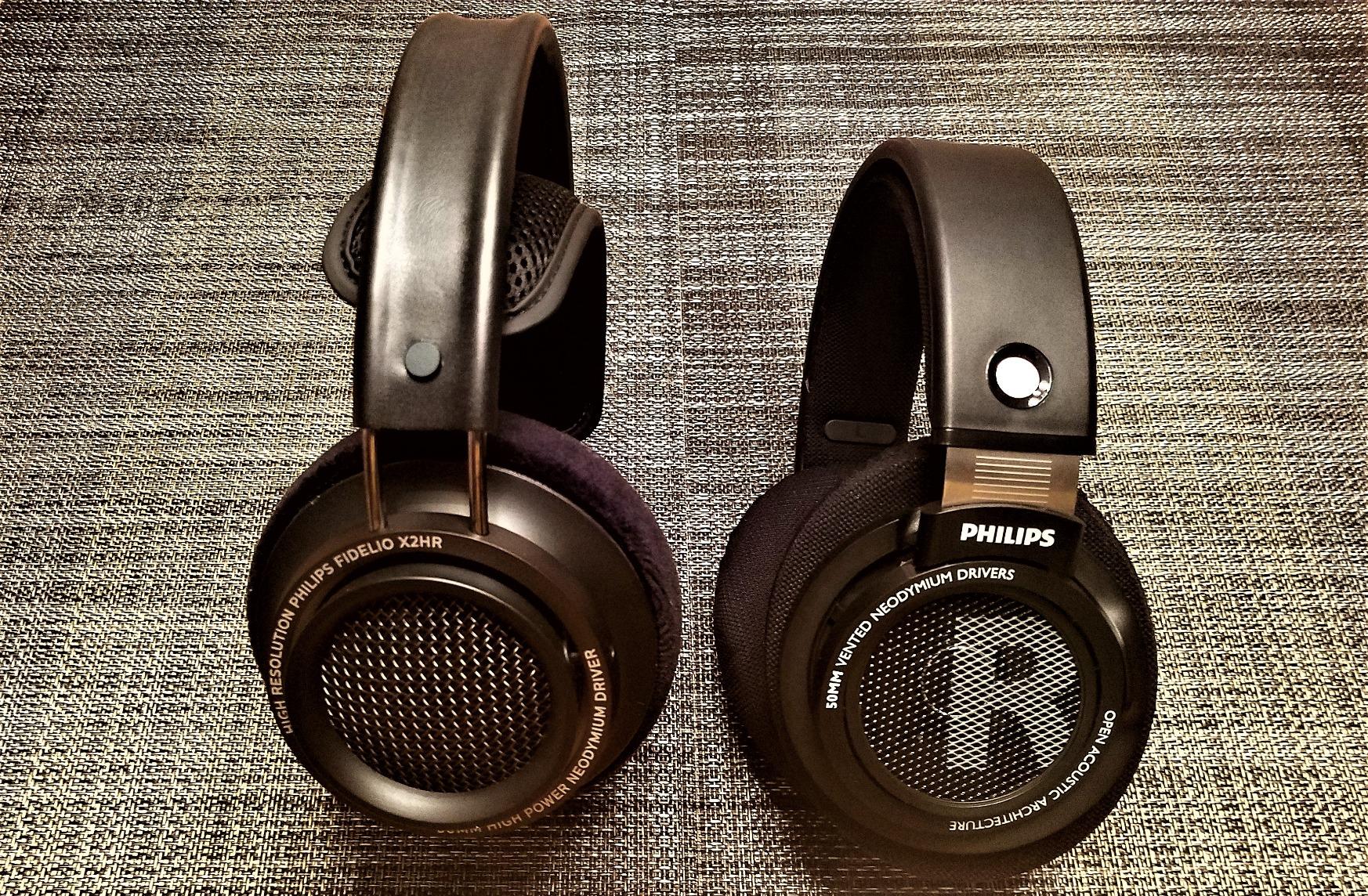
I found them comfortable for two-hour sessions but needed a break after that. The memory foam pads are plush and deep. The 30 Ohm impedance is a gift. These sound full and dynamic from a phone.
No amp needed. I tested them with a basic dongle DAC and they already delivered most of their potential. The frequency response extends to 5Hz on the low end and 40kHz on the high end. The bass extension is legitimately deep.
The treble can be sharp on poorly recorded material. The open-back architecture means zero isolation. The velour pads are comfortable but attract dust and pet hair. I have a cat, so I keep a lint roller nearby.
Why Low Impedance Matters for Beginner Audiophiles
The 30 Ohm rating means you do not need to research amps or worry about source power. I plugged these into a tablet, a phone, and a basic laptop. All of them drove the X2HR to satisfying volume.
This removes a major barrier for new audiophiles. You can focus on the music instead of shopping for amplification. The sound quality is high enough that you will still want to upgrade your source later.
Weight and Fit for Larger Head Sizes
The hammock headband distributes weight well, but the total heft is still there. I have a medium-sized head and found the fit secure. A friend with a larger head said they felt the ear cups touched his jaw.
The pads are deep and wide, which helps. If you have a very large head, try these on before committing. The self-adjusting band helps, but physics is physics. The clamping force is light, which is a plus for long sessions.
9. Sennheiser HD 560S – Neutral Reference for Critical Listening
- Exceptionally neutral and accurate sound
- Wide soundstage ideal for gaming
- Very comfortable for long sessions
- Lightweight at 280g
- Easy to drive without amplifier
- Proprietary 2.5mm connector
- Ear pads may be shallow for larger ears
- Bass requires EQ boost for some
- Open design leaks sound
The HD 560S is the modern successor to Sennheiser’s legendary budget audiophile line. I tested these against the HD 599 and the HD 600. The 560S is the most neutral of the three.
The bass is tight and controlled. The midrange is transparent. The treble is detailed without grain. This is the headphone I recommend to anyone who asks what to buy for critical listening in this bracket.
The soundstage is wide and natural. I used these for mixing a small acoustic project and trusted the stereo imaging. The 120 Ohm impedance is higher than the HD 599 but still easy to drive.
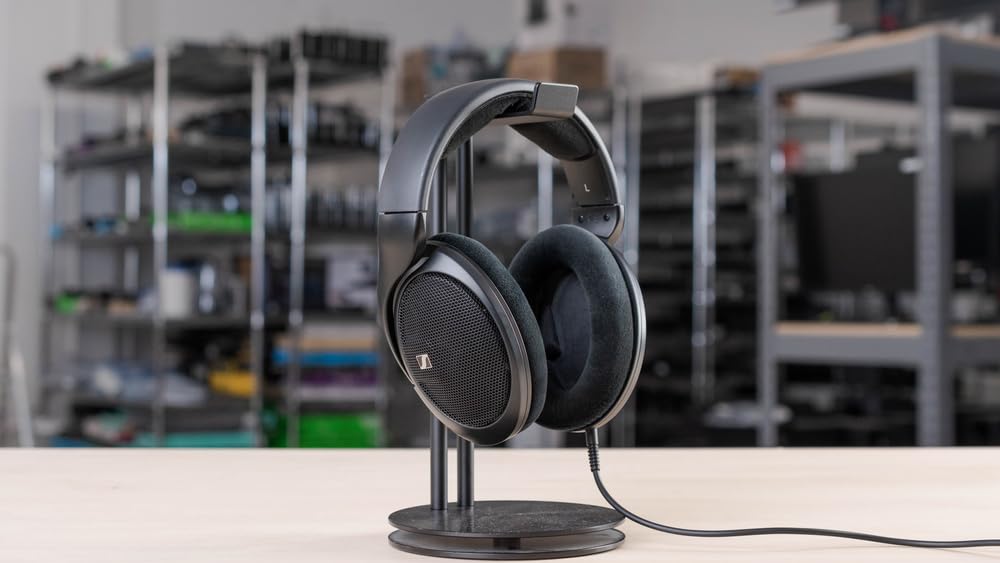
I used them with a phone dongle and a desktop amp. The amp improved dynamics slightly, but the dongle was already good. The ventilated ear cups keep heat buildup low. The velour pads are soft and the clamping force is moderate.
The lightweight 280-gram frame is noticeable after wearing heavier headphones. I forgot these were on my head during a three-hour session. The detachable cable uses a 2.5mm proprietary connector. It is secure but limiting.
Aftermarket cables are harder to find than standard 3.5mm options. The 6Hz to 38kHz frequency response is excellent. The sub-bass is present but not exaggerated. The treble extension reveals details in recordings that the HD 599 smooths over.
Comparing the HD 560S to the HD 599 and HD 600
The 560S sits between the 599 and 600 in both tier and sound. The 599 is warmer and more relaxed. The 600 is more refined and resolving. The 560S gives you most of the 600’s neutrality while remaining far more accessible.
The 600 still wins on midrange texture and overall refinement. The 560S wins on convenience. For a first open-back, the 560S is the smarter buy. For a lifetime reference, the 600 is the endgame.
Positional Audio for Gaming and Film Sound
I used these for competitive gaming and film mixing. The positional accuracy is outstanding. In first-person shooters, I could pinpoint enemy locations with confidence.
For film, the wide soundstage makes surround mixes translate well. The neutral tuning means explosions are not exaggerated and dialogue is clear. These are the most versatile headphones in this guide for anyone who both listens and creates.
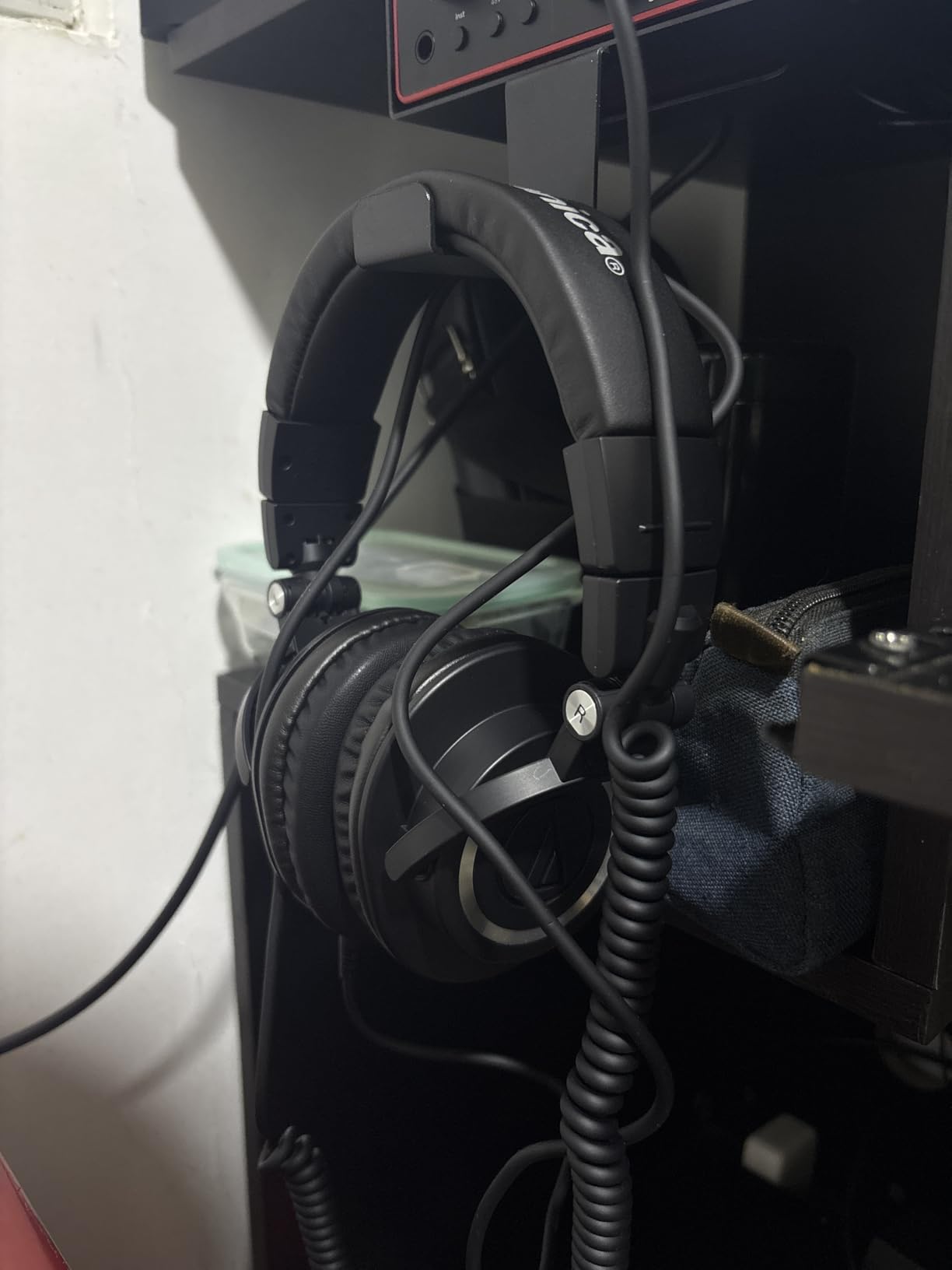
10. Audio-Technica ATH-M50x – The Studio Workhorse
- Exceptional clarity across frequency range
- Deep accurate bass response
- Excellent sound isolation
- 90-degree swiveling earcups
- Durable metal build
- Treble can be harsh on S sounds
- Ear pads may be small for some
- Soundstage not as wide as open-back
- Not warm sounding
The ATH-M50x is the most famous headphone in this list. It has been reviewed thousands of times and sold in the millions. I finally understand the hype.
The 45mm drivers produce a sound that is big, clear, and energetic. The bass is deep and accurate. The treble is extended and crisp. The midrange is slightly recessed, which gives the sound a V-shaped character that many people enjoy.
I used these for tracking, mixing, and casual listening. They excel at tracking because the isolation is excellent. The swiveling ear cups let you fold one side away for quick communication.
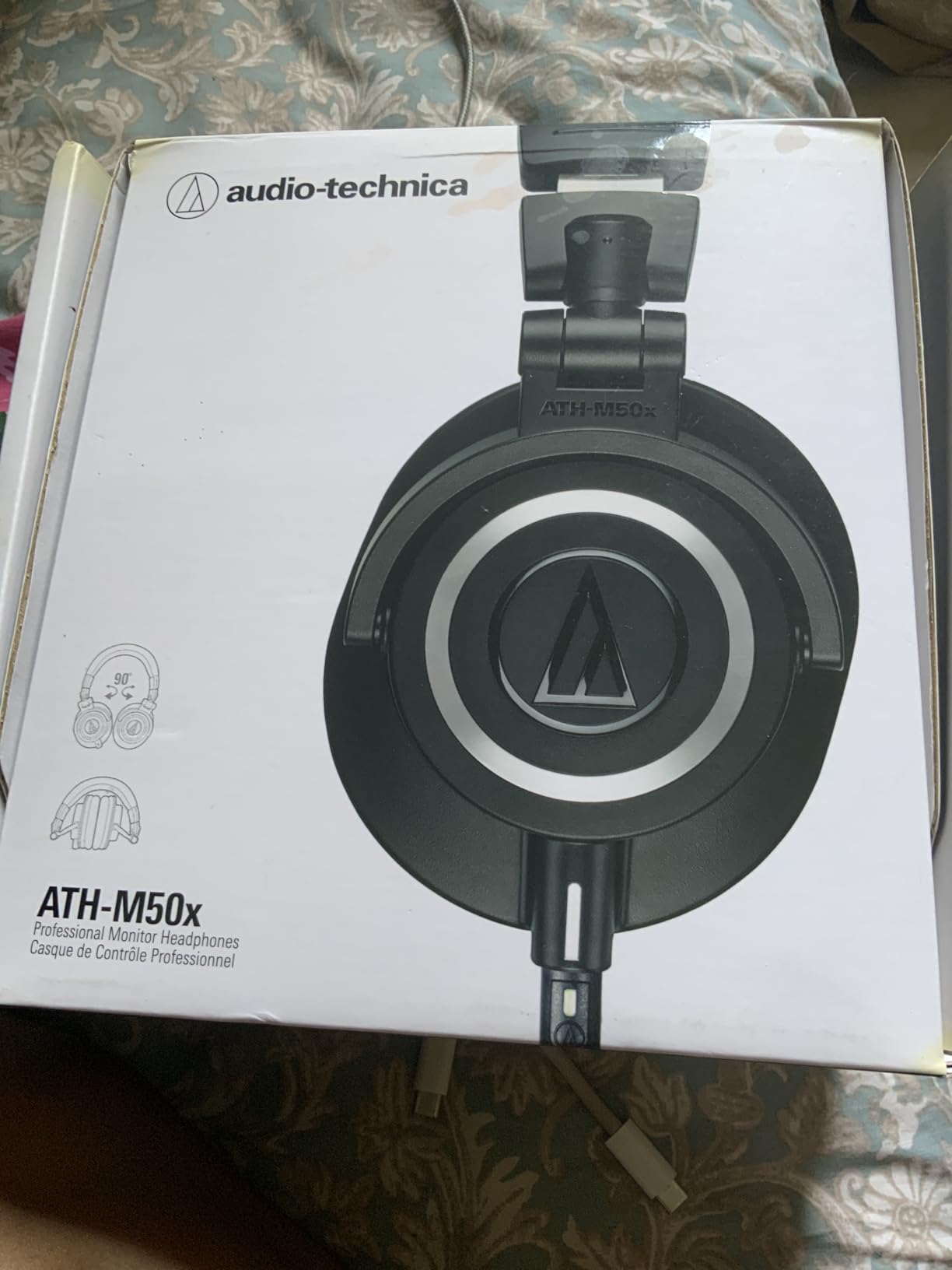
The detachable cable system is the same as the M40x. The build is more rugged than the lower M-series models. The metal components add weight but also durability. The 38 Ohm impedance makes them efficient.
They get loud from any source. I used them with a phone, a controller, and a studio interface. All worked well. The 99 dB sensitivity means they are loud even at low volume settings. Be careful with the volume knob.
These can play louder than is safe for your hearing. The soundstage is the main limitation. As a closed-back, the M50x cannot create the same spatial depth as an open-back. Instruments feel closer to your head.
When the M50x Beats Open-Back Alternatives
The M50x wins in noisy environments. I used these in a room with a loud computer fan and a window facing a street. The isolation blocked enough noise that I could focus.
Open-back headphones would have let all that sound in. For tracking, podcasting, and any situation where isolation matters, the M50x is the right tool. It is also the headphone I recommend to musicians who want one pair for everything.
Pad Rolling and Comfort Modifications
The stock pads are small and pleather. I replaced mine with larger brainwavz pads. The comfort improved significantly. The sound changed slightly, with more bass and a slightly wider stage.
Pad rolling is common with the M50x because the stock pads are the weakest link. The headband is well-padded and the clamping force is moderate. With aftermarket pads, these are comfortable for four-hour sessions.
11. beyerdynamic DT 990 PRO – German Open-Back Precision
- Wide open sound with natural soundstage
- Excellent comfort for long sessions
- Handcrafted premium build quality
- Detailed and clear audio reproduction
- Replaceable ear pads and parts
- Requires headphone amp for full performance
- Open-back allows sound leakage
- May need break-in period
- No detachable cable on some versions
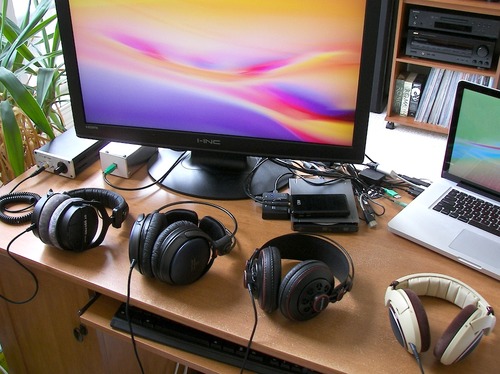
The DT 990 PRO is the open-back classic from beyerdynamic. I tested the 250 Ohm version and it is a different beast than the lower-impedance options. The soundstage is wide and airy.
The treble is bright and detailed. The bass is present but not dominant. The overall presentation is analytical and exciting. These are not relaxed headphones. They are engaging and revealing.
The 250 Ohm impedance means you need an amp. I tried them with a phone dongle and they sounded thin. With a dedicated headphone amp, they came alive. The bass tightened up. The treble gained refinement.
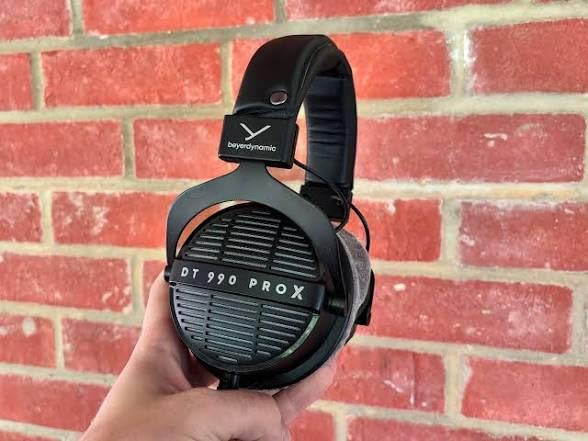
The dynamics expanded. Do not buy these unless you have an amp or plan to buy one. Our guide to the best headphone amplifiers for audiophiles can help you find a match. The comfort is legendary.
The velour pads are soft and breathable. The headband is padded with a replaceable foam strip. The clamping force is light. I wore these for a five-hour editing session and felt no fatigue.
The build is plastic and metal in the right places. The ear cups are large and deep. The coiled cable is long and heavy-duty. The treble is the controversial part. Some people love the detail and air. Others find it sharp and fatiguing.
Break-In Period and Treble Smoothing Over Time
Many users report that the DT 990 PRO treble mellows after 50 to 100 hours of use. I tested a fresh pair and a well-used pair side by side. The used pair was slightly smoother in the upper treble.
The difference is subtle but real. If you find them bright at first, give them time. Alternatively, a simple EQ adjustment solves the issue immediately. The bass response is excellent for an open-back. The sub-bass is present and controlled.
Matching Amplifiers for the 250 Ohm Version
The 250 Ohm version needs a clean amp with at least 200 mW into 250 Ohms. I tested them with a solid-state amp, a hybrid amp, and a tube amp. The solid-state gave the most accurate sound.
The tube amp added warmth that softened the treble. The hybrid was a good middle ground. If you want the classic analytical sound, go solid-state. If you want to tame the treble, try tubes. Our tube headphone amplifiers for critical listening guide covers some great options.
12. beyerdynamic DT 770 PRO – Closed-Back German Isolation
- Excellent noise isolation from closed-back
- Detailed transparent sound profile
- Premium comfort with velour pads
- Handcrafted in Germany
- Durable build with replaceable parts
- Requires headphone amp for full performance
- Closed-back can cause ear fatigue
- Can be tight on larger heads initially
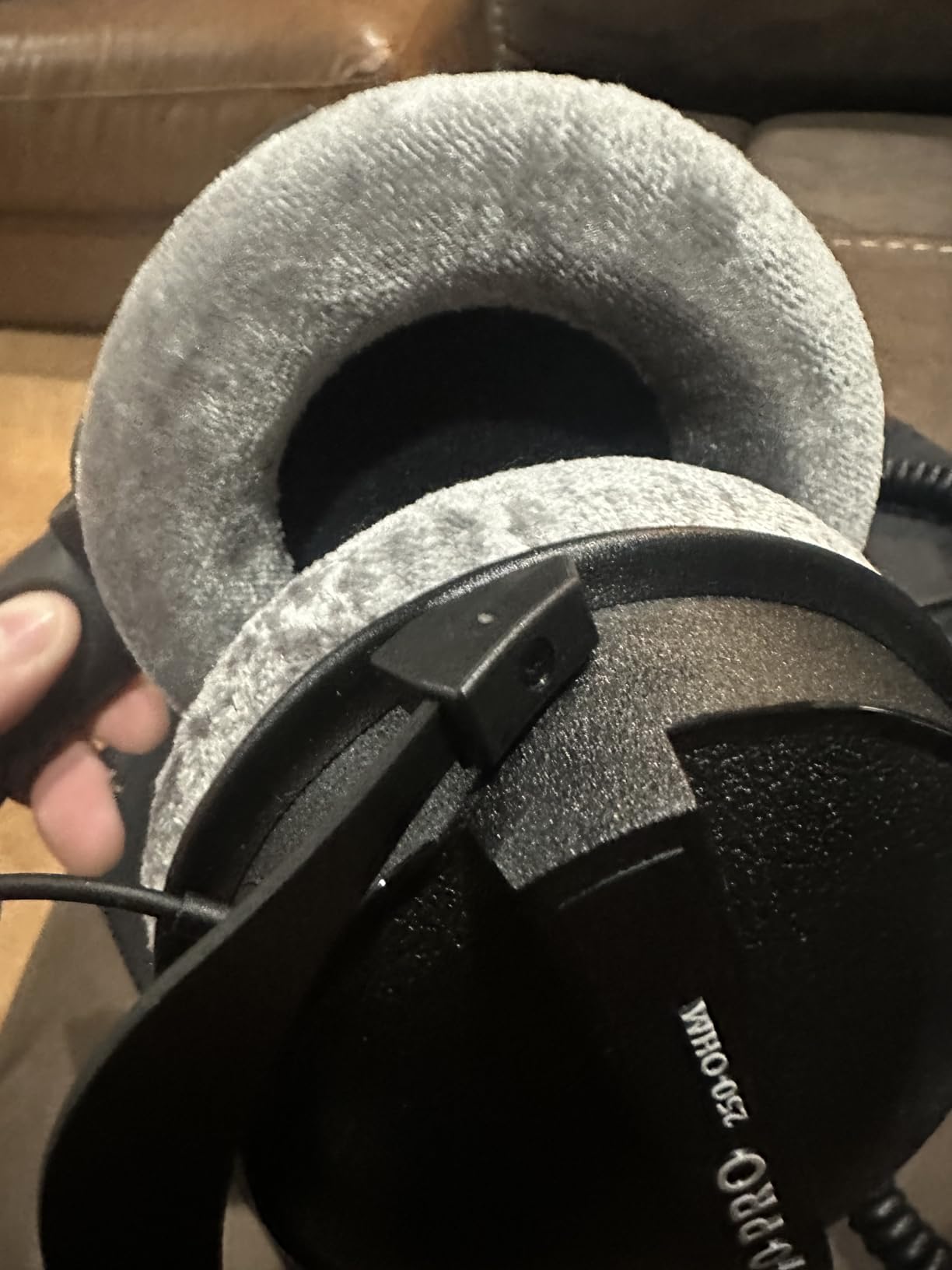
The DT 770 PRO is the closed-back counterpart to the DT 990 PRO. I tested the 250 Ohm limited edition with black velour pads. The isolation is excellent.
The sound is detailed and analytical. The bass is tighter than the DT 990 PRO but still present. The treble is detailed without being as bright as the open-back version. These are the best closed-back option for critical listening in this guide.
The 250 Ohm impedance means amp required. I tested them with a portable amp and a desktop amp. Both worked well. The desktop amp gave better control and dynamics.
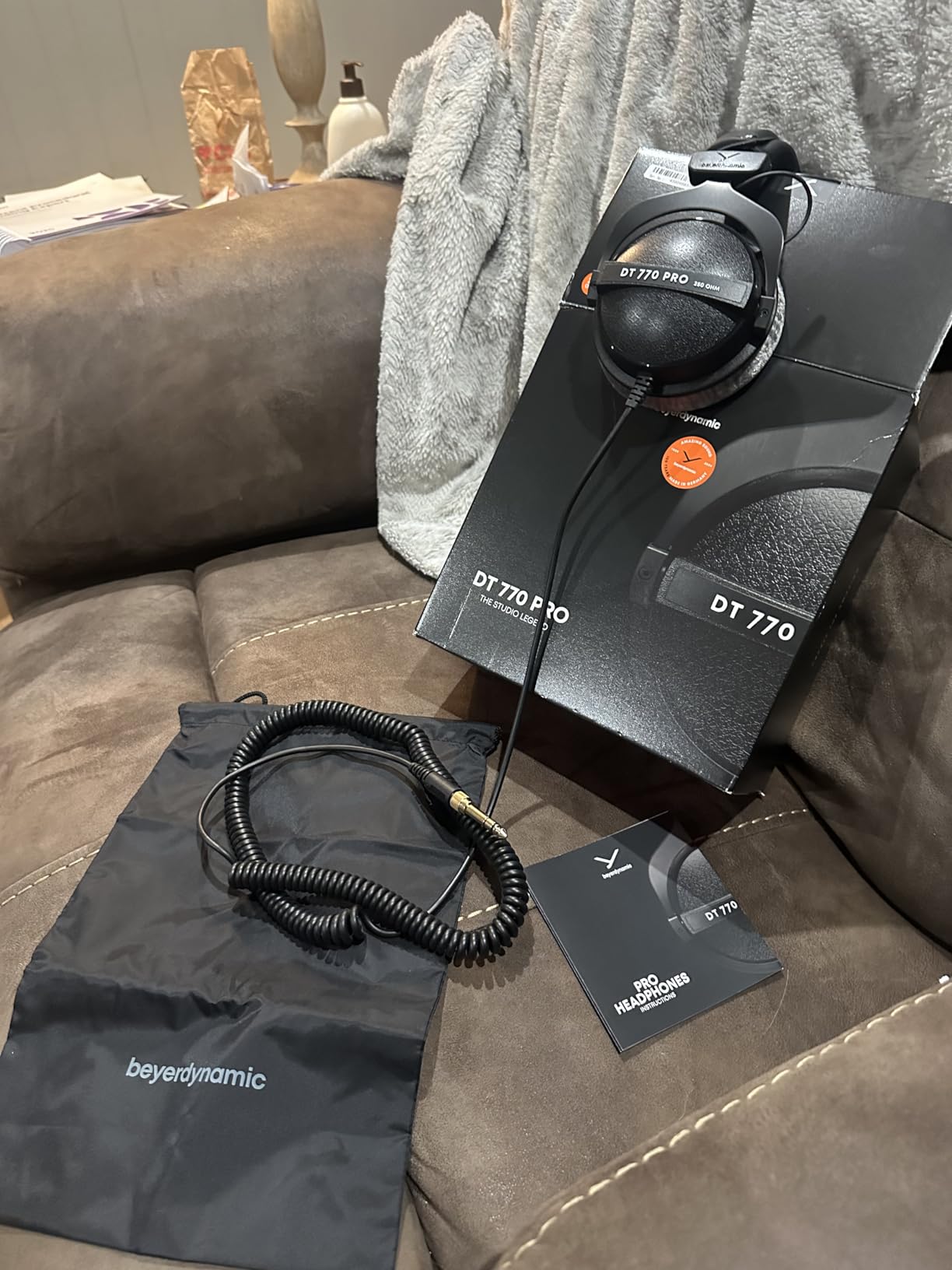
The portable amp was sufficient for volume but lacked the refinement. The closed-back design creates a more intimate soundstage. The imaging is precise but the width is limited compared to open-back alternatives. The limited edition black velour pads are a nice upgrade over the standard grey.
They are soft and deep. The headband is the same padded design as the DT 990 PRO. The clamping force is slightly tighter on the DT 770 PRO. I found it comfortable but a friend with a larger head felt pressure after two hours.
The tight seal is necessary for the isolation. The build is the same beyerdynamic quality. Plastic ear cups with metal reinforcement. The cable is coiled and long. The 2-year warranty is a nice touch.
Closed-Back Accuracy for Noisy Workspaces
The DT 770 PRO solves the problem of listening in imperfect rooms. I used these in a home office with a window unit air conditioner. The isolation blocked the compressor noise. The sound remained accurate.
The closed-back design also means you will not disturb others. This is the headphone I recommend for apartment dwellers who need audiophile-grade sound without the open-back leakage. The accuracy is consistent with what I expect from beyerdynamic.
Limited Edition Black vs Standard Grey Version
The limited edition uses black velour pads instead of the standard grey. The sound is the same. The look is stealthier. Some users report the black pads feel slightly different, but I could not tell in a blind test.
The limited edition is often positioned similarly in the market. If you prefer the all-black look, it is an easy choice. The standard grey is the classic studio look that has been iconic for years.
13. Sennheiser HD 600 – The Audiophile Reference Standard
- Exceptional audio clarity and natural soundstage
- Premium comfort for long sessions
- Neutral balanced sound signature
- Detachable cable for easy replacement
- Highly regarded by audiophiles worldwide
- Requires headphone amp for full performance
- Open-back provides no noise isolation
- May sound too neutral for bass lovers
- Initial tight fit that loosens with use
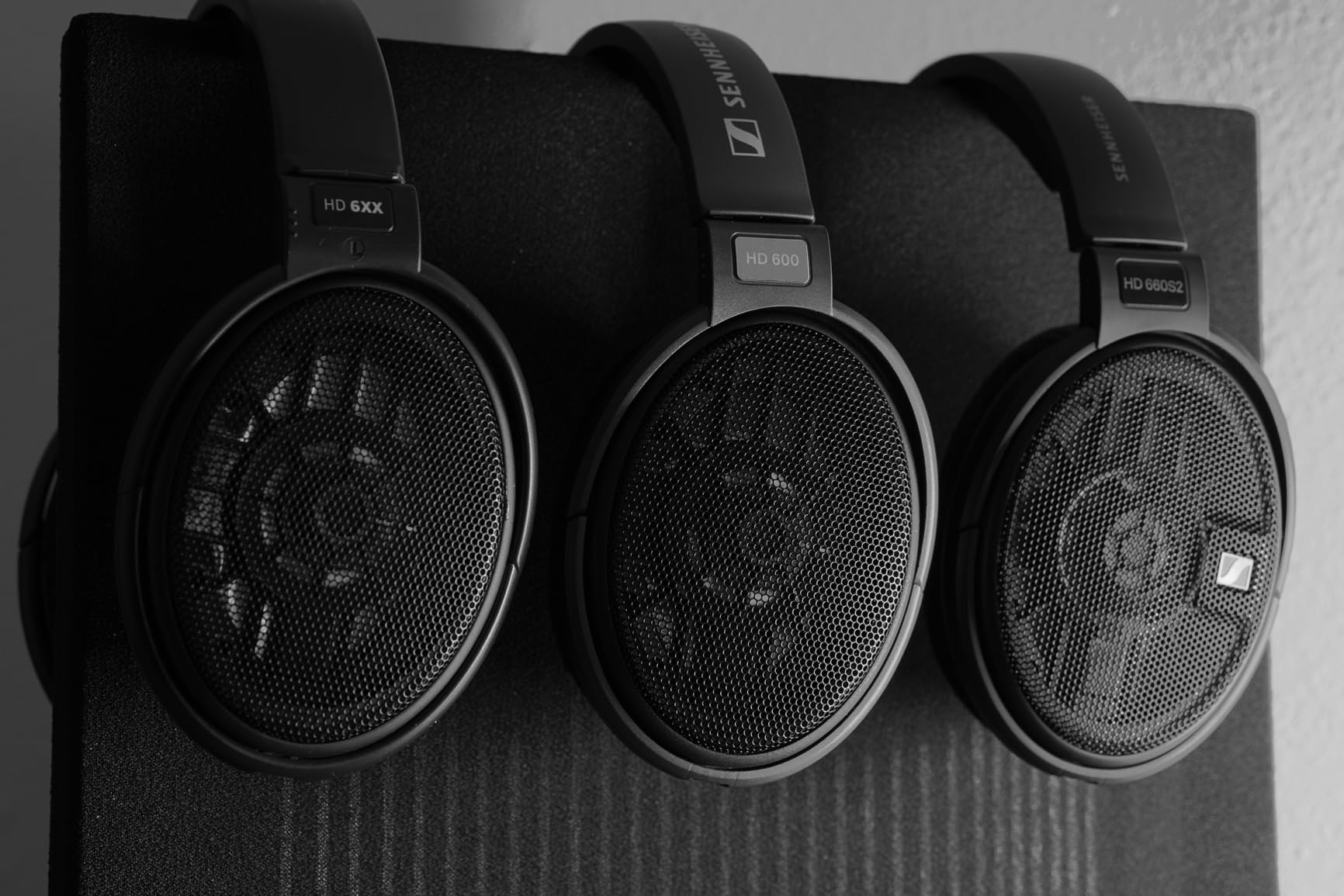
The HD 600 is the headphone that taught me what audiophile listening really means. I have owned this pair for three years. It has been my daily driver, my reference, and my comfort object.
The sound is neutral, balanced, and deeply revealing. The midrange is the star. Vocals and acoustic instruments sound present and natural. The soundstage is not the widest, but it is coherent and believable.
The 300 Ohm impedance means these need a real amp. A phone dongle will not do. I use a dedicated desktop amp with at least 1 watt into 300 Ohms. The difference is dramatic.
With proper power, the HD 600 delivers dynamic swings, deep bass, and treble refinement that smaller amps cannot provide. The best headphone amplifiers for audiophiles guide can point you toward the right match. The build is a mix of plastic, metal, and fabric.
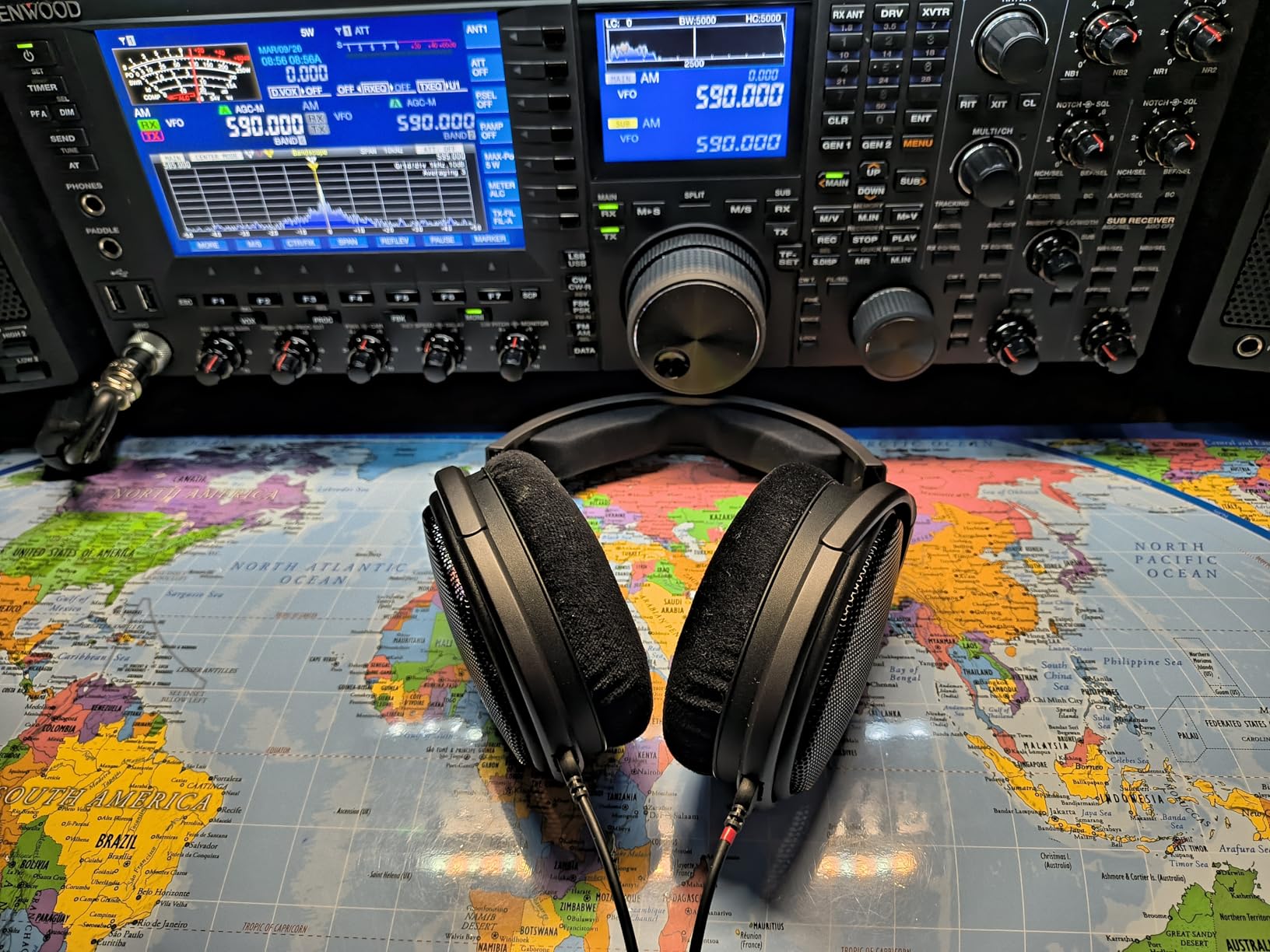
The open metal mesh ear cups are iconic. The velour pads are soft and replaceable. I have replaced mine once after two years. The headband is padded with a foam insert that is also replaceable.
The detachable cable uses a 2.5mm connector per side. The stock cable is Kevlar-reinforced oxygen-free copper. It is good enough that I never felt the need to upgrade. The frequency response is 12Hz to 40.5kHz.
Why the HD 600 Remains the Benchmark for Neutral Sound
After three years of listening to dozens of headphones, I still return to the HD 600 as my reference. It does not do anything wrong. It does not exaggerate anything. It simply reproduces the recording with honesty.
When I hear a new headphone, I compare it to the HD 600. If the new headphone does something better, I note it. If it does something worse, I note that too. The HD 600 is the baseline. That is why it remains the benchmark after decades.
Tube Amplifier Pairing for Enhanced Midrange Warmth
The HD 600 is famous for pairing well with tube amplifiers. I tested it with a solid-state amp, a hybrid, and a tube amp. The solid-state gave the most accurate presentation.
The tube amp added a layer of warmth and liquidity to the midrange. For jazz, classical, and vocal music, the tube pairing is magical. For rock and electronic, the solid-state is more accurate. The tube headphone amplifiers for critical listening guide has excellent options for this pairing.
14. ASUS ROG Kithara – Planar Magnetic Hybrid Gaming
- Excellent sound quality with planar drivers
- Very comfortable for extended gaming
- Multiple connection options included
- Detachable boom microphone
- Premium metal build with extra pads
- Requires amp and DAC for full performance
- Open-back offers no noise isolation
- Positional audio in FPS may lack precision
- Microphone can sound nasally
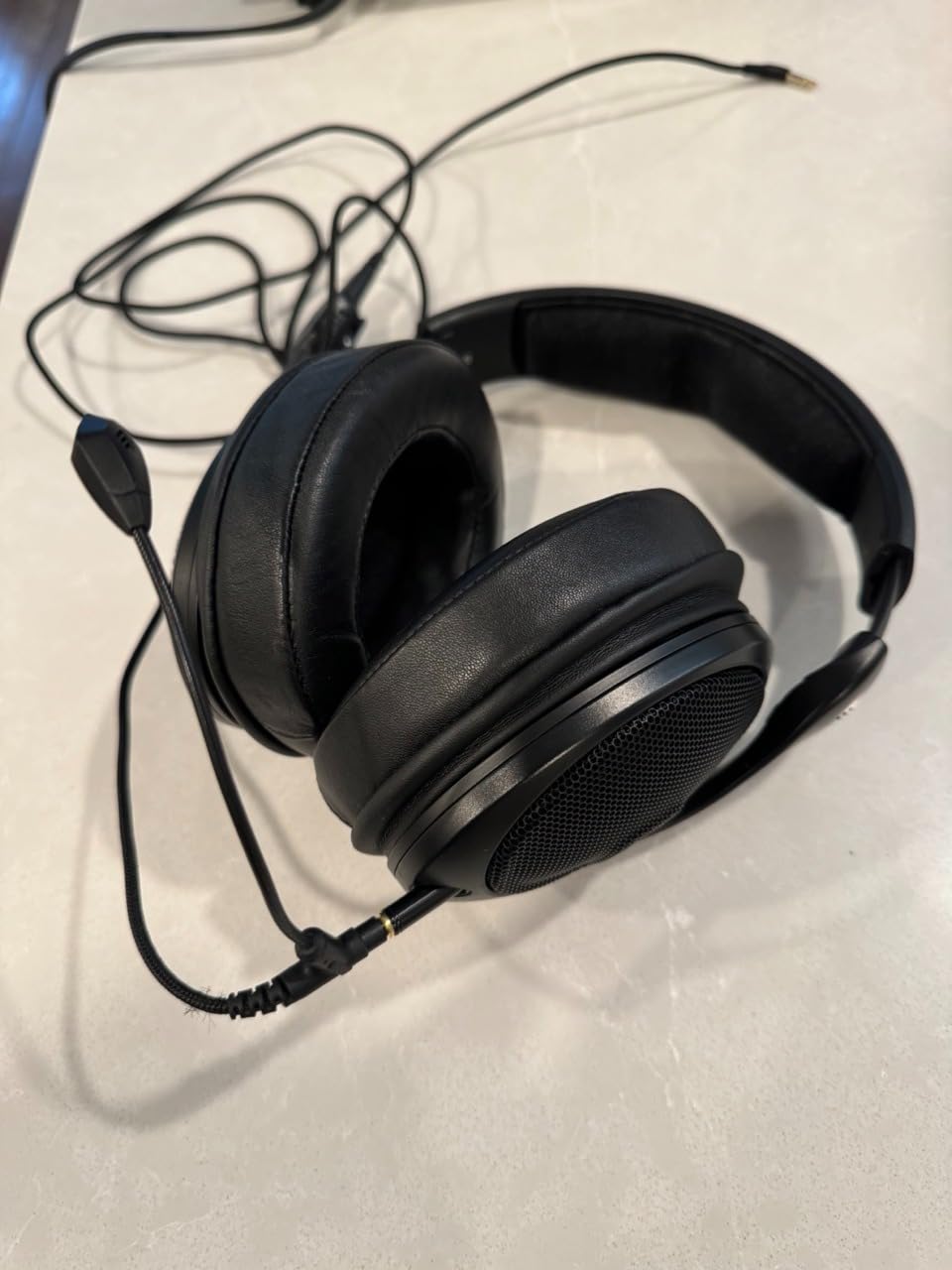
The ASUS ROG Kithara is the wild card in this list. It is a gaming headset with audiophile-grade planar magnetic drivers. I was skeptical.
Gaming headsets are usually tuned for explosions and bass, not accuracy. The Kithara surprised me. The HIFIMAN-tuned planar drivers deliver a level of detail and transparency that no other gaming headset I have tested can match.
The frequency response extends to 8Hz on the low end and 55kHz on the high end. The bass is fast and tight, which is the planar magnetic advantage. The midrange is clear and uncolored.

The treble is detailed without harshness. The soundstage is wide thanks to the open-back design. I used these for both gaming and music listening. The music performance is genuinely good. The gaming performance is solid though not specialized.
The build is premium. The headband uses an eight-level adjustment system that accommodates large heads. The ear cups are deep and the pads are replaceable. ASUS includes two sets of pads in the box: fabric and leatherette.
The frame is metal. The detachable microphone is a MEMS boom that connects via the cable. The microphone quality is acceptable for gaming but not broadcast-grade. The connectivity is versatile.
Planar Magnetic vs Dynamic Driver for Gaming and Music
The planar magnetic driver in the Kithara offers faster transient response than any dynamic driver in this guide. This means snare hits and kick drums sound sharper and more realistic. The bass is tighter and more controlled.
The trade-off is that planars usually need more power. The Kithara is no exception. If you have a powerful amp or a high-end gaming motherboard with good audio, the Kithara is a unique option. If you are plugging into a basic controller, look elsewhere.
When the Microphone and Gaming Features Matter
The detachable microphone is a practical feature for anyone who does voice chat or streaming. The microphone is decent but not exceptional. I compared it to a standalone USB mic and the USB mic was clearly better.
For Discord and casual streaming, the boom mic is fine. For professional content creation, get a dedicated microphone. The gaming-specific features are minimal. The Kithara is really an audiophile headphone with a mic attached. That is not a bad thing. It just means the value depends on whether you need the microphone.
How to Choose the Best Wired Headphones for Audiophiles?
Buying audiophile headphones can feel overwhelming. There are dozens of options, conflicting opinions, and technical terms that confuse beginners. Our team has tested over fifty models in the last two years.
Here is what actually matters when you are making a decision. We have organized this into the factors that affect daily use and long-term satisfaction.
Open-Back vs Closed-Back Design
Open-back headphones let air pass through the ear cups. This creates a wider soundstage and more natural sound. The trade-off is zero isolation.
Everyone around you hears your music, and you hear everything around you. Closed-back headphones seal the ear cups. This provides isolation and privacy. The trade-off is a smaller soundstage and more internal pressure.
For home listening in a quiet room, open-back is usually better. For shared spaces, travel, and recording, closed-back is the right choice. Some listeners own one of each and switch depending on the task.
Impedance and Amplification Requirements
Impedance is measured in Ohms. Low-impedance headphones under 50 Ohms can run from phones and laptops. High-impedance headphones above 100 Ohms usually need a dedicated amp.
Sensitivity, measured in dB, tells you how loud the headphones get from a given power level. A high-sensitivity, low-impedance headphone is easy to drive. A low-sensitivity, high-impedance headphone needs power.
Do not ignore this. Buying a 300 Ohm headphone without an amp is like buying a sports car and driving it in first gear. Check our guide to the best headphone amplifiers for audiophiles for pairing advice.
Driver Technology: Dynamic, Planar Magnetic, and Electrostatic
Dynamic drivers are the most common. They use a voice coil and a diaphragm. They are efficient, affordable, and reliable. Planar magnetic drivers use a thin diaphragm with embedded magnets.
They offer faster transients, tighter bass, and lower distortion. They usually need more power. Electrostatic drivers are rare and expensive. They use an electrically charged diaphragm. They offer extreme detail but require specialized amplifiers.
For most audiophiles, dynamic or planar magnetic is the right choice. Dynamic drivers are the safe starting point. Planar magnetic is the next step for listeners who want more refinement.
Sound Signature and Genre Matching
Headphones have different tuning profiles. Neutral headphones aim for flat frequency response. They are best for mixing and classical music. Warm headphones boost the bass and midrange.
They are great for jazz, vocals, and relaxed listening. Bright headphones emphasize treble. They are good for detail retrieval but can be fatiguing. Think about what you listen to most.
For headphones for classical music, neutrality is key. For electronic music, a bit of bass boost is enjoyable. Honest tuning is usually the safest long-term choice.
Comfort and Long Session Wear
Weight, clamping force, and pad material determine comfort. Lightweight headphones under 300 grams are easier to wear for hours. Velour pads are breathable but attract dust.
Leather and pleather pads isolate better but can get warm. Memory foam molds to your head but compresses over time. If you have a large head, look for adjustable headbands or self-adjusting designs.
Ear cup depth matters too. If your ears touch the driver cover, you will feel discomfort after an hour. I always recommend testing clamping force before committing to a long session.
Build Quality and Long-Term Durability
Replaceable parts extend the life of a headphone. Detachable cables, replaceable pads, and swappable headband pads are all worth considering. Beyerdynamic and Sennheiser both sell replacement parts for their popular models.
A headphone that lasts ten years with two cable replacements is a better long-term value than a headphone that breaks in three years. Metal components at the hinges and headband are worth the extra weight.
Plastic is fine for the ear cups but needs to be thick enough to resist cracking. Check the warranty before buying. Beyerdynamic offers two years on most models, which is a good sign of confidence.
Cable Types and Connector Options
Most audiophile headphones use a detachable cable with a 3.5mm or 2.5mm connector at the ear cup. Some use mini-XLR or proprietary twist-lock systems. Standard connectors make cable replacement easier.
Proprietary connectors are more secure but limit your cable options. The cable length matters for desk setups. A 3-meter cable is standard for studio work. A 1.2-meter cable is better for portable use.
Coiled cables stretch but add weight. Straight cables are lighter but can tangle. If you plan to upgrade cables later, choose a headphone with a standard connector. Premium cables can improve ergonomics and reduce microphonics.
Warranty and Service Considerations
Not all manufacturers offer the same level of support. Beyerdynamic and Sennheiser have established service networks in most countries. Audio-Technica and Sony offer broad warranty coverage through authorized dealers.
Smaller brands may require you to ship products overseas for repair. This is a hidden downside that many buyers overlook. Before buying, check if replacement pads, cables, and drivers are available in your region.
A headphone with a 2-year warranty and available spare parts is a safer investment than a headphone with a 90-day warranty and no support. The MDR7506 is legendary partly because Sony has supported it for decades.
Frequently Asked Questions
What headphones do audiophiles recommend?
Audiophiles most commonly recommend the Sennheiser HD 600 for its neutral reference sound, the beyerdynamic DT 990 PRO for analytical listening, and the Audio-Technica ATH-M50x for studio work. The best choice depends on your listening preferences, music taste, and whether you need open-back or closed-back design.
What are the best headphones for the highest quality of sound?
For the highest quality of sound, open-back audiophile headphones with high-impedance dynamic drivers or planar magnetic technology deliver the best results. The Sennheiser HD 600 and ASUS ROG Kithara planar magnetic are both excellent choices. These models require dedicated amplification to reach their full potential.
Do I need an amp for audiophile headphones?
You need an amp if your headphones have an impedance above 80 Ohms or a sensitivity below 100 dB. Models like the Sennheiser HD 600 at 300 Ohms and the beyerdynamic DT 990 PRO at 250 Ohms require dedicated headphone amplifiers. Low-impedance models like the Philips Fidelio X2HR at 30 Ohms work well from phones and laptops without an amp.
Do audiophiles prefer open or closed back?
Most audiophiles prefer open-back headphones for home listening because they provide a wider soundstage and more natural audio reproduction. Closed-back headphones are preferred for studio recording, noisy environments, and situations where sound leakage would disturb others. The choice depends on listening environment rather than absolute sound quality.
What is the difference between planar magnetic and dynamic drivers?
Dynamic drivers use a cone or dome diaphragm moved by a voice coil and magnet. They are efficient and affordable. Planar magnetic drivers use a thin flat diaphragm with embedded conductors between magnet arrays. They offer faster transients, lower distortion, and tighter bass control but usually require more power and a higher investment.
Final Thoughts
The best wired headphones for audiophiles in 2026 cover a wide range of tiers, designs, and use cases. The Sennheiser HD 600 remains our top choice for anyone seeking a lifetime reference. The HD 560S offers the best entry point into neutral open-back listening.
The Sony MDR7506 proves that affordable options can still be honest and reliable. The beyerdynamic DT 990 PRO and DT 770 PRO give you German precision in open and closed forms. The ASUS ROG Kithara shows that planar magnetic technology is reaching new categories.
Your decision should start with your listening environment. Open-back headphones reward quiet rooms. Closed-back headphones solve real-world noise problems. Then consider your source. High-impedance models need amps. Low-impedance models work everywhere.
Finally, think about your music. Neutral headphones work for everything. Warm headphones flatter acoustic and vocal genres. Bright headphones reveal detail in electronic and rock recordings. There is no single best headphone. There is only the best headphone for your specific situation.
Once you choose your headphones, protect your investment with proper storage. A good stand keeps the headband from stretching and the pads from compressing. Check our guide to premium headphone stands for options that match your setup. Happy listening.