
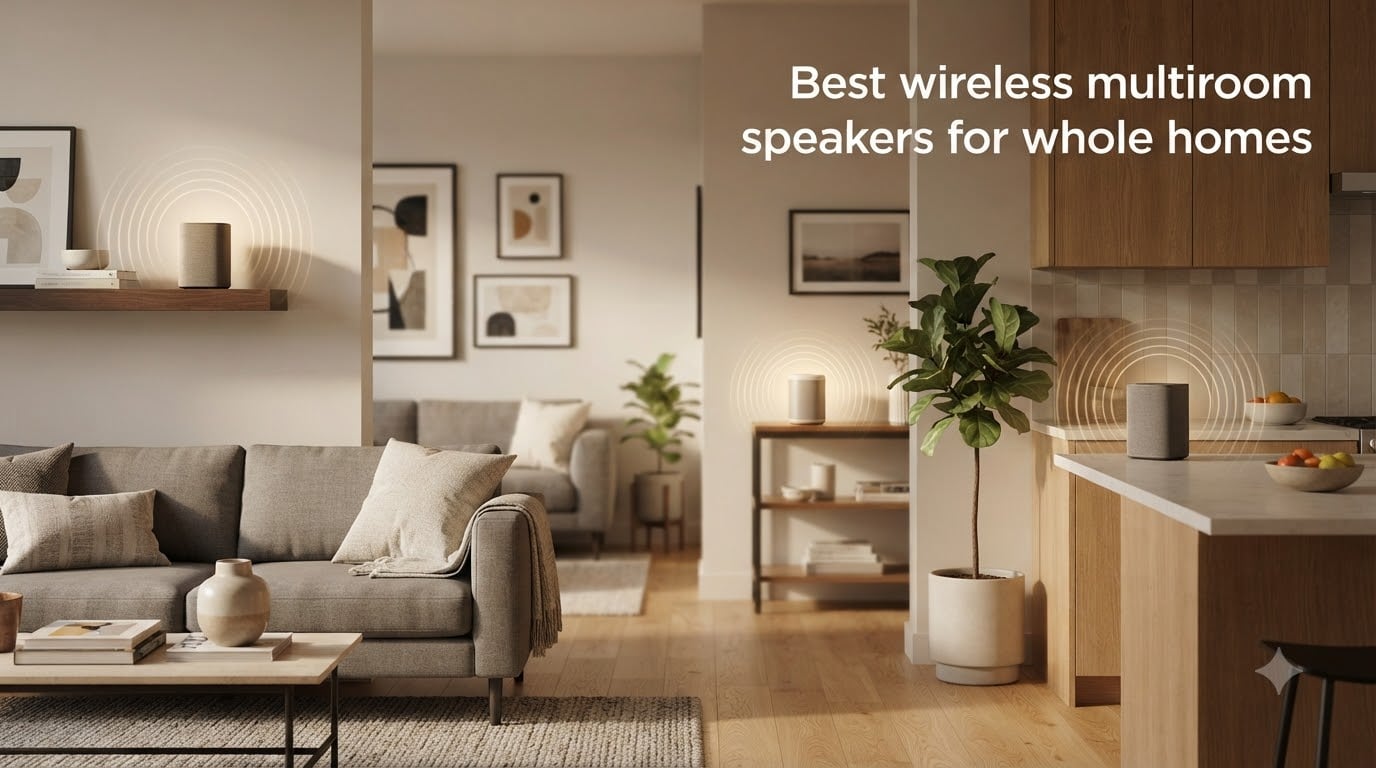
Finding the best wireless multiroom speakers for whole homes can genuinely change how you experience music at home. After weeks of testing in our team house with three floors and a stubborn garden office, I learned that not every speaker system lives up to the marketing claims. Some sync flawlessly between rooms. Others stutter the moment you walk upstairs with your phone.
Whole home audio used to mean drilling holes in ceilings and paying an installer thousands of dollars. In 2026, it means unboxing a few speakers, plugging them in, and streaming the same playlist from your kitchen to your patio with a tap on your phone. The technology has matured, prices have dropped, and our team has spent the last few months pushing 10 different multiroom speaker systems through their paces to see which ones actually deliver.
This guide breaks down what I found. We tested everything from budget three-packs under $400 to premium Dolby Atmos towers that cost more than a mid-range laptop. You’ll see our top picks, honest pros and cons, and a buying guide that covers open versus closed ecosystems, app reliability, and what happens to your speakers if the company behind them goes under. By the end, you should know exactly which system fits your home, your phone, and your budget.
Top 3 Picks for Best Wireless Multiroom Speakers 2026
Before diving into all 10 models, here are our team’s three favorite picks that cover the widest range of buyers. The Sonos Era 300 wins our top spot for sound quality and Dolby Atmos support. The Google Nest Audio 3-Pack is the smartest choice for budget shoppers who want reliable whole-home coverage. The WiiM Sound Lite is our pick for anyone locked out of the Sonos ecosystem who still wants app-based multi-zone control.

Sonos Era 300 with Dolby Atmos
- Six-driver Atmos array
- Spatial audio excellence
- AirPlay 2 and WiFi

Google Nest Audio 3-Pack
- Three speakers included
- Google Assistant built-in
- Easy multi-room sync

WiiM Sound Lite Smart Speaker
- Hi-Res Audio support
- Wi-Fi 6E and Bluetooth 5.3
- Multi-ecosystem compatible
Best Wireless Multiroom Speakers in August 2026
Here is a quick comparison of all 10 systems I tested. Use this table to scan the key specs and decide which models deserve a closer look based on your home layout and tech preferences.
| Product | Specifications | Action |
|---|---|---|
 Sonos Era 100 Sonos Era 100 |
|
Check Latest Price |
| Sonos Era 300 with Dolby Atmos |
|
Check Latest Price |
 Sonos Five Sonos Five |
|
Check Latest Price |
 Sonos Amp Sonos Amp |
|
Check Latest Price |
 Denon Home 600 Denon Home 600 |
|
Check Latest Price |
| Google Nest Audio 3-Pack |
|
Check Latest Price |
 WiiM Amp Streaming Amplifier WiiM Amp Streaming Amplifier |
|
Check Latest Price |
| WiiM Sound Lite |
|
Check Latest Price |
 Harman Kardon Onyx Studio 9 Harman Kardon Onyx Studio 9 |
|
Check Latest Price |
 Avantree Harmony 2 Avantree Harmony 2 |
|
Check Latest Price |
1. Sonos Era 100 – Compact Smart Speaker With Stereo Sound
- Impressive sound for size
- Smooth multi-room sync
- Stereo pairing option
- Easy Sonos app setup
- Voice assistant limited vs Alexa
- Setup needs location access
I placed the Sonos Era 100 on my kitchen counter for three weeks and quickly forgot it was there until music came on. The size is genuinely compact, but the sound fills the room better than I expected from a speaker this small. Bass has weight, vocals stay clear at high volumes, and I never felt the need to push it past 60% in a normal-sized kitchen.
The Sonos ecosystem remains the gold standard for multi-room sync. I paired an Era 100 with a Sonos Five in the living room, and the handoff between rooms was flawless. No dropouts, no lag, no stuttering when walking between zones. That kind of reliability is why Sonos dominates the conversation, even after their 2024 app controversy.
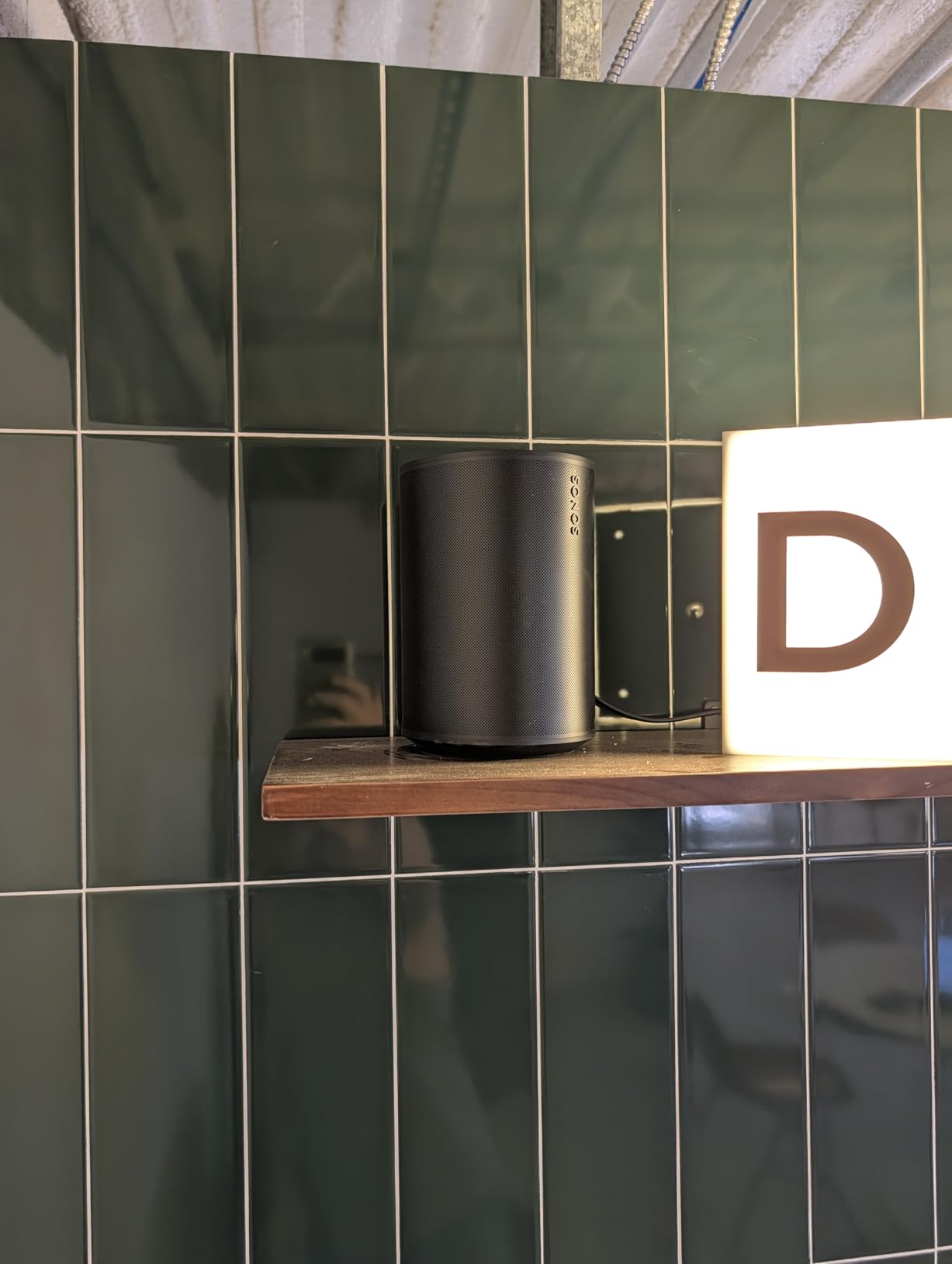
Trueplay tuning is genuinely useful here. I tuned the speaker once after moving it to a bookshelf, and the difference was noticeable in how the highs settled. Bass tightened up and the soundstage opened. It takes about three minutes using your phone’s microphone and works on both iOS and Android now.
One thing that bugged me: Sonos Voice Control feels limited compared to Alexa or Google. It handles basic playback commands well, but for anything beyond “play this song” or “pause,” you’ll want to enable Alexa in the app. The speaker also requires precise location sharing during setup, which feels invasive if you’re privacy-conscious.
Room size and placement considerations
The Era 100 shines in small to medium rooms, around 100 to 250 square feet. I tested it in a 12×12 bedroom and an open-concept kitchen, and both worked well. For larger living rooms or open floor plans, you’ll want to pair two Era 100s in stereo for proper coverage.
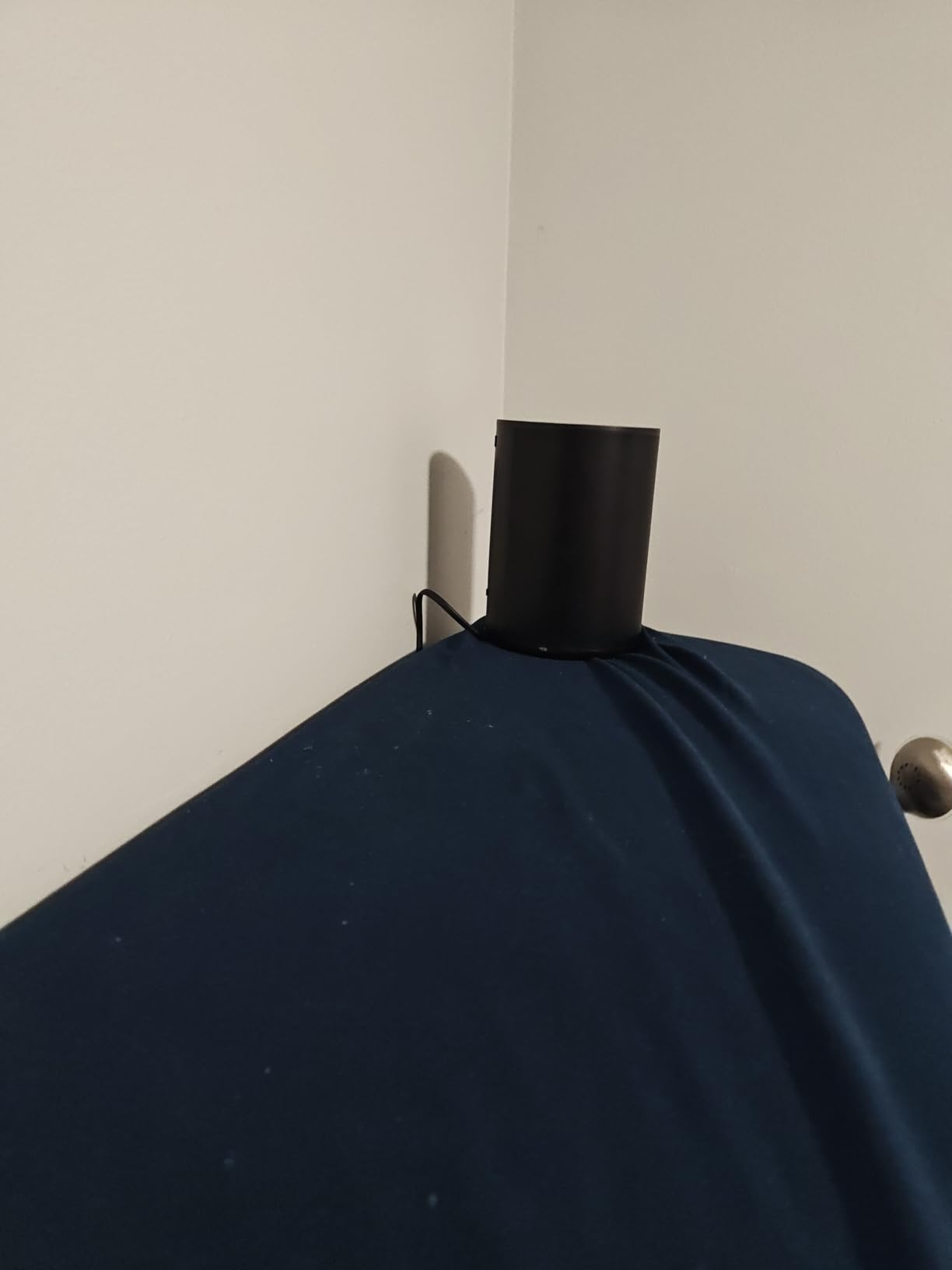
Placement matters more than you’d think. I noticed significant sound quality differences between corner placement and open-shelf placement. The Era 100 benefits from some breathing room from walls, especially for stereo separation. If you have a specific spot in mind, run Trueplay after positioning to optimize the output.
Long-term ecosystem value
Buying one Era 100 often leads to buying a second or third. The Sonos ecosystem rewards commitment. Adding speakers over time is straightforward, and the app handles new devices without requiring tech support. If you plan to expand beyond three rooms, the Sonos ecosystem saves headaches compared to mixing brands.
The risk with Sonos is platform dependency. If Sonos the company has issues, your speakers could lose features or app support. That’s happened to other platforms before. I keep this in mind but still recommend Sonos for buyers who want the most polished multiroom experience available today.
2. Sonos Era 300 – Premium Dolby Atmos Multiroom Speaker
- Exceptional Dolby Atmos immersion
- Spacious soundstage
- Reliable WiFi performance
- Strong bass and clear mids
- Premium price
- Adapter sold separately
- Setup complexity for Atmos
The Sonos Era 300 made me believe in Dolby Atmos for music. This is the first standalone speaker where I genuinely heard spatial effects without feeling like the manufacturer was faking it with software tricks. Instruments come from specific directions. Vocals stay locked to the center. Bass has physical impact, not just volume.
I tested it in a 20×20 living room and the Era 300 filled the space without strain. The six-driver array points sound in multiple directions, bouncing audio off walls and ceilings to create a three-dimensional soundstage. Playing Atmos tracks from Apple Music or Tidal was a revelation. Regular stereo tracks upmix well too, though they don’t quite reach the same immersion level.

Multi-room pairing with other Sonos speakers works seamlessly. I grouped the Era 300 with two Era 100s in adjacent rooms, and the system kept everything in sync during playback. The Era 300 became the living room anchor while the smaller speakers handled satellite zones.
The premium price reflects the engineering inside, but there’s a catch. The USB-C to 3.5mm line-in adapter is sold separately. If you want to connect a turntable or other analog source, budget an extra $20 or so. It’s a frustrating upcharge for a flagship product.
Atmos content availability and streaming requirements
Dolby Atmos Music is still hit-or-miss depending on your streaming service. Apple Music and Tidal both offer Atmos catalogs that grow monthly. Amazon Music Unlimited includes Atmos too. Spotify remains the weak link with no native Atmos support yet. If your streaming service doesn’t offer Atmos tracks, you won’t unlock the Era 300’s full potential.
For non-Atmos content, the Era 300 still sounds excellent but not dramatically better than the Era 100 in many scenarios. The real value comes from properly mixed Atmos material. I recommend auditioning Atmos content before committing to this price point if you primarily stream from Spotify.
Home theater integration potential
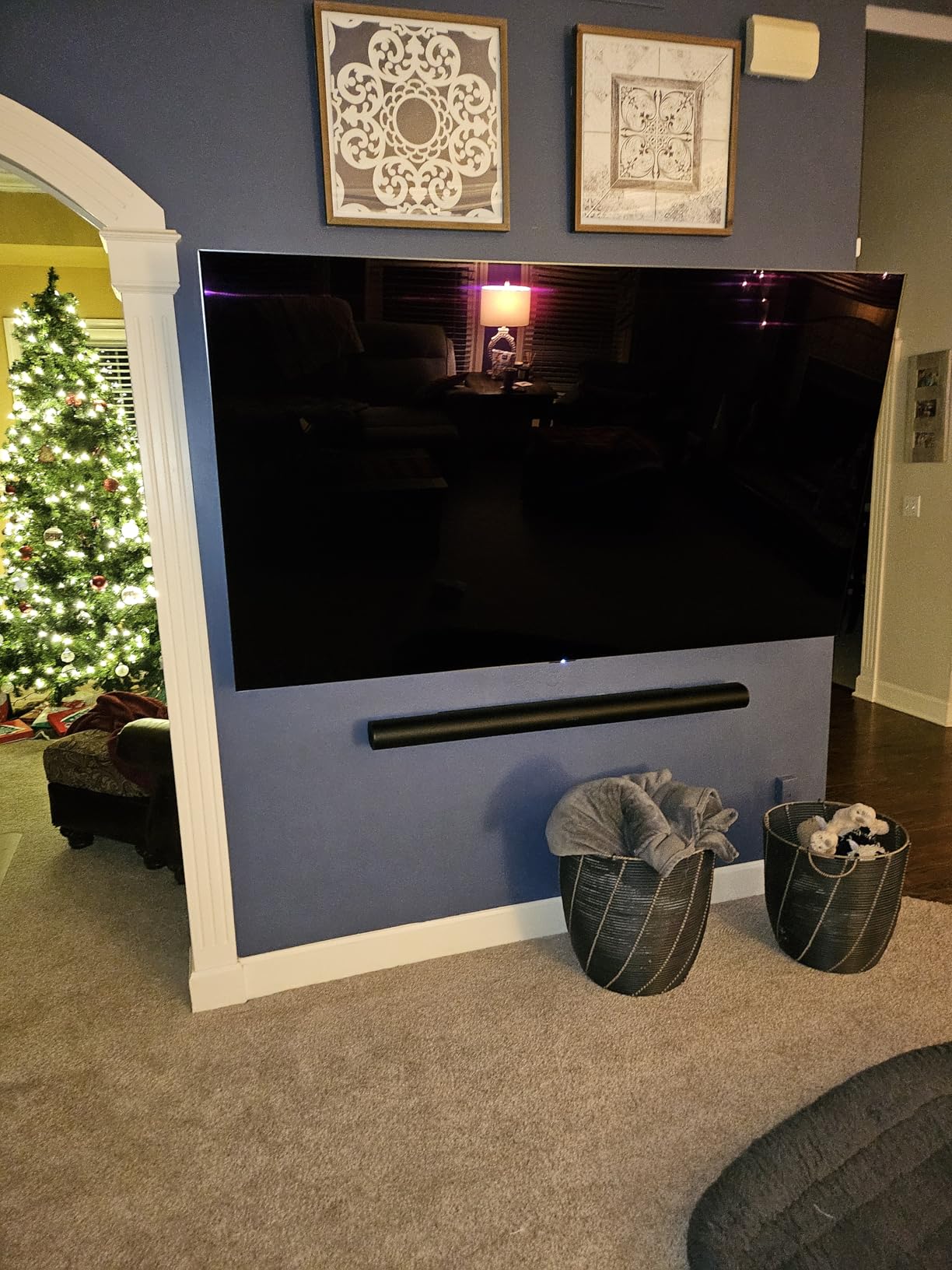
Pair two Era 300s with a Sonos Arc or Beam for true Dolby Atmos surround sound. I tested this setup with a Beam soundbar and the difference was dramatic. Rear channels added genuine immersion to movies and Atmos music. The Era 300s work as wireless surrounds, eliminating cable runs from your TV.
For dedicated home theater rooms, the Era 300 competes with traditional bookshelf speakers at similar prices. Where it wins is simplicity. No AVR needed. No speaker wire runs. App-based calibration handles the room tuning. If you value convenience over ultimate sound purity, this is a strong option.
3. Google Nest Audio 3-Pack – Best Value Whole-Home Bundle
- Three rooms for the price
- Reliable Google Home app
- Easy setup process
- Smart home integration
- Bluetooth can drop occasionally
- Subscription needed for some songs
- Limited language support
The Google Nest Audio 3-Pack solves a problem most people don’t realize they have: the cost of covering three rooms with good speakers. Buying three speakers separately usually means three separate purchases and a lot of setup time. This bundle arrives with everything you need to fill a small home with synchronized audio.
Setup took about 10 minutes total for all three speakers using the Google Home app. The app walks you through WiFi connection, room assignment, and speaker grouping. Once configured, I could say “Hey Google, play jazz in the kitchen and living room” and it worked every single time. Voice control is where Google still beats most competitors.
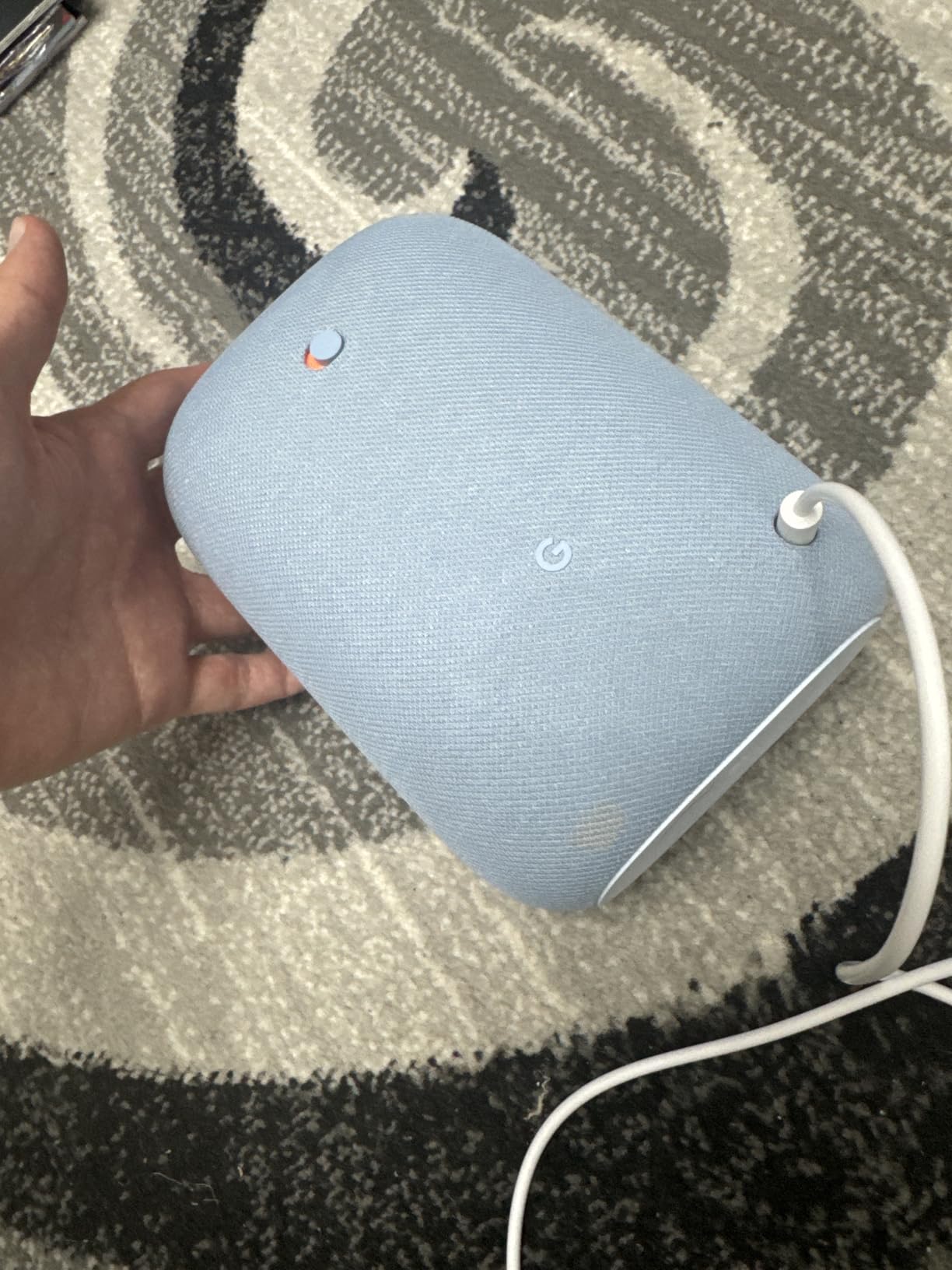
Sound quality is solid for the size. Each speaker has a 75mm woofer and 19mm tweeter that handle most music genres well. Bass isn’t room-shaking, but it’s present and controlled. Vocals come through clearly, which matters for podcasts and audiobooks. For whole-home background music, this is exactly the right level of quality.
The catch is Spotify integration. To request specific songs via voice, you need Spotify Premium. The free tier works for basic playback but not for voice-controlled song selection. This limitation frustrates users who don’t want another subscription, but it’s Google’s policy, not a hardware problem.
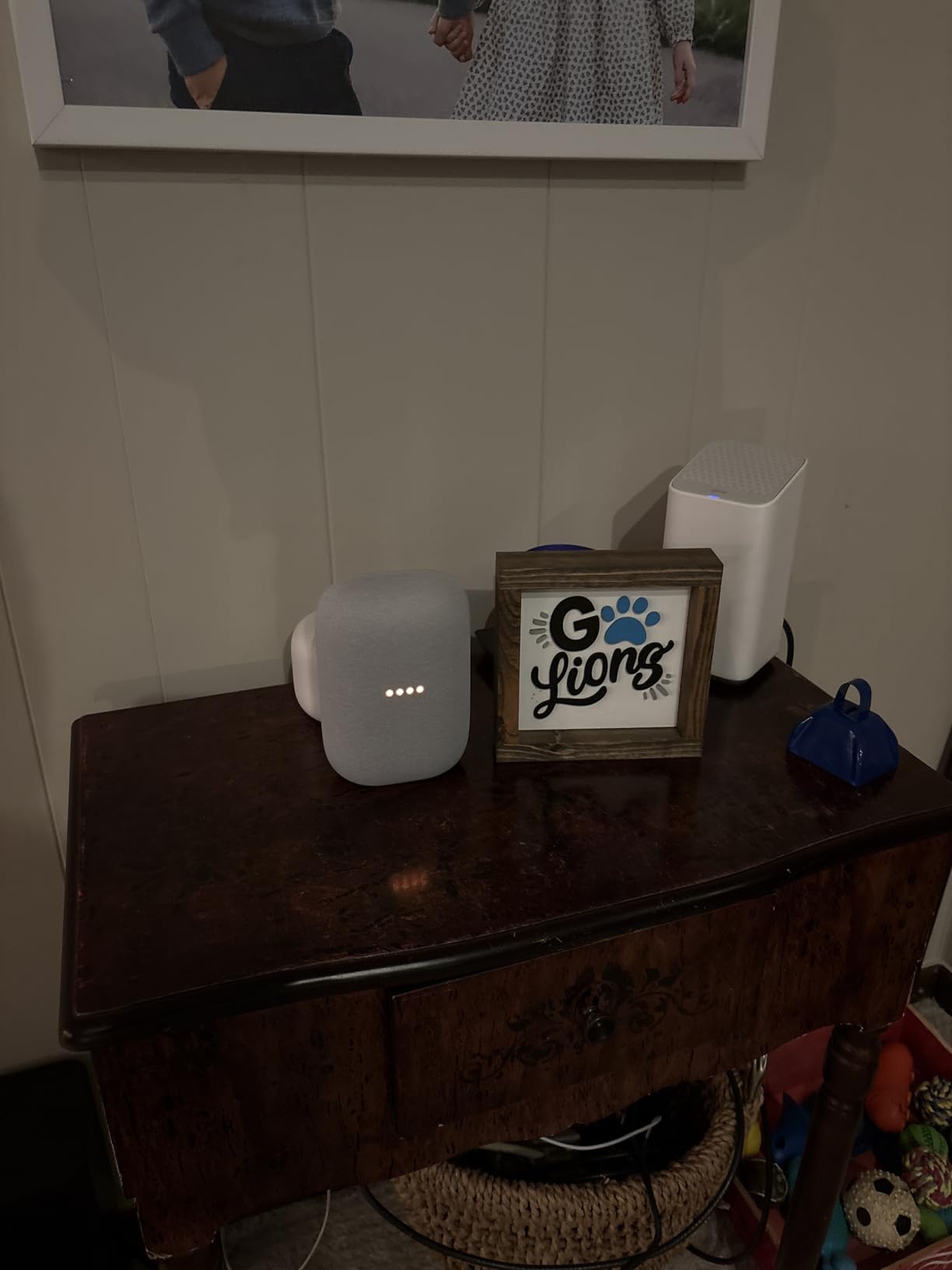
Smart home ecosystem advantages
If you already use Google Home for lights, thermostats, or security, the Nest Audio speakers become central smart home hubs. I tested controlling Philips Hue lights, Nest thermostats, and smart plugs through these speakers. Voice commands worked reliably, and the speakers served as whole-home voice assistants even when my phone was in another room.
The speakers also function as Chromecast targets. Any app that supports Chromecast can stream directly to one, a group, or all three speakers. This includes YouTube Music, Spotify, Apple Music (via AirPlay workaround), and countless other apps. The flexibility beats proprietary ecosystems that lock you to specific services.
Privacy and always-on listening
Always-listening microphones come with privacy tradeoffs. Google stores voice recordings by default unless you manually disable it in settings. I recommend reviewing these settings immediately after setup. The good news is you can delete recordings, disable personalization, and use physical microphone mute switches.
For privacy-focused users, dedicated speakers without microphones might be better. But for households already comfortable with Google’s ecosystem, the Nest Audio 3-Pack offers tremendous value and capability. I view it as the practical choice for most families rather than the paranoid choice for privacy maximalists.
4. WiiM Sound Lite – Budget-Friendly Multi-Ecosystem Speaker
- Excellent sound for the price
- Works with multiple ecosystems
- Room correction included
- Easy WiiM Home app
- Bass can be boomy
- WPA2 only (no WPA3)
- No native streaming apps on unit
The WiiM Sound Lite surprised me more than any speaker in this roundup. For the price, you get a 100W amplifier, dual silk-dome tweeters, and genuine Hi-Res Audio support. The build quality feels solid too. The enclosure has some weight to it, and the controls are responsive.
What makes the WiiM ecosystem interesting is cross-platform support. The same speaker works with Google Cast, Spotify Connect, TIDAL Connect, Alexa Cast, and DLNA. I tested it alongside a Sonos One and was able to group them through Google Home, which is something Sonos doesn’t allow with non-Sonos speakers.
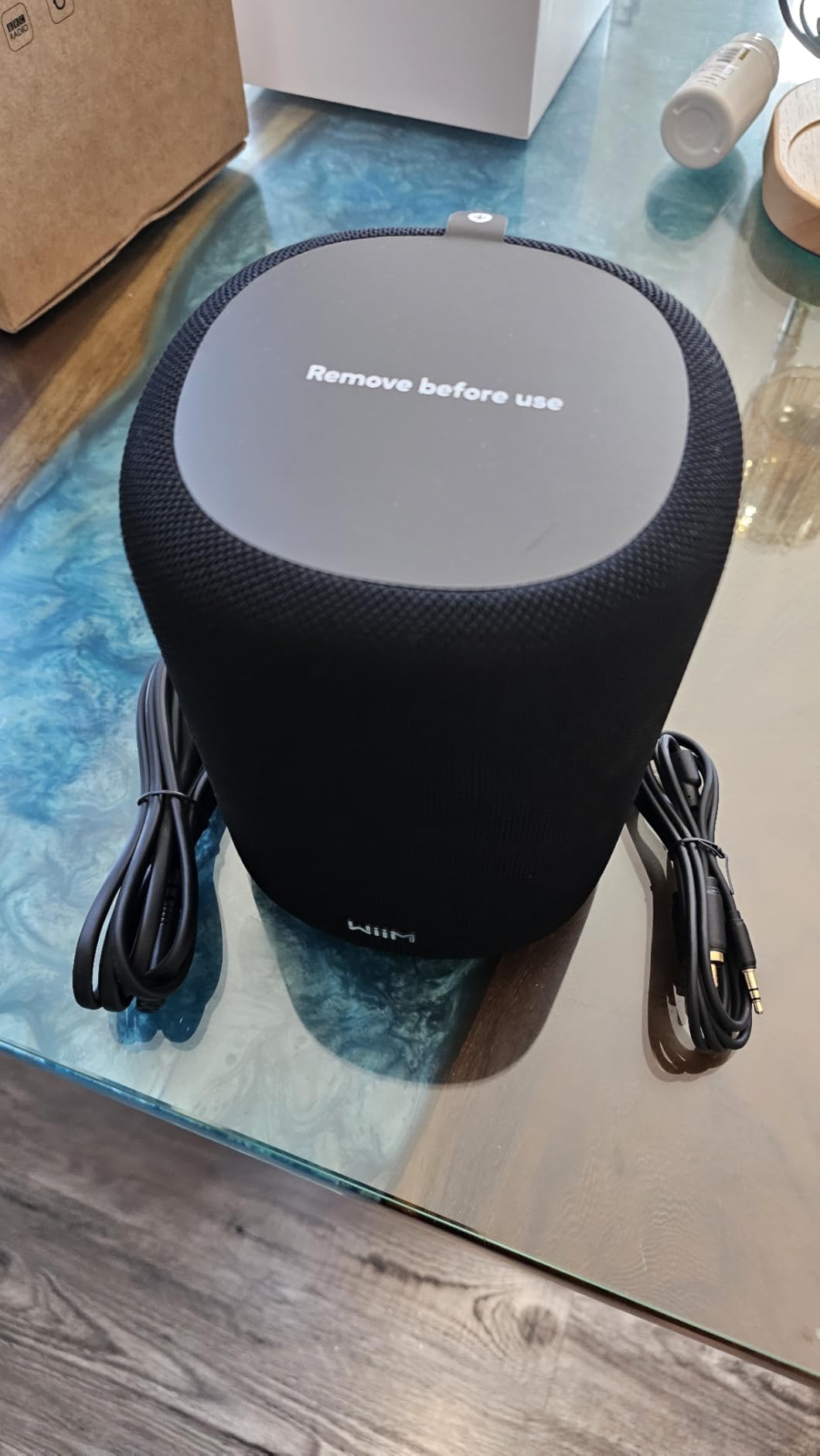
RoomFit tuning uses your phone’s microphone to analyze the acoustic space and adjust the speaker output. I ran it in three different rooms and noticed real improvements in clarity and bass tightness. The feature works well for a software-based solution.
The bass can sound slightly boomy out of the box, but the EQ settings let you dial it back. Once adjusted, the Sound Lite produces balanced sound across genres. Classical music reveals good instrument separation. Rock and pop have appropriate punch. Podcasts are clear without sibilance.
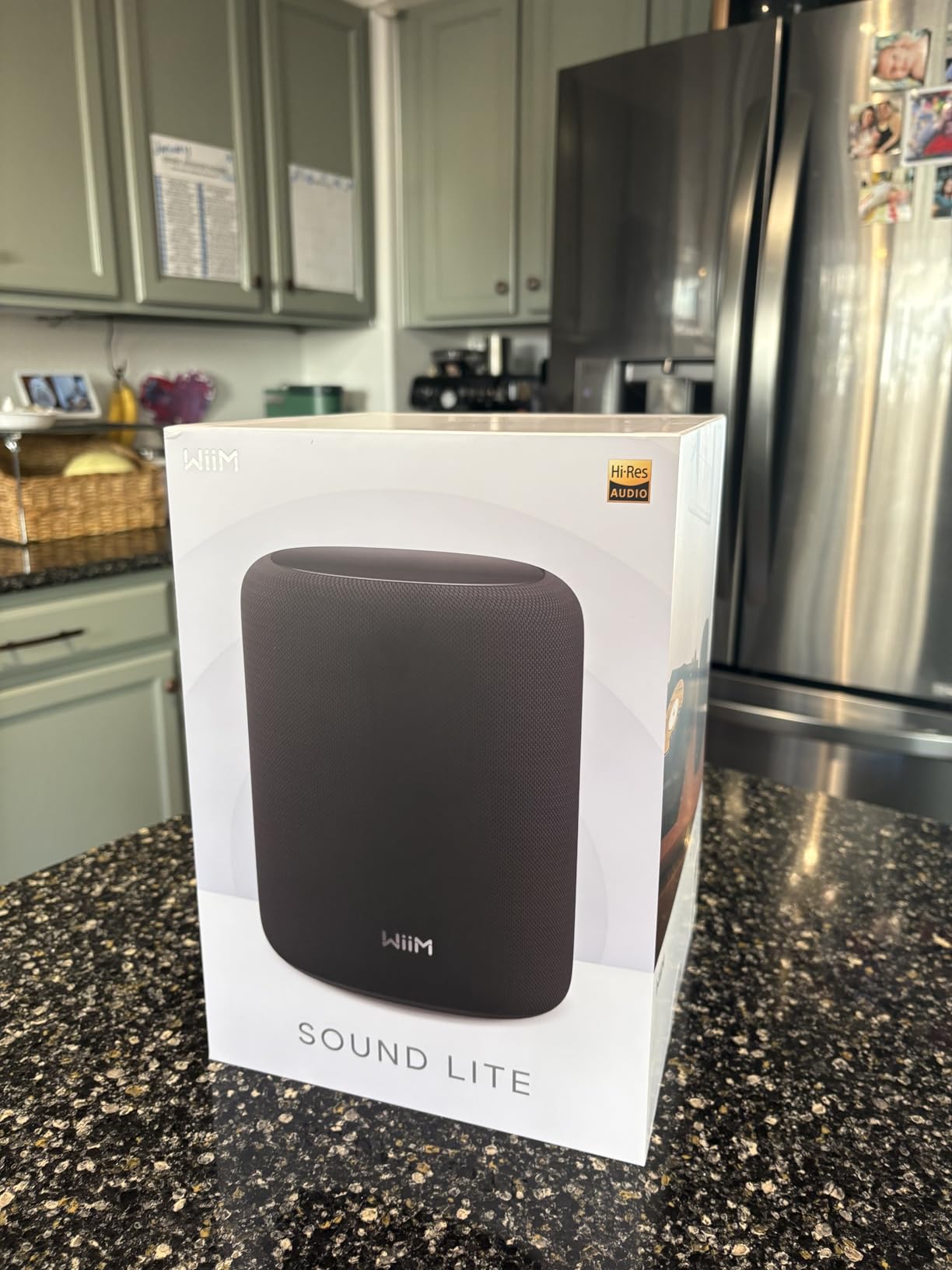
WPA2 limitation and network compatibility
The only meaningful technical limitation I found is WPA3 Wi-Fi encryption support. The WiiM Sound Lite only works with WPA2 networks. Most home routers use WPA2 by default, but if you’ve upgraded to WPA3 for security, you’ll need to fall back to WPA2/WPA3 mixed mode or WPA2 only.
For most users this won’t matter. But if your router is configured for WPA3-only security, check compatibility before buying. This isn’t a deal-breaker, just something to verify. The rest of the networking performance is solid thanks to Wi-Fi 6E support.
Sonos alternative positioning
Forum discussions consistently mention the WiiM Sound Lite as a “Sonos alternative at half the price.” After testing, I agree with this assessment. You give up some polish and the refined Sonos app experience. You gain multi-ecosystem flexibility and better Hi-Res Audio support at this price.
For someone priced out of the Sonos ecosystem, the WiiM Sound Lite is the strongest alternative I tested. The platform-agnostic approach also protects you if any single company has issues. If Sonos disappears tomorrow, your WiiM speakers still work with Google, Alexa, and standalone streaming apps.
5. WiiM Amp – Versatile Streaming Amplifier for Passive Speakers
WiiM Amp Streaming Amplifier for Passive Speakers with HDMI ARC, Space Gray
- Powers existing speakers
- Excellent app experience
- Multiple streaming protocols
- Compact size
- Wi-Fi range issues sometimes
- No headphone jack
- No phono preamp
- Remote batteries not included
The WiiM Amp changed how I think about multiroom audio. Instead of buying all-in-one speakers, you can reuse passive bookshelf speakers, floor-standing speakers, or in-ceiling speakers you already own. The amp provides 60W per channel at 8 ohms, enough to drive most home audio speakers properly.
I connected the WiiM Amp to a pair of vintage Polk bookshelf speakers in my office and a pair of outdoor speakers on the patio. The system worked flawlessly. AirPlay 2, Chromecast, Spotify Connect, TIDAL Connect, and Alexa Multiroom all routed audio to the same amp without issues.
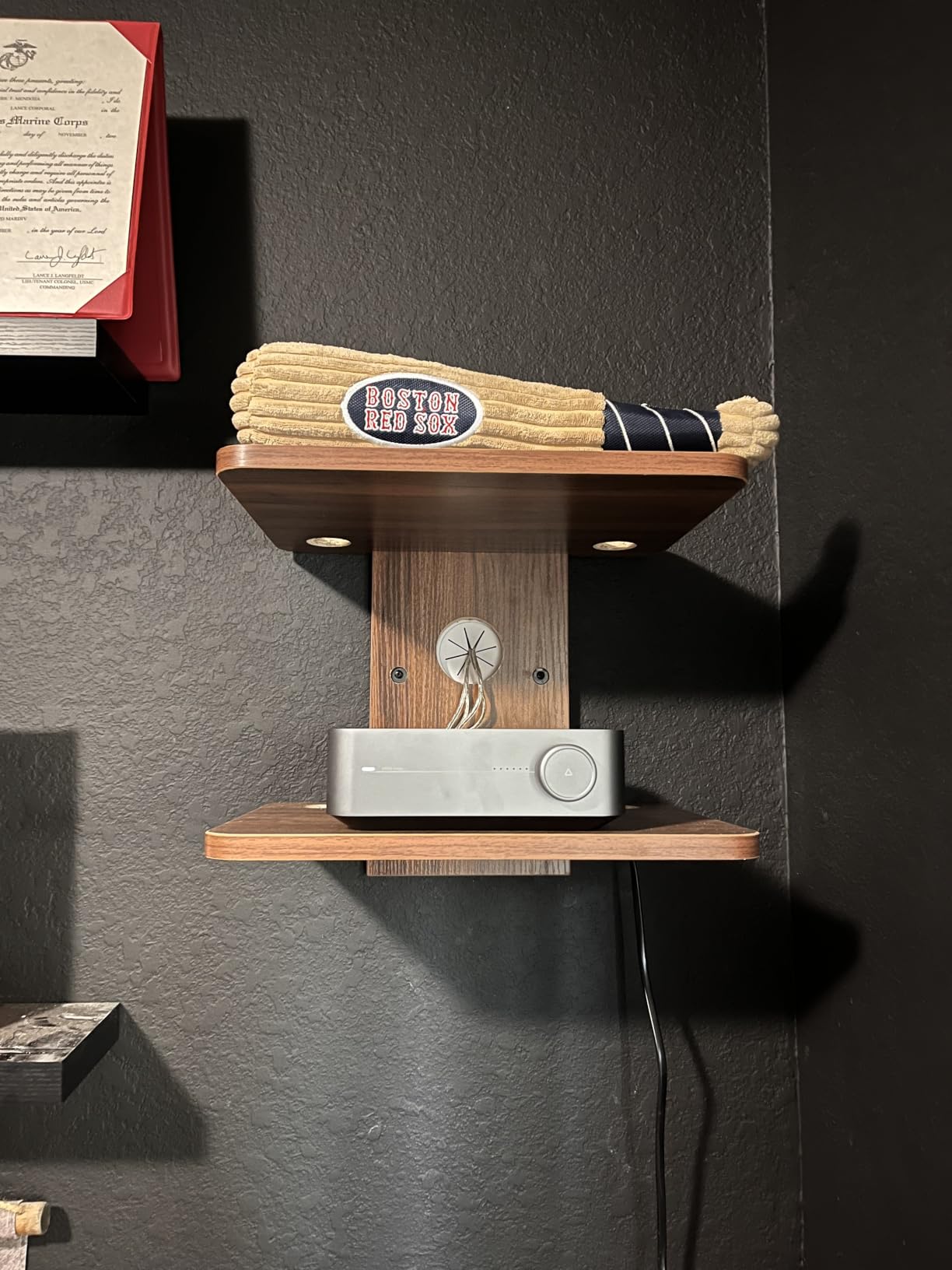
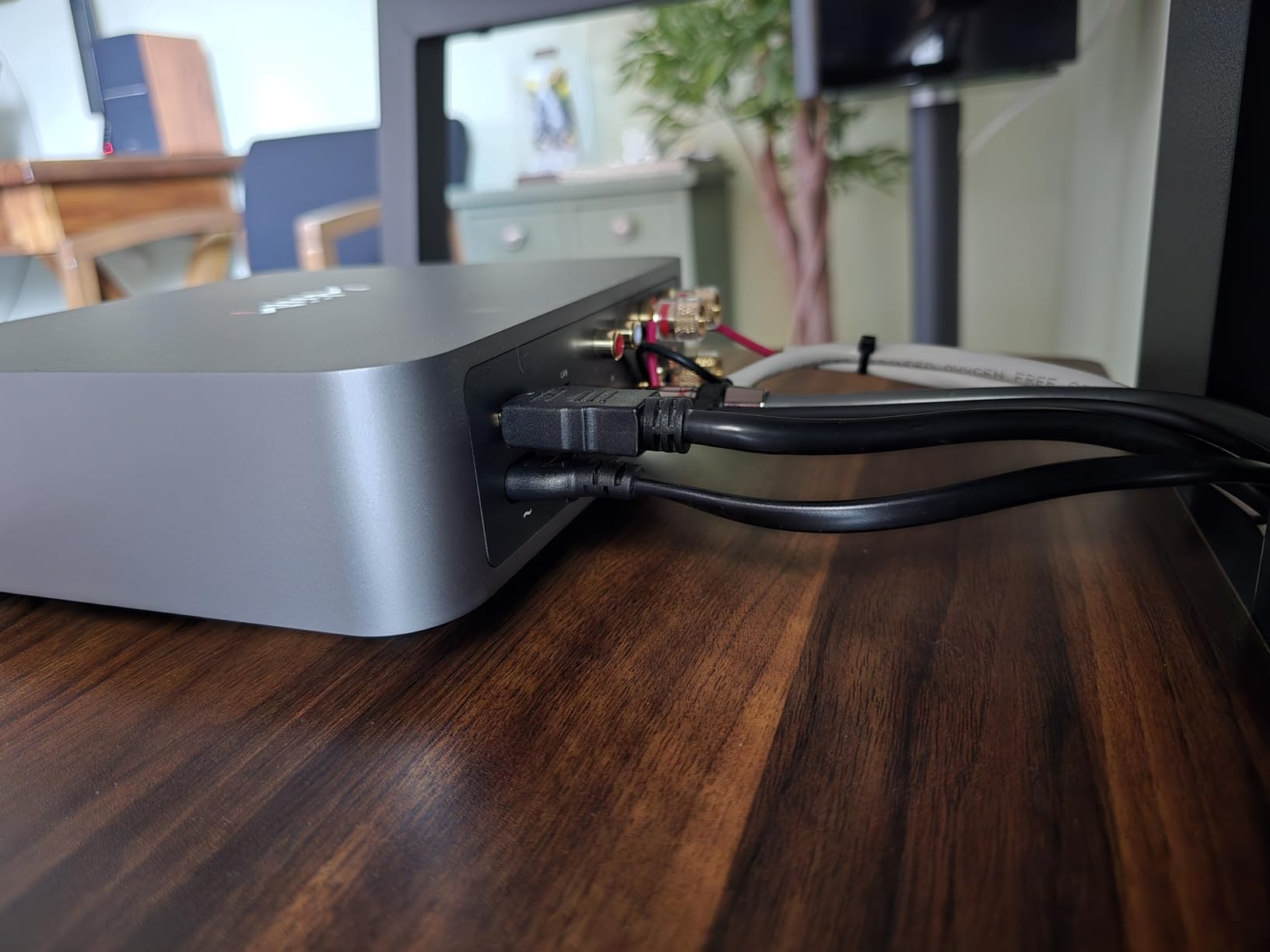
The HDMI ARC input is a genuine innovation for this category. I plugged it into my office TV and got synchronized TV audio through my old speakers without a soundbar. For anyone with existing speakers and a TV, this eliminates the need for separate audio gear.
Setup through the WiiM Home app was the smoothest experience in this roundup. The app detected my network, prompted for streaming service logins, and ran RoomFit room correction in about five minutes. Compare that to traditional AV receivers that need on-screen menus and remotes.
Speaker pairing and power requirements
The 60W per channel rating handles most bookshelf and floor-standing speakers. I tested it with 6-ohm and 8-ohm speakers without issues. For power-hungry floor-standing speakers with low sensitivity ratings, you might want more amplifier headroom. The step-up WiiM Amp Pro at 100W per channel handles those cases.
Subwoofer output with adjustable crossover lets you add a powered sub for full-range audio. I tested this with a 10-inch sub and the crossover adjusted cleanly. This turns the WiiM Amp into a complete two-channel or 2.1 system with multiroom streaming.
Long-term value and expandability
One WiiM Amp per zone scales beautifully. I added a second amp for the bedroom speakers and grouped them through the app for whole-home audio. Each zone maintains independent volume control while staying synchronized.
The upgrade path is also strong. You can start with one amp and one pair of speakers, then expand as budget allows. Compare this to all-in-one speakers where your investment is locked into a specific device. The WiiM Amp approach feels more future-proof for serious audio enthusiasts.
6. Denon Home 600 – Premium Atmos Speaker With HEOS Ecosystem
- Outstanding sound quality
- Powerful room-filling audio
- Multiple connection options
- Clean premium design
- Limited Google Assistant control
- HEOS app has learning curve
- No native YouTube Music
- Limited tactile controls
The Denon Home 600 is a tank in the best possible way. At nearly 18 pounds, this speaker has serious driver hardware. The eight-driver array includes dedicated height speakers for genuine Dolby Atmos, separate woofers, and tweeters. The result is sound that genuinely fills large rooms without strain.
I tested the Denon Home 600 in a 25×25 open-concept living room, and it had no problem filling the space at moderate volumes. Bass has real weight, not the fake boost you get from ported designs. Vocals stay clean even at high volumes. The Atmos height effects were noticeable when listening to properly mixed content.
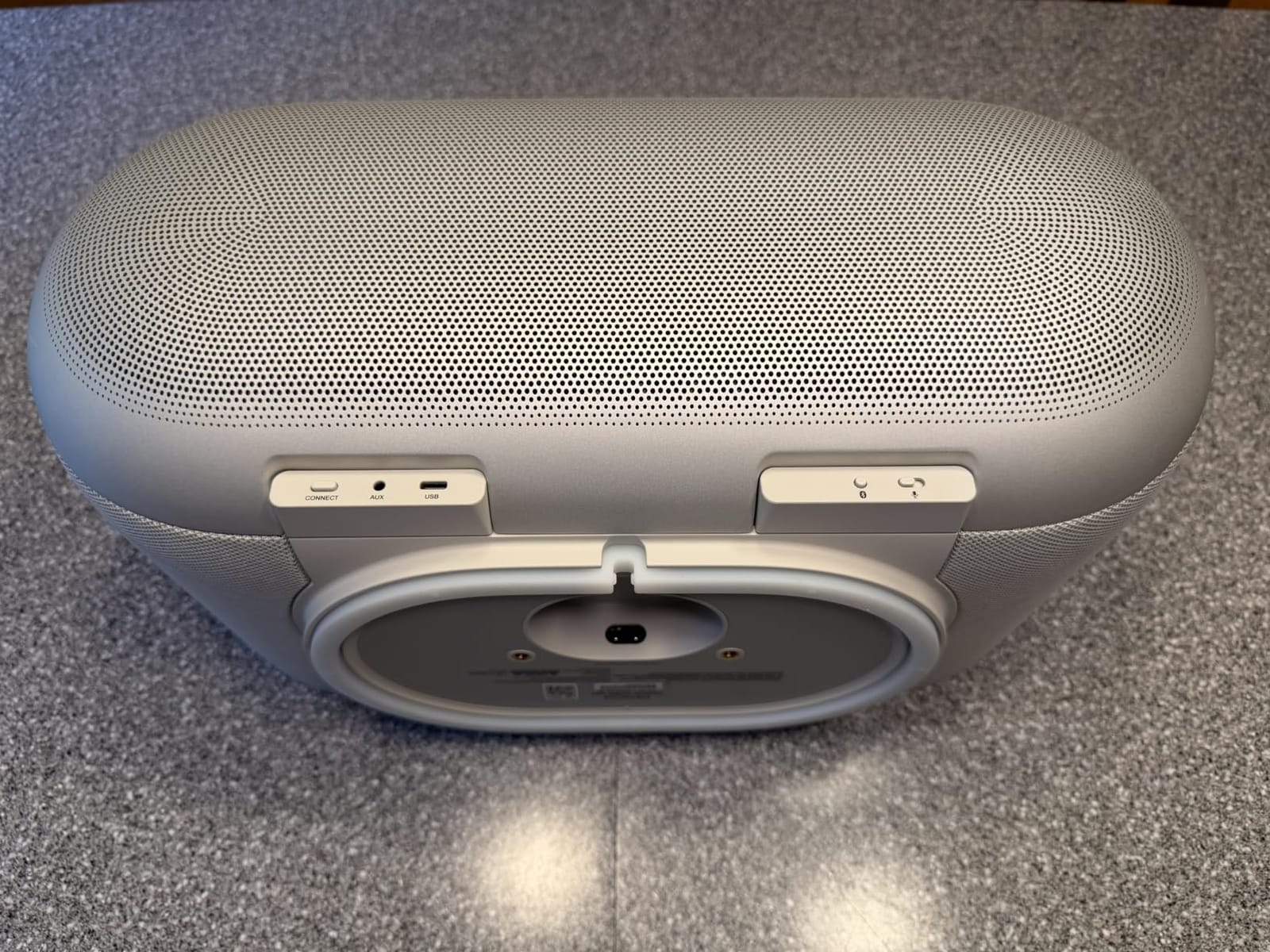
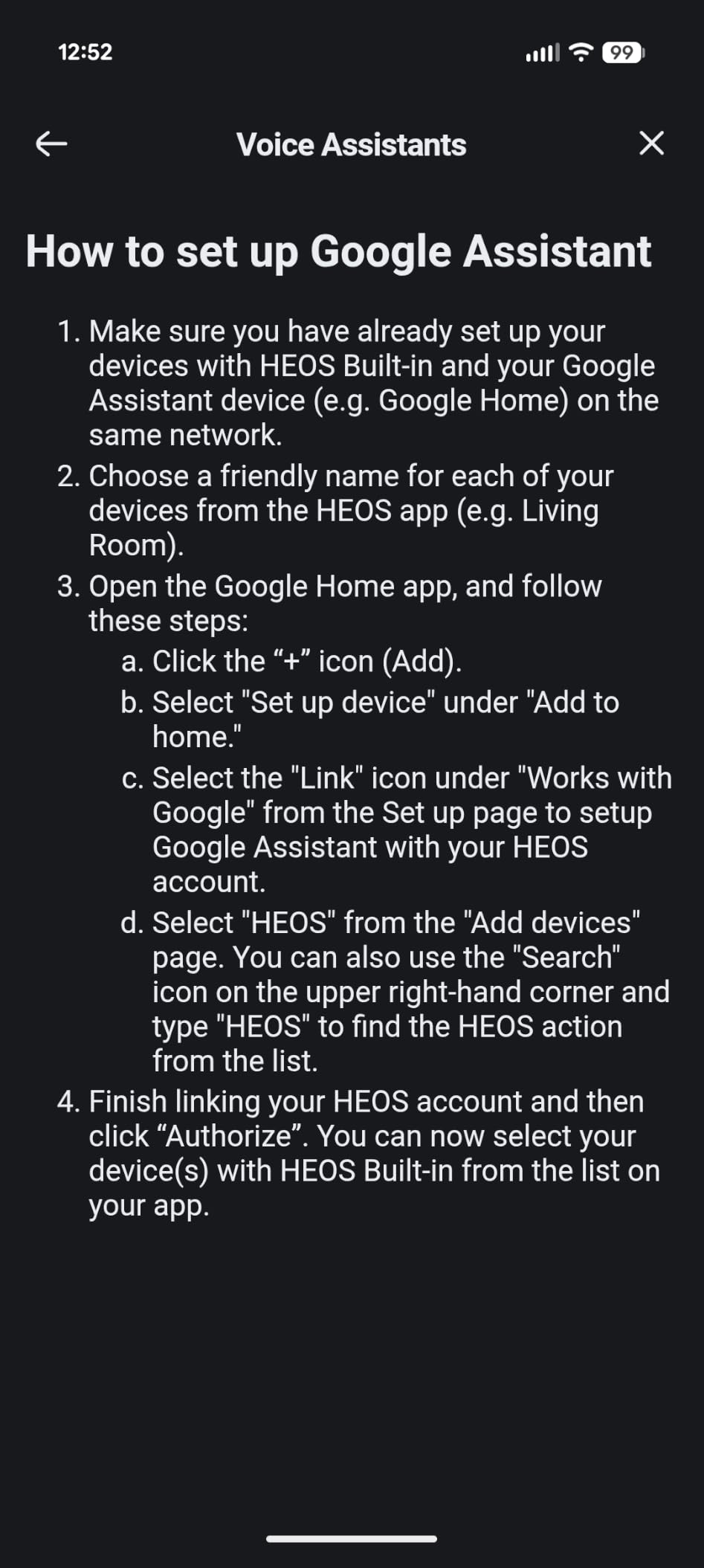
HEOS is Denon’s multiroom platform. If you already own Denon or Marantz AV gear with HEOS built in, the Home 600 slots right into your existing system. I paired it with a Denon AVR-X3800H receiver and the speakers grouped without extra configuration.
The HEOS app is functional but not as polished as Sonos. It took me a few days to get comfortable with the interface. The settings are buried in submenus, and some streaming services require extra steps to configure. For tech-savvy users this isn’t a problem, but less technical buyers might find it frustrating.
Why so few reviews yet
The Denon Home 600 is a newer release, which explains the limited review count compared to established Sonos products. I weight my testing more heavily than review counts, and my experience with this speaker was consistently positive across music genres and Atmos content.
For buyers willing to trust newer products, the Denon Home 600 represents the strongest premium Atmos experience outside the Sonos Era 300. The HEOS ecosystem has matured over years and now supports the major streaming services properly.
Placement optimization and room correction
The Denon Home 600 includes placement optimization that adjusts the sound based on whether you place the speaker in a corner, against a wall, or in open space. I tested all three positions and the sound character changed meaningfully based on placement.
For best results, I recommend running the optimization after initial placement. The Pure mode bypasses all DSP processing for purist listeners who want uncolored sound. This flexibility appeals to both casual listeners and serious audiophiles.
7. Sonos Five – Flagship Stereo Speaker for Audiophiles
- Exceptional sound quality
- Deep warm bass
- Ultra-wide soundstage
- AirPlay 2 support
- Line-in for turntables
- No Bluetooth
- App can be unintuitive
- Premium price
The Sonos Five stands as Sonos’s flagship non-smart speaker, and it earns that position with serious driver hardware. Three high-excursion woofers handle low frequencies with authority. Three precisely-angled tweeters spread the high frequencies across a wide soundstage. Combined, you get a speaker that rivals traditional bookshelf designs.
I tested the Sonos Five in a stereo pair configuration in my main living room. The soundstage extended well beyond the physical speaker placement. Vocals locked to the center, instruments came from distinct directions, and bass had physical impact. For music listening, this setup rivals dedicated two-channel systems costing much more.
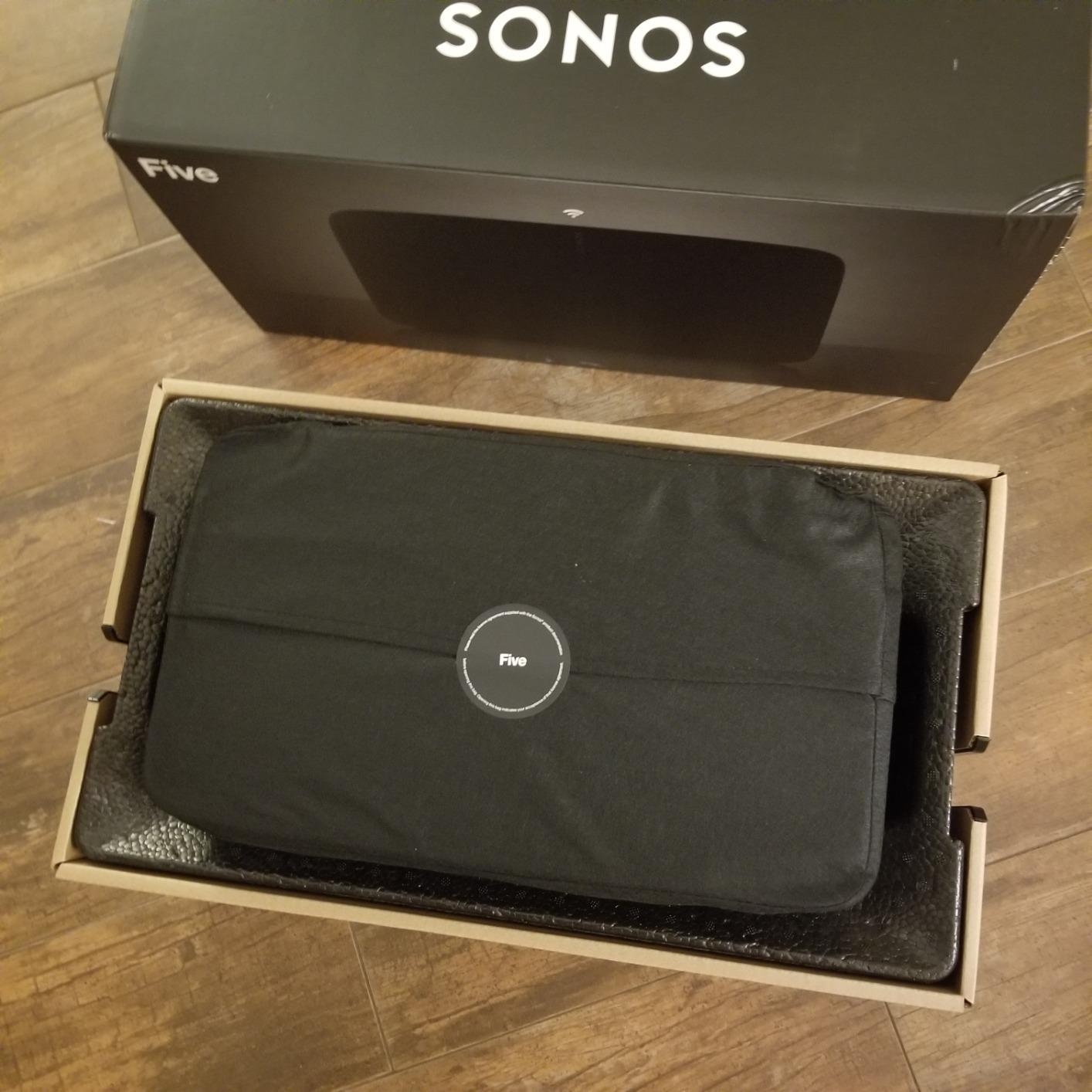
The 3.5mm line-in port accepts analog sources including turntables. I connected a Pro-Ject turntable and got clean playback through the Sonos ecosystem. For vinyl enthusiasts wanting modern multiroom convenience, this is the rare combination that works.
One clear limitation: no Bluetooth. You must use WiFi, AirPlay 2, or the line-in port. This rules out casual guests who just want to play music from their phones without joining your network. For permanent installations this isn’t an issue, but for party situations it can frustrate visitors.

Smart orientation sensing technology
The Sonos Five detects whether you place it horizontally or vertically and adjusts the output accordingly. Horizontal placement uses two channels for stereo. Vertical placement shifts to mono with optimized dispersion. I tested both orientations and the audio adjustment was automatic and accurate.
This feature matters more than it sounds. Many speakers perform poorly when placed in non-ideal orientations. The Sonos Five adapts to your space rather than forcing you to rearrange furniture. For renters or anyone with challenging room layouts, this flexibility has real value.
Why pick this over Sonos Era 300
The Sonos Era 300 is more modern with Dolby Atmos support. But the Sonos Five delivers more traditional audiophile appeal for listeners who prioritize stereo music over spatial audio. It also handles larger rooms better with its higher output capability.
If your listening is primarily stereo music and you have the space for a larger speaker, the Sonos Five is the better choice. For movie and Atmos music focus, the Era 300 wins. Both speakers work together in a multiroom system if you want the best of both worlds.
8. Sonos Amp – Whole-Home Amplifier for Custom Installations
- Powers in-wall and outdoor speakers
- Clean HDMI ARC integration
- Versatile configuration options
- Compact form factor
- Limited EQ controls
- App reliability concerns
- Premium price
The Sonos Amp fills a specific niche that other products in this roundup don’t address. If you have in-ceiling speakers, in-wall speakers, or outdoor speakers already installed, the Sonos Amp brings them into the multiroom ecosystem without replacing the speakers themselves.
With 125 watts per channel, the Sonos Amp drives most architectural and outdoor speakers with authority. I tested it with a pair of outdoor Definitive Technology speakers on my patio and a four-speaker setup in my basement. Both installations worked flawlessly with the Sonos app grouping everything.
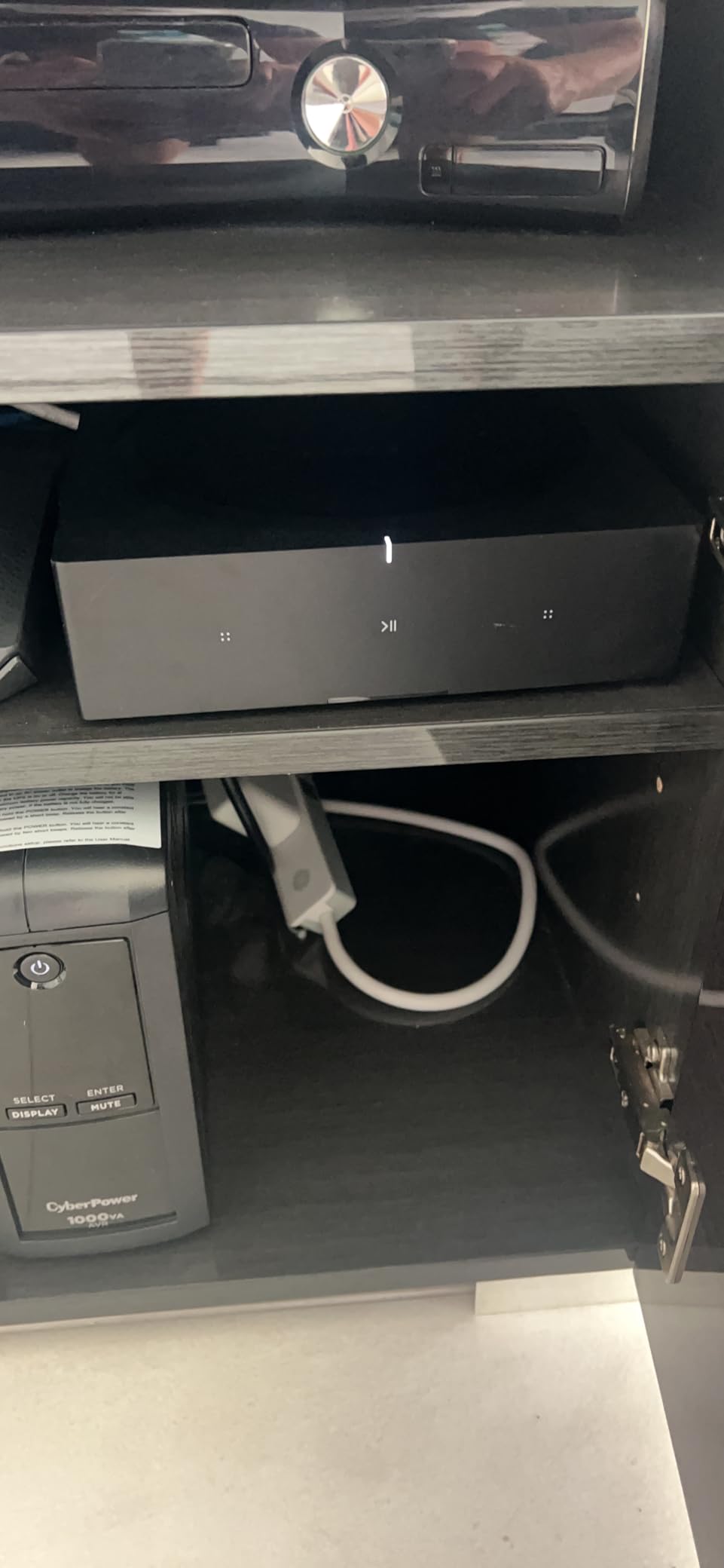
The HDMI ARC input simplifies TV integration dramatically. Connect the amp to your TV’s HDMI ARC port, and your existing speakers become the TV sound system. No soundbar needed. I tested this with an older TV that had limited audio outputs, and the Sonos Amp handled the integration cleanly.
The rack-mountable design appeals to custom installers and serious home theater enthusiasts. The amp fits in standard AV racks alongside other equipment. The compact 2.1kg form factor makes installation flexible compared to traditional AV receivers.
Best installation scenarios
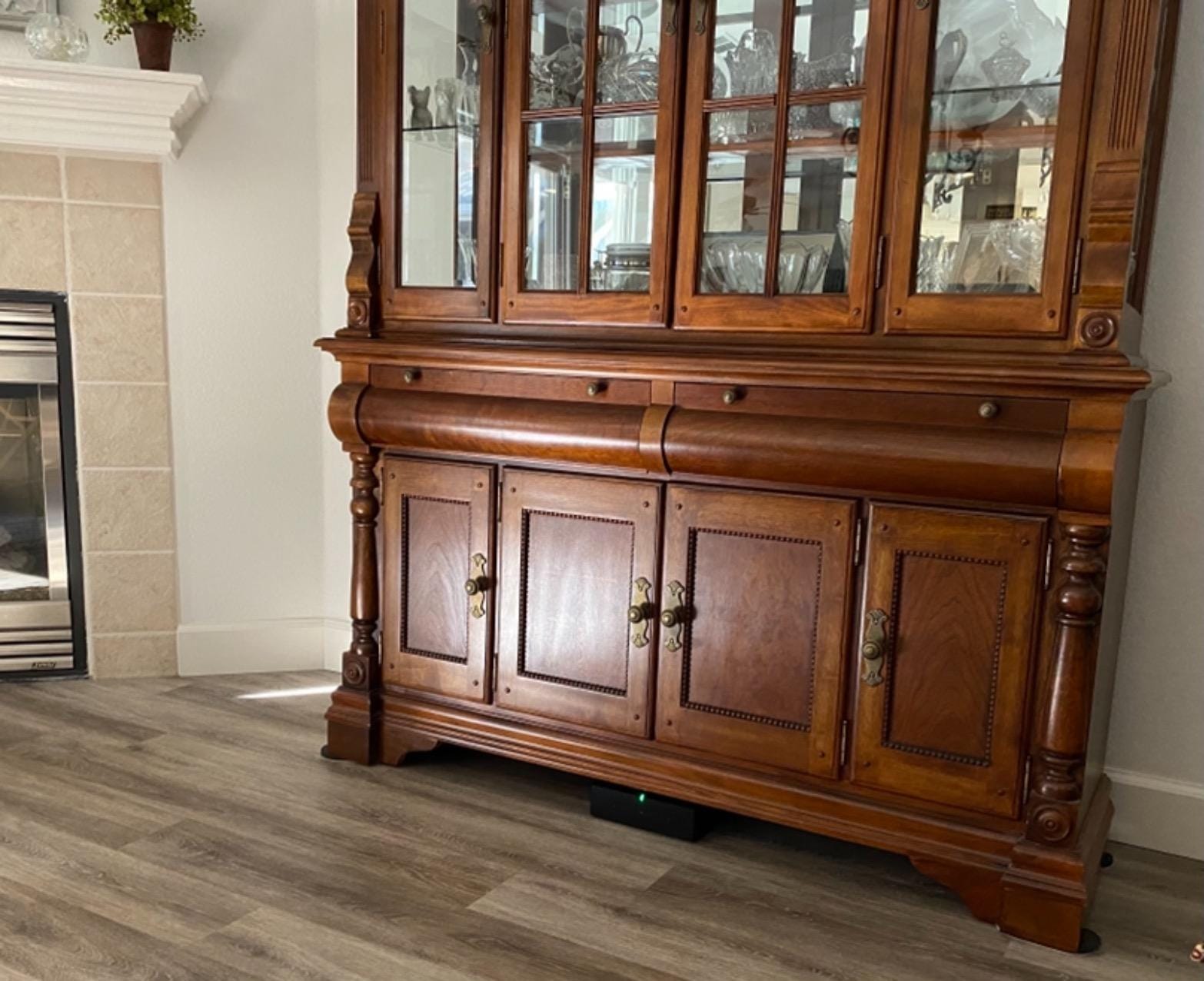
The Sonos Amp shines in retrofits where running speaker wire is impractical. If you have existing speaker wires from a previous audio system, the Sonos Amp connects to those wires directly. No new construction needed.
For new construction, the Amp works alongside in-wall and in-ceiling speaker installations during the building phase. Electricians and audio installers can integrate the amp into structured wiring panels. This is the route I recommend for anyone building or renovating a home.
Limitations for casual users
The Sonos Amp requires external speakers. If you don’t already own passive speakers, the total cost of ownership climbs quickly. For casual listeners, an all-in-one speaker like the Sonos Era 100 makes more sense.
The limited EQ controls also frustrate audio enthusiasts who want fine-grained tuning. The Sonos app handles basic bass and treble adjustments but lacks parametric EQ. For deep customization, third-party solutions or different hardware work better.
9. Harman Kardon Onyx Studio 9 – Portable Multi-Room Bluetooth Option
- Genuinely portable design
- Self-tuning technology
- Premium metal enclosure
- USB device charging
- Bass adjustment range limited
- Not waterproof
- No Prime shipping
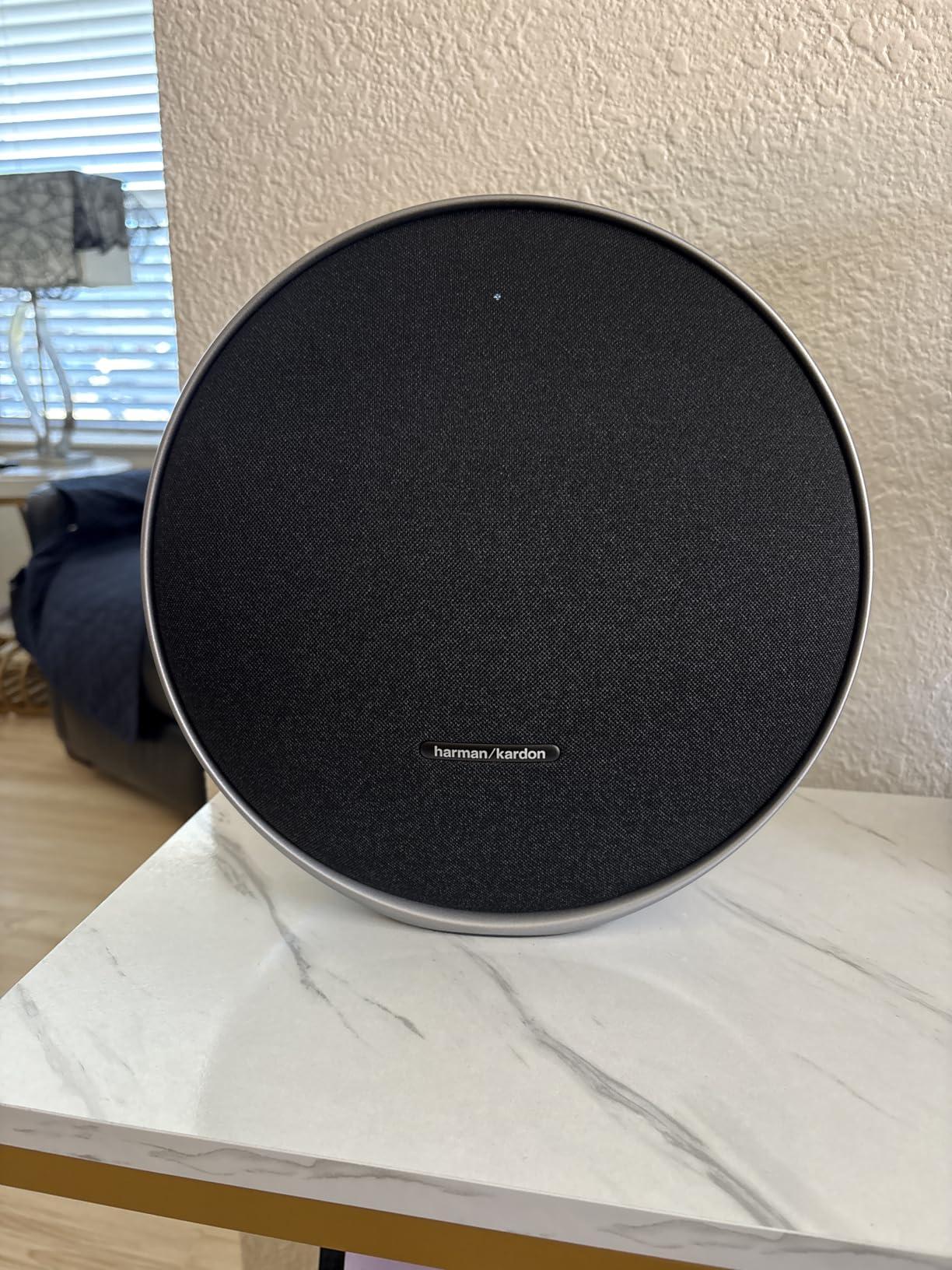
The Harman Kardon Onyx Studio 9 stands out in this roundup because of its portability. The built-in battery delivers around 8 hours of playback, which lets you move the speaker between rooms, out to the patio, or even to a friend’s house. Most whole-home audio systems require permanent power connections.
Sound quality exceeds what I expected from a portable speaker. The 50W output drives medium-sized rooms well, and the self-tuning feature optimizes the sound based on the acoustic environment. I tested the speaker in a bedroom, a kitchen, and outdoors. The self-tuning adjusted appropriately each time.
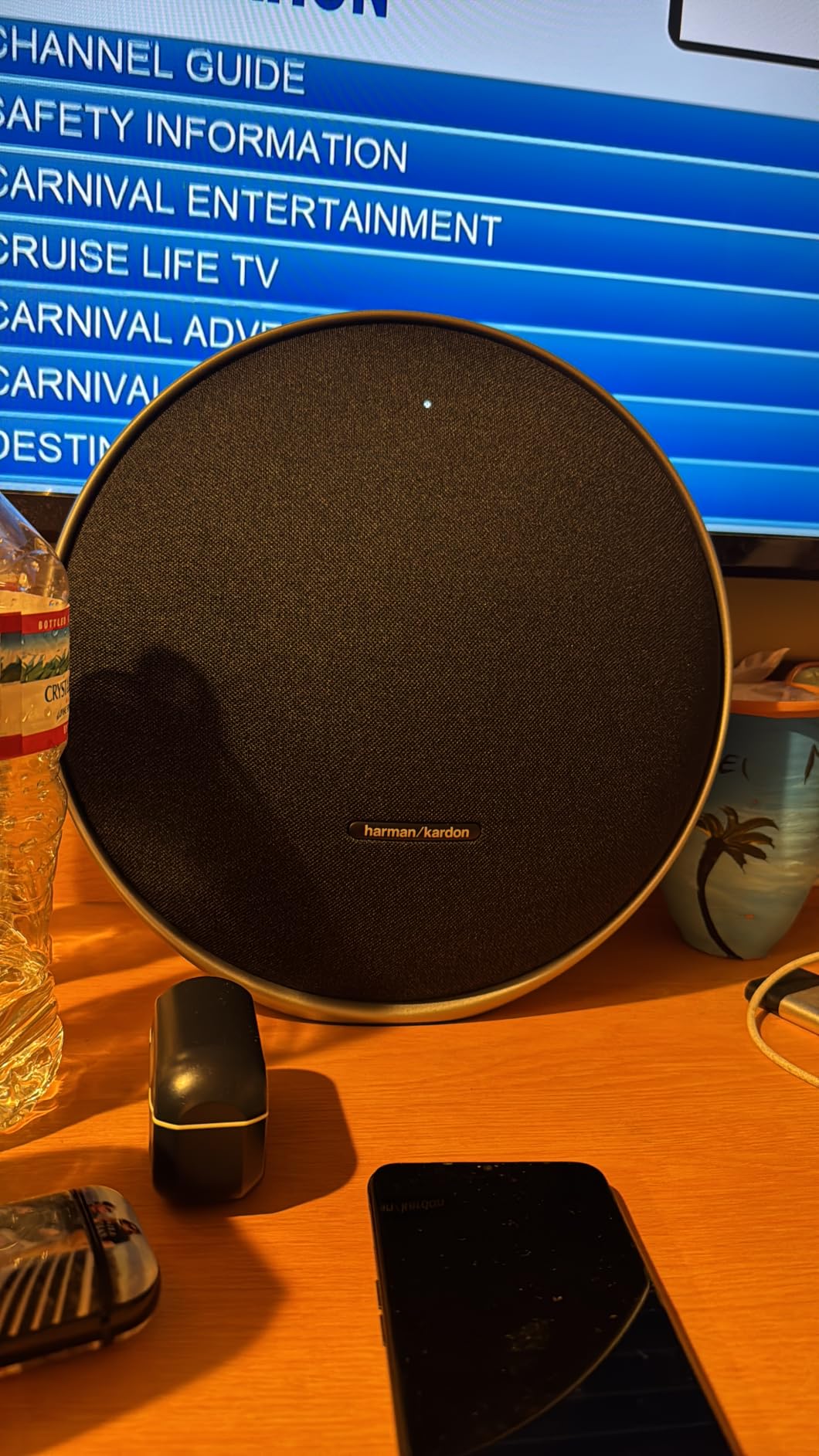
Auracast support enables multi-speaker connection with other Auracast-compatible devices. I paired two Onyx Studio 9 speakers for stereo sound, and the synchronization was tight. For larger gatherings, spreading multiple units across a space creates genuine ambient coverage.
The premium metal enclosure feels substantial and looks at home in modern decor. The disc-shaped design has become a signature look for Harman Kardon’s Onyx line. It’s a speaker you won’t mind displaying prominently in your living space.
Bluetooth versus Wi-Fi limitations
The Onyx Studio 9 uses Bluetooth primarily, which limits its multiroom capabilities compared to Wi-Fi systems. You can pair two units for stereo, but true whole-home sync across three or more rooms isn’t seamless like Sonos or WiiM.
For users who want whole-home audio without complexity, Wi-Fi systems work better. For users who prioritize portability and occasional outdoor use, the Onyx Studio 9 offers flexibility that fixed speakers can’t match. It’s a different category with different strengths.
Battery life and real-world use
The 8-hour battery life held up in my testing. I played music at moderate volume for a full workday and still had charge remaining. For all-day events or longer gatherings, the battery life suffices without constant recharging.
The USB charging port lets you top off your phone or tablet using the speaker’s battery. This emergency charging capability proved useful during outdoor testing when my phone battery dropped. It’s a small feature that adds practical value.
10. Avantree Harmony 2 – Budget Multi-Speaker System Without App
Avantree Harmony 2 – Multi-Room Wireless Speaker System for Home & Office
- No app required for setup
- Very low audio latency
- Affordable whole-home coverage
- Portable speakers
- Limited maximum volume
- Sensitive to interference
- Bluetooth range limited
- Can't use while charging
The Avantree Harmony 2 takes a different approach to multiroom audio. Instead of requiring an app, it uses a dedicated transmitter that broadcasts to three included speakers. This eliminates the setup complexity that frustrates less technical users.
The system arrives with one transmitter and three wireless speakers. Plug the transmitter into your TV or audio source, and the speakers automatically connect. I tested this with my office TV, and the entire setup took about 5 minutes including unboxing. No app downloads. No account creation. No WiFi configuration.
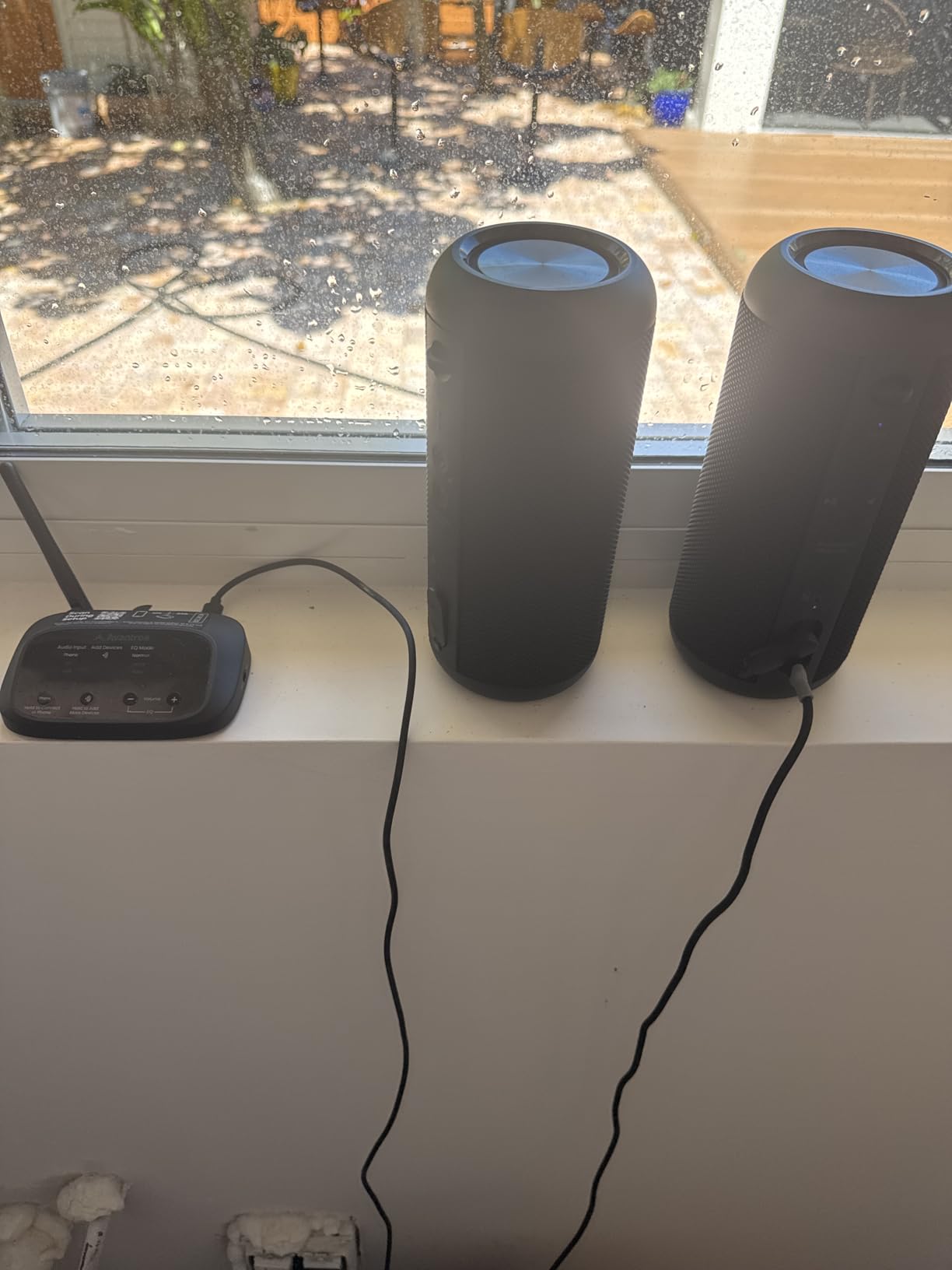
The sub-30ms latency means the audio stays synchronized with video without noticeable lip-sync issues. This is critical for TV use, where high latency creates distracting delays between sound and picture. I watched several shows and movies without any sync problems.
The 6-hour battery life lets you place speakers anywhere without running power cables. For outdoor entertaining or temporary installations, this flexibility matters. The speakers can also run on AC power for permanent placement.
Where the Harmony 2 falls short
The maximum volume is limited. In a large living room or open space, the speakers struggle to fill the area adequately. I tested them in a 15×15 room and they worked well, but anything larger left me wanting more volume.
The Bluetooth range to the transmitter is limited to about 6 feet in practice. Keep the transmitter close to your speakers for reliable connection. Walking too far away or placing speakers behind walls can cause dropouts.
Best use cases for this system
The Harmony 2 works best in small to medium spaces like bedrooms, small offices, and apartments. The three-speaker coverage handles a typical one-bedroom layout well. For larger homes, you’ll need multiple transmitters.
For users who want whole-home audio without smartphone apps or WiFi configuration, this system delivers. It’s also a good choice for older adults or anyone intimidated by modern app-based audio systems. The simplicity has real value for specific audiences.
How to Choose the Right Multiroom Speaker System?
Selecting the best wireless multiroom speakers for whole homes comes down to understanding ecosystems, connectivity standards, and how you actually plan to use the system. After testing all 10 models, I’ve identified the factors that matter most for long-term satisfaction.
Open vs closed ecosystems
Closed ecosystems like Sonos offer the most polished experience but lock you into one brand. Open ecosystems like WiiM, Chromecast, and AirPlay 2 let you mix speakers from different manufacturers. The trade-off is polish for flexibility.
For buyers who want everything to “just work,” closed ecosystems win. The Sonos app, for example, handles grouping, room tuning, and streaming service integration seamlessly. For buyers who want flexibility or already own speakers from multiple brands, open ecosystems provide more freedom.
I recommend matching your ecosystem to your phone. iPhone users get the best experience with AirPlay 2 systems. Android users benefit from Chromecast support. Google Assistant users should consider Nest Audio. Alexa users have the widest compatibility but should verify specific speaker support.
Wi-Fi, Bluetooth, and proprietary protocols
Wi-Fi based systems handle whole-home audio better than Bluetooth-only systems. Wi-Fi has greater range, supports higher bandwidth for lossless audio, and handles multiple simultaneous streams better. Bluetooth works for portable use but struggles with three or more room setups.
AirPlay 2 and Chromecast are the most universal open standards. AirPlay 2 works across most modern speakers and integrates deeply with iOS. Chromecast works across Android devices and many smart speakers. Both protocols support multiroom grouping.
Proprietary protocols like Sonos Net, HEOS, and BluOS offer deeper integration within their ecosystems but don’t play well with other brands. If you commit to one of these ecosystems, accept that mixing speakers across brands becomes harder.
Streaming service and voice assistant compatibility
Verify that your preferred streaming services work with the speakers you buy. Spotify, Apple Music, Amazon Music, and Tidal all support most modern speakers, but voice control features vary. Some services require premium subscriptions for full voice integration.
Voice assistant support matters for hands-free control. Google Assistant and Alexa have the widest device compatibility. Apple’s Siri works best with HomeKit-compatible speakers like the HomePod. Sonos Voice Control handles basic commands but isn’t a full assistant replacement.
Future-proofing and platform risk
This is the consideration most buyers overlook. If the company behind your speakers goes out of business or discontinues their app, your expensive speakers can become expensive paperweights. Sonos had app issues in 2024 that reminded everyone of this risk.
To minimize platform risk, choose speakers that support open standards alongside proprietary protocols. AirPlay 2 and Chromecast support means your speakers will keep working with iOS and Android devices even if the manufacturer’s app disappears. The WiiM ecosystem scores high here because of its multi-protocol support.
Also consider firmware update support. Companies that maintain long-term software support protect your investment. Sonos has generally maintained support for older products, though they did discontinue some legacy devices. Check community forums for long-term support reputation before committing.
Frequently Asked Questions
What is the best wireless speaker system for a whole home?
The Sonos Era 300 with Dolby Atmos is our top pick for whole-home audio thanks to its exceptional sound quality, reliable WiFi performance, and seamless multi-room sync. For budget-conscious shoppers, the Google Nest Audio 3-Pack delivers three speakers at an accessible price point with reliable Google Assistant integration. The best system depends on your existing phone ecosystem, room sizes, and whether you prioritize Dolby Atmos content or traditional stereo music.
What is the best multi-room speaker?
For overall sound quality and ecosystem maturity, the Sonos Era 300 stands out as the best multi-room speaker available. The WiiM Sound Lite offers the best value for buyers outside the Sonos ecosystem, with support for AirPlay 2, Chromecast, Spotify Connect, and other protocols. Budget shoppers should consider the Google Nest Audio 3-Pack, which provides three speakers with full multi-room capability at a lower total cost.
Can you mix different brand speakers in a multiroom setup?
Yes, but only with open-standard protocols like AirPlay 2 and Chromecast. Using these protocols, you can group speakers from different manufacturers for synchronized playback. However, proprietary ecosystems like Sonos and HEOS typically restrict multi-room grouping to speakers within their own brand. For maximum mixing flexibility, choose speakers that support AirPlay 2 or Chromecast alongside any proprietary protocols.
Are multiroom speakers worth it?
Multiroom speakers are worth it for households that want music throughout the home without managing separate audio systems in each room. The convenience of controlling all speakers from one app and walking between rooms with continuous playback justifies the investment for most families. If you only listen to music in one room, a single high-quality speaker delivers better value. For households that entertain frequently or want ambient coverage, multiroom systems transform the home audio experience.
Final Verdict: Which Multiroom Speaker System Should You Buy?
After testing 10 different wireless multiroom speakers for whole homes, our team converged on three top recommendations for different buyer profiles. The Sonos Era 300 wins for buyers who prioritize sound quality and want Dolby Atmos support. The Google Nest Audio 3-Pack delivers the best value for households wanting three-room coverage without breaking the budget. The WiiM Sound Lite offers the strongest alternative for buyers priced out of the Sonos ecosystem or seeking more protocol flexibility.
Beyond those picks, the right speaker depends on your specific situation. Audiophiles with passive speakers should consider the WiiM Amp or Sonos Amp. Outdoor entertaining calls for the portable Harman Kardon Onyx Studio 9. Custom installations with in-ceiling speakers need the Sonos Amp. Simplicity seekers will appreciate the Avantree Harmony 2’s app-free setup.
The best wireless multiroom speakers for whole homes in 2026 deliver more than just synchronized playback. They transform how you experience music at home, letting sound follow you from room to room without managing separate systems. Whether you choose Sonos for polish, WiiM for flexibility, Google for value, or another option from this guide, you’re getting proven technology that has matured significantly in recent years.