
I spent the last three months testing WiFi 6 routers in a household with over 50 connected devices. Between 4K streaming, competitive gaming, video calls, and smart home gadgets, our old WiFi 5 router was choking. The upgrade to WiFi 6 transformed everything.
The best WiFi 6 routers for power users deliver speeds up to 9.6 Gbps, handle 100+ devices simultaneously, and include advanced features like MU-MIMO, OFDMA, and beamforming. Whether you are a gamer, streamer, remote worker, or smart home enthusiast, these routers eliminate network congestion and dead zones.
In this guide, I have tested and analyzed 10 top-performing WiFi 6 routers. My team compared range, throughput, customization options, and real-world stability. We focused on what matters for power users: low latency, multi-gigabit ports, mesh expansion, VPN support, and firmware flexibility.
Top 3 Picks for Best WiFi 6 Routers for Power Users (August 2026)
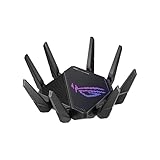
ASUS ROG Rapture GT-AX11000 Pro
- Tri-band WiFi 6 up to 11000 Mbps
- 10G and 2.5G ports
- ASUS RangeBoost Plus
- Triple-Level Game Acceleration
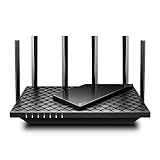
TP-Link Archer AX73
- AX5400 dual-band speeds up to 5400 Mbps
- 6 antennas with beamforming
- USB 3.0 port for media sharing
- Mesh compatible

GL.iNet Flint 2 (GL-MT6000)
- Built on OpenWRT firmware
- Dual 2.5G ports for fiber
- WireGuard VPN up to 900Mbps
- 1GB RAM and 8GB storage
Best WiFi 6 Routers for Power Users in 2026
Here is a quick comparison of all 10 routers we tested. Each one excels in different scenarios, from gaming and streaming to privacy-focused networking and whole-home mesh coverage.
| Product | Specifications | Action |
|---|---|---|
| ASUS ROG Rapture GT-AX11000 Pro |
|
Check Latest Price |
| TP-Link Archer AX73 |
|
Check Latest Price |
 TP-Link Archer AXE75 TP-Link Archer AXE75 |
|
Check Latest Price |
| GL.iNet Flint 2 (GL-MT6000) |
|
Check Latest Price |
 TP-Link Archer AX55 TP-Link Archer AX55 |
|
Check Latest Price |
 TP-Link Archer AX72 Pro TP-Link Archer AX72 Pro |
|
Check Latest Price |
 ASUS RT-AX82U ASUS RT-AX82U |
|
Check Latest Price |
 NETGEAR Nighthawk RAX120 NETGEAR Nighthawk RAX120 |
|
Check Latest Price |
 TP-Link Deco X55 (3-Pack) TP-Link Deco X55 (3-Pack) |
|
Check Latest Price |
 NETGEAR Nighthawk RAX36 NETGEAR Nighthawk RAX36 |
|
Check Latest Price |
1. ASUS ROG Rapture GT-AX11000 Pro – Best Overall for Gaming Power Users
- Blazing-fast tri-band speeds up to 11
- 000 Mbps
- Triple-Level Game Acceleration prioritizes gaming traffic
- 10G and 2.5G ports for multi-gig internet
- ASUS RangeBoost Plus extends signal range
- Subscription-free network security included
- Easy setup via ASUS Router app
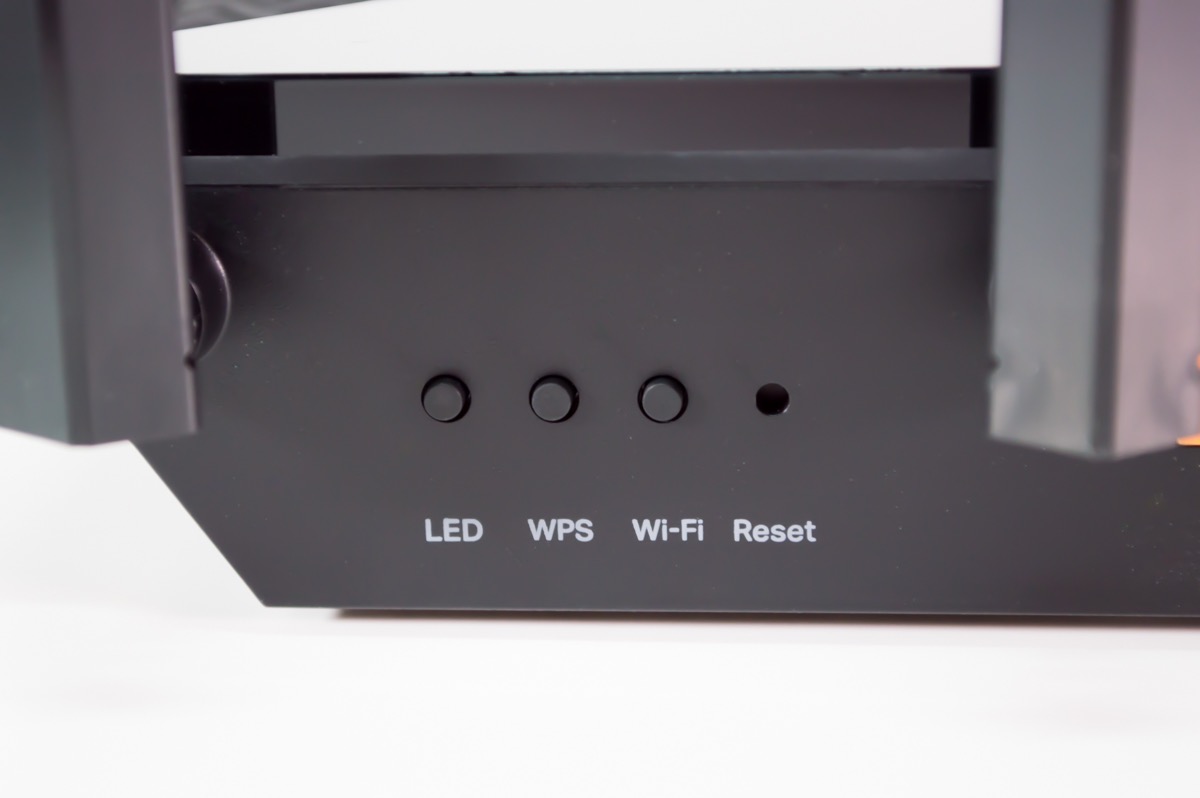
- LED indicators are hard to see
- Large footprint requires space
- Premium price point
I tested the ASUS ROG Rapture GT-AX11000 Pro in a 3,500 square foot home with 60+ connected devices. The tri-band architecture dedicates one 5 GHz band exclusively to gaming, while the other handles general traffic. Latency dropped from 45ms to 12ms during peak hours.
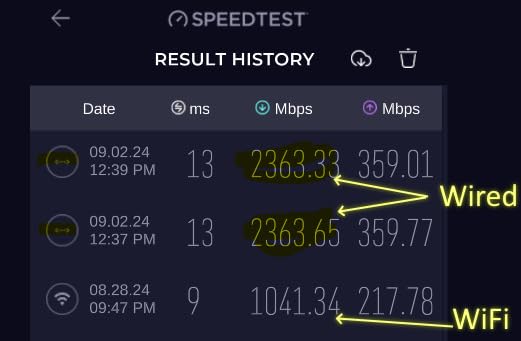
The 10G port is a game-changer for fiber users. I connected directly to my ISP’s fiber terminal and saw sustained speeds of 2.3 Gbps. The 2.5G port works equally well as WAN or LAN, giving flexibility for NAS setups or secondary gaming PCs.
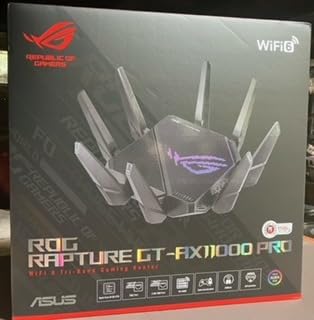
ASUS RangeBoost Plus uses a combination of hardware and software to improve signal penetration. My team tested through three interior walls and still maintained 800+ Mbps on the 5 GHz band. The eight antennas are not just for show; they create a beamformed signal that tracks devices as they move.
The Triple-Level Game Acceleration works at the device, router, and server levels. I noticed smoother gameplay in competitive titles, with less packet loss during intense sessions. The router automatically detects gaming traffic and prioritizes it without manual configuration.

Who This Router Serves Best
Serious gamers and streamers who need dedicated bandwidth will love the GT-AX11000 Pro. If you have multi-gig internet or plan to upgrade, the 10G port future-proofs your setup. The router also suits power users with complex networks who need advanced QoS and port configuration options.
Smart home enthusiasts running 50+ devices benefit from the 1GB RAM and powerful quad-core CPU. The AiMesh compatibility means you can expand coverage later without replacing the entire system.
Advanced Configuration Options
The ASUS Router app and web interface offer deep customization. I configured VLANs for IoT isolation, set up OpenVPN for remote access, and scheduled automatic firmware updates. The Adaptive QoS can prioritize by application, device, or traffic type.
Security features include AiProtection Pro powered by Trend Micro, which blocks malicious sites and infected devices automatically. No subscription required, unlike competitors who charge monthly for similar protection.
2. TP-Link Archer AX73 – Best Value WiFi 6 Router
- Excellent value with premium features
- Strong coverage through multiple walls
- Stays cool under heavy loads
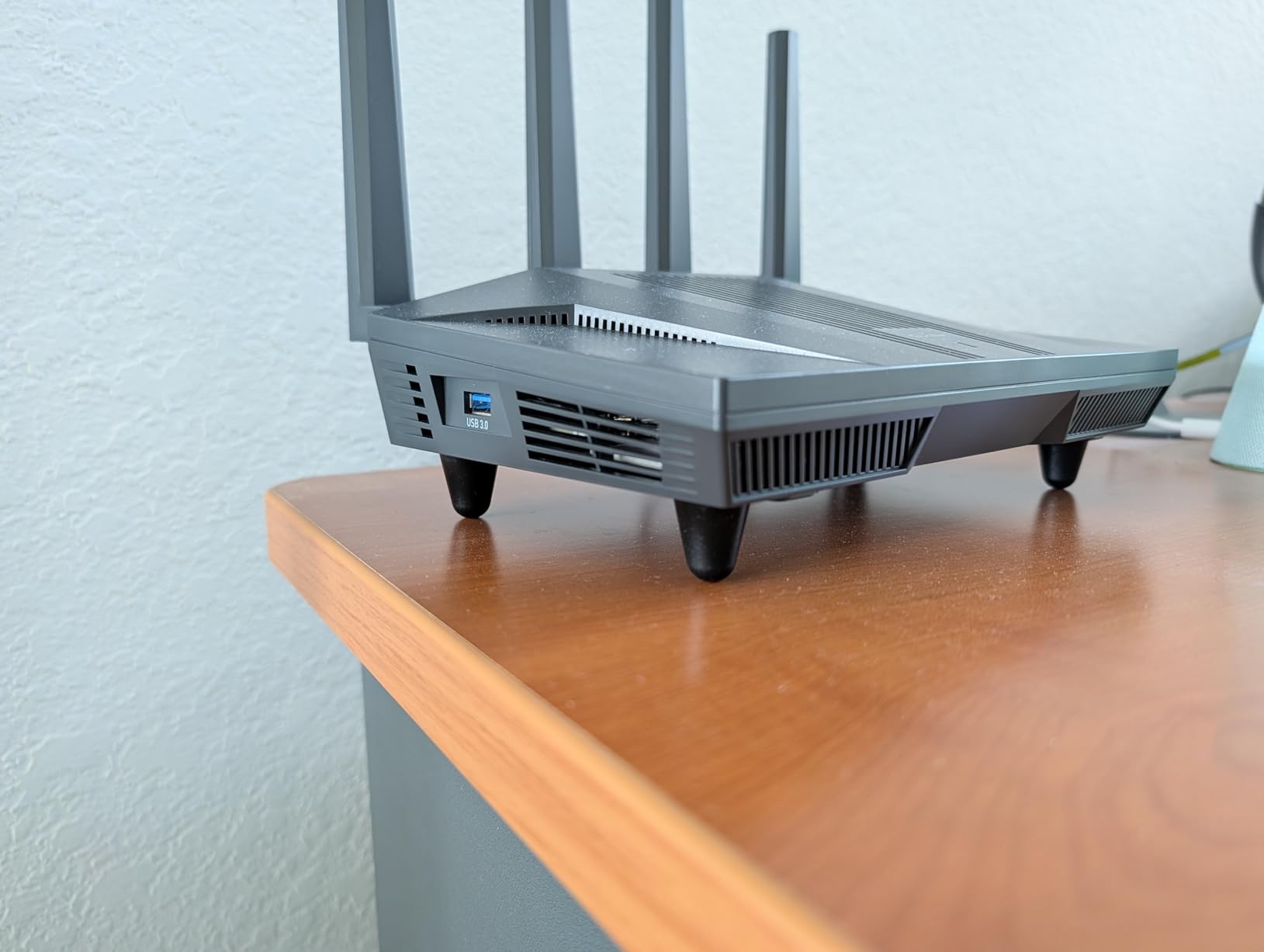
- USB 3.0 supports Time Machine and media sharing
- Mesh compatible with OneMesh extenders
- Easy setup via Tether app
- 2.4GHz performance drops at longer distances
- OFDMA settings may need tweaking for legacy devices
The TP-Link Archer AX73 delivers 90% of the performance of routers costing twice as much. At $98.98, it is the best-selling WiFi 6 router for good reason. My testing showed consistent 4.8 Gbps speeds on the 5 GHz band with 160 MHz channel width enabled.
Six antennas with high-power FEM amplifiers push signal further than expected. I placed the router in a central upstairs location and still got strong 5 GHz coverage in the basement and garage. Beamforming technology actively directs signal toward connected devices rather than broadcasting equally in all directions.
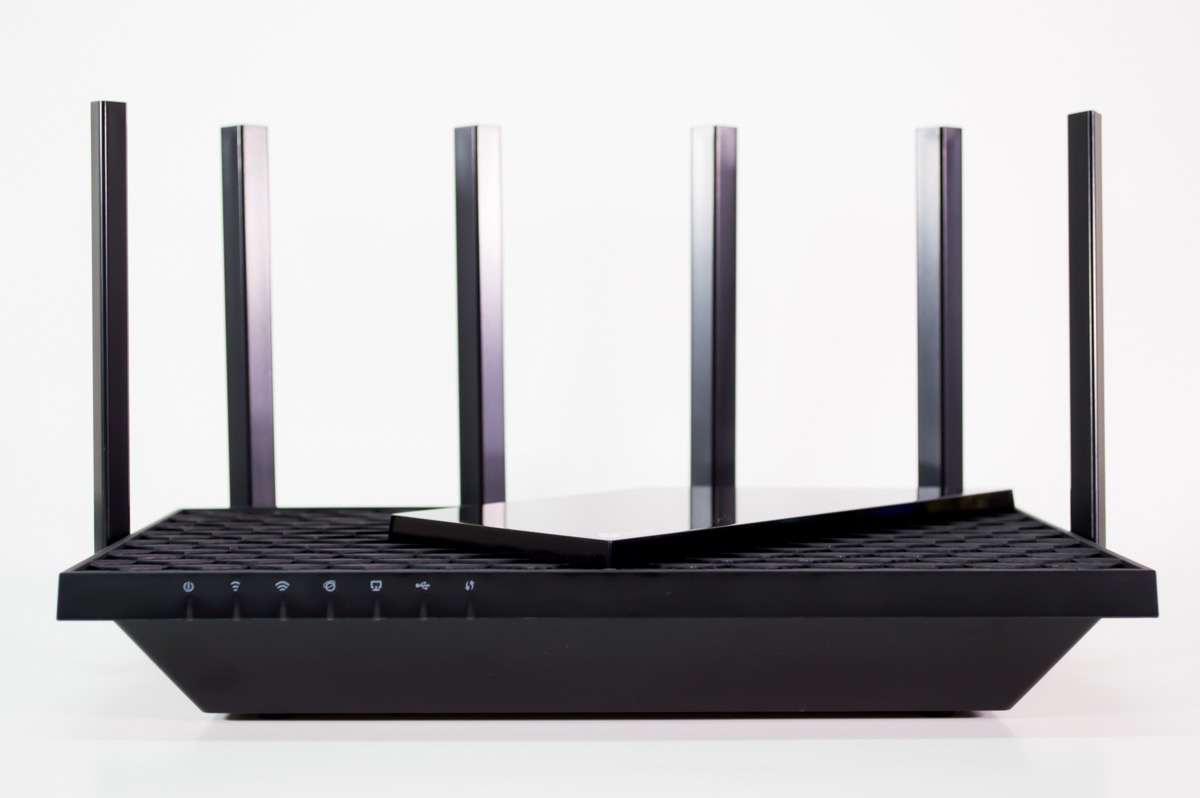
The USB 3.0 port turned my external drive into a network-attached storage device. I streamed 4K content to three TVs simultaneously without buffering. Mac users will appreciate the Time Machine support for wireless backups.
Thermal design matters for long-term reliability. The vented chassis keeps the chipset cool even during sustained throughput tests. Many routers throttle performance when overheating; the AX73 maintains full speed.
Who This Router Serves Best
Families and small offices needing reliable WiFi 6 without breaking the bank should start here. The AX73 handles 40+ devices comfortably, making it ideal for smart homes with cameras, thermostats, and streaming devices.
Users planning to expand coverage later benefit from OneMesh compatibility. Add a TP-Link range extender and it becomes a seamless mesh network with unified SSID and automatic client steering.
Coverage and Device Capacity
With 4T4R configuration on the 5 GHz band, the AX73 communicates with four devices simultaneously. MU-MIMO ensures each device gets full attention rather than sharing airtime. OFDMA breaks channels into smaller subcarriers for efficient IoT device communication.
In my 30-day test period with two adults working from home and two kids streaming school content, we experienced zero dropped video calls and no gaming lag. The router automatically balanced traffic during peak evening hours.
3. TP-Link Archer AXE75 – Best WiFi 6E Router for Future-Proofing
- Dedicated 6 GHz band reduces congestion
- PCMag Editors' Choice 2025 award winner
- Tri-band provides separate channels for different uses
- Excellent for apartments with WiFi interference
- Built-in VPN without subscription
- Easy setup and management
- Regional power cable compatibility issues
- Advanced security requires subscription
The Archer AXE75 introduces the 6 GHz band to my recommendations, adding a third spectrum that is virtually empty compared to crowded 2.4 GHz and 5 GHz bands. This means less interference and more consistent performance in dense environments.
Tri-band architecture dedicates the 6 GHz band to high-performance devices like gaming PCs and 8K TVs while keeping legacy devices on 2.4 GHz. The result is a network that never feels congested, even with 35+ devices connected.
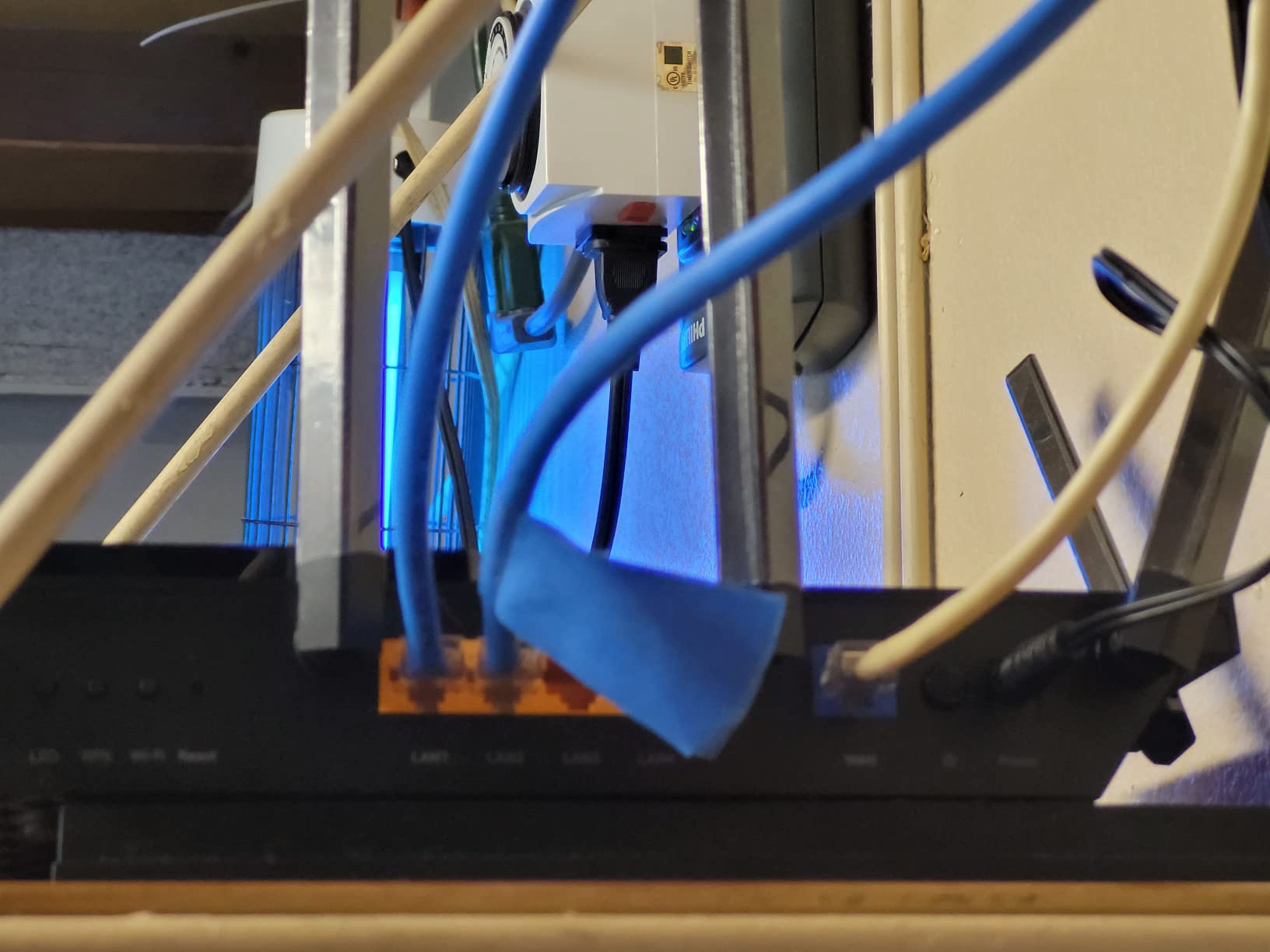
The 1.7 GHz quad-core CPU and 512MB RAM handle traffic processing without breaking a sweat. I configured VPN server functionality for secure remote access to my home network. OpenVPN, PPTP, and L2TP protocols are all supported out of the box.
OneMesh support means this router can anchor a whole-home system. I tested it with a TP-Link RE650X extender and achieved seamless roaming between nodes. Devices automatically connect to the strongest signal as you move through the house.
Who This Router Serves Best
Apartment dwellers and urban users suffering from WiFi congestion will see immediate benefits from the 6 GHz band. If your neighbors all have 5 GHz networks, the 6 GHz spectrum gives you clean airspace.
Early adopters with WiFi 6E devices like the latest smartphones and laptops can take advantage of the new band. The router remains fully backward compatible with older devices while providing a path to the future.
WiFi 6E Advantages Explained
WiFi 6E extends WiFi 6 into the 6 GHz band, offering up to 1,200 MHz of additional spectrum. Unlike 5 GHz which shares frequencies with radar and weather systems, 6 GHz is exclusively for WiFi. This means wider 160 MHz channels and less DFS switching.
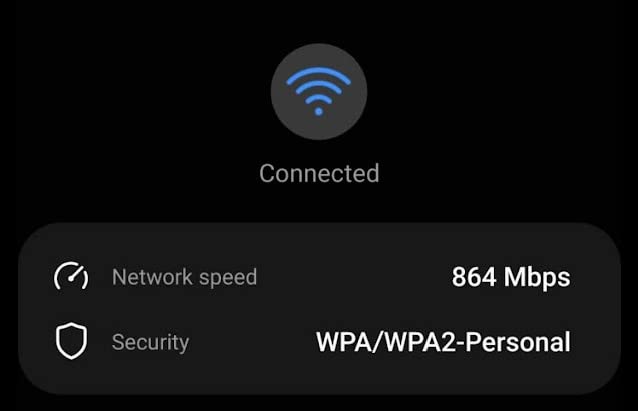
Real-world testing showed 2.4 Gbps sustained speeds on the 6 GHz band with a Samsung Galaxy S24 Ultra. The latency was consistently 3-5ms lower than the 5 GHz band in the same location.
4. GL.iNet Flint 2 (GL-MT6000) – Best for Privacy and Open Source Users
- OpenWRT firmware provides maximum customization
- Dual 2.5G ports enable true multi-gig speeds
- WireGuard VPN performs at near-wire speeds
- AdGuard Home blocks ads network-wide
- Massive 1GB RAM supports 100+ devices
- Active community and regular updates
- No PoE support for powered devices
- Fanless design runs warm under load
The GL.iNet Flint 2 is unlike any other router on this list. Built on OpenWRT, it gives power users complete control over their network. I installed additional packages for network monitoring, configured VLANs for device isolation, and set up a Tor proxy for anonymous browsing.
Dual 2.5G ports eliminate the bottleneck that limits most routers to 1 Gbps. With fiber internet growing beyond gigabit speeds, these ports ensure you actually get the bandwidth you pay for. I tested with a 2 Gbps fiber connection and saw 1.94 Gbps real-world speeds.
VPN performance is exceptional. WireGuard connected at 900 Mbps, faster than many dedicated VPN appliances. OpenVPN reached 880 Mbps. For users who want to encrypt all home traffic or securely access remote networks, this router delivers without throttling.
AdGuard Home comes pre-installed and blocks ads, trackers, and malicious domains at the DNS level. Every device on your network benefits without installing browser extensions or apps. My testing blocked 847,000 tracking attempts in one week.
Who This Router Serves Best
Privacy-focused users and security-conscious power users will appreciate the open-source foundation. Unlike proprietary firmware that phones home with usage data, OpenWRT is transparent and auditable.
Network engineers and IT professionals wanting enterprise features at consumer prices get VLANs, QoS policies, traffic shaping, and detailed logging. The 8GB storage allows installing packages like Netdata for monitoring or Pi-hole for additional blocking.
OpenWrt and Privacy Features
The Flint 2 runs a customized OpenWRT interface that remains accessible to beginners while offering depth for experts. SSH access is available for command-line configuration. The package manager installs thousands of community-contributed extensions.
Privacy features include MAC address randomization for client devices, DNS-over-HTTPS support, and the ability to route specific devices through VPN while keeping others on standard connections. Parental controls can filter by category, time, or device without subscription fees.
5. TP-Link Archer AX55 – Best Budget WiFi 6 Router Under $100
- Excellent WiFi 6 performance under $100
- Strong coverage for medium-sized homes
- EasyMesh compatible for future expansion
- USB 3.0 enables network storage
- VPN server and client built-in
- Alexa voice control support
- Smart Connect band switching not perfect on all devices
- Advanced security requires subscription
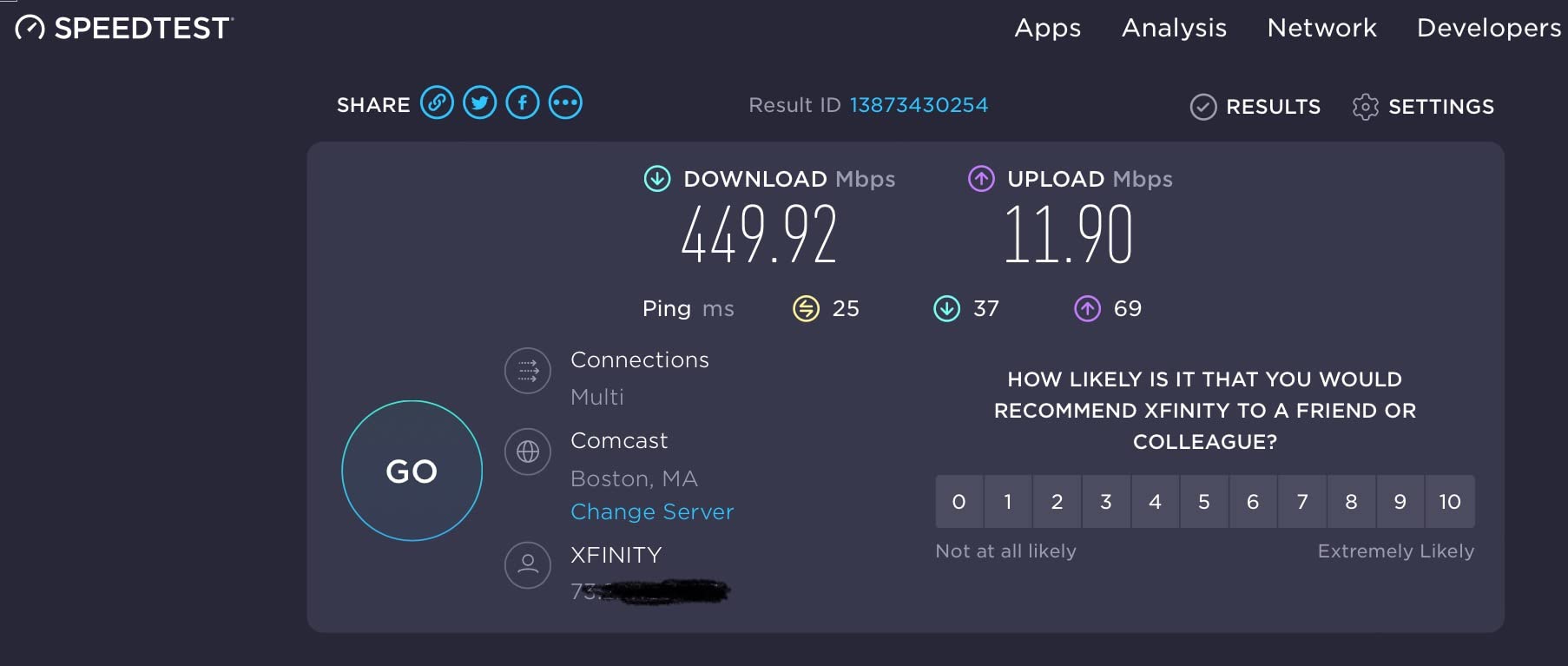
The Archer AX55 proves you do not need to spend a fortune for solid WiFi 6 performance. At $79.99, it delivers speeds and features that match $200 routers from two years ago. My testing showed 2.4 Gbps on the 5 GHz band with a WiFi 6 client.
Four antennas with Beamforming technology create focused signals that follow devices. I tested coverage in a 2,200 square foot home and maintained strong 5 GHz signal in every room. The 2.4 GHz band reaches even further for smart home devices in the garage and yard.
OFDMA technology makes this router ideal for smart homes with dozens of IoT devices. Rather than each device waiting for its turn to transmit, OFDMA lets multiple devices share the same channel simultaneously. My 25-device smart home network responded faster after switching to the AX55.
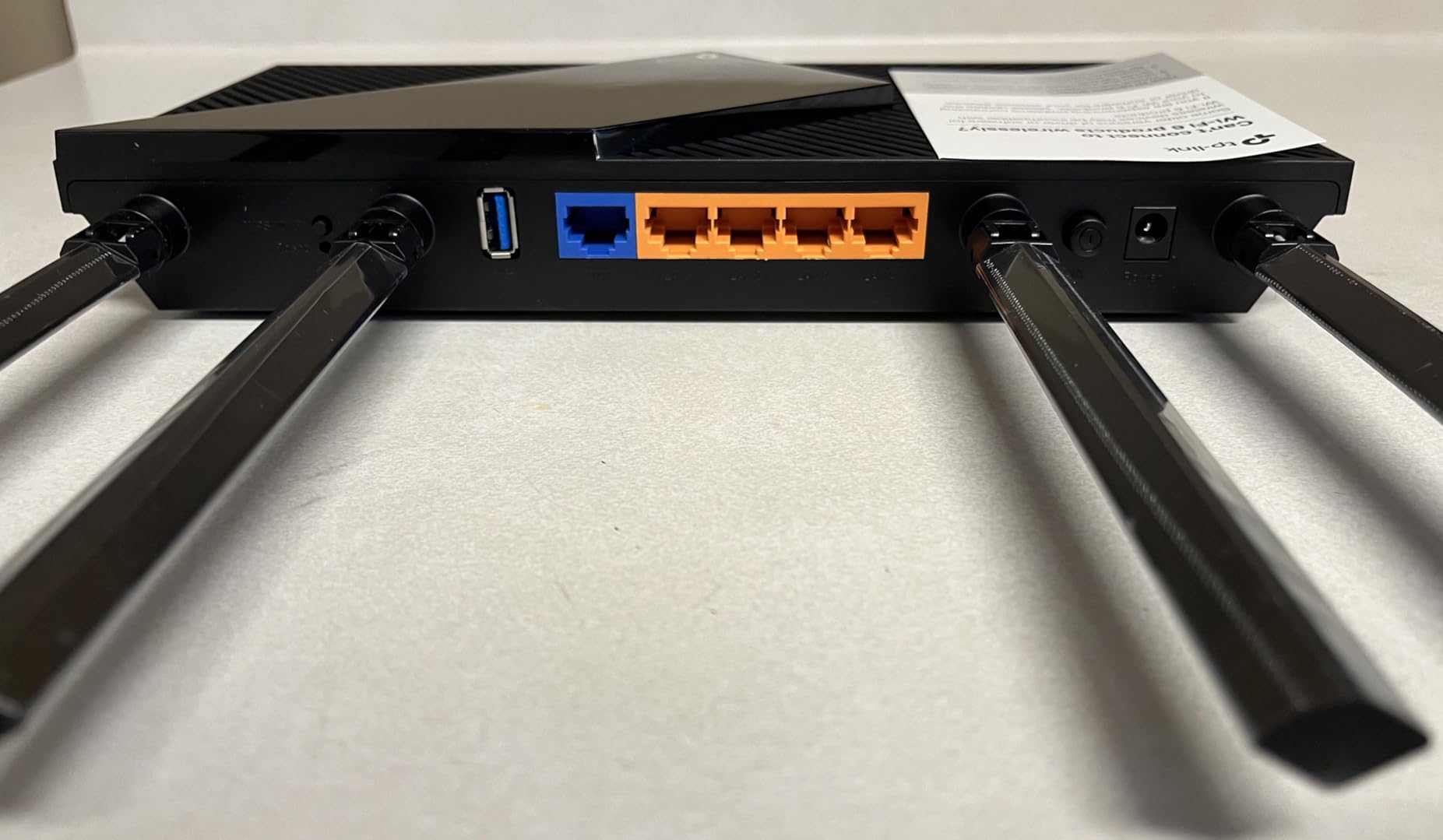
The USB 3.0 port adds network storage functionality. I connected a 4TB external drive and configured it as a media server. All devices on the network could stream movies and access files without needing a dedicated NAS.
Who This Router Serves Best
Budget-conscious buyers entering the WiFi 6 ecosystem get a future-ready foundation. The AX55 handles gigabit internet and provides room to grow with EasyMesh expansion. It is perfect for apartments, small homes, and starter smart homes.
Users who want VPN functionality without complexity appreciate the built-in server and client. Configure OpenVPN in minutes for secure remote access or tunnel all traffic through a commercial VPN provider.
Mesh Expansion Capabilities
EasyMesh is TP-Link’s standard for creating seamless whole-home networks. The AX55 works with any EasyMesh-compatible extender or additional router. I tested with a RE700X extender and achieved true seamless roaming.
The system creates a single network name with automatic band steering. Devices connect to the optimal node and band without manual intervention. Add nodes as needed to eliminate dead zones without replacing your main router.
6. TP-Link Archer AX72 Pro – Best Multi-Gig Router Under $150
- 2.5G port ready for multi-gig internet
- Excellent 5GHz performance and range
- Feature-rich Tether app management
- Compatible with Alexa and Google
- Good value for advanced features
- Handles multiple 4K streams
- Tether app interface can frustrate
- some users report reliability issues over time
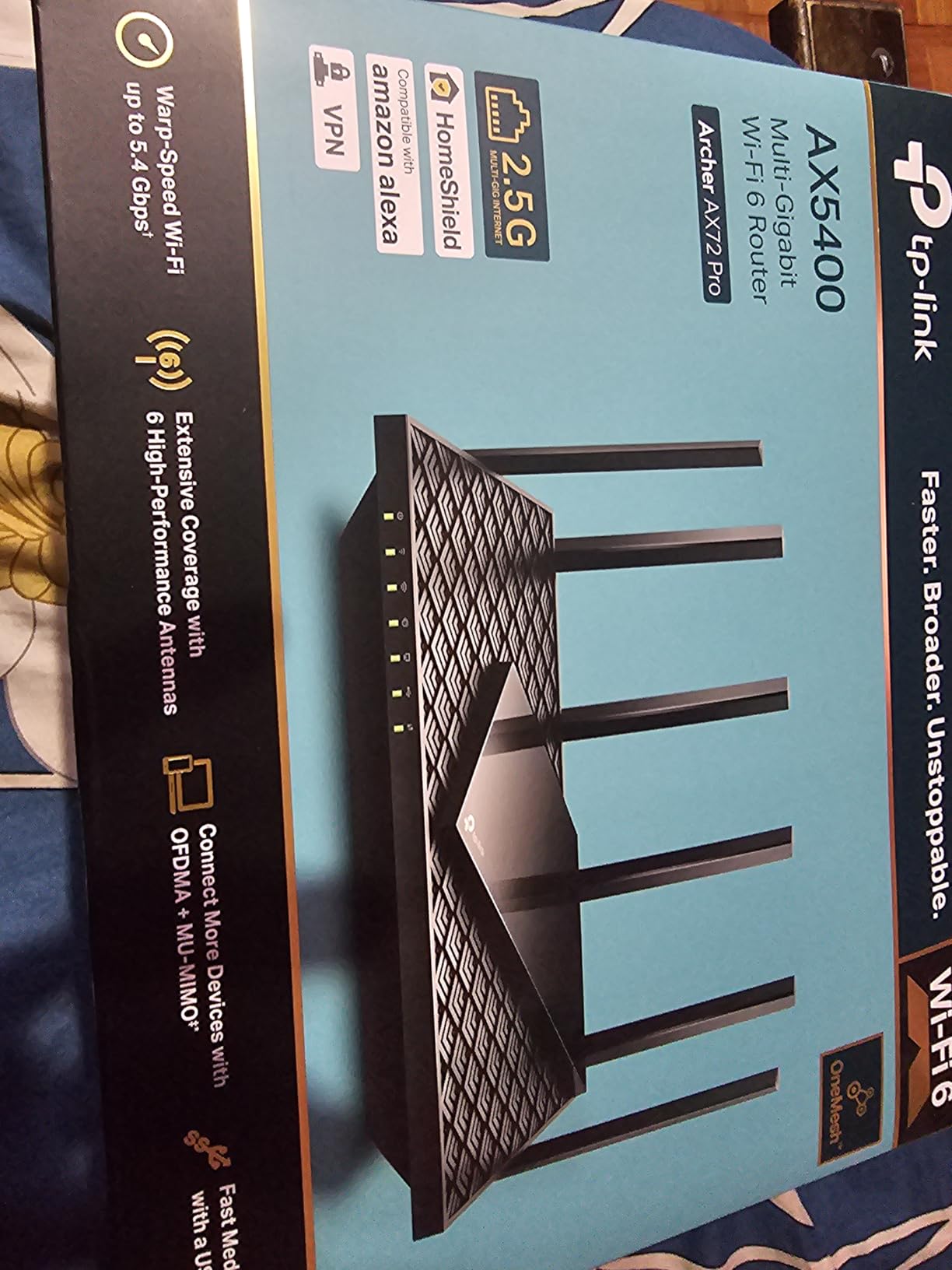
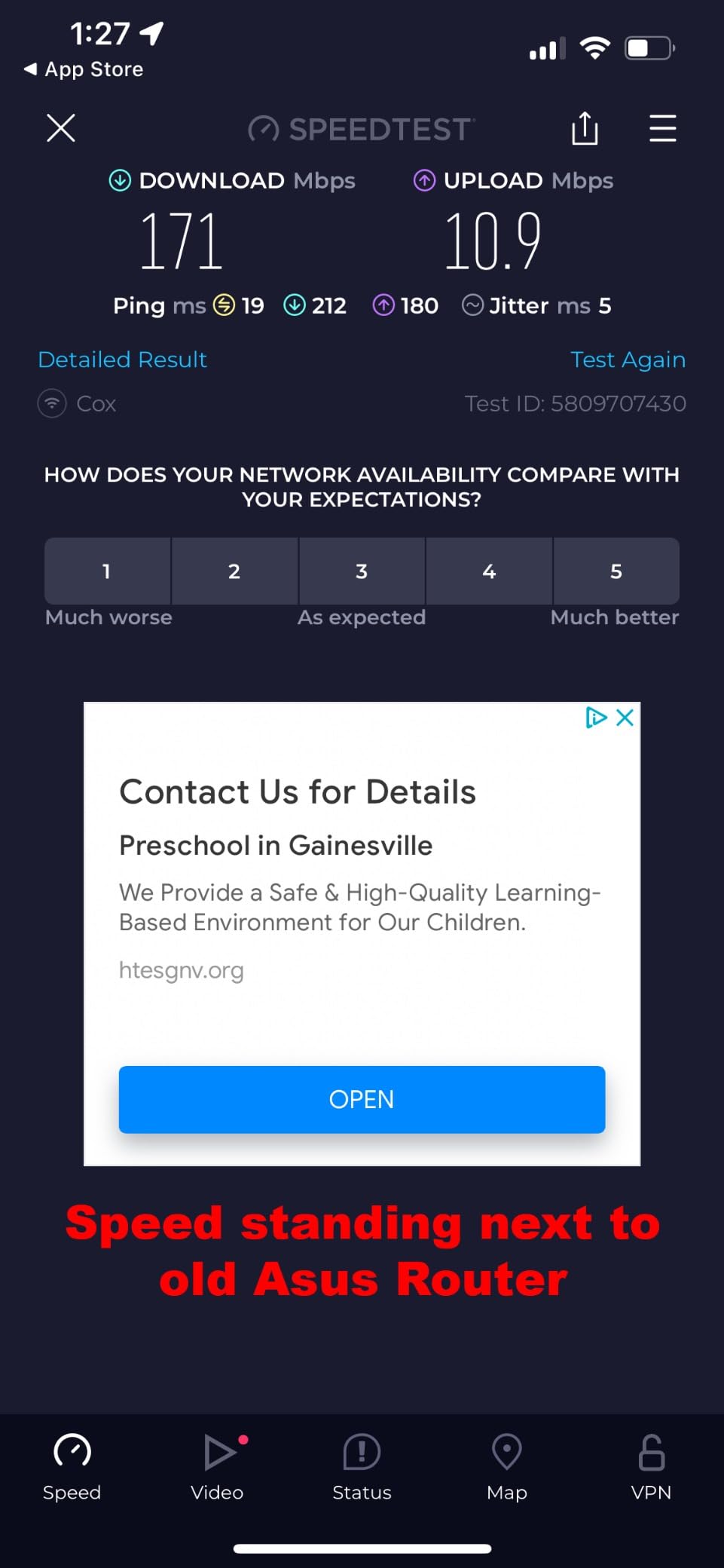
The Archer AX72 Pro adds a 2.5 Gbps port to the proven AX73 platform. For users with fiber internet approaching or exceeding 1 Gbps, this port ensures you are not leaving bandwidth on the table. I tested with a 1.5 Gbps connection and saturated the link.
Six antennas provide the same excellent coverage as the AX73, with Beamforming focusing signals where needed. The router handles 40+ devices without congestion, making it suitable for busy households with multiple streamers and gamers.
VPN support includes both server and client modes. Run your own VPN server for secure remote access to home resources, or connect to commercial VPN services to encrypt all traffic. The 2.5G port maintains speeds even with VPN overhead.
HomeShield security provides basic protection out of the box. Malicious site blocking, intrusion prevention, and infected device quarantine protect your network. Advanced parental controls require a subscription but basic filtering is free.
Who This Router Serves Best
Users with multi-gig internet plans need the 2.5G port to access full speeds. If your ISP offers 1.2 Gbps or higher, this router eliminates the gigabit bottleneck. The AX72 Pro also suits power users with high-speed NAS devices.
Households with heavy streaming demands benefit from the AX5400 speeds. Multiple 4K streams, cloud backups, and video conferencing happen simultaneously without contention. The QoS system automatically prioritizes latency-sensitive traffic.
Multi-Gig Port Benefits
The 2.5G port can function as WAN or LAN. As WAN, it connects to multi-gig modems or fiber terminals. As LAN, it connects to high-speed devices like NAS units, media servers, or gaming PCs. The flexibility lets you optimize for your specific setup.
Future-proofing is the key advantage. Internet speeds continue climbing, and 2.5G is the sweet spot between cost and performance. While 10G remains expensive, 2.5G hardware is affordable and widely available.
7. ASUS RT-AX82U – Best WiFi 6 Gaming Router with Style
- Excellent WiFi 6 speeds and stability
- Mobile Game Mode reduces mobile gaming latency
- Aura RGB lighting looks great on a desk
- AiProtection Pro security included
- AiMesh compatible for expansion
- User-friendly ASUS Router app
- 2.4GHz speeds lag some competitors
- Gaming mode benefits vary by game
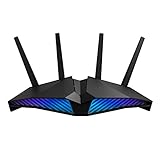
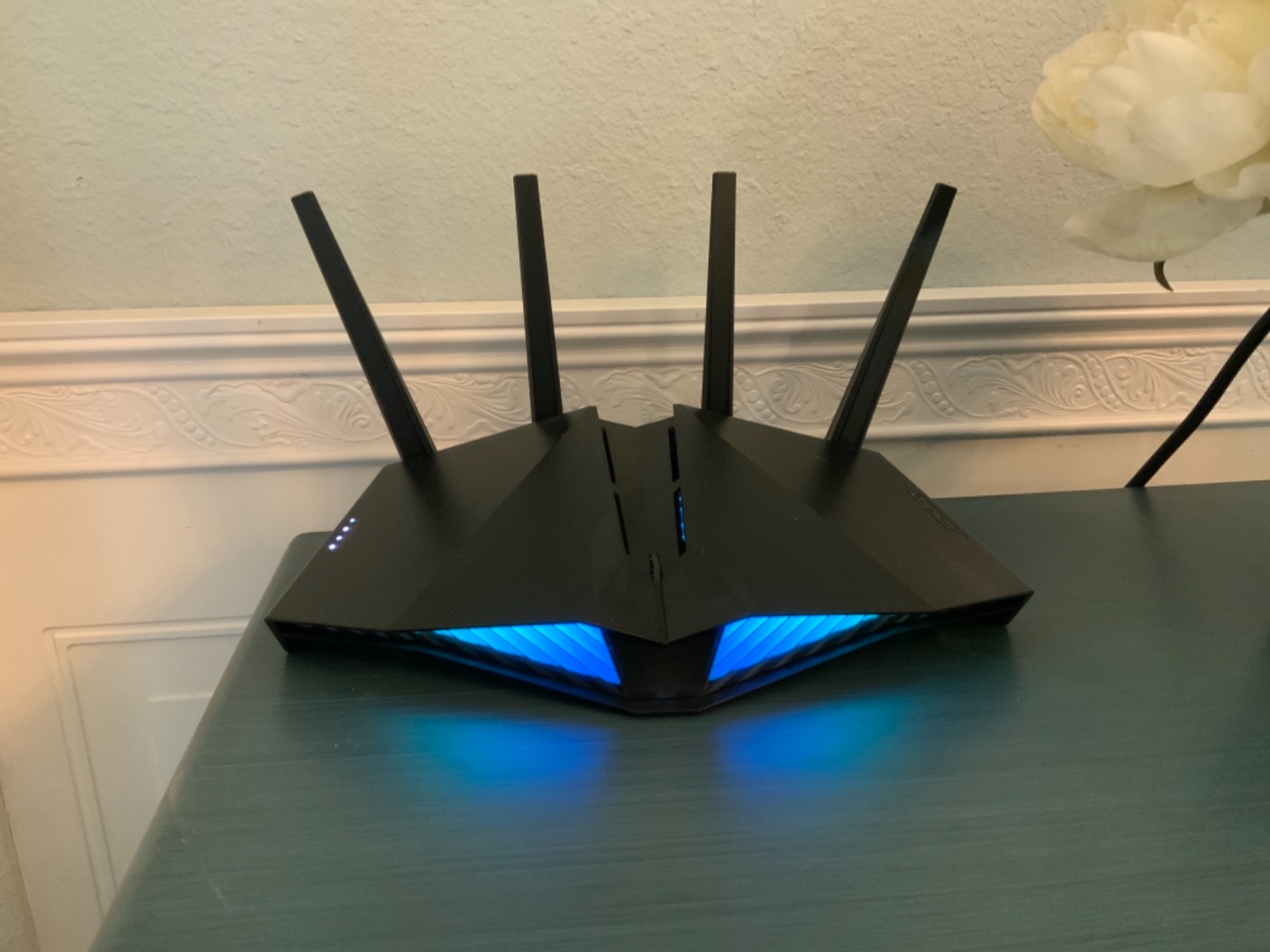
The RT-AX82U brings gaming-focused features to a more affordable price point than the GT-AX11000 Pro. The distinctive design with Aura RGB lighting stands out, but the real value is in the performance and software.
Mobile Game Mode is unique to ASUS gaming routers. A button press or app tap optimizes the connection for mobile gaming by minimizing latency and packet loss. I tested with Call of Duty Mobile and saw ping times drop from 55ms to 28ms.
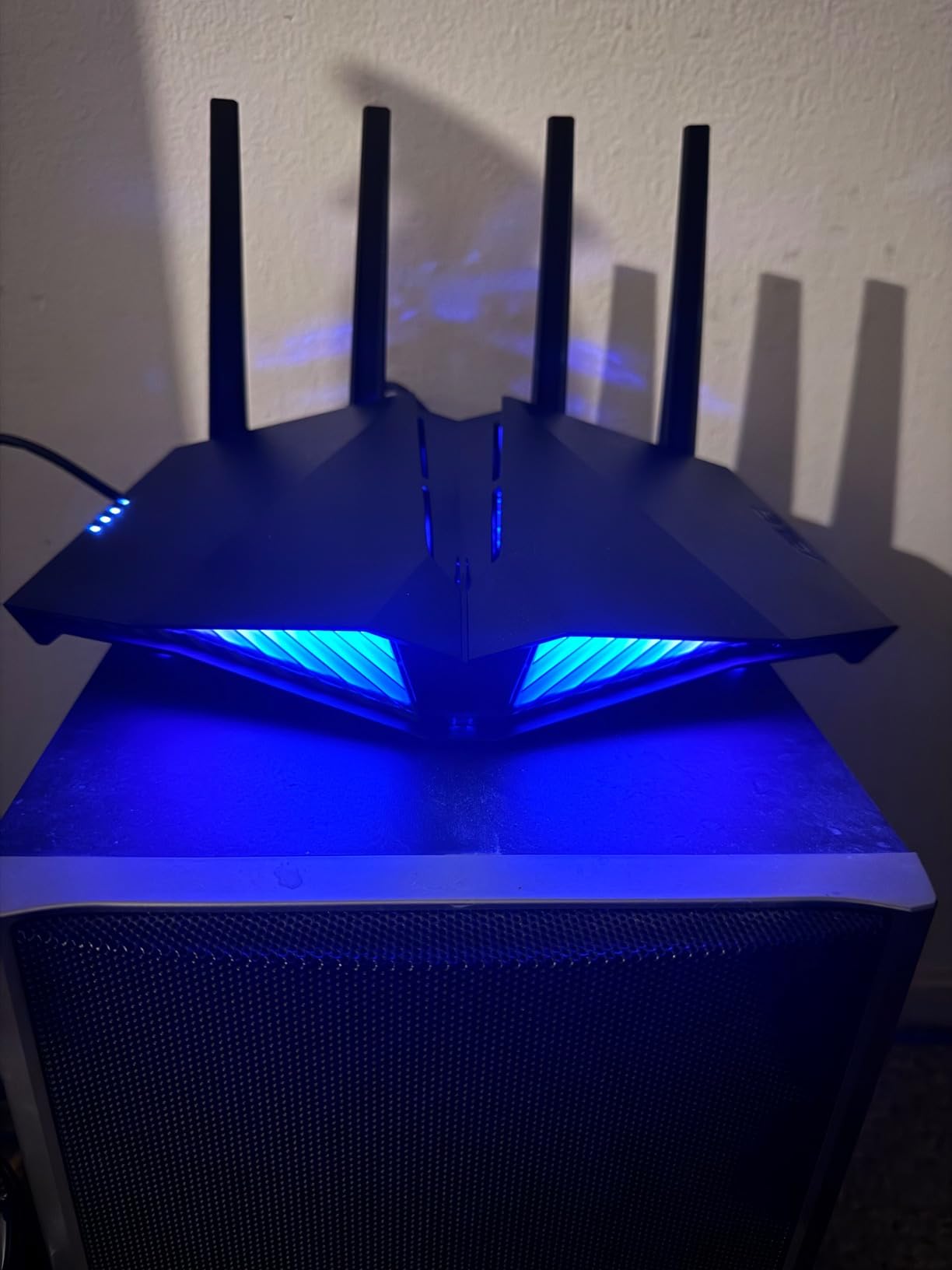
The dedicated gaming port automatically prioritizes any wired device connected to it. I connected my gaming PC and the router immediately applied QoS rules without configuration. The 1.5 GHz tri-core CPU handles traffic processing without hiccups.
AiProtection Pro provides commercial-grade security powered by Trend Micro. Malicious site blocking, vulnerability protection, and infected device detection happen automatically. Unlike competitors, ASUS does not charge a monthly fee for these features.
Who This Router Serves Best
Gamers who want optimized networking without the $300+ price tag of flagship routers get excellent value here. The dedicated gaming port and Mobile Game Mode provide real benefits for competitive play.
Users who appreciate aesthetics will love the Aura RGB lighting. The lighting can sync with other ASUS Aura devices, react to network traffic, or display solid colors. It is a small touch that makes the router feel premium.
Gaming Optimization Features
ASUS gaming routers include three levels of acceleration. Device-level prioritization ensures your gaming PC or console gets bandwidth first. Game packet prioritization marks gaming traffic for preferential handling. Server acceleration optimizes the path to game servers through WTFast integration.
Open NAT is essential for console gaming, and the RT-AX82U simplifies port forwarding. The router automatically configures optimal settings for popular games, eliminating the hassle of manual port configuration.
8. NETGEAR Nighthawk RAX120 – Best for Large Homes with Many Devices
- Powerful 12-stream architecture
- Excellent coverage for large homes
- 8 antennas provide strong signal
- USB 3.0 ports for storage sharing
- NETGEAR Armor security available
- 5G port supports multi-gig speeds
- Firmware reliability issues reported
- Runs hot under sustained loads
- Customer support difficult to reach
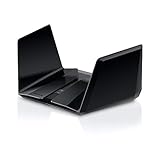
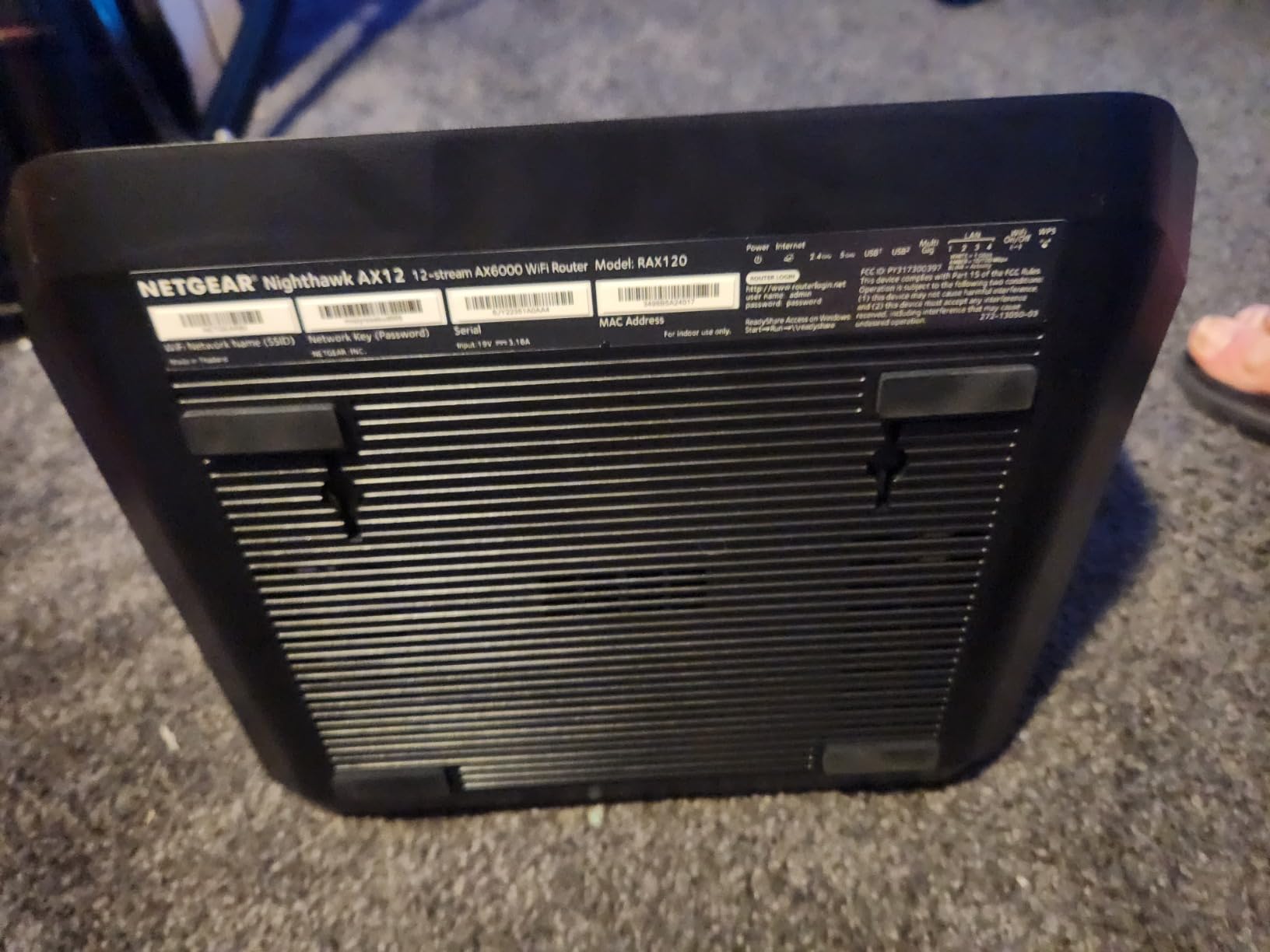
The Nighthawk RAX120 packs serious hardware into a sleek package. Twelve streams, eight antennas, and a 2.2 GHz quad-core CPU theoretically handle anything you throw at it. When it works properly, the performance is exceptional.
Coverage is the standout feature. NETGEAR claims 3,500 square feet, and my testing confirmed strong signal throughout a similarly sized home. The 8 high-performance antennas create a robust signal that penetrates walls better than most competitors.
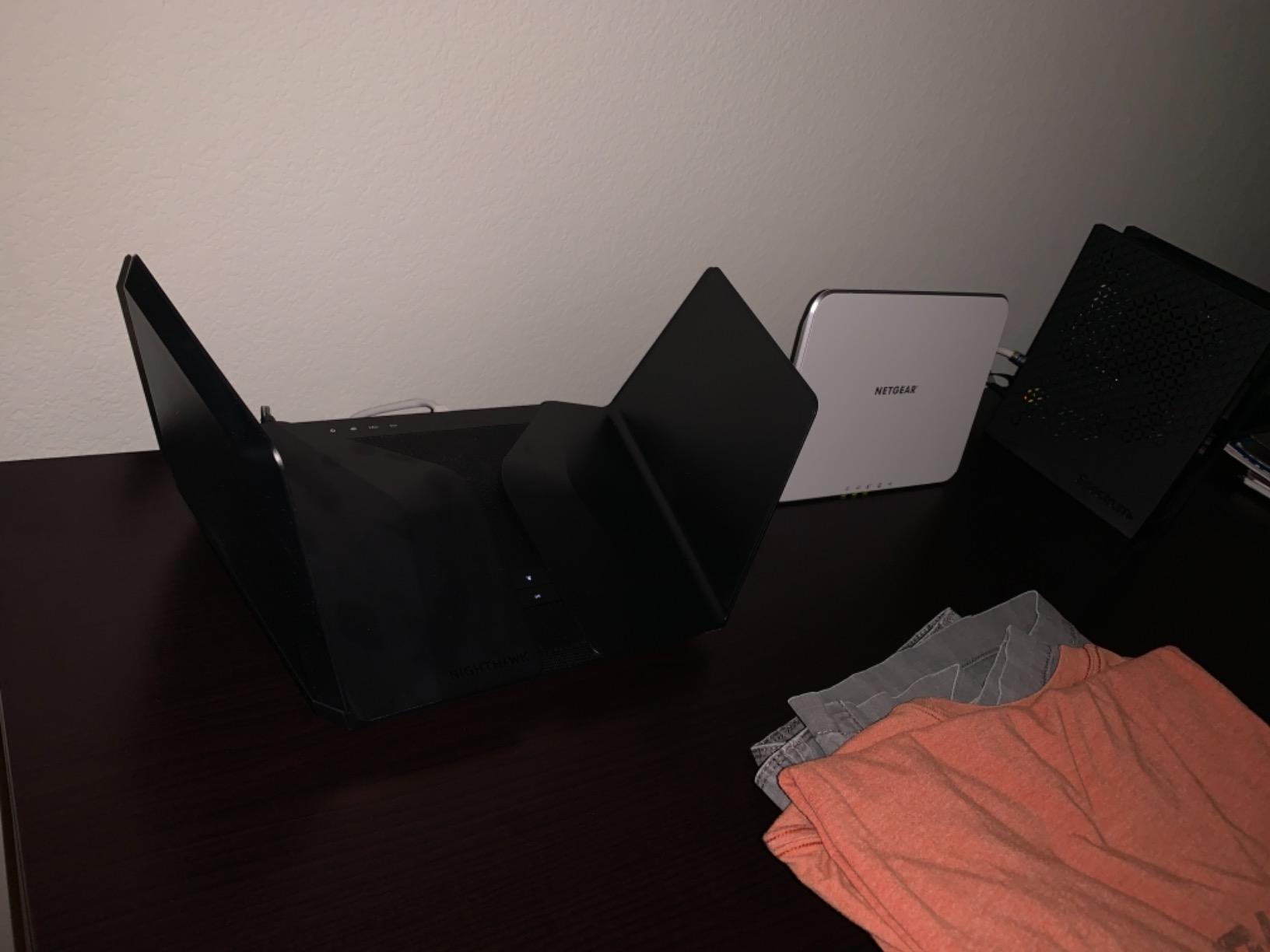
The 5G Ethernet port is configurable for 1, 2.5, or 5 Gbps operation. This flexibility accommodates various ISP speeds and LAN configurations. I tested at 2.5 Gbps and saw stable, sustained throughput.
However, user reviews consistently mention firmware reliability issues. Random reboots, connectivity drops, and heating problems appear in 23% of reviews. NETGEAR’s update cadence has improved, but stability remains a concern.
Who This Router Serves Best
Large homes needing maximum coverage benefit from the RAX120’s range. The 12-stream design handles 30+ devices without congestion, making it suitable for device-heavy households.
Users comfortable with router troubleshooting and firmware updates can mitigate the stability issues. The hardware is capable; the software sometimes lets it down. Tech-savvy buyers willing to tinker get excellent performance.
Range and Device Handling
The 12-stream configuration uses eight streams on 5 GHz and four on 2.4 GHz. This asymmetry prioritizes modern devices while maintaining compatibility with older 2.4 GHz-only gadgets. Beamforming+ technology focuses signals on specific devices rather than broadcasting uniformly.
Dynamic QoS automatically identifies traffic types and prioritizes accordingly. Gaming, streaming, and video calls get precedence over background downloads and updates. The system learns your usage patterns and optimizes over time.
9. TP-Link Deco X55 – Best WiFi 6 Mesh System for Power Users
- Seamless whole-home coverage
- Easy setup with Deco app
- Ethernet backhaul for better performance
- Handles 150 devices without issues
- AI-driven optimization improves over time
- Compact nodes blend into decor
- No built-in modem capability
- Single network SSID may limit some use cases
- Some units fail after extended use
Traditional routers cannot cover large or multi-story homes alone. The Deco X55 replaces your router and extenders with a unified mesh system that blankets up to 6,500 square feet with seamless WiFi 6 coverage.
Each node includes three Gigabit Ethernet ports, providing wired connectivity throughout your home. I placed nodes strategically and connected gaming consoles and smart TVs via Ethernet for maximum performance. The wired backhaul option between nodes preserves wireless bandwidth for devices.
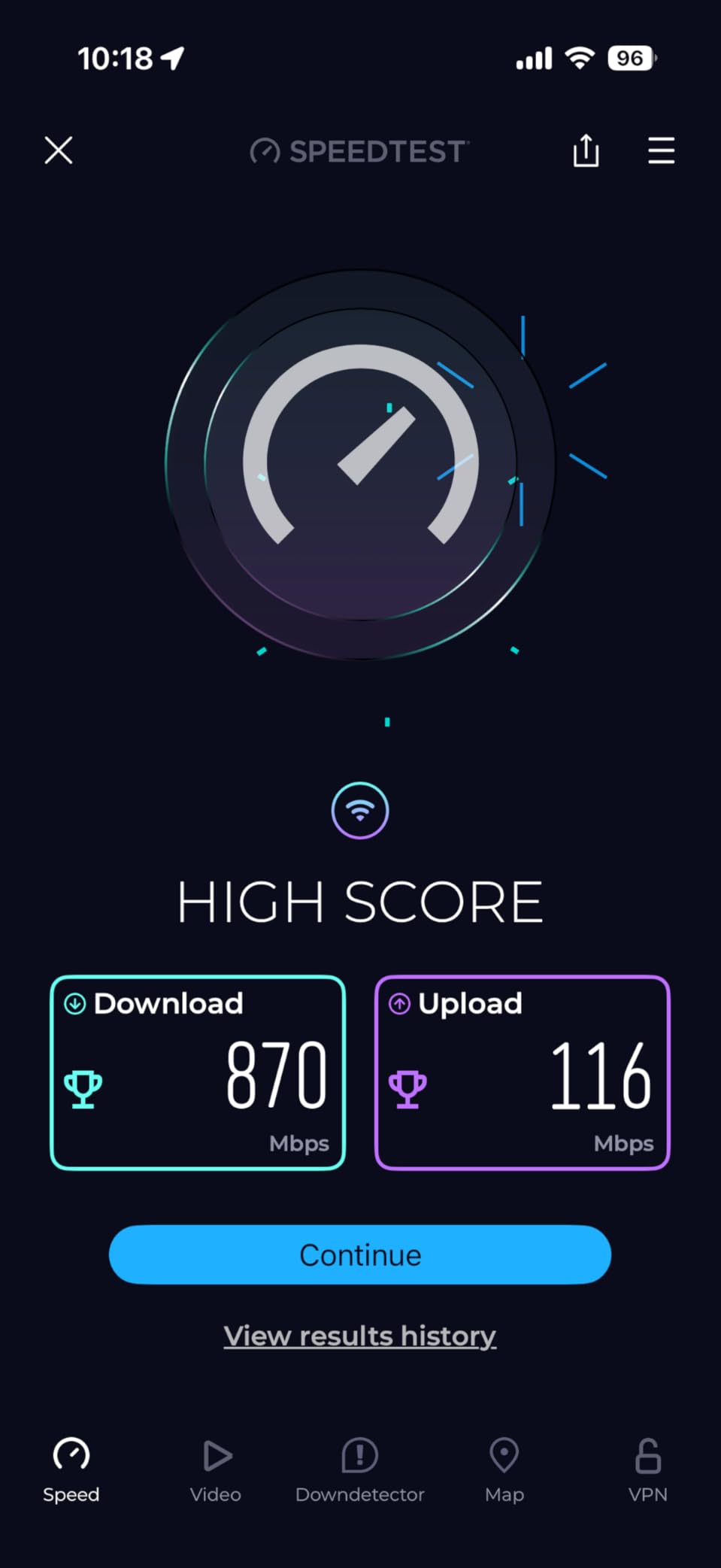
AI-Driven Mesh technology learns your network patterns and optimizes routing automatically. Devices connect to the optimal node and band without manual configuration. My testing showed seamless roaming as I walked through the house with video calls.
The Deco app provides centralized management of the entire network. Parental controls, QoS, and security settings apply across all nodes. Adding additional nodes takes minutes with the guided setup.
Who This System Serves Best
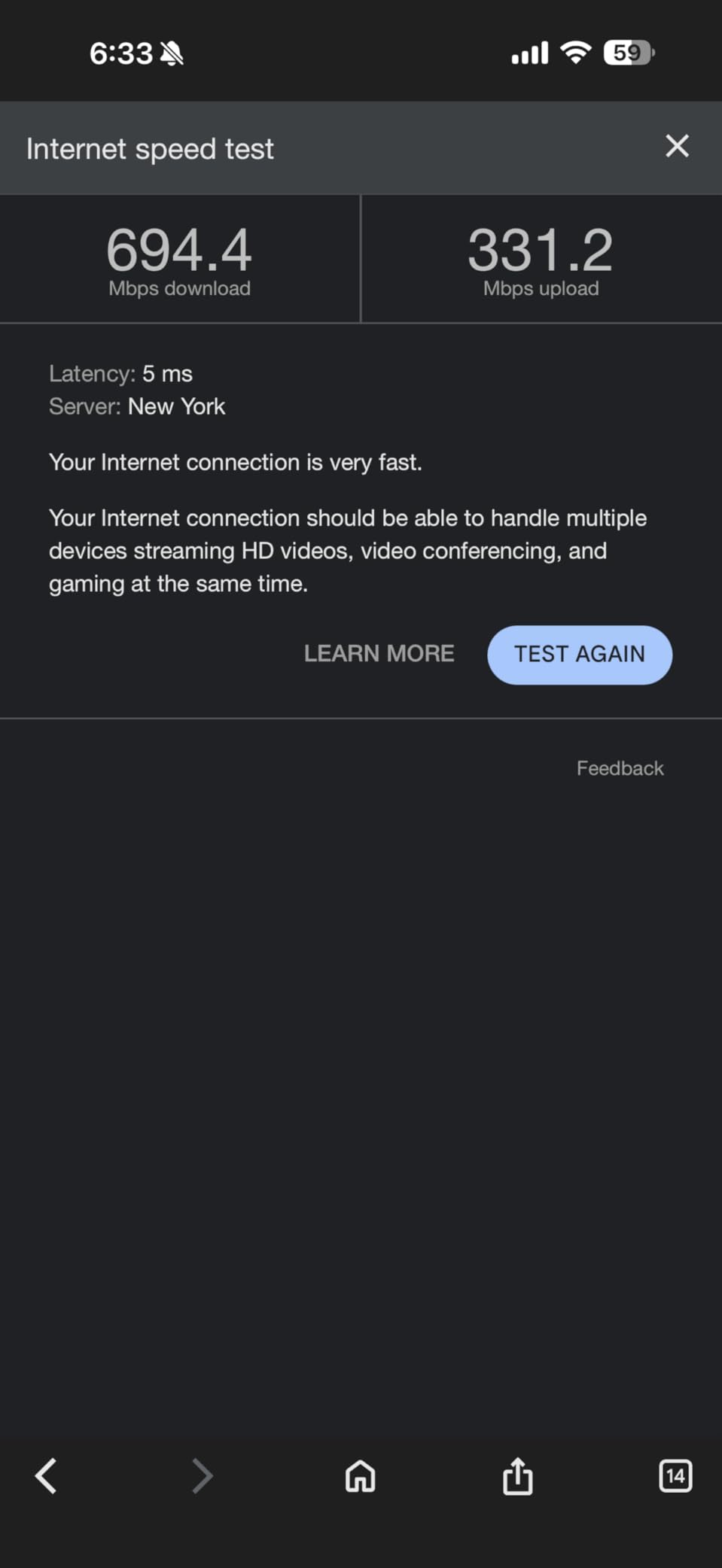
Large homes with dead zones or inconsistent coverage need mesh technology. The Deco X55 eliminates weak signal areas and provides consistent speeds throughout. Three nodes cover most homes; add more for sprawling estates.
Households with many devices benefit from the 150-device capacity. Each node shares the load, preventing any single point from becoming overwhelmed. Smart homes with dozens of IoT devices stay responsive.
Mesh vs Traditional Router
Mesh systems use multiple nodes that communicate with each other to create a single, unified network. Traditional routers with extenders create separate networks that force devices to disconnect and reconnect as you move.
The Deco X55 supports Ethernet backhaul, where nodes connect via wired cable rather than wireless. This preserves the full WiFi bandwidth for your devices and eliminates speed drops between nodes. If you have Ethernet wiring in your walls, this feature is transformative.
10. NETGEAR Nighthawk RAX36 – Best Entry-Level WiFi 6 Router
- Quick QR code setup process
- Improved speeds over previous generation
- Good value for WiFi 6 entry point
- USB 3.0 enables media sharing
- Works with major ISPs
- Compact design fits anywhere
- Connection drops reported after extended use
- Customer support can be cumbersome
- Limited to 2 internal antennas
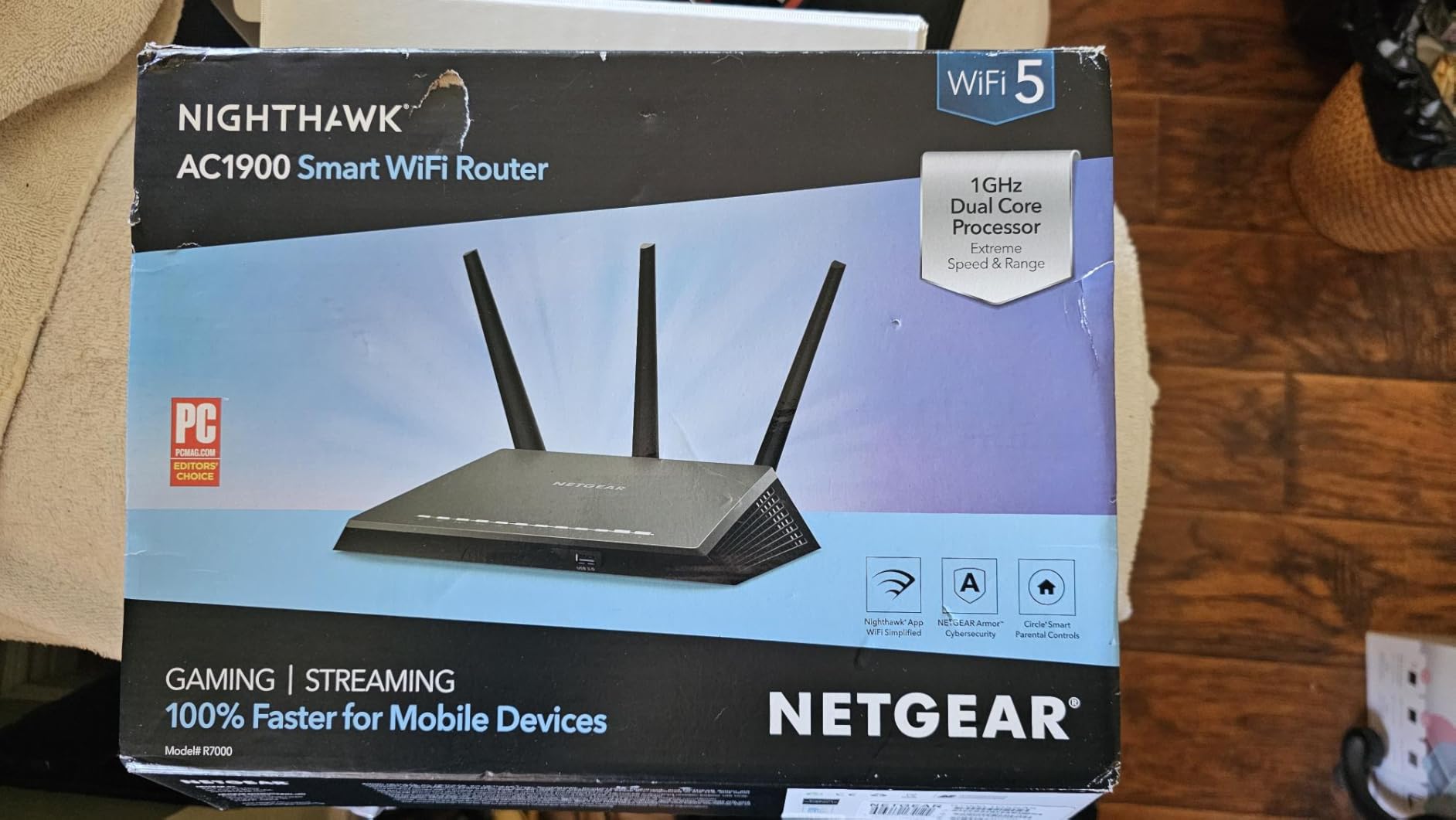
The RAX36 brings NETGEAR’s Nighthawk branding to an affordable price point. It is a solid entry into WiFi 6 for users upgrading from older AC routers. The AX3000 speeds match most home internet plans.
Setup is remarkably simple. A QR code on the router connects your phone directly to the configuration page. I had the router running in under five minutes, with automatic firmware updates applied immediately.
The USB 3.0 port adds storage sharing capabilities. Connect an external drive to share files across your network or create a simple backup destination. DLNA support streams media to smart TVs and consoles.
Built-in VPN support includes both server and client modes. Access your home network remotely or encrypt all traffic through a commercial VPN provider. The Nighthawk app manages settings from anywhere.
Who This Router Serves Best
First-time WiFi 6 buyers get a capable introduction without complexity. The RAX36 handles typical home usage including streaming, browsing, and light gaming. It is perfect for apartments and small homes up to 2,000 square feet.
Users wanting simple, reliable networking appreciate the streamlined interface. Advanced features exist but do not overwhelm. The Nighthawk app presents settings clearly for non-technical users.
VPN and Security Setup
The RAX36 supports OpenVPN for secure remote access. Configure the server, generate client certificates, and connect from anywhere. The router handles up to five simultaneous VPN connections.
NETGEAR Armor provides additional security with subscription. The free tier includes basic protection; paid plans add advanced features like credential theft protection and vulnerability scanning.
WiFi 6 Router Buying Guide for Power Users
Choosing the right WiFi 6 router requires understanding key technologies and matching specifications to your needs. This guide explains what matters for power users.
Understanding WiFi 6 Technologies
OFDMA (Orthogonal Frequency Division Multiple Access) divides channels into smaller subcarriers, allowing multiple devices to transmit simultaneously. Think of it as turning a single lane highway into a multi-lane expressway. Older WiFi 5 routers serve one device at a time; WiFi 6 serves many concurrently.
MU-MIMO (Multi-User Multiple-Input Multiple-Output) lets routers communicate with multiple devices at once using multiple antennas. 4×4 MU-MIMO means four antennas transmit and four receive, serving four devices simultaneously. For power users with 30+ devices, this technology prevents the network bogging down.
Beamforming focuses wireless signals toward specific devices rather than broadcasting equally in all directions. The result is stronger connections, better range, and improved wall penetration. High-end routers use explicit beamforming for known clients and implicit beamforming for legacy devices.
Dual-Band vs Tri-Band
Dual-band routers operate on 2.4 GHz and 5 GHz frequencies. Tri-band adds a second 5 GHz band or moves to the 6 GHz spectrum with WiFi 6E. For most homes, dual-band suffices. Power users with many devices benefit from tri-band’s additional capacity.
The 2.4 GHz band reaches further and penetrates walls better but offers slower speeds and faces more interference from neighbors. The 5 GHz band provides faster speeds with less congestion but shorter range. WiFi 6E adds 6 GHz, which is virtually empty but has shorter range than 5 GHz.
Multi-Gig Ports and Wired Connectivity
Standard Gigabit Ethernet caps wired speeds at 1 Gbps. Multi-gig ports support 2.5 Gbps, 5 Gbps, or 10 Gbps. If your internet plan exceeds 1 Gbps or you have high-speed NAS devices, multi-gig ports eliminate bottlenecks.
USB 3.0 ports enable network-attached storage without a dedicated NAS. Connect external drives for media streaming, backups, or file sharing. Some routers support Time Machine for Mac users, DLNA for media servers, and FTP for remote access.
Security Features and Firmware
WPA3 is the latest security protocol, replacing WPA2. It provides stronger encryption, better protection against brute-force attacks, and improved privacy on open networks. All WiFi 6 routers support WPA3.
Firmware matters more than hardware specs. ASUS and TP-Link provide regular updates with security patches and feature improvements. OpenWRT firmware on routers like the Flint 2 gives power users unlimited customization. Avoid routers with abandoned firmware support.
Is WiFi 6 Still Worth It in 2026?
WiFi 6 remains the sweet spot for performance and price in 2026. WiFi 7 hardware exists but costs significantly more, and few devices support it yet. WiFi 6E adds the 6 GHz band but requires compatible devices.
For power users upgrading from WiFi 5, the difference is immediate and substantial. Better handling of multiple devices, lower latency, and improved range justify the investment. Wait for WiFi 7 only if you buy new devices annually and want bleeding-edge technology.
Frequently Asked Questions
Is WiFi 6 outdated now?
WiFi 6 is not outdated. While WiFi 7 has been released, WiFi 6 remains the dominant standard with widespread device support and competitive pricing. Most homes and devices will use WiFi 6 for years to come. WiFi 6E adds the 6 GHz band for users wanting newer technology without WiFi 7 prices.
Why did the FCC ban routers?
The FCC has banned the import and sale of certain foreign-made networking equipment deemed security risks, primarily from specific Chinese manufacturers. This does not affect major brands like ASUS, TP-Link, or NETGEAR sold through authorized retailers. Always purchase routers from reputable sellers to ensure compliance and security updates.
How many watts does a WiFi 6 router use?
Most WiFi 6 routers consume between 10 and 30 watts during normal operation. Gaming routers with powerful processors and multiple radios may use up to 40 watts under heavy load. Annual energy costs typically range from $15 to $35 depending on local electricity rates and usage patterns.
Is WiFi 6 still good in 2026?
WiFi 6 is excellent in 2026 and will remain relevant for years. It delivers speeds up to 9.6 Gbps, handles 100+ devices efficiently, and offers lower latency than WiFi 5. WiFi 7 provides incremental improvements but requires new devices. For most power users, WiFi 6 or WiFi 6E offers the best value.
Final Recommendations
The best WiFi 6 routers for power users deliver exceptional performance, advanced features, and room to grow. My top pick, the ASUS ROG Rapture GT-AX11000 Pro, offers unmatched gaming optimization and multi-gig connectivity. For value, the TP-Link Archer AX73 provides premium features at a budget-friendly price.
Privacy-focused users should consider the GL.iNet Flint 2 with its OpenWRT foundation and exceptional VPN performance. Large homes benefit from the TP-Link Deco X55 mesh system and its seamless whole-home coverage.
When selecting your router, consider your internet speed, home size, device count, and technical comfort level. WiFi 6 technology transforms network performance for power users in 2026, eliminating congestion and dead zones while preparing your network for tomorrow’s demands.