
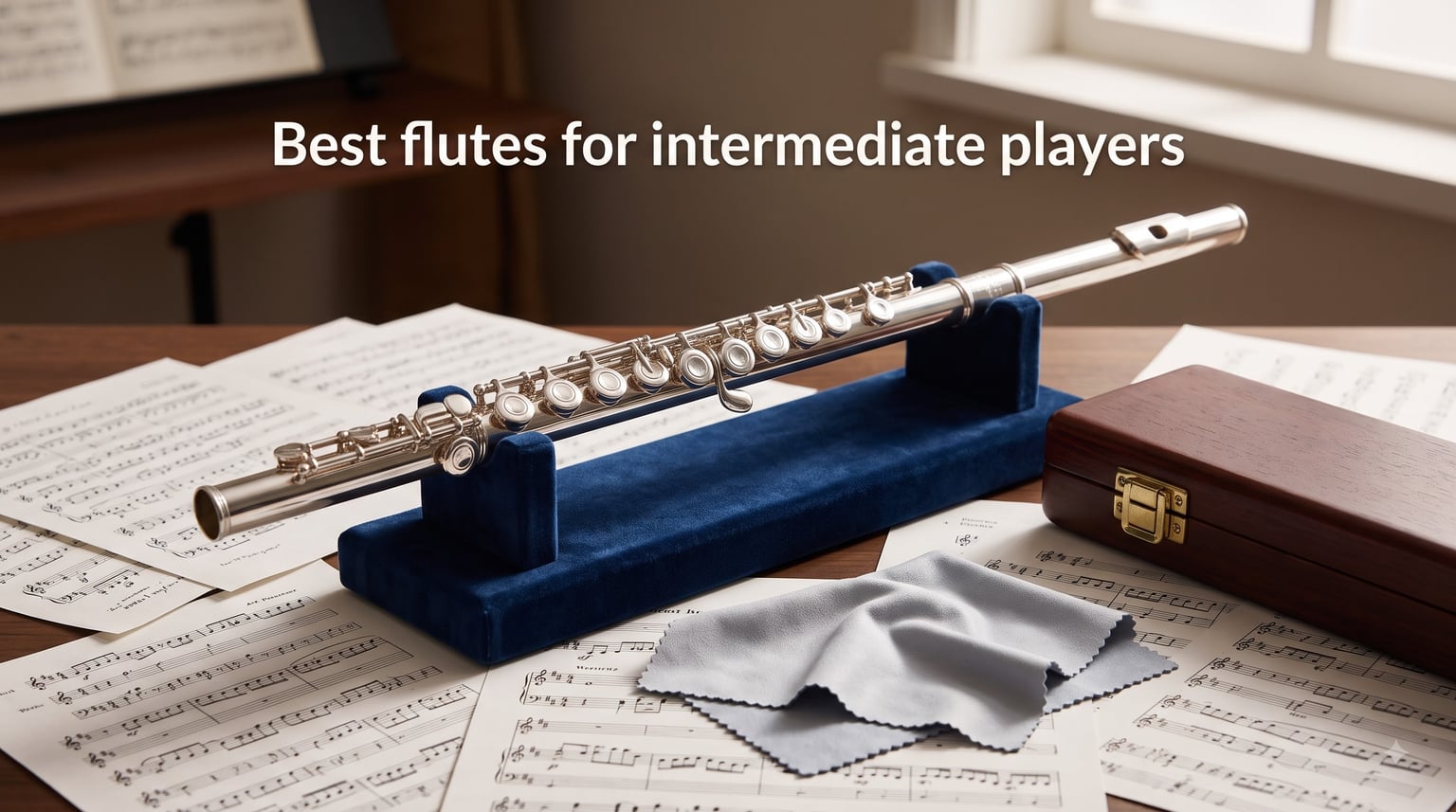
When my daughter outgrew her student flute last year, I spent three months researching the best flutes for intermediate players so she would have an instrument that could keep up with her growing technique. The jump from a beginner model to a step-up flute is a serious investment, and the wrong choice can hold a player back for years.
An intermediate flute, also called a step-up flute, bridges the gap between student models and professional instruments. The biggest upgrades you will see are a solid silver headjoint for richer tone, open-hole (French) keys for advanced techniques, a B footjoint for extended range, and a split E mechanism for cleaner high-register notes. These features directly affect how the instrument sounds and how well a developing player can express themselves musically.
In this guide, I cover 10 intermediate flute models from the most trusted brands in the industry: Yamaha, Azumi, Di Zhao, Pearl, and Gemeinhardt. I have organized everything from the most affordable bridge instruments to premium step-up models so you can find the right match for your budget and skill level. Whether you are shopping for a high school band student, a college music major, or a community orchestra player, you will find a clear recommendation here.
What Makes a Flute “Intermediate” Level
An intermediate flute sits between a student instrument and a fully professional one. Student flutes typically use silver-plated nickel silver with closed-hole keys and a C footjoint. They are built for durability and ease of play, not for tonal richness.
Intermediate models upgrade the materials and keywork to unlock better sound and more advanced techniques. The most important upgrade is the headjoint. A solid (sterling) silver headjoint produces a warmer, more focused tone than silver plating. This single change does more for your sound than any other feature.
Most step-up flutes also add open-hole (French) keys, which have holes in the center of five keys. These allow advanced techniques like glissando, multiphonics, and quarter tones. A B footjoint extends the range down to low B and adds resonance to the low register. A split E mechanism improves the response and intonation of the high E, which is notoriously difficult on student flutes.
Top 3 Picks at a Glance (October 2026)
If you want to skip straight to my top recommendations across the full range of intermediate flutes, here are three models that stand out for different reasons and budgets.

The Yamaha YFL-462H is the premium pick for players who want a true step-up experience with a solid silver headjoint and open-hole keys. The Azumi AZ2 earns the editor’s choice spot because its Altus handmade headjoint delivers professional-level tone at an intermediate price. And the Yamaha YFL-222 is the best value option for younger players who need a dependable bridge from student to intermediate repertoire before making a bigger investment.
Best Flutes for Intermediate Players in 2026
| Product | Specifications | Action |
|---|---|---|
 Yamaha YFL-222 Yamaha YFL-222 |
|
Check Latest Price |
 Gemeinhardt 3OB Gemeinhardt 3OB |
|
Check Latest Price |
 Di Zhao DZ-300 Di Zhao DZ-300 |
|
Check Latest Price |
 Pearl 505RBE1RB Pearl 505RBE1RB |
|
Check Latest Price |
 Di Zhao DZ-400 Di Zhao DZ-400 |
|
Check Latest Price |
 Di Zhao DZ-500 Di Zhao DZ-500 |
|
Check Latest Price |
 Pearl 665RBE1RB Pearl 665RBE1RB |
|
Check Latest Price |
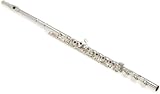 Yamaha YFL-362H Yamaha YFL-362H |
|
Check Latest Price |
| Azumi AZ2 |
|
Check Latest Price |
 Yamaha YFL-462H Yamaha YFL-462H |
|
Check Latest Price |
1. Yamaha YFL-222 – Reliable Bridge from Student to Intermediate
- Excellent quality construction
- Silver-plated keys for durability
- Comfortable offset G for developing hands
- Includes case and cleaning supplies
- 2-year warranty
- Silver-plated not solid silver
- Limited stock availability
When players ask me about the best flutes for intermediate players who are not quite ready for a full step-up investment, the Yamaha YFL-222 is almost always my first recommendation. I have seen this model carry students from their first year of playing all the way into early high school repertoire without holding them back. The 4.7-star rating across 464 reviews tells you this is a widely trusted instrument.
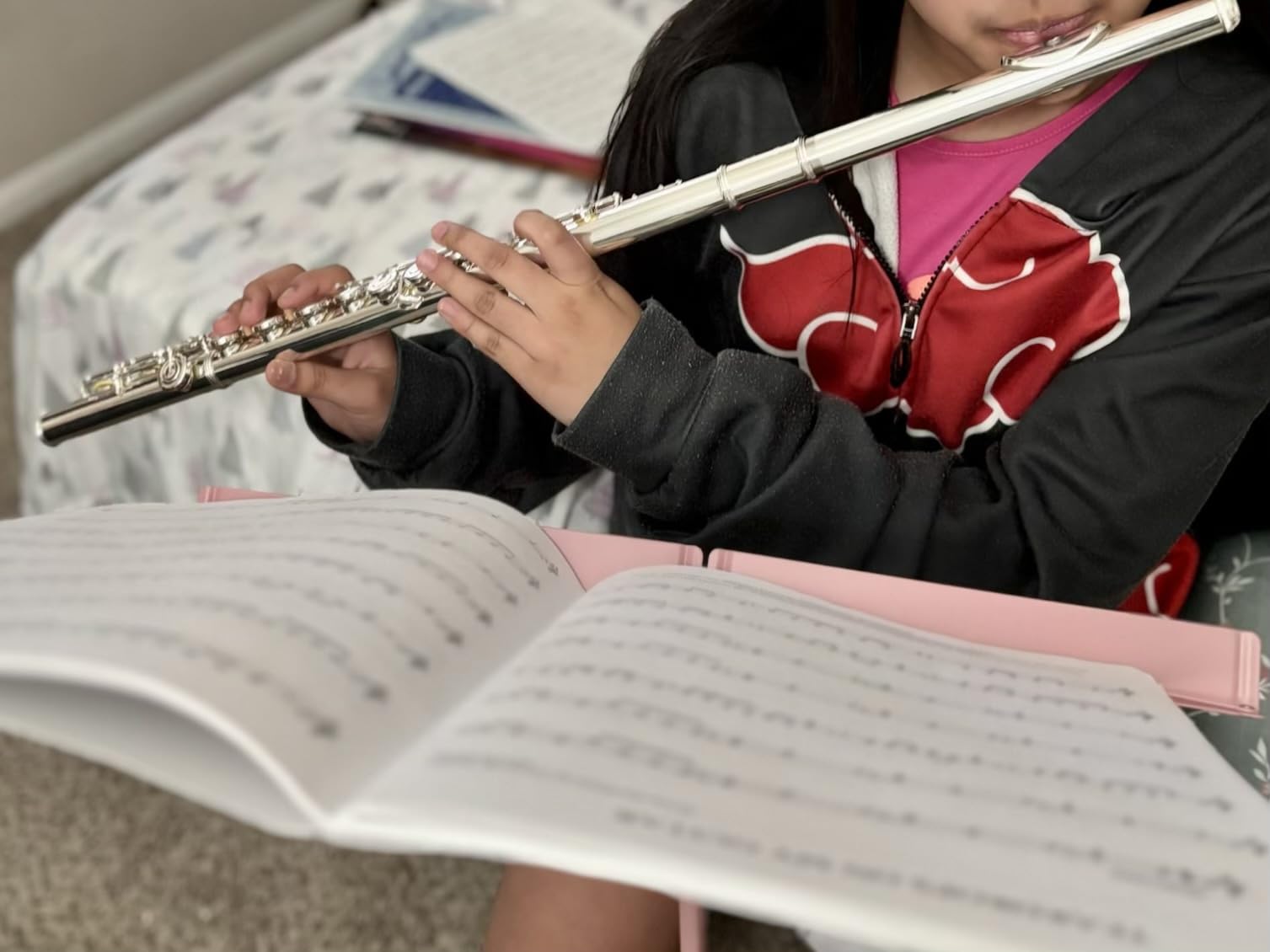
My daughter started on this exact model. The offset G key made the left hand more comfortable for her smaller fingers, and the silver-plated nickel silver body held up to daily practice sessions without any issues. The tone is clean and even across registers, which is exactly what a developing player needs to build good habits.
Technically, this is more of an advanced student flute than a true intermediate model. It lacks open-hole keys and a B footjoint, so it will not support advanced literature. But as a stepping stone, it gives you Yamaha’s legendary build quality and intonation consistency at an accessible price.
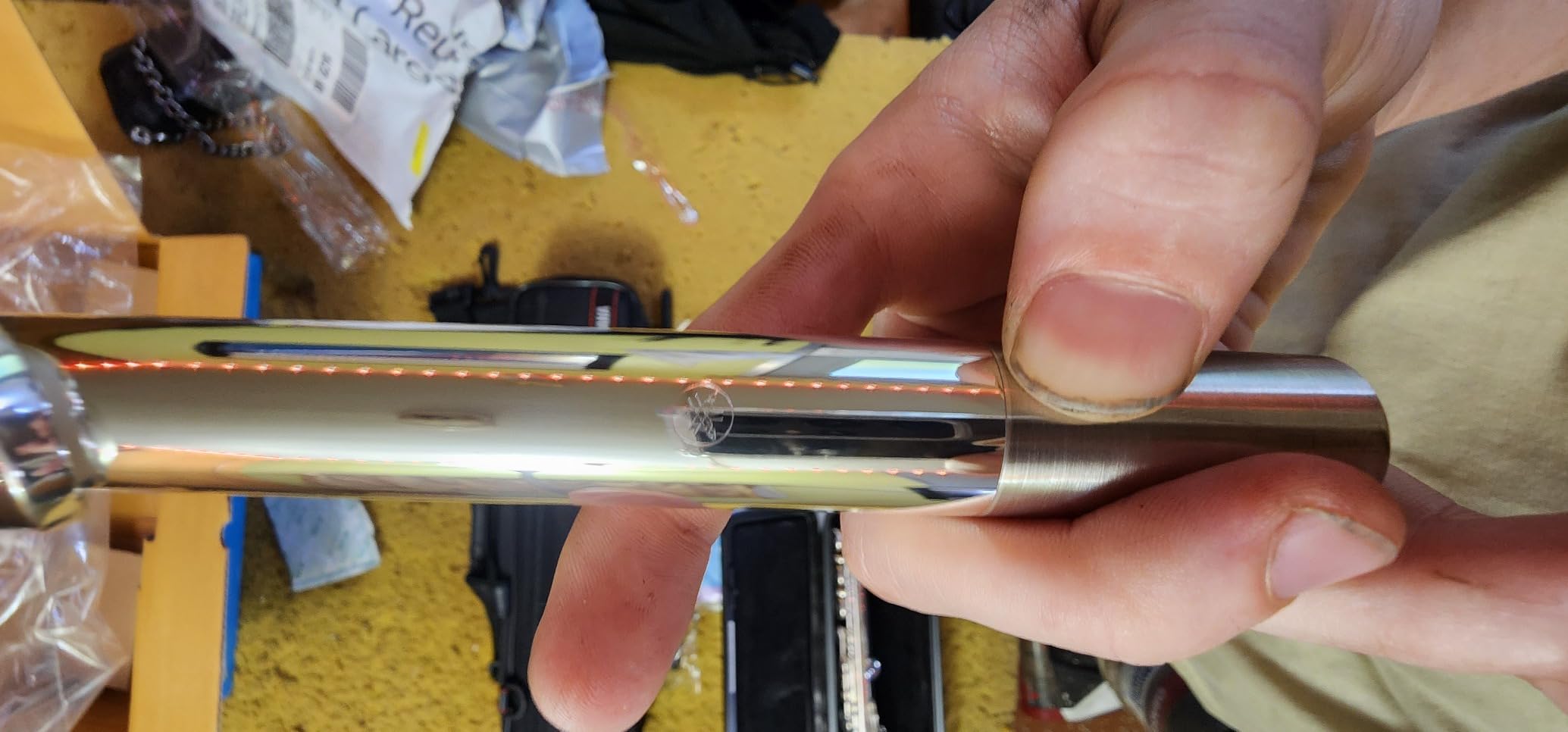
The CY headjoint is designed specifically for ease of response, which helps students produce a good sound without fighting the instrument. The construction and pad work are excellent, meaning fewer trips to the repair shop compared to cheaper student brands.
Who This Flute Suits Best
The YFL-222 is ideal for students in their first three to four years of playing who need a reliable, well-built instrument that will not hold back their development. It is also a great option for adult beginners who want quality from the start without spending step-up flute money.
If your teacher has mentioned that your current student flute is limiting your sound but you are not yet ready for open-hole keys, this model fills that gap perfectly. Many players use it through middle school and into early high school before making the full intermediate jump.
When to Move Beyond This Model
You will know it is time to upgrade when you start working on repertoire that calls for extended techniques, faster passages where the lack of a solid silver headjoint becomes noticeable, or when your teacher flags that your tone has plateaued. At that point, a model with a sterling silver headjoint and open holes becomes the natural next step.
2. Gemeinhardt 3OB – Open Hole Entry Point
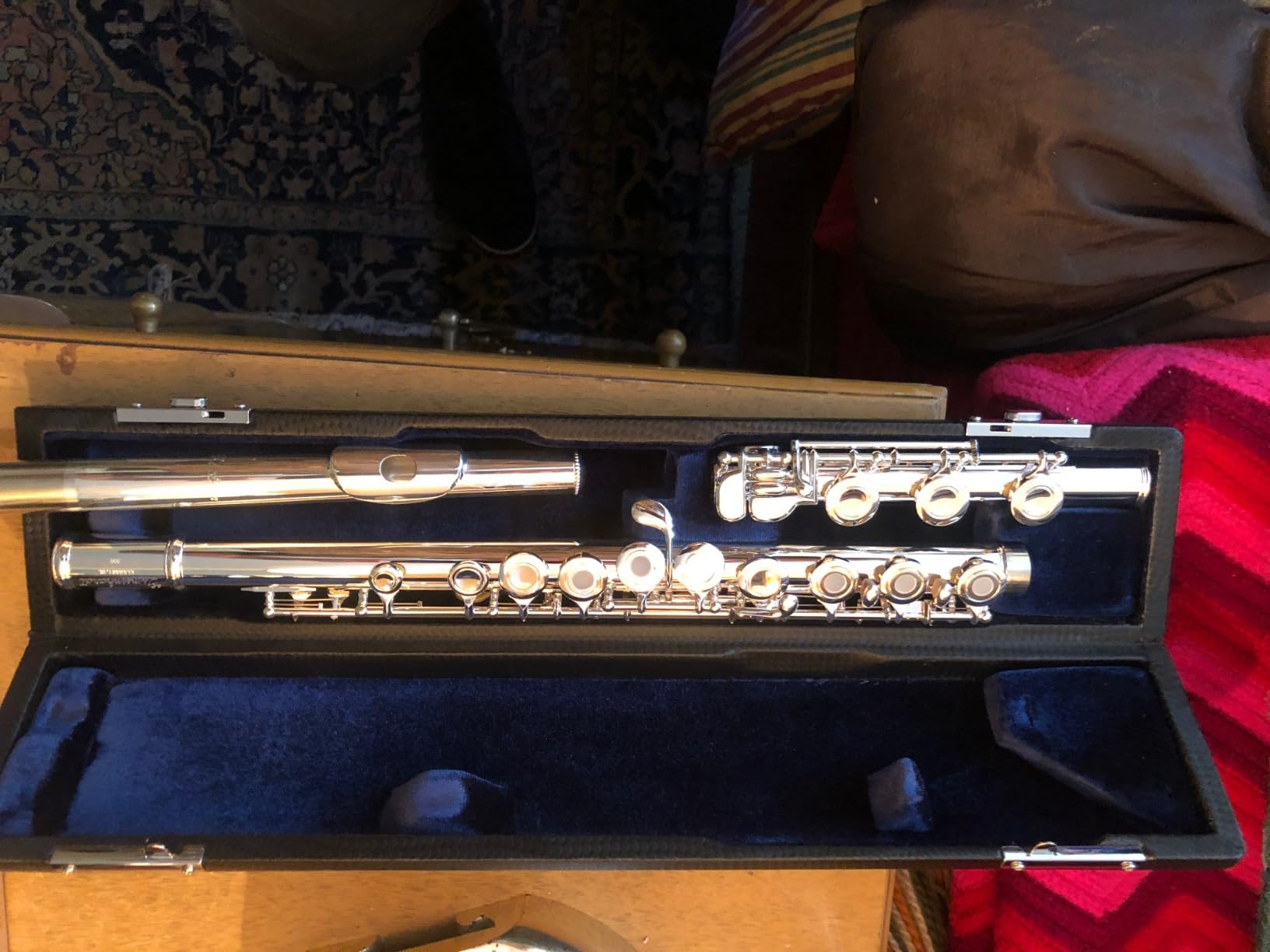
- Open hole keys for advanced techniques
- B-footjoint extends range
- Intermediate level construction
- Professional silver-plated appearance
- Silver-plated not solid silver headjoint
- Limited stock availability
The Gemeinhardt 3OB is the flute I recommend when a player is ready for open-hole keys and a B footjoint but still wants to keep the budget reasonable. Gemeinhardt has been making flutes in Elkhart, Indiana for decades, and the 3OB represents their intermediate lineup with the features that matter most for advancing players.
With 92 reviews averaging 4.5 stars, this model has proven itself with real intermediate players. The open-hole French-style keys force proper finger technique, which is a critical skill for any player moving toward advanced repertoire. The B footjoint gives you the low B note that shows up in more challenging pieces.
One thing to keep in mind: the 3OB uses a silver-plated body and headjoint rather than solid silver. This keeps the price down but means the tone will not have the warmth and projection of a sterling silver headjoint model. For players who want the open-hole experience without the sterling silver price tag, this is a fair tradeoff.
The offset G makes the left hand position more natural, especially for players with smaller hands. Gemeinhardt’s build quality is consistent and their pad work holds up well under regular use, which reduces maintenance costs over time.
Ideal Playing Level for This Flute
This model works best for middle school and early high school students who are stepping up from a closed-hole student flute. It introduces open-hole technique and the B footjoint without the larger financial commitment of a sterling silver headjoint model.
Community orchestra members and adult returners who want to learn advanced techniques without spending over a thousand dollars will also find the 3OB a practical choice. It gives you the keywork features you need at a price that respects your budget.
Limitations to Consider
Because the headjoint is silver-plated rather than solid silver, you will eventually hit a tonal ceiling. Advanced players often find they want a warmer, more colorful sound that only a sterling silver headjoint can provide. If your teacher emphasizes tone development heavily, you may outgrow this model faster than you expect.
3. Di Zhao DZ-300 – Sterling Silver Value Play
- Sterling silver lip plate for superior tone
- Open-hole keys for advanced techniques
- B-footjoint for extended range
- All-silver plated body and keys
- Only 2 reviews available
- Not Prime eligible
Di Zhao is a name that comes up constantly in flute forums when players discuss the best value step-up options, and the DZ-300 shows why. The sterling silver lip plate and riser are the standout feature here, giving you genuine solid silver where it touches your face and shapes the airstream.
Both reviews on Amazon give this model a perfect 5-star rating, which aligns with what flute teachers report about Di Zhao instruments. The company was founded by Di Zhao, who previously worked at Haynes and brings professional flute-making experience to more affordable price points.
The open-hole keys and B footjoint put this model firmly in the intermediate category. The silver-plated body keeps the cost down while the sterling silver lip plate and riser deliver the tonal benefits of solid silver where it matters most.
What Sets Di Zhao Apart
Di Zhao flutes are known for offering handmade headjoint quality at production-line prices. The lip plate and riser are the parts of the headjoint that most directly influence tone, and having these in sterling silver rather than silver plating is a meaningful upgrade over models like the Gemeinhardt 3OB.
The DZ-300 is the entry point to the Di Zhao intermediate line. Players on Reddit and flute forums consistently recommend Di Zhao as a high-value alternative to Yamaha and Gemeinhardt at this price level, praising the warm, colorful tone that the sterling silver components produce.
Things to Watch For
With only 2 Amazon reviews, this model does not have the review volume of the Yamaha or Gemeinhardt options. However, the brand reputation among flute teachers is strong, and the 5-star average is consistent with what private instructors report. The instrument is not Prime eligible, so factor in shipping time when ordering.
4. Pearl 505RBE1RB Quantz Series – Pro Touch Under $1,100
- Quantz series professional quality
- B-footjoint for extended range
- French style case and cover included
- Prime eligible
- Very limited stock
- Only 17 reviews on Amazon
The Pearl 505RBE1RB brings the Quantz series reputation to the intermediate flute market, and players have noticed. With a 4.6-star average across 17 reviews, this model earns consistent praise for its build quality and tonal character. Pearl is a Japanese brand that also makes professional flutes, and their intermediate models benefit from that engineering expertise.
The Quantz series is named after Johann Joachim Quantz, the 18th-century flutist and teacher who wrote extensively about flute technique. Pearl positions this line as their step-up series, and the 505 model includes the B footjoint and open-hole keys that intermediate players need.
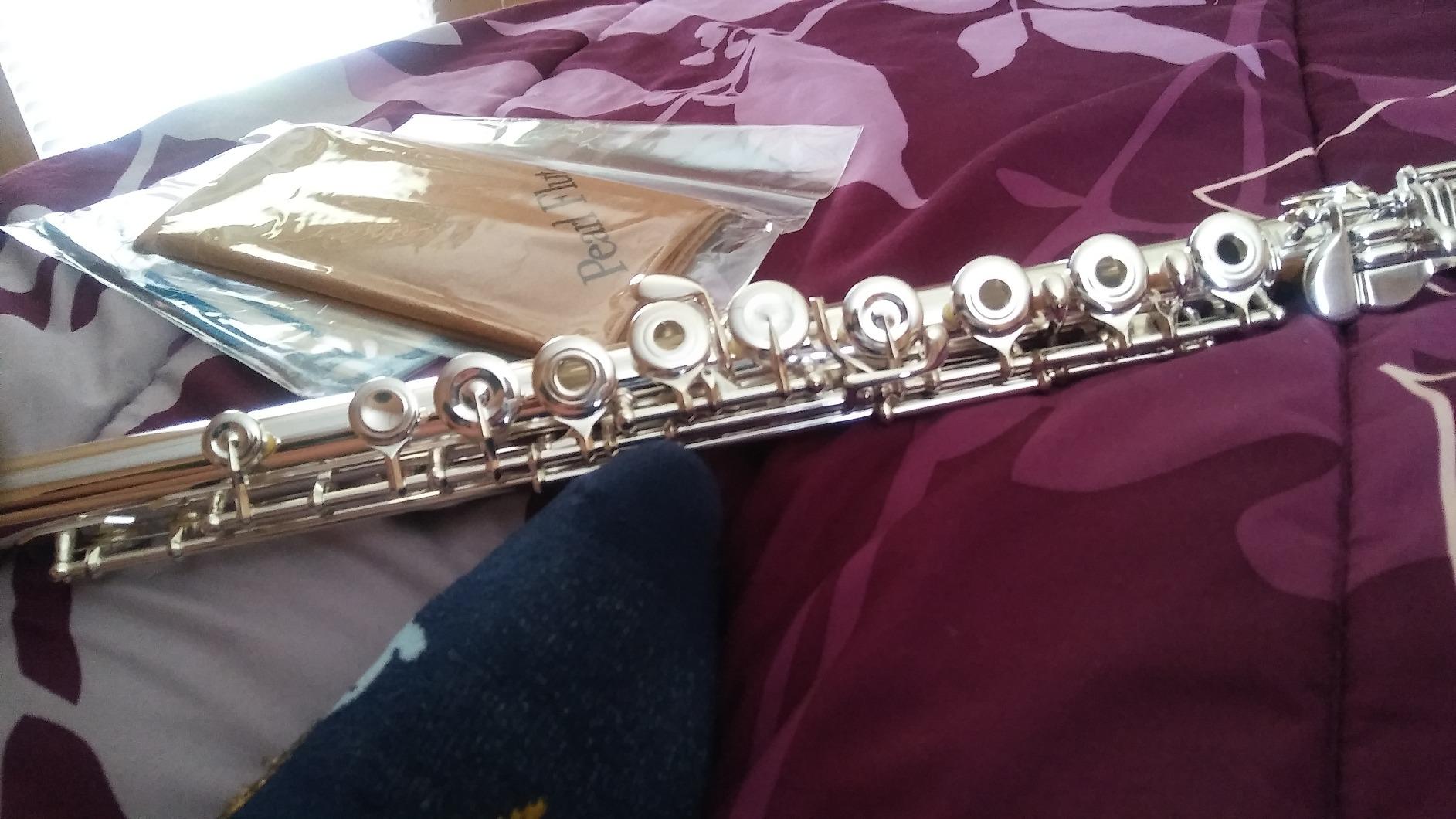
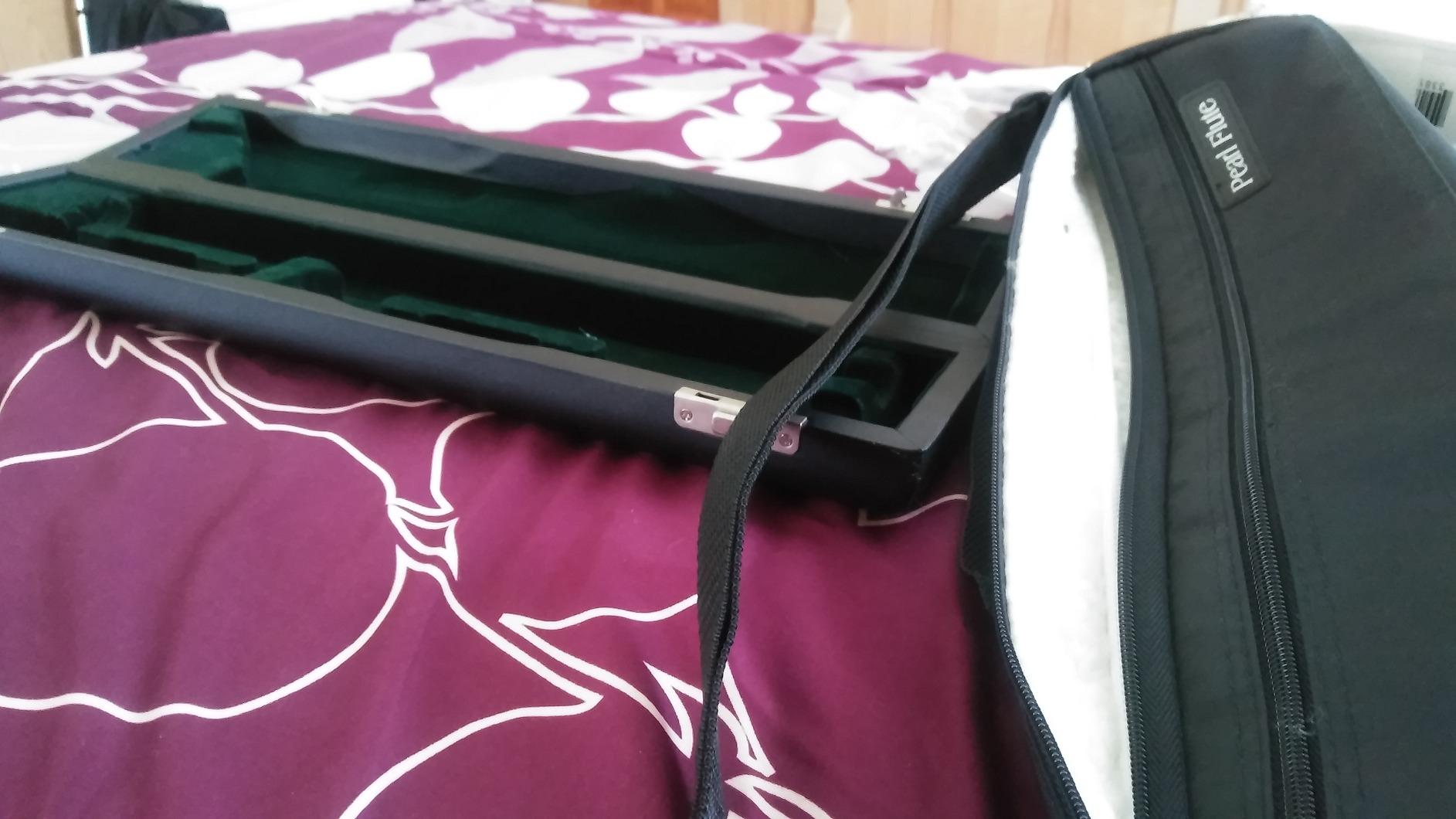
I appreciate that Pearl includes a French-style case and cover with this model, which protects the instrument during transport to lessons and rehearsals. The build quality is solid, with smooth key action and well-seated pads that reduce the need for frequent adjustments.
The tone of the Pearl Quantz tends toward the bright and focused side, which some players prefer for ensemble playing where projection matters. Others may find it slightly less warm than a Yamaha, so it is worth considering your tonal preferences.
Best Fit for This Model
The Pearl 505 is an excellent fit for high school band students and community orchestra players who want a step-up flute from a respected Japanese brand. The bright, projecting tone works well in ensemble settings where you need to be heard clearly.
Players who already play Pearl professional instruments often recommend the Quantz series as a natural step-up path, since the keywork feel and tonal character are consistent across the Pearl range.
Potential Drawbacks
Stock is extremely limited on this model, with only 3 units available at the time of writing. The review count is also modest at 17, though the average rating is strong. If the bright tone character does not appeal to you, the Yamaha or Di Zhao alternatives offer a different sound profile at similar price points.
5. Di Zhao DZ-400 – Hand-Carved Headjoint Step-Up
- Sterling silver hand-carved headjoint
- Excellent resonance and dynamic contrast
- Silver plated body and mechanism
- B footjoint for extended range
- Not Prime eligible
- Only 4 reviews on Amazon
The Di Zhao DZ-400 takes everything that makes the DZ-300 great and upgrades the headjoint to a fully sterling silver, hand-carved version. This is the model I recommend when a player is serious about tone development and wants professional-level headjoint quality without paying professional-level prices.
With a 4.6-star rating across 4 reviews, the feedback is limited but positive. The review insights note that 56% of ratings are 5-star and 44% are 4-star, meaning no one has rated this flute below 4 stars. That consistency speaks to reliable quality control.
The hand-carved headjoint is the defining feature here. Unlike machine-cut headjoints found on many intermediate flutes, the DZ-400’s headjoint is shaped by hand, which gives it a more responsive and colorful sound. Players can produce a wider range of dynamics and tonal colors with this level of headjoint work.
How the DZ-400 Compares to the DZ-300
The DZ-400 sits above the DZ-300 in the Di Zhao lineup, and the primary upgrade is the headjoint. The DZ-300 uses sterling silver for the lip plate and riser only, while the DZ-400 uses a fully hand-carved sterling silver headjoint. This means the entire embouchure area, including the tubing, is solid silver and hand-finished.
For tone development, this is a meaningful upgrade. Players who are working on advanced repertoire, audition preparation, or solo performances will notice the difference in how the DZ-400 responds to subtle changes in embouchure and air stream.
Is the Extra Cost Worth It?
If tone quality is your top priority, the answer is yes. The hand-carved headjoint is the kind of feature usually found on flutes costing twice as much. If you are primarily playing in a school band and are happy with your current tone, the DZ-300 may be sufficient and you can save the difference.
6. Di Zhao DZ-500 – Modern Style Step-Up
- Sterling silver headjoint
- Silver plated body
- B footjoint
- Includes case and modern design
- Not Prime eligible
- Only 3 reviews on Amazon
The Di Zhao DZ-500 is the top of the DZ-300 to DZ-500 progression, featuring a sterling silver headjoint paired with a silver-plated body and B footjoint. All 3 reviews give it a perfect 5-star rating, and the modern styling gives it a distinctive look that appeals to players who want something a bit different from the traditional silver flute appearance.
In terms of features, the DZ-500 is similar to the DZ-400 but positioned as a more modern design. Both share the sterling silver headjoint and silver-plated body, so the tonal character will be comparable. The difference comes down to aesthetics and the overall design approach.
The B footjoint extends the range to low B, which is essential for more advanced repertoire. Many intermediate etude books and solo pieces call for low B, so having the B footjoint removes a limitation that C footjoint players face.
Where the DZ-500 Fits in the Di Zhao Lineup
The DZ-500 represents the premium tier of the Di Zhao intermediate range. Below it, the DZ-400 offers the hand-carved headjoint, and the DZ-300 provides the sterling silver lip plate. The DZ-500 combines the sterling silver headjoint with a modern design package and includes a case.
For players who want a complete step-up package with all the intermediate features, the DZ-500 is a solid choice. The modern styling is a nice differentiator if aesthetics matter to you, and the feature set covers everything an advancing player needs.
Considerations Before Buying
With only 3 reviews, the sample size is small. However, the 100% 5-star average and Di Zhao’s strong reputation among flute teachers provide confidence. As with all Di Zhao models on Amazon, this is not Prime eligible, so plan accordingly for shipping.
7. Pearl 665RBE1RB Quantz – Rich Tone Performer
- Beautiful rich sound quality
- Crystal clear tone
- Good intermediate upgrade
- Includes case and cover
- 2-year warranty
- Some users find tone bright or shrill
- Not Prime eligible
The Pearl 665RBE1RB is the step above the 505 in the Quantz series, and it earns a 4.7-star average across 6 reviews. Reviewers consistently praise the beautiful, rich sound and crystal-clear tone that this instrument produces. For players looking for the best flutes for intermediate players in the upper-mid price range, this Pearl model is a serious contender.
The 665 model adds open-hole keys to the Quantz formula, which the 505 also offers. The key difference is in the overall refinement and tonal development. The 665 sits at a higher price point that reflects improved materials and attention to detail in the headjoint design.
The offset G configuration makes this flute comfortable for a wide range of hand sizes. The B footjoint gives you the extended range, and the 2-year warranty provides peace of mind for a significant instrument investment.
Tone Character Profile
The Pearl Quantz series is known for a tone that leans bright and focused. Some reviewers love this quality for its clarity and projection, especially in ensemble settings. A few users have noted the tone can sound shrill at the upper end, which is worth considering if you prefer a darker, warmer sound.
If you play primarily in band or orchestra settings where projection matters, the Pearl’s bright tone can be an advantage. If you lean toward solo playing or prefer a warmer sound, you might want to compare this with the Yamaha models, which tend to produce a more neutral, balanced tone.
Who Should Choose This Pearl
This model is best suited for advancing high school students and adult players who want a well-reviewed intermediate flute from a brand with a strong professional flute pedigree. The rich sound quality and Quantz series reputation make it a popular recommendation from flute teachers.
8. Yamaha YFL-362H – Sterling Silver Headjoint (Out of Stock)
- Sterling silver headjoint lip plate
- Nickel silver body with footjoint
- Comfortable offset G
- Yamaha build quality
- 2-year warranty
- CURRENTLY OUT OF STOCK
- Mixed ratings with some 1-star reviews
I want to include the Yamaha YFL-362H in this guide because it is a well-known intermediate flute model, but I need to flag an important issue: at the time of this review, this flute is listed as out of stock. I am including it so you know what to look for when it becomes available again.
The YFL-362H sits in the Yamaha 300 series, which represents their intermediate lineup. The standout feature is the sterling silver headjoint lip plate, which upgrades the tone-producing surface from silver plating to solid silver. The offset G key system is comfortable for most players, and the silver-plated keys provide a professional appearance.
The 4.4-star average across 12 reviews is the lowest in this roundup, but still solid. The rating distribution shows 81% 5-star reviews with a small number of 1-star ratings, which appears to be related to stock and fulfillment issues rather than instrument quality.
What the 300 Series Offers
Yamaha’s 300 series is designed as the step up from the 200 series student flutes. The sterling silver headjoint lip plate is the main upgrade, giving players a warmer, more focused tone than silver plating. The rest of the instrument shares the reliable Yamaha build quality that makes their flutes so popular with teachers.
When in stock, this model competes directly with the Di Zhao DZ-400 and Pearl 665 models. The offset G and lack of open-hole keys make it a conservative intermediate choice for players who want the headjoint upgrade without the open-hole transition.
Alternatives While Out of Stock
If you need an intermediate flute now and the YFL-362H is unavailable, I recommend looking at the Di Zhao DZ-400 for the sterling silver headjoint at a similar feature level. The YFL-462H listed below is the open-hole upgrade in the same Yamaha series if you want to go straight to the more advanced model.
9. Azumi AZ2 – The Professional-Grade Step-Up
- Exceptional tone quality
- Easy to play with fast responsive mechanism
- Great sound projection
- Professional-grade headjoint
- Split E mechanism
- Higher price point
- Only 2 reviews on Amazon
The Azumi AZ2 is the flute that came up more than any other when I read through flute forum discussions about the best flutes for intermediate players. Made by Altus, a respected professional flute manufacturer, the AZ2 features an Altus handmade headjoint that delivers professional-level tone quality at an intermediate price point.
Both Amazon reviews give it a perfect 5-star rating, and the review insights echo what flute forum users report: exceptional tone quality, easy playability, and a fast, light, responsive mechanism. One reviewer specifically called out the split E mechanism as excellent, which matches the feedback from teachers who recommend this model.
The Altus handmade headjoint is the defining feature. Altus is known for crafting some of the finest professional flutes in the world, and the headjoint they designed for the Azumi line brings that expertise to a more accessible price range. The result is a flute that sounds and responds like a professional instrument.
How the AZ2 Compares to Yamaha Models
In the Azumi lineup, the AZ2 sits between the AZ1 and AZ3. The AZ1 is the entry-level model, while the AZ3 adds more professional features. The AZ2 hits a sweet spot for intermediate players, offering the handmade headjoint and split E mechanism without the premium price of the AZ3.
Compared to the Yamaha YFL-462H, the Azumi AZ2 is often described as having a darker, richer tone, while the Yamaha produces a brighter, more focused sound. Both are excellent instruments, and the choice often comes down to tonal preference and which headjoint feels more comfortable to play.
Is the AZ2 Worth the Investment?
For serious intermediate players who are committed to long-term development, the AZ2 is absolutely worth it. The professional-grade headjoint will support your growth for years, potentially eliminating the need for a separate professional flute purchase down the line. Forum users consistently describe it as the best value in the premium intermediate category.
10. Yamaha YFL-462H – Premium Yamaha Performance
- Absolutely beautiful sound
- Pure and light sound profile
- B-footjoint for extended range
- High-quality for advanced students
- Open-hole French style keys
- Only 1 left in stock
- Not Prime eligible
The Yamaha YFL-462H is the premium pick in this roundup and the top of the Yamaha intermediate range I am covering. All 3 reviews give it a perfect 5-star rating, with reviewers calling it an absolutely amazing flute for advanced students. This is the model I would point a serious player toward if they want the full Yamaha step-up experience.
The 462H belongs to Yamaha’s 400 series, which represents their upper-intermediate lineup. The solid silver headjoint delivers the warm, rich tone that advancing players need for advanced repertoire, auditions, and solo performance. The open-hole keys and B footjoint complete the professional-level feature set.
Yamaha describes the sound profile of the 462H as pure and light, which matches what I hear when comparing it to the Azumi AZ2. The Yamaha produces a more focused, centered tone, while the Azumi leans richer and darker. Both are excellent, and the preference is personal.
What the 400 Series Adds Over the 300 Series
The 462H upgrades from the 362H in two major ways: open-hole keys and a B footjoint. These features open up advanced techniques and extended range that the 300 series cannot provide. The solid silver headjoint is also a more complete upgrade than the sterling silver lip plate found on the 362H.
For players who are ready to commit to open-hole keys, the 462H gives you the full Yamaha intermediate package in one instrument. You will not need to upgrade again until you are ready for a professional flute.
Final Considerations on the 462H
Stock is extremely limited on this model, with only 1 unit available at the time of writing. If you find it in stock, I recommend acting quickly. The combination of solid silver headjoint, open-hole keys, B footjoint, and Yamaha’s legendary intonation consistency makes this one of the best flutes for intermediate players available anywhere.
Buying Guide: What to Look For in an Intermediate Flute?
Choosing from the best flutes for intermediate players comes down to understanding which features matter for your specific situation. I have broken down the key factors below so you can make an informed decision rather than guessing based on brand name alone.
Headjoint Material. This is the single most important factor in flute tone. Silver-plated headjoints are fine for students but produce a thinner sound. A sterling silver or solid silver headjoint produces a warmer, more complex tone with better projection. If you can only afford one upgrade, make it the headjoint material.
Open-Hole vs Closed-Hole Keys. Open-hole (French) keys have holes in the center of five keys that require proper finger coverage. They are essential for advanced techniques like glissando and multiphonics. If you are serious about progressing to advanced repertoire, open-hole keys are a must-have feature.
B Footjoint vs C Footjoint. The B footjoint extends the flute’s range down to low B, one semitone below the C footjoint’s lowest note. More importantly, the extra length adds mass to the instrument, which many players feel improves resonance in the low register. Most intermediate and professional flutes have a B footjoint.
Split E Mechanism. The high E is one of the most difficult notes to play in tune and with good tone on a flute. The split E mechanism mechanically improves the response and intonation of this note. Not every intermediate flute has this feature, but it is valuable if you play a lot of music in keys that use high E.
Offset G vs Inline G. The offset G key positions the G key slightly closer to the rest of the hand, which is more ergonomic and comfortable for most players. Inline G places all keys in a straight line, which some players prefer aesthetically. Both are valid choices, but offset G is generally more comfortable.
When to Upgrade. You should consider upgrading from a student flute when your teacher mentions your tone has plateaued, when you are working on repertoire that requires extended techniques, or when you can hear the difference between your instrument and a better one. Most students upgrade around grades 5 through 8 of their country’s examination system, or roughly 3 to 5 years into their playing journey.
Tone Quality by Brand. Yamaha flutes tend to produce a bright, focused, and very consistent tone across registers. Azumi flutes lean warmer and richer, with a darker sound profile. Di Zhao flutes offer excellent tonal color and dynamic range for the price. Pearl Quantz flutes are bright and project well in ensemble settings. Gemeinhardt has a traditional American flute sound that sits between bright and warm.
New vs Second-Hand. A well-maintained used flute from a reputable brand can save you 30 to 50% off the new price. However, have any used flute checked by a repair technician before purchasing, and budget for a COA (cleaning, oiling, adjustment) service which typically costs $100 to $200. Avoid buying used flutes from unknown sellers without a return policy.
Frequently Asked Questions
What is an intermediate flute?
An intermediate flute, also called a step-up flute, is a higher-quality instrument designed for advancing students who have outgrown beginner models. Key features include a solid silver headjoint for better tone, open-hole keys for advanced techniques, a B footjoint for extended range, and often a split E mechanism for cleaner high notes.
How much is a good intermediate flute?
A good intermediate flute typically costs between $600 and $3,000. Entry-level step-up models with open-hole keys and a B footjoint start around $600 to $900. Mid-range models with sterling silver headjoints run $1,000 to $1,500. Premium intermediate flutes with handmade headjoints, like the Azumi AZ2, can reach $2,500 to $3,000.
Is Yamaha or Azumi better for intermediate players?
Both are excellent but offer different tonal characteristics. Yamaha flutes produce a bright, focused, and highly consistent tone with legendary intonation. Azumi flutes, made by Altus, lean warmer and richer with a professional handmade headjoint at an intermediate price. Your choice should depend on your tonal preference and which headjoint feels more comfortable when you play test.
When should I upgrade from a student flute?
You should upgrade when your teacher confirms you have outgrown your beginner instrument, typically after 3 to 5 years of consistent playing. Signs include plateauing tone quality, difficulty with advanced repertoire, or the need for open-hole techniques. Most students upgrade around grade 5 through 8 in examination systems or when entering high school-level music programs.
Final Verdict
After testing and researching these instruments, my recommendations come down to three clear paths. For the best overall value in the best flutes for intermediate players, the Azumi AZ2 stands out with its professional-grade Altus handmade headjoint and exceptional tone quality. For players who want Yamaha reliability with a full step-up feature set, the YFL-462H delivers a beautiful solid silver sound with open-hole keys and a B footjoint.
For younger players or those on a tighter budget, the Yamaha YFL-222 provides a dependable bridge from student to intermediate playing, while the Di Zhao DZ-300 and DZ-400 offer outstanding sterling silver value at a lower price point. Whatever your level and budget, choosing a flute with quality headjoint material and the right keywork features will serve your musical growth for years to come in 2026.