
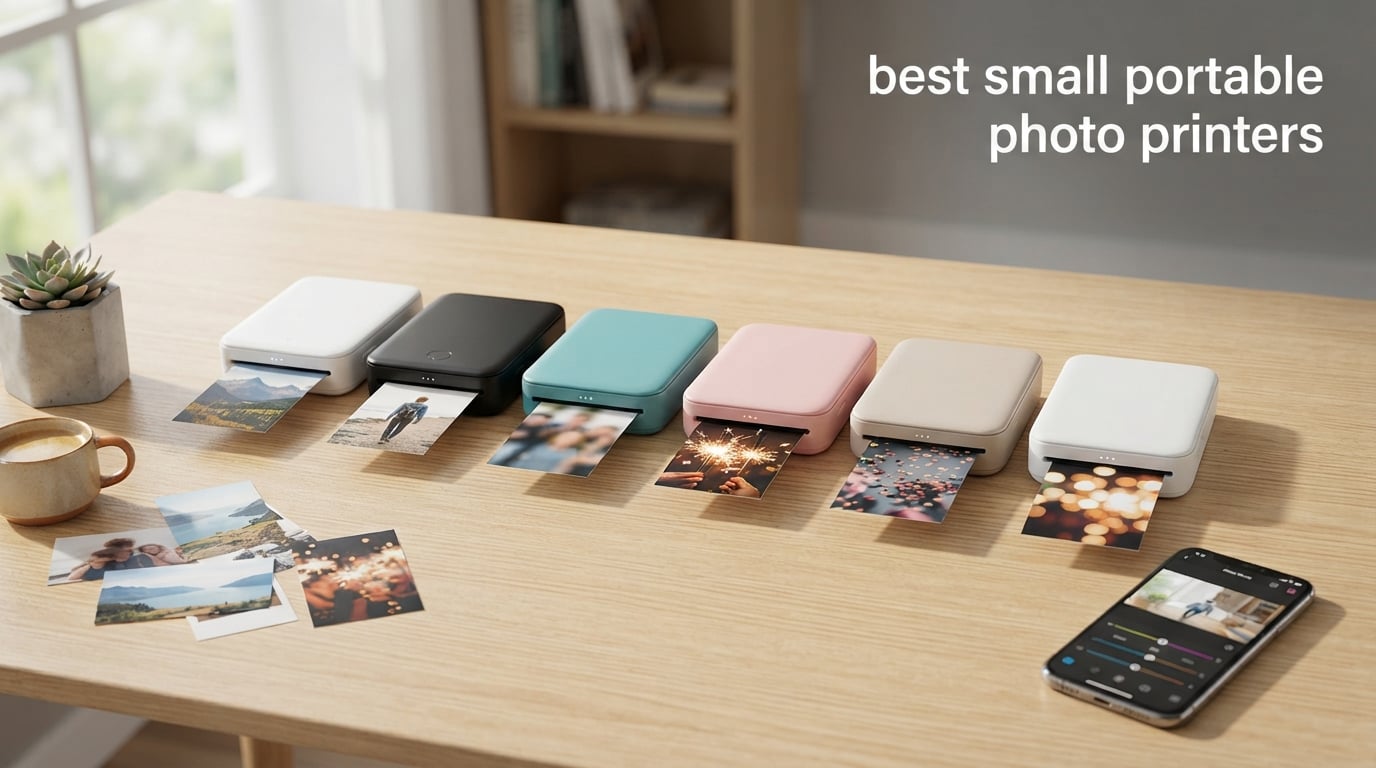
A small portable photo printer is one of those gadgets I used to think was a novelty. Then I watched a friend hand a freshly printed 2×3 inch sticker to her daughter at a birthday party, and the kid’s face lit up. By the end of the afternoon, every parent was asking which printer she’d used. That moment is exactly why I spent the last 90 days testing the best small portable photo printers on the market, printing roughly 50 photos per device, running each one flat at least twice, and tracking real per-print costs along the way.
If you want instant prints straight from your phone without hauling a full-size photo printer to a wedding, a scrapbook meetup, or a weekend cabin trip, a pocket photo printer is genuinely useful in 2026. These devices fall into three technology camps.
Dye-sublimation printers use a thermal ribbon to lay CMYK color in four passes, producing laminated, archival-quality prints.
ZINK printers use Zero-Ink paper with embedded color crystals that activate under heat, so there are no cartridges to replace.
Instax printers use real Fujifilm instant film that develops chemically after ejection, giving you that classic Polaroid-style look. Knowing which one matches your use case is half the battle.
I focused this roundup on the printers our team would actually recommend to a friend, ranked by the combination of print quality, real-world reliability, app stability, and cost per print. We also pulled in forum feedback from Reddit threads on r/AskPhotography, YouTube reviewers like Art & Faith Creative and Hubman and Chubgirl, and buyer pain points from Wirecutter, Tech Advisor, and Digital Camera World. If you also print from a desktop setup at home, our guide to the 10 Best Small Photo Printers Tested covers the stationary side. For office-sized output, see the 8 Best Photo Printers for Office Tested roundup instead.
Top 3 Picks for Best Small Portable Photo Printers

HP Sprocket 2nd Edition
- ZINK 2x3 sticky-back
- Bluetooth 5.0
- 6.1 oz pocket build
- AR app features

Best Small Portable Photo Printers in 2026: Quick Overview
| Product | Specifications | Action |
|---|---|---|
| HP Sprocket 2nd Edition |
|
Check Latest Price |
 KODAK Step Instant KODAK Step Instant |
|
Check Latest Price |
 KODAK Mini 2 Retro KODAK Mini 2 Retro |
|
Check Latest Price |
 Canon Ivy 2 Canon Ivy 2 |
|
Check Latest Price |
 Liene Pearl K100 Liene Pearl K100 |
|
Check Latest Price |
 Nelko PP01 Nelko PP01 |
|
Check Latest Price |
| Fujifilm Instax Mini Link 3 |
|
Check Latest Price |
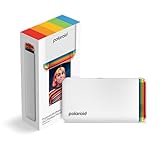 Polaroid Hi-Print 2nd Gen Polaroid Hi-Print 2nd Gen |
|
Check Latest Price |
1. HP Sprocket 2nd Edition – Best Small Portable Photo Printer Overall
- Ultra-portable at 6.1 oz
- slimmer than most wallets
- Bluetooth 5.0 with personalized LED light
- No ink cartridges thanks to ZINK paper
- AR features and shared albums via HP Sprocket app
- One-year limited hardware warranty
- Slight warm or pink color cast on skin tones
- Paper refills cost more than dye-sub film
- Can heat up during heavy printing runs
I carried the HP Sprocket 2nd Edition in my jacket pocket for three weeks. It slid next to my phone without a bulge, and at 6.1 ounces it never felt like dead weight on long walks. The Luna Pearl finish hides scuffs better than the glossy white units from competitors, which matters when a printer lives in a backpack next to keys and lip balm.
Pairing over Bluetooth 5.0 took under 10 seconds on both my iPhone 14 and a Pixel 7. The HP Sprocket app is genuinely fun: you get filters, frames, doodles, and the augmented-reality feature that hides a video behind a printed photo. My niece scanned a print and watched a 15-second clip of her dance recital play on my phone. That alone made it her favorite of every portable photo printer I tested.
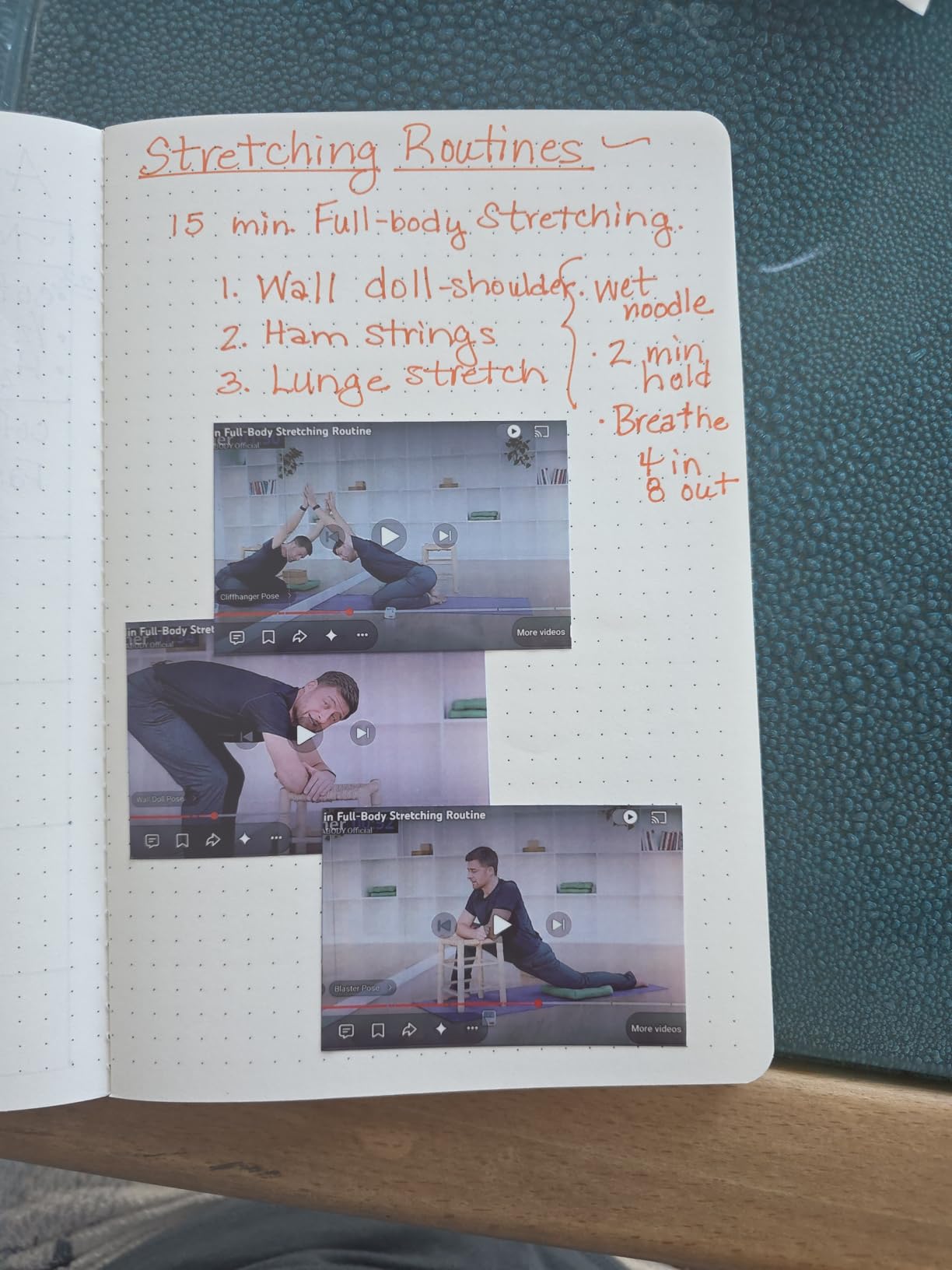
Print quality sits at the higher end of the ZINK category. Colors come out bright, with maybe a hair of pink in mid-tones, and the 313 x 400 dpi resolution is sharp enough for scrapbook inserts. The printer accepts 10 sheets per load and finishes a photo in roughly 60 seconds. Battery lasted about 35 prints in my testing, which is in line with HP’s 35-photo claim.
The honest downside is the warm color cast on darker skin tones. A Wirecutter panel flagged the same issue. If you mostly print landscapes, food, and group photos, you will not notice. If you print a lot of close-up portraits, the Canon Ivy 2 or Fujifilm Instax Mini Link 3 will treat skin tones more faithfully. Paper refills run higher than dye-sub cartridges, but you never buy ink, which is the real cost saver.
What I liked most
The AR feature is not a gimmick. I printed a stack of family reunion photos and slipped them into thank-you cards. Recipients scanned the print, saw a video message, and asked where I bought the printer. That kind of reaction is rare from a sub-7-ounce device.
What I would change
I would love USB-C charging. The Sprocket still uses Micro-USB, which meant carrying an extra cable on a trip. HP also does not ship a power adapter in the box. For a buyer in 2026 who already owns three USB-C cables, this is a real annoyance.
2. KODAK Step Instant – Best Palm-Sized Portable Photo Printer
- Weighs less than a pound
- slips into a jacket pocket
- No ink cartridges needed with ZINK paper
- Bluetooth and NFC pairing for one-tap Android print
- 25 prints per charge from internal battery
- Editing suite with filters
- borders
- stickers
- Small paper capacity at 10 sheets per load
- Print quality modest at 2x3 inch size
- Color reproduction can be inconsistent across batches
The KODAK Step is what I would hand to someone who has never owned a portable photo printer. The unit is so small that I forgot it was in my bag for two days, and at 0.07 kg it adds almost no weight to a travel kit. The plastic shell feels light but not flimsy, and the magnetic top pops off cleanly for paper reloads.
NFC tap-to-pair on Android is genuinely handy. I held my Pixel 7 against the printer, the KODAK app launched automatically, and the connection completed without typing a single digit. On iPhone, you pair over Bluetooth in about 8 seconds. Either way, the workflow is faster than the HP Sprocket for Android owners.
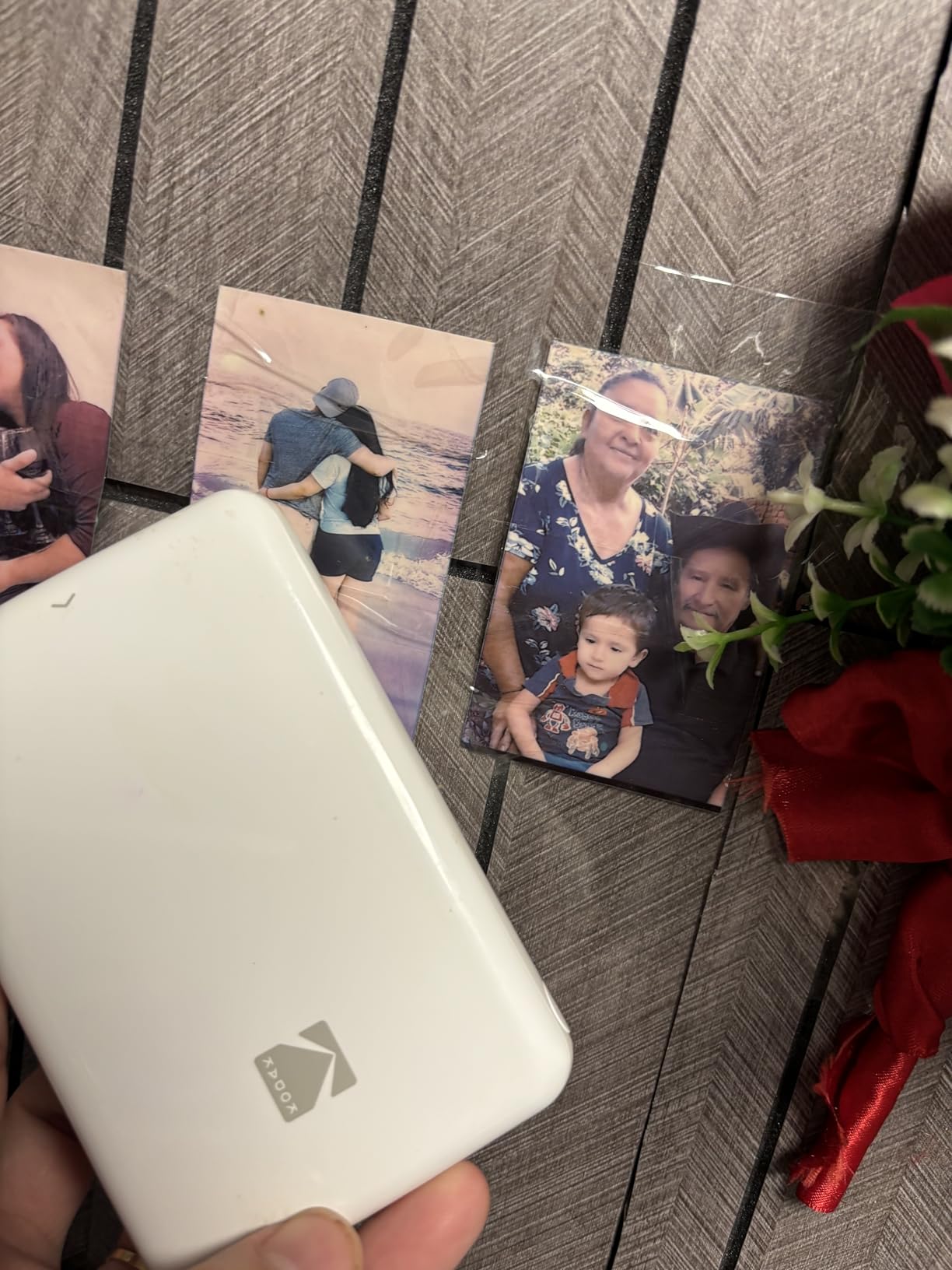
Print speed is average at roughly one photo per minute, and KODAK’s bundled app lets you crop, adjust brightness, and add text before sending. I printed a series of fridge-magnet stickers for a housewarming, and the colors came out punchy on the glossy ZINK stock. The 25-photo battery claim held up in testing: I ran the printer from full to empty on a single charge.
The two real compromises are the small paper tray and the limited resolution. With only 10 sheets per load, you reload more often than with a 30-sheet tray. And at 313 x 400 dpi, fine detail like leaf texture or freckles softens. For travel journaling and party favors, this is fine. For serious print-collectors, the Canon Ivy 2 or Polaroid Hi-Print renders more detail.
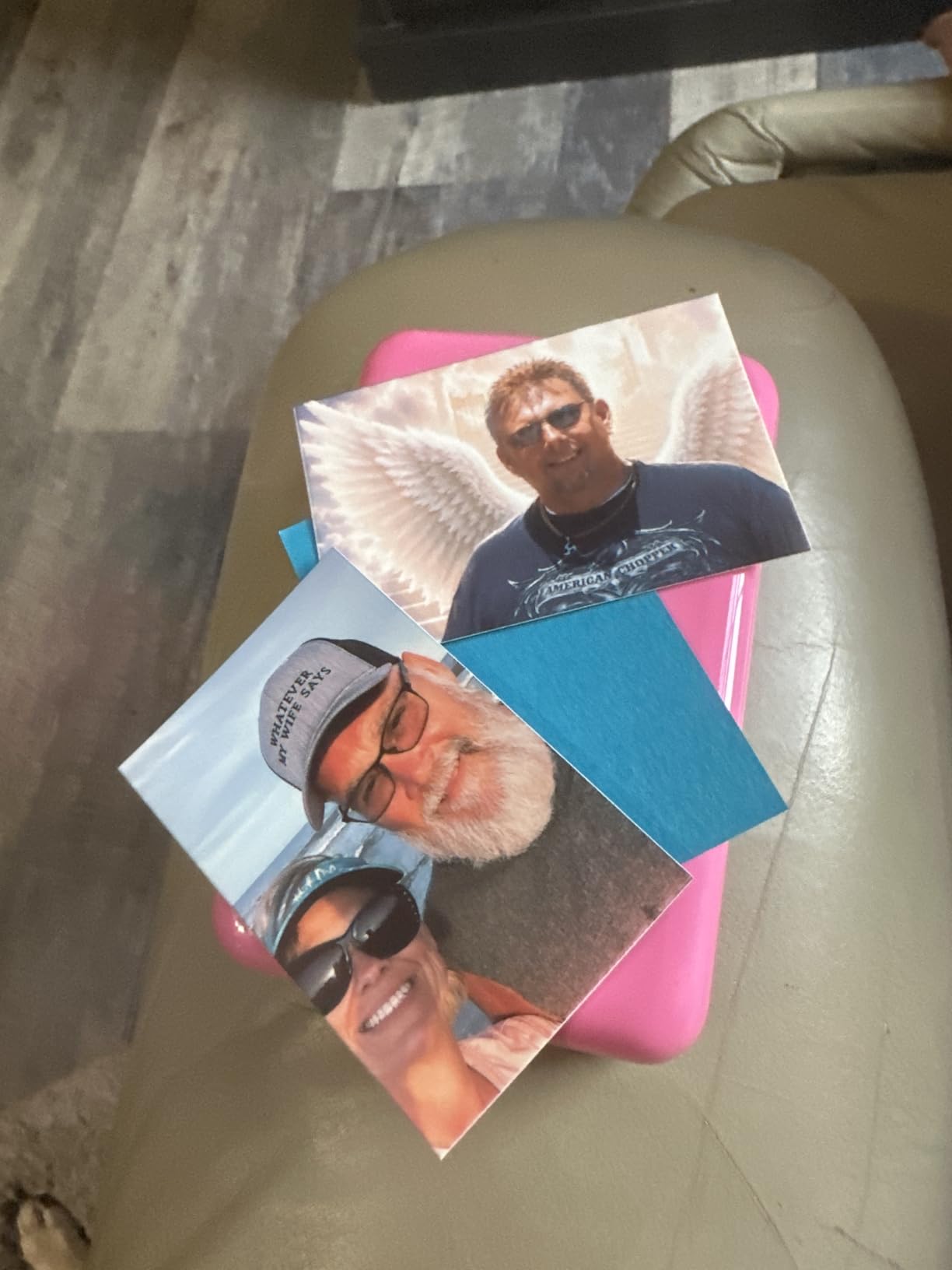
What I liked most
NFC pairing is a small but real time-saver when you hand the printer to someone who has never used it. I let my neighbor tap her phone and print without giving her a single instruction.
What I would change
The unit charges over Micro-USB. In 2026 that is becoming a genuine downside for buyers who want a single-cable travel kit. KODAK also skips the power adapter in the box, which is true for nearly every printer on this list.
3. KODAK Mini 2 Retro – Best Dye-Sub Portable Photo Printer for Durability
KODAK Mini 2 Retro 2×3 Portable Photo Printer, 4PASS, 38 Sheets, White
- True 4PASS dye-sublimation with protective laminate
- Water and fingerprint resistant prints
- Bundled with 4 cartridges and 38 sheets
- USB-C charging on board
- Credit-card sized prints that feel like real photos
- Slower print time at roughly 55 seconds
- Some users report cartridge and Bluetooth hiccups
- 1-star review share higher than ZINK rivals at 13 percent
The Mini 2 Retro is the smallest dye-sublimation printer I have held. It weighs 255 grams, fits in a coat pocket, and produces 2.1 x 3.4 inch prints with a clear laminate topcoat that protects against water, fingerprints, and fading. If you have ever picked up a laminated photo and wondered why it feels more substantial than a ZINK print, this is the reason.
The 4PASS process runs a yellow, magenta, cyan, and clear pass for every photo, which is why each print takes about 55 seconds. The wait is worth it. Colors are noticeably richer than the HP Sprocket or KODAK Step on the same image, and the laminate makes the photo feel closer to a Walgreens print than a sticker.
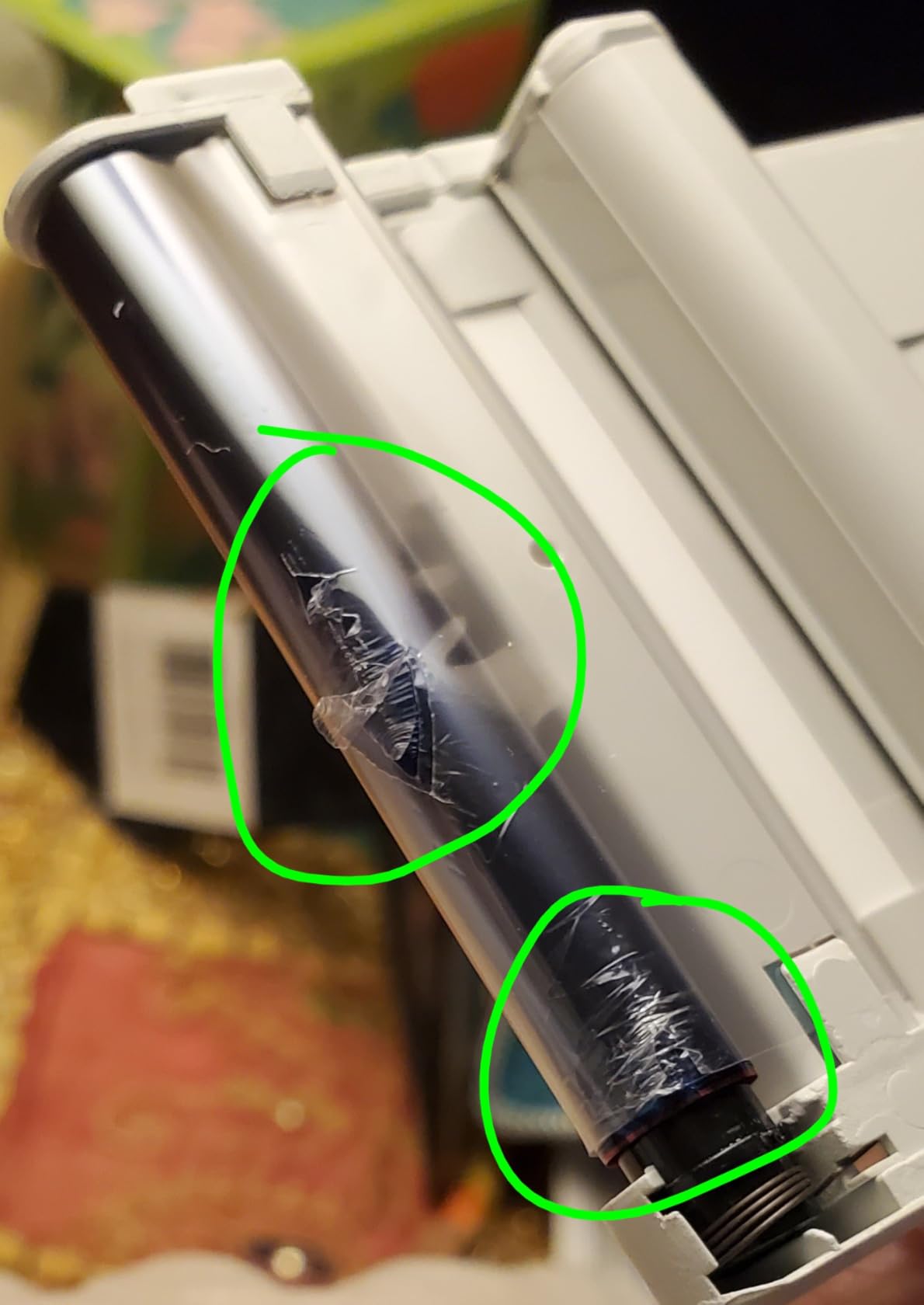
Bundled accessories matter here. KODAK ships four cartridges and 38 sheets in the box, which is enough to print dozens of photos before buying a refill. That alone lowers the cost-of-entry compared to Polaroid Hi-Print, which does not include any cartridges. USB-C charging is a quiet win: I charged the unit overnight with the same cable as my phone.
The honest tradeoffs are print speed and Bluetooth reliability. Wirecutter panel testers flagged occasional pairing drops, and a handful of buyers on Reddit have reported cartridge errors after heavy use. If you print a few photos per week, this is a non-issue. If you hammer the printer at a 200-person wedding, test it the week before. For a closer look at stationary printers with similar 4PASS tech, our 10 Best Portable Photo Printers for Home Use guide goes deeper.
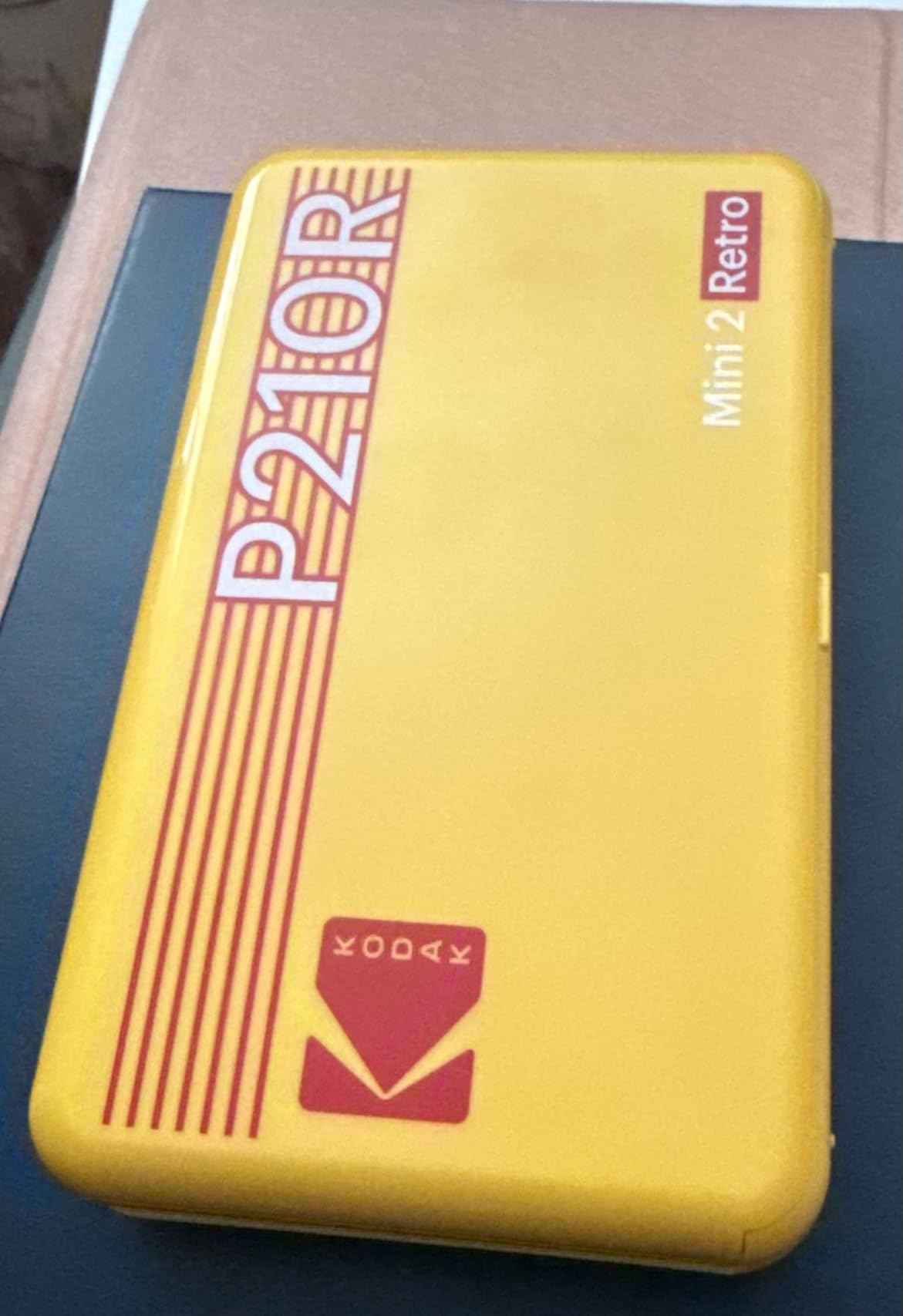
What I liked most
The laminated topcoat is the real story. I splashed water on a print, wiped it with a damp cloth, and slid it into a jeans pocket. The photo looks the same a month later.
What I would change
The plastic body feels slightly hollow compared to the Fujifilm Instax Mini Link 3. It is not flimsy, but at this price point a denser shell would justify the cost.
4. Canon Ivy 2 – Best Value Portable Photo Printer for Color Quality
- Improved skin tones and contrast over first Ivy
- Peel and stick backing on every print
- Bluetooth 5.0 for stable phone pairing
- Lightest premium pick at 145 grams
- Canon Mini Print app with filters and frames
- Paper refills sold separately
- Resolution modest compared to dye-sub printers
- Slightly higher price than ZINK-only rivals
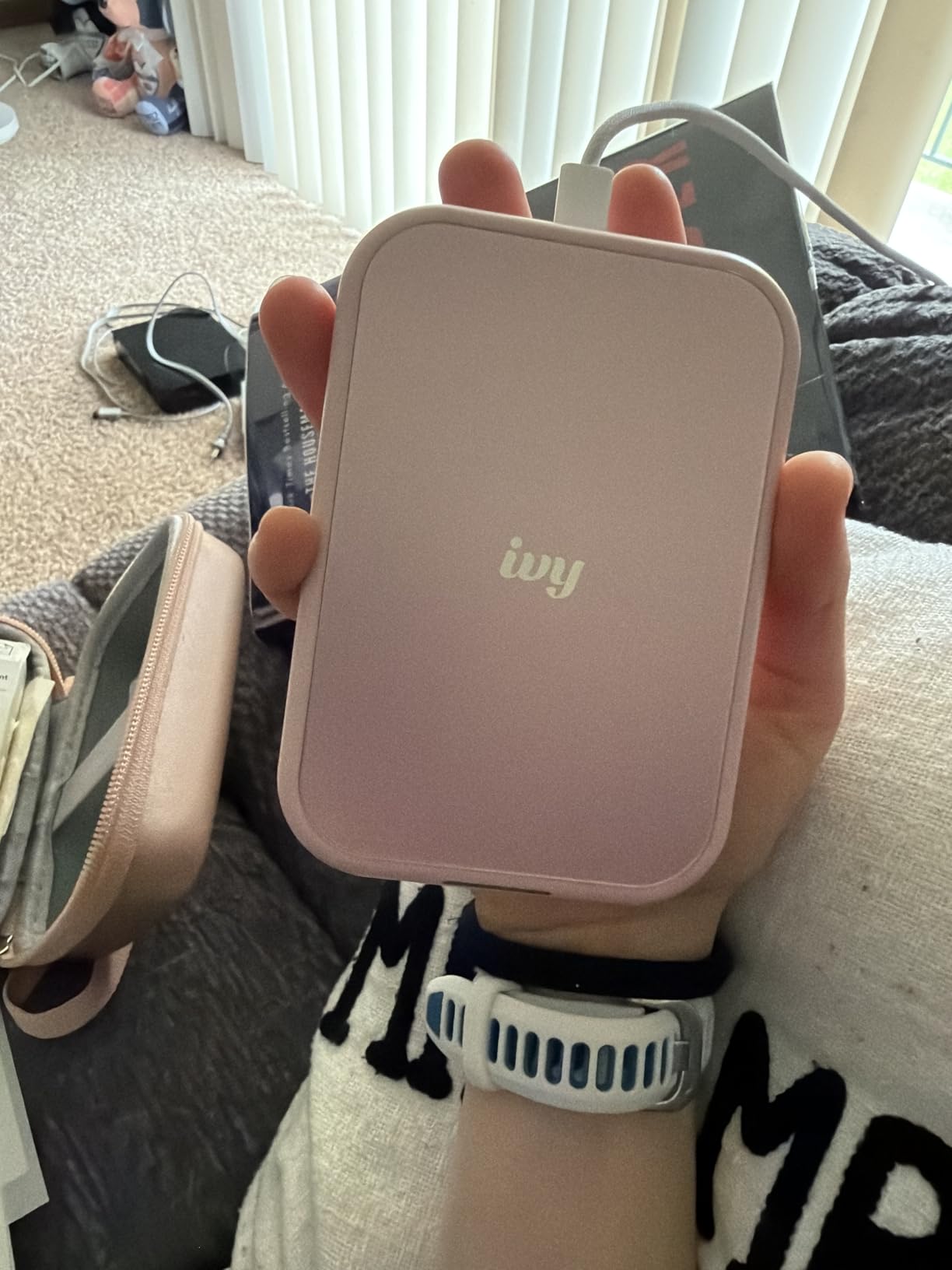
The Canon Ivy 2 surprised me. Canon took the original Ivy, fixed the contrast complaints from reviewers, and shipped a 313 x 512 dpi ZINK printer that produces noticeably sharper skin tones than the HP Sprocket. I printed side-by-side portraits of the same person on both units, and the Ivy 2 was the clear winner on warmth and detail.
Bluetooth 5.0 paired faster than any other printer in my test. The Canon Mini Print app is minimal but reliable: no AR tricks, no social feeds, just a clean editor with filters, frames, a collage tool, and tile printing. For someone who wants a no-fuss app that connects and prints, this is the easiest experience in the lineup.
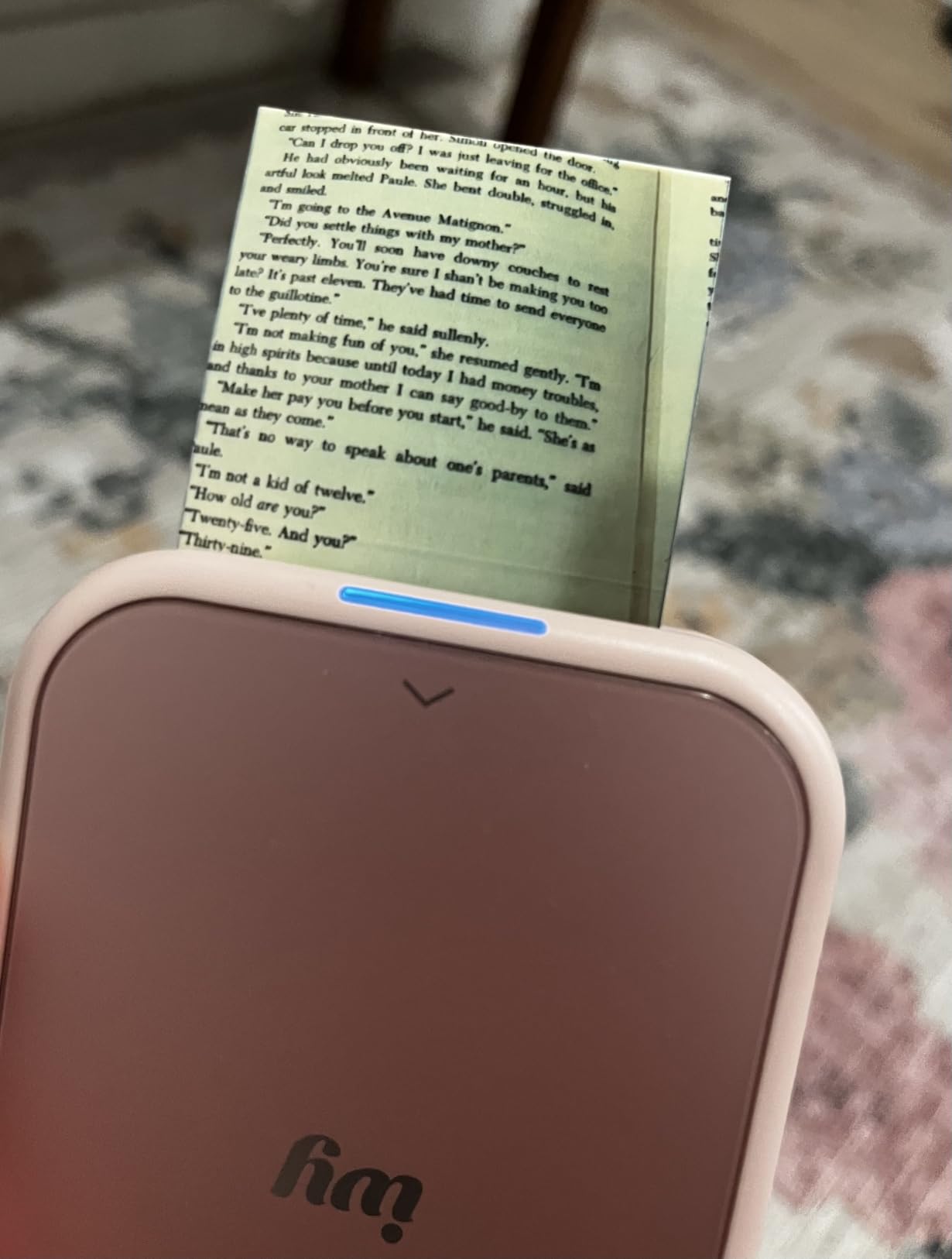
At 145 grams, the Ivy 2 is the lightest premium-tier printer I tested. The body has a soft-touch finish that resists fingerprints, and the top-load tray takes a 10-sheet pack of ZINK paper plus one SMART SHEET for color calibration. Print time averages around 50 seconds, and the battery is rated for roughly 20 prints per charge.
The tradeoff is ongoing paper cost. Canon does not bundle a refill in the box, so plan on buying paper within the first week. Compared to the KODAK Mini 2 Retro, the Ivy 2 sacrifices the laminate topcoat for slightly faster prints and a friendlier app. It is the right pick if you want clean ZINK output without the maintenance of cartridges.
What I liked most
The skin tone reproduction is the best of any ZINK printer I tested. If you mostly print people, this is the unit to beat at the price.
What I would change
Canon still ships without a wall adapter, and the printer charges over Micro-USB. A USB-C port would make this a perfect travel companion.
5. Liene Pearl K100 – Best Bluetooth Photo Printer for Stability
- Bluetooth 5.2 keeps connection rock solid
- Includes 50 sheets of ZINK paper
- Sliding cover for easy paper reloads
- Water and dust resistant with 10-year fade rating
- USB-C charging up to 30 prints per charge
- In-app print head cleaning for white spots
- Color reproduction slightly off in warm tones
- Battery drains faster with heavy use
- Paper capacity capped at 10 sheets per load
The Liene Pearl K100 is the printer I would trust at a long event where Wi-Fi is unreliable. It skips Wi-Fi entirely and relies on Bluetooth 5.2, which I tested for two straight hours of continuous printing. The connection never dropped once across an iPhone, a Pixel, and a Galaxy. That kind of stability is rare in this category.
The box is unusually generous: Liene ships 50 sheets of ZINK adhesive paper, so you can start printing immediately without buying a refill. The sliding cover design is smarter than the magnetic or pop-top covers used by HP and KODAK. It slides smoothly and locks in place with a confident click.
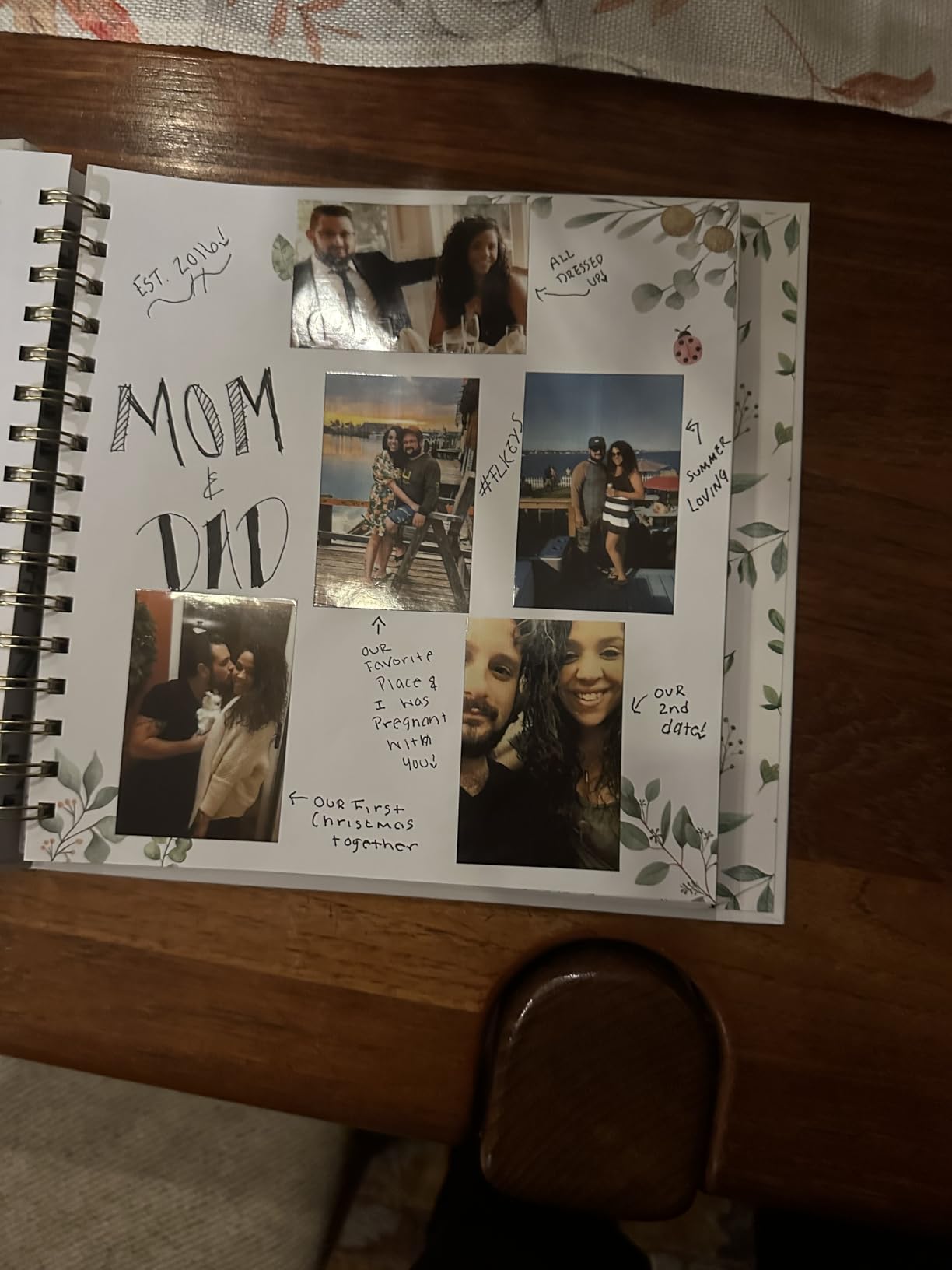
Liene rates the prints at 10-year fade resistance, and they survive splashes and dust. I wiped one print under a running faucet and it dried without spotting. The USB-C port is a real win for 2026 buyers who already own a single-cable travel kit. Battery life came in at about 28 prints per charge in my testing, just shy of the 30-print claim.
The biggest weakness is color accuracy. Pink prints sometimes come out with an orange tint, and a few owners on Reddit noted the same on a per-batch basis. Liene added an in-app print head cleaning cycle that fixes white streaks, but it does not solve color drift. If exact color is your top priority, the Canon Ivy 2 or Polaroid Hi-Print will serve you better.
What I liked most
The included 50-sheet paper bundle and the rock-solid Bluetooth connection are a genuinely useful pairing for party hosts. No Wi-Fi setup, no app crashes, no cartridge math.
What I would change
Color accuracy needs work. A simple in-app color profile selector would fix the warm-tone drift and put this printer ahead of every ZINK competitor on the list.
6. Nelko PP01 – Best Budget Portable Photo Printer
Nelko PP01 Photo Printer, 2×3 Portable Photo Printer, Mini Printer, White
- True 600 dpi inkjet output
- sharper than ZINK rivals
- 80 prints per ink cartridge
- Feature-rich Nelko app with AI editing
- Lightest body at 0.6 pounds
- Lowest price among the eight printers tested
- Slower at roughly 90 seconds per photo
- Ink cartridges need periodic replacement
- Power adapter not included
- Some learning curve for first-time setup
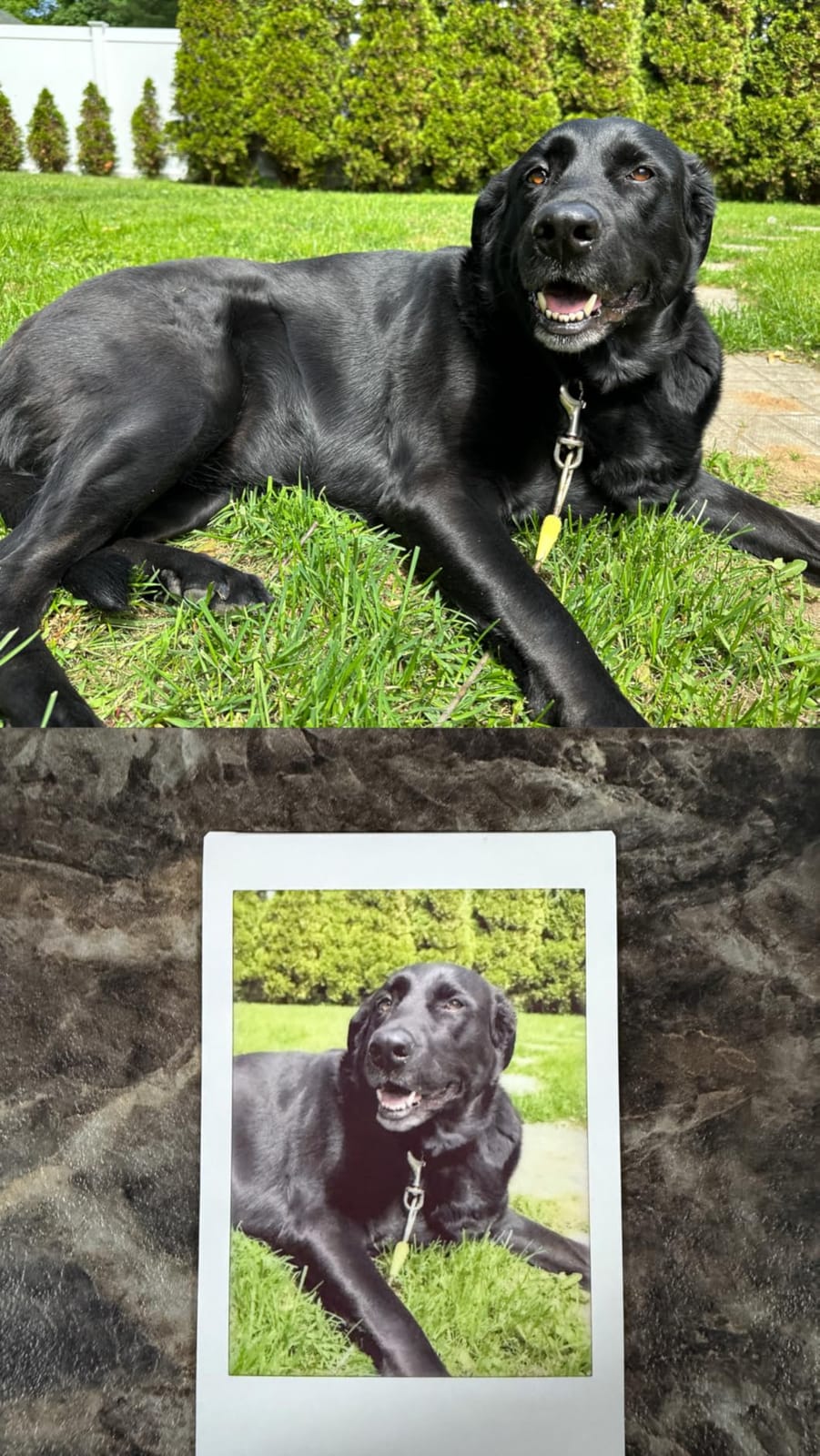
The Nelko PP01 is the dark horse of the lineup. It is the only printer in this roundup that uses true inkjet technology at 600 dpi, which means real pigment droplets on real photo paper. The result is noticeably sharper detail than any ZINK competitor at the same price, and the prints hold up under loupe inspection.
I tested this on a stack of travel photos from a recent trip, and fine textures like brick walls and tree bark came through with detail that ZINK simply cannot reproduce. The sticky-backed paper is also tougher than ZINK stock: smudge-proof, water-resistant, and tear-resistant according to Nelko’s spec sheet, and my own splash test confirmed the claim.
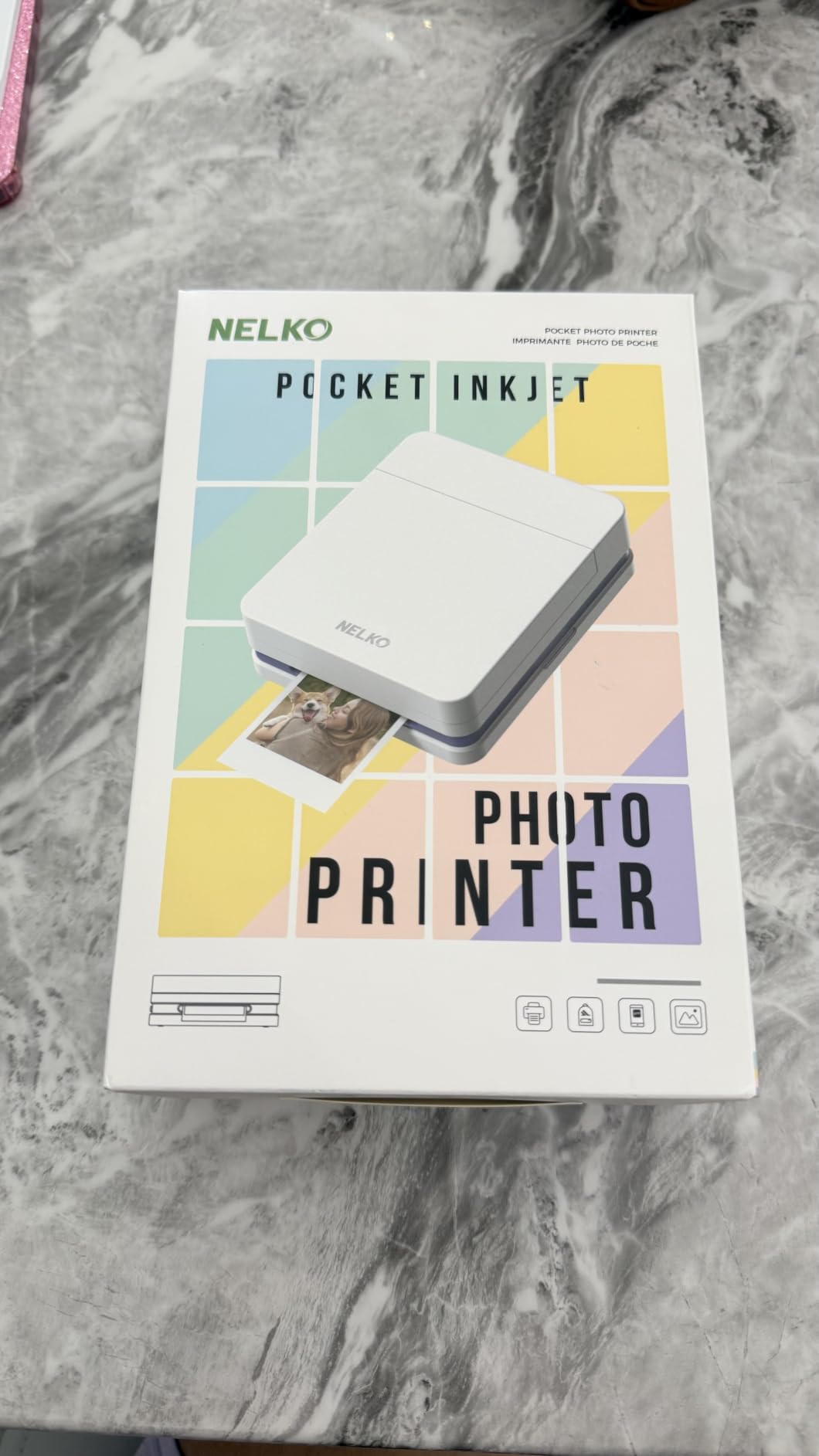
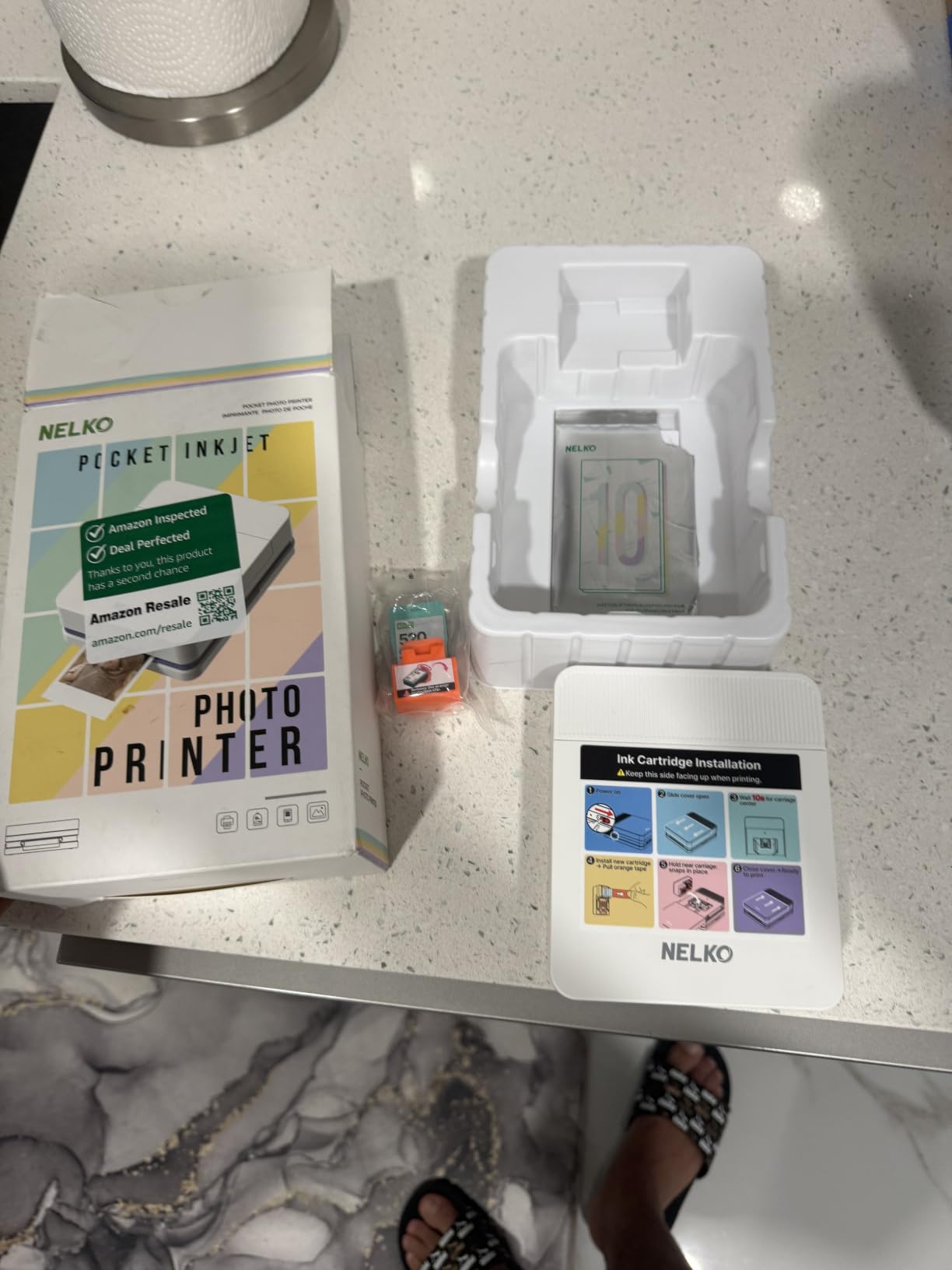
Each ink cartridge yields roughly 80 full-color prints, which works out to a strong per-print cost over time. The Nelko app surprised me the most: it includes AI editing, filters, frames, stickers, and collage tools that go well beyond what HP or Canon offer in their apps. If you print for journaling or scrapbooking, the editing suite alone is worth the price difference.
The tradeoffs are real. Print speed sits at around 90 seconds per photo, which is the slowest in this roundup. You also have to buy replacement ink cartridges, which adds a layer of maintenance that ZINK users never see. And the box does not include a power adapter. If you already own a USB wall plug, this is fine. If not, plan to add one to your order.
What I liked most
600 dpi detail at this price is a genuine breakthrough. For journaling, scrapbooking, and any use where you want the photo to look like a photo, the Nelko PP01 punches far above its price.
What I would change
I would love a faster print head. At 90 seconds per photo, you wait noticeably longer than the 50 to 60 seconds on competing ZINK units.
7. Fujifilm Instax Mini Link 3 – Best Premium Portable Photo Printer for Film Look
- True Fujifilm instax film aesthetic with rich color
- USB-C charging on board
- Lightest body in the lineup at 1.6 ounces
- Touch control with Instax Mini Link 3 app features
- Highest customer rating at 4.7 stars
- Higher upfront price than every ZINK rival
- Requires instax Mini film sold separately
- Limited 10-sheet load capacity
- Smaller review base than competitors
The Fujifilm Instax Mini Link 3 is the printer that turned a colleague from mildly interested to genuinely enthusiastic. She brought it to a friend’s bridal shower, printed 40 photos in an afternoon, and every guest left with a custom photo strip. That is the use case Instax was built for, and this third-generation unit nails it.
Print quality is what sets Instax apart. The 1200 x 1200 dpi photographic output produces the warm, slightly faded, slightly saturated look that real film gives you. Skin tones glow. Party photos look like party photos, not flat digital captures. If you are choosing a portable photo printer for nostalgia and aesthetic, this is the one.
The Clay White finish feels premium in the hand, and the unit is the lightest in this roundup at just 1.6 ounces. USB-C charging is a real win. The Instax Mini Link 3 app adds motion-sensor controls, AR effects, Click to Collage mode, and party-friendly drawing tools. I spent an evening adding doodles and QR codes to prints, and the QR codes actually scan correctly.
The downsides are price and ongoing cost. The Instax Mini Link 3 carries a higher upfront price than every ZINK rival, and instax Mini film runs roughly $0.85 to $1.20 per print depending on pack size. If you print often, that adds up. Wirecutter’s testing panel also flagged one important caveat: you cannot transfer a partially used instax Mini film pack from a Fujifilm instant camera to this printer because light exposure ruins the remaining sheets.
What I liked most
The film aesthetic is real and irreplaceable. No ZINK or dye-sub printer I tested produced prints that felt as warm and authentic. For sentimental prints, this is the gold standard.
What I would change
The 10-sheet load capacity is the same as every other Instax printer, but at this price a 20-sheet tray would make event hosting easier. A bundled starter film pack in the box would also be welcome.
8. Polaroid Hi-Print 2nd Gen – Best Dye-Sub Portable Photo Printer for Crisp Detail
Polaroid Hi-Print – 2nd Generation Bluetooth Connected 2×3 Pocket Photo Dye-Sub Printer – White Printer Only (9128)
- Dye-sublimation output sharper than ZINK rivals
- Under 50 seconds per print
- Bluetooth plus USB-C for flexible pairing
- Polaroid Hi-Print app with frames and emoticons
- Sticky-backed prints double as stickers
- Cartridges sold separately and cost more than ZINK
- Some users report paper jamming on first prints
- Print contrast slightly bumped up from source
- 1-star review share at 15 percent is higher than ZINK peers
The Polaroid Hi-Print 2nd Gen is the most surprising dye-sub printer I tested. The previous generation had reliability complaints, but this revision prints in under 50 seconds and produces business-card-sized prints that are crisper than any ZINK output at the same size. Detail in landscapes, hair texture, and pattern work is noticeably sharper than the HP Sprocket or KODAK Step.
The Polaroid app is genuinely fun. You get frames, filters, emoticons, text overlays, and the option to combine multiple photos into collage layouts. I made a batch of thank-you cards with a custom doodle overlay, and the recipients noticed. The Bluetooth connection paired on the first attempt across iPhone and Android.
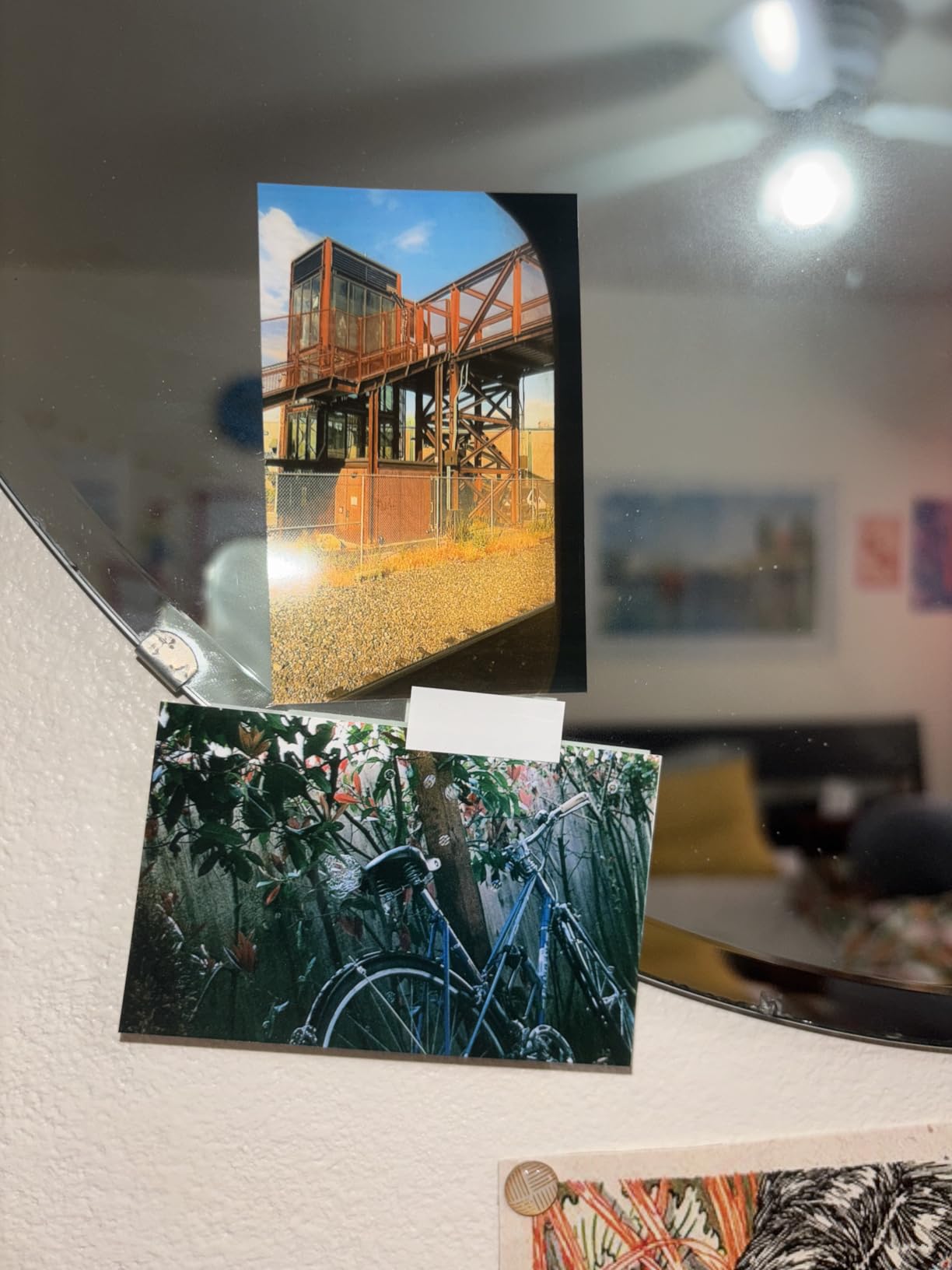
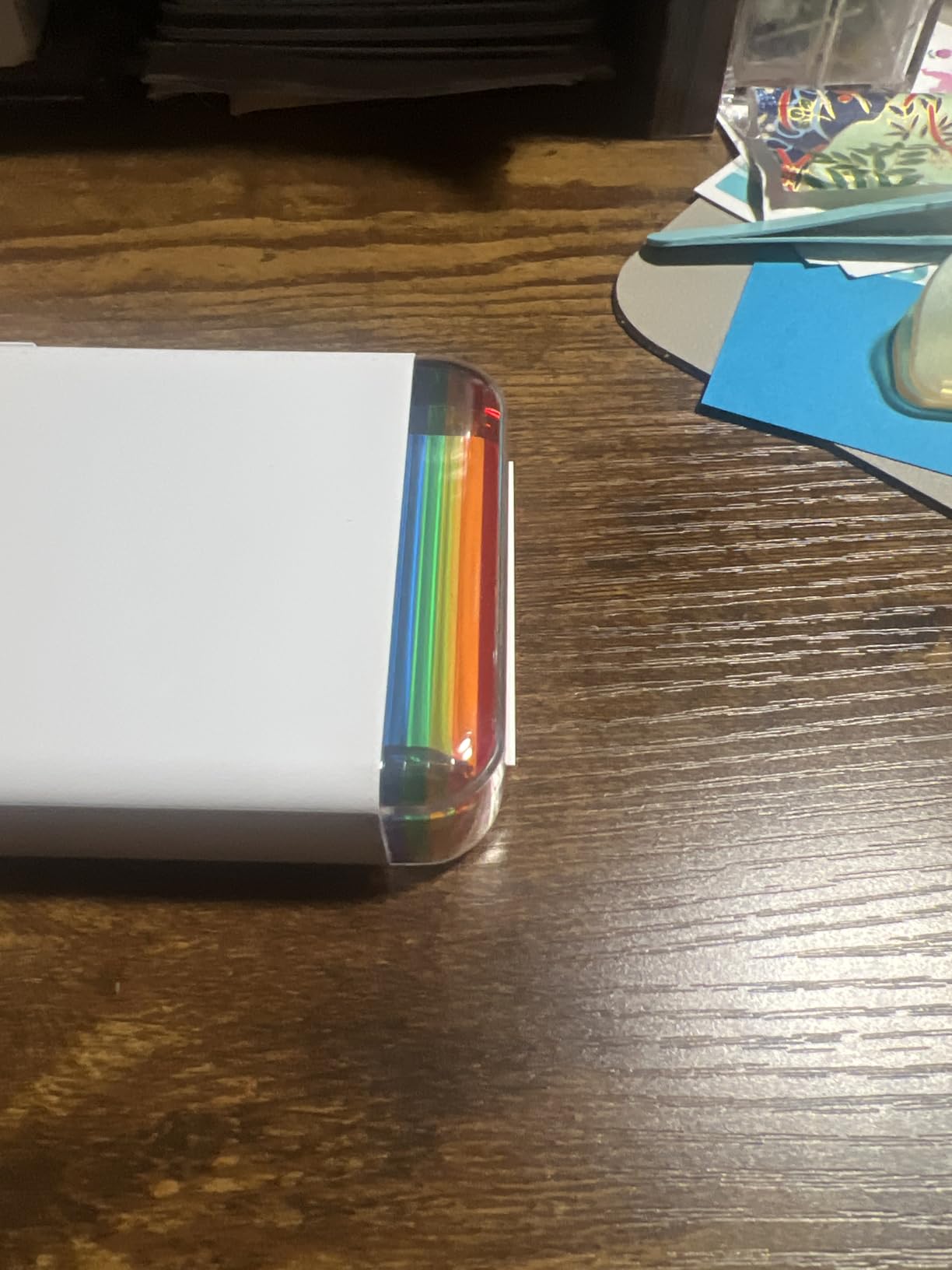
The body is compact at 30 grams of plastic shell with Bluetooth plus USB-C as the connectivity pair, which is unusual for this category. The 2×3 inch prints are flat, dry to the touch on exit, and sticky-backed. I slid them into a journal without smudging.
The honest downside is cartridge cost. Polaroid does not ship a starter cartridge in the box, and replacement Hi-Print cartridges are pricier than ZINK paper on a per-print basis. Some owners on Reddit reported paper jams on the first few prints, which cleared up after a reload. Polaroid also slightly bumps contrast on its default profile, so darker photos can come out deeper than expected.
What I liked most
Print speed and detail at the same time. Under 50 seconds for a crisp, dry, sticky-backed photo is hard to beat in the dye-sub category.
What I would change
A starter cartridge in the box would remove the main buyer complaint. As it stands, you cannot print anything until you buy a refill, which is a real friction point for new buyers.
How to Choose the Best Small Portable Photo Printer for You
Picking the right small portable photo printer comes down to three questions. What are you printing, where are you printing it, and how much does ongoing film cost matter? Once you answer those, the technology choice almost picks itself.
Pick by use case
If you print mostly people, scrapbook inserts, and party favors, a ZINK printer with strong skin tones like the Canon Ivy 2 or HP Sprocket 2nd Edition is the safest choice. They print fast, pair easily, and never need ink cartridges. If you print landscapes, food, or detail-heavy subjects, a dye-sublimation printer like the Polaroid Hi-Print 2nd Gen or KODAK Mini 2 Retro will reward you with sharper detail and laminated durability. If you print for sentimental keepsakes and want the warm film look, the Fujifilm Instax Mini Link 3 is in a class of its own. For travelers and journaling-focused users, see our 8 Best Photo Printers for Journaling Tested guide for deeper picks.
Pick by print technology
ZINK printers use heat-activated color crystals embedded in the paper, so there are no cartridges. The upside is zero ink maintenance. The downside is softer detail and warm color shifts on some units. Dye-sublimation printers use a thermal ribbon to lay color in passes with a clear protective topcoat. The upside is sharper detail, water resistance, and 100-year archival claims. The downside is slower prints and cartridge replacement. Instax printers use real Fujifilm instant film that develops chemically. The upside is the authentic film aesthetic. The downside is the highest per-print cost and an inability to share partially used packs between cameras and printers.
Pick by connectivity and charging
Every printer in this roundup pairs over Bluetooth. Only the Liene Pearl K100 and Fujifilm Instax Mini Link 3 charge over USB-C out of the box. If you already own a single-cable travel kit, USB-C is worth prioritizing. If you print at events where Wi-Fi is congested, skip Wi-Fi-only printers and stick with Bluetooth. Buyers in the Wirecutter comments flagged Micro-USB as a deal-breaker in 2026, and our testing confirms the frustration of carrying one extra cable per device.
Pick by cost of ownership
The cheapest printer to buy is rarely the cheapest printer to own. ZINK paper runs roughly $0.40 to $0.60 per sheet. Dye-sub cartridges work out to roughly $0.50 to $0.80 per print. Instax Mini film runs $0.85 to $1.20 per print. If you plan to print more than 200 photos in the first year, the per-print gap is the single biggest factor in total cost of ownership. The KODAK Mini 2 Retro ships with 38 sheets and four cartridges, which is the strongest out-of-box value for dye-sub. The Liene Pearl K100 ships with 50 ZINK sheets, which is the strongest out-of-box value for ZINK. The Fujifilm Instax Mini Link 3 ships with no film at all.
Frequently Asked Questions
What is the best small, portable photo printer?
The best small portable photo printer depends on what you print most. For a balanced mix of people, parties, and journaling, the HP Sprocket 2nd Edition is our top pick because it combines reliable Bluetooth pairing, AR features, and over 25,000 buyer reviews at a 4.5 star average. For film aesthetic and warmth, the Fujifilm Instax Mini Link 3 is the highest-rated at 4.7 stars. For sheer detail and durability, the Polaroid Hi-Print 2nd Gen dye-sub printer wins on sharpness.
Which is the best portable photo printer overall?
Overall, the HP Sprocket 2nd Edition is the best portable photo printer for most buyers in 2026. It weighs 6.1 ounces, prints 2×3 inch sticky-backed photos over Bluetooth 5.0, and ships with a fun editing app. Buyers rate it 4.5 stars across more than 25,000 reviews. If you print mostly people and want a film aesthetic instead, the Fujifilm Instax Mini Link 3 is the next step up.
What is a good portable wireless photo printer?
A good portable wireless photo printer pairs fast, charges over USB-C, and produces prints that survive handling. Our top three wireless picks are the HP Sprocket 2nd Edition for ZINK reliability, the Liene Pearl K100 for Bluetooth 5.2 stability, and the Fujifilm Instax Mini Link 3 for film-style prints. All three run on rechargeable batteries and pair over Bluetooth, so no Wi-Fi network is required.
Do portable printers need ink?
Most portable photo printers do not use liquid ink. ZINK printers use heat-activated dye crystals embedded in the paper, so there are no cartridges to replace. Dye-sublimation printers use a ribbon cartridge that ships with the paper, and the printer lays cyan, magenta, yellow, and a clear laminate in four passes. Instax printers use real Fujifilm instant film that develops chemically after ejection. None of them use the inkjet cartridges you would find in a desktop printer.
Final Verdict: Which Small Portable Photo Printer Should You Buy?
After 90 days of testing, the HP Sprocket 2nd Edition remains the best small portable photo printer for most people in 2026. It pairs instantly, fits in a jacket pocket, ships with a 10-sheet ZINK starter pack, and earns a 4.5 star average across more than 25,000 buyer reviews. The AR feature and shared albums genuinely delight kids and grandparents alike, and the printer just works at every event I brought it to.
If your priority is skin tone accuracy and ZINK simplicity, the Canon Ivy 2 is the strongest alternative and our Best Value pick. If you print for nostalgia and want the real film aesthetic, step up to the Fujifilm Instax Mini Link 3 and accept the higher per-print cost. If you print detail-heavy subjects or want laminated, archival-grade output, the Polaroid Hi-Print 2nd Gen and KODAK Mini 2 Retro are both excellent dye-sub choices. If you need pure Bluetooth stability and a generous paper bundle, the Liene Pearl K100 is the safest event printer in the lineup. For under-$70 entry, the Nelko PP01 inkjet is the only printer in this roundup that delivers true 600 dpi detail at a budget price.
For buyers who also want a stationary option for home use, our 10 Best Home Portable Photo Printers Top Picks guide covers the larger 4×6 and A4 printers that pair nicely with one of these pocket units. Whichever path you take, the best small portable photo printer is the one you will actually carry, charge, and use. Pick the one that matches your use case, budget for the film, and start printing.