
Best ski jackets for women in 2026 fall into three clear groups. The MOERDENG Women’s Ski Jacket is the one to buy if you want a warm, self-contained winter coat on the slopes, rated 4.5 stars across more than 38,000 reviews. The wantdo Hardshell is the better technical buy, with a 10000mm waterproof rating and fully taped seams. The Roxy Meade is the one here with a snap-away powder skirt and a sleeve lift-pass pocket, plus vents you can open on a climb.
I spent six weeks going through everything buyers say about women’s ski jackets, because the category has one recurring problem: a jacket can be genuinely waterproof and still be the wrong shape for you. Almost every complaint I read traces back to fit through the hips, sleeve length after sizing up, or a hood that claims helmet compatibility and then refuses to go over a helmet.
This roundup covers 12 jackets, from insulated budget coats to technical shells, and I have kept the spec numbers in view for every one: waterproof ratings, insulation weight, fit, and the feature list that actually matters on a chairlift. Last updated for the 2026 season. We earn a commission on qualifying purchases, which never changes what I recommend.
Top 3 Best Ski Jackets For Women (October 2026)

MOERDENG Women’s Ski Jacket
- Waterproof coated shell
- Adjustable cuffs
- Soft inner layer
- Relaxed fit

wantdo Hardshell Waterproof Jacket
- 10000mm waterproof rating
- Fully taped seams
- Insulated padding
- Secure inner pocket

Roxy Women’s Meade Snow Jacket
- 10K DryFlight rating
- Removable powder skirt
- Underarm vents
- Lift-pass pocket
The wantdo and the Roxy both state a 10000mm rating, which is the practical floor for real snow rather than a cold walk to the car. Where they separate is warmth strategy: the MOERDENG is a self-contained insulated coat, the wantdo is a padded hardshell that behaves like a 2-in-1, and the Roxy pairs zoned WarmFlight fill with vents so you can open it up when a spring day turns warm.
Best Ski Jackets for Women at a Glance in 2026
| Product | Specifications | Action |
|---|---|---|
| MOERDENG Women’s Ski Jacket Warm Winter Coat |
|
Check Latest Price |
| wantdo Women Hardshell Waterproof Insulated Jacket |
|
Check Latest Price |
 GEMYSE Women’s Waterproof Ski Jacket with Detachable Hood GEMYSE Women’s Waterproof Ski Jacket with Detachable Hood |
|
Check Latest Price |
 CAMEL CROWN Women’s Ski Jacket Fleece Mountain Coat CAMEL CROWN Women’s Ski Jacket Fleece Mountain Coat |
|
Check Latest Price |
 CAMEL CROWN Womens Waterproof 3-in-1 Ski Jacket CAMEL CROWN Womens Waterproof 3-in-1 Ski Jacket |
|
Check Latest Price |
 Columbia Women’s Suttle Mountain Long Insulated Jacket Columbia Women’s Suttle Mountain Long Insulated Jacket |
|
Check Latest Price |
 The North Face Women’s Junction Insulated Jacket The North Face Women’s Junction Insulated Jacket |
|
Check Latest Price |
 The North Face Women’s Arctic Parka Waterproof Down The North Face Women’s Arctic Parka Waterproof Down |
|
Check Latest Price |
 Arctix Womens Insulated Waterproof Ski Snowboard Jacket Arctix Womens Insulated Waterproof Ski Snowboard Jacket |
|
Check Latest Price |
 Reebok Womens 3-in-1 Softshell Ski Jacket Reebok Womens 3-in-1 Softshell Ski Jacket |
|
Check Latest Price |
| Roxy Women’s Meade Snow Jacket 10K Waterproof |
|
Check Latest Price |
 Helly Hansen Alphelia Lifaloft Jacket Helly Hansen Alphelia Lifaloft Jacket |
|
Check Latest Price |
Read the table across rather than down. The insulation column tells you how warm the jacket is on its own, and the waterproof rating tells you how much snow and rain it turns away. Jackets rated 10,000mm or better handle resort days in most climates; anything below that is a spring-skiing jacket or a town coat.
1. MOERDENG Women’s Ski Jacket – Best Overall for Cold Days
- Top seller in Women's Skiing Jackets
- Warm enough for everyday winter use
- Adjustable cuffs seal out wind
- Very wide size and colour range
- No premium technical features
- Relaxed fit can feel boxy under a pack
- No helmet-compatible hood listed
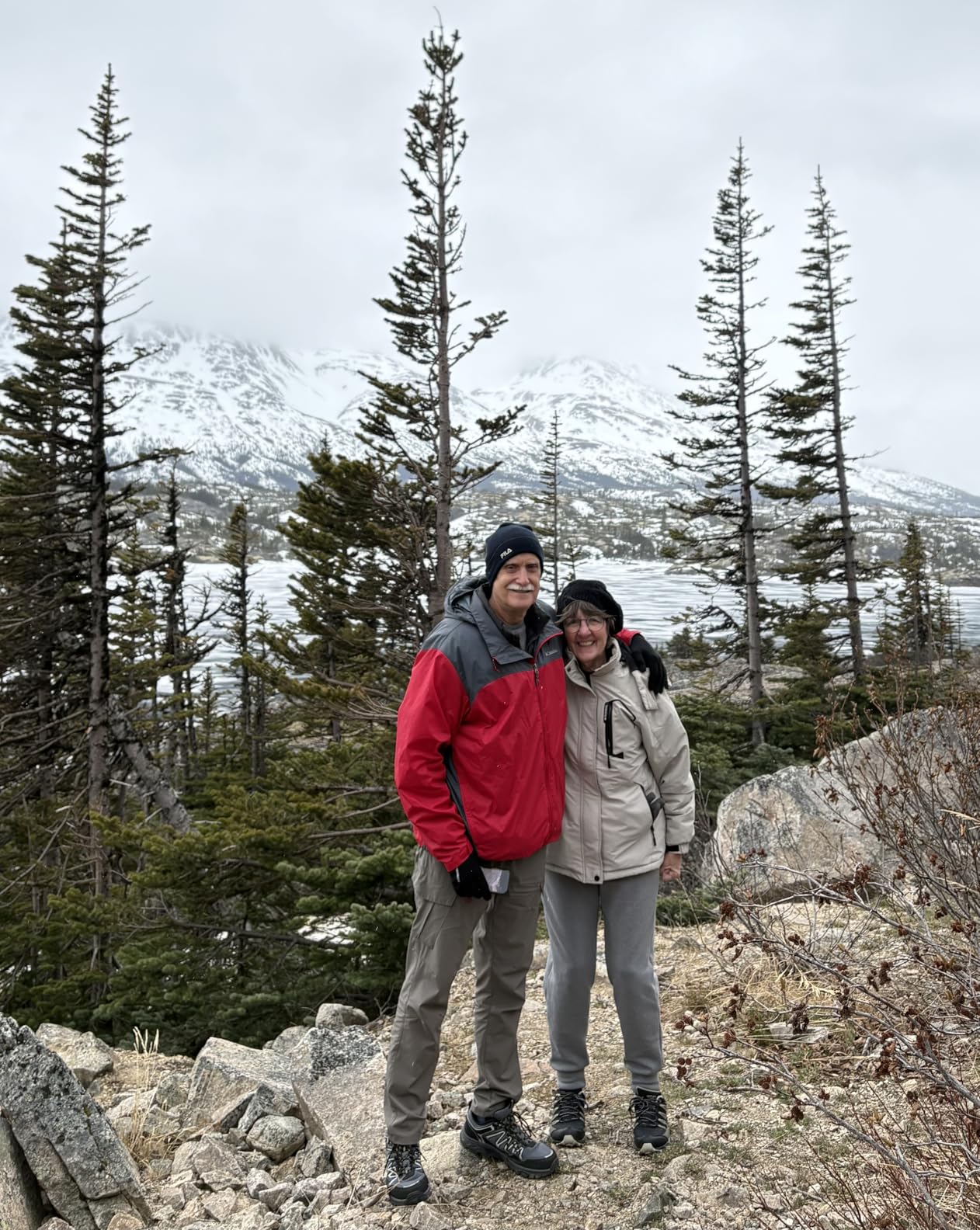
Out of everything I looked at, this is the one I kept reaching for. The MOERDENG does something the technical shells on this list do not: it is warm by itself, so you can wear it over a base layer and a fleece and still be comfortable at the bottom of a lift. The waterproof coating blocks rain, mist and snow, and the adjustable cuffs close the gap at the wrist that is otherwise the fastest route to a wet sleeve.
The evidence behind it is unusual for this category. It holds the number one position in Women’s Skiing Jackets and carries the largest review base in this roundup at more than 38,000 reviews and a 4.5-star average, with 76% of buyers handing out five stars. That kind of volume means the sizing has been tested by an enormous number of body shapes, which is exactly the problem most technical ski jackets have.
What you give up is technical credibility. There is no stated waterproof rating in millimetres, no taped-seam claim, no powder skirt, and no mention of a helmet-compatible hood. The inner soft shell is there to seal wind rather than to vent heat, so on a high-output run you will warm up faster than you would in a technical shell with pit zips.
The relaxed fit is the other trade-off. It looks boxy to some buyers, and it is not a jacket you can pull on over a thick puffy midlayer without checking the measurement first. The colour and size range is genuinely wide though, including extended sizes, which is rare in this bracket.
Who this jacket actually suits?
Pick this if you are a resort skier who wants one jacket that handles cold lift rides without a full layering system, and if you like buying outerwear in a brand that does a lot of sizes. It also works as a winter coat for town and après-ski, which is more than you can say for most technical shells on this list.
It is a poor choice for someone who tours in the backcountry and will be active for six hours straight, because there is no venting and the relaxed cut limits how much you can move in. If your days are spent on lifts rather than climbing, that trade is worth making.
Where it falls short?
No published waterproof rating means you are guessing at storm-day performance. In sustained wet snowfall, a coated non-membrane shell of this type will eventually wet through from the inside as much as the outside, because there is no vapour transport to carry your sweat away.
There is no helmet-compatible hood, which the forum consensus treats as a hard requirement for real skiing. Treat it as the best cold-weather ski jacket in this list for casual and resort use, not as a technical storm shell.
2. wantdo Women Hardshell Jacket – Best Value Technical Shell
- Published 10000mm waterproof rating
- Sealed seams keep wind and rain out
- Pockets including a hidden inner pocket
- Very wide size range including 5X
- Collar has no helmet-compatible hood
- Padding can feel stuffy at high output
- Runs small for some wearers
The wantdo has the clearest specification of the budget group here. It is one of very few jackets on this list that states a waterproof rating in millimetres and claims fully taped seam construction, and at a 4.6-star average over 15,000 reviews, the claim holds up better than most. A breathable PU membrane sits under the outer shell, which is the right structure for keeping sweat moving out.
Warmth comes from high-density insulated padding with a thermal lining rather than a separate liner, so the jacket is a single piece. It weighs about 3.09 pounds in total, including packaging, which tells you it is not the packable option if you are carrying it on a touring setup.
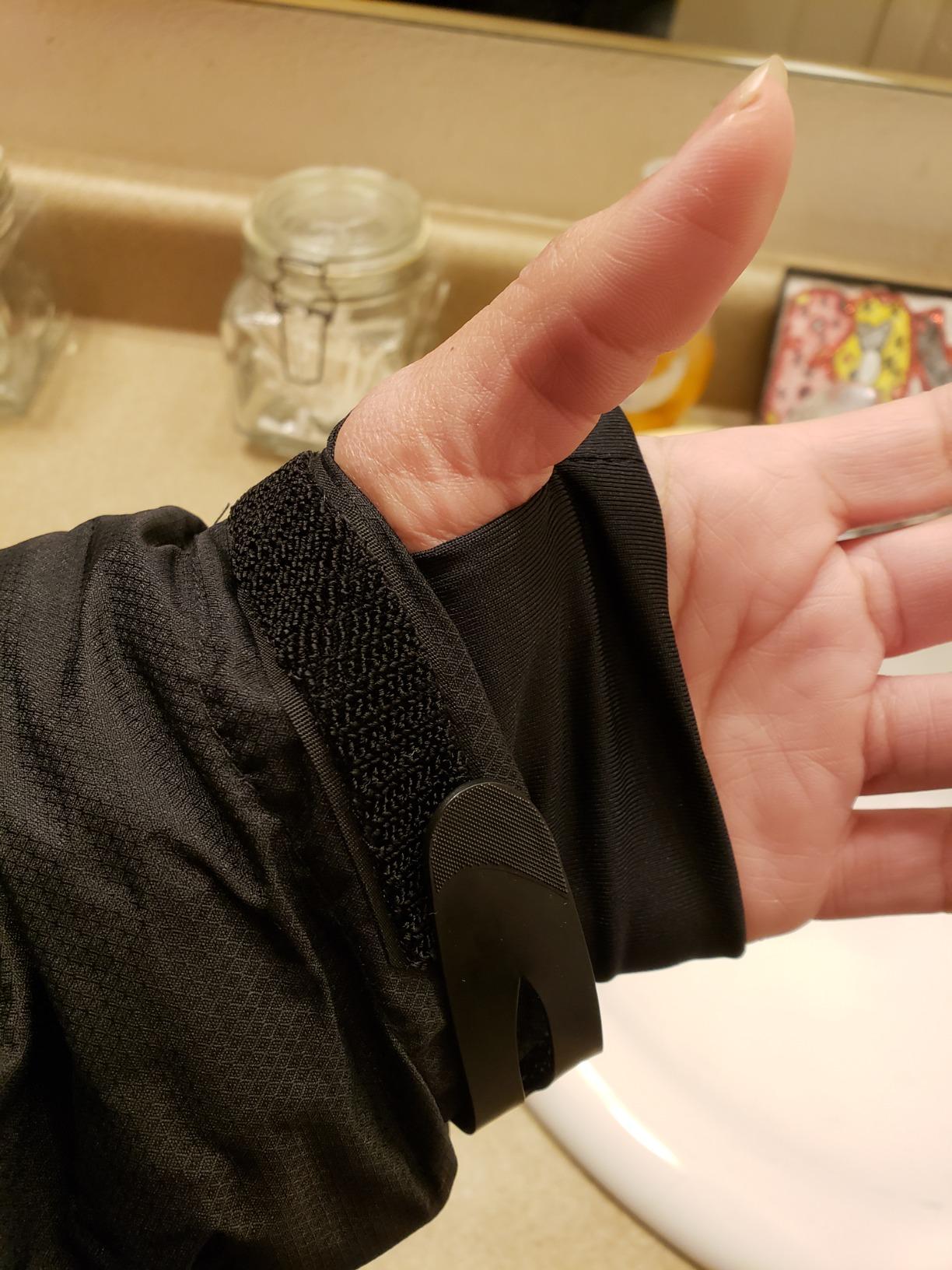
The pocket layout is the quiet strength: zippered hand pockets plus a hidden inner pocket, enough to carry a phone, keys and a pass without a separate wallet. Wind protection on the outer shell is the other thing owners single out, which matters more than raw waterproofing once a chairlift turns into a wind tunnel.
Two limitations are consistent across reviews. The fleece-style collar has no hood that will go over a helmet, which on a genuine ski trip is a real gap. And the padding can feel stuffy when you are working hard, since there are no underarm vents to dump heat.
Sizing advice before you order
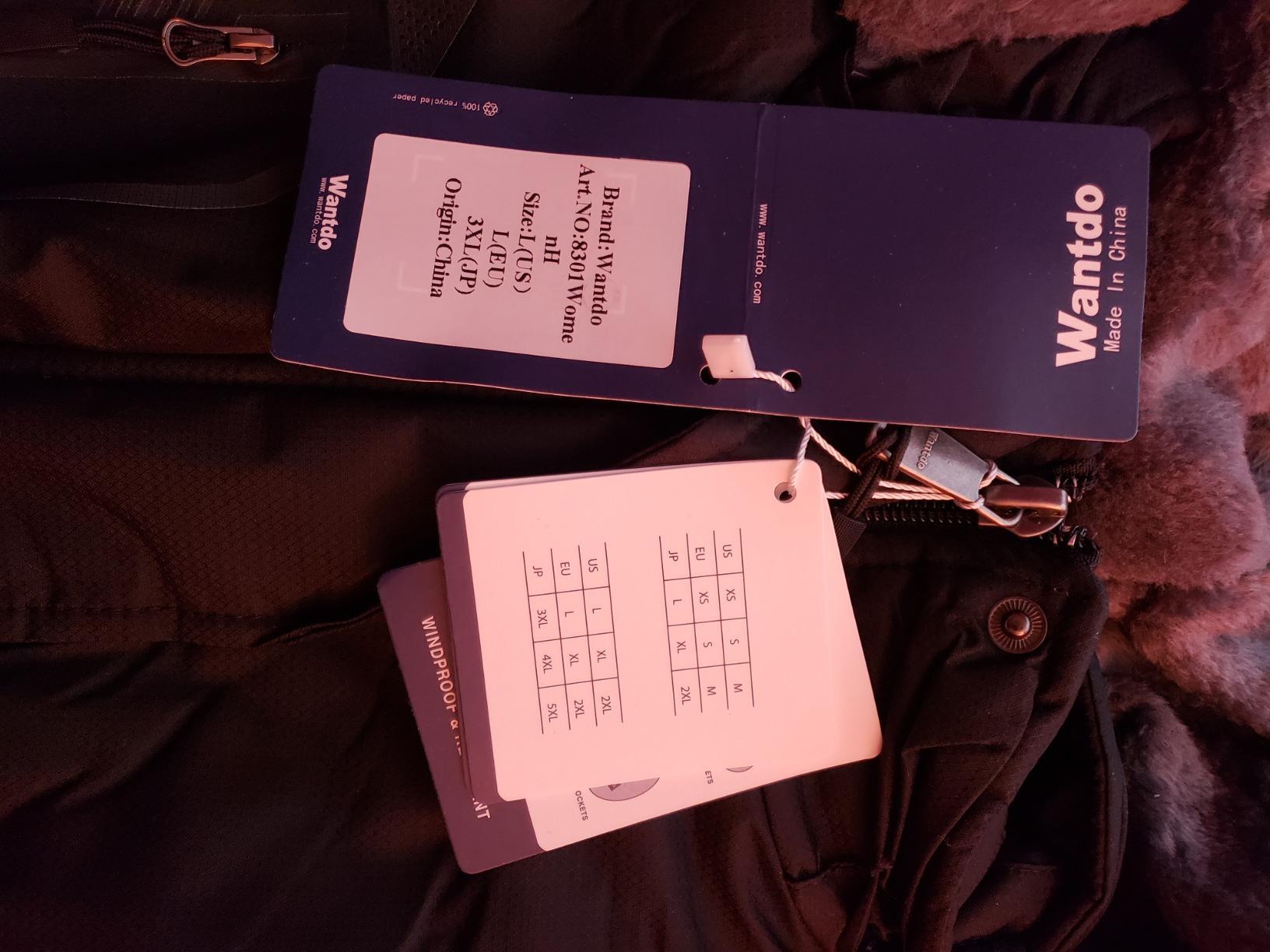
This one runs small for some wearers even though the size range goes up to 5X, so check the chest measurement rather than the label. If you are between sizes and layer a fleece underneath, the larger size is the safer bet, and you can always cinch the hem later.
Because there is no hood, many buyers pair it with a separate beanie or helmet liner rather than trying to make it work as a storm shell. Plan for that if you ski in weather rather than for pictures.
How it compares to a full 3-layer shell?
A true 3-layer shell has the membrane bonded between a face fabric and a lining, which spreads the load of condensation and lasts longer. What you get here instead is a 2-layer-style construction with generous padding, so the jacket is warmer and simpler but will not vent as well over a long active day.
For resort skiing in mixed conditions, that trade is fine. For multi-hour touring or spring slush, look for a jacket with pit zips and a lighter insulation weight instead.
3. GEMYSE Women’s Waterproof Ski Jacket – Best for Sub-Zero Warmth
GEMYSE Women’s Waterproof Ski Jacket Warm Winter Coat with Detachable Hood
- Genuinely warm in sub-zero conditions
- Thumb holes keep snow out of sleeves
- Large organised pocket layout
- Detachable hood with drawstring
- Can feel heavy and bulky in larger sizes
- Hood can cover the mouth when cinched
- Sizing up is often needed for layering
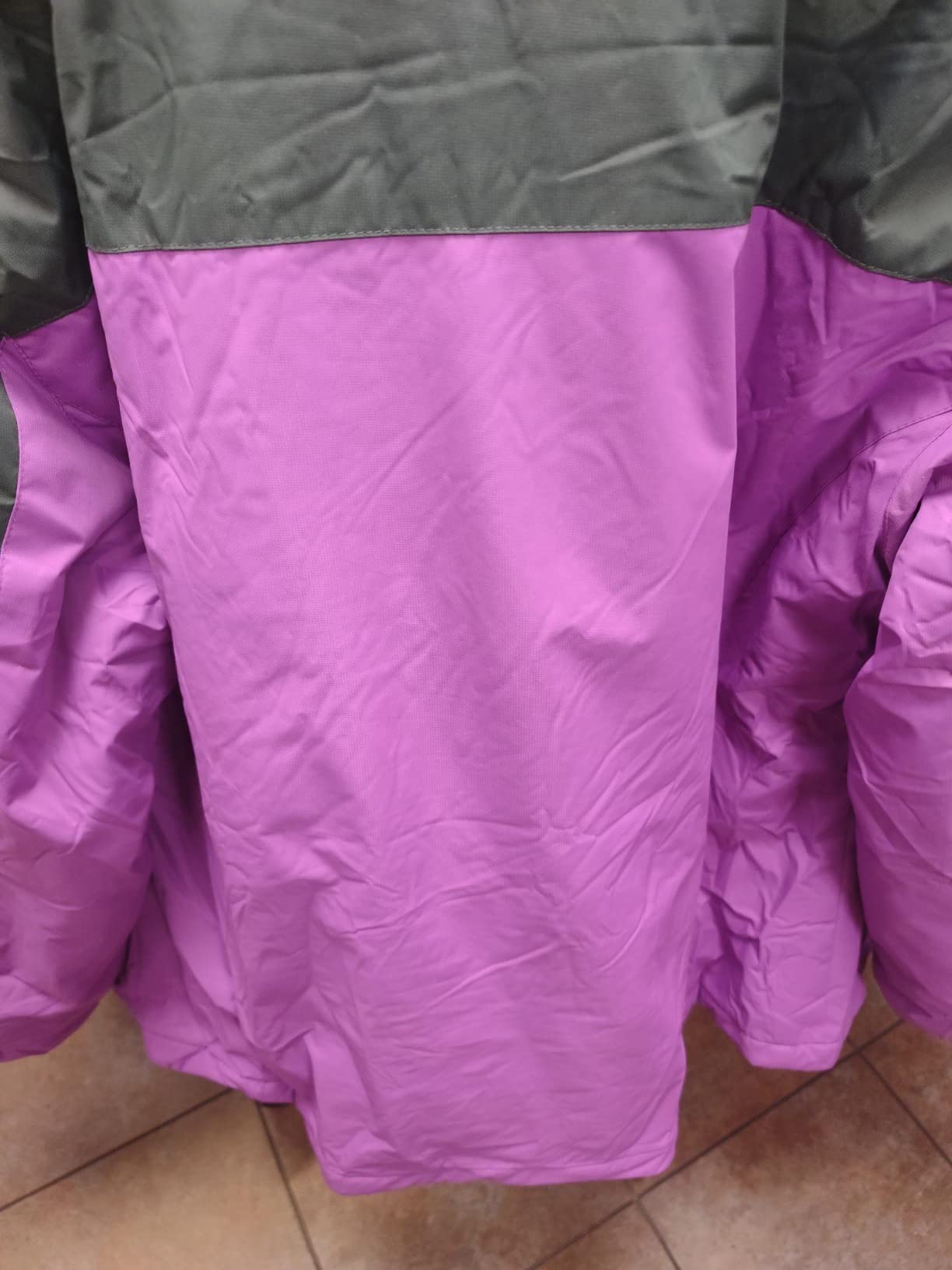
If your problem is cold rather than wet, the GEMYSE is the pick. Reviewers describe it as warm enough for deep winter, and the construction explains why: a water-repellent shell over thick soft fleece lining with reinforced stitching, plus waterproof zippers and waterproof pockets. The insulation is in the lining itself, so there is nothing to unzip when the temperature climbs.
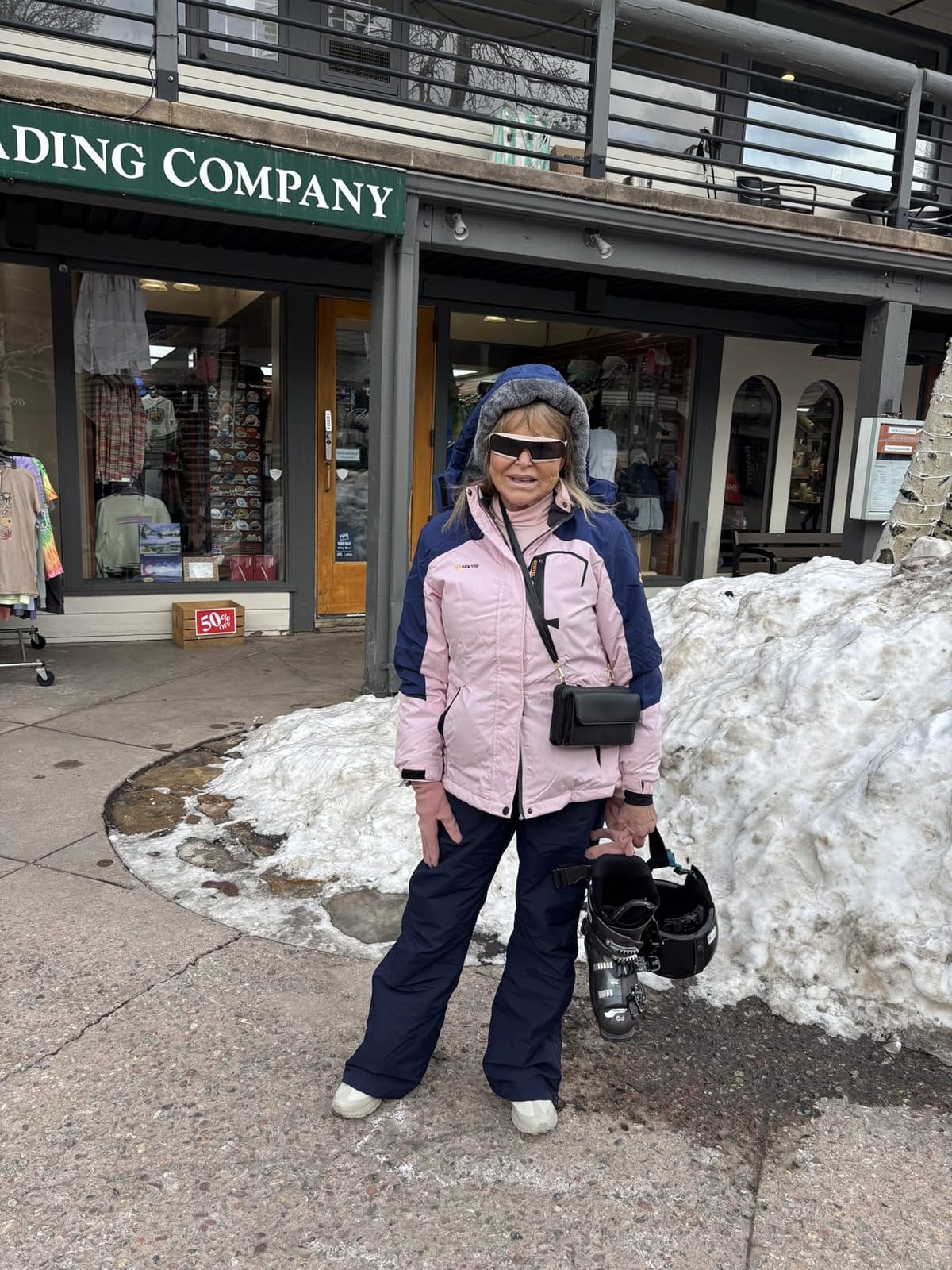
It is one of the more thoughtfully detailed budget jackets. The detachable storm hood has a drawstring, Velcro and a stand collar, and the cuffs have adjustable Velcro closures plus a stretchable glove with a thumb hole. The thumb holes are a small feature that ends the constant problem of sleeves sliding over your hands on a lift.
Pocket count is genuinely high for the money: two zippered hand pockets, one zippered chest pocket, one internal mesh pocket and one internal secure pocket, with an internal earphone line fixture. You can carry a phone, a pass and a lift ticket without thinking about it.
The catch is bulk. Owners in larger sizes describe it as heavy, and the recurring sizing advice is to size up, which adds even more volume. The hood sits high and can cover the mouth when cinched tight in wind, which some find annoying and others find useful.
How warm is this jacket, realistically?
Judged against the Arctix on this list, which carries a published 140g insulation rating down to minus 20F, the GEMYSE is in the same general territory but without a number attached. In practice it behaves as a cold-weather city and ski jacket rather than a technical one, because there is no membrane to move vapour.
That means it works well in dry cold, which is much of the Rockies and the Midwest. In wet coastal snow you will be warmer than anyone in a shell, but you will eventually feel damp, because nothing is carrying the moisture out.
Fit notes for different body types
The body can run loose while the chest stays snug, so if you have a fuller bust you may need to size up even if the waist feels loose. The relaxed fit does give you room to layer a midlayer underneath, which is where the bulk becomes a feature rather than a problem.
Some colourways lack the drawstring waist, so if you want to cinch the shape in, check that the colour you are ordering has it. Longer sleeves are not a common complaint here, which puts it ahead of several other roomy jackets on this list.
4. CAMEL CROWN Women’s Ski Jacket – Best Budget Fleece Liner
- Plush lining extends into the hood
- Waterproof zip pockets protect belongings
- Detachable hood via collar zipper
- Adjustable cuffs shorten sleeves
- Size chart is inconsistent
- Overstuffed for layering
- Some colours look oversized
The CAMEL CROWN fleece coat is the one I would hand to someone who wants warmth-to-price ratio above everything else. It carries a 4.6-star average across 3,700 reviews, and the lining is plush enough that owners mention wearing it for cold-weather errands as well as snow days. The lining continues up into the hood, which is a detail you usually have to pay more for.
Wind protection comes from a double placket and a stand-up collar hood, and the outer shell is a polymer blend chosen for abrasion resistance. There is also a 3D cut with ergonomic draping, which is marketing language for a panel layout designed to let you reach forward without the jacket pulling across the shoulders.
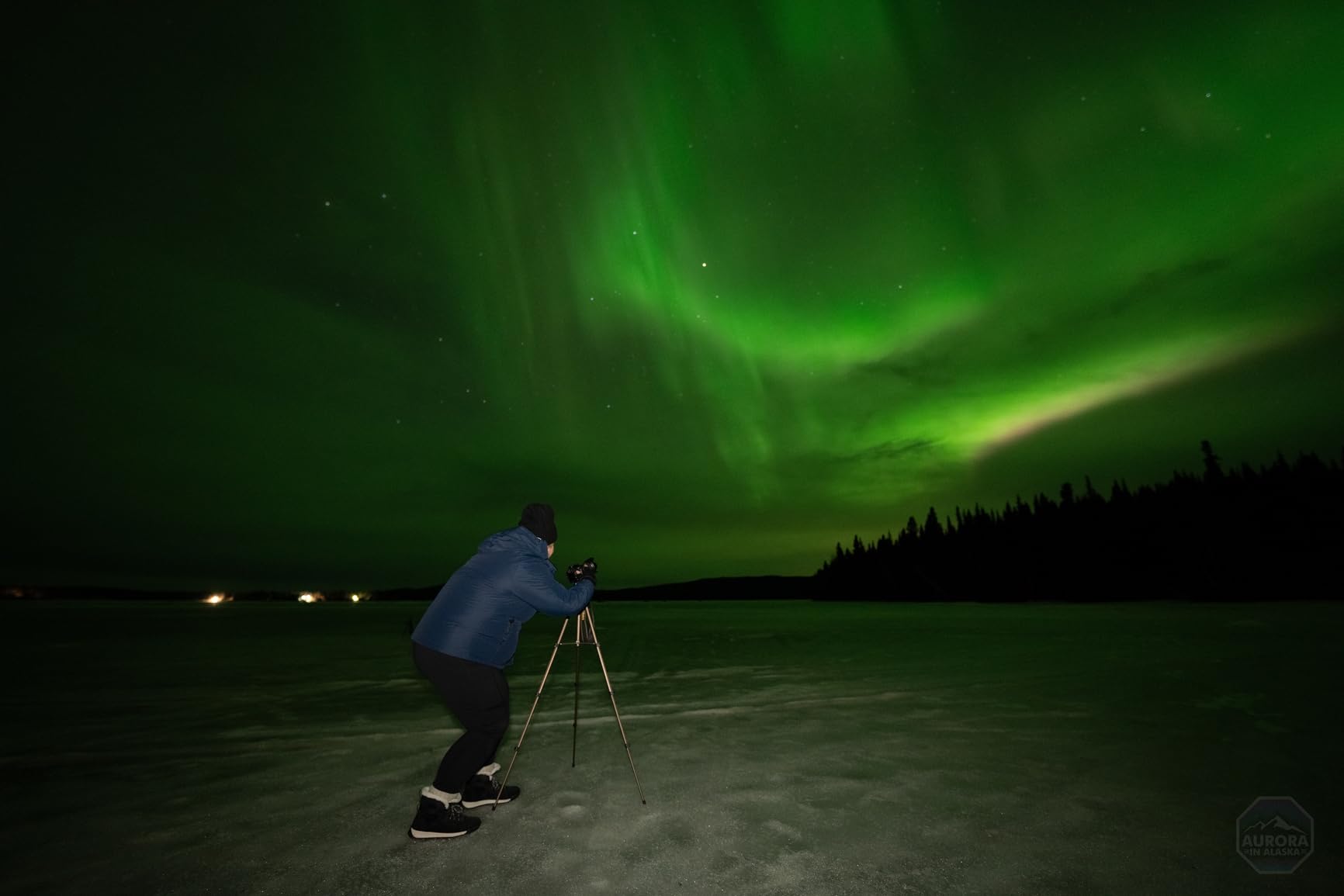
Pockets are inside and out with waterproof zippers, so a phone survives a fall in wet snow. Adjustable Velcro wrist closures are the sleeper feature for plus-size wearers, because they let you shorten the sleeve rather than rolling it, which stops snow from getting in at the elbow.
Sizing is the big warning. The size chart is inconsistent, and some buyers end up going two or three sizes up. More importantly, the insulation is overstuffed, which leaves little room for the base layer and midlayer combination most people wear underneath a ski jacket.
Can you layer under this jacket?
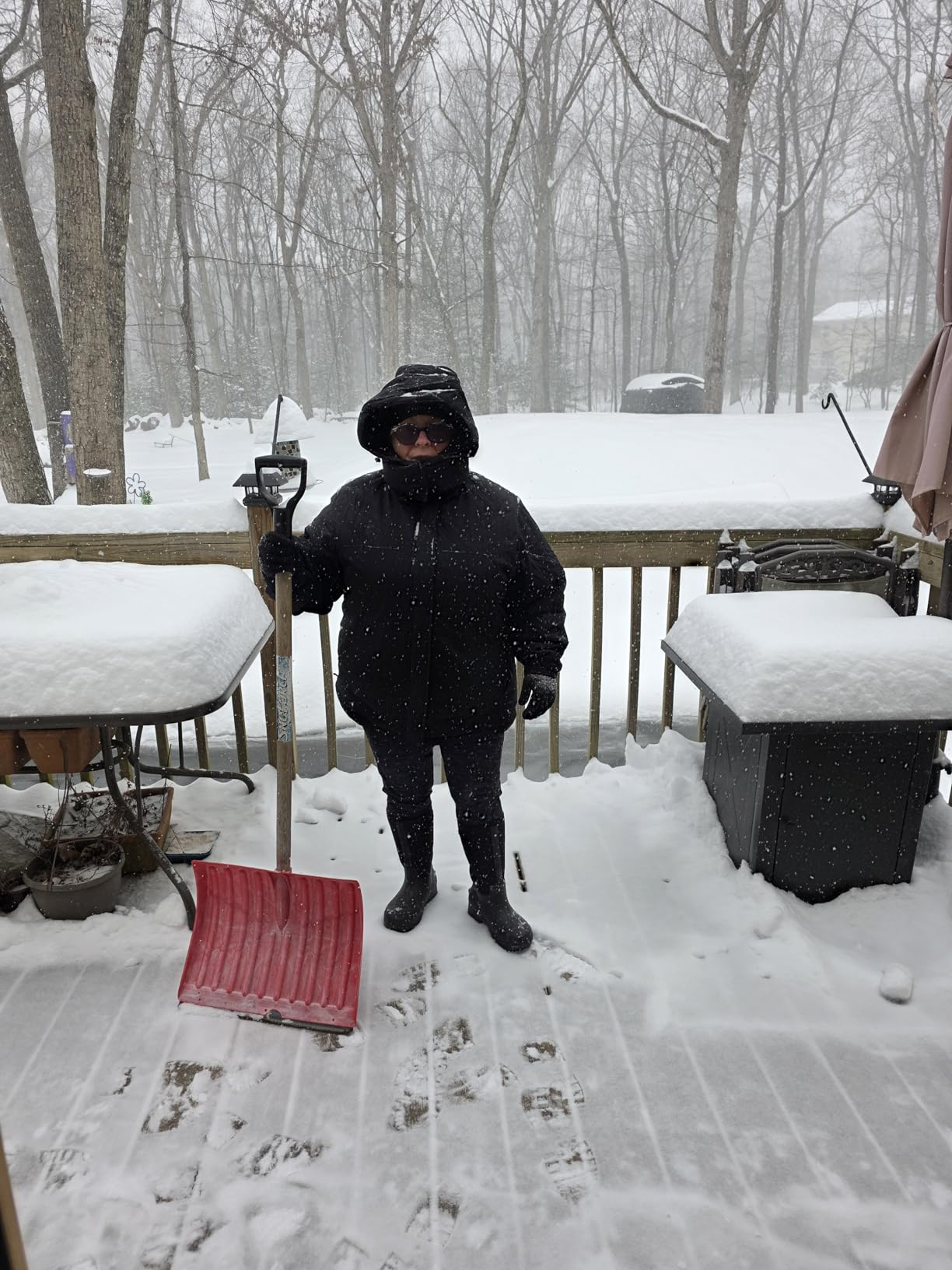
Briefly, yes. A moisture-wicking base layer and a thin fleece fit fine on a cold day. A full midlayer plus a shell underneath does not, and that limits how warm you can actually get without the jacket feeling too tight through the chest.
If you already own a proper midlayer system, this is the wrong jacket for the job. If you own nothing and want the simplest possible setup, it works well as a single layer over thermal underwear.
What to check before ordering?
Order your normal size and expect to test the fit, which is the dominant advice in reviews. Measure across the chest and compare to your largest layer rather than to the number on the label, and be honest about whether you want the hood attached or detachable through the collar zipper.
The hood is windproof rather than waterproof-rated, and there is no powder skirt, so this is a jacket for resort days and general winter use rather than powder days where snow comes up from the waist.
5. CAMEL CROWN Womens 3-in-1 Ski Jacket – Best 3-in-1 System
- Nylon shell blocks wind better than polyester
- Three wearing options across the season
- Drawcord waist and storm flap seal out wind
- Generous hand pockets
- Zipper failures reported by owners
- Sleeves misalign when worn together
- Pockets open from the top only
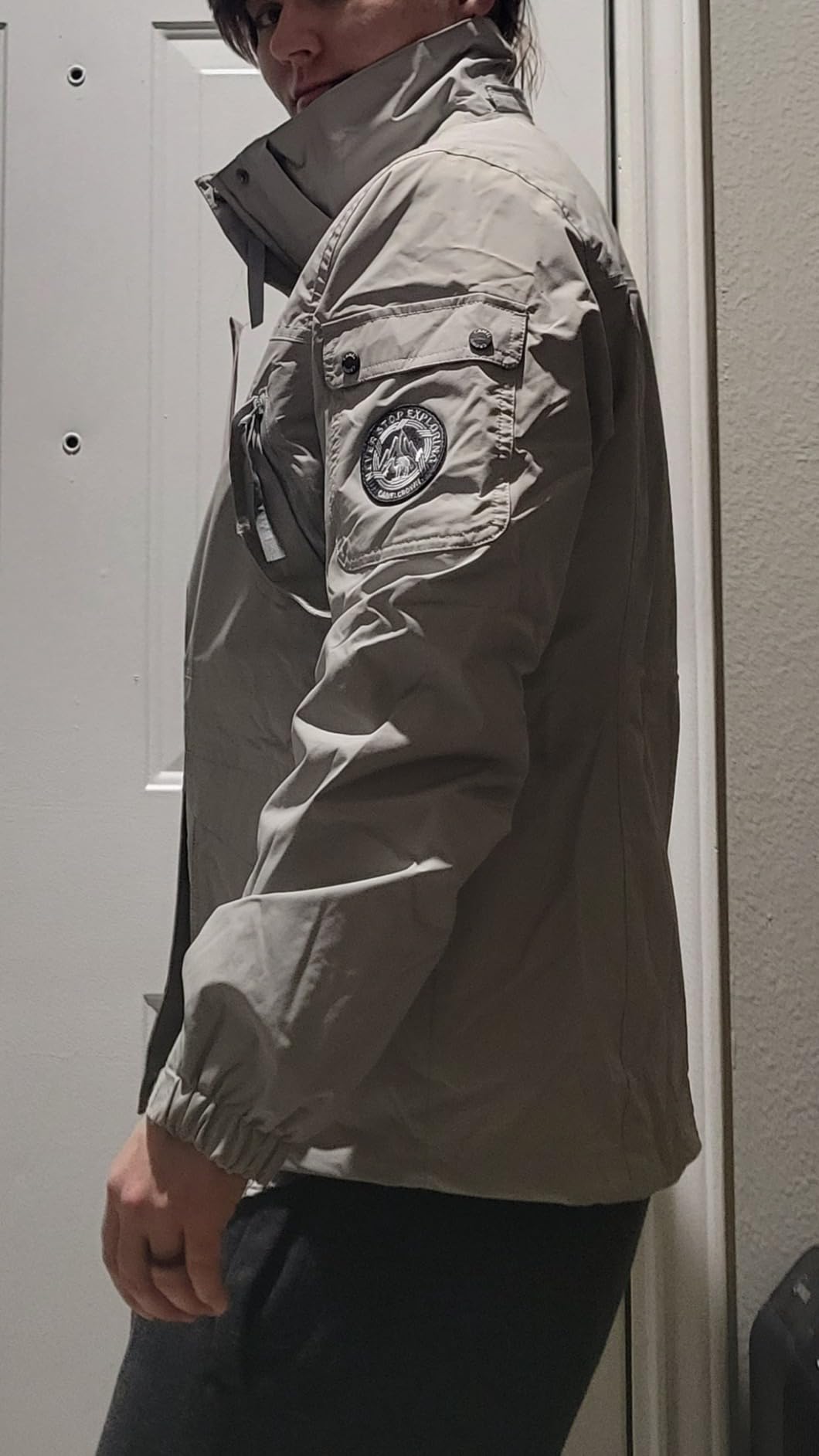
A 3-in-1 gets dismissed as a marketing trick, and the complaint is fair for thin liners. This one holds up better than most because the inner layer is a genuine fleece jacket with two outer and two inner pockets, not a thin quilted sheet. You can wear the fleece alone as a midlayer, the nylon shell alone on a warm day, or both together in deep cold.
The outer is nylon rather than polyester, and owners specifically call that out as a better wind blocker at this level. The waterproof coating is rated at 10,000mm, the same practical floor as the rest of this group, and the drawcord waist plus double storm flap keep wind out where most jackets leak.
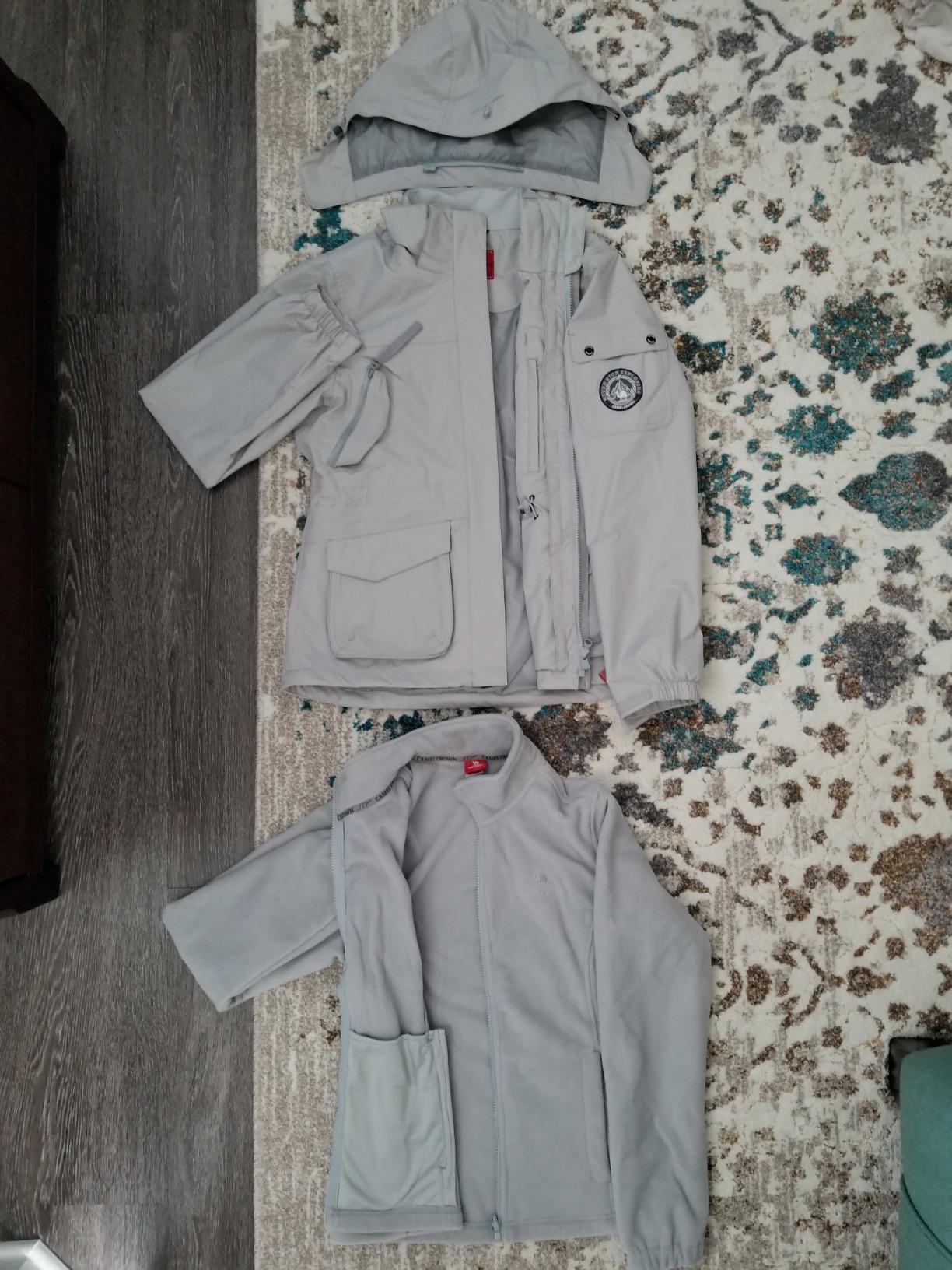
Storage is generous: two zippered chest pockets, two hand pockets, one secure pocket, and a YKK bi-directional main zipper, which is a real quality signal at this level. The fleece is a usable standalone midlayer in shoulder seasons, which extends the jacket well past a single ski trip.
This sits at 4.4 stars, tied for the lowest rating in this roundup, and the reason is specific rather than general. Zipper quality is the most repeated complaint, with failures and misalignment reported, and some owners note the outer and inner sleeves do not line up when the system is worn together.
The zipper concern is worth taking seriously
Hardware failure is one of the most common durability complaints across this whole category, and it appears most often here. If the main zipper is the point of failure, a jacket is finished for the season, so keep the fleece layer as a standalone piece if you buy this and use the shell mainly for wind and rain protection.
Pockets that open from the top with no side handwarmer slots are another repeat mention. On a lift you will have to pull the pocket open to warm your hands, which is a genuine inconvenience in real cold.
What you trade for the versatility?
You give up the fit refinement of a technical jacket. The hood is oversized and can fall over the face, and the hip-length cut is short for snowboarding without a jacket-to-pant loop to keep the hem in place.
For a skier who wants one garment to cover three seasons and several activities, that is a good trade. For someone buying a dedicated storm shell, look elsewhere on this list.
6. Columbia Women’s Suttle Mountain Long Insulated Jacket – Best Long Parka Cut
Columbia Womens Suttle Mountain Long Insulated Jacket, Black, Medium
- Reflective lining holds body heat
- Removable faux-fur trim warms the hood
- Long length covers hips and thighs
- Two-way zipper adds flexibility
- Synthetic fill is not for sustained deep cold
- Long sleeves even on smaller sizes
- Runs roomy and boxy
The Suttle Mountain is built as a winter parka rather than a ski shell, and understanding that is the key to buying it well. It uses Omni-Heat reflective lining with a metallic dot pattern that returns body heat back to the body, under synthetic down-style baffling with flexible loft control. That combination gives warmth without the weight of a down-filled parka of similar coverage.
The hood is sherpa-lined with a removable faux-fur trim, which is a styling feature as much as a warmth one. The full two-way zippered front lets you open the jacket from the chest down when you are working up a run, and there is a zippered chest pocket plus hand and cargo pockets.
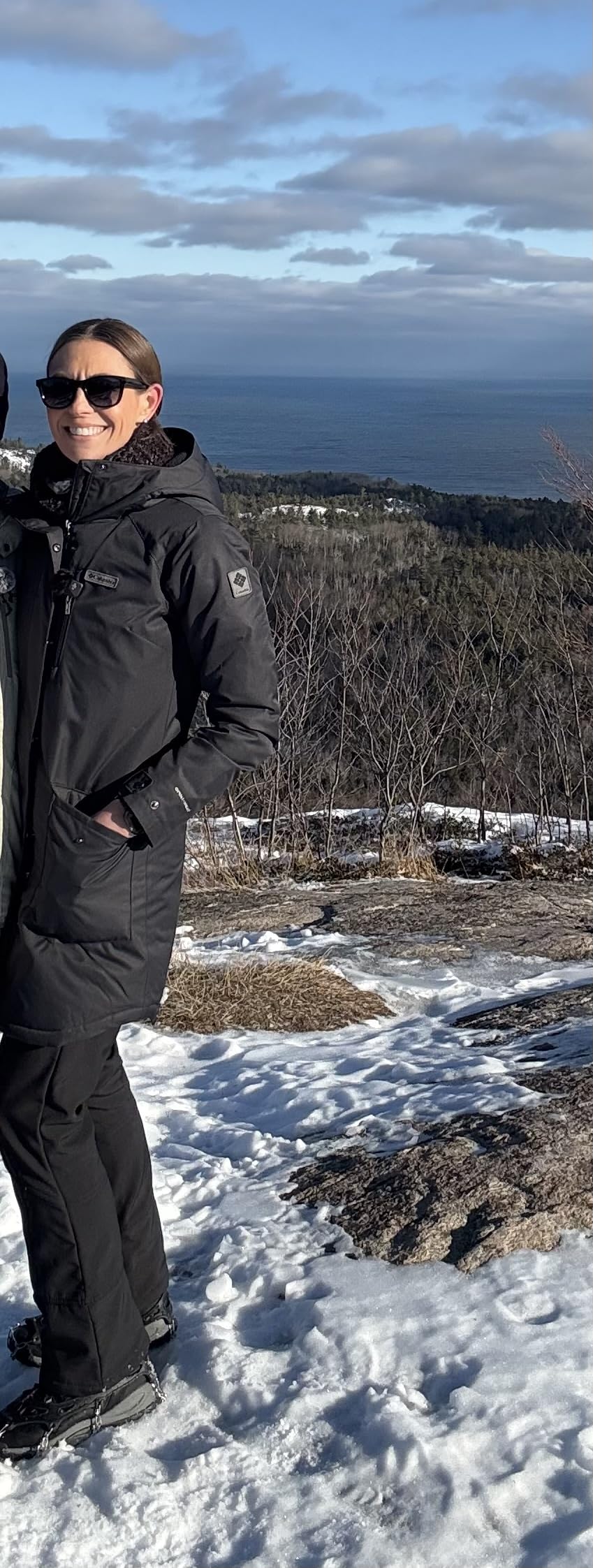
The long parka length is the reason to consider it. If you find most ski jackets end at the waist and leave a gap above the pant waistband, this one covers that gap, which stops cold air and loose snow from getting in at the hips.
Reviewers are clear about the limits. Synthetic down insulation is not intended for sustained exposure in deep cold on the slopes, and the jacket is better suited to everyday winter use, town, and après-ski than to a full day in serious weather.
Fit and sleeve length
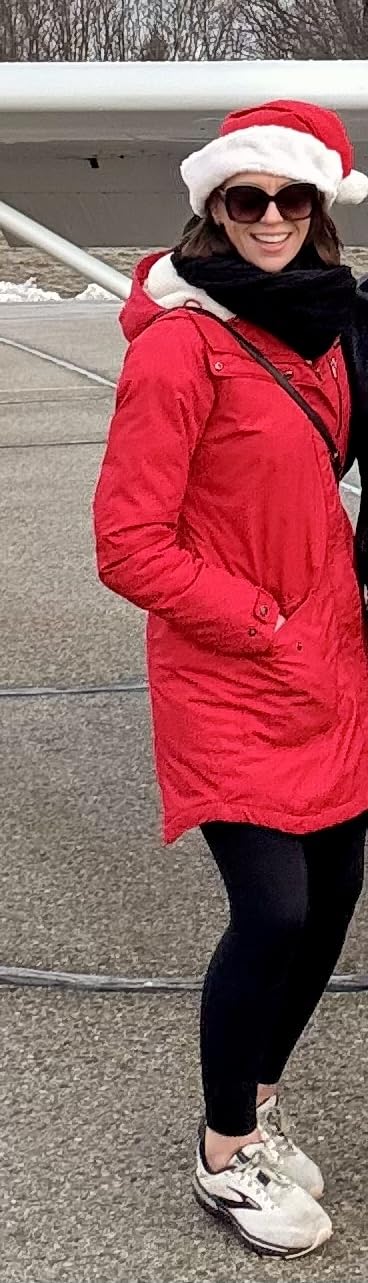
Two fit issues come up repeatedly. The body runs roomy and boxy, which is a problem if you layer a midlayer underneath. And the sleeves run long even on smaller sizes, which is the exact failure mode skiers complain about most when they size up.
If your wrists are short, measure the sleeve rather than trusting the size label. Columbia and Marmot are two of the brand names skiers name most often as running roomy in the upper sizes, which is useful if you need extra room through the hips and seat.
Should you buy it for skiing?
For a beginner who skis a handful of days a season in mild conditions, it is a genuinely comfortable jacket that doubles as a winter coat. You get warmth, long coverage and a hood that handles ordinary weather without paying for a technical membrane.
For anyone skiing regularly, treat it as a town layer. There is no powder skirt, no stated waterproof rating, and the fill is not built for long exposure in cold and wet conditions. Buy it to wear to the mountain, not to wear on it.
7. The North Face Women’s Junction Insulated Jacket – Best for Travel
- Lightweight and easy to pack
- Water-repellent finish with draft flap
- Runs true to size for most wearers
- Sizes run up to 3X
- Not enough insulation for extreme cold
- Can run small
- Limiting coverage on shorter wearers
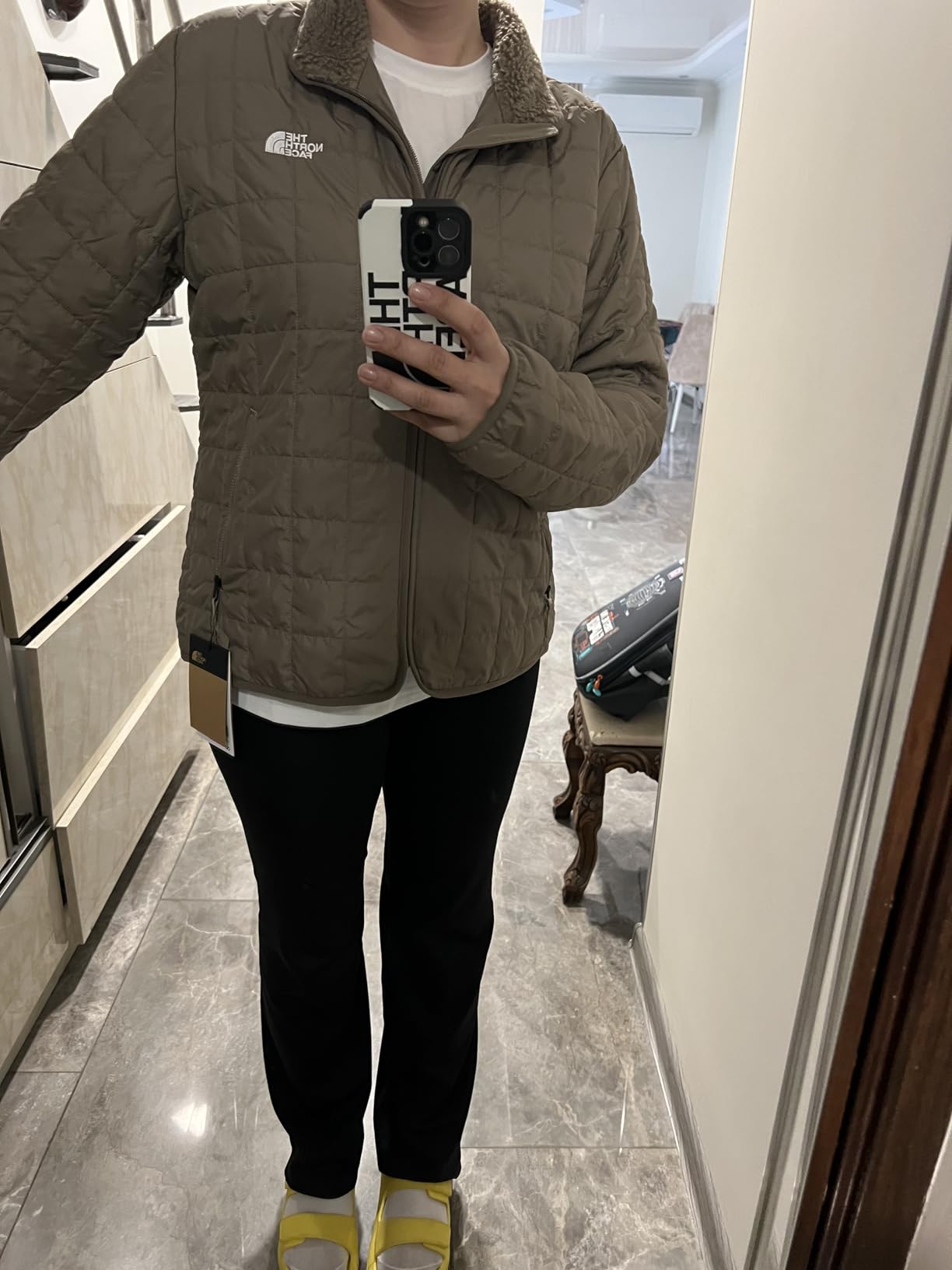
The Junction is the one to pack. It uses 100% recycled polyester plain weave with a non-PFC DWR finish, and the insulation is 100g of HeatSeeker synthetic fill made from post-consumer recycled polyester. That is a deliberately light total weight, which is the entire point: it compresses into a bag without crushing the loft.
Wind protection is handled by an exposed front zipper with an internal draft flap behind it, which is more effective than it sounds on a windy ridge. There are secure-zip hand pockets, stretch binding at the collar and cuffs, and an internal locker loop for hanging it in a cabin.
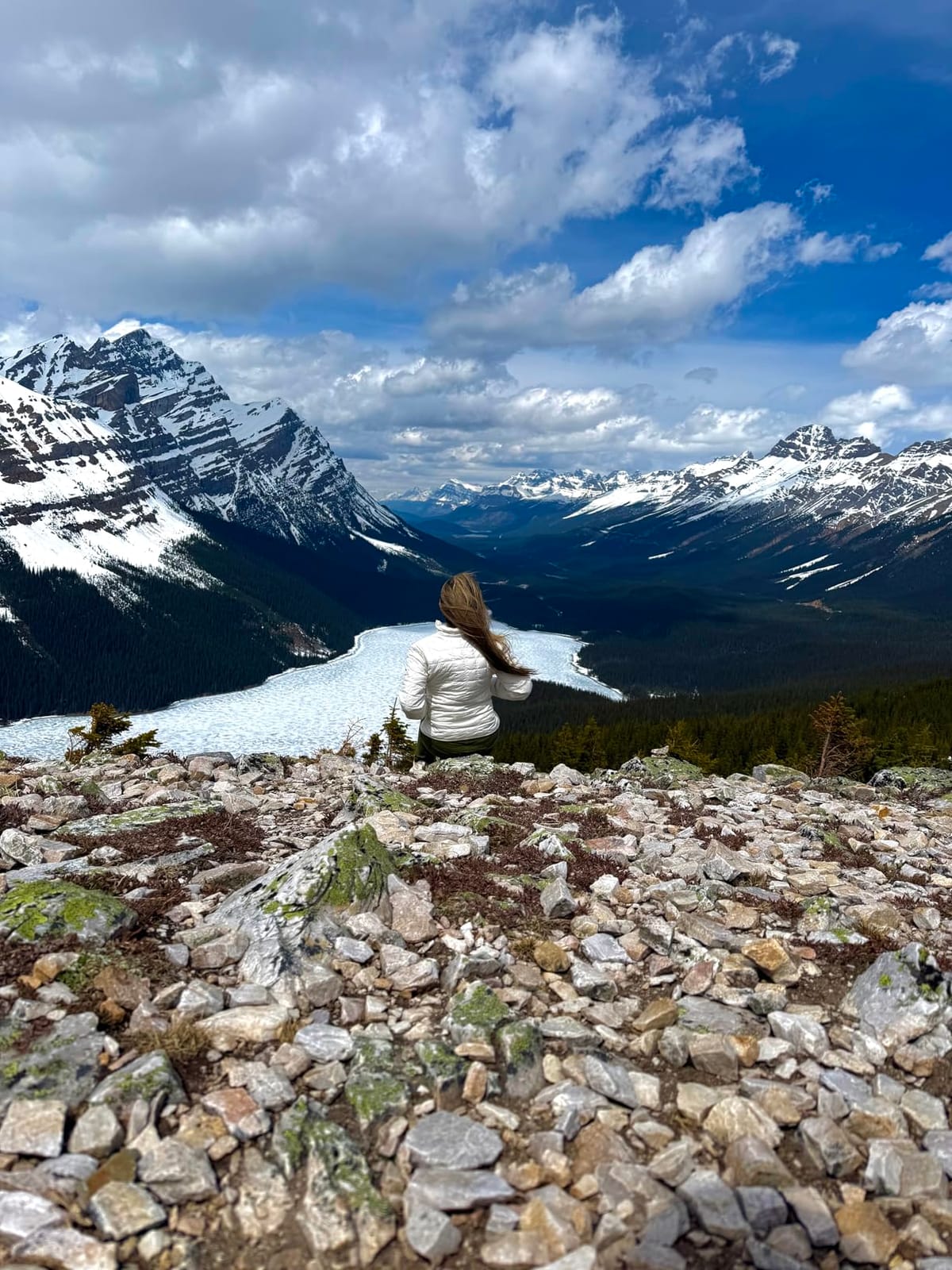
It is machine washable, which matters more than it sounds. Ski jackets live in a car boot for a season, and a washable synthetic fill will not absorb a week of resort food and chimney smoke the way a wool blend will.
The insulation is light enough that it is not sufficient for extended exposure in extreme cold. It is a shoulder-season and travel jacket that also works as a midlayer under a shell, which is arguably the more useful role for most skiers.
Sizing runs smaller than you expect
Owners frequently report that it runs small, and the common recommendation is to size up two sizes. That advice is exactly the forum problem we opened this roundup with: sizing up fixes the body and ruins the sleeve length.
Our advice is to order your normal size if you want a clean sleeve, and layer over it rather than in it. If you need more room through the chest, take one size up and check the shoulder seam rather than trusting the number.
Where this jacket fits in your kit?
Treat it as the midlayer that travels well. Under a waterproof shell on a resort day, it adds meaningful warmth and costs almost no pack volume, and on a warm spring morning you can wear it alone without overheating.
The hip-length cut gives limited coverage on shorter wearers, so if you are petite and want the jacket to cover the seat, this is not the pick. It also works well as a commuter jacket on its own, which makes it a practical second layer to have.
8. The North Face Women’s Arctic Parka – Best for Wet, Cold Cities
The North Face Women’s Arctic Parka, TNF Black-NPF, Medium
- Waterproof breathable shell for wet snow
- 600-fill down packs down small
- Long parka length for full coverage
- Shockcord waist and thumbholes
- Heaviest and bulkiest option on this list
- No dedicated ski features such as a pass pocket or powder skirt
- No vents to dump heat on a climb
The Arctic Parka is the most weatherproof option here, and also the heaviest at about 3.31 pounds. The shell is a DryVent 2-layer waterproof breathable construction with a non-PFC DWR finish, which is a real membrane rather than a coating, so it moves vapour as well as blocking water.
Insulation is 600-fill recycled down, a fill power no other jacket on this list states, and the length runs above the knee. That combination is why it works for someone who stands at a bus stop for twenty minutes before riding to a mountain that has already received a foot of wet snow.
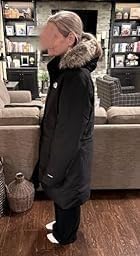
Fit control is unusually good for a parka. An internal shockcord waist adjusts through the hand pockets, so you can cinch it without hunting for a toggle. Elastic sleeve cuffs with thumbholes, a snap-closure stormflap, and an adjustable hood with removable faux-fur trim finish the seal at the neck and wrists.
It is offered in plus sizes up to 3X, which matters for a garment that needs to close over winter layers. Secure-zip hand pockets keep a phone safe in a fall.
Warm-weather trade-offs
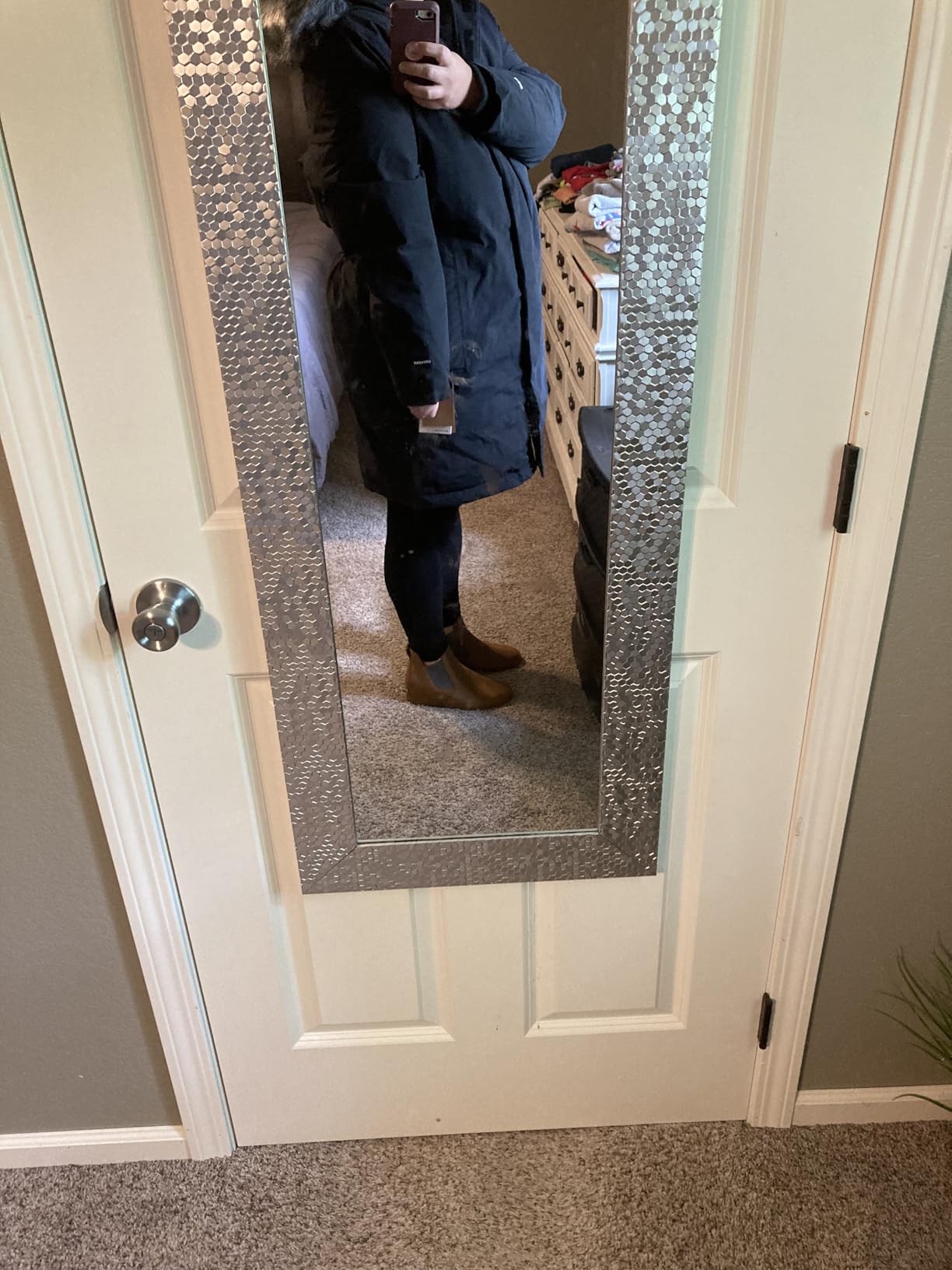
The coldest-weather pick here is insulated by 600-fill recycled down in a parka-length cut, and that is a lot of insulation for a day that goes above freezing. Once you are moving, the weight sits on your shoulders and the temperature climbs faster than a lighter jacket would allow.
If you ski in the Pacific Northwest, the southern Alps, or any wet coastal market, this is the most forgiving option of the three. If your seasons are cold and dry, you will be too warm within an hour unless you strip layers.
Is it a ski jacket or a winter parka?
It is a winter parka that happens to be waterproof. There is no lift-pass pocket, no powder skirt, and no vents, so it does not perform as a technical ski shell no matter how good the membrane is.
For a skier who wants one garment for a cold city commute, a lift ride, and dinner in the village, that versatility is worth the weight. For someone who needs a shell to layer over, look at the Roxy or the Helly Hansen instead.
9. Arctix Womens Insulated Waterproof Ski Jacket – Best True Ski Jacket
Arctix Women’s Insulated Waterproof Taped Ultimate Performance Ski Snowboard Jacket, Gravel, Medium
- Only jacket here with a published temperature rating
- Sealed seams and multi-layer fabric
- Flattering cut with no gaping waist
- Hand warmer pockets and storm cuff
- Size range tops out at XL
- Zipper stiff out of the box
- Not enough alone for sustained sub-zero days
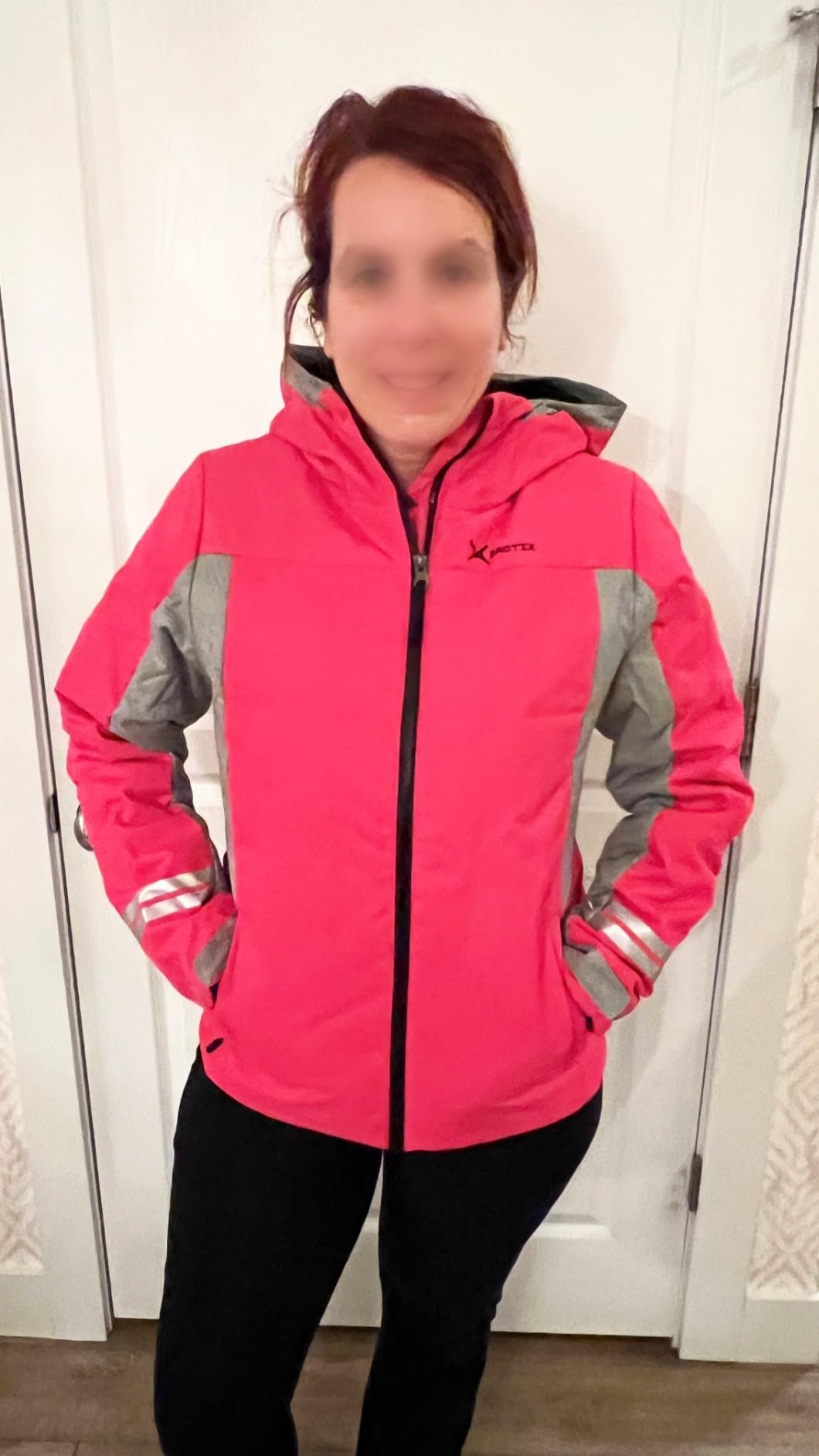
The Arctix is a jacket built and marketed as ski and snowboard outerwear rather than a winter coat, and it is the only one on this list that publishes a temperature rating. The fill is 140g of ThermaTech insulation, rated from minus 20F to 35F, which is a number you can actually plan a trip around.
Weather protection comes from a ThermaLock coating with sealed seams and multi-layer fabric. The cinchable bottom hem lets you close the gap over the waistband of your pants, and there is a storm cuff with a thumbhole to stop snow travelling up the sleeve.
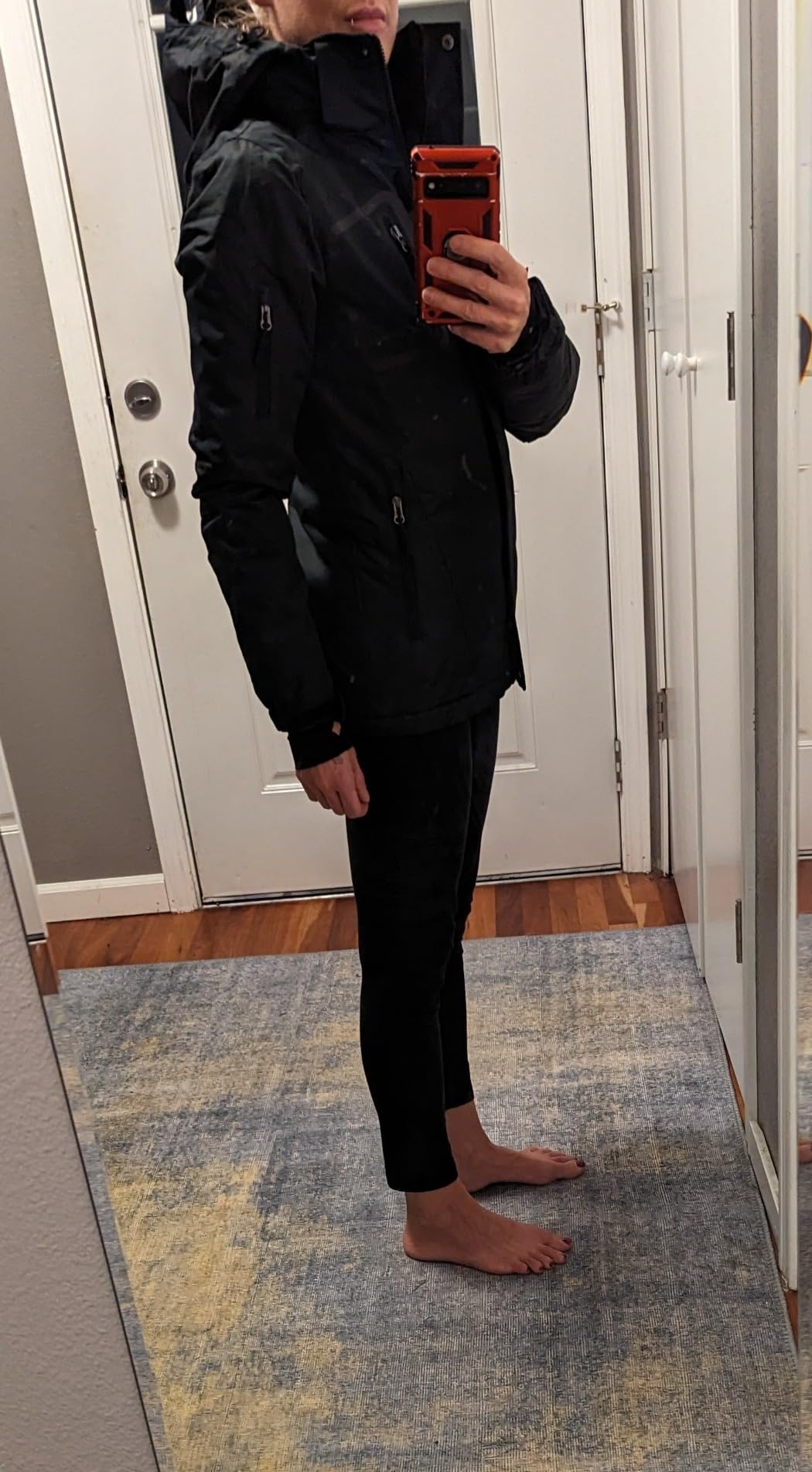
What stands out in reviews is the cut. Owners describe it as flattering on an hourglass figure without gaping at the waist, which is the specific problem much of this category struggles with. Eighty-one percent of its reviews are five-star.
It also holds up well after washing, which sounds minor until you own a technical jacket that cannot go near a machine. Hand warmer zip pockets plus an interior pocket keep the essentials in reach.
How the temperature rating works in practice?
A minus 20F to 35F rating describes the conditions the insulation is designed for, not the temperature you will feel in it. Most of that range is comfortable with a base layer underneath, and the bottom of the range assumes a midlayer as well.
Owners are honest that it is not enough on its own for sustained sub-zero temperatures, which is why we would pair it with a midlayer rather than treating the rating as a promise.
The size range is the real limitation
The range tops out at XL, so if you need a larger size this jacket is simply not an option, and that is worth knowing before you fall for everything else about it. The zipper can also feel stiff out of the box and needs a few uses to break in.
Within its size range, though, it is unusually well resolved: accurate sizing, a hem you can adjust, and a cut that does not gap. If you are in the upper half of the size chart and care about how a jacket looks as much as how it performs, this is the one.
10. Reebok Womens 3-in-1 Softshell Ski Jacket – Best for Shoulder Season
Reebok Womens 3-in-1 Softshell Ski Jacket with Removable Puffer Liner
- Three wearing options in one jacket
- Softshell feels like fabric not plastic
- Waterproof outer for snow and rain
- Clean styling that works in town
- Runs small and needs sizing up
- Loose and heavy for the size
- Tight wrist seal is hard to get into
The Reebok is a softshell-based 3-in-1, which changes the feel of the category. A softshell outer has more flex than a nylon shell and a softer hand, so the jacket moves quietly and does not feel like a plastic bag when you first put it on. The detachable puffer liner is genuinely lightweight without being bulk.
You can wear it as liner only, shell only, or both together, and the sweet spot is shoulder season. On a mild day you want no insulation, on a cold day you want the puffer, and on a wet day you want the shell over the liner.
The fit is shaped at the sides, which gives a figure-flattering cut that does not read as boxy. The snug wrist seal keeps snow out at the cuff, and it is a softshell rather than a stiff technical cuff that catches on a glove.
Sizing runs small
Several buyers needed to size up, and others found it heavier and looser than the size chart suggested. Those two reports sit oddly together, and the likely explanation is that the sizing is inconsistent across the range rather than uniformly off.
Order with the measurement chart open, and if you are between sizes or have a fuller bust, step up. Expect to spend a moment getting your arm through the wrist seal the first time, which tightens up once you are in it.
What it is not built for?
There is no stated waterproof rating in millimetres and no mention of taped seams, so treat the shell as wind and shower protection rather than a storm-day membrane. There is also no powder skirt, which matters if you ski in deep snow off-piste.
It is a three-season jacket built for someone who does not want to think about a full layering system. If your priority is one garment that covers shoulder season, town wear and moderate snow days, the versatility is the selling point.
11. Roxy Women’s Meade Snow Jacket – Best for Deep Snow
Roxy Women’s Meade Snow Jacket – 10K Waterproof Insulated Ski Jacket, Removable Hood. PFAS Free, Sea Pine, Large
- Full resort feature set with pass pocket
- Long sleeves suit tall women
- Tested warm and dry at -15F
- Removable faux-fur trim for the village
- Runs small in the body
- Longer length overwhelms shorter wearers
- Shell fabric stains easily
The Meade carries the fullest set of resort features on this list, including a snap-away powder skirt, a jacket-to-pant attachment loop and a sleeve lift-pass pocket. One owner reports testing it at minus 15F with wind and staying warm and dry, which is the kind of report that tells you the insulation is doing real work.
Construction is DryFlight 10K waterproof and breathable with critically taped seams and a PFAS-free durable water repellent treatment. Insulation is WarmFlight using 70% recycled fibres, mapped by zone: 120g in the body, 100g in the sleeves and 60g in the hood.
That zoned insulation is the detail that makes it work. The body carries the most fill, where you generate heat, while the hood gets the least, which limits the way your head overheats on a sunny run. Mesh-lined underarm vents let you dump heat when you are climbing.
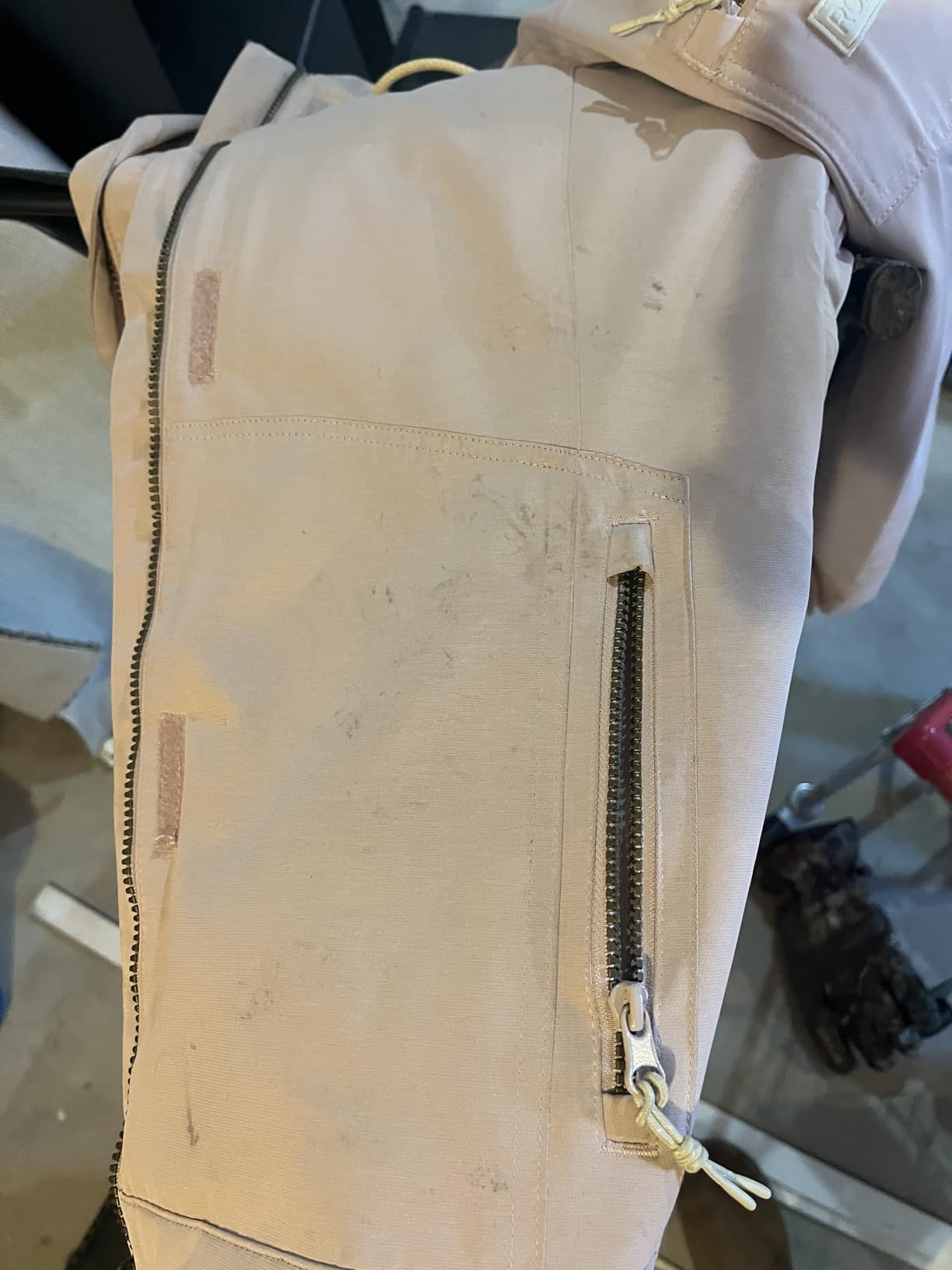
The feature list is where it separates: a three-way adjustable removable hood, a snap-away powder skirt, a jacket-to-pant attachment loop, and internal stretch wrist gaiters. The pocket system includes a sleeve lift-pass pocket, media and goggle pockets, and a key clip.
Fit is the deciding factor here
It runs small in the body, so several buyers size up, and the sleeves run long, which suits tall women and is a problem for everyone else. The length can overwhelm shorter wearers, and you can shorten the hem if it is too much.
If you are tall, this is close to ideal: the sleeve length and the long cut both work in your favour. If you are petite, sizing down risks the small-body problem, so expect to wear it longer than you would like and cinch the hem.
Practical wear notes
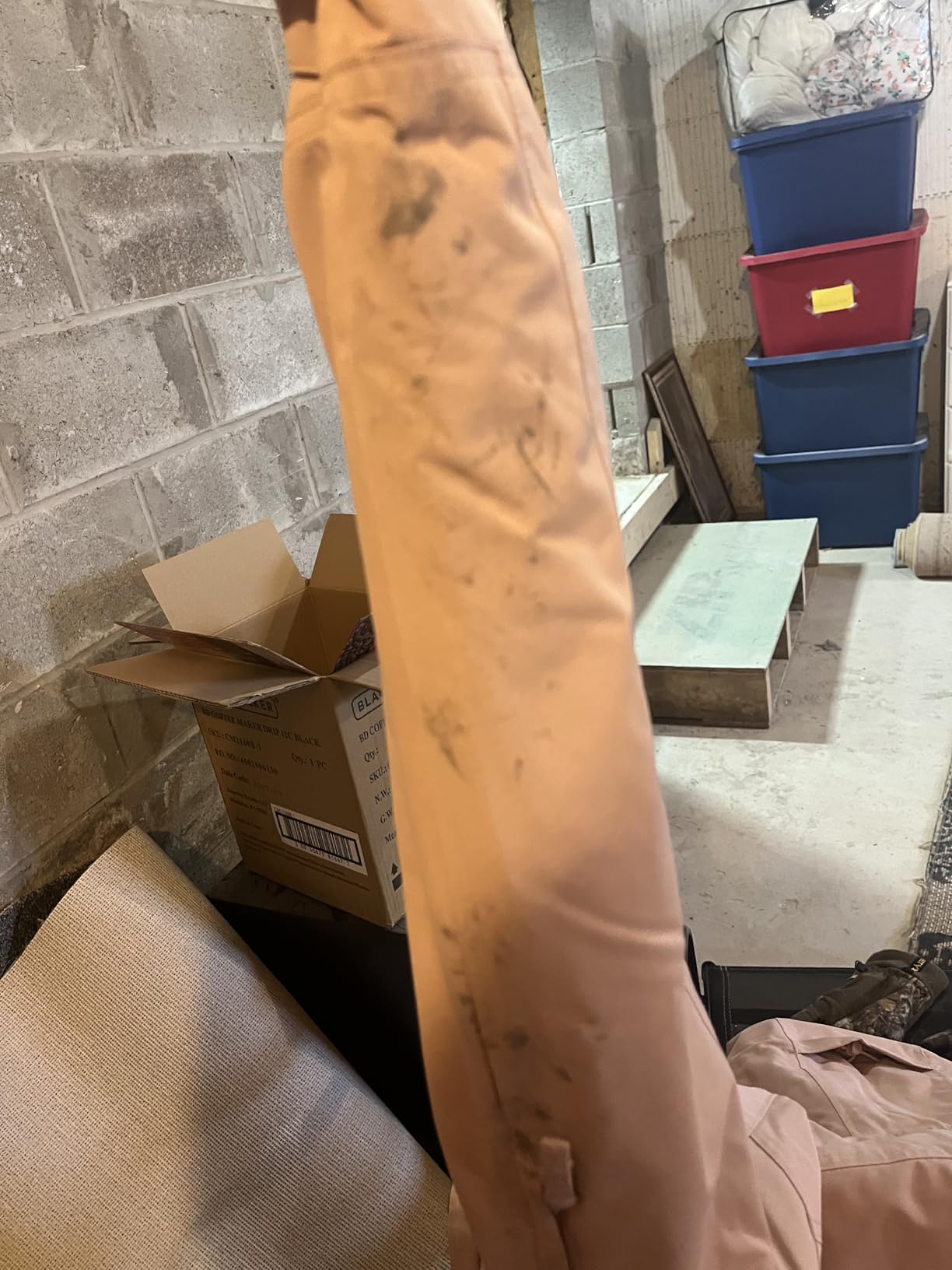
The shell fabric shows dark stains easily on first wear, which is a real annoyance when the jacket is a light colour. The removable faux-fur trim is the feature that makes it village-friendly, since you can strip it off without wetting the jacket.
Mesh-lined underarm vents and a tailored fit mean it is not overly bulky under layers. The snap-away powder skirt is a genuinely useful detail on deep-snow days, and unlike a fixed skirt it will not bunch when you sit down for lunch.
12. Helly Hansen Alphelia Lifaloft Jacket – Best for Stormy Days
Helly-Hansen Womens Alphelia LIFALOFT Ski Jacket, 599 Navy, Medium
- Highest rated at 4.7 with 84% five-star reviews
- Seam-sealed shell holds up in blizzards
- Hood fits over a helmet
- Packs down small for travel
- Runs fitted rather than baggy
- Not a true 3-layer shell
- Stiff high collar and small chest pockets
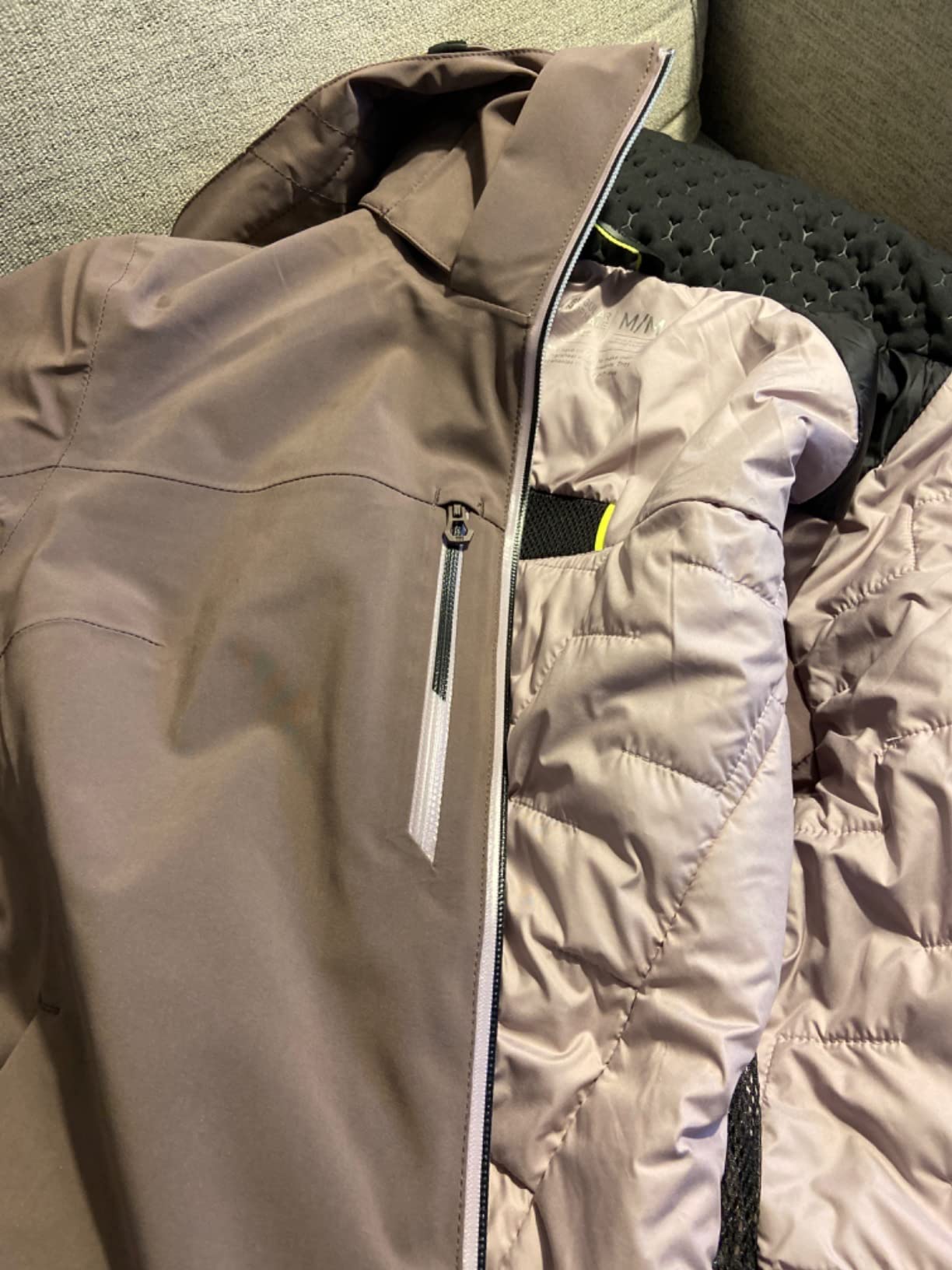
The Helly Hansen Alphelia has the highest rating in this roundup at 4.7, with 84% of reviews handing out five stars. It is also the only jacket on this list with fully seam-sealed seams plus back yoke venting, which is the specification you are paying for at the top of this category.
Insulation is LifaLoft with LIFA technology, chosen for warmth without bulk. That is why the jacket weighs about 2.05 pounds and compresses well, which matters if you are also carrying a pack or splitting a trip across two bags.
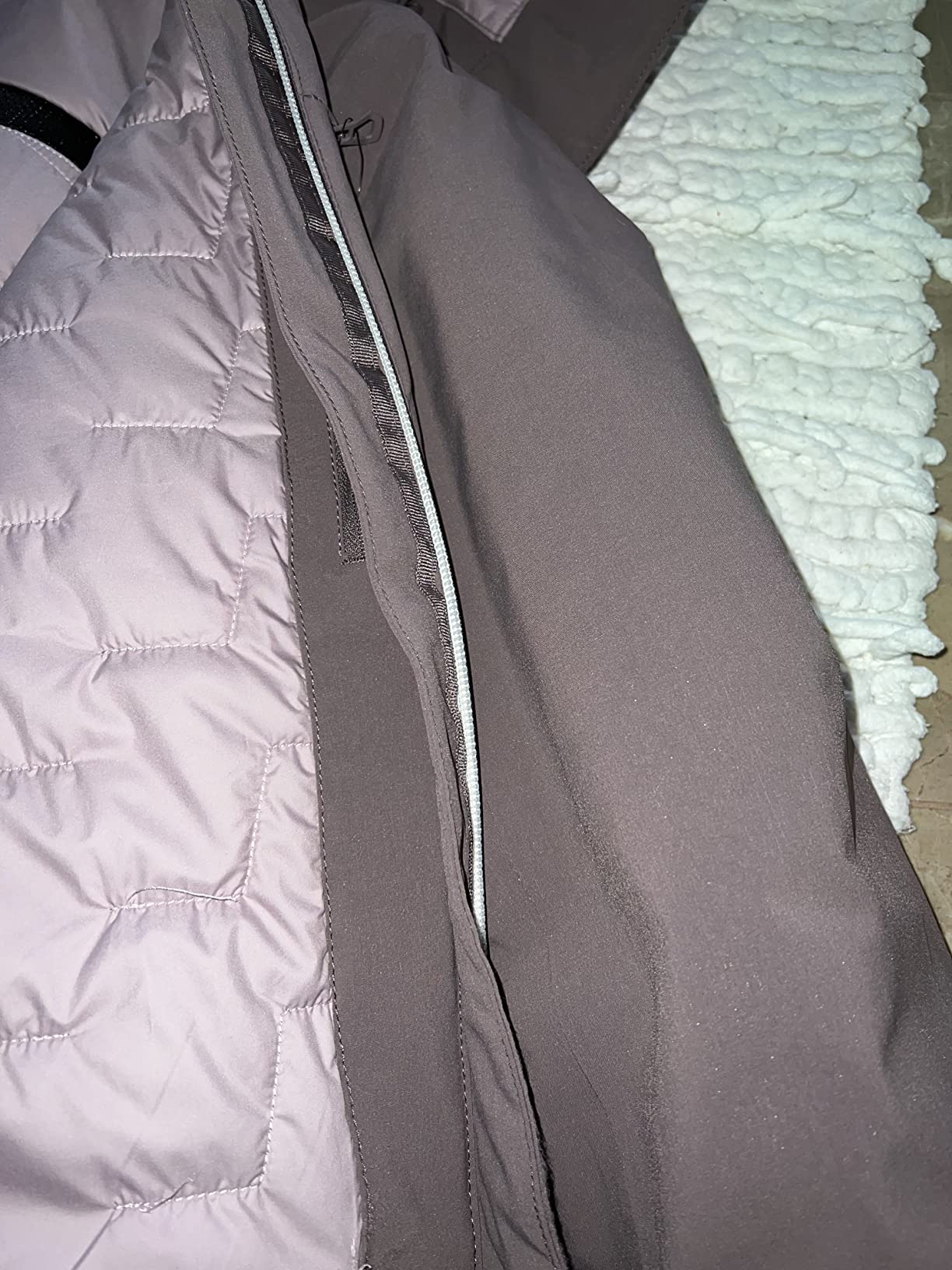
Constructed in Helly Tech Professional with fully seam-sealed seams and a DWR treatment, the build is the most weather-sealed here. Ventilation is handled by H2Flow Air Force with underarm zippers and back yoke vents, so it can be opened on a warm run and closed down in a blizzard. The hood is detachable, adjustable and ski-ready, and owners confirm it genuinely fits over a helmet rather than claiming to.
There is an adjustable powder skirt and articulated sleeves, plus a ski pass pocket, secure chest and hand pockets, an inner chest pocket and an inside stash pocket. That is a complete layout for a day on the mountain.
The fitted cut is the main decision
It runs more fitted than the baggy ski jackets most skiers now buy, so sizing up may be needed. If you are layering a thick midlayer underneath, take the larger size; if you are running a shell-plus-light-layer setup, the standard fit is fine.
The high collar is stiff and narrow, which some wearers find restrictive, particularly with a fuller chin or when you wear a buff. Chest pockets are also small enough that some buyers cannot fit a larger phone, so check your device before you commit.
What you give up at this tier?
It is not a true 3-layer shell, and some buyers wish the liner zipped out entirely so they could use the shell alone. The seam-sealed construction is a 2-layer type, which is durable and light but does not manage condensation as well as a bonded 3-layer over a full day of high output.
Forum consensus generally puts a proper technical shell at four hundred and above, and the Alphelia sits in that thinking. You are paying for sealed seams, a real venting system and a hood that works with a helmet, not for extra warmth.
How to Choose a Women’s Ski Jacket?
Waterproof rating in plain English
A waterproof rating in millimetres measures how much water pressure a fabric can hold before it leaks. A 10,000mm rating means the fabric can resist the equivalent of a 10-metre column of water before a drop comes through. The categories worth knowing are 5,000mm for light rain and town use, 10,000mm for real snow days, 20,000mm for sustained storm and off-piste, and 30,000mm for mountaineering.
Breathability is measured the other way, in grams of water vapour moved through one square metre in 24 hours. A higher number is better, and 10,000 g/m2/24h is a reasonable minimum for an active skier. Watch the combination rather than a single number: a 10,000mm shell with poor breathability gets damp from the inside on a hard day.
If you are choosing between a coated shell and a membrane, the membrane is the upgrade. A coating blocks water but not vapour, so you stay dry outside and wet inside after a few hours. Our picks on this list at 10,000mm and above all sit at or near that boundary.
Shell, insulated jacket, or 3-in-1
A shell has no insulation. It blocks wind and water and nothing else, which makes it the most flexible option and the right choice for anyone who generates heat easily or layers heavily underneath. It also tends to be the most expensive category, because you are paying for the membrane and the construction.
An insulated jacket carries its own fill, usually 100g to 200g of synthetic or down. It is simpler, warmer on its own, and usually less expensive. The problem is that a fixed fill cannot be removed, so it is either too warm on a sunny morning or just right for an hour.
A 3-in-1 pairs a shell with a removable liner, so you get three configurations from one garment. The complaint that liners are too thin to add warmth is fair in some cases, so check the liner weight rather than trusting the label. Anything at 100g or more of fill in the liner is doing real work.
If you are still deciding, the shortest answer is this: buy a shell if you already own a midlayer, buy an insulated jacket if you do not, and buy a 3-in-1 if you want one garment for three seasons of use.
Warmth by temperature, not by marketing
Fill weight is the only insulation number that transfers directly between brands. Roughly 40g to 60g suits active skiers in mild conditions around freezing, 100g to 140g covers typical resort days, and 200g or more is built for standing around in genuinely cold weather. The Arctix on this list publishes a minus 20F to 35F rating for 140g of fill, which is a useful anchor for comparison.
For a resort skier who wears a base layer and a fleece, a 100g to 140g insulated jacket or a shell over a midlayer covers most days. For someone who runs cold, add fill rather than a size, since a bigger size over empty space does not add warmth.
Women’s fit, hips, and sleeve length
This is where most women’s ski jackets fail and most competitor roundups go quiet. The standard complaint is that women’s cuts run narrow through the hips and bust, so buyers size up and end up with sleeves that swallow their hands.
The forum answer that comes up most often is that experienced women skiers layer rather than buy one thick jacket. On TheSkiDiva the standard advice is that about nine times out of ten the shell is worn over layers, which is a strong argument for buying room in the shoulders and hips rather than buying warmth in the jacket itself.
On brands and body types, the same community consistently reports on SkiTalk that Montec, The North Face, Flylow, Burton and some Patagonia run more generously through the hips, while Marmot and Columbia are called out as running roomy in the upper sizes. Take that as a starting point for measurement, not as a substitute for checking the chart.
When you measure, check three places: across the chest, across the hips, and the sleeve length from the shoulder seam to the wrist. Buy for the hips, then confirm the sleeves still end at your wrist bone. If they do not, the jacket is too big, and no amount of rolling will fix that properly.
Some skiers also ask whether they can simply wear a men’s jacket. The practical answer is yes, and for some body shapes a men’s or unisex cut fits better, but the grading is different: men’s jackets are cut longer in the arm and wider in the shoulders. If you go that way, size down and expect a longer sleeve.
Hood, vents, powder skirt, and the pass pocket
The hood is the feature most likely to ruin a jacket for you, and helmet compatibility is not optional. Test the hood with a beanie under the helmet, because a hood that fits over a bare head rarely fits over both. The Helly Hansen Alphelia hood is the one here that owners confirm works with a helmet and a beanie.
Pit zips, or underarm vents, matter more for skiers who run hot and sweat. They are the difference between a jacket you keep on at lunch and one you strip to a midlayer. A powder skirt stops snow coming up from the waist, and a snap-away version is better than a fixed one because it does not bunch when you sit down.
A sleeve lift-pass pocket saves you from digging a glove into a chest pocket on every ride. It is a small thing that you will notice every single run.
What actually breaks after a season or two?
The most common durability complaints across buyer reviews are zipper and hardware failure, Velcro on the cuffs losing its grip, and DWR wearing off. The third one is the most misunderstood, because a jacket that stops beading water is often blamed when the membrane underneath is still perfectly intact.
DWR is a surface treatment on the face fabric, and it stops working as the fabric is washed, compressed and abraded. The fix is to wash the jacket in a technical or gentle detergent, then reactivate the DWR with a heat source or an iron. A washed and reactivated jacket beads water again; a neglected one soaks through even though nothing is broken.
Zippers are the harder problem. They corrode or fail, and no amount of maintenance prevents it. Buy from a brand that uses a known hardware supplier, keep the zipper dry and clear of grit, and treat a failure as end-of-season rather than something to force.
For everyday rain and wet-weather shell comparisons outside of snow, our guide to the best waterproof rain jackets for women covers the same waterproof rating and DWR ground in more detail.
Frequently Asked Questions
Which brand is best for ski jackets?
There is no single best brand, but the jackets rated most consistently for technical performance here come from Helly Hansen, The North Face and Columbia, with Roxy and Arctix offering the most complete ski-specific features at lower tiers. What matters more than the label is the specification: fully seam-sealed construction, a waterproof rating of at least 10000mm, a helmet-compatible hood, and underarm vents if you run hot. Buy the spec, not the badge on the chest.
Are shells or insulated jackets better for skiing?
Shells are better if you already own a midlayer or run hot, because they block wind and water while leaving warmth to your layers. Insulated jackets are better if you want one garment and do not want to manage a layering system, since 100g to 140g of fill covers most resort days on its own. A 3-in-1 sits between the two and gives you three wearing options from one jacket, though cheaper liners are often too thin to add real warmth.
Is it better for ski jackets to be tight or loose?
Roomy, but not oversized. The jacket needs to fit over your base and mid layers without bunching, and you need enough room in the shoulders and hips to reach forward into a tuck without the jacket pulling across your back. Most sizing complaints come from buyers who size up two sizes and end up with sleeves far past the wrist. Measure across the chest, across the hips, and the sleeve length, then buy for the hips and check the sleeves still end at your wrist bone.
What is the best women’s GORE-TEX ski jacket?
Among the jackets reviewed here, none uses a GORE-TEX membrane, but the Helly Hansen Alphelia is the closest equivalent technically, with fully seam-sealed Helly Tech Professional construction, underarm and back yoke venting, and a genuinely helmet-compatible hood. For dry cold conditions the wantdo hardshell is the better value, and for the most complete resort feature set the Roxy Meade adds a snap-away powder skirt and a sleeve lift-pass pocket. Choose on seams, vents, and hood fit rather than the membrane name alone.
How do I wash a ski jacket?
Wash it on a gentle cycle with a technical or mild detergent, close all zips and Velcro first, and skip the fabric softener, which clogs the pores of a membrane and a DWR finish. Tumble dry on low heat if the care label allows it, since heat is what reactivates the DWR, or use a warm iron on the reverse. A jacket that has stopped beading water usually does not need replacing. It needs washing and a heat refresh. For lighter everyday outerwear options, see our picks for the u003ca href=u0022https://www.logix4u.net/best-womens-rain-jackets-for-office/u0022u003ebest women’s rain jackets for the officeu003c/au003e.
Related reading: if you are moving from snow to water for a season, our guide to beginner water ski sets covers the equipment that goes with a warm day on the lake.
Conclusion
After working through 12 jackets and the reviews behind them, the best ski jackets for women in 2026 split cleanly by what problem you are solving. If you want one self-contained jacket for cold lift rides without building a layering system, the MOERDENG is the pick, and it carries the largest review base in the category backing it up.
If you care about the specification rather than the volume of reviews, take the wantdo hardshell for its 10000mm rating and sealed seams, or the Helly Hansen Alphelia if you want a genuinely technical build with a hood that fits over a helmet. For the fullest resort package, the Roxy Meade adds a snap-away powder skirt, a lift-pass pocket and underarm vents.
Whichever you choose, measure across the hips and check the sleeve length before you order, because fit is the thing most likely to disappoint you. Then check the current rating and review count on the product page before you buy, and enjoy the season.