
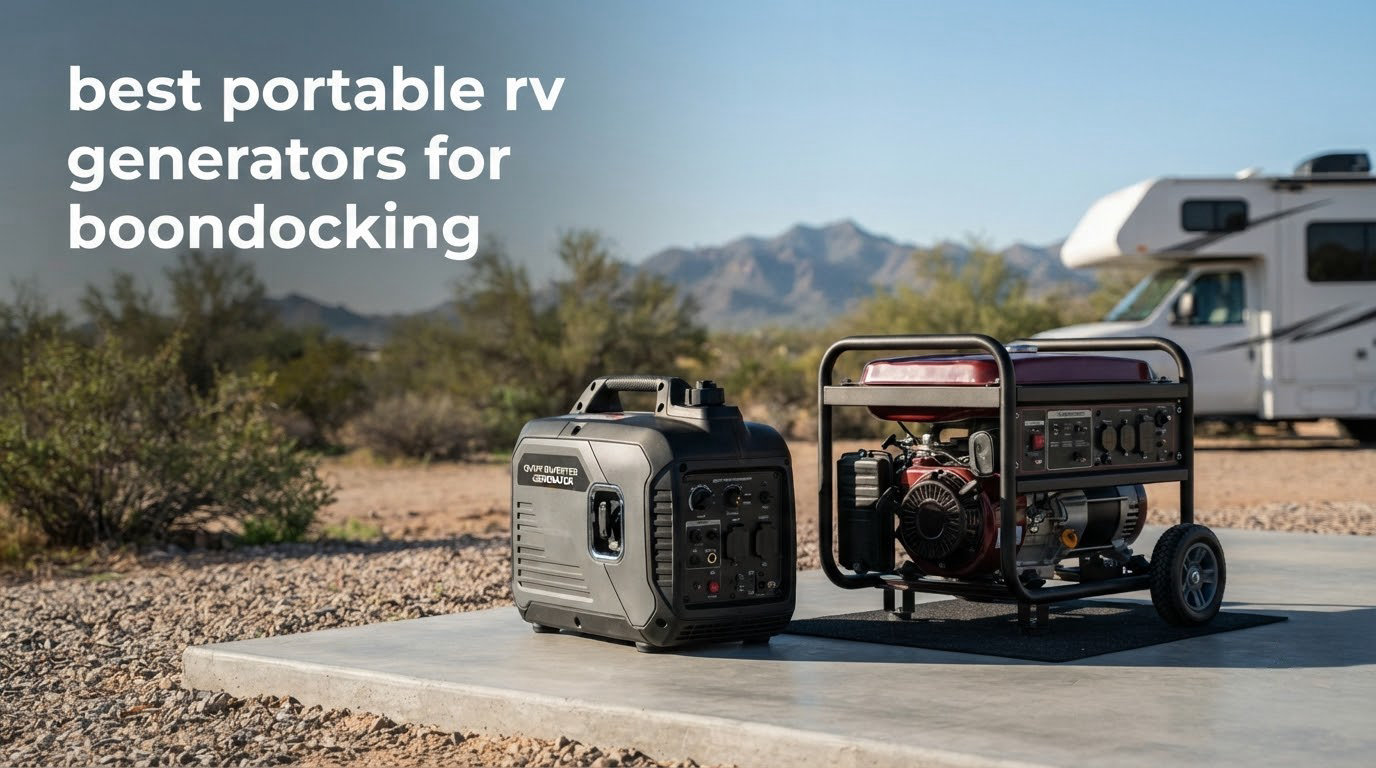
Short answer: the Westinghouse iGen5000 is the best portable RV generator for boondocking in 2026 if you want clean inverter power, a real 30 Amp RV outlet and enough headroom for a rooftop air conditioner. If weight is the deciding factor, the WEN GN400i runs 3,500 rated watts at 66.1 pounds, and if you want to carry propane, the WEN DF360iX covers most of the same ground on either fuel.
Boondocking strips away the one convenience that hides every other power problem: the shore power pedestal. Without it you are running the trailer on whatever the house batteries can hold, and that is rarely enough for a compressor fridge, a microwave, a CPAP machine and a 13,500 BTU rooftop air conditioner at the same time. A portable generator is how you get that load back.
We spent weeks reading owner reviews, weighing spec sheets and comparing how these machines behave under real boondocking loads rather than peak marketing numbers. Our team compared all ten units below on running watts, dry weight, published noise figures, outlet layout and fuel flexibility. The shortlist covers the whole 1,900W to 9,500W running-watt range, so there is something here for a small truck camper and something for a 50 Amp coach.
Where solar fits is worth saying early, because it changes the answer for some people entirely. Panels handle maintenance charging beautifully but they are poor at carrying a compressor through a cloudy afternoon, so most owners treat solar and a generator as partners rather than rivals. Our guides to solar panels for RV boondocking and 200W panels cover the panel side if you are building a hybrid system.
Top 3 Best Portable RV Generators for Boondocking in 2026

Westinghouse iGen5000
- 3900 running watts under 3% THD
- TT-30R 30 Amp outlet
- 52 dBA
- 18 hours on 3.4 gallons
DuroMax XP12000EH
- 12000 peak / 9500 running watts
- Dual fuel
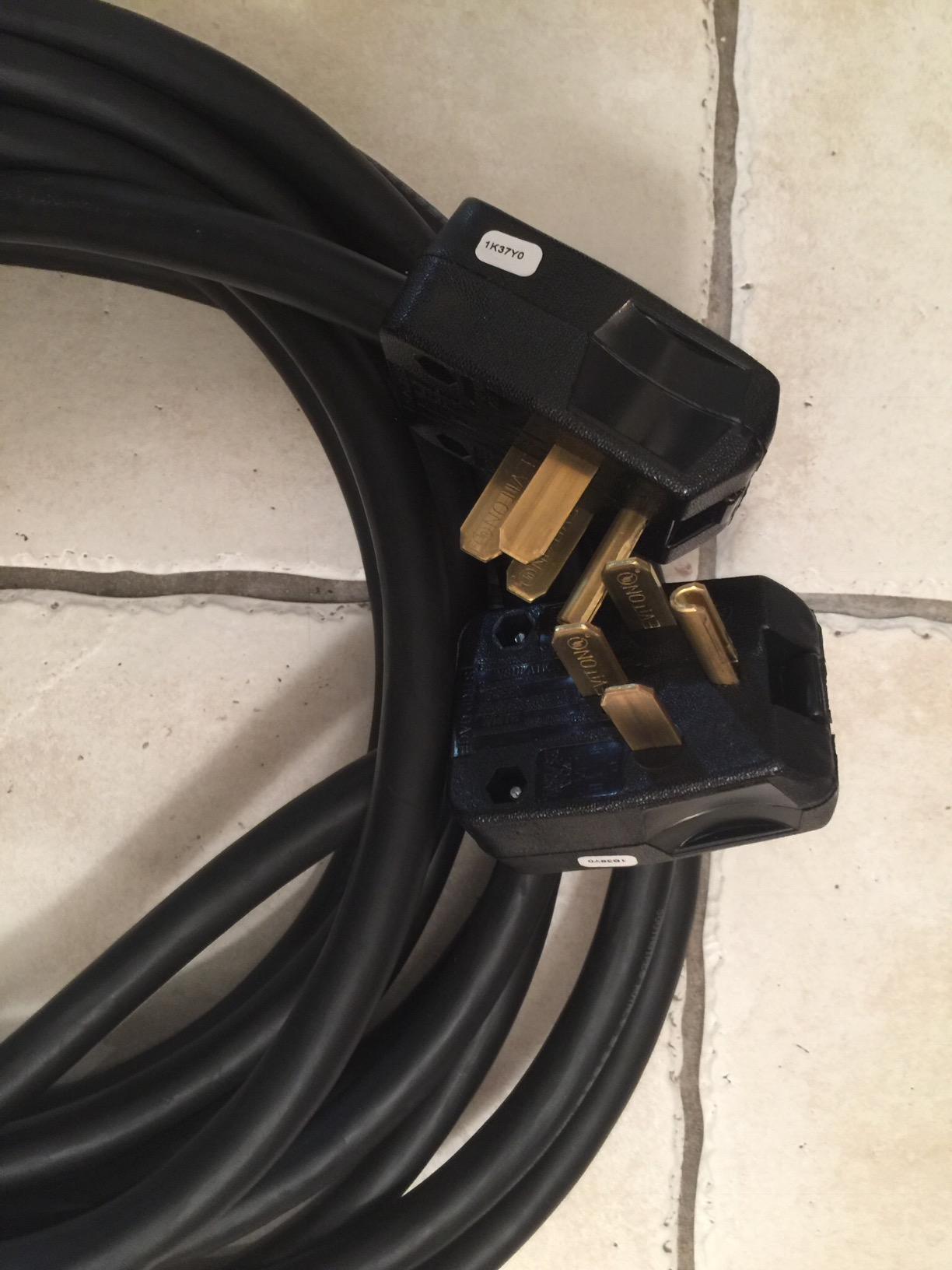
- Transfer switch ready 50 Amp outlet

Pulsar G12KBN
- 9500 rated watts on gasoline
- 8550 rated watts on LPG
- 30A and 50A outlets
- 12 hours at half load
All 10 Picks at a Glance in 2026
| Product | Specifications | Action |
|---|---|---|
| Westinghouse iGen5000 Inverter |
|
Check Latest Price |
| DuroMax XP12000EH Dual Fuel |
|
Check Latest Price |
| Pulsar G12KBN Dual Fuel |
|
Check Latest Price |
 WEN GN400i Inverter WEN GN400i Inverter |
|
Check Latest Price |
 Champion 4000W RV Inverter Champion 4000W RV Inverter |
|
Check Latest Price |
 Westinghouse iGen2550DFc Westinghouse iGen2550DFc |
|
Check Latest Price |
 WEN DF360iX Dual Fuel Inverter WEN DF360iX Dual Fuel Inverter |
|
Check Latest Price |
 WEN 56477i Enclosed Inverter WEN 56477i Enclosed Inverter |
|
Check Latest Price |
 Champion 4500W Dual Fuel Inverter Champion 4500W Dual Fuel Inverter |
|
Check Latest Price |
 AIVOLT 8000W Dual Fuel Inverter AIVOLT 8000W Dual Fuel Inverter |
|
Check Latest Price |
1. Westinghouse iGen5000 Inverter Generator: The Best All-Round Boondocking Pick
- 3900 running watts at under 3% THD for clean electronics power
- True TT-30R 30 Amp RV outlet plus two USB ports
- LED data center tracks fuel
- output
- run time
- voltage and lifetime hours
- Remote electric start with key fob and recoil backup
- Parallel capable
- 3-year limited warranty
- Gasoline only with no propane capability in this configuration
- 104.7 pounds is a two-person lift for most trailers
- Remote fob system adds cost and complexity versus recoil-only models
The Westinghouse iGen5000 is the unit we keep coming back to because 3,900 running watts is the rare sweet spot where a rooftop air conditioner, the fridge and a couple of USB chargers all run at once without load shedding. Across more than 5,500 reviews at a 4.6 average, that capacity figure is the thing owners mention first, together with the outlet layout.
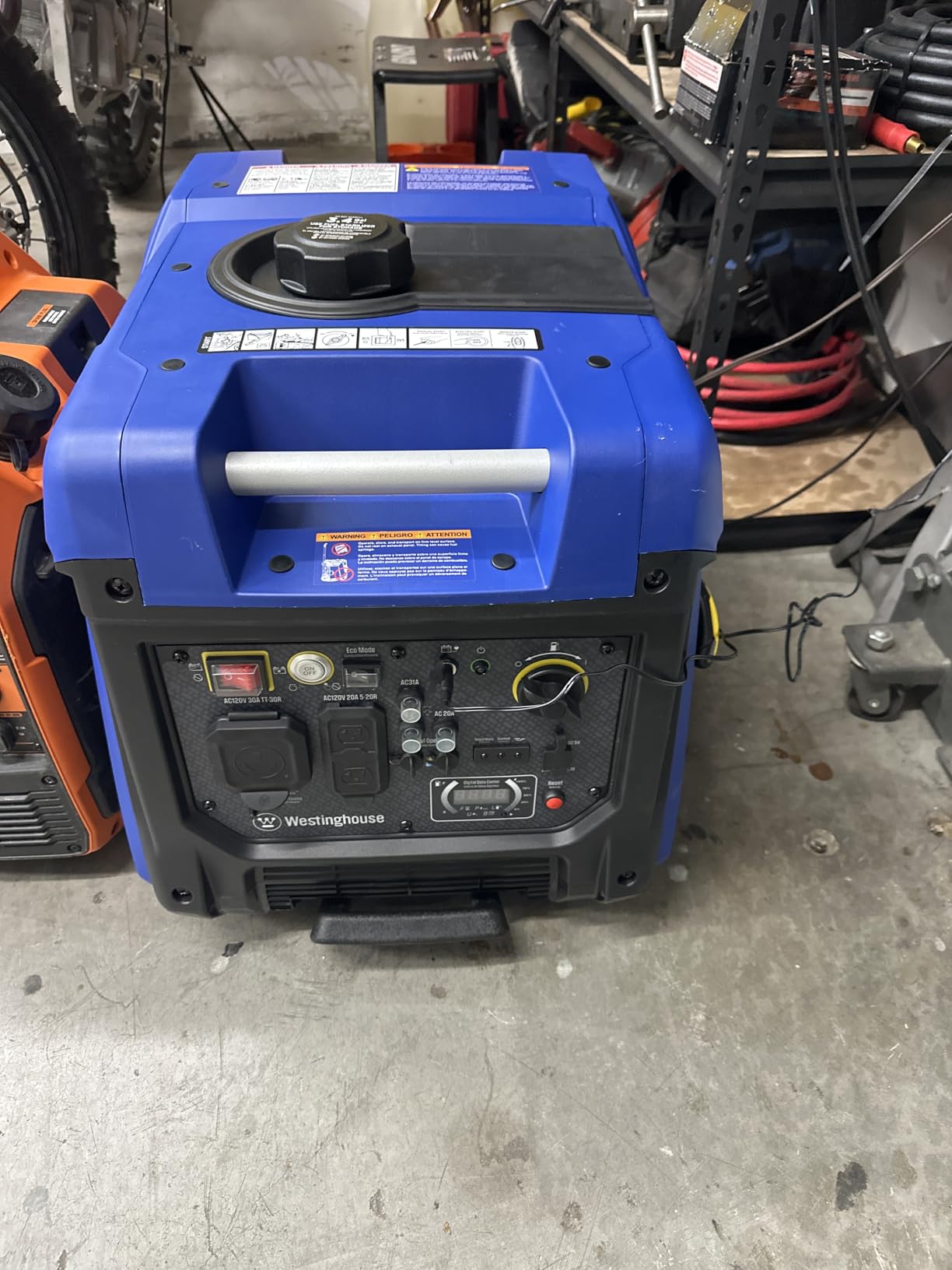
That layout matters more than most spec sheets admit. The panel carries a 5-20R 120V duplex household outlet, a genuine RV-ready TT-30R 30 Amp receptacle, and two USB ports, so you can plug the trailer straight in without an adapter and still charge a phone at the same time. Fewer adapters on a boondock means fewer things to go wrong in the dark.
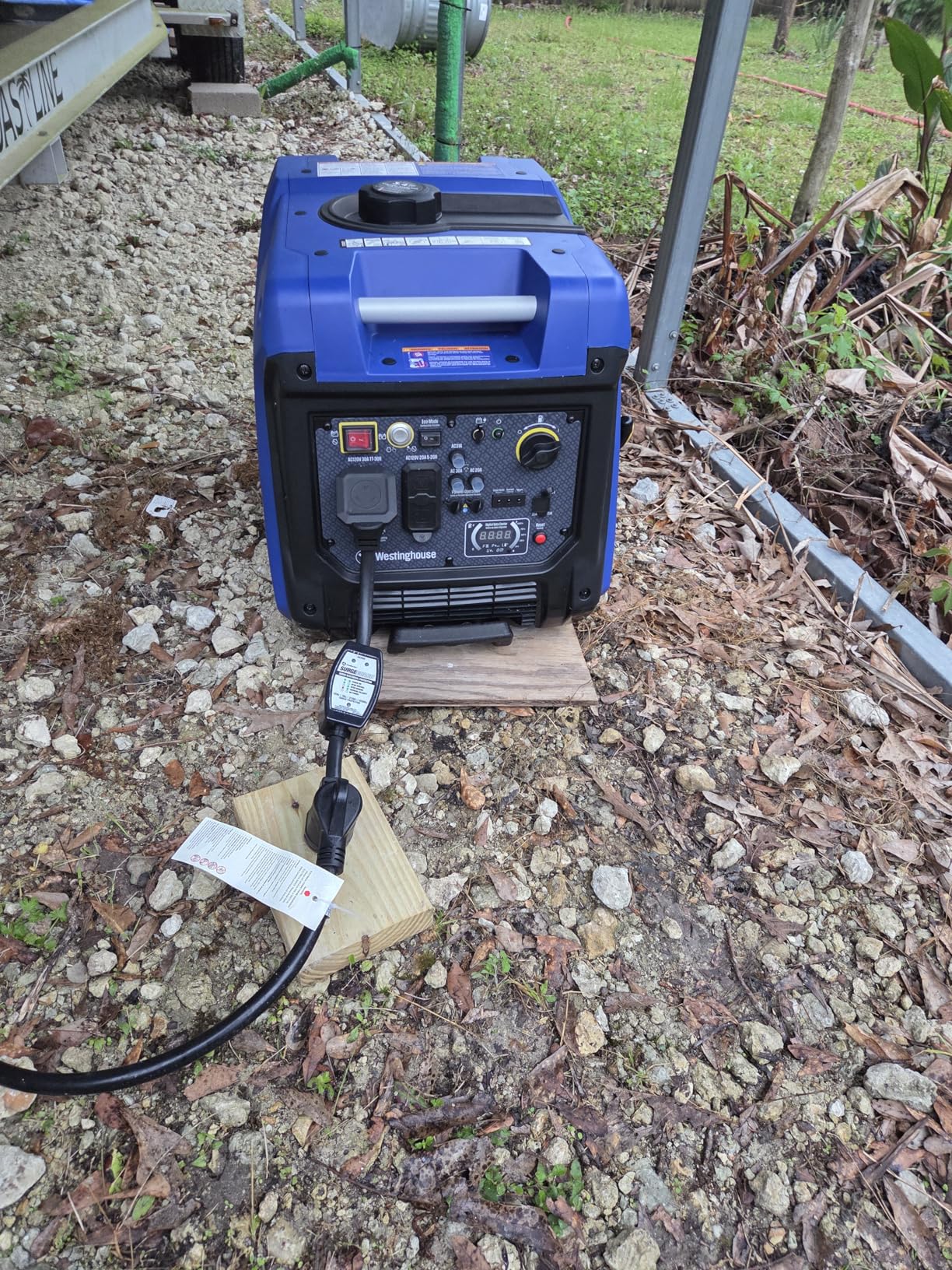
Power quality is the other half of the story. Total harmonic distortion under 3% is inverter-grade output, which is what keeps laptops, Starlink terminals, CPAP machines and phone chargers from resetting or cycling when the compressor fridge kicks in. A conventional open-frame unit in the same wattage class can drop voltage enough to make sensitive gear behave oddly.
The rotating LED data center is a small touch that earns its place on a multi-night trip. It shows fuel level, power output, remaining run time, voltage output and accumulated lifetime hours, so you can watch fuel burn against actual load instead of guessing from the tank gauge. Economy mode trims fuel burn when the load is light, and remote electric start with the included key fob means you do not have to walk back to the machine after a switch-off.
Who the iGen5000 suits
It suits travel trailers, truck campers and Class C rigs that need to run air conditioning off-grid without a second generator or a huge power station. Anyone running a CPAP machine overnight, a Starlink terminal and a 12V compressor fridge will find the 3,900W ceiling comfortable rather than limiting.
It also suits owners who care about the data. Lifetime hour readouts and a documented three-year limited warranty make it easier to justify servicing on a schedule instead of guessing.
Where it falls short
At 104.7 pounds it is a two-person lift for most trailers, and it has no wheels or rolling kit mentioned in the specification, so plan for two hands and a ramp. The gasoline-only configuration also means ethanol-free fuel discipline between trips, which is a real consideration if the unit sits for months.
If you need to move it solo, look at the WEN GN400i below, which gives up some running watts to cut 38 pounds.
2. DuroMax XP12000EH Dual Fuel: Built for 50 Amp Hookups and Storm Backup
- Runs gasoline and propane for flexible fuel storage
- 9500 running watts covers central air and well pumps through a transfer switch
- Transfer switch-ready 50 Amp outlet plus 30 Amp capability
- All-metal frame and power panel with 100% copper windings
- Battery
- wheel kit
- regulator and tool set included
- No-flat tires roll over uneven campground ground
- 224 pounds is a two-person lift and hard to load solo
- Ships without engine oil so fluid must be added before the first start
- Open-frame design gives a rougher power curve than a true inverter
The DuroMax XP12000EH is not really a boondocking machine, and we want to be clear about that. It is a 9,500 running watt open-frame unit in the same class as a home standby system, and it only makes sense in an RV context if you have a 50 Amp connection or a transfer switch and you want one box to cover the trailer and the house during an outage.
What it delivers is headroom of a kind nothing else on this list matches. The transfer switch-ready 50 Amp outlet plus 30 Amp capability means a Class A coach on a large air conditioner is not a problem you have to solve, and MX2 Power Boost doubles available 120V power for appliances and RVs when you need it on a single phase.
Across nearly 4,000 reviews at 4.5 stars, owners consistently credit it with running whole homes including central air during hurricane outages. The dual fuel capability is the part boondockers notice most, because propane does not go stale the way a gasoline tank does when a machine sits between trips.
Build quality is solid for the class. The heavy-duty all-metal frame and power panel carry no plastic parts, the windings are 100% copper, and the 457cc four-stroke engine is a proven, serviceable platform. No-flat tires roll over uneven campground ground, and the 8.3 gallon tank gives up to eight hours of runtime.
Who the XP12000EH suits
It suits full-time RVers who also want their home covered, or anyone with a 50 Amp coach and a transfer switch already installed. Coastal and storm-prone households get the most out of the dual fuel flexibility, since propane stores indefinitely.
If your plan is a permanent hookup rather than a weekend boondock, the transfer switch readiness alone justifies the size.
Where it falls short
At 224 pounds this is a two-person lift and genuinely difficult for one person to get into a truck bed, which rules it out for most trailer campers. It also arrives without engine oil, and the battery negative lead is disconnected for transport, so there is a short first-setup session before it will run.
Owner reviews also repeatedly flag the manual as incomplete on the choke, idle control and shipping-brace removal, and sensitive electronics benefit from a double-conversion UPS on an open-frame power curve like this.
3. Pulsar G12KBN Dual Fuel: The Longest-Running Conventional Option
Pulsar G12KBN Heavy Duty Portable Dual Fuel Generator – 9500 Rated Watts & 12000 Peak Watts – Gas & LPG – Electric Start – Transfer Switch & RV Ready – CARB Compliant
- 9500 rated watts on gasoline and 8550 on LPG from one engine
- 30A twist-lock and 50A outlets cover RV and transfer switch hookups
- 457cc OHV electric-start engine is serviceable
- 8 gallon tank delivers up to 12 hours at half load
- 10-inch never-flat wheels and drop-down handles
- 3-in-1 digital meter with low oil shutoff
- Open-frame conventional design gives a rougher power curve than a pure inverter
- Heavier and bulkier than the 3000W to 4000W portable inverter class
- Only a 1-year limited warranty in this power range
The Pulsar G12KBN sits in the same 9,500 watt class as the DuroMax but earns its place for a different reason: the outlet panel is the most complete in this roundup, with four 20A household outlets, a 30A twist-lock, a 50A connection and a 12V DC output on the same face.
That combination of sockets is what makes it easy to run a trailer and a few household loads at once without hunting for adapters. In the 1,360 reviews at a 4.6 average, buyers regularly single out the outlet range and the half-load runtime as the deciding factors.
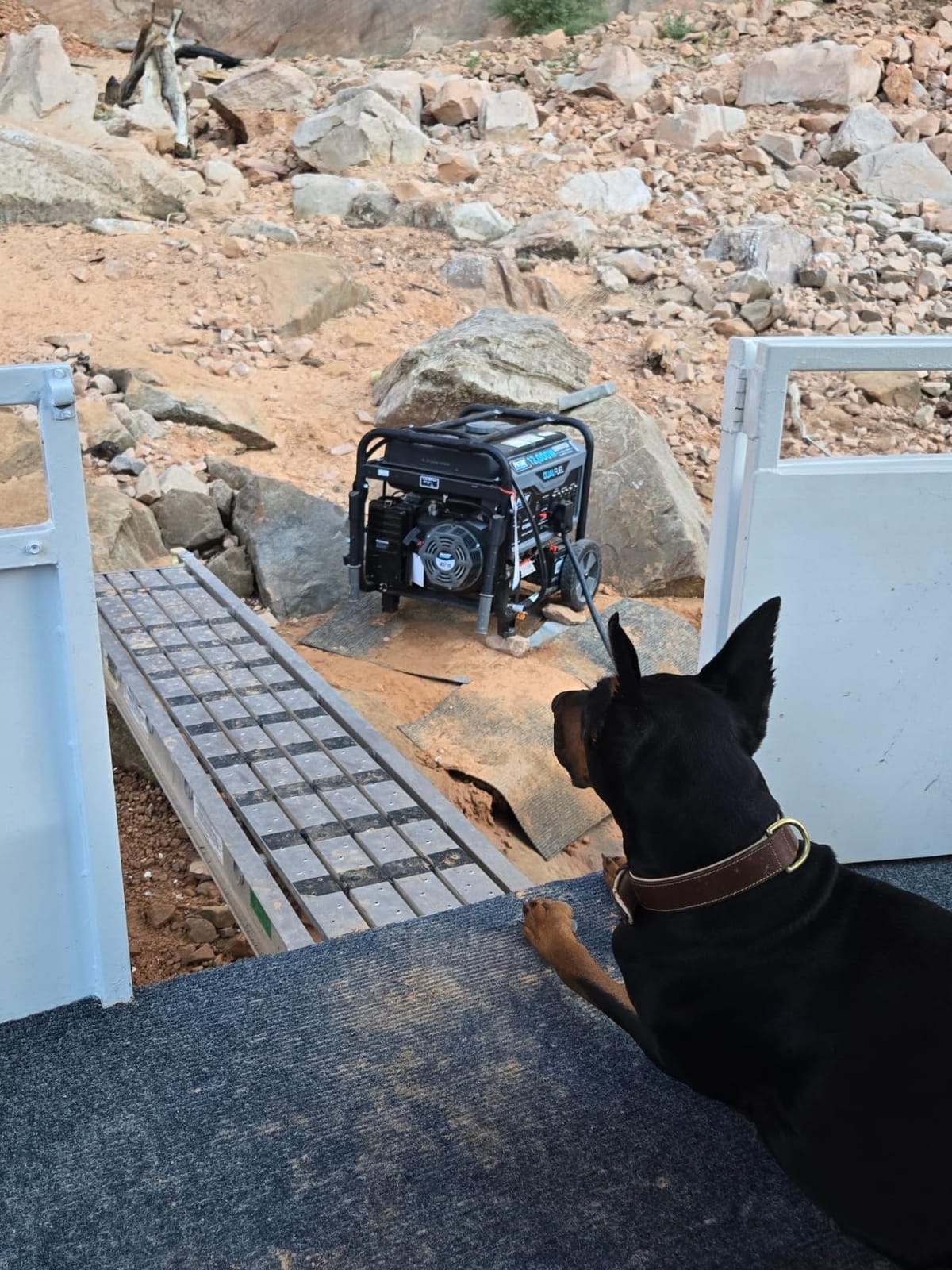
Runtime is where it separates from the competition in this class. The 8 gallon tank delivers up to 12 hours at half load on gasoline, and switching to LPG drops the numbers to 10,800 peak and 8,550 rated watts while making fuel storage far easier between trips. Low oil shut-off and automatic voltage regulation cover the two failures that actually strand people.
Underneath is a 457cc single-cylinder four-stroke air-cooled OHV engine with electric start, a platform that any small engine shop can service. The propane hose is included, and the unit is CARB compliant, which matters if you plan to run it in California.
Who the G12KBN suits
It suits owners with a transfer switch or a 30 Amp-plus rig who want dual fuel flexibility and long runtimes without stepping up to a home standby unit. The 50A outlet and 30A twist-lock let you connect a Class A coach directly.
Anyone without a 50 Amp connection is paying for capability they will not use, so pair this with the 30A models further down if your trailer is 30 Amp.
Where it falls short
It is an open-frame conventional generator, so the power curve is rougher than a pure inverter and sensitive electronics may need a surge protector or UPS alongside it. It is also bulkier than the 3,000W to 4,000W portable inverter class, and the one-year limited warranty is the shortest in this roundup.
One practical note: the manufacturer weight listing is erroneous in the product data, so get a real figure in hand before you plan the lift.
4. WEN GN400i Inverter: The Best Budget Pick at 3,500 Rated Watts
WEN GN400i RV-Ready 4000-Watt Open Frame Inverter Generator, CARB Compliant, Black/orange
- True inverter output protects laptops
- phones
- tablets and TVs
- RV-ready TT-30R 30 Amp receptacle for direct trailer hookup
- 66.1 pounds is light for a 3500W inverter
- Parallel-ready panel pairs with a second WEN inverter
- Open frame layout clears RV generator compartments
- Lowest price point of the units we compared
- Gasoline only with no propane capability
- Open frame is louder than a fully enclosed inverter
- 1.85 gallon tank is the smallest fuel capacity here
The WEN GN400i is the one we recommend to owners who want real RV capability without a two-person lift. At 66.1 pounds with a telescoping handle, it is roughly 38 pounds lighter than the Westinghouse iGen5000 while still putting out 3,500 rated watts from a 212cc four-stroke engine.
That is enough running capacity for a travel trailer air conditioner in many setups, plus the fridge and a CPAP machine, which is the combination most boondockers are actually trying to run. In 1,063 reviews at 4.5 stars, the RV-ready outlet and clean inverter power are the two things buyers mention most often.
The outlet panel is well judged for the class: two 120V NEMA 5-20R receptacles, two 5V USB ports and a 120V RV-ready TT-30R receptacle. The parallel-ready panel means a second matching WEN inverter can be paired later if you decide you need more headroom, which turns two light units into a credible alternative to one heavy generator.
Dimensions are 19.8 by 13.8 by 18.9 inches, small enough to fit in a truck bed or a slide-in storage bay, and the open frame layout gives extra clearance when you slot it into an RV generator compartment.
Who the GN400i suits
It suits solo travelers and couples in travel trailers who need 30 Amp power and clean output for electronics but do not want to wrestle 100 pounds into a truck bed. It also suits anyone who already plans to run two units in parallel later.
For 3,500 rated watts at this weight, the value case is difficult to argue against, and the two-year-plus accessory ecosystem around WEN inverters is well stocked.
Where it falls short
It is gasoline only, so there is no propane option for long storage between trips, and the open frame is louder than a fully enclosed inverter. The 1.85 gallon tank is the smallest here, so runtime is quoted at up to seven hours before you are walking to the pump.
There is also no CO sensor listed among this model’s features, which is worth factoring into how close you park it to the trailer.
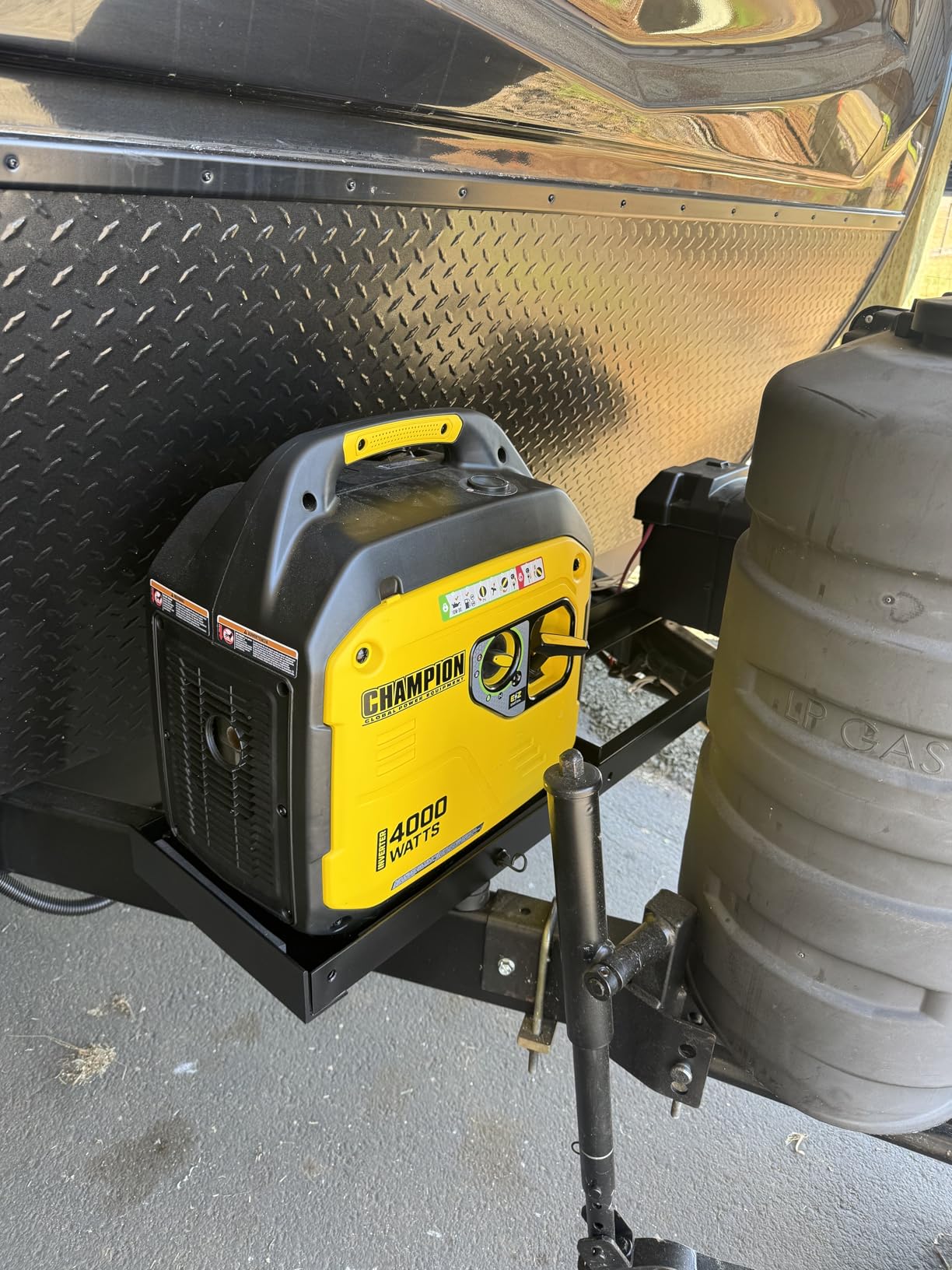
5. Champion 4000-Watt RV Inverter: The Best for One-Person Carrying
- One of the lightest 4000 watt inverters at 48.1 pounds
- 120V 25A TT-30R RV outlet plus 20A household duplex and 12V outlet
- Clean output under 3% total harmonic distortion
- CO Shield carbon monoxide auto shutoff and Cold Start Technology
- Up to 10 hours runtime on a 1.54 gallon tank
- 3-year warranty with free lifetime technical support
- Gasoline only in this configuration
- Recoil pull start rather than electric or remote start
- 3000 running watts is the lowest output in the 4000W class here
- Parallel kit sold separately
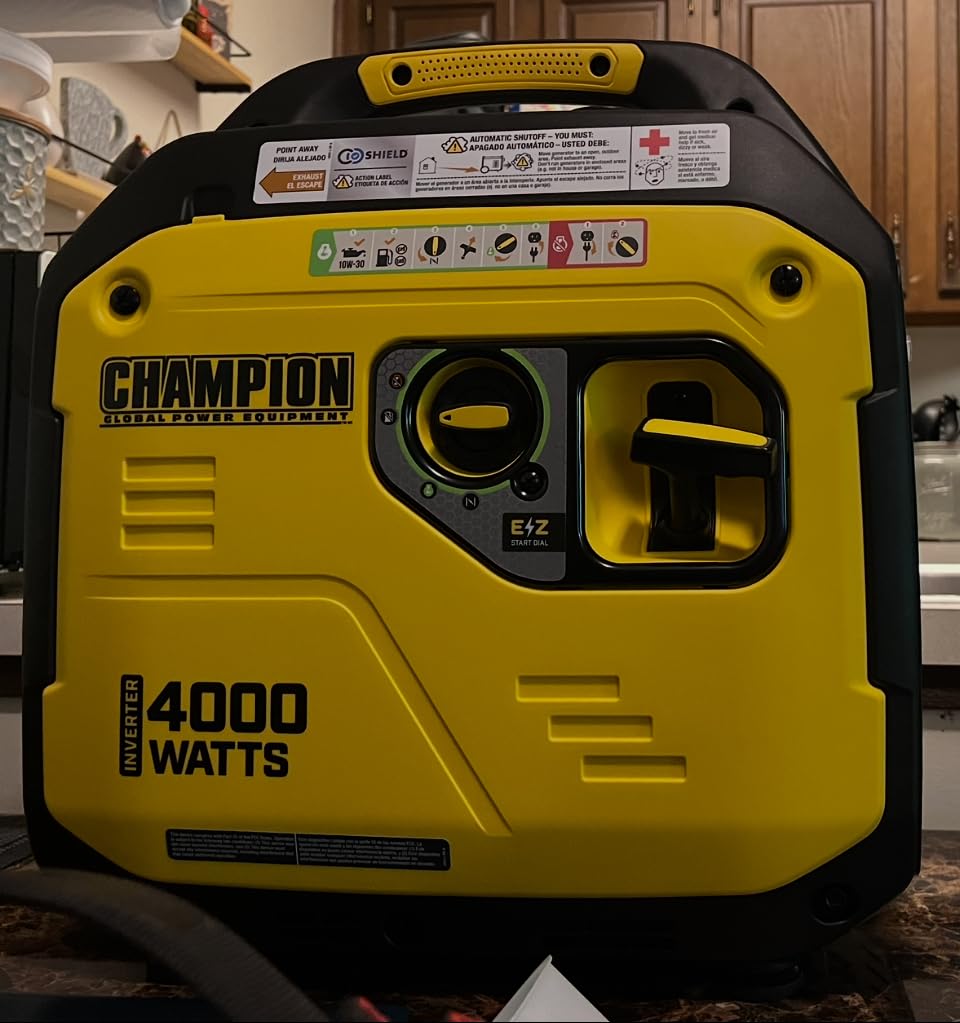
The Champion 4000-Watt RV inverter is the pick if your binding constraint is weight at real 30 Amp capability. At 48.1 pounds with a 149cc four-stroke engine, it is one of the lightest units in this roundup that you can load solo into a truck bed, and 680 reviews at 4.6 stars reflect how much owners value that.
It still carries a 120V 25A TT-30R RV outlet, a 20A household duplex and a 12V automotive outlet, so the trailer hookup is direct. The CO Shield carbon monoxide auto shutoff and Cold Start Technology are both meaningful for boondocking in cold shoulder seasons.
At 64 dBA measured at 23 feet, it sits in a range that owners describe as suitable for camping and tailgating. Runtime is quoted at up to 10 hours on a small 1.54 gallon tank, which is efficient given the displacement, and total harmonic distortion under 3% keeps electronics stable.
Dimensions of 17.9 by 11.7 by 19.7 inches make it easy to secure in a bed or a storage compartment where a full-size unit will not sit flat. Parallel outlets are present on the panel, though the linking kit is a separate purchase.
Who the Champion 4000 suits
It suits solo campers, small travel trailers and anyone who loads and unloads daily rather than once a season. The 3,000 running watts cover a fridge, lights, charging and a CPAP machine comfortably, and many small rigs never ask for more.
It is also a good match for anyone who wants inverter output plus a documented CO shutoff at a weight they can manage.
Where it falls short
3,000 running watts is the lowest output in the 4,000 starting watt class, so a rooftop air conditioner plus anything else will push you to shedding loads. Recoil start means no remote operation, and gasoline only means ethanol-free fuel discipline between trips.
If your air conditioner is the reason you are shopping, step up to the WEN 56477i or the Champion 4500 rather than accepting the surge shortfall.
6. Westinghouse iGen2550DFc: The Best Value for Essentials-Only Boondocking
- Dual fuel capability at a size and price where it is unusual
- 43.2 pounds for a dual fuel inverter is genuinely light
- RV-ready TT-30R 30 Amp outlet plus two 20A outlets and two USB ports
- 52 dBA noise output with inverter design and economy mode
- CO sensor included
- Parallel capable with a three-year limited warranty
- 1900 running watts is the lowest rated output here and covers essentials only
- 11 hour runtime is quoted at 25% load only and drops under real loads
- Propane mode gives less usable output than the peak figure suggests
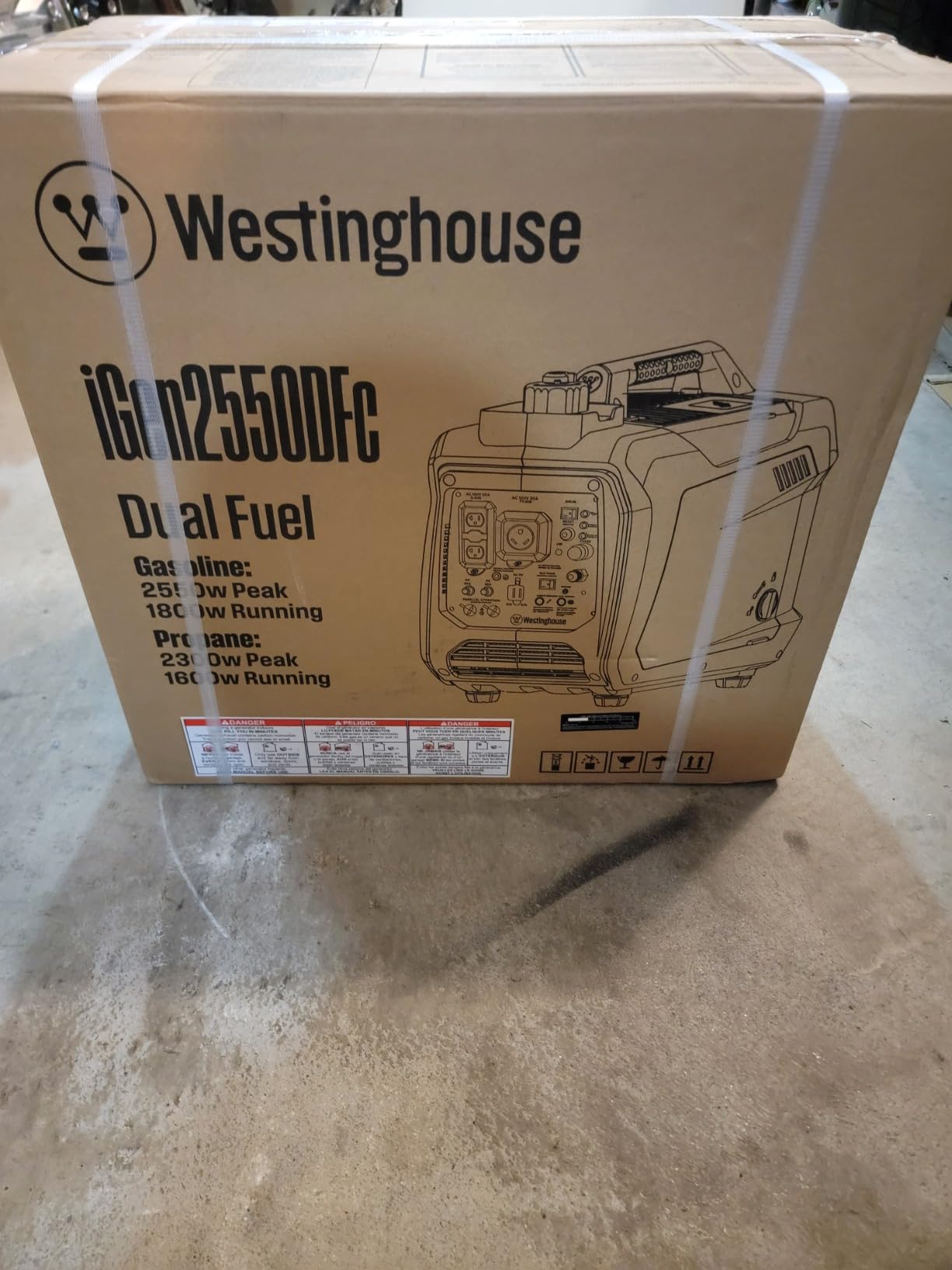
The Westinghouse iGen2550DFc is unusual because it is dual fuel at a size and weight where that combination is rare. Running 1,900 rated watts from a 43.2 pound frame, with gasoline or propane, it covers lights, charging, a 12V fridge and a CPAP machine without any drama at all.
In 640 reviews at 4.4 stars, owners value exactly that combination: dual fuel, low weight, an RV-ready 30 Amp outlet and a CO sensor. It is the pick for someone whose boondocking plan is evenings of light power rather than full air-conditioned afternoons.
Noise is as low as 52 dBA thanks to the inverter design and economy mode, which puts it alongside the quietest hardware here. The outlet panel covers one RV-ready TT-30R 30 Amp outlet, two 120V 20A outlets and two USB ports, and the unit is parallel capable if you later add a matching machine.
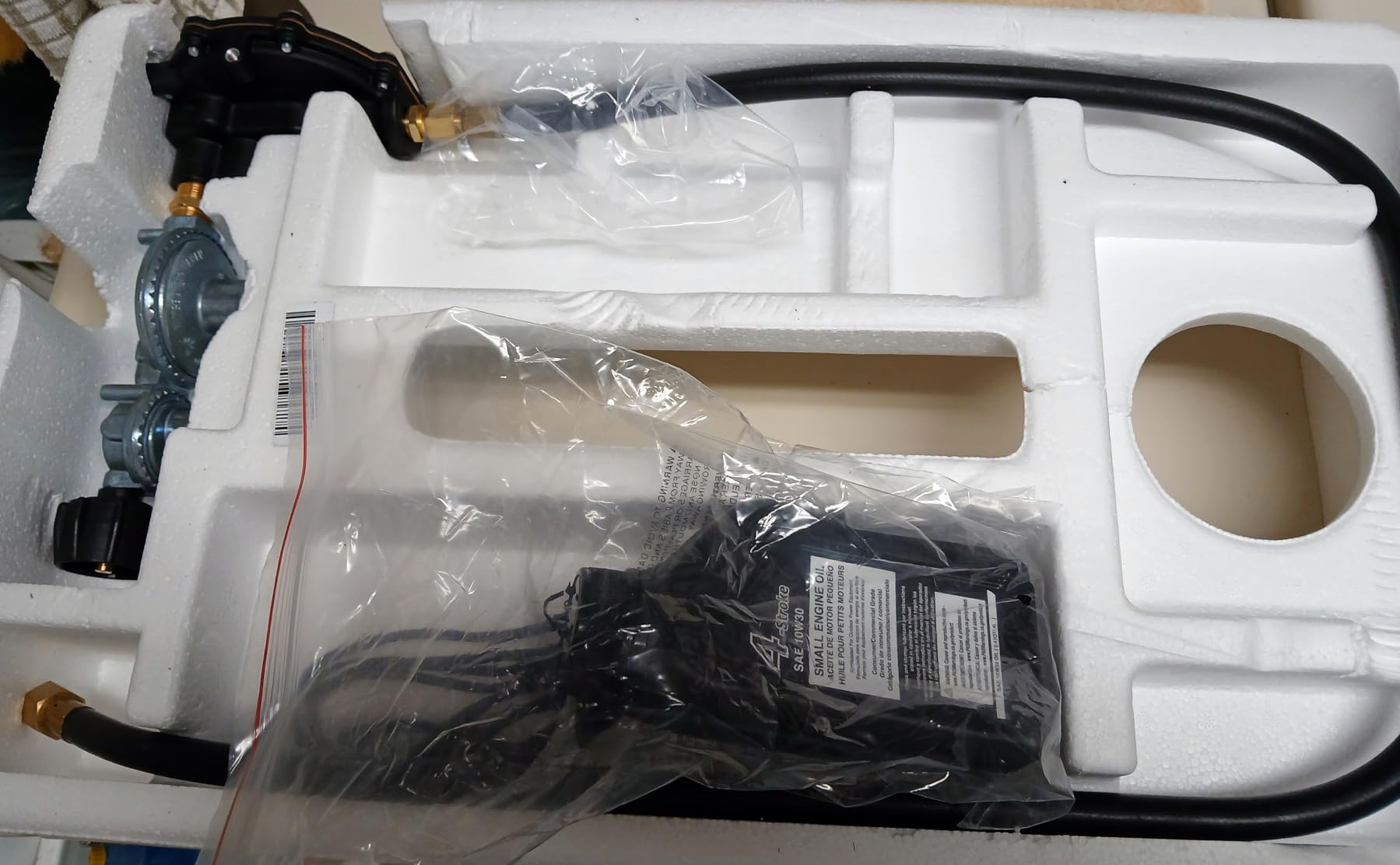
Setup is about as close to turnkey as it gets. Oil, an oil funnel, a tool kit and the manual are all included, so there is no pre-purchase fluid step. The 1.16 gallon tank is quoted at up to 11 hours at 25% load, and the machine measures 19.5 by 17.3 by 17.9 inches.
Who the iGen2550DFc suits
It suits first-time boondockers, small pop-ups and anyone who wants propane flexibility for storage between trips without carrying 100 pounds. It also works well as a second unit run alongside a larger machine in a parallel setup.
If your load is a fridge, lights, phone charging and a CPAP machine, the 1,900 watt ceiling is genuinely sufficient.
Where it falls short
The 1,900 running watt ceiling is the real limit and it is a hard one. Any attempt to run a rooftop air conditioner will trip the overload protection, and the quoted 11 hour runtime is a 25% load figure that falls away sharply under real boondocking demand.
Propane mode also delivers less usable output than the peak number suggests, so treat the headline figure as a gasoline number.
7. WEN DF360iX Dual Fuel Inverter: The Best for Carrying Propane
WEN Quiet and Lightweight 3600-Watt Dual Fuel RV-Ready Portable Inverter Generator with Fuel Shut Off and CO Watchdog (DF360iX)
- Dual fuel operation with a tool-free LPG quick-connector
- RV-ready TT-30R receptacle for direct trailer connection
- CO Watchdog sensor shuts the unit down at dangerous CO levels
- Fuel shut-off drains the carburetor and extends engine life
- 49 pounds is manageable one-handed into a truck bed
- Clean inverter power safe for phones
- tablets and laptops
- Three-year warranty
- 30A RV receptacle sits in a recessed spot where the plug can back out under vibration
- Included propane quick-connector is non-standard so standard fittings will not mate
- Real-world gasoline runtime is closer to 4 to 6 hours under load than advertised
The WEN DF360iX is the most boondocking-shaped machine in this roundup. It gives you 2,900 rated watts on gasoline or 2,600 on propane from a 49 pound frame, and 524 reviews at 4.4 stars show owners using it for exactly what it was designed for: running a trailer air conditioner and a fridge together on a dispersed site.
Dual fuel is the reason it beats its gasoline-only WEN siblings for off-grid trips. Propane does not degrade in the tank, which removes the carburetor risk that plagues a machine sitting between trips, and the tool-free LPG quick-connector makes swapping tanks fast.
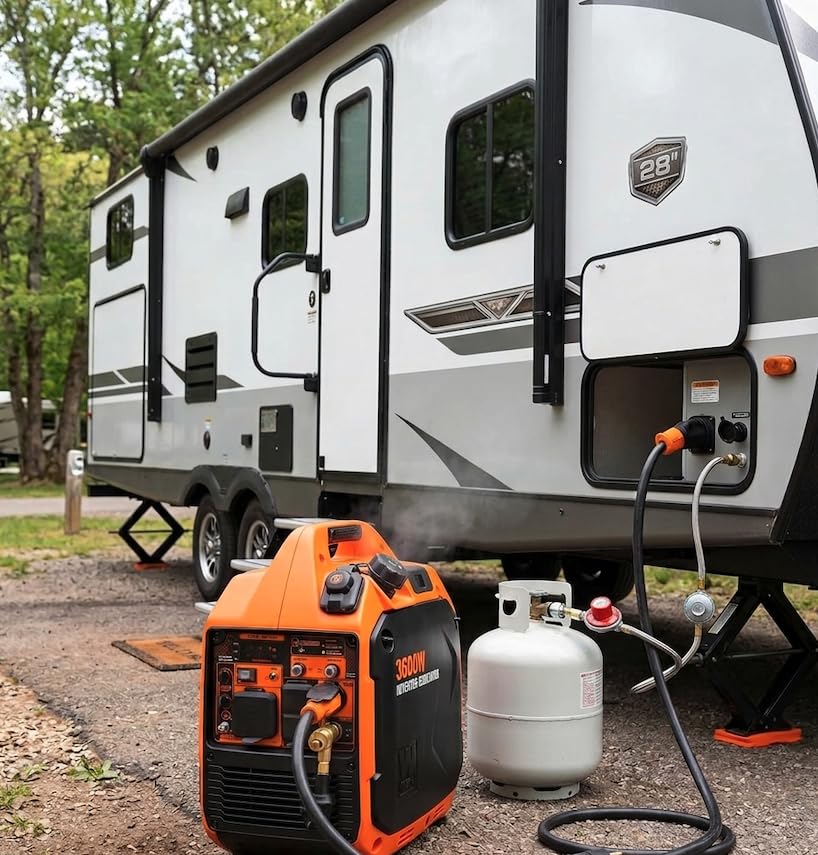
The fuel shut-off valve is worth calling out. Draining the carburetor before shutdown is the single cheapest way to extend engine life, and it is a feature owners regularly mention appreciating once they understand what it prevents.
Output is clean inverter power suitable for phones, tablets and laptops, and the panel covers two 120V three-prong receptacles, one TT-30R RV receptacle, one 12V DC receptacle and two 5V USB ports. CO Watchdog auto shutdown adds a layer of safety when the unit is parked close to the trailer.
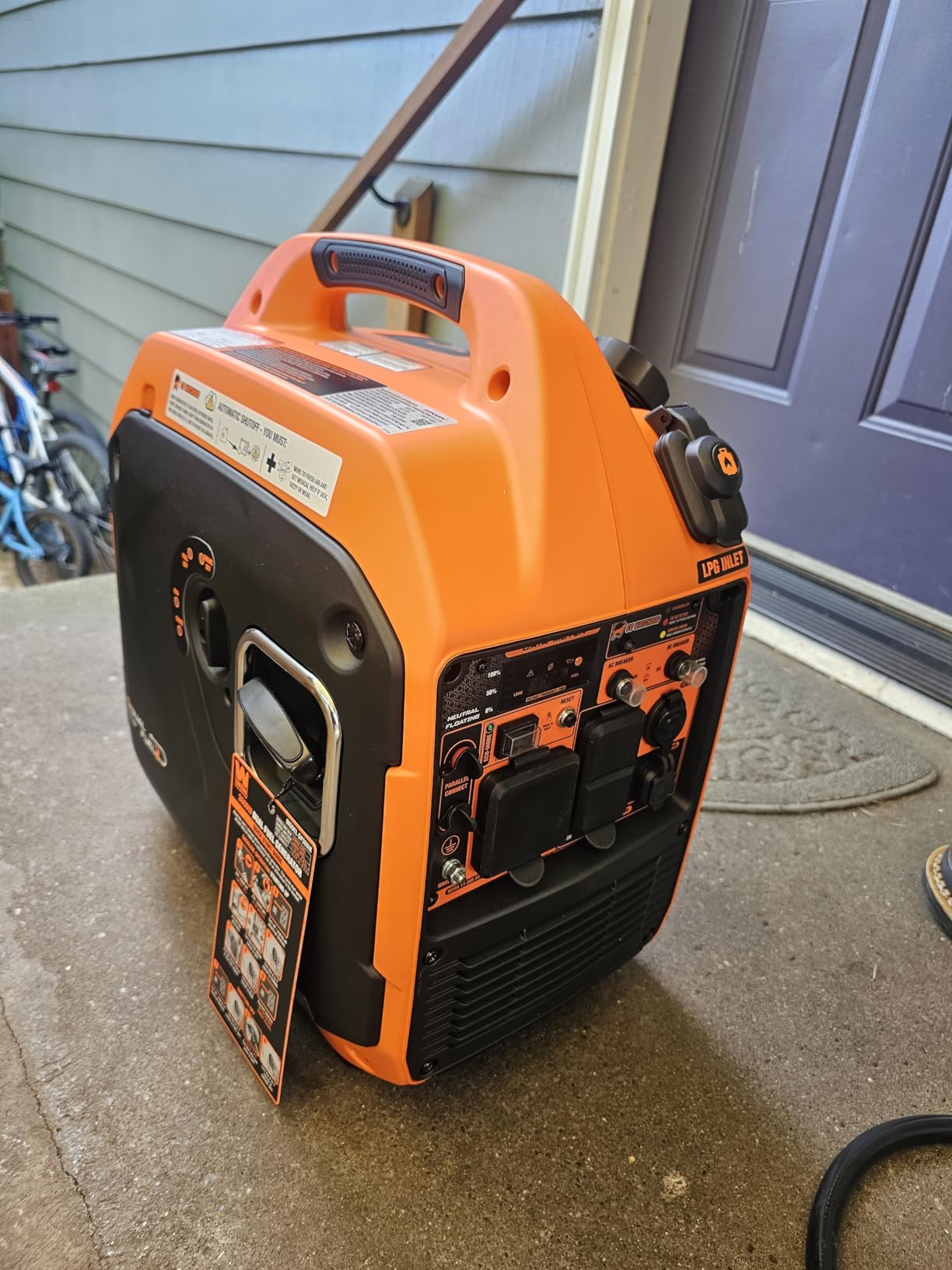
Who the DF360iX suits
It suits the boondocker who travels in shoulder seasons and wants one machine that will start cleanly after the unit has been sitting in a storage bay for months. The 49 pound weight and three-year warranty make it a low-friction first inverter purchase.
It is also a strong second unit to pair in a parallel arrangement with a matching machine if you later need more headroom.
Where it falls short
The recessed 30A receptacle is a genuine complaint: under vibration the plug can back out of the socket, so a seated connection deserves a physical check after you drive to the site. The included propane quick-connector is non-standard, meaning standard quick-connect fittings will not mate without modification, and the regulator fitted to the LP hose is not clearly shown in the product imagery.
Real-world gasoline runtime lands closer to four to six hours under load than the quoted figure, and the 149cc engine gets louder on economy mode and at higher draw.
8. WEN 56477i Enclosed Inverter: The Best for Running a Travel Trailer Air Conditioner
WEN Quiet and Lightweight 4800-Watt RV-Ready Portable Inverter Generator with Fuel Shut Off (56477i)
- Highest running output in the WEN group at 4000 rated watts
- Fully enclosed design runs quieter and safer than open frame units
- RV-ready TT-30R receptacle plus four household outlets and 12V DC
- CO Watchdog shutdown sensor for close-parking safety
- Fuel shut-off extends engine life by draining the carburetor
- Onboard wheels and telescoping pull handle
- Three-year limited warranty
- Gasoline only in this configuration
- 72.7 pounds is more than 50% heavier than the 3600W DF360iX
- Recoil start only in this configuration
The WEN 56477i is the pick when a travel trailer air conditioner is the reason you need a generator. Four thousand rated watts from a 224cc engine is the only output in this roundup that lets you run a rooftop unit with the fridge and a few small loads still online, and owners choosing over smaller WEN inverters say that headroom is the entire reason.
The fully enclosed design is the quiet advantage. Enclosures muffle the exhaust and intake path, so this unit runs quieter and safer than the open-frame WEN models, and 471 reviews at 4.5 stars keep circling the same combination: 4,000 running watts plus a fully enclosed quiet build.
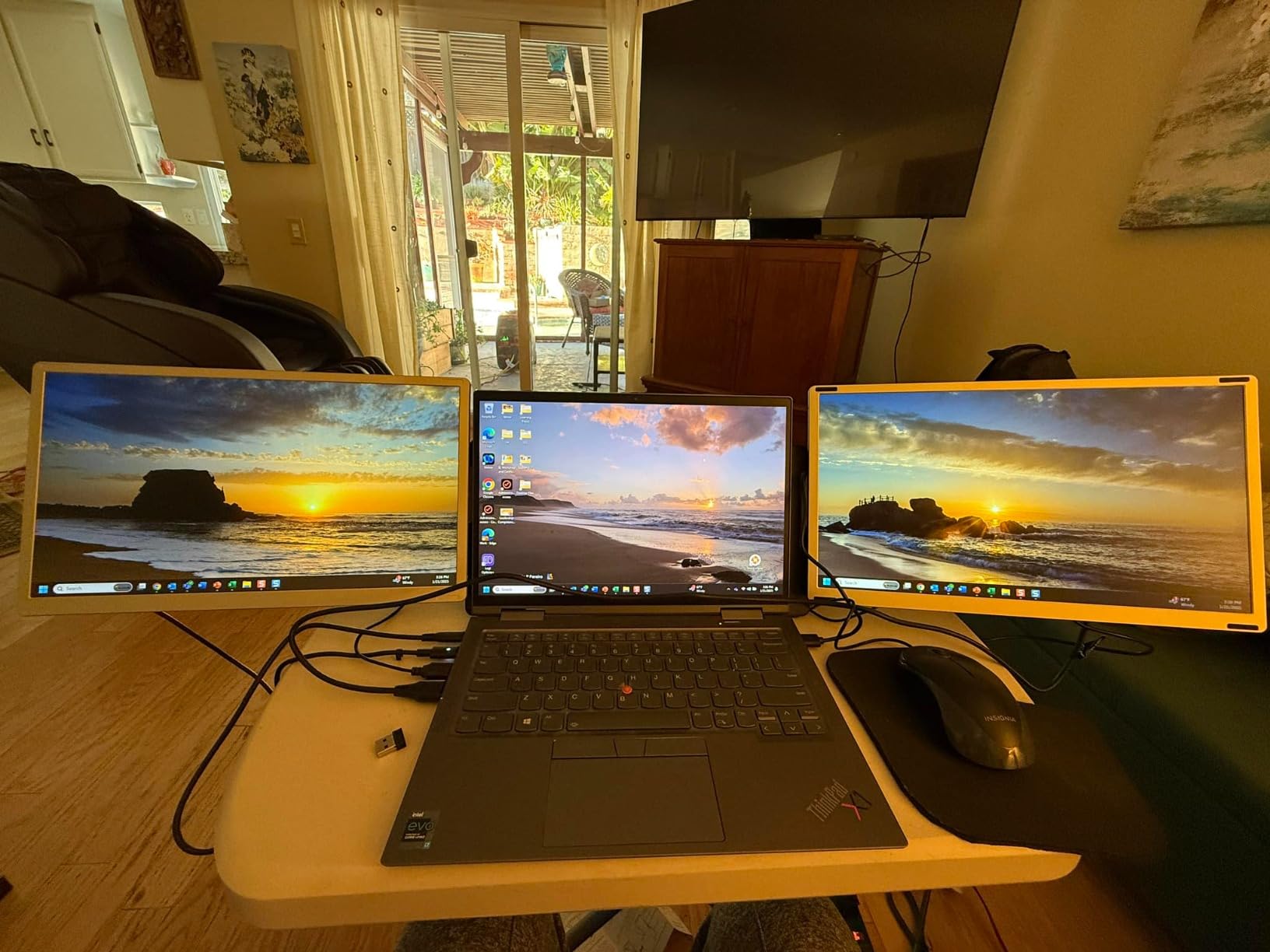
Safety hardware is properly specced for close quarters. The CO Watchdog shutdown sensor protects when the machine sits near the trailer, and the fuel shut-off drains the carburetor before shutdown to protect the engine between trips. Clean inverter power keeps smartphones, tablets and laptops stable when the compressor cycles.
Handling is handled by onboard wheels and a telescoping pull handle, which matters more than it sounds when you are moving 72.7 pounds across a soft campsite. The outlet panel is generous: four three-prong 120V receptacles, one TT-30R RV receptacle, one 12V DC receptacle and two 5V USB ports.
Who the 56477i suits
It suits travel trailer and Class C owners running a 13,500 BTU rooftop air conditioner, particularly anyone sensitive to open-frame exhaust noise. The four household outlets also make it easy to keep laptops and a Starlink terminal running alongside the trailer load.
If noise at the site is your top concern and you do not need propane, this is the configuration to beat.
Where it falls short
It is gasoline only, so fuel management between trips falls on you. At 72.7 pounds it is more than 50% heavier than the 3600W DF360iX, and the recoil start is an inconvenience in cold weather compared with the electric-start options.
The 1.9 gallon tank and seven hour runtime also mean more fuel stops than the dual fuel units here.
9. Champion 4500-Watt Dual Fuel Inverter: The Best for Long Propane Runs
Champion 4500-Watt Electric Start Dual Fuel Portable Inverter Generator
- Longest propane runtime quoted in this roundup at up to 21 hours
- 61 dBA operation suits forest and state campground rules
- Electric start with EZ Start Dial removes the pull-start struggle
- Intelligauge power meter tracks voltage
- frequency and accumulated hours
- CO Shield auto shutoff and Cold Start Technology
- Owners running camper air conditioning report no need to shed loads
- Parallel ready with an optional kit
- 99.2 pounds is a two-person lift and far heavier than the 4000W Champion
- Propane mode reduces running output from 3500 to 3150 watts
- CO sensor can trip in an enclosed truck bed unless the tailgate is dropped
The Champion 4500-Watt dual fuel inverter is the endurance pick. It produces 4,500 starting watts and 3,500 running watts on gasoline or 3,150 on propane, and the quoted runtime of up to 21 hours on propane is the longest figure in this roundup by a wide margin. For long stays on a single tank, nothing else here comes close.
In 399 reviews at 4.4 stars, camping and boondocking owners consistently single out the 61 dBA operating level, the electric start and the ability to run a camper air conditioner plus appliances without shedding loads. That combination is why it earns its place for full-time campers.
The 212cc four-stroke engine uses an EZ Start Dial rather than a recoil cord, which is a meaningful quality-of-life difference on a cold morning. The Intelligauge power meter tracks voltage, frequency and accumulated operating hours, so you can log runtime and spot a developing fault before it strands you.
CO Shield auto shutoff and Cold Start Technology are both aimed squarely at boondocking conditions. The 2.25 gallon tank, parallel-ready panel and three-year limited warranty with free lifetime technical support round out a well-supported package.
Who the Champion 4500 suits
It suits full-time and long-stay boondockers who want one machine to cover air conditioning, appliances and battery charging, and who prefer electric start to pulling a cord. Quiet operation at 61 dBA suits national forest and state campground rules.
It also suits anyone who would rather carry propane than manage ethanol-free gasoline storage between trips.
Where it falls short
At 99.2 pounds it is a two-person lift, more than double the weight of the 4000W Champion, so plan the loading path before you buy. Propane mode reduces running output from 3,500 to 3,150 watts, which matters if you are near a limit on propane days.
The CO sensor can also trip in an enclosed truck bed unless the tailgate is dropped, and one owner reported oil leakage and starting trouble alongside a warranty service center an hour away, which is a reminder to check local dealer coverage.
10. AIVOLT 8000W Dual Fuel Inverter: The Most Capacious Inverter, With Caveats
AIVOLT 8000W Dual Fuel Inverter Generator 50A RV Generator
- Highest true inverter output in this roundup at 8000 surge and 6100 running watts
- Automatic fuel switching between gasoline and propane with no manual adjustment
- 50A RV-ready inverter output for larger rigs
- Over 10 hours runtime at 25% load on a 3.6 gallon tank with eco-mode
- Low-temperature lithium battery allows electric start down to -4 degrees F
- Telescoping handle and 7-inch never-flat wheels
- CO Alert auto shutdown
- Heaviest inverter unit in this roundup at roughly 130.7 pounds
- Lowest average rating here at 4.0 stars with a 14% one-star share
- Does not include engine oil so it must be purchased separately
The AIVOLT 8000W is the most capable inverter in this roundup, and it is one of the few here that pairs true inverter power quality with 50A RV-ready output. Eight thousand surge watts and 6,100 running watts from a 322cc four-stroke OHV engine with 100% copper windings will run almost anything in a Class A coach from one box.
Automatic fuel switching between gasoline and propane without manual adjustment is a convenience no other unit in this list offers, and 1,332 reviews show owners running rooftop air conditioning in camper vans specifically because of that 6,100 watt ceiling.
Winter capability is a real differentiator. The upgraded low-temperature lithium battery supports electric start from minus 4 degrees Fahrenheit to 140 degrees Fahrenheit, and the 5-in-1 LCD control hub shows fuel use, voltage and runtime while a 62 dBA rating at 23 feet keeps it inside normal conversation territory for most campgrounds.
Runtime is quoted at over 10 hours at 25% load on the 3.6 gallon tank with eco-mode engaged, and a telescoping handle plus 7-inch never-flat wheels make a 130.7 pound machine more movable than the weight suggests.
Who the AIVOLT 8000 suits
It suits Class A and large Class C owners on 50 Amp service, and winter boondockers who need reliable electric start in cold conditions. If you need more than 4,000 running watts and still want clean sine wave output for electronics, this is the only inverter in the list that does it.
Customer service is repeatedly praised for replacing defective units quickly, which offsets some of the quality concerns.
Where it falls short
It is the heaviest unit here at roughly 130.7 pounds and the lowest rated at 4.0 stars, with a 14% one-star share in the reviews. One owner reported fuel leaking from the carburetor overflow tube within ten minutes on a new unit, and engine oil is not included.
Several owners also report the advertised decibel rating measuring higher than stated in their own tests, and real-world output coming in below the advertised running wattage. The two-year warranty is shorter than most competitors here. If you want the same 50A capability with a cleaner support record, the conventional Pulsar and DuroMax units trade inverter purity for proven simplicity.
Boondocking Buying Guide: Watts, Noise, Fuel and Parallel Kits
How many watts you actually need
Add up what runs at the same time, then leave 30% to 50% headroom for compressor startup. As a reference list, a 12V compressor fridge pulls roughly 600W to 800W, a microwave about 1,000W to 1,500W, a CPAP machine 50W to 100W, and a router with a satellite terminal about 50W to 150W. A 13,500 BTU rooftop air conditioner typically needs around 1,500W to 2,000W running with a much higher surge draw at startup, which is why a 3,000W unit is the practical floor for air conditioning.
That sizing math is also where the difference between a good and a bad purchase shows up. In dry camping threads on r/GoRVing, owners repeatedly recommend either a dual fuel generator in the 3,500W-plus class or a lithium power station of at least 3,600Wh, and older advice on iRV2 pointed the same way on quiet inverter hardware. Below 2,500 running watts you are running lights, a fridge and charging, not an air conditioner.
Know what a portable unit cannot do. A 30,000 BTU residential-style air conditioner, an electric water heater, a full 50A coach with multiple high-draw appliances and a transfer switch load are all outside what a 2,000W to 4,500W portable is designed for. Our inverter generator guide covers the power quality side in more depth.
Noise ratings and where to park the machine
Noise figures only mean something with a load and a distance attached, which is why the 25 or 23 foot, 50% load standard exists. On that basis the Westinghouse iGen5000 and iGen2550DFc are quoted as low as 52 dBA, the Champion 4500 at 61 dBA, the AIVOLT 8000 at 62 dBA at 23 feet, and the Champion 4000 at 64 dBA at 23 feet. The WEN DF360iX is described as comparable to normal conversation; the WEN 56477i benefits from a fully enclosed body, and the WEN GN400i publishes no decibel figure at all.
Placement matters more than most buyers expect. Park the unit downwind, at least 20 feet from the trailer, in the open rather than tucked against a wall or inside a storage bay, and never in an enclosed vehicle bed, where CO sensors can trip or, worse, not. A rubber anti-vibration mat under the feet cuts the low-frequency rumble that travels through the frame and is the single most recommended accessory in boondocking threads.
Campground rules vary widely, and quiet hours are real. Federal dispersed sites and many state and national forest systems restrict generator noise to daylight hours, and several campgrounds cap decibel levels outright. Check the specific rule for where you are planning to go rather than assuming your usual site tolerates an afternoon run.
Gasoline, propane or a lithium power station
Gasoline gives the most output for the money and is the most widely available, but it degrades in storage and attacks carburetors if it sits for months. Propane stores indefinitely and burns cleaner, which extends engine life, but the same unit typically produces less running power on propane. Our dual fuel generator roundup covers the trade-offs in detail.
A lithium portable power station is quieter than any generator and needs no fuel logistics, but the capacity needed for air conditioning makes it heavy and expensive, and recharge time from solar alone is slow. In practice, owners treat solar and power stations as maintenance charging for the house batteries and reserve the generator for the big loads.
Whatever the fuel, use ethanol-free gasoline when the machine is going to sit, add a fuel stabilizer, run the fuel shut-off valve to drain the carburetor before shutdown, and never store a propane cylinder in an enclosed RV pass-through compartment. That last point comes up repeatedly as a safety concern in owner threads, and ventilated exterior storage is the only sensible reading of the code.
Inverter versus conventional, and parallel kits
Inverter generators rectify and re-invert the output into clean sine wave power, which is what protects laptops, phones, CPAP machines and satellite terminals. Conventional open-frame units produce a rougher power curve at a lower price per watt, which is acceptable for resistive loads like a toaster but annoying for anything with a processor in it.
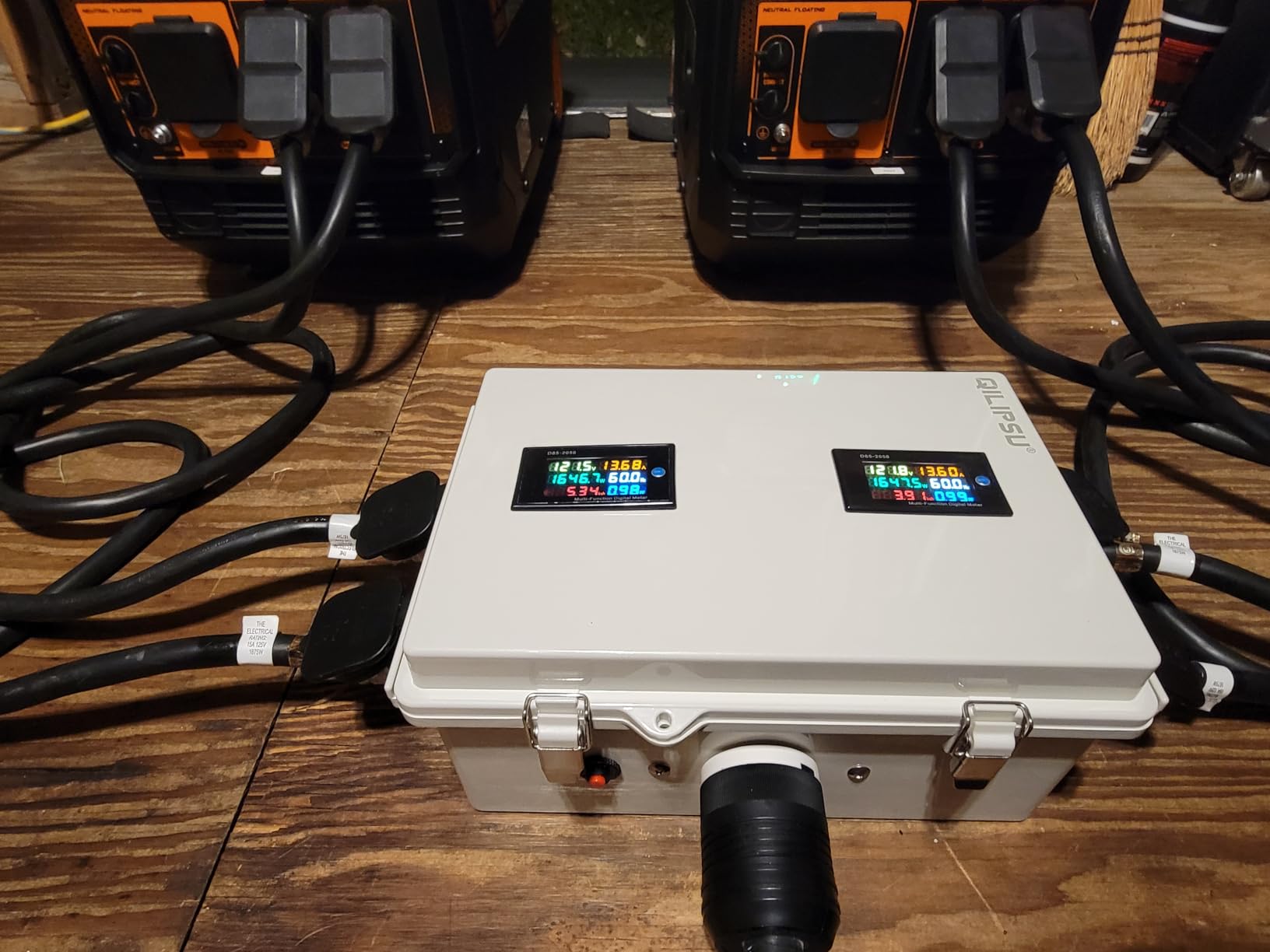
Parallel operation is the strategy that gets around the weight problem. Two small inverters from the same manufacturer, paired through their parallel ports, can approach the output of one large machine while each stays liftable. The Westinghouse iGen5000, Westinghouse iGen2550DFc, Champion 4000, Champion 4500, WEN GN400i and WEN DF360iX all carry parallel capability, though the Champion parallel kits are sold separately.
Our camping generator roundup goes deeper on the units people carry for weekend trips, where the weight ceiling is lower than it is for full-time boondocking.
Reliability, warranty length and service network
Long-horizon owner reports are the most useful reliability data that exists, and the pattern across boondocking forums is consistent: long-tenured Honda and Yamaha inverter owners report 12 to 20 years of service from a single annual oil change and fuel stabilizer, with the common refrain that if it is not broken, do not replace it. Yamaha owners frequently rate the brand equal to or better than Honda on fuel efficiency and durability.
Budget brands generate a different conversation. Champion inverter units are widely recommended as strong value, and Predator units earn repeated praise for quiet operation relative to their class, while older carbureted Hondas show fuel-related failures. Warranty length is a usable proxy for support commitment: three years is common in the inverter portable class, while one of the conventional units here carries only a one-year limited warranty. Parts availability and dealer coverage in your home region is worth confirming before a long remote trip.
Frequently Asked Questions
Can you run a generator while boondocking?
Yes. Running a portable generator while boondocking is normal and legal in most dispersed sites, provided you follow the specific rules for the land you are on. Keep the unit at least 20 feet from the trailer, downwind, in the open rather than inside a storage bay or an enclosed vehicle bed, and observe local quiet hour restrictions. Many national forest and state systems limit generator use to daylight hours, so check the rule for your specific site before you arrive.
What is the quietest portable generator I can use for camping?
Among the units we compared, the Westinghouse iGen5000 and Westinghouse iGen2550DFc are quoted as low as 52 dBA, making them the quietest figures in this roundup, and the WEN 56477i gains further quiet from its fully enclosed body. The Champion 4500 is rated at 61 dBA and the AIVOLT 8000 at 62 dBA measured at 23 feet. Always compare noise at a stated load and distance, because unqualified decibel numbers are not comparable.
What size generator do I need for boondocking?
Most boondockers need between 2,000W and 3,500W of running power. Add up simultaneous loads, allowing roughly 600W to 800W for a 12V compressor fridge, 1,000W to 1,500W for a microwave, 50W to 100W for a CPAP machine and about 1,500W to 2,000W running for a 13,500 BTU rooftop air conditioner, then leave 30% to 50% headroom for surge. A 3,000W unit is the practical floor if you intend to run air conditioning.
Is a 2000 watt generator enough to run an RV?
A 2,000W class unit is enough for lights, a 12V fridge, phone and laptop charging, a CPAP machine and a router or satellite terminal. It is not enough to run a rooftop air conditioner alongside anything else, and it will trip overload protection if you try. If air conditioning is part of the plan, move to at least 3,000W running capacity, and consider pairing two small inverters in parallel instead of carrying one heavy machine.
Is propane or gasoline better for an RV generator?
Gasoline delivers more running power for the money and is the most widely available, but it degrades in storage and can damage a carburetor if the unit sits unused. Propane stores indefinitely, burns cleaner and reduces engine wear, but the same generator typically produces less running output on propane. A dual fuel machine gives you both: gasoline for maximum power when you need it, propane when the unit is stored between trips.
Conclusion
The Westinghouse iGen5000 is our pick for the best portable RV generators for boondocking in 2026 because 3,900 running watts, a real 30 Amp RV outlet, clean inverter output and a documented three-year warranty cover the widest range of real boondocking loads in one package. If you cannot lift 105 pounds, the WEN GN400i gives you 3,500 rated watts at 66.1 pounds, and if propane storage between trips matters, the WEN DF360iX or the Champion 4500 cover you.
Match the running watts to the appliances you will actually run at the same time, weigh the machine honestly against what you can load solo, and use the buttons below to check current pricing and availability for each pick.