
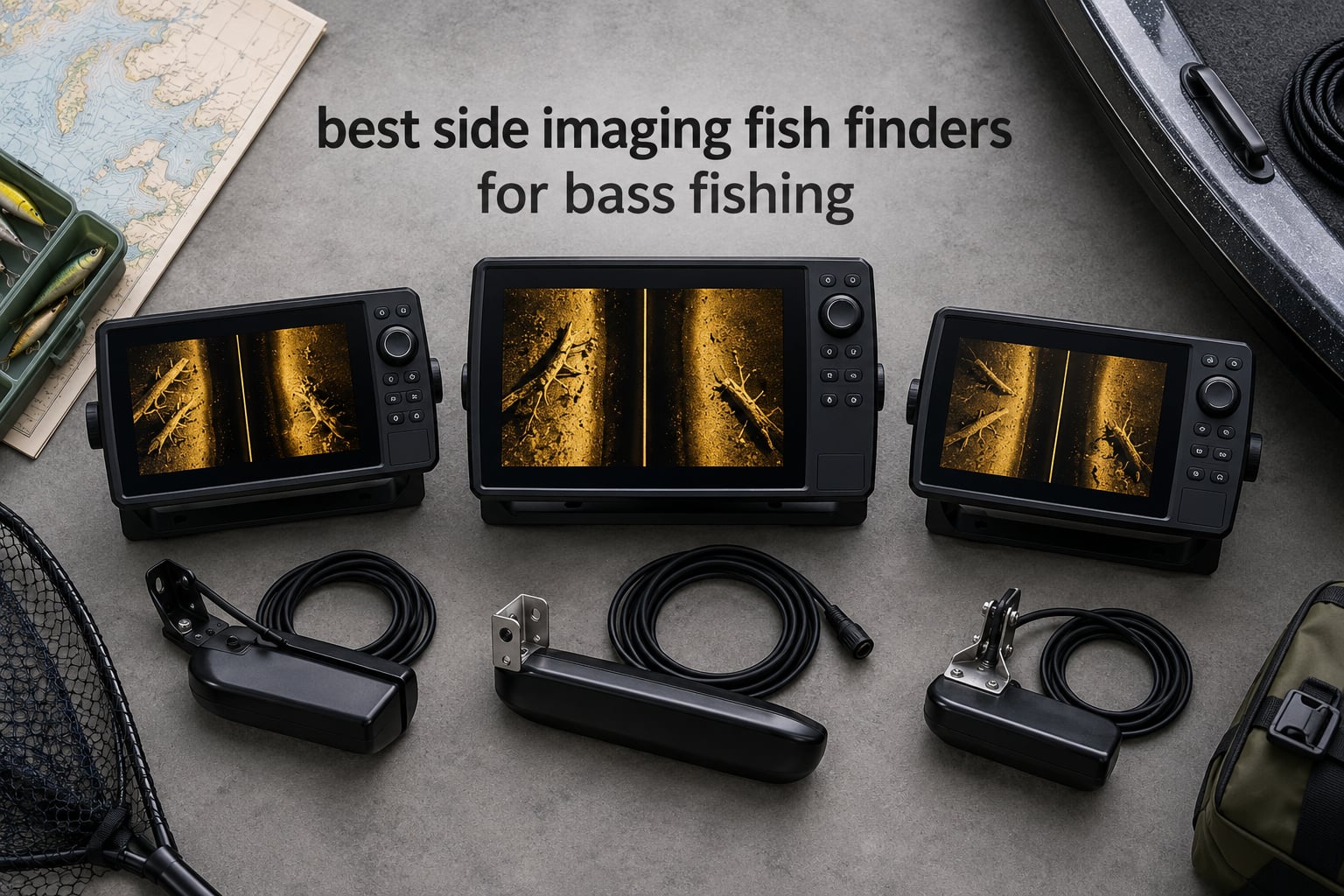
The Garmin Striker 7SV is the best side imaging fish finder for bass fishing for most anglers in 2026, because it puts genuine SideVu scanning sonar, a CHIRP down beam and a 7-inch sunlight-readable screen in one box with the transducer already inside. Bass live against edges, not in open water, and side scan is the only view that shows you an edge while you are still a hundred feet off it. Every unit below was checked against manufacturer specifications, published side-scan range figures and owner review patterns, and I have flagged which ones deserve your money and which ones quietly do not do side imaging at all.
This roundup covers ten models from Garmin, Humminbird and Lowrance, because those three brands make up nearly the entire SERP for this query and they disagree about almost everything except the basics. Two of them name their side imaging view SideVu, Lowrance calls it SideScan, and Humminbird changes model lines rather than suffixes. That naming confusion is the single biggest source of buyer regret in the forums, so I have written a section below that untangles it before you spend anything.
I want to be straight about method. The range, frequency, depth and screen figures here come from manufacturer specifications and owner review data, and I have not claimed a season of water time I did not fish. Where reviewers consistently report the same weakness, I have said so rather than smoothing it over.
The side-scan reading guidance in this guide comes from published manufacturer physics and how anglers describe interpreting shadows on bass cover. If you are still working out whether a fish finder is the right tool for your boat, start with our kayak fish finder guide, and if your boat is small enough that console real estate is an issue, our small boat picks are the relevant comparison.
Top 3 Side Imaging Picks for Bass Fishing in 2026
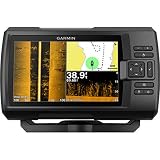
Garmin Striker 7SV
- SideVu and ClearVu scanning
- CV52HW-TM transducer in box
- Quickdraw contours
- 7 inch color TFT
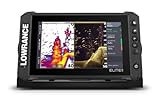
Lowrance Elite FS 10
- Active Imaging 3-in-1 sonar
- C-MAP DISCOVER on board
- 10 inch touchscreen
- ActiveTarget 2 ready

Humminbird Helix 7 CHIRP SI G4
- CHIRP Side Imaging
- Dual Spectrum CHIRP
- Transducer included
- Basemap over 10000 lakes
Best Side Imaging Fish Finders for Bass Fishing (October 2026)
| Product | Specifications | Action |
|---|---|---|
| Garmin Striker 7SV |
|
Check Latest Price |
| Lowrance Elite FS 10 |
|
Check Latest Price |
| Humminbird Helix 7 CHIRP SI G4 |
|
Check Latest Price |
 Humminbird XPLORE Series Humminbird XPLORE Series |
|
Check Latest Price |
 Humminbird Helix 7 G4 MEGA SI Humminbird Helix 7 G4 MEGA SI |
|
Check Latest Price |
 Lowrance Elite-12 Ti2 Lowrance Elite-12 Ti2 |
|
Check Latest Price |
 Garmin ECHOMAP UHD2 73sv Garmin ECHOMAP UHD2 73sv |
|
Check Latest Price |
 Garmin GPSMAP 943xsv Garmin GPSMAP 943xsv |
|
Check Latest Price |
 Lowrance Eagle 5 SplitShot HD Lowrance Eagle 5 SplitShot HD |
|
Check Latest Price |
 Lowrance HOOK2 12 TripleShot Lowrance HOOK2 12 TripleShot |
|
Check Latest Price |
One row in that table is not really a side imaging model, and I kept it in deliberately. The Lowrance Eagle 5 in position nine is the honest example of the naming trap: the listed configuration uses SplitShot HD, which pairs CHIRP with DownScan and no side beam, and the fix is simply choosing the TripleShot variant in the same family.
1. Garmin Striker 7SV With Transducer: Best All-Round Choice
- SideVu and ClearVu bundled with transducer in the box
- Sunlight readable 7 inch color TFT display
- Quickdraw contours map up to 2 million acres
- Intuitive interface reviewers describe as easy to learn
- Down imaging resolves individual fish chasing bait
- No built-in chartplotter beyond Quickdraw contours
- Side scan sensitive to transducer height and angle
- ActiveCaptain app needed for full networking
This is the unit I keep coming back to. The Striker 7SV is the rare display where the transducer is in the box, the side imaging is real, and the interface does not punish you for owning it. Garmin built it for exactly the buyer who finds side imaging confusing: side scan, down imaging and CHIRP traditional all running out of one CV52HW-TM transducer with no menu gymnastics.
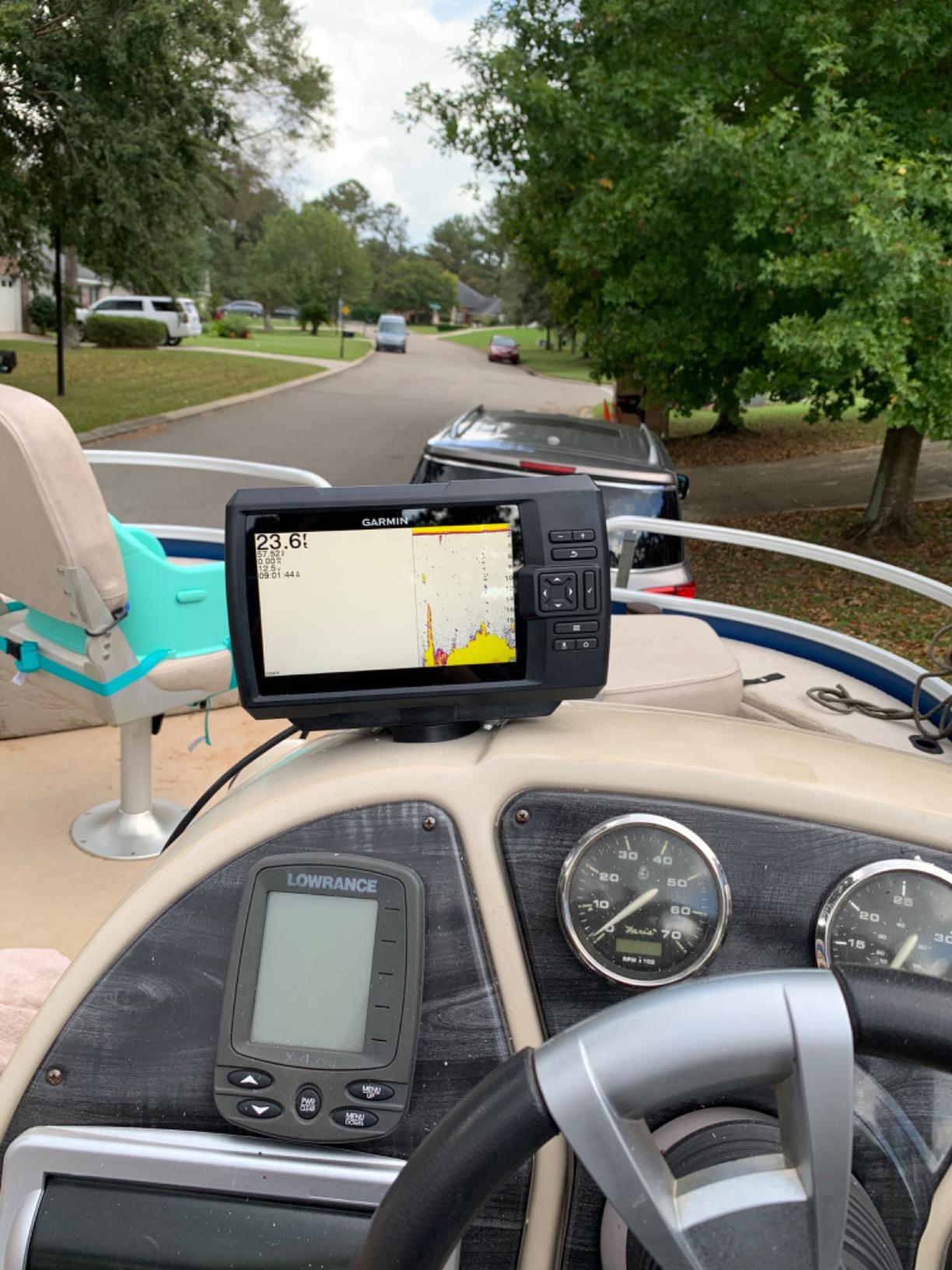
The 7-inch color TFT screen is bright enough to read through glare, which matters more than spec sheets suggest when you are looking down at a console at a 45-degree angle on a bright April morning. Owners consistently call the interface intuitive, and the Quickdraw contours feature stores your own maps at 1-foot intervals across up to 2 million acres, which is more contour detail than most anglers will ever record.
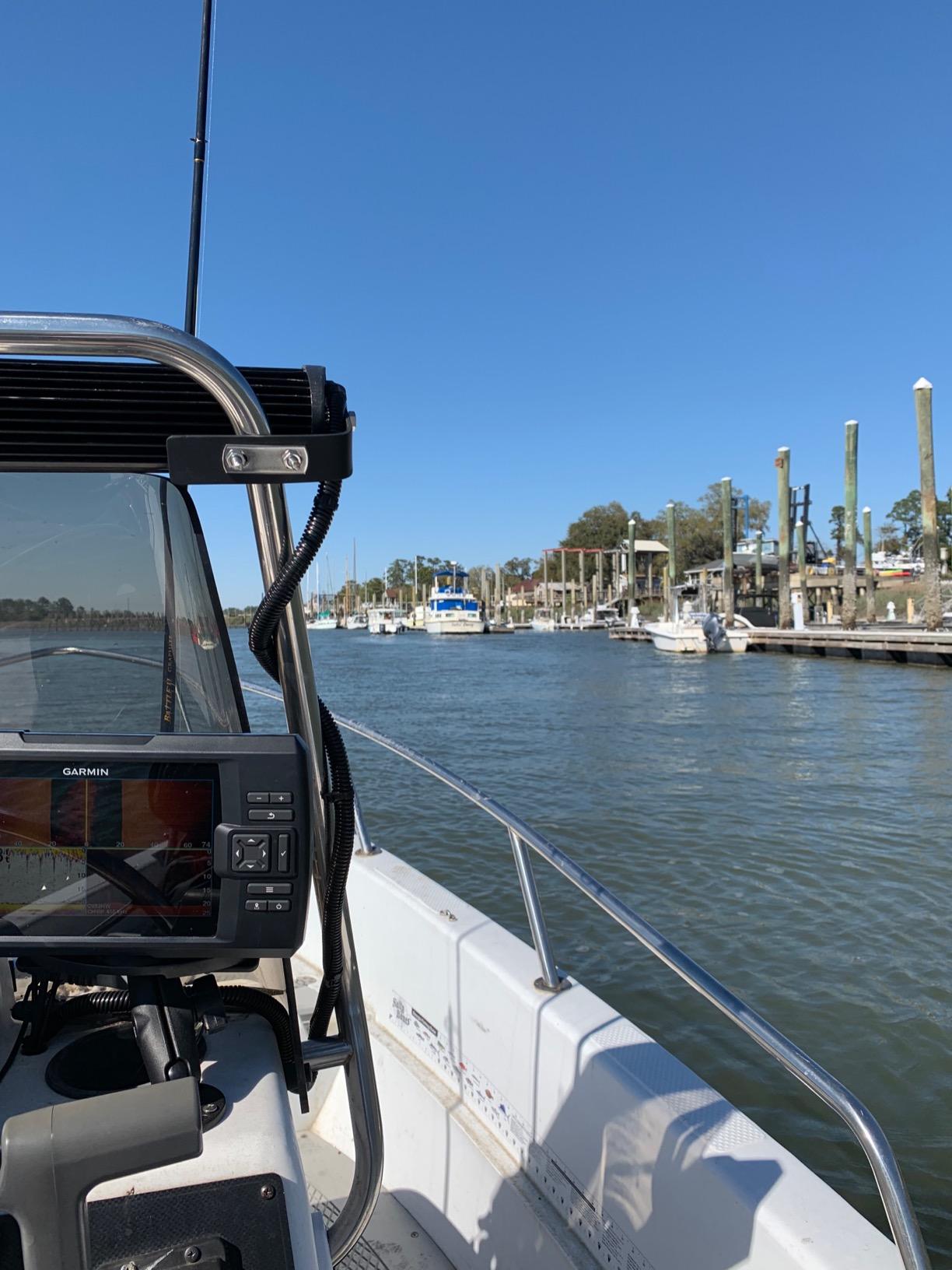
Here is the catch. There is no built-in chartplotter here in the nautical sense. Navigation is handled through the built-in GPS and the ActiveCaptain app on your phone, which works fine until the sun hits the screen and you cannot read it. Owners who wanted a standalone mapping unit moved up to the ECHOMAP line instead.
Reviewers also flag side scan sensitivity to transducer height and angle, which is true of every unit here but easier to fix on this one because the included transom and trolling motor mounts are simple to shim. If you install the sensor level and parallel to the hull, the returns are clean. Keep it tilted and you will spend a season blaming the electronics for a mounting problem.
What Bass Anglers Will Like About It
The 2 to 8 mph window suits bass fishing unusually well, because scanning a ledge is exactly the slow, steady, forward-motion task side imaging is built for. Quickdraw contours mean you can build your own map of a private lake and mark the productive drop-offs yourself rather than trusting a generic chart.
The ClearVu down beam resolves individual fish chasing bait near cover, which helps you confirm whether a shadow you saw at range is a fish or a stump before you commit to a cast.
Who Should Skip It
Skip this if you want a self-contained navigation screen for open water or for a boat with no phone. It is also the wrong pick if your boat already has a chartplotter and NMEA 2000 backbone you plan to grow into, because the networking path runs through the app rather than through a wired multi-unit setup.
Buy the 7sv rather than any cv model if side scan is the reason for the purchase. The two letters at the end of a Garmin model number are the whole decision, and I have covered the naming trap in the buying guide below.
2. Lowrance Elite FS 10: Most Versatile With SideScan and Built-In Charts
Lowrance Elite FS 9 Fish Finder with Active Imaging 3-in-1 Transducer, Preloaded C-MAP Contour+ Charts
- Active Imaging 3-in-1 combines CHIRP and SideScan and DownScan
- 10 inch multi-touch display with quick touch control
- C-MAP DISCOVER charts preloaded
- Wired and wireless networking for multi-display builds
- Upgrade path to ActiveTarget 2 live sonar
- Wide range of sizes and transducer packages to sort through
- Premium chart detail beyond the preloaded set costs extra
- Touchscreen less ideal with gloved hands in rough water
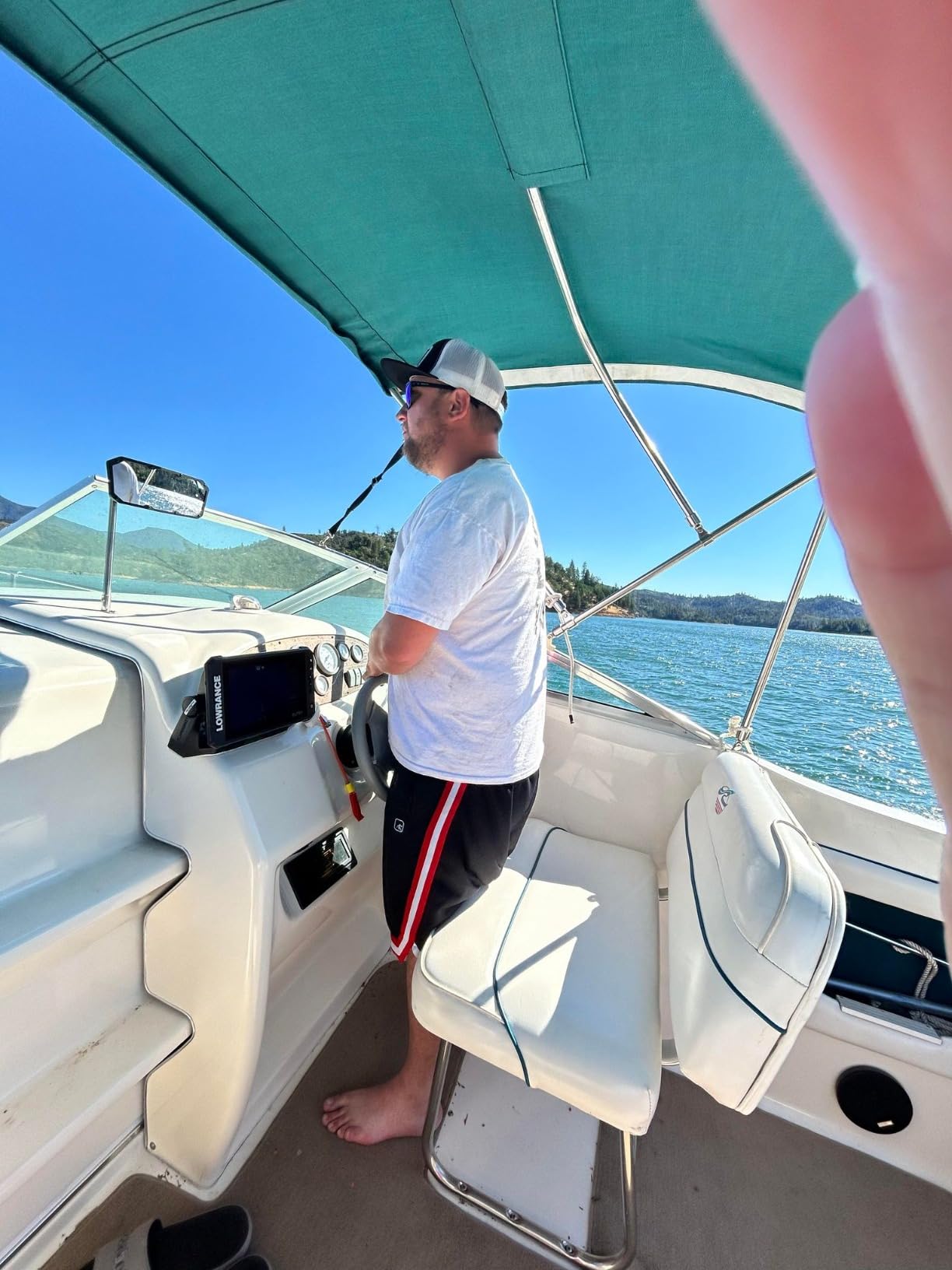
The Elite FS 10 is where Lowrance stopped compromising on the screen. A 10-inch multi-touch panel gives you side scan, down scan, the chart and your connected controls at the same time, and at that size you can actually run a split screen without squinting. For a bass boat console with limited mounting space, that is the difference between a usable layout and a compromise.
The Active Imaging 3-in-1 package is the sonar story here. One transducer delivers CHIRP, SideScan and DownScan with FishReveal target separation, and it comes with this configuration rather than being sold as an add-on. Owners rate the side scan detail highly, and the FishReveal separation makes weed edges and brush more readable than a plain CHIRP picture would.
C-MAP DISCOVER charts come preloaded covering inland, coastal and Canadian waters, so the unit is usable on its own without a phone. Maximum measuring depth is listed at 1000 feet, which matters on reservoir ledges where the side beam runs out long before the down beam does.
The networking story is one of the strongest here. Wireless, NMEA 2000 and Ethernet together mean a bow unit and a console unit can share sonar, waypoints and routes, which is the standard bass boat build. There is also a clean upgrade path to ActiveTarget 2 or 2 XL live sonar if you decide you want forward-facing views later.
What Bass Anglers Will Like About It
The 10-inch screen shows a full side-scan strip alongside the chart without either view becoming a postage stamp, so you can see a shadow and the contour line it sits on at the same time. Lowrance users also point out how few menu layers sit between you and a side-scan image.
For anyone building a two-screen boat, the Ethernet and NMEA 2000 combination is worth more than any single sonar feature. Bow and console displays that talk to each other turn two anglers looking at two pictures into one boat reading one picture.
Who Should Skip It
Skip it if your console cannot physically take a 10-inch unit, and be careful with the variant list because the family covers 7 to 12 inch screens with several transducer packages. Confirm that the specific configuration you are buying includes the Active Imaging 3-in-1, because the cheaper packages in the same family do not.
Gloved hands in rough water are a real consideration. If your season involves early-season cold water fishing where you are likely to be handling the unit with wet or gloved fingers, a keypad-driven unit in the same tier may suit you better.
3. Humminbird Helix 7 CHIRP SI GPS G4: Best Keypad-Controlled Entry Into Side Imaging
- CHIRP Side Imaging filters noise and clutter
- CHIRP Down Imaging plus Dual Spectrum CHIRP wide and narrow modes
- Softkey keypad works with wet hands
- Transducer and gimbal bracket in the box
- AutoChart Live with 8 hours of recording
- Menu navigation takes practice
- Older side scan platform than the MEGA SI Helix
- One buyer reported inconsistent box labeling
The Helix 7 CHIRP SI G4 is the honest entry point into side imaging on a Humminbird. It comes with the XNT 9 HW SI T transom-mount transducer, the power cable and a gimbal bracket, so the whole install is a bolt to the transom and two cables. Owners rate it highly for exactly that reason, and the review profile is unusually clean for a model with a few hundred owners.
The sonar combination is the selling point. CHIRP Side Imaging on both sides, CHIRP Down Imaging beneath you, and Dual Spectrum CHIRP with wide and narrow modes from the same head unit. The narrow mode is what you switch to when you are 30 feet from a brush pile and want to pick it apart; the wide mode is what you run while covering a mile of shoreline.
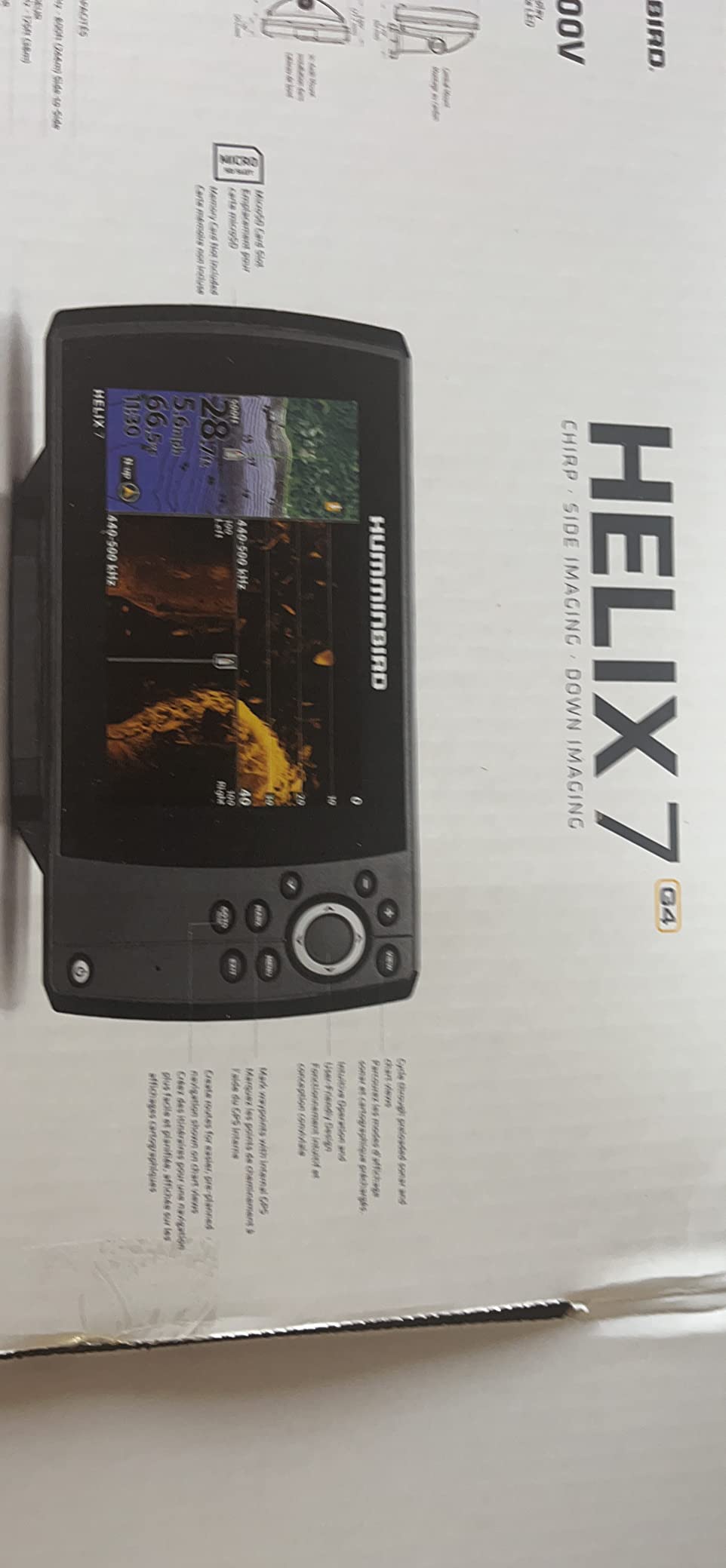
The keypad is a genuine advantage, not a compromise. Softkey control works when your hands are wet, cold or gloved, and there is no touchscreen to smudge or freeze. Anglers who fish early-season water in the cold report this as the deciding factor over a touchscreen unit in the same bracket.
AutoChart Live gives you real-time mapping of depth contours, bottom hardness and vegetation with eight hours of built-in recording time, and the internal GPS carries Humminbird Basemap coverage of more than 10,000 lakes plus coastal coverage for the continental US. LakeMaster, CoastMaster and Navionics cards are supported as upgrades.
What Bass Anglers Will Like About It
This is the unit to buy if side imaging is your first serious electronics purchase and you fish in bad weather. The keypad never misreads an input, and the narrow CHIRP mode gives you the detail you need at close range without stepping up to a MEGA unit.
It is also the safest choice for a boat with a simple install. Everything you need is in the box, and the gimbal bracket makes repositioning between console and bow straightforward.
Who Should Skip It
Skip it if you fish deep water and need long side-scan reach, because this is the older, less advanced side-scan platform compared with the MEGA SI Helix in position five. Reviewers who compared the two generally preferred the MEGA picture.
Menu navigation takes practice. If you dislike digging through settings, the Garmin units in positions one and seven will feel faster, and Lowrance menus are closer to a phone interface than a Humminbird softkey layout.
4. Humminbird XPLORE Series: Best for 200 Foot Side Imaging Reach
Humminbird XPLORE 10 GPS Fish Finder with Transducer, MEGA Side Imaging+ & HD Touchscreen
- MEGA Side Imaging plus published at 200 ft per side
- MEGA Down Imaging plus for deep coverage
- Much faster menu navigation than keypad Helix units
- Customizable screens and favorites
- NMEA 2000 plus high speed Ethernet
- Bluetooth anchor control
- Listed configuration is a control head only
- Steep learning curve for beginners
- Included coastal chart card sparse in some areas
- Screen can feel cramped with multiple data panes
Among the MEGA imaging units, this is the longest-range side imaging on published figures. MEGA Side Imaging+ is specified at 200 feet per side, with MEGA Down Imaging+ rated for 200 feet of depth. For an angler running a wide flat out in front of a deep bank, that reach is the entire point, because it means you find the ledge before you are committed to it.
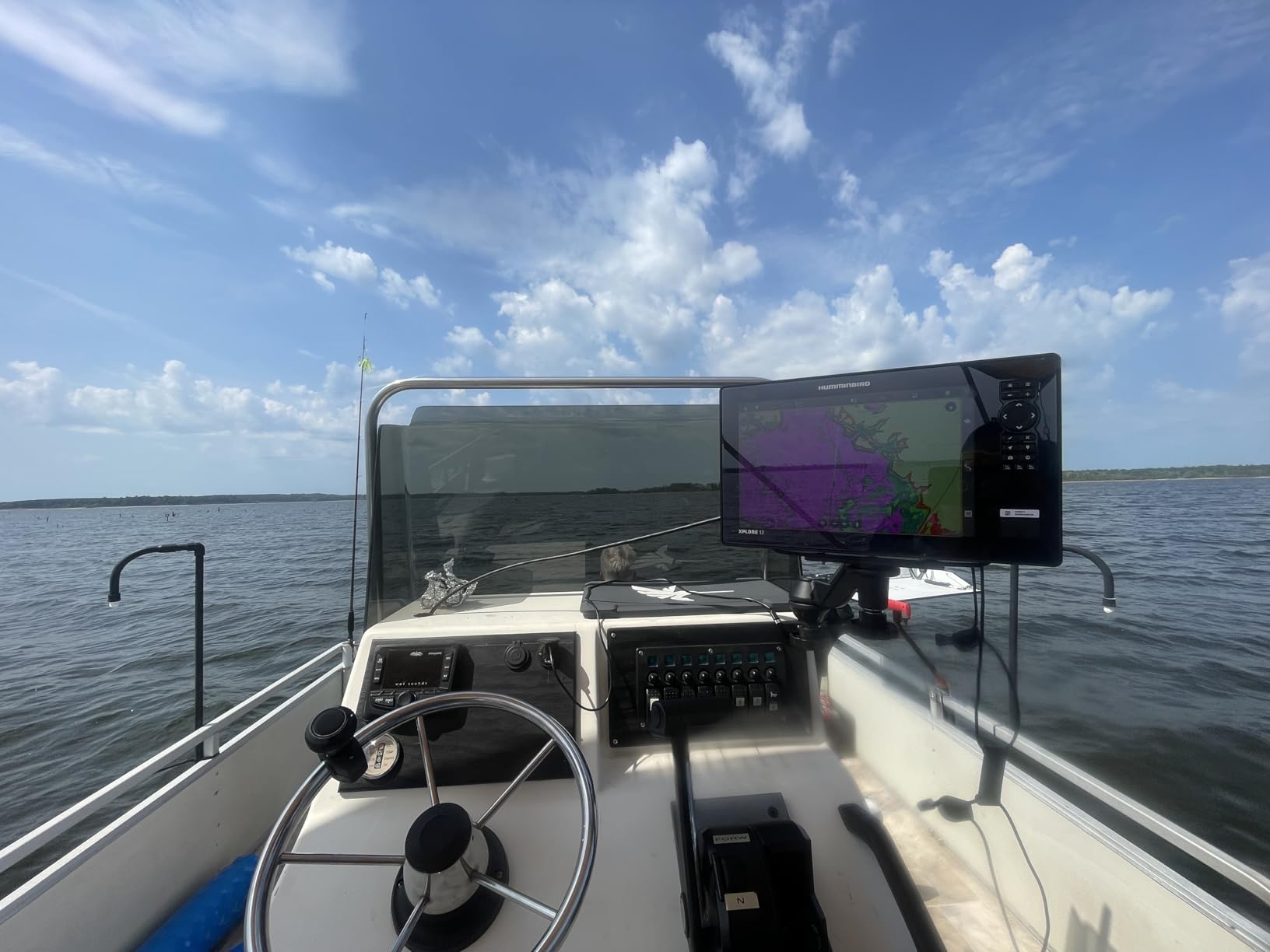
The XPLORE is also a genuine interface change from the Helix line. It is a 10-inch HD touchscreen, and owners upgrading from keypad-driven Humminbird units describe menu and view navigation as a step change. Fully customizable screens, favorites and an on-screen keyboard make it easier to set up the way you want it.
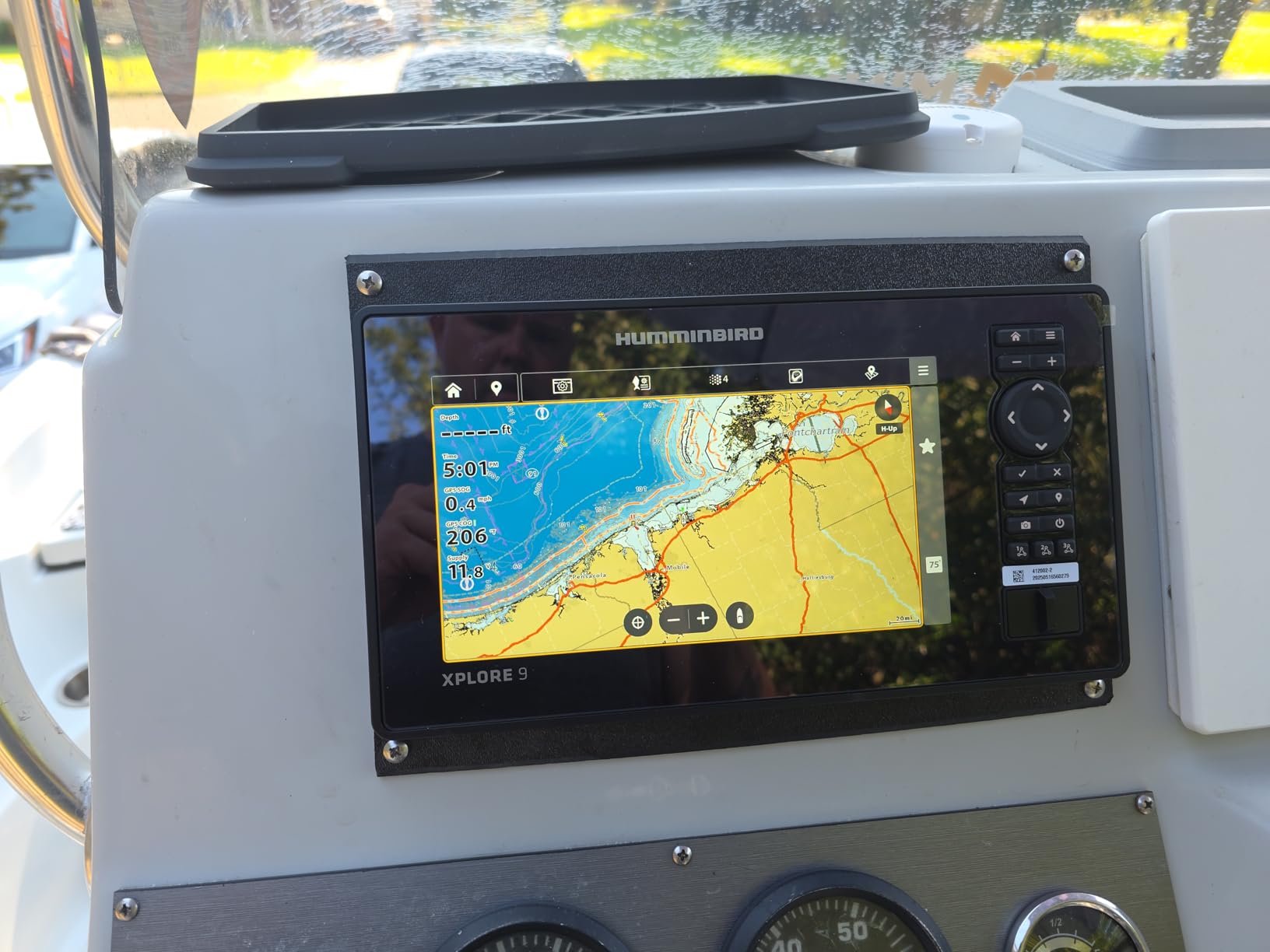
Networking is strong here too, with built-in NMEA 2000 plus high-speed Ethernet for multiple devices, and Bluetooth for wireless anchor control and phone notifications. The unit also works with Minn Kota trolling motors and Cannon products through the one-boat network integration.
One important detail that catches buyers out: the listed configuration is a control head only. You need to add an imaging-capable transducer separately, which means your real cost on the water is higher than the head unit suggests. Owners also report that legacy heading sensors and older zero-line map cards do not work, and that the micro SD card has to be inserted while the unit is powered on.
What Bass Anglers Will Like About It
The 200-foot per side reach changes the geometry of a fishing day. On a reservoir with a long bank, you can run parallel to the shoreline at an offset and log cover you would otherwise have to cross twice to find.
AutoChart Live records depth contours, bottom hardness and vegetation in real time with eight hours of built-in recording time, and the enhanced Humminbird Basemap covers more than 10,000 lakes with a LakeMaster and CoastMaster VX card included for US and Canada regions.
Who Should Skip It
Skip it if you are price sensitive, because you will need to add a transducer to make it work at all. Budget for the full system rather than the head unit when you compare tiers.
Beginners should also know what they are signing up for. Owners who upgraded from older Humminbird hardware call the image quality excellent, but they also report a steep learning curve. A three-year warranty with registration is the longest in this roundup, which helps if you are that beginner.
5. Humminbird Helix 7 G4 MEGA Side Imaging: Best Value Upgrade From Standard Side Scan
- MEGA Side Imaging covers 125 ft each side with 3x the detail
- MEGA Down Imaging at 125 ft depth
- Dual Spectrum CHIRP wide and narrow modes
- Transducer included in the box
- Softkey keypad reliable in any weather
- AutoChart Live mapping
- Higher 1 star share than most units in this group
- Keypad interface slower than touchscreens
- Premium LakeMaster and Navionics charts cost extra
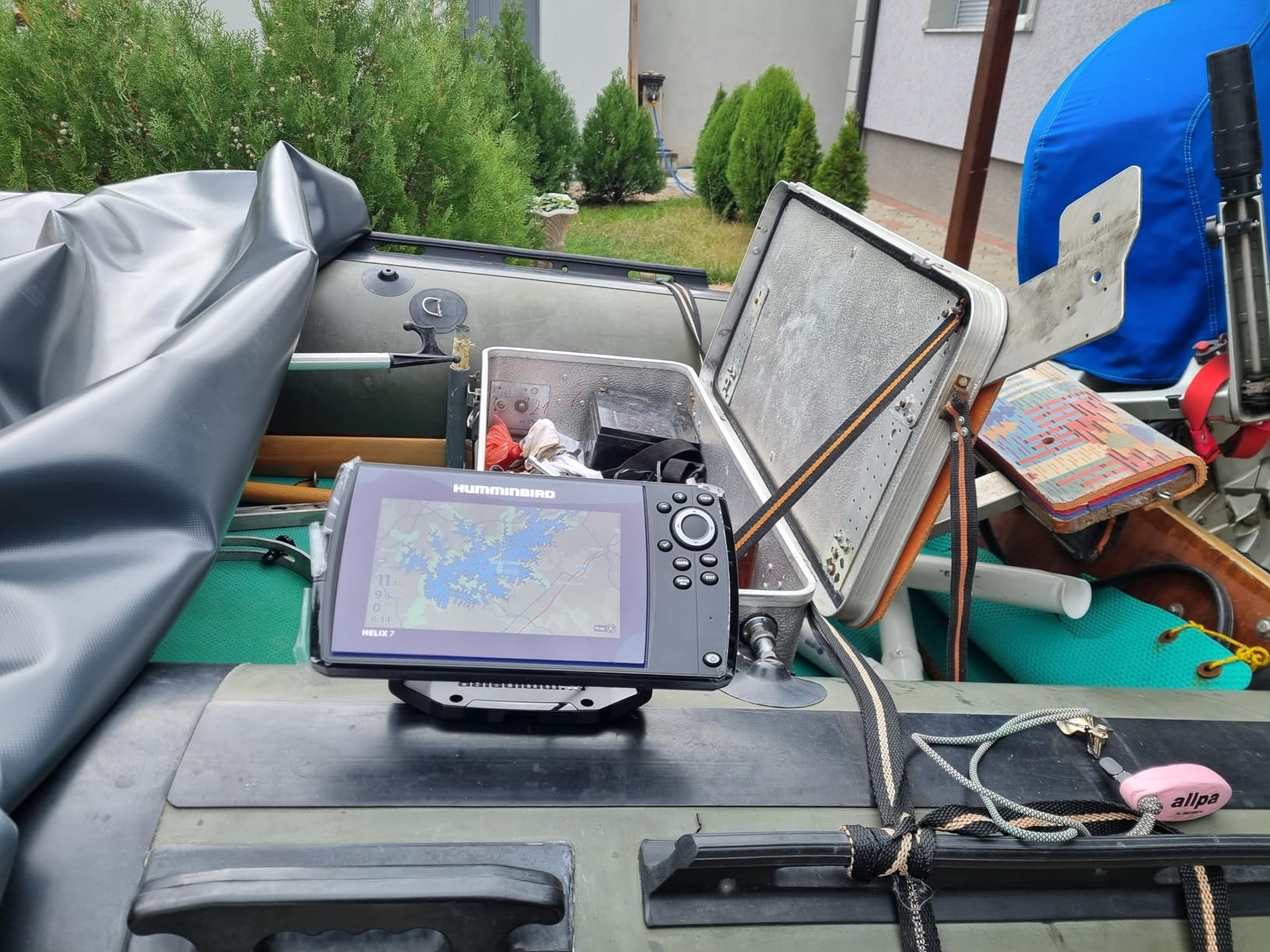
This is the pick for anyone moving up from a Helix 5 or a down-only unit and asking whether the extra step to MEGA Side Imaging is worth it. It is. MEGA Side Imaging covers 125 feet to each side with roughly three times the detail of standard imaging sonar, and the XNT 9 HW MSI 150 T transducer is in the box, so the upgrade path from an older Humminbird is straightforward.
Dual Spectrum CHIRP runs wide and narrow modes off a Low-Q transducer, and the narrow mode is where the MEGA detail actually pays off. That is the setting to use when you are checking whether the dark return next to a stump is a fish holding tight or a piece of debris, which is a decision you will make dozens of times a day on a productive ledge.
The quality record deserves a caveat. Nine percent of ratings on this unit are one-star, which is higher than the rest of this group, and owners who left those reviews report side-imaging or hardware problems on their specific box. With 81 reviews that is a small tail, but if you buy it, test the side scan the day it arrives rather than trusting it on the first trip.
Everything else is standard and well executed. A 7-inch color TFT screen, softkey controls that work in any weather, Humminbird Basemap covering more than 10,000 lakes and the continental US coastline, and AutoChart Live real-time mapping with eight hours of recording time.
What Bass Anglers Will Like About It
The 125-foot per side figure on both side and down imaging covers most of the water a bass angler works on, and matching depth range between the two views means you are not switching to a down unit when you cross a 90-foot drop-off.
Having the transducer included removes the most common reason a good head unit performs badly. Nothing here depends on you sourcing the right sensor separately, which is the number one cause of disappointing side imaging in the forum threads I read.
Who Should Skip It
Skip it if you fish water deeper than 125 feet, because both the side and down beams stop contributing beyond that. The XPLORE in position four is built for deeper ground.
Also skip it if you want touch controls or the fastest menu navigation available. The keypad is reliable but not quick, and buyers moving up from a Helix 7 CHIRP SI in position three should know they are trading interface speed for image detail rather than gaining both.
6. Lowrance Elite-12 Ti2: Best for a Large Console With Two Anglers On Board
Elite-12 Ti2-12-inch Fish Finder Active Imaging 3-in-1Transducer, Wireless Networking, Real-Time Map Creation Preloaded C-MAP US Inland Mapping …
- High resolution 12 inch SolarMAX with improved target separation
- Active Imaging 3-in-1 with CHIRP and SideScan and DownScan
- Genesis Live maps half foot contours on the unit
- Preloaded US Inland mapping with 4000 lakes
- Wireless sharing between Elite Ti2 displays
- Heaviest unit in the group at 12.2 pounds
- 8 percent one star share on owner reviews
- Needs real console space
- Chart upgrades beyond the preloaded set cost extra
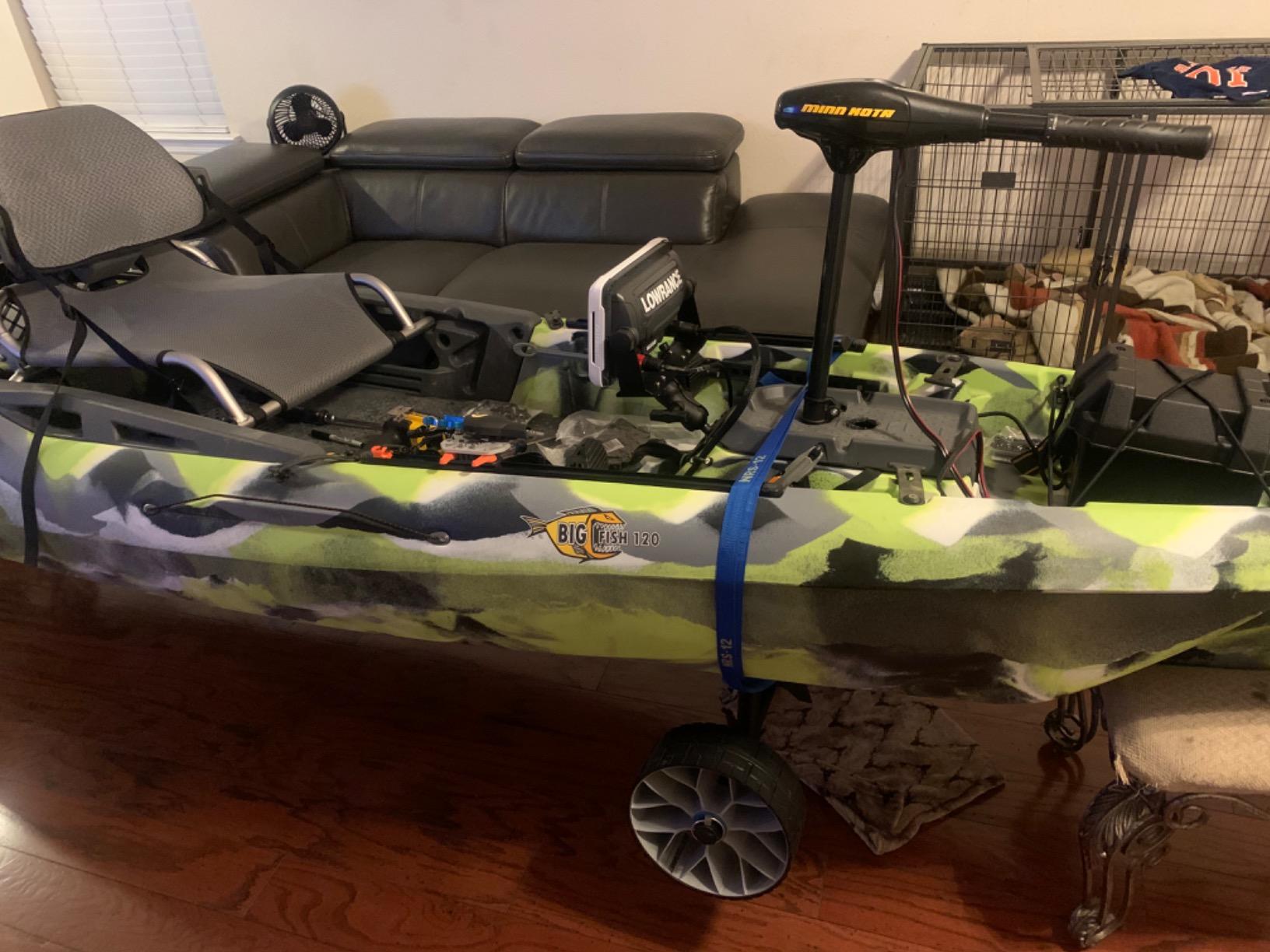
A 12-inch SolarMAX display changes what a bass boat crew can do. On a boat where one person drives and one person fishes, a screen this size can show side scan, the chart and a down image at once without anyone leaning in. That is the argument for it, and it is a real one on a wide bass boat console with a full windshield glare problem.
The sonar package is the same Active Imaging 3-in-1 approach as the Elite FS in position two: CHIRP, SideScan and DownScan from one transducer with the side scan range owners rate highly in this set. Genesis Live builds half-foot contour maps on the unit itself in real time, which means you can map a piece of water you have never fished during the trip you are fishing it.
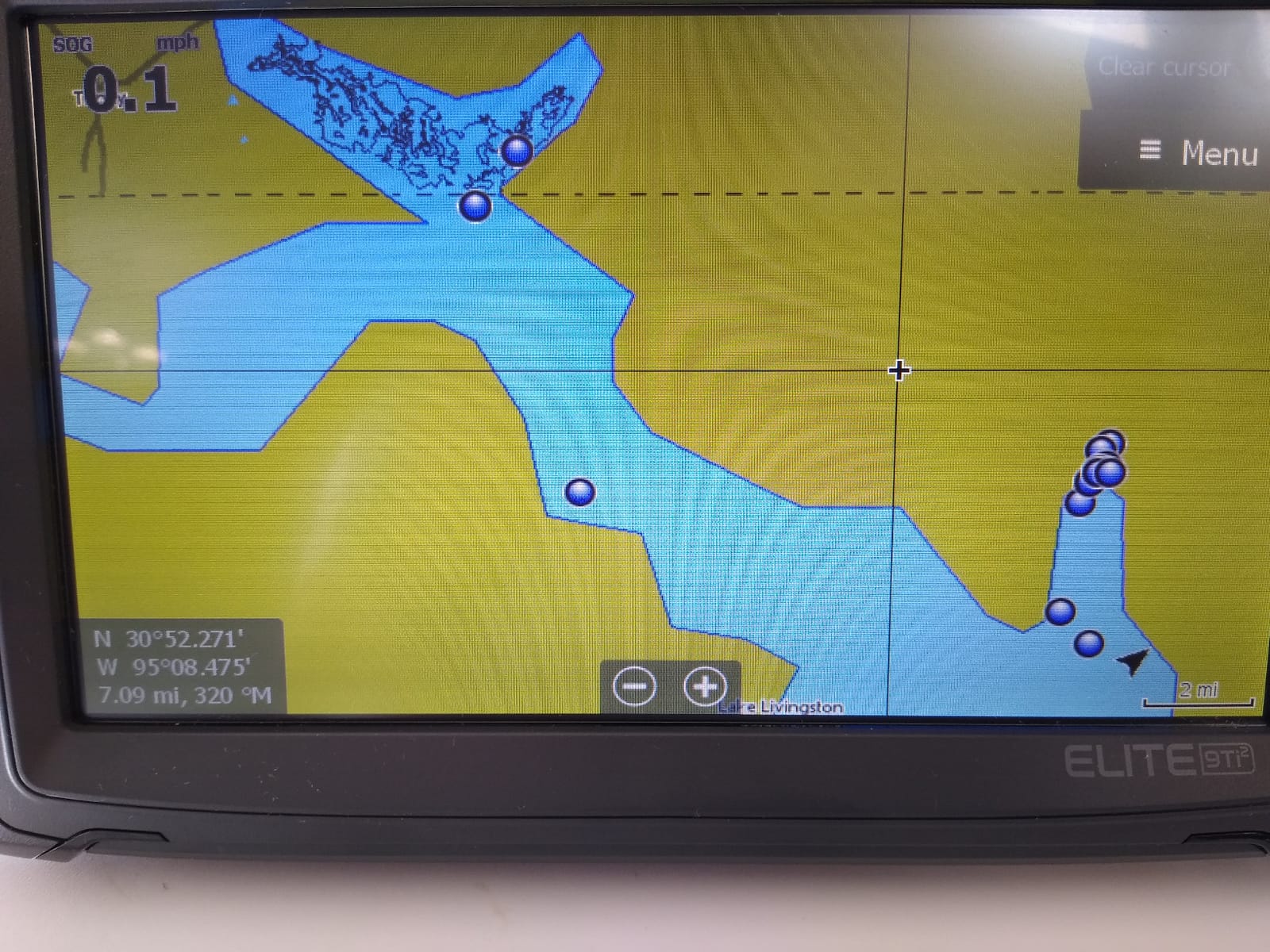
Wireless networking shares sonar, mapping, waypoints and routes between Elite Ti2 displays with no cable between them, which is a simpler install than an NMEA backbone for a two-unit build. Preloaded US Inland mapping covers 4,000 lakes at 1-foot contours before you add anything.
Set your expectations on satisfaction, though. An 8 percent one-star share usually signals high expectations at this tier rather than a specific defect, and the buyer feedback on this unit is more split than the other Lowrance models here. The unit also weighs 12.2 pounds, so mounting hardware has to be rated for it and the console needs to be stiff enough to hold it.
What Bass Anglers Will Like About It
Side-scan and chart side by side is the pairing bass anglers need most, because a shadow is only useful if you know what depth and contour it sits on. Genesis Live handles the unmapped-lake case where no commercial chart exists yet.
Wireless display sharing means a bow unit and a console unit can be added later without running a network cable, which is the simplest path to a two-screen bass boat.
Who Should Skip It
Skip it on a small boat. Twelve inches of display and 12.2 pounds of unit is a console install, not a jon boat or a kayak. Anglers with smaller platforms should read our small boat fish finder picks instead.
Skip it if you are buying this as a first electronics purchase and expect an out-of-the-box install. It assumes you will spend time with settings to get the image the way you want it, and the chart upgrades beyond the preloaded set are an extra cost.
7. Garmin ECHOMAP UHD2 73sv: Best for Built-In Inland Mapping
Garmin ECHOMAP UHD2 73sv with GT54 Transducer, 7” Touchscreen Chartplotter, Garmin Navionics+ U.S. Inland
- GT54-TM transducer included in the box
- Navionics plus inland maps cover over 18000 lakes
- Bright sunlight readable 7 inch touchscreen
- Built-in Wi-Fi shares sonar and waypoints with a second unit
- Wireless connection to Force trolling motors
- Wide variant matrix so confirm the exact configuration
- Navionics plus subscription needed for ongoing chart updates
- 7 inch screen is small next to the 9 inch options
The ECHOMAP UHD2 73sv is the map-first side imaging model in this roundup. Built-in Garmin Navionics+ inland data covers more than 18,000 lakes with contours up to 1 foot, and that is more usable chart coverage than anything else at this screen size. If you fish water you do not know, the chart is worth as much as the sonar.
The GT54-TM transducer is included, giving you traditional CHIRP, ClearVu down imaging and SideVu side imaging from one sensor. That is the same three-beam combination as the Striker 7SV, wrapped in a touchscreen chartplotter with real charting behind it.
The rating profile here is unusually clean: 84 percent five-star with zero one-star reviews. That is a small sample at 41 reviews, so treat it as encouraging rather than conclusive. It is still the only unit in this roundup with no reported one-star rating at all.
What Bass Anglers Will Like About It
Bright sunlight-readable 7-inch touchscreen with intuitive controls, which is the combination you want when you are reading a side-scan strip and checking a contour at the same time on a bright day.
Built-in Wi-Fi shares sonar, waypoints and routes with a second ECHOMAP UHD2, and it connects wirelessly to Force trolling motors for route following and speed control. If you fish alone, the automatic track feature means the boat follows your old path while you concentrate on the screen.
Who Should Skip It
Skip it if you want the newest Garmin mapping with no subscription thinking attached, because updated chart content beyond the built-in inland set runs through the Navionics+ subscription. Read the terms before you commit.
Also check your configuration carefully before ordering. The variant matrix across size, transducer and chart region is wide, and this one only works as a side imaging unit if the GT54-TM is included. Many buyers discover this after the box is open.
8. Garmin GPSMAP 943xsv: Best for a Permanent Flush-Mounted Console
- Ultra high definition scanning sonar with SideVu and ClearVu
- Panoptix sonar support for the widest surround view
- 9 inch IPS display with improved optics in sunlight
- Pre-loaded Navionics plus mapping
- Flush mount suited to a permanent console
- Flush mount requires proper console cutout work
- No touchscreen so navigation is keypad driven
- Small review base limits long term feedback
- Transducer needs regular ultrasonic cleaning in silty water
The GPSMAP 943xsv is the pick when the boat is staying. It is a flush-mount networking chartplotter, which means it goes into the console and stays there, and that also means it is the wrong unit for a boat you might re-rig. Ultra high-definition scanning sonar delivers SideVu side imaging, ClearVu down imaging and traditional CHIRP, with support for Panoptix sonar for the widest surround view in the Garmin line.
The 9-inch IPS display is the standout hardware choice here, with better display optics than the TFT panels used elsewhere in the range. IPS panels hold their contrast and color at wider viewing angles, which matters on a console where the screen is off to the side rather than square in front of you.
Pre-loaded Navionics+ mapping is included. The review profile is interesting: 92 percent five-star with no mid-tier ratings at all, which reads as buyers who love it or buyers reporting a unit failure, with nothing in between. With 41 reviews, long-term durability feedback is simply thin.
What Bass Anglers Will Like About It
A flush-mounted 9-inch IPS screen at the console with Panoptix support is the closest thing in this roundup to a permanent tournament-grade electronics package, and it is the natural anchor for a two-unit bow and console build on the same NMEA backbone.
SideVu reach and detail on a wide IPS panel means a shadow a hundred feet off the port rail is easier to resolve than on a smaller screen, simply because you can see the image at full size.
Who Should Skip It
Skip it if your console has no cutout and you do not intend to make one. Flush mounting requires real work, and if you ever pull the unit to sell the boat, a surface-mounted unit is far easier to remove.
There is also no touchscreen here. Menu navigation is keypad driven, which is a genuine advantage in bad weather and a genuine annoyance if you are used to a large touch panel. And if your water is silty, plan on ultrasonic cleaning of the transducer to keep SideVu returns clear.
9. Lowrance Eagle 5 SplitShot HD: Best for Small Boats, But It Is Not Side Imaging
- Entry level capability in a compact package
- Compact 5 inch IPS fits small boats
- SplitShot HD pairs CHIRP with DownScan
- FishReveal separates fish from weeds and structure
- C-MAP DISCOVER card included
- 16 ounce unit is easy to reposition
- Listed 5 inch configuration is down imaging only
- Small screen limits split screen layouts
- No touchscreen or networking at this tier
I am including this one because it is the kind of unit buyers land on first when they shop by screen size, and the reason it will disappoint them is the reason this section exists. The listed configuration pairs CHIRP with DownScan through SplitShot HD. There is no side beam. If side imaging is why you are reading this guide, this is the wrong configuration of the right product line.
What it does well is worth stating too. A 5-inch IPS display at 16 ounces mounts anywhere, auto-tuning sonar means the settings are right the first time, and the included C-MAP DISCOVER microSD card gives you inland and coastal charts across the US and Canada with no extra purchase. FishReveal combines CHIRP and DownScan so fish stand out from weeds, structure and bottom.
Maximum measuring depth is listed at 500 feet, and the twist-lock connector makes installation and removal fast, which is exactly what you want on a boat that lives on a trailer or a rack.
What Bass Anglers Will Like About It
Down imaging is genuinely useful on its own for shallow water fishing, where bass hold on bottom transitions and you do not need to see 100 feet to each side. For a small boat or a first electronics purchase, the IPS brightness and the auto-tuning make it easy to live with.
The bundled charting means a beginner is not immediately forced to choose a map service before the unit is useful.
Who Should Skip It
Skip it if you specifically want side imaging. Choose the TripleShot variant in the same Eagle family, which adds the side beam, and expect to spend more for it. This is the exact naming trap that shows up repeatedly in buying questions about this product line.
Skip it if you plan to grow into a networked boat. There is no touchscreen and no networking at this tier, so a bow-and-console build is not a realistic follow-on from this unit.
10. Lowrance HOOK2 12 TripleShot: Best for the Widest Side Scan Reach
Lowrance HOOK2 12 – 12-inch Fish Finder with TripleShot Transducer and US Inland Lake Maps Installed …
- TripleShot gives SideScan up to 300 ft each side from one transducer
- Auto-tuning sonar and phone-like menus
- 12 inch LED display readable in direct sunlight
- Preloaded US Inland mapping with 4000 lakes
- One transducer mounts on transom or in-hull or trolling motor or scupper
- GPS plotter with waypoints and SD slot upgrades
- Lowest average rating in this roundup
- SideScan image quality criticized as less legible than newer units
- No color or contrast adjustment in settings
- Cannot record your own contour maps like Quickdraw units
The HOOK2 12 has the widest published side scan reach in this roundup, with SideScan out to 300 feet each side from the included TripleShot transducer. TripleShot also gives you DownScan beneath you and CHIRP fish arches, all from one sensor, and that sensor mounts on the transom, in the hull, on the trolling motor or through a scupper hole.
At 300 feet per side you are not searching, you are surveying. That works when you are looking for a pattern across a flat rather than picking a specific piece of cover, and it is why this unit is popular with anglers who prefish unfamiliar water before a tournament.
The 12-inch LED display is readable in direct sunlight, preloaded US Inland mapping covers 4,000 lakes at 1-foot contours, and the GPS plotter handles waypoints and trails with an SD slot for map and software upgrades. The interface is auto-tuning with phone-like menus, which is one of the cleaner setups in this category.
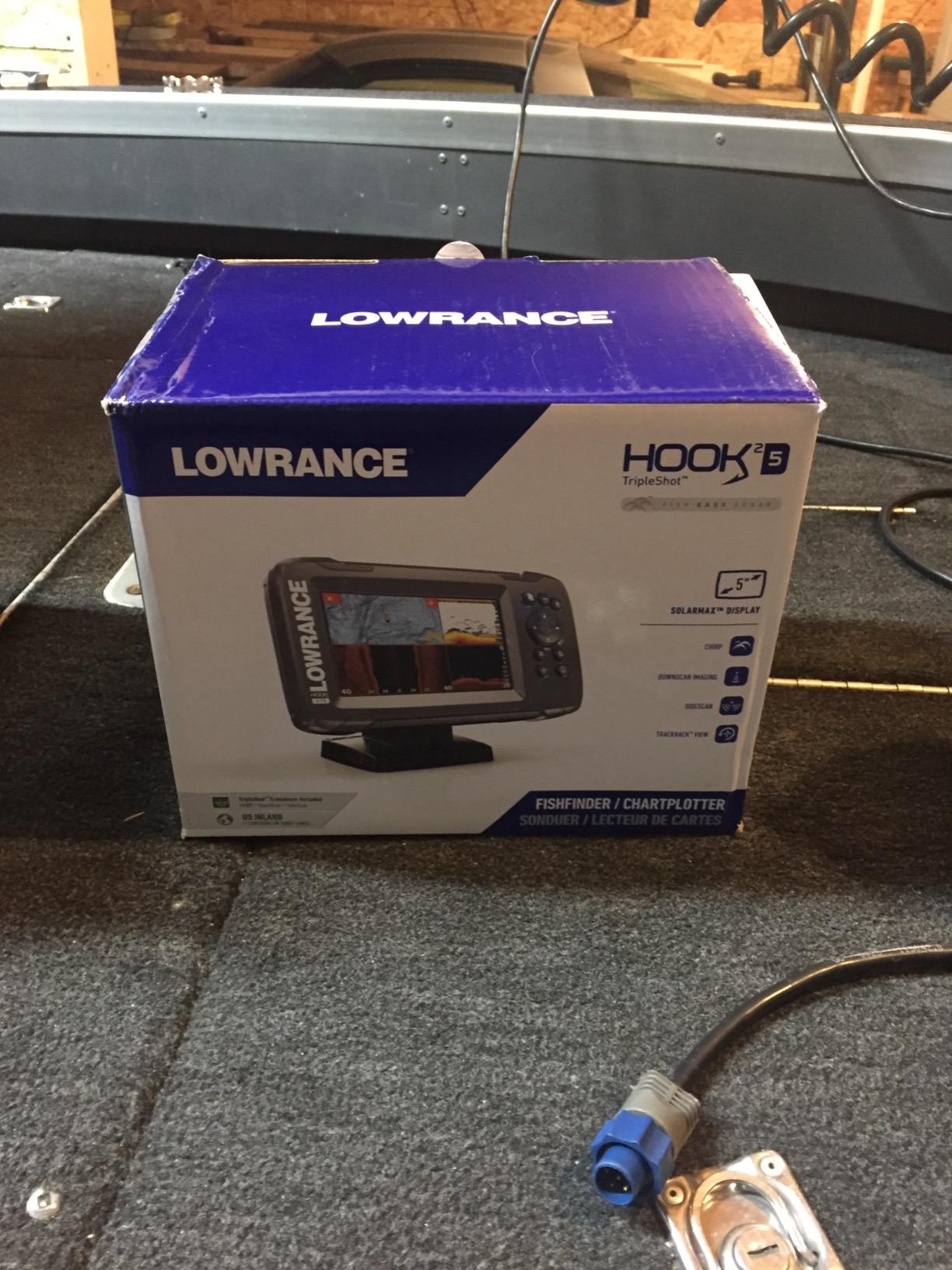
Now the honest part. This unit has the lowest average rating in the roundup and the largest review base, which means the most owner feedback. Sentiment is bimodal: buyers love the plug-and-play setup, the bright large screen and the reach, while a steady minority reports weak side-scan legibility, no color or contrast adjustment options, and contour lines that are coarse on some regional cards. Several users also report a DownScan display that can freeze in very shallow water until the unit is power cycled.
It also cannot record your own topographic maps, unlike the Quickdraw Contours units in this list. If building your own map is part of why you fish electronics, that is a real limitation.
What Bass Anglers Will Like About It
The TripleShot transducer’s mounting flexibility is underrated on a bass boat, where transom, trolling motor and in-hull positions are all viable and the scupper option matters on a shallow draft hull.
Auto-tuning means less time in settings on a cold morning. Owners consistently mention this as the reason the unit feels fast to use even though the image quality is not the sharpest here.
Who Should Skip It
Skip it if image detail is your priority. Several users compare the SideScan picture unfavorably to newer Garmin units, and there are no color or contrast controls to rescue it. If you are reading shadows at 40 feet to identify a fish shape, choose the MEGA units instead.
Skip it if you want to map your own lake. There is no Quickdraw-style contour recording on this unit, and the TripleShot transducer is physically large compared with a standard CHIRP and DownScan pair, which can be awkward in a tight transom.
How to Read Side Imaging for Bass Fishing
Side imaging is not hard, but it is unfamiliar, and the first month of ownership produces more waypoints on trash than on cover for almost everybody. The problem is usually that people look for fish where fish are. On side scan, a fish is the bright return and the shadow behind it is the confirmation.
Step one: get the speed right before anything else
Run 2 to 8 mph. Below 2 the picture smears, above 8 it stretches and the shadows flatten. If the image looks confusing, fix the speed before you change any settings.
Step two: read the shadow, not the bright spot
Every hard object returns a bright leading edge and a dark shadow trailing away from the boat, and the length of that shadow tells you the height of the object. A fish holding tight to the bottom casts a small shadow. A brush pile casts a shadow you can pick out from a hundred feet.
Step three: classify cover before you classify fish
Distinguish fish shadows from structure shadows. Structure is stationary and continuous, and it stretches along your path of travel in one unbroken line. A fish shadow is short, isolated, and breaks off from the bottom return. Two or three fish stacked tight under a ledge look like one small blob, and that is the target.
Step four: know what each bass cover type looks like
A channel ledge shows as a hard bright line with a long shadow, usually well off to one side. A weed edge shows as a textured band with vegetation shadows hanging off it, and bass sit on the clean side of it. Brush and a laydown log show as discrete bright marks with rounded shadows. Standing timber shows as isolated bright marks with clean, defined shadows and very little bottom return behind them.
Step five: save the waypoint before you drift off
Mark it and come back with the down beam and a rod. Side imaging is a search tool; the cast happens on the target you confirm from another angle.
Two conditions will make every picture harder to read. Cold water slows the bottom return and flattens contrast, and heavy rain or a wind chop on the surface scatters the beam.
Both are reasons to slow down further and to lean on the down beam until conditions improve. Recording your side scan and reviewing it on a desktop app afterwards is also common practice among anglers who want to study a pattern rather than react to it, and it is one of the most underused features on these displays.
Side Imaging vs Down Imaging vs Live Sonar for Bass
Side imaging, down imaging and live sonar answer three different questions, and buying the wrong one first is the most common electronics mistake bass anglers make. Side imaging asks what is beside me, down imaging asks what is beneath me, and live sonar asks what is doing right now, in front of the boat.
Side imaging covers the most water per pass and finds cover at range, which makes it the best tool for scouting. Down imaging is more precise about what is directly below and reaches far deeper, which makes it the better tool for vertical structure and for confirming a target. Live sonar shows you a fish approaching your lure, which is a completely different job and belongs to a later stage of the electronics upgrade.
Anglers in the forums describe the budget problem accurately: combining down imaging, 360 imaging, SpotLock and live sonar in one system will exceed a realistic budget, so most people choose one side imaging display. That is a defensible choice for bass, because side imaging finds the cover and the down beam on the same unit confirms it.
If you already own live sonar, side imaging is the more valuable addition, because forward-facing sonar shows you fish only once you are already on top of them. Side imaging shows you the fish before you arrive. If you own nothing and your water is deep and vertical, build down imaging first and add side scan second.
Garmin vs Humminbird vs Lowrance for Bass Side Scan
Garmin builds the easiest interface, the strongest chart coverage and the most ecosystem. Humminbird builds the longest reach and the deepest imaging detail. Lowrance builds the widest range of screen sizes and the best charting on the unit itself. Those three sentences are the whole brand argument for bass fishing.
On imaging quality alone, Humminbird is the reference point in this group. MEGA Side Imaging+ is published at 200 feet per side, and the MEGA channels resolve fine structure better than standard imaging. Forum users who own Humminbird side scan tend to defend it on detail, and users who own Garmin tend to defend it on speed and simplicity.
On interface, Garmin wins for beginners. The Striker 7SV and the ECHOMAP UHD2 73sv are both described by owners as intuitive, and Garmin side imaging is generally considered the easiest to learn. Humminbird carries the steepest learning curve in this group, which owners upgrading from older Humminbird hardware will not notice but first-timers will. Lowrance sits in the middle with the fastest menus.
On charting, Garmin’s Navionics+ inland coverage of more than 18,000 lakes is the broadest built-in coverage here, and Quickdraw Contours lets you draw your own at 1-foot intervals. Lowrance counters with C-MAP DISCOVER preloaded on the Elite models and Genesis Live half-foot contour recording on the Elite-12 Ti2. Humminbird offers AutoChart Live with eight hours of built-in recording time and more than 10,000 lakes on the Basemap.
Our verdict line: buy Garmin if you are new to side imaging or you want the easiest model to live with. Buy Humminbird if range and image detail are what you are paying for. Buy Lowrance if your console space, chart needs or networking plan point that way.
How to Choose a Side Imaging Fish Finder for Bass
Screen size: 7 inches is the bass boat default
Seven inches is the most common console size in this roundup and it works. Nine inches helps if you run side scan and a chart at the same time, and twelve inches is a two-angler boat or a permanent install.
Below five inches, you are reading a postage stamp and split-screen layouts stop being useful. In bright sun, IPS panels such as the one in the GPSMAP 943xsv hold contrast better at wide viewing angles than standard TFT.
Sonar types: confirm three beams, not one
Every model worth buying here gives you side scan and down imaging at minimum, plus CHIRP for fish arches. Be careful about which CHIRP.
The Striker 7SV lists Garmin CHIRP traditional and CHIRP clearer scanning sonar, while the Elite FS 10 and Elite-12 Ti2 list CHIRP alongside SideScan and DownScan in a 3-in-1 package. The Helix 7 CHIRP SI G4 adds Dual Spectrum wide and narrow modes, and those modes matter when you are close to cover.
MEGA Imaging triples detail relative to standard imaging at the cost of range. If you mostly fish clear water and structure inside 100 feet, MEGA is worth the money. If you mostly fish big flats and long banks, standard imaging at longer range serves you better.
Side scan range per side: the number that changes your day
The figures in this roundup run from 125 feet per side on the Helix 7 G4 MEGA Side Imaging, to 200 feet per side on the Humminbird XPLORE with MEGA Side Imaging+, to 300 feet per side on the Lowrance HOOK2 12 TripleShot. Higher frequencies give better detail and less range, so read range numbers alongside the frequency they come from.
Mapping and GPS: the most underrated feature
A chartplotter is worth more than most buyers expect because it turns a shadow into a location you can return to. Garmin covers more than 18,000 inland lakes with Navionics+ and adds Quickdraw Contours for your own mapping. Humminbird covers more than 10,000 lakes with the Basemap and adds AutoChart Live. Lowrance includes C-MAP DISCOVER on the Elite models and Genesis Live contour recording on the Elite-12 Ti2, with 4,000 preloaded US Inland lakes at 1-foot contours on the HOOK2 12.
Transducer: the number one cause of disappointing side imaging
Check exactly which transducer is in the box. The Striker 7SV includes a CV52HW-TM, the Helix 7 CHIRP SI G4 includes an XNT 9 HW SI T, the Helix 7 G4 MEGA SI includes an XNT 9 HW MSI 150 T, and the ECHOMAP UHD2 73sv includes a GT54-TM. The Humminbird XPLORE listing is a control head only, and the Eagle 5 listing uses SplitShot HD, which is down imaging without side scan.
Mounting matters more than any other installation choice. Keep the sensor level and parallel to the hull, keep it forward of any turbulence, and be careful with a trolling motor or pedal drive washing over it. Shoot-through hull mounting loses signal, so on a bass boat a transom mount is usually the right choice. Kayak anglers should check our kayak angler picks before buying a boat unit.
The naming trap: sv versus cv, and why Humminbird uses model lines
On Garmin, an sv model has side imaging and a cv model does not. That single letter is the entire difference between the unit you want and the unit you cannot use, and it is the most common buyer error in the forums. On Lowrance, TripleShot means CHIRP plus SideScan plus DownScan, while SplitShot HD means CHIRP plus DownScan only. On Humminbird, side imaging lives on different model lines rather than on a suffix, which is why the Helix 7 CHIRP SI and the Helix 7 MEGA SI look almost identical in a photo.
Networking: decide before you buy, not after
If you will ever add a bow unit, buy a display with NMEA 2000 and Ethernet. The Humminbird XPLORE and the Lowrance Elite FS 10 both carry NMEA 2000 plus high-speed Ethernet, and the Elite-12 Ti2 adds wireless display sharing without a cable. The Garmin ECHOMAP UHD2 73sv shares sonar and waypoints with a second unit over built-in Wi-Fi. Models like the Striker 7SV and the Eagle 5 have no networking, so a two-screen build is not a realistic path from them.
Power and install: budget for the whole system
The head unit is rarely the whole cost of the system. Add the transducer if it is not included, the mount, the power and data cabling, and any NMEA backbone hardware for a multi-unit build. The XPLORE is the clearest example of a display that cannot fish without a separate transducer purchase. Angle your research toward the rest of a bass boat setup as well, since electronics is only one part of the boat you will be running.
Used and refurbished units: know the generation before you buy
Second-hand Humminbird Helix side imaging units are actively sought after, and buyers report finding good condition examples with side scan transducers at a fraction of new cost. The risk is generation confusion. Know whether you are looking at a G3 or a G4 platform, and check that a side imaging transducer is actually included, because a Helix without the right sensor is a down-only unit wearing a side scan badge. Test every view before you get back to the trailer.
Frequently Asked Questions
What is the best side imaging fish finder for bass fishing?
The Garmin Striker 7SV is our top pick for most bass anglers because it includes SideVu scanning sonar, ClearVu down imaging, a bright 7 inch color screen and the CV52HW-TM transducer in the box. For long-range scanning buy the Humminbird XPLORE with MEGA Side Imaging plus at 200 feet per side, and for charting buy the Lowrance Elite FS 10 with preloaded C-MAP DISCOVER.
Is side imaging worth it for bass fishing?
Yes, if you fish structure on water too large to scout visually. Bass hold tight to ledges, brush, rock and weed edges, and side scan shows you that cover while you are still a hundred feet off it. It does very little for anglers who fish only above the trolling motor at anchor, run above 8 mph, work water deeper than the side beam reaches, or have a badly mounted transducer.
Is Humminbird side imaging better than Garmin side imaging?
Humminbird is generally better on range and fine detail, with MEGA Side Imaging plus published at 200 feet per side on the XPLORE. Garmin is generally better on interface simplicity and built-in chart coverage, with Navionics plus inland maps covering more than 18,000 lakes and Quickdraw Contours for your own mapping. Owners who fish deep ledges tend to favour Humminbird, and first-time buyers tend to favour Garmin.
How fast should I run the boat when reading side scan sonar?
Run between 2 and 8 mph. Below 2 mph consecutive pings land on the same ground and the picture smears into a mess. Above 8 mph the image stretches and shadows flatten until you cannot read object height. If your side scan looks confusing, fix your speed before changing any settings, and remember that side scan cannot see the nadir strip directly under the hull.
Is side imaging or down imaging better for bass fishing?
Side imaging finds more cover per pass and works better at range, which makes it the better scouting tool. Down imaging is more precise about what is directly below you, reaches much deeper, and is better for vertical structure and for confirming a target. Most bass anglers want both, and most head units in this roundup deliver both beams from one transducer.
The Best Side Imaging Fish Finder for Bass Fishing: Final Verdict
The Garmin Striker 7SV is the best side imaging fish finder for bass fishing for most people in 2026, because it puts real SideVu scanning, ClearVu down imaging, Quickdraw contour mapping and a sunlight-readable 7-inch screen in one box with the transducer already inside. Buy it, mount the transducer level, and run 2 to 8 mph.
If you need more range than 125 feet per side, move up to the Humminbird XPLORE with MEGA Side Imaging plus and budget for a transducer separately. If you want charting you can actually navigate from, take the Lowrance Elite FS 10 with C-MAP DISCOVER preloaded and a 10-inch screen. If you already own live sonar, spend the money on imaging detail instead of another forward-facing view.
Whichever you pick, confirm three things before you order: that the model has a side beam, that the transducer for that beam is in the box, and that you can run your most important water inside the side scan range you are paying for. Everything else is preference.